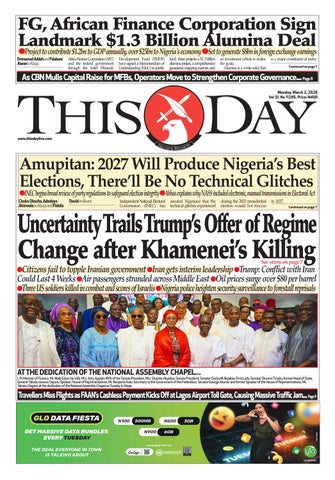
Uncertainty Trails Trump’s Offer





Chuks Okocha, Adedayo Akinwale in Abuja and Fidelis
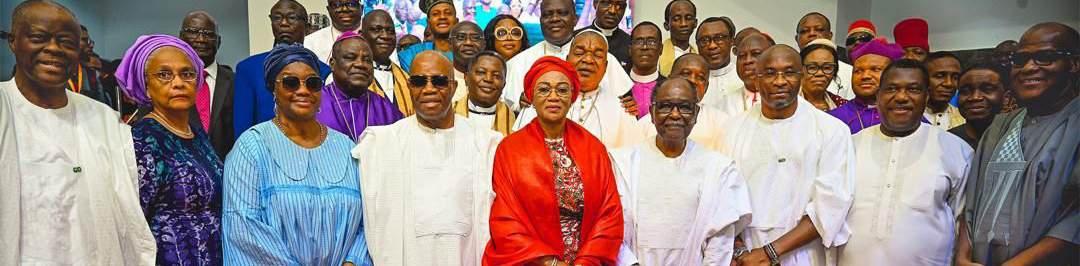
Yakubu Dogara, at
Emmanuel Addeh and Folalumi Alaran in Abuja Africa Finance Corporation (AFC) and the federal government through the Solid Minerals




2025FY: NGX Group Reports 14.7% Increase in Profit to N15.6 Billion
Kayode Tokede
Nigerian Exchange Group Plc has reported audited results for the year ended December 31, 2025, posting double-digit revenue growth, improved operating margins, stronger liquidity and a reinforced balance sheet, underscoring earnings resilience amid a challenging macroeconomic environment.
In the year under review, NGX Group declared N15.6 billion profit before tax, representing an increase of 14.7 per cent from
N13.6 billion declared in 2024, while core revenue closed 2025 at N22.9 billion, up by 36 per cent from N16.9 billion declared in 2024.
Revenue expansion was driven by sustained growth across core business segments, improved customer penetration on the back of increased investor activity and rising investor confidence.
Finance costs reduced by 67 per cent following significant deleveraging of the Group’s balance sheet.
As at December 31, 2025,
NGX Group maintained a strong financial position with total assets of N71 billion from N68 billion in 2024, as shareholders’ equity strengthened to N55.2 billion in 2025.
The improved debt-to-equity position reflected a conservative capital structure, enhanced solvency profile, and strong retained earnings growth.
Reflecting improved profitability and capital strength, the board approved a final cash dividend of N2.00 per ordinary share, bringing total dividend for FY 2025 to N3.00 per share, a 50
per cent increase year-on-year.
In addition, shareholders will receive one new ordinary share for every three shares held, with a qualification date of 10 April 2026.
The combined dividend increase and bonus issue reflected balanced capital allocation, rewarding shareholders, while maintaining financial flexibility to support strategic growth initiatives.
Commenting on the results, Group Chairman, NGX Group, Alhaji (Dr.) Umaru Kwairanga, in a statement, said, “Our 2025
performance demonstrates the resilience of our business model and the effectiveness of disciplined strategic execution.
Strong revenue growth, improved operating margins and a strengthened balance sheet reinforce our commitment to delivering sustainable long-term shareholder value.
“The increased dividend and bonus issue reflect the Board’s confidence in the sustainability of our earnings and the robustness of our capital position as we continue to deepen Nigeria’s capital markets.
“We are confident that the momentum that we have built in 2025 will be sustained given investor confidence in the Nigerian capital market and a pipeline of exciting new listings that will broaden and deepen the market.”
Uncertainty over the future of Iran deepened yesterday as the country’s ruling establishment consolidated power following the killing of Ayatollah Khamenei, casting doubt on US President Donald Trump’s promise that his military campaign would trigger regime change in Tehran.
Despite calls from Washington and Israel for Iranians to seize the moment and overthrow the Islamic Republic, key state institutions, including the clerical leadership and powerful security apparatus, remained firmly in control, and there have been no indications of a coordinated public uprising.
Many Iranians, while frustrated by economic hardship
and political repression, appeared wary of forceful upheaval, mindful of the instability that followed the US-backed interventions in Iraq, Libya and Afghanistan, among others.
With Khamenei’s allies steering an interim transition process and the system showing resilience, questions remain over whether the Islamic Republic itself is truly vulnerable to collapse, as Trump foresaw.
In spite of Western calls for Iranians to rise up against their government, there are no signs yet of a successful overthrow of the Islamic Republic’s ruling establishment. In fact, Iran’s leadership has moved into an interim phase amid retaliatory strikes across the Middle East.
While US and Israeli leaders said the strike was a blow against
AMUPITAN: 2027 WILL PRODUCE
INEC Chairman, Professor Joash Amupitan, gave the assurances yesterday in Abuja at the Citizens’ Townhall on the Electoral Act 2026.
Amupitan said next year’s general election would be the best in the history of the country.
The electoral body had on Friday announced that the presidential and National Assembly elections would hold on Saturday, January 16, 2027, while the governorship and state Houses of Assembly Elections would now hold on Saturday, February 6, 2027.
The commission had earlier fixed the presidential and
National Assembly elections for February 20, 2027, and the governorship and state Houses of Assembly elections for March 6, 2027, before it changed the dates in line with the 2026 Electoral Act.
The change in the timetable and schedule of activities for the 2027 general election became imperative following President Bola Tinubu’s assent to the Electoral Act amendment bill recently passed by the National Assembly.
Section 60(3), which guarantees electronic transmission of results, had been the bone of contention since the 2026 Electoral Act
the clerical establishment and encouraged Iranians to seize the moment to topple their government, large segments of the Iranian public have remained cautious or reluctant to rise up, wary of the chaos that followed foreign-backed interventions in some other countries where the removal of entrenched rulers led to protracted instability, civil conflict and power vacuums. Analysts say that fear of plunging into similar turmoil has made many Iranians hesitate to envision a forceful overthrow, even as dissatisfaction with the Islamic Republic’s decades of repression and economic hardship persists. These dynamics unfold against a backdrop of escalating military strikes across the Middle East and widespread travel disruptions,
came into effect
It was against this background that opposition parties called for an immediate amendment to the Electoral Act 2026, describing it as anti-democratic and skewed ahead of the 2027 elections.
But speaking at the town hall meeting, Amupitan revealed that as part of efforts to test its result-transmission infrastructure and prevent a repeat of past technical setbacks, the commission would conduct a mock presidential exercise ahead of the 2027 general election.
He stated, “Election anywhere in the world is now
with airspace closures and flight cancellations stranding passengers across the region.
Several countries are frequently cited by critics as examples where US military intervention or regimechange policy contributed to prolonged instability, governance breakdown, or civil conflict. The degree of responsibility remains debatable, but these cases are often referenced in discussions about the risks of externally driven political transitions.
They include Iraq; Libya; Afghanistan; Syria; Somalia and Yemen, where US support for the Saudi-led coalition and counterterrorism operations contributed to a complex war environment that produced one of the world’s worst humanitarian crises.
about technology, but before deploying any technology, it is important to test it thoroughly
“So, my own audit of the 2023 election, while the BVAS was tested within the states for the Osun election, Ekiti election, however, when it came to the federal election, especially the presidential election, which became inter-state, it was not properly tested.”
Amupitan said, “One of the things we are trying to do before the election is to have a mock presidential election, so that we are sure that this transmission across the state must not fail.
“The glitch is eliminated. By
Also yesterday, there was an escalation of the chaos in air travel across the region, with major hubs closing airspace and hundreds of thousands of passengers stranded on disrupted routes linking Europe, Asia, and Africa as airlines cancel flights and reroute aircraft in response to expanding hostilities.
In the same vein, the Pentagon confirmed that at least three US service members have been killed and several others wounded since the start of the Middle East conflict following the Iran strikes, marking the first US military fatalities in the escalation. US forces remain engaged in ongoing combat operations against Iranian military infrastructure.
Besides, the US Central Command has shared new video footage it described as fresh
God’s grace, it will not surface in Nigeria. By the grace of God, the 2027 election will be the best Nigeria has ever had. The electorate of 2027 is more aware and understands the direct correlation between elections and national development.
“We want a process that guarantees the legitimacy and confidence people want to see in their system. When people trust INEC and their leaders, the country will move forward.”
missile and air strikes against Iranian targets, showcasing coordinated operations including Tomahawk launches and fighter sorties as part of the broader campaign. US officials said the strikes were decisive action directed at dismantling immediate threats from Tehran’s military apparatus. Also, the Centre for the Promotion of Private Enterprise (CPPE) has stated that the ongoing military conflict involving Iran, the United States, and Israel has injected a new wave of geopolitical risk into the global economy that would have positive and adverse effects on Nigeria depending on its duration and the quality of domestic policy response to it.
Amupitan acknowledged that while perfection might be difficult to attain, the commission was working to deliver significant improvements. According to him, “We will try to give Nigerians a near-perfect election. Credible elections remain the lifeblood of democracy.”
FG, AFRICAN FINANCE CORPORATION SIGN LANDMARK $1.3 BILLION ALUMINA DEAL
rocks, especially clays, and is found crystallised as corundum, sapphire, and other minerals.
The MoU, a statement from the ministry said, is the climax of talks between AFC and SMDF to jointly fund the construction of a $1.3 billion alumina refinery, estimated to generate 1 million tonnes bauxite ore per annum, utilising a modern Bayer-process flowsheet with an on-site gas-fired cogeneration plant for steam and power.
The Minister of Solid Minerals Development, Dele Alake, at the signing ceremony, described it as a landmark deal, poised to transform the mining sector and increase its contribution to the nation’s Gross Domestic Product
(GDP), a statement by the Special Assistant on Media to the Minister of Solid Minerals Development, Segun Tomori, said. The facility is designed for approximately 20 years of operation at 95 per cent utilisation, with total alumina output projected at 19 million tonnes over the project’s horizon.
In her remarks, SMDF Executive Secretary, Hajia Fatima Shinkafi expressed delight at the historic feat, stating that it represents the agency’s largest funding project since its inception.
“We are very proud and honoured to facilitate this phenomenal milestone, which is quite unprecedented since the inception of SMDF. It is a $1.3
billion CAPEX. SMDF has come of age to be able to sit here and sign this deal with AFC. I thank the AFC for collaborating with us to boost the value addition policy of my boss, Dele Alake”, Shinkafi added
Expected to be Nigeria's largest mining-sector private investment and a landmark foreign direct investment, the project will contribute $1.2 billion to GDP annually, over $25 billion to the national economy across its lifecycle, and generate $8 billion in foreign exchange earnings.
Initial feasibility studies conducted by AFC and SMDF, it said, have confirmed the project's competitiveness and commercial viability, validating
the ministry's efforts to position Nigeria as a globally competitive minerals destination.
This initiative delivers on the ministry's priority of generating big data on specific minerals, derisking exploration for international investors, and unlocking the full potential of Nigeria's minerals.
AFC and SMDF also agreed to set up a joint strategic investment vehicle to accelerate the development of identified exploration assets across Nigeria, to drive rapid exploration, development, and production of selected exploration leases upon the execution of a successful exploration campaign.
Permanent Secretary of the ministry, Farouk Yabo, during his
remarks commended the initiative, stating that it is a testament to the transformative leadership of the minister. He emphasised that the project has the potential of putting Nigeria on the global map, expressing commitment of the ministry bureaucracy to support the project and other reforms of the minister which he stressed has repositioned the sector.
Commending the AFC and SMDF for their commitment to executing the priorities of the seven-point agenda through the deal, Alake noted the significant gains delivered by the ministry's reform programme, which has secured the investment environment, modernised the regulatory framework, and
The INEC chairman identified logistics and result management as critical operational challenges facing the commission. He stated, “So, result management and logistics are two basic issues that, from our own end, we’re trying to see how best we’re able to manage them very well, so as to enhance the transparency
established a world-class mineral licensing regime that is now attracting serious private sector capital.
Demonstrating the federal government’s resolve to accelerate the development of the mining sector, the minister confirmed that he had granted all necessary approvals to fast-track the AFC–SMDF investments.
Alake directed the relevant agencies under the ministry to ensure the seamless processing and grant of all requisite permits, titles, and regulatory clearances to support the timely execution of the partnership’s investment programme.
Emmanuel Addeh in Abuja and Dike Onwumaeze in Lagos
Alhaji (Dr.) Umaru Kwairanga
Email: Goddy.egene@thisdaylive.com,
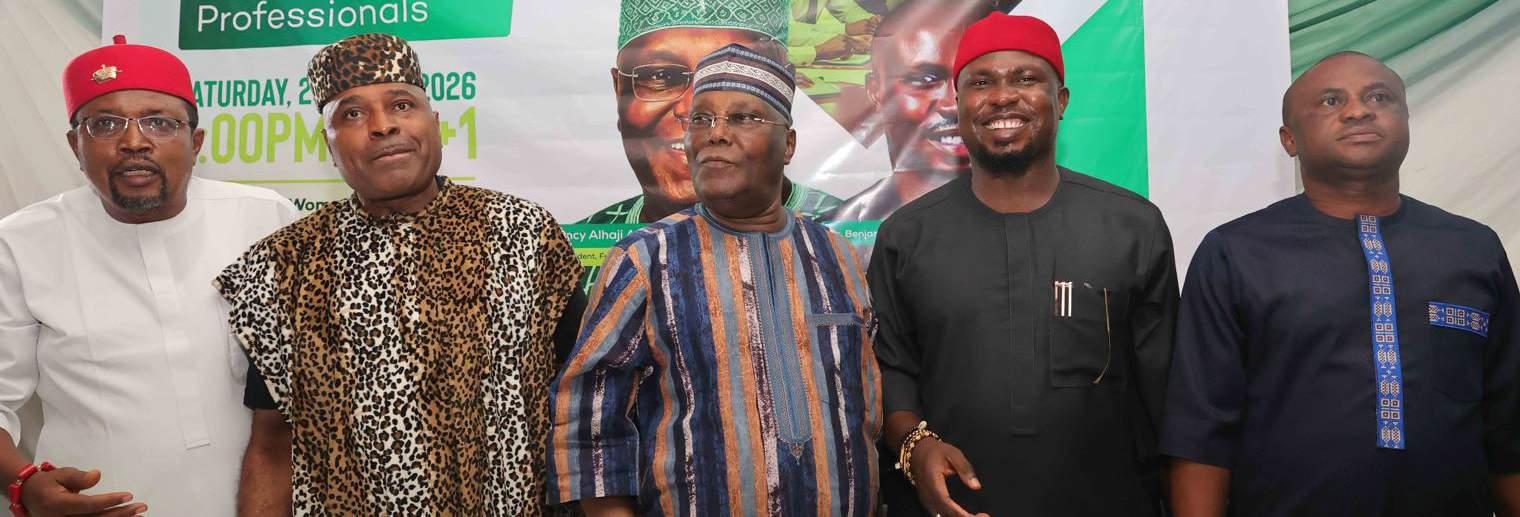
ATIKU ENGAGES SOUTH EAST STAKEHOLDERS...
As CBN Mulls Capital Raise for MFBs, Operators Move to Strengthen Corporate Governance
Akie: Microfinance banks are in forefront of country's financial inclusion drive Victor Dare: Poor corporate governance, weak oversight grounded financial institutions
James Emejo in Abuja
National Association of Microfinance Banks (NAMB) has reaffirmed its commitment to enshrine corporate governance at the core of members' operation.
Chairman of NAMB, Federal Capital Territory (FCT) Chapter, Mr. Francis Akie, said without corporate governance in the microfinance ecosystem, operators will be unable to comply with basic rules and regulations of the Central Bank of Nigeria (CBN).
Akie spoke at a specialised training on corporate governance for managing directors, chairmen and nonexecutive directors of MFBs in Abuja over the weekend.
He said the capacity building
forum was particularly important given that CBN was considering an increase in the minimum share capital of MFBs any moment from now.
He told THISDAY, "It is very important because if you are conversant with the system, you will know that central bank is even talking about increment in share capital.
"And for people to gather their money and then trust it into the hands of various individuals as directors to manage those funds, you must build your capacity well in order to manage those finances effectively."
Unlike the ongoing recapitalisation for deposit money banks and other categories of financial institutions, CBN was yet to
formally request a capital raise for MFBs.
However, the operators believed a recapitalisation programme was imminent, thus, the need to be well prepared.
Akie said, "We have not gotten any deadline from the central bank yet, but we want to be proactive by ensuring that at any point in time that CBN calls on us to increase our capital, our capital is already increased.
"With this new capital raise for commercial banks, it means they now have deeper possess and can make more impact."
Commenting on the continued relevance of MFBs in the country, the NAMB chairman, quoting CBN 2024 data, stated that microfinance banks alone contributed 95 per cent of total lending in the
industry.
He added that microfinance banks also accounted for 85 per cent of Point-of-Sale (PoS) terminals in the country.
Akie stated, "And as we speak, we have over 85 per cent of the Point of Sales (PoS) terminals in the country and microfinance banks are in the forefront of financial inclusion drive in this country."
He said, "Because we deal with the people at the bottom of the pyramid, we are the people who know where they are and what they need from us. So, the microfinance bank is very important in this system of financial inclusion.”
On loan recovery in the industry, he said, "For every business you have challenges and when you lend, there are
PIA: NUPRC Incorporates 155 Trusts Across N'Delta
Host communities demand oil derivation share
Blessing Ibunge in Port Harcourt
As part of the implementation of the Petroleum Industry Act (PIA), Nigerian Upstream Petroleum Regulatory Commission (NUPRC) said it had incorporated 155 Host Community Development Trusts (HCDTs) across host communities in the Niger Delta. Commission Chief Executive, Mrs. Oritsemeyiwa Eyesan, disclosed this at a town hall engagement meeting with host communities’ development trusts and settlors in Rivers State, held at Voyage Hotel,
Port Harcourt, at the weekend. Represented by Success Ikpe, an Assistant Director in the commission, Eyesan also revealed that a digital reporting and monitoring system developed by the commission now helped to track host community development trusts' activities to ensure compliance with PIA regulations.
She stated, "Since the implementation of the PIA, the NUPRC has facilitated: Incorporation of over 155 HCDTs across host communities, funding of over 79 HCDTs with the mandatory three
per cent OPEX contributions by Settlors, superintend the execution of about 663 ongoing projects by several HCDTs, improving infrastructure and livelihoods, developed and deployed HostComply, a digital reporting and monitoring portal that enables real-time tracking of trust activities, ensuring compliance and efficiency in the management of host community funds."
Eyesan said despite the progress made in the domestication of PIA provisions in host communities, the commission was still grappling with some challenges.
She said, "Despite progress, some contending challenges include: governance and accountability concerns in managing HCDT funds, delays in project execution due to bureaucratic hurdles, community grievances and stakeholder conflicts over representation and resource allocation.”
To address the challenges, Eyesan said the following solutions were proposed, "Strengthening governance and transparency, full utilisation of the HostComply portal, and adherence to accountability standards."
certain challenges you also encounter in terms of recovery and that is why we are building this capacity.
"That is why we bring people together to train them that for you to give out money, you must have laid down procedures on how you can recover those monies.
"Because in banking it is said that the essence of credit is collection. So, for you to give out money, you must have procedures on how you
collect these monies by way of collecting security, collateral, and all that.
"So, when you have this in place, it becomes very difficult for a customer, who has collected your money, not to pay. But that notwithstanding, we still have few individuals that are not able to pay their loans based on maybe reasons connected to the economy of the country.”
Nigeria Climate Investment Summit to Hold in London
A high-level investment summit on Nigeria’s climate transition agenda and policy strides, including the recently unveiled carbon market framework, will be held in London, United Kingdom, in June this year.
Nigeria Climate Investment Summit (NCIS), designed as a series of global engagements, is being organised by SOStainability and GLOBE Legislators as part of the 2026 London Climate Action Week (LCAW).
A statement by CEO of SOStainability, Oke Epia, said the summit was designed to position Nigeria to take advantage of the enormous investment promotion and climate financing opportunities that LCAW offered by bringing investors, international finance institutions, policy makers and regulators, innovators, climate advocates, the global business community, and investmentready countries like Nigeria, together to explore opportunities in climate mitigation, adaptation, and resilience.
The statement said the summit
will convene several specially curated segments, including policy dialogue, technical presentations, investment showcase, and innovation exhibition. There will also be targeted investor engagements to match funding with marketready opportunities, it said.
The statement added that the summit will deliver a pipeline of productive and sustainable outcomes, including collaborations and exchanges in climate financing, abatement technologies, community resilience, and technical support to aid the implementation of Nigeria’s carbon market framework and the fulfilment of its Nationally Determined Contributions (NDCs).
The summit will bring together senior Nigerian officials, including climate regulators, legislators, and private sector leaders from the UK, Europe, and the Global North, as well as international and development finance institutions, parliamentarians from foreign countries, and policy leaders within the GLOBE network.
L R: National Vice President, Ohanaeze Ndigbo, Chief Okechukwu Omeife; Member, National Working Committee, African Democratic Congress (ADC), Barr. Kenneth Okonkwo; Former Vice President, Alhaji Atiku Abubakar; Director General, Atikulated Nigeria Initiative, Dr. Ben Ugwu; and President General, Igbo in Diaspora, Chief Chris Onye, during a meeting with South East stakeholders held in Abuja, yesterday SUNDAY AGHAEZE

AT THE FINALE OF THE CAVISTA HACKATHON...
Travellers Miss Flights as FAAN’s Cashless Payment Kicks
Off at Lagos Airport Toll Gate, Causing Massive Traffic Jam
Chinedu Eze
Many travellers to domestic destinations from Murtala Muhammed International Airport (MMIA), Lagos, missed their flights yesterday due to traffic gridlock caused by the introduction of a cashless system at the toll gate linking the international wing of the airport to the domestic wing.
There was delay in the payment process, as the toll gate officials refused cash payment and many of the travellers did not have the newly introduced access card, forcing the toll collectors to resort to payment through POS.
Federal Airports Authority of Nigeria (FAAN) last year introduced cashless payment in its revenue points and gave the time line when it would
NBA, CIFCFIN Canvass Infusion of Forensics in 2027 Elections, Eradication of Fraud, Forgery
Nigerian Bar Association (NBA) and Chartered Institute of Forensics and Certified Fraud Investigators of Nigeria (CIFCFIN) have canvassed the infusion of forensics in the 2027 general election.
NBA and CIFCFIN called for deliberate efforts to eradicate fraud and forgery in the country to strengthen institutions.
The positions were disclosed recently when NBA President, Mazi Afam Osigwe, SAN, alongside General Secretary and other executives, received council members and the management team of CIFCFIN, led by Founder/Chairman, Governing Council, Dr. Iliyasu Gashinbaki, at NBA’s National Secretariat in Abuja.
The NBA president said forensic science could strengthen the country's judicial system, enhance institutional credibility and safeguard Nigeria's democracy, especially as Nigerians looked ahead to the 2027 general elections.
He stated, "Issues such as certificate forgery and document manipulation have repeatedly embarrassed our institutions and weakened public confidence.
“We must gate-keep more effectively."
Osigwe added, “Independent,
professionally regulated forensic services are essential.”
He stressed that when people presented themselves for public appointments, there must be thorough gatekeeping.
“Our institutional integrity suffers when unqualified individuals gain entry and are exposed only because someone petitions against them,” he stated.
Praising the act that set up the institute, Osigwe declared, “Your Institute is timely and necessary. You provide a professional structure that signals seriousness about forensic integrity.”
He described the partnership between CIFCFIN and NBA as very timely, strategic and necessary in order to build a country where integrity was verified, systems were trusted, and fraud was prevented before it took root.
He said NBA was also ready to collaborate in raising awareness, building capacity for the Bench and Bar, as well as strengthening systems that ensured documents and transactions emanating from Nigeria were trustworthy.
Osigwe said Nigeria was at a point where “we must demonstrate — both to ourselves and to the world – that we are serious about combating money laundering, fraud, corruption, terrorism financing, and related financial crimes”.
migrate from cash payment to cashless payment at the Lagos airport, which started yesterday. The traffic started building up from 7 & 8 Bus Stop, along the airport road, forming heavy traffic jam around Mobile Filling Station, and from there to the tool gate.
Some commuters to the domestic wing of the airport spent over one hour waiting to make payment and go through the gate.
An eye witness, Mr. Bassey Udosen, who wanted to travel to Uyo with a 3:15 pm Ibom flight, said he left his Ikoyi residence by 1pm, knowing the light traffic usually on Sundays and projected that he would be at the domestic airport, MMA2, before 2pm.
But Udosen was caught up in the gridlock.
He stated, “I joined the queue near that Mobil Filling Station and it took me a long time to reach the toll gate. At the toll gate, I noticed that people were bringing out their ATM cards and I wondered why. I brought out cash and wanted to pay for even
other vehicles in front of me; so that we could move quickly, but the toll gate officials told me they did not accept cash anymore.
“Then I brought out my card and paid N10, 000 for about eight of us; so that we could keep moving. They have increased the toll: N1000 for SUVs and N500 for cars. But at that end of the day, I missed my flight. By the time I arrived at the terminal, the airline said they had ended processing passengers for Uyo flight. A lot of other passengers missed their flights, too.”
Udosen told THISDAY, “I think this was not publicised enough and there were quicker ways this could have been done to make it faster; so that motorists could spend seconds making the payment.
“We have Opay, Moniepoint, Pampay and others. We have advanced technology now; so, this should not be difficult to do,”
Mr. Udosen said that on his way back from the domestic wing after he had missed his flight, he found out that the
gate was opened for everyone to drive through. He said the cashless payment would need to be reviewed.
“That shows that FAAN is losing money,” he said.
An official of FAAN, who worked at the toll gate, told THISDAY that the agency publicised the migration to cashless payment and also publicised the access card that could be purchased by motorists that frequently used the toll gate for easy payment
The official, who preferred anonymity, stated, “I think what happened was that we tried to publicise this as possible as we could, but you know, a lot of people want to wait to last minute before they get their card.
“The implementation of the cashless programme started today. So, nobody passed through the toll gate and paid cash. This led to some traffic jam. A lot of people started registering to get a card.
“The cards are available and they give easy access. So, when you get a card, you can
just scan the QR code. It takes you to go cashless at faan.gov. ng. You now register. You can upload payment.”
The official added, “Today, there's a canopy close to the toll gate. Those that are coming from Oshodi just cross over to do it. Those that are coming from local airport end, they can just drive into the school and get their cards.
“Some have to park or go somewhere to do that. Okay. Because of this whole thing, there's a lot of gridlock there. We've been appealing to them. We had to give a notice to appeal to people and reiterate the need for the cashless system. So, we have something out there.
“We don't have a problem with cards as far as I'm concerned. We have enough cards for people. We accept POS, but POS is slowing down the traffic, but we try to encourage more people to just go get a card. The card is available. The card is free, but when you load your 2,000 or 1,000, there is a N500 that goes off for maintenance.”
Deji Elumoye in Abuja
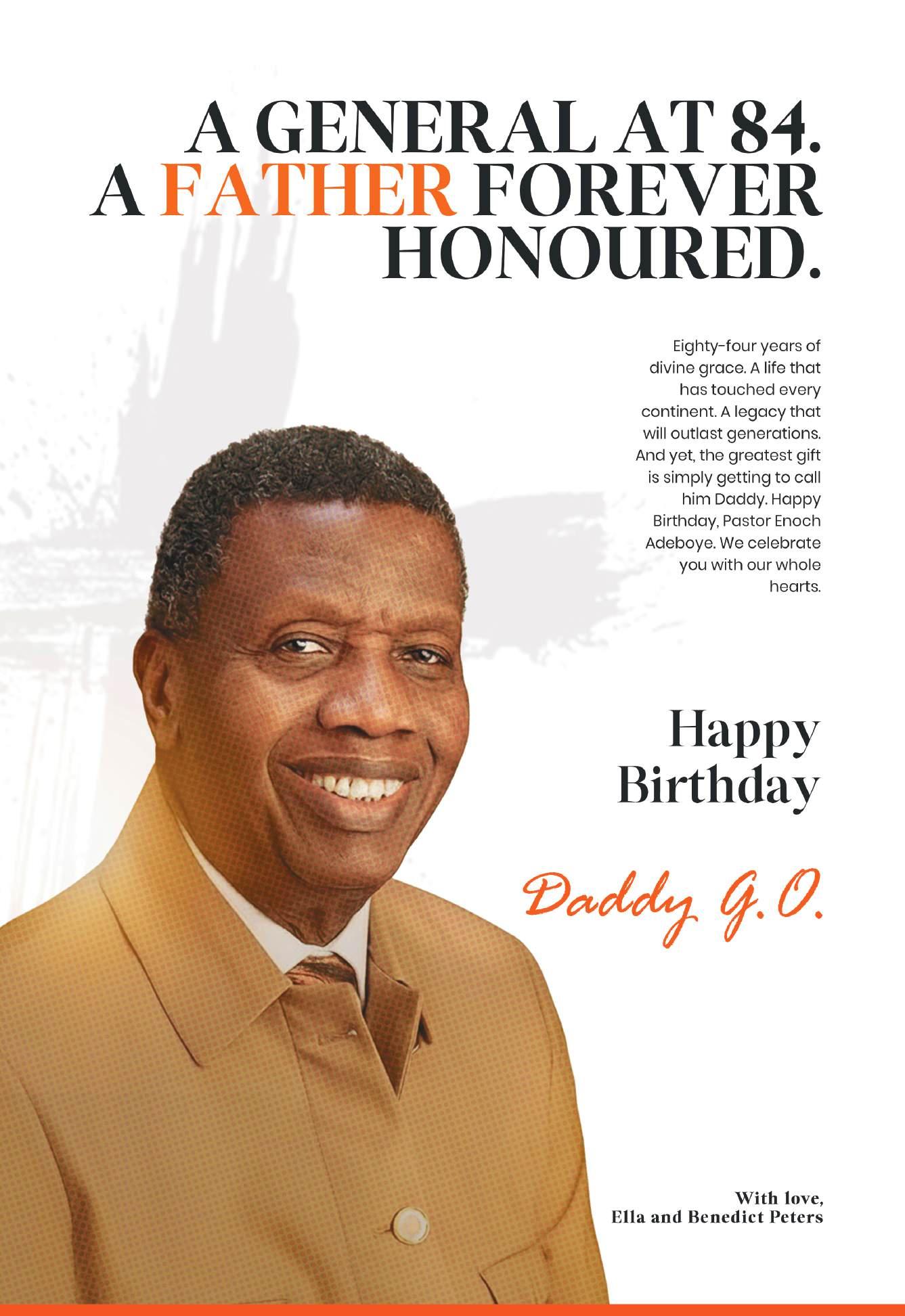
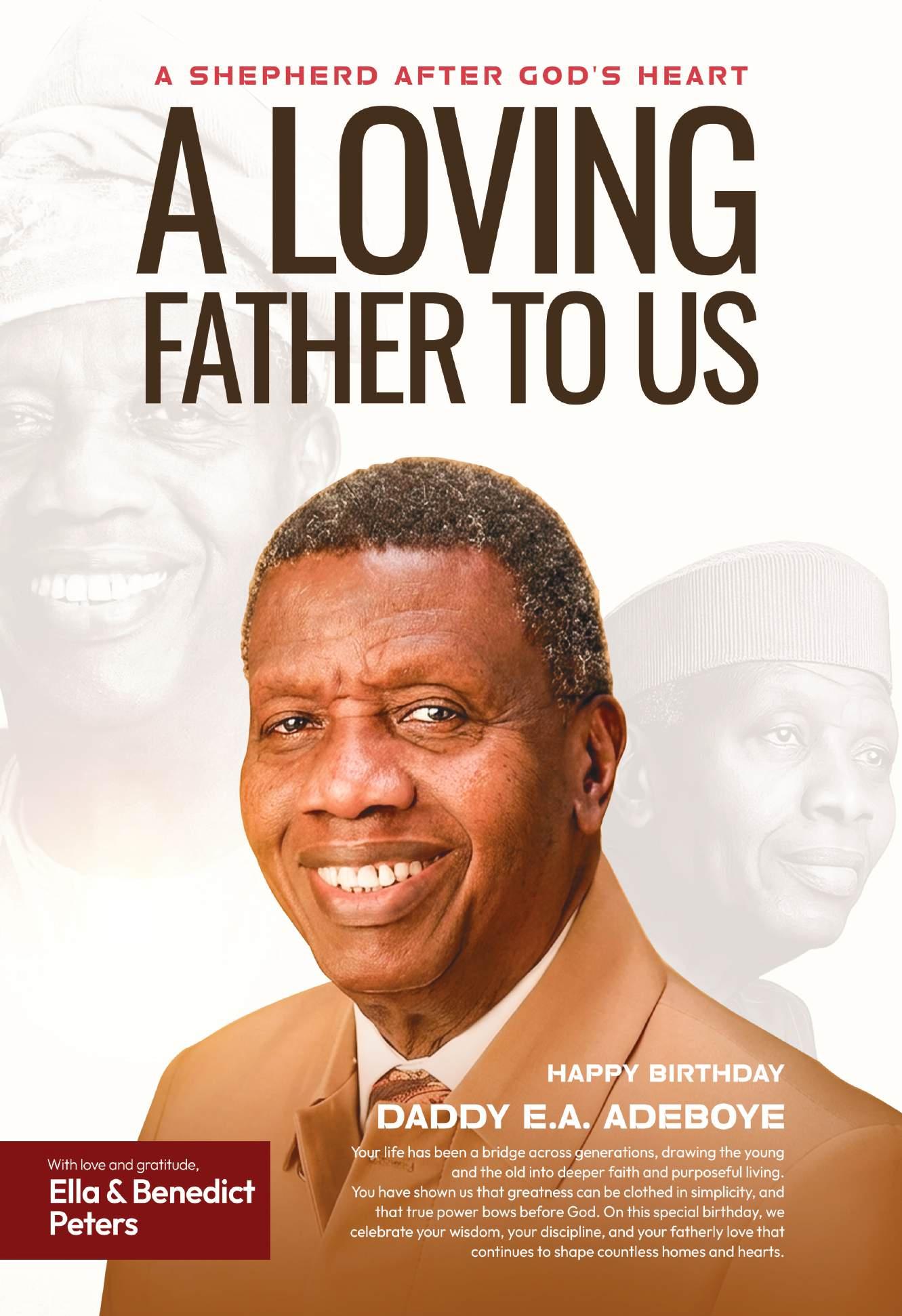
President Bola Tinubu and his wife, Senator Oluremi Tinubu have felicitated the General Overseer of the Redeemed Christian Church of God (RCCG), Pastor Enoch Adeboye on the occasion of his 84th birthday.
The first couple described Pastor Adeboye as one of Nigeria's greatest gifts whose wisdom runs deeper than the ordinary.
President and Mrs Tinubu, in the seven-paragraph birthday
message to Pastor Adeboye ststed, inter alia:
"Pastor Enoch Adeboye, the General Overseer of the Redeemed Christian Church of God (RCCG), is one of our nation's greatest gifts: a spiritual fortress, interceding for Nigeria and its people to God Almighty.
"His humility is genuine, and his wisdom runs deep beyond the ordinary. His contributions to our nation extend beyond the pulpit—where he ministers to souls—to philanthropy, healthcare, education, and economic empowerment.
"We celebrate the grace of stewardship and leadership upon the life of Pastor Adeboye, fondly called Daddy G.O., as he marks his 84th birthday on March 2, 2026.
"We congratulate him and join his wife, Pastor Foluke, members of the RCCG, and the Body of Christ in gratitude to God for the General Overseer’s exceptional life of impact that transcends cultures and borders.
"We thank the Lord’s own servant for his unceasing prayers for our nation and commend his patriotic zeal, manifest
determination and commitment to Nigeria's progress.
"We also acknowledge the unique leadership role of the renowned clergyman, whose teachings over the past five decades continue to shape and transform lives across generations in the country and beyond.
"As Daddy G.O. celebrates this special day, we pray that God Almighty continue to bless him with good health and strength as he continues his good work in the Lord's vineyard.".
Bennett Oghifo
L-R: Managing Partner, Octerra Capital, Ashim Egunjobi; Founder/CEO, BeyondLimits, Dr. Juliet Ehimuan; Chairman, Cavista Holdings,Mr. Niyi John Olajide; Bytebros Winners of the 4th Cavista Hackathon from Lagos State University (LASU), Olajide Alameem;Ajasa Shashudeem; Alexandra Adeyemi; General Manager, Cavista Technologies, Oyebola Morakinyo; Registrar, National Institute of Management (Chartered), Dr. Taiwo Olusesi; and CEO, Rack Centre, Lars Johannisson, at the finale of the Cavista Hackathon, in Lagos … recently

TO: ALL SHAREHOLDERS
NOTICE OF THE 9TH ANNUAL GENERAL MEETING OF INFRASTRUCTURE
CREDIT GUARANTEE COMPANY PLC
NOTICE IS HEREBY GIVEN that the 9th Annual General Meeting (AGM) of Infrastructure Credit Guarantee Company Plc (the “Company”) is scheduled to be held on Tuesday, 24th March 2026, at Lagos Continental Hotel, Plot 52A, Kofo Abayomi Street, Victoria Island, Lagos, at 10:00am (WAT), to transact the following business:
ORDINARY BUSINESS
1. To lay before Members the Audited Financial Statements of the Company for the year ended 31st December 2025, together with the Reports of the Directors, Auditors and the Audit Committee thereon.
2. To declare a Dividend.
3. To elect and re-elect Directors.
4. To authorize the Directors to fix the remuneration of the Auditors.
5. To disclose the remuneration of the Managers.
6. To elect members of the Audit Committee.
SPECIAL BUSINESS
7. To consider and, if thought fit, approve the following resolutions as special resolutions of the Company:
7.1 That, further to the redemption of the redeemable preference shares previously held by the Africa Finance Corporation and InfraCo Africa Africa Investment Limited, the cancellation of 19,759,919,854 (Nineteen Billion, Seven Hundred and Fifty-Nine Million, Nine Hundred and Nineteen Thousand, Eight Hundred and FiftyFour) preference shares of ₦1 each, be and is hereby approved.
7.2 That following the cancellation of the redeemable preference shares previously held by Africa Finance Corporation and InfraCo Africa Africa Investment Limited, the reduction of the Company’s share capital from ₦61,421,392,875 (Sixty-One Billion, Four Hundred and Twenty One Million, Three Hundred and Ninety-Two Thousand, Eight Hundred and Seventy-Five Naira) divided into 35,000,000,000 (Thirty-Five Billion) preference shares of ₦1 each and 26,421,392,875 (Twenty-Six Billion, Four Hundred and Twenty-One Million, Three Hundred and Ninety-Two Thousand, Eight Hundred and Seventy-Five) ordinary shares of ₦1 each, to ₦41,661,473,021 (FortyOne Billion, Six Hundred and Sixty-One Million, Four Hundred and Seventy-Three Thousand, Twenty-One Naira) by the cancellation of 19,759,919,854 (Nineteen Billion, Seven Hundred and Fifty-Nine Million, Nine Hundred and Nineteen Thousand, Eight Hundred and Fifty-Four) preference shares of ₦1 each, in such tranche or tranches and on such terms and conditions and as may be determined by the Board, be and is hereby approved.
7.2.1 The Directors be and are hereby authorized to do all such things as may be necessary steps to give effect to the reduction of the share capital, including making applications to the Federal High Court for confirmation of the reduction and filing all requisite documents with the Corporate Affairs Commission, the Securities and Exchange Commission, and any other relevant authority.
7.3 That the conversion of the 8,022,905,000 (Eight Billion, Twenty-Two Million, Nine Hundred and Five Thousand) irredeemable preference shares held by the Nigeria Sovereign Investment Authority, to redeemable preference shares of ₦1 each, in such tranche or tranches and on such terms and conditions as may be determined by the Board, be and is hereby approved.
7.3.1 That the Directors be and are hereby authorized to do all such things as may be necessary or required by regulators, including appointing professional parties and advisers, entering into any agreement, and/or executing any document necessary, and to perform all such other acts to give effect to the above resolution.
7.4 That, further to the redemption of the redeemable preference shares held by the Nigeria Sovereign Investment Authority and Leadway Assurance Company Limited, in such tranche or tranches and on such terms and conditions and as may be determined by the Board, the cancellation of 4,829,342,827 (Four Billion, Eight Hundred and Twenty-Nine Million, Three Hundred and Forty-Two Thousand, Eight Hundred and Twenty-Seven) preference shares of ₦1 each, be and is hereby approved.
7.5 That following the cancellation of the redeemable preference shares held by the Nigeria Sovereign Investment Authority and Leadway Assurance Company Limited, in such tranche or tranches and on such terms and conditions and as may be determined by the Board, the reduction of the Company’s share capital from ₦41,661,473,021 (Forty-One Billion, Six Hundred and Sixty-One Million, Four Hundred and Seventy-Three Thousand, Twenty-One Naira) divided into 15,240,080,146 (Fifteen Billion, Two Hundred and Forty Million, Eighty Thousand, One Hundred and Forty-Six) preference shares of ₦1 each and 26,421,392,875 (Twenty-Six Billion,
Four Hundred and Twenty-One Million, Three Hundred and Ninety-Two Thousand, Eight Hundred and Seventy-Five) ordinary shares of ₦1 each, to ₦36,832,130,194 (Thirty-Six Billion, Eight Hundred and Thirty-Two Million, One Hundred and Thirty Thousand, One Hundred and Ninety-Four Naira) by the cancellation of 4,829,342,827 (Four Billion, Eight Hundred and Twenty-Nine Million, Three Hundred and Forty-Two Thousand, Eight Hundred and Twenty-Seven) preference shares of ₦1 each, be and is hereby approved.
7.5.1
The Directors be and are hereby authorized to do all such things as may be necessary steps to give effect to the reduction of the share capital, including making applications to the Federal High Court for confirmation of the reduction and filing all requisite documents with the Corporate Affairs Commission, the Securities and Exchange Commission, and any other relevant authority.
7.6 That the Directors be and are hereby authorized to raise equity of ₦35,800,987,344.27 (Thirty-Five Billion, Eight Hundred Million, Nine Hundred and Eighty-Seven Thousand, Three Hundred and Forty-Four Naira, Twenty-Seven Kobo) via a Rights Issue at the price of ₦2.71 per share, at the allocation ratio of one (1) new share for every two (2) existing shares as of 31st December 2025, in such tranche or tranches and on any other terms and conditions as may be determined by the Board.
7.6.1 That the Directors be and are hereby authorized to make such allotments of shares or approve any allotment proposals as may be deemed necessary and expedient to give effect to the resolution above, subject to obtaining the approvals of the relevant regulatory authorities.
7.6.2
That the Directors be and are hereby authorized to do all such things as may be necessary or required by regulators, including appointing professional parties and advisers, entering into any agreement, and/or executing any document necessary, and to perform all such other acts to give effect to the resolutions above.
7.7. That the share capital of the Company be and is hereby increased from ₦36,832,130,194 (Thirty-Six Billion, Eight Hundred and Thirty-Two Million, One Hundred and Thirty Thousand, One Hundred and Ninety-Four Naira) divided into 10,410,737,319 (Ten Billion, Four Hundred and Ten Million, Seven Hundred and ThirtySeven Thousand, Three Hundred and Nineteen) preference shares of ₦1 each and 26,421,392,875 (Twenty-Six Billion, Four Hundred and Twenty-One Million, Three Hundred and Ninety-Two Thousand, Eight Hundred and Seventy-Five) ordinary shares of ₦1 each, to ₦50,449,955,454 (Fifty Billion, Four Hundred and Forty-Nine Million, Nine Hundred and Fifty-Five Thousand, Four Hundred and Fifty-Four Naira) by the creation of 13,617,825,260 (Thirteen Billion, Six Hundred and Seventeen Million, Eight Hundred and Twenty-Five Thousand, Two Hundred and Sixty) new ordinary shares of ₦1 each, ranking pari-passu with the existing ordinary shares of the Company, in such tranche or tranches and on any other terms and conditions as may be determined by the Board, to:
7.7.1
7.7.2
Accommodate the allotment of 407,128,823 (Four Hundred and Seven Million, One Hundred and Twenty-Eight Thousand, Eight Hundred and Twenty-Three) ordinary shares at ₦2.07 each, to shareholders who elected for scrip ordinary dividend for the 2024 financial year, as follows:
i. Nigeria Sovereign Investment Authority - 283,390,844 ordinary shares
ii. Leadway Assurance Company Limited- 50,125,565 ordinary shares
iii. AIICO Insurance PLC - 73,612,414 ordinary shares
Accommodate the allotment of 13,210,696,437 (Thirteen Billion, Two Hundred and Ten Million, Six Hundred and Ninety-Six Thousand, Four Hundred and Thirty-Seven) ordinary shares to effect the equity capital raise of ₦35,800,987,344.27 (Thirty-Five Billion, Eight Hundred Million, Nine Hundred and Eighty-Seven Thousand, Three Hundred and Forty-Four Naira, Twenty-Seven Kobo) via Rights Issue at the price of ₦2.71 per share at the allocation ratio of one (1) new share for every two (2) existing shares as of 31st December 2025.
7.8 That, further to resolutions 7.6 and 7.7 above, the Board be and is hereby authorized to take all necessary steps, if deemed appropriate, to cancel any unallotted shares of the Company or to further increase the Company’s share capital to an amount sufficient to accommodate any transaction undertaken by the Company to raise additional equity capital.
7.9 That pursuant to resolution 7.7 above, Clause 6 of the Memorandum of Association and Article 3.1 of the Articles of Association of the Company, each, be and are hereby amended to state as follows:
“The Share Capital of the Company is ₦50,449,955,454 (Fifty Billion, Four Hundred and Forty‑Nine Million, Nine Hundred and Fifty‑Five Thousand, Four Hundred and Fifty‑Four Naira) divided into 10,410,737,319 (Ten Billion, Four Hundred and Ten Million, Seven Hundred and Thirty‑Seven Thousand, Three Hundred and Nineteen) preference shares of ₦1 each and 40,039,218,135 (Forty Billion, Thirty Nine Million, Two Hundred and Eighteen Thousand, One Hundred and Thirty Five) ordinary shares of ₦1 each.’’
7.10 That, further to the enactment of the Investment and Securities Act (ISA) 2025 and the Securities and Exchange Commission (SEC) Rules on Credit Enhancement Facility Providers 2025, the:
7.10.1 Registration of the Company with the SEC as a Capital Market Operator, be and is hereby approved.
7.10.2 Amendment of Clause 3 of the Memorandum of Association of the Company to comply with applicable regulations by deleting the Object 3(D) which authorizes the Company “To act as a financial/investment adviser or other similar function in relation to its credit guarantee transactions”, be and is hereby approved.
7.10.3 Extension of the tenure of the Independent Non Executive Directors of the Company from five (5) years to ten (10) years, be and is hereby approved.
7.10.4 Directors be and are hereby authorized to do all such things as may be necessary or required by regulators, including appointing professional parties and advisers, entering into any agreement, and/or executing any document necessary, and to perform all such other acts to give effect to the above resolutions.
7.11 That, following the termination of the Amended and Restated Shareholders’ Agreement dated 10th December 2020, the Restatement of the Articles of Association of the Company, be and is hereby approved.
NOTES
1. ATTENDANCE AND VOTING BY PROXY
1.1 A Member of the Company entitled to attend and vote at the AGM is entitled to appoint a proxy to attend and vote in his/her stead. Such an appointed proxy need not be a member of the Company.
1.2 For the instrument of proxy to be valid, it must be completed, duly stamped and deposited at the office of the Registrars, CardinalStone Registrars Limited, 335/337 Herbert Macaulay Street, Sabo, Yaba, Lagos or by email to registrars@cardinalstone.com not less than 48 hours before the time fixed for the meeting. The instrument of proxy shall be stamped at the instance of the Company.
1.3 A blank Proxy Form is enclosed in the Annual Report and can be downloaded from the Company’s website www.infracredit.ng
2. PAYMENT OF DIVIDEND
2.1 The Board of Directors has recommended for Members’ approval a declaration of total cash dividends amounting to ₦8,279,328,948.89 (Eight Billion, Two Hundred and Seventy‑Nine Million, Three Hundred and Twenty‑Eight Thousand, Nine Hundred and Forty‑Eight Naira, Eighty‑Nine Kobo) comprising ordinary dividends of 22 kobo per share amounting to ₦5,812,706,432.50 (Five Billion, Eight Hundred and Twelve Million, Seven Hundred and Six Thousand, Four Hundred and Thirty‑Two Naira, Fifty Kobo) and preference dividends of $1,713,015.57 (One Million, Seven Hundred and Thirteen Thousand, Fifteen Dollars, Fifty‑Seven Cents) estimated at ₦2,466,622,516.39 (Two Billion, Four Hundred and Sixty‑Six Million, Six Hundred and Twenty‑Two Thousand, Five Hundred and Sixteen Naira, Thirty‑Nine Kobo) at an exchange rate of ₦1,439.93/$1, subject to prevailing rates on the payment date.
2.2 If the dividends being recommended by the Directors above are approved by Members at the AGM, the dividends will be paid by Tuesday, 24th March 2026 to duly mandated accounts of Members so entitled, whose names appear in the Register of Members as at close of business on Friday, 27th February 2026.
3. CLOSURE OF REGISTER OF MEMBERS AND TRANSFER BOOKS
The Register of Members and Transfer Books of the Company will be closed from Monday, 2nd March 2026, to Friday, 6th March 2026 (both days inclusive), to enable the Registrars to update the Register of Members.
4. NOMINATIONS TO THE AUDIT COMMITTEE
4.1
Pursuant to Section 404 (6) of the Companies and Allied Matters Act 2020, any Member may nominate another Member for appointment to the Audit Committee by giving notice in writing of such nomination to the Company Secretary at least twenty one (21) days before the AGM.
4.2 The Code of Corporate Governance for Public Companies issued by the Securities and Exchange Commission (SEC) and the Companies and Allied Matters Act 2020 require all members of the Audit Committee to be financially literate and able to read financial statements. At least one member must be a member of a professional accounting body in Nigeria established by an Act of the National Assembly. In view of this, all nominations to the Audit Committee should be supported by the curriculum vitae of the nominees.
5. E-DIVIDEND MANDATE
Shareholders who need to update their records and relevant bank accounts are urged to complete the e Dividend Activation Form, which can be detached from the Annual Report and is available on the Company’s website www.infracredit. ng. The duly completed form should be returned to the office of the Registrars, CardinalStone Registrars Limited, at 335/337 Herbert Macaulay Street, Sabo, Yaba, Lagos, or by email to registrars@cardinalstone.com.
ELECTION OF DIRECTOR
6.
Since the last AGM, pursuant to Section 274 (1) of the Companies and Allied Matters Act 2020, the Board appointed Mr. Boo Hock Khoo as an Independent Non Executive Director to fill a casual vacancy on the Board. His profile is contained in the Annual Report and is also available on the Company’s website www.infracredit.ng.
7. RE-ELECTION OF DIRECTORS
7.1 Pursuant to Clause 4.7 of the Company’s Board Charter, and following her willingness to stay in office, the Board extended the tenure of Ms. Vivien Shobo as an Independent Non-Executive Director by an additional five (5) years, as an initial three year term followed by a two year extension. Her profile is contained in the Annual Report and is also available on the Company’s website www.infracredit.ng
7.2
Pursuant to Section 285 (1) of the Companies and Allied Matters Act 2020, the Directors to retire by rotation are Ms. Vivien Shobo, Ms. Hamda Ambah, and Mr. Kolawole Owodunni. They have indicated their willingness to stay in office and offer themselves for re-election.
Their profiles are contained in the Annual Report and are also available on the Company’s website www.infracredit.ng
8. RIGHT TO ASK QUESTIONS
It is the right of Members to ask questions, not only at the AGM but also in writing prior to the meeting. Such questions should be sent by email to the Company Secretary via conwubere@infracredit.ng not later than one (1) week before the AGM.
9. ELECTRONIC ANNUAL REPORT
The electronic version of the Annual Report is available online for viewing and download from the Company’s website www.infracredit.ng. Members whose email addresses are provided to the Registrars will receive the electronic version of the Annual Report via email. Furthermore, Members interested in receiving the electronic version of the Annual Report should send their request to the Registrars via email to registrars@cardinalstone.com
10. LIVE STREAMING OF THE AGM
The AGM will be streamed live. This will enable Members and other Stakeholders who will not attend the meeting physically to follow the proceedings.
Please log on to the Company’s website www.infracredit.ng for the live streaming.
11. EXPLANATORY MEMORANDUM
An Explanatory Memorandum outlining the rationale for certain special business resolutions is available for viewing and download on the Company’s website www.infracredit.ng
Dated this 2nd day of March 2026
By Order of the Board

Company Secretary Chidinma Onwubere FRC/2015/PRO/NBA/002/00000011359 1, Adeyemo Alakija Street Victoria Island, Lagos

AFRICA WOMEN OF IMPACT AWARD 2026
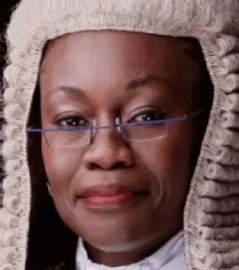
ABOYADE FUNKE (SAN) Lawyer, Principal Partner, Aboyade & Co
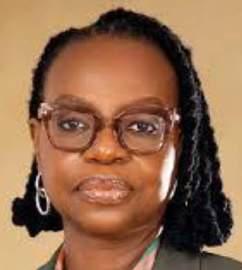
AFOLABI, BOSEDE (PROFESSOR) Obstetrician, Gynaecologist, Academic, UNILAG.

ART ALADE, DEOLA Entrepreneur / Entertainment Executive, Livespot 360,
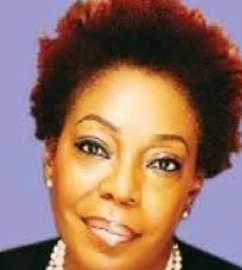
ONIKEPO Lawyer / Editor, THISDAY Lawyer.
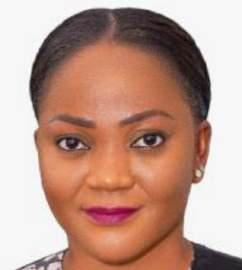
ABUZEID, IMAN (DR) Physician / CEO Incredible Health
Lawyer Dentons ACAS-Law
AWOSIKA, IBUKUN (DR) CEO, The Chair Centre Group


ADAMOLEKUN YEMI Activist, Enough is Enough,
TOYIN (DR) Physician/CEO, Cityblock Health.
BADEJO-OKUSANYA, OYINKAN (SAN) Lawyer, Africa Law Practice NG & Co.

FUNKE (SAN) Lawyer, Arbitrator/ Independent Consultant


AJAYI,
ADETIBA, KEMI Filmmaker / TV Director, Kemi Adetiba Visuals
AGBOR, FUNKE (SAN)
ADEKOYA,
AKINLUYI, TOSIN Managing Director, Morgan Stanley.
CHINELO ANOHU Founder/CEO Mutandis Africa Group
BARTLEY, SYLVIA (DR) Neuroscientist, Morehouse School of Medicine.
BELO OSAGIE, MYMA Lawyer / Co Founder Udo Udoma & Belo-Osagie.
BRAITHWAITE,
BROWN, OLA (DR) Doctor / Investor Healthcare Investment Group.
BUHARI, AISHA Former First Lady Federal Republic of Nigeria.
BYANYIMA, WINNIE Executive Director UNAIDS
CHARWAY, SHENIECE Music Industry Executive Head of Black Music & Culture EMEA, YouTube.
COKER-ODUSOTE, ABISOYE (ENGR) CEO, NIMC
COKER, TOLU Designer/Artist Tolu Coker
DABIRI, ABIKE Politician/ Chairman, NiDCOM
DAHIRU AHMED, Aishatu Politician / CEO Binani Air.
DANGOTE, HALIMA Executive Director Dangote Group.
NIGERIA
NIGERIA
NIGERIA
NIGERIA
NIGERIA / USA UK
NIGERIA NIGERIA NIGERIA SUDAN
AFRICA WOMEN OF IMPACT AWARD 2026
DIOP, BINETA (DR) Senior Envoy African Union Commissioner.

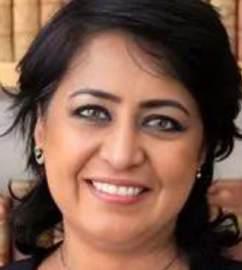
GURIB-FAKIMM, AMEENAH (DR) Biodiversity Scientist, Politician ImpactHER / World Agriculture Forum.
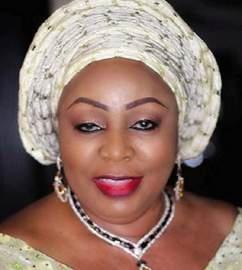
FLORENCE (Senator) Politician. The Governing Council.

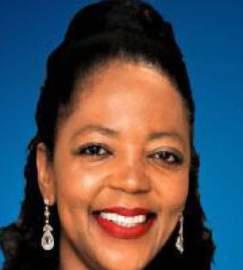
DLAMINI, JUDY (DR) Business Leader, Author University of the Witwatersrand.
EDUN, AMY ADWOA Philanthropist The Cripps–Appiah–Edun Family.
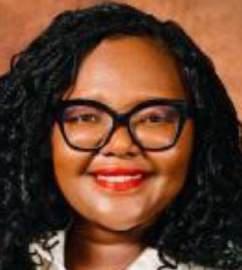
GWARUBE, SIVIWE Politician, Minister Of Basic Education.
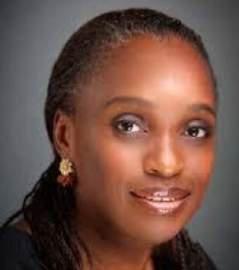
JOHNSON, OMOBOLA (DR) Fmr Minister of Communications /Chairperson Global Alliance.
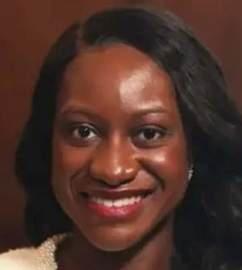
Financial
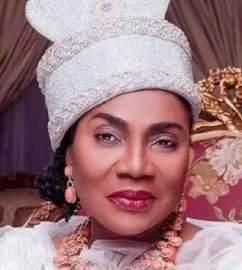
DOSUNMU, ERELU ABIOLA Queen Mother Erelu Kuti IV of Lagos.
EKE-ALUKO, BIODUN (DR) Consultant Paediatrician, Entrepreneur. The Premier Specialists Medical Centre.

JOSEPHINE Managing Director, Morgan Stanley Europe.
KABA, NIALÉ Economist, Politician, Minister of Foreign Affairs and Int’l Cooperation for Côte d’Ivoire.
WENDY Entrepreneur Women Investment
DRUMMOND, CAMILLE Accountant, British Petroleum
EYESAN, MEYIWA Commission Chief Executive, Economist Nigerian Upstream Petroleum Regulatory Commission.
KEMI Specialist Obstetrician & Gynaecologist. WARIF
PATRICIA (PROFESSOR) Sociologist, Ethicist University Of Oxford.


Business

DUROTOYE, TARA Beauty Entrepreneur, CEO House of Tara.
FAYEMI, BISI Former First Lady, Author, Gender Advocate Ekiti State Government.
EDO-OSAGIE, ANITA Oil & Gas Executive First E&P.
HARRIMAN,
IBRU,
IDIGBE, ELIZABETH Lawyer / Managing Partner, Punuka Chambers.
ITA-GIWA,
KINGORI,
KINGORI, VANESSA (MBE)
Executive, Media Leader Google UK & Ireland.
KUKU, BANKE Textile Designer, Fashion Entrepreneur. Banke Kuku.
KYEI, AFUA
Executive Bank of England.
LUHABE,
Portfolio Holdings.
MADONSELA, THULI Lawyer, Stellenbosch University
MADUEWESI, OKE Entrepreneur, Zaron Group
SENEGAL
NIGERIA NIGERIA
NIGERIA
MAURITIUS
SOUTH AFRICA
NIGERIA NIGERIA
SOUTH AFRICA
NIGERIA
NIGERIA
IVORY COAST
SOUTH AFRICA
NIGERIA
NIGERIA
SOUTH AFRICA
NIGERIA
AFRICA WOMEN OF IMPACT AWARD 2026
MAYNARD, PAMELA Technology Executive, Microsoft MCAPS.

MOS-SHOGBAMIMU, SHOLA (DR) Activist, Solicitor of England and Wales.
ODINKEMELU, AKU Banker, Arbitrator, Policy Maker Central Bank of Nigeria.
OKOLI, CHIZOMA Deputy Managing Director, Access Bank PLC.
ONWUGHALU, AMAKA Chairman, Fidelity Bank

MEADE, MONICA Chartered Cyber Security Professional. Mastercard.

MOSAKU, WUNMI Actress Oscar Nominee
ODUNSI, DUPE (DR) Haemato-Oncologist Marcelle Ruth Cancer Centre & Specialist Hospital.

OKOLLOH, ORY Lawyer, Activist, Investor Verod-Kepple Africa Ventures
ONYEJEOCHA, NKEIRUKA (PhD) OON Politician, Public Administrator. Minister of State, Labour &Employment
MENSAH, ANNE Television Executive, Producer Netflix UK.

NCUMISA, LIHLE JILATA (DR) Neurosurgeon, Mediclinic Morningside.
ODUSOTE, OLUGBEMISOLA (DR) Lawyer, Nigerian Law School
OLORUNSHOLA OLUWAYEMISI (DR) Chairman, WEMA Bank
CHINELO Advocate / Painter
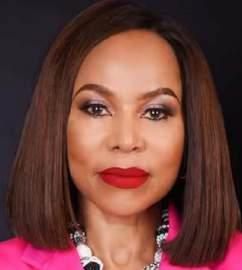
MOLOI MOTSEPE, PRECIOUS (DR) Businesswoman, Philanthropist, Doctor. Motsepe Foundation
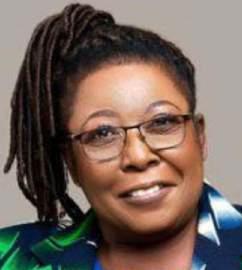
NDHLUKULA, DIVINE Entrepreneur, SECURICO
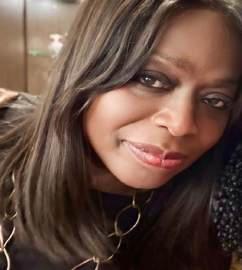
OGUNBANJO,MOSUNMOLA Architect MOE+ Art Architecture

OLOWE, OLAMIDE Entrepreneur / Investor, Topicals

CLAUDIA People Director Sky
MOON, MARION ATIENO Agricultural Expert PFSCU.
NEWTON-KING, NICKY Chairman Stellenbosch University
NIKE Fashion Entrepreneur, Ruff n Tumble.
OMAGHOMI, EVA Strategic Communications Expert The Household of King Charles III and the Queen Consort.
OGUNLESI,
ORAMAH,
OSEI-NSAFOAH,
OSENI, ODIO Creative Director Odio Mimonet.
AFRICA WOMEN OF IMPACT AWARD 2026
OSIME, IFEYINWA Chairman, Access Bank
RAMOS, MARIA Economist, Standard Chartered.
SHINKAFI, FATIMA Executive Secretary, Solid Minerals Development Fund (SMDF).
TINUBU, BOLA Lawyer, Philanthropist Cece Yara Foundation.
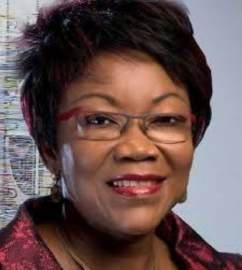
USORO, MFON EKONG Former Director General, NIMASA.
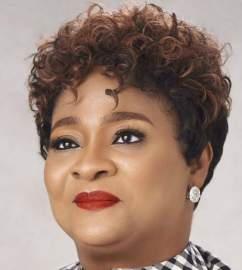
OTEH, ARUNMA Economist, Finance Executive Saïd Business School, University of Oxford.

REID, HANNAH People Director, Apple.
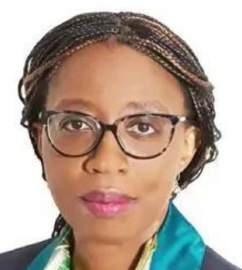
SONGWE, VERA (DR) Economist / Chairperson Liquidity and Sustainability Facility.

TINUBU, LAYAL VEntrepreneur, Philanthropist, CEO Tots Toys / Noella Foundation.
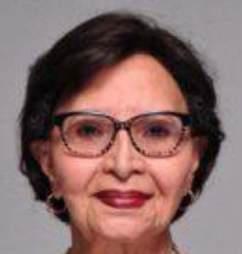
WILLIAMS DE BRUYN, SOPHIE Anti-apartheid Activist. African National Congress Women’s League.
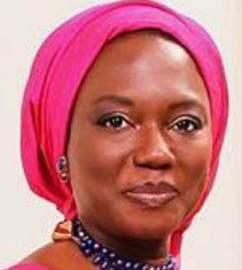
OYEBODE, AISHA (DR) Lawyer/Activist / CEO Murtala Muhammed Foundation.

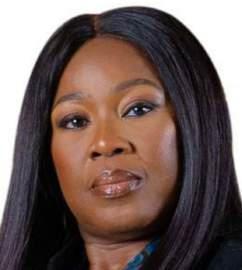
STAN EKEH, CHIOMA CEO, Technology Distribution, TD Africa.

REWA Finance Professional, Visual

PRETTY OPERATIC SOPRANO The Metropolitan
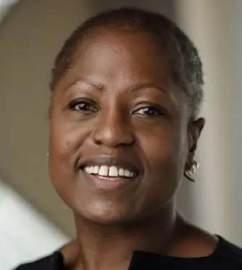
PAUL, SANDRA Lawyer Kingsley Napley.
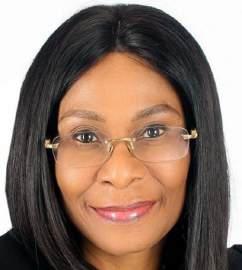
RHODES-VIVOUR, ADEDOYIN (SAN) Lawyer/ Founding Partner Doyin Rhodes-Vivour & Co.
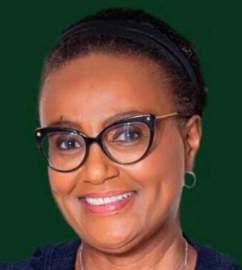
SWAZI TSHABALALA, BAJABULILE Finance Executive, Strategic Consultant. Kupanua Investments.
AFRICA
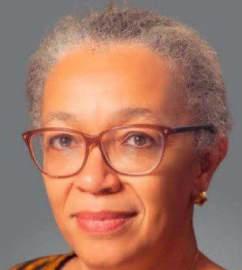
UDOMA, SALLY Former General Counsel Chevron.
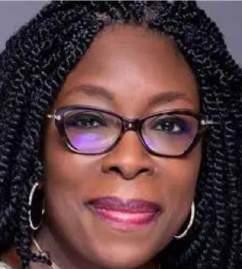
YOUSSOUFOU, ZOUERA Philanthropist / CEO, Aliko Dangote Foundation.
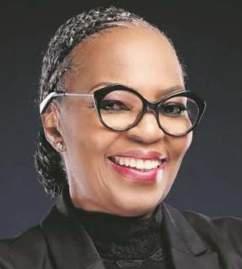
Entertainment
RHODES OKUNBOR, ADESUWA Investor / Entrepreneur, Aruwa Capital Management.
UDOJI,
Artist Chapel Hill Denham.
YENDE,
Opera.
PHILISO, NOMSA CEO General
Multichoice Group.
SHASORE, GBEMI Executive Publisher & CEO Quramo Publishing / Quramo Productions.
UKEJE, NNENNA Politician, House of Representatives.
TILAHUN ALEMU, BETHLEHEM Entrepreneur, SoleRebels
ZILLE, HELEN Politician, Activist, Democratic Alliance (DA).
NIGERIA
SOUTH AFRICA
NIGERIA
NIGERIA
SOUTH AFRICA
NIGERIA
NIGERIA
NIGERIA
SOUTH AFRICA
NIGERIA
NIGERIA
SOUTH AFRICA
ETHIOPIA
NIGERIA
SOUTH AFRICA
SOUTH
NIGERIA
NIGER

Denial of risk and peril makes organisational decline extremely difficult to reverse, argues LINUS OKORIE
A BRIDGE BETWEEN THE PAST AND FUTURE
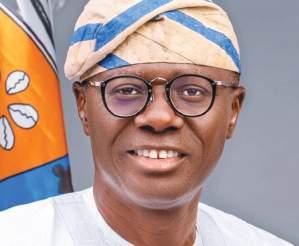
The Lagos International Financial Centre signals the power of sustained leadership, contends ADE OLUMUYIWA
THE DANGOTE REFINERY PROPOSED IPO
The IPO will offer a chance for wealth creation while supporting Nigeria’s industrial and economic ambitions, argues SOLA ONI

WHEN LEADERS IGNORE WARNING SIGNS
There is a particular kind of organizational blindness that sets in when the leaders see the evidence and decide that everything is fundamentally fine, yet disregard them as just temporary setbacks. This is where companies move from recoverable trouble to existential crisis.
What makes this so dangerous is that they see the warning signs but actively explain them away. They attribute negative data to external factors beyond their control while claiming credit for any positive data. They shoot the messenger who brings bad news. They reframe deteriorating metrics as necessary cost of being visionary. The organization develops an institutional capacity for self-deception, and at the center of this self-deception are leaders who have lost the ability to confront hard truths.
Denial in leadership doesn't typically look like ignorance or stupidity. It looks like intelligence weaponized against reality. These leaders are often articulate in explaining why concerning trends don't actually concern them. They have answers as to why the metrics don't apply to their situation or why the departing executive was holding the organization back. Each individual explanation sounds reasonable.
Research shows that 84% of executives facing organizational decline initially dismissed early warning signs as temporary market fluctuations rather than systemic problems. This is not because these executives were incompetent. It is because the psychological cost of admitting fundamental problems is enormous. Admitting your mistake or failing strategy requires confronting your own judgment, decisions, and leadership. For many leaders, it's easier to find reasons why the data is misleading than to accept what the data is saying.
The warning signs in this stage are often quite clear to everyone except those at the top. Market share erodes quarter after quarter, but leadership attributes it to temporary competitive dynamics. Customer satisfaction scores decline, but leaders explain it as customers adjusting to necessary changes. Innovation pipelines dry up, but executives convince themselves they would rather focus on execution. A study of failed companies found that in 76% of cases, middle managers and frontline employees identified critical problems an average of eighteen months before leadership acknowledged them publicly.
Leaders create and reinforce denial
through specific behaviors and cultural patterns. They surround themselves with optimists who accentuate the positive and discount the negative, mistaking this for a healthy culture of possibility when it is actually a culture of delusion. They create metrics that measure activities rather than results.
Leaders in denial also restructure their organizations in ways that insulate them from bad news. They add layers of management that filter information as it flows upward, ensuring that by the time data reaches the executive suite, it has been sanitized and spun. They punish bearers of bad news, sometimes explicitly through reprimands and demotions, more often implicitly through exclusion from key meetings and loss of influence. Smart people throughout the organization learn what leadership wants to hear and deliver it, regardless of truth.
Perhaps most dangerously, leaders in this stage engage in what psychologists call "motivated reasoning". They start with the conclusion they want to reach and work backward to find evidence that supports it. They cherry-pick data that confirms their preexisting beliefs and dismiss data that contradicts them. They commission studies and analyses but only value the ones that validate their decisions.
What makes denial particularly destructive is how it accelerates decline. When problems aren't acknowledged, they aren't addressed. They compound. Small issues gradually become crises. By the time reality becomes impossible to deny, the organization has often passed the point where recovery is possible.
Denial also destroys trust throughout the organization. Employees can see that leadership's narrative doesn't match their daily experience. When leaders insist that everything is fine while employees are struggling with obvious dysfunction, credibility evaporates, and
good decisions from leadership get met with cynicism.
The financial costs are staggering. Companies in the denial stage typically continue investing in failing strategies, throwing good money after bad. They delay necessary restructuring, allowing costs to spiral. They miss opportunities to pivot while they still have resources and options. A study of corporate bankruptcies found that companies in denial of their deteriorating position spent an average of $400 million more on failed strategies than companies that faced reality quickly and adjusted course.
If leadership creates denial, leadership must also break it. This requires deliberate mechanisms and conscious practices that force confrontation with reality regardless of how uncomfortable that reality might be. The first essential step is creating what some call "brutal facts forums". These are sessions where the sole purpose is to examine the hardest truths about the business without excuses or optimistic reframing. These forums only work if psychological safety exists for truth-telling. Leaders must not only tolerate bad news but actively reward it. When someone brings forward a concerning trend, the response cannot be defensiveness. It must be curiosity and appreciation.
Leaders must also establish external reality checks through advisory boards or external consultants who have no stake in validating current strategy. The external perspective cuts through internal groupthink and forces engagement with how the organization appears from outside rather than how it feels from inside.
Okorie MFR is a leadership development expert spanning 30 years in the research, teaching and coaching of leadership in Africa and across the world. He is the CEO of the GOTNI Leadership Centre.
The IPO will offer a chance for wealth creation while supporting Nigeria’s industrial and economic ambitions, argues SOLA ONI
THE DANGOTE REFINERY PROPOSED IPO
It would be a grievous oversight to ignore the extraordinary resilience that brought the $20 billion, 650,000-barrelper-day Dangote Refinery to life before considering the implications of the proposed Initial Public Offering (IPO) by Africa’s leading billionaire, Alhaji Aliko Dangote. I missed the first group of stockbrokers who visited the refinery at Coaster Road, Ibeju-Lekki, Lagos, in June last year but had the privilege of joining the second. Witnessing the refinery firsthand was breathtaking. The scale of the infrastructure, the integrated industrial layout, and the surrounding environment are truly astonishing.
From conception and financing to regulatory hurdles, logistical bottlenecks, currency volatility, and widespread skepticism, the project faced immense challenges at every stage. Yet, through determination, calculated risk-taking, and unwavering faith in Nigeria’s industrial potential, Dangote overcame these obstacles to deliver one of the largest single-train refineries in the world, a remarkable testament to entrepreneurial stamina and long-term industrial vision rarely seen in Africa.
The proposed IPO represents a potentially transformative moment in Nigeria’s industrial and capital market history. When Dangote announced that Nigerians would, within four to five months, be able to purchase shares directly in the refinery, he signalled more than a corporate transaction. He offered a pathway towards broader economic participation in one of Africa’s most ambitious industrial projects.
At its core, the refinery is a strategic national asset. Despite being a major crude oil producer, Nigeria has long relied on imported refined petroleum products, straining foreign exchange reserves and creating supply volatility. The refinery’s emergence as a large-scale domestic processing hub promises to conserve foreign exchange, strengthen energy security, and stimulate industrial linkages. A well-executed IPO would allow ordinary Nigerians to share in these gains, not merely as consumers, but as co-owners.
The move also carries significant implications for Nigeria’s capital markets. In recent years, the Nigerian Exchange Limited (NGX) has struggled to attract marquee listings capable of deepening liquidity and widening retail participation. A successful Dangote Refinery IPO could energize the market, deepen investor confidence, and reinforce benchmark for corporate governance, transparency, and disclosure standards.
Yet ambition alone cannot guarantee success. The credibility of the IPO will hinge on two pillars: valuation integrity and equitable allocation. Its valuation must reflect the refinery’s fundamentals. Scale and brand recognition naturally draw attention, but hype cannot replace financial reality. Retail investors must be protected from overvaluation driven by sentiment or patriotism. Disciplined assessments of cash flows, operational

capacity, debt structure, feedstock arrangements, and margin sustainability are essential. Transparent financial disclosures, independent audits, and clear communication of risks from crude supply volatility to global refining cycles must precede any public offer. Allocation must prevent the IPO from being dominated by a small circle of high-networth individuals or institutional insiders. While anchor investors play a role, broad public ownership requires deliberate structuring: retail-focused allotment thresholds, minimum guaranteed allocations for small applicants, digital subscription platforms, and transparent reporting of outcomes. Without safeguards, “public” offerings often become de facto private placements, eroding goodwill and public trust.
The involvement of the Nigerian National Petroleum Company Limited (NNPC), currently holding 7.25 percent on behalf of Nigerians, adds another layer of public interest. Collaboration between Dangote Refinery and NNPC across downstream and potential upstream ventures could enhance operational efficiency and national capacity. Yet this relationship also underscores the need for governance clarity, independent board oversight, and protections for minority shareholders to ensure commercial discipline prevails over political considerations.
Dangote’s offer to allow investors to receive dividends in Naira or Dollars reflects the refinery’s foreign currency earnings and provides flexibility amid exchange rate volatility. The mechanics must be clearly defined, however, to ensure dividend sustainability under varying oil price scenarios. Ultimately, this IPO offers a chance for wealth creation while supporting Nigeria’s industrial and economic ambitions. The refinery is more than a processing plant; it is an industrial ecosystem, with plans to produce petrochemicals to serve markets across Africa.
Capital market stakeholders are eagerly awaiting the signal to mark the start of this mega offering. The Dangote Refinery IPO could become a landmark in African capital markets, demonstrating that transformative infrastructure can be both privately led and widely publicly owned.
Oni,
an Integrated Communications Strategist, Chartered Stockbroker, Commodities Broker, and Capital Market Registrar, is the Chief Executive Officer of SofunixInvestment and Communications.
The Lagos International Financial Centre signals the power of sustained leadership, contends ADE OLUMUYIWA
A BRIDGE BETWEEN THE PAST AND FUTURE
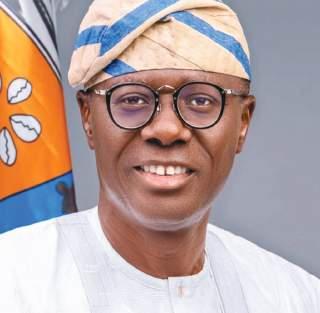
Governance in Lagos has often been described as a relay race rather than a solo sprint. Each administration inherits not only infrastructure and institutions but also ideas, long-term visions designed to outlive electoral cycles. In that tradition, Governor Babajide Sanwo-Olu’s push for the Lagos International Financial Centre (LIFC) represents more than a policy initiative; it signals consolidation of a reform trajectory that began during the administration of President Bola Tinubu when he governed Lagos State.
The concept of positioning Lagos as Africa’s premier financial hub did not emerge overnight. During Tinubu’s tenure as governor (1999–2007), foundational reforms were initiated in revenue generation, institutional restructuring, urban renewal, and private sector partnerships. Those reforms laid the groundwork for Lagos’ evolution into Nigeria’s undisputed commercial nerve centre. Today, Sanwo-Olu’s championing of the LIFC can be seen as the next logical step in that continuum, elevating Lagos from a national commercial capital to a globally competitive financial destination.
Speaking at a welcome dinner in honour of delegates attending the Nigeria Foreign Direct Investment Training Programme at the Moller Institute, University of Cambridge, Sanwo-Olu revealed that President Tinubu was not only aware of the LIFC initiative but “very excited” about it. According to the governor, the President has requested a high-level memo and is eager to take leadership and ownership of the idea.
That enthusiasm is significant. It underscores alignment between federal and state leadership, a synergy that can accelerate regulatory approvals, policy harmonisation, and international investor confidence. Financial centres thrive on clarity, coherence, and political backing at the highest levels. Tinubu’s support signals that the LIFC is not merely a Lagos project but a national economic strategy.
Sanwo-Olu’s framing of the initiative reinforces this broader ambition. “It is not about any particular person or region; it is about the country,” he said. In a federation where regional competition sometimes overshadows collaboration, such
positioning reflects strategic maturity. A successful Lagos International Financial Centre would not only benefit Lagos but also serve as a gateway for investment flows into Nigeria as a whole.
The roots of this moment trace back to Tinubu’s fiscal reforms in the early 2000s. By strengthening internally generated revenue systems, modernising tax administration, and professionalising public finance management, his government established Lagos as financially resilient. Those reforms gave subsequent administrations, including Sanwo-Olu’s, the fiscal space to pursue ambitious projects.
Today, the LIFC represents a natural extension of that fiscal modernisation agenda. Financial centres are not built solely on skyscrapers; they require regulatory sophistication, capital market depth, digital infrastructure, legal certainty, and skilled human capital. The training programme at the University of Cambridge, organised by TheCityUK and supported by the UK’s Foreign Commonwealth and Development Office, reflects an understanding that capacity-building must precede branding. By participating personally in the training, Sanwo-Olu signals commitment to technical depth rather than rhetorical flourish. Alongside him are influential stakeholders such as Aigboje AigImoukhuede, co-chairman of the LIFC Council, Senators including Tokunbo Abiru, regulatory leaders like SEC Director-General Emomotimi Agama, and representatives of the Central Bank of Nigeria and the Nigerian Investment Promotion Commission. The diversity of participants reflects a multi-sectoral approach essential for financial centre development.
One of Tinubu’s most enduring governance legacies in Lagos was institutionalised collaboration with the private sector. From public-private partnerships in infrastructure to structured engagement with business associations, that model helped Lagos leverage private capital for public good. The LIFC initiative continues that tradition. EnterpriseNGR and other private sector stakeholders are deeply involved, signalling that this is not a government-imposed vision but a cocreated enterprise. Aig-Imoukhuede’s remarks at Cambridge highlighted the private sector’s enthusiasm and readiness to “think really big.”
Financial hubs like London, Singapore, and Dubai did not emerge through government decree alone; they evolved through sustained alignment between regulators, policymakers, and market participants. By fostering similar collaboration, Sanwo-Olu is building on the template established two decades ago.
Olumuyiwa writes from Lagos
Editor, Editorial Page PETER ISHAKA
Email peter.ishaka@thisdaylive.com
2026 ZERO DISCRIMINATION DAY
All stakeholders should do more to contain unfair treatment of others
As people across the world mark the 2026 Zero Discrimination Day with the theme, ‘Save lives: Decriminalise’, the UNAIDS (the Joint United Nations Programme on HIV/AIDS) has continued to highlight the plight of People Living With HIV/Aids (PLWHA). The stigma and discrimination associated with the disease, according to UNAIDS, put lives at risk. “Based on data from more than 30,000 people living with HIV across 25 countries, stigma and discrimination remain pervasive barriers to health access, dignity, and human rights,” UNAIDS says. “85 per cent of people living with HIV feel internalised stigma, and many change their behaviour— hiding their HIV status, or interrupting HIV treatment—because of fear of rejection and judgment. These findings confirm that HIV related stigma is not a side issue; it is a barrier to ending AIDS by 2030.”
the United Nations AIDS Agency (UNAIDS) both concluded that cases of new HIV infections are on the rise globally. And discrimination is a major factor. It is therefore important that all stakeholders come together to re-strategise with a single-minded determination to stem the scourge. While the prevalence varies from one state to another, it is estimated that about two million Nigerians are infected with the virus.
Health authorities in the country must scale up their enlightenment campaigns on the many risk behaviours that could lead to infections
But in Nigeria today, it is not only people living with HIV/AIDS that face discrimination. The physically challenged are also subjected to discrimination both by society and relevant authorities. From transportation which allows movement and interactions, through health, recreations and even educational services which can make them compete effectively, people with one disability or another are most often deprived of their rights. Everywhere and every day in Nigeria, obstacles are thrown on their paths. To worsen the situation, many are regarded by their families as a source of shame and treated as objects of charity. Not a few end up in the streets as beggars while others turn to drugs and other socially unacceptable behaviour to generate income.
Meanwhile, it has long been established that the biggest challenge that PLWHA faces in Nigeria are stigma and discrimination. Recent reports by the National Agency for the Control of AIDS (NACA) and
T H I S D AY
EDITOR SHAKA MOMODU
DEPUTY EDITOR WALE OLALEYE
MANAGING DIRECTOR ENIOLA BELLO
DEPUTY MANAGING DIRECTOR ISRAEL IWEGBU
CHAIRMAN EDITORIAL BOARD OLUSEGUN ADENIYI
EDITOR NATION’S CAPITAL IYOBOSA UWUGIAREN
THE OMBUDSMAN KAYODE KOMOLAFE T H
EDITOR-IN-CHIEF/CHAIRMAN NDUKA OBAIGBENA
GROUP EXECUTIVE DIRECTORS ENIOLA BELLO, KAYODE KOMOLAFE, ISRAEL IWEGBU
DIVISIONAL DIRECTORS SHAKA MOMODU, PETER IWEGBU, ANTHONY OGEDENGBE
DEPUTY DIVISIONAL DIRECTOR OJOGUN VICTOR DANBOYI
SNR. ASSOCIATE DIRECTOR ERIC OJEH
ASSOCIATE DIRECTOR PATRICK EIMIUHI
CONTROLLERS ABIMBOLA TAIWO, UCHENNA DIBIAGWU, NDUKA MOSERI
DIRECTOR, PRINTING PRODUCTION CHUKS ONWUDINJO
TO SEND EMAIL: first name.surname@thisdaylive.com
Letters to the Editor
It is disturbing that Nigeria ranks third among countries with the highest burden of HIV infection in the world. But it is more prevalent among people in prisons and high-risk drug users who are easily discriminated against. The United Nations Office on Drugs and Crime studies on HIV prevalence in Nigerian prisons reveal that 2.8 per cent of inmates and 9 per cent of people who inject drugs (PWIDs) live with HIV/AIDS. The prevalence rate of Nigerians between the age bracket of 15 and 49 with HIV infections is 3.1 per cent, making the country the second largest in Africa, after South Africa. To address this huge burden, health authorities in the country must scale up their enlightenment campaigns on the many risk behaviours that could lead to infections, particularly in the rural areas.
It is worrisome that HIV/AIDS epidemic is still a serious public health issue with enormous negative impact on the health of Nigerians and the economy. Yet the key issues fingered by health authorities for the present scary situation are that of stigma and discrimination. The consequence of this is that several Nigerians die needlessly of a preventable disease that is also no longer life-threatening if properly managed.
Launched in December 2013 by UNAID and first observed on 1st March 2014, the initial idea of the Zero Discrimination Day was to fight HIV-related stigma, before it was expanded to advocate for equality, inclusion, and human rights for everyone. On a day such as this, efforts should be made on the need to put people first by ending all forms of stigma and discrimination in Nigeria.
Letters in response to specific publications in THISDAY should be brief (150-300 words) and straight to the point. Interested readers may send such letters along with their contact details to opinion@thisdaylive.com. We also welcome comments and opinions on topical local, national and international issues provided they are well-written and should also not be longer than (750- 1000 words). They should be sent to opinion@thisdaylive. com along with photograph, email address and phone numbers of the writer.
LUCKY AIYEDATIWA’S ONE YEAR IN OFFICE
The spate of project commissioning and the exuded joy round Ondo State during the Golden Jubilee of the creation of the state and the marking of Governor Lucky Orimisan Aiyedatiwa’s one year in office has added another feather to the cap of the governor as he has been nicknamed, “Mr. Project.” The nomenclature is the people’s response to the laudable futuristic developmental gusto of the ‘Our Ease’ leaning of the governor and his team, which has yielded laudable results in healthcare, road construction, educational development and state-wide renewal.
Political observers in the state had predicted the starlight that the governor has become on his avowed commitment to pursue the completion of the projects started by his predecessor in office, before introducing new ones. This tenacity was informed by studied exposure of Aiyedatiwa on “Omoluabi” philosophy of the Yorubas, and the conservative world, and of course, a passion to do the right thing. He came fully convinced to do the best for the people.
The degree of resistance he had to overcome by intelligence and share force of personality is impossible to overestimate. His commitment to the people was total and his openness and simplicity convinced his followers to join in the dream to shine the light that Ondo State may join the frontline states, where development is the order of the day. Little wonder, his political leaning was strong enough to radically change the outlook of Ondo State for good within the spate of one year.
Recalling the little beginnings at the commissioning of the Akungba – Ikare road recently, Aiyedatiwa said the road was flagged off last year as part of a broader infrastructural expansion in the axis. That extended to Owo where the Opomulero, Iselu and Isuada roads had been recently commissioned. He said the rehabilitation and construction of roads symbolized the rekindling and steady progress across the state, insisting: “The years of dilapidation are over.” He regretted that the years of degradation had imposed hardship
on the people and constrained productivity. He expressed happiness that the road network linked Falodun, Kajola and Iselu-Isuada road, thereby enhancing connectivity, convenience and reduced travel time. He promised the people: “No community would be sidelined again. This administration is guided by fairness, equity, and shared prosperity, in line with “OUR Ease” policy thrust.” Little wonder the state is now glowing with new road networks, improved education, healthcare delivery and commerce.
Youthful and progressive, yes. Aiyedatiwa’s decision to serve the people was not just a bold idea. It symbolized something that is as true today as it was in days of Action Group when the development of the people was the concern of the government. The idea that we separate the trifling from the essential is the value proposition that has humanized his administration from day one, and still does today.
Chief Olu Ayela, Veteran Journalist, Lagos
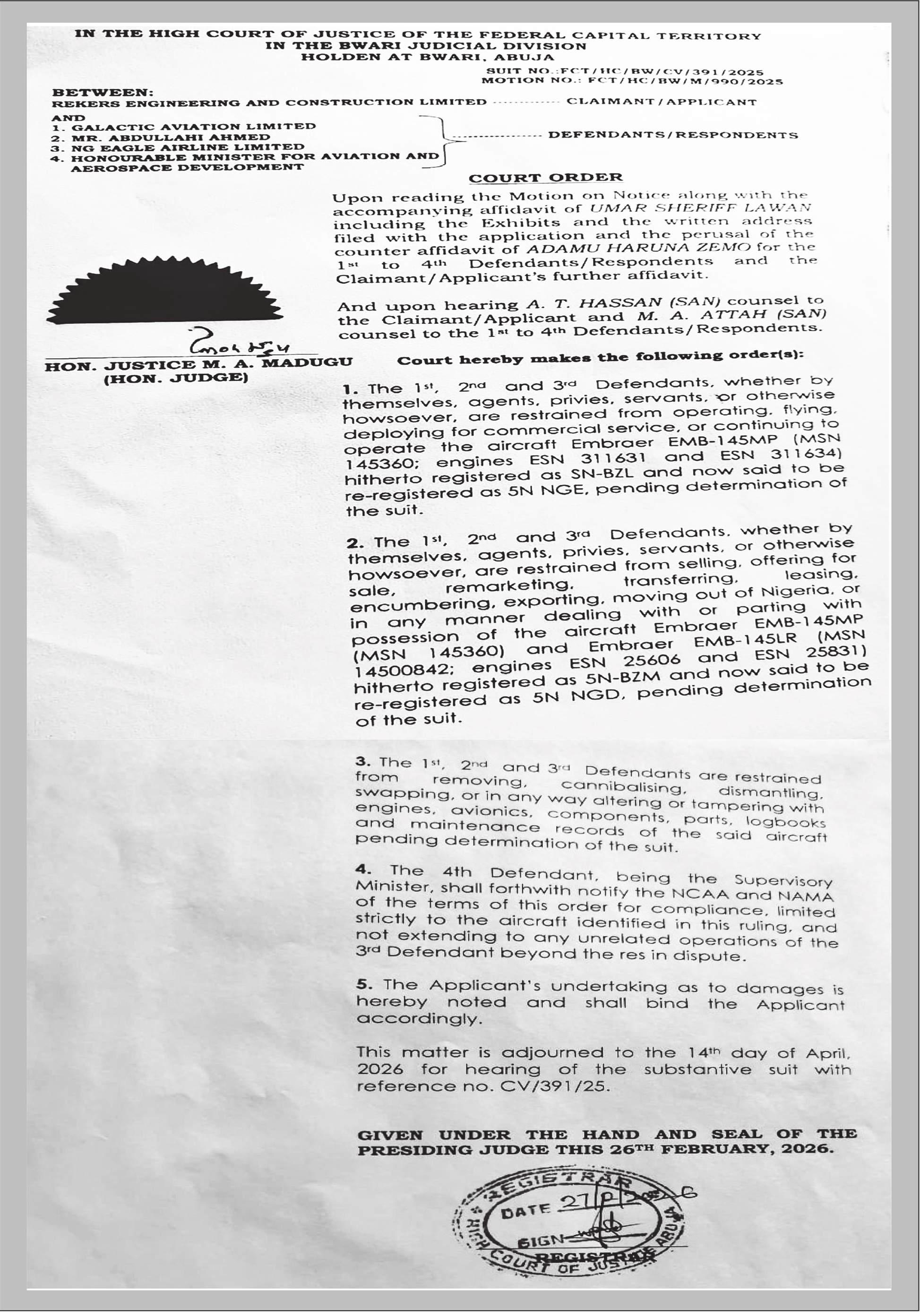
NEDC Commissioned and handed over completed projects in Gombe State North-East Development Commission (NEDC)
The North-East Development Commission (NEDC) has, among other interventional projects, handed over three (3) completed and fully equipped Ultra-Modern Mega Schools in Kaltungo, Deba and Dukku Local Government Areas of Gombe State. Each Mega School comprises of 480-capacity student hostel,16 classrooms, 6 laboratories and Perimeter fencing of the school

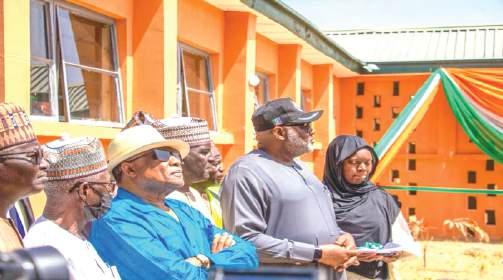
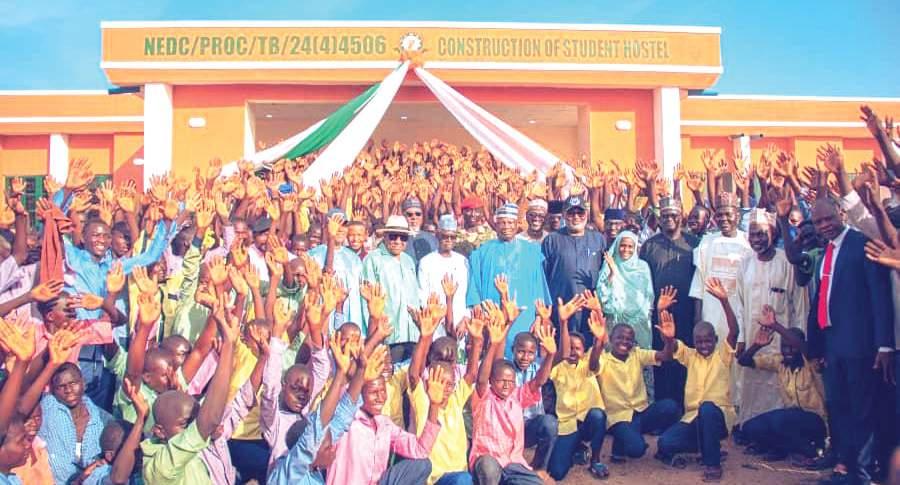
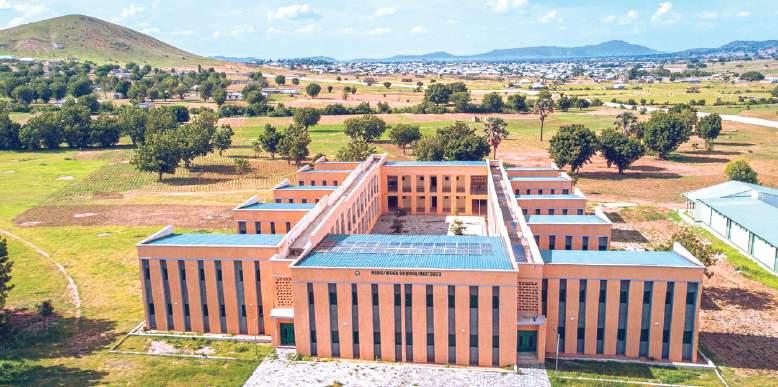
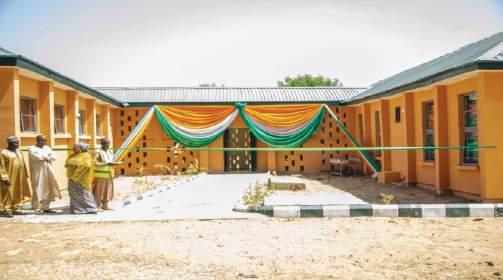
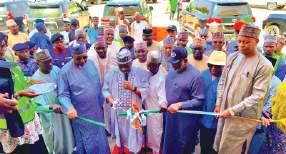


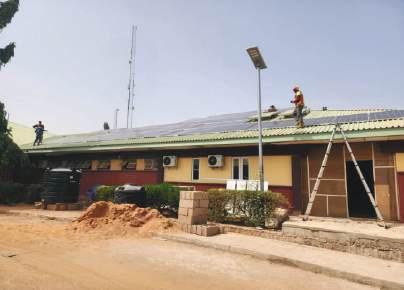
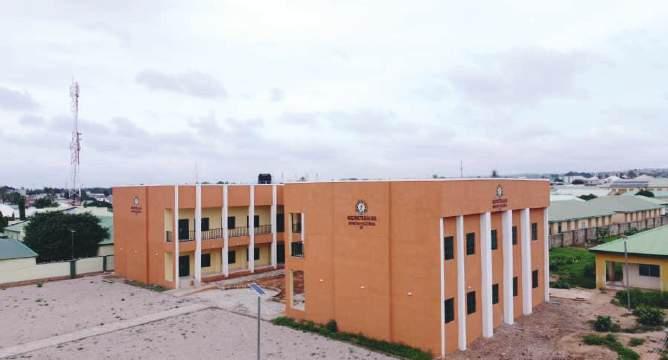
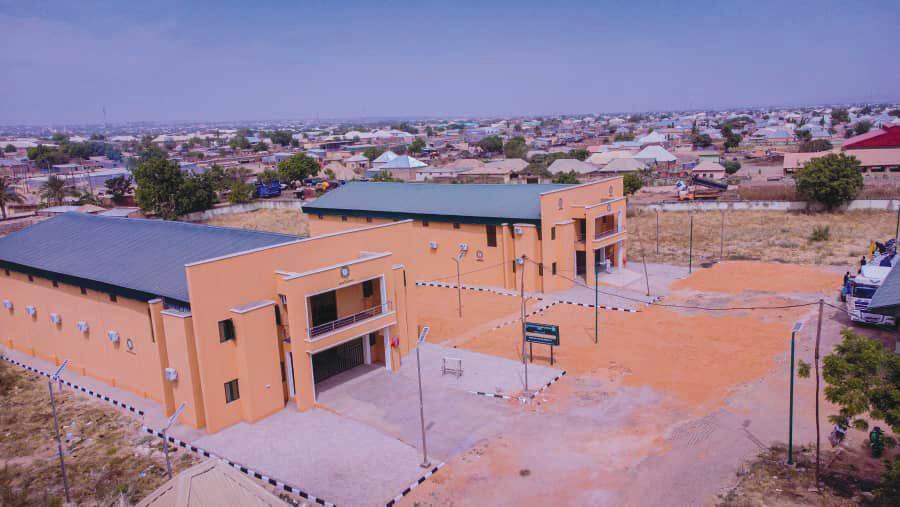
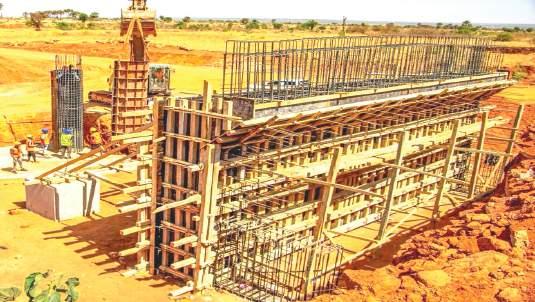
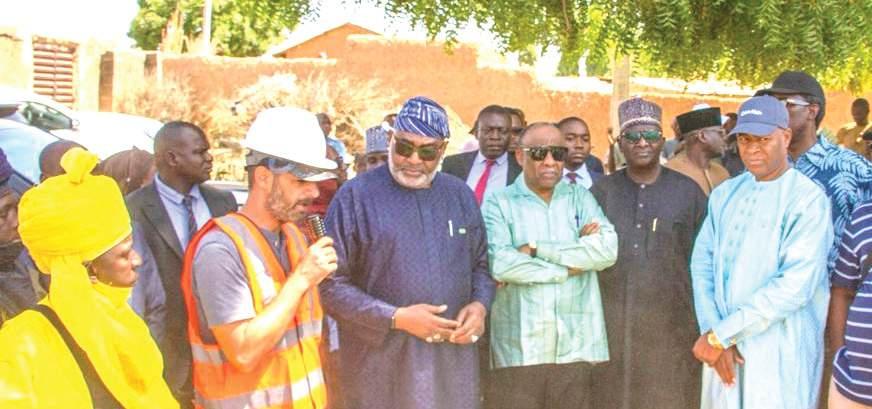
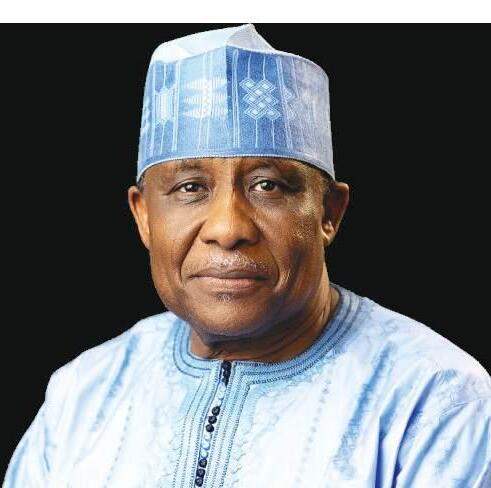
Mohammed Goni Alkali, MD/CEO, NEDC

WHEN ADVAN TRUSTEES JOIN THE ADVAN PRESIDENT IN A WEB OF MISINFORMATION, DISINFORMATION, AND MANIPULATION WITH THE INTENT TO HALT THE NIGERIAN ADVERTISING INDUSTRY REFORMS: A RESPONSE TO ADVAN’S OPEN LETTER TO THE PRESIDENT
The a�ention of the Advertising Regulatory Council of Nigeria (ARCON) has been drawn to the publication of an open le�er to the President of the Federal Republic of Nigeria by the Trustees of the Advertisers Association of Nigeria (ADVAN).
In response to the publication, ARCON would like to state as follows:
1. ADVAN has filed multiple lawsuits against ARCON, challenging the advertising industry reforms and the constitutionali of its oversight functions. The issues raised in their le�er are already part of the cases pending before the Federal High Court for determination. The issues are currently sub judice. If a case is sub judice, why take it to the media? Again, ADVAN has gone to the media with misinformation, with the intention of obstructing and halting the ongoing advertising industry reforms.
2. At the commencement of President Bola Ahmed Tinubu's administration, and in line with the Renewed Hope Agenda, the Hon. Minister of Information and National Orientation, Alhaji Mohammed Idris, directed all government agencies under the Ministry to adopt the Nigerian First Policy of the Federal Government and embark on reforms that will promote inclusive growth. This has led to a series of reforms in the Nigerian advertising industry, which ADVAN has vehemently opposed. Some of the reforms and ADVAN’s positions are:
2a. Use of Nigerians in Adver tisements and Local Production of Adver tisements
During a review, it was discovered that some advertisers outsourced the use of talent in advertisements targeted at the Nigerian market Many advertisements use foreign models and voice-over artists. In some cases, productions are done outside the country, thereby denying Nigerians and the Nigerian economy the benefits and gains of advertising income. In order to reverse this trend and in line with the Nigerian First Policy, ARCON directed that all advertisements targeting the Nigerian market must use Nigerian talent and be produced in Nigeria, except where circumstances do not permit this. These directives did not go down well with some ADVAN members and, a�er a series of lobbying efforts, ADVAN resorted to a media war and misinformation.
2b. Credit Policy and Payment Threshold
Anyone close to the industry will know that one of the major problems of the Nigerian advertising industry is media debt Media debts are not owed to the advertising agencies alone but are largely owed to media houses (broadcast, print, and OOH), production companies, and third-par vendors. There have been accusations and counter-accusations regarding media debt ARCON, at some point, sought the intervention of the EFCC in order to rid the industry of debt
In line with global practices, ARCON adopted the 45-day payment cycle as recommended by the Advertising Industry Standards of Practice (AISoP) Commi�ee and sought to enforce advertising laws. ADVAN lobbied ARCON to suspend the payment threshold policy and allow its members to conduct their businesses without adherence to the payment policy. ARCON’s refusal was tagged as interference with personal contracts and overregulation. Some members of ADVAN prepay foreign media houses but owe local media houses with impuni .
2c. Disengagement Protocol
It is on record that some ADVAN members disengage their advertising agencies without formal closure and payment of outstanding debts. This has led to unethical practices and industry debt and has retarded the growth of the Nigerian advertising industry. ARCON adopted the recommendation of the Advertising Industry Standards of Practice (AISOP) Commi�ee and requested all advertisers to close media debts and financial obligations before the movement of accounts. This did not go down well with ADVAN, which consequently accused ARCON of over-regulation and interference with private contracts.
3. ADVAN AND PEBEC REPORT OF 3% PERFORMANCE
ADVAN is a long-time ally of PEBEC and has tried to use PEBEC to undermine ARCON's policies and oversight functions. Some multinationals have also sent petitions to PEBEC, trying to use the agency to interfere in and decimate ARCON's oversight powers and mandate. The published report of PEBEC was not only biased but also an a�empt to ridicule ARCON. It is part of several strategies to blackmail and manipulate opinions against ARCON. ARCON's performance report was presented during the engagement on the implementation of Presidential Performance and Ministerial Deliverables sessions of the Federal Ministry of Information and National Orientation. ARCON’s records are at the Ministry for fact-checking and perusal. ARCON does not and cannot score 3% in performance as stated by PEBEC and publicized by ADVAN.
4. ADVAN’s
Allegation of Non-Involvement in Industry Engagement
Again, for the record (which can be verified), ADVAN voluntarily withdrew from the Heads of Advertising Sectoral Group (HASG) platform. ADVAN declined participation in the National Advertising Conference, notwithstanding that a good number of advertisers were in a�endance in their individual and organizational capacities. ADVAN also declined participation in the Advertising Industry Colloquium, notwithstanding that some advertisers sponsored and participated in the programme. As of today, ADVAN has a representative on the Advertising Standards Panel (ASP), which is the statutory panel responsible for the ve�ing of advertisements. ADVAN wants ARCON to suspend the advertising industry reforms as a condition for participating in any engagement and yet complains of non-inclusion.
HEAD OFFICE
Advertising House, National Theatre Annexe, Iganmu, Lagos. 0814 150 1015, 0909 484 1841 infolagos@advertcoucil.gov.ng
HEAD OFFICE ANNEXE
Advertising House, Plot 467, Joseph Adetoro Street, Utako District, Abuja.
08050898937, 09150791310 infoabuja@advertcouncil.gov.ng

5. ADVAN's Allegations of Decline in Media Spend and Exit of Some Organizations due to ARCON's Reforms. ADVAN is challenged to provide verified data on the alleged decline in advertising spend, as well as publish the names of organizations that have exited Nigeria because of the industry reforms. Why would a responsible organization leave a country because it was asked to use the citizens of that country in its advertisement content? Why would a responsible organization exit a country because it was requested to pay advertising debts as and when due? Rather than decline as alleged, the industry has witnessed growth and new investments. ARCON collaborated with HASG to conduct and fund independent research on advertising industry spend and the contribution of advertising to the country's GDP. PwC, a renowned global brand with integri , was engaged to conduct the research. The report was presented to stakeholders and published in the media. PwC can be contacted to confirm the report ADVAN is challenged to publish or counter the PwC report on advertising industry growth and contributions to GDP
6. ADVAN's False Claim of 90% contribution to Adver tising Spend and Misinformation of N800B Spent by its Members
This is another instance of misinformation and manipulation by ADVAN to seek relevance and truncate the ongoing advertising industry reform. The employer and organization where the ADVAN President, Mr Osamede Uwubanmwen, currently works cannot boast of N1 million in annual advertising spend, yet they claim that its members spend over N800 billion annually on advertising. Also, ADVAN members do not contribute 90% of the Nigerian advertising industry spend, nor do they conduct business worth N800 billion as claimed. We challenge ADVAN to publish its active membership list and advertising spend. ADVAN members contribute less than 10% of the advertising industry spend, and its membership has declined in recent times due to poor leadership. Given Mr Osamede Uwubanmwen’s company ’s very poor advertising spend and his retention in office, it is either that the ADVAN President is acting on behalf of some organizations that chose to use ADVAN to fight the industry reforms, or that ADVAN members are nonchalant about the association’s leadership. Either or both call for concern.
7. ADVAN Trustees Joined in the Manipulation and Misinformation
It is rather unfortunate that, the Aare Fatai Odeshile led Trustees of ADVAN allowed the leadership of ADVAN to involve them in this manipulative and misinformation web. ADVAN's Board of Trustees which functions as a body of elders chose to bypass ARCON and its supervisory Ministry for possible engagement before publishing what is not only inaccurate but full of false claims. The publication, which is misleading and deceptive, reflects poorly on the entire leadership of ADVAN. This approach is truly regre�able and worrisome.
8. ADVAN's Continued A ack of the Adver tising Offences Tribunal (AOT)
The ADVAN President, Mr Osamede Uwubanmwen, has granted several interviews a�acking the Tribunal and its Chairman at different times. This is also part of their case against ARCON at the Federal High Court. Recent court judgments have validated the constitutionali and legali of the Advertising Offences Tribunal and its statutory power to adjudicate on advertising offences. The advertising industry is not the only sector of the economy with a tribunal. Tribunals exist in other sectors, e.g., the Investment and Securities Tribunal, Tax Tribunal, Consumer Protection and Competition Tribunal, etc. The Advertising Offences Tribunal has been one of the mechanisms that has helped in sanitizing the advertising industry, as well as improving ethical conduct and compliance.
9. ARCON's Governing Council Composition and Inauguration
The Federal Government is following due process in the appointment of the Governing Council Chairman, as the procedure changed with the enactment of the ARCON Acts No. 23 of 2022. The appointment process involves rigorous ve�ing of nominated candidates. In appointing the Chairman of the Governing Council, due diligence and securi checks are conducted to ensure alignment with the ARCON Acts, global best practices, and the interests of the industry. The Federal Government is working on the appointment and inauguration of the Governing Council. There is a distinction between the Governing Council and the Management Commi�ee, as both bodies serve different functions within ARCON's structure. The Management Commi�ee is responsible for day-to-day administrative decisions and is headed by the Director-General.
The ARCON Act provides clear oversight mechanisms. The Honourable Minister of Information and National Orientation has oversight power and control over both the Management Commi�ee and the Governing Council, to the extent that decisions of both bodies are subject to the approval of the Honourable Minister There is no vacuum in ARCON’s regulatory duties despite the absence of a Governing Council.
10. What does ADVAN Intend to Achieve with the Publication?
- Seek the President's intervention on issues they had earlier taken to the Federal High Court and later claim interference with judicial powers?
- Manipulate operators, stakeholders, and the public with misinformation in order to halt the ongoing advertising industry reform?
For the record, ARCON has championed the use of Nigerians in all advertising and marketing communications targeting the Nigerian market ARCON has promoted the use of Nigerian companies in advertisement production and, by extension, created jobs for Nigerians. ARCON has largely resolved industry media debts and issues involving media owners and service providers, thereby building a stronger industry with improved contributions to GDP
The era of lawless advertising with impuni is over ADVAN is not the only association in the advertising industry (there are over 10 associations and stakeholders), but it has remained the only notoriously combative association because of its desire to halt the advertising industry reform and enslave the Nigerian advertising industry.
ARCON will resist all a�empts and blackmail by ADVAN or any other group(s) to halt the ongoing advertising industry reforms. ARCON will remain focused and resolute in promoting the Nigerian First Policy and aligning with the Renewed Hope Agenda of the present administration.
Dr. Olalekan Fadolapo, FCA, fnimn, frpa Director-General
23rd February,
2026
House, National Theatre Annexe, Iganmu, Lagos. 0814 150 1015, 0909 484 1841 infolagos@advertcoucil.gov.ng 08050898937, 09150791310
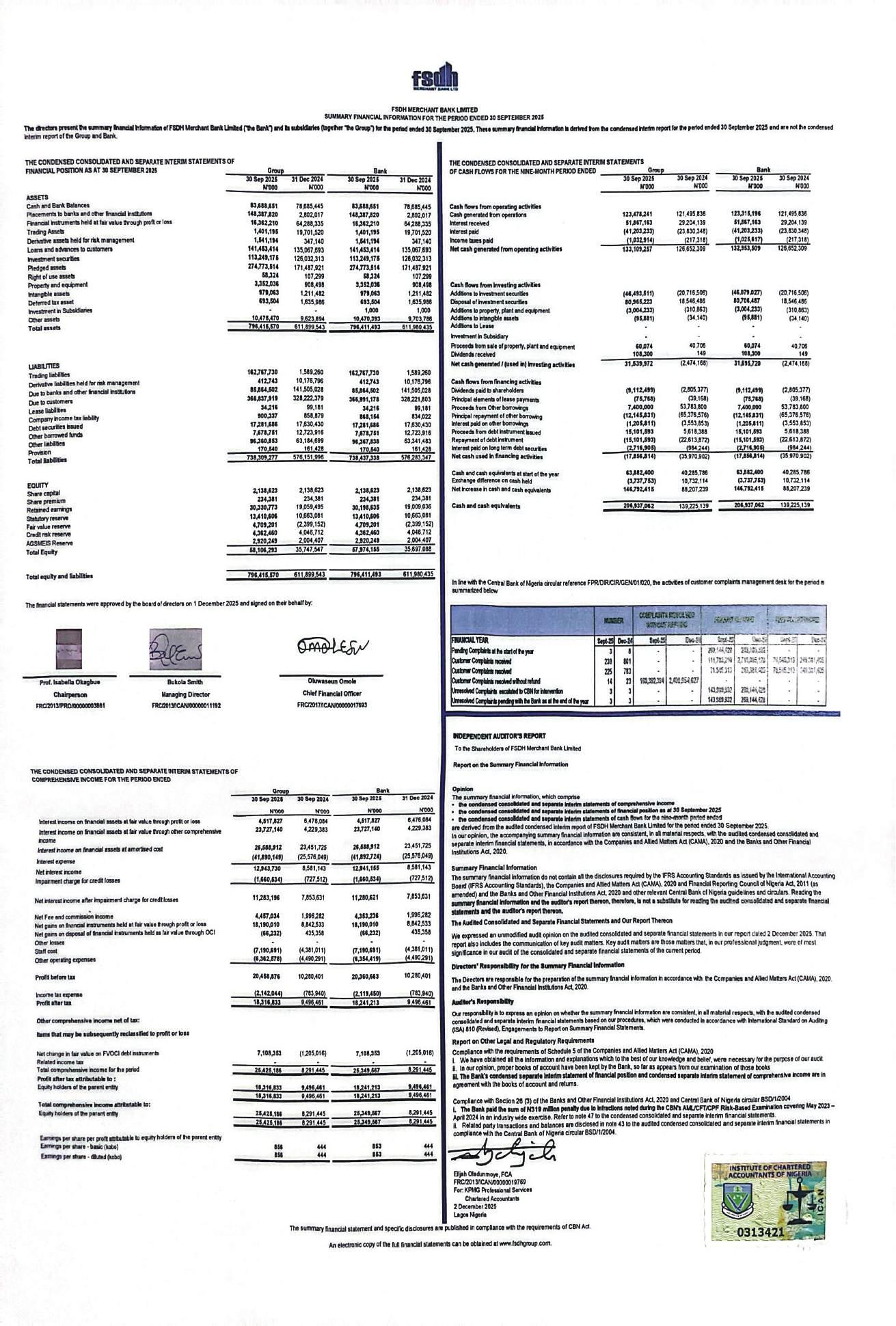
CongratulationsSILVERBIRD EXTRAORDINARY PERSONALITY OF THE YEAR
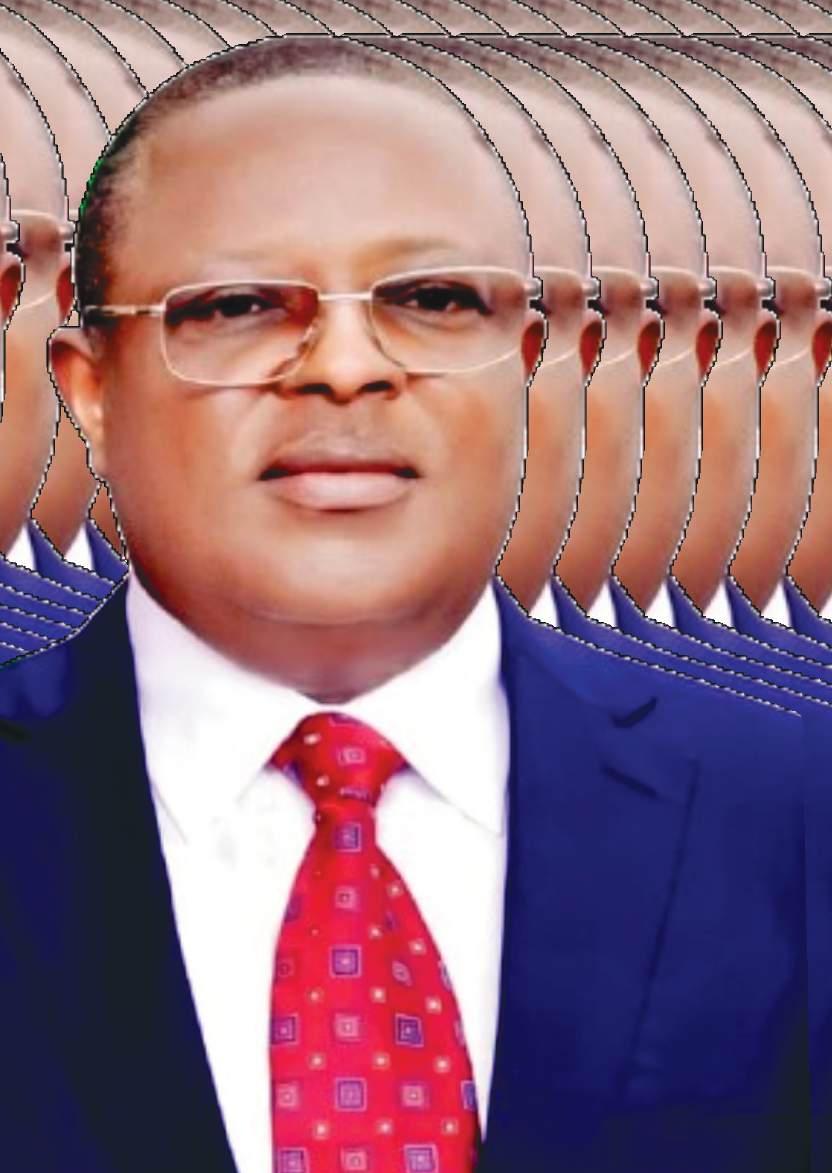
We are happy to identify with you on this momentous occasion and to congratulate you on the SILVERBIRD EXTRAORDINARY PERSONALITY OF THE YEAR AWARD!
This prestigious recognition is a testament to your outstanding contributions to Nigeria's development, par ticularly in the realm of infrastructure and public works.
As Minister of Works, your leadership and vision have been instrumental in shaping the nation's infrastructure landscape. Your tireless ef for ts to improve roads, bridges, and other critical infrastructure have earned you this well-deserved recognition.
The SILVERBIRD EXTRAORDINARY PERSONALITY OF THE YEAR AWARD is a f itting tribute to your dedication, passion, and commitment to excellence You truly embody the spirit of service and leadership that Nigeria needs.
Once again, congratulations on this remarkable achievement! May this award inspire you to continue making a positive impact on our great nation.
H.E ENGR. (SEN .) DAVID UMAHI, CON , FNSE, FNATE
Honourable Minister of Works

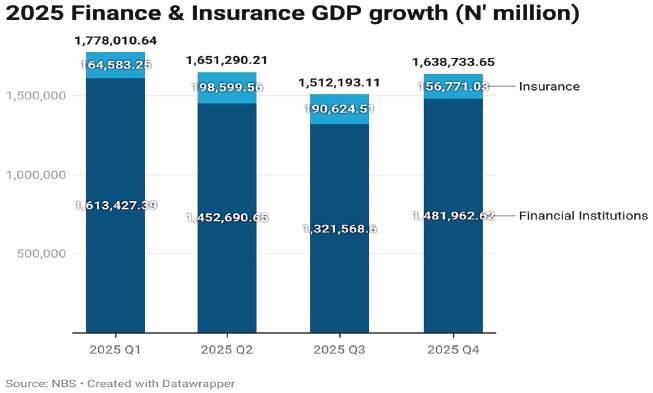
Kayode tokede
Helped by ongoing reforms, the financial services sector contribution to Nigeria’s Gross Domestic Product (GDP) closed 2025 at N6.58 trillion, about 15 per cent increase over N5.74 trillion reported in 2024.
This is according to the latest fourth quarter (Q4) 2025 GDP report by National Bureau of Statistics (NBS).
The recapitalisation exercise directive by the Central Bank of Nigeria (CBN) and the National Insurance Commission (NAICOM)
dominated the sector in 2025. Specifically, the objective of the CBN recapitalisation program is to strengthen the financial system, enabling banks to support long-term projects and economic growth. The exercise attracted foreign investors and inflows that has enhanced banks’ capital base.
The NBS in a report titled, “Nigerian Gross Domestic Product,” revealed that banks recorded a growth of N5.87 trillion in 2025, representing an increase of 14.36 per cent from N5.13 trillion reported in 2024.
For the insurance sector
to economic acceleration.”
recorded N710.58 billion contribution in 2025, up by 16.04 per cent from N612.35 billion in 2024.
A breakdown revealed that both the banking and insurance sectors contribution to GDP in Q1 2025 was at N1.78 trillion, up by 15.03 per cent from N1.55trillion in Q1 2024, while in Q2 2025, it was at N1.65 trillion, about 16.13 per cent high from N1.42 trillion in Q2 2024.
In Q3 2025, the finance and insurance sectors to GDP stood at N1.51trillion, nearly 20 paper cent increase over N1.26trillion in Q3 2024. In
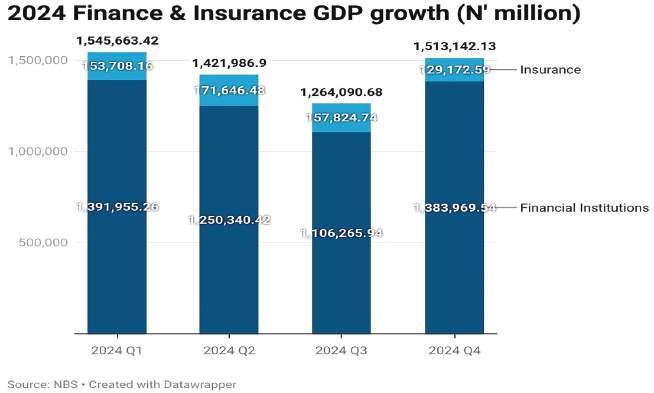
addition, it was N1.64 trillion in Q4 2025, about 8.3 per cent growth over N1.51 trillion in Q4 2024.
According to the NBS report, the banking sector accounted for 90.43 per cent, while the insurance accounted for 9.57 per cent of the finance and insurance sector in real terms growth in Q4 2025.
The report stated, “The sector grew at 26.58 per cent in nominal terms (year-onyear), with the growth rate of banking sector at 26.15 per cent and 30.83 per cent growth for Insurance.
“The overall rate was
lower than Q4 2024 by 0.86 percentage points, and lower by 13.97percentage points than the preceding quarter. The quarter-on-quarter growth was 13.00per cent. Overall, growth in 2025 stood at 38.51per cent, higher than the 22.82per cent recorded in 2024.
“The sector’s contribution to the nominal GDP was 2.91 per cent in Q4 2025, higher than the 2.70per cent it represented a year previous, and higher than the contribution of 2.78 per cent it made in the preceding quarter. In total, a contribution of 3.30 per cent
was recorded in 2025 relative to 2.82 per cent in 2024.”
“Growth in this sector in real terms totaled 8.30 per cent, higher by 2.31percentage points from the rate recorded in the 2024 fourth quarter and lower by 11.33 percentage points from the rate recorded in the preceding quarter. Quarter-on-quarter, growth in real terms stood at 8.37 per cent. Overall, growth stood at 14.54 per cent, higher than the 2.95 per cent recorded in 2024.
Nigeria’s reform cycle is poised to yield measurable gains in 2026, with households and businesses expected to begin feeling the tangible benefits of macro-economic stabilisation, analysts at Norrenberger have said.
In a report titled, “From Stabilisation to Acceleration: The Reform Dividend in 2026,” the firm projected that the coming year would mark a decisive transition “from macroeconomic stabilisation
It noted that, “With many of the structural distortions addressed over the past year, the policy focus is expected to shift from adjustment to optimisation, where productivity gains, private capital mobilisation, and sectoral expansion drive stronger and more sustainable growth.”
According to the experts, “2026 presents a critical window to transition from macroeconomic stabilisation to economic acceleration.
With many of the structural distortions addressed over the past year, the policy focus is expected to shift from adjustment to optimisation, where productivity gains, private capital mobilisation, and sectoral expansion drive stronger and more sustainable growth.
The reform dividend in 2026 is therefore likely to materialise through improved investment confidence, deeper credit intermediation, increased domestic production, and
enhanced competitiveness across key sectors of the economy.”
Significantly, Norrenberger emphasised that 2026 would not only reflect macroeconomic repair in financial markets but also visible improvements at the grassroots level.
“Crucially, 2026 is also the year in which Nigerians will increasingly expect to feel the micro-level benefits of these reforms,” the report stated.
As inflationary pressures ease and real incomes begin to stabilise, the firm projected
that the transmission of macroeconomic gains to households and businesses would become more evident.
It added, “improved access to credit, better infrastructure delivery, job creation, and a more predictable policy environment are expected to support consumption, enterprise expansion, and overall welfare.”
While acknowledging the political transition cycle ahead, the report struck an optimistic tone on exchange rate stability. It observed that although past
pre-election years were often associated with currency pressures, the current macroforeign exchange framework represents a meaningful shift from previous cycles. The transition toward a more market-reflective exchange rate system, tighter monetary conditions and improving external buffers, it noted, provide, “A more credible foundation for exchange rate stability than in previous pre-election periods.”
Nume ekeghe
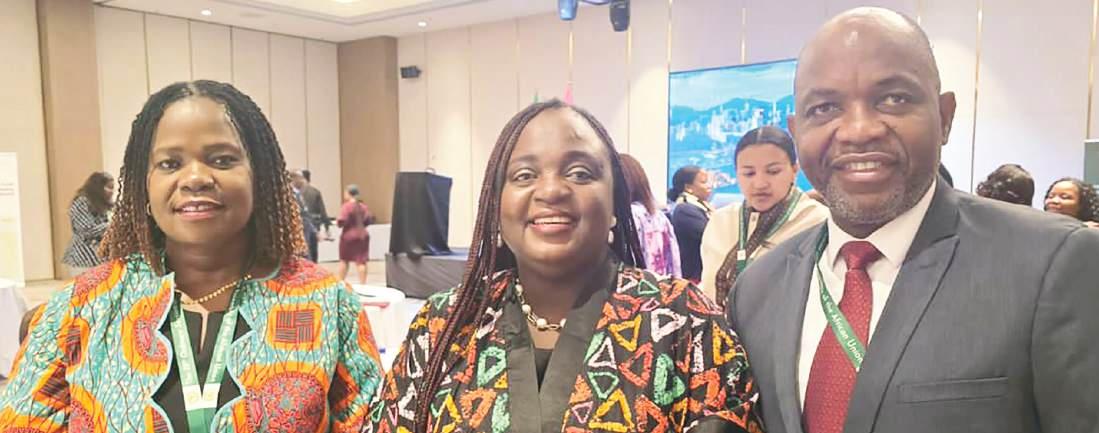
L-R: UN Women’s Regional Director for East and Southern Africa, Anna Mutavati; CEO Sterling One Foundation, Olapeju Ibekwe and UN Women’s Regional Director for West and Central Africa, Dr. Maxime Houinato, at the African Union Heads of State Summit in Addis Ababa… recently
Aviation Minister Signs Nigeria-Cameroon Technical Aeronautical Search, Rescue Agreement
The Minister of Aviation and Aerospace Development, Festus Keyamo, alongside the Director General of the Nigeria Civil Aviation Authority (NCAA), Capt. Chris Najomo, has concluded a successful working visit to the Republic of Cameroon, culminating in the signing and formalisation of a Technical Aeronautical Search and Rescue (SAR) Agreement between both nations.
In a statement signed by Special Adviser on Media and Communications to the Minister, Tunde Moshood, during the high-level engagement, the Nigerian delegation met with their Cameroonian counterparts — the Minister of Transport,
Jean Ernest Ngallé Bibehe, and the country’s Civil Aviation Authority (CAA) top officials.
The bilateral discussions underscored the longstanding historical, diplomatic and socio-economic ties between Nigeria and Cameroon, while reaffirming their shared commitment to aviation safety and regional cooperation.
In his keynote address at the signing ceremony, Keyamo expressed appreciation to the government and people of Cameroon for their warm reception and enduring partnership.
“Directors General of the Civil Aviation Authorities here present, distinguished delegates, ladies and gentlemen, it is with great honour and profound appreciation that I am
here today to formalize this Technical Aeronautical Search and Rescue Agreement between the Federal Republic
of Nigeria and the Republic of Cameroon,” Keyamo stated. He emphasised that the agreement is fully aligned with
the Renewed Hope Agenda of President Bola Ahmed Tinubu, which prioritizes institutional strengthening,
regional cooperation, economic revitalization and the protection of lives and property.
SAHCO Strengthens Operation with Acquisition of Ultra-modern Equipment
Chinedu Eze
Skyway Aviation Handling Company (SAHCO) Plc, has reinforced its commitment to operational excellence and service efficiency with the acquisition of new ultra-modern Ground Support Equipment (GSE) designed to enhance aircraft handling operations across its nationwide network.
As part of this strategic upgrade, SAHCO said it has taken delivery of a state-ofthe-art pushback tractor manufactured by Goldhofer, a globally respected German Ground Support Equipment producer.
“The Goldhofer F300, powered by a robust diesel engine, is engineered to service most wide-body aircraft and constructed with
rugged materials suited to Nigeria’s operating terrain. The equipment has already been deployed to one of the company’s hub stations to further strengthen service delivery standards.
“In addition, the company has procured five Ground Power Units (GPUs) manufactured in France by Guinault, a renowned global aviation equipment
manufacturer. Each unit features a capacity of 45kVA on 115 volts and 115 on 28VDC, providing reliable and efficient electrical power to aircraft systems while on ground. Powered by fuelefficient gasoline engines, the GPUs are designed for durability, portability, and superior ramp performance, making them ideal for modern airport operations.
Firm Spotlights Collaboration as Catalyst for Africa’s Payments Evolution
Nume Ekeghe
The Managing Director/ CEO of Arrowconn Group, and Chairman Port Harcourt Chamber of Commerce Professional Services and Consultancy Trade Group, Dr. Emeka Ezekwe, was celebrated as a key figure at a landmark technical workshop organised by the Department
of Business Education, Faculty of Technology and Vocational Education, Nnamdi Azikiwe University (UNIZIK), Awka. The event, held at the ASUU-NAU Secretariat, focused on the theme, “Technicalities and Application of Artificial Intelligence (AI) in Business and Education.” Ezekwe served as special guest of honour and keynote speaker, delivering a compelling address on AI’s transformative role in modern society.
Group Business Editor
Eromosele Abiodun
Deputy Business Editor
Chinedu Eze
Comms/e-Business Editor
Emma Okonji
Asst. Editor, Energy
Emmanuel Addeh
Asst. Editor, Money Market
Nume Ekeghe
Correspondents
KayodeTokede(CapitalMarkets)
James Emejo (Finance)
Ebere Nwoji (Insurance)
Reporter Peter Uzoho (Energy)
In recognition of his philanthropic contributions, academic support, and dedication to human capital development, Ezekwe was presented with the Philanthropist Award and Award of Excellence (also described as the Award of Digital Academic Promoter). The honours were conferred by the Vice-Chancellor, Prof. Ugochukwu Bond Stanley Anyaehie, who praised Ezekwe’s commitment to bridging industry and academia.
Verve International, a subsidiary of Interswitch Group, has reiterated that stronger collaboration among industry players will be critical to shaping the future of Africa’s payments landscape.
Godmade Homes Limited has successfully concluded the issuance of its N3.70 billion Series 1 Commercial Paper (CP) under its N10 billion Commercial Paper Programme, marking a significant milestone in the Company’s participation in Nigeria’s debt capital market. Issued in January 2026
The firm in a statement noted that the event convened issuer banks, fintech collaborators, merchants and other critical ecosystem stakeholders for strategic engagement, meaningful industry dialogue, and deeper ecosystem alignment.
and initially offered at N3.0 billion, the Series 1 CP recorded strong investor demand and was subscribed at 123% of the offer, representing a 23% oversubscription, with total subscriptions reaching N3.70 billion. The outcome underscores strong market confidence in GMH’s
Designed as both engaging and insight-driven, Verve Biz Unwind 2026 delivered a relaxed yet purposeful platform for high-level networking and forwardlooking conversations on the future of digital payments across Africa.
business model, development pipeline, and governance framework.
Commenting on the successful transaction, Managing Director of Godmade Homes Limited, Mr. Ayoolanrewaju Kuyebi, stated: “Our participation in the capital market represents an important step
Speaking at the event, Vice President, Issuing & Acquiring (Africa) at Verve International, Paul Ohakim, underscored the critical importance of ecosystem-wide collaboration in shaping the continent’s payments future.
in our growth strategy and reinforces our commitment to delivering affordable, highquality housing solutions across Nigeria. The strong subscription reflects investor confidence in our credit profile, business strategy, operational performance, and project execution capabilities.
Bank Directors Appoints Olorunshola Board Chairman
Nume Ekeghe
The Bank Directors Association of Nigeria (BDAN), has announce the appointment of Dr. Oluwayemisi Olorunshola as Chairman of its Board of Directors, following the retirement of Mr. Mustafa Chike-Obi upon the
successful completion of his tenure.
Olorunshola currently serves as Chairman of the Board of Directors of Wema Bank Plc and brings to the role over 25 years of cumulative experience spanning supply chain management, business leadership, and corporate
governance. She has over 15 years’ experience in a multinational organisation and more than a decade of experience as a business manager, with deep expertise across business and production planning, procurement, distribution, import and export operations, and logistics services.
Speaking on the appointment, the Chief Executive Officer of BDAN, Adebukola Orenuga, stated: “Dr. Olorunshola is a principled and accomplished leader with significant board and business experience. She has consistently demonstrated dedication to the vision and mission of the Association.
Chinedu Eze
Tunde Lemo: How I Will Transform Ogun State Economy as Governor
Mr. Tunde Lemo is a first-class financier and economist. In this panel interview with a select group of journalists, the Former Deputy Governor of Central Bank of Nigeria (CBN) and former Chairman, Titan Trust Bank, who was also credited with transformation of Wema Bank Plc as Managing Director speaks on the economy, banking sector recapitalisation, reforms and his ambition to rule his home state, Ogun State amongst others. Eromosele Abiodun presents the excerpts
How would you rate the economic reforms of this government over these years?
Nigerian economy has in the last two and a half years made significant progress. You will recall that before the present president came into power, we had several issues with the economy, mainly because the exchange rates then were dual-one for the privileged and one for the unprivileged. We had elements of subsidy both in the foreign exchange (FX) rate and petroleum. The petroleum subsidy meant that there was no serious development in the downstream, and that meant that we were wasting a lot of our foreign importing white products, so the economy was prostrated. Then, the fiscal imbalance. We had a lot of foreign debts. Yet, government revenue was dwindling, and everything you know was within cracks. But what the government did right was the courage that the present president had. You see, sometimes, it’s important for you to do things for the public good, not looking at the mood of the public. He said the oil subsidy was gone from the start, that’s courageous. What people didn’t realise was that it wasn’t just the oil subsidy, the bigger subsidy, more than the oil subsidy, was the forex subsidy. What that meant was that everybody who had thought that official rate was N400 per dollar, which only two per cent of people had access to, but then the other one was N1, 400 to N1, 700 per dollar, the two were matched and of course, it was as if the world was collapsing but that was the right thing to do. What have we seen today? A relatively stable foreign exchange system, which was as a result of price discovery. Yes, it was a little bit difficult for so many of us because of the fact that prices had to adjust, but today, what have you seen? You’ve seen that resources now are allocated optimally, and then of course, the forex scarcity is no longer there.
The first Christmas I spent without having to queue up or get my driver to fill all the cars in the approach of Christmas was last year.
We’ve also seen the foreign reserves ramping up, as at the last count it was $50 billion in gross reserves level. We knew where it was even though we didn’t even know the actual fact until the then acting governor of the Central Bank of Nigeria (CBN) had to tell the truth. But now we’ve seen it’s gone to a level that it wasn’t in the last five to six years. So, I think the government should be commended for that. And then, we also see trade surplus because we don’t need to import petroleum products anymore and we are steadily seeing favourable prices. Inflation has been trending downward.
When this administration began, Ways and Means advances had significantly increased, driving up price levels. Now, headline inflation has fallen to around 15 per cent, and food inflation is near eight per cent. Last year, people were surprised that they bought rice at N60,000 to N70,000 when they bought it the previous year at N100,000, and it was for so many other things. So, we are beginning to see respite at the end of the day.
Yes, we still have challenges in the area of the energy sector that have to be looked into. There’s still a need to ensure that the DisCos and the Gencos are doing enough because I think this economy should not have anything less than 25,000 to 30,000 megawatts before we begin to see the stability that we expect. Given
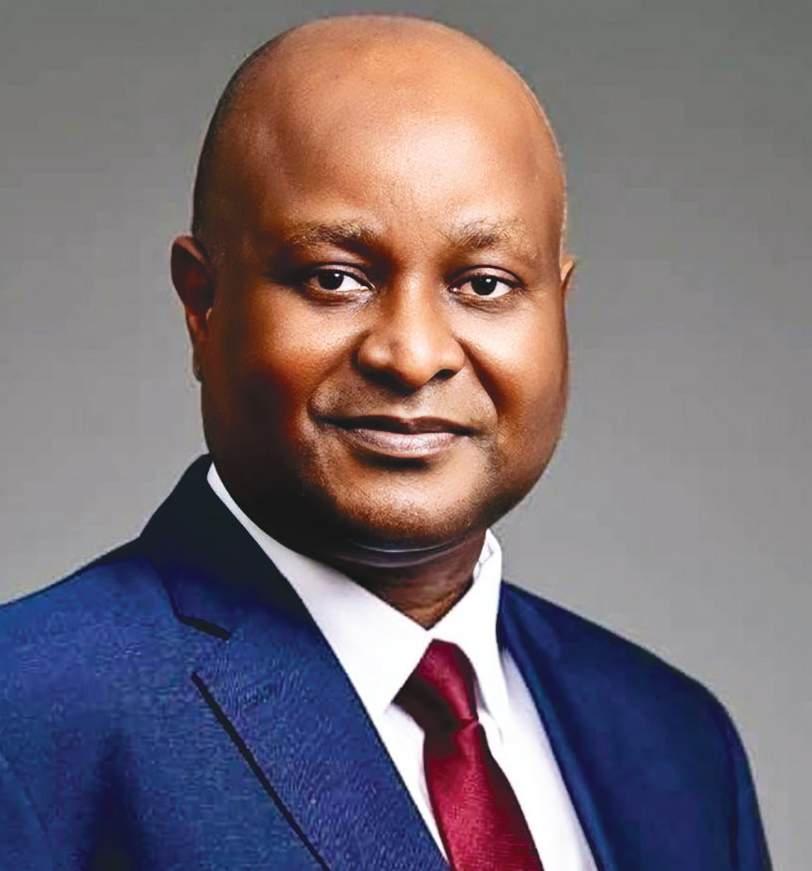
our resources, Nigeria actually should be the production base of not just Africa but the entire Europe and we need adequate power to do that. I’ll give you a simple example. Bangladesh is actually making so much money from garment-making. Who do they make it for? Europe and America. The distance from the capital of Bangladesh to London is about 8,000 kilometres. Lagos to London is just above 4,000 kilometres, which means a shorter distance.
We can be doing exactly what they are doing here, and yet what is it that they have there that we don’t have here? Is it cotton and so on and so forth? These are low-hanging fruits that we can begin to take advantage of.
I think the challenge now for the government is, while we are beginning to see the margins of the relative stability in the macros, how does it then cascade down to people? We see how poor segment of our people are. I am in favour of conditional cash transfer for the extremely poor and vulnerable. You cannot remove poverty today if you do not deal decisively with the issue of security of lives and properties, because to remove poverty, you need to create economic activities within one or twokilometre radius of where people live.
Most people who should be very busy now producing food, they are not there, they are not on their farms and this is increasing poverty level. So, I think we must really sit down and ensure that we deal with security of life and property. That is how to remove poverty and we must be very, very deliberate about it. Of course, agriculture is one key area where poverty can be taken away. Then, most of the raw materials being used in the
industrial sector can still be produced locally. Let me just give a simple example. Today, several companies use starch to produce. What produces starch? Cassava. But you will be surprised that many of them import their starch. Why? Why not invest in a conversion mechanism that ensures that the cassava that we have in abundance in Nigeria can become starch instead of importing. When you do the research, you will find so many examples of this.
And then, let’s go back even to things we were doing before that we have to go and redo. For instance, textile companies. When I became a banker in the mid-80s, in the late 80s, we used to learn the credit writing through the textile companies that were in Lagos. The entire country then had more than 127 textile companies. All of them are moribund today. How do we bring them back? And the reasons are quite obvious because most of them were Chinese and Indian companies.
They came here because we had superior infrastructure. Today, their home countries have superior infrastructure. So, they closed down the factories and went over there. If we can bring this infrastructure back, it then means that we can actually revive the textile industry. There are things we have done before which we can begin to do again. And we then go into so many other areas. I think we need to look into that.
I’m not a fan of saying that unemployment has gone down to five per cent because we changed the basis of computation of unemployment figures. We’ll be deceiving ourselves. Unemployment is very high in Nigeria. Let’s deal with that. But as we do it, there are people who are extremely vulnerable
and close to the lowest rung, conditional cash transfers are for them. As you are doing that, you also integrate them into the normal economy through financial inclusion through banks. Let’s extend that frontier.
There has been this clamour that the states are getting more funds now and should do better to spread growth and development. If you are a governor tomorrow, what are the quick, low-hanging fruits that you can put in place to ensure that people feel the impact of improved macro economy as you have just said?
Let me remove the myth from the reality. Yes, states are getting more money, but the gap is not as wide as you think. That’s what we call in economics, money illusion. Money is what money can buy. In those days, if they could buy three things, they could barely buy four or five now, not that they can buy ten things. But your point is still valid, they have much more funds than before.
I think our government at the sub-national level are really not looking at pro-people activities. I don’t want to say a few things so some of my friends in government would not think I’m getting personal. I don’t like white elephant projects. I like projects that influence the people directly. Now, as a governor, why do I have to do N10 to N15 billion worth of things when I can do N3 to N4 billion that will impact the lives of much more people?
On the scale of preference, if I become a governor, I will say, now, what are the most important things for people in my state to do? A lot of them are in rural areas, they are producing food, food is still expensive, but their problem is how to take the food to the market? So while I do those bridges and so on and so forth, I want to connect the remotest the villages to the state capital and the market. Once I have done that, I’ve taken so much away.
Many of the schools in those villages are now moribund. Good schools are now found in urban and semi-urban areas. How do we revive those schools? Those things look ordinary, but these are things that keep people in the villages, that keep them engaged and so on and so forth.
Teaching hospitals are good, there is fancy for cancer diagnostic centres and so on and so forth, but what about those in the villages who have health challenges, primary health care, so that you don’t have to go more than half a kilometre to have health intervention, and there will be drugs there, there will be things like that. I don’t see many of our governors talking more about that, but they are talking about esoteric things that do not impact the lives of ordinary people.
I think when I have done all of those things, the other things I can do. It is when I have lifted people above poverty, that I can face other grandiose projects, not when they don’t have access to good education, good water, and all those things. When you list out those things, and you begin to rank many of our governors, you find out that the gap is still very wide. For me, I’d like to start with those low-hanging fruits. I’m an economist, I know what to do with industrialisation, I know what to do with nice and fanciful things, but when millions of my people are down there, how do I ensure that their life is better will be my priority.
Lemo
NECA, FRCN Deepen Collaboration on Corporate Transparency and Sustainability
Kayode Tokede
The Nigeria Employers’ Consultative Association (NECA), led by its Director-General, Mr. Adewale-Smatt Oyerinde, held a strategic engagement with the Financial Reporting Council of Nigeria (FRCN) in Lagos to strengthen collaboration on corporate reporting, sustainability practices, and the promotion of a more transparent business environment.
Speaking on the forthcoming mandatory Sustainability Reporting framework, Olowo confirmed that the Council will roll out a structured readiness programme for the private sector ahead of implementation, to ensure organisations are adequately prepared when the new regime takes effect.
He also commended NECA member-companies that have distinguished themselves as early
During the meeting, the Chairman of the Financial Reporting Council of Nigeria, Dr. Rabiu Olowo, highlighted the Council’s ongoing capacity-building programmes for Small and Medium Enterprises (SMEs) and Micro, Small and Medium Enterprises (MSMEs), reaffirming FRCN’s commitment to supporting smaller businesses in meeting required financial reporting standards.
adopters and voluntary sustainability reporters, and further acknowledged NECA’s establishment of an ESG Advisory Board. According to him, the Council will align with the initiative, describing it as a positive step toward strengthening responsible and sustainable business practices in Nigeria.
As a key outcome of the engagement, both institutions agreed to establish a NECA–FRCN Joint Technical Committee to facilitate sustained collaboration, coordinate capacitybuilding initiatives, and ensure that private sector perspectives are reflected in the Council’s regulatory processes.
CIBN Pledges Support for ACAMB as President Unveils Plans
The Chartered Institute of Bankers of Nigeria (CIBN) has pledged its full support to the Association of Corporate and Marketing Professionals in Banks (ACAMB) following a high-level strategic meeting between the leadership of both bodies.
The high profile meeting, which took place at the CIBN Building, Lagos, served as a formal introduction of the new ACAMB Executive Committee to the CIBN leadership and marked the beginning of a renewed collaborative alliance.
Leading a delegation of the newly inaugurated ACAMB EXCO and Board of Trustees, the President, Jide Sipe, described the visit as a crucial first step in his tenure, aimed at
contributing significantly in giving flight to his vision and that of ACAMB.
“When we assumed office, one of the first things we agreed on was the need to visit key stakeholders. However, before reaching out more broadly, we felt it was important to begin with our primary constituency and core stakeholders. We want them to understand the direction we are taking and to support the work we are doing, so that ACAMB can achieve greater success than it has in the past. We couldn’t have properly started our tenure without this very important meeting with the CIBN,” Sipe stated
Sipe introduced the newly constituted ACAMB Exco, which includes, the 2nd Vice
President, Morolake Phillip-Ladipo; General Secretary, Olugbenga Owootomo, Assistant General Secretary, Ademola Adeshola; Publicity Secretary, Abiodun Coker, and Executive Secretary, Fadekemi Ajakaiye
Responding, the CIBN President, Professor Pius Deji Olanrewaju, who warmly received the ACAMB team, commended their forward-thinking vision as he noted that, the association would be focusing on critical areas such as reputational management, sustainable corporate practices, and governance reforms
Olanrewaju also commended ACAMB’s collaboration with CIBN in information management, saying it had raised standards across Nigeria’s banking sector.
With Tastemaker Just Sprinkle, Stir, Serve
Close your eyes and think of the perfect piece of fried chicken, the golden crunch, the steam rising as you pull it apart, and that deep, savory aroma that hits you before the first bite. That perfect moment should not be a rare occurrence or a stroke of luck; it should be the standard. Yet, with ingredients that change by the season and the frantic pace of modern life, that signature taste can often be elusive. Tastemaker by Terra was born in the heart of this beautiful, evolving culinary culture. Beyond being just a seasoning powder, it represents the reliability every Nigerian cook craves, ensuring that from the first sprinkle to the final serve, the quality remains unmatched.
Produced in Chicken Flavour, it represents a
thoughtful exploration of how convenience and culinary tradition can coexist in modern kitchens. Chicken remains the undisputed centerpiece of our most beloved meals, from the legendary party Jollof rice that defines our celebrations to the rich chicken stews for a Sunday afternoon and the quick weekday stir-fries that keep us going. Its presence across every region made it the natural starting point for the Tastemaker by Terra line. The idea grew from a simple observation while we prepare chicken in countless ways, grilling, stewing, frying, or roasting, the struggle for a dependable flavour base and aroma is universal. Tastemaker by Terra was developed as a direct response to these realities,
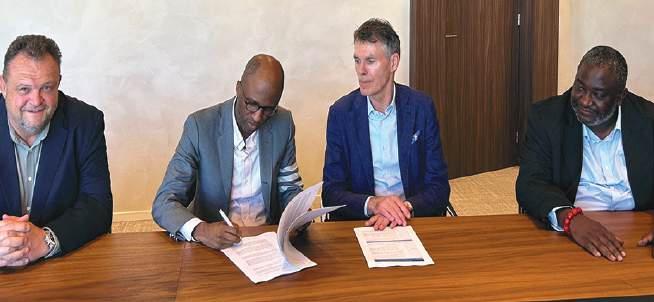
offering a perfect blend of spices and savory notes that enhance the natural essence of the meat.
According to Chief Marketing Officer at TGI Group, Probal Bhattacharya, “Tastemaker by Terra reflects how a deep understanding of usage insights contributes to driving consumer led product innovation. The goal was never to create a shortcut that hides the cook’s skill, but to offer a dependable foundation that simplifies decisionmaking during the heat of the moment. The idea of ‘Sprinkle, Stir, Serve’ speaks to the simplicity we aimed for, helping cooks achieve reliable flavour, taste and aroma while maintaining the warmth and richness people expect from their meals.”
L–R: Non-Executive Director, Champion Breweries Plc, David Butler; Non-Executive Director, Eric Idiahi; Director, Dirk Maris; Vinar NV and Company Secretary/Legal Adviser, Tosan Aiboni, during the signing ceremony for Champion Breweries Plc’s Bullet Brand Portfolio Acquisition in Brussels, Belgium…recently The
OPEC Reference Basket of Crudes (ORB) is made up of the following: Saharan Blend (Algeria), Djeno (Congo), Zafiro (Equatorial Guinea), Rabi Light (Gabon), Iran Heavy (Islamic Republic of Iran), Basrah Medium (Iraq), Kuwait Export (Kuwait), Es Sider (Libya), Bonny Light (Nigeria), Arab Light (Saudi Arabia), Murban (UAE) and Merey (Venezuela).
BUA Cement Achieves Landmark Revenue of N1.18trn in 2025FY
Kayode Tokede
BUA Cement announced the release of its full year 2025 audited financial statements, reporting a landmark revenue growth to N1.18 trillion, up by 34.6 per cent from N876.5 billion reported in 2024.
The company recorded a profit before tax of N465.3
billion in 2025, representing an increase of 367 per cent when compared to N99.6 billion in 2024, and a profit after tax of N356 billion, up by 381.7 per cent from N73.9 billion in 2024.
The board of directors,however, recommended for shareholders’ approval, the declaration of a dividend of N10.00kobo dividend per one (1) ordinary share of 50
kobo each, out of the profits declared in the financial year ended December 31, 2025 (2024: N2.05).
With the renewed focus, margins improved, with gross profit and EBITDA margins increasing by 16.8 and 16 percentage points to 51.2per cent and 46.6per cent, respectively. This outstanding performance reflects disciplined operational alignment
that has delivered efficiency and effectiveness, and is supported by best-in-class products and service offerings, ensuring sustained value creation for all stakeholders.
Speaking on the overall performance, the Managing Director/ CEO, BUA Cement, Mr. Yusuf Binji in a statement said: “This has been a remarkable year for us, both strategically and
operationally, culminating in the strong financial performance shown.
“At the start of the year, we outlined three key priorities: margin recovery, cost management and process improvement, and market penetration.
“Through process reviews and targeted realignments, we explored smarter ways of operating internally. “This approach included close
engagement with suppliers and service providers across the value chain, and I am pleased that the results are reflected in the improved margins reported.
“During the year, we hosted our partners at the ‘Pillars of Strength’ Awards; expanded our logistics capacity, adding 500 new bulk cement tankers, and resumed exports to Niger and Burkina Faso.
PRICES FOR SECURITIES TRADED AS OF FEBRUARY /27/26
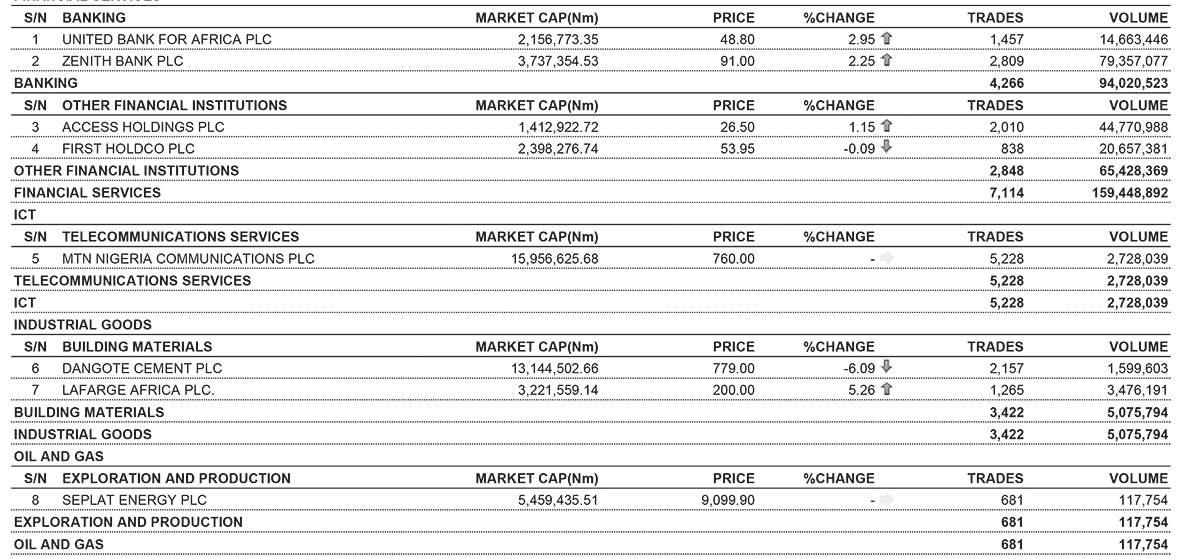
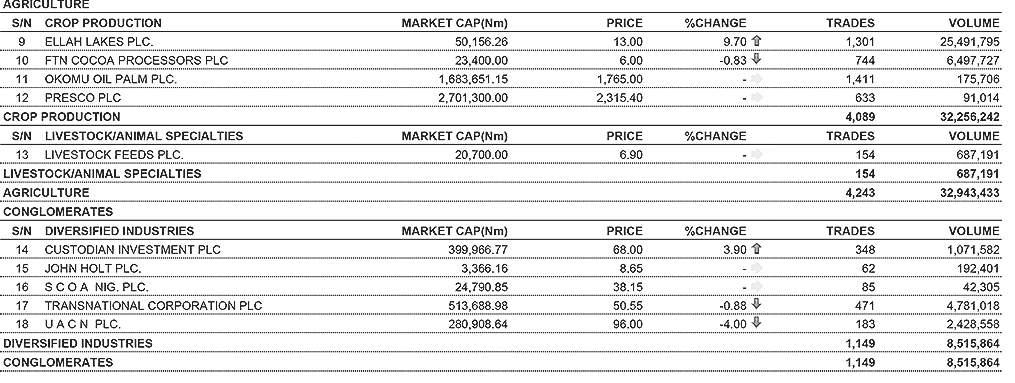
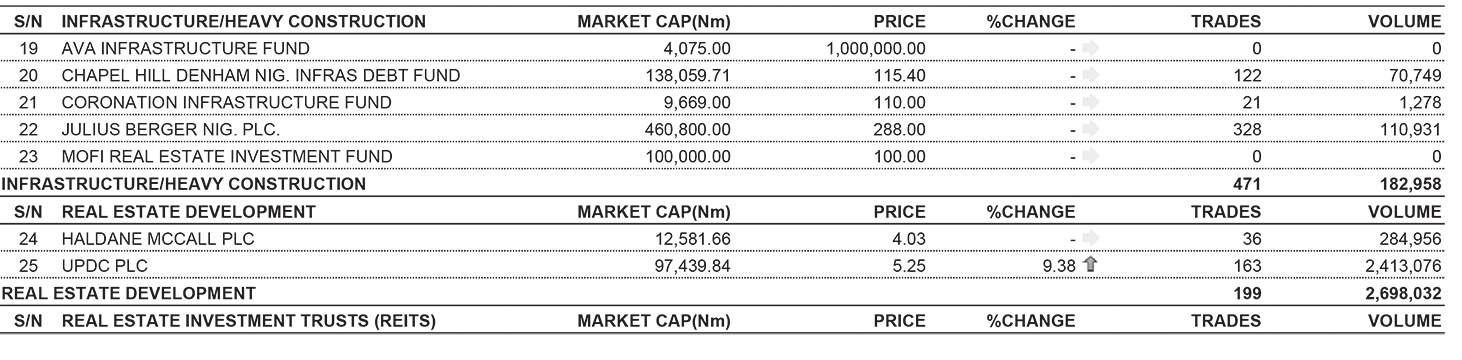
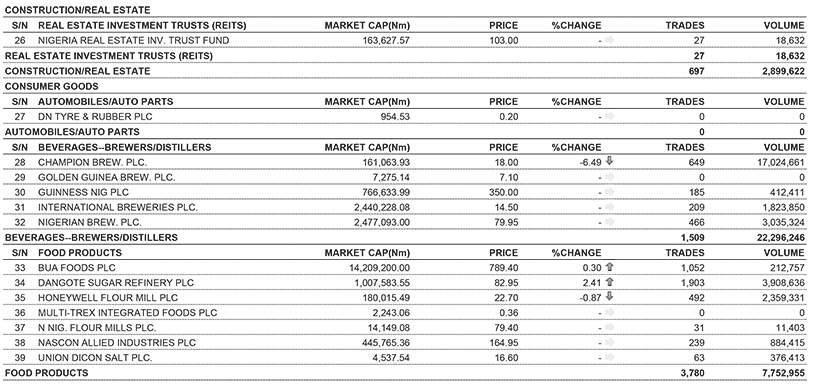
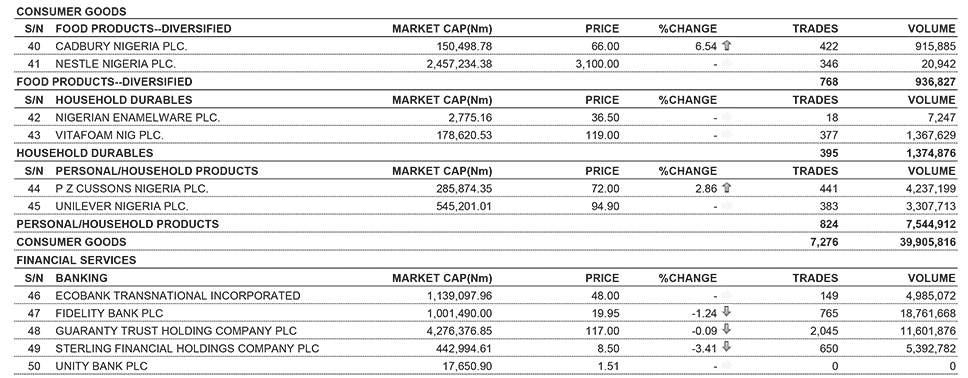
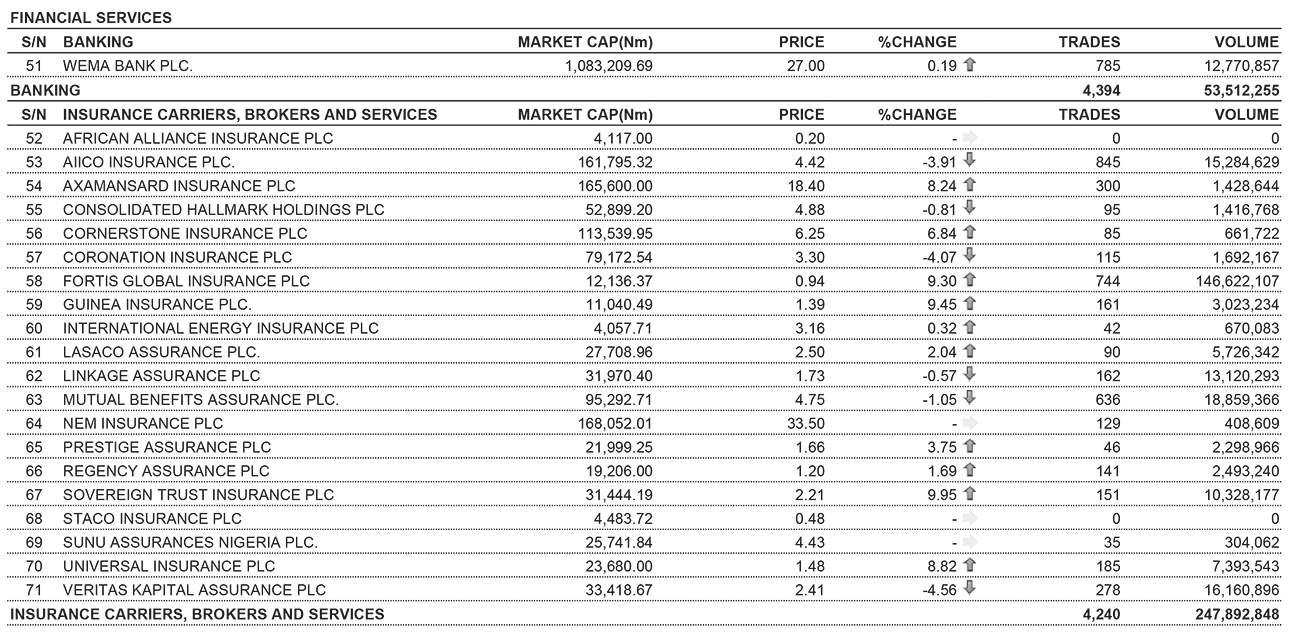

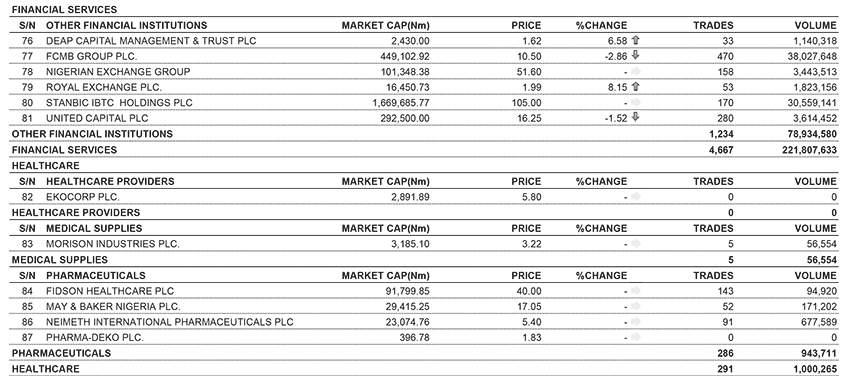
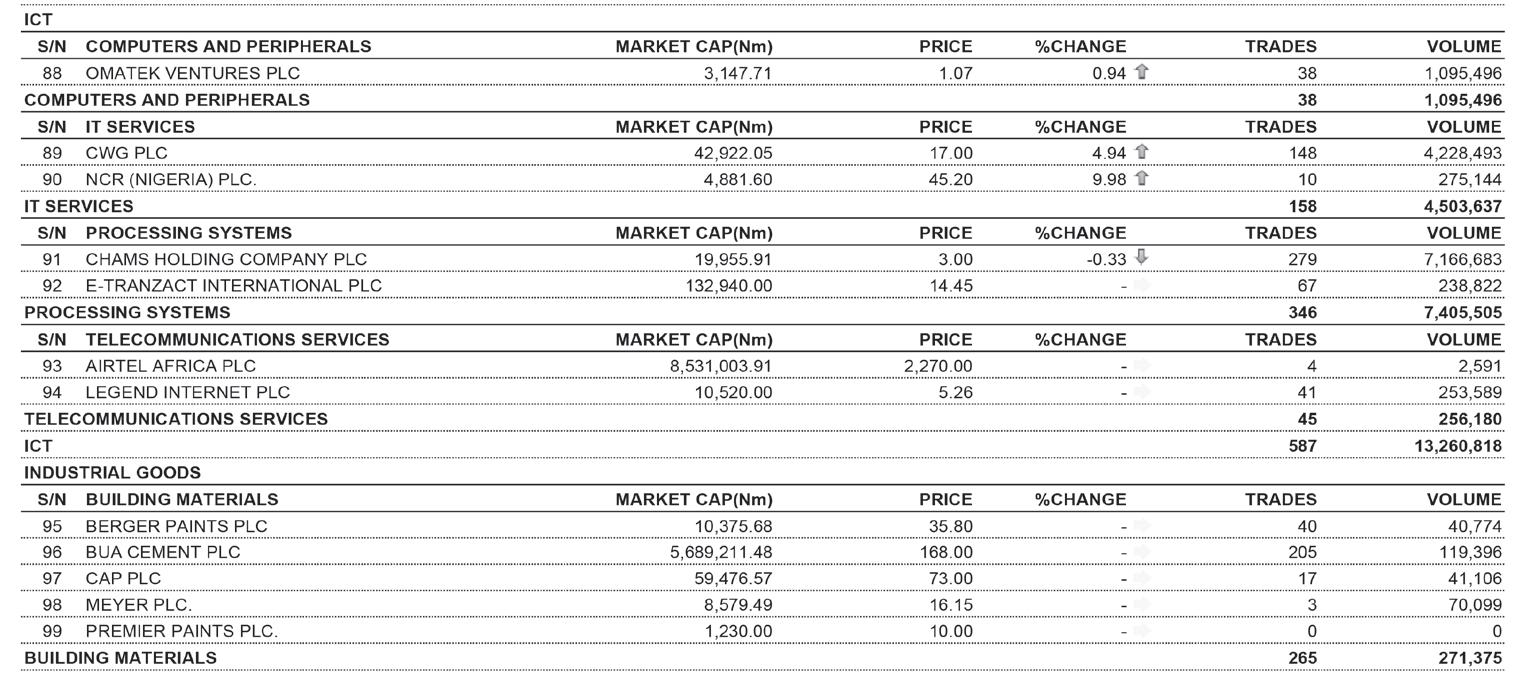
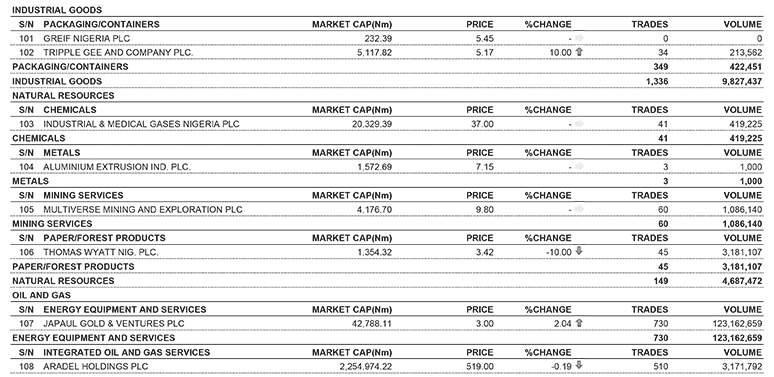
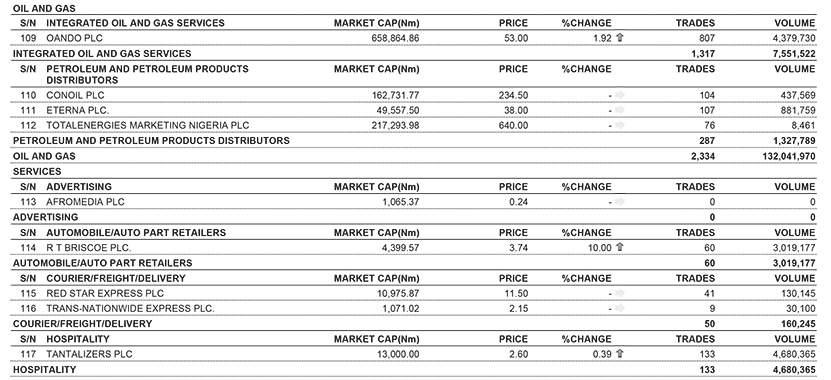
Jesse Jackson: African-Americans Have Not Seen Promised Land Yet THROWBACK INTERVIEW
In this interview, the legendary Reverend Jesse Jackson moved beyond the nostalgia of the 1960s to address the stark realities of modern America. He provided a masterclass in political strategy, explaining how the ‘Jackson 15% Rule’ paved the way for Barack Obama and Kamala Harris, while candidly admitting that the ‘Promised Land’ of equal opportunity remains over the horizon. From his international peace missions to his deeply personal definition of ‘revolutionary patience’, Jackson offered a profound reflection on a life defined not by a single crowning achievement, but by the relentless, faithful audacity to try. Jackson explored American civil rights, past and present. At the time of this interview, Jackson remained a towering figure—a man who transitioned from Dr Martin Luther King Jr’s ‘National Director of Operation Breadbasket’ to a two-time presidential candidate who fundamentally reshaped the Democratic Party’s DNA. Jackson died on February 17, 2026. This interview took place in March 2021 with Koko Kalango, founder of the Rainbow Book Club. Jackson remained a grounded realist. Blending theological conviction with “revolutionary patience”, Jackson provided a poignant roadmap for the next generation, proving that while politics is a science, service is the ultimate art form. Excerpts:
On April 3, 1968, the day before he was assassinated, with the eyes of faith, Martin Luther King proclaimed, ‘I have been to the mountain top. I have seen the Promised Land. I may not get there with you, but I want you to know that we as a people will reach the Promised Land…’ Have you, Rev Jesse Jackson, seen this Promised Land that Rev. King referred to, in reality? Would you say African-Americans have entered this Promised Land?
No, African-Americans nor I generally have yet seen the Promised Land in reality in America. The Promised Land is a land of equal opportunity for all. The Promised Land is an equitable sharing in the productivity of abundance and the blessings of plenty that the American economy has engendered. The Promised Land is a land of democracy where everyone eligible by age and citizenship can participate, vote and have their vote counted equally. The Promised Land is a land where all people have dignity. The Promised Land is an equal, high-quality educational opportunity for all children and young people. The Promised Land is safe, sanitary and affordable housing for everyone. The Promised Land is equal, high-quality health care for all. The Promised Land is a land of religious, racial, ethnic and gender tolerance, appreciation and celebration. We are not there yet, but those are some of the goals, and as Dr Martin Luther King, Jr. said, ‘The greatest of America is the right to protest for the right’. The mandate in our nation’s preamble is to ‘build a more perfect Union’. We’re not there yet, but we have the right to strive toward our goals.
In an article in The New York Times of May 24, 1968, you were called an ‘Emerging Rights Leader’, and in this period, many newspaper articles referred to you as King’s successor, and several black leaders viewed you as Martin Luther King’s successor, as you seemed to be the only activist who was preaching racial reconciliation like King. What happened that you didn’t succeed him? And what was your relationship with the new leadership?
I wasn’t the only activist, and my relationship with other African-American leaders was a good one. We achieve operational unity. I never saw myself as Dr King’s successor, but as his disciple, committed to continuing his work of social, economic, and racial justice. I joined Dr King in Selma in March 1965 after Bloody Sunday and the campaign for the right of African Americans to vote without discrimination. Shortly thereafter, he appointed me the Chicago Director of Operation Breadbasket (OBB), the economic arm of the Southern Christian Leadership Conference (SCLC). In August 1967, he appointed me the National Director of Operation Breadbasket, his last national appointment. I’ve done my best to carry forth the assignment he gave me relative to breaking down the racial barriers in businesses and the private economy.
At one point, you referred to Leon Sullivan as your ‘mentor,’ and Dr Martin Luther King, Jr. certainly inspired you to become fully involved in the civil rights movement. Even though you had closely worked with these great leaders, were some of your personal ideologies different from theirs?
I don’t think I had any fundamental personal, social, economic or political ideological differences with either of those two men, and both of them inspired me. Both men believed in using any and all resources and tools we could muster—moral persuasion, rational arguments, education, economic development and leverage, nonviolent direct action, voter registration and political power—to achieve our goal of racial justice. Rev. Leon Sullivan brought the concept behind OBB (Operation Bread Basket) to Dr King and laid out a process of research, education, negotiation, if negotiations break down, confrontation, and ultimately reconciliation for confronting and negotiating with businesses in the private sector.
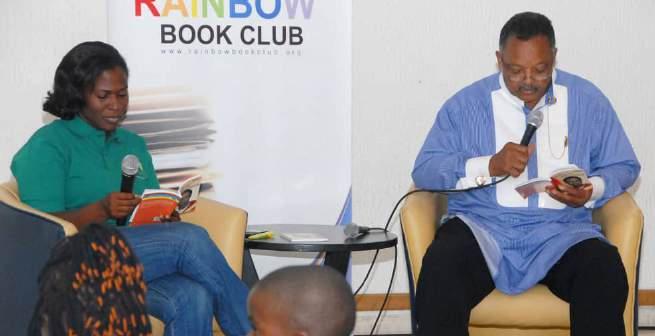
Twice, in the 1980s, you vied for the highest office in the United States of America. Many believed you would be the first black president, but that did not happen. Two decades later, however, Barack Obama clinched that position at first trial. What do you think he did or possessed that you may not have done or not have had to be president?
There are many African-Americans who possess the intelligence and skill to be President of the United States. In 1984, when I ran, the Democratic Party was still practising the presidential primary campaign rule of winner-take-all, that is, if you won a state, you got all the delegates. It’s unlikely that any African American could win the Democratic presidential nomination under those rules, including Barack Obama. Between 1984 and 1988, we protested that rule and Steve Cobble, on behalf of our campaign, negotiated a new rule of proportionality. The Democratic National Committee (DNC) wanted the rule set at 20 per cent—that is, any votes over 20 per cent, and the delegates would be divided proportionately—and we wanted it set at 10 per cent. We compromised at 15 per cent. Without that rule change, Hillary Clinton would have won the nomination in 2008 because she won all the big states—New York, Ohio, Pennsylvania, Texas, California, Florida—and would have gotten all the delegates. The Jackson 15 per cent Rule is still in effect in the Democratic Party’s presidential primaries.
Kamala Harris is the United States of America’s first female vice-president. She is also of African descent. What does she represent to the African-American community and gender politics?
She represents qualified women, racial growth, gender growth, greater political opportunity and increased African-American political power. She represents the opportunity to educate the President and the American people so that racial progress can be accelerated and all of America can be made better.
An activist in Nigeria recently said that every single social activist in the history of Nigeria had attempted to get into public office because public office is the ultimate arena for activism… that is where activists display the ultimate love for the common man. Do you agree? No. Jesus didn’t seek political office, and he was an activist, and I don’t think anyone can name another person who ever displayed greater concern for the common man than him. Neither Gandhi nor Dr King ever sought or achieved political office, and in many ways, they changed and continue
to change the world more than any politician ever did. A teenage Greta Thunberg may have done more to change our attitude and the politics toward our environmental crisis than any other person in the world. So, while politics is extremely important—in many ways it is the highest science and art form of the human family—no one does not have to be a politician to show great regard and make a great contribution to the betterment and advancement of the human family.
You are well known as one of the foremost American civil rights activists, a Baptist minister and politician. How have you been able to combine these roles to redefine American racial landscapes, that is, to positively influence race relations in America?
At my core, I’m a religious person, trained theologically and morally obligated to act nonviolently for social, economic and racial justice and to strive for great peace in the world. My religion makes me political. My politics doesn’t make me religious. False religion, mostly by men, has been used for evil. Good religion, practised by fallible human beings, has been used for good in the world. I endeavour to practice good religion.
Between the 1980s and 1990s, you were highly influential in international affairs. From the Middle East to South America, Africa, Europe and Asia, you became famous for your peace efforts. Were all these meant to further entrench America’s hegemony in global affairs or an agenda to change the Black narrative?
Neither. I am an American, but I was only trying to rescue individuals from captivity, give peace a better chance to be achieved and bring about more just relations between nations. It’s not good for any nation to have hegemony in the world. Power can be corrupting, and an imbalance of power almost certainly guarantees injustice. As a result of my training and experience, I believe, as the theologian Reinhold Niebuhr taught, that justice requires a balance of power. So, to the degree that I am able, my understanding and my goal is to seek a balance of economic and political power between the races and amongst nations. I think a balance of economic and political power provides the best opportunity for real justice between the races and a lasting peace in the world.
If you were to advise your younger self today, what three things would you tell him?
One, if your mission in life is to achieve a more just society and world, develop revolutionary patience, fight for revolutionary change, but know that real
structural change usually takes time and doesn’t come overnight. Certainly, that’s true in a democracy! Two, don’t spend all of your time and effort on external change. Develop your internal strength as well. The external struggle for change and justice doesn’t always go well and will not go in a straight line. There will be setbacks, so develop your internal strength and will to sustain you through hard and difficult times. Three, strive to have your means of struggle and your ends of struggle as close together as is humanly possible. You really can’t use unjust means and expect to achieve a just society. You can’t create the beloved community filled with hate. I believe what Dr King said, ‘The arc of the universe is long, but it bends toward justice.” I can’t prove that, but I believe that. It’s an article of faith on my part that has guided my actions through over six decades of activism.
At 80, what do you know for sure?
JJ - I know hate and fear are not the road to love and justice. I know, as Fredrick Douglass knew: ‘The whole history of the progress of human liberty shows that all concessions yet made to her august claims have been born of earnest struggle. If there is no struggle, there is no progress. Those who profess to favour freedom, and yet deprecate agitation, are men who want crops without ploughing up the ground, they want rain without thunder and lightning’. I know and believe, as Jewish Holocaust survivor and psychiatrist Viktor Frankl knew, that if you can find meaning in life— a why for living—you can survive any how of living. I know that life isn’t fair to all, but all can strive to be fair. I know, as Dr King knew, that no one should be a slave or discriminated against; that, even so, we cannot all be famous, but all of us can be great, because all can learn to engage in meaningful and socially useful service and find joy and meaning in being of service to others. I know that mature love is difficult, but it cannot be defeated. I know that if I love you, there’s nothing you can do about it.
What would you consider to be your greatest achievement in life?
I don’t have a greatest achievement. I’ve tried—not always successful—and done a lot of things in my life, but I can’t isolate one as my greatest achievement. I’ve tried to be faithful to God’s mission for my life. I’ve tried to be faithful to the assignment that Dr King gave me. I’ve tried to make life better for those born with the odds stacked against them. I’ve tried to be a loving person, sensitive to the needs of those around me. So I guess I would say my greatest achievement is that I’ve tried.
In 2011, you were in Port Harcourt, Nigeria, as a keynote speaker at the Garden City Literary Festival organised by the Rainbow Book Club, and over the years, you have kept abreast of our work. We would love to hear your comments on the club’s humble efforts.
When I met sister Koko Kalango in Port Harcourt, Rivers State, I was very impressed with her vision to promote reading for personal and social development. I am very inspired by her work because it reminds me of one of Dr Martin L. King, Jr.’s values—education. She is a treasure, and we must embrace and celebrate her by supporting her projects. If we believe that education is the pathway to fighting poverty and thus leads to success, which I do, then reading is the key.
The work of the Rainbow Book Club under the leadership of sister Koko Kalango is very vital in preparing children to compete and survive in a continuously changing world. Sister Kalango understood the importance of reading and took it upon herself to make sure that it is highlighted, especially in Nigeria. She made it her life mission to make a difference, and history will be very kind to her vital contribution in education.
Jesse Jackson and Koko Kalango reading to children at book festival in Port Harcourt in 2011
Setting Strategic Security Agenda for New IGP, Olatunji Disu
Nigerians and security experts have outlined a set of priority reforms and strategic actions they believe the acting Inspector-General of Police, Olatunji Disu, should pursue to strengthen the Nigeria Police Force and enhance national security, writes linus Aleke .
Nigerians and security experts have set out an extensive reform agenda for the Acting Inspector-General of Police, Olatunji Disu, urging him to take bold and deliberate steps to reposition the Nigeria Police Force for greater efficiency and public confidence. Central to their recommendations is the need for strong leadership that promotes professionalism, discipline and accountability, while restoring trust between the police and the communities they serve.
A recurring theme in their submissions is the adoption of intelligence-led policing to replace overreliance on checkpoints and routine patrols. According to stakeholders, improved intelligence gathering and analysis would enable the Force to respond more strategically to emerging threats and dismantle criminal networks nationwide.
They also emphasised that strengthening operational standards in line with international best practice would enhance the credibility and effectiveness of the police.
Improved welfare for officers and men of the Force was another major concern. Contributors highlighted the need for better remuneration, adequate uniforms, modern equipment and enhanced working conditions, noting that these measures would boost morale and encourage greater commitment to duty. They further called for the full implementation of the Police Act, particularly provisions relating to community policing and specialised units, stressing that closer collaboration between the police and local communities is vital to protecting lives and property nationwide.
Former Deputy Commander-General of the National Drug Law Enforcement Agency (NDLEA), Sule Momodu, advocated sweeping reforms, insisting that no police division should operate with fewer than 20 operational vehicles if crime is to be effectively tackled.
Addressing a press conference in Abuja, he underscored the importance of adequate logistics within every division’s area of responsibility. Beyond patrol vehicles, he recommended the deployment of motorcycle, bicycle and foot patrols to improve security coverage, especially in hard-to-reach areas.
Momodu urged the Acting InspectorGeneral to prioritise the full implementation of the amended Police Act, describing it as essential to repositioning the Force.
He argued that proper enforcement of the Act would enhance efficiency and service delivery. In addition to logistics, he called for improved welfare packages, including sufficient uniforms and footwear, as well as strengthened radio communication systems to ensure seamless information flow between divisional stations and state command headquarters.
He further maintained that intelligence-led policing should take precedence over static checkpoints and routine “show of force” operations, which he described as having limited impact. Congratulating Disu on his appointment, Momodu expressed confidence in his capacity to transform the Force into a more professional and people-friendly institution, while stressing that tangible reforms would ultimately define his tenure.
Drawing attention to Section 20 of the Police Act, Momodu noted that police officers should not earn less than other better-paid law enforcement agencies in Nigeria and urged immediate implementation of the provision. He also recommended activating sections of the Act that provide for specialised “spy police” units to guard premises and VIPs, with requesting organisations bearing the costs
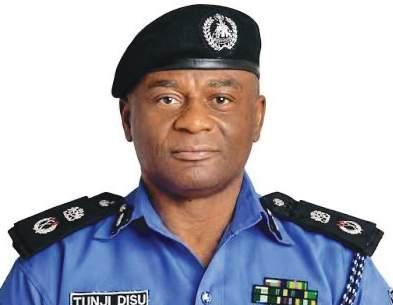
of recruitment, training and salaries.
This, he said, would reduce the financial burden on government and create employment opportunities, while allowing for the redeployment of thousands of officers previously assigned to VIP protection.
He additionally called for the activation of provisions relating to special constables to address policing gaps in underserved communities. To ensure comprehensive implementation of the law, he advised the Acting InspectorGeneral to obtain an executive summary of the Police Act from the Force’s legal department. Momodu also urged the reactivation of police call centres across state capitals and the inauguration of community policing committees at local government and state levels. Renovating divisional police stations
nationwide, he added, would create conducive working environments and strengthen operational effectiveness.
Former spokesperson of the Ministry of Foreign Affairs, Ambassador Ogbole Amedu Ode, similarly emphasised improved welfare, including better emoluments and housing, as a pathway to boosting morale. He also called for raising operational standards to meet international best practice. To enable the police assume full responsibility for internal security and allow the military to focus on defending the nation’s territorial integrity, he recommended increased recruitment to meet the widely referenced ratio of one police officer to 400 citizens.
Ace crime reporter and former President of the Crime Reporters Association of Nigeria (CRAN), Odita Sunday, urged Disu to seek a state of emergency in police funding. He argued that meaningful reform would be
A recurring theme in their submissions is the adoption of intelligence-led policing to replace overreliance on checkpoints and routine patrols. According to stakeholders, improved intelligence gathering and analysis would enable the Force to respond more strategically to emerging threats and dismantle criminal networks nationwide.
impossible without adequately equipping and motivating the Force. According to him, an average police command should have no fewer than 500 patrol vehicles, supported by helicopters and drones. He further proposed substantial emergency funding, adequate monthly operational allocations for divisional headquarters and improved salaries for constables, warning that poor remuneration creates negative incentives and undermines professionalism.
Former Commissioner of Police, FCT Command, Lawrence Alobi, called for robust monitoring mechanisms to prevent abuse of office by personnel. While commending President Bola Tinubu for appointing a capable officer, he urged Disu to focus on training, capacity building and effective supervision. Alobi stressed that proper oversight enables senior officers to guide subordinates and ensure smooth operations. He also advocated freeing the police from unnecessary political interference, arguing that operational control should rest fully with the Inspector-General, who understands the strengths and deployment needs of his officers.
Collectively, the contributors agreed that professionalism, improved welfare, intelligence-driven operations and faithful implementation of the Police Act are essential to repositioning the Nigeria Police Force. They expressed optimism that decisive leadership and sustained reforms under Acting Inspector-General Olatunji Disu could significantly strengthen internal security and restore public confidence in the Force.
IGP, Olatunji Disu
FEaturEs
The Task Before Inspector General of Police Olatunji Disu
The appointment and decoration of IGP Olatunji Disu as the 23rd Acting Inspector General of Police comes at a critical juncture for Nigeria’s security landscape. As he assumes leadership of the Nigeria Police Force, Chiemelie Ezeobi writes that expectations are high that his tenure will confront pressing security challenges, restore public confidence, and drive meaningful institutional reform within the Force
The appointment and decoration of IGP Olatunji Disu as the 23rd acting Inspector General of Police comes at a defining moment for Nigeria’s internal security architecture. His recent elevation to the highest office in the Nigeria Police Force (NPF) is not merely ceremonial; it is a call to confront layered security threats, restore public confidence, strengthen institutional discipline, and reposition the Force as a modern, intelligence-driven organisation capable of meeting 21st-century challenges.
Across Nigeria, insecurity remains multifaceted. From banditry and kidnapping in parts of the North-West and North-Central, to insurgency in the North-East, cultism and organised crime in the South-South, and cybercrime and violent criminality in urban centres, the policing landscape is both complex and dynamic.
Undoubtedly, the new IGP inherits a Force stretched by manpower shortages, public trust deficits, funding gaps, and technological limitations, therefore the task before him is both operational and structural, one he must start tackling immediately.
Restoring Public Confidence
Perhaps the most urgent assignment before IGP Disu is rebuilding trust between the police and the people. The #EndSARS protests left deep scars and amplified longstanding complaints about police brutality, extortion, unlawful detention, and poor accountability mechanisms. While reforms were announced, public scepticism persists.
The new IGP must prioritise transparent disciplinary processes, strengthen internal oversight units, and ensure that erring officers are sanctioned swiftly and publicly. Beyond punishment, however, lies culture change. Policing must shift from force-based dominance to serviceoriented engagement. Community policing initiatives, long discussed, must move beyond policy documents into measurable implementation at divisional and area command levels.
Town hall engagements, digital complaint platforms, and regular public briefings can help demystify police operations. When citizens feel heard and protected rather than intimidated, intelligence gathering improves organically. Trust is not a public relations strategy; it is a security asset.
Professionalising and Motivating the Rank and File
The morale of officers and men remains central to effective policing. Poor welfare, inadequate housing, delayed promotions, and insufficient equipment have historically affected performance and discipline. IGP Disu must work closely with the Police Service Commission, the Ministry of Police Affairs, and the Presidency to prioritise welfare reforms.
Training also requires urgent recalibration. Modern crime is technologically driven. Cyber fraud networks, financial crimes, digital surveillance, and encrypted communications demand officers who are not only physically prepared but digitally literate. Continuous professional development, specialised training partnerships, and exposure to international best practices will be essential.
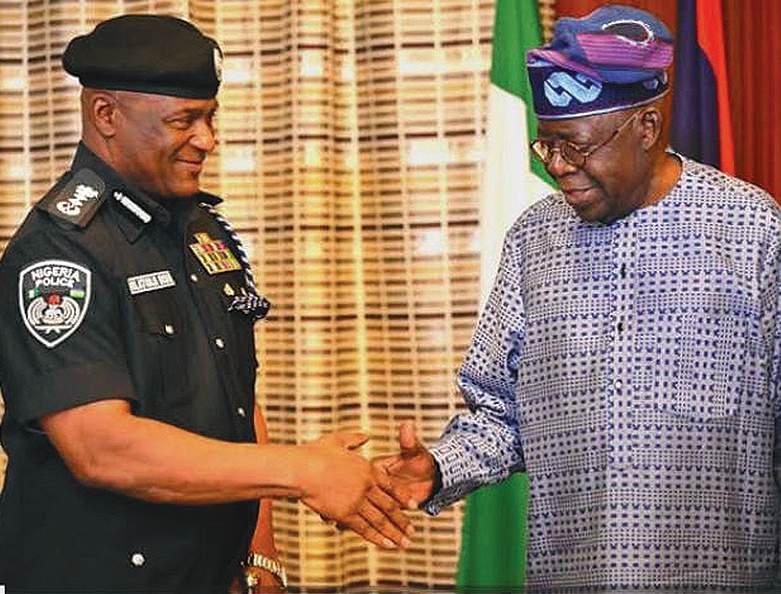
Equally important is merit-based promotion. A transparent career progression structure can restore pride within the Force. When competence is rewarded, professionalism flourishes.
Technology and Intelligence-led Policing
Nigeria’s security environment requires a decisive shift toward intelligence-led policing. The new IGP must strengthen the Force Intelligence Bureau and integrate data systems across commands. Crime mapping, biometric databases, forensic laboratories, and digital tracking systems should not remain aspirational.
Partnerships with the private sector and technology firms can accelerate digital transformation. CCTV networks in major cities, improved forensic capabilities, and coordinated data sharing with other security agencies would significantly enhance response times and conviction rates.
The use of technology must, however, be balanced with safeguards for civil liberties. Data protection, legal compliance, and oversight mechanisms are necessary to prevent abuse.
Inter-Agency Collaboration
Internal security in Nigeria involves multiple agencies: the military, DSS, NSCDC, FRSC, EFCC, and others. Rivalries and poor coordination have sometimes undermined effectiveness.
IGP Disu must position the NPF as a collaborative anchor within this ecosystem.
Clear communication channels, joint operations frameworks, and intelligence-sharing protocols can reduce duplication and friction. The police remain constitutionally the lead internal security agency. Reasserting this role requires diplomacy, clarity of mandate, and operational efficiency.
Tackling Kidnapping and Organised Crime Kidnapping for ransom continues
to undermine economic activity and public safety. A coordinated, intelligence-backed approach is required. Beyond reactive deployments, the Force must disrupt financing channels, trace ransom payments, and dismantle logistics networks supporting criminal gangs. Organised crime syndicates, including trafficking rings and cross-border criminal enterprises, require specialised investigative units. Strengthening border policing collaboration with neighbouring countries will also be vital.
Police Reform and Structural Questions
The conversation around state police and constitutional reform remains ongoing. While that debate is political and legislative, the IGP must demonstrate that the existing federal structure can function efficiently. If decentralisation eventually materialises, the groundwork for standards, training modules, and oversight structures must be laid early.
Internally, bureaucratic bottlenecks within Force Headquarters and commands require streamlining. Administrative efficiency directly affects operational outcomes.
Human Rights and Rule of Law
Nigeria’s democratic maturity is closely linked to the conduct of its law enforcement institutions. Allegations of unlawful detention, media suppression, and politically influenced policing damage institutional credibility.
IGP Disu must reinforce the principle that the police serve the Constitution, not political interests. Electoral policing, in particular, demands neutrality. With offcycle governorship elections and preparations for future national polls, professionalism during political contests will be closely scrutinised.
Engagement with civil society organisations, the National Human Rights Commission, and oversight bodies can help entrench rights-based policing.
Communication and Public Perception
Modern policing is as much about perception as performance. Rapid misinformation on social media can inflame tensions within minutes. The Force Public Relations Department must be proactive, factual, and responsive. Regular press briefings, timely updates during crises, and clear explanations of operations can prevent speculation as silence often breeds suspicion. A transparent communication culture can help reposition the Force in the public imagination.
Youth Engagement and Crime Prevention
Nigeria’s demographic reality presents both risk and opportunity. A large youth population, when unemployed and disengaged, can be vulnerable to criminal recruitment. Preventive policing through youth outreach, school programmes, and partnership with community leaders can address root causes.
Sports initiatives, career talks, and mentorship programmes involving police officers may appear soft, but they build long-term security resilience. Prevention is always cheaper and more sustainable than enforcement alone.
Financial Crimes and Cybersecurity
With Nigeria’s expanding digital economy, cybercrime remains a persistent challenge. Collaboration with agencies like the EFCC and international partners will be necessary to track digital fraud networks. The IGP must ensure that cybercrime units are properly staffed and equipped.
Public education campaigns on online safety can complement enforcement efforts. As financial transactions become increasingly digital, law enforcement must stay ahead of emerging threats.
Leadership and Legacy
Ultimately, the task before IGP Olatunji Disu is about leadership. Reforming a vast institution of over 300,000 personnel requires clarity of vision and consistency of purpose. The symbolic moment of decoration must translate into strategic action.
His tenure will likely be measured against tangible benchmarks: reduction in violent crime statistics, improved response times, enhanced conviction rates, visible disciplinary action against misconduct, and restored public confidence. Institutional reform is incremental, but leadership sets the tone.
Nigeria’s security challenges will not disappear overnight. Yet decisive steps, sustained commitment, and transparent governance can gradually shift the narrative. The new IGP stands at the centre of that possibility.
The badge of office he now wears carries not only authority but expectation. The nation will watch closely, hopeful that this new chapter in the Nigeria Police Force marks not just continuity, but transformation.
L–R: The newly appointed 23rd Inspector-General of Police (IGP) Olatunji Disu and President Bola Ahmed Tinubu, after he decorated Disu with the rank of acting IGP at the Presidential Villa, Abuja, last week
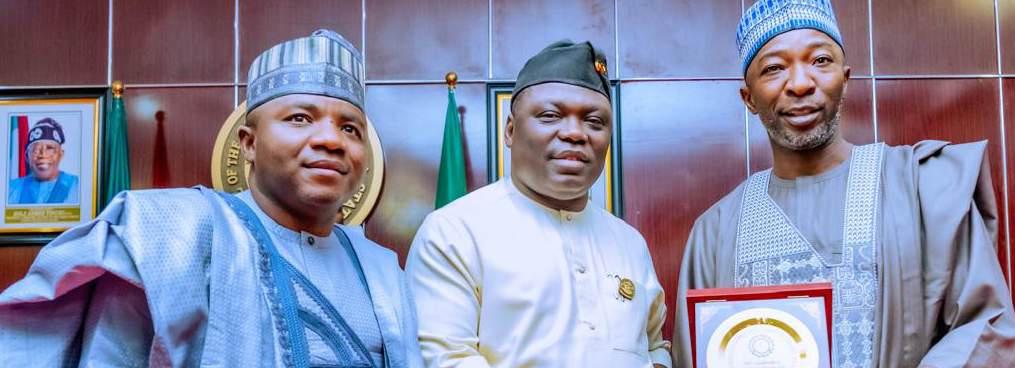
TARABA ADOPTS EMPLOYEES’ COMPENSATION SCHEME...
NSITF, Taraba State Seal Landmark Partnership to Drive Employees’ Compensation Compliance
Managing Director/Chief Executive of Nigeria Social Insurance Trust Fund (NSITF), Mr. Oluwaseun Faleye, on Thursday paid a strategic visit to Governor of Taraba State, Agbu Kefas, at Government House, Jalingo, in what was described as a decisive step towards strengthening social protection and institutional accountability.
The engagement, held on February 26, formed part of a deliberate institutional strategy to build structured partnerships with progressive state governments committed to advancing workers’ welfare and strengthening governance systems.
At the centre of the dialogue was the effective implementation and expansion of the Employees’ Compensation Scheme (ECS).
Addressing the governor and senior state officials, Faleye stated that the scheme was not merely a statutory obligation, but a vital social protection instrument that safeguarded dignity for workers and stability for employers.
“When a worker is injured, disabled, or loses his life in the course of duty, the response of the government defines public trust and reinforces confidence in leadership,” he stated.
The NSITF helmsman commended Kefas for his administration’s welfare-driven posture, stating that expanding ECS coverage aligns directly with the state’s commitment to protecting its workforce.
However, he emphasised that beyond policy conversations, the focus must now shift to measurable and time-bound outcomes.
To achieve that, Faleye
MDGIF Inaugurates CNG Station in OAU, Expands Investment in Gas-powered Mobility
The Midstream and Downstream Gas Infrastructure Fund (MDGIF) has commissioned an integrated Compressed Natural Gas (CNG) refuelling facility at Obafemi Awolowo University, Ile-Ife.
The organisation, in a statement, noted that the development marked another milestone in its mandate to catalyse investments across Nigeria’s gas value chain and deepen domestic gas utilisation.
Speaking during the ceremony, the Executive Director of MDGIF, Mr Oluwole Adama, described the project as a practical demonstration of Nigeria’s gas-based energy transition.
“This project represents more than the commissioning of a refuelling station. It symbolises progress, partnership and purpose in advancing Nigeria’s energy transition, promoting
cleaner fuels and deepening domestic gas utilisation in line with national energy objectives.
“As you may be aware, MDGIF was established to catalyse investments in midstream and downstream gas infrastructure across the country through equity partnerships with private investors. Our mandate is clear: to support projects that unlock gas value chains, improve gas access, enhance environmental sustainability, and deliver tangible socio-economic benefits to Nigerians.
“This CNG refuelling infrastructure project at Obafemi Awolowo University is one such strategic investment. Through our equity partnership with FEMADEC Energy Limited, MDGIF is proud to support 20 CNG refuelling infrastructure projects in 20 federal universities across Nigeria,” Adama said.
proposed practical steps aimed at expanding ECS compliance across state Ministries, Departments and Agencies (MDAs), intensifying sensitisation of major employers and contractors operating within Taraba, and strengthening awareness of workplace safety and compensation obligations across the state. For structured coordination and accountability, he recommended the designation of a focal ministry or official to interface with the fund. He further proposed the immediate establishment of a
joint technical interface between the state’s designated team and NSITF to develop a short implementation roadmap within weeks. According to him, the fund has already instituted an internal Strategic InterAgency Coordination (SIAC) framework to track timelines and deliverables arising from such high-level engagements.
Highlighting the broader institutional benefits of strengthened ECS compliance, Faleye explained that robust implementation would protect workers, reduce employers’
litigation exposure, promote industrial harmony, and reinforce the administration’s commitment to structured social protection. In a forward-looking recommendation, he advocated the integration of ECS Compliance Certificate into Taraba State’s public procurement and contracting processes. Under this framework, companies bidding for state contracts, seeking pre-qualification for projects, registering or renewing contractor status, or engaging in public-private partnerships would be required to provide
evidence of NSITF compliance. He clarified that this would not create new obligations but would reinforce existing statutory requirements, ensuring that companies benefiting from public funds are also compliant in protecting their workers.
As the engagement drew to a close, Faleye sought clarity on the state’s preferred coordination structure and formally conferred on Kefas the title of “Ambassador and Advocate of the Employees’ Compensation Scheme” in Taraba State and across the North-east.
Adelabu to Oyo Assembly: Avoid Politicising Technical Challenges in Power Sector
Emmanuel Addeh in Abuja
The Minister of Power, Adebayo Adelabu, has expressed concern over the alleged politicisation of technical challenges in the power sector and has rejected allegations of incompetence against him by members of the Oyo State House of Assembly.
In a statement issued by Bolaji Tunji, Special Adviser on Strategic Communications and Media Relations to the minister, the minister clarified that the transmission challenges affecting Ibarapa predate the current administration.
These challenges, it said, were largely caused by funding shortfalls and unresolved compensation issues linked to critical infrastructure of the Transmission Company of Nigeria (TCN).
The statement described the politicisation of largely technical matters as regrettable and urged lawmakers to prioritise constructive engagement and collaboration between federal and state authorities to improve electricity supply in Oyo State.
According to the statement, the
State Assembly should focus on its constitutional responsibilities, particularly in light of recent amendments that place electricity on the Concurrent Legislative List, empowering states to generate, transmit, and distribute power within their jurisdictions.
While several states have taken advantage of these provisions to establish independent power initiatives, Oyo state, the ministry said, has yet to fully utilise these opportunities to complement federal efforts.
The statement further questioned why the Assembly
failed to hold the state government accountable for the unsuccessful Independent Power Project undertaken with Elektron Energy, despite significant public investment. The contractor, it said , reportedly suspended services due to persistent non-payment. It also expressed concern that the Assembly is raising these issues after nearly seven years in office and less than a year to the next general elections, describing the action as politically motivated and aimed at discrediting the Minister, rather than addressing genuine service delivery concerns.
Correctional Service Explains Position in Row with Activists over Ohiri
Michael Olugbode
A confrontation over the remand of a female defendant in Abuja has ignited fresh debate about the limits of civil activism and the enforcement of judicial authority, after the Nigerian Correctional Service (NCoS) accused a group of obstructing officers from executing a valid court order.
The dispute centres on Tracynither Nicholas Ohiri, who was ordered remanded at the Keffi Correctional Centre on 26 February 2026 by Magistrate Court 7 in Wuse Zone 2, Federal Capital Territory, pending the perfection of her bail conditions.
According to the Correctional Service, officers acted in strict compliance with a duly issued
warrant of commitment when they attempted to transfer the defendant from the court to the custodial facility in Keffi.
However, the movement was halted after a group of individuals, some identifying themselves as civil society actors, allegedly blocked the officers and insisted that Ohiri would not be moved.
Faced with mounting tension
at the court premises, officers opted to place the defendant in protective custody at a nearby police station for the night, describing the decision as a measure aimed at preserving order and ensuring her safety. The situation flared again the following morning when correctional personnel resumed efforts to enforce the remand order.
Emmanuel Addeh in Abuja
Onyebuchi Ezigbo in Abuja
in Abuja
L R: Executive Director, Administration, Nigeria Social Insurance Trust Fund (NSITF), Mr. Samaila Abdu; Governor of Taraba State, Dr. Agbu Kefas; and Managing Director, Nigeria Social Insurance Trust Fund, Mr. Oluwaseun Faleye, at the Government House, Jalingo, on Thursday
NCS Advocates Robust Investment in Cancer Prevention, Control
Seeks government urgent intervention As over 500 get free cancer screening in Rivers
Blessing Ibunge in Port Harcourt
Nigerian Cancer Society (NCS) has urged federal and state governments, organised
private sector, multinational corporations, civil society organisatons, and other stakeholders to invest more robustly in cancer prevention and control.
President of NCS, Professor Abidemi Omonisi, made the call at the 2026 World Cancer Day Regional mega rally held in Port Harcourt at the weekend.
In his address, Omonisi stated that investment in cancer control was not a cost, but an investment in productivity, national development, and human dignity.
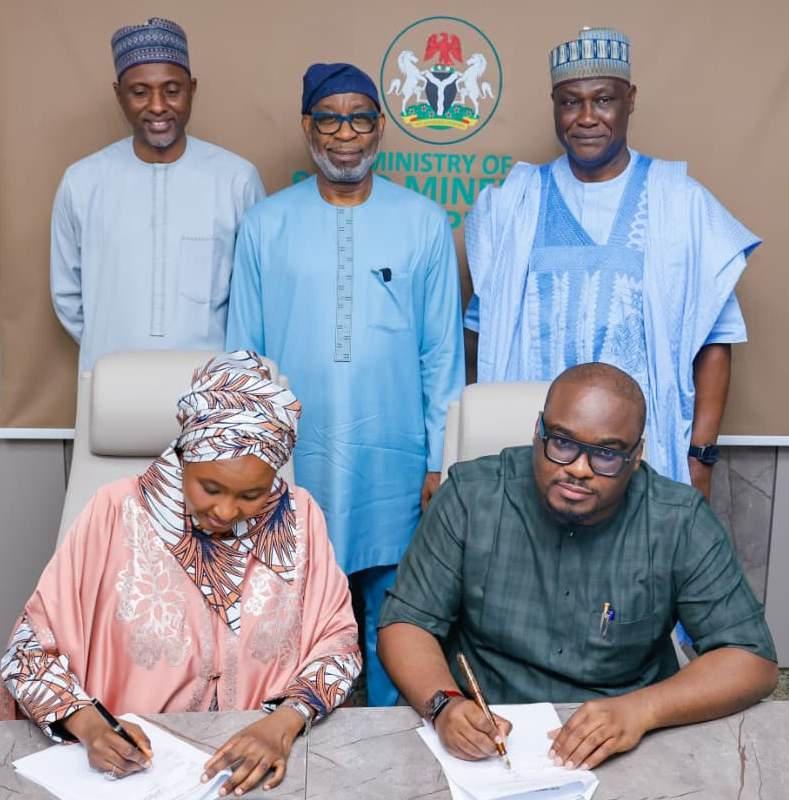
Front row (L–R): Executive Secretary of the Solid Minerals Development Fund, Hajiya Fatima Shinkafi; Deputy Director & Head, Metals and Mining at the Africa Finance Corporation, Franklin Edochie. Back row (L–R): Permanent Secretary, Ministry of Solid Minerals Development, Engr. Faruk Yusuf Yabo; Minister of Solid Minerals Development, Dele Alake; and President/CEO of the Africa Finance Corporation, Samaila Zubairu, during the signing of the MOU between the Solid Minerals Development Fund (SMDF) and the Africa Finance Corporation for the $1.3bn Alumina deal in Abuja, March 1, 2026
Sule Momodu: No Police Division Should Have Fewer Than 20 Operational Vehicles
Linus
Former Deputy CommanderGeneral of the National Drug Law Enforcement Agency (NDLEA), Sule Momodu, has called for sweeping reforms in the Nigeria Police Force, insisting that no police division should operate with fewer than 20 operational vehicles if crime is to be effectively tackled.
Speaking at a press conference in Abuja on Saturday, the retired Deputy Commandant stressed that adequate logistics are fundamental to combating crime within every division’s area of responsibility.
In addition to patrol vehicles, he advocated deployment of motorcycle, bicycle and foot patrols to enhance security coverage, particularly in hardto-reach communities.
Momodu urged the Acting Inspector-General of Police, Olatunji Disu, to prioritise the full implementation of the amended Police Act, describing it as critical to repositioning the Force.
He maintained that proper enforcement of the Act would significantly improve police efficiency and service delivery.
Setting an agenda for the new police chief, Momodu said
divisions and state commands must be adequately equipped and supported by government.
Beyond vehicles, he called for improved welfare, including the provision of sufficient uniforms and footwear for officers to ensure a professional appearance.
He also emphasised the need to strengthen radio communication systems to guarantee seamless information flow between divisional stations and state command headquarters.
He further advocated intelligence-led policing, arguing that reliance on static
checkpoints and routine “show of force” operations has limited impact.
According to him, targeted intelligence gathering would enable officers to identify and apprehend criminals more effectively within their communities, rather than relying on random searches.
Congratulating Disu on his appointment, Momodu described him as a determined leader capable of transforming the Force into a more professional and people-friendly institution dedicated to maintaining law and order.
Speaking on the theme of the rally, “United by Unique,” Omonisi said they chose Rivers State for the rally because it had demonstrated strong commitment towards improving health infrastructure, including cancer care.
He stated, "We acknowledge the strides made through facilities, such as the Peter Odili Cardiovascular and Cancer Centre, which represents hope for many families in this region.
"Bringing the 2026 Regional Mega Rally to Port Harcourt is intentional. It reinforces our message that cancer control must not be centralised in Abuja or Lagos alone. Every geopolitical zone deserves visibility, access, and action.
"The South-south region faces unique environmental, economic, and healthcare access challenges. True to this year’s theme, each region’s cancer burden is unique, yet our resolve to confront it is united."
Addressing the “Reality of Cancer in Nigeria”, Omonisi said, "Cancer is no longer a distant threat. It is here. It is rising. Yet the tragedy is this: Many cancers are preventable. Many are treatable. Many lives can be saved through early detection."
The NCS president revealed that Nigeria had made notable progress, including establishment of National Institute for Cancer Research and Treatment (NICRAT), and strengthening of National Cancer Control Plan (2026–2030).
He added, "We are actively mobilising resources to deploy mobile cancer screening and treatment vans across the six geopolitical zones, ensuring that geography and poverty do not determine survival.". During the programme, over 500 persons benefited from a free cancer screening exercise at Dr. Peter Odili Cancer and Cardiovascular Centre (POCCC), in Port Harcourt. It would be recalled that the 65-bed state-of-the-art hospital was initiated by the government of Chief Nyesom Wike and was completed last September under the present administration of Sir Siminalayi Fubara.
Speaking with journalists during the sensitisation and free screening exercise yesterday, Permanent Secretary, Rivers State Ministry of Health, Professor Justina Jumbo, emphasised that cancer was a chronic disease that could be treated if detected early. Jumbo said, “We know that cancer is a chronic disease that affects all humans irrespective of their age, their sex, and their race. It affects everybody and it's when certain cells decide to multiply on uncontrollable level. It could occur in any part of the body and it's a deadly disease and the state government has thought it wise to establish this centre.”
The permanent secretary stated the centre will save patients the cost of overseas medical tourism and treatment.
FG, NASS Urged to Resolve Ambiguity over Sharia Law, Says It Can't Coexist with Common Law
The executive and the legislative arms of the Nigerian government have been urged to take concrete steps to end the ambiguity created by the existence of the Sharia criminal law alongside the Common law in the Constitution.
A socio-political advocacy group, Ndi Igbo Worldwide Union (NIWU) made the call in a statement issued in response to the pushback by Nigeria's Islamic leaders over the suggestion by the United States Congress that sharia law should be scrapped.
A U.S Congressional report on the Christian Persecution in Nigeria had recommended that the Islamic sharia law, which is operational in some northern states, should be abolished allowing the Common Law to apply across the nation.
The Committee reasoned the existence of Sharia codes and “blasphemy laws in Nigeria’s northern states are
used to silence speech and dissent, target Christians and minorities, and justify so-called ‘convictions’ without due process".
Though this suggestion was totally rejected by Nigeria’s Muslim leaders, Ndi Igbo Worldwide Union noted the backlash
"exposes a bitter truth—the Nigerian state, in its current configuration, is no longer sustainable".
In the statement signed by its President, Benjamin I. Nwankwo, and Secretary Chief Charles Edemuzo, the NIWU argued that since Sharia is enshrined in Nigeria’s Constitution and, as a ranking member of the Organization of Islamic Countries (OIC), the country "cannot simply erase (Sharia) overnight".
"Any proposal to impose a uniform common law system without first dismantling the 1999 constitution is a nonstarter," NIWU said, adding that "those pretending otherwise are living in denial".
Aleke in Abuja
Emmanuel Ugwu-Nwogo in Enugu
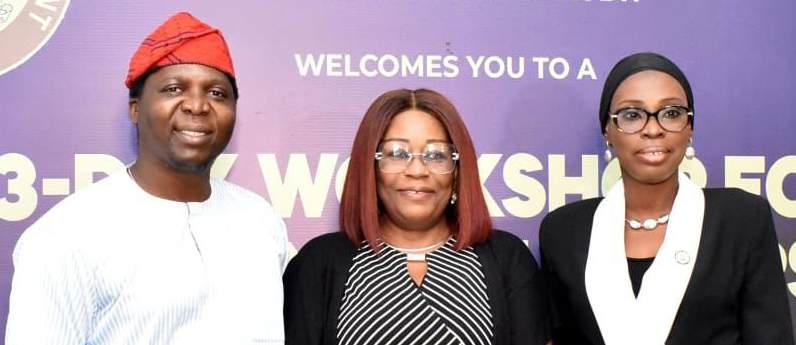
OPENING CEREMONY OF A 3 DAY WORKSHOP FOR INTERNAL AUDITORS IN LAGOS STATE...
FG Reaffirms Commitment to Promote Digital Transformation, Inclusive Economic Growth Across Regions
Emmanuel Ugwu-Nwogo in Enugu
The federal government has restated its commitment to ensure inclusive economic growth and digital transformation in every geopolitical zone of Nigeria.
Secretary to the Government of the Federation (SGF), Senator George Akume, gave
the assurance at the weekend in his address at the closing ceremony of Enugu State Technology Festival 2026, held at the International Conference Centre, Enugu. Akume said the administration of President Bola Tinubu would not want any part of the country to lag behind in the march to build prosperity and improve
living standards for the citizenry.
The SGF, represented by Director, General Services, Ibrahim Abdulkadir, stated that the federal government was impressed by the level of economic and infrastructural transformation going on in Enugu State.
He commended Governor Peter Mbah's for his initiative
in driving the state towards a attaining a projected $30 billion digital economy by 2030, adding that such feat would boost Nigeria’s overall economic development.
"This landmark, if achieved, will underscore the federal government’s commitment in fostering innovation, digital transformation, and inclusive
ECOWAS Sounds the Alarm Over Gulf Escalation, Warns of Economic Shockwaves for West Africa
Michael Olugbode in Abuja
The Economic Community of West African States (ECOWAS) has raised fresh concerns over escalating hostilities in the Gulf region, cautioning that a prolonged conflict could unleash severe economic and security repercussions far beyond the Middle East, with Africa among the hardest hit.
In a statement issued under the chairmanship of Julius Maada Bio, President of Sierra Leone, the 12-member regional bloc aligned itself with the
NSCDC
position earlier expressed by the African Union Commission, which has voiced deep unease over the intensifying military exchanges.
The warning comes at a time when global energy markets are already on edge. The Gulf region remains central to international oil and gas supplies, accounting for a significant share of global crude exports.
For West African economies — many of which are net importers of refined petroleum products despite being crude
producers — volatility in oil prices translates quickly into domestic inflation, currency pressures and rising transport and food costs.
ECOWAS noted that beyond energy, the Gulf serves as a strategic artery for global trade.
Key maritime routes, including those connected to the Strait of Hormuz, facilitate the movement of energy supplies and commercial goods between Asia, Europe and Africa.
Any disruption risks compounding supply chain fragilities that have persisted
since the COVID-19 pandemic and the Russia-Ukraine conflict.
For food-import-dependent nations across West Africa, the stakes are particularly high. Many countries in the region rely heavily on imported wheat, fertiliser and other agricultural inputs sourced through global supply chains sensitive to geopolitical shocks.
Previous international crises have demonstrated how quickly distant conflicts can drive up bread prices and deepen food insecurity in African cities.
Mourns Female Officer Who Died During Abuja Training Simulation Accident
The Nigeria Security and Civil Defence Corps (NSCDC) has expressed deep sorrow following the death of Assistant Superintendent of Corps Ogbodo Ene Victoria, who died after sustaining mortal wound during a tactical simulation exercise in Abuja.
The tragic incident
occurred at the NSCDC National Headquarters in the Federal Capital Territory during a training exercise organised to mark the 2026 edition of World Civil Defence Day.
The exercise, which focused on tactical rescue operations for kidnapped school children, was conducted by the Female Strike Force as part of
preparedness demonstrations for emergency response scenarios.
According to officials, the officer was immediately rushed to the Intensive Care Unit of the University of Abuja Teaching Hospital - Gwagwalada following the accident.
Despite medical intervention, she was later pronounced dead, as doctors
struggled to stabilise her condition after the incident.
The Commandant General of the NSCDC, Dr. Ahmed Audi, described the death as a painful loss to the service, expressing shock over the unfortunate event.
He extended condolences to the family of the deceased officer, her colleagues, and members of the corps across the country.
economic growth across all the regions in Nigeria," he said.
Akume lauded Mbah for his demonstrable faith in using technology in powering Enugu to a determined destination of becoming not only a subnational technological and innovation hub, but also a major player at the international level.
He said the Tinubu administration was delighted at the paradigm shift in Enugu with the transition from the historical coal city state to a leading subnational digital economy in Nigeria.
The SGF stressed that the emerging technologies remained critical to Nigeria’s future growth, hence the country had a unique
opportunity to adopt and adapt technologies to drive productivity and governance. He stated the Enugu Tech Festival represented a deliberate policy in poverty reduction, as it was targeted at improving the children through innovation and creativity powered by technology. According to him, the tech festival can unlock efficiency, reduce costs, enhance transparency, and ultimately improve citizens quality of life.
The SGF stated the Renewed Hope Agenda of Tinubu had consistently demonstrated commitment in harnessing emerging technologies as catalyst for transformation, innovation and productivity.
Amidst Global Turbulence, NGO Seeks FG's Comprehensive Foreign Policy Reset
Hammed Shittu in Ilorin
A non-governmental organisation, Foundation for Peace Professionals (PeacePro) at the weekend said it was high time for the federal government to embark on comprehensive foreign policy reset so as to safeguard its future amid global turbulence.
The group noted Nigeria’s present Non-Aligned foreign policy is outdated and outlived its usefulness in today’s fast evolving global power dynamics.
A statement issued in Ilorin, Kwara State capital, by the group's Executive Director, Comrade AbdulRazaq Hamzat, argued that Nigeria must adopt a new foreign policy framework, “Nigeria-Aligned” designed to prioritize the nation’s security, economic interests, and sovereignty
over diplomatic sentiment and historical nostalgia. Hamzat explained the global system is no longer defined by Cold War era neutrality but by fierce competition over security, energy, technology, trade, migration, and influence. He noted that, Nigeria’s continued adherence to symbolic non alignment has weakened its bargaining power, diminished its international relevance, and exposed it to growing vulnerabilities.
“Non-alignment once protected Nigeria’s independence. Today, it is mistaken for indecision. We must stop drifting and start negotiating. Our foreign policy must deliver security, jobs, technology transfer, and strategic leverage, not just photo ops and empty communiques,” Hamzat stated.
Michael Olugbode in Abuja
L R: Chief Business Officer, Arkounting Professional Services, Dr. Olusola Olowoyeye; Special Adviser to the Lagos State Governor on Internal Audit, Dr. Mrs. Oyeyemi Ayoola, FCA; and Lagos State Permanent Secretary, Office of Internal Audit, Mrs. Monsurat Titilope Alaka, at the opening ceremony of a 3 day workshop for Internal Auditors in Lagos State… recent

LAUNCH AND NETWORKING RECEPTION FOR LEBARA ENTRY INTO THE NIGERIAN MARKET...
Lagos Hosts Largest Commonwealth Investors’ Summit in June, Outlines Investment Priorities
In June, Lagos State will host the largest gathering of foreign investors from Commonwealth member countries. This follows the formalisation of a strategic partnership between the State Government and the Commonwealth Enterprise and Investment Council (CWEIC), on Thursday.
Governor Babajide Sanwo-Olu and CWEIC Chief Executive Officer, Mrs. Samantha Cohen, signed the Memorandum of Understanding at a joint press conference held at the State House in Marina, where both partners announced the hosting of 2026 Lagos Trade and Investment Summit tagged
“Invest in Lagos 3.0”.
The collaboration, the governor noted, reflected the state’s response to evolving global capital market realities, testifying to his administration’s commitment to position Lagos as a competitive sub-national economy capable of attracting, structuring, and converting
investment into measurable growth.
No fewer than 600 investors, including development finance institutions, from across the Commonwealth countries are expected to attend the two-day summit billed to be held at Eko Hotels Convention Centre in Victoria Island.
Abia to Curb Maternal Mortality with Ukwa East General Hospital
Okoro
The Abia State Government has commenced construction of a General Hospital in Ohanku Ndoki of Ukwa East Local Government Area to curb maternal mortality in the state.
Absence of a General Hospital in the local government since its creation over two decades has ensured that Abia retained a spot on Nigeria's maternal mortality chart.
Indigens of the area went wild with excitement during the ground breaking ceremony,
with the traditional ruler who donated 100 plots of land for the hospital project, saying it would stimulate their local economy and quicken physical development of the area.
Performing the flag off ceremony of the ultramodern General Hospital, Governor Alex Otti said it was in fulfilment of his administration’s commitment to providing quality healthcare to every nook and cranny of the state.
Governor Otti also noted the establishment of the hospital aligns with his vision of building a responsive and
inclusive health system capable of meeting the needs of rural communities.
He commended Eze Chibuzor Chinyere for donating the land for the hospital project.
His Royal Highness, Eze Chinyere, the traditional ruler of the host community, Ikwuorie Autonomous Community, as well as the Founder and General Overseer of OPM, said he donated the land, which he had acquired for other purposes, to save the lives of his people.
"I am excited because God
sent Governor Alex Otti to come and resurrect the entire situation. Healthcare in Ukwa East is dead. We have a health centre but it is not existing, it is only cockroach, rats and reptiles that are there," he said.
The monarch noted that the hospital would save lives.
"I bought the land for building of companies, but life is more important. So, when I saw the need, I decided to give out 100 plots. This gesture is to secure the lives of my people and as the king of my people, I believe that the lives of my people are more important," he said.
The Commonwealth comprises 56 countries with a combined population of 2.7 billion and a GDP of $14.2 trillion. This is projected to reach $20 trillion by 2029. CWEIC, its private sector arm, has 150 strategic partners in 35 countries and investment hubs across the Commonwealth nations, including Lagos — Nigeria’s commercial capital.
Sanwo-Olu said CWEIC’s partnership embodied shared commitment to structured capital mobilisation, disciplined project presentation, and measurable transaction outcomes, adding that “Invest Lagos 3.0” would offer not just as a convening platform for Commonwealth investors, but also an economic growth acceleration mechanism.
He said: “Invest Lagos 3.0 is not going to be a ceremonial gathering. It is expected to be a transaction-focused investment platform built for capital alignment and project conversion. Its architecture and processes are intentional and structured for measurable investment outcomes.
“Every element of the Summit has been carefully designed to support disciplined engagement between project sponsors and capital providers.
“The summit is expected
to convene between 500 and 600 high-level delegates, including global institutional investors, sovereign wealth entities, development finance institutions, multinational corporations, structured finance specialists, trade networks across the Commonwealth, and senior public sector leaders from multiple jurisdictions.
“It will represent one of the most concentrated assemblies of capital, policy influence, and strategic investment interest focused on a single African sub-national economy.”
Through the collaboration, Sanwo-Olu said Lagos would be strengthening its capacity to mobilise global capital, deepen cross-border trade relationships, and position itself as a premier destination for large-scale, transformative investment.
To maximise the benefits of the summit, the governor said ‘Invest in Lagos 3.0” had been structured around core strategic objectives, including global profiling of Lagos International Financial Centre as a world-class financial gateway capable of serving regional and international capital flows, while creating structured access channels for domestic enterprises seeking growth capital.
Human Rights Lawyer Petitions CJN on Judicial Integrity, Electoral Accountability, Misuse of Court Processes
Amby Uneze in Owerri
An Abuja-based Constitutional and Human Rights Lawyer, Ikenga Ahumibe has called on the Chief Justice of Nigeria, Honourable Justice Kudirat Kekere-Ekun to urgently implement Consequential Judicial reforms aimed at
restoring and strengthening public confidence in the Nigerian Judiciary.
In a petition addressed to the Chief Justice of Nigeria as well as the Chairman of the National Judicial Council (NJC), the Constitutional lawyer reminded the CJN that as the nation advances towards a decisive electoral
season, the responsibility of the courts in preserving and protecting democratic governance has assumed unprecedented significance, adding "this moment demands firm leadership, visible accountability and decisive institutional action."
The document which was received at the Office
of the Chief Justice of Nigeria on 27th of February 2026, captioned "Petition to Honourable Chief Justice of Nigeria: A Call for Decisive Judicial Integrity, Electoral Accountability, and the Elimination of the Misuse of the 'Go to Court' Doctrine" also pointed disturbing allegations that some Judicial
Officers view election season as opportunities for personal enrichment and called for proactive and strategic oversight measures to subject any Judge who compromises the integrity of the Bench through bribery or unethical conduct to disciplinary proceedings and prosecution. Ahumibe, who is also
a human rights lawyer reminded the National Judicial Council to intensify monitoring mechanisms and ensure that any proven misconduct attracts swift and transparent sanctions, stressing "the credibility of the Judiciary must not be sacrificed on the altar of political expediency."
L-R : Advisory Board Chairman, Lebara Nigeria, Otunba Bimbo Ashiru; CEO, Lebara Nigeria, Mrs Teniola Stuffman; Soun of Ogbomoso, Oba Ghandi Afolabi Olaoye; Group Managing Director Vas2net Technology, Ayo Stuffman, and Chief Operating Officer, Lebara Nigeria, Mrs Mary Akin Adesokan during the soft launch and networking reception for Lebara entry into the Nigerian market in Lagos...recently
ABIODUN AJALA
Boniface
in Umuahia
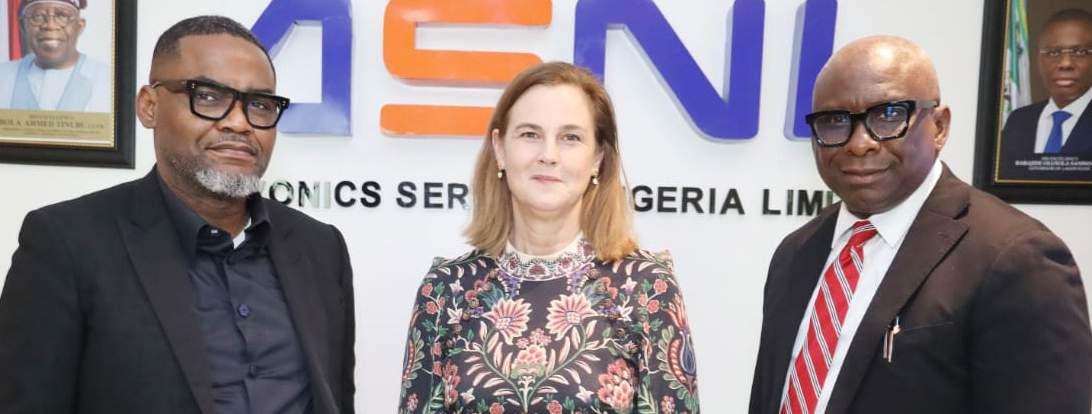
Troops Foil Multiple Terrorist Attacks on Military Spots, Recover Weapons in Borno
Obi: Over 1,000 Nigerians killed this year Kidnapped Ondo youth found dead in Edo forest, community demands justice
Chuks Okocha, Linus Aleke in Abuja and Fidelis David in Akure
Troops of the Joint Task Force (North East), Operation Hadin Kai, have repelled a series of coordinated terrorist attacks on military positions in Borno State, killing several insurgents and recovering a cache of weapons and equipment.
The attacks, attributed to fighters of the Islamic State West Africa Province (ISWAP), targeted Forward Operating Bases (FOBs) at Mayanti, Gajigana and Gajiram between the late hours of 28 February and the early hours of 1 March 2026.
Confirming the development in a statement, the Media Information Officer of Operation Hadin Kai, Lieutenant Colonel Sani Uba, said the failed assaults reflected mounting pressure on the terrorists’ enclaves, supply routes and leadership structures as troops sustain aggressive offensive operations across Sector 2.
According to him, the attack on Gajigana was swiftly repelled, with troops maintaining full control of the base.
At Mayanti and Gajiram, however, the encounters resulted in significant enemy casualties and the recovery of assorted arms and ammunition.
He explained that on Saturday, February 28, a large number of insurgents launched a heavy assault on FOB Mayanti.
Despite intense gunfire, troops held their ground while reinforcements navigated ambushes and improvised explosive device (IED) threats to dislodge the attackers.
After the engagement, five terrorist bodies were recovered, alongside three PKT anti-aircraft guns, two RPG-7 launchers, four AK-47 rifles, two FN rifles, three RPG bombs and large quantities of 7.62mm ammunition.
Blood trails at the scene suggested additional casualties.
One officer was, however, killed
in action.
In a separate incident at about 1.15 a.m. on 1 March, insurgents armed with PKT guns, rocket-propelled grenades and weaponised drones attacked FOB Gajiram.
The troops, supported by air assets, repelled the assault. Three corpses of terrorists were recovered along the withdrawal route, in addition to four AK47 rifles, five anti-tank bombs, three locally fabricated mortar bombs, one armed drone, six fully loaded 7.62mm NATO magazines, barbed wire cutters, specialised ammunition and other abandoned items.
A wounded soldier was
airlifted by a Nigerian Army Aviation helicopter for advanced medical treatment.
Meanwhile, in follow-up offensive operations within Sector 2, troops engaged fleeing insurgents at Kayawa Village, forcing them to abandon a tricycle, three motorcycles and five bicycles.
Soldiers also destroyed identified logistics hubs and arrested two suspected ISWAP logistics suppliers.
Drugs and medical supplies believed to have been used to treat wounded terrorists were recovered.
safety of Nigerians.
“It is profoundly disturbing that while we, the politicians, continue to obsess over the 2027 elections—spending our energy scheming about how to capture, grab, and run the next election—the first two months of 2026 have reportedly seen the killing of over 1,000 Nigerians and the abduction of several thousand others.
“This is the painful reality confronting our nation. From Zamfara State to Kwara, Ondo, Kebbi, Edo, Benue, Adamawa, Plateau, and many other states, families have buried loved ones, and communities have been emptied by gunshots and fear.”
Oborevwori: Politicians Must Eschew Bitterness to
Omon-Julius Onabu in Asaba
Delta State Governor, Sheriff Oborevwori, has appealed to political leaders in the country to eschew all forms of disunity and divisive bitterness owing to political rivalry, stressing that Nigeria’s advancement was hinged on mutual respect, and collective responsibility in the interest of the citizens.
Speaking at the requiem mass for Senator Peter Nwaoboshi at Saint Augustine Catholic Church, Ibusa near Asaba, the governor said the life and passing of Senator Nwaoboshi should remind leaders at all levels that public office was a sacred trust, entrusted by God and the people for the ultimate enduring good of the whole nation.
Advance Nigeria
He, therefore, sued for peace and purposeful collaboration, especially among the leaders, stressing that sustained national development could only be attained in an atmosphere of unity and cohesion.
"Power is transient. Positions are temporary. But the legacy of service endures. Let us learn from this solemn moment. Let us govern with humility. Let us engage one another with respect. Let us remember that history will judge us not by titles held, but by lives touched.
“When we are united, there is strength. When we cooperate, there is progress. But when we allow division to define us, we weaken the
moral foundation upon which we stand. Nigeria must always come first,” Oborevwori said.
He, however, reassured the people of Delta State that his administration remained committed to inclusive development, responsible governance, and policies that uplift the people.
"To the children and family of our departed brother, let his name remain your badge of honour. Let his legacy inspire excellence, integrity, and patriotism. His service to Delta State and Nigeria will not be forgotten," he said.
In his homily, the VicarGeneral of the Catholic Diocese of Issele-Uku, Very Rev. Fr. Peter Mobuogwu, preached on hope, accountability, and
divine justice.
Drawing from the experience of the Israelites in exile, he reminded the faithful that God remains present even in seasons of uncertainty.
The Funeral Mass drew a gathering of national figures, among them were the governor’s wife, Deaconess Tobore Oborevwori; Deputy Governor Sir Monday Onyeme; former Senate President, Senator Ahmad Lawan; former Governors James Ibori and Ifeanyi Okowa.
Also present were a former Anambra State governor, Mr Peter Obi; former Deputy Senate President Senator, Ovie Omo-Agege; former Deputy Governor, Deacon Kingsley Otuaro; and numerous federal and state legislators.
In a related ambush around Bulturam Corner and Dadingel in Gujba Local Government Area, troops neutralised two insurgents and seized two AK-47 rifles, four AK-47 magazines and a bicycle.
All affected locations, the military said, remained firmly under its control, adding that the scale of casualties and recovered equipment highlighted the continuing degradation of ISWAP’s operational capacity in the North-East.
Obi: Over 1,000 Nigerians Killed This Year
Presidential hopeful, Mr. Peter Obi, has alleged that more than 1,000 Nigerians were killed and thousands more abducted between January and February of 2026.
Obi made the claim on X yesterday, saying the scale of violence across the country was worse than that of nations officially at war.
He criticised what he described as the “politics of zero humanity” in the country, accusing political leaders of prioritising 2027 election calculations over the
He alleged that more than 25 states across the country had been affected by attacks carried out by bandits and other terrorist groups, lamenting that the crisis had yet to receive the necessary attention from the relevant authorities.
“In over 25 states across all geopolitical zones this year alone, there have been major violent attacks on innocent citizens, kidnappings by armed bandits, mass shootings, village invasions, and brazen assaults on worshippers and travellers.
“The scale of bloodshed and the number of deaths in just two months in Nigeria are even worse than what we see in countries officially at war.
“Yet the urgency with which we discuss these tragedies does not match the urgency of our discussions surrounding zoning formulas, party structures, and campaign strategies,” he stated.
The former Anambra governor noted that while leaders were engrossed in debates about power sharing, Nigerians were busy sharing funeral programmes.
L-R: MD/CEO of Advonics Services Nigeria Limited, Mr. Emmanuel Egboh; Chief Executive, Commonwealth Enterprise and Investment Council, Samantha Cohen and the Country Director, Obinna Anyanwu, when the duo paid a courtesy call on Advonics and to also formally extend membership invitation to the security company... weekend
COURTESY VISIT TO THE CEO OF LOYZ MARINE...
Presidency: Alleged Plot to Poison Tinubu
Untrue, No Villa Kitchen Staff was Arrested
The Presidency, last night, described as fake, a viral social media video alleging that a
kitchen staff member at the State House was arrested for attempting to poison President Bola Tinubu. Presidential spokesperson,
Bayo Onanuga, in a post on X, @aonanuga1956, dismissed the claim as outright false.
According to the presidential media aide, “No Aso Rock
kitchen staff arrested. No Aso Rock kitchen staff attempted to poison President Tinubu. Please ignore this fake news being disseminated by this
video."
Onanuga's clarification came moments after Senior Special Assistant to the President on Media and Publicity, Mr Tope
PDP May Suffer More Losses as Zamfara Stakeholders Urge Gov Lawal to Join APC
Chuks Okocha in Abuja
Less than 24 hours after the Adamawa State Governor, Ahmadu Fintiri, defected to the All Progressives Congress (APC), the Peoples Democratic Party (PDP) is set to suffer more losses as stakeholders in Zamfara State have started to urge Governor Dauda Lawal to defect to the ruling All Progressives Congress (APC).
The development was disclosed on Saturday by an APC stalwart, Iran Muhammad, in a statement
shared on X. According to Muhammad, Lawal convened an emergency meeting with key stakeholders to deliberate on the political direction of the state.
In a video accompanying the post, Muhammed claimed that the governor met with members of his cabinet and PDP leaders, where the option of joining the APC was discussed.
“The Governor of Zamfara State, Dauda Lawal, PhD, held an emergency meeting with his cabinet and PDP
stakeholders late last night to discuss the way forward. During the meeting, they recommended that he join the APC,” Muhammad wrote.
The reported move came amid a wave of defections rocking the PDP. Lawal is among the three remaining PDP governors left in the party following the recent defection of Adamawa State Governor, Ahmadu Fintiri, on Friday from the party.
The remaining PDP governors are Bala Mohammed of Bauchi State and Seyi Makinde
of Oyo State. In recent years, the PDP has grappled with persistent internal leadership crises.
Meanwhile, a former governorship candidate of the PDP in Nasarawa State, Dr. Emmanuel David Ombugadu, has formally resigned his membership of the party following weeks of speculation surrounding his political future.
Ombugadu, a former two-term member of the House of Representatives, announced his resignation in a letter dated February 28, 2026, addressed to the
PDP chairman of Ikka Wangibi Ward in Nasarawa Eggon Local Government Area.
In the letter, he attributed his decision to unresolved internal disputes and the lingering leadership crisis within the party.
He, however, expressed appreciation to the PDP for providing him the platform to serve both Nasarawa State and Nigeria during his political career, noting that he remained grateful for the opportunities and support he received while in the party.
Ajayi, had dismissed the allegation in a brief response to an earlier enquiry
“Fake,” Ajayi had tersely stated when contacted on the matter.
The rebuttals followed the circulation of a video and accompanying reports on some online platforms alleging that an unnamed chef attached to the State House in Abuja had been arrested in connection with an alleged plot to poison the president.
The report, which failed to cite any credible source or provide verifiable details, quickly gained traction across social media, triggering speculation and concern in some quarters.
The presidency’s swift and categorical denial, however, put to rest the rumour, describing it as baseless and urging the public to disregard the misleading content.
There was no indication from any security agency of an arrest, investigation, or security breach related to the allegation as at press time. and credibility of the system.”
2027 WILL PRODUCE NIGERIA’S BEST ELECTIONS, THERE’LL BE NO TECHNICAL GLITCHES
Amupitan explained that network availability — rather than the concept of electronic transmission itself — remained the major hurdle.
INEC Begins Broad Review of Party Regulations to
Safeguard Election Integrity
INEC commenced a comprehensive technical review of its Regulations and Guidelines for political parties to align them with the recently assented Electoral Act 2026 and emerging electoral realities.
The exercise, convened under Amupitan, represented a critical phase in the comission’s
ongoing reform agenda aimed at strengthening political party oversight, improving compliance culture, reducing pre-election disputes, and enhancing public confidence in Nigeria’s democratic process.
The electoral body said aligning party regulations early with the Electoral Act 2026 would significantly reduce pre-election litigation and administrative disputes that often diverted attention from election preparation and delivery.
Chief Press Secretary to the INEC chairman, Adedayo Oketola, in a statement, yesterday, said the Technical Workshop on the Revision of the INEC Regulations and Guidelines for political parties would bring together
National Commissioners and Directors across operational departments, legal experts, election administrators, and institutional stakeholders to undertake a detailed clauseby-clause review of the existing 2022 framework.
Oketola stated, “The recently enacted Electoral Act 2026 introduces significant legal and operational changes affecting political party administration, candidate nomination processes, compliance obligations, dispute resolution mechanisms, and the Commission’s regulatory mandate.
“Consequently, INEC is reviewing its subsidiary regulations to ensure full legal alignment and operational clarity well ahead of the next electoral cycle.”
He said, “Beyond legal compliance, the commission is drawing lessons from previous elections to strengthen preventive regulation.
“Persistent challenges such as opaque party primaries, membership disputes, weak financial disclosure practices, and exclusionary participation patterns have contributed to avoidable litigation and electoral uncertainty. Addressing these gaps early remains central to the commission’s preparations for 2027.”
Amupitan stressed that to support evidence-based reforms, INEC was mainstreaming findings from the Political Party Performance Index (PPPI), a diagnostic assessment tool that identifies systemic weaknesses in party governance and
compliance practices across the country.
He explained that the objective was to move regulatory oversight from reactive enforcement to proactive supervision anchored on measurable standards.
On the reform process, the INEC chairman emphasised that credible elections usually began long before polling day.
He added, “For elections to inspire public confidence, the institutions that produce candidates must themselves operate transparently and within the law.”
Technical facilitation support for aspects of the process was provided by Westminster Foundation for Democracy (WFD), alongside Nigerian legal and electoral experts,
contributing comparative technical insights in support of the commission’s institutional reform objectives.
Commenting on the engagement, Country Director of WFD Nigeria, Adebowale Olorunmola, stated that the commission’s initiative represented a significant step towards strengthening political party regulation ahead of the 2027 general election cycle. Olorunmola stated, "This isn't just a review of a document; it is a reconstruction of the democratic foundation. We are moving towards an era where political parties are held to the same high standards of integrity as the electoral commission itself."
Deji Elumoye in Abuja
L-R: Member, Board of Trustees of Women in Maritime and Energy (WIME), Mrs. Vivian Chimezie-Azubuike; WIME BoT Chairperson, Dr. Chizoba Anyika; CEO of LOYZ Marine, Mrs. Bassey Adie Oronsaye, a member, WIME BoT, Mrs. Abiola Soremekun, during a courtesy visit to the CEO of LOYZ Marine as part of preparations for the landmark WIME@5 celebration scheduled for March in commemoration of International Women’s Day 2026, under the theme “Give to Gain”, in Lagos ... recently
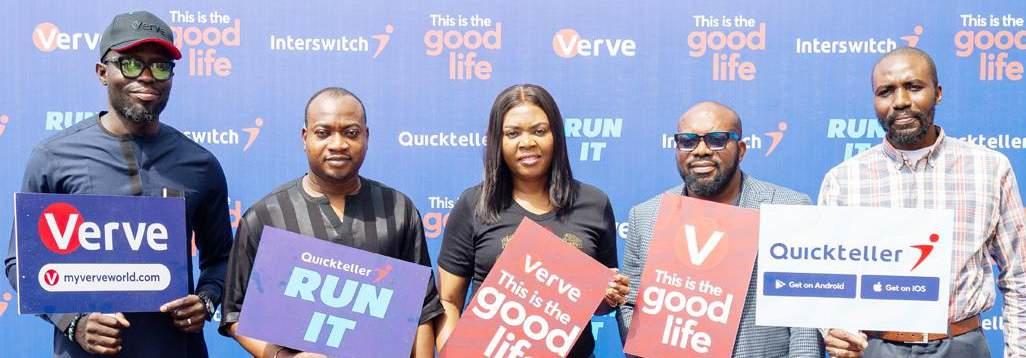
LAUNCH OF NEW THEMATIC CAMPAIGNS FOR CONSUMER BRAND...
L–R: Divisional Head, Design and User Experience, Interswitch Group, Paul Out; Divisional Head, Growth Marketing Merchants and Ecosystem, Olawale Akanbi; Executive Vice President and Group Chief Marketing and Communications Officer, Cherry Eromosele; Divisional Head, Growth Marketing Tokens and Inclusion, Chidi Oluaoha; and Divisional Head, Brands, Communications, Content and CSR, Tomi Ogunlesi at the
of New Thematic Campaigns for the company’s consumer brands, Verve and Quickteller held at the Interswitch Group HQ in Victoria Island, Lagos on Friday
First Lady Tells N'Assembly to Legislate for the People, But Must Be Accountable to God
Inaugurates assembly's Christian chapel Gowon charges lawmakers to put nation first in whatever they do Akpabio justifies legislature's support for Tinubu
Deji Elumoye in Abuja
The First Lady, Senator Oluremi Tinubu, has charged members of the National Assembly to remember that as they legislate for the people, the ultimate accountability was to God.
Speaking while inaugurating the National Assembly Christian chapel in Abuja, yesterday, she pointed out that the Chapel stood as a testament that while the Assembly legislated for the
people, it ultimately remained accountable to God.
She said: "As we dedicate this Chapel today, may it inspire humility in leadership, courage in decision-making and compassion in service.
"And may Nigeria continue to flourish as we collectively seek the face of God in worship and prayers in this Chapel in Jesus Name. I believe the National Assembly is ready to pray Nigeria into greatness.”
In his remarks, a former
Head of State, General Yakubu Gowon, urged the legislators that all they would be doing should be in the best interest of the country.
He explained that the law of God was premised on love for neighbours and the love for God and that this should be the spirit of the National Assembly.
“Love must be used to ensure the unity and continuity of this nation. God loves us all and we must love one
another,” he said.
On his part, former Speaker of the House of Representatives, who was also the initiator of the Chapel during the 8th Assembly, Rt Hon Yakubu Dogara, said God has placed National development, healing and progress on repentance, explaining that the chapel should be seen as a place for true repentance.
“Let it be a centre for unity and it should all be about Jesus. The only thing that can keep
us here is unity,” he said.
Also, President of the Senate, Senator Godswill Akpabio explained that President Bola Tinubu was being supported due to the quality of his leadership and his reformist agenda, urging Nigerians to see beyond religion and see the quality of men.
He prayed that God would use the president and other men in government as instruments of peace in the nation.
“While men legislate for
UNCERTAINTY TRAILS TRUMP’S OFFER OF REGIME CHANGE AFTER KHAMENEI’S KILLING
Oil Prices Surge over $80 Per Barrel
Oil prices have surged dramatically in response to the escalating US-Iran conflict. As of March 2, 2026, data from OilPrice.com showed significant gains across major benchmarks.
Nigeria's oil benchmark, Brent Crude, was $79.04 per barrel, a rise of over 8.47 per cent , while West Texas Intermediate or American oil WTI was selling for $72.39 per barrel or an increase of 8.01 per cent.
The spike followed US and Israeli strikes on Iran, including the killing of Supreme Leader Khamenei, which has disrupted global oil supplies and heightened fears of further escalation in the Middle East.
However, before falling slightly, Brent initially surged over 12 per cent to $82 before settling lower than $80 in early trading, driven by the weekend's military actions, while Brent jumped initially to 10 per cent to about $80, before paring gains.
Analysts warned that prices could reach $100 if the conflict persists, amid OPEC+ output increases and threats to the
Strait of Hormuz.
For instance, Barclays increased its Brent crude oil futures forecast to around $100 per barrel, up from $80.00 at the weekend, following the bombing of several Iranian sites by Israel and the United States.
The bank stated in a report that Brent (per barrel) could reach $100 as the market grapples with the potential of a supply disruption in light of the spiralling Middle East security situation. On Saturday, the United States and Israel launched an attack on Iran, calling for its overthrow and targeting top leaders. Iran responded with missiles that were fired at Israel and Gulf neighboring countries.
Over 3,400 Flights Cancelled in Middle East
Also, the US and Israeli attack on Iran continued to cause severe disruption to flights throughout the Middle East and beyond on Sunday, creating uncertainty for hundreds of thousands of travellers.
Countries across the region closed their airspace, and three
of the key airports that connect Europe, Africa and the west to Asia halted operations.
In response, the UK government is planning one of the biggest evacuations in its history. More than 76,000 British citizens have registered their presence in affected areas of the Middle East and this number is expected to rise.
Travellers were either stranded or diverted to other airports after Israel, Qatar, Syria, Iran, Iraq, Kuwait and Bahrain shut their airspace.
There were also no flights over the United Arab Emirates, the flight tracking website FlightRadar24 said, after the government announced a “temporary and partial closure” of its airspace. That led to the closure of airports in Dubai, Abu Dhabi and Qatar, and the cancellation of thousands of flights by major Middle Eastern and global airlines, including British Airways and Virgin Atlantic. Dubai is the world’s busiest airport for international traffic.
Major international airports in the region also became targets of Iran’s retaliatory
strikes. Dubai’s international airport and its landmark Burj Al Arab hotel sustained damage and four people were injured.
Abu Dhabi Airports said in a post on X that an incident at Zayed international airport in the UAE’s capital resulted in one death and seven injuries. It later deleted the post.
The three major airlines that operate at those airports – Emirates, Qatar Airways and Etihad – typically have about 90,000 passengers a day passing through those hubs, and even more travellers headed to destinations in the Middle East, according to the aviation analytics firm Cirium. All three suspended flights.
More than 3,400 flights were cancelled across the seven main airports in the Middle East on Sunday, the Guardian UK reported.
Iran
Forms Interim Council to Oversee Transition
Yesterday, Ayatollah Alireza Arafi, a member of a constitutional watchdog, was appointed to the temporary council, along with the Iranian
president and chief justice.
Iran's Supreme Leader, Ayatollah Khamenei, was confirmed killed after the United States and Israel launched a joint attack on Iran on February 28. Iran retaliated by firing waves of missiles and drones at Israel, and targeting US allies in the region.
Iran said it announced the formation of a three-member transitional council to handle the state duties following the killing of Supreme Leader, Khamenei.
Ayatollah Arafi, member of a powerful constitutional watchdog, was appointed to the temporary council, whose other two members are President Masoud Pezeshkian and Supreme Court Chief Justice Gholam-Hossein Mohseni-Ejei.
The 67-year-old cleric, who is a member of the Guardian Council that must later choose a supreme leader, was confirmed to the council by the Expediency Council, a powerful arbitration body in Iran.
According to Article 111 of the Iranian Constitution, the transitional council will govern the country until an 88-member panel called the ‘Assembly of
a season, God legislates for eternity, lawmaking must be guided in conscience, anchored in righteousness and established through prayers.
“When a nation honours and trusts God, God establishes their future. The strength of a nation lies not only in institutions but in their recognition of God,” he said.
Prayers were offered for the nation, the president, those in leadership positions and the National Assembly.
Experts’ chooses a new supreme leader after almost 37 years of rule by Khamenei.
His killing on Saturday by the joint United States and Israeli forces has raised crucial questions about Iran’s future. Although the leadership council will govern in the interim, the Assembly of Experts “must, as soon as possible,” pick a new supreme leader, according to the Iranian constitution.
The Islamic Revolutionary Guard Corps (IRGC) and Iran’s security chief Ali Larijani are also expected to play pivotal roles in the transitional council, but it remains to be seen where the balance of power lies.
The commander-in-chief of the IRGC was also killed in the US-Israeli attack on Saturday, the second such killing in less than a year and the next leader of the elite military and economic force is yet to be announced.
IRGC-linked Telegram channels are citing Deputy Chief Ahmad Vahidi, who was appointed to the position by Khamenei two months ago, as a likely candidate.
official launch
SUNDAY ADIGUN
‘Despite Insecurity, Violence, Ethnic Crises, Insurgency, Nigeria Can’t Experience Another War’
Okon Bassey in Uyo
Despite political tension in Nigeria characterized by insecurity, kidnapping, widespread violence, ethnic ccrises and Boko Haram insurgency, Nigeria cannot experience another round of war.
The Chief High Priest of The Spiritual Kingdom Church of Christ (SKCC) in Ikot Ekpene Local Government Area of Akwa Ibom State, Chief Samuel
Chinda Edidem, yesterday stated this during the celebration of the ascension of the Founder of the church, His Holiness Edidem Bassey.
Chief Edidem, who is the heohead ofe Ecclesiastical Council of the church, stressed that there would be no more war in Nigeria after the one fought 40 years ago.
He said the prediction was anchored on an earlier prophecy by His Holiness Edidem Bassey, who prayed during the civil war, and the
Ex-VC Wants INEC to Stop Engaging Professors, VCs for Election Duties
Emmanuel Ugwu-Nwogo in Enugu
Former Vice-Chancellor of the Alex Ekwueme Federal University, Ndufu-Alike, Professor Chinedum Nwajiuba, has called for a halt to the practice of engaging Nigerian professors for election duties.
He made the call in a lecture he delivered as part of programmes marking the end of the administration of the Vice-Chancellor of the Michael Okpara University of Agriculture, Umudike, Professor Maduebibisi Ofo Iwe.
The Independent National Electoral Commission (INEC) hahasover the years, ears been uuniversityities vicechancellors and professors of public universities to serve as Returning Officers during elections.
But Nwajiuba, who
spoke on the present state of Nigerian universities, vehemently condemned the apparent eagerness of high-ranking academics to serve as electoral officials, saying that it has diminished their status.
He specifically called on the nation’s electoral body to “stop using our professors for election duties” and for the top academics to reject such assignments.
“The use of Vice-Chancellors of federal universities as returning officers for Governorship and presidential elections have to stop,” Nwajiuba declared.
However, the former VC noted that most academics are ignorant of the intrigues ofNigeriana politicians, and by accepting to serve as returning officers could end up being compromised, thereby muddying the image of academics.
three-year-old war ended immediately.
“Our father, Edidem Bassey, whom we are celebrating his ascension to heaven today, prayed at the time of the Nigerian civil war, and God answered him, and he assured
us that there would be no more war in Nigeria.
“That covenant between our father and God is respected by God Himself till today. Therefore, we can authoritatively say that Nigeria would not see war again.
“Without the prayer of Edidem Bassey, the NNigeriancivil war would have escalated to a third world war because of the interest of world powers in that war.
“Although the war
recorded losses to both individuals and the nation, it would have lasted longer than necessary, but God answered the prayer by His Holiness Edidem Bassey, and it ended with ‘no victor, no vanquish’.”
Advonics, Commonwealth Business Network Consider Strategic Partnership
Foremost Nigerian security and technology firm, Advonics Security Nigeria Limited (ASNL), is set to join the global league of commonwealth-backed enterprises following a strategic partnership invitation from the Commonwealth Enterprise and Investment Council (CWEIC).
The proposed collaboration, described as a defining milestone for the Nigerian firm, followed a highlevel working visit to the
company’s headquarters by CWEIC Chief Executive, Samantha Cohen, alongside the Council’s Nigeria Country Director, Obinna Anyanwu. ASNL’s formal invitation followed what the CWEIC leadership described as a rigorous and exhaustive vetting process designed to ensure alignment with the Commonwealth’s economic and governance standards.
When finalised, the partnership is expected to position ASNL among a
select network of globally recognised enterprises driving strategic cooperation, economic integration and security innovation across the commonwealth bloc.
Addressing the management of ASNL during the visit, Cohen noted that the Council does not extend partnership invitations without comprehensive validation of corporate governance, operational integrity and strategic alignment.
She said: “We do not extend these invitations lightly. ASNL has demonstrated the leadership, innovation and integrity required to thrive within the Commonwealth’s $13 trillion economic ecosystem.”
As a Strategic Partner, ASNL is expected to gain direct access to high-level diplomatic and commercial platforms across the 56 Commonwealth member nations.
Youth-focused Movement, Soft Nigeria, Launched in the Delta
Omon-Julius Onabu in asaba
Soft Nigeria, a youth-centred political movement geared towards putting citizens at the heart of governance for improved livelihoods through inclusivity, has been unveiled in Asaba, the Delta State capital.
The ambitious political initiative hopes to foster a renewed humanity and patriotism through more active participation in the governance process, organisers told thousands of largely young people, including students from tertiary institutions across the state, who thronged the Orchid Hotel Hall in Asaba at the
Mgt Crisis: TCN Minority Shareholders Seek SEC’s Intervention
A group representing minority shareholders of the Tourist Company of Nigeria (TCN), the parent company of the Federal Palace Hotel, Lagos, has appealed to the Securities and Exchange Commission (SEC) to intervene in what it described as a lingering management crisis in the firm.
The group, led by Chairman of the Zonal Shareholders Mobilisation Committee, Olatunde Okelana, made the appeal during a protest at the headquarters of SEC in Abuja.
Speaking during the protest, Okelana said the demonstration was organised to draw the regulator’s
attention to challenges minority shareholders of Tourist Company of Nigeria have endured for several years.
According to him, although the SEC had taken steps within its statutory powers as the supervisory authority of the capital market, it had allegedly failed to enforce its own pronouncements on the matter.
“The minority shareholders have faced challenges for quite some time. The SEC has done what it could within the law, but unfortunately, it has been reluctant to enforce its decisions.
“We think there is an
external influence preventing SEC from enforcement of their rules,” Okelana said.
He said affairs of the company are being run without accommodating the interests of minority shareholders.
“Minority shareholders no longer have a say in how the company is run,” he added.
Okelana further complained that the company failed to hold its Annual General Meeting (AGM) last year, resulting in no dividends being paid to shareholders. He said this had deepened frustrations among minority investors.
Ajose Congratulates Oluremi Tinubu on Warri Chieftaincy Title
Segun James
An All Progressives Congress (APC) Lagos State gubernatorial hopeful, Mr. Samuel Mawuyon Ajose, congratulated the First Lady, Senator Olufemi Tinubu on her conferment as the Utukpa-Oritse of the Warri Kingdom by Ogiame Atuwatse III.
Ajose, who is the Chairman and Chief Executive Officer of the Levitikal Group with interests in construction, luxury real estate and infrastructure development, hailed the First Lady’s distinguished record of public service, recalling her
years in the Senate and her consistent advocacy for policies that positively impact Nigerians.
The Lagos governorship hopeful noted that the honour reflects her enduring commitment to service, compassion and the positive impact she continues to make in the lives of Nigerians, particularly through initiatives such as the Renewed Hope Initiative.
The entrepreneur and development advocate from the Badagry Division further stated that the recognition by the Warri Kingdom affirms the first lady’s motherly leadership, which symbolises unity and
inspires women and young people across the country.
Ajose added that the recognition is well deserved and prayed that Almighty God continues to bless her with strength, wisdom and divine guidance to keep championing causes that uplift families and communities throughout Nigeria.
According to the alumnus of the University of Ilorin, Harvard Business School and the International Business School of Scandinavia,”I consider this recognition of Her Excellency, Senator Oluremi Tinubu, by the Warri Kingdom a truly significant honour.
weekend.
Specifically, the movement would strive to provide insights into the economic reforms of the President Bola Tinubu administration to deepen youth empowerment and inclusion in governance processes in order to shape the country’s future.
In a keynote address, one of the national promoters of Soft Nigeria, Hon Moyemi
Adeyemi, noted that the engagement of young people in governance processes has become both necessary and urgent.
In the presentation, titled: Youth as Partners in Governance: Constructive Advocacy versus Destructive Agitation’, Adeyemi noted that the initiative is a bold attempt to engage a national
development theme that would shape certain essential features of national development over a long time. He said that against the backdrop of the enormous potential of youths in all aspects of national life, the government could not afford to sideline them in the governance processes in the country.
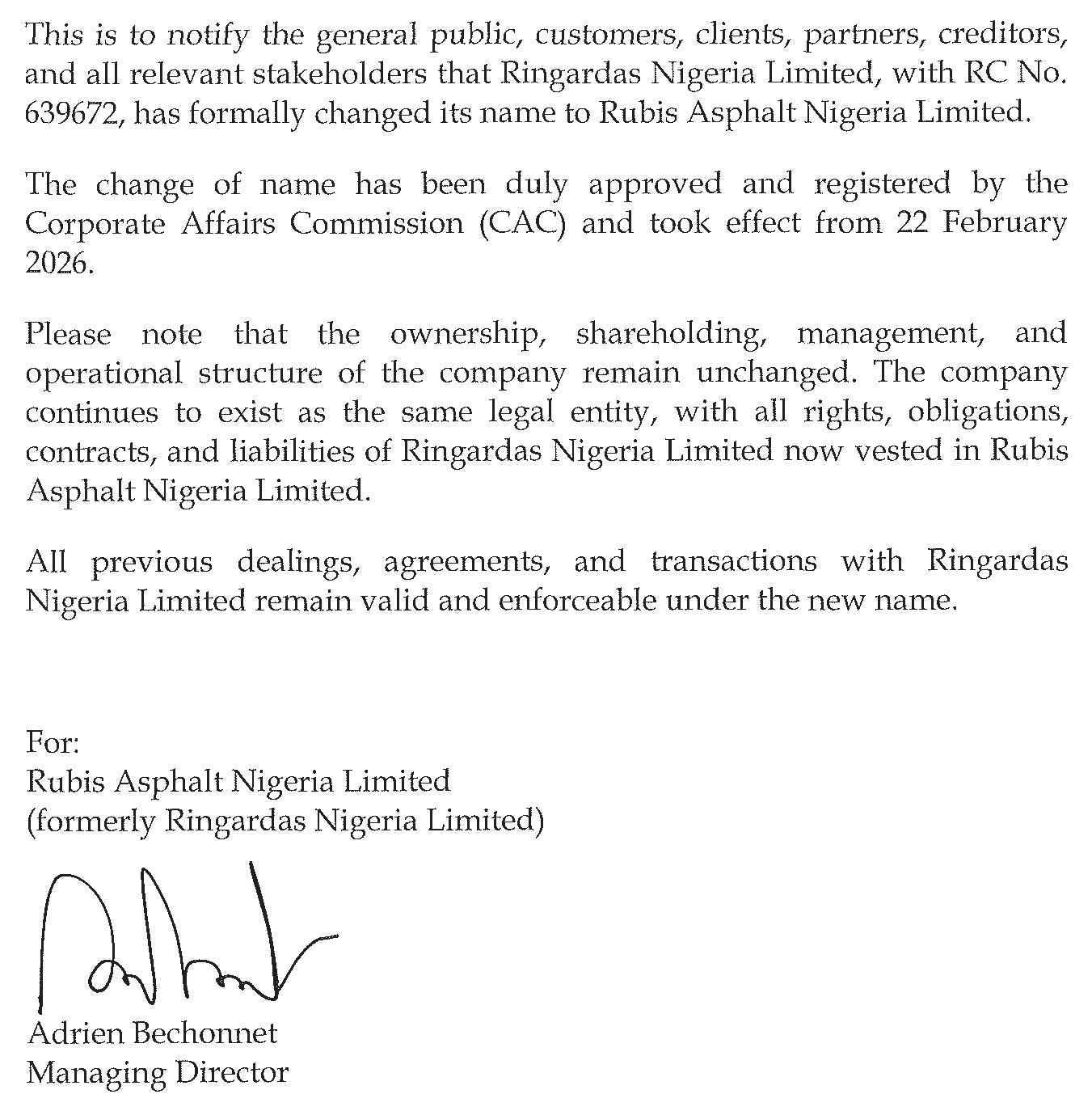
WORLD WHERE MIGHT IS RIGHT
1940s, before the outbreak of the Pacific War in World War Two, US Navy code breakers broke the Japanese Navy’s top-secret codes. Through it they learnt that an attack on the US was imminent [though they did not know exactly where it will hit]. A cable from Tokyo had told the Japanese Embassy in Washington to listen to Radio Tokyo’s weather forecast on a certain day. US intercepted and decoded the message. The message said if Radio Tokyo said, “East wind, rain,” then a decision had been made to launch the attack. If the weather forecast said “East wind, no rain,” than the decision was not to attack. It was probably a ruse anyway because Admiral Yamamoto’s attack fleet had sailed under strict radio silence more than a month earlier and had rendezvoused at a secret location in the Pacific, headed for the US top naval base at Pearl Harbour, Hawaii.
President Franklin Roosevelt got adequate warning from decoded Japanese messages that the attack was coming, but kept it secret so that the Japanese will not know that their code was broken. Smoke was seen arising from the chimneys of the Japanese embassy in Washington because the Ambassador was burning his diplomatic cables, having heard the weather forecast. Therefore, whoever listens to CNN, BBC or Fox News these days and smugly thinks he or she is listening to the “news,” has got another thing coming.
At least CNN said President Trump never made clear what his ultimate intentions were as he prepared to attack Iran. Was it to render help to the protesters who took to Iran’s streets last month and Trump promised them that help was coming; to halt Iran’s nuclear
program; to take out its missiles with the allegation that some of them could hit Europe and potentially even the US; to effect “regime change” in order to serve Netanyahu’s aims of taking out every adversary while Israel continues to subjugate Palestinians and steal their land with impunity in total disregard of Security Council resolutions?
Since many of those aims will not wash with most world opinion, the sneak attackers harped on stopping Iran from ever possessing nuclear weapons. I personally agree that Iran, and every other country in the world, should not have nuclear weapons. However, many countries already have them, beginning with the two countries involved in weekend’s attack, which reminds us of the ancient word hypocrisy.
Nine countries are known today to have nuclear weapons. USA has had nukes since 1945; Russia since 1949; UK since 1952; France since 1960; China since 1964; Israel since 1967; India since 1974; Pakistan since 1998 and North Korea since 2006. When India got nukes in the 1970s, then Pakistani Prime Minister Zulfikar Ali Bhutto declared that his country will also acquire them “even if we have to eat grass.” The only African country that ever possessed nukes was Apartheid South Africa, which acquired them in 1982 but dismantled them just before the transition to majority rule. How I wish Cyril Ramaphosa still has nukes hidden under the Table Mountain or in the Kruger National Park. Some countries, namely Ukraine, Belarus and Kazakhstan housed nukes in the old USSR but gave them away to Russia when the Soviet Union dissolved. If only Ukraine had kept its own stocks, we wouldn’t have this war entering its fourth year now.
3,021 REASONS TO BET ON NIGERIA
significant outlay before starting work. For someone underemployed, that can feel insurmountable. I’ve made adjustments: remote work where possible, flexible start dates.
The Standout
One candidate did exactly what I asked - completed the application as directed. Then he went further. He reached out separately to explain how we could have used technology to improve our recruitment process. And he didn't just theorize - he created a sample document, complete with our logo, showing what he meant.
We hired him within days. He has no degree yet, and he's already doing great work. This is what I mean about qualifications or location not mattering — it's the person. Not the degree on the wall or the address near Lagos, but the initiative to see a problem and solve it without being asked.
Here's the troubling counterpoint: too many applicants couldn't or didn't follow basic instructions. Trying to impress me with elaborate CVs or cover letters in the wrong format actually worried me. If you can't follow instructions in an application, how will you follow them on the job?
Nurture and Release
I have a track record of doing things differently. In 2021, I identified a bright young woman — too many ideas, too little patience. By 2022, I put her in charge of the Dash Me Foundation. “You'll make mistakes,” I told her. “But you have what it takes.” She expanded branches from one to three and grew sales by 340%. Then she outgrew us. When it was time to go, we both knew it. I wasn't bitter — I was ready for it. I had built systems knowing
There are said to be 12,119 nukes in the world today, down from a high of 70,000 at the height of the Cold War. Who has them? USA has 3,700 nukes; Russia has 4,309; China has 600; France has 290 nukes; UK has 225; India has 180; Pakistan has 170; Israel has 90 nukes hidden in the Negev Desert while North Korea has only 50 nukes. Nukes appear to be the biggest national insurance policy in the world today. If not because of nukes, North Korea could long have been demolished by the US, once South Korean leaders whisper something into Trump’s ears the way Netanyahu did last week. If only the Iranian Ayatollahs had speeded up their uranium enrichment programs and kept even a few nukes under the Damavand mountains, Ayatollah Ali Khamenei would still be alive today and smugly strutting about like Kim Jong-un.
Even though nine countries are known to have nukes today, only one country ever used them against an enemy. Lo and behold! That is the country that goes about saying no one should possess nukes. On August 6, 1945 the US exploded a nuke over the Japanese city of Hiroshima, followed six days later by another explosion over the Japanese city of Nagasaki. I do not blame Nigerian youngsters for being blithefully unaware of what a nuke could do to a city. Here is a summary of what the American nuke “Thin Boy,” dropped from the B-29 bomber “Enola Gay,” piloted by Colonel Paul Tibbets and Major Thomas Ferebee, did to Hiroshima 81 years ago.
“The bomb burst in a clear blue sky about 1500 feet over the city of 245,000 people. A ball of fire 250 feet in diameter hung in the air… in an instant, 64,000
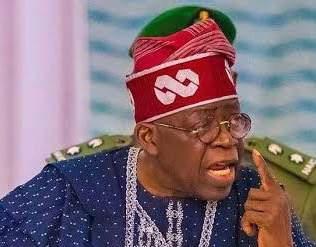
that, in this job market, holding onto talent is tough. As a founder, watching nurtured talent leave is bittersweet. But doing it right means they outgrow you.
The Rough Reality
The labour market has structurally changed in ways that make it harder. AI now does much of the grunt work on which my generation cut our teeth. Junior analysts don't spend months building Excel models - AI does it in minutes.
The entry-level apprenticeship — that learning-by-doing foundation — is being replaced by technology-dependent programmes. Where do young people
people were set ablaze or crushed… an intense thud of sound levelled 6,820 buildings… electricity was knocked out, water pipes burst in 70,000 places. Of forty-five hospitals in Hiroshima, three were left standing. Of the 290 doctors in the city, only 26 were uninjured and of 1,780 nurses in the city, only 126 escaped death or injury… Total death toll was 90,000 civilians and 10,000 soldiers. Thousands more died of leukaemia and radiation illnesses in the following decades.” Five days later on August 11, the US warplane Bock’s Car dropped the nuke “Fat Boy” on Nagasaki, with similar results.
Mr Trump, you have 3,700 nukes hidden in mountains, atop launchers, on bombers and in submarines under your belt; Netanyahu that was whispering into your ears has another 80 under his belt; your sidekicks the Brits and the French have hundreds more nukes behind their smiling and pontificating faces; Iranians signed a deal with US and Western powers, supervised by International Atomic Energy Agency to restrict their nuclear program to peaceful uses; you, Mr Trump tore it up during your first term, only to turn around now, with no evidence presented to the UN Security Council for the world to see, and proceed to kill the country’s leaders just when you were pretending to negotiate?
The world is back to pre-1945 ethos of Might Is Right. The Axis leaders Adolf Hitler, Benito Mussolini and Emperor Hirohito will be chuckling in their graves. Kim Jong-un must be adjusting his nuke belt and gloating at Iran, Libya, Syria, Panama, Venezuela, Cuba, Brazil, Denmark and Canada, that you guys forgot to take a nuke national insurance policy.
•The labour market has fundamentally restructured. Many applicants already work remotely for US and UK employers from Nigeria. The gig economy isn't coming - it's here.
•AI has changed the game. The grunt work that used to be our training ground - the spreadsheets, the basic analysis, the repetitive tasks - is now automated. We need new ways to help young people build foundational skills when the foundation itself has shifted.
•Geography still matters, but differently. Regional barriers are real - relocation costs can be insurmountable. But remote work offers new possibilities to access talent beyond privilege.
•Following instructions matters.
•Good people will leave. If you're nurturing talent rather than hoarding it, turnover is success, not failure — and in today's job market, it's a reality.
•Harsh changes to UK and US visa rules are repatriating talent. That may not be what families who spent millions on overseas education had planned — but Nigeria needs those skills in order to grow. Respecting returning talent in the job market is wisdom.
build foundational skills when the foundation itself is automated?
Yet within this challenging landscape, there's undeniable talent. Serious, committed people willing to work multiple jobs, relocate on faith, and learn continuously. Nigeria's got talent. The challenge for founders and business leaders is building systems worthy of it.
3,021
Lessons
•Qualifications don't count. The standout candidate wasn't the one with the most impressive CV. He followed instructions, then showed initiative by proposing improvements and creating samples unprompted.
•Underemployment is the real crisis. Official unemployment statistics — whether 33% or 3% — miss the point. The issue is talented people trapped in jobs using 10% of their capacity. That's the reality we can't ignore.
I'm already sharing surplus talent with other founders — there's too much quality to keep to myself. But I'm also rejecting over 3,000 applications from people who trusted me with their hopes. Those applications weren't just CVs. They were a mirror. And Nigeria's reflection should give us all cause to act.
•Kemi Adeosun is a former Minister of Finance. She writes from Lagos
Tinubu
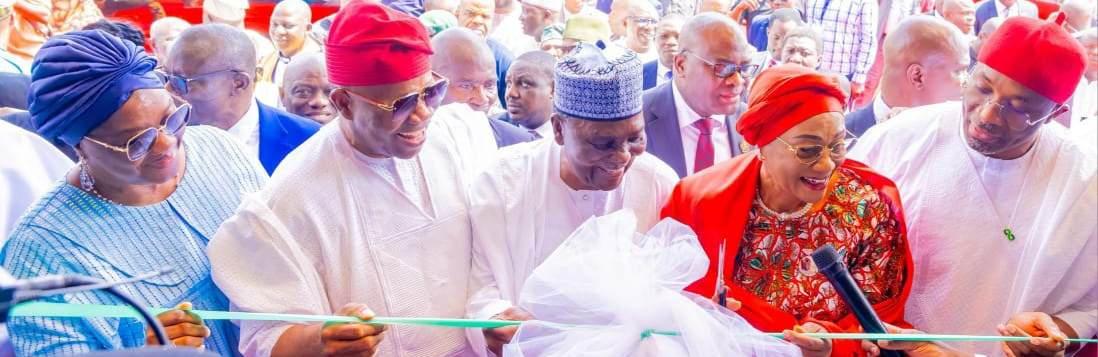
INAUGURATION OF THE NATIONAL ASSEMBLY CHAPEL BY SENATOR OLUREMI TINUBU...
MAHMUDJEGA
VIEW FROM THE GALLERY
World Where Might is Right
We had many interesting stories of our own in Nigeria last week, which were worth commenting on, but going into the weekend, they were all dwarfed by the international story of the US/ Israeli attack on Iran and the killing of its Supreme Leader, Ayatollah Ali Khameini, along with some other of the country’s leaders.
Three quick things to note. There was no United Nations Security Council resolution authorising an attack on Iran; a meeting of UNSC was only said to be convened after the attacks, when the sneak deed was already done. In 2003, when the US determined to attack Saddam Hussein’s Iraq, at least then US Secretary of State Colin Powell pretended
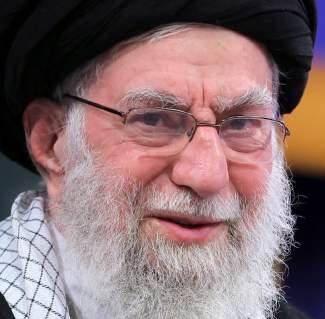
Late Khameini
to table the matter at the Security Council. Powell claimed that Saddam
Hussein’s regime stored weapons of mass destruction. Which turned out to be false, only after a million Iraqi lives were lost, millions more were maimed, with untold property destruction, quickly followed by a brutal civil war, fracturing of Iraqi society, and the rise of ISIS out of the ashes. This time there was no even attempt at a pretence; the only “meeting” that we saw was between Donald Trump and Benjamin Netanyahu, two men that could hardly be trusted with world security. Trump’s Board of Peace, we can now see, is actually a Board of War.
The attack took place while “negotiations,” with Oman as mediators, were taking place in Geneva. It was the second time within a year that the US attacked Iran while negotiations
KEMI ADEOSUN
THE DESK
were going on and the mediators in fact said after Friday’s round of meetings that “positive progress” had been made. Which means, the talks were essentially designed to deceive and to distract. To further deceive and distract, the White House repeatedly let out statements that a decision had not been made to launch an attack, which was another ruse. The lesson here is that whenever the US now engages anyone in “negotiations,” that country should keep its guards up. No one should also be deceived by news reports attributed to “sources” because they are all part of the deception gimmick.
The Americans have known this trade for many decades. In the early

3,021 Reasons to Bet on Nigeria
Iposted a vague job ad. 3,021 people applied. I wasn't ready for what I found
I recently posted a simple appeal on social media, recruiting three positions for Nidacity, my entrepreneurfocused social enterprise. It was personal: “I'm looking for bright, teachable people. OND to PhD — I really don't care.” There were no job descriptions, no person specifications, just an invitation to work directly with me and grow. Within days, I received over 3,000 applications. 3,021 is the current tally.
If I were vain — and I can be — I would put it down to my deep personal appeal. But I know that the numbers speak volumes about the energy pulsing
through Nigeria's labour market. It is an energy that official statistics easily conceal.
Having spent decades in finance and government as Minister and Commissioner, I thought I understood employment markets. I didn't. Three thousand applications has been a revelation. Here's what I have learned.
The New Labour Market
Many applicants were already employed and planning to juggle. They wanted to add my startup to their portfolio. 'I work 9-5 at a bank, but I can dedicate evenings and weekends,' one wrote. Another: 'I'm currently freelancing, but I can make time.' This is Nigeria's new gig economy — 100%
aligned with global trends. I was struck by the number already working remotely — some for US and UK-based employers — while living in Nigeria. What it reveals is an extraordinary capacity for work, ambition beyond borders, and the willingness to put in 60-70 hour weeks for something meaningful. That impressed me.What worried me was the number working 100% remotely, some in their first jobs. Delivering on tasks is the easy part, but there is a hidden cost. The lack of socialisation, exposure to teamwork, and interpersonal dynamics could deprive them of the skills they will need to progress beyond entry level. Not knowing how to read the room, or sense what is nuanced
rather than said, can be career-limiting.
The Geography Problem
Opportunity in Nigeria has an address. Lagos, Abuja, Port Harcourt dominated applications, but standouts came from Maiduguri, Sokoto, and Calabar. In the 1990s, UK relocation packages cost tens of thousands of pounds — I was paid a signing bonus by a top consulting firm. Now, people offer to uproot entire lives on the promise of possibility. It drives an internal 'japa' within Nigeria and beyond her borders.
Possibility has a price tag. Moving to Lagos means first rent, last rent, agent fees, and higher living costs — a
L-R: Wife of the Senate President, Dr (Mrs) Unoma Godswill Akpabio; President of the Senate, Godswill Akpabio; Former Head of State, General Yakubu Gowon; First Lady, Senator Oluremi Tinubu and Deputy Speaker, House of Representatives, Benjamin Kalu, at the commissioning of the National Assembly Chapel by Senator Oluremi Tinubu, yesterday