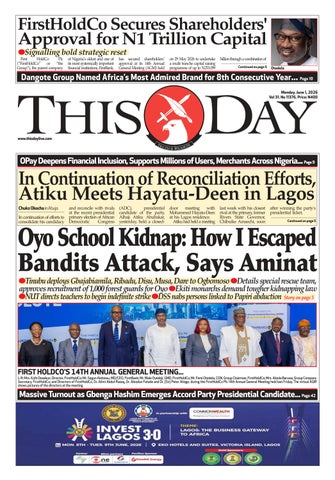
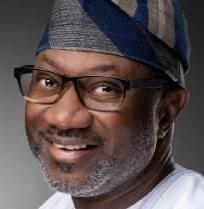
FirstHoldCo Secures Shareholders' Approval for N1 Trillion Capital
Signalling bold strategic reset
First HoldCo Plc (“FirstHoldCo” or “the Group”), the parent company of Nigeria’s oldest and one of its most systemically important financial institutions, FirstBank, has secured shareholders’ approval at its 14th Annual General Meeting (AGM) held on 29 May 2026 to undertake a multi tranche capital raising programme of up to N253.099
a combination
In Continuation of Reconciliation Efforts,
Atiku Meets Hayatu-Deen in Lagos
Chuks Okocha in Abuja
In continuation of efforts to consolidate his candidacy and reconcile with rivals at the recent presidential primary election of African Democratic Congress (ADC), presidential candidate of the party, Alhaji Atiku Abubakar, yesterday, held a closed-
door meeting with Mohammed Hayatu-Deen at his Lagos residence. Atiku had held a meeting last week with his closest rival at the primary, former Rivers State Governor, Chibuike Amaechi, soon after winning the party's presidential ticket.
Oyo School Kidnap: How I Escaped Bandits Attack, Says Aminat
Tinubu deploys Gbajabiamila, Ribadu, Disu, Musa, Dare to Ogbomoso Details special rescue team, approves recruitment of 1,000 forest guards for Oyo Ekiti monarchs demand tougher kidnapping law NUT directs teachers to begin indefinite strike DSS nabs persons linked to Papiri abduction
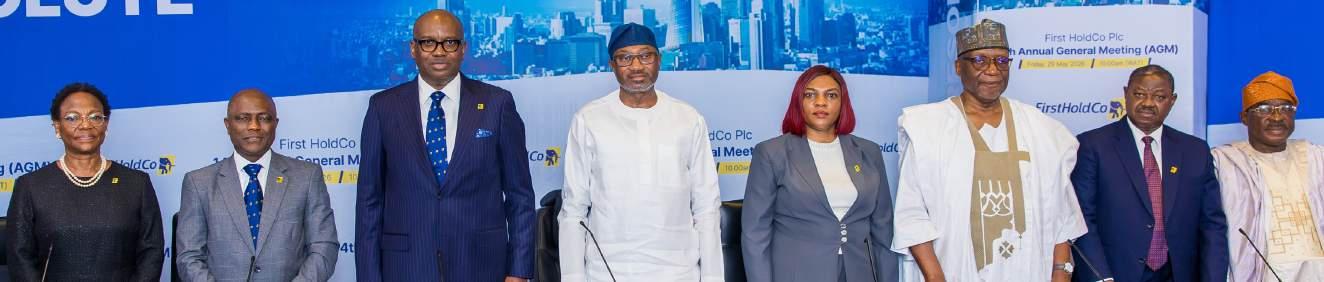
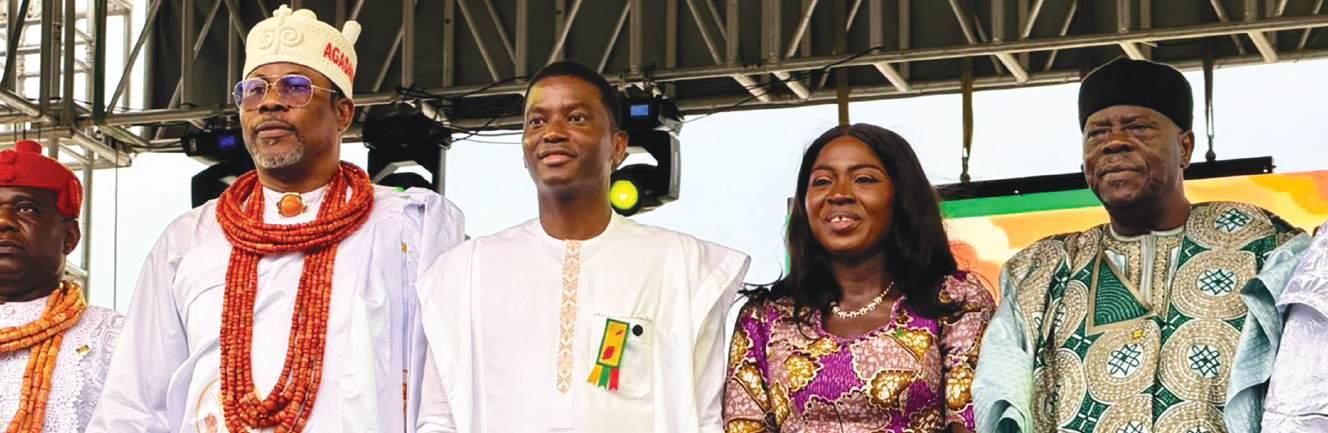
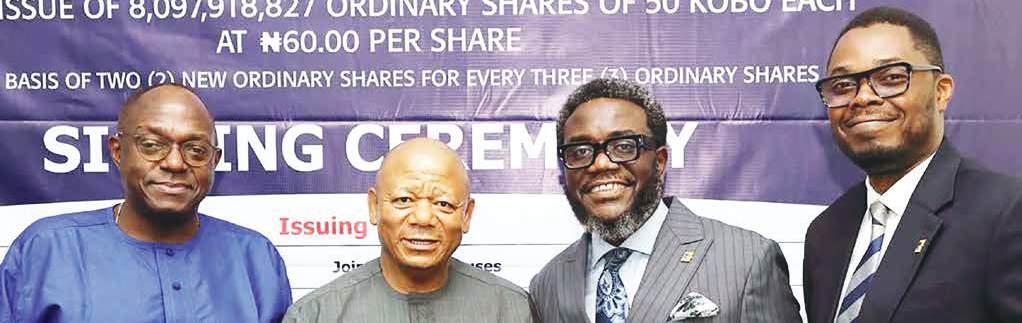
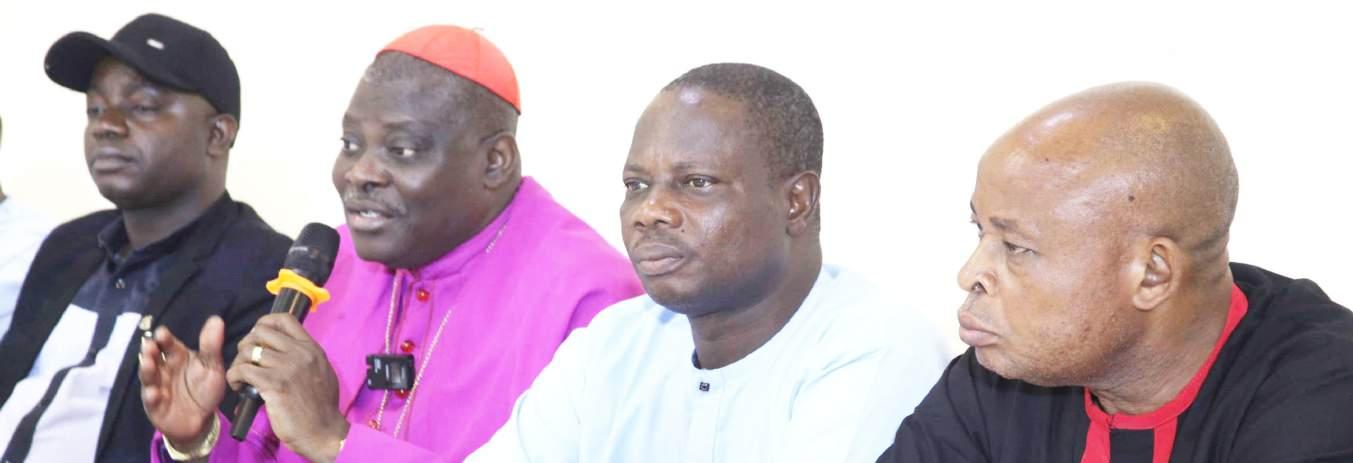
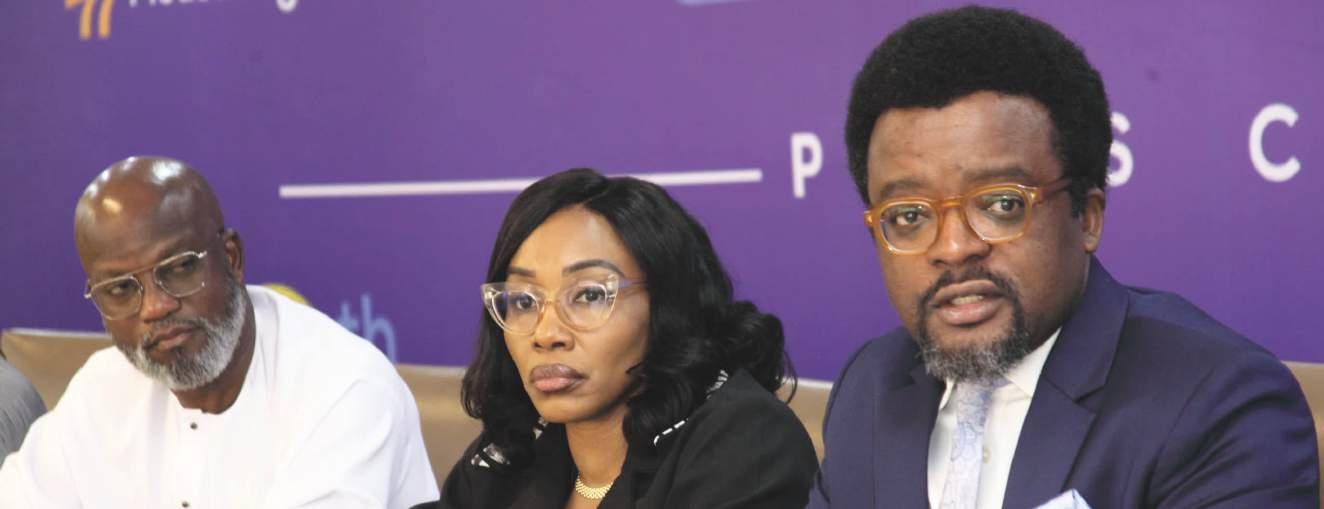
L-R: Mrs. Kofo Dosekun, Director, FirstHoldCo; Mr. Segun Alebiosu, MD/CEO, FirstBank; Mr. Wale Oyedeji, GMD, FirstHoldCo; Mr. Femi Otedola, CON, Group Chairman,
Secretary, FirstHoldCo; and Directors of FirstHoldCo, Dr. Alimi Abdul-Razaq, Dr. Abiodun Fatade and Dr. (Sir) Peter Aliogo, during the
shows pictures of the directors at the meeting
CBN Widens PoS Geo-fencing Radius, Shifts Compliance Deadline to August
Nume Ekeghe
Central Bank of Nigeria (CBN) has widened the permissible geo-fencing radius for Point of Sale (PoS) terminals from 10 metres to 70 metres and extended the deadline for compliance with the requirement to August 1, 2026, following consultations with industry stakeholders.
The move is expected to ease
implementation challenges faced by banks, fintechs, and other payment service providers, while preserving the regulator's efforts to strengthen transaction monitoring and combat fraud across the electronic payments’ ecosystem.
In a circular signed by Director of Payments System Supervision Department, Dr. Rakiya O. Yusuf, and addressed to banks, mobile
money operators, switching companies, payment service providers, and other licensed participants, the apex bank said the changes followed engagements with stakeholders on the operationalisation of its earlier directive on mandatory geo-tagging of payment terminals.
CBN stated, “Further to the Circular with reference number PSS/DIR/PUB/
CIR/001/001 dated August 25, 2025 on migration to ISO 20022 standards for payments messaging, mandatory geotagging of payment terminals, and various stakeholders' engagement on the subject to address the operationalization of the Circular, the Central Bank of Nigeria has considered and approved the following.”
It added, “Geo-fence
radius is hereby increased from 10 metres to 70 metres.
Enforcement of PoS Terminal Geo-fence is extended to August 1, 2026.”
The regulator directed operators to submit evidence of compliance to the Payments System Supervision Department no later than July 31, 2026.
According to the circular, “Evidence of compliance to the
not later than July 31, 2026.”
Fear and uncertainty have continued to grip communities in Oriire Local Government Area of Oyo State following the coordinated attack on three educational institutions in the rural communities of Ahoro-Esin-Ile, Yawota and Alawusa on May 15, as survivors and families of victims recounted their ordeal.
Among those still struggling to come to terms with the attack is Aminat, a student who narrowly escaped when armed men stormed her school while examinations were underway.
Narrating her experience to a Nigerian filmmaker and On-air Personality, Chude Jideonwo, Aminat said what began as a normal school day quickly turned into chaos when gunshots rang out across the school premises.
"We were writing an exam when we heard them shooting. That's how we ran into the bush. Even our teacher ran away. We haven't seen him since then," she said.
CONTINUATION
The former vice president had said he would meet with Amaechi and HayatuDeen.
Atiku posted the meeting with Hayatu-Deen on his X page. He was accompanied by some of his associates, like Senator Ben Obi, among others.
The development followed discontent among aspirants
instruments, including issuance of shares through public offers, private placements, rights issues, bonus issues, scrip dividend, or other equity instruments in both domestic and international capital markets.
This approval, which authorises the HoldCo Board to pursue this bold move, is designed to complement existing capital and accelerate the Group’s pathway to a N1 trillion paid up capital base, comprising share capital and share premium, while preserving flexibility to optimise timing, structure, and investor participation.
For discerning shareholders and investors, the significance
The student recalled that amid the confusion and stampede that followed, pupils scattered in different directions in a desperate bid to save their lives. According to her, it was only after the family conducted frantic searches that they realised her elder brother was among those missing.
over the conduct of the exercise.
Amaechi and HayatuDeen had rejected the outcome of the primary, alleging manipulation of the voting process. HayatuDeen also said he would not attend the announcement of the result. Amaechi, too, was absent at the ceremony.
Following his victory,
of this initiative is clear: stronger capital creates stronger possibilities. It enhances resilience, expands lending and underwriting capacity, improves strategic flexibility, and positions FirstHoldCo to capture opportunities that materially strengthen earnings power and long-term franchise value. This is therefore not a routine regulatory response, but a deliberate investment in future competitiveness, profitability, and market leadership. In an operating environment where scale, capital strength, and execution discipline increasingly determine market leadership, a N1 trillion capital base gives
"Since then I have not seen my elder brother. After searching everywhere and he was nowhere to be found, that's how we knew he was missing," she said.
Residents said the attack occurred simultaneously across the affected communities, catching many families and school
Atiku appealed to aggrieved aspirants and party members to put the contest behind them and work together for the party ahead of the 2027 general election.
“I, therefore, appeal to all those who feel aggrieved to come back to our party and close ranks with the rest of us,” Atiku said.
He also extended a
FirstHoldCo the capacity to compete from a position of strength. It materially improves the Group’s shock absorption capacity, strengthens confidence among counterparties and investors, and equips the business to participate more meaningfully in larger, higherquality transactions across infrastructure, manufacturing, energy, technology, and other strategic sectors of the Nigerian economy. Furthermore, the programme is expected to expand the Group’s footprint across priority markets and business verticals, enhance its competitiveness among Tier-1 financial institutions, and, most
authorities off guard. The attackers left behind scattered books, bags and personal belongings as evidence of the panic that followed.
At the Baptist school in Esin-Ile, where some of the victims were taken, pupils' boxes and school bags remained strewn across
direct appeal to his fellow contestants, urging them to join him in what he described as a broader effort to address the country’s challenges.
“In particular, I invite Chief Rotimi Amaechi and Alhaji Muhammad Hayatu-Deen to join me in this fight to save our democracy and our country,” he said.
Atiku maintained that
importantly, unlock sustainable long-term value for shareholders. In this regard, FirstHoldCo is not only responding to industry trends but actively shaping the future capital and competitive dynamics of the Nigerian banking ecosystem.
Just as importantly, the stronger capital base is expected to expand the Group’s footprint, deepen its competitive standing among Tier-1 institutions, and create room for disciplined growth across priority markets and business verticals. This translates into a more scalable earnings platform, improved capacity for value-accretive expansion, and a clearer pathway to sustainable
classrooms long after the attackers had fled. The incident has now left parents devastated and fearful for the safety of their children.
One of the affected parents, identified simply as Mama Muheez, who is the mother of Aminat, said her eight-year-old son, Abdulraman, was among those abducted.
the outcome of the primary should not divide the party, stressing that internal contests should not create permanent factions.
He stated, “As I said previously, there are no winners and no losers. Our people look up to us for leadership, and I am ready to lead.”
He pledged to work
long-term returns. FirstHoldCo is therefore not simply adjusting to the future of Nigerian banking; it is positioning itself to help define it.
Central to this transformation is the leadership of the Group Chairman, Mr Femi Otedola, CON, whose influence and resolute focus have driven a significant shift in governance, oversight, and institutional discipline across the Group. Since assuming office in January 2024, Mr Otedola has strengthened board independence and effectiveness across subsidiaries, reinforced governance structures in line with global best practices, and instilled a culture of
"When they finished eating, they went to school. We heard they were kidnapped before 11 a.m. The government told us they have been looking for them. It has been difficult. I can't eat, I
with other aspirants and stakeholders to strengthen the party ahead of the next general election.
Atiku stated, “I shall work with you all to continue to build our party. I will campaign with you and if Nigeria’s leaders demand it, govern with you to build a country that works for all of us.”
accountability, transparency, and performance discipline.
In addition, the Group Chairman has played a pivotal role in repositioning the Group away from legacy challenges towards a future-focused growth trajectory. His consistent advocacy for stronger capitalisation across the banking sector reflects a firm belief that well-capitalised institutions are fundamental to financial system stability, enhanced governance, investor confidence, and sustainable economic growth. The proceeds from the capital raise will be deployed with a
Deji Elumoye, Chuks Okocha, Emmanuel Addeh in Abuja, Segun James in Lagos, Laleye Dipo in Minna, Ibrahim Oyewale in Lokoja and Gbenga Sodeinde in Ado Ekiti
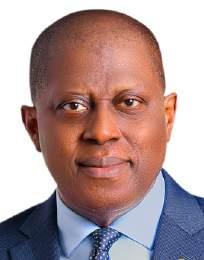
CBN Gov, Cardoso
L-R: Aminat and her mum, mama Muheez
Aminat
above should be addressed to the Director, Payments System Supervision Department via paymentdata@cbn.gov.ng
Arbitral Tribunal Orders Removal of Four Directors of Premium Pensions Over PEP Status
A major corporate governance storm has erupted in Nigeria’s pension industry following a landmark arbitral award ordering the removal of four directors of Premium Pension Limited (PPL) over their classification as Politically Exposed Persons (PEPs).
The development stems from a bitter shareholder dispute involving businessman and investor, Muhammad Jibrin Barde, who invested over $35 million to acquire approximately 40 percent equity in the company,
thereby emerging as the single largest shareholder in the Pension Fund Administrator (PFA).
The dispute, which insiders describe as one of the most significant corporate governance battles in Nigeria’s financial services sector in recent years, culminated in a Final Award delivered on May 25, 2026 by an arbitral tribunal chaired by Mrs. Olusola Adegbonmire, alongside Chief Bayo Ojo, and Dr. Chikwendu Madumere.
Although Dr. Madumere reportedly issued a minority opinion disagreeing with aspects of the majority
decision, the tribunal made far-reaching pronouncements with implications for governance standards across Nigeria’s regulated financial institutions.
At the centre of the dispute are allegations of shareholder oppression, breach of contractual rights, political interference, and attempts to frustrate the enforcement of corporate governance standards within Premium Pension Limited.
Barde, who instituted the claims alongside Fendo Investments & Properties Ltd, Olive Lime Ltd, and Afric Capital Ltd, accused certain shareholders
and directors of refusing to honour his contractual right of first refusal after previously offering to sell their shares to him.
According to him, the shares were instead proposed for sale to an outsider who was not an existing shareholder, allegedly in violation of the company’s Shareholders’ Agreement.
The conflict eventually proceeded to arbitration under the Arbitration and Mediation Act 2023.
In its findings, the tribunal affirmed that the claimants possessed the necessary locus
standi and jurisdiction to initiate the action.
More significantly, the panel held that four directors of Premium Pension Limited fell within the category of Politically Exposed Persons under the company’s 2017 Shareholders’ Agreement and were therefore disqualified from serving on the board.
Those affected include former Bauchi State Governor and APC chieftain, Mohammed Abdullahi Abubakar, SAN; retired MajorGeneral Bitrus V.T. Kwaji; Arc. Sale M. Yunusa; and Bappayo Yahaya.
Te tribunal ruled that their nomination, appointment, and continued service as directors
contravened Clause 5.1 of the applicable Shareholders’ Agreement. Consequently, the respondents were ordered to take all necessary steps within 30 days to procure the resignation, withdrawal, or removal of the affected directors from the board of Premium Pension Limited. The tribunal also dismissed the respondents’ counterclaim for damages against the claimants. However, beyond the boardroom battle, the ruling is already generating wider debate within Nigeria’s financial and regulatory circles because of its extensive interpretation of the concept of Politically Exposed Persons.
Centre for the Promotion of Private Enterprise (CPPE) commended the President Bola Tinubu administration for achieving the core objectives of its economic reform initiatives, but urged the administration to now focus on the imperative of converting reform gains into inclusive growth – jobs, higher incomes, lower poverty, and a better quality of life for Nigerians.
The CPPE gave the commendation yesterday in a press statement titled "Three Years
of the Tinubu Administration: From Stabilisation to Shared Prosperity."
It said that the first three years of the Tinubu's administration were fundamentally about rescuing the economy from the brink and restoring macroeconomic stability.
Commenting on the three years of the administration, the Chief Executive Officer of CPPE, Dr. Muda Yusuf, said that any objective assessment of the Tinubu's administration's first three years must be situated within the context of the severe economic crisis it
inherited in May 2023, which was characterised by structural distortions that had accumulated over many years and required implementation of reforms that previous governments had repeatedly ignored or deferred.
Yusuf said: "However, stabilisation is only the beginning. The next phase of reforms must focus on translating macroeconomic stability into inclusive growth through accelerated investment, improved productivity, stronger energy security, security of life and property, enhanced food security, industrial
competitiveness and poverty reduction.
"Ultimately, the success of the reform agenda will not be measured solely by reserve accumulation, exchange rate stability or stock market performance.
"It will be judged by its impact on jobs, incomes, living standards and the quality of life of ordinary Nigerians.
"Macroeconomic stability may rescue an economy from the brink, but inclusive prosperity is what secures public confidence, strengthens social cohesion and sustains the reform journey."
Aliyu Condoles Emir of Zuru Over Death of ZBCC MD's Mother
Governor Ahmed Aliyu of Sokoto State over the weekend paid a condolence visit to the Emir of Zuru, Alhaji Sanusi Muhammad Mika'ilu (Sami Gomo III), over the death of Hajiya Hajara Hussaini, popularly known as Innar Manir, mother of the Managing Director of Zuru Building and Construction
Company (ZBCC), Alhaji Adamu Hussaini.
The governor described the death of Hajiya Hajara Hussaini as a great loss not only to her immediate family but also to the people of Kebbi State.
He prayed to Almighty Allah to grant the deceased Aljannatul Firdaus and
comfort the bereaved family.
"As Muslims, we all know that every soul shall taste death; therefore, we must accept the will of Almighty Allah," the governor said.
He appealed to the immediate family of the deceased to accept the loss as an act ordained by Almighty Allah and urged them to
continue praying for her soul.
Governor Aliyu also extolled the cordial relationship between the people of Sokoto and Kebbi states and pledged to sustain and strengthen the bond.
Special prayers were offered for the repose of the soul of Hajiya Hajara Hussaini and other departed souls.
Tinubu’s New Power Adviser Visits NISO, Pushes for Improved Grid Stability
Emmanuel Addeh in Abuja
The new Special Adviser to President Bola Tinubu on Power, Mr. Lanre Babalola, at the weekend visited the headquarters of the Nigerian Independent System Operator (NISO) in Abuja, where he held strategic discussions with the management of the organisation on measures to enhance grid reliability, operational efficiency and overall stability of the national electricity system.
The visit comes amid ongoing reforms in Nigeria's power sector aimed at strengthening the performance of the national grid and improving electricity supply across the country.
Babalola, a former minister of power, who led a delegation to the NISO corporate headquarters, was received by the Managing Director and Chief Executive Officer of the
organisation, Bello Mohammed, alongside members of the management team.
According to a statement in Abuja issued after the meeting, the engagement provided an opportunity for both parties to review the operations of the national grid, assess ongoing power sector reforms and discuss areas where government support could further enhance NISO's ability to deliver on its mandate.
The discussions, it said, centred on strengthening grid reliability, improving operational efficiency, enhancing transparency and ensuring greater system stability across the Nigerian Electricity Supply Industry (NESI).
Speaking during the visit, Babalola underscored the importance of prudent resource management and operational discipline in achieving a more reliable electricity network.
Jonathan Eze
Dike Onwuamaeze
L-R: President, MTN MIP Alumni, Akinkunmi Obakeye; Course Director, MTN MIP, Dr. Chike Mgbadichie; General Manager, Corporate Affairs, MTN Nigeria, Chineze Gbenga-Oluwatoye; Dean, School of Media and Communication, Pan-Atlantic University, Dr. Ikechukwu Obiaya; Executive Director, MTN Nigeria Foundation, Odunayo Sanya andClass President, MTN MIP Cohort 4, Adeyemi Adebayo at the MTN MIP Awards and Welcome Dinner at the MTN Roof Top in Lagos …recently
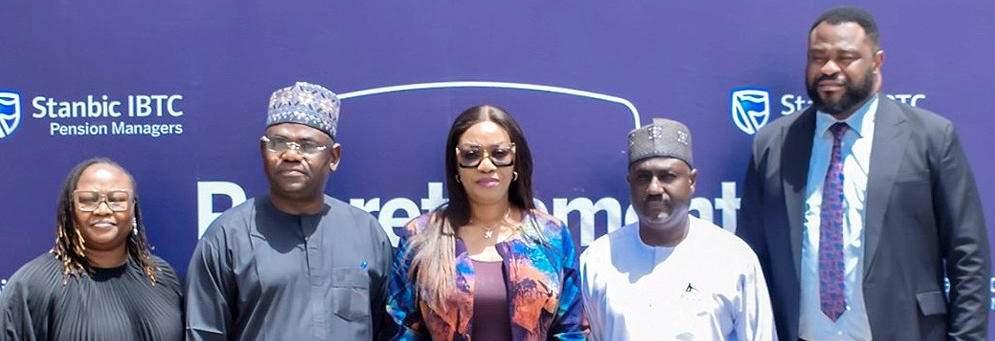
STANBIC IBTC KANO PRE-RETIREMENT SEMINAR...
Alliance Report Laments N14tn Credit Contraction to Productive Sector Despite Banks' Stronger Capital Base
Declares SMEs face N48tn funding gap amid credit squeeze, as current lending represents 1% of total bank loans Adds Nigeria cannot borrow its way to prosperity
James Emejo in Abuja
A report by Alliance for Economic Research and Ethics (AERE) has bemoaned the country's recent N14 trillion decline in private sector lending, adding that the situation should be treated as an economic emergency rather than a routine financial adjustment.
The report stated that the sharp decline in credit exposed deep structural weaknesses in the financial system, despite improvements in banking sector liquidity amid ongoing recapitalisation exercise and reforms by Central Bank of Nigeria (CBN).
Titled, "The N14 Trillion Vanishing Act: When Nigeria's Banks Have Money But Refuse
to Lend It," the document pointed out that while broad money supply expanded to N124.99 trillion, from N123.12 trillion, between February and April 2026, private sector credit contracted significantly during the same period, resulting in a fall in net domestic credit to N120.18 trillion, from N133.97 trillion.
AERE is a policy think tank chaired by former National President, Nigerian Association of Chambers of Commerce, Industry, Mines, and Agriculture (NACCIMA), Hon. Dele Oye. Oye is immediate Past Chairman of Organised Private Sector of Nigeria (OPSN) and Chairman of Nigeria-Türkiye Business Council (NTBC).
C’River, Agua Global Services Seal $42m Deal to Revive Water Board
The Cross River State Government has signed a $42 million Public-Private Partnership (PPP) agreement with Agua Global Services Limited to revive the state’s moribund water infrastructure and restore sustainable access to potable water across the state.
The agreement expected to run under a 25-year implementation framework is aimed at rehabilitating existing water facilities, replacing dilapidated pipelines, improving water quality systems, and expanding supply networks to tackle years of water scarcity in the state.
The PPP transaction was structured by Core Trust and Investment Limited, a Lagosbased investment bank, through its international partnership with Bridgetop Capital Partners in
Washington D.C., United States, led by its Corporate Attorney and Founding Partner, Vincent Nyeko.
The initiative has already attracted interest from local and international debt and equity investors towards mobilising the required $42 million project funding.
It was gathered that Core Trust and Investment Limited had earlier secured a mandate from the Cross River State Government to procure a private investor for the upgrade and revitalisation of the Cross River State Water Board Limited, a company wholly owned by the state.
Following a competitive bidding process, the investment firm prequalified Agua Global Services Limited alongside other firms and submitted its recommendations to the state government.
The report stated that increased liquidity within the banking system had not translated into financing for businesses, manufacturers, and entrepreneurs who drove economic growth
It said, "The N14 trillion credit contraction is not a statistical blip. It is a warning siren."
The report comes amid growing concerns over slowing business activity, weakening demand conditions, and declining manufacturing output, despite efforts by the monetary authorities to stimulate economic growth through a more accommodative policy stance.
AERE maintained that the limited access to financing available to SMEs, which accounted for a substantial share of economic activity and employment, suggested a dysfunction within the country's
credit architecture.
According to the report, SME lending currently represents only one per cent of total bank credit, a figure it described as alarmingly low when compared to other developing economies.
It stressed, "The recapitalisation exercise, laudable as it was, with 32 banks meeting new minimum capital requirements, has produced banks with stronger balance sheets but no discernible increase in lending to those who need it most. The structural distortions are breath-taking."
The report highlighted what it described as a growing disconnect between banking sector performance and the realities facing businesses in the real economy.
It stated that a large proportion of available credit continued to flow into short-term transactions and low-risk investments, while
sectors, such as manufacturing, agriculture, and SMEs, remained underfunded.
It stressed that more than half of total bank lending was concentrated in short-term facilities, leaving businesses that required patient capital unable to access financing with longer repayment periods.
The report observed that manufacturing received only a modest share of total bank credit, while agriculture accounted for an even smaller portion, despite repeated government commitments to diversify the economy away from oil dependence.
The report warned that the situation was currently contributing to a broader slowdown in economic activity.
It referenced the recent Purchasing Managers' Index data, which showed contraction
in both industrial and services activities, declining new orders, falling employment levels, and reduced inventory accumulation by firms.
According to the report, the indicators suggest that many businesses are scaling back operations due to weak demand and limited access to affordable credit.
It linked the credit squeeze to rising government borrowing, stating that commercial banks increasingly prefer investing in government securities rather than lending to private enterprises.
It stated that federal government borrowing through domestic debt instruments had continued to expand, creating strong incentives for banks to allocate funds to treasury bills and bonds that offered attractive returns with minimal risk.
Relief as PTAD Implements Pension Harmonisation Under Defined Benefit Scheme
Initiative aims to boost confidence in pension administration, strengthen welfare of federal pensioners, achieve pension equity
James Emejo in Abuja
Pension Transitional Arrangement Directorate (PTAD) has announced the commencement of pension harmonisation for eligible pensioners under the Federal Defined Benefit Scheme (DBS), with implementation taking effect from May 2026.
The directorate described the development as a major milestone in pension administration, noting that this was made possible following the approval of President Bola Tinubu in August 2025 for the inclusion of the proposed Pension Harmonisation policy
in PTAD's 2026 pension budget.
PTAD said the initiative aligns with the administration's Renewed Hope agenda and aimed to address long-standing structural disparities in the administration of pensions under the DBS.
Executive Secretary/Chief Executive of PTAD, Mrs. Tolulope Odunaiya, stated that the implementation marked a significant step towards ensuring fairness and equity among pensioners.
In a statement issued by Head, Corporate Communications, PTAD, Mr. Olugbenga Ajayi, Odunaiya said, “This intervention represents a
significant step toward ensuring a more equitable structure and restoring confidence in the administration of the Defined Benefit Pension Scheme.”
She noted that the harmonisation underscored the federal government's commitment to the welfare of retirees and its determination to correct structural imbalances within the pension system.
She added that the intervention further demonstrated Tinubu's commitment to the welfare of DBS pensioners and reflects the administration's resolve to identify and address inequities while recognising
the contributions of retirees to national development.
PTAD explained that prior to the harmonisation, pensions were calculated based on the salary structure applicable at the time individual pensioners retired from service. However, under the new arrangement, pensions will now be computed using the last salary structure in place at the cut-off date for the DBS.
The directorate said the reform would ensure that pensioners of similar ranks, grade levels and years of service receive comparable pension benefits irrespective of when they retired.
Sunday Ehigiator
L-R: Head, Compliance Stanbic IBTC Pension Managers, Edidiong Akan; Administrative Staff, National Pension Commission, Ibrahim Adamu; Executive Director, Business Development, Stanbic IBTC Pension Managers, Nike Bajomo; Senior Manager, Stakeholders Unit, Northwest, National Pension Commission, Mubarak Arabi; Head, and Business Development, Stanbic IBTC Pension Mangers, Kenneth Omeogu during the Stanbic IBTC Pension Managers Pre-retirement Seminar, held in Kano... recently
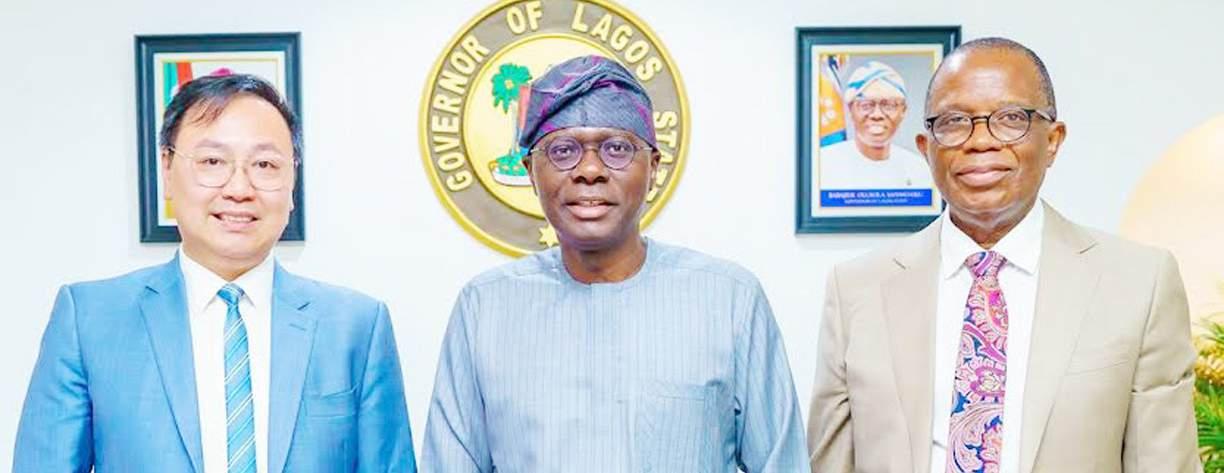
PARTNERSHIP BETWEEN CHINA MOBILE AND 21ST CENTURY TECHNOLOGIES...
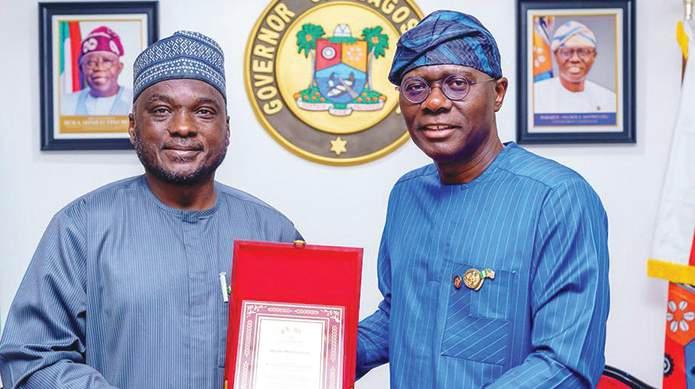
L-R; Chief Executive Officer, Africa Region, China Mobile International Limited, Terry Leung; Lagos State Governor, Babajide Sanwo-Olu; and Chief Executive Officer of 21st Century Technologies, Wale Ajisebutu, during a courtesy
Report: Electric Vehicles Cut Global Oil Demand by
1.7m bpd as Sales Top 20m
IEA sees oil displacement tripling to 5m bpd by 2030 EVs account for 25% of new global car sales worldwide IChina produces 75% of new output, controls 80% of battery market
Emmanuel Addeh in Abuja
The global shift from conventional vehicles to electric mobility accelerated sharply in 2025, with Electric Vehicle (EV) sales rising 20 per cent to exceed 20 million units for the first time, while the growing fleet of battery-powered vehicles displaced an estimated 1.7 million barrels of oil per day.
According to the latest Global EV Outlook 2026 released by the International Energy Agency (IEA), the global EV sales would rise further to 23 million units in 2026, representing 28 per cent of total global car sales, despite
ongoing economic uncertainties and the impact of the Middle East energy crisis.
The report, which provides one of the most comprehensive assessments of the global EV market, stated that electric vehicles accounted for one in every four new cars sold worldwide in 2025, underlining the rapid pace of the transition away from internal combustion engine vehicles.
The IEA noted that the transport sector currently accounts for nearly half of global oil demand, making the rise of electric mobility a major factor in future energy markets and oil
Presidency Inaugurates TETFund
Female Students’ Hostels at SAZU’s Gadau, Yuli Campuses
The presidency has commissioned newly completed female students’ hostels at the Gadau Main Campus and Yuli Campus of Sa’adu Zungur University (SAZU), Bauchi State, under the Presidential Commissioning of the 2024 TETFund Annual Intervention Projects.
The commissioning ceremony held at the university’s Gadau Main Campus yesterday formed part of the nationwide presidential commissioning of projects executed through the Tertiary Education Trust Fund (TETFund) across tertiary institutions in Nigeria, along with other developmental projects.
The Executive Secretary of TETFund was represented at the event by the Bauchi State Commissioner for Higher Education and Regional Integration, who was in turn
represented by the Permanent Secretary of the Ministry, Malam Isa Mohammed Tahir.
The projects comprise two modern 40-room ensuite female students’ hostels located at the Gadau Main Campus and Yuli Campus of the university, aimed at improving accommodation and enhancing the welfare of students.
Speaking during the ceremony, the Vice Chancellor of Sa’adu Zungur University, Professor Fatimah Tahir, described the hostel projects as a major milestone in the institution’s drive to provide a conducive learning environment for students.
She noted that adequate accommodation remains a critical component of the university experience and commended TETFund for its continued support to higher education institutions across the country.
consumption trends.
According to the report, the 1.7 million barrels of oil displaced daily by EVs in 2025 is expected to almost triple to around 5 million barrels per day by 2030 as adoption accelerates across major markets.
For oil-producing countries such as Nigeria, the figures highlight the growing challenge posed by the energy transition to long-term crude demand, even as higher oil prices currently support revenues.
The report showed that Europe recorded the strongest growth among major EV markets in 2025, with electric car sales increasing by more than 30 per cent and accounting for 28 per cent of total vehicle sales.
“The current high oil price environment is drawing consumer attention to the economic benefits of driving EVs. Electric cars generally have lower running costs than internal combustion engine (ICE) vehicles, mainly due
to their higher efficiency.
“The recent rise in oil prices resulting from the conflict in the Middle East has further increased the cost savings associated with driving an EV. For example, based on average oil prices in April, the annual fuel cost savings associated with driving an EV in the European Union grew 35 per cent compared to 2025 savings.
“For corporate fleets that travel long distances, the running cost savings can be several times larger than for the general consumer. Preliminary signs suggest EV sales are increasing in countries with supply concerns, or where fuel price increases have been particularly steep. However, the full implications of the current crisis will take time to register in the car market, due in part to the lag between vehicle orders and deliveries,” the IEA report said.
China remained the world's largest EV market, although growth moderated slightly during
the year. Nevertheless, electric vehicles still represented nearly 55 per cent of all new cars sold in the country. In contrast, the United States saw EV sales remain largely unchanged, accounting for just under 10 per cent of total vehicle sales.
Emerging markets, however, posted some of the fastest growth rates globally. According to the IEA, EV sales more than doubled across Southeast Asia, reaching nearly 20 per cent of total vehicle sales, driven primarily by strong demand in Vietnam, Indonesia and Thailand.
The agency argued that continued fuel price volatility and concerns over energy security could further accelerate electric vehicle adoption in many countries.
Although global EV sales during the first quarter of 2026 fell 8 per cent year-on-year to 3.9 million units due largely to policy-related slowdowns in China and the United States,
the picture remained positive.
The report noted that preliminary data for April showed EV sales in China reaching a record level of more than 60 per cent of total monthly car sales. Looking ahead, the IEA said it expects the global EV fleet to grow more than sixfold from current levels. China is expected to remain the dominant market, with EVs projected to represent more than 90 per cent of total car sales by 2035, with overwhelming influence across the EV supply chain.
China accounted for nearly 75 per cent of all electric cars manufactured globally in 2025 and supplied approximately 60 per cent of worldwide EV sales. Global EV production rose by more than 25 per cent to almost 22 million units during the year. Chinese manufacturers also doubled EV exports to a record 2.5 million vehicles, reinforcing the country's position as the world's leading supplier of electric cars.
FAAN, Lagos State Govt Intensify Ebola Surveillance at MMIA
Chinedu Eze
Federal Airports Authority of Nigeria (FAAN), Lagos State Government’s health officials, and Port Health Services have reinforced measures to strictly profile passengers arriving at the Murtala Muhammed International Airport (MMIA), Lagos, to prevent the importation and spread the of Ebola Virus Disease (EVD) in the country.
According to a statement signed by the Director, Public Affairs and Consumer Protection, FAAN, Henry Agbabire, a team comprising officials from the agency, the Lagos State
Government and Port Health inspected facilities at the airport yesterday.
The inspection was conducted to assess the airport’s readiness to detect, monitor, and respond to any potential Ebola threat, particularly in light of recent developments surrounding the outbreak in the Democratic Republic of the Congo (DRC).
The exercise brought together key stakeholders from the health and aviation sectors, including the Lagos State Commissioner for Health, Prof. Emmanuel Akinola Abayomi; MMIAAirport Manager, Mr. Olatokunbo Arewa; General Manager, Aviation Medical, FAAN,
Dr. Ibrahim Bilikisu; the Permanent Secretary, Lagos State Ministry of Health, Dr. Dayo Lajide; the Special Adviser to the Governor on Health, Dr. Kemi Ogunyemi; and the State Epidemiologist, Dr. Ismail Adeshina Abdus-Salam, among others.
Speaking during the inspection, Prof. Abayomi commended FAAN and other stakeholders for their swift response to developments relating to the Ebola outbreak in the DRC and the proactive preventive measures already in place at the airport.
He stressed the need for heightened vigilance and stricter surveillance, particularly in
monitoring passengers arriving from countries considered highrisk.
According to him, effective procedures must be maintained to identify, separate, and closely monitor travelers from such destinations while ensuring full compliance with established public health protocols.
The commissioner noted that continuous collaboration among all relevant agencies remains crucial to preventing the importation and spread of infectious diseases through Nigeria’s busiest airport, adding that safeguarding public health must remain a priority.
Segun Awofadeji in Bauchi
visit to the Governor ahead of the launch of a partnership between China Mobile and 21st Century Technologies to develop cloud and AI infrastructure in Nigeria, held at the 21st Century Technologies office in Lekki, Lagos, ... recently
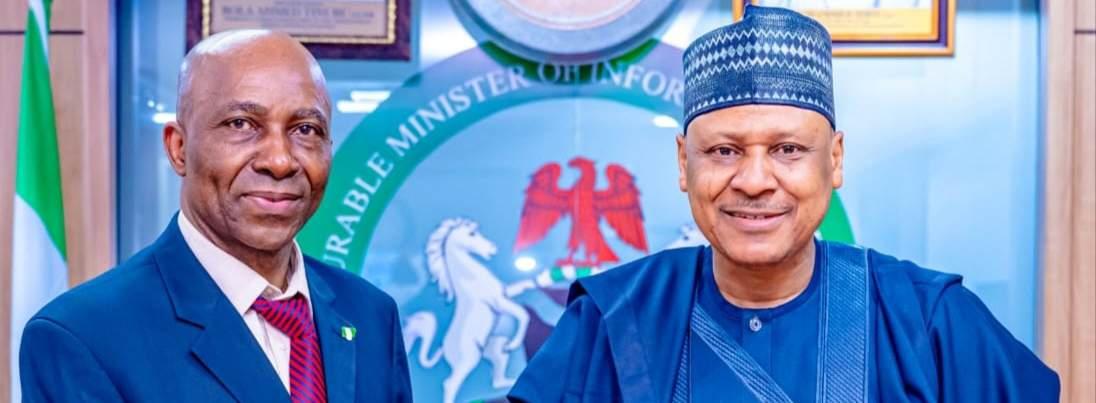
TAX OMBUD COURTESY VISIT TO THE MINISTER...
OPay Deepens Financial Inclusion, Supports Millions
Sunday Ehigiator
Nigeria’s growing transition to a cashless economy is increasingly being shaped by fintech companies, with OPay emerging as one of the leading players expanding financial inclusion and supporting economic opportunities for millions of Nigerians.
Across markets, motor parks, roadside kiosks, and small businesses nationwide, OPay’s green Point-of-Sale (PoS) terminals have become a familiar feature, reflecting the company’s expanding presence in the country’s financial services ecosystem.
Since commencing operations in Nigeria in 2018, OPay has built a digital financial ecosystem focused on inclusion, accessibility, and convenience, providing millions of Nigerians with access to financial services that were once difficult to obtain, particularly in rural and underserved communities.
of Users, Merchants Across Nigeria
The fintech firm currently serves more than 45 million consumer users and supports over one million merchants and businesses across the country, underscoring its growing role in Nigeria’s digital economy and cashless transition.
For many Nigerians, especially residents of rural and semiurban communities, access to conventional banking services has remained limited for years due to long travel distances to physical bank branches, high banking costs, infrastructure deficits, and strict account opening requirements.
To bridge this gap, OPay has expanded access to digital wallet services, transfers, bill payments, savings solutions, and agency banking services through a nationwide network of agents and merchants, enabling users to carry out financial transactions closer to their homes and businesses.
The company’s operational model is designed to cater to
populations often underserved by traditional financial institutions, including lowincome earners, artisans, traders, transport workers, and residents of underserved communities. Through the platform, users can transfer money, withdraw cash, make payments, and conduct other financial transactions within their communities without travelling long distances to physical bank branches.
OPay describes its broader mission as “making financial services more inclusive through technology,” particularly in emerging markets where access to financial services remains limited.
The company’s contribution to financial inclusion has also received recognition. In 2024, OPay received the Financial Inclusion Innovation Award from the Central Bank of Nigeria (CBN), reinforcing its role in advancing access to digital financial services and
supporting Nigeria’s financial inclusion agenda.
A major factor behind the company’s expansion has been the development of separate but interconnected solutions tailored for consumers and businesses.
Its digital wallet platform provides users with access to transfers, airtime purchases, utility bill payments, savings products, debit cards, and other everyday financial services through mobile technology.
OPay said the wallet business was launched to provide convenient financial services to Africa’s unbanked population while supporting the continent’s transition towards a more cashless economy.
According to the company, the platform has witnessed significant growth in recent years, driven by demand for affordable, easy-to-use, and reliable financial services.
The company disclosed that its monthly active transacting users increased from 25.13 million in
SAN Calls for Sweeping Judicial Reforms, Tough Sanctions Against Erring Judges
Senior Advocate of Nigeria (SAN), Dr. Charles Mekwunye, has called for far-reaching reforms in Nigeria's judiciary and electoral adjudication system, warning that judicial compromise remains one of the greatest threats to the country's democratic development.
Mekwunye made the call while delivering the keynote address at the 2026 Law Week of the Nigerian Bar Association (NBA), Agbor Branch, themed, "Future Proofing Nigeria's Democracy: Credible Elections and the Legal Cross-Roads."
In a speech that highlighted
concerns over the integrity of election-related litigation, the senior lawyer accused some judicial officers of undermining democratic values through controversial judgments that, according to him, have sometimes negated the electoral choices of Nigerians.
He argued that judicial officers who deliberately abuse their powers to distort the electoral process should face severe consequences.
"There must be consequences for the behaviour of judicial officers who betray their oath and use their enormous powers to pervert the electoral will of the people. The era
of impunity must end,"
Mekwunye said.
The SAN however commended the Chief Justice of Nigeria, Justice Kudirat Kekere-Ekun for recent disciplinary actions taken against some judicial officers, including suspensions and compulsory retirements.
He described the measures as encouraging steps toward restoring accountability within the judiciary.
Despite the commendation, he maintained that much more needed to be done to rebuild public trust in the nation's justice system.
According to him, the
current procedures governing petitions against judicial officers before the National Judicial Council (NJC) discourage individuals with credible information from exposing misconduct on the bench.
Mekwunye specifically criticised the requirement that petitioners must disclose their identities and depose to affidavits before complaints can be considered.
He argued that such requirements expose whistleblowers to possible intimidation, victimisation and retaliation, thereby discouraging the reporting of unethical conduct.
2024 to 39.32 million by the end of 2025, suggesting increasing adoption of digital wallets, particularly among Nigerians entering formal financial systems for the first time.
Beyond consumer banking services, OPay also provides payment and smart business solutions to merchants, small and medium-scale enterprises (SMEs), agents, and enterprise operators.
Its merchant ecosystem includes PoS services, card payments, online payments, cardless payment solutions,
and software services aimed at helping businesses process transactions more efficiently.
The services currently support a wide range of businesses, including neighbourhood shops, pharmacies, restaurants, supermarkets, transport operators, and independent retailers.
According to the company, digitalising payment systems allows merchants to reduce cash-handling risks, improve transaction speed, and enhance convenience for customers.
Sulaiman Aledeh Resigns as Edo Broadcasting Services Managing Director
The Managing Director of the stated owned Edo Broadcasting Service (EBS), Sulaiman Aledeh, has resigned his appointment.
Aladeh was one of the first appointees of Edo State governor, Monday Okpebholo, in 2024.
The state government had earlier approved the redeployment of Aledeh to the Edo State Orientation Agency as its pioneer Director-General.
The redeployment which was with immediate effect, was contained in a statement issued by the Secretary to the State Government, Umar Musa Ikhilor over the weekend.
In his resignation letter dated May 30 and addressed to Governor Okpebholo, the veteran journalist stated that the decision has been taken to enable him to devote his full attention to the next phase of his professional journey as a media practitioner and to pursue other endeavours as a private citizen.
“I write to formally tender
my resignation as Managing Director of the Edo Broadcasting Service (EBS), effective 30 May 2026.
“This decision has been taken to enable me to devote my full attention to the next phase of my professional journey as a media practitioner and to pursue other endeavours as a private citizen.”
Aledeh expressed gratitude to Governor Okpebholo for the opportunity to serve, describing it as a privilege to lead the historic broadcasting institution.
“I wish to express my profound gratitude to Your Excellency for the confidence reposed in me and for the privilege of serving the people of Edo State in this capacity. It has been a singular honour to lead this historic institution and contribute, however modestly, to its repositioning within an increasingly dynamic and competitive media environment.”
He also thanked the people of Edo State, both at home and in the diaspora, for their support throughout his tenure.
Wale Igbintade
L-R: Chairman/Chief Executive Officer, Office of the Tax Ombud Nigeria, Dr. John C. Nwabueze and Honourable Minister of Information and National Orientation, Mohammed Idris, during a courtesy visit by the Ombud to the Minister in Abuja ... recently PHOTO: ENOCK REUBEN
Felix Omoh-Asun in Benin
5TH EDITION OF THE MSME STUDY TOUR TO ISTANBUL...
Dangote Group Named Africa’s Most Admired Brand for 8th Consecutive Year
Reinforces dominance in industrial, social impact, development rankings
Dangote Industries Limited has reinforced its position as Africa’s most influential corporate brands after emerging as the continent’s Most Admired African Brand for the eight consecutive year.
Also, the Group Chief Branding and Communications Officer of Dangote Industries, Anthony Chiejina, was named among Africa’s 100 Most Influential Chief Marketing Officers. In a statement issued yesterday, signed by Chiejina, the conglomerate
said the recognition was announced at the 16th annual Brand Africa 100: Africa’s Best Brands rankings unveiled in Addis Ababa, Ethiopia.
The survey, regarded as Africa’s most comprehensive consumer-led brand study, covered 30 countries representing more than 85 per cent of the continent’s population and economic output.
In the latest rankings, Dangote emerged as Africa’s Most Admired Brand in aided recall, ahead of South Africa’s MTN and Vodacom. In the
spontaneous recall category, it ranked second among African brands, behind MTN and ahead of Trade Kings.
The Group also retained its position as Africa’s Most Admired Industrial Brand and was ranked the No. 1 African Brand Contributing to a Better Africa, ahead of MTN, DStv, Shoprite/Checkers and Trade Kings, reflecting its significant contribution to industrialisation, job creation, economic development and sustainable growth across the continent.
The rankings show Dangote’s growing influence
as one of Africa’s most recognisable corporate brands, built on investments spanning cement, fertiliser, petrochemicals, energy, sugar, salt, packaging and logistics.
Brand Africa noted that despite a modest rebound in African brand recognition, homegrown brands still account for only 15 per cent of Africa’s 100 most admired brands, highlighting the continued dominance of foreign brands across the continent.
Brand Africa Founder and Chairman, Thebe Ikalafeng, described the promotion and
Police Lost 140 Officers to Violent Attacks, Others in One Year in FCT Alone
The Nigeria Police Force has revealed that no fewer than 140 officers died from violent attacks, accidents, and other duty-related incidents within a one-year period in the Federal Capital Territory (FCT), highlighting the enormous risks and sacrifices associated with policing in Nigeria.
Speaking during an interactive session with members of the Crime Correspondents Association of Nigeria (CCAN) in Abuja, Inspector General of Police (IGP) Olatunji Disu said policing in the country remains highly demanding, with many officers working far beyond regular hours to meet growing security challenges.
According to a statement by the Chairman of CCAN, the traditional shift system is no longer practical due to the
realities of modern policing and the increasing security demands placed on officers.
Disu said: “We no longer operate the conventional policing structure of morning, afternoon, and night shifts. Officers work virtually around the clock under very difficult circumstances. Last year alone, the FCT Police Command lost about 140 officers through violent attacks, accidents, and other duty-related incidents."
He added that many police personnel continue to sacrifice their comfort, rest, and even their lives to ensure citizens can live and conduct their daily activities in peace and safety.
The IGP emphasized that despite the challenges faced by officers, the Force remains committed to professionalism and accountability.
He reiterated the police's zero-tolerance policy on impunity, assuring Nigerians
that any officer found guilty of misconduct would be sanctioned in accordance with established laws and professional standards.
“We have consistently demonstrated our commitment to ending impunity within the Force, and we will continue to address complaints against personnel professionally and decisively. At the same time, officers carrying out lawful duties must also be protected from harassment and deliberate misinformation,” he said.
Disu also assured Nigerians that the Force would continue to strengthen engagement with the media as part of efforts to promote transparency, build public confidence, and improve communication on security issues.
Describing journalists as key stakeholders in the fight against insecurity, he called for sustained collaboration
between the police and the media to encourage responsible and accurate reporting of security matters.
The Inspector General further cautioned against the indiscriminate recording and circulation of police-related video content, warning that the misuse of such materials could damage officers' morale, distort public perception, and negatively affect ongoing security operations.
Earlier, the Chairman of the Crime Correspondents Association of Nigeria (CCAN), Mr. Festus Fifen, reaffirmed the commitment of crime correspondents to supporting national security efforts through factual, balanced, and responsible journalism.
“We are no longer just reporting violence; we are part of a system working towards building a safer society,”
support of African brands as a critical economic imperative for the continent.
“Converting goodwill towards African contribution into admiration for African brands is the most urgent commercial opportunity for the continent. It is not enough for Africans to believe in Africa, they must buy Made-in-Africa,” he said.
The survey also ranked Dangote among
Africa’s leading brands in sustainability and social impact, placing second in the category of brands recognised for doing good for society, people and the environment.
Despite the dominance of global brands across Africa, Dangote has cemented its position as one of the continent’s leading corporate brands, alongside MTN and Ethiopian Airlines.
Biafra: Soludo Calls for Intellectual Debate, Advocates Structured National Dialogue
David-Chyddy Eleke in Awka
Governor of Anambra State, Prof. Chukwuma
Charles Soludo, has issued a passionate call for a structured, intellectual interrogation of the "Igbo question" in Nigeria, urging stakeholders to move away from agitation, toward robust, empirical debate.
The governor made these remarks at the Light House in Awka following a compelling stage performance titled "The Tale of Two Nnamdis".
The drama written by Tobe Osigwe and directed by Prof. Uche Nwaozuzu was presented by students of the Theatre Arts and Film Department, University of Nigeria, Nsukka (UNN), depicting the struggles of Nnamdi Azikiwe and Nnamdi Kanu.
Reflecting on the performance, Governor Soludo praised the students for spearheading a conversation that he believes has been largely absent from the academic and political
discourse for too long.
Governor Soludo expressed concern over the lack of structured intellectual engagement regarding the challenges facing the Igbo people and their position within the Nigerian state. He commended the students for spearheading the debate "I was at UNN last month—I recalled that Biafran war was literally declared there. I am glad that you people are now leading the way. That conversation must begin in a very structured manner."
The governor cautioned against the methods of past agitations, particularly the "sit-at-home" syndrome that persisted for five years. He noted that such tactics often inflict harm upon the very people the agitators claim to support.
Drawing from his personal history, the governor shared the trauma of the Civil War, recalling that his mother died during the conflict and his father carried a bullet for 11 years following the war.
Peter Uzoho
Linus Aleke in Abuja
Fifen said.
L-R: Managing Director, Nigerian Export-Import Bank (NEXIM), Abba Bello; Special Adviser to the President on Micro, Small and Medium Enterprises (MSME) and Job Creation, Tola Johnson; Deputy Chief of Staff to the President, Ibrahim Hadeija; Representative of the Türkiye Exporters Assembly (TIM), Mr. Mittat Samsama; and the Executive Director/CEO, Nigerian Export Promotion Council (NEPC), Nonye Ayeni, at the 5th Edition of the MSME Study Tour to Istanbul, in Türkiye ... recently
C/o: Prof. Z. Adangor, SAN & Co. 1D Okomoko Street, D/Line, Port Harcourt 26th May, 2026.
His Excellency, Chief Nyesom Ezenwo Wike, CON, GSSRS, Hon. Minister of the Federal Capital Territory, Abuja.
Our Distinguished Leader,
RE: CONGRATULATORY MESSAGE ON THE SUCCESSFUL CONCLUSION OF PARTY PRIMARIES OF THE ALL PROGRESSIVE CONGRESS (APC) AND THE PEOPLES DEMOCRATIC PARTY (PDP).
We respectfully extend our warmest congratulations to Your Excellency, on the successful conclusion of the Party primaries of the APC and PDP that produced the following Candidates, namely, His Excellency, Asiwaju Bola Ahmed Tinubu, GCFR, President and Commander -in-Chief of the Armed Forces of the Federal Republic of Nigeria as the Presidential Candidate of the All Progressive Congress; Distinguished Senator Sandy Onor as the Presidential Candidate of the People’s Democratic Party and Rt. Hon. O. K. Chinda, DSSRS, Hon. Dr. Sam Soni -Ejekwu, Ksc, JP, DSSRS, Hon. Ben Eke and Hon. Chima Boms as the Gubernatorial can didates of the All Progressive Congress, Peoples Democratic Party, Action Alliance and Labour Party respectively in Rivers State.
We equally congratulate Your Excellency on the success of all the Rainbow Coalition candidates of the APC and PDP in the primary elections for the National Assembly and State House of Assembly in Rivers State.
As committed Members of the Rainbow Coalition, we wish to assure Your Excellency of our unflinching support for all our Candidates in the forthcoming general elections and pray that the Good Lord continues to strengthen you as you take Rivers State to higher heights.
Thank you our Leader.
SIGNED.
1. Prof. Z. Adangor, SAN, DSSRS.
2. Chief Hon. Emeka Woke, DSSRS
3. Alabo Dr George Kelly, DSSRS.
4. Hon. Mrs. Inime Aguma, DSSRS
5. Hon Isaac O. Kamalu, DSSRS
6. Professor Prince Chinedu Mmom, DSSRS
7. Dr. Gift Worlu, DSSRS
8. Hon. Dr. Jacobson Nbina, DSSRS
9. Hon. Austen Ben-Chioma, DSSRS
NOTICE OF ANNUAL GENERAL MEETING OF BUA FOODS PLC
NOTICE IS HEREBY GIVEN that the 5th Annual General Meeting (AGM) of the members of BUA Foods Plc (the Company) will hold on Wednesday, 15 July 2026, at Transcorp Hilton Hotel, No. 1, Aguiyi Ironsi Street, Maitama, Abuja, at 11:00 a.m., to transact the following business:
A. ORDINARY BUSINESS
1. To lay before the meeting, the Report of the Directors, Statement of Financial Position as at 31 December 2025 together with the Statement of Profit or Loss and Other Comprehensive Income for the year ended 31 December 2025, and the Report of the Auditors as well as the Audit Committee thereon.
2. To declare a Dividend.
3. To re-elect the following Directors retiring by rotation and being eligible, offer themselves for re-election: a. Abdul Samad Rabiu b. Oluyemisi Lowo-Adesola
4. To authorise the Directors to fix the remuneration of the Auditors for the 2026 financial year.
5. To elect members of the Statutory Audit Committee.
6. To disclose the remuneration of the Managers of the Company
To consider and if thought fit, to pass the following resolution as an Ordinary Resolution:
7. Approve the remuneration of the Non-Executive Directors for the 2026 Financial Year.
PROXY
A member of the company entitled to attend and vote at the meeting is entitled to appoint a proxy to attend and vote instead of him/her. A copy of the proxy form is attached to the annual report and can be downloaded from the Company’s or Registrar’s website. Executed form of proxy should be deposited at the Company’s Registrars’ Office, Africa Prudential Plc, 220B, Ikorodu Road, Palmgroove, Lagos or via email at cxc@africaprudential.com not less than forty-eight (48) hours before the time of holding the meeting.
STAMPING OF PROXY
The Company has made arrangements at its cost, for the stamping of the duly completed and signed proxy forms submitted to the Company’s Registrars within the stipulated time or sent by e-mail cxc@africaprudential.com
LIVE STREAMING OF THE AGM
The AGM will be streamed live. This will enable Shareholders and other Stakeholders who will not be attending physically to follow and/or contribute to the proceedings. The link for the AGM live streaming will be made available on the Company’s website at www.buafoodsplc.com
CLOSURE OF REGISTER AND TRANSFER BOOKS
The Register of Members and transfer books will be closed from 5 June 2026 to 11 June 2026 (both dates inclusive) for updating the Register.
DIVIDEND
If the dividend of ₦28:00k recommended by the Directors is approved by members at the Annual General Meeting, the dividend will be paid less withholding tax on 15 July 2026, to shareholders whose names appear in the Company’s Register of Members at the close of business on 4 June 2026. Shareholders who have completed the e-dividend Mandate forms will receive a direct credit of the dividend into their bank accounts.
RIGHT OF SECURITIES HOLDERS TO ASK QUESTIONS
Securities Holders have the right to ask questions not only at the meeting but also in writing prior to the meeting. Such questions may be submitted to the Company on the 3rd Floor, PC 32 Churchgate Street, Victoria Island, Lagos on/or before Monday, 13 July 2026.
E-ANNUAL REPORT
The electronic version of this Annual report (e-annual report) can be downloaded from the Company’s website at www.buafoodsplc.com. The e-annual report will be emailed to all shareholders who have provided their email addresses to the Company’s Registrars. Shareholders who wish to receive the e-annual report are kindly requested to send an email to info@buafoodsplc.com or ir@buafoodsplc.com or cxc@africaprudential.com
WEBSITE
A copy of this Notice, the Proxy Form and other information relating to the meeting can be found at www.buafoodsplc.com
STATUTORY
AUDIT COMMITTEE
In accordance with Section 404(6) of the Companies and Allied Matters Act 2020, any shareholder may nominate another shareholder for appointment to the Statutory Audit Committee. All nominations of members for election to the Audit Committee should reach the Company Secretary at least twen-
Dated this 15th Day of May, 2026 BY ORDER OF THE BOARD
Oluseye Alayande Company Secretary FRC/2014/NBA/00000007513
B. SPECIAL BUSINESS
C. NOTES
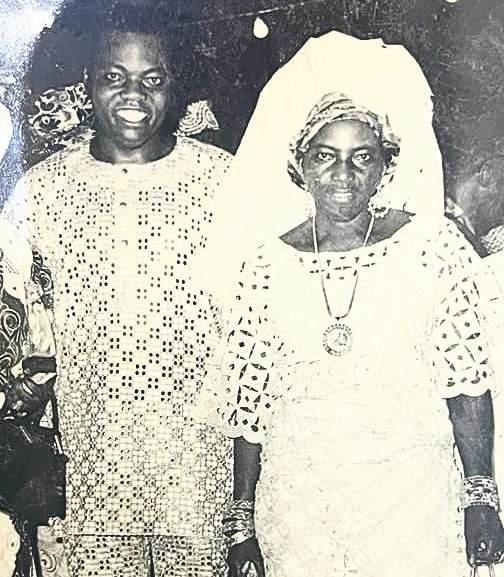
and the unwaivering support you provided to my husband.
May Allah grant you eternal peace and rest
SANITARY PADS
TERROR: WHEN SILENCE INDICTS
The authorities must speak to Nigerians with clarity, urges PAT ONUKWULI
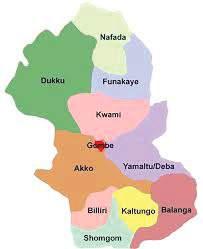
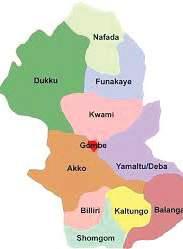
SHIFTING POLITICAL SENTIMENTS IN GOMBE
The outcome of the APC primary reflects a broader political reality within Gombe Central, argues MOHAMMED CIKASORO
NIGERIA AND THE TOBACCO
EMOMOTIMI AGAMA writes on the journey in modernisation of capital market infrastructure
THE IMPERATIVES OF A T+1 SETTLEMENT CYCLE
In markets where seconds determine outcomes and investor confidence is the most precious of all currencies, the mechanics of settlement are not bureaucratic detail. They are architecture. And the question Nigeria must now answer with clarity and urgency is this: what kind of architecture do we want to build?
One, Framing the Moment.
The global capital markets stand at an inflection point. Across major financial centres — New York, London, Toronto, Sydney — a quiet but consequential revolution has occurred: the compression of trade settlement from two business days after execution (T+2) to just one (T+1). The United States completed this transition in May 2024. Canada, the United Kingdom, and the European Union are at various stages of implementation. India, long regarded as a frontier in settlement innovation, has already piloted same-day (T+0) settlement for certain securities.
These are not peripheral developments. They are the signposts of a new global standard — one that Nigeria's capital market must navigate with both ambition and deliberateness.
For the Securities and Exchange Commission, advancing T+1 adoption is not a regulatory preference; it is an imperative. It emerges from our mandate to ensure orderly, fair, and efficient markets; from the aspirations of the Nigerian Capital Market Master Plan 2026–2036; and from the elementary but powerful reality that the world's capital moves toward markets it trusts and trusts markets it can verify — quickly.
Two, Understanding the Mechanics: What T+1 Means.
At its core, the settlement cycle determines how long it takes for the buyer to receive the securities they purchased and the seller to receive the cash proceeds. In a T+2 environment, that exchange — the delivery of securities against payment — occurs two business days after the trade is executed. T+1 compresses that window to a single business day.
This compression may appear modest. In practice, it is transformational. It directly reshapes risk exposure, capital requirements, market liquidity, and investor confidence. Each of these dimensions deserves careful examination.
The settlement cycle is also the lens through which international investors assess the operational maturity of a market. A longer cycle signals higher risk and higher cost of participation. A shorter cycle signals discipline, infrastructure quality, and regulatory credibility. In a world of competing destinations for mobile capital, perception is not a
secondary variable — it is the variable.
“The settlement cycle is the lens through which international investors assess the operational maturity of a market. A longer cycle signals higher risk. A shorter cycle signals credibility.”
Three. The Risk Imperative: Cutting the Exposure Window. Perhaps the most compelling case for T+1 is the argument from risk. Every day that elapses between trade execution and settlement is a day during which a counterparty may default, a market may move adversely, or an operational error may compound into a financial crisis.
Consider the anatomy of settlement risk:
• Counterparty risk: In a T+2 cycle, a buyer's or seller's financial position can deteriorate materially between trade date and settlement date. The longer the window, the greater the probability that one party cannot honour its obligation. T+1 halves this exposure period.
• Market risk: Volatile price movements during the settlement window leave both buyer and seller exposed to mark-tomarket losses on unresolved positions. This risk is particularly acute in emerging markets, where price volatility can be pronounced. Compressing the settlement window directly reduces this exposure.
• Liquidity risk: Securities and cash locked in settlement pipelines are unavailable for redeployment. In a liquid, fast-moving market, this immobilisation of capital imposes real costs on investors and impairs the velocity of market activity.
• Systemic risk: At scale, the accumulation of unsettled trades across multiple institutions creates a web of interdependencies that can amplify shocks. The 2008 global financial crisis remains the definitive lesson in how interconnected settlement exposures, left unresolved, can cascade into system-wide collapse.
T+1 does not eliminate these risks. No settlement cycle can. But it materially and demonstrably reduces them. It narrows the window during which the unexpected
can occur and, in doing so, strengthens the structural integrity of the market.
Four, Capital Efficiency: Releasing the Locked Value Efficiency is not merely a technical virtue. In markets, efficiency is equity — it determines who can participate, at what cost, and on what terms. The relationship between settlement speed and capital efficiency is direct and significant.
In a T+2 cycle, the capital committed to a trade is effectively frozen for two business days. For institutional investors managing large, actively-traded portfolios, this represents a substantial cost of carry. For retail investors and fund managers seeking to reinvest proceeds quickly, it imposes a structural delay. Multiply these frictions across thousands of daily transactions on the Nigerian Exchange Group (NGX), and the aggregate drag on market efficiency becomes substantial.
T+1 releases this locked value. Sellers receive their proceeds a full business day earlier. Buyers take possession of their securities sooner. Capital cycles more rapidly through the economy. The velocity of financial activity increases. These are not marginal gains — they compound, and in deep markets, they are transformative.
For Nigeria specifically, where market depth and liquidity remain policy priorities, the efficiency gains from T+1 directly advance the goal of creating a more active, more liquid, and more attractive securities market. Greater velocity means greater volume. Greater volume means better price discovery. Better price discovery means a more efficient allocation of capital across the economy.
“For Nigeria, T+1 is not merely a technical upgrade. It is a policy instrument — one that directly serves the objectives of liquidity, inclusion, and investor protection that lie at the heart of our capital market mandate.”
Five, Global Competitiveness: Nigeria’s Place in the International Capital Architecture Nigeria's capital market does not compete in isolation. It competes against Johannesburg, Nairobi, Cairo, London, and New York for the attention of global portfolio managers, sovereign wealth funds, development finance institutions, and retail investors who now have more investment choices than at any point in history.
In this contest, infrastructure matters enormously.
Dr. Agama is the Director-General and Chief Executive Officer of the Securities and Exchange Commission (SEC) Nigeria
The outcome of the APC primary reflects a broader political reality within Gombe Central, argues MOHAMMED CIKASORO
SHIFTING POLITICAL SENTIMENTS IN GOMBE
The attempt by sections of the media to portray the emergence of DCP Mohammed Ahmadu (rtd) as APC senatorial candidate for Gombe Central as controversial is increasingly disconnected from both the electoral process and the political reality within the district.
The APC primary held on May 18, 2026, was not symbolic or ceremonial. It was a structured direct primary involving party members across Gombe Central. At the end of the exercise, Mohammed Ahmadu emerged with a decisive mandate, polling approximately 42,785 votes against Senator Danjuma Goje’s 10,425 votes.
That margin alone settles the question of legitimacy.
The result of the APC primary was clear, transparent in structure, and officially declared through party channels. It involved participation across wards and local government structures within the senatorial district.
There is no official annulment, no court decision overturning the outcome, and no procedural reversal by the APC.
What is being circulated as “disquiet” is simply the predictable reaction of a long-standing political establishment confronting an outcome it did not shape.
Senator Danjuma Goje has held public office for decades, including his time as Governor of Gombe State and later as Senator representing Gombe Central.
However, within the senatorial district, a recurring criticism that has followed his long tenure is the lack of visible, widely acknowledged constituency-level transformation projects that define sustained grassroots impact.
Across different communities in Gombe Central, political discourse has increasingly reflected a sentiment that his legislative presence has been more visible in national political positioning than in locally anchored development footprints that are directly attributable to his office.
This perception, whether contested or not, has played a significant role in shifting political sentiment within the APC base.
Goje’s political history is also marked by a well-documented EFCC prosecution during his tenure as Governor of Gombe State (2003–2011), involving allegations of money laundering, mismanagement of public funds and related issues.
The prolonged legal process remains part of his public record and continues to shape political perception around his leadership legacy.
The outcome of the APC primary
reflects a broader political reality within Gombe Central: A growing demand for new leadership direction within the party; increasing emphasis on candidates with security, administrative, and institutional backgrounds; reduced tolerance for long-standing political dominance without renewed grassroots mobilization, and a clear generational shift in party sentiment.
DCP Ahmadu represents that shift. His background in law enforcement and structured public service aligns with a party base increasingly looking beyond traditional political figures.
The claim that Mohammed Ahmadu was imposed is not supported by the structure or outcome of the primary.
Three facts make that clear. One, the process was a direct primary involving party members. Two,
votes were openly cast and collated across the district. Three, the result showed a wide and decisive margin.
A documented electoral landslide cannot be rebranded as imposition simply because it is politically inconvenient to some stakeholders.
What is unfolding in Gombe APC is not a legitimacy crisis. It is a political transition driven by internal party choice. The emergence of DCP Mohammed Ahmadu is the product of a structured electoral process that reflected the preference of party members on the ground. Attempts to reframe that outcome as controversy do not change the facts of the vote.
In the end, the numbers remain the most reliable statement of political reality.
Cikasoro writes from Gombe
The authorities must speak to Nigerians with clarity, urges PAT ONUKWULI
TERROR: WHEN SILENCE INDICTS
There are moments when silence stops being prudent and begins to look like evidence. Nigeria may now be standing at such a moment. The recent statement by United States Secretary of War Pete Hegseth cannot be treated as routine foreign commentary. He said President Donald Trump directed the War Department to focus on protecting Nigerian Christians allegedly targeted by ISIS. He also said months of preparation and partnership-building helped kill ISIS' "No. 2" Commander, Abu-Bilal al-Minuki, whom he linked to attacks on Christians and plots against the U.S. homeland.
That statement is reassuring and disturbing at once. Reassuring, because every genuine blow against terrorism is welcome. Disturbing, because it raises a hard question: what does Washington believe about Nigeria's terror landscape that Nigerians are not being clearly told? Nigeria has not been entirely silent on the operation itself. President Bola Tinubu confirmed and welcomed the joint U.S.-Nigerian operation that killed al-Minuki, praising it as a milestone in counter-terrorism cooperation. On the military success, Abuja spoke. On the American moral framing behind it, Abuja has been far more cautious.
That distinction matters. Nigeria's known position remains defensive on the claim of religious persecution. The government has repeatedly rejected the argument that the country's insecurity is specifically Christian persecution. Information Minister Mohammed Idris has framed the crisis as terrorism affecting citizens across faiths, not a campaign of religious persecution.
So, the careful answer is this: yes, Nigeria has responded to the operation. But there is no clear evidence that it has directly answered Hegseth's latest claim that the United States intervened to protect Nigerian Christians. That silence is politically significant. Abuja appears willing to embrace the military victory but unwilling to accept the American explanation for why it became necessary.
This is where the contradiction begins. Nigeria insists there is no Christian persecution. America says it acted, at least partly, to protect Nigerian Christians from jihadist violence. Abuja speaks of national complexity. Washington speaks of targeted religious killing. Nigeria rejects the label. America translates the alarm into action.
Both sides cannot simply be waved away. Nigeria is right that Muslims, Christians and traditional worshippers have all suffered from terrorism, banditry and communal violence. Many Muslim communities in the North have been slaughtered, kidnapped and displaced. But Nigeria is wrong to assume that the suffering of all citizens cancels out the targeted suffering of some citizens. This subject becomes sharper against USCIRF’s recent warning that armed Fulani militant groups remain among
the deadliest non-state actors linked to religious-freedom violations, with more than 30,000 operating across Nigeria in groups ranging from 10 to 1,000 fighters. A truth does not become false because another truth stands beside it. Yes, Nigeria's insecurity is broader than Christian persecution. But that does not prove Christian persecution is absent. Yes, violence is driven by terrorism, land conflict, ransom economies, weak policing, foreign infiltration and political failure. But that does not make religion irrelevant. The Nigerian State must be mature enough to hold opposing truths without hiding behind either.
This is why denial is no longer enough. Denial may serve diplomacy, but it does not protect citizens. It may resist foreign embarrassment, but it does not rebuild burnt churches, deserted villages or broken classrooms.
And now, the classroom is no longer a place of learning alone; it has become a crime scene in the nation’s indictment. Recently, gunmen attacked schools in Ahoro Esinele, Oyo State, abducting at least 39 pupils and seven teachers. One of the teachers was decapitated in captivity, while police said they were reviewing an alleged video showing his gruesome beheading. The horror is not only the abduction of children or the killing of a teacher. The deeper horror is that such attacks now fit a familiar Nigerian pattern.
Since Chibok, school abductions have become a national wound: Dapchi, Kankara, Kagara, Jangebe, Bethel Baptist, Kuriga, Kebbi and Niger. These are not just incidents. They are accusations. Every abducted child is a question the state has failed to answer. Every murdered teacher is a duty abandoned.
Sovereignty is not defended by silence. It is defended by competence. If Hegseth's framing is wrong, Abuja should correct it with evidence. If foreign reports are exaggerated, Nigeria should dismantle them with facts. If there is no Christian persecution, the government should prove it through transparent data, credible prosecutions and visible protection of vulnerable communities.
Dr. Onukwuli is a legal scholar and public affairs analyst. patonukwuli2003@yahoo.co.uk
Editor, Editorial Page PETER ISHAKA
NIGERIA AND THE TOBACCO MENACE Existing
laws should be enforced
The 2026 edition of the World No Tobacco Day was marked yesterday with the theme, “Unmasking the appeal – countering nicotine and tobacco addiction.” For Nigeria, it was a reminder that legislation without enforcement means nothing. Ten years ago, Nigeria was still struggling to enact comprehensive tobacco control legislation despite ratifying the World Health Organisation (WHO) Framework Convention on Tobacco Control (WHO-FCTC) in 2005. The breakthrough finally came on 27 May 2015, with the National Tobacco Control Act, followed by implementing regulations in 2019.
These laws represent significant progress: they prohibit smoking in public places, ban tobacco advertising and sponsorship, restrict sales to minors, prohibit single-stick cigarette sales, mandate graphic health warnings, and establish safeguards against tobacco industry interference in public policy.
More recently, Nigeria developed its first National Tobacco Control Enforcement Plan designed to strengthen coordination among the Federal Ministry of Health, NAFDAC, the Federal Competition and Consumer Protection Commission, the Standards Organisation of Nigeria, Customs, and law enforcement agencies. On paper, the architecture for tobacco control is impressive.
youth are targeted through traditional cigarettes, and through e-cigarettes, and other emerging nicotine delivery systems that are only partially regulated or entirely unregulated in Nigeria.
Public education must evolve beyond generic warnings to address the specific tactics used to target Nigerian youth through social media, entertainment, and peer
But implementation remains the Achilles heel. Despite existing prohibitions, tobacco advertising continues through subtle lifestyle branding and entertainment media. Single-stick cigarette sales, which make tobacco more affordable to children and low-income Nigerians, remain commonplace in markets and kiosks across the country. Enforcement of smoke-free public spaces is sporadic at best. And Nigeria still falls significantly below WHO and ECOWAS recommendations on tobacco taxation, making cigarettes dangerously affordable to young people.
The stakes could not be higher. Approximately 28,000 tobacco-related deaths occur annually in Nigeria. While adult smoking prevalence remains relatively low compared to many countries, adolescent exposure to tobacco and nicotine products is rising at an alarming rate. The tobacco industry, facing declining markets in strictly regulated developed countries, has predictably pivoted to developing nations with large youth populations and weak enforcement systems. Their tactics have evolved; today's
T H I S D AY
EDITOR SHAKA MOMODU
influence
DEPUTY EDITOR WALE OLALEYE
MANAGING DIRECTOR ENIOLA BELLO
DEPUTY MANAGING DIRECTOR ISRAEL IWEGBU
CHAIRMAN EDITORIAL BOARD OLUSEGUN ADENIYI
EDITOR NATION’S CAPITAL IYOBOSA UWUGIAREN THE OMBUDSMAN KAYODE KOMOLAFE
T H I S D AY N E W S PA P E R S L I M I T E D
EDITOR-IN-CHIEF/CHAIRMAN NDUKA OBAIGBENA
GROUP EXECUTIVE DIRECTORS ENIOLA BELLO, KAYODE KOMOLAFE, ISRAEL IWEGBU
DIVISIONAL DIRECTORS SHAKA MOMODU, PETER IWEGBU, ANTHONY OGEDENGBE
DIRECTOR, PRINTING PRODUCTION CHUKS ONWUDINJO TO SEND EMAIL: first name.surname@thisdaylive.com
The health consequences are well-documented. Tobacco contributes to cancers, heart disease, stroke, chronic respiratory diseases, infertility, and diabetes complications. The economic burden is equally devastating; healthcare expenditure for tobacco-related illnesses, productivity losses, and premature deaths imposes enormous costs on families and the national economy. These are costs that Nigeria, with its already strained healthcare system, can ill afford. Meanwhile, the tobacco industry's response to regulation has been characteristically cynical. Companies continue to present themselves as corporate citizens through highly publicised "grants" and "donations," token gestures that do not remotely cover the public health costs they impose on communities. They claim to employ, while the actual numbers on their payrolls are negligible compared to the families devastated by tobacco-related diseases and deaths. What Nigeria needs now is not more legislation but political will. First, tobacco taxes must be significantly increased to meet WHO and ECOWAS benchmarks. Higher prices are proven to reduce youth smoking and generate revenue for healthcare. Second, enforcement of existing laws must be strengthened with clear penalties for violations and accountability mechanisms for regulatory agencies. Third, emerging nicotine products must be brought under comprehensive regulation before they create a new generation of nicotine-dependent young Nigerians. Fourth, public health policy must be protected from tobacco industry interference, no more industry-funded "stakeholder consultations" or misleading "harm reduction" narratives.
Equally critical are sustained investments in youth-focused prevention campaigns and accessible smoking cessation services. Public education must evolve beyond generic warnings to address the specific tactics used to target Nigerian youth through social media, entertainment, and peer influence. Ten years after the global momentum that led to Nigeria's tobacco control legislation, we must ask ourselves: have we merely created the illusion of action? The test of any law lies not in enactment but in its enforcement.
Letters in response to specific publications in THISDAY should be brief (150-300 words) and straight to the point. Interested readers may send such letters along with their contact details to opinion@thisdaylive.com. We also welcome comments and opinions on topical local, national and international issues provided they are well-written and should also not be longer than (750- 1000 words). They should be sent to opinion@thisdaylive. com along with photograph, email address and phone numbers of the writer.
NIGERIA’S ANTI-TERROR CAMPAIGN AND UKRAINE’S ROBOT WAR
For over a decade, Nigeria has been locked in a gruelling war of attrition. From the blood-soaked plains of the Northeast, where Boko Haram and ISWAP splinter cells mutate, to the dense forests of the Northwest, Middle Belt and South West, where ruthless bandit cartels execute mass kidnappings with impunity, the nation is bleeding. Despite billions of naira funnelled into defence budgets, the Nigerian military frequently appears as hapless as the civilian population it is sworn to protect. Troops are overstretched, intelligence is habitually compromised, and conventional infantry tactics are failing against a fluid, asymmetrical enemy. Public anxiety is mounting. Meanwhile, thousands of miles away in Eastern Ukraine, a radical blueprint for modern survival is being drafted. Facing a severe manpower crisis and relentless aggression, Kyiv has digitised its frontline. As detailed
by CNN's Nick Paton Walsh, the Ukrainian military is increasingly relying on an "unmanned army", a network of reconnaissance drones, remotely piloted ground vehicles, and automated machine-gun nests operated by soldiers sitting in gamer chairs miles away from danger.
If Nigeria is to rescue its citizenry from the brink of total insecurity, the defence headquarters must abandon mid-20th-century conventional warfare. It must embrace Ukraine's brutal, brilliant realisation that in the face of a manpower crisis and an elusive enemy, technology must do the bleeding.
The Nigerian military’s current operational model is unsustainable. Soldiers endure gruelling, seemingly endless deployments in hostile terrain like the Sambisa Forest or the Kankara bush, leaving them physically exhausted and psychologically drained.
This mirrors the human toll seen in Ukraine, where frontline soldiers like "Crow" and "Creepy" spent nearly a year nonstop in dugouts. In Nigeria, this fatigue leads to catastrophic security lapses, vulnerable outposts, and a reactive military posture that only arrives after villages have been pillaged.
Ukraine’s technological evolution was born out of sheer necessity. By using unmanned ground vehicles (UGVs) and Unmanned Aerial Vehicles (UAVs), a single unit, the Third Assault Brigade, achieved the combat efficacy of 2,300 troops using a fraction of the personnel, effectively saving a thousand Ukrainian lives from the meat-grinder of the frontlines.
Elvis Eromosele, corporate communications professional, elviseroms@ gmail.com
PRESIDENT TINUBU’S THREE YEARS OF OUTSTANDING SOCIO-ECONOMIC IMPACT THROUGH NASENI
On May 29, 2023, President Bola Ahmed Tinubu assumed office as the 16th President of the Federal Republic of Nigeria with a bold vision encapsulated in the Renewed Hope Agenda, a comprehensive policy framework built around eight Presidential Priority Areas designed to reposition the nation’s economy, strengthen institutions, and improve the lives of Nigerians.
These priority areas were further refined during the high-level cabinet retreat held from November 1–3, 2023, bringing together Ministers, Presidential Aides, Permanent Secretaries, and top government officials to align Ministries, Departments and Agencies (MDAs) toward measurable national outcomes. The priorities include economic reform, national security, food security, energy sustainability, infrastructure development, industrialisation, innovation, education, healthcare, social investment, and governance reform.
Three years into the Tinubu administration, Nigeria is witnessing a deliberate transition from policy conception to strategic implementation. The administration has pursued bold structural reforms aimed at repositioning the economy for long-term resilience and inclusive growth. At the centre of this national transformation is the National Agency for Science and Engineering Infrastructure (NASENI), an institution playing a pivotal role in translating the Renewed Hope Agenda into tangible socio-economic outcomes through science, technology, engineering, and innovation.
As Chairman of the NASENI Governing Board himself, President Tinubu provides direct strategic oversight to the Agency, ensuring that NASENI’s programmes remain aligned with national development priorities. This unique relationship between presidential leadership and institutional execution has strengthened policy coordination and accelerated the Agency’s transformation into a key driver of Nigeria’s industrialisation agenda.
Under the leadership of the Executive Vice Chairman/CEO, Mr. Khalil Suleiman Halilu, NASENI has embraced a “New NASENI” vision anchored on the principles of Creation, Collaboration, and Commercialization — popularly known as the 3Cs. Through this approach, the Agency has shifted from a purely research-focused institution to one committed to commercialising innovations, localising technologies, promoting manufacturing, and building an economy driven by production rather than consumption.
One of the most visible areas of NASENI’s impact over the past three years is renewable energy and energy security. In alignment with President Tinubu’s vision to unlock Nigeria’s energy potential for sustainable development, NASENI established NASENI Solar Energy Limited (NSEL) in Karshi, Abuja, to deepen local manufacturing of renewable energy technologies. Complementing this effort is the Renewable Energy Industrial Park in Gora, Nasarawa State — a landmark project designed as a multi-energy industrial hub on over 40 hectares of land.
The industrial park is expected to generate approximately 3,000 direct jobs and over 50,000 indirect jobs across the renewable energy value chain. Through local production of solar panels, mounting systems, wind technologies, and biomass solutions, NASENI is significantly reducing dependence on imported energy products, conserving foreign exchange, and expanding access to clean energy solutions for millions of Nigerians,
particularly in underserved communities.
Further reinforcing Nigeria’s energy transition strategy is NASENI’s establishment of two Compressed Natural Gas (CNG) Reverse Engineering Centres in Abuja. Beyond converting petrol-powered vehicles to CNG systems, these centres serve as innovation and training hubs where Nigerian youths and technicians acquire practical skills in alternative energy technologies. This initiative reflects NASENI’s commitment to combining technology deployment with capacity building while supporting the Federal Government’s clean energy objectives.
In the area of industrialisation and manufacturing, NASENI has continued to champion local content development and technology domestication. Through strategic investments in engineering infrastructure and manufacturing ecosystems, the Agency is helping to reduce Nigeria’s reliance on imported products while boosting indigenous production capacity. This directly supports the Renewed Hope Agenda’s emphasis on economic diversification and industrial growth.
NASENI’s interventions are equally transforming Nigeria’s innovation ecosystem and empowering young people across the country. Through programmes such as HatchBox/STEM, InnovateNaija, DELT-Her (Developing Engineering Leaders Through Her), Delta-2 Programme, SheFly, and FutureMakers, the Agency is creating opportunities for young innovators, startups, engineers, and entrepreneurs to develop practical solutions to national challenges.
These initiatives provide mentorship, funding opportunities, technical support, and commercialisation pathways for innovators, particularly women and youths in science, technology, engineering, and mathematics (STEM).
The result is the emergence of a new generation of Nigerian innovators capable of competing in the global knowledge economy while contributing meaningfully to national development.
Agriculture is another sector where NASENI’s contributions under President Tinubu’s administration have become increasingly significant. Recognising the importance of food security to national stability and economic growth, the Agency has deployed innovative agricultural technologies aimed at boosting productivity and improving farmers’ livelihoods.
Through the IrrigateNaija Project, NASENI is deploying affordable solarpowered irrigation systems that enable all-season farming, reduce dependence on rainfall, and improve rural incomes. The project is helping farmers increase crop yields while supporting the Federal Government’s broader agricultural transformation agenda.
Similarly, the NASENI-AMEDI Lafia climate-resilient hydroponic farming initiative has recorded remarkable success, producing more than 17 tonnes of fresh produce within its first year of operation. This modern farming model demonstrates the Agency’s commitment to climate-smart agriculture, sustainable food production, and technology-driven farming systems.
In deepening agricultural mechanisation and innovation, NASENI is also establishing Agricultural Machinery and Equipment Development Institutes (AMEDI) across the six geopolitical zones, alongside Agricultural Incubation Centres in tertiary institutions. These centres are expected to drive research, mechanisation, knowledge transfer, and capacity development within the agricultural sector.
Further strengthening food security efforts is NASENI’s initiative to develop Africa’s first coal-based fertilizer and liquid fertilizer plants. These projects are strategically positioned to reduce Nigeria’s dependence on imported fertilizers, improve farmers’ access to affordable agricultural inputs, and support increased food production nationwide.
In healthcare, NASENI has also demonstrated its commitment to national selfreliance through the establishment of the NASENI-Troment Biotechnologies Rapid Diagnostic Kits Production Plant in Abuja. With an annual production capacity of up to 600 million diagnostic kits, the facility is expected to reduce Nigeria’s dependence on imported medical consumables by as much as 80 percent.
This intervention not only strengthens Nigeria’s healthcare system and emergency preparedness but also opens new opportunities in biomedical manufacturing, research, and employment generation. It reflects NASENI’s growing role in supporting critical sectors through local innovation and industrial capacity development.
The Agency’s expanding footprint in clean technology and transportation is equally noteworthy. NASENI’s production of electric tricycles and electric vehicles demonstrates a forward-looking approach to sustainable mobility and environmental protection. In addition, NASENI Powerstoves are providing cleaner, safer, and more efficient cooking solutions for households while contributing to efforts aimed at reducing carbon emissions and deforestation. Equally important is NASENI’s increasing focus on commercialisation, strategic partnerships, and investment mobilisation. By collaborating with local and international stakeholders, the Agency continues to attract technical expertise, investment opportunities, and market access that are critical to scaling innovation and accelerating industrial development.
This collaborative approach aligns strongly with President Tinubu’s broader governance philosophy, which prioritises institutional revitalisation, strategic partnerships, and sustainable development over bureaucratic expansion. Rather than creating new structures, the administration has focused on strengthening existing institutions and empowering them to deliver measurable results for Nigerians.
Indeed, NASENI’s growing visibility, expanding project portfolio, and measurable socio-economic impacts stand as strong evidence of the effectiveness of this governance model. Across renewable energy, agriculture, healthcare, manufacturing, transportation, youth empowerment, and innovation, the Agency has emerged as one of the clearest examples of how strategic leadership and institutional reform can drive national development.
As President Bola Ahmed Tinubu marks three years in office, NASENI proudly celebrates his visionary leadership, unwavering commitment to industrialisation, and dedication to building a technologically advanced and economically self-reliant Nigeria. The Agency remains committed to supporting the Renewed Hope Agenda through innovation, engineering excellence, strategic partnerships, and transformative projects that continue to improve the lives of Nigerians.
The progress recorded so far demonstrates that with purposeful leadership, institutional synergy, and sustained investment in science and technology, Nigeria is steadily advancing toward a future defined by productivity, industrial growth, and shared prosperity.
His Excellency, President Bola Ahmed Tinubu, GCFR, President, Federal Republic of Nigeria
Signed: Khalil Suleiman Halilu The Executive Vice Chairman/CEO National Agency for Science and Engineering Infrastructure (NASENI)
NASENI Porttand Gas CNG Conversion and Training Centre at, Kubwa Abuja
NASENI Keke
Pension Transitional Arrangement Directorate
The Pension Transitional Arrangement Directorate (PTAD)
is pleased to announce the official Implementation of the Defined Benefit Scheme (DBS) Pensions Harmonisation, marking a major milestone in DBS pension administration in N i g e
a A
Excellency, President Bola Ahmed Tinubu, GCFR, this landmark approval addresses long-standing structural disparities within the DBS pension administration and reinforces the Federal Government's commitment to fairness, social justice, and the welfare of retirees. This intervention represents a significant step toward ensuring a more equitable structure and restoring confidence in the administration of Defined Benefit Pension Scheme.
What is Pension Harmonisation?
pensions using the latest approved salary structures that existed before the DBS cut-off date.
In simple terms, this initiative ensures that DBS Pensioners of s
equitable pension benefits regardless of their specific retirement date. It restores parity within the same cadre and service conditions.
Why is This Necessary?
This intervention is critical to:
Pensioners at a disadvantage.
2. Ensure Equity and Fairness: Preventing retired officers of the same rank and years of service from experiencing materially different pension outcomes based solely on retirement timing.
3. Address Inflation: Mitigating the erosion of purchasing power which has significantly diminished the quality of life for earlier retirees.
4. P r o m o t e S o c i a l J
government bears a responsibility to protect retirees who dedicated their careers to national service.
Eligibility: Who Qualifies?
The harmonisation benefits extend to a specific cohort of DBS Pensioners. Eligibility is automatic and requires no application process
Eligibility applies to DBS Pensioners who fall within the following categories:
salary structures predating the
approved Salary Structure.
Important Note: PTAD will identify and process eligible cases systematically No application is required.
Exclusions from Harmonisation
1. Pure Federal Pensioners: Individuals whose entire pension obligation falls under Federal Government's purview.
2. Sta
under Parastatals Pension Department (PaPD), Defunct a
(DTAPD), and Tertiary, Education and Health Pension D
Whilst this addresses significant disparities, some categories are necessarily excluded based on structural consistency:
1. State with Federal Share Pensioners: This accounts for nearly 60% of Civil Service DBS Pensioners. Given that their pensions are calculated based on state-specific salary structures, they do not fall within the scope of the federal harmonisation exercise.
2. Pens
Those who retired using salary structures prevailing as of the DBS cut-off date. No disparity exists in their case.
3. Agencies with a Single Salary Chart: DBS Pensioners f r o m
Agencies Pension Department (DTAPD), specifically A
National Shipping Line (NNSL).
4. Pensioners with Higher Current Monthly Pension: Any retiree whose current monthly pension exceeds the amount that would result from harmonisation.
Expected Impact & Strategic Significance
This intervention delivers transformative benefits that extend beyond immediate financial relief:
· Improved Welfare & Enhanced Purchasing Power: Substantially higher monthly pension payments, enabling DBS Pensioners cope with inflation and maintain their dignity
· Renewed Confidence: Demonstrates the Government's responsiveness to DBS Pensioners' concerns.
· Social Stability: Reducing vulnerability amongst elderly retirees promotes broader social cohesion.
This landmark intervention reinforces the Federal Government's dedication to fairness while advancing a transformative agenda in social protection policy
Conclusion
Guided by the Renewed Hope Agenda of His Excellency, President Bola Ahmed Tinubu, GCFR, and the administration's steadfast commitment to DBS Pensioners' welfare and social j u s t i c e , P TA D r e m a
transparent, and equitable implementation for all eligible DBS Pensioners.
For further details or inquiries, please contact the PTAD National Headquarters or visit your nearest PTAD zonal office.
Federal Government and subsequently transferred to State Government MDAs.
Politics MONDAY DISCOURSE
Email: deji.elumoye@thisdaylive.com
War against Terrorism: Why Nigeria Must Win the Battle for the Mind
Iyobosa Uwugiaren argues that terrorist groups thrive on visibility, publicity, and fear. Every time society exaggerates their power beyond reality, their psychological influence expands, communities become more intimidated, victims become more isolated, citizens lose faith in institutions, and security personnel become demoralised.
In the widely circulated footage linked to the recent abduction of school children in Oyo State, frightened children appeared exhausted, traumatised, and psychologically broken. Their faces reflected confusion and fear. Across the country, parents watched with horror. Social media exploded with outrage. State and federal government authorities panicked.
The emotional impact of the incident travelled faster than the facts themselves. The disturbing and terrifying video was painful to watch.
However, beyond the immediate tragedy lies a deeper and more dangerous reality: terrorism and banditry in Nigeria are no longer only about physical violence. It is increasingly about psychological warfare.
The objective of many violent groups today extends beyond kidnapping, killings, or ransom collection. They seek to dominate public imagination through fear, humiliation, propaganda, and spectacle. Every viral video, frightening image, exaggerated rumour, and panic-driven conversation strengthens their psychological influence.
Insecurity, in this context, becomes not just a security crisis but also a battle for the national psyche.
That is why citizens must resist allowing bandits, terrorists, and violent criminal networks to control the narrative.
The kidnapping in Oyo State shocked many people partly because the South-West has historically not experienced school abductions on the scale seen in parts of the North-West and North-East. Armed men reportedly invaded schools in Oriire Local Government Area of Oyo State and abducted dozens of pupils and teachers, including very young children. Sadly, one of the teachers was killed.
The incident revived painful memories of previous mass abductions that have scarred the country’s modern history — from the infamous Chibok schoolgirls kidnapping to the kidnappings in Kankara, Afaka, Kuriga, Southern Kaduna, and other parts of northern Nigeria. In each of these cases, the criminals understood something crucial: schools are
symbolic targets. Children represent innocence, the future, and social stability. Attacking them generates maximum emotional reaction. The psychological effect is often greater than the operational scale of the attack itself.
This is how terror functions globally.
Violent groups understand media psychology. A single attack, if amplified repeatedly through videos, shouting headlines, manipulated images, and social media panic, can create the impression that the entire nation is collapsing even when security agencies retain operational control in many areas.
Fear becomes their greatest weapon.
The danger, however, is that Nigerians sometimes unknowingly assist in spreading this fear. Social media has transformed insecurity into a real-time emotional spectacle. Videos circulate before verification. Old footage is reposted as fresh attacks. Rumours spread rapidly.
In the case of the Oyo kidnapping, fact-checking organisations later revealed that one widely circulated torture video linked to the abducted students was actually old and unrelated footage. But by the time corrections emerged, the panic had already spread. This is precisely how psychological warfare
succeeds. Bandits and terrorists do not necessarily need to physically occupy major cities to weaken a country. They only need citizens to believe nowhere is safe.
Once fear dominates public consciousness — as it is gradually the case in the country today — economic activities slow down, schools close, investors retreat, ethnic suspicions increase, and confidence in state institutions begins to collapse. That is the strategic goal of terror.
None of this means insecurity should be downplayed. Nigeria’s security crisis is real, painful, and deadly. Thousands of citizens have been killed or displaced across different states. Rural communities have been devastated. Farmers have abandoned farmlands. Families live under constant anxiety. School children have become vulnerable targets in some states. These are realities that demand urgent national attention.
However, acknowledging the severity of insecurity is different from surrendering mentally to criminal propaganda. A nation can fight insecurity aggressively without amplifying hopelessness.
Unfortunately, parts of the country’s information ecosystem sometimes unintentionally glorify violent actors. Certain criminal leaders become household names. Their threats dominate headlines. Graphic videos receive endless circulation. Rumours are repeated without verification. In some instances, public discourse begins to portray criminals as more powerful than the state
The current wave of insecurity, though serious, is not beyond resolution. But defeating it requires balance. Government must avoid complacency while citizens avoid panic. Security agencies must intensify operations while improving professionalism and accountability.
itself. That is dangerous.
Criminal organisations thrive on visibility and fear. Every time society exaggerates their power beyond reality, their psychological influence expands. Communities become more intimidated. Victims become more isolated. Citizens lose faith in institutions. Security personnel become demoralised.
This is why responsible communication is now a national security issue. The media has an especially delicate responsibility. Journalism must continue exposing failures, demanding accountability, and reporting insecurity truthfully. Democratic societies depend on a free press. But responsible journalism also requires avoiding sensationalism that unintentionally strengthens the propaganda objectives of terrorist groups.
This concern has also been echoed by Nigeria’s Chief of Defence Staff, General Christopher Musa, who has repeatedly urged journalists to exercise patriotism, professionalism, and responsibility in reporting security challenges. He has cautioned against the dissemination of terrorist and bandit propaganda, warning that sensational or unverified reports can inadvertently amplify the influence of criminal groups, undermine public confidence, and demoralise troops on the frontlines. According to him, while the media must continue to hold government accountable and keep citizens informed, it should avoid becoming an unwitting platform for the psychological objectives of terrorists and bandits.
There is a major difference between informing the public and amplifying terror. Graphic content, emotional manipulation, and unverified casualty figures may attract attention online, but they can also deepen collective trauma. Repeatedly circulating disturbing footage of victims, especially children, may unintentionally achieve the criminals’ goal of spreading fear beyond the immediate attack zone.
Tinubu Musa
Gen Oluyede
BUSINESS WORLD
RATES AS AT M A y 29,2026
Amid Excess Liquidity, Banks Deposit with CBN Drops to
Kayode Tokede
Following excess liquidity in the financial sector, banks’ deposit with the Central Bank of Nigeria (CBN) stood at N91.1 trillion in May 2026, about 0.4 per cent decline from N92.32 trillion in April 2026.
Banks deposit excess cash with CBN using the Standing Deposit Facility (SDF) window and it comes with attractive interest overnight, making it a preferred option for banks to earn risk-free returns.
The financial data released by the CBN revealed that Nigerian banks’ deposited about N128.92 trillion in March 2026. In February
Kayode Tokede
Capital market analysts have urged investors to trade cautiously in the Nigerian equities market in June 2026, shifting focus to fundamentally strong stocks with attractive valuations.
This is coming at a point when the NGX All Share Index gained 3.35 per cent in May 2026, the lowest gain on a month-on-month performance. The NGX All Share Index in its Yeartill-Date (YtD) as of May
2026, banks deposit with CBN stood at N61.11 trillion or 16.18 per cent increase when compared to N52.6 trillion deposited in January 2026. In the first five months of 2026, banks deposited an estimated N425.86 trillion, an increase of over N53.5 trillion in the first five months of 2025. THISDAY had reported that an estimated N336.2 trillion was deposited with the CBN in 2025, about 777.2 per cent YoY increase over N38.33 trillion deposited in 2024.
The decision by banks to reduce deposits with the CBN can be attributed to the recent cut in the Monetary Policy
2026 appreciated to 60.90 per cent in five months.
Analysts at Cordros Securities Limited in a report stated, “Looking ahead, we expect market sentiment to remain broadly cautious in the near term, in the absence of a clear catalyst to drive momentum.”
Also, analysts at Cowry Assets Management Limited said, “the Nigerian equities market is expected to remain cautiously positive, with performance likely
Rate (MPR) to 26.50 per cent in February 2026 from 27 per cent 2025.
Also, this was driven by the lower opportunity cost of holding cash with the CBN compared to lending it out in the market.
The Monetary Policy Committee (MPC) of the CBN in February 2026 had retained the Standing Facilities Corridor around the MPR at +50/-450 basis points.
Analysts at Cordros Research in a report after the November 24-25 MPC meeting stated that by adjusting the asymmetric corridor to +50/-450basis points (Previous: +250basis
driven by stock-specific factors rather than broad market momentum.
“Weak market breadth and subdued trading activity suggest continued fragile sentiment, while elevated fixed-income yields may sustain occasional portfolio shifts away from equities. Nonetheless, selective opportunities may emerge in fundamentally strong counters, particularly in the banking and insurance sectors, as investors remain focused
points/-250basis points) around the MPR indicates a reduction in interest rates for the SLF and the SDF to 27.5per cent (Previous: 29.5per cent) and 22.5per cent (Previous: 24.5per cent), respectively.
“The adjustment is expected to ease monetary conditions and strengthen banks’ private sector credit expansion,” they explained.
On the other hand, banks borrowed an estimated N43.58 billion from CBN in May 2026, about a 54.2 per cent decline when compared to N95.2 billion in April 2026.
Nigerian banks borrow from the CBN through its
on earnings resilience and dividend prospects.”
Last week, the domestic bourse closed the holidayshortened week higher as the NGX All-Share Index (ASI) advanced by 0.27 per cent week-on-week to close at 250,385.47 points, while market capitalisation increased by N432 billion to N160. 509 trillion.
Also, the year-to-date return strengthened further to 60.90 per cent, reflecting sustained, albeit cautious, investor confidence in the
Standing Lending Facility (SLF) window in a move to meet critical overnight obligations.
Analysts attributed the N425.86 trillion deposit to high credit risk concerns and a preference for the safety of the regulator window rather than lending into the real sector.
The Vice President, Highcap Securities, Mr. David Adnori said when there is so much uncertainty in the business environment, banks look for viable opportunities in prime borrowers around the country, and therefore, would prefer lending to CBN who is less likely to default hundred per cent in
domestic equities space. However, market breadth remained weak, closing negative with 43 gainers against 45 decliners. This indicates a largely selective and stock-specific trading pattern, as gains were concentrated in a limited number of counters despite the overall index uptick.
International Energy Insurance led the gainers table by 32.55 per cent to close at N4.52, per share. Sovereign Trust Insurance followed with a gain of
their obligations to lenders, including to their suppliers.
He explained further that, “Where the prime borrowers are not largely available in good numbers, banks reprice risks to accommodate non prime borrowers that are still in good shape to accommodate shocks and high lending rates.”
Adnori noted further that, “In the absence of these viable opportunities, banks resort to short-term interbank placements and CBN’s standing deposit window to temporarily hold their cash.”
20.61 per cent to close at N2.75, while Tantalizers went up by 18.40 per cent to close to N4.89, per share. On the other side, Dangote Sugar Refinery led the decliners table by 18.22 per cent to close at N71.15, per share. The Initiates Plc (TIP) followed with a loss of 15.98 per cent to close at N28.40, while Premier Paints declined by 10.00 per cent to close at N33.75, per share.
^18.50
NIMASA Reaffirms Commitment to Advancing Regional
The Director General of the Nigerian Maritime Administration and Safety Agency (NIMASA), Dr. Dayo Mobereola, has reaffirmed the agency’s commitment to advancing regional maritime integration, cooperation and capacity development across Africa.
Mobereola made this known when he received the Honorary Consul of the Republic of Liberia in Lagos, Mr. Dapo Akinosun, SAN, at the agency’s headquarters in Lagos.
Maritime Integration, Cooperation
The NIMASA boss described the meeting as a reflection of the longstanding and mutually beneficial relationship between Nigeria and Liberia, particularly within the maritime sector.
According to him, stronger collaboration among African nations remains critical to unlocking the continent’s maritime potential, strengthening the Blue Economy, and promoting sustainable regional growth of the continent.
Highlighting the significance of maritime cooperation, Mobereola noted
that “The time has come for African nations to upscale maritime collaboration. The partnership between Nigeria and Liberia will help us build capacity, strengthen regional cooperation, and
create opportunities for African youths within the global maritime industry.
“We must collectively build maritime capacity beyond borders. Sea-time training and practical exposure
In a deliberate efforts to create insurance awareness among Nigerian youths, Heirs Insurance Group, has voted N11.5 million prize for students and teachers across the country for this year’s edition of its annual Junior Secondary School Essay Competition.
The group at the weekend opened applications for the fifth edition of the annual
competition.
The initiative according to the Heirs Group aims to drive insurance and financial literacy at an early age and to ensure proper insurance education among educators.
This year’s edition features N11.5 million prizes for winning students, teachers, and schools, reinforcing the group’s commitment to driving insurance awareness at an early stage.
Comms/e-Business
Asst.
Asst.
KayodeTokede
Ebere
will position Nigerian and African youths to compete effectively in the international maritime space.”
He also appreciated the Liberian Government for supporting Nigeria’s successful bid for the Category C seat of the International Maritime Organization (IMO), noting that both countries have sustained productive maritime relations over the years.
Zichis Agro-Allied Industries Plc is ramping up production capacity and expanding its land bank, with the company’s animal feed production scaling up to five tonnes per hour, raking in additional N540 million in monthly revenue.
According to the Executive Director, Finance & Strategies, Mr. Chris Ogbaisi, the recently upgraded 5-tonneper-hour animal feed mill has commenced operations and is projected to generate over N540 million in monthly turnover.
This development, he said, is part of the company’s
medium-to-long term value creation roadmap for improved shareholder returns and outlook for the Zichis brand.
Ogbaisi confirmed that the company has also commenced the clearing of a 2,000-acre farm estate, a strategic move timed to take advantage of the current
NOG Energy Week Targets
planting season and expand the agricultural base that the animal feed business draws from.
The disclosures come against the backdrop of a six-session losing streak in Zichis shares on the Nigerian Exchange (NGX), which the Executive Director attributed partly to profit-taking.
Breakthroughs Across Energy Value Chain
As geopolitical tensions continue to reshape global energy flows and fragment supply chains, oil and gas producers are under increasing pressure to secure and scale operations, optimise output and deliver energy more efficiently. For the energy industry in Africa,
In a statement, the group said the winning students would receive a N5 million scholarship along with a N1 million education grant for their schools. The statement said the first and second runners-up would receive N3 million and N1 million scholarships, respectively. In addition, insurance-focused themes and quizzes have been embedded into the application process for students, ensuring early engagement with the concept of insurance.
The group therefore invited students to submit original essays of no more than 500 words on the topic “The Power of Insurance in Creating Safer and More Secure Societies.”
Emma Okonji
IHS Holding Limited group, one of the largest independent owners, operators, and developers of shared communications infrastructure in the world, has released its 2025 Sustainability Report,
the question is no longer about resource potential, but how quickly systems can scale and adapt to a more volatile and competitive global market.
The pathway to progress will require integrated and coordinated action across the value chain. The CPD-
covering environmental, social and government activities.
According to the report, the company reduced its Scope 1 and Scope 2 kilowatt-hour emissions intensity by approximately 21.4 per cent, compared with its 2021 baseline emissions
certified Technical Seminar at NOG Energy Week 2026 will convene industry practitioners, procurement specialists, engineers, technology providers, academia, R&D and policymakers to interrogate how emerging and existing technologies can be deployed to solve real operational
data, and trained more than 140,000 students in digital skills through Nigeria’s three Million Technical Talent (3MTT) initiative.
It also trained over 9,500 students in STEM skills in Brazil, Nigeria, South Africa and Zambia.
The report covered
challenges across the energy value chain. Running from 7-9 July, the multi-day programme is structured around practical solutions to operational challenges across the energy value chain, with a clear emphasis on applied technology and performance outcomes.
sustainability activities from January 1, 2025 to December 31, 2025 and demonstrated IHS Towers’ continued commitment to its stakeholders, including its employees, customers, suppliers, local communities, regulators, governments and shareholders.
Africa’s First Agent-driven Media Intelligence Framework Debuts
Emma Okonji
AI-powered public relations strategist, and founder of Cihan Media Group, Dr. Celestine Achi, has officially unveiled AGENTPR, described as Africa’s first agent-driven media intelligence framework
and PR intelligence MCP. AGENTPR has been developed as a practical response to one of the most important shifts in modern communications: the movement from traditional media monitoring to intelligent, agent-driven public
relations decision support.
The platform introduces an agent-driven intelligence layer for public relations, reputation management, media visibility, stakeholder analysis, narrative tracking, sentiment and emotion analysis, crisis signal detection, and executive briefing. Speaking about the product unveiling, Achi said: “Media monitoring tells you what was said. PR intelligence tells you what it means, why it matters, who is driving it, what risk it carries, and what decision should follow.
The ongoing transformation at the Enugu State Housing Development Corporation (ESHDC) is gradually positioning the corporation as one of the strongest examples of institutional reform and modern public service delivery in the state, according to the corporation.
With the recent launch of its digitised land transaction and documentation system, the corporation said ESHDC took a major step toward improving transparency, operational efficiency, accountability, and investor confidence within the housing and land administration sector.
The reform initiative, introduced as part of governor Peter Mbah’s broader governance modernisation agenda, is expected to significantly improve land documentation processes,
digital payments, workflow coordination, property verification, and the issuance of Certificates of Occupancy (C-of-O), while reducing delays and inefficiencies previously associated with manual systems.
One of the personalities associated with the evolving reform culture, Adenike Okebu, said: “Beyond technology, the transformation reflects a deeper institutional shift focused on building systems that work more efficiently for the people while strengthening public trust in government operations.”
Okebu’s professional background spans EY Nigeria, Deloitte, BUA Group, Platform Capital, and Pinnacle Oil and Gas, giving her a rare combination of Big Four audit rigour, corporate financial governance experience, and frontline public sector reform capability.
Her growing public profile
Aurora Aims to Close Funding Gap for Women Founders
Aurora Ventures launches with backing from inDrive – a global mobility and delivery platform scaled to unicorn status across the same emerging markets the program is investing in – for its 2026 pilot year. Nigeria is one of the project’s priority markets.
The launch follows the successful conclusion of the 2026 Aurora Tech Award in Santiago, Chile, where a Nigerian, Adeola AyoolaFamasi, was named among the top 10 finalists from a record-breaking field of 3,400 applicants.
Aurora Ventures, an earlystage investment program, is designed to leverage one of the world’s largest pipelines of underserved female talent. It is built on a proprietary sourcing advantage derived from five years of Aurora Tech Award data. With applications exploding
by nearly 30 times since 2021, the Award noticed a persistent market inefficiency, fuelled by high-traction, high-growth businesses led by women in MENA, Africa, and Latin America, which are consistently undervalued and overlooked by traditional venture capital.
Speaking on the initiative, Head of Aurora Ventures, Isabella Ghassemi-Smith, described the launch of Aurora Ventures as a disciplined investment program built on the conviction that women founders are one of the most overlooked opportunities in venture capital today.
“Over the past five years, we’ve seen a repeating pattern: exceptional women building rigorous businesses but reaching institutional capital later and on worse terms than their performance justifies,” said Ghassemi-Smith.
is increasingly associated with helping governments and organisations improve revenue governance systems, strengthen financial transparency, optimise revenue collection structures,
detect and remediate revenue leakages, and produce credible financial reporting capable of supporting both domestic accountability and international investor engagement.
Nigeria Renews Call for Permanent UN Security Council Seats for Africa
Sunday Ehigiator
Nigeria has renewed its long-standing demand for permanent seats on the United Nations Security Council, insisting that ongoing reforms within the global body must reflect equity, legitimacy, and inclusiveness.
Nigeria’s Permanent Representative to the United
Dike Onwuamaeze
The Centre for the Promotion of Private Enterprise (CPPE) has attributed the 37.46 per cent growth recorded by the Nigerian petroleum refining sector in the first quarter (Q1) of 2026 to the emergence of Dangote Refinery and rise in global demand for Nigerian
Nations, Senator Jimoh Ibrahim, made the call during an informal plenary meeting convened to hear a briefing on the United Nations reform initiative ahead of the 80th session of the General Assembly.
Speaking during the session, Ibrahim stressed the need for reforms that enjoy broad legitimacy and support from
refined petroleum products amid persistent geopolitical tensions in the Middle East and the resultant disruptions within the global energy market.
The CPPE made this declaration in its review of the Q1 2026 GDP report that was released by the National Bureau of Statistics (NBS),
member states, particularly through the inclusion of Africa in the permanent membership of the Security Council.
“We also want to reiterate that reform of this nature requires legitimacy and support of all. This can only be very possible, Madam President, if the ever-yearning demand of Africa for permanent seats
which showed that Nigeria recorded a year-on-year real GDP growth of 3.89 per cent, compared with 3.13 per cent in Q1 2025.
in the Security Council of the United Nations is put to bear.”
He argued that reforms aimed at strengthening the global institution must prioritise fairness and representation, particularly for a continent that has consistently called for greater inclusion in international decision-making processes.
The Chief Executive Officer of CPPE, Dr. Muda Yusuf, noted that petroleum refining, real estate, construction and minerals recorded strong performance in the GDP report. Yusuf said: “The construction and real estate sectors maintained solid momentum, jointly contributing close to 18 per cent to GDP, reflecting sustained infrastructure investments and growing investor interest in propertyrelated assets.
Nestlé Nigeria Convenes Stakeholders to Advance
Nutrition,
Nestlé Nigeria has convened government representatives, healthcare professionals, development partners, academia, industry leaders, civil society organisations, and the media at the Nestlé for Good Summit 2026, a stakeholder platform focused on advancing practical,
Sustainable Food Systems
collaborative solutions to improve nutrition outcomes, strengthen communities, and support more sustainable food systems in Nigeria.
Speaking at the event, the Managing Director and Chief Executive Officer of Nestlé Nigeria Plc, Wassim Elhusseini, said the Summit
reflects Nestlé’s long-standing belief that creating shared value is fundamental to how the company operates.
“At Nestlé, we are guided by a simple but powerful purpose: to unlock the power of food to enhance quality of life for everyone, today and for generations to come. Delivering good food consistently and at scale depends on strong systems across the value chain — from responsible sourcing and manufacturing to distribution, livelihoods, capability development, and environmental sustainability,” he said.
NSIB Commences Investigation into Collision of Container Vessel, Oil Tanker
Kasim Sumaina in a buja
The Nigerian Safety Investigation Bureau (NSIB), has commenced an investigation into the collision between the container vessel MV Maersk Valparaiso and the oil tanker MT Lady Martina, which occurred at
Bonny Anchorage, Rivers State.
The Bureau has classified the occurrence as a ‘Very Serious Marine Accident.’
NSIB said that following receipt of notification, it promptly activated its marine occurrence response protocols and deployed an investigation Go-Team
to Onne and Bonny on 22 May 2026 to initiate evidence preservation and preliminary investigative activities.
A statement issued by Director, Public Affairs and Family Assistance, NSIB, Mrs Funke AdebayoArowojobo read: “In the initial phase of the investigation, the team boarded both vessels and carried out critical evidence collection, including detailed interviews with the Masters and key crew members. Operational records and navigational data relevant to the casualty were also secured and documented.”
Emma Okonji
L -R: Co-Chair, 10th ICC Africa Conference, Jean Chiazor Anishere SAN; Chair, ICCN Arbitration and ADR Commission, Prof Dorothy Udeme Ufot SAN; Secretary General, ICC Nigeria, Olubunmi Osuntuyi and Chair, Media and Publicity Sub-Committee, Joseph Siyaidon, during the media briefing for the 10th ICC Africa Arbitration Conference in Lagos… recently
How Still Earth is Redefining Governance as Competitive Edge
Kunle Somorin
In today’s global marketplace, the “Integrity Dividend” is becoming as measurable as any financial return on investment. For Still Earth Holdings, a conglomerate with deep roots in Nigeria’s infrastructure, energy, and financial sectors, transparency is no longer a back-office compliance task—it has been elevated to the cornerstone of corporate strategy.
Watershed Moment
The recent Anti-Money Laundering and Counter-Financing of Terrorism (AML/CFT) training, conducted by the Economic and Financial Crimes Commission (EFCC) through its Special Control Unit against Money Laundering (SCUML), marked a turning point for the group. It signaled a decisive move away from “passive compliance” towards a proactive, board-led culture of ethical governance.
This shift reflects broader national trends. By 2025, more than 70 per cent of listed Nigerian companies were filing annual governance evaluation reports, compared with fewer than 50 per cent in 2020. ESG adoption has surged, with reporting increasing by 35 per cent year-on-year among public companies. Sectorspecific reforms in telecoms and pensions have further accelerated compliance, underscoring that governance is no longer peripheral—it is central to corporate survival.
Integrity as an Asset
At the heart of this transformation is Ms. Oyindamola Lami Adeyemi, Executive Chairperson of Still Earth Holdings. For her, business integrity is not a regulatory burden but the group’s most vital currency.
“Our partnership with the EFCC and SCUML is a testament to our belief that sustainable growth can only be achieved through the lens of transparency,” she affirms. For Adeyemi, the “Still Earth Standard” is about institutionalising ethics across the group’s diverse portfolio—from Tirex Petroleum to Still Earth Construction and Still Earth Capital Finance.
Her philosophy is uncompromising: “No single transaction is worth the soul of the company.” This high-level commitment sets the tone for the entire organisation, moving compliance from a perfunctory exercise to a survival mechanism for the modern executive.
Governance as Legacy
Mr. Mutiu Sunmonu, Chairman of Still Earth Holdings, reinforces the board’s collective vision by framing governance as both a moral compass and a competitive differentiator. “Our responsibility as leaders is not only to deliver profits but to safeguard the reputation and resilience of the institutions we steward,” he notes. For Sunmonu, the group’s embrace of transparency is about building a legacy that outlives quarterly earnings.
He emphasizes that the board’s role is to ensure that every subsidiary — whether in construction, energy, or finance — operates under the same uncompromising ethical framework. “Governance is not a department; it is the DNA of Still Earth,” he asserts, highlighting that the company’s credibility in international markets rests on its ability to harmonize compliance with innovation. By aligning with Ms. Adeyemi’s philosophy of integrity as currency, Sunmonu positions the board as guardians of both shareholder value
and societal trust. His remarks underscore that governance is not simply about avoiding penalties, but about cultivating a brand synonymous with probity, resilience, and excellence across Africa’s corporate landscape.
From Passive to Active Inquiry
This vision is operationalised through rigorous training and a shift in mindset. Kingsley Inyama, Head of Credit Risk, highlights a fundamental conceptual change: the transition from merely monitoring volumes to verifying legitimacy.
“The critical question is: where is the money coming from? If someone claims to be selling household items, does the volume of funds correspond with the business activity?” he explains. This brand of “active inquiry” is essential in a world of shell companies and offshore payments. By training management to identify beneficial owners—the actual human beings behind legal entities—Still Earth is closing the loopholes that facilitate financial crime.
New Regulatory Reality
The training, led by Ibinabo Mary Amachree, Head of SCUML Lagos, underscored the thinning of the “corporate veil.” Under the Money Laundering (Prevention and Prohibition) Act 2022, directors now face both personal and corporate liabilities for systemic failures.
By addressing sector-specific risks—such as contract splitting in construction, over-invoicing in energy, and rapid fund movements in finance—the EFCC has equipped Still Earth’s leadership to navigate the grey areas of Nigerian commerce with precision.
Harmonising Ethics
The “Integrity Dividend” at Still Earth lies in its unified approach. Whether dealing with politically exposed persons (PEPs) or conducting targeted financial sanctions screening, the group is building a cohesive culture of probity.
The training concluded with a series of high-level board resolutions:
• Adoption of a zero-tolerance policy, rejecting any transaction tied to illicit flows.
• Establishment of compliance committees, ensuring oversight is constant rather than annual.
• Introduction of independent audits, inviting external scrutiny to validate internal claims of integrity.
Blueprint for African Excellence
For those invested in anti-corruption and governance, the Still Earth model offers a compelling case study. It demonstrates that in a high-growth market, ethical governance is not a constraint but a strategic advantage— one that attracts international partnerships and ensures long-term sustainability.
As Ms. Adeyemi concludes: “We are proving that you don’t have to cut corners to build a skyscraper or run a successful finance firm. Ethics and profit are not adversaries; in the long run, they are partners.”
• Kunle Somorin is veteran journalist
REQUEST FOR EXPRESSIONS OF INTEREST (REOI)
POLICY AND REGUL ATORY REFORM TO IMPROVE SMALLHOLDER FARMERS', WOMEN'S AND YOUTH'S ACCESS TO L AND, FINANCE, AND QUALIT Y TECHNICAL AND MATERIAL INPUTS (CONSULTING FIRM)
COUNTRY: Federal Republic of Nigeria
NAME OF PROJECT: SPECIAL AGRO-INDUSTRIAL PROCESSING ZONES PROGRAM Ref No: NPCO/SAPZ/IFAD/26/1010/533
1. The Federal Republic of Nigeria has received financing from the International Fund for Agricultural Development (“the Fund” or “IFAD”) towards the cost of Special Agro-Industrial Processing Zones Project (SAPZ), and intends to apply part of the proceeds for the recruitment of consulting services, for which this REOI is issued.
The use of any IFAD financing shall be subject to IFAD's approval, pursuant to the terms and conditions of the financing agreement, as well as IFAD's rules, policies and procedures. IFAD and its officials, agents and employees shall be held harmless from and against all suits, proceedings, claims, demands, losses and liability of any kind or nature brought by any party in connection with Special Agro-Industrial Processing Zones program.
2. This request for expressions of interest (REOI) follows the general procurement notice that appeared in Thisday and Daily th th Trust newspapers on 17 April 2023, on the IFAD website and on UNDB on 17 April 2023.
3. The client now invites expressions of interest (EOIs) from legally constituted consulting firms (not individual consultants) (“consultants”) to conduct Beneficiary Household Listing Survey of Profiled Farmers Organizations in 8 LGAs of Kano State. The services include
i. Pillar A — SAPZ Policy Agenda in Support of Smallholder Agro-Industries
· Map the smallholder agro-industrial ecosystem within SAPZ host states.
· Review existing policies including NATIP, National Development Plan, MSME Policy, Cooperative Development Policy, and relevant financing instruments.
· Propose policy measures to strengthen contract farming, support women- and youth-led MSMEs, streamline licensing, mainstream climate-smart approaches, and establish a SAPZ Smallholder Inclusion Compact
ii. Pillar B — SAPZ Policy on Conflict Management and Alternative Dispute Resolution
· Conduct conflict mapping and political-economy analysis across SAPZ host and catchment states.
· Review existing legal frameworks including the Constitution, Land Use Act, Arbitration and Mediation Act, and related instruments.
· Design a SAPZ ADR architecture with grievance redress mechanisms and escalation pathways.
· Define institutional roles for PMUs, ministries, traditional councils, and civil society
· Recommend capacity-building and accreditation frameworks for SAPZ mediators and ADR practitioners.
iii. Pillar C — SAPZ Policy on Access to Farmland, Farm Security, and Production Inputs
· Diagnose land governance bottlenecks under the Land Use Act and customary tenure systems.
· Assess gender- and youth-specific barriers to land access.
· Propose reforms for land banks, titling systems, farm security, input supply systems, mechanization, irrigation, and climate-resilient inputs.
· Recommend measures to de-risk smallholder finance through guarantees and blended finance mechanisms.
More details on this consulting services are contained in the Terms of Reference (TOR) which can be obtained from the address below between 10am – 4pm on working days or obtained from the website: sapz.gov.ng as Annex 1
The consultant may sub-contract selected activities provided that said services do will not exceed 20% of the total consultancy work.
4 Before preparing its EOIs, the consultant is advised to review the preliminary terms of reference attached as Annex 1 which describe the assignment and Annex 2 that details the evaluation of the technical qualifications. The two annexes as well as the EOI submission forms can be obtained at www.sapz.gov.ng
5. The consultant shall not have any actual, potential or reasonably perceived conflict of interest. A consultant with an actual, potential or reasonably perceived conflict of interest shall be disqualified unless otherwise explicitly approved by the Fund. A consultant including their respective personnel and affiliates are considered to have a conflict of interest if they a) have a relationship that provides them with undue or undisclosed information about or influence over the selection process and the execution of the contract, b) participate in more than one EOI under this procurement action, c) have a business or family relationship with a member of the client's board of directors or its personnel, the Fund or its personnel, or any other individual that was, has been or might reasonably be directly or indirectly involved in any part of (i) the preparation of this expression of interest, (ii) the selection process for this procurement, or (iii) execution of the contract. The consultant has an ongoing obligation to disclose any situation of actual, potential or reasonably perceived conflict of interest during preparation of the EOI, the selection process or the contract execution. Failure to properly disclose any of said situations may lead to appropriate actions, including the disqualification of the consultant, the termination of the contract and any other as appropriate under the IFAD Policy on Preventing Fraud and Corruption in its Projects and Operations.
6. All consultants are required to comply with the Revised IFAD Policy on Preventing Fraud and Corruption in its Activities and Operations (hereinafter, “IFAD's Anticorruption Policy”) in competing for, or in executing, the contract.
a. If determined that a consultant or any of its personnel or agents, or its sub-consultants, sub-contractors, service providers, suppliers, sub-suppliers and/or any of their personnel or agents, has, directly or indirectly, engaged in any of the prohibited practices defined in IFAD's Anticorruption Policy or integrity violations such as sexual harassment, exploitation and abuse as established in IFAD's Policy to Preventing and Responding to Sexual Harassment, Sexual Exploitation and Abuse in competing for, or in executing, the contract, the EOI may be rejected or the contract may be terminated by the client.
b In accordance with IFAD's Anticorruption Policy, the Fund has the right to sanction firms and individuals, including by declaring them ineligible, either indefinitely or for a stated period of time, to participate in any IFAD-financed and/or IFAD-managed activity or operation. The Fund also has the right to recognize debarments issued by other international financial institutions in accordance with its Anticorruption Policy
c. Consultants and any of their personnel and agents, and their sub-consultants, sub-contractors, service providers, suppliers, sub-suppliers and any of their personnel and agents are required to fully cooperate with any investigation conducted by the Fund, including by making personnel available for interviews and by providing full access to any and all accounts, premises, documents and records (including electronic records) relating to this selection process or the execution of the contract and to have such accounts, premises, records and documents audited and/or inspected by auditors and/or investigators appointed by the Fund.
d. Consultants have the ongoing obligation to disclose in their EOI and later in writing as may become relevant: (i) any administrative sanctions, criminal convictions or temporary suspensions of themselves or any of their key personnel or agents for fraud and corruption, and (ii) any commissions or fees paid or to be paid to agents or other parties in connection with this selection process or the execution of the contract. As a minimum, consultants must disclose the name and contact details of the agent or other party and the reason, amount and currency of the commission or fee paid or to be paid. Failure to comply with these disclosure obligations may lead to rejection of the EOI or termination of the contract.
e. Consultants are required to keep all records and documents, including electronic records, relating to this selection process available for a minimum of three (3) years after notification of completion of the process or, in case the consultant is awarded the contract, execution of the contract.
7 The Fund requires that all beneficiaries of IFAD funding or funds administered by IFAD, including the client, any consultants, implementing partners, service providers and suppliers, observe the highest standards of integrity during the procurement and execution of such contracts, and commit to combat money laundering and terrorism financing consistent with IFAD's Anti-Money Laundering and Countering the Financing of Terrorism Policy
8. Procedure: the selection process will be conducted using the Consultant Qualification Selection (CQS) Method as laid out in the IFAD Procurement Handbook that can be accessed via the IFAD website at The www.ifad.org/project-procurement client will evaluate the EOIs using the criteria provided in Annex 2 The shortlisted consultant(s) will be provided with the detailed TORs and asked to submit a detailed technical and financial offer The evaluation will include a review and verification of qualifications and past performance, including a reference check, prior to the contract award.
9. Consultants may associate with other firms to enhance their qualifications but should indicate clearly whether the association is in the form of a joint venture and/or a sub-consultancy In the case of a joint venture, all the partners in the joint venture shall be jointly and severally liable for the entire contract, if selected. th 10. Any request for clarification on this EOI including the PTOR should be sent via e-mail to the address below no later than 8 th June, 2026 at 12 noon local time. The client will provide responses to all clarification requests by 10 June, 2026.
11. Submission Procedure: please submit your expression of interest using the EOI submission forms provided for this purpose, which can be downloaded from the website referred to above. Your EOI should comprise one (1) original copy of th each EOI form annexed to this document. EOIs shall be submitted to the address below no later than 15 June, 2026 at 12 noon local time. LATE SUBMISSION SHALL NOT BE ACCEPTED Signed Dr. Kabir Yusuf National Program Coordinator, SAPZ National Program Co-ordination Office (NPCO) Aguleri Street, off Gimbiya Street, Area 11, Abuja, admin@sapz.gov.ng; +234 8168088308, +2348035949354
L-R: Executive Chairman of the Economic and Financial Crimes Commission (EFCC), Mr. Ola Olukoyede; Executive Chairperson of Still Earth Holdings, Oyindamola Lami Adeyemi and Chairman of the Board, Mutiu Sunmonu
A Mutual fund (Unit Trust) is an investment vehicle managed by a SEC (Securities and Exchange Commission) registered Fund Manager. Investors with similar objectives buy units of the Fund so that the Fund Manager can buy securities that willl generate their desired return.
An ETF (Exchange Traded Fund) is a type of fund which owns the assets (shares of stock, bonds, oil futures, gold bars, foreign currency, etc.) and divides ownership of those assets into shares. Investors can buy these ‘shares’ on the
floor of the Nigerian Stock Exchange. A REIT (Real Estate Investment Trust) is an investment vehicle that allows both small and large investors to part-own real estate ventures (eg. Offices, Houses, Hospitals) in proportion to their investments. The assets are divided into shares that are traded on the Nigerian Stock Exchange.
GUIDE TO DATA:
Date: All fund prices are quoted in Naira as at 22nd May 2026, unless otherwise stated.
TAJBank Rated Nigeria’s Biggest Non-interest Bank by Assets, Profit
Kayode Tokede
TAJBank Limited, Nigeria’s innovative-driven noninterest bank (NIB) has maintained its lead position as Nigeria’s biggest ethical bank based on the approved statements of financial positions of the NIBs by the regulatory authorities at the end of 2025 year.
The latest data from the FY2025 statement of the financial position of TAJBank, showed that the non-interest lender had consolidated its frontline position in the subsector based on Gross Assets and Profit values as well as in other Key Performance Indicators (KPIs) ratings during the year.
Specifically, in the year under review, TAJBank’s Total assets grew to N1.34 trillion from N953 billion in the preceding year, representing 41 per cent growth; Gross earning assets surged to N847.706 billion, from N467.377 billion in FY
2024, indicating 81 per cent surge; while Total Equity surged to N149.230 billion, reflecting 144 per cent growth over the N61.250 billion in FY 2024.
A further analysis of the TAJBank’s FY2025 approved financial statement indicated that it posted N132.563 billion in Gross earnings, representing 71 per cent growth over the N77.550 billion in the previous year; Earnings value of N1.037 trillion; while its Profit Before Tax (PBT) rose by 74 per cent to N31.562 billion in FY 2025, from N18.166 billion in FY2024; and the Capital adequacy ratio stood at 30 per cent.
Commenting on TAJBank’s during the year under review, a chartered banker and former Director-General of the Chartered Institute of Bankers in Nigeria (CIBN), Dr. Uju Ogubunka, who cited the bank’s KPIs in the financial statement to justify his views, said the bank has made some progress and that its financial performance indicators between 2024 and
2025 suggest that.
In his remarks, the Managing Director/CEO of TAJBank, Mr. Hamid Joda, enthused: “The improving performance of our bank is a clear demonstration of the board and management’s strong commitment to making TAJBank the best ethical bank in Nigeria by all assessment parameters.”
“We owe our shareholders, customers, regulatory authorities and workers a lot of gratitude for supporting our efforts targeted at transforming TAJBank into a global brand in the ethical banking space in the years ahead” Joda added.
Similarly, the bank’s Executive Director, Mr. Sherif Idi, said: “The FY2025 performance of TAJBank is in furtherance of its corporation vision and mission and I want to assure all our stakeholders, particularly the shareholders and customers, that our bank shall continually promote their interest in line with our corporate shared value always.”
COFFHA Set for Augustina Igbokwe’s Investiture as President-elect
The Committee of Friends for Humanity, (COFFHA), has concluded plans for the investiture ceremony of its president-elect Augustina Igbokwe.
This is as the organisation restated its commitment to improving the lives of individuals and families in Nigeria’s poorest communities, drawing on the diverse backgrounds and resources of its members.
Speaking at a press conference in preparation for its investiture ceremony slated to hold in Lagos, Co-founder and Board of Trustee Chairman, Carolyn Akum Ufere disclosed that COFFHA was founded in 1991 and formally incorporated in January 1993 as a nongovernmental organisation driven by women who have distinguished themselves in various fields.
She noted that the association is made up of accomplished women recognised for their integrity and selfless contributions to their
professions, communities, and the wider society.
According to her, COFFHA’s core mission is to serve the most vulnerable, using collective strength to create a lasting impact at the grassroots level.
Ufere said the recognition has strengthened COFFHA’s advocacy and expanded its reach in areas such as community support, widow empowerment, street feeding, and medical outreach.
She explained that COFFHA’s programmes are aligned with the United Nations Sustainable Development Goals, with particular focus on eradicating poverty, promoting good health and well-being, advancing gender equality, and creating decent work and economic growth.
She disclosed that since inception, the association has executed a wide range of projects across Lagos, Anambra, Abuja, Asaba, and other parts of the country.
“These include the building and equipping of the COFFHA Emergency Centre at Isolo General Hospital, Lagos, the refurbishment and furnishing of a 16bed female ward and provision of a 20kVA generating set at Apapa Health Centre, as well as the donation of a kidney dialysis machine to Gbagada General Hospital also in Lagos. COFFHA has also donated wheelchairs to the Lagos State Management Board and renovated the Children’s Ward B at the Lagos State University Teaching Hospital.
“The organisation’s empowerment drive has reached widows in Anambra and Lagos, while its food and relief interventions have supported Mother Theresa’s Orphanage in Ketu, Little Saints Orphanage in Dopemu, Modupe Cole Memorial Home in Akoka, Lagos Cheshire Home in Agege, and Beth Torrey Home in Lagos.
NACC Seeks Sanwo-Olu’s Backing for US-Nigeria Trade Centre
The Nigerian-American Chamber of Commerce (NACC) has presented an ambitious proposal to the Lagos State Government for the establishment of a permanent centre for U.S.-Nigeria Commercial Diplomacy in Lagos, in what the Chamber described as a defining legacy project for bilateral trade relations.
The proposal, christened the “Lagos Legacy Project”, was formally presented during a high-level courtesy visit to Governor Babajide SanwoOlu at Lagos House, Marina. Led by its National
President, Sheriff Balogun, the delegation said the proposed national headquarters of NACC would serve as the institutional hub for commercial relations between Nigeria and the United States for the next 50 years and beyond.
Speaking during the engagement, Balogun stressed the historical bond between the Chamber and Lagos State, noting that the organisation was founded in Lagos in 1960, the same year Nigeria gained independence.
the
“Lagos is not where NACC is located. Lagos is where NACC was born,” he said.
According to him, every major activity of the chamber over the past six decades, including Executive Council meetings, Annual General Meetings and Nigeria-United States Business Summits, has taken place in Lagos.
“Lagos has been our silent partner for six decades. Today, we come with a respectful invitation to formalise that partnership,” he added.
Saharan Blend (Algeria), Djeno (Congo), Zafiro (Equatorial Guinea), Rabi Light (Gabon), Iran Heavy (Islamic Republic of Iran), Basrah Medium (Iraq), Kuwait Export (Kuwait), Es Sider (Libya), Bonny Light (Nigeria), Arab Light (Saudi Arabia), Murban (UAE) and Merey (Venezuela).
DAILY BASKET PRICE As At 24 t H n OV e M be R , 2025
National President of
Nigerian-American Chamber of Commerce, Sheriff Balogun (left), presents a commemorative plaque to the Governor of Lagos State, Mr. Babajide Olusola Sanwo-Olu at the Lagos House…recently
Shareholders of VFD Group Approve N0.25 Dividend Per Share
Kayode Tokede
The shareholders of VFD Group Plc at its 10th Annual General Meeting (AGM) in Lagos approved the management’s N0.25 dividend per share for the financial year ended December 31, 2025.
The meeting with a theme: “Level Up: Positioned for
What’s Next,” brought together shareholders, Board members, regulators, investors, and key stakeholders to review the Group’s performance for 2025 , and deliberate on key corporate resolutions guiding the company’s next phase of growth.
Other resolutions approved by shareholders were: re-election of Ms. Omolola Bolusire as an
Independent Non-Executive Director; re-election of PricewaterhouseCoopers (PwC) as External Auditors of the Group; and approval of Statutory Audit Committee appointments and related governance resolutions presented at the AGM.
Voting outcomes during the AGM reflected overwhelming shareholder support across resolutions, with several motions receiving approval
margins exceeding 99%.
Speaking after the AGM, Group Managing Director/ CEO, Nonso Okpala reaffirmed the Group’s commitment to institutional growth, disciplined execution, and long-term shareholder value creation.
“First, we must appreciate our shareholders who made the recently concluded capital raise a success. Without their trust and
support, we would not be where we are today, and we remain deeply grateful to them. The capital raised will support the continued execution of our strategy across our five major verticals: market infrastructure, capital market operations, real estate and hospitality, financial services, and retail technology.
Those funds are being deployed into these
verticals to deepen our market positions and ensure that our businesses within those sectors become top five players in the economy. Our expansion strategy is not random or opportunistic. It is a deliberate effort to identify and pursue opportunities across Africa while replicating the successes we have achieved in Nigeria within key African markets,” Okpala said.
Business Special
editor: Goddy Egene
goddy.egene@thisdaylive.com
0803 350 6821
How Africa-Caribbean Partnership Will Open New Markets for Prosperity
The Atlantic Ocean symbolised separation for Africans and people of African descent in the Caribbean for centuries. It carried millions into slavery, disconnected families and cultures, and created economic systems that enriched others while leaving Africa and the Caribbean struggling with underdevelopment, dependency and fractured identities.
However, leaders on both sides of the Atlantic are now attempting to redefine that history. Increasingly, the conversation is no longer only about culture, ancestry and historical justice. It is also about economics — trade, investment, tourism, education, innovation and market access.
That vision came into sharp focus during the African Liberation Day celebration in Grenada, where political leaders, Diaspora groups and African representatives made a passionate case for stronger Africa-Caribbean cooperation.
Speaking at the event, themed: “African Rooted, Diaspora Rising, Identity Reclaiming,” Prime Minister of Grenada, Dickon Mitchell, argued that Africa and the Caribbean must move beyond symbolic connections into practical partnerships capable of transforming both regions economically and politically.
“We are descendants of Africa and we must reclaim that,” Mitchell declared before a gathering that included Nigerians living in Grenada, Caribbean officials and traditional rulers from Nigeria’s Niger Delta region.
For the Grenadian leader, reconnecting with Africa is not merely emotional or historical. It is strategic.
The economic relationship between Africa and the Caribbean remains surprisingly small despite deep cultural and historical links. Trade volumes between both regions are limited, direct air connectivity is weak, and investment flows remain far below their potential.
Yet both regions share many similarities. They possess youthful populations, rich cultural industries, expanding digital economies and vast untapped tourism potential. They also face comparable challenges, vulnerability to global economic shocks, dependence on foreign imports, debt pressures and limited influence in international economic systems dominated by larger powers.
Mitchell believes those realities should encourage collaboration rather than isolation.
“The future of Africa and the Caribbean must be built collectively through deeper
economic partnerships, cultural exchange and investment opportunities,” he said.
According to him, Africa and the Caribbean can create opportunities for businesses and innovation by expanding trade and investment ties across sectors ranging from tourism and agriculture to creative industries and technology.
For Grenada, a small island nation heavily reliant on tourism and services, stronger ties with Africa could open access to one of the world’s fastest-growing consumer markets. For African countries, the Caribbean offers strategic diplomatic partnerships, tourism networks and Diaspora connections that can strengthen global influence.
Mitchell noted that although Grenada is small geographically, it does not see itself as insignificant within the global African family.
“Though Grenada may be small in size, we are not small in identity, courage and commitment to building a modern nation with Africa,” he stated.
One of the clearest examples of growing Africa-Caribbean cooperation is the increasing presence of Nigerians across Caribbean nations, including Grenada.
Mitchell openly acknowledged the contributions Nigerians are making to the country’s economy and social life.
“We value your contribution to our national life and this gathering is testimony to the role that Nigerians play in the economy of Grenada,” he said.
That recognition reflects a broader trend.
Across the Caribbean, African professionals, entrepreneurs, academics and creatives are gradually building bridges between both regions.
In sectors such as education, healthcare, entertainment, hospitality and small business development, Africans in the Diaspora increasingly serve as connectors between markets that historically had little structured engagement.
Guest speaker and President of the Nigerian Community in Grenada, Dr. Steven Olaoluwa Onigbinde, described identity reclamation as more than cultural pride. According to him, it is also about economic confidence and intellectual independence.
“The ability to hold your head high irrespective of where you find yourself, the ability to tell your story with the balance of history,
is identity reclaiming,” he said.
He argued that Africans globally must stop depending on others to define their value or tell their stories.
“It is our responsibility to tell our own story,” he added.
That philosophy increasingly aligns with economic realities. African and Caribbean nations are beginning to recognise that closer cooperation could reduce dependence on traditional Western markets while creating new south-south trade opportunities.
Experts said there are enormous opportunities for Africa-Caribbean trade if both regions can overcome structural barriers.
Agriculture is one such area. Many Caribbean nations import large volumes of food products annually, while African countries possess vast agricultural capacity. Improved shipping arrangements and trade agreements could open new export opportunities for African producers.
Tourism is another major area of potential. Africa’s tourism industry continues to expand, while Caribbean countries possess globally recognised expertise in hospitality and destination branding. Joint tourism packages, cultural festivals and exchange programmes could benefit both regions.
The creative economy also presents enormous possibilities. African music, film and fashion are already enjoying global popularity, while Caribbean cultural products such as reggae, calypso and carnival remain internationally influential.
Closer collaboration could create powerful entertainment and media markets.
Grenada’s Minister of Tourism, Creative Economy and Culture, Senator Adrian Thomas, emphasised that reconnecting with Africa must involve practical cooperation rather than rhetoric.
“Africa and Grenada can no longer sit idle and beg others to solve their problems,” he said.
“We cannot continue to complain about the chains while refusing to break them.”
Thomas argued that Africa and the Caribbean possess enough cultural strength, human capital and entrepreneurial energy to build independent economic networks capable of generating prosperity for their people.
“We say to Africa: get up, organise,
build,” he declared.
African Liberation Day itself carries deep historical significance. It commemorates the establishment of the Organisation of African Unity, now the African Union, in Addis Ababa on May 25, 1963.
But speakers at the Grenada event insisted that liberation today must extend beyond political independence.
For Mitchell, real liberation also means freedom from economic exclusion, weak connectivity and psychological distance between Africans and the diaspora.
“We long for the day our brothers and sisters will visit regularly without feeling that Africa is distant or unreachable,” he said.
That challenge remains real. Travel between Africa and the Caribbean is still difficult and expensive, with limited direct flights and complicated visa processes often discouraging movement between both regions.
Yet advocates of Africa-Caribbean cooperation believe those barriers can gradually be dismantled through political will and sustained engagement.
Founder of the Esther Matthew Tonlagha (EMT) Foundation, Deaconess (Dr) Esther Tonlagha, said the future of leadership must be measured by impact, inclusion and sustainability.
“At EMT Foundation, we have consistently prioritised three pillars: empowerment, access and sustainability,” she said.
According to her, “For the enlightenment of those who may not be familiar with the purpose of this epochal occasion, let me clarify that the African Liberation Day (ALD) is an annual global observance held on May 25every year to commemorate the founding of the Organization of African Unity (OAU) in 1963. The ALD celebrates the continent’s independence from colonial rule and promotes Pan-African unity, cultural reclamation, and the ongoing fight for economic and social justice
“The theme of this year’s event, which is “African Rooted, Diaspora Rising, Identity Reclaiming”, attests to the ever-resilient spirit of millions of Africans across the world, as they have consistently demonstrated over the past centuries, for a better world in which equality, fairness and justice are prioritized as shared values in our relationship as human beings worldwide.
L-R: Pere of Gbaramatu Kingdom, HRM King Williams Ogoba, Oboro Gbaraun ii; Prime Minister of Grenada, Hon. Dickon Mitchell; Founder esther Matthew Tonlagha Foundation, Deaconess esther Tonlagha and nigerian Ambassador to Trinidad and Tobago, Amb Jerryman samuel Manwe during the African Liberation Day in Grenada Goddy egene
Founder, Efficiency Award for Excellence (EAE), Mr. Ojo-Isaac Olusola Michael; Managing Director/CEO of Royal C Investment Company Limited, Chief Ifechukwu Asianya (Mmilinaezoluora Nnewi); and Editor, SB Events Magazine, Mr. Adeyemi Adebowale, at the presentation of the official letter of the 18th Efficiency Award for Excellence EAE 2026 in Lagos… recently
L-R:
L- R: Director, Corporate Communications, IHS, Sylva Ifedigbo; Director, Sales, IHS, Olubukola Agbaminoja; and Associate Director, Government and External Relations, IHS, Bond Abbe, during the presentation of African Telecommunications Services CEO of The Year 2026 Award to the CEO of IHS, Mohamad Darwish, by the African CEO Leadership Forum in Lagos… recently PHOTO: ABIODUN AJALA
Director, THISDAY and Arise New Channel, Mr. Peter Iwegbu, and his wife, Mrs. Ruth Iwegbu, at the conferment of a Fellow of the Institute of Chartered Accountants of Nigeria on Peter Iwegbu in Lagos… recently
L-R: General Manager, Corporate Communications, Lekoil Nigeria Limited, Hamilton Esi; Chief Executive Officer, Lekoil Nigeria Limited, Lekan Akinyanmi; Commission Chief Executive (CCE), Nigerian Upstream Petroleum Regulatory Commission (NUPRC), Mrs. Oritsemeyiwa Eyesan; and Chief Technical Officer, Lekoil Nigeria Limited, Samuel Olotu, at the 2026 Offshore Technology Conference (OTC) in Houston, Texas, United States… recently v
L- R: Group Chief Finance Officer, Dangote Sugar Refinery, Oscar Mbeche; Group Managing Director/CEO, Dangote Sugar Refinery Plc, Thabo Mabe; Managing Director, FirstCap Limited, Ukandu E. Ukandu; and Company Secretary, FirstCap Limited, Isaac Nwankwo, at the signing ceremony of the Dangote Sugar Refinery Plc N500 billion Rights Issue of 8,097,918,827 Ordinary Shares of 50 Kobo each, held at the Dangote Sugar, Apapa Refinery Complex in Lagos… recently
FEaturEs
Honouring the Last Watch of 17 PMF Heroes: A Tribute to Sacrifice, Unyielding Stand Against Terror
The last watch of 17 Police Mobile Force (PMF) officers came to an abrupt and violent end in the early hours of May 8, 2026, when terrorists struck the Nigerian Army Special Forces School in BuniYadi, Gujba Local Government Area ofYobe State. They had gone there to serve, to protect, and to hold a line that most Nigerians will never see. They paid for it with their lives. Eleven days later, on May 19, 2026, the Force Headquarters, Abuja, held a memorial parade — the first of its kind — to honour these fallen heroes as a tribute as heavy as the sacrifice it sought to honour. Led by the Inspector-General of Police, IGP Olatunji Disu, the solemn ceremony brought together officers, families, and colleagues not just to grieve, to remember, but to reaffirm that the Nigeria Police Force would not waver in the face of terror. Chiemelie Ezeobi reports
On the morning of May 19, 2026, the Louis Edet House, Force Headquarters, Abuja, fell into the intermittent silence that only grief can produce as officers, led by the Inspector-General of Police, IGP Olatunji Disu, stood at attention in honour of the 17 fallen Police Mobile Force (PMF) officers, members of the elite paramilitary wing of the Nigeria Police Force (NPF).
Eleven days earlier, their watch came to an end on May 8, 2026, when terrorists struck the Nigerian Army Special Forces School in Buni Yadi, Gujba Local Government Area of Yobe State. When the smoke cleared, 17 officers were dead.
While the North-East of Nigeria has long been a theatre of war that most Nigerians only encounter through headlines, for the men and women of the Police Mobile Force, it is not a headline but a reality that involves constant deployment and presence.
As it were, the Nigeria Police Force maintains hundreds of PMF personnel in the region, deployed in joint operations with the military and other security agencies, pushing back against insurgents who have terrorised communities for over a decade. With this responsibility comes sacrifice, as was witnessed in the deaths of the 17 officers.
Roll Call of the 17 Heroes
They came from across Nigeria. From Yenagoa to Asaba, from Lagos to Gusau, from Port Harcourt to Kubwa. Corporal Moses Rabi of 30 PMF Yenagoa. Inspector Sunday Ali of 43 PMF, Lion Building, Lagos. Inspector Sunday Martins and Sergeant Maxwell Etim, both from MOPOL 56 Oconi in Port Harcourt. Inspector Nwana Edem of 39 PMF Osogbo. Inspector Sardalina Eliot of 21 PMF Asaba. Inspector Hazuna Audu of 22 PMF Lagos. Inspector Simon Kopbal of 54 PMF Onitsha. Inspector Hussaini Mohammed of 50 PMF Kubwa. Corporal Muhammed Shuaibu of 42 PMF Gusau. Inspector Edim Gabriel. Inspector Kingsley Ekpe. Corporal Maina Izallimar. The late Idi Haruna. And others whose faces now live only on banners and in the memories of those who loved them.
Prayer and Solemn Assembly
Understanding the weight of this sacrifice, IGP Disu thoughtfully organised a memorial parade themed "Prayer & Solemn Assembly for Fallen Colleagues."
The first of its kind, the IGP, while acknowledging the sacrifice, said that though it tested the very soul
of the Force, it also revealed the unbreakable character of the police in carrying out their constitutional responsibility of protecting citizens.
In his speech, he said: "We gather with heavy hearts but with immense pride to honour seventeen gallant officers of the Police Mobile Force who paid the supreme price in service to our dear nation.
"These brave men died while standing in defence of Nigeria, her people, and our collective peace and security. Their sacrifice represents the highest form of patriotism and duty."
"The Nigeria Police Force, particularly the Police Mobile
Force, continues to maintain hundreds of personnel across the North-East region in joint operations with the Armed Forces and other security agencies, confronting terrorism and violent extremism daily.
"Our officers continue to put their lives on the line, often under extremely difficult conditions, so that every Nigerian family can sleep at night with a measure of safety and peace."
Behind Every Uniform, a Family
While most Nigerians might count the deaths in an abstract manner, for the families left behind, every number in a death toll is a life that mattered beyond the uniform.
This truth was acknowledged by
IGP Disu when he said: "We want every Nigerian to feel, and to know in their hearts, that there are men and women in uniform who wake up every morning with one purpose: to serve, to protect, and, if called upon, to give everything. Behind every fallen officer is a family left behind, a future cut short, and a nation that owes them an immeasurable debt of gratitude."
To the grieving families, he made a solemn promise on behalf of the institution that: "Their sacrifices will never be forgotten, and we solemnly pledge that their deaths will not be in vain. The Nigeria Police Force will not waver. We will continue to show up, to stand firm, and to give our very best in service to this great nation.
"To the families of our fallen heroes, the Nigeria Police Force stands with you in this painful moment. We share in your grief, and we remain committed to walking this difficult road alongside you."
A Nation's Gratitude, Pledge
Beyond mourning the dead, Nigeria owes them more than a banner. It owes them memory, honour, and an unyielding commitment that their deaths will mean something — that the peace they died to protect will be worth the price they paid.
And as operations continue across Nigeria's security landscape, one reality remains clear: the path to peace is being carved not only through tactical victories, but through courage, resilience, and the enduring commitment of officers who continue to stand watch, often at great personal cost.
IGP Olatunji Disu flanked by senior officers at the "Prayer and Solemn Assembly for Fallen Colleagues" of the Police Mobile Force... recently
A banner with names and pictures of the deceased personnel
G.O. Nebo Memorial Foundation: 20 Years of Keeping a Father’s Legacy Alive
Nebo Hall at Abalti Barracks, Ojuelegba, Lagos, didn’t just host another lecture. It held a promise - one made 20 years ago beside a hospital bed by a daughter to her dying father. That promise became the G.O. Nebo Memorial Foundation, and this year’s gathering marked two decades of keeping it alive. Soldiers in uniform sat shoulder to shoulder with academics and young students, not to recite history, but to ask what kind of future they owe the man they came to remember. Writes MARY
NNAH
It started as a promise made beside a hospital bed, and two decades later, that promise filled Nebo Hall at Abalti Barracks, Ojuelegba, Lagos, with soldiers, professors, and students who had all come for the same reason: to argue about the future of Nigeria’s classrooms. On Wednesday, May 20, the hall hosted the 20th Anniversary and 5th Memorial Public Lecture of the G.O. Nebo Memorial Foundation, turning a personal vow into a public conversation.
The event honoured Col. Godfrey Okechukwu Nebo (Rtd), a late army officer remembered for his discipline and mentorship. But the real focus wasn’t on the past.
Under the theme “Rethinking Nigerian Educational System: The Need for a Paradigm Shift,” speakers used the platform to push for urgent changes they say Nigeria’s schools can’t afford to delay any longer.
A Daughter’s Promise, Kept in Public
For Mrs. Mary Ohagwasi, founder of the foundation and Col. Nebo’s daughter, the lecture is deeply personal. “Looking back on my father’s life, I said I could not allow his memories to just go like that,” she told the audience, her voice steady with emotion.
“At his sickbed, he got up and took me to where I got a job as a lecturer. Today, I’m not far from my dream of taking knowledge to the next generation.”
That dream has shaped the foundation’s work since it began 20 years ago. What started as a way to preserve her father’s legacy has grown into a multi-pronged intervention in education and youth development.
The foundation now awards scholarships to indigent girls, runs mental health outreach, rehabilitates street children, organises literacy and arts competitions, and operates vocational centres aimed at giving young people skills beyond the classroom.
Ohagwasi spoke candidly about her own academic journey as proof that education changes trajectories. After completing her first degree 30 years ago, she returned for a Master’s and later began her PhD in education.
“I wasn’t satisfied,” she admitted. “I knew that if I had been more consistent, I would have had my PhD earlier. But I’m happy I came back to the institution in a good position.”
Her message to the room was direct: without education, individuals and nations drift. “Without education, a profession is nothing. Without education, no nation can confidently say it has a future. Look at countries with strong education systems. If we fix education, we can even address our security challenges.”
For Ohagwasi, the work is about legacy. “What I leave behind in the lives of these children will become our legacy. That’s why we keep pushing - to nurture a passion for service to humanity and to make sure young people don’t fall through the cracks.”
”COVID-19 exposed how slow we are”. The intellectual punch of the day came from Dr. Dideolu Adekogbe, Lead Consultant at Florish-Gate Global Consult, a Lagos-based management and education consulting firm.
Her speech was less a lecture and more a challenge to the room.“When thinking about the Nigerian educational system, the need for partnership is ongoing,” she said. “For life, the need for partnership will always be there. There will never be a time to say we are taught.”
Adekogbe argued that mindset remains one of Nigeria’s biggest obstacles. In some communities, she said, attitudes toward learning are actively harmful, and leadership has not been intentional enough about planning for the future.
Her sharpest critique focused on technology. “COVID-19 came harshly. It did it so badly,” she said. “And the reason it hurt so much was that we were slow in adopting technology. We were still waiting, while the world moved”, she called for a decisive shift from the traditional, rigid model of schooling to one that embraces digital tools, remote learning, and flexible assessment. Her vision is practical: children learning safely from their localities, reducing the dangers of long-distance travel for exams and classes. She noted that some students have died or been stranded simply because they had to leave home for assessments.
“But technology alone isn’t
enough,” she added. “We must skill our teachers. We must improve our approaches. And most importantly, we must value our teachers.” It was a line that drew murmurs of agreement across the hall.
“This nation does not value teachers,” Adekogbe said bluntly. “When we start respecting teachers and showing them we value what they do, they will give their best. Teachers are ready to go the extra mile for children, especially when they know their own children are also in the system.”
She also questioned the current structure of the National Youth Service Corps, suggesting that shorter, more focused orientation followed by periodic training cycles would better prepare graduates for the workforce than the existing model of primary assignments.
“Let orientation work for six weeks, or three months, or six months,” she proposed. “Let students step away from their books, do practical training, then go back to their courses. The way it’s done now isn’t serving the purpose it was set for.”
Her frustration extended to leadership appointments in the sector. “We need the right people in the right places,” she said. “Education should not be used for political benefit. Our children are smarter and faster than the systems we are giving them. They won’t accept mediocrity, and they shouldn’t have to.”
Soldiers Remember a Builder
The military presence at the event was not ceremonial. Representing the 32nd Corps Commander Ordnance, Major General Abdullahi Garba Ibrahim, was Col. A.A. Shoda of
the Nigerian Army Ordnance Corps. Speaking with institutional pride, he described Col. Nebo as a builder whose contributions still resonate in the corps’ professional and administrative architecture.
“The late Godfrey Okechukwu Nebo remains a respected figure whose commitment to discipline, foresight, and mentorship reflects enduring values within the corps,” Shoda said.
He noted that Nebo’s legacy was formally recognised in 2021 for his role in the corps’ infrastructural development since its creation in 2006. “It is fitting that this annual lecture comes as a form of professional dedication among officers, soldiers, and stakeholders,” Shoda said. “I commend the Nebo family for sustaining this noble mission through intellectual engagement.”
He also reflected on the lecture’s theme, pointing to a concern familiar to anyone in Nigerian higher education: the need to raise academic standards so that Nigerian graduates can compete globally. “If you look at universities these days, you see Nigerian graduating students, but the question is, are we producing the best?” he asked. “We need to look at the subjects where our students are excelling and build on that.”
More Than a Lecture, a Living Legacy
Beyond the speeches, the G.O. Nebo Memorial Foundation’s work was on display. The organization runs a centre for street children and their parents, organises special classes for students, and uses research and volunteer programmes to gather data for community projects. Its mission is clear: save young people from the traps of poverty, crime, lack of skills, and early pregnancy by giving them education and practical training.
Ohagwasi closed with a challenge to everyone in the room. “If you get a child with vocation, with leadership, and get them ready, you are moving toward solving the problems we have,” she said. “What we give our children should be what they need, not just ideas we import.”
The event ended with a sense that the conversation was far from over. In a country where education policy often shifts with political cycles, the call for a consistent, technology-driven, teacher-respecting system felt both urgent and overdue.
As attendees filed out of Nebo Hall, the subtext was clear: honouring Col. Nebo’s memory means more than annual lectures. It means building classrooms, policies, and attitudes that prepare the next generation for a world that won’t wait.
What is Next?
The foundation says it will continue expanding its scholarship and vocational programmes, with a focus on girls’ education and mental health support. For Adekogbe and others, the next step is convincing policymakers that the paradigm shift they are calling for can’t wait another decade.
Director, Cedars s chool, Mrs. Lilian a kuma; Founder, Nebo Memorial Foundation, Mrs. Mary Ohagwasi; and Lead Consultant, Florish-Gate Global Consult, Dr. Dideolu adekogbe, at the G. O. Nebo Memorial Foundation 20th a nniversary and 5th Memorial Public Lecture at the event
PEAK456 CHILDREN’S DAY FUN FAIR...
2027: Say No to PDP Presidential Ticket, Festus Keyamo Tells Ex-President Jonathan
Chuks Okocha in Abuja
Minister of Aviation and Aerospace Development, Festus Keyamo, has urged former President Goodluck Jonathan to say “no, thank you” to Peoples Democratic Party (PDP) presidential ticket. Keyamo explained that the PDP that gave Jonathan the presidential ticket was not recognised by Independent National Electoral Commission (INEC).
The Tanimu Turaki-led PDP had announced Jonathan as its presidential candidate for the 2027 election.
However, Keyamo urged Jonathan to reject the gesture for the sake of his global image.
Posting on X, Keyamo wrote, “This is some kind of bizarre comedy taken too far by supposedly grown adults
and some names that were actually in the corridors of power at some point in this country.
“Giving a whole presidential ticket to an ex-president and statesman by proxy and by a bunch of people not even registered on INEC’s website.
NDLEA Uncovers Drug Shipments Hidden in Water Purifiers, Seizes Military-grade Ammunition in Major Nationwide Operations
Michael Olugbode in Abuja
The National Drug Law Enforcement Agency (NDLEA) has recorded another major breakthrough in its ongoing campaign against drug trafficking and abuse, uncovering illicit drug consignments concealed in water purifier machines imported from Europe and intercepting military-grade ammunition during a series of operations across Nigeria.
The agency disclosed on Sunday that operatives discovered and seized consignments of high-potency drugs, including three kilogrammes of ketamine and 199 grammes of MDMA, popularly known as Ecstasy, hidden inside water purifier
machines shipped from the Netherlands to Lagos.
According to a statement on Sunday by the spokesman of NDLEA, Femi Babafemi, the drugs were uncovered during a routine inspection at a courier company in Lagos last Tuesday, highlighting the increasingly sophisticated methods employed by international drug trafficking syndicates to smuggle narcotics into the country.
In a separate operation in Kaduna State, NDLEA officers arrested a couple, Musa Sunday and Mercy Sunday, alongside another suspect, Salomi Ezekiel, following the recovery of 100 jumbo bags of skunk, a potent strain of cannabis, weighing 1,246 kilogrammes.
The illicit consignment was discovered at their residence in
the Gonin Gora area of Kaduna on May 24.
The agency also intercepted a cache of 380 rounds of militarygrade 7.62mm ammunition along the Abuja-Kaduna highway near Jere.
The ammunition was found in the possession of a 30-yearold suspect, Sunusi Musa, who was reportedly transporting it to Katsina State.
NDLEA said the suspect and the ammunition had been handed over to the appropriate security agency for further investigation and prosecution.
In Niger State, acting on intelligence reports, operatives raided a warehouse in Gidan Kukah, Bosso Local Government Area, where 457 kilogrammes of skunk were recovered.
A suspect, Godwin Zakka, was subsequently arrested in connection with the seizure.
Similarly, in Enugu State, NDLEA operatives intercepted a commercial vehicle travelling from Onitsha to Taraba State along the Onitsha-Enugu Expressway.
A search of the vehicle led to the recovery of 22,000 tramadol pills, 100 ampoules of pentazocine, and 200 grammes of bromazepam. The driver, identified as James Maigari Wisdom, was arrested.
Beyond enforcement operations, the agency continued its nationwide War Against Drug Abuse (WADA) advocacy campaign, conducting sensitization programmes in schools and communities across several states.
“And they don’t give a hoot, dragging such a revered figure into their charade that is certainly a journey to nowhere.
Quite sad.
“For the sake of his global image, President Goodluck
Jonathan must immediately issue a strong ‘no, thank you’ statement, lest Nigerians begin to recall the ‘clueless’ campaign that got him out of power – first sitting President to be so ousted.”
Sanwo-Olu Mourns Passing of South West APC Women Leader, Yetunde Adesanya
Lagos State Governor, Mr. Babajide Sanwo-Olu, has mourned the passing of the South West Women Leader of the All Progressives Congress (APC), Arabinrin Yetunde Shakirat Adesanya.
He described the demise of Adesanya as a great loss to the ruling party and the deceased's family, friends, and political associates, especially the ruling party, considering her unique position as South-West APC Women Leader.
Sanwo-Olu, in a statement by his Special Adviser on Media and Publicity, Mr. Gboyega Akosile, expressed shock and sadness over the departure of Adesanya, saying the APC South-West Women Leader would be greatly missed by the party.
The governor described the late Adesanya as a passionate, trustworthy, committed politician,
leader, women advocate and an invaluable asset to APC in the South-West region.
He said: “The death of Arabinrin Yetunde Shakirat Adesanya, is a painful and big loss to our party, APC, in the South-West. It is also a great loss to the deceased's family, friends, and political associates.
“She was a devoted, passionate, and committed team player, who played remarkable roles in the success of our party at the state, zonal, and national levels during her lifetime. She will be missed dearly by her family, friends, and the entire political class.
“I pray that God would grant the soul of our beloved SouthWest APC Women Leader, Arabinrin Yetunde Shakirat Adesanya, eternal rest and comfort to the immediate and political families she left behind.”
Bauchi NUJ Applauds Gov Bala Mohammed for Remodeling Its Secretariat
The Bauchi State Council of the Nigeria Union of Journalists, NUJ, has commended Governor Bala Mohammad for his commitment towards remodeling the State Press Centre into a modern one. This was contained in a statement issued by the secretary of the union, Isah Garba Gadau, yesterday
while congratulating the governor on his 7th Anniversary in office.
Bauchi NUJ appreciated Governor Bala Mohammad for not only approving the ongoing construction of the modern press center but also assigned the SSG Alhaji Aminu Hammayo to supervise the work and ensure early completion.
The statement also deeply appreciates the present
administration’s support to the NUJ and media family, especially reviving the state-owned media houses which stands as proof of his commitment to creating a befitting professional space for journalists.
"Equally commendable is the government sponsorship of the first-ever Media Summit hosted by NUJ Bauchi State Council last year, a landmark
event that strengthened capacity, dialogue, and professionalism in our practice." NUJ said
NUJ, Bauchi State Council, under the leadership of its chairman, Comrade Umar Sa'idu, congratulated the governor on the remarkable milestone of 7 years in office as governor of Bauchi State.
"Seven years of purposeful leadership has left clear footprints across every sector
of our dear state. From infrastructure, education, and healthcare to agriculture, rural development, and youth empowerment, your administration’s numerous achievements continue to transform lives and restore confidence in governance.
Bauchi people can feel the impact, and the media has a front-row view of that progress."
Bauchi NUJ pray for
more wisdom, strength, and God’s guidance to enable Governor Bala deliver more dividends of democracy to the people of Bauchi State before leaving office in 2027. The statement also commended the governor for not interfering with the operation of state-owned media especially in covering the activities of opposition parties, all in promoting effective democracy.
Segun Awofadeji in Bauchi
L-R: Senior Brand Manager, Peak Milk, Moronke Adisa- Abayomi; Nigerian Food and Lifestyle Influencer, Yemisi Odusanya; and Dietician, Gbemisola Ogundipe, at the Peak456 Children’s Day Fun Fair, Lagos ... recently
MEDIA BRIEFING ON STATE OF THE NATION...
Trump Sends Tougher Terms to Iran for Peace Framework
US president insists he's not in a hurry to sign deal
President Donald Trump has toughened the terms of a potential framework for a deal to end the war in Iran, and has sent those proposed changes back to the country for consideration, according to three officials.
However, it was not immediately clear what changes had been made to the text of the agreement, a New York Times report said yesterday.
Trump has been concerned about parts of the potential deal that would include unfreezing funds for the Iranians, two officials said. He has been harshly critical of President Barack Obama for doing the same in the more than decade-old
agreement that was signed to curtail Iran’s nuclear programme.
The US president has also been frustrated by how long it has taken for Iran to respond to U.S. proposals, one official said. The proposals have been hammered out with the involvement of intermediaries, including from Pakistan.
The official added that Trump’s changes — a new, tougher proposal — were potentially intended to speed up the process by putting pressure on Iran to accept the framework already sent to Iran’s supreme leader, Mojtaba Khamenei, for approval.
Reaching the supreme leader has been difficult, so any changes to the document, known as the
memorandum of understanding, could mean additional delays.
On Friday, Trump met for two hours in the Situation Room with top aides to discuss an end to the war, but left the meeting with no announcement.
The framework would effectively end the U.S.-Israeli military campaign against Iran in exchange for Iran lifting its blockade of the Strait of Hormuz, a crucial waterway for oil and gas shipping. The strait was open for trade before the bombing campaign against Iran, which began on Feb. 28.
Some of the thorniest issues, such as the future of Iran’s nuclear programme, would be deferred to later rounds of talks, the NYT report added.
Meanwhile, the U.S. and Iran have yet to ink an agreement to end the war that has dragged on into its fourth month, with Trump saying at the weekend that he is in “no hurry” to make a deal.
Trump, in an interview with his daughter-in-law, Lara Trump, on Fox News, said that he is pressing for a deal that would ensure Iran never acquires a nuclear weapon. And while he said he would prefer that the pact is reached quickly, he is not rushing the process. The president also threatened further military action if negotiations break down.
“I’d like to say I’m in a hurry because gasoline prices are going to come tumbling down, but if
Gombe’s ADC Unveils Uba as Presidential Candidate, Presents 29 Guber Flag Bearers
The Nafiu Bala Gombe group in African Democratic Congress (ADC) unveiled Chief Chris Uba as its presidential candidate for the 2027 general election, following the conclusion of its consensus primary elections.
The ADC leadership said the presidential ticket was zoned to Southern Nigeria in line with the principles of federal character, equity, fairness and national inclusiveness.
Nafiu Bala Gombe announced the development during the formal presentation of the party's presidential and governorship candidates, describing the process as transparent, peaceful and in line with constitutional and electoral provisions.
The chairman explained
that three party members had initially obtained the party's Expression of Interest and Nomination Forms to contest the presidential election.
They included Dr. Bashir Mohammed Sani, Williams Charles, and Chris Uba. Gombe said: “In adherence to the principle of Federal In accordance with Section 84(2) of the Electoral Act, 2026, as amended, which recognises consensus as a lawful mode for the selection or Nomination of candidates by political parties, the African Democratic Congress, ADC, adopted consensus as the method for its presidential, Governorship, National Assembly and State House of Assembly primary election.
“Pursuant to this provision and in the interest of party unity,
two of the party’s presidential aspirants voluntarily withdrew from the contest and endorsed
Prof. Chief Chris Uba as the party’s sole presidential candidate.
“Consequently, Prof. Chief Chris Uba has been duly returned as the consensus candidate and duly elected to represent the African Democratic Congress, ADC, as its presidential flagbearer in the 2027 general elections.
“Furthermore, in the spirit of humility, transparency, and profound respect for our members, stakeholders, and the general public, the leadership of the African Democratic Congress, ADC, is pleased to formally present and unveil the comprehensive list of candidates duly nominated and elected under our platform.
“This list comprises the ADC presidential candidate, as well as the governorship candidates across the 29 states of the federation, all of whom emerged through the party’s constitutionally approved internal democratic processes.
“The list of governorship candidates is presented as follows. Muhammad Usman Shuwa for Adamawa State, Idris Adamu Yanoko for Kano, Shamsudin Muhammad for Kaduna, Ibrahim Al-Ameen Gumi for Zamfara, Babagana Mala for Borno and Musliu Babadele for Lagos State.
“Ganiyu Alabi for Ogun State, Rukayya Salami for Osun, Gbenga Gbenga for Oyo, Gada Suswan for Benue, Dijatu Abdul Salam for Nasarawa and Christopher Benjo for Delta State.”
you’re going to be in a hurry, you’re not going to make a good deal,” Trump said. “And slowly but surely we’re getting, I think, what we want, and if we don’t get what we want we’re going to end it a different way.”
“We’re going to make a great deal, [otherwise] we’ll just go back and finish it off militarily,” he said.
U.S. and Iranian negotiators have been working to reach a deal that would end the conflict for weeks, while the war remains in a tenuous ceasefire. The conflict has wreaked havoc on global energy markets and spurred inflation to its highest level since May of 2023 after Iran closed the Strait of Hormuz when the war broke out.
Nwoko Urges APC Leadership to Protect Mandate Freely Given to Him
Adedayo Akinwale in Abuja
Member representing Delta North Senatorial District in the Senate, Senator Ned Nwoko has called on the national leadership of the All Progressives Congress (APC) to demonstrate its commitment to justice, fairness, and transparency by resisting any pressure aimed at overturning the mandate given to him by party members of the Delta North Senatorial District.
Nwoko, in a statement issued Sunday by his Media Office maintained that he won the APC Senatorial Primary Election conducted across the Delta North Senatorial District by a wide margin, securing approximately 123,000 votes against the 6,000 votes garnered by former Governor Ifeanyi Okowa.
Nwoko added that it would amount to unresisted callousness to subvert the clearly expressed wishes of party members in his Senatorial District through the substitution of genuine votes with manufactured and dubious figures being promoted by his opponents. He noted that any attempt to overturn the wishes of thousands of APC members who participated in the primary election would amount to a disregard for their democratic rights and could negatively affect the fortunes of the party in Delta North.
The lawmaker urged the National Working Committee and the national leadership of the APC to ensure that justice is done and seen to be done by protecting the integrity of the primary election process and respecting the mandate freely given by APC members across the Delta North Senatorial District.
“Subverting the mandate freely given by APC members who turned out in large numbers to participate in the primaries would amount to an abuse of their wishes and sensibilities. Such an action could undermine the confidence of party members and supporters who believe in the democratic process,” he said.
L-R: Special Adviser to the Governor of Lagos State on Christian Religion, Very Rev. Bukola Adeleke; Chairman, Christian Association of Nigeria, CAN, Lagos State Chapter, Bishop Dr. Stephen Adegbite; Vice Chairman, Christian Association of Nigeria, CAN, Lagos State Chapter, Rev. Dr. Simeon Adekeye and Chairman, Christian Council of Nigeria, CCN, Lagos State Chapter, Rev. Dr. Stephen Oyinlola, during a media briefing on the State of the Nation, held at the Senator Oluremi Tinubu CAN Secretariat, Alausa, Ikeja ... recently
Emmanuel Addeh in Abuja
James Sowole in Abeokuta and Folalumi Alaran in Abuja
ACCORD MEMBERS RATIFY GBENGA HASHIM AS CANDIDATE....
Massive Turnout as Gbenga Hashim Emerges Accord Party Presidential Candidate
Scores 423,902 affirmative votes
Dr. Gbenga OlawepoHashim has emerged as the presidential candidate of Accord Party (AP) following the successful conduct of the party's affirmation primaries held across several states of the federation.
The exercise, which recorded a massive turnout of party members and supporters, saw Dr. Hashim secure overwhelming affirmative votes, affirming his position as the party's standard-bearer for the forthcoming presidential election.
Although he was unopposed
going into the primaries, the exercise was conducted to allow party faithful to formally endorse his candidature through a democratic affirmation process.
Results received from participating states as of the time of filing this report showed that Hashim garnered
a total of 423,902 affirmative votes.
A breakdown of the votes indicated that Jigawa State recorded the highest figure with 198,200 votes, followed by Kano State with 124,101 votes. Nasarawa State delivered 47,309 votes, while Kebbi State returned 46,852 votes.
Other results showed that Kwara State contributed 3,348 votes, while Lagos State recorded 4,548 affirmative votes in support of the candidate.
Party officials described the exercise as peaceful, transparent and reflective of the confidence members have in OlawepoHashim's leadership and vision
OYO SCHOOL KIDNAP: HOW I ESCAPED BANDITS ATTACK, SAYS AMINAT
can't sleep," she said.
She added that the remaining children in her family are too frightened to return to school.
"For now they can't go back to school because we are scared.
The government should help us. These children are my life," the mother of six said.
As security agencies and local volunteers mobilised to rescue the abducted victims, tragedy struck again.
One of the residents, Adigun Michael, disclosed that his brother, Shuaibu Adigun, was killed during efforts to locate the kidnapped children after rescuers encountered explosives planted along access routes by the attackers.
"My brother was among those who went in search of the kidnapped children, but they laid mines along the road. It was the bomb that my brother matched and died," he said.
Michael said his late brother worked at the national park and left behind a wife and children. "The pain is much," he added.
Residents believe the attackers escaped through routes linked to the old Oyo National Park after carrying out the operation. The attack has left the affected communities traumatised, with many schools yet to resume normal activities.
for the country. Speaking after the exercise, supporters hailed the outcome as a strong signal of the party's readiness to mobilise nationwide ahead of the general election, expressing optimism that the Accord Party would offer Nigerians a credible alternative.
According to him, the attack has left residents traumatised and fearful, with many parents refusing to allow their children return to school. "They first killed a vigilante person. We need the army around here. The children can't return to school for now," Abioye added. The bandits also reportedly killed a man on a bike who refused to let go of it.
For Sarah Aina, the attack has brought fresh anguish to a family already coping with loss. She said one of her twin children was taken away while sitting for an examination. "My kids are twins. They were writing an exam when the bandits came and asked them to stand up. That's how they picked one of the twins," she said. Aina, who is raising the children after the death of their parents, appealed to government authorities to intensify efforts to secure the victims' release. "We ask the government to help us. We are still scared," she said.
Also, the Chief of Staff to the President, Hon. Femi Gbajabiamila, yesterday, led a five-man highpowered federal government delegation to Ahoro-Esiele and Yawota communities in Oriire Local Government Area of Oyo State, following the abduction of pupils and teachers from Community Grammar School, Baptist Nursery and Primary
The Mogaji of the community, Yekini Abioye, described the incident as unprecedented in the history of the community. "It was around 9 a.m. that we started hearing gunshots and they said bandits were in town. This has never happened in this town. We are shattered as a community," he said.
School, and L.A. Primary School on May 15, 2026.
The delegation, according to a release issued by presidential spokesperson, Bayo Onanuga, included the National Security Adviser, Mallam Nuhu Ribadu; the Inspector-General of Police; Tunji Disu; the Chief of Defence Staff, General Christopher Musa; and the Special Adviser to the President on Media and Public Communications, Sunday Dare.
The delegation conveyed President Bola Tinubu's deep concern over the incident and his commitment to securing the safe return of the victims.
As part of immediate measures to strengthen security in the area, the president has approved the recruitment of 1,000 forest guards in Oyo State in collaboration with the state government.
The delegation also informed community leaders and lawmakers that their request for the establishment of a military base in the area would be conveyed to the president for consideration and approval.
In addition, Tinubu has directed a specialised security unit with advanced rescue capabilities to intensify efforts to secure the release of the abducted pupils and teachers.
Addressing residents in both English and Yoruba, Gbajabiamila said the president's decision to dispatch the nation's top security leadership to the affected communities reflected his determination to deploy every available resource towards securing the victims' release.
According to him, "Mr.
President is deeply troubled by this incident. Whatever it takes, our children and teachers will be brought back home safely. He has issued all necessary directives and is providing every support required by our security agencies to achieve that objective.
"Your pain and anxiety are understood. By the grace of God, your children will return safely to your arms. Mr. President also saw the appeals from some parents and community members urging caution in the rescue efforts.
“Let me assure you that the operation will be intelligenceled and carefully coordinated, deploying both kinetic and non-kinetic measures to secure the safe return of the victims."
The delegation was also at the palace of the Soun of Ogbomoso land, HRM Kabiyesi Ghandi Afolabi Olaoye to commiserate with him and his people.
The delegation further met with the wife of the deceased school Teacher, Mrs. Mary Oyedokun and her two children.
Femi Gbajabiamila, delivered the President’s condolences with a promise that the family would not suffer.
NUT Directs Teachers to Begin Strike
In the same vein, the Nigeria Union of Teachers (NUT) yesterday directed all public primary and secondary school teachers in Oyo State to withdraw their services indefinitely beginning Monday, June 1, 2026.
Confirming the directive, NUT National President, Audu
Amba, said: “We have directed all Teachers in Oyo state to remain at home starting from tomorrow (Monday).”
The directive was conveyed in a national circular dated May 29, 2026, and signed by Amba and the union’s Secretary-General, Clinton Ikpitibo. The circular further directed that public school teachers in the state should withdraw services indefinitely “until the abducted colleagues and learners are safely released.”
As part of its response, the union also announced nationwide solidarity rallies scheduled for June 2, 2026, across all state capitals. The NUT expressed deep distress over what it described as the “horrifying, inhumane and nightmarish conditions” of abducted teachers and students.
DSS Nabs Persons Linked to Papiri School Kidnap
Meanwhile, the Department of State Services (DSS) has arrested five persons, including two Nigeriens, suspected to be arms couriers to gunmen who, on November 21, 2025, attacked St. Mary’s Catholic school in Papiri village, Niger State, abducting nearly 300 students and staff. Recovered from the men were a large cache of arms, including 15 AK rifles and 1434 rounds of live ammunition.
According to credible security sources, one Yusuf Mohammed aka Bature, who is on the list of wanted members of Jama’atu Ahlis Sunna Lidda’awati walJihad aka Boko Haram terror
organisation and his accomplice, Mubarak Ibrahim were arrested on the Zaria Kaduna highway while on their way to collect a consignment of arms for their commanders.
A follow-up operation led to the arrest of Goni Ibrahim, an international arms courier from Diffa Region, Niger Republic. Arrested alongside Ibrahim was one Tukur Sani who was identified as his accomplice.
Concealed in an unnamed blue car the arrested men were travelling in were 15 AK 103 rifles, 15 magazines and 1,434 rounds of 7.62 mm live ammunition, top security sources said.
Days after the arrests, added the security sources, yet another member of the arms courier syndicate, identified as Alhaji Adamu aka Gado Banufe, known to be supplying arms around the Kebbi axis, was arrested in Yauri, Kebbi State.
The security sources disclosed that preliminary investigations established that the five men served as arms couriers to the gunmen who carried out the November 2025 attacks on the Catholic boarding school in Papiri.
First Lady: Under Tinubu, Nation's Challenges Will Be Surmounted
The First Lady Oluremi Tinubu, has reassured Nigerians that under President Bola Ahmed Tinubu, security challenges facing the nation would be surmounted soon.
Massive turnout of Accord members at the ratification primaries of unopposed presidential candidate, Dr. Gbenga Hashim
Chuks Okocha in Abuja
INAUGURATING THE NIGERIA OOH MEDIA AND AUDIENCE BEHAVIOR STUDY...
27 Years After Democracy, Nigeria Still Underfunds Education, Chidoka Warns
Nigeria's public investment in education has fallen significantly below internationally recommended standards, with total spending in 2026 amounting to just 2.14 per cent of the country's Gross Domestic Product (GDP), according to
a new analysis presented by former aviation minister and policy advocate, Osita Chidoka. Speaking at the 70th Anniversary Gala of the Ekulu Primary School Alumni Association (EPSAA) in Enugu at the weekend, Chidoka described the situation as a "national emergency,"
warning that decades of underinvestment have weakened the country's education system and undermined national development.
Delivering a keynote address titled "Ekulu at 70: How One School Tells the Nigerian Story of Decline and the Duty of Renewal," the Chancellor of
the Athena Centre for Policy and Leadership said Nigeria's education spending remains well below the UNESCOrecommended benchmark of four to six per cent of GDP for developing countries.
The analysis, compiled by the Athena Centre, consolidated federal education
2027: Obi Group Maps Out Strategies to Get Grassroots Support for Presidential Bid
Onyebuchi Ezigbo in Abuja
Allied Independent Campaign Council (AICC), a campaign support group of Nigeria Democratic Congress (NDC) has launched an initiative to ensure massive grassroots support for its presidential candidate, Mr. Peter Obi, in the 2027 election.
spending, interventions by the Universal Basic Education Commission (UBEC) and the Tertiary Education Trust Fund (TETFund), as well as education allocations by the 36 states and the Federal Capital Territory. The combined figure amounted to approximately N9.49 trillion, representing only 2.14 per cent of Nigeria's projected 2026 GDP of N442.8 trillion.
as having the highest education allocation in the federation, dedicating 46.9 per cent of its 2026 budget to the sector.
Enugu State followed with 32.2 per cent and is currently implementing its Smart Green Schools initiative across all political wards. Other states cited for prioritising education include Kano, Lagos, Kaduna, Katsina and Abia. Together, the six states are projected to spend about N1.8 trillion on education in 2026.
AICC said there was an ongoing plan to ensure that from the polling units, results were reflected in final figure to be pronounced by Independent National Electoral Commission (INEC) during the 2027 general election. As part of the initiative to mobilise support and to help the party gain foothold in rural communities across the country, AICC said it had set up structures in all the 774 local government areas.
clear focus on measurable value creation. Key priorities include expanding the balance sheet to support growth in high quality risk assets; increasing the Group’s capacity to finance large corporates, infrastructure projects, and emerging sectors; and accelerating investment in digital transformation, technology, data capabilities, and customer experience platforms. These investments are designed to strengthen competitive advantage, improve operating efficiency, and support superior long-term earnings generation. In addition, the capital will support subsidiary recapitalisation across banking and non-banking entities, reinforce regulatory headroom, and enable expansion
Speaking to THISDAY, weekend, in Abuja shortly after the inauguration of the AICC chapter in Bwari Area Council, the branch coordinator, Mr. James Igbana, said they were expected to sensitise people on the party's agenda, and mobilise support for the presidential candidate
into targeted regional and international markets. This disciplined deployment framework is intended to ensure that every tranche of capital contributes meaningfully to stronger returns, improved resilience, and long-term franchise growth. The programme is structured not only to me et capital thresholds, but to convert capital strength into shareholder value.
The Group has already demonstrated strong execution capability through a successful capital raise of N83.7 billion and N45.0 billion private placement completed in December 2025 and March 2026, respectively, alongside prior N149.6 billion rights issues and capital
and others vying for National Assembly seats in the Federal Capital Territory.
Igbana said, "We are carefully constructing a formidable movement that shall present a formidable front in the quest to legitimately dispose the current cluelessness afflicting leadership in our country, and enthrone a new order that shall offer our dear nation state, Nigeria, and our citizens a fresh air of good governance.
"A new order that seeks to empower the marginalised, uplift the underprivileged,
optimisation initiatives. Strategic divestments, including that of FBNQuest Merchant Bank, have further streamlined operations and sharpened strategic focus.
These initiatives form part of a coherent, multi pronged capital strategy designed to optimise both funding capacity and operational efficiency.
FirstHoldCo’s capital ambition is underpinned by strong financial momentum, with the Group recording a 72% year-on-year growth in Profit Before Tax (PBT) to N321.1 billion in Q1 2026, alongside an industry leading Return on Equity (ROE) of 31.6% (annualised). This combination of stronger performance and stronger capital provides a compelling foundation
and create opportunities for all. Interestingly, our party's strength lies in us, to take over the governance of this great country in 2027."
Addressing members of the newly inaugurated AICC executives for the Bwari Area Council, Igbana said, "Your role is unambiguous. You will be the embodiment or the commitment that will drive up our party's agenda, mobilise support for the group through viable campaign strategies and by ensuring that our message resonates in every corner of our country.
for confidence in the Group’s execution capacity and future value creation potential.
This performance reflects a remarkable turnaround driven by the successful resolution of legacy risk exposures, enhanced risk management practices, and strengthened loan recovery efforts.
Commenting on the development, the Group Chairman, Mr Femi Otedola, CON, stated:
“The approval by our shareholders to raise up to N1 trillion in capital marks a defining moment in the evolution of FirstHoldCo. This is not merely a capital raise it represents a bold strategic repositioning of the Group for sustainable growth,
Chidoka noted that several African and emerging economies currently outperform Nigeria in education investment. According to the report, South Africa spends 6.7 per cent of GDP on education, Brazil 5.6 per cent, Kenya 4.8 per cent, India 4.1 per cent, and Ghana 3.4 per cent.
"Nigeria is not in the middle of the developing world on this measure. It is below its floor.
We have been treating this as a routine budget conversation for too long. The figure is in fact a national emergency," he said.
The keynote also highlighted what the Centre described as emerging examples of educational leadership at the subnational level.
Anambra State was identified
stronger governance, and long term value creation. We are committed to building a well capitalised institution capable of supporting Nigeria’s economic aspirations while maintaining the highest standards of transparency and accountability.”
Also speaking, the Group Managing Director/CEO, Mr Wale Oyedeji, said:
“This capital programme provides the financial strength and flexibility required to accelerate our strategic ambitions.
Our focus is on disciplined, value accretive capital deployment across our core businesses, digital transformation initiatives, and expansion priorities. We are confident that this will enhance our earnings capacity,
Despite Lagos State's substantial overall expenditure on education, the report observed that only 5.6 per cent of the state's total budget was allocated to the sector.
The Centre argued that this demonstrates that financial capacity alone does not determine educational commitment.
According to the report, Enugu's education budget, when measured in dollar terms, is now approximately twice that of Lagos, marking a dramatic shift from 2000 when Lagos reportedly spent more than six times what Enugu allocated to education.
strengthen our market position, and deliver superior returns to our shareholders.”
With strong shareholder backing, a clearly defined strategic roadmap, and strengthened governance under active reform oriented leadership, FirstHoldCo is well positioned to execute this ambitious capital programme successfully. The journey to a N1 trillion capital base is more than a scale milestone; it is a strategic platform for greater resilience, larger opportunities, stronger earnings capacity, and sustained shareholder value creation. It reinforces FirstHoldCo’s readiness not only to compete at the highest level, but to lead with confidence in shaping the future of financial services in Nigeria and beyond.
L-R: Lead and Principal Investigator, Research Brooks Ltd, Jonathan Kalu; Lead and Data Analyst, TMKG Consulting, Marvelous Idowu; Founder OOH Academy/ Convener LOMA Awards, Kingsley Onwukeme (King of Ads); Business Unit Director, Plus Acuity Ltd, Emmanuel Adediran, and CEO, Landmarks OOH Media / Past Exco OAAN, Felix Ehikhuemen, at the press conference to commission the Nigeria OOH Media and Audience behavior study powered by OOH Academy Nigeria in Lagos ... recently
Michael Olugbode in Abuja
WHEN SHETTIMA VISITED TINUBU IN LAGOS...
OYO SCHOOL KIDNAP: HOW I ESCAPED BANDITS ATTACK, SAYS AMINAT
She disclosed that security agencies in collaboration with other nations were working to put an end to the activities of bandits.
The First Lady, who stated this during her first official State visit to Ekiti State during a meeting with the Ekiti State Traditional Rulers’ Council at the Government House, Ado Ekiti, said President Tinubu was working tirelessly to ensure that issues of insecurity was curbed, adding that the issues of insecurity was highly disheartening.
"The US, for example, is helping. Most of the people causing this unrest are non-Nigerians, not that security issues do not exist in Nigeria, I can't really say too much because some information is highly classified.
"Therefore, I can assure you, America for instance is helping, France too is helping and some other developed countries.
"Nigeria because of her nature as a blessed country, you can see the beauty from Ekiti, Nigeria is too great to be intimidated."
She expressed her belief that the challenges facing the country presently would end soon with a charge to the people, especially women, to keep being prayerful adding that she believed God was faithful to fail.
Ekiti Monarchs Demand
Tougher Anti-kidnapping Laws
Earlier, the Chairman of the Ekiti Traditional Rulers' Council, Oba Adu Adejimi Alagbado, the Ogoga of Ikere Ekiti had commended Tinubu for his various initiatives to make life easy for Nigerians. He expressed his deep belief in
the leadership of President Tinubu as he recalled how the president transformed Lagos State while he was the state governor.
The Royal Father called on President Bola Ahmed Tinubu to ensure that insecurity was addressed, citing how people were being kidnapped in the state and other states.
The traditional rulers however renewed calls for a review of Nigeria's anti-kidnapping laws and the establishment of state police.
The monarch expressed concern that despite the growing threat posed by kidnappers, existing laws had not imposed sufficient consequences on those involved in the crime and their collaborators.
According to him, a comprehensive review of laws relating to kidnapping and violent crimes has become imperative to deter criminality and strengthen public confidence in the justice system.
"There should be a review of laws dealing with insecurity in the country. Kidnapping has persisted for too long. Those aiding and abetting these crimes should face severe punishment. We must demonstrate clearly that criminality will not pay," the monarch said.
He also renewed the call for the creation of state police, arguing that decentralised policing would provide states with stronger security architecture capable of responding effectively to local security threats.
"The bill for the creation of state police should be fast-tracked. Our people are not cowards, but their hands are tied. State police will help communities respond more effectively to criminal activities and improve intelligence gathering
at the grassroots," he said.
Niger State Confirms Kidnap of Medical Doctor
The Niger State Government has confirmed the abduction of a medical doctor in New Bussa, Borgu Local Government Area of the state.
Head of Medical Services at New Bussa General Hospital, Dr Tony Eghagagara, was said to have been kidnapped by unknown persons over a month ago.
The Commissioner for Homeland Security, Mr Maurice Magaji, briefing newsmen on the abduction at a press conference to mark three years of the administration of Governor Mohammed Umaru Bago, did not give details of the kidnap but explained that all efforts were being made to secure the release of Eghagagara.
"We are making serious efforts to get the doctor released. We are collaborating with all the security agencies to ensure he is freed," Mr. Magaji declared. The medical practitioner was allegedly kidnapped from his private clinic in Wawa town.
The Commissioner blamed the activities of bandits and kidnappers in the state on informants but said government has begun sensitisation of people especially those in the rural areas that it is better to give information about criminals to the government than give critical information to terrorists
He disclosed that to sustain the relative peace being enjoyed across the state, committees made up of security operatives, traditional and religious leaders have been
ELEVEN RISKS OF ELECTION FAITH
More than INEC or the security agencies, political parties and their candidates are the biggest stakeholders in elections. They are the ones who must fire up supporters and voters; imbue them with purpose and sentiment; knock at their doors on election days and transport them to polling stations, and provide water and food to ease their wait. In 2007, Bauchi voters invented a slogan that is now catching up fast in Northern Nigeria, “A kasa, a raka, a tsare.” That is, vote, escort [to collation centre] and guard. ANPP candidate Malam Isa Yuguda rode on the back of that slogan and defeated the almighty PDP to win the Bauchi governorship. This time around, it is a risk for candidates
to rely on voters to guard the ballot, so they deploy well-armed thugs to do the job.
All over the world, the mass media is a critical factor in elections. Nigeria now has 93 million registered voters. Pray, how many of these will ever get to see a presidential candidate, including even the president? Most of what voters think they know about a candidate is what they glean from the media. While radio and TV stations are tightly controlled by NBC and print newspapers have a code of professional ethics [often observed in the breach], the wildest and most influential card right now is the social media, where anything goes. Myths are made and reputations are destroyed overnight on
set up across the 274 wards of the state to monitor the security situations in the areas and report to appropriate quarters.
Magaji disclosed that the government has purchased Armoured Personnel Career APC but said they were centrally positioned for use in the event of any security breach.
The troops of the 12 Brigade of the Nigerian Army have foiled a planned kidnapping operation in Lokoja Local Government Area of Kogi State, killing one suspected terrorist and recovering weapons during a tactical ambush.
This was contained in a press statement signed by the Acting Assistant Army Public Relation Officer, Lt. Hassan Abdullahi. Abdullahi pointed out that the operation, which was carried out on Saturday, followed credible intelligence reports indicating that a group of terrorists were preparing to launch kidnapping attacks on Jakura II Community and its environs.
He explained that the troops swiftly deployed to a suspected crossing point along the Old Obajana–Tajimi Road and laid an ambush to intercept the criminals.
The troops reportedly came into contact with the terrorists and engaged them in a fierce gun battle. During the exchange, one terrorist was neutralised, while others escaped with suspected gunshot wounds.
Following the operation, soldiers conducted a search of the area and recovered one AK-47 rifle, five magazines, 70 rounds of 7.62mm special ammunition, a
the social media.
bandolier, and mobile phones. Abdullahi noted that the recovered items further confirmed the involvement of the criminal group in kidnapping activities within the area.
Refer Nigeria to Security Council, SERAP Urges UN Chief
Socio-Economic Rights and Accountability Project (SERAP) has urged United Nations SecretaryGeneral António Guterres “to urgently invoke Article 99 of the UN Charter and bring Nigeria’s escalating insecurity—marked by mass abductions, killings, attacks on civilians, mass displacement, and other grave human rights violations—to the attention of the UN Security Council.”
SERAP said, “Nigeria’s escalating insecurity and grave human rights violations are reflected in repeated abductions, killings, attacks on civilians, and mass displacement in Oyo, Benue, Borno, Plateau, Kaduna, Zamfara, and several other parts of the country.”
In the open letter dated 30 May 2026 and signed by SERAP deputy director, Kolawole Oluwadare, the organisation said: “The scale, persistence, and regional implications of the insecurity and grave human rights crisis in Nigeria pose a threat to international peace and security and risk aggravating existing threats in the region.
“Article 99 of the UN Charter is designed precisely for situations in which emerging or ongoing crises require urgent preventive diplomacy, sustained international scrutiny, and coordinated international action.
“Several years of violence
To have free and fair elections in Nigeria, we must have faith in the relative neutrality of the Federal Government and its agencies. Apparent neutrality is most assured during a transition from a military regime, such as in 1979 and in 1999. Things become more complicated when an incumbent President, the ultimate guarantor of fair elections, is himself a candidate in the election, as in 1983, 2003, 2011, 2015 and 2019, or even, when an outgoing civilian president is supporting his party’s candidate, as in 2007 and in 2023. No wonder that only once did a president suffer defeat in an election here, and even that is counted by pundits as a near miracle.
and conflicts in several states have created appalling human suffering, physical destruction and collective trauma across Nigeria. Our appeal is grounded in the preventive mandate of the UN Charter and the urgent need to address a rapidly deteriorating situation in the country.”
The letter read in part: “Article 99 of the UN Charter provides that: ‘The Secretary-General may bring to the attention of the Security Council any matter which in his opinion may threaten the maintenance of international peace and security.
“Placing the escalating insecurity and grave human rights violations in Nigeria on the Security Council’s formal agenda would strengthen the credibility and effectiveness of the United Nations system in fulfilling its primary responsibility for the maintenance of international peace and security.”
Group Condemns Politicisation of Security Issues
A civic organisation, Democracy Watch Frontiers (DWF), has condemned what it described as opposition-sponsored protests aimed at undermining the administration of President Bola Ahmed Tinubu, saying such actions amounted to a cynical exploitation of the suffering of victims of insecurity.
In a statement in Abuja, the group's Publicity Secretary, Danjuma Ahmed, warned Nigerians against attempts to manipulate public opinion ahead of the 2027 general election through misinformation and emotionally charged narratives.
Therefore, as we march towards the 2027 elections, having faith in Electoral Act, INEC, youth corpers as ad hoc staff, civil servants as possible ad hoc staff, Road Transport Workers to move election materials, our tech infrastructure to support BVAS and servers, VCs and Professors as Returning and Collation officers, Prof Amupitan as Returning Officer presidential election, security agencies, mass media, political parties and their candidates, as well as the Federal Government’s neutrality are all a risk. But since we must make do with what we have, they are risks that we cannot risk doing without.
President Bola Ahmed Tinubu (R) in audience with his Vice President Kashim Shettima when latter paid the President Sallah homage at his Ikoyi residence, Lagos on Friday Photo: State House
DEEPENING BUSINESS LEGAL FRAMEWORK …
L-r: Vice Chair, nBa-SBL Baba alokolaro;
Senbore, during the nBa-SBL press conference for 20th annual Business Law Conference in Lagos...recently
The Jigawa State Police Command has arrested suspected kidnappers, armed robbers, thieves, and cattle rustlers in a series of operations across the state, recovering a fabricated AK-47 rifle, three motorcycles, and six stolen sheep.
The Command said the arrests were part of its ongoing crackdown on criminal activities aimed at safeguarding lives and property across the state.
The state police spokesperson, SP Shi’isu Lawan Adam, said yesterday that detectives from the State Intelligence Department on May 22 arrested three suspects identified as Musa, also known as Kala, 45, of Fateka Settlement; Manu Abdullahi, 30, of Mashin Bura Village in Malam Madori Local Government Area; and Yusuf Ibrahim, 35, of Marke Village in
Kaugama Local Government Area.
According to the police, the suspects are believed to be members of an armed robbery syndicate responsible for a series of attacks within the Hadejia Emirate.
A search conducted at Ibrahim’s residence led to the recovery of a fabricated AK-47 rifle. Police said investigations are continuing to track down other members of the group and recover additional weapons.
In a separate operation on May 23, police uncovered an alleged kidnapping plot and arrested Adamu Gari, 55, of Zabo Kafi Village in Kafin Hausa LGA, and Abdullahi Adamu, 40, of Fatiske Village in Jama’are Local Government Area of Bauchi State.
Preliminary investigations indicated that the suspects, alongside other accomplices, were allegedly involved in
RusselSmith Formally Transitions to Arridex
Ayodeji Ake
Arridex, formerly RusselSmith, has announced its formal change of name, registered with the Corporate Affairs Commission of Nigeria. The change reflects the significant expansion of the organisation’s capabilities and the breadth of industries it now serves, which extend well beyond the oil and gas services with which it began operations in the early 2000s.
Founded as an asset integrity company serving Nigeria’s oil and gas sector, the organisation has grown into a multi-sector industrial technology group operating across oil and gas, maritime, aerospace, defence, construction, and manufacturing. Its subsidiaries cover engineering and construction delivery, autonomous systems development, and advanced technology products, in addition to its industrial
additive manufacturing and asset integrity operations.
The organisation holds Pioneer Status in additive manufacturing, granted by the Nigerian Investment Promotion Commission (NIPC), and is the first company qualified by the Nigerian Upstream Petroleum Regulatory Commission (NUPRC) for additive manufacturing deployment in the oil and gas sector.
Both represent formal recognition of Arridex’s capabilities and its role in building indigenous industrial capacity at scale. With more than 20 years of continuous delivery, Arridex holds certification to ISO 9001:2015 and ISO 45001:2018, underpinning an integrated management system that governs its operations across all sectors, and has recorded zero lost time incidents across over seven million man hours of operations.
the planned abduction of two individuals from Jama’are town in Bauchi State. Police said the suspects were arrested before the plot could be carried out
and are assisting investigators.
On the same day, operatives attached to the Gwaram Division arrested two suspected thieves linked to the theft of
two sheep.
The suspects, identified as Mustapha Badamasi, 30, of Innakawa Village, and Khalid Zubairu, 20, of Kofar
Kuka, were arrested following intelligence-led operations. Police recovered the stolen animals and a Bajaj motorcycle allegedly used during the theft.
Ebola: Abayomi Leads Preparedness Inspection in Lagos
Ayodeji Ake Lagos State Government at the weekend intensified efforts to prevent the importation of Ebola Virus Disease (EVD) into Nigeria as the Commissioner for Health, Prof. Akin Abayomi, led a high-powered delegation on a facility inspection and preparedness tour of the Murtala
Delta
Sylvester
Mohammed International Airport (MMIA), Lagos, amid growing concerns over the resurgence of Ebola in East African countries.
The delegation, which included the Special Adviser to the Governor on Health, Dr. Kemi Ogunyemi; Permanent Secretary, Lagos State Ministry of Health, Dr. Dayo Lajide; Director, Epidemiology, Biosecurity
and Global Health, Dr. Ismail Abdus-Salam, and strategic leads of the Lagos State Public Health Emergency Operations Centre (PHEOC), was received by the Airport Manager and Regional General Manager, South-West MMIA, Mr. Olatokunbo Arewa, alongside key airport health and aviation officials.
During the visit, both teams reviewed existing operational frameworks, passenger movement systems, infection prevention and control measures, emergency preparedness protocols and opportunities for stronger collaboration to safeguard Lagos and Nigeria from the threat of Ebola and other infectious diseases of public health concern.
NDC House Candidate, Sheriff Mulade, Appreciates Electorate
The winner of the Nigeria Democratic Congress (NDC) primary election for Warri federal constituency, Chief Sheriff Mulade, has expressed profound gratitude to party delegates, supporters, and constituents for the
overwhelming support that secured his victory in the keenly contested primary election held last Friday in Delta State.
In a statement personally signed by him and issued yesterday, Mulade described the outcome of the election as a demonstration of the confidence, trust, and
acceptance reposed in him by the people of Warri federal constituency.
The environmental rights activist and peace advocate said he remains humbled by the mandate entrusted to him and assured constituents that he would prioritise their interests through effective, people-oriented, and responsive representation if elected at the general election.
According to him, the victory belongs not just to him but to every resident of the constituency who believes in the ideals of good governance, unity, and sustainable development.
Youth Party Conducts Primaries ahead of 2027 General Election
Wale Igbintade
The Youth Party has conducted primary elections across selected constituencies nationwide as part of preparations for the 2027 general election, marking a significant milestone in its efforts to strengthen its political presence and expand
participation in Nigeria’s democratic process.
The primaries, held on Friday, May 29, 2026, drew party officials, aspirants, members, delegates and observers from various parts of the country, underscoring growing interest in the party’s activities as it positions itself for broader electoral
participation in the next election cycle.
Party members described the exercise as a crucial internal democratic process designed to select candidates who will fly the party’s flag in legislative elections at both state and federal levels.
Across participating constituencies, eligible
members took part in voting exercises aimed at determining the party’s standard-bearers for the 2027 polls.
The exercise formed part of the Youth Party’s broader strategy to deepen internal democracy, strengthen grassroots engagement and expand its political footprint across Nigeria.
Rotary District 9111 Presents Indigent Students with Scholarships
Rotary International District 9111, under the aegis of District Educational and Welfare Endowment Fund (DEWEF), is set to present N10.2 million bursary fund to 51 indigent undergraduates selected across universities and polytechnics in Ogun and Lagos States.
The DEWEF scholarship
cheques presentation will hold tomorrow, Tuesday, June 2, 2026 at Rotary Centre, Ikeja GRA, Lagos, during an occasion to be presided by the Rotary District 9111 Governor,Prince Henry Akinyele.
The 51 students will get N200,000 each to support in the payment of school fees, feeding
allowance and textbooks for a session.
Past District Governor (PDG) Oluwanisomo Omoniyi, the Chairman, DEWEF Board of Trustees, speaking on behalf of the District 9111 Governor, Prince Henry Akinyele disclosed that “each of the fifty-one awardees will be given the money to defray
academic expenses, payment of fees, feeding allowance and textbooks for a session.”
He explained that the condition for sustaining the scholarship is for the students to maintain scores of over 3.0 in their academic CPGA while they are also encouraged to join the Rotaract Clubs in their various campuses.
AGREEMENT TO UPGRADE CROSS RIVER WATER BOARD LIMITED…
L-r: Special adviser on Water, rt. Hon. Charles okon ekpe; managing director, Cross river State Water Board Limited(CrSWBL), High Chief Godwin nyiam; Secretary to the State Government, Prof. anthony owan enoh; deputy Governor, Cross river, rt. Hon. Peter odey; managing director, agua Global Services Limited, mr. Lucky Igberaese; Group managing director, Core trust and Investment Limited, mr. ayo taire; managing director, Core trust and Investment Limited, mr. adolphus aletor, and managing Partner, andrias and Co., mr. olumide oyewole, during the signing ceremony of the concession agreement between Cross river State Government and agua Global Services Limited for the upgrade of CrSWBL in Calabar…recently
Activist Seeks FG’s Intervention in Itsekiri, Urhobo Ijaw Territorial Dispute
Segun James Rights activist, Chief Rita Lori Ogbebor, has called on the federal government to urgently intervene in the territorial dispute among the Itsekiri, Urhrobo and Ijaw people, saying that if not resolved, it could degenerate into violence and anarchy in Delta State.
The Igba of Warri Kingdom, who solicited for the federal government’s intervention at a press conference in Lagos, accused politicians of fuelling ethnic tensions among the Itsekiri, Ijaw and Urhobo people in the oilrich Warri axis for political and economic gains.
Ogbebor pointed out that public statements by some Ijaw and Urhobo groups at a recent press briefing threatening the Itsekiri people in the full glare of everyone informed her call on the federal government to intervene and protect the Itsekiri people.
She said: “You may say the word genocide is harsh, but it is true. It happened before in this country. It happened in Delta State from 1997 to 2003.’’
Ogbebor, who traced the origin of the conflict to disputes over land ownership and the creation and relocation of local government headquarters in the Warri area, noted that court judgments, including Supreme Court decisions, had affirmed Itsekiri ownership of disputed lands.
“Every inch of land in Warri has a court judgment up to the Supreme Court. That is why they find it difficult to challenge us legally,” she stated.
She said the rival ethnic groups had cultivated the habit of resorting to violence after allegedly failing to succeed through litigation, saying the people were yet to fully recover from the violent Warri crisis of 1997 to
Rental Professionals Society Holds Annual Conference
Rental Professionals Society of Nigeria (RPSN), the umbrella organisation for event rental companies and practitioners in Nigeria, will hold its annual conference in Lagos from June 8 to 11, 2026.
According to RPSN National President and Chief Executive of Jason Davids Rental and Events Limited, Mrs Taiwo Oderinlo, the conference, which is “ The Events Rental Expo 3.0,” has as its theme, “Legacy, Luxury and Longevity. “ She stated that “the schedule of activities include media parley on June 8; corporate social responsibility with donations to Lagos
Food Bank on June 9; annual conference and Ojude RPSN the grand ethnic dinner on June 11, and the exhibition between September 21 and 22,2026.”
RPSN Public Relations Executive and Chief Executive Luxury Rental by Berry, an arm of The Berry Place , Mrs Bukola Uviase added that “RPSN Expo 3.0 is the gathering of leading rental professionals and companies in Nigeria and provides the platform for the advancement, support and empowerment of rental service providers across the nation, helping them to think legacy, as they position their businesses for growth. ”
2003 that was triggered by the relocation of the headquarters of Ogidigben Local government.
“The local government
was supposed to be in Ogidigben, which is gazetted, but it was moved elsewhere. That was the cause of the fight between
1997 and 2003,” she alleged.
According to her, the administration of former Delta State governor, Chief James Ibori, created local
government wards in Warri without due process, saying the development laid the foundation for present conflict.
APC Aspirant Demands Fresh Ondo Reps Primary, Says There Was No Election
There seems to be no end in sight to the controversy trailing the All Progressives Congress (APC) House of Representatives primaries in Ondo State as an aspirant for Ilaje/Ese Odo Federal Constituency, Monday Akinyomi, declared that
what took place on May 16 could not be described as an election, insisting that the exercise should be cancelled and conducted afresh.
Addressing journalists in Akure yesterday, Akinyomi said his greatest concern was not personal ambition but what he described as a dangerous precedent capable
of undermining democratic values within the ruling party ahead of the general elections.
“What I witnessed that day was nothing to write home about. To put it straight, there were no elections. If someone tells you we had an election on that day, maybe that person is living on another planet,” he said.
The aspirant alleged that party members and contestants were left confused as there was no clearly designated venue for the exercise, claiming that activities simultaneously took place at different locations without the presence of officials expected to supervise the process.
Group: Tinubu’s 2027 Continuity Crucial for Nigeria’s Growth
A support group, The Twenty Million Thumbs for Tinubu (TMT), has said that President Bola Tinubu’s continuity in 2027 is crucial for the nation’s overall growth and stability.
The group made this known in a statement issued yesterday
after a high-level strategic meeting aimed at unifying the entire South-South geopolitical zone to guarantee a seamless continuity for the President’s administration.
It stressed that the President has successfully stabilised the economy, with his bold policies and structural reforms already yielding tangible, positive results for the Nigerian people.
Speaking after the strategic session, Mr. Jimmy OmoAgege, reassured the people of the South-South region that his commitment to President Tinubu’s vision remains unshakable.
He noted that the region stands to benefit immensely from aligning fully with the current administration’s progressive agenda.
On his part, TMT CoConvener, Prince Emmanuel Odigie, expressed absolute confidence in the leadership structure driving the movement in the region.
ADC Declares Ogundipe Winner of Ogun Guber Primary
James Sowoleinabeokuta
The Chairman of the African Democratic Congress (ADC) Primaries Electoral Committee, Mr. Adeniyi Adams, yesterday declared that Dr. Biodun Collins Ogundipe scored the highest number of votes in the governorship primary conducted in Ogun State last
week.
Adams disclosed at a news conference he addressed in Abeokuta, Ogun State, that Ogundipe scored 9,370 votes as against 6,812 and 2,349 scored by Jimmy Lawal and Dr Marie Odusola, respectively.
He said votes in two local government areas of Sagamu and Ijebu East were
cancelled due to overvoting and mutilation of results, while there were reruns of the election in Yewa South and Ado-Odo/ Ota Local Government Areas.
He said all decisions concerning the conduct of the primaries were taken with the approval of the agents of the three aspirants and their principals.
Adams said with the results of the primary election conducted by direct primary in the 20 local government areas in Ogun State, Ogundipe is the winner of the state governorship primary. The chairman of the Electoral Committee said the clarification became necessary to set the record straight on who actually won the primary election.
Odu’a Investment Inaugurates Glanvills Enthoven House
Sunday Okobi
Odu’a Investment Company
Limited (OICL) has unveiled the Glanvills House (Glanvills Enthoven Insurance Brokers and Pensions Consultants Limited), one of its subsidiaries, for enhanced client experience, operational efficiency, and brand
visibility, “a landmark that signals stability and ambition.”
At the official inauguration ceremony, which took place at its headquarters in Lagos yesterday, the Chairman of OICL, Otunba Bimbo Ashiru, expressed a deep sense of pride over what he described as a historic moment for the company and its mother
company.
According to him, “Today is not just about cutting a ribbon or opening a door. It is about celebrating vision, resilience, and the unwavering commitment to excellence that defines the Glanvills brand and, indeed, the entire Odu’a Investment Group.
“This new office building, strategically located at 64, Ikorodu Road, Fadeyi, Lagos, is a bold statement of growth. It marks a significant milestone in the journey of Glanvills – a journey that began decades ago as a trusted insurance broker and pensions consultant, and which today stands stronger than ever.
Adedayo Akinwale in abuja
Fidelis David in akure
MONDAYSPORTS
Chelle Confirms Osimhen, Lookman to Miss Portugal, Poland Friendlies
Also lists Azeez, Alhassan, Tijani and Akinsanmiro as players not available
Duro Ikhazuagbe
Super Eagles Head Coach, Eric Chelle, has confirmed that both Victor Osimhen and Ademola Lookman will be absent from Nigeria’s lineups for the two international friendlies with Poland and Portugal.
The Franco-Malian gaffer hinted yesterday at the post Unity Cup press conference in London that Osimhen will miss the games because he’s currently involved in an important career discussions concerning where he will continue his career next football season.
The Galatasaray top striker is currently in discussions with a top Spanish club on transfer to the La Liga.
“Concerning Victor Osimhen, he is an important player for Nigeria and Galatasary. This period is off-season when a lot of things happen off-the-pitch and
we must respect certain decisions that are not in our hands,” the Super Eagles stressed about why his cherished top striker will miss the clash with Robert Lewandoski’s Poland and Cristiano Ronaldo’s Portugal.
Similarly, Chelle admitted that Atletico Madrid’s Ademola Lookman, just like Osimhen will not take part in both games in Warsaw on June 3 and Leiria June 10.
Lookman has had a tough season since switching from Italian side Atalanta to Atletico in January transfer window. He played in Atletico’s remaining La Liga fixtures, the Copa del Rey and the UEFA Champions League where Diego Simeone men lost out in the semifinal stage to Arsenal.
Spires 5-Aside: White Tigers Retain Crown Lagos Island Title
It was yet another electrified atmosphere at the Ikoye recreational park on Saturday as White Tigers Football Club emerged champions of the Spires 5-Aside Naija Street Soccer divisional champions on Lagos Island.
The CoachEmmanuel Olom tutored side defeated Greater Tomorrow FC 5-2 in a pulsating final to retain the crown for the third season consecutively.
In the losers’ final Alphas football club triumph 3-2 on penalty shootout over Dolphin FC after regulation time ended 3-3 in a frenetic encounter.
For the initiator of the tournament, Dr. Bankole Allibay, the divisional championship, has been a success as he projects a more
adapt to the playing philosophy of the Argentine gaffer.
According to Chelle, “Ademola Lookman won’t be available for personal reasons,” without elaborating.
Apart from Osimhen and Lookman, the Super Eagles Head Coach also listed new boy, Femi Azeez whose debut brace against Zimbabwe in the four-nation Unity Cup in London shot him to limelight with the Nigerian handlers, amongst those that will be absent from the international friendlies.
Azeez, Alhassan Yusuf, Tijani Samson and Ebenezer Akinsanmiro are the four other players in addition to Osimhen and Lookman to be missing from the games.
Now, there are talks that Simeone is thinking of offloading the 2024 African Player of the year as he is finding it difficult to South Africa’s Sports Minister, Gayton McKenzie, has demanded an explanation after the country’s football team was delayed travelling to Mexico ahead of the World Cup due to visa issues.
competitive tournament at the state level.
“ It’s exciting to note that we have redefined 5-Aside football in the West African sub-region. Our projection is to make this tournament the most commercially viable not only in Nigeria but also in the continent. “
“ We are set for the state championship and every other event that will be held in the course of the tournament, most importantly the Sports Meet-Tech initiative which is aimed at building the players for life outside the football pitch. The Spires 5-Aside is not just a football tournament but a deliberate propeller of young people to greater opportunities,” Allibay said.
Hundreds Arrested in Champions League Riots
A total of 219 people have been injured in clashes between football fans and police across France after Paris Saint-Germain (PSG) won the Champions League final against Arsenal on Saturday night.
Eight were in a serious condition, Interior Minister Laurent Nuñez said. Thousands of officers were deployed to curb unrest that disrupted in bus, train and rail services in the capital, Paris. Fifty-seven of them were injured.
Nuñez said 780 people had been arrested over the violence - with more than
450 in custody. A person was found dead after an accident on Paris’s ring road, which rioters tried to block overnight.
Some 6,000 police were mobilised for Sunday’s victory parade.
Scenes around the site of the Eiffel Tower on Sunday appeared jubilant and peaceful as the parade got under way at around 18:00 local time (17:00 BST), with fans lining the streets to cheer PSG players and staff.
The celebrations include touring the Champ-de-Mars next to the Eiffel Tower and a reception by French President Emmanuel Macron.
Visa Issues Delay Bafana Bafana’s Trip to World Cup
an “administrative bungle”.
The South African Football Association (SAFA) admitted the team had “experienced challenges regarding Visas for some players and officials” but did not give further details. National broadcaster SABC described what happened as
In response, sports minister Gayton McKenzie said he had told Safa: “I need a report and action must be taken against those responsible for this mess.”
“We are being made to look like fools,” he added on X.
The team, nicknamed Bafana Bafana, are due to face Jamaica in a friendly in Mexico on Friday.
They will then play in the World Cup opening match
against Mexico, which is cohosting the competition alongside the US and Canada, on 11 June.
“This Safa travel & visa debacle is embarrassing & grossly unfair towards the players & coaching staff,” McKenzie also wrote on X.
A brief statement from Safa said it was “working around the clock to ensure that the team travels to Mexico City as soon as possible ahead of the opening match”.
Phillip Shaibu Retains Okpekpe 10km Road Race Record
Finishes behind Oshiomhole in the VIP category at 2026 edition
Director General and Chief Executive Officer of the National Institute for Sports (NIS), Comrade Philip Shaibu, on Saturday once again demonstrated his enduring passion for sports and physical fitness as he successfully completed the 2026 Okpekpe International 10km Road Race, finishing in 1 hour, 18 minutes and retained his previous record in the prestigious race.
Shaibu ran alongside former Governor of Edo State and Senator representing Edo North Senatorial District, Senator Adams Aliyu
Oshiomhole, who crossed the finish line in 1 hour, 17 minutes and 57 seconds, slightly ahead of the NIS boss.
The VIP race commenced at exactly 10:05 a.m., shortly after the elite athletes had begun their race at 9:00 a.m. Nigerian time.
For Shaibu, the race was another testament to his commitment to sports development and healthy living.
Widely regarded as one of Nigeria’s most active public office holders in sports, the former deputy governor had undergone
just a week of preparations for the race.
Remarkably, less than 24 hours before the competition, he had completed a 5-kilometre training run at the Samuel Ogbemudia Stadium in Benin City, underscoring his dedication and readiness.
Speaking with journalists at the finish line, Shaibu praised the consistency of the organisers of the Okpekpe Road Race, describing the event as one of Nigeria’s most successful international sporting competitions.
According to him, beyond the sporting excitement, the race continues to generate significant economic benefits for communities across Etsako land and Edo North Senatorial District, attracting visitors, athletes, officials and tourists from across Nigeria and beyond.
He also acknowledged the critical role of government support in sustaining the race over the years while commending the sponsors for their unwavering commitment to the growth of athletics in Nigeria.
Oguegbu Shines as Grange, St Saviour’s Extend Reign at Dolphin Swimming Awards
Rising star, Naetochukwu Oguegbu of Meadow Hall School stole the spotlight at the Season 7 Dolphin Swimming League Awards, clinching the coveted Most Valuable Player (MVP) title in the U-11 category. Meanwhile, Grange School and St Saviour’s School reaffirmed their dominance, retaining their crowns as Nigeria’s best-performing schools in the nation’s premier schools swimming tournament.
Oguegbu dazzled with 15 gold medals, sharing the Best Male Swimmer award with Grange’s Aidan Dumuje-Abili, a familiar MVP winner. His breakthrough performance marked him as the new face of the league, signaling a generational shift in Nigeria’s youth swimming scene.
The well-attended Lagos ceremony featured remarks from Babatunde Fatayi-Williams, former President of the Nigeria Aquatics Federation, who hailed the league as “the best to have emerged from Nigeria.” He emphasized its growing impact, noting that alumni are now representing the country at international, continental, and national competitions. Fatayi-Williams urged the federation to partner with the Dolphin Swimming League to replicate its success nationwide.
Ademola Lookman and Victor Osimhen...missing from the friendlies with Poland and Portugal
17TH AFRICA'S BEACON OF ICT MERIT AND LEADERSHIP LECTURES AND AWARDS...
L-R: President, Association of Telecommunications Companies of Nigeria,Mr. Tony Izuagbe Emoekpere; Executive Assistant and Representative of Managing Director, SANEF Limited, Ase Eyo; Managing Director, Fintrak Software and Chairman of the occasion, Bimbo Abioye; Deputy Director, Nigerian Communications Commission (NCC), Lagos Zonal office, Tolulase Omodele-Rufai, and Executive Director, Fidelity Bank and Recipient of Outstanding Banker of the Year,Mr. Stanley Amuchie, during the 17th Africa's Beacon of ICT Merit and Leadership Lectures and Awards 2026 organised by Nigeria Communications Week, held in Lagos ... recently
MAHMUDJEGA
VIEW FROM THE GALLERY
Eleven Risks of Election Faith
In answer to an interviewer’s question, Archbishop Desmond Tutu [1931-2021] once said, “Of course faith is a risk, but it is a risk that I cannot risk doing without.” The great Archbishop was talking about religious faith, but as the 2027 general and presidential elections loom on the horizon, Nigerians are expected to have faith in the laws, regulations, guidelines, institutions, processes, tech tools and personalities that will conduct those elections. Having faith in any one of them is a risk.
Having faith in the Electoral Act 2026 is a risk. Even though it was in the works for a long time, it was eventually passed without a requirement for electronic transmission of results, as stridently demanded by opposition parties and civil society groups. More curiously, a provision was later added to prevent courts from annulling an election due to age falsification or presentation of false academic credentials. Having faith in this Act is a risk but it is a risk that tens of thousands of election candidates all over the country cannot risk doing without, since it is the governing law of the elections.
Having faith in INEC, which styles itself on the number plates of its numerous Prado jeeps as “Election Management Body”, is a risk. Its refusal to register new political parties even though some of them apparently satisfied the criteria for registration; its playing cat and mouse games with opposition parties and recognising party factions that are clearly not where most of the party members belong; and its rolling out a condensed election timetable, giving parties a very short duration to present their membership registers, which a court later annulled, all point to a risk of having faith in it.
INEC will draft tens of thousands of youth corpers as ad hoc staff in the 2027 elections. Having faith in youth corpers is a risk. Quite alright, they are just out of tertiary institutions;
they are better educated, more energetic and more idealistic than primary school teachers who for many decades did this job. However, corpers are restless; they do not tolerate bureaucratic delays in the payment of their “allawee”, shabby accommodation, being served substandard food, being pushed around by policemen, or being patient with unruly party thugs at polling stations. Relying on corpers as ad hoc election staff is a risk, but it is a risk that we cannot risk doing without.
Where else in Nigerian society can we find a large store of educated manpower to serve as election ad hoc staff? The answer is, civil servants. But there is a risk there. Years ago when I accompanied the Sultan of Sokoto to visit India’s Central Election Commission in New Delhi, its Chairman, Dr. McGill, told us that his commission has only 200 permanent
staffers but during elections, it balloons to five million, simply by conscripting federal and state civil servants. Why can’t we do the same here? Dr McGill, who lived in Nigeria for five years as Program Manager of a World Bank funded agricultural project, said, “Both India and Nigeria inherited our civil service from the British. Since then, ours has been slightly damaged but your own has been badly damaged.” Sob! Sob!
While INEC distributes what it calls “nonsensitive election materials” to its local offices days before an election, it does not for security reasons, distribute the “sensitive election materials” [ballot papers and result sheets] until the morning of the election. There is a risk of late arrival of these materials. A bigger risk is that INEC relies on Road Transport Workers to deploy their vehicles to deliver sensitive election materials to polling stations before 7am. Relying on road transport workers is a risk because they are unruly, are not time sensitive, are penny pinching, and could always say they were queueing up at petrol stations or had a flat tyre due to potholed roads. Relying on them is however a risk that we cannot risk doing without since INEC does not have enough vehicles of its own to deliver materials to all 176,000 polling units within a short space of time.
On election days, for INEC election officers to operate their BVAS machines, relay the results to its central servers and post them on iRev for public viewing, it relies on this country’s tech infrastructure, the phone networks and Wi-Fi. Having faith in them is a risk, because the weather, vandals, cost of diesel to power GSM operators’ masts all make for poor services, but it is a risk that we cannot risk doing without.
Having faith in INEC’s returning officers is a risk. Almost all the returning officers in governorship elections are university Vice Chancellors while the collating officers at local government levels
are almost all university Professors. These are supposedly the best educated people in Nigeria, for that matter from the last pocket of idealism in Nigerian society, i.e. the universities. Yet, having faith in them is a risk because ASUU could call a total, nationwide and indefinite strike in the middle of the election season. Besides, most professors are of advanced age, and during the 2015 presidential election result collation, one of them was unable to read the paper in his hand even with the help of a torchlight.
In presidential elections, INEC Chairman himself is the returning officer. This wasn’t the case in 1979, when FEDECO under Chief Michael Ani appointed a senior civil servant, Mr. Frederick Louis Oki Menkiti, as the Returning Officer Presidential Election. Having Professor Amupitan as Returning Officer in next year’s presidential election is a risk because leaders of opposition parties are likely to allege bias on his part, having recently staged a march to INEC’s headquarters, saying Amupitan must go. On election days, security agencies are as critical as election officials. They are expected to control unruly crowds, secure election officials and materials, prevent thugs from snatching ballot boxes, prevent compromised election officials from stuffing ballot boxes, and accompany results to collation centres. Having faith in the neutrality and efficiency of security agencies is however a risk before they have already shown their hand well ahead of the election, such as, deploying policemen at Abuja’s A Class event centre at the weekend, on the orders of the FCT Minister, to prevent the Turaki-led PDP faction from holding a convention to adopt former President Goodluck Jonathan as its presidential candidate. If Oga Jonathan had done that in 2015, would APC ever have come to power?