As US, Iran Resume Hostilities over Strait of Hormuz, Dangote to Now Sell Fuel in Dollars
Nigeria’s crude oil output hits over six-year high of 1.73m bpd… See page 6
The
the United States and Iran over the strategic Strait of Hormuz, have triggered fresh concerns
across global energy markets, with indications that Nigeria's Dangote Petroleum Refinery has
resorted to dollar-denominated transactions effective today. This followed the persistent
failure of the Nigerian National Petroleum Company Limited (NNPCL) and International Oil Companies (IOCs) to meet Continued on
Barau: How State Police Will Function
Reassures Nigerians over accountability Says north stands to benefit more from idea
Sunday Aborisade in Abuja
Deputy President of the Senate and Chairman of the Senate Committee on Constitution
Review, Senator Jibrin Barau, yesterday, defended President Bola Tinubu's proposal to establish State Police, hinting at how the idea would work
efficiently without succumbing to any form of abuses.
He described it as a major security reform designed to tackle Nigeria's worsening insecurity
while incorporating constitutional safeguards against abuse.
Barau said the proposed State Police system would complement the Nigeria Police Force by
strengthening community-based policing and improving responses to banditry, kidnapping and other violent crimes across the country.
A statement by his Media
Adviser, Ismail Mudashir, explained that Barau stated this during Radio Nigeria Kaduna's Continued on page 5
In Game Changer for Tinubu’s Anti-terrorism War, Troops Reject Deal, Storm Oyo Forest, Rescue Victims
Decision to storm hideout influenced by lessons from Gen. Rabbe's death, say sources Arrested children to be released, complicit mothers to face prosecution
Capture of terrorists' families, death of syndicate forced release of hostages
Says legal disputes, bottlenecks slowing rollout of 1.44m smart meters Tags project's development objectives as ‘moderately satisfactory’
Emmanuel Addeh in Abuja
The World Bank has raised concerns over persistent implementation delays in Nigeria's Distribution Sector Recovery Programme (DISREP), warning that legal disputes, procurement bottlenecks and slow contract execution are threatening the pace of reforms aimed at improving electricity distribution across the country.
However, the bank disclosed that it is considering an additional $308 million financing package to accelerate the programme, including the procurement of 1.7 million more electricity meters, network rehabilitation and customer enumeration.
The details are contained in the World Bank's Midterm Review Implementation Support Mission and Additional Financing Preparation Aide Memoire seen
the forest where the captives were being kept was influenced by lessons learnt from the death in captivity of retired Gen. Abubakar Rabbe, after prolonged negotiations, security sources said.
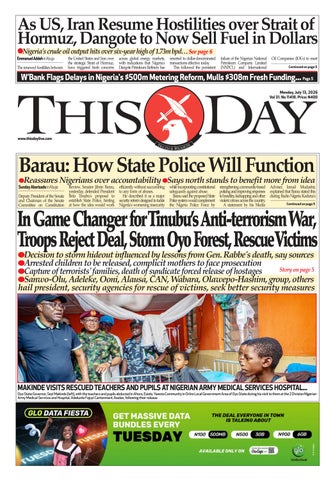
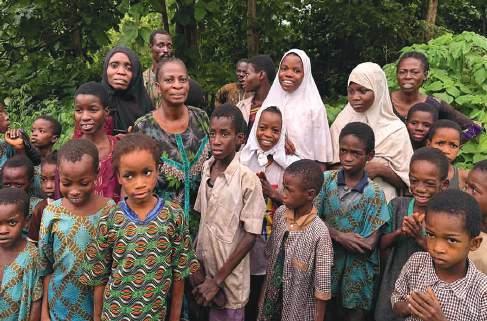
Some interesting details, last night, emerged on a few of the intrigues that went into the eventual release of the kidnapped Oyo State students and their teachers, who spent some 57 days in their kidnappers’ den.
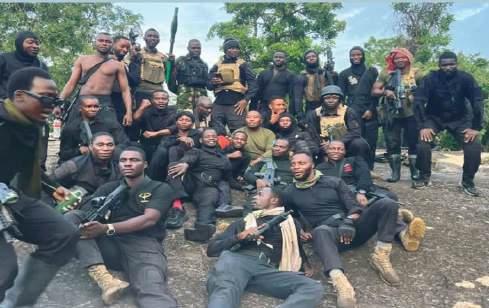
In what has turned out a major boost to president Bola Tinubu's anti-terrorism war, security agencies, hinted that they rejected an offer by terrorists to exchange their wives and children for the 39 abducted schoolchildren and seven teachers, opting instead for a military assault that culminated in the successful rescue of the victims.
Besides, the decision to invade
Hausa live programme, Hannu Da Yawa, on Sunday.
Barau said the executive bill had undergone extensive consultations and legislative scrutiny, including public hearings conducted across the six geopolitical zones and the Federal Capital Territory.
According to him, the proposal was developed through collaboration involving the Presidency, the National Assembly, the Inspector-General of Police, retired police officers, security experts, state governors, civil society organisations and members of the public.
local supply obligations, requiring domestic crude to be sold to the refinery in naira.
The result is that the refinery has had to import fuel at higher dollar prices.
Under the crude-for-naira deal, the refinery was to be supplied 15 cargoes a month. However, they barely meet up to five cargoes, resulting in having to import at high dollar prices.
The situation has been made worse by Nigerian Midstream and Dowstream Petroleum Regulatory Authority (NMDPRA)’s issuance of fresh import licences to marketers, putting a strain on the dollar exchange rate, which at the weekend, fell to $1 to N1450, and further putting pressure on Dangote’s import bills at higher exchange rate.
The latest escalation in the
by THISDAY.
The bank noted that although implementation progress has improved since the last supervision mission in October 2025, several critical challenges remain unresolved.
According to the report, while the installation of 1.44 million smart meters has gathered pace across nine electricity Distribution Companies (Discos), progress has stalled in Ikeja and Enugu Discos.
communities and cities across the country.
The hostages, who were abducted on May 15, 2026, from Ahoro Esinle, Yawota and Alawusa communities in Oriire Local Government Area of Oyo State, regained their freedom on July 10 during a coordinated operation involving the military and the Department of State Services (DSS).
One of the abducted teachers, Michael Olugbade Oyedokun, was however killed while in captivity.
Security sources explained that the breakthrough followed weeks of painstaking intelligence gathering during, which DSS operatives tracked and arrested several wives and children of the kidnappers in different
He said the administration had taken into account concerns expressed by Nigerians over the possible misuse of State Police by political office holders and had consequently built safeguards into the constitutional amendment.
"President Tinubu carefully studied the situation and discovered that while many Nigerians support State Police, there are fears that it could be abused or misused for political or ethnic purposes. That is why safeguards have been built into the system," Barau said.
He said officers of the proposed State Police would
US-Iran war came after the United States launched another round of strikes on Iranian targets early Sunday, extending a pattern of military exchanges that have steadily eroded the fragile ceasefire reached between both countries last month.
According to reports, the strikes were aimed at degrading Iran's capacity to threaten commercial shipping routes through the Strait of Hormuz, one of the world's most critical energy corridors.
The development has once again placed global oil markets on edge, given that the Strait of Hormuz serves as a vital transit route for a significant share of the world's crude oil exports.
Any disruption to shipping activities in the waterway has historically translated into higher energy prices and increased market
It stated that procurement of another 1.55 million internationally sourced smart meters was also disrupted after a court injunction halted the opening of bids on April 30, 2026, following a complaint by the Association of Meter Manufacturers of Nigeria.
In addition, contracts for domestically procured meters and Meter Data Management Systems (MDMS), launched as far back
disappearing after making demands," one of the sources said.
According to the sources, the operation was personally coordinated by a senior DSS official after security forces had sealed off the terrorists' escape routes and effectively surrounded their hideout inside the National Park forest.
The arrested family members were subsequently moved to Abuja, where the women were interrogated in accordance with investigative procedures.
The sources disclosed that recordings of the interrogations somehow found their way to the kidnappers, unsettling the terrorists and dramatically changing the tone of negotiations.
"The kidnappers suddenly became more responsive. They abandoned their earlier hardline position and started making frequent contact instead of
be recruited from their local communities, enabling them to better understand the terrain, local dynamics and security challenges.
According to him, such local knowledge would enhance intelligence gathering and improve the capacity of security agencies to combat criminal activities.
Responding to questions from callers during the programme, Barau said northern states, which have witnessed persistent attacks by bandits and kidnappers, stand to benefit significantly from the proposed policing structure.
He reiterated, too, that the constitutional framework also
uncertainty.
For Nigeria, the implications might extend far beyond international diplomacy.
Industry sources said the renewed instability in the Gulf region could complicate crude procurement arrangements for the Dangote Refinery, especially at a time concerns persisted over domestic crude supply commitments.
Should the refinery increasingly turn to imported crude feedstock to sustain operations, the attendant foreign exchange exposure might compel a shift toward dollar-based pricing mechanisms for refined petroleum products.
The development would represent a major setback for efforts aimed at reducing pressure on Nigeria's foreign exchange market through local refining
as 2024, it said, have continued to suffer what the World Bank described as "unjustified delays."
The bank said the pace of meter installations has nevertheless improved significantly, rising from about 30,000 installations monthly in late 2025 to approximately 65,000 in the first quarter of 2026.
Out of the 1.15 million smart meters allocated to nine Discos, it said 685,000 had already arrived in Nigeria, while 365,000 had been
According to the sources, the terrorists subsequently proposed releasing the abducted schoolchildren and teachers in exchange for the release of their wives and guarantees of safe passage.
The proposal was immediately rejected by security agencies, it was learnt.
Instead, the kidnappers were informed that the victims must first be released unconditionally, while they would either surrender peacefully or face arrest or possible elimination during military operations.
Investigators believed the arrest of the terrorists' family members significantly reduced the likelihood that the abductors would harm the hostages, fearing possible consequences for their own relatives.
provided checks against abuse of State Police powers.
Barau said where a State Police outfit was allegedly used to intimidate citizens or threaten lives and property, the president would have the constitutional authority to direct the Nigeria Police Force to assume responsibility for security operations in the affected state.
He further explained that responsibilities between the Federal Police and State Police would be clearly defined, with the Nigeria Police Force retaining jurisdiction over national security matters such as terrorism,
and the federal government's crude-for-naira initiative.
The United States military confirmed that it carried out a second wave of attacks within hours after accusing Iran of targeting commercial vessels transiting the Strait of Hormuz.
U.S. Central Command said the operations were intended to prevent further attacks on international shipping.
Iranian state media, however, reported that the American strikes extended beyond the Strait of Hormuz region and hit several locations across central and western Iran.
Among the locations reportedly targeted were Ahvaz and Khondab, while authorities in Khuzestan Province confirmed strikes in Omidieh, Mahshahr, Behbahan, Dezful, Andimeshk and Abadan.
The sources said the strategy was also consistent with President Bola Tinubu's directive that Nigeria should neither pay ransom nor negotiate with terrorists.
Before softening their position, the kidnappers had demanded the release of detained terrorist commanders, payment of ransom, two Hilux vehicles and the implementation of Sharia related laws as conditions for freeing the victims.
Specifically, they sought the release of Mahmud Usman, also known as Abu Bara'a or Abbas Mukhtar, and his deputy, Abubakar Abba, alias Isah Adam or Mahmud Al Nigeri.
Both men were identified by security agencies as leaders of Jama'atu Ansarul Muslimeena Fi Biladis Sudan (Ansaru), the Al Qaeda linked breakaway faction of Boko Haram, and were arrested by DSS operatives last year.
cybercrime and other federal offences, while State Police would focus on internal law enforcement and maintenance of public order.
The Deputy Senate President further assured Nigerians that State Police Commandants would emerge through a structured appointment process backed by legal provisions intended to shield them from undue political interference.
Addressing concerns over funding and operational capacity, Barau said the necessary financial arrangements and operational guidelines would be developed as work progresses on the
The latest round of attacks followed days of escalating tensions after Iran allegedly intensified threats against maritime traffic in the Strait of Hormuz and commercial shipping routes across the Gulf.
According to U.S. military officials, Iran's Islamic Revolutionary Guard Corps fired at commercial vessels transiting the waterway and deployed drones and cruise missiles in the area.
Captain Tim Hawkins, a spokesman for the U.S. Central Command, said American forces successfully intercepted at least one cruise missile and a one-way attack drone launched by Iranian forces.
The confrontation has heightened fears of a broader disruption to global energy supplies.
Even while contacts with the terrorists continued, security forces steadily tightened the noose around the hideout.
A source familiar with the operation disclosed that the final order to storm the camp was issued on Thursday night after fresh intelligence confirmed that the abducted schoolchildren and teachers were no longer being used as human shields.
The source said the assault was swift, carefully coordinated and backed by overwhelming firepower, catching the terrorists completely off guard.
Security sources added that in the weeks leading to the operation, troops had repeatedly engaged the terrorists in gun battles designed to weaken their fighting capability and exhaust their ammunition. "When the final operation
constitutional amendment and supporting legislation.
He expressed confidence that state Houses of Assembly would support the proposal, urging Nigerians to embrace what he described as a critical reform aimed at bringing policing closer to the people while improving security nationwide. "We must re-engineer our security architecture to better protect lives and property while guarding against abuse. This is a balanced, consultative initiative built on safeguards and aimed at bringing policing closer to the people," he said.
Brent crude, the international oil benchmark, rose sharply as markets reacted to the renewed conflict, with traders closely monitoring developments around the Strait of Hormuz.
Oil prices have remained volatile since hostilities resumed, reflecting concerns that any prolonged disruption could significantly impact global supply chains. Shipping companies have also become increasingly cautious. Reports indicated that maritime traffic through the Strait of Hormuz has declined significantly in recent days as operators assess the growing security risks associated with navigating the region. The uncertainty has already begun to reverberate across emerging economies dependent on imported energy products and dollar liquidity.
Chiemelie Ezeobi in Lagos, Chuks Okocha, Emmanuel Addeh, Kuni Tyessi, Folalumi Alaran in Abuja, Yinka Kolawole in Osogbo and Hammed Shittu in Ilorin
World Bank Country Director for Nigeria, Mathew Verghis installed. It added that all 1.15 million meters were expected to arrive in the country by the end of June 2026, with 500,000 expected to have been installed by then.
Nigeria's Crude Oil Output Hits Over Six-year High
Meets 104% of OPEC quota allocation
Nigeria’s crude oil and condensate production soared to an average of 1.735 barrels per day in the month of June 2026, representing positive growth for a 4th consecutive month, a statement from the Nigerian Upstream Petroleum Regulatory Commission (NUPRC) said yesterday.
In the month under review, crude oil production hit 1.56 million bpd while 0.18
million bpd of condensates was produced. This means Nigeria met 104 per cent of the 1.5 million bpd crude oil production quota set by the Organisation and Petroleum Exporting Countries (OPEC).
In strict crude oil terms (excluding condensates), the 1.56 million daily average production Nigeria witnessed in June was the highest that Africa’s biggest oil producer has recorded since April 2020, thus representing a
74-month or over six-year high, a statement by the Head, Media and Corporate Communications of NUPRC, Eniola Akinkuotu, stated.
In June, the peak combined crude oil and condensate production was 1.89 million bpd, reflecting Nigeria’s potential to reach 2 million bpd in the near term. However, the lowest production was 1.57 million bpd for the period in review.
The statistics showed that
of 1.73m Bpd
Nigeria has maintained an upward trajectory, increasing from 1.483 million bpd in February to 1.546 million bpd in March, 1.663 million bpd in April, 1.700 million bpd in May, and 1.735 million bpd in June representing a 2.2 per cent growth month on month.
The improved performance, according to the NUPRC, was primarily driven by stable production operations across most producing assets and the absence of any major pipeline
Onyema Urges Tour Operators to Promote Nigerian Destinations
The Chairman and CEO of Air Peace, Dr. Allen Onyema, has urged tour operators to promote Nigerian destinations to attract international visitors, noting this will not only bring in the needed foreign exchange but it will also showcase Nigeria before the world.
Onyema who made the call at the 5th Annual General Meeting of Nigeria Association of Tour Operators (NATOP) in Lagos at the weekend, said that Nigeria
has too many tourist attractions which potential have not been developed due to the fact that adequate attention has not been paid to them.
“Nigeria should be intentional in promoting its tourist attractions to the world. In the North we have Durbar festival, which is growing in popularity. It should be promoted. When they do carnival in the Caribbean, all of us will be running to go to the Caribbean for carnival. Calabar Carnival and Durbar festival are so beautiful to watch.
“When you go to the palaces of the Emirs in the North, that is another thing to be sold to tourists. If the government and the private sector can invest into the development of those palaces, they will become money spinners, foreign exchange earners for the country because all you need to do is to set up a theatre-like auditorium.
“Foreigners will pay to come and watch how the Emirs and ministers carry out traditional administration of justice in their domain. People will be willing to
pay to go to those palaces to see them and watch culture being exhibited,” he said.
Onyema said some Nigerians tend to de-market the country by creating the impression that the country is unsafe for visitors, foreign investors, airline crew members and tourists.
He argued that while insecurity remained a challenge, the constant projection of fear by some individuals and organisations was damaging the country’s tourism potential and discouraging international businesses.
Nigeria Navy’s Special Quick Impact Project Inaugurates 5000 KVA Transformer for
Imo Community
outages during the period under review. This enhanced operational stability supported improved production uptime and crude evacuation efficiency.
Although a limited number of assets experienced short-duration operational shutdowns, the overall impact on national production was minimal. In addition, scheduled turnaround maintenance activities were effectively managed and completed without significant disruption to production operations.
The sustained growth recorded in June, the commission stressed, reflected the continued
commitment of operators and industry stakeholders towards improving operational efficiency, maintaining asset integrity, and enhancing production reliability across the Nigerian upstream petroleum sector.
A breakdown of the daily average crude oil and condensate production by terminals/streams during the review month showed that Bonny Terminal accounted for 318.28 kbpd, up from 293.88 kbpd recorded in May 2026, while Forcados Terminal followed with 306.36 kbpd, an increase from 289.90 kbpd in May 2026.
Experts Seek More Innovative Techs, Therapies to Tackle Cancer Scourge
Onyebuchi Ezigbo in Abuja
Scientists and medical experts including Oncologists from the United States of America have urged Nigeria and other African countries to invest more funds in the development and utilization of latest technology and research innovation to address cancer scourge.
They said there are many modern medical therapies for treatment of cancer that are currently not accessible to cancer patients in Africa.
Training In Cancer (AORTIC) in Abuja on Saturday said there is need to bridge the gap in treatment therapy available in the United States and countries in Africa.
According to her one the ways the domesticate these new cancer treatment therapies in the continent is to have more clinical trials conducted locally in order evaluate its impact.
Tony Icheku in Owerri
The Chief of Naval Staff (CNS), Vice Admiral Idi Abbas officially commissioned projects marking a new phase of Nigeria Navy's Military-Civil cooperation in Umuokoro Lowa Uboma, in Ihitte-Uboma LGA, Imo State, through the commissioning of a town hall and a 5000 KVA transformer.
The project was attracted to the community by Rear Admiral Michael Igwe, the Director of Weapon Electrical Engineering at Naval Headquarters and an illustrious son of the community
Speaking at the event, Vice Admiral Abbas explained that civil-military cooperation encompasses activities and interactions between the military and civil society toward accomplishing strategic military objectives.
The CNS, who was represented by the Chief of Naval Transformation and Innovation, Rear Adm. Chijioke Onyemaobi, noted the infrastructure drive is a core part of the Navy’s Special Quick Impact Project launched in 2024 to honor accomplished senior officers through impactful community development.
Chief Medical Officer of the American Society of Clinical Oncology, (ASCO)
Dr. Julie Gralow who spoke at the Oncology Conference organised by the National Institute for Cancer Research and Treatment (NICRAT) in partnership with Africa Organisation for Rearch and
Gralow said both ASCO and AORTIC had entered into a partnership through a Memorandum of Understanding signed in 2020 on capacity training and exchange programmes on research studies.
"The big part of that MOU is on capacity building, meaning building the workforce and training, but importantly, it’s on clinical trials and clinical research, and training the next generation of clinical trialists.
Chinedu Eze
Emmanuel Addeh in Abuja
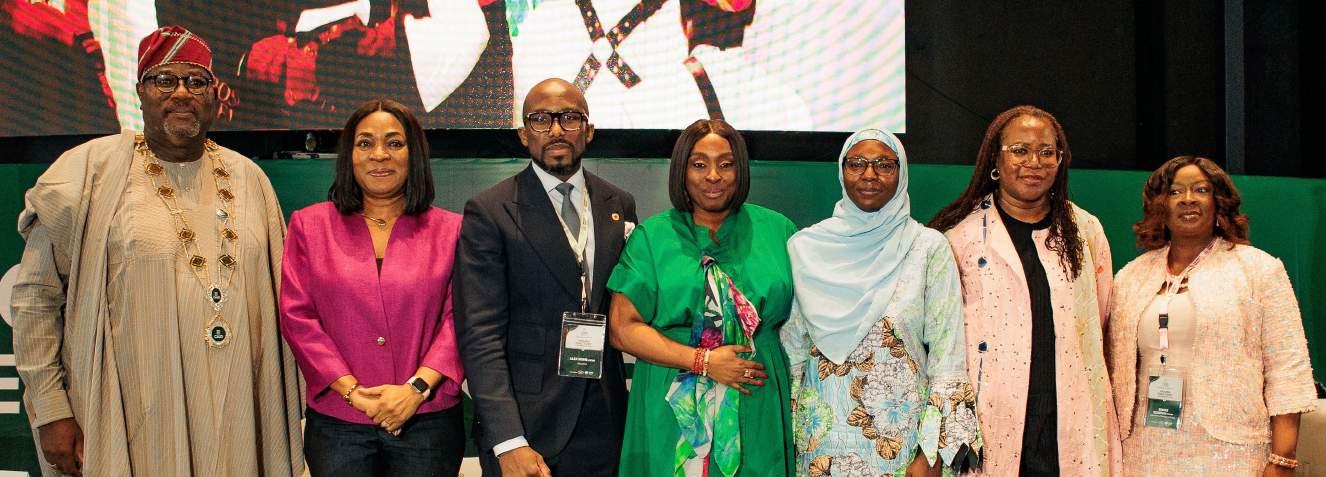
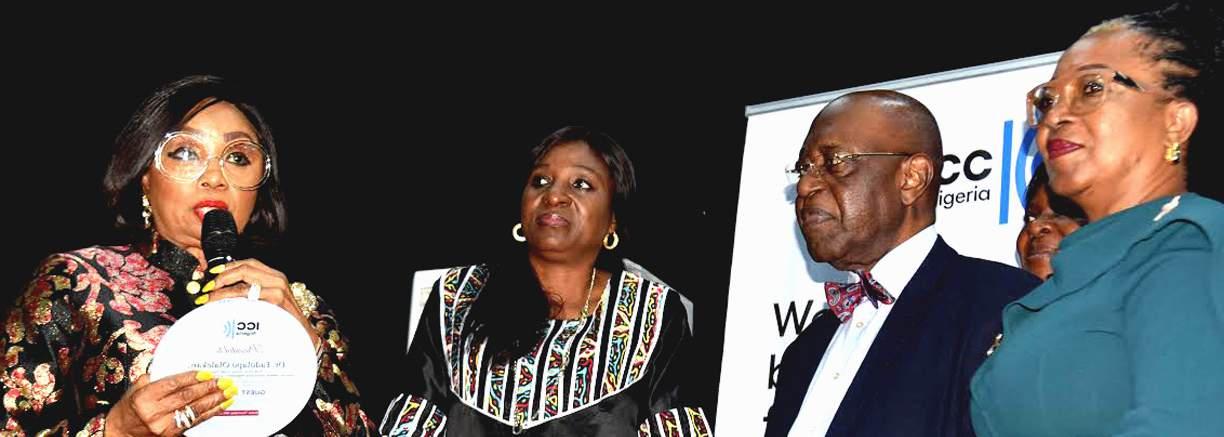
L-R: President and Chairman, Council Chartered Institute of Directors (CIoD), Otunba Adetunji Oyebanji; Chairman, African Prudential Plc, Christabel Onyejekwe; Managing Director, Oando Energy Resources (OER), Dr. Ainojie
‘Alex’ Irune; Chief Executive Officer, ACT Foundation, Osayi Alile; Chief Executive Officer, Urban Shelter Limited, Sadiya Aliyu Aminu; Dean, Lagos Business School, Prof. Olayinka David-West; and Chairperson, Women's Group, CIoD Nigeria and Partner, Templars, Ronke Sokefun, at the CIoD Nigeria Women's Directors' Biennial Conference, held at the Wole Soyinka Centre for Culture and Creative Arts, National Theatre, Lagos ...recently
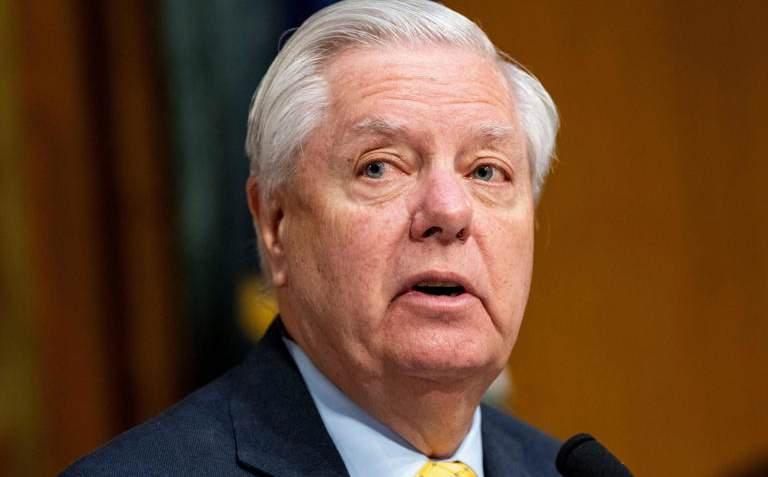
THREE DECADES IN US POLITICS ENDED SUDDENLY FOR GRAHAM
... Lindsey Graham, longtime GOP Senator and Chief congressional proponent of the war with Iran died suddenly on Saturday after a brief illness
US Senator, Trump Ally Lindsey Graham, Dies at 71
Republican Senator Lindsey Graham, a close ally of US President Donald Trump, has died at the age of 71, following
a ‘brief and sudden illness’, according to his office. Elected to the Senate in 2002, the South Carolina politician was one of Washington's most influential voices on foreign
NSE Promotes Physical Fitness, Kicks Off National Engineering Games
The Nigerian Society of Engineers (NSE) at the weekend flagged off the 2026 National Engineering Games in Abuja, describing the annual sporting event as a platform for promoting healthy living, professional networking and unity among engineers across the country.
In his opening remarks, the NSE President, Ali Rabiu, said the engineering games, introduced in 2011, were designed to give engineers an opportunity to unwind from the demands of their profession while encouraging physical fitness and wellness.
Rabiu, who was represented by the organisation's Deputy President, Valerie Agberagba, said it was a well-deserved opportunity to take a break from their demanding schedules, engage in physical activity
"When we launched this programme in 2011, it was with a dual intent: first, to give our engineers who work tirelessly across all sectors of the economy a well-deserved opportunity to take a break from their demanding schedules, engage
in physical activity, and promote overall fitness and wellness," he said.
He added that the games had also become an important platform for social interaction and professional networking among engineers, government officials, private sector operators and members of the diplomatic community.
"The games serve as a strategic platform for social interaction and professional networking, bringing engineers together with government officials, key stakeholders from both the public and private sectors and members of the diplomatic community," he stressed.
Rabiu noted that the initiative had grown steadily over the years into a celebration of sportsmanship and healthy living, reflecting the unity, discipline and strength of the engineering profession.
Highlighting this year's edition, he said the annual marathon introduced in 2025 in honour of former NSE President, Habu Gumel, had been retained in recognition of his contributions to sports administration and engineering.
policy, with Donald Trump describing him as a "true American Patriot" who would be "greatly missed".
Graham had just returned from Kyiv, where he met Ukrainian President Volodymyr Zelensky on Friday. There were no known health concerns ahead of his trip.
While Trump and many of his allies have been lukewarm in their support for Ukraine and have taken a more conciliatory tone towards Russia, Graham was a staunch supporter of arming Kyiv and applying sanctions against Moscow.
In his most recent trip to the country, Graham was working
on a version of the Russia sanctions bill, which he said would give "tools to President Trump to end this war".
In his remarks, Zelensky said he was "deeply saddened" by the news of the senator's death.
In a post on his official X account, he said Graham had visited the country 10 times since Russia's full-scale invasion and was "with our people when it was most needed". "America and the world have lost a determined leader," he added.
Graham, who eventually became one of Trump's closest allies, initially clashed with the US president. He told CNN in
2015 that Trump was ‘a racebaiting, xenophobic, religious bigot", and during the 2016 campaign he posted on social media: "If we nominate Trump, we will get destroyed... and we will deserve it."
After the US Capitol riots in 2021, Graham gave a speech on the Senate floor in which he said: "Trump and I, we've had a hell of a journey. I hate it to end this way. "All I can say is count me out. Enough is enough."
But he later became one of his staunchest backers. He voted against convicting Trump in the 2021 impeachment trial, and supported Trump in the
2024 election. He told the BBC in 2023: "There is a dark side to Donald Trump... and he was a very good president. But I am sticking with him because I saw what he did." He cited Trump's record on the US southern border, the killing of Iran's powerful military commander Qasem Soleimani and the appointment of conservative judges. Graham was known for his interventionist stance in foreign policy, with his website stating that Graham "consistently pushed for outcomes in the War on Terror that protect our long-term national security interests".
WAHO: Stronger Regional Cooperation Vital to Safeguard West Africa’s Health
Michael Olugbode in Abuja
The West African Health Organisation (WAHO) has marked its 39th anniversary with a bold declaration that the future of healthcare in the ECOWAS region hinges on stronger regional cooperation, sustainable financing, technological innovation and preparedness against emerging health threats.
In a landmark anniversary statement issued by the Economic Community of West African States (ECOWAS) agency, WAHO Director-General, Dr. Melchior Aïssi, reflected on
nearly four decades of regional health collaboration, while outlining an ambitious roadmap aimed at tackling some of the most pressing health challenges confronting West Africa.
Founded on July 9, 1987, by the Heads of State and Government of the Economic Community of West African States (ECOWAS), WAHO was established to coordinate regional responses to health emergencies, harmonise health policies and strengthen healthcare systems across member states.
Dr. Aïssi said the organisation has remained steadfast in
pursuing that vision despite evolving political and institutional realities.
Describing the anniversary as particularly significant because it coincides with the completion of his tenure as Director-General, Aïssi said the organisation had weathered numerous challenges while recording remarkable achievements through collective commitment by ECOWAS institutions, member states and development partners.
According to him, even the relocation of WAHO’s headquarters to Côte d’Ivoire and wider changes within the
ECOWAS community failed to slow the organisation’s momentum.
Instead, he noted, the developments underscored the resilience of the institution and the dedication of its workforce.
The Director-General highlighted several major initiatives pursued over the past year, including efforts to strengthen national health systems, promote exclusive breastfeeding during the first six months of life, mobilise protected domestic resources for healthcare financing and expand implementation of the regional community health policy.
public funds can no longer meet infrastructure needs
James Emejo in Abuja
Director General, Infrastructure Concession Regulatory Commission (ICRC), Dr. Jobson Ewalefoh, has declared that West African governments can no longer depend solely on public resources to finance critical infrastructure.
He urged countries across the sub-region to embrace PublicPrivate Partnerships (PPPs) as the most viable pathway to closing the region's huge
infrastructure gap.
Ewalefoh spoke at the ECOWAS Infrastructure Forum in Abidjan, Côte d'Ivoire, stressing that the widening infrastructure deficit had made it imperative for governments to mobilise private capital and expertise to deliver roads, railways, housing, water facilities and other strategic assets needed to drive sustainable economic growth.
He said with infrastructure requirements increasingly
AltBank Tasks Private Sector on Climate Leadership, Urges Business-driven Investment
Kuni Tyessi in Abuja
The Alternative Bank, AltBank, has challenged Nigeria’s private sector to take ownership of the country's climate agenda, warning that sustainable growth will remain elusive without business-driven investment and accountability.
The call was made yesterday at the opening of the Nigerian Environmental Summit, NESt 2026, in Abuja.
With the theme ‘Unlocking Nigeria's Green Economy: Driving Climate Action and Sustainable Environmental Governance,’ the summit convened federal officials, state representatives, corporate leaders, and development partners to address flooding, pollution, desertification, and biodiversity loss.
Mohammed Abdul, Divisional Head, Commercial and Institutional Banking, Core North, The Alternative Bank, said environmental sustainability must move from CSR statements to core business strategy.
"Our role here is to support an initiative that has a direct impact on the nation. Every
private-sector organisation should see itself as a stakeholder and team player in this effort because it serves a national objective," Abdul told participants.
He said AltBank has mainstreamed social, environmental and ethical considerations into its lending and operations. "At The Alternative Bank, we view our Corporate Social Investment through an impact-driven lens, focusing on sustainable interventions that create measurable value for communities and the economy," he added.
Speakers at the summit agreed that Nigeria does not lack environmental policies, but lacks enforcement.
Governance strategist
Dr. Murtala Mohammed said: “The challenge is not the absence of policy. The challenge is implementation, enforcement, coordination and accountability.”
He proposed the creation of a Nigerian Environmental Governance Index to benchmark states on performance, compliance, financing and institutional capacity.
outstripping available public resources, governments must focus on creating transparent regulatory frameworks and developing bankable projects capable of attracting long-term private investment.
The ICRC boss described PPPs as a practical alternative to traditional public procurement, noting that the model enables governments to leverage private sector financing, innovation, technical expertise and efficient risk-sharing to accelerate infrastructure delivery.
In a statement by acting Head, Media and Publicity, ICRC, Ifeanyi Nwoko, he also advocated greater use of well-regulated unsolicited PPP proposals, explaining that such initiatives provide an additional pipeline for infrastructure projects without replacing the conventional procurement process.
According to him, unsolicited proposals allow private investors to identify viable infrastructure opportunities, finance project development at their own expense and bear the associated development risks, thereby easing fiscal pressure on governments.
He stressed that the approach was particularly valuable at a time when governments lacked adequate resources to prepare every infrastructure project for investment.
He said, "An unsolicited proposal is a complementary proposal. We simply do not have enough public resources to develop every project through the solicited route. What we have done is to pragmatically transfer that responsibility and the associated risks of project development to the private sector."
He, however, maintained
that privately initiated projects undergo the same rigorous appraisal and approval process as government-sponsored PPP projects to ensure transparency and value for money.
Highlighting the country's experience, Ewalefoh said the country had strengthened its PPP framework through clear eligibility requirements, structured governance processes, the Swiss Challenge procurement model, non-refundable application fees and performance bonds designed to ensure that only credible and financially viable proposals progress through the transaction process.
He also challenged development partners to channel more resources into project preparation, observing that although many institutions were willing to finance infrastructure projects, fewer were prepared to support the development
of bankable projects needed to attract investment.
According to him, the shortage of well-prepared projects remains one of the biggest constraints to infrastructure financing across Africa, adding that unsolicited proposals provide a practical solution to bridging that gap. Ewalefoh further called for stronger collaboration among ECOWAS member states through a regional network of national PPP institutions to deepen technical capacity, facilitate knowledge sharing and harmonise best practices in project appraisal and implementation.
He said greater regional coordination would improve the credibility of PPP transactions by promoting common evaluation standards and enhancing information sharing on crossborder infrastructure projects with regional significance.
NSITF Pledges Technical Support to Gambia on Industrial Injuries Compensation
Onyebuchi Ezigbo in Abuja
The Nigeria Social Insurance Trust Fund (NSITF) has promised to share knowledge with the Industrial Injuries Compensation Fund (IICF), Social Security and Housing Finance Corporation (SSHFC) of the Gambia as part of efforts at advancing social protection and workers' welfare in the West African sub-region. Managing Director of NSITF, Barr. Oluwaseun Faleye, gave the assurance at the closing ceremony of the one-week study tour by the Board of the Industrial Injuries Compensation Fund (IICF), Social Security and Housing Finance Corporation (SSHFC) of the Gambia to the Fund.
A statement signed by the
Deputy General Manager Corporate Affairs Alex Mede, quoted Faleye as having said that “NSITF will continue to support the Industrial Injuries Compensation Fund under the SSHFC by sharing technical knowledge, exchanging experiences and providing guidance wherever we can.
“We see this as a partnership between brothers, working together towards the common goal of strengthening social protection and advancing the welfare of workers across our sub-region”.
Faleye, who was represented by the Executive Director (Administration), Barr. Samaila Abdu, said, “I therefore wish to assure you that this relationship does not end with today's closing
ceremony. Rather, it marks the beginning of an even stronger partnership between our two institutions.
“As you return home, please convey our warm regards to the Managing Director, the Board, Management and the entire Social Security and Housing Finance Corporation of The Gambia.
“As we come to the close of this week-long study visit, permit me to express our sincere appreciation to the delegation from the Social Security and Housing Finance Corporation of The Gambia for choosing NSITF as the destination for this important study tour.
“Your decision to understudy our institution is both an honour and a demonstration of the growing spirit of collaboration
among social security institutions within our sub-region. We are grateful for the openness, professionalism and mutual respect that have defined our engagements throughout the week,” the MD said.
Speaking further on the collaboration by the two agencies, the NSITF boss Giving a summary of what transpired during the tour, the Managing Director said, “We began by examining the evolution of social security administration in Nigeria, tracing the journey from the National Provident Fund through the NSITF and ultimately to the Employees' Compensation Scheme established under the Employees' Compensation Act, 2010.
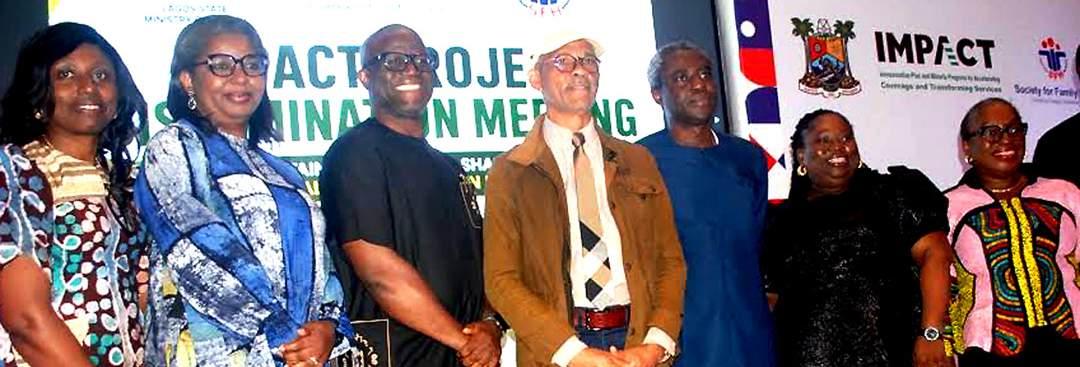
L-R: Managing Director, Society for Family Health (SFH) Advisory, Dr. Jennifer Anyanti; Executive Secretary, Health Facilities Monitoring and Accreditation Agency, Dr. Victoria Egunjobi; Group Managing Director, SFH, Dr. Omokhudu Idogho; Lagos State Commissioner for Health, Prof. Akin Abayomi; Senior Health Specialist, World Bank, Onoriode Ezire; Director, Disease Control, Lagos State Ministry of Health, Dr. Abosede Wellington; and Director/State Malaria Elimination Programme Manager, Lagos State Ministry of Health, Dr. Abimbola Osirewo, at the IMPACT (Malaria Component) Project end-of-project dissemination meeting in Lagos… recently
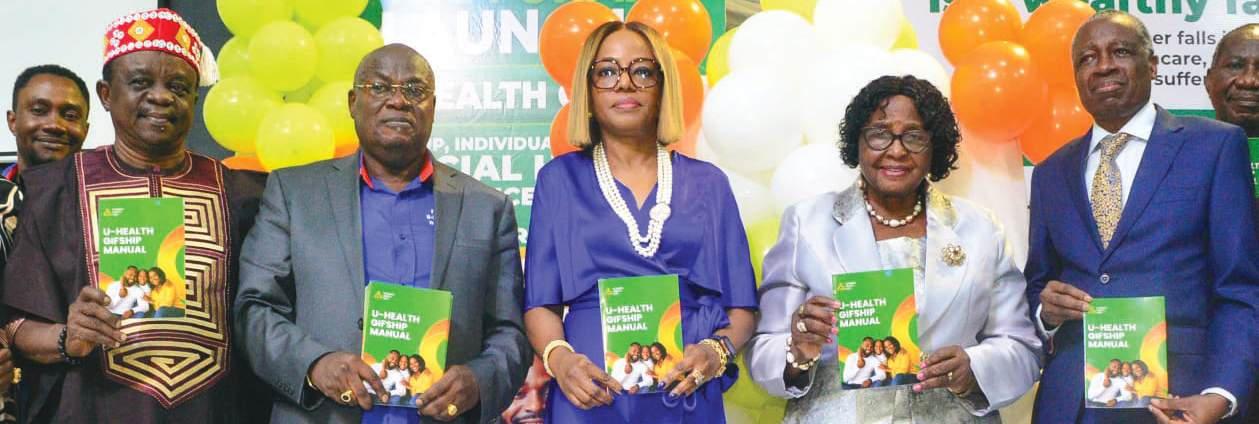
LAUNCH OF U-HEALTH GROUP ...
L-R:
for the informal sector and small and medium-sized business owners, held in Lagos at the weekend
Tinubu Eulogises Nobel Laureate and Nigeria's Literary Icon, Prof Wole Soyinka, At 92
Describes him as a globally celebrated playwright, novelist, poet, essayist, actor, singer, and irrepressible advocate of good governance Rejoices with Kabir Shagaya at 40
Deji Elumoye in Abuja
President Bola Tinubu has paid glowing tribute to Nobel Laureate and Nigeria's literary icon, Professor Oluwole Soyinka as he clocks 92 on Monday, July 13, 2026.
The President in a release issued on Sunday described Prof Soyinka as a globally celebrated playwright, novelist, poet, essayist, actor, singer, composer, documentarian, and irrepressible advocate of
good governance. Tinubu, in the seven-paragraph tribute statrd, inter alia: "Today, I celebrate a global icon and our nation’s literary star, Professor Akinwande Oluwole Babatunde Soyinka, on his 92nd birthday, July 13.
"Exceptional individuals like Professor Soyinka do not come often in a generation—men who illuminate the paths for humanity to follow across diverse endeavours, who are not afraid to go against convention, and
who do not let the man die in the face of oppression and injustice.
"I congratulate this globally celebrated playwright, novelist, poet, essayist, actor, singer, composer, documentarian, and irrepressible advocate of good governance.
"I recall his winning the Nobel Prize in Literature in 1986, becoming the first African to win the Prize in that category, as well as many other reputable awards, such as the Benson
Medal from the Royal Society of Literature; the Academy of Achievement Golden Plate Award; the Anisfield-Wolf Book Award (Lifetime Achievement); and the Europe Theatre Prize (Special Prize).
"I also recall Professor Soyinka's valiant struggle against military dictatorship for decades, and his efforts in the June 12 struggle, for which we were both in the trenches.
"Today, I salute one of our nation’s living repositories of
WAEC, NECO Fee Hike: Tinubu Pricing Nigerian Children Out of Education, Says Atiku
Former vice president of Nigeria and presidential candidate of the African Democratic Congress (ADC), Atiku Abubakar, has condemned the federal government's continued escalation of the cost of public education, describing the recent increase in fees for Federal Unity Colleges and the reported approval of a uniform N50,000 examination fee for WAEC and NECO candidates
from 2027 as cruel, economically insensitive, and fundamentally incompatible with government's constitutional responsibility to make education accessible to every Nigerian child.
In a statement issued by his Senior Special Assistant on Public Communication, Phrank Shaibu, Atiku said it is unconscionable that at a time when Nigerian families are battling record inflation, soaring food prices, rising transportation costs, crippling
electricity tariffs, stagnant incomes and widespread unemployment, the Tinubu administration has chosen to make education even more expensive.
He noted that education remains the greatest instrument of social mobility and the surest pathway out of poverty for millions of children from humble backgrounds.
According to him, every additional financial burden imposed on parents translates
into another child being denied the opportunity to learn, dream and contribute meaningfully to society.
"A government that genuinely believes in the future of its people does not erect financial barriers between children and education. It removes them. Education is not a privilege reserved for the wealthy; it is the birthright of every Nigerian child and the foundation upon which prosperous nations are built."
UniAbuja Governing Council Elevates 34 Lecturers to Professor, Associate Professor
The Governing Council of the University of Abuja, now Yakubu Gowon University, has approved the promotion of 34 academic staff to professorial cadres.
The decision was taken at the Council’s 101st Regular
Meeting held on Friday, 10 July and Saturday, 11 July 2026, presided over by the Pro-Chancellor and Chairman of Council, Dr. Olanrewaju Tejuoso.
In a statement issued by Dr. Habib Yaquob, the Council announced that 17 senior lecturers were promoted to the rank of Professor, while
17 others attained the rank of Associate Professor.
The promotions cut across multiple disciplines, including Community Medicine, Veterinary Medicine, Engineering, Physics, Crop Science, Physiology, Parasitology and Entomology, Religious Studies, Educational Foundations, Guidance and
Counselling, Accounting, Banking and Finance, Business Administration, and Library and Information Science.
The elevations which take effect from October 2025, followed favourable external assessment reports on the scholarly works of the affected academics.
history, knowledge, and courage. That he is with us is a gift we will always treasure. I thank him for his undying faith in the Nigerian project and wise counsel.
"As he marks this birthday, I join the world in celebrating his profound influence on generations of writers, scholars, and activists, as well as his sacrifices for our nation. I wish "Kongi" many more years in excellent health."
Also on Sunday, the President rejoiced with Director of Strategy at Cavista Holdings, Mr Kabir
Shagaya on his 40th birthday, commending his contributions to enterprise development, strategic investment, innovation, and national development. Tinubu, in a release issued by his Adviser on Information and Strategy, Bayo Onanuga, joined family, friends, business associates, and well-wishers in celebrating a distinguished professional whose career has been marked by a commitment to expanding economic opportunity, mobilising investment, and building institutions that create lasting value across Nigeria and the African continent.
ONSA, DHQ Deepen Partnership with DECAN to Tackle Fake News, Misinformation
The Office of the National Security Adviser (ONSA), the Defence Headquarters (DHQ) and the Defence Correspondents Association of Nigeria (DECAN) have reaffirmed their commitment to strengthening collaboration to promote accurate defence reporting, combat fake news, misinformation and disinformation, and enhance public confidence in Nigeria's security institutions.
The renewed partnership was sealed during separate courtesy visits by the DECAN leadership, led by its President, Chief Odita Sunday, to the Special Adviser on Strategic Communication and Civil Society Liaison to the National Security Adviser, Dr. Chido Onumah, and the Director of Defence Information, Major General Samaila Uba, in Abuja.
Speaking during the engagements, Odita described the relationship between
security institutions and defence correspondents as a strategic partnership in advancing national security through responsible journalism.
"While our gallant troops defend the nation's territorial integrity on the battlefield, we complement their efforts by informing, educating and shaping public understanding through accurate, balanced and responsible reportage," he said.
He called for greater access to official activities, regular operational briefings, specialised training for defence correspondents, the establishment of dedicated media facilities for journalists covering the security sector and broader inclusion of reporters in official engagements.
Odita also announced that DECAN would launch its quarterly publication, The Defence Correspondent, in October 2026 to document the activities and achievements of the Armed Forces and other defence institutions.
Kuni Tyessi in Abuja
Chuks Okocha in Abuja
Immediate Past President, Healthcare Providers Association of Nigeria (HCPAN), Dr. Arigbabuwo Jimmy; Managing Director/Chief Executive Officer, Ultimate Health Management Services, Otunba Lekan Ewenla; Independent Non-Executive Director, Ultimate Health Management Services, Mrs. Bolajoko Odunwo; Medical Director/Chief Executive Officer, Olaniba Memorial Specialist Hospital and Ebenezer Specialist Clinic & Maternity, Dr. (Mrs.) Adenike Olaniba and Chief Medical Director/Founder, Subol Hospital Limited, Dr. Olayiwola Bello, during the official launch of U-Health Group, Individual and Family Social Health Insurance Programme (GIFSHIP)
Linus Aleke in Abuja
SCALING WEST AFRICA’S DIGITAL&AI Transformation
FORUM OF FORMER MEMBERS OF THE BORNO STATE EXECUTIVE COUNCIL (2011–2019)
CONGRATULATORY MESSAGE
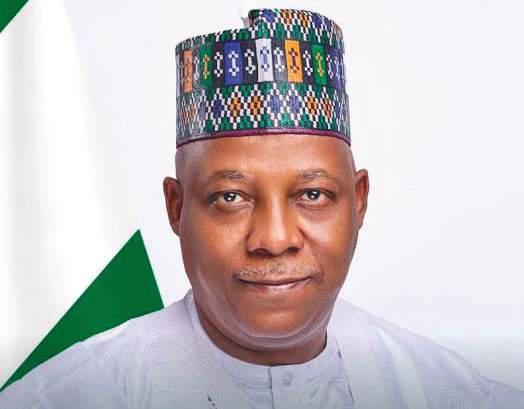
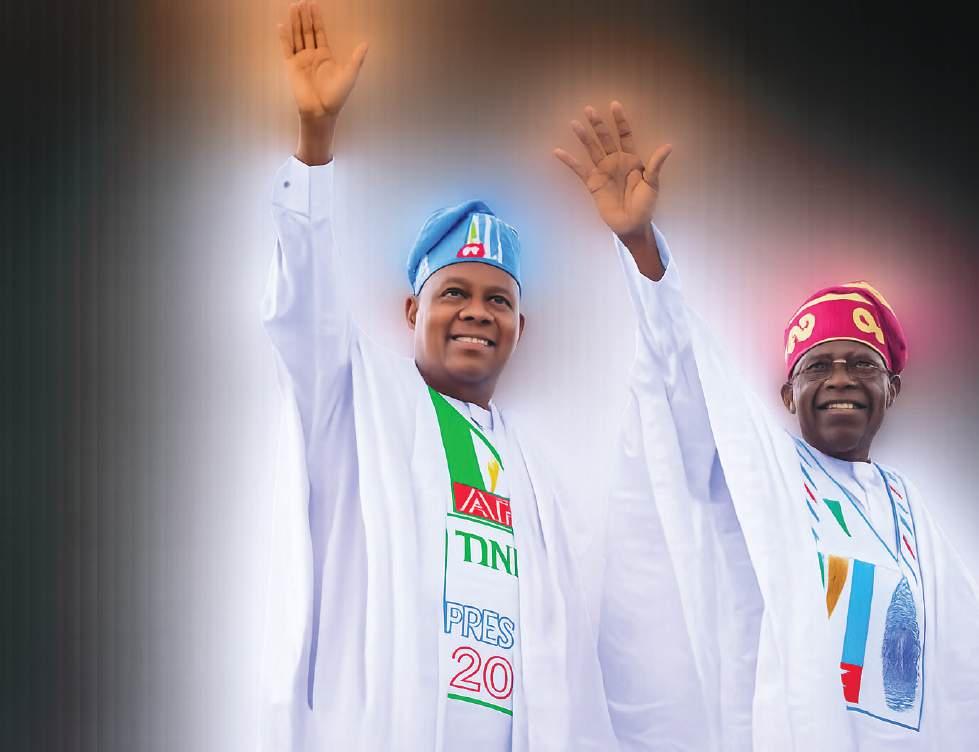
TO HIS EXCELLENCY, SENATOR KASHIM SHETTIMA, GCON, ON HIS REAFFIRMATION AS THE VICE PRESIDENTIAL CANDIDATE OF THE ALL PROGRESSIVES CONGRESS (APC) FOR THE 2027 PRESIDENTIAL ELECTION
The Forum of Former Members of the Borno State Executive Council (2011–2019) heartily congratulates our leader, brother, and distinguished son of Borno State, His Excellency, Senator Kashim Shettima, GCON, Vice President of the Federal Republic of Nigeria, on his reaffirmation as the Vice Presidential candidate of the All Progressives Congress (APC) and running mate to His Excellency, President Bola Ahmed Tinubu, GCFR, for the 2027 Presidential Election.
Having had the honour and privilege of serving under His Excellency’s leadership in Borno State between 2011 and 2019, we are uniquely placed to attest to his exceptional leadership, unwavering integrity, intellectual acumen, humility, steadfast loyalty, resilience, and uncommon ability to unite people across political, ethnic, religious, and social divides. These qualities, which distinguished his tenure as Governor of Borno State, continue to define his outstanding service to our nation.
His reaffirmation is a fitting recognition of his Unflinching and unalloyed loyalty to the President, proven competence, steadfast commitment to national service, remarkable capacity for leadership, and invaluable contributions to the successful implementation of the Renewed Hope Agenda. It also reflects the confidence reposed in his leadership and the enduring trust he continues to inspire among Nigerians.
As former members of the Borno State Executive
Council, we take immense pride in this well-deserved milestone, which brings honour to Borno State and serves as an inspiration to all who believe in selfless service, patriotism, and purposeful leadership.
We equally congratulate His Excellency, President Bola Ahmed Tinubu, GCFR, on the continuation of this formidable partnership and commend the leadership of the All Progressives Congress (APC) for reaffirming the Tinubu–Shettima ticket. We also congratulate His Excellency, Professor Babagana Umara Zulum, CON, the Government and people of Borno State, and all supporters and well-wishers whose steadfast prayers and unwavering support have contributed to this historic development.
As preparations for the 2027 Presidential Election gather momentum, we reaffirm our unwavering loyalty to our great party, the All Progressives Congress (APC), and pledge to deploy our collective experience, goodwill, and networks towards securing the party’s victory at all levels. We remain committed to supporting the Tinubu–Shettima ticket in the collective interest of national unity, stability, continuity, and shared prosperity.
We pray that Almighty Allah (SWT) grants President Bola Ahmed Tinubu, GCFR, and Vice President Kashim Shettima, GCON, sound health, abundant wisdom, divine guidance, strength, and continued success in the service of our dear nation. May Allah bless their ticket with victory, preserve Nigeria in peace and unity, and grant our country enduring progress, security, and prosperity.
Congratulations once again, Your Excellency. Borno is proud of you. Nigeria is proud of you.
Signed: Ambassador Baba Ahmad Jidda, OFR Convener, Forum of Former Members of the Borno State Executive Council (2011–2019)
REWRITING NIGERIA’S SECURITY PLAYBOOK
The Oyo successful rescue is a triumph of intelligence and interagency cooperation, reckons YAKUBU
DATI
21
GIVE A CHRISTIAN A CHANCE
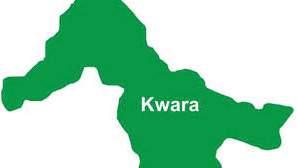
TUNJI ADEYEMI argues why APC should consider a Christian candidate in Kwara governorship race
EGG
The ONSA’s integrated approach has enhanced operational efficiency, and enabled quicker responses to threats, contends PETER ATUKUME
NUHU RIBADU’S QUIET VICTORIES
Few places capture Nigeria’s long and painful struggle against terrorism like Chibok. Mention the town anywhere in the world, and the mind immediately returns to the night of April 14, 2014, when Boko Haram abducted 276 schoolgirls, turning a sleepy Borno community into a global symbol of terror and state helplessness. That is why the recent rescue of six kidnapped victims by Nigerian troops in Chibok deserves far greater attention than it has received. The story is not merely about six people regaining their freedom. It is another reminder that, quietly but steadily, Nigeria is clawing back territory from terrorists and bandits who once appeared unstoppable. Unfortunately, good news rarely receives the prominence unlike how terrorist attacks dominate headlines. This imbalance creates the misleading impression that nothing is changing, when evidence increasingly suggests otherwise.
According to operational statistics released by Nigeria’s Defence Headquarters, in the first half of 2026 alone, security forces conducted more than 14,000 operations across various theatres, neutralised 1,597 terrorists and criminal elements, arrested hundreds of suspects and rescued over 1,500 kidnapped victims. While these figures do not suggest that insecurity has disappeared, they demonstrate a sustained offensive against criminal networks that once operated with impunity.
Across Borno, Kaduna, Zamfara, Katsina, Kogi, Niger and several other states, security forces have become more proactive than reactive. Instead of merely responding after attacks occur, intelligence-driven operations are increasingly disrupting criminal plans before they are executed. This shift is perhaps the most significant development in Nigeria’s security architecture. And at the centre of this evolving security architecture is the Office of the National Security Adviser (ONSA) under Mallam Nuhu Ribadu. Ribadu’s role is often misunderstood. He does not command troops on the battlefield. Rather, his responsibility lies in ensuring that Nigeria’s multiple security agencies work as one coordinated system. In previous years, intelligence sharing among agencies was not practiced and each unit seemed to work solo, allowing
terrorists to exploit that gap. One of the notable features of the current security approach has been the emphasis on intelligence sharing and coordinated operations among the different security agencies.
The truth is that the fight against terrorism is not won overnight or won without inter-agency cooperation. That is where ONSA is shining as it has become the central coordinating hub linking the military, intelligence agencies, police, Department of State Services, civil defence and other security institutions. This integrated approach has enhanced operational efficiency, reduced duplication and enabled quicker responses to emerging threats.
Perhaps even more symbolic has been Ribadu’s regular involvement in receiving and handing over rescued kidnap victims to state governments and their families. In February 2025, for instance, Ribadu formally handed over dozens of rescued kidnap victims to the Kaduna State Government, reiterating the government's determination to defeat kidnapping through sustained security operations rather than negotiations with criminals. And recently, 434 abducted residents of Ngoshe in Borno State regained their freedom after sustained security operations, prompting Governor Babagana Zulum to commend President Bola Tinubu, Ribadu and the security agencies for their efforts.
This policy is neither popular nor easy. Families naturally want their loved ones back by any means necessary. Yet every naira denied to criminal groups reduces their ability to acquire weapons, recruit fighters and finance future attacks.
ONSA under Ribadu, has also coordinated strategic engagements
with governors from frontline states, recognising that insecurity cannot be defeated solely from Abuja but requires local ownership and community participation.
This is not to suggest that Nigeria has won the war. Terrorists remain capable of launching deadly attacks. Banditry continues to threaten communities across several states. Kidnapping still exists and places enormous psychological and economic costs on citizens. However, increasingly, terrorist camps are being destroyed before attacks are launched, logistics routes disrupted, weapons recovered and key commanders neutralised. These cumulative gains may not dominate public discourse, but they steadily reduce the ability of criminal groups to operate freely.
None of these achievements would have been possible without the extraordinary sacrifices of Nigeria’s Armed Forces. The professionalism displayed by soldiers, airmen, sailors and intelligence personnel deserves greater public appreciation. Day after day, often in unforgiving terrain and under life-threatening conditions, they pursue enemies most Nigerians will never encounter. Many never return home. Others carry physical and emotional scars that last a lifetime
Indeed, reports of military casualties alongside successful operations underscore the complexity of the conflict. Counter-terrorism campaigns rarely follow a straight line. Setbacks occur even as progress is recorded. What matters is whether the overall trajectory is moving in the right direction. Available evidence suggests that it is despite how news headlines scream more about terrorist attacks. As per public perception, years of insecurity have understandably produced widespread scepticism. Nigerians have heard promises before. They judge the government not by press releases but by personal safety. While this scepticism is healthy, it should not blind us to measurable improvements where they exist.
Constructive criticism remains essential. Government must continue investing in intelligence capabilities, military welfare, modern equipment, drone technology, surveillance systems and community policing.
Atukume writes from Abuja
The Oyo successful rescue is a triumph of intelligence and interagency cooperation, reckons YAKUBU DATI
REWRITING NIGERIA’S SECURITY PLAYBOOK
tale of high calibre negotiations.
The way it was achieved goes to show that a more effective, well thought out and sound strategy has been worked out and the security of citizens has been enhanced.
It is a powerful confirmation of a paradigm shift in the security template that is increasingly distinguishing the Tinubu administration as clearheaded in addressing one of Nigeria's most pressing challenges.
For years, Nigerians have been made to become accustomed to a troubling pattern where criminals strike, security agencies react by deploying personnel; and government officials for want of what to do, struggle to reassure a frightened public with carefully worded press statements.
The result has been a perception—fair or unfair—that the state is perpetually on the back foot while kidnappers, terrorists, and bandits dictate the pace of engagement.
This is where the Oyo rescue operation presents a different picture.
As the abductees reunite with family members, it is now glaring that the circumstances that led to their release did not follow the weather-beaten pattern. It is a study in collaborative and interagency cooperation which details may not be disclosed here due to security reasons.
Unlike previous eras when institutional rivalries, fragmented intelligence, and poor coordination often undermine security efforts, the current security architecture appears to be placing greater emphasis on intelligence gathering, inter-agency collaboration, and proactive operational planning.
The successful recovery of the pupils and teachers without loss of innocent lives only proves one thing: that this approach is beginning to produce measurable outcomes.
This achievement did not happen
by accident, but through thorough research and brainstorming which reflects the type of intentional leadership style of President Bola Ahmed Tinubu and strategic coordination by the National Security Adviser, Mallam Nuhu Ribadu.
Since assuming office, President Tinubu has resisted the temptation of ensuring security through media optics and dramatic pronouncements. Instead, his administration has focused on strengthening the institutions responsible for protecting Nigerians.
While critics continue to point at cases of security challenges, a more objective assessment should however acknowledge the growing number of successful interventions taking place across the country.
The reality is that no administration inherited a more complex security environment than the current one. Banditry, terrorism, kidnapping-for-ransom, farmer-herder conflicts, and transnational criminal networks had evolved into deeply entrenched threats.
Dismantling such networks requires more than political speeches; it requires strategic coordination, intelligence superiority, and operational patience.
This is where Ribadu’s role has become increasingly significant.
Unlike previous periods when agencies often operated in silos, the NSA has pursued a model built on synergy and unified action. Intelligence agencies, military formations, law enforcement bodies, and other security institutions are increasingly being encouraged to operate as components of a single national security framework rather than as isolated entities competing for relevance.
The Oyo operation demonstrates the value of this philosophy. It confirms that intelligence-led security operations are more effective than purely forcebased responses. It also reinforces the argument that modern security challenges require coordination rather than institutional competition.
Dati is a former Commissioner for Information in Plateau State
TUNJI ADEYEMI argues why APC should consider a Christian candidate in Kwara governorship race
GIVE A CHRISTIAN A CHANCE
The publication of excerpts from Professor Dapo Thomas' autobiography, Lagos Boy and Lagos Politics, has once again opened an important conversation about how successful political parties manage competing interests without sacrificing unity. According to the account, there was an understanding within the Lagos political family that after 16 years of Muslim governors, the next governor should emerge from Lagos East and be a Christian. Whether every detail of that account is accepted or not, the underlying principle is one that deserves attention: sustainable politics often requires deliberate inclusion.
That principle should not be lost on President Bola Ahmed Tinubu as he watches the unfolding political developments in Kwara State ahead of the 2027 governorship election.
Today, the Kwara chapter of the All Progressives Congress (APC) is clearly divided between the bloc popularly referred to as the G15 and those aligned with Governor AbdulRahman AbdulRazaq. The disagreement has become pronounced enough for the party leadership to establish a reconciliation committee under retired Colonel AbdulWahab Ademola Lawal to restore peace before the electoral contest for governor next year.
As reconciliation efforts continue, conversations have increasingly shifted to who should eventually emerge as the APC candidate.
One of the strongest arguments currently being canvassed is that the governorship should move to Kwara North to address long-standing complaints of marginalisation. That is a legitimate political argument. Every section of the state deserves to feel a sense of belonging.
Yet inclusion should not be viewed through only one lens. If the objective is truly to heal perceived injustice and strengthen the APC ahead of 2027, then another constituency deserves equal, if not greater, consideration: the Christian community in Kwara State.
Power rotation is ultimately about ensuring that every significant segment of society feels represented. Regional balancing is one aspect. Religious balancing is another. Ignoring one while pursuing the other only replaces one grievance with another.
History offers a compelling perspec-
tive.
The last elected Christian governor of Kwara State was Chief Cornelius Olatunji Adebayo, whose administration lasted only a few months before the military intervention of December 1983 ended the Second Republic. More than four decades later, no Christian has been elected governor of the state. By comparison, even though Kwara North continues to seek greater representation, the district has not been entirely absent from the state's leadership history. Senator Mohammed Shaaba Lafiagi, from Kwara North, served as governor during the military era in the early 1990s.
This is not to diminish the aspirations of Kwara North. Their demands deserve respect and careful consideration.
Rather, it is to suggest that if the APC genuinely wishes to make a bold statement about fairness, equity and inclusiveness, then the conversation should extend beyond geography to encompass religious representation as well.
Fortunately, the party is not short of credible Christian aspirants. Within the G15 bloc, Hon. Toyin Alabi has emerged as one of the respected aspirants. If President Tinubu and the APC leadership ultimately decide that listening to aggrieved stakeholders is essential to rebuilding party unity, Alabi represents one option worthy of consideration.
Outside the factional contest is Engr Femi Sanni, popularly known as Araba. Throughout the ongoing political tensions, he has largely maintained an independent campaign, focusing on presenting his vision for Kwara rather than becoming identified with either side of the internal dispute. His approach has allowed him to market himself as a bridge-builder at a time when the party desperately needs one.
The significance of this should not be overlooked.
Political parties often emerge stronger when they choose candidates capable of reconciling opposing camps instead of deepening existing divisions. The APC in Kwara will require such a personality if it hopes to retain its electoral dominance.
Adeyemi is a Lagos-based legal practitioner and a public affairs analyst
The successful rescue of abducted pupils and teachers in Oyo State is not merely another success story of freed abductees, neither is it a
Editor, Editorial Page PETER ISHAKA
Email peter.ishaka@thisdaylive.com
EGG HARVESTING AND DESPERATE WOMEN
Health authorities should do more to contain the problem
For a long time, there have been reports that some fertility clinics in the country are harvesting eggs of young girls in exchange for money. Even when the World Health Organisation (WHO) prescribes that egg harvesting, just like blood donation, must not be traded for financial gains, a report by ‘Daily Trust’ newspaper has exposed this growing desperation among young women. In many cases, underage victims are coerced into trading their eggs monthly despite medical prescription that no one should have her eggs harvested more than twice a year.
The Plateau State Gender and Equal Opportunity Commission (PLASGEOC) has disclosed that young women in the state are selling their egg cells at a particular hospital. “Young girls now sell their ova to buy expensive phones or fund their lifestyles. If they remove your ovum, they give you either N120,000 or N150,000,” the commission’s spokesperson, Mrs Nene Dung, recently disclosed. “We told students of the danger of such practice and warned them to stop selling their Ova. The problem is rampant not only in communities but in schools.” But this challenge is not restricted to Plateau State. It is a national malaise.
young women for their eggs. There is therefore a need for collaborative efforts by the relevant local agencies, state government, and the international partners in order to tackle this most heinous menace. That some of our medical personnel are being incriminated in this affront against humanity and on our pride as a people is why the health authorities and critical stakeholders should be concerned.
To compound this challenge, there are several reports of substandard services to couples seeking in-vitro fertilisation with some ending up having serious health concerns relating to their procedures. Others have had to pay huge amounts so they can get young, and in many cases pay underage girls to carry their unborn babies. Some buy these babies under the arrangement of fraudulent Assisted Reproductive Technology (ART) centres.
The ever growing need to feed the IVF ‘factories’ with embryos has engendered the exploitation of young women for their eggs
T H I S D AY
EDITOR SHAKA MOMODU
DEPUTY EDITOR WALE OLALEYE
MANAGING DIRECTOR ENIOLA BELLO
DEPUTY MANAGING DIRECTOR ISRAEL IWEGBU
CHAIRMAN EDITORIAL BOARD OLUSEGUN ADENIYI
Since the trade in human organs and trafficking in human eggs and human embryos are multibillion dollar businesses, it is no surprise that some Nigerian traffickers are deeply involved. And given the level of economic deprivation in the country, it is also no surprise that there are many willing customers. There have been stories of how some women and girls are usually administered drugs that cause ovarian hyper stimulation to extract their eggs afterwards. There have also been instances where female undergraduates of some Nigerian universities sell their eggs to willing buyers.
The ever growing need to feed the IVF ‘factories’ with embryos has engendered the exploitation of
EDITOR NATION’S CAPITAL IYOBOSA UWUGIAREN THE OMBUDSMAN KAYODE KOMOLAFE
EDITOR-IN-CHIEF/CHAIRMAN NDUKA OBAIGBENA
GROUP EXECUTIVE DIRECTORS ENIOLA BELLO, KAYODE KOMOLAFE, ISRAEL IWEGBU
DIVISIONAL DIRECTORS SHAKA MOMODU, PETER IWEGBU, ANTHONY OGEDENGBE
In the Nigerian society, fertility is not just about health, it is a serious social issue that requires every attention it deserves. It is estimated that one in four Nigerian couples will have one or more forms of fertility issues. Pressure from the society on childbearing pushes a chunk of these couples to seek artificial reproductive assistance. However, laws and policies are not being developed fast enough to meet the demands of this growing industry; a loophole that has now been taken advantage of by quacks and some otherwise known fertility clinics. Out of desperation, many young women now sell their egg and, in the process, endanger their lives.
The sheer magnitude and sophistication of this human merchandising indicate that for any meaningful breakthrough in the efforts to arrest it, collaborative attempts must be made by governments, non-governmental organisations, corporate bodies and the media. Critical stakeholders can no longer continue to watch from the sidelines while unscrupulous people classify fellow human beings as commodities and benefit from their ignorance, desperation and, sometimes, greed.
Letters in response to specific publications in THISDAY should be brief (150-300 words) and straight to the point. Interested readers may send such letters along with their contact details to opinion@thisdaylive.com. We also welcome comments and opinions on topical local, national and international issues provided they are well-written and should also not be longer than (750- 1000 words). They should be sent to opinion@thisdaylive. com along with photograph, email address and phone numbers of the writer.
ISSUES IN THE ORIIRE KIDNAPPING
On May 15, 2026, tragedy struck the Orire community in Oyo State.
The irony was clear. Oriire means good fortune in Yoruba, but that day brought only despair. Armed kidnappers took 46 people, 39 pupils and seven teachers. To show they meant business, they beheaded one victim. Weeks later, the remaining victims were freed. We should be grateful for their rescue. Security personnel and everyone who helped bring them home deserve praise. For their families, this marks the end of a terrifying ordeal.
The military said it took over a month of intelligence gathering, surveillance, and coordinated work between agencies to break up the kidnappers' network before the victims were released without conditions. That level of professionalism should be recognized.
But while the rescue ends one chapter, it also raises tough questions we cannot ignore.
If intelligence made this rescue possible, could better
intelligence have stopped the abduction from happening at all?
How can a group of armed criminals kidnap 46 people without anyone noticing or stopping them? Forty-six people do not just disappear. These crimes take planning, movement, and local knowledge. There must have been chances to spot or stop the attack.
That is why every successful rescue should be followed by a careful review of the security failures that led to the incident. I hope we have learned some important lessons from this.
The military’s report gives us an important lesson for Nigeria’s security strategy. Instead of rushing in and risking the children’s lives, the operation focused on intelligence, patience, and precision. Security agencies broke up the kidnappers’ logistics network, arrested collaborators in several states, and kept up the pressure until the victims were freed. The smooth teamwork among the
agencies was also impressive. This intelligence-driven, multi-agency approach should become standard practice. Now more than ever, our security agencies need to work more closely together, use technology more effectively, and gather information from communities. Criminals often leave clues before they act. The challenge is building systems that can spot these signs early enough to respond. That is why I support state policing. If done right, it can bring law enforcement closer to the people and improve local intelligence.
We also need to protect our most vulnerable institutions. Schools are now more often targeted because they are easy to attack and can draw national attention, leading to ransom demands. This means governments at all levels must rethink how they protect schools, especially in rural areas.
ARISE News Town Hall Meeting: Developing a Roadmap for Successful State Policing
The bill for the creation of State Police has been passed by the National assembly, and with the assurance of its passage by the State assemblies, it only indicates that State Police is an idea whose time has come. However, the desire to ensure that a new problem is not created in the process of solving an old one was the focus of the aRISE News Town Hall Meeting held recently in abuja. Alex Enumah reports.
The ARISE News Town Hall Meeting, held last Thursday in the nation’s capital, Abuja had in attendance critical stakeholders in the Nigerian project, with one single goal in mind: ensuring that the proposed State Police reduces, if not completely eradicates, the lingering insecurity in the country.
The Town Hall, tagged: Building National Consensus for State Police and National Security was co-chaired by the National Security Adviser, Mallam Nuhu Ribadu, and Governor of Kwara State, AbdulRahman AbdulRazaq, who is also the Chairman of the Nigeria Governors’ Forum (NGF). The Guest Speaker was former Israeli Prime Minister, Ehud Barak. Lead discussants included serving and former governors, federal lawmakers, security chiefs, legal experts, and rights activists, among others.
The consensus among all participants was that State Police is indeed the right way to go if the country must overcome its current security challenges. Although it was observed that the initiative alone cannot resolve insecurity, there is also a need to address the root causes of insecurity.
However, a few participants who did not oppose the idea faulted the timing, arguing that certain things ought to be in place before decentralizing the force.
Setting the stage for the discussion was the Deputy Speaker of the House of Representatives, Rt. Hon. Benjamin Kalu, who pointed out that the size of the Nigeria Police Force as of today cannot cover the 923,768 square kilometers of the country nor serve over 200 million Nigerians. Besides, the Deputy Speaker noted that while the United Nations provides for one policeman to every 400 citizens, in Nigeria, one policeman handles over 600. The current situation, he argued, makes policing distant from the people and also increases response time.
Similarly, the Guest Speaker, former Israeli PM Ehud Barak, in his keynote address, agreed that State Police is a “step in the right direction” when one considers Nigeria’s vast geographical size and complex security challenges. He noted that the centralized policing system works better in his country due to the relatively small
size of its territory.
According to him: “In terms of geography, Israel is probably 40 times smaller than Nigeria. Within a two-hour drive, you cover almost 90 per cent of the population.
“Nigeria is a totally different country. I strongly believe the idea of having State Police is a very good start in the right direction.”
While this was the consensus of the gathering, issues such as abuse by state executives, funding, training, good governance, and true federalism were raised. It was believed that with appropriate reforms and legislation, these issues could be easily resolved.
Reacting to the issue of abuse, Governor of Zamfara State, Dauda Lawal, who declared full support for State Police, observed that most states already have one security outfit or another and they have not been used against the opposition. He, however, agreed that there is a need for lawmakers to fine-tune the bill to prevent abuse.
Also speaking on the issue of abuse, the Senator representing Edo North at the National Assembly, Adams Oshiomhole, argued that, “If governors misuse State Police, the electorate should vote them out.”
On her part, the Senator representing Kogi Central, Natasha Akpoti-Uduaghan, believes the issue of abuse can be eliminated if State Policing is fully independent of political interference
and control.
On the issue of funding, Senator Oshiomhole recalled his days as Governor of Edo State, claiming that governors spend a huge part of their funds equipping the police in their respective states despite not having control over the police. “The Constitution calls the governor the Chief Security Officer, yet he cannot recruit, deploy, promote, or discipline police officers. It is like calling someone a husband when he has no wife,” he said.
But for Enugu State Governor, Peter Mbah, and Leader of the Senate, Opeyemi Bamidele, for the scheme to succeed, funding should be made a priority and placed on first-line charge to guarantee operational independence.
“There must be first-line charge funding similar to the judiciary so that the police will not become subject to the whims and caprices of governors,” Bamidele said.
Acknowledging that security must be placed on a first-line charge just like the judiciary and legislature, Mbah disclosed that his administration prioritized security from the onset and equally invested heavily in technology. “So instead of just having boots on the ground, we can also use technology. We invested heavily in technology. As I mentioned, we have AI-enabled CCTV cameras — both static ones and mobile ones. Even our DRB and response vehicles are all installed with AI-enabled CCTV cameras. That is one of our capabilities,” he said.
While Senator Akpoti-Uduaghan suggested that two-thirds of Internally Generated Revenue should be dedicated to the funding of State Police, her colleague from Edo North,
The consensus among all participants was that State Police is indeed the right way to go if the country must overcome its current security challenges. Although it was observed that the initiative alone cannot resolve insecurity, there is also a need to address the root causes of insecurity.
Oshiomhole argued that the issue of funding would be meaningless if citizens fail to track the monies released for police operations. “Let’s look across the country at police barracks over the past 20 years. Let’s do a fact check: how much has been released to the Nigeria Police Force for barracks in the last 20 years? Then go to the barracks and see whether there is any evidence that money was actually put into the system,” he said.
Besides the issues of abuse and funding, discussants observed that State Policing is not the only panacea to insecurity. They called for effective reforms, standardized training, welfare, and synergy with other security agencies.
For former Chief of Defence Staff, General Lucky Irabor (rtd), “We must ensure that training, equipment, logistics, administration, and welfare are done in such a way that the average citizen, when he sees the policeman on the streets, is convinced that he is someone who is out for business.”
Irabor warned that if the above is not heeded, “the sickness that is affecting the federal police currently will also affect the State Police.”
Similarly, a former House of Representatives member from Abia state, Hon. Nnena Ukejie, urged the Federal Government to first and foremost strengthen the capacity of the police to fight crimes before embarking on the decentralization of the force.
According to her, there is no way state police can be effective if the current police force is weak. She explained that the Nigeria Police of today is being confronted with crimes such as terrorism, banditry, kidnapping, and proliferation of small arms, among others, which require a different method to handle. “First thing is to put in place a strong national police,” she said, “We must look at the transition timeline”, and determine whether we have a police force that can quell terrorism, banditry, and other violent crimes. Ukejie also wondered if states really have the kind of money needed to deal with the security threats confronting them.
Mbah lawal
Bamidele
Akpoti-Uduaghan
NOTICE TO APPEAR FOR INVESTIGATION
SUIT NO: FHC/L/MISC/649/2025
IN THE MATTER OF THE FEDERAL REPUBLIC OF NIGERIA v. YAKUBU IDRIS & 47 ORS
NOTICE IS HEREBY GIVEN that by an Order of the Federal High Court Holden in Lagos, the persons whose details and photographs appear below are hereby directed to make themselves available to the State Security Service (SSS) Shangisha, Lagos State Command, within 45 days of this publication to clear themselves of alleged fraudulent activities and the receipt of proceeds of fraud. DATED THIS 4 TH DAY OF JUNE, 2026.
Kayode Tokede
Following the tightening of monetary policy by the Central Bank of Nigeria (CBN) that significantly boosted banks’ interest earnings, Access Holdings Plc, Ecobank Transnational Incorporated and 10 other banks posted a combined N7.2 trillion gross earnings in the first quarter ended March 2026, a 12.8 per cent increase when compared to N6.4 trillion recorded in the same period in 2025.
The 10 other banks are: First HoldCo Plc, United
Bank for Africa (UBA) Plc, Guaranty Trust Holding Company Plc (GTCO) FCMB Group Plc, Wema Bank Plc, Sterling Financial Holdings Company, Jaiz Bank Plc and Stanbic IBTC Holdings Plc.
The sharp rise in interest rates following the monetary tightening policy of the CBN has significantly boosted banks’ interest earnings. With higher lending rates and improved yields on government securities, banks have generated much stronger income from: Commercial and retail loans, Treasury Bills,
Federal Government bonds and placements with other financial institutions.
In recent times, most Tier-1 banks have reported substantial increases in net interest income as loan yields rose faster than their funding costs.
THISDAY analysis of the banks financial reports showed that Access Holdings recorded N1.375 trillion gross earnings in Q1 2026, from N1.38 trillion in Q1 2025. ETI to declared N1.14 trillion gross earnings, representing an increase of 8.5 per cent from N1.05
trillion reported in Q1 2025. Zenith Bank posted NN1.01 trillion gross earnings in Q1 2026, about 6.1 per cent increase over N949.9 billion reported in Q1 2025.
On its part, First Holdco posted N942 billion gross earnings, up by 26.8 per cent from N742.7 billion declared in Q1 2025 while UBA closed Q1 2026 with gross earnings of N801.46 billion, about 4.86 per cent increase over N764.3 billion in Q1 2025.
In addition to Tier 1 banks gross earnings was GTCO
that declared N527.3billion earnings, representing an increase of nearly 18 per cent from N448. billion announced in Q1 2025.
Cumulatively, the 12 banks achieved profit before tax of N2.14 trillion during the period under review, up by 15.4 per cent when compared to N1.86 trillion in Q1 2025. Meanwhile, analyst believed that the resilience demonstrated by the banking sector is not only a testament to the adaptability of financial institutions but also an indication of future opportunities, especially for
investors eyeing stable returns. However, they warned that with interest rates expected to moderate and the naira projected to strengthen with reduced volatility, the banks’ profit margins could come under pressure this year.
The experts remained bullish on the banking sector topline performance noting that banks with robust loan book growth and strong non-interest income strategies, especially those capitalising on trading activities, will likely remain attractive to investors.
Chibuzor and
The heads of the International Energy Agency (IEA), International Monetary Fund (IMF), World Bank Group and World Trade Organisation (WTO) have called on governments and the international community to strengthen food and energy security. This was disclosed in a
joint statement released after they met to take stock of energy, trade, and economic developments.
The meeting was part of a high-level coordination group established in April for both heads to maximize their institutions’ response to the energy, trade, and economic impact of the war in the Middle East.
They also revealed that the meeting was also to discuss
the situation in vulnerable countries, and to further coordinate their support to those in need.
They urged both the government and the international community to support economic recovery, protect jobs and livelihoods.
The multilateral institutions also stress the need to strengthen energy and food security, including through improving port infrastructure
and trade facilitation, and increase broader resilience to future shocks.
According to the statement. “The global economy has been broadly resilient to the shock from the war in the Middle East, even as some economies have experienced a slowdown in growth and an uptick in inflation. Overall, the impact has been highly uneven, affecting energy supplies, food security, various commodities,
and economic activity across many countries and regions and creating deeper concerns about growth and price stability.
“We encourage further progress toward a resolution to the conflict and the reopening of the Strait of Hormuz. Fuel and fertilizer prices dropped since we last met in June. However, uncertainty remains high, and the impacts of the
war could linger. Energy markets and transit of goods are still facing strains. Governments and the international community should remain vigilant and continue to work together to uphold the principle of freedom of navigation in the Strait and globally, support economic recovery, protect jobs and livelihoods.
Oluchi
Erobomhan Jessica
Kale: Geopolitical Shifts Offer Nigeria Historic Opportunity to Lead Africa’s Industrialisation
For many years, Nigeria has relied heavily on crude oil exports while importing many of the finished products it consumes, leaving much of the value creation, jobs and industrial opportunities to other countries. But as global supply chains are being reshaped by geopolitical tensions, the implementation of the African Continental Free Trade Area (AfCFTA) and growing demand for valueadded products, Africa’s largest economy stands at a critical turning point. In this exclusive interview with Eromosele Abiodun, the Group Chief Economist of Afreximbank, Dr. Yemi Kale, argues that Nigeria has the scale, resources and entrepreneurial capacity to emerge as one of Africa’s leading manufacturing and export hubs—provided it accelerates reforms, invests in industrial infrastructure and strengthens trade finance. He also speaks on the continent’s widening trade finance gap, the transformative potential of the Pan-African Payment and Settlement System (PAPSS), the China Plus One opportunity, and why the next decade could redefine Africa’s role in global trade if governments choose production over commodity dependence. Excerpts
Nigeria remains heavily dependent on crude oil exports, yet the African Trade Report 2025, argues that Africa must move away from exporting raw commodities. How would you assess Nigeria’s progress in building value-added industries around oil, gas, agriculture, and minerals?
Nigeria’s progress has been meaningful but remains incomplete. While it has begun laying the foundations for a transition from a resourceexporting economy to a value-adding industrial economy, the pace of transformation still falls short of its potential and aspirations.
For decades, Nigeria exported crude oil while importing refined products, effectively exporting jobs and value addition. However, the development of domestic refining capacity creates opportunities not only for import substitution but also for regional exports of refined petroleum products, petrochemicals, fertilisers and industrial feedstocks under African Continental Free Trade Area (AfCFTA).
Agriculture presents an even larger opportunity. Nigeria remains a major producer of cocoa, cassava, sesame, shea, ginger, and several other commodities, however most exports still leave the country with limited processing. The real opportunity lies not in exporting more raw commodities, but in exporting processed foods, industrial starches, cocoa derivatives, edible oils, beverages, nutraceuticals and branded consumer products. The same applies to solid minerals. The global energy transition is increasing demand for critical minerals, including lithium and other battery-related inputs. Nigeria can leapfrog from being an exporter of unprocessed minerals or become part of the global value chain through beneficiation, refining and manufacturing.
Critical reforms have already commenced. The next phase of reform should focus on industrial infrastructure, energy reliability, logistics efficiency, standards certification, export finance and skills development.
The report highlights a continent-wide trade finance gap. How much of this challenge is concentrated in Nigeria, and what practical measures should Nigerian banks and policymakers adopt to narrow the gap?
Nigeria represents one of the largest concentrations of unmet trade finance demand on the continent. This is partly because of the size of its economy, the scale of its SME sector and the country’s role as both a major importer and an increasingly important exporter within Africa. However, the challenge is not merely a shortage of liquidity. Many viable Nigerian businesses are unable to access the instruments that facilitate trade (letters of credit, guarantees, export credit insurance, receivables finance and working capital facilities). As a result, commercially viable transactions often fail to materialise. Closing this gap requires coordinated action. Nigerian banks must move beyond traditional collateral-based lending and embrace more sophisticated trade-finance instruments, including supply-chain finance, factoring, warehouse receipt financing and digital trade-finance platforms. At the same time, policymakers also have a critical role. For instance, customs modernisation, improved documentation systems, stronger export credit guarantees, and greater interoperability with continental payment
systems can significantly reduce transaction costs.
The broader objective should be to create an ecosystem in which export-oriented firms can access affordable financing throughout the production and trade cycle. This is especially important under the AfCFTA, where competitiveness increasingly depends on speed, reliability and scale. This is where our role at Afreximbank is so crucial. We are playing an important catalytic role through risksharing mechanisms, trade-finance facilities and liquidity support, but sustainable progress ultimately requires deeper domestic financial-market development.
Nigeria is listed as a key African crude oil exporter with moderate dependence on the Suez trade corridor. Given ongoing geopolitical tensions in the Middle East, how exposed is Nigeria’s trade sector to disruptions in global shipping routes?
Nigeria’s exposure is best described as moderate but could increasingly be consequential indirectly. Direct exposure is lower than in other African countries whose trade is heavily dependent on the Red Sea or the Suez Canal routes. However, much of Nigeria’s hydrocarbon exports are Atlantic-oriented and therefore less vulnerable to disruptions in those corridors.
A sizeable portion is also used domestically to support local refining efforts, thereby also reducing its impact. However, the indirect effects can be substantial.
Global shipping disruptions affect freight rates, insurance premiums, inventory management, supply chain reliability, and commodity prices. Even when Nigerian
exports are not directly rerouted, Nigerian businesses still bear higher import costs for machinery, industrial inputs, pharmaceuticals and intermediate goods. At the same time, as argued in our Africa Trade Report 2026, geopolitical fragmentation is reshaping trade patterns worldwide.
The recent global disruptions have demonstrated that supply-chain resilience is becoming as important as efficiency. For Nigeria, this creates both risks and opportunities. The risk lies in higher costs and greater uncertainty. The opportunity lies in accelerating regional value chains, reducing excessive dependence on extra-African suppliers and strengthening intra-African trade networks.
The report argues that geopolitical fragmentation presents an opportunity for Africa to attract manufacturing and supply-chain diversification. Is Nigeria currently positioned to benefit from the global ‘China Plus One’ strategy, and what obstacles still stand in the way?
The short answer is yes, but only if Nigeria can convert its structural advantages into competitive advantages. Global companies are increasingly seeking to diversify supply chains beyond a single production location. This creates an opportunity for countries capable of offering scale, market access and operational reliability. Nigeria has several strengths in this regard, it has one of Africa’s largest domestic markets, abundant labour, significant natural resources and access to the broader AfCFTA market.
These factors position it as a potentially attractive destination, particularly for manufacturing investment. However, investment decisions are driven more by competitiveness than size or demographics.
Kale
Kale: Geopolitical Shifts Offer Nigeria Historic Opportunity to Lead Africa’s Industrialisation
Investors compare Nigeria not only with other African countries but also with emerging manufacturing hubs in Asia, Latin America and Eastern Europe. Key factors such as reliable power, efficient ports, policy predictability, foreign-exchange stability, strong contract enforcement and workforce productivity remain critical investment decisions.
Nigeria’s opportunities are strongest in sectors where it has natural advantages, including petrochemicals, fertilisers, agro-processing, pharmaceuticals, building materials, textiles, automotive components and digital services. The main challenge, however, is execution. While the fundamentals are in place, Nigeria has yet to translate them into the level of operational efficiency needed to become a primary China-plus-one winner. Although Africa’s foreign direct investment (FDI) inflows rose significantly in 2024, by 75% to a record $97 billion in 2024, even after adjusting for Egypt’s mega-project, which is still rising, at 12%, to about $62 billion. My judgment is that Nigeria is credible as a future China Plus One platform, but not yet sufficiently reliable to be a first-choice destination for large-scale manufacturing relocation. Sustained commitment to ongoing reforms will be essential to unlock this potential.
Nigeria has championed the African Continental Free Trade Area (AfCFTA), yet intra-African trade remains relatively low. What are the biggest barriers preventing Nigeria from becoming a leading exporter within the AfCFTA framework?
The most significant barriers are domestic rather than continental. The AfCFTA has substantially improved market access, but market access alone does not guarantee competitiveness. Nigerian firms must be able to produce efficiently, meet standards consistently and deliver products reliably. However, Nigeria’s manufacturers continue to face some of the highest production costs on the continent due to energy constraints,
logistics inefficiencies, infrastructure deficits and financing costs. These challenges affect export competitiveness. Standards and certification also remain important constraints. Modern trade increasingly depends on compliance with quality standards, traceability requirements and rules of origin. Nigerian exporters need to demonstrate consistent compliance across multiple markets. Transport connectivity presents another challenge. Trade competitiveness is determined not only by tariffs but by how quickly and cheaply goods move from factory gates to final markets. Perhaps most importantly, Nigeria must strengthen its export culture. Historically, much of the economy has been oriented toward
serving the domestic market. Exploiting the opportunities from the potentially larger AfCFTA market, however, requires firms to think regionally and globally from the outset. The task now is to ensure that Nigerian firms are positioned to capture a larger share of that expanding market through greater productivity, improved competitiveness and stronger integration into regional value chains.
The report highlights PAPSS as a tool for reducing dependence on the dollar and euro. Given Nigeria’s long-standing foreign exchange challenges, how transformative could PAPSS be for Nigerian businesses engaged in cross-border African trade?
PAPSS has the potential to be one of the
most consequential innovations in financial infrastructure in Africa’s modern trade history. Its significance extends beyond payments; it addresses one of the structural constraints that has historically limited intra-African trade: the reliance on external currencies to settle transactions between African countries. Previously, a Nigerian company exporting to Ghana, Kenya, Rwanda or Zambia often had to convert naira into dollars and then convert those dollars into the destination currency. This increases transaction costs, creates settlement delays and places additional pressure on scarce foreign-exchange reserves. PAPSS changes that equation by enabling African businesses to trade and settle in local currencies while facilitating efficient cross-border clearing. For Nigeria, where foreign-exchange constraints have periodically affected business operations, this represents a major opportunity. The benefits are likely to be particularly significant for SMEs, which often face the greatest challenges in accessing foreign currency.
By lowering transaction costs and reducing currency-conversion risks, PAPSS can make regional markets more accessible to smaller businesses that previously found cross-border trade prohibitively expensive. However, PAPSS should not be viewed as a substitute for macroeconomic reforms. Rather, it is an enabler. Its transformative impact will depend on broad adoption by commercial banks, integration into digital payment platforms, regulatory coordination and increased awareness among businesses. Moreover, as geopolitical fragmentation continues to reshape global trade and financial flows, Africa’s ability to settle more of its trade within the continent strengthens economic resilience and reduces external vulnerabilities. In that sense, PAPSS is not merely a payment platform but an important component of Africa’s economic integration architecture.
The story continues online on www.thisdaylive.com
Ecobank Group Marks $450m Nature Bond Listing on LSE
Kayode Tokede
Ecobank Transnational Incorporated has announced the listing of its $450 million Sustainable Agriculture & Natural Capital Bond with a Market Open Ceremony at the London Stock Exchange (LSE).
The transaction is the world’s first ICMA-designated Nature Bond from a commercial bank – and globally the first use-ofproceeds green bond to carry ICMA’s Nature Bond secondary designation. The bond is designed to support eligible lending across three categories – Sustainable Primary Production, Sustainable
Agri-Processing, and Water Supply and Sanitation – in 24 markets within Ecobank’s operating footprint, with lending concentrated in nature-and biodiversity-priority markets.
It also reflects Ecobank’s wider role in mobilising African and international capital for sectors central to
Africa’s long-term resilience, including food systems, natural capital, supply chains and water systems.
The transaction attracted strong investor demand, with a final orderbook exceeding $1.36 billion, representing 3.9 times oversubscription on the original target size of $350 million.
The strength of demand
allowed Ecobank to increase the transaction size by $100 million to $450 million and tighten pricing by 50 basis points from initial guidance, representing a greenium of 50 basis points.
Moody’s assigned the transaction its highest Sustainability Quality Score, SQS1 (Excellent).
The bond drew a diversified international orderbook. Final allocations were distributed approximately 55per cent to the UK and Europe, 38per cent to Africa, three per cent to the Middle East, two per cent to the US and two per cent to Asia, with participation from development finance institutions and dedicated sustainability-focused funds.
The Nigerian Insurers Association (NIA), has directed individuals, families, and businesses affected by the recent flooding across several parts of Lagos State following the persistent heavy rainfall experienced in recent days to notify their insurance companies, insurance brokers, or insurance agents for commencement of claims process without delay.
Following the ongoing study on ‘Dig-Once Policy’ framework, embarked upon by the Nigerian Communications Commission (NCC), the commission has held a second stakeholders’ forum
FIRST Exploration & Petroleum Development Company (FIRST E&P), a leading integrated independent Exploration & Production company with fullcycle upstream delivery capability, has reaffirmed its commitment to developing Nigeria’s next
The association informed the affected people with insurance covers that early notification and the submission of the necessary
to review the proposed pricing methodology, assumptions, and outputs of the study.
The study seeks to to reduce the cost, duplication, and complexity of network deployment by encouraging coordinated civil works and
generation of engineers. This commitment was highlighted during the grand finale of the maiden edition of the Nigerian Engineering Olympiad (NEO), held on Tuesday, June 30, 2026, at Eko Hotel & Suites, Victoria Island, Lagos.
supporting documents would facilitate the timely assessment and settlement of valid claims.
The Association in a statement signed by its Chairman, Mrs. Ebelechukwu Nwachukwu, sympathised with the victims and acknowledged the emotional, social, and financial hardship
shared infrastructure.
In practical terms, it seeks to ensure that when roads or public rights-of-way are opened for infrastructure works, telecoms infrastructure can be laid or accommodated in a coordinated manner, reducing repeated
The event recognized outstanding student innovators whose engineering solutions addressed real-world challenges, marking the culmination of months of regional qualifiers, prototype development,etc.
Delivering the sponsor’s address,
occasioned by the flooding and stands in solidarity with all those who have suffered the loss of lives, homes, vehicles, businesses, and other valuable assets.
While emphasising the importance of proper environmental sanitation, responsible waste disposal, and the regular clearing of drainage
excavation and improving deployment efficiency.
Speaking at the stakeholders’ forum, the Director, Policy, Competition and Economic Analysis at NCC, Mr. Ayuba Shuaibu, said valuable insights from the first stakeholders’
the General Manager, Engineering and Capital Projects, FIRST E&P, John Alamu, emphasized that the competition reflects the company’s commitment to equipping students with the practical knowledge and innovative mindset required
channels to reduce the incidence of flooding, Nwachukwu noted that natural disasters could occur despite preventive measures.
She noted that these unfortunate events further underscored the importance of insurance as a critical financial protection mechanism for individuals and businesses.
forum have helped to shape the direction of the study, adding that the commission has now reached a critical stage where the consultant will present the findings of the study, along with a proposed cost-based pricing
to excel in engineering and strengthen Nigeria’s future workforce.
Alamu, noting that initiatives such as the Engineering Olympiad provide a structured platform for young talent to transform innovative ideas into
The NIA Chairman therefore urged all policyholders whose insured properties or businesses have been affected by the flooding to promptly notify their insurance companies, insurance brokers, or insurance agents and commence the claims process without delay.
methodology for shared duct access.
“The second stakeholders’ forum provides an opportunity for all stakeholders to interrogate the assumptions, models and outputs of the study.
practical solutions that contribute to the country’s technological and industrial advancement, stated that, “FIRST E&P believes that developing STEM capacity is an investment in this country’s ability to solve its own problems.”
Kale
Ebere Nwoji
Emma Okonji
Odoe and the concessionaires during the signing of the Concession Agreement for the Business Process Automation of the Motor Vehicle Administration Agency (MVAA), held in Lagos… recently
NHIA: Over 22M Nigerians Now Under Mandatory Health Insurance Coverage
The National Health Insurance Authority (NHIA), said Nigeria has made significant progress in its efforts to achieve Universal Health Insurance Coverage (UHC), revealing that health insurance enrolment has risen to over 22 million.
The development, NHIA said, showed improved acceleration in the implementation of mandatory health insurance across the country.
Speaking at the Annual General Meeting of the
Nigerian Association of Insurance and Pension Editors (NAIPE) in Lagos, the Director-General of NHIA, Dr. Kelechi Ohiri, said the Authority had moved beyond policy formulation to delivering measurable improvements in healthcare access, service quality and consumer protection, in line with the Federal Government’s health sector reform agenda.
Describing implementation as the defining challenge of the current phase of reforms, Ohiri said: “Nigeria has the policy. Nigeria
Nigerian Breweries Plc hails
Otti over road Construction
The management of Nigerian Breweries Plc, has commended the Governor of Abia State, Dr. Alex Otti, for the successful reconstruction of the Industry/Onyeador Road network, a vital access route serving the company’s
Aba brewery axis and surrounding industrial communities.
The commendation follows the commissioning of the newly reconstructed road on May 26, 2026, an event that was part of activities marking the third anniversary of the Abia State Government and represents a significant milestone in the continued partnership between Nigerian Breweries and the Abia State Government towards enabling sustainable industrial growth and community development
Speaking on the development, the Managing Director, NB Plc, Thibaut Boidin, said that the reconstruction of the Brewery Road demonstrates the positive impact of purposeful leadership and strategic investment in infrastructure. He noted that quality infrastructure remains essential for industrial productivity, efficient logistics and sustainable economic growth.
has the legislation. The decisive variable is now implementation — consistent, rigorous and accountable execution that converts political commitment into healthcare access for real Nigerians.”
Internal audit executives have warned that the consequences of marginalising internal audit could be dire for business organisations.
He added that the progress recorded so far
demonstrated that sustained collaboration among the Federal Government, states, healthcare providers, Health Maintenance Organisations (HMOs), employers and development partners was beginning to translate reform into tangible results for citizens.
Speaking at the Audit Committee Institute Conference held in Lagos, they said internal audit marginalisation could lead to corporate failure.
In a presentation titled, “Internal Audit: Guarding
the Truth from Inside,” former Chief Audit Executive, Nigerian Institute of Management and West African Portland Cement Company (WAPCO), Festus Ogunmokun said internal audit marginalisation cost Emron $60 billion in market capitalisation, led to the missing of 1.9 billion euros by Wirecard, and the concealing of $1.2 billion for years in Toshiba.
Kayode Tokede
UBA Foundation, the Corporate Social Responsibility (CSR) arm of the United Bank for Africa(UBA) Group, has strengthened its commitment to financial education by partnering with Slum2School Africa to deliver a hands-on financial literacy workshop for underserved children, equipping them with essential money management skills from an early age.
Sunday Ehigiator
Nombank has revealed that it is ramping up efforts to expand lending to Nigeria’s small and medium-sized enterprises (SMEs) after transaction volumes on its parent platform, Nomba, surged to about N250 billion daily, providing the
Sunday Ehigiator
Accion Microfinance Bank (Accion MfB) has launched a nationwide Regional Customer Forum initiative aimed at strengthening customer engagement, driving service innovation
At the heart of the initiative was the UBA Money Explorers Book, an
fintech-backed microfinance bank with deeper insights into merchants’ financial behaviour and credit needs.
Speaking with THISDAY, the Chief Executive Officer of Nombank, Seun Osunkeye, said the bank is leveraging transaction data generated by businesses on the Nomba platform
and enhancing customer experience, with the maiden edition held in Lagos as part of activities marking its 20th anniversary.
The Lagos forum, held at the bank’s head office, brought together the Managing Director/Chief
engaging learning companion designed to introduce children to the fundamentals of financial literacy through interactive stories, practical money ledgers, games and activities.
Speaking at the event, Managing Director of UBA Foundation, Bola Atta, underscored the importance of introducing children to financial education early, noting that such interventions help build lifelong habits that foster confidence, responsibility and economic independence.
to build faster and more accessible credit products for SMEs that are traditionally underserved by the formal banking system.
According to him, the platform’s daily transaction volume has grown significantly from about N7 billion in May 2025 to roughly N250 billion
Executive Officer, Taiwo Joda, Chief Commercial Officer, Stephen Olalere, members of senior management, area managers and customers from across the state to engage on service delivery, product offerings and the future of banking.
in May 2026, reflecting increased merchant adoption and confidence in the ecosystem. He said the scale of transactions enables the bank to better assess business performance and extend credit based on real-time commercial activity rather than conventional lending requirements.
Speaking at the event, Joda said the initiative was designed to provide a platform for direct engagement with customers and gather feedback that would shape the bank’s future products and services.
Esther Oluku
Ebere Nwoji
L-R: Permanent Secretary, Motor Vehicle Administration Agency (MVAA), Mr. Rasheed Muri-Okunola; Lagos State Commissioner for Transportation, Mr. Oluwaseun Osiyemi; Special Adviser, Office of Public-Private Partnerships (PPP), Mrs. Bukola
A Mutual fund (Unit Trust) is an investment vehicle managed by a SEC (Securities and Exchange Commission) registered Fund Manager. Investors with similar objectives buy units of the Fund so that the Fund Manager can buy securities that willl generate their desired return.
An ETF (Exchange Traded Fund) is a type of fund which owns the assets (shares of stock, bonds, oil futures, gold bars, foreign currency, etc.) and divides ownership of those assets into shares. Investors can buy these ‘shares’ on the
floor of the Nigerian Stock Exchange. A REIT (Real Estate Investment Trust) is an investment vehicle that allows both small and large investors to part-own real estate ventures (eg. Offices, Houses, Hospitals) in proportion to their investments. The assets are divided into shares that are traded on the Nigerian Stock Exchange.
GUIDE TO DATA:
Date: All fund prices are quoted in Naira as at 9th July 2026, unless otherwise stated.
DAILY PRICE LIST FOR MUTUAL FUNDS, REITS and ETFS
LASG Signs Four PPP Concession Agreements to Advance Digital Services, Others
Eromosele Abiodun
The Lagos State Government has signed four major concession agreements across healthcare, transportation, digital governance and outdoor advertising sectors, paving the way for private sector participation into areas central to the State’s infrastructure and service delivery agenda.
The agreements were signed at a ceremony coordinated by the Office of Public-Private Partnerships, in collaboration with the Ministries of Health, Transportation, Justice, Environment and Water Resources, as well as the Motor Vehicle Administration Agency (MVAA), Lagos State Blood Transfusion Committee (LSBTC) and the Lagos State Signage and Advertisement Agency (LASAA), in Lagos.
One of the key projects is the development of
MyLagosApp, a unified digital platform designed to make government services more accessible to residents and visitors. Under a 10year concession agreement, LA Crème Nigeria Limited, with technical support from MTN Nigeria, will design, finance, build, operate, maintain and transfer the platform. Once operational, it will provide users with seamless access to a wide range of government services, including payments, traffic updates, emergency support, business information and tourism resources through a mobile application.
The State also signed a 20-year concession agreement with Anchor Advisory Partners for the full automation of the Lagos State Motor Vehicle Administration Agency (MVAA).
Reflecting on the significance of the agreements, the Special Adviser on Public-Private
Partnerships, Mrs. Bukola Odoe, said the projects demonstrate how strategic partnerships can translate government policy into tangible improvements in the lives of Lagosians. She added, “Government is at its best when it is practical - when policy leaves the boardroom and shows up in the hospital ward, at the licensing office, on the commuter’s phone and along the streets of our city. That is what today is about.”
Speaking, Commissioner for Transportation, Mr. Oluwaseun Osiyemi, commended all stakeholders who contributed to the successful execution of the agreements. He also noted that the signing reflects the State’s determination to continually improve public service delivery, adding that residents would begin to experience the benefits as implementation progresses across the various sectors.
FG Breaks Ground on 12MW Solar Mini-grids to Electrify 13,000 Homes
The federal government has commenced the development of four solar hybrid mini-grid projects in Rivers State that will provide reliable electricity to more than 13,492 households, businesses and public institutions, further accelerating Nigeria’s drive towards universal energy access and sustainable economic growth.
The projects, with a combined capacity of 11.9MWp, are being implemented by the Rural Electrification Agency (REA) under the Distributed Access through Renewable Energy Scale-up (DARES) Programme, with support from the World Bank.
Speaking at the groundbreaking ceremony, the Governor of Rivers
State, Sir Siminalayi Fubara, represented by the Deputy Governor, Professor Ngozi Nma Odu, described the projects as a clear demonstration of the productive collaboration between the Federal and Rivers State Governments.
She expressed appreciation to President Bola Ahmed Tinubu for extending the benefits of the Renewed Hope Agenda to the people of Rivers State through strategic investments in renewable energy infrastructure.
In his remarks, the Managing Director and Chief Executive Officer of the Rural Electrification Agency, Dr. Abba Aliyu, said the projects reaffirm the Federal Government’s commitment to ensuring that no Nigerian
community is left behind because of its location.
According to him, the mini-grids will deliver clean, reliable and affordable electricity that will stimulate businesses, strengthen healthcare and education services, create jobs and improve livelihoods across the beneficiary communities.
“For decades, Rivers State has powered Nigeria through its oil and gas resources. Today, it is positioning itself to become a leader in renewable energy as well. Communities that have contributed immensely to Nigeria’s energy security deserve reliable electricity that drives local prosperity,” Aliyu stated.
ACAEBIN Strengthens Open Banking ReadinessThrough International Collaboration
Oluchi Chibuzor
The Association of Chief Audit Executives of Banks in Nigeria (ACAEBIN), has announced its International partnership with Euromoney and the Association of Banks in Singapore (ABS) in a significant step towards strengthening Nigeria’s preparedness for the implementation of Open Banking.
Speaking on the significance of the initiative, recently in Lagos the Vice Chancellor of ACAEBIN Training Academy, Oluwole Esomojumi, who organized the training and study tour, noted that the programme aligns with Nigeria’s ongoing transition towards Open Banking.
He noted that the
collaboration with international organisations reflects the association’s commitment to building the capacity of industry leaders responsible for governance, assurance, risk management, compliance, operations, and business transformation.
Esomojumi said that as financial institutions increasingly embrace data sharing, digital innovation, and ecosystem partnerships, there is a growing need for professionals to understand not only the opportunities presented by Open Banking.
He noted that they must also understand governance structures, regulatory expectations, and assurance frameworks necessary to maintain customer trust and financial system stability.
He further observed that the study tour provided an
invaluable platform for cross-border knowledge exchange, enabling participants to benchmark Nigeria’s readiness against international best practices and identify practical lessons that can be adapted to support the country’s evolving financial services landscape.
Commenting, the Chairperson of the ACAEBIN, Aina Amah, reaffirmed the Association’s commitment to working closely with regulators, financial institutions, FinTechs, and other stakeholders.
She said the partnership is to promote excellence in governance, risk management, internal audit, and assurance while supporting the successful implementation of transformative initiatives.
Saharan Blend (Algeria), Djeno (Congo), Zafiro (Equatorial Guinea), Rabi Light (Gabon), Iran Heavy (Islamic Republic of Iran), Basrah Medium (Iraq), Kuwait Export (Kuwait), Es Sider (Libya), Bonny Light (Nigeria), Arab Light (Saudi Arabia), Murban (UAE) and Merey (Venezuela).
At 96.80% YtD, NGX Oil & Gas Emerges Best Performing Index
Kayode Tokede
For closing at 96.80 per cent Year-till-Date (YtD) growth as of July 10, the Nigerian Exchange Limited (NGX) Oil & Gas has outshined other indices to emerge as the best index on the bourse.
The NGX Oil & Gas index nearly doubled the overall NGX major index, All Share Index, which closed
the period under review at 56.67per cent YtD.
The report by NGX revealed that NGX Industrial Goods Index came close at 88.73per cent YtD growth, followed by NGX Banking Index that closed July 10, 2026 at 41.78per cent.
NGX Insurance Index at -4.74per cent YtD is the only index on the NGX with the worst performance.
The slide in Insurance
Index may have been caused by a negative investor response to the operators’ poor earnings amid recapitalisation concerns. This poor performance marks a sharp reversal of a positive two-year trend. In 2024, the insurance index delivered a return of 107.74 per cent, making it the second-best performing sector after oil and gas, which gained 159.81 per cent.
Operators attributed the sector’s underperformance to investor concerns over fears of share dilution from planned capital raising, weak earnings growth among some operators and sustained profit-taking because of the strong rally recorded in the previous two years.
They noted that many investors are taking a cautious position ahead of the recapitalisation deadline, with
uncertainty over mergers, acquisitions and fresh equity issues impacting negatively on investors’ sentiment.
The operators warned that market sentiment may remain weak in the near term as investors await clarity on capital raising plans and industry consolidation.
However, they expressed optimism that the sector would retain strong longterm potential due to the
opportunities expected to emerge after the recapitalisation process is completed.
So far in 2026, the four stocks on NGX Oil & Gas have seen upward momentum that has influenced the index growth.
For instance, the stock price of Aradel Holdings Plc has gained 128 per cent to close July 10, 2026 at N1,526.80 per share from N670 per share it closed for trading in 2025.
PRICES FOR SECURITIES TRADED AS OF JULY 10/26
DIGITAL ASSET MARKETS
with Nicky Okoye ( digitalassets@anabelgroup.com )
Digital Cold Wallets
As we expand our drive into the digital asset ecosystem, some concrete pillars are required for sophisticated risk management that can effectively remove the speculative allure of asset management in our emerging global digital investment environment. Many of our institutional members at the Global Investment Advisory Community are currently considering failsafe, ironclad, institutional-grade custody systems that meet the requirements of global institutional investors and family offices.
The maturity of digital assets as a distinct global investment asset class continues to expand, while the safety and custody of digital assets are emerging as the next big frontier for innovators; the winners have yet to be defined. Having said this, we do know exactly what needs to be achieved by the solutions institutional custody providers are bringing to the table. Multi-generational wealth preservation, institutional digital asset trading with on- and off-ramp capabilities, multi-system functionality, and extended cross-border agnosticism, just to mention a few.
While several institutional investment houses are hosting extensive discussions on this topic, the use of digital cold wallet custody systems and devices has frequently been misunderstood. Some have described cold wallets as simple USB sticks or hard drives, while others have positioned them as a silver bullet against all security threats. For us at the Global Investment Advisory Community, who pride ourselves on being 21st-century institutional investors managing wealth for some of the world’s wealthiest families and investors, the digital cold wallet represents a specific security model, a distinct operational philosophy, and a choice that fundamentally shapes your overall investment governance framework.
The Genesis of Cold Storage: A Lesson in Resilience
The concept of digital cold storage has not been an academic exercise. To be honest, it was forged in response to early failures in crypto exchanges. Following catastrophic hacking incidents recorded between 2011 and 2014, including the infamous collapse of Mt. Gox, the global digital asset community learned a harsh lesson: assets stored on an online platform connected to global internet systems are vulnerable to remote attacks from anywhere in the World. The digital cold wallet was the most pragmatic response to this systemic risk.
At its core, I can define a digital cold wallet as a method of securing private keys in a completely offline environment. We achieve this by physically isolating the investor’s sign-in credentials from any global internet connection. This neutralises the most common threat vectors, including phishing, malware, and remote hacking. In other words, the digital cold wallet is not a single product but an ironclad security model that can manifest as dedicated hardware devices, paper wallets, or air-gapped computer systems. As the Global Investment Advisory Community (GIAC) designs Digital Asset Market Strategies, deploying the most efficient and effective digital custody arrangements is high on our agenda.
How GIAC preserves Sovereignty for institutional investors
The core value proposition of a GIACcertified digital cold wallet model solution lies in its operational mechanics. It must allow for the secure custody of digital assets
while retaining the ability to transact and trade when necessary.
1. Private Key Generation and Storage: Private keys are generated and stored entirely offline. They never touch an internet-connected device, eliminating the risk of digital interception.
2. The Authorisation Process: When a trade and transfer is required, a transaction is constructed on an online “hot” interface. The unsigned transaction is then transferred to the offline cold wallet via a physical medium such as a QR code, SD card, or USB drive.
The GIAC-certified digital cold wallet signs the transaction using the private keys in this air-gapped environment.
3. Broadcast: The authorised transaction is then moved back to the online device and broadcast to the blockchain technology network. This process ensures that the cryptographic signature is created without ever exposing the key to the global online system or the open internet. This is the essence of GIAC-certified digital cold wallet model accreditation, and it preserves digital asset sovereignty for asset management firms, institutional investors, family offices and high-net-worth investors.
Digital Cold Wallets vs. On-Chain & Institutional Frameworks
As asset management institutions, family offices and wealth managers consider options for their digital asset market strategy, clear distinctions must be made among the available institutional custody models.
Digital Cold Wallets (Self-Custody): This is the purest form of digital asset ownership. High-Net-Worth Individuals, Family Offices, Asset & Wealth Management Institutions, etc., can designate trustees, family members or custodians to hold the private keys. The primary risk in this case shifts from online cyber-attacks to physical and operational security: protecting hardware from loss, theft, and fire, and ensuring secure recovery protocols are in place.
On-Chain Wallets (Hot Wallets): These are software wallets connected to the internet. They are designed for convenience, liquidity, and frequent trading. These are considered efficient for active trading houses such as Asset Managers; however, they are permanently exposed to online cyberattack surfaces, making them ideally suited as operational funds but not as strategic reserves. It is pertinent to note that the $2.2 billion in cryptocurrencies stolen in 2024 alone highlights the risk of relying solely on hot wallet environments.
Institutional Custody Frameworks: This is
the sophisticated infrastructure provided by regulated entities, such as a licensed Swiss Private bank or a specialised global digital institutional custodian. These solutions go far beyond a cold wallet framework, combining cold wallet solutions with a robust overlay of governance, insurance, compliance, and technologies such as Multi-Party Computation (MPC). Our institutional members of the Global Investment Advisory Community currently have access to options like these for consideration as they embark on their digital asset journey. These institutionalgrade custody frameworks are typically designed with fiduciary responsibility in mind, providing auditable record-keeping and risk management that are often difficult to replicate in-house. We have observed that traditional private banks often offer only the cold storage component without professional management, whereas a dedicated institutional custodian can provide both.
The Family Office Conundrum
For Family Wealth management offices and High-Net-Worth individuals, the choice between self-managed cold wallets and institutional custody is a strategic one, balancing sovereignty, operational burden, and risk.
Making the Case for Self-Custody Digital Cold Wallets in the Family Office Universe:
Sovereignty: There is no reliance on a third party’s solvency or operational integrity. This model aligns with the fundamental “self-custody” ethos of blockchain technology., it gives complete and total control to the family office.
Simplicity: For strategic, long-term “buy and hold” positions, a well-structured cold wallet setup can be a straightforward solution.
Privacy: Direct ownership avoids the reporting and disclosure requirements that come with a regulated custodian. However, the operational burden is significant. A successful digital cold wallet self-custody model will require a robust governance framework.
Multi-Sig & Distribution: Implementing multi-signature (multi-sig) digital cold wallets where multiple approvals are required to move funds. This prevents a single point of failure and mitigates insider risk.
Geographic Redundancy: Distributing key shards or recovery phrases across multiple, secure physical locations (e.g., a bank safe deposit box, a fireproof safe in a different jurisdiction).
Succession Planning: Documenting recovery protocols for the next generation is essential.
A statistic indicates that as much as 10-20% of all Bitcoin is inaccessible due to poor key management, a stark warning.
Recovery Testing: Regularly testing backup and recovery procedures in a simulated environment.
The Case for Institutional Custody
Reduced Operational Burden: The institutional custodian will handle the technical complexities of key generation, storage, and transaction execution.
Institutional-Grade Governance: Asset managers use access to MPC technology, which allows them to split private keys into cryptographic shares, providing a more flexible and secure model than traditional multi-sig/authorisation for many family office governance structures.
Compliance and Reporting: Regulated custodians provide audit trails and compliance support, which is crucial for estates, trusts, and cross-border asset allocation.
Risk Transfer: Insurance policies and a regulated framework provide a layer of protection against theft and loss. For most family offices, the optimal path would be a hybrid approach. Applying the digital cold wallet model for its core, long-term strategic asset reserve and then using a qualified institutional custodian for digital assets that are actively traded, lent, or staked. This allows the Family office to retain ultimate control over the bulk of its wealth while leveraging institutional infrastructure for yield-generating activities that require greater operational flexibility.
Global Investment Advisor’s opinion
The GIAC-certified digital cold wallet is being positioned as the indispensable foundation for digital asset security in Africa’s emerging digital asset market ecosystem. We see the digital cold wallet as the indispensable vault of the 21st century. However, its use must be planned, measured and managed with the same discipline and rigour as any physical bank vault that holds cash or cash instruments. For institutional investors as well as sophisticated high-net-worth investors, it is not a choice whether to deploy a digital cold wallet model in your digital asset custody framework; it is a strategic decision about where to place your assets on the security-convenience curve, as you navigate the complexities of 21st-century investment ecosystems.
My preferred advice for our GIAC institutional members is to consider a tiered strategy. While keeping the majority of your digital assets in a well-secured digital cold wallet device solution layered with robust governance and shared authorisations. A smaller, more active portion of the asset allocation can be delegated to an institutional custodian, which offers the optimal balance of safety, control, and opportunity. As the digital asset markets industry evolves and grows towards the tokenisation of real-world assets and much broader asset portfolio integrations, the ability to make the pertinent decisions required to navigate this digital custody spectrum will be the defining characteristic of the most successful asset and wealth managers in the 21st-century’s digital age. Indeed……Great Things are Happening.
•Dr Nicky Okoye Global Investment Advisor Founder, Global Investment Advisory Community (GIAC)
Business Special
Tantita: Helping to Achieve FG’s $1Trillion Economy Target
Goddy egene
Achieving the federal government’s vision of growth for businesses and $1 trillion economy size for the country by 2030 will not be an easy task. It requires a stable and prosperous economy that is driven by peace and stability. The peace and stability of in Niger Delta and protection of national assets, especially oil assets through Tantita Security Services Nigeria Ltd (TSSNL) operations will be central in achieving the revenue streams required to grow the economy to quantum $1 trillion size.
Nigeria has a big dream, achieving $1 trillion economy size by 2030, with significant support from the oil sector. The Policy Advisory Council report on the national economy had set an ambitious goal of achieving a Gross domestic growth (GDP) of $1trillion, with clearly defined priority areas and strategies.
However, gaining the oil sector backing in this milestone journey requires more than policy pronouncements from the National Bureau of Statistics (NBS).
It requires investment drive, attractiveness to global financial markets and strong revenue streams, from the oil sector, which contributes over 75 per cent of Nigeria’s foreign exchange (FX) earnings.
Effectively harnessing the oil revenue requires that the Niger Delta, a region severally described as the goose that lays the golden eggs, must also be at peace and oil infrastructure across the region well secured.
That is where the Federal Government of Nigeria’s appointment of Tantita Security Services Nigeria Ltd (TSSNL) to protect oil assets and ensure peace and stability in the Niger Delta comes to play.
That singular act, no doubt, will contribute positively to Nigeria’s vision of achieving $1 trillion economy by 2030.
President Bola Ahmed Tinubu had appointed TSSNL, led by High Chief, Dr. Government Oweizide Ekpemupolo, alias Tompolo, to protect Nigeria’s oil assets in the Niger Delta region.
The appointment was to enable TSSNL, through its security operations, support the national economy in getting the full benefits of oil resources.
The TSSNL works in collaboration with other security outfits to achieve its goals of securing oil assets and ensuring peace and stability in the Niger Delta region.
TSSNL’s operations had ensured the security of oil pipelines, ensuring the uninterrupted flow of petroleum resources, and ensuring that Nigeria migrated from a position of constant loss management to stability, planning, growth and development.
The TSSNL’s operations have transformed the oil and gas landscape and allowed Nigeria to expand oil production quota and significantly cut rampant oil theft.
Its track record in mitigating risks associated with oil pipelines has positioned it as a reliable partner in preserving Nigeria’s economic backbone.
As stakeholders advocate the continued collaboration with TSSNL, the imperative of securing oil infrastructure remains at the forefront of efforts to ensure the nation’s sustainable development.
In the development process of any society, certain assets contribute to the advancement of society and its people. These assets ensure economic or monetary benefits for the people. These assets could be regarded as operating
e kpemupolo
assets, non-operating assets or leased assets, among others.
The impact of TSSNL’s operations was captured in a recent survey, with majority of the respondents attributing the de-escalation of security incidents in the Niger-Delta region to the pipeline surveillance operations executed by TSSNL.
TSSL, South-south Sustainable Peace
As captured in the Armed Conflict Location and Event Data project (ACLED), violent events declined by 20.9 per cent in the South-south geopolitical region between 2023 and 2025. The rate of fatalities arising from such violent events in the oil rich region declined by 8.3 per cent within the same period of time.
Although the rate of similar conflicts declined by a higher margin of 26.9 per cent in the South-east region, the rate of fatalities resulting from such events increased within the region by 8.3 per cent.
The violent events tracked by ACLED within the period under review include violence against civilians, battles between the authorities and armed groups, protests, strategic developments, riots, and explosions/remote violence.
The South-west recorded a decline of 14.1 per cent in the total number of incidents between 2023 and 2025. However, the fatality rate increased by 12.21 per cent. The picture takes a different look in the three geopolitical regions of Northern Nigeria.
Further analysis of the database showed that North-west incidents increased by 127.9 per cent between 2023 and 2025 and in the process, recorded an increase of 99.1 per cent in fatality rate.
National Bureau of Statistics’ Figures
The National Bureau of Statistics (NBS), Nigeria’s statistical body, had released the rebased the GDP figure for the first time in more than a decade. It puts Nigeria’s GDP at N372.8 trillion in 2024, after the base year for calculating the figure was shifted to 2019.
Nigeria’s statistician-general, Adeymei Adeniran, explained how the economy had fared in the rebased GDP report, saying: “In nominal terms, the rebased GDP for 2019 stood at N205.09 trillion; N213.63 trillion in 2020; N243.30 trillion in 2021; N274.23 trillion in 2022; N314.02 trillion in 2023, and N372.82 trillion in 2024.”
Adeniran revealed that incorporated new and emerging sectors, consumption baskets update, and data collection refining methods helped produce a more complete picture of national output.
Investment drive, attractiveness to global financial markets and facilitating Nigeria’s quest for $1trillion economy by 2030 are flashpoints for the rebased economy.
And the Executive Vice President of the Nigerian National Petroleum Company Ltd., Udy Ntia, said during the CERAWeek conference hosted by S&P Global in Houston that “Nigeria has transformed into an investor’s haven. With the Petroleum Industry Act and robust regulatory reforms, we have already attracted $17 billion in new investments.”
What Other Stakeholders Are Saying
In a published report, President General, Niger Delta Progressive Alliance, Nse Victor Udoh, said pipeline protection enabled national institutions to progress
from reactive crisis management to strategic foresight, from temporary containment to durable systems-building, and from uncertainty-driven decisions to calculated national ambition.
“It is important to clarify the role of pipeline surveillance within the wider energy landscape. Energy security encompasses the full value chain, from exploration and production to refining, distribution, pricing policy, and subsidy frameworks. Pipeline surveillance does not manage these domains,” he said.
He added: “Its mandate is precise: safeguarding critical infrastructure that transports petroleum resources. Yet this single function has proven foundational. Without secure transportation channels, production targets falter, refining plans collapse, exports decline, and fiscal projections become unreliable.”
Continuing, he said: “Asset protection, in this context, is not a supporting activity. It is a precondition for economic order. In effect, the pipeline is the hinge on which the entire petroleum value chain turns. When that hinge is weak, every other link in the chain carries strain. When it is secure, the entire system gains coherence.”
The immediate impact has been operational. Sustained monitoring and rapid response systems have sharply reduced pipeline breaches and illegal tapping. Receipt rates have climbed towards full recovery, with national output rising to levels not seen in recent memory.
This redirection has restored Nigeria’s credibility in international oil markets, allowing Nigeria to reclaim market share lost to Angola and Libya.
“Economic stability follows predictability. When crude flows are secure, refineries can plan feedstock intake with assurance. Export commitments can be met without fear of sudden shortfalls. Gas-to-power projects can operate without recurrent shutdown risks.”
“Investors can assess Nigeria’s petroleum sector with clearer risk profiles and surveillance therefore, does more than stop theft. It reintroduces reliability into national energy planning. And reliability is the bedrock upon which sustainable economic growth is built. With predictable flows, national budgeting becomes more credible, infrastructure planning becomes more precise, and long-term contracts become easier to negotiate. Predictability is the silent currency of modern economies, and pipeline surveillance has begun restoring it,” he stated.
According to him, further benefits extend into public finance.
“Higher accounted-for production translates directly into increased export revenues, improved foreign exchange inflows, and strengthened fiscal capacity. National oil company performance in recent years illustrates this shift toward profitability and efficiency, driven in part by reduced losses and enhanced operational continuity,” he added.
As revenues stabilise, government budgeting gains credibility. Development planning becomes less speculative. The national economy gains breathing space to invest in infrastructure, social services, and diversification. This breathing space matters. It allows policy makers to think beyond survival and begin shaping structural reforms, industrial expansion, and long-term social investment. It also reduces dependence on emergency borrowing and short-term fiscal patchwork.
FEaturEs
How Combined Intelligence, Inter-agency Cooperation, Pressure and Systematic Dismantling of Terrorists' Network Secured Release of Oyo Hostages
Fifty-six days after being held in captivity, pupils and teachers abducted by ansaru terrorists in Oyo State were rescued, not through a daring assault, but through a carefully coordinated campaign that combined intelligence, inter-agency cooperation, sustained military pressure and the systematic dismantling of the terrorists' support network. Chiemelie Ezeobi brings an exclusive report on how, over several weeks, security forces employed intelligence preparation of the battlefield, signals intelligence, aerial surveillance, coordinated ground operations, logistics denial, security choke points, targeted arrests of key associates, and financial and psychological pressure to gradually constrict the terrorists' freedom of movement and compel the safe release of the hostages without endangering their lives
On May 15, 2026, tragedy struck when terrorists, identified as the Ansaru faction, attacked three schools simultaneously in Oriire Local Government Area (Esiele and Yawota communities), Oyo State, where they abducted 39 students and seven teachers.
To send strong signal about their demands for the release of their terror gang leader, the terrorists beheaded one of the teachers, Michael Oyedokun in captivity.
Painstaking Hostage Rescue Operations
Taken deep into the vast Oyo National Forest, the victims disappeared into one of Nigeria's most difficult terrains, setting the stage for what would become one of the country's most painstaking hostage rescue operations that stretched for 56 days.
While the eventual release of the hostages was widely celebrated, little was known about the painstaking efforts that made it possible.
THISDAY gathered that behind the scenes, security agencies spent more than six weeks planning, gathering intelligence and methodically squeezing the terrorists' operational space until they were left with little option but to free the captives.
According to a knowledgeable source who spoke to THISDAY on strict condition of anonymity, the rescue was achieved not through a daring assault, but through a carefully coordinated campaign that combined intelligence, inter-agency cooperation, military pressure and the systematic dismantling of the terrorists' support network.
The operation brought together the Nigerian Navy Special Boat Service (SBS), Defence Headquarters, the Office of the National Security Adviser (ONSA), the National Counter Terrorism Centre (NCTC), the Joint Interagency Task Force and military formations already operating within the area.
Thick Vegetation Hampered Initial Efforts
Even then, commanders resisted the temptation to rush into the forest.
"Even before deployment, we began an intelligence preparation of the battlefield, trying to map out exactly where the terrorists were located. It was painstaking because they had also done their homework and deliberately chose the deepest and thickest part of the forest," the source said. Turned out the terrorists had deliberately exploited the terrain to frustrate rescue efforts.
"The canopy was so thick that if you were there during the day, you would think it was night," the source recalled.
According to him, the thick vegetation rendered Intelligence, Surveillance and Reconnaissance (ISR) assets ineffective.
"Our ISR assets, aircraft and drones, including those equipped with thermal imaging for night operations, were unable to detect them. The thick vegetation
prevented us from identifying their exact location. They had also chosen a cave within the forest to keep the children. The children were hidden near a waterfall, where the sound of rushing water concealed any cries they might make, making the task even more difficult.
SBS and ONSA as Critical Enablers
When initial surveillance did not yield speedy results as expected, the operation entered a new phase with the deployment of additional specialised capabilities which required the SBS and Special Forces of the ONSA.
Described as a critical enabler of the operation, the SBS moved in and in addition to the intelligence provided by ONSA, it was a game changer for the operation.
The Intelligence Breakthrough
Yet, despite successfully concealing themselves, the terrorists could not remain completely isolated. The turning point came when security agencies identified a critical weakness.
"Deep inside the forest, even satellite phones could not function effectively because the dense canopy blocked the signal. Whether using Thuraya, Starlink or other satellite communication systems, they had to move to open ground or higher elevations where signals could penetrate."
That vulnerability became the breakthrough the operation needed.
"We began intercepting those communications, and those locations became our initial targets."
Armed with that intelligence, troops advanced from different directions while relying on local information provided by hunters and residents familiar with the terrain. The difficult environment meant soldiers sometimes trekked more than 20 kilometres in a day because vehicles could not operate inside the virgin forest.
As they advanced, troops occupied the communication points previously used by the terrorists while aerial bombardments gradually restricted their movemen
Tightening the Noose
Military pressure inside the forest was matched by efforts to deny the terrorists
supplies and external support.
"We also realised that we needed to cut off their logistics. The state government imposed curfews on the surrounding towns because local communities contained informants who were passing information, supplying food and otherwise supporting the terrorists. Markets were closed, increasing the pressure on them."
He noted that meanwhile, signals intelligence continued to produce results.
"We intercepted their communications using advanced signals intelligence systems. Those intercepts gave us valuable information about everything that was happening."
The intercepted conversations led security agencies to relatives, collaborators and other members of the support network.
"We systematically arrested associates and other members of their support network." Those operations extended beyond neighbouring communities to Adamawa, Sokoto and Niger states as the security dragnet widened.
Turning Family Ties into Leverage
As intelligence accumulated, security planners identified what the source described as the terrorists' centre of gravity.
"We looked into past rescue operations conducted by other militaries. We did a lot of research, and that helped us determine what the centre of gravity would be—what we could use to break the will of these terrorists so that they would release the children."
According to the source, intercepted communications revealed that despite their brutality, the terrorists maintained strong emotional attachments to their families.
"From our intercepts, we realised that despite how wicked these people were, they had very strong family ties. They cared deeply about their family members—their sisters, their wives and their children. They were loving parents to their own children, yet they could still go and kidnap other people's children."
Security agencies intensified pressure by targeting the group's support structure.
"Their houses were destroyed. We identified where they were living, shut down some of their houses, demolished others, killed their cattle, and generally
put a lot of financial, emotional and psychological pressure on them."
The source also disclosed that nearly 300 cattle allegedly linked to one of the group's supporters were intercepted and destroyed as authorities tightened the noose around the terrorists. He told THISDAY that the terrorist who owned the cattle wept bitterly on the phone when he heard his herd was wiped out.
Kinetic and Non-kinetic Pressure Ensured Successful Rescue
Although intelligence eventually identified where the children were being held, commanders deliberately avoided a direct assault.
"Although we had assembled an overwhelming force capable of storming the location, we chose not to because of the risk to the hostages."
According to the source, every operational decision was guided by one overriding objective: ensuring the children returned home safely.
As the pressure mounted, several Ansaru fighters were reportedly killed while others abandoned the forest. Contrary to public speculation, the source maintained that the group never demanded ransom, insisting its only demand was the release of its leader.
"So we knew that this was the only leverage we had, and that was ultimately what forced them to capitulate."
Eventually, the terrorists were forced to release the hostages, who were later recovered safely by security forces at Esiele.
Looking back on the operation, the source said the cumulative pressure eventually broke the group.
"Eventually, they began to disband, and many of their members were also killed. When they saw the size of the force that had entered the forest, I think many of them started running away. They were no longer getting reinforcements or fresh people to support them, and it became increasingly difficult for them to continue holding and sustaining the children inside the forest.
"In the end, I think they simply realised that it was a battle they could no longer win and that realisation led to the rescue of the pupils and their teachers alive."
Nigerian Navy Special Boat Service operators, NAF Panthers, and the ONSA tactical team during the Oyo rescue operation
The rescued pupils and teachers
The Politics of Security: Will the Oyo Rescue Strengthen Tinubu’s 2027 Re-election Prospects?
By Gloria Fraser. MFR
Politics has often been described as the management of public expectations, but history suggests that governments are ultimately judged by something far more fundamental: their ability to protect lives. Across democracies, citizens may disagree over taxes, ideology, subsidies, healthcare or economic reforms, yet they almost universally expect the state to provide security. When governments succeed in rescuing innocent citizens from terrorists or criminal gangs, public confidence often rises because the state has demonstrated competence in fulfilling its most basic constitutional obligation.
That reality has once again come into focus following the successful rescue of the 46 students and teachers abducted from schools in Oriire Local Government Area of Oyo State after nearly 60 days in captivity.
The operation, reportedly carried out through coordinated intelligence gathering and Special Forces deployment, culminated in the safe recovery of the victims, the arrest of eight suspected terrorists and the neutralisation of several others. Across Ogbomoso and neighbouring communities, celebrations erupted as anxious families reunited with their loved ones.
Across social media, thousands of Nigerians commended the gallantry of the Armed Forces and other security agencies, while many also acknowledged President Bola Ahmed Tinubu’s sustained commitment to securing the victims’ release.
Beyond the emotional relief, however, the operation has triggered another important national conversation.
Could this rescue significantly strengthen President Tinubu’s political standing ahead of the 2027 presidential election?
The answer requires careful analysis rather than political sentiment.
Political science offers useful insights into how citizens respond to major security events.
One of the best-known concepts is the “rallyaround-the-leader” effect.
First identified by American political scientist John Mueller in the 1970s, the theory explains how successful leadership during national emergencies often produces temporary increases in public approval, particularly when governments demonstrate decisiveness, competence and effective crisis management.
This phenomenon has been observed in different forms across several democracies.
Following successful counter-terrorism operations, American presidents have frequently recorded measurable improvements in public approval.
Israel has repeatedly witnessed national unity after successful hostage rescue missions. Colombia’s prolonged fight against kidnapping syndicates significantly strengthened confidence in successive governments as intelligence-led operations rescued hostages and dismantled insurgent networks. Similar patterns have been documented in the United Kingdom following successful interventions against terrorist threats.
Although every nation has its unique political culture, one principle remains remarkably consistent: citizens reward governments that successfully protect them.
Nigeria is no exception.
For over a decade, insecurity has remained one of the country’s defining governance challenges.
Terrorism in the North-East, banditry across the North-West, kidnapping in the North-Central, separatist violence in parts of the South-East and organised criminality in several southern states have combined to make security one of the most important issues influencing public opinion.
Indeed, security has shaped political debates in virtually every presidential election since 2015.
The Oriire school abduction therefore struck a particularly sensitive national nerve.
Schools occupy a unique place in every society. They symbolise hope, opportunity and the future.
An attack on pupils and teachers is therefore perceived not merely as a criminal act but as an assault on the nation’s future itself.
This explains why school abductions often generate stronger public reactions than many other security incidents.
Parents
with the suffering of the affected families.
The prolonged captivity heightened public anxiety, while fears grew that another school kidnapping could end in tragedy.
Against that backdrop, the successful rescue carries significance far beyond the immediate operation.
It demonstrated that intelligence-driven security operations, when adequately coordinated and properly resourced, remain capable of producing decisive results against organised criminal networks.
The reported arrest of eight suspected terrorists may prove as important as the rescue itself.
Security experts generally agree that every captured terrorist represents a valuable intelligence asset.
Modern counter-terrorism is no longer won solely by superior firepower. It depends heavily on actionable intelligence capable of exposing financiers, logistics coordinators, safe houses, weapons suppliers, communication channels and wider criminal networks.
Every arrest therefore creates opportunities to prevent future attacks.
This is one reason many counter-insurgency specialists argue that dismantling operational networks is strategically more valuable than merely responding to isolated incidents.
For the Tinubu administration, this distinction matters enormously.
Since assuming office in May 2023, President Tinubu has simultaneously confronted two difficult national realities.
The first has been economic.
The removal of fuel subsidies, foreign exchange reforms and broader macroeconomic adjustments have imposed considerable short-term hardship on many households despite the administration’s argument that the reforms are essential for long-term national stability.
The second challenge has been security.
While several military operations have recorded successes against terrorist and criminal groups, many Nigerians continue to measure government performance by the frequency of kidnappings, attacks on communities and the safety of ordinary citizens.
That is precisely why the Oyo rescue has attracted such widespread national attention.
It offers the administration a visible security success that ordinary Nigerians can immediately understand—not through statistics or policy documents, but through the safe return of innocent children and teachers to their families.
If security experts are correct that every successful counter-terrorism operation should weaken the operational capacity of criminal networks, the rescue of the Oriire pupils and teachers may prove to be more than an isolated tactical success. The reported arrest of eight suspected terrorists offers security agencies an opportunity to gather intelligence capable of exposing wider kidnapping syndicates, weapons suppliers, financiers, informants and logistics routes. In modern counter-insurgency operations, intelligence derived from arrested suspects has
often proved as valuable as the operation itself.
This is where the political significance of the operation begins to intersect with governance.
President Bola Ahmed Tinubu has consistently maintained that restoring security remains one of the pillars of his administration’s Renewed Hope Agenda. Since assuming office, the Federal Government has increased military recruitment, expanded intelligence coordination among security agencies, invested in operational equipment and repeatedly directed security chiefs to intensify efforts against terrorism, banditry and kidnapping.
While critics have argued that insecurity remains a major national challenge, supporters of the administration point to several military offensives against terrorist groups, the elimination of notorious criminal leaders and the gradual restoration of farming activities in some previously troubled communities.
The successful rescue in Oyo now provides one of the administration’s most visible security achievements, particularly because it involved innocent schoolchildren and teachers whose prolonged captivity had attracted nationwide sympathy.
Political communication experts often argue that visible success matters more than official statistics.
Economic reforms frequently require months or years before ordinary citizens experience their benefits. Security victories, however, are immediately visible. Parents do not need economic data to appreciate the return of abducted children. Communities do not require technical briefings before recognising that kidnapped teachers have regained their freedom. Such moments resonate emotionally because they touch families directly.
This explains why scenes of jubilation across Ogbomoso and surrounding communities carried political significance beyond local celebrations. Images of rescued victims, armoured military vehicles and fully equipped Special Forces personnel projected a picture of state capacity and operational effectiveness. In politics, perception is often shaped by visible outcomes, and successful security operations naturally reinforce confidence in government institutions.
Nevertheless, history also offers an important caution.
Successful rescue operations rarely determine elections on their own.
Research into electoral behaviour across democracies consistently shows that voters assess governments using multiple indicators simultaneously. Security is undoubtedly one of them, but so too are inflation, employment, healthcare, education, electricity, infrastructure and household purchasing power.
Nigeria is unlikely to be different.
As the country gradually approaches the 2027 general election, many Nigerians will judge the Tinubu administration not only on whether it rescued the Oriire victims, but also on whether insecurity continues to decline, whether economic reforms deliver tangible improvements in living standards and whether ordinary citizens experience greater prosperity.
In other words, one successful rescue can improve confidence, but sustained performance determines electoral outcomes.
Political scientists generally distinguish between event-driven popularity and performance-based popularity. The first follows major national events such as military victories, disaster responses or hostage rescues. The second develops gradually as citizens observe consistent improvements over several years.
Performance-based popularity is considerably more durable.
For President Tinubu, therefore, the Oyo rescue should be viewed as an opportunity rather than a destination.
If similar intelligence-led operations continue across different parts of Nigeria, if kidnappings reduce significantly, if schools become demonstrably safer and if terrorist networks continue to be dismantled, then the cumulative political impact could become substantial before
Nigerians return to the polls in 2027.
Conversely, if insecurity persists at current levels or worsens elsewhere, the goodwill generated by the Oriire rescue may gradually fade as newer security challenges dominate public attention.
Another important factor is regional perception. The South-West has historically played a decisive role in Nigeria’s presidential elections. A successful security operation within the region therefore carries symbolic importance beyond Oyo State itself. Communities across the South-West have increasingly expressed concerns over kidnappings, attacks on highways and criminal activities within forests. Any sustained improvement in regional security is therefore likely to influence public confidence more broadly.
Equally significant is the message sent to criminal groups.
Successful rescue operations demonstrate that hostage-taking does not guarantee impunity. Every terrorist arrested, every criminal network dismantled and every victim rescued strengthens deterrence while reinforcing confidence among law-abiding citizens.
For security agencies, the operation also reinforces the importance of intelligence-led policing and military operations rather than purely reactive responses. Around the world, countries that have significantly reduced kidnapping and terrorism have generally relied on superior intelligence, technological surveillance, rapid deployment capabilities and effective inter-agency coordination. Nigeria’s recent experience appears to support the same lesson. Ultimately, elections are won not by isolated headlines but by sustained public confidence.
The successful rescue of the 46 Oriire pupils and teachers undoubtedly represents a significant operational achievement for Nigeria’s security agencies and a welcome moment of relief for their families. It also provides President Bola Ahmed Tinubu with a measurable governance success in one of the policy areas that matters most to Nigerians. Whether that success translates into increased political support will depend on what follows. If the Oyo operation marks the beginning of a broader reduction in terrorism, kidnapping and violent crime, historians may eventually regard it as one of the defining security moments of the Tinubu administration. If it becomes part of a consistent pattern of intelligence-driven successes across the country, it could strengthen public confidence in the government’s ability to protect lives and secure communities.
History rarely rewards governments for isolated victories.
It rewards consistency, results and the ability to convince citizens that positive change is not accidental but sustainable.
For millions of Nigerians, the rescue of the Oriire victims has restored hope that determined leadership, capable security institutions and effective intelligence can overcome even the most difficult security challenges. The true political significance of that operation will not be measured by the celebrations that followed, but by whether it marks the beginning of a safer Nigeria—one in which parents can send their children to school without fear, communities can sleep in peace, and citizens can once again place their confidence in the ability of the state to protect them.
If that objective is achieved, the Oyo rescue will be remembered not merely as a successful military operation, but as a defining moment in the relationship between governance, public confidence and Nigeria’s democratic future.
The National Patriots commends President Bola Ahmed Tinubu, the Armed Forces and all security agencies for the successful rescue of the Oriire pupils and teachers. In our view, this operation demonstrates President Tinubu’s growing command of governance and reinforces our confidence that he possesses the leadership capacity required to confront Nigeria’s complex challenges. We urge sustained intelligence-led operations to secure lasting peace nationwide ahead of 2027 and beyond.
•Princess Gloria Fraser. MFR. President, The National Patriots. Special Adviser to Former President Goodluck Jonathan.
Tinubu
across Nigeria instinctively identified
NDLEA Arrests South African Woman With 3-year-old Son for Heroin Smuggling
The National Drug Law Enforcement Agency (NDLEA) has arrested a 38-year-old South African woman at the Nnamdi Azikiwe International Airport, Abuja, for allegedly attempting to smuggle 5.75 kilogrammes of heroin into Nigeria while travelling with her three-year-old son, whom investigators said she used as a cover to avoid suspicion.
The agency also announced the seizure of 4,143.5 kilogrammes of Canadian Loud, a potent strain of cannabis, valued at more than N10.3 billion, at the Apapa Seaport in Lagos, alongside the interception of an alleged drug courier who excreted 100 wraps of methamphetamine after arriving at the Murtala Muhammed International Airport (MMIA), Lagos.
According to NDLEA spokesman, Femi Babafemi, the South African suspect, identified as Jessica Ann Will, was arrested on July 6 during the clearance of passengers arriving aboard Qatar Airways flight QR1433 from Doha.
Babafemi said, in a statement on Sunday that, the suspect initially denied travelling with any checked luggage, but investigations revealed that two suitcases containing 14 large blocks of heroin bore baggage tags matching those attached to her passport.
He said the suspect later admitted ownership of the bags, claiming she had forgotten she checked them in.
The NDLEA said preliminary investigations indicated the suspect travelled from Cambodia through Doha to Abuja and is believed to be part of a
transnational drug trafficking syndicate allegedly operated with her husband or partner, Jan Coenraad De Jager, along the Cambodia-South Africa route.
In a separate operation, NDLEA operatives at MMIA arrested 48-year-old Onyechere Chinadu, an Okada rider from Lagos, upon his arrival from Madagascar via Addis Ababa on June 28.
The agency said officers recovered 87 wraps of methamphetamine hidden inside clothes in his backpack during a search.
During interrogation, the suspect reportedly told investigators he had worked as a commercial motorcycle rider in Lagos for 15 years before being recruited into drug trafficking by a Uganda-based associate.
He claimed he ingested additional drug pellets in
Uganda before travelling to Madagascar but was denied entry by immigration authorities there. According to him, his sponsor subsequently rerouted him to Lagos, where he was arrested.
Because he could not state the exact quantity of drugs he had swallowed, NDLEA placed him under observation. Over three days, he excreted an additional 13 pellets, bringing the total recovery to 100 wraps of methamphetamine weighing 1.715 kilogrammes.
At the Apapa Seaport, NDLEA said operatives, working alongside the Nigeria Customs Service and other security agencies, uncovered 8,287 nylon bags of Canadian Loud weighing 4,143.5 kilogrammes inside a container imported from Canada.
The agency said the seizure
followed weeks of intelligenceled surveillance by its Maritime Intelligence Unit, which tracked the shipment from Montreal before it arrived in Lagos.
The illicit consignment has an estimated street value exceeding N10.3 billion.
In another operation, NDLEA said it thwarted an attempt to export 2.5 kilogrammes of skunk concealed inside a gas compressor destined for Cyprus
through a courier company in Lagos.
Babafemi said the agency sustained its War Against Drug Abuse (WADA) campaign across the country, conducting sensitisation programmes in schools and communities in Ebonyi, Kano, Ekiti and Ogun states, while officials of its Zone 14 Command paid an advocacy visit to Rivers State Governor, Siminalayi Fubara.
Zulum Boosts Orthopaedic Hospital with Fresh N200m, Commends Landmark Medical Achievements
Michael Olugbode in Abuja Borno State Governor, Prof. Babagana Zulum, has announced an additional N200 million donation to the National Orthopaedic Hospital, Azare, in Hawul Local Government Area of the state, raising the state’s total financial support for the federal health facility to N400 million.
without capital releases or overhead allocations from the federal government.
Addressing the hospital’s management, Zulum said the state government would continue to support the institution’s growth.
Peace Corps of Nigeria (PCN) has urged the federal government to look beyond conventional methods and embrace strategic, non-kinetic partnerships in tackling the worsening insecurity and safeguard the country from terrorists, bandits and other criminals.
The appeal, it said, was based on the recognition that national security is an expansive ecosystem requiring specialised auxiliary agencies, rather than complete reliance on a few kinetic, heavily armed formations.
Speaking at a media briefing in commemoration of the 28th anniversary of the PCN, the National Commandant, Dr Dickson Akoh, observed that by deliberately engaging the country's "vast youth population in structured, intelligence-driven civil defense, we can effectively secure our vulnerable spaces and restore lasting peace to Nigeria".
Akoh, commended the bold steps taken by President Bola Tinubu, toward restructuring the nation's security architecture, describing the move as a timely and rational initiative which holds immense potential for restoring long-term law and
order.
The national commandant suggested that for Nigeria to ensure sustainable public safety, the federal government should adopt successful global models from advanced societies like the United States, the United Kingdom, Canada, and Brazil.
"These nations recognise that national security is an expansive ecosystem requiring specialized auxiliary agencies, rather than a burden placed entirely on a few kinetic, heavily armed formations.
"Consequently, Nigeria’s contemporary security threats can be more effectively tamed by fully integrating the economic
and administrative doctrine of the division of labor into our defense framework. Forcing overstretched conventional security agencies to stray from their primary mandates to cover every soft target dilutes operational focus, fuels jurisdictional friction, and leaves vital spaces vulnerable.
"By embracing a multi-tiered approach that utilises auxiliary structures for non-kinetic interventions, the nation can optimise grassroots surveillance while allowing core military and police forces to concentrate fully on highlevel combat and
policing",
The governor made the announcement on Saturday during an inspection visit to the hospital, where he lauded its remarkable transformation within six months of commencing full clinical services, describing its performance as a model of visionary leadership, dedication and prudent management.
The National Orthopaedic Hospital, established following President Bola Tinubu’s approval about a year ago, has treated nearly 4,000 patients and successfully carried out more than 300 major orthopaedic procedures, including hip and knee replacements as well as complex spinal surgeries, despite reportedly operating
“As governor of Borno State, I will continue to support this institution. Yesterday, I told the management I would give them N50 million, but today I am announcing an additional donation of N200 million to further strengthen the hospital,” he said.
The governor expressed admiration for the pace of development at the facility, noting that its achievements within six months demonstrated what commitment and effective leadership could accomplish even under severe funding constraints.
“The efforts here are truly amazing. The President of the Federal Republic of Nigeria approved the establishment of this National Orthopaedic Hospital about a year ago, and the hospital began operations only about six months ago.
Michael Olugbode in Abuja
Alex Enumah in Abuja
specialised
he said.
L-R: Vice Chairman, International Chamber of Commerce Nigeria, Prof. Mrs. Dorothy Ufot (SAN); Guest Speaker and Director of Regulation, Advertising Regulatory Council of Nigeria (ARCON), Dr. Mrs. Emma Akande; Chairman, International Chamber of Commerce Nigeria, Chief Raymond Ihyembe; and member, International Chamber of Commerce Nigeria, Mrs. Victoria Uwadoka, during the 27th Annual General Meeting and Post-AGM Talk of the International Chamber of Commerce Nigeria. The theme was 'Responsible Food and Beverage Marketing Communication: Balancing Consumer Protection and Growth'. The event was held in Lagos… recently
LAUNCH OF INSIGHT REPORT AT THE AMC IN COLLABORATION WITH NIMN AND LBS...
Military: Foreign Facilitators Behind Failed ISWAP Attack on Cross Kauwa
Linus Aleke in Abuja
The Armed Forces of Nigeria (AFN) have revealed that preliminary military findings indicated that foreign terrorist
facilitators were involved in the failed ISWAP attack on Cross Kauwa in Kukawa Local Government Area of Borno State, where troops of the 19 Brigade, Sector 3, Joint Task Force North
East, Operation Hadin Kai (OPHK), foiled an attempted infiltration by the terrorists.
The military said the successful defence of the location demonstrated
the vigilance, combat readiness and operational effectiveness of troops, who continued to deny terrorist elements freedom of action across the North East Theatre.
Plateau Unveils Ambitious Potato Revolution as Gov Mutfwang Commissions Value Chain Projects in Mangu
Plateau State took a decisive step toward transforming its agricultural economy as Governor Caleb Mutfwang on Friday commissioned the Potato Value Chain Project, a state-of-the-art Tissue Culture Centre, and a wide range of farming equipment in Mangu.
The event marked what officials described as a “new era” for potato production one aimed at turning the state into a global reference point for high-quality, processed potato products.
Governor Mutfwang, speaking at the commissioning, said the project’s revival symbolised a dramatic turnaround from what he met on assumption of office.
“By the time we came on
board, what was happening was a disaster, but today is a story of recovery… a story of putting round pegs in round holes,” he said.
He noted that the project, initiated in 2017, had nearly been abandoned before his administration intervened.
The governor emphasised the potato value chain goes far beyond harvesting and selling raw tubers. He explained that Plateau would now focus on processing, producing chips, flakes, and other derivatives while strengthening transportation and market systems.
He added that major hotels in Nigeria would no longer rely on imported potatoes, declaring: “This is the beginning of the end of that story.”
Mutfwang also announced that Plateau would begin feeding school children with locally processed potatoes as part of a revamped school feeding programme.
He described the initiative as a foundation for prosperity, stressing that true legacy projects are measured by improved welfare and purchasing power for citizens, not physical structures.
The governor urged farmers to embrace modern farming practices, including the use of tractors, planters, and improved seed varieties.
“The secret of agriculture is seed,” he said, adding that the state would no longer tolerate outdated methods that lead to disease-ridden harvests and losses.
He praised communities that
donated land for the project, calling their gesture a sacrifice for the collective good.
Commissioner for Agriculture and Natural Resources, Samson Bugama, described the commissioning as the dawn of a “plateau potato revolution.” He said the Tissue Culture Lab would serve as the nucleus for developing clean, disease-free seed varieties and preserving indigenous strains.
The facility, he noted, is complemented by a training centre and a processing plant designed to add value to production.
Bugama said the entire value chain programme was structured to make potato a flagship crop for Plateau State, positioning it competitively on the global stage.
According to a statement by the Acting Military Information Officer of Joint Task Force (North East), Operation Hadin Kai, Captain Mohammed Goni, the failed attack occurred at about 2220 hours on 11 July 2026, when the terrorists attempted to exploit the cover of darkness to breach the troops' location.
He said alert troops swiftly detected the hostile movement and responded with coordinated and overwhelming firepower, compelling the terrorists to abandon their mission of looting cholera medical supplies and withdraw in confusion after suffering severe losses.
"The attempted looting further lends credence to recent intelligence reports of a cholera outbreak within terrorist enclaves, as well as reports of the execution of some affected members by the group," the statement added.
Captain Goni further disclosed that the neutralisation of a terrorist cameraman during the failed
assault led to the recovery of a Sony camcorder containing highly sensitive recordings of terrorist activities, including operational footage and propaganda materials. He explained that preliminary forensic analysis of the last available video recorded prior to the attack indicated that the operation was coordinated by four senior ISWAP commanders (Qai'ds), alongside three foreign terrorist facilitators.
"They include a Palestinian Arab identified as Abu Ishaq, assessed to be ISWAP's overall trainer; a Moroccan Arab identified as Abu Thaiba, a medical doctor serving within the terrorist network; and another Arab operative whose identity is yet to be established.
“The presence and active involvement of these foreign nationals further reinforces intelligence assessments that ISWAP continues to benefit from external support, specialist expertise and transnational terrorist linkages," the statement said.
NAF to Reduce Number of Out-of-School Children, Inaugurates New Classrooms in Langtang
In a renewed effort to reduce the number of out-of-school children in northern Nigeria, the Nigerian Air Force (NAF) has commissioned three blocks of six fully furnished classrooms at Central Pilot Primary School, Langtang, in Langtang North Local Government Area of Plateau State.
According to a statement
shared on its verified social media handle, the Service said the project, executed under the Chief of the Air Staff (CAS), Air Marshal Sunday Kelvin Aneke's Special Intervention Projects initiative and coordinated by Air Vice Marshal NK Kumzhi (Retired), also included the provision of desks and chairs to provide a conducive teaching and learning environment for
pupils.
The intervention also forms part of the NAF's concerted effort to reduce the number of out-of-school children in Plateau State and build the critical human capital required for Nigeria's rapid economic development.
According to UNICEF, no fewer than 10.5 million children aged between five and 14 years are out of school
in Nigeria, underscoring one of the country's most pressing education challenges.
A further breakdown by the Universal Basic Education Commission (UBEC) shows that the burden is disproportionately concentrated in northern Nigeria.
The North-West records the highest number of out-of-school children aged between six and 11 years, with 3,490,670, followed by the North-East with 2,001,038.
The North-Central has about 1.1 million out-of-school children, while the South-South, SouthWest and South-East account for approximately 670,000, 580,000 and 350,000, respectively.
The UBEC data further indicates that the North-West and North-East together account for about 66 per cent of Nigeria's out-of-school children, underscoring the concentration of the crisis across northern
Nigeria. Similarly, findings from UNICEF's Multiple Indicator Cluster Survey (MICS) reveal that 18 per cent of primary school-age children in Plateau State are out of school. By comparison, Zamfara State records 61 per cent—the highest proportion in northern Nigeria—highlighting the stark disparities in school enrolment across the region.
Linus Aleke in Abuja
L-R: Registrar, National Institute of Marketing of Nigeria (NIMN), Mrs. Thelma Okoh; Business Unit Director, +Acuity Limited, Mr. Emmanuel Adediran; CEO, Awesome Empowerment Foundation, Dr. Tola BamigbaiyeElatuyi; President/Chairman of Council, NIMN, Dr. Bolajoko Bayo-Ajayi; Deputy Vice-Chancellor (Academic), Pan-Atlantic University, Prof. Uchenna Uzo; Immediate Past President, NIMN, Idy Enang; Council Member, Benita Adelore; and Council Member, Kehinde Joda, at the official launch of the Insight Report at the AMC in collaboration with NIMN and Lagos Business School, held at the LBS Victoria Island Annex, Lagos… recently
Yemi Kosoko in Jos
3-DAY HIGH-LEVEL BOARD RETREAT IN ZUMA RESORT...
Alia Reacts, Scores Killed as Suspected Herdsmen Attack Benue Communities
George Okoh in Makurdi
Scores of residents have been confirmed dead following separate attacks by suspected armed herdsmen on communities in Otukpo Local Government Area of Benue State.
According to local sources, the attacks started on Saturday when suspected herdsmen attacked Akpachi village in Ugboju community, killing two persons and leaving several others with varying degrees of injuries.
Otukpo Nobi community in the early hours of Sunday, where eight persons were killed and several others injured.
Less than 24 hours later, the attackers reportedly struck again, this time invading
The attacks also triggered protests by angry youths and residents, who marched to the Och’Idoma Palace in Otukpo town to express their
frustration over the worsening security situation and demand urgent government intervention.
The latest violence came barely one month after the killing of the Benue State Chairman of the Miyetti Allah Cattle Breeders Association of Nigeria (MACBAN), Alhaji
SERAP Sues INEC over Alleged
N800bn
FAAC Diversion for APC Campaign Fund
Chuks Okocha in Abuja
The Socio-Economic Rights and Accountability Project (SERAP), has sued the Independent National Electoral Commission (INEC), seeking a court order compelling the commission to investigate allegations that All Progressives Congress governors diverted about N800 billion from FAAC allocations for campaign purposes. The rights group alleged that the funds were channelled into a campaign fund to support President Bola Tinubu’s 2027 re-election bid.
The suit, marked FHC/ ABJ/CS/1426/2026, was filed last week at the Federal High Court in Abuja.
According to SERAP, the lawsuit followed reports alleging that APC governors had been making monthly deductions from their FAAC allocations into a dedicated campaign fund allegedly established to support President Bola Tinubu’s re-election bid ahead of the 2027 general elections.
In the originating summons, the rights group asked the court to issue an order of mandamus directing INEC to investigate the allegations and determine whether public funds were unlawfully diverted for campaign purposes.
SERAP also sought an order compelling the electoral commission to demand full disclosure from the APC and the
affected governors regarding the alleged campaign contributions, including the identities of donors, the amounts contributed and the lawful sources of the funds.
The organisation further urged the court to direct INEC to commence a comprehensive review of political financing by political parties and candidates in line with Section 91 of the Electoral Act, with particular focus on compliance with campaign finance regulations in the current political cycle.
In the suit filed on its behalf by lawyers Kolawole Oluwadare and Kehinde Oyewumi, SERAP argued that the allegations raise serious concerns over transparency in political financing, electoral fairness and Nigerians’
constitutional right to participate freely in democratic governance.
According to the organisation, opaque political financing remains one of the major channels through which corruption infiltrates the electoral process, stressing that citizens have a right to know who finances political parties and candidates as well as the sources of such funds.
“The abuse of state resources for electoral advantage undermines democratic integrity and public trust. Fairness, transparency and accountability in political or campaign finance are essential safeguards against corruption, state capture and undue influence in democratic processes,” the organisation stated.
Ardo Risku Mohammed, and his associate, Yakubu Isah, around Okwudu in Otukpo Local Government Area after attending a peace meeting in Ohimini LGA.
Meanwhile, Governor Hyacinth Alia, has condemned the attacks.
In a press statement by his Press Secretary Tersoo Kula, he described the attacks as not only a breach of peace, but also a barbaric and inhuman assault on the sanctity of life and the collective soul of the people of Benue State.
He said the suspected armed herdsmen reportedly invaded Akpachi Village in Akpa, Otukpo Local Government Area, between 3:00 a.m. and 4:00 a.m. while residents were asleep. The attackers killed scores of people, while many others sustained varying degrees of injuries.
The governor said he was particularly pained that the attacks occurred at a time when the state government has been working closely with traditional rulers and security agencies to foster lasting peace and harmony.
He stated that "these acts of mindless bloodshed are a direct attempt to sabotage the
progress of our state."
Alia, however, shared in the grief and anger of the people of Otukpo and the entire Benue South Senatorial District, saying, "Your lives are precious, and I can assure you that your ancestral lands will not be surrendered to fear."
He warned that while the people of Benue have consistently demonstrated remarkable restraint and a commitment to peace, such restraint must never be mistaken for weakness. My government stands firmly with you, and we will not allow our communities to be turned into killing fields," he declares.
Alia however issued a directive to all security agencies operating in the state to liaise with their counterparts in neighbouring states and once again "swing into action" with renewed vigour by intensifying surveillance and patrols across the affected communities and border areas.
He further directs the security agencies to relentlessly pursue the perpetrators, ensure their arrest and prosecution, and deploy additional personnel and resources to protect vulnerable communities and prevent further attacks.
Education Remains Nigeria’s Greatest Investment,
Chuks
The National Chairman of the African Democratic Congress (ADC), Senator David Mark, has charged Nigerian youths to embrace integrity, hard work and lifelong learning, describing education as the greatest investment any nation
Ex-Senate President, Mark, Says
could make for its future.
Mark gave the advice yesterday while delivering the keynote address at the 2026 Graduation, Speech and Prize-Giving Ceremony of Pace Setters College, Abuja, where he urged the graduating Class of 2026 to prepare for a rapidly changing world driven by
technology, innovation and creativity.
He said academic qualifications alone would no longer guarantee success, stressing that character, integrity, adaptability and critical thinking would be the defining qualities of future leaders.
“Your certificate may secure your first opportunity, but it is
your character that will sustain your success. Knowledge may open doors, but integrity keeps them open,” he told the graduates.
The former Senate President noted that nations that have achieved sustainable development did so by deliberately investing in
education, skills and human capital, adding that every classroom serves as a foundation for innovation and national progress.
He encouraged the graduating students to view graduation not as the end of learning but the beginning of a lifelong pursuit of knowledge, urging them to
continually improve themselves in an increasingly competitive global environment.
Mark also advised the students to value integrity above material success, embrace discipline and perseverance, dream beyond their circumstances and focus on providing solutions to society’s challenges.
L-R: Lead Speaker, Dr. Wale Fasanya; Vice Chairman, Board of Katsina State Enterprise Development Agency (KASEDA), Salisu Kadandani; Director General, KASEDA, Dr. Babangida Ruma; Katsina State Deputy Governor, Malam Lawal Farouk Jobe; and the State Commissioner for Finance, Bello Kagara, during a three-day high-level board retreat at Zuma Resort, Niger State, at the weekend
Okocha in Abuja
AT THE JUST CONCLUDED FITC SUSTAINABILITY & ESG CONFERENCE 3.0...
L-R: Ezinwanne D Nnoruka, Director, Board Secretary/General Council & Head, HR, Financial Reporting Council Nigeria (Representing Rabiu Olowu, Executive Secretary/CEO, Financial Reporting Council of Nigeria (FRCN); Prince Abimbola Olashore, F. CIoD, Council Member & Chairman, CIoD Nigeria ESG & Sustainability Council Committee (Representing the President CIoD, Chartered Institute of Directors); Mosunmola Belo-Olusoga, Chairman, MTN Foundation; Dr. Chizor Malize, MD/CEO, FITC, Converner, FITC Sustainability & ESG Conference; Prof. Fabian Ajogwu, Chairman, FITC Sustainability & ESG Institute Advisory Board, Senior Partner, Kenna Partners, and Chairman, Guinness Nigeria; Ayotola O. Jagun, Executive Director, OANDO, Plc and Chairperson, FITC Sustainability & ESG Conference Planning Committee; Dr. Ije Jidenma, President, Nigeria -South Africa Chamber of Commerce at the just concluded FITC Sustainability & ESG Conference 3.0
INEC Extends Deadline to Submit Presidential, National Assembly List of Candidates
APC: Extension shows opposition not ready for 2027 polls
Adedayo Akinwale in Abuja
The Independent National Electoral Commission (INEC), has approved the extension of the deadline for submission of lists of candidates for the 2027 Presidential and National Assembly Elections by political parties.
INEC National Commissioner & Chair, Information & Voter Education Committee, Mohammed Haruna, in a statement, said the deadline for submission in the Revised
Timetable and Schedule of Activities for the 2027 general election being Saturday 11th July 2026 has been extended to midnight on Tuesday 14th July, 2026.
He noted: “The decision to extend was based on appeal by the Inter-Party Advisory Council, on behalf of political parties who were unable to upload the names and personal particulars of their candidates within the scheduled timeline.
“The extension underscores the Commission’s commitment
to ensuring inclusivity in its practices, while acting within the ambit of the law.”
The Commission urged political parties to take advantage of this window of opportunity and ensure that all necessary details are uploaded before the expiration of the new deadline.
APC: Extension Shows Opposition Parties Not Ready for 2027 Elections
The All Progressives Congress (APC), has said the decision by INEC to extend the deadline for the submission of names
of its candidates for the 2027 Presidential and National Assembly elections showed the opposition parties were not prepared for the 2027 elections.
Its National Publicity Secretary, Felix Morka, in a statement announced that the ruling party successfully met the deadline and satisfied the requirement despite the large number of party candidates contesting for the various elective offices.
The party, it was gathered, uploaded the credentials of all 471 of its flagbearers for
Adeleke: My Achievements for Muslim Ummah Surpass My Predecessors’ Records
EU to monitor Osun election as governor launches sustainability transportation initiative British Embassy to conduct pre-poll monitoring
Yinka Kolawole in Osogbo
AOsun State Governor, Ademola Adeleke, yesterday, told the Muslim ummah that his records of achievements for the Islamic sector had surpassed that of his predecessors, Gboyega Oyetola.
Addressing the umbrella body of the state’s Muslim community, yesterday, the governor said his accomplishments for the ummah could not be rivalled by his predecessors, flaunting his records as groundbreaking and challenging the APC candidate to run on the records of his party while in power.
Accompanied by top Muslim aides, who spoke of the various deliveries in the last four years, the governor said for 12 years before his assumption of office, Osun has no Hajj camp, the only state in the South West without one.
“I am happy to report that my administration is almost completing the hajj camp to remove the shame on the
Ummah. They were in office and they did not deem it fit to build the camp for intending pilgrims.
“They were in office and they claimed to be real Muslims, yet they did not think of a mosque at the Government House. My administration is building one.
“For their years in office, they refused to constitute the Hajj Welfare board. My administration has not only set up the board but we ensure multiple benefits for Muslims on pilgrimage.
“Just recently, Osun became the first state in the South West to formalise issuance of Islamic marriage certificates. It is now operational. I have also directed that the processes for the issuance should henceforth be domiciled with the Muslim community as the umbrella body for Muslims in Osun State.
“You all know my principal officers and many members of my cabinet are Muslims. I ensure Muslims get their fair share in
almost all areas. I listed all the above to show what I did that they refused to do when they were in office. You can judge who is a true believer from the work of our hands,” he said.
Corroborating the governor, the Special adviser on political affairs to the governor, Alhaji Muniru Raji, declared that Senator Adeleke had delivered extensively for the Muslim ummah, adding that, “the governor deserves our votes.”
Earlier, the chairman of the Osun State Muslim Community, Alhaji Mustapha Olawuyi, said the invitation to the governor was in pursuance of the open platforms for all governorship candidates to speak on their programmes and policies.
EU to Monitor Osun Poll, Adeleke Launches Sustainability Transportation Initiative
The European Union Election Observer Mission is to monitor
the forthcoming Osun State governorship election in line with its tradition, the Austrian Ambassador to Nigeria, Mr Peter Guschelbauer, has disclosed.
He spoke at the Government House, Osogbo, weekend, while paying a courtesy visit to Governor Ademola Adeleke, assuring him that the EU was interested in the entrenchment of democratic practices through free and fair elections.
Guschelbauer said the European Union hoped to see the Osun election conducted in compliance with Nigerian national electoral laws especially as the Osun polls was a prelude to Nigeria's general election in 2027.
The Ambassador accompanied by the embassy's political adviser, commended the governor for instituting good governance and charged all political actors to play according to the rule in the interest of subnational stability and national prosperity.
the 2027 presidential and National Assembly elections to INEC Candidate Nomination Portal (ICNP).
Morka noted: “At the request of opposition political parties that had failed to meet the July 11 deadline, INEC granted an extension of the deadline to July 14, 2026.
“While INEC acted within its statutory powers and administrative discretion in extending the deadline for opposition parties to upload names of their candidates, it is noteworthy that the extension was necessitated by the stark failure of opposition parties to manage their internal processes to comply with INEC’s submission deadline despite having fewer candidates to manage compared to the APC.
“This development provides
yet another clear indication of the opposition's chronic inherent weakness and raises legitimate questions about their operational capacity.
“Political parties that cannot efficiently conclude their own internal nomination processes cannot possibly be trusted by Nigerians to possess the competence, discipline, or readiness to govern our great nation or its subnational governments.”
Morka added that it is ironical that the same opposition parties have repeatedly peddled false, malicious and unfounded tales that the APC controls and dictates INEC’s decisions.
“Yet, as they failed to meet the submission deadline, they shamelessly turned to the same INEC for respite, and were granted an extension,” he noted.
Obidient Movement Accuses Keyamo of Publishing ‘Doctored’ Obi’s CCTV Footage
Sunday Ehigiator
The Obidient Movement has accused the Minister of Aviation and Aerospace Development, Festus Keyamo, of publishing a “doctored” CCTV footage in a bid to criminalise the presidential candidate of the Nigerian Democratic Congress (NDC), Peter Obi.
It insisted that the incident was part of what it described as the All Progressives Congress’ (APC) sustained political persecution of the former Anambra State governor.
In a statement by its Media and Communications Directorate, the movement described Keyamo’s release of the airport CCTV footage as “poorly edited propaganda,” alleging that the minister deliberately distorted the
video to mislead Nigerians over the circumstances surrounding Obi’s recent airport incident.
“The Obidient Movement has watched with a mixture of disbelief and amusement the latest propaganda piece released by the naturally incompetent Minister of Aviation, Barr. Festus Keyamo.
“In yet another desperate attempt to criminalise our Principal, Mr. Peter Obi, the Minister published a heavily edited CCTV clip riddled with distortions, hoping Nigerians would ignore what was plainly before their eyes.”
The group faulted Keyamo’s claim that Obi’s vehicle was abandoned for 30 minutes before it was clamped, arguing that the timestamps on the minister’s own footage disproved the allegation.
BELLANAIJA BN20 NEXT GEN CREATOR HOUSE ...
L-R: Head of Editorial and Innovation, BellaNaija,
Partnerships and Growth,
Obi Urges African Leaders to Create Conditions to Bring Diaspora Talent Home
Sunday Aborisade in Abuja
Presidential candidate of the Nigeria Democratic Congress (NDC), Mr. Peter Obi, has urged African leaders to create an enabling environment that would encourage professionals in the diaspora to return home and contribute to the continent's development.
He insisted that good governance and credible
elections remained the foundation for sustainable progress.
Obi, in a statement on X, said Africa possessed abundant human capital across the world, particularly in the medical profession, but has yet to fully harness that resource because of poor governance and unfavourable conditions.
Drawing comparisons with China and India, Obi argued
IN GAME CHANGER FOR TINUBU’S
commenced, the resistance was significantly lower than anticipated because they had already been weakened," another source said.
The operation resulted in the killing of scores of terrorists, while eight suspected kidnappers were arrested. Although members of the rescue team suffered casualties, all the surviving schoolchildren and teachers were rescued safely.
The sources said the decision to end negotiations and launch the final assault was heavily influenced by the experience from the abduction of retired General Abubakar Rabbe in Katsina State.
According to them, the DSS had earlier recommended a military operation against the kidnappers holding the retired general and his wife after concluding that it offered the best opportunity for their rescue.
However, the recommendation was not adopted because authorities believed negotiations could secure their release. Rabbe later died in captivity after reportedly developing a medical condition.
that the experiences of both countries demonstrated that deliberate leadership and sound policies could significantly reduce poverty and transform national development.
According to him, China has reduced the proportion of its population living in extreme poverty to less than 10 per cent of Africa's figure, while India has successfully leveraged the expertise of its diaspora medical
professionals to build one of the world's leading healthcare systems and a thriving medical tourism industry.
Obi said Africa also has thousands of highly skilled doctors and healthcare professionals scattered across the globe whose knowledge and experience could drive similar progress if governments created the right conditions.
"India also demonstrates
what is possible. Its diaspora physicians and medical professionals played a significant role in developing a healthcare system that has made India one of the world's leading destinations for medical tourism.
"Africa has countless brilliant doctors and healthcare professionals across the diaspora who possess the knowledge and experience to help achieve
similar progress.
"What remains essential is the creation of an enabling environment that will attract them home."
The former Anambra State governor also called on Africans living abroad to remain actively involved in promoting democratic values across the continent, stressing that their contributions extend beyond economic remittances.
With the successful rescue of the Oriire victims and the arrest of several suspects, investigations are continuing.
Security sources said children of the suspects who committed no offence would be released, while any of the wives found to have actively participated in the kidnappings or other terrorist activities would be prosecuted in accordance with the law.
The sources added that the operation underscored the increasing reliance of Nigerian security agencies on intelligence led counterterrorism operations aimed at dismantling terrorist networks rather than merely responding to attacks after they occur.
Details of How Arrests of Terrorists' Families, Death of Syndicate Forced Rescue
The eventual and safe release of children and teachers abducted by Ansaru terrorists in Oyo State was achieved through sustained military pressure that combined intelligence-led operations, logistics denial, the dismantling of terrorist support networks and coordinated inter-agency action, THISDAY has learnt.
Security officials said the outcome strengthened the conviction among security agencies that prolonged negotiations with heavily armed terrorist groups could increase the risks to hostages, whereas carefully planned intelligence-driven rescue operations often offered better prospects for success.
A source privy to the operations, who spoke to THISDAY on strict condition of anonymity, disclosed that the mission lasted more than six weeks from planning to execution and saw the death of eight terrorists as well as arrests of 42 members of their families.
Involved in the operation were the Nigerian Navy Special Boat Service (SBS), Defence Headquarters, the Office of the National Security Adviser (ONSA), the National Counter Terrorism Centre (NCTC), the Joint Interagency Task Force and military formations already operating in the area.
According to the source, the deployment of the Nigerian Navy Special Boat Service and critical intelligence provided by ONSA proved to be the turning point in the operation.
"The Nigerian Navy Special Boat Service was a critical enabler of the operation. In addition, the intelligence provided by ONSA was vital. Both became the game changers when they came into the operation," the source said.
The source explained that before troops were deployed, security agencies spent about two weeks conducting Intelligence Preparation of the Battlefield (IPB), mapping the forest and attempting to establish the terrorists' exact location.
However, the terrorists deliberately selected one of the deepest and thickest sections of Oyo National Forest, where the dense tree canopy prevented Intelligence, Surveillance and Reconnaissance (ISR) assets, including aircraft, drones and thermal imaging systems, from detecting their hideout.
"The canopy was so thick that if you were there during the day, you would think it was night. They also kept the children inside a cave," the source disclosed.
The breakthrough came after intelligence operatives realised the terrorists had to leave their hideout at intervals to access satellite communication signals because the forest canopy blocked effective connectivity.
Security agencies began intercepting those communications and identified the elevated locations used by the terrorists, which subsequently became key operational targets.
The operation involved troops advancing from different directions while relying on signals intelligence, aerial surveillance and local intelligence provided by hunters and other persons familiar with the terrain.
According to the source, the difficult terrain meant soldiers sometimes trekked more than 20 kilometres daily because vehicles
could not operate inside the virgin forest.
As troops advanced, they occupied communication points used by the terrorists while aerial bombardments gradually restricted the group's movement.
The source said authorities also cut off the terrorists' logistics by imposing curfews on surrounding communities and closing markets, disrupting food supplies and support reaching the group.
Intercepted communications further enabled security agencies to identify relatives, associates and collaborators linked to the terrorists across neighbouring communities as well as Adamawa, Sokoto and Niger States.
"We systematically arrested associates and members of their support network," the source said.
The source added that security forces also intercepted nearly 300 cattle allegedly belonging to a supporter transporting them from Niger State towards the forest, saying intelligence indicated the livestock owner was assisting the terrorists.
Authorities also identified houses linked to members of the network, shutting some and demolishing others as part of efforts to dismantle the group's support structure.
Contrary to speculation that ransom was paid, the source
insisted that Ansaru never demanded money for the hostages.
"Ansaru never asked for ransom. They are an ideologically driven group. Their only demand was the release of their leader," the source said.
Although intelligence eventually identified the probable location where the children were being held, the source said military commanders decided against a direct assault because of the risks to the hostages.
Instead, security forces sustained military, financial and psychological pressure until the terrorists' support structure weakened and several of their fighters were killed or fled the forest.
As pressure mounted, the source said the terrorists eventually initiated contact with security agencies and agreed to release the hostages.
The children and their teachers were later abandoned at Esiele, where security forces safely recovered them.
The source said the operation's deliberate pace reflected the military's determination to prioritise the safety of the hostages, noting that every stage of the mission was planned to minimise the risk of casualties among the children and their teachers.
Oluwadunsin Sanya; West Africa Communications and Public Affairs Manager, Google, Taiwo Kola-Ogunlade; Media personality, Toke Makinwa; and Head of
BellaNaija, Omotunde Ibironke, at the BN20 Next Gen Creator House held in Ikoyi, Lagos…recently
Nine Members of the Same Family Killed in Fresh Attack in Plateau
Yemi Kosoko in Jos
Nine members of a single family were killed in a late-night attack in Wereng-Camp and Kum villages in Riyom Local Government Area of Plateau State, therefore, deepening concerns over the persistent violence plaguing communities in the region.
The assault, which began around 11.00 p.m. last Saturday and continued for more than an hour into the early hours of Sunday, left one survivor, 40-year-old Pam Yohanna, with life threatening injuries. He is currently receiving treatment.
According to a statement
issued yesterday by, the National Publicity Secretary of the Berom Youth Moulders-Association (BYM), Rwang Tengwong, the attackers were believed to have invaded the villages from the Fass area, described as one of the terrorist hideouts near the Jol community.
The victims were identified as Celina James, 38; Yohanna James, 21; Janet Yohanna, 18; Jennifer Yohanna, 3 months; Sele James, 18; Melody James, 16; Reto James, 10; Endurance James, 8; and Peace James, 3.
The BYM described the killings as “another painful reminder of the recurring
attacks that continue to claim the lives of innocent civilians across Plateau State and other parts of North-Central Nigeria.”
The association expresses alarm over what it calls a sustained pattern of assaults on predominantly Christian farming communities, noting that repeated invasions have led to the destruction of homes, loss of livelihoods, and mass displacement.
It urged the federal government to intensify security operations, dismantle criminal hideouts, arrest and prosecute perpetrators, and provide humanitarian support to affected families.
Igbo Leaders of Thought Seek End to Suppression of Opposition
Emmanuel Ugwu-Nwogo in Enugu
Amid unsavoury political developments in the country, the Igbo Leaders of Thought (ILT), an assemblage of prominent Nigerian intellectuals, traditional rulers and stakeholders from the Southeast zone, has weighed in on the perceived suppression of opposition parties, calling for restraint.
The group, in a statement signed by its President, Professor Elochukwu Amucheazi, and Secretary, Professor Jerry
Chukwuokolo, and made available to the media in Enugu at the weekend, decried “the systematic suppression of the opposition” ahead of the 2027 general election.
Nigeria’s opposition parties have continued to complain of judicial and institutional hurdles arising from the ruling party’s hegemony, suspicious court pronouncements, and perceived bias of both INEC and the police during intraparty disputes.
But ILT warned that creating such a scenario in the political space as the nation prepares
FG Approves Reviewed
The federal government has approved the Reviewed Scheme of Service for the Nigerian Meteorological Agency (NiMet), marking a landmark and progressive move that would further amplify momentum to the ongoing rebirth and secure fair wages, with the overall aim of empowering Nigeria to achieve its target on climate and weather.
The approval was communicated to the DirectorGeneral of NiMet, Professor Charles Anosike, through a letter by the Secretary to the
for the next transition period is a recipe for chaos, and if not urgently rooted out, could compromise the forthcoming general election.
It specially noted with apprehension the recent alarm raised by the presidential candidate of Nigeria Democratic Congress (NDC), Peter Obi, over his safety and the systematic frustration of his businesses. The group also frowned at judicial pronouncements against the key opposition parties, targeted at destabilising their preparations for the 2027 polls.
Scheme of Service NiMet
Government of the Federation (SGF) and signed on behalf of the Director, Organisation Design and Development. Titled ‘Re-Approval and Forwarding of the Reviewed Schemes of Service for the Nigerian Meteorological Agency (NiMet),’ the letter, which was dated July 9, 2026, stated that the approval was granted after relevant officers of the government undertook a preliminary engagement and an extensive field study in accordance with the approved Standard Operating
Procedure (SOP) for the review of Schemes of Service.
According to the letter, “The review established, among others, the need to align the Agency’s Schemes of Service with current developments in the federal public service, address identified identity deficiencies in some cadres, strengthen career progression opportunities for staff, and adequately reflect the specialised mandates and operational peculiarities of the agency as Nigeria’s apex meteorological institution.
Oluwatosin Adewole, 32, Becomes New Monarch of Ayegbaju-Ekiti
The Ekiti State governor, Abiodun Oyebanji, will on Tuesday July 14 present the staff of office to the new Owa of Ayegbaju-Ekiti, in Ekiti State, Oba Oluwatosin Adewale Adewole, who at 32 years of age, will become the youngest traditional ruler in the state.
In a statement made available to newsmen by the Chairman of the Installation Planning Committee, Sir Segun Oluwafemi, the event will mark a major milestone,
not only in the history of the town but the state in general.
“History is not only being made in Ayegbaju-Ekiti, but the state in general,” Oluwafemi said.
“Oba Oluwatosin Adewale Adewole, Amure Abe IV, is not only ascending a traditional stool, but also putting the name of the town in the world map. We have everything in place to ensure a seamless, hitch-free and memorable event that will be talked about in years to come.”
He explained that the seamless process that led to the emergence of Oba Adewole as the new Owa of AyegbajuEkiti was a demonstration of the collective will of the entire people of the town to forge ahead in unity and ensure that the town continues to progress.
He then called on all sons and daughters of the town to support the new monarch to ensure that he enjoys a successful and achievementladen reign.
Dangote Cement Inaugurates Hospital in Kogi
Sunday Ehigiator
Dangote Cement Plc has inaugurated a multi-million naira Cottage Hospital in Obajana, Kogi State, to improve access to quality healthcare for residents of its host communities. And in apparent show of gratitude by the communities, several top executives of the company were honoured with
traditional chieftaincy titles.
The Group Managing Director of Dangote Cement Plc, Mr. Arvind Pathak, was conferred with the title of Mayegun of Obajana Kingdom. The Plant Director of the Obajana Plant, Engr. Azad Nawabuddin, was installed as Babagunwa, while the Group Head, Social Performance, Mr. Wakeel Olayiwola, received the title of Adeyanju.
Speaking at the ceremony, the Bajana of Obajana, Idowi Isenibi, described the completion of the hospital as a dream come true for the community.
“This is a dream come true for us. We will protect this facility and all the equipment in it and ensure that it serves the purpose for which it was built. Dangote is a blessing to this community,” the traditional ruler said.
MONDAYSPORTS
Nwabali Returns to S’Africa’s Chippa Utd after Failed Move to Europe
Duro Ikhazuagbe
Super Eagles first choice goalkeeper, Stanley Nwabali, has returned to his former South African club, Chippa United, after failing to secure any lucrative deal in Europe.
Nwabali who quit the South African PSL club after helping Eagles to a bronze medal finish at the 2024 AFCON in Morocco last January, was tipped for lucrative offers from Tanzania,
Saudi Arabia and Morocco. Other sources claimed that he was eyeing moves to the English Premier League with Manchester United the preferred destination. All that failed to yield any dividend.
But in a social media post on Sunday evening, Chippa United FC announced on the club’s @ChippaUnitedFC handle on X that it was welcoming Nwabali back to fold after taking time out after the 2025 AFCON
Spires 5-Aside Tourney: ASDI Academy Are Champions of Ikeja Division
ASDI Academy have emerged champions of the Spires 5-Aside Naija Street Soccer divisional championship in Ikeja.
The Coach Richard Mosestutored side defeated Wasola FC 7-4 in the pulsating finale held at the EL Cesped Pitch in Opebi Ikeja on Saturday.
In the third place match, Blood and Sand FC annihilated Zion FC 8-1 in a 9-goal thriller. All three teams from 1st to 3rd will represent Ikeja division at the state championship in November.
This also includes a prize money of N500,000 for the Champions ASDI Academy, N300,000 for Wasola football club as runner-up and N100,000 for Blood and Sand football club for their third placed honors.
Elijah Imole of Blood and Sand football club claimed the top scorer award of N50,000 with 6 goals to his name.
The initiator of the tournament, Dr Bankole Allibay, shared his
excitement on the successful hosting of divisional qualifiers.
The Environmental Social and Governance (ESG) expert further assures stakeholders of a worldclass organization in the state championship.
In his words: “ I believe we were able to tick all the boxes across the five divisions we set for top-class divisional qualifiers in March and this we were able to achieve.”
“Our focus is now on the state championship in November. We have our 16 finalists across the five divisions of Lagos, so, football fans should expect a top class event in the third season of the Spires 5-Aside Naija Street Soccer Tournament,” Allibay concluded.
All is now set for the much anticipated season three of the Spires 5-Aside Naija Street Soccer state championship after a successful qualifying campaign in Ikorodu, Epe, Lagos Island, Badagry, and Ikeja.
Ikpokpo Relishes Selection of Niger Delta Games’ Champions for C’wealth Games
The Chairman of the Delta State Athletics Association, Sir Itiako Ikpokpo (KSM), has expressed immense pride in the selection of standout Niger Delta Games champions and top-tier prospects to represent Team Nigeria at 2026 Commonwealth Games in Glasgow, Scotland.
The inclusion of these homegrown talents in the national roster is a massive validation of the Niger Delta region continued dominance in Nigeria’s track and field, as well as its relentless investment in grassroots sports development and high-performance training camps.
Speaking on the milestone, Hon. Ikpokpo, who is also the Managing Director of DunamisIcon Limited, brand owners of the Niger Delta Games, remarked that the transition of these athletes from the domestic NDG platform to the global
stage is a blueprint for how sports administration should operate in the country.
“Seeing our NDG champions and rising prospects make the national roster for a stage as monumental as the Commonwealth Games is a profound moment for us.”
Ikpokpo stated.
“This is not a stroke of luck; it is a testament to the deliberate, data-driven developmental frameworks we have institutionalized in the Niger Delta States. “We have always believed in catching them young, nurturing their raw potential, and giving them the competitive exposure they need to become world beaters.”
Delta State especially has historically served as the talent factory for Nigeria’s athletics contingents, consistently producing athletes who deliver podium finishes.
in Morocco.
“After taking time away, Stanley Nwabali returns to the Eastern Cape, and we are
pleased to welcome him back to the club,” observed the South African club yesterday evening.
There were however mixes reactions to Nwabali’s return to Chippa United by the clubs supporters. While
many hailed the Nigerian shot stopper for his bold move to rejoin the PSL club, others trolled him.
Some mocked him for his failed move to join English Premier League giants Manchester United.
In Nwabali’s absence, Super Eagles Head Coach, Eric Chelle, used Maduka Okoye, Francis Uzoho and new boy, Arthur Okonkwo of Wrexham FC, England to prosecute Nigeria’s international outings at the Unity Cup in London and the two pre-World Cup preparatory clashes with Poland and Portugal.
Nwabali will need to fight to regain the number one shirt following Chelle’s satisfaction with the forms exhibited by all three goalkeepers in the Eagles fold.
Sinner Holds off Zverev to Win Wimbledon Back-to-back
Jannik Sinner demonstrated once again why he is the world’s best player after holding off Alexander Zverev to win back-to-back Wimbledon men’s singles titles.
Italy’s Sinner gradually took control of an extremely tight contest to win 6-7 (7-9) 7-6 (7-2) 6-3 6-4 at the All England Club.
German second seed Zverev played confidently and boldly as he looked to back up his maiden Grand Slam victory at the French Open last month.
But it was still not enough to beat Sinner in an intense,
high-quality encounter that gripped a star-studded Centre Court.
“Jannik, I don’t really like you any more,” joked Zverev, who will move above the injured Carlos Alcaraz to second in the world rankings to be released today.
“He showed once again why he is the best player in the world.”
The Prince and Princess of Wales, along with Hollywood stars Nicole Kidman and Ben Stiller, watched on as Sinner worked his way through the match against a determined Zverev.
Sinner’s relief was clear as
he threw himself to the floor in celebration after securing victory in three hours and 46 minutes - the second longest win of his career.
Sinner - who has now won his past 10 matches against
Zverev - is the 10th man to retain the Wimbledon men’s trophy since the Open era began in 1968.
It is the fifth Grand Slam title of his career and his first of 2026.
FIFA Proposes 64-team World Cup Format
Plans for a 64-team men’s World Cup are set to be assessed after the 2026 tournament, with FIFA boss Gianni Infantino saying the event needs to be “for the whole world”.
The proposal for an expanded tournament was put forward last year, and Infantino says the success of the expanded 48-team tournament means FIFA should look at how a 64-team World Cup could work.
“These are all issues that we will be examining after the World Cup,” Infantino told Swiss broadcaster Blue Sport. when asked if the tournament could grow to 64 teams.
“When organising a World Cup, it’s important to organise it for the whole world - not just Europe and South America, but effectively the entire world. Every nation should be allowed to dream of participating in the World Cup.
“You can see that the quality of the teams is extremely high, and it’s getting higher and higher, all over the world. If you don’t give smaller countries a chance to participate in the
World Cup, they’ll lack the incentive to keep improving.”
Infantino said that the first 48-team World Cup has been “a huge success”, citing the progression of nine out of 10
African teams to the knockout stages.
“At the last World Cup, there were only five teams from Africa,” he said. “That just goes to show how important it is to include all teams - to give them this opportunity to participate.”
The FIFA Council approved the expansion of the World Cup from 32 to 48 teams in 2017.
An official proposal to boost the 2030 World Cup to 64 teams was put forward by South American governing body CONMEBOL in April 2025, but no decision has been reached.
The 2030 edition will be mainly co-hosted by Spain, Portugal and Morocco, with the three opening matches to be hosted by Argentina, Uruguay and Paraguay to celebrate the centenary of the competition. Uruguay hosted the first World Cup, in 1930.
Gianni Infantino...proposing 64-team World Cup format
Stanley Nwabali...stages return to South Africa’s Chippa United FC
Jannik Sinner...defends Wimbledon title successfully
WITH SHETTIMA, APC DODGED A BULLET
also very loyal, always saying “On behalf of my boss” or “I am here to represent my boss.” Indeed, it was Shettima who led a delegation of governors and party officials to hand in Tinubu’s nomination forms to the party secretariat. So why the delay? Apparently because the Presidency was making strategic political and electoral calculations and weighing its options. Whether, in the light of all the problems that it is facing, there is an alteration it could make that will improve its electoral chances next year, APC’s apparent dominance of the political scene notwithstanding.
Sure the Administration is facing many problems with only months to the 2027 elections. The socio-economic atmosphere in the country is very challenging, with high inflation, high transport costs and high food prices, which spiraled into everything else including school fees and hospital bills. This is due mostly to two key policies of the Administration, namely removal of subsidy on petroleum products, announced by President Tinubu right on the inaugural podium, allegedly without planning for the fall out; and the free floating of the naira, which followed shortly thereafter. An even bigger challenge for the Administration is the persistent insecurity, including dramatic kidnap cases and a resurgent Boko Haram. Also politically harmful has been a series of missteps in the amnesty list and ambassadorial nominations and lately, the Adeyemi scandal. Another big challenge is the failure to deliver on the solemn promise to improve power supply, as well as perceptions in the North and South East of ethnic lopsidedness in key appointments.
Sure there were some folks who were quietly angling to replace the VP on the ticket, the main consideration being that after the Tinubu presidency runs its course, they will be the heir apparent. Kano political giant Rabi’u Musa Kwankwaso was widely speculated over the years to be angling for the chance, but when he could not negotiate it through, he left for NDC and is now its presidential running mate. Several state governors were also mentioned as angling
that public life, despite its imperfections and complexities, can still be lived with personal honour, restraint and unwavering fidelity to one’s convictions.
As we mark this first anniversary of his passing, may we do more than remember his name. May we preserve the virtues he embodied, strengthen the institutions he sought to serve, and recommit ourselves to building a Nigeria anchored on justice, accountability, discipline, security, compassion and equal opportunity for every citizen.
Though he has departed from our sight, the influence of his character, the constancy of his principles, and the memory of his service will continue to inspire many whose paths he touched.
There was one aspect of President Buhari’s character that I often reflected upon. He believed deeply in the essential goodness of people. He trusted easily, perhaps more than many realised. He expected others to be as open, as honest and as faithful to their word as he strove to be himself. Even in the demanding and often unforgiving business of nationbuilding, he approached men and women with a sincerity that assumed honour would be reciprocated – A man with a good heart!
As we bid him continued farewell
to become VP. One would have thought being a governor is prestigious enough, but Architect Namadi Sambo abandoned the governorship of the key Northern state of Kaduna to become VP in 2010. Before him, Goodluck Jonathan relinquished the chance to recontest for governor of Bayelsa in 2007 in favour of nomination to be Umaru Yar’adua’s running mate. And in 1999, Atiku Abubakar abandoned his election victory as governor of Adamawa State, even before his inauguration, to become Chief Obasanjo’s presidential running mate. Vice Presidency apart, certain things in Nigerian politics appear to be settled. For example, a major party’s presidential ticket must be regionally balanced between North and South. Well, almost settled, because in 1979, there was a shock when UPN candidate Chief Obafemi Awolowo chose as his running mate Chief Phillip Umeadi, a lawyer from the South East. He was accused of presenting an all-Southern front against the North. The other assumption was that a presidential ticket should be religiously balanced between the Christian and Muslim communities. Many people think that Chief MKO Abiola was the first major candidate to breach it when he chose Ambassador Babagana Kingibe of Borno as his running mate in 1993. But that is not correct; in 1979, the great Dr Nnamdi Azikiwe chose the renown Northern academic and medic Prof Ishaya Audu as his running mate, the first major Christian/Christian ticket. Both Awo and Zik corrected the imbalance in 1983, with Awo choosing Alhaji Muhammadu Kura of Bauchi as his running mate while Zik chose Shettima Mustafa of Borno.
But perhaps the biggest calculus that the Tinubu Presidency was making was whether to go on with the Muslim/Muslim ticket. In the 2023 election, this caused the biggest uproar, and probably caused Tinubu’s embarrassing loss of his Lagos home state. But the ticket still won the four-way race, the second and fourth place finishers also being Muslims while the third placed candidate was a Christian. Although many people who opposed
the ticket assumed that it will give the Muslim community huge advantages in the sharing of national spoils, within a year of the Tinubu Administration, the narrative turned upside down with many people in the Muslim North deriding the Muslim/ Muslim ticket. In the Gombe market last year, some petty traders wrapped roasted groundnuts and kulikuli in nylon bags, put it up for sale and called it Muslim/ Muslim ticket!
Yet, the Tinubu Presidency must have calculated that any attempt to change the running mate, on religious or any other grounds, would create untold chaos for it and the ruling party. Retired Group Capt. Sadeeq Shehu wrote that the Muslim/ Muslim ticket thing could be likened to a bullet lodged in the head but which doctors said leaving it in place was safer than trying to remove it surgically. President Tinubu must have reached the same conclusion, given the maneuver he commenced in the last two years to transfer some key party and government positions from the far North to the Middle Belt, in preparation for a continuation of the presidential ticket. Replacing APC National Chairman Dr. Abdullahi Umar Ganduje [of Kano] with Dr. Nentawe Yilwatda of Plateau was one clear alteration, shortly followed by replacing Defence Minister Badaru Abubakar of Jigawa with General Chris Musa of southern Kaduna State [who however spent much of his young life in Sokoto and is seen there as a shon of the shoil].
Further appeasement of the Middle Belt included appointment of Lt General Waidi Shaibu as Army Chief, Prof Josh Amupitan as INEC Chairman and Bayo Ojulari of Kwara as NNPC Group Managing Director, though some said his appointment was Yorubanisation, not Middle Belt appeasement. They said it, not me!
Trying to replace Kashim Shettima had other, much bigger dangers. First of all, the only one of the six North Eastern states that Tinubu won in 2023 was Shettima’s home state of Borno. With North Easterner Atiku Abubakar heading ADC’s ticket into the
on this first anniversary of his passing, I cannot help but remember one expression that would often escape his lips in moments of genuine joy, surprise or quiet satisfaction:
2027 elections, the danger of an electoral repeat is real, despite the defection of the PDP governors of Adamawa and Taraba to APC. Borno too will be resoundingly lost without Kashim Shettima; remember that in June last year, Borno State Governor Babagana Zulum and his delegates led the open rebellion at the APC North East Zonal Congress, supported by all other state delegates, because Shettima’s picture was not placed alongside Tinubu’s on the podium. Policemen had to ferret out the party chairman.
Much more seriously than that, the North West too, could be electorally imperiled if the Vice Presidency were to be shifted from the far North to the Middle Belt. Sentiment in the zone is already decidedly against the Administration, despite that all seven North West governors belong to APC. Give them one more reason, and even the governors may not be able to control the voters. Besides, the two top campaigners for a Northern Christian on the APC ticket, namely former SGF Babachir David Lawal and former House of Representatives Speaker Yakubu Dogara, have now diminished in political stature due to a cascade of events. Certainly there are other more viable persons to consider, but almost none that can prevent the potential loss of millions of far Northern votes.
So, the ruling APC has now navigated through all the traps and settled for Kashim Shettima, who has many other qualities apart from preventing a massive exodus of votes. He is relatively young, younger than all the major 2027 presidential candidates and their running mates. He is vigorous, as we see from videos of him entering aircraft and racing up podiums. He is deeply intellectual, a bookworm and former university lecturer. He had a lot of experience as a former top Zenith banker, state commissioner of four different ministries, two term governor and one term senator, not to mention Vice President for four years. Most other political parties will be at their wit’s end to find similar quality.
Life itself reminds us that no matter how long we live, no matter how high we rise, and no matter what honours we attain, we are all travellers on the same journey.
Let us do good, for death is the final destination of us all.
That, perhaps, is the greatest lesson of remembrance - not merely to celebrate a life that has passed, but to live our own lives in such a way that when our own time comes, we too shall be remembered for having served humanity with honour.
“The measure of remembrance is not in the tears we shed, but in the values we choose to preserve.”
I pray that Almighty Allah (SWT), in His infinite mercy, forgives his human shortcomings, accepts his lifelong service to our nation as an act of devotion, enlarges his rewards, and grants him the highest place in Al-Jannatul Firdaus. May he comfort all those who continue to cherish his memory especially his family – Aamin.
Thank you all.
“Oh, my Good God!” Today, standing in grateful remembrance, those same words return to me, but with a different emotion:
“Oh, my Good God… how time flies.”
God bless the Federal Republic of Nigeria.
•Senator Ibikunle Amosun CON, FCA
Buhari
ONE YEAR REMEMBRANCE TRIBUTE TO PRESIDENT BUHARI, GCFR
ENERGY
INDUSTRY LEADERS CONVENE AT IPPG ROUNDTABLE...
(Sitting L – R): The Chairman (OPTS)/MD, TotalEnergies E&P Nigeria, Matthieu Bouyer; Chairman,
Renomination of Vice President Kashim Shettima as President Bola Tinubu’s running mate for the 2027 presidential election was mysteriously slow in coming. For six weeks since the President was confirmed as the ruling APC’s candidate, mum was the word about running mate, which sent some political actors and media commentators into a frenzy of commentary. It has been unknown in Nigerian politics since 1983 for a president to change his vice president ahead of reelection. In 1982, as soon as President Shehu Shagari was renominated as NPN’s candidate for the 1983 election, he renominated Vice President Dr. Alex Ekwueme as his running mate. There
Obasanjo was to announce that he was seeking reelection, his campaign team put up posters that did not include Vice President Atiku Abubakar’s picture. Atiku’s aides protested, and the posters were pulled down and amended. In 2011, there was no talk of President Goodluck Jonathan changing Vice President Namadi Sambo, and in 2019, there was no speculation that President Muhammadu Buhari would change Vice President Yemi Osinbajo. None at all.
inaugurations, receiving decampees into APC, project commissionings, weddings, funerals, condolences, political reconciliations [as in Benue State] and visiting disaster sites, including the 2004 flooding in his home state of Borno, where he waded into waist-high flood waters. He has also done a lot of foreign trips on the president’s behalf, including to AU, World Food Summit, and to UN General Assembly. At public occasions, the Vice President is well known for constant reassurances about the Tinubu Administration’s economic, social and security policies, often with a straight face in the face of public cynicism. He is was no media speculation of a possible change. In 2002, when President Olusegun
What caused the delayed announcement this time? Kashim Shettima has been a very visible VP these past three years. Shettima is seen at numerous ceremonies, party functions, gubernatorial campaigns and
IBIKUNLEAMOSUN
GUEST COLUMNIST
One Year Remembrance Tribute to President Buhari, GCFR
One year has passed since the passing of President Muhammadu Buhari, GCFR - a man whose life became inseparable from the political history of modern Nigeria. Time has softened the immediacy of our grief, but it has also sharpened our appreciation of a life lived with uncommon conviction.
For our nation, he was a soldier, a former Head of State, a two-term democratically elected President, and one of the defining public figures of his generation. For me, he was much more. He was a political father, a mentor, a trusted leader, a dependable ally, and a friend whose confidence, guidance and
steadfast support profoundly shaped my own public journey.
President Muhammadu Buhari lived by a personal code that was unmistakable. Discipline was not a slogan to him; it was a way of life. Integrity was not a political strategy; it was his character. Simplicity was not cultivated for public admiration; it reflected who he truly was. Whether in power or out of office, these values remained remarkably constant.
He believed that public office was a sacred trust - never an avenue for personal enrichment, but a solemn responsibility to serve. He approached leadership with quiet resolve rather than theatrical flourish, convinced that duty must always take precedence over
convenience, and that service must outweigh self-interest.
I was privileged to know him beyond the formalities of public office. Behind the familiar image of firmness was a man of genuine humanity- thoughtful in counsel, measured in judgment, loyal in friendship, and deeply appreciative of those who stood with him through seasons of both triumph and trial. His encouragement during defining moments of my political life remains one of the greatest honours I have received, and those memories have become an enduring inheritance that I shall forever cherish.
As we gather to remember him today, our tribute should rise above politics. The true measure of a public servant is
not found solely in the victories won or the offices occupied, but in the values he leaves behind for future generations to emulate.
President Buhari’s life challenges all who aspire to leadership to place integrity above expediency, sacrifice above personal ambition, national interest above sectional considerations, and service above privilege. These ideals remain timeless, regardless of changing political seasons.
For those of us who walked with him, his greatest legacy may not simply be the offices he held or the policies he pursued, but the example he offered -
Shettima
Renaissance Africa Energy Company, Layi Fatona; Chairman, Energy Institute/Aradel Holdings, Osten