Journal of the Irish Dental Association
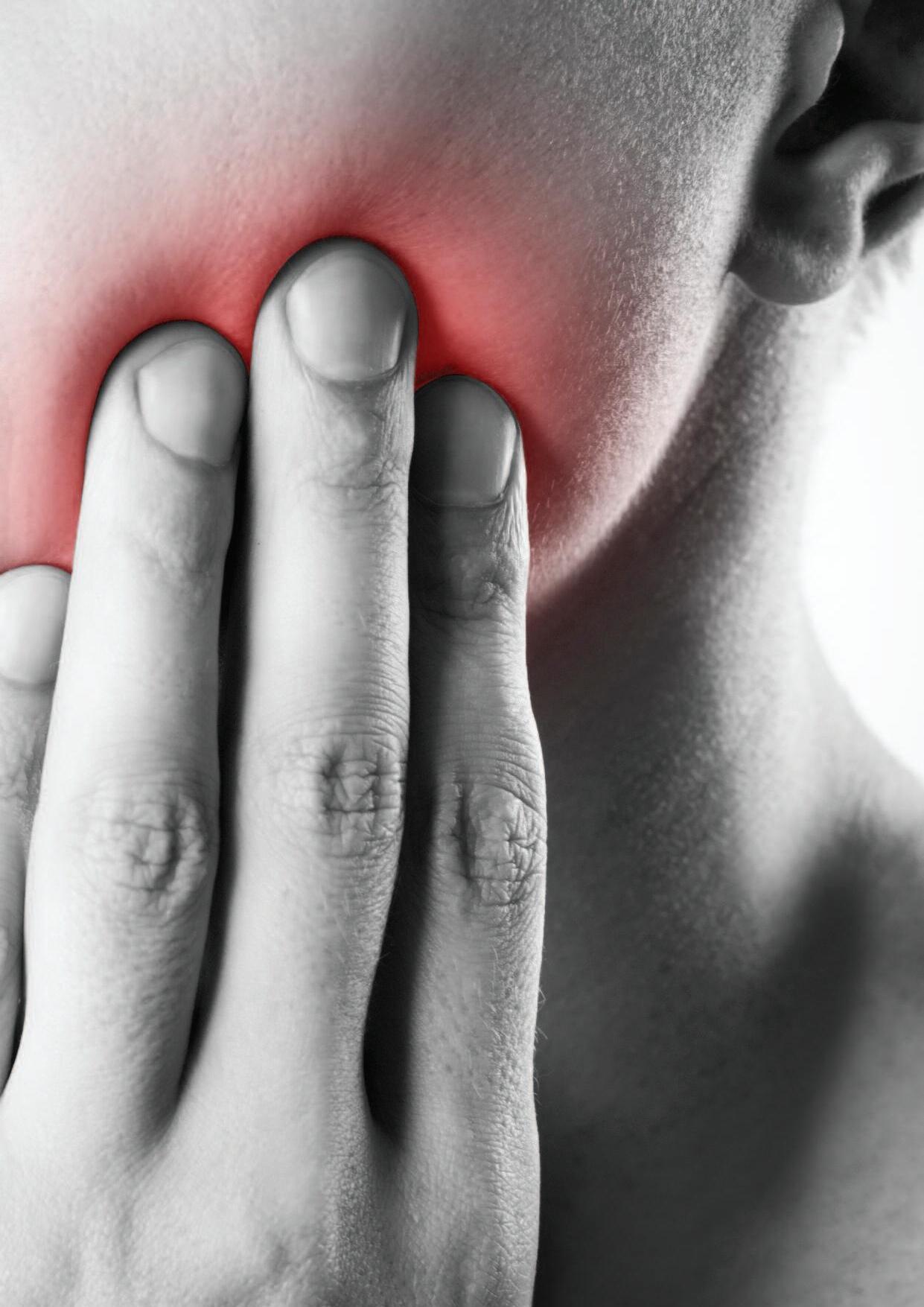

Multiple myeloma pr esenting as mandibular pain


239 PRESIDENT'S NEWS
241 LETTER TO THE EDITOR
242 IDA NEWS
MC announced for Sensitive Dentist Awards
244 QUIZ
244 DIARY OF EVENTS
248 BUSINESS NEWS IDENTEX 2016 report and all the latest business news
253 FEATURE
The Journal catches up with some of 2011's dental graduates
EDITOR Professor Leo F.A. Stassen
FRCS (I), FDSRCS, MA, FTCD, FFSEM, FFDRCSI, FICD
DEPUTY
EDITOR Dr Dermot Canavan BDentSc, MGDS(Edin), MS(UCalif)
EDITORIAL BOARD Dr Iseult Bouarroudj BDS NUI
Dr Michael Crowe BSc BDentSc DPDS (Bristol)
Dr Peter Harrison BDentSc MFD DChDent
Dr Mark Kelly BA BDentSc
Professor Christopher D. Lynch BDS PhD MFDRCSI FDS (RestDent) RCSI FACD FHEA
Ruth Moore RDN, BSc Management & Law, MIA Dip Journalism
Donna Paton RDH
Dr Ioannis Polyzois DMD PhD MDentCh MMedSc
Dr Ciara Scott BDS MFD MDentCh MOrth FFD (RCSI)
Dr Seamus Sharkey BDS NUI FRACDS (Syd) MFDSRCS DChDent (Prosthodontics) FFDRCSI
Dr Simon Wolstencroft BDS FDSRCS MScD MOrth FDSOrth
Irish Dental Association Unit 2 Leopardstown Office Park Sandyford Dublin 18 Tel: +353 1 295 0072 Fax: +353 1 295 0092 www dentist ie Follow us on Facebook (Irish Dental Association) and Twitter (IrishDentists)

Regional meetings seek dentists' views in advance of dental scheme negotiations; Paternity leave; Practice IT policies
264 PRACTICE MANAGEMENT
264 Communicating with the dental laboratory
266 Reducing tax liability
268 Your retirement planning checklist
271 PEER-REVIEWED
271 Focus group methods in dental research
S Curtin, A Trace
276 Multiple myeloma presenting as mandibular pain M Crowley, O Cronin, D Sleeman, J McKenna
279 ABSTRACTS
281 CLASSIFIED
286 MY IDA Dr Clodagh McAllister
IDA PRESIDENT Dr PJ Byrne
IDA CHIEF EXECUTIVE Fintan Hourihan
CO-ORDINATOR Fionnuala O’Brien

The Journal of the Irish Dental Association is the official publication of the Irish Dental Association The opinions expressed in the Journal are, however, those of the authors and cannot be construed as reflecting the Association’s views The editor reserves the right to edit all copy submitted to the Journal Publication of an advertisement does not necessarily imply that the IDA agrees with or supports the claims therein
For advice to authors, please see: www dentist ie/resources/jida/authors jsp
Published on behalf of the IDA by Think Media, 537 NCR, Dublin 1 T: +353 1 856 1166 www thinkmedia ie
EDITORIAL Ann-Marie Hardiman, Paul O’Grady, Colm Quinn
DESIGN/LAYOUT Tony Byrne, Tom Cullen, Niamh Short
ADVERTISING Paul O’Grady paul@thinkmedia ie

Total average net circulation 01/01/15 to 31/12/15: 3,180 copies per issue Circulated to all registered dentists in the Republic of Ireland and Northern Ireland

The new Government seems to be preparing to support dental treatments for the public
The Association has been preparing for its interaction with the Government on this issue
Recent years have been a low point in the provision of State funds to treat the oral health of the population in the Republic of Ireland Many dentists, over many Association meetings, have described the frustration of only being allowed to extract when various treatments for restoration were possible – but unavailable to patients under State schemes The new Minister for Health, Simon Harris, has indicated his intention to review the situation and the Association decided to seek the views of its members in general practice on the issue of State support for dental treatment
The results of those meetings are summarised in the IDA Members’ News section of this edition In general, dentists feel that they can provide a far better quality of treatment, if they are allowed to exercise some judgement Members clearly feel that well-managed, transparent schemes, which allow for preventive treatment, would provide a meaningful improvement to the oral health of the population
This process has armed the Association team (whomever they may be) for the likely talks with the preferences of members This will be very useful in the discussions We now urge the Government to listen to the advice of the Association There seems to be significant merit in the consideration of an open grant-in-aid approach where the Government provides a certain amount of funding The patient can shop around between dentists to see what he or she can get, while the dentist is in a position to advise on what the best treatment is for that particular patient
In the February/March edition this year, we published a supplement on the current state of dental education in the Republic of Ireland It came exactly five years after we published the first one and thus, we have managed to photograph every dental student for a period of ten years It prompted the
idea that it would be worth talking to a few of the first class that graduated after we published the first supplement – the class of 2011 Our journalist Colm Quinn found that they are thriving and that all felt that the quality of their education was excellent
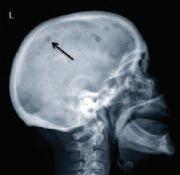
Dr Miriam Crowley and her colleagues present an excellent case report in our peer-reviewed section on a 69-year-old woman who presented with a monthlong history of unilateral pain in her jaw It turned out to be a case of multiple myeloma and it is an important reminder of the potential oral presentations of this disease We are also grateful to Dr Sharon Curtin and her colleague for their paper on the usefulness of focus group methods in dental research
This is the time of year when Revenue deadlines force us to think about issues that some dentists prefer not to have to think about – but it is very important David McCaffrey of MedAccount tells us of the many reliefs available to reduce income tax liability, while John O’Connor of Omega Financial Management delivers a retirement planning checklist that is highly practical Dentists should pay close attention to these matters –and especially at this time of year Ignoring them will lead only to problems and grief!
Congratulations to those dentists that have been nominated by a patient for a Sensitive Dentist award for their care and professionalism I look forward to seeing as many of you as possible in the RDS on December 3, when we will find out who the Sensodyne Sensitive Dentist of the Year is for 2016
Both in and outside of clinical practice, IDA members continue to show their dedication to increasing their skills and providing the best oral care to their patients.
I was delighted to open and appreciate the invitation to speak at the HSE Dental Surgeons Seminar, which was held on October 6 and 7 in the Sheraton Hotel in Athlone Congratulations to the new President of the HSE Dental Surgeons Group, Dr Michaela Dalton, and her organising team for putting together an excellent meeting with a wide variety of lectures on different topics on Thursday and Friday morning, followed by four excellent workshops on Friday on oral radiology, infection control, composites and endodontics All of these, along with the trade show, gave this meeting great scope and showed considerable vision in its planning My first experience of a national meeting was at such a conference in Kilkenny some 36 years ago, where Bill Bowen presented his research on dental caries I was impressed at the time by the warmth of welcome we received at the meeting while I was still an undergraduate Congratulations to the outgoing President, Dr Frances O’Callaghan, who has just completed two terms as President of the HSE Dental Surgeons Group Frances has combined this role with membership of the Board, Council and Executive of the IDA along with her many other commitments It is wonderful to see such commitment and involvement at a national level
While there are huge challenges within the HSE Dental Service at present and for the last number of years in particular, it is heartening to see the commitment on an individual level displayed by the clinicians, in the face of extremely difficult and frustrating circumstances I call on the Minister and the Government to enable the service to tackle the huge problems in our dental and oral health by restoring sufficient staff and resources to deliver particularly the preventive aspects of oral health Very significant problems are being created in the long term for our young patients as well as our most vulnerable members of society, particularly the older patients who suffer significant problems and challenges with their oral health
Submission to the Oireachtas Committee on the Future of Healthcare
Advocacy is a critical priority for the Association and I am pleased that in addition to our pre-Budget submission, we made a comprehensive submission to the Oireachtas Committee on the Future of Healthcare While we make no apology for highlighting the many deficiencies in publicly funded dentistry, we are also conscious of offering solutions and highlighting the huge potential dentists can offer in improving not only oral but also general health

We look forward to addressing the Committee in due course and of course in the meantime we will continue with our schedule of meeting the health spokespersons from the main political parties and continuing our dialogue with the new Minister for Health, Simon Harris, and the Minister for Social Protection, Dr Leo Varadkar
Budget 2017 was in preparation as we went to press and this will certainly offer us an important clue as to the extent to which the new Government is prepared to match the many promises within the Programme for Government with decisions and spending commitments
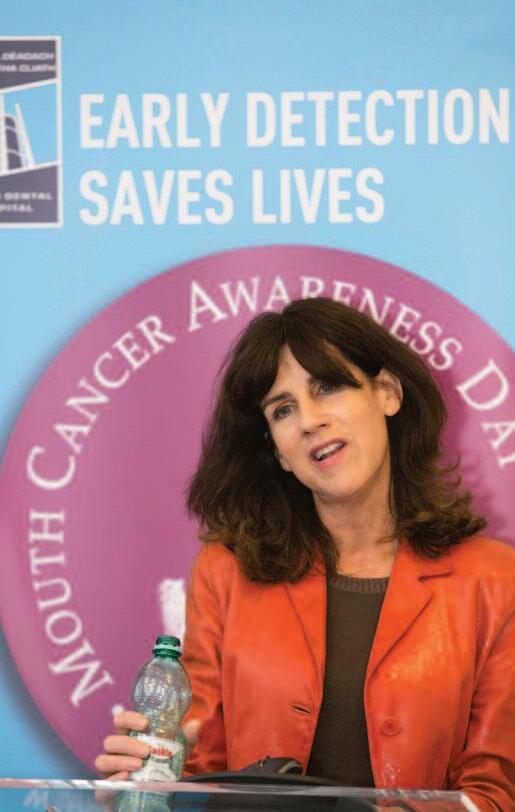
We had Mouth Cancer Awareness Day in September again this year and all those involved are to be congratulated for their dedication and energy in this very important aspect of oral care
It is important for all of us to continue screening every patient as part of our routine practice and to inform our patients that we are doing so
Dear Editor,
We are writing to inform you that the EMI Guidelines have been revised The EMI Guidelines are for the emergency management of injuries such as needlesticks, sexual exposure and human bites, and provide detailed advice on the use of post-exposure prophylaxis (PEP) for HIV and hepatitis B They are available as a user-friendly toolkit from www emitoolkit ie
Summary of changes:
■ revision of recommendations in relation to the need for HIV PEP following exposure to HIV in the setting of effective antiretroviral therapy;
■ inclusion of dolutegravir as an option for HIV PEP;
■ increased emphasis on the management of cases following sexual exposure;
■ inclusion of ulipristal acetate (ellaOne) in the emergency hormonal contraception appendix; and,
■ updated epidemiological information
The revision was carried out by the HPSC Scientific Advisory Committee (SAC) EMI sub-group and the HSE Sexual Health and Crisis Pregnancy Programme
Kind regards,
Dr Lelia Thornton, Dr Fiona Lyons, Specialist in Public Health Medicine, Clinical Lead in Sexual Health, Health Protection Sexual Health and Crisis Surveillance Centre, Pregnancy Programme,
25-27 Middle Gardiner Street, 89-94 Capel Street, Dublin 1 D01 A4A3 Dublin 1 D01 P281
MCR No: 09248

MCR No: 16188


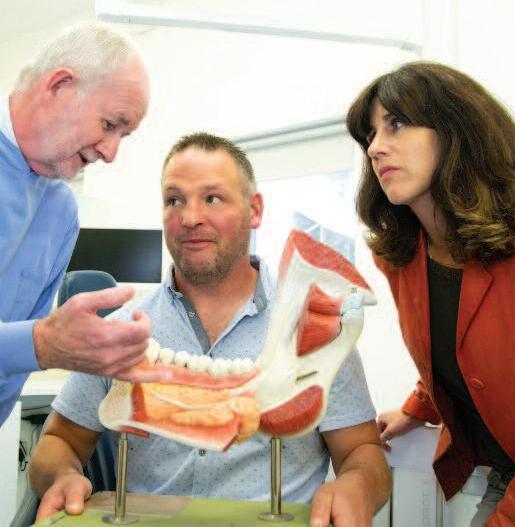
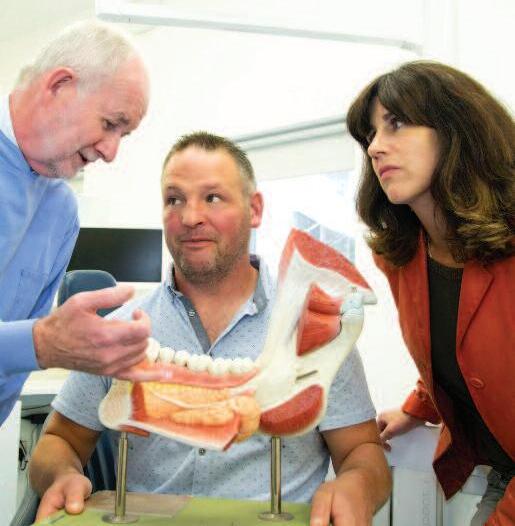
Some 350 dentists participated in this year’s Mouth Cancer Awareness Day ( M C A D ) o n W e d n e s d a y , S e p t e m b e r 2 1 , o f f e r i n g f r e e m
u t h c a n c e r examinations in their surgeries to patients all over the country
Two Irish people die of mouth cancer every week, and the incidence of the disease is rising Early diagnosis and intervention is vital, so this year’s campaign focused on people who may not have been to the dentist in some time, and sought to encourage them to contact participating dentists to receive their free examination
The importance of regular dental checks and timely intervention was emphasised at the MCAD launch on September 13, when speakers, including journalist Emily Hourican and former Olympic boxer Cathal O’Grady, told their stories
Cathal, whose cancer was only diagnosed in May of this year, said he led a healthy lifestyle and was really shocked when he was told the news
“I don’t drink or smoke and lead an active and healthy life so I was really floored when I received the diagnosis It just shows you that while smoking and drinking increase the risks, this disease can strike anyone Thankfully my dentist spotted the lump in my mouth during a regular visit and then she put the arrangements in place for a biopsy and follow-on appointment with the Dublin University Dental School So the disease was caught in its early stages and that’s really important ”
MCAD is a joint initiative by the Irish Dental Association, Irish Cancer Society, Dublin and Cork dental university schools, the Dental Health Foundation and Mouth, Head and Neck Cancer Awareness Ireland
The organisers wish to express their thanks to all of the dentists who participated in MCAD 2016
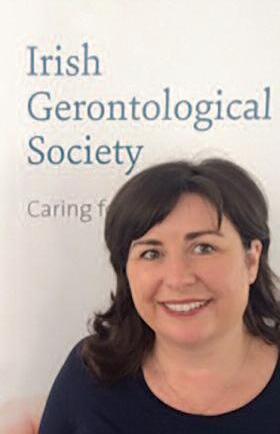
Dr Anne Twomey recently became the first dentist to address the Irish Gerontological Society (IGS) when she spoke at its annual conference in Killarney The Association is seeking to build stronger connections between oral and general health, and Dr Twomey’s invitation arose from a meeting where she and IDA CEO Fintan Hourihan met senior IGS leaders IDA leaders continue to reach out to other professional medical and nursing bodies to educate other health professionals on the importance of oral health for good general health
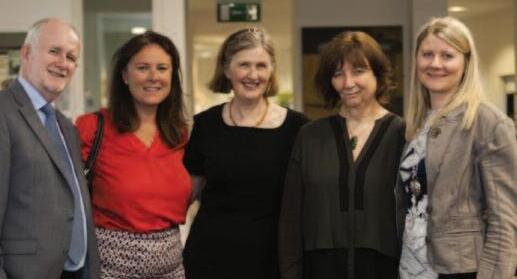
Lia Mills was awarded an Honorary Degree from Trinity College Dublin on June 24, 2016 This award was to mark an outstanding contribution to the development of a campaign to increase awareness about mouth, head and neck cancer in Ireland In 2006, Lia was diagnosed with and treated for mouth cancer She then wrote an account of her experiences and went on to become a co-founder of the Mouth Head Neck Cancer Awareness Ireland (MHNCAI) Group
On Wednesday, June 23, 2016, the Dublin Dental University Hospital held an evening for Lia Many people attended, including cancer survivors, students and staff of the Dental Hospital and Trinity College, and family and friends of Lia’s The Irish Cancer Society, The Irish Dental Association and the Dental Health Foundation were also represented
Many thanks to all who attended, especially to our student helpers on the evening
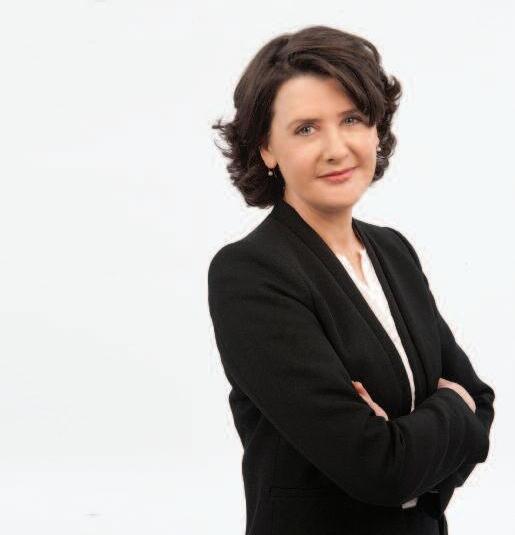
The Irish Dental Association has secured Keelin Shanley to act as MC for this year ' s Sensodyne Sensitive Dentist
o
Awards will take place on
Nominated dentists will be invited to attend
Submitted by FINTAN HOURIHAN, IDA Chief Executive
Questions
1 What is the only agreed probity scheme for DTSS contract holders known as?
2 Can I be subject to probity investigations if I don’t hold a State scheme contract?
3 What should I do to minimise the possibility of probity investigations?
4 What triggers the HSE to target dentists for audit probes?
5 What should you do if you feel your practice is being audited?
Answers on page 267
Concepts in Ceramics, Temporaries and All That Jazz - Irish Academy of Aesthetic Dentistry (IAAD)
Speakers: Dr Basil Mizrahi and Dr Josep Oliva If you would like more information on this meeting, please call 021-494 1810 or email iaad28oct16@gmail com
The number of Irish people with a pension is falling A Central Statistics Office (CSO) survey on pensions showed that between 2008 and 2015, the number of people with a pension fell from 54% to 47% It also revealed that the younger a person is, the less likely they are to have a pension Paul King of Acuvest, which manages the Irish Dentists’ Approved Retirement Savings Scheme, said: “For me, the reasons for not having a pension were fascinating; the most common reason, reported by 39% of people, was that they could not afford a pension I might challenge that and ask: can you afford not to save for the day when you cease to work”? The reason why people don’t have a pension varies, with 22% saying they never got around to organising one, 8% saying they have no intention of ever retiring and 18% saying they have no reason to have one, have another reason for not having one, or that they don’t understand pensions
But King said: “The only understanding required is that you save tax and save for the day when you cease work”
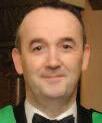
Dr John Marley has been elected as the 18th Dean of the Faculty of Dentistry at the Royal College of Surgeons in Ireland (RCSI) He will assume the role in spring 2017, succeeding Dr John Walsh A native of Belfast, Dr Marley graduated from
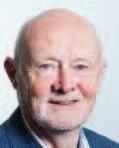
Prof Bernard McCartan has been selected by the Minister for Health as Chairperson of Coru, Ireland’s multi-profession health regulator Prof McCartan is Visiting Professor in Oral Medicine at Trinity College Dublin and was the first director of specialist training in dentistry in Ireland He was formerly a consultant in oral medicine in the Dublin Dental Hospital, Hume Street Hospital and the Blackrock Clinic Coru is comprised of the registration boards for each profession it regulates and the Health and Social Care Professionals’ Council Commenting on his appointment, Prof McCartan said: “I am pleased to be taking on this role at a pivotal time for the work of Coru Independent regulation is critical to protect the public and as a consequence should enhance the professional status and standing of the professionals The public must have confidence in the standard of care they receive from health and social care professionals, and we will ensure high standards of education, training and competence across the professions regulated by Coru”
Queen’s University He is a Fellow of the RCSI and sits on its board, while also holding a Fellowship in Oral Surgery with the Royal College of Surgeons in England (RCS(Eng)) He is a consultant in oral surgery, and Training Programme Director for Oral Surgery in Northern Ireland, and was a member of the board of the Northern Ireland Medical and Dental Training Agency
The top names in the dental trade filled the Citywest Hotel in Dublin for two days in September for IDENTEX 2016
Spread across over 60 stands, dental equipment and services providers vied for the attention of visiting dentists
Alongside the Irish Dental Trade Association’s (IDTA) trade show, the IDA also held its Autumn Meeting of lectures, workshops and hands-on courses This was the third year of the partnership, which brings quality products, services and CPD into the same venue on the same days, enabling dentists to simultaneously keep up to speed with the latest dental knowledge and technology
There were two hands-on courses: one covered endodontics and the other asked ‘Componeers: an alternative to porcelain?’
Dr Lynda Elliot, who provided the endodontics course, gave detailed and wellinformed instruction to dentists Direction was given in making access cavities in molar teeth to enable endodontic treatment and creating glide path access in preparation for NiTi rotary preparations Elliot also imparted other endodontological knowledge gained from her years of experience in the field
In the other hands-on course, Dr Garry Heavey showed participants how to place componeers, the protocol for their placement, how to choose the right cases for the procedure and how to review clinical cases
Two workshops were also held One was a half-day first aid workshop run by Survival Linx, which provided the latest and best information on how to take care of critically ill people in the dental surgery and elsewhere
The other workshop was in infection control and ran three times on the Friday and twice on the Saturday Jointly presented by infection control experts Dr N i c k A r m
professionals on the new Dental Council code of practice for infection control and prevention
Carrigan talked about the need to ensure that your instruments are clean She gave a detailed talk on dealing with contaminated clothes, gloves and instruments, running through the use of ultrasonic baths, washer/disinfectors and how to make sure your instruments are both disinfected properly and stored correctly Dr Armstrong then took over and gave detailed and common sense advice on infection control He explained the different tests, both mandatory and recommended, that can be used to improve a dental practice’s infection control standard He recommended having separate clean and dirty counters in a disinfection room or, if possible, clean and dirty rooms But he also recognised that this is not practical in all dental practices Even if there is only one counter for disinfection procedures, he recommended things like setting a divider between the clean and dirty sides, and if there is an extractor fan, making sure it draws air from the clean side to the dirty side This way contaminates will not be pulled towards clean instruments
All these courses and workshops offered CPD points for those who attended, while there was a Dental Protection risk credit available for those who went to Dr Adrian Millen’s lecture on complaint handling
Identex has been running for over 25 years and once again proved itself to be a highlight of the dental calendar
1
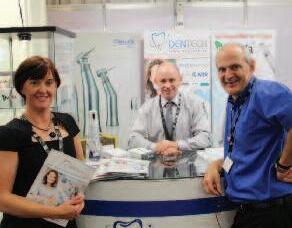
2 Geraldine and Rory Clarke of Dentech, and Pat O’Brien
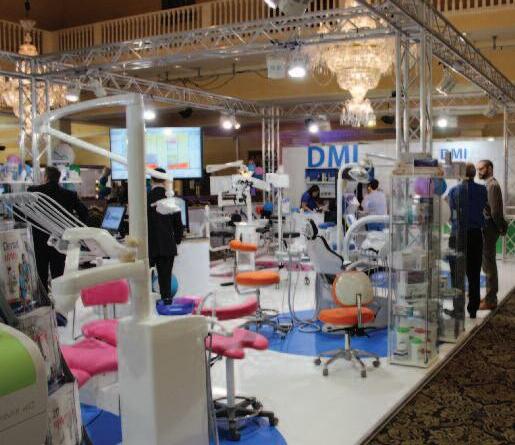
2a The DMI stand
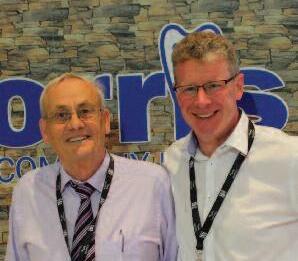
3 Morris Dental – Peter Morris (right) and Andrew Sheeran
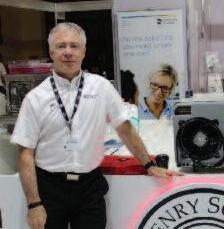
4 Gerry Lavery of Septodont
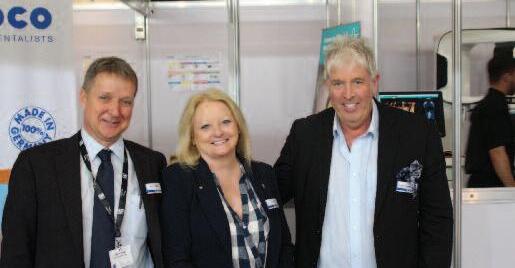
5 Tony O’Toole (left), Lynda Steel and Greg Parmenter of Voco
6 Dr Mary Crossling (right) and Aisling Egan of Listerine
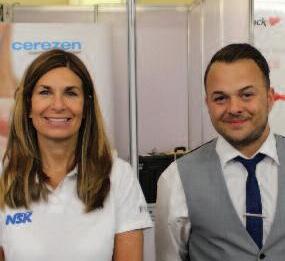
7 Angela Glasgow and Jonathan Singh of NSK
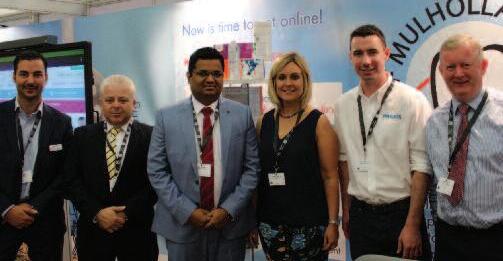
8 On the BF Mulholland stand were (from left): Gary Bond; Mike Connolly; Mikil Baval; Grainne Hutton; Ruairi
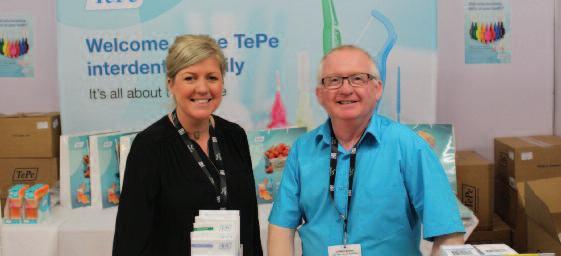
9 Siobhan Kelleher and Dermot Byrne of TePe
Dental supplier Henry Schein is expanding its area of operations by launching a new suite called Business Solutions Through Business Solutions, the company says it
solutions for dental professionals that are designed to improve the daily workflow and management of practices and laboratories
The new Business Solutions offer ways to help dentists in a number of issues such as: overhead reduction; practice a
marketing; practice transitions; consultancy services; and, training services
Pat Bolger, managing director of Henry Schein Ireland, said: “These new solutions will improve clinic and laboratory management to help foster better patient satisfaction and deliver patient care We are working continuously to i
services offered by Business Solutions” F
Business Solutions website at www hsbusinesssolutions ie
Matthias Wolf is Voco’s new Area Manager for the UK and Ireland He takes over from Heinz-Peter Schnicke, who is becoming Sales Manager for all non-European countries Matthias will now be in charge of what Voco calls two important markets in western Europe He is also covering others, including Malta and the south-eastern European markets of Bulgaria, Romania, Croatia, Slovenia, Cyprus and Greece Matthias is a trained banker and worked in the USA in the real estate sector for several years Three years ago, he returned to his homeland of Cuxhaven in Germany, where Voco is based, and s
company He initially worked a
before transferring to sales management Voco says that Matthias brings with him the s
i a l a n d specialist dental experience n
challenges of his new role
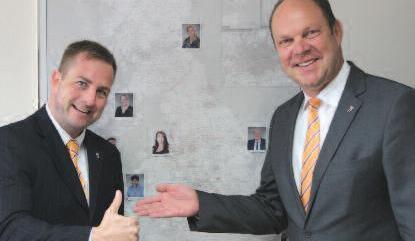
Wolf (left) is replacing Heinz-Peter Schnicke as Area Manager of Voco for the United Kingdom and Ireland
In 2011, the Jour nal of the Irish Dental Association produced a supplement on the two dental schools in the State in Cork and Dublin. Five years later, we talked to some of 2011’s graduates to ask them about their time in university and find out what they’ve been up to since
Sinéad O’Dwyer
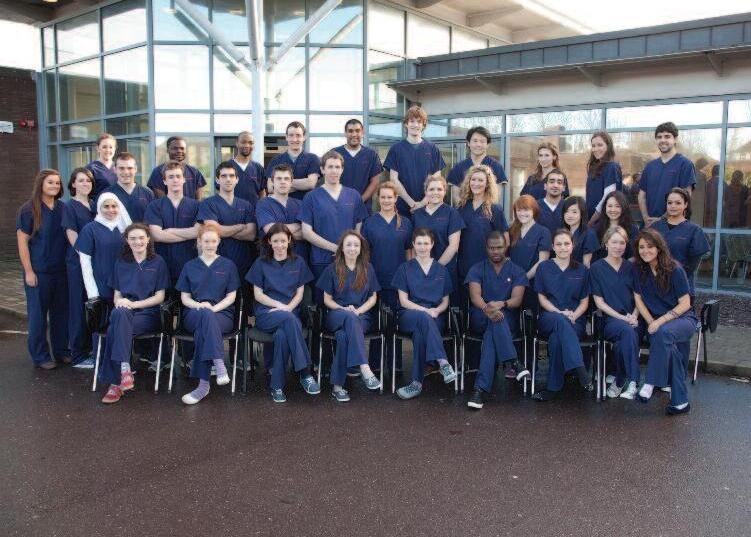
Class of 2011
FRONT: Irene Cullinane; Ailbhe Murphy; Claire Costelloe; Fiona O’Leary; Louise Canny; Otsile Ditlhong; Eliana Hadjiantonis; Stephanie Healy; Mary Sheehan.
MIDDLE: Laura O’Sullivan; Helen Lane; Hessah Al Jiran; Martin Forde; David Finnegan; Cian Lowney; Pat Barry; Eamon Nugent; Sarah McGuckian; Eibhlin O’Donoghue; Sinéad O’Dwyer; Katherine McCarthy; Moubarak Othman; Tsing Tan; Lee Sa Lim; Ciara Maharaj.
BACK: Amanda McLaughlin; Tiyapo Motsamai; Kago Moshoeshoe; Joseph Hanley; Jay Patel; Paul Ryan; Keefe Lim; Jennifer Owens; Kate Horgan; Faisal Madi
Sinéad remembers the “copious amounts” of tea her class used to drink in the canteen and the sense of family in Cork She says there was always a really good atmosphere around the hospital and that she only has good memories of her time Leeside Even when the pressure was on during exam time she says: “When everyone was in it together, it wasn’t that big a deal
Everyone was really supportive and everyone would help each other out I was really lucky in my year because everyone got on so well”
And that friendship has remained with some of the class meeting up for a reunion at Electric Picnic this year Since leaving Cork, Sinéad has worked in the UK, Africa and Australia While in Africa, she worked for a charity called Bridge 2 Aid, which provides dental training to some of the world’s poorest communities
“I worked in Tanzania and you teach clinical officers how to take out teeth, so you’re leaving them with a skill, rather than just going and doing extractions You’re actually teaching the people themselves how to do it ”
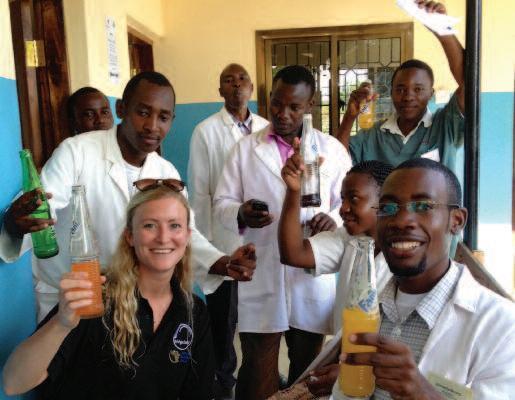
From Africa, she went to Australia and lived in Sydney for two years while working in a combination of private practice and in Sydney Dental Hospital (SDH)
She did some teaching while at SDH and says that teaching keeps you up to date with the latest developments and that teachers progress as dentists as techniques change
More investment in oral health for children is needed she says: “If you learn good habits at the beginning, you’ll have less complications throughout life”
Sinéad is now back in Ireland working as a senior house officer in the Dublin Dental University Hospital (DDUH) and intends to specialise in oral surgery
“It’s nice coming back to Ireland and working at home I had a great experience working abroad; I worked in a number of areas and loved it all but there’s a great sense of warmth about coming home and getting to work at home ”
After graduation, Eamon ended up working in both of Scotland’s major cities, first in Edinburgh, then in Glasgow He worked in a hospital which deals with complex cases such as mouth, head and neck cancers and impacted wisdom teeth He considers this great experience and says he was very lucky to get a chance to work on these cases
Like Sinéad, Eamon also talks about how well the 2011 class got along: “We spent so much time together all of us became really good friends and are still in contact I also met my wife in my class We got married last year and it was great to have so many of our class come back for the wedding”
In Cork, the class also had many contact hours and this meant a close relationship also developed between the students and their tutors Eamon says the students could always ask tutors questions or bring cases to them, which greatly improved their education He says it is a very demanding but rewarding course, and to complete it some of your social life would have to be sacrificed
He praises the high level students are trained to in the school Having worked in the UK, where he met dentists who studied in many different dental schools, he realises how well Cork students are trained
After his time in Scotland, Eamon moved back to Ireland and has settled in Dublin At first, with the recession still going on he was spread working between three practices but now works for just one, Docklands Dental, which he describes as a very modern practice
He would like to teach dentistry someday, but only on a part-time basis as he enjoys practising More needs to be done by the State to help people protect their oral health he says, especially in terms of the PRSI scheme He says that cost is the main thing that puts people off going to the dentist and that more should be done so that people can use their PRSI contributions to pay for dental care, even just basic preventive care He says he sees many patients now who haven’t been to a dentist in five years or more
When Eliana started the dental degree in Cork, she was afraid that being an international student would be a barrier But the Cypriot’s fear evaporated when she was quickly able to adjust and integrate into Irish culture
Because the people were friendly and welcoming, Cork soon felt like home and she says she had a
wonderful five years in the city, making friends for life After graduating from UCC, she went on to complete her foundation training in Birmingham, and is currently trying to fulfil an ambition to provide dental care for children by completing a Professional Doctorate in Paediatric Dentistry at the University of Leeds After this she hopes to split her time between family life and running a paediatric dental practice in Cyprus
Eliana says that dental caries in children is a major public health issue but that it “is completely preventable and therefore more effort should be made on educating the public and raising awareness about the impact of sugary foods and drinks on teeth
“I believe that one way of achieving this is by promoting oral health education, brushing and healthy diet at school”
She praises the high standard of education at Cork, noting the close supervision and extensive clinical training provided by professional and skilful clinicians offering guidance and support to students
She believes the best way forward for her is academia mixed with clinical practice and has already been involved with undergraduate teaching as part of her postgraduate course
Stephanie Healy
independence that comes with the college experience and her hand shaking as she gave her first dental block to a patient She is very happy in her career but when she started the course questioned whether she actually wanted to be a dentist
The first two years of the course were very academic but she says: “As soon as the practical aspect of the course began in third year it all came together and my confidence in my career choice was restored The biggest high was graduating with my BDS and 36 new friends for life”
After graduation, Stephanie too went to the UK There she completed her vocational training and spent a year as a senior house officer in Leeds
She says: “This year was invaluable as it not only gave me experience in oral surgery but exposed me to patients with complicated medical histories, the treatment of oral cancers, facial fractures and facial reconstructions”
From the UK, she went to Sydney, Australia, but returned to Britain to pursue an interest in implant placement and facial aesthetics
Now working as a GDP in Dublin, she enjoys the variety of treatments general practice offers and the patient continuity it involves, and sees h e r s e
dentistry
Agreeing with her classmates, she believes prevention is the way forward and this needs to be started at an early age
She praises the standard of education in Cork and believes the class were very lucky to have small clinical groups and one-on-one training in Cork
One thing she says is that: “Although I had ample restorative exposure I would have liked more access to oral surgery procedures as I found these the most challenging during my first year as a new graduate”
She would also like to pass on her skills someday: “I was lucky to have excellent demonstrators who left a lasting impression on me and laid the foundation for my career I would also love to pass on my enthusiasm and experience to budding young dentists”
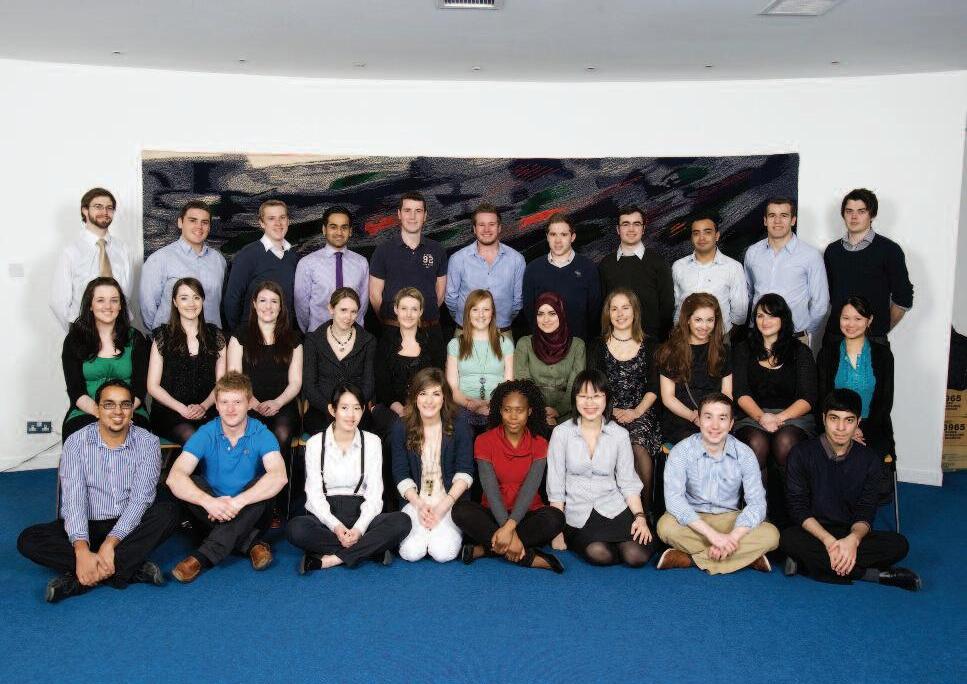
Class of 2011
FRONT: Kapil Matadeen; Mark McLaughlin; Jaclyn Toh; Sinéad-Emily O’Brien; Laone Paphane; Yongxian Teh; Liam McElvanna; Dawud Ahmad.
MIDDLE: Annie O’Connell; Margaret McDevitt; Kellie McConnell; Sarah Brody; Emily Crossan; Aoife McDonnell; Salwa El-Habbash; Jennifer Lawson; Jane Stokes; Ciara Cunniffe; Pik Gah Lee.
MISSING: Chloe Kassis-Crowe; Simone Kelly; Susan O’Connell; John Reidy.
BACK: Daneil Lenouvel; Ross Flannery; Richard Flynn; Mujtaba Hussain Lakho; Michael McCarthy; Greg Creavin; Stephen Kelly; Brian O’Donovan; Manas Malkan; Ryan McConville; Matthew McPolin.
Mark McLaughlin
Mark left and then returned to the DDUH by almost the same route After graduation, he moved north to Belfast where he spent a year in general practice and another in the local oral and maxillofacial surgery unit
After that he crossed the sea to Scotland and spent a year working in the restorative department of Glasgow Dental Hospital He then spun on his heels and returned to Belfast for another year in general practice, before coming back to Dublin to begin postgraduate study
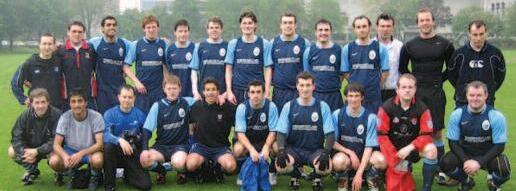
Mark has fond memories of his time as an undergraduate He says a couple of the high points were definitely the two occasions when the dental team won the Trinity Cup, a football tournament between different teams in the college
Mark says the nights out after those games were always fun
His low points will be familiar to a lot of dental students, mentioning studying for exams and a patient not turning up for his competency exam
But he’s still decided to start student life again and is in the second of three years of a postgraduate qualification in periodontics After this, he hopes to work in a practice limited to periodontics
“I think our dental education in Dublin, and in Cork, is of the highest standard around, given the fact that our schools are quite small I think that’s a major advantage It gives the students really good clinical training and a good ratio of students to clinical teachers ”
Prevention is key to his message to politicians: “Any policy to improve oral health would have to begin with education and prevention They’re definitely the most important things I think we need the education just to encourage people to take responsibility for their own oral care at home and to attend regular check-ups”
He thinks that with the rise of social media, it’s easier to promote healthier lifestyles and that people are interested and more willing to make improvements in their overall well-being nowadays

Sinéad says that one of the major advantages of doing dentistry in Trinity was that: “As a relatively small class and quite an intense course, you spend a lot of time with your classmates and make lifelong friends”
She remembers one of the main highlights of her time in college being an elective she took with some of those friends where they went to Vietnam
Like a lot of alumni from around those years, after she graduated she headed abroad Firstly, she went to America to visit family before heading to Australia for work There, she spent three years in private practice in Cairns, a city known as the gateway to the Great Barrier Reef, while also working part-time as a clinical supervisor in the dental school at James Cook University
In 2014, she returned to Ireland and began working in the oral and maxillofacial surgery department of Galway University Hospital, which she s a y s w
membership exams for the Royal College of Surgeons in Ireland (RCSI) She has since returned to the DDUH and completed a senior house officer year
Colm Quinn Journalist and Sub-Editor at Think Media Ltd
in paediatric dentistry, and has just started a three-year clinical doctorate in orthodontics: “I see myself working as a specialist orthodontist, ideally working in a hospital setting”
She believes like so many of her peers that to improve oral health, governments need to encourage people to start looking after it from a young age She would like early intervention to be introduced as Government policy:
“The age one dental visit would make a huge difference and encourage oral hygiene and diet education and ultimately prevention from an early age, which in the long term would be extremely cost effective”
Sinéad repeated two things her peers have already said:
1) working in another country showed her that her dental training was right up there with the international standard; and,
2) teaching is an important part of being a good dentist
She says: “I am currently taking a session as tutor for undergraduate problem-based learning tutorials and find it very enjoyable”

Salwa believes the variety and frequency of clinics she undertook during her time as an undergraduate prepared her well for general practice and would like to pass on that knowledge to future students
The first year after she graduated from the DDUH, she ended up back there working as a junior house officer: “It was a great way to ease oneself into working life with the comforts of having the support of a large team It also enabled me to sit my MFD exams”
Her decision to stay at home in Ireland after graduating came as most of her classmates were leaving to gain experience abroad because of the recession
But Salwa managed to make a good start to her career without having to emigrate: “After the year as a junior house officer in the DDUH I locumed in different practices while managing to get some travel done in between I finally settled down in a practice and decided it was time to return to the DDUH as I was starting to miss it”!
Of her time in college she says: “The friendships made over the five years as an undergrad would have to be one of my best memories You can’t go through five years of laughs, stress and tears and not have a unique bond!
I was also quite fond of Friday afternoon clinics with Dr Paddy Beausang, where we would get pep talks after clinics and get some real life advice before being set free from the DDUH and into the real world”
Now firmly in the real world, she is working in a general practice in Grand Canal Square in Dublin, her main area being restorative dentistry She also works in the DDUH part-time as a student clinical supervisor
She says teaching “is something I am passionate about and hope to progress in It is a pleasure for me to be getting a taste of it through my supervision and tutorial sessions in the DDUH”
For the future she says: “In five years’ time I hope to be enrolled in and almost finished specialist training in orthodontics I also hope to see more of the world and potentially work abroad for some time”
She thinks more should be done in schools if we are to improve oral health in the country: “Trained oral health educators (hygienists/nurses) should be visiting schools and providing students with oral hygiene advice, dietary advice and general advice relevant to dental disease”
should have effective procedures in place to ensure the safety of everybody involved The efficacy of a reciprocal arrangement like this can only be ensured if there is an effective level of communication between the parties involved
The patient’s name and that of the referring practice usually identify individual cases of laboratory work While it is uncommon for technicians to discuss cases by name outside their place of work, it is worth recognising the potential for a breach of patient confidentiality and discussing it with the laboratory to agree a protocol For example, some practices use a unique identifier to anonymise patient names
Having selected a dental laboratory based on the quality of their work, reliability and the standard of infection control measures, the laboratory can reasonably expect similar attention to detail from the practice in return It is then only a short step to writing down the existing protocols in the surgery and establishing reciprocity in the laboratory Once these two sets of procedures dovetail with each other, they become pivotal to the contract between laboratory and surgery
Other sections of the contract may deal with confidentiality, audit of the
quality issues relating to the product delivered from the practice, and quality of impressions submitted to the laboratory
A contract can engender mutual respect and most colleagues would agree that establishing a good rapport at the start goes a long way towards eliminating costly remakes and fruitless blame apportionment The 1-10-100 Rule proposed by G Labovitz and Y Chang1 illustrates the importance of focusing on early detection of failure in preference to corrective measures later As a broad principle, the same rule can be applied to laboratory work An inaccurate impression can be retaken in a matter of minutes and usually at minimal cost If it is sent to the laboratory and a new impression is requested, the cost to the practice will be 10 times more by the time the patient has been recalled and a new impression taken Failure to detect and remedy the failure at both stages may result in a remake and the cost of the time and fee for that remake may be 100 times more compared to the remedy at the first stage of the process These numbers are not to be taken literally, but certainly provide an indication of the additional costs that can be saved
1 Labovitz, G , Chang, Y , et al Tough questions senior managers in health care should be asking about quality International Journal of Health Care Quality Assurance 1988; 1 (2): 12-14
A number of tax reliefs are available to help reduce income tax liabilities for individuals, both employees and the self-employed
Over the last number of years Revenue has curtailed many of the options available to reduce income tax but there are still many reliefs available, which can help you to significantly reduce your income tax burden
Firstly, let’s look at some of the reliefs available, which people may be entitled to but which are often forgotten on income tax returns It is worth noting that millions of euro remain unclaimed by taxpayers each year and that if you feel that you have a number of years of unclaimed tax credits, you are entitled to go back and claim for the previous four years
Tax relief at the standard rate of 20% may be claimed on medical expenses not reimbursed by insurance providers The types of medical expenses that can be claimed are:
■ qualifying medical expenses, e g , p the advice of a qualifying practition
■ d r u g s o r m e d i c i n e s p r e s c r i b e d registered doctor; and, ■ qualifying dental expenditure, whic must be accompanied by a Form Med 2
Relief at the marginal rate of tax
(41% for anyone paying the higher rate of tax) is available on payments made to a nursing home for the fulltime care of an individual
Tuition fees
Tuition fees qualify for a deduction aga your income tax liability at the 20% ra deduction may be claimed on the acade w h i c h t h e f e e s a r e p a i d , i n c l u d i n g contribution The maximum relief av respect of each course and certain postgraduate courses Relief may also be claimed for certain training courses in the areas of information technology and foreign languages, with relief applying to fees paid from ¤315 to a maximum of ¤1,270 per student
If you are jointly assessed and you or your spouse/civil partner is a home carer, you may be entitled to claim a Home Carer Tax Credit in the amount of ¤810 The credit may be claimed if care is provided for:
■ a child for whom you are entitled to claim Child Benefit;
■ a person who is permanently incapacitated by reason of mental or physical infirmity and such person normally resides with you for the year; or,
■ a person aged 65 or over
Tax relief can be claimed if you employ an individual to care for an incapacitated person This relief cannot be claimed in conjunction nt Relative Tax Credit or the Incapacitated edit The relief to be claimed is the cost of g the carer, subject to a maximum of 00, less any amounts recovered from a lth or local tax authority

Maintenance payments T
enforceable arrangement for the benefit of the spouse or civil partner Relief is not granted on payments for children
f you have a covenant in place in favour of permanently incapacitated minor, other your own child, where the recipient is 18 years and unmarried, unrestricted relief ranted against your income tax liability a v
tated adults, with restricted relief available on covenants in favour of adults aged 65 and over
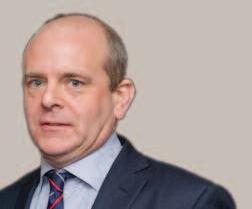
David McCaffrey MBS ACMA (GCMA) AITI (CTA)
David is a partner with specialist dental
accounting practice MedAccount
If you are renting accommodation privately, you may be eligible for tax relief on part of your rent You can only claim this relief if you were already renting at December 7, 2010 If you were not renting on that date and you subsequently entered into a rental agreement, you will not be able to claim tax relief on your rent However, if you were renting at December 7, 2010 you will continue to qualify for this relief even if you enter a different rental agreement after that date The relief is being phased out and 2017 will be its last year Only the rent for private rented accommodation that you use as your sole or main residence will qualify for tax relief The maximum relief available is ¤400 for a couple if under 55 years of age or ¤800 if over 55 years of age
Investment or incentive type reliefs
The main forms of relief are Employment and Investment Incentives (EII), formerly the Business Expansion Scheme, Film Relief, and those available on personal pensions and personal retirement savings accounts (PRSAs)
Tax relief benefits of a personal pension or PRSA
1 Relief for the contributions you make
Tax relief is available for contributions to approved personal pension schemes for annual earnings of under ¤115,000 The tax relief becomes more generous as you get older, helping to increase the overall value of your investment
2. Tax-free growth on your investment
The contributions you make to your pension fund are exempt from Irish tax, meaning you will be able to re-invest non-taxed returns into your fund to generate higher future returns
3. Tax-free lump sum upon retirement
According to current personal pension and PRSA rules, upon retirement you are allowed to withdraw up to 25% of your accumulated fund tax free (within a limit of ¤200,000) You can use the remainder to purchase an annuity or keep it invested in your PRSA or approved retirement fund (ARF)
Tax relief on pension contributions
The tax relief you are entitled to with a personal pension/PRSA is age related
The older you get the more tax relief you gain Table 1 will help you to work out your tax relief entitlements
Table 1: Tax relief amounts by age for those with personal pensions/PRSAs Age
Questions on page 244
1 The Examining Dentist scheme
2 Yes, all third-party schemes have some form of probity, which can require dentists’ co-operation
3 i) Ensure you have good clinical contemporaneous records
ii) Computerised records – fill in treatment details before the next patient is seen
iii) Record prescribed drug(s) and prescription number on the clinical chart
If you are employed and are part of an occupational pension scheme (the GMS Superannuation Scheme is included), it is important that you contact your financial adviser/accountant to determine how much you may invest into each pension scheme as investment into an occupational pension scheme takes priority over personal pension plans
The Employment and Investment Incentive (EII) is a tax relief incentive scheme that provides tax relief for investment in certain corporate trades The scheme allows an individual investor to obtain income tax relief on investments up to a maximum of ¤150,000 Relief is initially available to an individual at 30%
A further 11% tax relief will be available where it has been proven that employment levels have increased at the company at the end of the holding period (three years) or where evidence is provided that the company used the capital raised for expenditure on research and development This additional 11% will not be subject to the high earners’ restriction
An investor who cannot obtain relief on all his/her investment in a year of assessment, either because his/her investment exceeds the maximum of ¤150,000 or his/her income in that year is insufficient to absorb all of it, can carry forward the unrelieved amount into following years
This scheme is available to the majority of small- and medium-sized trading companies but as with all investments, careful consideration should be given to where your investment is directed
Section 481 of the Taxes Consolidation Act 1997 (S481) is designed to promote investment in film production companies and provides relief for qualifying individuals and companies for relevant investment in qualifying film production companies
Under S481 an individual taxpayer may subscribe for up to ¤50,000 in shares in a qualifying film company in respect of the tax year in which the investment is made 100% of the amount subscribed is available as a deduction from the investor’s total income, thereby eliminating the tax liability on this amount
Before making an investment into any of the above schemes it is important that you speak to your financial adviser to ensure that the investment is right for you
iv) Surgical extractions – ensure you record greater details such as crown/root fracture, root division and bone removal, etc It’s always beneficial to have a radiograph
4 We can’t be certain but we believe that dentists are selected arising from: complaints received from patients or other dentists;
• HSE statistical analysis of claims submitted; and,
• analysis of prescription records
5 i) Get professional advice
ii) Contact the IDA immediately
iii) Contact your defence organisation
iv) Seek advice from trusted advisers
v) Comply with requests for the provision of records
vi) Brief practice staff
vii) Prepare to deal with patient queries
There are many things you can do to maximise your pension pot and ensure a comfortable retirement
Having a million Euro retirement fund is a dream for many people Making that dream come true requires some serious effort and hard work While success is never a sure thing, the following steps will go a long way towards helping you to achieve your retirement objectives
1 Have a plan
Nobody plans to fail, but plenty of people fail to plan This is a much-used cliché, but unfortunately it is true! Planning is crucial to having a successful outcome to any given situation Tipperary didn’t win the All-Ireland Hurling Final by just turning up for matches The months and months of preparation and planning that went into executing what they did demonstrates the importance of having a plan
2 Don’t delay, start today
The dentists with the most successful pension funds at retirement are the ones who start saving the earliest Why? Well, I would say it is because they see the funds grow and become more and more enthused by the level of savings they have and are keen to keep it up Dentists who contribute every year from their mid-twenties can often have 250k to 300k in their fund at age 40 Of that, possibly 100k-120k is tax savings! Should they continue to save throughout their careers, their funds will reach a very healthy figure by the time they can access them at age 60
3. Get real ... returns
Studies have shown that the majority of the returns generated by an investment are dictated by the asset allocation decision If you are looking to grow your wealth over time, bonds aren’t likely to get the job done, and inflation can take a big chunk out of your savings Investing in equities entails more risk, but is also statistically likely to lead to greater returns For many of us, it’s a risk we have to take if we want to see our wealth grow A financial broker can help you to decipher your comfort levels of risk through consultation and questionnaires You will also learn about asset allocation strategies – how to select the right mix of assets to suit your personal investment strategy
4. Prepare for rainy days
Part of long-term planning involves accepting the idea that setbacks will occur
If you are not prepared, these setbacks can put a stop to your savings efforts
While you can’t avoid all the bumps in the road, you can prepare in advance to mitigate the damage they can do
5 Save more, save often
As your business year progresses be sure to put money aside for your pension as well as your tax For most dentists, 40% of what they contribute to their retirement savings is tax So as the year progresses and you put money aside for your year-end tax, be sure to also put it aside for your pension It seems to me to make much more sense to keep it for yourself rather than giving it to the Revenue Commissioners!
6 Monitor your fund
There’s no need to obsess over every movement in the stock markets Instead, check your retirement fund regularly and make a point of putting time in your diary to meet with your financial broker to have this discussion It might be a case that you have to rebalance the assets in your portfolio to keep your plan on track and your financial broker can help you to make this assessment
7. Maximise your contributions
As you get older the amount that you can contribute tax effectively to a pension plan increases, so much so that once you hit 60 you can contribute 40% of your earnings to a pension plan So take advantage of this opportunity and make sure that you maximise the amount you are putting into your pension Remember, this is one of the most tax-effective ways of saving, so don’t let this chance to save get away
8. Review, review, review
The closer you get to the day of your retirement, the more important it will become to see if your retirement plan is still on track This may necessitate meeting with your adviser on a more regular basis, maybe every three or six months When you are so close to retiring, it does not make sense to neglect what will probably be your most important asset after your home
9. Have patience
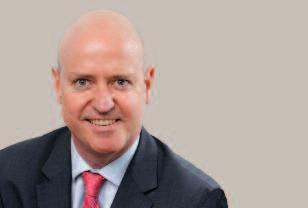
John O’Connor
John is Managing Director of Omega Financial Management
‘Get rich quick’ schemes are usually just that – schemes! The power of compounding takes time, so invest early, invest often and accept that the road to riches is often long and slow With that in mind, the sooner you get started, the better your odds of achieving your goals And as William Shakespeare once said: “Wisely and slow; they stumble that run fast”
While these steps can serve as a useful guide to help you plan for your retirement, it is important that you always seek independent financial advice when looking at your retirement planning needs
Table 1: Level 1 search strategy.
Concept 1
Focus group/s
In the article, title or key words
Date range: 2004-2013
Document type: article, or review
Not physical science
Life health, social science, and humanities
80,337 articles
Concept 2
Method, methodology, research method, qualitative research
In the article, title or key words
Date range 2004-2013
Document type: article or review
Not physical science
Life health, social science, and humanities
7,704 articles
literature, there is now a need for research to explore and identify the applicability of focus group methods to dentistry This integrative review, based on a five-stage process,13 seeks to begin this process of exploration The review process involved is rigorous, and draws on qualitative methods such as constant comparison, so as to enhance analysis and the synthesising of results
Method
The integrative review followed the five-stage method as outlined by Whittemore and Knafl 13
1 Problem identification
The purpose of this review is to explore the beneficial use of focus group methods as applied to dentistry
2 Literature search
The specific focus on the search is on focus group methods as applied to dentistry
Level 1: search strategy
First, key words were selected that related to both focus groups (concept 1) and to method (concept 2) SciVerse ‘Scopus’ was the search engine used, as it draws on a wide range of journals Only peer-reviewed publications from a substantial period (2004 to 2013) were considered because this elicited the greatest proportional relevant articles Any articles published in the physical science area were excluded from the search, as these were not relevant to dentistry This combined Scopus search (concept 1 and 2) generated 1,394 articles Second, limits were then applied to the combined search Thus, only articles related to dentistry were included Sixteen articles in all were hand reviewed to assess relevance The result of the Level 1 integrative review search was that five articles were deemed relevant (Table 1)
Level 2: additional search strategy
We hand-reviewed the references in the five main articles (Level 1 search strategy) so as to include only the articles dealing with focus group methods as applied to dentistry (one was deemed relevant14) This article was added to the five already identified by the integrative review (Level 1 search), making a total of six articles
Combined search concepts 1 and 2
1,394 articles
Combined search with limits applied
Limited to dentistry
16 articles
5 relevant articles included in review (Level 1 search strategy)
3 Data evaluation
Six theoretical articles formed the basis of this review, as they appraised the methodological issues in conducting focus groups applied to dentistry; no empirical articles reviewing focus group methodology were found The Level 1 eligible primary sources were reviewed before the Level 2 articles No other criteria were applied because of the limited number of articles obtained However, it is interesting to note that from the 11 articles that were excluded from the integrative review (Table 1), focus group methods had been used in relation to the following areas: examiners’ views of the use of intra-oral photographs to detect dental caries; delivery of oral health information; parents’ perceptions of oral health; professional career choice in dentistry; c l i n i c a l t e a c h i n g ( p
influencing or preventing engagement) Furthermore, the use of focus groups in these studies was as a single focus group method (four studies), a mixed method (four studies), or a mixed qualitative method (three studies)
4 Data analysis
A thematic analysis using the constant comparison method was used This method involves the researcher comparing similarity and contrasting difference in the data at the level of interview, statement or theme, to identify the main themes in the five articles (Level 1 eligible primary sources) Once themes were identified from the Level 1 search, the one article from the Level 2 search was incorporated
5 P resentation
Key themes that emerged from the thematic analysis were displayed in a table format
Results
From the thematic analysis, three key themes and sub-themes were identified (Table 2)
Theme 1: different focus group methods
Focus groups are categorised as a type of group research method However, it is important to identify and acknowledge how the method differs from other group methods, such as leaderless, nominal group technique, brainstorming, Delphi technique, or panel Doing so will generate a greater understanding of what focus group methods can achieve
Table 2: Integrative review of focus group methodology: themes
Theme 1
Themes
Complexity of the focus group method
Theme 2 Benefits of focus group
Sub-themes
Varies from other group methods
Myriad of focus group designs
Applications for dentistry
Authors
Ayala et al , 201115; Stewart and Gill et al , 200816; Edmunds and Brown, 201217
Brodani, 200814; Ayala et al , 201115; Stewart and Gill, 200816; Edmunds and Brown, 201217; Gill et al , 200818
Brodani, 200814; Edmunds and Brown, research for dentistry 201217; Gill et al , 200818; Nelson et al , 200919
Benefits for dentistry and Brodani, 200814; Ayala et al , healthcare research 201115; Stewart and Gill, 200816; Edmunds and Brown, 201217; Gill et al , 200818; Nelson, 200919
Theme 3 Quality controls
Advance preparation
Moderator as skilled expert
Credibility/trustworthiness
Focus group methods can elicit an understanding of a topic for the purpose of research, and thus they are data oriented in their emphasis, needing to be moderated by a facilitator(s), as compared, for example, to a leaderless discussion group, in which the main focus is on group dynamics Focus groups are based on group discussion, and may be influenced by group dynamics, whereas in the nominal group technique the participants do not interact directly, but are individually interviewed, after which their feedback is shared with the other participants Focus groups usually employ a face-to-face technique, which allows for all participants to interact with each other, under the guidance of the facilitator(s), who can help to explore contrary opinions or new areas of understanding, and can help to enlarge the picture of the topic In contrast, the group interview process is one in which the participants interact individually with the interviewer Furthermore, the focus group discussion has generally a wider focus on the participants’ views, experiences, beliefs and values, in contrast, for example, to the Delphi technique, which has a very specific focus: that of predicting trends by a panel of experts Focus groups can involve collective brainstorming, but the main goal is not exclusively to identify new ideas or solutions; it may also involve understanding the experiences and views of the participants The panel series design is a variation on focus group methods, which requires the participants (e g , individuals, dyads, families) to attend several sequential focus group meetings This may extract richer data than the traditional focus group method, and be more cost-effective, as fewer participants are required Not only do focus group methods vary from other group methods, they have their own internal variations, which need to be considered
Myriad of focus group designs
Focus group methods can have a stand-alone or a multi-method approach The benefit of the stand-alone approach, where no other qualitative or quantitative method is added, is that it can increase insight into the group’s norms, meanings and processes However, to facilitate this approach, exercises, vignettes, and games can be useful in order to help group adhesion Exercises and games can encourage engagement and dialogue, and vignettes can help cohorts from diverse backgrounds to discuss sensitive and/or personal issues Furthermore, vignettes can allow the
Ayala et al , 201115; Edmunds et al , 201217; Gill et al , 200818; Brodani, 200814
Edmunds and Brown, 201217; Gill et al , 200818; Brodani et al , 200814
Ayala et al , 201115; Gill et al , 200818; Brodani et al , 200814
participants to distance themselves from a sensitive topic (e g , when recording dentists’ opinions about dental negligence and abuse20), and so be able to express their opinions on the sensitive matter without feeling personally exposed A recent technique, photo-voice, could also be used so as to provide understanding, given that the technique can enhance group discussion through the use of photographs
Focus group methods can be a useful adjunct to other data collection methods, whether quantitative (e g , questionnaires and surveys) or qualitative (e g , individual interviews) are employed In regards to enhancing quantitative research, focus group methods can be used to: explore the meaning of quantitative data in more detail; explore data that is conflicting or unexpected; evaluate participants’ perception and/or acceptance of programmes and interventions; and, develop hypotheses in newly emerged or under-researched areas Furthermore, focus group methods can enhance both of the methodologies by helping to clarify, extend, qualify, or challenge what has been found Their benefits extend to many healthcare areas, including dentistry
Focus group methods have been used in dental research on a diverse range of topics, such as: patients’ views; patients’ and clinicians’ views, and evaluation of dental services; attitudes and views of the dental profession and dental education; and, perceptions of oral health by various groups of people such as drug users, ethnic minorities, children, and people with special needs
Focus group methods can generate a rich source of data on subjective and personal views, attitudes, knowledge, experiences, understanding, and beliefs As they are group methods, their strength is in collating collective views, meanings and perspectives, as well as emphasising conflicting, supporting or alternative points of view Furthermore, they can bring about a ‘synergistic effect’, as issues and solutions to a problem can be brainstormed by the group In addition, focus group methods, as compared to other qualitative data collection methods, are more cost-effective in terms of time and resources They are valuable also as the initial step in research, for example, when designing health interventions or when establishing acceptable procedure for these interventions
Theme 3: ensuring quality
A Advance preparation
In order to get the full benefit of focus group methods, there is a need for advance reviewing and planning A number of considerations need to be taken into account here, including factors such as the composition of the focus group, the interview schedule, the recording devices, and environmental considerations In regards to composition, the time allocation is generally an hour to an hour-and-a-half for the focus group discussion The size of focus groups varies, ranging from a minimum of four to a maximum of 14 participants, with the optimal number being between six and eight A rule of thumb would be to over-recruit so as to ensure that there is an optimal number of participants, and to circumvent the effect of any cancellations If the group is too small, there is a risk of a limited discussion and/or of a discussion being dominated by one or two individuals However, large groups can also have risks, both for participants and facilitators, in that such groups can be hard to manage, even chaotic at times, and may lead to participant frustration at inadequate speaking time Generally, it has been recommended to run at least two focus groups per topic Also, the age, sex, and professional status of the group need to be given due consideration Whether or not the participants know each other is an important consideration here as the dynamics between a pre-existing or a stranger group will differ For the facilitator, the advantages of an established, pre-existing group is that recruitment is easier, the group is likely to interact well and may find it easier to disclose sensitive issues From the participants’ perspective there is a familiarity and comfort with the other group members However, some of the researchers suggest that disclosure may be easier in a stranger group, as strangers are less likely to be probed or challenged Another important consideration is whether the group should be homogenous or heterogeneous The benefit of the homogenous group is that it can generate more open discussion, especially if the members are unfamiliar with each other This is especially true in relation to gender and ethnicity as it creates a more comfortable environment, particularly when sensitive topics need to be explored Moreover, homogenous groups can be used for case control comparisons between groups The strength of the heterogeneous group is that it provides insight into individual differences
B) Preparing the interview schedule
In this case a step-by-step question guide is essential, and should be done in advance by the researcher and/or facilitator Prior to the write-up of the interview schedule it is vital to refine the research objectives The key principles involved here are: to order the questions in terms of their importance to the research agenda, moving from general to more specific or more sensitive; and, to restrict the number of predetermined questions to 12, because the focus of a semi-structured interview is to elicit rich data from the participants Furthermore, at the initial stages it is worth considering the benefit that group rapport exercises and/or introductory questions may contribute
C) Recording devices
The recording devices can be either audio or video, and should be of high quality, which can be helped by having an external microphone to capture the variation of pitch and tone in speakers’ voices They provide accurate recordings, which can be transcribed verbatim The observer’s notes will not provide as full and accurate an account In particular, videos can capture non-verbal post-hoc data However, they can be conspicuous and this can affect the naturalness of the group’s behaviour
Finally, in regards to environmental factors, the researchers should select an accessible, private and central location, which can facilitate attendance and participation
D) Facilitator as skilled expert
Facilitation of the focus group process is quite complex and thus a skilled expert is needed here A theoretical understanding of group dynamics, along with good communication and facilitation skills, is needed to help actively engage all the participants in this group discussion, thus enhancing the opportunity for richer data At the same time, the facilitator needs to be mindful of any ethical issues that may arise Knowledge of group dynamics, including power issues, provides a strong understanding for the facilitator about what might happen and how to intervene As well as a theoretical understanding, the skilled facilitator needs to have the requisite communication skills in order to help stimulate interaction, build rapport, and encourage participant engagement
They also need to keep a watchful eye that the group discussion doesn’t wander too far from the topic being discussed and, if needed, to gently but firmly nudge the discussion back on track A blend of skills is needed, for example the skill of asking open-ended questions to encourage discussion At times, however, the facilitator may need to use closed questions so as to obtain very specific information, or to seek clarification Furthermore, the facilitator needs to be able to probe and respond, while also being respectful and empathic to the participants Being able to challenge is a crucial skill to help prevent the discussion being dominated by one individual For example, the facilitator may need to challenge a ‘ power talker’ who could sway the expressed view of the group, and thus ensure that all participants have ample opportunity to contribute, allowing differences of opinion to be discussed fairly, and reticent participants to be encouraged
However, it is important to recognise that the facilitator role is to moderate, not participate, and to support, not to lead group discussion Furthermore, the facilitator must be able to handle views that they might personally find unpalatable in that they conflict with their own research interest It is also noteworthy that the facilitator’s individual characteristics have a role to play; not all facilitators work well with all groups The selection of a facilitator who has previous experience with the group may help to develop trust among members who are then more likely to contribute to the group discussion On the other hand, familiarity with the group participants can also inhibit discussion for a variety of reasons
It is crucial that the facilitator should have a good awareness of ethical issues A key factor here is that participants be fully informed about the research before the focus group begins This includes, for example, ensuring participant confidentiality, offering an opportunity to withdraw from the research at any stage, and giving clear information about audio recording or other equipment to be used
The presence of an unscrupulous facilitator, one who, for example, might manipulate the group and engage in unprofessional behaviour, is dangerous This is particularly dangerous if the focus group discussion is highly sensitive for the participants A suggested solution is to recruit two facilitators so that that they may help each other to observe, support, and review their practice It is important to select facilitators not only on the basis of their competence but also on the strength of their ethical practice Apart from the ethical viewpoint, a second facilitator can strengthen the skill set of the facilitator role For example, one facilitator may guide the group, and the other may observe the group dynamics, intervene if needed and control the length of discussion An observational note-taker role may also be important This role may be undertaken by a second facilitator or a researcher to capture the nonverbal behaviour of the group, which will give extra rich data for the analysis
The trustworthiness or the credibility of the research is important, and some considerations to be made in this regard relate to: 1) sampling strategy; 2) research design; 3) coding; and, 4) analysis of the focus group data
A purposive sampling strategy, one used to serve a specific need or purpose, is often the main strategy employed, the key purpose of which is to ensure that participants have the relevant rich experience of the research topic The researcher will continue sampling until they have reached what is called a theoretical saturation point, which is one where the interviewing has ceased to bring in new ideas
2
An inductive or deductive research design can be used within focus group research, and this brings different priorities to bear in the coding and analysis of the research Deductive research is a theory-driven, top-down approach and so, when coding, the researchers need to judge the degree to which the discussion topic or process fits with the theoretical framework proposed a priori Specifically in relation to coding, psychometrically sound systems have been developed to measure health-related behaviours and social processes
Inductive research, in contrast, is a bottom-up approach: particular individual patterns are noted and from these general themes are created
3
Reliable coding in inductive research should involve two coders, who are well informed about the topic, who evaluate the transcripts independently (both working to a standardised coding scheme), and with some procedure for resolving disagreement This is a form of inter-rater reliability The final stage in this process is when the coders meet after coding is complete to make comparisons More recent research has used data analysis software to manage theme extraction and quotes (atlas ti/NVivo)
4 Analysis
The richness of the data can be improved by including analysis of the observational notes, which pick up on the non-verbal behaviour of the group, as well as the verbal comments made by the participants as recorded in the transcript of the focus group discussion When analysing focus group data, it is important to note that the participants’ contribution may be influenced by the group context, for example, one participant may challenge the comments made by another member of the focus group, which may add another layer of understanding and provide a collective view
Focus group methods are quite complex, overlap with other group techniques, and are some of the most common methods used in qualitative research If used appropriately, they can generate rich data based on participants’ perceptions, ideas, opinions, and thoughts on a specific issue or topic The key strength of these methods are that they can enhance both quantitative and qualitative methodologies by helping to clarify, extend, qualify or challenge what has been found They are valuable methodologies when initially designing, for example, oral healthcare interventions in dentistry, or creating adequate procedures on which to base these interventions
In order to ensure good standards of practice, it is vital that the researcher/s engage in advance planning and preparation, and that the facilitators have sound theoretical and experiential knowledge of the process of group facilitation and group dynamics, along with excellent communication skills This is supported by Shaha, Wenezel, and Hill,6 who reported that critical attention needs to be placed on planning and on the conduct of moderators, when reviewing focus groups as a research method in nursing Another factor to consider is to ensure the credibility/trustworthiness of the data collection method Freeman,5 for example, places value on good practice but
goes further to suggest that the researcher’s epistemological assumptions also need to be considered, as they have implications for the general study design Currently, we are seeing an increase in the use of this methodology in dentistry for hypothesis generation, evaluation, and to help explore areas that are not well understood However, more empirical research is required to examine the effectiveness of focus group methods across a variety of clinical settings Incorporating an integrative review can further strengthen the quality of the dental research enquiry
1 Bowen, D J , Balsam, K F , Diergaarde, B , Russo, M , Escamilla, G M Healthy eating, exercise, and weight: impressions of sexual minority women Women and Health 2006; 44: 79-93
2 Christianson, M , Alex, L , Wiklund, A F , Hammarstrom, A , Lundman, B Study among gender researchers in medicine and health sciences Health Care for Women International 2012; 33: 739-755
3 Joos, S , Musselmann, B , Miksch, A , Rosemann, T , Szecsenyi, J The role of complementary and alternative medicine (CAM) in Germany – a focus group study of GPs BMC Health Services Research 2008; 8: Article No 127
4 Thurgur, L , Bandiera, G , Lee, S , Tiberius, R What do emergency medicine learners want from their teachers? A multicenter focus group analysis Academic Emergency Medicine 2005; 12: 865-861
5 Freeman, T ‘Best practice’ in focus group research: making sense of different views Journal of Advanced Nursing 2006; 56: 491-497
6 Shaha, M , Wenezel, J , Hill, E Planning and conducting focus group research with nurses Nurse Researcher 2011; 18: 77-87
7 Grover, M , Krumm, S , Wenzel, J , Shaha, M , Bauer-Wu, S , Snyder, D Professional bereavement and resiliency: what does this mean to oncology nurses? Oncology Nursing Forum 2007; 34: 530
8 Heary, C M , Hennessy, E The use of focus group interviews in pediatric health care research Journal of Pediatric Psychology 2002; 27: 47-57
9 McLeod, P J , Meagher, T W , Steinert, Y , Boudreau, D Using focus groups to design a valid questionnaire Acad Med 2000; 75: 671
10 Barbour, R Making sense of focus groups Medical Education 2005; 39: 742-750
11 Akobeng, A K Understanding systematic reviews and meta-analysis Arch Dis Child 2005; 90: 845-849
12 Evans, D , Pearson, A Systematic reviews: gatekeepers of nursing knowledge Journal of Clinical Nursing 2001; 10: 593-599
13 Whittmore, R , Knafl, K The integrative review: updated methodology Journal of Advanced Nursing 2005: 52: 546-553
14 Brodani, M A , MacEntee, M I , Bryant, S R , O’Neill, B Using written vignettes in focus groups among older adults to discuss oral health as a sensitive topic Qualitative Health Research 2008; 18: 1145-1153
15 Ayala, G X , Elder, J P Qualitative methods to ensure accessibility of behavioral and social interventions to the target population Journal Pub Health Dent 2011; 71: 69-79
16 Stewart, K., Gill, P., Chadwick, B., Treasure, E Qualitative research in dentistry British Dental Journal 2008; 204: 235-239
17 Edmunds, S , Brown, G Doing qualitative research in dentistry and dental education EJDE 2012; 16: 110-117
18 Gill, P., Stewart, E., Chadwick, B. Methods of data collection in qualitative research interviews and focus groups British Dental Journal 2008; 204: 291-295
19 Nelson, P A Qualitative approaches in craniofacial research Cleft Palate-Craniofacial Journal 2009; 46: 245-251
20 Adair, S.M., Wray, I.A., Hanes, C.M., Sams, D.R., Yasrebi, S., Russell, C.M. Perceptions associated with dentists’ decisions to report hypothetical cases of child maltreatment Paediatric Dentistry 1997; 19: 461-465
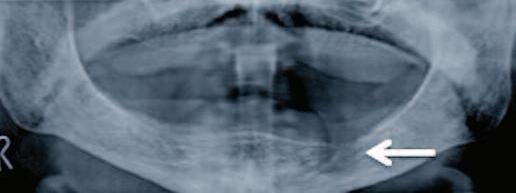
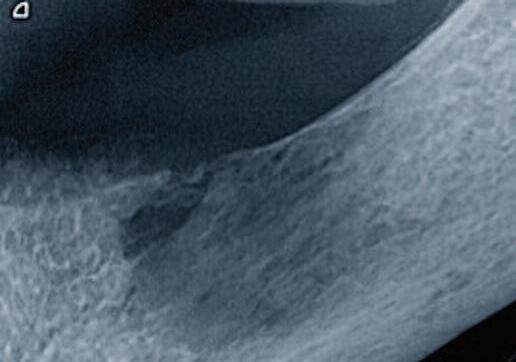
Introduction
Multiple myeloma (MM) is a systemic malignancy characterised by neoplastic proliferation of plasma cells in the bone marrow resulting in monoclonal immunoglobulin production Primary clinical presentations vary from bone pain and pathological fractures to incidental abnormalities on routine blood testing such as anaemia, hypercalcaemia and impaired renal function Bone pain is a feature of initial presentation in 58% of cases 1 The presence of a solitary extramedullary lesion (plasmacytoma) is seen in 7% of cases, and is associated with a more aggressive natural history of MM 2 Plasmacytoma may present as a subcutaneous palpable mass 3 It is estimated that MM accounts for 1% of all malignancies and 10% of haematological cancers 4 Here, we illustrate a case of MM, initially presenting as an orofacial abnormality We take the opportunity to discuss potential orofacial and dental presentations, challenges and complications that may occur in patients with MM
Case presentation
A 69-year-old lady attended an emergency oral surgery clinic with a one-month history of pain and swelling in the left side of her mandible, resulting in an inability to wear her lower denture Initially described as “burning” in nature, and considered to be neuralgia, the pain did not respond to analgesia prescribed by her general practitioner The pain began to affect her quality of life as the patient felt lethargic and was unintentionally losing weight due to difficultly eating with the pain in the mandible She also described numbness in the distribution of the left mental nerve
Examination of the edentulous patient revealed a swelling expanding in a buccolingual direction occupying the lower left premolar region approximately 2cm
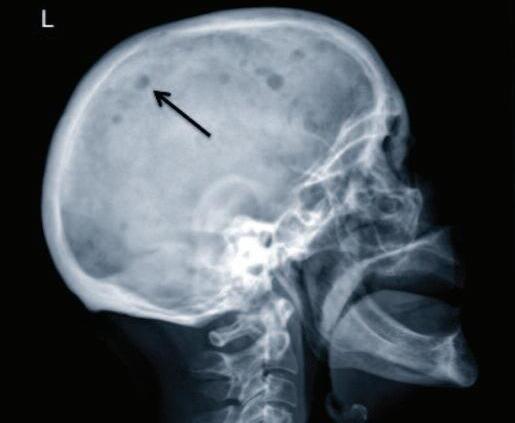
3: Lateral skull x-ray showing several well-circumscribed, radiolucent lesions superiorly (see arrowhead), consistent with myelomatous disease (classical ‘raindrop’ or ‘pepper-pot’ skull appearance)
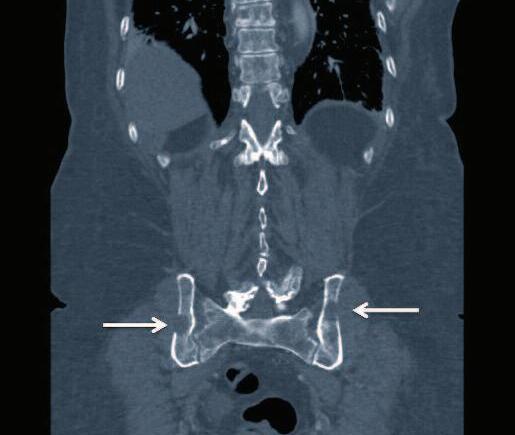
FIGURE 4: Coronal CT (computed tomography) image of the abdomen and pelvis demonstrating destructive lucent lesions in the ilium bilaterally (arrowheads) The lesions are adjacent to, but not involving the sacroiliac joints, and there is loss of the overlying osseous cortex
in size Extra-orally no abnormality was seen, although there was tenderness in the area of the swelling On radiographic examination (Figures 1 and 2) a lytic lesion, approximately 2cm in size with a poorly-defined, non-corticated border was evident in the left premolar region, indicative of aggressive underlying pathology and necessitating further investigation
Aspiration of this lesion was performed and histological examination demonstrated abundance and clustering of atypical plasma cells, highly suspicious for a plasma cell neoplasm Subsequent biopsy of the same lesion revealed fragments almost completely composed of sheets of plasmacytoid cells At presentation, full blood count and routine biochemistry for this patient were normal apart from a raised total protein (86g/L) in the presence of a normal albumin level (39g/L) Serum
immunoglobulin measurement found elevated levels of IgA with decreased levels of IgG and IgM A paraprotein screen detected the presence of a monoclonal IgA Kappa band, raising the suspicion of active MM In addition, radiological skeletal survey revealed multiple lytic lesions in the skull (classical appearance of ‘raindrop’ or ‘pepper-pot’ skull) and axial skeleton suggestive of myelomatous deposits (Figures 3 and 4) Referral to the haematology service was made and a diagnosis of MM was later confirmed following bone marrow aspirate and trephine, which demonstrated a clonal plasma cell infiltrate, with plasma cells comprising up to 40% of the nucleated cell count This patient is currently receiving ongoing treatment under the haematology service On reviewing the patient in our clinic there has been little, if any, change radiographically Intra-orally the swelling in the left premolar region has reduced greatly Since commencing bisphosphonate therapy the mandibular pain has subsided
Discussion
The exact incidence of MM presenting initially with orofacial abnormalities is currently unknown While rare, oral presentations do occur5 and include:
■ jaw pain;
■ painless or painful swelling;
■ painless gingival mass;
■ mandibular numbness;
■ bilateral mandibular mass;
■ mobility of teeth;
■ migration/drifting of teeth; and,
■ macroglossia (often secondary to amyloidosis) 6
These symptoms may mimic common dental pathologies, which in turn can lead to delays in diagnosis and treatment This highlights the importance of a thorough knowledge of the potential oral manifestations, both clinical and radiographic, to arrive at the appropriate diagnosis and referral pathway
While excisional or incisional biopsy remains the gold standard for diagnosis of myelomatous lesions, there is evidence to suggest that fine needle aspiration (FNA) biopsy is a viable option in the early investigation of a suspicious mass or lesion 7 8
The advantages of FNA biopsy are ease of execution, low complication rate, and rapid diagnosis In particular, FNA can provide a specimen for analysis in situations where an excisional/incisional biopsy could pose significant morbidity If FNA cytology is inconclusive, progression to incisional or excisional biopsy should be considered If the risk of morbidity is great and alternative lytic lesions are present elsewhere, alternative means of diagnosis should be discussed with the appropriate specialties
Systemic treatment of MM depends on stratification of the severity of disease as determined by florescent in situ hybridisation (FISH) of the bone marrow biopsy at diagnosis Treatment options may include haematopoietic cell transplantation and chemotherapy For the treatment of bone pain and to reduce the risk of pathological fractures, use of intravenous bisphosphonates is effective but can result in medication-related osteonecrosis of the jaw (MRONJ) 9 10 Prevention of MRONJ should be a clinical priority in patients with MM receiving bisphosphonate therapy
Careful consideration of oral hygiene with a review by a dentist and hygienist should occur before commencement of bisphosphonate therapy, followed by regular selfsurveillance and dental follow-up 11 If dental extraction or oral surgery is required, it should be completed and time allowed for healing before commencement of bisphosphonate therapy 11 Implementation of preventive dental measures appears to reduce the risk of developing MRONJ 12
Conclusion
While orofacial presentations of MM are rare, they are not unheard of The atypical and varied nature of their presentation represents a diagnostic challenge for dental professionals As illustrated, practitioners should be aware that MM may manifest with abnormalities at a multitude of orofacial sites, with a variety of symptoms including both painful and painless mandibular swellings
MM should be included in the differential diagnosis when such a poorly defined radiolucency is seen A high index of suspicion should be held in patients with atypical symptoms, with a background history of monoclonal gammopathy of unknown significance (MGUS) or with abnormal radiological findings (e g , lytic lesion)
References
1 Kyle, R A , Gertz, M A , Witzig, T E , Lust, J A , Lacy, M Q , Dispenzieri, A , et al Review of 1,027 patients with newly diagnosed multiple myeloma Mayo Clinic Proceedings 2003; 78 (1): 21-33
2 Augustson, B M , Begum, G , Dunn, J A , Barth, N J , Davies, F , Morgan, G , et al Early mortality after diagnosis of multiple myeloma: analysis of patients entered onto the United Kingdom Medical Research Council trials between 1980 and 2002 – Medical Research Council Adult Leukaemia Working Party Journal of Clinical Oncology 2005; 23 (36): 92199226
3 Varettoni, M , Corso, A , Pica, G , Mangiacavalli, S , Pascutto, C , Lazzarino, M Incidence, presenting features and outcome of extramedullary disease in multiple myeloma: a longitudinal study on 1,003 consecutive patients Annals of Oncology 2010; 21 (2): 325330
4 Siegel, R L , Miller, K D , Jemal, A Cancer statistics, 2015 CA: A Cancer Journal for Clinicians 2015; 65 (1): 5-29
5 Epstein, J B , Voss, N J , Stevenson-Moore, P Maxillofacial manifestations of multiple myeloma An unusual case and review of the literature Oral Surgery, Oral Medicine, and Oral Pathology 1984; 57 (3): 267-271
6 van der Waal, R I , van de Scheur, M R , Huijgens, P C , Starink, T M , van der Waal, I Amyloidosis of the tongue as a paraneoplastic marker of plasma cell dyscrasia Oral Surgery, Oral Medicine, Oral Pathology, Oral Radiology, and Endodontics 2002; 94 (4): 444-447
7 Daneshbod, Y , Arabi, M A , Ramzi, M , Daneshbod, K Jaw lesion as the first presentation of multiple myeloma diagnosed by fine needle aspiration Acta Cytologica 2008; 52 (2): 268-270
8 August, M., Faquin, W.C., Ferraro, N.F., Kaban, L.B. Fine-needle aspiration biopsy of intraosseous jaw lesions Journal of Oral and Maxillofacial Surgery 1999; 57 (11): 12821286; discussion 7
9 Mhaskar, R , Redzepovic, J , Wheatley, K , Clark, O A , Miladinovic, B , Glasmacher, A , et al. Bisphosphonates in multiple myeloma: a network meta-analysis The Cochrane Database of Systematic Reviews 2012; 5: Cd003188
10 Ruggiero, S L , Dodson, T B , Fantasia, J , Goodday, R , Aghaloo, T , Mehrotra, B , et al American Association of Oral and Maxillofacial Surgeons position paper on medicationrelated osteonecrosis of the jaw – 2014 update Journal of Oral and Maxillofacial Surgery 2014; 72 (10): 1938-1956
11 Weitzman, R , Sauter, N , Eriksen, E F , Tarassoff, P G , Lacerna, L V , Dias, R , et al Critical review: updated recommendations for the prevention diagnosis and treatment of osteonecrosis of the jaw in cancer patients – May 2006 Crit Rev Oncol Hematol 2007; 62 (2): 148-152
12 Dimopoulos, M A , Kastritis, E , Bamia, C , Melakopoulos, I , Gika, D , Roussou, M , et al Reduction of osteonecrosis of the jaw (ONJ) after implementation of preventive measures in patients with multiple myeloma treated with zoledronic acid Annals of Oncology 2009; 20 (1): 117-120
Exploiting the bioactive properties of the dentin-pulp complex in regenerative endodontics
Smith, A J , Duncan, H F , Diogenes, A , Simon, S , Cooper, P R
Introduction
The development of regenerative endodontic therapies offers exciting opportunities for future improvements in treatment outcomes
Methods
Advances in our understanding of regenerative events at the molecular and cellular levels are helping to underpin development of these therapies, although the various strategies differ in the translational challenges they pose The identification of a variety of bioactive molecules, including growth factors, cytokines, chemokines, and matrix molecules, sequestered within dentin and dental pulp provides the opportunity to present key signalling molecules promoting reparative and regenerative events after injury
Results and conclusions
The protection of the biological activity of these molecules by minerals in dentin before their release allows a continuing supply of these molecules, while avoiding the short half-life and the non-human origin of exogenous molecules
The ready release of these bioactive molecules by the various tissue preparation agents, medicaments, and materials commonly used in endodontics highlights the opportunities for translational regenerative strategies exploiting these molecules with little change to existing clinical practice
J Endod 2016; 42 (1): 47-56
The importance of a two-step impression procedure for complete denture fabrication: a systematic review of the literature
Regis, R R , Alves, C C S , Rocha, S S M , Negreiros, W A , Freitas-Pontes K M
The literature has questioned the real need for some clinical and laboratory procedures considered essential for achieving better results for complete denture fabrication The aim of this study was to review the current literature concerning the relevance of a two-step impression procedure to achieve better clinical results in fabricating conventional complete dentures Through an electronic search strategy of the PubMed/MEDLINE database, randomised controlled clinical trials which compared complete denture fabrication in adults in which one or two steps of impressions occurred were identified The selections were made by three independent reviewers Among the 540 titles initially identified, four studies (seven published papers) reporting on 257 patients evaluating aspects such as oral health-related quality of life, patient satisfaction with dentures in use, masticatory performance and chewing ability, denture quality, direct and indirect costs were considered eligible The quality of included studies was assessed according to the Cochrane guidelines The clinical studies considered for this review suggest that a two-step impression procedure may not be mandatory for the success of conventional complete denture fabrication regarding a variety of clinical aspects of denture quality and patients’ perceptions of the treatment
Journal of Oral Rehabilitation 2016; 43 (10): 771-777
Evaluation of the injection pain with the use of DentalVibe injection system during supraperiosteal anaesthesia in children: a randomised clinical trial
Elbay, Ü , Elbay, M , Yıldırım, S , Kaya, E , Kaya, C , U urluel, C , et al
Purpose
The purpose of this study was to compare the use of a traditional syringe (TS) and the DentalVibe (DV) Injection Comfort System on the pain of needle insertion and injection of supraperiosteal (SP) anaesthesia into the mandibles and maxillas of children aged six to 12 years
Methods
The study was a randomised, controlled, crossover clinical trial, comprising 60 children requiring an operative procedure with SP anaesthesia on both their mandibular and maxillary molars, bilaterally One of the molars was treated with a TS, and the contralateral tooth was treated with the DV for both arches On each visit, subjective and objective pain was evaluated using the Wong-Baker FACES Pain Rating Scale and the Face, Leg, Activity, Cry, Consolability (FLACC) scale Patients were asked which technique they preferred The data were analysed using the Wilcoxon signed-rank test, Spearman’s correlation test, and the Mann–Whitney U-test



Results
No statistically significant differences were noted between TS and DV for pain during injection and needle insertion for supraperiosteal anaesthesia in either the maxillary or mandibular operative procedures
Conclusions
Children experienced similar pain during SP anaesthesia administered with a TS and the DV, regardless of gender and jaw differences DV was less preferred over the traditional procedure in children
International Journal of Paediatric Dentistry 2016; 26 (5): 336-345
Adjunctive systemic and local antimicrobial therapy in the surgical treatment of peri-implantitis: a randomised controlled clinical trial
Carcuac, O , Derks, J , Charalampakis, G , Abrahamsson, I , Wennström, J , Berglundh, T
The aim of the present randomised controlled clinical trial was to investigate the adjunctive effect of systemic antibiotics and the local use of chlorhexidine
for implant surface decontamination in the surgical treatment of periimplantitis One hundred patients with severe peri-implantitis were recruited Surgical therapy was performed with or without adjunctive systemic antibiotics or the local use of chlorhexidine for implant surface decontamination Treatment outcomes were evaluated at one year A binary logistic regression analysis was used to identify factors influencing the probability of treatment
bleeding/suppuration on probing, and no additional bone loss Treatment success was obtained in 45% of all implants but was higher in implants with a non-modified surface (79%) than those with a modified surface (34%) The local use of chlorhexidine had no overall effect on treatment outcomes While adjunctive systemic antibiotics had no impact on treatment success of implants with a non-modified surface, a positive effect on treatment success was observed of implants with a modified surface The likelihood for treatment success using adjunctive systemic antibiotics in patients with implants with a modified surface, however, was low As the effect of adjunctive systemic antibiotics depended on implant surface characteristics, recommendations for their use in the surgical treatment of peri-implantitis should be based on careful assessments of the targeted implant
J Dent Res 2016; 95 (1): 50-57

SITUATIONS WANTED
2008 UCC graduate, eight years’ experience working in UK Wishes to r e t u r n t o I r e l a n d C
F T / P T / m
training courses 6MS/Inman Aligner MFDS IDC registered Email uccgrad2008@gmail com
Enthusiastic, hard-working dentist with great communication skills, eight y e a r s ’ e x p
endodontic, paediatrics, prosthodontics, oral surgery Tel: 089-981 1796, or Email dentistrak@gmail com
SITUATIONS VACANT
Associate required for busy, modern, multi-surgery practice in Cork suburb Initially two days a week with potential to grow Minimum two years’ experience required Special interests desirable Please forward CVs to corkdentist5409@gmail com
Part-time associate in busy, modern, expanding practice in northeast
Three days with opportunity for full-time Experience preferred Fully computerised and digital practice Great opportunity to join forwardthinking team CVs to blackrockdentist@gmail com
Conscientious, experienced, friendly associate required, initially three to four days per week, one to include Saturday, with long-term view, i n D u b l i n 6 P r i v a t e a n d
set-up Excellent support team, computerised Email: andrewcox204 @gmail com
Co Cork: associate position available in modern, computerised practice
co corkdentist@hotmail com
Advertisements will only be accepted in writing via fax (01- 295 0092), letter or email (fionnuala@irishdentalassoc ie) Non-members must prepay for advertisements, which must arrive no later than Friday, November 25 by cheque made payable to the Irish Dental Association Classified ads placed in the Journal are also published on our website www dentist ie for 12 weeks
Advert size Members Non-members up to 25 words ¤75 ¤150 26 to 40 words ¤90 ¤180
The maximum number of words for classified ads is 40
If the advert exceeds 40 words, then please contact: Think Media, The Malthouse, 537 North Circular Road, Dublin 1 Tel: 01-856 1166 Fax: 01-856 1169 Email: paul@thinkmedia ie Please note that all classified adverts MUST come under one of the following headings:
4 Positions Wanted 4 Positions Vacant
4 Practices for Sale/To Let 4 Practices Wanted
4 Equipment for Sale/To Let
Classified adverts must not be of a commercial nature Commercial adverts can be arranged by contacting Paul O’Grady at Think Media
Dental associate required for a full time position in Co Meath Newly refurbished practice with excellent equipment and experienced support staff Great long-term remuneration for the right candidate Email laura cowman@dentalcareireland ie Macroom, Co Cork Part-time associate required Immediate start available with full book Please email applications to castlestdp@eircom net
Waterford City Associate wanted two to three days/week for modern, well-equipped surgery – interest in ortho encouraged Please email CV to southeastdental46@gmail com
Associate required in busy, modern expanding practice in Athlone Initially W e d n e
environment, some experience preferred but not essential Emails to thebeaconemail@gmail com
established, four-surgery practice in Ennis OPG, digital x-ray, hygienist, great team, great turnover, great potential All possible support given by t w o e x
gbrowne ennis@eircom net
Exciting opportunity – dental associate required for a full-time position in Westport, Co Mayo Experience required Top-class equipment in a newly developed practice and superb support team Excellent conditions and remuneration Email CV to clewbaydental@gmail com
Associate required, Dublin City Dynamic, flexible, experienced associate required Immediate start Excellent, very busy location Modern, longe s t a b l i s h e d p r a c
supportive staff Part-time initially with view to purchase Email with CV and personal profile to niall@innovativedental com
D u b l i n C i t y C
(www camdendentalclinic ie) Looking for part- and full-time dental associates Modern, friendly and flexible working conditions Email dublincitydentistry@gmail com
Experienced, part-time associate required (days and hours flexible) in newly refurbished practice in Cavan Town Digital radiographs, OPG, hygienist, orthodontist, oral surgeon available Please send CV to info@farnhamdentalsurgery com
Dublin An opportunity exists for a progressive, experienced, caring associate to join a vibrant, well-established practice in South Dublin Excellent staff and very supportive principal in a patient-oriented practice Long-term view preferable Email CV and personal profile to niall@innovativedental com
Full-time dental associate required for busy, modern, fully computerised practice 30 minutes from Galway City Please send CVs to info@loughreadental com
Associate required to work Mondays Modern practice in Abbeyleix, Co Laois Email neil@abbeyleixdental com
Part-time associate dentist required for work on Thursdays and possibly Mondays in dental practice in Dublin 6W Email orwelldental@gmail com
Part-time dental associate required for a modern dental clinic in Nenagh, C o T i p p e r a r y E
Mentoring provided if required Email contact@nenaghdental ie
Associate required for well-established, modern and friendly practice in Sandyford Must be motivated and friendly with a good patient manner and commitment to high standards Evening and Saturday sessions included Please send CV to blackglendental@gmail com
Full-time dental associate to see medical card and private patients in a busy, modern, three-surgery dental practice in Dublin 13 Digital OPG, fantastic surgery, a frendly dental team including treatment co-ordinator Please email your CV to Suken Shah@Smartdentalcare co uk
Dental associate required in Co Meath Full book and great earning
p
considered Email laura cowman@dentalcareireland ie
Dental associate required in Tullamore, Co Offaly for a full-time position
B u s y p r a c
dentalcareireland ie
Carlow Town Full-time, experienced associate needed to replace departing colleague Excellent facilities and back-up – visiting specialists Fantastic opportunity Full mixed book – long-term view needed Please send CV to southeastdental46@gmail com
Dental associate required for two weeks’ holiday cover from November 718 inclusive in busy west Dublin practice Please reply to dentalassociate required@gmail com
Experienced associate required at busy Kilkenny city centre practice Fully developed book Fantastic opportunity for the right candidate CVs to kilkennydentaljob@gmail com
E x p e r i e n c e d , p a r t - t i
Wexford Modern, well-established practice Flexible working hours Email CV to courtstreetdental@hotmail com
Enthusiastic, experienced general dentist required to join our busy modern clinic in Rathfarnham, initially three to four days per week Email: management kbmdental@gmail com
We are looking for a dentist to join our team Two to three years of professional experience are required Fluent English AND Polish required Private practice is in Dublin 7, Smithfield Email eva@canduco com
Full/part-time dentist required in modern, busy, five-surgery private practice in Cork Immediate start/long-term view Must be warm, friendly and ideally have foreign training/experience Email CV with photo, references and portfolio of work to hr@smilestore ie
Hard-working, ethical dentist, two years+ experience for part/full-time position in a relaxed, bright and spacious environment Practice well e s t a b l i s h e d , f u l l y
M
gmale11111@gmail com
Dentist required for award-winning practice in Limerick City Centre Good support staff, digital practice, Cerec omnicam, CBCT, etc Please email Dr O’Donovan at drodonovan@alexandradental ie or call 061-315 228
Dublin – Smiles Tallaght Dental Practice in Dublin 24 is looking for a general dentist to join the team on a full-time basis Well-established practice offers modern facilities and is fully computerised Candidates must be IDC registered Email joanne bonfield@smiles co uk
Bray – exciting opportunity for an enthusiastic general dentist to join our modern, well-equipped, well-established Smiles Dental practice in Bray Position offers five days per week Candidates must be IDC registered Email joanne bonfield@smiles co uk
Cork – Smiles Dental is looking for a passionate dentist to join our busy, w e l l - e s t a b l i s h e d , s t a t e - o f - t h
registered Initial days Friday 8 00am-8 00pm and Saturday 10 00am4 00pm, with a view to increase Email joanne bonfield@smiles co uk
Dentist required for busy dental clinic in south County Dublin for 9 00am2 00pm on Saturdays Would suit someone with experience who is currently studying Great potential to build a full book Please email victoria@seapointclinic ie or call 01-284 2570 for details
Experienced dentist required to join our busy Dublin City clinic Part-time position available to start mid September Fully booked Please forward CV to dsdentalsurgery@gmail com
Dentist experienced with Six Month Smiles/Invisalign or similar required for one day per week Excellent opportunity to build to full-time Candidate must be pleasant, friendly, ethical and patient centred Apply by sending cover letter and CV to info@mobiledentalteam com
S e e k i n g f u l l - t i m e g e n e r a l d e n t i s t F a n t a s
departing colleague’s full-time role One of the most advanced practices in Ireland with state-of-the-art equipment including a 3D CBCT scanner Brand new, purpose-built building Apply with cover letter and CV to athlone@dentalexcellence ie
Balbriggan – exciting opportunity for an enthusiastic general dentist to join our modern, state-of-the-art, well-equipped, fully computerised Smiles Dental practice in Balbriggan Position offers five days per week Candidates must be IDC registered Email joanne bonfield@smiles co uk D
hotmail com
Galway Dentist required for busy modern, computerised practice 30 minutes from Galway City Please email CV to info@loughreadental com
Naas Dentist required for part-time role in modern, busy clinic Approx 2
@gmail com, or call 087-097 9443
Full-time temporary or part-time permanent position available at modern spa-like practice Starting December 1, 16 Booked up weeks in advance
One hour from Dublin Flexible hours Excellent percentage for right dentist Experience in Ireland essential Fully digital Email kingscourt dentalpractice@gmail com
Dublin – exciting opportunity for a passionate dentist to join our wellestablished, busy, modern Smiles South Anne Street practice in Dublin 2 Candidates must have strong general experience and be IDC registered Position offers five days per week Email joanne bonfield@smiles co uk Dundalk – Smiles Dental are looking for an enthusiastic, passionate dentist to join our modern, well-established, busy Smiles Dundalk d
bonfield@smiles co uk
Dynamic, flexible, experienced dentist required Dublin City Excellent, busy location Candidates must have general experience (four years+) and be IDC registered This is a full-time role Immediate start Please email your CV to dublinsmilecenter@gmail com
Locum dentist required for maternity cover in modern Galway practice Beginning October 2016 until Feb 2017 Full/part-time available Please email CV to dentalassocjob@gmail com
Part-time position leading to full-time No transfer cases Four locations with state-of-the-art facilities Please reply with CV to elaine hand @dublinorthodontics ie
Award-winning practice in Greystones, Co Wicklow, is looking for a parttime orthodontist with a view to long-term commitment Greystones has a large growing population Could start half a day a month and build up Email luceydental@gmail com
O r t h o d o n t i c s p e c
practice in north Co Dublin Digital OPG/ceph Flexible sessions available with prospect of full-time position Email dentistcodublin@gmail com
Orthodontic locum required for award-winning practice in Limerick City Centre to cover maternity leave commencing October 2016 Good support staff, digital practice, Cerec omnicam, CBCT, etc Please email Dr O’Donovan at drodonovan@alexandradental ie or call 061-315 228
Prosthodontist required for sessions in a Cork City practice Flexible working hours with full staff support Email corkcityassociate@gmail com
Specialist endodontist required to take over a current established session Fortnightly sessions, with a view to weekly Saturdays also an option Based just off the M50, at the Red Cow To apply, please email shauna@3dental ie
Periodontist and endodontist required to join a multidisciplinary team on the north side of Dublin Newly extended specialist practice looking to e x p a n d
dentalspecialist@gmail com
Fully qualified, experienced orthodontic therapist required for Saturdays in well-established orthodontic practice close to the city centre Excellent terms and conditions Please forward CV to shona@clontarfbraces ie, or 9 Clontarf Road, Dublin 3
Orthodontic therapist required for specialist orthodontic practice in Dublin
Part-time position leading to full-time Applicant must have excellent m a n u a l d e x t
elaine hand@dublinorthodontics ie
Full-time clinical dental technician required for busy practice, or dentist with keen interest in dentures Ideal candidate should have experience but not essential, mentoring provided Candidate should be pleasant, ethical a n d p a t i e n t c e n t r e d A p p l y : s e n d C V a n d c o v e
jobs@dentaltech ie
Dental technician wanted for Dublin orthodontic practice to work in more than one location Salary depends on skills and experience Please send CV to elaine hand@dublinorthodontics ie
Dental hygienist wanted for a busy, friendly, general family practice in S a n d y f o r d P a r t - t i m e w i t h v i e w t o g o i n g f u l l - t i m e E m a i l C V t o blackglendental@gmail com
Part-time hygienist required for friendly, award-winning practice in Killiney – Love Your Teeth CV to rosemary@eircom net please
Full-time dental hygienist required for large, friendly and relaxed north Dublin practice Excellent salary guaranteed for working a five-day week with flexible hours Please email your CV to janeglynnlouise@yahoo co uk
We’re looking for an enthusiastic, motivated hygienist to join our bright, modern new practice in Co Meath Hours/days negotiable and include Saturdays Great opportunity Please email your CV to dentistrequired @gmail com
Excellent opportunity for an RDH to join our progressive practice We are s e e k i n g a n i n d i v i d u a l w h o i s c o m m
periodontal health Please reply by email to rothwellauct@eircom net
Enthusiastic, motivated hygienist required for two to three Saturdays per
month in busy, fully-computerised, award-winning practice in Co Meath
Position is available from mid September Exciting opportunity to join a f
dentaljobireland1@gmail com
Experienced hygienist with excellent people skills required to work every Friday evening and every second Saturday in west Cork State-of-the-art p
co corkdentist@hotmail com
Hygienist required for one day County Galway Fully computerised OPG, flexible dates, option to increase days Email galwaydent14@gmail com
Hygienist required for modern, busy, award-winning practice in Dublin South City Centre Candidates must have experience of private practice, and commit to postgraduate education Two to three full days and some Saturday mornings Email sinead@portobellodental com
Part-time hygienist required in state-of-the-art computerised clinic in North Kildare to replace departing colleague Three sessions initially, p
dentalclinicpab@gmail com
Motivated hygienist required end September for long-term Tuesdays, including late evening and Saturdays, plus maternity cover Fridays from September, Wednesdays from mid November Computerised, cavitron, e x c
manager abbeydent@gmail com
Hygienist required one to two days per week in busy, modern, fully computerised practice in Galway Email CV to info@loughreadental com
Experienced, friendly, motivated hygienist, full-time, two to three days per week We’re a busy, modern, computerised clinic with a cavitron, an excellent team and a full book CV and cover letter to manager –emma@southgate dental ie
Busy Midlands dental clinic seeking a senior dental hygienist for three to four days per week, including Saturdays and Sundays To apply, please send your CV to jobs@carlowdentalcentre ie with dental hygienist in the subject field
Busy south east dental practice requires an enthusiastic and motivated hygienist for one to two days per week Starting end of October Fully computerised practice, great dental team and full book To apply, please send CV to info@goreydentalpractice ie
Looking for an enthusiastic, hard-working, caring dental hygienist for a parttime position in Dublin 12 to join our expanding team Please send CVs to info@cleardentalcare ie
Enthusiastic, conscientious hygienist required for busy practice in Cavan Town Email frances@railwaydentalsurgery com
Dental hygienist required in south east for maternity cover two days a week from mid November to end May 2017 Email ronan1971@yahoo co uk
Hygienist required three days per week in busy practice in Ennis, Co Clare, starting end of November Email CV to info@ennisdental ie
Qualified dental nurse required for a full-time position in Foxrock, Dublin 18 Ideal candidate must be qualified, experience not essential They should have good communication skills and chairside manner Please email CV to admin@cdpractice com
Experienced full-time dental nurse required for friendly and modern general d e n t a l p r a c t i c e b a s e d i n K n o c k l y o n , s o u t h D u b l i n C a n d i d a t e m u s t be friendly, hard-working and work well in a team Email CV to enrightse @gmail com
B u s y p r a c t i c e , s o u t h C o u n t y D u b l i n ( n e a r D A R T ) , r e q u i r e s e n t h u s i a s t i c ,
f r i e n d l y d e n t a l n u r s e ( f u l l - t i m e ) I m m e d i a t e s t a r t I d e a l c a n d i d a t e s w i l l
b e q u a l i f i e d , b u t e x p e r i e n c e n o t e s s e n t i a l G o o d c h a i r s i d e m a n n e r ,
e x c e l l e n t c o m m u n i c a t i o n s k i l l s E m a i l c o v e r l e t t e r a n d C V t o d d e n t a l
d u b l i n @ g m a i l c o m
D e n t a l n u r s e f o r m a t e r n i t y l e a v e c o v e r i n a p r o s t h o d o n t i c p r a c t i c e i n
K i l k e n n y C i t y , s t a r t i n g A S A P , f o r e i g h t m o n t h s M u s t h a v e e x p e r i e n c e
a n d p r e f e r a b l y h a v e d e n t a l r a d i o l o g y q u a l i f i c a t i o n a n d s o m e
p r o s t h o d o n t i c e x p e r i e n c e E m a i l 1 0 1 4 m c k @ g m a i l c o m
S t e r i l i s a t i o n n u r s e n e e d e d f o r m u l t i - s p e c i a l t y p r a c t i c e i n K i l k e n n y C i t y
F u l l - t i m e p o s i t i o n E x p e r i e n c e a n d d e n t a l r a d i o l o g y q u a l i f i c a t i o n
b e n e f i c i a l A p p l y w i t h C V E m a i l 1 0 1 4 m c k @ g m a i l c o m
F r i e n d l y , e n t h u s i a s t i c d e n t a l n u r s e r e q u i r e d f o r f u l l - t i m e p o s i t i o n i n b u s y
G a l w a y p r a c t i c e C a n d i d a t e m u s t b e q u a l i f i e d , w o r k w e l l a s p a r t o f a
t e a m a n d h a v e a g o o d c h a i r s i d e m a n n e r I m m e d i a t e s t a r t E m a i l
g a l w a y d e n t i s t 2 0 @ o u t l o o k c o m
E x p e r i e n c e d p a r t - t i m e d e n t a l n u r s e r e q u i r e d f o r g e n e r a l d e n t a l p r a c t i c e
b a s e d i n D u n b o y n e I m m e d i a t e s t a r t P l e a s e E m a i l C V t o
d u b l i n m e a t h @ g m a i l c o m
P a r t - t i m e d e n t a l n u r s e r e q u i r e d F o u r d a y s p e r w e e k c o v e r i n g m a t e r n i t y
l e a v e S o u t h s i d e p r a c t i c e C V s t o d u b l i n o r t h o d e n t a l @ y a h o o c o m
Q u a l i f i e d d e n t a l n u r s e r e q u i r e d f o r f u l l - t i m e p o s i t i o n i n B o o t e r s t o w n ,
D u b l i n S o u t h O n D A R T l i n e V e r y g o o d s a l a r y o f f e r e d f o r t h e r i g h t
c a n d i d a t e M u s t b e h a r d w o r k i n g , f r i e n d l y a n d e n t h u s i a s t i c E m a i l
b o o t e r s t o w n d e n t a l p r a c t i c e @ g m a i l c o m
Q u a l i f i e d d e n t a l n u r s e r e q u i r e d t o j o i n b u s y a n d e x p a n d i n g d e n t a l s u r g e r y i n w e s t D u b l i n a r e a o n a p a r t - t i m e b a s i s w i t h a v i e w t o f u l l - t i m e h o u r s
A p p l y w i t h C V t o w e s t d u b l i n d e n t a l @ g m a i l c o m
D e n t a l n u r s e f u l l - o r p a r t - t i m e r e q u i r e d i n o r t h o d o n t i c p r a c t i c e i n
C l o n m e l E m a i l a d m i n @ c l o n m e l o r t h o d o n t i s t i e
P a r t - t i m e t e m p o r a r y d e n t a l n u r s e r e q u i r e d f o r d e n t a l p r a c t i c e i n t h e
c e n t r e o f N a a s , C o K i l d a r e G o o d c o m m u n i c a t i o n a n d I T s k i l l s e s s e n t i a l
P l e a s e e m a i l C V t o i n f o @ m a r y k e a t i n g d e n t a l c o m
D e n t a l n u r s e – K i l k e n n y C i t y H i g h l y m o t i v a t e d , p e r s o n a b l e , p r e s e n t a b l e
i n d i v i d u a l s o u g h t f o r f u l l - t i m e d e n t a l n u r s e p o s i t i o n D e n t a l r a d i o l o g y a
p l u s b u t n o t r e q u i r e d E x p e r i e n c e p r e f e r r e d E m a i l
1 0 1 4 m c k @ g m a i l c o m
D u b l i n C i t y C e n t r e F u l l - t i m e , f l e x i b l e d e n t a l n u r s e / r e c e p t i o n i s t r e q u i r e d f o r a b u s y , p r o g r e s s i v e g e n e r a l p r a c t i c e P r a c t i c e e a s y t o a c c e s s
E x p e r i e n c e d , p l e a s a n t , e m p h a t i c a n d e n t h u s i a s t i c p e r s o n a l i t y c r u c i a l
E x c e l l e n t I T s k i l l s r e q u i r e d G o o d r e m u n e r a t i o n C V t o
n i a l l @ i n n o v a t i v e d e n t a l c o m
N u r s e r e q u i r e d f o r m a t e r n i t y l e a v e c o v e r i n D i n g l e , t h r e e d a y s / w e e k ,
s t a r t i n g D e c e m b e r M o d e r n , f u l l y d i g i t a l , s t e r i l i s a t i o n r o o m , e t c S u i t e x p e r i e n c e d n u r s e , i f i n e x p e r i e n c e d t r a i n i n g w i l l b e p r o v i d e d P l e a s a n t w o r k a t m o s p h e r e G e n e r a l d e n t i s t r y i n c l u d i n g o r t h o d o n t i c s a n d d e n t a l i m p l a n t s E m a i l i n f o @ d i n g l e d e n t a l c o m
E x p e r i e n c e d d e n t a l n u r s e r e q u i r e d f o r s p e c i a l i s t d e n t a l c l i n i c i n L i m e r i c k
C i t y P l e a s e s e n d C V a n d c o v e r l e t t e r t o d e n t a l n u r s e r e c r u i t @ g m a i l c o m
P a r t - t i m e d e n t a l n u r s e f o r s p e c i a l i s t o r t h o d o n t i c p r a c t i c e r e q u i r e d
E x p e r i e n c e p r e f e r r e d b u t n o t e s s e n t i a l S u c c e s s f u l c a n d i d a t e w i l l b e
r e q u i r e d t o w o r k i n m o r e t h a n o n e l o c a t i o n P l e a s e r e p l y w i t h c o v e r
l e t t e r a n d C V t o e l a i n e h a n d @ d u b l i n o r t h o d o n t i c s i e
Receptionist/practice manager required for busy, modern, computerised practice in Enniscorthy The ideal candidate must be available two to three days per week Previous experience essential, knowledge of Exact software preferable Email CV to frank rowe@hotmail co uk
Experienced dental surgery assistant required for busy general practice in Lucan Please forward CV to mckeon mcaleese@gmail com P R A C T I C E S F O R S A L E / T O L E T
Practice for sale in Skibbereen, Co Cork Currently worked on a five-day t h r
colleague wishing to take over Principal now wishes to retire Email lquirke@gmail com
For sale – mid west Long-established, walkinable, two surgeries, freehold, l
Immediate profits Very low overheads Huge catchment area Very high private element Great potential for growth Principal retiring Suit ambitious associate Email niall@innovativedental com
Dublin 2 Busy practice for sale near St Stephen’s Green All private High turnover Five days Full book Room for expansion Principal relocating to the west Beautiful Georgian building Thriving professional district Fabulous opportunity Contact 39lowerleesonstreet@gmail com
Practice for sale within commuter distance to Dublin Well-equipped, good support staff, private, cost-sharing and leasehold/freehold Email dentalpractice71@gmail com
For sale Surgery 3 Large waiting room Large reception area X-ray room with OPG 1,600 sq ft Ground floor wheelchair friendly Situated in Lisbaun Business Park Freehold property Price open to negotiation between ¤400,000 and ¤450,000, to include all equipment, etc Email des kelly3@gmail com
Dental practice for sale Co Monaghan Long-established Two to three surgeries Freehold of lease/flexible Low overheads Large catchment area Great growth potential Suit ambitious dentist For details email info@noelconn com or Noel Conn and Company, 7 Houses, Upper English Street, Armagh BT61 7LA
For sale Wicklow/Carlow Busy leasehold single surgery Ample room to expand, 50-minute commute to Dublin Computerised Good loyal staff Excellent equipment Large new patient numbers Realistically priced Only dental services in the area Email niall@innovativedental com
Cork City partnership for sale Well-established four-partner general d
russell@gmail com
For sale: dental practice, goodwill and surgery contents Tralee Modern, progressive, busy, fully private since 2000 Good equipment, excellent support staff Ideal opportunity for well-qualified, dynamic personality Email germannix@gmail com
E Q U I P M E N T F O R S A L E
W+H 500 LISA Autoclave Type B class steriliser for sale Perfect condition and working order with printer and manual Lightly used and surplus to requirements ¤1,750 Contact Conor on 086-851 9707
TrophyPan Kodak 2008 Digital OPG, head replaced 2009, great OPG, easy use, dedicated PC/software, perfect for start-up/squat practice ¤4,000 ono Email manager abbeydent@gmail com
Dr Clodagh McAllister started to get more involved with the IDA after years in the background and wishes more dentists would do the same
What led you to get involved with the IDA in the first instance?
As an undergraduate I don’t recall having a big understanding of the IDA It wasn’t really promoted to students as well as it is now I think now young graduates and young dentists go to the meetings and get involved I qualified in ‘92 and, like almost everyone in my age group, ended up working in the NHS When I came back to Ireland in 1999, I bought a practice and I would have always known the benefit of being part of a professional body because both of my parents were professionals and they were always involved in their various associations I suppose the reason you get involved in an organisation is that you need a group that will support you in some way
What form did that involvement take?
Up until very recently I was just involved in being a member, attending the lectures and the conference, and doing the CPD with the Association I wasn’t involved on any committees or anything like that That went on for a number of years but I started to get more involved last year
How did that involvement progress?
I probably never had any desire to be on a committee, because I suppose I didn’t know what was involved, until my colleague, Nuala Carney, persuaded me to go onto the GP Committee and to be Metropolitan representative on it Not long after going onto that Committee, I was asked to be the GP Committee representative on Council
So I only really have one year done where I’ve been attending meetings I’ve really enjoyed finding out how it works You realise what committees really do, other than the bits that you tapped into yourself I really enjoy the politics of it and being part of debates
What has your participation in the Association meant to you?
For me personally, apart from the things you expect like education, it’s about the support that you get from having other colleagues that you meet regularly There’s always somebody to ask something if you’re stuck Also, the Association gives really great advice I have my own practice and you get really good advice from a business point of view, about employment and employment law The Association gives a lot of help to members because although you’re trained to be a dentist, you’re not necessarily trained to be a businessperson I was lucky because some of my family members had businesses and were also professionals, so I had a bit of guidance But what the IDA has on offer is really beneficial to us
What is the single biggest benefit of membership, in your opinion?
There are lots of benefits But I think for me the biggest benefit is having contact with other members and meeting those from different age groups You all know your own peers but you don’t necessarily know the older people, or the
younger graduates That’s probably the main thing, that you have a really good support network from members and also if you need clinical advice You also have the support of how to run a practice, how to navigate your way through all of that
What developments would you like to see in the Association?
Membership numbers are increasing all the time I would definitely say to people like me who were reticent to get involved, that you actually might be surprised that you might enjoy it I’d like people to try to come onto committees, particularly the younger generation They need to get involved because it’s going to be their career for longer now than it’ll be the older generation’s I’m almost 25 years qualified so I have a different opinion and a different outlook but you can’t have our age group dictating the future You need to have a younger mix
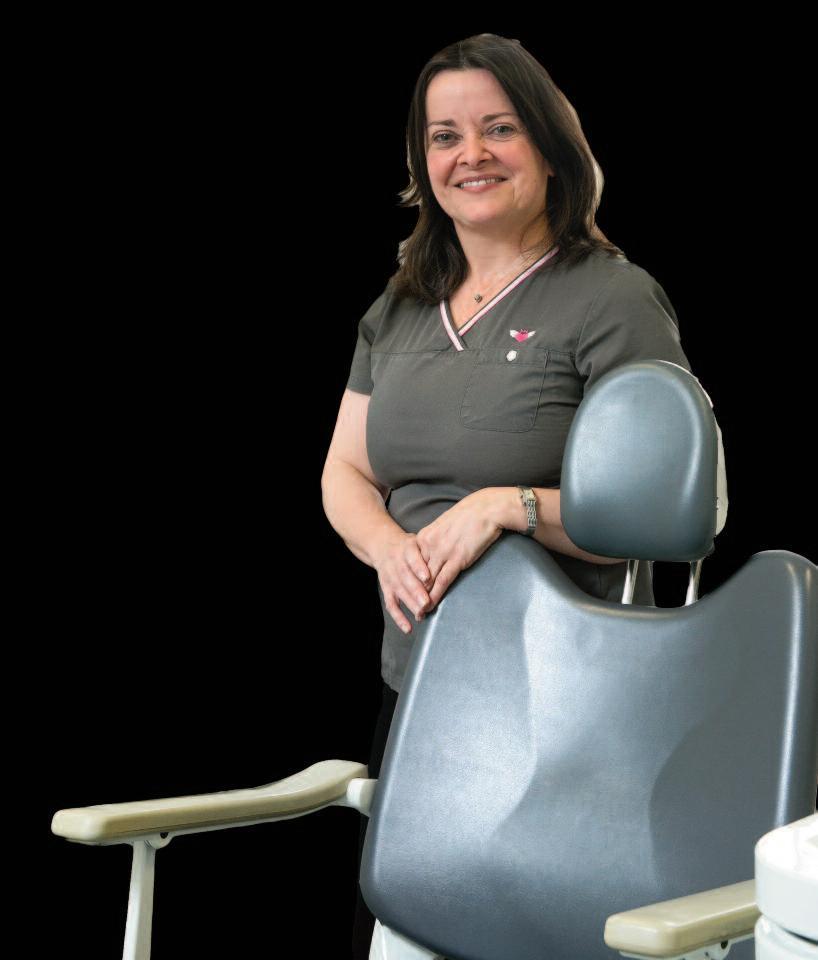
PERSONAL PROFILE: Clodagh practises in the Fairview Dental Clinic in Dublin and also has a commitment with the Dublin Dental University Hospital, where she qualified in 1992 She worked in the UK for a number of years and spent a couple of years travelling, before returning to Dublin in 1999 and buying a practice
In her spare time she is into personal fitness and says the main reason to keep fit is to keep your head right She is a keen bridge player, an avid reader and enjoys going to the ballet