Journal of the Irish Dental Association Iris Cumainn Déadach na hÉireann
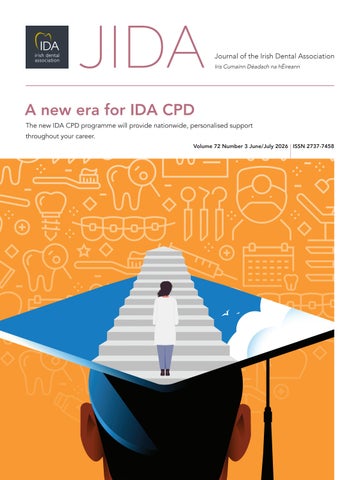
A new era for IDA CPD
The new IDA CPD programme will provide nationwide, personalised support throughout your career.







We’re not only here to help with claims. Our dentolegal team bring all their expertise, empathy, and local experience to see you through complaints, disciplinary and regulatory proceedings, and criminal investigations related to your professional practice. Here for you 24/7 in a dentolegal emergency.
your future in
hands. Join us.
Honorary Editor Dr Cristiane da Mata
IDA President Dr Bridget Harrington Barry
IDA Chief Executive Fintan Hourihan
Director of Advocacy Roisín Farrelly & Communications
Journal Co-ordinator Liz Dodd liz@irishdentalassoc.ie
Irish Dental Association
Unit 2 Leopardstown Office Park, Sandyford, Dublin 18.
T: +353 1 295 0072
F: +353 1 295 0092 www.dentist.ie
The Journal of the Irish Dental Association is the official publication of the Irish Dental Association. The opinions expressed in the Journal are, however, those of the authors and cannot be construed as reflecting the Association’s views. The editor reserves the right to edit all copy submitted to the Journal. Publication of an advertisement or news item does not necessarily imply that the IDA agrees with or supports the claims therein. For advice to authors, please see: https://jida.scholasticahq.com/for-authors.
This Journal supports sustainable forestry/forest management and is printed using vegetablebased environmentally friendly inks. Every mode of communication necessitates the consumption of energy and resources. It is crucial to consider the comprehensive effects throughout the lifecycle, including the production, storage, duplication, transmission, printing, and disposal of this Journal. These actions can potentially influence the economy, the environment, and society. The path towards a sustainable future entails making prudent decisions in communication to ensure its viability for the wellbeing of all.

Journal of the Irish Dental Association
June/July 2026
69 President’s news
A profession united: strengthening dentistry for the future
Listening to members
AGM celebrates contributions Oireachtas Health Committee report IDA Annual Report launched
The latest from dental suppliers
The latest edition of JIDA Science is available free and exclusively to IDA members.
In this edition: n Wisdom teeth: back to basics part 1 n Restorative and prosthetic challenges in oral cancer patients: a narrative review n Ectodermal dysplasia: two-stage orthognathic surgery, digital planning and restorative rehabilitation n Researcher profile: Dr Annie Hughes
Published on behalf of the IDA by Think Media, 537 NCR, Dublin 1.
T: +353 1 856 1166 www.thinkmedia.ie
Managing Editor Ann-Marie Hardiman ann-marie@thinkmedia.ie
Editorial Caoimhe Coolican
Advertising Paul O’Grady paul@thinkmedia.ie
Design Rebecca Bohan, Tony Byrne


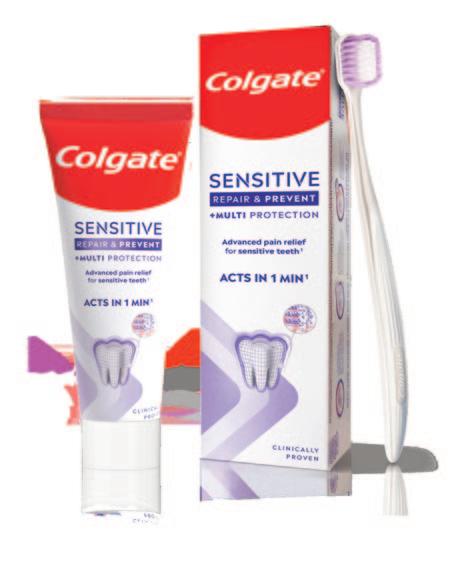
Turning off and simple is as instant sensitivity pain as a flick of a



of patients experienced instant1,* & long-lasting pain relief2,# with PRO-ARGIN technology Lasting gum protection with zinc compounds3,‡ with Colgate ® SENSITIVE

1. Subanalysis of Nathoo S, et al 2009. Nathoo S, et al. J Clin Dent. 2009;20(4):123-30).
2. Subanalysis of Docimo R, et al. J Clin Dent. 2009;20 (Spec Iss):17-22.
3. Lai HY, et al. J Clin Periodontol. 2015;42:S17.
A profession united: strengthening dentistry for the future
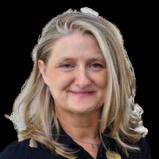
It is an honour to serve as President of the IDA at a time of challenge and opportunity for our profession. In my role as President-Elect, the past year offered invaluable perspective. I had the privilege of chairing the National GP Conference, where I heard about the pressures facing colleagues in private practice and the frustration at systems that too oen fail to place the patient at the centre. That message resonates strongly within dentistry. Whether in public or private settings, trust in policy can only exist when decision-makers engage meaningfully with those who deliver patient care every day. The IDA will continue to champion that approach: collaboration built on respect, partnership, and shared purpose.
Across Ireland, dentists continue to demonstrate exceptional professionalism, delivering high-quality care even within outdated and under-resourced structures. Yet dedication alone cannot overcome systemic barriers. We need modern governance, fair contracts, and sustainable workforce planning. The Association will continue to press for:
n a modernised Dentists Act, aligned with international best practice; n fair and transparent contracts, equitable for both patients and practitioners; n a properly staffed and valued public dental service; and, n meaningful engagement between the IDA and all stakeholders.
The system may be broken, but it is not beyond repair. The recent report of the Joint Oireachtas Committee on Health, with its 19 recommendations, reflects years of advocacy by this Association. It demonstrates that when those in positions of influence listen to professionals on the frontline, they make better decisions. This report represents a significant step towards improved access for patients and ensuring that oral health finally receives the national priority it deserves. Looking ahead, our focus will remain clear: partnership, progress, and professionalism. The Association will not only continue to advocate for systemic reform but will also invest in our future by supporting the next generation of dentists. We have long argued for the reinstatement of a structured vocational training year – the future strength of the profession depends on nurturing those who will lead it next.
The IDA is more than a professional body, it is a community, a source of strength, and the collective voice for every dentist in Ireland. Together, we can ensure that dentistry is recognised not only for its technical excellence but for its essential role in safeguarding the nation’s health and well-being. United, we can drive the change our profession and our patients deserve.
Dr Bridget Harrington Barry IDA President
Listening to members

Following a series of regional meetings with members across the country, a consistent and unambiguous message has emerged: the dental profession remains deeply sceptical of the State’s renewed focus on oral health reform. This sentiment is rooted not in resistance to change, but in decades of underinvestment, unmet need, and policy initiatives that have too oen proven unworkable in practice. While some members expressed frustration to the point of questioning continued engagement with Stateled reform, the clear majority view was that disengagement is not a viable option. There is strong support for the IDA maintaining its central role as the voice of the profession in all forthcoming discussions. Constructive engagement, grounded in realism and professional expertise, is seen as essential if meaningful progress is to be achieved.
Oral health has been systematically underprioritised within public policy for several decades, resulting in significant gaps in access to care and widening oral health inequalities. For many practitioners, recent proposals risk repeating familiar patterns unless they are matched by credible implementation strategies, adequate resourcing, and meaningful engagement with those delivering care on the ground.
No discussion of reform can be separated from the issue of workforce capacity. General practitioners have told us that general practice needs to be promoted and properly valued at a time when huge numbers of dentists are shying away from it. The GP Committee has already said it wants to see the Association step up its efforts in promoting general practice. Without sufficient workforce capacity, even well-designed policy initiatives will struggle to deliver meaningful improvements.
The IDA must continue to represent the profession with clarity, integrity, and purpose:
n advocating for realistic and sustainable models of care;
n highlighting the lived experience of practitioners and patients;
n challenging proposals that do not reflect operational realities; and, n supporting members through ongoing change and uncertainty.
The IDA will need to point out without fear or favour those unworkable proposals that need to be cast aside. There is no capacity or appetite in most general practices for a new State scheme for young children. We must rebuild the public dental service and indeed see if it can be expanded to take on dentists who would see adult medical card holders. This will be a long road ahead. We need your support and we promise to fight hard for our members. If you care about your profession you need to be an IDA member so now is the time to join us. United we bargain – divided we beg.
Fintan Hourihan IDA CEO























































NEW! HEAD TRACKER











DIGITAL FACEBOW
- Contact-free acquisition of Natural Head Position (NHP), maxilla position and reference planes through state-of-the-art sensors
- Fast data acquisition for a quick process and improved patient comfort
- Data importation in Zirkonzahn.Modifier and automatic alignment in the virtual articulator
- Stand-alone solution; ideal use in combination with the physical PlaneFinder ®


SYNCHRONISATION


Try the Head Tracker in combination with the Qlone Dental Pro 3D Scanner app: integrated into the Zirkonzahn.App, it permits to capture 3D facial scans using a smartphone.
DCRS handles over 760 cases in two years
The Dental Complaints Resolution Service (DCRS) managed more than 760 complaints and queries during 2024 and 2025, according to its latest annual report. The independent and confidential service, supported by the Irish Dental Association (IDA), dealt with 398 cases in 2024 and 365 in 2025. Launching the report, Mr Justice David Barniville, President of the High Court, acknowledged the contribution of the Service, describing its work in resolving disputes between dentists and patients as very valuable. He also noted the importance of professional support for the Service, and the level of engagement shown by both patients and dental practitioners since its establishment.
The report highlights that the majority of complaints were linked to communication issues, rather than clinical negligence. Almost all cases contained some element of dissatisfaction with communication. Frequent matters raised included misunderstandings about fees and costs, dissatisfaction with routine dental procedures such as fillings or crowns, and concerns relating to hygiene charges or continuity of care, particularly when a dentist leaves a practice.
Commenting on the findings, then IDA President Dr Will Rymer said the figures demonstrate continued engagement with the Service from both patients and dentists. He noted that the DCRS provides a clear process for addressing concerns, and supports constructive engagement when complaints arise.
The report provides insight into the nature of dental complaints and underlines the importance of clear communication throughout the patient care journey.
IDA Annual Report 2025 now fully digital
The IDA Annual Report 2025 captures a year defined by achievement, progress and collaboration across the Association – and for the first time, it does so in a fully interactive digital format.

The new format is designed to be dynamic, accessible and engaging, and offers members a fresh way to explore the breadth of IDA activity throughout the year through interactive graphics and video highlights showcasing key moments and milestones. Scan the QR code to see what the Association was up to in 2025 and experience the report in a fresh, interactive way.



IDA to seek significant fees hikes
The IDA is to seek significant fees hikes in the latest review of fees paid to dentists holding Dental Treatment Services Scheme (DTSS) and Dental Treatment Benefit Scheme (DTBS) contracts, to commence in the coming weeks. The Association secured the re-establishment of regular reviews for holders of State contracts following a lengthy campaign. The Department of Social Protection recently invited the Association to submit its case for a review of fees paid to dentists treating PRSI patients. Separately, in response to IDA insistence on a fees review being carried out prior to any talks on Smile agus Sláinte, the Department of Health has confirmed in writing to the IDA that “the Department and the HSE have indicated our commitment to a fundamental reform of the DTSS, with further consideration of same to feature in the overarching plan. In the meantime, it is intended to conduct a review of fee arrangements under the DTSS”.
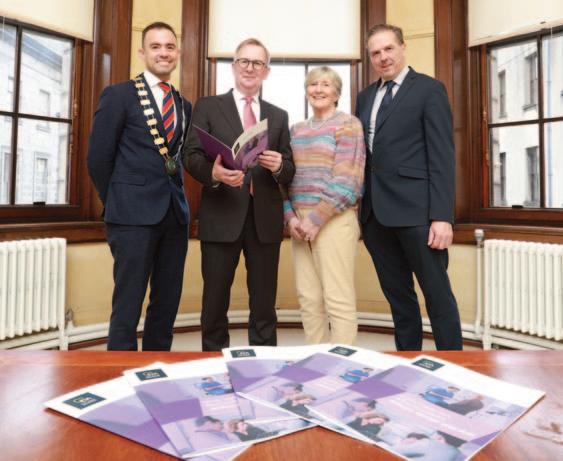
Pictured at the launch of the DCRS Annual Report were (from le): Dr Will Rymer, then IDA President; Mr Justice David Barniville, President of the High Court; Mary Culliton, DCRS Facilitator; and, Fintan Hourihan, IDA CEO.
IDA AGM celebrates contributions
Drs Edward Cotter and John Nolan were added to the IDA Roll of Honour at the recent IDA AGM in recognition of their service to the Association.
Former IDA independent non-executive director Ronan King and Drs Rory Boyd and Caroline Robins also received certificates of appreciation for their time on the Management Committee of the Association.
In her inaugural address, new IDA President Dr Bridget Harrington Barry said: “Dentistry deserves a system that honours and respects the work we do every single day. That means fair contracts, for both our patients and colleagues. That means respect for our professional judgement. And it means being partners, not afterthoughts, in any national oral health policy or decisions that affect our everyday working lives”.
Bridget announced that she was also committed to supporting younger colleagues and future leaders: “We owe them mentorship, clarity, and a system in which they can thrive. We have been advocating for the return of the vocational training year post qualification to encourage a mentoring ideology and collaboration”.
CEO Fintan Hourihan told the AGM that the past year marked a turning point for dentistry, with unprecedented Government commitments to oral health reform and tangible progress towards new legislation on professional competence.
Throughout 2025, the IDA strengthened its influence through robust advocacy, securing a stronger voice for dentistry in policy, workforce planning, education, and contract reform. Member services expanded significantly, particularly in HR support, CPD, communications, and governance, delivering clear professional and financial value. As we look ahead, the Association remains focused on sustainability, workforce retention, and ensuring high-quality, accessible dental care through a strong, united profession.
The AGM passed a motion stating: “This AGM recognises the importance of a united dental profession in addressing the significant challenges currently facing oral healthcare in Ireland. The AGM therefore resolves that the Irish Dental Association will promote and support collaborative
engagement across all sections of the dental profession, founded on mutual respect and professional working relationships, in order to advance the interests of patients and the long-term sustainability of dentistry in Ireland”.
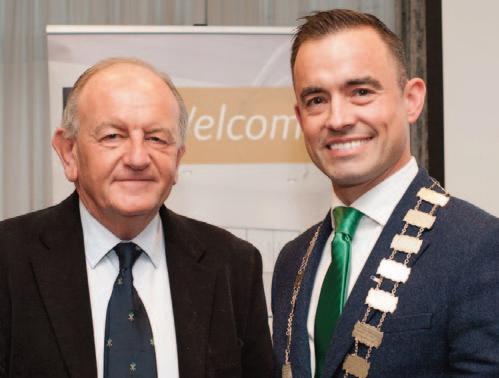
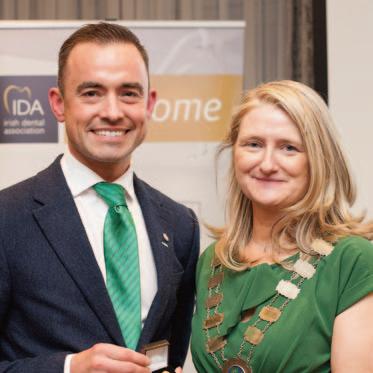
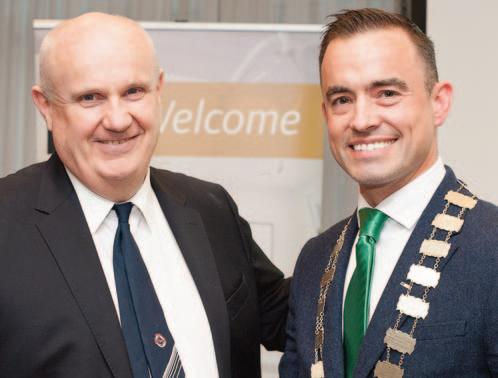
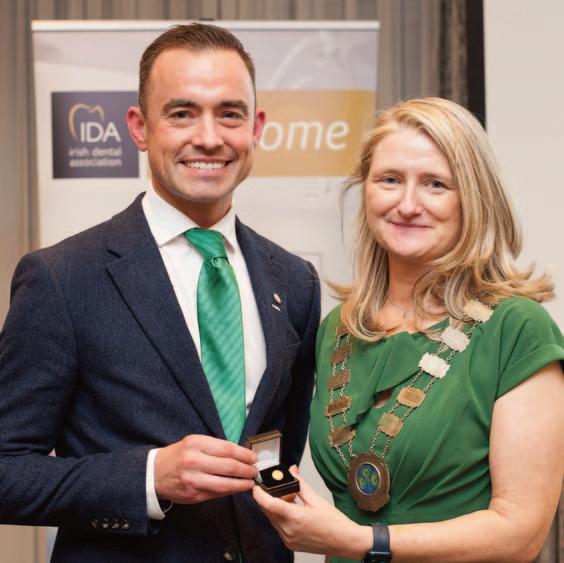
Dr Will Rymer hands over the chain of office to new IDA President Dr Bridget Harrington Barry.
Dr Edward Cotter was added to the IDA Roll of Honour at the recent AGM. Dr John Nolan was added to the IDA Roll of Honour at the recent AGM.
Oireachtas Committee endorses IDA priorities
The report of the Oireachtas Joint Committee on Health has endorsed all of the key reforms demanded by the Association in recent times. The Association was represented at the launch of the report by new IDA President Dr Bridget Harrington Barry and CEO Fintan Hourihan.
In January of this year, the IDA attended a hearing of the Health Committee, where cross-party Committee members heard from dental representatives of the collapse and decline of public dental services, long-term workforce constraints, and the lack of training places for prospective dentists across Ireland. We were pleased to engage actively with all members of the Committee, and welcome the level of interest, detail and insight demonstrated in this report.
As we approach the publication of the long-awaited National Oral Health Policy Implementation Plan, this report supports our view that significant investment is required to achieve meaningful reforms that offer sufficient access, coverage and quality of care to the general population, particularly those experiencing socioeconomic disadvantage. The IDA has put forward a detailed, solutions-oriented policy platform in recent years, with seven major policy papers proposing reforms across public and private practice. Any successful programme of reforms must happen in partnership with dentists and their representatives, to ensure that we can improve access to dental care and deliver viable and sustainable services across the country.
We have engaged substantively with the Minister for Health in recent months and welcome her visible interest in dental issues. We look forward to escalating our constructive engagement with the Department of Health and the HSE.

Women’s Aid and IDA collaborate to offer training on domestic abuse and coercive control
As health professionals, dentists and dental team members may encounter what they believe to be patients suffering domestic abuse or coercive control. This can often be a very difficult subject to discuss with patients, and it is important to know how and when to approach the topic. Very often, the victim feels they have nowhere to turn to and that there is no support, so it is vital that if and when they do ask for help, they are directed appropriately.
A full online training programme, given by Women’s Aid Ireland, will take place in September for IDA members. The course is a three-part programme. The first two parts can be completed in your own time, any time from August 21 to September 17, and the final part must be completed via a live webinar on Friday, September 18, from 2.00pm-5.00pm.

The course costs €295, and is open to all IDA members and their teams. Places are limited so early booking is advised. Training will cover children, young people and adults. Full details out soon.
An introduction webinar will take place on June 3 on this topic, and is free of charge to all IDA members.
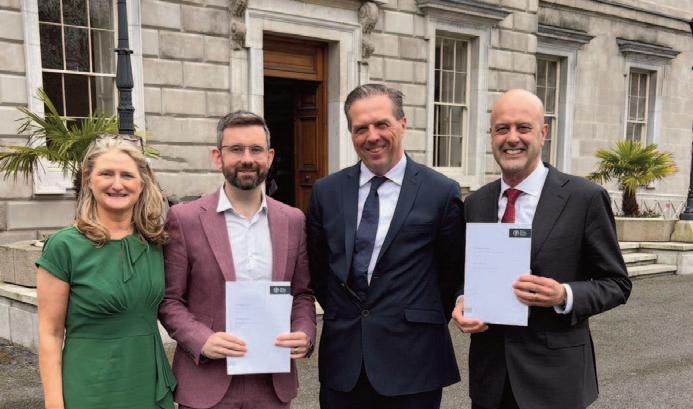
Pictured at the launch of the Oireachtas Health Committee ‘Report on Dental Services in the Healthcare System’ were (from left): Dr Bridget Harrington Barry, IDA President; Pádraig Rice TD (Social Democrats); Fintan Hourihan, IDA CEO; and, Martin Daly TD (Fianna Fáil).
Irish dentists at IADR
A number of Irish dentists were recently honoured at the International Association for Dental, Oral, and Craniofacial Research (IADR) 104th General Session in San Diego, California.
Prof. Hal Duncan, Dublin Dental University Hospital (DDUH) Consultant in Endodontics, was honoured with the prestigious IADR Distinguished Scientist Award in Pulp Biology and Regeneration. The annual award recognises outstanding research achievements over a number of years and is one of the highest accolades in this field of dental research.

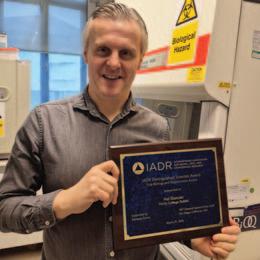
Hal Duncan.
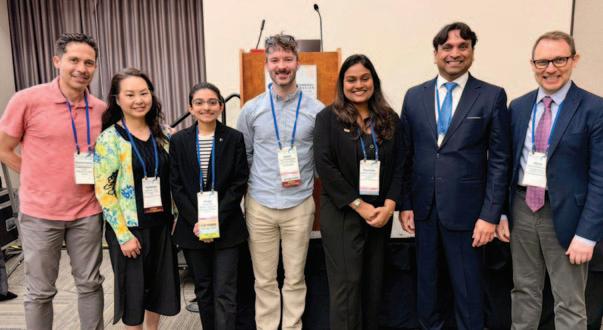
Dr David McReynolds, PhD student at DDUH, was awarded joint first prize for the Pre-Doctoral Geriatric Oral Research Group (GORG) Award. This award recognises outstanding contributions to geriatric oral research by emerging scholars and reflects the continued commitment of the GORG leadership to advancing oral health in older adults. Prof. Finbarr Allen of Cork University Dental School and Hospital (CUDSH) was awarded the prestigious IADR Distinguished Scientist Award for

From left: Dr Roberto Carlos Castrejón-Pérez, GORG Councillor, Mexico; Assoc. Prof. Katherine Leung, GORG Incoming President, Hong Kong; Dr Krupa Patel, joint first prize winner, Boston; Dr David McReynolds, joint first prize winner, Dublin; Dr Keerthika Natarajan, Singapore; Prof. Murali Srinivasan, GORG Outgoing President, Switzerland; and, Dr David Chvartszaid, GORG Secretary/Treasurer, Toronto.
Behavioural, Epidemiologic and Health Services Research. Dr Claire Curtin, Specialist/Lecturer in Special Care Dentistry at CUDSH, was awarded second place in the Senior Clinical category of the Hatton Award. Claire’s research, ‘Oral Health and Care Practices in an Irish Residential Facility’, was recognised for its strong clinical relevance and contribution to the field.

















New oral health plan to improve access to care


The Department of Health has advised the IDA that it is developing, with the HSE, a more focused two-year action plan to improve access to oral healthcare services while long-term reform is underway.








The Department wrote to the IDA following exploratory talks, which took place between the IDA and the Department in recent weeks. The Department says that the new plan “is currently at an advanced stage of development. The Plan, subject to approval, will seek to focus on implementation, which includes addressing waiting lists for the School Dental Programme and orthodontic services, progressing the Smile agus Sláinte National Oral Health Policy, a review of the Dental Treatment Services Scheme (DTSS), support for recruitment, education and training for dental services positions, and support for innovation and new models of delivery for services”.
Prof.

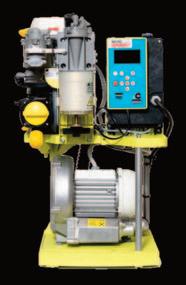

OPTIONAL EXTRA
Sound reducing cover

Reduces noise levels from 64-71dB(A) to 63-68.5dB(A)

Henry Schein among Ethisphere’s 2026 World’s Most Ethical Companies®

Henry Schein has been recognised as one of the 2026 World’s Most Ethical Companies® by Ethisphere. According to Henry Schein, its global corporate citizenship programme, Henry Schein Cares, celebrates 25 years of improving access to care, strengthening communities, and helping to create a healthier world. The company states that it remains committed to “doing well by doing good”. The World’s Most Ethical Companies assessment is grounded in Ethisphere’s proprietary Ethics Quotient®, which requires companies to provide documented proof of practices that support robust ethics and compliance. The data undergo further qualitative analysis by a panel of experts. Fred M. Lowery, CEO of Henry Schein, commented: “To be honoured for our ethical practices reflects the values that have guided Henry Schein for decades. There is a strong culture of integrity and purpose that defines Team Schein, and together we will continue to build on this legacy as we support healthcare professionals and the communities they serve”.
Opportunity in uncertainty for mortgage holders
Zirkonzahn’s Head Tracker for digital data
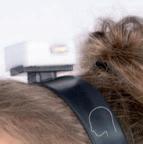
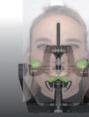
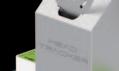
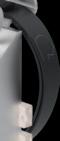
With its Head Tracker, Zirkonzahn states that it introduces an innovative solution for patient analysis that enables precise, patient-specific determination of maxilla positions. Unlike previous analogue methods whereby data had to be digitised aerwards, the entire process can now be performed fully digitally, starting from intra-oral scans, according to the company.
According to Zirkonzahn, the Head Tracker records a patient’s natural head position (NHP) and reference planes digitally, contact free and without exogenous influences: by means of two modern sensors and the Zirkonzahn.App, it captures important data such as maxilla position, ala-tragus planes, and 2D images of the patient’s physiognomy, which serve as an important working basis for the dental technician – all on a smartphone. The acquired data can then be imported into the Zirkonzahn.Modifier soware and automatically aligned in the virtual articulator, which the company states ensures the positioning of the upper and lower jaw in accordance with the NHP.
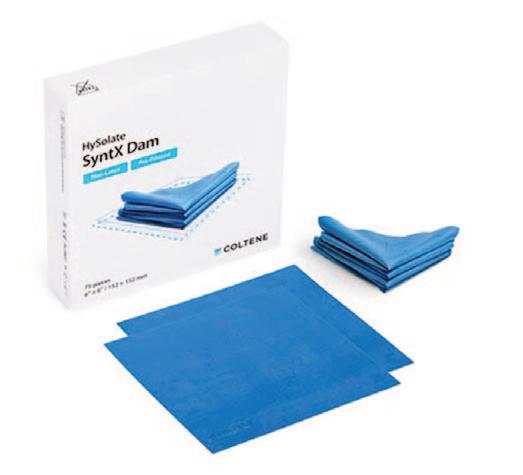
Incredible isolation from Coltene
Interest rate expectations for Ireland remain closely tied to decisions of the European Central Bank (ECB). Moore Wealth Management states that while recent ECB commentary suggests that at least one further rate increase is likely this year, there is an opportunity for mortgage holders.
Tracker mortgage customers are the most exposed, as repayments move almost immediately with ECB decisions, according to the company. While fixed-rate borrowers are protected temporarily, Moore Wealth Management states that the estimated 40,000 mortgage holders coming off fixed rates this year could face significantly higher repayments. Average new mortgage rates in Ireland are currently around 3.5%.
Moore Wealth Management advises that overpayment of a mortgage has a guaranteed return. The company states that for a 20-year mortgage at a 3.5% interest rate with repayments of €1,739 per month, an overpayment of €250 per month would save €21,751 in interest paid, and reduce the loan term by 41 months. According to Moore Wealth Management, that’s hard to beat.
Coltene states that its HySolate SyntX Dam offers next-level isolation for all endodontic and restorative requirements. According to the company, the polyisoprene formulation permits predictable and consistent stretching of the dam over clamps and contact points without the risk of tearing or thinning, and the non-latex material supports use with an extended patient base, including those with sensitivities.
Coltene adds that the dam’s distinctive blue colour optimises visual focus by providing great contrast, which is particularly useful for clinical photography. The HySolate SyntX Dam comes with a pre-printed template on one side, which the company says facilitates faster and more accurate punching while minimising decision-making throughout treatment.
With exceptional elasticity, high tear resistance and retention, and remarkable ease of use, the HySolate SyntX Dam is the only choice for isolation, according to Coltene.
NEW SERIES IDA UNCOVERED
A new era for IDA CPD
With mandatory CPD finally on the horizon for the dental profession, the IDA is launching an exciting new programme to support dentists in learning throughout their career.
Ann-Marie Hardiman Managing Editor at Think Media Ltd
Continuing professional development (CPD) is a hallmark of every profession. Lifelong learning is part of all of our lives, and for professions such as dentistry, where new technology and new evidence are constantly moving the field forward, it’s all the more important to stay on top of the latest developments. While many Irish dentists avail of further education each year, dentistry has long been an outlier among healthcare and other professions in having no legally mandatory requirement for CPD. The Irish Dental Association (IDA), along with the Dental Council of Ireland, has advocated for mandatory CPD for many years, and it now seems that change is coming. Late last year, Minister for Health Dr Jennifer Carroll MacNeill TD announced that mandatory CPD will be introduced via amendments to the Dentists Act 1985.
So what does this mean for dentists? Obviously, change won’t come overnight, as IDA Chief Operating Officer Elaine Hughes explains: “It doesn’t mean that in the next month or two, dentists are going to have to do ‘X’ number of hours of CPD. There is still a lot of preparatory work to be done by the Department and the Dental Council”.
It’s not yet clear what the new system will entail, and what will be required in order for dentists to comply with it. Elaine points out that other professions generally operate a competency-based approach, with a set number of hours required within a particular time frame. However, early indications are that the scheme for dentists will be more individualised.
This is something that the IDA argued for in its submissions to the Department, she says: “We want each individual dentist to be able to decide themselves what is it that they should be doing on an annual basis. A dentist working within the HSE, for example, who would mainly see children, special needs patients, etc., would be seeing a different type of patient than an orthodontist, or even a general practitioner. So the scheme that would be preferred by the IDA, and I think by the
Members of the IDA CPD/Education Development Forum
Dr Kieran O’Connor (Chair)
Dr Ed Madeley
Dr Patrick Quinn
Dr Bob Philpott
Dr Marcella Torres Leavey
Mr Richard Carr
Dr Helen Walsh
Dr Mary O’Keeffe
Dr Tom Quilter
Dr Will Rymer
Dr Rory Boyd
Dr Daniel Merrick
Dr Maeibh McNamara
Dr Gabrielle O’Donoghue
Dental Council, is something whereby the dentist would decide themselves: ‘I see a lot of children, so the vast majority of my CPD should be geared around paediatric dentistry’”.
Rising to the challenge
The IDA has long been the largest provider of CPD to dentists in Ireland, offering hands-on courses, webinars, and of course major events such as the Annual Conference, and covering a huge range of clinical and non-clinical topics. Now the Association is drawing on decades of experience and its reputation as a trusted source of further education for dentists, to meet the challenge of this new learning landscape.
The first step, says Elaine, was to take a close look at its existing CPD offering: “Last year our Board of Directors and Council decided that we would put together a task force made up of representatives from the different specialist areas of dentistry, the different geographical regions, and individuals who had a specific interest in education and lifelong learning. The purpose was to examine and assess the current CPD offering from the IDA, and to offer recommendations on how best we were going to serve our members in the future”.
IDA CPD Committee 2026-2027
Dr Kieran O’Connor (Chair)
Dr Will Rymer
Dr Rory Boyd
Dr Tiernan O’Brien
Dr Patrick Quinn
Dr Sinead Daly
Dr Daniel Merrick
Dr Bob Philpott
Dr Joe Mahon
Dr Tom Quilter
Dr Peter Doyle
Dr Charles Gavin
The IDA CPD/Education Development Forum met for three full-day sessions with an independent moderator. It was chaired by Dr Kieran O’Connor, who says it was a challenging but very productive process: “This is the broadest consultation we as an Association have ever done. We had three very busy, long days, but we had really good energy in the room”.
Elaine agrees: “We knew that there was a lot that we were doing right, but we didn’t really know what it was that members and dental practitioners valued, what was relevant to them, and how they wanted to get their CPD. We looked at what we were doing, and what processes and systems we needed to put in place to meet the demands of mandatory CPD. We got fascinating insights from the members of the Forum about what was good about our offerings and where we needed to improve”.
A new approach to CPD
The Forum has now completed its work, and the IDA is implementing its recommendations for a more co-ordinated, comprehensive and streamlined approach to CPD. One of the main recommendations was for a more planned and strategic approach, so that dentists can plan their learning in a way that suits their practice area, interests, and also their location. As a result, in the autumn the IDA will launch a comprehensive programme listing all CPD events for the coming year, from webinars to full-day hands-on programmes and conferences. The programme will include dates, venues and prices for the IDA’s entire CPD offering for the year. This new approach is built around seven streams of learning – Essentials, Surgical, Restorative, Development, Aesthetics, Business, and Stages (see panel). Within each stream are a series of sub-categories designed to meet the needs of dentists at every stage of their learning journey, both clinical and non-clinical, and from the early postgraduate years to those approaching the end of their career. Whereas previously, some CPD was organised through regional branches, the new programme will be co-ordinated centrally from IDA Head Office. Both Elaine and Kieran are very keen to emphasise, however, that a centrally co-ordinated programme does not mean that dentists outside large towns and cities will be neglected. In fact,
7 Streams of Learning
ESSENTIALS
Infection Control
Oral Radiology
HR Regulation
SURGICAL
Oral Surgery
Oral Medicine
Facial Pain
Pathology
Medical Emergencies and BLS/ILS Professional Communications
Implantology
Maxillofacial Surgery
Sleep Disorders/Apnoea
Pharmacology
Kieran says the opposite is the case : “No matter where you are on the island, and where you are in your career path, this will make CPD more accessible. Only you know what you need, and having this programme available well in advance will allow you to plan for the year ahead to best suit you. This programme takes the best of what the IDA has been doing in terms of CPD and builds on it”.
Of course, this level of advance planning is a major undertaking in itself, and a new permanent CPD Committee, also chaired by Kieran, has taken on the task of setting that programme each year. Like the Forum, the members of the CPD Committee are representative of the profession, both in terms of clinical expertise and geographic location. Says Kieran: “Every regional branch of the IDA is represented on this Committee, and feeding into the content of the programme, so members can make suggestions or proposals for content through their representative. It’s CPD by everybody for everybody”.
The new offering will blend online and in-person learning, with a modular approach that will allow dentists to build a qualification over time, he says: “If there’s an area that particularly interests you, such as endodontics, you will be able to complete sections of the qualification at a time that suits you. That might involve first completing an online course or webinar, and then later attending an in-person day, or a session at the Annual Conference to complete the qualification”.
It’s also planned to offer CPD to all members of the dental team, such as hygienists, dental technicians, dental nurses and orthodontic therapists.
Better for members
While any dentist can avail of IDA CPD, IDA members will be able to access a range of additional benefits. Members are already entitled to significant discounts on the cost of all IDA CPD, and this will continue under the new programme. There are also plans to offer some courses exclusively to members.
Elaine says that technology is going to play a vital part in the IDA’s approach, and not just in terms of offering online courses and webinars. The Association already operates an online learning management system whereby members can create a record of CPD they have completed, and that online offering will be expanding soon: “We’re hoping in the autumn to launch an app for members, to make booking and recording CPD even easier. Ultimately it’s going to be a lot easier and a lot more financially beneficial for members as opposed to non-members”.
Ultimately, as Kieran reiterates, it’s about serving members, and offering the very best in CPD to the dental profession: “It’s a culture change, but we believe it will serve dentists all over Ireland, no matter your career path. It’s exciting, it’s relevant, and it’s for you”.
DEVELOPMENT
Paedodontics
Orthodontics
BUSINESS
Practice Management
Setting up in Practice
Buying and Selling
Marketing a Practice
STAGES Overseas Dentists
Dental Public Health
Special Care Dentistry
Gerontology
Accountancy/Finance
Wealth Management
Personal Wellness/Health
HR Employment Issues
Retirement
RESTORATIVE
Periodontics
Endodontics
Prosthodontics – Fixed and Removable
Operative (Fillings)/Biomimetics
Traumatology
AESTHETICS
Injectables
Aesthetic Dentistry
Dermatology
Playing to our strengths
The IDA Annual Conference, ‘Learning
by the Lakes’ brought some of the brightest minds in Irish and international dentistry
together in Kerry from April 23-25.
Caoimhe Coolican Copy editor/journalist at
Think Media Ltd
Spirits were high as dental teams, exhibitors and friends convened in a buzzing Killarney for the 2026 IDA Annual Conference. The Great Southern Hotel served as a welcoming hub for the packed programme of lectures, workshops, trade show, and social events.
On Thursday, attendees immersed themselves in a range of hands-on courses. Workshops on root canal treatment, indirect restoration, guided implant surgery and immediate implant provisional restorations, and life hacks for restorative dentistry were on offer, and participants emerged brimming with fresh insight and useful tips.
Precision, prevention and extractions
There was laughter to be heard from Hall A of the Conference centre on Friday morning, as Drs Céline Higton and David Gerdolle opened their joint lecture on posterior adhesive restorations. Precision was the order of the day, and the two speakers agreed that in restorations, dentists should be 10 times more precise than a human hair. With the difference between success and failure being tiny, the margin for error is also tiny, and so Céline asked attendees to keep in mind two adjectives: neat and clean. The lively presentation was delivered in stages. First were tips for rubber dam isolation and how to choose the right clamp. Next, they examined deep margin elevation for restoring teeth in a conservative way, and last was guidance on smooth margins for long-lasting success. From good isolation to cavity preparation to matrixing, “get each step as clean and as neat as possible”, they urged. In the end, the priority for David and Céline is keeping that tooth vital.
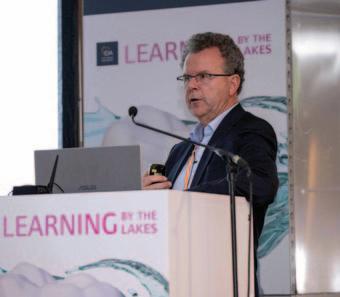
Prof. Avi Banerjee began his presentation with the startling revelation that 45% of the global population has untreated periodontal disease. He continued by pointing out that in caries management, we too oen forget the basics: managing and preventing caries early on, by getting in the patient’s head and teaching behaviour. But how can we change behaviour? This is where minimum intervention oral care (MIOC) comes in, Avi said, and he laid out the four domains that constitute MIOC: identify; prevent/control; restore; and, re-assess. Avi also outlined four principles underlying MIOC: it has to be person focused, delivered by the entire oral healthcare team, prevention based, and susceptibility led. Once susceptibility is determined, dentists know how to do the treatments. Avi said that ‘watch and wait’ doesn’t work – practitioners must embrace active prevention and care, and “wrap the whole oral health team in MIOC”.
The dos and don’ts of molar extraction were vividly explored by Dr Justin Moloney. Justin’s first lesson was not to use forceps for the extraction of molars in adults. Rather, dentists should opt for elective surgical extraction. Through a series of images and surgical videos, he illustrated how factors like bulbous roots, massive roots and cystic areas can be approached and managed. Justin stepped through the essential pre-extraction process, and raised important anatomical considerations such as the antrum and the inferior alveolar nerve. He highlighted the risks and unpredictability of third molars, and advised caution, as dentists can be legally exposed if they attempt something outside their training. Justin recalled a case in which a general dentist had tried for two hours to extract a third molar before ultimately referring the patient to him. Notwithstanding the challenges and complications, Justin ended with the affirmation that oral surgery is fun!
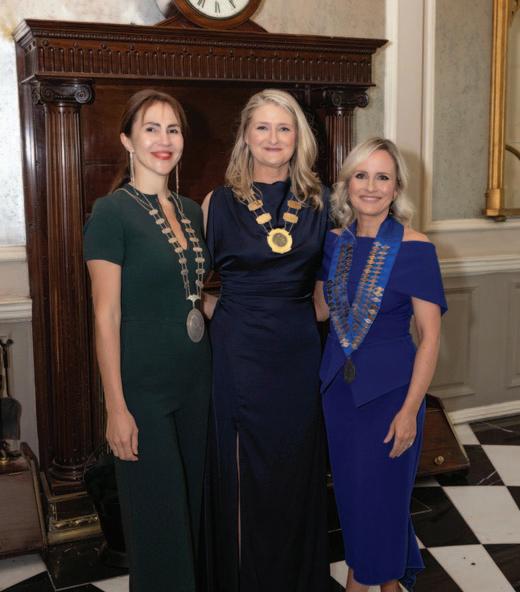
From left: Sviatlana Anischuk, President, Irish Dental Hygienists’ Association; Dr Bridget Harrington Barry, IDA President; and, Dr Kathryn McKenna, President, British Dental Association Northern Ireland Branch.
Infiltration, machines and positive health
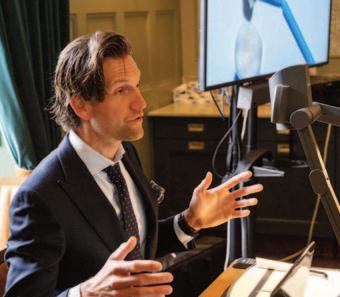
On Friday afternoon, delegates learned all about the infiltration of enamel defects from Dr Erik-Jan Muts. After capturing their attention with a slick video compilation, Erik-Jan took the audience through a number of case studies to illustrate his infiltration concept, a procedure for infiltrating enamel defects and restoring aesthetic characteristics in a minimally invasive way. He explained how to adjust the protocol based on diagnosis, transillumination and histology, and how to achieve the best aesthetic results by combining infiltration with micro-abrasion, bleaching and composite bonding.
Infiltration to treat molar incisor hypomineralisation (MIH) was demonstrated through the example of a patient Erik-Jan had treated, with a combination of infiltration, bleaching and composite.
Employing further visuals, he showed that infiltration not only restores the aesthetic element of the tooth, but also the mechanical layer. Erik-Jan explained the characteristics of different defects, and conducted a short quiz to test attendees on how to distinguish fluorosis, caries, MIH and traumatic hypomineralisation.
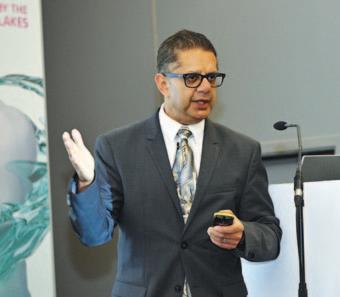
Prof. Raj Rattan took on the subject of artificial intelligence (AI) in dental practice. Raj gave a brief history of the machines that we know as AI today, and displayed a graphic representation of the path we are on with AI. He pinpointed our current state as having “the human in the loop”, whereby the human being must say it’s okay to progress the workflow.
Next, he went through some of the clinical applications of AI: diagnostic; predictive; simulative; analytical; and, assistive. The difficulty arising from these
tools is: how do we manage the risks? Raj outlined The Safer Practice Framework that he created for Dental Protection. The framework has two parts to help dentists navigate challenges in the adoption of AI in practice: one for ethical decision-making using AI, and another for documenting AI-assisted decisions.
Raj closed the session by asking us to consider whether the greatest risk lies not in machines starting to think, but in humans stopping.
After this year’s Tony Costello Medal was awarded, the last speaker on Friday’s programme was Prof. Ciaran O’Boyle, who presented a compelling line-up of psychological coping strategies for our challenging world. Ciaran drew everyone in with an amusing quote from R.D. Laing: “Life is a sexually transmitted disease and the mortality rate is one hundred percent”.
He discussed the positive health model that is the focus of the RCSI’s Centre for Positive Health Sciences, describing it as an approach to health not as merely the absence of disease or infirmity, but the practice of lifestyle medicine and positive psychology for optimal human function and well-being.
As for coping strategies, three instruments that can be leveraged, he said, are a growth mindset, a strengths mindset, and our perspective of time. Ciaran invited attendees to find out what their strengths are, as playing to individual strengths can be a powerful tool in protecting well-being and helping us to thrive.
This uplifting note concluded the day’s lectures, and delegates slipped away to prepare for the Annual Dinner.
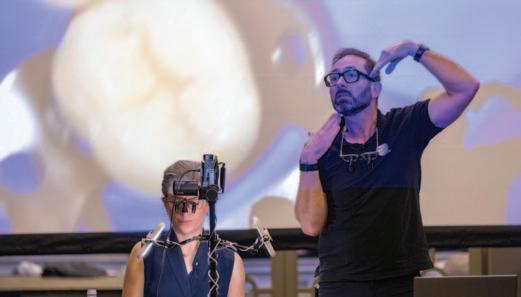
Dr Jane O’Regan taking course attendees through the best techniques for root canal treatment.
Dr Erik-Jan Muts offered life hacks in restorative dentistry.
Speaker Prof. Avi Banerjee.
Drs Céline Higton and David Gerdolle gave a pre-Conference course on indirect restoration of carious teeth.
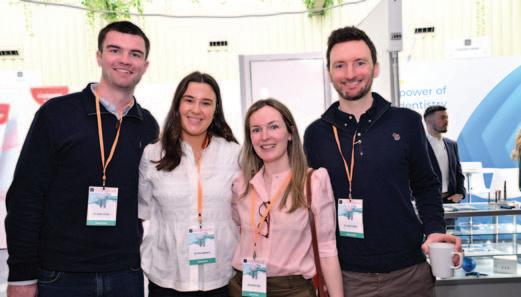
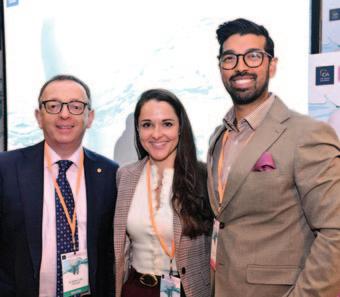
From left: Dr Sean Quilter; Dr Nina Hjalmers; Dr Emma Day; and, Dr Jack Coffey.
Athletics and aesthetics
On Saturday morning, Dr Annie Hughes kicked things off with a look at her recent research: the first investigation into the oral health of elite athletes in Ireland. The study found a high prevalence of untreated dental disease among elite athletes. Annie noted that the study focused on dietary factors, given the importance of nutrition to an athlete’s preparation for training and competition. It is probably
Costello Medal 2026
unsurprising to most that carbohydrate intake is typically increased for elite athletes to maximise energy availability and enhance performance in events. However, Annie explained that sports nutrition snacks are formulated for optimal physical performance and not for our mouths. It was found that 90% of elite athletes had dental caries, which is significantly higher than the proportion found in a similar UK study of elite athletes. Interestingly, the study also found that sugars constituted 20% of the energy intake across the group. The principal conclusion highlighted by Annie was that there is an urgent need for targeted caries prevention strategies designed specifically for elite athletes.
A practical guide to integrating facial aesthetics into dental practice was provided by Dr Caitriona Kieran. Caitriona began by acknowledging the growing patient demand for aesthetic treatments, but urged dentists considering offering these to “build a service, not just a skill”. She stressed that adding a new service to practice necessitates having systems and supports in place, and encouraged consideration of treatment integration, training, and profitability. While dentists have a lot of transferrable skills for facial aesthetics, they need to develop the ability to provide a safe, sustainable service, she added. Caitriona countered the perception that it’s a simple, highly profitable area, insisting that aesthetics is not just a “side hustle”, but when integrated properly can be very rewarding. She gave advice around the hallmarks of a high-quality training course, and recommended starting slowly to build confidence. Caitriona detailed common oversights, and explained why the quality of consultations matters so much in order to assess suitability, understand what is possible, and set expectations.
From left: Dr Will Rymer; Dr Aideen Hayes; Dr Sarah Rymer; Fintan Hourihan, IDA CEO; Dr Susan Croke; and, Dr Justin Moloney.
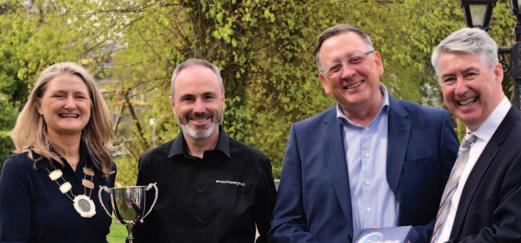
IDA President Dr Bridget Harrington Barry presents the JIDA Cup to Paul Kennefick of Straumann (second left), winner of the exhibitors’ golf competition, while runnerup Denis Kelly of Q-SIP (third left) receives his prize from Paul O’Grady of Think Media, sponsors of the competition.
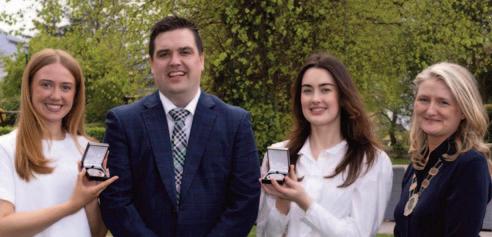
This year’s Costello Medal was awarded to students from University College Cork for their poster entitled ‘What is the Impact of Human Factors on Oral Surgery?’.
From le: Ava Grant, UCC; Tony Costello (grandson of Dr Tony Costello); Elaine Murphy, UCC; and, Dr Bridget Harrington Barry, IDA President.
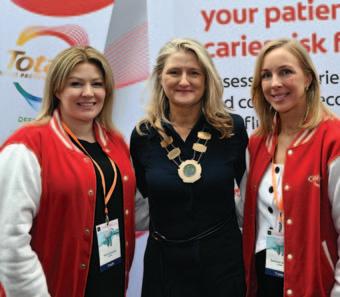
IDA President Dr Bridget Harrington Barry pictured with Fiona Considine (left) and Stephanie Gribbin of Colgate.
From left: Dr Kieran O’Connor; Dr Annie Hughes; and, Dr Ambrish Roshan.
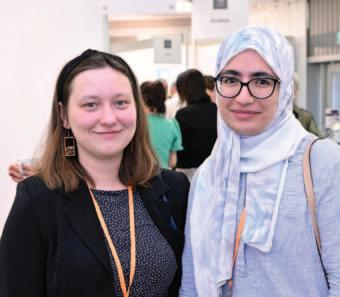
From left: Dr Gabriela Kruk; and, Dr Lowsan Ahmad.
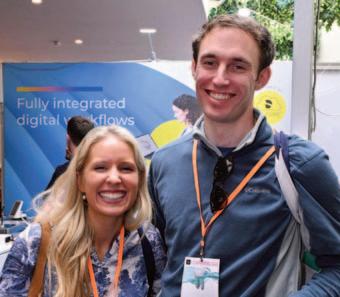
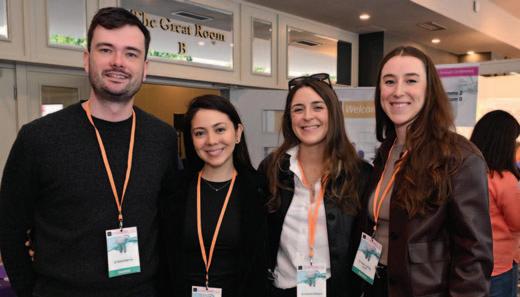
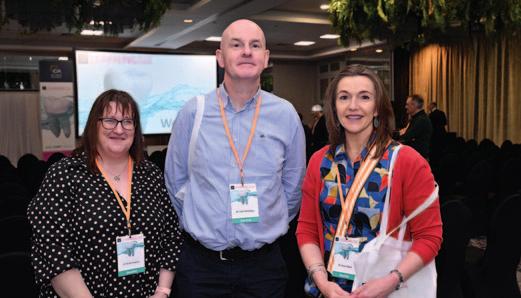
Inaugural Practice Managers Day
In an exciting development, this year the IDA offered a full-day programme dedicated to practice management. Attendees received the IDA Certificate in Practice Management. Topics explored throughout the day ranged from medical emergencies to workplace culture. Dr Andrew Bolas gave an overview of the process for Health Information and Quality Authority (HIQA) inspections of dental practices that use oral radiology. Andrew said that 72 dental locations have been inspected so far, and 50% of these have failed. He gave a rundown of what to expect in an inspection, noting that HIQA “wants to work with dentists”. One of the key parts of preparing for an inspection, he said, is good documentation – having policies, procedures and guidelines in place. However, documentation alone is not enough. Andrew explained that HIQA will also be looking for evidence of good practice, an understanding of radiation safety, and a clinical audit strategy. He added that HIQA wants practices to be carrying out clinical audits at meaningful intervals, and advised against trying to “bluff it”. One of the key messages was that HIQA has a guidance document on the inspection process, and practice managers should read it.
In the aernoon, Roisín Farrelly of the IDA spoke on all things HR in dental practice. Roisín began by expressing the centrality of good HR to good practice management. She talked about what she has learned from over 10 years of listening to and addressing queries from IDA members. Roisín recognised that HR in dentistry is unique, given the intensity of work in a practice, the flexibility that is oen required of team members, and the patient-facing element that means there is no place to hide tension among staff. Though it is not simple, the IDA is there to help members with compliance, she said. Roisín outlined common mistakes in dentistry, and urged practice managers to
think about the things they are in control of, like written contracts, an employee handbook, and a disciplinary procedure. The main point from Roisín was simple: “You don’t have to navigate the people issues on your own. Just pick up the phone”.
Dental coach Lisa Grogan tackled the subject of social media for dental practices. Attendees were asked to consider where a patient’s journey starts. It didn’t take long for the unanimous answer to surface: nowadays, the journey starts online. This is why practice managers can’t afford to ignore social media, explained Lisa. Through anecdotes from her own experience working with dental practices, Lisa identified the value of using emotional storytelling to inspire and educate patients with social media content. In order to invoke emotion, she said, show patients your work – use before-and-aer images and testimonials. She presented three social media goals for practice managers: know your audience; create content that converts to business; and, attract the right patients for your clinic.
Lisa asked all attendees to go home, look at their practice’s social media presence, and to reflect on the question: “What message are you trying to convey online?”.
Alongside the Practice Managers Day, a full Dental Team Day was held on Saturday, with seminars covering everything from equipment and infection control to effective communication.
Meanwhile, in the fih hands-on course of the Conference, led by Dr Tif Qureshi, dentists were guided through combined simple, direct restorative bonding and planned orthodontics for everyday patients. Aer three days of good company, good food, and plenty of learning, the IDA Annual Conference came to a close on Saturday evening. Next up, Galway in 2027!
From left: Dr Daniel Merrick; Dr Isabelle Xing Yi Lam; Dr Grainne Gillespie; and, Dr Niamh O’Kelly-Lynch.
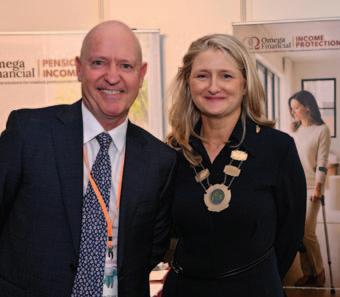
John O’Connor, Omega Financial; and, Dr Bridget Harrington Barry, IDA President.
Dr Robert Kelly.
Dr Rhona Lynch and Dr Ian Murphy.
From left: Dr Nuala Cagney; Dr John Hennessy; and, Dr Helen Walsh.
Navigating AI
Clear, inclusive AI guidance will benefit dental practices.
Dr Yvonne Shaw
Underwriting Policy Lead, Dental Protection
The artificial intelligence (AI) landscape in Ireland is fast evolving and oen uncertain, and it is crucial that healthcare professionals have the support they need to navigate this. Key to that is guidance that sets a clear, practical and inclusive standard for safe, ethical use of AI in healthcare.
Dental Protection recently contributed to the consultation on the Health Information and Quality Authority (HIQA)’s dra national guidance for the responsible and safe use of AI in healthcare in Ireland. The national guidance is intended for use by all services that provide healthcare in Ireland, which includes dental clinics. In our response,1 we call on HIQA to ensure that the guidance is clear and workable for all healthcare settings – including smaller community-based services and dental practices – and not just larger organisations and hospitals.
As an organisation that protects the professional interests of over 16,000 healthcare professionals in Ireland, we know our members appreciate guidance that is clear, concise and easy to follow. Busy healthcare professionals will be looking to this document to understand what is expected of them, so the language must be straightforward.
We welcome the dra guidance as an important milestone and our response provides an evaluation of the principles and implementation plan within the guidance.
1. Principle of accountability
Overall, we support the emphasis on accountability and the central role of human oversight in the safe use of AI. However, for staff to be held responsible for interpreting AI outputs and ensuring their appropriate use, we believe this is only reasonable if staff have been adequately trained and educated in how an individual AI tool works, including its limitations. The guidance will ultimately need to set out the need for mandatory training on AI tools and tackle the issue of liability.
2. Principle of a human rights-based approach
While we welcome the commitment to transparency and informed decision-making reflected in this principle, the guidance should address what should happen if a patient chooses to decline the use of AI, or if a clinician does not wish to use AI that has been introduced by their organisation.
It would also be helpful for the guidance to outline a more practical and proportionate consent process, including the role of the service provider in supplying standardised information materials (e.g., patient leaflets) so that the burden does not fall entirely on individual clinicians. Additionally, is it important to note that the detail and depth of the consent process may vary according to the complexity and use of the tool.
3. Principle of safety and well-being
We support the strong emphasis on using AI tools safely and in line with their intended purpose. However, the guidance here should acknowledge that AI technologies may
evolve rapidly, and that safe use requires more than one-off training or a one-time understanding of an AI system’s instructions for use. AI systems are likely to undergo updates, refinements, or expanded capabilities over time.
The guidance should therefore highlight the need for ongoing monitoring, updated training, and refreshed guidance so that staff remain aware of changes to functionality, limitations, or risk profiles.
4. Principle of responsiveness
The emphasis on recognising concerns – such as bias or system flaws – is welcome, but the guidance needs greater clarity on how staff should respond to concerns, and within what time frame. Current risk management pathways within the HSE can be slow, with some risk committees meeting infrequently. The guidance should therefore highlight the need for timely escalation processes aligned with the level of risk, including clear routes for urgent action where required.
Implementation
The aims of the guidance are clear, and we believe that its implementation in practice would be significantly strengthened through the inclusion of practical tools, such as flow charts, checklists, and embedded links that enable users to quickly access relevant information. Our members are already encountering new dentolegal challenges as AI becomes embedded in clinical practice, particularly around consent, accountability, and the exercise of clinical judgement. This is why Dental Protection created the AI Safer Practice Framework,2 developed by Prof. Raj Rattan, which offers dental professionals a practical and memorable structure to support the safe integration of AI in clinical settings.
The framework has been structured around two acronyms to ensure that it is practical and memorable: INFORMED, which guides clinical decision-making using AI; and, RECORDS, which documents AI-assisted decisions for accountability and clinical rationale. We will continue to work with HIQA on the development of this guidance and look forward to reviewing future versions.
References
1. Dental Protection. Response to the consultation on the Health Information and Quality Authority (HIQA)’s dra national guidance for the responsible and safe use of AI in healthcare in Ireland. Available from: https://www.medicalprotection.org/docs/medicalprotectioninternationallibraries /press—-policy-docs/mps-response—-dra-national-guidance-for-theresponsible-and-safe-use-of-ai-in-health-and-social-care-services-public-consu lta.pdf
2. Dental Protection. AI Safer Practice Framework. Available from: https://www.dentalprotection.org/ai-framework
Classified ads
Classified advertisements are accepted via the IDA website – www.dentist.ie – only, and must be prepaid. The deadline for receipt of advertisements for inclusion in the next edition is Friday, July 10, 2026. Classified ads placed in the Journal are also published on www.dentist.ie for 12 weeks.
Please note that all prices are inclusive of VAT.
Advert size Members Non-members up to 25 words €135.30 €270.60 26 to 40 words €161.70 €330.65
The maximum number of words for classified ads is 40. If the advert exceeds 40 words, please contact: Think Media, The Malthouse, 537 North Circular Road, Dublin 1. Tel: 01-856 1166
Fax: 01-856 1169
Email: paul@thinkmedia.ie
Please note that all classified adverts MUST come under one of the following headings:
4 Situations wanted 4 Situations vacant 4 Practices for sale/to let 4 Practices wanted 4 Equipment for sale/to let
Classified adverts must not be of a commercial nature. Commercial adverts can be arranged by contacting Paul O’Grady at Think Media.
SITUATIONS WANTED
General dentist with experience in oral surgery and implantology seeking part-time position in south Dublin. Competent with CBCT and intraoral scanner. Irish Dental Council registered and qualified nine years.
Contact niall@innovativedental.com
SITUATIONS VACANT
Associates
Busy practice in Athlone looking for experienced associate to work part-time.
Great support staff. Private and PRSI. Contact reception@mearesdental.ie.
Family dental practice – dental associate required for busy private practice in Mallow. Part/full-time. Excellent support staff, great working conditions. Immediate start. Contact mallowdentist@gmail.com
Experienced dental associate required in Waterford City. Full- or part-time in private, well-established, growing clinic. Be part of a great multidisciplinary team with many visiting specialists. Special interest preferred. Excellent backroom support. In-house laboratory, digital scanner, CBCT. Please send CV to southeastdental46@gmail.com.
Associate required to replace departing colleague. Well-established, modern, busy practice in Dublin 13. Large, bright surgery, digital practice, part- or full-time, immediate start. Contact orthodebond@gmail.com
Associate dentist – Atlantis Dental & Implant Centre, Galway. Modern digital practice with iTero and CBCT. Focus on implants and Invisalign. New graduates/early-career dentists welcome, with mentorship. Competitive percentage. Must have right to work in Ireland – no visa sponsorship.
Contact info@galwaybesthealth.ie.
Associate required to replace departing colleague. Well-established, modern, busy practice in Carlow town. Large, bright surgery, digital practice, part- or full-time, immediate start. Contact info@dentalsuite.ie.
Associate dentist – Australia. Curran Dental, Port Lincoln SA. Visa sponsorship available. Busy coastal practice, 100-120 new patients/ month, mentorship provided. Advanced clinical exposure. Working holiday and relocating dentists welcome.
More info at currandental.com.au.
Part-time associate required for Chatham Dental, fully private clinic just off Grafton Street. Mondays and Thursdays. Digital X-ray and scanner. Strong Invisalign focus. Friendly team. Contact aleena@chathamdental.ie.
Full-time associate required for very busy multiaward-winning dental practice in Tralee, Co. Kerry. Winner of employer of the year 2025. Fully private practice with experienced staff. Modern, digital practice with scanners. Immediate start.
Contact info@creandental.ie.
Exciting full-time role for an experienced dental associate – work in a state-of-the-art south Dublin clinic. Intra-oral scanners, CBCT, 3D printers, hygienists’ support and friendly team. Private and PRSI, competitive remuneration. Contact careers@deansgrangedental.ie.
Associate required to replace departing colleague. Well-established, modern, busy, practice in Dublin 15. Large, bright surgery, full-time, immediate start. Fully digital practice with strong team support and excellent opportunities to gain experience. Please email admin@hansfieldmedicalcentre.ie.
Associate dentist wanted: part-time position. Busy, vibrant general dental practice in Dundalk. Full book guaranteed, excellent remuneration. Would suit experienced dentist suited to working in a team environment. CVs to dublinstreetdental@gmail.com.
Colm Smith Dental and Specialist Centre Cootehill is looking for an associate dentist to join a team of dentists, hygienists, endodontists, orthodontists, and oral surgeons. Irish Dental Council registered. Full/part-time. Fantastic support team of nurses and receptionists. Excellent remuneration available.
Contact 087-235 4963.
Dental associate required for Ballyconnell Dental Surgery. Full list of patients. The practice provides a full range of treatments for private/PRSI and medical card patients. Part/full-time position. Fully equipped practice with digital X-ray and scanner.
Contact info@ballyconnelldentalsurgery.com.
Part-time associate required for modern, busy, well-established Galway City practice. Great support team. Private/PRSI. Must be Irish Dental Council registered. Please email CV to dentistgalway2022@gmail.com.
Ambitious associate dentist sought for O’Neill Dental Care, Swords. Established high-value patient flow via advanced sales/marketing systems. State-of-the-art digital dentistry, including iTero Lumina scanner and CBCT. Leading Invisalign provider. Exceptional cosmetic focus, strong earnings potential, supportive growth environment.
Contact andrew@oneilldentalcare.ie.
Dentists
Dentist required for modern clinic in Limerick City. Full-time hours available. Excellent opportunity for a dentist to join multidisciplinary team. CVs via email to dr.danaher@alexandradental.ie.
Experienced dentist for private/PRSI modern practice in Bray. Fluent English with paediatric/facial aesthetics/Invisalign an advantage. Immediate start possible, mentoring and 45% remuneration possible. Applications/CV only to drjohnmurphy@gmail.com.
Dentist required for a busy, modern clinic in Co. Kildare. Full-time hours available. Excellent earning opportunity, fully digitised, private/PRSI. Contact info@dentalsuite.ie.
Join our private Dublin dental practice – start your career with confidence! We’re seeking a motivated, friendly new graduate dentist to join our busy multidisciplinary practice. Email us If you’re ready to build your skills and gain hands-on experience!
Contact dentalgraduatementorship@gmail.com.
Full-time GDP position available in Ennis, Co. Clare. Thirty minutes from Galway and Limerick. Experience in general practice preferred. Fully digital practice with strong team support and excellent opportunities to gain experience. Immediate start.
Please send CV to jobs@cubedental.ie.
Experienced dentist required, full- or part-time, for our private clinic in Castlebar. Excellent support staff, CBCT, intra-oral scanner, strong patient base and a well-supported team. Please forward CVs to jobs@cubedental.ie.
Busy dental clinic in Limerick seeking a dentist to join our team. Mixed private and GMS patient base. Applicants must be Irish Dental Council registered, hold a valid visa to work in Ireland, and have a good standard of English.
Contact manager@no8clinic.ie.
Cork City: high-performing general dentist required for busy, modern clinic in Little Island, Cork. Strong patient flow, excellent earning potential, and full clinical support. Seeking confident, efficient clinician focused on delivering high-quality general dentistry. Excellent support staff and marketing, etc.
Contact jobs@cubedental.ie.
Dentist required to replace retiring colleague in busy general practice in Athlone. Great staff, earning potential and working atmosphere, with an emphasis on quality work.
Contact campbelldentald@yahoo.ie.
Modern dental practice in Galway seeks general dentist for private and PRSI patients. Fully computerised with 3Shape scanner and modern equipment, strong patient base and supportive team.
Apply now to office@renmoredental.ie.
Dentist required for Cork city centre practice. Private/PRSI. Three/four days weekly. Fully digitalised, newly refurbished practice with excellent support staff.
Contact info@grandparadedental.com.
General dentist required for fast-paced multidisciplinary clinic in Dublin 22. Role covers all aspects of general dentistry, including paediatrics. Supportive team, modern facilities, and strong patient base. Immediate start available. Contact vicky@3dental.ie.
Email us about an exciting opportunity to join our practice! Private, digital with excellent team. Fullor part-time. www.kingscourtdentalpractice.ie. Mentorship of experienced colleagues available. Apply today!
Dental Care Ireland Kilkenny – 2+ years’ experience, Irish Dental Council registration essential. Modern, established practice with strong patient base, full clinical support, and


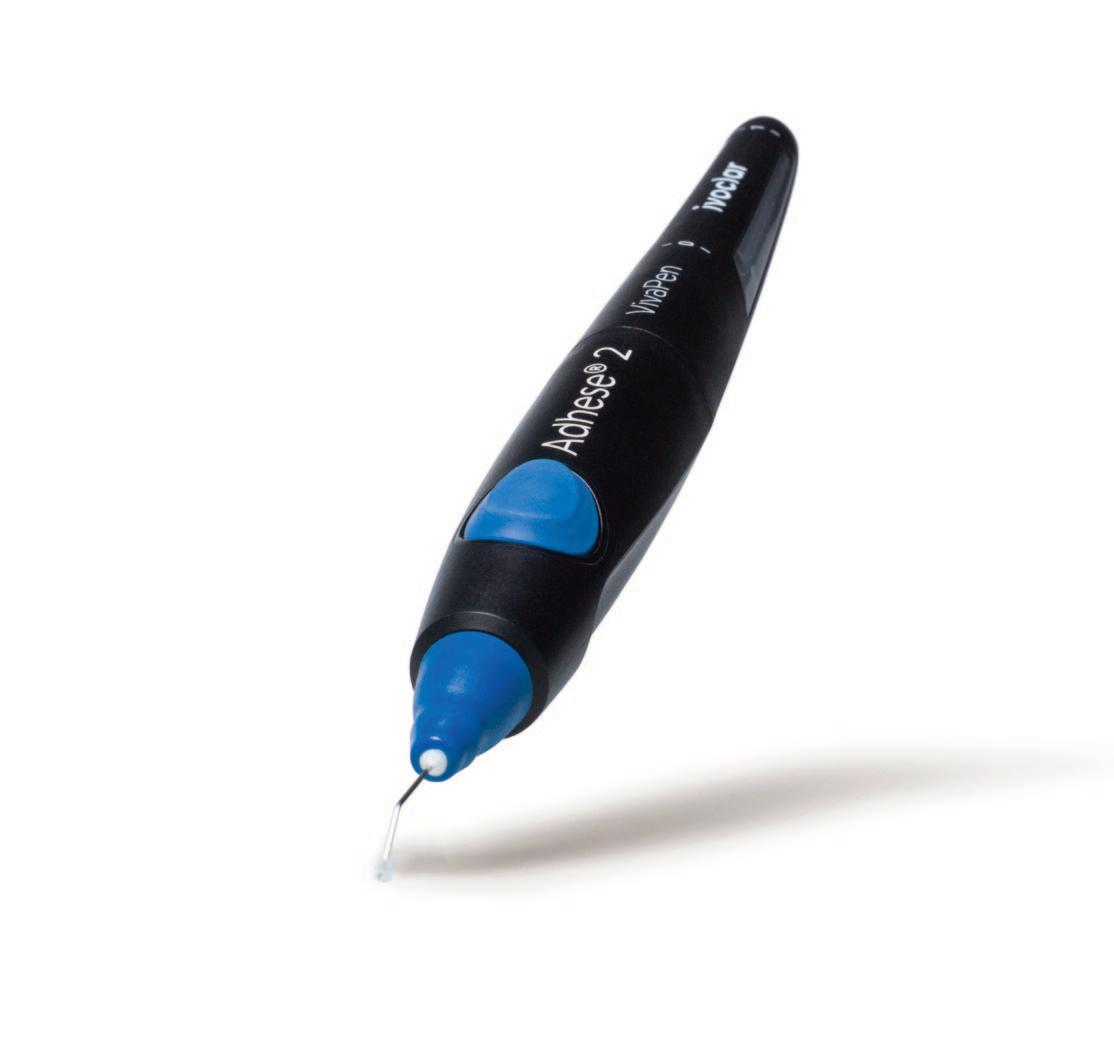
2
Universal adhesive with dual-curing properties - dependable even in situations with limited light exposure
– Consistently high bond strength (>25 MPa) to enamel and dentin[1]
– Efficient material use and dispensing with the VivaPen

excellent earning potential. Full- or part-time options. General dentists and specialists already in place, free parking and ideal location. Contact careers@dentalcareireland.ie.
Shields Dental seeks ambitious general dentists and specialists for modern clinics nationwide. Join a supportive, fast-paced team with strong clinical support and excellent career growth opportunities. Apply today at recruitment@shieldsdentalclinic.ie or www.shieldsdentalclinic.ie
Dental Care Ireland Waterford – 2+ years’ experience, full/part-time options, must have Irish Dental Council registration and eligibility to work in Ireland. Established practice, offering strong patient book fully supported by our experienced clinical team. High earning potential. Contact careers@dentalcareireland.ie.
Dental Care Ireland Limerick – 2+ years’ experience, full/part-time options, must have Irish Dental Council registration and eligibility to work in Ireland. Established practice, offering strong patient book fully supported by our experienced clinical team. High earning potential. Contact careers@dentalcareireland.ie.
Dental Care Ireland Cork – 2+ years’ experience, full/part-time options, must have Irish Dental Council registration and eligibility to work in Ireland. Established practice, offering strong patient book fully supported by our experienced clinical team. High earning potential. Contact careers@dentalcareireland.ie.
Dental Care Ireland – south Dublin, west of Ireland and Munster roles available due to demand. High earning potential, flexible hours, strong established books on offer within our modern practices.
Irish Dental Council registration and indemnity required. Contact careers@dentalcareireland.ie
Specialist/limited practice
Specialist orthodontist required for one to two days per month to support a growing patient list in a fully digital practice with a friendly, highly trained team and an established orthodontic relationship. Please email your CV to youghaldentist@gmail.com.
We are seeking a motivated specialist orthodontist to deliver patient-centred care across Meath, Cavan, Louth and Monaghan. Working within a multidisciplinary team, the role supports high-quality orthodontic services and offers an opportunity to help develop services and improve treatment access.
Contact laura.murphy19@hse.ie.
Maypark Dental in Dublin seeks an orthodontist for one to two days per month to support a growing patient list. Join a friendly, highly trained team in a fully digital practice with on-site parking. Please email your CV to manager@mayparkdental.ie.
Hygienists
Dental Care Ireland Cavan town, Virginia and Kells – hygienist roles, part- or full-time. Strong patient books, established practices, high earning potential. Irish Dental Council registration required.
Contact careers@dentalcareireland.ie.
Dental Care Ireland Limerick – fully flexible days/hours for a hygienist to join. High earnings based on strong patient book on offer. Established practice.
Contact careers@dentalcareireland.ie.
Part-time hygienist required for busy private practice in Roundwood. Please email CV to drgiri26@gmail.com.
Dental hygienist required for well-established clinic in Little Island, Cork. Strong private patient base, modern facilities, excellent support team. Full- or part-time role available. Great opportunity to join a progressive practice focused on highquality patient care and excellence. Contact jobs@cubedental.ie.
Dental hygienist required – well-established dental practice in Dublin 12 seeking a part-time dental hygienist. One to two days per week (Thursday and/or Friday). Fully computerised practice. Friendly, supportive team. Busy book with established patient base. Please apply with CV to info@easedental.ie.
Dental hygienist required three to four days per week in Claremorris, Co. Mayo , ideally one candidate. All new equipment including air
polisher, excellent support staff.
Irish Dental Council registration essential. Contact patricia@claremorrisdentalcentre.com.
Dental nurses/receptionists/practice managers/treatment co-ordinators
Our team is seeking a friendly, motivated and reliable dental nurse to join our modern, patientfocused practice in Dublin. The successful candidate will work with an experienced clinical team in a supportive environment delivering high-quality patient care.
Promotional opportunities available.
Contact traineedentalnursedublin@gmail.com.
Dental nurse required for busy multi-surgery practice in New Ross, Co. Wexford.
Great opportunity to work in a progressive, friendly practice.
Experience preferable but not essential. Good communication and IT skills necessary.
Please send CV to info@rogersdental.ie.
Southgate Dental Drogheda is hiring a full-time qualified dental nurse to join our team. Orthodontic experience is essential as they will be required to work alongside our specialist orthodontist.
Must be available to work Monday-Saturday, hours vary from 8.00am-8.00pm.
Contact julie@southgatedental.ie.
Dental Care Ireland Ballsbridge, Molesworth Street, Rathfarnham have exciting new dental nurse roles available – full-time hours, established modern practices, full induction provided and competitive hourly rates.
Great place to work awarded and friendly, experienced support teams in place.
Contact careers@dentalcareireland.ie
PRACTICES WANTED
Independent Irish dental group acquiring established practices across Ireland. Fair valuations, discreet and transparent process, flexible deal structures. Owner-friendly alternative to large corporates, focused on patient continuity, staff retention and clinical excellence.
Confidential discussions welcomed.
Please contact acquisitions@shieldsdentalclinic.ie
PRACTICES FOR SALE/TO LET
Kerry: excellent opportunity; superb location, vibrant town. Huge footfall. Freehold with planning permission for two groundfloor surgeries plus expansion, residential unit upstairs. Long-established, active general practice with hygienist.
Area wide open. Principal retiring. Great value. Contact niall@innovativedental.com
Consultation room to rent in busy Ballinteer, Dublin 16, dental practice. Includes reclining chair, lighting, fridge/freezer, waiting room. Suitable for aesthetics, chiropody or counselling. Rent negotiable. Contact tfbc16@gmail.com
EQUIPMENT FOR SALE
OPG. Trident X-VIEW 2D PAN-UP. Three years old, like new, perfect working order. Professional Philips Zoom whitening WhiteSpeed lamp. Both infrequently used, condition like new! Contact dentalclinickilkenny@gmail.com.
As a member of the Irish Dental Association you can use this logo on your website and other practice material.
Contact molly@irishdentalassoc.ie for details.
Journal of the Irish Dental Association Iris Cumainn Déadach na hÉireann
Journal of the Irish Dental Association
Editorial Board – Expression of Interest Request
The Journal of the Irish Dental Association (JIDA) is the professional journal for dentists in Ireland. Published six times a year in the form of JIDA and JIDA Science, it is now more than 70 years in existence as the leading dental publication in Ireland.
The publication is governed by an Editorial Board, chaired by Honorary Editor, Dr Cristiane da Mata. The Board meets three times a year (two remote and one in person) to manage the publication.
Members of the Association who are interested in joining the Editorial Board are invited to express their interest by emailing the Editor at journaleditor@irishdentalassoc.ie by June 26 next. Expressions of interest
are welcome from every section of membership and no previous experience with dental publishing is necessary.
Typically, Editorial Board members assist with the identification of potential authors or reviewers; sourcing of material; article and feature ideas; contribute to the discussion of management of the Journal; check relevant sections of the proofs of the Journal; and, engage in occasional Journal-related activities.
Please contact: journaleditor@irishdentalassoc.ie by June 26 if you are a member of the Association and are interested in contributing to the management of your professional journal.
MEMBER 2026

MedAccount Services



Dentolegal expertise

Building support for smiles
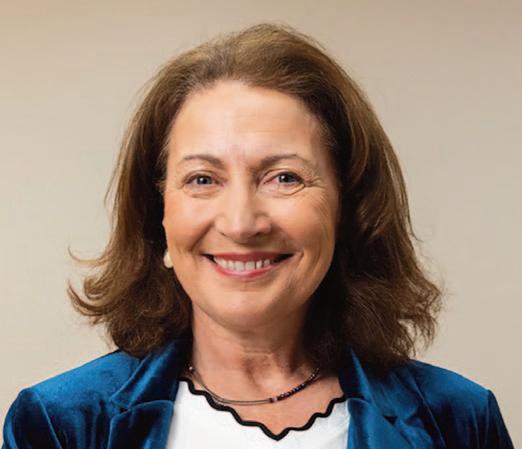
Dr Myra Herlihy is Assistant National Oral Health Lead for special care and training, based in the National Oral Health Office, and Document Owner of the HSE National Oral Care Guideline – Supporting Smiles, which was published last year.
Caoimhe Coolican Copy editor/journalist at Think Media Ltd
Why did you choose dentistry as a career?
I was always drawn to science and maths at school, and I enjoyed working with and helping people. I was really looking for a career that offered fulfilment and life balance. Dentistry stood out to me as a field that combined healthcare, problem solving and patient interaction. When I was offered a place in UCC in 1982, I was delighted to accept.
Can you tell us about your dental training/education?
I completed undergraduate dental training in UCC. I developed a real interest in service improvement, leadership and public health. So, I completed a master’s in leadership and healthcare with the Irish Management Institute, and then went on to study for a master’s in dental public health in UCC in 2021. It’s been lifelong learning.
What is your favourite part of dentistry?
When I was in a clinic full time, my favourite part was working with children. I enjoy working with people with disabilities. I trained in inhalation sedation, and that became a particularly valuable tool to help anxious children and adults with disability to access dental care more comfortably. Supporting patients to feel safe and have positive experiences in the dental setting has always been really meaningful for me.
Tell us about your role as Assistant National Oral Health Lead for special care and training.
I joined the National Oral Health Office (NOHO) in 2018 under the leadership of Dr Joe Green, National Oral Health Lead. In collaboration with many dedicated colleagues including Deirdre Ryan (NOHO), I was project lead on educational projects focused on improving equity of access and strengthening education across oral health services. The NOHO has launched two major initiatives in HSeLanD for dental education. Every Smile Matters was developed to support dental teams to understand the scientific evidence around the health of people with disabilities and their oral health needs. The second initiative was an education programme for inhalation sedation training, combining online learning with a mentoring programme that provides essential clinical experience.
Thanks to the exceptional work of our mentors, this programme is improving access to inhalation sedation across the HSE, making patient care more equitable, as people can access inhalation sedation in almost every part of the country.
Tell us about your work on the HSE guideline Supporting Smiles. The aim of Supporting Smiles is to empower health and social care professionals to make meaningful differences to the oral health of the people they support. If somebody is relying on staff in their setting for their personal care, oral care should be part of that care. We established a national steering group that brought together national leads in older persons services, disability, quality improvement and geriatric medicine. We also convened a writing group with experts across special care dentistry, dental public health, geriatric medicine, disability services, and quality improvement. We surveyed nurses, healthcare workers, and carers across the HSE to understand what existing training they had and to identify gaps. We got over 1,000 responses, which showed that we were pushing on an open door.
What emerged was a clear, significant lack of oral care education and a really strong appetite for practical training resources, access to oral care, and improved links with dental services. It gave us the rationale to push on and develop the guideline. But the guideline is no good on its own, you need an education programme to support it. We have just finished creating e-learning modules, which were launched on HSeLanD in April, and I’m currently working on classroom content with the national nursing education group, so that nursing educators can deliver the training in their own settings.
What do you think are the big issues for dentistry in Ireland?
Workforce capacity in public and private settings. Access to a dentist remains the most significant issue, and as with all things, it disproportionately affects vulnerable and disadvantaged groups – particularly those who reside in care settings. This reinforces the importance of prevention, oral health promotion, and ensuring that carers have the training and the support that they need to deliver effective daily oral care. Improving access and strengthening prevention must be a priority for the future of oral healthcare.
What are your interests outside of dentistry?
Family life keeps me very busy. Ours is a GAA house, so I spend a lot of time on sidelines, supporting. My husband Barry and I love travelling and are completing stages of the Camino every year. We have four adult children, and very recently welcomed a grandchild, so that has brought enormous joy to our family. When I get time for myself, I enjoy catching up with friends, going for walks, and the occasional glass of wine.
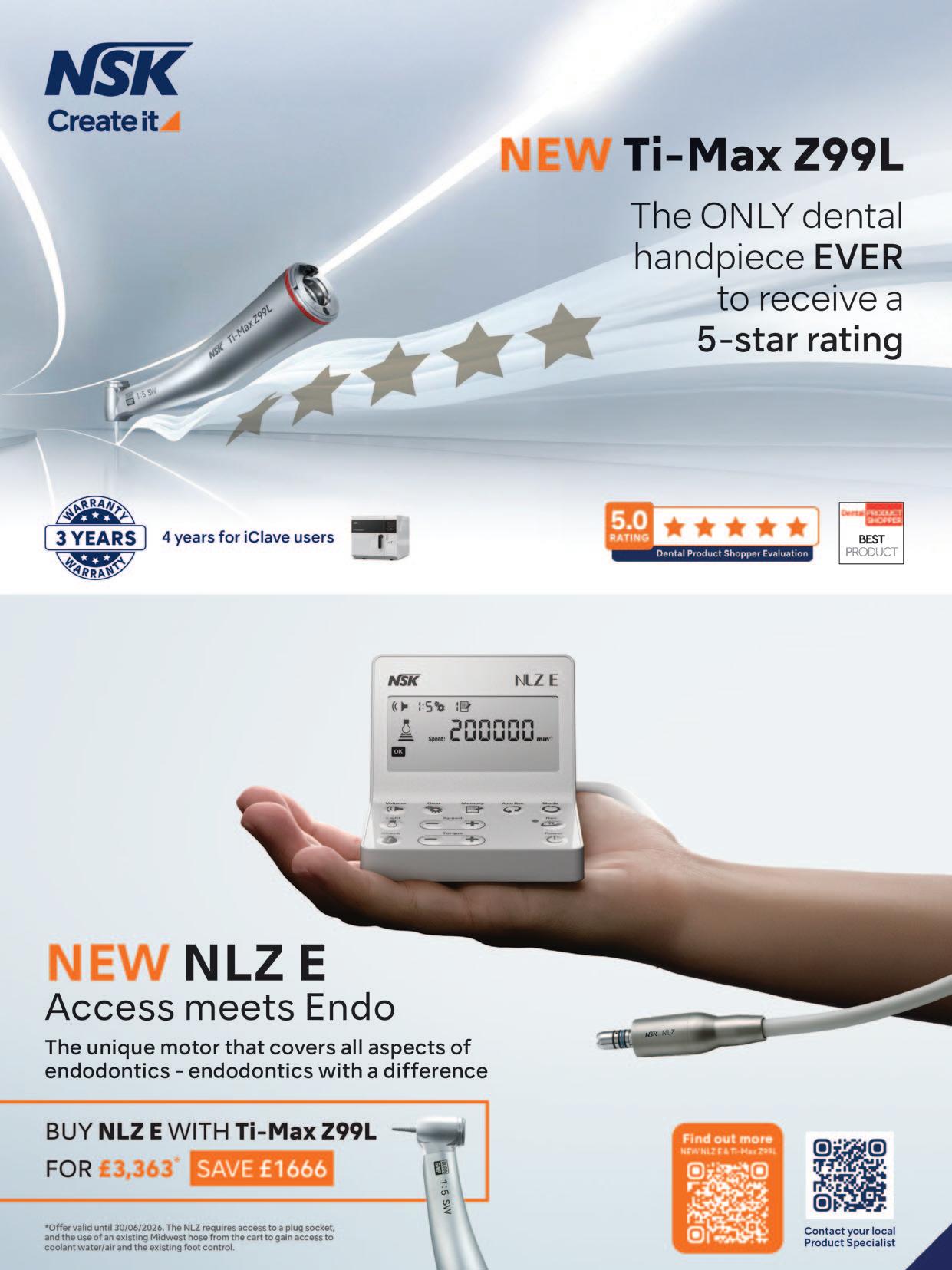



































Aesthetics with a system –composites from TOKUYAMA


Specialists & all-round performers: The ESTELITE family is a unique system for modern restorative dentistry based on spherical fillers.








Individual application options thanks to the wide range of viscosities



Excellent polishability & handling repeatedly honoured by The Dental Advisor


Rapid depth curing thanks to controlled refractive indices and RAP technology

High load-bearing capacity thanks to optimally engineered spherical fillers