Journal of the Irish Dental Association
Iris Cumainn Déadach na hÉireann


Journal of the Irish Dental Association
Iris Cumainn Déadach na hÉireann
Pre and post audit of the 2012 European Cosmetic Directive SensodyneSensitiveDentist


293 EDITORIAL
295 PRESIDENT'S NEWS
296 LETTER TO THE EDITOR
297 IDA NEWS HSE Seminar 2016 report; Wrigley grant recipients; Loss of distinguished members
297 DIARY OF EVENTS
300 QUIZ
303 SENSODYNE SENSITIVE DENTIST OF THE YEAR AWARDS 2016 Report from the Gala Ball where dentists and their teams were stars
316 BUSINESS NEWS
All the latest news from the trade
319 PRACTICE MANAGEMENT
Keeping on the right side of the tracks
EDITOR Professor Leo F.A. Stassen
FRCS (I), FDSRCS, MA, FTCD, FFSEM, FFDRCSI, FICD
DEPUTY EDITOR Dr Dermot Canavan BDentSc, MGDS(Edin), MS(UCalif)
EDITORIAL BOARD Dr Iseult Bouarroudj BDS NUI
Dr Michael Crowe BSc BDentSc DPDS (Bristol)
Dr Peter Harrison BDentSc MFD DChDent
Dr Mark Kelly BA BDentSc
Professor Christopher D. Lynch BDS PhD MFDRCSI FDS (RestDent) RCSI FACD FHEA
Ruth Moore RDN, BSc Management & Law, MIA Dip Journalism
Donna Paton RDH
Dr Ioannis Polyzois DMD, PhD, MDentCh, MMedSc
Dr Ciara Scott BDS MFD MDentCh MOrth FFD (RCSI)
Dr Seamus Sharkey BDS NUI FRACDS (Syd) MFDSRCS DChDent (Prosthodontics) FFDRCSI
Dr Simon Wolstencroft BDS FDSRCS MScD MOrth FDSOrth
Irish Dental Association Unit 2 Leopardstown Office Park, Sandyford, Dublin 18.
Tel: +353 1 295 0072 Fax: +353 1 295 0092 www.dentist.ie
Follow us on Facebook (Irish Dental Association) and Twitter (IrishDentists).

¤100,000 in tax advice for members; IDA Mentoring Scheme; Fixed-term contracts
326 CLINICAL FEATURE
326 Pragmatic treatment planning for the older dentate patient
332 This is dental care for the elderly: Ireland 2016
334 Caring for the elderly
335 PEER-REVIEWED
335 Non-vital bleaching J Trainor, M Good
343 Early orthognathic surgery in response to bullying due to malocclusion C O'Keefe, P Sinnott
348 ABSTRACTS
350 CLASSIFIEDS
354 MY IDA Dr Amalia Pahomi

IDA PRESIDENT Dr PJ Byrne
IDA CHIEF EXECUTIVE Fintan Hourihan
CO-ORDINATOR Fionnuala O’Brien

BE PART OF THE IDA MENTORING SCHEME

SEE PAGE 322

The Journal of the Irish Dental Association is the official publication of the Irish Dental Association. The opinions expressed in the Journal are, however, those of the authors and cannot be construed as reflecting the Association’s views. The editor reserves the right to edit all copy submitted to the Journal. Publication of an advertisement does not necessarily imply that the IDA agrees with or supports the claims therein.
For advice to authors, please see: www.dentist.ie/resources/jida/authors.jsp
Published on behalf of the IDA by Think Media, 537 NCR, Dublin 1 T: +353 1 856 1166 www.thinkmedia.ie
EDITORIAL
Ann-Marie Hardiman, Paul O’Grady, Colm Quinn DESIGN/LAYOUT Tony Byrne, Tom Cullen, Molly Hourihan, Niamh Short
ADVERTISING Paul O’Grady paul@thinkmedia.ie

Total average net circulation 01/01/15 to 31/12/15: 3,180 copies per issue. Circulated to all registered dentists in the Republic of Ireland and Northern Ireland.
Our recent awards for dentists based on their patients’ testimony give us cause for pride. However, the failings in provision of oral healthcare for patients in nursing homes is a cause for great concern.


On December 3 in the RDS, we celebrated the outstanding work of dentists in Ireland. Forty dentists and 22 dental teams received certificates stating that they had been nominated by patients for their work. Out of those, five regional winners and a dental team of the year were chosen by the judges, as well as the overall winner of Sensodyne Sensitive Dentist of the Year. As I said on the occasion, being present at the ceremony means that a patient of yours took the time and made the effort to say how much they value the care you provide for them. That’s a very special thing to happen. It’s one thing for someone to say ‘thank you’, but it takes extra effort and real intent to sit down and say exactly why they think that you – their dentist or their dental team – are great. Our judges, Drs Barry Harrington, Seton Menton and Anne O’Neill, are deserving of our great thanks for their terrific work. Not only do they read the huge volume of entries, but they also show the wisdom of Solomon in teasing out the various issues involved and in determining which entries are most deserving of recognition.
And when we came to the winning stories, Joe Duffy of RTÉ did a fantastic job of telling the audience how and why the judges made their selections. You can read those stories in our report on the Awards, but suffice to say it involved treating severely traumatised or frightened patients, patients under severe stress, patients who had mouth cancer, and patients who felt terribly vulnerable. In all cases, these patients set out why their dentist had done something special for them. Our congratulations to all of the dentists and dental teams that were nominated – you are all winners.
There are three articles in this edition on the topic of treating the oral health needs of an ageing population and all are essential reading. Drs Frank Burke
and Martina Hayes have written a clinical feature on ‘Pragmatic treatment planning for the older dentate patient’. It sets out the macro issues, provides case reports and discussion, and concludes that treatment choices for older adults should be as evidence based and as pragmatic as possible. This is sensible clinical advice at its best. However, the need for a greater understanding of the needs of older patients, and especially those who are in residential care, is set out with great clarity and compassion by Dr Anne Twomey in her article. In it, she argues that until dentists are included in the teams that care for patients in residential settings, their oral healthcare needs will not be met adequately. As it is, Dr Twomey states that the existing guidelines for oral healthcare are tragically inadequate.
Dental nurse Eileen O’Reilly chose oral health in the elderly in residential care as her project when undertaking a Specialist Certificate at NUIG recently. Based on her own experience of visiting her mother in residential care and observing the decline in oral health of several patients, she developed a course in oral healthcare for staff in nursing homes aimed at improving their confidence and knowledge of the area.
Our peer-reviewed articles include an early orthognathic intervention and an article on non-vital bleaching, and we are grateful to the authors and reviewers as always for their work. The practice management article will be of significant help in managing the expectations of patients who sign up for rapid adult orthodontic work. Often, they can have very high expectations and these need to be managed from an early stage.
Finally, on behalf of the Editorial Board, I wish everyone a happy, healthy, peaceful and prosperous 2017.
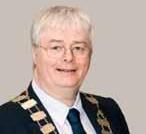
Dr PJ Byrne IDA President
The American Dental Association’s Annual Meeting is an experience well worth crossing
an ocean for.
The American Dental Association (ADA) Annual Meeting for 2016 was held in Denver, Colorado, the ‘mile-high city’. I was very kindly invited to attend as a guest of the ADA and to participate in the Meeting. The venue was the Colorado Convention Center, across the street from the Hyatt Regency Hotel.
The Meeting was held between October 19 and 24, 2016.
The scale of the Meeting is staggering in terms of the numbers attending and the range and variety of presentations and courses available. The ADA 2016 conference app was a help in navigating, but the choice was almost overwhelming. The ADA has about 160,000 members (not all dentists) in total. By comparison, the IDA has nearly 1,800 members.
The opening event featured a number of dentists from across the USA telling their stories of how they entered dentistry and their experiences so far. There was an emphasis on young dentists with a wide cultural diversity. I was fascinated to be in the opening session in the hall of delegates hearing the presentations and observing similar problems to those that we have here, albeit on a different scale.
Undoubtedly one of the many highlights was the presentation to the general audience by Malala Yousafzai, the youngest ever Nobel Prize Laureate who, aged only 14, was shot by the Taliban in her native Pakistan for speaking out for girls’ education. At just 19, you could not but be impressed by her courage in presenting her story to the huge audience. What was even more impressive was her ability to take live questions and answer them with such maturity given her very tender years. This, for somebody who was so badly injured and is only starting university education this coming year.
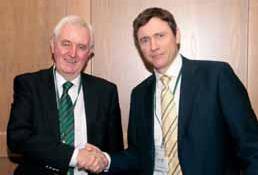
ABOVE: Professor David Ryan (left) is congratulated by Dr Andrew Norris, President, IAOS.
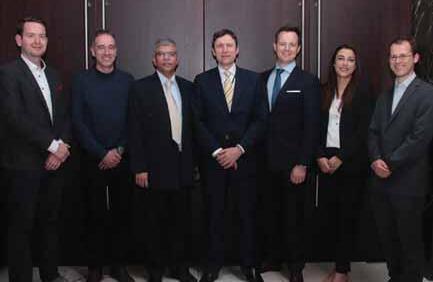
LEFT: From left: Drs Micheal McAuliffe, Justin Moloney, M. Sharif Nayyar, Andrew Norris, Seamus Rogers, Naomi Rahman and Michael Freedman.
I was delighted to be able to call in on many sessions and hands-on courses, and observe the way they were organised and delivered. There was even a simulated malpractice trial as one of the sessions. I noted many novel ideas such as their post-lecture “campfire” sessions, where you could interact with some of the speakers and areas for discussion fora. The trade show was vast, as expected, with a strong emphasis on radiology and digital dentistry. For me, how did it compare to our IDA Annual Scientific Conference? Well, it proved to me we are doing it at a very high level, in terms of our hands-on courses, our lecture programme, workshops and pre-conference courses. The unique atmosphere of our conference is something to be proud of, but of course we can always adopt new ideas and approaches to keep pushing the boundaries to make our conferences of the future even better.
First time members and first time out
Our membership is growing and I am delighted that this growth is particularly strong among the younger age group, which is not a feature in other organisations.
The Irish Association of Oral Surgeons (IAOS) held its inaugural annual scientific meeting on Saturday, November 19, in the Radisson Blu Hotel in central Dublin (see photos above). It was great to see the energy and enthusiasm of the IAOS and its committee under its President, Andrew Norris. There was an excellent series of lectures delivered to a large and attentive audience. A special presentation was made to Professor David Ryan in recognition of his significant role in education and training. A poster presentation session was set up and in future, the prize will be called the David Ryan Award. It was a most enjoyable day and I wish the IAOS every success in the future.
Dr Frank McCrea
16 Mapas Road
Dalkey
Co. Dublin
October 7, 2016
Dear Editor,
In connection with the annual O’Brien Science Lecture in UCD, which points to the problem of increasing antibiotic resistance and the prospect of new antibiotic treatment costing ¤1,000/day, I’d like to draw attention to a system for assisting the drainage of dental abscesses.
It is as follows:
If a patient presents with a peri-apical abscess, with or without intra- or extraoral swelling, opening the root canals and then getting him to close his mouth and to suck strongly on the tooth usually effects drainage and symptom relief. Passive drainage, even if assisted by the surgery aspirator, is not enough; much more negative pressure can be applied with the mouth closed. When this works the patient reports quick reduction of pressure in extra-oral swelling and symptom relief.
The system is useful whether the subsequent treatment is to be endodontic or extraction. It is also useful post extraction to reduce swelling and the burden of infection. Incidentally, I used it once to drain a chronically infected maxillary sinus when an oro-antral fistula occurred following the extraction of an upper first molar.
Antibiotics are rarely needed, but a prescription can be given, only to be used if things deteriorate.
I used this treatment for more than 20 years before retirement. It nearly always works and I’ve never seen it make the situation worse.
Yours sincerely,
Dr Frank McCrea
JANUARY
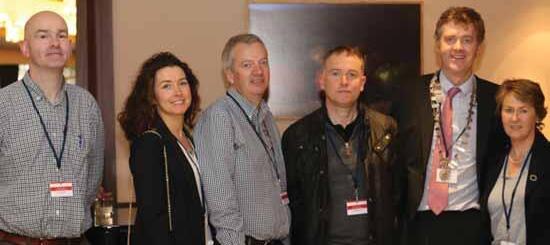
From left: Dr John Hennessy, Dr Nessa McSweeney, Dr Pat Canty, Dr Padraig Twomey, Dr John Holland, and Dr Christine Barrett.
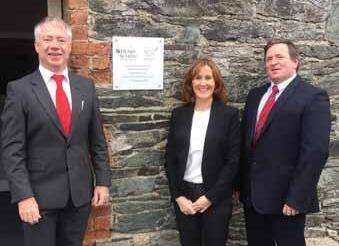
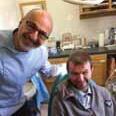
Henry Schein has helped Dr Johnny Fearon from the Ashgrove Dental Clinic in Naas to set up a dental clinic at Tiglin, a residential treatment centre for people with addiction problems.
“When I heard from Dr Fearon about the great work that is carried out by the Ashgrove Dental Clinic, I immediately knew that this was a great project in support of the Henry Schein Cares mission”, said Pat Bolger, Managing Director of Henry Schein Ireland.
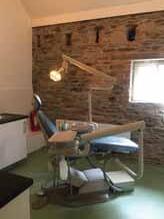

With the help of Henry Schein’s supplier partners, Coltene, Dürr Dental UK, Hu-Friedy and Septodont, the dental surgery was equipped with a dental patient chair, an autoclave, Vistascan digital imaging system, suction motor and healthcare consumables. All equipment was installed by Henry Schein staff, who volunteered their time and expertise.
The clinic was officially opened on September 9 by Minister for Health, Simon Harris TD.
This activity is part of Henry Schein Cares, the company’s global corporate social responsibility programme. In attendance from Henry Schein on the day were Pat Bolger, Siobhan Cleary and John Rice.
26 Metropolitan Branch IDA Hilton Charlemont Hotel, Dublin 2 A joint meeting with the Irish Endodontic Society
28 IDA Practice Management Seminar Croke Park
FEBRUARY
17 Metropolitan Branch IDA from 2.00pm, Alexandra Hotel, Dublin 2 Annual Scientific Meeting
28 North Munster Branch IDA Meeting – Oral Surgery in General Practice
MARCH
3 South Eastern Branch IDA Tower Hotel, Waterford Annual Scientific Meeting
23 Metropolitan Branch IDA Alexandra Hotel, Dublin 2
28 North Munster Branch IDA
Table demonstrations –practical clinical demonstration of clinical techniques in prosthodontics, periodontics and endodontics
APRIL
25 North Munster Branch IDA Clinical quick tips: practical tips for everyday practice and AGM
The IDA was delighted to be involved in the allocation of a number of Wrigley Company Foundation dental support grants in 2016. These helped to fund worthwhile oral healthcare projects around the country.
Five projects in total were approved for funding. The grants supported specific projects that were focused on improving oral health and educating participants in communities nationwide. Any dentist who is an IDA member, or indeed a team member of an IDA member, was eligible to apply for funding.
Project A – ¤15,000 – Dental treatment for the Dublin homeless Homelessness is the biggest social issue facing Irish society today. There are now over 5,000 people homeless in Dublin. A dental clinic was introduced into the Capuchin Day Centre for Homeless People in Dublin to meet the needs of those who use the Centre. The oral health needs of the homeless community would be similar to that of any community, with the additional problems of poor hygiene, poor nutrition, methadone use, psychiatric problems and lost dentures (as storage can be an issue).
The group of dental professionals, dentists and dental nurses treat pain and acute infections by dental extractions and fillings, and also treat gum disease. Following extraction, a lot of patients require dentures.
A rota of dental professionals was arranged and dental services were offered to those in the homeless centre. Unfortunately, there were serious security issues and security guards needed to be employed.
All personnel gave their time free of charge. Patients’ dental pain and acute infections were treated. Toothbrushes and toothpaste were also distributed, with oral hygiene advice and demonstrations given.
Prior to the grant the centre had one ultrasonic scaling handpiece. Four more were bought with the funding. There was an increase in the amount of conservative treatment (fillings, etc.) due to the new dental handpieces. The number of periodontal treatments also increased.
The grant allowed a dental advice leaflet for methadone users to be produced.
The first draft of this leaflet has already been distributed. Educational advice regarding oral cancer was provided and oral cancer examinations were carried out on all patients. One of the main risk factors of oral cancer is heavy drinking and, unfortunately, there is a lot of alcohol abuse within a large percentage of homeless people in Dublin.
Project B – ¤5,000 – An oral health promotion programme delivered by health professionals
In Ireland, two out of five children experience tooth decay by the age of five (Whelton et al., 2006). Studies have shown that Irish parents have limited knowledge regarding dental and oral health in young children. Very often, a child will not visit a dentist until they are five or six years of age. It is suggested that other health professionals who do see children at an early age, such as public health nurses, general medical doctors and practice nurses, be trained in
oral health promotion.
The grant facilitated the design, printing and distribution of training resource material in oral healthcare to public health nurses in Cork. It also allowed for the purchase of toothbrushes and oral health advice leaflets for nurses to distribute to parents, as they see children for developmental check-ups at an early age.
Project C – ¤5,000 – Dental surgery services for homeless people accessing residential rehab services
This grant provided for the opening of a dental clinic to treat men and women affected by homelessness and drug and alcohol addiction at the Tiglin centre in Co. Wicklow. The primary focus is on providing emergency oral care to those affected by methadone use and general oral care neglect. The surgery provides reasonable and accessible primary dental care and prosthetic services for all homeless individuals. The overall objective of the project is to enhance each patient’s, and the homeless population’s, oral health by establishing access to services.
The team is committed to working with homeless individuals in a nonjudgmental way. A comprehensive educational programme will be established to assist patients in looking after their oral health, in particular those affected by methadone. A dentist and dental nurse provide services voluntarily to the clinic.
Project D – ¤2,500 – Dental hygiene into the west
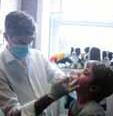
This project targeted four very remote primary schools in west Kerry, the most westerly point of Ireland. The nearest HSE clinic to the schools is over 40 miles away in the town of Tralee. These children rarely get to visit a dentist and there is no regular screening. This area of the country is a Gaeltacht region. The project allowed for a dentist and dental nurse to visit the region and all four schools, and give a dental check-up, oral hygiene instruction and distribute plaque-disclosing tablets. An educational programme for parents and teachers was also provided for.
Project E – ¤2,500 – Promotion of oral health and a fluoridation programme on Tory Island
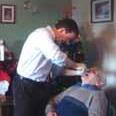
Tory Island is a small remote island off the coast of Donegal. The Island has a population of approximately 250 inhabitants and has a primary and a secondary school. There are no dental services of any kind on the Island. This project supported a fissure sealant programme for the Island’s child population, as well as a fluoridation programme for the entire population. An oral health educational programme has commenced on the Island also, with demonstrations on brushing, flossing and a good oral healthcare regime included.
Thank you
A sincere word of thanks to our grant approval committee. The Irish Dental Association would like to thank the Wrigley Company Foundation for supporting oral healthcare projects in 2016. A call for 2017 proposals will be made in early 2017.
This year’s HSE Dental Surgeons Group Annual Seminar took place in Athlone’s Sheraton Hotel.
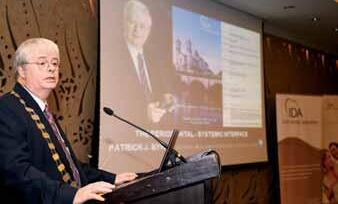
A large group of public service dental professionals took advantage of Athlone’s central location to attend the two-day event in early October. This year’s Seminar featured a significant change in format, with the second day given over almost entirely to workshops on core areas of CPD, which were open to all delegates to attend.
The Seminar began with a welcome from new HSE Group Chairperson Dr Michaela Dalton. IDA President, Dr PJ Byrne formally opened proceedings, praising the scientific programme, and in particular the “fresh thinking” involved in deciding to host workshops at this year’s event. He congratulated Dr Dalton on her election, and also Dr Frances O’Callaghan, who steps down after two years in the post. He urged delegates to get involved in the IDA, so that the issues of HSE-employed dentists are brought to the table along with those of other branches of the profession. Dr Byrne was also the first scientific speaker of the day, with a presentation on the periodontal–systemic interface.
The next speaker of the morning was Dr Justin Moloney, who used video and photographs to present a series of practical tips for dealing with awkward or difficult extractions.
Dr Siobhan O’Sullivan’s presentation moved away from the purely clinical to discuss the Assisted Decision Making (Capacity) Act 2016, which has profound implications for healthcare professionals.
The final speaker before lunch was Dr Jane Renehan, who gave a briefing on the Minamata Convention and its implications for Irish dentistry. After lunch, Dr Ciara Scott’s presentation looked at the evidence base for orthodontic referral and treatment, and how professionals can balance this against parental concerns.
Drs Anne O’Connell and Mary Freda Howley offered a joint presentation on decision making in cases of traumatised teeth. Dr O’Connell recommended using the Dental Trauma Guide (DTG) as the standard of care, and warned that this care may be scrutinised, particularly from a medico-legal perspective. Dr Howley presented a series of endodontic cases complicated by a history of trauma.

The second day of the Seminar opened with two presentations from Dr Avijit Banerjee. The first covered advances in minimal intervention (MI) techniques, and the second focused on how best to care for ageing patients, a group with far less edentulousness than previous generations, but increasingly complex dental needs.
The RCSI Faculty of Dentistry Annual Scientific Meeting (ASM) 2016 took place in the College on Friday and Saturday, October 28-29. This year’s event was attended by a diverse and bumper crowd of 440 delegates. The meeting was held in partnership with the American Academy of Pediatric Dentistry, with many speakers and delegates coming over from the US for the event. The prestigious Edward Leo Sheridan Lecture, which is only delivered once every two years, was given by Dr Jeff Dean of the Indiana University School of Dentistry. The title of his lecture was ‘Continued Competency in Dentistry’.
The first lecture of the ASM was delivered by Dr Paul Casamassimo of the Nationwide Children’s Hospital, Ohio and was entitled ‘Small things lead to big outcomes’ and he looked at the possibility of ending childhood caries. Afterwards, Prof. Helen Whelton of the University of Leeds and UCC gave a talk called ‘Optimal Prevention. Active or Passive?’ Prof. Whelton talked about passive prevention methods that don’t require any behaviour change from the public, such as water fluoridation programmes, which have been incredibly successful.
In her lecture, Dr Jessica Lee of the University of North Carolina expertly
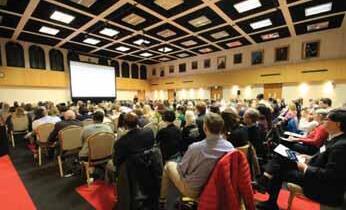
explained why good communication is important. She said that 80% of patients do not remember what a clinician tells them and that the 20% who do remember, remember incorrectly. She said people will only remember two or three things so advised dentists to pick the most important things to tell patients.
Another thing she pointed out was that 75% of doctors think they’re good communicators, but only 21% of patients agree.











The IDA has recently been informed of the deaths of two distinguished Irish dentists.
Dr Walter Allwright
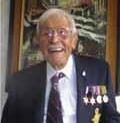
Renowned dentist, IDA member and former editor of this Journal , Dr Walter Allwright died peacefully in his sleep on Friday, November 11. Dr Allwright was admitted to the IDA Roll of Honour in 2005 and was an active and longstanding member of the Association for many decades. He is very fondly remembered by graduates of Dublin Dental School and by the Metro Branch, where he was an active and committed member over many years. His funeral mass took place on Thursday, November 17, at the Church of the Sacred Heart, Donnybrook, and afterwards he was buried at Shanganagh Cemetery.
Dr William Bowen
Dr William (Bill) Bowen, one of the most illustrious Irish members of the dental profession, died in the USA on Tuesday, November 15. Dr Bowen was admitted
as an Honorary Life Member of the Association in 2008. He was a frequent visitor to his beloved Wexford and Ireland. He presented numerous scientific papers and presentations in Ireland and throughout the world. He received worldwide recognition for his research on caries and the development of the original introduction and use of composites.
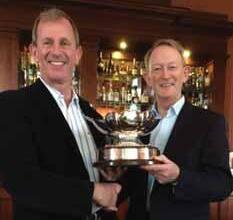
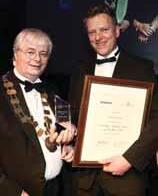
Dr Declan Corcoran (right), winner of the 2015 Cotter Cup, presents it to this year’s winner, Dr Karl Ganter.
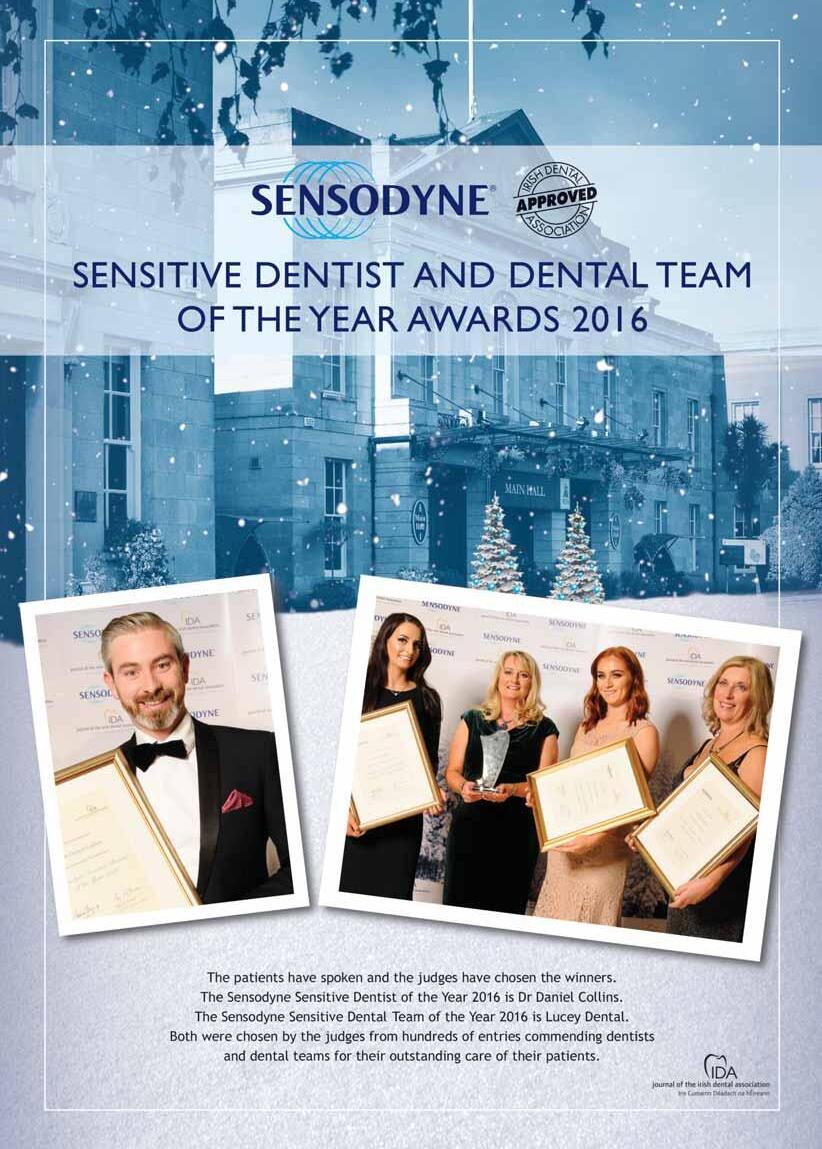
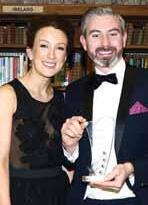
Doing what he could for a patient who was in a situation with no resolution, led to Dr Danny Collins being named Sensodyne Sensitive Dentist of the Year 2016.
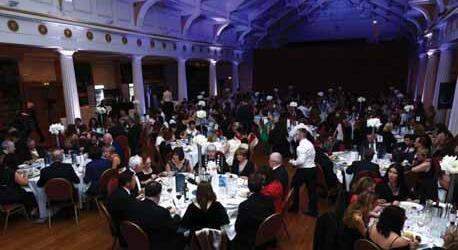
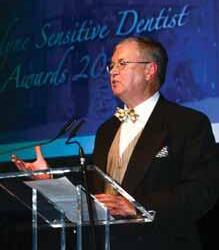
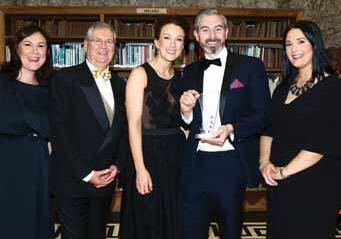
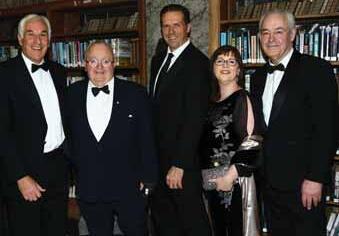
The winner of the Sensodyne Sensitive Dentist of the Year 2016 and Dublin region winner brought what relief he could to a man in a desperate situation. Patient Patrick Peppard nominated Dr Danny Collins of Docklands Dental for the Award for the kindness and compassion he showed him during a very difficult time. Mr Peppard’s daughter was terminally ill when he went to see Dr Collins.
Peppard said: “I presented to Dr Collins with a chipped tooth and he took the opportunity to carry out a full oral health check. It transpired I required extensive expensive dental work including multiple fillings, crowns and some root canal work. As part of his examination, Dr Collins picked up on the stress I was experiencing in my life as I was showing evidence of teeth grinding”.
Mr Peppard explained about his daughter and how he and his wife were trying to juggle that, work and caring for their other two children. “Without me asking, Dr Collins told me that he and his partner in the practice, Dr Gregg Barry, would provide the treatment at no charge given the tough year I had come through. I was literally moved to tears”.
Dental team of the year
Good dental care relies not just on dentists but also on the people that surround them. Because of this, it was decided to introduce a dental team of the year award this year. This award was welcomed by the judges as an opportunity to recognise the input of all the staff in a practice. The winner was
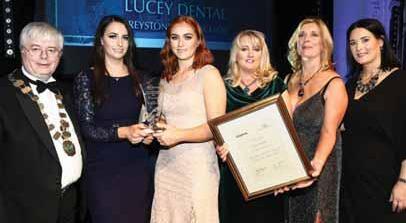
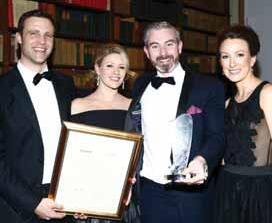
the team at Lucey Dental Services in Greystones, Co. Wicklow. When a new mother with diabetes presented at the clinic, her newborn child was an impediment to her staying for an appointment. Rather than force the woman to cancel her appointment, the practice staff stepped in and looked after and comforted what the patient described as her “very angsty” daughter. This allowed the patient to complete her appointment and when she emerged from the surgery, her daughter was sleeping peacefully in the care of the practice staff.
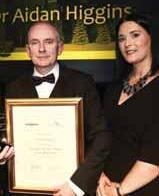
The Connacht dentist of the year award went to Dr Peter Doyle who provided treatment, compassion and comfort to a patient after they had been through a horrific incident. The patient had been out running when without warning a glass bottle was thrown from a car into her face. The next morning the patient went to Dr Doyle who spent two hours doing repair work and put in place a recovery programme. The patient said: “There are no words for the decency and compassion shown by Peter that morning and as a final gesture of goodwill, he refused to charge me. He is my hero without a doubt”. In Munster, a patient from Leitrim was visiting Limerick when one of her teeth snapped. Treatment by Dr Aidan Higgins won him the Munster award. The tooth was repaired and the patient was so impressed that she now travels from
Leitrim to see Dr Higgins as a regular patient.
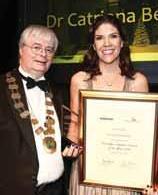
Rest of Leinster winner, Dr Catriona Begley from Bray, Co. Wicklow spotted a suspicious area underneath a patient’s tongue. She sent him for a biopsy which showed the area to be cancerous but at a very early and treatable stage. The patient told her: “The consultant to whom you referred me told me that your dentist has probably saved your life”.
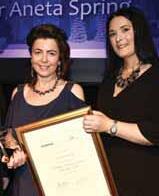
The winner of the Ulster award, Dr Aneta Spring, showed great professionalism and care to a ten-year-old boy who found a lump on his gum. Although it turned out to be benign, finding something like that at such a young age was terrifying for the child and his mother. Dr Spring had seen him within half an hour of the mother calling the surgery and explained that although benign, the lump would have to be removed. She made all the arrangements for its removal.
The mother described the professional care and support received from Dr Spring throughout the process. The judges felt the care for both parent and child was exceptional.
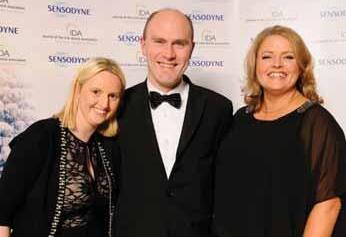
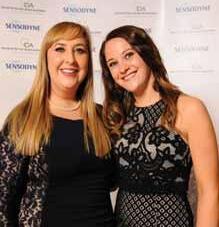
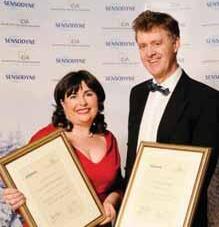
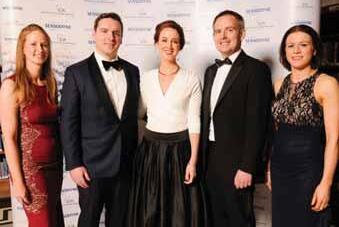
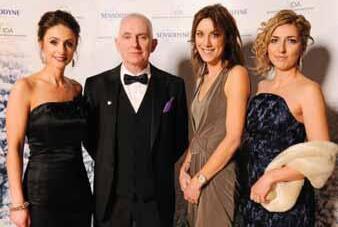
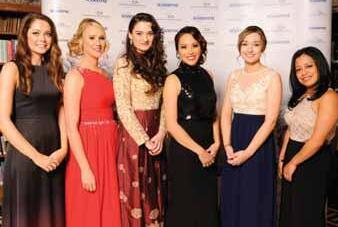
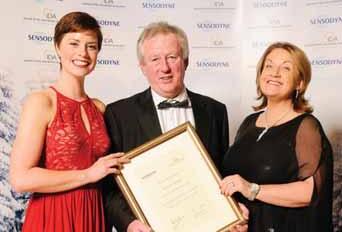
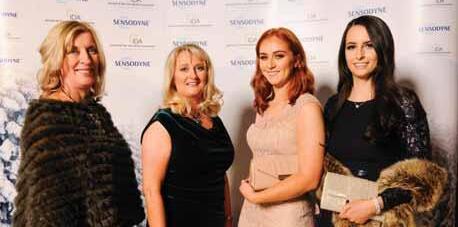
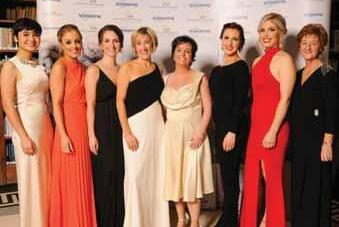
The awards ceremony took place in the RDS on December 3 and was hosted by radio presenter, Joe Duffy. Many nominated dentists attended the evening, with some unable to make the trip to the Dublin 4 venue.
Professor Leo Stassen, Honorary Editor of the Journal of the Irish Dental Association said: “The Awards celebrate the commitment by dentists the length and breadth of the country to the highest standards in patient care”.
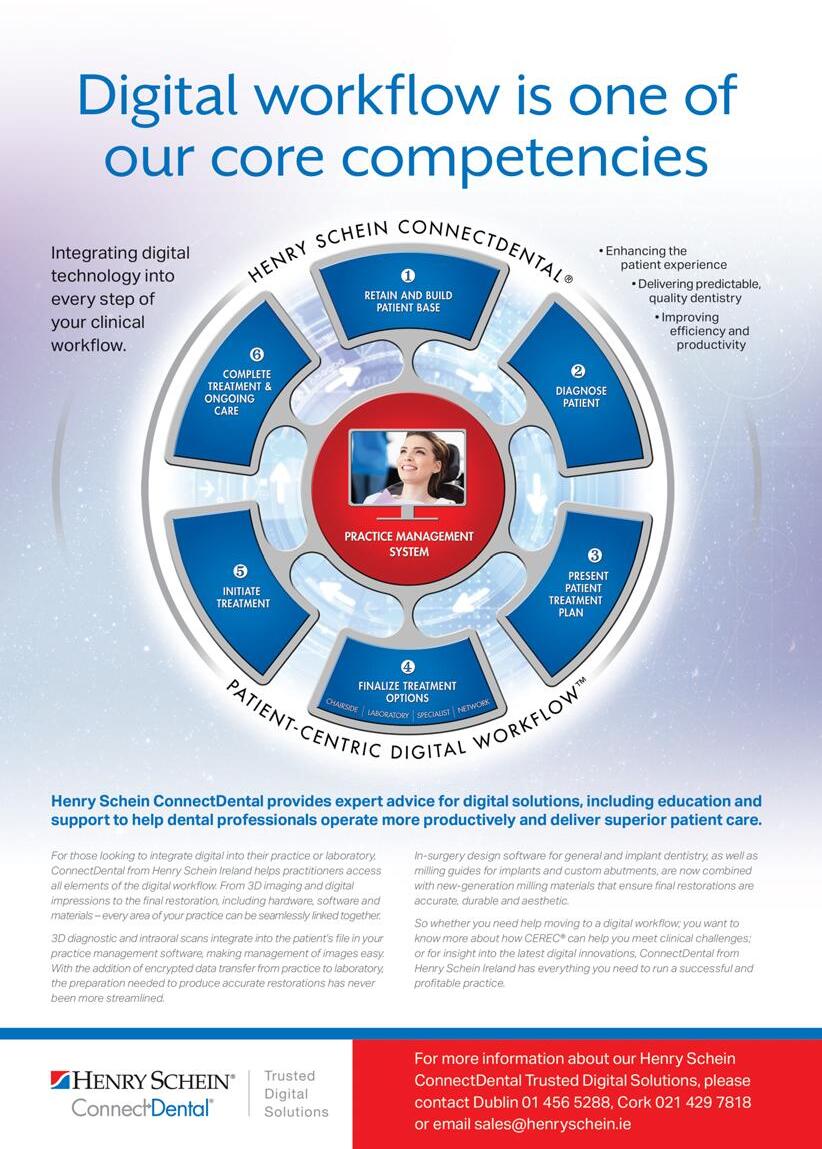
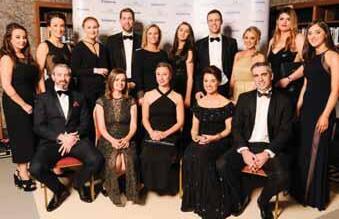
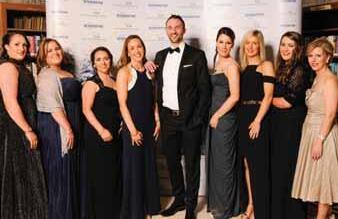
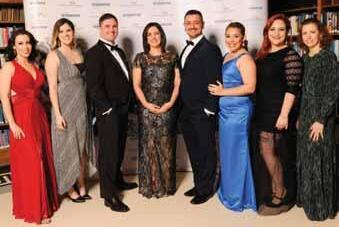
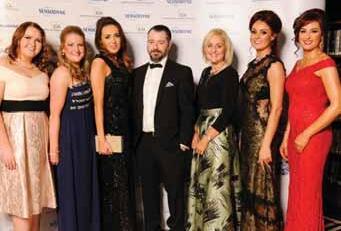
Nominated for the Sensodyne Sensitive Dentist of the Year Award 2016 and attending were:




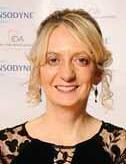
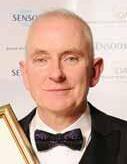
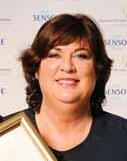
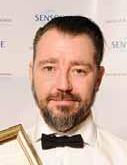





Nominated for the Sensodyne Sensitive
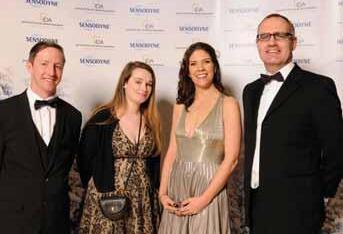
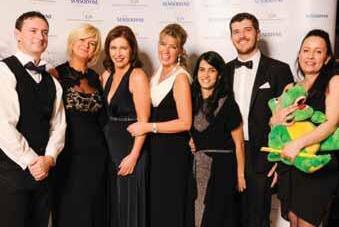
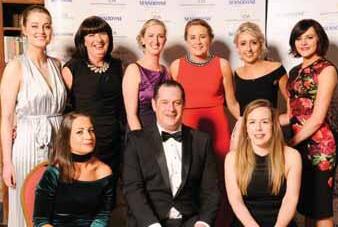
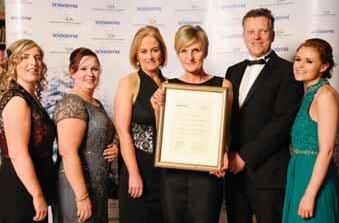
Dental Team of the Year Awards 2016 and attending were:


Back
Elisa
Do you take sick leave when you need to? As a dentist, you may often advise patients to take some time off work to accelerate the healing process as you know recovery time is key.
But do you take sick leave when you should? Working closely with patients makes you more susceptible during the cold and flu season and this can result in multiple viral infections over the course of a year. When you add up a few days missed here and a few weeks absent there, how much income are you losing?

Dental Care Ireland is an Irish-owned and managed dental group with a strong focus on high-quality dentistry. Founded in 2014 by brothers Colm and Kieran Davitt, it now employs a team of over 100 people throughout its 10 practices in Ireland and head office in Dublin.
CEO Colm Davitt has a wealth of experience in the healthcare sector and in particular in acquisitions and business growth. Prior to entering the dental world, Colm managed the entry of the Euromedic brand into Ireland. Co-founder and Clinical Advisor, Dr Kieran Davitt is a practising dentist in Galway.
Dental Care Ireland offers an attractive proposition for dentists interested in selling their practices. The model proposes to eliminate the stress associated with the running of a business and allows dentists to focus on their patients instead. Colm says: “We place huge importance on the value of each individual who works within our practices. We provide the support and encouragement to help all our practices reach their full potential. Our aim is to be Ireland’s leading dental group and after less than two years, we are well advanced in achieving our long-term ambitions”.
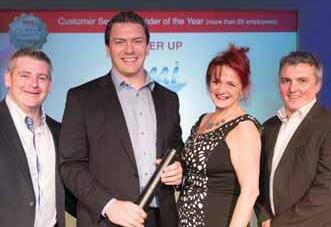
DMI in Northern Ireland is delighted to have won the runner-up award for Best Customer Service Provider of the Year at an awards ceremony in London. The awards celebrate excellence in the UK dental industry and aim to recognise businesses that deliver superior service. Commenting on the announcement, Simon Shawe, Director of DMI Northern Ireland, said: “I am very proud to receive the nomination on behalf of the company. I do believe that we have the best staff in the industry. They are always glad to help and to make sure we can offer the best support possible. It is our customers that have always been at the heart of our business. We believe that it is only by providing the best products and service that we earn their loyalty”. DMI Lisburn has a 40-seat training and educational facility, along with a new showroom displaying the latest equipment including dental chairs and 3D imaging machines.
Omega Financial Management says that last year, 20% of its policy holders needed to make a claim. From a sample of 20 claimants, over 90% claimed for illnesses/injuries that lasted less than four weeks. These included colds, viral infections, gastrointestinal issues and short-term injuries. Omega states that all of these policy holders avoided salary interruption because they had income protection arrangements covering them from their first day off.
The company would like to wish all dentists a relaxing holiday break. For more information about the income protection options available from Omega, visit www.omegafinancial.ie/dentists.
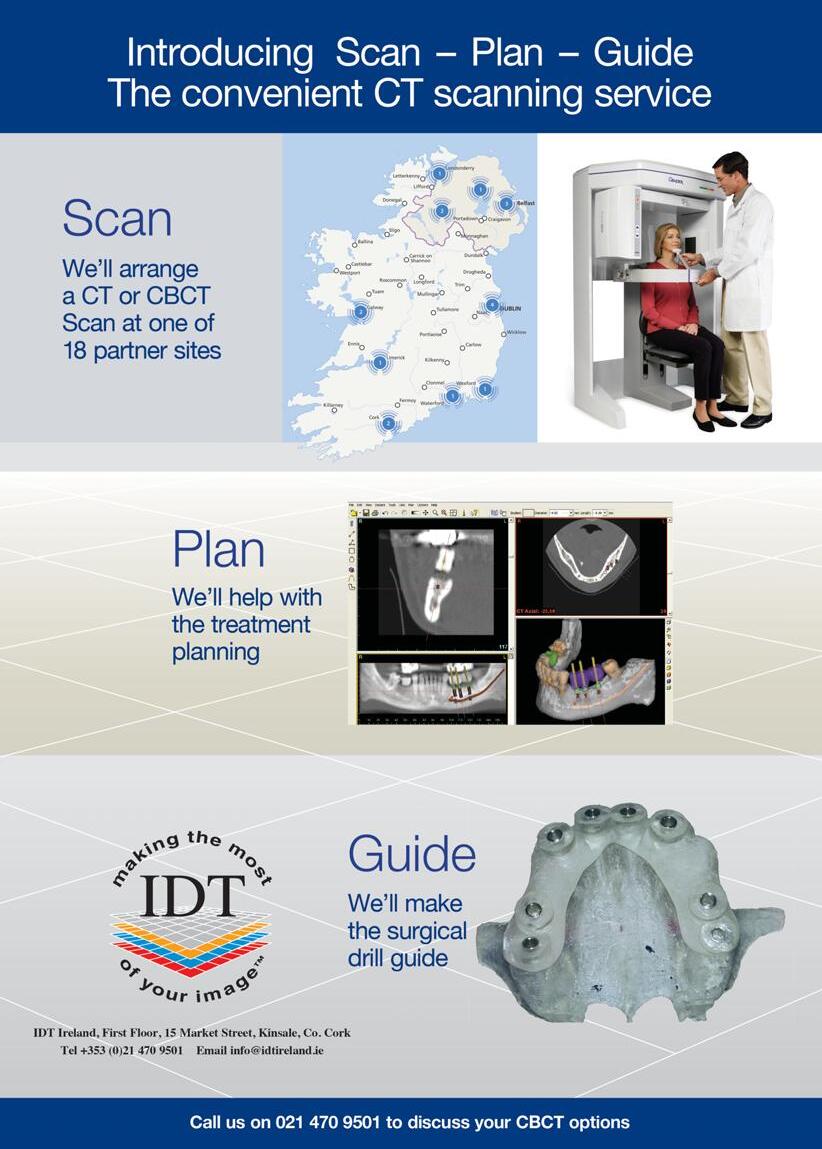
Smart Practices is a new business consultancy which helps dentists grow, fund or exit their practice. One of their services is the Practice Growth Programme, which is designed to help dentists to develop a comprehensive and robust plan for the future.
The company is planning a one-day seminar in Dublin in February 2017, which will cover issues including financial and operational management, key performance indicators and developing an action plan. Dentists can reserve a place and the booking fee (¤195) will be refunded if the dentist does not want to proceed to the full Practice Growth Programme.

Dr James Turner is one of the principals in the Smart Practices consultancy and has experience of all aspects of general dental practice.
Managing the expectations of adults seeking orthodontic work brings its own challenges.
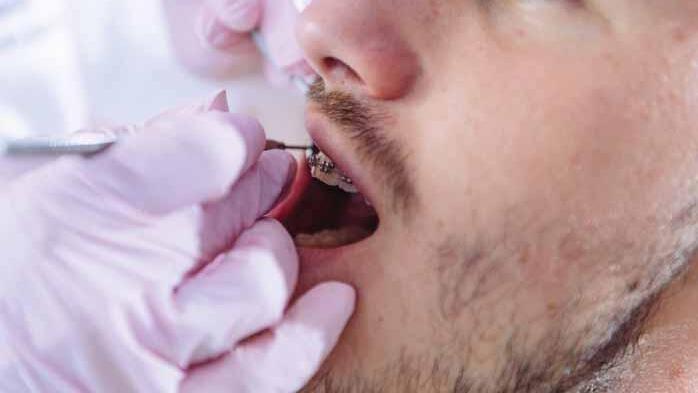
Since the 1960s, there has been a steady increase in the number of adult patients seeking orthodontic treatment. Whilst adults and adolescents may have exactly the same reasons for seeking treatment, the younger patients may not be quite as emotionally involved in the process. Adults should have a better understanding of the treatment processes and usually realistic expectations. However, underlying insecurities about appearance and other psychosocial factors may lead to a complex set of unrecognised and abnormal expectations. Careful consideration has to be given to the reasons for seeking such treatment, especially when the reasons may be improved appearance with the perception that there may be rewards that are unrealistic or unattainable.
Adults also expect that treatment will be unnoticeable to family and work colleagues in order that they may continue confidently in their usual daily activities without embarrassment. For some, this is achievable by the use of ceramic

Dr Yvonne Shaw BChD DPDS LLM
Yvonne is a dentolegal adviser for Dental Protection with a special interest in orthodontics. She acknowledges the assistance of Dr Alison Williams BDS DDPHRCS MCDH FDSRCS FDS(Orth) RCS in preparing the text.
brackets, or the placement of a lingually attached appliance or series of clear aligners, which will assist the creation of a positive perception in the wearer’s mind. Some adults will wear an appliance as a badge of honour: others will live in total embarrassment.
As there is a limited possibility of skeletal change or growth in adult patients, without surgical intervention, it is often necessary to present treatment on the basis that extractions may be required to create space to unravel crowded teeth, or for enameloplasty in the form of interproximal stripping. In other instances, opening spaces to prepare for the replacement of a previously extracted tooth with an implant or a bridge, and addressing periodontal issues, pathologic occlusions and temporomandibular joint dysfunction matters may be part of the advantages of orthodontic treatment.
Adults who commit themselves to an orthodontic treatment plan will have done so after a lot of thought and they are usually very compliant and co-operative with treatment, but be aware they may scrutinise every tiny tooth movement that occurs between appointments. This ‘expert’ patient becomes more aware of his/her occlusion and the operator must be prepared to manage more questions and an additional number of ‘tweaks’ to the treatment plan in order to satisfy his/her patient’s expectations. It is important to therefore spend time at the outset to ensure that a comprehensive assessment is undertaken to elicit any problems that may arise and the patient’s motivation for treatment. An inexperienced clinician may not be able to identify these hidden problems and
A closer analysis of the cases reported revealed that the underlying causes were little different to other orthodontic cases and include:
n failures in case assessment, diagnosis and treatment planning;
n poor records;
n lack of detail demonstrating the deficiencies in the consent process, especially in relation to discussing alternative treatment approaches;
n lack of foundation knowledge, inexperience and a failure to anticipate and recognise problems;
n failure to recognise the absence of space to move teeth, and explain what is involved with interproximal reduction (IPR) and the risks it carries;
n failure to manage the patient’s expectations – perhaps overselling the benefits of clear aligners without stressing the limitations of the product;
try to transfer the blame for the lack of progress back onto the patient. This creates tension and frustration for both operator and patient, the patient questioning the competence of the operator/clinician at every turn.
Adults seeking orthodontic treatment, especially those in middle age, are presenting for a costly, uncomfortable, time-consuming and potentially embarrassing course of treatment. They fully realise that they will have to make significant sacrifices, and may have unrealistic expectations that the resultant straighter teeth may not meet. It is important to realise that teeth move slower in adults and sometimes previously forecasted results can be impossible to achieve. The inexperienced clinician who lacks understanding of biomechanics and what can and cannot be achieved, will be unable to take a patient fully through the consent process, and may encounter rather fiery discussions with their patients.
The use of clear positioning devices for minor localised tooth movements is not new but developments in data technology, 3D printing, and other technology have facilitated novel techniques for the movement of teeth. Commercial pressures have made these techniques available to all levels of experience within the dental profession, and have proved particularly attractive to nonspecialists who may have limited formal training or experience in orthodontics.
One serious disadvantage is that the treatment plan and the series of aligners are formulated for the practitioner, usually at a laboratory, and the practitioner may have little input into the treatment aims and appliance design.
Recent studies by Dental Protection indicate that claims arising from orthodontics are increasing, with a significant number relating to adult patients treated with aligner systems.
Additional risks are introduced when the clinician is reliant on computer software and the remote technician who designs and constructs the aligners. If that service originates outside the EU, the risks associated with teledentistry should be considered (Search for ‘teledentistry’ at dentalprotection.org).
Quick and short-term orthodontic
Short-term orthodontic systems are attractive to patients with their promise of a quick fix to improve the alignment of teeth. The treatment will straighten
n failure to include the possibility of the need for some fixed appliance therapy to obtain the best possible final outcome in terms of root position and stability;
n failure to include and predict the need for long-term retention, including fixed retention;
n failure of a clinician with little foundation knowledge in orthodontic treatment and biomechanics to challenge the decision to alter a treatment plan made by a remote laboratory; and,
n patient compliance – the success of clear aligner treatment relies on consistent wear of the appliance for the prescribed time. Patients who fail to meet this target may wish to progress to the next aligner in the series without the inexperienced clinician recognising that predicted tooth movement has not been achieved. The experienced clinician will recognise it immediately and amend the treatment plan accordingly.
anterior teeth, but has little effect on any underlying malocclusion that may contribute to long-term instability.
The short-term systems are attractive to clinicians for the same reasons as the clear aligners systems, in that they provide in-house orthodontic treatments with a minimum of training. Complaints often arise because the expectations of the patients are unmet or the treatment becomes extended because the case was assessed incorrectly or inadequately prior to starting treatment.
Appliance manufacturers usually provide a generic ‘consent form’, which is often relied upon by practitioners to demonstrate that consent is valid. However, at best these forms may be viewed as general information sheets and they can only form part of the evidence to show that consent is valid. It is the record of the discussions with the patient that are crucial to demonstrate that the specific issues, options and risks for a patient have been explained as part of the consent process.
In all aspects of dentistry, fees will be the focus of complaints if a full and complete explanation of the fee structure is not provided to the patient prior to the commencement of the treatment. The aligner and short-term plans involve laboratory costs that must be factored into the costs of the treatment. Many specialists provide their treatment using progressive payment plans and are able to use a formula to apportion the total fee based on diagnosis, active treatment and retention components. Any transfer of care will be accommodated by the original and new provider, without interruption to treatment of the patient and without a complaint about fees or additional costs. It is necessary to forewarn the patient of any imminent changes to staffing and to put in place solid arrangements for the continuation of treatment and fees. If the patient is moving prior to the conclusion of the treatment, similar arrangements for fees will be necessary, as well as a referral to another clinician with experience in the system being used who is prepared to take over the case. Such events will usually test the quality of the records and the professionalism of the practice.
Log on to dentalprotection.org/Prism for resources to reduce orthodontic risks to help you achieve best practice.
Précis
Population ageing will have a profound impact on the practice of dentistry. This article offers treatment strategies for this growing patient group.
Abstract
Introduction: Population ageing is a progressive trend in most developed nations, including Ireland. Alongside this trend, there has been a concomitant decrease in tooth loss among Irish adults (Whelton, 2007). As a result, there will be more dentate older patients presenting for care. Future treatment strategies will be based on patient demand, clinician skill set, pragmatism, future planning and costeffectiveness.
Case reports: This article presents the use of minimally invasive concepts in the management of older patients. As well as describing these principles, two cases treated by the staff and students of Cork University Dental School and Hospital are presented as examples.
Discussion: Older patients can be provided with good aesthetic, functional outcomes using the principles of minimally invasive dentistry. Furthermore, these treatment options are less likely to fail catastrophically in future years, resulting in tooth loss and edentulousness in advanced years when adaptation may be challenging.
Conclusion: Treatment choices for older adults should be as evidence based and pragmatic as possible, with a view to impact of future failure.
Population and clinical changes
National population changes
The population profile in Ireland has changed considerably over the past 50 years and these changes are expected to continue. By 2046 it is anticipated that 6.7 million people will live in Ireland. The number of those over 65 years is projected to increase by 63% and those over 80 years by 278% (CSO, 2016).

F.M. Burke Senior Lecturer/Consultant Restorative Dentistry
M. Hayes Lecturer Restorative
Table 1: The challenges encountered in providing oral care for the elderly
Limited finances Physical disability Heavily restored
Difficulties accessing Cognitive impairment dentition transport Polypharmacy Xerostomia
Taking care of others Root caries (e.g., spouse) Tooth wear
Multiple medical Periodontal disease appointments Missing teeth
alter the skin tone of older patients. The use of collagen fillers is not considered to be within the normal scope of dental practice (Dental Council, 2013).
Given the altered demographics and oral health pattern, the financial cost of care provision is likely to be considerable (McKenna et al., 2015). Planning for oral care will have to factor in the cost of such care provision, whether it is borne by the patient or society.
In many cases there is also a biological cost in the delivery of dental treatment. An obvious example is a full crown preparation where up to 72% of tooth tissue can be removed in the tooth preparation(Edelhoff and Sorensen, 2002). Coupled with the tooth destruction in crown preparation is the potential for pulp damage with temporisation and the potential for leakage at the crown margin. A loss of vitality of up to 20% under crowns has been reported (Saunders and Saunders, 1998). An alternative with less sacrifice of tooth tissue would be the utilisation of vital bleaching to alter tooth colour in conjunction with the use of adhesive restorations to replace lost tooth tissue and/or alter tooth shape.
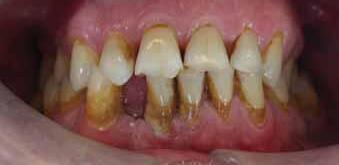
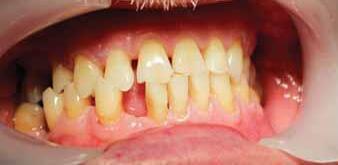
A 68-year-old man presented to Cork University Dental School and Hospital concerned about the missing lower right lateral incisor (Figure 2). He was encouraged to attend by his wife who wanted him to improve the appearance of his teeth. He was also missing seven posterior teeth but did not have any issues with chewing function. Oral hygiene was poor but there was no bone loss evident. As this gentleman’s concerns were purely aesthetic, treatment focussed on the aesthetic zone. Non-surgical periodontal treatment and polishing of the teeth resulted in an immediate improvement (Figure 3). The patient bleached at home for two weeks nightly with 10% carbamide peroxide,
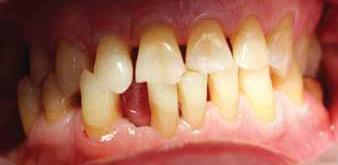
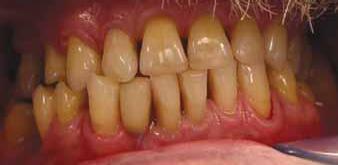
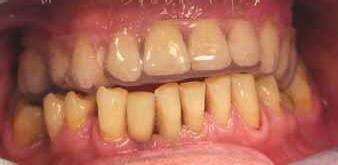
at which point he was satisfied with the shade (Figure 4). After allowing a further two weeks for the shade to stabilise, the upper incisors were lengthened and reshaped with composite resin (Figure 5). Finally, the missing lower lateral incisor was replaced using a resin-bonded cantilever bridge using the canine as the abutment. No tooth tissue was removed from the canine. The bridge was cemented using rubber dam isolation and Panavia 21 (Kuraray Dental) cement. Care was taken after fit to check that there was no contact on the pontic during protrusive movements or lateral excursion. Finally, to reduce the risk of fracture of the composite restorations, a night guard was provided (Figure 6). The patient and his wife were pleased with the final aesthetic result. The treatment was non-invasive, requiring no loss of tooth tissue.Although he was missing seven posterior teeth he did have ten occluding contacts so he was able to function satisfactorily. Placement of upper and lower partial dentures to replace the missing posterior teeth would have been superfluous (Käyser, 1981).
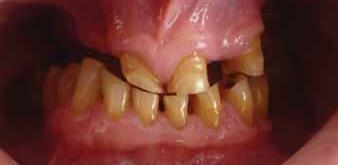
A 72-year-old male presented to Cork University Dental School and Hospital seeking treatment. He was encouraged to attend by his wife and daughter regarding his short teeth. He hadn’t worn a denture for ten years. Other than taking daily medication for hypercholesterolaemia, he was fit and well. The gentleman’s complaint was poor aesthetics, which had deteriorated. He had severe non-carious tooth tissue loss, exacerbated by a lack of occluding contacts. He was posturing his jaw forwards into a pseudo-class III incisal relationship (Figure 7) and he was missing five posterior teeth in the mandible and 12 in the maxilla. The patient expected that he would require extractions and complete dentures due to the severity of his wear and had been reluctant to see a dentist for this reason.
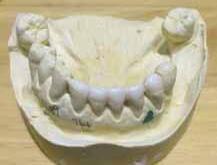
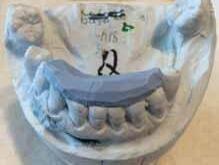
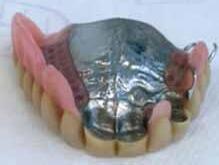
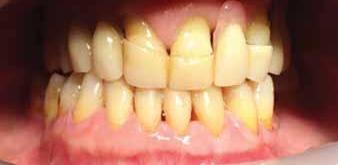
A treatment plan was formulated to replace the missing tooth tissue from the lower incisors using composite resin and to fabricate a cobalt chromium partial denture for the upper arch, which would serve as an onlay appliance for his severely worn upper incisor teeth. The patient was happy to try any treatment that might allow him to keep his own teeth. A wax-up was made to determine the most appropriate aesthetic and functional vertical dimension (Figure 8). This information was transferred to the mouth using a putty matrix during composite build-ups (Figure 9). It was noteworthy that the wax-ups were greater than 2mm in height. Composites of less than 2mm in height will tend to fracture so a greater thickness of composite is needed. The cobalt chromium upper denture was designed and occlusion was adjusted at the try-in stage. No preparation of the severely worn upper anterior teeth was required. At first the margin between denture and tooth tissue is clearly visible (Figures 10 and 11). However, the forgiving low lip line of this patient resulted in a satisfactory final aesthetic result (Figure 12).
The patient was an engaged, vital, independent-living gentleman. He was receptive to the maintenance needs for the upper chrome and the probable need for polish and repair of the lower composite restorations in the future. As with the previous case there was no need to provide him with a partial denture to replace the missing mandibular posterior teeth. Provision of the upper partial denture afforded him 11 occlusal contacts. He adapted well to the new vertical dimension. It was emphasised to the patient that the denture abutment teeth are at high risk of caries and so meticulous oral and denture hygiene are needed, as well as regular maintenance visits.
The projected increase in the older population, especially the older dentate population, presents challenges for the dental profession, and for society as a whole. There is a compelling need for a national oral health survey to inform
policy making. Treatment choices for older adults should be as evidence based and pragmatic as possible, with a view to impact of future failure. In a climate of limited financial resources, the funding and effectiveness of treatment, coupled with an evaluation of the best skills mix of those who deliver oral care, needs to be evaluated. A challenging and interesting future lies ahead for the profession.
CSO. Profile 2 – Older and Younger. Central Statistics Office. Dublin, Ireland, 2011.
CSO. Population and Labour Force Projections 2016-2046. Central Statistics Office. Dublin, Ireland, 2016.
Dental Council. Code of Practice relating to: Non-Surgical Cosmetic Procedures. Dental Council. Dublin, Ireland, 2013.
Edelhoff, D., Sorensen, J.A. Tooth structure removal associated with various preparation designs for anterior teeth. J Prosthet Dent 2002; 87 (5): 503-509.
Ericsson,D. The concept of minimally invasive dentistry. Dental Update 2007; 34: 9-18.
Fernández, E.M., Martin, J.A., Angel, P.A., Mjör, I.A., Gordan, V.V., Moncada, G.A.
Survival rate of sealed, refurbished and repaired defective restorations: Four-year followup. Braz Dent J 2011; 22 (2): 134-139.
Käyser, A.F. Shortened dental arches and oral function. J Oral Rehabil 1981; 8 (5): 457-462.
Kelleher, M., Djemal, S., Al-Khayatt, A., Ray-Chaudhuri, A., Briggs, P., Porter, R. Bleaching and bonding for the older patient. Dent Update 2011; 38: 294-303.
Kupiec, K.A., Wuertz, K.M., Barkmeier, W.W., Wilwerding, T.M. The evaluation of porcelain surface treatments and agents for composite-to-porcelain repair. J Pros Dent 1996; 76 (2): 119-124.
McKenna, G., Allen, P.F., Schimmel, M., Müller, F. Who’s picking up the bill? Gerodontology 2015; 32 (3): 161-162.
Millar, B., Robinson, P., Davies, B. Effects of the removal of composite resin restorations on Class II cavities. Br Dent J 1992; 173 (6): 210-212.
O’Mullane, D., Whelton, H., Daly, R. Changing levels of edentulousness in Irish adults between 1979-1989. J Dent Res 1991; 70: 358 #740.
O’Mullane, D., Whelton, H. Oral Health of Irish Adults 1989-1990. University College Cork. Cork, Ireland, 1992.
Saunders, W.P., Saunders, E.M. Prevalence of periradicular periodontitis associated with crowned teeth in an adult Scottish population. Br Dent J 1998; 185 (3): 137140.
Tyas, M.J., Anusavice, K.J., Frencken, J.E., Mount, G.J. Minimal intervention dentistry – a review. Int Dent J 2000; 50 (1): 1-12.
Whelton, H. Oral Health of Irish Adults 2000-2002. Department of Health and Children. Dublin, Ireland, 2007.
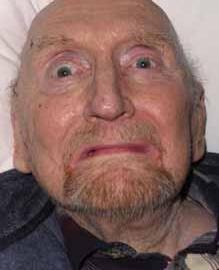
To properly care for patients in nursing homes, the multidisciplinary teams must include dentists.
There are approximately 27,000 patients living in nursing homes in Ireland at present. These are probably our most vulnerable citizens with limited control over their daily lives. The trend over the past five years is for people to be cared for in their own homes by a combination of home help and family for longer. When their dependency reaches a level where this is insufficient, a nursing home is deemed to be the best living situation for them. Therefore, the type of patient I am now seeing in nursing homes is frailer and older than previously. Along with this, these older, frailer patients are increasingly dentate, with huge unmet dental health needs. These patients are high dependency and have poor access to quality oral hygiene and preventive measures. Administering dental treatment to these patients is fraught with difficulty.
The xerostomia-inducing medications and fortified food supplements that are almost the norm for these patients are pushing their oral health further into the abyss.
In the nursing home setting we want to keep patients pain free and disease free. We wish to maintain a safe mouth to reduce the chance of aspiration pneumonia and provide palliative care in the extremely frail. Increasingly, I am faced with the dilemma of carrying out clearances for these patients to remove sources of pain and infection.
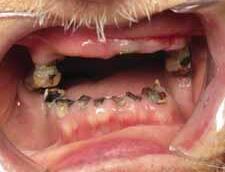
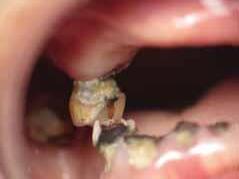
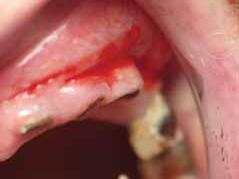
In one case, a nursing home contacted my dental practice to say a patient urgently needed dental care. The patient was a very frail 75-year-old lady who only weighed 40kg and had end-stage Parkinson’s disease with mild dementia. The nursing staff were not sure if the patient had a toothache, as she was unable to communicate. She was very distressed, in an acutely confused state, and refused to allow anyone near her mouth.
On the first visit I was unable to carry out much in the way of an examination, other than briefly lifting the upper lip. I could clearly see swelling above the upper incisors and there was an overwhelming halitosis. It was revealed by nursing staff that this lady’s mouth was cleaned twice daily with a sponge but nothing in the way of effective tooth brushing had been carried out in the two years since her admission to the nursing home.
The following day, having contacted her GP to see what my sedation possibilities were, I prescribed oral sedation, which calmed her down sufficiently to allow for comfortable extraction of four upper incisors. On examination, I found the remaining dentition to be in such a poor condition periodontally that phased extractions were the only option. A week later at a follow-up visit, this lady was unrecognisable as she was sitting out eating her dinner and able to speak and engage with her visitors, something she was unable to do for several weeks before the extractions. Moving forward with her care, she now has an electric toothbrush, which I’ve shown the care assistants how to use. She’s using Duraphat toothpaste and chlorhexidine oral gel. There is no possibility that this patient will be able to wear a denture as she does not have the cognitive function, or the motor skills, to adapt to one.
This case highlights a number of key issues in trying to provide better outcomes for these patients:
1. According to HIQA, the nursing home had satisfied the existing guidelines for oral care. However, as dentists we know that this was tragically inadequate.
2. The cornerstone of good geriatric care is a functional multidisciplinary team (MDT). Dentists are not routinely included in these teams. This patient had a profound halitosis for months before a dentist was called. Her grandchildren were refusing to visit her or hug her because of it and I found that very sad. Patients will have better outcomes if preventive dentistry is provided at its earliest possible opportunity. We need to discuss with geriatricians, GPs, nurses, dieticians and speech therapists that there is a dental impact from some of their therapeutic methods, and conversely that the resulting poor oral health impacts on patients’ health and quality of life. We as a profession need to increase awareness among other healthcare professionals of the dramatically changing oral health
needs of this cohort of patients.
3. The HSE is reneging in its duty to provide adequate care for nursing home patients. No other healthcare professionals are expected to carry out domiciliary care for patients and not get paid for travel costs, nor the additional time it takes to care for these patients safely.
4. This was an extreme case to manage but one I am seeing more of every week. There is an urgency to improve the system before it is truly out of control.
Advice welcomed
Assisted by the IDA, we approached HIQA to see if they have any interest in my concerns. Following a meeting with the senior inspectors, they invited me to speak to all the HIQA nursing home inspectors at their headquarters. We were enthusiastically received and they were happy to be more aware of patients’ dental health needs.
Engaging with other carers
The key organisation involved in the care of the elderly in Ireland is the Irish Gerontological Society (IGS). As an organisation, they were keen to involve dentists, as they realised we are absent from their multidisciplinary approach to care.
This engagement resulted in my delivering two lectures at their annual conference, one to the allied healthcare professionals and the other to nonconsultant hospital doctors (NCHDs). The engagement was lively and there was a general acknowledgement that there is an increasing problem with dentate elderly. In particular, the NCHDs had encountered problems finding a dentist to treat patients in hospitals or nursing homes.
Conclusion
Change needs to happen in the behaviour and attitudes of all those involved in the healthcare of the elderly. This change will not happen until other healthcare professionals have an awareness that good oral health is integral to good overall health and quality of life.
Ideally, other healthcare professionals should be obliged to involve a dentist in their patients’ care: when they prescribe xerostomia-inducing medication or high-sugar food supplements; when patients are at high risk of aspiration pneumonia; and, when a chronic debilitating condition is first diagnosed. This will reduce crisis management of these patients and help reduce the amount of dental clearances that are needed. Patients will have better outcomes when members of the MDT work together.
The HSE needs to step up to its obligations in providing access to dental care for these patients. Training programmes for healthcare assistants in oral care should be mandatory and meaningful. Dental schools should include
domiciliary experience in their undergraduate training programmes. A written oral care plan should be created with these patients where family and carers are involved. All those involved in an individual’s care should be aware of his/her needs and values.
A low-sugar message should be sent out to all. These patients did not reach old age dentate on a high-sugar diet. Both family and carers should be encouraged to provide low-sugar treats. Irish people have a tradition of always bringing a food gift when visiting. This is very evident in patients’ bedrooms in nursing homes, which often resemble a sweet shop. Non-food gifts should be encouraged. A campaign for a low-sugar policy in hospitals and nursing homes could perhaps be driven by the IDA?







Staff in residential care homes both want and need more training in looking after the oral healthcare needs of the elderly residents in their care.
I recently completed the Specialist Certificate in Health Promotion (Oral Health) at NUIG, and chose oral health in the elderly in residential care for my research and final project.
The census of 2011 states1 that “the population of people aged 65 and older is increasing”. The census identified “an increase of 14% in this age group since a previous census in 2006”. It is envisaged that “by 2026 people over 65 years will account for 16% of the population. Currently, approximately 6% of the population over 65 years and older are receiving residential care”.
As older people are retaining more of their natural teeth for longer, oral hygiene care plays an important role in the residents’ overall health, nutrition, well-being, appearance, communication and quality of life.
Oral health decline in residential care
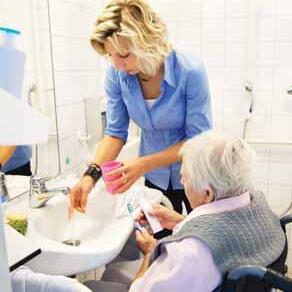
I visited my mother in a nursing home regularly over a two-and-a-half-year period and noticed a decline in the oral health of some of the residents, such as loose and ill-fitting dentures, broken and loose teeth, tooth and root decay, and gum recession.
After an initial assessment completed by a staff nurse when the resident moves in, the staff feel that over time other medical needs begin to take precedence over oral healthcare. Residents living with dementia can become more difficult to help with tooth brushing and oral hygiene needs as their condition worsens. Staff felt that training in relation to this would be of great benefit. Staff also felt it would build their confidence in dealing with the oral hygiene of others.
More training needed
I spoke with Gillian Mangan, the manager of Kinvara House Nursing Home in Bray. I also spoke to the nursing and care staff to identify the type of dental and hygiene problems they encountered with residents. All believed it was something that could be improved on. There is no formal oral health promotion
Eileen is a Registered Dental Nurse and completed the Certificate in Health Promotion (Oral Health) at NUIG.
programme being delivered to nursing home staff on a regular basis. Care staff who help residents with their daily personal care are often not armed with the knowledge and ability to attend to the importance of good oral hygiene. The staff felt they would welcome a formal, permanent arrangement in relation to oral health assessment, oral hygiene, tooth and denture care, diet, and information on access to dental treatment.
Having identified a need among staff and residents, I researched information on oral health programmes for the elderly in residential care. I developed a short course for care assistants, including theory and practical care tips. This can be delivered in one session. Programmes have been developed in Ireland and abroad in the past. I concluded that there is a benefit to be gained from formal training and an information programme for care providers. It needs to be rolled out countrywide and continued on a permanent basis. Initial feedback from the manager and care staff has been very positive. Providing an equal service for everyone and adjusting it to individual needs would provide a way forward for this group of service users.
Anyone interested in pursuing the Specialist Certificate in Health Promotion (Oral Health) will be glad to know that it is a distance learning course. This means that it can be completed from any part of the country so long as you are able to attend monthly workshops held in the Marino Institute of Education in Dublin. Further information can be found at www.nuigalway.ie/courses/adultand-continuing-education-courses/health-promotion.html.
The course I developed as part of my studies for the Certificate is to help nursing and care staff to build their confidence and knowledge when delivering oral hygiene care to residents. They are informed why oral health is important for the elderly, and the link between general health, nutrition and oral health is explained. We discuss plaque, gum disease and root caries, and how to identify decayed and broken teeth. We also discuss ways to manage residents’ hygiene if co-operation is poor. There is a practical demonstration on tooth and denture cleaning. Anyone interested in knowing more about this course can contact me directly via email at joreil2@hotmail.com. Similar courses have been developed elsewhere, and people should search online for these.
Reference
1http://www.ncpop.ie/userfiles/file/Older%20People%20in%20Residential%20 Care%20Results%20of%20a%20National%20Survey%20of%20Staff-Resident% 20Interactions(2).pdf
PART 1: an audit of practice in the Belfast and Cork restorative departments prior to the release of the 2012 European Cosmetic Directive
PART 2: an audit on the perceived clinical impact of the 2012 European Cosmetic Directive in the Belfast and Cork restorative departments
Précis: An audit of clinical practice in the Belfast and Cork restorative departments before the release of the 2012 European Cosmetic Directive. The findings led to the introduction of a clinical protocol and pro forma to the restorative departments to improve compliance with the gold standard. These could be used in any dental setting. An audit on the perceived clinical impact this Directive has had since its release found that the greatest perceivable impact was the inability to treat patients under 18 years of age.
Abstract: Intrinsic discolouration of teeth often requires bleaching to improve the aesthetics. There are three techniques available for non-vital bleaching: chairside; walking; and, inside/outside. Before the 2012 Cosmetic Directive was released, an audit of non-vital bleaching practice in the Belfast and Cork restorative departments was undertaken (Part 1). Results showed a variation in clinical procedures from the gold standard and therefore the latter was used to develop a clinical protocol and pro forma for use in the restorative departments. These were designed to be useful in the hospital and general dental practice settings, and should hopefully increase compliance with the gold standard and therefore improve both the consent process and record keeping.
With the change in the European Cosmetic Directive Guidelines on October 31, 2012, dentists were confined to using a maximum of 6% hydrogen peroxide in tooth bleaching products provided the first application was by a dentist or under their direct supervision. A high proportion of audit responses in Part 1 involved concentrations of hydrogen peroxide, in both the walking and chairside techniques, that no longer complied with the new Directive. This suggested that the new Cosmetic Directive could significantly impact the practice of non-vital bleaching in the Belfast and Cork restorative departments. This in turn prompted an evaluation on the perceived clinical impact of the European Cosmetic Directive since its release in 2012 (Part 2). Surprisingly, clinicians found similar clinical outcomes following the restriction in the concentration of bleach, although 50% felt that more treatment visits were required to achieve an acceptable result. Moreover, the results of the audit revealed that clinicians were most concerned that the introduction of a ban on treating patients under 18 years of age might exacerbate psychological issues in this vulnerable age group if discoloured teeth were left untreated.
Journal of the Irish Dental Association 2016; 62 (6): 335-342.

Jenna Trainor
BDS(Belfast) MFDS RCSP(Glasg)
Specialty Trainee in Restorative Dentistry
Newcastle Upon Tyne Dental Hospital
Corresponding author:
Melissa Good BDS(Hons) DGDP(UK) MFDS RCPS(Glasg)
FDS(Rest Dent) RCPS(Glasg) Consultant
Department of Restorative Dentistry
School of Dentistry, Belfast Health and Social Care Trust, Grosvenor Road, Belfast
Honorary Lecturer, Queen’s University Belfast
Jenna Trainor, Restorative Department, Newcastle Dental Hospital, Richardson Road, Newcastle Upon Tyne NE2 4AZ, UK
E: jenna.trainor@nuth.nhs.uk

Introduction
Non-vital bleaching techniques for the management of intrinsic discolouration involve the use of hydrogen peroxide (either in this form or as a byproduct of a chemical reaction), which oxidises unattached stain or organic matter from teeth, leading to a change in appearance.1 It bears little risk2 and is a minimally invasive intervention if performed correctly.3
Intrinsic discolouration is caused by a change in the structure of enamel or dentine, or by incorporation of chromogenic material into tooth structure either during odontogenesis or post eruption. Pre-eruptive and post-eruptive causes are shown in Table 1
It is important to consider the possible source of staining from the outset as it can influence the predictability of the result from non-vital bleaching. Discolouration following pulpal necrosis may become more severe with time but results are good with bleaching.4 Metallic ions, however, are difficult to remove with bleaching; therefore, mechanical removal is often required initially.5 Brown et al.5 reported that trauma or necrosis-induced discolouration can be successfully bleached but there is a reduced success rate for teeth discoloured by medicaments or restorations. Gupta and Saxena6 found that younger patients, or those with discolouration due to recent trauma, were more responsive to non-vital bleaching. Previous guidelines by Wray and Welbury (2004)7 stated that non-vital bleaching was indicated for well-condensed, endodontically-treated teeth, which have become discoloured due to the deposition of blood degradation products in dentinal tubules.
There are three techniques available for non-vital bleaching: chairside; walking; and, inside/outside. Before the 2012 Cosmetic Directive was released, having established a gold standard from peer-reviewed literature, an audit of non-vital bleaching practice in the Belfast and Cork restorative departments was undertaken to determine compliance with that standard.
A gold standard was established following a literature review on non-vital bleaching practices. The findings were documented under the following four subheadings: tooth preparation; non-vital bleaching techniques; time interval to final restoration placement; and, risks.
(i) Tooth preparation
A pre-operative clinical assessment and radiograph are required to ensure that the existing root canal treatment is adequate and there is no periapical pathology. A baseline shade, with or without a close-up photograph, is also an important pre-treatment requisite.
Tooth preparation requires removal of the root canal filling to 2mm below the cement-enamel junction. A 2mm depth of resin-modified glass ionomer is then placed at the cavity depth to create a cervical seal, which prevents penetration of the bleaching agent into the root canal system and periodontal ligament.8,9
This is most important in the younger patient, as the dentinal tubules are larger and so the potential diffusion rate is higher.
There is still controversy regarding whether etching the cavity with phosphoric acid to open the dentinal tubules before application of the bleaching agent is of any benefit. Some researchers10 have shown that there is no difference in the success rate when etching is part of the bleaching procedure. Others, however, suggest that it removes the smear layer and increases the penetration of the bleaching agent into the tubules, although this in turn could potentially cause an increase in cervical resorption.11
Pre-eruptive causes
• Medication, e.g., tetracycline
• Metabolism
• Systemic disease
• Genetic, e.g., amelogenesis imperfecta
• Dental trauma
• Fluorosis
Post-eruptive causes
• Pulpal necrosis
• Intrapulpal haemorrhage
• Residual pulp tissue
• Endodontic materials
• Filling materials
• Root resorption
• Ageing process
• Caries/arrested caries
Bleaching agents used in non-vital bleaching techniques include hydrogen peroxide (H2O2), carbamide peroxide (CH4N2O.H2O2) and sodium perborate (NaBO2.H2O2.3H2O). The concentration of hydrogen peroxide can range from 3-35%. Carbamide peroxide is most commonly used either as a 10% concentration, which breaks down to approximately 3% hydrogen peroxide, or as a 16% concentration, which produces 6% hydrogen peroxide. Carbamide peroxide also demonstrates an antibacterial effect.12
Sodium perborate breaks down to hydrogen peroxide and borax (sodium borate –NaBO2.H2O2.3H2O + H2O = B(OH)3 + H2O + NaHO2 = NaB(OH)4 + H2O2). Sodium perborate can be mixed with either hydrogen peroxide or water to release hydrogen peroxide, and various studies have shown no difference in the clinical results between the two options.13 Sodium perborate and perboric acid have more recently been classified as carcinogenic, mutagenic or toxic for reproduction and so are no longer considered safe for use in cosmetic products. The Cosmetic Regulation 1223/2009 therefore prohibited their use in cosmetic products and they were banned by EU legislation in December 2010 without any exceptions.14 This included tooth whitening.
There are three commonly used non-vital bleaching techniques:
1. The walking bleach technique used to involve mixing sodium perborate with water or 3% hydrogen peroxide to form a paste, which was inserted into the access cavity and sealed with glass ionomer. Since the borate ban, 3-6% hydrogen peroxide can be placed alone on cotton wool and sealed in the access cavity instead. After one week7 it is removed and the tooth shade is noted to assess if a further course is required.
2. The chairside technique involves a similar process to the walking technique but with repeated chairside applications of 30% hydrogen peroxide under rubber dam. The application time is five seconds and this is repeated five times per visit. Up to four visits are required to achieve the desired result.
3. The inside/outside technique involves the construction of a customised tray with or without a reservoir around the tooth requiring bleaching. The bleaching agent is inserted into the open access cavity of the tooth in question as well as in the same tooth position in the tray. This is demonstrated to the patient and they continue this at home, with twohourly applications with or without overnight use. This is repeated until the desired shade is achieved. A 10% carbamide peroxide gel is typically used.
(iii) Time interval to final restoration placement
After bleaching, the tooth requires a final restoration but the adhesive strength of composite resins to bleached enamel and dentine is affected due to remnants of the peroxide and oxygen inhibiting the polymerisation process. A
dressing of calcium hydroxide in the pulp chamber has been advocated for its buffering effect. Furthermore, the calcium hydroxide does not interfere with the adhesion of composite materials to the cavity walls.11,15 There is, however, according to some, little clinical relevance in increasing the pH, as dentine itself acts as a buffer.16 Some research suggested that optimal bonding was achieved after a period of two to three weeks when the enamel is free of any residual oxygen.17,18 In a paper by Unlu et al., a delay of at least seven days after completion of bleaching was recommended before the placement of a final composite restoration using an acetone-based adhesive system, the latter showing better bond strengths than water-based adhesive systems.19
There are a number of potential risks associated with non-vital bleaching, the most common of which are: failure (which is often dependent on the aetiology of the discolouration as previously detailed); relapse; and, sensitivity of adjacent teeth or gingivae.20,21
The incidence of relapse is variable in the literature. Friedman22,23 and Holmstrup et al.24 found a 10% relapse in discolouration after two years, 25% relapse after five years and 49% relapse after eight years. Amato et al.25 showed a relapse rate of 37.1% after 16 years. Glockner,26 however, stated that only 2% of patients at a five-year review noted any relapse.
It is important to inform patients pre-operatively that restorations do not lighten with bleaching techniques and may need to be replaced postoperatively, and that during the course of treatment teeth are more vulnerable to fracture as they are essentially hollow.27
The microhardness of enamel and dentine can be reduced depending on the type of bleaching agent used. It has been suggested that peroxide alters the chemistry of the dental hard tissues by changing the organic and inorganic components.28 Surface alteration in enamel could theoretically make the tooth being treated more susceptible to extrinsic staining due to the increased surface roughness. This is reported to be more likely with higher concentrations of peroxide and longer exposure.29
Cervical root resorption is an inflammatory process that results in loss of root tissue. There is a well-documented risk of 1-13% cervical resorption following non-vital bleaching, especially in teeth with a history of at least one of the following: trauma; fixed orthodontic treatment; and, oral surgery. The combination of bleaching with a history of trauma is the most significant predisposing factor for cervical resorption.30 The incidence varies greatly in the literature, and it is believed that the previous technique for chairside bleaching, which involved the use of a flame-hot instrument being placed onto the bleach within the access cavity, was the reason for the higher incidence in older papers.31,32 There was no reported incidence of cervical resorption if sodium perborate was the bleaching agent used33 but this chemical is now banned for this purpose.14
During the non-vital bleaching treatment period there is a theoretical risk, especially in the inside/outside technique, of reinfection of the root canal system, but hydrogen peroxide has been shown to have an antimicrobial effect.12 As there are possible health and safety issues associated with the use of bleach, it is essential to undertake preoperative checks to assess whether there is a history of allergy to peroxide, or if the patient is pregnant or lactating. It is not recommended to proceed with bleaching if the patient has answered yes to any of the aforementioned questions due to the lack of evidence on safety.
PART 1: an audit of practice in the Belfast and Cork restorative departments prior to the release of the 2012 European Cosmetic Directive
Method
In 2011/2012 an audit of practice within the restorative departments in both the Belfast School of Dentistry and Cork University Dental School and Hospital, where both dental students and specialists are trained, was undertaken. As outlined, a literature review helped to establish a gold standard, which in turn facilitated the formulation of a pilot questionnaire. The pilot was given to three colleagues from different grades within the restorative department in Belfast. Feedback from the pilot questionnaire was incorporated into the final questionnaire, which was then hand delivered in Belfast and emailed to Cork for the attention of all members of clinical staff in the restorative departments. It was hoped that there would be 100% compliance with the gold standard, which included the following ideal requirements:
4 determination of the cause of discolouration;
4 routine checks for a history of trauma or fixed orthodontic treatment;
4 routine checks for patient allergies to peroxide, for pregnancy, or for lactation;
4 discussion of risks of failure, relapse, sensitive vital teeth/gums, cervical resorption, restorations not lightening, hollow vulnerable teeth, and reinfection of the root canal system (RCS);
4 discussion of alternative treatment options;
4 pre-op check of coronal restoration(s), root filling and apical pathology;
4 pre-op photograph with shade tab;
4 placement of a good seal at the cavity base;
4 avoidance of acid etch;
4 least risk-averse technique as first-line treatment, i.e., no heat, lower concentration of bleach first, or close follow-up; and,
4 request for a radiograph one year post op.
Data collection
The following questions were included in the questionnaire:
4 What is the average number of cases per year?
4 What pre-op checks are routinely undertaken?
4 Is there a history of: trauma or orthodontics, allergies, pregnancy/lactating, integrity of restorations (corrected pre-op?), pre-op radiograph (proceed if apical area?)?
4 What risks are discussed with patients?
4 What is the method for recording baseline shade?
4 What techniques are used: inside/outside; walking; chairside; and/or a combination of chairside and walking?
4 What are the justifications for technique(s) used?
A response rate of 93% was achieved (13 out of 14 questionnaires were returned from both the Belfast and Cork restorative departments). An average of 3.8 cases of non-vital bleaching were undertaken per clinician per year. The findings for pre-operative checks were as follows: 92% of responders checked for a previous trauma history; 69% checked for previous fixed orthodontic treatment; 62% checked for allergies to peroxide; only 38% checked if the patient was pregnant or lactating; 100% checked the integrity
Table 2: Percentage of responders who discussed each specific risk associated with non-vital bleaching
Risk Percentage of responders (%)
Failure 85
Cervical resorption 69
Relapse 54
Restorations not lightening 15
Gingival irritation 8
Sensitivity of adjacent teeth 8
Table 3: Concentrations of bleaching agents used in the walking technique
Concentration of Percentage of clinicians hydrogen peroxide (%) using each (%) 3 46 6 27 7-10 9 30 18
of an existing restoration, with 69% replacing it if deficient; and, 100% took a pre-op IOPA radiograph and if an apical area was present 85% would occasionally proceed with bleaching if: (i) the area was reducing compared to previous radiographs; (ii) clinical symptoms were absent; and, (iii) the quality of root canal filling was high. Table 2 shows the proportion of responders who discussed the specific risks associated with non-vital bleaching.
At baseline, 77% of clinicians always recorded the shade of the discoloured tooth with 40% using a shade guide only; 50% used a shade guide plus a photograph, and 10% used a photograph only.
The most popular non-vital bleaching technique was the walking method with 85% of responders using this technique. Some 54% used the inside/outside technique, followed closely by the chairside technique (46%). The chairside and walking combination method was the least popular, with only 8% of responders using this technique occasionally. The justification for the chosen techniques included: the patient’s co-operation and manual dexterity; the amount of remaining tooth substance; the severity of discolouration; the availability of laboratory support; and, the strength of bleaching agent available. The tooth preparation steps were standardised across the two centres and, surprisingly, 85% of responders stated that they routinely used etchant (15% neglected to say).
A wide range of concentrations of hydrogen peroxide were used by different clinicians in the walking bleach technique (Table 3).
Of those clinicians using the chairside technique, 67% used 30% hydrogen peroxide and 33% used 3% hydrogen peroxide.
The inside/outside technique required the use of a laboratory-fabricated bleaching tray. Some 86% of clinicians who chose this technique used 10% carbamide peroxide gel; 14% used 16% carbamide peroxide gel.
For all three techniques the majority of responders reviewed their cases every one to two weeks. The number of applications for walking and chairside techniques was in the range of two to four. The inside/outside technique was recommended once daily until the desired shade was achieved. Some 29% of those using the inside/outside technique restored immediately after completion of bleaching. All other responders for the three techniques delayed the final restoration placement for at least two weeks after the final bleaching.
Clinical protocol for non-vital bleaching
1. Establish the cause of discolouration – some don’t respond well, e.g., metal.
2. Check if there is a history of trauma, fixed orthodontics and/or surgery – these increase the risk of cervical resorption in combination with bleaching (3-13%).
3. Check if the patient is allergic to peroxide, is pregnant or lactating – if so, do not proceed.
4. Discuss risks: failure, relapse, sensitivity to adjacent vital teeth/gums, restorations do not lighten, hollowed vulnerable tooth and reinfection to root canal system.
5. Discuss alternative treatment options and pros/cons of each – part of consent.
6. Pre-op checks: coronal restoration(s); root filling; and, apical area.
7. Pre-op shade +/- photograph recorded as baseline.
8.Vaseline gums and place rubber dam.
9. Remove 2mm of root filling beyond the cement-enamel junction.
10.Place 2mm GI seal at cavity base – reduces risk of resorption.
11.Choose least risky technique as first-line treatment: –no heat; –lowest concentration of bleach; –close follow-up; and, –modify technique if no response – rediscuss risks.
12.Radiograph one year post op (GDP) – to check for cervical resorption.
1: Clinical protocol for non-vital bleaching.
The Part 1 audit results highlighted various deviations from the gold standard. Clinicians failed to discuss the risk of tooth fracture during the treatment phase or the theoretical risk of bacterial invasion during the inside/outside technique. There was also failure to routinely discuss other treatment options for discoloured teeth such as direct composites, veneers or crowns, the latter being the most biologically costly. This might be because non-vital bleaching is the least invasive management available and therefore is considered the best option. Some 38% of responders did not routinely check for allergies to peroxide and 62% did not routinely check if the patient was pregnant or lactating. Some 8% of clinicians failed to ask about a history of trauma and 31% failed to ask about previous fixed orthodontic treatment. It is thought that a history of these can increase the risk of cervical resorption but, as the recommended techniques no longer use heat during the application of bleach, the incidence of resorption is likely to be much lower than the literature suggests. Some 85% of the clinicians who responded used etch just before applying the bleaching agent. As the rationale for these points is controversial, it may be due to habitual practice. A small study, which compared teeth that were acid-etched for 30 seconds prior to bleaching with controls that were not etched, showed a statistically significant reduction in final restoration bond strength values in the acid-etched teeth. The authors concluded that it was the acid etching for 30 seconds prior to bleaching that reduced the adhesion of the final restorations and not the bleaching agent itself.34 Finally the majority of research to date recommended a minimum delay of seven days before final
Shortly after the completion of this audit the law changed regarding the use of bleaching products in dentistry. The new 2012 European Cosmetic Directive had the potential to greatly impact the audited practices outlined in this paper. It was therefore decided to wait a couple of years and then revisit this topic to determine the perceived impact (see Part 2).
On October 31, 2012, the law on tooth whitening changed. The EU Council Directive 2011/84/EU (amending EU Council Directive 76/768/EEC)35 came into force in Europe. This directive set a maximum limit on the concentration of hydrogen peroxide permitted for tooth whitening in Europe. In the UK, the changes were brought into force by the Cosmetic Product (Safety Amendment) Regulation 2012.
The updated law limited the percentage of hydrogen peroxide (present or released from other compounds or mixtures) allowed in tooth whitening products to 6%, and stipulated that the first use must be by a dentist (as defined under Directive 2005/36/EC of the European Parliament and of the Council of September 7, 2005), or under their direct supervision, and that patients must be 18 years of age or over. An appropriate pre-operative clinical examination must also be undertaken to ensure that there is no oral pathology of concern, and that the consent process is thoroughly and carefully documented.
The above law is also reiterated in guidelines released by the Royal College of Surgeons of England (RSC Eng)36 and the British Society of Restorative Dentistry (BSRD). The General Dental Council (GDC), which regulates UK dentists, also kept the profession informed by releasing a statement in 2008 stating that only registered dentists or dental therapists/dental hygienists/clinical dental technicians working to the prescription of a dentist can carry out bleaching.37 The Irish Dental Council (IDC) and the Health Products Regulatory Authority (HPRA), formerly known as the Irish Medicines Board (IMB), released a joint statement to support the new regulation in all aspects except in regard to tooth bleaching by dental auxiliaries, which is not included in their scope of practice in the Republic of Ireland (ROI).38
PART 2: an audit on the perceived clinical impact of the 2012 European Cosmetic Directive in the Belfast and Cork restorative departments
Method
In 2015, three years after the initial audit and the release of the updated Cosmetic Directive in 2012, a follow-up questionnaire was sent to the restorative departments of the Belfast School of Dentistry and Cork University Dental School and Hospital. The questionnaire was designed to gather information on the perceived impact of the 2012 Cosmetic Directive on nonvital bleaching practice (Figure 3).
Results
This audit had a 100% response rate, with 17 questionnaires being returned from both the Belfast and Cork restorative departments. The findings were as follows:
4 number of cases: 5.4 cases per clinician per year;
4 all three bleaching techniques were still being utilised: the most popular technique was inside/outside (59%), followed by walking (41%), then chairside (29%), and the least popular was the combination of chairside
Questionnaire on non-vital bleaching practices in the Belfast and Cork Restorative Departments since the 2012 Cosmetic Directive
1.Average number of non-vital bleaching cases per year?
2. Which non-vital bleaching technique(s) do you use?
(Circle all that apply)
a. Chairside
b. Walking
c. Combination
d. Inside/outside
3. Has the 2012 Cosmetic Directive impacted your provision of nonvital bleaching over the past three years?
If yes, how?
4. Have you found that patients require more visits of non-vital bleaching to achieve a pleasing result?
5. Have you chosen to avoid non-vital bleaching in cases under the age of 18 when previously this would have been your first choice of treatment?
If yes,
a. Have you undertaken more invasive procedures?
b. Have you delayed bleaching until the age of 18?
c. Have there been any unsatisfied patients/parents/guardians when you do not provide bleaching?
If no to question 5, how have you consented/documented this deviation from the Directive?
6. If one aspect of the Directive could be changed immediately, what would you choose and why?
FIGURE 3: Questionnaire on non-vital bleaching practices in the Belfast and Cork restorative departments since the 2012 Cosmetic Directive.
plus walking, with only 17% of responders choosing this;
4 70% of clinicians felt that the new change in law had affected their treatment decisions, with the reasons stated as:
–“The preferred percentage of bleaching agent could not be used”;
–“There was uncertainty regarding indemnity if treating patients under 18 years of age”; and,
–“Clinical limitations now exist”;
4 50% of participants felt that more visits were required to achieve an acceptable result;
4 regarding the age limit:
– 59% of clinicians chose to avoid or delay treatment for patients under 18 years of age;
– alternative treatment options offered to patients under 18 years of age included: whitening toothpastes; masking the discolouration with composite (until bleaching was possible); veneers; and, even crowns;
References
1. Feinman, R.A., Madray, G., Yarborough, D. Chemical, optical, and physiologic mechanisms of bleaching products: a review. Pract Periodontics Aesthet Dent 1991; 3 (2): 32-36.
2. Chiesara, E., et al. The Safety of Tooth Whitening. Munksgaard: Blackwell, 2002.
3. Poyser, N.J., Kelleher, M.G.D., Briggs, P.F.A. Managing discoloured non-vital teeth: the inside/outside bleaching technique. Dent Update 2004; 31: 204-214.
4. Plotino, G., Buono, L., Grande, N.M., Pameijer, C.H., Somma, F. Non-vital tooth bleaching: a review of the literature and clinical procedures. J Endod 2008; 34 (4): 394-407.
5. Brown, G. Factors influencing successful bleaching of the discolored root-filled tooth. Oral Surg Oral Med Oral Pathol 1965; 20: 238-244.
6. Gupta, S.K., Saxena, P. Evaluation of patient satisfaction after non-vital bleaching in traumatized discolored intact anterior teeth. Dent Traumatol 2014; 30 (5): 396-399.
7. Wray, A., Welbury, R. Treatment of intrinsic discolouration in permanent anterior teeth in children and adolescents. Royal College of Surgeons. 2004 revision (update of 2000 guideline).
8. Hansen-Bayless, J., Davis, R. Sealing ability of two intermediate restorative materials in bleached teeth. Am J Dent 1992; 5 (3): 151-154.
9. Rotstein, I., Zyskind, D., Lewinstein, I., Bamberger, N. Effect of different protective base materials on hydrogen peroxide leakage during intracoronal bleaching in vitro J Endod 1992; 18 (3): 114-117.
10. Camps, J., de Franceschi, H., Idir, F., Roland, C., About, I. Time-course diffusion of hydrogen peroxide through human dentin: clinical significance for young tooth internal bleaching. J Endod 2007; 33 (4): 455-459.
11. Cannabrava, V.P., Fernandes, S.L., Calabria, M.P., Magalhlaes, A.C., Ishikiriama, S.K., Atta, M.T., et al Bleaching technique effect on dentin permeability. Am J Dent 2014; 27 (3): 145-148.
12. Gurgan, S., Bolay, S., Alacam, R. Antibacterial activity of 10% carbamide peroxide bleaching agents. J Endod 1996; 22 (7): 356-357.
13. Valera, M.C., Camargo, C.H., Carvalho, C.A., de Oliveira, L.D., Camargo, S.E., Rodrigues, C.M. Effectiveness of carbamide peroxide and sodium perborate in nonvital discolored teeth. J Appl Oral Sci 2009; 17 (3): 254-261.
14. BORATES Banned in the EU Without Exception [cited June 20, 2016]. Available from: http://europeanmovement.eu/news/borates-banned-in-the-eu-withoutexception/.
15. Shinohara, M.S., Rodrigues, J.A., Pimenta, L.A. In vitro microleakage of composite restorations after nonvital bleaching. Quintessence Int 2001; 32 (5): 413-417.
16. Kehoe, J.C. pH reversal following in vitro bleaching of pulpless teeth. J Endod 1987; 13 (1): 6-9.
17. Cavalli, V., Reis, A.F., Giannini, M., Ambrosano, G.M. The effect of elapsed time following bleaching on enamel bond strength of resin composite. Oper Dent 2001; 26 (6): 597-602.
18. Li, Y., Greenwall, L. Safety issues of tooth whitening using peroxide-based materials. Br Dent J 2013; 215 (1): 29-34.
19. Unlu, N., Cobankara, F.K., Ozer, F. Effect of elapsed time following bleaching on the shear bond strength of composite resin to enamel. J Biomed Mater Res B Appl Biomater 2008; 84 (2): 363-368.
20. Curtis, J.W., Dickinson, G.L., Downey, M.C., Russell, C.M., Haywood, V.B., Myers, M.L., et al Assessing the effects of 10 percent carbamide peroxide on oral soft tissues. J Am Dent Assoc 1996; 127 (8): 1218-1223.
21. Zimmerli, B., Jeger, F., Lussi, A. Bleaching of nonvital teeth. A clinically relevant literature review. Schweiz Monatsschr Zahnmed 2010; 120 (4): 306-320.
22. Friedman, S. Internal bleaching: long-term outcomes and complications. J Am Dent Assoc 1997; 128 (Suppl.): 51S-55S.
23. Friedman, S., Rotstein, I., Libfeld, H., Stabholz, A., Heling, I. Incidence of external root resorption and esthetic results in 58 bleached pulpless teeth. Endod Dent Traumatol 1988; 4 (1): 23-26.
24. Holmstrup, G., Palm, A.M., Lambjerg-Hansen, H. Bleaching of discoloured rootfilled teeth. Endod Dent Traumatol 1988; 4 (5): 197-201.
25. Amato, M., Scaravilli, M.S., Farella, M., Riccitiello, F. Bleaching teeth treated endodontically: long-term evaluation of a case series. J Endod 2006; 32 (4): 376-378.
26. Glockner, K., Hulla, H., Ebeleseder, K., Stadtler, P. Five-year follow-up of internal bleaching. Braz Dent J 1999; 10 (2): 105-110.
27. Attin, T., Kielbassa, A.M., Schwanenberg, M., Hellwig, E. Effect of fluoride treatment on remineralization of bleached enamel. J Oral Rehabil 1997; 24 (4): 282-286.
28. de Freitas, P.M., Turssi, C.P., Hara, A.T., Serra, M.C. Monitoring of demineralized dentin microhardness throughout and after bleaching. Am J Dent 2004; 17 (5): 342-346.
29. Bitter, N.C. A scanning electron microscope study of the long-term effect of bleaching agents on the enamel surface in vivo Gen Dent 1998; 46 (1): 84-88.
30. Heithersay, G.S. Invasive cervical resorption: an analysis of potential predisposing factors. Quintessence Int 1999; 30 (2): 83-95.
31. Attin, T., Paque, F., Ajam, F., Lennon, A.M. Review of the current status of tooth whitening with the walking bleach technique. Int Endod J 2003; 36 (5): 313-329.
32. Rotstein, I., Torek, Y., Lewinstein, I. Effect of bleaching time and temperature on the radicular penetration of hydrogen peroxide. Endod Dent Traumatol 1991; 7 (5): 196-198.
33. Madison, S., Walton, R. Cervical root resorption following bleaching of endodontically treated teeth. J Endod 1990; 16 (12): 570-574.
34. Batalha-Silva, S., Arcari, G.M., Monteiro, S. Jr. Should acid etching be performed prior to nonvital bleaching? Gen Dent 2013; 61 (6): 46-51.
35. European Union. Council Directive 2011/84/EU of 20 September 2011 [cited February 13, 2016]. Available from: http://eurlex.europa.eu/LexUriServ/LexUriServ. do? uri=OJ:L:2011:283:0036:0038:en:PDF.
36. Wray, A., Welbury R. Treatment of Intrinsic Discoloration in Permanent Anterior Teeth in Children and Adolescents (2004 revision) [cited June 20, 2016]. Available from: https://www.rcseng.ac.uk/fds/publications-clinical-guidelines/ clinical_guidelines/ documents/discolor.pdf.
37. General Dental Council. Position Statement on Tooth Whitening [cited February 11, 2016]. Available from: http://www.gdc-uk.org/Membersofpublic/Illegalpractice/ Documents/Position%20Statement%20on%20Tooth%20Whitening.pdf.
38. Health Products Regulatory Authority. New Legislation on hydrogen peroxide content in tooth whitening or bleaching products [cited June 21, 2016]. Available from: https://www.hpra.ie/docs/default-source/Safety-Notices/240712_imb communicationontoothwhiteningproducts_distributorsfinal.pdf?sfvrsn=0.
39. Kelleher, M.G. The law is an ass: ethical and legal issues surrounding the bleaching of young patients’ discoloured teeth. Faculty Dental Journal 2014; 5 (2): 56-67.
40. Dental Council. Tooth Whitening – Guidance to the Dental Profession [cited November 11, 2015]. Available from: http://www.dentalcouncil.ie/files/Tooth% 20whitening%20-%20Guidance%20(Final)%20-%2020121031_2.pdf.
Abstract
Unfavourable dental and facial features can have a psychological impact on patients. Orthodontic treatment can have a positive impact on the psychosocial well-being of patients who are bullied about dentofacial features. The use of orthognathic surgery in growing patients to correct dentofacial deformity is a controversial topic. This case report describes the treatment performed for a 13-year-old girl who presented complaining of a “different bite and prominent chin”, which was attracting insults at school. Insults regarding her teeth and jaw caused symptoms such as anxiety and stomach pains prior to school in the morning. As a result of the negative psychological effects of the serious bullying, it was decided to proceed with early orthognathic surgery for psychological reasons. As orthognathic surgery is usually timed in the late teens or early twenties when growth is near completion, the risks of further growth and relapse were discussed at length with the patient and her parents, especially when informed consent was being obtained. Treatment included orthodontic alignment of the arches, early orthognathic bimaxillary surgery and post-surgical orthodontics to detail the occlusion. There was a dramatic improvement in the patient’s self-esteem, with return to school and extra school activities only weeks after the surgery. This case demonstrates that early intervention may be appropriate for some orthognathic patients in exceptional circumstances. The patient and her parents were very happy with the outcome but post-treatment growth was unfavourable as expected.
Journal of the Irish Dental Association 2016; 62 (6): 343-347.

Dr Con O’Keefe
Corresponding author:
Dr Con O’Keeffe, O’Keeffe Orthodontics, Fairmount House, John’s Hill, Waterford X91 CK85 T: 051-879 227 E: info@okeeffeortho.com
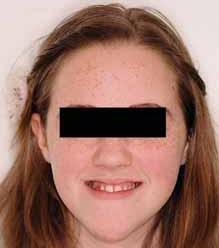
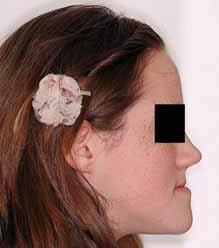
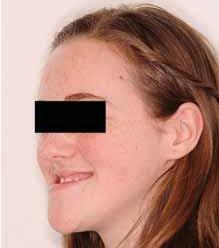
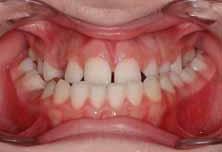
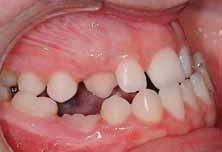
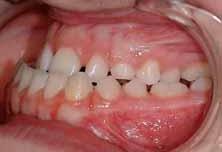
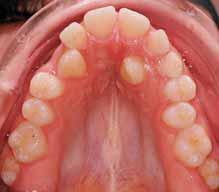
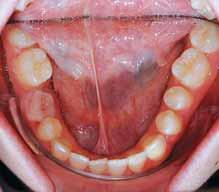
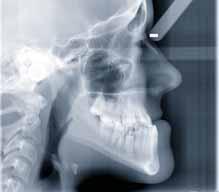
Introduction
Teasing and bullying are endemic at school and can affect nearly one in four schoolchildren in Ireland, with possible devastating and long-lasting consequences.1 Health Behaviour in School Children (HBSC) Ireland 2010 found that 24.3% of schoolchildren in Ireland report having been bullied.2 Bullying may be explained as repeated physical, verbal or psychological aggression directed by an individual or group against others.2,3 Victimisation and bullying can have serious psychological consequences leading to feelings of depression, loneliness, anxiety and low self-esteem.4 Long-term exposure to bullying can also lead to suicide in extreme cases.2,5 The increased popularity of social media networks has given rise to new ways of bullying using technology, such as cyberbullying.2,6
In a study of 11- to 13-year-olds questioned regarding teasing, 75% cited teasing or bullying about their appearance as causing considerable distress.7 The social and psychosocial influence of dental and facial appearance have been reported to have an important influence on people’s perception of an individual’s friendliness, social class, popularity and intelligence.4,8 Oral healthrelated quality of life (OHRQoL) is defined as the absence of negative effects of oral conditions on social life and a positive sense of dentofacial selfconfidence.9-10 It has been shown that a malocclusion can have an impact on an individual’s OHRQoL.11-13 In a study conducted by Al-Bitar et al. (2013), teeth featured as the frequent target for bullying.14 Comments about teeth appeared to be more hurtful than those about other features.4,15
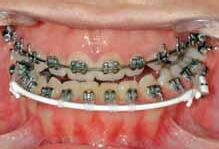
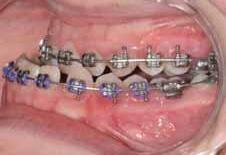
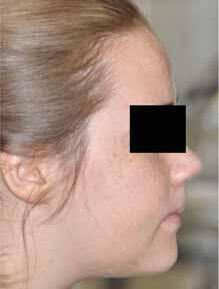
Studies conducted by Al-Omari et al. (2014) and Seehra et al. (2011) both concluded that a significant relationship exists between bullying due to dentofacial features impacting poorly on self-esteem and OHRQoL.9,11 Patients with a high aesthetic component (AC) assessed by the Index of Orthodontic Treatment Need (IOTN) may be more prone to being bullied.11 A further problem with facial and dental deformity is that in social interaction it is invariably impossible to hide or disguise it, because in normal interaction the eyes attend the face.4,16
The use of orthognathic surgery to correct dentofacial problems in growing patients is controversial,17 and is only undertaken in exceptional circumstances. The possibility of undertaking early surgery in Class III patients with severe antero-posterior (AP) dento-facial discrepancy should be evaluated with caution, as normally orthognathic surgery is timed at the end of the teens or in the early twenties when growth is near completion. Comprehensive discussion and informed consent are essential, explaining the possibilities of relapse due to further growth. Since true Class III growth may continue during late adolescence and the early adult years, there must be a mitigating circumstance, such as a patient’s significant psychological need or desire, to justify early treatment.17 A psychological assessment and report on the patient is helpful in this regard prior to deciding if early surgery is appropriate.
A 13-year-old girl presented complaining of a “different bite and prominent chin”, which was attracting insults at school. The distress was such that prior to school in the morning this young girl suffered stomach pain and other anxiety symptoms.
The patient had a Class III malocclusion on a severe skeletal III dental base relationship with an ANB of -7 degrees. The maxilla was hypoplastic and narrow with palatally displaced canines. There was moderate proclination of the maxillary incisors and a retained left deciduous canine. The mandible was prognathic and well aligned with severe retroclination of the lower incisors and a submerged second deciduous molar. In occlusion, the overbite was reduced and a reverse overjet of 3mm was present, in combination with a bilateral buccal crossbite (Figures 1A-1I).
The psychological effects of bullying, combined with a poor prognosis for any orthopaedic Class III correction, prompted a decision to treat the skeletal discrepancy with early orthognathic surgery. Strong emphasis was placed on the risks of relapse when informed consent was obtained.
A. Fixed appliance of the arches and with decompensation of the incisors.
B.Early orthognathic bimaxillary surgery to correct the antero-posterior and transverse discrepancy.
C. Post-surgical orthodontics to detail the occlusion.
D. Retention with removable retainers: one year full-time and nightly for three years.
E. Yearly review and follow-up to monitor retention, growth and stability of result.
Treatment
Orthodontic treatment was commenced at 13 years and 10 months when upper and lower fixed appliances (0.022” x 0.028” bracket system plus transpalatal arch) were placed. The lower incisor brackets were inverted to help decompensation. Light nickel titanium wires were used to align the arches, especially the palatally displaced upper canines. During the alignment and decompensation phase of the treatment, difficulty was encountered in advancing the severely retroclined lower incisors and a lip bumper was used with elastic traction for this purpose (Figure 2). Rectangular archwires were inserted (Figure 3). Surgical hooks were later placed on the archwires. Full decompensation of the lower incisors was not achieved as the increase in reverse overjet gave rise to further distress to the patient. Two surgical splints were fabricated to enable the surgeon to place the jaws in the pre-planned positions during surgery. Bimaxillary surgery involving a maxillary advancement of 5mm coupled with a mandibular bilateral sagittal split setback osteotomy of 5mm was undertaken at 15 years and five months. The AP discrepancy was mildly over-corrected to compensate for expected further mandibular growth. The patient made an uneventful recovery from the surgery (Figure 4). Postsurgical orthodontic finishing and detailing continued for a further six months
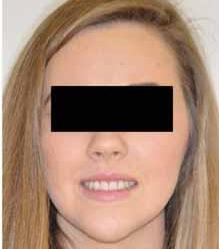
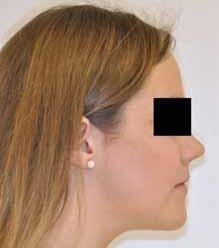
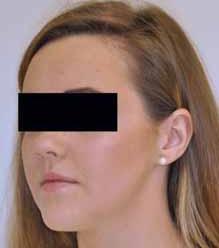
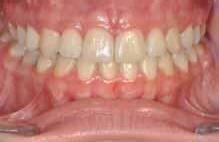
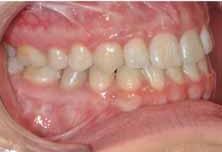
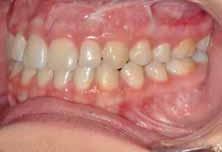
6D: Frontal intra-oral.6E: Right intra-oral.6F: Left intra-oral.
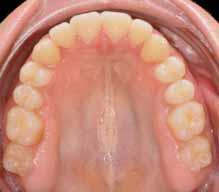
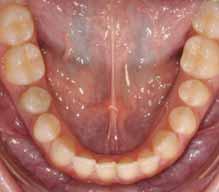
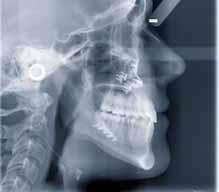
6G: Maxillary occlusal.6H: Mandibular occlusal.6I: Cephalogram two years post treatment.
13. O’Brien, K., Wright, J.L., Conboy, F., Macfarlane, T., Mandall, N. The child perception questionnaire is valid for malocclusions in the United Kingdom. American Journal of Orthodontics and Dentofacial Orthopaedics 2006; 129 (4): 536-540.
14. Al-Bitar, Z.B., Al-Omari, I.L., Sombol, H.N., Al-Ahmed, H.T., Cunningham, S.J. Bullying among Jordanian schoolchildren, its effects on school performance and the contribution of general physical and dentofacial features. American Journal of Orthodontics and Dentofacial Orthopaedics 2013; 144 (6): 872-878.
15. Shaw, W.C., Meek, S.C., Jones, D.S. Nicknames, teasing, harassment and the salience of dental features among school children. British Journal of Orthodontics 1980;7 (2): 75-80.
16. McGregor, F.C. Social and psychosocial implications of dentofacial disfigurement. Angle Orthodontics 1970; 40 (3): 231-233.
17. Villegas, C., Oberti, G., Jimenez, I., Franchi, L., Baccetti, T. Early orthognathic surgery in growing Class III patients. Journal of Clinical Orthodontics 2010;44 (11): 651-664.
18. Kiyak, H.A., McNeill, R.W., West, R.A. The emotional impact of orthognathic surgery and conventional orthodontics. American Journal of Orthodontics and Dentofacial Orthopaedics 1985; 88 (3): 224-234.
19. Ryan, F.S., Barnard, M., Cunningham, S.J. Impact of dentofacial deformity and motivation for treatment: a qualitative study. American Journal of Orthodontics and Dentofacial Orthopaedics 2012; 141 (6): 734-742.
Chrcanovic, B.R., Kisch, J, Albrektsson, T., Wennerberg, A.
The purpose of the present study was to assess the influence of local and systemic factors on the occurrence of dental implant failures up to the secondstage surgery (abutment connection). This retrospective study is based on 2,670 patients who received 10,096 implants and were consecutively treated with implant-supported prostheses between 1980 and 2014 at one specialist clinic. Several anatomic-, patient-, health-, and implant-related factors were collected. Descriptive statistics were used to describe the patients and implants. Univariate and multivariate logistic regression models were used at the patient level as well as the implant level to evaluate the effect of explanatory variables on the failure of implants up to abutment connection. A generalised estimating equation method was used for the implant-level analysis to account for the fact that repeated observations (several implants) were available for a single patient. Overall, 642 implants (6.36%) failed, of which 176 (1.74%) in 139 patients were lost up to second-stage surgery. The distribution of implants in sites of different bone quantities and qualities was quite similar between implants lost up to and after abutment connection. Smoking and the intake of antidepressants were the statistically significant predictors in the multivariate model.
J Dent Res 2016; 95 (9): 995-1002.
DENTAL LABORATORY
CELEBRATING
30 years serving Irish dentistry (1986-2016)
n Leading provider of advanced CAD/CAM and 5+1 Axis Milling using Zirkonzahn and Sirona technology.
n E-Max, Zirconia, PFM & simple to complex implant solutions.
n We accept and process both conventional and digital impressions.
n We offer a reliable 5 days-a-week service with daily telephone and on-site support to our clients.
Eastpoint Business Park • Dublin Road • Loughrea • Co Galway Tel: 091-880 108 • info@pdceramics.ie • www.pdceramics.ie
Wearing complete dentures is associated with changes in the three-dimensional shape of the oropharynx in edentulous older people that affect swallowing
Furuya, J., Tamada, Y., Sato, T., Hara, A., Nomura, T., Kobayashi, T., et al.
Objective: To investigate the effects of wearing complete dentures on pharyngeal shape for swallowing in edentulous older people.
Background: In the absence of complete dentures, edentulous older people often lose the occlusal support necessary to position the mandible, which leads to an anterosuperior shift of the mandible during swallowing. This may result in pharyngeal shape changes affecting swallowing function in older people. However, the details of this phenomenon are currently unclear.
Materials and methods: Participants were 17 older edentulous volunteers. Cone-beam computed tomography (CBCT) imaging was performed with the participant in the seated position and wearing: (i) both maxillary and mandibular dentures; (ii) maxillary dentures only; and, (iii) no dentures. During imaging, participants were instructed to keep their mouth closed to the mandibular position determined in advance during swallowing for each denture-wearing condition. The volume, height and average cross-sectional area of the velopharynx and oropharynx were measured, and the positions of the epiglottis and mandible were recorded.
Results: While the vertical height of the oral cavity and pharynx significantly decreased, the volume and average cross-sectional area of the oropharynx significantly increased when dentures were not worn (p < 0.01). The absence of dentures caused an anterosuperior shift of the mandible when swallowing and drew the epiglottis forward, resulting in expansion of the oropharynx where the tongue base forms the anterior wall.
Conclusion: The absence of dentures results in anatomical changes in oropharyngeal shape that may exacerbate the pharyngeal expansion caused by ageing and reduce the swallowing reserve.
Gerodontology 2016; 33 (4): 513-521.
Are self-etch adhesive systems effective in the retention of occlusal sealants? A systematic review and meta-analysis
Botton, G., Morgental, C.S., Scherer, M.M., Lenzi, T.L., Montagner, A.F., Rocha, R.O.
Background: Occlusal sealants are an effective method for caries prevention, although the effectiveness of different application strategies has not been established yet.
Aim: This systematic review compared the retention rate of sealants placed on occlusal surfaces following the use of self-etch adhesive systems and traditional acid etching, with or without the application of adhesive systems.
Design: Literature searching was carried out until June 2015 in PubMed/MEDLINE, CENTRAL, and ClinicalTrials databases selecting randomised clinical trials that evaluated self-etch adhesive systems associated with pit and fissure sealants in primary or permanent molars comprising retention as outcome. From 683 potentially eligible studies, 10 were selected for full-text analysis and five were included in the meta-analysis. Two reviewers independently selected the studies, extracted the data, and assessed the bias risk. Pooled-effect estimates were obtained by comparing the retention failure
Ratoath. Excellent dentist wanted to join our happy team in Ratoath, Co. Meath (Dublin city centre 18 miles). Four-surgery, fully computerised, comfortable practice. Experience very much preferred. Start January or sooner. Part-time initially/full-time within six months. Email ratoathdental@gmail.com.
Locum dentist required for three months to cover principal’s sick leave, starting approximately mid-November 2016. Full book practice working six days a week in Carndonagh, Co. Donegal. Accommodation included. Please reply in confidence to donegaldental@yahoo.ie.
Dublin – weekend position. Exciting opportunity for an enthusiastic general dentist to join our modern, well-equipped, well-established Smiles Dental practices in Dublin. Position offers Saturday and/or Sundays. Candidates must be IDC registered. Email joanne.bonfield@smiles.co.uk.
Holistic dentist required. Is there anyone out there with a holistic approach to dentistry? If so there’s a job for you in Kilkenny. Email billymccollam@ yahoo.co.uk.
Full-time, productive position available in Galway city area for a wellmotivated, reliable and friendly GDP to replace departing colleague. Wellestablished, thriving and respected family practice with excellent long-term support team. Reply with CV to phewatal@eircom.net.
Limerick City. Locum dentist wanted for three months’ maternity cover. Busy, modern, mixed practice, excellent support staff. Full-time ideally, part-time considered. Starting March. Experience essential. Contact toomeydee@hotmail.com or 087-278 1984, evenings only.
Dentist – Dublin 16. Exciting opportunity for an enthusiastic general dentist to join our team, preferably with short-term braces experience. Part-time position with view to full-time. Email management.kbmdental@gmail.com.
A part-time, friendly, motivated dentist required for a busy Limerick City dental practice. January 2017 start, for an enthusiastic candidate required to work Monday to Wednesday. Please email your CV to Jennifer at jennifer.bowedental@gmail.com.
Part-time dentist required for three days per week initially, for a modern, threesurgery, computerised practice, with digital OPG and radiography, offering Medical Card and private dentistry and in-house orthodontists, implantologist and patient treatment co-ordinator. Please email CV to Michelle.Teeling@smartdentalcare.co.uk.
Shannon: experienced general practitioner required for newly built dental clinic in Skycourt Shopping Centre. Excellent staff and equipment. OPG, digital radiographs, etc. Must be hardworking, flexible with good level of CPD. Email drodonovan@alexandradental.ie for more information, or call 061-315228.
Dentist required to work as part of a team with a dental nurse to carry out a clinical dental examination and to provide follow-up patient care as required in a HSE dental clinic in the Waterford area. Email patricia.gilsenan@ dentalhealth.ie.
Orthodontist – Smiles Dental is looking for an experienced, motivated orthodontist to work across our well-established, busy practices in Cork, Limerick and Galway. Practices offer modern, state-of-the-art working environments and full support teams. Email joanne.bonfield@smiles.co.uk.
Specialist orthodontist required to join our state-of-the-art multidisciplinary specialist referral practice in Dublin 4. Exceptional equipment and support staff. Email laura.cowman@dentalcareireland.ie.
Galway city centre practice requires full-time specialist orthodontist for existing orthodontic book and further expansion. CVs to info@quaydental.ie.
Orthodontic specialist required for up to four practices in the Dublin and Meath region. Well-established practices with high orthodontic demand. Great earning potential with the opportunity to build an already excellent patient base for the right candidate. Email laura.cowman@dentalcareireland.ie.
Specialist orthodontist required for a state-of-the-art facility at the Red Cow, Dublin 22. High demand and already established orthodontic diary. Fast expanding, multidisciplinary practice. Exceptional team. Email shauna@3dental.ie for more information.
Specialist orthodontist required for part-time position to replace a departing colleague in a busy general dental practice in south Dublin city. Email CV to info@cleardentalcare.ie.
Full-time positions for prosthodontist, orthodontist, oral surgeon and periodontist in a private centre, Qatar. For candidate: DChDent: if postgraduate after 2007, MChDent qualification (if graduate before 2007) mandatory. Package salary ¤10,000/month. Email sehaqatar@hotmail.com.
Qualified orthodontic therapist required for busy, well-established specialist orthodontic practice in north Co. Dublin. Full-time. Maternity leave cover January 2017 to July 2017. Please email CV to Brenda at swordsorthoinfo@gmail.com.
Part-time dental nurse based in Dublin. We are looking for an experienced and highly motivated part-time dental nurse for our dental practice in Dublin. Please email your CV to Michelle.Teeling@smartdentalcare.co.uk.
Full-time dental nurse for specialist orthodontic practice required. Experience preferred but not essential. Successful candidate will be required to work in more than one location. Please reply with cover letter and CV to elaine.hand@dublinorthodontics.ie.
Fluoride and Caring for Children’s Teeth (FACCT) Study. Experienced nurse required for school-based fieldwork (study), November 2016 to March 2017 (Dublin area). Nurse will need Garda clearance, full driver’s licence and own transport to transport equipment and remove clinical waste. Email patricia.gilsenanoneill@dentalhealth.ie.
Dental nurse/receptionist required for computerised D12 dental practice. May suit part-time/full-time. Replies to dentalnurserevacancy@gmail.com, or Tel: 085-186 7902.
Waterford city. Full-time chairside dental nurse required for busy practice. Experience preferred but not essential. Part time chairside dental nurse required for three evenings a week and Saturday morning. Experience preferred but not essential. Please reply with CV to catherinefreeman59@gmail.com.
Fully-qualified dental nurse required for a part-time position. Experience essential. Position available now. Please forward CV to lodgedental@live.com, Tel: 021-434 1211.
Kilkenny city. Dental nurse, highly motivated, personable, presentable individual sought, full-time dental nurse position. Radiology a plus. Experience preferred. Email 1014mck@gmail.com.
Full- or part-time qualified dental nurse position in Sandyford in specialist referral practice, oral surgery and prosthodontics. Very favourable working hours with little to no overtime. Candidates of all experiences considered. Please email info@specialistdentistry.ie.
Full-time dental nurse for Co. Dublin (west). Fully computerised, state-of-the art multidisciplinary clinic requires hardworking, enthusiastic new team member. Very attractive remuneration for the right candidate. CVs by email to dsa.dental.jobs@gmail.com.