Follow us on Facebook (Irish Dental Association) and Twitter (IrishDentists).
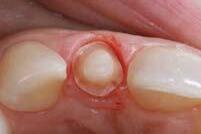
298 CLINICAL FEATURE: Gingival retraction
302 PEER-REVIEWED
302Medical emergencies in the dental surgery. Part 1: preparation of the office and basic management SF Malamed
309The application of indirect composite onlays in the restoration of severely broken down posterior teeth R McCarthy
313 ABSTRACTS
315 CLASSIFIED
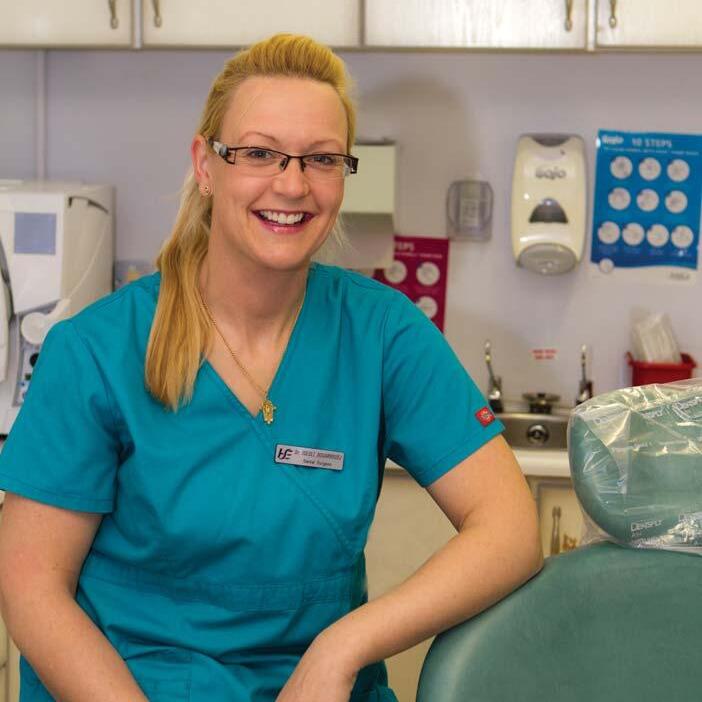
318 MY IDA: Dr Iseult Bouarroudj
IDA PRESIDENT Dr Anne Twomey
IDA CHIEF EXECUTIVE Fintan Hourihan
CO-ORDINATOR Fionnuala O’Brien
from all your colleagues on the Editorial board
The Journal of the Irish Dental Association is the official publication of the Irish Dental Association. The opinions expressed in the Journal are, however, those of the authors and cannot be construed as reflecting the Association’s views. The editor reserves the right to edit all copy submitted to the Journal. Publication of an advertisement does not necessarily imply that the IDA agrees with or supports the claims therein.
For advice to authors, please see: www.dentist.ie/resources/jida/authors.jsp
Published on behalf of the IDA by Think Media, 537 NCR, Dublin 1 T: +353 1 856 1166 www.thinkmedia.ie
EDITORIAL Ann-Marie Hardiman, Paul O’Grady
DESIGN/LAYOUT Tony Byrne, Tom Cullen, Ruth O’Sullivan
ADVERTISING Paul O’Grady paul@thinkmedia.ie
Total average net circulation 01/01/14 to 31/12/14: 3,383 copies per issue. Circulated to all
Life savers, clinicians, counsellors
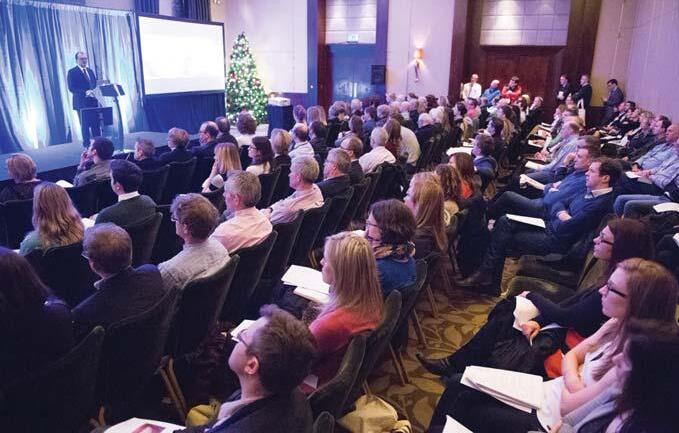
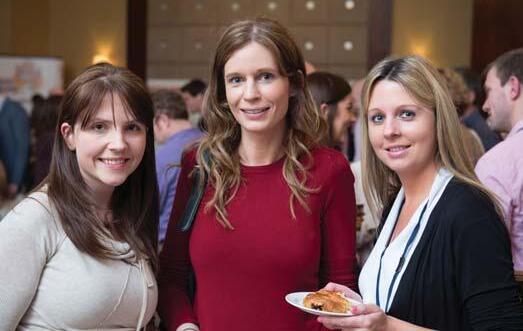
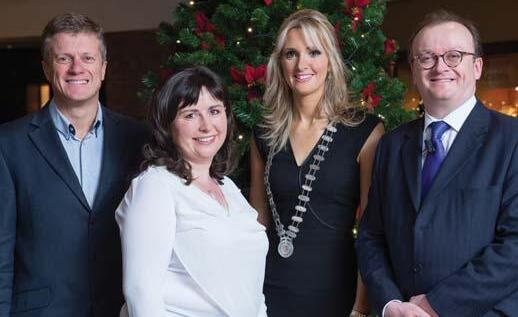
There was a wide range of dental skills being feted at this year’s Sensodyne Awards.
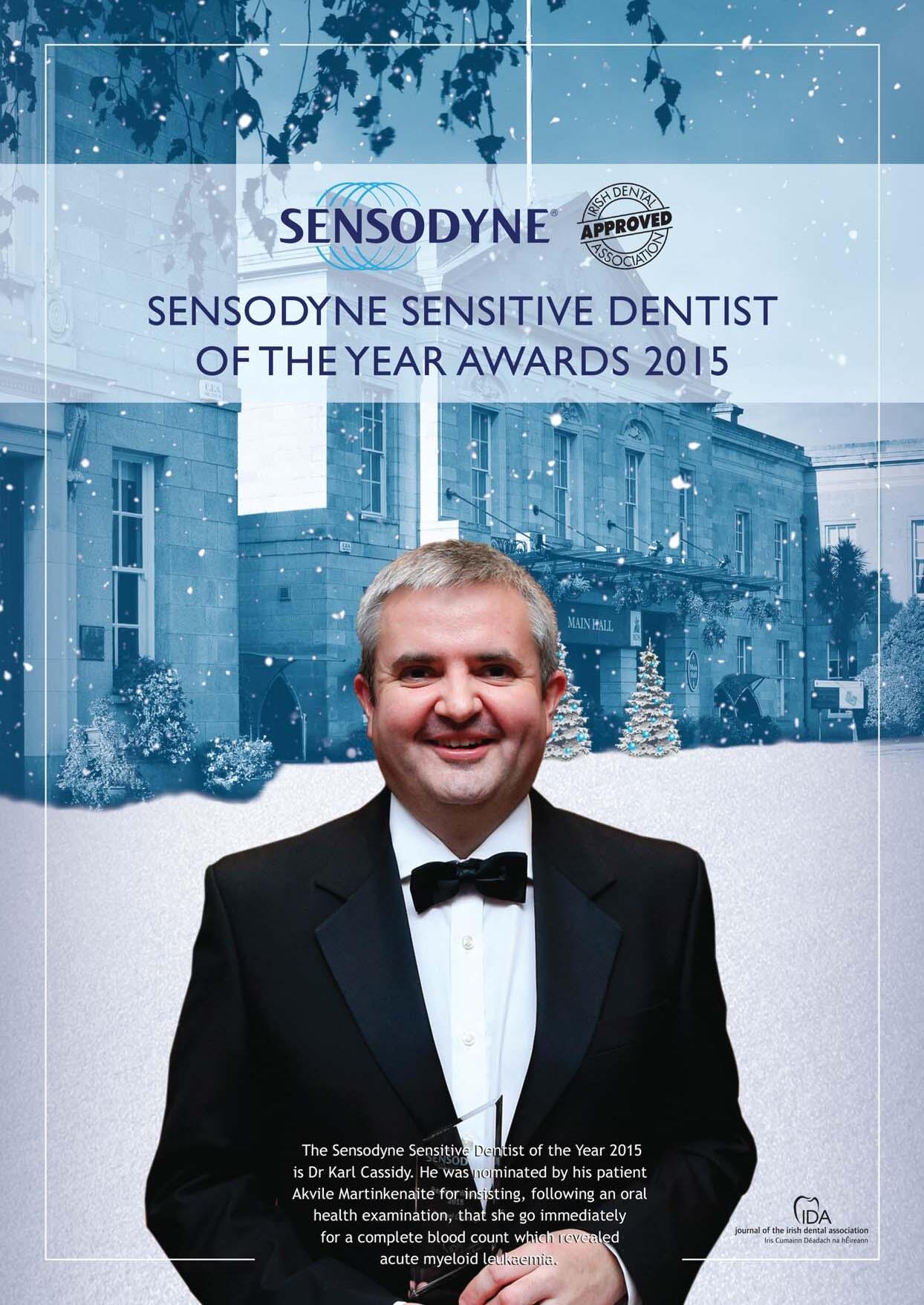
Several themes emerged from the judging of the Sensodyne Sensitive Dentist of the Year in 2015. These themes reflect the broad roles played by dentists in the lives of our patients and the entries reflected a real appreciation of our work. These themes were: the importance of oral healthcare in a post-chemotherapy setting; the exceptional care provided to patients with medical conditions; dignity for patients at the end of their lives; the role a smile plays in the confidence of a patient; and, the importance of treatment of gum disease. There was a marked contrast in the clinical seriousness of some of the treatments provided, which provides an instructive spotlight on our work. At one extreme, we had the clinical detection of a serious health problem by our overall winner, Dr Karl Cassidy. It turned out to be acute myeloid leukaemia and Dr Cassidy’s insistence on prompt action saved his patient’s life.
A less serious clinical matter, the provision of dentures to a dying patient, was also hugely appreciated. A family wrote in glowing terms of the efforts made by our Connacht winner, Dr Miriam Grady, to provide dentures to their dying mother. Dr Grady was very humble in her comments at the Awards, but there was a good reason for the nomination. Even though this patient was on her death bed, the dignity of having a set of dentures was really important to the patient and her family (the previous dentures having been lost in one of the medical transfers). Dr Grady’s efforts ensured a certain peace in dying days. That meant a great deal to her and her family. We should not underestimate the effect our most basic attention to our patients’ needs can have on their lives. You can read all the details of this year’s winners in this edition, and the Journal is proud to be the partners with the Irish Dental Association and Sensodyne in the operation of the Awards.
Disenfranchised HSE dentists
The results of the Irish Dental Union’s survey of members in the HSE are reported in the members’ section of this Journal. Members were most satisfied with the relationship with their manager, their work-life balance,
and the workplace atmosphere. However, remarkably high levels of dissatisfaction were recorded with consultation on change (73% dissatisfaction), opportunities for career progression (63%) and staffing level (62%). These results are a stark message from our colleagues that they feel disenfranchised in relation to change, promotion and staffing. That’s not healthy for the health service. HSE management – please act.
Gingival retraction, medical emergencies, and indirect composite onlays
Our clinical feature in this edition is from Dr Rebecca Carville, who provides an excellent set of guidelines on gingival retraction. It is, as she explains, a crucial step in the process of capturing details, regardless of the impression technique employed.
In the peer-reviewed papers in this edition, we have the first part of an excellent paper on medical emergencies in dental surgeries. This paper covers the preparation for such emergencies, and helps with prompt identification and management. It is written by Emeritus Professor Stanley Malamed, whom many of you will have had the pleasure of hearing at an IDA Annual Conference in recent years. Dr Ray McCarthy has provided the Journal with a comprehensive paper on the application of indirect composite onlays in the restoration of severely broken down posterior teeth. The paper describes the clinical rationale for resin-based onlays and includes a case report illustrating the author’s experience with the technique to date.
Busy
Association
There is so much evidence of the vibrancy of the Association in this edition. The Munster ASM seems to have been a great success, and Dr Iseult Bouarroudj is featured in the My IDA column describing the benefits of involvement. It will continue with many meetings in the new year including the Practice Management Seminar 2016 in Croke Park. On behalf of the Editorial Board of the Journal, I wish you a peaceful and prosperous 2016 and I look forward to meeting you at one of the many IDA events.
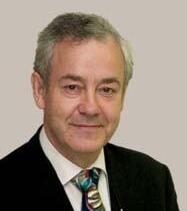
Prof. Leo F. A. Stassen Honorary Editor
Dr Anne Twomey IDA President
Dentists united on issue of child oral health
The Department’s response to IDA figures on waiting lists for children with chronic dental infections was extremely disappointing, as was the failure of Budget 2016 to address dental cutbacks.
I would firstly like to say that I, like all dentists, am extremely disappointed that Budget 2016 failed to address any of the cutbacks in dentistry. This is despite some indications, in the run up to the Budget, that serious consideration was being given to the restoration of some of the cuts. The HSE Service Plan will be issued in the coming weeks and we wait to see if there will be any improvements made to the DTSS scheme. However, it is worth pointing out that dentists do not simply want a restoration of the old scheme, but instead we are calling for an entirely new scheme to be negotiated with the IDA.
HSE dentists
I opened the Annual Seminar for HSE dental surgeons in October. The Seminar was a great success and I would like to congratulate the Chair of the HSE Committee, Dr Frances O’Callaghan, and wish her well in the role, as she is continuing as Chair in 2016. I look forward to continuing to work closely with Dr O’Callaghan on areas of importance to all dentists, both public and private. One such area that unites our profession, and on which we must continue to campaign strongly, is the issue of children’s oral health. It is an issue that the IDA highlighted with great success during the HSE Seminar, in many local and national radio interviews and in the print media. Figures compiled by the IDA prior to the Seminar show that waiting times for young children with chronic dental infections are now up to 12 months, and that every year up to 10,000 children under the age of 15 in Ireland are being hospitalised for dental extractions under general anaesthetic. As I stated in the interviews, 95% of these cases could have been avoided if they had been detected and treated earlier. The reason they were not is because of Government cuts to family dental supports since 2010, the constant undermining of what had been a highly effective schools screening service, and the fact that too many of our young people have a poor diet containing too much sugar.
I was shocked that in response to the IDA figures, Ministers and HSE spokespersons were more interested in scoring points over numbers rather than
engaging with us and asking why a preventable disease is being managed in such a way. Their response reveals a failure to understand that these children endure immense pain, discomfort and sickness from a preventable disease that should be caught much earlier. Also, we as dentists know that this is not the best spend of taxpayer’s money. The Ministers and their spokespeople do not appear to understand the emerging shape of DMFT in children. Although the overall average is down, we are now seeing 25% of children experiencing 80% of the decay.
Dental Council
I would like to congratulate all those who were elected to the new Dental Council and to thank them for giving such time and effort to engage fully with their profession. I would also like to thank the outgoing Council and Chair Dr Eamon Croke for all their hard work and endeavour.
Sensitive Dentists
I was delighted to attend the Sensodyne Sensitive Dentist of the Year Awards in the RDS in December. It was wonderful to see dentists nominated by their patients and rewarded for their outstanding care. Congratulations to all of those nominated, and in particular to overall winner Dr Karl Cassidy.
Practice management
The upcoming GDP members’ seminar in Croke Park in January will be a chance to reflect on the current landscape facing dentists in private practice. It is evident to me that there is a lack of political will to invest further in dentistry. As a result, there is a new type of practice evolving that is less dependent on State-funded and other third-party schemes. The seminar in January will help us to think about this and about the different models of practice. The future is less bleak than we anticipated and we have a lot to look forward to. We need to remain current and keep up with the trends.
Dentists honoured at alumni evening
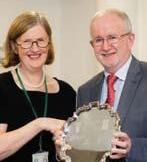
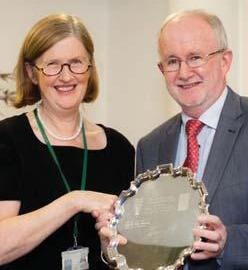
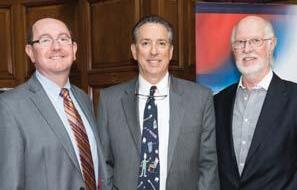
Dr Denise MacCarthy presenting Dr Conor McAlister with the Ena Brooks Outstanding Part-Time Teacher Award.
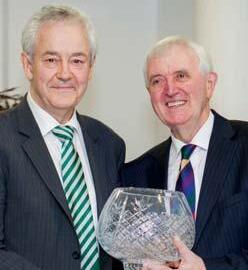
Professor Leo Stassen presenting Professor David Ryan with the Dental School Perpetual Teaching Award.
Professor David Ryan and Dr Conor McAlister were honoured at the recent alumni evening in the Dublin Dental University Hospital. Prof. Ryan was presented with the Dental School Perpetual Teaching Award by Professor Leo Stassen. Dr McAlister was this year’s recipient of the Ena Brooks Outstanding Part-Time Teacher Award, which was presented to him by Dr Denise McCarthy. Alumni were welcomed to the event by Dr Paul Dowling, Chair of the Alumni
Association, and the evening featured a presentation by Drs Abigail Moore and Eimear Norton on ‘Contemporary Approaches to Dental Trauma’. The guest speaker on the night was Newstalk FM presenter and rugby pundit George Hook.
Masterclass in antimicrobial resistance
Are health professionals over prescribing and how is this affecting dentistry?
Antimicrobial resistance is a growing and significant threat to public health that is compromising our ability as dental professionals to treat infections effectively. It is widely acknowledged that antibiotic resistance is driven by high rates of antibiotic prescribing, and it is critical that we work to reduce unnecessary antibiotic use within both the medical and dental professions.
Experience a masterclass with renowned oral medicine expert Professor Michael Lewis of Cardiff University & Dental School on Friday January 15, 2016. The event will commence at 2.00pm and finish at 5.00pm, and is entitled ‘Antimicrobial Resistance – the Impact for the Dental Profession’. Places are limited. The cost is ¤125 for IDA members and ¤250 for nonmembers. To book, call Kat on 01-296 0072.
Focus on aesthetics for Munster ASM
The Munster Branch Annual Scientific Meeting and Dinner was held in Cork’s Fota Island Resort and Spa on Friday, November 27. The event, which continues to see increasing numbers year on year, proved to be hugely popular again this year with around 150 delegates from all over the country in attendance.
As in previous years, there was a good social side to the event. There was also an excellent trade show, with over 20 exhibitors, which delegates could visit to see the latest clinical and financial products on offer. In attendance was Dr Anne Twomey, President of the IDA, Association CEO Fintan Hourihan, Assistant CEO Elaine Hughes, and the UCC final year dental students, who were personally invited by the Munster Branch.
Welcoming delegates, Branch President Dr Mairéad Browne introduced the theme of the meeting – ‘Aesthetic and Adhesive Dentistry in General Practice’. This year, the Munster Branch concentrated on finding speakers who would help to make daily practice easier for dentists, and update people’s knowledge and skills in important areas of everyday dentistry. The main speaker was Dr Christopher Orr of Advanced Dental Seminars. He presented three lectures on the topics of direct and indirect restorations for the anterior and posterior teeth and adhesive bridgework. Dr Orr gave very practical tips, with information and advice on the best materials to use and treatments to complete, based on his vast clinical and academic experience. He also provided each delegate with a comprehensive book of notes on his presentations. The afternoon speaker was Ashley Latter, who gave an excellent presentation on the topic of ‘Secrets to perfect communication in your practice’. He discussed helpful tips on how to help patients say ‘yes’ ethically to treatment plans, and how to discuss fees with more self-confidence.
The Munster Branch Dinner was held that evening in Fota Hotel, with entertainment provided by the Bravura String Quartet, and an enjoyable evening was had by all who attended.
From left: Dr Carolyn Barry Murphy and Dr Eimear Murphy.
Dr Christopher Orr of Advanced Dental Seminars presenting at the Munster Branch ASM.
From left: Dr Niamh Gormley; Dr Shauna Hannon; and, Dr Orla Shanahan.
From left: Guest speaker Ashley Latter; Dr Anne Twomey, President, IDA; Dr Mairéad Browne, President, Munster Branch; and, guest speaker Dr Christopher Orr.
HSE dentists return to Carlow
The HSE Group of the IDA returned to the Mount Wolseley Hotel in Carlow for its Annual Seminar in October. Commencing her second year as President, Dr Frances O’Callaghan welcomed delegates, who turned out in impressive numbers for an excellent programme of lectures over the two days.
IDA President Dr Anne Twomey opened proceedings and praised the HSE dentists for their commitment to their patients in an increasingly challenging work environment. She reiterated the IDA’s support for its HSE members, and said that public and private dentists need to work together, particularly in providing preventive care for children.
Thursday’s academic programme began with Dr Colman McGrath, who spoke about how population health studies and epidemiology can be used to improve oral health. He was followed by Martin Foster of DPL, who had some very important points to make about consent and capacity, particularly with regard to younger patients.
Professor Helen Whelton presented some preliminary results from the FAACT study into the impact of fluoridation and dental health recommendations on
Dr Robin Foyle
At a recent meeting, Council of the IDA endorsed the proposal to nominate Dr Robin Foyle as President Elect of the IDA at next year’s AGM. Dr Foyle would take office in 2017, taking over from Dr PJ Byrne, who takes on the role for next year. Dr Foyle is a GDP based on Wexford. He is currently an IDA representative on the Council of European Dentists (CED), and is a former Honorary Secretary of the Association.
CLOCKWISE FROM TOP LEFT: Once again, the turnout for this year’s Seminar in Carlow was excellent.
IDA CEO Fintan Hourihan; Dr Evelyn Connolly; and, HSE Group President Dr Frances O’Callaghan at the HSE Group AGM. Speaker Dr Emma Corrigan. From left: Dr Mairéad Harding; Professor Helen Whelton; Dr Frances O’Callaghan; and, IDA President Dr Anne Twomey.
child oral health in Ireland. We await with interest the full results in due course.
Assistant CEO of the IDA Elaine Hughes introduced the Association’s online Learning Management System, a new service to assist members in recording their CPD and registering for courses. Dr Emma Corrigan spoke about a radical new approach to offering dental care to the homeless population, while Dr Wendy Turner offered a detailed overview of periodontal issues in children and adolescents. Dr Edward Cotter ended the day with a presentation in praise of Maryland bridges as a useful ally in practice.
Friday’s academic programme began with a lecture from Dr Avijit Banerjee on the advantages of minimally invasive dentistry. He was followed by Dr Andrew Bolas, who covered the legalities and practicalities of dental radiology, and Dr Nick Armstrong, who updated members on the new Infection Control Code of Practice. Dr Ailbhe McDonald addressed dental erosion, and Dr Alison Dougall gave two presentations at the seminar – on the use of sedation and general anaesthesia in special care dentistry, and on medical emergencies in dentistry.
Quiz
Submitted by Roisín Farrelly.
Questions
1. When a public holiday falls on a Saturday/Sunday, and these days are not usually worked, are employees entitled to the following Monday off?
2. A relative of an employee has died. Is he/she entitled to take force majeure leave to attend the funeral?
3. How much is the statutory redundancy payment?
4. What is the statutory minimum notice period?
Answers on page 314
Life saver
A life-saving examination, plus the determination to have it properly followed up, earned Dublin dentist Dr Karl Cassidy the title of the Sensodyne Sensitive Dentist of the Year.
When Akvile Martinkenaite sat into the surgery chair of her dentist, Dr Karl Cassidy, complaining of a mouth infection, she also told Karl that her GP had diagnosed her as having mumps. What Karl saw in her mouth alerted him to the possibility of a much greater problem. He told Akvile to get a complete blood count (CBC) done as soon as possible. She did that and was admitted to hospital immediately with a diagnosis of acute myeloid leukaemia. Says Akvile: “I was told by my consultant that a day later would be significant and I could die. I am very lucky I went to see Karl and he handled my situation so professionally and referred me for a more detailed examination that saved my life.”
It’s a sign of how grateful Akvile is that when this journalist contacted her to confirm her story and say that the judges were considering Karl for an award, she became overwhelmed with emotion. She says: “I will be grateful for the rest of my life. I am the happiest person, enjoying every day.”
It was the determination of Dr Cassidy to act quickly that impressed the judges. In normal circumstances, it is reasonable to accept a doctor’s opinion and this patient had already been to see her GP. That Karl was so determined to have a CBC done very quickly demonstrates his clinical awareness and independence of thought.
Elaine Hughes, Assistant Chief Executive, and Dr Anne Twomey, President, Irish Dental Association, with host Colette Fitzpatrick of TV3.
Paul O’Grady of Think Media with Fintan Hourihan, Chief Executive of the Association.
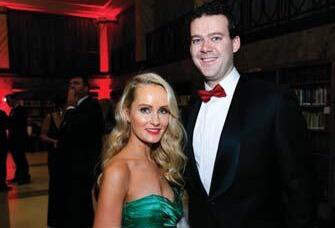
Dr Deirdre Barrett and Denis O’Reilly.
Sensodyne Sensitive Dentist of the Year, Dr Karl Cassidy, with his patient Akvile Martinkenaite, who credits him with saving her life.
Ulster winner Dr Rachael Frazer of Frazer Dental with her colleagues (from left): Edel Sheenan, Amy Burns, and Dr Aisling McGrath.
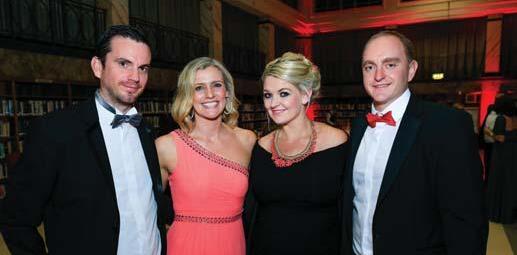
Dr Emma Daly, Fiona Considine, Lisa Pearson and Noeleen Hudson. Mark Molamphy, Dr Emma Molamphy, Amanda Hudson and Noel Kelly.
Speaking at the Awards ceremony, Honorary Editor Professor Leo Stassen, said: “On behalf of the Editorial Board and everyone involved in the production of the Journal of the Irish Dental Association, I want to congratulate every dentist that has been nominated. It means that a patient took the time and made the effort to say how much they value the care provided to them. That’s a very
Connacht
Dr Miriam Grady County Mayo
Outstanding empathy with an end of life patient
Dr Kieran Cox County Galway – treatment of boy with Asperger’s
special thing to happen. It’s one thing for someone to say ‘thank you’ but it takes extra effort and real intent to sit down and say exactly why they think that you – their dentist – is great.”
Dr Cassidy was the regional winner for Dublin, one of five regional winners announced on the night.
Dublin
Dr Sinéad Fitzgerald Sligo – breadth of care of patients
Dr Rachel King Galway city – extraction of
for anxious patient
Dr Karl Cassidy Dublin 4
Insistence on medical investigation resulting in diagnosis of acute myeloid leukaemia
Dr Riona Gorman South County Dublin – Bank Holiday treatment of collapsed tooth in new patient
Dr Lyndsey McTavish-Lynam North County Dublin – exceptional care for a wheelchairbound MS patient
Dr George Millar
Dublin 12 – exceptional care of a patient with Huntingdon’s Chorea
partially erupted wisdom tooth
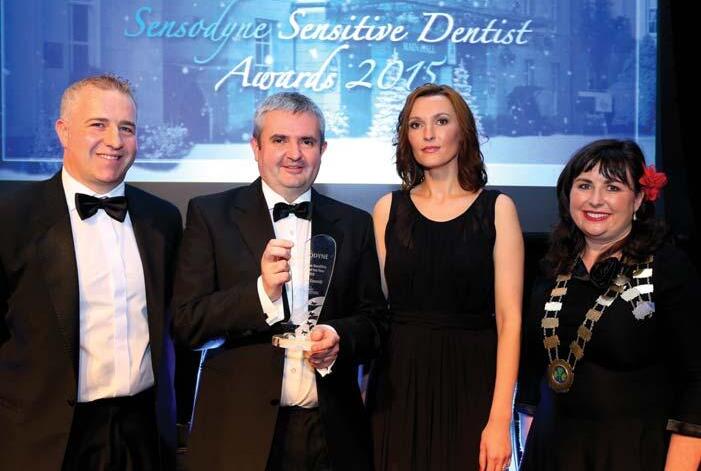
Philip Keenan of GSK, makers of Sensodyne; Sensodyne Sensitive Dentist of the Year 2015, Dr Karl Cassidy; his patient Akvile Martinkenaite who nominated him; and President of the IDA, Dr Anne Twomey.
Dr Maeve Barry and Francis Theunissen.
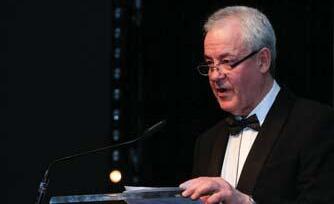
Professor Leo Stassen, Honorary Editor of the Journal, addresses the Awards.
Dr
In Connacht, Dr Miriam Grady went to great trouble to ensure that a wonderful lady who had been a patient for many years and who was at the end of her life, received a set of dentures. The family of the patient, who died shortly after receiving the dentures, wrote in glowing terms of how Dr Grady had ensured
Munster
Dr Marcas Mac Domhnaill North Kerry
Treatment of several postchemotherapy patients
Dr Aidan Higgins Limerick City – exceptional efforts to ensure care of patient about to undergo chemotherapy
Dr Claire O’Connor West Cork – treatment of a patient experiencing a panic attack
Dr Patrick Quinn North Cork – exceptional gentleness with a range of patients
dignity for their mother in her final days and hours of life – and how important that was to them.
In Munster, Dr Marcas Mac Domhnaill was singled out for special attention by two patients, both of whom had received or were continuing to receive
Rest of Leinster
Dr Caroline Robins County Carlow
Crowning of six front teeth on bone cancer patient
Dr Geraldine Honan County Meath – treatment of a patient on New Year’s Eve
Dr Marcela Torres Leavy County Westmeath – saving a child’s teeth through dealing with erosion of enamel
Dr Mark Condon, Michelle Bready,
Roisin Corkery and Niall Lawton.Drs Darren and Lorna McCourt.
Dr Richenda Bailey and Dr Claire O’Sullivan.
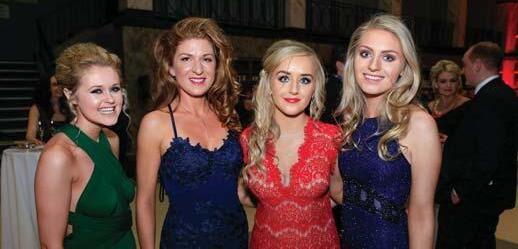
Aoife Walsh, Dr Sinead Fitzgerald, Therese Hassett and Aine Neary.Gina Staunton, Dr Margaret Tuite, Monika Tazbir, Marina Costs and Aneta Rodak.
chemotherapy treatment. Their appreciation of the care and sensitivity shown to them by Marcas was noted by the judges who congratulated Marcas on his work.
Rest of Leinster winner, Dr Caroline Robins, had placed six crowns in the mouth
Ulster
Dr Rachael Frazer County Cavan
Exceptional treatment of a patient with a troubled history, offering dignity and restoring appearance
Dr Carol Anne
– breadth of care for patients across a wide spectrum
of her patient who had suffered from bone cancer. That meant that Dr Robins had only one attempt in which to get the procedure right, as complications from the bone cancer would quite likely impair any second attempt. She succeeded to the extent that her patient felt compelled to write in nominating Dr Robins for outstanding work.
In Ulster, Dr Rachael Frazer was praised for the sensitive way she helped a recovering addict to overcome her fear of the dentist. Once this was achieved, Rachael was able to restore her patient’s smile. That in turn gave the patient much greater social confidence. For the first time, she allowed herself to be photographed with her children, and going out was a much less intimidating experience.
Themes of nominations
The judges were Dr Barry Harrington, Dr Seton Menton, and Dr Anne O’Neill to whom the Journal is grateful as always. They identified the following distinct themes emerging from the testimony of patients this year:
- the importance of oral healthcare in a post-chemotherapy setting (and especially the fragility and heightened sensitivity of these patients) and the appreciation of the care they receive;
- the arrangements for and exceptional care provided to patients with medical conditions (we had nominations for care of patients with MS, Huntingdon’s Chorea, Asperger’s and Alzheimer’s, and a regional winner for care of a recovering addict);
- respect and dignity for patients at the end of their lives (several nominations spoke of the importance of the dignity afforded to ill and elderly parents by dentists);
- the importance of the role a smile plays in the confidence of a patient and the effect a restored smile can have on other aspects of life, especially socially; and,
- patient perception of the importance of treatment of gum disease and inflammation has increased and is reflected in the entries.
Horgan Monaghan
Dr Aneta Spring County Donegal – restoring confidence to a patient
Dr Karl Cassidy, Dublin, overall winner of the Sensodyne Sensitive Dentist of the Year 2015 (front) with the regional winners (from left): Dr Caroline Robins, Rest of Leinster; Dr Marcas Mac Domhnaill, Munster; Dr Rachael Frazer, Ulster; and, Dr Miriam Grady, Connacht.
Dr Karen Grealis, Edel Sutton and Louise O’Donnell.
Irish District hosts ICD in Dublin
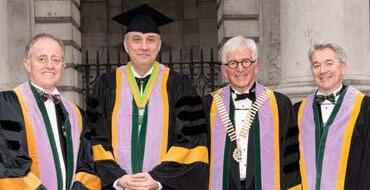
The International College of Dentists (ICD) is the world’s oldest and largest honorary society for dentists, with over 12,000 members, in 122 countries, who have been awarded the prestigious title of Fellow in the ICD.
The Irish District of the ICD was honoured to welcome delegates from around the world to Dublin for the joint meeting of the International Council and the European Section of ICD from October 7-11, 2015. It was very exciting for the European District to have the privilege of hosting the International Council, an event which last took place in Europe in 2001, and which was taking place in Ireland for the first time. Ireland won the bid to host the meeting back in 2012, and so this prestigious event was several years in the planning, and no stone was left unturned in making sure that it was truly memorable. Over 360 delegates attended from 43 countries for an extremely busy schedule, with science, learning, humanitarianism and, of course, socialising, all playing a part.
A perfect welcome
The Welcome Reception took place in the Great Hall in Trinity College, a perfect location for the first gathering of delegates. Dr Tom Feeney, President of the European Section, delivered the welcome address, and this was followed by words from Dr Joe Kenneally, International President, and an Irish American who was very proud to be coming back at the top of his profession to the land of his grandparents, one hundred years after they left Ireland. After dining, well-known periodontist and fiddle player Declan Corcoran, together with his Rí Rá band, entertained the delegates long into the evening.
On the following evening delegates were taken to the Jameson Distillery in Smithfield for an evening of dining, music and dance. The golf at Portmarnock, which was expertly managed by Michael Galvin, was another very successful event.
Science
The scientific side of things was very well catered to on October 9, with a full day’s meeting in the beautiful College Hall in the Royal College of Surgeons in Ireland. Delegates in the packed hall heard presentations that ranged from research-based topics, to future trends, to holistic dental care. The only nondentist speaking was Dr Janice Walshe, a specialist oncologist who spoke about dental care in the patient living with cancer, a patient type we are seeing much more of these days. Drs Alison Dougall, Hal Duncan, Paul Quinlan, Dermot Canavan, Helen Whelton and Mark Ferguson all gave fantastic presentations, greatly impressing the assembled international audience. The afternoon was given over to the ICD humanitarian presentations, led by Dr Frank Serio on the topic of volunteerism. He was followed by Dr Robert Emmet Morris on a similar topic, and Dr John O’Keefe on OSAP and ICD. There then followed six presentations by various delegates outlining the details of the international and home projects in which they were involved. Dr Hani Farr (Austria), Dr Conor McAlister, Dr Gil Alcoforado (Portugal), Dr Donal Tully, Dr Linda Greenwall (England) and Dr Brendan Fanning (Ireland) all demonstrated what can be done to help those in distress, where there is a will, drive and some creative thinking.
A culture of volunteerism
Dr Serio’s presentation provided a taster for the volunteerism workshop, which he directed very successfully on the following morning in the Large Lecture Theatre in the Dublin Dental University Hospital (DDUH). Dr Serio has presented over 170 lectures and continuing education courses in the US and around the world. He is founder and co-director of the Dominican Dental Mission Project. Over a span of 33 years, this project has provided in excess of $18 million of services to 60,000 of the rural poor of the Dominican Republic. The workshop was a dynamic interactive affair, led by an expert at the top of his game and inspiring all those present on how to volunteer successfully. Topics covered included the nature of volunteer activities, cross-cultural issues, comparison of service and teaching projects, how to get started either at home or abroad, the nuts and bolts of volunteering overseas and at home, and where to find these volunteer opportunities.
Running parallel with all of the various programme events were the Board Meetings of both the International Council and the European Section, held partly in the Royal College of Physicians and partly in the Shelbourne Hotel.
Fellowship
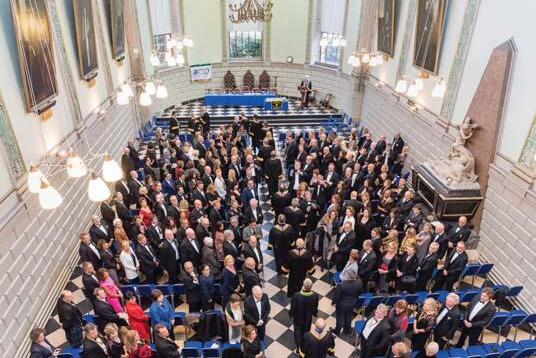
Another highlight, and in many ways the central focus of the meeting, was the Induction Ceremony, which was held in the magnificent Examinations’ Hall in Trinity College. Each year at the Induction Ceremony, the ICD welcomes new Fellows into its ranks. The five core values the College seeks to foster through Fellowship are:
■ Leadership – upholding the highest standard of professional competence and personal ethics
■ Recognition – recognising distinguished service to the profession and the public worldwide.
■ Humanitarianism – fostering measures for the prevention and treatment of
11.
Patel; 12.
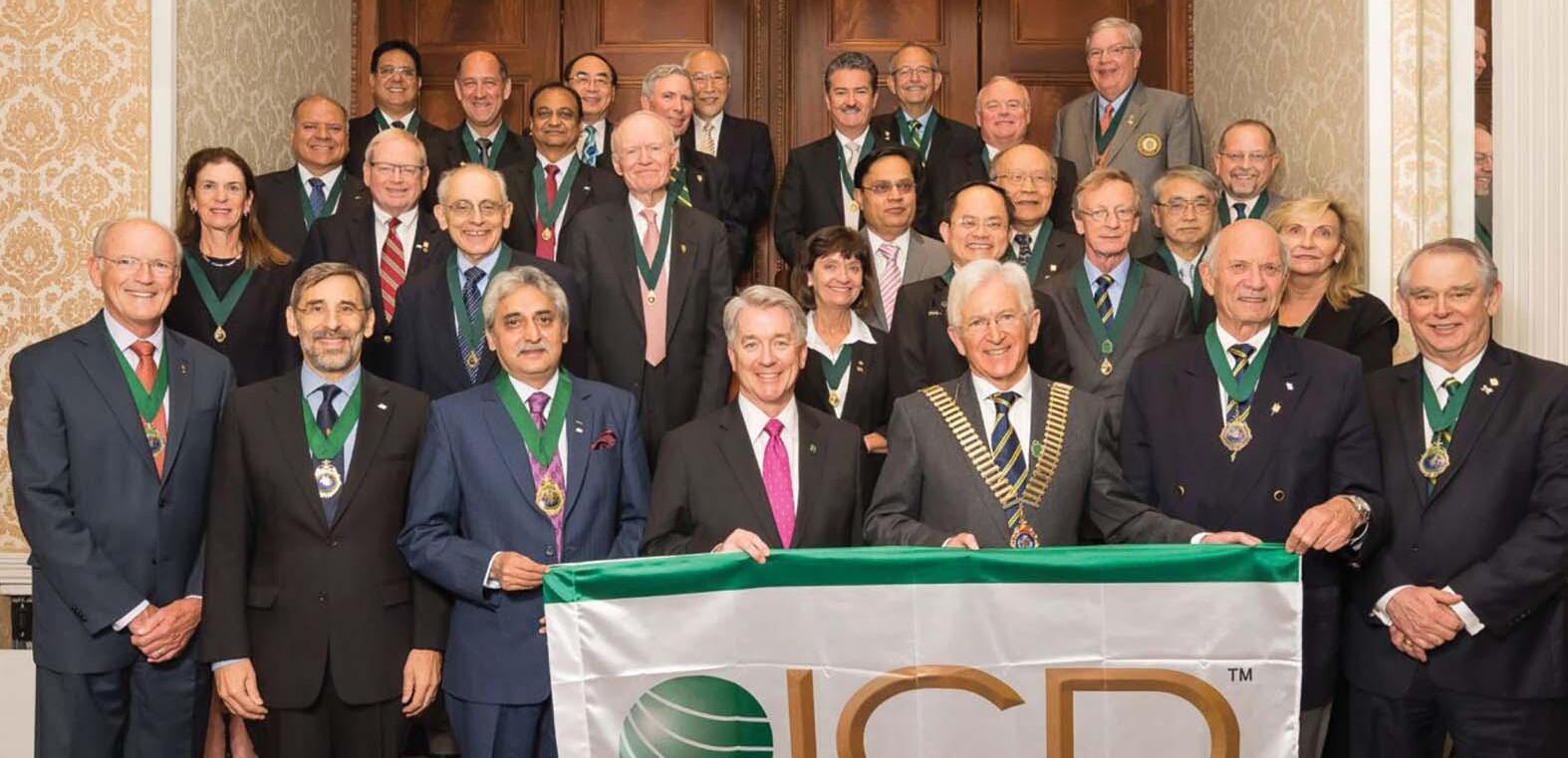
Christine Benoit; 13. Councilor Jack McLister; 14. Councilor Cedric Haddad Jr; 15. Councilor Henry Diversi Jr; 16. Councilor Anil Kohli; 17. Councilor Yuh-Yuan Shiau; 18. Councilor Koji Hashimoto; 19. Peter Korch III; 20. Councilor Donna Brode; 21. Councilor Kim Chuan How; 22. Councilor Frans Kroon; 23. Councilor Bettie McKaig; 24. Secretary General John Hinterman; 25. Editor Dov Sydney; 26. President-Elect Rajesh Chadna; 27. Past President Joseph Kenneally; 28. President Phillip Dowell; 29. Vice President Clive Ross; and, 30. Treasurer Richard Smith.
from left: Irish Inductees: Dr Sinead McEnhill; Dr Dermot Canavan; Dr Donal Blackwell; Dr Richard Graham (Deputy Irish Regent); Dr Brendan Fanning; and, Professor Helen Whelton. From left: Immediate Past President Dr Tom Feeney; European President Dr Corrado Paganelli; International President Professor Phillip Dowell; and, Immediate Past International President Dr Joe Kenneally. Humanitarian Programme speakers (from left): Dr John O’Keefe; Dr Frank Serio; and, Dr Robert Emmet Morris.
oral disease by encouraging and supporting humanitarian projects.
■ Professional relations – providing a universal forum for the cultivation of cordial relations within the profession, and to assist in preserving the highest perception of the profession
■ Education – contributing to the advancement of the profession of dentistry by fostering the growth and diffusion of dental knowledge worldwide.
This year over 40 Fellows were inducted at the ceremony including, from Ireland, Drs Donal Blackwell, Dermot Canavan, Brendan Fanning, Sinead McEnhill and Helen Whelton.
The Induction Ceremony was followed by a Gala Dinner in another very atmospheric venue – the Royal Hospital Kilmainham. Here nearly 350 guests were catered for in magnificent surroundings and after the sumptuous dinner and speeches, those with sufficient stamina were able to dance the night away to the rocking sound of Jungle Boogie.
Overall, the whole meeting was considered a great success with the many overseas guests waxing lyrical about how much they enjoyed being in Ireland and how gracious, friendly and helpful the Irish people were. Apart from anything else, the Irish economy should benefit in the years ahead with many delegates stating that they couldn’t wait to return.
CLOCKWISE
1. Tun Tun Thwe; 2. Keith Suchy; 3. Ying Kwei Tseng; 4. Michael Kenney; 5. Akira Senda; 6. Antonio Bello; 7. Curtis Johnson; 8. Jim Conrardy; 9. Leighton Wier; 10. Christian Rochefort;
Pankaj
Councilor
Destination Dentistry
Practice Management Seminar 2016 – Saturday January 30, Croke Park
This year’s Practice Management Seminar will begin with our National GP meeting at 9.15am. Members will receive updates on key policy, and legal and industrial relations developments as they affect general practice, and will have an opportunity to put questions and comments to the GP leadership. Dr Peter Gannon, IDA Vice President, will then offer an update on the IDA’s three-year strategic plan in a session open to all IDA members.
After coffee, there will be two presentations: ‘Dentistry in a Revived Economy: Key Decisions Facing Irish Dentists’ by IDA Chief Executive Fintan Hourihan, and ‘Models of Dental Practice –Financial Costs and Profitability’ by David McCaffrey of MedAccount.
Beware of stock market volatility
Now almost seven years old, the current bull market is three months shy of becoming the second longest in history. Since hitting the bottom in March 2009 stocks have tripled, but an increasing number of strategists are calling investors to lower their expectations for future returns according to John O’Connor, right, of Omega Financial Management. The S&P 500 index is looking at almost zero growth in 2015
These presentations will set the scene for an open forum where the audience will be asked to join in a discussion with a panel of dental leaders including IDA President Dr Anne Twomey and Dublin general practitioner Dr Tom Feeney. Chaired by broadcaster Keelin Shanley, this forum will offer a great opportunity for dentists wishing to take control of their practice and their income. Don’t miss this forum if you’re looking to position yourself for a more rewarding and profitable practice over the next five years.
After lunch we will hear from Dr Kevin Lewis of Dental Protection and Oonagh O’Hagan, MD of Meaghers Pharmacy Group. Our final speaker is to be confirmed. This annual event is not to be missed by anyone working in private practice. Practice managers are welcome to attend if they attend with their dentist who is an IDA member.
and if you remove Facebook, Amazon, Netflix and Google, the index would be in the red. Most fund managers are recommending a cautionary view for the calendar year ahead. In addition to the US and Europe coming to a close very near to where they started, it has been a bumpy ride through 2015. It may now be a good time to look at investing in some absolute return strategies, which could offer some protection in the event that markets take a tumble in the year ahead. Beating cash deposits by 4-6% may be a sensible aspiration to have for 2016.
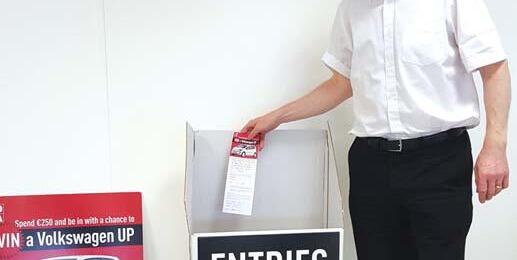
Donegal dentist wins car
Donegal dentist, Dr Brian McCaughey is the winner of the Identex Car Draw. He wins the Volkswagen UP and the President of the IDTA, Peter Morris, is photographed drawing the winning ticket.
Details about Identex 2016 will be issued in the new year.
Another first for the IDA
The Irish Dental Association is delighted to have recently been awarded US$50,000 in funding from the Wrigley Foundation. Dentists who are IDA members will be encouraged to apply for a dental support grant, which will fund a worthwhile community dental programme. The grants will offer necessary funding for the purchase of supplies, communications and any other expenses incurred in providing a much-needed dental service in different areas and groups of patients. A call for proposals will be made in early 2016. Grants will be from US$2,500 to US$15,000 annually. The Irish Dental Association is indeed honoured to be elected as the first EU base for the Wrigley Foundation programme.
DIARY ofEVENTS
JANUARY 2016
21
Maryborough Hotel & Spa, Cork Munster Branch IDA – Meeting
Speaker is Dr Sue Boynton, and the topic is ‘Avoiding pitfalls in dentistry – risk management for the dental team’. There will be DPL risk credits for this lecture.
28
Alexander Hotel, Dublin 2, 7.30pm
Metropolitan Branch IDA – joint meeting with the Irish Endodontic Society
Preceded by Metro Branch supper for learning – 6.00pm.
Email supperforlearning@hotmail.com to book your place.
FEBRUARY
26
Alexander Hotel, Dublin 2, 2.00pm
Metropolitan Branch IDA – extended meeting: ‘Wellbeing and Eliminating Stress’
Speakers are Dr Garry Heavey on ‘Communication and consent’, Dr Brid Hendron on ‘Practice wellness’, Eamonn O Muircheartaigh on ‘Preventing back pain’, Tony Kerins on ‘Protecting the working relationship: better contracts, better performance’, and special guest speaker Jim McGuinness.
It’s what you say and how you say it!
How the right words can help you to communicate with patients when their expectations become unrealistic.
A great dental professional possesses a combination of particular attributes, skills and behaviours. Among these assets is the ability to maximise patient satisfaction and minimise the risk of complaints and claims. In this context, ‘what you say and how you say it’ is important.
Communication is key
Research shows that only a small percentage of patients who suffer an adverse outcome in dental care will lodge a complaint or claim, and that the majority of complaint investigations find no error. There is plenty of evidence to demonstrate that it is not always clinical error that can lead to a patient complaint, with poor communication being a common contributor.
Enhanced skills
One of the most important communication skills is the ability to elicit and manage patient expectations. Patient expectations of modern dentistry have increased rapidly over recent years. These are often shaped by the media, dental practice marketing and information downloaded from the internet. These sources of information are not always accurate, and we are worried that that patient expectations have risen faster than the technical advances that have actually been achieved.
From Dental Protection’s own experience, it is sobering to consider that despite the advances in dental care, there has also been an increase in patients lodging
Dr Sue Boynton Head of Dental Services for Dental Protection in Ireland
complaints that express their dissatisfaction with the treating dentist. This is why it is so important to take the time to build a relationship with the patient that will optimise effective two-way communication.
Expectations
It is important that dental professionals master the communication skills required to effectively manage patient expectations. It is very hard, however, to effectively manage patient expectations if you are not aware of them.
Understanding the patient’s expectations before providing dental treatment is both good practice and an effective risk management strategy. Your ability to identify and understand what they expect from your treatment is a prerequisite to ensure that you both agree to the planned treatment and to reduce your risk before any patient dissatisfaction occurs.
If unrealistic expectations are discovered before starting treatment, the next step is to speak to the patient about their expectations, options and possible outcomes. If this discussion proves ineffective, further action is needed. If treatment is not urgent, there is time to consider the options and take some potentially risk-reducing steps, including:
■ deferring treatment and offering to discuss the matter further with the patient at a future date;
■ providing patient access to additional information or explanation such as leaflets, educational videos or reliable websites that provide information about realistic outcomes of treatment options;
■ suggesting that the patient seek a second opinion; and,
■ deciding not to treat the patient because of repeated, unsuccessful attempts to modify unrealistic expectations.
Dental Protection provides workshops at different locations in Ireland to help you to improve your own communication skills. For more details or to book online please visit dentalprotection.org/ireland/events-e-learning/workshops.
Gingival retraction
In fixed prosthodontics we use many impression methods to capture the detail of our tooth preparations, from traditional impression techniques to digital scanning of the tooth preparation. Either way, one step in the process is often crucial: gingival retraction.
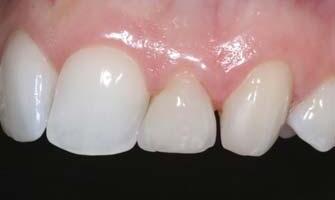
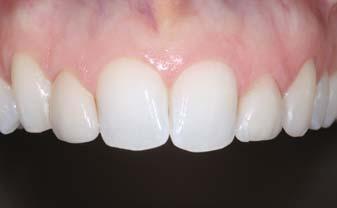
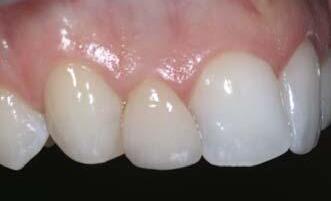
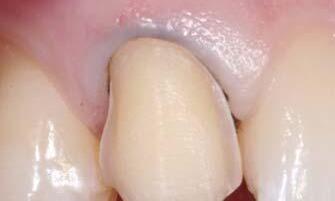
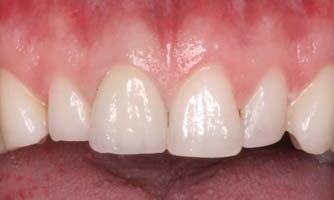
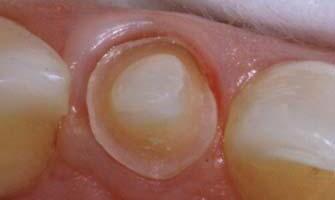
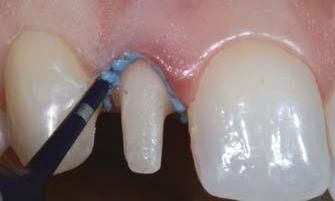
1, 2 AND 3: It is advisable to achieve good gingival health before preparations, gingival retraction and impressions are attempted.
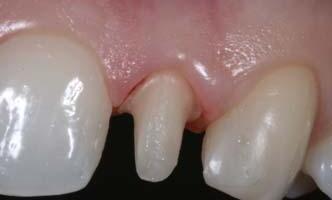
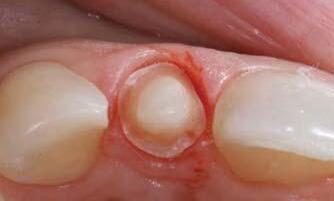
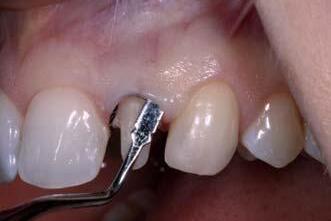
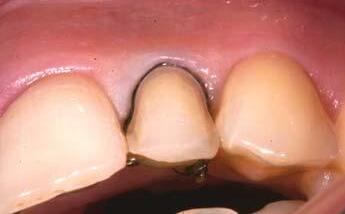
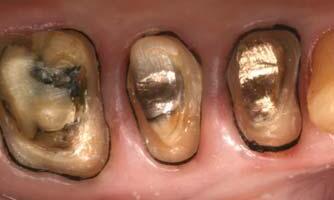
FIGURES 4, 5 AND 6: Tooth preparation should be carried out carefully to avoid unnecessary trauma to the sulcular and periodontal attachment.
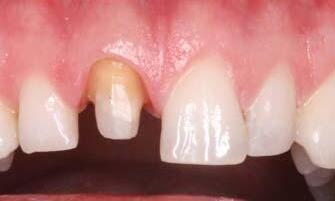
FIGURES 7, 8 AND 9: The provision of a well-fitting, highly polished provisional restoration will maintain tissue stability from preparation through to final restorations.
Gingival retraction is the reversible displacement of the soft tissues to expose the finish line of the tooth preparation. It is absolutely essential to ensure that this area is captured accurately and reproduced in a cast to allow fabrication of an accurately fitting restoration.
Dr Rebecca Carville
BA BDentSc (TCD) DCh Dent (TCD) FFD RCSI
Prosthodontist carville.prostho@gmail.com
The gingival tissues can be retracted mechanically, and indeed mechanochemically. The most common techniques used clinically are retraction cords and retraction agents. Although techniques vary depending on individual manufacturers’ instructions, a number of steps can be carried out to optimise gingival retraction.
Preparation
It is always best to achieve good gingival health before preparations, gingival retraction and impressions are attempted (Figures 1, 2 and 3). Tooth preparation should be carried out carefully to avoid unnecessary trauma to the sulcular and periodontal attachment (Figures 4, 5 and 6).
If the soft tissues are bleeding profusely after tooth preparation, it may be best to delay the impression stage to another day to allow healing. The key to good
FIGURES
13 AND
soft tissue healing before the impression appointment is the provision of a wellfitting, highly polished provisional restoration. This will maintain the tissue stability from preparation through to final restorations (Figures 7, 8 and 9).
Materials
Chemical agents can be used to help control bleeding prior to impression making. Many retraction cords are impregnated with haemostatic agents to control bleeding during gingival retraction: common astringents include aluminium potassium sulphate, aluminium sulphate, aluminium chloride and ferric sulphate. Separate haemostatic agents can be used, such as ferric sulphate and aluminium chloride, to soak cords or use topically on bleeding spots. The use of cords impregnated with vasoconstrictors such as adrenaline/epinephrine has become less popular due to both local and systemic side effects. Haemostatic agents may affect the polymerisation of additional silicone impression materials if they are not adequately washed away. They should be rinsed for at least 10 seconds with water spray. Retraction cords are still the most popular method used. Newer cords place more emphasis on cord material and design. Some cords are tightly braided to aid rigidity and grip, e.g., StayPut. Others are loosely knitted to reduce pressure
during insertion and removal, and to soak up gingival crevicular fluid, e.g., Ultrapak (Table 1).
Retraction agents and pastes are made from various materials, but can be categorised into two types: non-medicated silicone materials, which are purely mechanical, e.g., Magic foam cord; and, kaolin-based materials impregnated with aluminium chloride, e.g., Expasyl.
Technique
The retraction technique selected depends on the position of the finish line and the gingival biotype. In patients with thin biotypes it is best to use less traumatic techniques to minimise the risk of gingival recession, e.g., single thin-knitted cord or retraction paste. Patients with thicker tissues and deeper margins may require more displacement, so techniques such as the double cord technique may be used. In the double cord technique one thin cord is placed apically and a thicker cord is placed coronally for horizontal and vertical retraction. The most superficial cord is removed immediately prior to impression making.
Steps
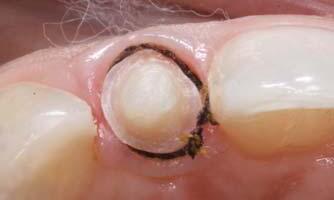
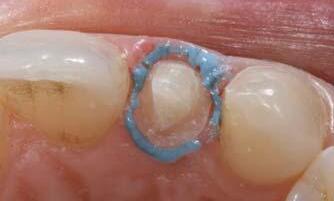
■ Cut the cord to the appropriate length. Place the cord circumferentially into the sulcus, gently inserting it with a thin tipped cord-packing instrument. If you intend to remove the cord, leave excess exposed (Figure 10).
■ The decision to leave a cord in place or to remove it depends on biotype and what is visible after cord insertion. If the cord itself is obstructing access to the finish line it should be removed (Figures 11 and 12). If the cord is below the finish line and all of the desired surfaces are accessible to impression material then it can be left in place (Figures 13 and 14).
■ In a two-cord technique, the apical thin cord is left in place, and the thicker coronal cord is removed.
■ Always wet the cord prior to removal to avoid tearing of the gingival tissues, then dry gently after removal prior to placing impression material. Cord should not be left in the sulcus for more than five to 10 minutes.
FIGURE 10: If you intend to remove the cord, leave excess exposed.
FIGURES 11 AND 12: If the cord in itself is obstructing access to the finish line it should be removed.
FIGURES
14: If the cord is below the finish line
of the desired surfaces are accessible to impression material, then it can be left in place.
CLINICAL FEATURE
Paste technique
Each system varies, so follow the manufacturer’s instructions:
■ paste should be carefully released into the sulcus lateral to the prepared tooth ( Figures 15 and 16 );
■ follow the manufacturer’s instructions with regard to time left in situ (usually three to six minutes); and,
■ with air and water combined, flush away any remnants of paste, then dry carefully; pastes containing haemostatic agents must be thoroughly washed away as they may inhibit
the set of some impression materials. Good light and magnification can help with either procedure. Accurate retraction leads to
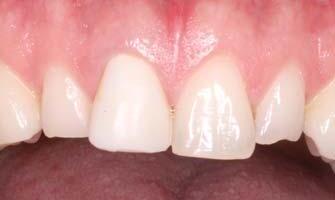
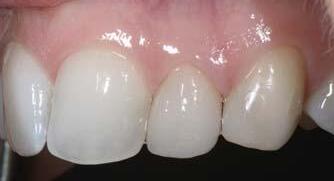
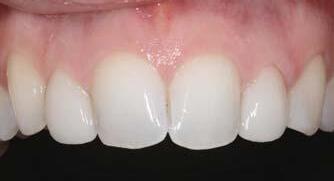
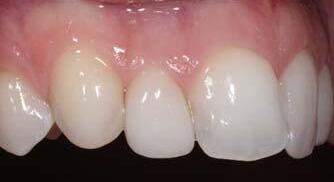
an accurate impression and, subsequently, a well-fitting final restoration ( Figures 17 , 18 and 19 ).
FIGURES 17, 18 AND 19: Accurate retraction leads to an accurate impression, and subsequently a well-fitting final restoration.
FIGURES 15 AND 16: Paste should be carefully released into the sulcus lateral to the prepared tooth.
Medical emergencies in the dental surgery
Part 1: preparation of the office and basic management
Précis:
Preparation for, and basic management of, medical emergencies occurring in the dental surgery are discussed. Prompt recognition and management can result in a successful outcome.
Abstract:
Statement of the problem: Medical emergencies can and do happen in the dental surgery. In the 20- to 30-year practice lifetime of the typical dentist, he/she will encounter between five and seven emergency situations. Being prepared in advance of the emergency increases the likelihood of a successful outcome.
Purpose of the paper: To prepare members of the dental office staff to be able to promptly recognise and efficiently manage those medical emergency situations that can occur in the dental office environment.
Materials and methods: Preparation of the dental office to promptly recognise and efficiently manage medical emergencies is predicated on successful implementation of the following four steps: basic life support for ALL members of the dental office staff; creation of a dental office emergency team; activation of emergency medical services (EMS) when indicated; and, basic emergency drugs and equipment. The basic emergency algorithm (P→C→A→B→D) is designed for implementation in all emergency situations.
Results and conclusions: Prompt implementation of the basic emergency management protocol can significantly increase the likelihood of a successful result when medical emergencies occur in the dental office environment.
Journal of the Irish Dental Association 2015; 61 (6): 302-308.
Stanley F. Malamed DDS Dentist Anesthesiologist, Emeritus Professor of Anesthesia & Medicine
Herman Ostrow School of Dentistry of USC, Los Angeles, California, USA E: malamed@usc.edu
Introduction
Life-threatening emergencies can and do happen in the practise of dentistry. They can happen to anyone – a patient, dentist, member of the office staff, or a person merely accompanying a patient. Though the vast majority of medical emergencies occur in patients during treatment, a significant number develop in non-patients. In a combined survey of 4,309 North American dentists a total of 30,608 emergencies were reported (Table 1).1,2 A total of 11% occurred in non-patients. Some 20% of 84 medical emergencies reported in an American dental school between 2000 and 2008 occurred in non-patients.3 Between 1973 and June 2012, 34.4% of 282 medical emergencies occurring in the University of Southern California School of Dentistry occurred in non-patients.4 Dentistry is stressful. Patients attend dental surgeries with many pre-existing fears, including fear of experiencing pain, fear of the local anaesthetic injection, fear of being injured by the drill, fear of gagging, and other fears too numerous to mention. These fears commonly manifest themselves as medical emergencies when the patient attempts to keep their fear internalised – to ‘tough it out’, to ‘take it like a man’.
Matsuura, reporting on medical emergencies in Japanese dental offices, found that 54.9% of the emergencies occurred during local anaesthetic administration, while 22% occurred during the ensuing dental treatment.5 The most common treatments being received at the time the medical emergency arose were tooth extraction (38.9%) and pulpal extirpation (26.9%).
Emergencies such as syncope (fainting), hyperventilation, the acute ‘epinephrine (adrenalin) reaction’, acute angina pectoris, acute pulmonary oedema, acute asthmatic episodes, stroke and seizures are frequently precipitated in the dental environment by fear that goes unnoticed and unmanaged by the dentist. We term these emergencies ‘stress related’. Other emergencies, including allergy, hypoglycaemia, local anaesthetic overdose (toxic reaction) and postural hypotension are non stress-related. Myocardial infarction (heart attack) and cardiac arrest may be either stress- or non stressrelated.
Atherton et al. reported 1,380 emergencies occurring among 701 dentists in England and Wales, and 760 emergencies arising among 328 Scottish dentists.6 Wilson et al. reported that among Irish dentists, excluding syncope, adverse medical events occur at a rate of 0.7 cases per dentist per year (Table 2).7 A more recent report (2012) found 793 reported incidents among 300 British dentists.8,9
Deaths have also been reported in the dental office environment. Atherton et al. reported 13 dental office deaths over a 10-year period.6 Interestingly, 11 of the 13 deaths occurred in the waiting room prior to the start of dental treatment. The procedures undergone by the two patients who died in the dental surgery were ‘dentures’ and ‘scaling’.6
During his 40-year tenure as a full-time professor at the University of Southern California School of Dentistry, the author encountered one cardiac arrest death – in a patient having his full dentures relined.
Preparation
The dental office staff must be prepared to promptly recognise and effectively manage those medical emergencies that arise. Proper training of all staff, and the immediate availability of essential items of equipment and emergency drugs, are essential for a successful outcome to result. The four steps in preparation are: basic life support training; office emergency team; access to emergency medical services (EMS); and, emergency drugs and equipment.
N=4,309 reporting dentists. Data combined from: Fast, T.B., Martin, M.D., Ellis, T.M. Emergency preparedness: a survey of dental practitioners. J Am Dent Assoc 1986; 112: 499-501; and, Malamed, S.F. Managing medical emergencies. J Am Dent Assoc 1993; 124: 40-53.
2:Prevalence of medical emergencies reported by dentists over a 12-month period.7
TABLE
TABLE 3:Preparation of the dental office staff for medical emergencies.
BASIC LIFE SUPPORT
4 Renew training annually
4 BLS for healthcare providers
4 ALL dental office employees
4 In the dental office
4 Ventilate mouth-to-mask, NOT mouth-to-mouth DENTAL OFFICE EMERGENCY TEAM Member #1
4 First on scene of emergency
4 Stay with patient; yell for “HELP”; administer BLS, as needed
Member #2, on hearing call for “HELP” …
4 Obtain: emergency drug kit; portable O2 cylinder; and, AED, and bring to site of emergency.
Member #3, #4 and so on … Assigned ancillary tasks such as:
4 Monitor vital signs (BP, heart rate and rhythm)
4 Assist with BLS
4 Activate EMS (112, or 999)
4 Keep lift available in reception while awaiting arrival of EMS
4 Prepare emergency drugs for administration
4 Keep written timeline record during emergency
Dentist remains the “responsible” party during management of medical emergencies. Tasks CAN be delegated.
Office personnel should be interchangeable during emergency management.
ACTIVATION OF EMS (Emergency Medical Services)
When: As soon as you, the dentist, think it is necessary. For example: (1) unable to make a diagnosis; (2) know the diagnosis but are uncomfortable with it (e.g., cardiac arrest); and, (3) whenever you think EMS is warranted.
DO NOT HESITATE TO ACTIVATE EMS, if you feel it is needed.
Whom to call: 112/999, or a nearby physician or dentist IF you know beforehand that they are well trained in the management of emergency situations.
BASIC LIFE SUPPORT TRAINING
Basic life support (BLS, CPR [cardiopulmonary resuscitation]) training for all members of the office staff represents THE most important step in preparation. The ability to recognise and manage an unconscious person is paramount to their survival. The basic algorithm – P→C→A→B→D – is discussed below. All office personnel should be required by the dentist to receive this training annually. BLS training should be carried out in the dental office if possible, as this is where the emergencies will happen.
OFFICE EMERGENCY TEAM
Develop a plan before an emergency happens. A simple emergency team is described below:
Member #1 is the first person at the scene of the emergency. When the emergency arises in the dental chair this might be the dentist, hygienist or assistant. Where the situation occurs in the reception area it is the reception staff who will respond first, hence the recommendation that all office personnel be BLS-HCP trained. Member #1: remains with the patient; administers BLS, as needed; and, activates the dental office emergency team (e.g., calls for help). Member #2 is assigned to immediately bring the emergency equipment to the site of the emergency. The oxygen cylinder, emergency drug kit and automated external defibrillator (AED) should be kept together in an easily accessible location (e.g., near a telephone).
Member #3 is, in fact, the remaining members of the office staff. Possible duties include: activation of EMS; waiting outside the office for arrival of the EMS and escorting them to the office; ‘holding’ the lift in the reception area for the EMS; monitoring vital signs; preparing emergency drugs for administration; keeping a written record of the event, including a time line and treatment (e.g., 10.15am – EMS called; 10.21 – EMS arrives in dental office); and, assisting in BLS.
The dentist remains the team leader, the person legally responsible for the health and safety of the patient. Tasks may be delegated as long as the person performing the task is capable of doing it well under the dentist’s supervision. Table 3 summarises the duties of each member of the dental office emergency team.
EMERGENCY MEDICAL SERVICES
There are two questions to consider: when to call?; and, whom to call?
When to call for assistance: Emergency medical assistance should be sought as soon as the dentist (the person legally responsible for the health and safety of the patient) feels it is needed. This occurs: 1. if the diagnosis of the problem remains unknown; 2. when the diagnosis is known but is disturbing to the dentist; and, 3. at any time the dentist feels uncomfortable and wishes to seek help. Never hesitate to seek assistance in managing a medical emergency if you feel it is warranted.
Whom to call: Emergency medical services (EMS) are the first responders to life-threatening medical emergencies in most areas. Throughout Ireland, 999 is the EMS number. A second emergency number (112 – the European Union EMS number) may be called within Ireland as well (Figure 1). Response times vary significantly from community to community. In almost all situations, EMS arrival occurs within ten minutes. Where response time is prolonged (e.g., traffic or rural environment) and the dental office is located in a ‘medical–dental’ complex, there might be another healthcare professional well trained in emergency management available.
On arrival at the site of the emergency, the EMS will take over management. Primary duties of the EMS are to: keep the patient alive; stabilise the patient’s condition at the scene; and, transport the patient to the emergency department of a hospital for definitive care, if needed.
EMERGENCY DRUGS AND EQUIPMENT
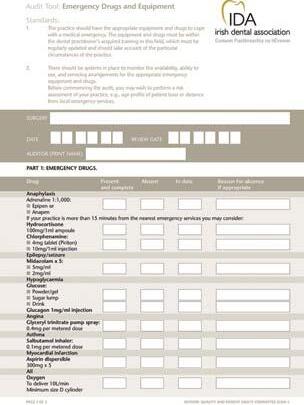
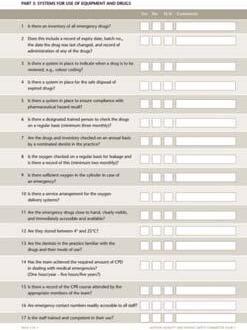
Every dental office requires a set of basic emergency drugs and equipment. The Quality and Patient Safety Committee of the Irish Dental Association has
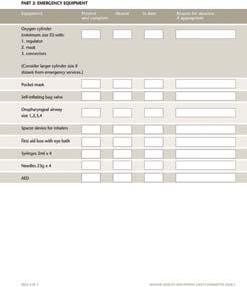
developed an excellent Audit Tool on Emergency Drugs and Equipment that provides the dentist with a suggested list of drugs and equipment in the form of a checklist (Table 4).10 Interestingly, this author (an American) has recommended these same basic emergency drugs – with subtle differences in form – for all dental offices since 1999 in his emergency medicine textbooks.11-13
Injectable drugs: The basic kit includes two injectable drugs: epinephrine (adrenalin) either 1:1,000 (for patients >30kg in weight) or 1:2,000 (up to 30kg weight); and, an antihistamine. Both drugs are used in the management of allergic reactions. The histamine-blocker is used to treat non-life-threatening allergy (e.g., itching, hives, rash), whereas the immediate administration of epinephrine – the most important drug in emergency medicine in this author’s
opinion – is essential in the life-threatening allergic reaction anaphylaxis. Epinephrine should be available in a preloaded autoinjector (e.g., Epipen, Anapen). The importance of epinephrine in the management of anaphylaxis is illustrated by the fact that survival is unlikely without its administration.14
Non-injectable drugs: Five non-injectable drugs are recommended: glucose for management of hypoglycaemia (low blood sugar); glyceryl trinitrate (nitroglycerin) for management of an acute episode of angina pectoris; a salbutamol inhaler for management of acute asthma; aspirin, in a powdered or chewable form, for administration in management of first-time chest pain or a suspected myocardial infarction; and, oxygen (O2), minimally in a “D” cylinder, preferably an ‘E’ cylinder (Figure 2), as well as the appropriate equipment for its delivery.
Emergency equipment: There are several important items of emergency equipment related to airway management.
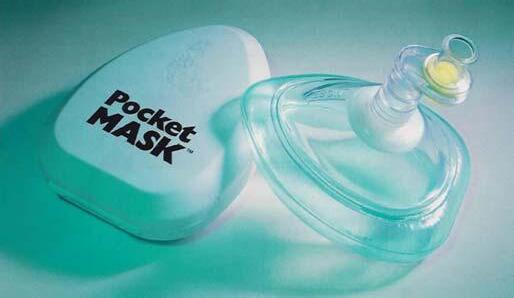
1. Pocket mask, for mouth-to-mask ventilation (Figure 3). It is suggested that each member of the dental office staff have their own pocket mask, and be trained to use it during the next CPR training course taken by the office. The ability to use a pocket mask to maintain airway patency and ventilate an apnoeic unconscious patient is one of the most important steps in saving a life. Mouth-to-mask ventilation provides the patient with approximately 16% oxygen.
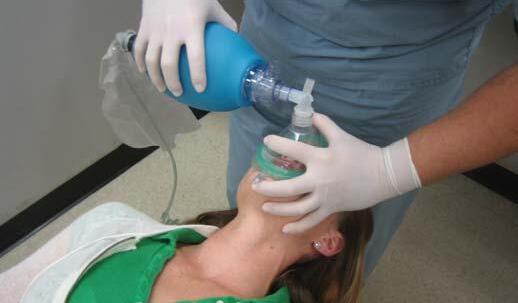
2. A self-inflating bag-valve-mask device (Figure 4) enables ventilation of the patient with ambient enriched O2 levels (~20.9%) or with enriched O2 (21% to ~90%).
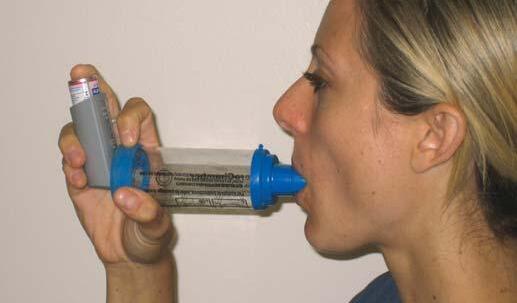
3. A spacer device for a bronchodilator. These are used primarily in paediatric
TABLE 4: Irish Dental Association Audit Tool. Emergency Drugs and Equipment.
FIGURE 1: Irish emergency medical services telephone numbers.
FIGURE 2: ‘D’ (M-15) and ‘E’ (M-24) oxygen cylinders.
FIGURE 3: Pocket mask.
FIGURE 4: Self-inflating bag-valve-mask device.
asthmatics; a spacer allows for a greater volume of bronchodilator to enter the lungs (Figure 5).
4. Plastic, disposable syringes with needles, for injectable drug administration. It is suggested that the emergency kit have four 2ml syringes with needles.
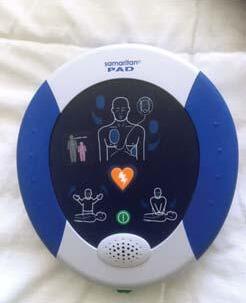
5. An automated external defibrillator (AED) (Figure 6). This author has advocated the availability of AEDs in dental offices for the past 25 years.15,16 Survival (to hospital discharge) from out-of-hospital sudden cardiac arrest is intimately related to the time elapsed from collapse of the patient to defibrillation. In the absence of CPR being delivered prior to EMS arrival, defibrillation is delayed, with resultant survival rates decreasing at approximately 7-10% per minute.17 With bystander-initiated CPR, survival rates diminish more slowly, at a rate of between 3% and 4% per minute (Table 5).17
Basic management of medical emergencies
Although it is hoped that life-threatening medical emergencies will not occur in the dental surgery, it is a fact that they do happen. Management of all medical emergencies adheres to the same basic algorithm: P→C→A→B→D where P is positioning, C is circulation, A is airway, B is breathing, and D is definitive care.18 The initial management of ALL medical emergencies is the same:
These constitute the steps of basic life support (CPR) and are designed to ensure that the patient’s brain receives an adequate supply of blood (containing the oxygen and glucose necessary to sustain life). Once these steps have been implemented – as needed – D, definitive care, is considered.
FIGURE 5: Spacer device for bronchodilator.
FIGURE 6. Automated external defibrillator.
FIGURE 7: Supine position recommended for all unconscious persons.
FIGURE 8: Location of the carotid pulse.
FIGURE 9: Head tilt – chin lift procedure for managing airway in unconscious persons.
ineffective, initiate rescue breathing.
D
= Definitive care
The steps employed thus far, P→C→A→B are keeping the patient alive by ensuring that their brain is receiving oxygenated blood. In the dental environment, the reality is that the vast majority of emergency situations will require only ‘P’ – positioning, followed by ‘D’ – definitive care. When consciousness is lost proper positioning is all that is required for the patient to recover consciousness. ‘C’ will be evaluated and noted to be present, ‘A’ (head tilt – chin lift) will be required if the patient does not recover consciousness promptly, and ‘B’ will seldom be necessary.
Definitive care may be subdivided into three other ‘D’ categories: diagnosis; drugs; and, defibrillation. If a diagnosis can be made, then subsequent management is usually straightforward (management of specific emergency situations is the subject of the second article in this series).
Several of the more common medical emergencies seen in dentistry require the administration of drugs. Examples include nitroglycerin for acute anginal discomfort, an inhaled bronchodilator for acute asthmatic episodes, aspirin for a suspected myocardial infarction, and glucose for management of hypoglycaemia. Oxygen may be administered to patients of almost all emergencies. Of the two injectable drugs, chlorpheniramine (IV antihistamine) will be used in the management of allergic reactions and epinephrine is administered in the (happily extremely rare in dentistry) anaphylactic reaction. Timely defibrillation is critical to survival in instances of cardiac arrest.17
Summary
Medical emergencies can – and do – happen in the practice of dentistry. The entire dental office staff should be trained to: prevent these situations from arising through the recognition and management of the patient’s fears, and the use of effective pain control during treatment; and, be prepared to recognise and effectively manage those emergencies that might still arise. Preparation includes: basic life support training, on an annual basis, for all members of the office staff; development of a dental office ‘emergency team’, where members have assigned tasks and all members are interchangeable; calling emergency medical services (999 or 112) when the situation warrants it; having available a basic emergency drug kit and items of equipment; and, being able to effectively manage the emergency situation until the patient either recovers or help arrives on the scene and takes over management of the situation.
References
1. Fast, T.B., Martin, M.D., Ellis, T.M. Emergency preparedness: a survey of dental practitioners. J Am Dent Assoc 1986; 112: 499-501.
2. Malamed, S.F. Managing medical emergencies. J Am Dent Assoc 1993; 124: 40-53.
3. Anders, P.L., Comeau, R.L., Hatton, M., Neiders, M.E. The nature and frequency of medical emergencies among patients in a dental school setting. J Dent Educ 2010; 74: 392-396.
4. Malamed, S.F. Handbook of Medical Emergencies (7th ed.). CV Mosby, St. Louis: 2015: 2.
5. Matsuura, H. Analysis of systemic complications and deaths during treatment in Japan. Anesth Prog 1990; 36: 219-228.
6. Atherton, G.J., McCaul, J.A., Williams, S.A. Medical emergencies in general dental practice in Great Britain. Part 1: their prevalence over a 10-year period. Br Dent J 1999; 186: 72-79.
7. Wilson, M.H., McArdle, N.S., Fitzpatrick, J.J., Stassen, L.F.A. Medical emergencies in the dental practice. J Irish Dent Assoc 2009; 55 (3): 134-143.
8. Jevon, P. Updated guidance on medical emergencies and resuscitation in the dental practice. Br Dent J 2012; 212: 41-43.
9. Girdler, N., Smith, D. Prevalence of emergency events in British dental practice and emergency management skills of British dentists. Resuscitation 1999; 41: 159-167.
10. Quality and Patient Safety Committee. Audit Tool on Emergency Drugs and Equipment. Irish Dental Association 2013; volume 1, pages 1-3.
11. Malamed, S.F. Handbook of Medical Emergencies in the Dental Office (5th ed.). CV Mosby, St. Louis: 2000: 65.
12. Malamed, S.F. Handbook of Medical Emergencies in the Dental Office (6th ed.). CV Mosby, St. Louis: 2007: 70.
13. Malamed, S.F. Handbook of Medical Emergencies in the Dental Office (7th ed.). CV Mosby, St. Louis: 2015: 74.
14. O’Keefe, A. ‘Emma Sloan, 14, dies of nut allergy in Dublin after pharmacist refuses to hand over injection without prescription’. Irish Herald, December 20, 2013 –www.herald.ie.
15. Malamed, S.F. Automated external defibrillators: part 1: Introduction and rationale. Dent Today 2003; 22 (6): 106-109, 111.
17. The Public Access Defibrillation Trial Investigators. Public-access defibrillation and survival after out-of-hospital cardiac arrest. N Engl J Med 2004; 351: 637-646.
18. Field, J.M., Hazinski, M.F., Sayre, M.R., Chameides, L., Schexnayder, S.M., et al Part 1: executive summary: 2010 American Heart Association Guidelines for Cardiopulmonary Resuscitation and Emergency Cardiovascular Care. Circulation 2010; 122 (Suppl. 3): S640-S656.
19. American Society of Anesthesiologists Task Force on Sedation and Analgesia by Non-Anesthesiologists. Practice guidelines for sedation and analgesia by nonanesthesiologists. Anesthesiology 2002; 96: 1004-1017.
20. Travers, A.H., Rea, T.D., Bobrow, B.J., Edelson, D.P., Berg, R.A., et al Part 4: CPR overview: 2010 American Heart Association Guidelines for Cardiopulmonary Resuscitation and Emergency Cardiovascular Care. Circulation 2010; 122 (Suppl. 3): S676-S684.
21. Guildner, C.W. Resuscitation: opening the airway. A comparative study of techniques for opening an airway obstructed by the tongue. JACEP 1976; 5: 588-590.
22. Bahr, J., Klingler, H., Panzer, W., Rode, H., Kettler, D. Skills of lay people in checking the carotid pulse. Resuscitation 1997; 35: 23-26.
23. Ruppert, M., Reith, M.W., Widmann, J.H., Lackner, C.K., Kerkmann, R, et al Checking for breathing: evaluation of the diagnostic capability of emergency medical services personnel, physicians, medical students, and medical laypersons. Ann Emerg Med 1999; 34: 720-729.
24. Safar, P., Escarraga, L.A., Chang, F. Upper airway obstruction in the unconscious patient. J Appl Physiol 1959; 14: 760-764.
25. Baskett, P., Nolan, J., Parr, M. Tidal volumes which are perceived to be adequate for resuscitation. Resuscitation 1996; 31: 231-234.
Acknowledgement
The author would like to thank Dr Sheila Galvin BDenTSc MFD MB MRCPI, Specialist Registrar in Oral Medicine, Dublin Dental University, for her assistance in preparing this manuscript.
The application of indirect composite onlays in the restoration of severely broken down posterior teeth
Abstract: Increasing interest has developed among dentists regarding alternatives to traditional full-coverage crowns for the restoration of extensively broken-down teeth that are both aesthetic and less destructive of remaining tooth structure. Indirectly fabricated resin composite onlays may offer a viable and cost-effective treatment option in such cases. This paper describes the clinical rationale for resin-based onlays, and includes a case report illustrating the author’s experience with the technique to date.
Journal of the Irish Dental Association 2015; 61 (6): 309-312
Introduction
Posterior teeth that have lost a substantial amount of coronal tooth structure as a result of caries, cavity preparation, fracture, tooth wear, endodontic access or any combination of these frequently present the dentist with a dilemma in terms of treatment planning for subsequent restoration.
Traditionally, the lack of sufficient remaining sound coronal tooth structure following the removal of caries and/or existing intracoronal restorations has often mandated elective root canal therapy and/or crown lengthening to provide the necessary retention and resistance form to support a full coverage crown.1,2
However, the preparation of such weakened residual tooth structure is in itself likely to further compromise the tooth in terms of its biomechanical integrity. The preservation of both radicular and coronal tooth structure is one of the most important factors to protect the tooth from a fatigue fracture.3
There is evidence that more complications are encountered with porcelain jacket crowns and metalceramic crowns compared with partial or full veneer gold crowns.4
Patients may also not be fully aware of the increased biological and mechanical risks associated with these invasive restorations.
The amount of coronal tooth structure removed as a result of full coverage crown preparation approaches 60-70%; this reduces to 40% in the case of occlusal onlay preparation.5
Furthermore, pulpal morbidity is reduced where less extensive tooth preparation for gold veneers and partial coverage restorations can be carried out.6,7
Plaque control and periodontal maintenance are also likely to be facilitated by the placement of supragingival finish lines.8
The development and increased application of adhesively bonded restorations in contemporary practice have enabled the criteria for the prosthodontic assessment of severely broken down teeth for indirect fixed restoration to be reassessed.9 Minimal requirements in terms of crown height and parallelism, as well as the degree of retention and resistance form available, can be less stringent where predictable adhesion can contribute to the retention of the restoration. This enables the maximum preservation of tooth tissue while restoring tooth contours and protecting vulnerable cusps.5
Material selection
Precious and non-precious metal alloys have been used verysuccessfully for many years in the fabrication of indirect partial coverage restorations.10 These can be adhesively luted to tooth structure if required, using appropriate cements and conditioning regimens However, they are frequently unacceptable aesthetically to patients, limiting the choice of a tooth-coloured alternative to that of porcelain or composite resin.
Dr Ray McCarthy BDS FDS MSc MRD
Corresponding author
Dr Ray McCarthy, Fitzwilliam House Dental Practice, 6 Fitzwilliam Street Lower, Dublin 2 T: 01-661 4659 E: info@fitzwilliamdental.com
Overcoming the problem of residual microbial contamination in dental suction units left by conventional disinfection using novel single component suction handpieces in combination with automated flood disinfection
Decontaminating dental chair unit (DCU) suction systems in a convenient, safe and effective manner is problematic. This study aimed to identify and quantify the extent of the problems using 25 DCUs, to methodically eliminate these problems and develop an efficient approach for reliable, effective, automated disinfection.
Methods
DCU suction system residual contamination by environmental and humanderived bacteria was evaluated by microbiological culture following standard aspiration disinfection with a quaternary ammonium disinfectant or, alternatively, a novel flooding approach to disinfection. Disinfection of multicomponent suction handpieces, assembled and disassembled, was also studied. A prototype manual and a novel automated suction tube cleaning system (STCS) were developed and tested, as were novel single component suction handpieces.
Results
Standard aspiration disinfection consistently failed to decontaminate DCU suction systems effectively. Semi-confluent bacterial growth (101-500 colony forming units [CFU] per culture plate) was recovered from up to 60% of suction filter housings, and from up to 19% of high and 37% of low volume suction hoses. Manual and automated flood disinfection of DCU suction systems reduced this dramatically (ranges for filter cage and high and low volume hoses of 0-22, 0-16 and 0-14CFU/plate, respectively) (P<0.0001). Multicomponent suction handpieces could not be adequately disinfected without prior removal and disassembly. Novel single component handpieces allowed their effective disinfection in situ using the STCS, which virtually eliminated contamination from the entire suction system.
Conclusion
Flood disinfection of DCU suction systems and single component handpieces radically improves disinfection efficacy and considerably reduces potential cross-infection and cross-contamination risks.
Clinical significance
DCU suction systems become heavily contaminated during use. Conventional disinfection does not adequately control this. Furthermore, multicomponent suction handpieces cannot be adequately disinfected without disassembly, which is costly in time, staff and resources. The automated STCS DCU suction disinfection system used with single component handpieces provides an effective solution.
J Dent 2015; 43 (10): 1268-1279.
Platelet rich fibrin combined with decalcified freeze-dried bone allograft for the treatment of human intrabony periodontal defects: a randomised split mouth clinical trial
Agarwal, A., Gupta, N.D., Jain, A.
Objective
Polypeptide growth factors of platelet rich fibrin (PRF) have the potential to regenerate periodontal tissues. The osteoinductive property of demineralised freeze-dried bone allograft (DFDBA) has been successfully utilised in periodontal regeneration. The aim of the present randomised, split mouth clinical trial was to determine the additive effects of PRF with a DFDBA in the treatment of human intrabony periodontal defects.
Materials and methods
Sixty interproximal infrabony defects in 30 healthy, non-smoker patients diagnosed with chronic periodontitis were randomly assigned to the PRF/DFDBA group or the DFDBA/saline group. Clinical (pocket depth [PD], clinical attachment level [CAL] and gingival recession [REC]) and radiographic (bone fill, defect resolution and alveolar crest resorption) measurements were made at baseline and at a 12-month evaluation.
Will you still be smiling at the end of the year?
Make sure your practice is profitable in 2016
As Ireland’s only specialist dental accountants we’re here to help you control your practice costs
QUARTERLY ACCOUNTS PAYROLL SERVICES TAX CONSULTANCY COST OF TREATMENT
MedAccount offer a full range of specialist dental accounting support and advisory services for Associates, Principals, Expense Sharing Partners and Hygienists.
MedAccount Services
96 Lower Georges Street Dun Laoghaire Co Dublin Tel: 01 280 6414
Email: info@medaccount.ie
CLASSIFIEDS
City Centre practice requires full-time associate. Three years’ experience in general practice required. Contact mark@chathamstdentalcare.ie.
Associate required with a view towards expense-sharing partnership – Kilrush and Ennis, Co. Clare. Long-established, modern, fully computerised, digital xrays and OPG, part-time initially. Email: niallmcrty@gmail.com.
Associate position in Waterford starting January 2016, initially four days a week, replacing departing colleague. Full support staff, fully computerised, digital x-ray, rotary endo, sonic. Ideal for a friendly, motivated dentist with some experience. CV to dentistsoutheast@gmail.com.
Associate part-time/full-time dentist required for immediate start in longestablished practice in Monaghan Town. Excellent opportunity for enthusiastic dentist, with long-term view to owning their own practice. Please email CV to shirleywright.7@btinternet.com.
Busy, established, north Dublin practice seeks part-time associate for three days initially. Good private/PRSI/GMS mix. CVs to dublinassociate@gmail.com.
Permanent part-time associate required for fast-growing busy practice in Dublin City Centre. Position will build to full-time within one year. Computerised, digital x-rays, OPG, etc. Please email CV to dentaljobsdublin@gmail.com.
Excellent opportunity for associate in a progressive practice in Mullingar, Co Westmeath. Start date early 2016. Replies to midlandsdentaljob@gmail.com.
Cork – Smiles Dental is looking for an enthusiastic, passionate dentist to join our well-established Smiles Cork dental practice. Candidates must have general private and public experience and be IDC registered. Working days required are five days per week. Email: joanne.bonfield@smiles.co.uk.
Experienced, gentle, caring dentist required to work Saturdays in a busy practice in Baltinglass. Associate dentist also needed two days per week. Existing list of patients. Good mix of private, GMS and PRSI patients. Must be IDC registered. Email: ldental99@yahoo.ie.
Experienced dentist required for two days a week (Thursday afternoon and Saturday) in North Dublin. Email: drjjconneely@gmail.com.
Experienced dentist required in a hugely successful and busy dental practice located in North Dublin. Established for 40 years – very busy with a mix of private/GMS patients. OPG, hygienist, computerised, orthodontist and excellent support staff. Email: finglasdental@gmail.com.
Experienced dentist required for two days a week in Cork City southside practice. Email: oscardermody@eircom.net.
Co. Wexford – Smiles Dental is looking for a passionate dentist to join our wellestablished Smiles Enniscorthy practice in Co. Wexford. Candidates must have general experience and be IDC registered. Days available Saturday, Monday, Tuesday and Wednesday. Email: joanne.bonfield@smiles.co.uk.
Dentist required to work in a very busy Limerick City practice. Advanced restorative experience desirable but not essential. Email: jennifer.bowedental@gmail.com.
Touchstone Dentistry requires a dentist for our busy practice in Dublin 15. Excellent reception and support staff, modern surgeries with intra-orals and OPG. CV to pbodeker@touchstone.ie.
Dental Excellence (Pembroke, South Wales) is looking for a friendly and enthusiastic dentist to join a busy NHS practice. New equipment, digital xrays, OPG, climate control, CEREC. Training in implantology and advanced techniques provided. Must be EU graduate. Email: admin@cosmetic-dentalimplants.com.
Galway – Smiles Dental is looking for a passionate dentist to join our modern, well-established, busy Smiles Galway dental practice. Must have strong general experience and be IDC registered. Position offers five days per week. Email: joanne.bonfield@smilesdental.co.uk.
Dentist with over three years’ experience seeking work in Cork. Would be interested in full-time, part-time or locum work. Tel: 087-914 8795, or Email: dentistireland5@gmail.com.
Busy South Dublin practice looking for a warm, friendly, enthusiastic dentist to join our team. Part-time position available working Monday 9-5/Tuesday 28/Thursday 2-8. Minimum five years’ experience required. Please send CV and cover letter to info@elitedental.ie.
Drogheda – Smiles Dental is looking for an enthusiastic, passionate dentist to join our busy well-established Smiles Drogheda practice. Candidates must have strong general private and public experience and be IDC registered. Fulltime position available. Email: joanne.bonfield@smiles.co.uk.
Permanent part-time dentist required for busy modern practice –private/medical card. Excellent remuneration. Flexible hours. One hour from Dublin. Great team! Email: Kingscourtdentalpractice@gmail.com.
Permanent part-time dentist required for modern computerised practice (www.balbriggandental.ie). Mix of private/PRSI/medical card. Two half days to start with from January, opportunity to increase hours. Email: colinpatricklynam@hotmail.com.
Motivated, kind dentist required for growing new practice in Dublin 12 on a part-time basis. Must have endodontic and basic prosthodontic competence. Experience preferred but not required if attitude is right. Please forward a CV to info@cleardentalcare.ie.
Established multidisciplinary clinic looking for orthodontists and dentists to join our busy, modern, friendly team just outside Drogheda. Multiple chairs available. Candidate must be registered with IDC. Please send your CV and cover letter to emma@southgatedental.ie.
Looking for orthodontist to work in very busy private practice in south east. Multiple chairs available. Must be on the Irish specialist register. Email: southeastdentaljobs@gmail.com.
Limerick City private general practice seeks specialist orthodontist on a parttime sessional basis to join our implant referral-based team. Please Tel: 085751 1529, or Email: claireforward@hotmail.com.
Established Dublin-based specialist dental practice requires a periodontist to join our multi-disciplinary team. Please email your CV and letter of application to dentalspecialist8@gmail.com.
The ISHSKO CENTRE in Westport is looking for part-time implantologist. We are looking for a team member that has a special interest in metal-free dentistry. Applicants can contact us by email at ishskoinfo@gmail.com.
Our caring private practice in Dalkey is looking for a full time dental nurse. Applicant should be a reliable, flexible team player, with excellent language and people skills. Experience preferred. Send CV to info@dalkeyclinic.com.
Qualified dental nurse wanted for Dublin 4 surgery. Temporary part-time position available with the prospect of becoming permanent in the New Year. Immediate start. Contact Paula, Tel: 01-668 9921, or Email: info@sandymountclinic.com.
Dental nurse required for maternity cover (nine months) for busy Co. Louth dental practice. Four-and-a-half-day work week. Starting end December. Looking for someone reliable, with a positive attitude and good people skills. Contact Kate, Tel: 087-227 7395, or Email: katemcmurphy1@gmail.com.
Part-time dentist required for busy Southside practice. Email CVs to gerrydentist@hotmail.com.
Dental nurse required for busy general practice close to Galway. Temporary position (minimum six months), four days per week. Must be reliable, friendly, and an excellent team player. Send application and CV to reception@oranmoredentalcare.com.
Part-time dental nurse required for busy general practice in Blackrock. Days are Monday all day and Saturday mornings – immediate start. Please contact Veronica, Tel: 01-288 9161, or Email: drgarrymcmahon@gmail.com.
Dental nurse required part-time three days per week. Needed to cover one year’s maternity leave. Dublin Southside practice. Email: sanremo32@yahoo.com.
Experienced, friendly dental nurse required for busy southside practice. Full/part-time position available. Must be able to work evenings. Beautiful, modern and friendly general dental practice based in Knocklyon. Candidate should be flexible and a good team player. Email: enrightse@gmail.com.
Experienced hygienist required for part-time position for dental practice in East Galway market town. Excellent communication skills required along with a caring nature. CV to phewatal@eircom.net.
Hygienist wanted for busy Dublin 4 surgery. Starting off Fridays with the potential to do up to three sessions a week. Contact Paula, Tel: 01-668 9921, or Email: info@sandymountclinic.com.
Dental hygienist required in the new Dental Excellence Athlone. Required to work each Wednesday and start in January. Please email CV to dentalexcellenceathlone@gmail.com before December11.
Busy dental specialist practice requires an enthusiastic, friendly, full-time hygienist to join our team in January 2016. Please send your application and CV to Margaret at mags@ncdental.ie.
Hygienist required to replace departing colleague. Currently two days per month and increasing! Long-established family practice – dentist, orthodontist and periodontist in south Co. Dublin. Tel: 01-280 9753, or Email: info@dentalclinic.ie.
Three positions available. Receptionist, full-time and part-time dental nurses required for busy dental practice. Candidates must have a positive, friendly attitude, good people skills and be reliable. Immediate start. Accommodation can be provided. Email: drcolmsmith@gmail.com.
Full-time dental receptionist required for South Dublin practice. Experience in a previous role would be advantageous but not essential. Candidates should possess excellent telephone manner and written communication skills. Full training. Send CV and cover letter FAO Alex, Email: info@whitesmiledental.ie.
South Tipperary – nurse/receptionist. Enthusiastic, positive, caring person with friendly smile wanted to provide extraordinary service for our patients. Email: dentaljobsouthtipp@gmail.com.
Practice manager/receptionist needed. Friendly south Dublin city centre practice: themeathdentalclinic.ie. Experience ideal, not essential. Would suit a friendly approachable person, comfortable looking after patients and practice management. Good organisation and self-motivation essential. Contact: dublincitydentistry@gmail.com.
EQUIPMENT FOR SALE
Various equipment and materials for sale after practice closure including digital, OPT, autoclave, and Biostar pressure moulding machine. All in good condition, some equipment unused. Tel: 087-641 3265, or Email: bclogher@yahoo.com.
For sale. Digital OPG – Carestream CS8100, 15 months old, nine months warranty remaining. Perfect condition. Small footprint. Can be seen in use. Tel: 01-558 0000, or Email: support@deansgrangedental.ie.
PRACTICES FOR SALE/TO LET
Long-established Dublin city centre dental practice for sale. Capable of expansion. Email: declan@rayhuntandco.ie.
County Down orthodontic practice for sale. Well-established practice in busy market town. Wide catchment area. One fully equipped surgery. Room for expansion. Profitable NHS practice. Good potential for private treatment. Principal retiring. Freehold available. Details from Practice manager, Email: ajfee@aol.com.
Practice for sale – Co. Wicklow. Immediate sale, reduced sale price. Longestablished, one surgery. Modern Siemens equipped/walkinable. Immediate profits. Very low overheads/rent. Great potential for growth – ample room. Suit ambitious associate. Contact niall@innovativedental.com.
Surgery available for one session a week in Ballincollig, Co. Cork. Would suit orthodontist. Email: info@ballincolligdental.ie.
Specialist rooms available for rent in the Ennis Dental Health Centre, Co. Clare. For details, Email: gbrowne.ennis@eircom.net.
EQUIPMENT REPAIR
Kodak/Carestream intraoral x-ray sensor repair. Specialise in repairing Kodak/Carestream RVG 5100 and 6100 x-ray sensors. Located USA –supporting dentists worldwide. www.RepairSensor.com/1-919-9248559/AmericanSensorTechSales@gmail.com.
Room to grow
For this edition we spoke to Dr Iseult Bouarroudj, who works with the HSE in Longford/Westmeath, and is a HSE Committee member and former HSE Group President.
What led you to first get involved in the IDA?
Dr Bridget Harrington-Barry, who used to work here in the Midlands, got me interested, so I went along and eventually served on the HSE Committee. That must be at least 10 years ago now.
How did your involvement progress?
I’ve served on the Committee a number of times over the years, and am currently a Committee member again. When I was asked to be President in 2013 I was absolutely delighted, and at the same time really daunted, because at the start when you chair meetings and organise events, you don’t necessarily have those skills –you have to learn. But I loved organising the conference, choosing speakers and all of that. I also sit on the Council of the IDA and am a member of the Editorial Board of the Journal of the Irish Dental Association
What has your involvement in the IDA meant to you?
My initial involvement was during the good times, and we didn’t have much to complain about! But as things got tighter and the recession really hit, then there were more pressing issues. For example, a major issue at the moment is the lack of access to general anaesthetic. You have to be as proactive as possible to have any influence on these issues, and that’s something that we have to take upon ourselves as a profession. Having a voice together is really important and that’s why I think the Committee is really important, especially for us in the HSE.
What has been the single biggest benefit of IDA membership for you?
I can’t tell you how much it has meant for me on a personal level. I’ve come out of my shell from it. It’s so inclusive that I can feel comfortable going to events on my own. I meet so many different people from so many disciplines within the profession and I’ve found that in itself is hugely beneficial because you can ask for advice on cases. I’m so happy I did it. I’ve the utmost respect for everybody in the Association. I think it’s a wonderful Association.
How would you like to see the Association progress into the future?
The Association is so much more advanced than a lot of others. We have put new governance structures in place in the last three or four years, and I think as an organisation it’s extremely well run.
We also need to continue to build membership. I think the more people get connected [to the IDA] the more they will get involved, but sometimes it can be a vicious circle: ‘I don’t know anybody at the meeting so I’m not going to go’.
But we have to say to people: ‘don’t let that put you off’. You get out of it what you put into it, like with anything. Go to events and make that bit of time.
Iseult went straight from college to the HSE, and has worked in the Public Dental Service for 15 years. She is based in Mullingar but works in different clinics on different days, depending on need. In addition to this busy job, which she loves, she has three young sons. Iseult also has a passion for music, and is currently recording an album.