

Irish Dental Union 2013
MISSION STATEMENT
The IRISH DENTAL UNIONexists to represent the honour and integrity of the profession. It represents dentists in all dealings and negotiations with government and other relevant bodies, and seeks to maintain just and reasonable terms of employment and proper remuneration for dentists.
Chief Executive’s Report4
Group Reports10 Committee Members13 Financial Report15
Motions for AGM23
Chief Executive’s Report
1.State schemes
Dental Treatment Services Scheme
Report on expenditure 2013/funding for 2014
Total expenditure on the DTSS for 2013 amounted to €75m, some €12m ahead of the originally budgeted total for the year. There was no change in the number of eligible persons compared to 2012, while there was a 10% increase in attendance and a 10% increase in uptake (around one-third of eligible medical card holders attended for care and treatment). Just over €51m was spent on routine, above-theline items of treatment, while the remaining payments of around €20m was spent on below-the-line or complex treatments. Notable also was the increase of 17% in payments for care and treatment provided to patients over the age of 75.
The continued underfunding of the DTSS and the restrictions on benefits provided (which is the subject of an imminent Supreme Court appeal supported by the Union) were the subject of continued representations by the Union in 2013. For the first time since the draconian cuts were announced in 2009, Budget 2014 provided for an increase in the DTSS budget from €63m to €75m, even though an extra €25m had been sought by the HSE.
Entry requirements and practice inspections/SOPS
A significant amount of assistance was provided by the Union to members who were seeking admission to the DTSS or whose practice colleagues were seeking admission, after new pre-contract requirements were introduced unilaterally by the HSE.
FEMPI 2013
The IDU made a comprehensive written submission to the Minister for Health opposing any further cuts in professional fees paid to dentists and attended an oral hearing in the Department of Health as part of the review exercise in January.
The IDU was subsequently notified in July that the Minister for Health had completed his review of fees and that no further cuts to the fees paid to dentists participating in the DTSS would be made in 2013.
DPL concessionary rate members and DTSS
The Irish Dental Union facilitated a meeting, which took place in October 2013, attended by senior representatives of Dental Protection and also the HSE to discuss a disputed interpretation by the HSE around the level of indemnity cover being afforded to dentists who had concessionary rate subscriptions with DPL. Proposals to address this dispute were put forward at that meeting, but final confirmation by DPL has been considerably delayed ever since.
Audit requests
The Union assisted a small number of dentists whose patients were contacted by HSE personnel who claimed to be undertaking an audit of claims and payments relating to those dentists.
The Union was obliged to protest to the HSE after a small number of members contacted the Union to say that patients under their care had been contacted by a Regional Dental Inspector employed by the HSE.
The letter to patients stated: “The HSE is currently undertaking an audit (sic) of the dental treatment provided under the medical card (Dental Treatment Services Scheme). In order to undertake this audit, it will be necessary for you to visit a HSE dental department."
The letter failed to explain whether this was a routine ‘audit’ and was severely damaging to the professional and clinical reputation of the treating dentist, particularly in a rural community. We warned the HSE that the possible financial implication for dentists was alarming and the HSE should be in no doubt as to its exposure to the most serious legal consequences where the professional and commercial reputation of the dentist suffered as a direct consequence.
Regrettably, the HSE made no mention in its correspondence of the agreed probity scheme contained in the terms of the
2.Promoting greater dental attendance and profitable practice
Contact with ICTU and SFA
The General Practitioners Committee decided that contact should be made with the Irish Congress of Trade Unions asking that constituent unions be made aware of the entitlement to benefits under both the medical card and PRSI schemes, and that they in turn would make their members aware. This was also brought to the attention of the Small Firms Association.
Behaviour and Attitudes survey
Ireland’s largest ever research into the behaviour and attitudes of dental patients was undertaken in 2013 on behalf of the Irish Dental Association.
The key findings covered by the research are:
n the profile of those who attend dentists regularly, occasionally, or rarely;
n the extent of loyalty to a dentist and what influences loyalty;
n the satisfaction levels with dentists and patient attitudes;
n how dentists compare with other health professionals;
n the reasons why patients attend or defer treatments;
n attitudes to the cost of dental visits; and,
n awareness of good oral health amongst the general public.
The full results and findings of the research were to be presented by the IDU early in 2014.
Radio campaign promoting dental visits
The Union decided to arrange a radio advertising campaign to promote greater awareness of the need to visit your dentist regularly and the dangers of neglecting their oral health.
Just over one million people were expected to hear the ads at least once on the 15 local radio stations within the Ireland FM Network (Clare FM, East Coast FM, KFM, KCLR, Highland Radio, Midlands 103, Ocean FM, Radio Kerry, MWR, Shannonside/Northern Sound, South East, Tipp FM, and WLR), while 21% of adults will have heard it at least three times. Of these adults reached, they will hear the ad an average of 6.2 times.

Similarly, 22% of adults (just under 800,000) will hear the ad at least once in the UTV Urban Access network of radio stations (FM104, Q102, 96FM, Galway Bay FM, Limerick Live, LMFM, and East Coast 102-103), with 16% hearing the ad at least three times and, of the adults reached, they will hear the ad an average of 6.4 times.
Just over 500,000 adults (14% of the adult population) are expected to hear the ad at least once on Today FM, while 8% of adults are expected to hear it three times - in total there were 42 30-second advertisements broadcast on Today FM over two weeks. The ad will be heard at least three times by 8% of the adult population and, of these adults reached on Today FM, they will hear the ad an average of four times. It is important to note that a radio commercial in isolation is only ever part of a communication, and is not designed to be the main driver of change in behaviour. It needs to form part of a more cohesive communications plan, i.e., if there has been a radical change in behaviour as brought on by the recession (change in behaviour amongst audiences going to the dentist), in order to re-establish a norm, i.e. getting people to return to seeing dental visits as a must in overall health care, we need to develop repeat and consistent messaging to re-enforce this need and not rely on a single communication over a finite period of time, irrespective of frequency of commercial.
The IDU ran a radio advertising campaign to promote greater awareness of oral health.
3.Representation and public affairs
Oral health policy review
A major initiative launched in 2013 saw the launch of the first ever national Oral Health Forum. The forum was organised by the IDA and the deans of the Dublin and Cork dental schools and the RCSI Faculty of Dentistry.
The invitation to almost 20 different stakeholders stated that it is universally acknowledged that a vision for oral health for Ireland is long overdue and that, in these rapidly changing times, we need to take ownership of moving on this agenda. The steering group of the new Oral Health Forum wished to see an action plan developed, which would have broad support across the profession in Ireland.
A day-long summit of dental leaders took place in Dublin Dental University Hospital on November 21, 2013. Following an opening address by the Secretary General of the Department of Health - Dr Ambrose McLoughlin - the Chief Dental Officer, Dr Dympna Kavanagh, addressed the meeting.
Professor Jimmy Steele facilitated the event, which featured three keynote speakers, followed by intensive engagement by all the attendees and, ultimately, the preparation of a consensus statement.
The purpose of the gathering was to build a coalition of opinion leaders, tasked with formulating an agreed set of priorities for presentation to Government addressing the oral health needs of the nation, developing the potential of the dental professions, and identifying the key requirements for new models of dental care.
Concise briefing material was prepared and circulated in advance for consideration by all attendees. A professional rapporteur assisted Professor Steele and the steering group to draft a report reflecting the views of the attendees.
It was hoped to see the final report published early in 2014 and this would be followed by a series of meetings with the Department of Health and other important decision makers and opinion leaders.
The forum marked a decisive step forward in assembling the various branches of the profession to speak with a united, stronger, and louder voice and we hope to see this initiative develop further in the years ahead. Particular thanks are owed to our partners on the organising committee, especially Professor June Nunn, who also made the DDUH meeting rooms available for the inaugural summit meeting.
New dental legislation
A comprehensive submission was made to the Department of Health, which launched a public consultation exercise in the summer of 2013.
We emphasised support for stronger safeguards for patients and the licensing of dental practices. The Dental Council should carry out the inspection of dental practices.
The Association believes that the Dental Council should be composed of an equal number of dentists and non-dentists while there should be a majority of dentists on fitness to practice committees. We also believe that dentists should not be identified at fitness to practice hearings until and unless they are found to have committed sanctionable offences.
While dentists support expanding the scope of practice for hygienists, concern remains that there must be recognition of the fact that only qualified dentists are trained to provide the complete range of dental care and treatments. The role of dentists and their primary role in undertaking full dental examinations and prescribing x-rays needs to be properly understood and protected in the interests of patients and promoting better oral health. The distinction between direct access within the dental practice and independent practice was strongly emphasised by the IDA. Direct access within the practice alongside the dentist could only be supported where there are clear obligations to ensure dentists regularly examine patients.
Extending the divisions of the specialist register to accommodate specialities recognised commonly in common law jurisdictions such as the US, Canada, the UK, Australia, and New Zealand was also called for by the IDA. This would ultimately benefit the general public and offer a quality mark, which offers transparency and peace of mind to the public. Recognition of dental specialities encourages scientific advancement, promotes innovation and the highest standards of care, and rewards education and achievement, all of which serve to promote the highest standards of dentistry. Specialities should only be recognised within fields that require unique knowledge and skills beyond those possessed by dental graduates, and which assume a specified period of post-graduate training or experience. This should not undermine the entitlement of general dental practitioners to provide aspects of care, which are also provided by specialists, assuming they possess the necessary skills, expertise, and experience.
In addition, we called for a repeal of the existing ban on
incorporation of practices, albeit with appropriate safeguards for patients and ensuring that dental enterprises cannot deny redress for patients by hiding behind a corporate mask. Special safeguards would have to be introduced where a nondentist holds the controlling interest in dental practices.
The Association also called for an appropriate definition of dentistry to be included in the new legislation, given the dangers faced by non-qualified persons offering to take impressions, and provide tooth whitening and other treatments, which are more appropriately provided by dentists. The dangers associated with clinics that arrange examinations in hotels and other non-clinical settings before arranging treatment (or, very often, over-treatment) overseas, was also mentioned.
In a similar vein, we called for strong safeguards to be introduced to regulate advertising. The Association cited the criteria adopted by the American Dental Association in its Principles of Ethics and Code of Professional Opinion in regard to advertising by dentists. The legislation should enable the Dental Council to identify, regulate, and sanction registrants and corporate enterprises that engage in false or misleading advertising.
Mandatory CPD regulated by the Dental Council was also strongly endorsed by the Association.
Revised Dental Council Code of Conduct Relating to Infection Prevention and Control
The IDU prepared an extensive submission to the Dental Council on proposed new infection control standards. In regard to washer-disinfector units, we suggest instead alternative levels of acceptable standards, which do not assume universal use of washer-disinfectors.
We take issue with the recommendation of a dedicated decontamination room and suggest, as there is no compelling reason for such a recommendation, that this should be set aside.
Any recommendations in regard to blood-borne diseases should await the publication of revised Department of Health guidance, while also taking account of revised guidance from the GDC in regard to HIV-positive dentists.
We are supportive and committed to promoting the highest standard of infection prevention and control. Members support guidelines that are appropriate, clear, concise, enforceable, practical, financially viable, and evidence-based. We are seriously concerned at the absence of any compelling
evidence to demonstrate any level of risk necessitating such radical changes or evidence, which supports the thrust of the changes being proposed. It is our belief that the only sure result of implementing the changes proposed will be to further jeopardise the viability of dental practices, to force ensuing costs to be passed on to patients, and to seriously diminish the oral health of the nation as attendance dwindles. Therefore, we call on the Dental Council to set aside the draft as published and to engage in a proper and meaningful fashion with all stakeholders to review policy in a manner which can be justified according to risk and viability, and with the aim of ultimately enhancing the oral health of the nation guided by appropriate quality and patient safety standards. Given the potential impact of what is being proposed, we believe there is an onus on the Dental Council to produce evidence to support changes in existing policy, rather than on stakeholders to show evidence to refute propositions unsupported by evidence.
There is a profound responsibility on policy makers, including the Dental Council, to be fully cognisant of the impact on patient attendance and oral health caused by increasing regulatory burden. They must also be aware of the consequent onus on dental practices to pass on the costs of such extra operating requirements to patients and the inevitable impact on dental attendance and oral health. We suggest that a full patient impact assessment (PIA) be undertaken by the Dental Council before proceeding further. This should set any perceived risks, i.e., evidence-based risks, against the consequences of extra regulatory burden on attendance and oral health gain.
A copy of our submission is available to view on our website.
The IDU is committed to promoting the highest standard of infection prevention and control.
taken by banks to refuse, reduce, or withdraw credit facilities. Under this review process, the Credit Review Office will accept applications from microenterprises, SMEs, sole traders, and small and medium-sized farm enterprises that have had their application for credit refused or reduced, or have had credit facilities withdrawn, and feel that the bank’s decision is unjustified.
They will also look at cases where borrowers feel that the terms and conditions of their existing loan, or a new loan offer, are unfairly onerous or have been unreasonably changed to their detriment.
The review process will review decisions to refuse, reduce, or withdraw credit facilities (including applications for restructured credit facilities) from €1,000 up to €500,000. The Credit Review Office will, on application from the borrower, carry out an independent and impartial review of the bank’s decision. The Credit Review Office website is www.creditreview.ie and they can be contacted by email at: info@creditreview.ie, or telephone number 1850 211 789.
It was agreed that further dialogue would take place between the Association and the Minister’s Department to establish the supports that can be afforded to dental practices, recognising they are small businesses also.
Representations to Dental Council
The Union made a number of representations to the Dental Council on behalf of members throughout 2013. Firstly, the Union protested the decision of the Dental Council to impose full registration fees on older dentists, who had previously been obliged to pay a nominal fee. The Council responded that it was obliged to impose uniform renewal charges on all dentists in active practice.
Responding to a written protest from the Union, the Registrar of the Dental Council stated as follows:
“I can understand the feelings in some parts of the profession over the removal of the discount for dentists over 65. I have received a significant number of phone calls and letters from the dentists on this matter.
I can also understand why some registrants may wish to retain a link with a profession to which they have given many years of service, in some cases, going back to previous generations, and why others may wish to retain their registration so as they can
do occasional sessions as cover for other dentists.
In considering this measure, the Dental Council was aware of these important factors and it did weigh the matter carefully before arriving at this decision.
There are a number of factors behind the Council’s decision. First and foremost, under the Dentists Act 1985 the register is intended to be a register of practising and competent dentists. For this reason Section 32 of the Act allows dentists who are no longer practicing to have their name removed from the register.
In addition, all registered dentists are expected to comply with Dental Council Codes of Practice, including the Code of Practice regarding Professional Behaviour and Ethical Conduct. This Code places an obligation on all registered dentists, practising or otherwise, to be competent and fit to practice dentistry.
Under the Act, registration is the entry point to the profession and all registrants are legally entitled to practice dentistry in Ireland. Once registered a dentist is free to choose the extent to which he or she wishes to practice. There are many dentists under the age of 65 who, for a variety of reasons, do not work full time in dentistry, but yet are expected to pay the full retention fee.
The same obligations are placed on all registrants, regardless of how much they practice, and the Council is strongly of the view that it is only fair that all registrants pay the same fee.
The Committee has, therefore, decided not to refer this matter back to the Council for reconsideration. It is important to note that this is a principled decision on the part of the Council and not a revenue generating measure. The Council does not expect this measure to generate any additional income for the Council, as it is expected that a significant number of non-practicing dentists will avail of the option to resign from the register.
The Union also protested at the fact that the Dental Council website only lists registrants on the specialist divisions of the register (oral surgery and orthodontics) and omits to list all other registered dentists. This unsatisfactory situation remains unresolved as we write.
Tooth whitening/PQD/medical devices/data protection
After many years campaigning at EU level, we finally saw the enactment of legislative provisions governing the use of toothwhitening products containing hydrogen peroxide. Detailed guidance was issued throughout the year to members, while the Dental Council and the Irish Medicines Board also published guidance jointly.
The Union was also involved in making representations to the Minister for Education in regard to the professional qualifications directive, to the Minister for Health in regard to medical devices regulations, and to the Minister for Justice in regard to proposed data protection directive. The support of CED is gratefully acknowledged. It would also be important to record the support received from a number of Irish MEPs whom we met in Dublin and Brussels, most notably Ms Marian Harkin and Ms Mairead McGuinness.
Tobacco labelling
Through our involvement in the Tobacco Control Stakeholder Group and the CED Working Group on Oral Health, the Union supported proposals to restrict the information contained in the labelling of tobacco products.
Revenue Commissioners
The Union continued to assist members in dealing with the policy decided by the Revenue Commissioners regarding the tax status of associates and hygienists. The circulation of detailed guidance prepared by our tax adviser Grant Thornton, and revised pro-forma contracts of agreement were favourably received by members.
Meetings with political representatives
Meetings with health spokespersons in 2013 were arranged and involved briefings with the Fianna Fáil Spokesperson on Health, Deputy Billy Kelleher, in addition to formal meetings with the newly appointed Minister of State for Primary Care, Mr Alex White. Mr White also attended the annual conference and the CED meeting hosted by the Association in Dublin. The Union and Association regularly update political representatives from all political parties and nonaligned representatives on issues of concern to the profession.
DPL – compound life members
The DPL decision to withdraw free compound life membership to long-standing members was the source of considerable disquiet. Undoubtedly, the rising cost of professional indemnity for Irish dentists reflects increasing litigation and also higher court awards with attendant legal costs. This is not unique to Ireland, or indeed to dentistry. Ultimately, what is required is serious reforms of the torts system, whereby so much legal expense contributes to the surge in professional indemnity costs for dentists, doctors, and all other professions.
The Union formally protested to DPL at the rate of increase in indemnity charges in recent years and more particularly at the decision by DPL, with effect from January 1, 2014, to withdraw compounded life membership (traditionally available to dentists after 40 years' membership) providing free professional indemnity cover.
Naturally, this has caused tremendous upset to many longstanding members and Council decided that the Union should offer every appropriate assistance and support to the dentists affected.
Therefore, we took steps to identify alternative protection for the small number of older members concerned and we identified insurers who may be able to provide an alternative where dentists were not prepared to pay the subscription charges being sought by DPL. Working with Glennon Insurance, we ensured that a UK insurer offered alternative quotes to dentists affected by the withdrawal of compound life membership.
Of course we always caution that dentists need to look not only at the bill, but also to the terms and conditions attached to insurance cover, the need for run-off cover to be arranged, and the availability and quality of advice and representation by the cover providers.
Beyond the specific issue as it relates to compound life membership, the Union/Association has taken the initiative in introducing the new Dental Complaints Resolution Service, which has been very successful in resolving disputes, which might otherwise require expensive legal representation for dentists and ultimately push premia even higher. In recognition of the scheme’s success, DPL offers significant discounts of around €1,000 to general practitioners who are members of the Union/IDA.
We have set out below a summary of the details of the HRA as they may affect the member. Should any member have any query or comment or require any clarification, advice, or representation in relation to the enclosed, or to any aspect of the HRA, they are asked to please contact IDA House.
Additional working hours
n Those working a 35-hour week or less (net of rest breaks) will increase to a minimum of a 37-hour week.
n Those working greater than a 35-hour week, but less than 39 hours, will increase to a 39-hour week.
n Working hours of those currently working 39 hours or greater will remain unchanged.
The implementation of the additional hours will be on the basis of the following phased arrangements:
n the first two hours and 15 minutes will be implemented from July 1, 2013;
n any remaining liability will be implemented from July 1, 2015;
n there will be pro-rata changes for job sharers and parttime workers; and,
n members can opt to retain their current hours with appropriate pay adjustments.
Pay reductions
Pay reductions will apply to remuneration to those on salaries of €65,000 and greater.
Table:
Any amount up to €80,0005.5%
Any amount over €80,000 but not over €150,0008%
Any amount over €150,000 but not over €185,0009%
Any amount over €185,00010%
n For those on salaries above €65,000 to the max of the principal (higher) scale or equivalent (this includes principal dental surgeons at the top of the scale), the reduction in pay will be restored to the pay rate that they would have had but for the pay reduction, within a maximum of 18 months at the end of this three-year Agreement. The restoration will be in two equal phases –the first after nine months, on April 1, 2017, and the second nine months later.
n Salaries above €100,000 will be permanently reduced by the above percentages.
Increment freezes
n Salary below €35,000 – one three-month increment freeze. To take effect after next increment is paid. The following increment will be awarded in 15, rather than 12 months.
n Salary between €35,000 and €65,000 – two three-month increment freezes. To take effect after next increment is paid. For two consecutive years there will be a 15-month period between increment dates.
n Salary above €65,000 – two six-month increment freezes. To take effect after next increment is paid. The following two increments will be awarded in 18 months or equivalent if the increment date is longer.
n Salary above €100,000 – incremental progression will be suspended for three years.
Pensions
Separate to the HRA, the Government aligned reductions in public service pensions (for pensions greater than €32,500) with the pay reductions provided by the HRA being applied to serving staff. This was provided for by the Financial Emergency Measures in the Public Interest Act 2013.
This Act also provides for a grace period for employees who retire between July 1, 2013 and the end of August 2014 (since extended to July 1, 2015) and whose pay is reduced due to the HRA pay cuts. These employees qualify for the grace period concession of having their pension and lump sum awards based on their higher (pre-cut) rates. This cohort of retirees is, however, subject to the new Public Service Pension Reduction on their pensions with effect from July 1, 2013, where those pensions exceed €32,500.
Redeployment
The provisions of the Croke Park Agreement (CPA) were unchanged, i.e., 45km from current work location or home address, whichever is shorter.
Redundancies
Voluntary redundancy
The HRA provides for voluntary departures where redeployment is not an option and taking into account the business needs of an organisation. In such situations, there will be discussions with the relevant union on the terms of any arrangement.
Public Service Sick Leave Scheme/career breaks/VER
Important changes to the sick leave provisions for staff working in the public service were introduced in 2013 following a Labour Court hearing. There were also important changes introduced to enable career breaks and voluntary early retirement. In each case, detailed advice was sent to IDU members.
Dublin Dental Hospital – Contract talks conclude
Following exhaustive negotiations over the past eighteen months, the negotiating team for part-time staff in Dublin Dental Hospital recently recommended favourable consideration of a new revised contract to be offered to all part-time staff.
The negotiating team – comprising Drs Robert Gorby, Maria Jennings, Niall O’Connor, and Mr Fintan Hourihan – advised colleagues it was their considered view that they had secured important benefits, as well as ensuring important safeguards for members.
For example, all members with four years’ service will now be entitled to a contract of indefinite duration, which entitles them to far greater security in continuing to work in the Hospital. Pro-rata benefits in terms of sick leave and guaranteed progression on members’ pay scales, based on the academic year, will also apply. Safeguards in regards to staff who cannot provide evidence of Hep B/C immunity, or who contract blood-borne viruses have also been secured. The possibility of working beyond 65 years-of-age still remains.
We also secured important protections in regard to the Hospital, requiring the agreement of staff on the number of sessions worked. Furthermore, it is recognised that part-time staff cannot be asked to work in another section or to take on extra duties, which are not commensurate with their qualifications or experience.
It is also important to report that the IDU secured recognition from the Hospital that all existing terms and conditions of employment will remain unchanged and now also enjoy the security of being formally recognised as constituting a contractual entitlement.
IMRO
Throughout the year, the IDU advised a number of members in relation to their obligations under licence agreements with IMRO. IMRO sent correspondence to individual members, alleging a breach of their licence agreement in circumstances where there was an alleged failure by the individual member to discharge their licence fee. IMRO also stated that, where there was a contract in existence to pay a licence fee, that fee must be paid until such time as the licence agreement was terminated.
Following on from two recent court decisions (The European Court of Justice in Societa Consortile Fonografici (SCF) v Marco Del Corsa (case C-135/2010), and the recent Irish case of Phonographic Performance (Ireland) Limited (“PPI”) v Patrick Burke Shoes Limited), the IDU believe that no liability should fall on dentists to hold a licence from IMRO. Members are advised that individual licenses may differ in their terms and therefore the terms of each licence should be reviewed and, where necessary, independent legal advice obtained in order to seek to terminate the licence.
Health insurers (VHI, DeCare)
The Union had a number of meetings throughout the year with both VHI and Decare and both have confirmed that they are seeking the involvement of dentists in providing care to patients who will then be reimbursed according to the benefits available under the respective insurance plans with VHI and/or DeCare as appropriate.
The IDU got assurance from VHI that they will continue to offer dentists and patients both options (i.e., direct payment or reimbursement) and will not influence patients to attend those dentists who will be paid directly by VHI. VHI also assured the IDU that they intend to review the claim forms and to give appropriate consideration to the concerns raised in our meetings.
Representation of individual salaried members
The IDU represented several individual members in relation to grievances in their employment with their employer.
4.Benefits and services
Tax audit, advice and helpline services for IDU members
The introduction of new tax audit and helpline services proved very helpful to members in dealing with legal and commercial disputes. Extensive helpline services were also made available for the first time.
Dentists ART
A number of meetings took place between the IDA Board of Directors and representatives of Boyne Trustees to discuss concerns regarding the approved retirement trust (ART) for dentists. Following a meeting in September 2013, the Board decided to extend an invitation to the scheme trustees to share a stand at next year’s annual conference with the Irish Dental Credit Union. The Board also offered to encourage IDA branches to invite representatives of the ART scheme to attend branch meetings and, with the permission of the branch committee concerned, to be afforded the opportunity to address such meetings.
Consideration would also be given to inviting representatives of the ART scheme to address IDA seminars for members on topics such as preparing for retirement or other relevant topics.
The Editorial Board would be asked to arrange publication in the Journal of the Irish Dental Association of information on the ART scheme in a manner similar to the coverage afforded in recent times to the Irish Dental Credit Union.
With regard to the governance of the scheme, and noting in particular the Pension Board’s recently published Consultation on the future of defined contribution schemes, the view of the Board was that the appointment of an independent professional trustee is essential for the scheme.
In addition, the Board felt it would be desirable for it to receive an annual report from the independent trustee upon appointment.
We hope that, in the short term, a professional trustee will be of assistance, and in the longer term, that renewed exposure to members of the IDA will increase the numbers in the pension scheme and, as a consequence, the numbers available to become trustees.
With respect to the proposal to rename the scheme, the Board believed it would not be appropriate to have the Association’s title employed in the name of the scheme and

in fact there were plenty of similar schemes, which do not employ the name of any ‘sponsoring’ representative body for the profession or group concerned.
The Board wished to reaffirm its deep gratitude to all those dentists amongst the trustees for the time they have given selflessly to helping dentists arrange their retirement funds over many years.
We would wish to ensure that a strong, supportive relationship between the Association and the ART scheme can develop and grow in the coming years, while recognising the mutuality of our interests but also our separate identities.
Practitioner Health Matters Programme (PHMP)
The PHMP is a new initiative, which it is hoped will provide a specialist health service for doctors and dentists who have health problems relating to mental health or substance misuse disorder (at any level of severity).
It is generally accepted that practitioners are unlikely to use existing services due to perceptions of stigma and lack of confidentiality.
n The service will also provide advice, assessment, limited treatment, case management services and, where necessary, onward referral to specialist services.
n The service will provide case management for practitioners to support them through efficient and effective treatment and, where appropriate, to get them safely back to work as soon as possible.
n The service will encourage effective use of local primary care, occupational health, and specialist services, where these are available and appropriate.
A number of meetings took place between the IDA Board of Directors and representatives of Boyne Trustees to discuss concerns regarding the approved retirement trust for dentists.
5.Governance and organisation
Meetings of Executive Committee and Council
There were six meetings of the Executive Committee and Council in 2013. All were well attended. The introduction of new monetary compensation payment provisions enabled a greater level of attendance and participation.
Communications with members
The Union arranged extensive communications with members in 2013 with the introduction of the Newsweaver facility, which enabled attractive, professionally-produced flyers and newsletters to be prepared and circulated to targeted groups of members. The discussion forum within the members section of the website was also availed of and read by many members.
Within the members section of the website, significant new and additional material was uploaded, thanks primarily to the extensive work undertaken by the IDA Quality and Patient Safety Committee.
The Union also committed significant resources to communicating to the membership and beyond through social media such as Twitter and Facebook. In a survey of members in July 2013, 85% of the 245 respondents said that interaction and communications with members was either very good or good.

Trade Union license application
The Irish Dental Union commenced the process of applying for a negotiating licence, having previously secured trade union status. The Union is obliged to submit an application to the Minister for Jobs Enterprise and Innovation, Richard Bruton TD, and to notify other trade unions concerned.
A deposit with the High Court of €25,000 has also been arranged in accordance with the provisions of the trade union legislation, and it is expected that a decision on the application will be communicated to the Union later in the year.
Committee guidance
Detailed guidance notes were prepared in 2013 for members of Council. The guidance documents provide information on: the status of the committees; the purpose of the committees; the duties and responsibilities of committee members; membership; the relationship with the secretariat and with Council; its tenure; arrangements for notice and conduct of meetings; guidelines for Council members; as well as, information on dealing with conflicts of interest; decision making; and, provision to review the guidance regularly.
Board adopts new three-year strategy plan
The Board of Directors has adopted an ambitious three-year plan, which sets out a map for the next three years. The plan was adopted following an extensive consultation and strategy planning exercise undertaken over the past three months. Members were surveyed, key external stakeholders were interviewed, and a working group of dentists was formed to develop the plan with the assistance of strategy experts, Prospectus Consulting.
The vision for the IDU is to become the authoritative voice of Irish dentistry, focused on realising the full potential of our members. We aim to be recognised as innovative and progressive in achieving excellent oral health for Ireland. Therefore, our mission is to be dedicated to the advancement of the profession and its members, the promotion of oral health and the provision of a quality service to the public.
The plan identifies six key strategic objectives for the Association/Union. These are to review and enhance services to support the evolving needs of members; to position the IDU as the leading authority on dentistry and oral health; to consolidate the IDU’s position as the primary provider of CPD and education; to facilitate the development of successful
The Union committed significant resources to communicating to the membership and beyond through social media.
practices; to provide appropriate professional representation and advice; and, to promote quality and patient safety amongst our members and the public.
A comprehensive plan of actions under these headings has been developed and an oversight committee is to be established to monitor progress in implementing the plan.
Members’ survey
A major survey of members was carried out in July 2013, attracting 245 respondents, prior to the preparation of a new strategic plan. Overall, the satisfaction rating amongst members was extremely high, which was very gratifying. As 98% of respondents stated that they agreed or strongly agreed that it was important to have a strong, united, and influential voice for dentistry in Ireland, 62% agreed or strongly agreed that services, representation, and performance of the IDA/IDU had improved over the past three years. More than 84% described the service provided by staff in IDA House as being good or very good and 78% said they were satisfied or very satisfied with the services being offered. Over half (54%) felt that membership represented good value for money.
AGM motions/decisions
In addition to motions approving the accounts, appointing and remunerating the auditors, and deciding the subscription rates for 2014, the following rule changes and policy positions were decided at the 2013 AGM of the Irish Dental Union.
n That Rule 5.1 should be amended to state as follows –"Entrance fees and annual subscriptions shall be such as the Executive Committee of Council may determine at the final meeting in each calendar year following consultation and deliberation by Council.”
n Rule 9.14 – members of a branch/group or committee other than members of the Executive may appoint a proxy, such proxy being a member of that committee/branch or group the Council member represents, to attend Council meetings, other than meetings of the Executive Committee of the Council, provided always that such proxy attending shall be entitled to a vote.
n That this meeting condemns the failure of the Government to honour its commitment to appoint a Chief Dental Officer and reiterates the need to fill this position, which has been vacant since 1994, and calls on the Minister for Health to immediately appoint an independent Chief Dental Officer.
n That the Irish Dental Union calls on the Minister to reverse the cuts to the State Dental Schemes and to prioritise funding to preventive dental care.
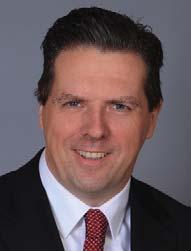
Fintan Hourihan CEO
Committee Members 2013
Council 2013
PresidentDr Sean Malone
Vice PresidentDr Andrew Bolas
President ElectDr Peter Gannon
Honorary SecretaryDr Mark Condon
Honorary Secretary DesignateDr Maher Kemmoona
Honorary TreasurerDr Nuala Carney
Honorary Membership OfficerDr Ryan Hennessy
JIDA RepDr Seamus Sharkey
CED RepDr Tom Feeney
GP Group RepDr James Turner
GP Group RepDr John Nolan
HSE Dental Surgeons GroupDr Padraig Halvey
Orthodontic Group RepDr Ronan Perry
Elected Members (2)Dr Gillian Smith and Dr Saoirse O’Toole
Metro Branch Reps (2)Dr Adrian Loomes and Dr Dermot
Kavanagh
Kerry Branch RepDr Rose-Marie Daly
Munster Branch RepDr Maire Brennan
South Eastern Branch RepDr Eimear Norton
Western Branch RepDr Peter Gannon
North EasternVacant
EasternVacant
North WesternVacant
MidlandVacant
Executive Committee
PresidentDr Sean Malone
Vice PresidentDr Andrew Bolas
President ElectDr Peter Gannon
Honorary SecretaryDr Mark Condon
Honorary Secretary DesignateDr Maher Kemmoona
Honorary TreasurerDr Nuala Carney
Honorary Membership OfficerDr Ryan Hennessy
GP Group RepDr James Turner
HSE Dental Surgeons GroupDr Iseult Bouarroudj
Trustees
Dr Martin Holohan, Dr Garrett McGann, Dr Jane Renehan
General Practitioners Committee
Chair
Dr Peter Gannon
Dr James TurnerEastern Branch
Dr Niall MacDonoghMetro Branch
Dr John NolanMetro Branch
Dr Sean O’SeachnasaiMetro Branch
MidlandVacant MunsterVacant
Dr Peter MoranKerry
Dr Tom RodgersNorth Eastern North MunsterVacant
Dr Ryan HennessySouth Eastern
Dr Stephen MooreNorth Western
Dr Eamon CrokeCo-Opted
HSE Dental Surgeons Group
PresidentDr Iseult Bouarroudj
Vice PresidentDr Padraig Halvey
President ElectDr Frances O’Callaghan
Honorary SecretaryDr Siobhan Doherty EasternVacant
KerryVacant
MetroDr James Flahavan
MidlandsDr Maeve O’Connor MunsterVacant
North EasternDr Rosarii McCafferty
North MunsterDr Joe Green
North WesternDr Andrew Bolas
South EasternVacant
WesternDr Vicky Rowan
Co Opted (2)Drs Grainne Dumbleton and Dr Jane Renehan
Elected(s)Drs Evelyn Connolly and Dr Barney Murphy
Group Reports
GP Group
The Committee of the GP Group continued to work on behalf of general dentists in private practice throughout 2013.
Dental Treatment Services Scheme
The DTSS continues to be a source of frustration for dentists in general practice. The HSE introduced new procedures applicable to new applicants to the scheme, without any consultation or notice to the IDU in July.
The fact that many patients cannot access the basic treatment they need, in addition to ever-increasing administrative burdens and costs to GPs, is a source of great frustration. Although there has been an increase in the budget for this scheme, we continue to argue with the HSE that the sums provided fall short of what is required to cater for the oral health needs of the large number of people with medical cards.
Publication of payments to dentists participating in the DTSS
The IDU sent a written complaint to the Data Protection Commissioner in respect of the publication of earnings by dentists under the DTSS.
Dental Treatment Benefit Scheme
A number of members contacted the IDU as they were concerned about the new claim form for the DTBS. The IDU met with the Department of Social Protection to discuss these concerns and Department officials agreed to make changes to the form, as requested by the members. There was an increase in the numbers of claims for examination under the DTBS in 2013 and we continue to lobby for reinstatement of the scheme and a return of entitlements to our patients.
Tax status of dental associates and hygienists
There were no significant developments in 2013 with regard to this matter. The majority of dental associates appear to have remained as self-employed and a number of practices were audited by Revenue, who subsequently confirmed this status.
It is important that members give feedback to the IDA on their own cases where they have been audited by Revenue.

Dental Complaints Resolution Service
The Service had a very successful year in 2013 and appears to be dealing mainly with consumer issues, which are not within the remit of the Dental Council.
A report on the work of the service will be produced in early 2014 by Mr Michael Kilcoyne.
Dental
Council’s draft revised Code of Conduct
Relating to Infection Prevention and Control
A subgroup was formed by Committee members to prepare a response and invite contributions and comments from other Committee members in the first instance. Subsequently, the views of members generally and the views of a number of other committees were sought and considered and an informed response was drafted to be considered and signed off by IDU Council in January 2014.
Private dental insurance companies
It was announced towards the end of 2013 that DeCare Dental and VHI Dental were to separate. Both will now offer separate dental health insurance policies to customers and are offering different payment options to dentists. Whilst increased advertising promoting the benefits of regular dental attendance is welcome, the GP committee is conscious of the difficulties that have arisen for dentists in other countries where private dental insurance is commonplace.
Generating greater attendance
A number of initiatives were carried out in 2013 to generate greater attendance. An email campaign targeted a number of
The Dental Complaints Resolution Service Annual Report will be published in 2014.
organisations whose members were likely to qualify for dental benefit. A number of unions subsequently featured this information in their newsletters to members.
A radio advertising campaign was commissioned and aired in early 2014.
Chief Dental Officer post in the Department of Health
The HSE National Oral Health Lead was seconded to the post of Chief Dental Officer in the Department of Health for two days a week.
Meetings
The committee met five times in 2013. Full-day meetings (rather than evening meetings) were continued in an attempt to increase attendance and participation. Whilst this is more demanding of members’ time, it has worked well in 2013. There is a vacancy on the Committee for the Munster Branch. The Committee is eager to see this Branch represented, as there has been no representative on the Committee for a number of years. If any GP member would like to participate in the Committee, we ask you to please contact IDA House. I would like to take this opportunity to thank all the Committee members for their generous contribution of time, knowledge, and ideas throughout the year.
Dr Peter Gannon Chair, GP Committee
Public Dental Surgeons
I was extremely honoured to take up the presidency of the Public Dental Surgeons Committee in October 2013 at our Annual Seminar in Mullingar. The Seminar itself spanned three days, and was well attended. It included a trade show and a selection of distinguished speakers from Ireland, the UK, and the United States, who all gave excellent and relevant presentations to attending delegates. Minister of State for Primary Care, Alex White, and Chief Dental Officer, Dr Dympna Kavanagh, also attended, and addressed the audience, using this opportunity to announce the significant development of a new national Oral Health Policy, which is now underway. Dr Seán Malone, IDA President, also attended, and I would like to thank him for his continued support of the Public Dental Surgeons Group.
The AGM of the group took place, at which the following motions were passed.
Motion 1: This Group calls on the Minister of Health to immediately appoint an independent and full-time Chief Dental Officer in the Department of Health.
Motion 2: This Group calls on the HSE to pursue, without further delay, the completion of the dental reform process.
Motion 3: This group calls on the HSE to ensure adequate dental staffing in all areas, to allow patients access equitable services, irrespective of geographical location, thereby safeguarding their oral health.
Motion 4: This AGM calls on the Department of Health and the HSE to ensure appropriate and timely provision of dental general anaesthetic services for children and special care patients, in order to avoid unnecessary delays in treating pain, sepsis, and dental trauma.
Motion 5: This group calls on the Department of Health to ensure full access to care under the DTSS for all medical card holders.
Motion 6: This Group calls on the Department of Health to commission and publish, as a matter of priority, an independent evaluation of the impact that the DTSS has had on the oral health of Irish adults.
Trustees’ statement 2013
TRUSTEES
Dr Martin Holohan
Dr Garrett McGann
Dr Jane Renehan
GENERAL SECRETARY
Mr Fintan Hourihan
GENERAL TREASURER
Dr Nuala Carney
BANKERS
Bank of Ireland, 1 Main Street, Dundrum, Dublin 14
TSB, Main Street, Dundrum, Dublin 14
SOLICITORS
O’Connor & Co.,
8 Clare Street, Dublin 2
AUDITORS
Grant Thornton
Chartered Accountants & Registered Auditors
24 - 26 City Quay, Dublin 2
STATEMENT OF TRUSTEES’ RESPONSIBILITIES
YEAR ENDED DECEMBER 31, 2013
The trustees are responsible for preparing the financial statements in accordance with applicable law and generally accepted accounting practice in Ireland, including accounting standards issued by the Accounting Standards Board and promulgated by the Institute of Chartered Accountants in Ireland.
The Trustees are required to prepare financial statements which give a true and fair view of the state of affairs of the Union at the end of each financial period and of the surplus or deficit for the period. They are responsible for keeping proper accounting records, for safeguarding assets and for preventing and detecting fraud and other irregularities.
The Trustees confirm that suitable accounting policies have been consistently applied, that reasonable and prudent judgements and estimates have been used in the preparation of the financial statements and that it is appropriate to assume that the Union will continue in being and to prepare the financial statements on a going concern basis.
Signed on behalf of the Executive Committee on April 10, 2014:
Seán Malone
Nuala Carney
We have audited the financial statements of the Irish Dental Union for the year ended December 31, 2013, which comprise the revenue account, the balance sheet, the cash flow statement, and the notes 1 to 14. These financial statements have been prepared under the historical cost convention and the accounting policies set out therein.
This report is made solely to the Union’s members, as a body. Our audit work has been undertaken so that we might state to the Union’s members those matters we are required to state to them in an auditor’s report and for no other purpose. To the fullest extent permitted by the law, we do not accept or assume responsibility to anyone other than the Union and the Union’s members as a body, for our audit work, for this report, or for the opinions we have formed.
Respective responsibilities of trustees and auditors
As described in the Statement of Trustees’ Responsibilities, the Union’s Trustees are responsible for the preparation of the Union’s financial statements in accordance with applicable law and Irish Accounting Standards. Our responsibility is to audit the financial statements in accordance with relevant legal and regulatory requirements and International Standards on Auditing (UK and Ireland).
We report to you our opinion as to whether the financial statements give a true and fair view, in accordance with generally accepted accounting practice in Ireland. We also report to you whether in our opinion proper books of account have been kept by the Union. In addition, we state whether we have obtained all the information and explanations necessary for the purposes of our audit and whether the Union’s balance sheet and revenue account are in agreement with the books of account.
Auditor’s Report 2013
Basis of audit opinion
We conducted our audit in accordance with International Standards on Auditing (UK and Ireland) issued by the Auditing Practices Board. An audit includes examination, on a test basis, of evidence relevant to the amounts and disclosures in the financial statements. It also includes an assessment of the significant estimates and judgements made by the Trustees in the preparation of the financial statements and of whether the accounting policies are appropriate to the Union’s circumstances, consistently applied and adequately disclosed. We planned and performed our audit so as to obtain all the information and explanations which we considered necessary in order to provide us with sufficient evidence to give reasonable assurance that the financial statements are free from material misstatement, whether caused by fraud or other irregularity or error. In forming our opinion we also evaluated the overall adequacy of the presentation of information in the financial statements.
Opinion
In our opinion the financial statements give a true and fair generally accepted accounting practice in Ireland, of the state of the Union’s affairs as at December 31, 2013 and of its surplus for the year then ended. We have obtained all the information and explanations we consider necessary for the purposes of our audit. In our opinion, proper books of account have been kept by the Union. The financial statements are in agreement with the books of account.
TONY O’CARROLL
For and on behalf of GRANT THORNTON
Chartered Accountants & Registered Auditors
24-26 City Quay
Dublin 2
April 10, 2014
Motions
Motion number 1
That the audited accounts and report thereon for the year ended December 31, 2013, be accepted.
Proposed by:Dr Nuala Carney
Seconded:Dr Mark Condon
Motion number 2
That this AGM appoints Grant Thornton, Chartered Accountants, as auditors to hold office until the conclusion of the next annual general meeting at which accounts are laid.
Proposed by:Dr Nuala Carney
Seconded:Dr Mark Condon
Motion number 3
That this AGM authorises the Executive Committee to fix the remuneration of the auditors.
Proposed by:Dr Nuala Carney
Seconded:Dr Mark Condon
Motion number 4
That the Midlands Branch and the Eastern Branch of the Irish Dental Union shall be dissolved and that three months’ notice of such dissolution shall be given to both the Midlands Branch and the Eastern Branch prior to such dissolution taking effect.
This notice shall be served on the Midlands Branch and Eastern Branch as soon as practicable after the date of this annual general meeting.
Proposed by:Council
Motion number 5
That consequent upon the acceptance by this general meeting of the above motion to dissolve the Midlands and Eastern Branches, that the following rule changes shall be made:
“The deletion of clause 7.1.2 and its replacement by the following clause 7.1.2.”
“7.1.2 The Branches/Groups shall make their selection of President-Elect according to the following sequence:
2014Munsterto be President2015
2015Metropolitanto be President2016
2016Electedto be President2017
2017Westernto be President2018
2018Metropolitanto be President2019
2019North Munsterto be President2020
2020Metropolitanto be President2021
2021Munsterto be President2022
2022South Eastto be President2023”
Such changes to take effect subject to the approval of the Registrar of Friendly Societies.
Motion number 6
This Group calls on the HSE to meaningfully engage with the IDU to ensure the most positive outcome for dental services and for all grades within the profession.
Proposed by:HSE Dental Surgeons Group
Motion number 7
This Group calls on the HSE to provide written assurances that:
there will be no compulsory redundancies for dental staff; there will be no unilateral changes in the conditions of employment for our members; there will be no forced redeployment or transfers outside the terms of the Croke Park Agreement; and, the HSE is committed to abide by the terms of the Croke Park Agreement, which contain a number of important protections for our members.
Proposed by:HSE Dental Surgeons Group
Motion number 8
This group calls on the HSE to ensure adequate dental staffing in all areas, to allow patients access equitable services, irrespective of geographical location, thereby safeguarding their oral health.
Proposed by: HSE Dental Surgeons Group