THE PLACE WHERE GOD DOESN’T EXIST
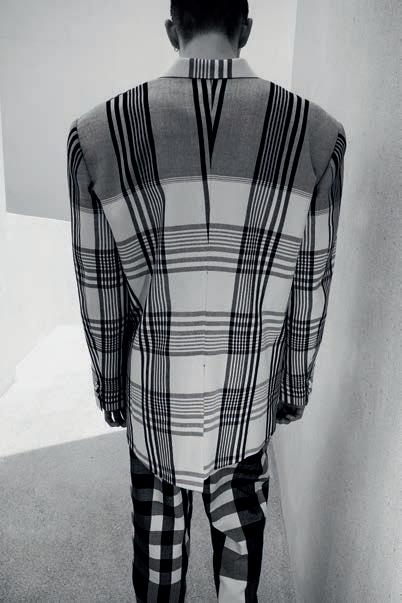
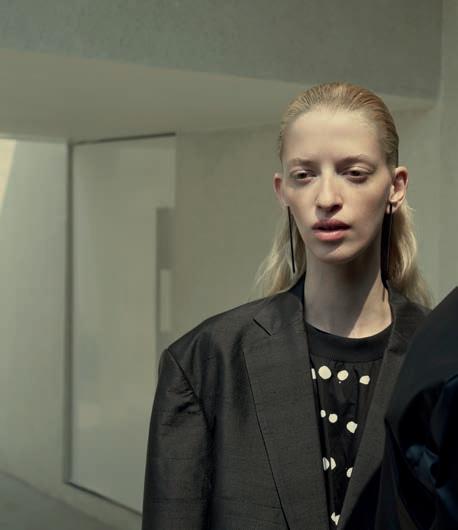
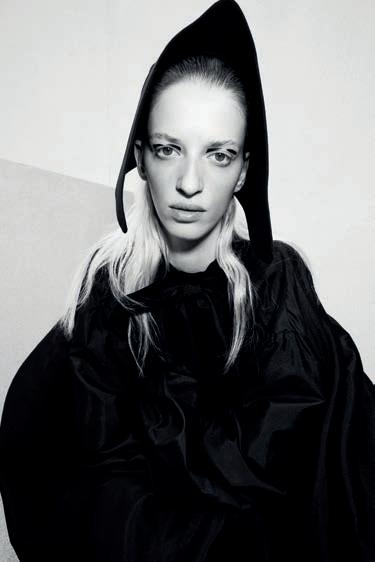

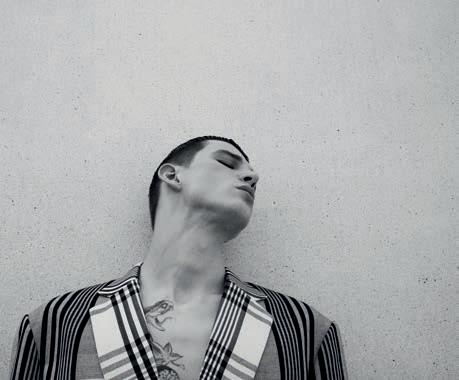
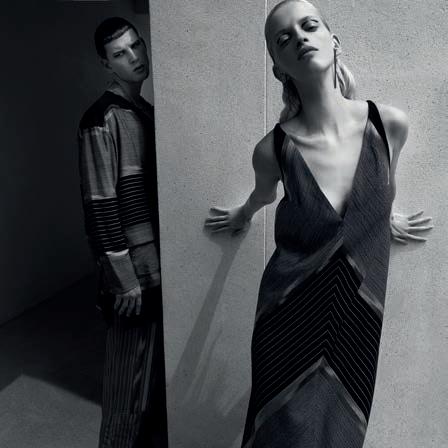
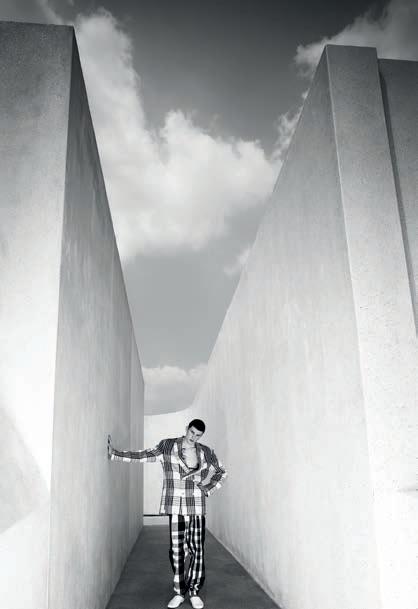

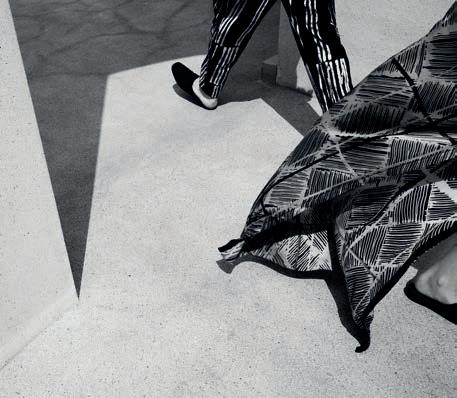
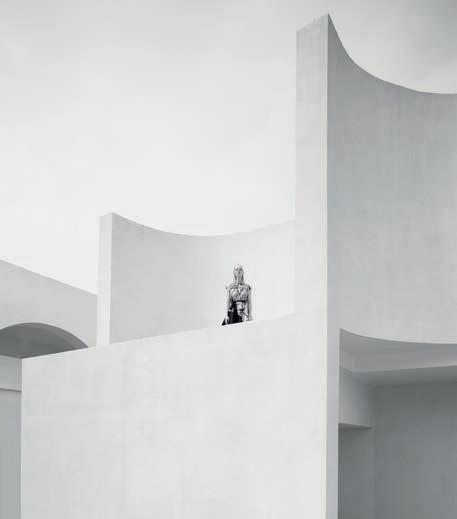

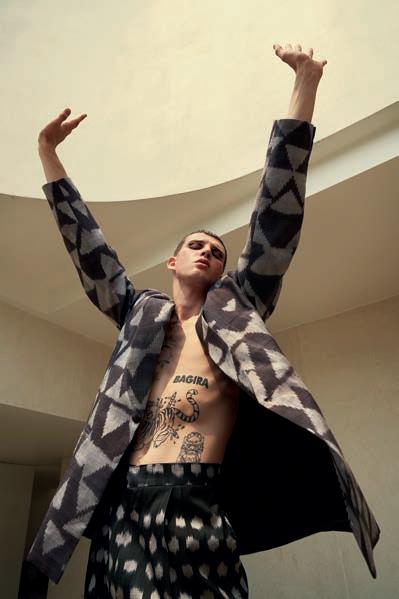
What we’re doing and trying to achieve is something that is aimed towards the international scale and markets beyond Thailand
art4d: โครงการ Taproot Thai Textiles เกิดขึ้นได้อย่างไร
รวมถึงกระบวนการทำางานร่วมกับชุมชนเป็นอย่างไรบ้าง?
Wisharawish Akarasantisook: โครงการนี้เกิดจากการตั้ง
จะเลือนหายกลับมามีชีวิตอีกครั้ง?” และมีความเป็นปัจจุบัน
art4d: How didTaproot Thai Textiles come about and how has the process of working with local communities been like?
Taproot Thai Textiles
ก็คือเราจะไม่พยายามไป
Wisharawish Akarasantisook: The project was originated from the questions of ‘how to bring these disappearing Thai textile wisdoms back to life.’ and how to make the craft more relevant and contemporary while still using the local cultures and wisdoms as the foundation. The participants of the projects are creators of local Thai textiles. We choose works with the most potential for future developments and find ways for these products to attract the interest of urbanites, tourists as well as the markets. Then we trace back further to the root of Thai textiles. So instead of this rather conservative and conservationist image that has been promoted by the Department of Cultural Promotion, Ministry of Culture, we are trying to bring to fore these new, dimensions of Thai textile through redesign and reinvention of existing materials and resources that can really inspire younger generation designers and entrepreneurs to use thai textiles in their designs. The upside of this project, different from other projects of a similar nature, is that the Department of Cultural Promotion really brings us along to actually know and learn about local communities where these textiles are being made.
This is the second year for Taproot Thai Textiles. There were 7 groups in our first year, and the number has doubled to 14 this year. When I work, one of the most important principles is that I’m not trying to change what they do entirely. It’s more about adapting their expertise. For example, we encourage the locals to use natural coloring materials that can be found locally to reduce transportation expenses and the overall production cost. The colors extracted from natural sources are varied locally. Even if it’s the same kind of tree or flower, the color will still be different if the plants are growing in different places due to the environment, climate and the processes of color extraction, hence, the differences of the final products. These elements make each work unique and distinctive. Adding new ingredients and innovations to, for example, the conventional process
art4d:
ผลลัพธ์ที่ออกมาเป็นผลิตภัณฑ์ประเภทไหนบ้าง?
WA: ภาพรวมก็จะยังเป็นอะไรที่เรียบง่าย ไม่ได้เป็นภาพ ของแฟชั่นที่หวือหวา เราพยายามคำานึงถึงการเอาไปใช้จริง
of Batik making can also create interesting final products. In the meantime, using the same materials and techniques but also making the entire production process more Eco-friendly is also an approach. We admit that not everything can be 100% organic. In conclusion, we’re taking the same approach we did last year but the network is expanding wider to include more local communities this year.
art4d: For the 7 additional groups you welcome this year, who’s who and what are the nal products?
WA: Overall, most of the products are simple and practical, not necessarily visually striking, fashion-forward designs. The new 7 groups include the 2 groups from Nakhon Ratchasima who made these beautiful silk fabrics that are physically light, easy to wear and care while the other group’s products stand out for their use of innovations such as bacteria-protection fabric. Within these 7 new groups, we tried to choose the ones that are operated by the second-generation entrepreneurs who, for example, are taking over their family businesses. There’s a group from Su-ngai Kolok, Narathiwat province where a father who pioneered the Batik business now passed on the operation to his children. We want to give these young generation entrepreneurs an opportunity to make the best use of the know-hows and resources they have.
art4d: From the works we’ve seen, they all seem to have this very ‘urban’ image.
คนที่ได้ผลประโยชน์มากที่สุดคือชาว บ้านและเครือข่ายผู้ประกอบการที่ทำาผ้าเหล่านี้ขึ้นมา
ของ WISHARAWISH เป็นตัวเชื่อมให้คนภายนอกได้เห็น
ศักยภาพของผ้าไทย ให้นำาไปต่อยอดเป็นสิ่งใหม่ๆ ต่อไป
ไม่ว่าจะเป็นงานตกแต่งภายใน หรือกระทั่งเอาไปทำากิโมโน เหมือนกับว่างานหลักของเราเป็นแพลตฟอร์มมากกว่า
art4d: นั่นก็หมายความว่าหัวใจของการทำางานในครั้งนี้คือ การลงไปหาผู้ประกอบการที่ทำาผ้า?
WA: ใช่ ทั้ง 14
WA: Yes, because what we’re doing and trying to achieve is something that is aimed towards the international scale and markets beyond Thailand. We want to open new doors, and there have been many communities who have been successful with this approach. There are clients in Japan who order the batik, WISHARAWISH also helps with the design, but at the end of the day, the people who benefit the most are the locals and network of entrepreneurs who make these fabrics. WISHARAWISH is just a bridge that helps bring people to see the potential of Thai textiles, which can be developed and applied to many other things, from interior design to kimono making. Our main job is to be more of a platform for them.
art4d: So we can say that the core of this project is meeting and getting to know the local textile entrepreneurs?
WA: Yes, all 14 of them. But I know who they are prior to the project because I’ve been working with Thai textiles, crafts and materials for almost a decade now. From the 14 communities we chose, we know that they have these skilled craftspeople who are able to produce products in the agreed amount, not just one single piece of work that cannot be reproduced. We try to find the communities
Nara) จากจังหวัดปัตตานี
เรากระตุ้นให้เขาวาดลวดลายที่ใหญ่ขึ้น
มากขึ้น แล้วก็แนะนำาว่าลองเปลี่ยนองค์ประกอบดูไหม บางที
ดอกดาหลาต้องอยู่กับใบไม้บ้าง หรือดอกดาหลาก็อยู่ตรง
ใบสาหร่ายบ้าง หรือเอาอะไรที่ไม่เข้าพวกกันมาผสมกัน แล้ว
ซึ่งเขาก็คุ้นชินกับการวาดมืออยู่แล้ว พอทำาก็ไป เตะตาตลาดญี่ปุ่น ลายผ้าเหล่านี้เลยถูกนำาไปทำาเป็นกิโมโน
ขายอยู่ที่ญี่ปุ่น ซึ่งก็เป็นผลงานกึ่ง commercial art เพราะว่า
กิโมโนก็ต้องเป็นสั่งผลิตเท่านั้น
สิ่งสำาคัญคือต้องเป็นงานคราฟต์์หรืองานฝีมือ เพราะต่อให้
ผ้าขาวม้าราชบุรีที่เป็นการทอด้วยเครื่องก็เถอะ แต่กระบวนการเตรียมเส้นใยหรือการผสมผสานก็ต้องอาศัยแรงงานคน และแรงงานมือในการจัดเรียงเส้นใยอยู่ดี
art4d: หมายความว่าโครงการนี้ทำาให้บทบาทของนักออกแบบ
ถูกขยับไปสู่เรื่องการพูดคุย การเป็นตัวกลางผู้ประสานงาน
มากกว่าการทำางานออกแบบหรือเปล่า?
WA: ใช่ เราทำางานเหมือนเป็น promoter มากกว่า หัวใจของ
โครงการนี้คือเรื่องการสื่อสาร ซึ่งยากมากที่จะโน้มน้าวให้
ชุมชนแต่ละที่ยอมทำาตามสิ่งที่เรากำากับ และเราเองก็ต้องฟัง
บางทีเราเป็นนักออกแบบ เราไม่ได้ชินกับการทำางาน
จึงต้องยิ่งพยายามรับฟังและดูศักยภาพของเขาว่า
and entrepreneurs who are able to produce on an industrial scale because there were times when the products were sold out and discontinued, which is a shame considering their potential.
art4d: Is there a group whose work you’re particularly impressed by?
WA: They’re all impressive. But to give you an example, Batik de Nara is one of the most successful groups we’ve worked with. They’re a group of batik makers from Pattani province known for their fabric with Dahlia patterns. For 10-15 years, they’d been doing the same patterns, and we came in and encouraged them to create a bigger pattern so that the fabrics are more eye-catching especially when they’re photographed. We also suggested the changes in the compositions of the patterns, by adding leaves or seaweed or something that seemed out of context but ended up working well with the flower patterns. Then we advised them to adjust the color pairing. These people are masterful Batik painters. So the final products really hit off with the Japanese market. The fabrics have been used in Kimono making, and kimonos are semi-commercial art pieces because they’re only made-to-order. They have the Japanese silks specifically sent to Pattani. This group really stands out and their success inspires people to work with us because they are able to witness the potential of a local product.
art4d: These people can create works that are highly crafty but at the same time they have the ability to handle the production in an industrial scale.
WA: It’s something along that line. The project focuses on the semi-industrial products, but they still need to have certain craft elements to them. For example, even though the Ratchaburi loincloths (Pha Kao Ma) are made by weaving machines, the preparation of threads and yarns and the adaptations of patterns stilly heavily rely on human labor and creative inputs.
art4d: Does that mean the project puts designers in the role of facilitators who coordinate all these di erent tasks rather than focusing solely on the design?
WA: We work more like a promoter. The essence of the project is communication, which is an extremely difficult job to get each local community to trust our direction. We also have to listen to their inputs as well. I’m a designer and sometimes I’m not familiar with this role, so I have to try to listen to what these people have to say and look at their potential, expertise, and let them go through trials and errors. For example, I can make the process more complicated, asking them to experiment on dyeing techniques after techniques, or challenging them to do something that’s more difficult. But at the same time, the communities selected to join the project are quite open. That’s also very important. There were times when we worked with a community
art4d:
art4d: ในการทำางานหนึ่งโครงการต่อหนึ่งกลุ่มใช้ระยะเวลา
นานแค่ไหน?
WA: ขึ้นอยู่กับปัจจัยและบริบทแวดล้อมในแต่ละที่ เพราะ
แต่ละกลุ่มก็จะมีกระบวนการทำางานแตกต่างกัน อย่างสี
ธรรมชาติ กว่าเขาจะไปเก็บเปลือกไม้ กว่าจะมาตากแห้ง
ก็ต้องใช้เวลา แต่แน่นอนเขามีสต็อกเส้นใยและวัสดุที่จะนำา
มาย้อม รวมไปถึงปัจจัยเฉพาะของแต่ละพื้นที่ที่ส่งผลต่อ
กระบวนการทำางานอีก
เขาจะรู้ว่าแต่ละชิ้นมันจะมีความไม่ตรงตัวกันเป๊ะๆ
และยังต้องการที่จะสนับสนุนกลุ่มคนสร้างงานเหล่านี้ด้วย
art4d: ถึงตอนนี้นับว่าเป็นยุคของสื่อสังคมออนไลน์ที่คน
สามารถมีสื่อของตัวเอง เผยแพร่คอนเทนต์ด้วยเอง ปัจจัยนี้
ทำาให้การออกแบบแฟชั่นต่างไปจากเดิมไหม?
WA: เราเชื่อเสมอว่าคอนเทนต์ที่ดีก็ยังเป็นคอนเทนต์ที่ดี ช่างภาพที่เก่งก็ยังเป็นช่างภาพที่เก่ง และสิ่งสำาคัญคือความ จริงก็คือความจริง ยิ่งมีสื่อที่เข้าถึงได้ง่ายอย่างนี้ เราต้องขาย
ความจริงให้มากที่สุด คุณหลอกคนดูได้ยากมากในปัจจุบัน
and the locals weren’t that active or committed to what we had discussed. But luckily, all these 14 groups are super enthusiastic and sometimes within a week, their works get sent to us, because they understand what we’re trying to do.
art4d: Was it hard explaining to them what you’ve been trying to do?
WA: At first, yes. But like I said, I’ve been doing this for 8-9 years. I know the drill. If they didn’t want to do it, I’d let them be, because you can’t force them. But luckily with the 14 groups we’ve been working with everyone has been very active.
art4d: Working with a group, how long does it take for a project to complete?
WA: It depends on the factors and contexts, which are different in each place. Each group has a different work process. For example, natural colors take time to extract. They would have to collect the barks, dry them and so on. Surely, they have a stock of yarns and materials that need to be dyed. But there are other local factors that can affect a work process. You can’t paint Batik when it rains. In the northern region, the making of some of the textiles has to cease if it’s longan harvesting season. So, communication and planning are very important.
art4d: What are the obstacles you have faced while working on the project?
WA: The fact that they’re semi-industrial, semi-craft products, the results are less precise than entirely industrially manufactured products. But most of the time, the clients who order these textiles are aware of the conditions from the very beginning. They know that the there may be a slight change in the tone of the color while threads are something that we can control more effectively, and the people who love and are in the craft business understand these conditions. Meanwhile, we have to keep the clients informed. Buyers are starting to understand these issues more nowadays. They know that all the products won’t look exactly the same but they still want to keep supporting these local creators.
art4d: Right now we’re in the time where social media grants people the tools and platforms to create and publish their own contents, does this factor a ect fashion design?
WA: I’ve always believed that good content is and will always be good content. A good photographer is always a good photographer and the important thing is: reality is reality, no matter what. The easier our access to the media has become, the more reality we need to sell. It’s very hard to trick consumers these days because everything is connected. An image on Instagram may look deceiving but the original picture can be traced.
ตรงนี้เป็นความท้าทายในการออกแบบแฟชั่นด้วยเหมือนกัน
ไหม?
WA: เป็นความท้าทายด้วยในระดับหนึ่งนะ แต่สิ่งที่พวกเรา
ทำาอยู่เราไม่ได้ต้องการให้ volume มันล้นหลาม เราอยาก
ให้ผู้สั่งซื้อต้องรอ เราไม่ได้สต็อกและกักตุนสินค้า เพราะ
มันเปลืองวัสดุและแรงงาน อยากได้ก็ต้องรอหน่อย ถ้ามีคน
มาบอกว่าอยากได้ทันที เราก็จะบอกว่าเราไม่สามารถผลิต ได้เยอะในเวลาอันสั้น แต่ถ้าถามว่าจะให้ผลิตเป็นพันเมตร
art4d: A lot of brands are making artisanal furniture right now. They work with local communities and everything. But when their products get out into the international market, there seems to be this wall, either the standard or the ability to handle mass production, Do you think these are considered challenges in the aspect of fashion design?
WA: It is a challenge. But what we’ve been doing is to keep the demands moderate. We want buyers to wait. We don’t stock or hoard products because that would be such a waste of materials and labor. If you want a product, you have to wait. If a client wants the products immediately, we would have to inform them that these products can’t be mass-produced within a limited time frame. But if you want a thousand-meter cloth, can we do that? Yes, but you have to wait. And you know what? They can wait. Because it isn’t that long anyway: it might only take 1-2 weeks to complete an order. That’s like positioning our products so that they’re not generic.
ท้าทายตอนเริ่มต้นกับความท้าทายตอนนี้เหมือนหรือต่างกัน ไหม?
WA: สมัยที่เราจับเรื่องผ้าไทย เมื่อปี 2010-11 ตอนนั้นยัง ไม่มีใครที่จะมาเล่นเรื่องผ้าไทยมากนัก
คนเหล่านี้ก็ค่อนข้างยาก นี่คือเหตุผลที่เราอยากกลับไปตรง
art4d: Since it’s been almost a decade of working in Thailand’s textile industry, are the challenges di erent when you started from now?
จนกระทั่งไปชนะรายการ Mango Fashion
กินใจคนในอีกมิติหนึ่ง
นั่นเป็นความสนุก
และท้าทายในเวลานี้ เหมือนไปหาขุมทรัพย์ว่าแต่ละที่มีอะไร
WA: Back in 2010-2011 when I started, not many people were interested in Thai textiles. It used to be very hard to access these communities of local creators. It’s one of the reasons I wanted to go back there, to find my own roots. I was born in Buriram province to a family that weaved our own fabrics and made our own clothes. It wasn’t a business, but rather just handmade products for household use. I grew up with a loom in my house. It’s the main reason why I use silk with my work, and that won me the Mango Fashion Awards. I believe that if we mix 50-60% of the design with Thai textiles, we’ll get the final work that is very original because other places in the world do not have access to these materials. The story of hand-woven, hand-dyed materials made of yarns harvested from home-grown mulberry trees and silk worms adds a really impressive aspect to the entire production process, especially from the perspective of the urban consumers.
Right now, I’ve been doing it for a while and know a lot more than I used to, so the excitement isn’t as much as it was before. But there are so many other groups of people whose works and skills have not yet been discovered. That’s the fun and challenge I experience these days. It’s like hunting for treasures in these unknown places, traveling through forests. I recently travelled to a mountain community in Yala province that doesn’t even have access to electricity. The people there have to walk down hill for 2 hours to weave. The communication process is hard. There’s no phone signal. There are many more communities like this in our country.
In Thailand, every place has its own craft. It’s in our blood almost. But it’s a shame that we tend to overlook the values of what are close to us

art4d: ในมุมมองของคุณ จุดแข็งของผ้าไทยอยู่ตรงไหน?
WA: จุดแข็งของผ้าไทยคือความเป็นงานฝีมือ สำาหรับ
รุ่นใหม่จะสานต่อคุณค่าของสิ่งเหล่านี้
ฝีมือก็เป็นของแพงมาก ในประเทศไทยยังมีสิ่งเหล่านี้อยู่
ทำากันอยู่ตอนนี้จึงเป็นการลงไปช่วยกระตุ้นให้มีความ active มากขึ้น
art4d: เป้าหมายในอนาคตคืออะไร?
WA: ในการทำางานของเรามันมีทั้งผิดและถูกสลับกันไป เรา
art4d: What do you think are the strong points of Thai textiles?
WA: The craftsmanship. In Thailand, every place has its own craft. It’s in our blood almost. But it’s a shame that we tend to overlook the values of what are close to us. It’s the same with Japan where all these wisdoms are gone now because they didn’t get passed on to the later generations. It’s becoming rarer to find younger generations who inherit these wisdoms and know-hows. As for Europe, craft products are extremely expensive. So the fact that Thailand still has them is very fortunate. But there’s a tendency for these things to disappear. Our intention and attempts are to keep the people and the crafts they make more active.
art4d: What are your future goals?
ไปใช้กับภาคเหนือ เอาผ้าอีสานไปให้ภาคใต้พิมพ์ หรือเอา
ผ้าอีสานไปให้คนในจังหวัดแพร่พิมพ์ สิ่งเหล่านี้มันไม่เคย
ถูกนำามาแลกเปลี่ยนกัน
สิ่งที่เราอยากจะทำาต่อไป
ตัวกลางให้พวกเขาปนเปื้อนเชื้อระหว่างกัน
WA: We’re not perfect. There are rights and wrongs in what we’ve done but we’re trying to use the results from those trials and errors to search for new things. When the people we work with come across something new, they share and exchange the information. For example, the adaptation of the Northeastern dyeing techniques to the techniques used in the northern region, or the use of fabrics from the northeastern part with a southern printing technique or having a fabric made by a northeastern community printed by a craft village in Phrae province in the northern region. This information has never been exchanged before.
What I want to do next and what I’m trying to do now is to be a facilitator who helps everyone exchange their know-hows and try new things. Everyone will still be doing what they have been doing, but they are going to start to incorporate techniques from other different places, allowing the knowledge to cross over. Another goal is to take the project to a more international scale so that creators from local communities can learn and experience new things, create new products while at the same time preserving their local identities. culture.go.th
TAPROOT THAI TEXTILES:
THE PLACE WHERE GOD DOESN’T EXIST
Supplement of art4d 272
March - April 2020
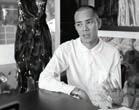
INTERVIEW BY NAPAT CHARITBUTRA PORTRAIT: KETSIREE WONGWAN
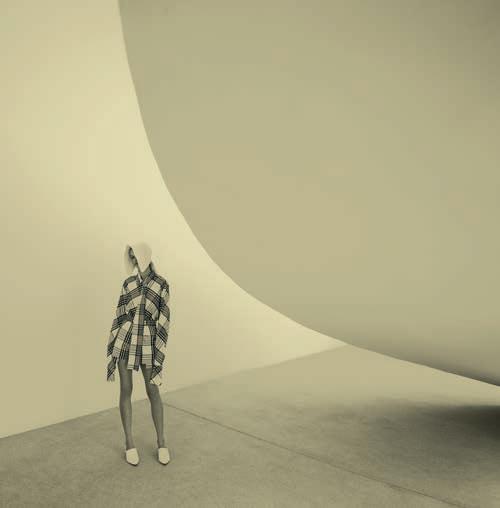
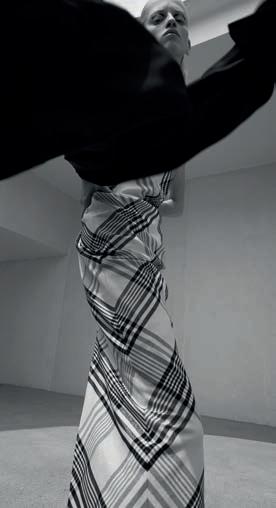
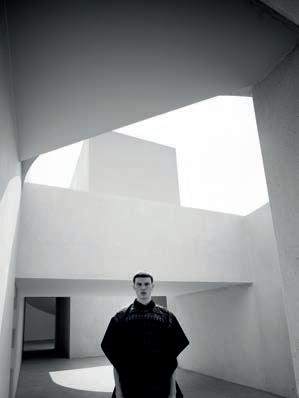
PHOTOGRAPHED BY NAT PRAKOBSANTISUK
STYLED BY DANEENART BURAKASIKORN
MAKE UP BY CHAIDIT SOMSONG
HAIR BY THANAKORN CHANHOM
MODEL BY EGOR WM, ALINA BASS
PHOTO ASSISTANT BY EKKAPONG TANTIPONPRASERT, THAMMASORN PHONGJARATJIRADET
STYLE ASSISTANT BY JITTIDA KEMKOMNERD, CHATA KAEWUDON