
Editors-in-Chief
Eliza Daunt
Nicole Chen
Collaboration Chair
Jamin Nuland
Deputy Collaboration Chair
Daniel Guo
Writers
Caleb Wilson
Isabella Greubel
Mariama Bah
Maryanne Xu
Mohan Li
William Shiu
William Trinh
Creative Director
Katerina Matta
TSINGHUA
Editors-in-Chief
Jiayi Shi
Ying Huang
Associate Editors
Tianna Ge
Yuchen Ge
Reviewing Editors
Chenxuan Huang
Gongle Zhang
Editorial Assistants
Sheryl Chang
Flora Zhang
Writers
Tianna Ge
Jiayi Shi
Gongle Zhang
Xinyi Wang
Yanyan Chen
Runqin Du
Yueying Zhou
Faculty Advisor
Professor Da Wei
Dear Readers,
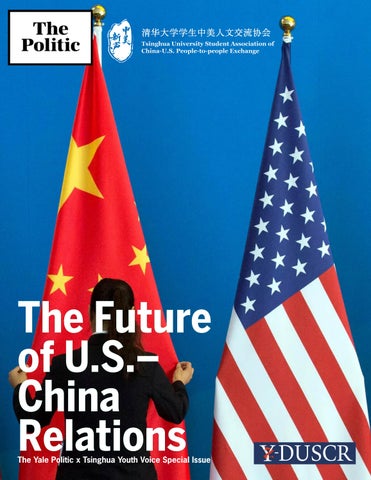
This special issue brings together The Politic, Yale-DUSCR, and the Tsinghua University Student Association of China-U.S. People-to-People Exchange to take up a shared question: how do students perceive the future of U.S.-China relations, and what is their understanding of each nation’s distinct role in the broader international community?
Caleb Wilson follows Chinese venture capital in Latin America, showing how global investment plays out in local contexts. Jiayi Shi examines the question by looking back at wartime correspondents, using their work to ask what it might take for young people today to push against polarization and hold onto a sense of shared understanding.
William Shiu considers traditional Chinese medicine in Chinese American communities, tracing how ideas of health, identity, and care move across borders and manifest in daily life. Tianna Ge and William Robinson look at the labor and human costs behind the AI boom, asking what this competition demands of the people caught up in it.
Isabella Greubel highlights how climate research perseveres amidst political strain, showing that international cooperation continues where it is most essential. Xinyi Wang revisits the story of the “TikTok refugees,” showing how policy decisions and platform divides filter into daily digital life and reshape how people stay connected across borders.
William Trinh writes about Chinese students in the United States navigating scrutiny and uncertainty, and what it means to live these tensions in an educational setting. Gongle Zhang closes the Issue with a piece about the Lobito Corridor, paying close attention to how infrastructure projects are shaped not just by competing visions, but by conditions on the ground.
We are grateful to the writers, editors, and designers who made this issue possible. More than anything, this project came together through conversation: across campuses, perspectives, and time zones. We hope these pieces offer a clearer sense of how U.S.-China relations are lived day to day, and how much they depend on the people moving through them.
Sincerely,
Eliza Daunt, Nicole Chen, Jiayi Shi, and Ying Huang
Editors-in-Chief
WILLIAM
Venture Capital as China’s Next SoftPower Play in the Western Hemisphere
Can Future U.S.–China People-to-People Exchanges Escape the Either/Or Trap?
For Chinese-Americans, the U.S.-China Innovation Race Makes an Ancient Tradition Harder to Swallow
The Problem of A.I. Profitability in the U.S. and China
Who Actually Pays for the Boom?
Collaboration in the Face of Competition
Where the U.S. and China’s Climate Ambitions Quietly Align
TikTok Refugees, One Year Later TikTok, RedNote, and Chinese and American Netizens
Freedom for Whom?
Chinese Students and Their Experiences in America
Institutional Dissonance in the Lobito Corridor
A Comparative Analysis of U.S. and Chinese Infrastructure Models in Africa
Publication of these articles does not imply endorsement by either institution. Authors are solely responsible for the views expressed.
BY CALEB WILSON
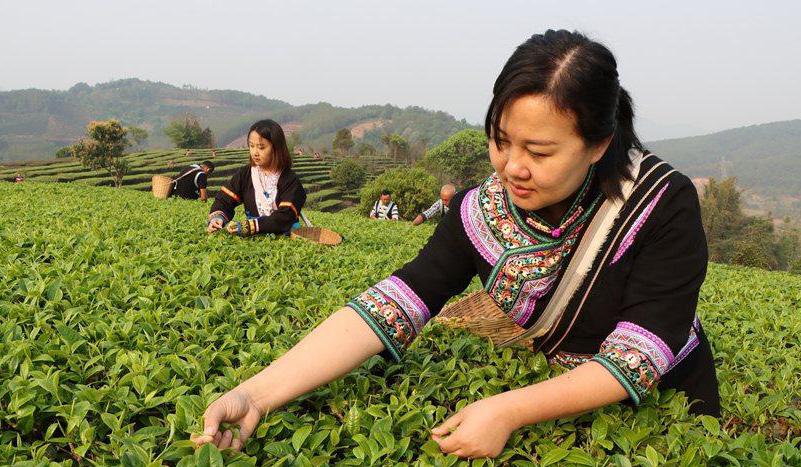
Nestled among the rolling Bingdao mountains 40 miles from the Myanmar border, the small city of Lincang occupies an unassuming corner of China’s southwestern Yunnan Province. But for serious tea enthusiasts, the region is anything but obscure: farmers have been cultivating the famous Lincang large-leaf brew since the Tang Dynasty, and today this precious cargo can fetch prices usually reserved for fine wine or aged whiskey.
For the entrepreneurial Kai Li, a former architecture student at Tsinghua University and a Lincang native, this deep-rooted tradition is the perfect source of inspiration for her startup, “山山而茶” (roughly, “Tea from Many Mountains”). Targeting young professionals in their 20s and 30s, Li’s tea brand provides portable kits for those who want a high-quality tea ceremony experience on the go or in the office.
“I launched my tea brand to bring more awareness to my hometown,” Li told me, “but also because traditional tea culture fails to resonate with young people.” As Gen Z and Millennials in China increasingly prioritize self-care and emotional wellbeing amid a hyper-competitive job market and rising costs of living, Li is betting that the demand for mindfulness exercises like tea ceremonies will continue to grow.
Compared with the U.S., China’s startup scene is a less-frequently referenced aspect of the country’s economy. Career stability is a priority for many Chinese, and Li mentioned that she and her friends faced pressure from their families against starting their own businesses (a significant cultural deterrent in a society still influenced—however distantly—by Confucian notions of filial piety).
Li also emphasized that she, like most of her friends, has no intention of scaling her business into a headline-grabbing, Silicon Valley-style corporation: “one-person companies are much more common.” She’s right — there are about 124 million registered individual commercial households in China, most of which are solo or very small businesses.
While these cultural and structural dynamics help explain why the Chinese entrepreneurial ecosystem often attracts
less international media coverage, there’s another reason why founders like Kai Li have a hard time scaling consumer-facing startups: these companies are misaligned with China’s venture capital (VC) industry. Capital for startup ventures can take many forms. OpenAI, for example (the startup behind ChatGPT), has received VC funding from early-stage investing firms Sequoia Capital and Andreessen Horowitz, major tech companies like Microsoft, and high-net-worth individuals like Elon Musk. VC in the U.S. is almost exclusively in the hands of the private sector, and many of the venture firms in Silicon Valley primarily invest in companies that have little to do with U.S. national security. Things work differently in the People’s Republic of China (PRC).
In line with Beijing’s industrial policy of “Civil-Military Fusion” (军民融合), municipal and regional governments across China have spent the past 20 years developing an ecosystem of financial instruments designed to align VC with national priorities. Most prominent among these are Government Guidance Funds (GGFs): public-private sources of capital that channel VC investment into sectors deemed strategically important, from semiconductors and artificial intelligence to clean energy and advanced manufacturing. For example, China launched a brand-new national venture capital guidance fund in late 2025, aiming to direct over $140 billion towards
early-stage and “hard tech” innovation. Collectively, GGFs have become one of the most influential pillars of China’s venture capital industry. While there are some fully private and commercially oriented VC firms in China, in practice, operating as a successful venture capitalist in the PRC often involves accepting state-linked money — and with it, state-defined investment priorities.
GGFs do not usually select individual startups themselves. But as investors in private VC funds, GGFs often impose contractual conditions on how that money is spent, steering Chinese venture capitalists toward sectors aligned with national development goals. The effect is VC concentration in geopolitically strategic industries, while consumer-facing startups (wellness tea brands, for instance) receive far less early-stage funding.
While instruments like GGFs have been deployed primarily domestically so far, they demonstrate Beijing’s comfort with using early-stage finance as a strategic tool. In an era of growing friction between the U.S. and China, PRC decision makers may be eying a new territory for VC-asstatecraft: Latin America.
Beijing’s Expanding Footprint in America’s Neighborhood
China’s growing presence in the Western Hemisphere has become one of the
most visible fault lines in contemporary U.S.-China competition. Over the past two decades, the PRC has expanded its regional footprint through infrastructure finance, commodity purchasing, and large-scale energy and logistics projects. China is the primary trading partner for the South American continent (having economically displaced the U.S. in 10 out of 12 of those countries), and the PRC has added over 20 countries in the Western Hemisphere to its “Belt and Road” infrastructure development program since 2017.
Some of Beijing’s influence in the region also may be viewed as having a militarily strategic edge: the PRC now maintains more dual-use space infrastructure in Latin America than anywhere else outside mainland China, and it also controls a dominant position in Latin America’s export market for critical minerals and metals. For example, China is the primary destination for Latin American exports of lithium (the metal used in the batteries that power everything from electric cars to drones or their parts used on the battlefield). 72% of unprocessed lithium extracted in Chile—the largest Latin American lithium producer—heads to China each year for refinement.
The November 2025 U.S. National Security Strategy seems, in part, a reaction to this growing Chinese presence in the Western Hemisphere. It outlines a Trump-era rearticulation of the Monroe Doctrine, the 1823 U.S. foreign policy that declared the Americas off limits to extra-hemispheric
influence. And as the ousting of Nicolás Maduro would suggest, the current administration is willing to assert its new “Donroe Doctrine” with military force in addition to diplomatic pressure.
Paul Bracken, professor emeritus at Yale and a longtime analyst of U.S.-China relations, emphasizes the asymmetry between American and Chinese diplomacy in Latin America. In a conversation with The Politic, Bracken described how the U.S. operation in Venezuela highlights this difference. “We tend to be very good at sending in special forces,” he said, “but the Chinese send in businesspeople for decades to sell things and lock up contracts.”
On January 3rd, 2026, Delta Force seized the sitting president of Venezuela in a matter of hours, fracturing the “all-weather strategic partnership” that China had enjoyed with the Maduro regime since 2023. Yet for Bracken, U.S.-China competition isn’t primarily about military performance. “The front in this competition is mostly in economics,” he said, and Bracken emphasized that the PRC’s economic relationship with the region is deeply entrenched. “We’re going to have to learn to live with a large Chinese presence in South America,” and foreign policy proposals won’t change that any time soon. “More foreign aid or increasing the AID budget back to what it was — I don’t think that would make the slightest difference
either way.”
Despite this, the Trump administration’s actions in Venezuela make clear that it has no intention of “learning to live with” PRC influence in Latin America; so far, those actions appear to be having their intended effect. Delcy Rodríguez, Venezuela’s new leader, has moved rapidly to rewrite laws to liberalize the economy and redirect Venezuela’s oil exports from China to the United States. The Trump administration has reciprocated by issuing a general license expanding the ability of U.S. oil companies to operate in Venezuela. Caracas’ stock exchange is surging, and Venezuelan bonds are climbing on expectations of a debt restructuring. By some estimates, $10 billion of that debt is owed to the PRC.
As the Trump administration systematically restructures Venezuela’s economic relationship with China, the response from Beijing has been muted (apart from some strongly-worded condemnations). While China certainly does not have many promising military response options, there may be another reason for its subdued reaction.
While maintaining a strategic economic foothold in the Western Hemisphere may be among the PRC’s goals, Beijing hopes to wield its influence in the region for diplomatic purposes as well.
Professor George Remisovsky, a Yale

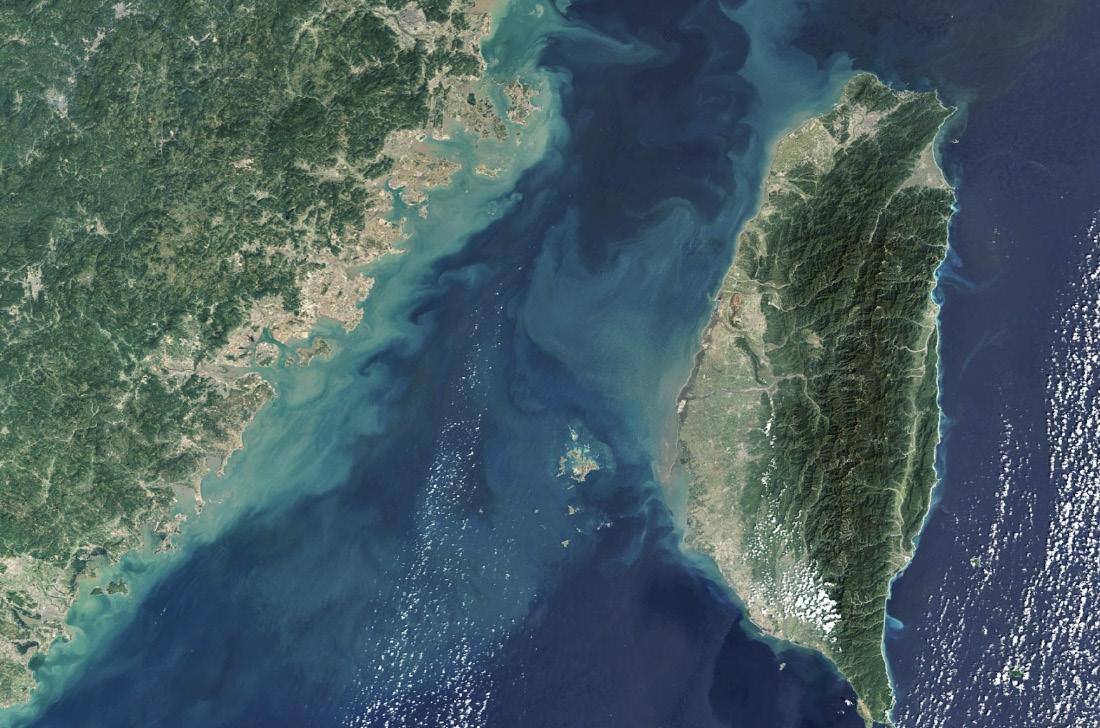
historian of modern China and a specialist in international relations in the Indo-China Sea, emphasizes the extent to which Chinese soft power in Latin America has been used to advance the PRC’s grand strategy towards its island neighbor. “There’s been a huge diplomatic push from the PRC to get Latin American countries to cut their official relationship with Taiwan authority,” he said, noting that Honduras switched over just two years ago. Today, Paraguay is the only country in South America that still maintains formal diplomatic relations with Taiwan authority.
The PRC maintains that Taiwan is an inalienable part of its territory under the “One China Principle” and vows to achieve reunification, preferably through peaceful means. This insistence on direct PRC control over the island remains one of Beijing’s top priorities, driven in part by a desire to weaken the U.S. in China’s backyard.
Yet when asked for historical context surrounding PRC-Taiwan relations, Remisovsky emphasized the ideological nature of the relationship outside of broader international competition. Many PRC officials genuinely believe that the “government” in Taipei is nothing more than a secessionist remnant of the Chinese Civil War, occupying territory that is not “theirs” in any legitimate sense. “I find it striking,” Remisovsky said, “that even during the 1980s, arguably the best era for U.S.-China relations, the PRC still maintained a hardline position on Taiwan.”
While the Donroe Doctrine specifically may not outlast the current administration, U.S. insistence upon its own influence in Latin America is unlikely to recede. In this environment, the highly visible soft-power projection that the PRC has pursued thus far (whether oil contracts or
infrastructure projects) may become increasingly geopolitically incendiary.
But from Remisovsky’s perspective, Beijing may view a more regionally focused U.S. foreign policy posture as a positive development. He pointed to an article in the Wall Street Journal which suggested that the conversation in China is shifting to a potential tradeoff: “if the Western Hemisphere belongs to the Americans, then perhaps the Taiwan Strait belongs to the Chinese.”
In the 2026 U.S. National Defense Strategy, the word “Taiwan” does not appear once. While a grand bargain seems unlikely, any willingness from Washington to downgrade Taiwan’s strategic importance is a win for the PRC. If Chinese policymakers were to perceive such a shift as plausible, they would have an even greater incentive to avoid provoking the U.S. through conspicuous projects in Latin America, favoring less overt channels of influence instead.
A sustained investment in Latin America’s VC-backed tech sector could generate precisely that sort of subtle soft power for the PRC. Imagine, for instance, a China-linked startup accelerator program (in the style of Silicon Valley’s famous Y-Combinator, perhaps). Emerging in an up-andcoming city like Bogotá or São Paulo, this program might offer favorable Chinese VC financing or facilitate access to China’s massive consumer markets; over time, such advantages would compound, allowing participating startups to outcompete local rivals.
The result could be a Latin American tech ecosystem of ten or fifteen years from
now dominated by companies that rely on Chinese suppliers, are integrated into Chinese technology, and have influential China-based businesspeople on their boards.
In an interview with Arne Westad, a Yale historian and an authority on China’s global strategy, he agreed that the PRC’s methods of influence exerted in the Western Hemisphere to date are meeting increased U.S. scrutiny. As a result, he suggests, China has strong reasons to favor forms of soft power that generate fewer diplomatic flashpoints (even setting aside hopes for a deal on Taiwan). When asked directly whether China might pursue subtler channels—such as shaping Latin America’s technology and startup ecosystems— Westad was blunt: “They are already doing that.”
Crucially, this scenario may not require Beijing to export its Government Guidance Fund system wholesale. China could also exert VC leverage in Latin America indirectly by encouraging overseas investment from the PRC’s most powerful technology firms.
Alibaba Group, the e-commerce and cloud computing giant, has spent the past ten years expanding beyond mainland China, embedding the company’s capital and technology into the entrepreneurial landscape of Southeast Asia. Alibaba’s approach may provide a corporate-strategy playbook for other Chinese companies to follow in Latin America, particularly if the Chinese government encourages them to do so.
Tim Steinert, former General Counsel of Alibaba, was quick to push back against the most alarmist version of this prediction. In his view, Western observers routinely exaggerate the extent to which Chinese firms operate as extensions of the state rather than as commercial actors. “Americans don’t understand how extensive the private economy is in China,” he said, arguing that private companies operate in a regulatory environment that “has its unique characteristics,” but is “not generally that dissimilar to how private companies operate in many countries, including the United States.”
From Steinert’s perspective, Alibaba’s most consequential innovations emerged not from political direction but from pragmatic problem-solving. For instance, the Alibaba Cloud business emerged in much the same way as Amazon’s cloud computing juggernaut Amazon Web Services (AWS). Alibaba, like Amazon, had to manage the high-traffic transaction volumes of modern e-commerce, and it developed massive compute capacity as a result. “As

with many companies,” Tim said, “Alibaba’s mission is to make doing business easy anywhere.” Repurposing Alibaba’s idle compute capacity for enterprise clients was, in his telling, simply an extension of that mission. That Alibaba Cloud became one of the world’s dominant providers of computing infrastructure was merely a consequence of scale, not of a strategy coordinated by Beijing.
This framing of standard-issue corporate behavior is consistent with many aspects of Alibaba’s business; however, at least some of its commercial expansion abroad may be more than purely market-driven. Even setting aside growing evidence of state direction over Alibaba’s activities, the company’s expanding operational footprint across Southeast Asia is aligned with the PRC’s broader strategy of increasing its economic influence overseas. Alibaba is investing billions to build out data centers and cloud infrastructure in Thailand, Indonesia, Malaysia, and the Philippines. And the company is not merely selling servers in these countries: it’s making Alibaba technology an integral part of local startup ecosystems.
Alibaba maintains a major hub in Singapore, where the company launched an “AI Global Competency Center” in July 2025 intended to provide thousands of small businesses and tens of thousands of developers with cloud credits and training. At its annual Apsara Conference in September, Alibaba Cloud announced a new “AI Catalyst Program,” designed to support global startups. Selected companies will receive support from industry experts, go-to-market resources, and access to Alibaba tools and AI products.
Steinert would deny any suggestion that these dynamics amount to geopolitical maneuvering. From his perspective, Alibaba is simply responding to business incentives, operating in a manner that is “very similar to other private companies in other countries.” But whether such expan-
sion is explicitly coordinated by the Chinese government may be beside the point. Market logic alone can produce strategic outcomes.
Even without cartoon-villain masterplans from Beijing, Latin America is becoming an attractive new frontier in early-stage investing and entrepreneurship. With its rising middle class and markets ripe for disruption, in many ways the region resembles the China of a couple of decades ago. Chinese investors are starting to realize that, unlike at home, where they now face fierce competition and deflationary pressures, the playing field in Latin America is wide open.
Mobility tech conglomerate Didi Global, for instance, has set up a new investment arm to scout venture deals across the region, recruiting former McKinsey and JPMorgan Chase executives to identify opportunities. Ant Group’s international division recently invested in R2, an embedded lending platform operating in Mexico, Chile, Colombia, Peru, and Brazil, with the stated aim of expanding credit access for small and medium-sized businesses. Beijing-based BAI Capital, meanwhile, has backed Latin American startup Stori, and recently launched MStar, a new Mexican auto-finance venture.
And, of course, Alibaba has no intentions of being left behind: the company announced in September that it will build its first data center in Brazil and will expand operations in Mexico. In January 2026, Alibaba participated in the Series B venture funding round for VelaFi, a Latin American stablecoin startup.
Kai Li was never interested in raising millions in venture capital for her Lincang tea startup, and given the national-security
priorities that shape much of China’s domestic VC ecosystem, her company would be a poor fit anyway. But for Li’s entrepreneurial counterparts in Latin America, the growing presence of Chinese VC could be a meaningful opportunity. Local and U.S.-based early-stage investment in Latin America has fallen sharply (from nearly $16 billion in 2021 to roughly $5 billion in 2025), leaving startup founders increasingly receptive to Chinese capital as an alternative.
What remains uncertain is how Latin American governments will respond. Pragmatic political operators in Rio or Lima may opt to publicly distance themselves from Chinese involvement in high-profile projects to placate Washington, while quietly welcoming Chinese technology firms and VC behind the scenes. Santiago’s public-sector push to build its own “Chilecon Valley” in recent years gestures toward another possible path: frustrated with both Chinese and American influence, some governments may seek greater control over their own innovation ecosystems. That could mean adopting state-backed financing tools modeled on China’s approach — or, doubling down on a more market-driven, U.S.-style VC model.
China’s upcoming Five-Year Plan may offer an important test of how centrally orchestrated this trend is. While increased Chinese VC interest in Latin America could be explained by commercial incentives alone, FYP language about “supporting tech firms’ overseas expansion” or “encouraging innovation in emerging economies” would further substantiate the notion that Beijing is treating startup investing as a tool of geopolitics.
Venture capital may prove to be China’s most effective (and least visible) instrument of influence in the Western Hemisphere. Whether coordinated by the state or propelled by market forces, the outcome may look similar.
BY JIAYI SHI
In the early months of 1941, Martha Gellhorn, a war correspondent, was gathering material in China for Collier’s, an American weekly. Ernest Hemingway, a world-famous writer and also her newly married husband, was wheedled into going where he had no wish to go. They stayed in Chongqing, which had become China’s temporary wartime capital after the government fled eastward from Nanjing during Japan’s invasion, for several weeks. It was seen as gray, shapeless, and muddy, a collection of drab cement buildings and poverty shacks.
In her memoir, Gellhorn describes the Nationalist soldiers as barefoot and starving “orphanage children,” contrasting them with the “embalmed” Chiang Kaishek who ruled what she called “a hell of expendable slaves.” Conversely, she found Zhou Enlai to be a winner and the “one really good man” they had met, marking a sharp distinction between the charismatic Communist leader and the perceived decay of the Republican regime.
It is like walking a tightrope, where a slight shift in balance can be read as taking sides.
Months later, the couple were summoned to Washington, D.C. to answer questions about China. They went surlily and recounted to desk intelligence officers what they had seen during their stay in Chongqing and whom they had encountered. On this basis, they predicted that people under such conditions would welcome radical change and that the Communists were likely to take over after the war. As usual, they were called “Cassandras,” figures whose accurate predictions are ignored, and “branded fellow travellers,” those regarded as sympathetic to commu-

nist causes.
What happened to the Hemingways was not unique. In U.S.–China people-to-people exchanges, what was seen and how firmly it was grounded were quietly ignored. Instead, what it was taken to represent and whom it was thought to benefit became the battlefield for both sides. Once a person, a project, or even a shared memory is recognized as leaning closer to one side politically, trust and goodwill on the other side can fade quickly. It is like walking a tightrope, where a slight shift in balance can be read as taking sides. This is the either/or trap.
Hemingway also shared his observations in six China dispatches serialized in PM, a liberal-leaning New York daily. Two of these reports, titled “China’s Air Needs” and “Chinese Build Air Field,” warned of Japan’s dominance in the air and argued that aircraft alone would not strengthen China without trained pilots and viable airfields. At the same time, Claire Lee Chennault, an American adviser bolstering China’s air defenses against Japan, was lobbying to recruit experienced pilots in the United States in hopes of organizing a volunteer air unit to fight the Japanese along the Yunnan–Burma Road, a critical overland supply line skirting Japanese blockade. This
force became known as the American Volunteer Group and later the Flying Tigers. Their American-made warplanes, painted with the gaping, tooth-filled mouth of a shark, produced a vivid image that has taken on lasting symbolic meaning in Chinese memory.
Such a scale model of a Flying Tigers fighter was displayed in the “International Friends and China’s War of Resistance” exhibition at the National Museum of China, as part of China’s commemoration of the 80th anniversary of the victory in the Chinese People’s War of Resistance against Japanese Aggression and the World Anti-Fascist War in 2025. Increasingly, Chinese people have come to remember China–U.S. friendship through this shared memory. It reminds people that the United States and China were once allies and fought against Japanese aggression together, especially in the present context, when bilateral ties are tense. Many interpersonal exchange activities organized by the Chinese side, both semi-official and school-based, are related to this shared memory.
However, while the Flying Tigers symbolize friendship on one side, on the other they have increasingly come to be perceived as an official and political symbol, one that is gradually forgotten and sidelined.
Daniel Wang, a Chinese master’s student in international affairs at Tsinghua University who helped prepare activities related to the Flying Tigers, spoke to The Politic about his experience.
“I contacted a number of American scholars who study China, but only a few responded, and overall engagement was limited. Beyond academia, public awareness of the shared history of the Flying Tigers in the United States also remains relatively low. At present, most participants in related activities are witnesses and descendants,” Wang told The Politic.

Furthermore, as a student involved in China–U.S. youth exchanges, Wang told The Politic, “I was once advised that it might not be ideal to raise this topic with American students and scholars, since many Americans are not very familiar with it unless they specialize in China or history. Moreover, the topic can easily come across to them as an official event rather than a student-led one.” Therefore, when planning future youth dialogues, Wang chose not to include this theme as a discussion topic. He explained, “Chinese society has strong collective memories of the Century of Humiliation, especially the War of Resistance Against Japanese Aggression. In the United States, however, historical experiences and reference points are different.”
In the room adjacent to the one displaying the plane with the shark motif, newly created clay sculptures of Chinese and foreign figures stood in a row before a
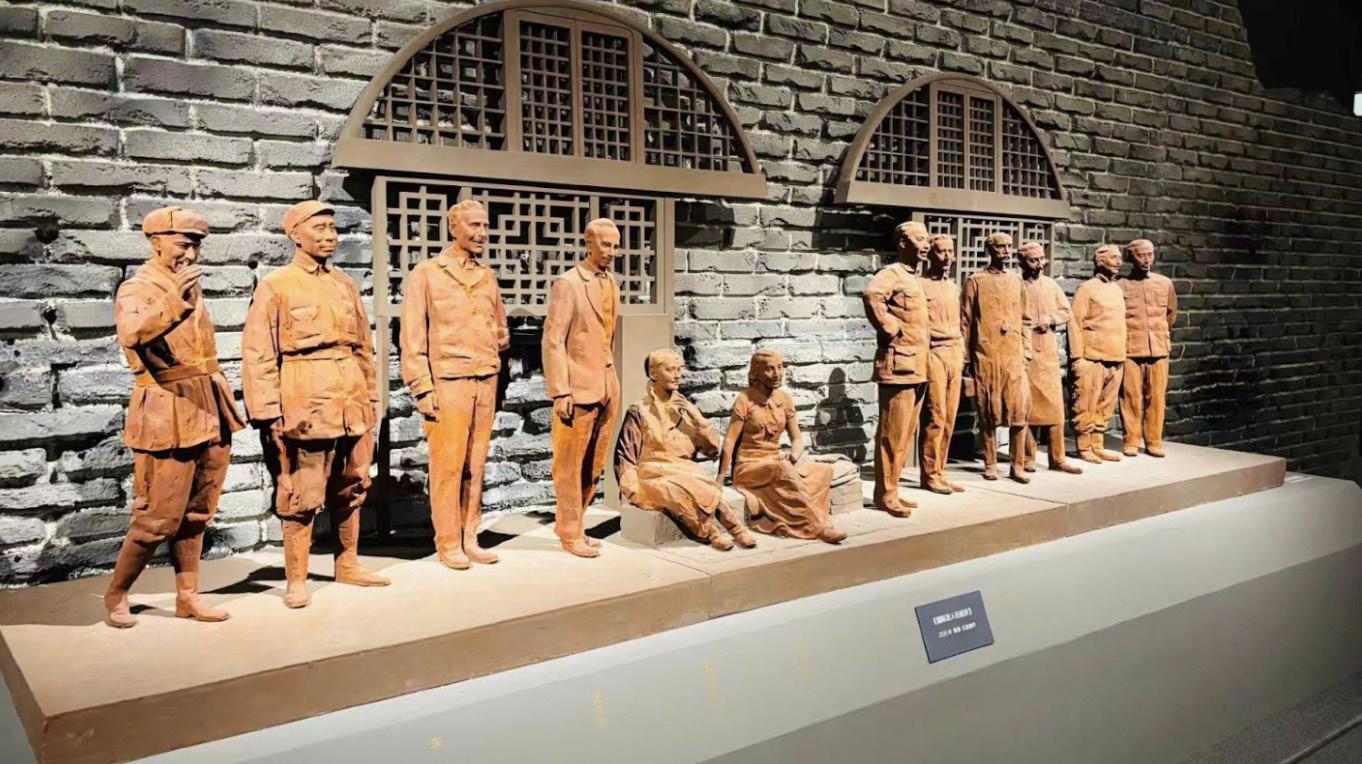
cave-like brick wall. The installation, titled “International Friends in Yan’an,” depicted nine foreigners engaged with Mao Zedong, Zhou Enlai, and Zhu De, major leaders of the Chinese Communists. Among them stood an American diplomat, smiling warmly and looking straight ahead.
He was John Service, the son of missionaries who grew up in China and later became a key member of the Dixie Mission, a U.S. Army observer group sent to evaluate the Chinese Communists as potential wartime partners against Japan. In July 1944, the mission traveled to Yan’an, the Communists’ revolutionary headquarters. He was impressed by what he saw. It was, he later wrote, like entering another country, “one marked by hard work, cooperation, and the absence of banditry.” Shortly afterward, he reported to Joseph Stilwell, the commander of U.S. forces in the China-Burma-India Theater (CBI) during World War II, on the Kuomintang. “Recent defeats,” he wrote, “have exposed its military ineffectiveness and will hasten the approaching economic disaster.”
This name became widely known during the McCarthy era. Just like the trial in the film “Oppenheimer,” Service faced hearings held from March to July 1950. In Federal Bureau of Investigation (FBI) interviews, Service tried to have a secretary in the room, but they wouldn’t talk with a secretary present. Service wanted her to take notes. He said, “Well, you’re taking notes. Why can’t my secretary take notes?” They said, “Sorry, but we won’t talk to you on that basis.” So he was always alone, and there were two FBI agents. Service didn’t know what was written. In December 1951, he was dismissed by Secretary of State Dean Acheson on the grounds of “reasonable doubt” as to his loyalty.
Service’s wife, Caroline Service, spent that year in India, from April 1950 to the
end of March 1951, struggling to make ends meet. In a 1987 interview, Caroline answered why Service and others were blamed.
“Well because he had had a lot to do with the so-called ‘loss of China,’ in quotes. But even without that the China Hands, as they were called—Edmund Clubb, John Carter Vincent, and John Davies—were easy targets. John Davies was finally fired out-ofhand, I think, right after the 1954 election. John Carter Vincent and Edmund Clubb, being over 50, were forced into retirement. It was because of China. Because China had gone communist. These people had ‘lost China.’ It was so crazy. You can just tear your hair sometimes,” Mrs. Service said.
The judgment of Service and other China Hands was shaped less by their conduct than by the political climate that followed the war.
“The Republican Administration was determined to get people out of the Foreign Service who had been in the China service. You can’t say it was a plot; it’s just that politically it was a good drum to beat. They wanted to show the public that Republicans weren’t ‘soft on communism,’” she recalled.
Theodore H. White testified in person on behalf of Service, but he was far luckier than him. As a history major at Harvard who studied under John Fairbank, White graduated summa cum laude in 1938. That distinction earned him a $1,200 fellowship from the Harvard-Yenching Institute, which would ordinarily have set him on the long path toward becoming a professor of Oriental history. However, he chose another life path, risky but charming, by accepting the university’s Frederick Sheldon Traveling Fellowship, a program designed to let “students of promise” travel for a year wherever their interests might take them.
He came to China in 1939, initially as a sightseer, with the idea of writing history as a newspaperman. White lived in Shanghai for several months. Beneath its surface image as the “unrivaled Paris of imperialism,” he discovered, during a single day’s tour of the city’s factories, that no one cared about Chinese workmen, least of all the Chinese rich. At that point, White decided that he had to join the action, whether as a revolutionary, a partisan, or an agitator.
When White first arrived in Chongqing, he was unstinting in his admiration, romanticizing those who had deliberately left the occupied coastal cities and chosen life inland over submission to Japanese rule. He used his position as an adviser to the Ministry of Information to stay and ac-
“Americans, even those who have engaged in China studies for many years, still know too little about China, just like me, and like every Chinese person. What is required, then, is sufficient humility.”
cess key information. However, this did not mean that he could be manipulated. He remarked sarcastically, “The easiest of all to manipulate, however, were famous names, the trained seals, the swooping stars of major American and British newspapers who would fly in for a four-day visit and then send out pontifical dispatches about the war and the Chinese spirit of resistance.”
In the summer of 1942, White returned as a war correspondent in uniform. The role was new, yet his integrity and courage remained the same. A famine had struck Henan, a province roughly the size of Missouri, inhabited by 32 million peasants who grew wheat, corn, millet, soybeans, and cotton. The rains failed to come in 1942, and by 1943, reports reaching Chongqing said that peasants in Henan were dying. White flew to North China and obtained permission to investigate the famine firsthand. Night after night, he wrote up his notes after speaking with local officials. Technically, he also began to compile statistics in miniature, recording the yield of wheat per mu wherever he could find a peasant willing to talk.
Afterward, White’s article in Time tore a hole in the news blackout created by official collusion in Henan, the concealment of facts, and Chongqing’s severe underestimation of the gravity of the situation. The famine soon drew international attention. Song Qingling, who helped connect White with Chiang Kai-shek, told him, “I insisted that the matter involved the lives of many millions... .May I suggest that you report conditions as frankly and fearlessly as you did to me. If heads must come off, don’t be squeamish about it…otherwise there would be no change in the situation.” White did exactly that.
With professional training, cross-national empathy, curiosity, and courage, White later visited Yan’an and observed much the same realities as Service. He tried to persuade his boss at Time that “neither
the Nationalists nor the Communists were democratic in the American sense, and that our immediate interest was to support those who could help us most against the Japanese. To aid Chiang against Mao, however, was to commit the United States to a disastrous ‘meddling’ in a civil war in which it could only lose.” But he failed. Courage came at a cost. While testifying at the hearings involving Service and Davies, he tried to make one principle unmistakably clear: a State Department officer, he insisted, must report the truth to the government, no matter how unpleasant the facts may be. White, however, was also questioned as a witness about whether his wife was a communist. By the end of 1954, he withdrew from the line of fire. Freed from the threat to his journalistic license, he abandoned his earlier focus on America abroad and turned instead to what now fascinated him more: America at home. He excelled in this work as well, winning the Pulitzer Prize for General Nonfiction in 1962 for The Making of the President 1960. Courage had its rewards. His curiosity, professional on-the-ground research, willingness to take risks, and ability to withstand pressure formed a methodology grounded in firsthand observation. By remaining loyal to what he saw and knew, this approach could be tested by history, making both himself and his work reliable and earning respect on both the American and Chinese sides.
***
History may be forgotten on the U.S. side and selectively remembered on the Chinese side, but the trap remains. Today, those engaged in U.S.–China exchanges are trying to find a position of their own, one that allows them to understand the other side without being perceived as hostile, while also ensuring that at home they are not labeled as drifting away from their
own side or leaning toward the other.
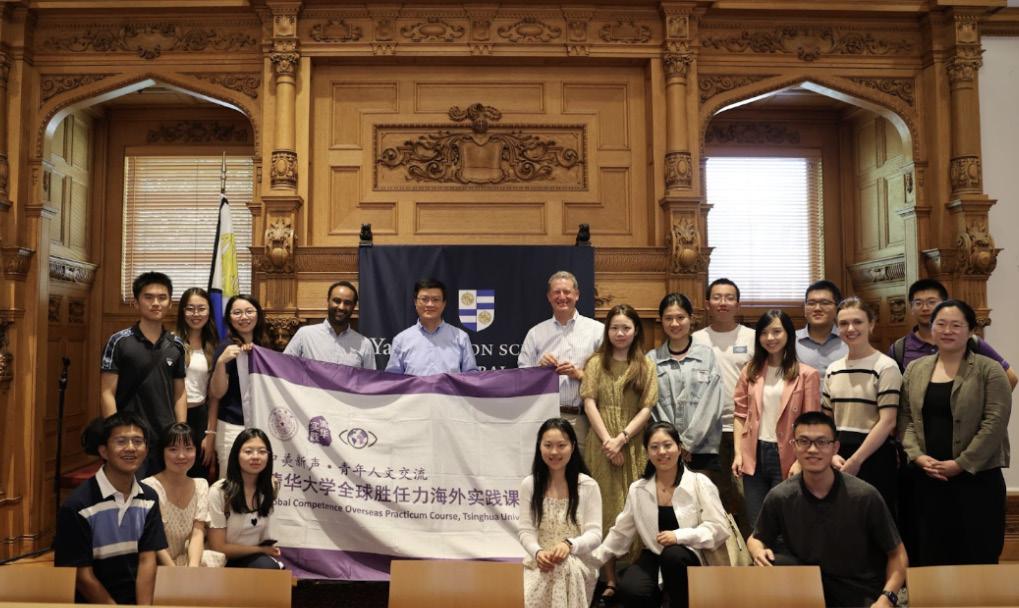
Huang Ying, a PhD student from the Department of International Relations at Tsinghua University, also a founder and leader of Tsinghua University Student Association of China–U.S. People-to-people Exchange, told The Politic, “There was one conversation in which I took part both as a participant and as an organizer. I realized that during exchanges, people may not only be attentive to the views of their counterparts—Americans paying attention to Chinese participants and Chinese participants to Americans—but also to those of their own peers, with Americans watching Americans and Chinese watching Chinese.” This dynamic may lead participants, during discussions, to weigh more carefully whether their remarks are appropriate within their own peer groups.
The good news is that some people are still making efforts to open up space for real but safe understanding and exchange. More and more youth leaders from both sides now have the awareness and tools to confront this trap.
Benjamin Nuland ’27, co-founder and co-president of the Yale Dialogue on U.S.–China Relations, an undergraduate initiative that advances student engagement with U.S.–China geopolitics and fosters dialogue with peers at leading Chinese universities, reflected on the stakes of student-led exchange.
“As challenges mount in the U.S.–China
relationship, it is more important than ever to sustain channels of dialogue between emerging American and Chinese geopolitical thinkers. Undergraduate dialogue is politically low-stakes and relatively insulated from official scrutiny or performative posturing. It creates a rare space for honest exchange beyond the noise of state-level signaling. At the same time, launching an undergraduate dialogue now carries a quiet but meaningful statement that rising tensions between China and the United States need not foreclose relationships between a new generation of International Relations scholars and policy-minded students. By building sustained dialogue and fostering respectful engagement across differences, we aim to strengthen communication, trust, and mutual understanding of one another’s values, perspectives, and shared responsibilities. These exchanges help cultivate a generation of Chinese and American leaders better equipped to navigate strategic competition with nuance, restraint, and a sense of responsibility,” he told The Politic Huang told The Politic, “Dialogue organizers need to approach these exchanges with sophistication and intellectual empathy, and be prepared for guests to say things that may sound unpleasant. At the same time, we do not deliberately steer the other side toward saying things that benefit us. When something may be unfavorable to us, we tend to address it in private
rather than in public. In those moments, it is possible to sense that the other side still respects our perspectives and does not seek to put us in an awkward position.”
For those navigating these exchanges today, the measure of genuine engagement may lie less in which side one appears to favor, and more in whether it is grounded in firsthand contact and constitutes verifiable intellectual labor based on real contact.
As Huang suggested, “Americans, even those who have engaged in China studies for many years, still know too little about China, just like me, and like every Chinese person. What is required, then, is sufficient humility. For those who want to understand China better, the answer is to make more Chinese friends. Every Chinese friend will show you a different China.”
With a shared commitment to staying clear of the trap, the next generation of U.S.–China youth exchange participants may again set out along a path that is not unfamiliar. From a distance, White might offer a quiet nod of recognition to young people much like his younger self. He knew that, with wise courage, intellectual curiosity, and reliable methods, an unexpected and sufficiently vivid panorama of a country would unfold before them.
BY WILLIAM SHIU
“When we move to a different place, we feel our identity is interrupted. We hold on to the things that we can hold on to in order to claim who we are,” recalled Professor Elain Hsieh, a Taiwan-born sociologist investigating the endangered practice of Traditional Chinese Medicine (TCM) in the cultural enclaves she calls home. Of the “things” preserved, perhaps the most pertinent among immigrants of Chinese heritage are the virtues of this Confucian proverb.
During China’s most prosperous dynasties, this recipe was served to emperors to treat major gastrointestinal ailments. Today, scientists investigate it as a life-saving complementary medicine for cancer patients. Under this roof, however, it serves a humbler, yet equally meaningful purpose: soothing a grandchild’s stomach ache.
Huang Qin Tang, referred to in the pharmaceutical industry as YIV-906, is an example of a Traditional Chinese Medicine (TCM) that is actively being subjected to the rigors of the Western science. While exploring the East-Asia archives of Sterling Memorial Library at Yale, Professor ShwuHuey Liu rediscovered the formulation in a revered manuscript from the Eastern Han Dynasty (200 C.E): Shang Han Lun (On Cold Damage).
Since then, father-son co-founders Professor Yung-Chi Cheng and Mr. Peikwen Cheng have been building on the work of their ancient colleagues. Their clinical-stage biotechnology company, Yiviva, aims to commercialize TCM by “using modern tools to open up the black box,” and translate tradition into a globally recognized science.
TCM, and being a medicine, in the Western sense of the term, is the least important aspect of it.”
If we set aside the millenia of clinical success, what remains is tremendous cultural and social value. For instance, among the elderly generation of Chinese American households, the practice has been less about fighting pathogens than about embodying the aforementioned Confucious proverb, to resist xián (idleness) and continue building the shān (the mountain).
“If I’m the grandma, TCM is knowledge that I can share with my grandchildren to make them a part of me,” Hsieh explained. These at-home apothecaries are driven by a desire to contribute to the close-knit family atmosphere, asking “how can this make grandchildren feel better? How can it bring something valuable to the family?”
“The mountain is only as finished as the spirit is still”
On the kitchen stove of a Chinese American household, a Grandma revives an 1,800-year old empirical recipe: Huang Qin Tang. The formulation is elementary: Huang qin (scute) serves as the principal herb to cool inflammation and drain damp-heat from the body. It is accompanied by bai shao (white peony root), gan cao (chinese licorice), and da zao (jujube fruit) to relieve maladies of the gut. As the solution reaches a boil, the familiar, earthy bitterness of herbs fills the air; she knows it is ready.
With their flagship drug, YIV-906, the duo have successfully navigated the complex manufacturing of botanical medicine according to Good Manufacturing Practice standards, consistently shown biological and chemical activity, cleared FDA Phase I safety barriers, and recently demonstrated promising results in Phase IIb clinical trials as a complementary medicine for liver and colorectal cancer. Despite this empirical validation, skepticism regarding the role of age-old remedies in the United States remains.
***
In an interview with The Politic, Professor Hsieh encouraged entertaining the skepticism for a moment. “Whether the critics are right or not, does not matter,” she argued. “There is a lot to the practice of
Professor and fellow TCM sociologist Professor Haiying Kong agreed, framing these acts as a defense against cultural dilution. In a country where “kids are losing more and more of their Chinese culture and identity by conforming to Western-centric views,” Kong believes that this form of caretaking is a source of empowerment for the elderly. In her research, she observed “a growing generation gap where young Chinese people born in America often feel like [they] know better because they have the latest knowledge.” This is a rare incident where seniority, “in being a Chinese person and being a grandma, makes them the undisputed expert.”
For these families, TCM “is a social connector” quintessential to the survival of Chinese culture. It demonstrates to children, in a tangible way, “this is how Chinese people take care of one another; this is how Chinese people think about their health; this is how we understand and control our body.”
For the patients, Professor Hsieh noted that “the value in TCM is often about fear.” In low-stakes scenarios, such as a simple stomach-ache, children prefer homebrewed tea to mass-produced pills because of the comfort it provides in soothing that “譬如為

apprehension. “It is no different than in the West. If you get sick, you want to have your grandma’s chicken noodle soup. You can have Tylenol; you can have Nyquil. You know, it will take care of you,” Hsieh said. “But what you really want is chicken noodle soup made by your grandma, and that means something very different.”
On a more somber note, Hsieh has also been in the same room as patients who are told “there is no cure.” When conventional options run out and “doctors don’t know what to do,” people in Western culture frequently cling to religion; in the Chinese American communities that Hsieh works with, people turn to TCM.
Hsieh conceded that this desperation creates opportunities for insincere practitioners to sell false hope. She recalled a close friend’s father, who “spent a fortune going back to Hong Kong to get TCM treatment” for his aggressive pancreatic cancer, which ultimately “did not extend his life.” Yet, through the lens of the individual, she believed that “for them, it is always worth it.”
Indeed, even staunch advocates for science-based medicine agree that while medicine is important during these moments, patients need to trust in something beyond the finite power of doctors. Dr. Paul Offit, an American pediatrician and vocal critic of alternative medicine, joked that his own “mother was a big believer in chicken soup.” At the Children’s Hospital of Pennsylvania, his place of work, he observed, “We also have chaplains in our Hospital going around and praying with people, and I think that helps too.”
He acknowledged that “the placebo effect is real and it’s powerful.” Whether a practice has measurable clinical benefit can be besides the point: “There’s a lot to be said for positive attitude,” and in that sense alone, alternative solutions like religion and TCM are worthwhile.
Offit’s stance is frequently misconstrued; rather than demanding an FDA trial for every practice, his primary criterion is the Hippocratic mandate to “first, do no harm.” If a TCM is benign and “does not interfere with any [conventional care],” its role in a patient’s wellbeing—clinical or cultural—is worth preserving.
In her work with Chinese diaspora patients, one major challenge Kong observed is that, out of fear of judgement, “people tend to say they don’t take [TCM].”
Dr Ting Bao, an integrative oncologist at Dana-Farber Cancer Institute, explained that “almost the first thing a medical oncologist here in the US asks is whether TCM is going to interact with chemotherapy.” TCM patients may feel better only because certain “herbs reduce the concentration of chemotherapy, and that’s concerning.” Her department employs clinical pharmacists specifically to ensure herbs do not interfere with radiation or surgery. For them, it is paramount to correct the stigmas which drive Chinese Americans towards nondisclosure.
This danger has been aggravated by heightened geopolitical tensions with China that have made sourcing reliable TCM in
the U.S. increasingly difficult. Because most botanical components of TCM are cultivated under specific ecological conditions indigenous to China, the nation holds a 40% share of the global herbal medicine market. When the ability for Chinese Americans to affordably access a cultural priority is contingent on a volatile geopolitical relationship, they turn to unverified sources.
Kong, both an expert on TCM and a consumer, recounted a pandemic-era where “herb prices jumped, skyrocketing,” to such prohibitive levels that vendors could not afford it. Ultimately, “it was out of stock everywhere, and people sought alternatives.” Hseieh was one of those people who “jump[ed] through the hurdle of ordering it from alternative sources” as her local “mom and pop stores disappear[ed]”
In 2024, Paromita Hore of the Director of Environmental Exposure at the NYC Department of Health, issued a public health warning after a routine Chinatown sweep found eight locally purchased TCM products that contained a lead concentration of up to ~73,000 parts per million (ppm) above the legal limit.
When confronted, most storeowners were cooperative.
“They acknowledge and understand, because they, themselves, do not know that they have harmful levels of heavy metals in their products.” This disillusionment, where sellers and customers are equally oblivious, exposes a pressing systemic oversight, one that in Dr Offit’s view, requires government regulation.
Pointing to the Dietary Supplement Health and Education Act (DSHEA), the
law that created loopholes to allow the supplement industry to bypass the rigorous safety testing, Dr. Offit asserted that he would “like to see [TCM] held to the strict Good Manufacturing Practices required of other medicines.”
Unfortunately, these community and expert calls for accountability collide directly with the U.S. administration’s agenda. As China gains dominance in the pharmaceutical industry, a field prioritized as a “hard” science, the disparity in access to safe TCM has been fueled by a dismissive binary that marginalizes the discipline as a “soft science.”
This disregard is evident in President Trump’s FY 2026 Budget Request, which proposed entirely eliminating the National Center for Complementary and Integrative Health (NCCI). This move would slash the NIH’s sole subsidiary for TCM research and fold it into a broader National Institute on Body Systems (NIBS).
Beyond ensuring the safety of millions of Chinese Americans, studying and regulating TCM is critical from a national security perspective.
While Health and Human Services (HHS) Secretary Robert F. Kennedy Jr. has championed alternative therapies amidst the growing body of evidence from scientists like Professor Cheng, there is a disconnect between the HHS secretary’s rhetoric and the administration’s fiscal policy. As alternative medicines are forced to vie for resources alongside more established institutes that would too be incorporated within NIBS, dismantling the silos that protected TCM as a standalone category, experts foresee institutional marginalization.

In such political contexts, resistance to TCM often stems from its unfamiliarity to Western audiences. At its core, the tradition views the body not as a collection of isolated mechanisms to be targeted with precision medicine, but as an integrated system governed by the balance of Qi, Yin, and Yang.
Beyond ensuring the safety of millions of Chinese Americans, studying and regulating TCM is critical from a national security perspective. Despite historically adopting a reductionist approach to target specific pathogens or receptors, modern oncology is increasingly pivoting toward holistic models that mirror TCM principles.
Professor Cheng explained that “tumor cells are heterogenous,” so focusing on one single phenotype “won’t wipe out all cancer cells.” As such, the “average cancer patient today uses a cocktail of drugs: a few to kill the cancer and, due to cytotoxicity, a few more for the side effects. Yet, none of them, alone, are doing anything much.”
For decades, oncologists have said that “there must be a better way.” To this end, TCM offers the established framework that Western oncology is striving for.
Even under the more generous Senate appropriations bill, which rejected the NCCIH’s termination, the Center receives only $170 million of the NIH’s $48.7 billion budget—less than 0.35%. This figure stands in stark contrast to the field’s impact on Chinese American communities and its potential to lead the next human health advancement.
To understand this paradoxical neglect of TCM research, one should first
trace a drug from an academic lab to the market. Before being sold domestically or licensed internationally every medicine must survive the rigorous Good Clinical Practice standards established by the International Council for Harmonisation (ICH). This entity, of which both China and the U.S. are members, has shifted the pharmaceutical race from “who discovers a drug first,” to “who can prove it works effectively and safely.” One country might make the discovery, but another might win by being the first to prove it in a clinical trial.
Since World War II, the U.S. has led the world in medical innovation. However, a bottleneck has persisted. The 1980 BayhDole Act bridged the initial gap between academia and consumers by allowing the spin off taxpayer-funded research into profit-seeking ventures, usually through universities licensing patent rights to companies that would, in turn, fund clinical trials and bring a drug to the market. This incentivized private investors to finance clinical trials.
Despite lending the U.S. early success, this model is vulnerable. A breakthrough discovery in a U.S. university lab waits an average of eight months for a technology transfer office to find a commercial partner. Identifying this as a rate-limiter, China’s National Health Commission passed measures enabling academic physicians at top-tier “Class III” hospitals to move breakthroughs—including TCM—directly into human clinical studies at the discretion of in-house ethics committees.
This regulatory maneuver enabled China to complete trials faster than any other nation. The result is a historic turning point. In 2024, China initiated over 7,100 clinical trials, surpassing America’s
clinical activity by a gross margin of 1,100 projects. Given that roughly 90% of drugs fail in clinical trials, an efficient human proof-of-concept model is the ultimate competitive advantage.
By testing U.S. discovered biological targets and sidelined TCM first, Chinese teams secure the first-in-human data and global patents, forcing U.S. biotechnology companies to pay nine-figure sums to license back American ideas proven abroad.
One recent example of this is ivonescimab, a PD-1/VEGF bispecific antibody. Despite the two cancer targets having largely been characterized by U.S. scientists, Chinese researchers produced the first clinical results. Summit Therapeutics, a California-based biopharmaceutical group, later paid $500 million upfront for rights to develop and sell the drug outside of China.
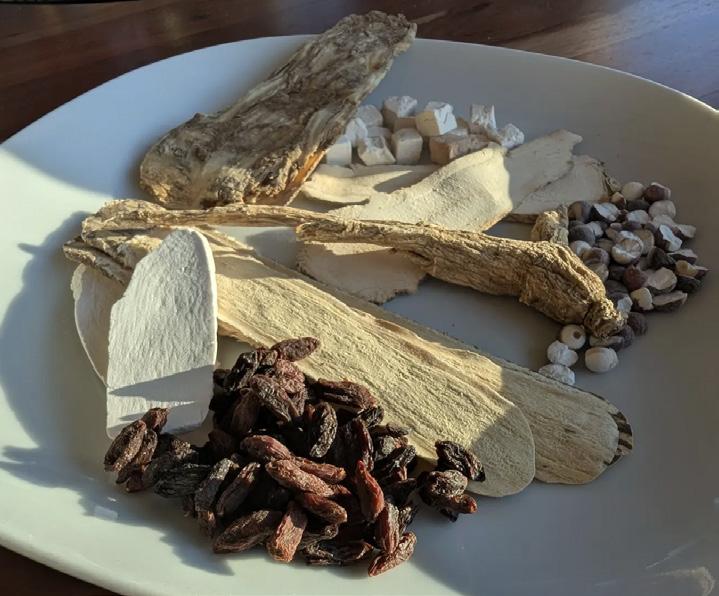
Traditional Chinese medicinal herbs arranged in Professor Elaine Hsieh’s kitchen. The ingredients were purchased online from the U.S. Traditional Chinese Medicine Cooperative (USTCM) after local Chinese herbal shops in Minnesota ran out of stock. Clockwise: dāng guī (Angelica sinensis), fú líng (Poria), qiàn shí (euryale seed), rén shēn (ginseng root), gǒu qǐ zǐ (goji berries), huáng qí (astragalus root), and shān yào (rhizoma dioscoreae) (Photo: Elaine Hsieh).
Today, China’s first-in-class capabilities are second only to the U.S, representing 30% of the global innovative pipeline. As its chokehold on the industry slips, the nation’s response has fallen short. Between 2024 and 2025, the Federal Drug Administration (FDA) experienced a decline in approvals from 50 to 46. This is partly due to staffing declines experienced over disagreement of agency initiatives. For instance, in 2025, Dr. Offit, a long-time member of the FDA’s advisory committee was removed following disagreements with HHS leadership. Offit warns that if the U.S. continues this track of deprioritizing science, it risks becoming an “innovation desert.”
Many of his colleagues have already “said that the future of drug development in this world is China, not the United States. Even though the United States has
historically been a leader in doing the innovative research to make drugs like vaccines, that’s not going to be true anymore because of the Secretary of Health and Human Services’ attack on our infrastructure.”
The negligence Offit fears extends to any model that challenges the status quo; TCM is no exception. While discussing Yiviva’s goal of expanding beyond oncology into treatments for other complex diseases, including Alzheimer’s, Mr. Peikwen Cheng expressed that he “think[s] there’s a lot of possibilities.” However, the window for America to lead the paradigm shift toward holistic care is closing.
In neglecting the ancient practice, the U.S. cedes hypotheses backed by millennia of longitudinal study. True, the overwhelming majority of the TCM library has yet to undergo comprehensive scientific scrutiny. However, as Yiviva has observed through their clinical studies, this is not to say that they do not possess the potential to do so, if subjected to such scrutiny. The barrier is not a lack of efficacy, but a lack of interest in the experimentation required to prove it.
“We have to take the risk now to lead the competition,” Cheng asserted, hoping that where the “concepts [behind TCM] have been lost in translation, science can bring it all together in the format of a deliverable drug.”
Professor Hsieh added that Yiviva’s efforts are not fundamentally radical. “It is very common for Western pharmaceuticals to find rare chemical elements in an Amazon plant or in some obscure animal and discover that there is actually a medicinal ingredient.” Yiviva’s efforts should be considered no different.
To this point, Dr. Offit, typically a fierce critic of the alternative medicine industry, seceded from his camp’s usual dismissal of remedies such as TCM: “If something is shown to work, great. Some 70% of the drugs that are on the Children’s Hospital of Philadelphia formulary are already derived from natural products.” He concedes that the origin of a proven treatment, be it a Genentech lab or a TCM apothecary, is irrelevant. “Medicine is medicine.”
Still, Hsieh remains cautiously optimistic. While commercialization “is an effective path to making TCM accessible and safe for Western audiences,” she labeled it “a very sad path.” By isolating and encapsulating only the active chemical ingredients, consumers lose the cultural and social elements. As such, researchers at Yiviva risk adopting the very reductionist ideology they sought to dismantle. Hsieh argues
that to treat a patient as both a patient and a cultural being, the scientific validation of TCM must be accompanied by policy changes that preserve the ancient rituals giving the practice its soul.
***
From a national security perspective, the current U.S. political agenda towards alternative medicine strikes a blow to the nation’s stance in the global pharmaceutical race that will become increasingly apparent in the coming years. While the U.S. prioritizes politics over expertise, China is aggressively investigating TCMs to solve complex pathologies that Western methodologies have historically struggled to solve, approving 77 new TCM drugs between 2013 and 2024.
For Chinese Americans, however, the impact of this neglect hits harder not as a threat to their health but their way of life. Hsieh emphasizes a critical distinction often lost in political and economic tension: “TCM as a medicine and TCM as a cultural practice and way of life. These are very different things,” she says. For many Chinese Americans, the latter is the more important part.
During their darkest days, when all hope, or even life, seems to be slipping away, most patients are willing to endure extreme discomfort for a slim chance of a few more weeks of life. One metastatic pancreatic cancer patient observed by Dr. Kong endured 23 cycles of chemotherapy. Some fight for these extra moments to say what was left unsaid, others to find peace or toast a final milestone. They fight because:
“譬如為山,未成一 簣,止,吾止也”
Yet, when patients cannot afford to stagger rounds of drug after drug, or when doctors say “there is nothing we can do,” they turn to alternative medicines such as religion, home-cooked chicken noodle soup, and, for a diaspora fighting to keep its heritage alive, TCM.
While not every American will choose to turn to TCM, every American should certainly have the right to do so, safely and accessibly. For millions of Chinese Americans, the familiarity of this lived tradition carries a warmth that no pill can replace, however clinically effective or ineffective it ultimately proves to be. It is difficult to put a price on that intimacy.
BY TIANNA GE & WILLIAM ROBINSON
On Friday, January 16, 2026, OpenAI announced it would begin testing advertisements in ChatGPT for users in the United States. Many perceived this as a tacit admission that even one of the most widely used chatbots in the world was struggling to be profitable. In a viral clip last fall, an interviewer pressed OpenAI’s CEO, Sam Altman, on how the firm, with an approximate annual revenue of 13 billion dollars, could justify spending commitments that add up to 1.4 trillion dollars.
Across the Pacific, a similar story emerged. On Thursday, January 8, 2026, Zhipu AI, a Tsinghua University-incubated Chinese company listed in Hong Kong, became the world’s first public listing of a firm focused specifically on developing AI foundation models. But Zhipu’s prospectus-era reporting revealed steep losses, laying bare what was once seldom mentioned about the AI boom: the company had experienced a net loss of 2.4 billion yuan in the first half of 2025 amid surging research costs and computing costs.
Put side by side, these two moments underscore the shared problem of profitability for both U.S. and Chinese AI companies. Popular articles in 2025 showed the circular arrangement of how Nvidia invests in OpenAI so that OpenAI will, in turn, buy more of Nvidia’s chips, as though they were a sort of financial merry-go-round. Because of the huge amount of money being circulated, these deals have reminded some market watchers of the dotcom bubble in 1999-2000.
The question of whether AI is profitable is also asked in China, and since being open-weight—meaning users can download and run models locally—is one of the most prominent features of China’s AI ecosystem, users can use Chinese AI very cheaply or even freely, thus making it harder for Chinese firms to profit. Consequently, is AI actually profitable in the U.S. and China? What’s more, how does the problem of AI profitability matter to geopolitics and our everyday lives?
To answer the question of AI’s profitability in the two countries, one needs to understand the overall landscape of the
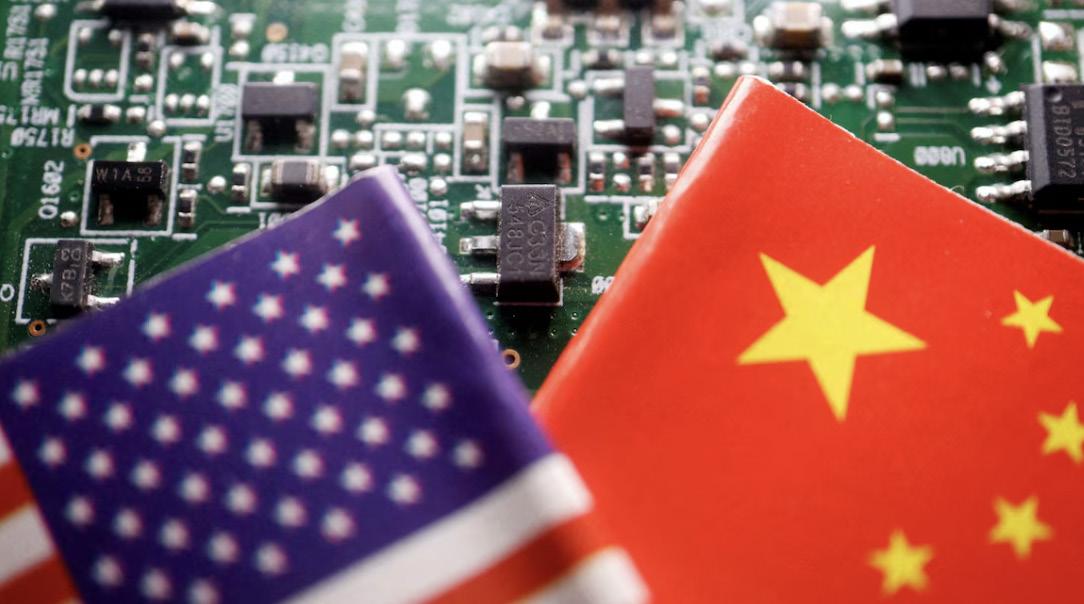
U.S.-China AI race. Both countries have already invested significant resources, research, and finances into developing AI, positioning the technology as a respective national priority. On Wednesday, July 23, 2025, at the Winning the AI Race summit in Washington, President Donald Trump announced that “from this day forward, it’ll be a policy of the United States to do whatever it takes to lead the world in artificial intelligence.” A few months ago, at the 20th Collective Study Session of the CCP Central Committee Politburo, President Xi Jinping said, “China must face disparities head-on, be strongly oriented toward applications, and firmly grasp the initiative in AI development and governance.”
AI is a long supply chain involving many components. Therefore, a more effective way to measure the profitability of AI in the U.S. and China is to examine its different sectors, from hardware infrastructure to consumer applications.
Internet giants like Google and Meta in the U.S. and ByteDance and Alibaba in China have already embedded AI models into their platforms, Meta’s ad-targeting improvements, Google’s Gemini summarizing search results, and Alibaba’s customer service bot, AliMe. These firms can amortize AI R&D across a massive revenue base, stabilizing profits through cross-subsidization.
Companies like OpenAI and Zhipu AI—standalone labs working on foundation models of AI—are, on the other hand,
actors visibly associated with the problem of AI profitability. They do not have their own platforms in which they can embed AI advancements and instead have to rely primarily on other monetization methods: standalone subscription models and API licensing (providing model access to third-party developers for a fee), for instance. But so far, these methods alone have struggled to outweigh their costs. Therefore, concerning foundation models, the U.S. and China share similar characteristics: standalone labs specializing in AI models have difficulty in generating profits, while tech giants embedding AI can achieve relatively stable profits through deploying on already popular platforms.
However, when we look at the AI upstream and downstream industries, different focuses of the U.S. and China’s AI race emerge.
Leading AI enterprises in the U.S. are dedicated to deepening their efforts in the infrastructure layers of the AI industry chain, which includes data centers and chips, etc. As an example, chips are one of the most profitable parts of the U.S. AI industry. They are also the area where the U.S. can most effectively impede China.
NVIDIA, a leading tech company that designs powerful chips, has one of the highest profit margins in the world. By the second half of 2025, NVIDIA was also one of the highest valued companies; its market value was equivalent to about 16% of
the U.S. GDP. Since 2018, the U.S. has issued multiple export control regulations, limiting NVIDIA’s reach across China by expanding the scope of sanctions on key semiconductor components. This has forced China to develop its own chips.
In May 2024, China announced a semiconductor fund with a scale of approximately 47.5 billion U.S. dollars to accelerate domestic self-reliance and compensate for the impact of foreign export controls. While there have been notable successes—recently, some models like Zhipu AI’s GLM-Image have already been fully trained on domestic chips—China’s semiconductor industry continues to face hurdles. Despite this intense domestic push for development, generally speaking, China’s high-end chip capabilities currently still lag behind NVIDIA’s.
Moreover, the U.S. has an advantage in the technical layer. U.S. AI models typically are dominant in the rankings of models with the best comprehensive capabilities in the world: U.S. AI models often account for 7-8 of the top 10 AI models, while China has only 2-3.
As mentioned, a characteristic of Chinese AI is the focus on being open-weight. The aim of this is to attract users despite potential long-term losses. In a December 2025 study conducted by Stanford University, 23 out of the top 25 open-weight models came from China with respect to their benchmark performance. Furthermore, Chinese models like Qwen can save 96%-98% of the cost compared to using the closed-source GPT 4o. Data thus confirms users might favor open-weight models, but it doesn’t answer why China endures the costs of championing open-weight models.
Developing, training, and running AI models requires a continuous and massive inflow of capital, which tests the financial resilience of both private and public sectors. This investment can be in the form of private investment, the way OpenAI receives capital, cross-subsidies within internet giants’ platforms, or support from the government. The problem is, however, whether private investors have enough patience to wait until OpenAI fulfills its 1.4 trillion dollars spending commitment. In an interview, Sarah Friar, the chief financial officer of OpenAI, seems to have hinted at hopes for the U.S. government to help fund OpenAI.
When enterprises are consumers of AI models on a large scale, they decide by factoring in which model is cheaper. Therefore, to lower prices and seize market share, companies further compress their profit space. Only those who can withstand the losses of AI for longer can offer the lowest prices; if they survive such losses, they
will shape the global technological dependency relationship and influence the rules of global AI deployment. From this perspective, lack of profitability at some levels of the AI industry is not a market failure, but a strategic investment in infrastructure—capturing the resources of global AI adopters during the loss stage might secure geopolitical and technological influence for decades.
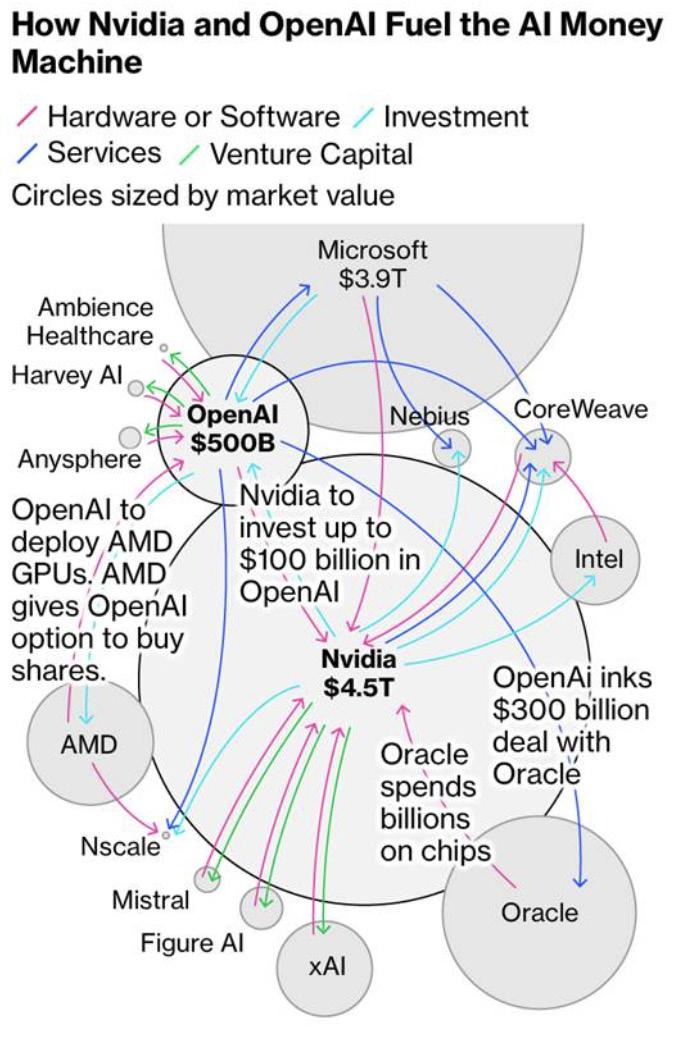
Considering the global nature of the AI industry, the binary between the U.S.-China AI race presents an incomplete picture. AI data annotation—the process of labelling raw data such as text, images, and videos so that they can be recognized by machine learning algorithms—is being carried out on a large scale in the Global South. Countries in Africa, South Asia, and Southeast Asia have become the main centers for this labor force, often referred to as “microwork” or “ghost work”. Since high-quality, manually annotated data is a necessary ingredient for training AI, the social, cultural, and linguistic nuances embedded in these regions’ work directly, and often invisibly, shape the performance and output of AI models developed by the U.S. and Chinese companies. Europe, as a huge user and developer of AI models, which represents approximately 24.2% of the global AI market by revenue in 2025, is also guiding the development of AI through consumption and legislation, such as the obligations for providers of general-purpose AI (GPAI) models under the EU AI Act, which came into effect on August 2, 2025.
This raises an important question: what does the problem of AI profitability in the U.S. and China have to do with the general public if they are not on Wall Street or Silicon Valley?
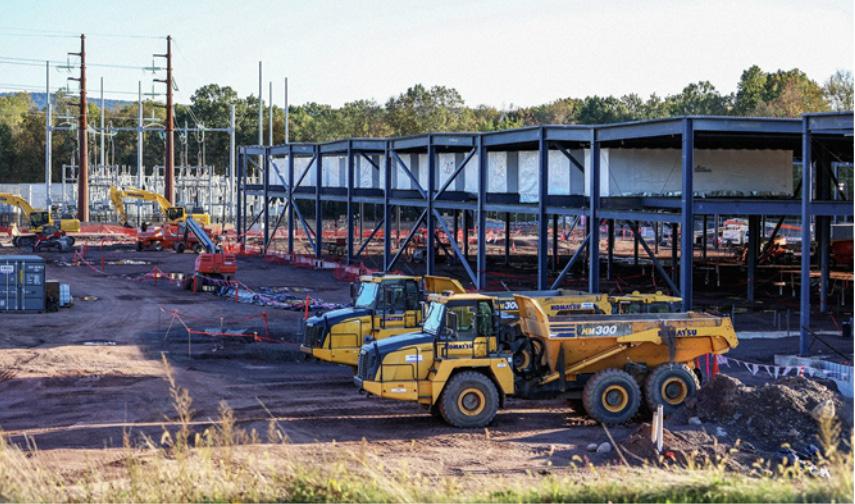
First, let’s look at workers closely related to the AI industry. For plumbers and electricians in the U.S., the AI industry at the infrastructure level may be a gold rush—an opportunity to make quick money. The U.S. lacks electricians, plumbers, and heating and cooling technicians needed to build physical data centers to support AI. It is estimated that between 2023 and 2030, the U.S. will need an additional 130,000 trained electricians, 240,000 construction workers, and 150,000 construction supervisors.
Beyond the software industry, the construction of AI facilities has provided abundant opportunities for the U.S. workforce. An example is Demond Chamblyss, who transformed from running a small gypsum board company in Ohio to overseeing the construction of a large-scale data center. This career change increased his annual income to over $100,000: “I pinch myself going to work every day.” It is estimated that the salaries of employees who have transferred to data center construction have increased by 25% to 30% compared to their previous jobs. However, industry insiders say, “When the project gets done, they’re not crawling with people. If construction eventually tapers off, there might not be enough alternative jobs to go around. But for now, business is great, and how things will end remains anyone’s guess.”
Data annotation is another job that has introduced many people to an AI infrastructure layer they might not have otherwise known. Duo Wei runs a small AI data annotation studio in Guangxi, China, the kind of business that, on paper, fits into Beijing’s push to treat data as an AI input worth building at scale. China’s National Data Bureau selected seven cities to pilot national data-annotation bases in May 2024, and formally recognized “data annotator/AI trainer” work under the national occupational classification. These efforts aim to strengthen the infrastructure that large models depend on.
Wei told The Politic, “Even with government support like reducing rent, we are still operating at a loss.” His team labeled data for autonomous driving, and the tasks reaching his small studio were often what larger firms had already passed over—each layer squeezed the next, until the job reached studios like his, the margins already shaved to almost nothing. One assignment he recounted involved meticu-
lously labeling lane changes across thousands of 3D data frames. It was slow work and it came with strict accuracy demands that did not match the low unit price.
The hype surrounding AI in Chinese society has also had a direct impact on families’ spending on education. Lixue Huang told The Politic that she did not tell her parents what she actually did for work. When they asked, she used the safest phrasing she could find: “I’m training AI.” It sounded close enough to her degree, and far enough from the truth to spare awkward follow-up questions.
Huang majored in Artificial Intelligence at a private, second-tier university in Guilin. The program was one of the school’s flagship majors, and the tuition reflected that. She said her parents worked hard to pay for it because they believed it would buy her a future in a promising sector. But the job Huang found after graduation was data annotation, not the core technical work she’d imagined.
Huang felt reluctant to share the truth because of the huge gap between the prestigious image of AI and the mundane reality of data annotation. In the division of labor in the AI industry in China, data annotation—especially the task of manually annotating images or texts—is often regarded as the “digital assembly line”. Such roles are often characterized by repetitive tasks, low technical barriers, limited career development, and low salary, especially when compared to the high tuition fees paid for the degrees. Beneath her words lies the pressure of educational investment returns; her family’s best intentions, which were guided by society’s attitude to AI, became a moral constraint, compelling her to hide the truth.
Evidence for Chinese society’s positive attitude to AI can be found in an Edelman poll. In November 2025, people in China were much more optimistic about AI: 87% of participants said they trusted AI, while only 32% said so in the U.S.
In Shanghai, parents are scrambling for spots in an 8,800-yuan “AI youth boot camp” for their children. On secondhand marketplaces, a shady economy opened up: ghostwriters for alleged child AI prodigies. Junior engineers or postgraduates offer one-stop services that cover everything needed to win programming competitions, from choosing the topic to polishing the slide deck and rehearsing the presentation. Even for those children who have won such competitions without ghostwriters, it is unclear whether, by the time they enter the job market a decade from now, AI will have made their computing skills redundant.
While many Chinese families stake their hopes for the future on AI-related ed-
ucation, some American consumers have sought their “AI future” through purchasing high-tech products. For instance, on Friday, February 28, 2025, a small crowd gathered in a Discord voice channel titled “The death of AI Pin.” They mourned a $699 lapel device that had promised to pull them away from screens and make AI feel effortless and humane. When Humane announced it was shutting down the service, customers described the feeling: “We’re super bummed.” The community’s grief was not just about losing a device, but about how the “AI future” they bought into was not something they owned. The Humane AI Pin encapsulates how an “AI bubble” can be felt at the consumer level.
The failure of this niche object raises questions about the potential consequences of larger platforms collapsing. On Tuesday, November 18, 2025, at 11:20 UTC, almost all users suddenly found themselves unable to access ChatGPT. Users saw “5xx” server error pages. From 11:20 to 14:30, major services like ChatGPT, Canvas, X, Spotify, and thousands of other businesses struggled or even stopped working. This outage was triggered by a small configuration error at Cloudflare, a cloud infrastructure provider that secures a vast portion of the global internet. Downdetector recorded over 2.1 million incident reports across the world, which heavily impacted the U.S., UK, Japan, and Germany, resulting in direct economic loss of 180-360 million dollars. Many users also suffered the loss of data that had not been saved due to the outage on ChatGPT and Canvas.
The relationship between the general public and AI profitability is bound to be complex. The AI boom can manifest as a gold rush, like in Chambliss’ case, or it can be an unprofitable investment, like in Duo Wei’s case. For students and educators, it can create hype for particular education
paths and result in training businesses such as the AI youth boot camp. For consumers, the AI race between the U.S. and China brings not only constantly updated, better, and cheaper products, but also globalized risks caused by something like outages.
Martin Ma, PhD ’07 (founder and CEO of Happy Universe), was asked the question “What can ordinary people do in the AI era?” at the Yale Center Beijing event “AI Enables Education, Law and Business for Systemic Change” on Wednesday, January 14, 2025. He responded that the AI era needs three types of talent: those who understand AI technology, those who understand business, and experts in a certain field. That is to say, for practitioners in any field, AI brings new possibilities.
However, the accounts outlined here reveal the other side of the story. While the current AI economy still seeks sustainable profit models, the U.S.-China AI race might become a question of who can weather the long-term costs and aforementioned risks on their populations and other people around the world.
Mafeng Xiao, the founder of a Chinese executive search firm that has served over 1,400 AI companies in recent years (ranging from tech giants to autonomous driving startups and robotics enterprises), acknowledged the vulnerability of the industry. “There is indeed a bubble in AI, but I believe our bubble is not as inflated as that in the U.S. Just look at the valuations: Zhipu AI and Minimax have a huge gap compared to their U.S. counterparts,” he pointed out. History, he suggested, offers a valuable perspective. “This is a battle that no country can afford to lose. The internet and mobile internet also had bubbles, didn’t they? Bubbles are not the problem— they will eventually normalize. What matters is who is still standing when they do.”
BY ISABELLA GREUBEL
As the two largest greenhouse gas emitters, the United States and China currently hold immense influence over the trajectory of the world’s climate.
Scientists are grappling with the far-reaching repercussions of global warming as new climate disasters unfold each year. The 2020s alone have produced the three hottest years on record. In January 2025, wildfires in southern California were among the costliest and deadliest in the state’s history. That same year, flooding in northern China forced the evacuation of hundreds of thousands of citizens. Climate change is a reality that neither country can afford to ignore.
Both China and the United States have recognized their individual and collaborative significance in reducing emissions. Since the U.S.-China joint announcement on their respective national climate goals, which paved the way for the 2015 Paris Agreement, climate change has occupied a unique position in U.S.-China relations: a looming threat that has become one of the most consistent points of close collaboration amid otherwise fiercely competitive relations.
“It makes air pollution a shared challenge that’s really unifying in terms of garnering a public interest in responding to it.”
That cooperation now sits at a crossroads. While climate change promises unprecedented environmental and health impacts, efforts to address it remain heavily influenced by the geopolitical tensions between the two countries.
“When you’re living in a place that has really bad air pollution, you can’t escape it,” said Kate Logan, director of the Asia Society’s China Climate Hub. Logan traced much of China’s climate momentum to its ‘war on air pollution,’ one of the country’s major environmental turning points.
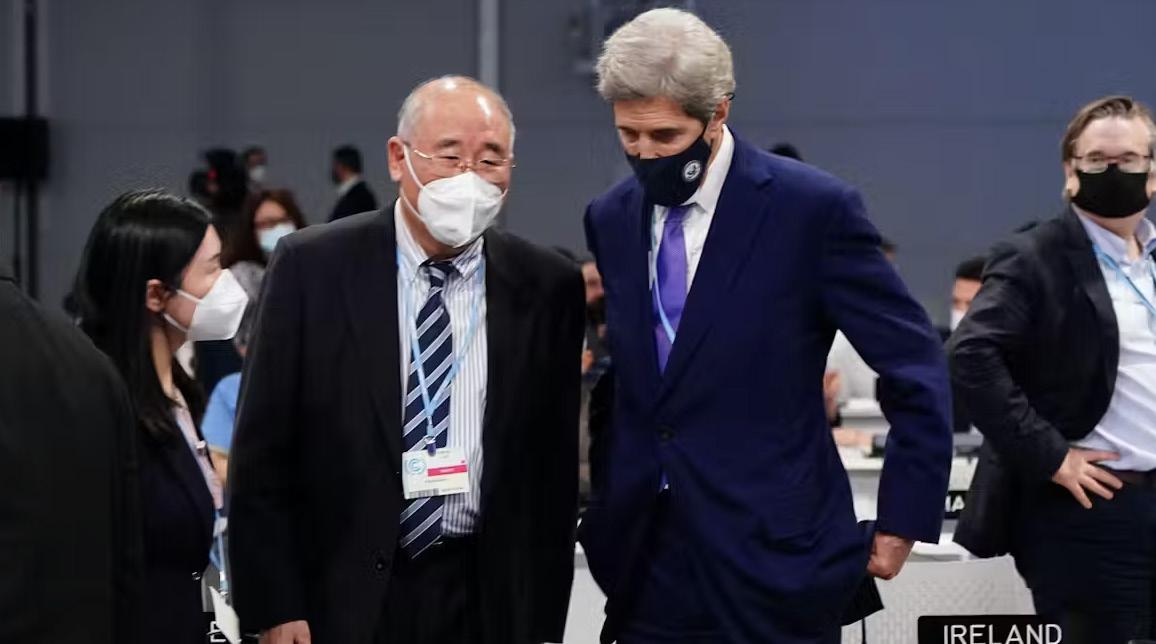
At its most severe, air pollution in 2013 was PM2.5 particles per cubic meter—over 10 times the safe limit set by the World Health Organization (WHO). During this time, Logan saw firsthand how the visible effects of climate change forced a crucial shift in China’s climate change discussion and action.
Logan described air pollution as a catalyst for China’s pro-climate measures and for public understanding of the necessity of quick and effective action. This pollution demanded climate action due to its direct health consequences—and air pollution still causes 2 million deaths per year in China, according to the WHO.
Logan emphasized air pollution’s impacts on all groups of people as particularly noteworthy. “I think that’s really important, because it makes air pollution a shared challenge that’s really unifying in terms of garnering a public interest in responding to it,” she commented.
The public interest and awareness look strikingly different on either side of the Pacific. In 2020, researchers at the European Investment Bank found that 73% of Chinese citizens viewed climate change as a “major threat to society,” compared to only 39% of U.S. citizens. In spring 2025, over 1 in 4 Americans reported that they do not believe climate change is largely caused by human activity, according to the Yale Program on Climate Change Communication. While China framed climate change mitigation as a development opportunity, in the United States, it became a source of polarization.
In part due to this investment, intense focus on improving air quality brought
green technology to the forefront on the international stage. Katie Lebling, senior associate at the World Resources Institute’s U.S. Climate Program, claims her interest in linking American and Chinese climate policy came from her time in Beijing. “You could more tangibly see the environmental impacts of development there than you could in the U.S., where I was living. So that kind of made me interested in bringing the two threads together.”
And yet, despite differences in public recognition of climate change and views on climate mitigation and adaptation strategies, both countries must take calculated, decisive action to avoid the worst impacts of global warming.
According to Weila Gong, scholar at UCSD and author of Implementing a Low-Carbon Future: Climate Leadership in Chinese Cities, “U.S.-China relations are really important because they are the world’s most important economies in terms of their size as well as their carbon emission levels. So, it’s very hard to achieve any substantial progress without some level of collaboration.”
“Dealing with climate change is not just an environmental problem. It’s also a development challenge. So I think that kind of renewed attention on green development strategies actually opens up opportunities to think about what we can learn.”
With the drastic differences in climate change understanding between the two countries, alongside their intense technological and economic competition, is U.S.-China climate development collaboration even feasible?

Climate research and technology collaborations offer key insight into the possibility and importance of this continued cooperation.
This research partnership has been expansive on a number of fronts throughout the past couple of decades and has become increasingly critical. Global temperatures continue to rise, approaching the 1.5 C limit set by the Intergovernmental Panel on Climate Change (IPCC) to avoid the most catastrophic impacts of climate change, with 2024 being the first year to exceed this threshold. Therefore, climate change research and collaboration dialogues have shifted—rather than solely focusing on reducing emissions at the source, dealing with atmospheric carbon dioxide has become increasingly important.
Through the Clean Energy Research Center, a former joint initiative between the U.S. Department of Energy and China’s Ministry of Science and Technology, researchers collaborated on clean energy vehicles and reported findings on potential CO2 storage sites in the Ordos Basin and Rock Springs Uplift. The Ordos Basin has since become a critical site in China for carbon sequestration (the storage of carbon dioxide to reduce greenhouse gases), helping China come closer to achieving its carbon peaking and neutrality goals.
A 2022 collaboration between Tsinghua University and UCLA compared China’s national emissions trading system (ETS) and the Hubei pilot program to California’s cap-and-trade system, all of which place a price on carbon to encourage emissions offsetting. This offered timely insight into the world’s largest emissions trading system, covering 60% of China’s CO2 emissions, and one of the most comprehensive cap-and-trade systems, covering 75% of California’s GHG emissions.
In doing so, they increased transparency of the impacts of these systems and provided recommendations for carbon

market reform and potential improvements. One suggestion that emerged from this research was for China’s national ETS to transition to a cap-and-trade system. Alongside further research clarifying the benefits and drawbacks, this actually became a reality: China now plans to implement a cap-and-trade system by 2030, including an absolute cap on emissions for a variety of sectors.
“Unlike other areas of engagement in the U.S.-China relationship, such as the economy, where the end goals of both sides are different, climate is a global public good.”
Gong, whose research largely focuses on the low-carbon transition through similar systems, expressed her hope that subnational collaboration such as this continues. “There is still research being produced,” she said. “Academics have common interests, not only in U.S.-China relations or cooperation, but they keep working on climate policy and related science on cli-
mate change.”
Logan agrees. “Unlike other areas of engagement in the U.S.-China relationship, such as the economy, where the end goals of both sides are different, climate is a global public good. So there’s very clear alignment in terms of the technical-level research.”
This alignment is not just symbolic. Hengrui Liu, a postdoctoral scholar at Tufts’s Climate Policy Lab, described the various advantages of research collaborations. “I think a lot of the time when we are talking about the environment, we’re only talking about environmental benefits. The U.S.-China cooperation could lead to more green tech collaborations. This kind of stuff can create jobs. It’s good for the economy, good for us consumers.”
Liu attended COP26 and COP27, the Conferences of the Parties held in 2021 and 2022, respectively. These events, hosted by the United Nations Framework Convention on Climate Change, put emissions reduction at the center of international climate change discussion. Through his experience, Liu observed that U.S.-China cooperation is not just important for these two countries but also shapes how the rest of the world behaves. In creating the U.S.-China joint announcement and signing the Paris Agreement, they incentivized other countries to join so that the agreement would take effect. “Their actions set examples for both developed and developing countries.”
As much as this collaboration promises a multitude of benefits, the two countries now operate in opposite lanes, making meaningful partnership seem like a thing of the past.
Yanran Xu, an Associate Professor and master’s supervisor at Renmin University’s School of International Relations in Beijing, believes that cooperation can still happen regardless of geopolitical tensions. She commented that in the U.S. Depart-
ment of Energy, “No matter how you switch presidents, there are still a bunch of people who work very regularly and routinely for the goals, for renewable energies, for climate change.”
Even in the face of these conflicting short-term goals, Xu remains optimistic about the long-term continuation of this collaboration. Xu compared U.S.-China climate relations to an economic cycle, with periods of downturn followed by recovery. “Every 10 years, there will be a change…I think there’s still room for China and the U.S. to work on this.”
Lebling maintains cautious hope. “There’s so much momentum still happening in the U.S., even with the federal rollback of these policies, I don’t think that’s going to be stopped entirely. I think it will be potentially slowed down…[but] we’re in a more advanced situation with the energy transition.”
The increasing severity of climate change in the midst of insufficient action has led to reliance on new technologies such as carbon removal and sequestration, making continued and emerging collaboration even more necessary. “There isn’t really a space where countries can come together and talk about carbon removal,
which I think is really needed because it is so not well understood,” Gong said. “And, yeah, there’s a lot of questions around the mitigation deterrence piece…how do you make sure that you’re minimizing negative impacts and maximizing benefits across all these different approaches?”
Alternatively, Logan argues that China’s rapid green-tech expansion provides a critical time to shape a new kind of climate collaboration between China and the United States—if politics do not get in the way.
“Part of what I worry about is that those who are supportive of clean energy and don’t like the Trump administration will push back against ways that we could constructively engage with Chinese technologies. Actually I think that one of the best pathways forward is finding ways for us to enable Chinese technologies to be incorporated into investments locally, in partnership with American companies in ways that create local jobs but also accelerate the ability of U.S. actors to deploy clean energy in the U.S. rather than blocking all Chinese technologies.”
In the midst of escalating international tension, developing these clear paths forward is imperative.
For Liu, communication and cross-cul-
tural correspondence will remain key. He remarked that academic exchanges are especially noteworthy bridges between the U.S. and China. “They help the politicians understand what is going on. And those are the biggest contributions.”
Maintaining this is rooted in deepening insight into both countries. Liu added, “If we want to understand China, we should have more people who know Chinese languages, right? Either American students who study Chinese languages, or having Chinese students incorporate them into the conversation, into the group, and then we have a better understanding of each other.”
Logan added, “It’s really important for the U.S. to continue cultivating knowledge and expertise about China across all domains of a relationship…Because one of the most important aspects in stabilizing a relationship is mutual understanding.”
Whichever path both countries choose, mutual understanding is essential to advance this necessary collaboration. One thing is for certain—throughout the next phase of U.S.-China relations, climate change will remain a constant and common enemy.

BY XINYI WANG
A year after “TikTok refugees” flooded into the Chinese social media app RedNote, the platform quietly saw a second, largely unnoticed wave.
In January 2025, TikTok refugees created a brief episode of excitement online, connecting American, Chinese, and global social media users during the short period in which TikTok was banned. Throughout the rest of 2025, life on both platforms quickly settled back into routine as the ban was reversed and RedNote’s algorithm stabilized.
Many American users, however, quietly began to return to RedNote.
“Neither the refugees nor RedNote’s existing users appeared prepared for the sudden encounter.”
This time, they caused no public uproar and drew little attention from either the press or RedNote’s feed. By January 2026, when many Chinese users on RedNote recalled the influx from a year earlier and wondered where those TikTok refugees had gone, they were largely unaware that a second “TikTok refugee wave” had already arrived. Their return suggests something deeper than a fleeting moment of cross-platform or cross-cultural novelty. It reflects how major political decisions enter ordinary lives and how social media users actively respond through their online choices.
***
In January 2025, days before the “Protecting Americans from Foreign Adversary Controlled Applications Act” was set to take effect, more than half a million American users migrated to another Chinese app, RedNote, as “TikTok refugees”. The Act was passed on 24th April, 2024 and required the prohibition of “foreign adver-
sary controlled applications”, specifically TikTok under ByteDance, starting 270 days after the enactment of this Act, which is 19th January 2025. Although U.S. President Donald Trump ordered a 75-day grace period during which no action would be taken against TikTok, the app remained inaccessible for one day due to the timing, before Trump’s inauguration on January 20. As a result, in the days leading up to January 19, RedNote experienced a sharp influx of American users, disrupting its feed and instantly bringing RedNote into the spotlight.
Neither the refugees nor RedNote’s existing users appeared prepared for the sudden encounter. TikTok refugees posted greeting videos with the help of translation tools, and Chinese netizens responded enthusiastically. Chinese influencers and video bloggers quickly began producing welcome content in English, emphasizing friendliness and respect for community norms. Many also posted tutorials on basic Chinese phrases and internet slang. The enthusiasm spilled beyond the two countries, which even encouraged users from elsewhere to download the app and explore it themselves.
The episode spread rapidly across Chinese social media. Even state outlets such as People’s Daily published commentary on the phenomenon. For several days, RedNote’s feed became a blur of welcome videos, question-and-answer exchanges, and reposted clips that users found humorous or unexpectedly moving. One particularly resonant episode became known as “the replies to Li Hua’s letters.” Li Hua is a fictional student, a familiar figure in China’s Gaokao college entrance exam writing prompts, where students are routinely asked to compose letters to foreign friends under that name. When an American TikTok refugee encountered this trope and posted a video reply addressed to “Li Hua,” it struck a chord with Chinese viewers. Another humorous moment came with the trend of “paying cat tax”, started by a TikTok refugee known as “The Mother of Lili.” She shared photos of her cat, Lili, and joked that TikTok refugees “should pay cat tax to be considered for acceptance” on RedNote. The trend quickly prompted a flood of cat and dog photos, bringing users closer together through their shared love of animals.
As refugees swarmed into RedNote, everyday life in both China and the United States was suddenly made visible to people who had rarely encountered it directly.
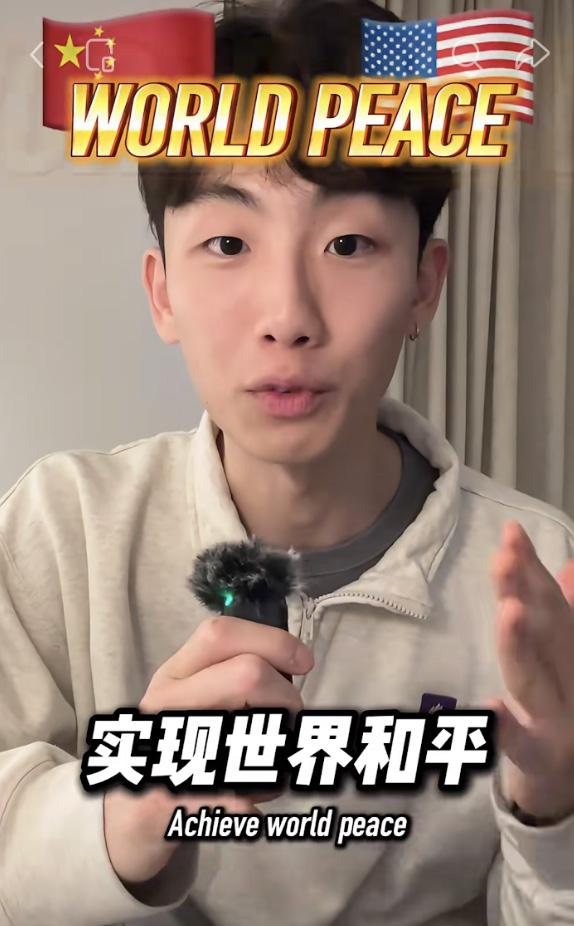
Through sharing their daily lives, users on both sides noted how much they had in common. One of the most popular topics at the peak of the influx was “checking accounts,” a trend in which users compared the prices of daily goods across countries. Many American users expressed astonishment at how inexpensive items such as eggs were in China. For many Chinese users, the United States had long existed through a certain lens: a developed, prosperous country that seemed distant from everyday life in China. As they watched American users complain about the frustrations of daily life in the U.S., Chinese users forged connections with them through friendly humor.
Moreover, the influx was a refreshment from China’s long-standing digital separation from Western platforms. For over a decade, most Chinese users have been unable to access Facebook, X, Instagram, or Google. Although those who wish to access these platforms can use VPNs, which are widely available and tacitly tolerated by the government, the number of users who are able to use them and regularly engage with Western social media remains limited. They are largely concentrated among users with overseas or international backgrounds. As for the vast majority of Chinese netizens, their social media use has barely any overlap with platforms used by foreign users, especially since the rise of WeChat and, later, video and self-media
platforms including Bilibili, RedNote, and TikTok itself. In fact, in the case of TikTok, Chinese users use the domestic version, Douyin, while the TikTok familiar to American and other international users is, in practice, inaccessible to Chinese users inside the country. The TikTok refugee influx therefore brought a global dimension to an otherwise largely domestic Chinese social media space.
Inevitably, amid the curiosity and enthusiasm, dissenting voices also emerged. “Chinese netizens are being overly nice,” read one anonymous comment. “This is chong yang mei wai.” In Chinese, the term refers to an uncritical admiration of foreign cultures or people, a tendency often criticized in Chinese discourse. While such attitudes have waned in recent years, they remain a sensitive subject. RachelR, an American influencer who grew up in China, joked in one of her videos that she had been on RedNote long enough to be considered a laonei (Chinese) rather than a laowai (foreigner), and that she felt slightly envious of the attention TikTok refugees received. Others questioned the label “refugee” itself. “They call themselves refugees, but they’re acting more like colonizers,” one Chinese user wrote. Still, many refugees felt the term captured their experience. “We really hoped Chinese people on RedNote would like us and welcome us,” one TikTok refugee, who prefers to be anonymous, told The Politic. “Calling ourselves refugees helped ease the atmosphere.”
For content creators on RedNote, the influx was immediately recognized as a
“They call themselves refugees, but they’re acting more like colonizers.”
rare opportunity to capture attention.
“I remember hearing about the TikTok ban when I had just moved from New York to London,” Martin Su, a freelance influencer on RedNote, told The Politic. Still adjusting to the time difference, Su nevertheless sensed that the arrival of foreign users presented a unique moment. His account already focused on cross-linguistic and cross-cultural communication. Of mixed Chinese and Korean heritage, he regularly uses Mandarin, Shanghainese, Korean, English, and Japanese in his content.
“I couldn’t make a polished video in time,” Su recalled, “but I knew I could start a livestream.” That day, during his livestream, he found himself chatting with American users from a wide range of backgrounds, many of whom spoke no Chinese at all, an experience that left a lasting impression. “At one point, there were nearly 10,000 people in the stream.” Su quickly produced several related videos. Within a week, his follower count rose from around 100,000 to roughly 140,000. More importantly, he said, the episode reshaped his career path. “That was when I realized I really enjoyed content creation and that this is what I want to do professionally.” Su graduated from NYU in 2025 with a bachelor’s degree in journalism and communication, briefly worked at a company before resigning to run his social media account full time.
Comedy influencer Roxycat was another prominent Chinese creator during the TikTok refugee influx. She mainly creates English-language videos exploring cross-cultural differences between China and the West. She was among the first creators to post welcome videos at the very start of the influx. Interactions between American and Chinese users were still tentative then, but Roxycat used humor to introduce RedNote and Chinese internet culture, and her early videos each earned over 100,000 likes. Riding the wave of attention, she produced a large volume of follow-up content over the course of a month, as well as videos introducing the Chinese film Ne Zha 2. Most of these videos continued to receive more than 100,000 views. Roxycat remained one of the few creators consistently engaging with foreign users and producing content focused on cultural exchange, even after TikTok resumed its availability. Her fanbase on RedNote grew from several hundred thousand at the time to around one million today. In a recent video reflecting on the year 2025, she credited the wave of TikTok refugees with having a major impact on her content creation work and motivating her to engage more actively in cross-cultural exchange.
They were far from alone. The refugee episode was unmistakably a RedNote hotspot. Student blogger Marychain, who wrote a widely circulated commentary
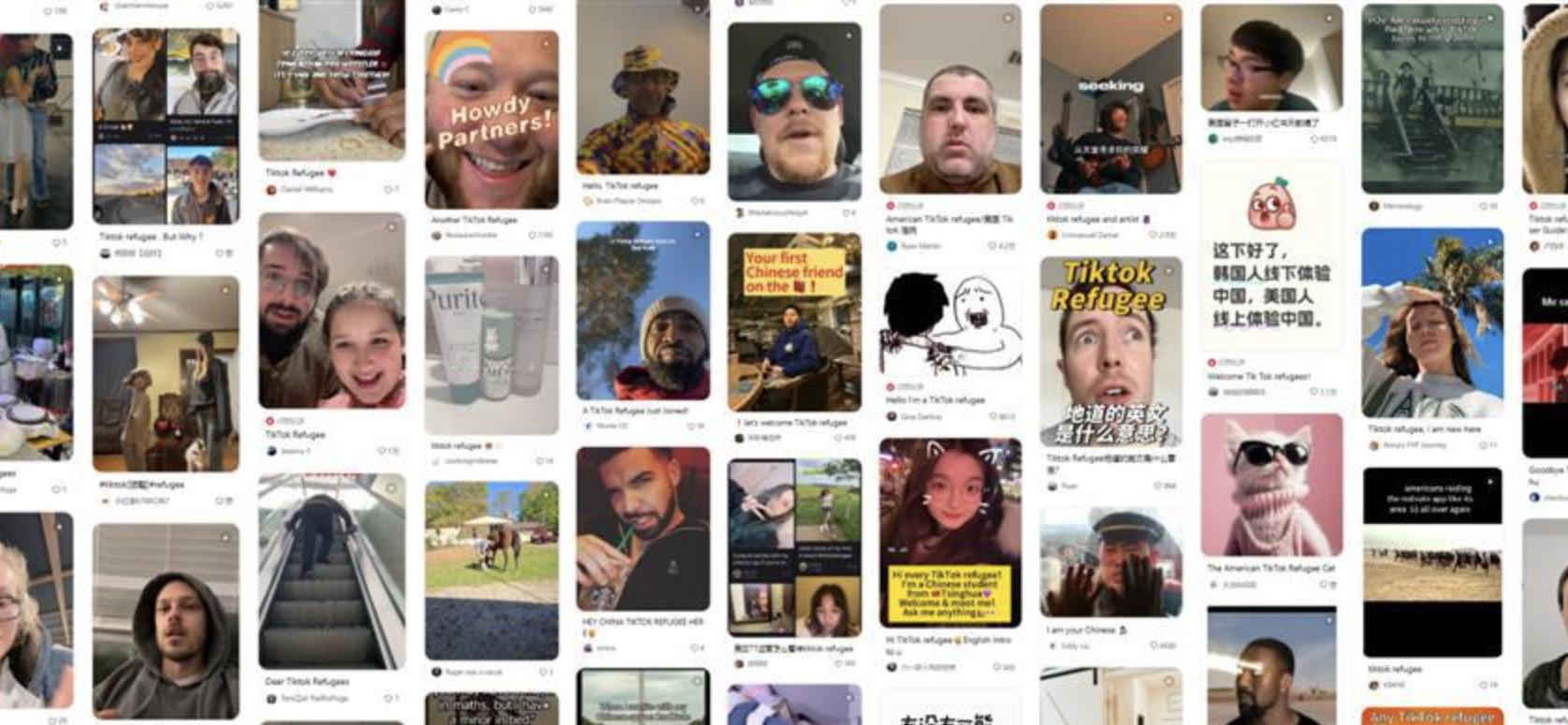
shortly after the influx, observed that the platform itself seemed different during those days. “The overall quality of content was significantly higher than before or after,” she told The Politic. Many creators posted videos using the TikTok refugee tag, and engagement surged. Smaller creators with tens of thousands of followers also saw engagement levels far above their usual reach during the influx.
Some users worried that the surge would overwhelm local content, but this turned out to be an unnecessary concern. “At first, your entire feed was disrupted,” Su said in an interview with The Politic. “But eventually, the creators you followed before started showing up again.”
Throughout 2025 and into 2026, RedNote continued to expand its features, introducing click-to-translate tools and voice comments. For most users, those who did not actively seek out foreign creators gradually stopped seeing refugee-related content. Increasingly, Chinese and foreign users appeared to receive different algorithmic feeds altogether.
By January 2026, on the first anniversary of the refugee episode, some Chinese users began asking where the foreign newcomers had gone. Many had returned to TikTok once it resumed normal operations, posting only occasionally on RedNote before quietly abandoning their accounts. Under posts discussing TikTok refugees, several American users admitted that while they kept the RedNote app, they used it only sporadically, with TikTok remaining their primary platform for short videos. TikTok influencers and celebrities tended to linger on RedNote a bit longer. For public figures such as American actors or singers, RedNote has become a space to engage with Chinese fans, similar to Instagram.
Just when it seemed like the story of TikTok and RedNote had reached an end, a second wave of TikTok refugees began to arrive.
In January 2026, TikTok’s U.S. operations were spun off into a majority-American joint venture, with firms such as Oracle, Silver Lake, and MGX taking controlling stakes, while ByteDance retained only a minority share. Refugee-tagged posts on RedNote began to grow again, though this time with little visibility. The atmosphere differed markedly from 2025. Unlike the first influx, the second migration generated almost no public attention on the Chinese internet. Yet, this shift reflected a deeper issue, one that went beyond online cultural exchange and spoke to the influence of political events.
Users who arrived in 2026 voiced different reasons for stopping their use of TikTok. “Is it just me, or has TikTok become harder to use?” one user asked. Others echoed the sentiment, complaining that scrolling felt slower and recommendations less intuitive. Some also expressed heightened concern over data privacy. “Those companies are monitoring our personal data on TikTok,” one American user wrote on RedNote recently. “They even track religious information.” The irony was difficult to miss. U.S. officials had warned about Chinese surveillance and attempted to prohibit any apps affiliated with China, while users expressed greater unease about American corporate oversight than Chinese parent companies like ByteDance.
Censorship on TikTok wasn’t news. TikTok refugee and now a regular RedNote user Brian told The Politic about how platform censoring on TikTok is serious enough to make him stay in RedNote: “When the war on Gaza began, and your feed shifted to news about what was happening and creators began pivoting towards the events, and rightly so. But, the
censoring and the ‘shadow bans’ began: controlling posts’ views, comments reported the instant your finger left the ‘enter’ key, and your feed flooded with propaganda. On weekends or periods during the day, posts on Palestine were nowhere. It’s worsened as the genocide has continued.” Brian had originally started using TikTok to watch videos about funny animals and stupid human tricks, but now the state of TikTok has made it a less ideal place for entertainment. “I stayed with RedNote because it had everything TikTok had before with a more global view, and also the freedom of expression here that I used to enjoy on TikTok.” The fact is, RedNote does censor, but it focuses more on themes that are sensitive in China. Still, this happens to grant the app more freedom and openness for non-Chinese users. In this sense, the situation feels almost accidental, much like the timing of TikTok’s restrictions in January 2025, which itself carried a certain dramatic irony.
The broader TikTok–RedNote episode invites reflection on deeper issues. On the one hand, it shows how great-power political decisions can influence everyday life in different countries, even including the realm of online entertainment. Every country operates within its own political constraints, and no one is entirely exempt from them. On the other hand, what global netizens did during the refugee episode shows that individuals can navigate beyond state-level political pressures and make their own choices about where to spend their time and express themselves online. Such autonomy is difficult for any national policy to override. In the end, the episode showed that people—whether Chinese, American, or from elsewhere—share common interests and perspectives. They just need the right opportunity and an open, inclusive space to connect.
BY WILLIAM TRINH
In 2000, President Bill Clinton signed the United States-China Relationship Act into law. The law established permanent “normal” relations with China, thereby allowing China to join international institutions such as the World Trade Organization (WTO) and to be fully integrated into the global economic community. Clinton believed that relations between the United States and China would improve as China globalized.
However, fast forward to 2026, and the United States and China are consumed in ongoing struggles, such as maritime law disputes, a tariff war that threatened global trade and economic stability, and the race to A.I. dominance.
With a “bipartisan” consensus growing over the challenges China poses to the United States in fields such as technology and engineering, recent foreign policy discussions center on a group that, while often ignored, is central to any discussion of U.S.-China politics and relations—international students. Specifically, Chinese nationals who work or study in the United States.
What is the future for these students and American higher education?
With rising concerns about Chinese students and the potential threats they pose to national security, harsher restrictions However, these concerns and aforementioned policies raise questions about the future of Chinese students and their place in the United States. What does it mean to search for academic freedom in a country that actively restricts what you can say in the name of national security? What is the future for these students and American higher education?
Any discussion of U.S. policy toward Chinese international students should be situated within the broader context of U.S. grand strategy.
As defined by John Gaddis in his seminal work On Grand Strategy, grand strategy refers to the phenomenon and challenge of pursuing one’s goals with necessarily limit-

ed means. In the context of governments, it is the phenomenon that attempts to describe the goals that states seek to achieve and how they go about doing so.
Traditionally, during the height of the Cold War, U.S. grand strategy centered on containing the perceived threat that communism posed to Western liberal democracy and to U.S. interests domestically and abroad. While some framed China as an adversary during the Cold War, U.S. foreign policy often treated the USSR as its principal rival. Throughout the Cold War, U.S. foreign policy toward China involved both confronting it at the height of the Korean War and the Taiwan Strait Crisis. This required it to engage in diplomatic efforts with Beijing to isolate and overextend the USSR. This push and pull between recognizing China as both a rival regional power and a potentially useful actor to pit against the USSR epitomized the U.S grand strategy. The United States recognized it must choose its battles carefully to avoid overstretch, simultaneously making compromises in the interim to accomplish its broader goal of defeating the USSR.
When the USSR collapsed in 1991, Francis Fukuyama proclaimed in The End of History and the Last Man that liberalism had successfully defeated communism, thereby cementing its hegemony as the highest form of human civilization and the ideology. For Fukuyama and his colleagues, all that remained was to build the world through globalization and the strengthening of liberal international institutions such as the UN and the WTO. Thus, U.S. grand strategy had to evolve
from the era of great-power competition championed by Henry Kissinger to the neoliberal vision of an interconnected and cooperative world pursued by President Clinton and Fukuyama.
During Clinton’s presidency, the era of cooperation and global interconnectedness dictating U.S. grand strategy was in full swing. Part of President Clinton’s motivations for wishing to add China to the global economic community was the belief that globalization would force China to liberalize as a society. China’s entry into the WTO would not only add an additional billion consumers to the global economy but would also, in theory, subject China to the same rules of economic engagement as every other WTO member. China would be required to comply with the same intellectual property laws that prevent it from promoting or facilitating the sale of counterfeit goods. It would be subject to tightening labor regulations and practices once it was considered a “developed” country under the WTO guidelines. Then, China would theoretically be incentivized to liberalize its society, as non-democratic societies would become increasingly marginalized in a more connected world.
Whether these lofty ideals or goals were actually achieved is up for debate, and there is conflicting evidence for both sides. What is not up for debate, though, is that Clinton’s acceptance of China could only have occurred in the historical context of the time, when there was broad bipartisan support for a globalized economy with fewer trade barriers. That consensus was forged in large part because American
society believed in the hegemony of the Western liberal democratic order , having successfully defeated the threat communism posed to American ideological values.
However, recent developments have shattered that veneer of this liberal order. With the rise of China’s economy, it became increasingly clear to many that China under Xi Jinping would remain communist in nature and pose challenges to American unipolarity. With a revitalized economy, many in the American government began raising alarms about the potential threat China poses to American national security.
In particular, American national security practitioners are becoming increasingly fixated on the threat that Chinese academics pose to American national security. In an investigation titled “From Ph.D. to PLA” (PLA referring to China’s “People’s Liberation Army”), American legislators and practitioners argue that many Chinese students pose a literal national security threat to the United States because of their ties to the PLA. In particular, a phrase that frequently appears in discourse about Chinese students in the United States is “critical fields.” For the last two decades, the Department of State has referred to critical fields as areas of crucial national interest—notably STEM-related fields such as engineering.
All of these broader notions of U.S. grand strategy and attempts to fortify domestic affairs against Chinese interference overshadow the human stories of students who now live under greater instability and precarity. In writing this article, I want to shed the light on the experiences of students who come to the United States, and the challenges they face as a result to current administration policy. I set out to in-
“I want to shed the light on the experiences of students who come to the United States, and the challenges they face as a result of current administration policy.”
terview five Chinese international students from across the country seeking to better understand their personal experiences that motivated them to study in the United States, and the challenges they face.
When interviewing Chinese international students, I wanted to focus on common themes across the interviews and, if possible, on any relationship they see between their treatment here in the United States and broader American grand strategy. Throughout these conversation and interviews, there were a few themes central to their experiences.
First was academic freedom. By academic freedom, I generally refer to a student’s ability to discuss, write, or publish opinions on a wide range of issues without disciplinary or governmental reprisals. Many of the Chinese international students I interviewed came to the United States because it offered greater academic freedom than China. Academic freedom was often a motivating factor for students who wanted to deeply explore the humanities or social sciences, as schools in the United States offered a breadth of classes related to the Western Canon, and free speech protections would allow students who wished to stay in the United States to openly discuss issues that would be con-
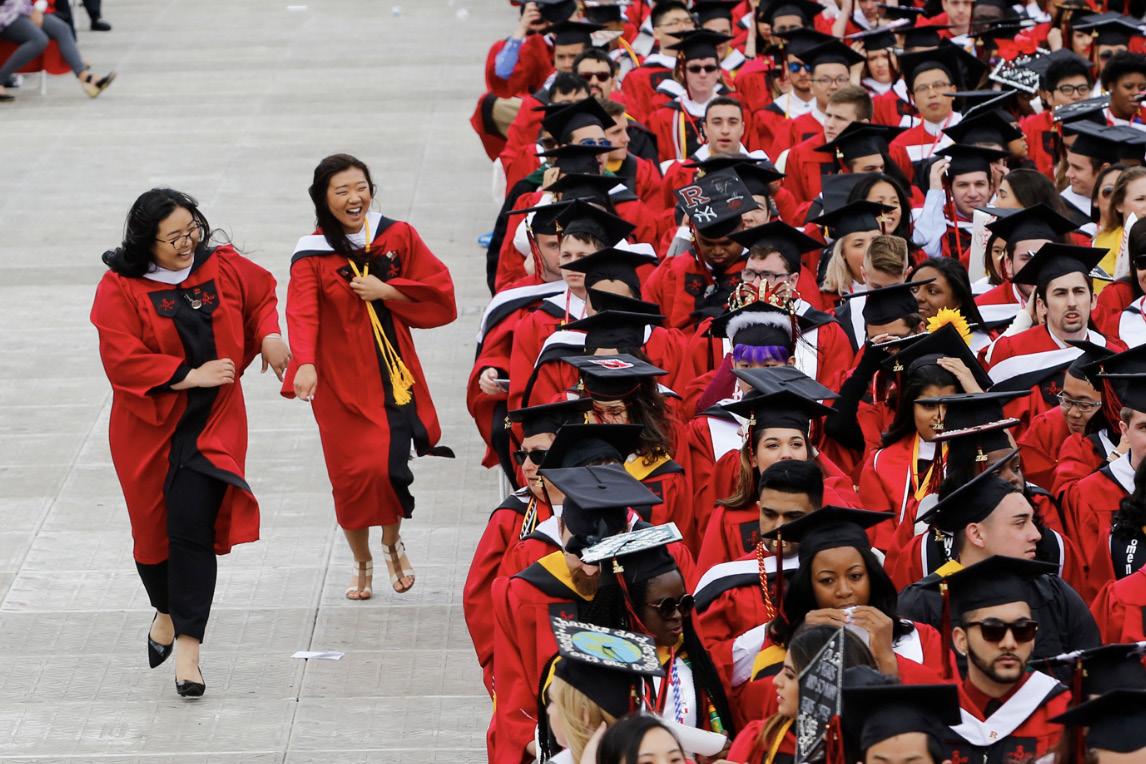
troversial in mainland China. All of these interviews were conducted anonymously. The first was with a Yale student. She described how she wanted to come to the United States from a young age because she was exposed to American academic culture, and she wished to experience it as a young adult and professional. While she notes that she still retains more academic freedom here in the States than she did back home post-Trump Administration, she recognizes a tangible difference in the academic freedom she enjoyed outside the classroom due to ongoing political issues, compared with what she had prior to the Trump Administration. She has become more cognizant of what she posts on Instagram and experienced a period of “panic” during which she attempted to delete her social media presence, which could be flagged by administrators in future visa interviews.
Over the past year, academic freedom and freedom of expression have become larger points of concern for students, both those already here and prospective students looking to study in the United States. [Redacted name] is a student at Stanford University who originally applied with the intention of studying history before becoming a computer science major. As somebody deeply interested in global affairs and history, he often finds himself wishing to express his viewpoints outloud. However, recent administration crackdowns on the freedom of expression of other international students, such as a recent deportation of a UCLA student, have chilled his ability to even be seen or associate with domestic students who are part of certain causes. While a pro-Palestinian protest was ongoing, [Redacted name] and another one of his friends decided to leave the area—not because they did not support the protest—but because they were worried that if somebody were to take a picture of them sitting nearby the event, that officials would use said photos to incriminate them, potentially leading to removal from the university or even the country.
This incident underscores one of the subtle yet tangible costs for students seeking a liberal education in the United States. The United States promotes itself as a bas-
tion and champion of free speech, advertising it to the rest of the world. In turn, American institutions such as Yale and Stanford advertise that their students can pursue their passions and speak out passionately and informatively about issues they care about. While it could be the case that international students are particularly afraid of directly commenting on the Israeli-Palestinian conflict due to its uniquely charged and controversial nature, at least in the United States, it is impossible to divorce the reality that the most scrutinized and thus worried class of students are Chinese. When listening to statements made by American politicians, it is clear that while Palestinian activism is a core factor in policing the speech of students, the underlying reasoning is a worry that international students are posing threats to the safety and internal stability of college campuses in the United States. In effect, many American politicians are suggesting that Chinese international students are inciting pro-Palestinian sentiments that are then seen as destabilizing security and sentiments here in the United States. When tensions between the United States and China escalate to the point where anything or anybody can be perceived as a threat to each other’s internal social order, it makes sense that the ones who pay the cost for this distorted version of reality are the ones who stand the most to lose—international students.
To demonstrate the differing ways that domestic and international students approach potential disciplinary infractions, one may turn to a key facet of American college life—underage drinking and illicit drug use. For better or worse, American college life is defined by alcohol consumption and illicit drug use, with an estimated fifty percent of students in college consuming alcohol, and another twenty percent having consumed illicit drugs. When I broached the topic to them, they all remarked on how they explicitly avoid attending parties or consuming substances such as marijuana because even being associated with either scenario would massively increase the chance that they would be arrested and potentially removed from the country. For domestic students, a disciplinary violation or interaction with law enforcement is an infraction; for international students, it means risking removal from the country.
The second common theme was work opportunities and the looming concerns over visas. All five students I interviewed mentioned that their greatest concern was, in some way, related to securing employment after graduation, given the uncertain future of work visas for Chinese nationals. Due to ambiguous changes in
U.S. policy, many firms are wary of hiring Chinese nationals because they may be unable to obtain clearance to work in certain sectors, remain in the country for extended periods, or obtain work authorization. Compounding these fast-paced challenges in visa policy is the State Department’s unclear communication about future changes. Because the current administration announces policy changes on a whim and poorly communicates their implications, it leaves both international students and domestic firms in the dark about the implications of new policies and their impact on the labor market post-graduation. Faced with these uncertainties, firms are more likely to hire other skilled international workers who do not face the same scrutiny as Chinese nationals or settle for domestic talent.
It is often easy to forget the real people that are caught in the middle as states
shift policies like pieces on the world’s most dangerous game of chess.
Notably, my conversation with the Stanford computer science major revealed another challenge for Chinese international students in securing summer employment or postgraduate positions. Many firms that hire engineers or computer scientists have contracts with the United States Federal Government that include billions of dollars in funding in exchange for developing technologies crucial to national security. From their own experiences, Chinese students often find themselves severely disadvantaged as these firms are wary of hiring Chinese nationals. Even one Chinese national could theoretically pose a security risk that could undermine national security. Given that many of the top-paying tech firms are also government contractors, this, on top of visa restrictions, is placing even greater strains on Chinese students’ ability to find work and remain in the United States.
Third, despite these visa restrictions, the Chinese international students wish to stay in the United States. That said, they also have contingency plans if they are forced to leave. For the Stanford computer science major, their strategy is to apply to graduate school as a backup in the event he is initially denied a work visa, gambling on future visa policies that may be less restrictive or on his having better luck in the next round of job recruitment. That said, while these students remain cautiously optimistic, they are also exploring other options in case all these plans fall apart. For the student Yale, she is considering other countries that currently accept international students for work visas, such as the United Kingdom and Singapore.
The last theme that arose from my conversations was the antagonism Chinese PhD students face when applying for visas or admission to the United States, which actively discourages them from pursuing their studies and professional careers in the United States. Back home, these students receive offers from multiple universities worldwide, including in Europe, so they see less incentive to study in another country that scrutinizes their very existence on national security grounds.
What is clear, however, from my interviews with Chinese students already in the United States, is that they remain cautiously optimistic and committed to remaining here. What initially drew them was the relative academic freedom they were granted, and they appreciated the economic opportunities they would have if they were allowed to stay in the country. However, for prospective students, these recent barriers seem to be actively discouraging them from studying or working in the United States. Even for current students, this process makes them more cautious and cognizant of the precarious status they hold until they become American citizens or permanent residents.
Discussions of foreign policy often center around topics such as the future development of AI or the impending threat of military escalation and miscalculations, while neglecting the impact rising tensions have on ordinary people. In these discussions, it is often easy to forget the real people that are caught in the middle as states shift policies like pieces on the world’s most dangerous game of chess. But the costs of ongoing tensions are felt intensely by young students who are seeking to pursue a better life for themselves.
BY GONGLE ZHANG
Under the scorching sun, the Benguela Railway winds through Angola’s vast interior, linking the Port of Lobito to the mineral-rich hinterlands of the Democratic Republic of the Congo (DRC) and Zambia.
For decades, the railway has been beleaguered by civil wars and chronic neglect. Its tracks have deteriorated steadily over time, become overgrown with weeds, and the line has all but fallen into disuse.
The Lobito Corridor was launched in 2023 under the Partnership for Global Infrastructure and Investment (PGII) to shorten westward Atlantic transportation. Cross-border investment mobilized for this project reached over 6 billion U.S. dollars, with 4 billion committed by the U.S.
This project has rewritten the fate of the Benguela Railway, with the line commercially operational and the only segment to have achieved operation so far. In 2025, the Lobito Atlantic Railway (LAR) consortium operated 4,500 trains, including both freight and passenger services.
Yet, these achievements don’t mask underlying problems.
The theory of institutional adaptation provides a valuable perspective in analyzing issues, such as cargo congestion and safety problems. Douglass C. North, the 1993 Nobel Laureate in Economics, emphasizes the necessity of adaptation in his book Institutions, Institutional Change and Economic Performance. It holds that models only succeed when they are adapted to the environment and the external design matches the host country’s capabilities. Situations like conflicting marine trade regulations would lead to high transaction costs. When these disparate regulations fail to align with the projects, inefficiencies arise.
The Lobito Corridor actually presents a tale of adaptation. However, the absence of institutional frameworks acts as an invisible destroyer, weakening even the most promising project.
Delving into the specific institutional problem existing in the Lobito Corridor reveals that legal conflicts, inefficient customs operations, and security loopholes are the most prominent issues.
The Lobito Corridor’s operations are stifled by legal misalignment among the three nations. This fragmentation is evident in disconnected export certifications,
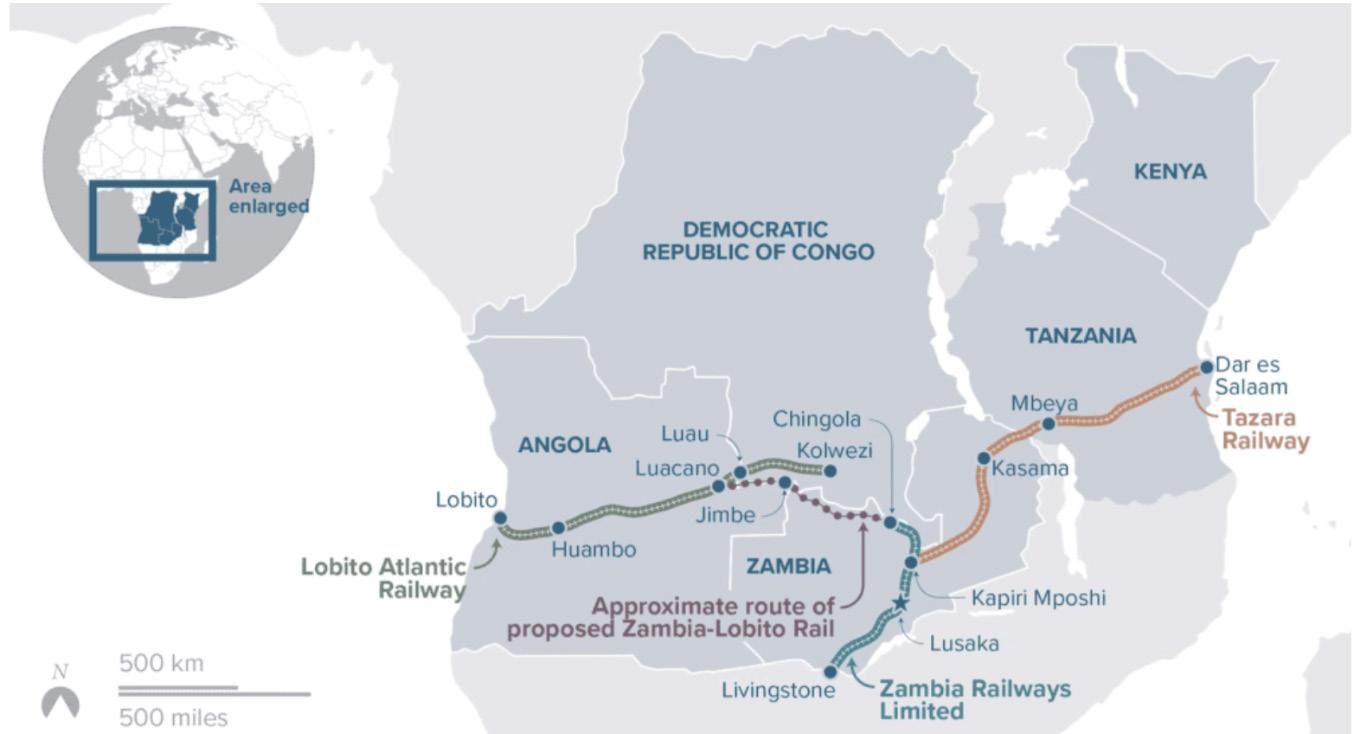
cumbersome customs, and non-recognition of tariffs and transit permits.
As a channel centered on the export of minerals, this inconsistency leads to repeated submission of documents and certifications in different formats.
In Angola, the mining sector is governed by Law NO. 31/11, which emphasizes the state’s sole ownership of all mineral resources and requires exports to undergo a rigorous certification process. Although the country uses administrative means to attract foreign private capital, it retains strong control over the granting of mining rights and product sales. This centralized model often clashes with the more liberalized but equally complex systems of its neighbors.
Zambia, however, is transitioning to The Minerals Regulation Commission Act, signed in 2024, which has created an administrative transition period. During this time, functions previously handled by the Ministry of Mines are gradually being integrated into the new commission. Exporters must verify base metals through the Mineral Output Statistics and Evaluation System (MOSES) while adapting to the new regulations. This change creates policy uncertainty for relevant mining companies, as rules are adjusted during project implementation.
Conversely, the DRC’s 2018 Mining Code designates certain rare minerals as strategic substances, increases royalties to 10%, and shortens fiscal stability clauses to five years. Furthermore, the state must hold a 10% non-dilutable free equity stake in mining companies and requires a portion of export revenues to be repatriated.
The legal discrepancies among the
three countries will trigger a chain reaction in actual operations, inevitably increasing logistics costs and extending customs clearance times. Regulatory fragmentation also hinders two-way logistics, limiting mineral exports and imports crucial to the value chain.
Specifically regarding cargo transportation, Angola’s strict export certification procedures conflict with the DRC’s high royalties and export revenue repatriation requirements for “strategic materials.” Minerals from the DRC require additional mineral origin verification and sales permits before entering Angolan territory.
To date, the user commitments for the Lobito Corridor are limited. Except for a few companies, such as Ivanhoe Mines’ Kamoa-Kakula project, the world’s fastest-growing high-grade copper complex in the Democratic Republic of the Congo, other mining companies are generally cautious about switching logistics routes. They prefer to maintain existing pathways, especially because of their long-term service agreements with existing port authorities.
For example, several major mining companies such as Kansanshi, Sentinel, and Lumwana have not yet announced plans to export minerals through this corridor. Therefore, unless there are significant positive developments, they are unlikely to pivot.
Besides these obstacles, the customs capacity of the three countries along the corridor is another impediment to its operation. According to the World Bank’s 2023 Logistics Performance Index (LPI), Angola, the DRC, and Zambia all perform poorly in
the customs administration capacity dimension. In practice, this means that, even if the railway itself is functioning properly, goods still face delays in inspection and procedural obstacles.
The lack of customs administrative capacity is most evident at border posts. Kasumbalesa and Luau are two important, yet volatile, strategic nodes on the Lobito Corridor. Luau, the railway that connects Angola to Dilolo in the DRC, suffers from weak administrative capacity. Although the Angolan government has granted railway operating rights to the LAR consortium, customs management remains with the state. This disjointed pattern of “private operation, public regulation” subjects freight trains to inefficient manual inspection processes.
On the DRC side, Kasumbalesa, as the most important cargo transit point between Zambia and the DRC, has also long been a bottleneck in regional logistics. Monitoring data shows that this border crossing has consistently experienced severe congestion.
Improving customs administrative capacity depends on the use of digital tools, but along the Corridor, the fragmentation of technological systems makes digital approval difficult to achieve. Angola was the first to deploy the fifth-generation Automated System for Customs Data in early 2026, while Zambia has been operating the highly integrated and antiquated MOSES module and remains in the transition period to the higher version.
The World Customs Organization’s report indicates that the customs systems interconnectivity project between the DRC and Zambia has also just entered the initial phase, and is far from establishing a bilateral data exchange mechanism. The delay
in technical integration means that after goods are cleared in one country, the data cannot be transmitted to the neighboring country in real time, resulting in duplicate declarations and entries on the other side of the border.
The low administrative capacity of customs in the region is due to technological shortcomings and personnel issues. Investigations show that customs agencies along the corridor face personnel shortages and a lack of professional skills. In Zambia, for example, border agencies generally lack sufficient officers, and existing personnel have insufficient knowledge of classification, valuation, and rules of origin. This is particularly evident when clearing high-value goods such as critical minerals, leading to extended inspection times and false declarations.
These administrative loopholes reduce corridor efficiency and provide fertile ground for informal trade and corruption. In the region, informal cross-border trade accounts for 30% to 40% of total regional trade. When formal customs procedures are slow, a large volume of trade flows into uncontrolled channels, which not only harms the fiscal revenue but also increases insecurity along the corridor. In some parts of the DRC, weak customs enforcement leads to rampant mineral smuggling.
While inconsistent laws or inefficient customs procedures may be considered internal issues affecting the corridor’s operation, security problems along the Lobito Corridor are an external challenge stemming from local institutional failures and difficulties in sovereign governance.
This is particularly true in the southern DRC and the border region with Ango-
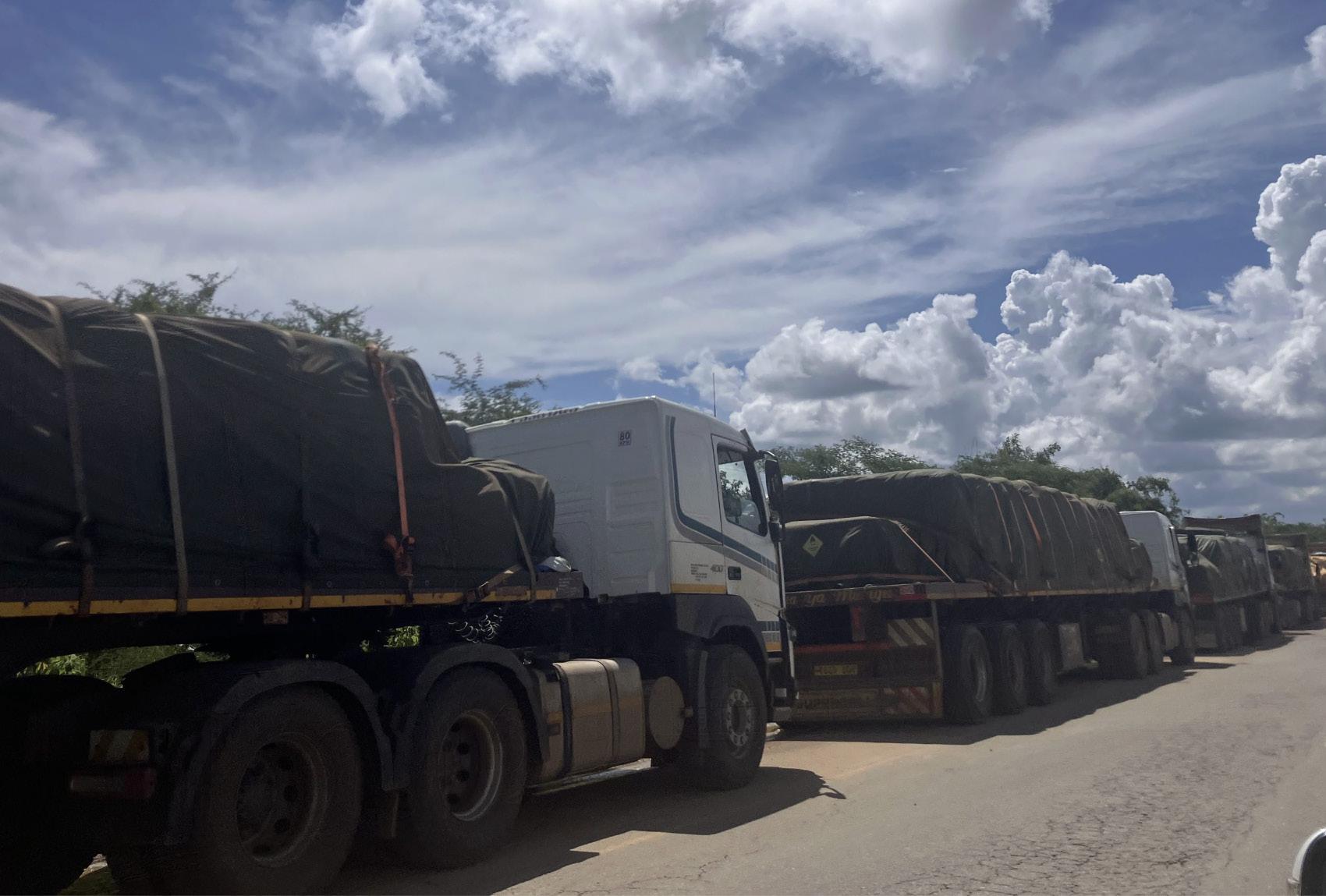
la, which has long experienced a fragmented state of national sovereignty, where the enforcement capabilities of the sovereign state are often ineffective, providing fertile ground for organized crime networks.
Security problems along the Lobito Corridor are an external challenge stemming from local institutional failures and difficulties in sovereign governance.
According to the Mapping Organized Criminal Economies in East and Southern Africa, resource crime in the region is surging, evolving into highly organized illegal networks characterized by hub convergence and broker convergence. In the wilderness where law enforcement has long been absent, criminal organizations not only cause damage to infrastructure but also provide a breeding ground for organized transnational crimes. Therefore, the railway infrastructure is highly vulnerable to damage.
As global demand for cobalt, lithium, and copper increases exponentially, previously commercially unattractive illegal mining sites have become targets for criminal groups.In the DRC, the illegal trade of copper and cobalt involves local armed groups and members of certain government forces. In the initial design of the public-private partnership, private capital is responsible for financing and operation, while the government is responsible for providing security. However, collusion between officials and criminals has rendered government security unreliable. For example, members of the Armed Forces of the DRC have been documented securing illegal mining sites and escorting contraband to borders.
Beyond these localized criminal networks and governance failures, the greatest
security threat to the Lobito Corridor is the rebel conflict in eastern DRC. In 2025, the M23 rebellion, an anti-government armed force that claims to have a 17,000-strong force, demonstrated strong mobilization capabilities. Over 80,000 people reportedly fled across borders due to the event. Although the main battle lines of the conflict are hundreds of kilometers away from the southern terminus of the Lobito Corridor, its spillover effects are systematically weakening the corridor’s foundation, depleting the DRC central government’s administrative resources and military budget. Security forces initially assigned to border control and resource protection have been diverted to reinforce the eastern front, leading to a noticeable dilution of law enforcement in the key southern mining provinces.
The DRC Ministry of Mines’ emergency suspension of nationwide artisanal copper and cobalt ore processing in December 2025 indirectly confirms the trend of uncontrolled expansion of informal mining in the south. Secondly, the conflict has weakened the central government’s control over local areas, exacerbating corruption and allowing local protectionist forces to rise. At present, the railway restoration work in the Congo section of the Lobito Corridor has not yet been fully initiated, resulting in higher costs if these safety issues persist.
The challenges currently facing the Lobito Corridor reflect a broader problem of the incompatibility of the prevailing private investment model to local conditions. This model overemphasizes capital mobilization, assuming that investing
The challenges currently facing the Lobito Corridor reflect a broader problem of the incompatibility of the prevailing private investment model to local conditions.
enough money in railway construction will automatically generate logistical efficiency and supply chain security. However, it neglects the local reality, presupposing the existence of relatively well-developed institutions.
In reality, in the absence of governance, the risks and costs of project operation increase, significantly diminishing their effectiveness. Statistics show that approximately 80% of infrastructure projects in Africa fail at the feasibility study stage since preparation fails to overcome financing obstacles from banks.
There have been attempts at unified corridor governance. In 2023, the three countries signed the Lobito Corridor Transit Transport Facilitation Agreement (LCTTFA).
However, the implementation history of this agreement also illustrates the host countries’ tendency to delay institutional reforms. Negotiations for the LCTTFA took a decade to sign, with a provisional secretariat only established in 2025. Even now, the body remains a coordinator rather than a regulator. It can recommend and assist, but lacks the authority to penalize member states for customs failures.
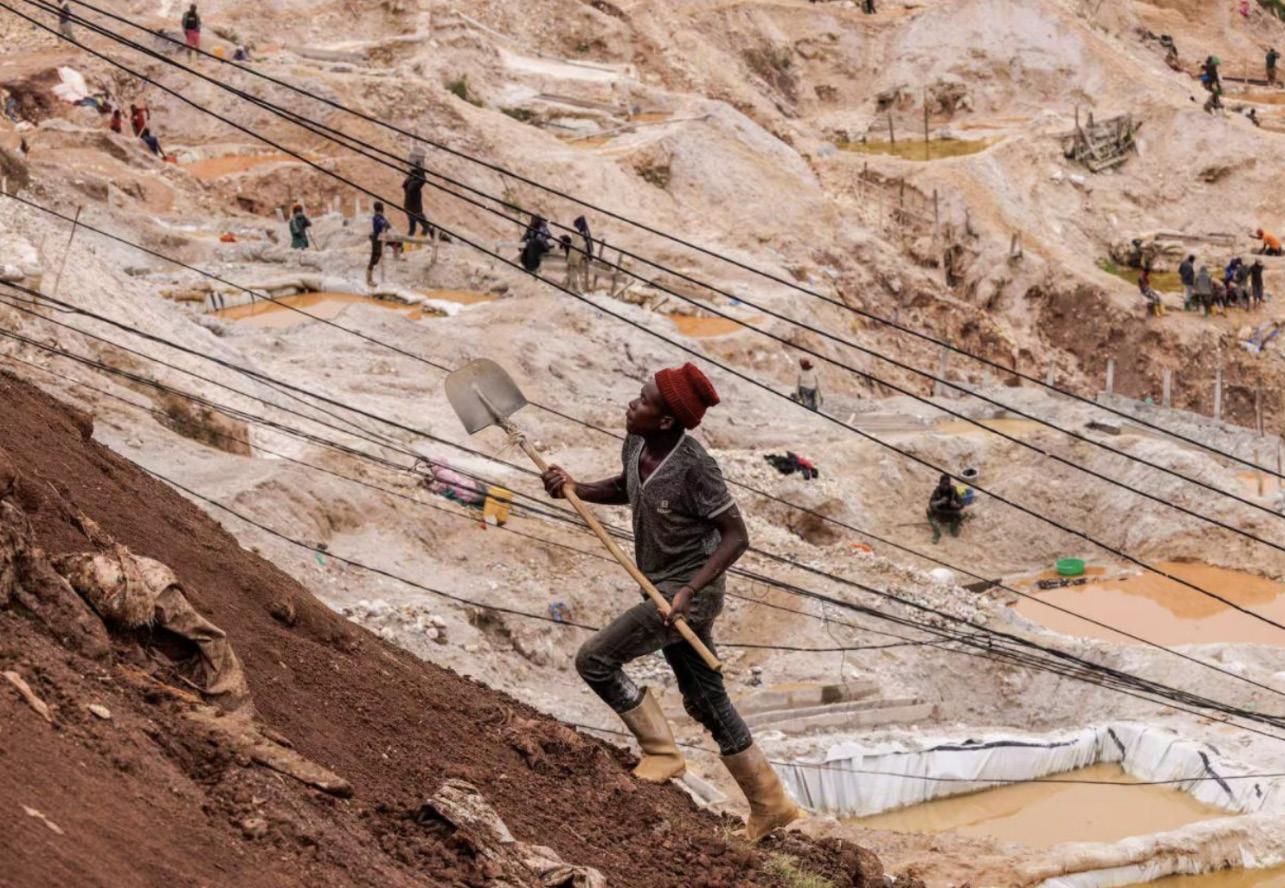
In this context, the Lobito Atlantic Railway (LAR) consortium, despite holding a concession, faces significant obstacles in overcoming institutional reform challenges. While it can repair physical assets, it is powerless against the institutional vacuum in the host countries.
Consequently, due to the lack of sovereign-level power, operations are often carried out through crisis management tailored to specific situations, without a unified system of regulations.
Unlike the U.S., China has taken a different path from the beginning. The most distinctive feature of the Chinese model is the government-led initiative combined with the collaborative efforts of other capital.
First, in the infrastructure investment and operation under this model, the Chinese government, state-owned enterprises, and state-owned banks are the main participants. They have abundant funds and strong risk resistance capabilities, and can establish a firm foothold in the regions with relatively poor investment environments and institutional setups because they are in no rush to seek immediate returns.
Secondly, and more crucially, China’s “resource-for-infrastructure” model, or the “Angola model,” is a barter system between sovereign states. Under this framework, China provides targeted financing, construction teams, and technical support for infrastructure projects, while gaining long-term and stable access to strategic resources from the cooperating country through mutually agreed terms. Through this model, China avoids problems rooted in institutional deficiencies, such as corruption and low local construction efficiency, while ensuring construction quality and avoiding risks.
In 2004, the Benguela Railway’s restoration began under a 362 million U.S. dollar concessional loan from the Export-Import Bank of China, collateralized by Angolan oil revenues. The agreement terms stipulated that resources would en-
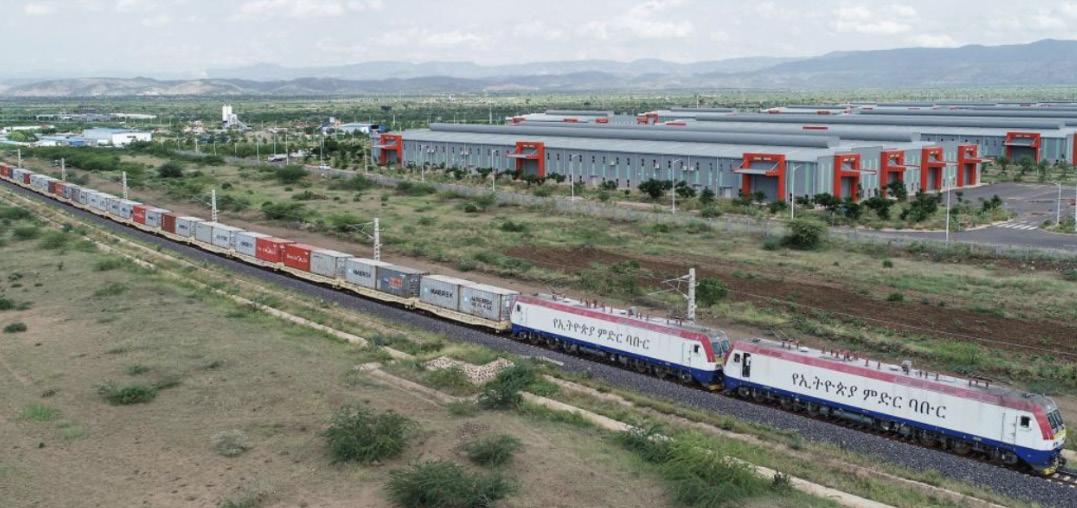
sure payment, not only reducing lender risks but also enabling quick disbursement of funds.
Similarly, the Addis Ababa-Jibouti Railway project cost 4.2 billion U.S. dollars. China Export-Import Bank provided 70% of the financing and repayment was linked to export revenues, including technical transfer clauses. China provided default guarantees through state-owned assets, alleviating low sovereign credit ratings.
Not only does China actively build a guarantee system through bilateral and multilateral agreements to address long-standing institutional problems in the region, but it also actively helps solve existing local institutional problems.
Take the Addis Ababa-Jibouti Railway. To address inconsistent customs standards and fragmented cross-border transportation, China, Ethiopia, and Djibouti signed agreements on customs coordination and transportation connectivity. The three parties unified customs declaration standards and inspection procedures. This reform reduced customs clearance times from three to seven days to 20 hours. Additionally, they also signed investment protection agreements with clearly defined risk-sharing rules. By 2025, the railway had handled over 20% of Ethiopia’s import and export freight volume.
Another project, the Lagos Port in Nigeria, has clearly stipulated property rights protection and policy stability terms through the China-Nigeria Capacity Cooperation and Investment Protection Agreement. It has introduced an automated customs clearance system and the “single window” mechanism, reducing the container clearance time to within 3 days. Coupled with the dispute resolution
agreement that stipulates the priority arbitration procedure, the port’s container reached over 500,000 standard containers in 2025, becoming a benchmark for ports in West Africa.
Regardless of the future outcome of the Lobito Corridor, they need to establish a pragmatic growth plan and adopt a pragmatic approach to develop a truly cooperative model.
These three advantages, namely resilience, assurance, and suppletion, are all based on continuous communication between the Chinese government and the local government. Essentially, they provide political endorsement and promote the
improvement of related systems, which cannot be achieved by private capital-operated projects.
When trains loaded with copper ore rumble through the Lobito Port, they carry not only minerals but also symbolize the intersection of America’s development ambitions and the reality of its institutions.
By analyzing the predicament of the Lobito Corridor as an institutional adaptation, one can observe a mismatch between the model and its environment. Although the U.S. model, characterized by private entities, can mobilize funds for hardware upgrades, it still struggles. This is because institutional guarantees are absent, which often determine the effectiveness of the project.
In contrast, the Chinese model demonstrates complementarity. It actively fills the gaps through embedded guarantees and agreements, reducing transaction burdens.
For the U.S., the effectiveness of the Lobito Corridor depends on its ability to enhance institutional supply. If it can incorporate governance assistance into the current system, such as establishing a legally capable joint committee or providing a guarantee similar to that in China, this project can have a stronger takeaway..
Regardless of the future outcome of the Lobito Corridor, they need to establish a pragmatic growth plan and adopt a pragmatic approach to develop a truly cooperative model that better aligns with local realities.