

PRODUCERS SHAPING AFROBEATS’ NEXT SOUND




EDITOR’S NOTE

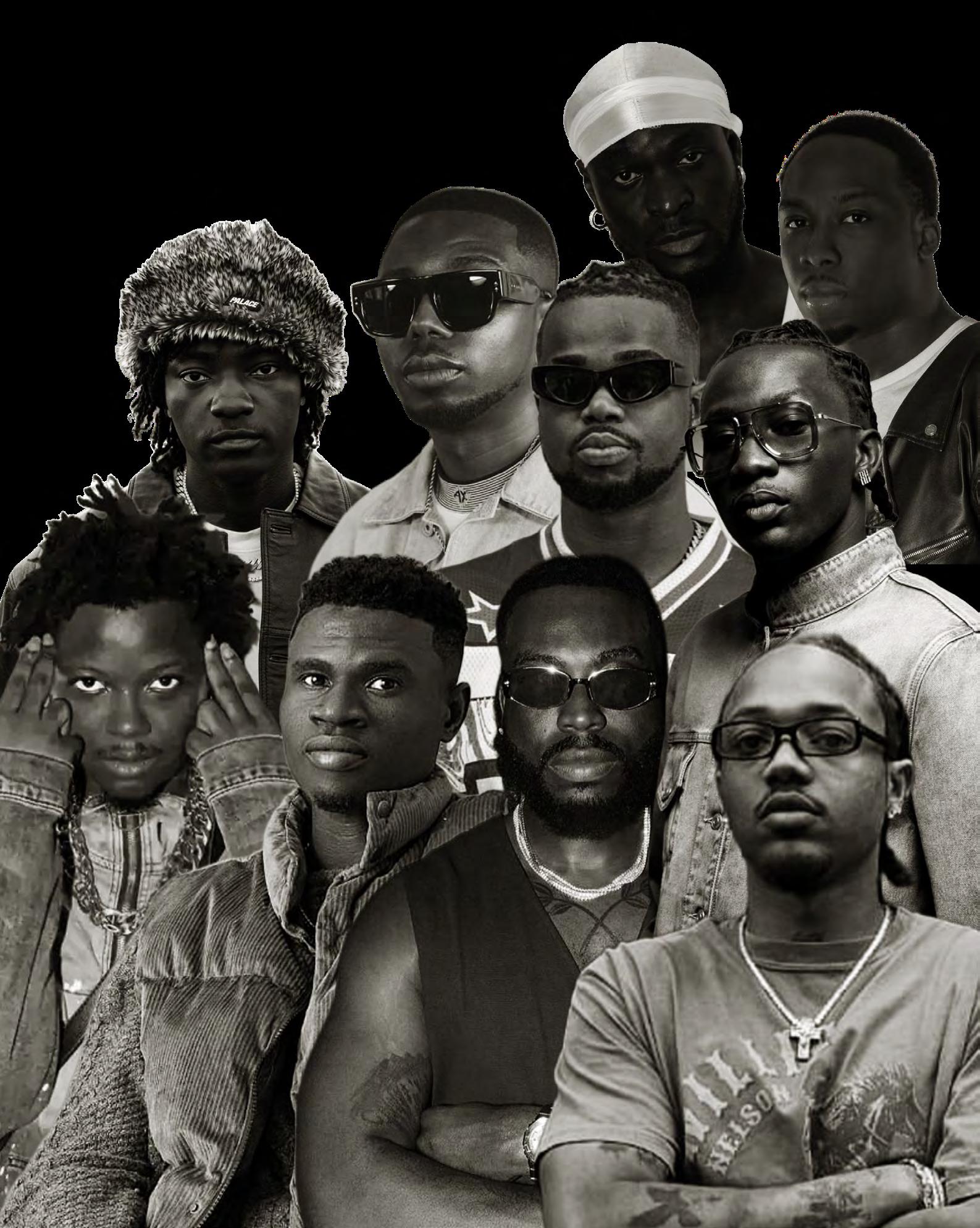
Anew generation of producers has emerged, and what makes them so compelling is not just their ability to create hits but also their willingness to explore. They are not boxed in by what Afrobeats has been; instead, they are driven by what it can become. That curiosity shows up in the details, in the way sounds are layered, in the unexpected fusions, and in the freedom it gives artists to experiment without losing their identity.
There’s also a quiet confidence in how they move. Many of them are not chasing the spotlight, yet their work is impossible to ignore. You hear it in songs that feel different from the first listen, tracks that don’t just follow trends but subtly shift them. In many ways, they are setting the pace for what comes next, often without announcing it.
Afrobeats today is more global than ever, but with that global reach comes a new level of responsibility. The sound has to travel, connect, and evolve without losing its essence. And that balance is exactly what the new producers seem to understand. They are blending influences from different parts of the world while still holding on to the rhythm, energy, and spirit that make Afrobeats what it is.
Read all about the new generation of music producers on pages 8 to 10.
What we think about affects how we feel, and how we feel influences what we do. A stressful thought can leave you feeling tired even before your day begins, whereas a calm mindset can make a busy day manageable. We need to understand that our minds set the tone, and when we take care of it, everything else starts to fall into place. Learn more about why your thoughts matter on page 13.
At some point, your home starts to feel too familiar, mainly because you have kept everything the same for too long. Scroll to page 16 to learn how to refresh your home with what you already have.
Until next week, enjoy your read.



AUSTYN OGANNAH
PUBLISHER/EDITOR-IN-CHIEF
Executive Editor: Onah Nwachukwu @onahluciaa
Writers: Johnson Chukwueke & Dorcas Akintoye
Design & Layout: Hogan Effiom
Digital Media: Oladimeji Balogun
Consulting Art Director: Sunny Hughes ‘SunZA’

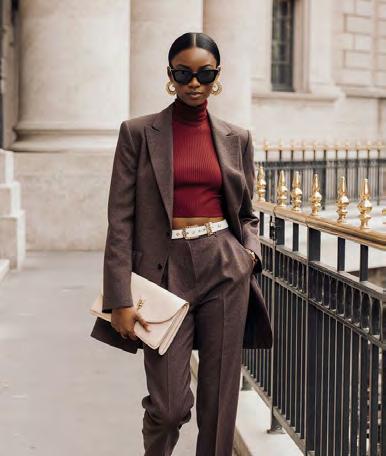
Ways to Create an Expensive-Looking Outfit on a Budget
Untold Truths It Wasn’t Bad Luck. It Was a Correction.
Producers Shaping Afrobeats’ Next Sound

Boluwatife Adesina @bolugramm - Contributing Writer
Boluwatife Adesina is a media writer and the helmer of the Downtown Review page. He’s probably in a cinema near you.

Sally Chiwuzie @unshakable.is.a.state.of.mind - Contributing Writer
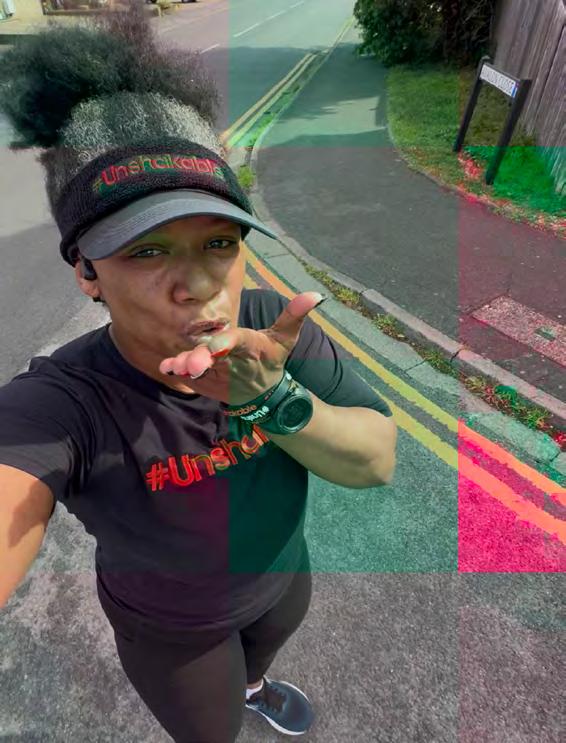
Sally Chiwuzie is a non-practising barrister who owns the brand #Unshakable. She is the author of Silent Symphonies, a fictional love story, and the creator of the podcast Chronicles of #Unshakable Truths.

Ada Obiajunwa @aaddaahh - Contributing Writer
Ada Obiajunwa writes from Lagos about the big truths tucked inside ordinary moments — friendship, self-discovery, and the quiet revolutions of everyday life. She believes in the power of presence, good banter, and decoding the unsaid. Through her fragrance studio, WhiffWonders, she also crafts scents that weave memory and emotion into experiences that feel like home.
5 Ingredients to Avoid for Healthy Hair
4 Ways to Sleep Better on A Plane
Energy Check Small Changes That Help You Feel Alive
How to Refresh Your Home Using What You Already Own
Style Meets Space
Aesthetic Places in Lagos Right Now
Mind First, Body Follows Why Your Thoughts Matter European Delight
Unfinished Business
The Devil Wears Prada 2


Ways to Create an ExpensiveLooking Outfit on a Budget
BY DORCAS AKINTOYE
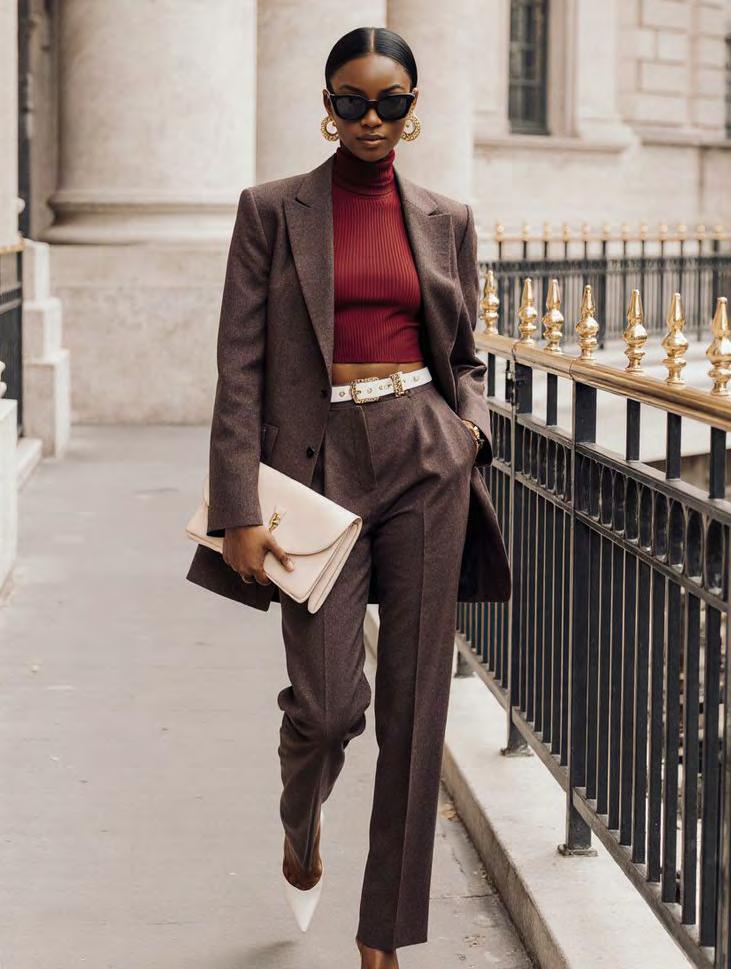
Looking stylish does not always mean spending a lot of money. Many people you see looking “expensive” are not necessarily wearing costly clothes; they just know how to put things together in a smart way. With a few simple tricks, you can make even affordable outfits look classy, neat, and put-together. In this article, we will show you simple and effective ways to create an expensive-looking outfit without breaking the bank.
MAKE SURE YOUR CLOTHES FIT WELL
One of the biggest secrets to looking expensive is wearing clothes that fit your body properly. Even the most affordable outfit can look high-end when it fits well. On the other hand, expensive clothes that are too tight or too loose can look messy. When your clothes fit well, they enhance your body’s shape and structure. A well- fitted dress, a neat pair of trousers, or a blazer that sits nicely on your shoulders can instantly upgrade your look. If you buy something and it is not a perfect fit, you can adjust it slightly yourself or take it to a tailor.

STICK TO SIMPLE AND CLEAN COLOURS
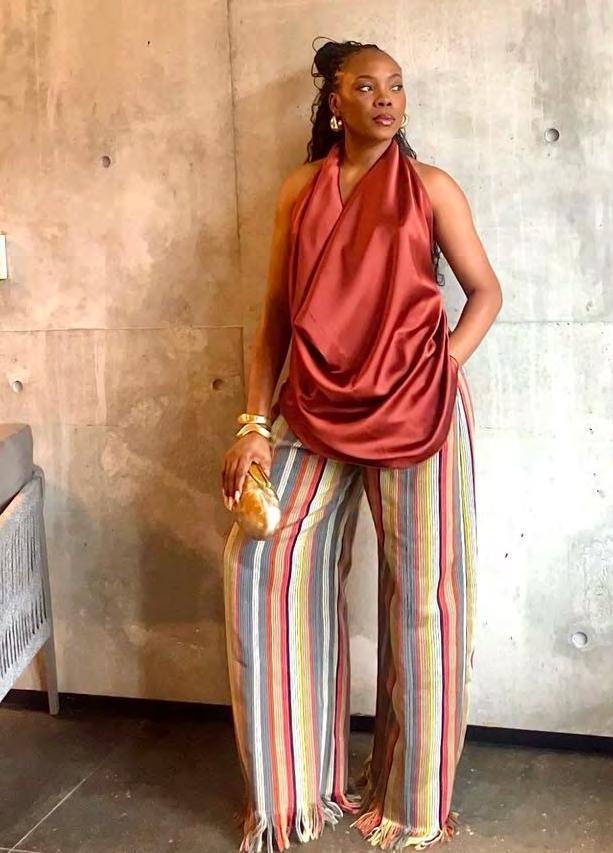
Outfits with too many loud colours or busy patterns can sometimes look cheap, even if they are not. If you want to look more polished and expensive, go for simple and clean colours. Neutral tones like black, white, beige, brown, navy blue, and grey always look classy. You can also wear one main colour and keep everything else simple.This does not mean you should avoid colour completely, just use it wisely. A simple outfit with one bold colour piece (like a red bag or green top) can look very stylish.
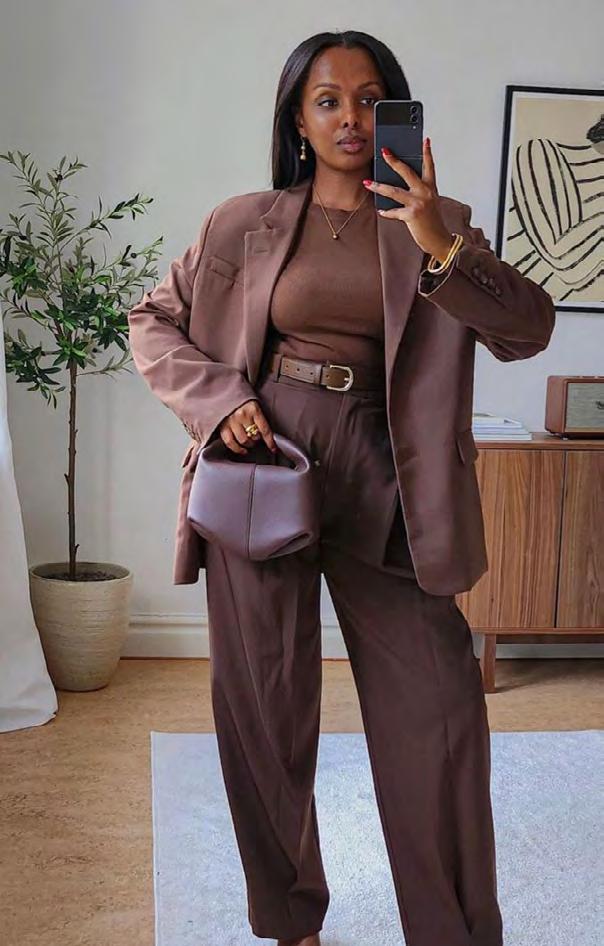
Small details can make or break your outfit. If your clothes are wrinkled, stained, or worn out, it will show, no matter how nice the outfit is. Make sure your clothes are clean and well-ironed. Check for loose threads or missing buttons and fix them.Your shoes also matter; clean shoes can instantly make your outfit look better. Accessories should be simple and neat.You don’t need too many.
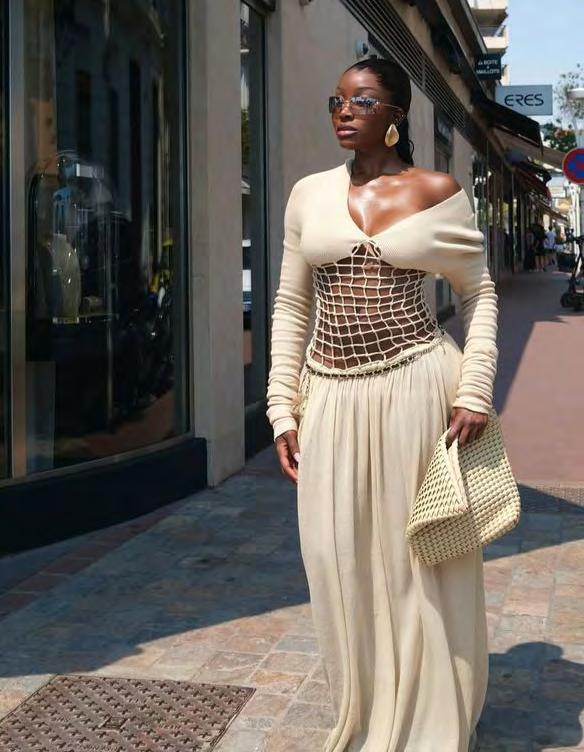
Instead of buying many cheap items, focus on a few good pieces that you can wear in different ways.This does not mean you have to spend a lot, just choose wisely. Look for clothes with good fabric and strong stitching. Even at affordable stores, you can find pieces that look and feel better than others. Basic items like a white shirt, black trousers, a simple dress, or a good pair of jeans can be styled again and again.
Looking expensive is not about money; it is about intention. When your clothes fit well, your colours are simple, your outfit is neat, and your pieces are chosen carefully, you naturally look more put together.



SALLY CHIWUZIE @unshakable.is.a.state.of.mind
TRUTHS
UNTOLD TRUTHS
It Wasn’t Bad Luck. It Was a
Correction.
There comes a point where “bad luck” stops being a convincing explanation; not because life suddenly becomes easier, but because the pattern becomes too consistent to ignore.
That was the turning point for me.
The past year has been one of the toughest of my adult life. For a while, I explained it away the way most of us do, with unfortunate timing, difficult circumstances, and things simply not going my way. It was easier to believe that than to sit with the possibility that something deeper might be unfolding.
Eventually, the question changed.
Not why is this happening to me?
But what is this trying to show me?
It is a small shift in language, but it changes everything.
Once you start paying attention, you begin to see what you used to brush past. Patterns start to form. People reveal themselves more clearly. If you are honest, you begin to notice the ways you have been accommodating things that never quite sat right with you.

The realisation was not loud or dramatic. It was simply clear.
When you are being stretched emotionally, mentally, and spiritually, it is tempting to call it bad luck. That interpretation is easier. It requires less responsibility and less reflection. Discomfort, however, usually has direction.
There is a reason we are often shaped under pressure. You can call it God, instinct, or something quieter within, but the principle remains the same. You are being prepared for something, even if you do not yet know what that is.
The real question is whether you are willing to pay attention while it is happening.
Transformation is not only about what you gain. It is also about what you release. The need to be understood. The habit of overexplaining. The instinct to shrink in order to keep things comfortable.
Growth does not always feel like growth. Most of the time, it feels like disruption.
I saw it recently in a moment that would have gone unnoticed a year ago.
I was in a conversation I had had many times before. The kind where I would instinctively explain myself, clarify, soften, and make sure I was understood. There was always that quiet pull to make myself easier to receive.
This time, I did not. I paused.
I felt the urge to over-explain, to justify, to smooth things over. I allowed that urge to pass. I said less. I listened more.
In that space, something landed.
If I have to explain how to respect me, then I am already negotiating something I should not be.
That is the nature of real growth. It rarely announces itself. It shows up in restraint, in what you do not say, in what you no longer tolerate, and in what you quietly step away from.
Around the same time, I noticed something else.

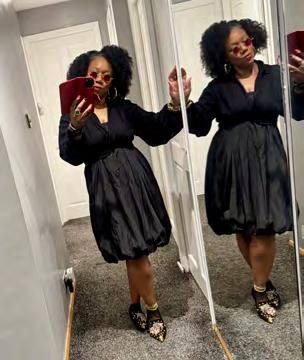
I found myself paying attention to things I had always overlooked. The full moon, for example. It was something I would admire in passing, but never truly engage with. Recently, I have been drawn to it, especially when it is full. This is not out of superstition, but as a moment to pause and take stock.
The moon did not change. I did. That may be the point.
Letting go of those things is not always graceful. It can create distance. It can leave you sitting in silence where there was once ease.
It also brings alignment. Alignment, while quieter than validation, lasts longer.
The brand I have built, #Unshakable, has always been described as a state of mind. This past year has required me to examine what that truly means, not in theory, but in practice.
A state of mind is not fixed. It shifts depending on what you are willing to see and what you are no longer willing to ignore.
Perhaps the season I thought was breaking me was, in fact, correcting me.
Not punishing, but refining.
Not random, but intentional.
Perhaps the #Unshakable truth is this: Sometimes, it is not bad luck. It is a correction.
See you next week.
BY JOHNSON CHUKWUEKE
Afrobeats, as the world knows it today, didn’t happen by chance. It was built, layer by layer, hit by hit, by producers who understood how to shape sound into something unforgettable. Names like Don Jazzy, OJB Jezreel, Cobhams, and Sarz didn’t just make beats; they created a foundation. Their work gave Afrobeats its structure, its bounce, and its early identity, setting the tone for a genre that would eventually travel far beyond Nigeria’s borders.
But music never stands still. And somewhere along the way, something shifted. The sound began to stretch, to experiment, to move in directions that felt both familiar and completely new at once. Today’s Afrobeats carries more texture, more influences, and a wider emotional range than ever before. You hear it in the fusion with Amapiano, the subtle pull of R&B, the bounce of street-hop, and even in the softer, alternative sounds that are quietly gaining ground.
At the centre of this evolution is a new generation of producers, creatives who grew up studying the legends, sometimes working alongside them, but ultimately finding their own voice. They are not trying to replace what came before them; they are building on it, stretching it, and in many ways, redefining it. Their sound is more fluid, less restricted, and deeply aware of a global audience that is now paying close attention.
These producers are doing more than making hits. They are expanding the possibilities of what Afrobeats can be. They are giving artists new ways to express themselves, new sounds to explore, and new directions to take. And in doing so, they are quietly shaping the next phase of a genre that refuses to stay.

LONDON ANDRE VIBEZ PRODUCERS SHAPING AFROBEATS’ NEXT SOUND
One of the most exciting names in Afrobeats’ new wave, London represents exactly what the next sound looks like: bold, fluid, and unapologetically global. Born Michael Ovie Hunter, the Nigerian producer and DJ has quickly carved out a space for himself with a sound that refuses to sit in one lane. From shaping hits for Rema, including coproducing the global smash Calm Down, to contributing to Wizkid’s Grammynominated Made in Lagos, London’s fingerprints are already all over some of Afrobeats’ biggest moments. What sets him apart is his willingness to experiment. His production leans into emotion, blending Afrobeats with pop, R&B, and global influences in a way that feels fresh but still rooted. He’s not just following the direction of the sound; he’s stretching it. In many ways, London embodies the new generation: influenced by the legends, but fully focused on creating what comes next.

Andre Vibez sits at the centre of Afrobeats’ global shift, quietly but powerfully shaping some of its biggest moments. Alexander Uwaifo by name, the Mavin Records producer, has been behind defining hits like Rema’s Calm Down and Ayra Starr’s Rush, records that didn’t just travel, they dominated globally. What makes Vibez stand out is his balance between structure and experimentation. His sound carries the polish of classic Afrobeats but stretches into pop, R&B, and international influences with ease. It’s this ability to make music feel both rooted and global that places him firmly in the new generation driving the sound forward. Having sharpened his craft under industry heavyweights like Don Jazzy, Vibez represents a clear transition, learning from the foundation without being confined by it. He isn’t just producing hits; he’s helping define what Afrobeats sounds like on the world stage.
P.PRIIME
Young, versatile, and deeply intentional with his sound, P.Priime represents the fearless edge of Afrobeats’ next generation. Peace Emmanuel Aderogba Oredope, a.k.a. P.Priime, emerged from the Sarz Academy and quickly evolved from a teenage prodigy into one of the most in-demand producers shaping the current sound. From co-producing on Made in Lagos to crafting hits like Bandana and Ozumba Mbadiwe, his catalogue reflects both range and ambition. What sets P.Priime apart is his versatility. His sound moves easily between Afrobeats, R&B, and global influences, creating records that feel both experimental and widely appealing. He doesn’t just follow trends, he reshapes them. P.Priime stands as proof that the future of Afrobeats is in the hands of producers who are bold enough to evolve with it and skilled enough to lead the change.

REXXIE BEATS
Rexxie stands as a bridge between Afrobeats’ street roots and its evolving global sound. Born Ezeh Chisom Faith, he rose to prominence by crafting the Zanku sound, producing hits like Able God, Soapy, and Tesumole, records that defined an era of street-hop energy. But Rexxie’s evolution didn’t stop there. His work on Twice as Tall, a Grammy-winning project, showed his ability to move beyond street anthems into more expansive, globally resonant production. What makes him vital to this new generation is his adaptability. He blends Afrobeats, streetpop, and Amapiano influences into sounds that feel both raw and refined. In many ways, Rexxie represents the transition itself, rooted in the streets, but constantly pushing the sound forward into new spaces.

MELVITTO
While some producers chase loud, high-energy sounds, Melvitto moves differently, calm, intentional, and deeply rooted in feeling. Born Melvin Alli-Owe, the NigerianAmerican producer first gained global attention with Your Number, a record that quietly broke boundaries and showed Afrobeats could travel beyond its usual soundscape. Since then, his work has leaned into a softer, more emotional direction, blending Afrobeats with R&B and soul influences. Through collaborations with artists like Gabzy and Wande Coal, he has built a catalogue defined by simplicity and mood rather than noise. What makes Melvitto stand out in this new generation is his restraint. He creates space within his music, allowing vocals and emotion to lead. In a scene constantly evolving, his approach proves that pushing Afrobeats forward doesn’t always mean louder; it can also mean deeper, more intentional sound.

RAGEE
Ragee is one of the clearest examples of how quickly the new generation is reshaping Afrobeats. Known as Ikechukwu Clinton Nnaemeka by birth, the Lagos-raised producer stepped into the spotlight with Davido’s global hit Unavailable, a record that didn’t just dominate charts, it shifted the sound conversation. His style leans into Afropiano, blending log drums, bounce, and rhythm in a way that feels both street-ready and globally appealing. Before that breakout moment, he had already been building quietly, from producing Bad Boy Timz’s Have Fun to refining his craft through hands-on studio experience. What makes Ragee stand out is his instinct for movement; his beats don’t sit still. They push, they evolve, they carry energy that translates instantly. In this new era, Ragee represents a shift toward sound that is more experimental, more rhythmic, and unmistakably forward-facing.
NIPHKEYS
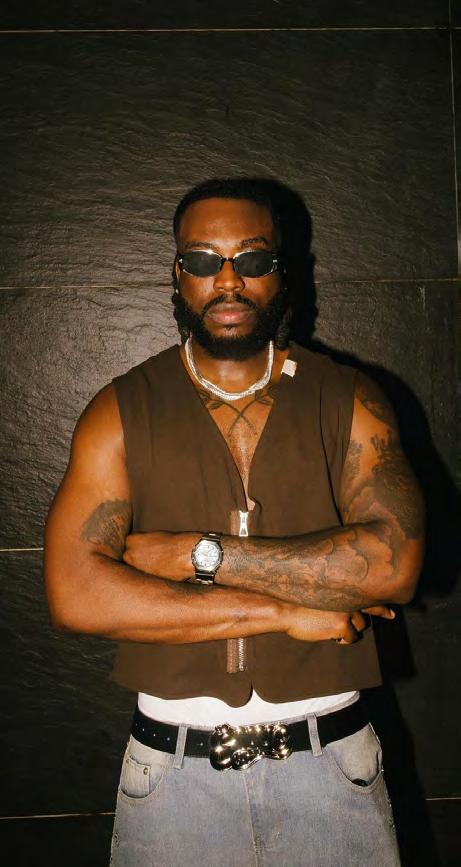
Niphkeys represents the street-rooted evolution of Afrobeats, where raw energy meets refined sound. Bearing Adebajo Oluwanifemi Adebanjo as his government name, he rose to prominence in 2020 with hits like Kilofeshe and Koleyewon, records that quickly became cultural staples. What sets Niphkeys apart is his ability to translate street-pop into something broader. His production blends catchy melodies with a rhythmic bounce, creating sounds that feel authentic yet travel easily beyond local spaces. Working with artists like Zinoleesky, BNXN, and MohBad, he has helped shape a wave of music that resonates deeply with younger audiences. He’s part of a new generation that understands both the streets and the global stage. In this evolving era, Niphkeys isn’t just contributing to the sound; he’s refining it, proving that Afrobeats can stay grounded while still reaching further than ever before.
TEMPOE

Tempoe is one of the quiet forces redefining how far Afrobeats can travel. Michael Chigozie Alagwu stepped into global consciousness with the production of CKay’s Love Nwantiti, a record that didn’t just succeed; it crossed borders and introduced a wider audience to a softer, more melodic side of the sound. Since then, his catalogue, from Omah Lay’s Godly to Joeboy’s Alcohol and Victony’s Soweto, has shown a producer deeply focused on mood and emotion. What sets Tempoe apart is his ability to blend Afrobeats with ambient, R&B, and global pop influences without losing its core identity. His sound feels fluid, almost effortless, yet intentional. In this new era, Tempoe represents a shift toward more melodic, globally resonant production, proving that Afrobeats doesn’t just move people, it connects with them on a deeper level.
KEL-P
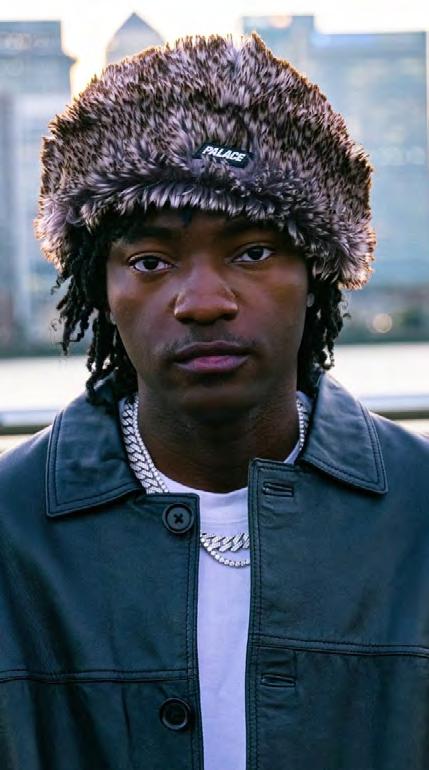
Few producers represent the bridge between Afrobeats’ foundation and its evolving future like Udoma Peter Kelvin Amba a.k.a Kel P. He stepped into the spotlight as the primary producer behind Burna Boy’s African Giant, a project that helped push Afrobeats onto the global stage. But Kel-P didn’t stop at defining a moment; he evolved with it. From crafting hits like Gbona and On The Low to contributing to international, Grammywinning projects, his sound has consistently blended Afrobeats with R&B, pop, and global influences. What makes him vital to this new generation is his balance of melody and structure. His productions feel rich, intentional, and globally aware without losing their African core. In this new era, Kel-P stands as both student and innovator, carrying the influence of the legends while actively shaping what Afrobeats sounds like beyond them.

MAGICSTICKS
Few producers embody the “new sound” of Afrobeats as clearly as Magicsticks. Kareem Olasunkanmi Temitayo, by birth, he has become a defining force behind one of the most distinct sonic runs in recent years. Breaking into the mainstream with DJ Neptune’s Nobody in 2020, he quickly established himself as more than just a hitmaker. His partnership with Asake, where he produced, mixed, and mastered Mr. Money With The Vibe, marked a turning point, not just for the artist but for Afrobeats itself. The project’s global success signalled a shift toward a more textured, high-energy sound. Magicsticks’ style blends Afrobeats with elements of Amapiano, pop, and street influences, creating records that feel both local and globally ready. In this new era, he isn’t just following the wave; he’s actively shaping where it goes next.

What’s even more exciting is that this evolution doesn’t feel like a final destination; it feels like a transition. The sound is still moving, still expanding, still discovering itself. And as long as these producers continue to push boundaries and trust their instincts, there’s no telling how far it can go. Because beyond the artists, beyond the performances, and beyond the global charts, the future of Afrobeats will always come back to one thing: the sound. And right now, that sound is in the hands of a new generation that is not just continuing the journey, but redefining it in real time.

ADA
OBIAJUNWA
@aaddaahh
THE ROOM’S VERSION
The sentence was still hers when someone else picked it up.
She had not stopped speaking.
Not fully.
She had only paused for a second. Somewhere between the thought and the words for it. Long enough to look for the right way to say it. Long enough for someone else to step in.
“Exactly,” they said. “It works better when it feels more natural.”
The room moved immediately.
A few people nodded. Someone added another thought.
Somebody else picked it up from there, and the conversation carried on as though the sentence had arrived exactly the way it was meant to.
And maybe, technically, it had.
Because what they said was not wrong.
Just not quite what she meant.
She felt the difference immediately.
Not enough to stop anything. Not enough to change the room. Just a small shift inside herself.
The feeling of hearing your thought out loud in a shape you would not have given it.
Six months ago, she would have corrected it before anyone noticed.
Not sharply. Not awkwardly.
Just a slight adjustment somewhere in the next sentence. A soft turn.

“Not exactly,” she might have said lightly, laughing just enough to take the weight out of it. Or she would have repeated the idea in a slightly different way until the conversation slowly bent itself back toward what she actually meant.
She was good at that.
Someone else spoke. Then another person. A joke landed somewhere further down the table. Somebody repeated the phrase, this time even further from what she would have said originally.
And still, she said nothing.
Not because she fully agreed with it. Not because she stopped caring.
The moment had simply moved faster than the reflex she normally trusted to keep her connected to it.
That was the part she noticed later.
Not the interruption itself. Conversations overlap. People pick up each other’s thoughts all the time.
No.
The strange part was how easily the room settled around the version that arrived first.
And how quickly it became the version everyone continued from.
Good at keeping conversations easy while quietly bringing herself back into them. Most people never noticed.
They only experienced her as easy to talk to. Clear. Thoughtful. Someone who made conversations feel settled by the time they ended.
Usually, the adjustment would have happened before she even thought about it.
A small correction. A slight change in wording. Something light enough that the room would barely feel itself shifting.
This time, it came a second too late.
By then, the conversation had already moved on.
The conversation ended eventually, the way conversations do. Someone checked their phone.
Someone stood up to leave. Chairs moved back into place.
Outwardly, nothing stayed with her.
Not the topic. Not even the person who said it.
But much later, while doing something completely unrelated, the thought returned quietly.
I would have said it differently. Not better. Not smarter. Just differently.
And maybe that was the first time she noticed how many versions of herself had stayed alive in rooms simply because they arrived before she did.
5 INGREDIENTS TO AVOID FOR HEALTHY HAIR
BY DORCAS AKINTOYE
Healthy hair is not just about the products you use; it’s also about what you avoid. Many shampoos, conditioners, and styling products promise shine, strength, and growth, but some of them contain ingredients that can quietly damage your hair over time. If you’ve been struggling with dryness, breakage, or a sensitive scalp, the problem might not be your hair; it might be what you’re putting on it. Here are five common ingredients you should avoid if you truly want healthy, strong, and beautiful hair.

SULFATES (SLS & SLES)
Sulfates are cleaning agents that make your shampoo foam. The most common ones are Sodium Lauryl Sulfate (SLS) and Sodium Laureth Sulfate (SLES). They may make your hair feel very clean, but they are often too harsh. Sulfates strip away natural oils from your scalp and hair. They can also cause scalp irritation for some people. It is better to look for “sulfate-free” shampoos. They clean your hair gently without removing too much moisture.
PARABENS


Parabens are preservatives used to keep products from going bad quickly. You’ll often see names like methylparaben, propylparaben, or butylparaben on labels. The issue with parabens is not just about hair; it’s also about overall health concerns. For your hair, parabens can also cause scalp irritation, especially if you have sensitive skin. Over time, this irritation can lead to itching, dryness, or even hair thinning.

ALCOHOL (DRYING ALCOHOLS)
SILICONES

Not all alcohols are bad, but some types can be very drying for your hair. Avoid alcohols like ethanol, isopropyl alcohol, and propanol. These are often found in styling products like gels, sprays, and mousses. They dry out your hair quickly, which might seem helpful for styling, but over time, they remove moisture from your hair strands. This can lead to brittle hair, split ends, and breakage. Look for “fatty alcohols” like cetyl alcohol or stearyl alcohol. These are actually good for your hair and help keep it soft.

Silicones are used to make your hair look smooth and shiny. They coat your hair and give it that “silky” feel. The problem is that this shine is often fake. Silicones sit on your hair and block moisture from getting in. Over time, they build up and make your hair feel heavy and dull underneath. This buildup can also make it hard for your hair to absorb nutrients from other products. Use lightweight or water-soluble silicones or avoid them completely if you prefer natural hair care.

MINERAL OIL AND PETROLEUM
Mineral oil and petroleum are often used to lock in moisture and add shine. But here’s the truth: they don’t actually moisturise your hair. Instead, they sit on top of your hair and scalp, blocking moisture from entering. They can also clog your scalp, which may affect healthy hair growth over time. While your hair might look shiny at first, it can become dry and weak underneath because it’s not getting real hydration. Go for natural oils like coconut oil, argan oil, or shea butter. These actually nourish your hair instead of just covering it.

Healthy hair is not about using the most expensive products; it’s about using the right ones. By learning to read product labels and avoiding harmful ingredients, you give your hair a better chance to grow strong, soft, and healthy.
Mind First, Body Follows
WHY YOUR THOUGHTS MATTER

BY JOHNSON CHUKWUEKE
It’s easy to think wellness starts with what you do, what you eat, how often you exercise, and how early you wake up. But before any of that happens, there’s something quieter shaping it all: your thoughts.
The way you think affects how you feel, and how you feel influences what you do. It’s a cycle most people don’t always notice. A stressful thought can leave you feeling tired before your day even begins. A calm mindset, on the other hand, can make even a busy day feel manageable.
This isn’t about overthinking every little thing or trying to be positive all the time. It’s about understanding that your mind sets the tone, and when you take care of it, everything else starts to fall into place a little more easily.

YOUR MOOD OFTEN STARTS IN YOUR MIND
Before anything happens physically, there’s usually a thought behind it. You wake up already thinking about everything you need to do, and suddenly, you feel overwhelmed. But on days when your thoughts are lighter, everything feels easier, even if your schedule hasn’t changed. Paying attention to your thoughts can help you understand why your mood shifts the way it does

NEGATIVE THOUGHTS DRAIN YOUR ENERGY
You don’t have to move to feel tired. Sometimes, just worrying, overthinking, or stressing can leave you feeling drained. That mental weight carries into your body, making you feel slower, less motivated, and less willing to do even simple things. Reducing that mental load can actually give you more energy than you expect.

WHAT YOU TELL YOURSELF MATTERS
The way you speak to yourself plays a big role in how you show up. Constantly telling yourself you’re tired, stressed, or not doing enough can shape how you feel. Switching that inner conversation, even slightly, can make a difference. It doesn’t have to be perfect or overly positive, just more balanced and less harsh.

CALM THOUGHTS CREATE BETTER HABITS
When your mind feels calm, it’s easier to make better choices. You’re more likely to eat well, move your body, or rest when needed, not because you’re forcing it, but because it feels natural. A stressed mind often leads to rushed or reactive decisions, while a calm mind creates space for better ones.

YOU
DON’T HAVE TO CONTROL EVERY
THOUGHT
Trying to control every single thought can be exhausting. The goal isn’t perfection, it’s awareness. Let thoughts come and go without holding onto the ones that don’t help you. Sometimes, simply noticing what you’re thinking is enough to take away its power.
Your thoughts may not always be visible, but their impact shows up in how you feel, how you act, and how you move through your day. Taking care of your mind doesn’t require a big routine; it starts with small awareness. And when your mind feels right, your body naturally follows.

4 WAYS TO SLEEP BETTER ON A PLANE

CHOOSE THE RIGHT SEAT
Your ability to sleep on an aircraft might be significantly impacted by the seat you choose. To have something to lean against and prevent being distracted by other passengers getting in and out of their seats, try to reserve a window seat. You have more control over the window shade and can rest your head more easily in this position. Select a seat nearer the front of the aircraft, where there is usually less engine noise, if at all possible. Steer clear of seats next to restrooms or galley areas where people might gather, as they can get noisy.

DRESS COMFORTABLY AND STAY WARM
It can get cold in aeroplane cabins, especially when flying at night. To adapt to the temperature, wear layers. Wearing loose, comfortable clothes that don't impede your movement can significantly improve your comfort level. Having a lightweight jacket or shawl with you not only helps in case the temperature drops, but it can also provide additional support or cushioning for your neck and lower back. Try to wear shoes that are easy to take off and avoid tight ones.
BY DORCAS AKINTOYE
Long flights require trying to get some much-needed sleep in a cramped, uncomfortable seat, even though flying can be thrilling. How you feel when you land can be greatly affected by getting some sleep, whether you're flying a long day or an overnight flight. During your next flight, use these helpful ideas to improve your sleep quality.

BLOCK OUT LIGHT AND SOUND
Your body will relax and prepare for sleep if you can block out as much light and noise as possible. Think about bringing earplugs or noise-cancelling headphones, as well as a sleep mask to shield your eyes. While noise-cancelling headphones can help you unwind with white noise or gentle music, earplugs can block out other passengers' discussions and engine noise. Even in a busy cabin setting, you'll find it easier to fall asleep if you reduce these distractions.

WATCH WHAT YOU EAT AND DRINK
Heavy meals and caffeine might keep you up at night and make it difficult to fall asleep on an aeroplane. Avoid caffeinated beverages, such as energy drinks or coffee, particularly in the hours before your trip. Instead, stay hydrated and drink plenty of water, as aeroplane cabins are often dry and dehydration can interfere with your ability to sleep. Before boarding, try to eat a light meal. You won’t feel overly full or bloated when you try to fall asleep because of this. Some people find that drinking herbal tea, such as chamomile, can help them wind down and relax.
These tips can help you turn a difficult flight into a relaxing one, so you arrive rested and prepared for whatever is ahead. Happy Travels!

Energy Check
SMALL CHANGES THAT HELP YOU FEEL ALIVE

START YOUR DAY GENTLY
How you begin your day matters more than you think. Jumping straight into stress, checking messages, rushing out, or overloading your mind can drain your energy before the day even starts. Try easing into your morning. Even a few quiet minutes to stretch, sit, or just breathe can set a calmer tone. It doesn’t have to be perfect, just intentional.

MOVE YOUR BODY, EVEN A LITTLE
You don’t need a full workout to feel the difference. Sometimes, just moving your body is enough to wake everything up. A short walk, light stretching, or even dancing around your room can boost your mood and energy. It’s less about intensity and more about consistency.

EAT TO FEEL GOOD, NOT JUST FULL
Food plays a big role in how you feel throughout the day. Heavy, rushed meals can leave you feeling sluggish, while lighter, balanced meals can help you stay active and alert. You don’t have to overthink it, just pay attention to what makes you feel good after eating, not just during.

TAKE BREAKS WITHOUT GUILT
Pushing through exhaustion doesn’t make you more productive; it just makes you more tired. Short breaks during the day can help you reset. Step away, breathe, stretch, or just pause for a moment. Giving yourself that space can actually help you come back with more energy.
BY JOHNSON CHUKWUEKE
Some days, you wake up already tired. Not the kind of tired sleep can fix, but the kind that lingers, even after a full night’s rest. You go through your routine, tick off your tasks, but something feels off. Your energy just isn’t there. It’s easy to assume you need something big, a complete lifestyle overhaul, a strict routine, or a sudden burst of motivation. But the truth is, feeling more alive often comes down to small, consistent changes. Nothing extreme, nothing overwhelming, just simple shifts that help your body and mind work a little better together. The goal isn’t to be energetic all the time. That’s unrealistic. It’s about creating a steady, natural flow of energy that carries you through your day without leaving you constantly drained.

PROTECT YOUR MENTAL SPACE
Your energy isn’t just physical, it’s mental too. Too much noise, stress, or overthinking can leave you feeling drained, even if you haven’t done much physically. Be mindful of what you take in, whether it’s conversations, content, or constant notifications. Creating a little space for calm can make a big difference.
Feeling alive isn’t about doing everything at once. It’s about paying attention to the little things that support your energy every day. When you make small, thoughtful changes, your body responds. Your mind feels clearer, your energy feels steadier, and your day becomes easier to move through. Sometimes, it’s not about doing more, it’s about doing just enough, in the right way.
DÉCOR
How to Refresh Your Home Using What You Already Own

BY DORCAS AKINTOYE
There’s a point where your home starts to feel too familiar. Not because anything is wrong, but because you’ve seen everything the same way for too long. At that stage, it’s easy to think the solution is to buy new things. But most times, your home doesn’t actually need more things. It just needs a reset. A fresh feeling in your space can come from simple changes in how you use what you already have. Here are simple ways to refresh your home using what you already own.
BRING OUT HIDDEN OR STORED ITEMS
You probably have things you’ve forgotten about. Check your cupboards, boxes, or storage areas. Old frames, fabrics, baskets, or even unused kitchen items can be brought out and used in new ways. A scarf can become a table cover. A basket can be used for storage or decoration. When you bring out these items, they feel new again because you haven’t seen them in a while.

SWAP ITEMS BETWEEN ROOMS
Instead of buying new decor, “shop” from other rooms in your house. That vase in your bedroom can look beautiful in your living room. A chair in your sitting room might work better in your bedroom. Even your wall frames can be moved around. When you bring an item into a new space, it often feels like something new. It breaks the usual look and gives your home a fresh vibe without spending anything.
DECLUTTER AND CREATE SPACE
Sometimes, your home doesn’t need more things. It needs less. Start by removing items you don’t use often. Clear your tables, shelves, and corners. Keep only what you truly need or love. When your space is less crowded, it feels calmer and more peaceful. You will also notice your favourite items more because they are no longer hidden in clutter.
REARRANGE YOUR FURNITURE
One of the easiest ways to change your home is by moving things around. Try placing your sofa in a different position. Move your bed to another side of the room. Shift your table closer to the window. These small changes can make your space feel brand new. Rearranging also helps you see your home from a fresh angle. A corner that felt empty before might suddenly feel useful. It can even improve how light enters your room, making it feel brighter and more open. Move things around until it feels right and comfortable.
RESTYLE WHAT YOU ALREADY HAVE
You don’t need new decor, you just need to style your current items in a new way. Group items together instead of spreading them out. For example, place a book, a candle, and a small plant together on a table. It creates a nice, simple look. You can also change how you display things. Stack books instead of lining them up. Turn a tray into a mini display for your small items.




Refreshing your home doesn’t have to be expensive or stressful. By rearranging, swapping, decluttering, restyling, and rediscovering your things, you can give your space a whole new feel.
STYLE MEETS SPACE
Aesthetic Places in Lagos Right Now

THE GOOD BEACH –VICTORIA ISLAND
A sun-kissed, oceanfront retreat that feels like a quick escape from the chaos. With its whitethemed decor, bamboo accents, and laid-back atmosphere, The Good Beach serves up aesthetics with a side of fun. It's ideal for beach days, weekend turn-ups, and golden-hour snapshots.

ART HOTEL – VICTORIA ISLAND
A blend of contemporary design and African art, Art Hotel is a sensory experience. From the artadorned lobby to the sleek rooftop lounge, every inch is curated to perfection. It’s a great choice for travellers, creatives, or anyone seeking a sophisticated spot that sparks inspiration.

NOIR LAGOS – VICTORIA ISLAND
With dim lighting, bold décor, and an upscale menu, Noir oozes luxury. Whether you're seated indoors or at the alfresco terrace, you’re guaranteed an atmosphere of intimacy and elegance. It’s a favourite for date nights, business dinners, and dressing up for the gram.
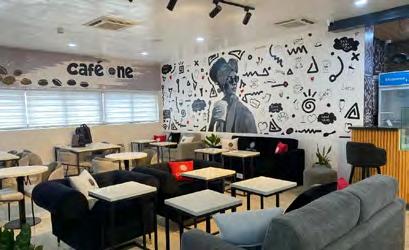
CAFÉ ONE BY STERLING –LEKKI
Part co-working space, part coffee shop, Café One is where design meets productivity. Its modern, minimalist aesthetic—with pops of colour and contemporary furniture—makes it the ultimate hangout for freelancers, students, and anyone looking to sip and scroll in style.
BY JOHNSON CHUKWUEKE
In a city where creativity thrives and every outing doubles as a content opportunity, Lagos continues to raise the bar for stylish, photogenic spaces. From luxe rooftops to cosy cafes tucked in urban corners, the city is bursting with spots that combine visual appeal with great vibes. Whether you're chasing natural light for a spontaneous photo shoot, looking for a chic brunch location, or simply want to relax in a beautifully designed environment, there’s no shortage of aesthetic havens across Lagos. Here are five stunning places where style truly meets space—and your feed will thank you.

TÚRAKÁ LAGOS, VICTORIA ISLAND
Located within the Alliance Française building, Túraká blends greenery, art, and Afro-European charm. It’s perfect for brunch, quiet meetings, or content creation. The glass walls, soft lighting, and pops of colour from sculptures and plants make it a photographer’s playground.
Lagos isn’t just evolving—it’s expressing. And these aesthetic hotspots prove that design, experience, and lifestyle can go hand in hand. Whether you're out to create content, connect with friends, or enjoy a solo treat, these locations deliver atmosphere in spades. Style meets space here, and Lagos proves once again that it knows how to show up—and show off.
EUROPEAN DELIGHT BON APPÉTIT
BY NATO CHIMA
One of the best things about diversity is the unique aspects it offers, and when it comes to European cuisine, they do not disappoint in their culinary excellence. European cooking is celebrated for its diversity and rich flavours, with each country offering its own unique culinary delights. In this article, we will explore some of the best dishes from Belgium, Spain, and Italy. Each of these dishes not only reflects the cultural heritage of its country but also showcases the innovation and artistry of European cooking.
ENGLAND’S FISH AND CHIPS
Perhaps the most iconic dish from British cuisine, Fish and Chips is a beloved meal consisting of battered and deep-fried fish, typically cod or haddock, served with thick-cut chips (fries). Traditionally, it's accompanied by mushy peas and tartar sauce. The dish originated in the 19th century and has since become a staple of British cuisine, often enjoyed as a takeaway wrapped in paper.
COQ AU VIN FROM FRANCE

Coq au vin is a classic French dish that translates to "rooster in wine." This healthy stew features chicken, mushrooms, onions, bacon, and garlic, all slow-cooked in red wine, typically Burgundy. The dish is then seasoned with herbs like thyme and bay leaves. Coq au vin is an ideal example of rustic French cooking, highlighting rich flavours and tender, slow-cooked meat.
THE BELGIAN MOULES-FRITES
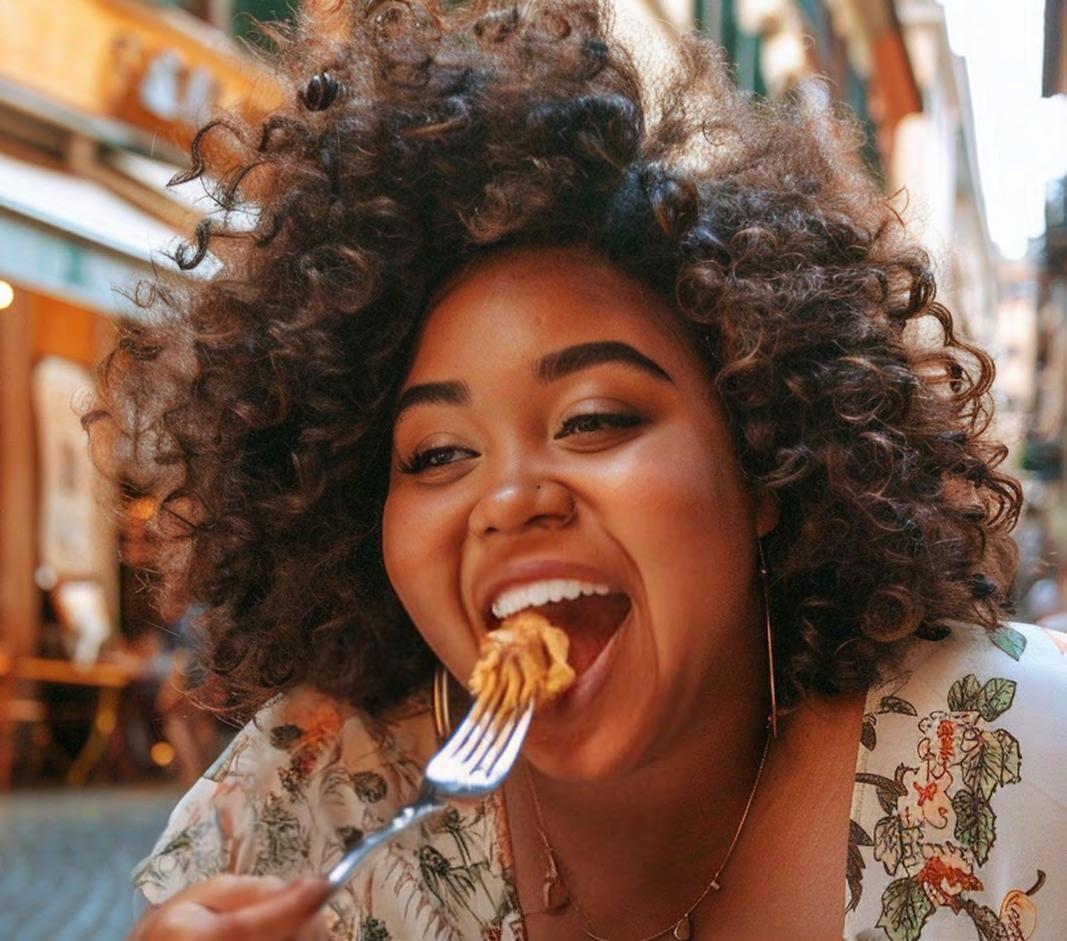

Moules-frites, or mussels and fries, is a classic Belgian dish. Fresh mussels are steamed in a broth which is made with white wine, shallots, parsley, and butter, sometimes with added cream or tomatoes. They are served with a generous portion of crispy fries, traditionally double-fried for the perfect texture. Moules-frites is a simple yet delicious dish that shows Belgium's love for seafood and perfectly fried potatoes.

THE SPANISH PAELLA
Paella is Spain's most famous dish, originating in the Valencia region. This tasty and colourful rice dish is cooked in a wide, shallow pan, allowing the rice to develop a crispy bottom layer called "socarrat." Traditional paella includes a mix of seafood, chicken, rabbit, and vegetables, all flavoured with saffron and paprika. There are many regional variations, but the essence of paella remains its perfectly cooked, aromatic rice.
ITALY’S RISOTTO

Risotto is a creamy rice dish from Italy, known for its rich texture and flavour. It is said that the key to a perfect risotto is using high-starch, shortgrain rice, such as Arborio or Carnaroli, and gradually adding warm broth while continuously stirring. This technique releases the rice's starch, creating a velvety consistency. Risotto can be made with a variety of ingredients, including mushrooms, seafood, or saffron. Each form offers a unique taste experience, but the preparation method remains the same.

So, whether you're an experienced foodie or a curious eater, these dishes are worth trying, as they offer a delicious journey through the heart of Europe. Do well to enjoy yourself as you try them.

cassy’s chronicles
UNFINISHED BUSINESS


Ialready messaged him the day before to let him know I would be coming to pick up my stuff from his place. I haven't been to his since I left his house angrily that night.
But standing in front of his door again felt strange and familiar. Like my body remembered something my heart was still trying to forget.
When he opened the door, my chest tightened.
“Hey,” he said softly.
“Hi”
I stepped inside, and I felt nostalgia. The grey couch where we used to spend lazy
Sundays. The kitchen where we danced while cooking noodles at midnight. The scent of his cologne still hung in the air like a memory I wasn’t ready for.
“I packed most of your stuff,” he said. “Thanks”
I bent down to pick up the box near the wall, trying to focus, trying not to look at him too much.
But it was hard.
Breakups are funny like that. You can spend weeks reminding yourself why it ended, why walking away was necessary, why you deserve better. Then one look at them, one familiar smile, and suddenly your heart starts
acting stupid again.
“You look good,” he said.
I laughed nervously. “Don’t do that.”
“Do what?”
“Make this harder.”
He was quiet for a second.
“I miss you.”
Those three words were dangerous. More dangerous than I wanted to admit.
Because the truth was that I missed him too. I missed the version of us that once felt safe.
I should have left after packing my remaining stuff.
But somehow we started talking.
About little things at first. About work, life, and how weird things had been since the breakup.
Then somehow, we were sitting on the couch.
I hated how natural it still felt.
“You ever think about us?” he asked.
“All the time,” I admitted, my voice barely above a whisper.
That honesty broke whatever wall I had left.
Before I knew what was happening, he kissed me first.
And I wish I could say I stopped it.
But I didn’t.
Because sometimes loneliness sounds like love when it comes from someone familiar.
The kiss was soft at first, full of history, regret, and unfinished feelings.
We ended up in his bedroom, the same place where I had once believed forever lived.
And for a moment, wrapped in his arms, I let myself forget everything that broke us.
It wasn’t just sex. It was a combination of grief and comfort.
It was two people trying to hold onto something that had already slipped away.
We finished, and reality returned quietly. I lay there on his bed, my emotions heavier than my body.
Sleeping with him didn’t fix anything.
It didn’t erase the heartbreak. It didn’t rebuild the trust.
It only reminded me why letting go is sometimes the hardest form of self-respect.
I got dressed in silence.
“You okay?” he asked.
I nodded, even though I wasn’t.
“Yeah. I just… I should go.”
This time, when I picked up my box, I actually left.
And as I walked away, I realised closure doesn’t always come from one final conversation.
Sometimes, closure comes when you finally understand that going back to what hurt you will never heal you.
I went there for my things. But what I really took back was a piece of myself.
BY BOLUWATIFE ADESINA
The Devil Wears Prada 2

The last 20 years have been good to Andy Sachs (Anne Hathaway). We first met the upstart journalist back in 2006, in David Frankel’s The Devil Wears Prada, written by Aline Brosh McKenna and based on the tell-all book by former Anna Wintour assistant Lauren Weisberger. Idealistic and naive, young Andy took an unplanned detour into the wild world of fashion as the assistant to the powerful editor Miranda Priestly (Meryl Streep) at Runway magazine, and learned a lot of hard life lessons along the way: how to answer phones and style herself, but also how to stand up for what she believes is important, too.
Now, some two decades later, after achieving a lauded career in her dream field, Andy finds herself back at Runway, thanks to market forces dictated by flippant media moguls and their cruel balance sheets. She is different, but so is the world of magazines.
It’s a good thing that The Devil Wears Prada 2 wants to grapple with the reality of our current media landscape – as a sequel, it actually has something to say. It eclipses the first film because McKenna and Frankel, both returning, have taken their fun fashion film and given it a deeper meaning for the moment. It’s bigger, better, and it resonates with the cultural zeitgeist while maintaining the spirit, style and wit of the original. Like Andy, the sequel is older and wiser.
Rather than focus on a bunch of new Andys, The Devil Wears Prada 2 is about what it means to be Andy in her 40s. She’s still spunky and smart, with her own ideas about how things should be, but she’s much more confident and comfortable in her own skin, thickened after years of experience.
There’s comfort in the continuation of this world from the same creative team. The entire cast is back, including Streep and Hathaway, as well as Stanley Tucci, as Nigel, Andy’s Runway confidant, and Emily Blunt, as Andy’s former assistant frenemy Emily. Tracie Thoms returns as Andy’s best friend, Lily, as well as
Tibor Feldman as Irv Ravitz, Miranda’s boss, the owner of the media empire Elias Clark. Thankfully, like Andy, the sequel has also learned some lessons about toxic boyfriends – there’s zero mention of villainous Nate from the first film.
Prada 2 opens with duelling crises: Andy has just lost her job at the New York Vanguard while accepting an award for her investigative work; her acceptance speech, a screed for protecting journalism, has gone viral. Meanwhile, Miranda has gone viral too, in the bad way, for publishing a piece about a fashion brand that was revealed to use sweatshop labour. Irv and his son, Jay (B.J. Novak), land on the bright idea of bringing Andy in to lend Runway a more journalistic air, and she jumps at the chance.
The two films are built and structured the same way: Miranda turns up her nose, they lock horns and tussle, but Andy’s tenacity and hard work eventually win. A big, fashion-forward third-act European trip – this time in Milan – results in a top-down corporate shake-up that Andy has a hand in, but this time, it’s on a much bigger scale.
With the fate of Runway magazine now in the hands of new investor Jay and his team of cutthroat management consultants, Andy, seeking a lifeline, reaches out to Dior head designer Emily and her bizarre techbillionaire boyfriend Benji Barnes (Justin Theroux). Like every current legacy media outfit, the Runway team is stuck between a rock and a hard place, singing for their supper from either a wealthy heir or an evil tech bro – The Devil Wears Prada 2 is less fantasy escapism than it is scathing mediabusiness satire.
Streep once again unnecessarily proves she’s the best in the business with her performance, delivering more in a single quiet line delivery than most actors can achieve. As Benji mansplains, submitting to the onslaught of the future, sitting beneath an ancient fresco of “The Last Supper,” Streep sighs, “maybe,” the word containing every bit of worry, grief, and anxiety that anyone who cares about art made by humans feels right now.
The setting is pointed – these movies are about what’s iconic and persists in culture, and how mainstream consumption is shaped by human beings with taste, fashion, and magazines, which are not frivolous. The sequel argues once again for the magazine traditions of shaping taste, or doing good journalism, and though some might believe these endeavours are the last traces of a dying empire, that doesn’t mean they aren’t worth fighting for. It’s a profoundly moving sentiment, something that you might not expect to find in The Devil Wears Prada 2, but this is a film, like its heroine, that never minded being underestimated.
Rating:8/10

Scan this with your camera or click to access the playlist (Youtube Music)



WATCH OF THE WEEK
MAN ON FIRE
AJ Quinnell’s 1980 novel Man on Fire has spawned four wholly unique film adaptations, but Netflix’s new series has the distinction of being the first to lack an identity of its own.
Granted, expecting any filmmaker to one-up the late, great Tony Scott is a tall order, but even the grimyromantic energy of Élie Chouraqui’s 1987 adaptation would be preferable to showrunner Kyle Killen’s flavourless seven-episode series.
Yahya Abdul-Mateen II is more than capable of following in Scott Glenn or Denzel Washington’s footsteps as John Creasy, an ex-C.I.A. agent who’s content to drink himself into a stupor until the job of serving as bodyguard to a young girl, Poe (Billie Boullet), falls in his lap. He brings undeniable intensity and presence to the role, but it’s in service of a plot that doesn’t give his character anything to play off of beyond this meagre PTSD setup.

Scan this with your camera or click to access the playlist (Spotify)






What’s also different here is the scenery: the series takes place in a bland version of Rio de Janeiro and the particulars of how Creasy finds his way back to his old self. The plot takes an explosive left turn at the end of the first episode, but what follows lacks the kinetic drama of earlier adaptations. And Creasy’s relationship to Poe, the very foundation of the story, is held together by a shared loss and little else until halfway through the season.
The series does occasionally make good on some basic thrills, like a three-way standoff between Creasy, the henchmen holding Melo hostage, and the favela gangs themselves. Elsewhere, a breakin to a Brazilian prison gradually morphs into an ensemble spy mission
straight out of Mission: Impossible. In between, we get expected moments of Creasy employing some gruesome, C.I.A.-approved tactics to obtain information.
The series relies heavily on Creasy being an indomitable force of revenge, but because we never really feel the weight of what he lost early on in the season, or get a sense of an attempt to struggle against his basest instincts, his actions wind up feeling like overkill rather than justice. He’s just another stoic action hero, without any of the depth or danger of this character’s past portrayals, or any of his far cooler, angrier peers in the genre.

6uff - 10 MINUTES Didi B - Fire in your Eyes
Utopia - Spiritual Machines
Sarz - MAD - Ibara X Sublife Remix
Ozedikus - WYD
Asake - WORSHIP
6uff - ALIBOMAYE
JAE5 - MINK SB (feat. Skepta, Lojay & Skillibeng)