

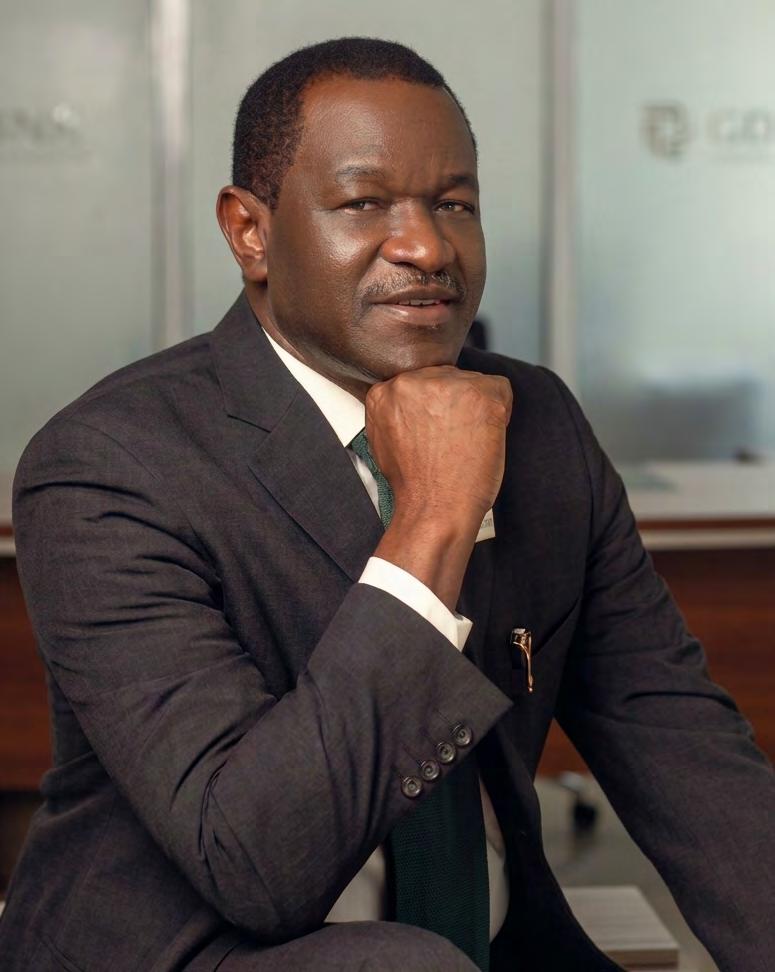

Leading FG's Most Transparent Student Initiative, NELFUND




AKola Oshalusi @insignamedia Makeup: Zaron
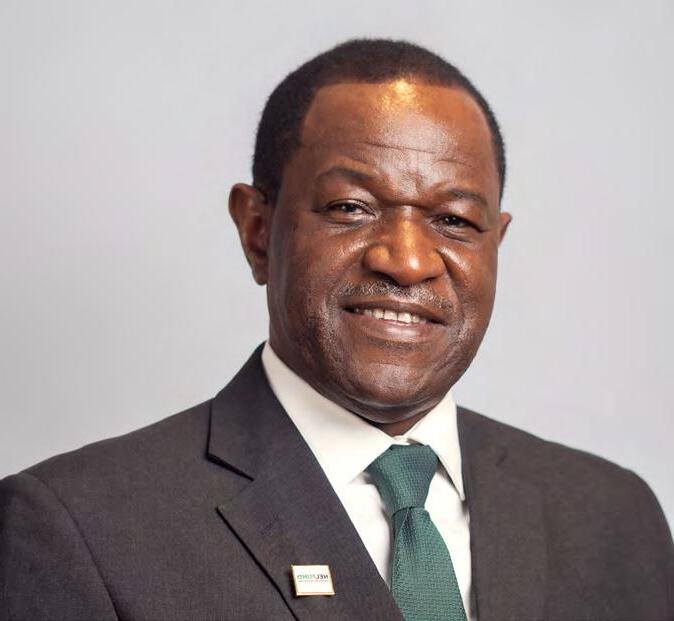
kintunde Sawyerr is leading one of Nigeria’s most significant education reforms, the Nigerian Education Loan Fund (NELFUND), as the Managing Director and Chief Executive Officer. Given his career spanning finance, investment, and development strategy, you might ask why he accepted the appointment at NELFUND. Sawyerr says that if you want to contribute to your country as he does, you accept such opportunities even though you might not be ready, so you learn on the job. There is a big question: Can students take a government loan for education? Sawyerr admits this is his biggest misconception; no one believes the scheme is real. Most people believe it’s another scam, and when they hear that some people got the loan, they believe there must be a catch. This is not the case. Sawyerr has one question for young Nigerians who are sceptical about governmentbacked initiatives: What do you have to lose? Especially as they are not being asked to bring any money to apply.
To explore Sawyerr's journey and the challenges of the Nigerian Education Loan Fund, you can dive deeper into his story on pages 8-10.
How you start your morning sets the tone for the rest of your day. And what better way to ignite your energy and get those feel-good endorphins flowing than with a morning workout? In this week’s fitness article, we highlight some of the best morning workouts to get your day started. Find the full article on page 13.
Continuing our focus on well-being, another essential element is hydration. I’ve often wondered how much water we really need to drink, and this week’s health article clears the confusion once and for all. There are many factors to consider. Find out more on page 14.
Until next week, enjoy your read.


@onahluciaa +2348033239132

Rise and Grind Best Morning Workouts to Kickstart Your Day
Akintunde Sawyerr Leading FG’s Most Transparent Student Initiative, NELFUND
Ways to Achieve Plump Skin Without Injectables
Plantain on Everything
Pattern Drenching 101 Everything You Need to Know European Cities for Travellers Who Hate Crowds My Truth Let’s End The Confusion How Much Water Do You Really Need?
Small Talk, Big Wins Building Office Relationships That Matter The Bride!

Boluwatife Adesina @bolugramm
- Contributing Writer
Boluwatife Adesina is a media writer and the helmer of the Downtown Review page. He’s probably in a cinema near you.

AUSTYN OGANNAH
PUBLISHER/EDITOR-IN-CHIEF
Executive Editor: Onah Nwachukwu @onahluciaa
Writers: Johnson Chukwueke & Dorcas Akintoye
Design & Layout: Hogan Effiom
Digital Media: Oladimeji Balogun
Consulting Art Director: Sunny Hughes ‘SunZA’


3888
Sally Chiwuzie @unshakable.is.a.state.of.mind - Contributing Writer
Sally Chiwuzie is a non-practising barrister who owns the brand #Unshakable. She is the author of Silent Symphonies, a fictional love story, and the creator of the podcast Chronicles of #Unshakable Truths.


Ada Obiajunwa @aaddaahh
- Contributing Writer
Ada Obiajunwa writes from Lagos about the big truths tucked inside ordinary moments — friendship, self-discovery, and the quiet revolutions of everyday life. She believes in the power of presence, good banter, and decoding the unsaid. Through her fragrance studio, WhiffWonders, she also crafts scents that weave memory and emotion into experiences that feel like home.

BY DORCAS AKINTOYE
In 2026, bags are not just about looking good. People want bags that are stylish, practical, comfortable, and easy to use. Fashion is also becoming more personal. Instead of everyone carrying the same thing, people are choosing bags that fit their lifestyle. The right bag can complete your outfit, make you look more put together, and even show your personality. In this article, we will show you four trendy bags you should consider buying in 2026.
The East-West bag is one of the biggest trends right now.This bag is wider than it is tall. It has a long, horizontal shape.This shape makes the bag look very modern and different from the usual bags we see. One reason people love this bag is that it looks classy without trying too hard. It is simple but still stands out. It works well with both casual and corporate outfits.You can carry it to the office, dinner, or even social events.
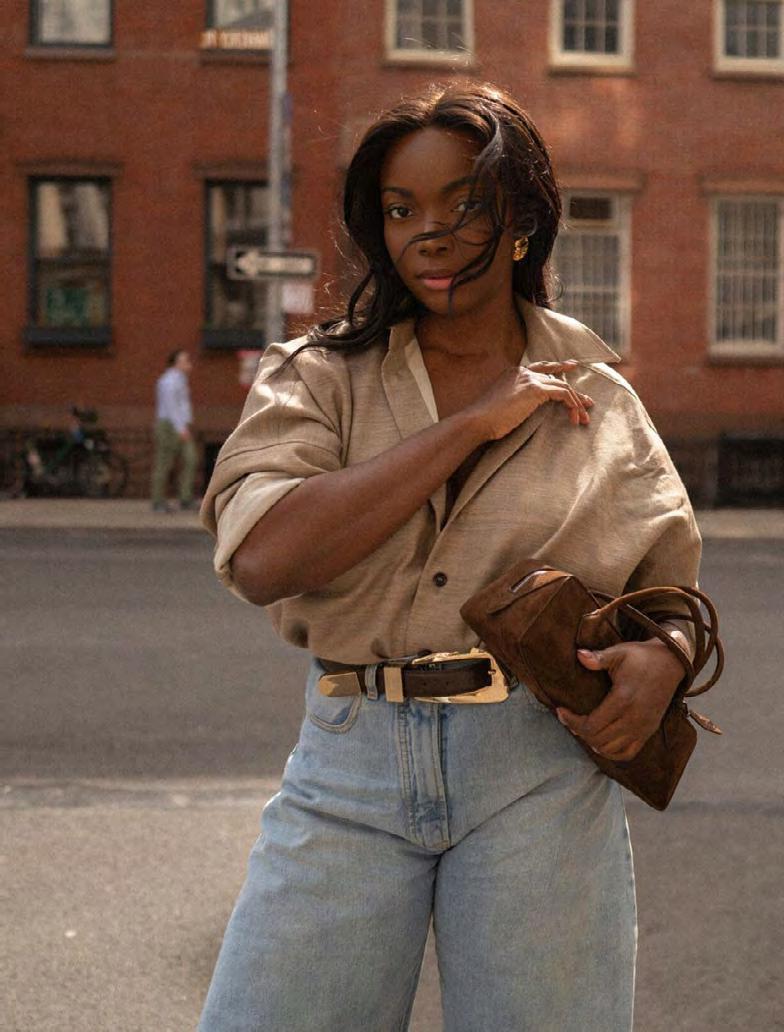
Slouchy bags are soft bags that do not have a stiff shape.They look relaxed and natural. This bag gives a very effortless and cool look. One reason people love slouchy bags is their comfort. Slouchy bags are perfect for people who like simple but stylish fashion.

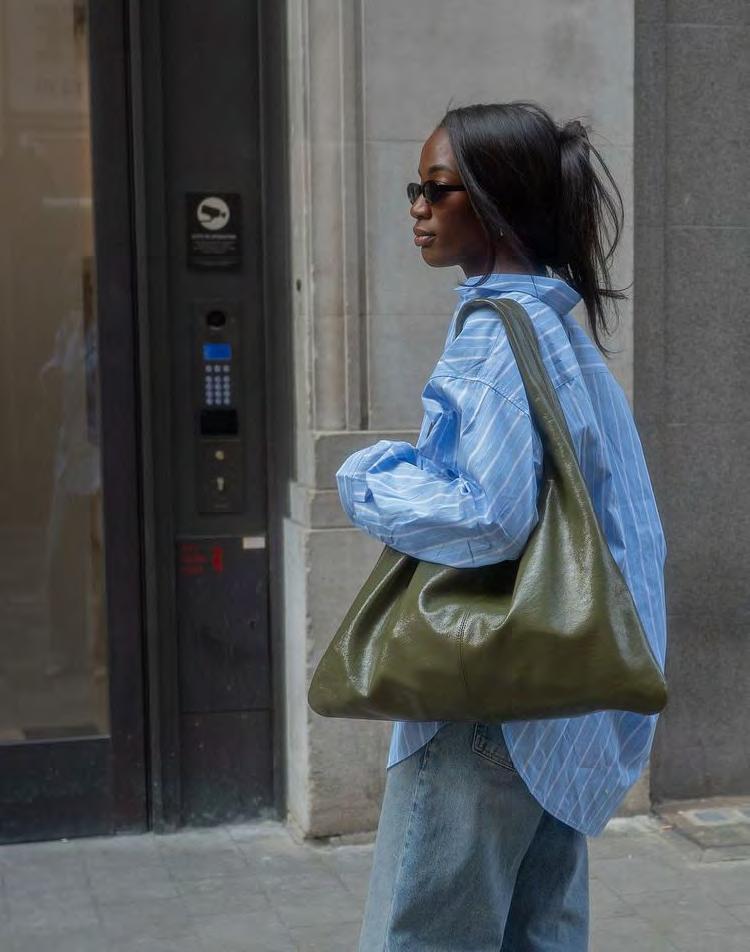
Big bags are back in a big way. Oversized tote bags are becoming very popular because they are very practical. They can carry almost everything you need in your day. If you go to work, meetings, or school, this bag is perfect for you. You can put your laptop, notebook, makeup bag, charger, water bottle, and other personal items inside. It is especially useful for people who do not like carrying many small bags.
Statement bags are bold and eye-catching. These bags are made to stand out.They can come in bright colours, unusual shapes, or unique designs. In 2026, statement bags are becoming more creative and expressive.
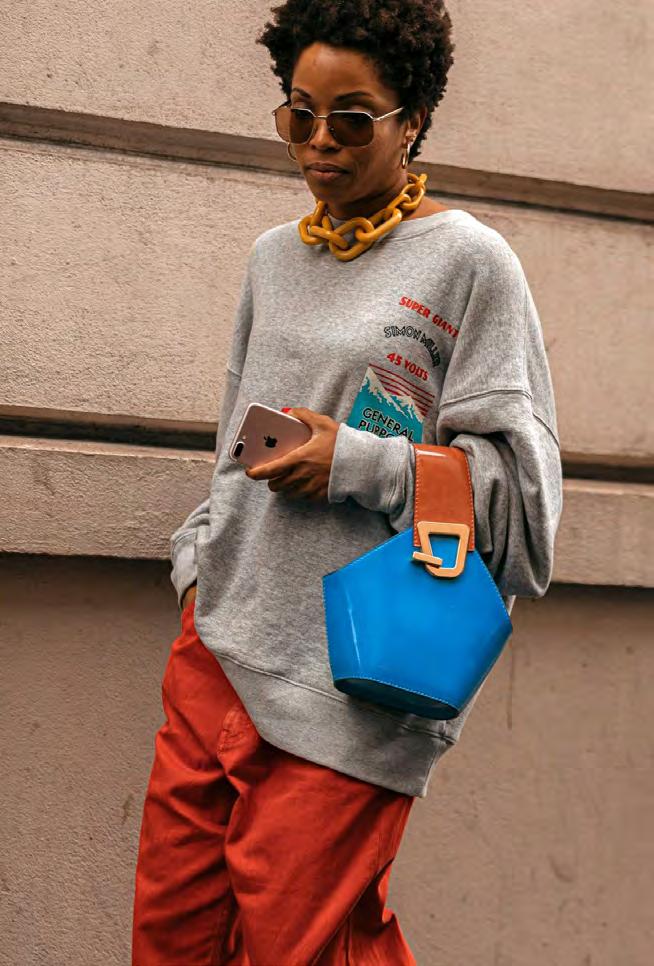
In 2026, bags are not just about carrying your things. They are part of your identity and style. When choosing a trendy bag, it is important to pick one that fits your lifestyle. Think about where you will use it, what you will carry inside, and how it matches your outfits.



SALLY CHIWUZIE @unshakable.is.a.state.of.mind
Growth rarely happens in private. Someone is always watching.
If you are an outspoken creative building a loud and colourful brand, that truth becomes even more obvious. People watch when the ideas are flowing, and the light is bright, but they also watch when you are quieter, uncertain, or simply human. They watch the shine and the shadows, too.
At different stages of my life, I have felt this very clearly. For a long time, it confused me. I would notice reactions, subtle shifts in people, or comments that appeared months later in conversation, and I would find myself wondering what exactly had triggered them.
Eventually, I realised something simple.
I had changed.
The change was not dramatic, and it certainly did not happen overnight, but it was steady enough for people around me to notice.
In the last two weeks, I wrote You Don’t Owe Everyone an Explanation and What Peace Costs.

Those pieces helped me understand the internal part of that journey. The boundaries, the self respect, and the quiet acceptance that peace is not free.
First, there are the silent observers.
Your growth unsettles them. Your courage to evolve feels like a quiet accusation, even when you never intended it that way. Your boundaries remind them of the ones they never set.
Your peace highlights the chaos they may still be living with.
Resentment rarely introduces itself honestly. It disguises itself as criticism, sarcasm, or subtle attempts to pull you back into the version of yourself that was easier for them to manage.
For a long time, I would shrink when that happened.
If someone seemed uncomfortable with my growth, I would soften it. I would dim the light. I would adjust myself so that I was not too bright, too loud, or too different. I thought keeping everyone comfortable was the price of keeping relationships intact.
But that version of peace was exhausting.
What became clearer afterwards is that while change begins internally, there is always an external reaction as well.
People decide what to do with the version of you that is emerging.
And somewhere along that journey, I realised something that stayed with me: Growth does not just change you. It quietly reveals who was only comfortable with the version of you that stayed the same.
For me, the core of who I am remains #Unshakable. That part does not move. But like most people, I change with the seasons. I adapt, I evolve, and I take the lessons that life offers and shape them into the next version of myself.
If you think about it for a moment, this probably applies to you too.
I should also admit something about myself. I am a deeply sensitive empath. I read energy and atmosphere almost instinctively. Over time, I began to notice that when someone changes, the people around them tend to fall into a few familiar patterns.
These are the people who notice everything but say very little. Months may pass with no comment at all, and then one day over coffee, they will casually reference something you did or said half a year ago. In that moment, you realise they have quietly witnessed the whole evolution.
Then there are the cheerleaders.
These are the friends who stand right at the front and support you, even when they do not fully understand what you are doing. They clap for the risks, the ideas, the growth. To them, loyalty means encouragement rather than interrogation. They are rare, but when you find them, you know.
Then there are the ones who withdraw.
No confrontation. No announcement. No drama. They simply fade away.
Sometimes it is because you are no longer aligned. Sometimes the version of you they knew belonged to a different season. Sometimes your evolution simply does not fit the story they had written about who you were supposed to be.
And that is alright.
But there is another category, and this is the one that took me the longest to understand. The resentful observers.
So, something changed.
Now I choose alignment over approval. I continue to show up and live fully as long as what I am doing sits well with my soul, regardless of who applauds and who does not.
If someone walks away, I have learned to accept that they were never meant to stay.
For those who are drawn to the light like moths to a flame, welcome.
For the ones who have cheered from the beginning, hello tribe.
Because the truth is that growth rearranges the room.
Some people move closer. Some people step back. Some people leave entirely.
And none of those movements diminishes the light.
The light of my candle will always be available to light yours if the wind ever threatens it. Love has a way of travelling in circles.
And perhaps the #Unshakable truth is this: Not everyone will celebrate the person you are becoming, but the people who are meant to walk with you will always recognise the light.
See you next week.

At a time when access to higher education is becoming increasingly tied to financial capacity, Akintunde Sawyerr is leading one of Nigeria’s most significant education reforms in decades.
As Managing Director and Chief Executive Officer of the Nigerian Education Loan Fund (NELFUND), he sits at the centre of the federal government’s effort to expand opportunities for millions of students across the country.
With a career spanning finance, investment, and development strategy, Sawyerr brings a blend of technical expertise and publicservice vision to the role. His leadership at NELFUND focuses on building a transparent, sustainable student loan system to remove the financial barriers that have long prevented capable young Nigerians from pursuing tertiary education.
Funds are disbursed to students through schools, which, in turn, acknowledge receipt of the funds in writing to NELFUND for accountability.
At its core, the initiative represents more than a funding mechanism; it is an investment in human capital and national progress. Under Sawyerr’s stewardship, NELFUND is positioning itself as a transformative, and efficient platform to empower a new generation of Nigerian students to learn, compete, and contribute meaningfully to the country’s future.
In this exclusive interview with THEWILL DOWNTOWN’s Johnson Chukwueke, Akintunde Sawyerr discusses the journey so far, misconceptions, and planned objectives to be achieved as the pioneer Managing Director at NELFUND.
What made you feel ready to accept the NELFUND appointment at such a pivotal moment in Nigeria’s education reform journey? If you want to contribute to your contry like I do, you accept such opportunities. Now, you may not always be truly ready, but you try to learn on the job. All Nigerians are critics of Nigeria, including me. We all say this doesn’t work, or that doesn’t work. So when you are called to contribute your part, you have to do so. Every moment in the progress of a country is pivotal; there’s no moment that’s more pivotal than the other. Nigeria is no more pivotal than it was 10 years ago. Nigeria has always been in crisis. So I am ready to pick up the gauntlet and say, let’s approach this, and let’s learn as we go along. Remember, this scheme is new; it’s not like I was taking over from somebody who gave me a handover note. This is an opportunity to contribute.
What does success look like for NELFUND under your leadership?
Success is me setting up a structure that is sustainable. You know, when you are a pioneer for anything, be it a pioneer father to a newborn child or someone hands you something to look after, your first objective is what you are going to hand over to someone else. Therefore, my idea of success is leaving this job one day and saying to whoever is taking over that I have built a structure in place that they can run with. Of course, they can bring their own idea, but mine is to build the foundation of this entity, not maintain it. So success is looking back in five to six or seven years, and seeing this initiative still running.
How do you balance the speed of loan disbursement with transparency and accountability?
Very simple, at the end of the day, our first objective is to make sure that the right people get the funds, so our objective in the first instance isn’t speed; our first objective is accuracy. How do we make sure that the person who applied for the loan is indeed eligible? How do we disburse the funds to that person and make sure it reaches them personally? So the first thing isn’t speed; we aren’t an instant loan company. We are disbursing billions of Naira of taxpayers' money, and we are accountable for it. So the first thing is to make sure we have a system/process that ensures the objective is achieved, that’s the first thing. Once we know that can work, then we will refine it to get faster, that’s where the speed comes in. I am here to ensure that the right people get the funds. We need to first give them, then we can start thinking about how we would shorten the days of disbursement without compromising the process.
How do you ensure public trust in a system that handles such large-scale funding?
The truth is, trust has become a very big issue. We live in an environment where the man at number 16 doesn’t trust the man in number 17. So in every circle of two to three people, not even the government now, just regular people. You can’t trust your driver, your neighbour, and all; we have major trust issues. So normally, when it comes to government, these trust issues are even bigger, and it’s not even due to large amounts of funds; it’s just the basic lack of trust in government. When governments make announcements in this country, those announcements a lot of times turn out to be false. When people come out for elections and they are asked what they will do about a certain issue, even if they don’t know what to do or how to do it, they will tell lies, just to get into office, after they have most likely spent a lot of money to reach where they are, that’s why they will do anything to and say anything to finally get into that seat. So people make promises they can’t keep. A lot of times, people of the previous government don’t even let the incoming ones know what is genuinely available or not available; it’s all just lies.
" Therefore, my idea of success is leaving this job one day and saying to whoever is taking over that I have built a structure in place that they can run with. "
true. And in many ways, that’s a big problem. I say this because if I suddenly come out tomorrow and decide to steal the money, people will come out tomorrow and say they expected it, that it’s not a big deal. So this issue for me is that people have gone into government offices with good intentions, and the public has convinced them not to bother.
What has been the most challenging decision you’ve had to make since assuming office?
It will be, launching the scheme itself. When we were about to launch, we didn’t know what to expect. We had the I.T team with us, working on the platform. We had done all the possible testing before launch, and still, we were asking questions: What if we launch and this site crashes?
Secondly, our system of government is in office for a maximum of four years, and there’s a limit to what you can do in four years. They will always say they will deliver this and that, in one year, they are still settling down, in year 2, they are already preparing for the next election, and so on. So that lack of trust factor is always there, but we decided on day one that regardless of what it takes, every penny given to anybody, any individual, we are going to tell Nigerians about it. So the first way to instill trust is to show everybody your cards, show them what you have. It’s not easy, people will always think you have something to hide, but as time goes on, as people see you are accessible, you can be spoken to, you come on TV to grant interviews, when they see you, they can ask you the same questions and your answers are the same consistently, you will instill some level of trust. A lot of times, politicians will answer something on Monday, say something different on Thursday, and Nigerians hardly hold people accountable cause now we are used to the lies they tell.
What have been the biggest misconceptions about the student loan scheme so far?
The biggest misconception for me is that nobody believes the scheme is real; they believe it’s another scam, and when we go out and talk about it, people just say we should enjoy our lives; they know we are here to enjoy the money. So the misconception of them not believing that this scheme is actually working or is even real, that is the biggest for me, and when they hear someone has gotten a loan, they believe there must be a catch.
Because testing is different from actually going live, I mean, the site has never been used before. So the most difficult decision for me was saying we were going to launch on Friday, and not knowing what would happen on Saturday cause if anything had gone wrong, it would be a national disgrace that the site had crashed. So I had to take a gamble, and for nearly two years now, we are still going. I would have resigned that day if the site had crashed after launching. Imagine coming to a site we told people to come and apply for loans, for money, and the site crashes.
How do you measure impact beyond numbers and statistics?
Beyond numbers and statistics, the only other way we can measure impact is to talk to people. Besides that, it’s just numbers and statistics. Talking to people lets us know who has gotten it, what the experience was like, and how it worked for them. Personally, I am in different WhatsApp groups of various schools involved in the scheme. I see their conversations, those who got it, those who aren’t getting it. I see the discussions, I hear their stories, and their thoughts as well. So yeah, if we don’t measure impact through numbers and statistics, then it would be through talking to people.
" Today, NELFUND has like a million people we are paying for, and by the end of this year, we are aiming for 2.5 million people. Those people are now better positioned to study further by doing their master's, buy insurance, think about owning a house instead of renting it, buying cars, and so on."
The second one I would say is the idea that in Nigeria, nobody gives something for nothing. There’s a massive view that this is too good to be
What would you say to young Nigerians who are sceptical about government-backed initiatives?
What I will ask is, “What do you have to lose?” Let’s say this isn’t real; you didn’t use money to apply. If someone said they should bring a certain amount of money to apply, then you know they will have something to lose. So that begs the question, what do you have to lose? If the answer is nothing, then the next question is, what do you have to gain? Simple, education, and what does education give you? It opens a new pathway to life. So, for people who are sceptical, there’s nothing to lose: if you apply and the whole thing turns out to be a charade, you have lost nothing. That’s what I have to say.
In what ways do you see NELFUND shaping Nigeria’s economic future beyond education?
Let me start by saying, there are many Nigerians who can not do the jobs that are available. There are industries that when you advertise for a job, you can get 10,000 applications, but you won’t find one person
who can do that job. Let’s say the industry eventually takes one, but eventually, they have to sack the person. So when they do that two to three times, you have to import someone from abroad. The tiles on my floor were laid by people from Togo because every time you call a Nigerian tiler, they are not focused on the tiles; they are focused on the other deals they want to do somewhere else. A lot of things around are manufactured elsewhere, and it’s not like Nigerians can’t do it; it’s just that we are not focused on the trade. So by educating people, they become critical thinkers. Universities are there to help you think critically and understand different perspectives, no matter the course you are there to study. It is an environment focused on education, your lecturer will teach you things you didn’t know, your own colleagues will teach you things you didn’t know, you are there specifically for learning, that’s why it’s an educational establishment. There are a lot of people who don’t think critically, and a lot of them are taking their learning from social media. At work, you don’t go there to learn, you go there to work. You don’t go to the church to learn; it’s for worship. This is why we are contributing to education, because it is primarily for you to learn and then become a critical thinker. We are providing more people with the opportunity to go and study, we are creating almost like a new middle class, not everybody will be wealthy or rich. Today, NELFUND has like a million people we are paying for, and by the end of this year, we are aiming for 2.5 million people. Those people are now better positioned to study further by doing their master's, buy insurance, think about owning a house instead of renting it, buying cars, and so on. So there’s an emerging middle class that will come out of this. So once we build that middle class, there will be fewer people doing things like chasing danfos at Oshodi to carry things, because we have now given more opportunities to them, and a lot of these people doing those types of jobs are smart, they just don’t have the opportunity for more. In 10 years' time, we will have 20 million people who said they only went to school because of NELFUND, and these people will also say they only bought a house because they are educated, and NELFUND gave them that educational opportunity.
What lessons from your international corporate experience have influenced your leadership style here?


When you look at a class, any class, you will find there is someone smart in the class, there is someone in the class who is smooth, and then the ones who don’t perform. When I say smartest, I mean they always come first, academically. Then the smooth ones are those who aren’t exactly academically smart, but they are savvy, they know how to negotiate their way through the class, they know how to make good relationships with other students, and they know how to influence the teachers. People at the bottom of the class generally get nowhere, people in the middle are generally more successful, then people at the top, the academically smart ones, they have a good life. People like Dangote weren’t necessarily the top of their classes, but look at the people they employ; they employ people who top their classes, people with Ph.Ds from Harvard and the like. Those people who top their classes aren’t generally courageous; they play it safe. Then you have the Otedolas of this world, the gamblers, who take risks. Yes, they are smart, they are smooth, and they are risk takers. If you consider nations as individuals in a class, then Nigeria is at the bottom. If China, Japan, Korea, Canada, and America were people in a class, then Nigeria would be at the bottom of the class. We have everything, and yet, look at
where we are. So in my time here, what I have learnt is that if I want to do something, people will be like Oh, this man is an oyibo man, he doesn’t know the Nigerian way.” So I always ask why we are still at the bottom if the Nigerian way was better. The Nigerian way is only good because I am a better liar than you; that’s why I go higher. The people who colonised us are not like us, yet they colonised us, and we still use their language, so the big lesson I have learnt from working globally is that it’s not “gra gra” that makes you successful, it’s about trying to understand your environment. Another thing is that while you are trying to understand your environment, Nigerians will take you for a fool; that’s their general view. We don’t seem to have that understanding that patience and measuring are how the average person in developed countries makes a way for themselves. If they are headed somewhere, they look at the map, and they work out their route for the best time to arrive. But here, they will just say they know the way to Agege, and when they get to Agege, they will ask where the mosque is. What I have seen around the world is that the most successful ones plan before they cut. I try to measure what I am doing before I do it. I could still get it wrong, but I have to measure what I have to do.

ADA OBIAJUNWA
@aaddaahh
You finally sit down. Nothing urgent.
No one is chasing you. No red notifications.
And within seconds, your brain starts scanning the room like it has forgotten something. Shouldn't you be doing something?
Replying to something?
Preparing for something?
Improving something?
Rest never arrives quietly. It shows up with commentary. You open your laptop just to check one thing. You rearrange a drawer you didn't plan to rearrange.
You scroll, but even that feels slightly undeserved.
Adulthood taught us how to work. It never really taught us how to stop. Somewhere along the way, being busy started to feel respectable.
Being tired felt like proof of something. Being unavailable felt like status.
Someone finds out you go to bed at 9pm. They mention it once. Fine. Then they mention it again.
And again
Not cruelly. Just casually. The way people reference something they find slightly unusual. You sleep early. They have filed that away about you. You do not feel guilty about it.
But you notice that it keeps coming up.
And slowly, quietly, you start to wonder if rest is something you are supposed to keep to yourself.
But being rested? That feels like a confession.


Like you missed something. Like everyone else is still going, and you quietly opted out. If you finish early, you look for something else to do.
If you cancel plans because you are tired, you feel lazy.
If you spend a whole Sunday doing nothing, you start calculating what you should have done instead.
Rest feels like borrowed time.
Like you are getting away with something. Even holidays come with itineraries. Even weekends come with errands. Even the peaceful photo you post probably happened between checking emails. The irony is that most adults are tired.
Not dramatic tired.
Not collapse-on-the-floor tired.
Just steadily running on less than full.
So when rest shows up, we do not recognise it as normal.
We treat it like a gap.
And gaps make us uncomfortable.
But the guilt is not really about productivity. It goes deeper than that.
When the noise stops, you are suddenly alone with yourself.
No task to hide behind. No deadline to point at. Just you, quiet, with your own thoughts arriving uninvited.
Busyness keeps that at a distance.
Rest removes the distance.
And what arrives at that distance is not always comfortable.
Sometimes it is a feeling you cannot name.
Not sadness. Not anxiety. Not anything dramatic enough to explain to someone.
Just a low hum. A quiet weight sitting in the chest that productivity was keeping at bay.
You cannot reply to it.
You cannot schedule it away.
You cannot optimise your way out of it.
That feeling has been there a long time.
Rest just stops the noise long enough for you to notice it.
That low hum is you. Trying to be heard.

So you reach for your phone instead. You make tea you do not need.
You find a reason to be useful again.
Because useful has a shape. Useful can be measured. Useful means you do not have to sit with the thing that has no name.
So we fill it.
We reach for something small to justify the day.
We convince ourselves that we will relax

properly later.
But later keeps moving. Maybe rest feels guilty because we never practised it.
We practised striving. We practised endurance. We practised being reliable.
We did not practise stopping without apologising for it.
Busy is often not about time. It is about emotional capacity.
Slowing down feels like falling behind. Adulthood is not just about learning how to carry more.
It is learning how to put something down without explaining why.
To sit in the quiet, even when the quiet is loud. To hear the sound of your own voice and not immediately reach for something to drown it out. That is not laziness.
That is a mature taste.
And maybe that is Luxury Silk.
BY DORCAS AKINTOYE
Plump skin is often associated with youth, beauty, and overall skin health. It is that natural fullness that makes the face appear smooth, fresh, and well-nourished. While many people turn to cosmetic injectables for quick results, achieving plump, naturally radiant skin is possible with the right habits and consistency. Rather than relying on temporary fixes, focusing on natural skin health can yield lasting, healthier results. In this article, we will show you ways to achieve plump skin without injectables.

HYDRATE YOUR SKIN CONSISTENTLY
Hydration plays a direct role in how full or flat your skin appears. When your skin lacks water, its cells shrink, making your face look dull, tired, and slightly sunken. On the other hand, when your skin is well hydrated, the cells retain moisture, which makes the surface look smoother, firmer, and more radiant. Over time, consistent hydration improves elasticity, reduces the appearance of fine lines, and gives your skin a naturally plump look.

The skin barrier is the outer layer that protects your skin and helps it retain moisture. When this barrier is healthy, your skin holds on to hydration effectively, improving its fullness and smoothness. A strong skin barrier helps your skin stay hydrated for longer, improving its overall appearance and keeping it looking naturally plump and healthy.

GET ENOUGH SLEEP AND MANAGE STRESS
Sleep and stress levels significantly impact your skin’s fullness. During sleep, your body repairs damaged skin cells and produces collagen, which helps maintain firmness and structure. When you do not get enough rest, your skin appears dull, tired, and less full. Managing stress and maintaining a consistent sleep routine helps your skin recover and regenerate.

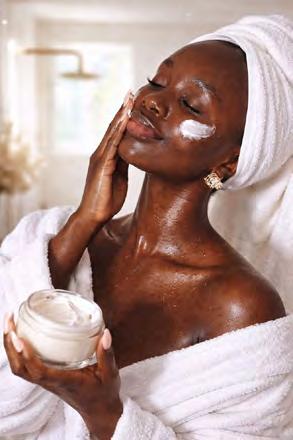
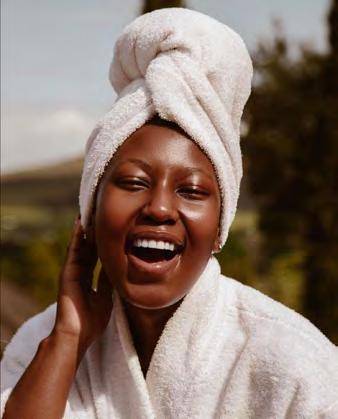


Collagen is the protein responsible for your skin’s firmness and structure, and it plays a major role in maintaining plumpness. As collagen production slows down with age, the skin gradually loses its fullness and begins to look thinner. Supporting collagen production helps maintain your skin’s strength and volume. When collagen levels are preserved and supported, the skin remains firmer, smoother, and naturally fuller for longer.

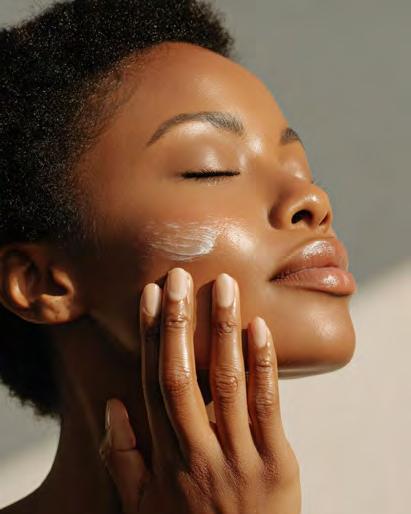
Good blood circulation helps deliver oxygen and nutrients to your skin cells, which improves their health and appearance. When circulation is poor, your skin may look dull, tired, and lifeless. Improving circulation helps restore a natural glow and fullness. Regular exercise increases blood flow throughout the body, including the face, thereby improving skin vitality. A facial massage can also help.
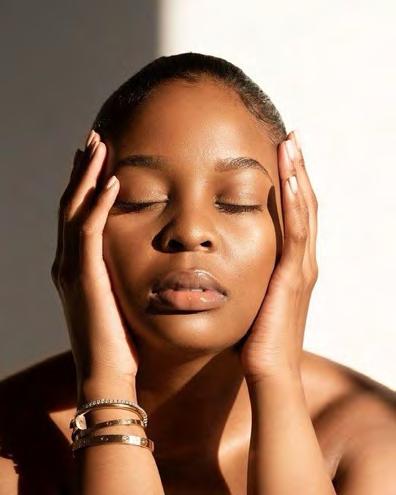
Achieving plump skin without injectables is possible when you focus on proper care and healthy habits. With consistent hydration, collagen support, barrier protection, improved circulation, and adequate rest, your skin can maintain its natural fullness and youthful appearance over time.

BY JOHNSON CHUKWUEKE
They say how you start your morning sets the tone for the rest of your day. And what better way to ignite your energy, focus your mind, and get those feelgood endorphins flowing than with a morning workout? Forget snooze buttons and sluggish starts; your mornings are a golden window of opportunity to power up, both mentally and physically. Whether you're a busy professional, a student, or just someone trying to be more intentional with your health, the right morning workout can boost your metabolism, improve your mood, and sharpen your productivity. Ready to rise and grind?
For this week’s fitness guide, we will be highlighting some of the best morning workouts that’ll have you feeling unstoppable by breakfast.

HIGH-INTENSITY INTERVAL TRAINING (HIIT)
If time is not on your side, HIIT is your best friend. In just 15–30 minutes, you can torch calories and rev up your metabolism for hours. Alternate between short bursts of intense exercises—like jumping jacks, mountain climbers, or burpees—and brief rest periods. It’s quick, effective, and doesn’t require a gym.

OUTDOOR JOG OR POWER WALK
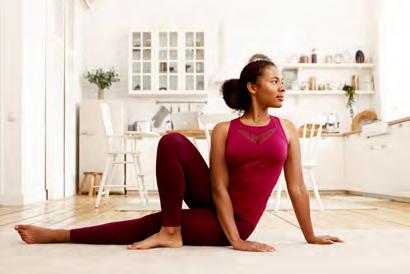
For those who want a more mindful start, yoga is perfect. A simple vinyasa or sun salutation sequence can stretch out stiff muscles, calm your mind, and centre your focus. Bonus points: it improves posture and breathing, helping you feel more relaxed yet ready to take on the day.
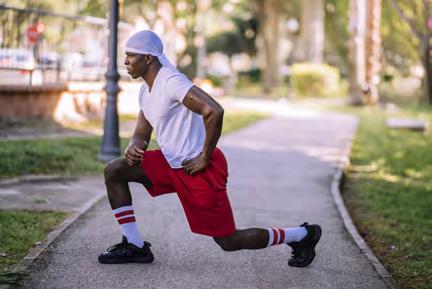
No equipment? No problem. A bodyweight circuit involving squats, lunges, push-ups, planks, and jumping squats can target all your major muscle groups. Aim for 3–4 rounds with 30 seconds rest in between. This is a great way to build strength while still being beginner-friendly.
Fresh air plus movement? That’s a double win. A morning jog or brisk walk gets your heart pumping and gives you time to reflect, listen to music, or even plan your day. And exposure to early sunlight can help regulate your circadian rhythm, meaning better sleep at night.
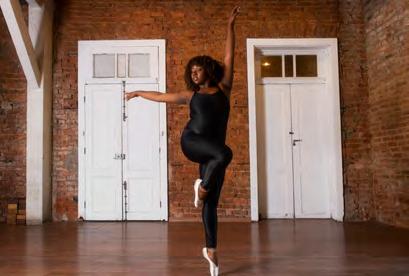
Want your workout to feel more like a party? Try 20–30 minutes of dance cardio using platforms like YouTube or apps like FitOn or Nike Training Club. It’s a fun way to break a sweat, learn some moves, and wake your body up with rhythm and joy.
To help you stay even more consistent in performing your morning workout routine, you need a few pro tips, such as laying out your workout clothes the night before, prepping a light snack like a banana or smoothie if you need fuel, keeping your workouts realistic and time-friendly to stay consistent, and of course, staying hydrated as water is your morning magic potion. Starting your day with movement doesn’t just sculpt your body, but it also sets your mindset. With these energising workouts, you’re not just rising and grinding, you’re rising and thriving. So, get up, get moving, and own your mornings like a champ.


Eight 8-ounce glasses equal roughly two litres of water per day. That amount works as a general guideline for an average adult in moderate conditions. But it was never meant to be rigid. Some days you’ll need more. Some days you’ll need less. If you’re forcing yourself to finish a bottle late at night just to “complete your quota,” you’ve probably turned hydration into a task instead of a habit.

Water doesn’t only come from your water bottle. Fruits and vegetables such as watermelon, oranges, cucumbers, and lettuce are high in water content. Soups, teas, milk, and other beverages contribute to daily hydration. Even coffee contributes to fluid intake, though excessive caffeine may have mild diuretic effects. The key is balance, not fear.

If you live in a hot environment, your hydration needs automatically rise. Heat increases sweat production, even if you don’t notice it. Air conditioning, on the other hand, can subtly dry out your body. Season matters too. In cooler weather, people often drink less because they don’t feel thirsty, but the body still needs fluids to function properly.

One of the simplest hydration checks? Urine colour. Pale straw-yellow usually indicates good hydration. A darker yellow may signal that you need more fluids. Other signs of dehydration include headaches, fatigue, dry lips, dizziness, and difficulty concentrating. If you constantly feel drained, water intake is one of the first things to assess. Drinking extreme amounts of water in a short time can dilute important electrolytes. More isn’t automatically better.
BY JOHNSON CHUKWUEKE
For years, we’ve been told to drink eight glasses of water a day. It’s repeated so often that it feels like a medical commandment. But here’s the truth: hydration isn’t that simple. The “8-glasses rule” became popular because it’s easy to remember, not because it fits every human body perfectly. Water needs vary depending on age, body size, climate, activity level, diet, and overall health. Yet many people either under-drink because they forget, or over-drink because they’re chasing a number.
So, how much water do you actually need? Let’s break it down properly.
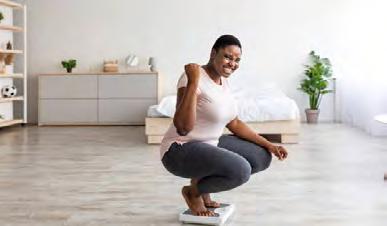
Hydration needs increase with body mass. A larger person naturally requires more fluids than a smaller person. Activity also plays a major role. Exercise, long walks, outdoor work, and even stressful days can increase fluid loss. If you sweat frequently, especially in hot or humid climates, you’ll need to replace the fluid you lose. Someone sitting all day indoors will not require the same intake as someone training at the gym or working outside
Most healthy adults do well with roughly 2 to 3 litres per day, adjusted for body size, climate, and activity level. But hydration shouldn’t feel like a punishment or competition. Listen to your body. Drink consistently throughout the day. Increase intake when you sweat more. Reduce pressure to hit a perfect number. Because staying hydrated is about supporting your body, not chasing a rule.


BY JOHNSON CHUKWUEKE
If packed squares, long queues, and over-touristed streets drain your travel joy, you’re not alone. Europe still has cities that offer beauty, culture, and calm, without the chaos. For many travellers, the idea of a European getaway has slowly become synonymous with crowds. From elbow-toelbow sightseeing to cafés packed before noon, the pressure to “see it all” can quickly turn a dream trip into an exhausting one. But travel doesn’t have to feel rushed or overwhelming to be meaningful. Beyond Europe’s most famous capitals and headline cities lies a quieter side of the continent, places where streets feel lived-in, mornings unfold slowly, and beauty reveals itself without competing for attention. These cities offer history, architecture, food, and culture, but with breathing room. They reward curiosity, not urgency. For travellers who prefer calm energy, unhurried walks, and space to actually enjoy where they are, these European cities prove that avoiding crowds doesn’t mean missing out. It simply means choosing better.
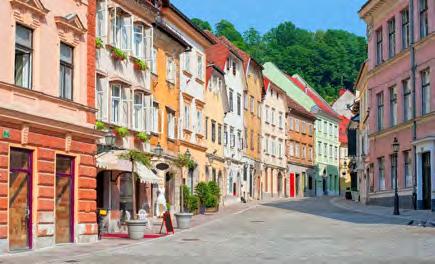
Ljubljana, Slovenia
Ljubljana feels like a city designed for peace. Small, green, and effortlessly charming, Slovenia’s capital is walkable and refreshingly calm. Its car-free centre, leafy riverbanks, and café-lined bridges create an atmosphere that invites slowing down. You don’t rush through Ljubljana, you wander, linger, and breathe it in.

Lecce, Italy
Lecce offers Italy without the pressure. Located in the south, this baroque beauty delivers stunning architecture, golden stone streets, and a laid-back lifestyle. Unlike Italy’s major tourist hubs, Lecce moves slowly. Meals stretch into conversations, evenings unfold gently, and the city feels welcoming rather than overwhelming.

Often overlooked in favour of Lisbon and Porto, Braga is one of Portugal’s quiet cultural gems. Known for its historic churches, elegant squares, and gentle pace of life, the city feels deeply rooted and unpretentious. Braga is ideal for travellers who want warmth, history, and authenticity without heavy tourism.

One of Europe’s oldest cities, Plovdiv blends ancient history with modern creativity. Roman ruins sit comfortably alongside cafés, galleries, and colourful old-town houses. It’s affordable, intimate, and culturally rich, perfect for travellers who want depth without crowds or noise.
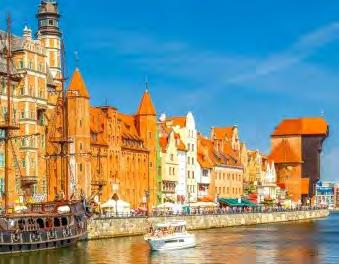
Gdañsk is a coastal city with character and calm. Its beautifully restored old town, Baltic Sea breeze, and powerful history make it both visually striking and emotionally engaging. Unlike busier European ports, Gdañsk offers space to explore thoughtfully and enjoy the city at an easy pace.
Travel doesn’t have to be loud to be memorable. These cities prove that Europe’s magic still exists away from the crowds, in places where beauty feels natural, culture feels accessible, and time feels generous. For travellers who value calm over chaos, choosing quieter destinations isn’t settling for less. It’s choosing travel that actually feels good.
BY DORCAS AKINTOYE
Oneof the most popular interior design ideas at the moment for creating a striking statement in your house is pattern-drenching.
What exactly is pattern drenching? In a nutshell, it involves applying the same pattern, or similar patterns, to several different elements in a space. Consider using the same print or a combination of complementary prints on the ceiling, furniture, curtains, cushions, carpets, and wallpaper. It’s bold, playful, and when done right, very stylish. At first, pattern drenching could seem risky, particularly if you're used to more neutral or minimalist environments. However, it's an enjoyable way to infuse your house with individuality, vitality, and life. It is exciting because it defies every convention of traditional design. This article explains effective ways to try pattern drenching in your interior design.

For a bathroom that makes a statement, deep green is the perfect choice. Shades like forest green, emerald, or olive create a rich, luxurious feel that instantly elevates the space. This shade is great for modern luxury bathrooms, vintage-inspired spaces, or minimalist designs that need a bold accent.

It's not always necessary to use a single pattern to achieve pattern drenching. As long as the patterns are members of the same "family", that is, they share comparable shapes, styles, or colours, you can also combine them. For example, you could combine polka dots with checkered prints or mix tribal prints with geometric shapes. To avoid clashing, just make sure that there is a common element, such as colour or theme.

Don't ignore your windows and floors; they are important components of your room. The drenching effect can be enhanced by adding rugs and curtains with patterns that match or complement those on your walls or furnishings. If your wallpaper features a green-and-white leafy design, for instance, choose drapes or rugs with the same colour scheme. Your area gains harmony and depth from these layers.
To take your pattern-drenching up a notch, coordinate your furniture upholstery with your wall pattern. This creates a seamless, high-impact look that feels carefully designed. For example, if you’re using floral wallpaper, consider covering your sofa or armchair in a similar floral fabric. This matching trick ties the room together, making it look well-thoughtout and stylish rather than chaotic. If matching the exact print feels like too much, choose a print in the same colour family or style to keep things looking connected without being too identical.
Your walls are the simplest place to begin pattern-drenching. Cover all four walls of your room with a pattern that you truly adore, such as stripes, florals, geometric designs, or even animal prints. If you're feeling very daring, you might even go so far as to cover the ceiling with the same wallpaper for a completely patternfilled effect. Particularly in small spaces like a home office, this creates a warm, dramatic effect.

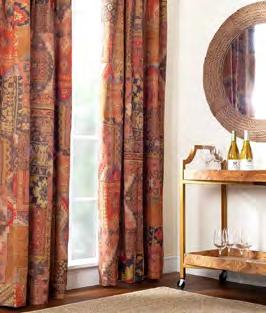
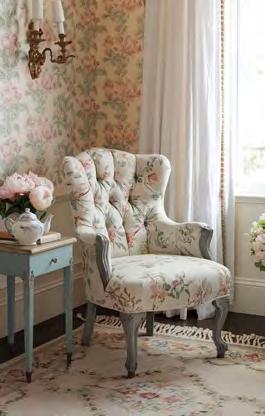

Pattern drenching is not for the faint-hearted, but it’s a great way to show off your style and creativity. Whether you’re decorating a tiny guest bathroom or revamping your entire living room, using bold patterns across walls, furniture, and decor can transform your space into something fun, lively, and unforgettable. Remember, the key is balance, repeat patterns smartly, stick to a consistent colour theme, and don’t be afraid to try new things. With these tips in mind, you’ll be drenching your space in beautiful patterns like a pro in no time.


The best connections often begin with the simplest gestures, greeting your colleague by name, commenting on their desk plant, or sharing a laugh over a meme. These small interactions lower barriers and build familiarity. START WITH SIMPLE MOMENTS

Join the team for lunch. Attend the Friday hangout. Participate in the birthday cake tradition. Being part of office rituals makes you feel more connected—and makes others more likely to loop you into opportunities.

Ask questions. Be curious. Whether it’s about someone’s weekend, their favourite local food spot, or their current Netflix obsession, showing interest makes people feel valued and heard.

You don’t need to be everyone’s best friend, and you don’t have to fake extroversion. Just be consistent. A friendly smile or brief check-in every now and then creates a lasting impact without feeling forced.
SBY JOHNSON CHUKWUEKE
ome of the best career moves don't come from résumés or performance reviews—they come from coffee breaks, casual banter, and conversations that seem like nothing at first but turn into something big. Office relationships can open doors, boost collaboration, and make the workday feel a little less like work. And yet, many people underestimate the power of small talk. Being professionally brilliant is great, but being professionally approachable? That’s where the magic happens. Whether you’re trying to make an impression on your first week or reconnect with your team after months of remote work, small talk is a powerful bridge builder.

Relationships built on casual conversation often translate into stronger teamwork. People are more likely to support your ideas or lend a hand when there’s already a foundation of trust.
You don’t need a bold voice or a big personality to build meaningful connections at work. What you need is consistency, authenticity, and a willingness to engage, even if it’s just a quick chat about weekend plans or the latest viral trend. Small talk isn’t meaningless. It’s the start of trust, teamwork, and long-term growth. The colleague you make small talk with today could be the person who recommends you for a promotion tomorrow or becomes a lifelong friend. In the end, building a career isn't just about what you do; it's also about who you do it with. And a few words in the hallway might just lead to the biggest win of your professional life.
BY JOHNSON CHUKWUEKE
There’s a fruit that has found its way into almost every Nigerian kitchen, and we don’t just love it, we revere it. Sweet or savoury, fried or baked, plantain is the undisputed MVP of comfort food across West Africa. Whether you’re team “ripe and caramelised” or you lean toward that sweet spot of golden yellow, one thing is certain: plantain goes with just about everything. In this article, we’re not just celebrating it; we’re putting it on a well-deserved pedestal with creative ways to make it the star of your plate.
PLANTAIN PANCAKES (SWEET TWIST)
Let’s start with breakfast. Blend overripe plantains with eggs, a pinch of cinnamon, and a little flour (or oats for a healthier option) to create fluffy, naturally sweet pancakes. Serve with honey or peanut butter and fresh fruit for a morning meal that feels like dessert.
SPICY PLANTAIN STIR-FRY
Think of this as the Nigerian spin on fried rice, only better. Chop up ripe plantains and pan-fry until golden. Add bell peppers, onions, garlic, and a touch of scotch bonnet for heat. Toss in some diced protein, chicken, shrimp, or tofu, and finish with soy sauce and spices. It’s sweet, spicy, and seriously addictive.


PLANTAIN LASAGNA (A.K.A. PLANTAIN “PLASAGNA”)
This one’s for the bold and creative. Instead of pasta sheets, use thinly sliced fried plantains to layer your meat sauce and cheese in a baking dish. Repeat the layers, top with cheese, and bake until bubbly. It’s indulgent, rich, and a crowd-pleaser that tastes as wild as it sounds.

PLANTAIN FRITTATA
Who says frittatas are only for brunch menus? Slice ripe plantains and layer them with eggs, onions, tomatoes, and cheese in a dish. Bake or pan-fry until firm and golden. It’s like a mini-plantain pie that works for breakfast, lunch, or a cheeky dinner for one.

For snack time, go crispy. Thinly slice unripe (green) plantains and deep-fry or air-fry until golden. Season with a mix of salt, chilli powder, and a hint of garlic. Serve with creamy guac or a lime-zested yoghurt dip for a crunchy treat that vanishes in seconds.


What makes plantain so versatile is its ability to adapt, whether it’s sweet and sticky when overripe or firm and savoury when green. It pairs beautifully with meats, eggs, veggies, and even dessert. And it’s packed with potassium, fibre, and natural sugars, making it a guilt-free pleasure. So if you’re looking to spice up your menu or just want to honour a fruit that has served you well in everything from party rice to midnight cravings, these plantain-forward recipes are your next kitchen adventure.



I don’t know what came over me that night.
Maybe it was the drink. Maybe it was the way he kept looking at me like he had something to say but couldn’t quite find the words. Or maybe I was just tired of always being the quiet girl who waited for things to happen.
Whatever it was, something inside me finally said, enough.
We sat in his living room, laughing and blushing over the pictures I'd taken on his phone. It was his birthday, and I ended up as his unofficial assistant that day.
Collins had always been my best friend. So when he said he wanted a small birthday hangout at his apartment, I was the one helping him organise everything. From arranging drinks to welcoming the few friends that showed up, I was everywhere.
By the time everyone started leaving, I was exhausted.
The apartment was finally quiet. Just the two of us, laughing at some of the silly pictures. He was talking about something, but I honestly don’t remember what. I was too distracted watching him.
The way his mouth moved when he spoke. The way he smiled halfway through his sentences.
And all I could think about was something I had been trying very hard not to think about for months.
I wanted him.
Admitting that to myself had been hard enough. Controlling the attraction had been even harder. Especially because Collins was seeing someone, even if it was one of those long-distance relationships that always seemed uncertain.
Still, he was my friend.
So I kept my feelings to myself.
Or at least, I tried to.
But that night, something felt different.
Maybe it was the quiet. Maybe it was the way he kept looking at me between sentences. Or maybe I was just tired of pretending that I didn’t feel what I clearly felt.
The more I watched his mouth move while he talked, the more I imagined kissing him.
My heart started beating so loudly I was sure he could hear it.
I started wondering if he felt anything too… or if I was the only one fighting this silent battle.
My mind was racing. Wondering if what I wanted to say might ruin everything.
But another voice inside me kept telling me to say it.
So before I could talk myself out of it, I took a breath.
“I want you,” I said.
The moment the words left my mouth, everything went quiet.
For a second, Collins just stared at me like he was trying to process what I had just said.
Then he leaned closer, studying my face.
“Are you serious?” he asked softly.
I nodded.
My heart was racing, and suddenly I became very aware of how bold that sounded.
He leaned back slightly and laughed in disbelief, shaking his head.
“Wow,” he said. “I didn’t expect that.”
“Neither did I,” I admitted.
That made both of us laugh, and somehow the tension in the room shifted. It didn’t feel awkward the way I feared it would. If anything, it felt lighter.
Like something honest had finally been said.
But the truth was, something had already changed inside me.
I wasn’t the girl who sat quietly, hoping someone else would make the first move anymore.
I wasn’t the girl who hid her feelings because she was scared of looking foolish.
For once, I had said exactly what I wanted.
And yeah… I got what I wanted.
Let’s just say that night, Collins and I crossed a line we had been dancing around for a long time.
And neither of us regretted it.
BY BOLUWATIFE ADESINA

The Bride! is a 2026 American Gothic romance written and directed by acclaimed actor-turned-director Maggie Gyllenhaal. The film features striking performances by BAFTA winner Jessie Buckley and Christian Bale, alongside a stellar cast including Peter Sarsgaard, Annette Bening, Jake Gyllenhaal, and Penélope Cruz.
Inspired in part by Bride of Frankenstein and rooted in the enduring themes of Mary Shelley’s Frankenstein, this ambitious movie aims to blend a Gothic aesthetic with romance and outlaw cinema. It’s bold and curious, but ultimately disappointingly uneven.
In the world of The Bride!, 1930s Chicago becomes the setting for an unconventional tale. After Frankenstein’s monster, Frank (Bale), approaches Dr. Euphronius (Bening) with a longing for companionship, they work together to resurrect a murdered woman who becomes known simply as the Bride (Buckley). What starts as a scientific experiment turns into an impassioned relationship that upends social norms and draws intense attention from law enforcement. As their bond deepens, so does unrest in the streets, and the Bride herself refuses to remain a mere creation. The plot twists through romance, police pursuit, and evolving political tensions, all while the newly made couple tries to navigate a world that can’t decide if it fears or reveres them.
Elsewhere, Sarsgaard and Cruz deliver cracking performances as a police detective duo on the trail
of the murderous couple. Meanwhile, Jake Gyllenhaal stars as a 1930s Hollywood film idol whom Frank has been obsessed with.
Tonally, the film is a wild ride that pulls from a chaotic bag of influences. It attempts to blend the outlaw romance of Bonnie and Clyde with gritty urban realism and a dash of classic Gothic atmosphere. The result, however, feels more like a messy collage than a cohesive narrative. While there are flashes of striking invention in its genre-bending sensibilities, The Bride! never quite finds its own voice. It hops between moods and styles so rapidly that narrative focus is ultimately sacrificed for pure, frantic exuberance.
Where the movie succeeds most clearly is in its performances. Buckley’s portrayal of the Bride is fierce, vulnerable, and magnetic, while Bale brings depth and nuance to Frank. The ensemble cast adds richness even when the script feels scattered. Yet for all the talent involved, the storytelling sometimes feels as though ideas were thrown against the wall to see what would stick. There’s something undeniably distinctive here, a vision that doesn’t look like anything else likely to hit cinemas this year, but it’s also messy and unfocused.
There’s genuine promise in Gyllenhaal’s directorial voice. If she had tightened the thematic focus or committed to a clearer narrative direction, The Bride! might have been a true standout. As it is, it’s an intriguing but deeply flawed experiment. It is worth watching for the performances and audacity, even if it doesn’t make a lot of sense.
Rating:6/10
In Prime Video’s newest youngadult adventure series based on the works of Arthur Conan Doyle, we embark on a rather enjoyable and lighthearted adventure through Sherlock Holmes’s chaotic escapades before he became the Holmes that we know and love. Unlike the more cerebral and puzzle-driven iterations of the titular character, this one feels more jovial and youthful, despite the dreadful situation at its heart, combining witty dialogue and action sequences to give us something more breathless and emotional.


Scan this with your camera or click to access the playlist (Youtube Music)

Hero Fiennes Tiffin’s portrayal of Sherlock is chaotic, as a teen who does not really grasp the concept of consequences. He is not someone you associate with the cold, calculating Sherlock Holmes in his older years, and the difference in their personalities adds a rather odd charm to the narrative. His recklessness, youthful arrogance, and inclination to bend rules reflect the Sherlock of later years while also differentiating him from that persona.
It’s definitely an interesting watch that left me feeling both confused and satisfied with where the character goes. You see flashes of the older Sherlock, while his youthful misdemeanours showcase the character in a relatable, accessible light, making his character arc worth following over the course of eight episodes. Showcasing him as an outsider in both academic and social circles gives the series an interesting twist, and viewers will be intrigued to see where the story goes.
However, I will say that the series, despite its good moments, leans into style-oversubstance young-adult adventure tropes. Some scenes are added to make the series more adventurous, instead of adding anything to the storyline. As a result, the episodes can feel a bit forced at times, and the central mystery also loses steam in between. I think the series tries to be a bit too young
and peppy, rather than focusing on solving the mystery in classic Holmes fashion, which left me a bit annoyed. It’s a bit too quirky, even for Sherlock Holmes!
The central mystery is intriguing, following Princess Gulun Shou’an and her interesting presence in the series of murders in Oxford. We try to understand the motives behind the killers’ actions while we see Sherlock himself coming to terms with himself. His brilliance shines through in every episode, but considering he’s still young, you see how this gift is isolating rather than glamorous. His friendship with James Moriarty is also explosively interesting and





makes you take note of how similar they are in some ways.
The show embraces a dark and brooding aesthetic while being surprisingly light-hearted. Although this doesn’t feel strictly like a detective procedural, the show intrigues because it focuses more on character psychology, asking what it means to be the greatest detective the world has ever seen. However, it does have some pacing issues and takes time building tension and relationships. This isn’t a fast-paced mystery, but the character study makes for a compelling watch.
Hero Fiennes Tiffin makes for an interesting Sherlock Holmes. He is intelligent, socially awkward, impulsive and arrogant while also being vulnerable and searching for his identity. The supporting cast is also great and doesn’t just exist to make Sherlock into his own person. They have their own personalities and add weight to the storyline in their own ways. I particularly enjoyed watching Dónal Finn as Moriarty, as he, too, feels so different from the person we get to know in Conan Doyle’s works.