

Power, in today’s Nigeria, is no longer inherited; it is earned, expanded, and intentionally used.
The women featured in this special cover story are not symbols of token progress; they are architects of transformation. They are leading conversations, occupying spaces once considered inaccessible, and delivering results that speak louder than any headline ever could.
Their achievements are impressive, but what stands out most is the impact they have on others. When women lead in fields like finance, technology, media, public service, and business, they set new standards for those who follow. They change what’s expected in boardrooms, shape policies, and transform industries. Most importantly, they show young girls across Nigeria what’s possible.
The rise of Nigeria’s new power women isn’t just a passing trend; it marks a real shift. It points to a future where leadership is about skill and bravery, not just fitting in. Collaboration is valued over competition, and influence is used thoughtfully. These women aren’t just breaking barriers—they’re changing the whole landscape.
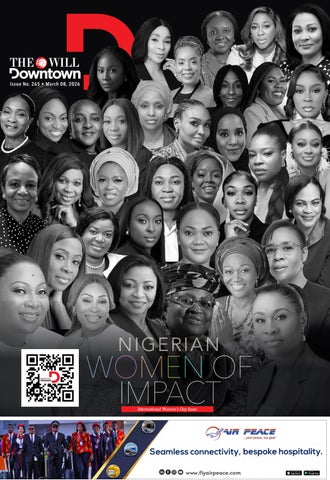
Check out our cover story for International Women’s Day on pages 8 to 15
International Women’s Day is a time to celebrate achievements, promotions, new businesses, and breaking barriers. But behind the cheers, many women feel the pressure of being compared to others. In a world that often judges women by looks, age, relationships, income, and influence, choosing to support each other is a real strength. Read more about sisterhood in our living section.
You’ll find our movie reviews on page 24 and a playlist we’ve put together just for you. Download it for some great songs—I think you’ll really enjoy them.
Until next week, enjoy your read.


@onahluciaa +2348033239132
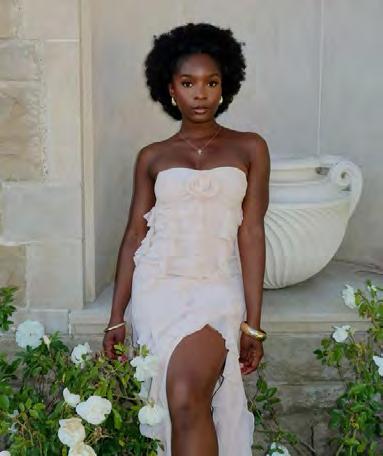
5 Steps to Maintaining a Pixie Cut

Boluwatife Adesina @bolugramm - Contributing Writer
Boluwatife Adesina is a media writer and the helmer of the Downtown Review page. He’s probably in a cinema near you.

AUSTYN OGANNAH
PUBLISHER/EDITOR-IN-CHIEF
Executive Editor: Onah Nwachukwu @onahluciaa
Writers: Johnson Chukwueke & Dorcas Akintoye
Design & Layout: Hogan Effiom
Digital Media: Oladimeji Balogun
Consulting Art Director: Sunny Hughes ‘SunZA’


Sally Chiwuzie @unshakable.is.a.state.of.mind - Contributing Writer
Sally Chiwuzie is a non-practising barrister who owns the brand #Unshakable. She is the author of Silent Symphonies, a fictional love story, and the creator of the podcast Chronicles of #Unshakable Truths.

Ada Obiajunwa @aaddaahh
- Contributing Writer
Ada Obiajunwa writes from Lagos about the big truths tucked inside ordinary moments — friendship, self-discovery, and the quiet revolutions of everyday life. She believes in the power of presence, good banter, and decoding the unsaid. Through her fragrance studio, WhiffWonders, she also crafts scents that weave memory and emotion into experiences that feel like home.
Decor Pieces Every Stylish Home Must Have
Sisterhood Is Not A Competition
Scream 7 Tablet vs Laptop Me, Myself and I


BY DORCAS AKINTOYE
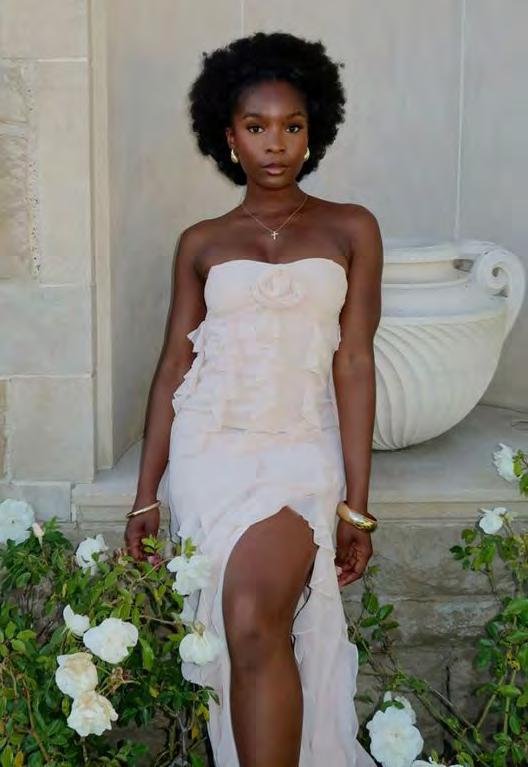
Women’s Month is a time to celebrate strength, confidence, and self-expression. Around the world, and even here in Nigeria, women are using fashion not just to look good, but to express themselves. This year’s celebration, recognised globally by the United Nations, reminds women that their voices matter, and fashion is one way to use that voice without saying a word. One powerful way to express yourself is through statement pieces. These are items that stand out. They show confidence, boldness, and personality. Here are four statement pieces every woman should try this month.
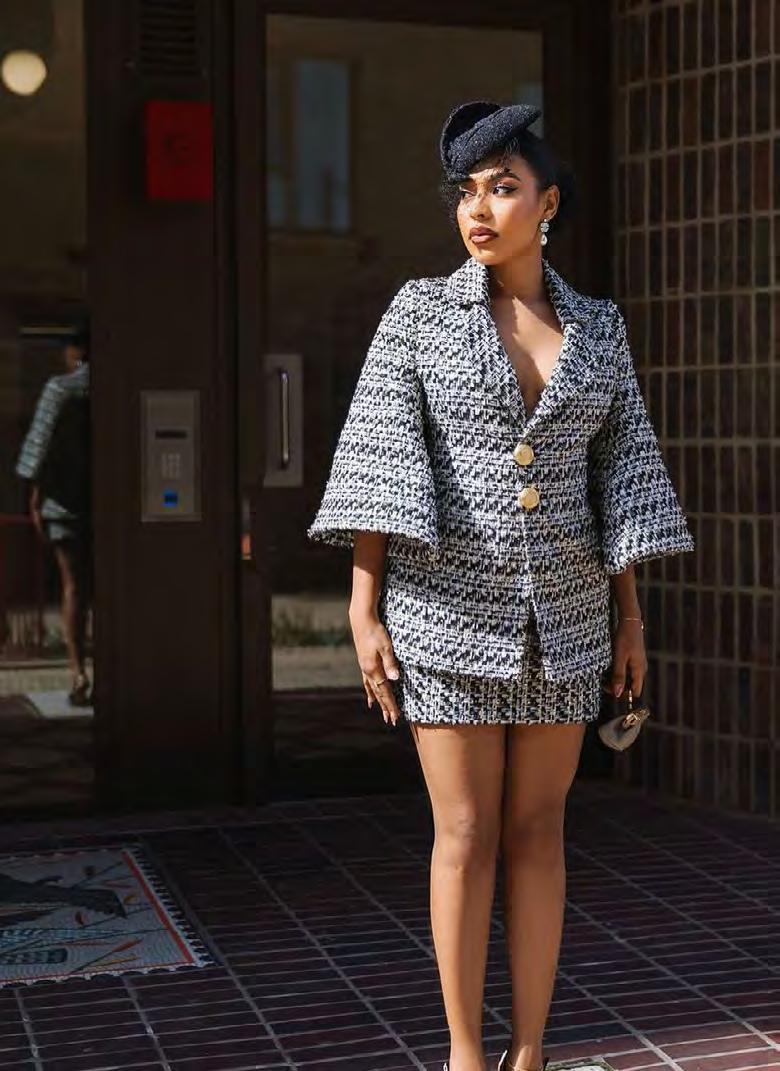
A bold blazer is one of the strongest statement pieces a woman can wear. This is not your regular black office blazer.This is a blazer with colour, structure, or a unique design. It could be red, bright pink, royal blue, or even have patterns.When a woman wears a bold blazer, she instantly looks confident and in control. It gives a boss-lady feeling without trying too hard. You can wear it with jeans and heels for a casual but powerful look.You can also wear it over a simple dress.
Shoes can change how a woman feels, and a powerful pair of heels can completely transform your confidence.This could be heels in bright colours, with unique shapes, or with beautiful designs. When you wear statement heels, you walk differently. You feel stronger.You feel more confident. Even if your outfit is simple, your heels can carry the whole look.
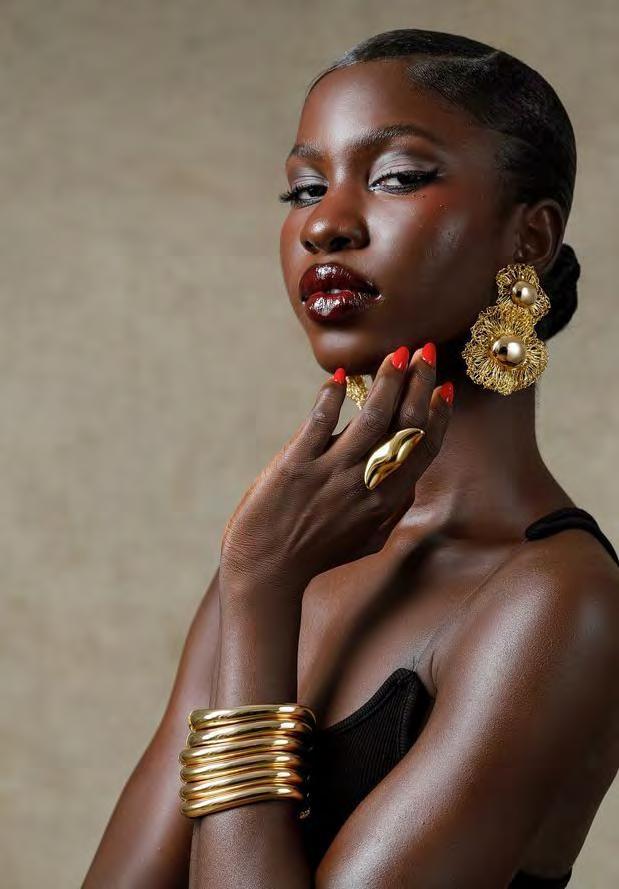
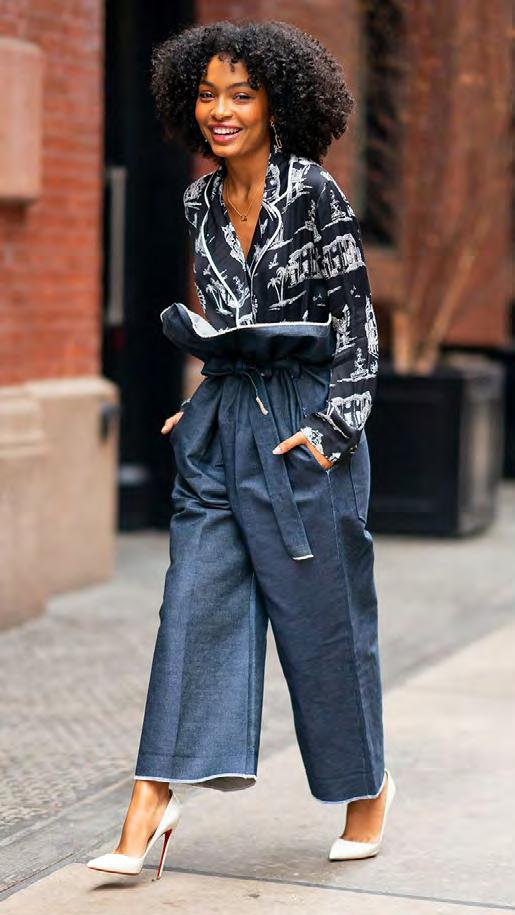
Statement earrings are big, bold, or otherwise distinctive.They can be long, colourful, or have unique shapes.These earrings draw attention to your face.They make even the simplest outfit look special.You can wear a plain top and jeans, but once you add statement earrings, your look becomes complete. Statement earrings also show personality. They show that you are expressive and confident. They are perfect for women who want to stand out in a simple but beautiful way.
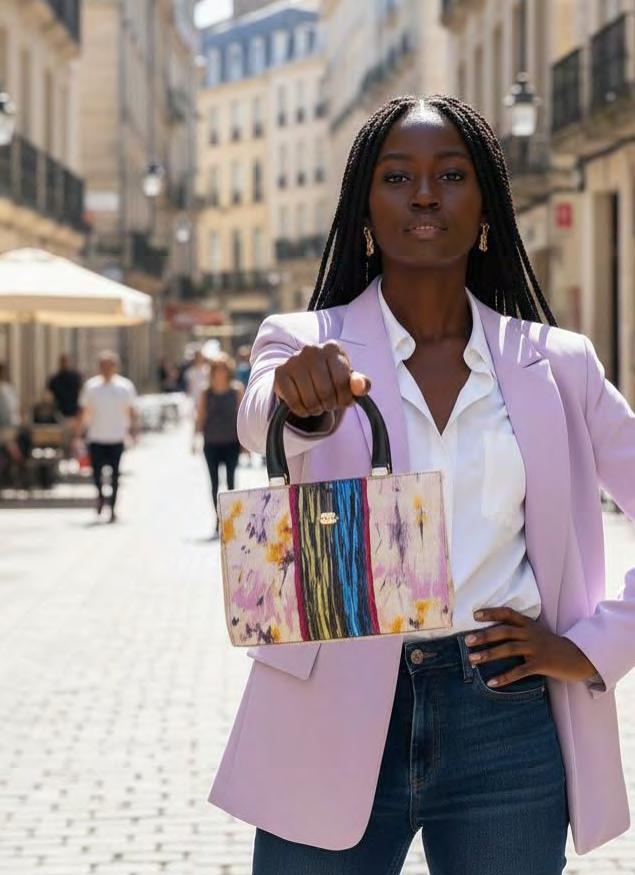
A standout handbag is more than something you use to carry your things. It is part of your outfit. It completes your look.This could be a bag with bold colour, a unique shape, or an eye-catching design. It could be oversized or creatively designed. When you carry a statement bag, it shows intention. It shows that you pay attention to details. It shows style. Even on days when you don’t feel like dressing up too much, a good handbag can still make you look put together and confident.



SALLY CHIWUZIE @unshakable.is.a.state.of.mind
Sometime last year, something shifted in me.
It wasn’t dramatic. There was no announcement or fireworks; just a quiet internal turning.
It happened around the same time I became more intentional about manifestations, affirmations, quantum frequencies and spirituality. But if I am honest, it was not the language that changed me. It was the stillness. The introspection. The courage to sit with myself without distraction.
I began to understand boundaries differently. I stopped seeing them as rejection, or punishment, or ego. I started seeing them as care — quiet, necessary care for my own spirit.
For most of my life, I have been an empath in overdrive. My compassion radar does not switch off. I can feel shifts in tone, energy in a room, the unsaid in a message. For this reason, I have often poured before checking whether I had anything left.
Last year, I stopped.
I began putting my own feelings first, not in a loud or selfish way, but in a practical one. I asked myself simple questions. Does this work for me? Does this drain me? Am I responding because I want to, or because I feel obligated?
At first, it felt wrong. It felt selfish. It felt uncomfortable. It definitely felt like I was betraying some invisible moral code of “good woman.”

One of the hardest habits I broke was asking, why can’t they meet me the way I meet them?
That question cost me more sleep than I care to admit. I went cold turkey on it. The truth is that we are individuals. We do not all love the same way. We do not all have the same capacity, and sometimes we expect mirrors where there are simply different people with different emotional bandwidths.
I had to accept that. I also had to accept that loving myself did not mean loving others less. It meant loving from overflow instead of exhaustion.
When I stopped stretching myself thin, something unexpected happened. I became kinder, more patient, and more present where it truly mattered. The quality of my relationships improved, not because I tried harder, but because I was no longer running on empty.
For the spaces that no longer had room, I left them
alone. No drama, no bitterness, just with the understanding that everyone would be alright.
I stopped explaining everything. I stopped offering commentary on my decisions. I did not justify why I missed calls, why I accepted some invitations and declined others. I did not explain why I chose rest, why I was somewhat quieter, why I was busier, why I had changed.
The right people did not need a breakdown. The ones who needed a breakdown were not meant to stay that close.
There were losses. Of course, there were. Some friendships drifted. Some dissolved. Some revealed themselves to be built on my availability, their categorisation and/or inconsistency, rather than mutuality. It hurt, but it did not break me. Instead, I learned to categorise my life more gently. Not everyone deserves front row access. Not everyone needs backstage credentials. Some people are seasonal. Some are permanent. Some are simply observers. In creating those filters, I found something I had not had in a long time. Peace.
The kind of peace that lets you sleep for almost eight hours without replaying

conversations. The kind that does not require a public relations campaign for your personal choices. The kind that allows you to sit in silence without mentally drafting explanations.
But peace is not free. It costs access. It costs approval. It costs being liked by everyone.

There are moments I still question myself. Am I too firm? Too distant? Too selective? Then I check in with my spirit.
Am I calmer? Am I healthier? Am I loving from wholeness instead of depletion? Yes. Peace did not make me colder. It made me clearer.
Clarity can look like distance to those who benefited from your confusion. But clarity is not cruelty. It is alignment.
I am still soft. Still compassionate. Still deeply empathetic. The difference now is that I choose where that energy goes. Peace refined me.
It stripped away the need to be understood by everyone. It quietened the anxiety of being misread. It reminded me that I am not required to divide myself into small pieces so that everyone gets a portion. And perhaps the most freeing part of all is this:
The only person I owe an explanation to is myself. Peace cost me.
But what it gave me in return feels sacred.
What has your peace cost you?
See you next week.
BY JOHNSON CHUKWUEKE
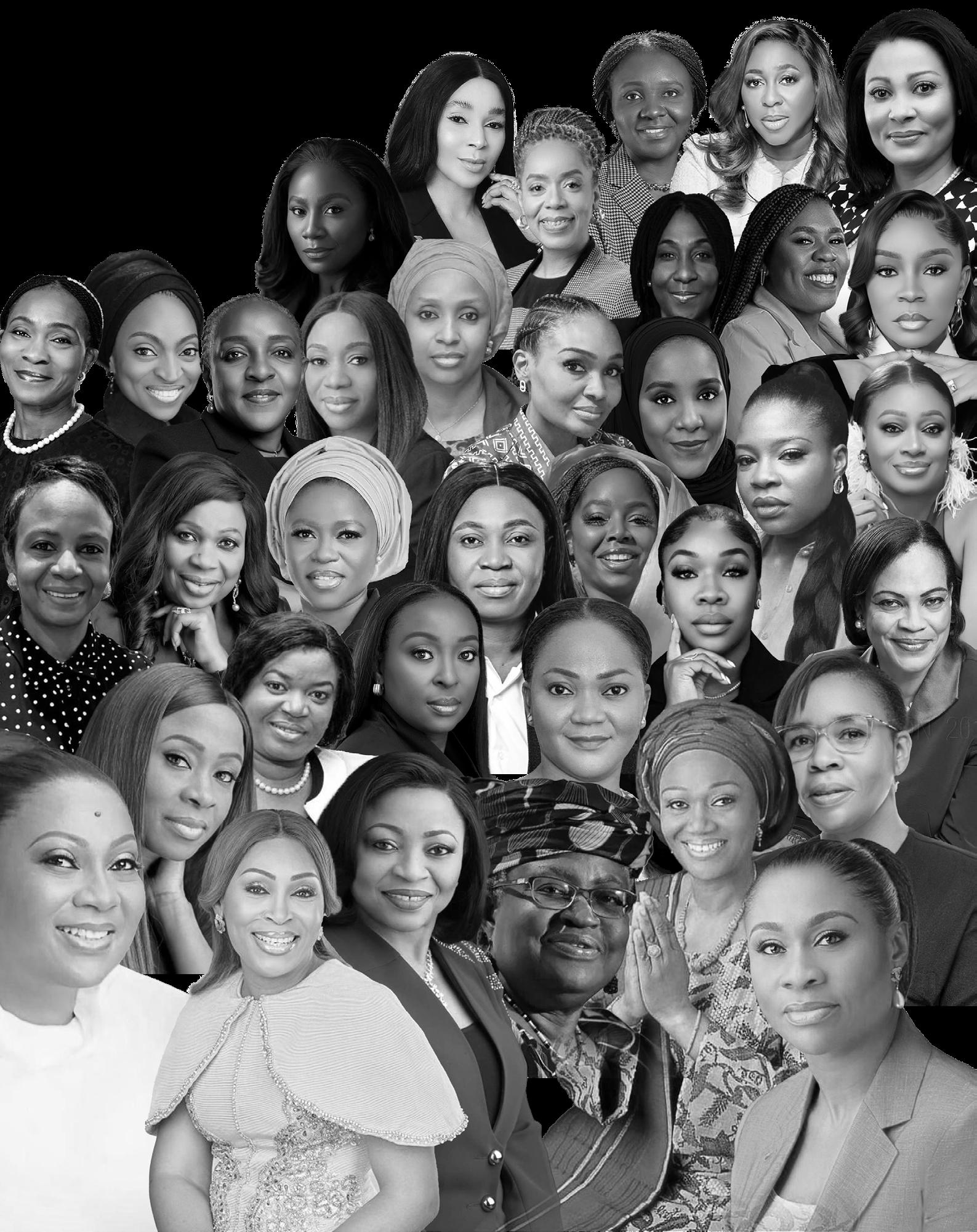
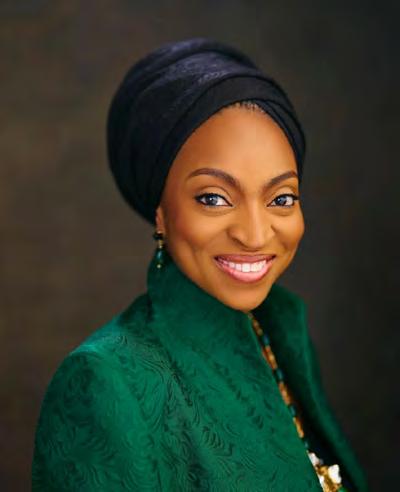
There is a shift happening in Nigeria, subtle in tone, but huge in impact. Power no longer looks like a corner office guarded by tradition or a seat reserved for the usual suspects. It looks like women negotiating billion-naira deals, shaping public policy, directing cultural conversations, building tech solutions, leading financial institutions, and redefining what influence truly means in a rapidly evolving nation. From boardrooms in Lagos to creative hubs in Abuja and innovation clusters across the country, a new generation of women is stepping into leadership with clarity, competence, and confidence. They are not asking for permission. They are not waiting for validation. They are building, scaling, reforming, and transforming industries that once felt impenetrable. This is not just about representation. It is about results. These women are driving measurable impact, creating jobs, funding ventures, mentoring younger professionals, and shifting narratives across sectors such as finance, technology, media, public service, energy, and entrepreneurship. They are proving that leadership is not defined by gender, but by vision, resilience, and the courage to make hard decisions. Yet, beyond the titles and accolades lies something even more compelling: intentionality. The new power women of Nigeria understand influence as responsibility. They are leveraging visibility to open doors for others, challenge outdated norms, and build sustainable legacies.
In honour of International Women's Day, THEWILL DOWNTOWN spotlights the women redefining authority, excellence, and impact in modern Nigeria, not just as leaders, but as architects of a future that feels bold, inclusive, and undeniably powerful.

Remi Tinubu stands as one of Nigeria’s most enduring figures in public service, blending political experience, philanthropy, and advocacy into a uniquely influential role. She has served at the heart of Nigerian leadership for decades, first as First Lady of Lagos State (1999–2007) during her husband’s governorship, then as Senator representing Lagos Central from 2011 to 2023, and since May 2023 as the First Lady of Nigeria following the election of President Bola Tinubu. Educated in Nigeria and forged in public life, Tinubu has consistently channelled her platforms toward social welfare and empowerment. Through initiatives like the Renewed has championed women’s and youth empowerment, supported education and health interventions, and directly aided vulnerable communities with grants, bursaries, and resources nationwide.
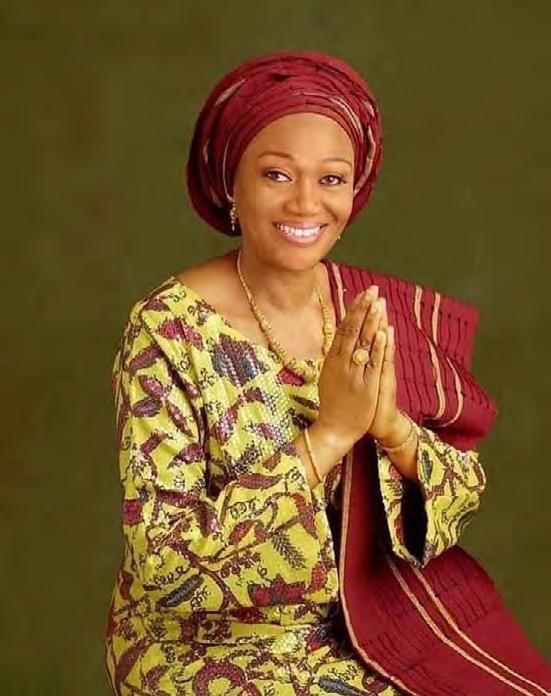
Recognised as a voice for uplifting others, she won the Woman of the Year Award (2024) and has been celebrated for her humanitarian focus and steady commitment to national development. Today, Remi Tinubu is more than a political spouse; she is a champion of service, dignity, and opportunity, embodying resilience, leadership, and intentional impact for women across Nigeria.
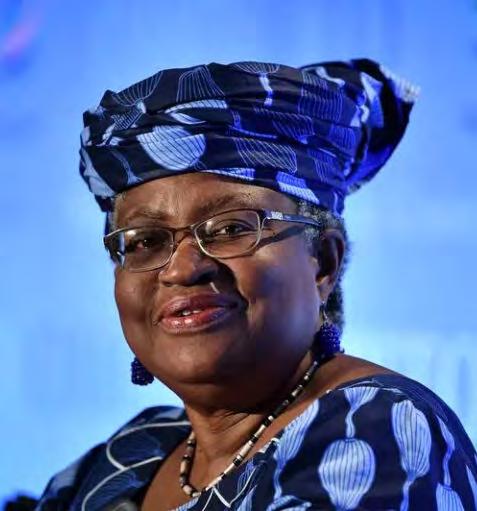
Dr. Ngozi Okonjo-Iweala is a globally influential Nigerian economist and Director-General of the World Trade Organisation, a role she first assumed in March 2021, making her the first woman and first African to lead the WTO. Her leadership in global trade has been widely recognised: in late 2024, she was reappointed for a second four-year term, beginning September 1, 2025, after being confirmed as the sole candidate supported by WTO members. Before her historic WTO tenure, Okonjo-Iweala served twice as Nigeria’s Finance Minister and briefly as Minister of Foreign Affairs, while also holding senior leadership positions at the World Bank. She has led major global initiatives on economic development, vaccine equity, and trade policy reform. OkonjoIweala’s career exemplifies visionary leadership, resilience, and the transformative impact of women in global governance, making her a pivotal figure to celebrate on International Women’s Day.
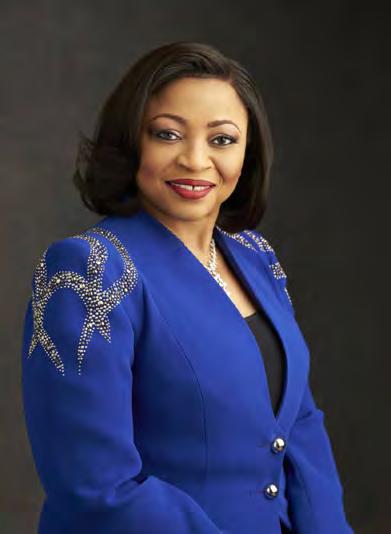
Chief Folorunsho Alakija is one of Africa’s most iconic businesswomen and philanthropists. She is Group Managing Director of the Rose of Sharon Group, which spans fashion, printing, and lifestyle enterprises, and Executive Vice Chairman of Famfa Oil Limited, a major Nigerian oil exploration and production company with longstanding stakes in offshore assets. Her strategic pivot from fashion into energy helped make her one of Nigeria’s wealthiest women and a symbol of female entrepreneurship. Beyond business, Alakija’s philanthropic reach is wide: through the Rose of Sharon Foundation, she supports widows, orphans, and students with scholarships, grants, and empowerment programmes. She also recently donated a state-of-the-art medical research and training hospital to Osun State University, boosting healthcare and education. Alakija’s journey, rooted in resilience, innovation, and service, makes her a powerful figure to celebrate on International Women’s Day

Dr. Awele Vivien Elumelu OFR
Dr. Awele Vivien Elumelu is a Nigerian physician, entrepreneur, and philanthropist whose leadership spans healthcare, corporate governance, and social impact. She was appointed Chairperson of the Board of Transcorp Hotels Plc, one of Nigeria’s leading hospitality brands, effective January 1, 2026, to provide strategic oversight of the company’s growth and governance. Elumelu also chairs Avon Healthcare Limited (Avon HMO) and Avon Medical Practice, and serves as Chair of Heirs Insurance Brokers, while sitting on the board of Heirs Holdings Ltd. She is a trustee and cofounder of the Tony Elumelu Foundation, a Pan African philanthropy that has empowered over 24,000 young entrepreneurs with training, mentorship, and funding, with a strong focus on gender inclusion. Her multisector leadership exemplifies resilience, strategic vision, and dedication to empowering future generations, making her an inspiring figure for International Women’s Day.
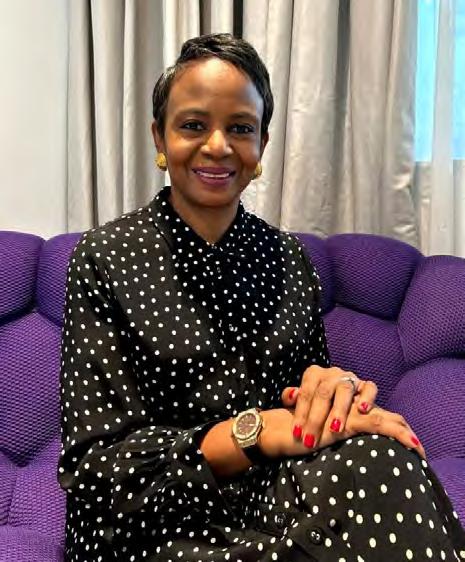
Often referred to as Prime Minister because of her influence in the current administration, Olatimbo Ayinde is a prominent Nigerian energy executive and entrepreneur with over 17 years of experience across the oil & gas, maritime, logistics, and infrastructure sectors. She is Group CEO of Dutchess Energy Ltd, the major shareholder of Dutchford Exploration & Production (E&P), a company that integrates upstream oilblock ownership, trading, product distribution, and downstream operations. Under her leadership, the Dutchess Group has grown its footprint in crude oil, LPG, condensates, fuel oils, and white products, while owning tank farms, retail outlets, and a fleet of oil tankers. Ayinde began her career in maritime logistics, managing vessels and providing oil and gas logistics services before expanding into energy trading and exploration. She is also the founder of Silent Whispers, a foundation focused on mentoring and supporting vulnerable women. Her success underscores the expanding role of women in Nigeria’s energy value chain and their influence in highimpact economic sectors.
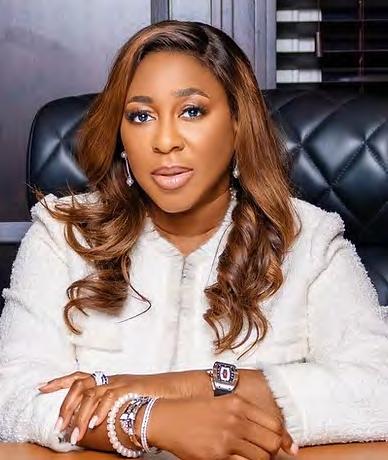
Dr. Jumoke Oduwole MFR is Nigeria’s Honourable Minister of Industry, Trade and Investment, a position she has held since November 4, 2024, where she leads national strategies to deepen industrial growth, expand export markets, and attract investment to the economy. A distinguished jurist, policy reformer, and academic, Oduwole has delivered major business climate reforms and helped establish key institutions like the Nigerian Office for Trade Negotiations. Prior to her current role, she served in senior advisory positions, including Special Adviser on Ease of Doing Business and Presidential Enabling Business Environment Council (PEBEC) strategies, improving Nigeria’s trade environment. Her leadership has also focused on job creation, export revenue growth, and enhancing Nigeria’s competitiveness in the African Continental Free Trade Area (AfCFTA). Oduwole’s career reflects strategic vision, resilience, and advocacy for policies that empower businesses and foster inclusive economic growth.
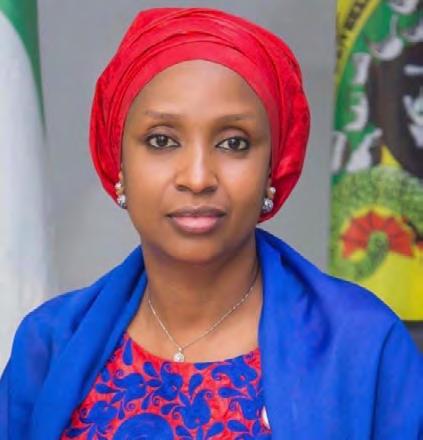
Hadiza Bala Usman is a seasoned Nigerian public servant and policy expert currently serving as Special Adviser on Policy Coordination to President Bola Tinubu and as Head of the Central Results Delivery Coordination Unit (CRDCU), a key government office focused on aligning policy priorities and tracking delivery across ministries and agencies. She was appointed to this strategic role in June 2023. Before this, Bala Usman made history as the first female Managing Director of the Nigerian Ports Authority (2016–2021), where she drove reforms to enhance accountability and performance. Her career also includes leadership in governance, civil service reform, and civic advocacy, including cofounding the #BringBackOurGirls campaign. Bala Usman’s commitment to disciplined public administration and results-driven governance exemplifies resilient female leadership in Nigeria’s public sector, making her an inspiring figure to celebrate for International Women’s Day.

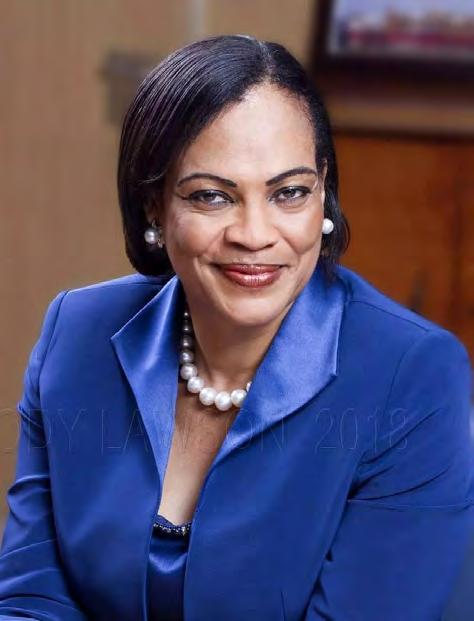
Senator Daisy Ehanire Danjuma is a respected Nigerian lawyer, former legislator, and influential business figure whose career spans public service, legal practice, and philanthropy. She represented Edo South Senatorial District in the Nigerian Senate from 2003 to 2007, where she chaired the Senate Committee on Women Affairs and Youth Development and contributed to committees on health, education, finance, and transport, advancing policies that uplift women and young people. A graduate of Ahmadu Bello University and seasoned legal professional, Danjuma has served on the boards of major companies and organisations, including as Executive Vice Chairman of South Atlantic Petroleum Ltd and as a director at May & Baker Nigeria Plc. She is also a dedicated philanthropist, supporting women’s empowerment, education, and healthcare initiatives through community programmes and foundation work. Her legacy reflects a lifetime of service, leadership, and commitment to advancing opportunities for women across Nigeria, making her a powerful figure to celebrate on International Women’s Day.

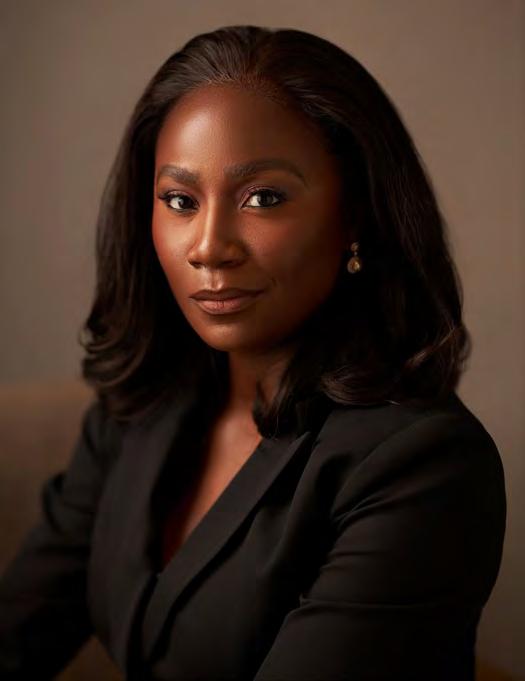
Olu Verheijen is a distinguished Nigerian energy strategist serving as Special Adviser on Energy to President Bola Ahmed Tinubu, where she spearheads major reforms and investment initiatives in Nigeria’s oil, gas, and power sectors. In her role, she has helped attract significant upstream investment and championed policy frameworks that strengthen the country’s position as a leading energy investment destination in Africa. Before her government appointment, Verheijen built a nearly twodecade career across the energy landscape, including leadership roles at Shell, energy consultancy Latimer Energy, and early stage renewables investing. She also founded the BFA Foundation, supporting scholarships and skill development for women and disadvantaged groups. Her blend of technical expertise, strategic vision, and advocacy for inclusion positions her as a key voice in Nigeria’s energy transformation and a role model for women leading highimpact sectors.
Emem Nnana Usoro is a distinguished Nigerian banker who works at the Central Bank of Nigeria (CBN), where she serves as Deputy Governor for Corporate Services. She was appointed to this role in 2023 after a successful career in commercial banking, including serving as an Executive Director at United Bank for Africa (UBA) with over 20 years of experience in operations, credit, marketing, and financial services. Usoro has championed initiatives to deepen financial inclusion, notably presenting on accelerating women’s access to finance during international forums, aligning with the spirit of International Women’s Day by advocating for gender-inclusive financial policies and economic opportunities. Her leadership reflects a commitment to inclusive growth, operational innovation, and empowering underrepresented groups within Nigeria’s financial ecosystem.
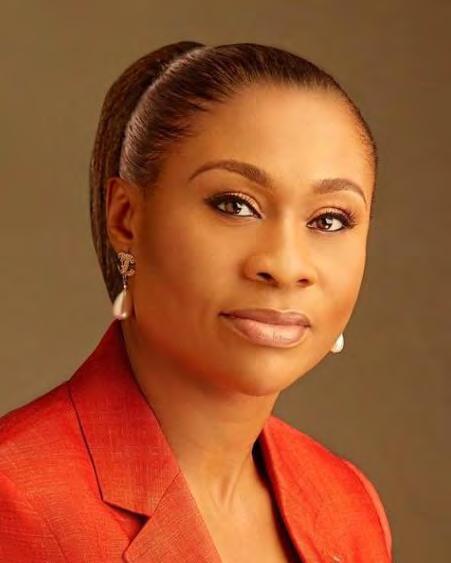
Dr. Doris Uzoka-Anite is Nigeria’s Minister of State for Budget and National Planning, a role she assumed in March 2026. She previously held the seat of Minister of State for Finance from November 2024 till March 2026, where she played a key part in shaping national fiscal policy, macroeconomic reform, and financial management under President Bola Tinubu’s administration. A medical doctor turned banker and financial expert, Uzoka-Anite previously served as Minister of Industry, Trade, and Investment and has led major economic policy reforms, including advocating structural fiscal adjustments and strategies to boost investor confidence and accelerate growth toward Nigeria’s $1 trillion economy goal. Her leadership emphasises inclusive economic growth, financial inclusion, and strategic engagement with both domestic and global partners. Her work reflects resilience and purpose, celebrating how women in public service drive national development and reform in critical economic sectors.
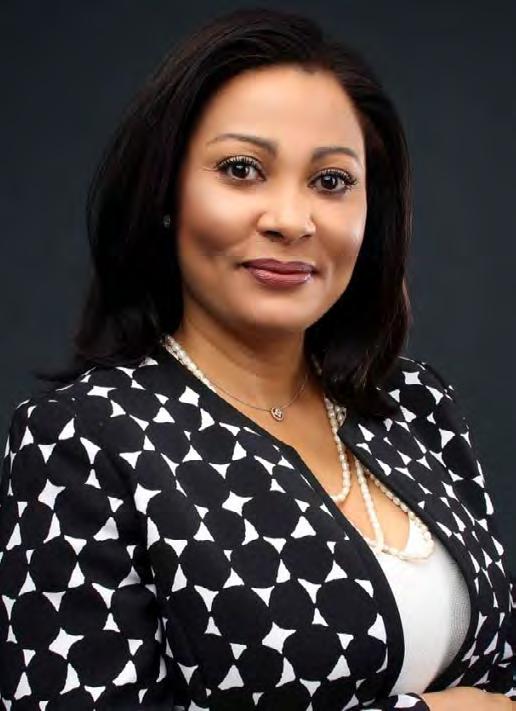

Mrs. Oritsemeyiwa Eyesan is the Chief Executive Officer of the Nigerian Upstream Petroleum the agency that regulates exploration and production activities in Nigeria’s oil and gas upstream sector under the Petroleum Industry Act. She assumed office in December 2025, after confirmation by the Senate, becoming the first woman to lead the upstream regulator in Nigeria’s history. With over three decades of experience in the oil and gas industry, Eyesan built her career at the Nigerian National Petroleum Corporation (NNPC) and its successor, rising to become Executive Vice President, Upstream, before her retirement. Her leadership focuses on boosting production, attracting investment, and strengthening transparency, regulatory efficiency, and stakeholder engagement. Eyesan’s appointment marks a milestone for women’s representation in energy leadership and reflects her strategic vision for a more competitive, inclusive upstream sector in Nigeria.

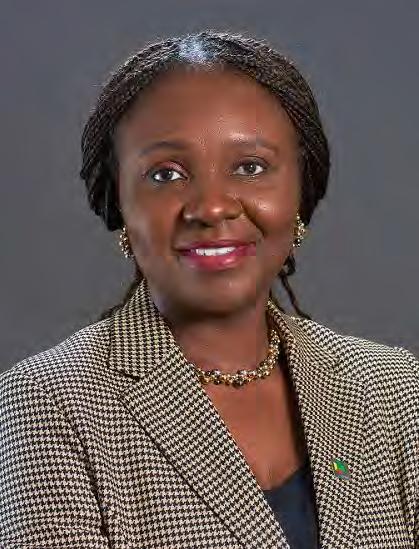
Miriam Olusanya is a trailblazer in Nigerian banking, serving as the Managing Director/ CEO of Guaranty Trust Bank Plc, one of the country’s most influential financial institutions. In July 2021, she made history as the first woman to lead GTBank since its founding, becoming a symbol of breaking barriers in a traditionally maledominated industry. Olusanya’s journey began in 1998 as an executive trainee, rising through roles in treasury, asset and liability management, and wholesale banking before her historic appointment. Her leadership has been marked by steady growth, strategic innovation, and support for enterprise development, as GTBank continues to expand its footprint across Africa. A graduate of the University of Ibadan and holder of an MBA from the University of Liverpool, she also sits on several key industry boards, making her one of Nigeria’s most respected and influential banking executives.
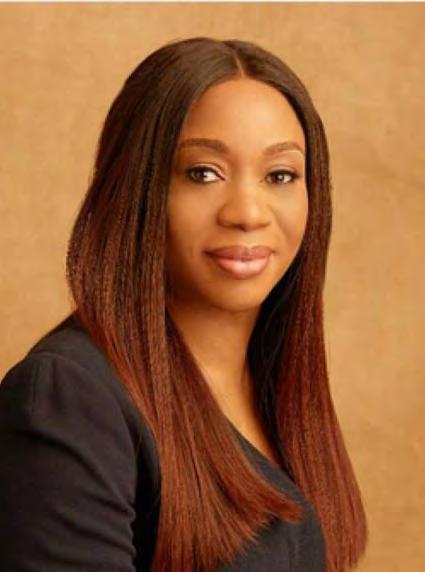
Sophia Innih Mbakwe is a highly respected Nigerian oil and gas executive with over 30 years of experience across upstream operations, law, government relations, and corporate strategy. She currently serves as Executive Vice President, Business Services at NNPCL, where she oversees critical operational divisions and drives strategic initiatives that support corporate performance and stakeholder engagement. Mbakwe has held several pioneering leadership roles within Nigeria’s energy sector, including as the pioneer Managing Director of NNPC Energy Services Ltd and the first female Managing Director of Antan Producing Ltd, where she advanced operational excellence and strengthened national exploration efforts. Her career also includes impactful work in supply chain reform, refinery rehabilitation planning, and sustainable community development, reflecting her commitment to both industry growth and social responsibility. Mbakwe’s leadership represents resilience and excellence in a traditionally male-dominated sector, making her a compelling figure to celebrate for International Women’s Day
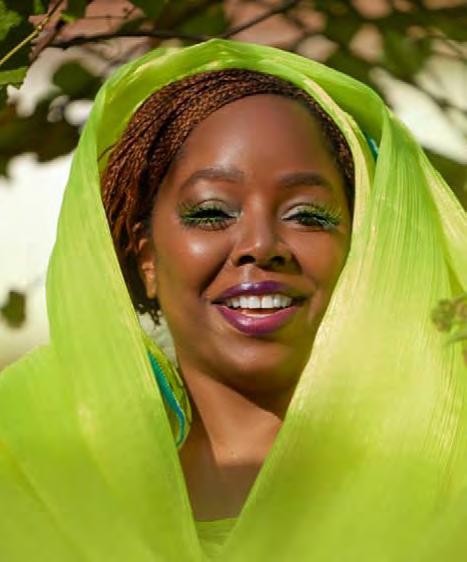
Dr. Abimbola Alale is one of Nigeria’s foremost figures in the technology and space sector, serving as the Managing Director and Chief Executive Officer of Nigerian Communications Satellite Limited. With over two decades of experience in satellite communications, she has played a pivotal role in expanding Nigeria’s digital infrastructure and strengthening broadband connectivity across underserved regions. Before leading NIGCOMSAT, she worked with the National Space Research and Development Agency, contributing to the development and launch of key national satellite programmes. A trained space technologist with international academic credentials, Dr. Alale combines technical depth with strategic leadership. Through innovation and commercial expansion of satellite services, she continues to position Nigeria as a serious player in Africa’s evolving space and communications landscape — inspiring a new generation of women in STEM.
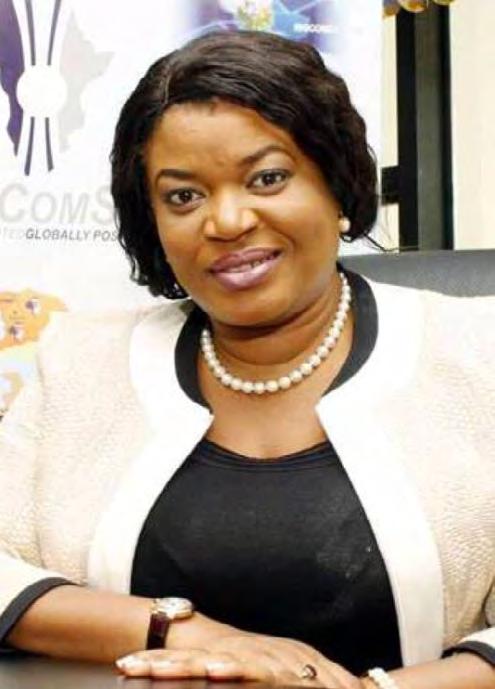

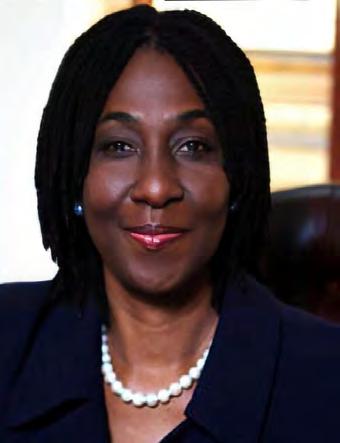
Olusola Momoh is a veteran Nigerian media executive and Co-Founder and Executive Vice Chairman of Channels Media Group, the parent company of Channels Television, one of Nigeria’s most respected news outlets. With over four decades in journalism and broadcasting, she has played a central role in shaping the media landscape in the country. Momoh began her career as a reporter, newscaster, and producer with the Nigerian Television Authority, later gaining experience in banking before helping to launch Channels Television in the 1990s. At Channels, she provides strategic leadership across operations, corporate development, and stakeholder relations, championing ethical standards and excellence in reporting. Momoh also initiated the Channels Women Network, a mentorship platform that supports female staff and promotes gender inclusion within the organisation. Her enduring influence highlights the power of women’s leadership in media and makes her a compelling figure for International Women’s Day.
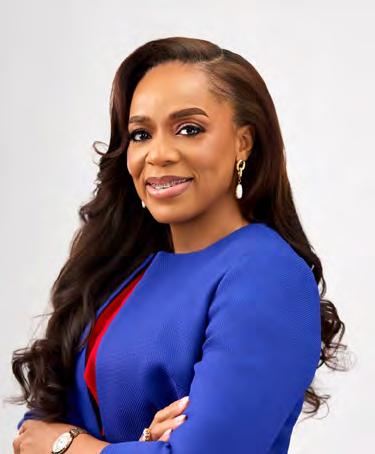
Uzoamaka Oshogwe is the Managing Director and Chief Executive Officer of Transcorp Hotels Plc, the hospitality arm of the Transnational Corporation (Transcorp) and owner of iconic properties like Transcorp Hilton Abuja. As one of the youngest leaders at the helm of a major hospitality group, she has rapidly become a standout figure in Nigeria’s service and tourism industry. Since her appointment, Oshogwe has focused on elevating guest experiences, strengthening operational excellence, and championing innovation in an increasingly competitive market. Her leadership has helped position Transcorp Hotels as a preferred destination for business, leisure, and international travellers, enhancing service standards and reinforcing Nigeria’s presence on the global hospitality stage. Known for her strategic mindset and people-centred approach, Uzoamaka combines business acumen with a commitment to nurturing talent, making her one of Nigeria’s most inspiring executives in hospitality today.
Halima Dangote, a dynamic business leader and philanthropist, stands as a beacon for women in Nigeria and beyond. Most recently, Halima Aliko Dangote was appointed Group Executive Director, Dangote Family Office & International Offices (Dubai & London). She has leveraged her influence to drive impactful initiatives in health, education, and entrepreneurship, championing opportunities for women across sectors. Her commitment to creating platforms that uplift and empower women resonates strongly with the spirit of International Women’s Day, emphasising leadership, resilience, and inclusivity. Dangote’s work demonstrates that business success and social responsibility can go hand in hand, inspiring a new generation of women to break barriers and redefine possibilities. In celebrating her achievements, we honour not only her individual excellence but also the broader vision of women leading meaningful change in society.
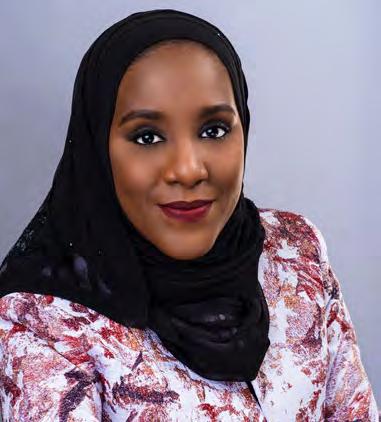
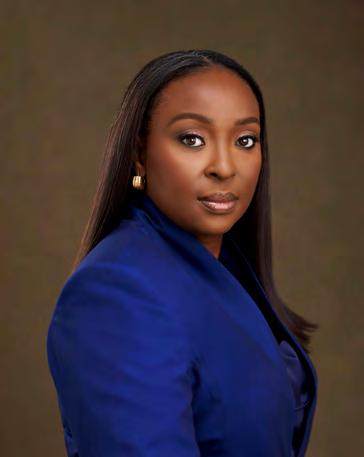
Owen Omogiafo is the President and Group Chief Executive Officer of Transnational Corporation Plc (Transcorp), one of Nigeria’s leading diversified conglomerates with interests spanning power, hospitality, and energy. Since assuming leadership in 2020, she has driven a bold transformation agenda, strengthening corporate governance, expanding revenue streams, and deepening operational efficiency across the Group’s subsidiaries. Under her stewardship, Transcorp has consolidated its position in Nigeria’s power sector and reinforced the global reputation of its hospitality arm, including Transcorp Hilton Abuja. With a background in organisational leadership and human capital development, Omogiafo is widely respected for her strategic clarity and disciplined execution. Her rise to the helm of one of Nigeria’s most influential conglomerates reflects both competence and visionary leadership.
Oyeyimike Adeboye is making history as the first woman to lead Cadbury Nigeria Plc as Managing Director. With a career built on strategic insight and operational excellence, she has redefined leadership in Nigeria’s FMCG sector. Adeboye’s innovative approach has strengthened Cadbury’s market presence while championing employee development and diversity. Her rise to the top reflects both perseverance and a commitment to excellence, inspiring young women to pursue leadership roles in traditionally male-dominated industries. As she continues to drive growth and innovation at Cadbury, Adeboye stands as a powerful example of breaking barriers and shaping the future of business leadership in Nigeria.
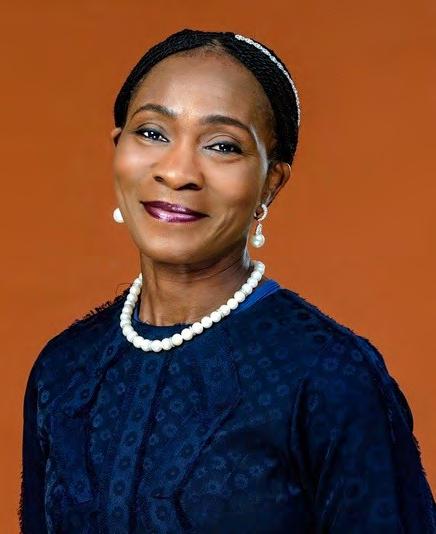
Kemi Adetiba is a trailblazing filmmaker whose work has redefined Nollywood storytelling. From blockbuster hits to groundbreaking music videos, her creative vision combines artistry with cultural relevance, inspiring countless women to pursue careers in film and media. Adetiba’s journey reflects determination, resilience, and innovation, embodying the essence of leadership in a male-dominated industry. Her influence extends beyond the screen, as she mentors emerging female talents and advocates for authentic representation of women in media. Celebrating Adetiba during International Women’s Day honours not just her artistic achievements but also her role in empowering women to dream bigger, break barriers, and shape narratives, proving that creativity, ambition, and leadership can drive transformative change in society.
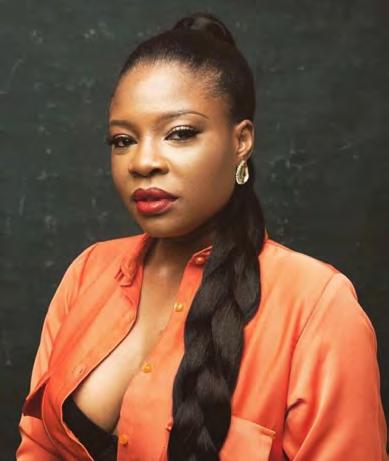

Bisoye Coker-Odusote is a formidable force in Nigeria’s technology and financial sectors. With extensive experience in corporate leadership and strategy, she has successfully bridged the gap between innovation and business growth. CokerOdusote is recognised for her role in advancing digital transformation initiatives and promoting financial inclusion, demonstrating how technology can drive impactful change. As a mentor and advocate for women in leadership, she champions opportunities for young women to thrive in traditionally male-dominated fields. Her achievements resonate strongly with International Women’s Day, highlighting resilience, ambition, and the power of women shaping industries. Through her work, Coker-Odusote inspires a new generation to embrace leadership, pursue excellence, and redefine the possibilities for women in business and tech.
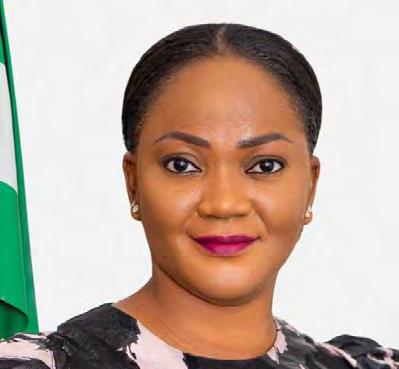
Adaora Umoeji is a distinguished leader in Nigeria’s banking sector, making significant strides at Zenith Bank through strategic innovation and a commitment to excellence. Her leadership has enhanced operational efficiency, championed digital transformation, and strengthened customer experience, setting new benchmarks in banking. Beyond business, Umoeji is a mentor and advocate for women in finance, empowering young professionals to pursue leadership roles in a traditionally male-dominated industry. In the context of International Women’s Day, her journey embodies resilience, ambition, and transformative leadership. Umoeji exemplifies how women can shape industries, inspire future leaders, and drive meaningful change, demonstrating that professional success and social impact can go hand in hand. She stands as a role model for women striving to break barriers and redefine possibilities in Nigeria and beyond.
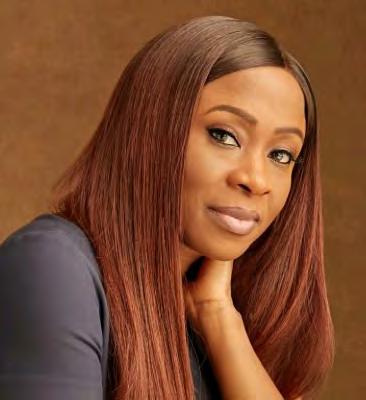
Oyinade Adegite is the Chief Communication Officer at Guaranty Trust Bank, where she shapes the bank’s narrative, drives strategic communications, and fosters meaningful engagement with stakeholders. Her leadership ensures that GTB’s brand resonates with authenticity, innovation, and trust, reflecting the organisation’s core values. Adegite is also a mentor and advocate for women in corporate leadership, inspiring young professionals to pursue careers in communications and beyond. In the spirit of International Women’s Day, her works and career achievement exemplifies resilience, ambition, and influence. By excelling in a critical leadership role, she demonstrates how women can redefine professional standards, impact corporate culture, and inspire others. Adegite’s work continues to empower women to break barriers and make their voices heard in the business world.
Hon. Stella Okotete serves as Executive Director, Business Development at the Nigerian Export-Import Bank (NEXIM), where she drives strategic initiatives to boost Nigeria’s non-oil export sector and promote economic diversification. With deep experience in public policy, business development, and international trade, Okotete has introduced impactful programs such as the Women and Youth Export Facility, expanding access to export financing for the underrepresented. Her leadership also extends to empowering women and youth through mentorship, capacity building, and digital platforms that broaden opportunities across industries. Recognised for her commitment to women’s economic inclusion, she received awards for her contribution to women’s empowerment. In the spirit of International Women’s Day, Okotete exemplifies how visionary leadership can foster inclusive growth, elevate women’s roles in business, and inspire a new generation of female changemakers in Nigeria and beyond.
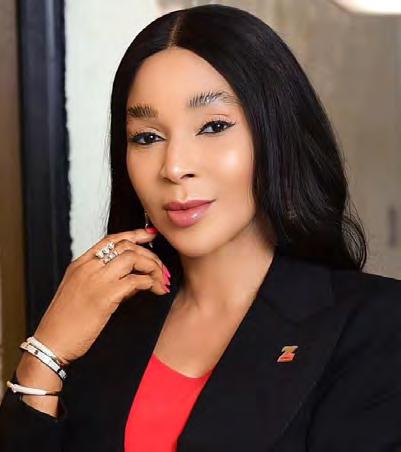
Alero Ladipo leads as Group Head of Marketing and Corporate Communications at United Bank for Africa (UBA), where her strategic vision shapes the brand’s voice across Africa. With over 19 years of experience in marketing, communications, and customer engagement, she has driven campaigns that deepen stakeholder trust and elevate UBA’s presence regionally. Ladipo’s leadership goes beyond corporate messaging; she champions inclusive storytelling, mentors young professionals, and advocates for gender equity in business. Her work resonates with the core of International Women’s Day, amplifying women’s impact, leadership, and visibility in influential sectors. By blending creativity with purpose, she inspires women to redefine narratives, lead boldly, and shape the future of corporate communication in Nigeria and across Africa.
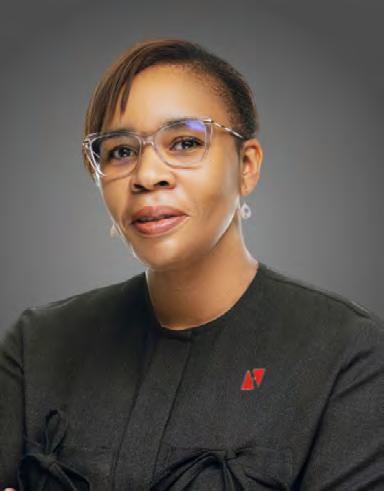
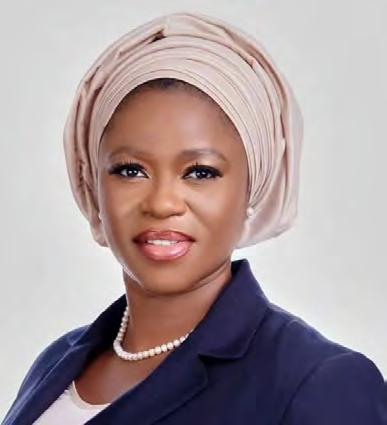
Lanre Da Silva is one of Nigeria’s most influential fashion designers, known for her eponymous luxury label, LDA, which she launched in 2005. Over two decades, she has reimagined African couture by blending heritage motifs with contemporary elegance, earning global recognition in publications like Vogue, Elle, and CNN, and retail placements at Selfridges London and Dolce & Gabbana’s Milan concept store. Da Silva’s collections have graced runways from New York to Milan, and her work serves as a powerful expression of cultural identity and confidence. As International Women’s Day celebrates women who shape their industries and inspire others, Da Silva’s journey, from Lagos to an international fashion capital, embodies resilience, creativity, and leadership. She continues to uplift the next generation of women creatives, proving that style is both art and empowerment.
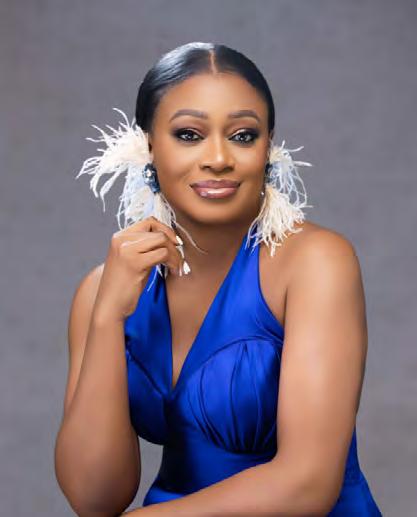

Catherine Uzoamaka Nwosu is the Managing Director and Chief Executive Officer of Africa Prudential Plc, marking a historic milestone as the first woman to lead the company since its inception in 2006. Effective March 1, 2024, her appointment reflects decades of deep experience in capital markets and corporate leadership. Nwosu’s journey, from roles across operations and stakeholder engagement to COO and now CEO, highlights her strategic vision and commitment to excellence. Under her leadership, the firm continues to strengthen its market position while embracing innovation and inclusion. Her role therefore resonates powerfully with the spirit of International Women’s Day: breaking barriers, championing diversity in leadership, and inspiring women to reach the highest levels of corporate influence in Nigeria’s financial ecosystem.
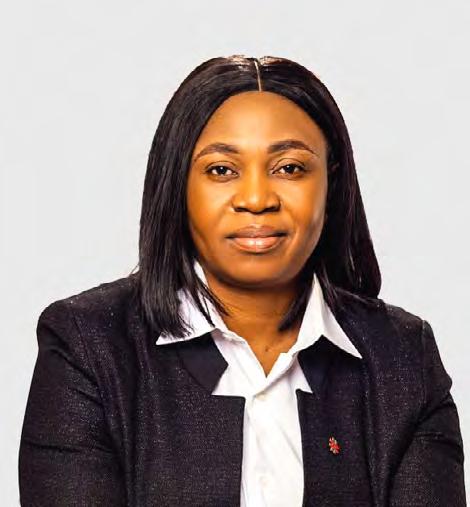
Odunayo Eweniyi is a pioneering Nigerian tech entrepreneur and the co-founder and Chief Operating Officer of PiggyVest, the country’s leading digital savings and investment platform serving millions of users and reshaping how people build financial security. A first class Computer Engineering graduate from Covenant University, Eweniyi has combined tech insight with strategic operations to scale PiggyVest into a trusted fintech brand. Beyond fintech, she cofounded The Feminist Coalition, advancing gender equity and civic engagement, and FirstCheck Africa, a fund that backs women-led startups. Her work embodies the spirit of International Women’s Day, championing financial inclusion, women’s empowerment, and leadership in innovation.
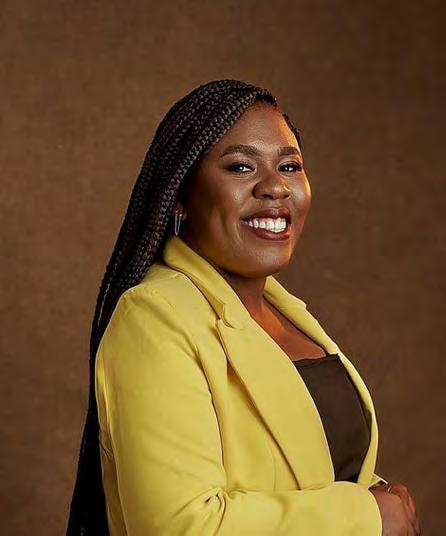
Deola Art Alade is one of Nigeria’s most influential creative entrepreneurs, serving as Co-Founder and Group Chief Executive Officer of Livespot360, a leading creative solutions and entertainment company based in Lagos. Under her leadership, the company has produced major cultural showcases like the Livespot X Festival and large-scale branded experiences that bridge entertainment, technology, and experiential marketing. A Harvard Business School alumna, Art Alade has built a diverse career spanning design, production, brand storytelling, and media strategy. She also serves as a mentor for mentorship initiatives like Femme It Forward’s #NextGemFemme program, where she supports aspiring women leaders in creative and entrepreneurial spaces. Her inclusion in the Recording Academy’s 2025 New Member Class, giving her a voice in the Grammy Awards voting process, highlights her growing influence on the global stage. In celebrating International Women’s Day, Art Alade’s career reflects vision, resilience, and a commitment to elevating women’s voices in Nigeria’s creative economy.
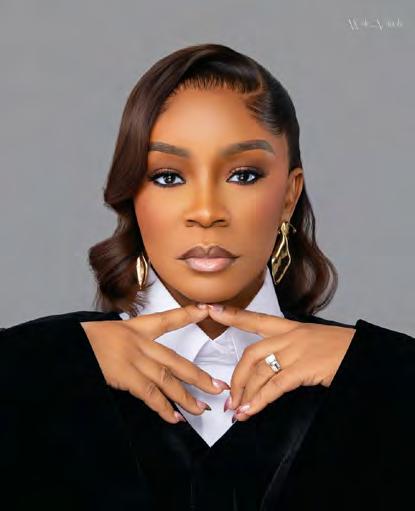
Mrs. Udo Maryanne Okonjo is a distinguished business leader and real estate pioneer, serving as Chief Executive Officer and Vice Chairman of Fine and Country West Africa, a premier luxury residential and commercial real estate advisory firm operating across the region. Under her leadership, the company has set industry standards for high-value property marketing, investment strategy, and client service, earning both local and international recognition for excellence. A seasoned lawyer admitted to both the Nigerian and New York Bars, Okonjo transitioned from a successful legal career into real estate, leveraging her deep expertise, strategic vision, and global perspective. She holds advanced legal and executive education credentials, including a Chevenings-sponsored LLM from King’s College London and executive programmes from Oxford and Cambridge. Beyond corporate success, Okonjo is a mentor, executive coach, and founder of initiatives that empower women with wealth-building knowledge and leadership skills. Her work embodies the spirit of International Women’s Day, championing inclusion, wealth creation, and leadership impact.
Bella Disu is a formidable presence in Nigeria’s corporate landscape, serving as Executive Vice Chairman of Globacom Limited, one of the country’s largest telecommunications companies. Since joining the business in 2004, she has played a strategic role in expanding its digital and broadband footprint across West Africa, reinforcing Globacom’s competitive edge in a fast-evolving industry. Beyond telecoms, Disu is the Chief Executive Officer of Cobblestone Properties and Estates Limited, where she oversees highprofile residential and commercial developments. She also holds board positions across manufacturing and construction, reflecting her broad business influence. Recognised for her leadership and advocacy for women in business, Bella Disu represents a new generation of Nigerian executives combining legacy, innovation, and purposeful impact.
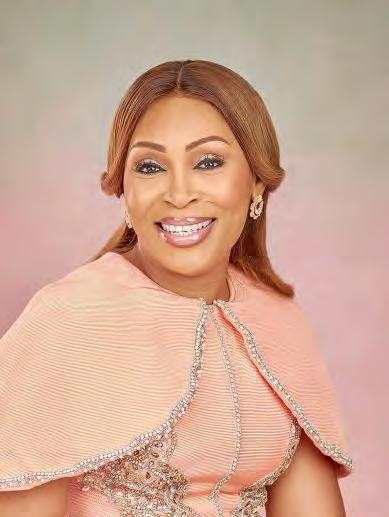
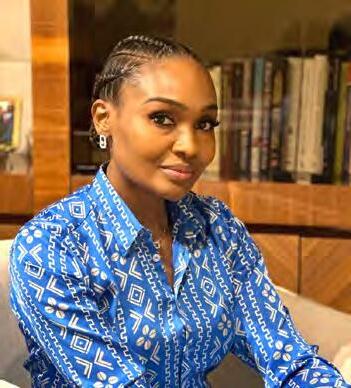
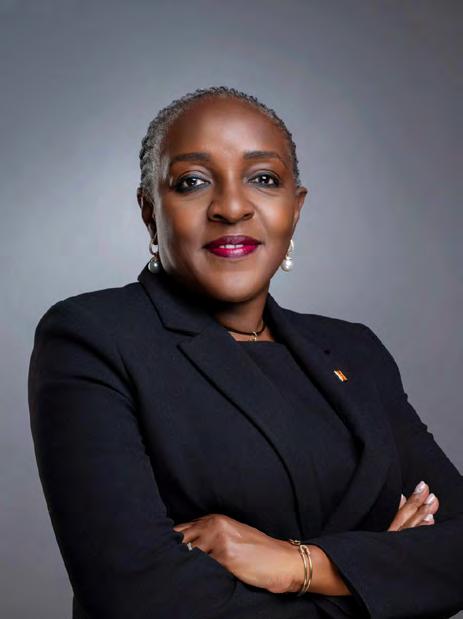
Ifeyinwa Osime is a seasoned Nigerian corporate lawyer and governance expert who currently serves as Chairman of the Board of Access Bank Plc, one of Africa’s largest financial institutions. She was recently appointed to this historic leadership role in early 2026, following the retirement of her predecessor, marking a significant milestone in her decadeslong career. Osime first joined Access Bank’s board in November 2019 as an Independent Non-Executive Director, where she strengthened governance, sustainability, and leadership development. Before becoming Chairman, she led key board committees focused on human resources, sustainability, and corporate governance. Beyond banking, she is a Partner at McPherson Legal Practitioners and serves on multiple boards, bringing extensive experience in corporate and commercial law. Her leadership reflects a commitment to inclusivity, strategic oversight, and mentoring future generations of women leaders in corporate Nigeria.

Catherine Uju Ifejika is a pioneering Nigerian lawyer and energy executive, best known as Chairperson and Chief Executive Officer of Brittania-U Nigeria Limited, an indigenous oil and gas company active in upstream exploration & production, downstream supply, and related services. She holds the distinction of being the first woman to lead an upstream exploration and production company in Nigeria, breaking barriers in a traditionally maledominated sector. With a legal background from Ahmadu Bello University and early industry experience at Texaco and Chevron, Ifejika has led Brittania-U to strategic growth, including the acquisition and development of significant assets like the Ajapa Marginal Field. Her leadership has earned her national and international recognition as one of the most powerful women in the oil and gas industry and one of Africa’s wealthiest female entrepreneurs. Her career exemplifies resilience, strategic vision, and the expanding influence of women in Nigeria’s energy landscape, making her a standout figure for International Women’s Day.
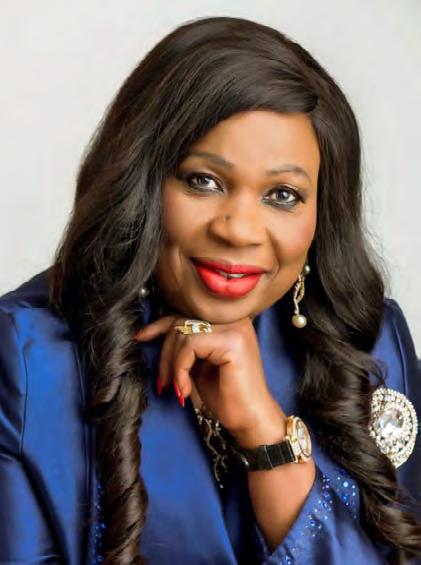
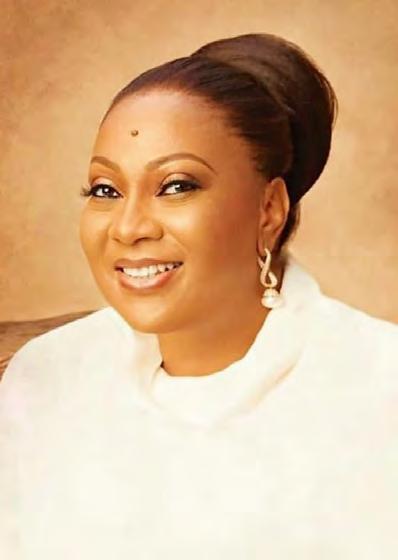
Winifred Akpani, OFR, is a trailblazing Nigerian entrepreneur and chartered accountant who has transformed the downstream oil and gas sector through her leadership of Northwest Petroleum & Gas Company Limited, an indigenous energy firm with significant storage, distribution, and export operations. She founded the company in 1998 with modest capital and grew it into a multimilliondollar enterprise with major terminals and a nationwide retail footprint. Akpani’s strategic vision and business acumen were recognised in 2025 when she won the Zik Prize in Entrepreneurial Leadership for her impact on Nigeria’s energy industry. A Fellow of the Institute of Chartered Accountants of Nigeria, she also served as Chairman of the Depot and Petroleum Products Marketers Association of Nigeria (DAPPMAN). Her journey from finance to energy leadership showcases resilience, innovation, and the increasing influence of women in sectors long dominated by men, making her a powerful figure to highlight for International Women’s Day.
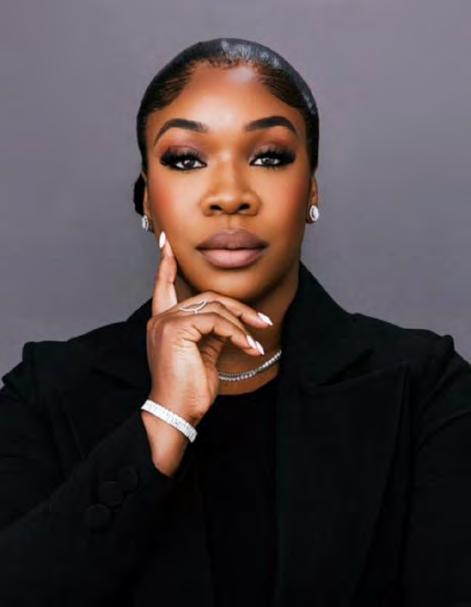
Dr. Olubukola “Bukky” George-Taylor is a leading strategic communications expert and entrepreneur in Nigeria. She is the Founder and Chief Executive Officer of Robert Taylor Media, one of Africa’s foremost strategic communications agencies, advising global brands and organisations on reputation, media relations, corporate narrative, and strategic storytelling. GeorgeTaylor also serves as Vice President of Nile X, the luxury cinema arm of Nile Media Group, bringing her communications and leadership expertise to the entertainment space. Her work spans nearly two decades, and she has been recognised continentwide, including being named Africa’s PR Person of the Year 2025 for her impact on the communications industry. An author and mentor, Bukky GeorgerTaylor champions purposeful storytelling, women’s professional growth, and innovative branding across sectors, making her a compelling figure to celebrate on International Women’s Day.
As Nigeria continues to evolve, one thing is clear: its progress will be powered not by a single voice or a single sector, but by a dynamic chorus of leaders unafraid to take space, demand excellence, and build lasting legacies. The future is not waiting. And these women are already shaping it.
BY DORCAS AKINTOYE
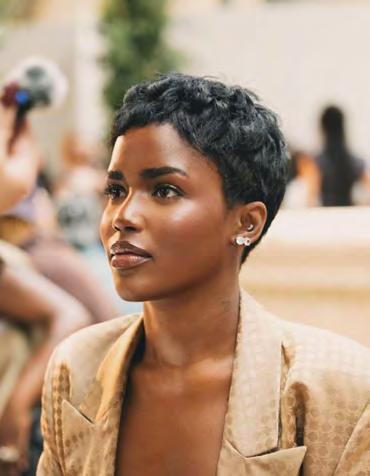
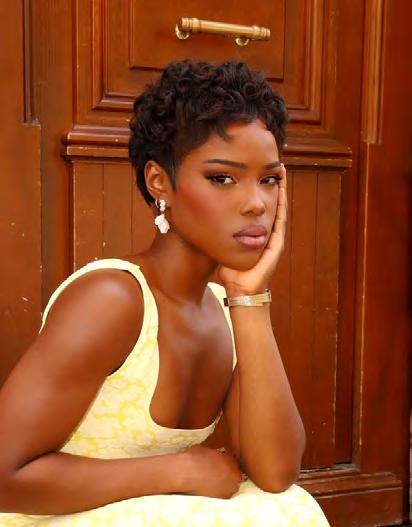
Apixie cut is bold, stylish, and confidence-boosting. But even though the hair is short, it still needs care to look neat and fresh. Many people think short hair means “no stress,” but the truth is, a pixie cut needs regular attention to keep its shape and beauty. The good news? Maintaining a pixie cut is simple when you know the right steps. Here are five easy and practical steps to help your pixie cut always look its best.

This is the most important step. A pixie cut grows out very fast, and when it does, it can lose its shape quickly. To keep it sharp and stylish, you need regular trim, usually every 3 to 5 weeks. Trimming helps remove uneven edges and keeps the cut looking intentional rather than messy. If you skip trims for too long, your pixie can start looking like an awkward in-between style instead of a clean haircut.

Because pixie cuts are short, your scalp is more exposed. This means dirt, sweat, and oil can build up faster. Wash your hair regularly, but don’t overdo it. Two to three times a week is fine for most people. Always use a good conditioner, even if your hair is short. Conditioner keeps your hair soft, reduces dryness, and makes styling easier.

Pixie cuts depend a lot on styling. The right product can make your hair look chic and polished. Use light products like styling cream, mousse, or a small amount of pomade. Heavy products can weigh your hair down or make it look greasy. Start with a little product, rub it between your fingers, and gently work it through your hair. This helps define layers and gives your pixie that effortless look.
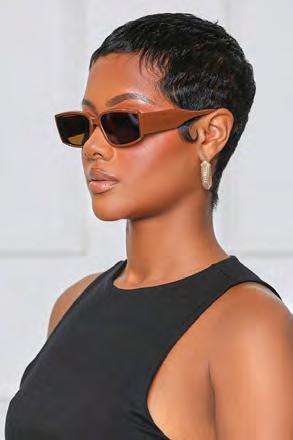
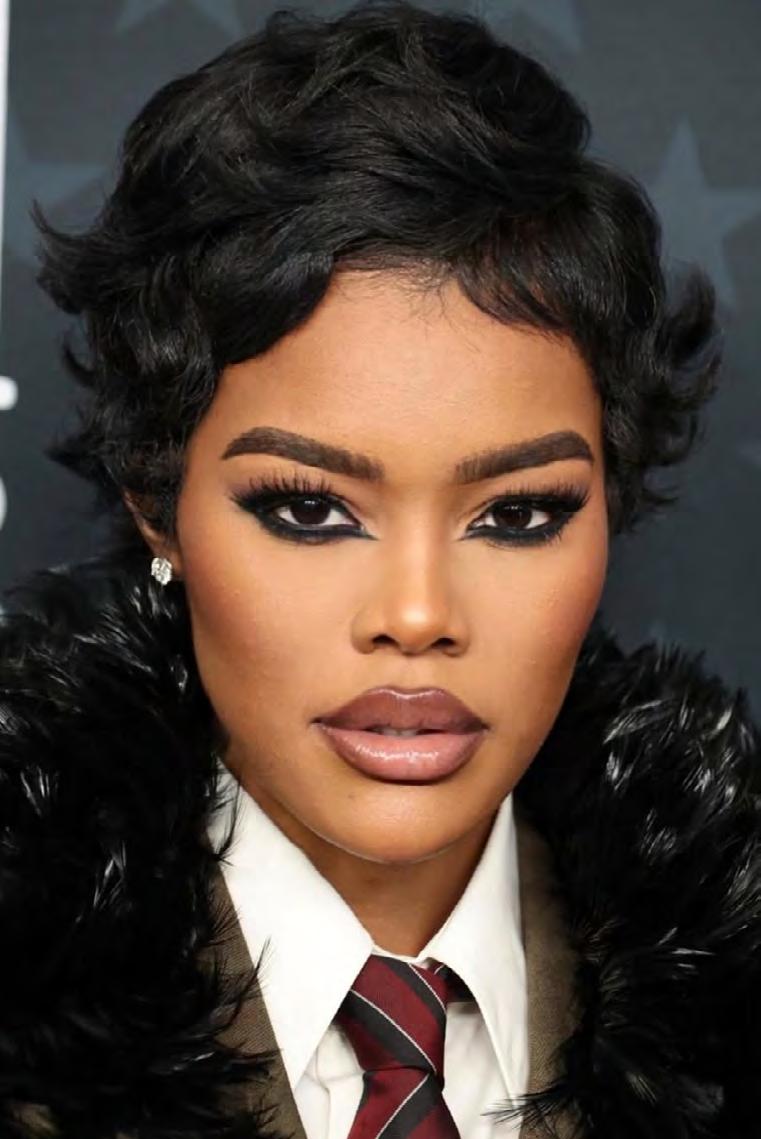
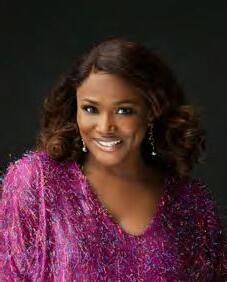
Teyana Taylor

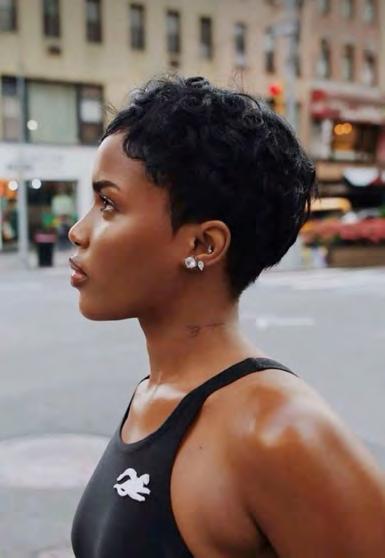
PROTECT YOUR HAIR WHILE SLEEPING
Even short hair needs night care. When you sleep, your hair rubs against your pillow, which can cause frizz and roughness. Using a silk or satin pillowcase helps reduce friction and keeps your hair smooth. If you don’t have one, you can wrap your hair with a silk scarf. This small habit helps your pixie cut look better in the morning and reduces the stress of daily styling.

KEEP YOUR HAIR AND SCALP HEALTHY
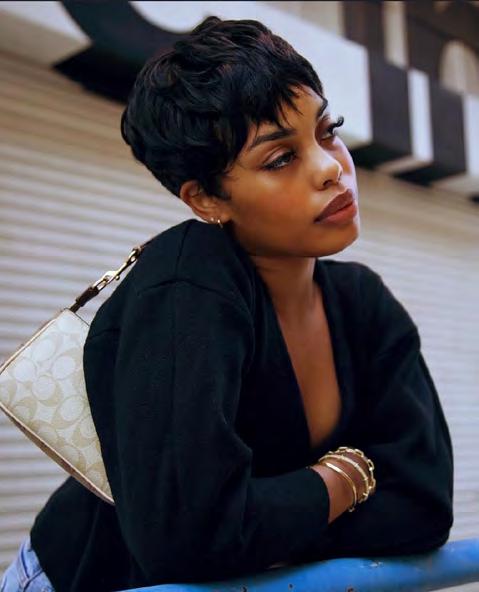
A pixie cut puts your hair and scalp on full display, so health matters. Moisturise your scalp if it gets dry, and avoid using too much heat on your hair. If you use heat tools, always apply a heat protectant.
Maintaining a pixie cut doesn’t have to be stressful. With regular trims, proper washing, light styling, nighttime protection, and good hair-care habits, your pixie cut will always look fresh and stylish.
BY JOHNSON CHUKWUEKE
Sometimes, healing looks like taking off your heels, putting your phone down, and having an honest conversation.
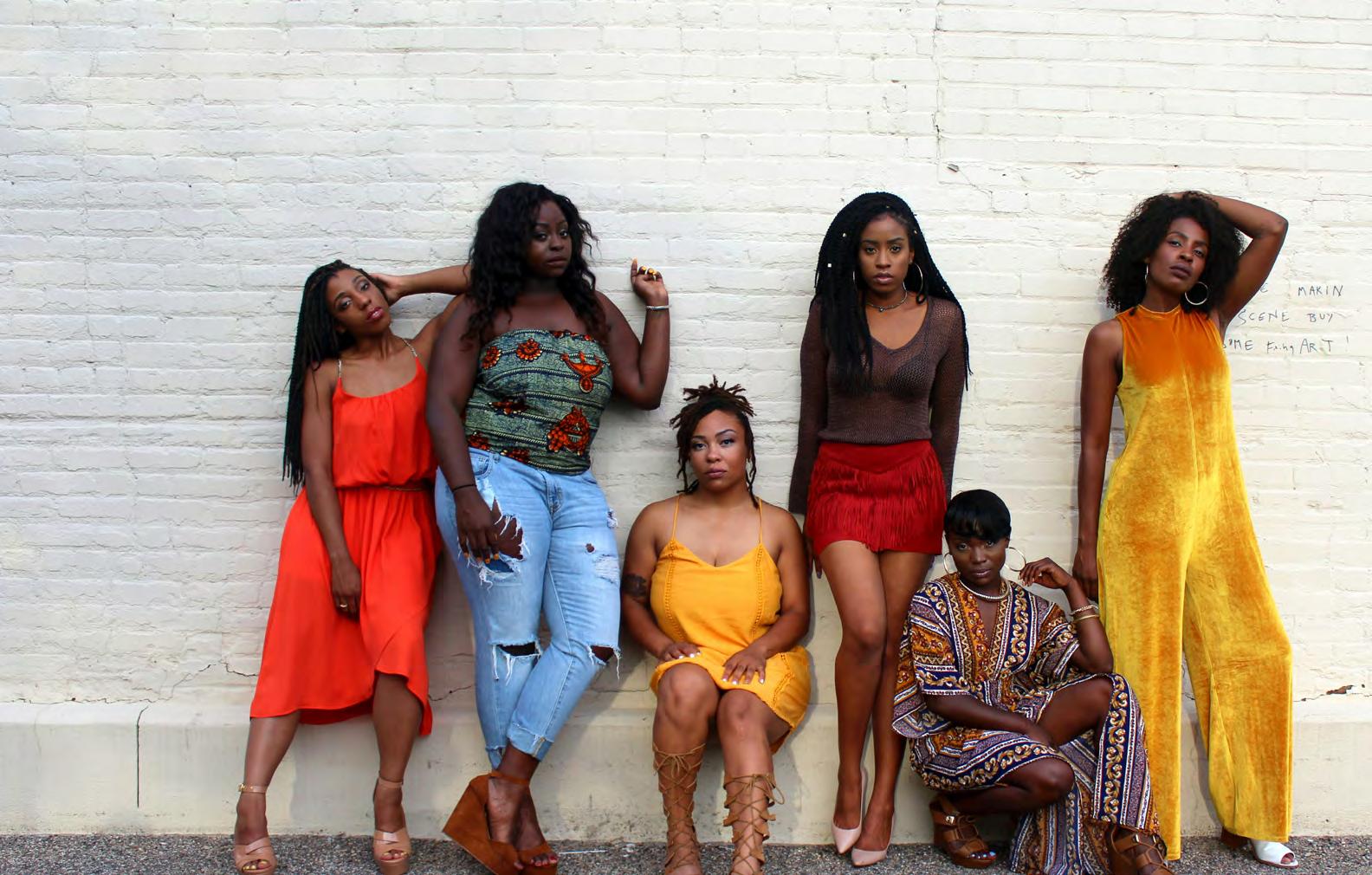
International Women’s Day often celebrates boardroom wins, political milestones, and breaking glass ceilings. But beyond the applause and hashtags, there’s a quieter, deeply personal form of empowerment that deserves attention, the simple act of women gathering together. Not for networking. Not for performance. Not for pictures. Just to breathe. In a world that constantly demands strength, productivity, beauty, and composure from women, girls’ night is not frivolous. It is restoration. It is released. It is wellness in real time.
EMOTIONAL RELEASE WITHOUT JUDGMENT
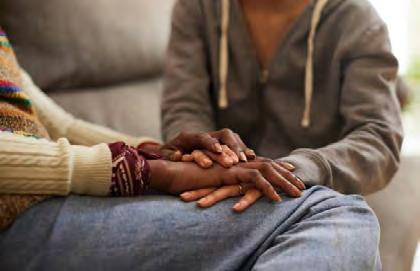
There is something powerful about sitting across from women who understand your world without lengthy explanations. The workplace frustrations. The dating confusion. The family pressure. The silent expectations. Girls’ night becomes a safe container for emotional honesty. It is where “I’m tired” doesn’t sound like weakness. In many Nigerian spaces where women are expected to endure quietly, having a room where you can speak freely is healing. You leave lighter than you arrived. That’s not a coincidence. That’s emotional release.

One of the most underrated forms of therapy is shared experience. When a friend says, “That happened to me too,” something shifts internally. Shame dissolves. Self-doubt softens. You realise you are not dramatic, not behind, not failing. Whether it’s navigating ambition, marriage timelines, career growth, or personal identity, hearing other women echo your fears and victories creates belonging. And belonging is a pillar of mental wellness.
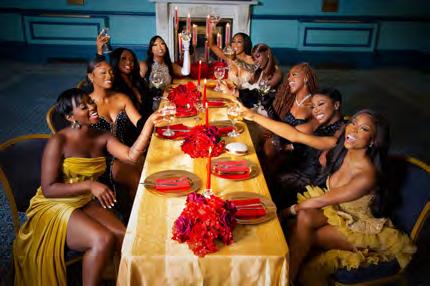
Joy is medicine. The kind of laughter that makes you hold your stomach, wipe your eyes, and forget your phone exists for a while is more than entertainment. It’s a regulation. It lowers stress, eases tension, and reminds you that life is not only pressure. That reset matters.
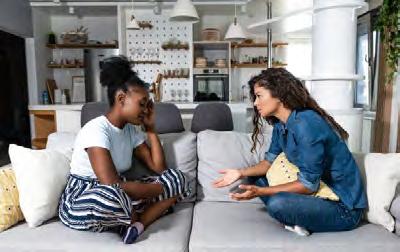
Girls’ night isn’t just venting and vibes. It is also true. It is the friend who says, “You deserve better.” The one who reminds you of your goals when you’re about to shrink yourself. The one who refuses to let you settle. Healthy female friendships offer perspective. They challenge self-sabotage. They encourage boundaries. They celebrate wins loudly. That kind of accountability is wellness. It keeps women aligned with their values and aspirations.
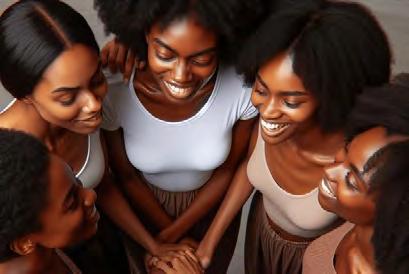
As life becomes busier, careers expand, families grow, cities become overwhelming, and intentional connection becomes harder. Yet it becomes even more necessary. Girls’ night doesn’t have to be extravagant. It can be a simple dinner, a movie night, a walk, or a shared takeaway after work. The power is not in the aesthetics. It is in the presence.
This International Women’s Day, beyond celebrating achievements, celebrate the women who hold you together in quiet ways. The ones who answer late-night calls. The ones who clap the loudest. The ones who sit with you in silence when needed. Because sometimes empowerment is not about standing alone. Sometimes it’s about sitting together and remembering that you don’t have to carry everything yourself.
Let’s definitely catch up soon. We say it with warmth. With sincerity. With full eye contact.
And in that moment, we mean it. We just don’t mean it urgently.
Adulthood is full of sentences that are technically true and emotionally negotiable.
“We should do this more often.”
“I’ll check my calendar.”
“Next month is better.”
“No worries at all.”
No one is lying.
We are translating.
Because when we say, “Let’s catch up,” what we often mean is: I care about you.
I just don’t know where you fit this week.
There is a quiet choreography to adult conversation.
We stand outside events promising: “We won’t leave it this long again.” We will.
Not because we don’t value each other.
But because value now competes with responsibility. And responsibility usually wins.
Then there’s “I’m just so busy.”
Busy is a flexible word.
It can mean overwhelmed. It can mean stretched.
It can mean I don’t have the emotional energy for this right now.
It can also mean I don’t want to disappoint you, but I can’t say yes.
To absorb the small frictions without making them visible.
We become very good at being reasonable. Sometimes too good.
We schedule it.
We budget for it. We pencil it in between obligations and recovery days.
And somehow, even with all the negotiation, it still works. The friendship survives.

The conversation resumes.
The warmth returns faster than the calendar suggests it should.
We are not dishonest.
We are just full.
Busy sounds better than capacity. So we say busy.
We also say:
“No worries at all.”
Even when there were, briefly, worries. Even when we noticed the late reply. Even when we adjusted our expectations quietly and moved on.
Adulthood trains us to smooth the moment. To protect the tone.
Because underneath the politeness is something real: We are tired. Not of people.
Just managing everything at once.
So “Let’s plan something” becomes a hopeful sentence. It means: I still want this.
Even if I cannot give it immediacy. There is something oddly tender about that.
Adults do not ghost joy.
Full lives.
Full weeks.
Full mental tabs open at once.
Sometimes politeness is not avoidance. It is maintenance.
And maybe adulthood is not about saying everything exactly as it is.
Maybe it is about saying enough to keep the connection intact.
And maybe that is the Luxury Silk.

The Portability Temptation
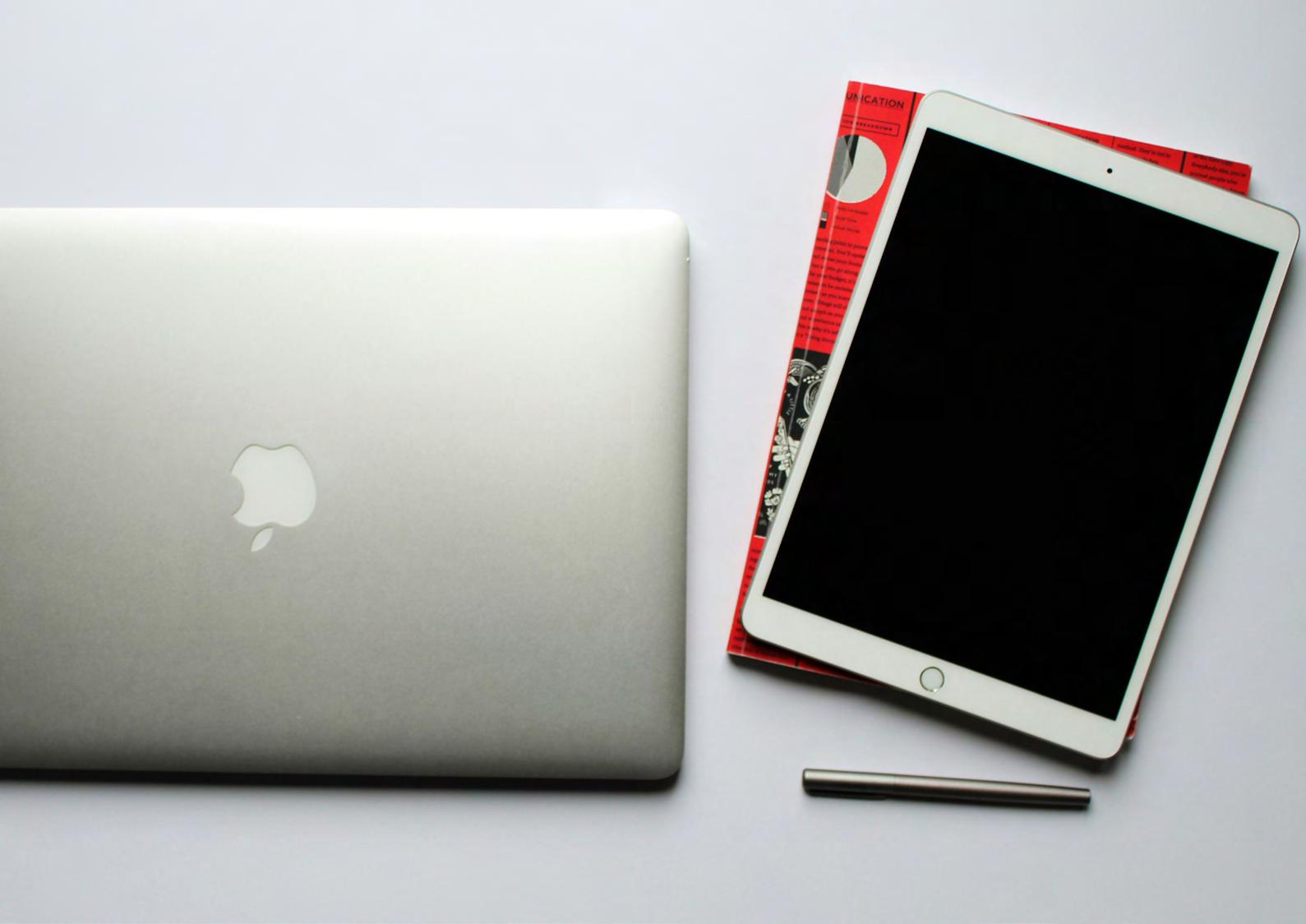
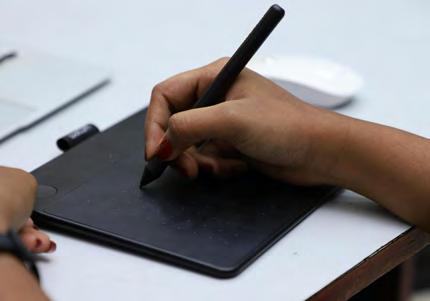
Tablets are attractive. Slim, lightweight, easy to carry from the office to a café to your bed. Devices like the iPad Pro promise power in a compact form. Add a keyboard and a stylus, and you start to convince yourself it can replace everything. For students, notetakers, designers, social media managers, and people who consume more than they produce, a tablet makes sense. It’s intuitive. It’s quick. It feels modern. But here’s the truth: tablets are excellent companions. They are not always excellent primary machines. If your daily routine involves heavy typing, multiple spreadsheets, detailed presentations, or long-form writing, that portability can start to feel limiting.

Many people try to convince themselves that they can replace a laptop with a high-end tablet plus accessories. And sometimes, that works. But here’s the honest test: are you buying based on how you want to work, or how you actually work? If you imagine yourself journaling in cafés and sketching ideas, but your reality is Excel sheets and back-toback emails, choose accordingly. Lifestyle fantasy should not dictate a practical purchase.
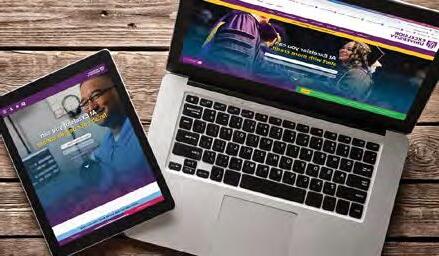
A laptop, like the MacBook Air, is built for structure. It’s designed for multitasking. Multiple tabs open. Documents side by side. File management that doesn’t feel like a puzzle. If you work in corporate Nigeria, manage data, write extensively, edit videos, or run a business from your device, a laptop still offers a smoother workflow. The keyboard is built-in. The software compatibility is broader. The performance is steadier under pressure. It may not feel as trendy as a tablet, but when deadlines are real, reliability becomes attractive.

Let’s also talk money. A premium tablet with keyboard and stylus can cost almost as much as a mid-range laptop. At that point, value matters. Which device will last longer for your needs? Which one adapts as your responsibilities grow? If your career is expanding, your device should grow with you.
BY JOHNSON CHUKWUEKE
Before you spend that money, let’s be honest about how you actually work. There comes a moment when your current device starts misbehaving. It freezes mid-email. The battery dies during Zoom. You start browsing prices “just to check.” And suddenly, you’re choosing between a sleek tablet and a reliable laptop. The dilemma feels modern. The marketing is seductive. But beyond aesthetics and hype, the real question is simple: what does your lifestyle demand?
So, What Do You Really Need?
If your work is creative, mobile, visual, and flexible, a tablet may genuinely serve you well. If your work is structured, document-heavy, administrative, or business-driven, a laptop remains the safer investment.
The smartest buyers are not the ones who follow trends. They are the ones who understand their habits. Before you click “add to cart,” look at your last seven days of work. That’s your answer. Because, in the end, the best device isn’t the most aesthetic.
BY DORCAS AKINTOYE
Astylish home is not about how big your space is or how expensive your furniture looks. It is about the little things you add that bring life, warmth, and personality into the space. Decor pieces help turn a house into a home. They make your space feel complete, welcoming, and beautiful. Even the simplest room can look classy and well put together when the right decor pieces are added. Here are four decor pieces every stylish home must have.
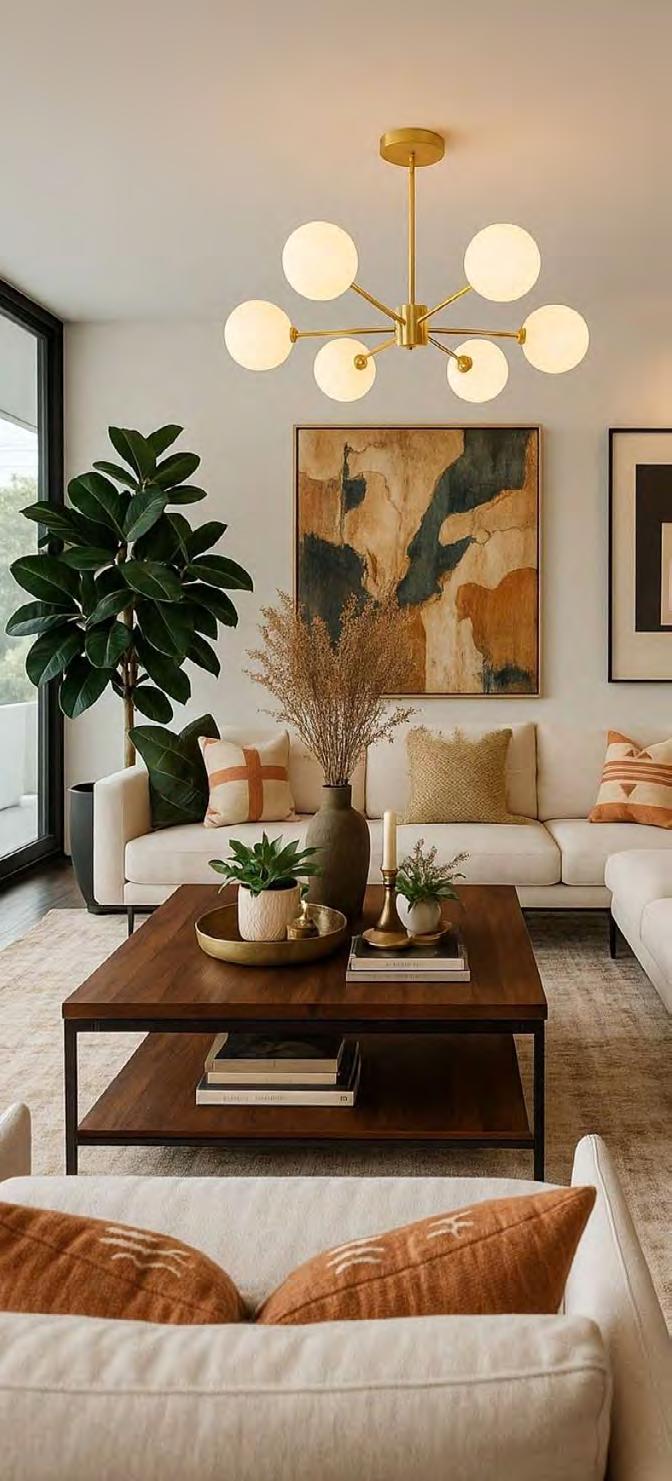
A statement mirror is one of the easiest ways to make your home look stylish. It is not just for checking your face. It also helps to decorate your space and make it look brighter and bigger. Mirrors reflect light. This makes your room look more open, especially if your space is small. When you place a mirror near a window, it reflects natural light, making the whole room feel fresh and alive. You can place a statement mirror in your living room, bedroom, or even your hallway.
Indoor plants bring life into your home. They make your space feel fresh, calm, and peaceful. A home without plants can sometimes feel empty or dry, but plants add natural beauty. Plants also add colour. The green leaves can make your room look more lively, especially if your furniture has neutral colours like white, grey, brown, or black. You can place them in your living room corner, on your centre table, or beside your TV stand.
Wall art helps to fill empty walls and make your home look complete. Empty walls can make a home feel plain and boring, but wall art adds beauty and personality. Wall art can be paintings, framed pictures, quotes, or even simple artwork. It allows you to express yourself. For example, you can use fashion art, nature art, or abstract art depending on your taste. You can place wall art above your sofa, above your bed, or in your dining area.
Throw pillows may look small, but they make a big difference. They make your sofa, chair, or bed look more beautiful and comfortable. Throw pillows add colour, texture, and style. For example, if your sofa is plain, adding colourful pillows can instantly make it look more attractive. They are an easy and affordable way to upgrade your home.




A stylish home is created with simple, thoughtful decor pieces. You do not need too many things. Just the right pieces can completely transform your space. When these pieces are added, your home will not just look beautiful. It will also feel comfortable, welcoming, and truly yours.
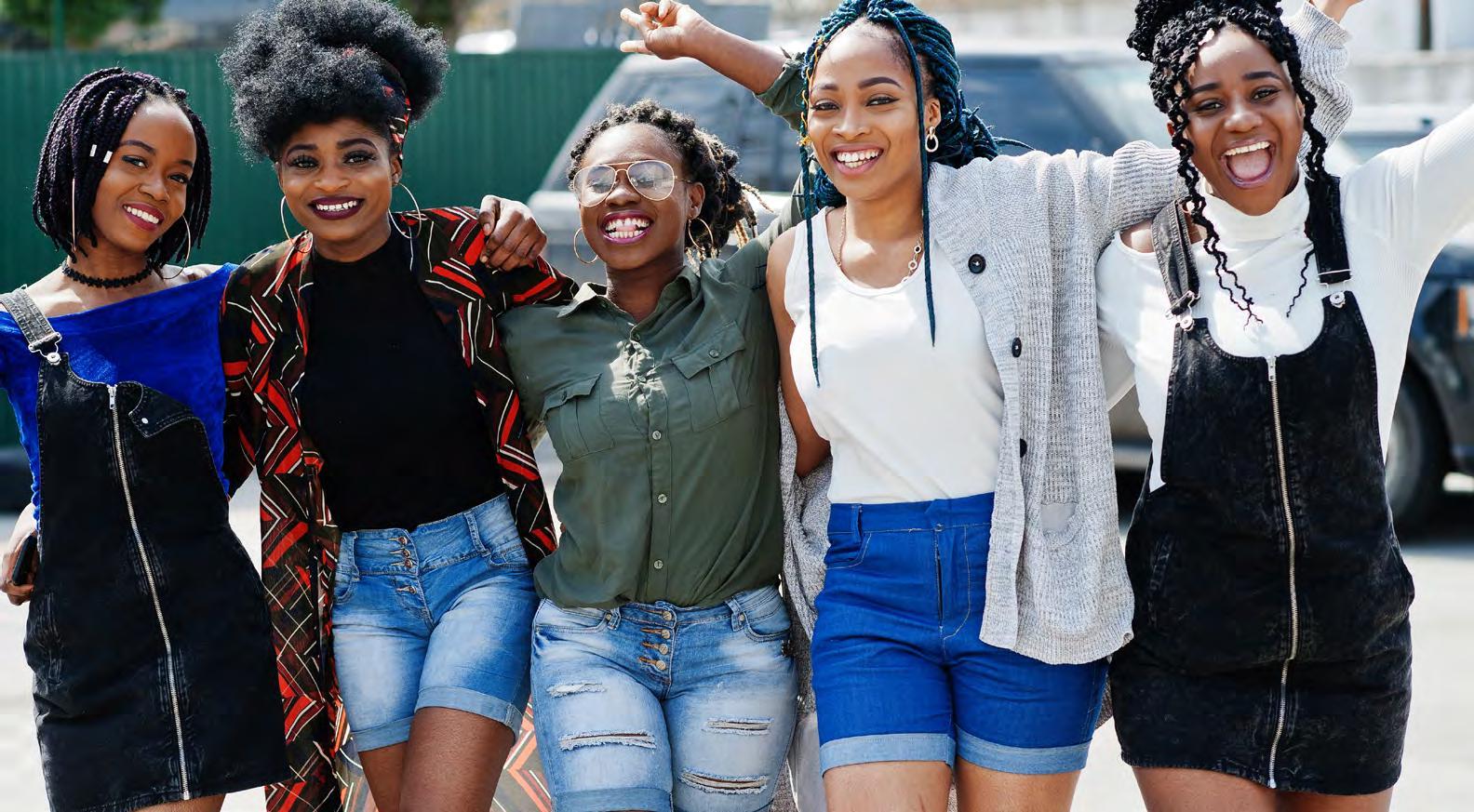

For generations, women were subtly taught that there is room for only one at the top. One spotlight. One leadership seat. One “ideal” woman in the room. That scarcity mindset breeds silent rivalry. It turns celebration into comparison and admiration into insecurity. But today’s reality is different. Industries are expanding. Women are founding companies, leading banks, building media platforms, running homes, and rewriting timelines. The idea that one woman’s progress blocks another’s is outdated. When women collaborate, they multiply opportunities. When they compete destructively, everyone shrinks. Choosing sisterhood is choosing expansion over scarcity.
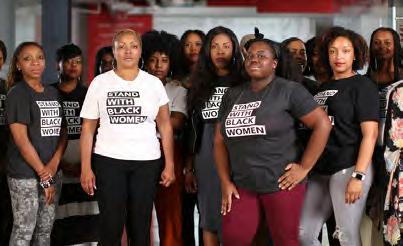
True empowerment is collective. It is women sitting at the same table without silent tension. It is collaboration without comparison. It is cheering loudly without fear of being overshadowed. Sisterhood over competition is not a slogan. It is a mindset shift. It reduces stress, strengthens confidence, and builds healthier communities.

Constant comparison is exhausting. It steals joy from personal wins and magnifies perceived shortcomings. Social media intensifies this: curated success, filtered milestones, polished announcements. But wellness demands perspective. Your timeline is yours. Your background, resources, responsibilities, and dreams shape your journey. Measuring it against someone else’s highlight reel is emotionally unfair. Sisterhood thrives when women genuinely celebrate each other. When a friend’s engagement, promotion, or breakthrough feels inspiring rather than threatening, mental peace follows. There is freedom in clapping without calculating.

Choosing sisterhood requires intentional unlearning. It means checking jealousy without shame and asking deeper questions: Why does her success trigger me? What insecurity needs attention? Growth begins with honesty. International Women’s Day is not just about public celebration. It is also about private reflection. Are we building each other up in everyday conversations? Are we protecting spaces where women feel safe to be ambitious and imperfect?
BY JOHNSON CHUKWUEKE
Another woman’s success is not your loss. International Women’s Day often celebrates milestones, promotions earned, businesses built, and ceilings shattered. But beneath the applause lies a quieter tension many women understand too well: comparison. Who is ahead? Who is getting married first? Who just bought a house? Who secured the deal? Who looks better doing it? In a world that constantly ranks women by beauty, age, relationship status, income, and influence, choosing sisterhood over competition is not a weakness. It is strength and togetherness.

Sisterhood is not just emotional; it is practical. It looks like sharing opportunities instead of hoarding them. Recommending a friend for a role. Promoting another woman’s business. Mentoring without intimidation. Healthy female networks create psychological safety. They provide advice, accountability, and encouragement. They remind women of their value when self-doubt creeps in. In a society that often places heavy expectations on women to excel professionally, maintain relationships, look polished, and remain composed, having a circle that understands that pressure is invaluable.
This International Women’s Day is a good day to remind women globally that they are not just powerful individually; together, they are unstoppable.
BY JOHNSON CHUKWUEKE
If you’ve ever dreamed of basking in the golden light of Santorini while enjoying a plate of grilled seafood and fresh vegetables, you’re not alone. The Greeks have long been celebrated for their rich culture, breathtaking islands, and—yes—their divine cuisine. But Greek food isn’t just about delicious flavours; it’s also one of the healthiest diets in the world. With its emphasis on fresh produce, lean proteins, herbs, and heart-loving olive oil, eating like a Greek god might just be the glow-up your meals have been waiting for. Greek cuisine proves that healthy doesn’t have to mean boring. These dishes are full of life—just like the people who created them. Whether you’re a home cook or a foodie in search of inspiration, here are five Greek meals that are as nourishing as they are mouthwatering.
No lettuce here! This rustic salad combines tomatoes, cucumbers, red onions, Kalamata olives, and big blocks of feta cheese, all drizzled with olive oil and oregano. It’s simple, crunchy, and loaded with antioxidants.
Marinated in lemon juice, garlic, olive oil, and herbs, these juicy chicken skewers are easy to make and great for meal prep. Pair them with whole-wheat pita and tzatziki sauce for a light but filling combo.


This creamy dip made with Greek yoghurt, cucumber, garlic, lemon, and dill is the ultimate sidekick. Serve it with grilled meats, roasted veggies, or simply as a dip with warm bread. Bonus: it’s packed with protein and probiotics.
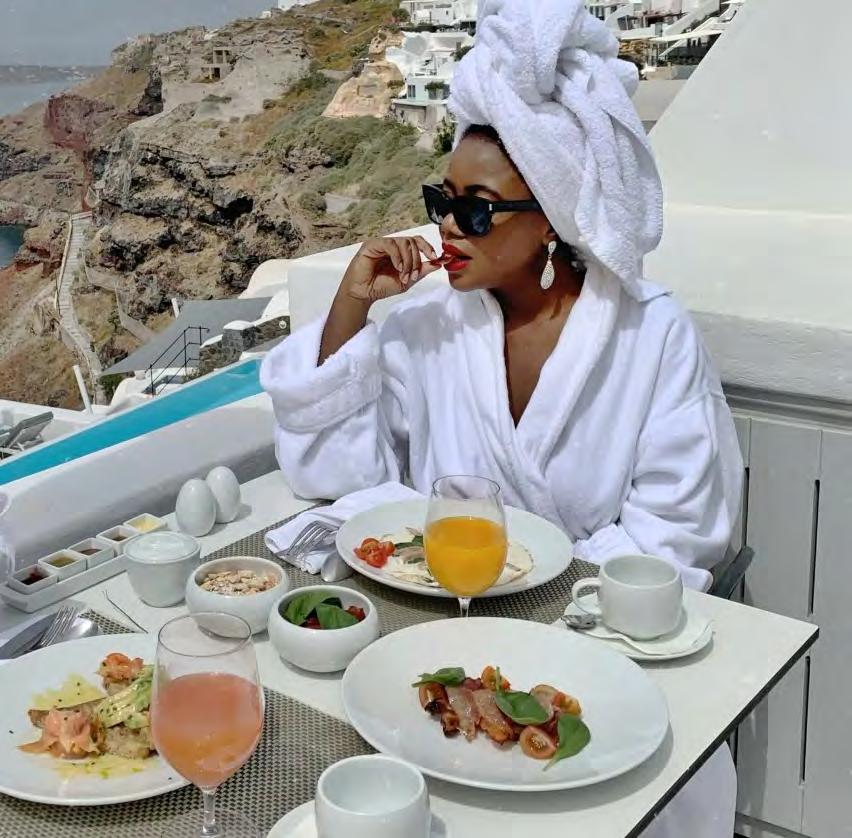

A flaky pastry filled with spinach, feta, and fresh herbs, spanakopita is the perfect balance of comfort and nutrition. You can bake it as a big pie or cut it into triangles for a snack that feels fancy but feeds the soul.

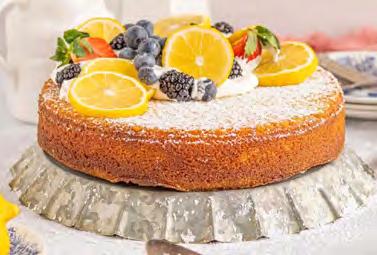
For dessert, try a not-too-sweet cake made with olive oil and fresh lemon juice. It’s light, zesty, and far healthier than your average frosted cake. Add a dollop of Greek yoghurt and berries for a sophisticated finish.
Greek food is a celebration of flavour, of health, and of the simple pleasures in life. These recipes are proof that you don’t have to sacrifice taste for nutrition. With a few fresh ingredients, a little olive oil, and a sprinkle of Mediterranean magic, you can turn everyday meals into something worthy of Mount Olympus. So, next time you're thinking about dinner, channel your inner god (or goddess) and go Greek. Your taste buds and your body will thank you. Whether it's a crisp salad or a bite of creamy spanakopita, eating like the gods has never been this delicious.

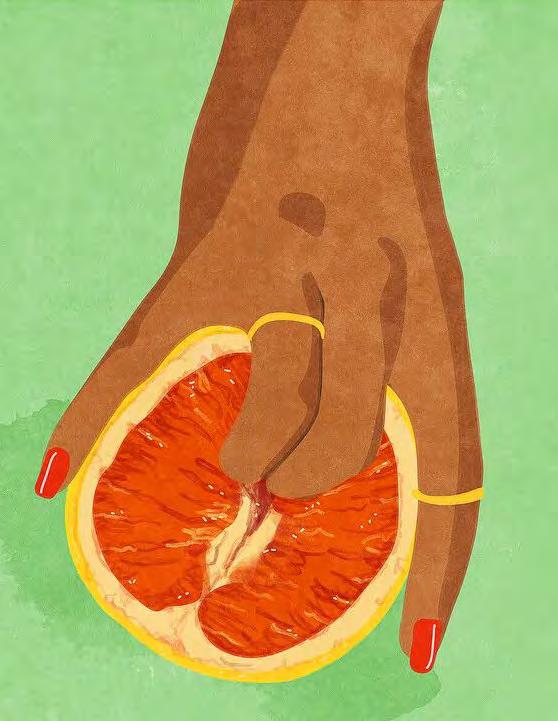
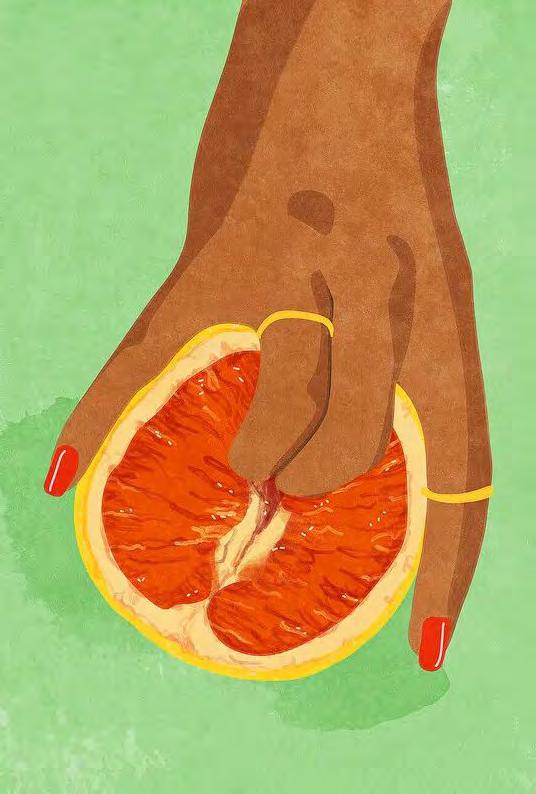
It was International Women’s Day, and of course, the internet was loud.
Timelines were filled with posts celebrating remarkable women. Husbands were appreciating their wives. Companies were spotlighting their female staff and CEOs. Brands were posting pink graphics and powerful quotes.
And then there were the bold women, the ones who decided to celebrate
themselves because, honestly, who else would? They listed their wins, their growth, their sacrifices. They posted throwbacks and long captions about resilience.
Don’t judge me, but sometimes I scroll through those posts with mixed feelings. Not bad feelings exactly. Just… complicated ones. It’s one of those days when you come
across women who make you question your own pace. Women who seem so sure, so accomplished, so certain about where they are going. You feel inspired and slightly unsettled at the same time.
And then there was me.
Lying on my bed at 10:30 a.m., doom-scrolling. I had come back early from work the previous day, yet I still woke up late. I had no big post ready. No carefully curated caption about how far I had come. No list of achievements to remind the world or myself that I was doing well.
Even though Last year, on this very day, I made a promise to myself, no more self-doubt, no more harsh judgments in the mirror. Today, regardless, I intended to honour that vow in the most intimate way possible. Starting my day with pleasure in my own terms, a celebration of my desires, my body.
I stretched my arms and legs. My hand moved down my bare belly. It went lower to the opening between my legs. It felt warm already. There was a small ache there, like it wanted attention. I spread my legs open on the bed. I closed my eyes and took a deep breath. I let the excitement build inside me.
My finger touched my clit. It was already a bit wet. I rubbed up and down, feeling the wetness grow. Then I found my clit. It was small but getting bigger under my finger. I circled it slowly. Heat spread from there through my body. A quiet moan came from my mouth. My hips moved a little on the bed.
I pressed harder on my clit. My body liked it. I slid one finger inside my lady bits. Just the tip at first. My walls squeezed it tight. It felt good. I added another finger. I pushed them deeper. I curled them to rub the spot inside that made me shake. My other hand went to my breast. I pinched my nipple. It got hard fast.
I moved her fingers in and out. Faster this time. My lady bits made wet sounds. More juices came out, covering my hand. My breathing got quick. My heart beat hard. I was close to feeling good.
Then it hit. My orgasm came hard. My clit pulsed. Waves of pleasure shot through me. I cried out. My hands gripped the sheets tightly. I kept going. Finally, I stopped and pulled out my fingers slowly. My body felt loose and happy.
I lay there, breathing heavy. A smile on my face. Now I was really ready for whatever the day had in store.
BY BOLUWATIFE ADESINA

It’s almost hard to describe how astonishingly bad Scream 7 isthough it isn’t entirely surprising considering the circumstances surrounding the film and the lead-up to its production. In 2023, Spyglass Media Group summarily dismissed franchise reboot star Melissa Barrera, who anchored 2022’s Scream and Scream VI, for posting on social media in support of Palestine. Shortly after Barrera’s firing, co-star Jenna Ortega (Wednesday) departed the film, as well as new director Christopher Landon.
In the wake of the shake-up, Spyglass eventually lured the original Scream queen, Neve Campbell (who had co-starred in the 2022 Scream but sat out the New York City-set Scream VI), back to the franchise, where she has played Sidney Prescott for three decades. Also returning is Kevin Williamson, the original film’s writer, who was tapped to co-write and direct his first directorial effort since 1999.
Usually, all of this extra production context isn’t necessary to explain how and why a film doesn’t work, but here it seems relevant in grappling with why Scream 7 is such an incoherent mess. Perhaps they were stuck scrapping for parts, or rushed, or working under the dark cloud of the backlash to Barrera’s firing (there have been calls to boycott the film on social media).
Whatever the case, the result is easily the franchise’s worst effort, riddled with muddled motivations, inconsistent characters and a serious identity crisis.
Much like Laurie Strode in Halloween, who shapes her existence around surviving Michael Myers, who is Sidney without the Halloween mask worn by so many of her nearest and dearest? She doesn’t seem to know. Her day-today life is defined by her trauma - she’s a gun-toting woman with a high-tech home security system

married to a cop (Joel McHale) - but oddly enough, she doesn’t talk about her past with her teenage daughter Tatum (Isabel May). That doesn’t seem like Sidney at all.
Instead, she tries to live a semblance of a Gilmore Girls life in the bucolic town of Pine Grove, where she runs a cutesy coffee shop and is a wife and mom to three kids, whom she wants to protect from the world and her pesky ghosts. Still, it makes little sense that Tatum (named after Sidney’s best friend, played by Rose McGowan in the first film) would know so little about her mom’s past. But then there’s very little about this film that makes sense.
Lega-sequels often try to contend with the larger ideas and evolutions of these iconic properties, and Scream 7 half-heartedly attempts that. An opening salvo featuring Jimmy Tatro and Michelle Randolph as a horrorobsessed couple seems to set up a cautionary tale about murder tourism, but that theme is quickly abandoned. In the series’ characteristic - yet now obligatory - bit of self-reflection on the genre, characters thumb their noses at “nostalgia” and the “retconning” of the Sidney Prescott story, only for the script to toy with just that, introducing a deepfake AI subplot. For such a selfconscious series, Scream 7 doesn’t manage to impart any kind of insight about itself. It’s nothing more than an episode of Scooby-Doo.
Distracting from the void at its core are the extremely gory kills, splashed with pixelized blood and guts that are indeed successful in making an audience squirm. But there’s no escaping the nagging feeling that it seems like Williamson fed Scream into an AI chatbot and the machine spat this wretched thing out - it has all the familiar components but doesn’t move right, sound right or feel right; it’s not funny, or scary, or suspenseful. Scream 7 is an unfortunate tarnish on this otherwise sturdy franchise’s legacy.
Rating:2/10
I stood up and booed at the credits. I wasn’t alone in doing that.

Scan this with your camera or click to access the playlist (Youtube Music)
The Night Agent is the biggest Netflix hit you may not have heard about. The conspiracy thriller series crafted a twisting tale of betrayal back in 2023, and in 2025 did it all over again with a new cast of faces. Now, Agent Peter Sutherland has made a Faustian deal with the devil, which not only adds a wrinkle to the proceedings but also allows the story to do what it has never been able to do before: adapt and change and keep the audience interested, even if it’s different from what was successful before.
The last time we left Agent Sutherland (Gabriel Basso), he had moved up from his job answering phones in a basement and began running covert operations that brought him all over the world. But soon, that new gig gets him on the tail of Jacob Monroe, aka The Broker (Louis Herthum). After foiling an evil scheme at the UN, he parted ways with his sidekick and love interest of two seasons, Rose, knowing that as long as they were close, she would never be safe.
My biggest issue with Season 2 was that it felt like a beat-for-beat remake of Season 1, but it’s easy to see why it would err on the side of the familiar — Season 1 is currently on the top 10 list of most-watched Netflix series of all time. But there was a glimmer of hope in the last scenes of Season 2, when Sutherland found him in Monroe’s debt. Now, he’s in his pocket, and that’s a dangerous place to be.
Season 3 also focuses on a new regime: President Richard Hagen (Ward Horton) and his wife Jenny (Jennifer Morrison), who bring their own level of intrigue that those

Scan this with your camera or click to access the playlist (Spotify)

around them have to carefully unpick. But by far the best part of Season 3 is the storyline focusing on two characters, only named the Father (Stephen Moyer) and the Son (Callum Vinson). They seem like the platonic ideal of single dadhood: the Father homeschools the Son, and the Son learns about the world while going off on adventures with his dad. However, the Father is actually one of Monroe’s assassins, a role he






has to keep secret from his own son, as it could reveal the true origin of their family.
The Night Agent has reached the point in a television show’s lifespan where the main character is no longer the most interesting character. But thankfully, it’s aware of this fact. This time, Peter is surrounded by a constant stream of interesting characters who are established with only a few sentences.
If there’s one thing that Night Agent Season 3 proves, it’s that it has legs. This is Netflix’s Reacher or James Bond, a hero with a thousand faces who could easily be plopped in and out of different situations and conspiracies and still tell an intriguing story. It doesn’t matter if he’s paired with Brittany Snow or Hong Chau or, as in this season, Genesis Rodriguez: Peter Sutherland can always deliver, be that a super-secret spy mission or an enjoyable season of television.