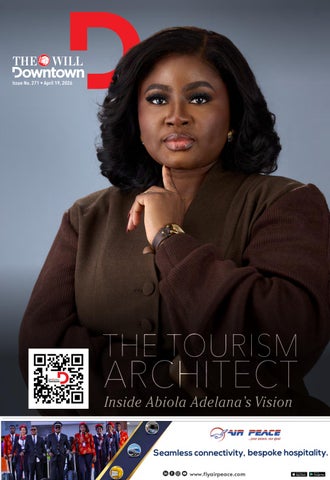

THE TOURISM ARCHITECT

Inside Abiola Adelana’s Vision

EDITOR’S NOTE

Abiola Adelana’s career has been a deliberate progression across three interconnected spaces. She started in Credit Administration, building a strong foundation in risk management, financial discipline, and capital structuring, and developing an understanding of how to assess and deploy capital responsibly. She then moved into Tourism, where she encountered a sector characterised by significant economic activity but limited institutional structure, particularly in Nigeria. Over time, that exposure naturally expanded into the Creative Arts, given how deeply both sectors are intertwined; music, film, fashion, food, and events all drive movement, experiences, and spending. That intersection made it clear that tourism and the creative economy are not standalone industries, but part of a broader ecosystem with strong global relevance. Today, her work sits at that intersection of finance and culture, bringing structure, capital, and scalability to industries that are already vibrant but not yet fully optimised, particularly within Nigeria, while aligning with global standards and opportunities. Adelana has introduced tourism to the banking sector.
Read more about what Abiola Adelana does on pages 8 to 10.
This week, our health page highlights habits that people in their 20s and 30s can form to help protect their bodies in the future. Scroll to page 17 to read this article.
For many young travellers, the goal isn’t just about sightseeing; it’s about the vibe. That is why we have compiled a list of places to visit where you not only visit, but you experience destinations that feel like aesthetic dreams. You’ll find this on page 15.
Our décor page shows you how to make your interior feel alive using texture. Most people focus on colour and furnishing, whereas it is texture that adds a rich finished feel to the room. See how to incorporate texture into your living space on page 16.
Until next week, enjoy your read.



AUSTYN OGANNAH PUBLISHER/EDITOR-IN-CHIEF
Executive Editor: Onah Nwachukwu @onahluciaa
Writers: Johnson Chukwueke & Dorcas Akintoye
Design & Layout: Hogan Effiom
Digital Media: Oladimeji Balogun
Consulting Art Director: Sunny Hughes ‘SunZA’


Boluwatife Adesina @bolugramm
- Contributing Writer
Boluwatife Adesina is a media writer and the helmer of the Downtown Review page. He’s probably in a cinema near you.

Sally Chiwuzie @unshakable.is.a.state.of.mind - Contributing Writer
Sally Chiwuzie is a non-practising barrister who owns the brand #Unshakable. She is the author of Silent Symphonies, a fictional love story, and the creator of the podcast Chronicles of #Unshakable Truths.

Ada Obiajunwa @aaddaahh
- Contributing Writer
Ada Obiajunwa writes from Lagos about the big truths tucked inside ordinary moments — friendship, self-discovery, and the quiet revolutions of everyday life. She believes in the power of presence, good banter, and decoding the unsaid. Through her fragrance studio, WhiffWonders, she also crafts scents that weave memory and emotion into experiences that feel like home.
Fitness Gentle Workouts For Real Life
Aries Energy The Bold Spirit of the Zodiac’s First Sign
5 Ways to Make Your Space Feel Alive Using Texture Travel For The Vibes Destinations That Feel Like Aesthetic Dreams Close Enough The Practical Dream


4 PIECES YOU NEED TO CREATE DIFFERENT OUTFITS
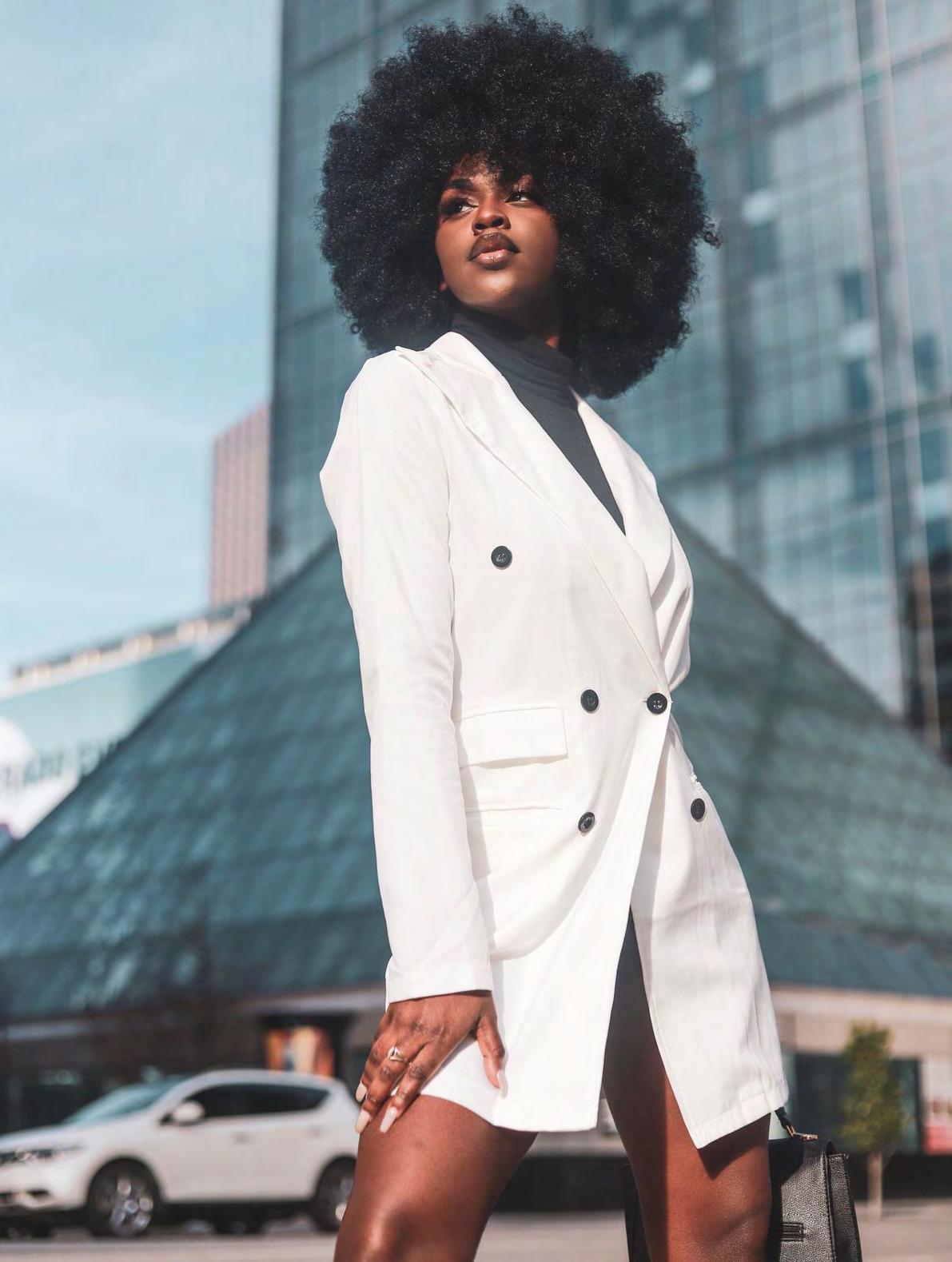
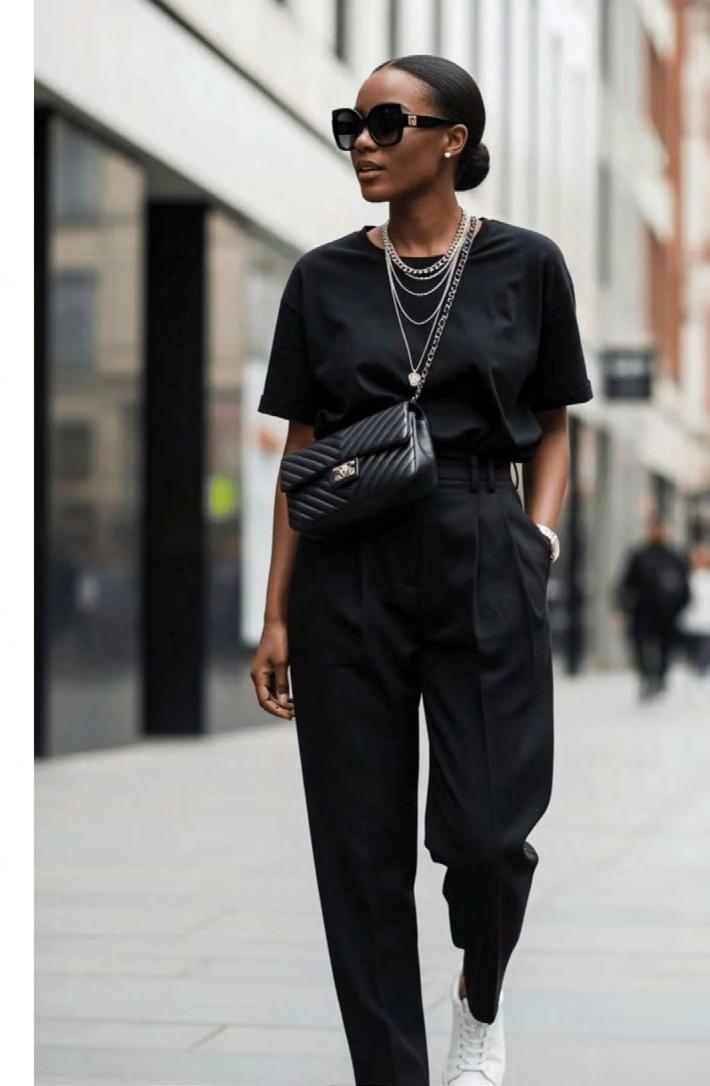
Looking stylish is not about having a full wardrobe. It is about having the right pieces. When you understand how to mix and match a few key items, you can create many different looks without spending too much money. This is especially helpful if you are trying to build your style slowly or stay on a budget. Here are four important pieces you need to easily create different outfits.
A GOOD PAIR OF JEANS
A well-fitting pair of jeans is one of the most useful items you can own. It can be dressed up or down depending on what you pair it with. For example, you can wear your jeans with a simple T-shirt and sneakers for a casual look. If you want something more polished, you can switch the T-shirt for a blouse or a nice top, and add heels or flats.Try to choose a neutral colour like blue, black, or even dark grey.These colours are easy to match with many tops.

A BLAZER OR LIGHT JACKET
This is the piece that can quickly upgrade your outfit. If you are wearing jeans and a T-shirt, it looks nice, but casual.The moment you add a blazer, the outfit becomes more serious and puttogether.You can even wear the same outfit to a meeting or a more formal place. A blazer works well for both day and night looks.You can wear it to work, to events, or even on a casual outing if styled
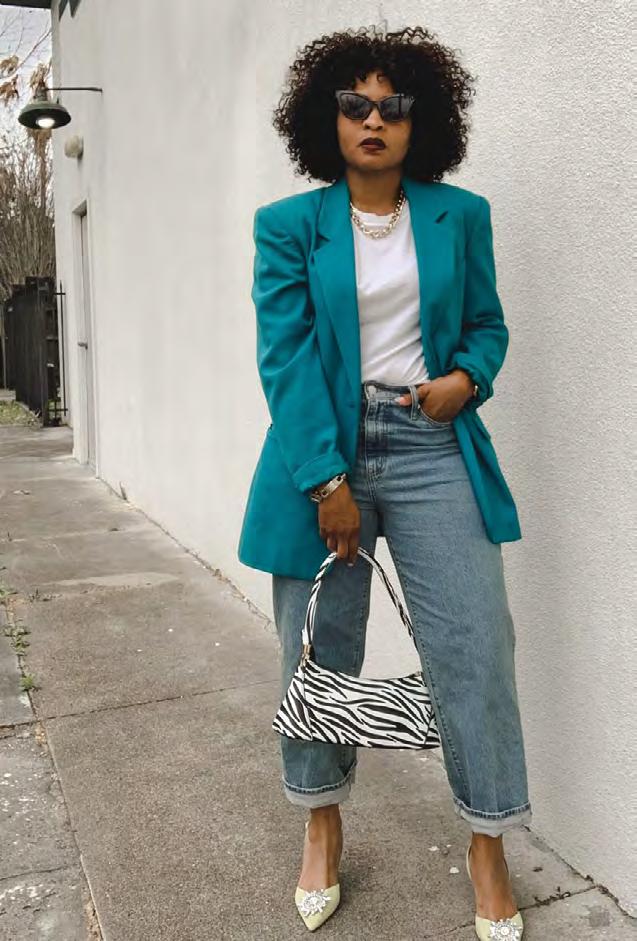
A PLAIN WHITE NEUTRAL)(OR TOP
A plain top may look simple, but it is very powerful. It gives you a clean base to build any outfit you want.You can wear a white top with jeans, skirts, trousers, or even shorts.You can layer it with a jacket, blazer, or cardigan.You can also add accessories like necklaces or scarves to change the look. Because it is simple, it allows other parts of your outfit to stand out.This means you can wear the same top many times, and still look different each time.
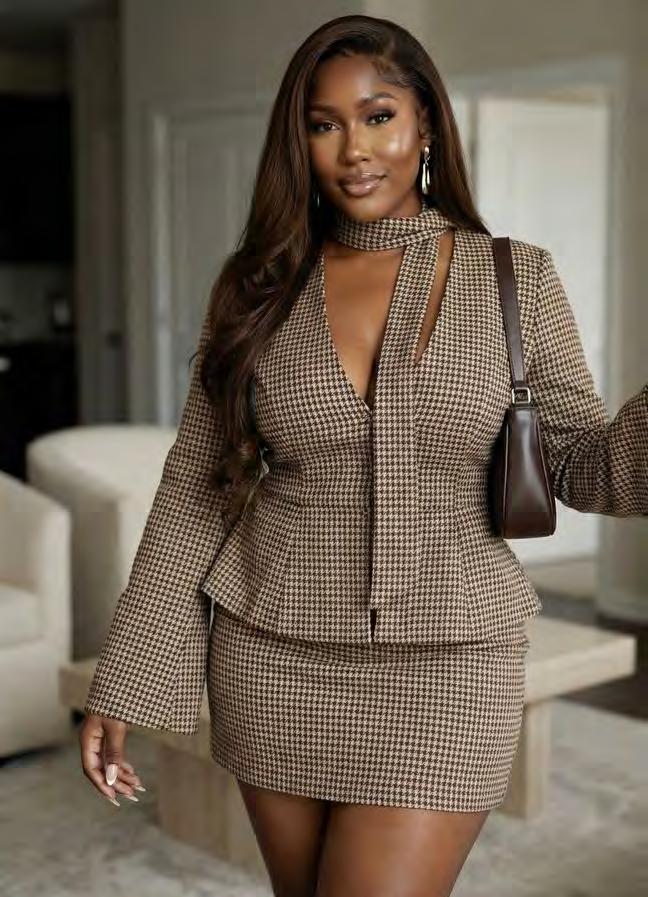
A SIMPLE DRESS (OR STATEMENT SKIRT)
A simple dress is like a full outfit on its own, but it is also very flexible. You can wear it alone with sandals for a relaxed look.You can add a jacket or blazer to make it more formal.You can also switch your shoes, from flats to heels, to change the entire feel of the outfit. If you prefer skirts, a statement skirt can also do the same job. Pair it with different tops and shoes, and you will keep creating new looks.
Fashion does not have to be complicated. With just these four pieces, you can create many outfits that fit different moods and occasions. It is not about how many clothes you have. It is about how well you use them.


SALLY CHIWUZIE @unshakable.is.a.state.of.mind
The Strong One Fell UNTOLD TRUTHS
Shetold people, not just me. That is what makes it harder to sit with. She did not disappear quietly; she warned us softly, often in metaphors, sometimes in jokes, and occasionally in passing remarks that sounded survivable. We heard her, yet we did not believe she might actually fall.
She was smiling when she sat down. It was not unusual; it was exactly what I expected. Her smile filled the space before she spoke, the kind that reassured everyone else that things were fine. She ordered coffee, made a light joke, and asked how I was. She appeared entirely herself.
Somewhere between her second sip and the silence that followed, something shifted.
“What do you do,” she asked quietly, “when everyone expects you to be the strong one?”
“When you’re the extrovert, the happy one, the one who lifts everyone else, there’s pressure to keep being that person even when you’re not. When I try to explain how I really feel, it sounds awkward, too heavy, too dark. People don’t know what to do with it, so they brush it away.”
She looked down at her hands before continuing.
“You know when you wear the wrong shoe size? It pinches all day, but you still walk.
That’s what it feels like.
It’s constant discomfort that belongs only to you. The humps on my road feel like mountains, but nobody else can see them, so everyone thinks I’m being dramatic.”
Her voice remained calm.
“Most days become a negotiation with waking up. I scan for something worth getting out of bed for. Sometimes I find it; sometimes I don’t. The thought of ending it all isn’t a plan. It’s more like an alluring, quiet exit that sits in the corner. Then I think about the people who need me, and I keep showing up. I almost wish I weren’t this strong person everyone relies on.”
“The pressure to be strong every day is exhausting. Each time I show up smiling, I sink a little more. The motivational videos and religious chants are on repeat. They used to help; now they just feel like
instructions.”
She turned toward the window.
“I fight for dreams nobody else sees. I cling to small things: coffee, walks, music, spring flowers. I tell myself colour still exists.”
She paused before adding quietly, “I think I’m slowly going colour blind.”
She didn’t cry; she simply said it.
She smiled again.
“I’m not invisible,” she said softly. “I’m just absorbed.”
We finished our coffee, and the conversation drifted to safer ground. When we stood to leave, she straightened herself, and the lightness returned. Anyone watching would have believed she was completely fine.
She had not hidden it. Her grief lived in the metaphors, in the quiet negotiation with waking up, and in the way she described colour fading. It was softened with humour and often followed by a quick smile that made it easier to move on.
The full darkness of depression is rarely spoken plainly. It appears between jokes, inside metaphors, and in statements that are quickly softened or taken back. People learn to say something survivable.
She spoke like that.
“They still see the bright version of me, the strong one, the encouraging one. When I speak honestly, it sounds out of character. People laugh, reassure me, and move on, so I stop saying it out loud.”
I didn’t interrupt. Some truths sit beyond advice.
“If I died tomorrow,” she said finally, “everyone would notice. Not because I stayed silent, but because I didn’t. I’ve told people. I hint, I joke, I wrap it in metaphors. Everyone has their own mountains and their own awkward shoes. Everyone is coping, and they survived theirs, so the assumption is that I’ll survive mine.”
Then she died. Nothing rearranged itself overnight. The conversations we had already heard simply settled differently. The metaphors felt heavier, and the calmness in her voice sounded less like composure and more like exhaustion we had misunderstood.
Afterwards, people remembered she had not stayed silent. She had told people, not just me.
More than one of us had heard versions of the same thoughts: the awkward shoes, the mountains no one else could see, the colour slowly fading. What once sounded expressive now felt like translation.
Perhaps the #Unshakable truth is this: The people most at risk are not always the silent ones. They are often the ones still laughing, still showing up, still hinting that something is not right.
Check on the strong ones. Check on the joyful ones. Listen to the metaphors. Sometimes the clearest cries for help are the ones softened so that nobody has to respond.
See you next week.
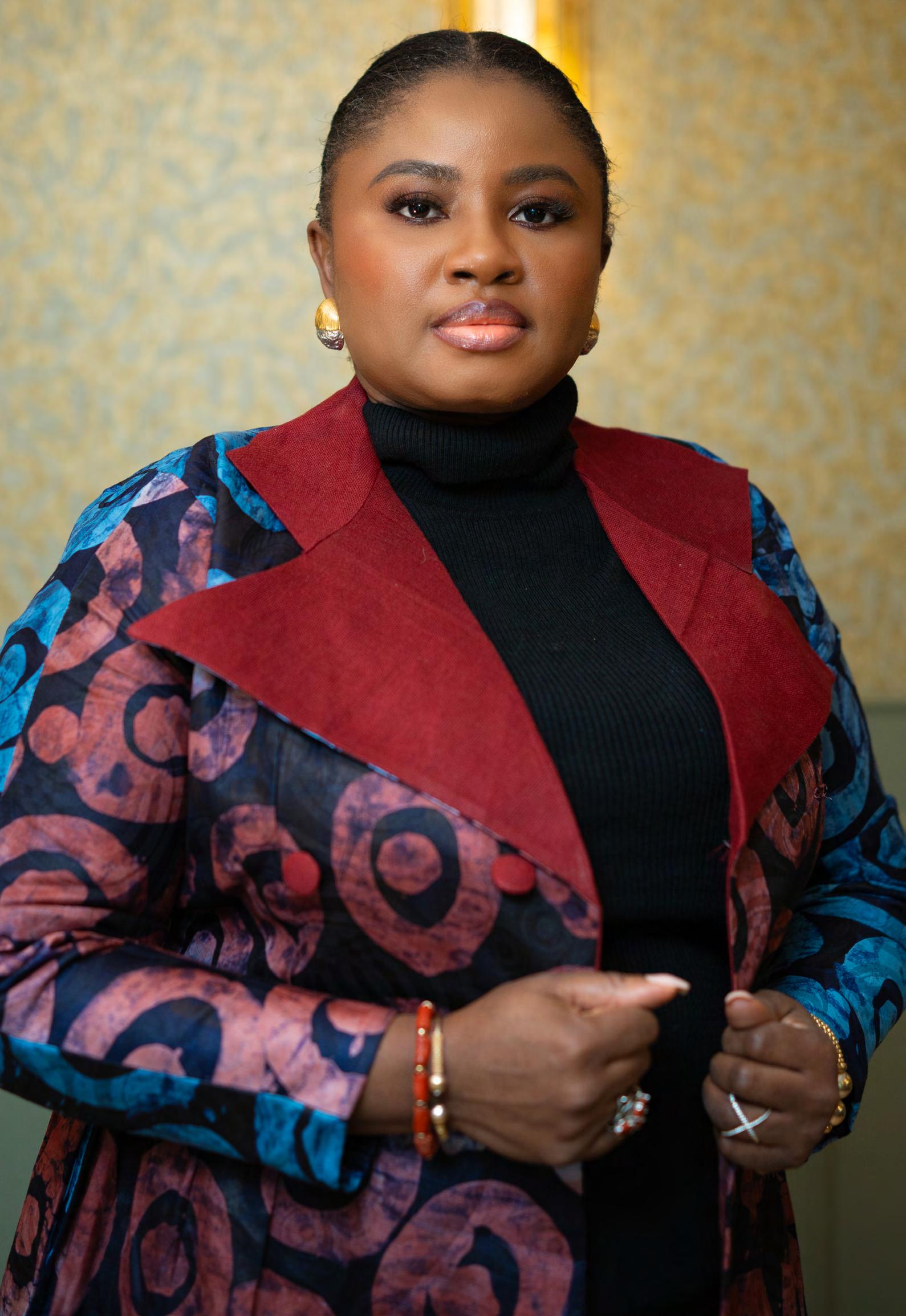
THE TOURISM ARCHITECT
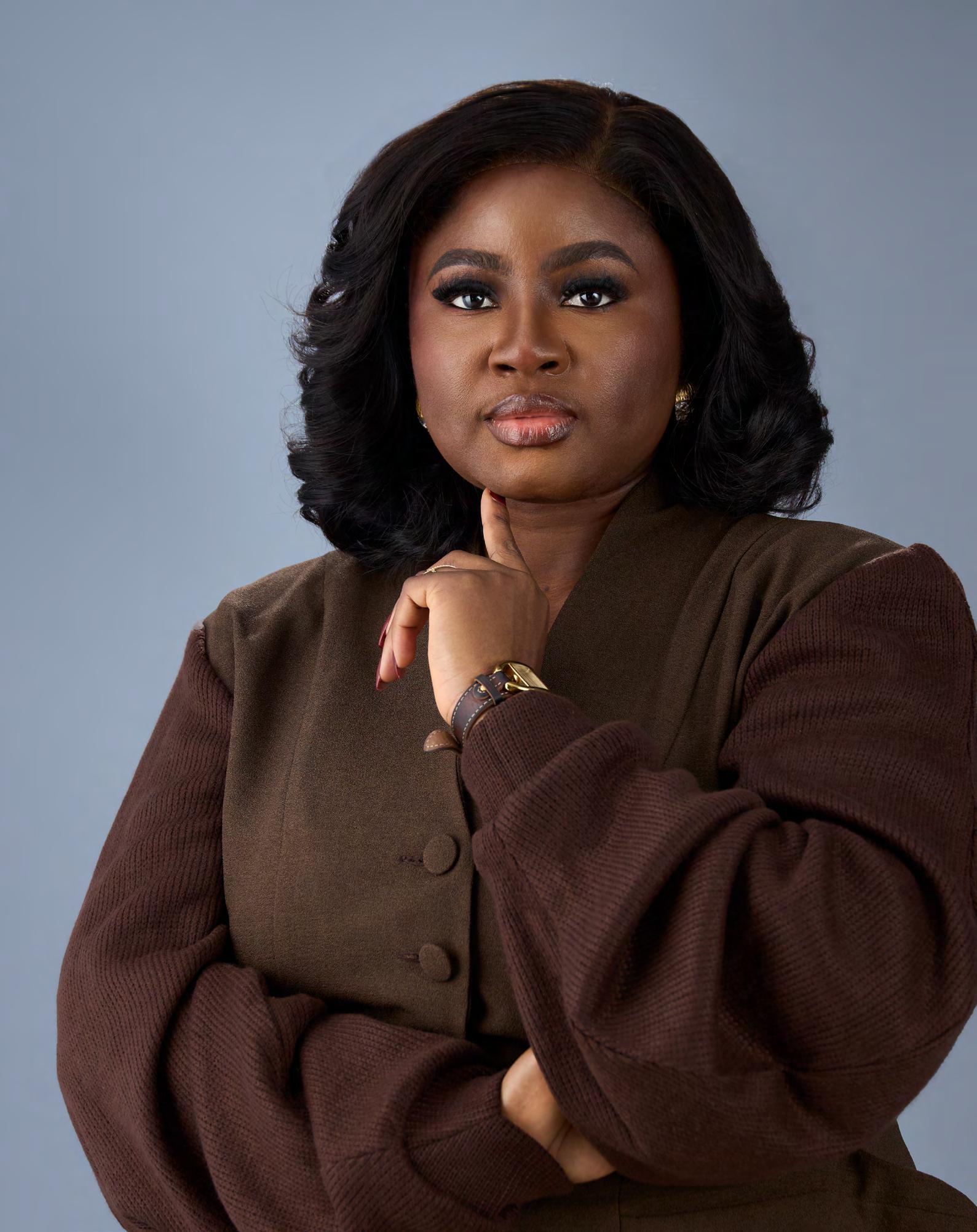
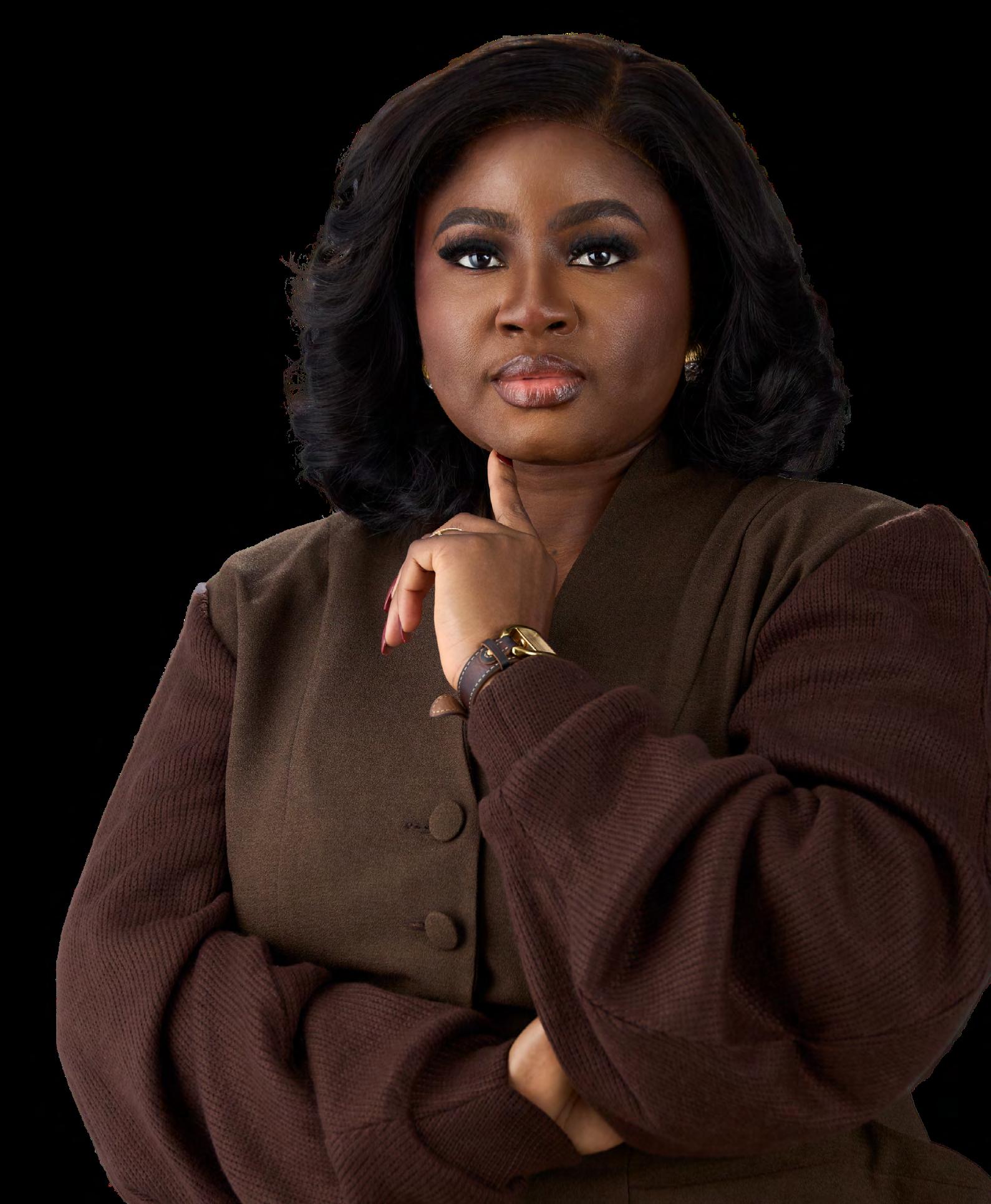
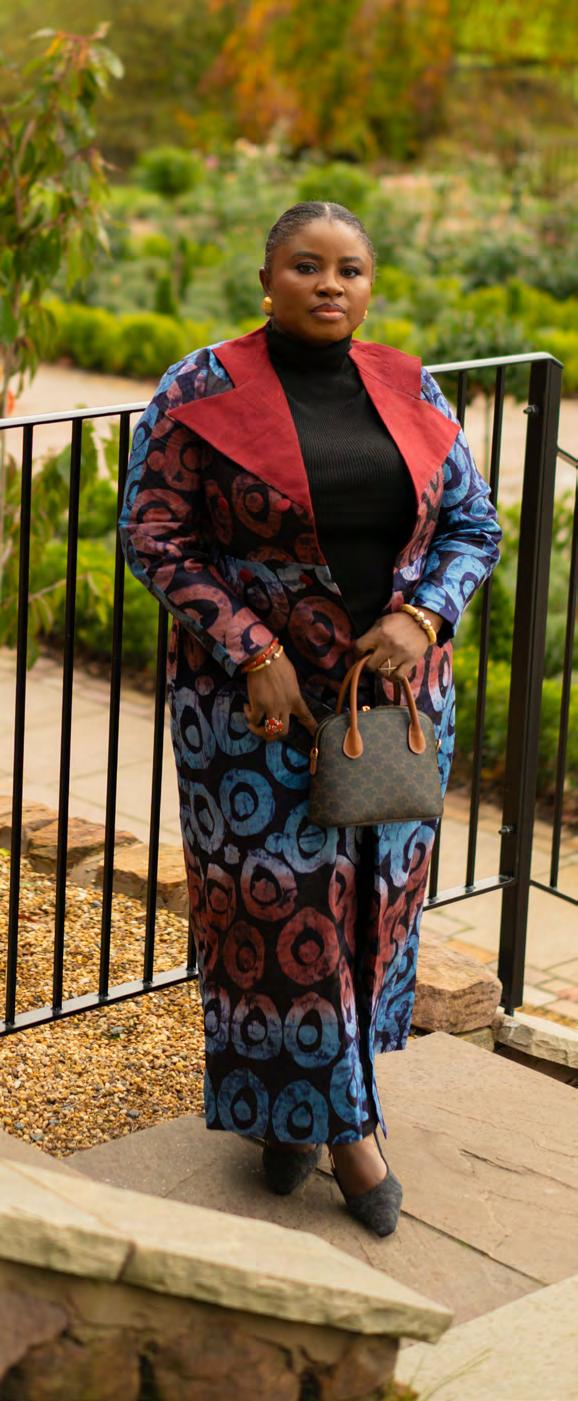
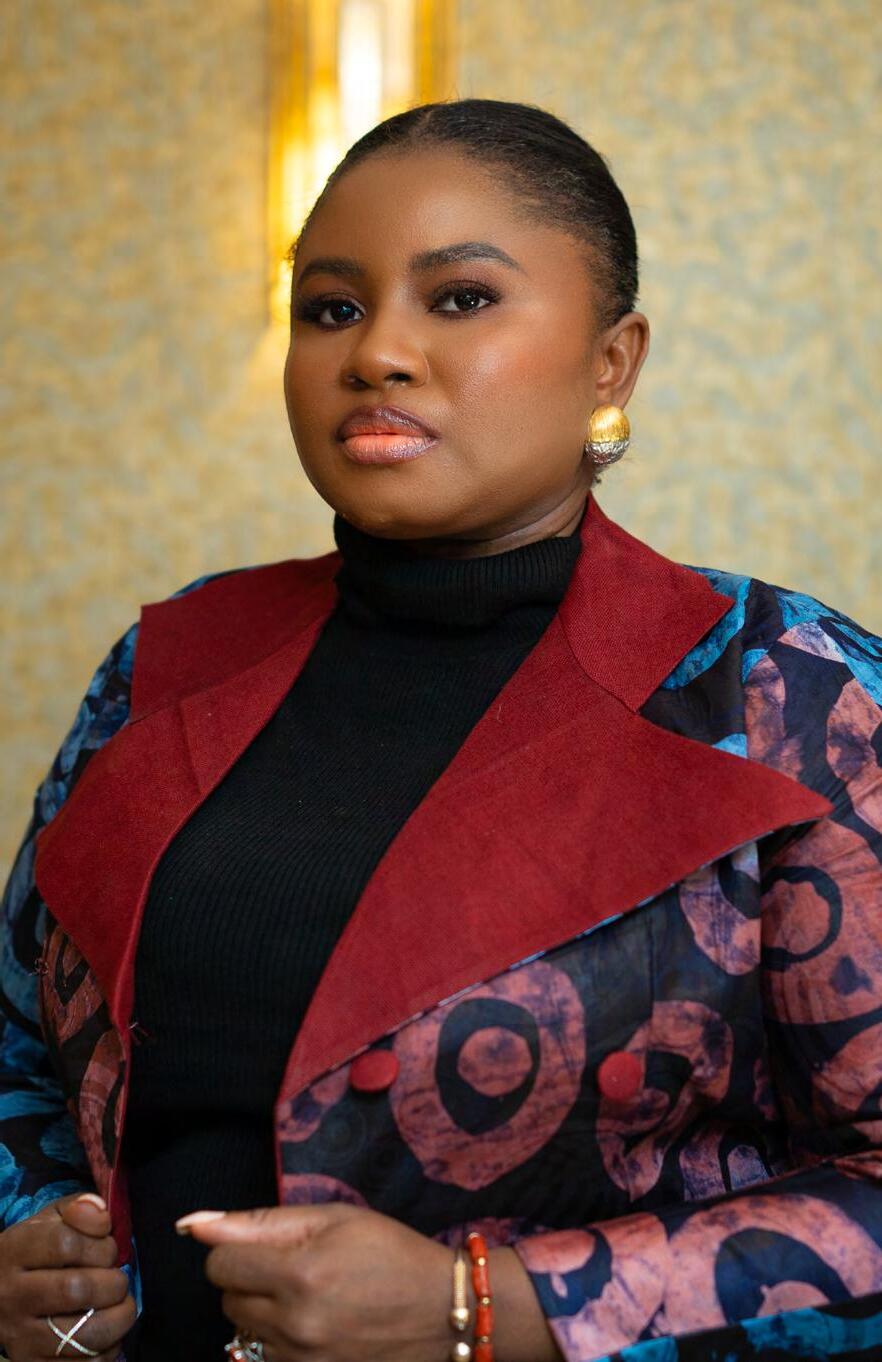
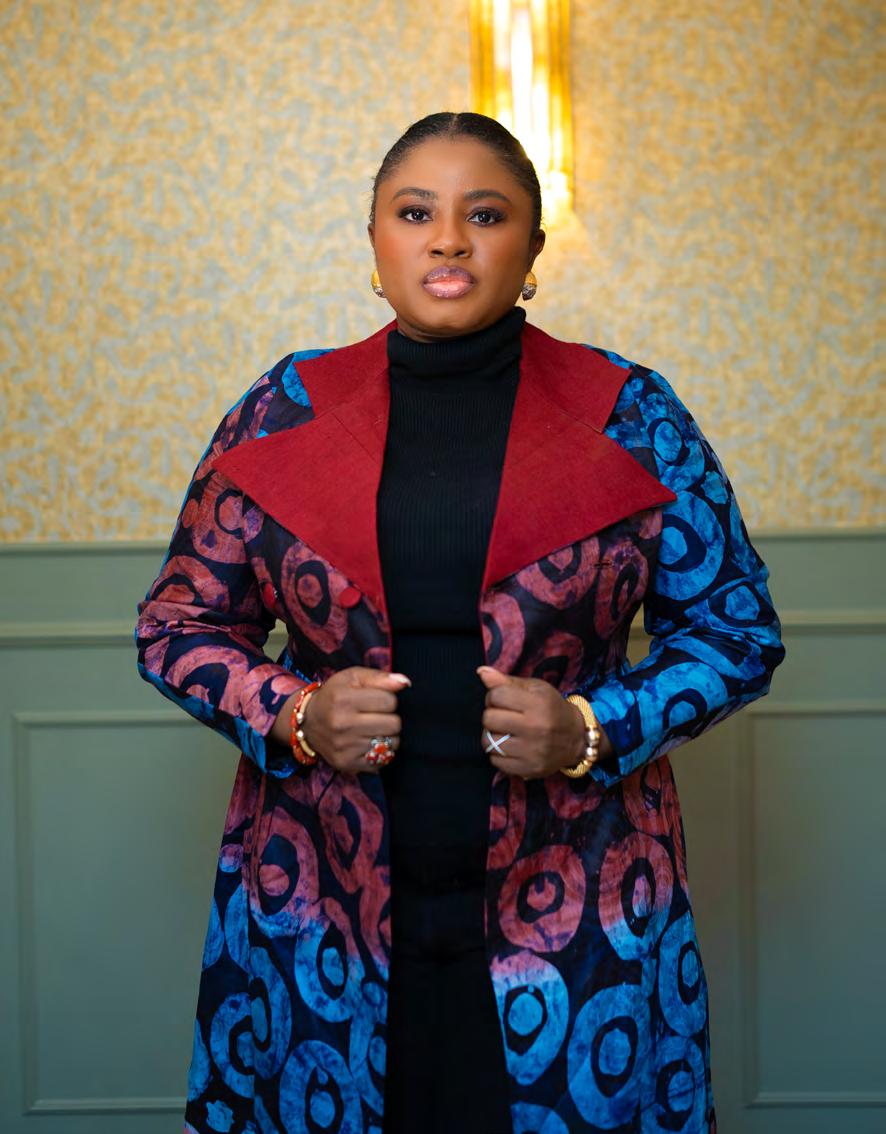
In a time when Nigeria is rethinking the pillars of its economic future, few professionals are charting a path as boldly and innovatively as Abiola Adelana. A seasoned strategist with over a decade of experience in banking, she stands at the forefront of a transformative movement, one that bridges finance, tourism, and the creative economy in ways that were once considered unconventional. As the Pioneer Head of Tourism and Creative Arts Business at Sterling Bank, Adelana has not only built a business unit from the ground up but has also redefined how financial institutions engage with culture-driven industries. Her work is shifting tourism from a peripheral conversation to a structured, investable sector with measurable impact on national growth. Beyond the boardroom, she is a respected voice in policy and industry circles, consistently advocating for sustainable models that empower creatives, unlock investment opportunities, and position Nigeria as a competitive global tourism destination. Her influence cuts across sectors, from supporting emerging talent to contributing to high-level conversations on economic diversification. What makes Adelana’s journey particularly compelling is her ability to see possibilities where others see limitations, transforming ideas into systems and vision into tangible impact.
In this conversation with THEWILL DOWNTOWN’s Johnson Chukwueke, she opens up about her journey, the future of tourism in Nigeria, and the powerful intersection of finance, culture, and innovation shaping a new narrative for the country.
Can you walk us through your career journey and what led you into this unique space of finance and tourism?
My career has been a deliberate progression across three interconnected spaces. I started in Credit Administration, building a strong foundation in risk, financial discipline, and capital structuring, essentially understanding how to assess and deploy capital responsibly. I then moved into Tourism, where I encountered a sector with significant economic activity but limited institutional structure, especially within Nigeria’s context. Over time, that exposure naturally expanded into the Creative Arts, given how deeply both sectors are intertwined; music, film, fashion, food, and events all drive movement, experiences, and spending. That intersection made it clear that tourism and the creative economy are not standalone industries, but part of a broader ecosystem with strong global relevance. Today, my work sits at that intersection of finance and culture, bringing structure, capital, and scalability to industries that are already vibrant but not yet fully optimised, particularly within Nigeria, while aligning with global standards and opportunities.
financial backing?
That realisation came when it became obvious that a lot of economic value was already being created in these sectors, but without the systems needed to help them grow sustainably.
In Nigeria, tourism and the creative economy have always been active. People travel constantly for weddings, burials, festivals, business, religious gatherings, concerts, and community events. Our music, fashion, food, film, and culture already have a strong influence globally. Yet many of the businesses operating in these sectors still struggle with access to finance, formal records, long-term planning, and scalable support. The problem was not a lack of demand or talent; it was a lack of structure. In more mature markets, tourism is backed by financing models, investment vehicles, destination planning, and public-private collaboration. In Nigeria, the activity exists, but the institutional support still lags behind.
"My career has been a deliberate progression across three interconnected spaces."
and growth patterns. The decision to create the desk was both strategic and necessary. It was about acknowledging that if Nigeria is serious about economic diversification, then we must support sectors with cultural strength, employment potential, and global relevance.
What were some of the biggest challenges you faced while building this unit from scratch?
One of the biggest challenges was mindset. Tourism was not widely seen as a serious economic sector, so driving internal and external buy-in required persistence and proof. Another challenge was the informal nature of the industry. Many operators lacked structured records, making financing more complex. There were also broader ecosystem challenges, limited infrastructure, inconsistent policy support, and gaps in coordination across stakeholders.
"Traditional financing models were not designed for their unique cash flow cycles and growth patterns. The decision to create the desk was both strategic and necessary."
You pioneered the Tourism and Creative Arts desk at Sterling Bank. What inspired this move?
The inspiration came from seeing an obvious gap in the market and recognising that the bank could play a much more catalytic role. Tourism and the creative economy were already contributing to livelihoods and commercial
"People travel constantly for weddings, burials, festivals, business, religious gatherings, concerts, and community events. Our music, fashion, food, film, and culture already have a strong influence globally. "
At what point did you realise tourism and the creative economy needed structured
activity, but they were not being treated as priority sectors within formal banking structures. Traditional financing models were not designed for their unique cash flow cycles
How would you describe the current state of Nigeria’s tourism industry?
Nigeria’s tourism industry is active but underoptimised. There is strong domestic movement, cultural richness, and economic activity, but the ecosystem remains fragmented, underfunded, and poorly coordinated. The assets exist, but the systems to scale them are still developing.
In practical terms, how can tourism contribute more significantly to Nigeria’s GDP?
Tourism can scale its contribution through formalisation, infrastructure investment, tailored financing, and stronger global positioning. We need to capture existing activity, improve destination infrastructure, provide sector-specific funding, and package experiences into marketable products.
What are we still getting wrong about tourism as a country?
We treat tourism as optional and narrowly define it as luxury travel, instead of recognising it as a broad economic activity already happening across the country. We also focus more on potential than execution.
How can the government and private sector collaborate more effectively in this space?
Government must focus on infrastructure, policy consistency, and enabling environments, while the private sector drives innovation, funding, and service delivery. Stronger public-private partnerships are essential.
As a woman leading in a traditionally structured sector, what has your
COVER
experience been like?
It has been challenging but rewarding. There are biases to navigate, but consistent performance builds credibility. Being a woman also brings unique strengths in perspective and leadership.
Away from the boardroom, who is Abiola Adelana?
Away from work, I value calm, family time, and meaningful experiences. I enjoy exploring culture, food, and environments that allow me to reset and reflect.
How has your family influenced your journey?
Family has shaped my values, discipline, resilience, and integrity, and provided grounding and support throughout my journey.
What values have shaped your leadership?
Intentionality, resilience, continuous learning, and integrity are core to how I approach both life and leadership.


BEAUTY EVERYTHING YOU NEED TO KNOW ABOUT SALMON SPERM
BY DORCAS AKINTOYE
In recent years, salmon sperm has been getting a lot of attention. What people are really talking about is DNA extract from salmon, often used in treatments and serums to improve the skin. It has been used in countries like Korea for a while and is now becoming popular in other parts of the world. Salmon sperm is rich in something called PDRN (Polydeoxyribonucleotide). This substance helps repair damaged skin, improve elasticity, and support healthy skin growth. It is usually used in facials, injections, or skincare products. The idea behind salmon sperm is to give your skin what it needs to heal and glow. In this article, we will outline some key benefits.

HELPS REPAIR DAMAGED SKIN
One of the biggest benefits of salmon sperm is its ability to repair the skin. If your skin is stressed, damaged, or not looking fresh, this ingredient helps it recover faster. It works by supporting skin cells and helping them grow again.

BOOST SKIN HYDRATION

Dry skin can make your face look dull and uneven. Salmon sperm extract helps your skin hold more moisture. It improves your skin's ability to retain water, keeping it soft and plump. It gives that natural glow people are always looking for.

IMPROVES SKIN ELASTICITY
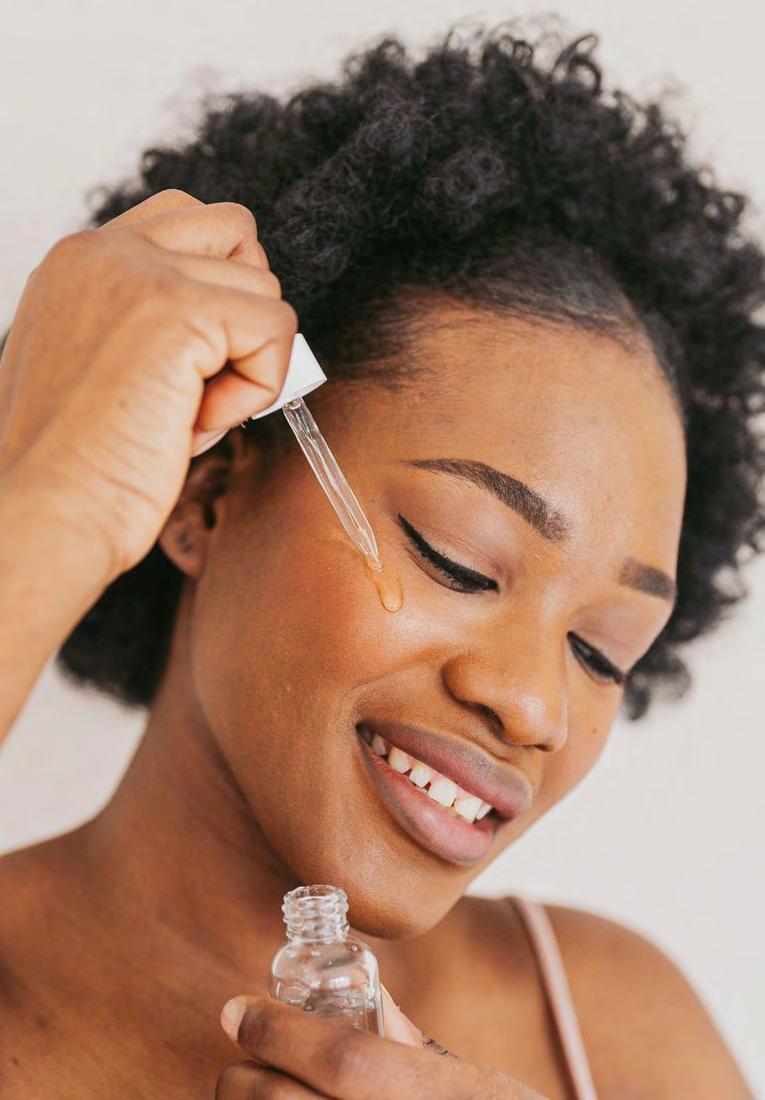

As we grow older, our skin starts to lose its firmness. Salmon sperm helps improve elasticity, which means your skin becomes tighter and more flexible. This doesn’t mean it will completely stop ageing, but it can slow the signs of ageing, like sagging or loose skin. Your face looks firmer and more lifted with regular use.


REDUCES FINE LINES AND WRINKLES
Because it helps repair and hydrate the skin, salmon sperm also reduces fine lines. When your skin is dry or damaged, wrinkles become more visible. By improving moisture and boosting skin repair, this ingredient helps smooth out those lines. The result is softer, fresher-looking skin over time.

SUPPORT OVERALL SKIN GLOW
Healthy skin naturally glows, and that’s another benefit here. Salmon sperm extract improves blood flow and supports skin renewal. This means your skin tone becomes more even, dullness reduces, and your face looks brighter. It’s not an instant change, but with time, your skin looks more alive and refreshed.


Even though the name sounds unusual, salmon sperm in skincare is really about using natural DNA to support skin health. It focuses on repair, hydration, and overall improvement. If you want healthier, smoother skin without harsh products, this could be worth exploring. Just make sure you use products from trusted brands or consult a skincare professional before trying any treatments.
Soft Fitness
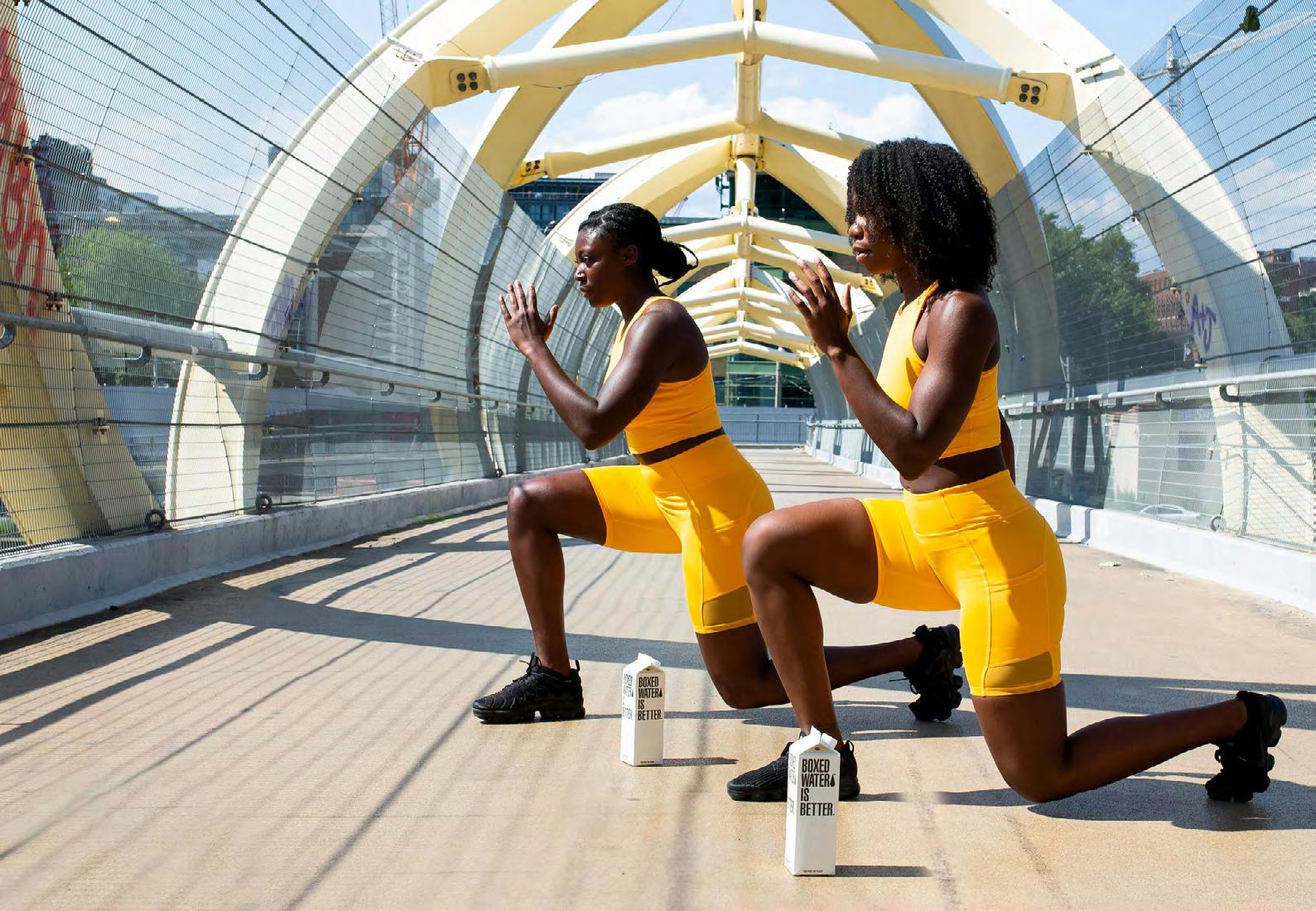
GENTLE WORKOUTS FOR REAL LIFE
BY JOHNSON CHUKWUEKE
Are you tired of the same old gym routines and repetitive workouts? Do you feel the regular routines are getting too boring and need more excitement? You’re not alone. Staying fit doesn’t have to feel like a chore, and it doesn’t have to be boring. It’s time to spice up your fitness journey with unconventional exercises that are not only effective but also incredibly fun. Say goodbye to the mundane and hello to exciting new ways to move your body. Whether you’re a fitness newbie or a seasoned gym-goer, these unique workouts will keep you motivated and energised. In this week’s Fitness guide, we will be diving into a few unconventional exercises that will make you fall in love with staying active.
MOVEMENT THAT FEELS GOOD
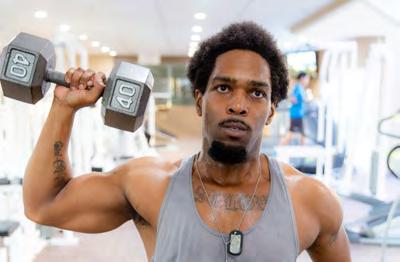
Soft fitness begins with a simple idea: your workouts should feel good. This doesn’t mean they are effortless, but they should not leave you dreading the next session. Activities like stretching, walking, yoga, or light strength training allow the body to stay active without unnecessary strain. The emphasis on enjoyment and sustainability makes it easier to stay consistent over t.
CONSISTENCY OVER INTENSITY
One of the biggest advantages of soft fitness is its focus on consistency. Intense workouts done occasionally often lead to fatigue or burnout, while gentle, regular movement creates lasting results. A 20-minute walk every day, a short home workout, or a relaxed weekend stretch session may seem small, but over time, these habits build strength, improve mobility, and support overall health.
FITNESS THAT FITS YOUR LIFE
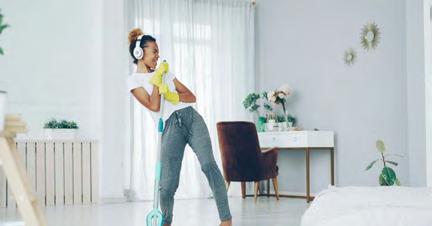
Not everyone has the time or energy for long gym sessions, especially with demanding work schedules and daily responsibilities. Soft fitness adapts to real life instead of disrupting it. You can move your body at home, take the stairs instead of the elevator, go for evening walks, or fit in short workouts between tasks. These small moments of activity add up, making fitness more accessible. It removes the idea that you need perfect conditions to stay active.
A BETTER RELATIONSHIP WITH YOUR BODY
Soft fitness also changes how people relate to their bodies. Instead of focusing only on appearance or performance, the emphasis shifts to how the body feels, energy levels, flexibility, and overall well-being. This approach reduces the pressure to meet unrealistic standards and encourages a more positive, supportive mindset. Exercise becomes less about comparison and more about self-care.

REST IS PART OF THE PROCESS
In a culture that often glorifies constant activity, rest is sometimes overlooked. Soft fitness recognises that recovery is just as important as movement. Allowing the body time to rest, recover, and reset helps prevent injury and supports long-term progress. It also reinforces the idea that wellness is about balance, not extremes. Sometimes, doing less is exactly what the body needs.
Soft fitness is not about doing less for the sake of it; it is about doing what works in a sustainable way. It acknowledges that real life is busy, unpredictable, and sometimes exhausting. In the end, the best fitness routine is not the hardest one; it’s the one you can actually keep.

ADA OBIAJUNWA @aaddaahh
THE PRACTICAL DREAM
You didn’t plan it this way. But somewhere along the line, it started to work.
Not in the way you imagined when you were younger.
When wanting was louder.
When the future felt like something you could just decide.
In a quieter way.
A way that fits inside the life you actually have.
The hours you really have.
The energy that actually shows up.
A version of things that doesn’t require you to stretch into someone else just to make it work.
You built it in pieces.
Not all at once.
Not with a clear picture of where it was going.
Just… one thing, then another.
A decision that made sense at the time.
An adjustment that opened something you didn’t expect.
A version of the thing that was smaller than what you once wanted but steadier than you knew you needed.
And somewhere in the middle of all that, it became real.
Not the original thing.
But something.
Something you can actually hold.
You didn’t plan it this way.
The practical dream doesn’t arrive with music.
It shows up on a Thursday.
While you’re doing something else. You look up, and it’s just there.
The thing you kept showing up for. Even on the days you didn’t feel like it.
wanted.
And you gave it those things.
The small version that somehow turned out to be the right size for the life you’re actually living. And you think.
Oh. This is working. Not perfectly.
Not the version you used to describe like everything would just come together if you wanted it enough.
But it’s working.
It’s holding something.
It’s producing something. It means something.
I remember noticing it one day and feeling relieved.
Not proud. Not triumphant. Just relieved.
Like something I had been quietly waiting to find out whether this version would be enough, had finally answered itself.
The practical dream asked something of you. Consistency. Patience.
The willingness to keep going with something that didn’t always feel like what you originally
Even when you weren’t sure it would add up to anything.
It didn’t feel like settling. It just felt… practical. And at some point, you stopped mentioning the other thing.
Not as a decision. It just happened. It didn’t go anywhere. It just moved.
From conversation to thought. From thought to something quieter.
So life filled in around it.
The plans that made more sense.
The version of things that didn’t need explaining.
And you got good at that version.
Good enough that people could look at it and say you’re doing well.
And it was working.
So you stayed.
But here’s the thing about relief. It carries something else with it.
The version you don’t talk about anymore.
The one that didn’t arrive with music either.
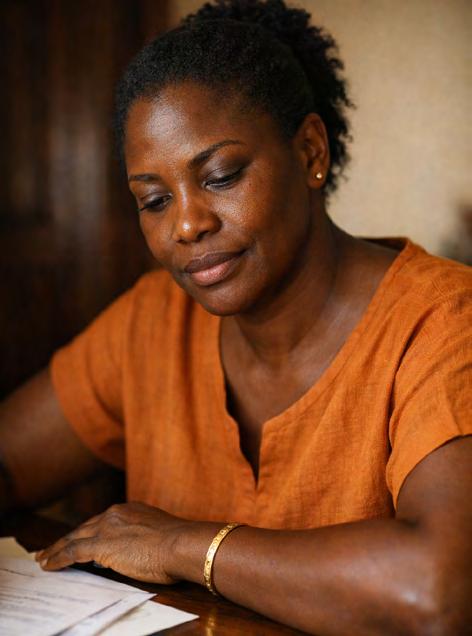
Until it became something you stopped reaching for. Not because you stopped wanting it. Because saying it out loud started to feel like more effort than it was worth.
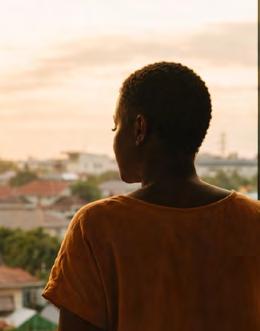
The one that went quiet while life filled in around it. The one that is still there. Not competing. Not demanding anything. Not making what you have feel smaller. Just… there. The way something true tends to be. So now you’re living with both. The practical dream: real, working, yours. And the other thing: quiet, patient, still there.
They don’t resolve into each other. They don’t cancel each other out.
They just sit beside each other. The way most true things do.
One in your hands.
One somewhere quieter.
Both real.
Just held differently. And maybe that’s the Luxury Silk.
TRAVEL FOR THE VIBES DESTINATIONS THAT FEEL
LIKE AESTHETIC DREAMS

Tulum, Mexico
In Tulum, the aesthetic is immediate and unmistakable. Think neutral tones, wooden textures, beachfront views, and a laid-back atmosphere that feels both luxurious and grounded. Boutique hotels blend into nature, beach clubs play soft music under palm trees, and everything seems intentionally simple yet beautiful. Tulum is less about fast-paced tourism and more about slow, intentional living.
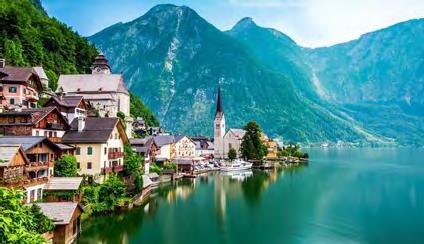
Hallstatt, Austria
Tucked quietly in the mountains, Hallstatt feels like something out of a storybook. With pastelcoloured houses sitting along a glassy lake and mist rolling gently over the hills, the town has an almost dreamlike quality. Life here moves slowly. Mornings are quiet, often accompanied by soft light reflecting on the water, while evenings feel calm and intimate. It’s the kind of destination where you don’t rush; you simply exist in the beauty of your surroundings. Hallstatt is less about activities and more about atmosphere.

Zanzibar, Tanzania
For a blend of culture and coastal beauty, Zanzibar offers a unique and vibrant experience. Stone Town’s narrow streets, historic architecture, and rich cultural influences create a setting that feels both timeless and alive. By contrast, the beaches provide calm, turquoise waters and soft sands that invite complete relaxation. The transition from cultural exploration to quiet seaside moments gives Zanzibar a balanced and deeply satisfying vibe.

Chefchaouen, Morocco
Hidden within the Rif Mountains, Chefchaouen is known for its striking blue-painted streets and buildings. Walking through the town feels surreal, as every corner reveals a different shade of blue. Beyond its visual beauty, Chefchaouen carries a sense of calm. The pace is slow, the air is fresh, and the atmosphere feels almost meditative. It’s a place where wandering without direction becomes the main activity.
BY JOHNSON CHUKWUEKE
Not every trip is about ticking landmarks off a checklist. Sometimes, it’s about how a place makes you feel. The light hits a quiet street just right, the sound of waves in the background, the soft buzz of a café where time seems to slow down. These are the moments that define a certain kind of travel. For many young travellers today, especially Gen-Z, the goal is no longer just sightseeing. It’s about vibes. These destinations are not just places you visit; they are places you experience.
Colmar, France
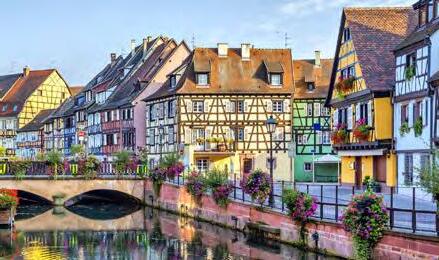
In the heart of France’s Alsace region lies Colmar, a town that feels like it was designed for daydreaming. With its colourful timber houses, flower-lined canals, and cobbled streets, Colmar offers a softer, quieter kind of beauty. There’s a gentle rhythm to life here. Cafés spill onto the streets, small boutiques invite slow browsing, and every corner feels intentionally charming. Colmar doesn’t overwhelm; it draws you in quietly and keeps you there.
Travel for the vibes is less about where you go and more about how a place makes you feel while you’re there. It’s about choosing destinations that match your mood, whether that’s calm, creative, adventurous, or reflective. Because sometimes, the best trips are not defined by what you do, but by how deeply you feel while doing nothing at all.
5 Ways to Make Your Space Feel Alive Using Texture
BY DORCAS AKINTOYE
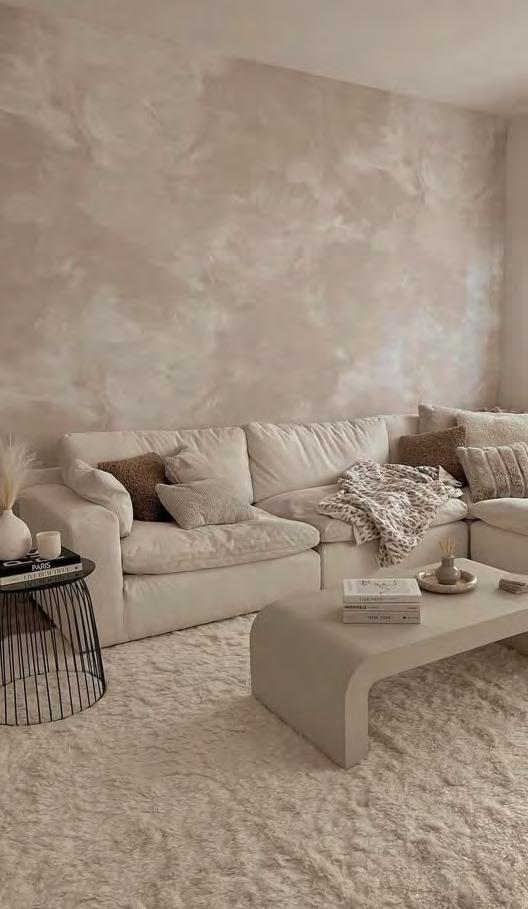
Texture plays an essential role in a room's overall vibe. When you walk in, it feels cosy, inviting, and well-designed. In interior design, texture refers to how objects feel and appear: rough and rugged, soft and comfortable, or sleek and polished. It gives a room vitality, depth, and balance. Texture adds a rich, finished feel, but most people focus on colours and furnishings. In this article, we will explore ways to make your space feel alive using texture.
USE RUGS AND CARPETS
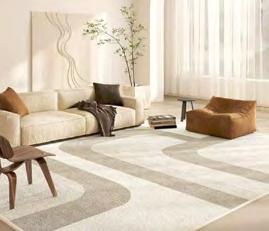
Rugs and carpets are not just for stepping on; they’re powerful tools for adding texture. A fluffy, soft rug can make a room feel cosy and inviting, while a flat woven rug adds a rustic or modern touch, depending on the style.
PLAY WITH WALL FINISHES
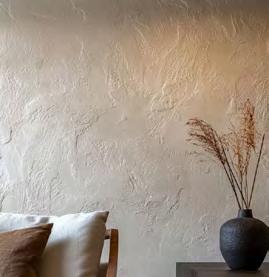
Your walls don’t have to be flat and dull. There are so many ways to add texture to them. You can use wallpapers with raised patterns, wood panelling, bricks, or even 3D wall tiles. These options make your walls more eye-catching and stylish. Even painting techniques like sponge painting or using textured paint can create a more dynamic look.
DECORATE WITH ART AND ACCESSORIES
Small details have a significant impact. You can add texture without taking up much room with wall art, sculptures, mirrors, vases, candles, and other decorations. Think about using thick-brush abstract paintings, metal wall hangings, or framed fabric art. Combine ceramic, metal, wood, and glass in your accessories to create a multi-layered look. Beautiful texture and charm can be added to a clay pot with even a simple arrangement of dried flowers.
LAYER DIFFERENT FABRICS
Fabrics are among the simplest methods to add texture. Think of your blankets, bedding, carpets, toss cushions, and drapes. A rich and comfortable ambience is created by utilising a variety of fabrics. You can combine coarser materials, such as linen or wool, with softer ones, such as cotton or velvet. For instance, pair a chunky knit throw or plush velvet cushions with a linen sofa. To achieve balance, it's important to combine rough and smooth textures. Don't be scared to experiment with patterns, too.
ADD NATURAL ELEMENTS
Nature is full of texture, so bringing in natural materials is an excellent way to soften your room and make it feel grounded. A room is quickly made cosier by the rough, earthy texture that materials like wood, rattan, bamboo, jute, stone, or clay add. You can use a jute mat, a bamboo lamp fixture, or a wooden coffee table. Little details like a woven basket or a ceramic vase can also have a significant impact.
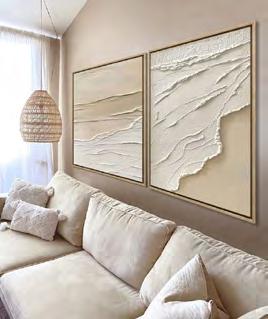
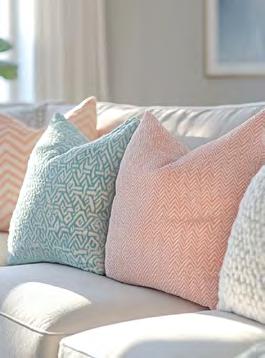
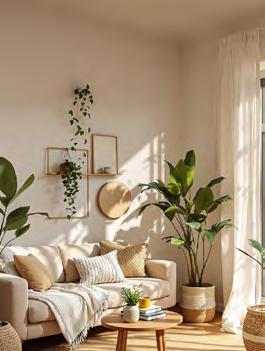
Texture is the secret ingredient that takes your space from flat to fabulous. It’s not about spending a lot of money; it’s about mixing materials, surfaces, and fabrics in a thoughtful way. Whether you love a clean, modern look or a cosy boho style, texture adds depth, warmth, and personality to any space. So the next time you're decorating a room, don’t just think colour, think texture too.
HEALTH IN YOUR 20S AND
30S
Building Habits That Protect Your Future
BY JOHNSON CHUKWUEKE
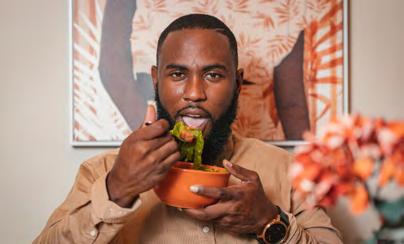
EATING WITH INTENTION
In busy routines, food often becomes about convenience rather than nourishment. Quick meals, irregular eating patterns, and heavy reliance on processed options can gradually affect energy levels and overall well-being. Making more intentional food choices, adding whole foods, balancing meals, and eating at consistent times can make a noticeable difference. It’s not about restrictive dieting, but about giving the body what it needs to function at its best.

MOVEMENT AS A LIFESTYLE
Exercise in your 20s and 30s does not have to mean intense gym sessions or strict fitness programs. What matters most is staying consistently active. Simple habits like walking, stretching, or engaging in light workouts can improve strength, flexibility, and overall energy levels. Movement becomes easier to maintain when it fits naturally into your daily routine. The goal is not intensity, but consistency that supports long-term well-being.
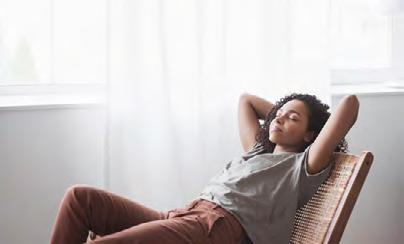
PRIORITISING REST AND RECOVERY
Sleep is often one of the first things sacrificed in a busy lifestyle. Late nights, early mornings, and constant screen time can disrupt rest, leaving the body and mind feeling drained. Yet, quality sleep plays a crucial role in physical health, mental clarity, and emotional balance. Prioritising rest, even in small ways, helps the body recover and function more effectively. Rest is not a luxury; it is a necessity.

MANAGING STRESS EARLY
Stress is an unavoidable part of modern life, especially during career-building years. However, how it is managed can make a significant difference in long-term health. Finding simple ways to cope, whether through quiet time, conversations, hobbies, or relaxation, helps prevent stress from becoming overwhelming. Ignored stress can accumulate over time, affecting both mental and physical well-being. Learning to manage it early is one of the most valuable health habits you can build.
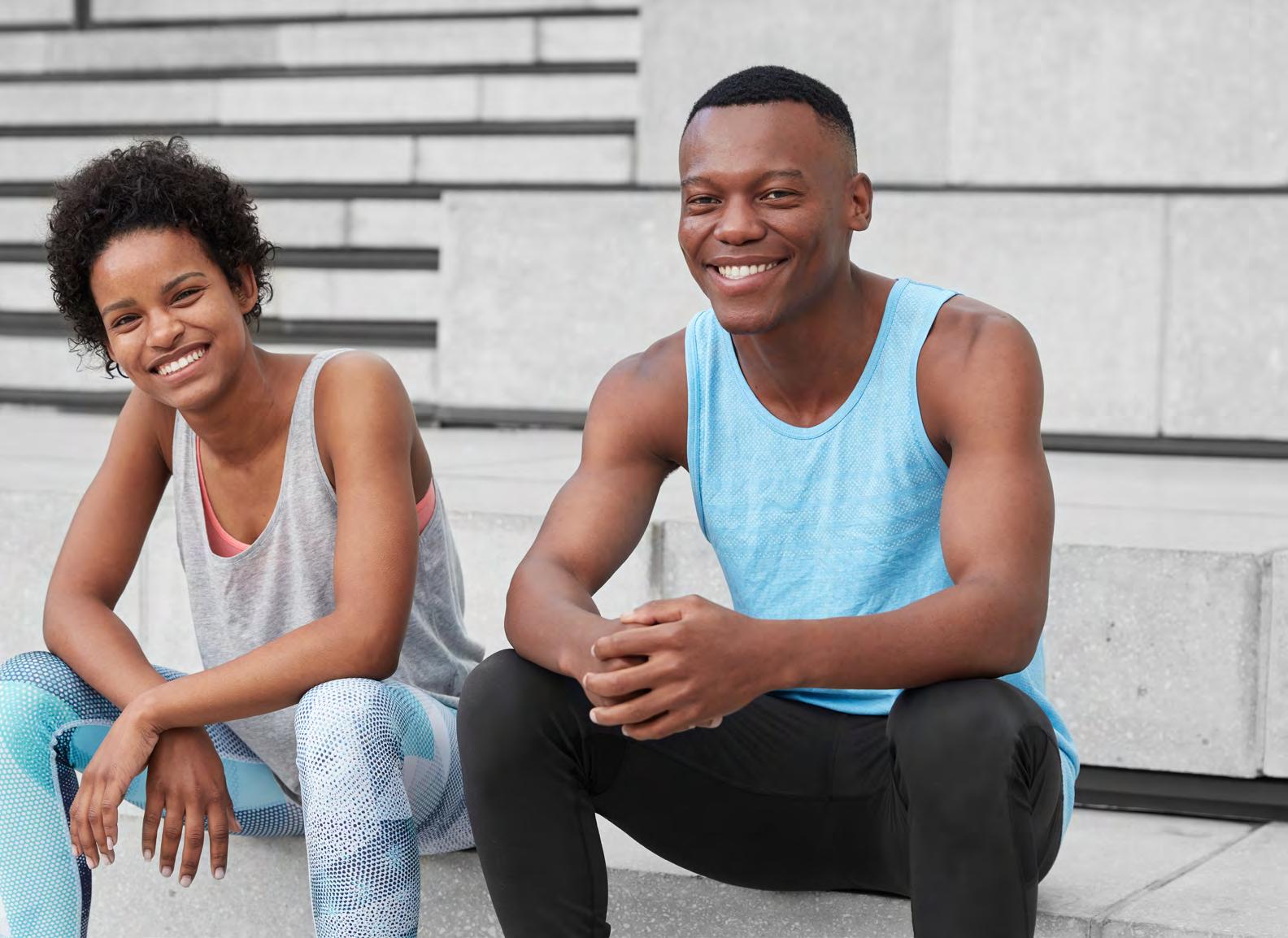
For many people, their 20s and 30s are defined by ambition, movement, and constant activity. Careers are taking shape, social lives are active, and there’s often a feeling that there is still plenty of time to think about long-term health later. But the truth is, this phase of life quietly lays the foundation for the future. The habits formed now have a lasting impact that extends far beyond the present moment. Health at this stage is not about perfection or strict routines. It is about building simple, sustainable habits that support your body as life becomes increasingly demanding.

LISTENING TO YOUR BODY
In a fast-paced lifestyle, it’s easy to ignore small signs that something may be off, such as fatigue, discomfort, or changes in how the body feels. Paying attention to these signals allows for early adjustments, whether that means improving habits, getting more rest, or seeking professional advice when necessary. Your body often communicates what it needs; the challenge is taking the time to listen.
Health in your 20s and 30s is less about dramatic changes and more about consistent, everyday choices. The habits you build now do not just affect how you feel today; they shape how your body supports you in the years ahead.
DOWNTOWN ZODIAC
ARIES ENERGY
The Bold Spirit of the Zodiac’s First Sign
MARCH 21 - APRIL 19

ELEMENT: FIRE
RULING PLANET: MARS SYMBOL: THE RAM
FLOWER: HONEYSUCKLE BIRTHSTONES: JASPER, TOPAZ, HELIOTROPE, SAPPHIRE

Natural-Born Leaders
Aries individuals don’t wait to be told what to do; they step up. Whether in group settings, at work, or among friends, they naturally take the lead. Their confidence inspires others, and their willingness to take risks often puts them ahead. They thrive in situations that require quick thinking and bold decisions.
Stillness is not exactly an Aries trait. They are constantly in motion, driven by ideas, goals, and a need to stay active. This high energy makes them exciting to be around, but it also means they can get restless when things feel slow or repetitive. They perform best in environments that challenge and stimulate them.
Passionate and Straightforward
With Aries, what you see is what you get. They are direct, honest, and not afraid to speak their mind. Their passion shows in everything they do, from relationships to career pursuits. While their bluntness can sometimes come off as intense, it often stems from sincerity and strong conviction.
Aries energy is bold, dynamic, and impossible to ignore. These individuals bring movement, courage, and a sense of urgency wherever they go. While their intensity may require balance, it’s also what makes them natural trailblazers, always ready to lead, explore, and take on whatever comes next.
BY JOHNSON CHUKWUEKE
There’s something unmistakable about people born during the Aries season. They walk into a room with a certain presence, confident, energetic, and ready to take charge. As the first sign of the zodiac, Aries carries the energy of beginnings, often setting the pace for others to follow. Those born between March 21 and April 19 are known for their fearless approach to life, driven by passion and a desire to move forward, no matter the odds.
High Energy, Always Moving
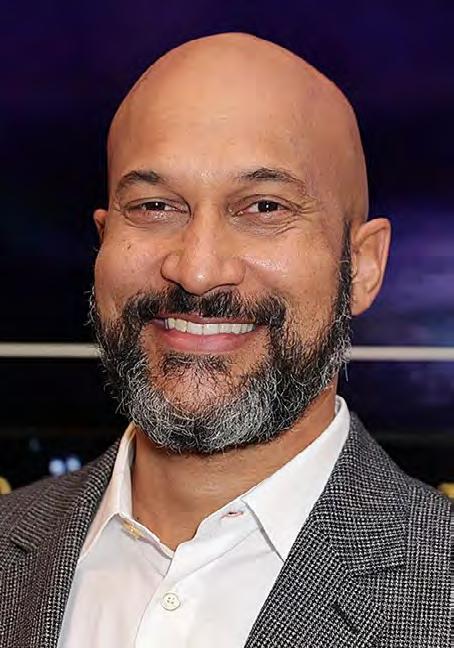
Keegan Michael-Key, March 22.
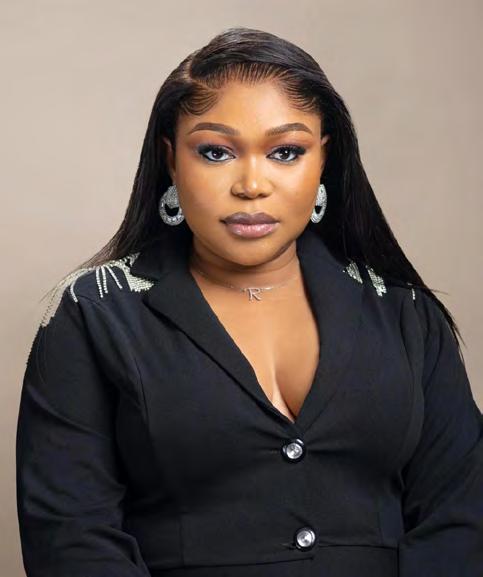
Ruth Kadiri, March 24
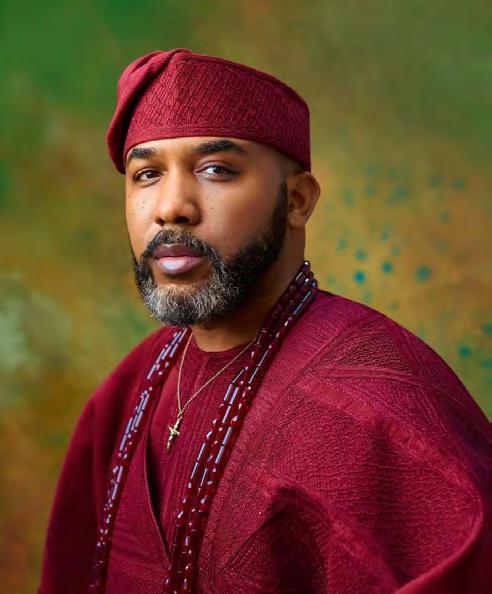
Banky W, March 27

cassy’s chronicles
CLOSE ENOUGH


Ididn’t think much of it at first. It was just one of those random Snapchat adds. I almost ignored it, but I was bored that night, so I replied to his chat. That was how it started.
At first, it was normal. Nothing serious, just casual chat. But somehow, it didn’t stay that way for long. We started talking every day. Then every night. Then it got to a point where it felt strange if I didn’t see his name pop up on my phone.
The funny part? He wasn’t even in my state. One evening, while we were talking, his name came up in a conversation with one of my closest friends. I mentioned him casually, not thinking much of it, and she paused.
Turns out, she knew him. Not just knew him, she was actually friends with him too.
That changed everything.
It suddenly felt more real, safer. Like he wasn’t just some random guy from the internet anymore. There was a connection, something tying us together in the real world. After that, we got even closer.
Our conversations became longer, deeper. We started sharing things that weren’t just surface-level. He knew when I was having a bad day without me saying it. I knew when something was off with him too.
We laughed a lot. We teased each other. Sometimes, we would stay up so late talking that I’d fall asleep with my
phone in my hand.
It got to a point where I couldn’t imagine my day without him.
Then, surprisingly, I got a work trip to Lagos.
The moment I told him, there was this pause. Then he said, “So… we’re finally meeting?”
I laughed it off at first, but deep down, I knew it was going to happen.
When I got to Lagos, everything felt different. The city was loud, busy, and full of energy. But in the middle of all that, I kept thinking about him.
We planned to meet in the evening.
I remember standing in front of the mirror, changing outfits more times than I want to admit. It felt silly, but I couldn’t help it. I had been talking to this person for so long, and now he was about to be real, standing right in front of me.
When I finally saw him, it was strange for a second.
Not bad strange. Just different.
Like my mind was trying to connect the person on my screen with the person in front of me.
But that feeling didn’t last long.
We talked like we always did. Laughed like we always did. It was easy, natural, almost like we had done this before.
Time moved quickly. Too quickly.
At some point, things shifted.
I can’t even explain when or how. It just did.
There was a moment where we both went quiet, looking at each other in a way that said more than all our conversations combined. And in that moment, everything we had been building over weeks of talking felt like it had led us there.
What happened after didn’t feel rushed or forced. It felt expected.
There was no pressure, no awkwardness. Just two people who had spent so much time getting to know each other finally being in the same space.
It was weird that we had sex that night, but I didn't mind. I was that attracted to him.
Afterwards, we didn’t say much.
We just lay there, both of us probably thinking the same thing but not saying it out loud.
Because sometimes, saying things makes them too real. The next morning, life moved on like nothing had happened. But for me, something had changed.
I went back to my normal routine, back to my own state, back to my everyday life.
We still talked.
But it wasn’t exactly the same.
BY BOLUWATIFE ADESINA
MOVIE REVIEW:
The Drama
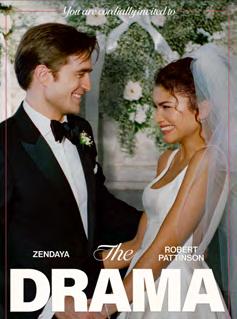
Canthere be such a thing as too much honesty in a relationship?
That’s one of the questions The Drama tackles as it takes one of the most awkward and stressful times for any young couple; the countdown to a big, elaborate wedding, and ups the ante with a stunning revelation that could torpedo the entire relationship. It’s a meaty premise, one that its talented cast digs into heartily, and the film succeeds at generating tensely uncomfortable comedy for most of its running time.
As he prepares his wedding-night toast, groom-to-be Charlie (Robert Pattinson) recalls that his meet-cute with Emma (Zendaya) involved an undercurrent of duplicity: he awkwardly attempted to pick her up in a coffee shop by claiming to have enjoyed the novel she was then reading, even though he’d never read it. He admits to the lie on their first date, however, and she’s more amused than angered by the revelation.
Cut to the week of Charlie and Emma’s wedding, when they’re sampling food and wine options from the caterer with Charlie’s best friends, married couple Mike (Mamoudou Athie) and Rachel (Alana Haim), who are also serving as Best Man and Matron of Honour. After a few too many bottles, the conversation turns to “What’s the worst thing you’ve ever done?” And then Emma tells them.
Her revelation won’t be spoiled here; suffice it to say that writer-director Kristoffer Borgli has given Emma a secret both shocking and disturbing enough to make Charlie rethink their entire relationship, and whether or not the two should even get married. That choice is probably The Drama’s boldest move, but the film never feels exploitative; the characters and the audience have to sit with the discomfort and horror of it, but that horror is never brushed aside or minimised.
After Emma’s confession, all four leads spin out, from Rachel’s fury, to an upset Charlie clumsily
attempting to seduce his assistant (Hailey Benton Gates). It all leads to an extremely awkward and brutally hilarious wedding reception where disaster looms around every clink of silverware on crystal, with the subtly insistent score by Daniel Pemberton and the tensionbuilding editing (from Borgli and Joshua Raymond Lee) ratcheting up the discomfort.
More’s the pity, then, that Borgli misses on the ending, because up until the film’s final sequence, he’s made the most of an uncomfortable situation. The director (and his cinematographer Arseni Khachaturan, Bones and All) know how to present a love-story Boston, complete with spacious apartments and cosy hangout joints, and the cast finesses the romcom beats (starting from that coffee-shop meet-cute), lulling viewers into expecting a charming urban love story and thus making the pivot to Emma’s reveal as disconcerting to the audience as it is to the characters.
Pattinson allows us to see both the cleverness and caddishness of Charlie; Emma turns out to be far more complicated and unsettling than the gamine we first meet, with Zendaya playing all those notes perfectly, but Charlie is no put-upon innocent himself.
The Drama falls into the category of “date night movie for people who are really confident about their relationship”, it’s either a conversation-opener or a door slammed shut for young lovers — but it might have achieved real greatness if Borgli hadn’t let Emma and Charlie off so easily. It’s a comedy of manners that seems to aspire to something darker and more relevant. In an era where terrible people in power either paper over their past mistakes or reframe them as triumphs, there needs to be consequences or, conversely, the lack of consequences should be the point. Instead, The Drama shrugs off its terrible weight, amounting to a failure of nerve. This movie digs two complicated characters into a frighteningly complex hole and then, unforgivably, offers unearned forgiveness.
Rating:6.5/10
Land the ending better, and it’d have been a banger.

Scan this with your camera or click to access the playlist (Youtube Music)
Alot has changed since The Boys’ brand of vulgar, violent and gross satire first arrived on the superhero storytelling scene in 2019. Most notably, as its world has darkened, so too has our own. Where once the social commentary it offered felt like a funhouse mirror with bite, the political climate of the real world has become so outrageous that parodying it in 2026 simply offers a notso-dimly lit reflection of our current times. Still, even if this final season makes it clear that the show’s ability to provoke and surprise has diminished, showrunner Eric Kripke and his crew have still got a few smart tricks up their sleeves.

Scan this with your camera or click to access the playlist (Spotify)
THE BOYS SEASON 5 WATCH OF

the show skewers the hypocrisy of Christian evangelicals, with Daveed Diggs as a consistent, pompous highlight in the role.
Though the Season 2 conclusion of The Boys’ sister series Gen V teased an exciting alliance between the young Supes led by Marie Moreau (Jaz Sinclair) and Starlight (Erin Moriarty), disappointingly little is done with it. By Episode 2, the status quo of past seasons is restored, with Butcher (Karl Urban) leading his ragtag group on a mission to end Homelander (Antony Starr) once and for all. It’s all a bit too familiar, and after four preceding seasons, it feels too drawn-out. Indeed, though there are big moments in the first episode, the momentum they generate is neither seized nor built on, and there is a surprising lack of urgency throughout. For a show that’s in its endgame, The Boys is content to spin its wheels far too often.
Pacing issues aside, the character work remains strong. Ever more convinced of his Godhood, Homelander is both terrifying and pathetic, and Starr deserves kudos for the amount of interiority he brings to such an outwardly evil psychopath. The increased focus on religion means a lot of screen time for series newbie Oh-Father, a televangelist Supe through whom
There are some nice flourishes and shake-ups elsewhere, too. One standout episode is fragmented into vignettes from multiple


characters as they go about their business, with Firecracker (Valorie Curry) emerging as its MVP. At a time when so many are currying favour with fascists, the social commentary here feels especially pointed and sharp. And the fact that Kimiko (Karen Fukuhara) can now talk to her partner Frenchie (Tomer Capone) just in time for rich conversations about what using or not using a Supe-killing virus will do for their relationship and the lives of others is another strong component of the season. It’s this heartfelt humaneness at its core that makes sticking with The Boys worthwhile, even if its final journey towards the finish line isn’t as flawless as we hoped.
Though it remains as timely as ever, The Boys’ endgame does take its time putting the pieces in place for the final showdown with Homelander — for both better and worse.