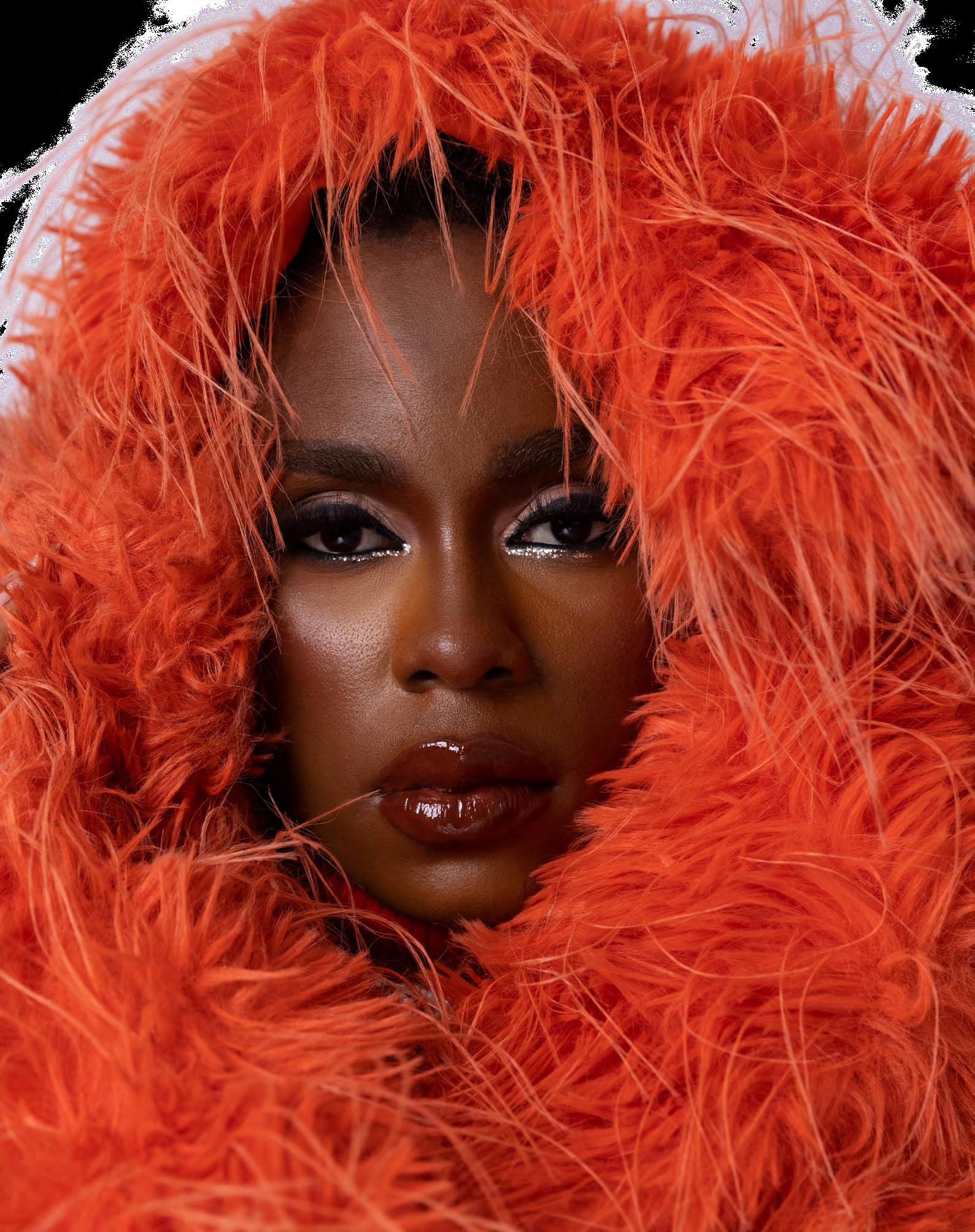





Anactor and film producer, Lydia Lawrence-Nze studied Biochemistry before fully entering the film industry. Studying Biochemistry shaped how she thinks. It trained her to be structured, observant and patient with the result. Her background in science, which taught her not to rush the process, has helped her in filmmaking.
Whether she is building a character or producing a project, she approaches it with discipline by paying attention to detail and respecting the process—she doesn’t believe in shortcuts. Although she has been very intentional about her career, that does not mean there weren’t times when the temptation to move faster arose. At such times, what grounded her was clarity.
She knew early in her career that if she built too quickly, without substance, she would eventually have to go back and build properly, so she chose to do it right the first time.
Lawrence-Nze faced some challenges in her career; she discusses them and more on pages 8 to 10.
Don’t miss our wellness article, “Wellness Trends That Are Actually Stressing You Out.” It will make you rethink certain wellness trends. You’ll find it on page 13.
Most people don’t fail at fitness because they are lazy; they fail because they rely on motivation rather than a system. If you’ve ever started your fitness journey highly motivated, then lost steam along the way, our fitness article, “Building a Workout Habit that Actually Sticks”, is just right for you. Scroll to page 14 for this.
Our food page lists quick meals you can prepare this Easter. Scroll to page 18 to try out the recipes.
We have a great selection of music on page 20. Download them to listen and enjoy.
Happy Easter!
Until next week, enjoy your read.


@onahluciaa +2348033239132

Boluwatife Adesina @bolugramm - Contributing Writer
Boluwatife Adesina is a media writer and the helmer of the Downtown Review page. He’s probably in a cinema near you.

AUSTYN OGANNAH
PUBLISHER/EDITOR-IN-CHIEF
Executive Editor: Onah Nwachukwu @onahluciaa
Writers: Johnson Chukwueke & Dorcas Akintoye
Design & Layout: Hogan Effiom
Digital Media: Oladimeji Balogun
Consulting Art Director: Sunny Hughes ‘SunZA’


Sally Chiwuzie @unshakable.is.a.state.of.mind
- Contributing Writer
Sally Chiwuzie is a non-practising barrister who owns the brand #Unshakable. She is the author of Silent Symphonies, a fictional love story, and the creator of the podcast Chronicles of #Unshakable Truths.
Wellness Trends That Are Actually Stressing You Out
Ada Obiajunwa @aaddaahh - Contributing Writer
Ada Obiajunwa writes from Lagos about the big truths tucked inside ordinary moments — friendship, self-discovery, and the quiet revolutions of everyday life. She believes in the power of presence, good banter, and decoding the unsaid. Through her fragrance studio, WhiffWonders, she also crafts scents that weave memory and emotion into experiences that feel like home.
Things You Don’t Need Multiples of In Your Home Why Easter Is Perfect For Reflection
Travel Smart Tech Essentials For A Trip
The Lazy Easter Kitchen Quick Recipes That Still Taste Amazing
Finally, Home Building a Workout Habit That Actually Sticks
They Will Kill You



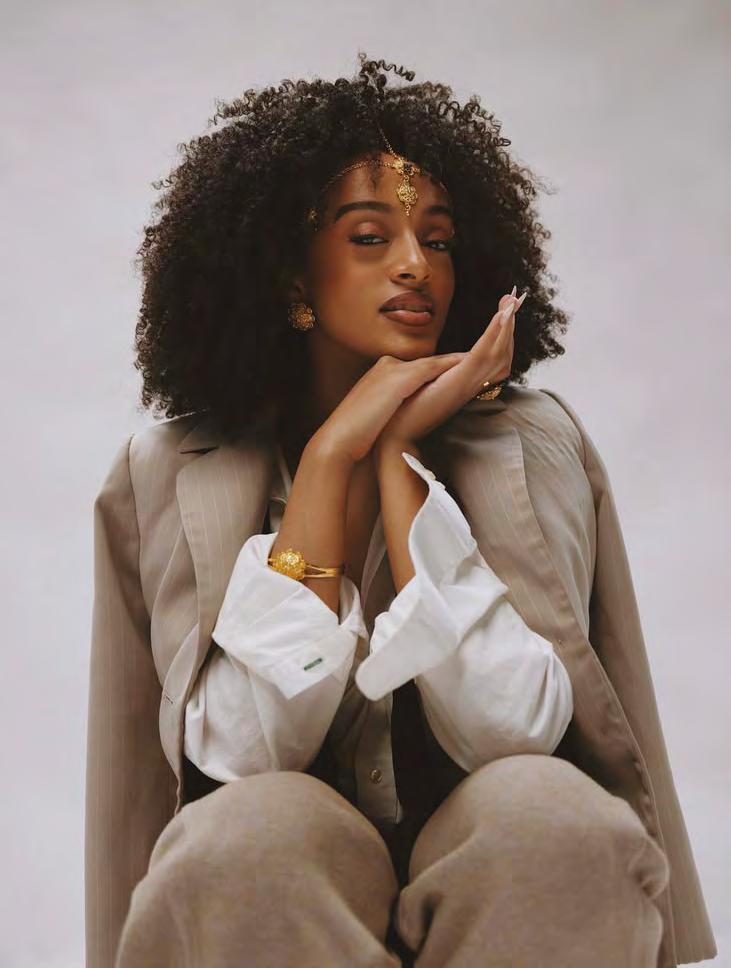
Looking stylish is not about having plenty of clothes or wearing expensive brands. It is about how you put things together and how you carry yourself. You can wear simple outfits and still stand out if you understand a few key things about style. With just a few small changes, you can upgrade your everyday look and feel more confident in what you wear. Here are four simple tips that can help you always look stylish.
WEAR CLOTHES THAT FIT YOU WELL
No matter how beautiful an outfit is, if it does not fit you properly, it will not look good. Clothes that are too tight can feel uncomfortable, and clothes that are too loose can look untidy. When your clothes fit well, everything looks more put- together.Your body shape is clearer, and your outfit looks more intentional.You do not always need a tailor, but knowing your size and choosing the right fit makes a big difference.
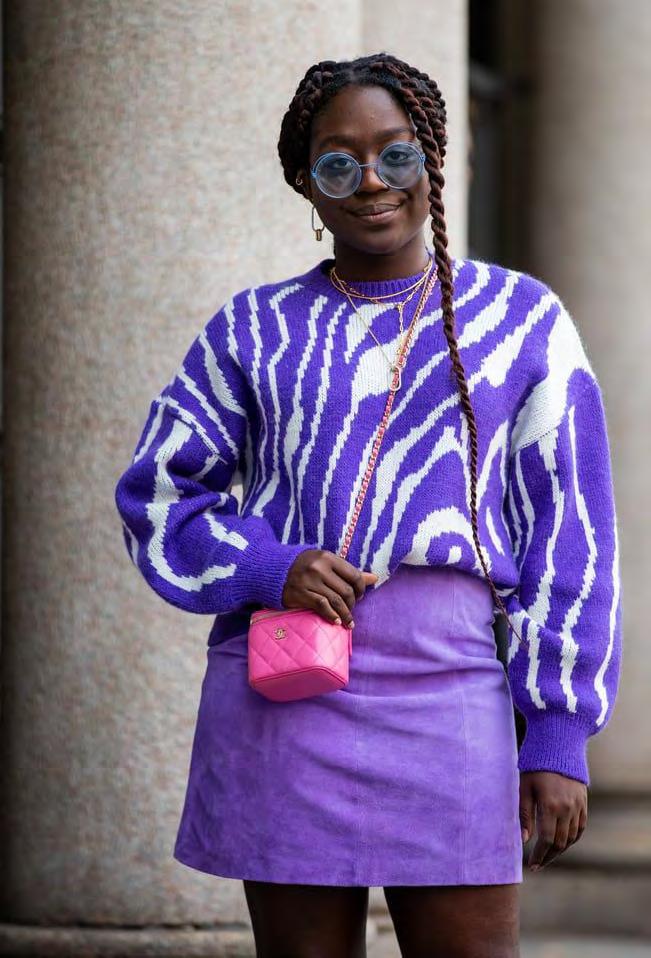
Looking stylish is not just about the clothes; it is also about how neat you are. Even the best outfit will not look good if it is dirty, wrinkled, or poorly kept. Make sure your clothes are clean and well-ironed.Your shoes should also be clean. Small things like this matter a lot. Also, your hair, nails, and general appearance should be tidy.When you look neat, you automatically look more put-together and stylish.
KEEP IT SIMPLE
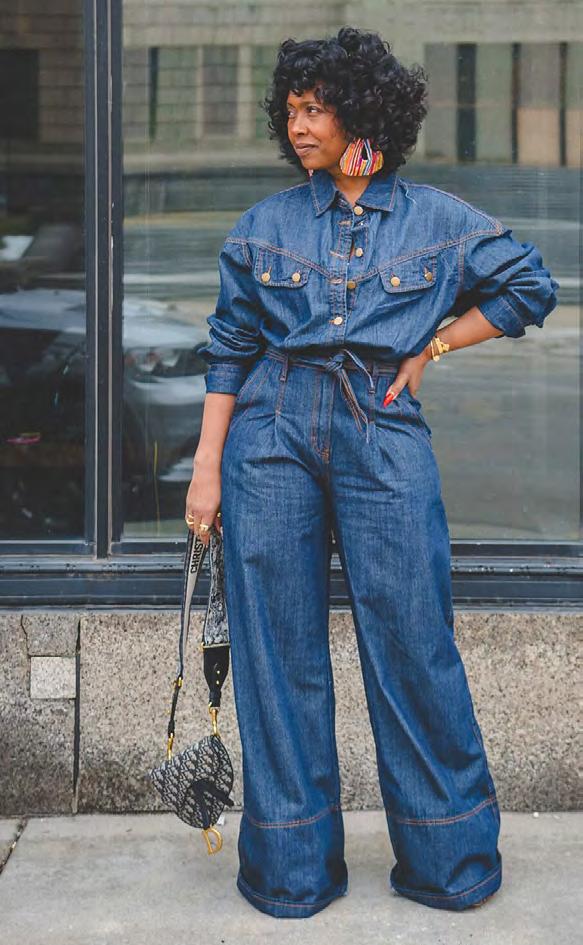
You do not need to wear too many things at once to look stylish. Sometimes, less is better.Wearing too many colours, patterns, or accessories can make your outfit look confusing. Simple outfits are often the most classy. A clean top, a nice pair of jeans, and good shoes can already make you look stylish.Try to focus on one main piece in your outfit and keep the rest simple.This helps your look stay neat and easy on the eyes.
BE CONFIDENT IN WHAT YOU WEAR
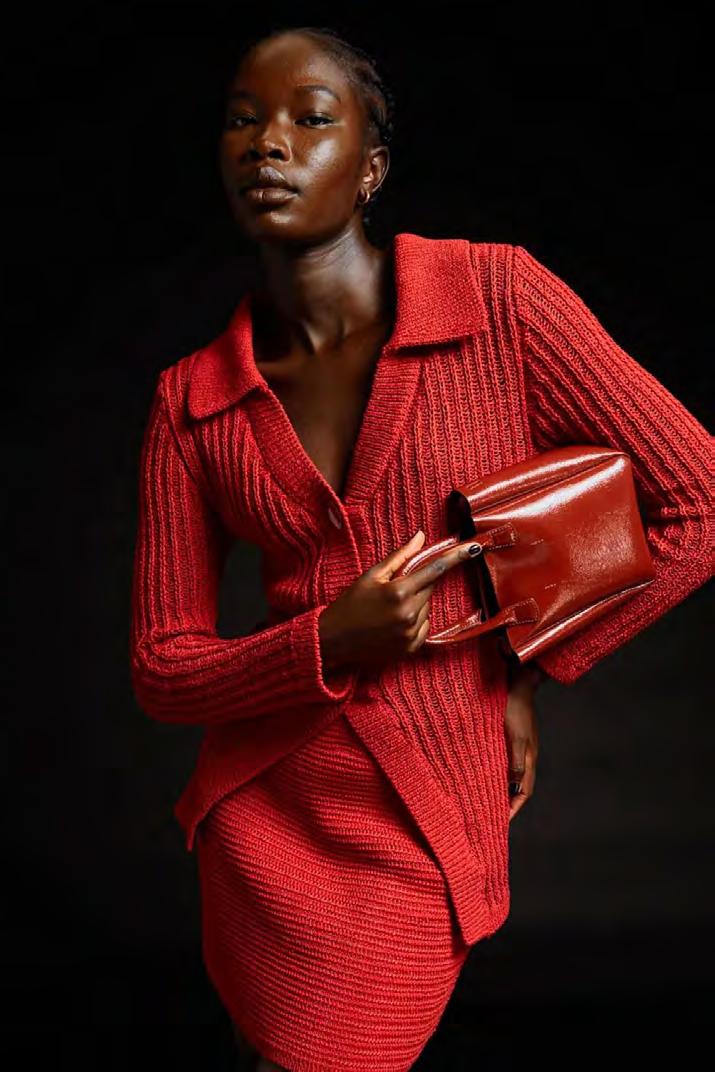
Confidence is one of the most important parts of style.You can wear the best outfit, but if you are not confident, it will not show.When you feel good in what you are wearing, it reflects in the way you walk, stand, and interact with people. Do not just follow trends because others are doing it.Wear what suits you and what makes you confidencecomfortable.Your will make even simple outfits look amazing.
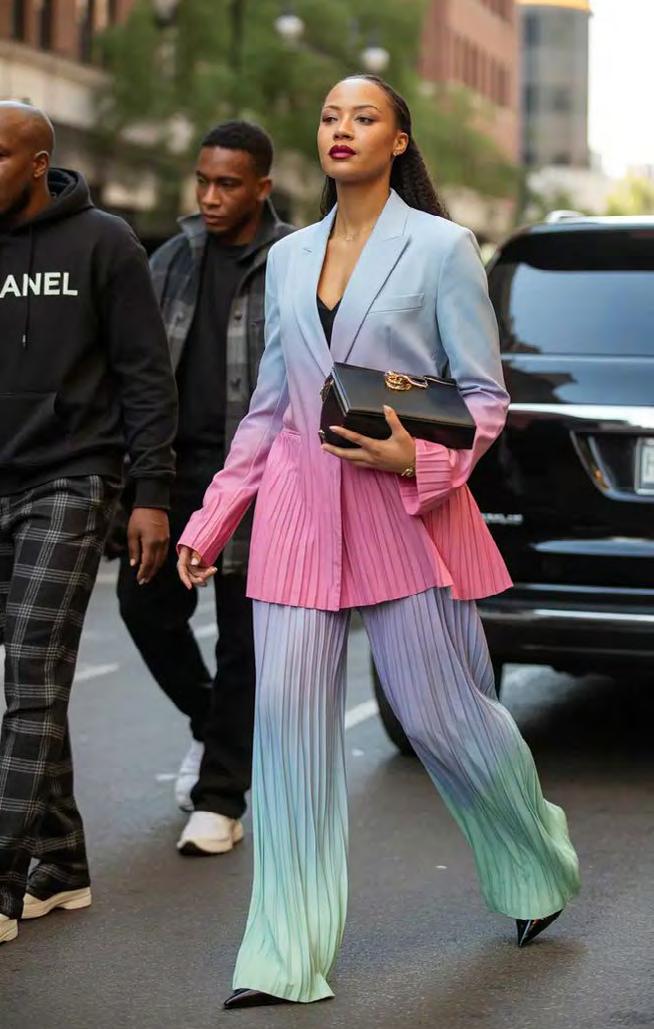
Looking stylish is not as hard as it seems. It is about paying attention to small details like fit, simplicity, neatness, and confidence. You do not need a full wardrobe or expensive clothes to look good every day. Once you understand these basics, you can create stylish looks with what you already have.



SALLY CHIWUZIE @unshakable.is.a.state.of.mind
Afterreturning from a United Nations conference in New York, where I had been invited to speak about my work with women and the ethos behind #Unshakable, I was interviewed by a magazine. One question lingered long after the conversation ended. They asked whether #Unshakable followed my personal beliefs and whether the brand itself had a religion.
It was a simple question, but the answer was not simple.
I told them I was born and raised Christian. I believe in God and in the Holy Trinity, and I love going to church. There is comfort in gathering with like minds, in shared identity, in familiar songs, and in the quiet rhythm of community. Most Sundays, church grounds me.
Occasionally, however, something deeper happens. A sermon lands in a way that feels almost personal, as though it had been written for me. Those are the moments that stay with me, moments that make church feel less like a building and more like something that lives in the crevices of my soul.
Yet #Unshakable has never had a religion, and that has always been intentional.
This is not because I do not want my personal faith on display, but because the word #Unshakable belongs to everyone. Christianity, Islam, Hinduism, and many other faiths offer pathways to understanding God and fall within the umbrella of what the brand represents. The interpretations differ, yet the base message echoes across them: love, compassion, kindness, mercy, restraint, and humanity.
That belief led me to a quieter and more unsettling question. There is a voice in your head that tells you when something is wrong, and the real question is whose voice it is.
If someone handed me a gun and asked me to kill my enemy, anger might briefly try to justify it, but I would not have it in me to act. The resistance would come from somewhere deeper, something instinctive and immediate. It would feel like a knowing that refuses to move, a quiet but immovable no that settles before logic has time to negotiate.
That voice does not shout, threaten, or bargain; it simply remains steady, uncomfortable, and difficult to silence. In lesser situations, that same voice appears again. It nudges when something
feels dishonest, unsettles when something feels unkind, pulls back when ego wants to step forward, and whispers when pride wants to speak louder than truth.
We call it many things, including instinct, conscience, inner voice, guardian angel, gut feeling, or simply knowing, and although the names differ, the experience is similar. Sometimes I wonder whether that inner voice is what we have always been calling God. Perhaps the most frightening possibility is not that God is distant, but that God is close enough to be ignored.
for acceptance, and silence it for approval. Over time, the voice grows softer, not because it disappears, but because we become skilled at not listening.
Ignoring that voice shifts responsibility away from us and allows us to blame pressure, circumstance, culture, or fear.
Yet the discomfort never fully leaves, and something remains unsettled beneath the surface, a quiet awareness that we moved against ourselves.
Perhaps that is why we search for God in places, rituals, buildings, books, and people, as we may be trying to hear more clearly what has always been quietly present within us.
This is only one perspective. Others may see it differently. Some may believe God is entirely external, while others may believe God is both within and beyond. Belief leaves room for interpretation, reflection, and conversation.
For me, however, the idea remains simple: God exists in every one of us as a gentle knowing that sits quietly beneath everything else, waiting to be acknowledged. If you are reading this on the day it was published, it is Sunday, and I am probably on my way to church.
Religion can guide us, community can shape us, and scripture can anchor us, yet long before we quote a verse or recall a sermon, something inside us already knows. Before we justify, something inside us has already decided, and before we pray, something inside us has already whispered.
That whisper rarely forces; it invites, suggests, and then waits, which is both the beauty and the burden of it. We are free to ignore it, and many of us do. We override it for convenience, quieten it
Listening within and gathering with others do not contradict each other; one helps me hear the voice, and the other reminds me not to ignore it.
Perhaps the #Unshakable truth is that the voice we spend our lives searching for has been quietly living within us all along.
'See' you next week.
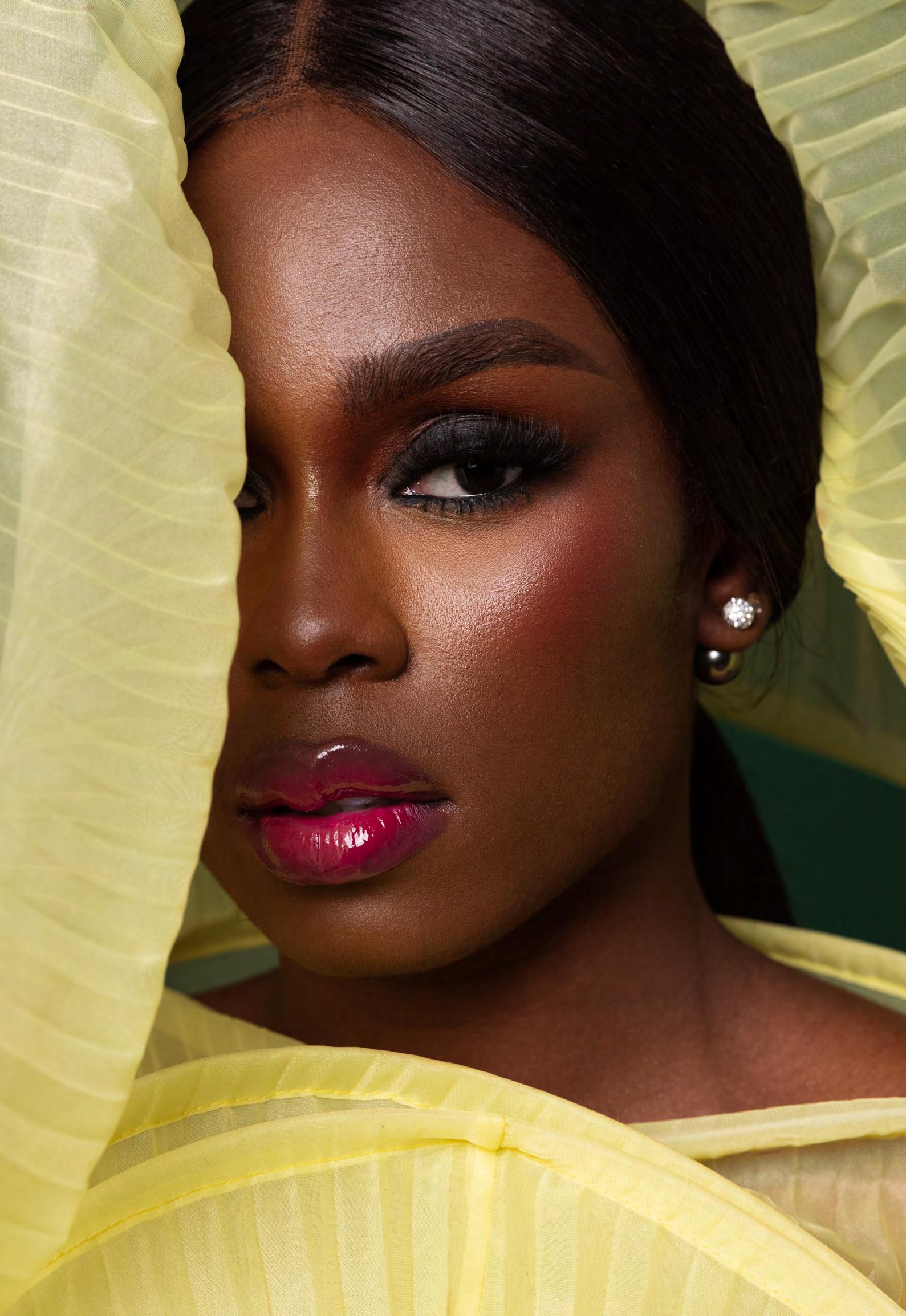
In the film industry today, we see more storytellers becoming intentional about the kind of stories they tell and how they tell them. It is no longer just about entertainment or quick releases. There is a growing focus on stories that reflect real life, stories that carry weight, meaning, and truth. Today, we see filmmakers asking deeper questions and choosing narratives that stay with the audience long after the film ends.
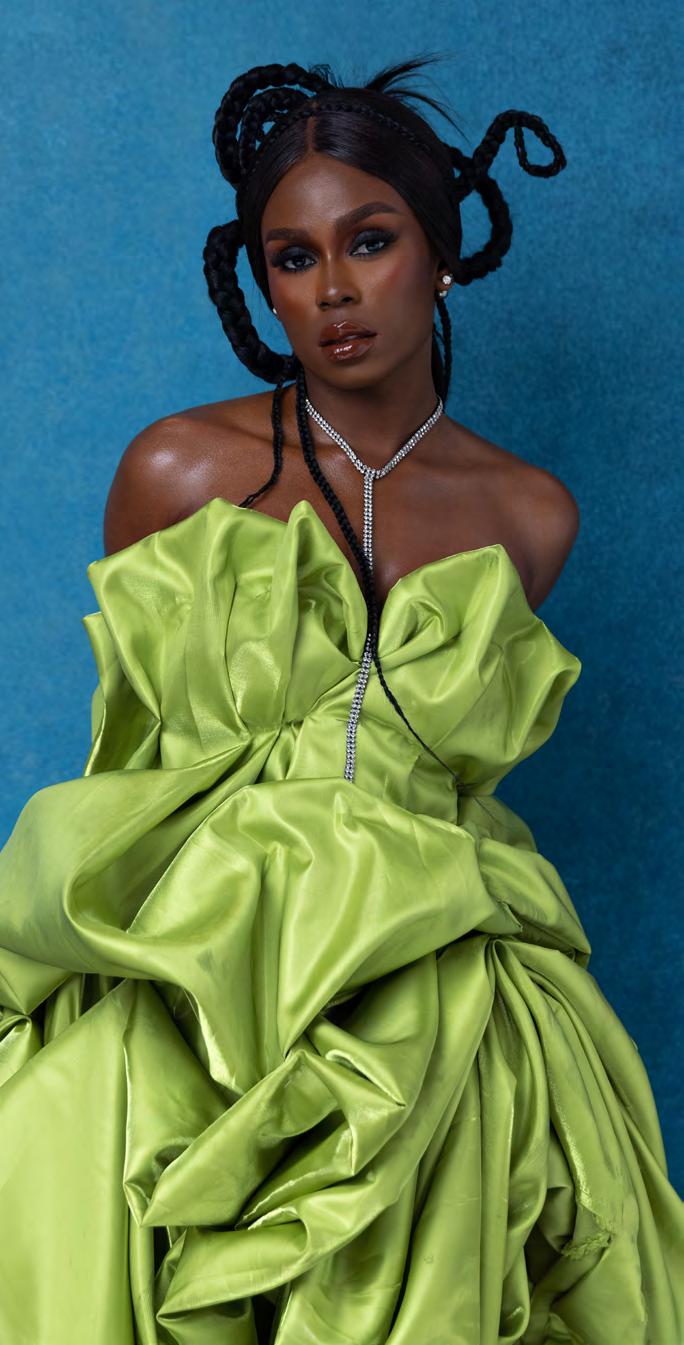
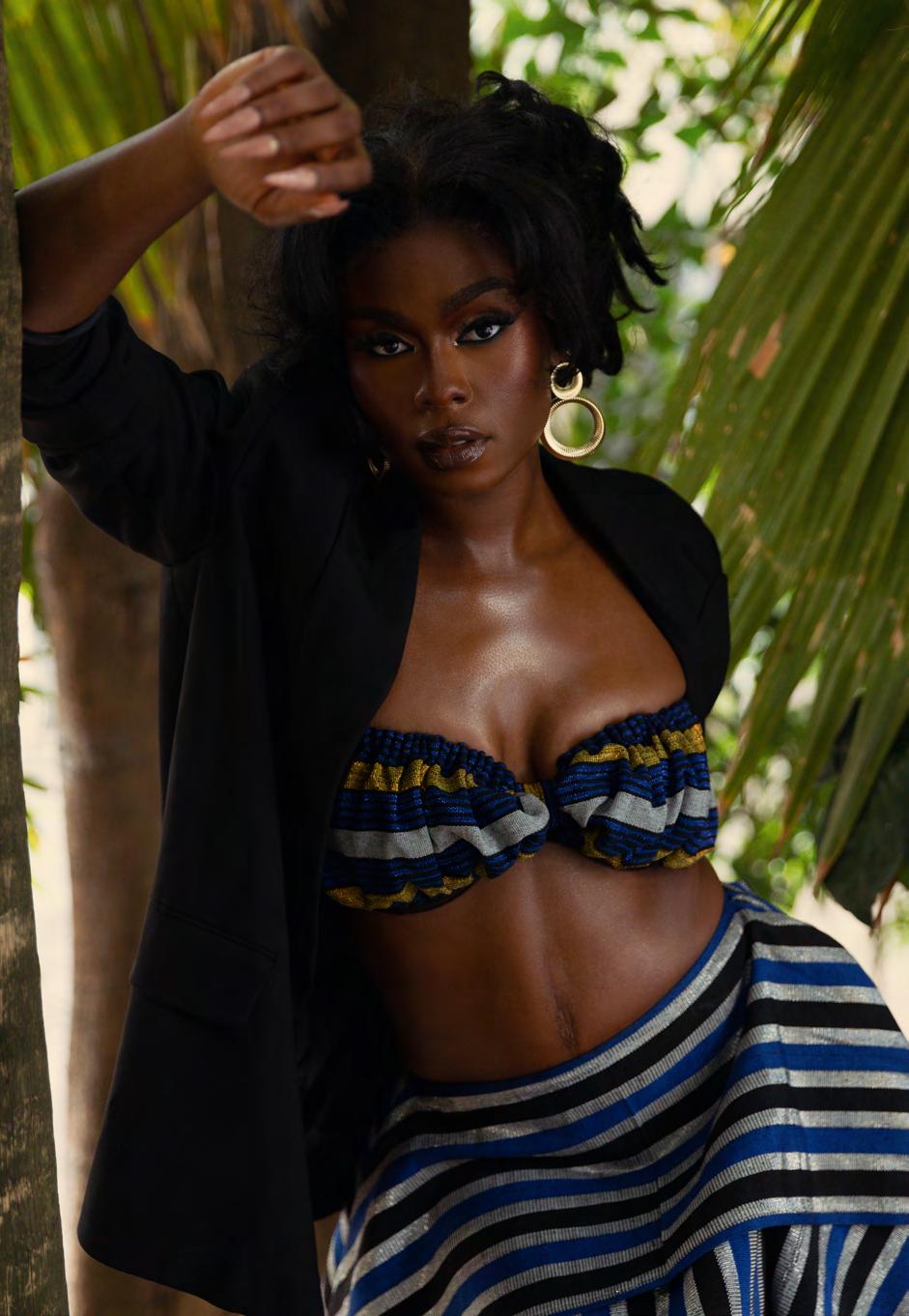
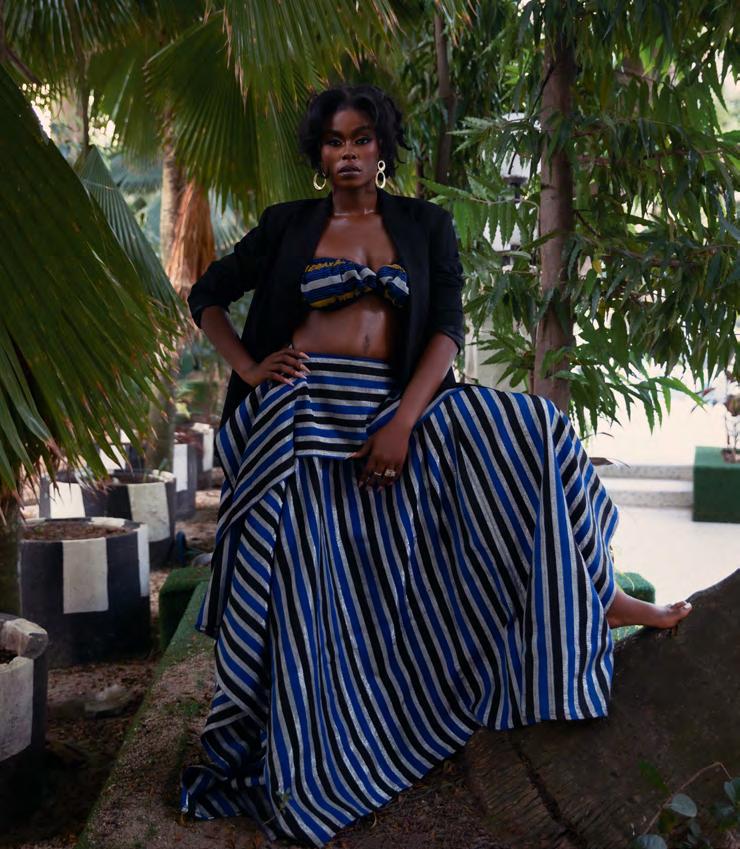
Lydia Lawrence-Nze stands firmly in that space. From her early days in Nollywood to becoming a filmmaker and producer, she has built her career with care and purpose. Known for her roles in films and series such as Hush, Battleground, and A Woman’s Heart, Lawrence-Nze has grown beyond acting to shape stories from the ground up. As the Founder of Only Good Films, she is focused on telling stories that matter, stories with depth, truth, and emotional weight. Her work, both on screen and behind the scenes, reflects a strong belief that filmmaking should not just entertain, but also connect and stay with people long after the screen goes off.
In this interview with THEWILL DOWNTOWN's Dorcas Akintoye, Lydia Lawrence-Nze discusses her journey as an actress and filmmaker, the vision behind Only Good Films, and the lessons she has learned in Nollywood. She opens up about the challenges she has faced, her decision to take control of her stories, and her latest project, For Better or Worse, a film that sheds light on infertility and the quiet struggles many women face.
You’ve been very intentional about building your career step by step rather than chasing quick visibility. Looking back, were there moments you were tempted to take shortcuts, and what helped you stay grounded in your process?
There were definitely moments when the temptation to move faster arose, especially in an industry where visibility can sometimes be mistaken for value. But I’ve always been more interested in longevity than moments. What kept me grounded was clarity. I knew early on that if I built too quickly without substance, I would eventually have to go back and rebuild properly. So I chose to do it right the first time, even if it meant being overlooked for a while.
You studied Biochemistry before fully stepping into film. In what ways has that background shaped how you think, create, or even run your career?
Studying Biochemistry really shaped how I think. It trained me to be structured, observant, and patient with the process. In science, you don’t rush results; you understand that things take time, and every step matters. I’ve carried that into filmmaking. Whether I’m building a character or producing a project, I approach it with intention and discipline. I pay attention to detail, I respect the process, and I don’t believe in shortcuts. That mindset has been very grounding for me in this industry.
What are some of the most difficult, but less talked about, challenges you’ve faced while trying to build both credibility and authority in this industry?
One of the less talked about challenges is being underestimated when you’re not loud about your work. There’s a pressure to constantly prove that you belong, especially when you’re choosing depth over hype. Another challenge is navigating spaces where credibility is often tied to popularity rather than craft. It forces you to keep showing up with integrity, even when the system doesn’t always reward it immediately.
From your experience working both in front of and behind the camera, where do you think Nollywood still falls short when it comes to storytelling and production quality? I think Nollywood is evolving, but there are still gaps in story development and production discipline. Sometimes we rush stories, we prioritise output over depth. There’s also room for more investment in pre-production, because that’s where strong storytelling is really built. It’s not just about bigger budgets, it’s about better decisions.
on marriages. What drew you personally to this story, and why did you feel it needed to be told now?
For Better or Worse came from a place of observing how silently people carry certain struggles, especially around infertility. It’s something that affects relationships deeply, but it’s often reduced to whispers or stereotypes. I felt it deserved a more honest, human conversation, one that focuses on the emotional reality, not just the outcome. Blossom, a fantastic actor, truly helped me unearth a deeper emotion like never before. I couldn’t have asked for a better co-actor for that movie.
"As an actor, you want to stay present in the character, but as a producer, you’re constantly aware of the bigger picture."
Producing and starring in the same project can be demanding. Were there moments where those roles conflicted, and how did you navigate that?
There were definitely moments of tension. As an actor, you want to stay present in the character, but as a producer, you’re constantly aware of the bigger picture. I had to learn to separate those spaces, trust the team when I’m in front of the camera, and then step back into leadership when needed. It required discipline and a lot of mental switching.
The name Only Good Films is bold and almost like a promise. What does “good” mean to you in this context, and how do you measure whether a story truly meets that standard? “Good” for me is not about perfection, it’s about honesty, depth, and intention. A good film should feel true, even if it's fiction. It should respect the audience’s intelligence and leave something with them after it ends. I measure that by asking: Does this story say something meaningful? And does it say it well, without shortcuts?
Starting your own production company is a big shift from being just an actor. What realities shocked you the most when you moved into that space? What shocked me the most was how much responsibility sits behind the creative. As an actor, your focus is your role. But as a producer, you’re thinking about everything: structure, financing, people, timing, distribution. It’s a different level of pressure because the decisions you make affect not just the story, but everyone involved in bringing it to life.
This film touches on very private and sensitive experiences. How did you ensure the story was handled with honesty and not reduced to stereotypes or surfacelevel emotion?
"A good film should feel true, even if it's fiction. It should respect the audience’s intelligence and leave something with them after it ends."
We approached the story with a lot of care and restraint. It started with research, but more importantly, with empathy. We were intentional about avoiding extremes or clichés. The goal was not to dramatise the experience, but to reflect it truthfully, allowing the characters to feel real, not symbolic.
As someone who values meaning over noise, how do you deal with external pressure, whether from audiences, industry expectations, or even social media, to be more visible or more “commercial”?
As a creative entrepreneur, how do you balance artistic integrity with the commercial demands of filmmaking in Nigeria? It is a constant negotiation. But for me, artistic integrity is the foundation. The commercial side matters because film is also a business, but I don’t believe in sacrificing meaning just to make something sell. The goal is to find alignment, stories that are both impactful and accessible. It takes more effort, but it’s possible.
Your movie, For Better or Worse, explores infertility and the emotional strain it places
I have had to become very clear about what matters and what doesn’t. Visibility is important, but not all visibility is valuable. There’s a difference between being seen and being understood. Social media and industry expectations can push you toward constant output or a more commercial version of yourself, but I’ve learned to resist that pressure. I focus on alignment. If something doesn’t reflect the kind of work I want to be known for, I let it pass, no matter how attractive it looks in the moment. I also remind myself that pace is personal. Just because something is trending doesn’t mean it’s necessary for my journey. The work is the anchor for me, and as long as that remains honest, I’m comfortable not being everywhere all the time.
When you think about the future of your work, both as an actress and as the force behind Only Good Films, what kind of legacy are you intentionally trying to build, and what would you never compromise to achieve it?
I’m intentionally building a legacy around substance, not just presence. I want my work, both as an actress and through Only Good Films, to contribute to a shift in how we value storytelling. Less noise, more meaning. Less speed, more structure. In the long term, I want to be part of a body of work that people return to, not just because it was popular, but because it was truthful and well-made. Stories that hold emotional weight and cultural relevance. What I would never compromise is integrity, both in the stories I choose and how they’re told. That means no shortcuts in storytelling, no dilution of important themes for easy consumption, and no building for applause at the expense of authenticity. If it doesn’t feel true, it’s not worth making.
@aaddaahh
Have you ever noticed that when a woman walks beside a man, she sometimes disappears?
Whether it is her brother, husband, or friend. Through an estate, into a restaurant, along any street in any city. She disappears.
Not literally.
Just socially. Completely. In real time. I noticed it recently in Lagos.
I was walking with my brother, my lastborn brother, the fifth of five, when it started.
I am the first of five, by the way.
Every person we passed acknowledged him.
The security man at the gate. Good afternoon, sir.
The waiter who seated us. Welcome, sir, right this way.

The stranger outside who wanted to seem polite. How are you, sir? All of them. Unprompted. Consistently. Not one looked at me.
I was standing there thinking.
Hellooo.
Hi.
I am here.
Am I invisible?
Or just too small to register? And the feeling that arrived was not anger. It was defeat.
Quiet. Heavy. The specific defeat of a woman who is fully present and completely invisible at the same time.
Because there was nothing I could do about it. You cannot demand acknowledgement. You cannot argue your way into someone's field of vision.
You cannot present your CV on a Lagos street and say: see me now.
So, you stand there.
And you feel it. And then you carry on.
Because that is what Nigerian women have always done. Carried on.
Past the greeting that went to the man beside them.
Past the family gathering where their achievement was mentioned after his.
Past the question, "but when are you getting married," that arrived six months after the promotion nobody asked about.
This is not just a street scene. It is a condition.
So, you carry it quietly. The unlived version of yourself. The dreams you stopped saying out loud. ADA OBIAJUNWA
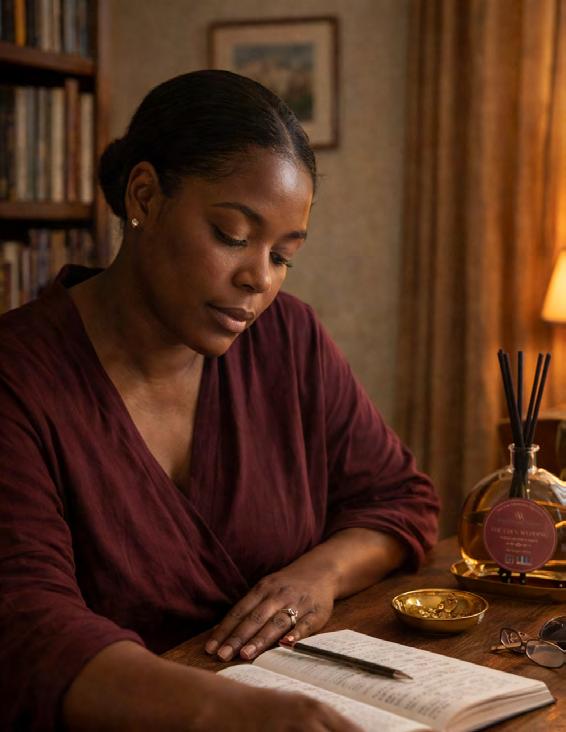
You were a girl in this culture before you were a person in it.
Marriage. Children. Home.
A sequence that arrives early. Before you have had the chance to ask yourself who you are when nobody is watching. And somewhere inside that sequence, the dreaming gets quiet.
Not because you stopped.
But because what everyone expects of you is louder than what you want for yourself.
The woman you were becoming before the sequence interrupted her.
And then one day, something shifts. Not loudly. Not dramatically.
Just a quiet realisation that arrives like a Tuesday.
The defeat does not disappear. But it changes shape.
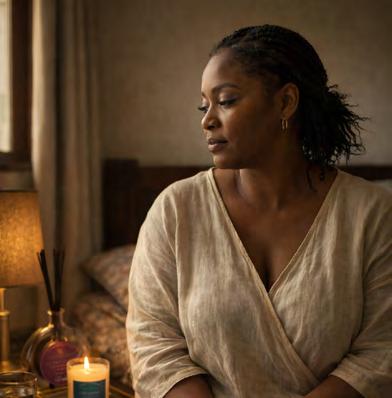
Because defeat assumes there was an audience worth performing for. And slowly, quietly, you start to wonder if there ever was.
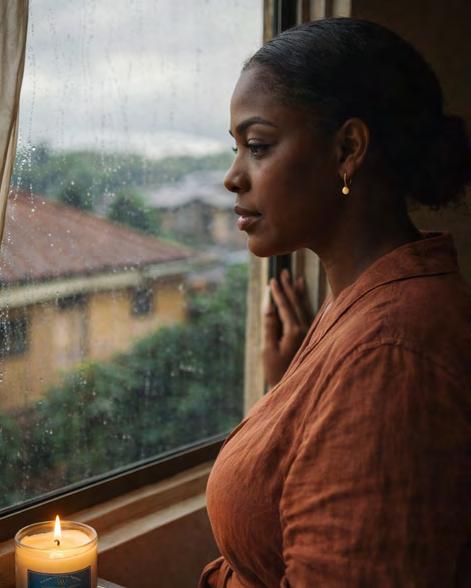
And the women who went before you carried it too. Quietly.
So, the clock kept ticking. You cannot say any of this on a Lagos street. You cannot say it at the family gathering. You cannot say it when the aunty asks the question with love in her eyes and a clock in her hands.
If they were not going to see you anyway,
The only life worth living is the one that feels true to you. Not because you have given up on being seen.
But because you have stopped waiting.
The invisibility that once felt like defeat starts to feel like something else.
Like a clearing.
Like space that was always there. You just did not know it belonged to you.
The woman who finds that clearing does not announce it.
She stops waiting for permission that was never going to arrive.
She gives it to herself.
Quietly. Without ceremony.
The way you make a decision that has been waiting a long time. Not fixed.
Not finished.
Just finally moving in the right direction. And maybe that is Luxury Silk.
BY DORCAS AKINTOYE
Hot weather can be very harsh on the skin. When the temperature rises, the skin produces more sweat and oil. This can lead to clogged pores, breakouts, irritation, and even sunburn. Many people also notice that their skin becomes dull or tired during very hot days. Because of this, it is important to take extra care of your skin when the weather is hot. Simple habits can make a big difference in keeping your skin healthy, fresh, and protected. Here are five effective ways to care for your skin during hot weather.

One of the most important things you can do for your skin in the heat is to wear sunscreen. The sun produces strong ultraviolet (UV) rays that can damage the skin. Too much sun exposure can cause sunburn, dark spots, early ageing, and other skin problems. It is best to apply sunscreen before stepping outside and reapply it after a few hours, especially if you sweat a lot. Using sunscreen daily helps keep the skin healthy and prevents long-term damage.

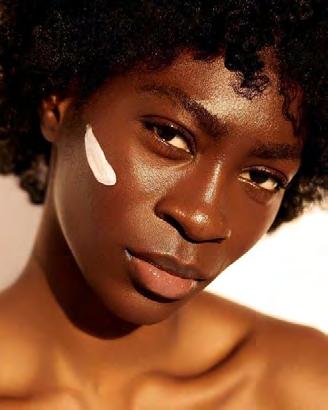
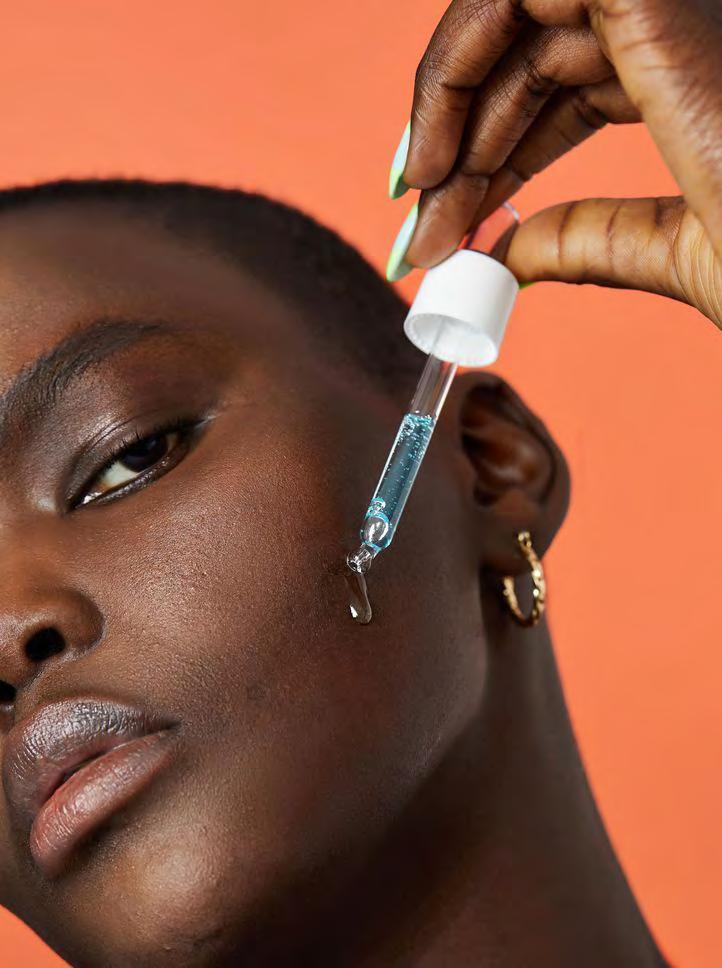
Hot weather often makes people sweat more than usual. When sweat mixes with oil and dirt on the skin, it can clog pores, leading to pimples or irritation. This is why keeping your skin clean is very important during hot periods. Washing your face and body regularly helps remove sweat, oil, and dust that accumulate on your skin throughout the day.

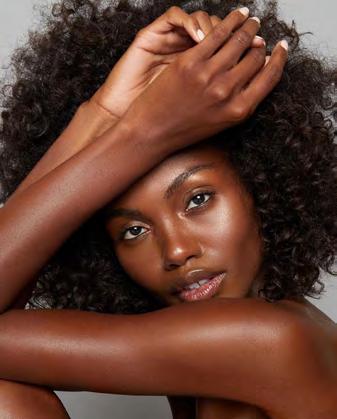
Water plays a big role in keeping the skin healthy, especially in hot weather. The body loses a lot of water through sweating, which can make the skin look dry and tired. Drinking enough water helps the skin stay soft and fresh. When the body is well hydrated, the skin can maintain its natural glow and elasticity. It also helps reduce dryness and irritation caused by heat.

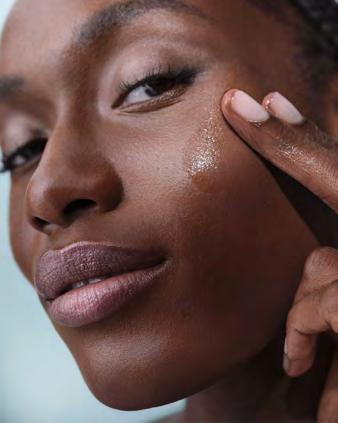
Many people think moisturisers are only needed during cold weather, but the skin still needs moisture in hot weather. The difference is that heavy creams may feel too thick on the skin during the heat. Instead, it is better to use light moisturisers that hydrate the skin without making it oily. These types of moisturisers absorb quickly and help keep the skin balanced.

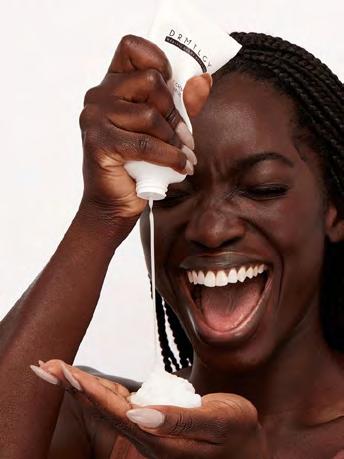
Wearing heavy makeup during very hot weather can make the skin uncomfortable. Heat and sweat can melt makeup, potentially clogging pores and leading to breakouts. Using light makeup or allowing the skin to breathe more often can help keep it healthy. If you need to wear makeup, choose lightweight products and remove them properly at the end of the day to help protect your skin.
Hot weather can affect the skin in many ways, but the right care can keep it healthy and comfortable. Protecting your skin from the sun, keeping it clean, drinking enough water, and using light moisturisers are simple but effective steps. By following these habits, your skin can remain fresh, clear, and well-protected even during very hot days.

BY JOHNSON CHUKWUEKE
Wellness is meant to simplify life. Instead, it has quietly become another standard to live up to.
There’s always a new habit to adopt, a supplement to try, a routine to perfect, or a mindset to master. Social media feeds are filled with morning rituals, glowing skin routines, ice baths, gratitude journals, and colour-coded planners, all presented as the secret to a balanced life. Somewhere along the way, self-care stopped feeling restorative and started feeling competitive. The issue isn’t wellness itself. It’s the pressure to do it flawlessly. When health becomes aesthetic, and healing becomes content, stress creeps in unnoticed. Instead of feeling better, many people feel behind, like they’re failing at relaxation. Here are a few popular wellness trends that might be adding more pressure than peace.

Early mornings work for some people, but not for everyone. The glorification of waking up at 5 AM to journal, stretch, meditate, and work out can create unnecessary guilt for those who simply need more sleep. Rest is foundational to health. Sacrificing it to match an online routine defeats the purpose. Productivity is personal, not universal.
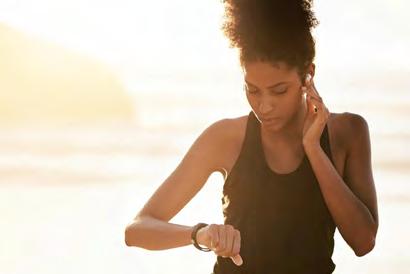
From step counters to sleep monitors, calorie apps to water reminders, modern wellness often revolves around constant measurement. While data can be helpful, over-tracking can disconnect you from intuition. When every action needs validation from an app, your body’s natural cues become secondary. Wellness should build awareness, not anxiety.
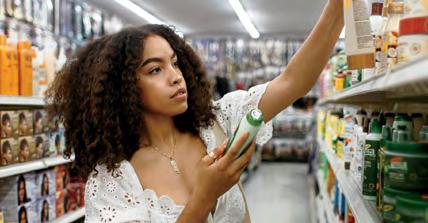
Luxury skincare, supplement stacks, cold plunges, spa days, and curated retreats dominate the wellness conversation. The subtle message? Health requires spending. But true wellness is not exclusive. Walking, sleeping well, eating balanced meals, and setting boundaries are low-cost habits with high impact. When self-care feels like a financial burden, it ceases to be sustainable.

“Good vibes only” sounds appealing until real emotions show up. Suppressing frustration, sadness, or stress in the name of positivity doesn’t make them disappear. In fact, it can intensify internal pressure. Real emotional wellness includes processing discomfort, setting boundaries, and accepting imperfect days. Growth isn’t always aesthetic.

Even rest has become optimised. Sleep scores, recovery percentages, productivity resets, and downtime are now measured and evaluated. But genuine rest isn’t something to perfect. It’s something to allow. When relaxation becomes another task to achieve, it loses its restorative power.
Wellness should feel supportive, not overwhelming. If your routine feels heavy, complicated, or performative, it may be time to simplify. You don’t need every trend, every gadget, or every ritual to be healthy. Sometimes the most effective wellness plan is the least dramatic one. True well-being isn’t about keeping up. It’s about tuning in.
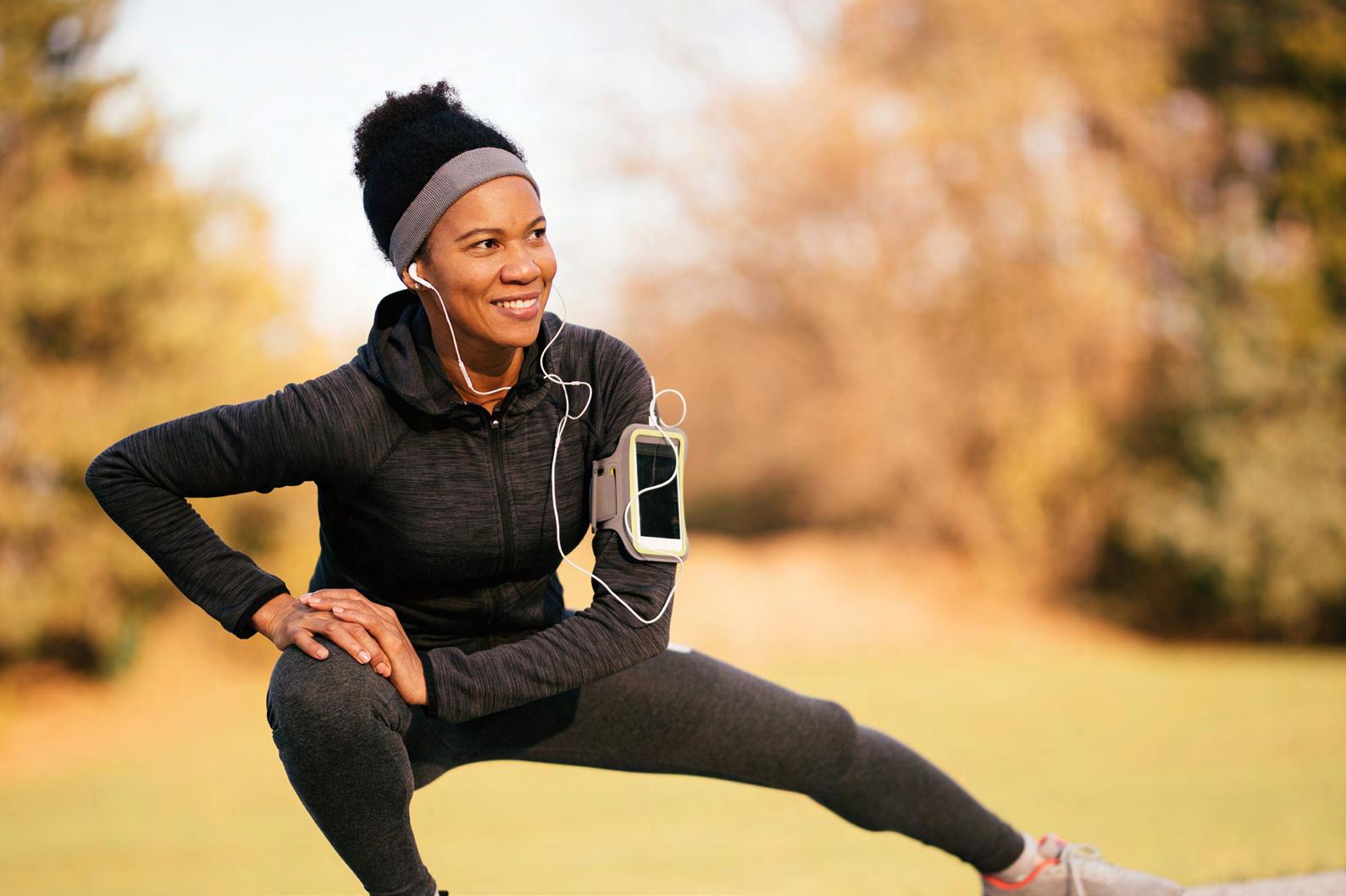

Motivation is emotional. Habits are structural. The biggest mistake people make is waiting to “feel ready” before they workout. But readiness is unreliable. Discipline, on the other hand, is predictable. The most consistent people don’t wake up excited every day. They simply remove the decision-making process. Once it becomes an appointment rather than a debate, consistency becomes easier.

START SMALLER THAN YOUR EGO WANTS
You can decide you’re going to train five days a week for an hour, cut out junk food, drink three litres of water daily, and run 5km, all at once. That intensity lasts about nine days. Start embarrassingly small if you must. Twenty minutes. Three days a week. The goal at the beginning is not transformation. It is repetition.
BY JOHNSON CHUKWUEKE
AATTACH WORKOUTS TO AN EXISTING ROUTINE
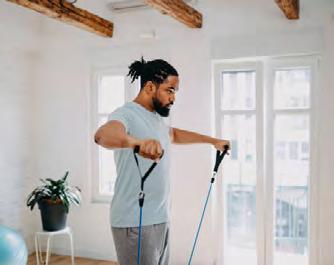
Habits stick best when they are linked to something you already do. If you always wake up at 6 am, let 6:10 am be movement time. If you get home from work at 6 pm, let 6:30 pm be training time. When workouts become part of a predictable pattern, your brain stops treating them as optional. They become automatic. Consistency loves structure.
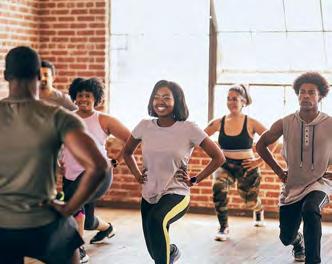
You are more likely to repeat what you enjoy. If you hate running, forcing yourself to run may not be the smartest path to sustainability. Try strength training. Try dance workouts. Try swimming. Try group classes. Fitness is not a punishment for eating. It is not revenge on your body. It is an investment in it. When movement feels rewarding instead of torturous, you won’t have to force yourself as often.
t the beginning of every year, the gyms are packed. By March, the crowd thins. By June, only the disciplined remain. The truth? Most people don’t fail at fitness because they are lazy. They fail because they rely on motivation instead of building a system. If you have ever started a workout routine with fire in your chest only to lose steam weeks later, you are not alone. Building a workout habit that actually sticks has less to do with intensity and more to do with identity, environment, and strategy. Here’s how to make fitness part of who you are, not just something you attempt when you feel inspired.

Many people quit because they don’t see immediate aesthetic results. But visible transformation takes time. What happens sooner and often goes unnoticed is increased energy, improved sleep, a better mood, and sharper focus. If your only metric is the mirror, you may miss the deeper wins. Track your strength. Track your stamina. Track your mood. Celebrate showing up. The body changes when the behaviour becomes consistent.
Fitness is not about heroic bursts. It is about quiet consistency. Building a workout habit that actually sticks is not about hype. It is about structure. It is about making movement normal, not dramatic. It is about showing up even when the excitement fades. Because in the end, results don’t belong to the motivated. They belong to the consistent.
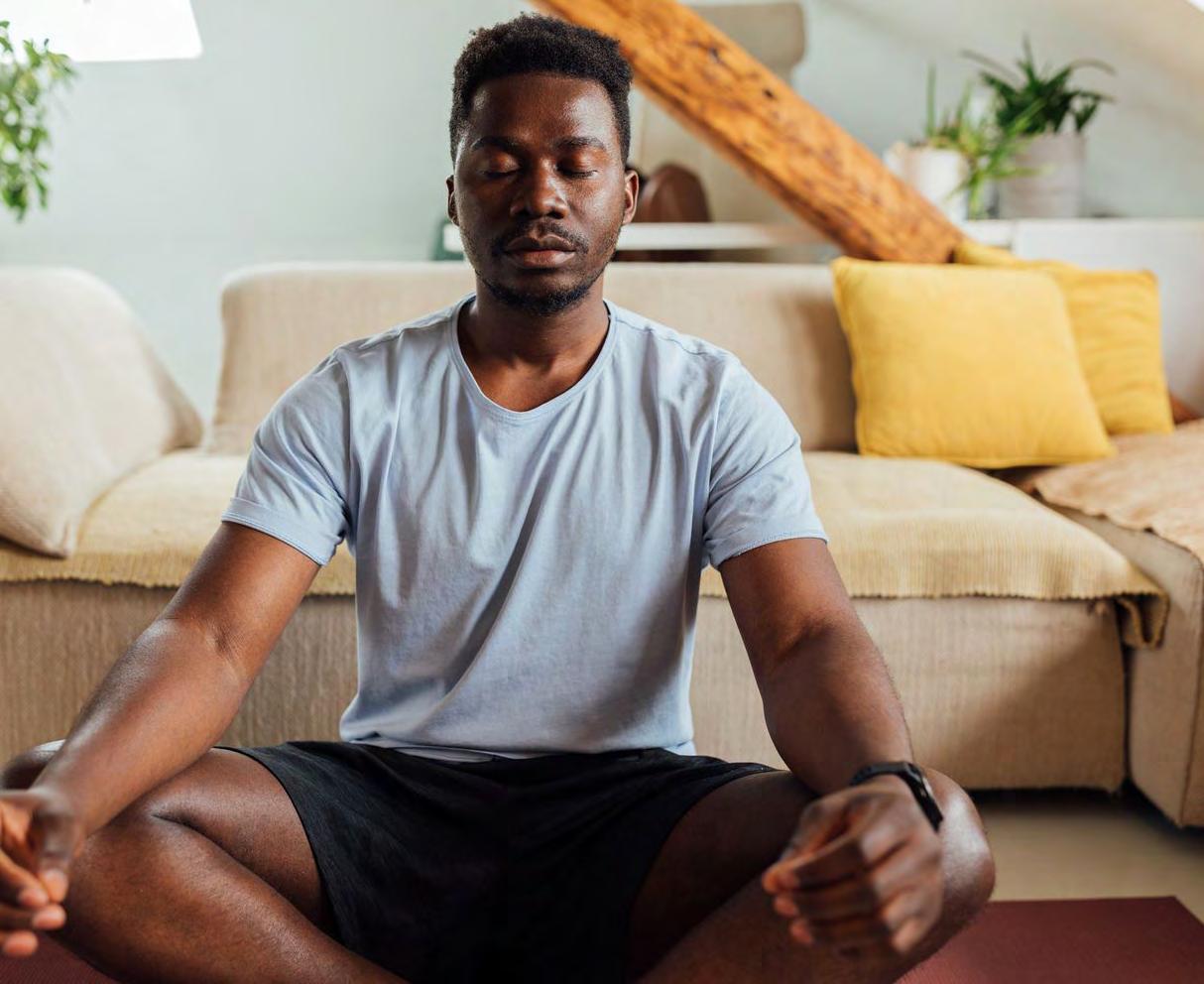

Every day life is filled with noise, conversations, deadlines, social media, and the constant movement from one task to another. Over time, this can become mentally exhausting. Easter creates a chance to step away, even if only briefly. Whether it’s putting your phone aside, spending time alone, or simply sitting in silence, these moments of stillness allow the mind to reset. In quietness, thoughts become clearer, and the mind finds space to rest.


BY JOHNSON CHUKWUEKE
In a world that rarely slows down, quiet moments have become increasingly rare. Between busy schedules and the pressure to always be doing something, stillness often feels unfamiliar, even uncomfortable. Yet, it is in these quiet spaces that clarity, peace, and emotional balance are often found. The Easter period offers a natural pause. Beyond the celebrations and social activities, it presents an opportunity to step back, breathe, and reconnect with oneself. It is a time that gently invites reflection, not in a heavy or overwhelming way, but in a calm, restorative manner. Sometimes, the most meaningful moments are not the loudest ones.
Reflection does not always have to involve deep or complicated thinking. Sometimes, it is as simple as asking yourself how you feel, what has been working, and what hasn’t. The Easter period offers a gentle environment for this kind of reflection. Without the usual rush, it becomes easier to look inward without pressure or urgency.
There is a certain calm that comes from simple moments, a quiet morning, a slow meal, a peaceful walk, or time spent in familiar spaces. During Easter, these experiences often feel more meaningful. With fewer demands on your time, you can fully engage with these small, comforting moments. They remind us that well-being does not always come from big changes, but from appreciating what is already present.

In the busyness of everyday life, it is easy to lose touch with your own thoughts, needs, and emotions. Quiet moments create an opportunity to reconnect. This might mean journaling, thinking through personal goals, or simply allowing your mind to wander without distraction. These small acts of selfawareness can be surprisingly powerful.

The sense of calm and clarity experienced during Easter can be carried into everyday life in small, intentional ways. Taking short breaks, creating time for reflection, and allowing space for stillness can help maintain that balance even after the holiday is over. Wellness is not just about what you do during special moments. It is about how you choose to live afterwards.
Easter is often associated with renewal, hope, and fresh beginnings. But before renewal comes reflection, a moment to pause, breathe, and take in where you are. Quiet moments may seem small, but they hold a unique kind of power. They allow you to slow down, reset, and approach life with greater clarity and intention. Because sometimes, the most important thing you can do is simply pause.
BY DORCAS AKINTOYE
Many people do not realise how quickly things can pile up in the home. You buy one today, another next month, and before you know it, you have too many of the same item. These things start to take up space, make the house look crowded, and sometimes even make it harder to stay organised. Some items work perfectly well when you only have one or two. Here are four things you really do not need multiples of in your home.
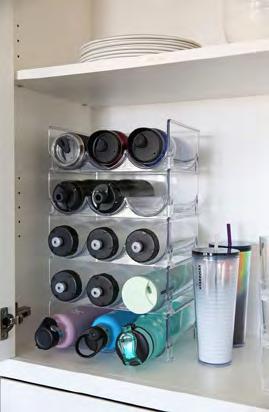
Many homes have a cabinet filled with different water bottles and flasks. Some people keep buying new ones because they like the design or the colour. Over time, the collection becomes too many. In reality, you only need a few good water bottles. One or two for daily use is often enough. Having too many can make your kitchen cabinet messy and difficult to arrange. Some of them may even stay unused for months. Instead of keeping many bottles, choose the ones that are strong, easy to wash, and comfortable to carry. This helps keep your kitchen simple and organised.
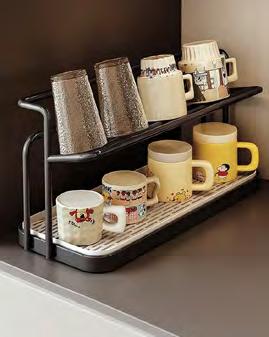
Mugs are one of the easiest things to collect without realising it. You may get them as gifts, souvenirs, or buy them because they look nice. After a while, your kitchen shelf becomes full of mugs you rarely use. For most homes, a few mugs are enough for everyday use. Keeping too many mugs only takes up space and makes your kitchen look cluttered. It is better to keep the mugs you truly like and use often, and let go of the rest. This creates more room and keeps your kitchen shelves neat.
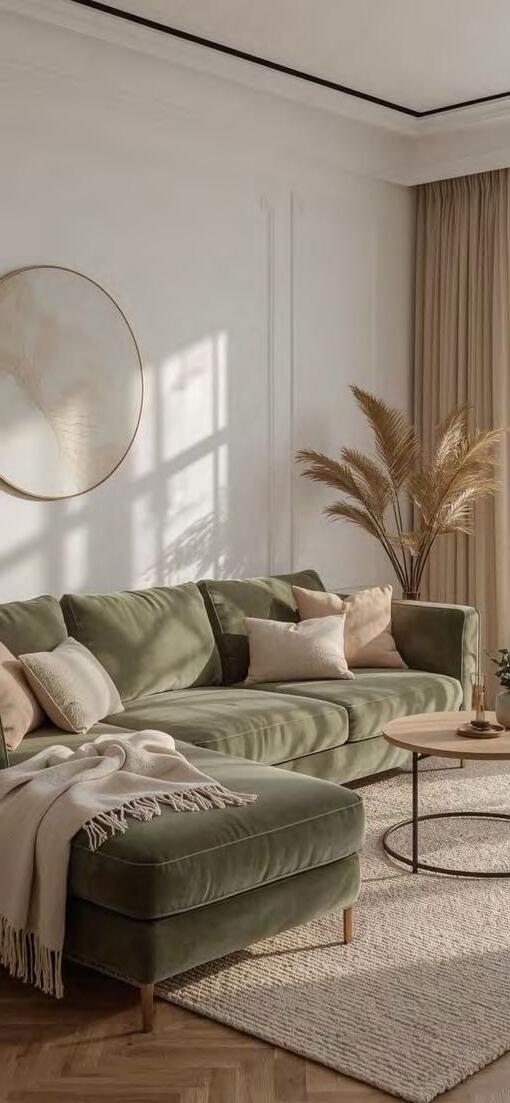
Throw pillows can make a living room or bedroom look beautiful. They add colour and style to your space. But having too many of them can quickly become a problem. Sometimes people pile so many pillows on the sofa or bed that it becomes uncomfortable to sit or lie down. You may even find yourself moving the pillows around whenever you want to relax. Keeping just a few well-chosen pillows can still give your space a stylish look without making it feel crowded.
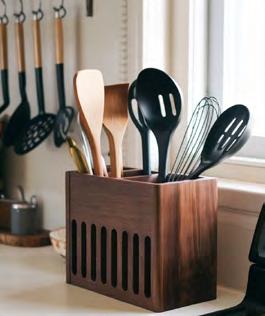
Many kitchens are filled with utensils that are rarely used. Multiple spatulas, too many wooden spoons, and several peelers can quickly fill up drawers. In most cases, you only need one or two of each basic utensil. When there are too many, the kitchen drawer becomes difficult to open, and finding what you need takes longer. Keeping only the utensils you use often will make cooking easier and your kitchen more organised.

Having many things in the home does not always make life better. In fact, too many items can create clutter and make spaces harder to manage. By reducing duplicates of everyday items like mugs, water bottles, pillows, and kitchen utensils, you can keep your home cleaner and more organised.


At the centre of every modern trip is your smartphone. Devices like the Apple iPhone 15 Pro or the Samsung Galaxy S24 are more than communication tools; they are your camera, map, booking assistant, and entertainment hub all in one. With the right apps, your phone can handle directions, reservations, currency conversions, and even language translation. It reduces the need for multiple gadgets and keeps everything in one place.
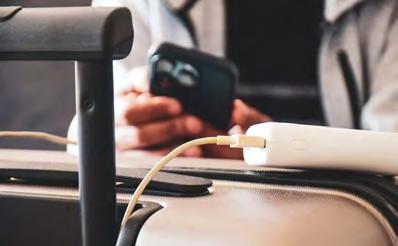
Nothing disrupts a trip faster than a dead battery. Between taking photos, checking maps, and staying connected, your devices can drain quickly. A reliable power bank like the Anker PowerCore 20000mAh ensures you stay powered throughout the day. Whether you’re exploring a new city or stuck in transit, having backup power gives you peace of mind. It’s a small device that makes a big difference.

Travel often comes with noise, busy airports, crowded buses, or long flights. Noise-cancelling headphones help create a calm, personal space wherever you are. They allow you to enjoy music, podcasts, or simply silence, making long journeys more comfortable. Many travellers turn stressful transit moments into opportunities to relax. It’s less about luxury and more about comfort.

Reliable internet access can be unpredictable when travelling, especially in unfamiliar locations. Portable Wi-Fi devices like the GlocalMe G4 Pro Mobile Hotspot offer a convenient way to stay connected without relying on public networks. Whether you’re navigating streets, uploading content, or staying in touch with friends, having your own connection keeps things seamless.
BY JOHNSON CHUKWUEKE
Travel today is no longer just about packing clothes and booking flights. The modern traveller moves with a digital toolkit, devices that make journeys smoother, more comfortable, and far more enjoyable. Whether it’s a quick Easter getaway or a long-awaited vacation, the right tech can transform your entire experience. From staying connected to capturing memories and navigating unfamiliar places, these essentials have become as important as your passport. Because when your tech is right, your trip flows better.

Even luggage has evolved. Smart suitcases like the Away Carry-On Smart Suitcase come with features such as built-in chargers and tracking capabilities. They help reduce stress, especially in busy travel environments where keeping track of your belongings is essential. While not a necessity, they add an extra layer of ease to the journey. Sometimes, it’s the small upgrades that improve the overall experience.
Technology has changed the way people travel, making it more efficient, comfortable, and enjoyable. The key is not to overload yourself with gadgets, but to choose the ones that truly enhance your journey. Because the best trips are not just about where you go. They’re about how smoothly everything flows along the way.
BY JOHNSON CHUKWUEKE
Easter is meant to be enjoyed, not spent entirely in the kitchen. Between the visits, the lounging, the movies, and the general “soft life” energy of the holiday, not everyone wants to cook complicated meals that take hours to prepare. That’s where the beauty of a lazy Easter kitchen comes in: simple, quick meals that still deliver on flavour, comfort, and satisfaction. Because the truth is, good food doesn’t always have to be stressful. Sometimes, the best meals are the ones that come together easily, leaving you with more time to actually enjoy the holiday.
If you want something rich, comforting, and fast, creamy jollof pasta is a perfect choice. It combines the familiar flavour of jollof with the ease of pasta. Simply cook your pasta, toss it in a quick jollof-style sauce made with pepper mix, onions, seasoning, and a touch of cream, and you’re done. Add grilled chicken or sausages if you want to take it up a notch. It’s bold, satisfying, and comes together in under 30 minutes.
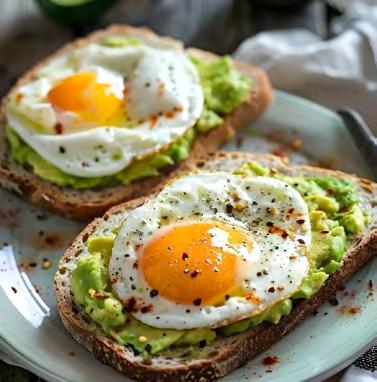
For a relaxed Easter morning, nothing beats a simple yet elevated toast and eggs combo. Think buttery toast topped with scrambled eggs, avocado slices, and maybe a sprinkle of pepper or cheese. You can keep it basic or get creative by adding sautéed veggies, baked beans, or even leftover chicken. It’s quick, filling, and feels just fancy enough for a holiday breakfast without requiring any real effort.


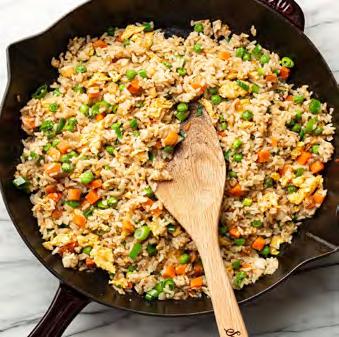
Fried rice doesn’t have to be complicated. With pre-cooked rice, mixed vegetables, and any protein you have on hand, you can whip up a quick version in minutes. A bit of oil, garlic, seasoning, and soy sauce (optional) is all it takes to bring everything together. It’s a perfect option when you want something familiar, filling, and fast.
This is the definition of low-effort, highreward. Season your chicken, toss it with chopped potatoes, onions, and spices in a pan, then let the oven do the work. Everything cooks together, the flavours blend beautifully, and you’re left with a hearty meal that feels like you tried much harder than you actually did. Plus, there’s minimal cleanup, which is always a win.

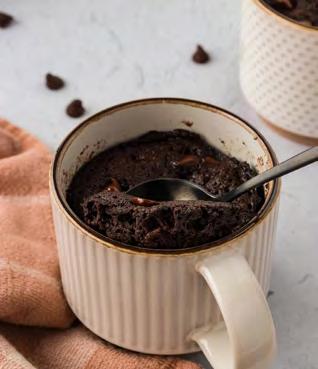
Easter without something sweet just feels incomplete. For a quick dessert, a chocolate mug cake is your best friend. Mix flour, cocoa powder, sugar, milk, and oil in a mug, microwave for a couple of minutes, and you have a soft, rich cake ready to enjoy. It’s warm, indulgent, and requires almost no effort, exactly what a lazy Easter calls for.
Less time cooking means more time resting, laughing, connecting, and simply enjoying the holiday. Good food should bring joy, not stress. And sometimes, the simplest meals are the ones that make the best memories. Because this Easter, it’s not about how long you spend in the kitchen. It’s about how well you enjoy everything outside of it.

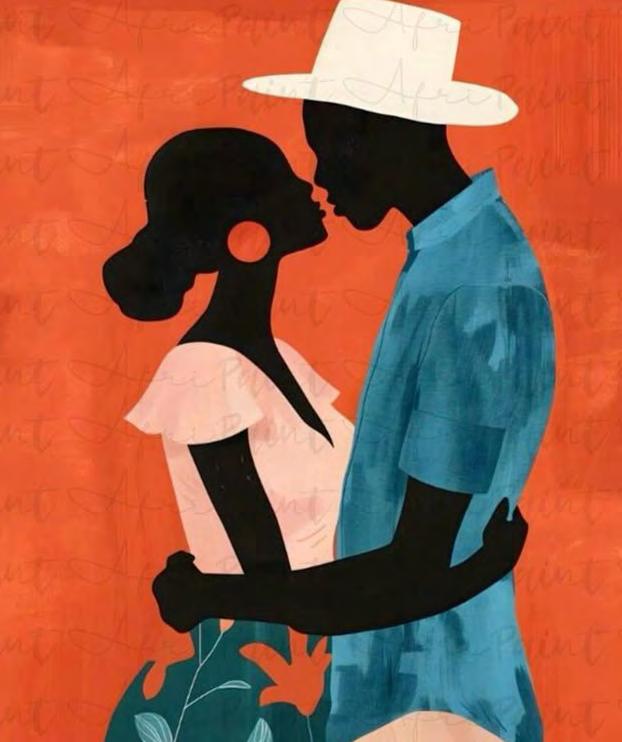
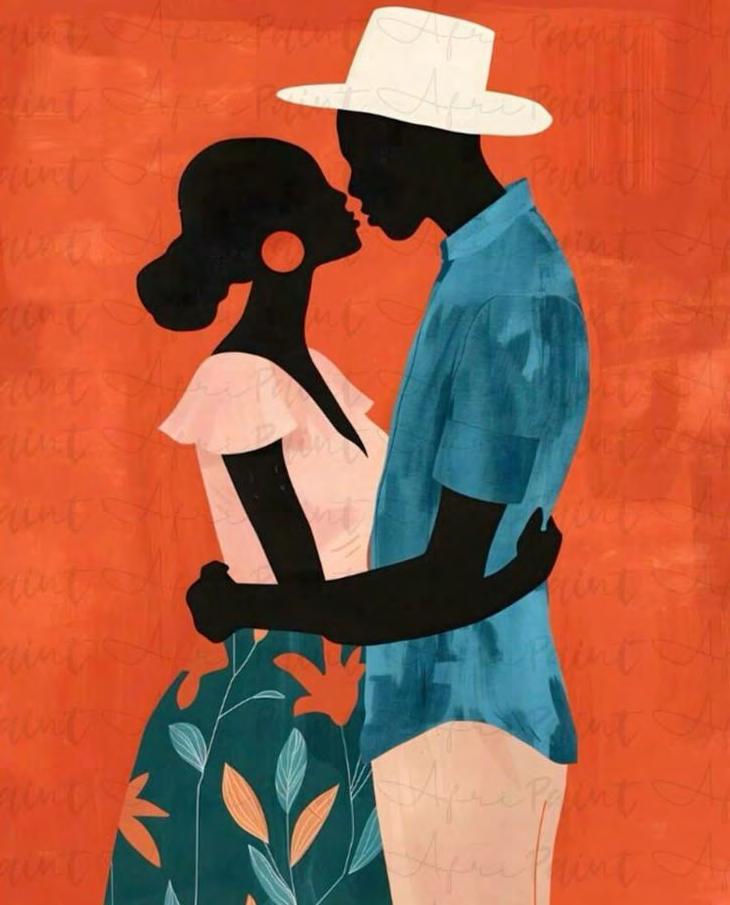
Iused to think love was supposed to hurt a little.
Not too much, just enough to make it feel real. At least, that’s what I told myself every time I stayed too long, forgave too quickly, or ignored the small voice in my head that kept asking, “Is this really it?”
I had been in relationships where I gave everything: my time, my energy, my peace, my body.
And in return, I got confusion. Mixed signals. Apologies that sounded nice but never changed anything. Still, I stayed. I thought maybe if I loved
harder, they would love me better. They never did.
At some point, I got tired. The kind that makes you step back and say, “I can’t keep doing this to myself.”
So, I stopped.
I stopped chasing. I stopped trying to prove my worth. I stopped answering late-night calls that only came when it was convenient for them. For the first time, I chose myself, even though it felt lonely at first.
That was when I met him.
It wasn’t anything dramatic. No instant sparks like in movies. We met in a normal way, had a normal
conversation, and went our separate ways. But something about him felt… calm.
When he texted later, I didn’t feel anxious. I didn’t stare at my phone, wondering when he would reply or what his message meant. It was just easy.
I kept waiting for the usual signs. The sudden change in behaviour. The inconsistency. The feeling of walking on eggshells. But none of that came.
He called when he said he would. He showed up when he promised. He listened, really listened when I spoke.
The first time I noticed something was different was one evening when I was upset. In the past, I would have hidden it or brushed it off, afraid of being called “too much.”
But with him, I said it.
And he didn’t dismiss me. He didn’t make me feel silly. He just said, “I understand. That makes sense.” Then he asked what he could do to make me feel better.
It caught me off guard.
I wasn’t used to that kind of softness.
Slowly, I started to relax around him. I laughed more. I spoke more freely. I didn’t feel like I had to shrink myself to keep the peace. Before I knew it, I was no longer overthinking everything.
I wasn’t checking my phone every second. I wasn’t replaying conversations in my head, trying to find hidden meanings. I wasn’t scared of losing him over small things.
I just felt safe.
And that scared me a little, too. Because for so long, I had connected love with stress, with uncertainty, with emotional ups and downs. This felt different. This felt quiet.
But I realised something important:
Love is not supposed to feel like a battle. It’s not supposed to leave you drained or questioning your worth. It’s not supposed to make you feel like you have to earn basic care and respect. Real love feels like peace. It feels like knowing someone has your back without you having to beg for it. It feels like being seen and accepted, not managed or tolerated. Meeting him didn’t just change how I saw love. It changed how I saw myself. I stopped settling. I stopped doubting whether I deserved something good. I stopped thinking I had to suffer to be loved. For the first time, I understood that love could be gentle. It could be kind. It could be simple. And maybe that’s what true love is. Not the confusing kind I used to chase. But the kind that feels like home.
BY BOLUWATIFE ADESINA

Russian-born director Kirill Sokolov (Why Don’t You Just Die, No Looking Back) delivers a perfectly serviceable horror comedy with his latest film, They Will Kill You. Co-written with Alex Litvak, the film boasts an impressive ensemble that includes Zazie Beetz (Joker, Good Luck Have Fun Don’t Die), Industry star Myha’la, Harry Potter alum Tom Felton, Heather Graham, and Oscar-winner Patricia Arquette.
Asia Reaves (Beetz), freshly released from prison, lands what seems like a simple housekeeping job at The Virgil, an upscale New York residential building that is pristine, quiet, and strangely strict about its rules. It doesn’t take long before the cracks begin to show. Staff and tenants behave oddly, certain areas are completely off-limits, and newcomers have a habit of vanishing without explanation. Asia soon realises the building isn’t merely hiding secrets; it’s designed to trap her and everyone who came before her, with no way out.
They Will Kill You doesn’t really do subtlety. It is loud, chaotic, and unapologetically over-thetop from start to finish. Sokolov knows exactly what kind of film he wants to make and wastes no time pretending otherwise. From the moment Asia steps into The Virgil, the tone is locked in. Violent, strange, and more than a little ridiculous, his film leans gleefully into its cocktail of horror, dark comedy, and Blaxploitation, but is too often a little too desperate for cult status in the way it chooses to tell the story.
Beetz delivers a confident physical performance that suits the actionheavy register perfectly. She brings just enough grit and attitude to keep things grounded as the story spirals into absurdity. For her part, Myha’la adds some emotional texture as Asia’s estranged sister Maria, though their relationship never receives the development it deserves. Arquette, meanwhile, looks like she’s having the time of her life, even if her character doesn’t stray far beyond cult-member archetype.
The action sequences are the film’s undisputed highlight. Sokolov stages them with real energy and ingenuity, turning the building’s tight corridors, air vents, and lifts into a playground for choreographed chaos. The stylised violence and dark humour – look out for a hilarious sequence involving a singular eyeball seeing more action than its owner ever intended for.
The trouble is that They Will Kill You begins to run on fumes in its final act. The formula of fight, gore, and joke starts to repeat without meaningful escalation, and the story is too thin to compensate. Gestures toward themes of class and family are quickly swallowed by the spectacle, and a handful of stylistic choices, including some gratuitous shots that feel a touch dated.
But Sokolov isn’t making a film that strains for profundity, and that selfawareness counts for something. They Will Kill You is messy, excessive, and uneven in places, but if you’re in the mood for something wild and unpretentious, it delivers exactly what it promises.
Rating:7/10 it’s fun, until it isn’t
Last year’s Disney+ revival of Daredevil: Born Again was as shockingly brutal as the Marvel superhero show’s earlier Netflix run. It was also just as engaging, a neat trick considering the original “Daredevil” was a landmark of gritty TV comic book adaptations.

Scan this with your camera or click to access the playlist (Youtube Music)

Scan this with your camera or click to access the playlist (Spotify)

So it shouldn’t be surprising that Season 2 is even better. “Born Again” is just as bloody, with big, bone-crunching fights climaxing seven of its eight episodes (the outlier ends in operatic tragedy). But engrossing as ever.
Showrunner Dario Scardapane expertly crafts each hour to move the plot, characters and themes toward both their blowout conclusions and larger narrative payoffs.
As set up in Season 1, the blind justiceseeker’s struggles rise to a new existential plane here as he tries to save New York City, and by extension America, from criminal authoritarianism. The show’s barely allegorical depictions of repression, resistance and political chicanery are so prescient that you wonder if “Born Again” and “The Boys’” writers’ rooms share a water fountain.
But personal interactions are the show’s real strength. More than ever, the lead antagonists’ handful of confrontations are high points.
Matt Murdock (Charlie Cox, boasting the best torso and beard stubble on television) returns as the visually impaired, for-thepeople attorney. His enhanced remaining senses make him a formidable crime fighter when he dons the black-and-red costume with double Ds on his chest.
Meanwhile, 325-pound Wilson Fisk (Vincent D’Onofrio) has gone from being a mob Kingpin to mayor on a make-thecity-great-again platform. He uses his new power to target masked vigilantes like Daredevil, who interfere with his corrupt schemes.
Both larger-than-life characters have their frailties. Murdock/Daredevil wrestles with sadomasochistic tendencies and Catholic guilt, never quite sure he’s doing the right thing or, if so, doing it right. For all his evil ruthlessness, Fisk deeply loves his artist wife Vanessa (Ayelet Zurer) and may have convinced himself — like some of the regular citizenry we see praising him in propaganda videos — that he has New York City’s best interests at heart.
The duo’s direct clashes whiplash with motivational complexity as well as physical lashing out.
Then there’s the holdover supporting roles, who have either deepened psychologically or blossomed entertainingly — or both.
Karen Page (Deborah Ann Woll), Murdock’s onetime paralegal and now Daredevil’s outlaw accomplice/lover on the run, proves a deft undercover operative with unexpected combat skills. She’s also consumed by vengeful rage, much of it directed at the unstable assassin Bullseye (Wilson Bethel). Seeking his own strange idea of absolution, Bullseye wants to help Daredevil by, say, wiping out one of Fisk’s ICE-like, AntiVigilante Task Force goon squads in a spectacularly staged diner ambush.
Another of Fisk’s enforcers, the British ex-military Buck Cashman (Arty Froushan), comes into his suavely despicable own. He is especially effective when intimidating the deputy mayor for communications, Daniel Blake, whom Michael Gandolfini plays as more than a glib dudebro this time.
Also joining Fisk’s team is psychotherapist


Heather Glenn (Margarita Levieva), Murdock’s traumatised ex-girlfriend. When she and Karen meet, delectable nastiness is served.
Matthew Lillard (“Scream 7”) brings his gonzo approach to new character Mr. Charles, who represents mysterious, powerful interests. He’s like the Joker without the clown makeup, but as dangerous and unpredictable.
For hardcore fans, the return of Krysten Ritter, reprising her role of Jessica Jones from the Netflix-era Marvel shows, is an added thrill. She arrives just in time to kick more of Fisk’s Anti-Vigilante Task Force butt.
I once believed the only thing that could make “Born Again” better would be adding the superstrong private eye, and Ritter, who enters the fray in Episode 6, doesn’t disappoint.
But Jessica Jones isn’t the new season’s sole improvement.
Scardapone digs deeper into personal and societal dysfunction than ever. He also brings last year’s dangling story threads to satisfying conclusions. Better still, it’s all informed by the great concerns — law, religion, violence, that have always driven “Daredevil” forward.
The setup for Season 3 looks awesome.