HIV Criminalization and Women
Last updated: June 17, 2026
Together, we can change the course of the HIV epidemic…one woman at a time. #onewomanatatime
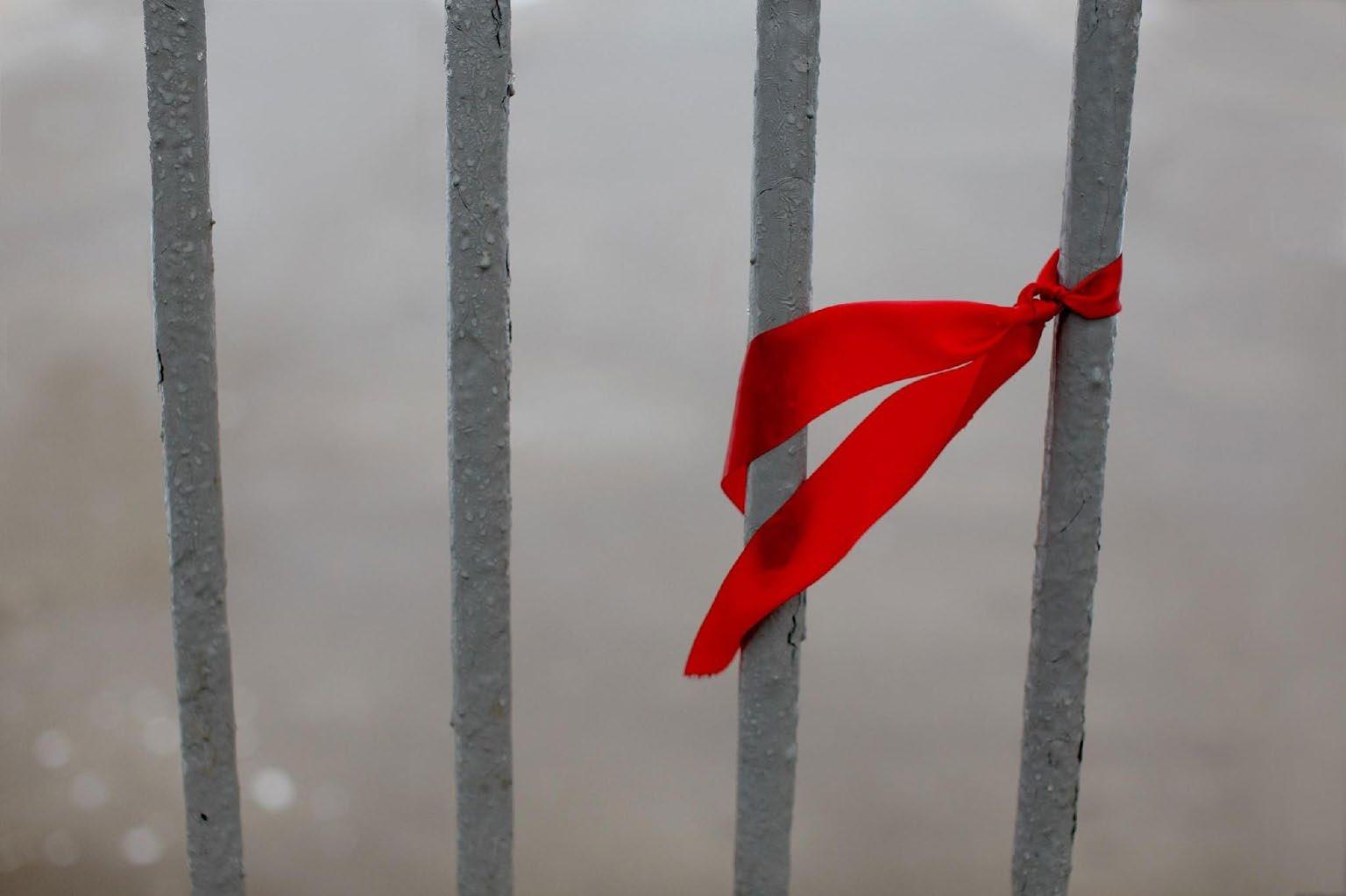
• No one should be punished simply because they have a health condition – But many areas of the world have laws and practices that unfairly punish people living with HIV
• This is often called HIV criminalization
Is
Is HIV Criminalization?
• 86 countries (in 2024) have HIV-specific criminal laws
• If no HIV criminalization laws, general laws may be used because someone is living with HIV
– Example: Julie Graham of Pennsylvania
• People with HIV can face criminal charges for engaging in acts not considered criminal if done by an HIVnegative person – E.g.: consensual sex with another adult
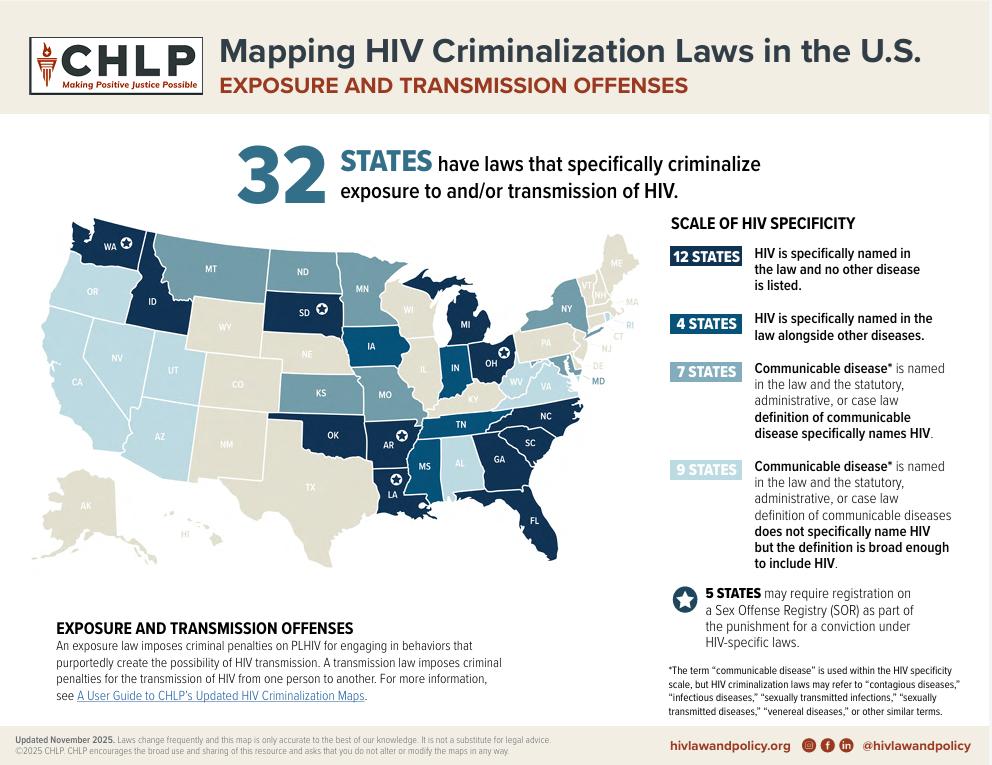
Source: Center for HIV Law and Policy (https://www.hivlawandpolicy.org/maps) www.thewellproject.org
Most known HIV criminalization cases are not about HIV transmission
• Focused on alleged HIV non-disclosure (someone claims their partner did not tell them that they were living with HIV)
– Pits the word of two partners against one another
– Almost impossible to truly prove
• Sometimes there is zero, or an extremely low, chance of HIV transmission
Where
Do These Laws Come From?
• World’s first HIV-related prosecutions and laws happened in the mid-late 1980s
– At that time, HIV was truly a death sentence for millions
– Laws were an attempt to control a raging epidemic that virtually no one understood
• Spread the myth that people with HIV were dangerous "monsters,“ and that risk of "intentional infection" was high
• Effective HIV drugs now extend and improve the lives of people living with HIV, reduce transmission risk to effectively zero
• However, irrational fears, not current scientific knowledge about HIV, is basis for laws
• Numbers of cases and laws have decreased slightly in recent years
Years of global advocacy to decriminalize HIV is working
What
Is the Impact of These Laws?
• No evidence of any public health benefit
• Increase stigma and discrimination
• Make it harder for people to be tested, trust health professionals, get treatment if needed
• Most laws only require that a person knew they were living with HIV in order to prosecute them
– Punishes people for healthful behavior of getting tested
• Especially true of whoever in a relationship knew their HIV status first (most often the woman)
Example: Samukelisiwe Mlilo of Zimbabwe
Do These Laws Help Women?
• Common argument for HIV criminalization laws: They protect women from partners who might be dishonest about their HIV status -- or violent towards them, increasing their vulnerability to HIV
• These laws do not promote honesty, heal violence, or address epidemic of gender-based violence and uneven power dynamics – More often used as tools of abuse, harassment, or coercion
Do These Laws Help Women?
• Women who are prosecuted, or even accused, in HIV criminal cases may lose housing, child custody, access to services, and much more
–
E.g. U.S. state of Louisiana, a person must register as a sex offender -- makes it difficult to rebuild her life
• Communities already subject to over-policing and incarceration bear highest burden of HIV charges
– E.g. sex workers (or those perceived to be engaging in sex work), communities of color
– Example: CJ Palmer of Australia
Criminalization and Family Policing
• Grounded in surveillance and control of Black, Indigenous, and poor people
• Spike in foster care caseloads coincides with > incarceration of women + < welfare benefits in 1980s and 1990s
• Structured to funnel families toward child removal, not provide services or support where needed
• A CPS referral is not
a way to help someone engage in
care
Adapted from “Destigmatizing Parenting and Pregnancy for People Living with HIV: 2025
Annual Perinatal HIV Roundtable”
Criminalization and Family Policing
• Numerous reports from parents with HIV � providers threatening or making CPS calls to report desire to breast/chestfeed
• Harm of being watched and monitored by authorities, often in their own home, threat of or actually having children taken away
• Increase HIV stigma; can drive people to breast/chestfeed in secret, without clinical support
• Guidelines now point out damage of CPS reporting causes; warn providers against engaging CPS for infant-feeding inquiries
Expanding Perspectives
What about people who "intentionally infect" others with HIV?
Shouldn't they be punished?
• Specific intent to harm by transmitting HIV is very rare
• Not disclosing does not mean “intentionally infecting”
– Sex or contact with a person living with HIV does not automatically = transmission
– Saying "I am living with HIV" is not always a safe option
• Opposing stigmatizing HIV laws helps make HIV disclosure safer
– Could join advocacy group or educate people in community
Expanding Perspectives
What if someone living with HIV, including a partner, rapes or molests someone else?
• Rape and molestation are intentional; living with HIV and committing these acts is not equal to an intent to transmit HIV
• Laws against sexual violence – often poorly enforced
• Criminalizing people because of their HIV status does not protect women from sexual assault
• Rape is a crime – HIV is not a crime
Expanding Perspectives
My partner didn't tell me he was living with HIV; now I am living with it. Isn't my only option to send him to jail?
• Understandable that you are angry. However:
– Living with HIV is no longer death sentence; prosecuting someone could ruin a life
– Changing your mind after filing a complaint may not stop an investigation or prosecution
• Restorative justice and similar approaches may help heal rifts resulting from HIV transmission
• Laws worsen HIV stigma
Expanding Perspectives
How can we use "Undetectable Equals
Untransmittable" to fight these outdated laws?
• Do share current scientific information about HIV
– U=U: shows importance of removing barriers to HIV care
• Be careful not to spread false idea that, without HIV drugs and an undetectable viral load, legal punishment of people living with HIV is acceptable
– HIV criminalization is harmful to public health
– Never appropriate, no matter the person's viral load
• U=U can be used as defense in individual cases
– Example: El in Malawi
Tools for Change
How can we use "Undetectable Equals
Untransmittable" to fight these outdated laws?
• Worth noting: Women may have a harder time getting their viral loads to undetectable
– More likely to be diagnosed later in life than men
– Prioritize health of others over their own
– Higher rates of violence, poverty, resulting instability
• Can make it hard to be consistent with medication
Tools for Change
What if someone brings charges against me for HIV nondisclosure?
• Know your rights: In the U.S., you do not have to speak with anyone without a lawyer present
• Get help: Get represented by people who understand HIV and HIV criminalization
– Contact a local HIV organization, legal clinic or anticriminalization group
• Know that you are not alone: Many people have faced such charges; a global movement is fighting these laws
• To learn more, and for links to articles featuring more details, please read the full fact sheet: – HIV Criminalization and Women
• For more fact sheets and to connect to our community of women living with HIV, visit:
• www.thewellproject.org
• @thewellprojecthiv.bsky.social
• www.facebook.com/thewellproject
• www.instagram.com/thewellprojecthiv/
• www.threads.net/@thewellprojecthiv
• www.youtube.com/thewellprojecthiv
www.thewellproject.org