IMPACT REPORT
VISION
A future where all of humanity can adapt and thrive alongside nature in a changing world
MISSION
To reduce the vulnerability of people, communities, ecosystems, and economies through transformative approaches to interconnected environmental and social challenges
LETTER FROM THE CHAIRMAN OF THE BOARD AND THE PRESIDENT & CEO
Water shapes who we are. In many coastal and inland communities, water is both a defining strength and an existential challenge.
The Water Institute was founded in the aftermath of crisis, but it has always been focused on what comes next. Built on science, innovation, collaboration, and a deep respect for place, the Institute exists to help communities adapt and thrive alongside nature in a changing world. That purpose has never been more urgent than it is today.
In 2025, our organization began living our purpose more intentionally, guided by a newly adopted fiveyear strategic framework that challenges us to think bigger, act more deliberately, and grow our impact with clarity and focus. This is not about changing who we are. It is about proactively showing up for communities, partners, and decision makers.
The work highlighted in this Impact Report reflects that shift. You will see a deepening of our collaborative role, connecting across sectors and disciplines to address challenges no institution can solve alone. You will see how The Water Institute is expanding community-led support across the Gulf and beyond, working alongside local leaders to turn science-backed data into action. And you will see innovation moving into practice as methodologies, models, and technology inform decisions to reduce vulnerability and build resilience.
While our roots remain firmly planted in Louisiana, our place-based expertise is increasingly being applied across and beyond the Gulf Coast. The challenges facing coastal and riverine communities are shared, and the lessons developed here through experience, science, and partnership are relevant wherever water shapes people, ecosystems, and economies.
As we look ahead, we recognize that sustaining our impact is important. Strengthening our organization, investing in our people, and stewarding philanthropic support are essential to ensuring our work continues to serve communities over the long term. We are deeply grateful to the partners, donors, and all those who make this work possible and who share our belief in science-informed decision making.
This report is both a reflection on the past year and a signal of what comes next. The challenges ahead are complex but not insurmountable. With ingenuity, collaboration, and a commitment to proactively growing our impact, we can continue to reduce vulnerability and help shape a future where communities are prepared—not just for the next storm, but for generations to come.
Thank you for your interest in this work. Together we can shape decisions for the future.
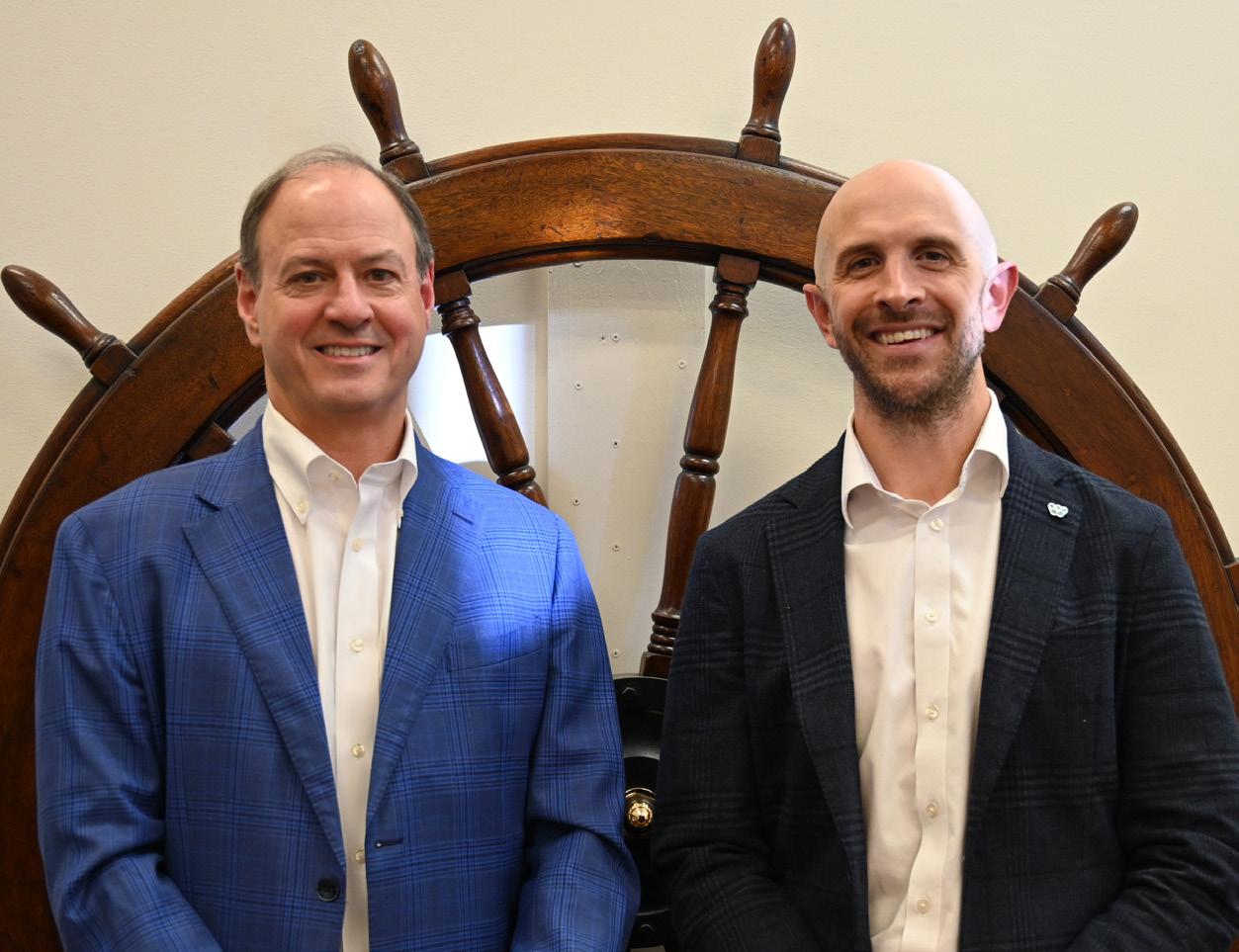
Merritt Lane Chairman of the Board
Beaux Jones President & CEO
BOARD OF DIRECTORS
H. Merritt Lane, III Chair
Christian T. Brown Vice Chair
J. Gerard Jolly Secretary and Treasurer
Beaux Jones President and CEO
Efi Foufoula-Georgiou, PhD
Gerry Galloway, PhD
Norma Jean Mattei, PhD
Oliver G. “Rick” Richard III
Vikki N. Spruill
Mary Ann Sternberg
Mike Katz
Mark R. Wingate, PE
THE WATER INSTITUTE’S STRATEGIC FRAMEWORK
The Water Institute is entering a new era of growth and impact. Our 2025–2030 Strategic Framework charts the course for the next five years, building on our roots in Louisiana and expanding our impact to the Gulf Coast and beyond. Guided by our mission and vision, we are strengthening our role as a trusted partner at the intersection of science, strategy, and collaboration.
This framework is more than a roadmap—it’s a commitment to lead with vision and creativity. By investing in innovation, community-driven work, and institutional excellence, we are charting a path forward that is both proactive and transformative.
PROACTIVELY GROWING OUR IMPACT
IMPACT IN ACTION
Areas where the Institute has brought unique skills and advanced science and practice to create meaningful impact
RESTORING THE VANISHING COAST
Valuing wetlands, which offer immense environmental, economic, and social benefits
SUPPORTING PLANTS AND ANIMALS AT RISK
Science-based guidance and stakeholder coordination to maximize whole ecosystem restoration and ensure long-term resilience
STRENGTHENING RESILIENCE IN AN UNCERTAIN FUTURE
Bringing innovative planning and decision-making expertise, grounded in science and local perspectives to communities
UNDERSTANDING EVOLVING FLOOD RISKS
Advancing the science of flood risk assessment and translation to help communities understand the extent of their risk and vulnerability and take appropriate action
MANAGING SEDIMENT RESOURCES
Transdisciplinary and science-based approaches to manage sediment as a scarce and vital natural resource
ADVANCING COMMUNITY-LED ACTION
Bringing knowledge and expertise to coastal communities, ensuring they have the resources and support needed to thrive alongside nature in a changing future
IMPACT IN ACTION
Guided by our newly adopted five-year Strategic Framework, we acted with intention in 2025—deepening partnerships, standing alongside communities, and applying innovative tools and methods.
The stories that follow reflect how our mission comes to life through collaboration, community-led action and innovation. They reflect The Water Institute’s focus on supporting neighbors navigating uncertainty, plants and animals at risk, leaders making difficult decisions, and communities working toward stronger futures.
Water Institute 2025 By the Numbers 80+ EMPLOYEES across 14 states
PROJECTS in 2025 at the local, state, and national levels
14 PEER-REVIEWED JOURNAL ARTICLES Published
48 NEW RESEARCH ENGAGEMENTS
7% REPRESENTED of the Institute’s total revenues PHILANTHROPY CHARITABLE GIVING INCREASED 250% over 2024
Complex challenges cannot be solved in isolation, they require collaboration that bridges disciplines, sectors, and communities. In 2025 we set forth to strengthen our partnerships across sectors and geographies—bringing together researchers, communities, agencies, industry, and academia. Here are some of the year’s partnerships that reflect the power of shared purpose.
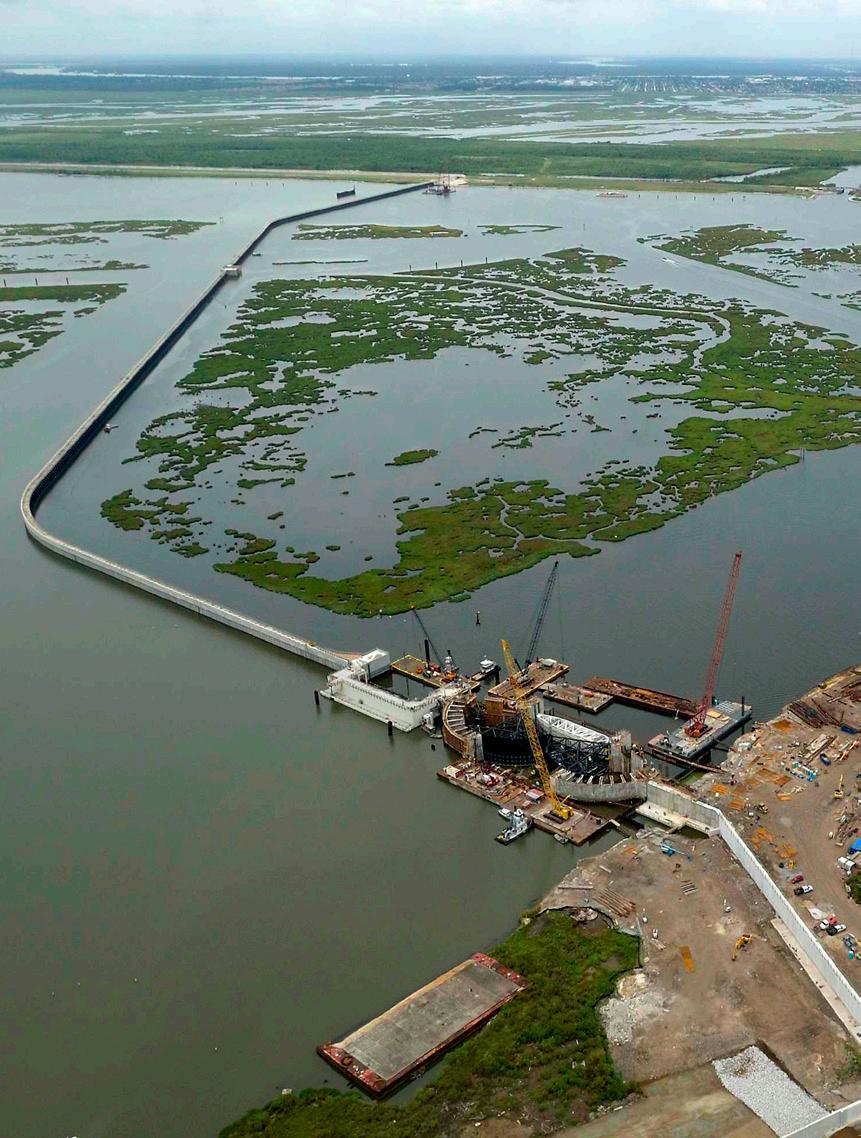
Evaluating 20 years of Coastal Investment
In the lead-up to the 20th anniversary of hurricanes Katrina and Rita, the Louisiana Coastal Protection and Restoration Authority (CPRA) Coastal Master Plan team sought to explore how investments in building land and restoring ecosystems, improving structural risk reduction systems, and supporting flood risk mitigation through nonstructural efforts have reduced flood risk across Louisiana’s coast. EXECUTIVE SUMMARY


AREA OF IMPACT
RESTORING THE VANISHING COAST STRENGTHENING RESILIENCE IN AN UNCERTAIN FUTURE
Building on tools developed for the 2023 Coastal Master Plan, The Water Institute used advanced hindcast modeling to assess the real-world benefits of post-Katrina investments—providing evidence to guide and justify the next generation of coastal protection and restoration decisions. The $18 billion investment in the Greater New Orleans Hurricane and Storm Damage Risk Reduction System (HSDRRS), for example, has already paid for itself and will continue to do so, preventing flooding and avoiding billions of dollars in damage.
“Twenty years after Katrina, we can say with confidence that Louisiana is safer, stronger, and more resilient. The Hindcast findings tell us investments we’ve made have protected countless lives and livelihoods, and we are committed to building on this progress for generations to come.”
MICHAEL
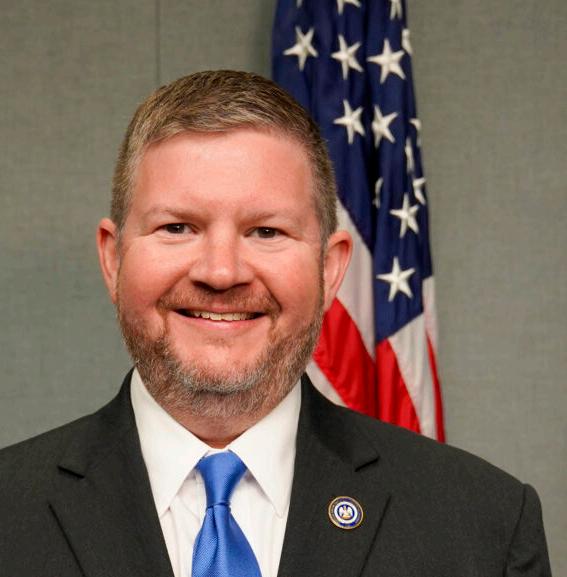
HARE Executive Director, Louisiana Coastal Protection and Restoration Authority
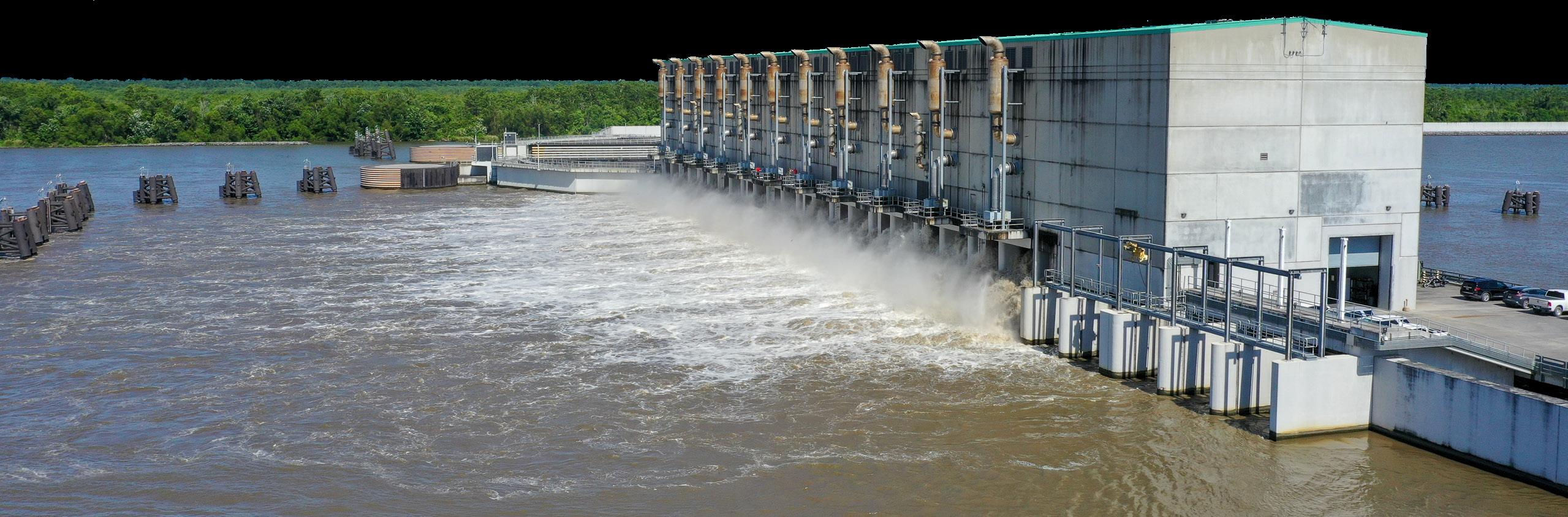
Top: A Coastwide Risk Reduction Hindcast (2005 to Present) executive summary of a report produced August 2025 with Purdue University and the Coastal Protection and Restoration Authority of Louisiana.
Bottom: Gulf Intracoastal Waterway West Closure Complex, Belle Chasse, Louisiana. Photo credit: Louisiana Coastal Protection and Restoration Authority.
Monitoring Across the Food Web to Strengthen Ecosystems, Communities, and Economies
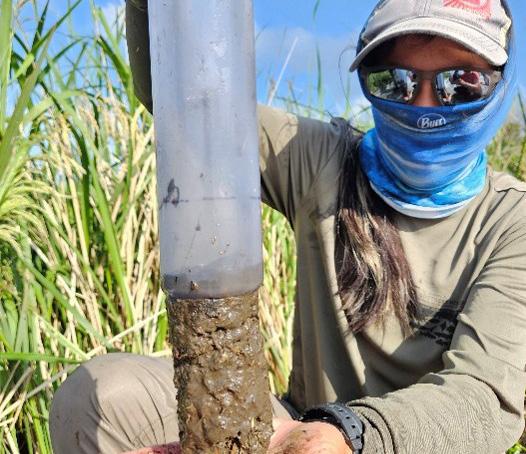
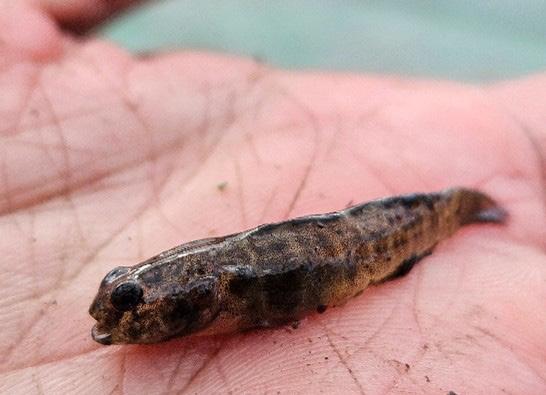
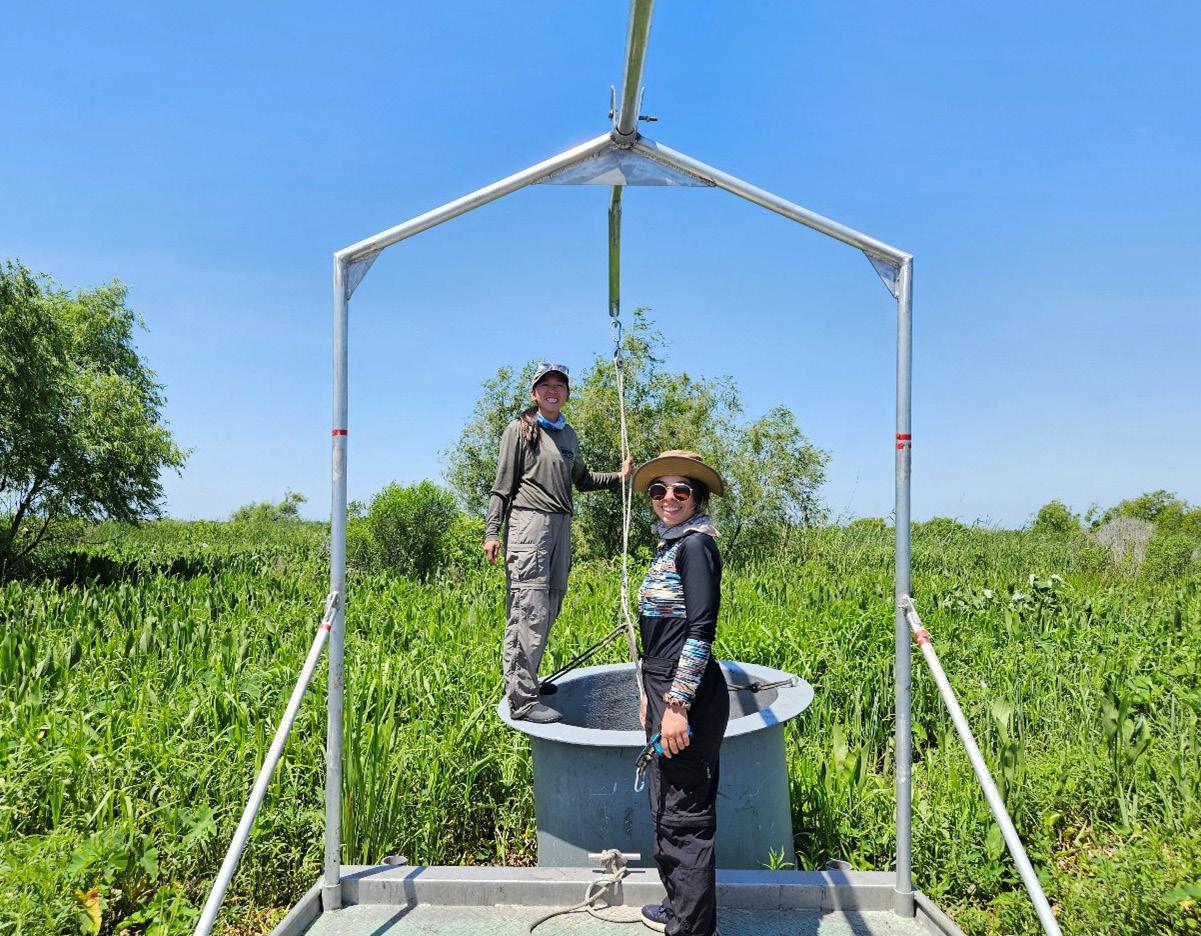
Healthy marsh basins mean stronger fisheries, more resilient ecosystems, and greater long-term benefits for coastal communities that rely on Louisiana’s wetlands for jobs, culture, and protection. In the Barataria Basin of Louisiana, The Water Institute Coastal Ecology team is studying critters at the base of the food web as well as how that energy flows up to higher consumers that live in natural and restored marshes in southeastern Louisiana. These organisms serve an important role in feeding commercially and recreationally important wildlife such as fish, shrimp, crabs, and birds. These Lower Trophic Level and Nekton monitoring activities help support the assessment of restoration outcomes and are collaborative, multi-year efforts led by the Institute.
Partners include National Oceanic and Atmospheric Administration (NOAA), the U.S. Geological Survey, Louisiana State University, University of California Santa Cruz, Florida State University, and the University of Louisiana at Lafayette. This work is part of a cooperative agreement between NOAA and The Water Institute under the Damage Assessment, Remediation and Restoration Program (DARRP), which restores natural resources after disasters like oil spills or releases of hazardous waste. In 2025, NOAA extended the initial five-year cooperative agreement though 2029, continuing the DARRP activities and providing NOAA DARRP with flexible scientific capacity to support restoration evaluation and long-term adaptive management.
AREA(S) OF IMPACT
RESTORING THE VANISHING COAST SUPPORTING PLANTS AND ANIMALS AT RISK
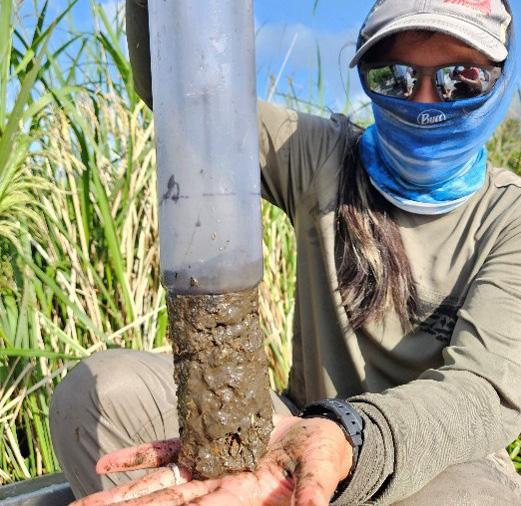
Top: Coastal Ecologist Emelia Marshall extruding a sediment core as part of Lower Trophic Level monitoring of key environmental factors such as water quality and vegetation.
Middle: Goby fish a Nekton species collected from the drop sampler by the Coastal Ecology field team.
Bottom: Emelia Marshall (left) and Geoscientist Maricel Beltrán-Burgos (right) deploying the drop sampler in freshwater marsh edge habitat in Barataria Basin.
A Wild Comeback
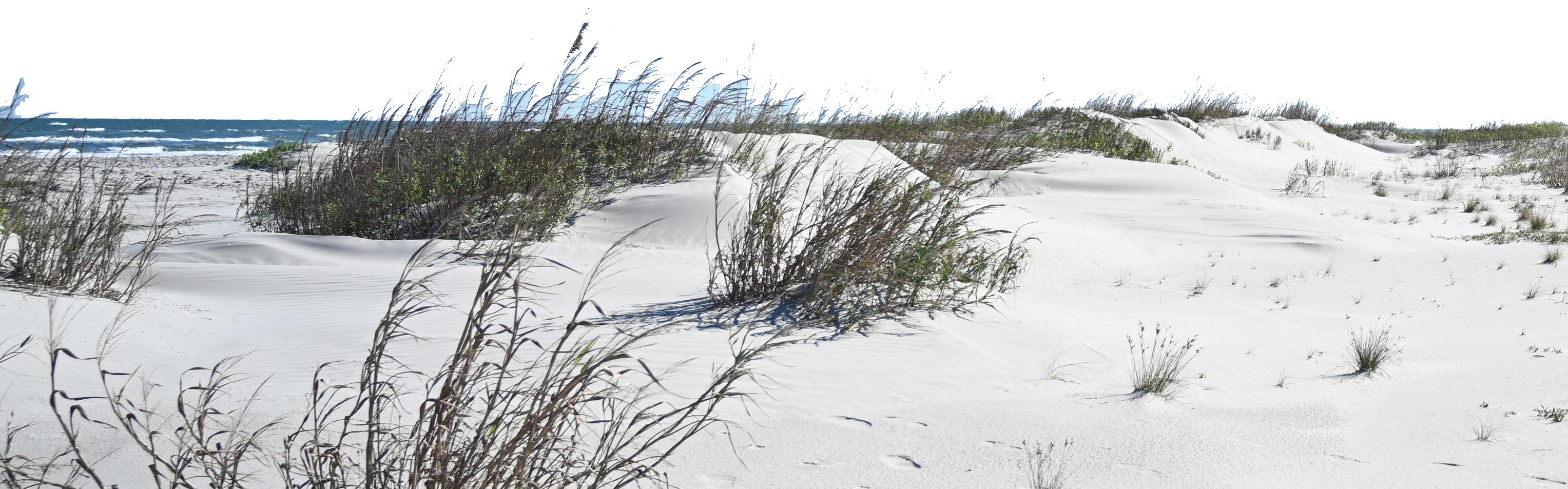
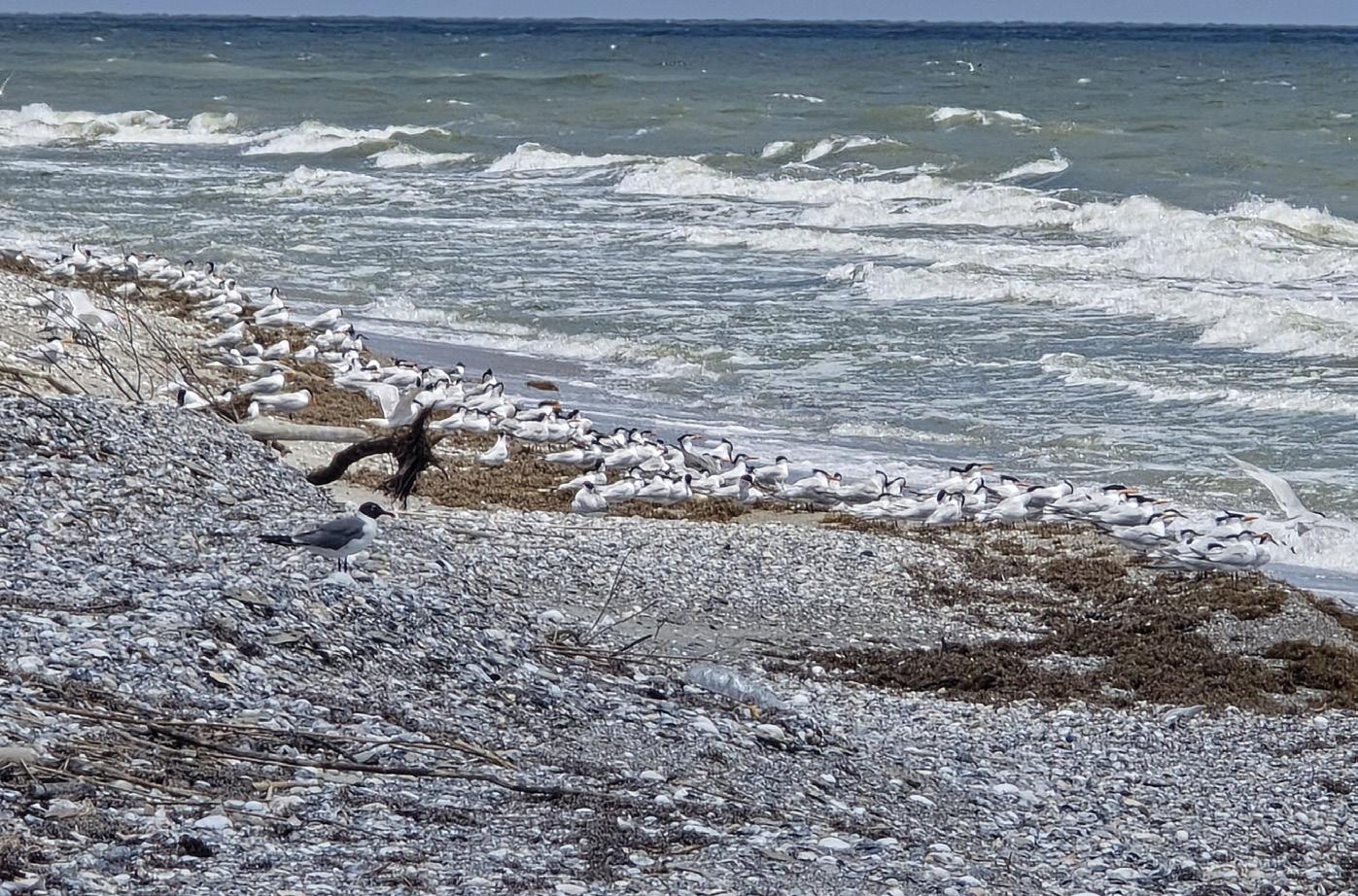
The Chandeleur Islands are a critical barrier island chain located within the Breton National Wildlife Refuge which serve as vital habitat for nesting sea turtles, migratory birds, and marine life, as well as the first line of defense from storms. The Institute is working with the U.S. Fish and Wildlife Service and partners to restore the Chandeleur Islands to have the greatest benefits, such as increased sea turtle and bird nesting activity on Louisiana’s barrier island chain.
This collaborative multi-agency effort is a testament to the power of state, federal, and private partners working together to restore critical habitats and protect coastal wildlife. The Institute’s cross-disciplinary team brings together expertise across avian monitoring, sediment management, modeling, and remote sensing—providing technical analyses, modeling, and strategic support to the U.S. Fish and Wildlife Service and its partners.
AREA(S) OF IMPACT
STRENGTHENING RESILIENCE IN AN UNCERTAIN FUTURE
SUPPORTING PLANTS AND ANIMALS AT RISK
Top: Birds along the shore at the Chandeleur Islands, a critical barrier island within the Breton National Wildlife Refuge.
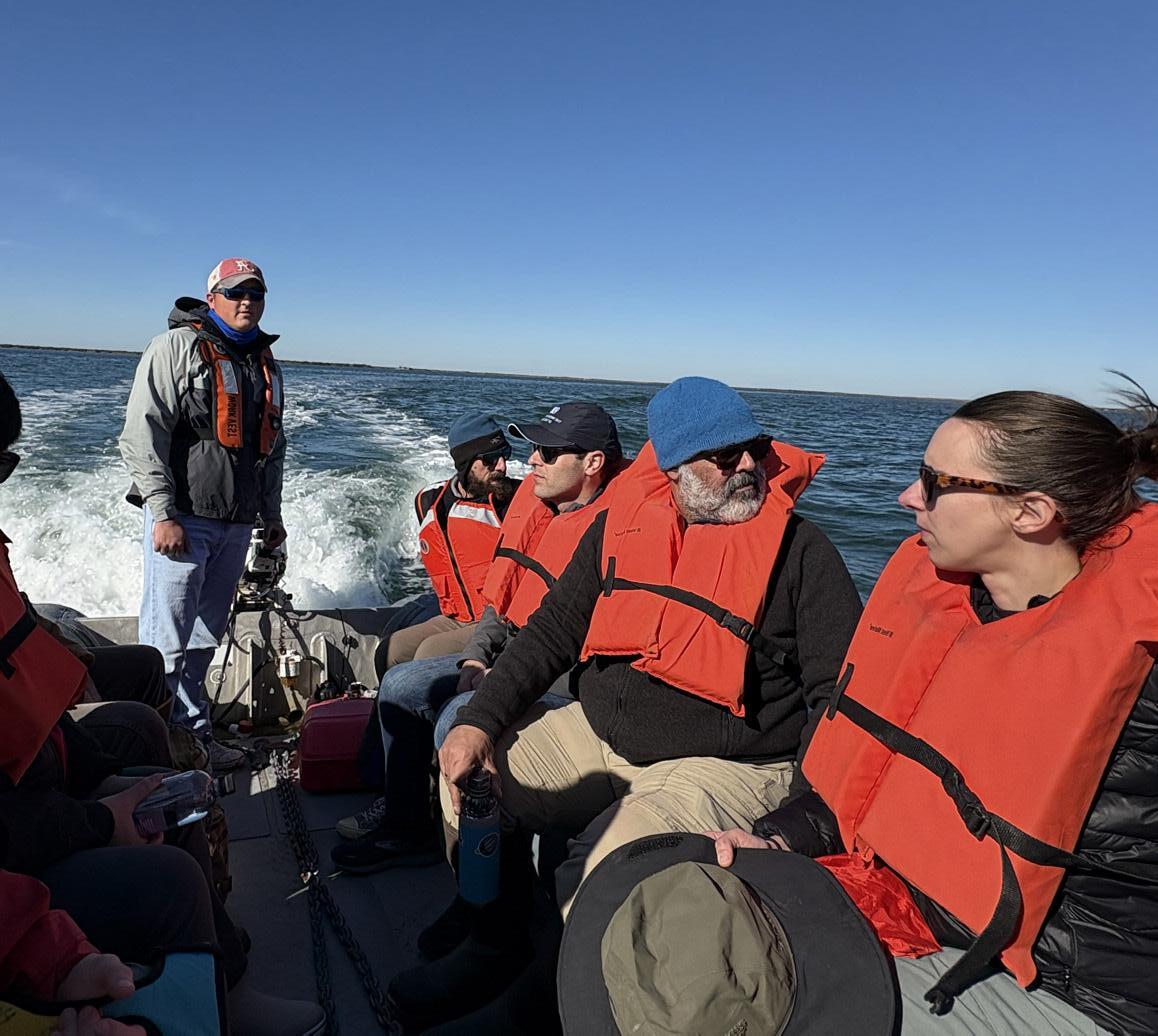
Bottom: Project partners visited the Chandeleur Islands project area with a team from The Water Institute as part of the planning and monitoring activities in the area.
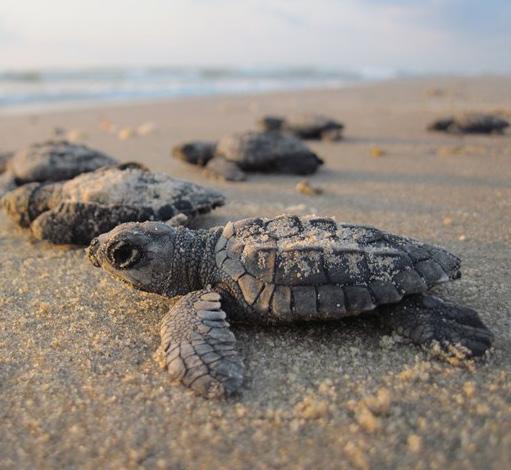
Right: Newly hatched Kemp’s ridley sea turtles crawl to the Gulf.
Photo credit: U.S. Geological Survey.
Advancing Resilience Along the Mississippi River
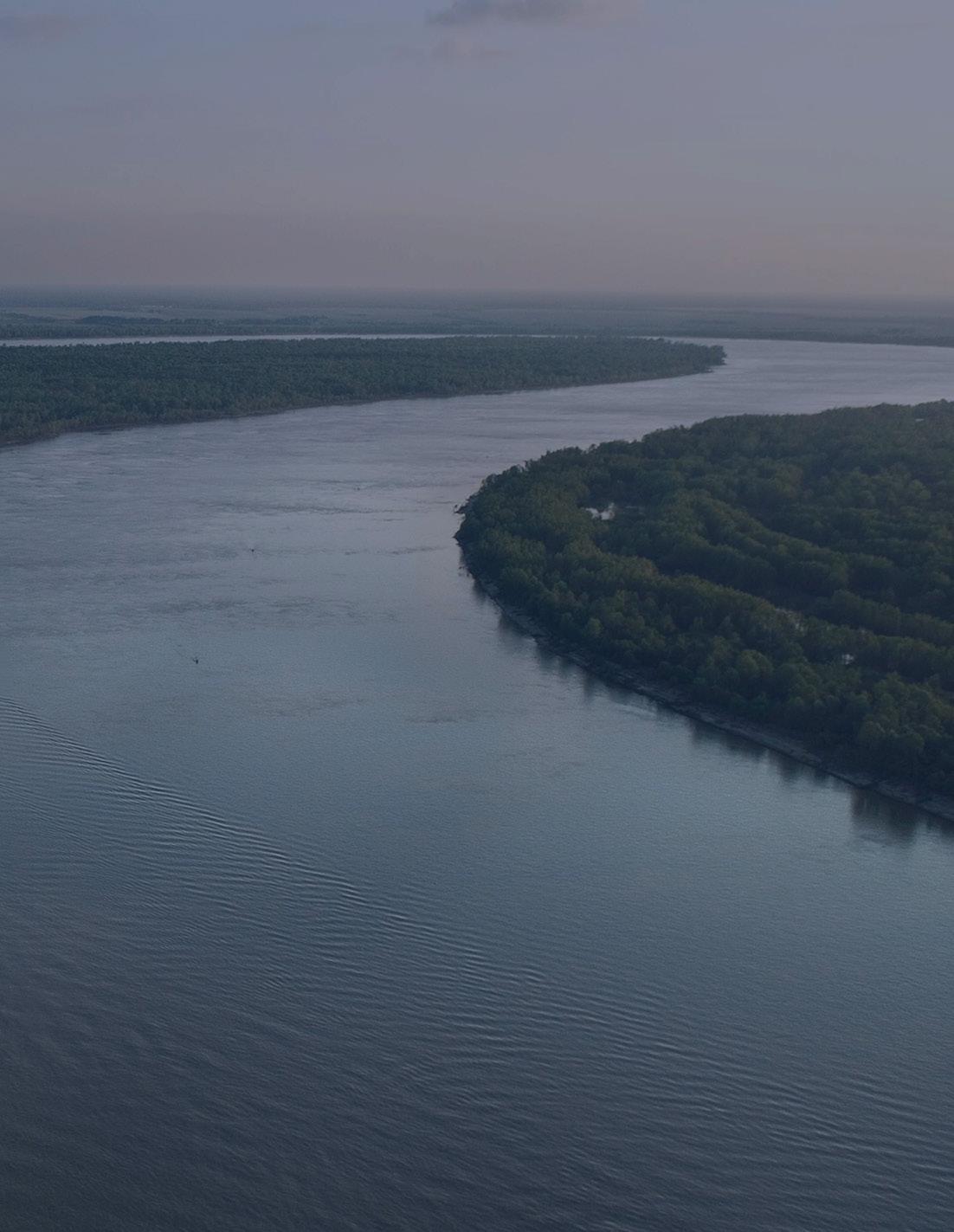
In 2025, The Water Institute joined forces with the University of New Orleans, Nunez Community College, and the California Institute of Technology to launch the Coastal Resilience through Effective Versatile Adaptation and Sediment Strategies for SeaLevel Rise Engagement (CREVASSE) initiative—an ambitious, multi-institutional incubator advancing coastal resilience in the Mississippi River Delta. By aligning research, education, and lived experience, CREVASSE connects institutions and communities to translate river dynamics into practical solutions for Louisiana’s future.
Designed to accelerate innovative approaches to crevasse restoration, CREVASSE brings together cutting-edge science, engineering, and community engagement to better manage sediment, strengthen wetlands, and protect navigation and infrastructure. The two-year effort also invests in workforce development, equipping the next generation of coastal practitioners with the tools and training needed to support adaptive, scienceinformed river management.
Putting
Sediment and Science to Work
AREA(S) OF IMPACT
RESTORING THE VANISHING COAST MANAGING SEDIMENT RESOURCES
The Partnership for Our Working Coast (POWC) is a public-private-non-profit alliance led by The Water Institute that brings together energy companies, conservation groups, local institutions, and community partners to strengthen Louisiana’s working coast. What began as a channel-deepening project at Port Fourchon became something more: an opportunity to use millions of cubic yards of dredged sediment to rebuild wetlands that protect infrastructure, restore habitat, and support coastal communities.
Through rigorous science and local engagement, partners have advanced nature-based restoration projects designed to withstand sea-level rise and storms—while generating measurable ecosystem and carbon benefits. The program created a Nature-Based Solutions Living Lab to facilitate collaboration and nurture the next generation to work creatively toward Louisiana’s future restoration needs. In 2025, the Living Lab expanded its impact by awarding three competitive grants to graduate students and researchers advancing solutions to critical regional challenges—from aging infrastructure and coastal erosion to climate change, economic diversification, and insurance resilience—ensuring this collaboration continues to invest in both place and people.
Convening a Basin-Wide Vision for the Next Century
In advance of the 100th anniversary of the Great Mississippi River Flood of 1927, The Water Institute partnered with the National Academies of Sciences, Engineering, and Medicine’s Gulf Research Program to frame and launch the Mississippi River 100 Initiative (MR100)—a bold, two-year, basin-wide initiative that explores the flood’s historical, cultural, scientific, economic, and policy impacts with the next 100 years in mind. Together, we built the framework and convened a growing network of collaborators spanning science and academia, government, industry, non-profit organizations, foundations, cultural organizations, and community leaders from across the Mississippi River Basin.
During this planning phase, initial partnerships, events, initiatives, and programming were identified and structured to make broad participation for organizations or individuals easy at any point during the next two years.
AREA(S) OF IMPACT
RESTORING THE VANISHING COAST
AREA(S) OF IMPACT
RESTORING THE VANISHING COAST
MANAGING SEDIMENT RESOURCES
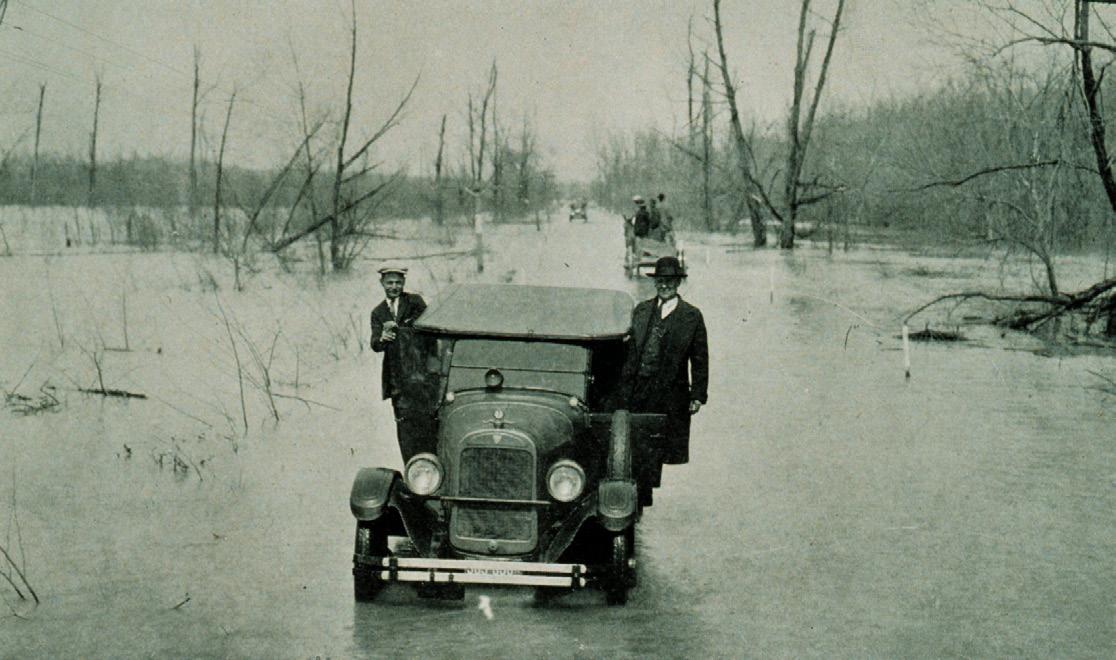
credit: NOAA.
Passengers seek refuge from flood waters upriver near Cairo, Illinois during the devastating 1927 Mississippi River flood that turned the river into an 80-mile-wide inland sea, displacing hundreds of thousands and reshaping communities along its course. Photo
EXTENDING IMPACT TO GEOGRAPHIES
WITH SIMILAR CHALLENGES
Louisiana and the Gulf Coast region are on the frontlines of some of the greatest challenges facing coastal, deltaic, and riverine communities around the globe—and at the forefront of associated approaches to tackling them. In 2025, while still rooted in the Gulf, The Water Institute team continued to offer place-based expertise to geographies facing similar challenges.
Nature-based Solutions at MacDill Air Force Base
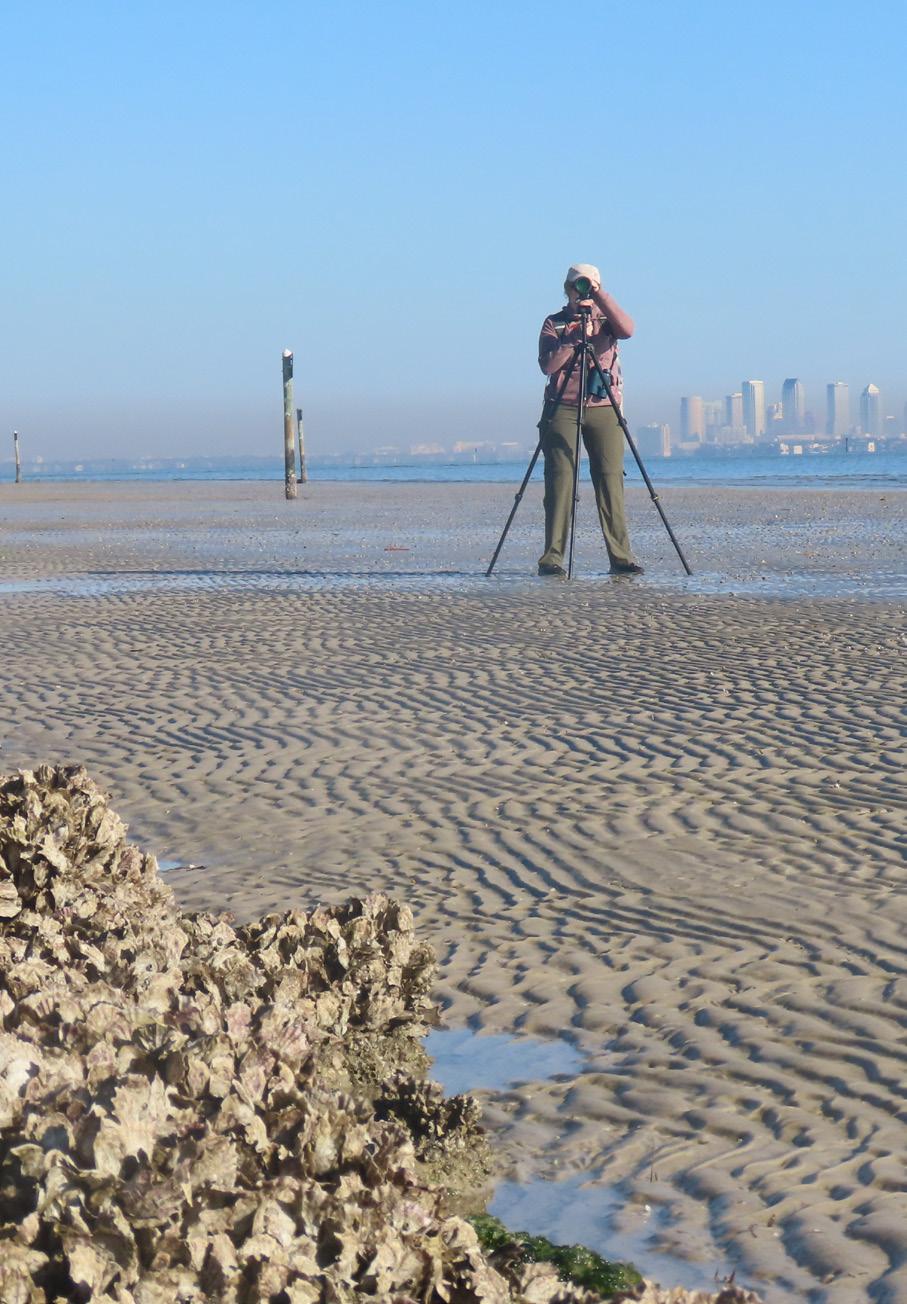
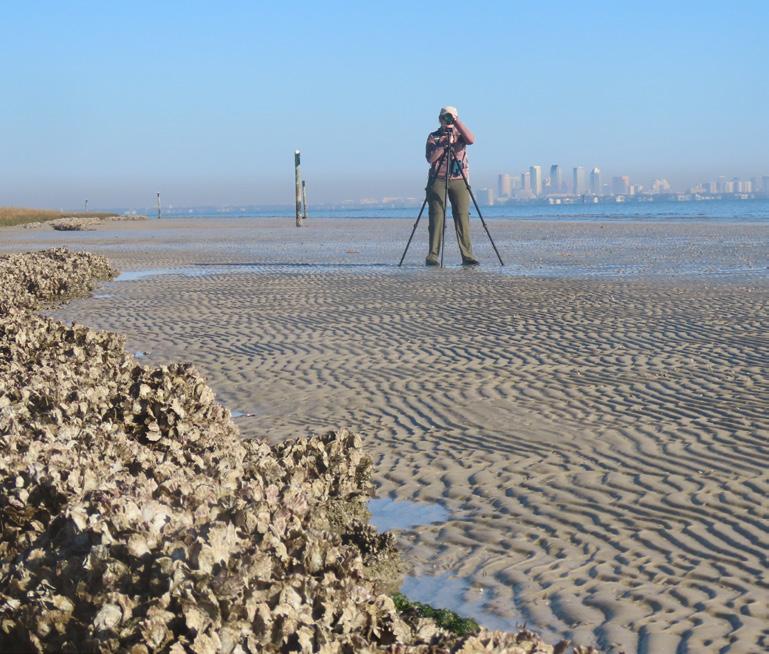
Along Florida’s Gulf Coast, MacDill Air Force Base faces mounting shoreline erosion and flooding—challenges familiar to communities across Louisiana and the broader Gulf region. In 2025, The Water Institute brought its coastal expertise to support the exploration of nature-based solutions that strengthen both infrastructure and ecosystems.
Working with partners including the Tampa Bay Estuary Program, Florida Audubon Society, and Coastal Engineering Consultants, Inc., our team is evaluating strategies such as restoring longshore bar systems, expanding shallow shelf habitat, and creating barrier islands to reduce risk while enhancing environmental benefits. Using a Structured Decision Making process that is informed with numerical modeling, field data collection, and remote sensing, we are helping military leaders, stakeholders, and the public assess how different alternatives advance multiple objectives—coastal protection, operational continuity, habitat restoration, and regional sediment management.
AREA(S) OF IMPACT
RESTORING THE VANISHING COAST SUPPORTING PLANTS AND ANIMALS AT RISK
challenges in the area.
Supporting Post-Helene Recovery in Western North Carolina
In the aftermath of Hurricane Helene, communities across Western North Carolina are navigating recovery-related challenges, including fallen hardwood across almost a million acres of forest and timberland. Recognizing the negative environmental impacts and increased risks of wildfires, a local donor invited The Water Institute to explore opportunities that might exist for the beneficial reuse of post-disaster debris like biochar, a carbon-rich material produced by heating woody debris in a low‐oxygen condition. In 2025, The Water Institute assembled a working group of subject matter experts to discuss how biochar could be used as a naturebased solution in the face of disaster recovery.
Expanding on the daylong biochar working session, the Institute partnered with Asheville-based resilience planning firm, Fernleaf, to host a lunch conversation examining effective strategies for regional coordination, including our experience with insurance-based solutions and resilience hub networks.
Representatives from non‐profits, municipal and state government, private industry, and local universities gathered for a crosssector discussion focused on how science and community-led collaboration can support both immediate post-Helene recovery and long-term resilience across Western North Carolina.
AREA(S) OF IMPACT
“One thing is clear: Our region is ready to work together in new and impactful ways. We’re grateful for the opportunity to have these conversations and look forward to working with all our local partners and The Water Institute to help shape what long-term resilience in the face of recovery can look like across Western North Carolina”
MATT HUTCHINS
CEO and Senior Resilience Specialist
Fernleaf
Director of Coastal Ecology Jessica Henkel near the MacDill Air Force Base, where our team is researching nature-based solutions to the environmental
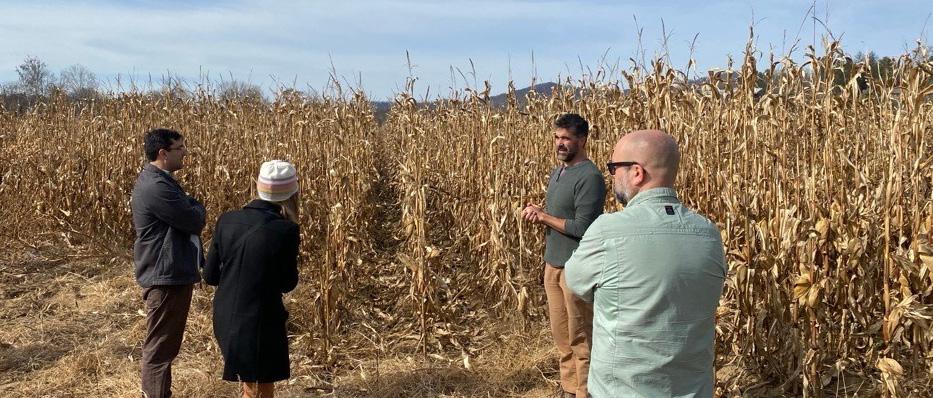
Research Geoscientist Chris Esposito, Chief Scientist and Senior Vice President Alyssa Dausman and Director of Digital Solutions Jeff Hicks tour farmland flooded by the Swannanoa River after Hurricane Helene in Western North Carolina.
Impact is strongest when it is led by communities. Across the Gulf and beyond, we are deepening our commitment to community-informed planning, technical support and capacity building, and access to tools and resources.
THE CRC WORKING ALONGSIDE COMMUNITIES
The Community Resilience Center (CRC) at The Water Institute was created in 2023 to address recurrent barriers to community-led resilience and to bring additional capacity to the Gulf. Through the CRC, The Water Institute works alongside communities to move beyond risk assessments and toward community-driven and proactive solutions that strengthen resilience at every scale from individuals and households to cities, states, and beyond—regardless of size or available resources. The Center’s definition of resilience includes the social, cultural, and economic factors that shape how communities experience and recover from climate impacts.
Exploring How Nature-Based Solutions Can Lower Insurance Premiums: CRC’s strategic plan includes a focus on Insurance Affordability and Availability because insurance prices should not dictate who lives on the Gulf Coast. With funding support from the Gulf of America Alliance, the Center led a pilot project in Dauphin Island, Alabama, to understand how marsh restoration projects that reduce flood risk can impact flood insurance premiums. This project is unique because it works to identify systemic pathways in which this information can be used. The CRC is accomplishing this by partnering with Moffatt & Nichol, the engineering firm who conducted the restoration, Munich Re, an important reinsurer in the flood insurance space, and residents alongside the marsh restoration.
This work is informing broader efforts to address flood insurance affordability by finding pathways to integrate risk reduction into premiums.
Rapid Technical Support: The Community Resilience Catalyst Program rapidly deploys technical support for addressing community-led resilience in under-resourced and marginalized communities. This initiative works with often overlooked communities to enhance awareness of pathways for increasing community resilience, provides capacity to these communities in overcoming barriers to resilience planning and action, and evaluates the efficacy of these education and technical support actions for enhancing resilience for individuals and communities.
Projects supported through the Catalyst include a fisher-led, science and data-informed monitoring program in the Lower Calcasieu River Basin, and Bayou Community Foundation on ANCHOR the Bayou, a grassroots initiative to listen, learn, and act on the challenges and opportunities facing residents in South Lafourche and South Terrebonne, Louisiana.
AREA(S)
OF IMPACT
Community Commitment at The Water Institute
Since 2023, has worked alongside nearly the COMMUNITY RESILIENCE CENTER 2,000 people across 20+ Gulf Coast communities through 155 events, co-developing community-led resilience strategies
$64 MILLION and has helped bring more than in funding directly to communities
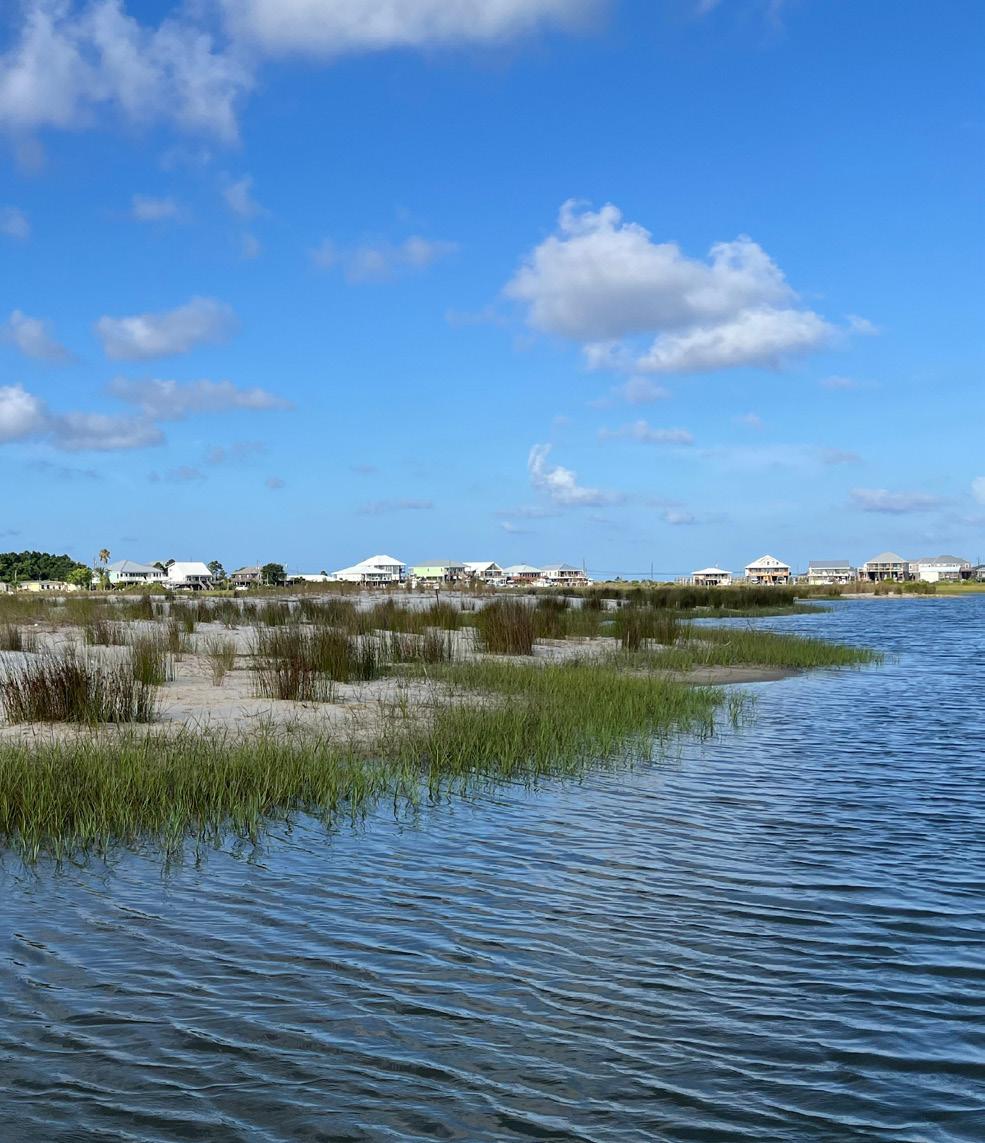
The reconstructed marsh in Graveline Bay, Dauphin Island, has been planted to improve this coastal habitat’s ecological value. The project assesses whether this marsh reconstruction also benefits adjacent homeowners through flood risk reduction.
Addressing Social Determinants of Health
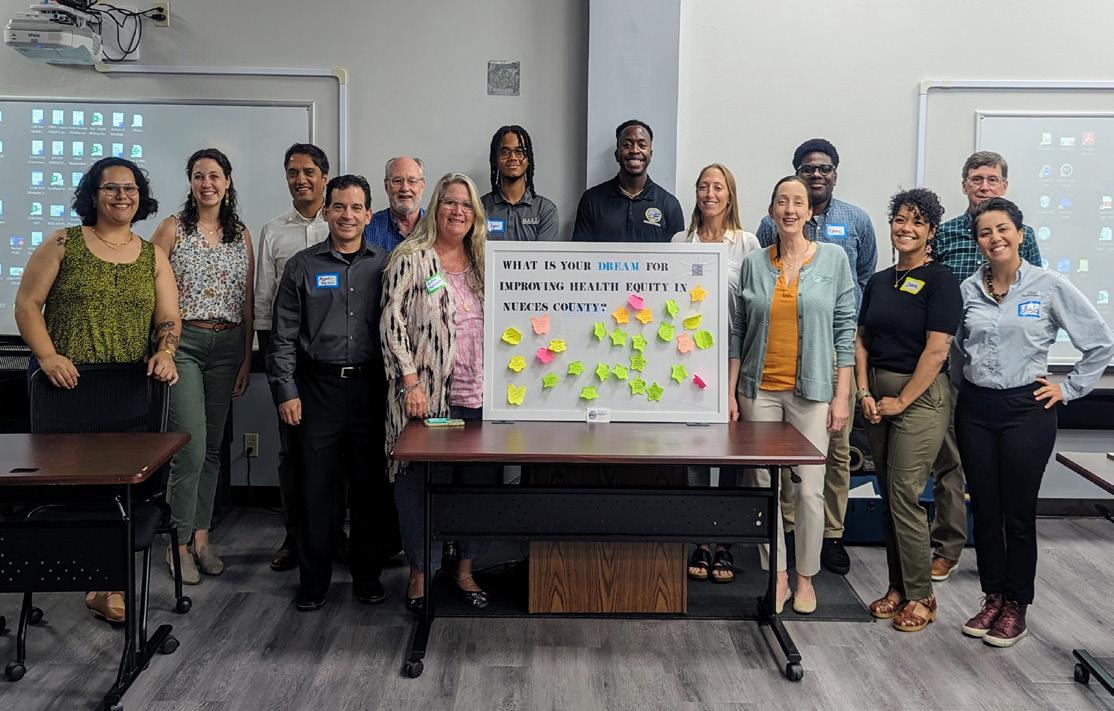
Non-medical factors that influence health outcomes, also known as Social Determinants of Health (SDOH), can significantly impact wellbeing and quality of life. In Nueces County, Texas, where economic hardship and food insecurity contribute to stark health disparities, the CRC at The Water Institute partnered with Texas A&M University–Corpus Christi and the Nueces County–Corpus Christi Public Health District to co-develop actionable tools that address SDOH.
The Institute’s team worked alongside an Action Committee of community and agency leaders to design a geospatial Community Health & Environment Tool, supporting story maps, data integration guidance, and priority recommendations for action. Together, these resources help decision makers better understand how social, environmental, and economic factors shape health outcomes—and equip communities with science-based, locally informed pathways to address root causes and advance equitable resilience.
AREA(S) OF IMPACT
The CRC continues its collaboration with the United Houma Nation on UHN RISING, a tribal-led effort to build resiliency hubs throughout the tribal region, expand communication efforts, and develop a community-led migration strategy.
The CRC also partnered with Coastal Communities Consulting to develop a collaborative, science-driven adaptation plan to support Asian American shrimpers, crabbers, oyster harvesters, fishers, and processors in protecting their communities and commercial fishing infrastructure against environmental, social, and economic stressors.
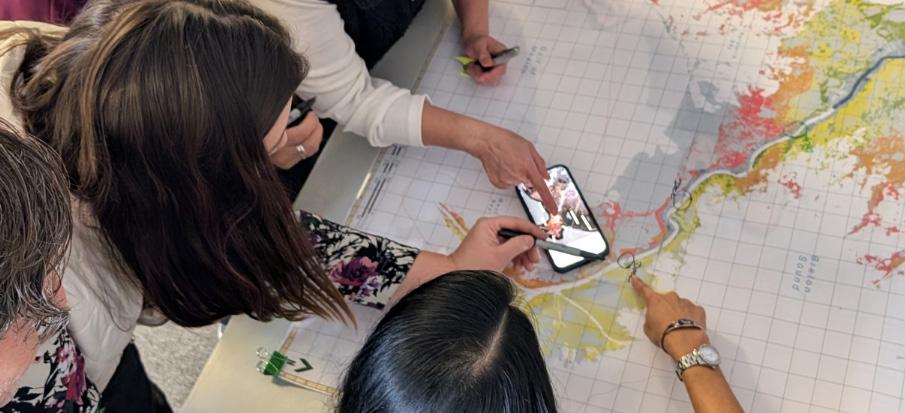
The Water Institute team, led by Senior Social Scientist Katya Wowk, worked with the Nueces County Action Committee to co-develop tools that integrate social determinants of health, climate, and environmental data for improved decision making. Photo credit: CCNCPHD
COMMUNITY TECHNICAL SUPPORT
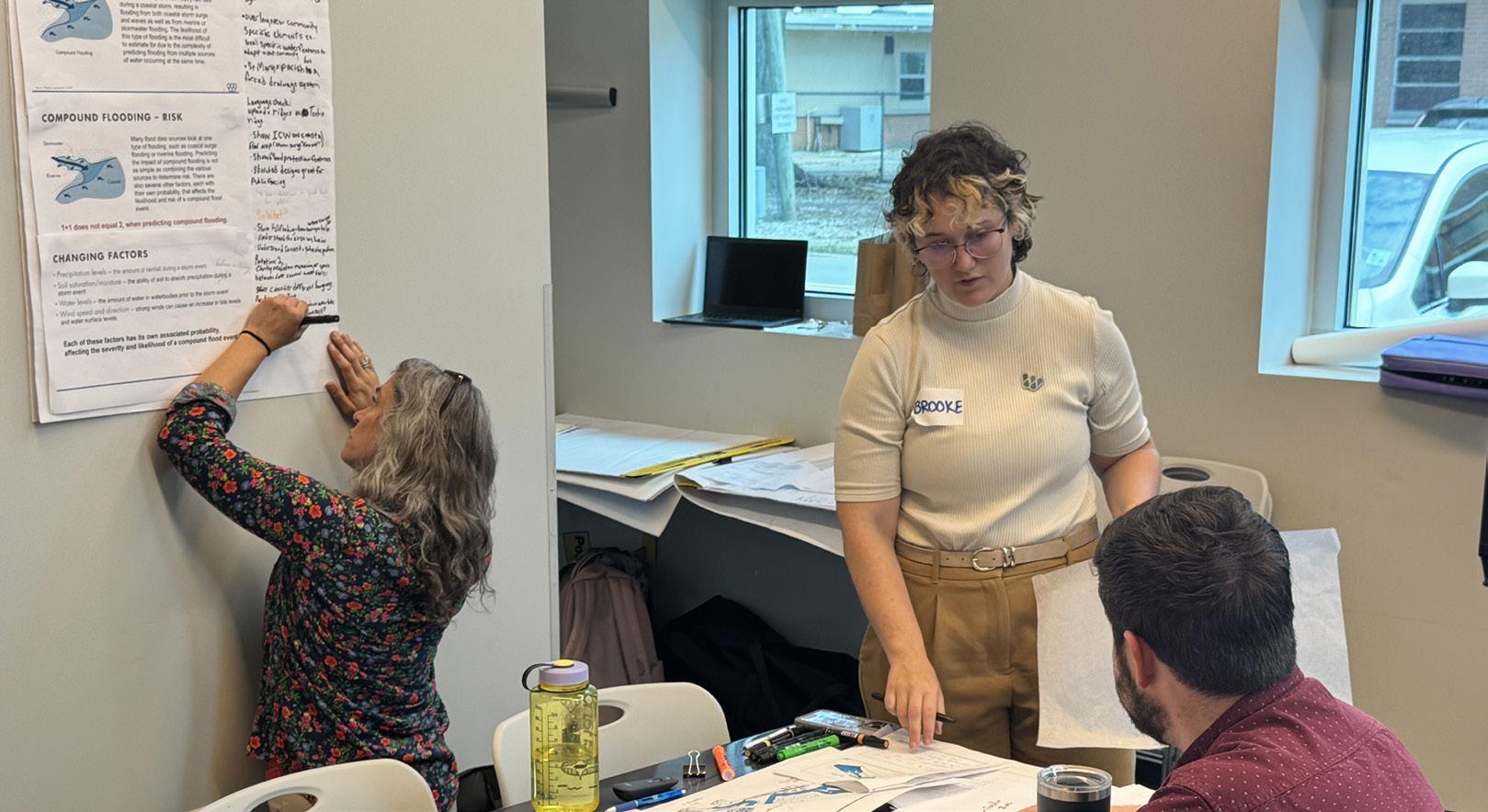
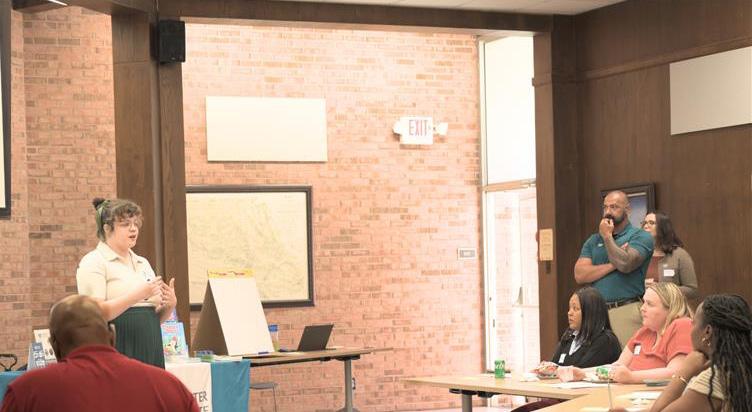
Through the Federal Emergency Management Agency Cooperating Technical Partners (CTP) Program, the Institute team worked alongside local leaders and residents in 2025 to make flood risk information more accessible, practical, and actionable across South Louisiana.
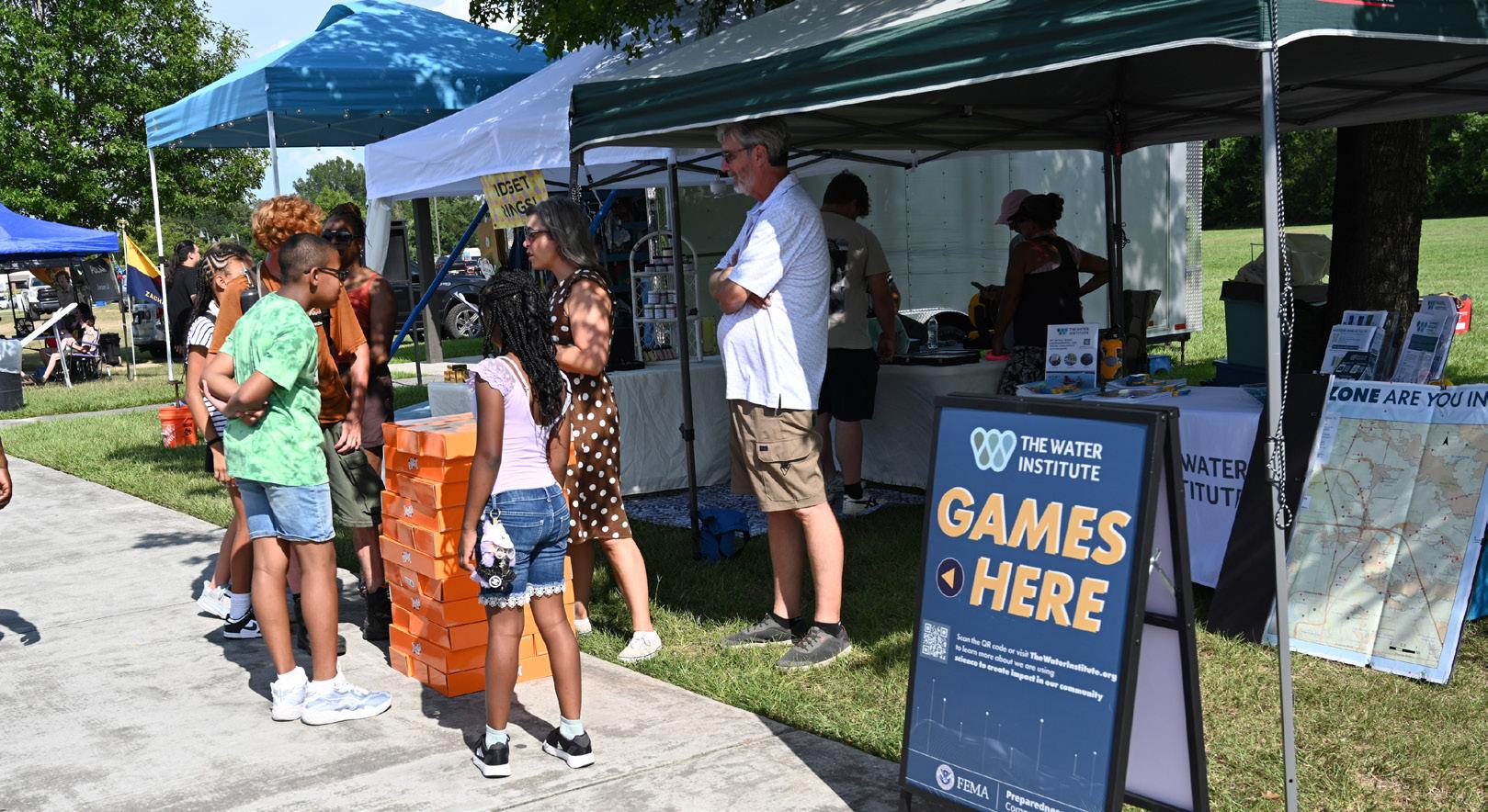
Top: At a community event in East Baton Rouge Parish, residents gather around an interactive “What’s Your Flood Zone?” map as Institute staff share flood risk information and practical hazard mitigation tips to support safer, more prepared neighborhoods.
Middle: Applied Geosciences Intern Emily Miller and Planning Associate Brooke Mehney lead a working group session during a resilience meeting in St. Mary Parish. The group co-developed educational materials to help residents better understand flood risk data, insurance options, and potential Community-Based Catastrophe Insurance solutions.
Bottom: In Iberville Parish, Marketing and Communications Coordinator Jana King worked with local community leaders to craft flood risk communications plans tailored to their existing audiences, using trusted resources and learning how to keep messaging accurate and reliable.
COMMUNITY-INFORMED RESILIENCE PLANNING
The Water Institute, in partnership with St. Mary Parish Government and St. Mary Excel, codeveloped the Atchafalaya River Coastal Hub (ARCH) Strategic Plan in 2025—a communityinformed roadmap that integrates resilience, economic opportunity, and innovation across the Atchafalaya Basin.
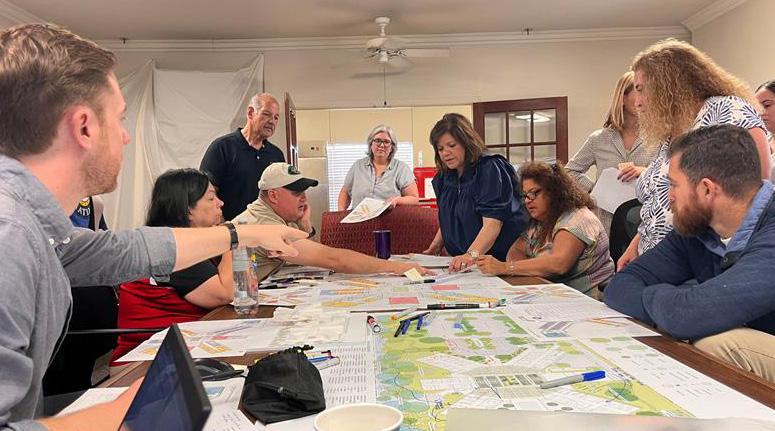
Using a Structured Decision Making process, the Institute’s cross-disciplinary team worked alongside residents, businesses, and civic leaders to identify shared priorities, balance competing needs, and shape a collective vision for the Parish’s future. The resulting plan positions St. Mary Parish as a model for community-driven resilience and sustainable growth.
In 2025, The Water Institute’s team was also invited to partner with other communities across the Gulf. Our team is proud to work with these cities and counties, aligning science and local priorities: the City of St. Petersburg (Florida) on a vulnerability assessment; the City of Mobile (Alabama) City-Wide Resilience Assessment and Plan; Jackson County’s (Mississippi) Resiliency Plan, and the Walton County (Florida) Resilience and Vulnerability Assessment.
AREA(S) OF IMPACT
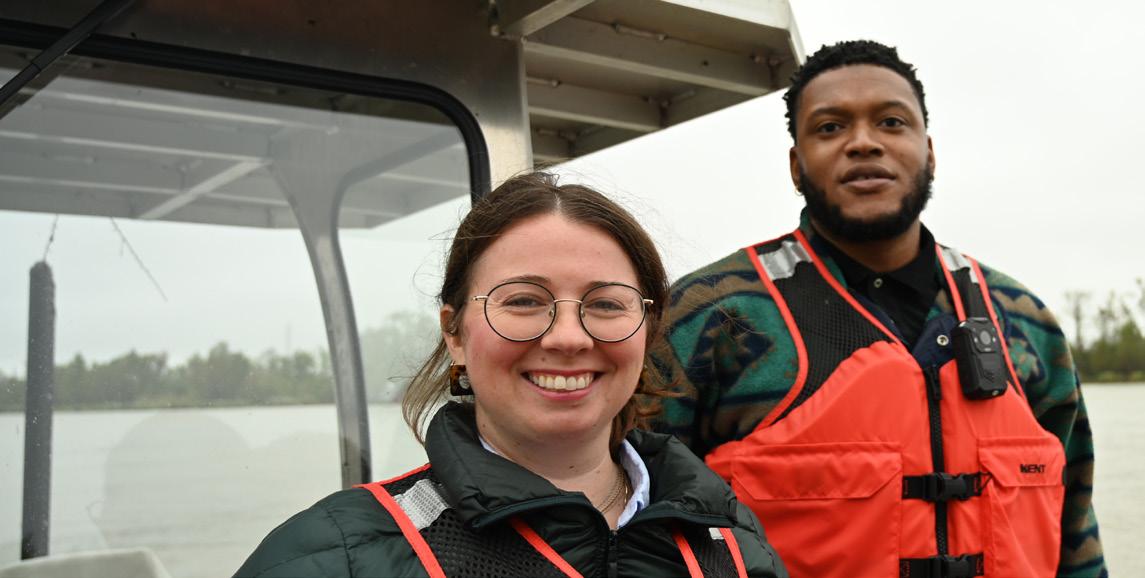
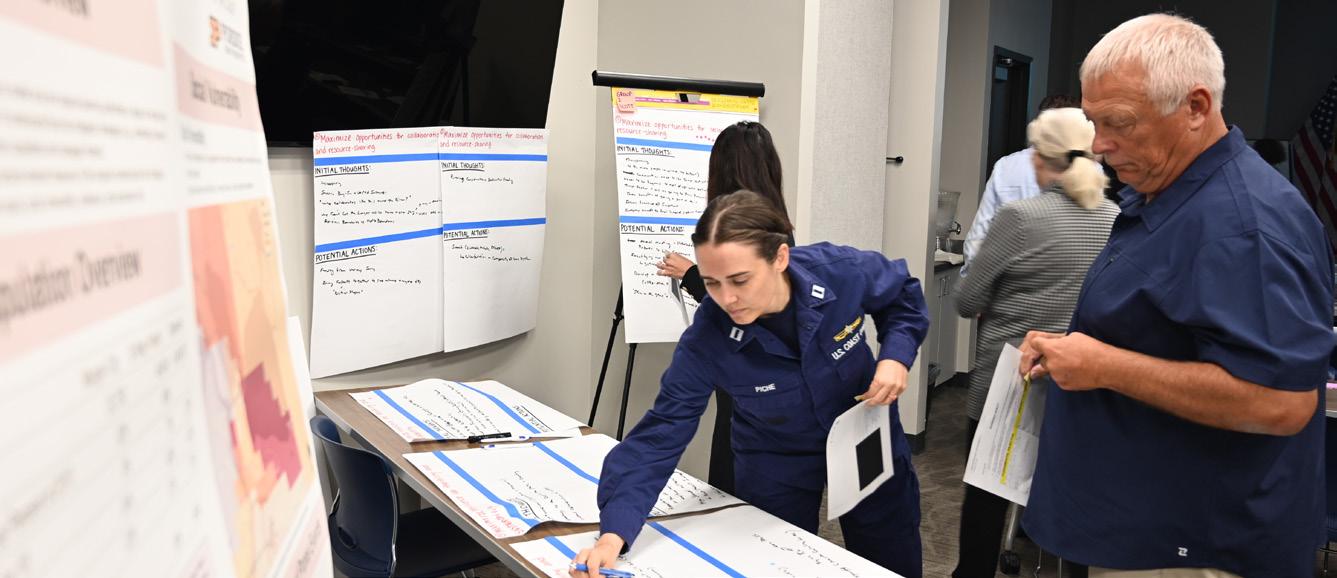
Middle: Community stakeholders and leadership in the Atchafalaya River Basin area met for a workshop where they used Structured Decision Making to create a cohesive plan addressing conflicting agendas.
Bottom: Charles Wallace with a St. Mary Levee District leader on the boat tour.
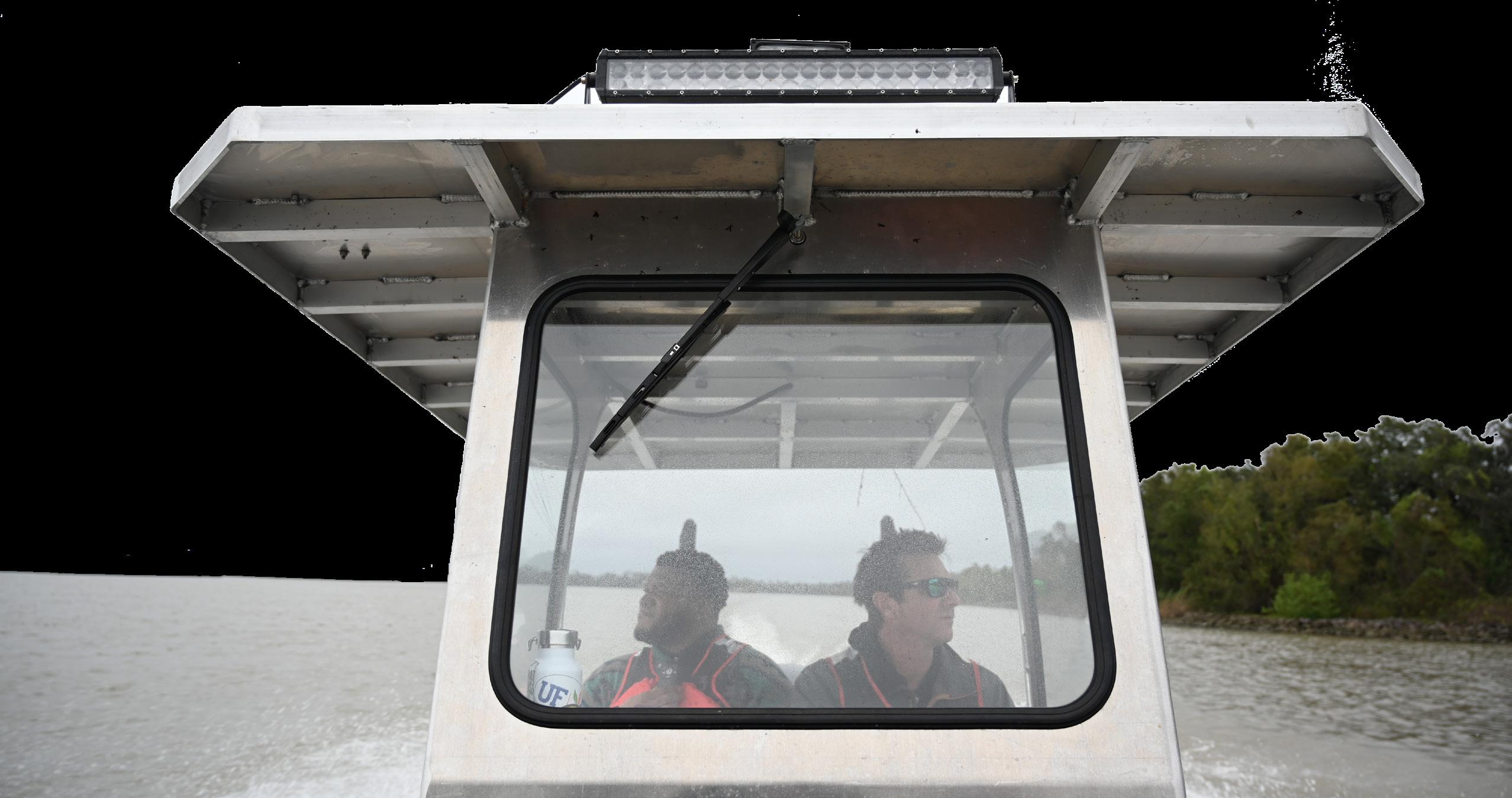
Top: Planner Abby Littman and Postdoctoral Research Scientist Charles Wallace on a boat tour of the St. Mary Levee District. The team wore body cameras that recorded GPS coordinates and captured clients’ remarks on the tour, turning firsthand observations into data points to inform the ARCH plan.
SCALING INNOVATION
Some of the most pressing challenges facing communities world-wide are also our greatest opportunities to innovate. The cross-cutting socio-environmental challenges communities face are growing in complexity. Now more than ever, these challenges require creative, forward-looking approaches.
In 2025, we prioritized getting out in front of risk through innovation that integrates technology, data, and transdisciplinary expertise and methods—advancing solutions that help communities adapt and thrive in a changing world.
Advancing a Probabilistic Compound Flood Framework
Compound flooding occurs when two or more flood drivers—such as storm surge from the sea, extreme rainfall, high tides, and elevated river flows—happen at the same time or in close succession. Along coasts and river systems, these overlapping forces make long-term forecasting and planning difficult and can cause significant damage and loss.
In 2025, The Water Institute advanced a response-based probabilistic compound flood framework that integrates both tropical cyclone and non-tropical drivers into a single, unified approach. Developed in collaboration with Princeton University and Purdue University, and supported by partners including the U.S. Army Corps of Engineers - Engineer Research and Development Center, the Louisiana Coastal Protection and Restoration Authority, and the Office of Community Development, this new approach allows communities to better understand the total risk they face from flood hazards.
By moving beyond isolated scenarios to a more realistic characterization of how flood drivers interact, we are equipping decision-makers with stronger, science-based insight—informing resilient infrastructure design, smarter investments, and community planning that accounts for the complexity of a changing climate.
Putting Life-Saving Intelligence in the Hands Of More Communities
FloodID®, the cutting-edge flood intelligence and decision support system, was a tool developed out of necessity here in Louisiana by The Water Institute. Today we are expanding its benefits—putting powerful information directly into the hands of local leaders so they can take action faster, protect more people, and strengthen resilience in their communities
During the 2025 hurricane season, the Louisiana Governor’s Office of Homeland Security and Emergency Preparedness (GOHSEP) and the Institute partnered to offer expanded and free access to FloodID® to several parishes and levee districts across South Louisiana, making the system accessible to leaders of 25 coastal parishes and levee boards. FloodID® is also being used in states along the Atlantic seaboard.
AREA(S)
OF IMPACT
OF IMPACT
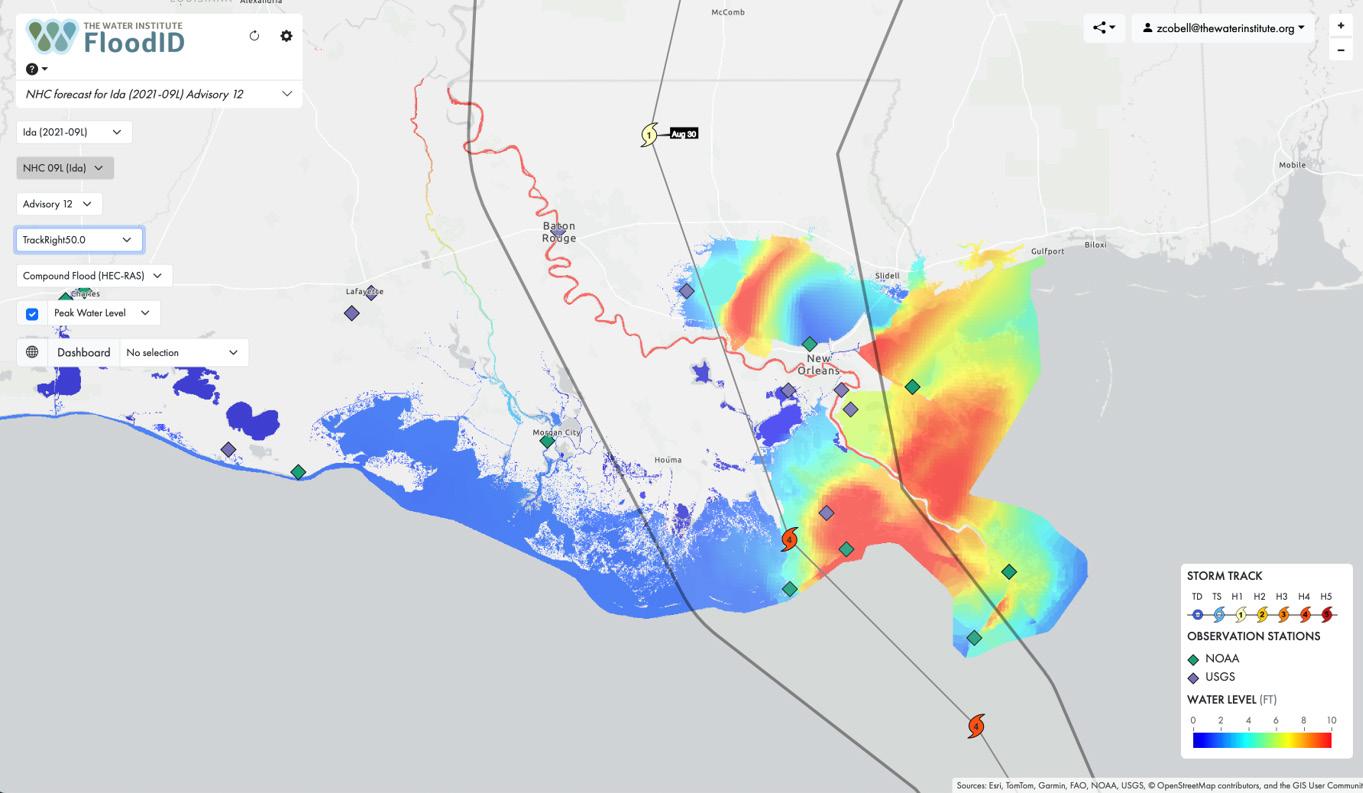
Image shows FloodID® in action along coastal Louisiana during Hurricane Ida in 2021, displaying hurricane storm track and forecasted depth of storm surge. Additional parameters are available for analysis within the FloodID® platform.
Innovation in Decision Analysis
Through innovative decision analysis approaches, The Water Institute applies advanced frameworks to help decision-makers navigate competing priorities, quantify tradeoffs, and choose resilient pathways forward.
In New Orleans, where complex environmental and infrastructure challenges intersect with deep uncertainty, these approaches are helping leaders make clearer, more informed choices about the future.
Stormwater flooding remains one of the city’s most pressing risks. New Orleans’ bowl-shaped geography and aging drainage infrastructure mean that every drop of rain must be pumped out of the city. Using advanced modeling of the city’s stormwater system alongside Robust Decision Making approaches designed to better address deeply uncertain futures, Institute planners and researchers examined how factors such as increasing rainfall, sea-level rise, infrastructure performance, and land use patterns interact to shape flood risk across neighborhoods. The resulting analyses and visualization tools are providing decision makers and residents with a clearer understanding of vulnerabilities and help lay the groundwork for science-informed stormwater planning.
The Institute is also applying Structured Decision Making to support restoration planning for the Bayou Bienvenue Wetland Triangle in the Lower 9th Ward of the city. Once a thriving wetland landscape and cultural resource for nearby communities, the area has experienced decades of degradation following the construction of the Mississippi River Gulf Outlet. Working alongside the City of New Orleans and a coalition of local and national partners, the Institute is helping develop a science-based framework to prioritize restoration strategies based on ecological benefits, costs, sediment availability, and community values.
Real-Time River Intelligence Network
“I appreciate the depth of expertise The Water Institute brings to complex restoration and resilience challenges.
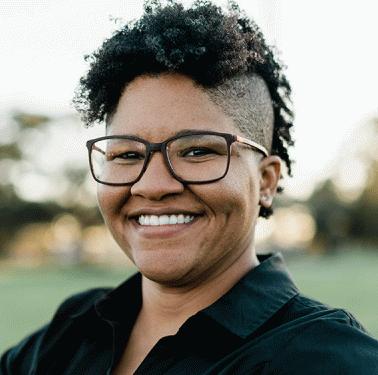
Their commitment to sound decisions based on science helps communities and leaders navigate difficult choices with clarity and confidence. What’s equally meaningful is knowing they are also committed to advancing ideas and partnerships that benefit New Orleans more broadly.”
MEAGAN WILLIAMS
Urban Water Program Manager
City of New Orleans - Office of Resilience & Sustainability
AREA(S) OF IMPACT
STRENGTHENING RESILIENCE IN AN UNCERTAIN FUTURE
Safe and efficient navigation on the nation’s busiest waterways depends on accurate, up-to-date information—yet traditional hydrographic surveys alone cannot capture the constantly shifting conditions of dynamic river systems. In 2025, The Water Institute continued working with a network of partners to scale Crowdsourced Bathymetry (CSB), transforming commercial vessels into persistent sensors that provide near-real-time insight into channel depth and available draft.
With more than 60 active vessels contributing over 2.5 billion depth soundings across nearly 2,000 river miles, CSB now delivers one of the most comprehensive pictures of channel conditions ever assembled from working fleets. Through streamlined data processing, rigorous quality control, and close collaboration with navigation partners and the U.S. Army Corps of Engineers, we are moving from static maps to dynamic, actionable intelligence—supporting safer transits today while advancing toward forecasted channel conditions that enable more proactive planning tomorrow.
AREA(S) OF IMPACT
STRENGTHENING RESILIENCE IN AN UNCERTAIN FUTURE
MANAGING SEDIMENT RESOURCES
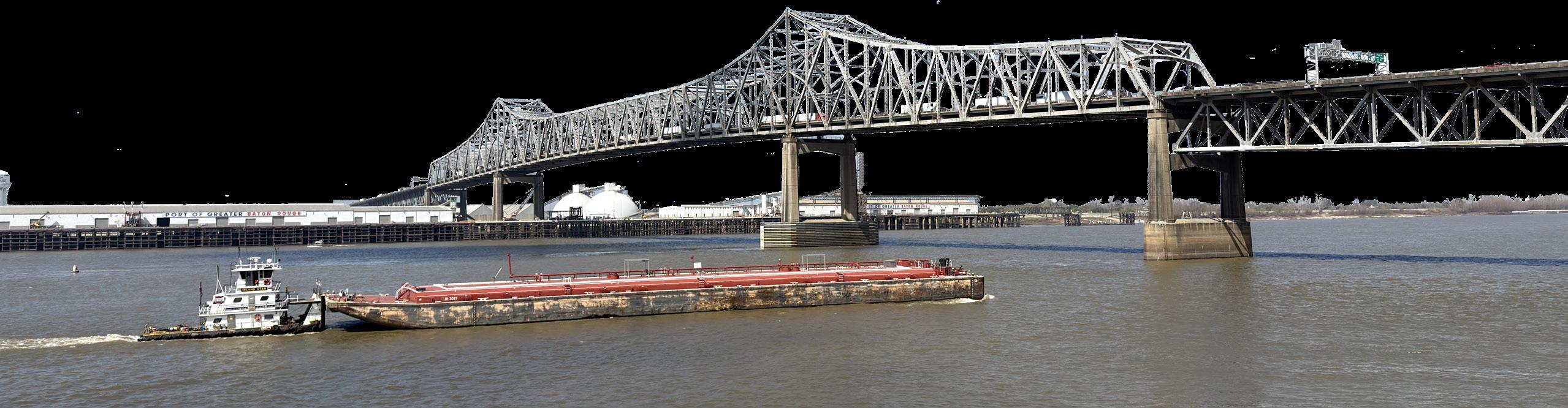
A tugboat navigates the Mississippi River under the bridge in Baton Rouge, Louisiana. The Port of Greater Baton Rouge, located at the river’s convergence with the Gulf Intracoastal Waterway, plays a key role in regional commerce.
SUSTAINING IMPACT
Meeting the cross-cutting challenges communities face requires not only creative, forward-looking approaches, but also a commitment to maintaining staff unity, shared values, standards of excellence, and financial resilience to make bold, independent research and action possible for the long term.
CONNECTING PHILANTHROPY AND IMPACT
Addressing the vulnerabilities of people, communities, ecosystems, and economies remains at the core of our mission. In 2025, we strengthened the foundation that makes this work possible—expanding philanthropic partnerships and advancing strategic Mission Advancement efforts to ensure we can respond to urgent challenges with agility and vision.
Founded with seed funding from the Baton Rouge Area Foundation, The Water Institute continues to seek diverse and flexible funding to pursue work that is both timely and transformative. Philanthropic support allows us to seize emerging opportunities, bridge funding gaps, and test innovative approaches that can scale to create meaningful, lasting outcomes.
We are thankful for all who have taken time to partner and collaborate with us, host gatherings focused on addressing complex environmental issues, and for the generous support we’ve received in 2025. We look forward to another great year of continued collaboration and advancing our impact in 2026!
Inspiring and Supporting the Next Generation of Changemakers
Made possible by a lead grant from the Jewish Healthcare Foundation, The Water Institute raised over $100,000 in 2025 to launch the Justin Ehrenwerth Early-Career Researcher Award. This award will provide targeted support for early-career researchers advancing innovative, community-focused environmental science.
The Ehrenwerth Award recognizes the legacy of our late President & CEO whose visionary leadership and commitment to creating a better world transformed our organization and region. This $15,000 annual research award recognizes and inspires the next generation of changemakers who reflect Justin’s ideals and the Institute’s purpose: using science, collaboration, and empathy to improve outcomes for people and the environment together.
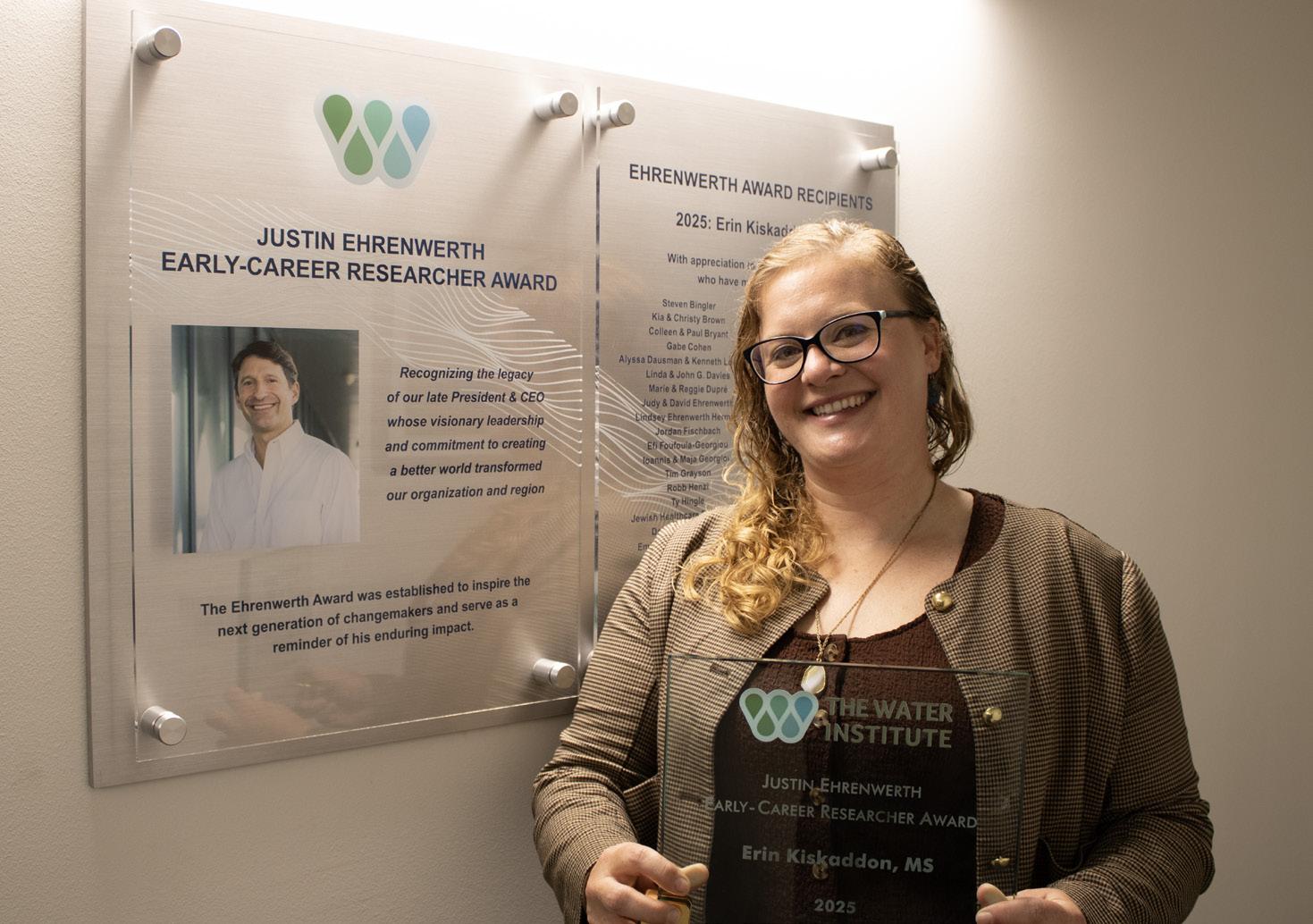
Coastal Ecologist and inaugural recipient of the Justin Ehrenwerth Early-Career Research Award Erin Kiskaddon poses with the award near the honorary plaque in the Baton Rouge office.
Investing in Resilience Where it Matters
First Horizon Bank is supporting communities in South Louisiana, strengthening capacity, reducing vulnerability, and addressing the changing hazards of the Gulf Coast. Through their 2025 Earth Day Campaign, First Horizon raised more than $50,000 to support the Community Catalyst Project. Through the Community Resilience Center at The Water Institute, the Catalyst helps communities address gaps in knowledge or capacity so they can focus on advancing resilience goals. First Horizon’s support, coupled with additional philanthropic support received in 2025, will allow Catalyst to expand across the Gulf Coast this year.
“Across the Gulf Coast, our changing environment is reshaping daily life. First Horizon proudly stands with our clients, associates and communities to build resilience, expand access and protect our natural systems across the region.”
EMILY CHAVIS
Corporate Sustainability Officer
First Horizon Bank
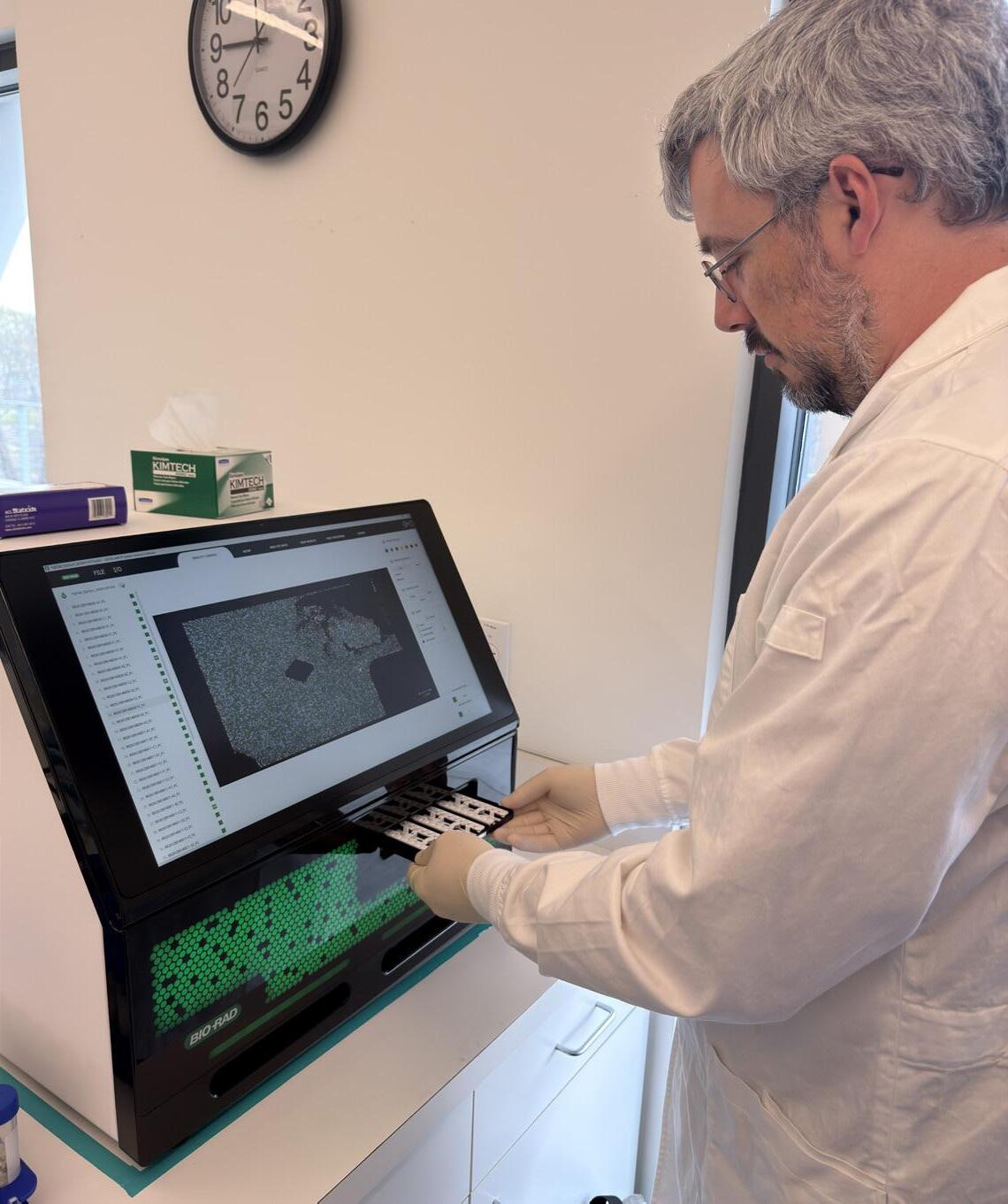
The Coypu Foundation Trust supported The Water Institute’s biodiversity monitoring in coastal restoration projects. With the purchase of the digital PCR equipment and funded pilot studies in 2025, the Institute’s ability to monitor and protect ecosystems through eDNA methods will significantly increase, detecting the faintest genetic traces of elusive endangered wildlife or catching the very early arrival of invasive species before they become established. This advanced capability allows for a more definitive picture of ecosystem health to drive faster and more informed conservation decisions.
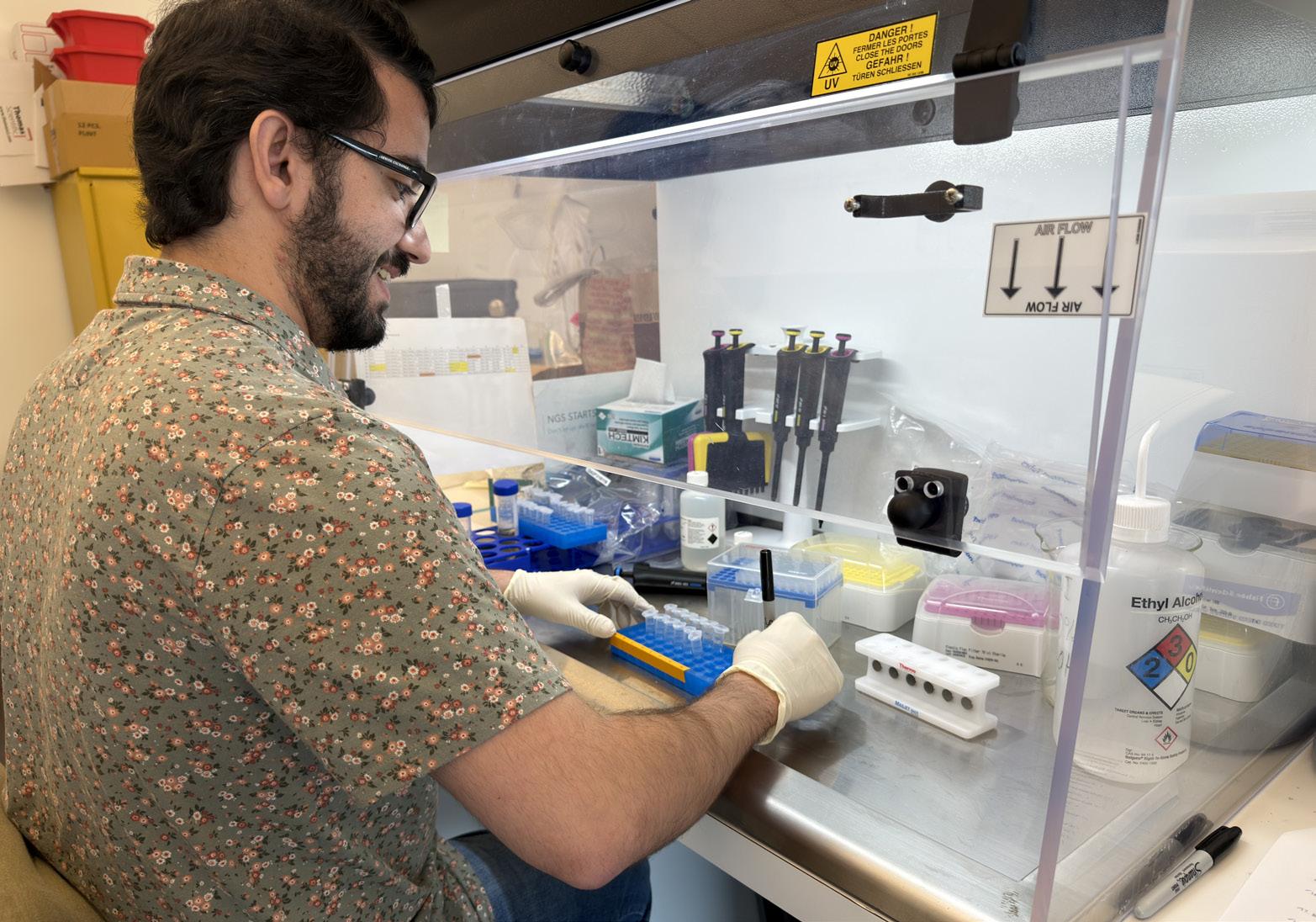
Molecular Ecologist Shawn Doyle in the Baton Rouge office laboratory with the eDNA equipment funded by the Coypu Foundation.
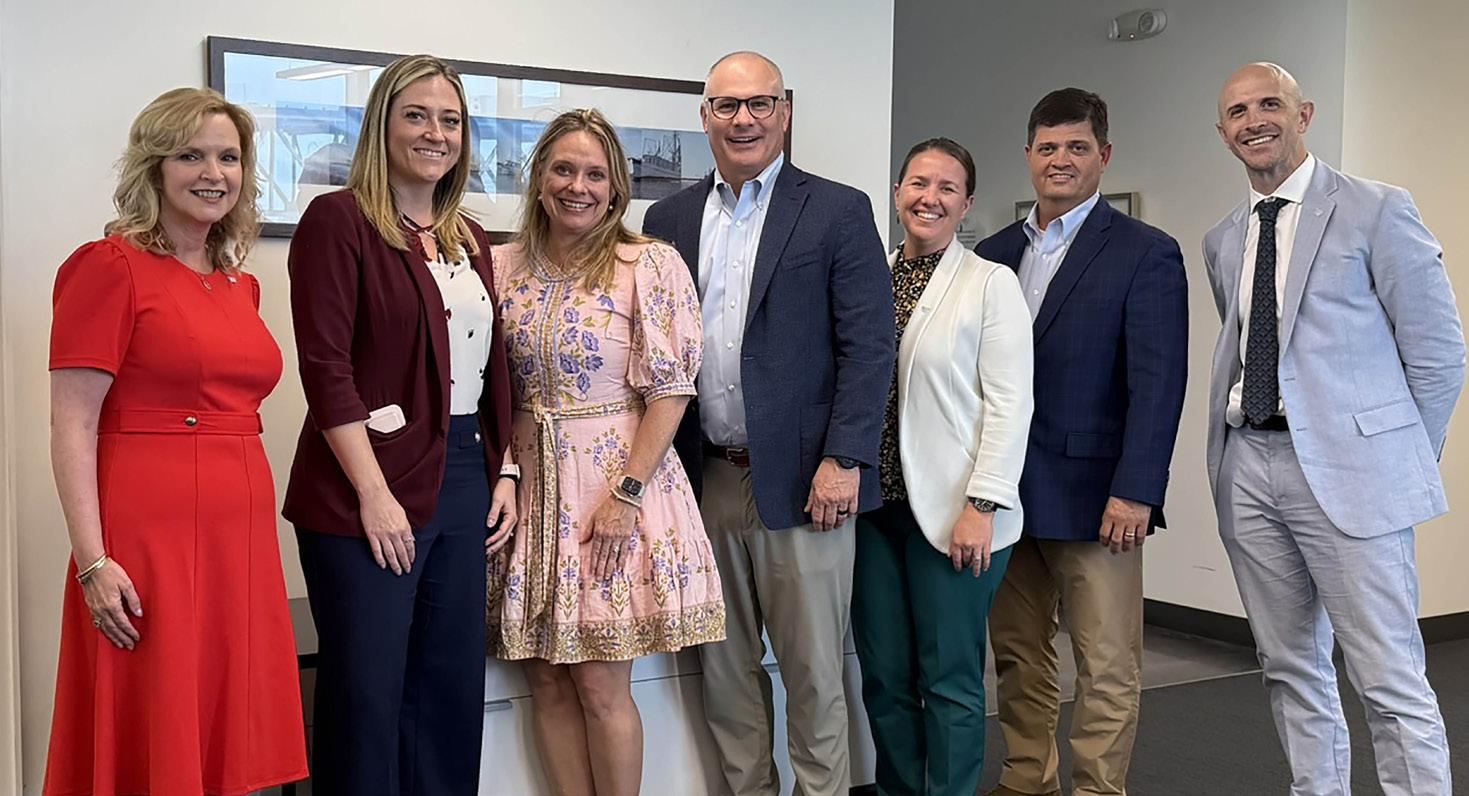
Meeting to discuss community resilience, left to right, are: The Water Institute’s Jennifer Winstead; First Horizon Bank’s Emily Chavis, Michaelle Carnaggio, and John Everett; the Institute’s Renee Collini, First Horizon’s Neil St. Germain; and the Institute’s President and CEO, Beaux Jones.
“Unless we aggressively seek science-based best practices, there will be more devastating floods and loss of shoreline than ever before. This is an existential reality which we must deal with immediately.”
- Kris Kirkpatrick
Jane and Kris Kirkpatrick: When Responsibility Meets the Moment
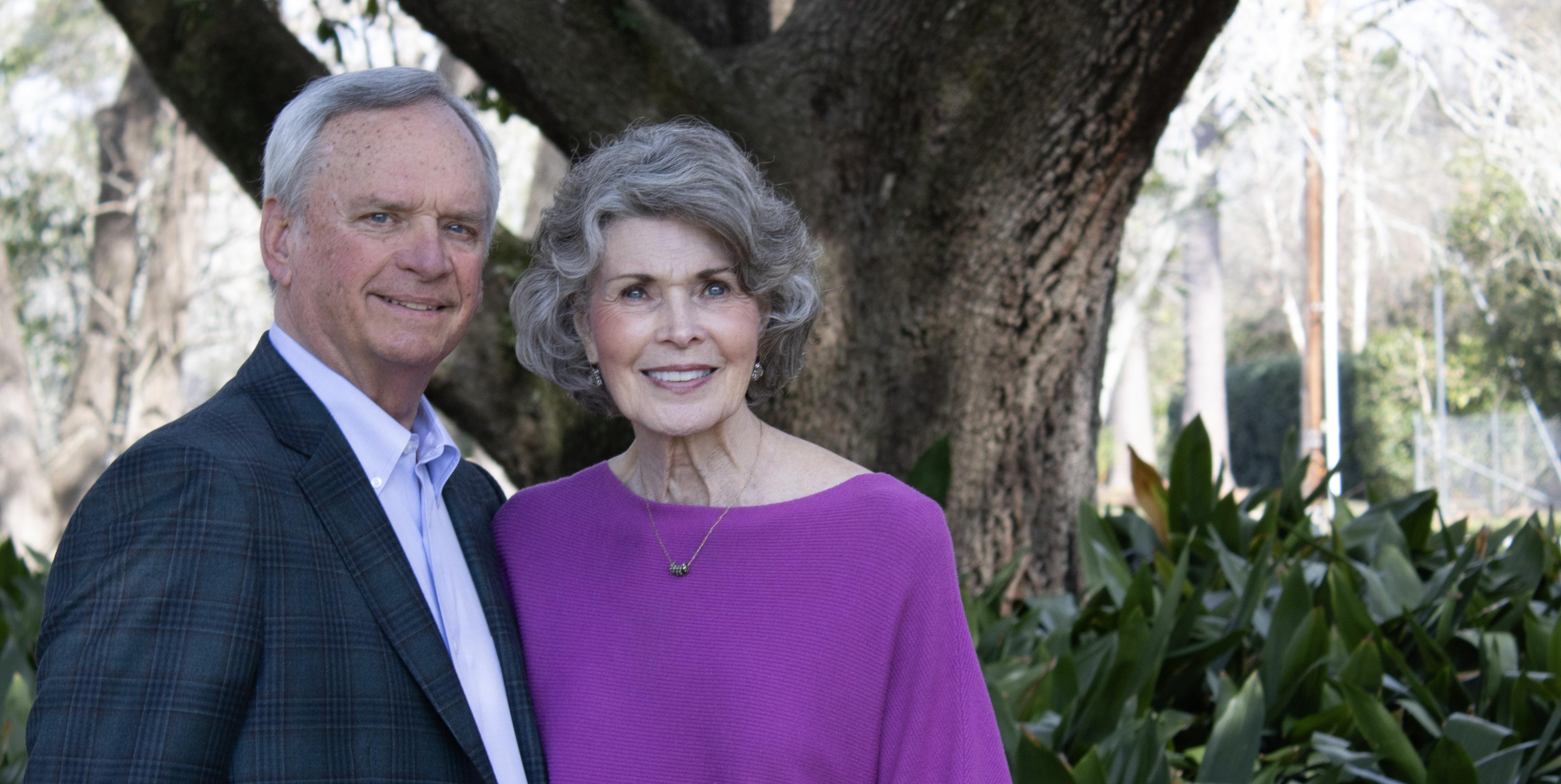
For Jane and Kris Kirkpatrick who call Baton Rouge home, water is inseparable from life in Louisiana—a defining force that brings both extraordinary opportunity and urgent responsibility.
As Jane says, “With our state’s extensive coastline, bayous, rivers, lakes and rainy climate, water is considered our most abundant natural resource.” Kris adds, “This offers wonderful opportunities for recreation, enjoyment of healthy and abundant seafood, and many novel ways of transportation, but we also need to be fully aware and prepared to scientifically meet the challenges that go along with these opportunities.”
That sense of responsibility has guided the Kirkpatricks’ relationship with The Water Institute from the beginning.
“After hurricanes Katrina and Rita hit south Louisiana, it became evident that we had to be more proactive in how we manage living with water,” Kris says. As chair of the Baton Rouge Area Foundation at the time, Kris was part of a group of leaders who ushered the creation of The Water Institute in 2011 to advance the region’s research and experience.
Today, the Kirkpatricks see the Institute’s work as increasingly urgent and globally significant. “Unless we aggressively seek science-based best practices, there will be more devastating floods and loss of shoreline than ever before,” Kris says. “This is an existential reality which we must deal with immediately.”
This moment reminds him of a quote from Shakespeare: “There is a tide in the affairs of men, which, taken at the flood, leads on to fortune; Omitted, all the voyage of their life is bound in shallows and miseries.”
That sense of urgency inspired Jane and Kris to host a gathering in their home in 2025, bringing together friends to better understand the Institute’s work and impact. “Jane and I have always tried to focus our philanthropy on areas that have a great need and can produce immediate, important, and life-changing results,” Kris said. “We wanted our friends to understand the impact of The Water Institute and the work it is doing here to help bring about dramatic and worldwide change.”
Looking ahead, the Kirkpatricks believe sustained philanthropic giving is essential. “If we do not adequately support transformative approaches to the challenges our communities are facing now, we will be missing a once-in-a-lifetime opportunity to make a huge impact not only for our state, but other parts of the world,” Kris says.
As Jane adds, “The work done by The Water Institute and its partners should be of utmost importance to us all.”
ENDURING GENEROSITY
In additional to the numerous governmental, academic, and industry partners, The Water Institute gratefully acknowledges the individuals, corporations, and foundations listed below for their generosity and philanthropic commitment.
Amazon
Anonymous
Aspen Clinic
Association of Bay Area Governments
Donna Averion
AWS
The Baltoro Trust
Annette Barton
Taylor Bassett
Baton Rouge Area Foundation
Mark Berger
Bonfolk Giving Good
Kia and Christy Brown
Mary Kay and Terrell Brown
Jessie Bryan
Colleen and Paul Bryant
Jeffrey Cahn
Capital Area United Way
Charles Lamar Family Foundation
Chevron
Cathy Coates and Brian Hales
Gabe Cohen
Randy Cooksey
Joshua Cox
Coypu Foundation Trust
Linda Cutler
Jessica Dandridge
Danos
Alyssa Dausman and Kenneth Lovelace
Linda and John Davies
Brett Davis
Larry DeMarcay
Monday and Partners / Earthjustice
Marie and Reggie Dupré
Seth Dupuis
Stevie Dupuis
Maya Dutt
Judy and David Ehrenwerth
Empire of the Seed
ExxonMobil
F.B. Heron Foundation
Micah Fincher
First Horizon Bank
Jordan Fischbach
Flavin Construction
David Fleshman
Efi Foufoula-Georgiou
Foundation for Louisiana
Gerald Galloway
Maja and Ioannis Georgiou
William Getty
Timothy Goodell
Tim Grayson
Greater Lafourche Port Commission
Greater New Orleans Foundation
Harte Charitable Foundation
Thad Hayes
Robb Henzi
Lindsey Ehrenwerth Herman
Camille Hill-Prewitt
Ty Hingle
Holdfast Collective
Hudson River Foundation
Jewish Healthcare Foundation
Donna and Jerry Jolly
Danni and Bert Jones
Patricia Jones
Emilie Bahr and Beaux Jones
Josef Sternberg Memorial Fund
Mary Terrell Joseph
Tricia Joseph
Joe W. & Dorothy Dorsett Brown Foundation
JP Morgan Chase
JPRC Energy
Martha and Joseph Juban
Kanner and Whiteley
Blaire Fernandez and Mike Katz
Jane and Kris Kirkpatrick
Debbie and Kevin Knobloch
Anne Teague Landis
Elly and Merritt Lane
The Lantzman Feinstein Family
Carolyn Leftwich
Babs and Jim Lopez
Dawn Lopez
Julie Sanders and Jimmy Lopez
Lycee Francais de Chicago
Isaac MacDonald
Brenda Manard
Chad Martorana
Mary Matalin
Norma Jean Mattei
Frank McArthur
Noy and Stokes McConnell Jr.
Madison McLoughlin
Michael and Susan Dell Foundation
Miller Sullivan Demarcay LLC
Steven Montgomery
Lynn and James W. Moore Jr.
Stephanie Morris
Zachary and Anna Morris
Claiborne and Pierre Moses
MSMM
David Muth
Network for Good
Virginia and John Noland
Northshore Community Foundation
OneStar Foundation
Adam Parker
Patagonia
Harriett Pooler
Ashley Porter
Linda and Mark Posner
Mehdi Qalbani
Winifred and Kevin Reilly, Jr.
Kimberly Reyher
Oliver G. “Rick” Richard, III
RMS
Amy and Hugh J. Roberts
Davis Rosborough
Naamah Paley Rose and Stephen Rose
Ross Family Foundation
Brandy Ballard Rush
Thomas Sands
Claire Sargenti
Carol Huval Saucier
Emily Schoenbaum
Judy Schwartzer
The Selley Foundation
William Shafroth
Shell
Jonathan Sousa
Linda and John Spain
Vikki Spruill
Donna Sternberg
Emily Douglass Stewart
Andrew Sullivan
Rob Tarlock
Mr. Rhett Thiel
Elizabeth “Boo” Thomas
Joni Tuck
Stephanie Turner
United Nations Foundation
U.S. Energy Foundation
Sarah Waits
Walton Family Foundation
Stephen Watson
Amanda Spain Wells
Caroline Wendt
The Wilbur Marvin Foundation
Kevin Wilkins
Ann Wilkinson
Karen Williams and Cornelius A. Lewis
Jennifer and Chuck Winstead
Russell Woodard Jr.
Ansley and Jeff Zehnder
COMMITMENT TO SCIENTIFIC INTEGRITY,
As an independent, applied research organization, The Water Institute’s credibility depends on the trust our partners place in our work—and that trust is built on rigorous methods, open science and data, and engaging with our peers through conferences, presentations, and workshops. We encourage peer-reviewed publications, accessible tools, and interactive platforms that translate complex research into practical insights for decision makers. Institute experts are committed to sharing findings, convening cross-sector dialogue, and elevating evidence-based solutions on national and global stages.
THOUGHT LEADERSHIP, AND OPEN SCIENCE
“Scientific integrity is about earning and maintaining trust. At The Water Institute, we are committed to open science, rigorous peer review, and transparent data practices— because communities and leaders are making consequential decisions based on our work.”
ALYSSA DAUSMAN
Senior Vice President & Chief Scientist
The Water Institute
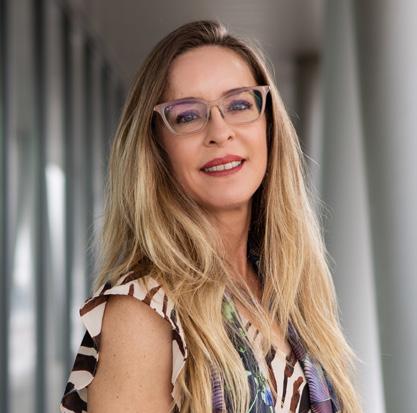
The Water Institute was proud to have representation at several scientific gatherings with institute leadership in 2025, including:
State of the Coast 2025 in New Orleans, LA
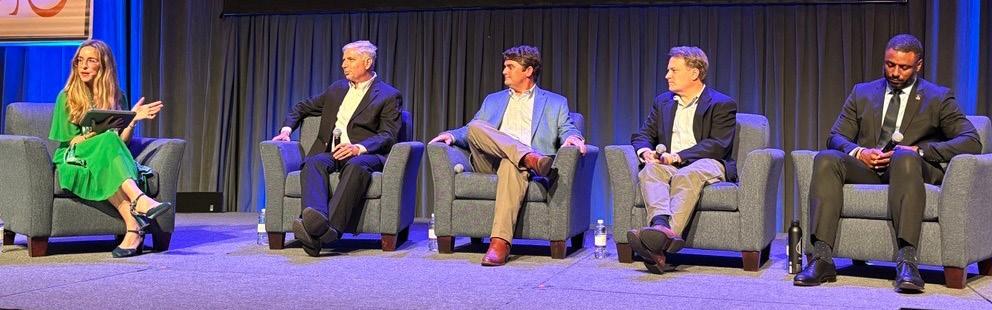
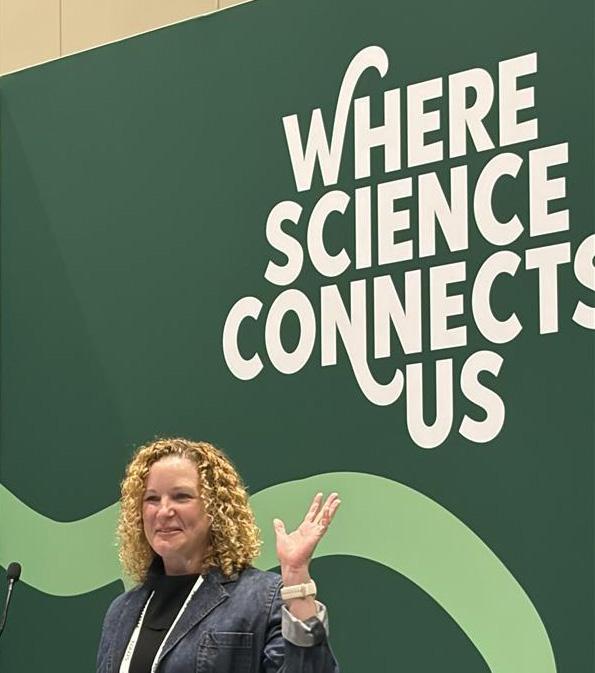
Top: Alyssa Dausman, Chief Scientist and Senior Vice President, moderated a Day 2 plenary at State of the Coast 2025: The River Decides: Neptune Pass and the Power and Complexity of the Muddy Mississippi. Panelists explored how the Mississippi’s new channel is rewriting the rules for restoration, navigation, and flood protection.
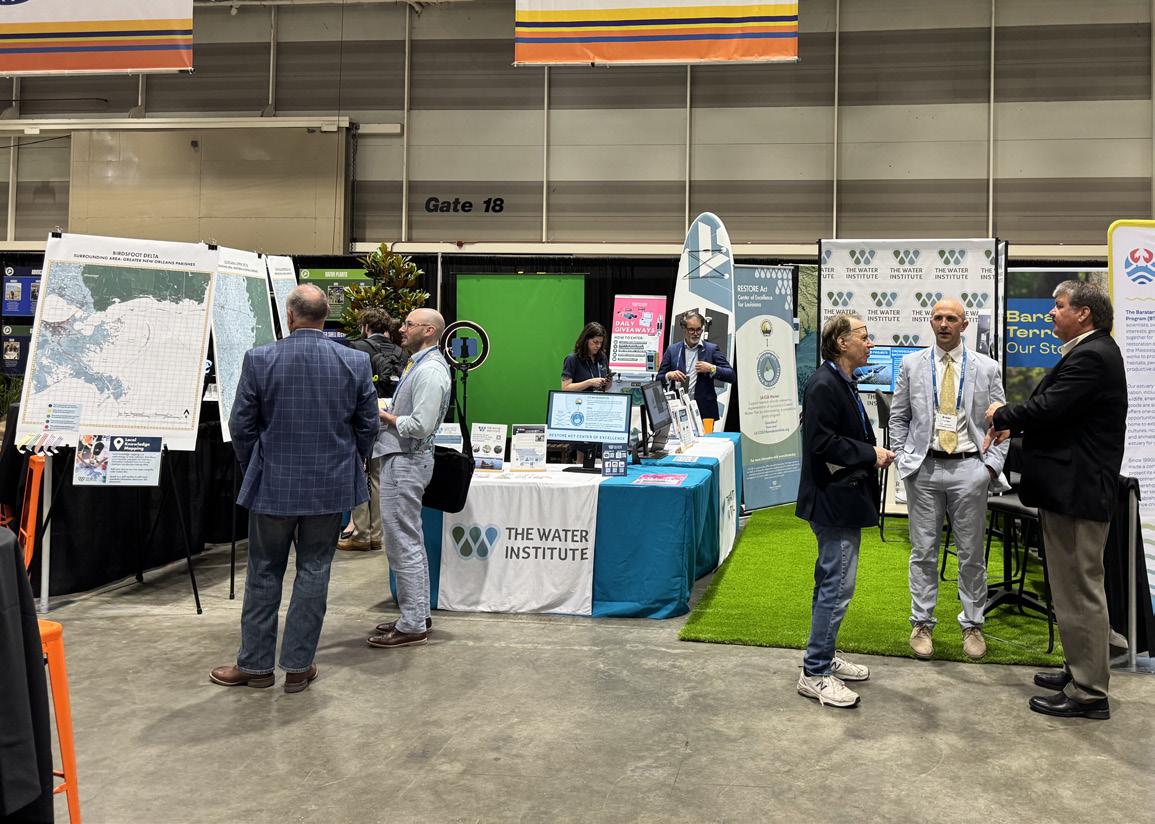
Left: The Water Institute partners with CPRA and Coalition to Restore Coastal Louisiana on State of the Coast, a biennial conference dedicated to Louisiana's coastal issues. Our exhibit space brought The Water Institute’s mission to life, highlighting our partnerships, projects, and community-focused impact. Attendees engaged with interactive activities like the local knowledge mapping exercise and River Reflections recording booth, exploring how shared insights and data-driven approaches support resilient communities.
AGU 2025 in New Orleans, LA
10X Convergence 2025 in
Jacksonville, FL
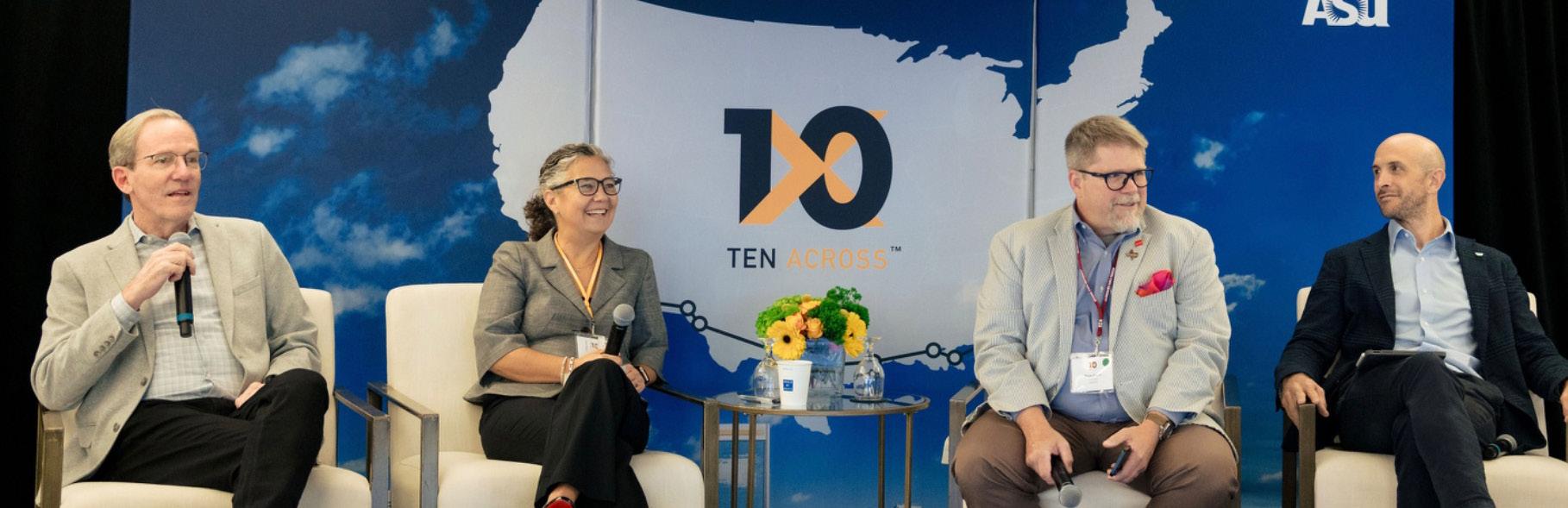
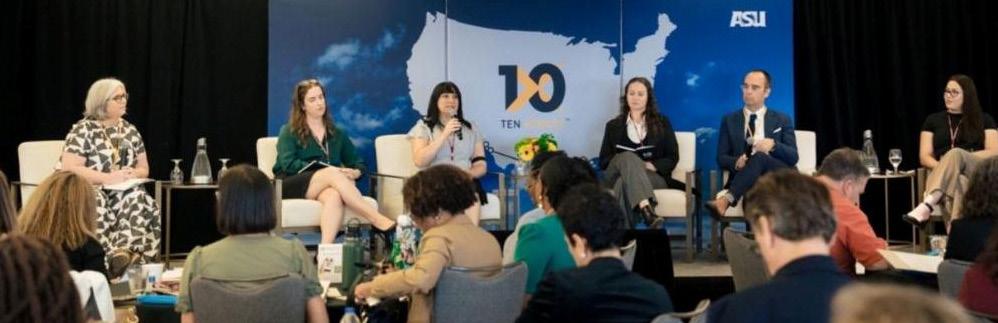
Senior Planner Colleen McHugh moderated On the Front Lines of Community Resilience: Strategies That Work, featuring resilience leaders from Jacksonville, Austin, Los Angeles County, Northeast Florida, and Tucson discussing practical responses to climate risk, housing pressures, and extreme heat.
At the 10X Convergence, hosted by Ten Across, Beaux Jones, President and CEO of The Water Institute, joined leaders from Gensler and Blue Cottage of CannonDesign to open the Building Insurable Communities workshop. The plenary and interactive session highlighted cross-sector, data-driven strategies to strengthen climate resilience and improve community insurability as local governments take on growing infrastructure challenges.
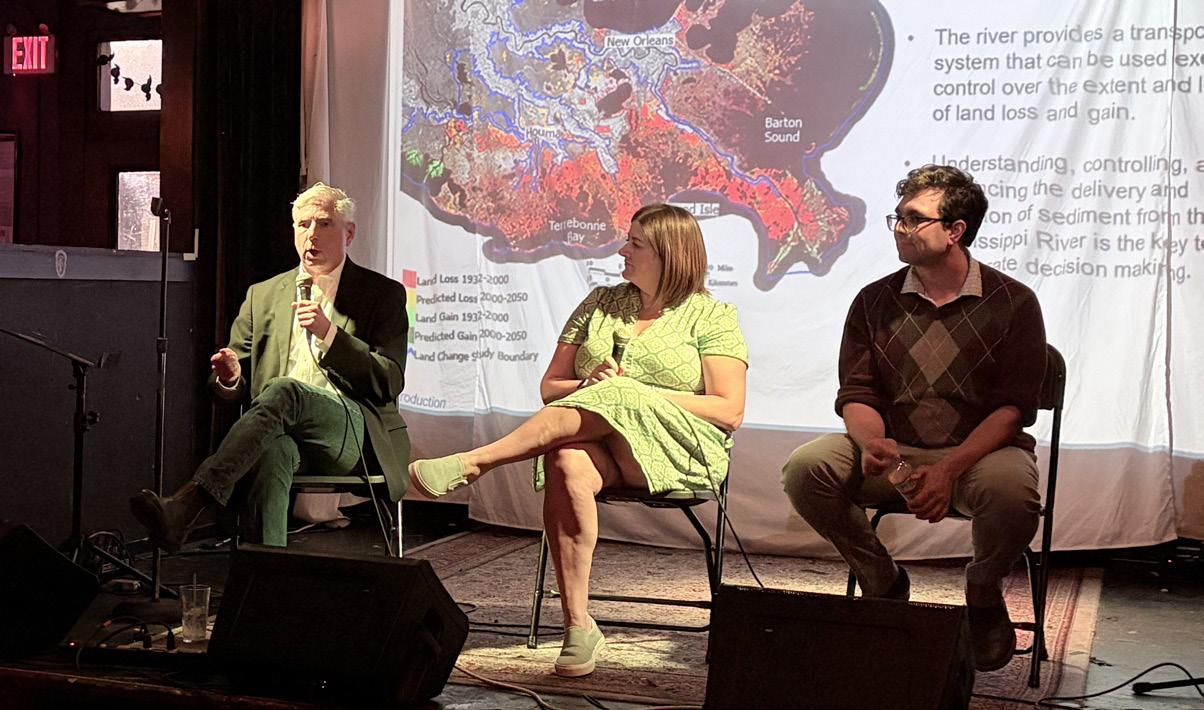
Left: Jessica Henkel, Director of Coastal Ecology, speaks on a panel at the American Geophysical Union’s annual meeting in New Orleans.
Top Right: Research Geologist Chris Esposito spoke at an off-site conversation during AGU25 on Neptune Pass: How a Crevasse in the Mississippi River is Building Land
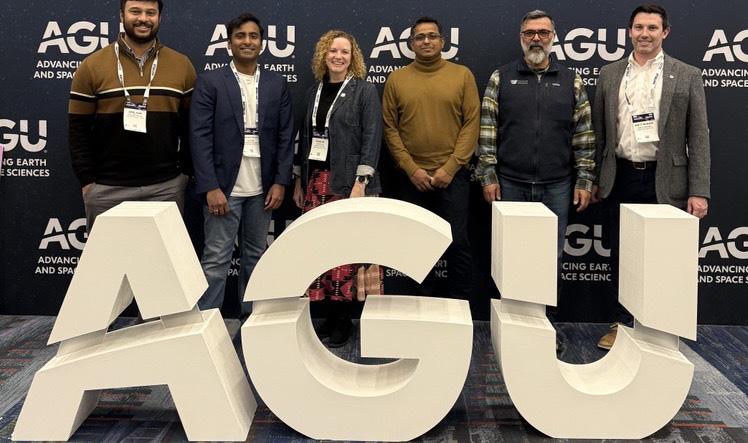
Bottom Right: Water Institute team members Arslaan Khalid, Flood Risk Pranavesh Panakkal, Jessica Henkel, Muthukumar Narayanaswamy, Ioannis Georgiou, and Brett McMann attend AGU25.
PEER-REVIEWED PUBLICATIONS
The Water Institute produces a wide range of scientific publications to advance actionable knowledge and support informed decision making. Through our research, we address complex and interconnected challenges facing coastal regions.
Working closely with partners and collaborators, we publish peer-reviewed research that highlights innovative approaches and promotes knowledge sharing across disciplines.
Bartlett, M. S., Van Blitterswyk, J., Farella, M., Li, J., Smith, C., Parolari, A. J., Krishnamoorthy, L., & Mrad, A. (2025). Physically based dimensionless features for pluvial flood mapping with machine learning. Water Resources Research, 61(4). https://doi.org/10.1029/2024WR039086
Bartlett, M. S., Cultra, E., Geldner, N., & Portporato, A. (2025). Stochastic ecohydrological perspective on semi-distributed rainfall-runoff dynamics. Water Resources Research, 61(9). https://doi.org/10.1029/2025WR040606
Baustian, K. M., Garcia-Putnam, A., Allen, L. M., Seidemann, R. M., Halling, C. L., Holland, Fox, A., Wilson, E., Murphy, A., Marcel, T. H., Boutte, K., (2025). Establishing a minimum number of individuals during a salvage recovery of a historic New Orleans cemetery. Journal of Archaeological Science: Reports, 68. https://doi.org/10.1016/j.jasrep.2025.105482
Carter, M. L., Seidemann, R. M., Newman, J. L., Reedy, E. A., & Halling, C. L. (2025) Applied expertise in human osteology: Legal and educational considerations in the United States. American Journal of Biological Anthropology, 187(3). https://doi.org/10.1002/ajpa.70091
Cultra, E., Bartlett, M. S., & Porporato, A. (2025). Plant water storage optimality across hydroclimatic landscapes. Ecohydrology, 18(5). https://doi. org/10.1002/eco.70078
Enwright, N. M., Dalyander, P. S., Stuht, C. M., Han, M., Palmsten, M. L., Davenport, T. M., Kingwill, C. J., Steyer, G. D., & La Peyre, M. K. (2025). Multiscale framework for assessing land cover change on barrier islands from extreme storms and restoration. Journal of Coastal Research, 41(6), 1029–1042. https://doi.org/10.2112/JCOASTRES-D-24-00084.1
Foster-Martinez, M. R., Georgiou, I. Y., FitzGerald, D. M., Hughes, Z. J., Novak, A., & Sakib, M. M. (2025). Understanding wave attenuation across marshes: Insights from numerical modeling. Journal of Marine Science and Engineering, 13(6). https://doi.org/10.3390/jmse13061188
Genc, U., Johnson, D. R., Fischbach, J. R., Grismore, A., & Haertling, A. (2025). Evaluating critical and essential service access vulnerability. Environmental Research Letters, 20(8). https://doi.org/10.1088/1748-9326/adee30
Hemmerling, S., & Wowk, K. (2025). Coastal cities under pressure: Climate change and the challenge of continuous adaptation. Reference Module in Earth Systems and Environmental Sciences. https://doi.org/10.1016/B978-0-443-14082-2.00118-6
Hughes, C. M., Shaw, J. B., Fernandes, A. M., & Swanson, T. E. (2025). Stratigraphic evidence of backwater morphodynamics and lowland river deltas in the Northern Hemisphere of Mars. Geophysical Research Letters, 52, e2024GL112957. https://doi.org/10.1029/2024GL112957
Liu, B., Shrestha, S., Li, J., Huang, W., Baustian, M. M., D'Sa, E. J., Bargu, S., Messina, F., Georgiou, I. Y., Kumar, A., & Freeman, A., (2025). Phytoplankton biomass dynamics in wet (2019) and dry (2023) years in Lake Pontchartrain Estuary, Louisiana from Sentinel 2-MSI and PACE-OCI observations, Science of the Total Environment. https://doi.org/10.1016/j.scitotenv.2025.181126
Oster, J. M., Henkel, J. R., Dausman, A., Windhoffer, E. D., Liu, B., Baustian, M. M., Reed, D., Langlois, S., & Lindquist, D. C. (2025). Advancing the implementation of coastal restoration in Louisiana through a co-production of science framework. Estuaries and Coasts, 48(6), 148. https://doi. org/10.1007/s12237-025-01584-3
Patch, S. M., Collini, R. C., Delaney, B. R., Bellais, K., Heming, M., & Caraway P. (2025). Adaptation pathways identify effective strategies for mitigating damage on a developed barrier island as sea levels rise. Frontiers in Ecology and Evolution, 13, 1616495. https://doi.org/10.3389/fevo.2025.1616495
Shawler, J. L., Hein, C. J., Georgiou, I. Y., Messina, F., & Sakib, M. M. (2025). Local versus regional controls on the morphology and texture of preserved beach and foredune ridges. Journal of Geophysical Research: Earth Surface, 130, e2025JF008429. https://doi.org/10.1029/2025JF008429
LEANING INTO ORGANIZATIONAL EXCELLENCE AND LIVING OUR VALUES
As The Water Institute strives to proactively expand our impact, we remain rooted in Louisiana and the Gulf Coast—places that shaped our mission and continue to ground our work. At the same time, addressing today’s complex, cross-cutting challenges requires many hands, diverse expertise, and collaboration that extends beyond any single geography. Today, we are an organization of more than 80 staff—from a majority of Louisianabased team members to colleagues located across the Gulf Coast and beyond.
In 2025, we created additional opportunities for in-person connection across teams, supported evolving operational needs for digital innovation, and continued adapting our structure to align with our five-year Strategic Framework. As we move forward, we are equally focused on strengthening the organizational excellence and cohesion that make this work possible through an intentional commitment to shared values, collaboration, and culture.
CORE VALUES


TRANSDISCIPLINARY
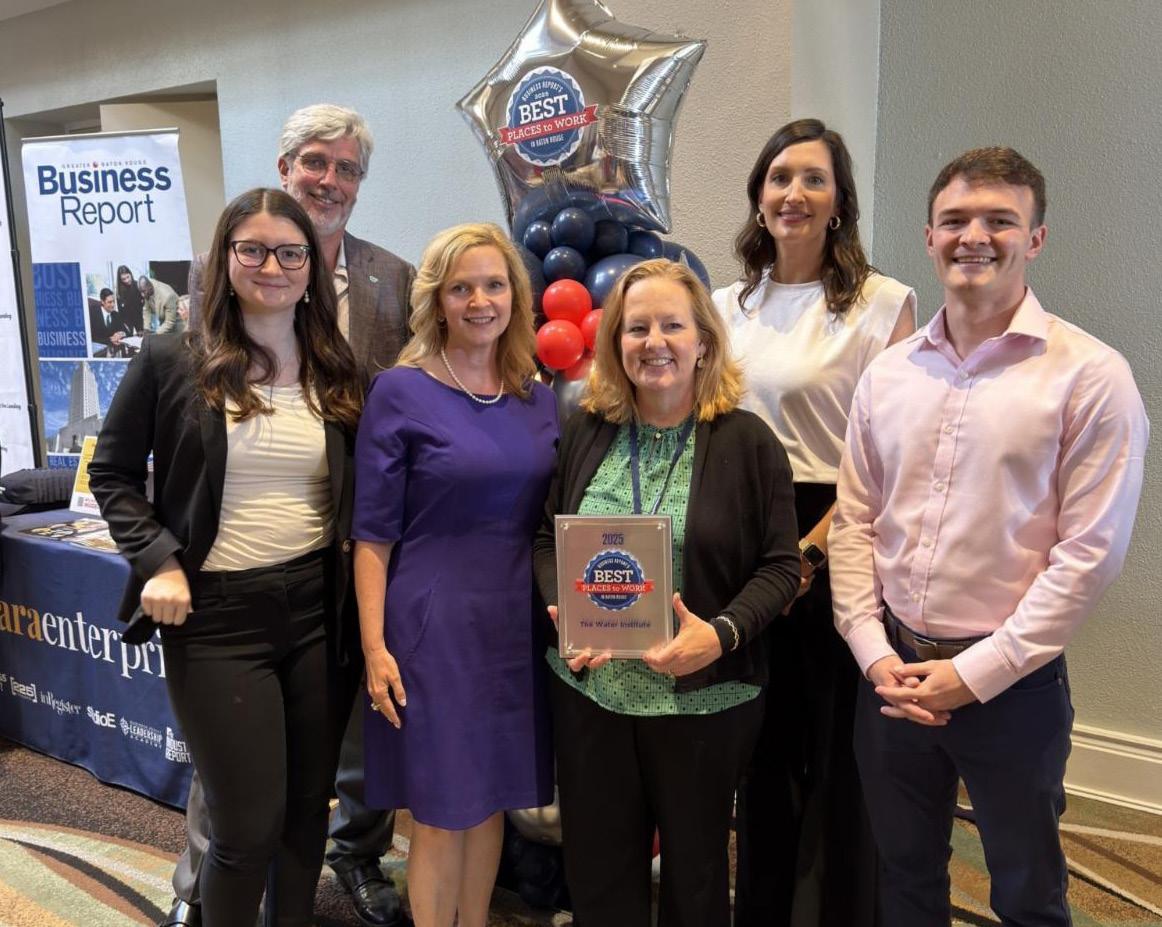
The Water Institute received recognition as a Greater Baton Rouge Business Report Best Places to Work in 2025 for the third consecutive year. Baton Rouge staff attended the event including, Lizzy Vise, Garvin Pittman, Jennifer Winstead, Brandy Rush, Danielle Claudet and James Martin.
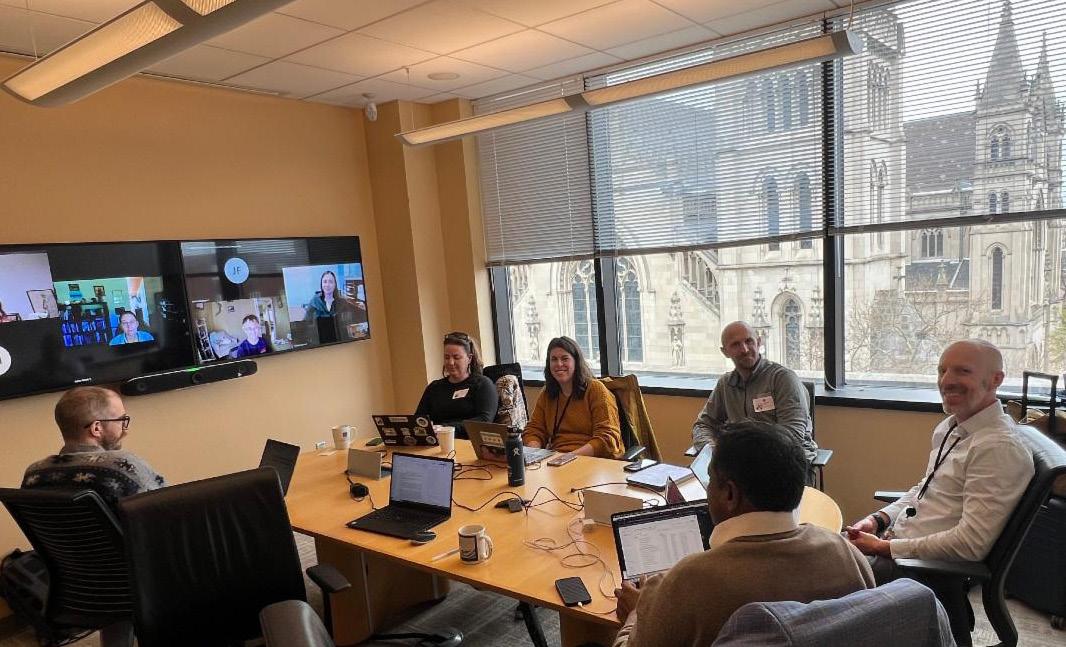
Beaux Jones, Muthu Narayanaswamy, Renee Collini, Allison DeJong, and Colleen McHugh traveled to Pennsylvania to meet with team members Jordan Fischbach and Patrick Kane as well as local partners at our new space in Pittsburgh with the Rand Corporation.
WHO WE WORK WITH
The Water Institute is proud to collaborate through a broad network of partners from private industry, academic institutions, non-profit organizations, and governmental partners at the local, state, and federal levels. Here are some of the organizations we have worked with most recently.
Acuity Design Group
Amazon Web Services
Amazon
America’s Watershed Initiative
Amite River Basin Drainage & Water
Conservation District
Applied Coastal
APTIM
Arcadis
Arizona State University
Associated Terminals
Association of Metropolitan Water Agencies
AtkinsRealis
Audubon Florida
Audubon Nature Institute
Baton Rouge Area Foundation
Bayou Community Foundation
Bisso Towboat
Big River Coalition
Blue Raster
Bureau of Ocean Energy Management
California Institute of Technology
Canal Barge
Carnegie Mellon University
Center for Sustainable Engagement and Development
Chenier Environmental Consulting
Chevron
City of Corpus Christi
City of Foley
City of Houston
City of Jacksonville
City of Mobile
City of New Orleans
City of St. Petersburg
Coalition to Restore Coastal Louisiana
Coastal Bend Council of Governments
Coastal Bend Neighborhood Empowerment
Coastal Communities Consulting
Coastal Conservation Association
Coastal Engineering and Adaptation Solutions
Coastal Engineering Consultants
Coastal Protection and Restoration
Authority of Louisiana
Colibri Ecological Consulting
Comite Resources
Conoco Phillips
Corpus Christi - Nueces Country Public
Health District
Crescent Towing
Commercial Properties Realty Trust
CSRS, a Westwood company
Curtis Lab
Danos
Deltares
Department of War Readiness and
Environmental Protection Integration
Development Seed
Ducks Unlimited
Duke University
Dynamic Solutions
Edward Wisner Donation Trust
EEECHO
E.N. Bisso & Son
Environmental Science Services, Inc.
Ephriam & Associates Environmental Consulting
e/PRIME Media
Escambia County
Environmental Tracing
ExxonMobil
Federal Reserve Bank of Atlanta
Federal Emergency Management Agency
Fernleaf
FitzGerald Coastal Consulting
Freese and Nichols
GFT
Greater Baton Rouge Economic Partnership
Greater Lafourche Port Commission
Greater New Orleans Foundation
GreenPoint Engineering
Gulf of America Alliance
Gulf of America Coastal Ocean Observing System
Guy Carpenter, a Marsh Business
Habitat Recovery Project
Halff
Harbor Towing
Harmonic International
Hazen and Sawyer
HDR
A House Unbuilt
HousingNOLA
Hunt Guillot & Associates
Idea Village
Instituto Tecnologico y de Estudios
Superiores de Monterrey
Jackson County, Mississippi
Justice40 Accelerator Core Team
Keep Louisiana Beautiful
LA.IO Louisiana Innovation
Law Offices of Michael J. Billiot
Louisiana Department of Conservation and Energy
Louisiana Department of Transportation
Louisiana Department of Wildlife and Fisheries
Louisiana Economic Development
Louisiana GOHSEP
Louisiana Office of Community Development
Louisiana Office of Planning and Budget
Louisiana Sea Grant
Louisiana State University
Louisiana Tech University
Louisiana Trust for Historic Preservation
Louisiana Universities Marine Consortium
Louisiana Wildlife and Fisheries Foundation
Lower Mississippi River Foundation
Max McGraw Wildlife Foundation
McNeese State University
Michael Baker International
Mississippi State University
Mississippi-Alabama Sea Grant
Moffatt & Nichol
Moran Towing
Munich Re
National Academies of Sciences, Engineering, and Medicine’s Gulf Research Program
National Fish and Wildlife Foundation
National Oceanic and Atmospheric Administration
National Park Service
National Science Foundation
National Wildlife Federation
The Nature Conservancy
Neel-Schaffer
Nexus LA
Nicholls State University
North Carolina State University
Nunez Community College
One Mississippi
Pittsburgh Supercomputing Center
PLACE
Pontchartrain Conservancy
Port of New Orleans
Port of South Louisiana
Princeton University
Program for Local Adaptation to Changing Environments
Purdue University
RAND Corporation
Restore America’s Estuaries
Rice University
Ripple Effect
Royal Engineers and Consultants
SCAPE Landscape Architecture
Seaside Institute
Sewerage and Water Board of New Orleans
Shell
Silvestrum Climate Associates
St. Mary Excel
St. Mary Parish, Louisiana
Stanford University
Stantec
State of Florida
Steps Coalition
StudioDRIFT
Southeastern University
Southern University
Tampa Bay Estuary Program
Taylor Engineering
Ten Across
TerraCarbon
Texas A&M University
Texas A&M University - Corpus Christi
Texas General Land Office
Texas Integrated Flooding Framework
Texas Water Development Board
Tulane University
Turn Services
U.S. Air Force
U.S. Army Corps of Engineers
U.S. Economic Development
Administration
U.S. Environmental Protection Agency
U.S. Fish and Wildlife Service
U.S. Geological Survey
United Houma Nation
University of Alabama
University of California, Los Angeles
University of California, Santa Cruz
University of Central Florida
University of Florida
University of Iowa
University of Louisiana at Lafayette
University of Maryland
University of Michigan
University of New Orleans
University of North Carolina at Asheville
University of North Carolina at Chapel Hill
University of Notre Dame
University of South Alabama
University of Southern Mississippi
University of Texas
Verisk
Virginia Department of Wildlife Resources
Volkert
Waggoner & Ball
Wetland Resources
WSP
WWNO
Xavier University
Walton County, Florida
Walton Family Foundation

SCAN TO READ THE IMPACT REPORT ONLINE