THE VARSITY

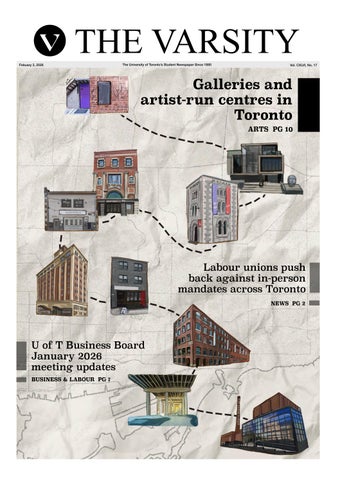
Vol. CXLVI, No. 17
21 Sussex Avenue, Suite 306 Toronto, ON M5S 1J6 (416) 946-7600

thevarsity.ca thevarsitynewspaper @TheVarsity thevarsitypublications the.varsity The Varsity

Medha Surajpal editor@thevarsity.ca
Editor-in-Chief
Chloe Weston creative@thevarsity.ca
Creative Director
Sophie Esther Ramsey managingexternal@thevarsity.ca
Managing Editor, External
Ozair Chaudhry managinginternal@thevarsity.ca
Managing Editor, Internal
Jake Takeuchi online@thevarsity.ca
Managing Online Editor
Callie Zhang copy@thevarsity.ca
Senior Copy Editor
Raina Proulx-Sanyal deputysce@thevarsity.ca
Deputy Senior Copy Editor
Ella MacCormack news@thevarsity.ca
News Editor
Junia Alsinawi deputynews@thevarsity.ca
Deputy News Editor
Emma Dobrovnik assistantnews@thevarsity.ca
Assistant News Editor
Ahmed Hawamdeh opinion@thevarsity.ca
Opinion Editor
Medha Barath biz@thevarsity.ca
Business & Labour Editor
Shontia Sanders features@thevarsity.ca
Features Editor
Sofia Moniz arts@thevarsity.ca
Arts & Culture Editor
Ridhi Balani science@thevarsity.ca
Science Editor
Caroline Ho sports@thevarsity.ca
Sports Editor
Aksaamai Ormonbekova design@thevarsity.ca
Design Editor
Brennan Karunaratne design@thevarsity.ca
Design Editor
Erika Ozols photos@thevarsity.ca
Photo Editor
Simona Agostino illustration@thevarsity.ca
Illustration Editor
Jennifer Song video@thevarsity.ca
Short-Form Video Editor
Emily Shen emilyshen@thevarsity.ca
Front End Web Developer
Sataphon Obra sataphon.ob@gmail.com
Back End Web Developer
Arunveer Sidhu utm@thevarsity.ca
UTM Bureau Chief
Ashley Thorpe utsc@thevarsity.ca
UTSC Bureau Chief
Matthew Molinaro grad@thevarsity.ca
Graduate Bureau Chief
Vacant publiceditor@thevarsity.ca Public Editor
Ben Chapman & Juliet Pieters
Associate Copy Editors Celesta Maniatogianni
Mia Torres
Associate News Editor Vesa Lunji & Zaneb Asad Associate Opinion Editors
Yousaf, Jean Patrick Vidad
B&L
Yaneza
Associate Design Editors
Emma Cervinka & Dowon Kim
Associate Illo Editors
Abby Russchen, Justin Chan-Degroot & Kazim Abro
Associate
The Varsity acknowledges that our office is built on the traditional territory of several First Nations, including the Huron-Wendat, the Petun First Nations, the Seneca, and most recently, the Mississaugas of the Credit. Journalists have historically harmed Indigenous communities by overlooking their stories, contributing to stereotypes, and telling their stories without their input. Therefore, we make this acknowledgement as a starting point for our responsibility to tell those stories more accurately, critically, and in accordance with the wishes of Indigenous Peoples.
Visiting professor Shahar Kvatinsky continued teaching until July 2025
Emma Dobrovnik Assistant News Editor
In 2023, Shahar Kvatinsky, a former visiting professor in the Faculty of Applied Science & Engineering, left the University of Toronto to serve in the Israel Defense Forces (IDF). Kvatinsky, the Dean of the Viterbi Faculty of Electrical and Computer Engineering at Technion – Israel Institute of Technology, continued teaching at U of T until August 2025.
Kvatinsky began his appointment as visiting professor in July 2023, but appears to have left the university to serve in the IDF sometime after October 7, 2023.
In a Facebook post from November 2023, Kvatinsky is seen wearing military gear in front of building ruins. The post’s caption reads, “We have been fighting for six weeks. [...] Six weeks away from family, with my new-old family in Golani.”
The Golani Brigade is one of the IDF’s five infantry brigades.
According to his CV, Kvatsinky served as a Lieutenant Colonel in the IDF from 1999–2004. However, the CV, which was updated in July 2025 — the same month Kvatinsky left U of T —
says that he “is currently in the reserve forces.”
The caption of the Facebook post continues, “I've been traveling around the world for exactly 43 years, almost 25 years as a soldier, both regular and reserve.”
In November 2024, Kvatinsky shared a photo of himself and other military personnel meeting with Israeli Prime Minister Benjamin Netanyahu. The caption indicated that he’d met with Prime Minister Netanyahu and former Defense Minister Yoav Gallant two months prior.
After serving in the IDF, Kvatinsky returned to the university in fall 2024 to teach ECE552: Computer Architecture. He shared a photo of himself outside the People’s Circle for Palestine in May 2024, wearing a t-shirt embossed with the symbol of the Golani Brigade.
It is unclear whether U of T formally allowed Kvatinsky to take a leave of absence to go to Israel. A spokesperson for the university wrote to The Varsity that they were unable to disclose this information “due to privacy constraints imposed by law.”
Although university staff can apply for a research and study leave, a sick leave, or a long-term disability leave, a spokesperson for the university wrote that “visiting professors
This month, U of T and Ontario public service employees begin transition to the office

Assistant News Editor
Starting this January, U of T administrative staff began the transition to full-time in-person work, as per a mandate announced last October by U of T president Melanie Woodin.
business@thevarsity.ca
This mandate was criticized by United Steelworkers (USW) Local 1998, the union representing U of T administrative and technical staff, which approved spending up to $100,000 on a fightback against the mandate.
Doug Ford announced a similar mandate for the more than 60,000 employees of the Ontario Public Service (OPS) beginning in January, claiming it would increase worker productivity and support small businesses in downtown Toronto who rely on foot traffic.
Ford’s move was met with criticism from public service workers and labour unions such as the
Ontario Public Service Employees Union (OPSEU/ SEFPO), who have challenged the mandate’s legality. As of January 23, more than 10,000 alternative work accommodation requests had been filed as a result of the mandate.
U of T’s return to office
Following Woodin’s initial announcement, Local 1998 President and Unit President, Victoria University Unit John Ankenman, and Local 1998 Vice-President and Unit President, StaffAppointed Tamara Vickery, told The Varsity that the announcement has “caused anxiety and frustration for many people,” and that this decision will disproportionately affect staff who are female, racialized, disabled, or have childcare responsibilities.
USW Local 1998 have not changed their stance on the mandate, and wrote to The Varsity that they are “ramping up this campaign through a
would not normally be subject to these leave conditions.”
The Provostial Guidelines for the Appointment of Status-only, Adjunct and Visiting Professors states that visiting professor appointments will normally not last more than a year, but can be extended at the discretion of the Vice-President and Provost. Not counting his leave to Israel, Kvatinsky’s appointment lasted two years.
When asked whether the university was aware that Kvatinsky had returned to Israel to serve in the IDF, a spokesperson for the university responded that “faculty members are free to engage in activities outside of the university within the bounds of the laws of Canada.”
In a statement to The Varsity, the International Centre of Justice for Palestine (ICJP) said, “Israel’s Prime Minister and former Minister of Defense are both wanted by the ICC for atrocity crimes carried out by the Israeli armed forces in Gaza. [...] It is shocking that any academic institution would even entertain the idea of collaborating with an individual who served under these alleged war criminals during their genocidal military campaign in Gaza.”
Kvatinsky did not respond to The Varsity’ s request for comment.
number of coordinated efforts, including member engagement activities, outreach, and planned events that will be unfolding over the coming weeks. This work is a key priority.”
Many of USW’s posters have been posted around campus promoting hybrid work, which include phrases like, “Have an [alternative work arrangement]? Don’t let the university take it away.”
A spokesperson for U of T confirmed that the transition to increased in-person work for administrative staff began as planned, and that the university had not faced any challenges in implementing the policy.
The spokesperson also confirmed that some departments and units had already completed the transition as of January 23, but did not comment on which departments.
Ontario public service employees protest in-person mandate
In an email to The Varsity, Amanda Usher, Chair of the OPSEU/SEFPO OPS Unified Central Employee Relations Committee (CERC) and the OPSEU/SEFPO OPS Unified Bargaining Team, wrote that OPS workers “have proven that modern and flexible work arrangements deliver real results,” saying that “Productivity rose, services thrived and taxpayers saved millions in office space costs.”
On January 23, dozens of OPS workers gathered outside the Ontario Labour Relations Board to protest the mandate as the CERC challenged it inside. They argued that it violates Section 86(1) of the Ontario Labour Relations Act, which prohibits employers from unilaterally altering the working conditions of employees once bargaining has commenced.
When asked why in-person work mandates have begun to ramp up, Usher wrote, “The sudden push to reverse the hybrid model isn’t about improving performance or service delivery for this government, it’s about reasserting forms of workplace control that ignore procedure, evidence and the people who keep this province running.”
On January 26, CERC made a statement announcing that the mediation was unsuccessful and that they will proceed to a formal hearing at the Ontario Labour Relations Board, which has been scheduled for May 26 and June 5.
Ashley Thorpe UTSC Bureau Chief
The UTSC Campus Affairs Committee met on January 27 for their meeting on tuition costs and campus services, as well as an agenda of dense budget documents and long-term plans that extend far beyond the current student body.
The committee’s role was not to approve these changes, but to review whether proper procedures were followed for the fee increases, parking changes, and housing renovations.
Special remarks about Shivank Avasthi The meeting opened with special remarks on the campus’s shared mourning of Shivank Avasthi delivered by Alison Mountz, VicePrincipal, Research & Innovation.
“We’ve been working closely with Shivank’s family to ensure that their wishes are respected, while also creating space and supporting our students as they grieve and come together in ways that are meaningful to them… Nothing has been done without intention, care and deep respect for those most impacted by this tragic act of violence.”
“Every member of our UTSC community will play a role as we continue important conversations and work to restore our collective sense of safety. Please show yourselves grace. Take time to look after your own well being and extend care by checking in with people around you, we will get through this difficult time of coming together and continuing to support one another as a community,” Mountz said.
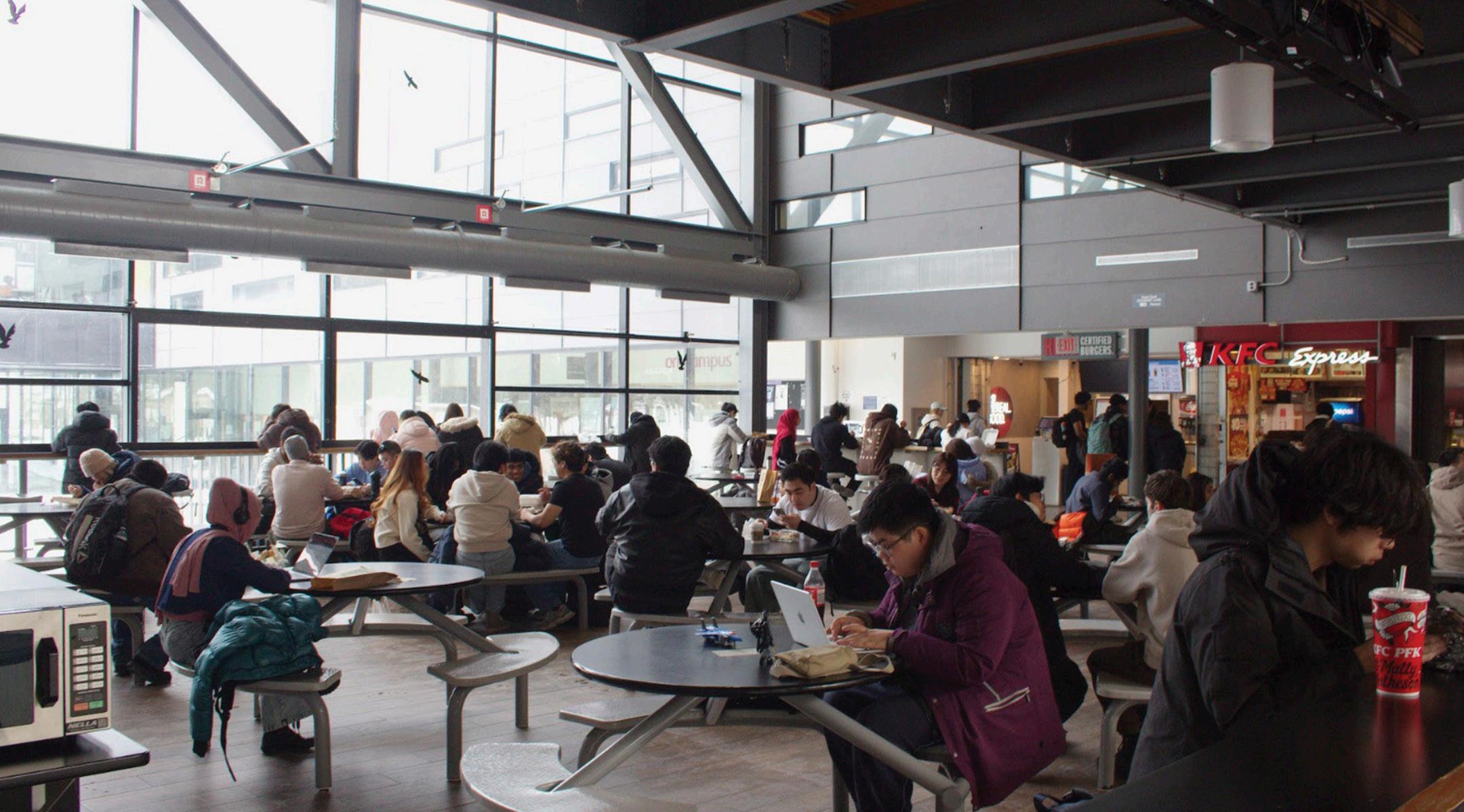
Service ancillary fee increases
The $2.1 million Premium Townhouse Project is a major modernization effort of campus townhouses starting this summer. The renovations will include removing carpet, upgrading kitchens and bathrooms, and refreshing outdated living spaces that have not been modernized in years. This project will start this year, and span six summers to avoid displacing students who live on campus during the year.
“We’ll be starting our first summer as a bit of a pilot to see how things work, how the process is doing, and what the real costs are looking like,” said Greg Hum, Director, Housing & Residence Life.
Student Housing and Residence Life proposed fee increases of three to 16.7 per cent for the townhouses and apartment-style suites, but
most increases would be between three and five per cent. Food and Beverage Services is also proposing a three per cent fee increase for the all-access meal plan at the Harmony Commons residence.
Additionally, new multi-storey above-ground parking is being built — the Retail & Parking Commons — and is set to open in July 2026. The lot will add 1,092 spots, replacing the surface parking that was removed by the construction of new buildings on campus. To fund these expansions, the parking fees for all categories of UTSC permits are proposed to increase by three per cent.
“The new president is asking people to come back into the office or be present on the campus. The medical school is opening. There’s more students coming to this campus — there’s a real
Arunveer Sidhu UTM Bureau Chief
On January 27, the University of Toronto, Mississauga (UTM) Academic Affairs Committee (AAC) met to review enrolment statistics and vote on the approval of a new undergraduate specialist in accounting and finance (BBA) and a minor in criminology, law, and society (CLS).
Enrolment statistics
In the 2025 academic year, UTM reported a total of 15,215 registered undergraduate students. The majority were returning students, while 4,093 were new students — including 3,118 domestic students and 975 international students.
Registrar and Assistant Dean, Enrolment Management Renu Kanga Fonseca noted that enrolment targets for international students were not met in the 2024 and 2025 academic years, citing changes to international study permit changes introduced in 2024. As of 2025, international students account for 24 per cent of UTM’s total undergraduate population. The report also indicated 70 per cent of UTM students graduate within six years — a rate lower than that of the University of Toronto Scarborough campus and the Faculty of Arts & Science at St. George. The graduation rate is also lower than the overall average in Canada of 73 per cent.
New undergraduate program
Professor Bryan Stewart, Vice-Dean, Academic Programs, presented a proposal for a new undergraduate program — a specialist in accounting and finance within the Bachelor of Business Administration degree.
The program will feature a managementoriented curriculum designed to help
students develop expertise in both finance and accounting. It aims to equip students with the ability to apply concepts aligned with the Chartered Professional Accountant designation to “solve complex business problems using principles related to financial reporting, management accounting, strategy & governance, audit & assurance, and taxation.”
Students will also be prepared for the Chartered Financial Analyst designation through exposure to subject areas including “investments, financial markets, enterprise and security valuation, business financing, financial modelling, mergers & acquisitions, and specialized financial instruments.”
Existing specialists in the areas of accounting and commerce at UTM confer a Bachelor of Commerce (BCom) degree, and are economics-based programs. By contrast,
the proposed specialist falls under the BBA — a management-focused degree introduced in response to increased demand from students and industry.
The new specialist is anticipated to become available in September 2026 with a planned intake of 15 students for its first year. The program has no financial implications for the campus or the operating budget, as it is built entirely on existing courses and faculty expertise.
With the CLS major and specialist demonstrating strong enrollment, the Department of Sociology proposed a new minor in CLS. The minor is intended for students whose primary academic focus lies in another area, allowing them to complement their major or specialist with a CLS minor.
pressure on parking,” said Andrew Arifuzzaman, UTSC Chief Administrative and Strategy Officer, while presenting on increased parking needs.
Last year, Parking Services made a surplus of $1.5 million, but after depreciation expenses from the new Retail and Parking Commons parking garage, it came to a loss of $3.2 million.
Student services fee increases
The Scarborough Campus Students’ Union UTSC Sports & Recreation Complex Levy is proposed to increase by four per cent, starting this summer. The levy was originally established after a referendum in 2010.
As a result, full-time students will pay an additional $8.62 per session, while part-time students will contribute an additional $1.73. The committee approved the fee increase.
The sessional Health & Wellness Service Fee is increasing by 11.3 per cent to $105.40, the Athletics and Recreation Fee is increasing by 0.79 per cent to $143.17, and the sessional Student Services Fee is increasing by 4.12 per cent to $226.74, which amounts to a $20.8 increase for full-time students and a $3.68 increase for parttime students.
These price increases come from rising student demands for services and the growing student body. Specifically, these funds will go towards mental health services, recreation facilities, and advising services.
The committee approved the increases.
Student representation
There are currently four open student seats within the Campus Affairs Committee for undergraduate students. At the time of the meeting, only one seat had been filled.
Since the meeting took place, a new call for applications has been sent out to the student body. The committee’s role is to oversee whether administrative decisions follow procedure and reflect adequate student consultation on issues related to fees, housing, and campus services.
The department conducted a student survey of nearly 940 students, which indicated high demand for the minor: over half of firstyear respondents and 80 per cent of upperyear students expressed interest. The data also indicated that a new minor will not detract from enrolment in the major or specialist program.
During the meeting, a committee member asked whether the CLS minor would accept credits from related fields, such as anthropology and philosophy. In response, Professor David Pettinicchio, interim chair of the department of sociology, said that “[the department is] trying to start small, in the sense of focusing on our courses.” He further added that the program can be modified down the road once it’s established.
The new minor will also include two new courses: SOC212H5: So, you want to be a lawyer? and SOC368H5: Global Perspectives on Gang Culture, which will utilize existing faculty resources.
The Academic Affairs Committee voted to approve both the new undergraduate program and the CLS minor.
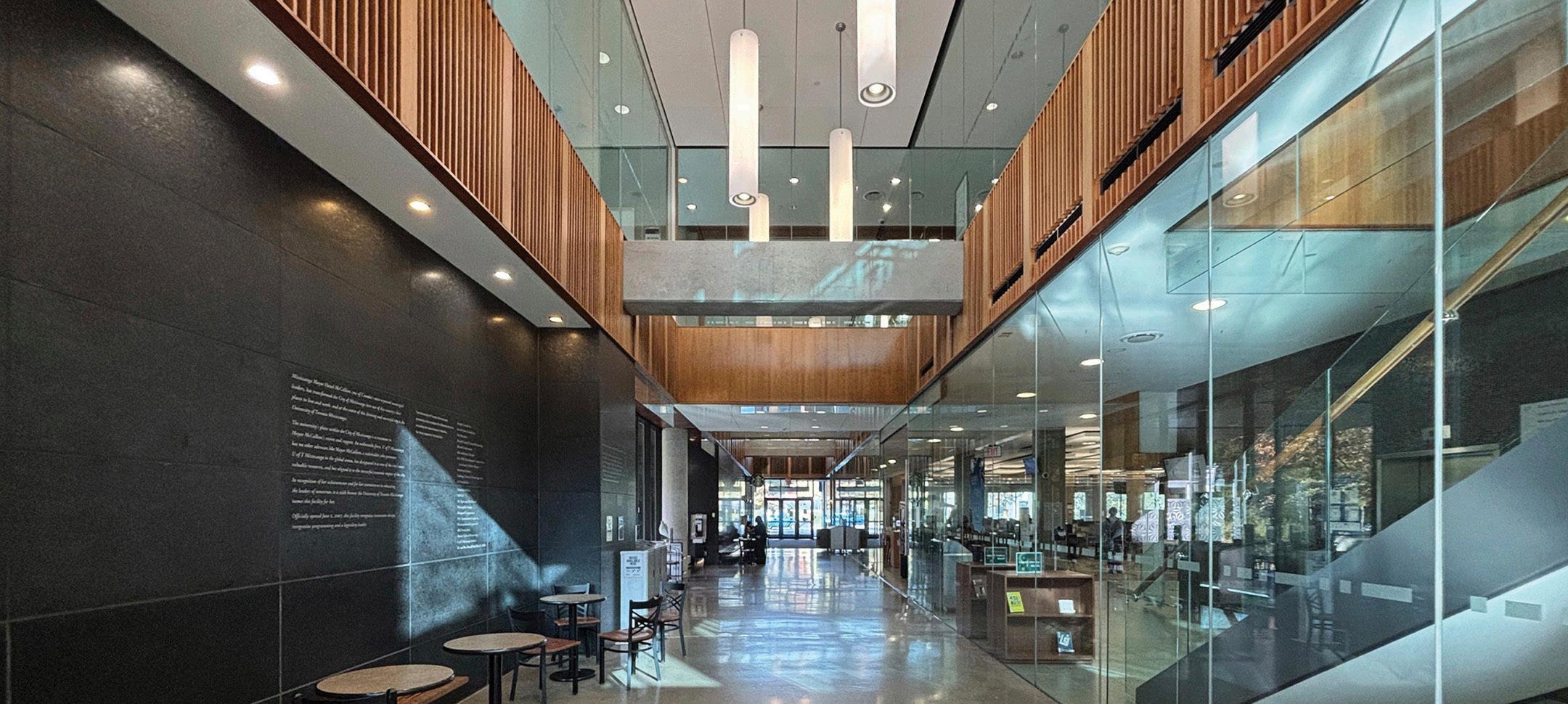
On January 29, the UTM Muslim Students’ Association (UTMMSA) participated in the Green Square Campaign to mark the National Day of Remembrance and Action Against Islamophobia. The campaign, which takes place annually in the week leading up to January 29, honours the victims and survivors of the 2017 Québec City Mosque attack and is led by the National Council of Canadian Muslims (NCCM).
“We all wear green felt squares pinned to our clothes to represent the green colored carpet of the Quebec City mosque,” said Mohammed Mahi Mukati, an advocacy associate with the UTMMSA, in an interview with The Varsity “The number one step toward fighting against Islamophobia and irrational fear and hatred is information.”
UTMMSA president Zaed Ul Islam said in an interview with The Varsity that education and dialogue were central to the campaign’s goals.
“Growing up in Canada, I’ve always felt safe and welcomed, so it was obviously a shock when the Québec City mosque shooting happened,” said Islam. “It’s important that we participate in this so we can combat these hateful sentiments and work toward fostering a more inclusive society.”
Reflecting on the impact of the 2017 attack, Islam said the event deeply affected the Muslim community.
“It was difficult, especially when you consider how many of us go to mosques, and that it could have been any one of us,” he said.
“Being visibly Muslim for us was something we had to be careful about.”
Despite this, Islam said student response on campus has been positive.
“We see people from many different backgrounds coming up and supporting us,” he said. “We’ve had some very fruitful conversations where we spoke in depth about Islam and Muslims.”
In an interview with The Varsity , Eliezra Nudrat Lodi, a first-year life sciences student,
said the table caught her attention while passing by, and she learned something new through the campaign.
“I didn’t know that the green squares represented the carpet of the mosque,” she said. “I think it’s really nice what they’re doing, wearing the green squares and how it’s so symbolic… spreading awareness so it’s not forgotten,” she said.
Organizing on campus
Behind the scenes, organizers faced logistical challenges when last week’s snowstorm delayed the delivery of materials.
“It was a bit of a hassle because we had the snow day,” said Maryam Zeeshan, an advocacy associate with the UTMMSA, in an interview with The Varsity on the day of the campaign. “NCCM wasn’t able to get it to us on time.”
Rather than cancel the initiative, the team made the materials themselves.“The entire team spent yesterday cutting the felt and cutting the squares so we can make sure we get it to the students and the professors today,” Zeeshan said.
She estimated that, with just three to four people, the team was able to cut 324 green squares.
“To see that everyone is wearing them today is honestly so beautiful,” she said.
Looking beyond campus
In an interview with The Varsity, Daniyal Kashif, a Da'wah associate with the UTMMSA, said January 29 holds significance beyond the Muslim community.
“An attack on one of us is an attack on all of us, the Canada that I’ve grown [up] in and lived in. I’ve always had positive experiences with people of other cultures, of other religions, and that’s the Canada that I know,” Kashif said. “This attack… that happened to the Muslim community in Quebec [should] be seen as an attack on all of us and our rights in Canada and our safeties in Canada.”
Organizers said they hope the campaign will remind the students that Muslims are an integral part of the campus community and that

Leaders from the Alberta Prosperity Project, a separatist group that wants Alberta to be independent from Canada, have met three times with US State Department officials in Washington since April, a new Financial Times report reveals.
The group’s first founding principle is to hold a referendum on “Alberta sovereignty,” and it has reported that members of Alberta Premier Danielle Smith’s United Conservative Party caucus have signed the petition. A referendum has not yet been called.
At a time of heightened US-Canada tension, the group appears to want the US as an ally, and is trying to meet officials in Washington again next month to discuss a $500 billion credit facility to financially support the province, should the referendum for independence be passed.
Following these reports, Prime Minister Mark Carney said he expects US President Donald Trump will “respect Canadian sovereignty.”
Canada announces new Canada Groceries and Essentials Benefit — Ottawa
Nguyen Bao Han Tran, Varsity Contributor
On January 26, Prime Minister Mark Carney announced the new Canada Groceries and Essentials Benefit, which will replace the existing Goods and Services Tax (GST) Credit. Starting in July 2026, the benefit will increase by 25 per cent for five years, alongside a one-time payment in 2026 equivalent to a 50 per cent increase.
According to the federal government, a family of four could receive up to $1,890 in 2026 and approximately $1,400 annually for the next four years. Single individuals could
receive up to $950 in 2026 and about $700 per year for the next four years. The benefit is expected to support more than 12 million Canadians.
Pierre Poilievre passes leadership review with 87 per cent support — Calgary
Nguyen Bao Han Tran, Varsity Contributor
On January 30, Conservative Leader Pierre Poilievre passed his party’s leadership review with 87.4 per cent support following a vote held at the Conservative Party’s national convention in Calgary. According to a Conservative spokesperson, approximately 95 per cent of eligible delegates participated in the vote.
The leadership review was the most significant internal test of Poilievre’s leadership since he became Conservative leader in September 2022.
Marineland granted conditional approval to export captive beluga whales and dolphins to US — Niagara Falls
Arunveer Sidhu, UTM Bureau Chief
On January 26, the Canadian government granted conditional approval for Marineland — an amusement park in Niagara Falls, Ontario that shut down in 2024 — to export 30 captive beluga whales and four dolphins to US facilities.
On January 22, Marineland provided the Canadian government with a deadline to approve its export permits to ship its remaining beluga whales and dolphins abroad. They threatened to move forward with their plan of euthanizing the animals if the deadline was not met.
Marineland has been the subject of controversy for many years — a total of 20 whales have died at the amusement park since 2019.
February 3, 2026
thevarsity.ca/cateogory/opinion opinion@thevarsity.ca
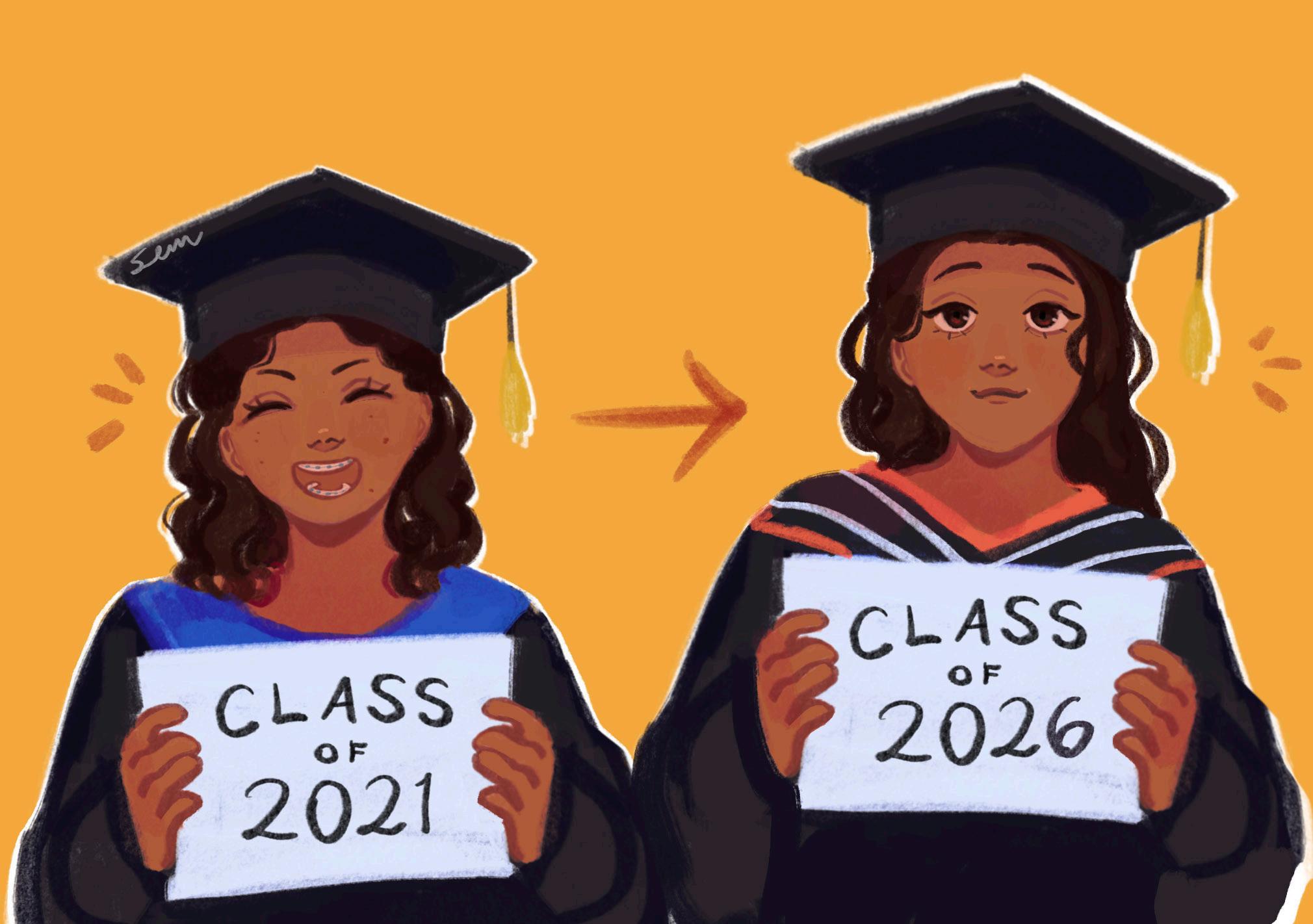
Undergraduate degrees should take five years to complete instead of four Detours should be encouraged on the path to graduation
We’re all in this together
Two roads diverged in a wood, and I— I took the one less travelled by, And that has made all the difference.
— Robert Frost, “The Road Not Taken”
I find myself reflecting on the past few years as I sip the final dregs of my undergraduate degree.
One’s roaring 20’s are said to be the most monumental years in a lifetime, only to be plagued by a plethora of arbitrary expectations that are supposed to be a one-size-fits-all for young adults.
As I tiptoe closer to the finish line, having started university during a pandemic, taken a semester off, and faced everything life can throw at a 20-something-year-old student, I’ve come to the conclusion that the standard length of time for completing an undergraduate degree should be five years instead of four. This realization was a hard pill to swallow and only came after not being able to finish my degree in four years, which wasn’t because of a lack of trying.
I believe that there’s a lot of shame surrounding not completing a degree in the ‘standard’ four years. Feeling behind or not smart enough to handle the life of a student, not doing ‘enough’ or not being motivated to be able to… the list goes on. Beyond these emotions shared among students, I will aim to argue that stretching a degree into five years is objectively better.
To put things into perspective, let’s bring in some facts! According to Statistics Canada, “Almost three-quarters (74%) of the 2014/2015 cohort of Canadian students had completed a bachelor’s degree after six years. As for the ‘on-time’ rate – 44% of the 2016/2017 cohort of students had graduated after four years.” For the American super seniors out there, the New York Times shared in 2014 that only 19 per cent of full-time students attending American public universities graduated with a bachelor's degree in four years.
These statistics reflect that taking longer than four years to graduate is not an exception, but is becoming the norm. Yet, from my experience, the four-year timeline is still favoured and seen as the standard measure of success.
I’ve stumbled upon countless posts on the U of T subreddit from struggling students who are attempting to reach out and find fellow students who may be in the same boat. One Reddit user wrote, “university life is non-existent, the courses are grueling, and the profs. are rude. The weather makes everything so much worse. Give me some ideas, what can I do to make my life better here?” Another wrote, “I feel so hopeless and lonely, thinking about dropping out.”
The expectations of what schooling should look like, shaped by what we see online, are inconsistent, limited, and explain why students struggle with these notions.
A four-year degree assumes financial stability, perfect homelives, uninterrupted and superb academic progress, and strong mental health — none of which are guaranteed. On the other hand, a five-year degree allows students time
to adjust to life’s ups and downs, take a slightly reduced course load, work part-time, and meaningfully engage with their education rather than winning an imaginary race.
Going against the grain
I think ‘the grind’ or hustle culture is put on such a high pedestal, but what is admirable about stretching yourself so thin that you have no time or energy to live and enjoy your life?
Back to Reddit, which is a great place for casual research, one user asked, “Taking 5 courses one semester, any advice for this course load?” One of the answers that caught my eye read, “I took 6 courses a semester in my final year and finished with a 3.95. Understand that sacrifices will need to be made in order for you to succeed — winners understand this, losers do not.” I’d like to think that this user must have misunderstood the story of the tortoise and the hare.
Stretching out my degree has been beneficial, allowing me to take four courses a semester instead of five or six. It has given me the space to take advantage of my education, as well as engage with my life outside of school. Instead of measuring my success and worth by how much I could handle at once, I began measuring it by how well I could feel and show up — and then doing well in school followed seamlessly afterwards.
Taking a break
I took a semester off from school in my third year. I was overwhelmed, unsure about what I was studying and if I even liked it, and I was struggling
through each course, contemplating whether university was even for me.
I barely told anybody around me about this fact until more recently because I was embarrassed and thought I was a failure. I had internalized the idea that pausing or not sticking to the “four-year plan” meant I was falling behind, as if time was a measure of worth and not just progress.
In retrospect, my four-month break from school was objectively unproductive, but not unrewarding. I owe that break to finding The Varsity and the lovely community of people who work here. During that period of time, I figured out what I wanted to study and that I actually like being a student, and that even in the most unproductive of times, learning can still happen.
I’d like to mention that I acknowledge that I speak from a place of privilege — I have supportive and open-minded parents and the most amazing friends a gal could ask for, as well as some semblance of financial aid to “half-fund” (let’s get into this another time, shall we?) my schooling. I recognize that not everyone is as fortunate to have support systems that they can rely on. To those folks out there, readers and fellow students alike, I hope you can pursue something you enjoy, something that makes your heart sing. Or at least something that doesn’t make you want to pull your hair out. After all, even though we might be slaves to a capitalistic system, we might as well try to enjoy our lives while we can.
Zaneb Asad is a fifth-year English, political science, and creative writing student at UTM. She is also an Associate Opinion Editor and Lead Copy Editor at The Varsity.
Roy Su What's New in News Columnist
Recently, a close loss forced me to stop and evaluate how I show up for the people I love. I think it made me realize how easily we drift from those who matter most, and how, as we grow older, maintaining connections becomes a more intentional task. I decided that I need to take the time to reconnect with people.
This was around Christmastime, and I remembered the old Christmas cards I was ‘forced’ to write for my family and friends. It used to be such a pain to sit there for hours, struggling to remember the year’s highlights and find the right words while my parents watched over my shoulder with judging eyes.
But I pushed through because I remembered what it felt like to be on the other side: I enjoyed reading letters from friends and family, and I remember the specific weight of their words. I had come to appreciate the time spent thinking about people who matter to me.
Yet, as I grow older, I find myself becoming more estranged from people I once saw every day. I believe there is a strange kind of alienation that settles in as we move through our 20s. A feeling that, despite the ‘better’ technology at our fingertips, we have become spectators of each other’s experiences rather than participants in their lives.
We are so connected to the image of a life, yet so detached from the reality of it. So, as a
Our modern ways of staying ‘in touch’ are failing us
reminder of the past, I decided to handwrite Christmas cards to my best friends, and other people who have made an impact on my life. This time, I wouldn’t do it for the sake of tradition.
I’ve realized that I am not doing enough, and I believe that our modern ways of staying 'in touch' are failing us. For me, this effort boils down to two main convictions.
Firstly, I find that we need to reconnect with people and rebuild that organic community that we are losing to technological life. Connection matters. To show care we need to learn how someone thinks and feels.
In his landmark study Bowling Alone , Robert Putnam famously argued that our civic and social ‘muscles’ are atrophying because we have moved from collective, face-to-face activities to individualized, screen-based ones. And so we are ‘bowling alone,’ or in our case, ‘scrolling alone.’ As we lose these organic spaces, we lose the warmth of a life lived in community.
I believe that as we get older, friends begin to spend more and more time apart, and are involved in more obligations, work, school, or even, in my case, on other continents. Being apart starts to feel normal, and hanging out becomes a Herculean task.
In today’s world, social connection is being squeezed by two major forces: a ‘productivityfirst’ work ethic and the rising cost of living: friendflation.
I begin to unconsciously assign values to activities in our friendship through cost, a dinner, a pub night, a movie out, every hangout has a price value attached to it, influencing our perception of friendship. Remember when we were young, when we were in school, there was no difference between hanging out on the field or inside playing card games. They were different kinds of fun, but equally meaningful, as neither was measured by money or productivity.
It’s important to realize that a handwritten card or a simple check-in that costs almost nothing carries immense value. We need to return to that playground mentality and forget that ‘pay to play’ part of modern adulthood.
I also find that the world nowadays is quite in juxtaposition; we are so connected yet so disconnected at the same time. This is most obvious on platforms like Instagram, where I see people casually scrolling past each other's lives. I find that due to the advent of technology, we don't really talk anymore, not in a way that asks, “How are you, truly?” and to connect with others in a genuine way.
It seems unnecessary to think about, but I could imagine two long-lost friends who still follow each other on social media going a decade without ever exchanging a word. As we become comfortable with the image that is shown to us, there is no desire to learn and connect with people. We know where they went on vacation or what they had for lunch,
and we feel like the ‘need’ for conversation has been satisfied. Yet more often than not, we are unaware of the other person’s struggles and difficulties as they hide behind the screen. As such, we’ve become spectators of each other’s highlights, but strangers to each other’s realities.
I hope people can get back into the habit of checking up on their friends. There is a selfimposed barrier of insecurity that often tells us reaching out is weird or that showing care makes us look vulnerable in a way we aren’t comfortable with. We hide behind a wall of apathy, assuming that if someone needed us, they’d post about it.
But true connection doesn't happen in the comments section; it takes action. By handwriting a card or sending a text that bypasses the ‘feed,’ we are telling our friends that they don't have to be ‘right’ or ‘marketable’ to be worth our time.
They just have to be them. We need to stop being satisfied with what is ‘shown’ and reconnect with the parts of us that can’t be captured in a photo.
So, skip the scroll. Pick up a pen. And please , write that card.
Roy Su is a fourth-year student studying communication, culture, information & technology and computer science at UTM, and is the What’s New in News Columnist for The Varsity’s Opinion section.

Who stands to gain and who will shoulder the costs?
Ciarah Rampersad Varsity Contributor
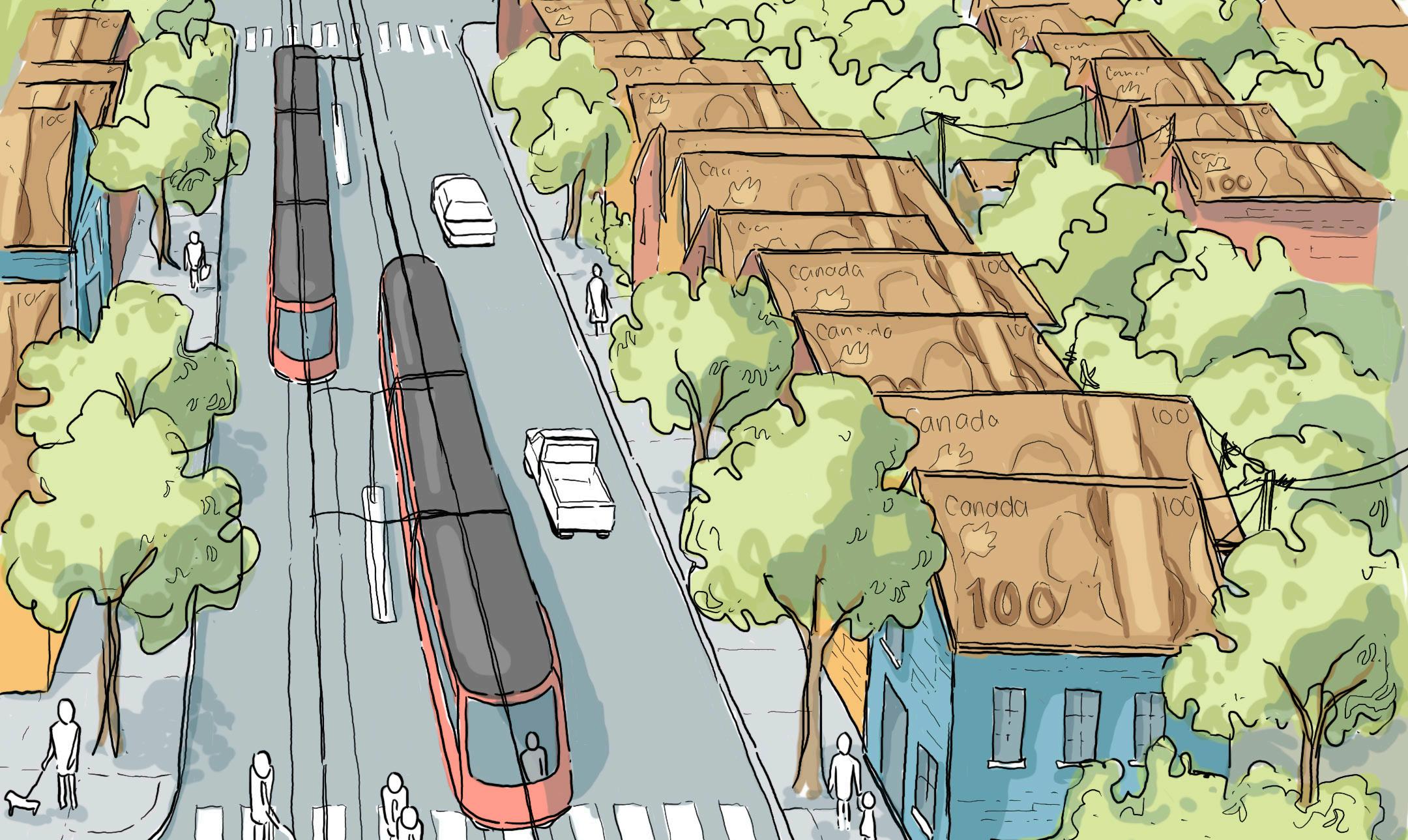
Toronto’s 2026 budget was unveiled on January 8, with City Hall framing it as a response to affordability challenges. Recent data shows that there is a large disparity between minimum wage and how much workers need to earn to live comfortably in Toronto. The council believes the budget is a means to sustain essential services in the face of inflation, rising population, and financial limitations.
As the City Council prepares to debate the budget on February 10, it has sparked a fresh conversation about how its costs and benefits will be shared among Toronto’s residents.
According to the Toronto Star, the proposed budget includes close to $19 billion in operating
expenditures — the day-to-day costs of running the City, such as transit, policing, shelters, libraries, and staff salaries — marking a slight rise compared to the previous year. The budget features changes to property taxes and additional funding for the TTC.
Property taxes and affordability pressures
A key aspect of the budget is a proposed property tax hike — a fee homeowners pay to the City based on the value of their property. The budget includes a 0.7 per cent rise, which officials say will help “protect critical services.”
This year’s hike is noticeably lower than property tax increases in previous years. This may be due to the City observing revenue gains from areas like higher taxes on luxury home sales. Consequently,
Reviewing infrastructure repairs, borrowing capacity, and the major financial contributions
U of T’s Business Board is a group that meets multiple times a year to present, discuss, and vote on issues related to university resource allocation, physical capital management, financial investments, workplace policies, and more. The committee is composed of members from a range of representative backgrounds, including government-appointed members and undergraduate students.
The first meeting of 2026 took place in late January, during which several U of T employees presented on behalf of their respective areas of expertise and departments.
Starting the evening, the Chief Operating Officer of U of T’s Property Services and Management, Ron Saporta, presented on deferred maintenance. Despite its name, deferred maintenance does not refer to operation-related tasks, but rather the postponed upkeep of capital assets — such as buildings or elevators — due to budget constraints. It is a resource-intensive area, driven by the university’s aging infrastructure, rising costs of materials, equipment, and labour, as well as climate-related impacts such as extreme weather.
A significant portion of the presentation focused on how projects within the maintenance backlog are assessed and prioritized. When an infrastructure issue arises, it is audited and evaluated using weighted categories — physical condition, impact on users, systemwide impacts of failure, and building use, in that order. Based on its score, the issue is placed on a prioritized waiting list for repair.
U of T’s deferred maintenance backlog was $1.5 billion in 2025, marking an increase of $46.4 million from 2024. This might be due to limited provincial funding — last year, U of T received nine million dollars from the provincial government for facility renewal, while most of the approximate $130 million that McGill spends on construction and renovation annually comes from Québec government funding.
The department’s key objective is to slow the growth of the maintenance backlog through strategic investments, including the $300 million Revitalizing Infrastructure, Strengthening Education program launched in 2025. This program aims to reduce the safety risks associated with campus operations, with a particular focus on areas such as fire prevention.
Additional independent capital investments — such as major renewal projects and new construction — are also expected to help curb the growth of the university’s maintenance backlog. For example, the James and Louise
February 3, 2026
thevarsity.ca/category/business biz@thevarsity.ca
the government has less need for revenue from the taxes it levies on regular properties.
However, while an increased property tax may only directly affect homeowners, renters could feel the impact indirectly if landlords respond by raising rents to make up for the higher costs they face when owning a property.
TTC funding and fare stability
One of the standout areas of the 2026 budget is transit funding. The budget proposes a 1.5 per cent increase to the City Building Fund levy, an additional component of property taxes that helps fund transit and housing in Toronto. This will help support initiatives to improve transit operations in Toronto.
For example, the City is set to approve the TTC’s three billion dollar operating budget request, which includes a $93.8 million increase in City funding to support day-to-day TTC operations. Last year, the TTC purchased 55 additional subway cars to improve reliability and added 500,000 service hours to its schedule.
This year, City officials say the increased funding will enable a third straight year without increased TTC fares. It will also help launch a new farecapping program later this year — the City states that this will help provide “2.1 million net new free rides.”
For students, the budget’s transit measures could have some of the most direct effects. Many post-secondary students depend on public transit to get to school and work, so stable fares and dependable service are especially important for their affordability.
However, since the budget does not include new transit discounts specifically for students, any affordability improvements are mostly linked to maintaining current service levels rather than offering direct financial support to students.
Shelters and social services
The 2026 budget signals a change in how housing and shelter funds are allocated. While there are plans to increase long-term shelter capacity, the
operating budget for shelter services is set to decrease, largely due to the closure of temporary shelter hotels and a reduction in demand from refugee claimants.
Meanwhile, the shelter system remains under significant strain, with hundreds of people being turned away each night. Some officials have raised concerns that cutting short-term funding could further stress these services, especially as the City intensifies actions to clear encampments.
The budget stops short of significantly increasing the supply of affordable housing in the near future. Consequently, students facing Toronto’s competitive rental market are unlikely to experience immediate relief, even as the budget aims to address broader affordability concerns. City documents show that while the HousingTO plan continues to guide new affordable and rentcontrolled homes, the pace of actual construction and delivery remains constrained, not dramatically boosting supply right away.
Schools and camps are also the recipients of new investments — the city is expanding its nutrition and food programs in these locations to help children get access to more affordable nutrition.
A broader fiscal reset
City officials portrayed the 2026 budget as a step toward more stable and predictable funding, moving away from reliance on temporary solutions. Cost-control measures like a hiring freeze for non-essential roles are aimed at managing expenses, while safeguarding core front-line services.
As the council prepares to debate the budget in the weeks ahead, students and young adults will be paying close attention. Although the proposal aims to safeguard essential services and keep costs manageable, it also highlights the challenging compromises required to tackle affordability issues in Canada’s largest city. It remains to be seen whether the budget will truly relieve financial pressures or merely shift them around.
Temerty building will address $20 million in replacement costs from the existing backlog.
Current debt status report
As of the 2025–2026 school year, U of T’s debt policy limit for both internal and external borrowing is $3.1 billion. At the time, the university had approximately $1.1 billion remaining for additional allocations, including external direct, indirect, and internal borrowing.
External borrowing refers to loans from organizations outside of the university, such as banks. Indirect borrowing refers to debt not explicitly taken on by U of T but for which the university may ultimately be responsible — for example, loans issued to affiliated partners.
Internal borrowing occurs when units within U of T draw from university funds, such as when a department uses internal financing to support a new project.
By the end of 2025, U of T projected that its debt burden ratio — a measure of financial health calculated by dividing interest plus principal by total expenditures — would rise to around 3.6 per cent if all approved debt were issued. While this represents an increase, the ratio remains relatively low, indicating a manageable level of risk and continued borrowing capacity.
Quarterly donations over $250,000
The university received nearly $100 million from high-value pledges, donations, and gifts exceeding $250,000.
Almost 80 per cent of this total came from Henry N.R. Jackman, the billionaire philanthropist after whom the Jackman Faculty of Law is named. A U of T law graduate from 1956, Jackman has been one of the university’s most consistent and generous donors for decades. His $80 million contribution will support the construction of a new Jackman Law Building, the expansion of scholarship funding, and other initiatives.
The Faculty of Arts & Science and Rotman Commerce received the second-highest amount of donations. Worth a total of $3 million, RBC contributed money to continue its support for Rotman’s Sustainable Finance Program and Competition and the John Hull Financial Innovation Fund.
Ultimately, the U of T Business Board’s January 2026 meeting reflected the complex financial decisions involved in running one of Canada’s largest universities. With discussions spanning maintenance, debt, and donations, U of T entered the new year with a financial agenda that must balance past obligations, present needs, and future priorities.
Photo February 3, 2026 thevarsity.ca/section/photo
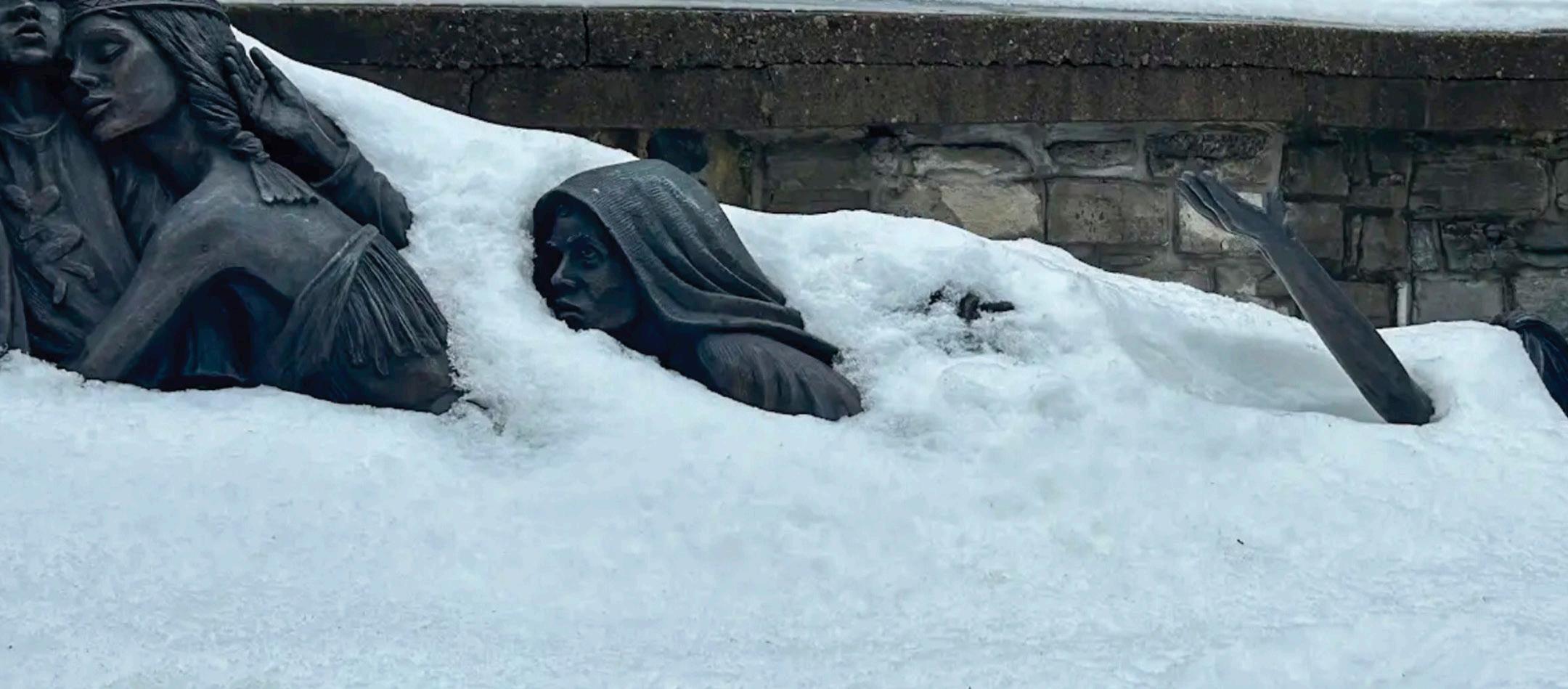
As snow continues to cover the city, the cold air and empty spaces offer students a sense of tranquility amidst the chaos
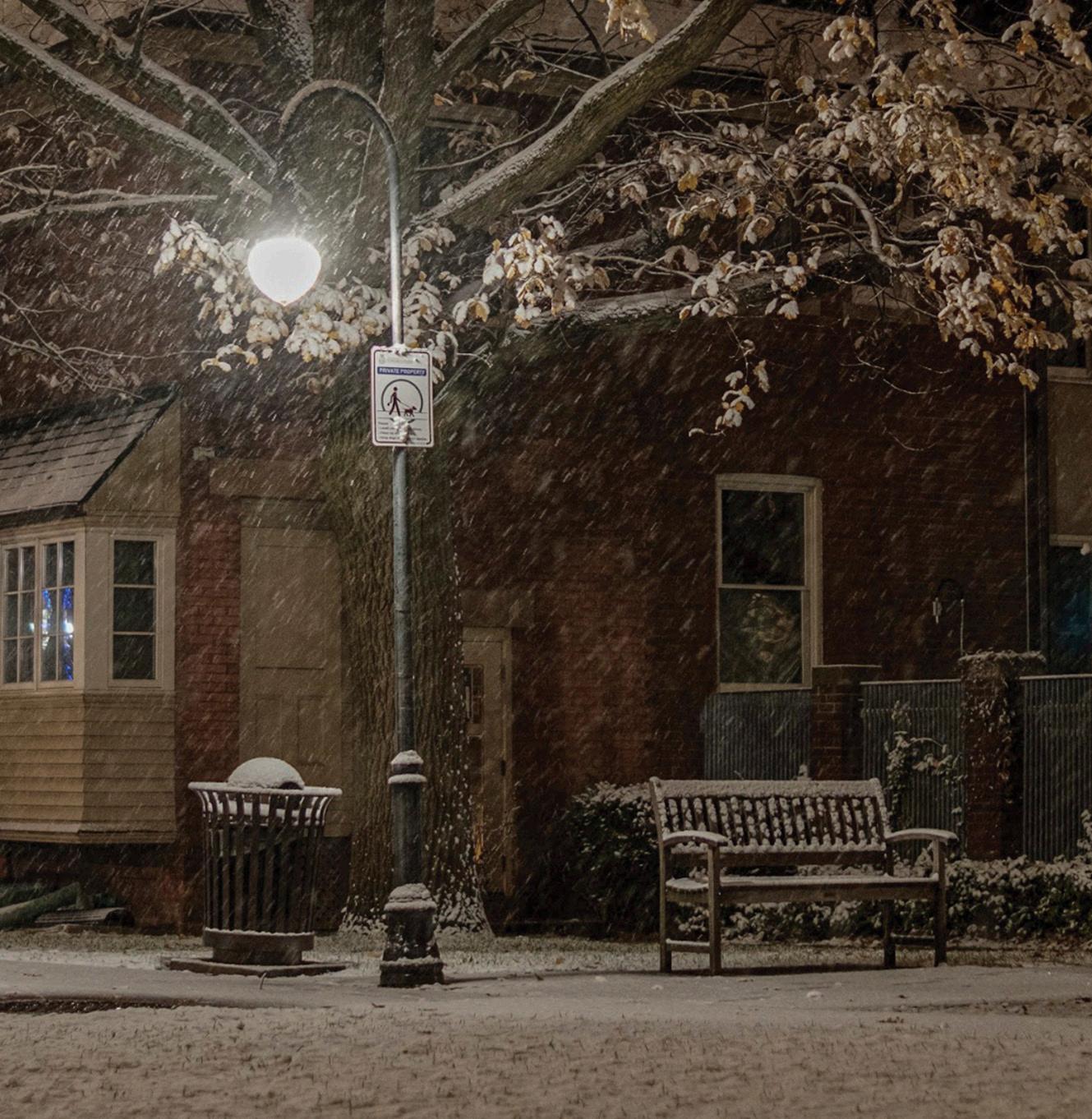
During these cold months, setting time aside for ourselves often feels more like a necessity than an act of indulgence. Winter begs us to still function normally amidst the season’s chaos, so we often forget to listen inward and remind ourselves that rest has an important place within productivity.
That tranquility looks different for everyone. For some, it’s boiling a warm pot of soup on the stove, or settling down on the couch under a fuzzy blanket, sketchbook open. Sometimes it’s more of a ritual — rewatching The Thing (1982), and pretending, for even just a moment, that you’re as cool as Kurt Russell. It’s building a snowman with your friends, even if it’s seen as ‘childish.’ It’s reminding yourself to listen to your body’s urges, and appreciating the elemental.
To be present — Winter has a way of burying what we think we know. The piles of snow obscure familiar shapes, challenging us to take a second look and remind
ourselves of the things we pass by on a daily basis without even realizing.
In being obscured, the familiar adopts a new meaning of presence. What remains is a reminder that clarity doesn’t always come from seeing everything at once.
Sometimes, we find perspective when the parts we think are familiar are covered. It forces us to slow down, stop, and engage with what is before us, being reshaped.
To be present might mean standing outside long enough to feel the snow land on your nose, or pausing for a moment to admire the thickness of it, how it blankets everything the sun manages to touch. In these smaller moments, peace finds room to exist. Winter doesn’t only take, but much like any other season, it offers a sense of stillness, softness, and the permission to care for ourselves in simple, human ways.
The season is still decompressing; it’s okay if you are too.






February 3, 2026
thevarsity.ca/category/arts-culture arts@thevarsity.ca

Raina Proulx-Sanyal Deputy Senior Copy Editor
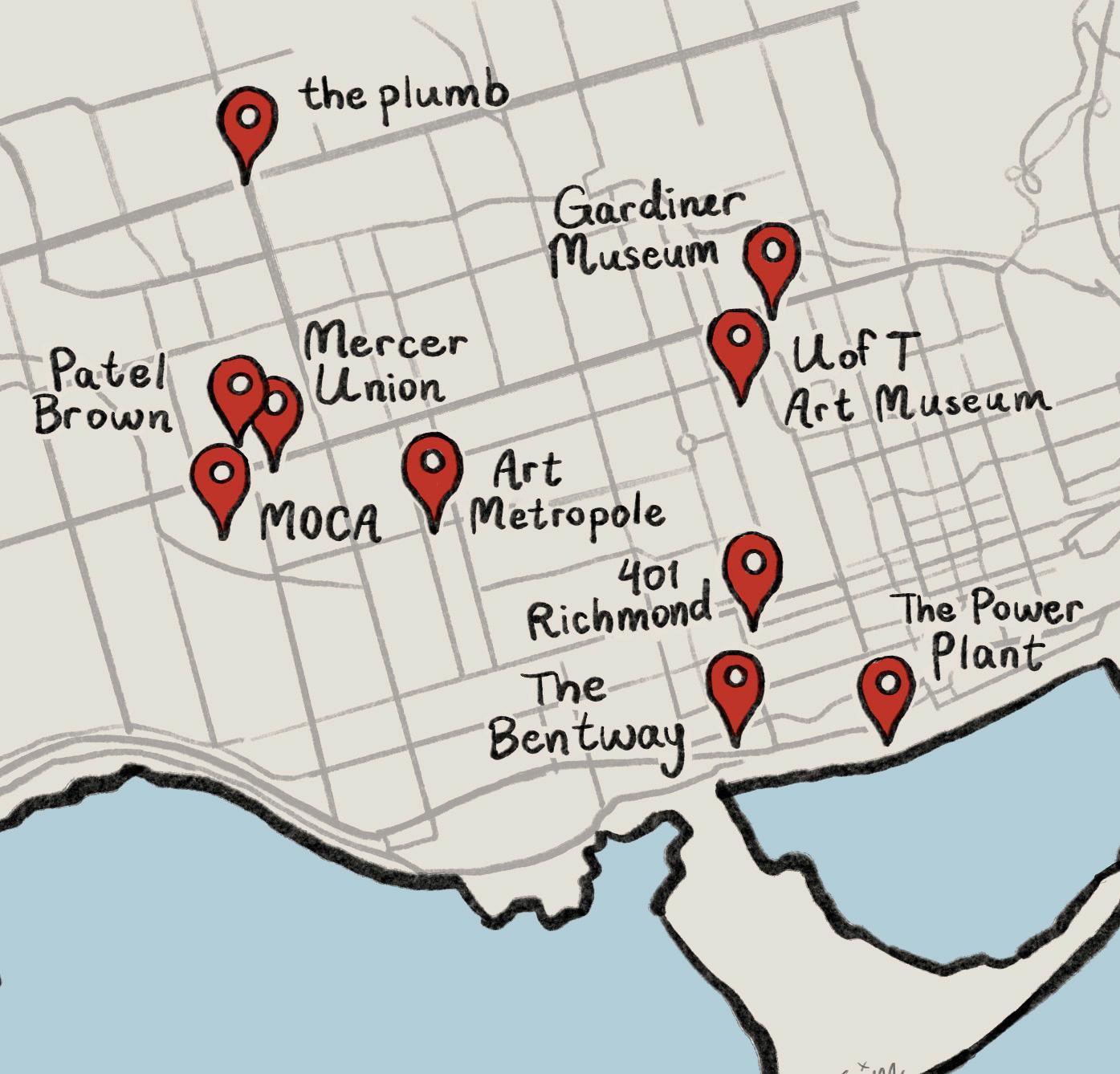
Thanks to the Art Gallery of Ontario (AGO) and the Royal Ontario Museum (ROM), Toronto has wellknown and well-established public arts programs. But the Toronto arts scene is much bigger than those two institutions.
The city is home to many smaller galleries and organizations that support both established and emerging artists. With cheaper or even free entry, as opposed to both the AGO and the ROM, these galleries around the city give the public access to the arts and programming, keeping local arts alive.
Museum of Contemporary Art (MOCA)
One of the largest galleries in the city, the MOCA has rotating exhibitions of contemporary art from both Canadian and international artists. The gallery’s three floors host either several exhibitions at once, or one larger one — such as the current Jeff Wall exhibition.
Large and financially accessible, MOCA is a hub for contemporary art in the city, putting on experimental installations that push the limits of art display. Each floor is completely transformed for the projects it features, creating a new, immersive experience surrounding each artwork, unlike anything at the AGO. You can find MOCA near Bloor and Dundas West.
Gardiner Museum
Newly renovated and located right next to U of T, the Gardiner is a ceramics museum that exhibits historical and contemporary works. With both permanent collections and temporary exhibitions, the museum features a wide range of objects and art that span across time and place.
Through the display of historical artifacts and contemporary art, they provide a mix of historical and artistic insight into ceramics, showing how the two worlds intersect. The Gardiner also hosts various classes and programs for the public, offering many ways to get involved with the museum.
These galleries around the city give the public access to the arts and programming, keeping local arts alive
Art Museum at U of T
With two galleries — one in University College and another in Hart House — the Art Museum generally shows student work in summertime graduate exhibitions, and contemporary art from established artists during the academic year. Featuring local and international artists, the galleries provide students and the general public free access to a range of exhibitions in the core of U of T’s St. George campus.
With plenty of programming and student-led tours, the galleries also give students paths into the art world through work-study or internships and integration of course material, as many classes tour the exhibition during the semester.
The Power Plant
The Power Plant is a contemporary arts gallery located in the Harbourfront Centre. Generally consisting of two different larger exhibitions with one
installation in the hallway, the gallery hosts various forms of art, from large-scale video installations to immersive painting exhibitions. With free access year-round and extensive programming, the Power Plant is devoted to developing contemporary art in the centre of the city.
Art Metropole
While Art Metropole is not a conventional art gallery, it has been a cornerstone of the arts scene in Toronto for decades. Located on College, west of Little Italy, the centre is an archive for publications
are crucial to cultivating the characteristically Canadian — as they originated here with the growing Canadian arts scene in the ’60s and ’70s — art world that is not stifled by the bureaucracy of larger institutions.
401 Richmond
Home to more than 40 artists’ studios as well as 17 art galleries and artist-run centres, 401 Richmond is a community in and of itself, functioning as a major pillar of supported and funded arts in the city. Hosting artist-run centres like Vtape — a
work from across the world from working artists. Their established relationship with these artists means that the curators are familiar with and understand the artwork, which shows in their curation.
the plumb
Focused on providing spaces for artists in a city where rent constantly seems to skyrocket, the plumb is a DIY artist-run collective on the corner of St. Clair and Dufferin that features developing artists in Toronto. Working with established artists
like zines, as well as books that document and provide commentary on art. The storefront shows small art exhibitions and provides various historical and contemporary publications for sale.
Art Metropole is not only a base for new and developing artists, but also a place to find books that are not available elsewhere.
Mercer Union
As one of the biggest artist-run centres in the city, Mercer Union, in Bloordale Village, commissions new work from both Canadian and international artists, showing art both indoors and outdoors on banners year-round. Their combination of developing and established artists means that their exhibitions continue to address contemporary issues while featuring the newest perspectives in art.
Mercer Union serves as a key example of how artist-run centres in Toronto and across the country
technological archive of video and media art, and Tangled Arts — which focuses on supporting artists with disabilities, the centre is one of the most diverse spaces for art in the city.
Open to the public, the sheer number of institutions located at 401 Richmond means that there is always an exhibition or program open to visit.
Patel Brown
A short walk from the MOCA, and right next door to Lansdowne Station, Patel Brown is a private gallery that is part of a network of smaller galleries and artist studios across the Lower Junction Triangle.
With shorter exhibitions and a mix of group and solo exhibitions, the gallery has a constant rotation of varying contemporary artists.
As a private gallery, their representation of artists creates a specific but intentional curation of their exhibitions, comparing and contrasting
and curators both in and out of the collective, these artists get a larger platform to show their work and create new insight.
Their DIY nature makes their practice unconventional at times, but also allows them to take approaches and uplift voices that would usually be sidelined by larger organizations.
The Bentway
Unlike any other institution on this list, The Bentway does not have any brick-and-mortar location. Instead, it is comprised of various programming across and under the length of the Gardiner Expressway.
From winter skate trails to rotating public art and ecological education, The Bentway is a hub for public education and activity alongside art display. Centred on public engagement, their featured art is some of the most accessible art in the city.
the Telling Comes the Magic”
Ali Zarubin Varsity Contributor
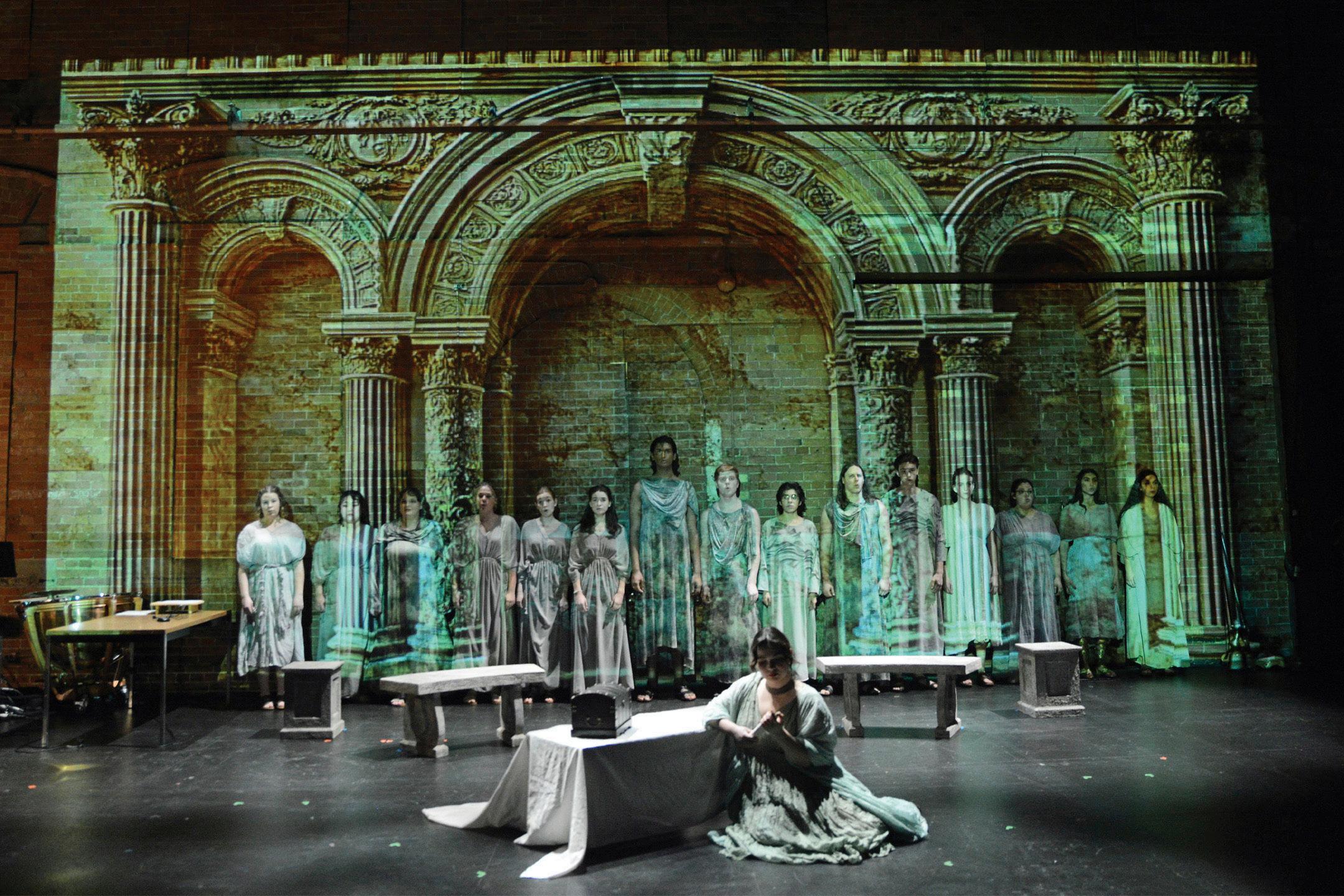
On January 18 at the Berkeley Street Theatre, I had the pleasure of attending With the Telling Comes the Magic: Tales from Antiquity to Present Day — a performance presented by the U of T Opera Student Composers Collective. The collective presented scenes from classic Greek mythology, first in their historical context, and then as a modern retelling. The scenes featured original operatic compositions by members of the collective.
As I’m completing a minor in classical civilizations, the classical inspiration for these opera scenes piqued my interest, and I was thrilled to be in the audience that night. U of T’s opera performances, which often allow free admission for U of T students, seemed like an appropriate setting to explore my interest in operatic adaptations of classical texts.
Master’s and diploma students in opera performance, with a supporting undergraduate chorus, debuted the opera scenes, hosting an evening showing and an additional matinee. The evening performance welcomed a nearly full house of opera enjoyers. In reimagining the setting of each classical text in a modern context, the scenes subtly enforced the relevance of ancient narratives in modern times.
The ‘scorned woman’ archetype flowed seamlessly between William Quan Cheng’s The vengeance of Medea and James Lowrie’s Medea in suburbia, emphasizing that these archetypes continue to resonate with audiences. The remaining scenes, were composed by David Archibald, Pari Bahrami, and Kelly Du, each set to librettist Michael Albano’s witty text.
The creative vision behind this project, as well as the performances that brought it to life, were met with cheers from the audience during the final curtain call. Following all of their hard work, the cast, orchestra, and composers greeted an adoring crowd in the foyer of the theatre. It was compelling to see U of T artists celebrated for their hard work; as a part of the crowd cheering them on, I felt enveloped in community.
Though I admittedly know very little about opera, I was able to appreciate the performance in my own way. While I enjoyed Archibald’s Antigone in antiquity and Cheng’s The vengeance of Medea because of their classical familiarity to me, I found that modernized scenes like Lowrie’s Medea in suburbia provided fresh takes on antiquity that inspired me to imagine the stories that I had before assumed I was entirely familiar with, in new ways.
The scenes were written and presented in English, which removed the intimidating language barrier that often exists for opera newcomers, as many famous operas are performed in French, Italian, or German.
I can say with certainty that I will attend U of T opera events again in the future. Events like this make opera feel a bit less intimidating to students with other interests and areas of study, at a heavily discounted cost. I am committed to making use of the resources I’m offered as a U of T student while I can.
Upcoming, the University of Toronto Opera will present Benjamin Britten’s The Rape of Lucretia, in “a feminist, survivor-forward production” of the opera. The show will be presented at the Harbourfront Centre Theatre with four performances taking place from March 12–15.

Ashley Thorpe UTSC Bureau Chief
In 2026, musical theatre is no longer confined to Broadway marquees or elite theatre districts. The genre as a whole has experienced a large surge in mainstream popularity, largely due to film adaptations and social media trends bringing show tunes to the forefront of pop culture. From Oscar-nominated movies to viral TikTok audios, theatre is reaching audiences who may have never found a love for it otherwise.
Theatrical releases
The release of the Wicked film adaptations played a huge role in bringing musical theatre
to contemporary audiences. Finally, fans who loved Wicked on Broadway no longer had to watch grainy, low-quality ‘slime tutorials’ on YouTube to see their favourite show or travel to major cities and pay exorbitant ticket prices.
While movie musicals are nothing new, Wicked ’s debut on the silver screen gave rise to a huge online fandom, brand collaborations, and various viral trends. The film allowed people to experience the magic of theatre in a more familiar, approachable setting.
Precious Enitilo, a UTSC student involved in the Drama Society, wrote to The Varsity that bringing musicals to mainstream audiences has been effective in the past. “Similar to what
we saw with Mamma Mia and The Sound of Music, bringing musicals into cinemas makes them far more accessible to the general public,” she said. “When people can experience musical theatre outside of traditional theatre spaces, it removes a lot of the intimidation and opens the door for new audiences to fall in love with the art form.”
Watching a musical in a movie theatre or from the comfort of their own home allows audiences to engage with the performances without worrying about ticket prices, dress codes, or unfamiliar theatre etiquette — factors that can make stage shows feel daunting to newcomers.

Alongside movies, social media has become a powerful influence in shaping the popularity of musical theatre. Very few productions demonstrate this better than Hamilton . Over a decade after its debut, the musical remains a pillar of pop culture, particularly on TikTok, where popular audios, performances, and fan-made content introduce the show’s music to millions of people.
Enitilo wrote that many people recognize songs from Hamilton long before they ever become true theatre fans. This wide-reaching digital presence has transformed the show into a cultural cornerstone that reaches audiences far beyond the Richard Rodgers Theatre.
Hamilton functions as an accessible introduction to theatre; the lyrics are catchy, the music is upbeat, and it remains comedic while depicting a convoluted part of American
history. Its unique blend of storytelling, choreography, music, and technical design highlights the many components that come together to create a single production. For new audiences, Hamilton demonstrates the collaborative nature of theatre: that each component of a production matters.
Engagement with theatre does not have to end with watching a film adaptation or hearing a short audio clip that’s trending online. University productions allow audiences to experience storytelling in a shared, local space. By attending or participating in amateur performances, individuals can engage with theatre as active members of a welcoming community space.
The transition from fandom to involvement is visible within university theatre spaces. At the UTSC Drama Society, students have the opportunity to move beyond consuming theatre as a fan to creating productions themselves. For Enitilo, campus theatre mirrors the same sense of community that draws audiences to online fandoms.
When asked about her favourite part of Drama Society, Enitilo wrote, “the people, without a doubt.” She continued, “they bring so much joy, passion, and support — not just to the team, but to the entire theatre community at UTSC.” Much like the online fandoms built around shows such as Hamilton or Wicked , the Drama Society creates an environment for students full of shared enthusiasm and collaboration.
Enitilo noted that campus theatre also plays an important role in welcoming students who have only participated in theatre through film or social media. The Drama Society “creates opportunities for those who may be new or unfamiliar with the theatre scene, giving them spaces to lean, grow, and build confidence.” In this way, university theatre acts as a bridge between online support for musicals and hands-on engagement.
As musicals continue to dominate the box office, social media, and university theatres, it is clear that this resurgence of popularity is not a microtrend.
February 3, 2026
thevarsity.ca/category/science science@thevarsity.ca
Lok Ching Valerie Shiu Varsity Contributor
“People think of plastic pollution as happening somewhere else, but it is happening here in Toronto as well — all those microplastics are being generated,” said Jacob Haney in an interview with The Varsity.
In October 2025, the Philosophical Transactions of the Royal Society A: Mathematical, Physical, and Engineering Sciences journal published a study led by Haney, a PhD student in ecology and evolutionary biology at U of T. It measured an estimated 522 billion microplastic particles and 20,754 macroplastic items transported from Toronto’s Don River to Lake Ontario annually, based on data collected from 2022–2023.
Microplastics are plastic fragments smaller than five millimetres in size, and macroplastics are fragments larger than five millimetres. The transported particles in the study are equivalent to 36,000 kilograms of microplastic waste — which is around the same weight as 24 passenger cars — and 160 kilograms of macroplastic waste.
The team even found bizarre items like “safes that were dumped off bridges into the river,” according to Haney.
Plastic escapes into the natural landscape due to improper handling and disposal of waste from commercial sites, the shedding and breakdown of discarded plastic products, and even from tire dust. Eventually, these particles make their way to the river via rain and urban water runoff.
We all contribute to this issue through the use and improper discarding of plastic-based fabric clothing (for example, polyester, acrylic), plastic hygiene and beauty products (for example, wet wipes, cleansers), single-use plastics (for example, bags, water bottles), and more.
Many of these products shed microplastics through their use, which make their way into our wastewater and are dispersed into the air via dust. Haney’s study shows that all these microplastic particles wash away into Lake Ontario, leading to a major plastic pollution problem.
Currently, there is limited knowledge on how storm events affect the location of where plastic
ends up in urban rivers, and how its retention location and transport pathway — where it ends and how — may be correlated to the sizes of these pollution particles. Haney’s study begins to fill in this knowledge gap, which is a starting point for more researchers to continue understanding the effects of storm events on our plastic waste.
Haney explained that his colleagues expected a lot of trash in the Don River. “It’s a very urbanized watershed. It drains half of the City of Toronto, so it’s expected that there’d be garbage, but comparing it to two other river networks that we also looked at in this project, it was just a lot more. So that was surprising, the amount, especially during the storm events… We have to use these video cameras to record the surface water in one of our sites at Taylor Creek — it was just like a sheet of garbage.”
Haney’s study sampled four sites in Ontario: one near the mouth of the Don River, one mid-basin, one urban tributary site — a stream that flows into the Don River — and one suburban tributary site. The sites were sampled through June and October 2022, then processed and analyzed over the next two years.
The group found that larger plastic particles tend to remain in rivers, before breaking down into microplastics, which are then transported into receiving waterbodies, such as lakes and oceans. This study seems to contradict previous beliefs that the majority of macroplastic emissions into the environment outweigh that of microplastics — but this can be explained by the fact that the larger particles remain behind — and, thus, can be measured easily — whilst the smaller ones are transported out.
Moreover, as the speed of water flow increases during storms, the microplastic composition shifts from fibre-dominated to rubber-dominated, showcasing that storms can mobilize various forms and sizes of plastic pollution from landscape into rivers.
A combination of sewer overflows, wastewater, urban stormwater runoff, and agricultural runoff pushes microplastics into the receiving
waterbodies. The latter also further adds soluble pollution (for example, excessive nutrients causing algae blooms and a lack of oxygen for other aquatic organisms, leading to dead water), which exacerbates the issue.
Although microplastics follow a similar transport pattern as fine organic matter and sediments (in other words, leaf litter breakdown), few studies actually quantify both macro and microplastic distribution from storm events and the streamflow sustained between precipitation events in urban rivers. The current study shows that the influence of stormflow on plastic pollution along rivers is an overlooked area of research.
These results provide significant insight into our understanding of what environmental care policies and protocols we need to consider.
Haney’s study provides difficult-to-obtain data due to how the influx of plastic mass fluctuates annually, and differences between rivers and storm events. Haney said that “a lot of our knowledge [about plastics and their transport] is [through] modelling, but there’s not a lot of onthe-ground measurements that are super detailed for microplastics and macroplastics. So, that’s where… the greatest contribution of this paper is — just providing that raw data that can be used in global models.”
Within recent years, many modelling approaches — based on limited plastic observations in river systems — have been designed to calculate plastic export from rivers to oceans; however, these models have yielded wide ranges from about 6,000 metric tonnes to 2.75 million metric tonnes of annual plastic pollution.
This large uncertainty is due to different assumptions about where the plastic ends up, generalizing different sizes or types of plastic fragments into uniform data, and limited highquality source data to guide the parameters of the model. These limited models highlight the need for improved data collection methods, which Haney’s study accomplished.
With the new insights from this recent study, Haney hopes to build a more accurate model
of microplastic travel in Toronto. However, he emphasizes the importance of on-the-ground raw data collection, rather than the constant reliance on models.
This study provided new insights into how Toronto contributes to plastic pollution as well as how the composition of these particles varies along regions of the Don River with storm flow changes. However, there are still a lot of unknowns to explore.
What the study was not able to accomplish was seasonal sampling, especially focusing on how spring snow melt can affect the export of these emissions into reservoirs. Furthermore, its strong focus on the Don River is a great starting point, but more data from other rivers with different population densities and urbanization scales can contribute to existing knowledge.
The next steps of the study are to fully quantify and characterize the microplastics and macroplastics within the Don River watershed at baseflow and stormflow amongst different habitats. This model can then be used to predict the amount of plastic that is lost and retained in Lake Ontario over a year during those specific weather events.
Ultimately, why does this all matter? As Haney explained, “Microplastics are found pretty much everywhere in the environment… they’re also associated with health effects, at least for organisms like fish, microbes, invertebrates, that type of stuff. So, there’s concern that maybe these particles could also affect us because we’re finding them in our bodies.”
Plastics are also often coated with additives to help them resist environmental degeneration, such as from temperature, oil, or water. These additive coatings carry toxic compounds; for example, Bisphenol A (BPA), a substance often found in plastics, is estrogenic, meaning it can mimic the estrogen hormone in the body.
Although more research needs to be done to understand the full extent of the effects of plastics on human health, studying how these particles can travel and interact with natural environments can help scientists gather crucial insights on where plastics travel to before and after contact with the human body.

Zuhal Olomi Science Spotlight Columnist
The Laboratory Medicine and Pathobiology Student Union (LMPSU), a University of Toronto student association, hosted its 14th Annual Undergraduate Research Conference on January 10. The symposium serves as a bridge between distinguished researchers and undergraduate students. It is designed to facilitate the exchange of cutting-edge developments in the field of cardiovascular disease, while also giving a platform for researchers to educate and inspire the next wave of scientists.
Dr. Rita Kandel, Chair of the Department of Laboratory Medicine and Pathobiology, delivered the conference’s opening remarks. Following this introduction, the focus turned to the keynote presentation delivered by Michelle Bendeck, a University of Toronto researcher and professor who has contributed to pioneering research in cardiovascular disease, specifically the molecular mechanisms involved in various heart conditions.
A novel nanotherapy for artery disease With cardiovascular diseases remaining as the leading cause of death globally, Bendeck’s research aims to address the biological mechanics of atherosclerosis.
Atherosclerosis is a specific form of arteriosclerosis, a cardiovascular condition characterized by the restriction of blood flow and resulting stiffening of the arterial vessels. Arterial vessels are thick-walled arteries transporting oxygenated blood away from the heart. This
restriction of blood flow, and the consequent reduction in oxygen and nutrient transport from the heart to the body, is driven by the accumulation of lipids, cholesterol, and calcium within the innermost layer of the arterial wall.
Current treatments like angioplasty — which involves surgically widening the artery with a balloon and often a metal stent — are effective at restoring blood flow, but patients often experience a relapse of symptoms. To address this challenge, Bendeck and her laboratory team have proposed a targeted delivery method using microscopic particles engineered to act at the molecular level. Their research uses a specific protein to potentially reverse or manage the progression of the disease.
Bendeck highlighted the phenomenon known as restenosis, where a vessel re-narrows after treatment. This occurs because the physical trauma caused by opening the artery triggers the body’s natural repair system. In an attempt to heal the side, the body’s internal structural cells migrate and multiply to form a thick layer of scar tissue, which ultimately blocks the artery again.
Currently, doctors combat this using stents, which are small, expandable metal tubes that act like internal scaffolding to hold the vessel open. To prevent the body from growing scar tissue in a reaction to the metal, these tubes are soaked with potent chemicals.
However, Bendeck noted that these are essentially chemotherapy drugs that are highly toxic. While they kill the muscle cells causing the blockage, they can also destroy the vital lining of the blood vessel responsible for healing and preventing clots.
Christina Lam Science Policy Columnist
After discovering that the same 100 individuals accounted for 4,500 trips to the ER at University Health Network (UHN), Dr. Andrew Boozary, a physician at UHN and director of the Gattuso Centre for Social Medicine, sought to find a better way.
In October 2024, Canada’s first social medicine housing opened its doors at 90 Dunn Avenue. An intergovernmental initiative, the project aims to provide unhoused individuals access to not just stable housing, but also a comprehensive team of healthcare providers to reduce visits to emergency departments and hospital readmissions. Less than two years later, it has saved local hospitals $1.66 million. It is extremely challenging for unhoused people with chronic health issues to manage their conditions, since a lack of a stable address can hinder them from accessing primary care and specialists. Complications from illnesses result in a vicious cycle between the street and the hospital, placing a financial strain on public services. For example, a month-long stay in a hospital costs the public healthcare system more than $60,000.
According to Boozary, 48 of the 51 current tenants made 1,837 trips to the ER in the year before they moved in. Their stays in the hospital cost $2.1 million during those 12 months.
The impact
After living in Dunn House, the residents reduced their hospital visits by 52 per cent and shortened the total length of their stay by 79 per cent. Altogether, this translates to $1.66 million in savings for local hospitals.
One of the current residents, Matthew James Lihou, told the CBC that he was in and out
of the hospital for years due to complications from his diabetes. Once he arrived at Dunn House, on-site medical workers helped to stabilize his condition. In his words, “[I] feel much better and my diabetes is still much better under control.”
Boozary and his colleagues are hoping to scale up their Dunn House model across the country, as the housing crisis continues to worsen. According to the Association of Municipalities of Ontario (AMO), since the pandemic, known homelessness has increased by 49.1 percent. There were 85,000 people experiencing homelessness in the province in 2025 alone. If left unaddressed, this number is projected to rise to over 177,000 in 2035.
However, as promising as this data is, there is still plenty of room for improvement. On June 3, 2025, Toronto’s Housing Rights Advisory Committee held a meeting with Boozary and Valesa Faria, the executive director for Development Review at the City of Toronto.
During this meeting, advocates and social workers pointed out that Dunn House’s eligibility requirements –– repeated visits to the ER –– exclude individuals who were recently discharged from the hospital, even if they meet the frequent visitor requirement.
In addition, some unhoused individuals give up on going to the hospitals entirely and thus go unaccounted for. In response, Boozary said that Dunn House is expanding its admission criteria and number of collaborating partners to screen recently discharged patients more carefully.
The need for more projects like Dunn House is more apparent than ever, especially with the passing of Premier Doug Ford’s Bill 60, which removes vital protections for tenants and
The N-cadherin solution
Bendeck’s lab proposes a more precise approach: a therapy that selectively stops the harmful scarring while leaving the helpful cells intact. The team identified a protein called N-cadherin, a cell adhesion molecule that helps cells stick together. Crucially, only the cells that block the artery produce high levels of N-cadherin, whereas the cells that line the blood vessel rely on a completely different protein.
By designing a specific peptide — a small protein fragment — that targets N-cadherin, the researchers can effectively trick the harmful cells. When the peptide binds to the cell, it mimics contact with another cell, signalling the scar tissue in the arteries to stop migrating and growing. Because the blood vessel cells do not rely on N-cadherin for adhesion and movement, they remain unharmed and can continue to repair the vessel lining.
The nanoparticle delivery system
The delivery mechanism for this therapy is as novel as the peptide itself. Standard drug delivery methods are ineffective for this application, as the treatment must remain localized to the damaged artery to be successful. Therefore, there is an alternate way of delivery as Bendeck describes.
These nanoparticles are spray-coated onto a standard angioplasty balloon. During a procedure, as the balloon is inflated to mechanically widen the artery, it simultaneously embeds the peptide into the interior vessel wall. This localized approach ensures the therapy persists within the tissue over a period of 24 hours, providing a sustained healing effect directly where the damage occurred.
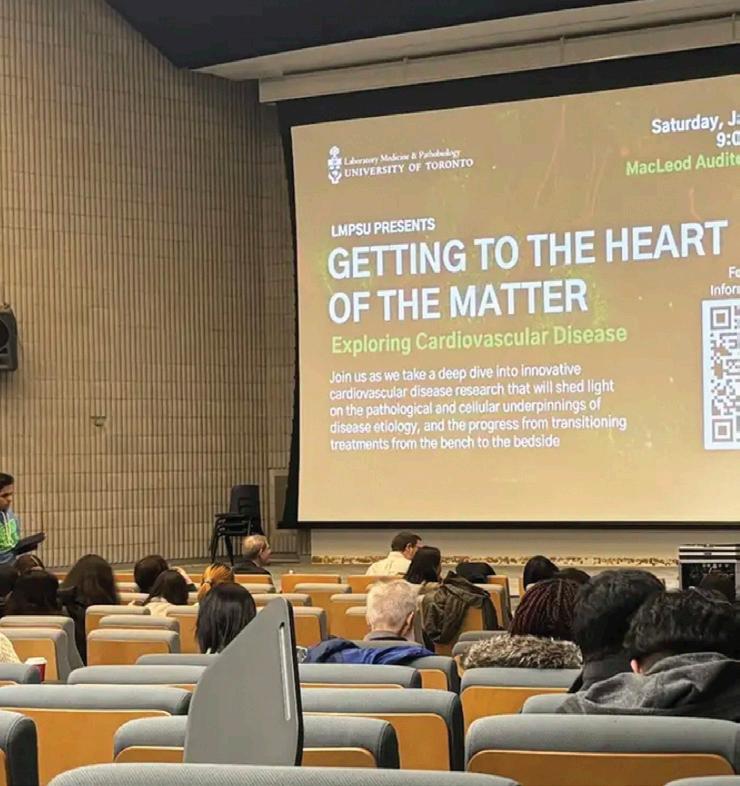
Bendeck presented data from animal trials using rat models. The results showed that the peptidecoated balloons significantly reduced the formation of scar tissue two weeks after injury compared to untreated subjects. Most importantly, the therapy did not impair the regeneration of the healthy blood vessel lining, solving the major toxicity problem found in current drug-releasing stents.
The implications of this research also extend beyond the heart. Bendeck suggested this technology could be vital for treating Peripheral Artery Disease (PAD) in the legs. PAD is a blockage of blood circulation to the leg, leading to poor blood supply to the legs and feet. Metal stents are not always effective for PAD and often require another surgery in one to two years.
The LMPSU conference concluded following a series of technical discussions and closing remarks. Along with the specific scientific proposals, the event succeeded in its broader mandate: creating a collaborative environment for the pathology community at U of T. By highlighting underrepresented nuances within cardiovascular research, the LMPSU conference continues to uplift the field, fostering the next generation of scientific inquiry.

undermines Ontario’s housing justice system on November 24, 2025. Critics of the bill warn that the homelessness crisis will only worsen.
According to Toronto Today, Diana Chan McNally, a social service worker and housing advocate, said in a press release that Bill 60 “will grow homelessness across Ontario” and called it the “Create Encampments Faster Act”.
Based on their report, the AMO estimated that Ontario would need an investment of $11 billion in the next 10 years “to substantially expand deeply affordable and supportive housing.”
Although the government has not made such a commitment, the success of Dunn House has prompted them to invest funding in a second project, Dunn House Phase 2.
On January 13, 2026, Mayor Olivia Chow, along with the federal and provincial Housing
Ministers, announced the construction of a second supportive housing unit in Parkdale. Like its predecessor, this second Dunn House will provide geared-to-income rent along with medical and social services. However, its target population will be at-risk seniors in the Parkdale neighbourhood.
Altogether, the federal and provincial governments are contributing over $21.6 million for this project. At the announcement of the second Dunn House, both Chow and Toronto Housing Minister Gregor Robertson praised the first Dunn House, with the latter saying that it is “critical to solving the housing crisis.”
This development demonstrates that the rapid expansion of supportive housing is possible as long as there is political will and financial support. Hopefully, Ontario will see many more Dunn Houses built in the future.
February 3, 2026 thevarsity.ca/section/sports

Before the anticipated draw of the 2026 World Cup fixtures on December 5, 2025, FIFA President Gianni Infantino awarded the inaugural Fédération Internationale de Football Association (FIFA) Peace Prize to US President Donald Trump.
The prize, to be awarded annually, recognizes “individuals who, through their unwavering commitment and their special actions, have helped to unite people all over the world in peace.”
This controversial award has reignited the ongoing debate on whether sports should, or could, remain politically neutral. The award has garnered criticism from many, including FairSquare, an organization that seeks to promote accountability in sports, who point to it as an example of how sporting institutions like FIFA can become entangled in the world of geopolitics.
The FIFA Peace Prize
FIFA announced the introduction of the FIFA Peace Prize to reward individuals who have taken
exceptional actions for peace and united people across the world. Many question whether Trump deserves an award that recognizes “enormous efforts for those individuals who unite people,” considering Trump’s polarizing presidency has been defined by actions such as mass deportations.
FIFA’s self-proclaimed ‘political neutrality’ has also come under heavy scrutiny. While Infantino emphasized the political neutrality of football to protect its autonomy and values in 2023, he contradicted himself by awarding the Peace Prize to one of history’s most controversial leaders to celebrate peace and unity.
Infantino and Trump have also seemingly forged strong personal ties, with Infantino being a regular guest at the White House and attending a ceremony in Egypt to formalize the Gaza truce. This raises further questions about FIFA’s political neutrality.
If the FIFA Peace Prize controversy has taught us anything, it is that sports have never existed outside of politics, despite claims by federations such as the International Olympic Committee (IOC). The Olympic Charter reads, “Recognising
timeout, the Blues fought hard to even up the set score at 24–24, forcing another overtime situation.
that sport occurs within the framework of society, sports organisations within the Olympic Movement shall apply political neutrality.”
When sporting institutions involve themselves in geopolitical affairs and with political figures, a level of symbolic political power and moral authority is implied, given their viewership and global influence.
This demonstrates how sporting institutions like FIFA can command political power to determine political legitimacy, shape geopolitical narratives, and mirror international power structures. The FIFA Peace Prize, therefore, serves as a tool of political symbolism. By honouring a controversial sitting political leader for non-sports-related reasons, Infantino is mobilizing the cultural authority of football and FIFA to confer political legitimacy to Donald Trump’s actions.
Role of sporting events in fostering national pride and strength
Sporting events and institutions have been a powerful platform for countries and governments to project national pride and prestige, combining global visibility, emotional appeal, and symbolic legitimacy in ways traditional diplomacy cannot. Hosting and investing in major sporting events promotes an image that signals national unity and patriotism, while neglecting political tensions and underlying conflicts, such as human rights abuses in Qatar in preparation for the 2022 World Cup and Israel’s violence in Gaza.
Sporting success from these events is also considered a proxy for national strength. Indicators of athletic success, such as tournament victories and medal counts, are framed as a source of national vitality. This cultivates international admiration and domestic togetherness, as narratives translate athletic success into national prestige.
Governments and political figures are not the only ones who capitalize on the world of sports to make their voices heard. Institutions, athletes, and fans engage in political activism, reflecting political realities in ways state actors cannot control.
Cases like the exclusion of Russian athletes from the 2026 Winter Olympics following Russia’s
invasion of Ukraine in 2022 offer a clear example of how sports reflect geopolitical affairs. Such bans illustrate how recognition (and exclusion) from sports can operate as a form of reputational and cultural sanctioning, signalling a recognition of the atrocities committed by Russian troops on the Ukrainian people among the international community. Sports, therefore, become an indicator of a state’s moral and political standing, mirroring geopolitical dynamics and sentiments.
Sports as an avenue for political expression
Major sporting events serve as a powerful stage for political expression and reflection, further driving political activism and social change. Fans and athletes are no longer just performers and spectators; they are public figures with public voices, using their platform to engage in political activism within the world of sports.
In the age of social media, athletes leverage their presence to disrupt narratives through gestures, speech and collective action. Instances such as the NBA’s advocacy for the Black Lives Matter Movement, with players participating in protests and printing messages on their jerseys, show how effective sports can be in jumpstarting conversations on social injustices.
Fans transform stadiums into forums of political expression through chants, banners and boycotts. Fans and athletes, therefore, reveal sports as a space to contest and reflect on geopolitical affairs, presenting a rare platform where institutional powers and social inequalities are brought to the surface and challenged.
Sports are often an escape from the real world, where we play and watch for the love and excitement of watching our favourite athletes perform at the highest level. However, it is more important than ever to remember that beyond the sidelines, sports are deeply embedded within sociocultural and political conversations that cannot be overlooked.
As 2026 unfolds as a monumental year in both international politics and sports, the question is no longer whether sports and politics are connected, but rather how we choose to engage with the messages that bring the intersection of sports and politics to the forefront.
The Varsity Blues women’s volleyball team hosted the seventh nationally ranked Brock Badgers on January 24 at Goldring Centre. Hot off the heels of their previous 3–1 win against the Toronto Metropolitan University (TMU) Bold, the Blues hoped to continue their sixgame win streak. Facing tough competition, the Blues dropped their win streak with a set score of 0–3 (26–28, 24–26, 22–25)
What happened?
The opening set was both exciting and dramatic. Although the Badgers set a dominant rhythm early and led the Blues 14–20, the Blues were able to quickly turn the corner and push the set score into overtime. With four critical kills from Blues’ secondyear outside hitter Julia Liu, the Badgers soon found themselves tied at 26–26. Despite having the scoring momentum, the Badgers were able to eke out two successive points in the form of a kill by third-year outside hitter Daryan Chadwick, and a clutch block from second-year middle blocker Charlotte Ross to steal the first set away at 26–28.
The Badgers once again found an early lead in the second set by forging a four-point lead, leading the Blues 17–13. After a critical
Once more, middle blocker Ross proved to be the final hurdle the Blues could not overcome. With a quick kill from the middle and a follow-up block to deny the side-out, Ross pushed the Badgers ahead of the Blues to bring the set score to 0–2.
For the third time, the Blues were pushed back by the Badgers in the third set. The Badgers opened up with the biggest lead of the night with a nine-point differential, leading the Blues 12–21.
The Blues remained tenacious and slowly mounted a comeback led by key digs from third-year libero Delaney Watson and points from fourth-year outside hitter Olivia Zhu. At the peak of the comeback, the Blues exhausted both of the Badgers’ timeouts and minimized the nine-point deficit to only one at 22–23.
It was the Badgers’ fifth-year outside hitter Emily Foest who helped foil the Blues’ comeback. Foest secured a kill from the pin, followed by a serve which netted the final point through an unforced attacking error to close out the set 22–25 and shut out the Blues 0–3.
Despite the shutout, the Blues displayed a high level of resilience and put up strong performances. Zhu led the Blues’ offence with 15 kills, followed by Liu with 12 kills. Watson

led the defensive effort with 13 digs, and rookie setter Marina Gutske closed the match with 34 assists. Top performers from the Badgers include Foest, who put up 15 kills, and Ross, who notched five critical blocks.
What’s next?
The following afternoon, the Blues returned to Goldring Center with a vengeance to beat the Badgers. This time, the Blues came up on top, defeating the Badgers 3–1. The Blues’
hot streak has since continued, as they took two sweeping wins against the Royal Military College Paladins on January 30 and 31. The results of this weekend’s matches now place the Women’s Volleyball team at sixth in the Ontario University Athletics (OUA) league. The final two matchups on the docket for the remainder of the OUA regular season will see the Blues host the Queen’s Gaels on February 6 and 7 and the Western Mustangs on February 13 and 14.
go up in recognition of a surprisingly excellent performance full of ruthlessness. In my opinion, he easily outshines his critically acclaimed and far more experienced counterpart, Gwyneth Paltrow — who has a relatively weak showing as a pasttheir-prime movie star and Rockwell’s wife, Kay Stone — in his feature film debut.
racing heart, and held breaths are very sporting. The edge-of-the-seat sensation was definitely reminiscent of the drama at a sports game, and the ability to mimic this sensation is one of the film’s biggest draws.

Jake Takeuchi Managing Online Editor
This review is spoiler-free.
The worst people in your life are going to walk away from Josh Safdie’s 2025 film, Marty Supreme, thinking “literally me,” and I can’t really blame them.
Marty Supreme follows the trials and tribulations of Marty Mauser (Timothée Chalamet), a talented table tennis player pursuing greatness at any cost. Chalamet’s sweaty, erratic, and beguiling performance as a part-time shoe salesman, parttime professional table tennis player, part-time hustler, and full-time asshole bouncing around 1952 New York is exhilarating. His character is not only exciting but sympathetic, or at the very least understandable.
Chalamet’s obnoxious charisma easily steals the show as Mauser navigates post-WWII America that requires unfettered dedication and selfishness to be brilliant, to be at the apex of the emerging hegemonic culture rather than its consumer, Life magazine and all.
The titular Marty Mauser is very loosely based on the charming real-life table tennis champion Marty Reisman. Reisman’s prolific career saw him win five bronze medals at the World Table Tennis Championships between 1948–1952, 22 major table tennis titles from 1946–2002, and most remarkably, the 1997 United States National Hardbat Championship at the age of 67. Reisman is a character and very deserving subject of a documentary from 2014.
VERA IBRAHIM/THE VARSIT
The best part of Marty Supreme is that it’s full of energy. An apt sports metaphor is a fast-paced ping pong match, except the players never take a break, and instead run a 100-metre sprint after every rally. The pacing is remarkable, and the characters and settings at Marty’s periphery are full of life.
While Marty’s single-mindedness on table tennis glory prevents the story from diving too deeply into the revolving door of secondary characters, they nonetheless feel immensely fleshed out. This is enhanced by some solid and unique casting decisions, such as Marty's ping-pong rival Endo Koto, played by real-life deaf Japanese professional table tennis player Kawaguchi Koto, and Marty’s friend and business collaborator Dion Galanis, played by Luke Manley.
Both made their acting debuts in Marty Supreme, with Manley being scouted off a viral street interview where the passionate New York Mets fan had some choice words for rival Atlanta Hawks guard Trae Young. The effect of this casting is that it renders the film’s world authentic and complexly human.
The most baffling casting gamble that somehow pays off big time is Canada’s very own Sharktank businessman Kevin O’Leary. O’Leary plays Milton Rockwell, a deplorable pen industry tycoon who serves as an antagonistic and strangely paternal presence to Marty.
Maybe he had an easy time playing a scummy oligarch — I would not recommend checking out his closet full of controversies, but my hands
Unfortunately, the movie is bogged down by a somewhat middling ending. It’s not a disaster at all, but the frantic energy of the movie deserved a little more, and it felt as if a thrilling World Cup final somehow ended in a draw. For such a chaotic film, the relatively neat conclusion lacked a punch that should have leaned into — rather than deviated from — its own strengths. Minus points for the corny soundtrack decision as well.
But overall, Marty Supreme is a good movie, and this seems to be the broad consensus. Marty Supreme has garnered nine Oscar nominations and is one of only two independent films to have generated more than $100 million US in the box office in 2025. Objectively, Marty Supreme is a critical and commercial hit, which isn’t that surprising considering the billing of an AAA-list Timothée Chalamet, the backing of the force that is A24, and on top of that, a Safdie brother at the helm.
The more intriguing aspect of Marty Supreme is its position as a sports movie, and what I think is a broader reflection of the state of the genre in the cultural zeitgeist. In terms of the former, Marty Supreme is not a ping pong movie, and maybe even a bad ping pong movie at that. Quite frankly, table tennis could have been replaced with curling, and the narrative would be largely unaffected.
The glorious haze of the indoor smoking era of sport is awesome, and it’s a shame that we only get relatively brief moments in this aesthetic, or actual table tennis overall. While the cinematography is excellent, ping pong is underutilized both visually and thematically in comparison to a movie like Challengers, where it’s instantly obvious why tennis was the sport to tell the story through.
Yet it’s still a really strong sports movie. There are some hallmark tropes to be spotted, from the stoic foreign rival, to overcoming the odds as an underdog vibe, but also substantial subversions to these expectations — instead of a training montage, we get hustles and schemes as a means for Marty’s preparation.
While I can’t give further examples of each to avoid spoilers, it’s fun to keep an eye out for these conventions and to see when Safdie does or does not comply within the genre. Furthermore, the energy of the film is highly kinetic, and the haptic sensations it evokes via sweaty palms, a
The University of Toronto Varsity Blues men’s hockey team clashed with the Toronto Metropolitan University Bold for the third time this season on January 23. The two teams split their previous two meetings, with the Blues winning 2–0 earlier this month and the Bold winning 4–1 back in October.
475 fans were in attendance at Varsity Arena, braving the sheer Toronto cold to watch the cross-town rivalry game. The result was a highly entertaining contest with Toronto Metropolitan University (TMU) squeaking out a 3–2 win over U of T.
What happened?
The Blues’ power play has been a highlight of their winning stretch in January, and the unit got a chance to flex its muscles just over a minute into the game. Second-year defenseman Ranvir Gill-Shane scored a beautiful goal from the faceoff circle to give the Blues a quick advantage.
It’s just that the actual sport Marty — and the whole host of characters — is competing in is the American Dream. Capital is the arena, full of villains and underdogs and cheats. Marty has to win because the alternative is to be oppressed by the same material struggles that bog down his friends and family and the people of New York.
The actual games are of unpaid bills, of figuring out where to sleep for the night, of answering to the boss, and of clocking in. It’s through this lens that Marty Supreme takes shape as a sports movie, and the movie’s thematic concerns take full force.
Which leads me into the broader point that I think we may be entering a golden era of sports movies. As politics becomes more sports-like by the day, society becomes further polarized, and every engagement with culture and politics feels adversarial — I defer here for concrete examples to my far more qualified friends in the news and opinion sections — I think there is a desire to see entertainment that contains an apolitical enemy to overcome.
My argument isn’t that sports, or sports movies, aren’t political — pretty much the opposite of that in fact. It’s just that, as an unavoidable realization of deep injustice seeps into every dimension of our lives, it’s natural to crave an arena where (supposedly) only your skill and effort affect outcome.
I recognize that this is an escapist fantasy. But as a narrative tool, sports give storytellers the ability to craft spaces where imposed structures and identities are secondary to talent. It lays a base level of intuitive fairness to build upon. They can also always deviate and tell explicit or subtle political stories from there as well — as is the case with Marty Supreme
I don’t think it’s a coincidence that Heated Rivalry has taken Canada by storm, or that A24 has released The Iron Claw, The Smashing Machine, Marty Supreme, and (tangentially sporty) Love Lies Bleeding in such a short span of time. From commercial hits like Challengers and F1, to indie projects like Eephus, there has been a strong slate of some really interesting sports movies in the past few years.
With the commercial success and the actual entertainment quality of Marty Supreme, it’s my bold prediction that we are entering a golden era of sports movies. At least there’s something good coming from the looming recession… after all, Marty struggling to get a job is literally me.
generated numerous chances, including a oneon-one breakaway. Surzycia was stellar in this game, manning the crease to keep the Blues’ lead intact.
The two teams continued to trade chances, and the Bold finally had a breakthrough, scoring a tap-in goal to level the score at two goals apiece. This set the table for a thrilling third period.
Only 57 seconds into the final frame, the Bold scored the eventual game-winning goal to stun the Varsity Arena crowd. Regardless, the Blues showed tremendous fight in the period, as they have all season. They continued to test TMU goalkeeper Kai Edmonds, and Blues captain Mark Cooper nearly fired a loose puck home to tie the game.
The Bold committed a late penalty to give the Blues’ power play a chance to send the game to overtime. Surzycia was pulled to make it a brief six-on-four advantage for the Blues, but despite numerous chances, they were unable to find the tying goal. Surzycia closed the game with 32 saves while TMU’s Hunter Donohoe had a threeassist night en route to the Bold’s 3–2 victory.
What’s next?
Owen Hollingsworth battles for the puck at faceoff. AIDEN FUNG/THEVARSITY

The first period was a masterful display by the Varsity Blues, who continued to thrive by applying pressure through possession and executing a strong transition game. The defensive structure also remained strong, putting bodies in front of opposing pucks to prevent the Bold from getting any quality chances on net.
Although they had few opportunities to score in the first frame of the match, a rare defensive miscue by the Blues allowed the Bold to generate a key rush chance. TMU’s Joseph Ianniello fired a slapshot past Blues goaltender Nick Surzycia to tie the game 1–1. With under a minute left
in the period, the Bold took a slashing penalty, which set the Blues up with a man advantage to begin the second period.
That opportunity was not wasted. The power play remained scorching hot, with first-year forward Ryan Evenhuis burying a chance from the low slot to put the Blues up 2–1. TMU’s offence began to find its footing, and they
The Blues followed the loss with another tight game against the Waterloo Warriors, falling 2–1. They then travelled to Thunder Bay to face the Lakehead Thunderwolves, where they took losses in back-to-back games, 3–6 and 0–4 respectively, to put the Blues sixth in the OUA West. The team will look to regroup and get back into the win column in their next game against the Laurier Golden Hawks as they push for the playoffs.