
THE IGNATIAN
YEAR: ST. IGNATIUS ’ S CANNONBALL MOMENT
You may have noticed the banners placed around campus since the beginning of the school year that say Ignatius 500: To see all things new in Christ. These posters commemorate the moment 500 years ago when Ignatius of Loyola, a brash and brazen courtier and soldier, was struck down by a cannonball during the battle of Pamplona. Beating all expectations, Ignatius survived this near fatal wound, and in the subsequent weeks and months of his painful convalesce he began to envision for himself a new way of living. Little could he know the metaphorical impact that near-fatal cannonball had on his own life, the life of the Church, and the life of the world.
Who was St. Ignatius and what can we learn from his wounding 500 years ago?
To begin, in 1491 Ignatius of Loyola was born to a wealthy influential family in the Basque region of Spain. In his youth he often attended the court of Ferdinand and Isabella and was known to engage in worldly indulgences and the darker intrigues common to young courtiers of his day. In 1517 Ignatius joined the army of the Duke of Najera. He was wounded by cannon fire during a French siege of Pamplona in 1521, suffering severe leg wounds.
While forced to a bedridden lifestyle, Ignatius read texts describing the life of Christ and the lives of the saints. He became fascinated with the pious deeds of the saints and realized it was a greater thing to compete with their acts of faith than to complete with soldiers in the manly arts of war. God took hold of him and led him away from a life rooted in earthly pleasures and prepared him to lead others in many good works. Later, at the altar of the Virgin Mary in a Benedictine monastery in Montserrat, Spain, Ignatius hung up his sword and rededicated his life to the service of God. A statue depicting that important moment stands outside of the Long Center.
During the following two years, Ignatius took on a monastic lifestyle, living in a cave, and enduring bodily discomfort. During this time he experienced several visions and recorded what he learned in The Spiritual Exercises. From 1529 to 1535 Ignatius moved to Paris to study theology and the humanities, much in the same manner students come to The University of Scranton today. In 1534, Ignatius and six other men vowed to live and work for the betterment of the Church and our human family. In 1540 Pope Paul III approved the formation of the Society of Jesus and the rest, they say, is history. On July 31, 1556 Ignatius died, having oversaw the formation of a religious order that has had a great impact on the Church, our nation, and our world.
Fitness for the Profession 2 Faculty 3 Students 6 Students 8 Internship Experiences 9 Recent Graduates 10 What’s Happening in CHS 11 Chi Delta Rho 12 “Back Together Again” 13 COUN509 Presentations 15 Faculty Update 16 Graduate Assistants 17 Awards 18 Faculty Publications & Presentation 19 Accreditations 22 Disability Conference 23 Faculty Fun Facts 24 Contact Information 24 COUNSELING & HUMAN SERVICES THE UNIVERSITY OF SCRANTON
Fall 2021 VOLUME 12, ISSUE 25
“If you find you have fallen, do not despair; even falls are an aid to well-being.” -St. Ignatius of LoyolaThis semester, we invited Rev. Patrick D. Francis Rogers, S.J. to be our guest columnist for the front page of the CHS newsletter. Fr. Rogers is the executive director of The Jesuit Center here at the University and we are delighted to share his thoughts on this special year in Jesuit education.
10 Dimensions of Fitness for Profession for Counselors-in-Training
The Fitness for the Profession Document helps in the evaluation of an individual’s beliefs, attitudes, and behavior in many areas of one’s life, such as academic, clinical, professional, and personal. The CHS Department hopes that this document will help in the self-assessment, self-correction, and self direction of each student on the path to becoming a professional counselor. The list below are the 10 dimensions of the document that are important in the training of a counselor and in the practice of a professional counselor.
1. Commitment to Wellness
-The lifelong commitment to becoming the best one can be spiritually, men tally, physically, socially, and vocationally.
2. Commitment to Learning
-The ability to self-assess, correct, and direct; continually seek knowledge and understanding; demonstrate academic and life management skills.
3. Core Academic and Clinical Competences
-Holds knowledge in the core areas of certification.
4. Professional Identity
-The commitment to ongoing development as a professional with the ability to put theory-into-practice.
5. Personal Maturity
- Ability to live and function at appropriate level of emotional, psychological, and relational wellbeing; freedom from limitations to one’s professional performance.
6. Responsibility
- Ability to fulfill professional commitments, be accountable for actions and outcomes; demonstrate effective work habits and attitudes.
7. Interpersonal Skills
-Ability to interact with clients, families, other professionals, and the community effectively.
8. Communication Skills
- Ability to communicate effectively (speaking, body language, reading, writing, listening) for varied situations; sensitive to diversity.
9. Problem-Solving
-The ability to seek out resources for help, support, and insight.
10. Stress Management
-The ability to recognize sources of stress and how they affect an individual,; ability to develop effective coping techniques; seeks appropriate support Fitness
PAGE 2 VOLUME 12, ISSUE 25
for the Profession, a lifelong journey
Faculty
What “cannonball” moment or experience inspired you to choose the role of a counselor educator?
When the faculty of the department invited me to apply for a one-year contract position, even though I had limited teaching experience at the time. I got the job, and the first time I stood in front of the classroom, I was home….
Dr. Paul A. Datti Professor and Director, Counseling and Human Services

I think for me, I found my work in the field to be so rewarding I wanted to share my enthusiasm with other new professionals. I will never forget the first time one of my clients brought me his very first paycheck (at the age of 32)! So, overall, I think it also comes back to advocacy for people with disabilities. There remains such a gap in employment and inclusion in many community settings for people with disabilities and I wanted to continue to work collaboratively with them to help break down barriers and increase positive attitudes so that people with disabilities can enjoy full access to our society. The more Clinical Rehabilitation Counselors we have out there working towards full inclusion the better!
Dr. Rebecca Spirito Dalgin Professor & Director, Rehabilitation Counseling Dr. Michael E. Kelley Professor and Director, Applied Behavior Analysis
I am the Program Director for the Applied Behavior Analysis Master's of Science program, which resides in CHS. It's probably more accurate to describe myself as a "scientist-practitioner educator", rather than a "counselor educator". During my senior year as a Psychology undergrad at St. Joseph's University, I was assigned to a practicum working with a young boy diagnosed with Autism. This was my first experience seeing firsthand how effective Early Intensive Behavioral Intervention could be for ameliorating symptoms of Autism. I then spent two years working at Children's Seashore House, a subsidiary of Children's Hospital of Philadelphia, as a Behavior Analysis therapist. That lead to graduate school, and ultimately to the academic career I've crafted over the past 20 years.
PAGE 3 Volume 11,
My “cannonball” moment to pursue a Ph.D. in Counselor Education and Supervision happened a year or two after completing my master’s degree. I was a practicing school counselor and I missed being in graduate school and being a student terribly. This is when I realized that I wanted to teach and become a learner FOREVER.
First, I was inspired to become a counselor. I taught high school for 7 years, and there were a few buildings on campus and a creek that ran through campus. I frequently walked with students over the bridge crossing the creek to the school counselors office and it felt incomplete just leaving them there. Then, as I pursued my Ph.D. in Counseling Psychology over and over my mentors told me I would be a good counseling educator. I listened for once in my life.
 Associate
During an advising appointment as a sophomore in college, my undergraduate academic mentor told me that I would one day pursue a doctoral degree and I laughed when he said that. Well, he was right. He first hired me as an adjunct in the Psychology Department and then he encouraged me to apply to doctoral programs in Counselor Education. He was extremely encouraging, supportive, and helpful as I applied to doctoral programs. As I reflect on that advising appointment from years ago, I realize that he was the only mentor that saw my potential and said something about it. He simply believed in me and that has ultimately led me to where I am today.
Dr. Tiffany Bordonada Assistant Professor, Co-Director Clinical Mental Health Counseling

PAGE 4 Volume 12, Issue
Dr. Kevin Wilkerson Professor, Interim School Counseling Coordinator
Dr. Lee Ann M. Eschbach
Professor, School Counseling
What “cannonball” moment or experience inspired you to choose the role of a counselor educator?
Faculty
I was in a meeting with my academic advisor about a year into my master's degree program when my advisor asked if I had ever considered counselor education. I had not, and what he said inspired me. He told me that counselors have a direct impact on the clients that they work with and a ripple effect on the people in their lives. He also told me that counselor educators have a direct impact on the clients that they work with, a ripple effect on their clients, and a smaller ripple effect on the people in their lives. It is like counselor educators are tree limbs that help support the branches that are the counselors. I had not thought about that before, but it stuck with me and led me to think about a career as a counselor educator.
Dr. Ben Willis Associate Professor, Co-Director, Clinical Mental Health Counseling
About a year after graduation, I was invited back to the university to do a "guest" lecture about the crisis work I was doing in the community with those who had been victimized through sexual assault and/or relationship violence. I was nervous but also grateful for the opportunity. I know it was important that counselors in training have exposure to the realities of what happens in some homes and families. It was the late 80's and we didn't talk about such thing then as we do now. I knew there were not enough of us doing the work of crisis intervention and trauma recovery and was inspired to be a part of those who train others to help others. Being invited to teach the crisis class not long after that guest lecture was a life changing opportunity. The resilience and courage of those I had the privilege to meet and work with in those early days energized and inspired me. It also wore me out and exhausted me. It was then I vowed to talk about burnout and self-care that I see as an essential part of counselor education whenever I could. Today students inspire me with their energy, passion, and compassion.. Being a part of their Journey has been an ongoing gift. It is a joy to watch them, from my perspective become "Holders of Hope and Agents of Change". Side note is that even though we have been talking about SA and relationship violence the conversation needs to continue, perhaps more now than ever.
Gerianne Barber, Director, Counselor Training Center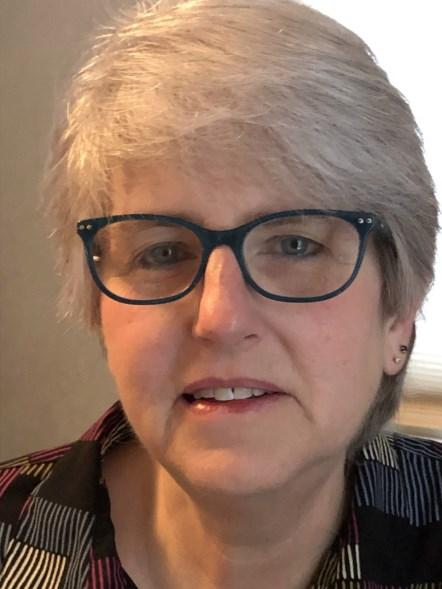
PAGE 5 Volume 12, Issue
What “cannonball” moment or experience inspired you to choose the role of a counselor educator?
Faculty
Graduate Students


As a CHS student, have you experienced a “cannonball moment” that has influenced your decision to be in a helping profession?

My “cannonball moment” came when I was convinced to work as a counselor at Chestnut Lake Camp. Prior to this experience, I was studying psychology and planning to pursue a career in research. However, when I got to camp, everything changed. I had never had a chance to work with kids before, but I found it to be incredibly rewarding. Early on, it was the fun and camaraderie that I found most valuable. However, as my time at camp progressed, I began to reflect on just how empowering it was to be both an advocate for and a mentor to the kids I worked with. To see how profound an impact I could make in the lives of others was a feeling unlike anything I had ever experienced professionally. I found a level of connection and personal growth that had been missing working in a research lab. It was a feeling I needed to capture moving forward. This drove my decision to make a career change to a helping profession and is what led me to study school counseling at The University of Scranton. I am grateful for the push I had to dive into this field, and credit my camp experience with opening my eyes to a career path that I find truly satisfying.
A cannonball moment occurred to me after I left the military. I learned more about the difficulties that Veterans have been experiencing such as mental illness, substance abuse, and suicide. I found a purpose in wanting to help Veterans overcome adversity. Ultimately, I found great meaning in the service of helping others.
Several years ago, I experienced the loss of two friends whom I looked up to; these friends were authentic individuals who spread joy wherever they went. Their losses took a toll on my mental health for a long time and the tragedies their families experienced broke my heart even further. It was through these losses that my desire to help others grew beyond what I could have ever imagined. My purpose is to use these experiences to connect with others genuinely and empathetically. While it is unlikely that I will pursue trauma work, my goal is to continue to care for others by using my experiences and training in the CMHC program.

PAGE 6 VOLUME 12, ISSUE 25
Christopher Zinkle, Graduate Student Rehabilitation Counseling
Brianna May, Graduate Student Clinical Mental Health Counseling
Kyle Yahn, Graduate Student School Counseling
Undergraduate Students
As a CHS student, have you experienced a “cannonball moment” that has influenced your decision to be in a helping profession?
Natalie Intrieri, Undergraduate, Counseling and Human Services

I would say that I have had a number of cannonball moments throughout my time at Scranton. However, if I had to choose, one of the most significant cannonball moments came to me after I had completed my first internship experience at the Scranton School for Deaf and Hard of Hearing Children (SSDHHC). At SSDHHC, I was able to work alongside their school counselor, Jackie Bailey, who is also a graduate of the CHS undergraduate and master in School Counseling programs. I was very fortunate to have had this experience because not only did this give me vast insight into the school counseling profession, but I was also able to learn more about deaf education, culture, and American Sign Language. My internship experience at SSDHHC enabled me to see and live the experiences that are discussed in class, and it has fueled me to use my power and privilege to advocate for those who cannot. Lastly, these moments have inspired me to increase my efforts in ensuring equity and fighting for change because some individuals do have significantly less than others.

My “cannonball moment” was during my senior year of high school. I was trying to figure out what I wanted to do with my life and profession, but felt stuck. I always knew I wanted to work in a helping profession , but really had no idea what helping profession I wanted to work in. At first I wanted to be a high school chemistry teacher, but chemistry was not really an interest anymore. Also, at this time I was struggling with my mental health, but felt like I could not go to a school counselor because I wasn’t even sure we had one. At this moment, I knew I wanted to be in a helping profession, specifically counseling, because I wanted to be a resource for people, a resource I did not have at the time. My decision on being a counseling major was solidified when I came to the U during one of the Royal Days in the spring. I got to sit in on a Counseling Theories class and I knew right there I wanted to be a counselor. As I was sitting there, something just clicked and I knew at this moment that this major and career were right for me. This past event in high school was my “cannonball moment” where I realized I wanted to help others because of what I experienced.
ServicesPAGE 7 VOLUME 12, ISSUE 25
Fiori Tannenbaum, Undergraduate Counseling and Human
Mariah Carey Clinical Mental Health Counseling
A cannonball moment that I have experienced that influenced my decision to be in a helping profession occurred when I was in high school. I was a senior at my school, and I was on the tennis team. Each year we had a handful of freshmen who joined the team, and this specific year one of the new girls was struggling with the adjustment to high school and attempted suicide. The girl was at a hospital over an hour away, and since all of her friends were freshmen they did not have their driver's license so I took them to visit her while she was recovering. After the initial visit I decided to continue to visit the girl and we became very close once she came back home. I became somewhat of a mentor to her, we spent a lot of time together and she often looked to me for help when she was in difficult situations or needed support. I felt very close to this girl because during her recovery, her parents attempted to heal their daughter by purchasing her expensive items and paying for her to go on luxurious vacations. My friend was not provided with the appropriate mental health resources to support her in forming coping skills and working through her issues. I tried my best to be that resource, but at age 17 there were limits to my knowledge on mental health issues and how to assist someone experiencing what my friend was experiencing. Throughout my senior year we were inseparable, but when summer rolled around we started to spend less time together because I was working and found a significant other. One day while I was at work I received a call that my friend had attempted suicide again, and this time she was nearly successful. I was heartbroken at this news, I felt guilty that I was unable to prevent her attempt and that I was not there for her when she needed support. I always knew that I wanted to work in a helping profession, and this situation made me realize that through education I could learn how to provide appropriate mental health services. I felt helpless in the past, but through my studies as a Clinical Mental Health Counseling major here at The University of Scranton I have faith that I can change the lives of others who may be struggling with mental illness. This was when my eyes were opened to see the world in a new light, and I am grateful that I was able to discover my purpose in life.
I do believe things happen for a reason. The question of what my cannonball moment is, took a deeper reflection than I had anticipated. If someone asked me what my cannonball moment was two months ago, I could easily share how my path shifted after a loss. However, thinking about my time in practicum and sharing with a professor about what I have been thinking and feeling, we identified I am currently in a cannonball moment. I have been enjoying the 1-1 counseling, seeing the appreciation and growth from clients, and feeling true pride and fulfillment in my professional work. This is something I have not experienced during my prior 10 years in a different profession. I want to allow these feelings to grow. So, when I learned a cannonball moment can be a moment in which your eyes open to see the world in a new light, that really resonated with me. I truly feel my eyes have opened up to a bigger future for myself. One where I can pursue the type of 1-1 counseling I have been enjoying, along with continuing my initial goal of becoming a school counselor. While my path is not changing, as with other cannonball moments, I feel it is just expanding to allow for further fulfillment. I am thankful this program has instilled the importance of self-reflection, which allowed me to take a deeper look on how I am feeling and identify this cannonball moment!
Caitlyn Cassera School Counseling


Practicum Students PAGE 8 VOLUME 12, ISSUE 25
As a CHS student, have you experienced a “cannonball moment” that has influenced your decision to be in a helping profession?
Internship Students
As a CHS student, have you experienced a “cannonball moment” that has influenced your decision to be in a helping profession?
I feel that I have had many “cannonball moments,” big and small, over the course of the years while pursuing professional counseling. The most significant “cannonball moment” I can recall is when I made the decision to seek counseling myself in the senior year of my undergraduate degree. This was one of the first of many decisions I would make through which I began to take care of myself and to put myself and my needs first, as I had not entirely been doing so prior to that. This has influenced my decision to continue pursuing professional counseling because I want to ensure the same services and opportunities I had are available to everyone; I believe everyone is deserving of such opportunities. Having any role in that process has been and will always be extremely fulfilling to me. It is incredible to witness what human beings are capable of with effective support, guidance and community. I am and always will be incredibly grateful to witness and be a part of these phenomenon.
Erin Williams
As a CHS student we are taught about how important it is for us as counselors, to show up for our clients and how just showing up for someone can significantly impact their thoughts/feelings and help to build the therapeutic alliance. However, we don’t always realize how impactful this is until we’re in the field practicing. Throughout my internship this semester, I’ve had several ‘cannonball moments’ that occurred and reminded me of why I chose to be in a helping profession. At my internship site, I’ve been lucky enough to work with various populations and age groups, and I’ve found myself not only helping and educating my clients, but also learning from my clients. One specific ‘cannonball moment’ that I experienced this semester was with a client that I’ve been working with and during our sessions, I would mention things that the client had reported in previous sessions. One day when I was working with this individual they expressed surprise at the fact that I’d remembered specific things they said previously and told me that other counselors they’d seen would never seem to remember stuff like that and it would make the individual feel like their former counselors didn’t care. When the client expressed this to me, I could tell that it was important to them and made them feel like someone really cared. This moment made me realize that just being there for my clients, showing up and listening, is one of the most important things that I can do to help others and all it takes is me providing time and being present during my time with clients. Experiencing this ‘cannonball moment’ influenced my decision to continue to be in a helping profession and in a way it showed me that this is the right profession for me to be in.

PAGE 9 VOLUME 12, ISSUE 25
School Counseling
Briana Lenon Rehabilitation Counseling
Recent Graduate Students
As a CHS graduate, have you experienced a “cannonball moment” that influenced your decision to be in a helping profession?
I can vividly remember the day I had my “cannonball moment” and realized I wanted to become a school counselor, Originally, I went to college to be an Engineer, but I quickly realized doing high level math and physics everyday was not for me. I then turned toward the world of Journalism, and took an Intro. To Psychology class at the same time. In the early weeks of that course my professor was diving into the various professions that degree in Psychology could lead to and school counseling immediately caught my interest. I thought back to my time in high school and realized I didn’t even know who my “guidance counselors” were. I really could have benefitted from having the support that our professions provides and now I get to provide that to my students everyday.
Zachary Watters, M.S. Recent Graduate, School Counseling
While in my undergraduate CHS program here, I experienced a“cannonball moment” which stemmed from my first internship experience. I was nervous and fearful I wouldn’t be good enough, and that it would be too difficult to connect with clients, that I was in the wrong field, etc...Upon entering the organization, I quickly discovered a genuine passion for working with these individuals. I saw a population which was generally overlooked and misunderstood, and it became clear to me that I wanted to advocate for and continue my work with this population. My fears of being in the wrong profession and of being inadequate disappeared as I had truly found my passion.
Emily Howells Recent Graduate, Counseling & Human Services
I’ve had many experiences throughout my journey in counseling but my most recent cannonball moment was during the pandemic. I was blessed to get my current position as a Vocational Counselor, but I worried about the impact of the pandemic. One of my Spanish speaking patients came with a list of tasks they wanted to accomplish but never started because of the difficulties they faced. His list consisted of learning English, getting government assistance, getting an education, eventually finding a job, and much more. We both worked hard to stay motivated regardless of the constant challenges that he faced. Despite getting denied benefits, failing exams, and struggling to find resources for Spanish speakers in the pandemic, this patient consistently came to our sessions. Some days, there was not much to talk about but he still came and reflected on his journey. Months later, this patient shared they passed their GED exams and were getting called for job interviews. The patient shared they knew other people had bigger accomplishments, but they were proud to be able to say they did this. This was a reminder that not all of our patients have people in their lives that can or are willing to support them. This patient put in the effort and showed he just needed the support to keep going. This was my cannonball moment because I learned that this patient just needed a safe space to“fail” without judgement. As someone who is results driven, this helped me gain a new perspective to show future patients the importance of embracing all aspects of their journey before only acknowledging their success.
Rose Rosado Hernandez, MS Recent Graduate , Rehabilitation Counseling
PAGE 10 VOLUME 12, ISSUE 25
What’s Happening in CHS?
Rehab Counseling
CHS Dept.
Follow
us on Instagram to find out!
Scan the QR Codes to open our Instagram accounts.


CHSA and TUA
Annual Undergraduate Internship Fair
Wednesday, November 3, 2021
While COVID-19 meant the annual CHS Internship Fair could not be held in person, the virtual event was a great success. The CHS department is very grateful for all our community partners who offer our students fantastic hands-on learning experiences during their internships!
Thank you to all our community partners who participated in the Internship Fair:
TheAaron Center; Center for Career Development; Compassionate Care Hospice; Dress for Success; Fell Charter School; Forest City Regional School District; Hospice of the Scared Heart; Jane Kopas Women's Center; Johnson College; Lackawanna Pro Bono; Multicultural Center; NEPAYouth Shelter Drop-In Center; and Thaxton Holistic Wellness Center & Counseling Solutions.
PAGE 11 VOLUME 12, ISSUE 25
Chi Delta Rho Graduate Counseling Honor Society
Chi Delta Rho had a busy semester and hosted several events to benefit the physical and emotional needs of our students and the local community.


PAGE 12 VOLUME 12, ISSUE 25
Back Together Again


Safe


VOLUME 12, ISSUE 25 PAGE 13
Zone Training in COUN 508- Lifespan Development
Graduate Student Presentations for PCPS First-Year Seminar Tapestry Event
COUN 509 Student Advocacy Project
Back Together Again
Pennsylvania Counseling Association Conference

Breaking the Stigma
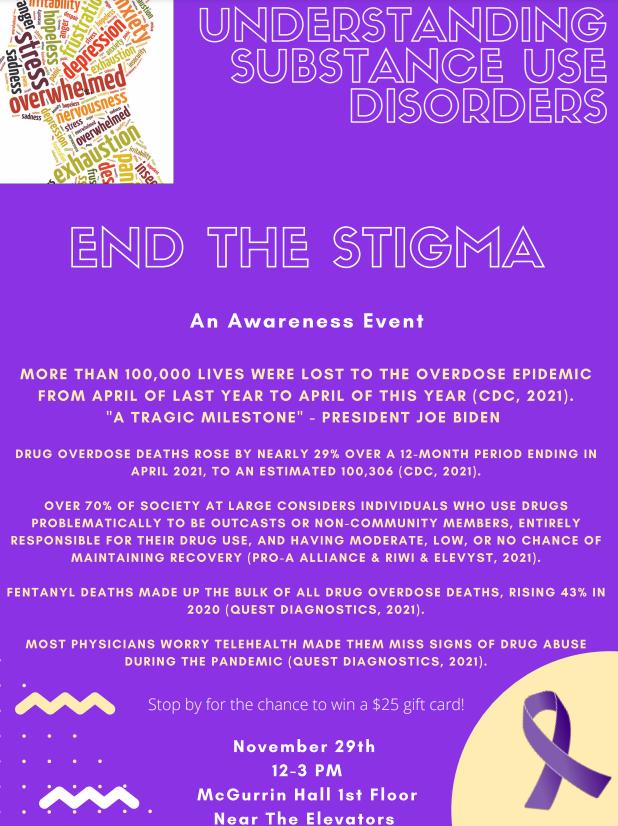
Driscoll collaborated with Chi Delta Rho to present his COUN 509 advocacy project on breaking the stigma behind substance use


Future Readiness Night
Future Readiness Night provided an opportunity for Scranton High School students to begin preparing for their futures after high school graduation. Future Readiness Night included an Admissions Counselor Panel, where local college representatives participated in a panel discussion on relevant topics such as attending college, cost of tuition, and much more. University of Scranton graduate counseling students provided different work stations for Scranton High School students and participants. Participants moved from station to station at their own pace, received information and resources, and asked thoughtful questions. Counseling graduate students prepared a trifold presentation poster and a 1–2-page handout for the event. The station topics included: How to Select a College Major, How to Pick a College, Completing the Common Application, How to Visit a College, SAT/ACT Information, Guide to College Housing, Entering the Workforce, Succeeding in the Workforce, and How to “Adult.” At the conclusion of Future Readiness Night, prizes were raffled off to those who participated in the activities!
A special thank you to Dr. Eschbach and our graduate student volunteers for making this event possible! Station Leaders: Jillian Paulus, Daphne Leenas, Shelby Valvano, Edward Piekara, Kate Hamilton, Erin Williams, Katie Buckley, Mariah Carey, Caitlyn Cassara, and Auraleah Grega


PAGE 14 VOLUME 12, ISSUE 25
COUN 509 Professional Issues Presentations
1. Addressing Anger among Adolescent Males with a Cognitive Behavioral Approach Enith Rosenstock (Clinical Mental Health Counseling), Jamie Richardson (Clinical Mental Health Counseling), & Susan Stopper (Clinical Mental Health Counseling)
2. Counseling Considerations for Reproductive Rights Callia Kroll (Clinical Mental Health Counseling), Emily Paparazzo(Clinical Mental Health Counseling), & Tricia Watters(Clinical Mental Health Counseling)
3. Counseling Interventions to Combat the Negative Effects of Social Media on Disordered Eating amongst College-Aged Females Emily Kuchwara (Clinical Mental Health Counseling), Kelly Goria (Clinical Mental Health Counseling), & Myra Siddiqui (Clinical Mental Health Counseling)
4. Exploring the Impact of Mental Health Among Children in Foster Care Kelcey Hill (Clinical Mental Health Counseling), Kendra Kenney (Clinical Mental Health Counseling), & Nina Pascolini (Clinical Mental Health Counseling)
5. The Effectiveness of Building Rapport Among Adolescents with ADHD Through CBT Telehealth Services Joselyn Mondragon (Clinical Mental Health Counseling), Kimber Gerlach (Clinical Mental Health Counseling), & Kristen Coffay (Clinical Mental Health Counseling)
6. The Importance of Assessing Childhood Trauma Among Adult Women with Fibromyalgia Emily LeeChong (Clinical Mental Health Counseling)& H. Amanda Wraizen (Clinical Mental Health Counseling)
7. The Role of Healthcare Providers and Mental HealthCounselors in Relation to Trauma within the LGBTQ Community Caitlyn Addley (Clinical Mental Health Counseling), Carly Dietz (Clinical Mental Health Counseling), & Samantha Henry (Clinical Mental Health Counseling)
8. Women, Pregnancy, and The Injustice of Our Justice System Alexis Kishel (Clinical Mental Health Counseling)& Rachel Millan (Clinical Mental Health Counseling)
9. Self-Advocacy for Individuals with Intellectual and Developmental Disabilities Donyae Loring (Rehabilitation Counseling), Jenna Kret (Rehabilitation Counseling), & Mackenzie Machell (Rehabilitation Counseling)
10. Substance Abuse Treatment within the Sex Offender Population: Long-Term Challenges and Needs Bianca Gibbons (Rehabilitation Counseling) & Joseph Timothy O’Driscoll (Rehabilitation Counseling)
11. The Impact Invisible Disabilities Have on the Workforce Ashley Bunnell (Rehabilitation Counseling) & Cara DeSanto (Rehabilitation Counseling)
12. Addressing Trauma Among Adolescents in School as a Result of the COVID-19 Pandemic Madison Harding (School Counseling), Melissa Spillane (School Counseling), & Kyle Yahn (School Counseling)
13. Issues in School Counseling: Supportive Learning Environments for LGBTQ+ Youth Tara James (School Counseling) & Thea Tomlin (School Counseling)
Congratulations to all presenters on a job well done!
PAGE 15 VOLUME 12, ISSUE 25
Welcome to the CHS Department, Dr. Dana Brookover
Thank you for the opportunity to introduce myself a bit more in the newsletter, especially to those I have not met in-person yet (but hope to do so soon). My name is Dana Brookover, and I am in my first year as a faculty member here at The University of Scranton. I was previously a school counselor in Virginia and then a doctoral student at Virginia Commonwealth University. I was so excited to be offered the opportunity to work in this Department of Counseling & Human Services. I chose to come here for probably some of the same reasons as the students. One is the quality of learning; both faculty and students alike have varied interests, background experiences, and commitment to being critically self-reflective practitioners. The Counseling Training Clinic is also a unique and important part of this program that I knew I would enjoy being a part of. Another reason for my choice to be faculty here is the sense of community and camaraderie at Scranton. I have experienced the warmest welcome and have noticed in my classes how supportive the students are with one another. Finally, the surrounding Scranton area is beautiful, historical, and quirky, and I have been enjoying exploring. I want to say thank you to all students with whom I have interacted with for being kind, engaged, and committed to being the best counselors they can be. I also want to thank the Scranton faculty for their leadership in being committed to social justice, ethical counseling, and continued growth and learning. I look forward to continuing to teach and supervise, and I plan on engaging in more service in the Scranton community, as well as continued research in equitable college and career development.

Visit the link below to listen to Dr. Brookover and Dr. Kaprea Johnson discuss their article Leveraging Technology to Reduce Literacy Barriers on Social Health Screening Tools: Implications for Human Service Professionals and Administrators,” which was published in the Journal of Technology in Human Services in 2021.
with
dr
VOLUME 12, ISSUE 25 PAGE 16
-technology-to-reduce-literacy-barriers-on-social-health-screening-toolsan-interview-
-
-kaprea-johnson-and-dr-dana-brookover/
https://husita.podbean.com/e/leveraging
Meet the CHS Department 2021-2022 GraduateAssistants
1st-year GA: Dr. Wilkerson, Newsletter co-editor


My favorite part of being a GA is collaborating with faculty, staff and other GA’s. I have also appreciated learning a new skillset by working on the CHS Newsletter.
1st-year GA: Dr. Eschbach


I was able to help Dr. Eschbach lead a group exercise in her undergraduate class. This was a great experience that has helped me grow as a student and future professional school counselor!
2nd-year GA: Dr. Willis
My favorite experience as a graduate assistant is the opportunity to coordinate group admissions interviews. I love getting to meet each of these applicants and show off the wonderful opportunities and classes our program offers.
2nd-year GA: Dr. Datti
My favorite experience is connecting with CHS staff and students in other specialties, especially now working with everyone in person!
Rehab Counseling
1st-year GA: Geri Barber

My favorite part of being a GA is getting to work with Geri every week.
1st-year GA: Dr. Dalgin
My favorite experience so far has been working alongside Dr. Dalgin for the University of Scranton's 20th annual disABILITY Conference.
1st-year GA: Dr. Bordonada
My favorite experience as GA has been helping Dr. B with a variety of tasks including assisting her in preparation for the Step by Step Dance Program she teaches for adolescents with Autism!
2nd-year GA: Dr. Bruch & Dr. Lund
My favorite experience working as a GA is developing closer relationships to faculty as well as getting to know my fellow GA’s better.
2nd-year GA: Dr. Morgan & Dr. Kelley, Newsletter co-editor
My favorite part of being a GA is learning something new with each task I am assigned and working closely with faculty and other GA’s.
1st-year GA: Dr. Brookover & Geri Barber
My favorite experiences as a GA so far have involved the creation of content for the professors I work for.
PAGE 17 VOLUME 12, ISSUE 25
Daphne Leenas School Counseling
CMHC
Brianna May CMHC
Jillian Paulus School Counseling
Tara James School Counseling
Rachel Millan CMHC
Erin Scafella Rehab Counseling
Kyle Yahn School Counseling
Mackenzie Machell Rehab Counseling
Student Awards
Rose Kelly Award Recipient
The Rose Kelly Award was established by a University of Scranton Alumnus, Joseph Wineburgh, Ph.D., to link the efforts of educators to the achievements of college students. It is an award presented jointly to a student in each undergraduate college who has completed two years at the University (currently a junior) and to one of her or his high-school teachers whom she or he recognizes as having had a great impact on her/his life. The student selected by each college will have demonstrated exemplary achievement in both academics and in general campus involvement.
CONGRATULATIONS TO Annie Murphy
Class of 2023
Counseling & Human Services Major/Spanish Minor CHSA Vice President
Faculty Awards
2021 Pennsylvania School CounselingAssociation
Counselor Educator of the Year
CONGRATULATIONS TO Dr. LeeAnn Eschbach Ph.D., NCC, LPC Associate Professor, School Counseling Program
2021 PCADavid W. HallAdvocacyAward
CONGRATULATIONS TO Dr. Sonja K. Lund Ph.D., LPC-R Assistant Professor, Counseling and Human Services Program
Excellence in Integrating Diversity in LearningAward, University of Scranton, 2021
CONGRATULATIONS TO Paul A. Datti, Ph.D., CRC, HS-BCP Professor and Director, Counseling and Human Services Program
PAGE 18 VOLUME 12, ISSUE 25
Faculty Publications
JournalArticles
Brookover, D.L., Hanley, E.M., Boulden, R., & Johnson, K.F. (2021). “I want to be a first”: Student, family, and school factors influencing first-generation student college readiness. School Community Journal. https://www.adi.org/journal/currentissue/currentissue.pdf#page=41
Cabell, A., Brookover, D.L., Livingstone, A., & Carter, I. (2021). “It’s never too late: A phenomenological study on high school counselors’ support of underrepresented minority students. The Professional Counselor. https://tpcjournal.nbcc.org/wp- content/uploads/2021/05/Pages-143-160-Cabell-Its-NeverToo-Late-Underrepresented- Students-Interest-in-STEM.pdf
Clark, R., Wilder, D., Kelley, M., & Ryan V. (2020). Evaluation of instructions and video modeling to train parents to implement a structured meal procedure to decrease food selectivity among children with autism. Behavior Analysis in Practice, 1, 1-5.
Freitas, L., Henry, J. E., Kelley, M. E., & Tonneau, F. (2020). The effects of stimulus pairings on autistic children's vocalizations: Comparing forward and backward pairings. Behavioural processes, 179, 104213. https://doi.org/10.1016/j.beproc.2020.104213
Henry, J. E., Kelley, M. E., LaRue, R. H., Kettering, T. L., Gadaire, D. M., & Sloman, K. N. (2021). Integration of Experimental Functional Analysis Procedural Advancements: Progressing from Brief to Extended Experimental Analyses. Journal of Applied Behavior Analysis, 54, 1045-1061.
Morgan, O.J. (June 2020). Last word: Illness is not always about genes or pathogens. Science of Psychotherapy Magazine, pp. 51-53
Morgan, O.J. (2021, November). Addiction recovery in a time of social distancing: Covid-19 and recoveryoriented practice (rev). The Science of Psychotherapy Magazine, pp. 36-57.
Nawrocki, J.T., Morgan, O.J., Thomas, L.C. (2021). Effectiveness of cognitive and behavioral therapies on cancer patients' psychosocial distress and recommendations for tailored care. Current updates in Cancer Research Journal, 1(2), 11-18.
Robinson, T., & Kelley, M. E. (2020). Renewal and Resurgence Phenomena Generalize to Amazon's Mechanical Turk. Journal of the Experimental Analysis of Behavior, 113, 206-213.
*Watkins, S. C., *Kaopuiki-Nestrick, K. H., Lund, S. K., & Bordonada, T. M. (2021) Strengthening the family unit: Building resilience in our communities during COVID-19. Counselors for Social Justice May 2021 Newsletter.
Manuscripts in Press
Chan, C. D., *Silverio, N., & Bordonada, T. M. (in press) Complicated tensions of caregiving for LGBTQ+ older adults of color in COVID-19. Conceptual articled accepted for Journal of Social Issues.
Herrick, S. J., & Datti, P. A. (in press). Autism spectrum disorder and sexual minority status: Sex education and counseling implications. Literature review and practical article accepted in the American Journal of Sex Education
Kelley, M. E., Clark, R., McGarry, K.M., Morgan, A. C., Henry, J. E., Gadaire, D. M., & Sloman, K. N. (in press). Multiple Schedules Facilitate Rapid Noncontingent Reinforcement Schedule Thinning. Behavior Analysis: Research in Practice.
*Denotes graduate student co-author
PAGE 19 VOLUME 12, ISSUE 25
Manuscripts in Press (con’t)
McGarry, K. M. & Kelley, M. E. (In press). Tele-health based Brief FA. Journal of Behavioral Education.
Lund, S. K., & Bordonada, T. M. (in press) Trans college athletes. Conceptual article accepted for Journal of Counseling Sexology & Sexual Wellness.
Troy, M. L., Lund, S. K., & Datti. P. A. (in press). The relationship between Fitness for the Profession and ethical development: An undergraduate human services program model. Journal of Human Services.
Book Chapters
Gadaire, D. M., Kelley, M. E., & LaRue, R. H. (2021). Indirect behavioral assessments: Interviews and rating scales. In Wayne W. Fisher, Cathleen C. Piazza, & Henry S. Roane (Ed.) Handbook of Applied Behavior Analysis. New York: The Guildford Press.
Morgan, O.J. (2021). Addiction recovery in a time of social distancing: Covid-19 and recovery oriented practice. In Daniel Siegel, Allan Schore, and Louis Cozolino (eds), Interpersonal Neurobiology and Clinical Practice, Chapter 10 (pp. 215-233). W.W.Norton. [Interpersonal Neurobiology Series]
Podlesnik, C. A., Jimenez-Gomez, C, & Kelley, M. E. (2021). Matching and Behavioral Momentum. In Wayne W. Fisher, Cathleen C. Piazza, & Henry S. Roane (Ed.) Handbook of Applied Behavior Analysis. New York: The Guildford Press
Comprehensive Reports:
Datti, P. A. (2021). CSHSE Interim Self-Study Report for Reaccreditation. Council for Standards of Human Service Education Accreditation, Alexandria, VA.
Faculty Presentations
Referred Presentation (State):
Datti, P. A., & Kratsa, K. (2021, November). LGBTQ+ 101: Empowering counselors and counselor trainees to provide competent and affirming care. Presentation provided at the annual Pennsylvania Counseling Association fall conference, King of Prussia, PA.
Invited Presentation (State):
Charette, J., Dalton, S. E., Loeffler, D., Y Datti, P. (2021, November). Putting it into practice: Complexities in caring for lgbtq+ clients, families, and systems Half-day pre-conference institute provided at the annual Pennsylvania Counseling Association fall conference, King of Prussia, PA
*Denotes graduate student co-author
PAGE 20 VOLUME 12, ISSUE 25
Invited Presentation (National):
Barrio, C., Patel, S., Bordonada, T. M., & Feather, K. (October 22, 2021) Guest Panelist for virtual roundtable session, Successfully Navigating a Doctoral Program, Association for Counselor Education and Supervision biennial conference.
Brookover, D.L., Duyile, B., Jones, J., Robins, L., & Cannedy, M. (2021, October). Accessible, innovative, and ethical: Publicly available online data for sampling and analysis in counselor education. Symposium for the 2021 Association for Counselor Education and Supervision Conference, Atlanta, GA.
Datti, P. A., & Herrick, S. J. (2021, June). All these Isms: Understanding privilege, power, and oppression in personal and professional relationships. Two-hour special presentation at the National Council on Rehabilitation Education 2021 Summer Conference, online. https://ncre.org/summer-2021-conference/
Datti, P. A., Heekyung, L., Herrick, S. J., Lu, J., Pan, D.; Stevens, R., & Yalamanchili, P. (2021, June). From students to full professors: Career trajectories of your rehabilitation counseling colleagues in academia. Panel presentation at the National Council on Rehabilitation Education 2021 Summer Conference, online. https://ncre.org/summer-2021-conference/
Horton-Parker, R., Datti, P. A., & Feis-Christy, M. A. (2021, October). Discussion of best practices with TUA faculty chapter advisors. Round table panel discussion presented at the National Organization for Human Services Conference, online. https://nohs.memberclicks.net/2021-national-conference-schedule
Moran, D. & Brookover, D.L. (2021, October). Fortifying the future: Career interest of school counselor educators. Symposium for the 2021 Association for Counselor Education and Supervision Conference, Atlanta, GA.
Professional Presentations
Bordonada, T. M., *Chestnut, K., & *McElhill, M. L. (2021, November). Counseling Deaf Individuals from a Developmental & Multicultural Framework. Presented at the 53rd Annual Pennsylvania Counseling Association Conference in Valley Forge, Pennsylvania.
Lund, S. K., & Bordonada, T. M. (2021, October). Now and Later: Supporting Student Well-Being During Ambiguous Times. Presented at the Association for Counselor Education and Supervision biennial conference in Atlanta, Georgia.
Lund, S. K., Green, C., Hanna, T., & Coombs, A. (November, 2021). PCA Committee for Anti-Racism and Inclusive Action (CARIA): Origins, Purpose, and Future Directions. Presented at the 53rd Annual Pennsylvania Counseling Association Conference in Valley Forge, Pennsylvania.
Troy, M. L., (2021, November). Wanna Advocate for Social Justice? Better Know Your History! Presented at the 53rd Annual Pennsylvania Counseling Association Conference in Valley Forge, Pennsylvania.
Troy, M. L., & Lund, S. K. (2021, October). Creative Approaches to Engaging Students in the Classroom/ Zoom Room Presented at the Association for Counselor Education and Supervision biennial conference in Atlanta, Georgia.
Willis, B., Schmidt, C., & Wahesh, E. (2021, October). Examining The Content And Perceptions Of Peer Feedback Given In Group Supervision. Presented at the Association for Counselor Education and Supervision biennial conference in Atlanta, Georgia.
*Denotes graduate student co-author
PAGE 21 VOLUME 12, ISSUE 25
Certified Rehabilitation Counselor (CRC)
The CRC credential is specific to Master’s of Rehabilitation Counseling. The passing of this exam ensures that the counselor fits in nationally with the key competencies for the field. Possessing this credential makes a Rehabilitation Counselor more marketable and distinguished among other counseling professionals. This credential also demonstrates one’s commitment to learning through education, trainings, and practice. The credential can also lead to job placement, advancement in the position or salary, and referrals from medical and non-medical professionals. For more information about the exam and benefits of the credentials please see https://www.crccertification.com/about-crc-certification .
National Counselor Examination for Licensure and Certification
This exam is used to assess the knowledge, skills, and abilities that are required for effective counseling. Passing the NCE is a requirement in many states and used in military health system services. Passing is also needed to get the National Certified Counselor (NCC) credentials. The NCC is the largest national counselor certification in the world. There are specialty certification is addictions, school counseling and clinical mental health as well. For more information about this exam, the benefits, and the difference between a national certification and state licensure, please see http://nbcc.org/Certification/CertificationorLicensure
HS-BCP
Human Services Board Certified Practitioner (HS-BCP)
Graduates of the CHS program are eligible to sit for the Human Services - Board Certified Practitioner (HS-BCP) exam to receive the HS-BCP credential. The credential allows for independent verification of practical knowledge and educational background in human services. With increased competition in this growing field, becoming board certified in human services shows attainment of high standards and allows you to stand out as a part of a distinguished group known for commitment to maintaining excellence in the field. With the number of human services jobs expected to climb rapidly this decade, the HS-BCP credential can help launch a rewarding career. Note that this is one of the very few credentials offered at the undergraduate level. Because of our program's accreditation status with CSHSE, University of Scranton CHS majors who have 15 credits or less to complete are eligible to apply for the credential and sit for the examination prior to graduation. Please see the Center for Credentialing Education’s (CCE) website for more information on the credential and exam: http://www.cce-global.org/HSBCP.
CRC NCE
VOLUME 12, ISSUE 25 PAGE 22
On October 14, 2021, The University of Scranton held its 20th annual disABILITY Conference, which I was honored to be a part of. This year’s focus was on exploring autism across the spectrum. It integrated three (3) live and six (6) recorded sessions online which was led by highly respected leaders in our field and invited guests. Each keynote presentation narrowed in on a specific topic. Topics ranged from discussing strategies to employ those with autism to parent’s sharing personal stories of their child with autism. One keynote presentation that I enjoyed, was AJ Paron-Wildes and her son Devin Wildes. Devin was diagnosed with severe autism at the age of 3 years. All his mother AJ wanted, was to hear his voice and for him to be able to communicate. Not only did he learn how to speak, but he found his voice through art. Now as a young adult, he sells his art and professionally talks about his art around the country. I was truly motivated by the presentation and took away that anyone can accomplish anything if they are truly passionate. Devin has clearly found his purpose in art and has beat the odds. The conference not only opened my mind about what life is like for someone who lives with autism, but it offered specific ways in which I can advocate for people with autism. Overall, I thought this year’s conference was a huge success and I am excited to see what next year’s conference entails.
 Written by: Mackenzie Machell
VOLUME 12, ISSUE 24 PAGE 23
Faculty Fun Fact
We asked our faculty and staff to tell us: What is the most unique talent you have?
Dr. Bruch Being a “deer whisperer”.
Dr. Troy I can relate song lyrics to pretty much any conversation I’m having and will randomly sing them out loud.
Dr. Bordonada Others have told me that I give a great impression of my mother's New York accent.
Dr. Datti Calming people down.
Dr. Wilkerson I am definitely a starving "artist." I write short stories. I can sing and harmonize. I have dabbled a bit with a native American flute and a mountain dulcimer. I like to create collages.
Dr. Eschbach Gathering people together.
Dr. Morgan Don’t know if it is my most unique talent, but I am proudest of my writing ability.
Dr. Lund Most of my talents are related to music. My family calls me a walking Shazam because I can usually name a song in 5 seconds or less.
Dr. Willis I can see patterns with numbers easily
Dr. Jensen I can knit a blanket using just my fingers.
Dr. Dalgin I am good at putting furniture together!
Dr. Kelley I have created hobbies that follow me wherever I go - brewing beer and playing guitar. I’m not necessarily talented at either of those hobbies, but I'm talented at choosing portable hobbies, that's for sure.
Dr. Brookover Field hockey. I am a two-time state champion (once as a player in senior year of high school and once as a coach when a school counselor). Also played Division III in college and still play in summer leagues.
Professor Barber Being a skilled salsa dancer.
Ann Keeler I have a keen eye for detail and symmetry.
PCPS Contact List
Newsletter Staff:
Faculty Advisor: Dr. Mary Troy
Student Editors: Amanda Taylor and Tara James
PAGE 24 VOLUME 12, ISSUE 25
Name Phone Office Debra Pellegrino, Ed.D Dean, PCPS 570-941- 6305 ELH226 Lori A. Bruch, Ed.D, CRC, LPC, Department Chair 570-941-4308 MGH455
Barber, MS, NCC, LPC, CRC, CTC Director 570-941-7635 MGH433
Eschbach, Ph.D, LPC, Interim SC Director 570-941-6299 MGH435
Spirito Dalgin, Ph.D, CRC, CPRP, RC Director 570-941-7819 MGH437 Paul Datti, Ph.D, CRC, HS
BCP, CHS Director 570-941-4127 MGH451 Ben Willis, Ph.D, NCC, ACS, CMHC Co- Director 570-941-6172 MGH441 Tiffany Bordonada, Ph.D, CMHC Co-Director 570-941-7487 MGH443
Gerianne
LeeAnn
Rebecca
-