




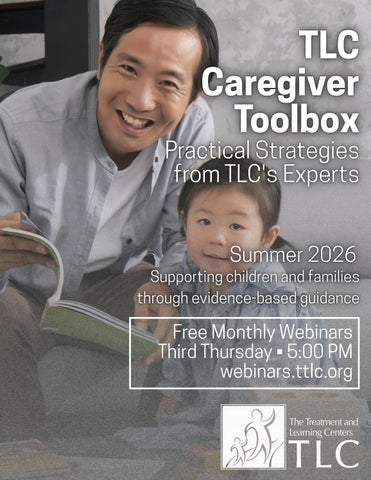
In February 2026,Testing,Tutoring, and Counseling (TT&C) launched the TLC CaregiverToolbox Webinar Series, a free monthly program designed to provide caregivers with practical, easyto-use strategies for supporting children and adolescents. Led byTLC clinicians, each 60-minute webinar focuses on topics commonly identified by parents and caregivers, including ADHD, anxiety, sibling relationships, executive functioning, special education, and more.
Since launching earlier this year, the series has provided accessible education and support to families both withinTLC and throughout the community. Every webinar includes practical strategies, evidence-based information, and opportunities for caregivers to ask questions and connect with professionals.



Erynne Dixon, LGPC Counselor Ginny McDonald Tutoring Supervisor

Kris Schwarzkopf, LGPC Counselor


Thank you for being part of our community


Robyn Davy, MA, BC-DMT, LCPC Counseling Supervisor
Kristin Olsen, Ph.D. Senior Psychologist
Christen Fanelli, PhD Psychologist & Director of Testing,Tutoring & Counseling
Ji-YoungYoon, Ph.D., NCSP Psychologist
Chelsea Powell, MS, SSP Psychology Intern
Erynne Dixon, LGPC and Ginny McDonald
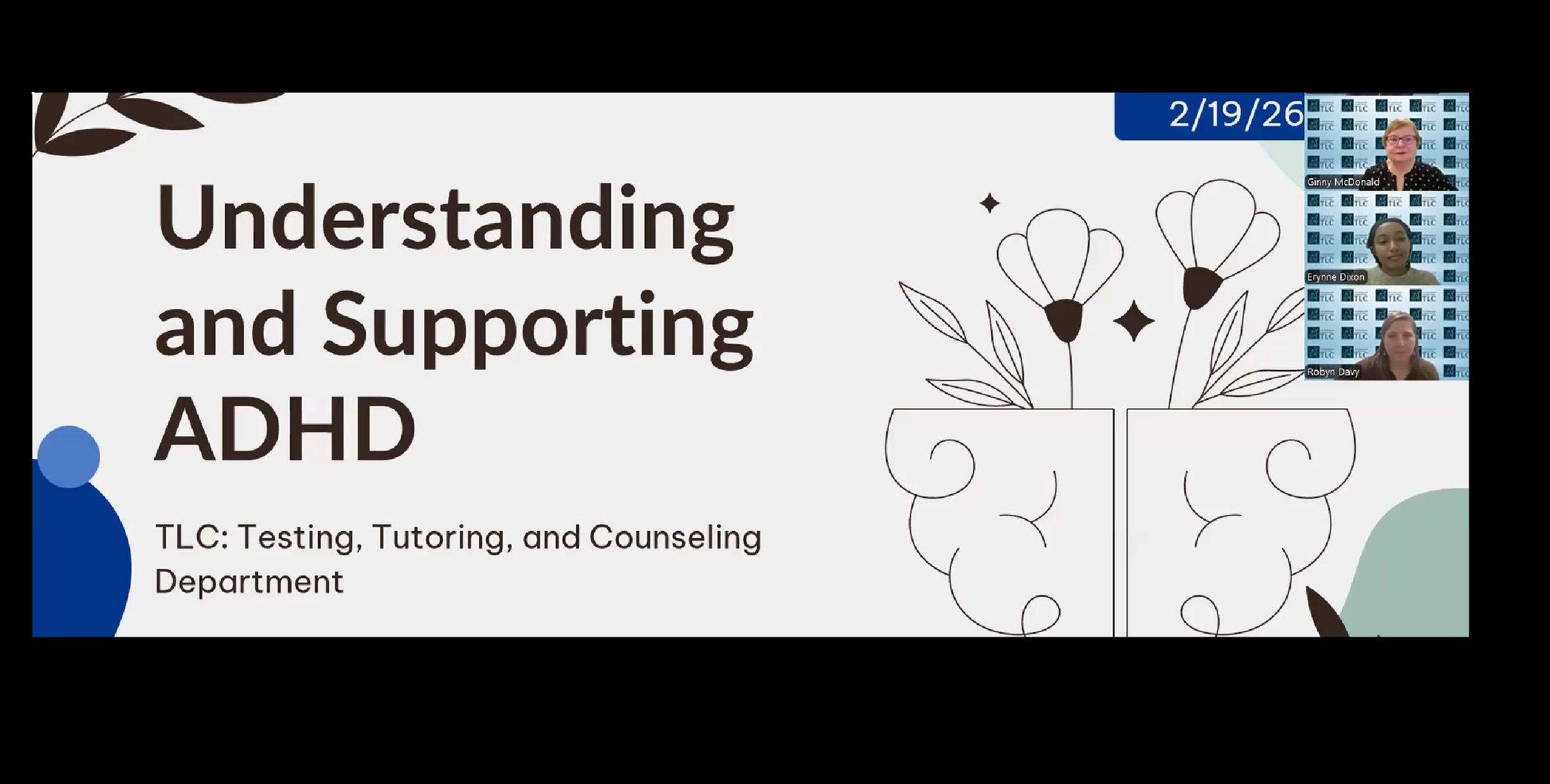

ADHD impacts much more than attention. It can affect memory, planning, self-awareness, organization, time management, persistence, and self-control
Erynne Dixon, LGPC Counselor
Ginny McDonald Tutoring Supervisor
Executive functioning skills can be taught and strengthened.TLC’s tutoring services can help! Neuroaffirming approaches help children understand their strengths With the right supports and environment, ADHD characteristics can become strengths rather than barriers. Watchthe Webinar!
Kris Schwarzkopf, LGPC
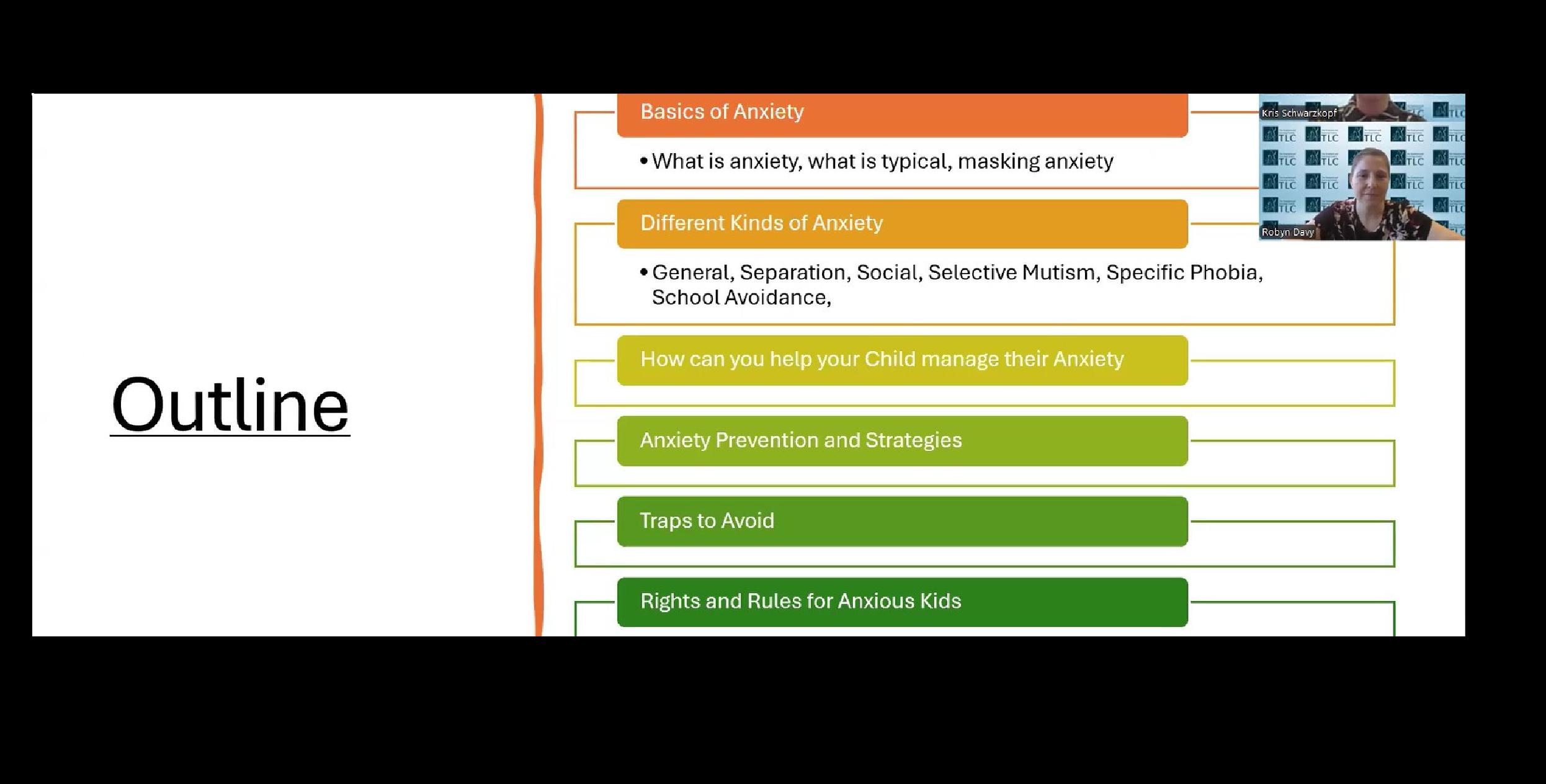
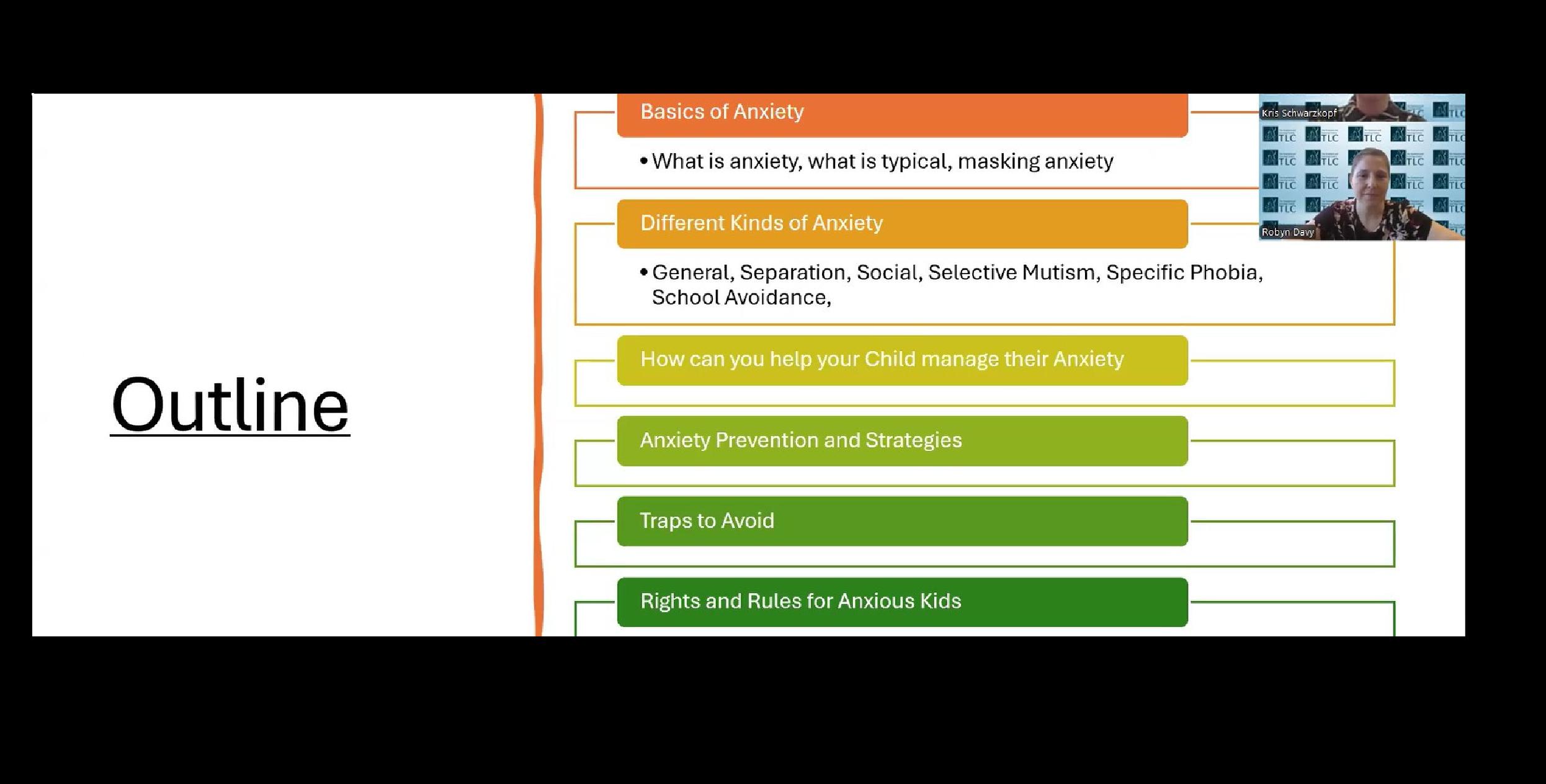
Young children often benefit from learning to externalize their anxiety seeing it as something they experience rather than who they are.
Kris Schwarzkopf, LGPC Counselor
Anxiety can sometimes look like anger, avoidance, inattention, perfectionism, or physical complaints. Avoiding fears often makes anxiety stronger over time. Clear expectations and predictable routines can significantly reduce anxiety
Robyn Davy, MA, BC-DMT, LCPC and Chelsea Powell, MS, SSP
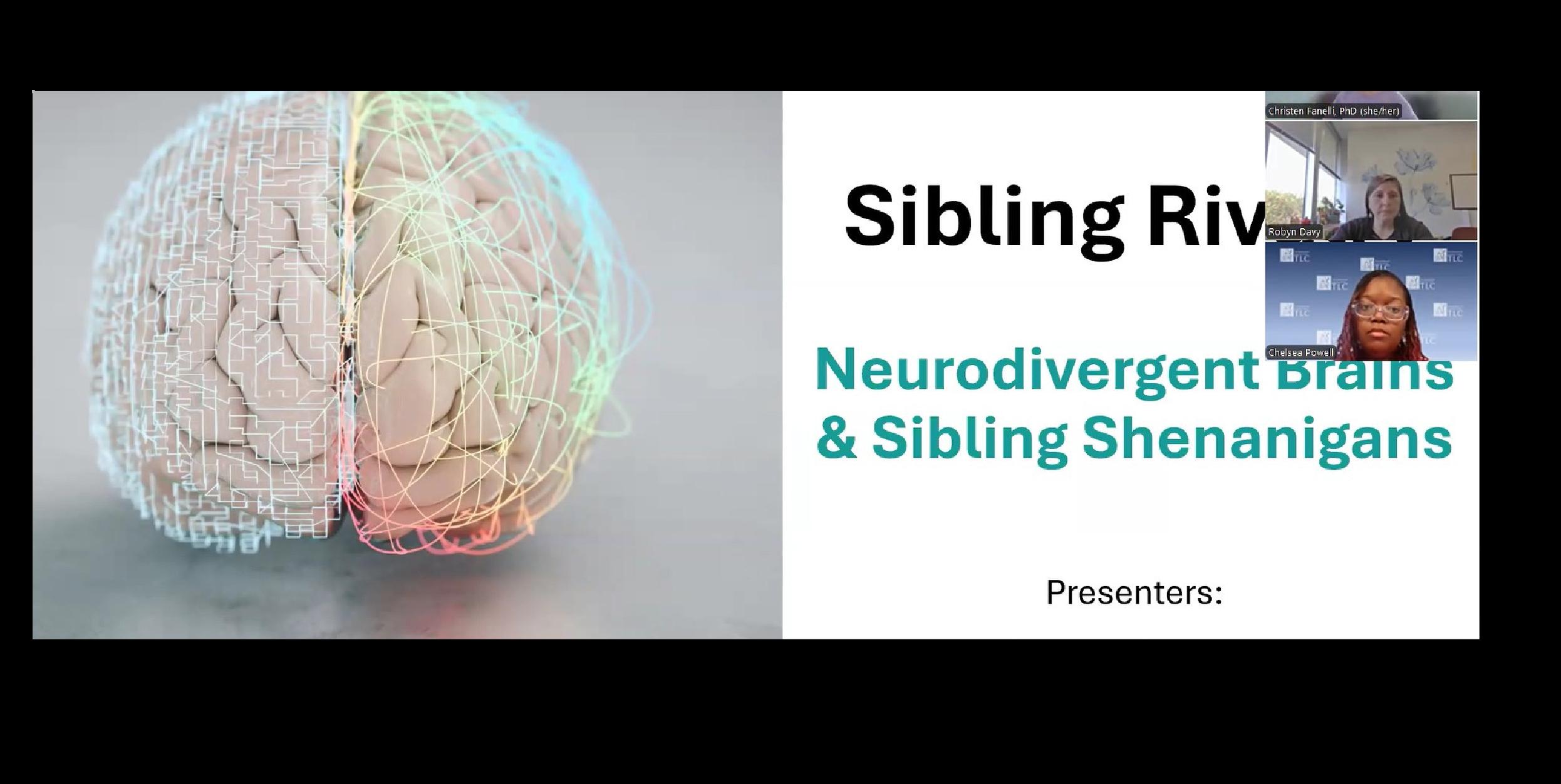
Strong sibling relationships are not simply a matter of luck caregiver support plays an important role in helping siblings build safe, meaningful, lifelong connections.
Counseling Supervisor
Robyn Davy, MA, BC-DMT, LCPC
All relationships experience conflict and rupture. Intentional reconnection after conflict strengthens relationships.
Caregivers help shape the emotional climate siblings experience together.
Chelsea Powell, MS, SSP
Psychology Intern
Kristin Olsen, Ph.D.
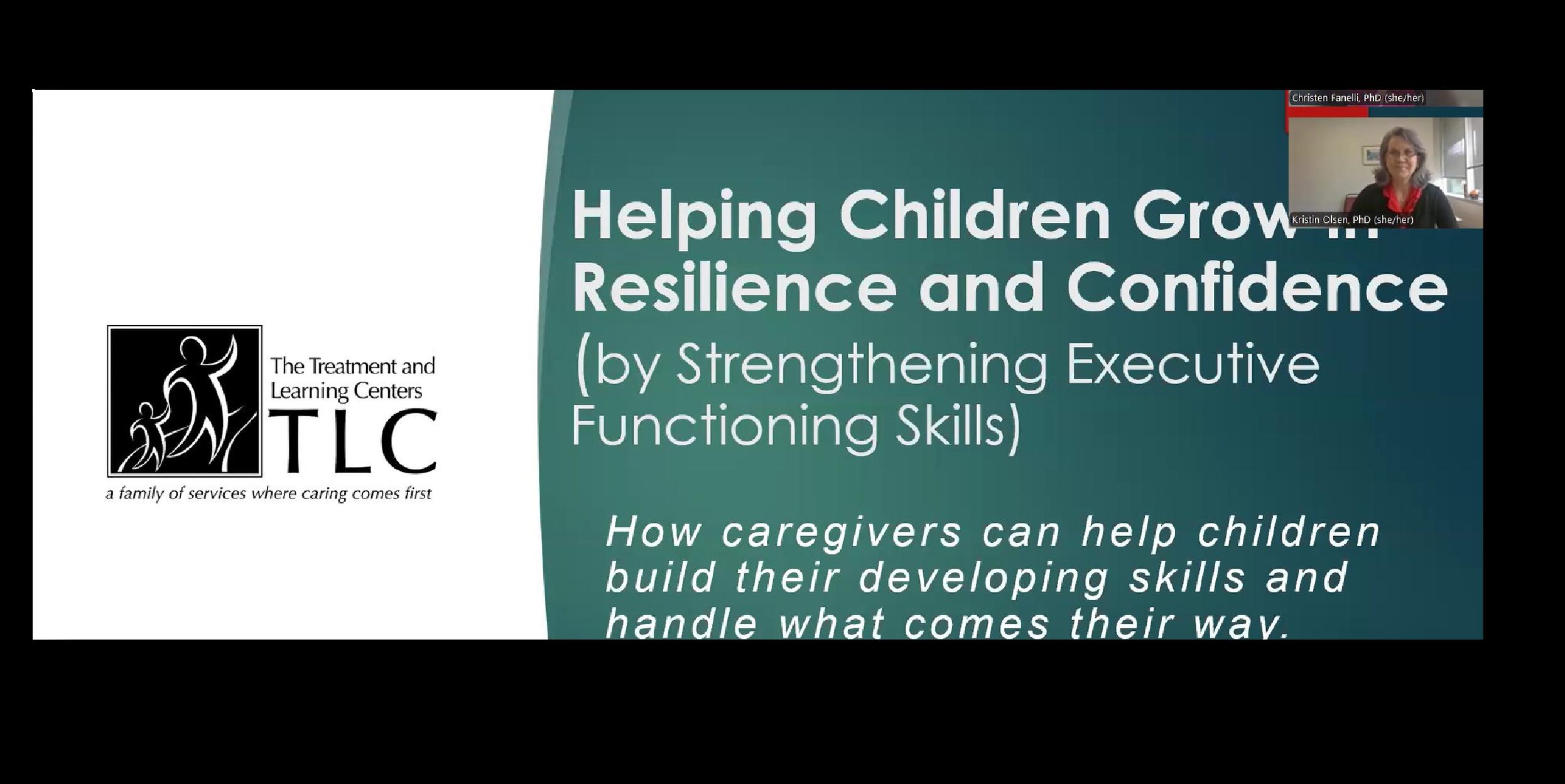
Confidence often grows from competence. As children build skills, they become more willing to take healthy risks and persist through challenges.
Kristin Olsen, Ph.D. Senior Psychologist
Strong executive functioning skills support resilience. Simple strategies such as flexibility games, visual schedules, planning activities, and time-management supports can make a meaningful difference. Connection, encouragement, and celebrating small successes matter.
Christen Fanelli, PhD
A child can have a diagnosed disability and still not qualify for an IEP. Eligibility depends on educational impact and the need for specialized instruction.
Christen Fanelli, PhD Psychologist & Director of Testing,Tutoring & Counseling
Parents can request a special education evaluation at any time. The difference between a 504 Plan and an IEP is not severity —it is whether specialized instruction is needed. Parents are legally required members of the IEP team

Children often benefit from understanding their diagnosis when information is shared in a developmentally appropriate, strengths-based way. Learning about their differences can help promote self-awareness, selfadvocacy, and confidence.

Ji-Young Yoon, Ph.D., NCSP Psychologist
Conversations about a diagnosis should be tailored to a child's age, developmental level, and individual needs.
A diagnosis is one part of who a child is not a definition of their identity. Using affirming, strengths-based language can help children develop a positive understanding of themselves and their unique abilities. Ongoing, open conversations often work better than a single discussion, allowing children to ask questions and build understanding over time

Many back-to-school challenges are not caused by a lack of motivation they are often the result of changes in routine, increased demands, anxiety about the unknown, and the need to re-establish school-year habits
KeyTakeaways
•Transitions are easierwhen children have opportunities to gradually adjust to school-year routines before the first day of school
• Predictable schedules and clear expectations can reduce back-to-school stress and anxiety.
• Caregivers can support success by helping children prepare for both the academic and emotional aspects of returning to school
• Small proactive steps before school begins can help children start the year feeling more confident and prepared

Erynne Dixon, LGPC
Many behaviors that appear as "anger problems" are actually signs that a child is overwhelmed, dysregulated, or struggling to communicate a need.
KeyTakeaways
• Anger is often a secondary emotion hiding more vulnerable feelings underneath.
• Understanding a child's nervous system state can help caregivers respond more effectively
• Emotional coaching and connection are often more effective than punishment
• Caregivers can teach practical coping skills that help children express anger safely and constructively.