


A sold-out trolley tour finds murals celebrating Black history throughout Philadelphia.
Read more on Pages 10-11.

WHAT’S INSIDE FEATURES, Page 14
A student made headlines with his arrest alongside journalist Don Lemon.
WHAT’S INSIDE SPORTS, Pages 18-19
Young gymnasts and Temple mentors help each other with routines and stress.
Sidney Rochnik Editor-in-Chief
Valeria Uribe Managing Editor
Anna Augustine Managing Editor
Ryan Mack Chief Copy Editor
Bradley McEntee Chief Copy Editor
Nathan Horwitz Co-News Editor
Connor Pugh Co-News Editor
Clarissa Jett Assistant News Editor
Ashley Nteff Opinion Editor
Logan Thompson Assistant Opinion Editor
Madelynne Ferro Features Editor
Chloe Pabon Assistant Features Editor
Sienna Conaghan Co-Sports Editor
Colin Schofield Co-Sports Editor
Jacob Moreno Assistant Sports Editor
Leah Duffy Investigative Editor
Tellicia Walker Investigative Reporter
Julia Anderson Director of Audience Engagement
Nathaniel Thrush Co-Community Engagement Coordinator
Kayla McMonagle Co-Community Engagement Coordinator
Isabella Farrow Audience Engagement Editor
Nalani Chiles Audience Engagement Editor
Brian Nelson Photo Editor
Lillian Prieto Assistant Photo Editor
Aidan Gallo Assistant Photo Editor
Jeremy Shover Multimedia Editor
Dylan Castelluccio Assistant Multimedia Editor
Massah Johnson Print Design Editor
Daniya Eggleston Graphic Design Editor
Chili Ramgolam Data Editor
Ariana Droz Podcast Editor
Sage Spohn Newsletter Editor
Nadia Bodnari Web Editor
Maria Lombana Advertising Manager
Aaliyah Abdur-Rashid Advertising Manager
Calista Aguinaldo Business Manager
The Temple News is an editorially independent weekly publication serving the Temple University community.
Unsigned editorial content represents the opinion of The Temple News.
Adjacent commentary is reflective of their authors, not The Temple News.
The Editorial Board is made up of The Temple News’ Editor-inChief, Managing Editors, Chief Copy Editor, Deputy Copy Editor, News Editor and Opinion Editors. The views expressed in editorials only reflect those of the Board, and not of the entire Temple News staff.
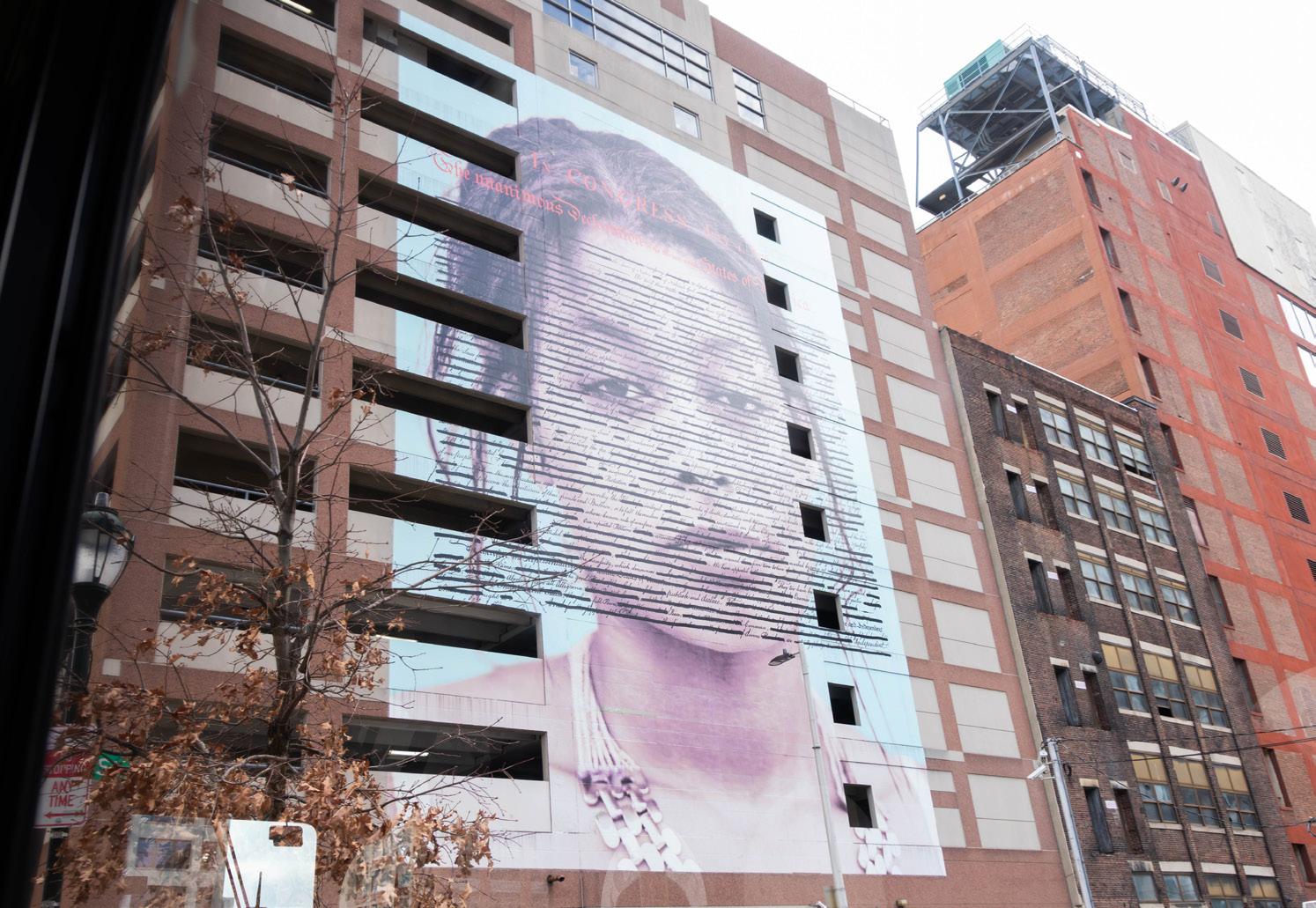
ON THE COVER “Legacy” by Walé Oyéjidé, located on 52nd St.
Visit us online at temple-news.com
Email section staff ttnnews@temple.edu ttnopinion@temple.edu ttnfeatures@temple.edu tnsports@temple.edu
The Temple News is located at: Student Center, Room 243 1755 N. 13th St. Philadelphia, PA 19122
In the print issue on Feb. 10, a photo cutline on page 3 miscredited the photographer, which should have been listed as Nathan Sander.
Accuracy is our business, so when a mistake is made, we’ll correct it as soon as possible. Anyone with inquiries about content in this newspaper can contact Editor-in-Chief Sidney Rochnik at sidney.rochnik@temple.edu.
The Hospital and Healthsystem Association of Pennsylvania report warns of hospital closure.
BY CONNOR PUGH & MAHDIA ARSHAD For The Temple News
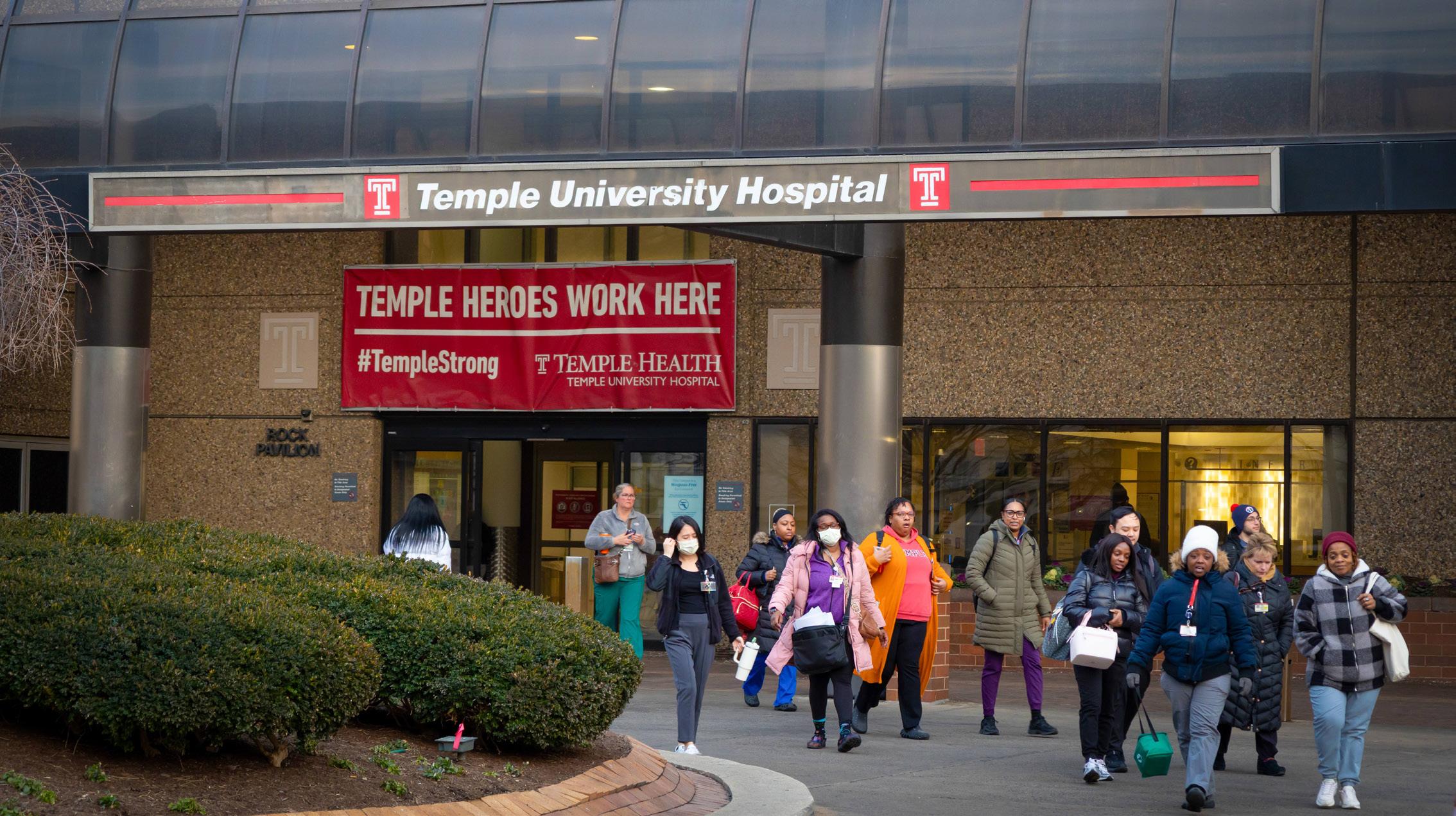
More than a dozen hospitals across Pennsylvania are at risk of closure within the next five years, according to a Jan. 21 report from The Hospital and Healthsystem Association of Pennsylvania. The report identifies inadequate state support as a primary factor in poor healthcare funding.
Six of 10 hospitals in Southeastern Pennsylvania relying on Medicaid revenue have closed or reduced services since 2015. Temple University Hospital is one of two Medicaid-reliant hospitals in Philadelphia to remain fully open, the Philadelphia Inquirer reported.
Around 90% of Temple Health patients are covered by Medicare, a federally provided healthcare available to Americans older than 65-years-old, and Medicaid, a federal- and state-provided health insurance given to individuals based on factors like income, resources and disability.
Proper funding at the state and federal levels are essential for providing an effective safety net to hospital operations, a spokesperson for Temple Health wrote in an email to The Temple News.
“Our approach relies on flexible management teams, operational efficiency, expense management, and strategic growth initiatives,” the spokesperson wrote. “We successfully navigated major challenges during and in the aftermath of COVID and are confident we are prepared to meet these new realities. However, solving systemic national issues requires more than local solutions.”
The Temple Health system had around 1.6 million outpatient visits and more than 12,000 faculty members in 2024 across 63 locations in the Philadelphia area.
The anticipated funding cuts will
cause more people to have difficulty signing up and maintaining their Medicaid plans, said Joanna Rosenhein, consumer engagement manager of the Pennsylvania Health Access Network, a patient advocacy organization.
Many Americans on Pennie, the state’s official online health insurance marketplace, will see their insurance payments drastically increase. These rising prices will predominantly impact rural, low-income and elderly patients, Rosenhein said.
“Some people saw their premiums double, triple, quadruple,” Rosenhein said
The HAP report found that Pennsylvania hospitals are financially hindered by high costs associated with medical liability litigation and harsher restrictions by insurers. These restrictions combined with comparatively lower hospital reimbursements from Medicaid puts Pennsylvania hospitals on stricter budgets, according to the report.
Philadelphia has also seen the clo-
sure of multiple maternity care clinics. Thirteen of 19 maternal care facilities in Philadelphia have closed since 1997, creating a regional health access crisis, the Temple Health spokesperson wrote.
The state budget for Pennsylvania passed in November after a five-month delay, The Temple News reported. The state budget plans to allocate around $20 billion to cover healthcare and other resources provided by the Department of Human Services.
Included in the final budget is an additional $10 million in funding to support rural hospitals and $187 million for Pennsylvania’s Rural Health Transformation Plan.
Despite the benefits that the new state budget proposes, it will not be enough to cover the shortfalls that Medicaid will face in its budget deficits, Rosenhein said.
The passage of the Big Beautiful Bill by the Trump Administration in July cut and changed Medicaid, adding stricter requirements for eligibility and reducing
states’ funding for Medicaid services.
Temple Hospital gets more than two thirds of its patient revenue from public programs like Medicare and Medicaid, according to Pennsylvania Association of Staff Nurses and Allied Professionals. Cuts to these services would increase debt and accelerate the rates of hospital closures, according to a PASNAP fact sheet.
PASNAP President Maureen May believes that the greatest risk of inadequate funding is to the patient, as the commercialization of the healthcare and pharmaceutical industries put patients and funding further at risk.
“The massive profits should not take away the care of the patients,” May said. “And that’s why funding needs to happen and that needs to be monitored.”
connor.pugh@temple.edu
CAMPUS
CPH received $2.5 million in federal funding for two education projects.
BY CLARISSA JETT Assistant News Editor
The College of Public Health received more than $2.5 million in federal funding for two projects, Congressman Dwight Evans announced in a Feb. 12 press release. The funding will go towards the Aramark Community Teaching Kitchen and the Simulation Center, located in Paley Hall.
Evans represents Pennsylvania’s 3rd congressional district, which includes Main Campus. The funding was secured as part of a $7.4 million federal funding package for community projects in his district.
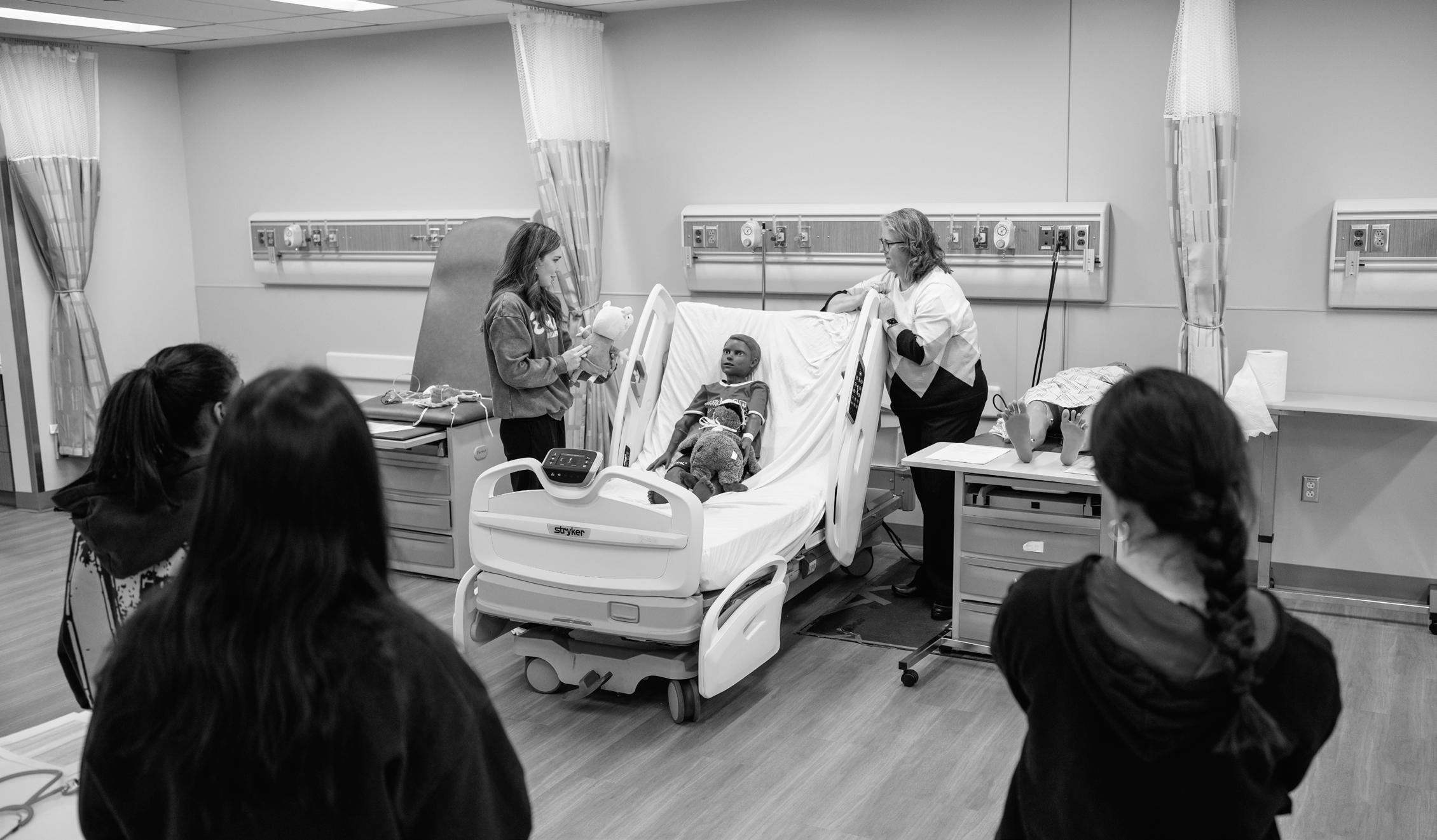
The funding includes around $1 million for the 22,000-square-foot Simulation Center, which opened in August 2025 as part of Paley Hall’s renovations. The center features simulated inpatient hospital rooms, exam rooms, skills labs and community-based spaces, like a replica Philadelphia row home, a park and a pantry.
“A simulation is a life-like situation that students can be placed in,” said Cory Bullock, assistant director of the simulation lab. “They can make mistakes here, and that gives us a teaching opportunity.”
The center can be configured to mirror different health care settings, like emergency rooms, intensive care units and home-care environments. Each simulation session includes a pre-briefing for faculty to establish expectations and to orient participants to the environment. Faculty can also record the simulations for review and feedback.
The funding will support infrastructure and equipment, allowing CPH programs to further engage with the surrounding community through emergency response training and educational programs, like workshops with North Philadelphia community members dealing with food insecurity.
“The goal we have for this funding is to build out the lab as much as possi-
ble,” Bullock said. “We want to make it so we have enough tools and opportunities for our faculty to train our students the best that we can.”
The community kitchen will receive $1.5 million to expand its nutrition education programs for students and community members.
“We want all of these interactive learning spaces to not just train our students, but also bring in community,” said Gina Tripicchio, director for the community kitchen. “Nothing brings people together more than food.”
Students currently design and deliver two to three community programs focused on nutrition education in a semester through its Community Table initiative, which started this Spring.
The program began with three initiatives this semester. One ongoing project pairs public health and communication sciences students to create adaptive cooking classes for stroke survivors with aphasia. Master of Public Health in Nutrition fieldwork students are also developing a cooking program for North
Philadelphia high school students.
With the new funding, the kitchen plans to expand to as many as six initiatives per semester, including maternal and child health programming and nutrition education for residents managing chronic conditions like diabetes.
Graduate students are also developing bi-weekly recipes and nutrition education materials for the food pantry recipients at Bless Philadelphia, a local non-profit through a cultural and community nutrition course.
The kitchen will also launch a new 15-week undergraduate course, “Wellness Kitchen: Cooking for Health” this fall. The course will focus on cooking fundamentals and evidence-based nutrition.
“This project has great potential to improve the quality of health care,” Evans wrote in a press release on Feb. 12.
Officials proposed funding for both projects as part of Temple’s move into Paley Hall last summer, said Jennifer Ibrahim, dean of the College of Public Health.
Paley Hall opened in August 2025 after two years of construction, marking the first time all CPH facilities are under one roof. Before, its resources were spread across 10 buildings on Main Campus and the Health Sciences Campus.
Programming in both the kitchen and simulation center are expected to expand further by the start of the fall semester.
“There’s lots of opportunities for creativity and collaboration in education,” Ibrahim said. “Often, we don’t want to talk about failure. In these spaces, we want students to fail forward to be more prepared when they’re going out into the community.”
clarissa.jett@temple.edu
New programs like an honors college are designed to advance student accomplishments.
BY CONNOR PUGH Co-News Editor
Forward with Purpose, Temple’s latest strategic plan, aims to improve student success by elevating the Honors Program to a college, revamping the general education program and introducing expansions to its student advising and wellness resources.
The plan details initiatives to revise work-study programs and expansions to advising and career counseling services.
Temple plans to expand the availability and quality of career outcomes for students to improve student success metrics, said Interim Provost David Boardman.
The initiatives will be evaluated by undergraduate retention, graduation and post-graduation employment rates.
“In the past, and I think this is typical of most American universities, there was almost an aversion to thinking about careers. And that’s not our job, we’re just here to educate students and help them become good thinkers,” Boardman said. “But in this day and age, we feel really responsible for preparing students and helping them make that bridge to great careers and to success in their careers.”
State and federal governments also consider post-grad employment rates when allocating funds, Boardman said.
Temple will revise university curricula and provide more online courses to appeal to older adult students under the strategic plan.
Temple was forced to provide more virtual instruction during the COVID-19 pandemic, but has not had a comprehensive strategy for developing online curricula, Boardman said.
“For the first time, we’re going to have, within the next year, a campus-wide strategy, really developing our online offerings with a particular focus on some new graduate programs,” Boardman said.
Changes to class lengths and options will also be implemented in the Fall to
improve class scheduling, Boardman wrote in an message to the Temple community Feb. 23. Three-credit courses meeting twice a week will be shortened from 80 to 75 minutes, giving students more time to make it to their next class, and a three-credit 75-minute course option will be added for Monday and Wednesdays.
Temple also plans to expand its Honors Program into a full-fledged college to compete with schools like the University of Pennsylvania and the University of Maryland, Boardman said.
Temple’s Honors Program provides students with special honors credits and extra opportunities for classes and facilities. Expanding the existing program into a college would multiply its capabilities, said Bryant Simon, academic chair of the Honors Program. Simon hopes to make an expanded Honors College accessible to all Temple students.
“We want to build an Honors College based on the model of access,” Simon said. ”
The implementation of an Honors
College will require additional philanthropic support, said Amanda Neuber, vice provost for undergraduate studies in the Honors Program.
“We really want to create an Honors College that celebrates what Temple is, what Temple stands for, that brings students who never consider Temple or being part of Honors or feeling like they belonged in Honors to Temple,” Neuber said.
An expanded college would provide greater opportunities for interdisciplinary and cross-college collaborations, along with greater financial support for students and projects, Neuber said.
Beyond academic initiatives, Forward with Purpose named goals intended to improve wellbeing as a way to encourage student success. These include a focus on introducing more comprehensive wellness initiatives and promotion of the Essential Needs Hub, which plans to open this Fall.
The Wellness Resource Center in the Howard Gittis Student Center hosts workshops, advises students and pro-
vides public resources for the wellbeing and health of Temple students. Liz Zadnik, the director of the Wellness Resource Center, believes that comprehensive wellness offerings are key to enabling student success at any university.
“When students feel supported, when they know that they have access to different resources whether it’s on campus or within the city, and when they’re able to join their peers in practicing skills, it’s going to enhance all of the other kind of dimensions of their experience here at Temple,” Zadnik said.
connor.pugh@temple.edu
CAMPUS
The school will open new faculty and rural dentistry clinics to serve underprivileged areas.
BY CONNOR PUGH Co-News Editor
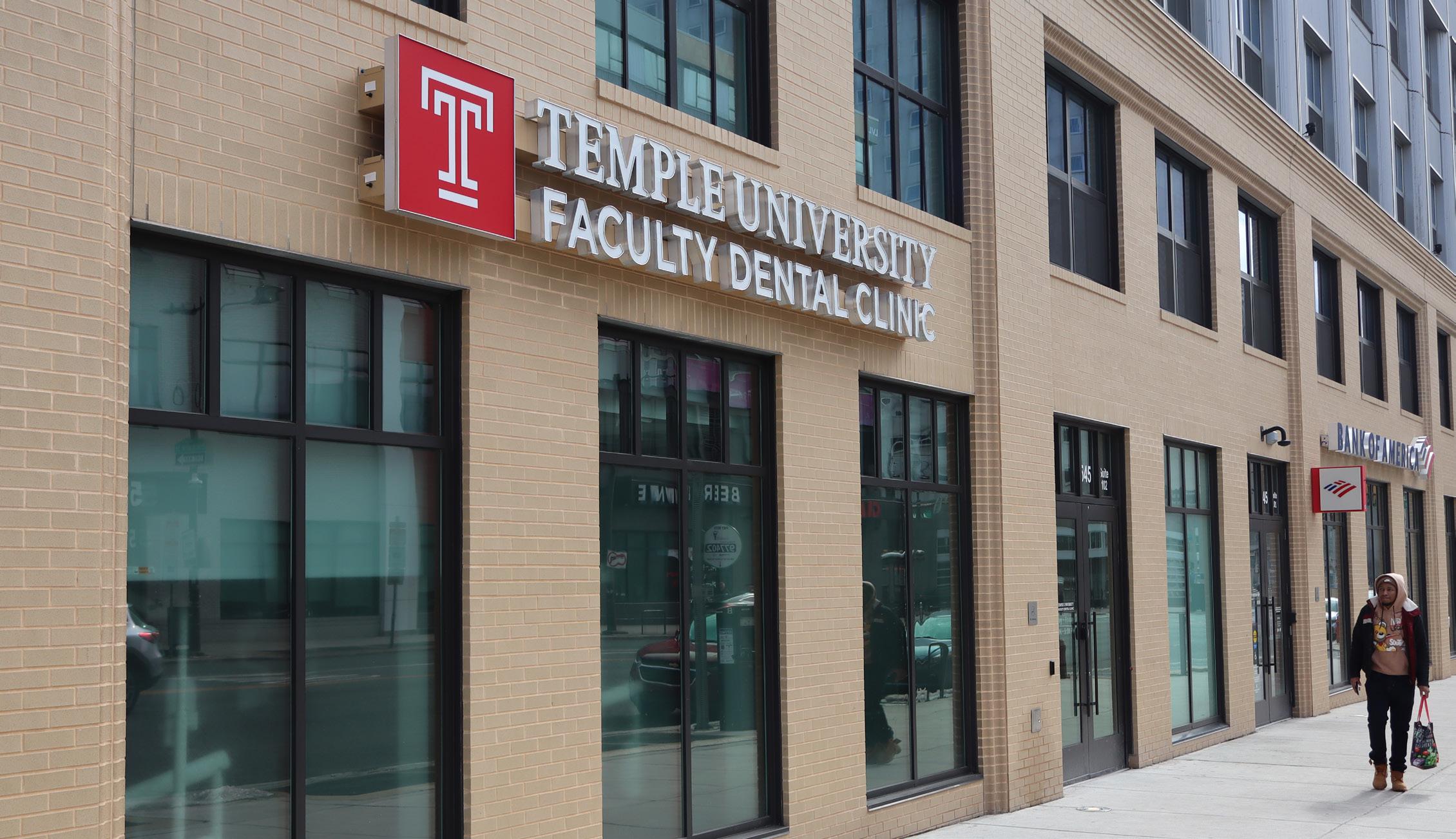
The Maurice L. Kornberg School of Dentistry is planning to expand its clinics, including a new location for the faculty dental clinic in Spring Garden and a rural dentistry clinic in Tamaqua, Pennsylvania.
The clinic will pilot its rural dentistry program, hosting around 20 students, to address the lack of affordable and accessible dental care in rural areas.
Temple collaborated with the Tamaqua Area Community Partnership, a nonprofit organization dedicated to the development of Tamaqua, to realize the clinic. TACP will lease out the lot, a former pharmacy, to Temple for the construction of the clinic, Director of TACP Micah Gursky said.
“Right now, there are very few, if any opportunities for a dentist to train in a rural area,” Gursky said. “[The clinic] is going to be a really unique program and an opportunity to showcase what a small town can offer.”
The program at Tamaqua will further the principles of Temple’s recent strategic plan, Forward with Purpose, to establish partnerships with members across Philadelphia and the Commonwealth of Pennsylvania, Dean of Kornberg Amid Ismail wrote in an email to The Temple News.
The Tamaqua rural dentistry track will be similar to the programs at the Health Sciences Center, but will allow third- and fourth-year dental students to live full-time in Tamaqua and integrate themselves with the community, Ismail wrote.
The Spring Garden faculty dental clinic will be the new location for dental services for staff, students and community members. The clinic’s old location on Broad Street will be used by thirdand fourth-year Kornberg students for additional dental services as part of the
school’s main clinic.
“The major advantage [of Spring Garden] is, it gives the faculty a larger space,” said Cynthia Jetter, director of the Faculty Dental Clinic. “There’s also greater access to more technology in the delivery of dental care at that location too.”
Jetter hopes to see the clinic become an integral part of the community at Spring Garden, which has seen a recent increase in residential development, and become an important resource for dentists in the area with its specialized services.
The faculty dental clinic is staffed by practicing dental professors who teach four days a week and then cycle to working at the faculty clinic for one day a week, Jetter said.
“[The clinic] can be very rewarding for the faculty,” Jetter said. “It gives the faculty the ability to maintain a larger patient population for themselves because dentists who practice are better
instructors too for dental students.”
Kornberg partnered with the William D. Kelley Elementary School in North Philadelphia in 2023 to open a pediatric dental clinic in the school, offering dental care to K-8 students regardless of insurance status.
Kornberg is better situated to provide care for Medicaid patients, compared to private practitioners, due to its extensive experience, Ismail wrote.
“There is high demand for dental care by patients who have low-income and/or are under Medical Assistance,” Ismail wrote. “Most attempts to improve the situation have failed because private dentists cannot afford to treat patients and receive very low fees as well as manage the bureaucracy of reimbursement of the Medical Assistance program. [The] Temple Dental solution is novel. We have extensive expertise in providing care for patients covered by Medicaid.”
The rural clinic at Tamaqua is expected to open in the Fall 2026, as the
university now looks to hire a contractor to renovate the space to a functional dentistry clinic. They will begin training dentists later this year, Gursky said.
connor.pugh@temple.edu
As February comes to an end, so do the themed events and tributes that make Black History Month. Usually, people spend this month commemorating years of history, injustice and reformation of Black culture. However, once March rolls around, the scheduled appreciation dies down and people focus their attention on other topics.
This year, President Donald Trump’s administration has continuously attacked diversity. The National Parks Association removed an exhibit on slavery located at the President’s House in Philadelphia on Jan. 22, following a March 2025 executive order. Even though the exhibit returned to Independence Mall on Feb. 19, it still showcases the government’s attempt to erase and write important parts of the country’s history.
It is more important than ever to highlight these crucial events in history, so they are never forgotten. The Editorial Board urges the Temple community to honor Black history after February ends. Understanding Black history is paramount to a comprehensive understanding of American culture and its importance cannot be understated.
The same five names are recycled in Black History Month: Martin Luther King, Jr., Rosa Parks, Harriet Tubman, Emmett Till and Ruby Bridges. Although these figures are pillars of Black history, their stories are just the tip of the iceberg.
Names and stories are often forgotten. But many stories are not hidden; students can find their stories told in documentaries, limited series and are encouraged to watch for and be caught up on the stories that often get lost in the news.
Temple students should know the importance of Black History Month, especially when the school holds so much of it. Cecil B. Moore Avenue is named after a civil rights activist who served as president of the Philadelphia National Association for the Advancement of Colored People chapter and protested to desegregate Girard College.
The Charles L. Blockson Afro-American Collection, located in Sullivan Hall, is an archival collection including more than 500,000 rare books, photographs and artifacts dating back to 1581 to help students research Black history in Philadelphia and beyond. Blockson himself was a Black American historian who collected and preserved these artifacts, and in 1984, donated that collection to the Main Campus.
Celebrating Black History Month should not only mean acknowledging trauma but also respecting the living culture that continues to influence everyday experiences.
Black history is not a seasonal holiday. It is foundational to American history and it’s important to preserve it and share it year-round, especially at a time when the federal government is actively working to erase it.
OP-ED
A student argues that laziness is often privilege, but it can also come from unseen struggles.
BY LOGAN THOMPSON Assistant Opinion Editor
The word lazy is used frequently on college campuses.
When someone misses class, skips a meeting or turns something in late, it is often a character flaw or evidence of poor discipline. But laziness is not simply a personality trait. It is influenced by security and not everyone can afford to fall behind.
Some students arrive at college never needing to do their own laundry, schedule appointments or track every dollar in their bank account, while others arrive already knowing there is no cushion and having learned to handle responsibilities from a young age.
Even though laziness is often a product of privilege, what sometimes is indifference can also be a sign of instability, chronic stress or underlying pressure. It is impossible to know what someone is balancing behind the scenes.
What people often call laziness may be privilege rooted in the freedom to disengage without severe consequences, but it may be disguised by cognitive overload and external stressors.
Fifty nine percent of college students experienced at least one form of basic needs insecurity including food or housing instability, according to a February 2025 survey by The Hope Center for Student Basic Needs.
In group projects, the student who misses a meeting is often labeled unreliable. The classmate who seems disengaged during discussion may be described as unmotivated. The roommate who stays in bed all afternoon is considered sluggish.
But people rarely know what is going on in other people’s lives. When someone is constantly calculating whether they can afford their living expenses, it may be harder for them to concentrate, retain information and plan ahead. What looks like procrastination may actually be a depleted nervous system.
Approximately 37% of college students report significant depressive symptoms and
more than half exhibit signs of loneliness, according to an October 2025 study by UCLA Healthy Minds.
Prolonged stress disrupts memory and sleep. It may also cause physical pain, according to the Mayo Clinic.
Because people cannot see pressure others carry, they default to judging their character. It is easier to call someone lazy than to consider that they may be struggling.
I’ve had to rethink what I mean when I say someone is not trying hard enough. I have learned to pause and ask myself what they might be balancing behind the scenes. And I have realized sometimes what we call drive is just security, but the freedom to focus only on achievement is not universal.
The narrative that college is a level playing field is comforting, but it is also incomplete. Discipline matters, but so does cushion. Until we acknowledge how unevenly that cushion is distributed, we will continue confusing privilege with character and insecurity with indifference.
logan.thompson.thompson@temple.edu
A student argues that her peers shouldn’t have to speak for their entire communities.
BY LOGAN THOMPSON Assistant Opinion Editor
Shawn Coleman finds classroom pressure does not always come as explicit demands, but often appears in subtle moments that single him out during discussions.
“There has been a few times where I’ve been in class where a teacher expects me to know an answer to certain cultural references and they’d make a cold call on me,” said Coleman, a sophomore media studies and production major. “I feel like I should still be given an option to raise my hand instead of just directly being called on.”
Undergraduate enrollment nationally has become more racially diverse during the past decade as Hispanic, Black, Asian and multiracial student populations steadily increased across campuses, according to May 2025 data compiled by The Chronicle of Higher Education.
Numerical diversity doesn’t translate into structural inclusion. When topics like race, religion, immigration or politics come up, the students who belong to those communities become the center of attention.
When representation exists without structural support, students can be reduced to symbols of diversity rather than recognized as complex individuals. Visibility without intentional protection can leave students hyper visible and unsupported.
Reynaldo Anderson, a professor in Africology and African American Studies Department in the College of Liberal Arts, believes that the knowledge presented in classrooms is often shaped by those in power, not necessarily the students sitting in them.
“The knowledge that’s presented to students is basically a reflection of the people that are in charge, and it doesn’t always serve those students’ interests,” Anderson said.
In classrooms where only one or two students represent a particular
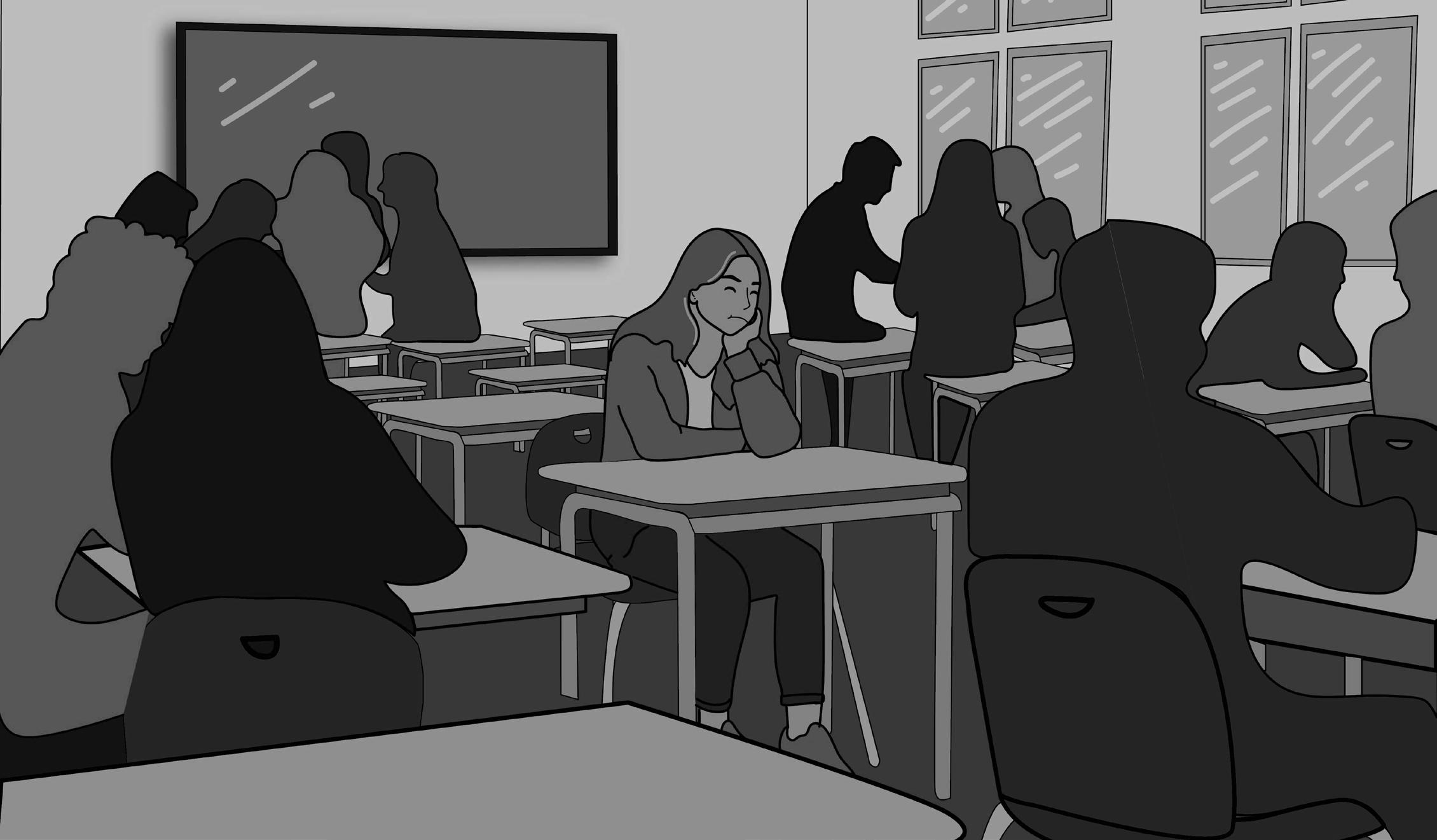
identity, participation can shift from voluntary engagement into implicit obligation. Class discussions are essential, but diverse perspectivists can turn into pressure when a student is responsible for being a monolith.
When an instructor looks toward the only Latina student during a discussion about immigration policy or the only Black student during a conversation about policing, it reinforces the idea that identity equals authority. It quietly suggests that others in the room are less responsible for engaging critically.
Kevin Yapo sometimes prefers to stay quiet when class discussions about religion and race. In conversations tied to identity, he sometimes chooses not to engage.
“There weren’t a lot of Black kids that went to my high school. I would be the only Black kid in class so during certain conversations, I felt singled out,” said Yapo, a sophomore biochemistry major. “I like to keep my opinions to myself sometimes. I just try to avoid those stressful conversations.”
That withdrawal reflects how identity-based pressure does not always look like confrontation, but sometimes it looks like silence.
Being called on in moments like that reinforces the idea that identity equals expertise; it suggests that lived experience must always be available on demand. When participation feels compulsory rather than voluntary, discussion stops being academic and starts being performative.
Inclusion requires intentional facilitation. Professors should still promote diversity, but it’s important to establish clear norms, so no one is required to speak from personal experience.
This dynamic has long been described as tokenism. When individuals from underrepresented groups are treated as symbolic representatives of their identity rather than as complex individuals.
The pressure is complicated because speaking can feel risky, but staying silent can feel complicit. Correcting misinformation can feel necessary, but doing so
repeatedly can feel exhausting, which might be invisible for those who don’t experience it.
Relying on research or redirecting conversations when peers implicitly assign representative roles to certain students can be helpful. Professors can also check in privately with students who may feel exposed after charged discussions.
Students should be free to contribute as individuals, instead of being in charge of validating entire communities. Their presence shouldn’t be treated as a teaching tool. Real inclusion begins when students are allowed to be fully themselves without being asked to stand in for everyone else.
Until classrooms are structured to protect students from becoming spokespersons for identities they did not volunteer to represent, diversity risks remaining at surface level.
logan.thompson.thompson@temple.edu
BY LOGAN THOMPSON Assistant Opinion Editor
I used to daydream without realizing I was doing it. I spent minutes, sometimes hours, lost in a world of thoughts that belonged only to me. It felt natural, comforting and oddly productive so much that I didn’t even notice time passing.
Daydreaming wasn’t just a habit; it was a quiet outlet after a long day of schoolwork and responsibilities. It was a space where I was able to wander freely.
Daydreaming used to be how I processed emotions. I replayed arguments I wish I won, imagined different outcomes, let feelings surface without forcing them into words. I walked through the highs and lows in slow motion, allowing each thought to breathe and settle before moving on.
There was no goal or audience in my mind. Just me, my thoughts and the quiet permission to exist in them.
But somewhere along the way, the quiet space of imagination shrank until it almost disappeared. My thoughts stopped wandering and started waiting for the next task or notification. What once came naturally began to feel like something I no longer had time for.
I stopped daydreaming sometime after middle school, when life grew louder and more demanding. High school trained my mind to stay busy, anticipate deadlines and focus on performance.
Any moment that could turn into a daydream is now occupied. If I’m in a car, my phone is in my hand. I scroll on social media when I’m waiting for something. If my mind starts to wander, I pull it back with a screen, like a leash keeping my thoughts from straying too far.
Silence is no longer restful; instead, it feels unfinished, like a sentence I never got to say or something I forgot to fill. Even when I want to daydream, it doesn’t feel the same. It feels foreign and indulgent, like I don’t have the time or the right to let my mind drift.

Losing the ability to daydream feels bigger than losing idle time. It’s like I lost access to a quieter version of myself, the part that could sit still without feeling anxious or reflect without performing, the part that trusted its own imagination.
Daydreaming isn’t laziness––it’s how creativity breathes. It’s where ideas form without pressure, where stories begin and where empathy takes root.
Wen my mind wanders, it connects dots that structured thinking can’t. It makes room for imagination, problem-solving, for understanding others— and even understanding myself. Some of my most vivid ideas and solutions came not from thinking harder, but from thinking softer, from letting my mind drift in unexpected directions.
I consume instead of creating. I noticed I can’t match the speed at which the world moves, and I’m convinced that keeping up is more important than slowing down. It scares me how normal this constant stimulation feels. Not day-
dreaming doesn’t feel like a loss until I actively think about it, until I notice how rarely I let my mind be unoccupied.
I miss the version of myself who stared at nothing and still felt full, who trusted her thoughts enough to let them roam, who didn’t need constant input to feel okay. That version of me was curious, patient and okay with silence.
Daydreaming deserves space in my life. Not as an escape, but as a return. A reminder that being present doesn’t always mean being productive.
Sometimes being present means letting my mind wander and seeing where it takes me back to myself and curiosity. It means understanding that thoughts are not always tasks, and that stillness is not wasting time.
I want to reclaim that habit, even in small ways. I want to remember that daydreaming is not just a childhood luxury; it’s a deep human practice that allows me to breathe, reflect and imagine.
And maybe, if I allow it, those drifting thoughts will teach me something I couldn’t learn otherwise.
Maybe they’ll remind me that there is value in nothingness, quiet, in letting the mind wander where it will. And maybe, just maybe, I’ll find that version of myself waiting there, full and unhurried, ready to dream again.
logan.thompson.thompson@temple.edu
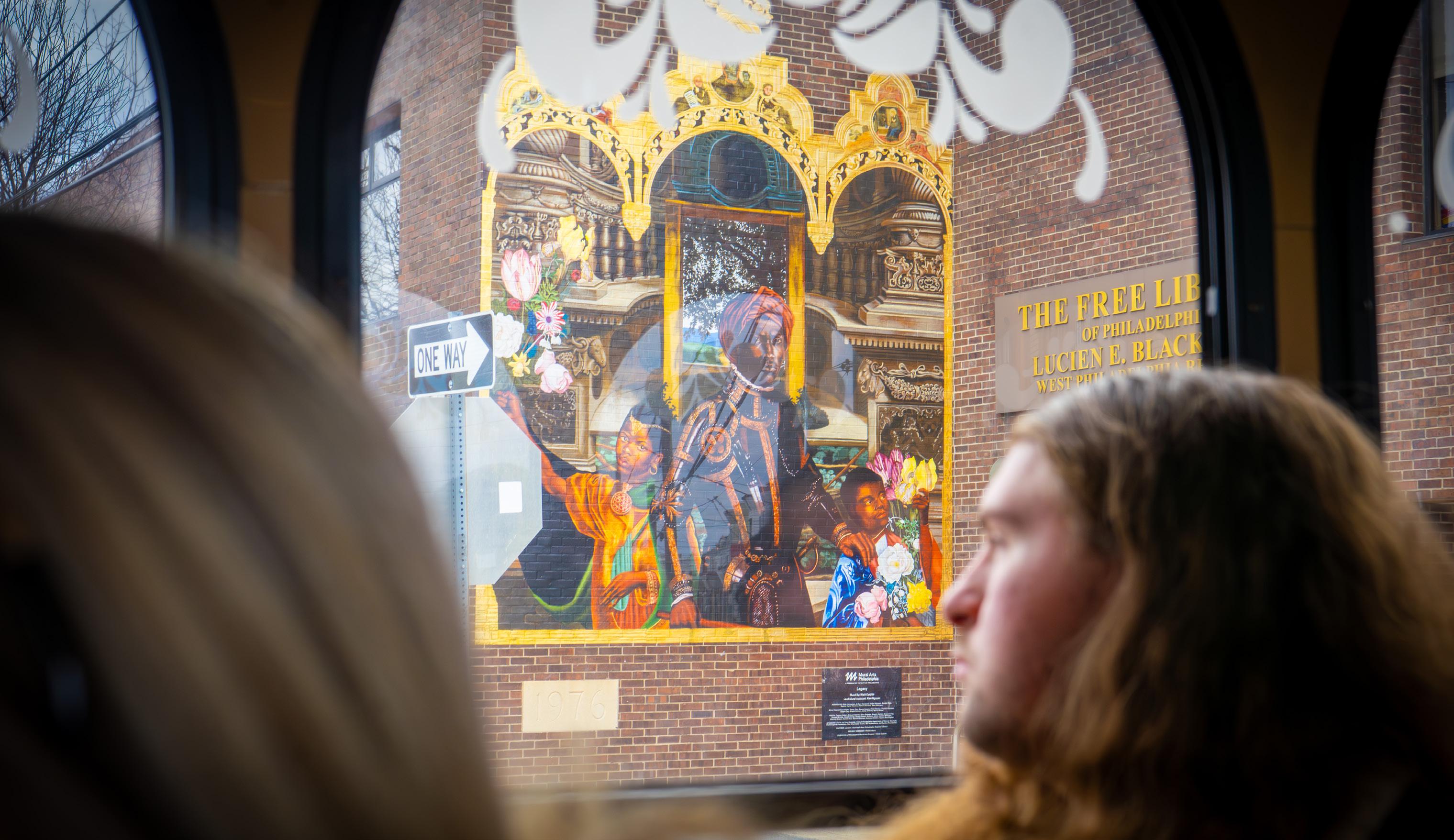
Philadelphians learned about Black history through the mural pieces of West Philadelphia.
BY LILLIAN PRIETO Assistant Photo Editor
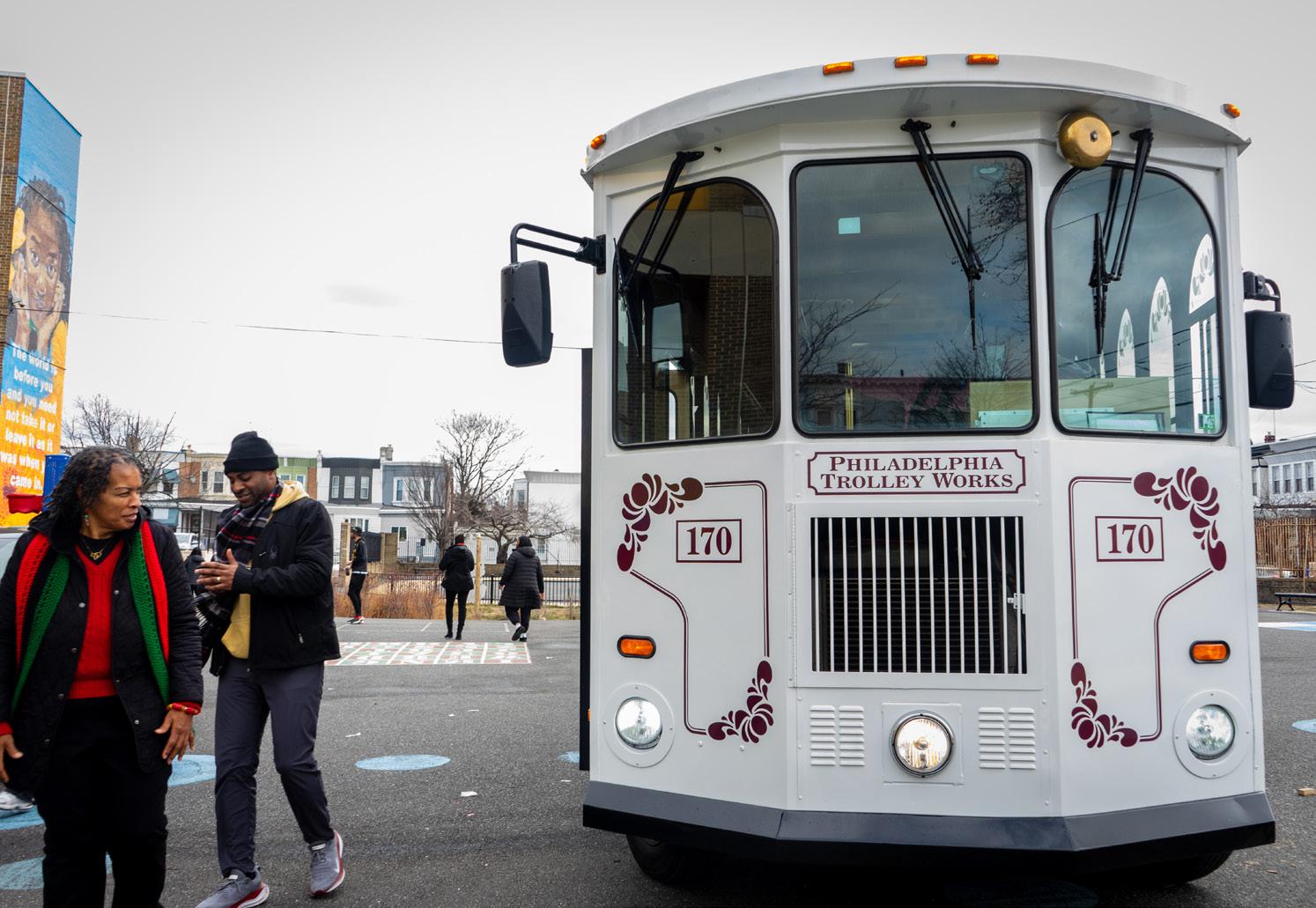
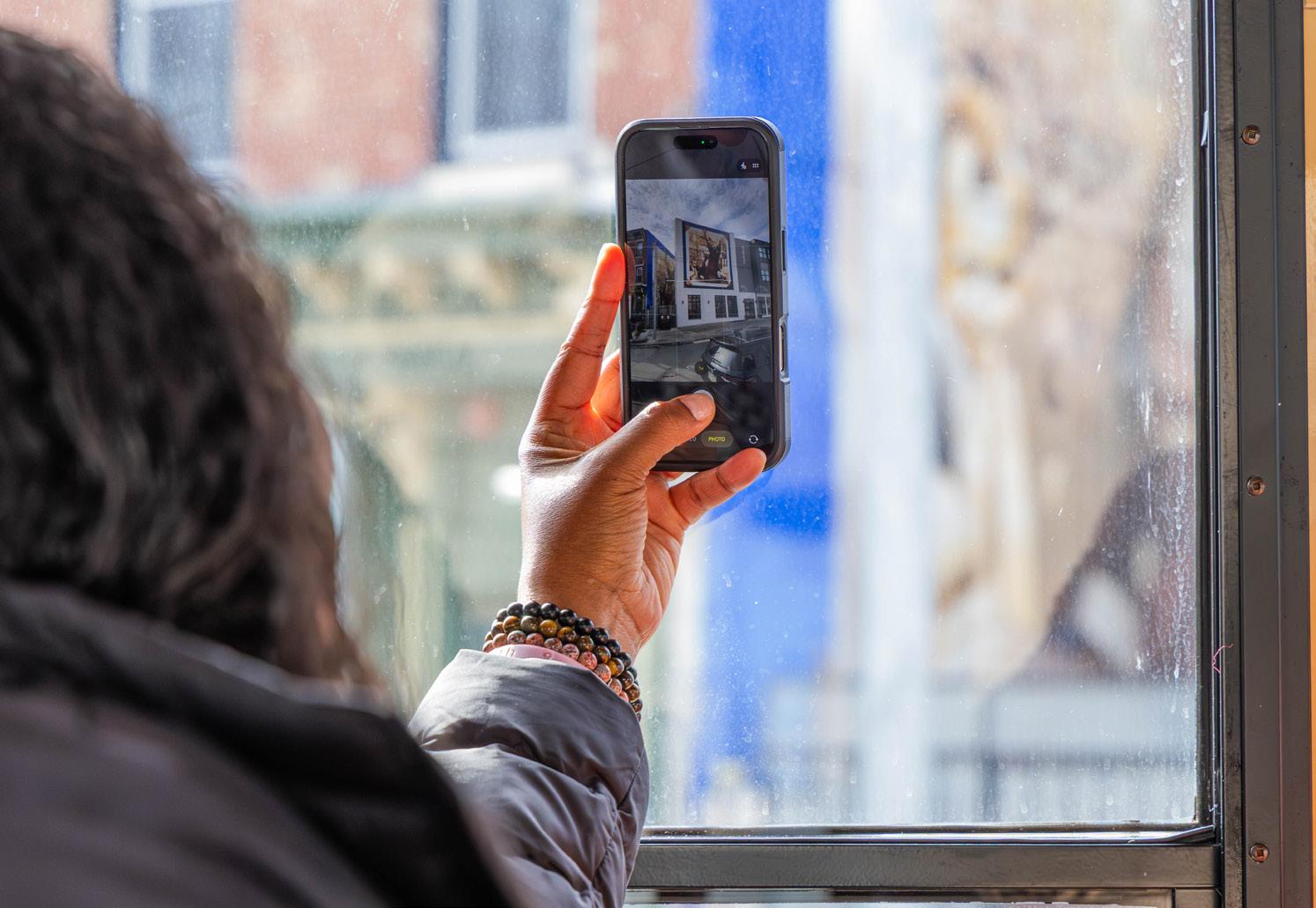
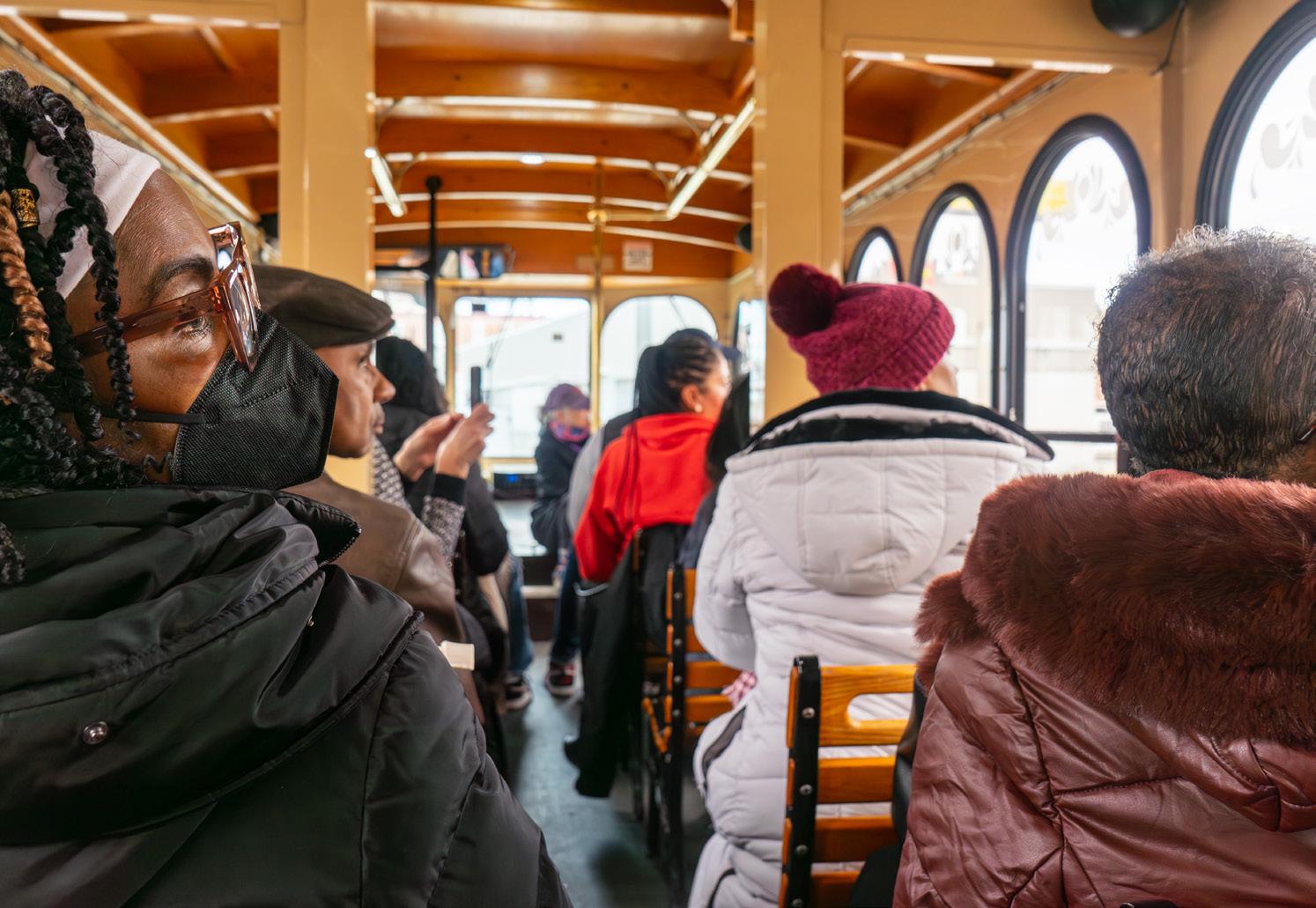
When her children were younger, Holly Sharpe and her family would visit murals to feel their texture and enjoy the art. On Saturday, Sharpe got to experience her first mural tour with her son, Warren, on the Black History Month Civic Heroes Trolley Tour.
“When I saw this one for Black History Month, it was like, ‘Yes we have to do it,’” said Sharpe, a nurse at Penn Medicine.
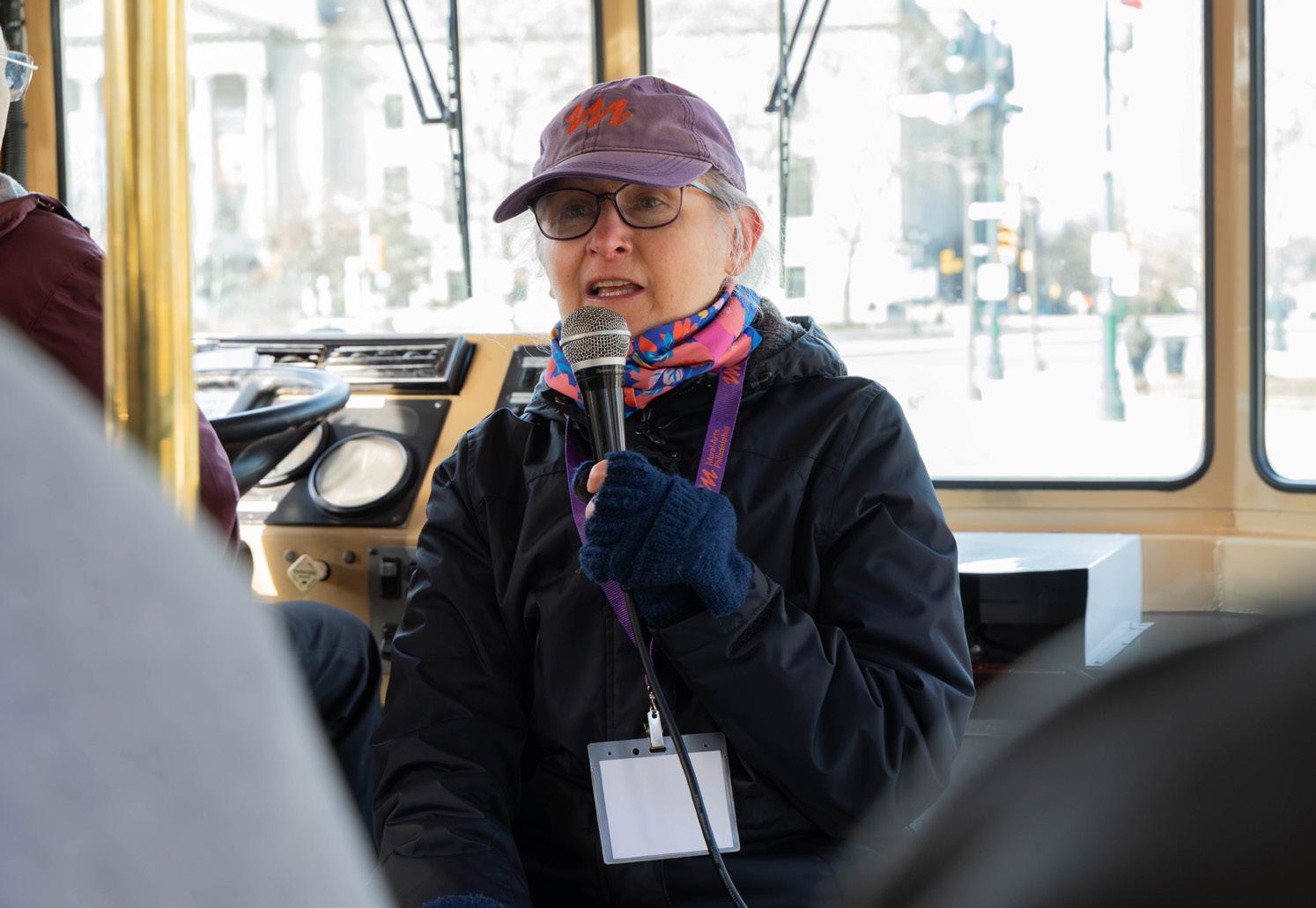
The tour began in West Philadel-
phia and was led by volunteer tour guide Ellen Baxter. There, she guided attendees around the neighborhoods to view murals that celebrate Black history.
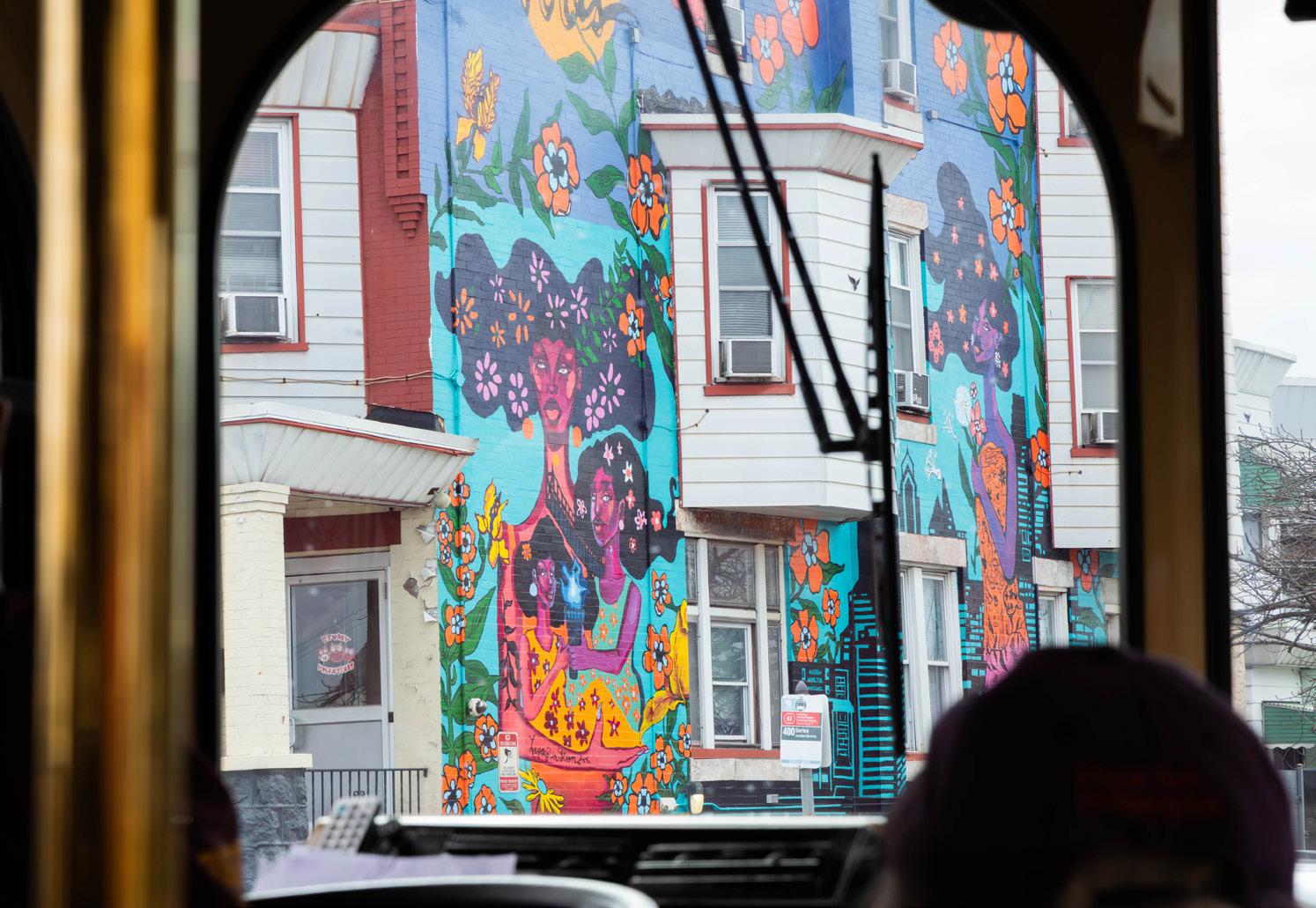
The murals ranged from dedications to Black heroes from Philadelphia to statement pieces showcasing the culture of Africa and Black Americans. The murals are a homage to each neighborhood and a reminder of how proud the artists are of their place of origin.
Attendees were able to get a firsthand look at the mural “Blooming Features,” a mural comparing schools to a garden. The mural features of paintings of students, staff and sunflowers. The mural was created by Athena Scott, with the help of alumna Quinta Brunson, and is located at the Andrew Hamilton School, where Brunson attended.
The murals bring residents together
to celebrate their culture and civic leaders who have helped the Black American community. Though a vibrant touch to a neighborhood, many murals are in jeopardy of being removed due to development.
“Neighborhoods want a mural,” Baxter said while giving the tour.
“Tuskegee Airmen: They Met the Challenge” by Marcus Akinlana, “Legacy” by Wale Oyejide and “Declaration” by Reginald Dwayne Betts and Titus Kaphar, were the tour group’s favorites. The tour also included murals of Black leaders not from the city such as Martin Luther King Jr and Aloysius Leon Higginbotham.
Alongside the murals, the tour group got to see signs from a Mural Arts project, “Afromation Avenue.” The project includes positive affirmation street signs
placed in predominantly black communities, including many in West Philadelphia and Germantown.
Philadelphia currently has more than 4,000 murals, each telling their own story, which Mural Arts provides walking or trolley tours for people to explore. Though the tour runs only during Black History Month, it is still one of Mural Arts’ most popular tours.
“It’s definitely important to celebrate Black History Month,” said Camille O’Connor, the manager of tours and group sales at Mural Arts. “We have lots of murals that fit the theme greatly because of such a rich history in Philadelphia. I think it’d be a disservice to not have a route like this.”
lillian.prieto@temple.edu
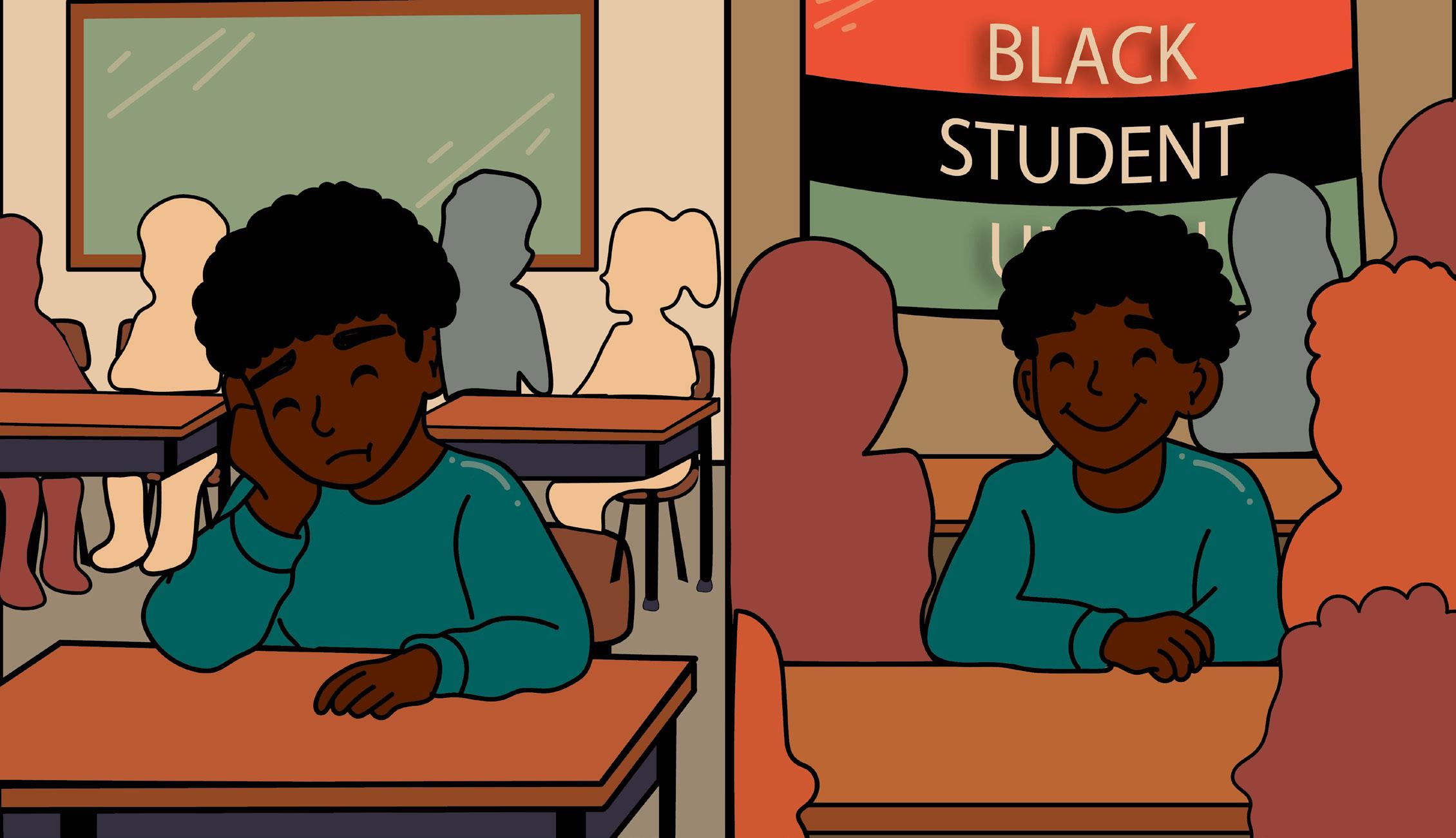
A student argues that constantly adjusting speech to seem more professional is emotional labor.
BY LOGAN THOMPSON Assistant Opinion Editor
Growing up, I was told I talk white.
The criticism didn’t come from teachers or adults, but peers in hallways, classrooms and lunchrooms. It stung and confused me every time, but as time went on, I realized it meant my voice didn’t fit someone’s expectation of what a Black person should sound like.
When I got to college monitoring my speech felt automatic. I softened certain slang, adjusted cadence in class discussions and smoothed out my tone during presentations. I wasn’t ashamed, but I learned that deviation was often misread as unprofessionalism or aggression.
That pressure to monitor how one acts becomes exhausting, not empowering: it’s code-switching.
Code-switching is seen as a necessary skill to different environments. But constantly adjusting one’s voice, tone and language to make others comfortable is not neutral. It is an invisible labor that Black students are expected to shoulder.
Though Standard English and African American Vernacular English are separate dialects, one should not be considered more professional than the other. AAVE follows a unique grammar and syntax pattern that defines a culture.
April Baker-Bell, a language, culture and justice in education professor at the University of Michigan, critiques this dynamic as linguistic racism, or the expectation that students of color must conform to “white language” to be seen as credible.
“We cannot keep teaching Black students to code-switch as a survival strategy without challenging the white linguistic supremacy that makes survival necessary,” Baker-Bell said.
The pressure to constantly monitor speech also carries psychological consequences. Code-switching can function as both a strategy for navigating dominant
a power, it’s a way to
spaces and a source of internal strain, as students often report suppressing parts of their identity to feel credible or professionally acceptable, according to a November 2023 study from UC Berkeley.
When switching natural vernacular frequently it starts to feel like a constraint. Instead of disappearing when students start college, the skill becomes more polished.
Code-switching is not proof of professionalism. People must question why certain speech patterns are considered articulate and others disruptive or unpolished. College communities should widen their perception of academic voices and create classroom norms that don’t equate credibility with white standards.
Underscoring how bias towards certain speech patterns extends beyond people into the tools institutions increasingly rely on. AI language models default to Standard English and exhibit stereotyping and poorer accuracy for non-standard dialects, according to a September 2024 research study by Cor-
nell University.
Hypervisibility is another layer of this labor. Being articulate does not protect people from scrutiny. Sometimes it intensifies it. Black students are expected to represent, to clarify and perform awareness in ways their white peers are not.
For Anthony Akwara, the adjustment is not occasional. It is a routine. He described shifting his tone and language depending on whether he was speaking with professors or friends, a pattern shaped long before college.
“I feel like that’s kind of every day, coming from class, going to class, I’m talking to professors differently than how I speak to my friends, my other colleagues, so I just feel like it’s a constant code switch for me,” said Akwara, a freshman computer science major.
Constant recalibration requires sustained awareness. When students constantly change their natural voices to be heard, it drains cognitive energy that could go toward learning. It layers emotional labor in a system already demanding enough.
The constant adaptation required to navigate social and professional spaces leads to increased anxiety or hypervigilance, causing eventual burnout, imposter syndrome and self-doubt, according to the Aguirre Center for Inclusive Psychotherapy.
Code-switching takes many forms, like non-white students trying to sound more American or multilingual students suppressing use of their native languages.
People can widen their definitions of professional communication to include expressive styles rooted in culture and identity. People can interrogate why the norms of discourse on campus so often align with whiteness rather than with equity.
No student should have to fragment themselves to be heard.
logan.thompson.thompson@temple.edu

RACHEL
ROSS
MONICA
CHANDLER JOEY
PHOEBE
LASVEGAS
UNAGI
MARCEL
REGINAPHALANGE
APARTMENT
THANKSGIVING
Across
6. Worked at Central Perk
7. The coffee shop name
11. Known for sarcasm
13. Name of Phoebe’s song

14. Monica’s older boyfriend
Down
1. Sings “Smelly Cat”
2. Chef and clean freak
3. Famous couch scene
4. Loves pizza and acting
5. Ross’s field
8. Soulmate reference
9. Coffee shop manager
10. The paleontologist
12. “Oh. My. God.”

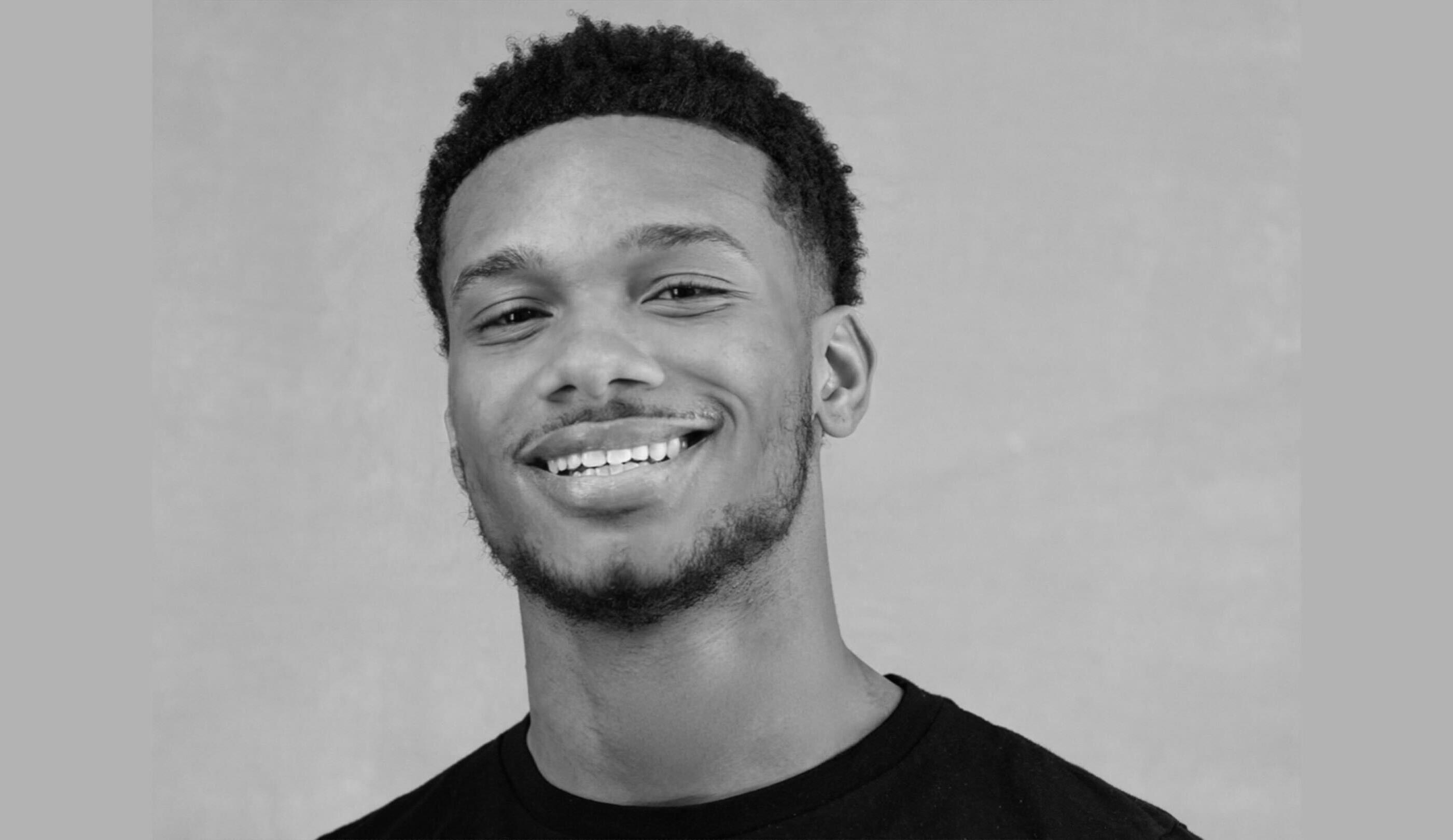
Jerome Richardson made headlines for his arrest in connection with Don Lemon.
BY MADELYNNE FERRO Features Editor
When Jerome Richardson talks about his hometown of St. Paul, Minnesota, he speaks of his community. The senior political science student references his historically Black neighborhood, Rondo, a once-thriving area decimated by a highway from the Interstate Act of 1956, as the root of his own commitment to community and resilience.
“I spend a lot of my time in my community, finding ways to uplift and support those who are facing injustices and are in need of love,” Richardson said. “And so, I really appreciate the mentors that I have in my life, who are also from my community, who do exactly just that, and show me what it means to be community.”
Richardson made headlines earlier this month when he and nine others, including journalist Don Lemon, were arrested on suspicion of conspiring in a protest against Immigration and Customs Enforcement in St. Paul. Richardson connected with Lemon during his winter break in St. Paul and aided in reporting on the ground at City Church.
But Richardson has been generating buzz for years. He attributes his first community work in Rondo to performing the saxophone in the months following the death of George Floyd in 2020. Originally trained in the church, the tragedy spurred Richardson to play at memorials, ceremonies and benefit concerts, playing music “as an act of power, courage and love.”
“I grew up stuttering,” Richardson said. “I was in speech [therapy] for all my life, and so I never thought that I would be on a podium telling the world about myself. Music was really life changing for me, I think it allowed me to step into my purpose.”
While performing, Richardson became interested in community organiz-
ing. Richardson co-founded MN Teen Activists, a nonprofit group that works in parallel with government officials and Minnesota communities, in the spring of 2020.
Richardson organized student walkouts and channeled resources to African students studying in Ukrainian universities trying to escape the country after Russia’s invasion. After some time, Wisdom Cole, National Director of the National Association for the Advancement of Colored People, took notice of his work.
“We saw this young man who was already working with hundreds, if not thousands of young people in the state of Minnesota,” Cole said. “And wanted to see where we could collaborate with him.”
Richardson was elected president of the NAACP’s St. Paul Roy Wilkins Memorial Branch in 2021. He held the role for a year and was invited to Atlantic City for the NAACP’s 2022 National Convention. That fall, Richardson moved to Philadelphia with a full aca-
demic scholarship to study political science at Temple.
Andrew Ankamah Jr., a 2023 political science alumnus and friend of Richardson, first met him at the Atlantic City conference and promised a friendly face on campus if he landed at Temple.
“When [Richardson] came to Temple, it was around the same time I started my organization Accountability Initiative,” Ankamah Jr. said. “I started the first chapter at Temple in 2021 after a student was shot and killed and [Richardson] was very interested in helping out.”
Ankamah invited Richardson to speak at TAI events and this past summer, Richardson tabled with the group at Temple Fest. Just a few weeks ago, Ankamah Jr. supported Richardson at his hearing in Philadelphia.
“It was heavy,” Ankamah said. “They lined him up with a few other people in handcuffs, and they sat them all down, and I was just looking at him, thinking, ‘This is my friend.’ I’m looking at him like, ‘My friend doesn’t belong here.’”
Ankamah Jr. was nerve-racked by the hearing, “hoping and praying” that Richardson wouldn’t be held as a flight risk. Ankamah and the rest of Richardson’s family and friends’ prayers were answered, and Richardson was released until his hearing in St. Paul on Feb. 13.
For Richardson, the experience has been unreal. The senior is holding close to his community, family and faith and will return to his work when he can.
“It was sort of a struggle of my dignity,” Richardson said. “That I would be experiencing such a trial when I’ve done all that I can to make this country a better place. But I’ve been staying connected and I’ve been praying to God.”
madelynne.ferro@temple.edu
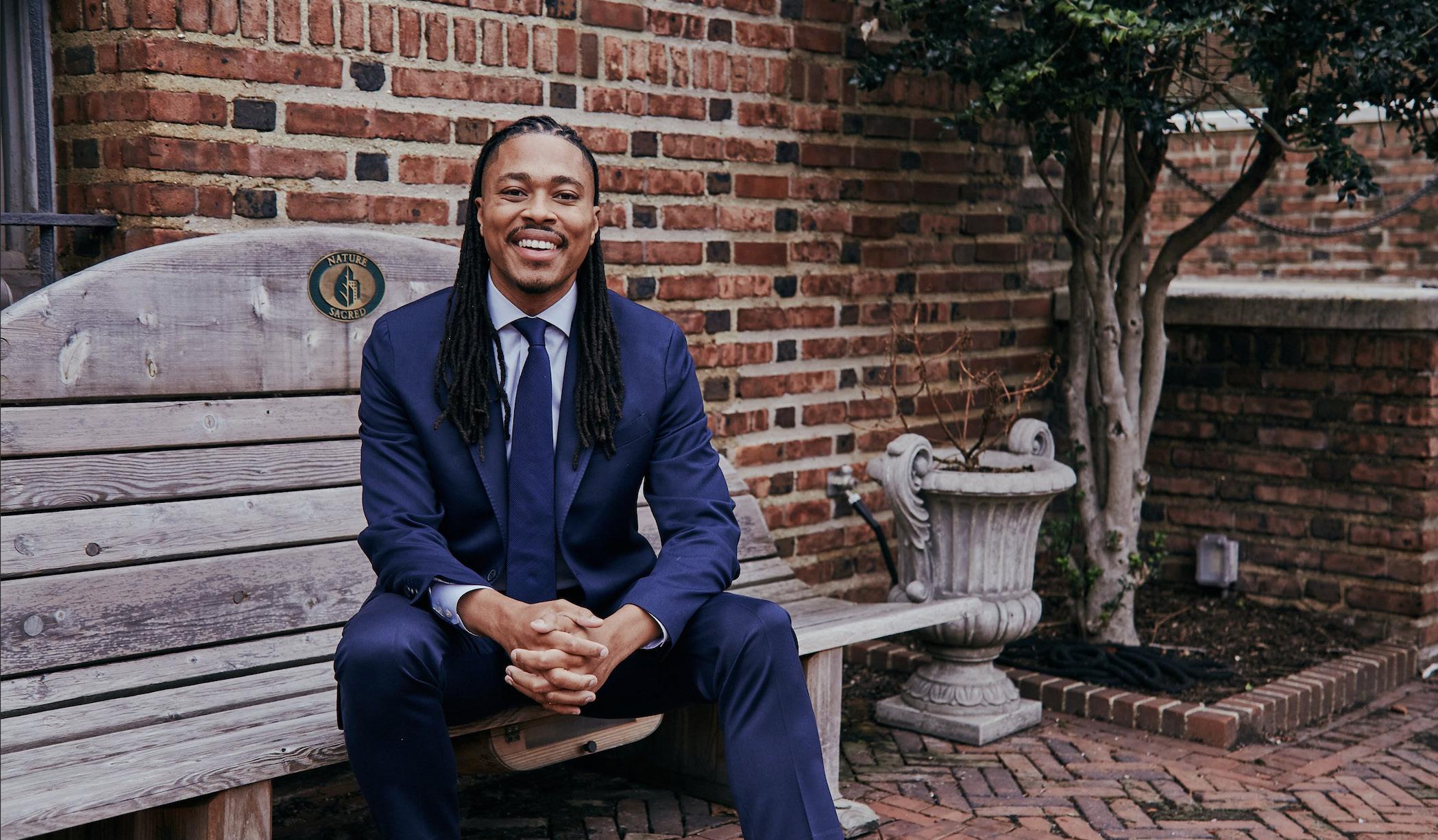
BY NATHAN HORWITZ Co-News Editor
Pennsylvania State Representative Malcolm Kenyatta is glad more people are discussing affordability amid recent surges in inflation and cost of living. But, for Kenyatta, who grew up underprivileged in North Philadelphia, it’s more than just a buzzword.
“More people are finding themselves in that tenuous spot that I and so many people who grew up in working poor families understand,” said Kenyatta, a 2012 public communications alumnus. “You’re on this treadmill where no matter how many hours you work, no matter what you do, you seem to never be able to get ahead.”
Kenyatta represents District 181 in Philadelphia County, which includes Main Campus and sections of North Philadelphia. He was elected as a vice chair of the Democratic National Committee on Feb. 1, 2025, and is up for reelection for his House seat on Nov. 3.
“We have to continue to invest in education, and we have to scale up and continue to be creative about how to put money back in people’s pockets,” Kenyatta said.
He also wants to invest in areas like housing, childcare and healthcare and increase the minimum wage.
Kenyatta’s community focus started when he became a junior block captain in North Philadelphia at 11, after his mother challenged him to take the initiative and address their street’s dirty conditions.
“I grew up working poor,” Kenyatta said. “I was pissed off about it, and I wanted to see the manager. And then I recognized the manager was all of us, and that we collectively make decisions about whether to make people’s lives easier or whether to make people’s lives worse.”
During his time at Temple, Kenyatta wore many hats, immersing himself in arts, advocacy and activism. He start-
ed a student poetry organization with his peers as a sophomore, where topics ranged from politics and religion to everyday issues. Kenyatta campaigned for president of Temple Student Government, where he advocated for student needs.
Though he graduated as a public communications major with a minor in political science, Kenyatta began his Temple journey as a theater major, where he met one of his mentors, Professor Kimmika Williams-Witherspoon.
“His neighborhood is really important to him, and the issues in his neighborhood, watching elders try to make ends meet or do things in his community, really affected him,” Williams-Witherspoon said. “He wrote about it in his poetry. And after he graduated, I think that’s when he was drawn back into, ‘How can I serve?’”
Kenyatta now intends to address housing shortages and affordability in North Philadelphia. He supports Governor Josh Shapiro’s $1 billion Housing Action Plan, which includes building
more homes to lower housing prices.
Another way Kenyatta wants to tackle affordability is by raising the Pennsylvania minimum wage from $7.25 to $15 an hour.
“One of the ways you make people’s lives more affordable is, you put more money in their pockets,” Kenyatta said. “And we can do that for hundreds of thousands of Pennsylvanians by raising the minimum wage to $15 and moving beyond that.”
Pennsylvania hasn’t raised its minimum wage since 2010. Prices have risen 43.39% in Philadelphia in that time, according to the U.S. Bureau of Labor Statistics.
Gregory Bonaparte, a North Philadelphia community member and president of the board of trustees at Berean Presbyterian Church, wants people’s wages to increase as the dollar loses spending power.
“I’m paying like, three or four times as much for heating just because the weather was bad this year,” Bonaparte said. “Or electric or gas, the paycheck the
same, especially when you’re on a fixed income.”
In 2024, Kenyatta helped expand a state tax credit, which more than tripled the tax benefits for thousands of parents in Philadelphia. He co-sponsored a tax credit for working families in 2025.
Kenyatta also wants more investment in K-12 and higher education and sees funding public universities like Temple as a priority.
“We should want people to go and pursue higher education. We should want people to go and open new businesses,” Kenyatta said. “That’s not just good for them, it’s good for all of us, and we’re making that less likely because of issues of childcare.”
nathan.horwitz@temple.edu
The Gayborhood dive bar stopped serving patrons younger than 25 after an influx of fake IDs.
BY MADELYNNE FERRO Features Editor
Dirty Frank’s was the epicenter of Kendall Stiteler’s social scene. Her first time at Dirty Frank’s was her 21st birthday and since then, she’s regularly there with coworkers after a shift at El Vez or on a weekend late-night.
As of Jan. 31, Stiteler is no longer welcome in the bar: she’s under the age of 25.
“The day that we found out the news,” said Stiteler, a junior social work major. “Oh my gosh—the texts in our hosts group chat. Everyone was freaking out about it, everyone is upset.”
Dirty Frank’s raised their age restriction from the legally binding 21 and older to 25 and older. Co-owner Jody Sweitzer cited fake IDs and rowdy, somewhat antisocial teenagers as her reasoning, as sophisticated fake IDs have made her ID scanners moot.
Sweitzer has been preserving Dirty
V O C E S

Frank’s dive legacy since she began bartending there in 1992 and bought the bar with co-owner Brad Pierce in 2011.
“Frank’s has been wonderful for a very long time,” Sweitzer said. “I’ve been there since 1992 but recently, I guess in the past nine months, we just got overrun by students who are coming in with these amazing IDs that scan and it became apparent that social media was giving a bump start on where to swarm.”
The straw that broke Frank’s back was a fake ID, scannable and sophisticated, with Ben Franklin’s face on it. Sweitzer seized the opportunity to take a hard stance and has stood by her decision since.
“It’s been blissful,” Sweitzer said.
But for those 25 and under who no longer have the privilege to partake at their favorite dive bar, the past month has been less than utopian.
“It’s very unfair to people who are actually 21 and who behave in a good manner in that place to not be able to enjoy it,” Stiteler said.
Stiteler started hosting at El Vez a month before her 21st birthday last October. El Vez is only four blocks north of
Dirty Frank’s, so once Stiteler could legally enter, the dive bar became a regular after-work oasis for her and her coworkers.
Under the vintage Christmas lights, buzzing neon light beer signs and whatever was on Touch Tunes that night, Stiteler created lasting bonds with her coworkers.
“There was one night I stayed to close with the closing hostess, Alyssa, and we walked to Dirty Frank’s together,” Stiteler said. “Four more of our coworkers were there. We ended up getting a table and sat and chat for over an hour. It was the first time I really felt like I was with all my coworkers, I was very excited to be invited out.”
Ally Ryder, a 2025 communications and media studies alumna and bartender at Post Haste, enjoyed the occasional night at Dirty Frank’s while attending Temple.
Ryder epitomizes the bar as a college hangout, something that will fall to the wayside during the current age restriction policy.
“Dirty Franks is a glorified sh-thole,” Ryder said, endearingly. “However, it has
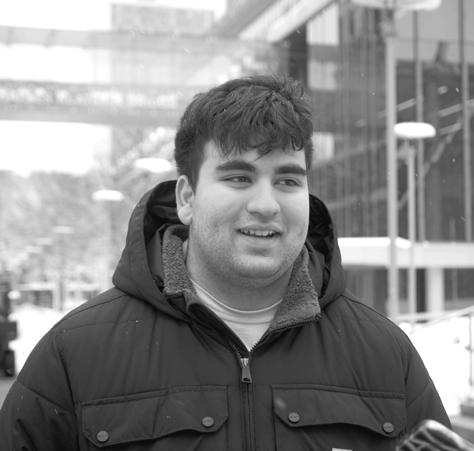
Business management major | He/him
“ Snowball fights. Chucking snowballs at my friends. ”
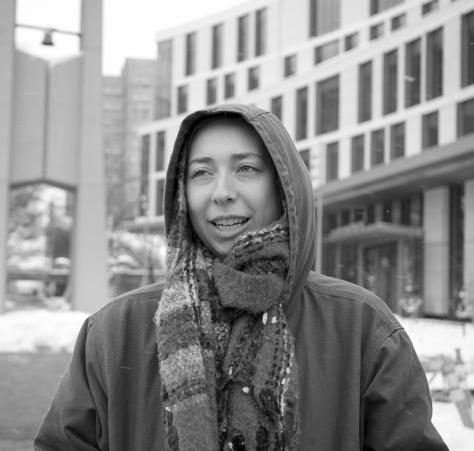
FROS T. SNOWMAN
5th year earth and environmental science major | They/them
become this meeting house for a lot of people in their early to mid 20’s, like I walk in and everybody’s carrying a tote bag.”
Ryder, under 25 herself, is sad she’s no longer welcome, but understands the legal risks of serving underage patrons. She checks IDs at her job at Post Haste and knows the anxiety of serving minors with fake IDs is widespread in the bartending industry.
“I have a pretty young face, the cigarettes haven’t kicked in yet,” Ryder said, “I feel foolish asking to see an ID and it’s like, 1998. I’m like, ‘My bad, guy.’ But it’s more than a $5,000 fine if it’s someone underage that you’re serving. “
Sweitzer plans to implement the policy until she finds a scanner that guarantees underage youths won’t get in. Once she finds that, she’ll welcome the 21 to 25 crowd with open arms.
“We’ve always had the ability to embrace newcomers, make them feel at home and bring them into what we consider the family of Dirty Frank’s,” Sweitzer said.
madelynne.ferro@temple.edu
Junior civil engineering major | She/her
“ I’d get up early in the morning and after shoveling snow with my dad, I would go out to the field behind my house, plop in the snow and look up while it’s snowing. It’s my favorite thing.”
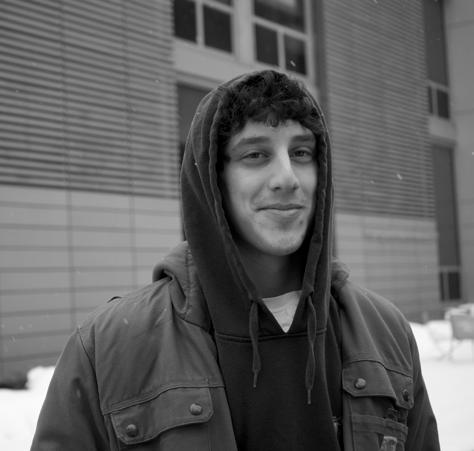
Freshman architecture major | He/him
“ Finding the biggest hill we could and sledding with my friends.” “ Getting built again and making new friends. ”
The Temple News
Emelie Beckman set records at Mount St. Mary’s and is already finding success at Temple.
BY MATEO VERDEN For The Temple News
Emelie Beckman never intended to leave Mount St. Mary’s. The Stockholm, Sweden native became one of the most decorated pole vaulters and broke multiple records during her three seasons with the Mountaineers.
Beckman wanted to pursue her master’s degree in a business program for her final year of eligibility, but her plans changed after the program moved fully online. Beckman’s visa rules prevented her from participating, so she transferred to pursue her master’s elsewhere.
The pole vaulter landed at Temple and switched to a journalism master’s program after getting the chance to pick something she was more passionate about. Beckman’s academic decision has benefited her on the track as well, as she tied Temple’s indoor pole vault record and brought experience to the young program.
“Then I was like, ‘Okay, [transferring] might be the opportunity to step it up a little bit, like go to a bigger conference, bigger school,’” Beckman said.
Beckman grew up minutes away from a track facility in Sweden. She went to a summer camp there while her parents worked and she developed a love for competition. She began to take track seriously at seven years old, but she was not a pole vaulter at first.
She excelled in the decathlon, which included events like shot put and high jump, until her coach made everyone try something new when she was 13. She began pole vaulting soon after and quickly realized she was better than everyone else, sparking her drive to pursue it.
She knew she wanted to keep competing while getting an education, so during her high school junior year the agency Athleticademix contacted her to help her find a college in the United States where she could follow her goals.
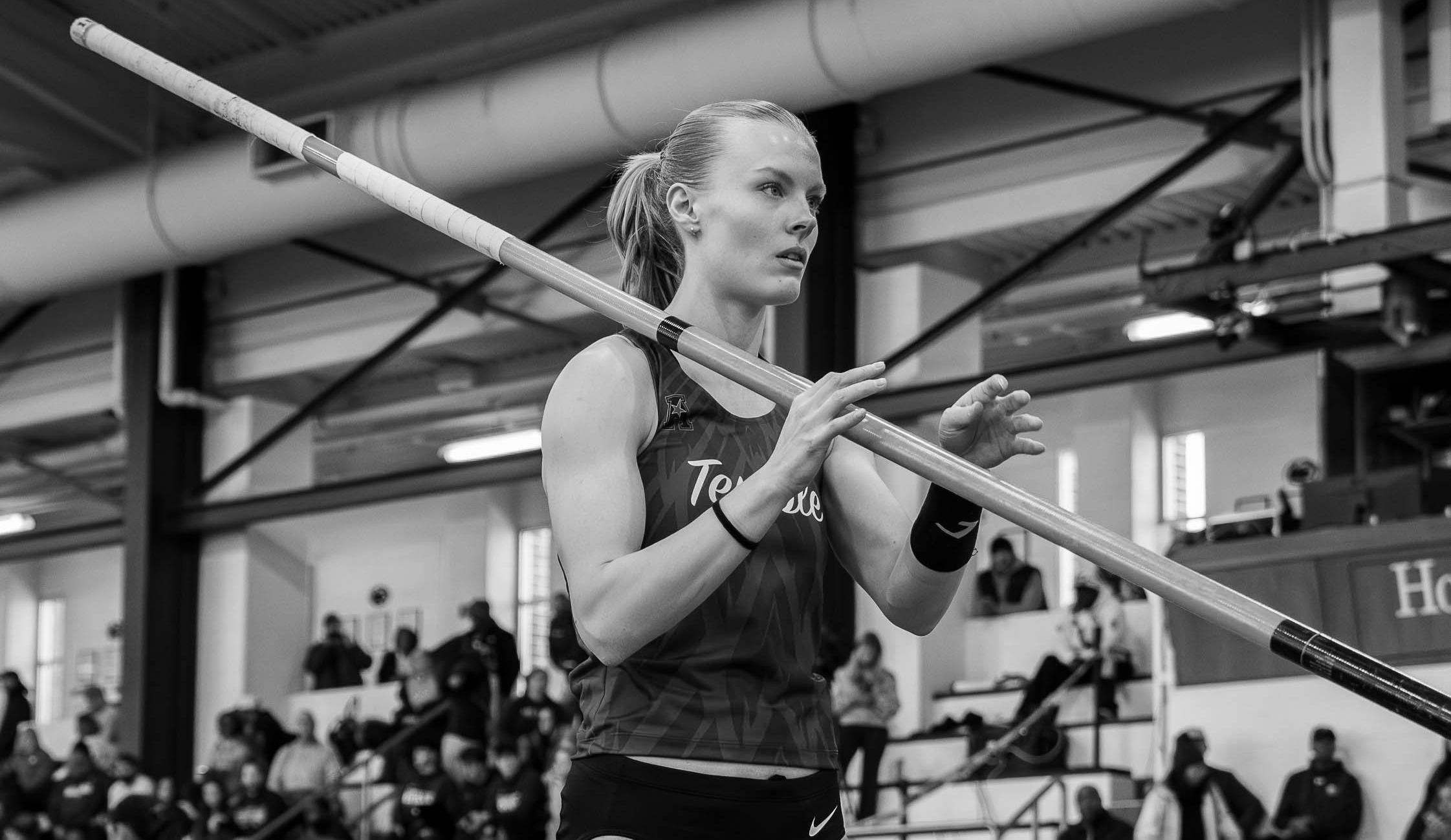
Beckman enrolled at Mount St. Mary’s in Emmitsburg, Maryland. Even though she eventually earned a scholarship, she had to navigate competing at the collegiate level.
The competitions helped Beckman gain experience and adjust to the pressure that she put on herself following the transition to the United States. The events in Sweden were based on individual results, rather than U.S. events, which are team-oriented.
Beckman won conference championships and even surpassed the records she broke with the Mountaineers. She holds the indoor record with a mark of 4.05 meters and the outdoor record, with 3.92 meters. Beckman also earned Metro Atlantic Athletic Conference Championship records for pole vaulting in the indoor and outdoor seasons as a junior.
Her dominance made her a hot commodity in the transfer portal and she caught the attention of Temple’s assis-
tant coach Kevin Kelly. Beckman chose Temple because it allowed her to continue competing in a big conference, but Kelly’s credentials also influenced her decision.
Kelly restarted the Temple pole vaulting program in 2022-23 after being defunct for 10 years and has already leveled up the program, which convinced Beckman to join the Owls.
“She’s athletic, she’s tall and she can run,” Kelly said. “I knew she was going to be coveted by multiple programs.”
Beckman joined fellow pole vaulter Reece Sullivan and the two connected instantly. They became roommates, forming a bond that has helped Beckman feel at home at Temple. Sullivan is also grateful for the extra competition Beckman brought and loves seeing her succeed.
“She’s a phenomenal teammate,” Sullivan said. “People say all the time she’s so humble and you would never know how successful and talented she is
just based off of how she acts. She’s so grounded and a very well-rounded person. I think she brings a new sense of competition to the team.”
She tied the program’s indoor pole vault record at the Sykes & Sabock Challenge on Feb. 7 and believes she can do even better. The pole vaulter has her sights set on more success with a yearand-a-half left to compete.
“Honestly the competition where I took 4.10, I feel like I was doing very poorly, technique wise,” Beckman said. “So, I feel like if I’m able to get that we do in practice on a competition day and not revert back to old habits, I think that’s what it’s going to take to jump higher.”
mateo.verden@temple.edu @MateoVerden
The
mentorship organization helps young athletes build their confidence.
BY COLIN SCHOFIELD Co-Sports Editor
Julie Parker had noticed her nineyear-old daughter, Vera, struggling with her self-confidence in gymnastics as she faced older competition in February last year. Surfing for options to help online, she finally stumbled across an organization called Athlete to Athlete on Instagram.
The program, founded by UCLA alumni Anthony Waller and Zach Maisus in 2023, pairs youth athletes with college mentors. Athlete to Athlete helps the mentees work through difficulties in sport and life alongside people with similar experiences. Vera was soon paired with Temple gymnast Mariella Brueck.
Vera and Brueck have held weekly Zoom meetings since she joined, where Brueck helps Vera set goals on the mat and keep her confidence high. Brueck and Vera finally met in person at a Temple gymnastics camp last June, a full-circle moment for the pair.
“Right from the start, they had a really nice connection with one another,” Julie said. “It’s really wonderful to see the excitement that Vera has to see Mariella, to talk about the latest skills she’s working on or how a tip that Mariella gave her has helped her to succeed.”
Vera won the coach’s award at the camp for superb sportsmanship and for having good connections with the rest of the girls. Her improved confidence and skills were on display thanks to Brueck, showing the program’s impact on Vera’s life.
But Brueck is not the only Owl helping gymnasts prepare for their future. Six Temple gymnasts serve as mentors for Athlete to Athlete and work with kids ranging from elementary school to high school. The Owls are making an impact as leaders and find joy using their experience to help young gymnasts work through their struggles.
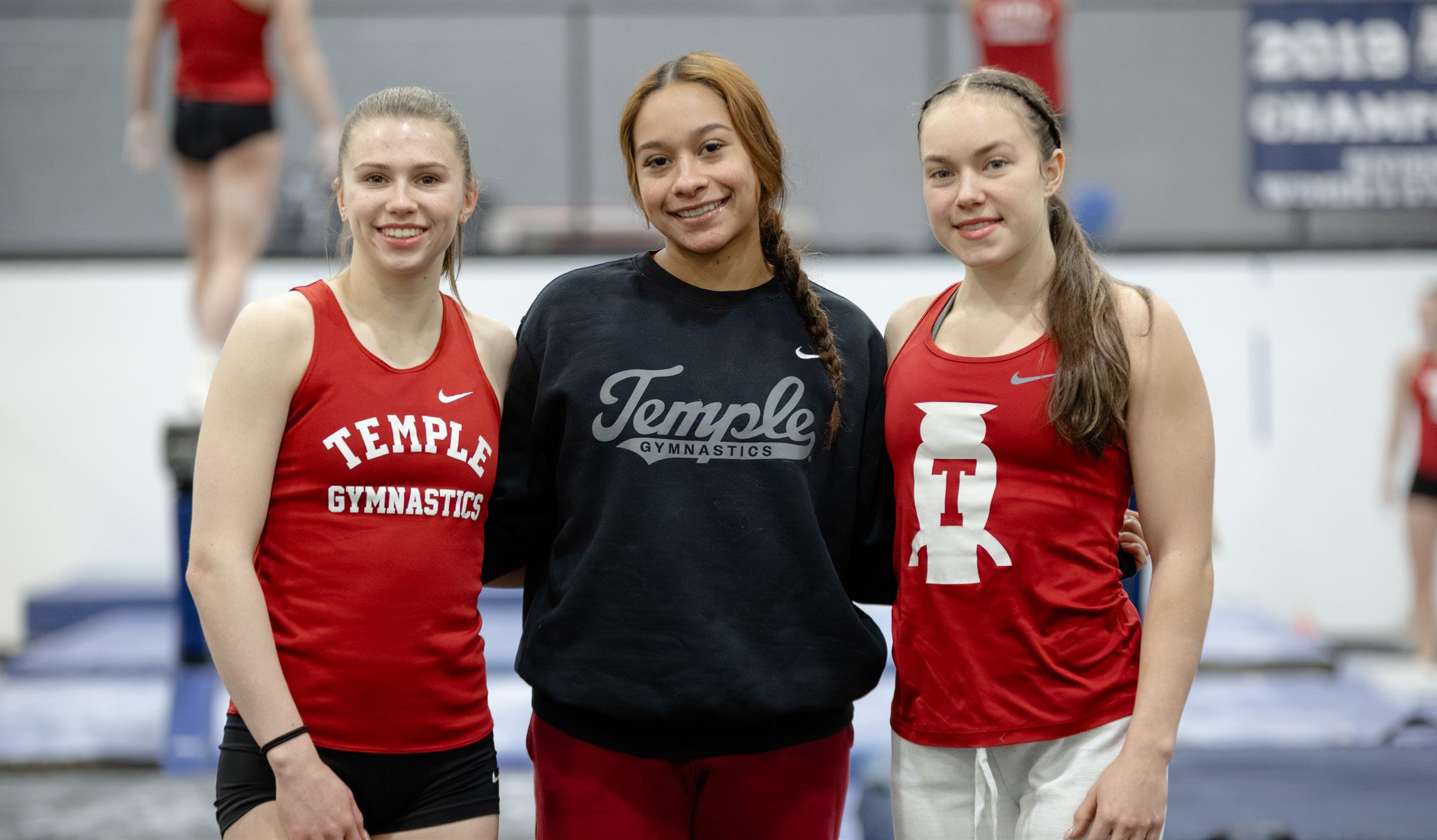
“A girl that I was mentoring had the best meet and it just made me start smiling,” Brueck said. “Because no matter what you’re going through, getting to see someone else that you’re helping succeed and grow with them as a gymnast and as a person is so exciting to see. I can’t even describe it. It really makes it all worth it.”
Brueck joined Athlete to Athlete as a freshman in 2023 after a representative from the organization reached out to her. She had a baseline understanding of the program, as some of her older teammates had been previously involved, and Brueck was convinced of the idea of being a mentor during the interview process.
She has worked with five girls in her two years with Athlete to Athlete. Word of the organization spread throughout the team and other women quickly followed suit when offered the same opportunity.
Sophomore Robyn Dunne, a mentor for three months, finds the program rewarding. It has allowed her to share her experience with mentees and grow as a leader.
“The reason why I was interested in it is because I had struggled with a lot of mental blocks and things like that,” Dunne said. “So just me being able to try to help and maybe take some things that I’ve learned from performance coaches and then take things that I learned myself as a gymnast. I think that kind of helped, it sort of came from two perspectives.”
A lot of athletes, like Dunne, struggled when they were younger and could have benefited from a mentor. Gymnastics is a sport where mental lapses or lack of confidence are common, due to the pressures of performance. Sometimes, hearing advice from someone who’s not their coach or parent is exactly what the mentees need.
“I know some girls, maybe they train
alone or they’re the only girl their age or they’re the only girl on their level,” said sophomore Nikki Rengifo. “Having that one person who you can talk to outside of your actual club can make a difference because some girls might be struggling or they want to quit and literally the only thing they need is someone telling them that they can do it.”
The flow of the meetings depends on what the mentors plan or what the mentees want to work on. Dunne, Brueck and Rengifo all incorporate goal setting, confidence building and improving techniques. Some goals are performance-based, like Rengifo’s mentee trying to land their backhand spring on high beam on the second try instead of the fifth. Other goals focus on staying positive or having a strong mindset during competitions. The program and meetings sometimes lead to different outcomes beyond progress on the mat. One of Brueck’s mentees real-
CONTINUED FROM 18 GYMNASTICS
ized they did not truly love gymnastics through meeting with her, but the fact that Brueck helped them discover that remains a success in her eyes.
When those on the mat goals come to fruition, it is a celebration for both parties. Mentees are overjoyed and can’t wait to tell their mentor when they accomplish a skill-related goal or have a good meet. The mentors share that same excitement, knowing the help they are providing is paying off.
“Robyn has been great,” said Austin Brush, Dunne’s nine-year-old mentee. “She’s helped me, like if I fell off the beam this week, we’ve talked about visualizing before we get back onto the beam and doing it again.”
The athletes have also found the mentoring sessions helpful for their own performances. Hearing the advice they give to the kids reminds them to apply it themselves from time to time.
“When I’m trying to help them, it
CONTINUED FROM 20 MEN’S TENNIS
Cochran didn’t play in his freshman year, but his role increased each season. Charlotte won the conference title in the 2023-24 season, but lost to Memphis last year in the quarterfinals. He spent four years with the 49ers but decided it was time for a change after graduating.
He played Temple in back-to-back conference tournaments, so he got an idea of how the program operated. Cochran liked how the team ran and thought it was a good place for him to grow.
Cochran reached out to Director of Tennis Jeff Brandes about joining Temple when he decided to transfer. Brandes was familiar with Cochran after their first-round matchup in the conference tournament on April 17, where Cochran picked up a singles win.
honestly ends up helping me,” Brueck said. “Because I’ll remember things that I haven’t thought about in a while and I’ll be like, ‘Oh my gosh, I really should be thinking about this myself.’”
Young athletes like Vera and Austin entered Athlete to Athlete with the chance to learn from older gymnasts. Through their time in the program, their confidence has grown and they are taking steps on the mat that may not have been possible without their mentors.
The experience has been just as rewarding for the parents. They signed their kids up for the program to give them a chance to grow as gymnasts and learn from a college athlete. It has worked for kids like Vera and Austin— having a front row seat to watch the growth makes it worth it for the parents.
“I have seen the difference between competition season last year and competition season this year,” said Jamie Brush, Austin’s mom. “She just seems more con
fident and seems to have more fun. That is what I really wanted her to be able to get from Robyn was being confident and
“He’s been on a team that’s won a conference championship, so he’s been through the battle,” Brandes said. “He’s just a pleasure to have around.”
The team was aware of Cochran’s ability once a strength coach pulled him aside during a training session to test his vertical jump. Cochran broke the program’s record in his first attempt, catching his teammates off guard.
Cochran quickly found his footing on North Broad Street thanks to the connections he formed with his new teammates. He and his doubles partner, junior Maj Najvirt Kolaric, picked up the Owls’ only win during their 6-1 loss to Penn State on Jan. 24. Brandes paired the two once Cochran committed, testing who he competes well with. The two ended up clicking immediately, so the duo stuck.
“We both are very energetic on the court,” Kolaric said. “Skill-wise, I feel like we match together. We both serve well,
knowing that her body can do the skills, but the mental side of it. I’ve really seen her confidence increase a lot since she started talking with Robyn.”
Brueck, Dunne and Rengifo have been with Athlete to Athlete for different amounts of time, but all grown as leaders. They formed special relationships with their mentees and are making a legitimate impact on their gymnastics careers. Time will tell if their mentees reach college gymnastics one day, but for now, Athlete to Athlete has allowed them to cultivate a true bond.
“Mariella is like my best friend,” Vera said. “She’s like my coach and she will coach me through things, even though she’s not right there, it feels like she is. It always feels like she’s guiding me along, like taking my hand and guiding me through difficult mountains with new skills.”
colin.schofield@temple.edu @ColinSchofield9
we’re both comfortable coming to the net. We were just a good match from the beginning.”
Cochran is planning for life after tennis as he is just enjoying this time with the team rather than focusing on the results on the court. He is pursuing a degree in exercise science, an interest he picked up after tearing an IT band and flipping his meniscus in high school. He plans to pursue a doctorate in physical therapy after graduation.
“[Tennis] has given me a lot of areas in my life where I wouldn’t have been able to reach without it,” Cochran said. “But I don’t want it to be my full identity. I want my character, my beliefs, my loyalties, I want that to be who people see me as, not as a tennis player.”
matteo.ventresca@temple.edu @VentrescaMatteo

Lance Cochran is focusing on experience rather than results in his final collegiate season.
BY MATTEO VENTRESCA
For The Temple News
Lance Cochran dreamt of being first in his family to play Division I college sports. He grew up surrounded by athletes, as his father ran cross country and wrestled while his mother was a cheerleader.
Cochran’s father discovered tennis after college and developed a passion for it. He wished he could have played tennis earlier in his life, so he introduced Cochran to it when he was two-years-old.
He developed his dad’s enthusiasm for tennis and eventually made it to the highest level of college athletics. He played at Charlotte from 2021 to 2025 before transferring to Temple in January, where he is undefeated in doubles play through five matches.
Not only did Cochran achieve his goal of becoming the first in his family to play at the DI level, but his success represented the hopes of the people in his hometown, Charlotte, North Carolina. Many had the same aspirations as him, but only Cochran achieved his goal. He faced adversity through his tennis career, but he persevered.

“I wanted to put on for my community,” Cochran said. “A lot of us didn’t make it out of high school tennis. They went and played other sports in college, I was really the only one that did good in college tennis and made it to college for tennis. So always nice to put on.”
Cochran established himself as a three-star recruit at Mallard Creek High School in his hometown and caught the attention of Division I Charlotte. Head coach Kyle Bailey watched Cochran at a clinic and was impressed by his talent. Soon after, Cochran committed to the 49ers.
MEN’S TENNIS | 19