[The Stute] October 24, 2025 (Issue 7, Volume CXXIII)
WRITER
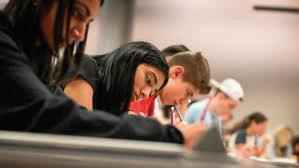
As we approach the end of October, it is now time to register for winter and spring classes. However, when creating a saved schedule in Workday, students may notice that humanities courses offered in the winter are almost entirely unavailable. The Stute investigated further. The first issue with winter courses began a few weeks ago, when spring and winter courses were made public on Workday, allowing students to start creating saved schedules and planning their academic plans. The Stute found, however, that at first, there were no courses within the School of Humanities, Arts, and Social Sciences (HASS). The winter semester, also known as intersession, “allow[s] students to better balance their credit loads,” according to Liz O’Connell, the Manager of the Center for Student Success in the Department of Civil, Environmental and Ocean Engineering, who spoke with
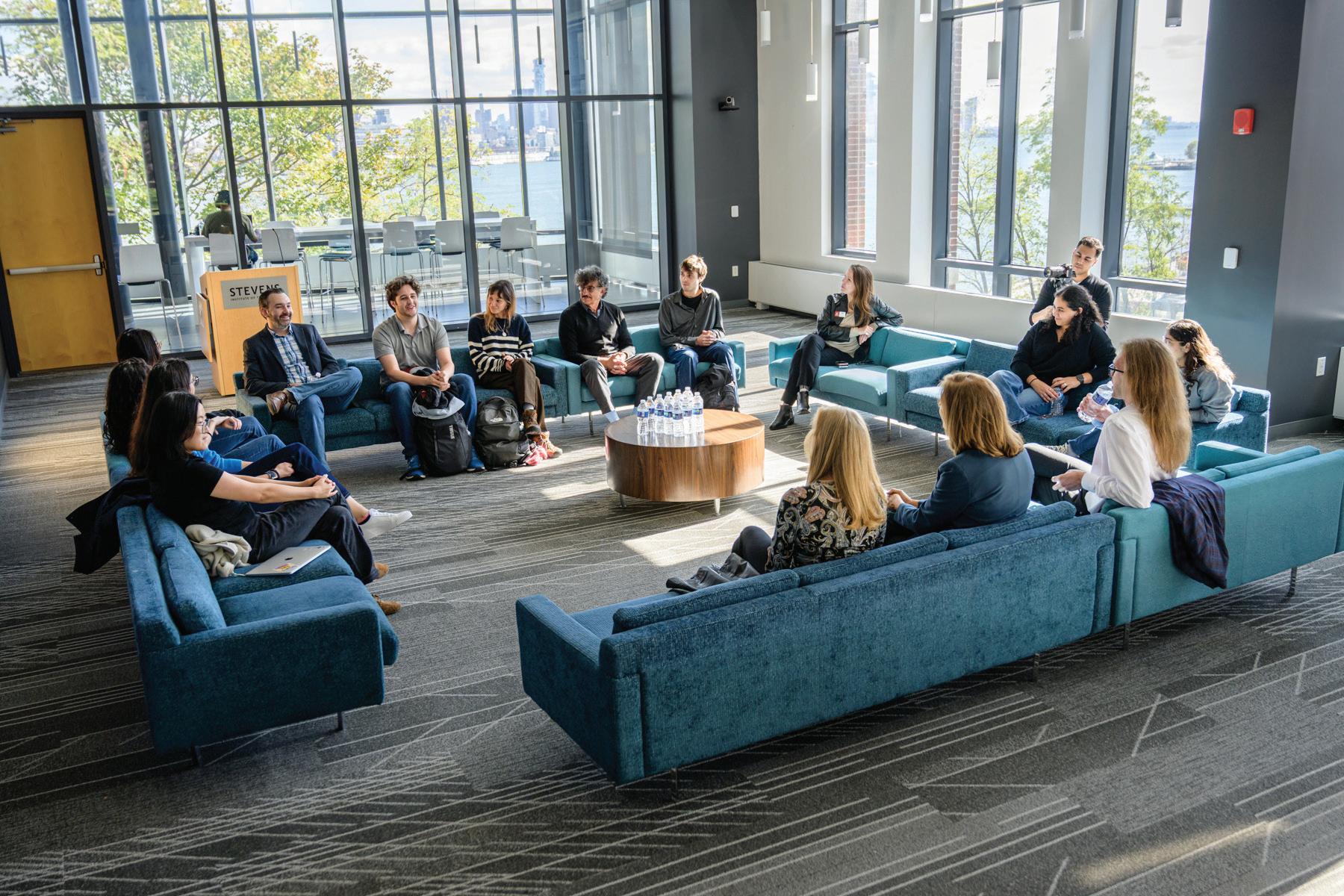
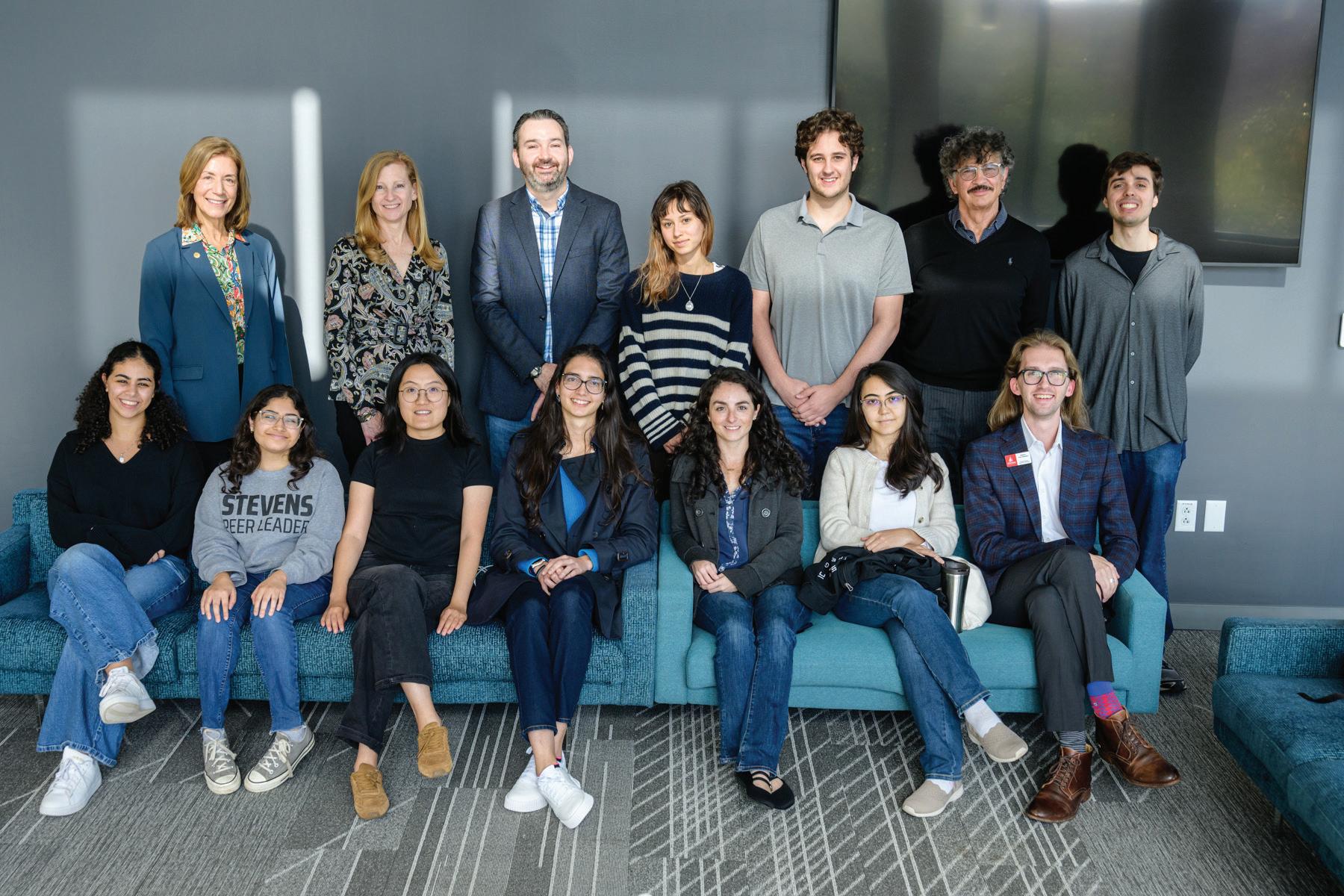
Stevens hosts screening of Rule Breakers highlighting women in robotics
BY JEYLAN JUBRAN, OPINION COLUMNIST
On October 15, the Office of the President at Stevens Institute of Technology hosted a screening of Rule Breakers, a powerful documentary celebrating the achievements of women in robotics and the resilience of women in STEM. The event brought together students, faculty, Ph.D. candidates, and staff for a day of con-
Transforming disruption into opportunity: Stevens hosts US Universities Summit
BY SEAN PALERMO, STAFF WRITER
Last week, on October 13 and 14, Stevens Institute of Technology hosted an invitation-only US Universities Summit in the wake of disruptions and concerns about the industry of higher education. This event brought together many key decision-makers in the field within the US to stimulate in-depth and solution-oriented closed-door discussions to encourage leaders to share their thoughts on opportunities and challenges regarding the new landscape and their roles within it.
The Summit, bolstering over 150 attendees and over 75 organizations and universities such as Stockton University, Portland State University, Case Western Reserve University, Montclair State University, and Widener University, congregated to address a variety of pressing, fresh topics including the impact of AI on teaching and operation, shifting planning and enrolling demographics, changing public policy affecting research funding,
and international students.
Among the Universities mentioned, presidents Joe Bertolino, Ann Cudd, Eric Kaler, Jonathan Koppell, and Stacey Robertson all served as featured speakers during the event alongside other presidents, chancellors, and provosts of US universities and colleges.
Topics particularly stressed during the gathering included funding for the future by exploring critical challenges with funding within higher-education and its implications on the quality and accessibility of education, redefining leadership by looking into the challenges and opportunities of governance within the industry through a focus on shared leadership, the impact of policy, and strategies for supporting strong institutional cultures, and redefining purpose and accessibility to academic freedom by analyzing how universities and colleges can redefine their purpose, adapt to changes in demographics, and maintaining commitment to academic
SEE SUMMIT PAGE 3
versation, inspiration, and reflection.
The afternoon began in the UCC Gallery Room with a pre-credit conversation led by producer Laura Overdeck, who discussed the making of Rule Breakers and the projects currently taking place within the Stevens community. Overdeck shared how she, an astrophysicist, first connected with the film’s director while taking her documentary filmmaking
course at Stanford University “just for fun.” The two stayed in touch, and when the director obtained the rights to tell the story of Afghanistan’s women in robotics, she called Overdeck with what she described as “an amazing script.” Though the director had written numerous documentaries before, this would be her first narrative film — one that powerfully blends real events with cinematic storytelling.
The Stevens Investment to offer full tuition coverage for eligible first-year students
BY SERENA PANUCCI, NEWS EDITOR
Beginning in Fall 2026, Stevens will make tuition free for incoming undergraduate students whose families earn $75,000 or less per year, a major expansion of the university’s commitment to accessibility and affordability. The new program, known as The Stevens Investment, aims to remove financial barriers for talented students who might otherwise find higher education out of reach.
The initiative will provide full tuition coverage for first-year, full-time undergraduate students who are U.S. citizens or permanent residents. To qualify, families must demonstrate an annual income of $75,000 or less with typical assets for that income level, and students must complete both the Free Application for Federal Student Aid (FAFSA) and College Scholarship Service (CSS) Profile by the university’s posted deadlines. Tuition will be fully covered through grants and scholarships, meaning stu-
dents will not need to rely on loans or work-study to meet tuition costs.
Stevens President Nariman Farvardin said the program reflects the university’s dedication to recognizing potential in students from all backgrounds. “At Stevens, we recognize that exceptional students come from all backgrounds and economic circumstances,” Farvardin said. “Our role as an institution is to identify that potential and work to remove barriers that might prevent these talented individuals from accessing the transformative education Stevens provides. This program reflects our longstanding commitment to fostering the next generation of leaders and innovators, regardless of their family’s financial situation.” The Stevens Investment will begin with the incoming class in the fall 2026 semester, expanding access to what the university describes as a “transformative Stevens education.” According to university data, nearly 99.9% of Stevens students already re-
SEE TUITION PAGE 3
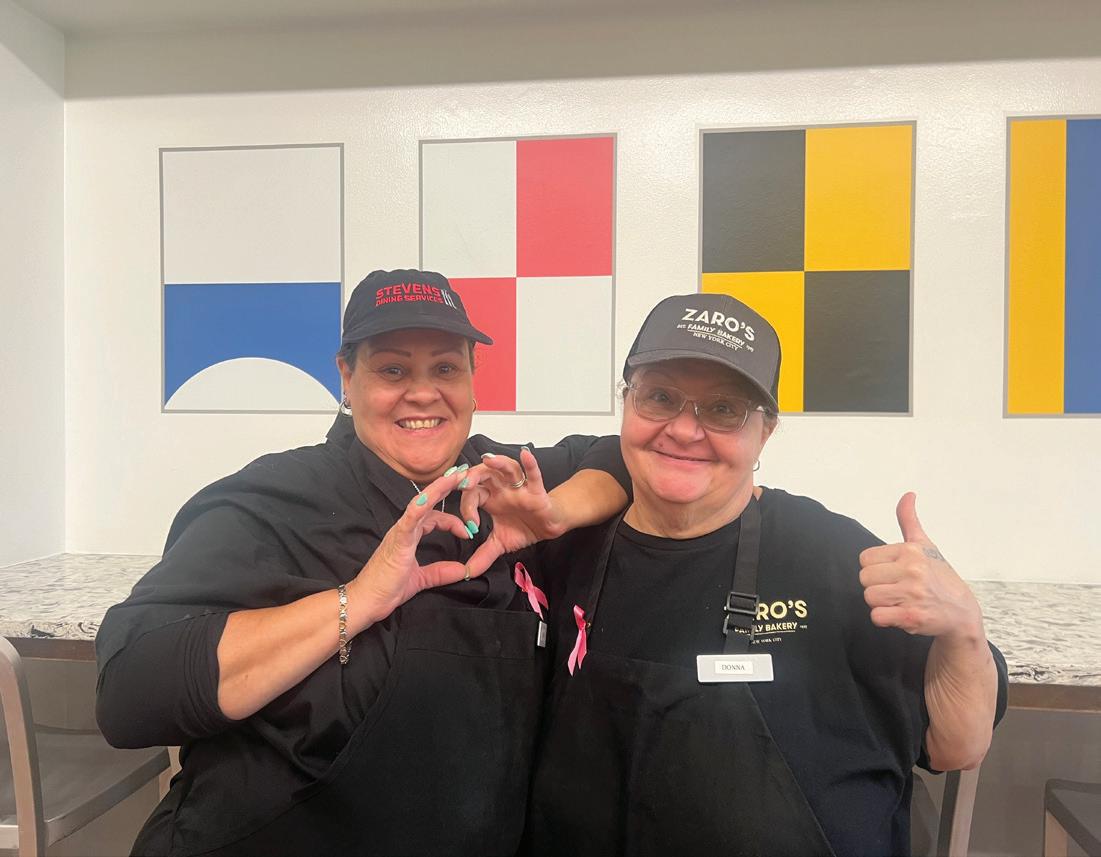
Spotlight on Donna and Linda from A-Cup
BY TANYA AVADIA, OUTREACH CHAIR
Following the discussion, attendees gathered in Burchard 111 for the screening. The film follows the inspiring journey of young women from Afghanistan who defied cultural and political barriers to pursue robotics, ultimately symbolizing the broader struggle for women’s education and empowerment in science and engineering.
As college students, our time on this campus is very short. We only get a few years before this era of our lives becomes a memory. However, there are some members of the Stevens community for whom their “college” experience has been going strong for several decades. Donna Bracey and her sister Linda Sanchez have been vital members of our campus for many years, and The Stute has had the opportunity to interview them to learn more about their time here, how the university and its students have evolved, and what they look forward to in the future. Bracey started her time at Stevens on September 2, 1983, and her sister Sanchez joined about three years later on May 5, 1986. Both have worked a variety of roles since they first joined. Bracey shared that she has worked at a lot of the dining facilities, including the now-deceased Red and Gray Cafe. She was also responsible for the coffee cart, which would allow people, floor by floor, to get coffee on the spot. Sanchez, similar to her sister, has also held several
SEE ACUP PAGE 2
A brief recap of the Family Day lectures
BY JOSEPHINE CHOONG, SECRETARY
This past weekend, October 18 and 19, Stevens held its annual Family Day. While it featured opportunities for families to enjoy and have fun, it also provided a series of lectures to educate them about what’s happening at Stevens. From quantum physics to quiet quitting to the history of the Stevens’ family, here’s a recap of the faculty lecture series for Family Day.
Starting off, Dr. Igor Pikovski from the physics department shared a brief overview of quantum theory and what made it unique. He noted that quantum technology is just getting started, providing many opportunities for students.
To explain what makes the quantum world special, Pikovski separated it into three topics: uncertainty, superposition, and entanglement. He explained uncertainty through a thought experiment about the properties of balls, where some seemed to magically reappear. In the quantum world, some complementary properties cannot be known simultaneously. Knowledge of one erases info about the other. As for
superposition, he discussed the many states where information can be encoded. However, the probabilities of that were a problem. Superpositions can help to encode more information and help with problems like factoring large numbers. Meanwhile, entanglement is correlating randomness. It can aid quantum computers in communicating with each other and create an inherently secure encryption process. Pikovski mentioned the various challenges, such as the frailty of quantum information and the potential of quantum computing not being fully known. His own research group is uncovering the quantum effects on a microscopic scale. Finally, Pikovski mentioned how many universities are building quantum computers. He stated the various applications for quantum physics, including simulators, sensors, cryptography, and computing.
The next lecture was held by Dr. Justine Hervé and Dr. Hyewon Oh from the School of Business regarding quiet quitting, especially among Gen Z. Compared to the previous lecture, this
OFFICE.................................UNIVERSITY CENTER ROOM 216B
NOTICE A MISTAKE?
Email us at eboard@thestute.com.
All opinions and editorials reflect the views of their respective author(s). No Part of The Stute may be reproduced in any form, in whole or in part, without the written consent of the Editor-in-Chief. Cited references of The Stute are permitted.
All members of the Stevens community are able to submit a Letter to the Editor to be published in The Stute. Letters must refer either to a piece published in The Stute or to The Stute in general and must be between 400 – 800 words in length. Submit letters to editor@thestute.com with your name and title (when applicable) or using our Google form. For writers who wish to write a Letter to the Editor anonymously, please see our policy on anonymity.
The Editorial Board reserves the right to choose whether or not to publish a submitted Letter to the Editor based on a majority rule vote, and additionally reserves the right to edit letters for clarity or request authors to revise. Provided that the author approves the final version, The Stute reserves the right to edit letters according to our copy editing procedures, defined in our policies.
All members of the Stevens community are able to submit a standalone opinion piece (otherwise known as an Op-Ed) to be published in The Stute. Op-Eds must be between 400 – 800 words, but longer submissions will be considered on a case-by-case basis. To submit an OpEd please email eboard@thestute.com with your name and title (when applicable) or using our Google form (tinyurl.com/submit-t0-stute). For writers who wish to write an Op-Ed anonymously, please see our policy on anonymity.
The Editorial Board reserves the right to choose whether or not to publish a submitted Op-Ed based on a majority rule vote, and additionally reserves the right to edit Op-Eds for clarity or request authors to revise. Provided that the author approves the final version, The Stute reserves the right to edit Op-Eds according to our copy editing procedures, defined in our policies.
HASS
CONTINUED FROM PAGE 1
The Stute about planning around the lack of winter humanities courses.
The Stute received a copy of an email regarding preparations for course registration season, dated October 15 and addressed to “All Faculty and Staff” from the “Office of the Registrar,” which stated, “HASS courses will not be offered during the winter 2026 session.”
The Stute spoke with a few students who expressed frustration that there was no communication to students anticipating this change. With registration deadlines approaching quickly, the lack of a formal notification may cause issues or alter many students’ academic plans. O’Connell explained that “It is possible that students who had planned to take HASS courses during the winter term must now take them in the spring. This may require students to adjust their schedules, taking into account the number and type of HASS requirements they still need to fulfill. With more students needing to fit HASS classes into the spring semester, demand for certain courses and time slots
RULE
CONTINUED FROM PAGE 1
After the screening, a general Q&A invited attendees to share their thoughts and reflections. Many remarked on how the film resonated with their experiences at Stevens, sparking conversations about how far women in STEM have come — and how much more progress is still needed.
The event concluded with a sense of renewed purpose, reminding the Stevens community that inclusion and innovation go hand in hand. Rule Breakers served not
RULE
CONTINUED FROM PAGE 1
positions as well ranging from line server, managing deli, managing desserts, to food prep. In their current roles, you can find Bracey working as a barista at the newly opened Zaro’s Family Bakery and Sanchez handling food preparation and serving at the CrEATe station, both within America’s Cup Cafe, often referred to as A-Cup. When asked about what their days typically look like, both stated that they always have a busy start. Bracey shares that her mornings are extremely busy due to the high volume of orders for drinks and breakfast items at Zaro’s. For Sanchez, the rush at CrEATe starts later, but most of her mornings involve handling the preparation work required for the station to run smoothly.
Noting that Bracey and Sanchez have spent 42 and 39 years at Stevens, respectively, the Stute was curious to hear their thoughts on how the university has changed with time. Both agreed that the university has evolved for the better, especially with regard to the number of students and the backgrounds they come from. They explained how they are happy to see people from all different walks of
SUMMIT
CONTINUED FROM PAGE 1
freedom while balancing tradition and transformation.
President Nariman Farvardin made several comments on his perspectives on the necessity of the summit in the everchanging modern sphere of higher-education, citing how the environment for the industry has become far more dynamic and uncertain than before to echo the sentiments of the need for change and innovation to ensure institutional stability within great economic and political shifts that leaders are becoming increasingly responsible for managing and responding to.
may be higher than usual, so students are encouraged to plan accordingly and utilize the registration tools, such as waitlists, as available.”
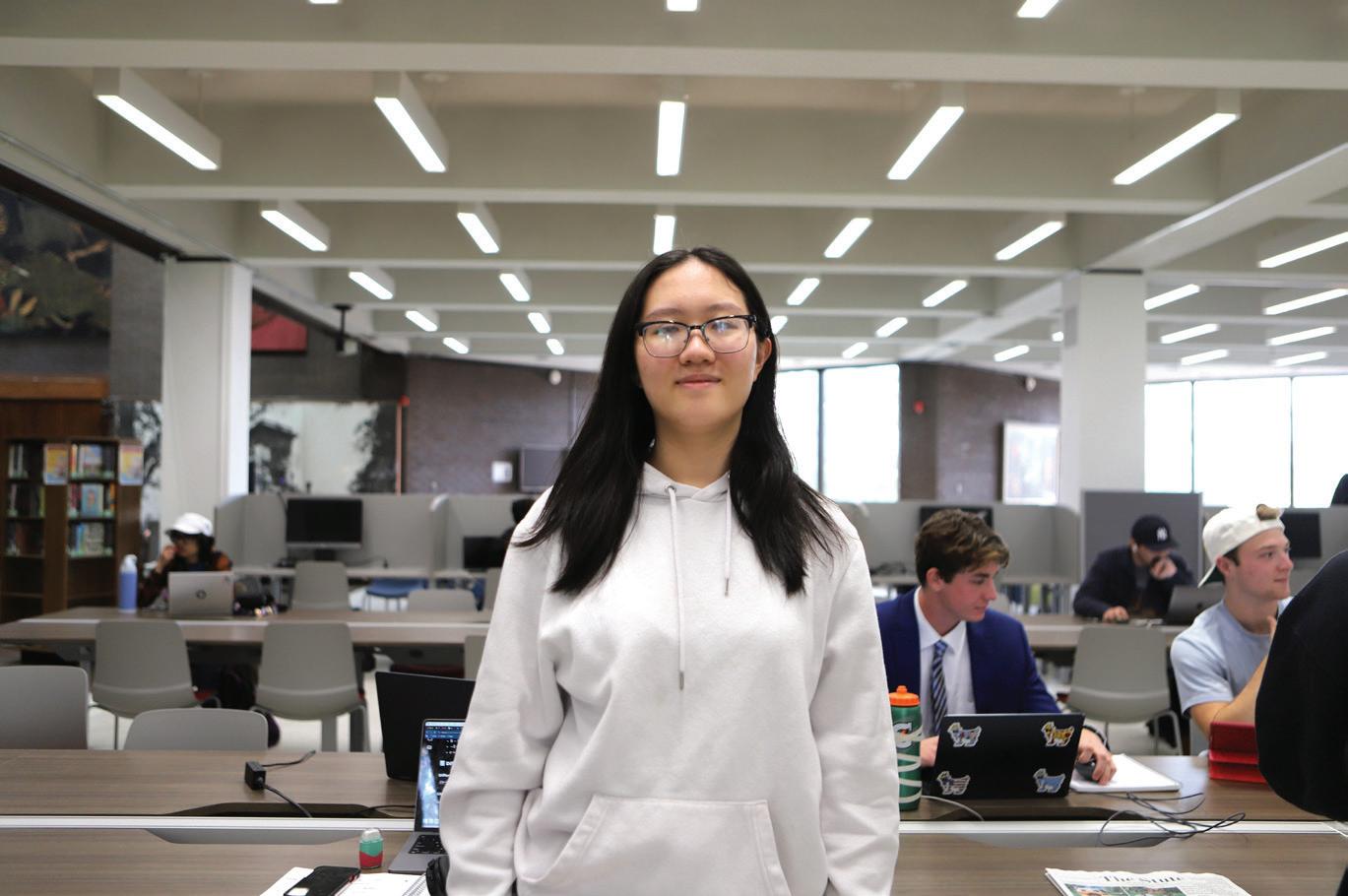
Jeylan Jubran, a third-year Industrial and Systems Engineering student who hopes to complete the Accelerated Master’s Program (AMP), said that “it kind of sucks that as a Co-Op student, I couldn’t take the humanities I needed, so I am going to have to take them at another college.” O’Connell also similarly advised that students take their humanities elsewhere.
While taking courses at another institution helps students, this could financially hurt the university. A source familiar with the issue confirmed that the removal of HASS courses is the result of budget cuts — the same cuts that are felt university-wide through reductions in library hours, the drop-in tutoring center, and in almost every department across campus. However, with students taking courses elsewhere instead of at Stevens, there is an additional loss of funds.
The Stute spoke with Associate Dean of Undergraduate Studies and Teaching Associate Professor Jennifer McBryan from HASS for some advice to students who may be struggling with the change in
course offerings. Her first piece of advice was to check the Stevens Transfer Credit Articulation to see what humanities courses are already approved from other institutions. Similar to O’Connell’s advice, if students are struggling and need to take a humanities course to stay on track, taking a winter or summer course at another university is an option. Additionally, McBryan offered that if students need help, they should reach out to her or to their academic advisor to develop a plan that best suits their educational needs.
The decision to withhold HASS courses during the winter 2026 session has created significant challenges for students who rely on these classes to fulfill their academic requirements. The lack of prior notification has left many students scrambling to adjust their schedules and seek alternatives just weeks before registration begins — such as enrolling in courses at other institutions. This situation not only highlights the importance of effective communication between the university and its students but also raises concerns about the long-term implications of budget cuts on academic offerings. Administration, faculty, and students need to work together to adapt to challenges.
only as a celebration of persever- creating spaces where every voice
life. Additionally, since both Bracey and Sanchez reside in Hoboken, they shared that, similar to the Stevens campus, Hoboken itself has experienced a lot of change, too. “It’s gotten crazier,” the sisters stated. According to them, the traffic has been the most substantial change, and the water main breaks have been the most consistent part of living in Hoboken all these years.
Reflecting back, Bracey and Sanchez share that they have loved their time at Stevens thus far. “There is not a thing we’d change. We love meeting the students; we treat them like they are our kids,”
Sanchez shared. With regards to giving their younger selves who were just starting out advice, Bracey shared how she would give the same advice that she currently shares with anyone new joining the team: “As the Union representative and person with the most seniority, I always tell the newer people that it is a great place to work. Where else would you get a free meal, summers off, breaks during the workday, and have good people around you? Nowhere but here.” Lastly, in terms of concluding remarks, Bracey and Sanchez want to welcome all students to visit them at A-Cup and say hello.
Farvardin put forth the questions of how to take advantage of the current disruption and take advantage of it in order to pave way for a brighter future, which he believes can be achieved through this congregation of leaders that can help achieve a better understanding of how uncertainties and challenges will impact the field as well as propose promising solu tions for the future. As he looks forward to the fu ture, Farvadin explained, “I have a tremendous amount of hope about the future of higher edu cation and my reasons are very simple: we live in a world where knowledge is becoming more important than ever before. The primary responsibility of high er education is developing new
knowledge and imparting the knowledge to future generations,” concluding with the statement that “higher education in the United States has been the envy of the world, and we have a collective responsibility to keep it the best higher education system
PHOTO COURTESY OF JEFFREY VOCK
TANYA AVADIA FOR THE STUTE
CONTINUED FROM PAGE 1
ceive some form of institutional financial assistance, with the school awarding over $38 million in institutional aid in the 2024–2025 academic year. Including external aid, the undergraduate population collectively received more than $190 million in financial aid.
Vice President for Enrollment Management Cindy Chin described the initiative as the result of years of careful planning. “The Stevens Investment represents years of strategic planning to ensure talented students can feel at home at Stevens,” Chin said. “We are thrilled to have arrived at this milestone, and to be able to put a Stevens education within reach for more students.”
The new program builds on Stevens’ strong track record of student success. In April 2025, U.S. News & World Report ranked Stevens No. 9 in the nation for re-
turn on investment 40 years after enrollment, highlighting the longterm value of a Stevens degree. University officials say The Stevens Investment is part of a broader effort to strengthen not only affordability but also academic and career readiness for all students.
That broader effort includes major investments in student experience, such as the SUCCESS program, a new first-year curriculum focused on life and professional skills. Another cornerstone of the undergraduate experience, the Frontiers of Technology curriculum, introduces students to emerging fields and ensures that graduates remain adaptable in a rapidly changing job market. Together, these programs are designed to reinforce what Stevens leaders describe as the “transformative” nature of its education.
For students who do not meet the $75,000 income threshold, Stevens will continue to offer a range of merit-based scholarships and need-based aid, maintaining what the university calls a “con-
tinued commitment to affordability.” The school emphasizes that The Stevens Investment does not replace existing aid programs but rather enhances the university’s financial aid portfolio, providing another pathway for students to access higher education without long-term debt. The Stevens Investment applies to all undergraduate majors across the university’s three academic divisions—the Schaefer School of Engineering and Science, the School of Business, and the School of Humanities, Arts, and Social Sciences— reinforcing Stevens’ goal to make all fields of study accessible to students regardless of economic background.
As higher education costs continue to rise nationwide, The Stevens Investment stands out as a bold step toward promoting social mobility and reducing economic inequality in college access. For many prospective students and families, it represents not just financial relief but an open door to opportunity.
Halloween Dinner
FAMILY
CONTINUED FROM PAGE 1
one was more interactive, with audience participation and the use of Poll Everywhere. Recently, the two published a research paper regarding quiet quitting in uncertain times. Post-pandemic, the pair observed that quiet quitting made a major comeback and questioned why it happened. They began to create a definition and hypothesized that it stemmed from a drop in perceived control over one’s outcomes. However, they remarked that it was only one potential reasoning and that further research could be done.
The professors also urged parents to notice signs of quiet quitting within their children and to question if they felt like their child stopped going the extra mile, and if so, why. They stated that students may quit if they felt replaceable or insignificant. To amend this, students should have their sense of control strengthened and their psychological safety feelings acknowledged. The professors emphasized that their role is to create an environment where students don’t quit because of negative feelings. They aimed to foster perceived control so students can thrive.
Finally, Dr. Lindsey Swindall from the School of Humanities, Arts, and Social Sciences (HASS) discussed the connections between the Stevens’ family and
the Constitution. Swindall began the lecture with historical context regarding the American Revolution. Because of the debt from the Seven Year War, the British taxed the North American colonies. The colonists disliked that decision and thought that their authority was stepping too far. They began to organize and revolt against the taxes. John Stevens II was involved in the colonial government in New Jersey. The taxation and foreign troops pushed him over to side with the colonists, resigning his seat on the colonial government.
After the revolution, his son, Colonel John Stevens, purchased land that had been confiscated from Loyalist William Bayard at an auction. Swindall commented that if John Stevens II hadn’t sided with the colonists, they wouldn’t have had the opportunity to buy the land. The 564 acres of prime land is where Stevens Institute of Technology stands today. The first house burned down and was replaced by Castle Stevens, which was considered the heart of the school. However, it was later torn down in 1959 and replaced by the Howe Center. Swindall recommended that parents take the time to visit historical sites in Lower Manhattan, such as Federal Hall, where George Washington took the first oath of office. Swindall also provided fun historical resources such as the Amendment Project, a database of amendments that didn’t make it into the Constitution.
PHOTO COURTESY OF STEVENS.EDU
No Kings protests take the nation by storm
BY NIHIRA PATHAK, CONTRIBUTOR
On Saturday, October 18, the No Kings Protests swept the nation. From New York City to Southern California, millions of Americans participated in peaceful protests against President Trump’s administration. Certain European cities like London, Berlin, Stockholm, and Rome joined in as well. Started by Indivisible, a progressive organization established in 2016, and continued through local grassroots organizations, the No Kings Protests stand in defiance of Trump’s increasingly stringent immigration and deportation policies. The movement is in response to what protesters are calling Trump’s abuse of power. Participants were advised against bringing weapons, even if legal, in order to maintain the non-violent aspect of the protests.
Saturday featured the second iteration of these protests, the first being in June 2025 and coinciding with Trump’s birthday and a military procession. This weekend’s movement saw a larger number of participants than the summer’s, with Lisa Gilbert, co-president of Public Citizen,
saying, “Since we last did this, people have become far more aware of what is going wrong with this administration.”
In the Stevens area, large protest hubs included Weehawken, Guttenberg, and Jersey City’s City Hall. Some local Hoboken groups gathered those interested and joined Manhattan processions. In New York City, more than 100,000 demonstrators gathered across all five boroughs. The day ended with zero protest-related arrests.
Many Republican lawmakers pointed to far-left activism when asked about the protests, with House Speaker Mike Johnson dubbing the No Kings Protests as the “Hate America Rally,” adding that “it’ll be a collection of wild leftist policy priorities, and that’ll be on display for the whole country.”
Many Republicans berate their Democratic counterparts for not coming to a consensus on the budget, with Johnson stating he “hope[s] there’s a few Democrats over here who will come to their senses and return to governing the country.”
Demonstrators coast-tocoast reported feeling optimistic, hoping the protests would incite change within the White
House. The Progressive Change Campaign Committee (PCCC) said to their followers: “We’ll be in the streets for immigrant families under attack and for voters who are being silenced. For communities being terrorized by militarized policing. For families who are about to lose
their health insurance. And for every single person whose rights are threatened by this administration’s cruelty,” via email.
In response to the speaker’s comments and framing the protests as a Hate America rally, Indivisible’s co-executive Director Leah Greenberg believes there is
a point to Johnson being unable to say the name of the protests, and that it is because “if you say the name of the protest, ‘No Kings,’ the entire argument falls apart … there is nothing more American than saying that we don’t have kings and exercising our right to peaceful protest.”
Hoboken community
BY SEAN ANDERSON, STAFF WRITER
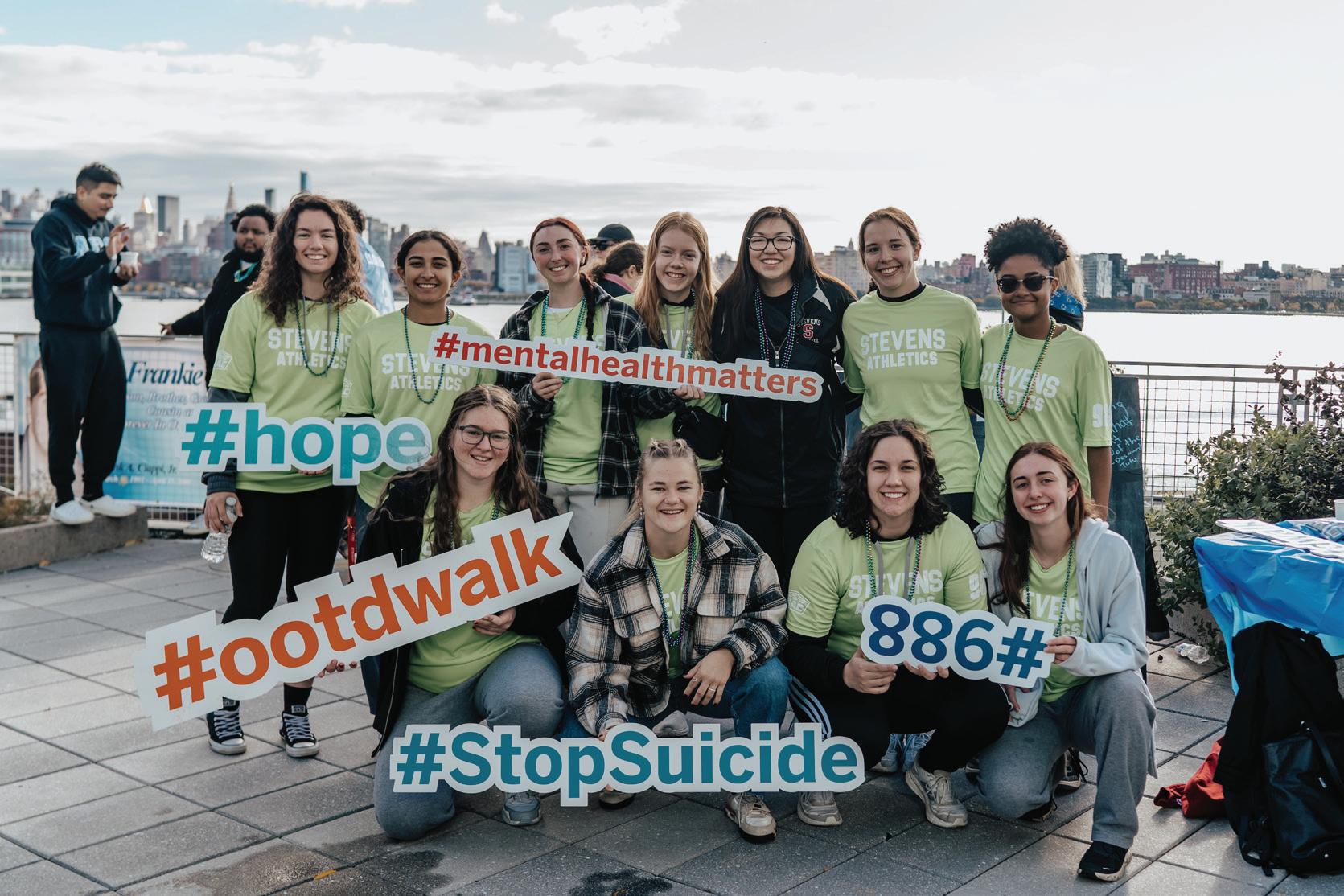
Last Sunday, Stevens’ campus hosted the Out of the Dark
ness Walk, which brought together hundreds of people to support the cause of suicide prevention. This marks the seventh annual walk hosted at Stevens. Check-in for the event began at 9 a.m., and the walk kicked off a little after 10 a.m., allowing attendees to find parking and meet up with their team.
The Stute talked with Melanie Ciappi, one of the main organizers for this past weekend’s walk, as well as all past walks in Hoboken, who gave some insight on what goes into setting up this event. “We start planning about a year in advance,” commented Ciappi. “There are months of pre-planning that involve getting in contact for space, finding sponsors and volunteers, and holding monthly meetings to discuss the event.”
The culmination of their work this year brought 794 participants, with many joining one of the 74 teams formed. A grand total of $82,951 was raised for the American Foundation of Suicide Prevention by partici -
pants and other supporters of the cause. Before the walk began, participants were given the opportunity to walk around to the different tents and partake in various activities. At the stations, there was bracelet making, opportunities to win prizes, snacks for the participants, and even free samples of pickle juice from one of the sponsors of the event, Pickie. For those who wanted to continue to donate to the cause, another tent had volunteers selling shirts and other clothing items themed for the Out of the Darkness walk. Additionally, participants could grab honor beads to wear to show why they walk, with each set of beads symbolizing various personal connections to the cause. A Loss and Healing tent was set up as well, offering participants the opportunity to tell their story and share hope and remembrance. Following an introduction to the event from a few speakers, including Dr. Eric Rose, Executive Director of Wellness and Director of CAPS at Stevens, the walk commenced. The route took participants on a 2.4-mile
walk along the Hudson River Waterfront Walkway. Teams walked together with many wearing shirts showing friends, family, or other loved ones who they lost to suicide. “I walk in memory of my brother lost in 2009,” stated Ciappi, “And the walk is a nice time to come out with friends and family in his honor. It’s nice to connect with the community and others who have gone through similar experiences to show support.”
The work for suicide prevention is continuous, and there are ways that members of the Stevens community can start to get involved. In relation to the walk, starting a team can be a great step in getting others involved and more aware of the cause. Additionally, if you think someone is thinking about suicide, it is important to reach out, listen to their story, show you care, and ask them directly if they are thinking about suicide. An important number to keep in mind is 988, the Suicide and Crisis Lifeline, which can be contacted 24/7. Together, we can bring greater awareness to suicide prevention and further show that no one is alone.
PHOTO COURTESY OF STEVENS.EDU
Ducks sweep Arcadia: women net six, men earn 2-1 victory at Debaun
BY MILAGROS CARBAJAL, CONTRIBUTOR
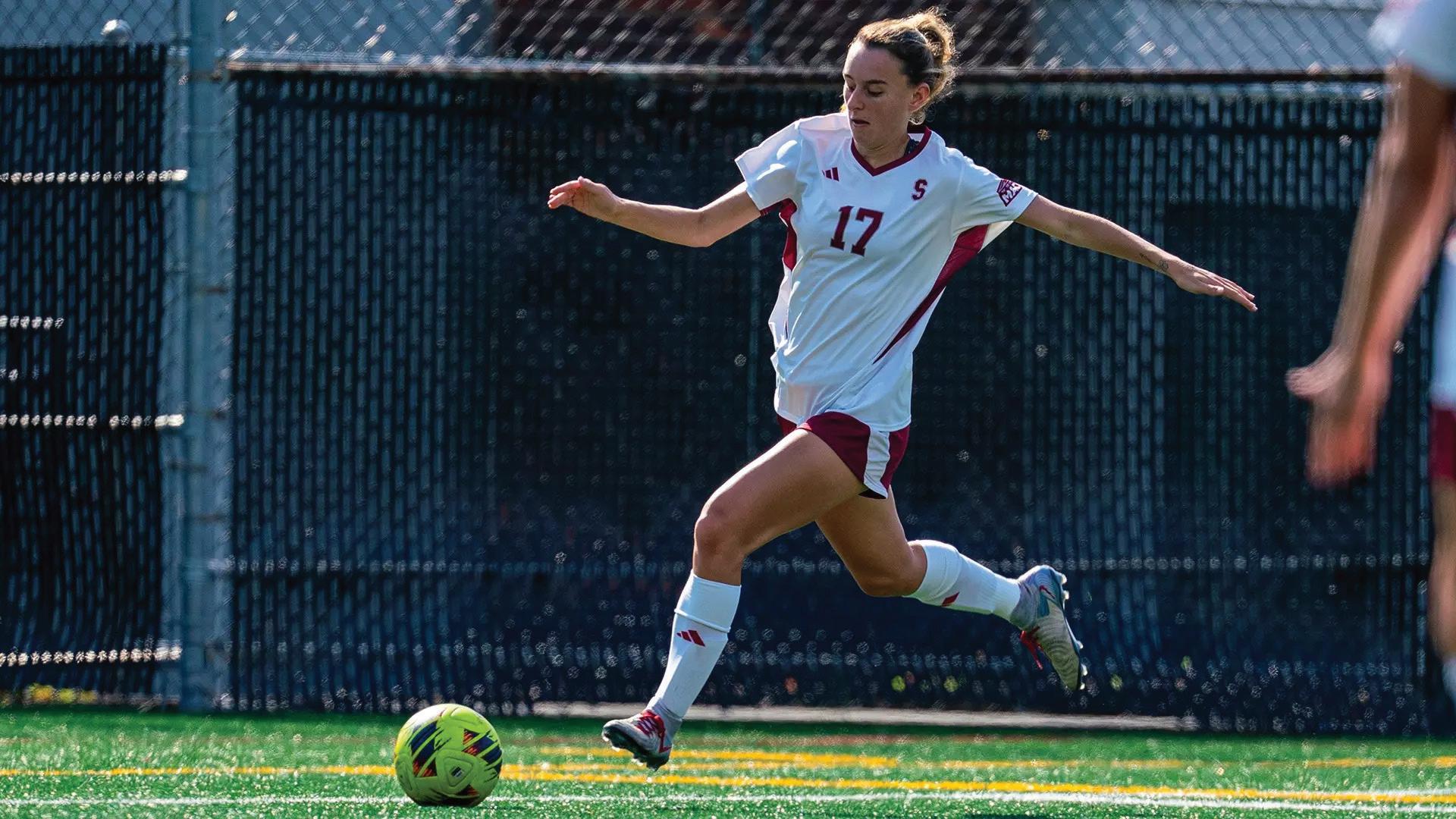
Stevens Women’s and Men’s Soccer faced Arcadia University on October 18, 2025, delivering a pair of strong performances at DeBaun Athletic Complex.
The Stevens Institute of Technology Women’s Soccer team exploded for a season-high of six goals in a 6-1 win over Arcadia in the Middle Atlantic Conference Freedom (MACF) game this afternoon. Stevens (5-3-6, 2-1 MACF) got goals from five different players, doubling its last season-high scoring output against Arcadia (82-3, 1-1-1 MACF) that had allowed only four goals all season.
After a quiet start, junior Luciana Rodrigues opened the scoring in the 17th minute tapping in a rebound from sophomore Sophia Murphy’s initial shot. Only four minutes later, first-year Abby Davis dribbled between two defenders and slipped a shot through the Arcadia goalkeeper’s hands to double the lead. The Knights responded in the 35th minute, managing to raise the game score to 2-1, and the score held until halftime despite an even 9-8 shot margin, and each side drawing five corner kicks.
The Ducks came out firing after the break. In the 51st minute, senior Alana Odom fought through
contact in the box to score off assists from Davis and Rodrigues. Five minutes later, Davis completed her brace with a curling shot off the crossbar. Murphy added another soon after, turning in the box and tucking a roller inside the right post, giving senior Angela Dinh her first assist of the day and Rodrigues her second helper.
Sophomore Alina Friz capped off the performance in the 81st minute, sending home sophomore Victoria Parelli’s corner kick that was just out of the keeper’s reach.
Stevens finished the second half with a commanding 12-5 advan tage in shots and a 7-0 edge in cor ners. Overall, the Ducks outshot Arcadia 20-14 (12-8 on goal), and held a 12-5 lead in corner kicks. Senior goalkeeper Kenny Donley earned her fourth win of the sea son with seven saves, just shy of her season high.
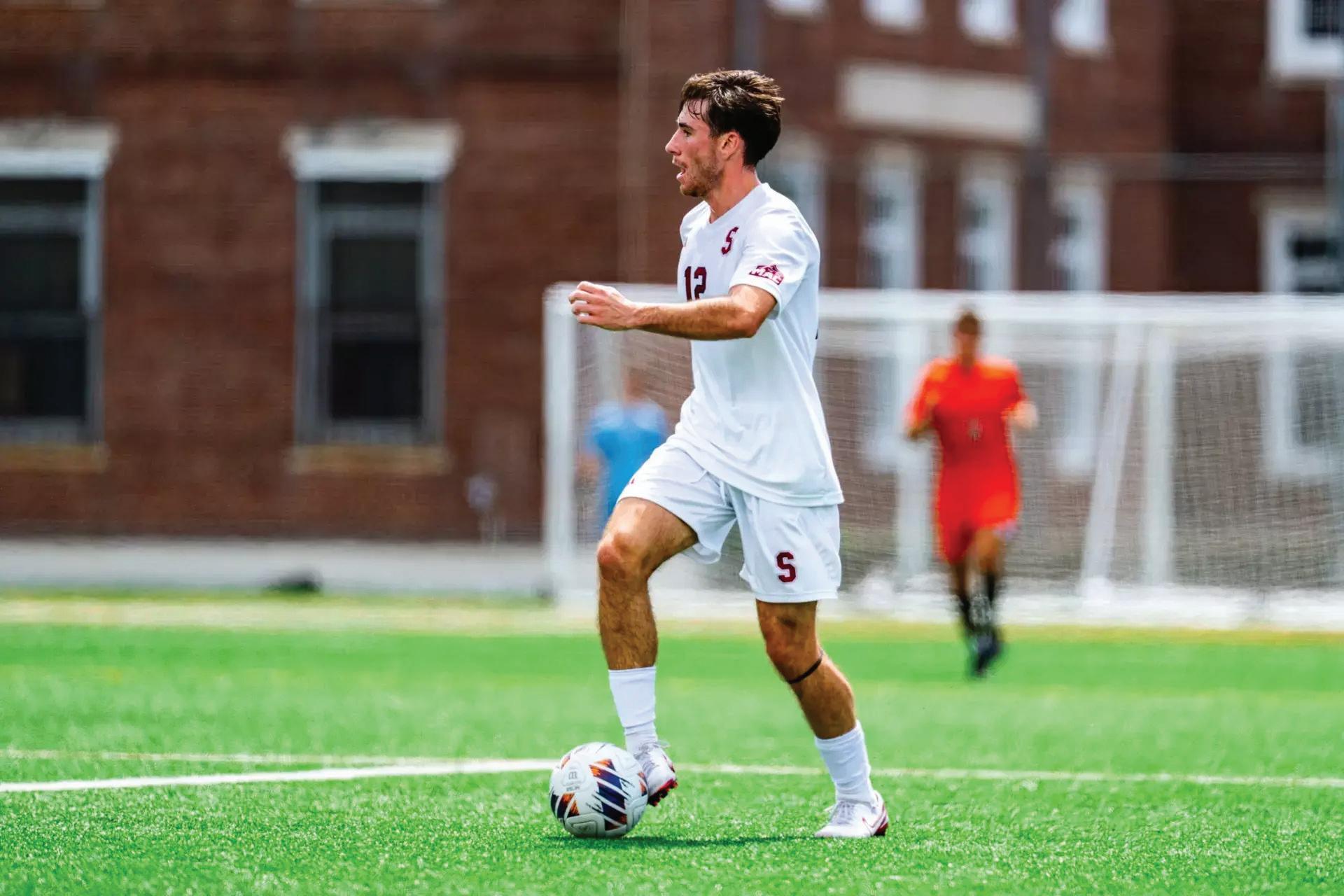
Following the women’s win, the men’s soccer team battled to a 2-1 victory over Arcadia behind goals from graduate student Ryan O’By rne and junior Luke Carey.
The Ducks (4-2,1-0-2 MACF) came out strong, with early chanc es from junior Omar Martinez, whose shot was turned away by Ar cadia keeper Aden Razukiewicz. In the 14th minute, O’Byrne’s opened the scoring in the 14th minute, forcing a turnover near the top of the box landing a low shot into the
right corner for the first collegiate goal. Just over 10 minutes later, Stevens doubled the lead when senior Joseph Pinho sent a ball in from the right corner to senior Brian Babovic, setting up the ball for Carey at the far post for his first goal of the year.
Graduate student goalkeeper Sebastian Montoulieu made a save on a low free kick in the 16th minute to preserve the early lead, and Babovic cleared a dangerous ball off the line to keep the Ducks ahead. Arcadia finally broke
FRI, OCT 24
WOMEN’S SWIMMING Kean University Hoboken, NJ 6 p.m.
SAT, OCT 25
WOMEN’S AND MEN’S FENCING Coach Nikki Franke ClassicDay 1 Philadelphia, PA 9 a.m.
WOMEN’S AND MEN’S SOCCER Lebanon Valley College Hoboken, NJ 1 p.m.
FIELD HOCKEY Delaware Valley University Doylestown, PA 6 p.m.
SUN, OCT 26
WOMEN’S AND MEN’S FENCING
through midway through the half but failed to even out the score, despite four shots in the final 45 minutes.
In the closing moments, sophomore Christian DeOliveira shot a ball toward the top-right corner of the goalpost. Montoulieu reacted instantly, diving to punch the ball away to seal the win for Stevens.
The Ducks continue MAC Freedom play October 25 at DeBaun against Lebanon Valley College, with kickoff set at 1 p.m. for the women and 4 p.m. for the men.
Coach Nikki Franke ClassicDay 2 Philadelphia, PA 9 a.m.
TUE, OCT 28
MEN’S SOCCER DeSales University Hoboken, NJ 7 p.m.
STEVENS SCOREBOARD
WOMEN’S VOLLEYBALL Arcadia University Hoboken, NJ 7 p.m.
WED, OCT 29
FIELD HOCKEY Misericordia University Hoboken, NJ 4 p.m.
THU, OCT 30
WOMEN’S VOLLEYBALL William Paterson University Wayne, NJ 7 p.m.
PHOTO COURTESY OF STEVENSDUCKS.COM SHOT BY DAVE JANOSZ
The 2025 Ig Nobel Prize
BY GAVIN MCCRARY, CONTRIBUTOR
The 2025 Ig Nobel ceremony, held at Boston University, continued the tradition of celebrating unorthodox curiosity. Winners included researchers who discovered that painting cows with zebra-like stripes reduces fly bites, scientists who studied whether drunken bats can still echolocate properly, and a team that perfected the physics of cooking the Italian dish cacio e pepe. All ideas that truly capture the Ig Nobel spirit of odd yet thought-provoking inquiry
Each September, around the same time that the prestigious, venerable Nobel Prize announcements come out, a celebration of the less serious side of science takes place. The Ig Nobel Prize aims to honour “achievements that first make people LAUGH then make them THINK”.
The regular Nobel Prizes for chemistry, physics, medicine, peace, literature, and economic science recognise achievements that transform knowledge in these fields. The Ig Nobel is intentionally humorous. The name of the award is a play on the word ignoble, which means “baseness, lowness, or meanness”. Marc Abrahams, the founder of the prize, explains its importance as this: ”Our prize is orthogonal to the Nobel Prize. Curiosity leads to more curiosity, and once people start asking questions, at that moment, they become scientists. They are no longer just skimming the surface of phenomena; they begin to dig deeper.”
Suggesting that the prize was creat-
ed simply to encourage curiosity on multiple fronts.
Though the work that the award recognizes is offbeat, it is still scientifically valid. For example, the 2024 Ig Nobel Prize in Demography was awarded to “Supercentenarian and Remarkable Age Records Exhibit Patterns Indicative of Clerical Errors and Pension Fraud,” Saul Justin Newman who found that some of the people with the longest lives lived in places with inefficient birth and death records. Some of my personal favorites are the biology prize won by Robert Klark Graham in 1991, who developed a sperm bank that only accepts donations from Olympians and Nobel laureates, and the 2021 chemistry prize awarded to Jörg Wicker, Nicolas Krauter, Bettina Derstroff, Christof Stönner, Efstratios Bourtsoukidis, Achim Edtbauer, Jochen Wulf, Thomas Klüpfel, Stefan Kramer, and Jonathan Williams, who chemically analyzed air inside movie theaters to determine whether the odors produced by an audience could indicate the amount of different aspects in a movie.
So far, only one scientist has won both the Nobel Prize and the Ig Nobel. Physicist Andre Geim won the Ig Nobel for his work using magnets to levitate frogs. He later won the Nobel Prize for his work with graphene.
The Ig Nobels remind people in the world of science that curiosity is meant to be free-spirited and based on genuine questions about our world. The award encourages all kinds of curiosity, as in every field of study imaginable, ideas thought to be ridiculous often prove to be the most revolutionary.
Coral collapse signals Earth’s first climate tipping point
BY BRYAN MAHONEY, CONTRIBUTOR
Researchers studying Earth’s climate have made a grim discovery about the reality of its climate. The planet has passed its first climate tipping point, with relentlessly rising heat temperatures in the oceans pushing corals around the world past their limit. This has caused the unprecedented death of global reefs and has threatened the livelihoods of nearly a billion people, scientists have stated in a new report published October 13.
Even in the most optimistic of future warming scenarios, under which global warming does not exceed 1.5 degrees Celsius above pre-industrial times, all warm-water coral reefs are virtually certain to pass a point of no return. And researchers believe the loss of corals is just the beginning of ecological losses that humanity will face.
“Since 2023, we’ve witnessed over a year of temperatures of more than 1.5 degrees Celsius above the preindustrial average,” said Steve Smith, a geographer at the University of Exeter who researches tipping points and sustainable solutions, at a press event October 7 ahead of publication.
“Overshooting the 1.5 degree C limit now looks pretty inevitable and could happen around 2030. This puts the world in a danger zone of escalating risks, of more tipping points being crossed.”
These tipping points are seen as points of no return, slowly pushing the world over a proverbial peak into a new climate paradigm that would trigger a cascade of events. Depending on the degree of warming over the next few decades, the world could witness a rapid reduction of the Amazon rainforest, the collapse of the Greenland and West Antarctic ice sheets, and perhaps most worrying of all, the collapse of a powerful ocean current system known as the Atlantic Meridional Overturning Circulation.
It has now been ten years since the Paris Agreement, in which near ly all of the world’s nations agreed to reduce greenhouse gas emissions enough to limit global warming to well below 2 degrees Celsius by the year 2100, preferably limiting warm ing to no more than 1.5 degrees Cel sius in order to forestall the worst impacts of climate change.
However, as Tanya Steele, CEO of the United Kingdom office of the World Wildlife Fund, which hosted
Star Trek’s Warp Drive might not be fiction at all
BY ATREYEE HALDER, SCIENCE WRITER
About 60 years ago, the original Star Trek series featured a technology called a “warp drive,” which allowed space travel at speeds much faster than light. Theoretical physicist and philosopher Albert Einstein, through his theory of special relativity, established that no object with mass can be accelerated to the speed of light, which is 3108 meters per second, often called the “cosmic speed limit.” At first glance, this might immediately seem to make real-life warp drives impossible because of their ability to release a spaceship at an extraordinary speed. However, the enormous energy required to make a warp drive is the real problem, not the speed of the spaceship you are traveling in. Even so, some physicists say creating real warp drive technology is not outside the realm of possibility.
In science fiction, a warp drive is a propulsion system that creates a bubble of spacetime around a spaceship. That bubble is then accelerated to move faster than the speed of light, with the spaceship remaining stationary relative to its local space within the bubble. Spacetime, the fundamental concept that fuses time and the three dimensions we are familiar with (length, width,
“If you wrap your ship in the fabric of spacetime and then that fabric goes faster than light, carrying you with it, that’s actually not breaking any laws of physics,” said Erin MacDonald, Star Trek science advisor and astrophysicist.
Physicist Miguel Alcubierre was the first to consider a serious scientific look at how these devices might work in a seminal 1994 paper on warp drive titled “The warp drive: hyper-fast travel within general relativity.” He devised a mathematical model that would contract spacetime in front of a ship and expand it behind the ship. While the “Alcubierre drive” could move a bubble of spacetime at any speed, he found that generating a bubble even as small as a few meters in diameter would require an amount of energy comparable to the mass of the sun, which is impractical with current technology. Furthermore, Alcubierre’s calculations required the existence of an exotic form of “negative energy” to make the drive compatible with Einstein’s theory of relativity. Unfortunately, negative energy appears to be a purely mathematical concept and “not something that seems to exist” in our universe, said Sabine Hossenfelder, physicist and science communicator.
In 2021, Alexey Bobrick, astrophysicist and pioneering warp drive researcher at Applied Physics, and
general geometry of a warp bubble with an inner passenger area where spacetime is flat, surrounded by a curved, outer wall that exerts a gravitational field. This stood in contrast to Alcubierre’s warp bubble, which does not gravitationally tug on objects outside of it — part of what Bobrick says makes it unphysical.
Their model does not require negative energy; however, it would still take several Jupiter-sized objects’ worth of energy to move a bubble several meters across, Bobrick said, “which is prohibitively too much.” Another problem is that their model’s warp bubble can only move slower than the speed of light. Nevertheless, physicists say it’s still an important step toward moving warp technology out of the realm of science fiction.
“Now we have a much better mathematical basis to study warp drives,” said Hossenfelder. “We know what the warped spacetime looks like.”
This leaves the window open to further research on warp drives. More theoretical work is needed to reduce warp drive’s energy needs. Practical challenges include generating and harnessing the immense energy requirements. Additionally, there should be a way to change the warp bubble’s speed to pick up and drop passengers riding the spaceship.
the press event, stated, “we are seeing the backsliding of climate and environmental commitments from governments, and indeed from businesses as well.”
This report is the second tipping point assessment released by an international consortium of over 200 researchers from more than 25 institutions. The report is released on the same day as ministers from nations across the world arrive in Belém, Brazil, in order to begin negotiations ahead of COP30, the annual United Nations Climate Change Conference.
There is a glimmer of hope, Smith said. “On the plus side, we’ve also passed at least one major positive tipping point in the energy system.”
Positive tipping points, he said, are paradigm shifts that trigger a cascade of positive changes. “Since 2023, we’ve witnessed rapid progress in the uptake of clean technologies worldwide,” particularly in electric vehicles and solar photovoltaic (solar cell) technology. Meanwhile, battery prices for these technologies have also been dropping, and these effects “are starting to reinforce each other,”
Smith said.
At this point, the challenge is not just about reducing emissions or even pulling carbon out of the atmosphere, says report coauthor Manjana Milkoreit, a political scientist at the University of Oslo who researches Earth system governance. Milkoreit and others write that what is needed is a wholescale paradigm shift in how governments approach climate change and mitigations. The problem is that the current systems of governance, national policies, laws and multinational agreements, including the Paris Agreement, were not designed with tipping points in mind. These systems were meant to encompass gradual, linear changes, not abrupt, rapidly cascading fallout on multiple fronts at once.
aly in cancer research. The rate of early-onset cancers—cancer which affects those under 50—has exponentially increased since the 1990s. Cancer is a disease that typically affects older people, with 88% of cancer patients in the U.S. over 50. Older people are usually at a higher risk for cancer due to various factors throughout their lives that may contribute to later health problems in the many years they have spent living. This, however, is changing with new studies observing the rise of diagnoses in younger people and of certain cancers. A study by the BMJ Oncology Journal found a global increase of 79.1% in early-onset cancer between 1990 and 2019, with the most concerning cancers in terms of mortality being early-onset breast, tracheal, bronchus and lung, stomach, and colorectal cancers. These findings align with the Lancet Public Health, which has been finding a steady rise in 17 of 34 cancer types in the U.S., most affecting men and women after 20.
Early-onset cancer may be progressing faster in young adults than typical cancers in older adults. While this could explain why younger people are commonly diagnosed with cancer at a late stage, young people are still often not suspected of cancer. Early-onset cancers are still not yet normally considered, causing earlier cancer symptoms in young adults to be often attributed to and misdiagnosed as more benign health issues. In a U.S. survey of nearly 900 people with early-onset colorectal cancer, 54% were initially misdiagnosed with hemorrhoids.
“Thirty-six percent of patients saw three or more doctors before receiving a diagnosis of colorectal cancer,” says Michael Sapienza, CEO of nonprofit Colorectal Cancer Alliance.
had been one risk factor, we would have identified it at this point. Make you think that it’s probably a combination of a number of different factors,” says Dr. Sonia Kupfer, gastroenterologist and cancer expert at the University of Chicago Medical Center. Kupfer and many other researchers are looking into modern changes in lifestyle, comparing how younger generations are living and the world around them are different to that of past generations. The leading hypothesis for the sudden rise in younger cases is that younger people may be more exposed to certain environmental and lifestyle factors than previous generations born before 1990. These factors include microplastics and the spread of the Western diet, both of which are being researched for possible links to cancer. Environmental exposures to microplastics and polyfluoroalkyl substances (PFAS) have risen in the last couple of decades with “weak but increasing” links to cancer, according to Dr. Frank Frizelle, a colorectal surgeon at the University of Otago in New Zealand. Since 1990, global plastic production has increased from about 120 million metric tons to over 460 million tons in 2023, as found in a study on plastic pollution, which coincides with the increase in cases of early-onset cancers. When plastic degrades, it breaks down into micro- and nanoparticles of plastic that can be ingested and inhaled by humans. PFAS are also being consumed as they are widely used in textiles and food packaging. Both microplastics and PFAS have been found in human organs and cancer tumors “in higher levels than normal tissue,” says Frizelle. While a direct link between microplastics and cancer has yet to be found,
tion remains far in the future, warp speed travel is now a lot more likely in a much shorter timespan than we
plastic may be contributing to less diverse gut microbiomes, one of the risk factors for cancer. Changes to work of bacteria could potentially lay the ground for tumors to grow.
Obesity, highly processed foods, and a sedentary lifestyle are linked to chronic inflammation, one of the risk factors for cancer. Obesity is attributed to the Western diet of high intakes of processed foods and sugar, a diet that is prevalent among younger generations. A 2022 review study in Frontiers in Nutrition linked a diet high in fat, deep-fried foods, and sugary drinks and desserts with higher rates of colorectal cancer in young adults. That same study observed a “protective effect” among those who maintained healthy diets with high amounts of micronutrients from fruits and vegetables.
Despite these concerning statistics, cancer research has progressed tremendously in recent years to improve screenings and treatment methods that have reduced overall cancer mortality. In the 2025 American Cancer Society annual report, mortality rates are reported to have declined by 34% from 1991 to 2022 in the U.S., “averting approximately 4.5 million deaths.” The same report has also reported a 70% drop in mortality rates among children and 63% in adolescents since 1970, “largely because of improved treatment for leukemia.” Some preventative measures that can be taken include staying up to date with vaccinations, such as HPV and Hepatitis B, which have been linked to cervical, throat, and liver cancers. Cancer research will only continue to grow, and until it can be effectively treated in all forms, maintaining a healthy lifestyle with balanced diets, regular exercise, and limiting the use of substances and sun exposure are the best preventions for reducing the risk of cancer.
GHOST THE BOOKS
The best Hoboken thrift stores for DIY (and last-minute) Halloween costumes
BY JEYLAN JUBRAN, OPINION COLUMNIST
If Halloween had a mascot, it would probably be me — running through Hoboken with a glue gun in one hand and a half-finished costume in the other. As the self-appointed Queen of Last-Minute Costumes (and by “last-minute,” I mean the afternoon before I have to leave), I’ve mastered the art of building a look from whatever’s left on the thrift store racks.
So whether you’re going for spooky, glam, or pop-culture clever, here’s your survival guide to Hoboken’s best thrift stores and the costumes you can pull together on a student budget.
Saint Mary Advocates Thrift Shop – 536 Garden St.
This tiny nonprofit shop is a hidden gem — and probably the cheapest place in town to score a full outfit. Expect racks of vintage blouses, sequined tops, and random treasures that just need a little imagination.
Budget: $2–$10 per item
Costume ideas:
• Chef’s Kiss – white button-up shirt, lipstick kisses across it, a chef hat, and an air of confidence.
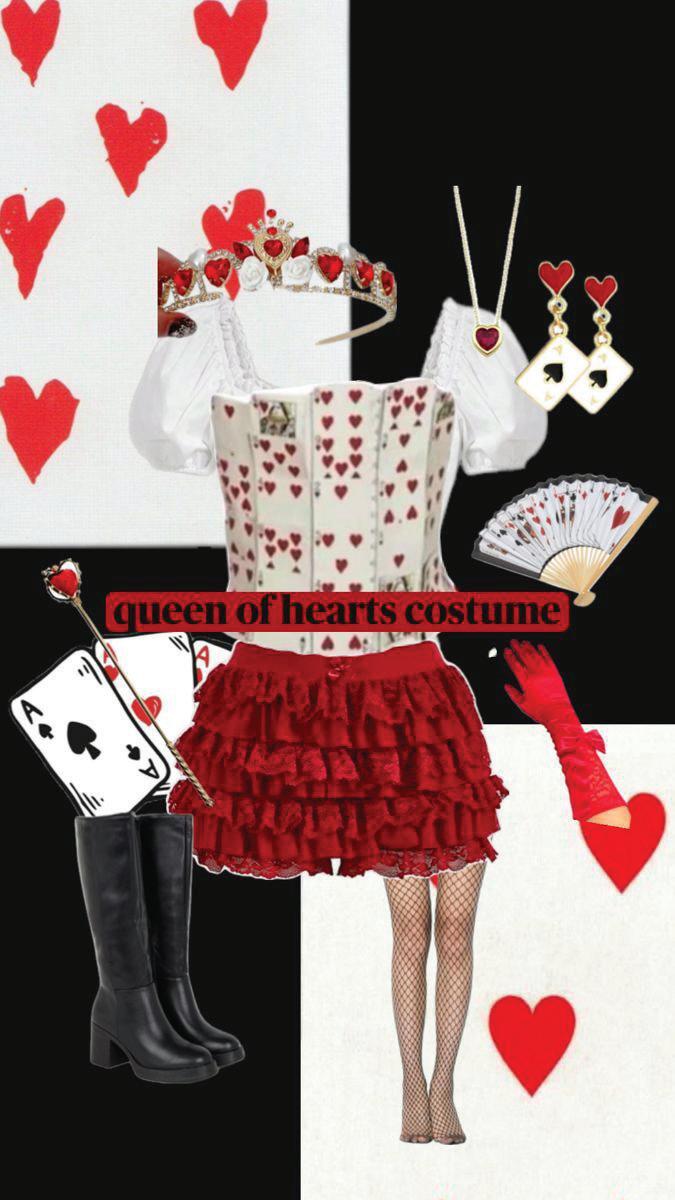
• Queen of Hearts – tape playing cards to a red jacket or skirt and grab a heart-shaped accessory.
It’s thrift-store roulette, but the odds are in your favor.
The Box – 419 Monroe St.
If your vibe is more “stylish chaos,” The Box is for you. It’s a curated resale boutique that mixes designer pieces with funky vintage — perfect for statement costumes.
Budget: $10–$25 per item
Costume ideas:
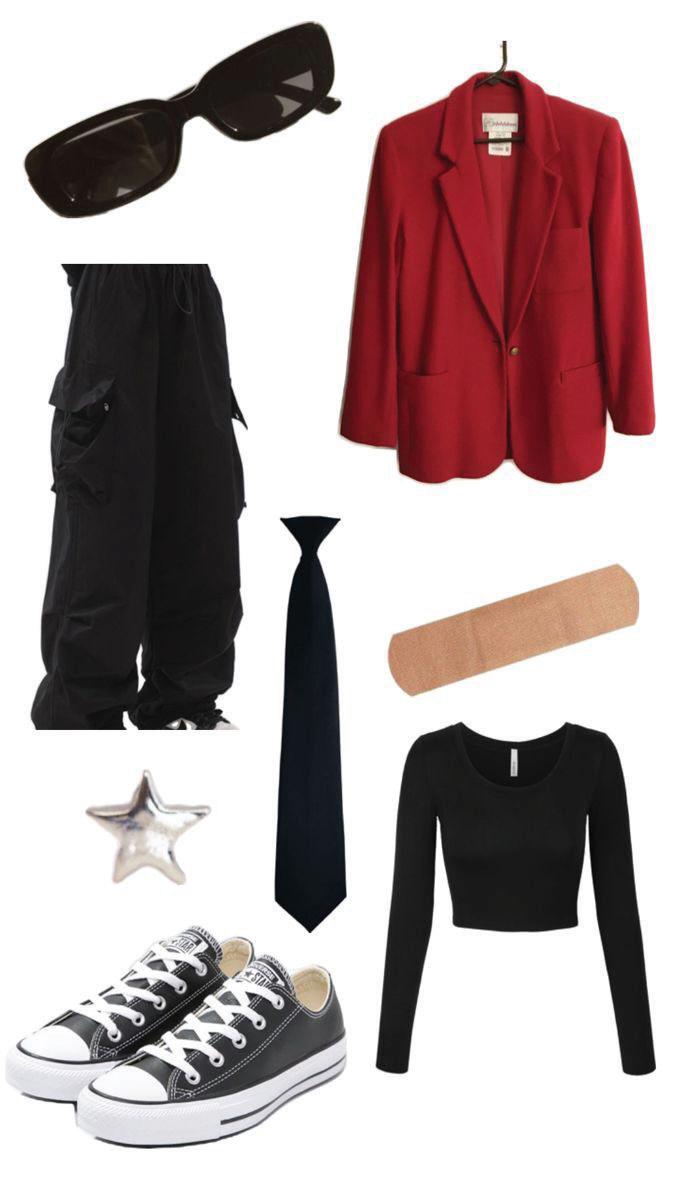
• The Weeknd (After Hours era) –red blazer, fake blood, bandages, sunglasses, and a little attitude.
• Pop Star on a Budget – metallic pants, bold eyeliner, and thrifted platform boots.
You’ll walk out looking like you meant to plan it that way all along. Olijon’s Thrift Store – 138 Park Ave.
A Hoboken classic. Olijon’s is small but mighty — packed with character pieces and hidden costume potential.
Budget: $5–$15
Costume ideas:
• Retro Reporter – trench coat, notebook, and messy hair.
• DIY Mad Scientist – oversized white shirt, goggles, and a thrifted coffee mug labeled “Experiment #7.”
Revival Vintage Boutique –86 Park Ave.
If you want to be fashionable and festive, Revival has you covered. Think of it as your destination for “Instagram-worthy but sustainably sourced.”
Budget: $20–$40
Costume ideas:
• Glinda or Elphaba from Wicked – thrift a sparkly pink dress for Glinda or a dark green/black outfit for Elphaba. Add a tiara or witch hat, and you’re ready to defy gravity.
2nd Street – 200 Washington St.
Big selection, big potential. 2nd Street has racks upon racks of denim, leather, and accessories that can morph into practically anything.
Budget: $10–$25
Costume ideas:
• K-Pop Star – oversized blazer, shiny pants, layered jewelry, and bold makeup. Add sunglasses and you’re ready to headline your own world tour.
Jeylan’s Thrift Tips for the Chronically Unprepared
• Layer smart: A jacket or scarf can turn a basic outfit into a full character.
• Go bold with makeup: It’s the cheapest way to sell the look.
• Accessories are everything: A $3 belt can save a $2 costume.
• Own the chaos: If anyone asks who you’re supposed to be, just
say, “It’s conceptual.” Halloween doesn’t need to cost you your coffee budget. Between
unprepared to unforgettable — for under $30.
Don’t let exam results haunt you
BY JOSEPHINE CHOONG, SECRETARY
Because sometimes, the best costumes aren’t bought — they’re -
Imagine this: you spent all week studying for an exam, pulling multiple all-nighters, and cramming every known fact into your brain. During the test itself, you feel stressed. Then comes the nerve-wrecking wait for that dreaded Canvas notification. Hours, days, weeks, you don’t know when you’ll know your fate. But don’t let exam results haunt your days. Even if you fail your exams, there’s always time to improve before the next.
distractions so you aren’t tempted to take a “quick break” that leads to hours of procrastination. Eat a meal or snack beforehand, so you don’t rummage through the fridge as a distraction. When you finish studying, reward yourself. It could be something small, like candy or 10 minutes on your phone for every hour of studying. Or, for longer-term goals, you could treat yourself to a sweet treat as a congratulations.
Some signs of stress include poor sleep, being less motivated to look after your health, and feeling less connected to people. Physical effects include headaches, dizziness, upset stomach, and loss of appetite. There are numerous ways to amend this, like trying to talk with people around you. Sometimes, just discussing your struggles can help alleviate your worries. You should maintain a normal routine and stick to any plans you made with friends. Don’t let that stress consume your life. Finally, when you do get the text scores back, don’t compare yourself to others. While it seems like other students got higher grades without putting in as much effort, the only standard that you should judge yourself by is your own. If you are looking to prepare for your next exam, try to stick to a consistent study schedule. While it can be difficult at first, with enough time, it will eventually become a habit. When studying, break it down into smaller sessions as it will be less stressful and more ef fective. Remember to remove any
As for tips and tricks on how to memorize more effectively, try to rewrite the material in your own words. Re-summarize it and write down bullet points on the important material, especially if the class requires more memorization. Furthermore, you could teach the material to someone else. Find a study-buddy to explain the material as if they are hearing it for the first time. This helps you reframe the information and recognize what you need to focus on.
If you are looking to destress and take your mind off the exam, there are always some fun fall activities occurring throughout Stevens and Hoboken. For example, on October 26, Stevens Outdoor Adventure will host a hiking trip along the Appalachian Trail. It’s the perfect time for a walk as the leaves are turning orange. Registration in DSE opens on October 22. Many clubs also have de-stress or study sessions around this time. Be sure to check on DuckLink for the latest events and to help you plan ahead.
While it might feel like it, it’s not the end of the world. There’s still plenty of time to improve before finals. So go out there and give
PHOTO COURTESY OF GRACELYNZIMMERMAN ON PINTEREST
PHOTO COURTESY OF LILYSPIERS555 ON PINTEREST
PHOTO COURTESY OF GRACEETHESIGMA ON PINTEREST
THE STUTE EDITORIAL
Life goes on without you
Earlier this past week, I had to write an essay (the horror!). I know, I am a literature minor, and I knew I would have to face this hurdle sooner or later. Contrary to popular belief, I hate writing. I’ve always focused more on the operations side of the Stute due to my aversion.
Besides the point, I wrote a lazy essay about The Ghost Story , which received a subpar grade. The Ghost Story is a near-silent film in which Casey Affleck acts as The Ghost, wearing an actual sheet on his head. Even though I found the movie to be extremely uneventful, the movie spoke volumes without having any dialogue. The Ghost spent his time wandering for years until he realized that to move on, he would need to find the last piece of what made his life meaningful. For The Ghost, it was a note his wife left him. The whole point was to prove that the meaning behind
life is found in the people and things you love. We spend our entire lives wanting, fighting, running, but never stop to look around and appreciate what we have around us. Life is about loving and sitting back and enjoying the small things. Although I hated the movie and it was the biggest waste of an hour and a half imaginable, I kept thinking about it. For reference, my sister is getting married this week. As her Maid of Honor, I’m writing a speech to reflect on the past and express my wishes for their future. You would think as Editor-in-Chief, I would know how to write an Earth-shattering, heartfelt speech — I don’t. Up until today (Tuesday night), I have been worrying about everything else — The Stute, my homework, the quiz I will miss, the midterm I forced myself to take, my internship applications…and I just had to stop. This was what The
MIND OF A FRESHMAN
Opinion
Ghost Story was talking about — my sister is getting married and I won’t even allow myself to process it, let alone write the speech. It’s crazy because I use my sister’s wedding as an example, but I also think about it in a Stute lens. I have been Editor-in-Chief for eight months, and although I have enjoyed every bit of it, I have not savored it. I spend so much of my time thinking ahead, it’s my job after all, but I think I took it too literally and started applying it to other areas in my personal life. I look at the Stuters before me and the memories they hold, and my biggest fear is looking back and thinking I didn’t make the most of it.
I have let my Stute life escape from me, and I am all too aware that life keeps moving forward even when I don’t want it to. I used to spend hours in that office gossiping, giggling, eating, lay out-ing, but I fear I have not been
Why do computers hate me
utterly confused and hopeless. In that class I knew a few people who were computer science and cyber security majors so I showed it to them. Let’s just say that hearing the “hmmm… interesting” did not settle my
but you could not actually click on the track pad which became a bit of a nuisance. All I wanted was for mine to work. So, several weeks in with no hope, I had moved all of my files to the loaner, still going back and forth with customer support.
and nothing happened, so I tried powering it back on. It lingered for a moment, doing the usual stuff computers do, when a concerning message appeared. Little did I know, the tiny message on the very bottom of the screen would leave me without a computer for a few weeks.
I had tried all of the obvious things, rebooted the computer, gave it a few minutes and let it cool down, and essentially any-
For some background, I am a Mechanical Engineering major, and just like many others, I knew I was going to need a beefy computer. The second I learned about engineering in ninth grade, I immediately started saving for one. In order to buy this computer, I had researched for months on end and saved for even longer. When my computer decided that it didn’t feel like doing much, it was a major punch to the gut.
I started freaking out. What was I going to do? I had assignments due and no time with upcoming midterms. I called Lenovo customer service and was given one of many fixes to try. Long story short, it didn’t work. So I called again and waited for their other solution to come in the mail. The thumb drive
Then Family Day rolls around and luckily, one of my friends has a dad that is actually a tech wiz. Turns out Stevens is also his alma mater, and he is an electrical engineer with his master’s in comput er science. He very kindly spent the majority of Fam ily Day, with his family in a dorm room, trying to fix his daughter’s friend’s lap top. We were there for five hours, and he completely solved the problem. Apparently, my windows files were corrupted, and Lenovo does not make it very easy to get them back. He figured out a way to download all the software for free and fix everything that had been wrong with my computer. I am now sitting here, over the moon, as I finally get to use my computer again.
doing any of that lately. The pro cess has been very official, and I miss a bit of the informality and the friendships. Instead of being in the main area, I have been in the internal office, and I think that is the culprit. I walked out of the internal office, into the main area, and saw my Layout Editor, Eiliyah, with her friends, and it made my heart wrench. Those were the best days, but things be came a little more serious, and I just let life happen to me.
Even though I say I hated Ghost Story , it must have been an actually phenomenal movie if it has me thinking this deeply about my life. Like The Ghost Story what you love and who you love make up the meaning of life. So I guess it’s time Editor-in-Chief Jiya gets out of her hole and into that main office area. It is time to start making new memories before the time slips away from me. Gosh, what a terrible movie.
my life over the past three years. I’m the type of person to avoid Snapchat memories because nostalgia hurts. I believe that people are meant to come into your life at certain times for certain reasons, and they rarely stay forever. That’s the sad pre-existing condition of life. However, I think reflecting is a good exercise, so I’ll engage in some exposure therapy.
Jiya Jaisinghani ‘27 Editor-in-Chief
are at play. I felt like I was starting over from scratch — the previous year was a distant dream, something that I could never look fondly on or even remember. I began to rebuild, throwing myself into my sorority and prioritizing making friends with strong and empowered women. Just like you, Abby, I switched my major out of SES and was progressing through my QSS coursework. I struggled with finding community in a tech-oriented school, and hoped that I would one day find people who cared as much as I do about the world. I started to have fun again and find where I thought I belonged. I met you, Abby. Someone in your sorority told me you switched into QSS. We had a brief conversation.
this as good as life gets?” I “met” you again, Abby. You know when you have campus characters that you occasionally see, and then more frequently, and sometimes, if you are really lucky, they become your friend. Becoming friends with you was the beginning of something I really needed, something different, and I felt empowered that I still had the ability to form new relationships.
Moral of the story, keep
dows software in case your computer decides it’s not feeling it today. That and thank you very much to the
Three years ago today, I was the happiest I had ever been. College was new. Every day was still an adrenaline rush. Even the freedom of walking down Washington Street for a bagel felt like a teenage rebellion. Sometimes I wonder if I will ever feel that “high” on life again. Just like you, Abby, I fell in love with people, life, and new experiences. I don’t think I managed the intensity of “newness” well. I associat ed “new” with forever, or perfect, or flawless. I tru ly believed that I had my next three years completely mapped out.
Two years ago today, I was healing from my first non-romantic heartbreak. I had learned that what feels good in an initial do pamine rush wave may not
One year ago today, around this time, let’s say fall. I was complacent, too comfortable, and I had lost my drive. I was content with envisioning 12 different futures and not narrowing in on a plan. I was satisfied with my relationships and did not seek out new people or experiences. I don’t think I even visited New York at all that semester, something that I had previously loved. Every day felt the same, and I could never figure out what was wrong because everything was “perfect.” I began to ask myself, “Is this all? Is
Today I am a senior, and my world is completely different. I’m happier than I was freshman year, if only I could tell myself that the best was yet to come. This past year, I again left individuals and communities who did not reflect my value systems. This trend became more apparent in the state of the world. I leaned on you tremendously, Abby, and for that I am forever grateful. I’ve thrown myself into new relationships and communities that will fight with me and for others. I know my purpose now, and I have complete confidence that I control my own life, and only I can alter it and its impact on the world. I will submit my law school applications next week, and when I read over my personal statement for final proofreading, I smile. The path is not always clear, but each journey is a unique way of molding our purpose.
PHOTO COURTESY
Opinion
A spooky season speculative read
time. And with us being in the throes of spooky season, it only seemed fitting.
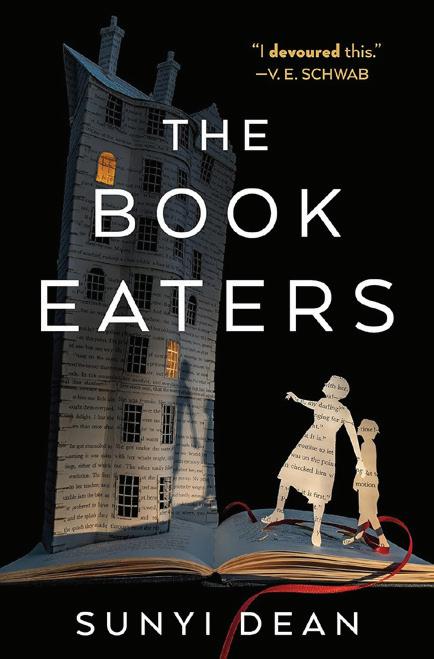
It’s speculative fiction that although is described as science fiction, I hesitate to label it as such, and think it’s closer to a low fantasy. The general premise is that there is a class of people who eat books, and retain all the
knowledge, and a smaller variation of them eat minds. And I mean both in a literal sense, for the mind eaters think of ant-eater zombies for how they do it. The plot follows Devon and her son Cai, a book eater and a mind eater respectively, as they try to escape other book eaters and find Cai a drug that would allow him to eat books instead. Generally, the novel is fascinating on so many levels, and I adored it, but I have a very high tolerance for gore, and this book does not shy away from it.
The Book Eaters is told non-linearly, which has been making me reflect on time both in fiction and in my own life. The flips between the two in the novel serve to show the reader how our past continually haunts us, showing up in
cracks no matter how we brush it aside. In my personal life, I’ve been thinking a lot about the past recently because, as I graduate this year, I am also applying for law school. Everyone is familiar with the pains of writing personal essays — it’s a process we’ve all dealt with when applying to college. But I’m left wheeling, trying to figure out where one part of me begins and another ends. If you’re trying to tell your own story to someone, do you tell it to them all at once in order, or do you pepper it in slowly, breaking time into bitesized moments? The Book Eaters seem to say that although we are shaped by our past, we are not doomed to complete it and have the final say in who we become in life.
What makes the book
Hidden gems: coffee, croissants, and cozy corners
BY PRISHA VAGVALA
Hoboken. Honestly, each spot had its own personality, but a few stood out for their food and atmosphere. Out of Empire Coffee & Tea, Yuki’s Coffee & Bakery, and The Hive, my favorite was Yuki’s Coffee & Bakery for the quality and taste of the food. Despite their differences, every cafe offered something unique, and let me tell you, they were drastically different, especially in terms of aesthetic, flavors, and target audience. After trying various menu items from each to see which best represented the cafe’s vibe, I still think Yuki’s came out on top.
I went to Yuki’s Coffee & Bakery, and it had such a cozy, homey feel. It’s quite a walk from campus, but
if you’re willing to trade a little energy and time for delicious, comforting food to sink your teeth into, it’s definitely worth it. I ended up getting some jalapeño and tomato focaccia bread, and it was ginormous. Although focaccia itself is super soft and fluffy with lots of big air bubbles and a good golden crust, it creates the best bite of airy, soft, and chewy. That, paired with the sharp taste of jalapeño and the specific tomatoes Yuki’s used, made it a euphoric blend of flavor. Don’t even get me started on that pistachio croissant. It was the best croissant I’ve had to date, and I’m totally not saying this because it reminds me of one of my favorite Greek desserts, baklava, but that’s the best description I could think of. It had a sweet syrup, but the croissant still remained flaky, and the crunch of the pistachio nuts with the sweet, sticky syrup made it so scrumptious.
Next, we have Empire Coffee & Tea. The shop itself perfectly embodied Old Hoboken vibes. It had a bit of a maximalist feel, with the old commercial photos on the walls, coffee bean bags scattered across the floor, and plenty of fall decorations. The green and brown exterior, along with the slightly vintage atmosphere, made it feel like stepping back in time. It had Luke’s Diner vibes from Gilmore Girls. The second time I went to Empire Cof-
fee & Tea, I got a pumpkin spice latte — classic for fall. I realized they really stand out when it comes to cof fee, which should’ve been obvious from the start, con sidering all the coffee bean bags stuffed in the cafe. The baristas are super friendly and kind, which makes the place feel extra homey, and you can easily strike up a ca sual conversation with them if you want.
As for The Hive, I ab solutely adored their cozy, modern aesthetic with wavy blue lines, pink accents, and geometric touches. They carried this fun energy into their food too. The peanut butter s’mores cookie bar that I got was amazing — a decadent blend of everyone’s favorite desserts, packed into a peanut butter chocolate chip blondie baked like a bar with melted marshmallows on top. The banana pancake latte, on the other hand, actually delivered the banana pancake flavor, which tasted very banana-y and slightly like oat pancakes. The Hive is definitely experimental with their drinks, like the PB&J matcha, which stood out even if it wasn’t my thing. They also have fun options like the cereal milk latte and babyccino, and I almost got the maple staple latte for fall. Out of all the treats I tried, the pistachio croissant was the real showstopper, one I would happily make the walk for again in a heartbeat.
confusing, however, is that despite establishing this message about choice and destiny through Devon, it then willingly turns it on its head with her son Cai. Devon rebels against her family and the world she knows because she loves her son and will do anything for him. But because of what Cai is, and how he needs to eat, he has no choice but to live up to his destiny of being “a monster”. By a technical definition, all the book eaters are monsters in that they’re not human, and principally they both devour and destroy things that can never be taken back. It is established that their humanoid species was created, and thus not natural, making them closer to monsters in destiny than man. Cai is born without a choice but to be an obvious monster while his family is
able to be one’s just far more covertly. The plot centers around this reality — the mother and son duo trying to fight against his destiny, the results of which I want to leave ambiguous for any potential readers.
I love a morally grey story with characters that leave you thinking about whether or not we can love them with all their flaws, or merely find their adventures titillating. I loved questioning Devon through her journey and reckoning that I could not condemn her nor could I say I supported her entirely. Rather, I came to understand her. I think it’s important that we try to come to understand ourselves in others in a similar fashion. That we are a patchwork of experiences and choices, that we are neither wholly good nor bad, and that our
The life of a Stute girl
goals can be understandable and admirable but our aims despicable (and that our ends do not always justify our means). But I thought this book was brilliantly written and highly recommend it for a reader looking for something gothic and slightly scary for the Halloween season.
was released on October 3. Fans across the globe have celebrated with listening parties, fun decorations, and much more. But was this album really everything everyone is making it out to be? Was this album tragically amazing or amazingly tragic?
Full disclosure: I am a Swiftie. I know this is controversial and everyone loves to rave about their hatred for Swift and her fans, but I really don’t care. Her music is fun, emotional, exciting, poetic, and simple! I tried listening to this album with my Swiftie goggles off, and from a true unbiased perspective, which was very difficult.
I started listening to this album and instantly felt the infectious nature of the
songs. The overall theme seemed like it was all about falling in love and having fun with the people you love most. After sitting on the album for a day or two, I could not really fall into it. Swift has this power to write poetry intertwined with catchy melodies. The initial “let-down” feeling this album gave so many of us was because of, I think, the simplicity within the lyrics and melodies. We are so used to Taylor Swift speaking in complex terminologies and concepts; her music was gatekept by her deeply philosophical lyricism. This album is not for the poets or the scholars.
All of my friends have been asking me my true thoughts on this album. I can’t lie and say that this album is life changing and is automatically my favorite one ever. However, I can say fully that this album is actually amazing. It is fun! It is for the girlies! For the people who\ love and enjoy having fun. I think we all looked for the depth and deeper intentions within this album, but it is very clear and straightforward. Taylor is in love and she wants everyone to know about it. Songs like “Opalite,” “Wi$h Li$t,” and “Honey” all describe her beautiful love life. There is no deeper meaning or
metaphors that lie within these songs. They are just fun and full of life. I think haters have been hooked on the “cringyness” of this album, but they don’t have to be. My advice is to just enjoy this album from the perspective of simplicity and love. My favorite song right now is track 4, “Father Figure.” Swift sampled from George Michael’s 1987 song “Father Figure.” The premise of this song is about how she is the mentor and her mentee has forgotten where they began. She talks all about how she is the expert in this dynamic relationship. I love the sample she used and I think this song is just so fun. Taylor Swift has really played into this “bad guy” persona that the media likes to push on her. She is playing with her audience and with all of the haters. Overall, I really did like this album. You hear a lot about highs and lows throughout certain albums, this one has just the highs. All the fun moments of being in love and being with your friends. It is a record full of anthems that celebrate joy and excitement. My advice is to not read too deeply into any of the lyrics or concepts, just have fun! We are all just showgirls deep down.
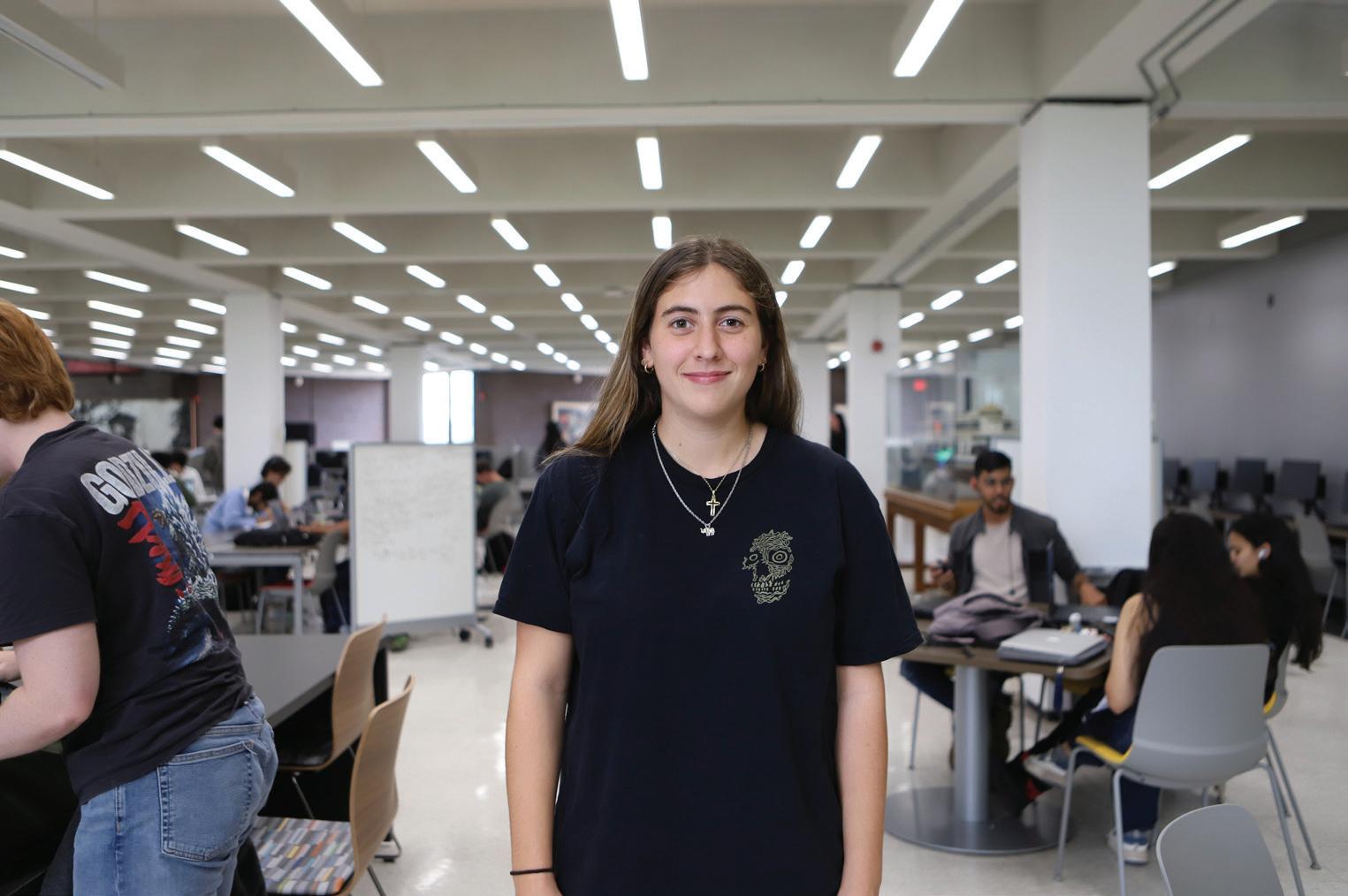
There are two types of people at Stevens. Those who recycle, and those who create a hot mess...
PHOTO COURTESY OF AMAZON
‘28
Opinion
How NOT to lie with statistics (and mathematics more generally)
ster obtain a representative sample size or measure other statistics like confidence intervals and margins of error?
BY CHARLES BEALL B.S. ‘23 & PHD STUDENT
As a mathematician who tries to keep up with politics regularly, it may come as a surprise that I am not a huge fan of political polling. Granted, there are tons of exciting mathematical questions at play in polling a group of people on their thoughts about candidates, policy proposals, and various other aspects of the political landscape. For instance, how does a poll-
I won’t go into the answers to these questions (though I should point to at least one online resource, a fun webpage by the Pew Research Center explaining how polling works). Instead, I’d like to comment on the essay “How to Lie with (Political) Statistics” by Lily Hu, which was recently published in The Boston Review. This piece makes a powerful case to treat statistics from polls with caution and, at times, strong skepticism. More precisely, Hu correctly points out that generating a poll is not just doing math and obtaining indisputable facts. In fact, there are always going to be some assumptions baked into
polling models, and some interpretation required by polling analysts or political pundits that necessarily introduces more opinion into the process. Claiming “the mantle of science” in this context, Hu argues, not only “so much of our political life as fixed and preordained, even as so much of it is so clearly rapidly changing;” moreover, this “data-centered approach to politics” vastly limits political strategy to technocratic decision-makers who know a lot about math calling all the shots.
I do think that Hu, at other times in the essay, is overly harsh on pollsters, who on the whole collect and analyze data in good faith to elucidate trends in public opinion. In particular, polling conducted by universities can help understand campus life in a vast
array of areas besides political issues, and is a vital tool for researchers in the social sciences.
However, Hu’s arguments about the reductionist and gatekeeping aspects of polling are precisely my qualms with the enterprise. Politics should not be boiled down to numbers — even if a pollster claims to have a good model of the political landscape, that model is at best telling the rest of us something about right now, which could look very different from how that something might be even in the near future.
This aspect of mathematical modeling, more generally, is crucial. For example, one potential application of my PhD research is in the construction of digital twins, a topic I’ve written about a while back and also won’t go into much de-
tail about here. Very briefly, a digital twin (in my understanding — there are many definitions) is a computational model of a real-world physical system that can accurately adapt on its own to changes in the system; in other words, a digital counterpart responsive to unpredictable real-world events. It’s very hard to actually develop a digital twin, because mathematical models are not the most malleable objects, and even expert mathematicians can struggle to amend these complex models in light of new data that make the real world look very different from previous experiences.
This is to say that politicians or political activists can have a potentially enormous impact on public opinion — as Hu notes, this “presumably is the point of politics, after all.” So
tioning every choice you’ve made since orientation. At a school like Stevens, where ambition practically lives in the air, it’s easy to feel like you’re falling behind if you don’t have an internship lined up before you’ve even finished your first year.
But here’s the truth no one says loudly enough: you’re not behind. You have time.
We’re placed under this tremendous pressure to constantly be achieving something, especially when we’re surrounded by peers who are driven, talented, and career-focused. It’s part of what makes Stevens so spe-
cial — but also what makes it easy to lose perspective. The reality is, if you talk to students at most other universities, they’re not even thinking about internships their freshman year. For many, their first summer is about adjusting to college life, going home, saving money, or just taking a breather.
Getting an internship early can be great for exposure — you learn what you like (or don’t), you get used to professional settings, and you feel productive. But it can also be overwhelming.
You’re still figuring out your major, building your re sume, and learning what you actually want to do. Some times the “perfect” intern ship that everyone’s scram bling for isn’t even the right fit yet , and that’s okay.
er ways to make your sum mer valuable. You can take a class, work a local job, volunteer, join a summer research project, or even
start a personal project that excites you. Those experi ences count just as much, sometimes even more, than a first internship. Skills like communication, responsi bility, and initiative show up everywhere, not just in a corporate setting.
It’s also important to remember that employers don’t expect first year un dergraduates to have tons of experience. They know you’re still early in your ac ademic journey. What mat ters more is how you use your time — whether that’s learning something new, reflecting on what you want to do, or even just resting so you can show up stronger
why should polls be treated as what is, as is so often done in reporting on political polls, in effect limiting imagination for what could be?
This brings in the gatekeeping aspect: the political establishment has seen many recent failures of ruling out popular candidates, or limiting the platforms of campaigns, based on what they think will “poll well,” or “what the polls are telling us.” This has led to losing campaigns and trust in politicians, who lose authenticity by claiming to represent what is popular while not seeming to truly believe in what they’re running on. The logic of mathematics can help a lot in many contexts, but in the case of human behavior, a stat-ification of core beliefs, values, and opinions is, in my view, not at all the way to go.
So if you didn’t land that summer internship, take a deep breath. It’s not the end of the world — in fact, it’s probably the beginning of something better. You’ll have plenty of summers to fill your resume. This one
regardless of the setting or grouping of people—it almost always consisted of women in the kitchen, prepping the food, setting up the table, ensuring that the children ate, and that everyone’s needs were taken care of. In comparison, the men would be lounging — I never understood why this dynamic was always the case. Even during a vacation or a good occasion, all the “work” associated with it would almost always fall to women. While things definitely do need to be done, in these kinds of contexts why does the duty always fall to women?
In order to dive deeper into this, I want to introduce
the notion of emotional labor. Emotional labor refers to mental activity required to perform routine tasks necessary for maintaining and upholding relationships. Based on this description, you might be wondering how it ties into the situation I described earlier, so let me walk you through it. In my example, women aren’t just cooking and plating the meals; they had to consider what to make, if anyone has any dietary restrictions, how many people are attending, if they have to prepare food separately for the children, how long it will take, and the list goes on. More specifically, they had to ensure that everyone is taken care of — the most taxing endeavor. This however, doesn’t just stop in social settings, it lingers into day-to-day tasks and relationships. Women are often expected to be “emotional managers” for everyone around them and this involves checking in, comforting, and absorbing conflicts. Overall, it is a lot of “labor” and it is certainly unpaid. Other examples of this effort include remembering people’s birthdays, mitigating conflicts, or calming others down. While these acts are thoughtful, women aren’t given a choice. More often than not, they are subjected to this mental load. Of course this is not the situa-
tion in every case and men too partake in this behavior, but women are just socially conditioned to manage everyone’s wellbeing and maintain peace. This in return has heavy implications for women. For example, it might convince women they need to equate their self worth with the care they provide for others. In optimal amounts, it does feel good to support others, however, it can be draining to do it all the time and especially daunting if someone doesn’t treat your care respectfully. Additionally, all that labor—even if it is mental—can lead to burnout and resentment. This makes it harder for women to genuinely put their energy into relationships and things they care about. So the problem is clear but how do we define a path forward? My take is that it doesn’t hurt to be a good and caring person, but not without having boundaries in return. Try to unlearn the urge to always “fix” or “take care of” whatever situation. This may lead to discomfort, but it’s okay to sit in it. Not only does this allow you to establish and assert yourself, but it also allows the other person to understand how to manage things on their own. After all, care isn’t just about being the one who understands, it also means letting people meet you halfway.
PHOTO COURTESY OF JEYLAN JUBRAN
PHOTO COURTESY OF NPR.COM, AP.COM, AND NEW YORK TIMES
Opinion
The terror of an isolated world
wonder if we were ever supposed to discover this form of “entertainment.” It always seemed truly obscene to me that you could go to the movie theater, watch an entirely abhorrent sequence of events, and come out “entertained.”
BY ITAI GELLER ‘26
genre, and ultimately, how it fails. Horror films of the past often revolved around the human experience and the psychological nature of fear. In the present, the absurd gore and corniness of modern slasher films dominate. They serve as a truly odd form of entertainment, centered around the sensation of fear — jump scares, haunted mazes, and the occasional “possessed doll”type film. In some ways, I
In identifying the contrast between horror films of the past and the present, I started to think about aspects of the real world— outside of cinema, fiction, and simulations—that truly frighten people. Immediately my mind shifted to a number of topics: civil unrest, war, poverty, illness, tragedy — the list is practically endless. Clearly, we aren’t frightened by all of these enough because we see them on our social media constantly, but somehow still haven’t tossed our iPhones in the trash. In truth, we aren’t confronting these topics; we are isolating ourselves from them with every swipe, click, and shutdown. Isolation: that’s the one. We are horribly afraid of isolation, yet most of us don’t even realize how familiar we are with it.
Art has the exceptional capability to confront us with topics that are uncomfortable. It creates a basis for introspection, evoking a variety of emotions—guilt among them—which cause
discomfort and emotional fragmentation. While certain art forms and artists will take a more direct approach, truly confronting viewers with obscene and oftentimes provocative imagery, others will rely strictly on symbolism and elusive themes. I believe that in art, isolation is a heavily recognizable theme, in that it can be illustrated both figuratively and abstractly.
An artist who excellently conveyed the “horror” of isolation figuratively was Edward Hopper, an incredibly influential name in the world of American Realism who created striking pieces conveying the expansive yet reclusive setting of a troubled 20th century America. Pieces such as “Automat,” “Nighthawks,” and “Office in a Small City” take a very direct approach to conveying the theme of isolation. Hopper’s characters are relatable; they are regular people performing the mundane tasks of daily life, but in a manner that is confined and unsettling. Hopper’s piece “Intermission” is so static that the feeling of isolation is inescapable, as a lady sits alone at the theater waiting for the curtain to lift again, almost symbolizing the end of a social drought. Hopper’s ability to effectively frame his
: The theology of fear
for the worse. Conversations become interrogations, hospitality becomes captivity, and faith is questioned.
belief, and the freedom of thought.
The setup for this film is simple: two young Mormon missionaries, Sister Barnes and Sister Baxton, approach the home of Mr. Reed, an eccentric man interested in learning more about the Mormon faith. But once they are inside, things take a turn
What makes Heretic unique and intriguing is that it places less emphasis on common religious horror themes like possessions and demons, while serving as more of a debate on faith. Mr. Reed doesn’t raise knives or crosses, but raises questions that shake the missionaries’ piety. Reed questions the contradictions in their beliefs, rewrites their readings, and exposes how faith is both beautiful and dangerous. As the sisters defend themselves, the more they start to believe how fragile their certainty really is. Mr. Reed doesn’t want the sisters to challenge their faith but to dismantle it — piece by piece. This film’s horror doesn’t come from fear of death but from the fear of doubt.
Visually, the film mirrors the unraveling of control caused by Mr. Reed. At the start of the film, the house seems bright and cozy with warm lighting. But as the night drags on and ques-
landscape pieces makes for an equally disturbing calmness that further intensifies the already disconcerting stillness of his work. Pieces such as “Drugstore” are intelligently framed at eye-level, engaging viewers directly with Hopper’s world. The dim light washing over the drugstore corner veils the surrounding world, subjecting the viewer to an intense moment of solitude and melancholy. While Hopper’s paintings were primarily figurative, recognized artists like Mark Rothko utilized color fields and other abstract imagery to characterize the
psychological complexity of isolation. Admittedly I’m not the biggest Rothko fan, but I think that there is a stark difference between being in a room with a painting and sitting at your desk. Rothko’s color field paintings are unapologetically empty, so much so that if you went to an art museum and walked through an exhibit full of them, the intensity of the color void would eventually cause immense discomfort.
This is intentional — Rothko would use large muted canvases, which are highly effective at conveying the overbearing somber empti-
ness of isolation. Isolation isn’t always a bad thing, but it’s definitely one of contemporary society’s greatest struggles. The digital age has contributed to a shift towards seclusion, providing new outlets from the stresses of isolation by creating a medium that simulates the effect of being present. Learning to face our fears—isolation among them—doesn’t have to come from cheap horror thrills or haunted mazes. It can be as simple as looking at a piece of art, a medium that you simply can’t turn off.
tions are thrown, the lighting grows colder and the rooms get smaller. The camera moves slower and lingers longer than it should as if waiting or afraid for a scare. But there are no jumpscares or violent outbursts that pop the tension — it keeps building, keeping the audience on the edge of their seat.
Hugh Grant’s Mr. Reed is one of those villains that terrifies you because he starts to convince you. He isn’t demonic or violent but intelligent, amusing and psychopathically calm. His power doesn’t come from violent rituals or possessions but persuasion. He traps the missionaries because he believes he is more certain, therefore convincing them that they are wrong.
Watching Mr. Reed tearing apart their worldview is like a wrecking ball crumbling a building down to its foundation.
But the movie’s brilliance is how it refuses to take sides. It doesn’t mock religion nor does it celebrate secularity. Instead, it treats both sides as opposites: faith as a form of comfort, doubt as a form
of freedom, but both as an extreme measure. As Mr. Reed shoots off question after question, one sister clings tighter to her belief while the other begins to question them. What started as an unified mission of conversion quickly became a search for identity.
As the film reaches a climax, faith and reason blur into something unrecognizable. To the sisters, the house that was once a trap, becomes a church of contradictions. And when the truth (or what looks like truth) finally surfaces, it’s not delivered as revelation, but as despair. There’s no grand exorcism or final escape, just the lingering question of what’s left when your certainty starts being examined.
In the end, Heretic leaves you haunted not by what you saw, but by what it makes you think about. It’s a film that replaces jump scares with unease, violence with dialogue, and cheap thrills with existential dread. It understands that the human mind craves certainty but deep down, it also
knows we want to be fooled. We want to believe that our beliefs are safe, our world is stable, and that the door we just knocked on isn’t the one that will change everything.
PHOTO COURTESY OF WIKIART.ORG
PHOTO COURTESY OF ROTTEN TOMATOES
ROVING REPORTER
By Isabelle Villanueva & Rachel Choi
“What’s your toxic academic trait?”
Puzzle Page
Crossword
Down: 2. Front man of a chipmunk band 3. Metallic currency 4. Chain of poultry restaurants
5. Fib
6. Beverage made from leaves
7. Grey, of 6 down
8. Unverified story
9. Small Hershey product one may acquire while Trick-or-Treating
12. ____ Demon Hunters, on Netflix 16. Material that, when applied to 18 down, produces 1 across
18. Technique that, when performed on 16 down, produces 1 across
21. Area in front of a fireplace
22. Leave out
23. A type of square-grid puzzle - but not this one!
25. Strong tape variety
27. Magic stick wielded by wizards
30. 8, on a calendar
31. Product of olives, sesame seeds, or fossils
34. Electronics port for a thumb drive
35. Island home to Honolulu
37. Window surface (no, not like Microsoft)
38. Electronics port you might want on a car ride
40. Bale of straw - and a homophone of 41 down
41. Greeting - and a homophone of 40 down
Emilio Sanchez Rivera ‘29 “I wake up at 3 am to study.”