[The Stute] December 5, 2025 (Issue 12, Volume CXXIII)
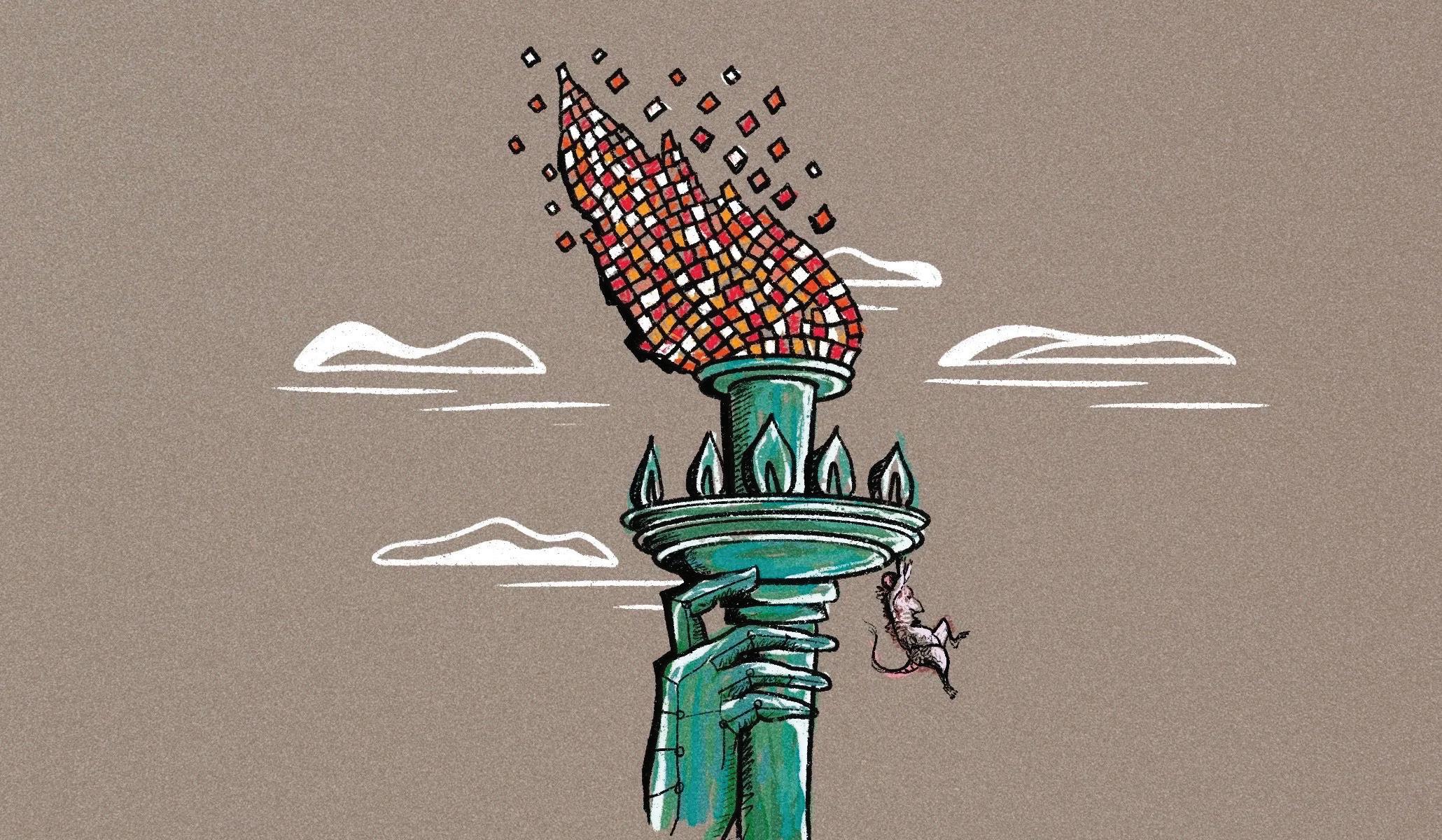
Stevens participates in Hunger and Homeless Awareness Week
BY RISHI PRABHAKAR, CONTRIBUTOR
Two weeks ago, Stevens organized the Hunger and Homelessness Awareness Week. The week consisted of two events — a sandwich-making event on Monday, November 17, and a Hunger and Homelessness Resource Fair on Thursday, November 20.
Hunger and Homelessness Awareness Week is a nationwide initiative with the goal of raising awareness about food insecurity, housing instability, and directing community members towards the resources available that exist to combat these concerns. The initiative was started by the National Coalition for the Homeless and the National Student Campaign Against Hunger and Homelessness in 1975, and occurs every year the week before Thanksgiving.
The first event took place on Saturday, November 13, from 5 p.m. to 8 p.m. at St. Matthew’s Trinity Lutheran Church. Stevens students volunteered to cook and serve dinner to those in Hoboken experiencing homelessness and housing instability.
The second event took place on Wednesday, November 17, from 3:30 p.m. to 4:30 p.m. on the second floor of the UCC. Students made sandwiches for the Hoboken Shelter, a local organization that provides help to Hoboken’s homeless population in a variety of ways, from serving them hot meals every day to helping them find new homes.
Finally, the third event, the Hunger and Homelessness Resource Fair, took place on Saturday, November 20, from 11:30 a.m. to 1:30 p.m. in the UCC lobby. The purpose of this event was to connect Stevens students with local Hoboken organizations centered around combating food insecurity, homelessness, and housing instability. Students attending the event could walk around, talk to representatives of the organizations present, learn about food insecurity statistics, and complete a mini-service activity.
PHOTO COURTESY OF UWAYLCSC.ORG
We write Stevens history NATIONAL NEWS
Cracking the code of Hypersonic Flight
BY JOSEPHINE CHOONG, SECRETARY
Today, it takes 15 hours to fly from Sydney to Los Angeles. But what if that time could be shortened? What if crossing half the planet only takes one hour? How would we view the world? That’s the premise behind Dr. Nicholaus Parziale’s latest research on Parziale’s focus on hypersonic flight began during his childhood, where he had a passion for mechanical and electrical things and worked on cars with his dad. Parziale got involved in hands-on lab work when he worked with Tim Singler in a lab at Binghamton University. During his graduate classes at the California Institute of Technology, he researched experimental fluid mechanics and worked with Joe Shepherd
While such flights seem impossible by today’s standards, military planes prove that they are closer to reality than they seem. To fly between Los Angeles and Sydney in an hour, these planes would have to travel at Mach 10 or 10 times the speed of sound. Military planes can travel at Mach 2 and Mach 3, or around two and three times the speed of sound. However, what’s standing in the way is the heat and turbulence generated by these flights.
from the Stevens community to our weekly Roving Reporter, plus solve our weekly puzzle and sudoku.
BY SEAN ANDERSON, NEWS WRITER
The month of November brought about many significant updates to the Supplemental Nutritional Assistance Program (SNAP). The month began with delays to funding being procured by those in the program due to the government shutdown and actions in the Supreme Court. Following this, it was announced that
Federal
SNAP allotment was to be reduced for the month. Changes were also made to eligibility requirements for applying to the program, and the government has continued to take action to reduce fraud in the program.
SNAP, which was previously called the Food Stamp Program, dates back to 1939 and was made permanent in 1964 following the passing of the Food Stamp Act. Since then, the program has grown great -
Because of how the air around aircraft behaves differently at low and high speeds, aerospace engineers must first understand how airflow works at higher Mach speeds. Incompressible flow happens at lower speeds, and the air density remains constant. But at higher speeds, compressible flow occurs, and the air compresses. However, Morkovin’s hypothesis, formulated by Mark Morkovin, claimed that airflow behaves similarly at both low and high speeds. If it were true, hypersonic planes wouldn’t need an entirely different design approach. However, there isn’t enough experimental data to decisively prove the theory. Providing that data to prove Morkovin’s hypothesis was the subject of Parziale’s new study. Titled Hypersonic Turbulent Quantities in Support of Morkovin’s Hypothesis, it was published in Nature Communications on November 12. The authors include Parziale and six PhD students: Ben Segall, Tim Keenoy, Jaden Kokinakos, Jett Langhorn, Ahsan Hameed, and David Shekhtman. Parziale noted that he’s lucky to have great PhD students and is thankful to them for all their hard work. Within the study, they performed careful measurements of hypersonic turbulence. The team used lasers to ionize the gas krypton without distributing the gas. That made the krypton atoms form a straight, glowing line. After waiting, they would observe how the line evolved. From the movement, you could learn more about turbulence and how much the flow is oscillating. Parziale observed how it was similar to if you dropped a leaf into the swirling flow beneath a bridge, the leaf would translate and spin. From these experiments, it was discovered that at Mach 6’s turbulence behavior is similar to that incompressible flow, which occurs at low speeds.
SNAP’s recent updates affect millions of Americans in program
ly, and as of 2024, it has approximately 41.7 million participants per month.
Because of the government shutdown, growing concerns were raised in October about how SNAP benefits would be affected by the shutdown should it continue into November.
The Committee for a Responsible Federal Budget noted that “though funding for the SNAP program is mandatory, the ability to send out ‘food stamp’ benefits could be affected
stance on AI regulation
BY TANYA AVADIA, OUTREACH CHAIR
The Artificial Intelligence (AI) race has only just begun, and companies, regardless of industry or size, are all working to adapt their systems and output new technologies. However, with the rapid expansion of AI, there are several risk factors that need to be addressed. In terms of regulations, several state legislatures have adopted strict AI policies that mandate companies to be transparent, prevent
dangerous use cases, and restrict the collection of private and personal data of their users. At the federal level, a draft of an executive order was leaked, which stated that President Trump is considering curtailing these state-level laws.
For context, four states—Colorado, California, Utah and Texas—have passed laws to set rules on AI usage in private sectors. The main objective of these laws is primarily related to everyday adaptation of AI. For example, many employ-
ers use AI to sweep through resumes even though it is possible for AI to make mistakes, which could lead to discriminatory practices when hiring. While these states’ lawmakers have enacted heavy legislation, many states have passed some form of AI policy. Some examples include banning the use of deepfakes in elections, placing rules on the government’s own use of AI, or blocking the ability to use AI to create nonconsensual porn. Based on the draft executive order leak, President
While Morkovin’s hypothesis isn’t entirely confirmed, the study suggests that hypersonic planes don’t need a different design. It would simplify the process and make computational demands more doable. Parziale’s next objective is to continue to expand the parameter space to test Morkovin’s hypothesis, which means higher Mach and Reynolds numbers. “If we can build planes that fly at hypersonic speed, we can also fly them into space, rather than launching rockets, which would make transportation to and from low Earth orbit easier,” Parziale says. “It will be a game-changer for transportation not only on Earth, but also in low orbit.”
by a shutdown, since continuing resolutions have generally only authorized the Agriculture Department (USDA) to send out benefits for 30 days after a shutdown begins.” States notified participants in October that delays to benefits were very likely, and when the continuing resolution to temporarily reopen the government was passed, delays still occurred as benefits had to
SNAP PAGE 2
Trump aims to crack down on heavy AI reform at the state level by withholding federal funding or challenging state laws in court. The argument against regulating AI is that having strict rules will hinder the innovation of U.S. companies and allow China to get ahead of the U.S. in the AI race. Additionally, President Trump believes some of the state legislation is producing “woke AI.” Additionally, House Majority Leader Steve Scalise also shared that House Republi-
.................................UNIVERSITY CENTER ROOM 216B
NOTICE A MISTAKE? Email us at eboard@thestute.com.
All opinions and editorials reflect the views of their respective author(s). No Part of The Stute may be reproduced in any form, in whole or in part, without the written consent of the Editor-in-Chief. Cited references of The Stute are permitted.
All members of the Stevens community are able to submit a Letter to the Editor to be published in The Stute. Letters must refer either to a piece published in The Stute or to The Stute in general and must be between 400 – 800 words in length. Submit letters to editor@thestute.com with your name and title (when applicable) or using our Google form. For writers who wish to write a Letter to the Editor anonymously, please see our policy on anonymity.
The Editorial Board reserves the right to choose whether or not to publish a submitted Letter to the Editor based on a majority rule vote, and additionally reserves the right to edit letters for clarity or request authors to revise. Provided that the author approves the final version, The Stute reserves the right to edit letters according to our copy editing procedures, defined in our policies.
All members of the Stevens community are able to submit a standalone opinion piece (otherwise known as an Op-Ed) to be published in The Stute. Op-Eds must be between 400 – 800 words, but longer submissions will be considered on a case-by-case basis. To submit an OpEd please email eboard@thestute.com with your name and title (when applicable) or using our Google form (tinyurl.com/submit-t0-stute). For writers who wish to write an Op-Ed anonymously, please see our policy on anonymity.
The Editorial Board reserves the right to choose whether or not to publish a submitted Op-Ed based on a majority rule vote, and additionally reserves the right to edit Op-Eds for clarity or request authors to revise. Provided that the author approves the final version, The Stute reserves the right to edit Op-Eds according to our copy editing procedures, defined in our policies.
SGA
CONTINUED FROM PAGE 1
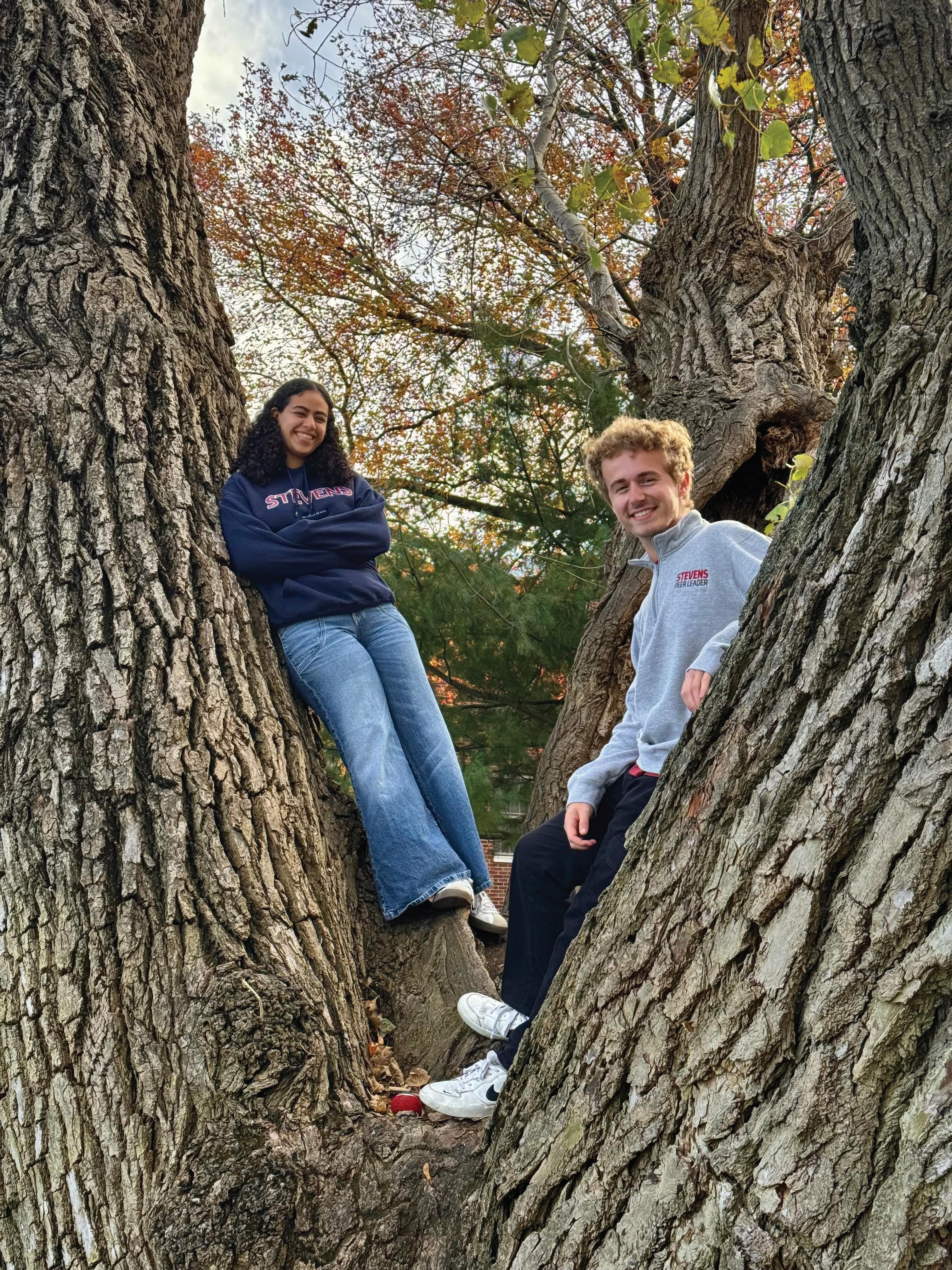
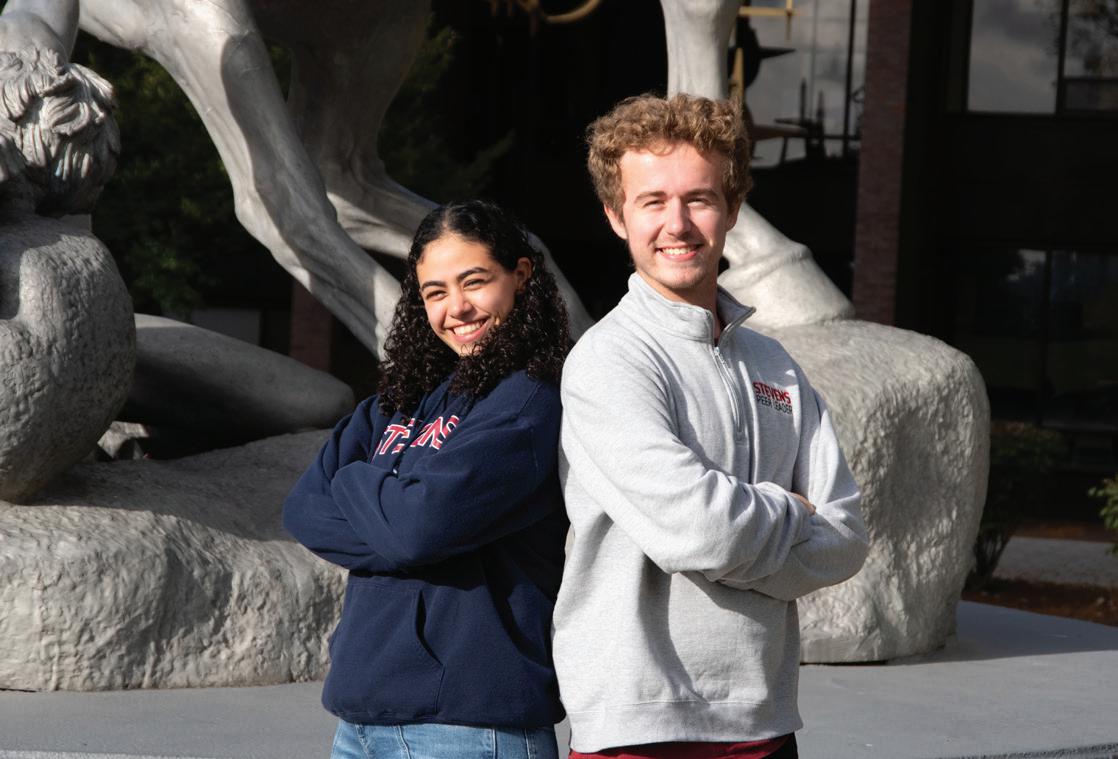
outcome felt “rewarding,” especially given the margin by which they won. A total of 926 students of the 4,065 total undergraduate student body voted in this year’s SGA presidential election. Jubran and Strassburger received 52.16% of the vote, ahead of Arthur Serra and Anushka Pathak, who earned 41.36%. The third pair, Noah Wachtel and Thomas Paolillo, received 6.16%, while 0.32% of voters selected reopen nominations.
For Jubran, the path to the presidency began with a complicated relationship with SGA itself. She previously served in the organization but felt that her voice wasn’t heard, ultimately leading her to step away. Working independently on various initiatives, she realized that what she really wanted was not distance from the SGA, but the ability to reshape it. “The more I did things on my own, the more I wanted the role, solely so I could have the resources and be able to help people in the best capacity that I could,” she said. Returning to SGA as a candidate, she added, was driven by a desire to enact meaningful change from within rather than work around its limitations.
Strassburger’s motivation emerged from a different angle. Serving on the Budget Committee at the time Jubran approached him about running together, he said the two shared a common vision: “There’s a lot of things we want to see improve. The whole point is to help students.” He emphasized that their campaign centered on genuine desire rather than titles. Both leaders believe this sincerity played a key role in their election victory. “We
CONTINUED FROM PAGE 1
be loaded on Electronic Benefit Transfer (EBT) cards, which took several days. Benefit reduction guidelines changed throughout the month as the Food and Nutrition Service (FNS) revised its original guidance, stating that SNAP benefit allotments were to be reduced by 35% instead of the original 50%. Shortly after the government shutdown ended, states were instructed to take steps for households to receive full November allotments promptly.
During this early part of November, before the government shutdown ended, the Supreme Court heard an order, Rollins v. Rhode Island State Council of Churches, where the Trump Administration, through Secretary of Agriculture Brooke Rollins, requested a stay in regards to
CONTINUED FROM PAGE 1
cans are working on a proposal to halt some of the state-enacted AI reforms, however, what this proposal aims to do is yet to be seen.
When considering how major tech companies view these regulations, TechNet, a representative for large Silicon Valley firms, argues that pausing state level regulation would make way
mean it when we say we want to get something done, and I think students were able to see that,” Jubran said. Strassburger agreed, noting that many campus issues fall well within the SGA’s power to address — and that students responded to their readiness to act. “There are a lot of problems that students have, and the SGA has the power to solve them, and we want to take advantage of this,” he said.
As they prepare to transition into office, Jubran and Strassburger say their first priorities involve internal restructuring. Jubran highlighted the importance of assembling and strengthening the cabinet. “Our first priority right now is cabinet, and revamping the campus-wide bias system in terms of reporting issues,” she explained, suggesting a desire to create a more responsive and efficient leadership team. Strassburger, meanwhile, hopes to focus on the Senate itself. “I want to improve the culture of the Senate,” he said. “I want people to be excited to get things done.”
Both emphasized that their collaboration will be central to how they lead. Although the formal structure of SGA separates
the roles of President and Vice President, they intend to operate as a unified team rather than two independent offices. “We plan to keep each other accountable for our actions,” Jubran said. “Technically, in the structure of things, the President and Vice President roles are separate, but we do not want it to be like that. We want to be a team that works and communicates effectively.”
Looking forward, both leaders expressed excitement about creating a stronger sense of community within SGA and across campus. Strassburger said he is eager to “build a support system for students,” and Jubran described her hope to create an SGA that is connected and also has a community, adding that she is excited to establish systems that bring students and representatives closer together.
Above all, the pair wants to make themselves accessible. “We are very talkative people, and we are eager to talk to each one of you,” they said, and emphasized that this trait reflects a genuine invitation.
“We want students to know we want to hear their voices and opinions, so please come talk to us.”
fully funding SNAP benefits for November. The stay was granted on November 7, temporarily blocking a lower court’s orders to use contingency funds to pay out SNAP benefits. Following the government shutdown’s end, the request was withdrawn by the Trump Administration as the continuing resolution fully funds SNAP through the end of the year, making the underlying dispute moot. While the start of November brought all this, it also coincided with several major legislative changes that affect SNAP eligibility due to the One Big Beautiful Bill Act. The Able-Bodied Adults Without Dependents (ABAWD) work rules, which for those who fall into their classification must meet certain requirements to continue to receive SNAP benefits, were updated to become stricter by expanding out to others in the program who had previously had exemptions from ABAWD work rules. The require -
the AI boom and allow for ample time to create symmetric federal regulations. However, regulations at the federal level have faced much difficulty. As much as Republicans are trying to bar states from passing their own AI laws, members of their own party at the state level disagree.
Among them is Florida Governor Ron DeSantis, who thinks preventing states from regulating AI would mean a “big subsidy to tech companies” and would stop states from protecting against “predatory applications that
ments were extended out to include those in the age range of 18-64 from the previous age range of 18-55, and previously, those caring for a child under the age of 18 were exempt, but now only those caring for a child below the age of 14 are exempt. Temporary exemptions were also removed for veterans, people experiencing homelessness, and youth aging out of foster care. Fraud in SNAP is also continuously trying to be cracked down on. In a November 21st post on X, U.S. Secretary of Agriculture Brooke Rollins announced findings from information collected from states who complied in giving their data regarding SNAP. In this, she stated that from those states, there were 186,000 dead people receiving benefits and 356,000 duplicate enrollments. Rollins noted that “millions of Americans rely on SNAP and we’re making sure every dollar goes to the families who truly need it.”
sorship of political speech.” The American people also feel that innovation should be balanced with accountability. According to Cody Venzke, senior policy counsel at ACLU’s National Political Advocacy Department, “The American people do not want AI to be discriminatory, to be unsafe, to be hallucinatory.” He adds, “So I don’t think anyone is interested in winning the AI race if it means AI that is not trustworthy.” Overall, the outcome with regard to AI regulation remains to be seen.
PHOTO COURTESY OF ABBY JACOBS
BY NIHIRA PATHAK, CONTRIBUTOR
From October 1 to November 12, the U.S. faced the longest government shutdown in its history. Most federal agencies during this time frame remained non-operational, including the Bureau of Labor Statistics (BLS), which is responsible for collecting, analyzing, and releasing data regarding labor economics and statistics. The department measures unemployment, wages, and inflation by way of the Consumer Price Index (CPI). These numbers are released monthly, giving investors, businesses, and Federal Reserve officials insight into the economy’s performance. The BLS’ information is then used to inform the Federal Reserve officials’ decisions regarding potential rate cuts.
These past two months, however, it has become increasingly difficult to determine an accurate pulse of the economy without the BLS data. The Bureau of Economic Analysis (BEA) announced
it cancelled the Q3 advance estimate for the GDP, which was originally planned to be released on October 30. It was then delayed even further before being entirely abandoned. The BEA plans to release data on consumer spending, earnings, and savings on December 5. In the same pattern of delays, the September jobs report was delayed to November 20, far after the traditional release date.
Without the CPI and monthly employment data, Federal Reserve officials were unable to gain a full understanding of the economy’s performance in October, and it is unclear whether the missing data can ever be recovered.
An integral part of economic data is household information, in which data is collected from each household. Some questions asked include whether or not the household is looking for work and if the household is employed, and if so, how many hours were worked. Data regarding household income is unreplicable, so it is hard to assume that informa-
Make
tion will ever be accurately found or recreated.
The CPI also relies on the prices of individual items — government officials visit businesses and gather prices of thousands of individual items. That data is close to impossible to collect after the fact, as officials cannot realistically gather month-old prices from every business. The long-term ramifications of such an economic blackout are yet to be seen, and is something econ omists will be keeping an eye out for.
In the short term, it was ini tially hard to assume what the Federal Reserve’s reaction to the shutdown would be. Mar kets stumbled because investors were unsure whether the Federal Reserve would cut rates or not. Without all the data points, the Federal Reserve must work off of an incomplete and potentially inaccurate view of the economy as they go into their December meeting to deliberate potential rate cuts. Even before the shut down, BLS data collection was
reduced due to staff shortages. This is the first time in history that Federal Reserve officials must make a decision with an entire month’s worth of missing data, increasing uncertainty in the markets. Apart from this, the shutdown also impacted the U.S. GDP, with the Congressional Budget Office (CBO) estimating a six-week shutdown reducing GDP by 1-2%. The CBO also estimates the shutdown took away $14 billion from the economy, and it is hard to say whether that money will be recovered. Looking forward, investors are anxious for the Federal Reserve’s December meeting, and businesses around the country are hoping to recover from the shutdown.
Take a break from the books and join us for Breakfast After Dark, now with a fun pajama party twist! Dress in your favorite PJs and enjoy a night filled with delicious latenight eats, music, prizes, and more to kick off finals week in style Come comfy, leave happy. Don’t sleep on this
Please note that Pierce Dining Hall will close at 7:00 pm in preparation for
NATIONAL HUMAN RIGHTS MONTH
Why activism matters
BY FIONA SHI, BUSINESS MANAGER
STEM campuses like Stevens have historically cultivated cultures focused on technical excellence, research, and career advancement, often at the expense of broader social engagement. While this emphasizes and teaches the “how,” it often neglects the “why” and the “for whom.” When STEM students are disengaged from activism, they can become disconnected from the ethical implications of their work. Activism on STEM campuses bridges this gap, ensuring that future engineers, scientists, and technologists understand their re-
sponsibility to consider justice, equity, and public welfare alongside technical feasibility.
Beyond just STEM students, a common mindset reflected amongst college students is the idea that larger societal issues don’t affect them personally.
This is an incredibly privileged perspective. A just and sustainable future cannot be built by people who are blind to injustice; it must be built by those who actively work to dismantle it. Women, people of color, disabled students, and other marginalized groups continue to face significant barriers in STEM education, their careers, and beyond. Activism creates spaces for
these students to advocate for institutional change, demand equitable policies, and build support networks.
Studies that lean into the inevitable relationship between innovation and the communities it claims to serve belong to the emerging academic field of Science, Technology, and Society (STS). Academics within STS represent interdisciplinary experts who maintain one foot in scientific experimentation and technologies, while the other remains firmly rooted in intersectional social consequences. Stevens’ STS major curriculum offered within the School of Humanities, Arts and Social Sci-
Activism: its importance and where to start at Stevens
BY ISABELLA FAMA, CONTRIBUTOR
The need for activism is greater than ever before. Injustice and advocacy share one thing in common: they need a voice willing to stand up and take action. Activism is what fuels change; it always has, and it always will. It is not just about protesting but shaping the future. For students at Stevens, advocacy comes in a number of ways through the many different clubs and organizations on campus.
Amnesty International
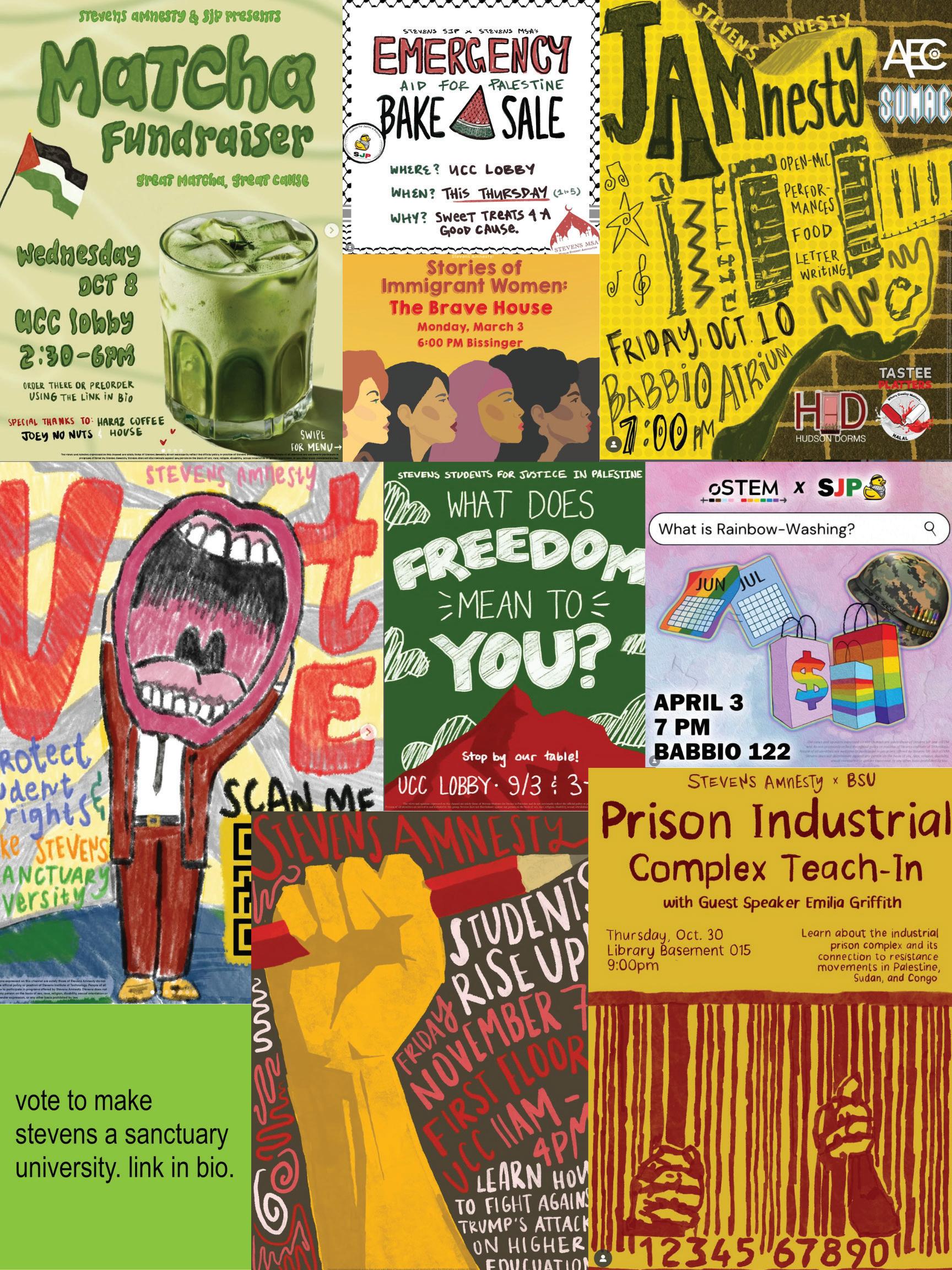
Stevens Amnesty is a chapter of Amnesty International, an organization that educates on social justice and advocates for human rights violations. Amnesty largely advocated and supported the passing of the Stevens Sanctuary Policies Proposal. Amnesty holds frequent events, with one of their most popular being their matcha fundraiser, during which all proceeds were donated to the Palestine Children Relief Fund. All events they hold show the connection of local action leading to global impact.
Ducks 4 Democracy Ducks 4 Democracy educates students to be more civically involved and engaged. This includes sharing information about voting, such as registering and how to cast a ballot. The organization took registered Hudson County voters to vote early at City Hall, and voting polls were set up on campus on Election Day. Ducks 4 Democracy guarantees every student’s voice is heard.
Active Minds Active Minds is a student-led mental health initiative with the goal of raising awareness on mental health and promoting positive wellness. The group hosts a num-
ences (HASS) is structured to familiarize students with technical coursework informed by a social, historical, and political lens.
Despite making a more recent emergence in academics and course studies, the STS field is an invaluable professional bridge that highlights the persistent yet underacknowledged interplay between STEM and activism.
ber of different events, mostly targeted towards educational stigma awareness, support for mental health, and wellness/destress events.
SAVE
Sustainability, Activism, Volunteering & Engineering, also known as SAVE, addresses environmental and social issues using engineering. Their mission is to educate students on sustainable solutions and ways to become more environmentally conscious, especially in Hoboken. SAVE hosts creative events, allowing students to partake in hands-on activities while learning about sustainability.
EWB
Engineers Without Borders is a national non-profit organization with a chapter at Stevens. They partner with communities in need to implement sustainable solutions. Their current project is working on water, sanitation, civil works, agriculture, energy, and infrastructure with the Chua Chua community in Peru. EWB allows for hands-on experience while making lasting and meaningful connections in the world.
ESC The Ethnic Student Council at Stevens oversees the various ethnic and student groups on campus that focus on spreading awareness and sharing diversity. ESC works with the cultural Greek and professional organizations, as well as cultural organizations. Their mission is to make sure students, from all backgrounds, have the opportunity to express themselves.
The opportunities to get involved at Stevens, specifically in activism, are endless. No matter what your background is, there is a space for every student, and their voice is waiting to be heard.
The current infrastructure, the accommodations that exist, the diversity initiatives across departments, and the mental health resources available didn’t appear because administrators decided to be generous. Students organized, protested, and demanded those changes, often facing disciplinary action and personal costs to make campus better for people they’d never met. Getting involved in activism doesn’t require becoming a full-time organizer or having prior experience. Start by attending a meeting of a student group working on issues that matter to you. Show up, listen, and see what campaigns are underway to see where you can contribute. All you need is the willingness to contribute time and effort to causes you believe in. Being involved teaches that trying to create a better world is not a charitable act for others but rather an essential process of creating resilient, equitable, and safe systems for everyone.
Six Stevens athletes named to the 2025 MAC All Sportsmanship Team
BY CAMRYN WINANT, SPORTS EDITOR
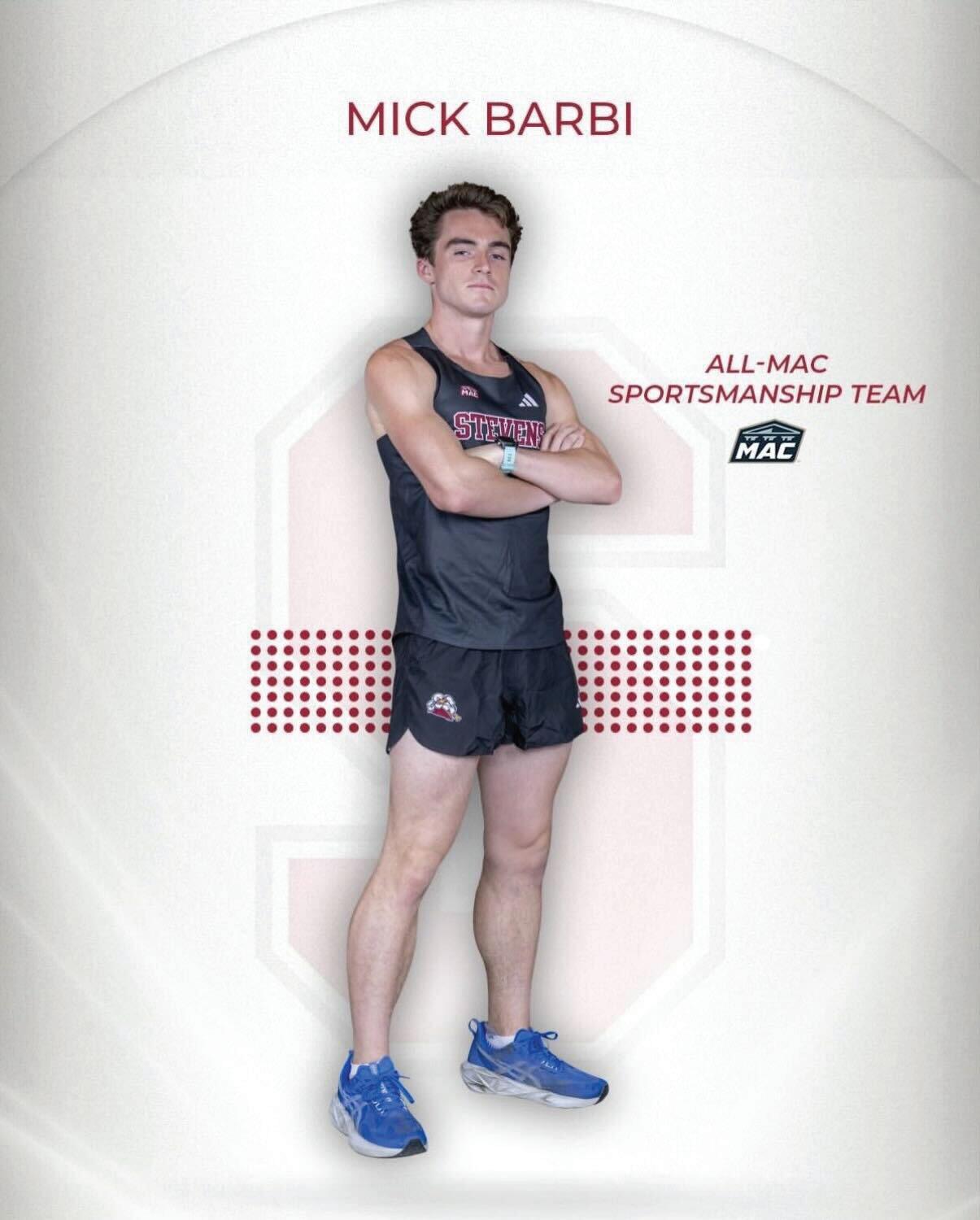
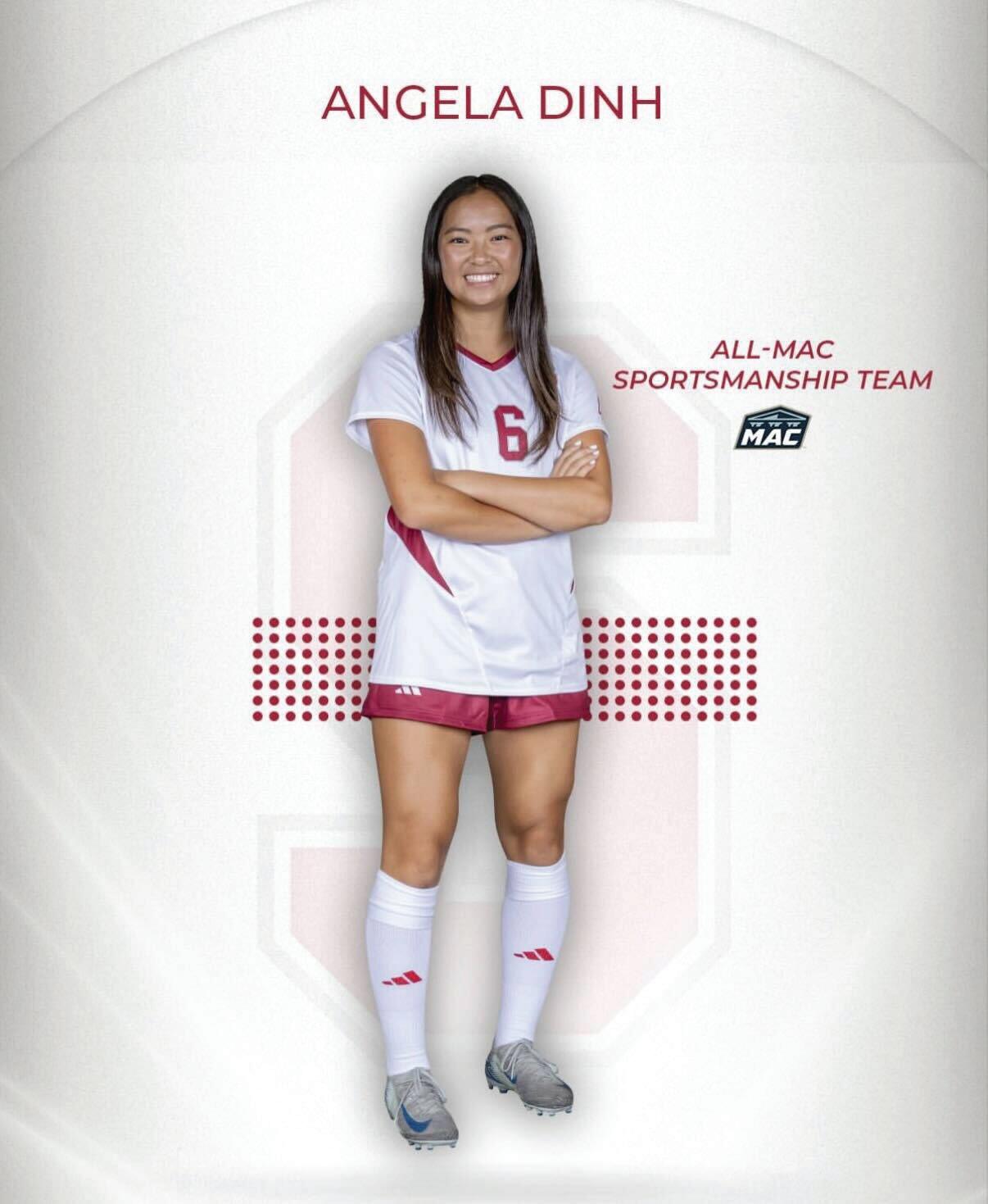
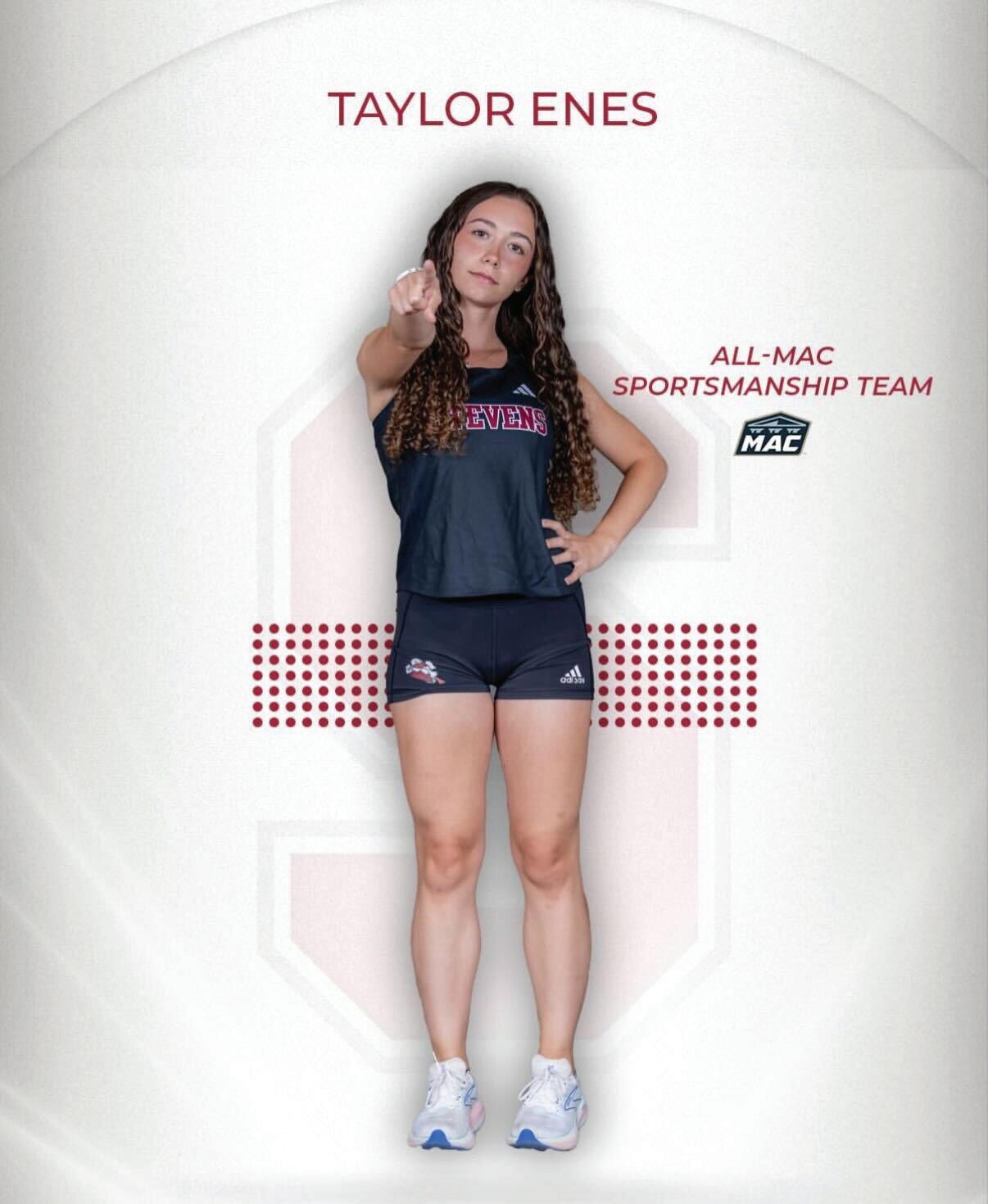
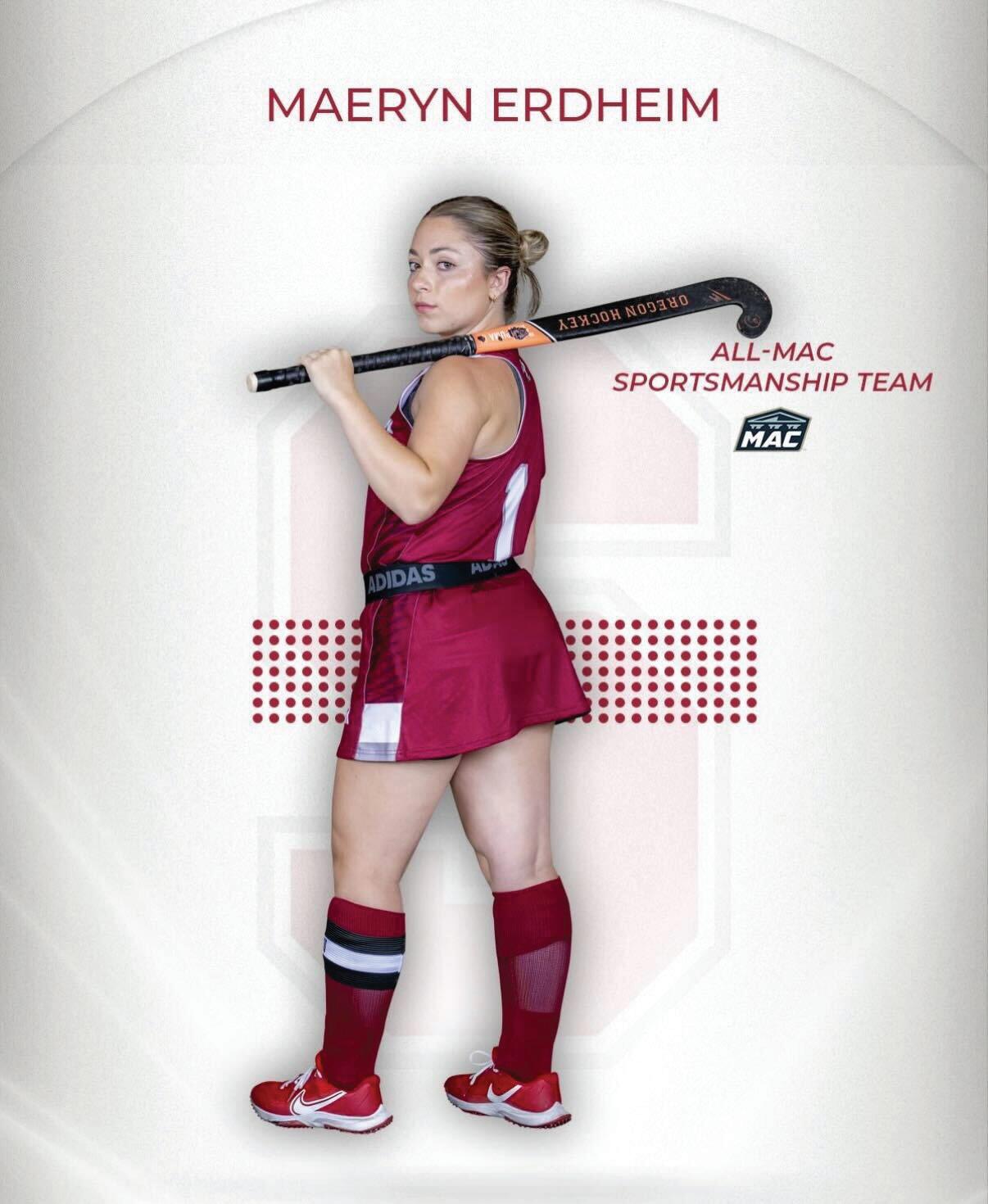
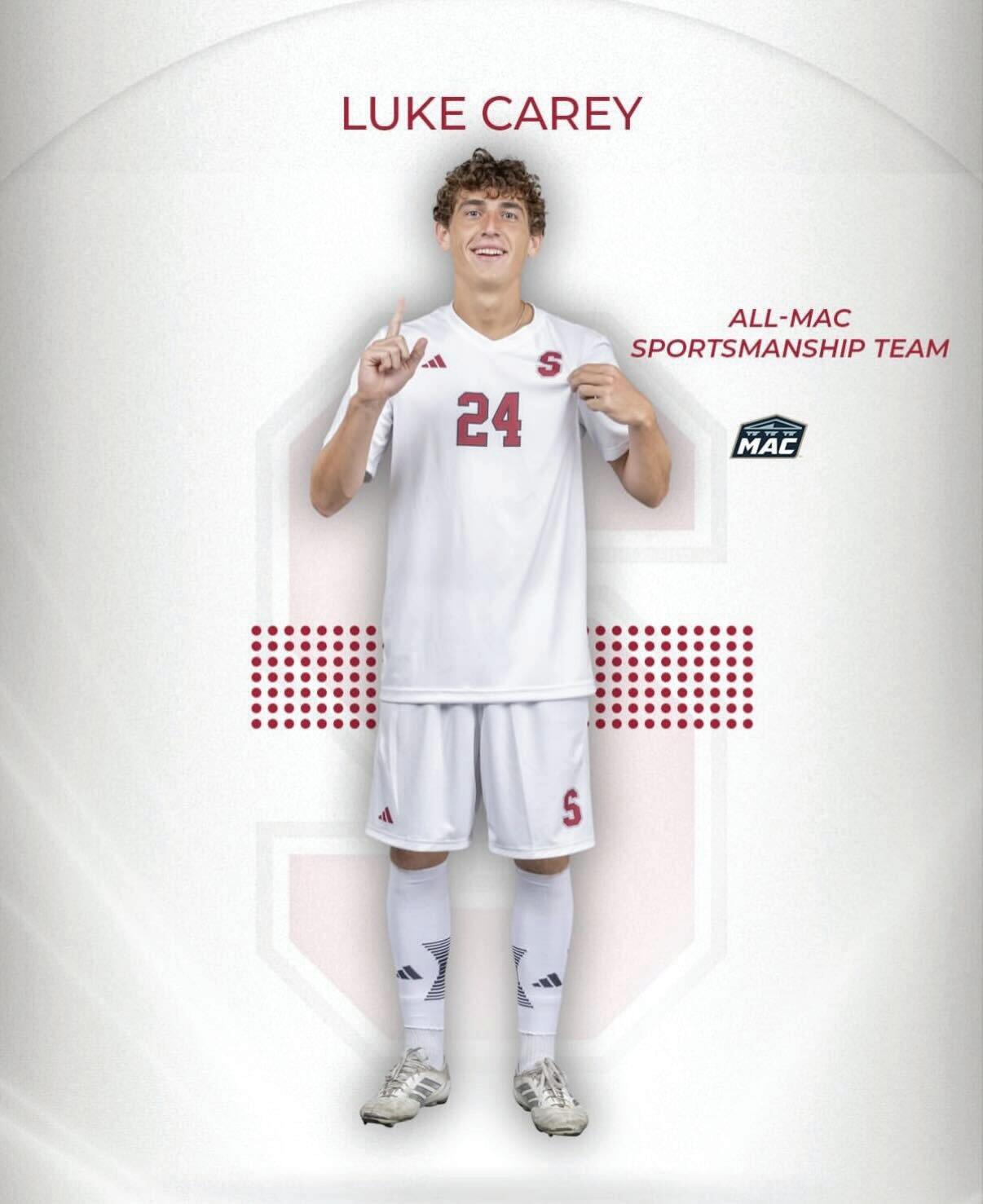
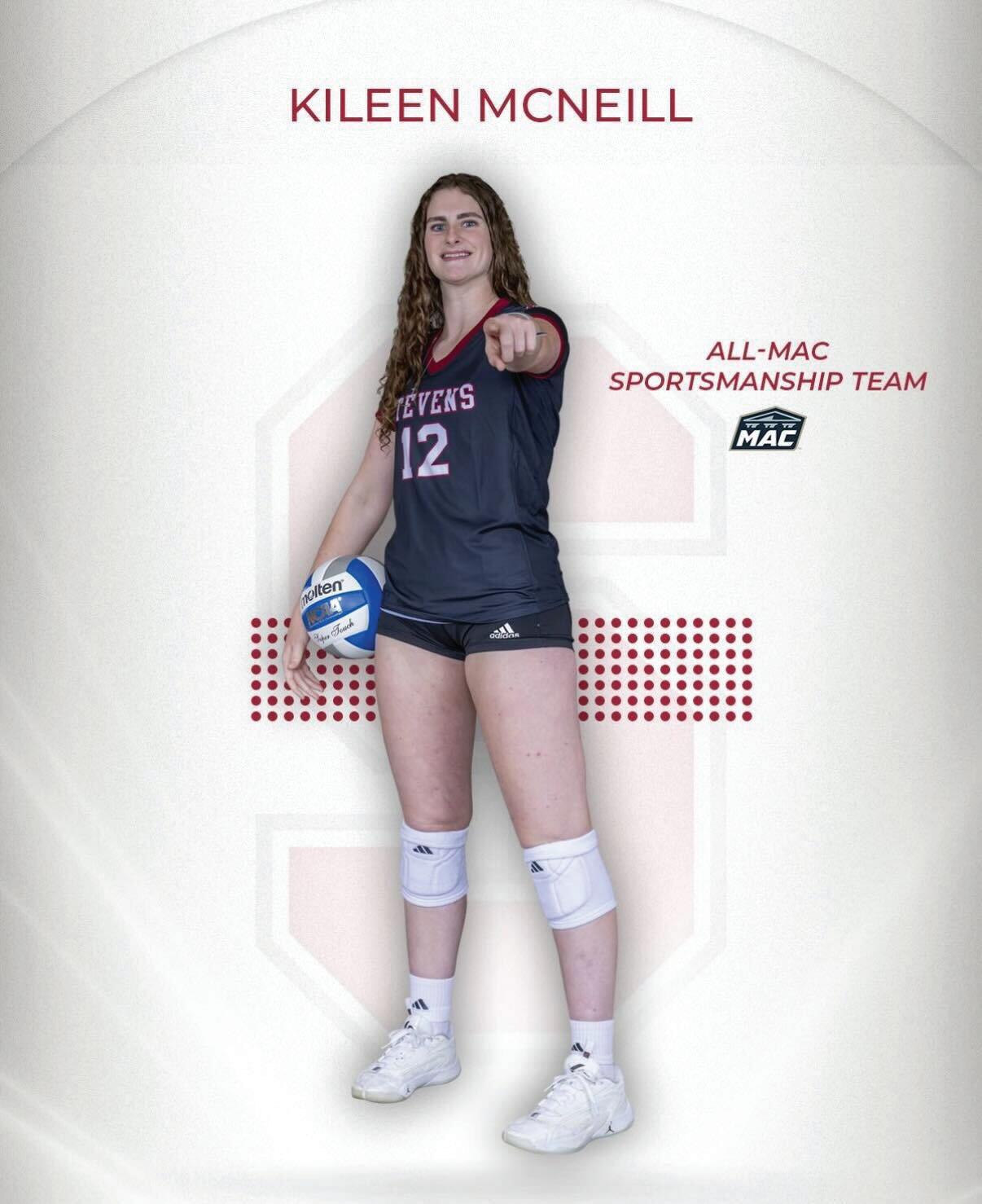
With the close of fall sports, six of Stevens’ athletes were named to the 2025 Fall Middle Atlantic Conference (MAC) All-Sportsmanship team on No -
They are selected by the head-coaches and athletes from their respective teams, chosen to represent their institution, team, and the conference through their character and sportsmanship. The chosen student-athlete exhibits integrity, respect, humil -
represent Stevens for the fall team, including one athlete from each of the fall sports. Men’s Cross Country selected senior Mick Barbi and Women’s Cross Country selected senior Taylor Enes. Men’s Soccer selected junior Luke Carey, and Women’s Soccer selected senior Ange
senior Maeryn Erdheim, and Women’s Volleyball selected junior Kileen McNeill. It has been an impressive season for all Stevens fall sports teams, with this important recognition for these six student-athletes, and we can’t wait to see where they might go next
DEC 6 WOMEN’S AND MEN’S TRACK AND FIELD Crowell Invitational - Day 1 West Point, NY 3 p.m.
AND MEN’S
WED, DEC 10 WOMEN’S AND MEN’S TRACK AND FIELD
STEVENS
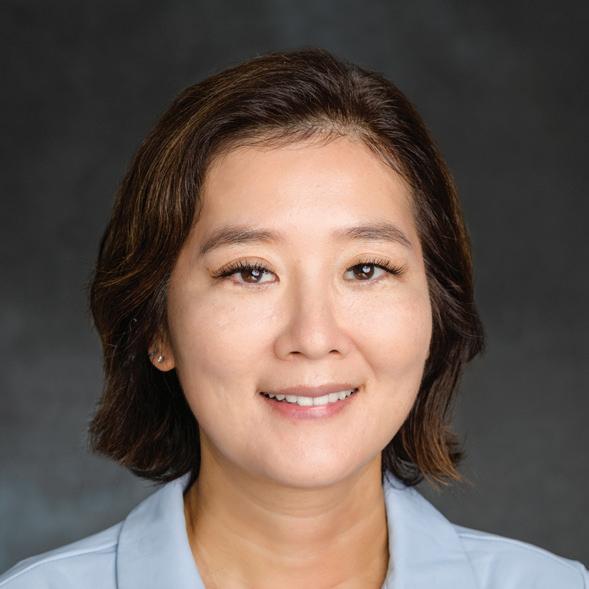
Jina Huh-Yoo, explores how technology can support health through human-centered design
BY ATREYEE HALDER, SCIENCE WRITER
As artificial intelligence (AI) continues to advance rapidly, it becomes more important than ever to understand how the technology could connect to humans through human-centered design.
Jina Huh-Yoo’s focus on human-centered AI brings together computer science, psychology, design, and the social sciences to understand people’s needs — and use those insights to design and evaluate artificial intelligence in ways that help individuals and society.
“We’re working to understand what people truly need from technology — and design it in ways that benefit them,” she explained. “We also go beyond technology development to consider ethical and policy issues, such as how we can make AI responsible.”
To fully address the complexities of the tender human side of AI’s benefits in healthcare, HuhYoo’s work at Stevens centers on fostering collaboration between people from the Stevens community and beyond. This ensures that technology goes beyond simply functioning to powerfully connect, empower, and uplift the people who use it. She started a monthly student-run Human-Computer Interaction (HCI) event for undergraduate, graduate, and doctoral students to exchange ideas and learn from one another. HCI, as the name suggests, is a multidisciplinary field of study that explores the connection between humans and computers, and uses that information to design technology that maximizes the user experience. Additionally, she recently collaborated with colleagues from Princeton, Rutgers, and Cornell
Spies in disguise: has birds’ mysterious ‘compass’ organ been found at last?
BY SOFIA STOECKEL, STAFF WRITER
For thousands of years, humans have used birds as a reliable form of communication, with the earliest known use of pigeons for delivering messages being in ancient Egypt, around 1350 BCE. For as long as we’ve domesticated them, we’ve wondered how they can fly so far and not get lost, as even training can’t prepare them for what happens if they get off course. Early scientists, specifically zoologist Camille Viguier, thought that maybe birds (and other vertebrates) used the Earth’s magnetic field to help them navigate, much like some marine animals.
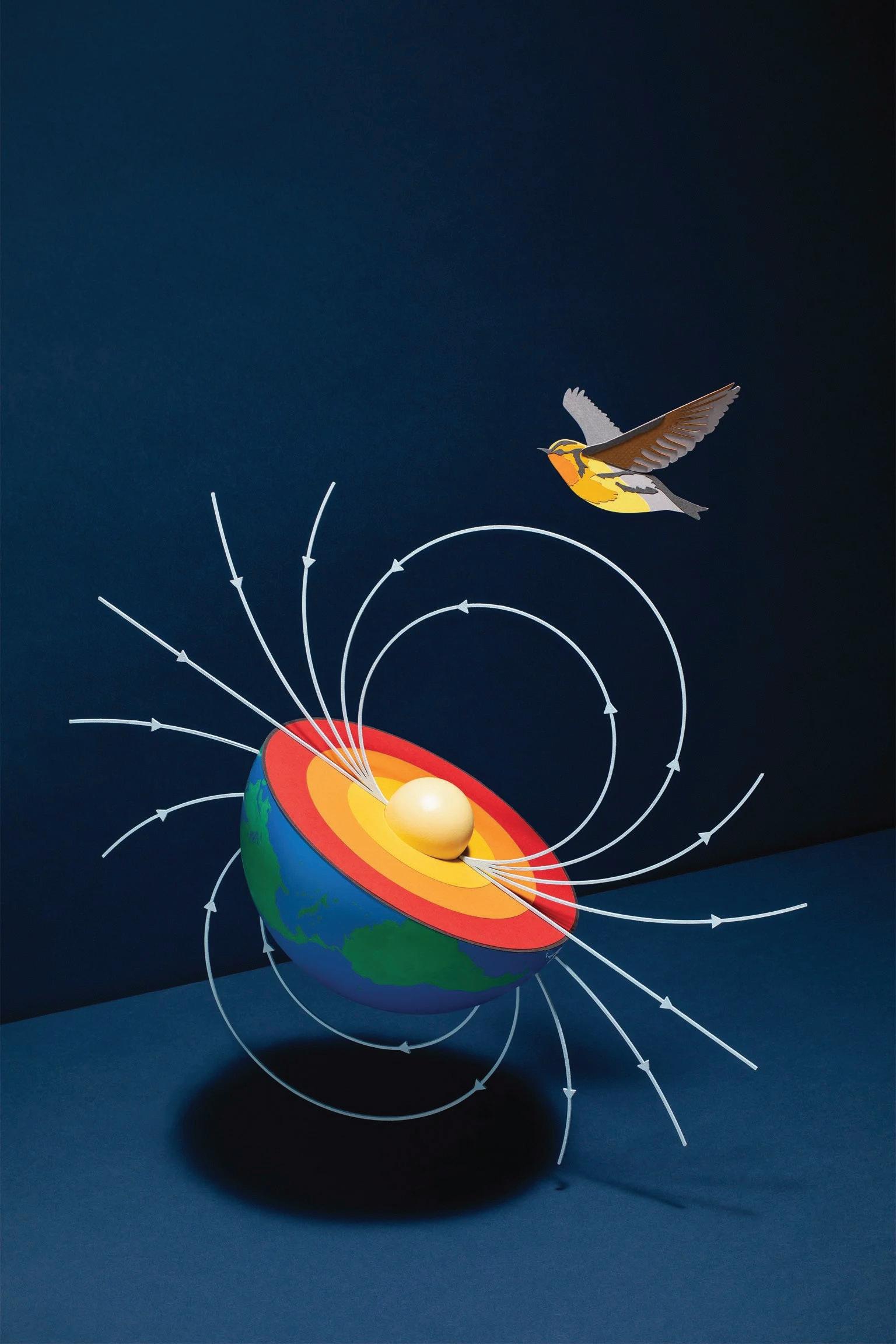
Recent research at the Ludwig Maximilian University of Munich has discovered that Viguier was, in fact, onto something extraordinary, as they have found that birds, specifically pigeons, might be able to sense magnetic fields via electric currents. After Viguier’s papers were unearthed by a graduate student Gregory Nordmann, neuroscientist David Keays, and his colleagues started looking deeper into Viguier’s work and started investigating pigeons’ semicircular canals for links to whether they could sense the Earth’s magnetic fields. What his work showed opened up a whole world of research into the brains of birds and other animals, such as insects and
skates (a type of fish that is relat ed to the manta ray), whose elec tric organ is in their tails. These animals have helped the research into the pigeon’s magnetic sense, and the team has even found that pigeons have a similar genome modification to those animals.
Kaeys’ team has found that the magnetic fields trigger pigeons’ vestibular system, which is ba sically the system in their body that helps them balance and cre ate a sense of spatial orientation, similar to humans (without the magnetic sense). The semicircu lar canals mentioned are part of that system. Some hypotheses for how birds sense magnetic fields are that they can simply “see” the magnetic field through their retina cells, or that they might have tiny iron oxide particles on their beaks that act as compass needles.
Tech to host nearly 100 experts for talks and panels. She has also launched the Health and Happiness Design Lab with the following mission: “We believe multidisciplinarity and creativity are the keys to strong HCI, social computing, and health informatics research. We consist of individuals with various backgrounds—art and design, information and computer sciences, psychology, and statistics (and more coming)—and we collaborate with people with a wide array of interests and expertise in medicine, nursing, clinical psychology, and public health with the same aim: How can we use advancing technology to support health?”
Huh-Yoo has received research grant funding from the National Institutes of Health and the National Science Foundation (NSF) to address a growing healthcare challenge: how to use AI to ease
the emotional and logistical burdens on caregivers without replacing the human connection that care requires?
“I want to understand the role of AI in conversational interactions when people are in the difficult position of informal caregiving,” she said. “We focus on people who are sick, but it’s also critical to focus on the people who are taking care of those who are sick. I am looking into what roles AI can — and cannot — play, through both information and emotional support. As we continue to design technology, we need to understand how AI might support and not harm the caregiving process.”
Currently, she is leading “DURAIS: A Platform for Co-Designing and Understanding the Roles of Conversational Artificial Intelligence Systems on Caregiving.” She is working to improve conversational AI systems such as Alexa
and Siri to help spouses, children, and other unpaid caregivers in home settings.
“This is a timely topic that, as designers of AI, we all need to grasp,” Huh-Yoo said. “Without understanding the role of AI, we would just be creating whatever we want, without considering the potential harms or maximizing the benefits.”
Kaeys’ team has also done experiments that showed that light isn’t necessary for them to interpret the magnetic stimuli they’re getting, which means day or night, they know where they’re going with complete accuracy. Different parts of the brain are activated in the light or dark, though, for reasons still unknown. They have stated that even a pigeon’s head bobbing could help them provide their brain with information about the “x, y, z” components of the magnetic field.
This all shows that pigeons, birds remembered affectionate-
Silent brain damage: how hypertension plays a role
BY RIYANA PHADKE, SCIENCE EDITOR
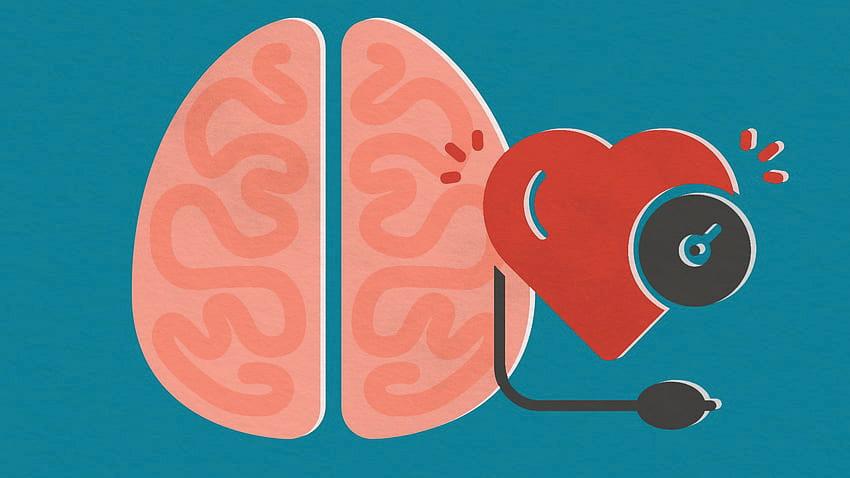
A new study published in Neuron suggests that the brain sustains damage from hypertension long before any measurable rise in blood pressure, upending previous assumptions and opening new avenues for early intervention. Hypertension, or high blood pressure, is a condition where the force of blood against artery walls is consistently too high. Investigators at Weill Cornell Medicine, led by Dr. Costantino Iadecola, have shown that in mouse models, disruptions in brain cells and blood vessels occur within days of exposure to hypertensive stimuli, well before elevations in blood pressure are detectable. This groundbreaking work displays the hidden biology behind the link between hypertension and cognitive decline, including disorders such as vascular cognitive impairment and Alzheimer’s disease.
Using advanced single-cell analysis, researchers identified dramatic shifts in gene expression across several critical brain cell types. Endothelial cells, which line blood vessels, were the first to show signs of accelerated aging and cellular senescence within just three days of induced hypertension. These changes were accompanied by a compromised blood-brain barrier, the crucial defense that keeps harmful substances out of the brain. At the same early time point, interneu-
rons, which were responsible for balancing neural signals, were also negatively affected. Damage to these cells could disturb the brain’s delicate balance of excitatory and inhibitory signals, a hallmark trait observed in early Alzheimer’s disease and related dementias. The study further revealed a decline in gene expression in oligodendrocytes, which are essential for myelin sheath maintenance around nerve fibers. This decline threatens neural communication and sets the stage for long-term cognitive deficits. Historically, medical professionals have focused on the detectable onset of hypertension for assessment and treatment. However, people with hypertension face a 1.2 to 1.5-fold increased risk of developing cognitive disorders compared to normotensive individuals, despite the fact that common antihypertensive medications frequently fail to improve cognition. The new findings suggest that damage to the brain precedes detectable symptoms and is likely driven by molecular perturbations rather than elevated systemic pressure alone.
In mouse models, these early cellular shifts translated to observable cognitive decline once high blood pressure was sustained for several weeks. The extent and rapid onset of these changes surprised researchers, underscoring the hidden physiological cost of hypertension before classic symptoms appear. Among current an-
tihypertensive treatments, angiotensin receptor blockers (ARBs) like losartan may offer particular promise for brain health. Experiments with losartan reversed early damage in endothelial cells and interneurons, pointing to a neuroprotective effect that is not shared by all blood pressure drugs. This raises prospects for developing therapies that directly target the molecular pathways involved in neurodegeneration, independent of blood pressure control.
Clinicians already prioritize high blood pressure treatment to prevent cardiac and renal damage, but these new findings highlight the importance of preserving cognitive function alongside physical health. “The bottom line is something beyond the dysregulation of blood pressure is involved,” commented Dr. Iadecola, signaling a need for more nuanced treatment protocols.
Research continues to explore the mechanisms by which accelerated aging in brain blood vessels induces dysfunction in neurons and myelin-producing cells. The ultimate goal is to block or reverse neurodegeneration linked to hypertension before irreversible cognitive decline sets in. These discoveries fundamentally alter the landscape of prevention and treatment for hypertension-related brain disorders. Early diagnosis and novel therapeutics may soon offer hope to millions at risk, well before traditional warning signs emerge.
PHOTO COURTESY OF SCIENTIFICAMERICAN.COM
PHOTO COURTESY OF STEVENS.EDU
MIND OF A FRESHMAN
Three weeks of limbo Time to go home
most a week prior. To me, these next three weeks feel like a filler episode. For the next three weeks, I am stuck in limbo.
Now, not to say the next 21 days won’t be important, I am well aware I need to lock in so I can finish strong in all my classes and study hard so I pass my finals. But, compared to the majority of the semester, there seems to be less urgency in my motiva -
with some new friends I had made, had one last party before another friend group went their separate ways for the week, and locked in the Saturday be fore Thanksgiving and got all of my homework for the week done. The lead up to Thanksgiving felt like a nice conclusion to this time in my life. Now I’m back for three weeks, see ing the friends I had just said goodbye to not seven days ago.
pen in three weeks, but the concept of coming back for only two weeks of classes and one week of tests still boggles my mind. I had just completed 11 straight weeks of college. With the exception of a side quest back to central Pennsylvania over the Columbus Day weekend, Hoboken and New York City had been my new life.
Having finished unpacking, I sat down in my dorm and mapped out the next few months. “Three weeks in Hoboken, then four weeks at home, then straight back to Hoboken for the spring semester.” Honestly, looking at my calendar and around my room, I didn’t feel the same as when I had left al -
Before Thanksgiving, there was this pressure on me. “I have to stay on top of all my assignments and keep my grades up, so I don’t lose my scholarship.”
The transition out of my high school academic habits was rough, but I quickly adapted and changed my study habits to better fit my new academic schedule and life. But now, there seems to be a lot less pressure. Although my workload has definitely increased in these last three weeks, I feel a lot less pressure on me. I am adapted to my new environment, and I have a plan on how to achieve the grades I want. It’s honestly strange the way my brain is perceiving these next few weeks. In the days before I went home for break, there were some logical conclusions. I attended a friendsgiving
In these next three weeks, life will look differ ent. Classes are wrapping up, and professors are giv ing their final lectures and homework assignments. The final schedule has gone up, and I am already prepping for Christmas, whether that’s planning when to come home or purchasing and making my family and friends’ Christmas presents. Ultimately, what I am trying to say is Thanksgiving felt like a social goodbye — these next three weeks just seem like I am kicking rocks just to do it all over again.
Now of course, I will make the best of it. Obviously, there is an insane academic lock-in approaching, and the Christmas party after finals will be legendary, but for the time being, three weeks of limbo starts now.
BY ABBY THOMAS ‘26
Stevens, you venture into New Jersey, New York, or somewhere in between. I’ve noticed a lot of interesting things that seem to occur during this time of year. My mom has always said that by Thanksgiving, everyone is ready to come home. When we start to feel a slight sore throat and getting up in the morning seems a little more difficult than usual, it is time to come home. When going to the gym seems like a death sentence because we are faced with a wind chill when leaving the house, it is time to go home. And when almost everything in our personal lives seems to be slowly, how do you say, blowing up right in front of us? Yup, time to go home.
Now, I am not one for the cold. Maybe it’s my
Caribbean blood keeping me from ever being too hot, or maybe it is the New Jersey winters that I have never gotten used to after 21 years of being born and raised here. I’m not sure. But this time of year is always jam-packed with highs and lows altogether.
I’ve noticed that whenever it is time to go home for a break, something silly happens in my personal social life. Whether it be a new friendship that I want to foster that makes me want to stay in Hoboken longer, or a new relationship building that keeps me on my phone a lot, there is always something. I know now that being home is such a gift and privilege. When I was a freshman, I was constantly feeling like I should stay on campus and do as much as I could all the time. It’s that thing of friendship anxiety, where you want to be included in everything and have the best friend group and find the bestest of friends and meet all of the people ever. Exhausting. Getting older, I realize that being able to go home here and there is such a gift. As someone from northern New Jersey, I can’t help but try to avoid people from school when I go home. There are a couple of amazing folks from my hometown who attend this school, and whom I have
no problem with bumping into at our local supermarket. However, there are some folks I try to avoid at all costs. They’re the people who I get stressed about seeing at the giant mall near my hometown or the local restaurants in the area. They aren’t from my town, just around-ish. It’s terrifying to think of seeing a Stevens robot at Willowbrook Mall while I’m shopping over break. Nightmare.
Through and through, I am a homebody. I do enjoy going out. I do love an adventure. But when push comes to shove, I love my home. I love my bedroom and the roads I used to always drive on. I love to pass my elementary school and live down the block from my grandma. Getting to see my sisters and parents makes it all worthwhile. The craziness of the holiday season is exciting and always comes around too fast. There is so much silliness and exhilaration that I always try to have as much fun as I can. Hopefully, you had a great Thanksgiving and got to celebrate with those you love most. And it is true and still something that I am learning: When I am at school and start to feel the familiar waves of nostalgia and valleys of exhaustion, I know it is time to go home.
Opinion
Historical fiction with Of Love and Shadows
nalist, and Francisco, a photographer, who are working together to figure out what happened to Evangelina, a young girl with the potential ability to create miracles after she is taken by the government. Irene begins to break from the mold of the general public and is determined to find answers to what happened to Evangelina, but eventually is exposed to the reality of the world
The main focus of the novel is told through the historical lens to fully immerse the reader into the time period they are living in, and Allende uses the magical realism as a tool to create in-
terest and mystery into the novel. The actual fantastical elements of the story are a lot less pronounced than you would expect, but they create a deep impact on the reader.
The setting and timing are incredibly important to the story, taking place in 1970s Chile. Not only is the novel set in that time period, but it was also written during it. The novel itself reads more like a character study in the way that it follows its characters throughout their lives and struggles in the hard times they are living through. Because of its historical placement, its commentary on military
The science of sharing a meal
Canvas deadlines glare back. Conversely, when you eat with another person, conversations create natural pauses. You slow down and taste your food. More importantly, you actually notice when you’re full. That little shift in pace turns a rushed “I need to eat so I don’t pass out” meal into something more mindful, grounding, and satisfying.
feels warmer, fuller, and honestly just better when you’re eating it with someone you care about. And as much as we like to joke that everything tastes good when you’re starving after a threehour lab, there’s actual science behind why eating with loved ones boosts your satisfaction.
When we share a meal with someone we trust, the brain releases a cocktail of “feel-good” chemicals, primarily dopamine and oxytocin. These are the same hormones tied to bonding, comfort, and pleasure. So yeah, your chicken tenders aren’t magically crispier when your best friend is next to you — your brain is literally making the experience more rewarding.
And then there’s the pace. College eating is chaotic — students scarf down something on the walk from Babbio to Gateway, inhale a bagel before an exam, or eat alone in their dorms while
Shared meals also lower stress, a sensation every Stevens student is chronically fighting. Research shows that cortisol levels drop when people eat in social environments. Your brain interprets the presence of someone you trust as safety, which means your body actually digests food better. That’s why even a quick Pierce dinner with a friend can feel like a reset button after a long day.
But it’s not just biology. Food can carry emotional memories. Eating with someone who feels like home—whether that’s a best friend, roommate, partner, or even a sibling calling you during dinner—adds a layer of meaning that goes beyond flavor. A simple meal
becomes a moment you’ll remember, not because of what you ate, but because of who you ate it with.
And let’s be honest: on our campus, meals are one of the few times people actu ally slow down. Between in ternships, clubs, exams, and pretending we understand what our professors mean by “very straightforward,” we don’t get many built-in breaks. Sitting down to eat with someone is one of the simplest ways to step out of the grind without needing a whole self-care routine. You just show up, take a bite, and breathe.
In the midst of the hol iday season, it’s a perfect moment to reflect on this. Whether you spent the hol iday surrounded by family, with friends who feel like family, or even sharing a quiet meal with one person who matters, reflect on how those moments made the food taste and feel different. Did the company change the experience? Did the meal feel fuller because the moment felt full?
Chile is earnest and honest, fully from the perspective of a woman living there at the same time.
While there is a romance, it is not the main focus of the novel, which actually works in the story’s favor. The romance itself makes sense within the story, but the main themes and ideas are prevalent throughout the characters. Allende creates a diverse cast of characters, all with different perspectives and personalities, to highlight how no one is safe from this life and simply ignoring it will cause more harm than good. Each character has their own set of unique political and ideological opin-
ON SHUFFLE
ions that weigh into how they decide to move forward throughout the story.
I highly recommend this novel for anyone who wants to read historical fiction in any capacity. Personally, this is one of my least-read genres, but this novel excels at creating a deep and interesting story about a time period not always highlighted. Allende’s writing style is a little confusing at first; she throws you headfirst into the story with large descriptions of characters, but it is easy to pick up on what you are reading, and it actually helps guide you through the novel later on. Of Love and Shadows is a great novel to
Food is food. But the people you eat it with? They’re what make it memorable.
THE LANGUAGE OF FLOWERS
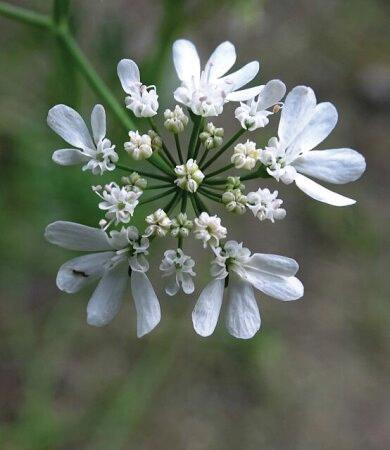
plant smells light and citrusy with its leaves, cilantro, being a popular herb across the globe. Interestingly, the name stems from the Greek word koris, which means “bedbug”. The name was affectionately bestowed on the plant, as when not yet ripe, it can smell foul. In the Victorian Language of Flowers, the Coriander symbolizes hid-
branch out into the historical fiction genre and explore the history of Chile with an interesting story.
The value of physical media, finding old records. A time capsule for humanity.
Opening up some of the records I found left me fasDeja Vu, the 1970 album by Crosby, Stills, Nash & Young, contained a sleeve decorated with Atlantic Records’ many artists. I stared in wonder at the vintage, colorized record sleeve and ingested the old smell and dust that came with it. I have been listening to the album digitally for years, so seeing it in person was an awesome discovery. The Beatles’ album had a similar sleeve with a vintage Capitol Records ad with all their signed artists as well.
evoke. The flower we will be looking at today is the Coriander. The flowers grow in flat clusters, also referred to as umbels. The petals start off very small in the center and grow to gorgeous large petals on the outskirts. The
As we return from Thanksgiving break, we are all reminded of the impending doom known as finals. With so much weight placed on each test, the thought of failure is suffocating and daunting. It feels as though one wrong move will ruin everything you’ve spent the semester working on. To me, this flower can show that you are not limited or defined by whatever final exam grades you receive.
I am a horrible test taker. The panic that courses
through my veins as I sit in a silent room, some odd hundred other people in the room, sitting there, all waiting for what is to come. Even though everyone is always too involved in their own progress, it feels as if every pair of eyes is burning a hole in the back of my mind as they stare, waiting to make fun of every little mistake I am about to make. Nonetheless, each year, I work doggedly at my practice problems and use every study technique I can to jog my memory, going so far as to associate different topics with songs I know by heart. Hours upon hours of studying, and yet the results don’t always come out the way you want them to. I would drive myself crazy, missing meals, sleep, friends, and family. My entire world a flurry. Like clockwork, I feel this panic as finals come around. Every year since I got my first final in middle school.
from Crosby, Stills, Nash & Young, and a live album called No Nukes from 1979. I have a small collection of older records, which include a U.S. 1967 press of Pink Floyd’s The Piper at the Gates of Dawn, along with records from Big Brother and the Holding Company, Jefferson Airplane, and some newer presses of many many many different albums. I am a huge fan of collecting old records. They have a mystique to them that makes me wonder about their original pressings and leaves me amazed at the wonders of vinyl record players.
I have become better, trying to establish boundaries and separate myself from it all. It was after late night after late night when my parents approached me in middle school. I had fallen asleep at the table, rereading outlines and writing everything I could to make sure I did well on this test. They sat me down and had a really serious conversation with me that at the end of the day, I would receive the grade I received. They helped me recognize that I am not confined to being only a student – I am a human, a sister, a daughter, a friend. I am so much more than my grades, and all I can do is try my best, which is not limited to only academics, but also with my own health. They say that your brain is a muscle and you have to exercise it, but like a muscle, it also needs rest to get stronger. So take this as your
The coolest find was definitely the No Nukes live album. It was a live performance in 1979 at Madison Square Garden. The front says “From the Muse (Musicians United for Safe Energy) concerts for a non-nuclear future. Madison Square Garden. September 19-23, 1979”. The concerts featured artists, Bonnie Raitt, The Doobie Brothers, Jackson Browne, Chaka Khan, Bruce Springsteen, Crosby, Stills, Nash & Young, and many more. At the concert, Bruce Springsteen delivered a historical performance, with many of his fans regarding it as one of his best first appearances.
However, some performers at the concert did not make it to the album. Reggae musician Peter Tosh wore Palestinian clothing during the concert, express-
ing anti-apartheid ideas, which got him removed from the album. I find this album incredibly inspiring, especially now in 2025. It seems that some things never change. Musicians are constantly generating energy and putting it towards a response to something bad or something that could change things. The use of nuclear weapons is unfortunately still relevant. It is all happening right before our eyes. This album has given me a push of hope in a time where I see more and more people losing theirs. Music is a driving force of hope, and humanity will always need hope. Charity concerts and events like “No Nukes” will always happen. There will always be a need to respond to struggle or make a change. That is what makes humanity beautiful. Our art gets directly involved, and then inevitably preserved in records, CDs, and videos. We have to keep humanity in the heart of music, attend charity shows, and use or elevate our voices. That’s why collecting old records means so much to me. I get to see a response to whatever the world was like at the time it was thrown at the artists who made the albums. There is something about physically looking at a copy of what things were and the hopes of what they would be.
message with finals nearly upon us: you are more than just this test. Study, but take breaks, take time with friends, and take a walk, anything you can to replenish your energy. You are working hard, and you
are doing a good job. Now remember, you are human, and you are worth so much more than you think. In my case, I am a student, a columnist, a sister, a daughter, a friend, and so much more. What are you?
PHOTO COURTESY OF AMAZON PHOTO COURTESY
PHOTO COURTESY OF THE HALAL GUYS
The Truman Show: escaping the illusion
the global audience watching Truman’s every mo-
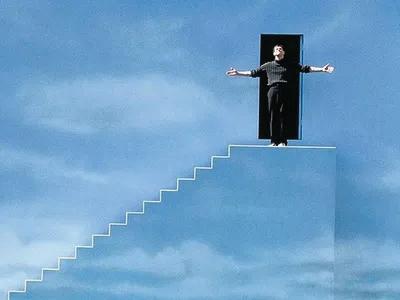
You can’t trust the people around you. Conversations seem staged, almost as if everyone’s eyes are on you. Long before shows like Love Island and Big Brother, The Truman Show imagined a world where Truman Burbank’s entire life was broadcast to the public…without him ever knowing.
Truman’s story isn’t about surveillance or control, but about the terrifying thought of everyone you’ve trusted might be lying to you. His journey from innocent light to quiet doubt to a daring escape is a reminder that real freedom isn’t the absence of danger but the ability to make your own choices, even if it leads to danger.
The brilliance of The Truman Show is the world of Seahaven. Seahaven is a bright and colorful city, portrayed as the perfect town to retire in. The houses, the lawns, and the weather are all perfect. Everything seems to happen in a loop and obey invisible cues. This overly polished and uncanny world is the first clue that something is wrong. The shots feel staged because they are staged, created for
HER STEVENS
Like any Jim Carrey film, the performance, as always, takes center stage. While he still puts on the chaotic and goofy act, Carrey plays Truman with an earnestness that makes the character feel real and relatable. His cheerful greetings, his forced laughter, and wide smile hide the fact that he questioned the life he has been living. From a studio light falling from the sky, finding people taking a break behind an elevator door, and picking up a radio frequency that tracked his movements, Truman’s innocence begins to crack as the small inconsistencies begin to pile up. Carrey plays these shifts not in big outbursts, but subtle confusion growing into fear.
Opposite Truman stands Christof, the creator and puppeteer of Seahaven and Truman’s world. Christof believes that he is giving Truman the perfect world, a haven free from pain and uncertainty. But this ideology reveals how, in Christof’s mind, control becomes a substitute for love. Christof doesn’t think of Truman as a person, but as a character he owns for his show. His most chilling line, “I know you better than you know yourself,” reveals the core of his delusions.
The film’s most reward-
ing scene arrives when Tru man finally decides to es cape after learning the truth about his world. He dares to do what he’s never done: choose for himself. His jour neys across the water—the element Christof weapon ized against him— is sym bolic and literal. Truman faces the storm thrown by Christof, nearly drowning, and persevering through. It’s one of the most power ful scenes from the film. A man fighting the world try ing to contain him, refusing to drown back to an artificial life.
When Truman reaches the edge of his world, he is met by a painted sky and a simple service door, an exit. Christof, like a voice from the heavens, speaks to Truman like a concerned father, promising comfort and stability in Seahaven. Truman declines, bows and delivers his famous line, “In case I don’t see ya, good afternoon, good evening, and good night.” It isn’t a catchphrase, but a goodbye to captivity.
THE BIG
QUESTIONS OF
EVERYDAY The mean reds
whenever we feel the urge. After years of predetermined decisions, freedom feels like floating through an open sky: untethered, undefined, and if you keep moving, untouched by consequences and permanence. It’s thrilling. But Breakfast at Tiffany’s reminded me there’s another side to this
which happen when you are just sad because you are down or “it’s been raining too long.” To Holly, “The mean reds are horrible. Suddenly you’re afraid, and you don’t know what you’re afraid of.”
The Truman Show sticks with us because of the fear that life is laid out for us isn’t really ours. It pushes us to question our own comfort zones, our routines, and the expectations shaping our lives. Truman’s escape is a reminder that stepping out into the unknown, even with nothing guaranteed, may be the right choice in life.
Turning toward yourself
BY ARACELY
CANDELARIA ‘29
We all know the classic enemies-to-lovers trope — two characters clash and resist until eventually something softens. It isn’t always two people involved — sometimes the only character is yourself. College is often the first time you face yourself fully; no one monitors or tracks you down, it’s just you and the habits you build. Through this transition, many students unknowingly become both the villain and the hero — either standing in their own way or learning to stand beside themselves.
Many times, as students, it can be your first time moving away from home or simply your first time navigating life on your own without teachers or parents telling you what to do. There’s a lot to adapt to and minimal guidance; it is truly a humbling experience, but a very extraordinary one for self-discovery in your early years of adulthood. Many things may or may not go the way you had anticipated, and the choices you make determine your success in many aspects of your life.
As a result, toxic academic culture can be very easy to fall into. You start sacrificing sleep to finish assignments, skipping meals or basic
needs to meet deadlines, and overworking yourself because that measures your success. Normalizing this lifestyle can be “easy” because it is so relatable to your peers, but living through it is very challenging.
Another important component is personal relationships: almost immediately, you want to make friends with whoever is willing to become your friend, especially when social media convinces you that big friend groups on campus are the norm. Just going with the flow may seem what’s right until you begin to experience relationships that drain you. Sometimes we may fall short and choose not to leave them because being alone feels heavier than setting boundaries. Gradually, you keep fighting yourself to keep going. The academic struggle appears normal from the outside, but internally, you are living in your own war zone, slowly becoming your own enemy. At a certain point, you’re not battling deadlines but instead yourself. Living in constant survival mode, with every choice you make pushing you further from your own needs. Recognizing these patterns in your life allows for room to change. Just because it feels familiar does not mean you’re meant to
remain in it. Just because you have adopted a normal ized way of living does not mean you are entitled to live that way. It is your life, and you are able to change any time you want. The thought may be unsettling — break ing free from your bad hab its is challenging, but it is possible. You don’t have to sleep less, skip meals, or put yourself in situations you don’t want to be in, all for the value of others. It is essential that you learn to love yourself and put your self first so that you are able to have a full cup when you pour into other things in your life. Don’t let self-ne glect impede your ability to perform at your best! The enemies-to-lovers arc isn’t about instantly lov ing yourself. It’s about de ciding, repeatedly, to stop fighting who you are and start supporting who you’re becoming. It’s about recognizing you deserve more than survival, even on the days you’re unsure. The turning point isn’t defeating the enemy within but instead recognizing you never needed to be at war with yourself or suffer to prove you are strong and capable. Transitioning into the “lover” isn’t a new character you unlocked from yourself; it is someone you need to discover within once you allow yourself to grow.
break, after a delicious meal and some scandalous family-drama gossip, my dad and I settled in to watch the movie he insisted I had to see. From my limited knowledge of the film, I sat down expecting beautiful jewelry and outfit inspiration from 50s–60s “It Girl” Audrey Hepburn (which I definitely got, and which may have influenced my Black Friday indulgences). But I also found something else — something surprisingly relevant to college students. The film offers a nuanced take on freedom, belonging, and the weight of choosing who we want to be. Most of our lives until recently were shaped by decisions other people made for us — parents, teachers, schools. As we got older, we were given small tastes of independence until college finally opened the door to full autonomy. Suddenly, many of us are choosing our own futures for the first time. Here, at times, independence becomes its own promise: the freedom to shape our days, pick our people, decide our paths,
The film—based on Truman Capote’s novella— follows Holly Golightly, a self-invented Manhattan socialite, originally named Lulamae Barnes from rural Texas, determined to outrun that version of herself. She lives by a philosophy of total freedom — never settling, never naming, never letting anything anchor her in one place. She builds a life of spontaneity, keeping her apartment half-furnished, her connections loose, and even refusing to name her cat — everything kept deliberately temporary. And yet there’s an undeniable charm in the world she creates. Unlike those who convince themselves they always know who they are, Holly is transparent about her shifting intentions and unfinished identity. Paul, her friend in the film (and unnamed narrator in the book), is immediately pulled into that honesty. While most people chase stability, Holly clings to possibility, offering a glimpse into a life she refuses to let harden into one shape, a life built on not belonging to anything.
But even in her freedom, we quickly start to see another truth — how even someone as unpretending as Holly can slip into self-deception. She describes a feeling that stops her in her tracks, something she calls “the mean reds.”
According to Holly, they’re different from the blues,
The mean reds are the part of freedom we forget to name. Its impermanence lets us float above the reality that every choice carries its own fear, and that the freedom to choose also means the possibility of choosing wrong.
I believe there’s a delicate balance within this paradox of freedom and cages, one we will spend much of our lives navigating. Holly steps into this balance at Tiffany’s of all places. Satirical as it is in its obvious vanity, she’s drawn there not only by its glamour, but by the calm and polish it lends to her chaotic life, a place where she says nothing bad can happen.
While Tiffany’s is not her home, the feeling it gives her is what I believe Holly is truly pursuing — a feeling we can only hope she will one day replicate in a place of her own. The film ends with Holly choosing to face her fears, finally naming her cat, and allowing herself to love the writer who has been in front of her all along. But this is not the ending Capote gives her in his novella. After finishing the movie, I picked up the book and found a different fate: Holly moves to Rio, and later resurfaces in Africa, still wandering and still free.
Both endings offer their own philosophy of freedom: one where someone becomes your Tiffany’s and one where Tiffany’s is something you carry with you. So I leave you with the question: Which ending feels right to you?
UNDERGROUND WORLD OF FASHION
“The nepo baby Met Gala” and other fashion news
balls like these even happen anymore. Should you care?
BY GAVIN RUBY ‘27
between the ages of 16 and 22 from high-level families of designers, distant relatives of royalty, political dynasties, royal lineages, and your gold-standard Hollywood nepo babies to don the top-of-the-line couture looks and convene with fellow fancy ladies.
This year, brands such as Guo Pei, Rick Owens, Chrome Hearts, and Schiaparelli were present. Ranging from mid outfits to the most avant-garde, this event means nothing to the average person because most people don’t even know that
Well, no! The debutante ball has faced backlash for celebrating inherited wealth and nepotism, all while the working class faces economic uncertainty. Critics even compare it to The Hunger Games and question whether glorifying elite youth is appropriate when global unemployment and recession fears are rising.
Another big event that happened, the day that I am writing this, was Chanel’s Métiers d’Art 2026 Show, which marked Matthieu Blazy’s first Métiers d’Art collection. This collection, which took place in New York, combines Chanel’s most witty and eclectic side, showcasing the fashion house’s high levels of crafts manship. Métiers d’Art means “art professions” and pays homage to the small specialist workshops that preserve the expertise and craftsmanship of French luxury.
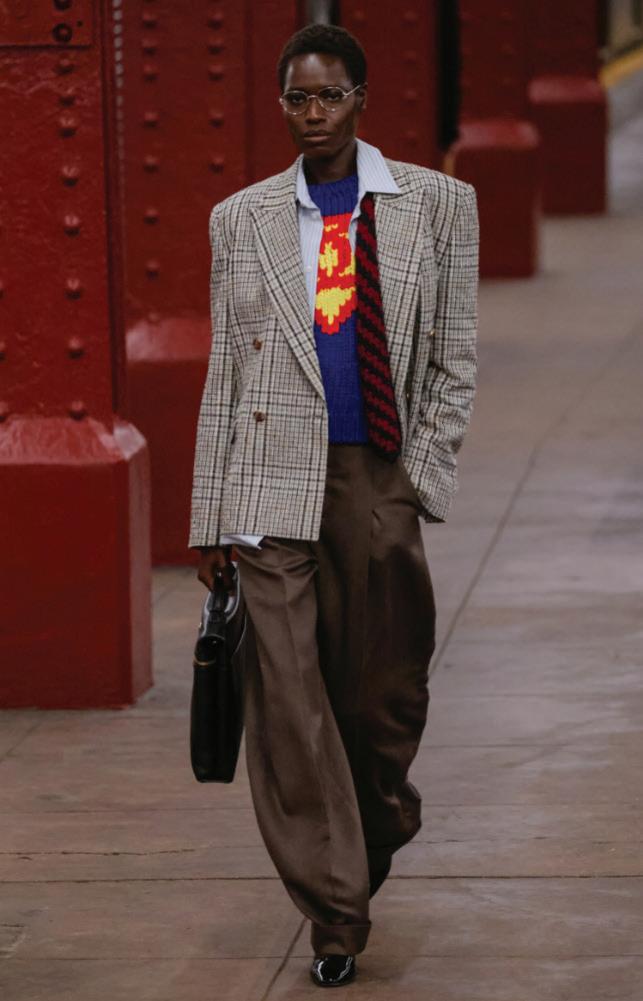
This collection, in com parison to Blazy’s debut at Chanel, felt even more re freshing and fun than any thing that Virginie Viard ever produced, clothing-wise. His bags felt more on par with his previous collec tion, which emphasized the craftsmanship of the house, while the clothes, which in cluded a Superman-esque logo, were a lot more playful and showed the eclectic side
that Chanel has been missing. Even though his collections are so divisive since they take a lot of codes from his time at Bottega Veneta, I really appreciate his work because it’s such a stark difference from the previous Chanel that people grew accustomed to. I think this is what Chanel needs, and I am excited to continue seeing his growth.
PHOTO COURTESY OF BRITANNICA
PHOTO COURTESY OF WWD
Andrew Vallent ‘26
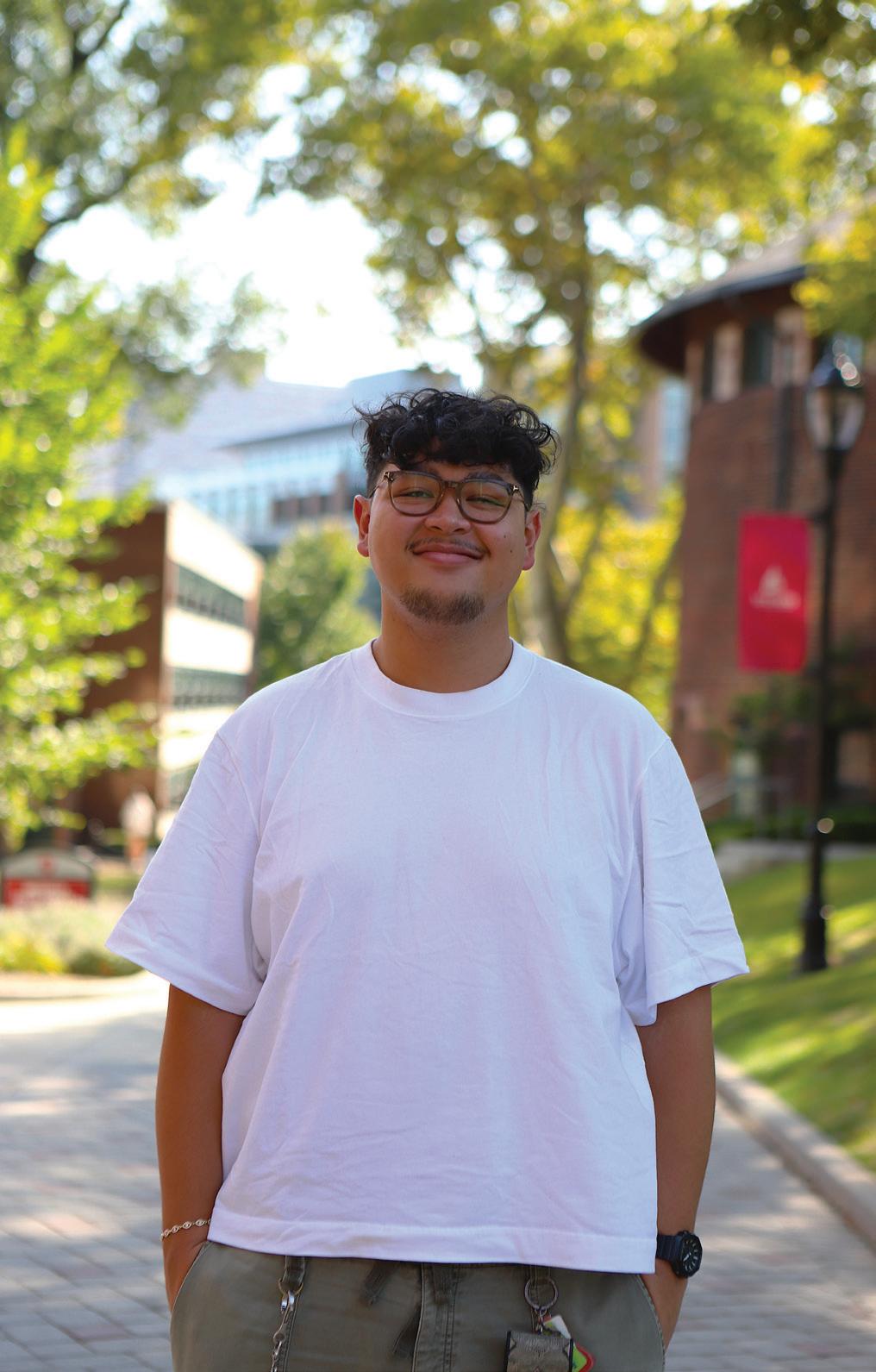
“Florida cuz I’m craving warmth”
Puzzle Page
ROVING REPORTER
By Isabelle Villanueva and Rachel Choi
Holey cheese
Insurance company with a duck mascot (sadly not Attila)
___ de Janeiro
Result of tying
Inspired by the British game show Only Connect, the goal of this puzzle is to find the hidden connection between four seemingly abstract clues. Each answer will use trivia, wordplay, logic, or some combination thereof. The solution is always more specific than “nouns”, “places”, etc. What do the following have in common?
Kirby Peach Jigglypuff Toadette
Classic Punk Alternative Yacht
Green Black Jasmine Oolong
*Puzzle instructions by Stephen Pachucki
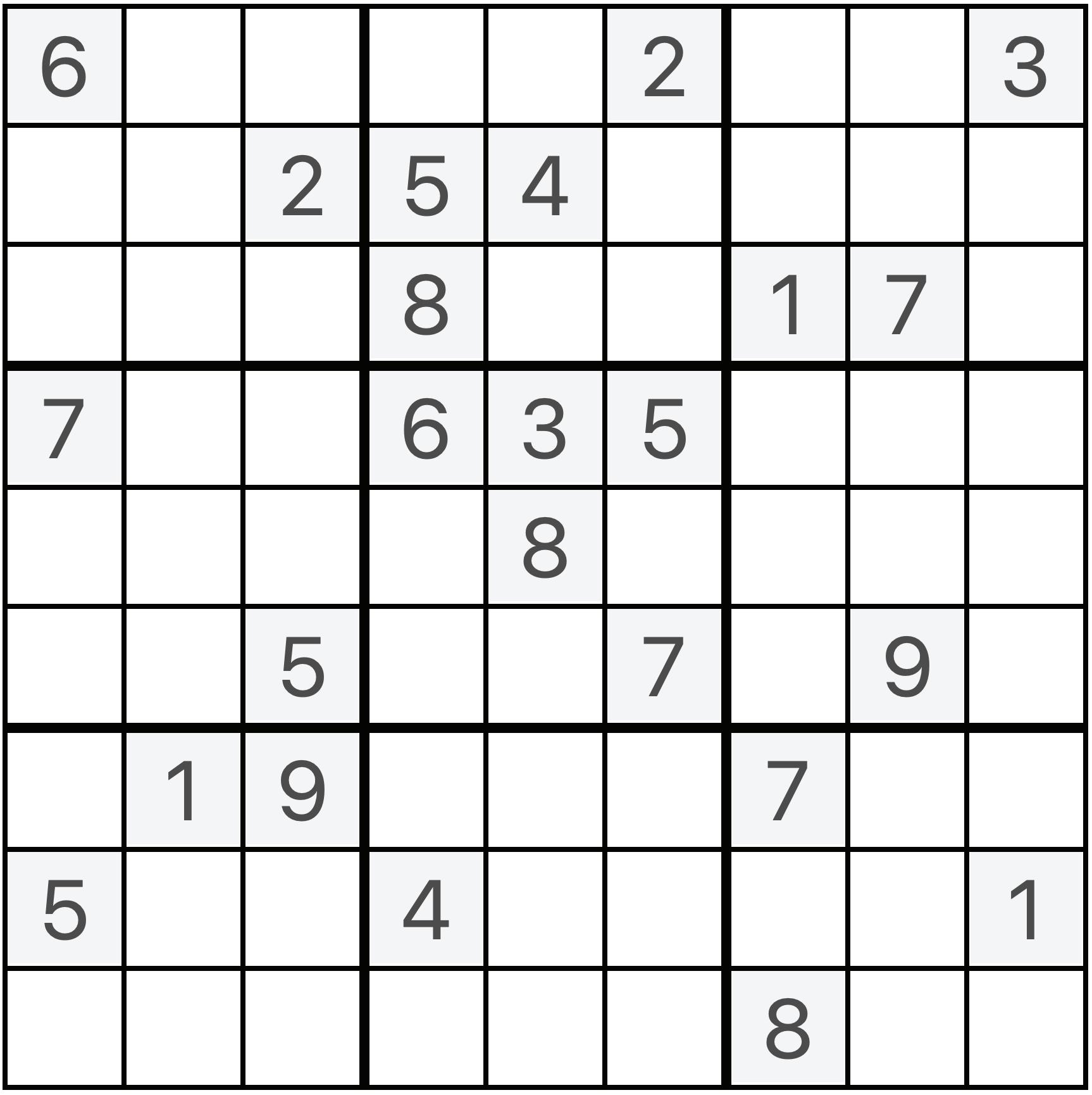
Sudoku
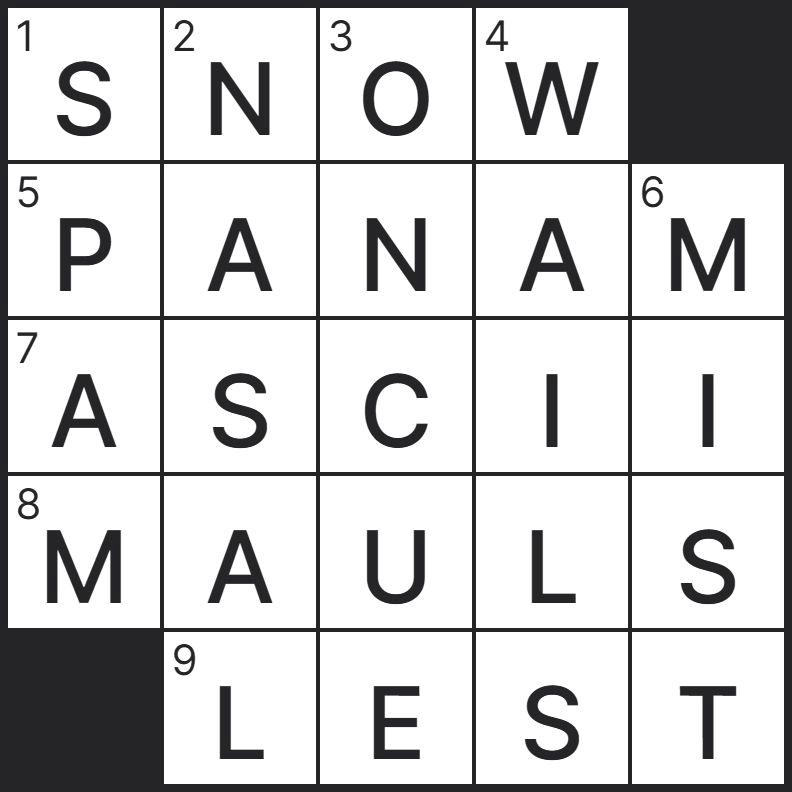
Chain Reaction
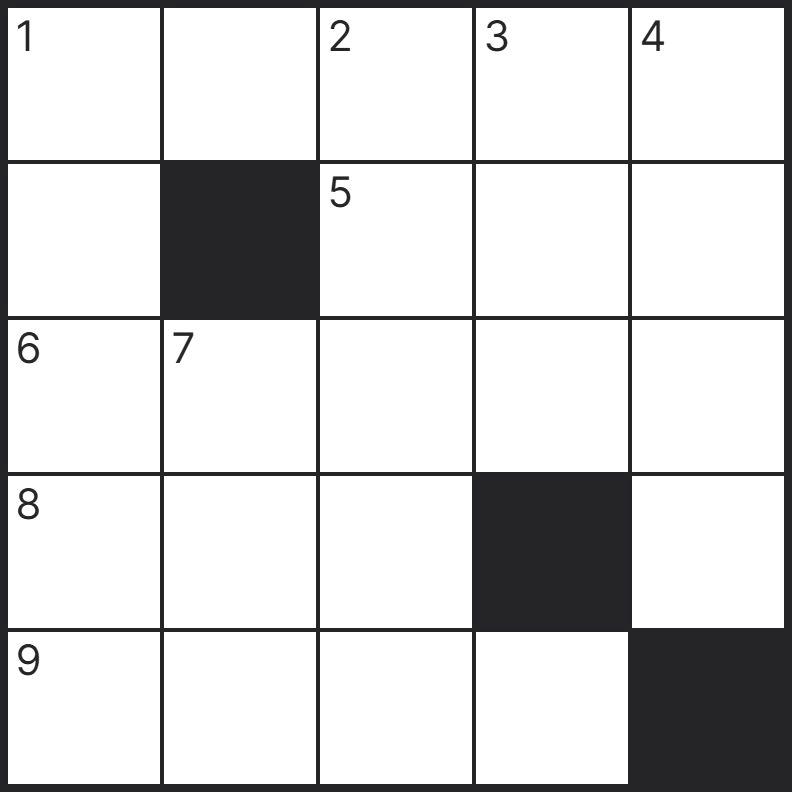
Each of the six clues on the right leads to a two-word phrase or compound word. Insert each answer into two of the boxes on the right. At the end, you will have an interlocking chain of six phrases.
*Puzzle instructions by Stephen Pachucki
Clues:
1-2. Orange root vegetable, often a side at Thanksgiving 2-3. Barbecue side dish made of starch and mayo 3-4. Where to get your greens at Pierce Dining Hall 4-5. Sequentially visiting a number of drinking taverns 5-6. Shallow area underneath a house for accessing utilities
The following list has been translated using a basic substitution cipher. For example, if E represents T in one word/phrase, it will represent T in all the words/phrases in the list. No letter maps to itself. The list is alphabetized. Hint: start guessing things in the category and see if any of the letter patterns match up.
AGJJQZG
ZVFFBJ
RFBZZBAM
*Puzzle instructions by Stephen Pachucki
Vegetables
ZQZQERGF
ZGAGFN
VLCVFVHQL
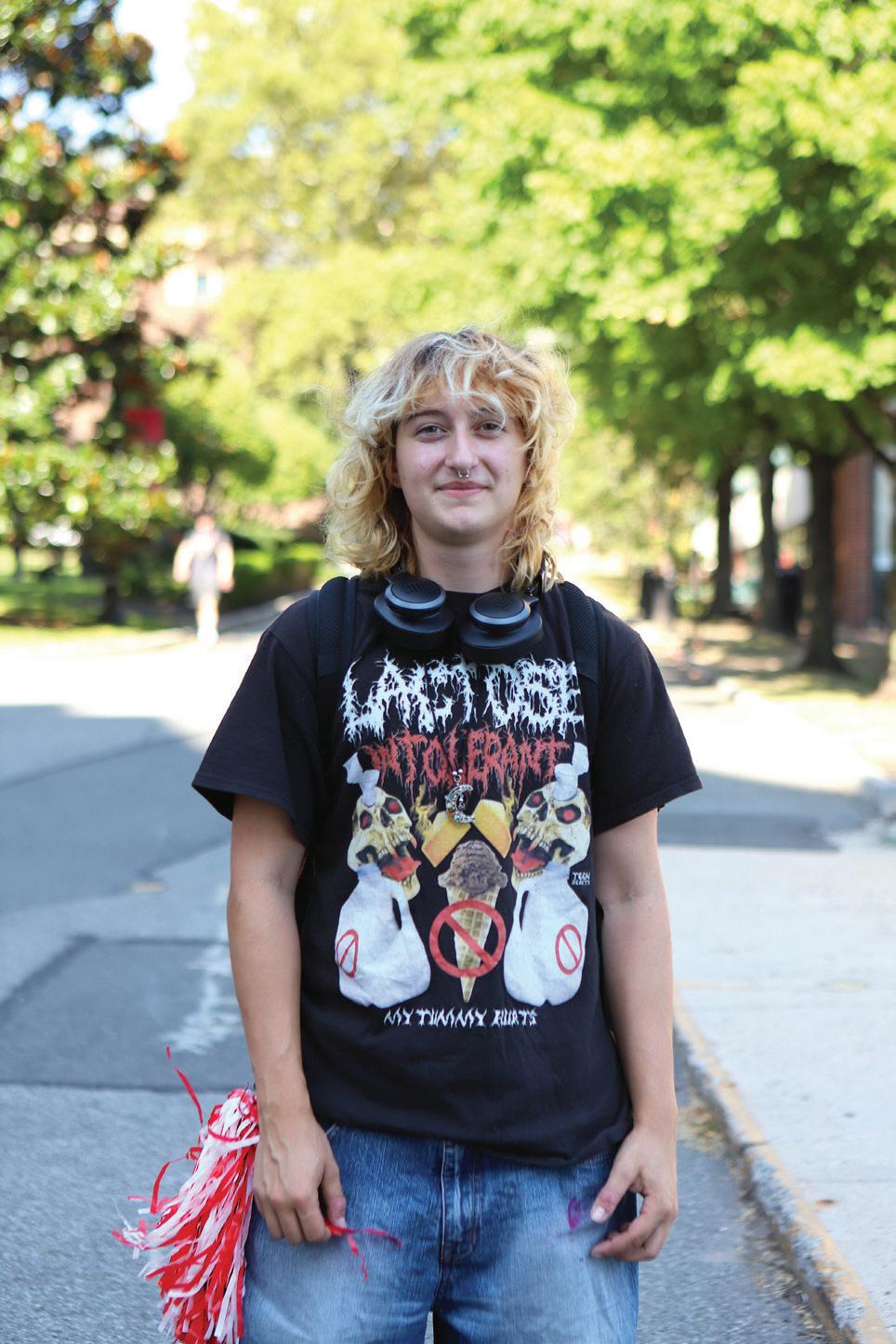
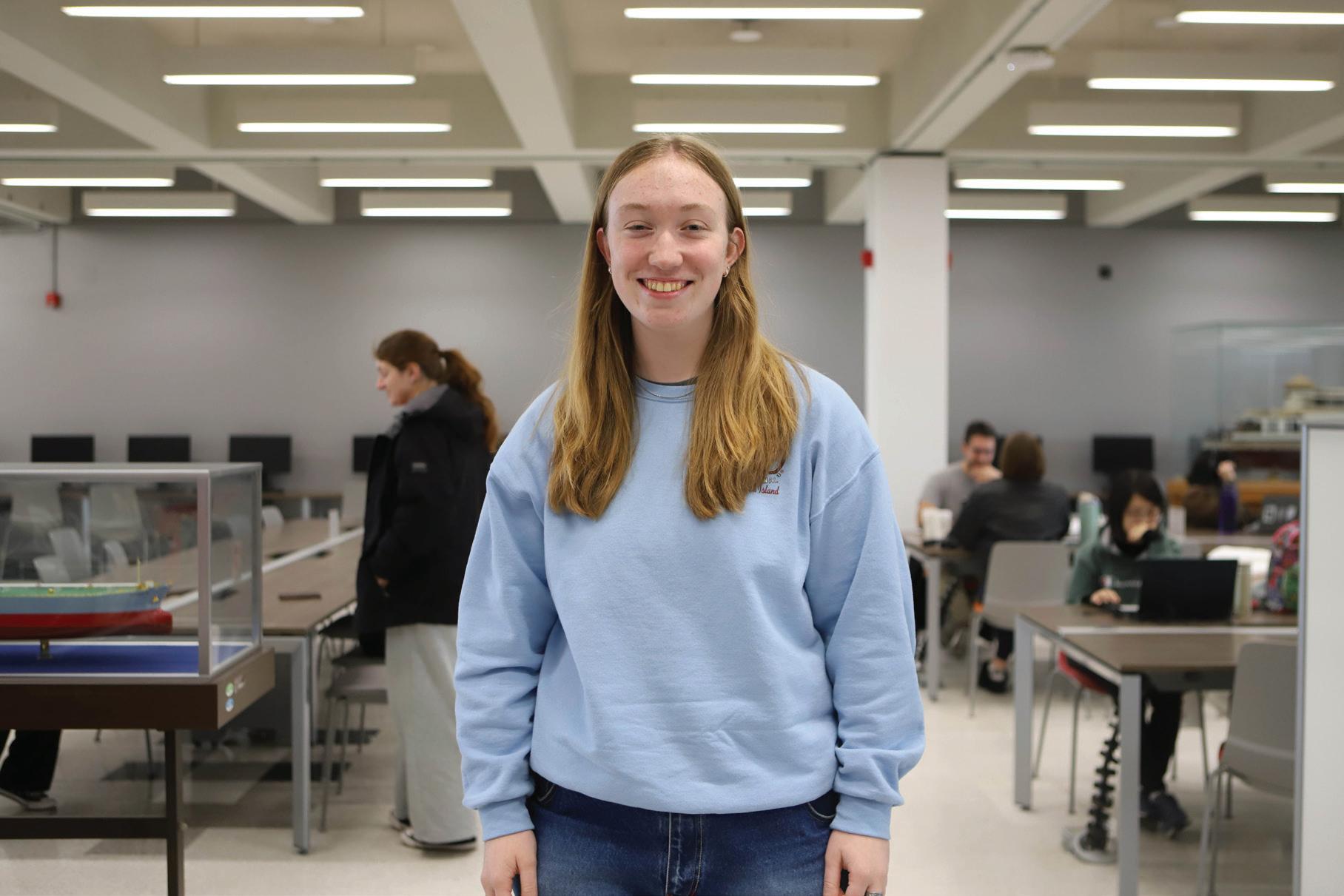
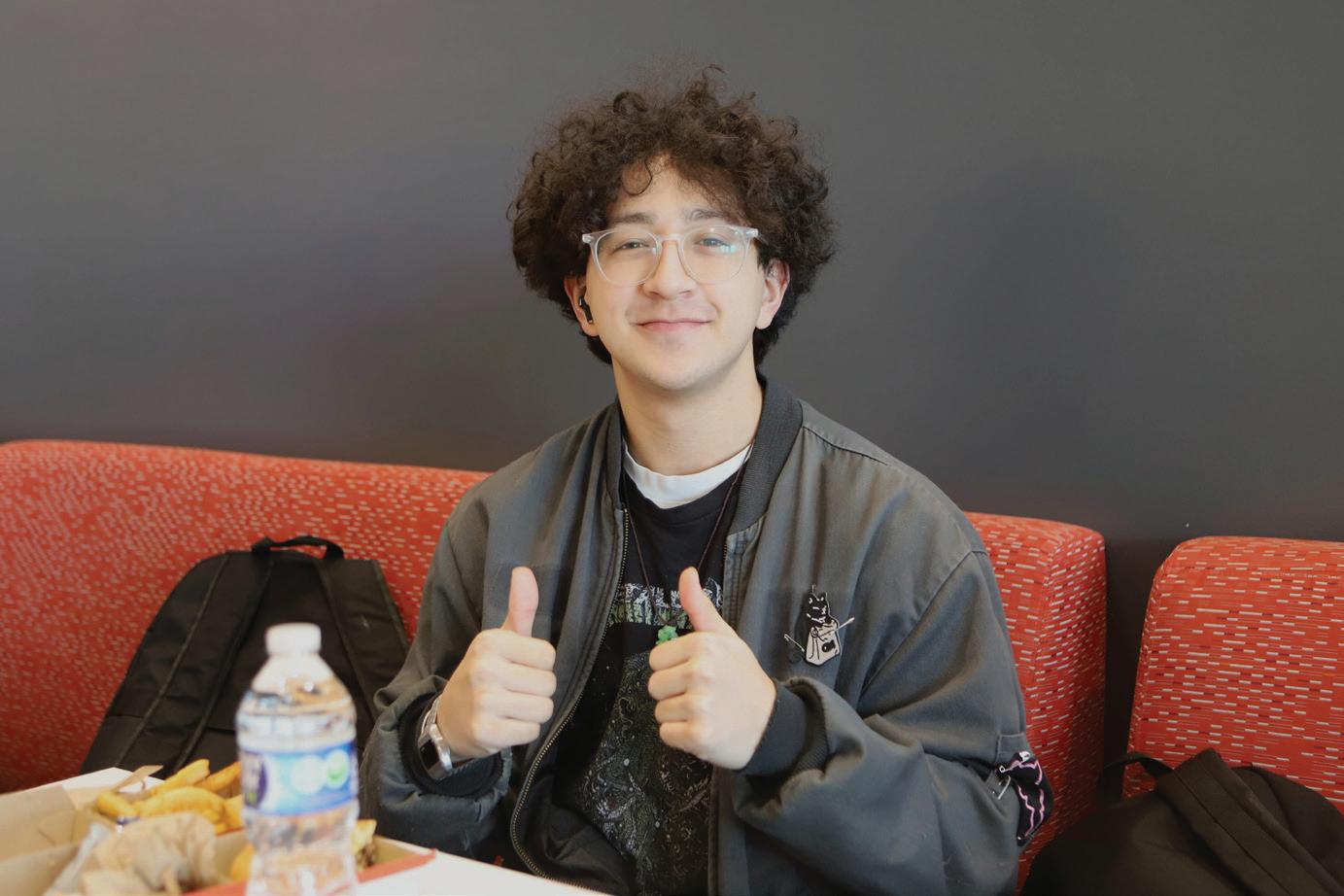
Bridget Webb ‘26 “The top of Mount Everest, so I don’t have to climb it.”
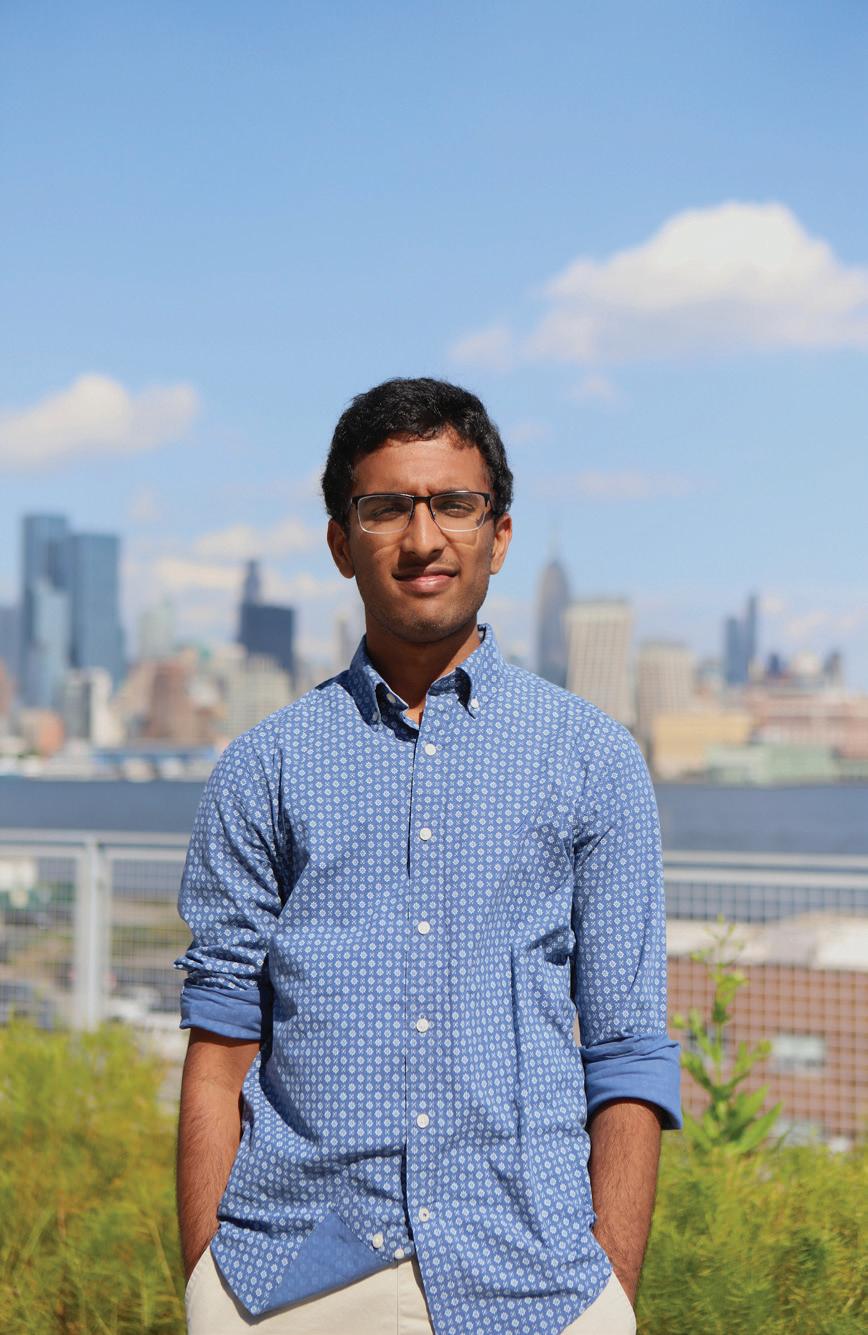
Esat Adiloglu ‘26 “Top of K2.”
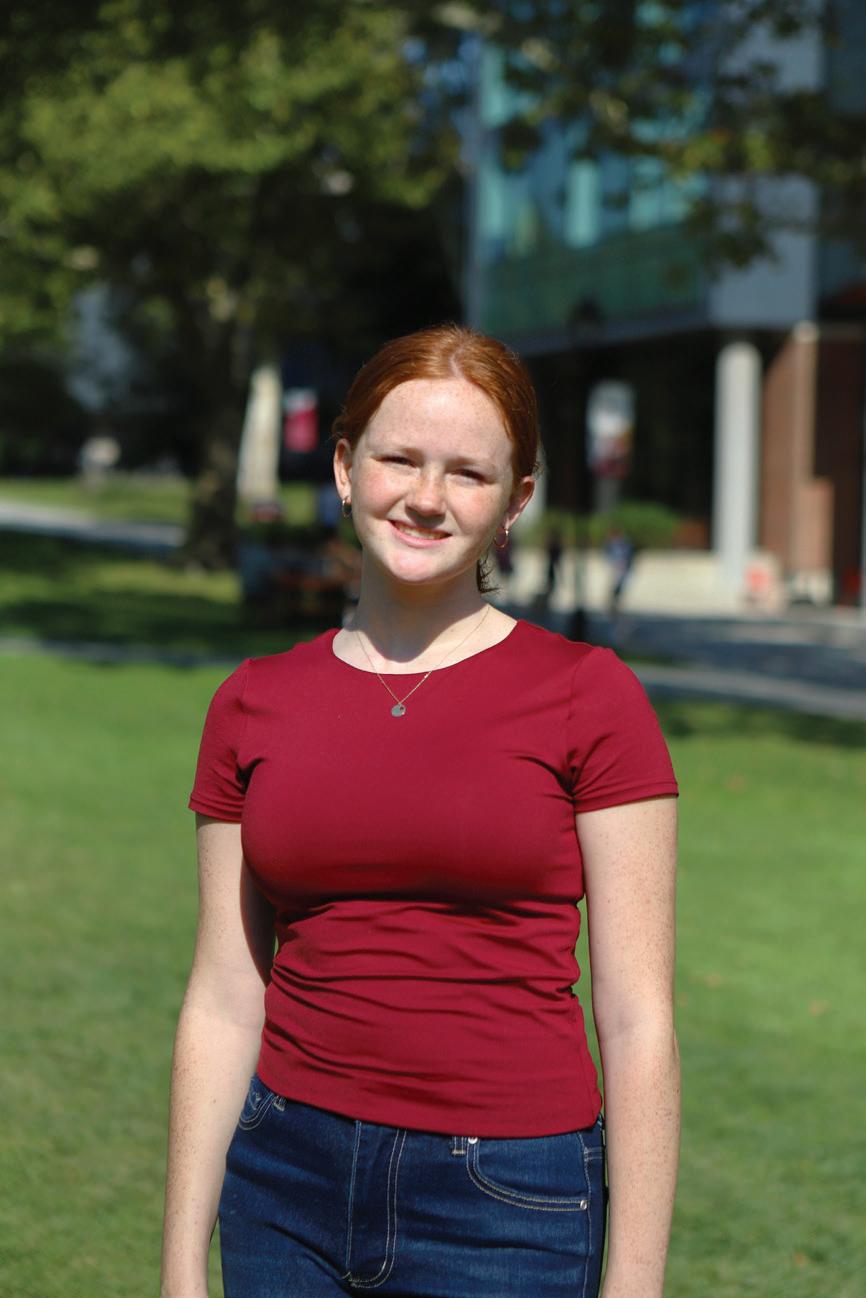
Victoria Aldridge ‘28
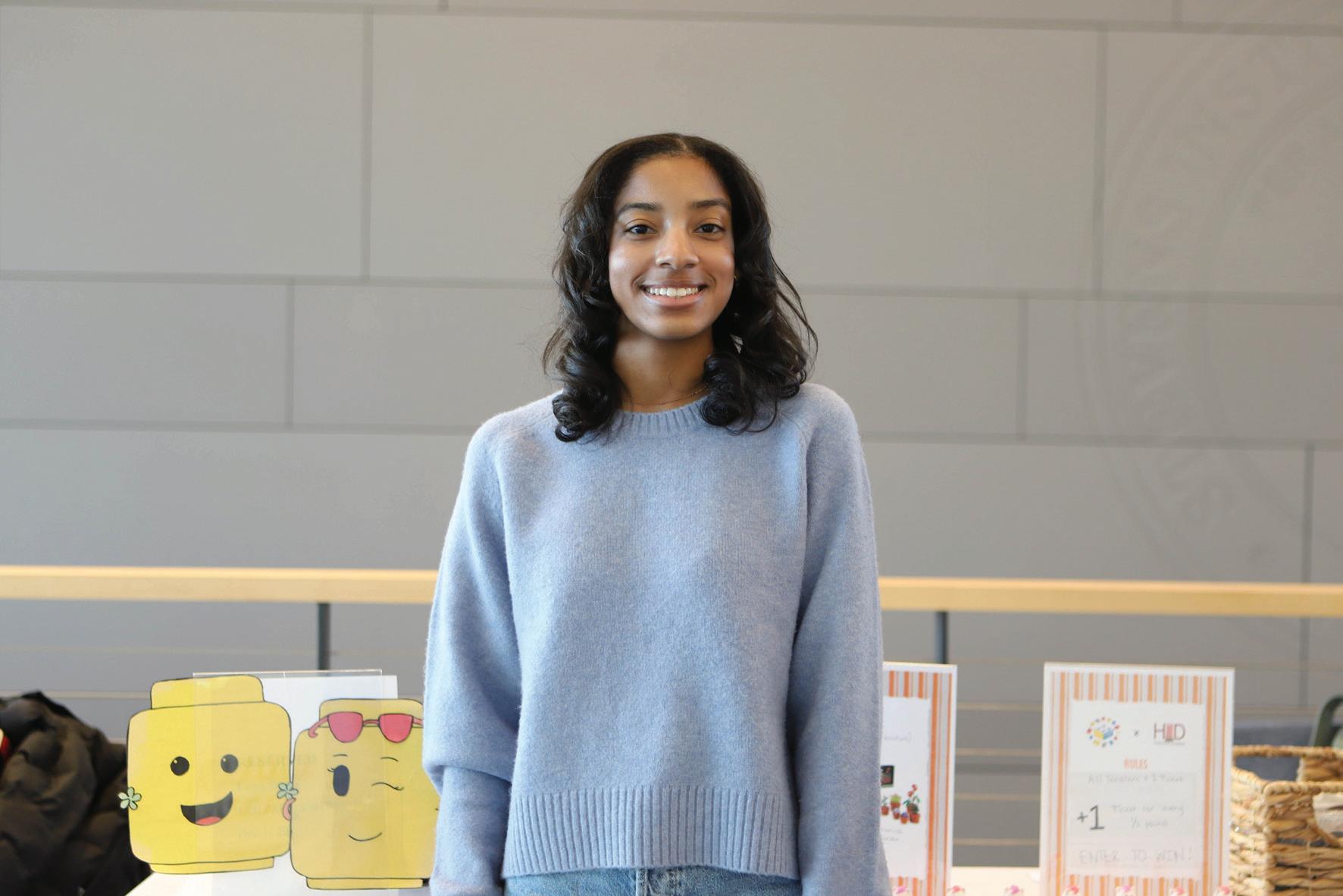
“The LEGO store. (Hint hint come to Click It Club.)”
James Schorle ‘27
“The Coca-Cola recipe vault in Atlanta, Georgia.”
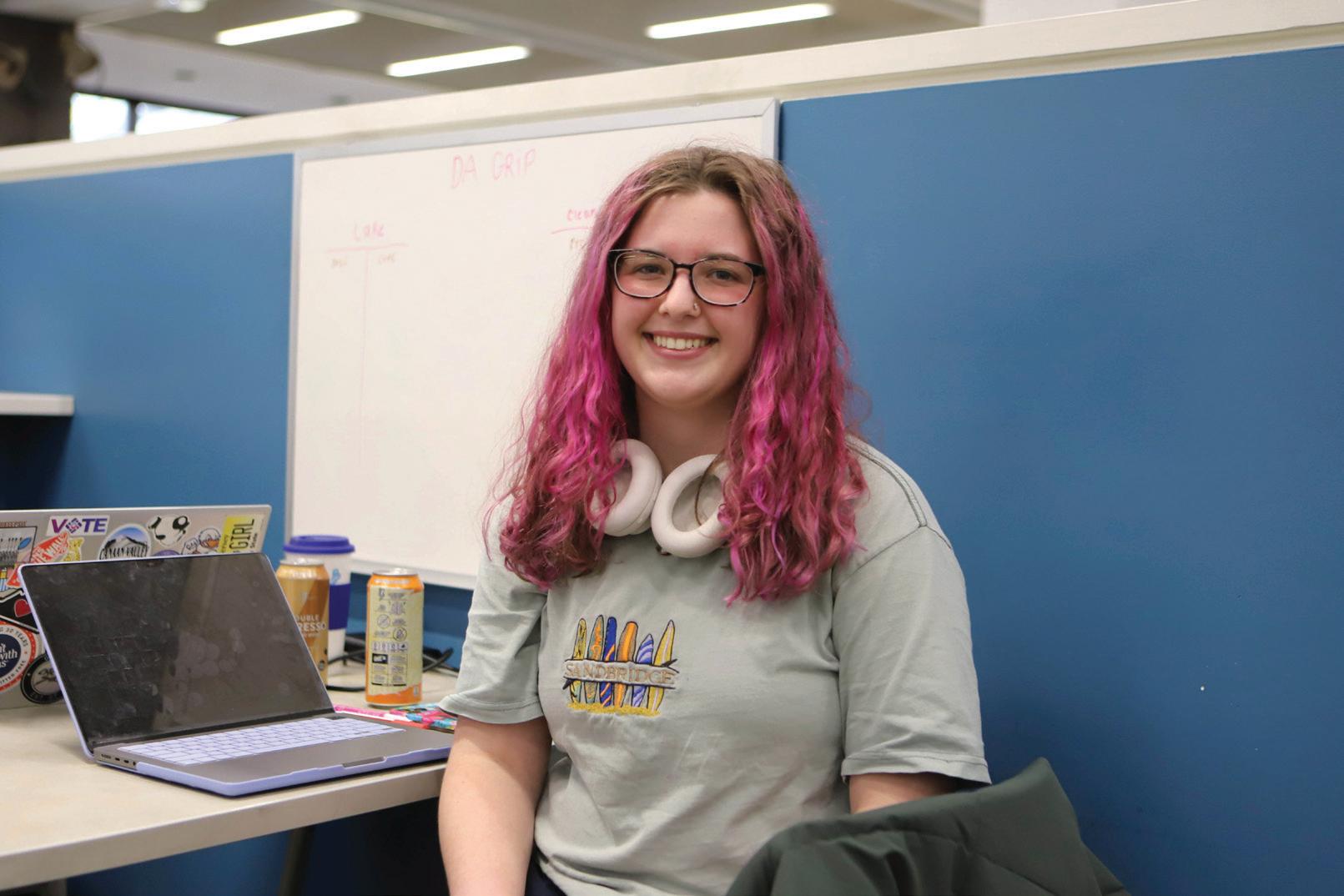
Emma Spoonauer ‘26 “Da Grip (the group trip).”
Cal Christie ‘27
“The Pokémon Fossil Museum.”
Milo Greenberg ‘28
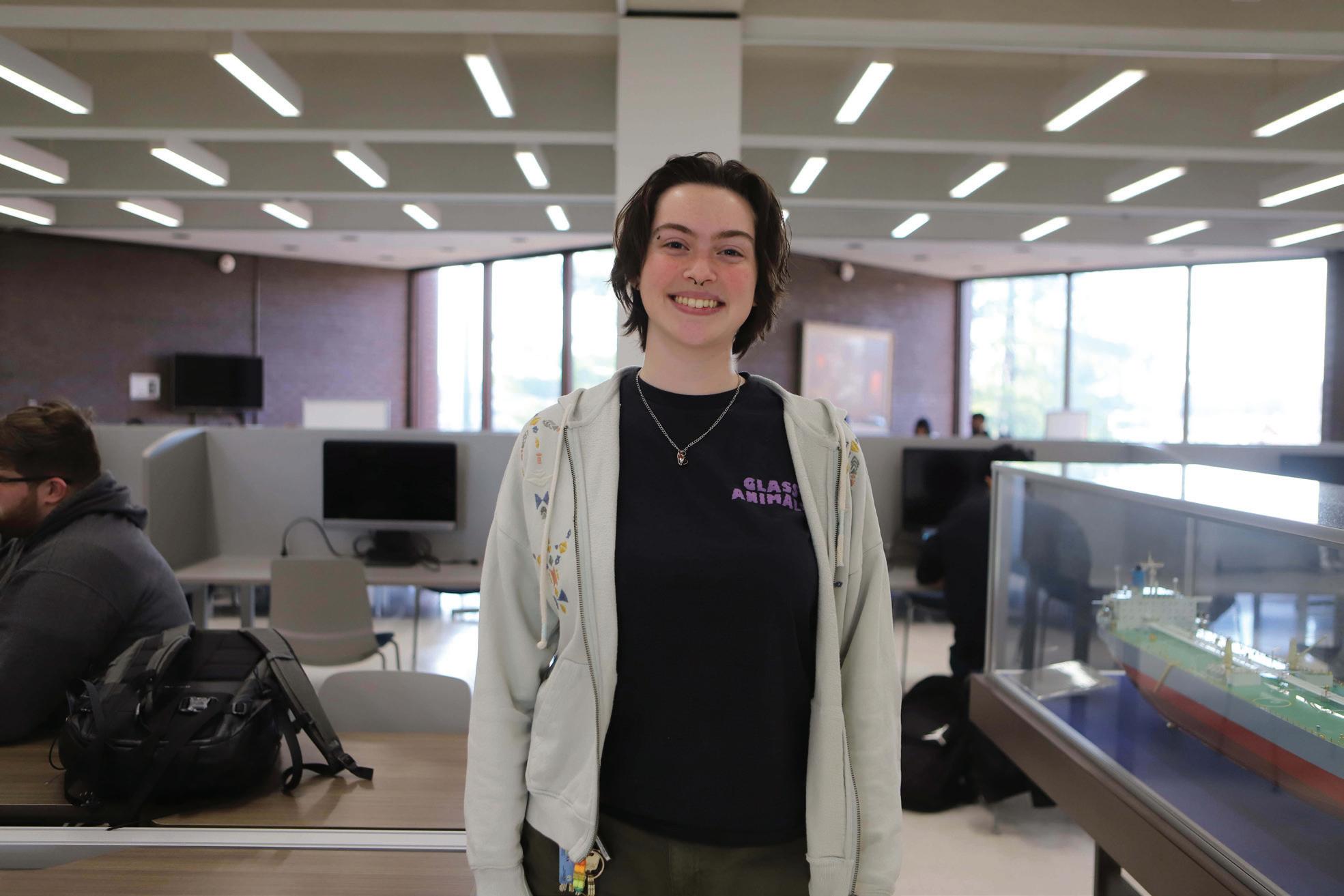
“The top of the Empire State so I can feel like Spider-Man.”