
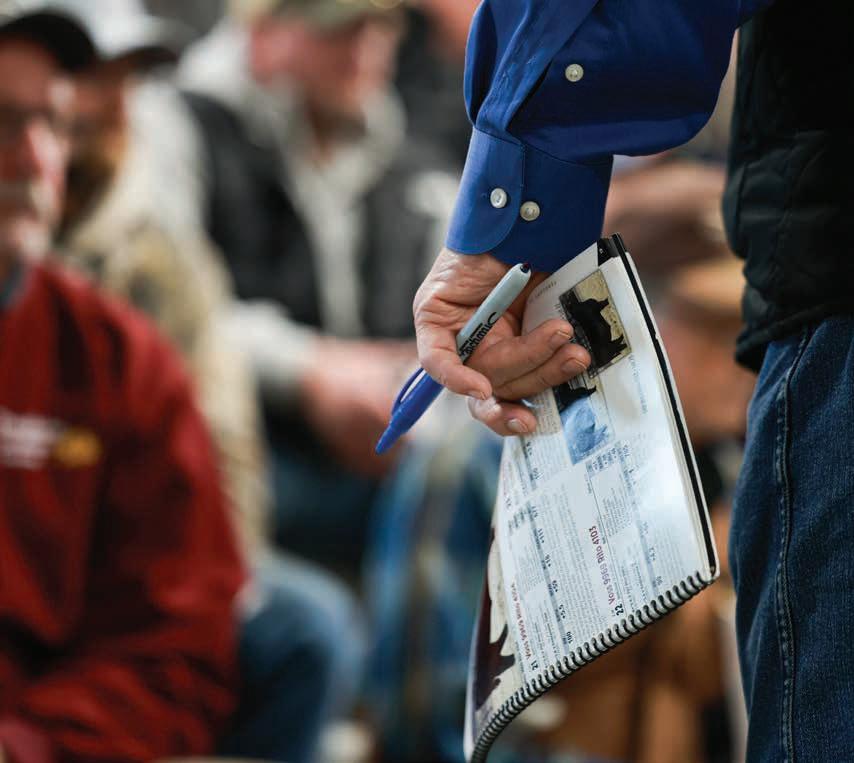
Lemke Cattle blends
First generation cattle ranchers build a purebred
herd in northern
Lemke Cattle blends
First generation cattle ranchers build a purebred
herd in northern
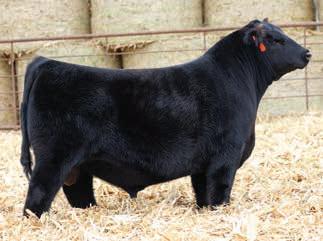
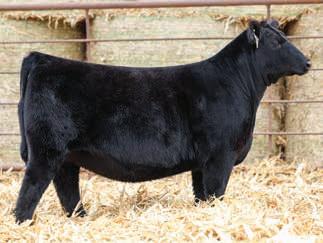
Cline Angus
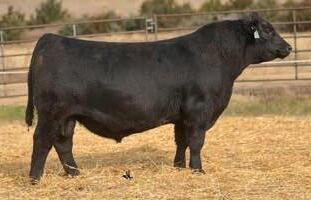
Bear Mountain Angus
Logterman Angus & Hereford
Petersek's Raven Angus
Jindra Angus
Lemke Cattle
Big Rok Angus
Roscoe Valley Angus
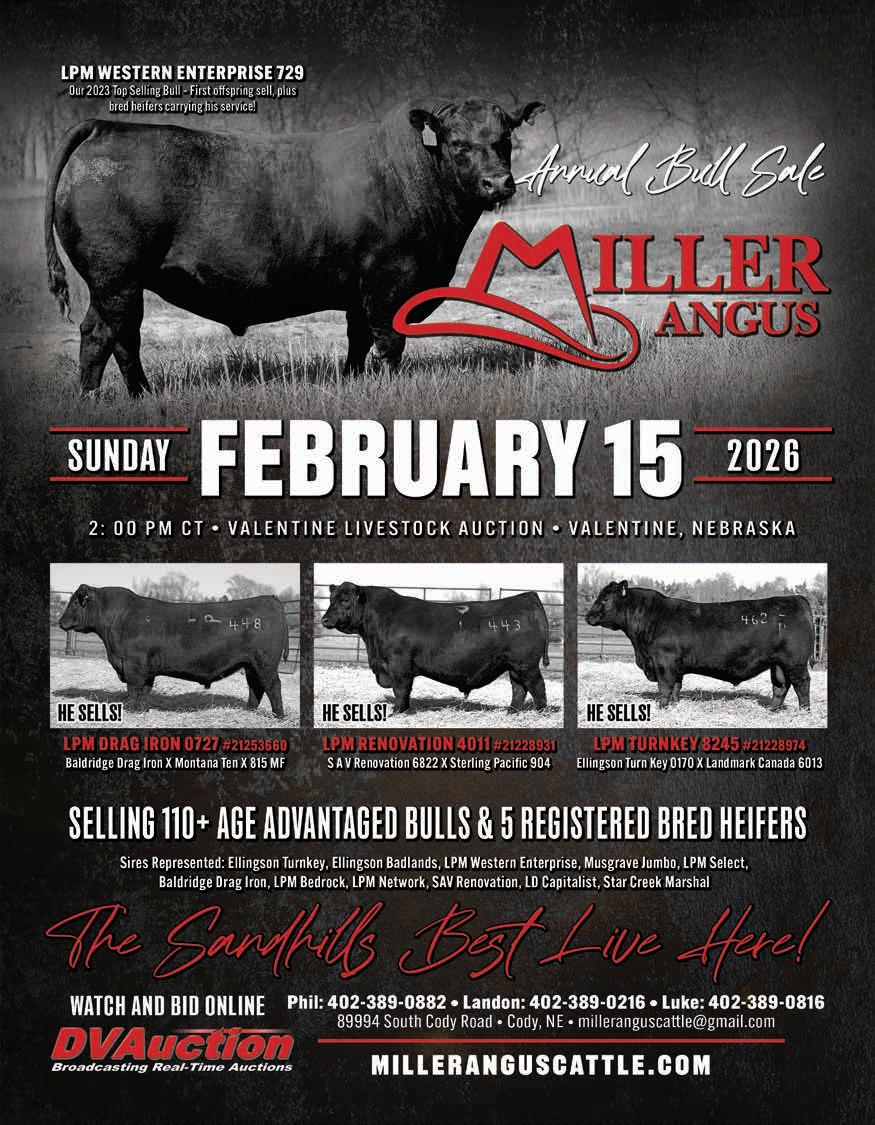
Miller Angus
Trauernicht Simmentals
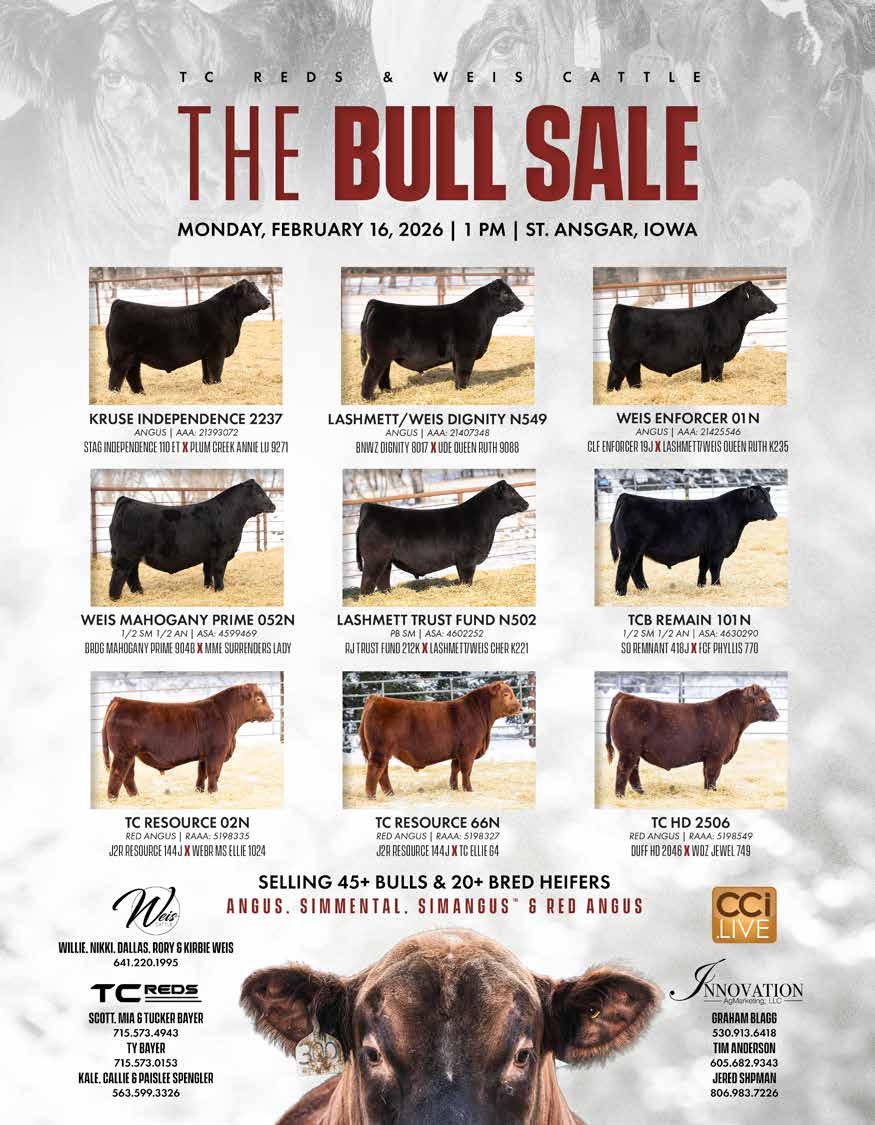
TC Reds / Weis Cattle
Cedar Top Ranch
K7 Herefords
Illinois Performance Bull Sale
Mogck and Sons Angus
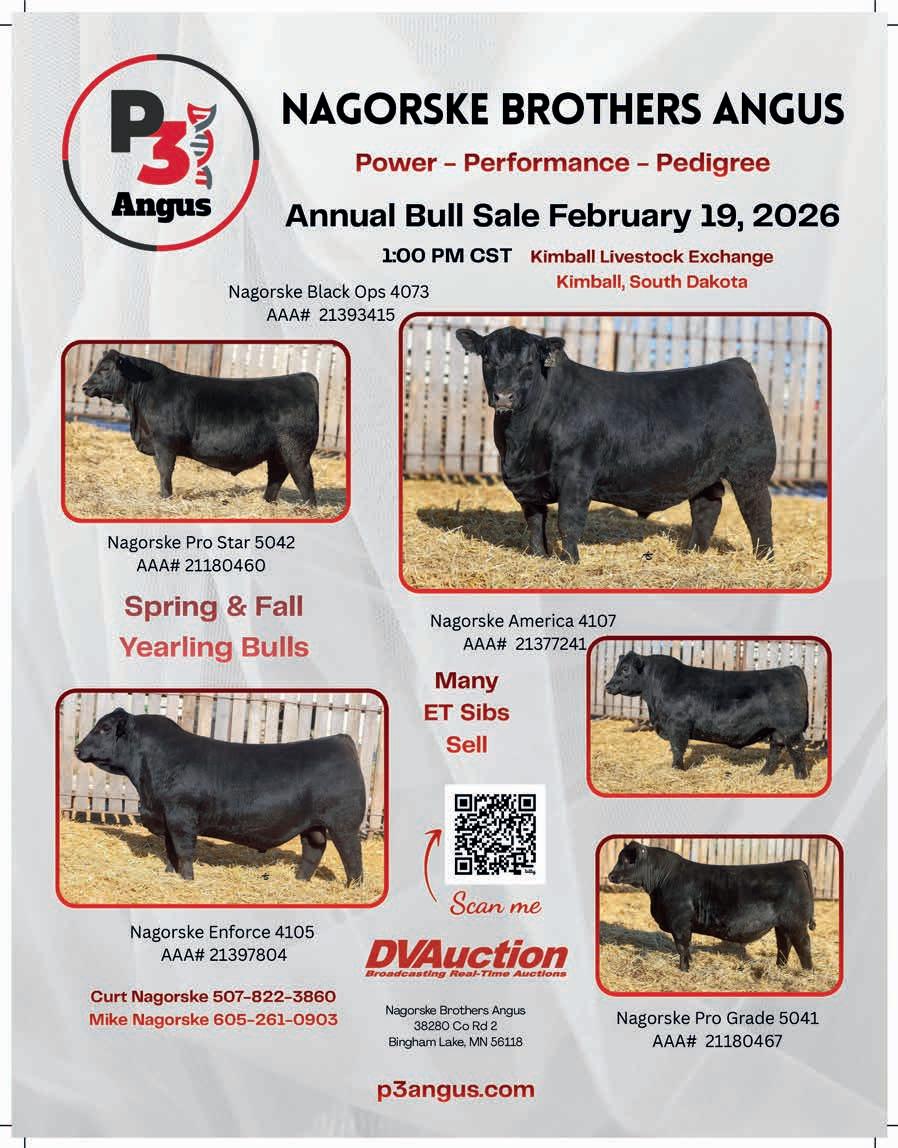
Nagorske Bros. Angus
Wilkinson Farms Simmentals
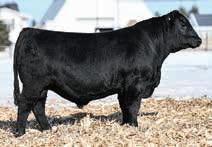
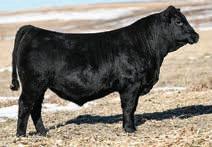
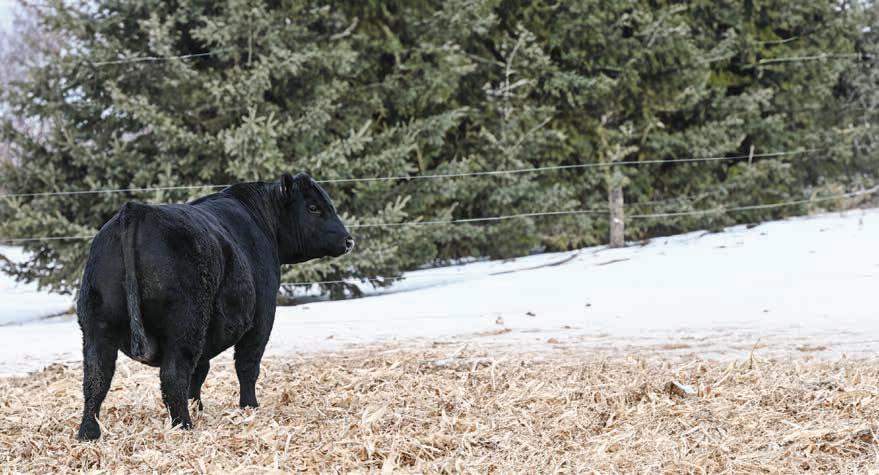
Bullerman / K&J
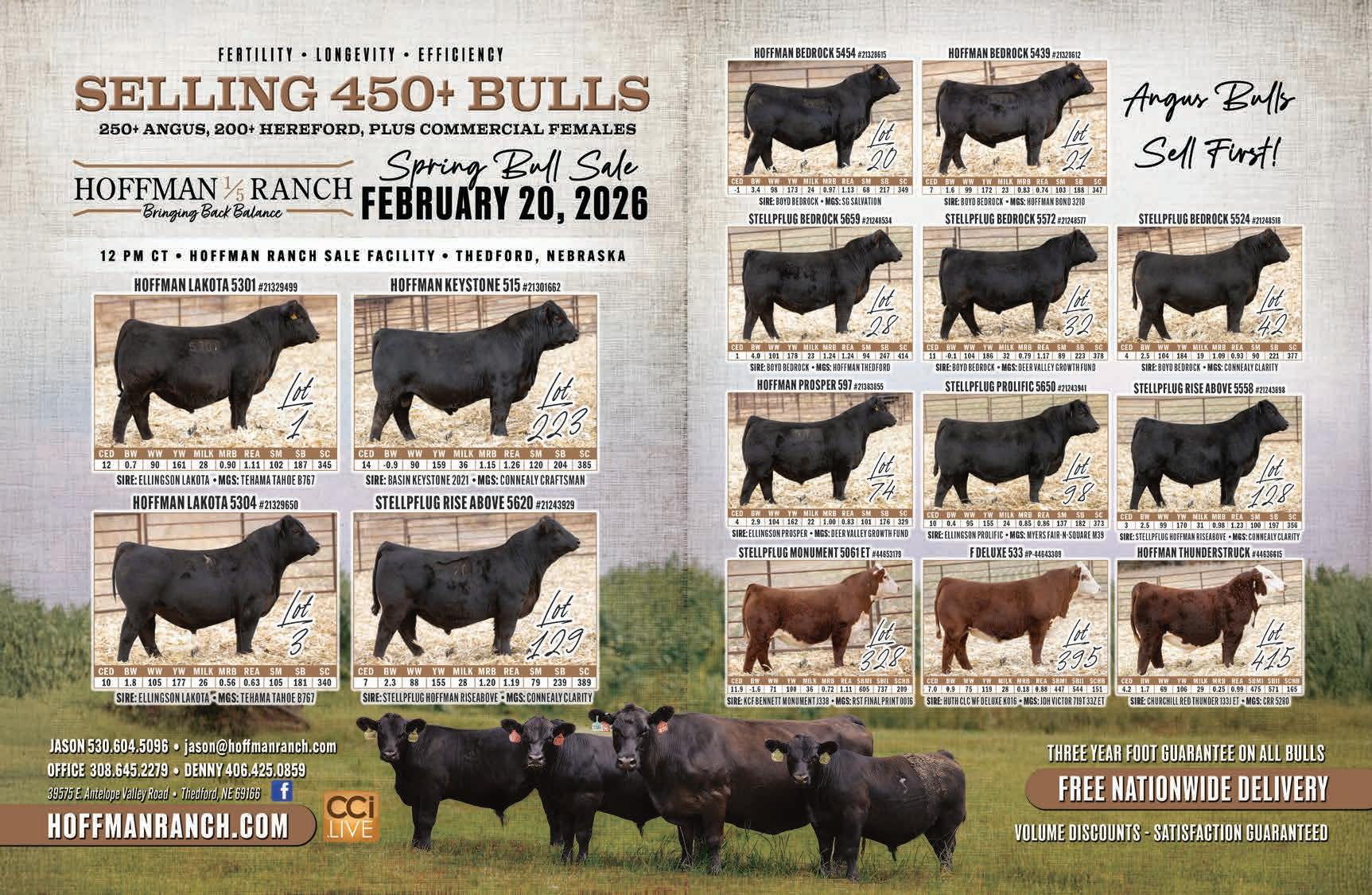
Hoffman Ranch
Missouri Angus Futurity
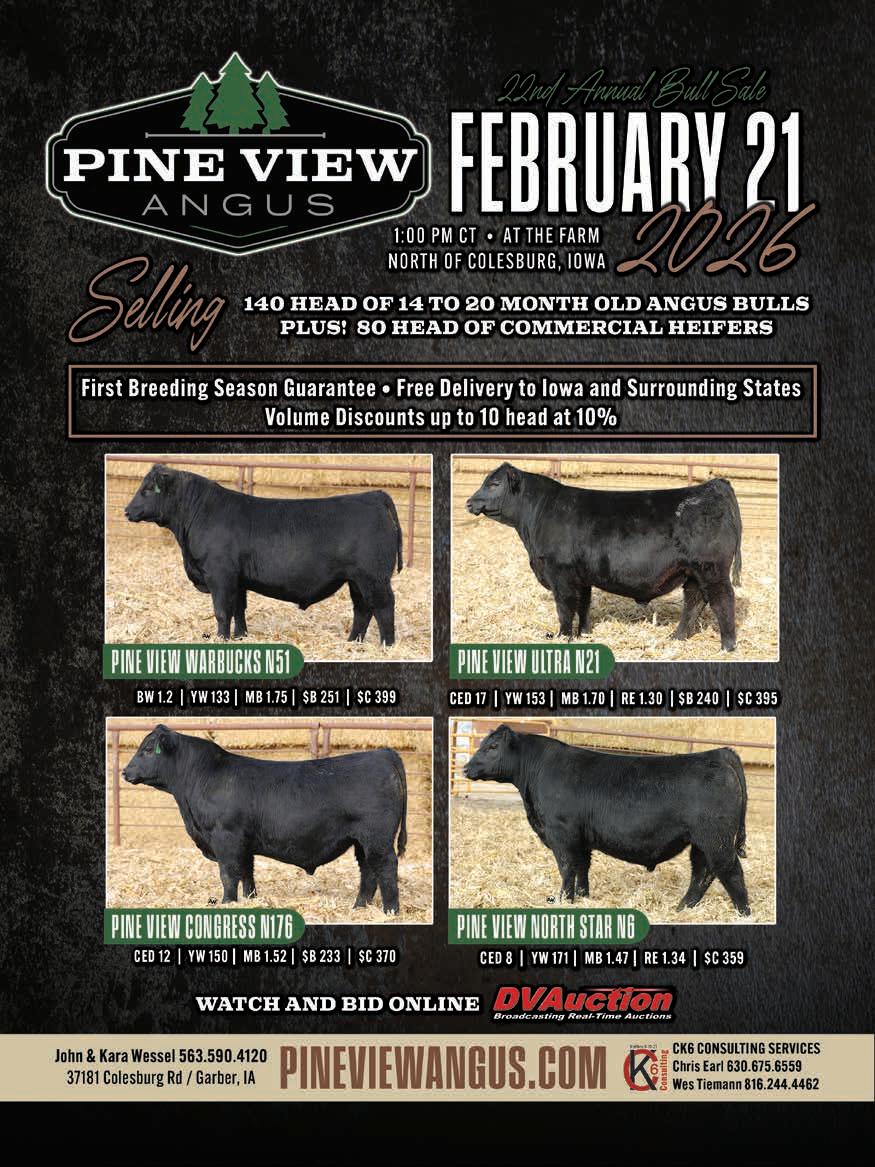
Pine View Angus
Schiefelbein Farms
Double D Angus
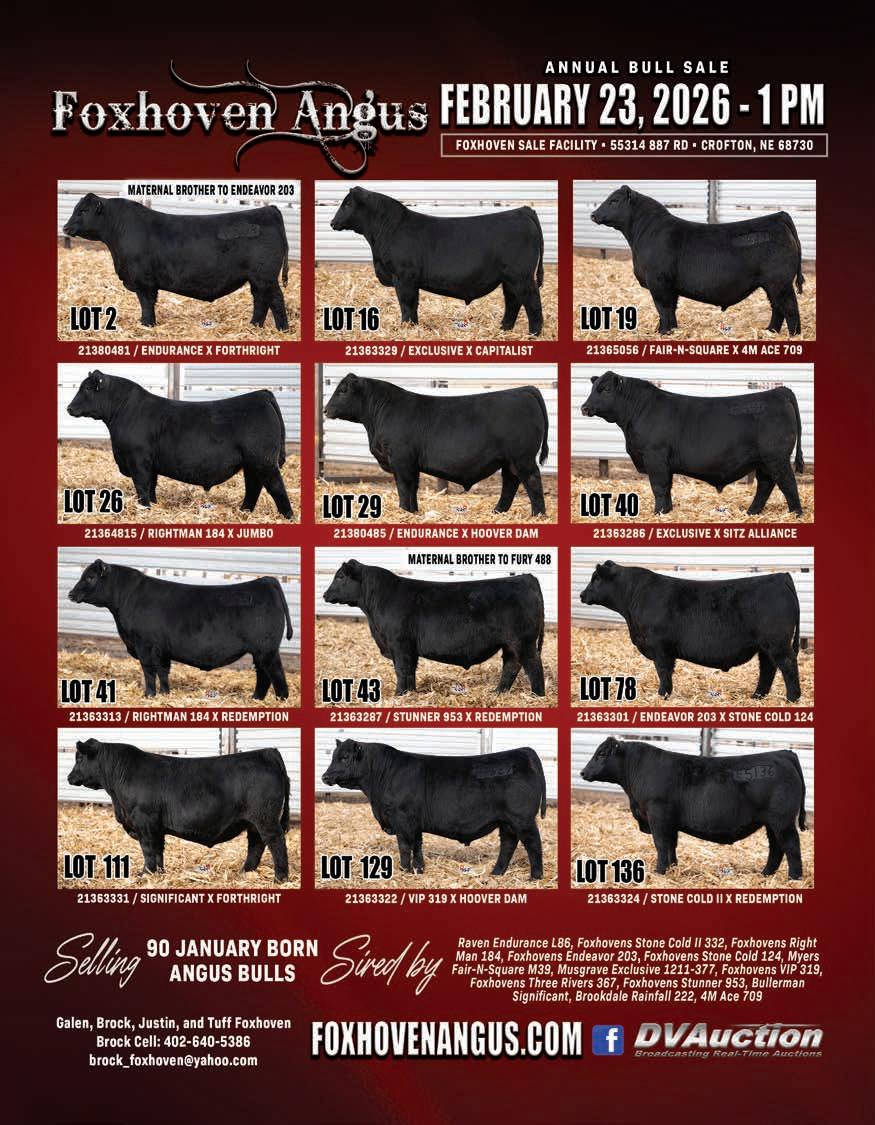
Foxhoven Angus
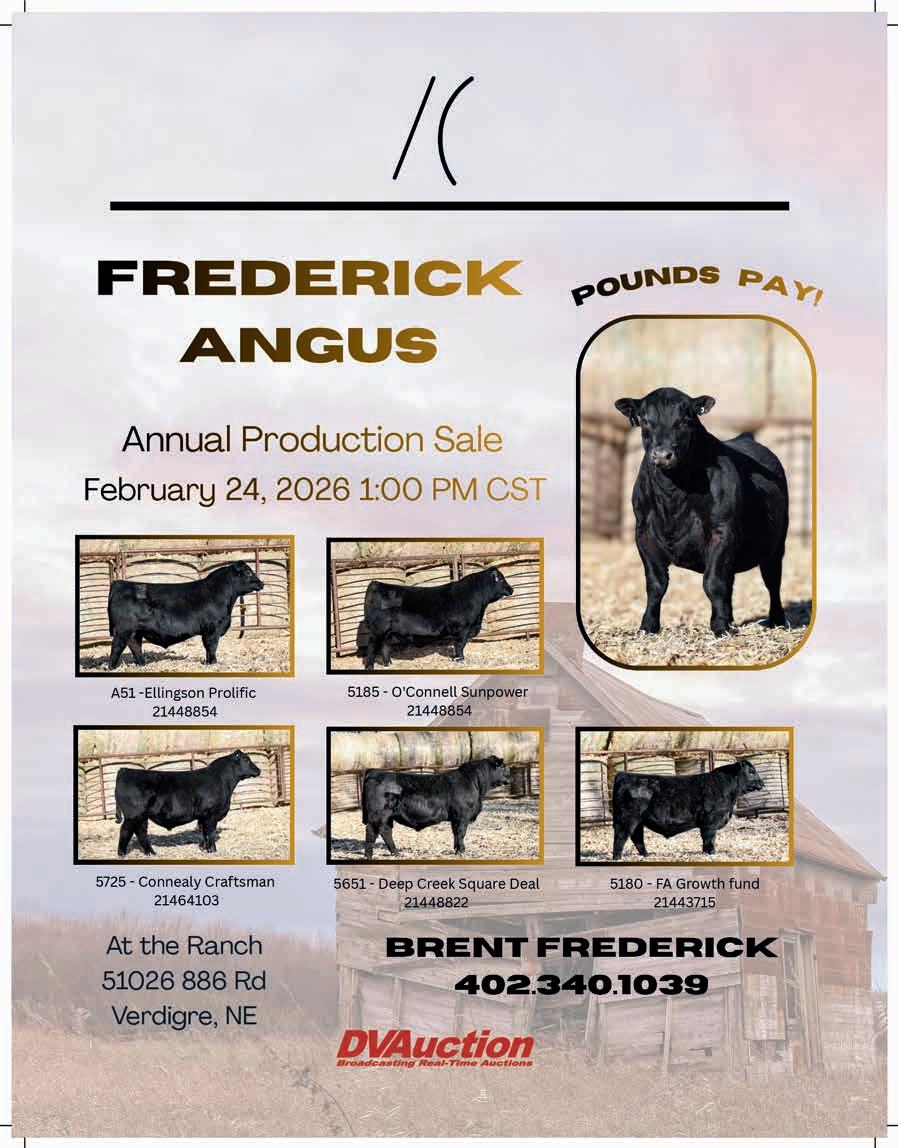
Frederick Angus
Sonderup Angus
Hart Angus Farms
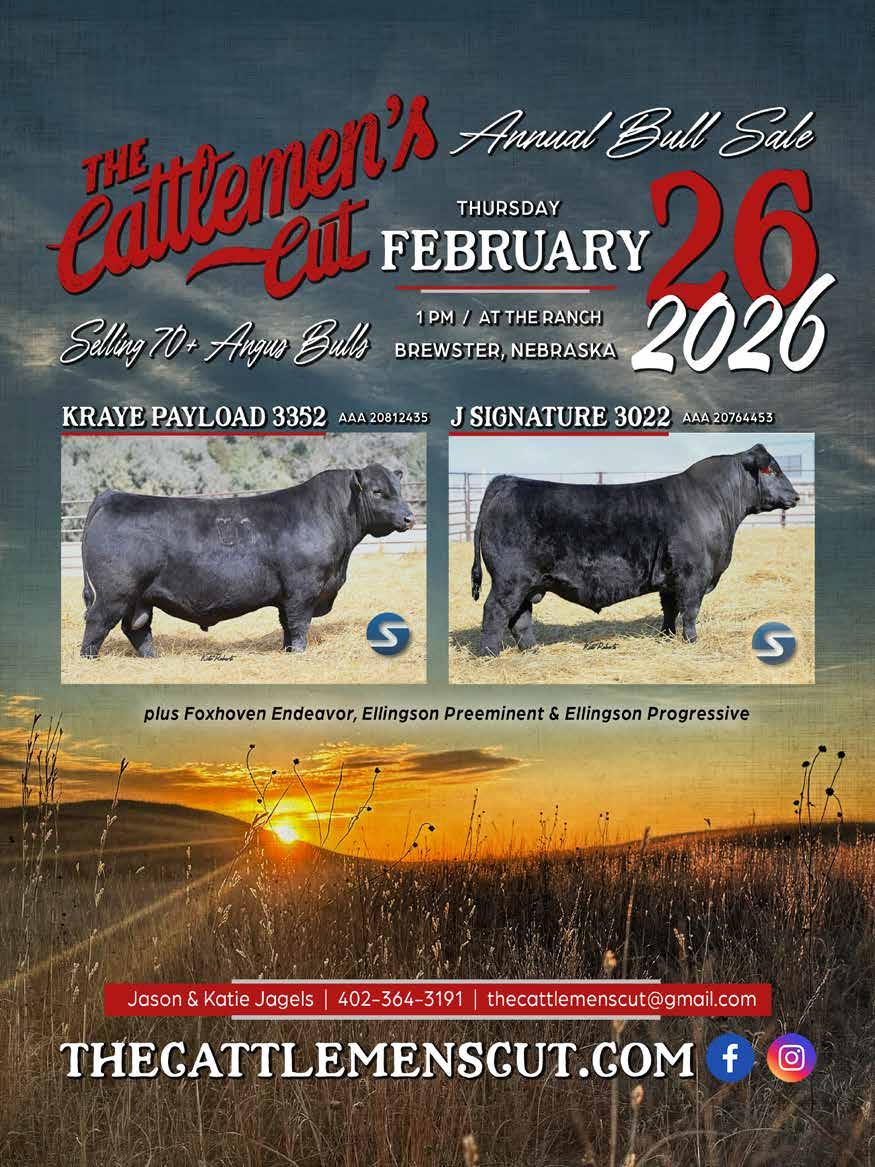
Jagels Land and Cattle
Macholan Angus
Walker's Red Barn
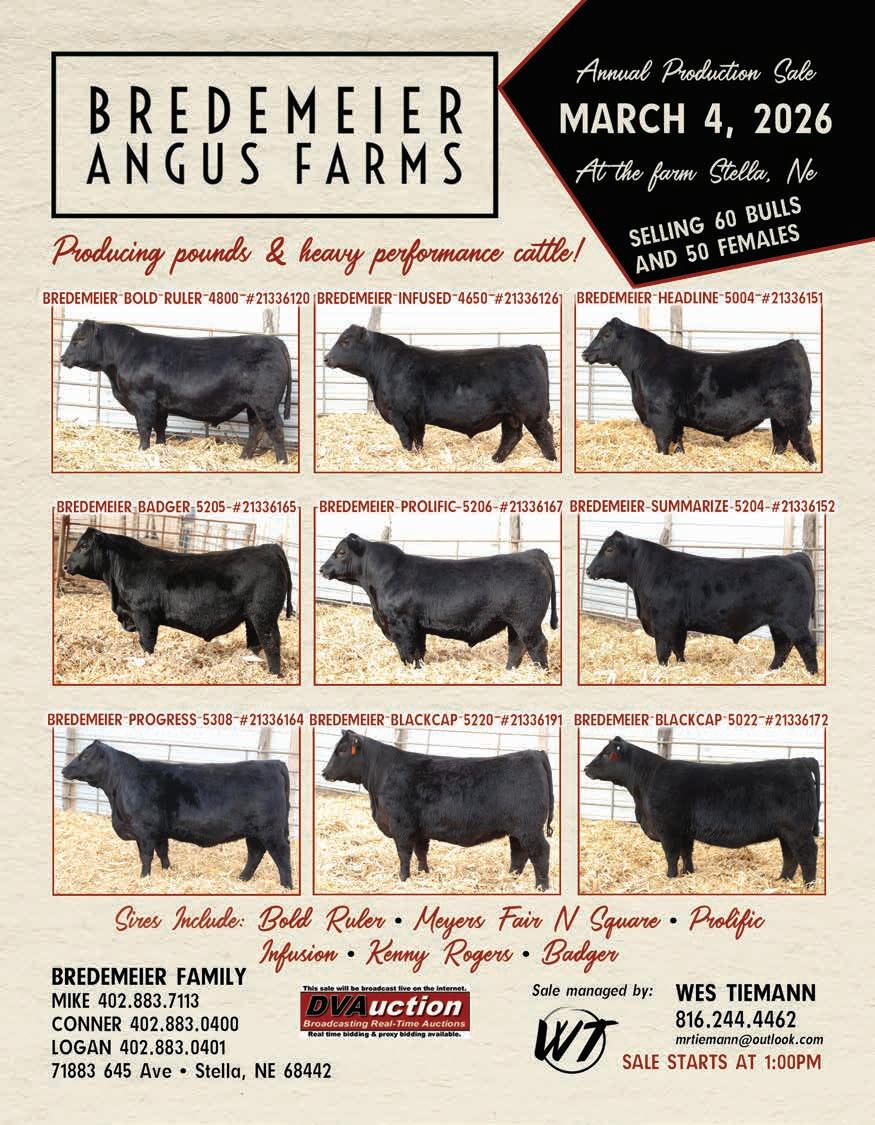
Bredemeier Angus Farms
Warner Beef Genetics
Bieber Red Angus
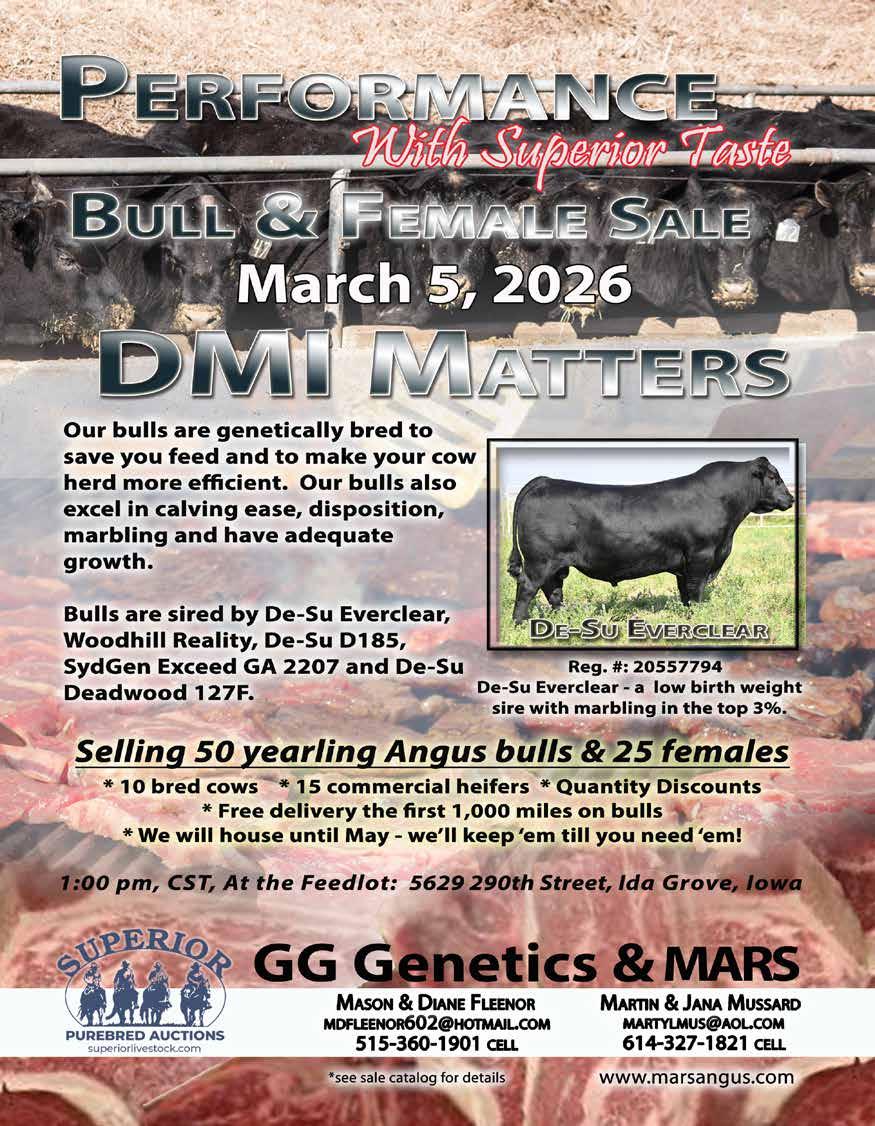
GG Genetics & MARS
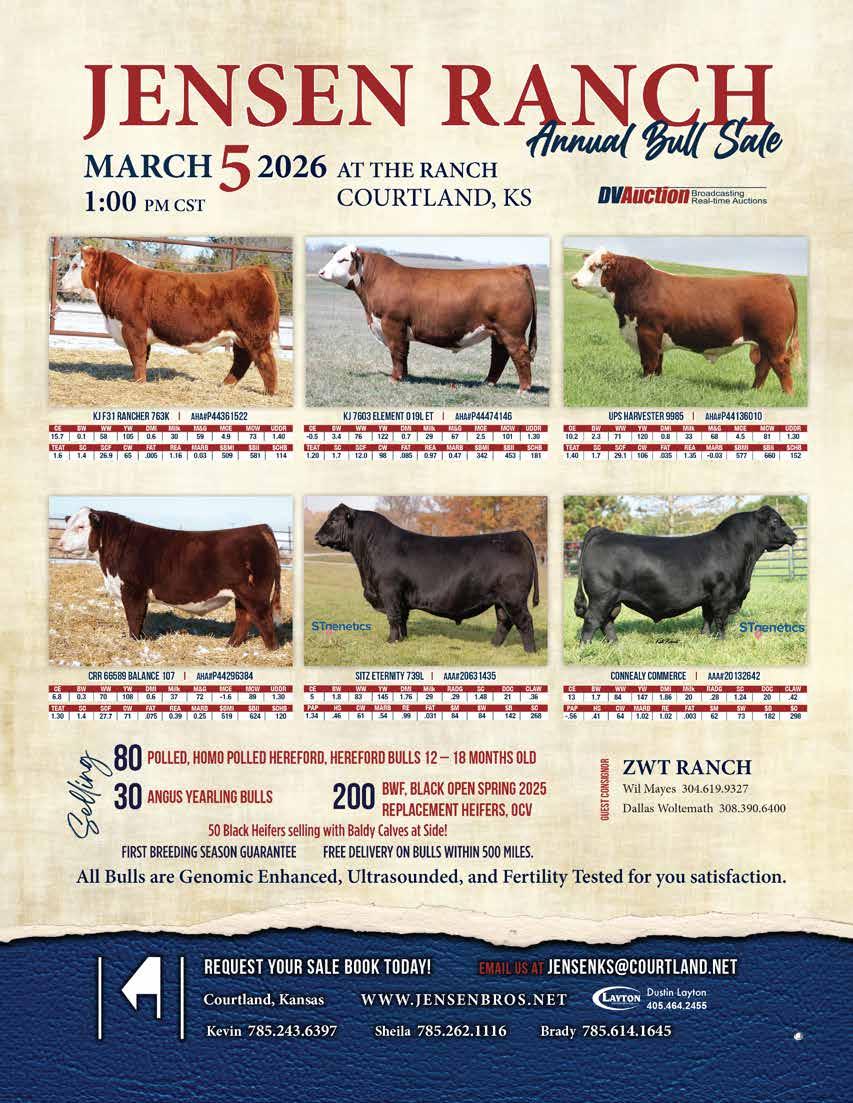
Jensen Ranch
ZWT Ranch
Burns Angus
Cason's Pride and Joy
I-29 Bull Run
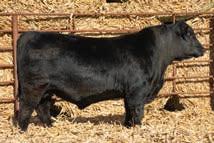
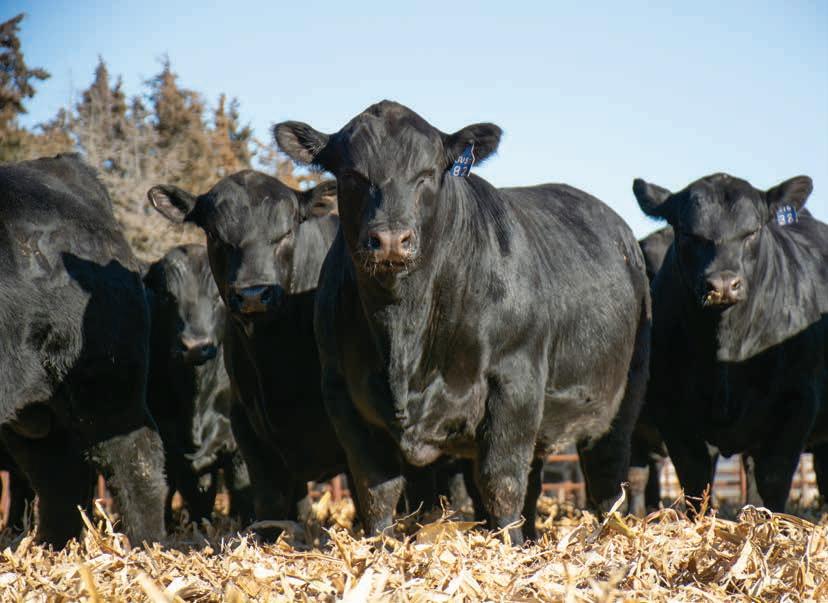
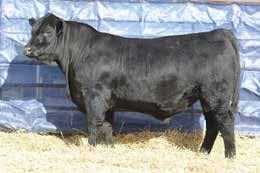
Laflin Angus Ranch
Lucky 7 Angus
Mead Angus
Powerline Genetics
Iowa Beef Expo
NCC The Classic
Iowa Charolais Sale
Iowa Red Angus Sale
Deppe Angus
Bush Angus
Carlson Angus Ranch
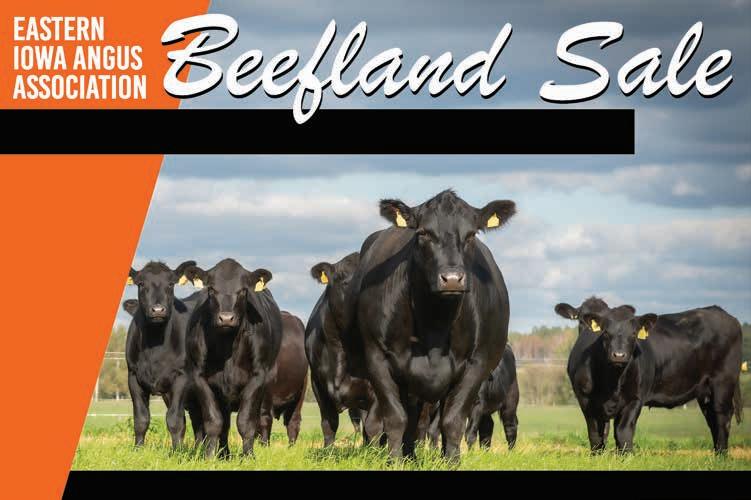
Eastern Iowa Angus Assn.
Eblen Simmentals
High Point Genetics
Kreth Herefords & Angus
Lonely Valley Seedstock
Melby Simmentals
Oswald Farms
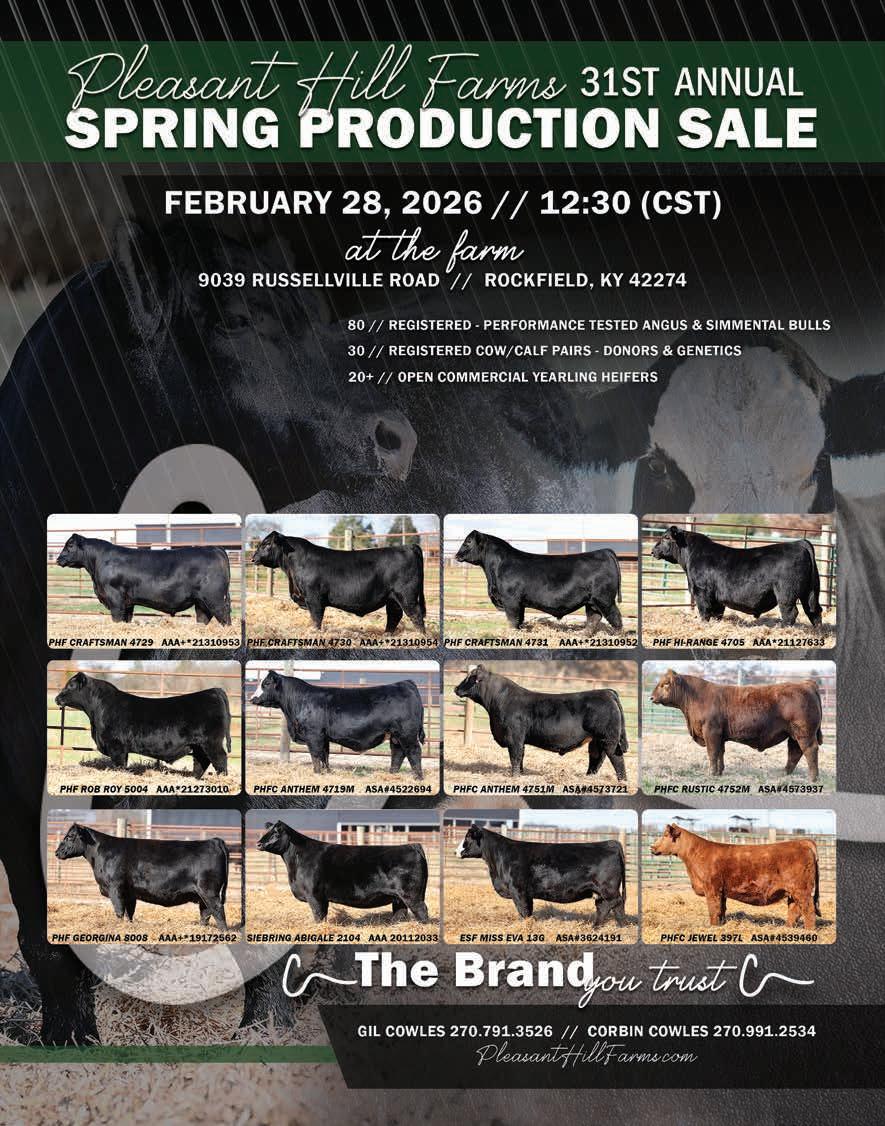
Pleasant Hill Farms
Tegtmeier Polled Herefords
Voss Angus
Landgren Ranch
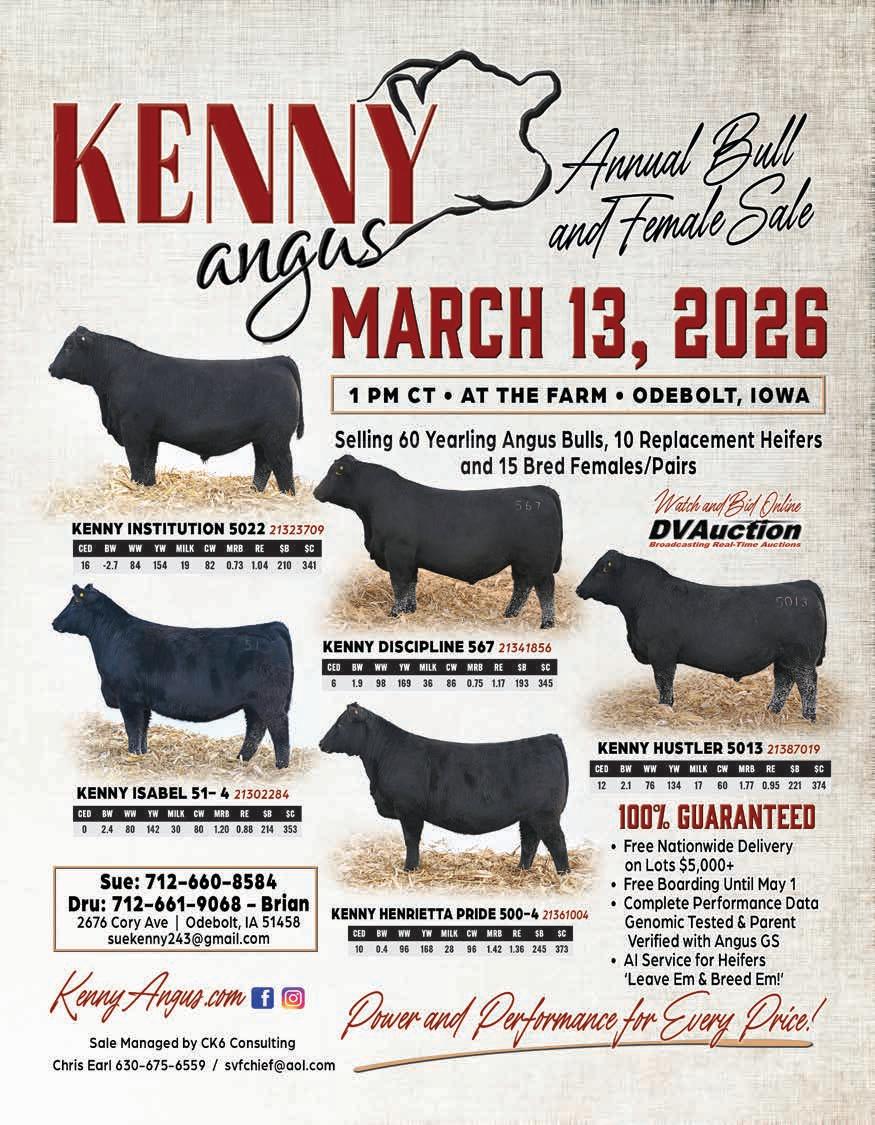
Kenny Angus
Powerline Genetics
De-Su Angus
Reds in the Green Hills Sale
2K Cattle Enterprises
K7 Herefords
Musgrave Angus
Cattlemen's Assn. Sale
Iowa Angus Sale
Iowa Hereford Sale
Cattle Visions
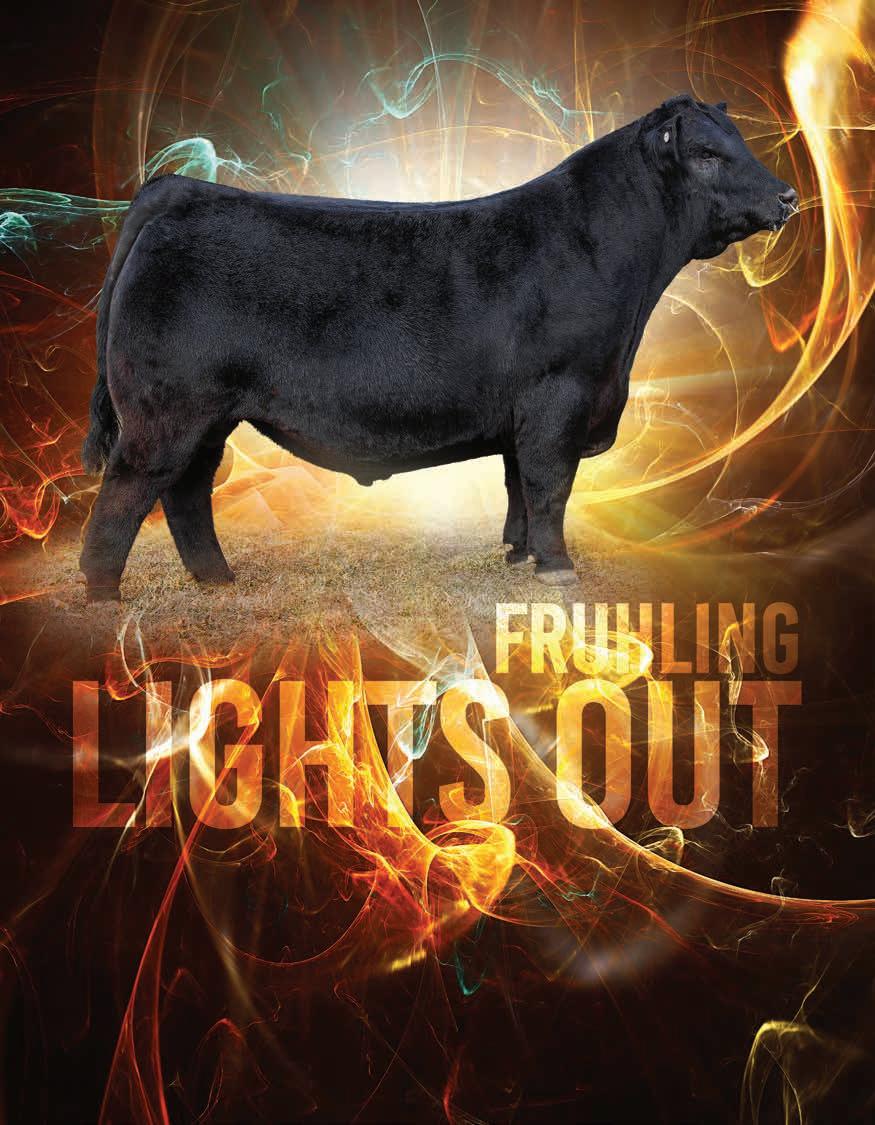
Fruhling Lights Out bull
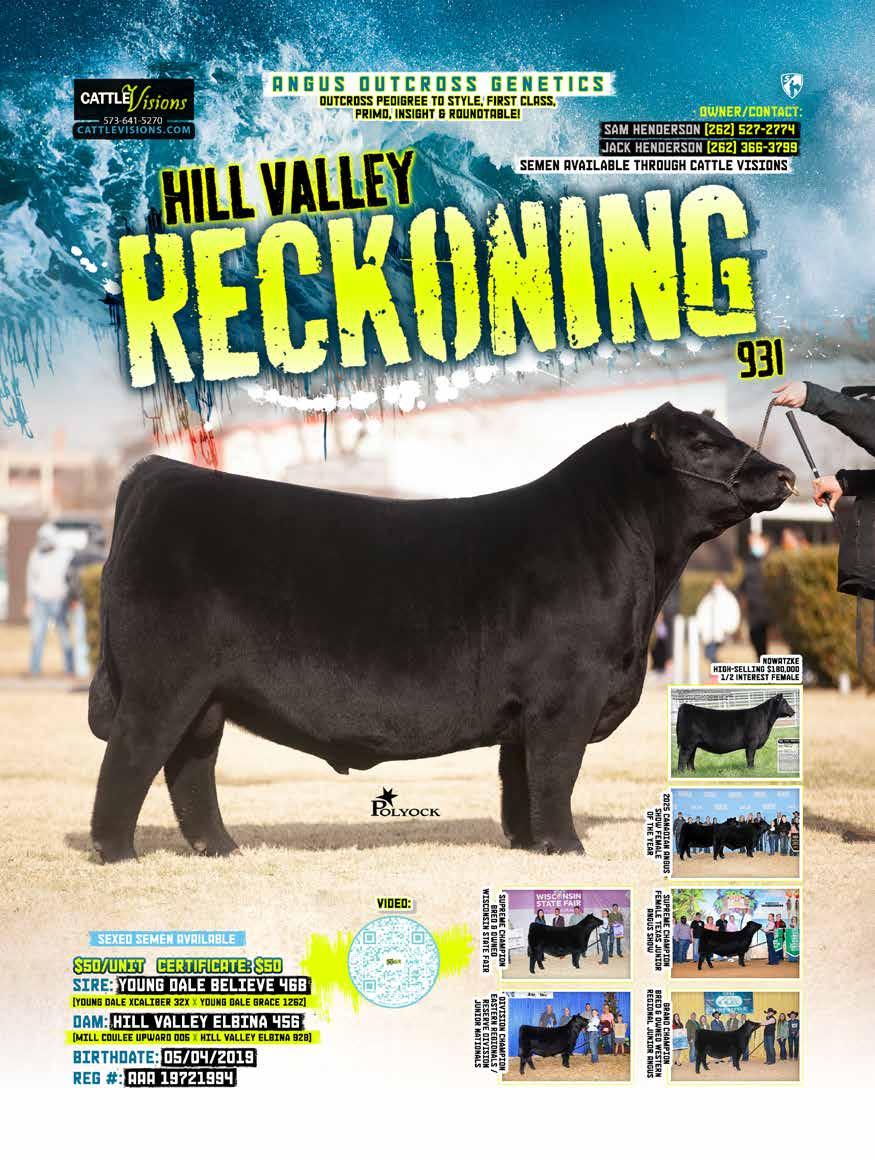
Hill Valley Reckoning bull
J.J. Scheckel Angus
AgriCareers, Inc.
American Gelbvieh Assn.
Beutler Media Group
Bloomfield Livestock
Blue Lake Plastics
Brit America Mgmt. Group
Carter, Dustin - Auctioneer
Conover, Al - Auctioneer
Conover, Jeanne - Insurance
Cummings, Charly - Auctioneer
Curless Auction
Goggins, Greg - Auctioneer
Hawkeye Breeders
Hoop Beef System
JDH Auction Enterprises
Lowderman, Cody - Auctioneer
Lowery, Matt - Auctioneer
Machado, Rick - Auctioneer
Summit Ag Group
Mikkey's LC
Millborn Seeds
N. Dakota Simmental Assn.
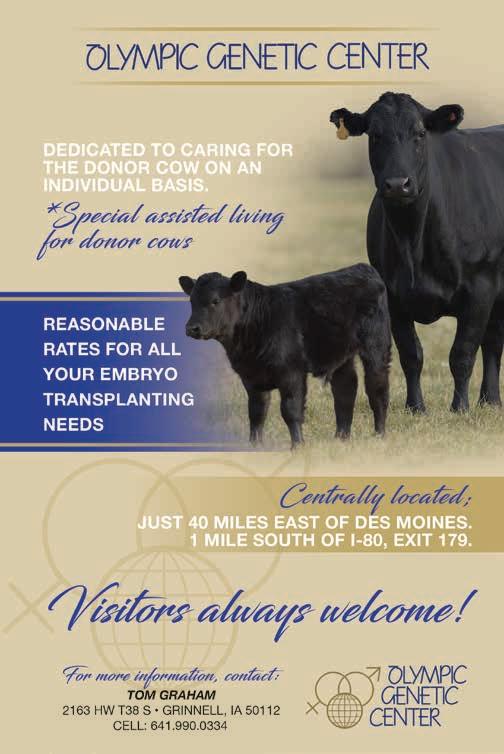
Olympic Genetic Center
Primefocus: Ultrasounding
Printz, Matt - Auctioneer
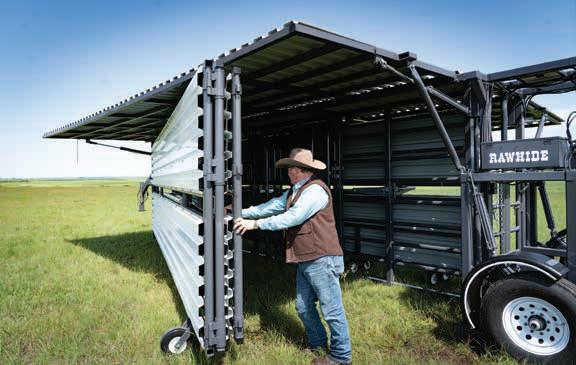
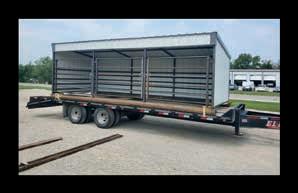
Rawhide Portable Corral
RCO Pest Control
Safety Zone Calf Catchers
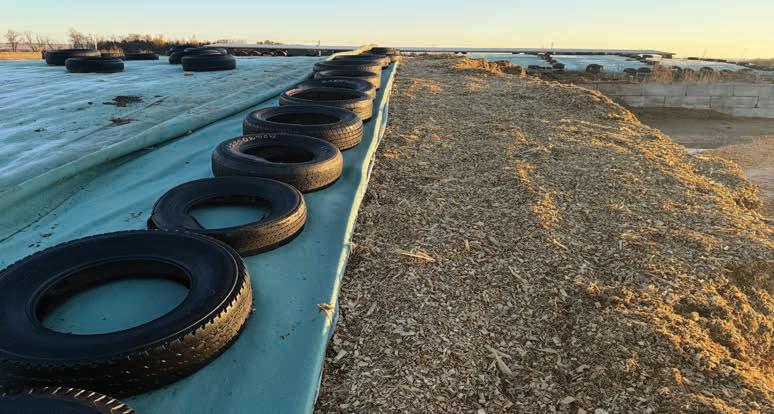
SealPro Silage Barrier Films
Slate Group
Stout, Justin - Auctioneer
Tracer Minerals
Udder Tech
Weishaar, Seth - Auctioneer
Wes Tiemann Marketing LLC
Y-Tex

n Print you can trust.
Stockman Magazine continues to deliver the stories, insights, and industry updates you rely on.
n Digital power at your fingertips.
Livestock Digital opens the door to advanced advertising solutions—targeted campaigns, online visibility, and measurable results.
n One vision, multiple platforms. Together, we give your brand the ability to connect with audiences across print and digital seamlessly.
n Leadership you can count on.
Proven expertise in media and marketing, ensuring your message reaches the right people, in the right way.
Whether you’re looking to grow your business, expand your reach, or strengthen your brand, we now


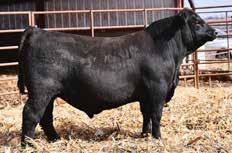
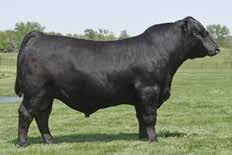
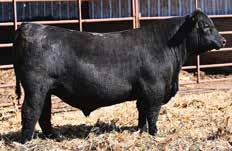
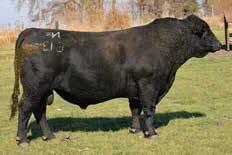
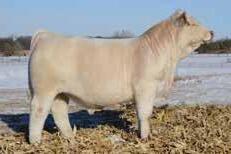
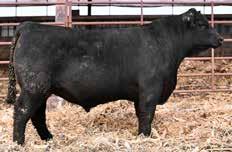
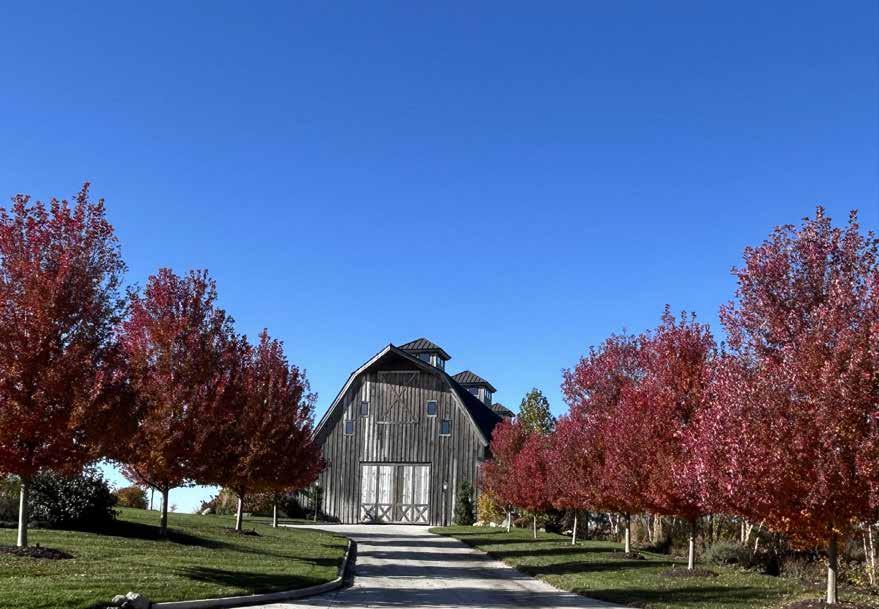
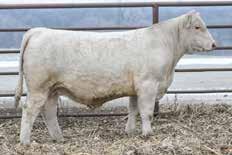



















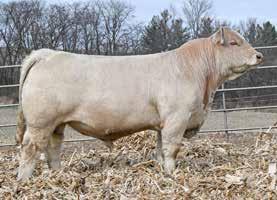








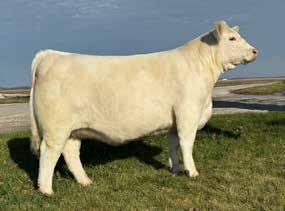
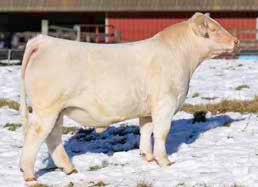

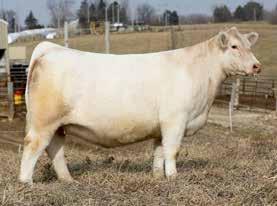





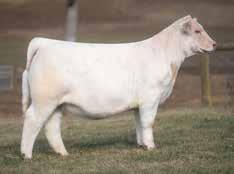

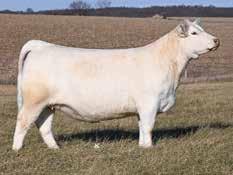





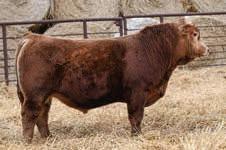
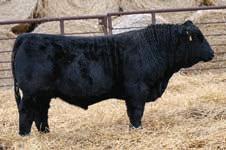
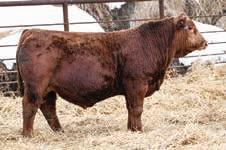
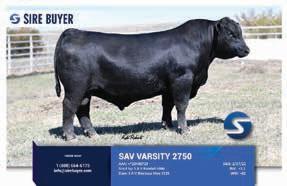
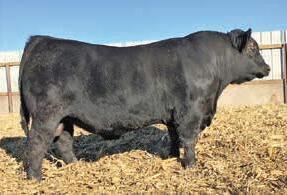
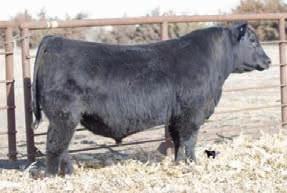
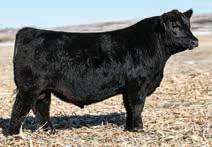
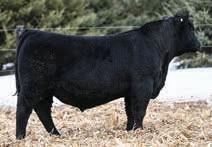
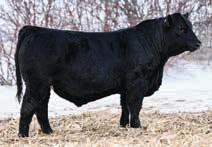
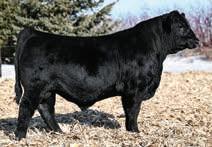
150 HEAD SELL
150 RANGE-DEVELOPED 2 -YEAR-OLD BULLS
BULLS ARE INDIVIDUALLY FEED EFFICIENCY TESTED, GRASS GAIN TESTED AND GENOMICALLY TESTED
TUESDAY, FEB.17, 2026
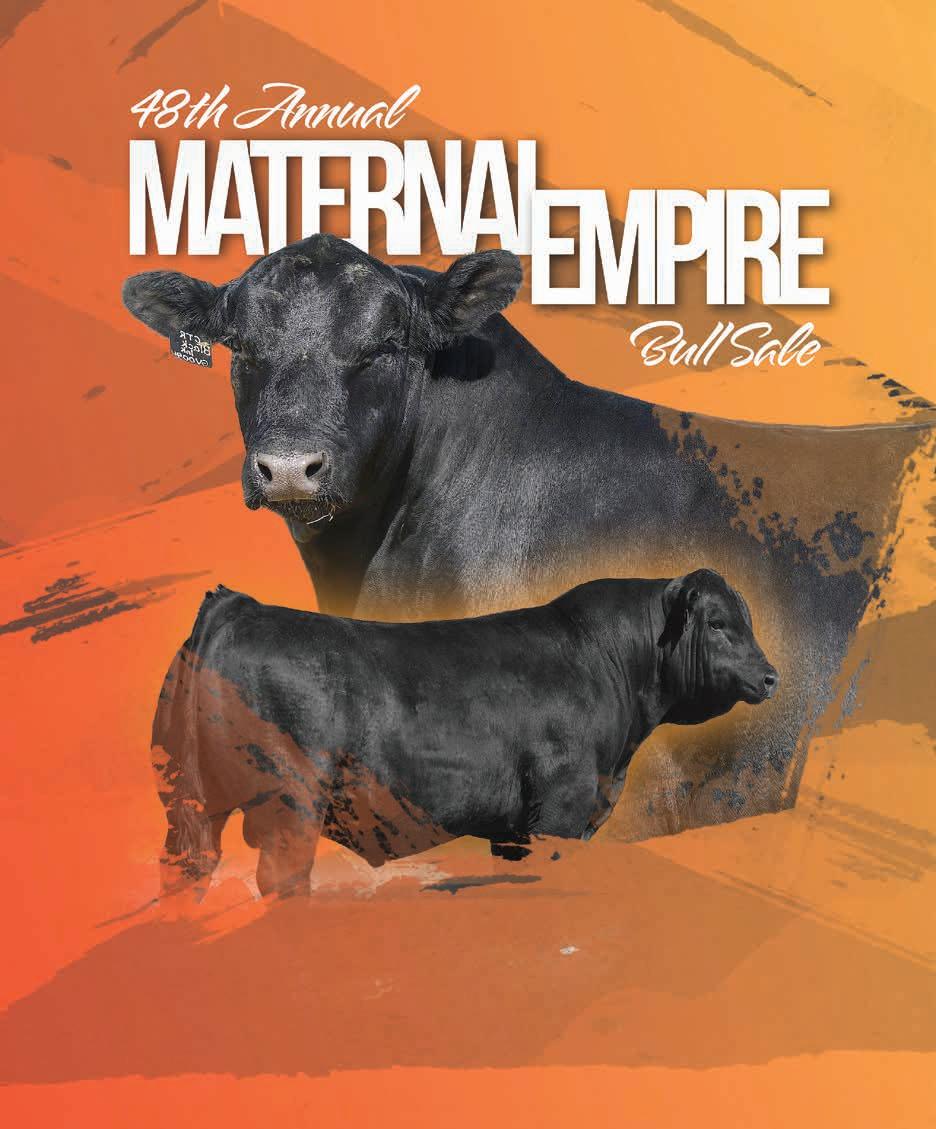
TUESDAY, FEBRUARY 17 12:30 PM | BURWELL, NE
BALANCER & ANGUS
FEATURING: 50 ET BULLS
cedartopranch@yahoo.com














































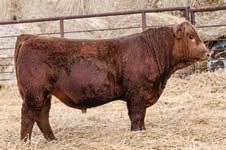






















February 14-22 2026
We invite you to celebrate the 50 years of the Iowa Beef Expo. February 14th 10AM in the Bull Pen.
By Cheryl Kepes
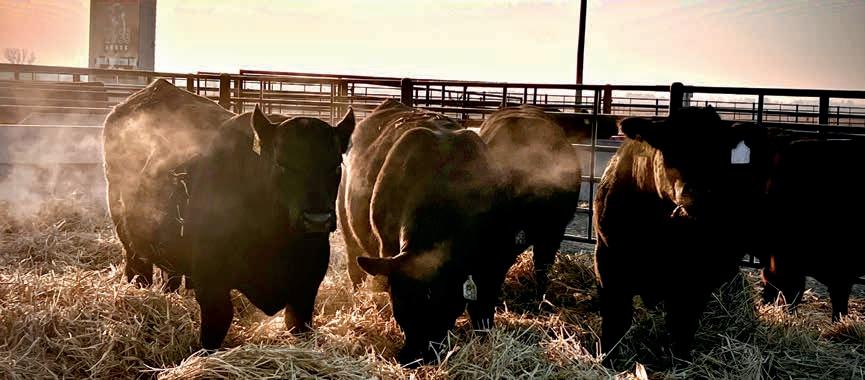
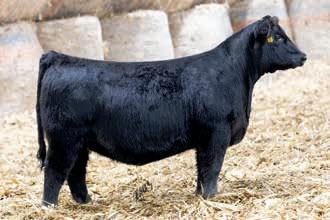
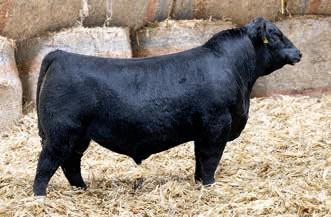
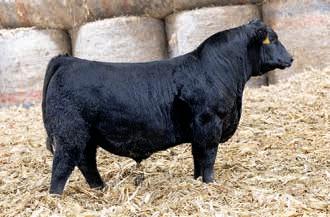
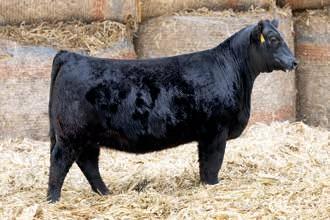
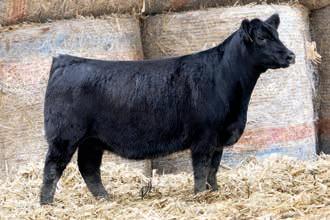
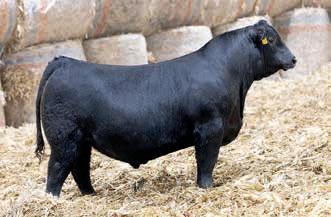
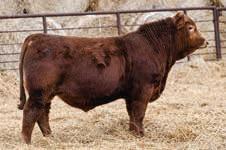
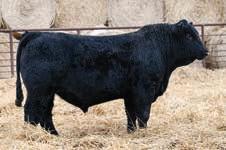
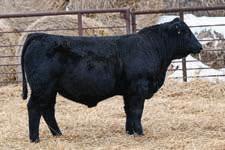
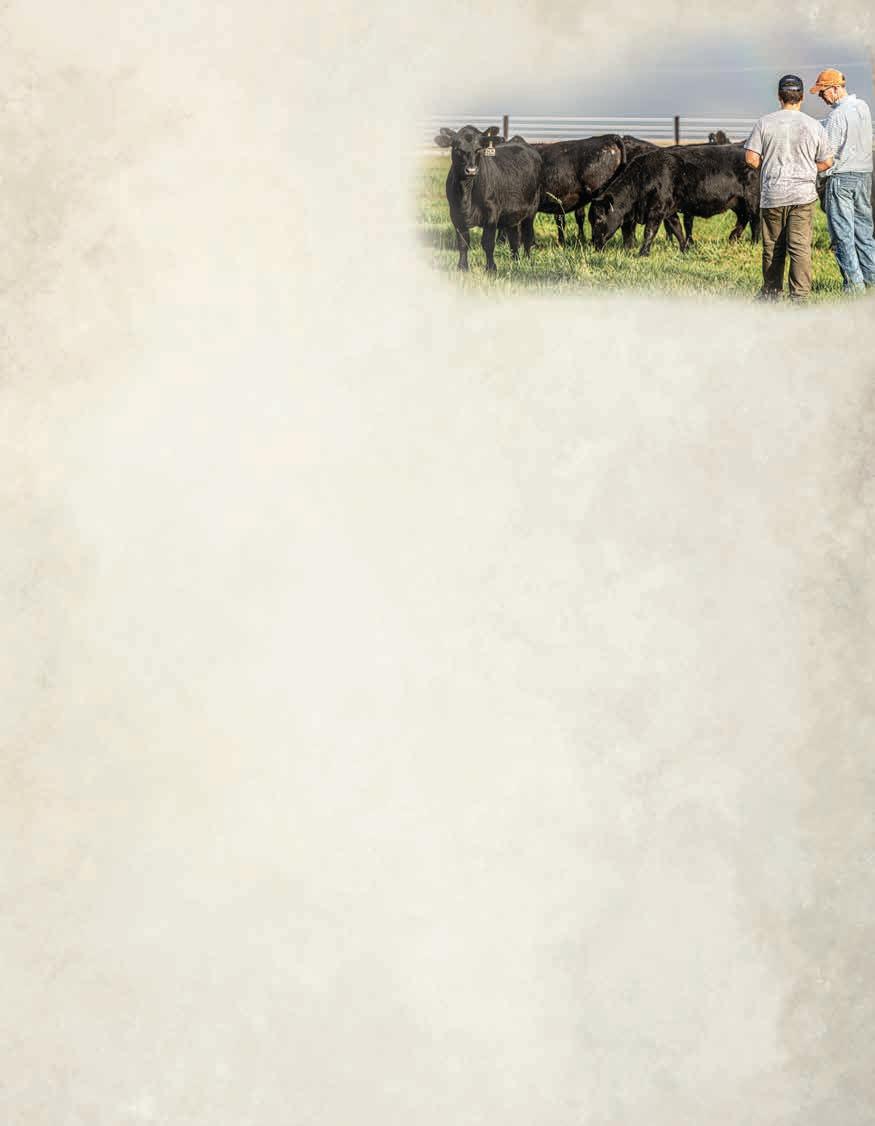
Lemke Cattle blends more than a century of ranching expertise with modern day technology to develop balanced and genetically superior seedstock.
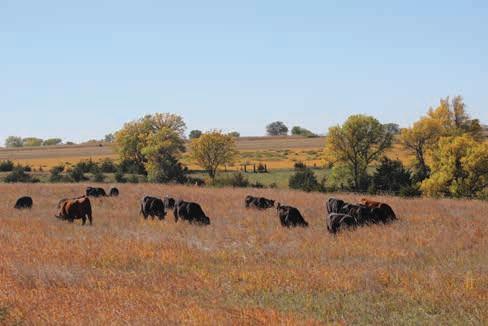
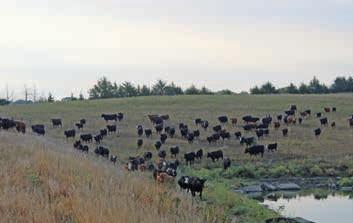
Tucked between swaths of rich, well-irrigated Nebraska farmland lies a 15-mile stretch of drylandthe type of terrain that makes crop farmers shake their heads. Yet, the broken farm ground and native grass pastures of South Central Nebraska have proved to be the perfect place for generations of the Lemke family to run a vibrant cattle operation.
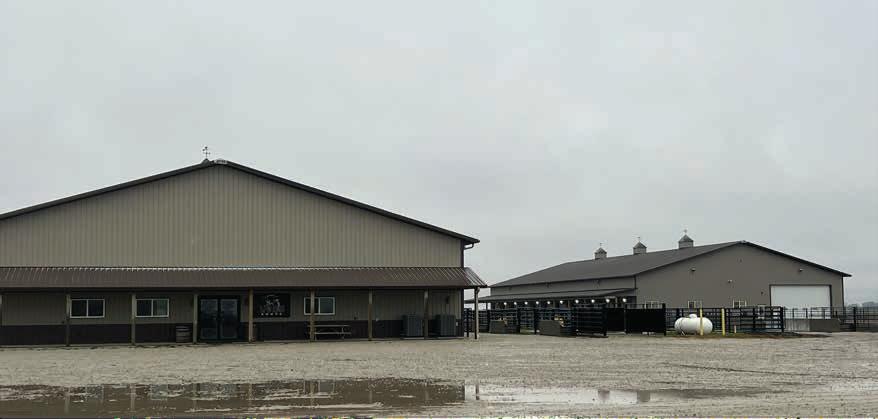
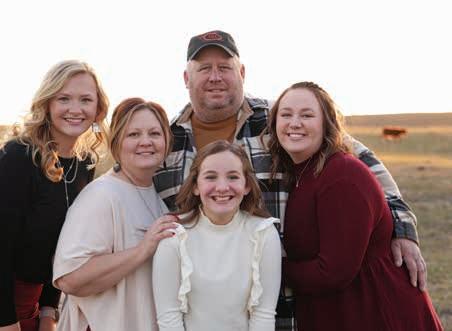
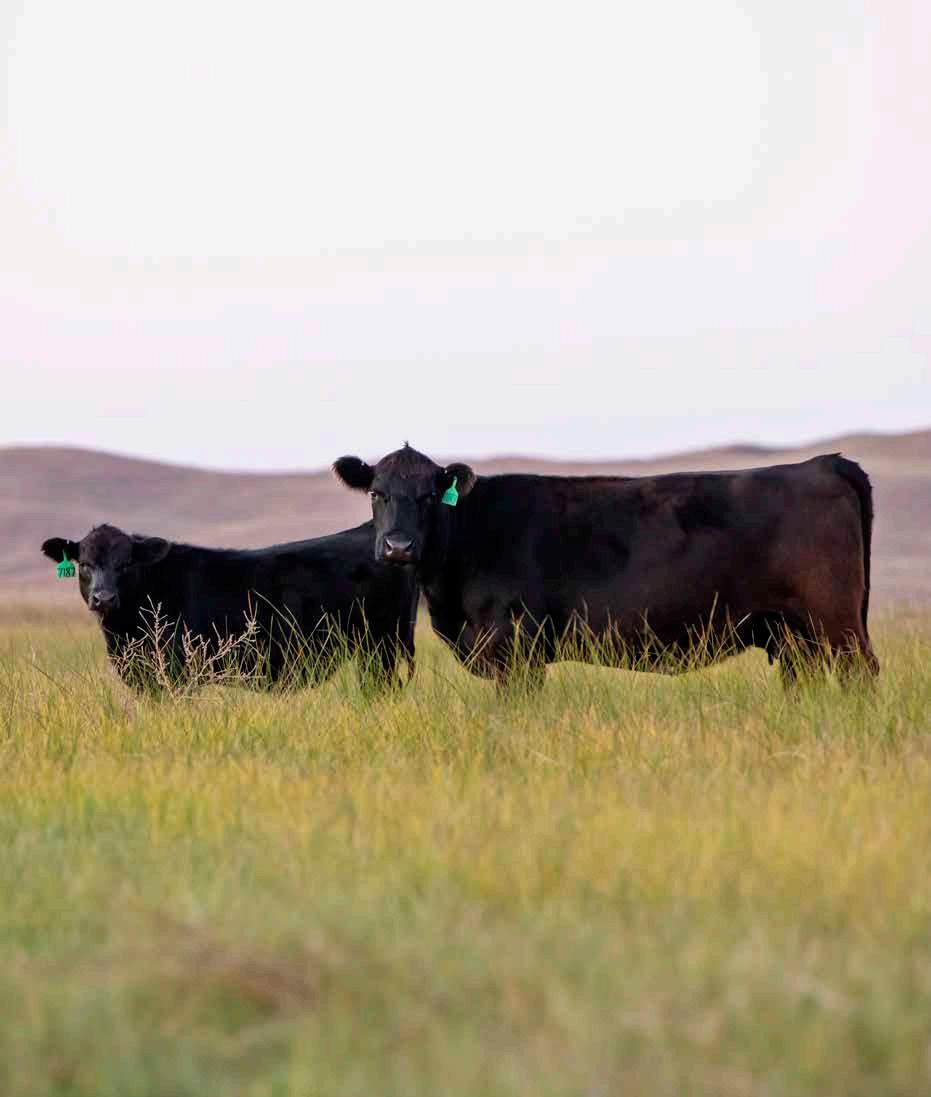
Today, continuing the lineage steeped with dedicated cattle ranchers, Randy and Leslie Lemke, along with their children, operate Lemke Cattle near the town of Lawrence. They raise Angus, Red Angus, and Angus hybrid seedstock, selling more than a hundred bulls a year.
Randy and Leslie’s children are
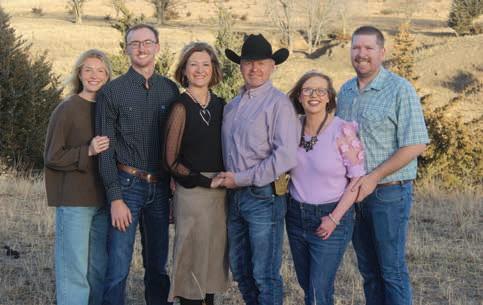
all an important part of Lemke Cattle. Tanner is in his third year of working on the ranch full time. Daughters Taylor and Samantha, and Samatha’s husband, Matt, are always at the ready to pitch in wherever work needs to be done.
Randy appreciates and applies many of the ranching principles he learned from his father and grandfather. While he attributes much of his cattle knowledge to his male mentors, his grit and tenacity most likely trace to his great-great-grandmother, Gertrude Lemke.
In 1883, Gertrude and her husband John, along with their nine children, settled in South Central Nebraska. A mere five years after planting their Nebraska roots, John died in a drowning accident. Gertude was left alone to manage the farm and raise nine children. She rose to the challenge, laying the foundation for future Lemke ranchers.
“To this day I can’t believe how they survived. I wouldn’t be here if it wasn’t for her, it’s just amazing to me,” Randy Lemke said, while reflecting on the perseverance of his great-great-grandmother.
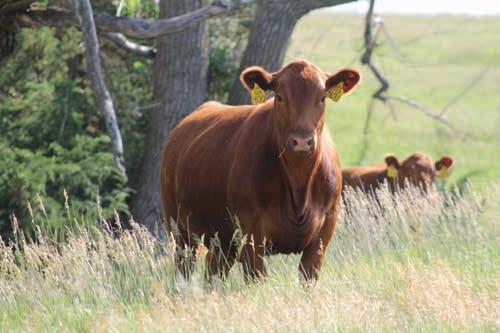
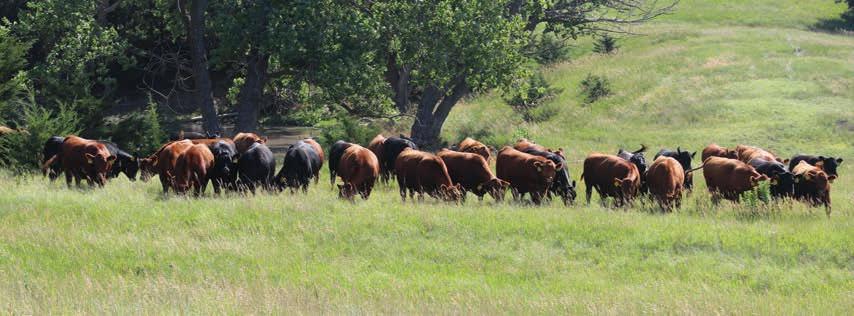
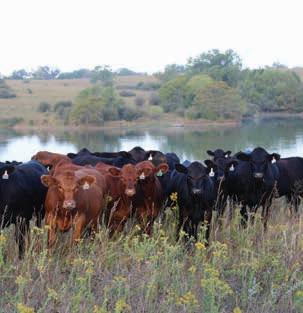
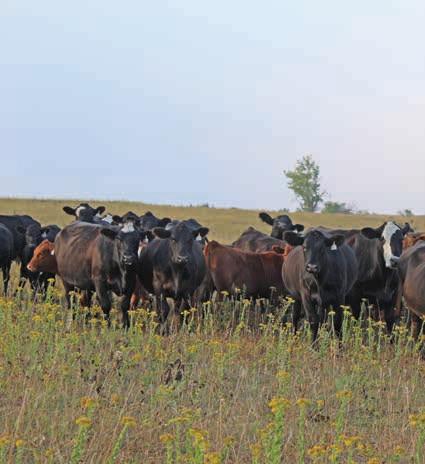
The core of Lemke Cattle’s herd centers on easy-keeping cows that possess powerful maternal performance. Through years of focusing on genetic improvement, Randy and his family have established Angus and Red Angus cow lines that consistently produce to their high standards.
“We want our females to be deep-bodied, wide-pinned, good-footed, good-uddered, and have great fertility. She’s got to be able to conceive on a timely basis, able to forage 365-days a year (weather-permitting), and still have the genetics in her to raise a fast-growing calf that the next segment of the industry is going to want,” Randy explained.
Though Randy employs his innate “good cow sense” in his herd management, he also leverages technology to make genetic advancements. Lemke Cattle utilizes AI, embryo transfer (ET), and DNA testing to fine-tune the herd’s genetics.
The Lemkes spend countless hours researching and debating the herd’s matings. They make as many
as 400 matings between AI, ET, and natural service annually. “We take a look at each female and assess her strengths and weaknesses, if she has any, and each cow gets mated specifically to make the best
The top 20 females in the herd are flushed for Lemke Cattle’s ET program, resulting in 220 embryos being implanted in recipient cows each year. The remaining females are AIed and then pastured with a
The Lemkes have hit their stride with the genetic progress of their herd. It’s taken decades of planning and executing to get the herd to this point. “We strive to stay balanced and to excel at a high level. We try to keep all the traits above average or well above average. That’s easy to say but very hard to do – it takes generations,” Randy stated.
The Lemke family culls hard, keeping only the animals that meet their standards. They utilize visual appraisal and EPD assessments to determine which animals remain in the herd. In addition, the Lemkes developed their own scoring system to evaluate each animal for phenotypical and genetic merit.
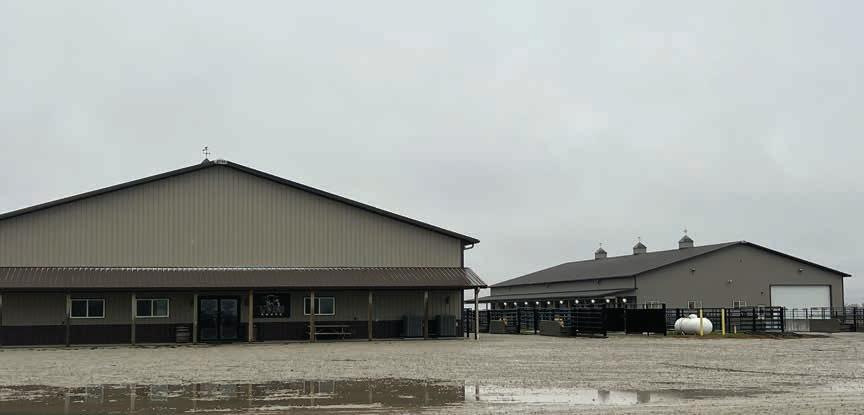
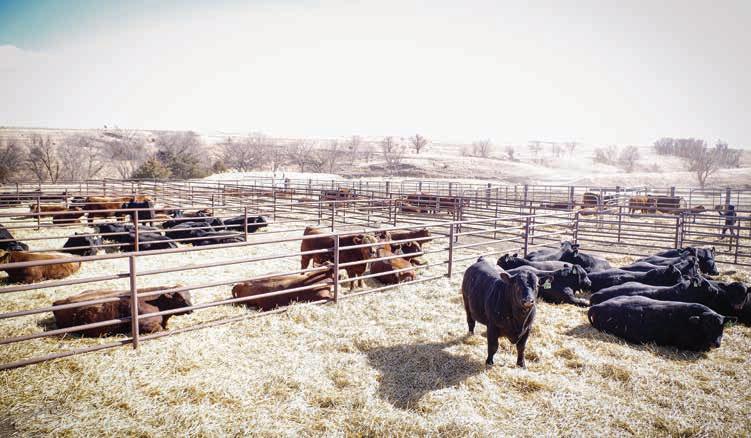
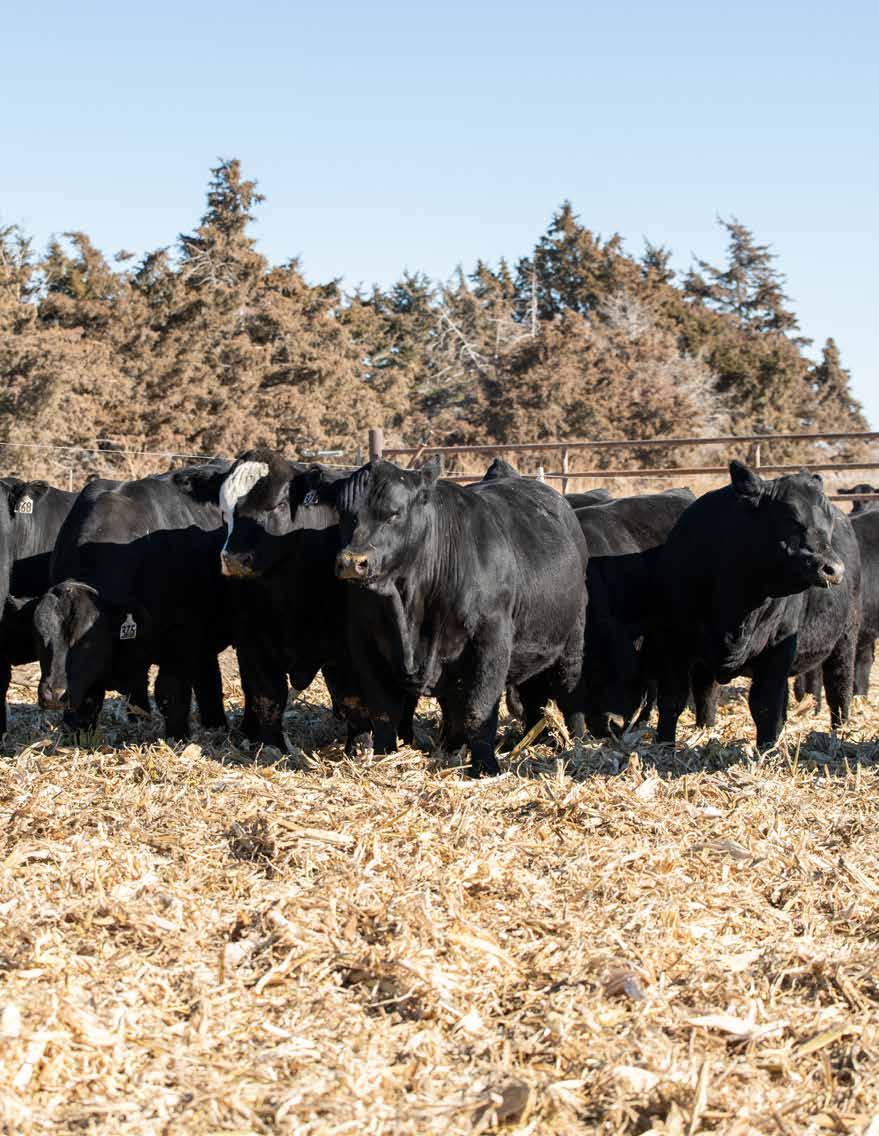
The ranch operates on 2,500 acres of owned and leased land; 2,000 acres utilized as rangeland and 500 acres planted in rye, Sudan grass, or corn. The rye is sold for seed. Then the Lemkes plant turnips, radishes, and oats with the volunteer rye letting it grow through the end of summer
into cover crop. The cow herd grazes those fields in the winter months. The Sudan grass and corn are chopped and baled for winter feed.
Though the Lemkes ensure they have plenty of winter feed available, their cattle are expected to thrive on pasture for as long as grass and cover crops remain. “We want to graze a cow every day that she possibly can. That’s the cheapest, most economic and efficient way to do it. If you have the right type of cow, she can sure do that for you,” Randy said.
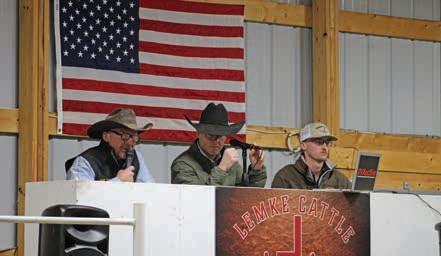
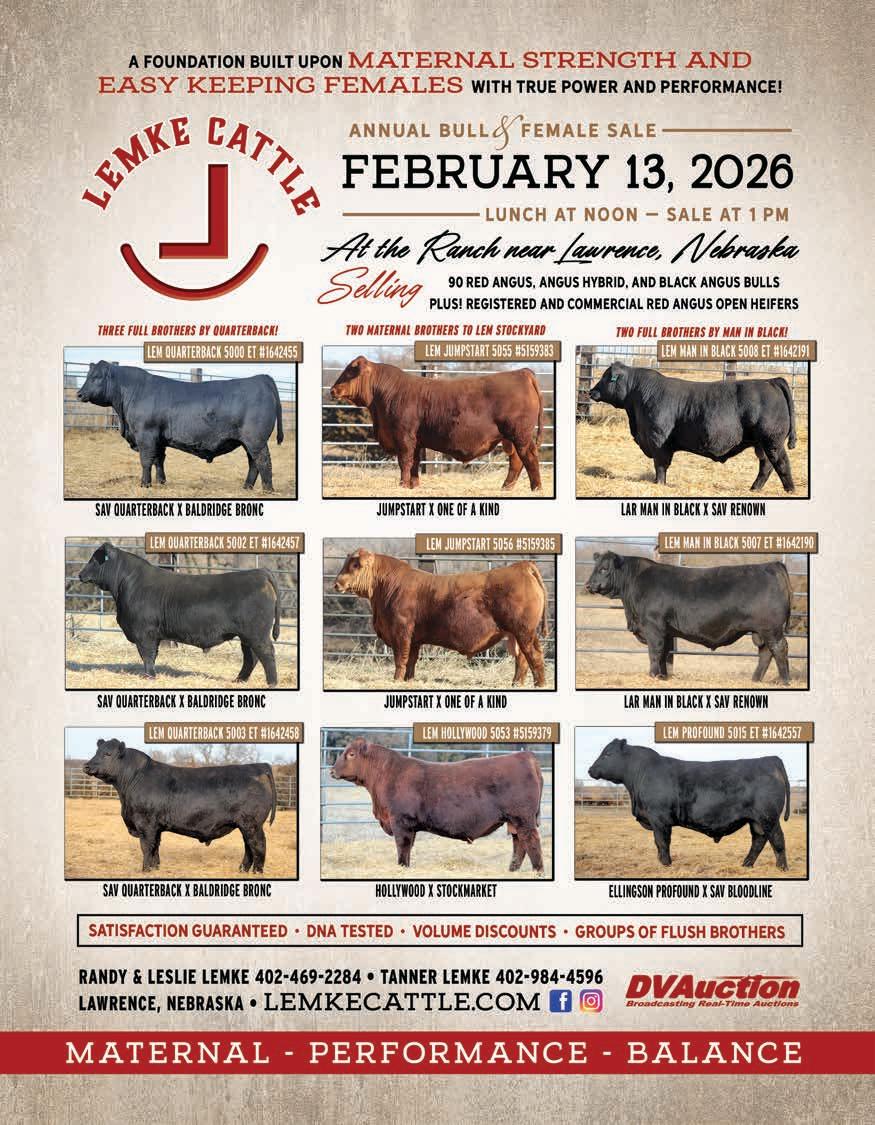
Lemke Cattle hits a milestone this February with its 20th annual bull and female sale. Catering to commercial and seedstock customers alike the sale will feature 90 Red Angus, Angus, and hybrid Angus bulls as well as open commercial Red Angus females.
“We want to offer the absolute best we can of 25 to 30 bulls of each breed. And now we are going to diversify even more with age advantaged bulls,” Randy explained. “We try to have customer service that you can’t find anywhere else. We want you to be happy with that animal no questions asked, everything is guaranteed on the bull, if it isn’t right then we take it back.”
A popular sale feature, particularly for commercial cattle produc-
Friday, February 13, 2026
At the ranch near Lawrence, Neb.
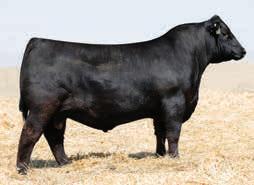
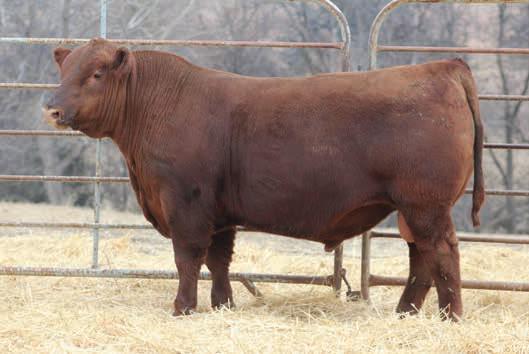
ers, is Lemke Cattle’s hybrid Angus bulls. All of the hybrid bulls are registered seedstock like their purebred counterparts, and are equipped with EPDs and DNA. The hybrid bulls possess plenty of power and genetic prowess, yet commercial buyers don’t have to compete with bull studs and purebred buyers to buy one on sale day.
This year Lemke Cattle has decided to offer a new opportunity for its customers. The Lemkes plan to add a second sale to be held the first Saturday of December. The sale will feature bred heifers consigned by Lemke Cattle customers. The bred heifers will be Lemke Cattle genetics or bred to Lemke Cattle bulls.
“We are trying to help our customers make more money and build value in their herds, not only with genetics but offer them opportunities to sell those genetics at a premium. If we offer a sale like that on our ranch and build it with reputation cattle where people know they can come and get quality, we think that will create something special,” Randy explained.
Randy finds joy in each day, deriving peace and satisfaction in the blessing of building and improving on the efforts of the Lemke ranchers who have gone before him. “The genetic progress we have made with our cattle is amazing. Sometimes I sit back and look at them and I just smile. They are exactly what my
dad and grandpa had envisioned,” Randy shared.
Above all else, the Lemke family expresses gratitude to God. They consistently seek God’s guidance in their decisions and aim to ensure that faith remains at the core of their ranching operations.
learn more lemkecattle.com
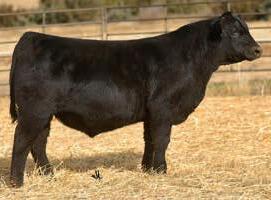
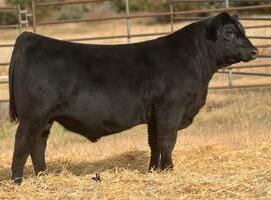
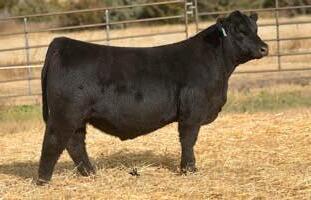
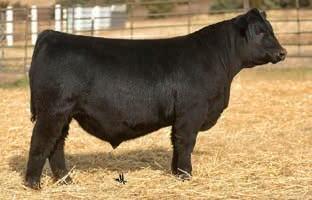
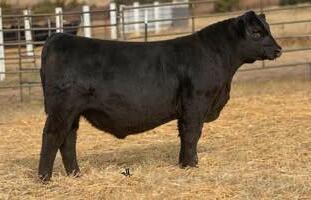



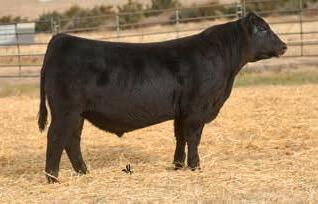
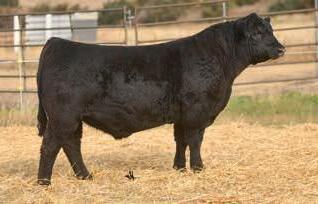
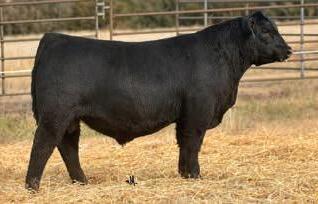
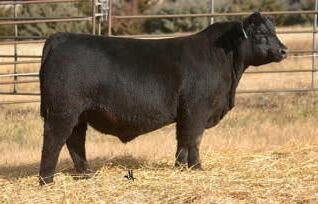
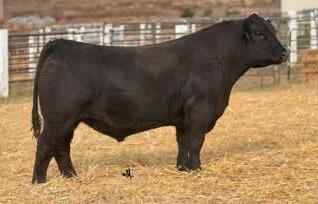
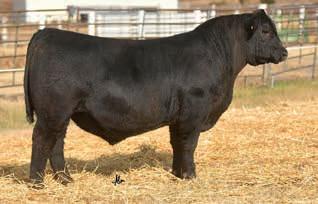



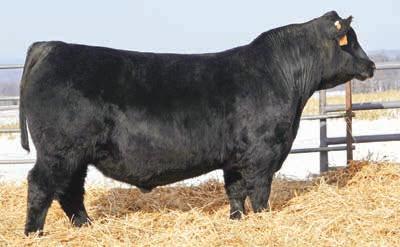

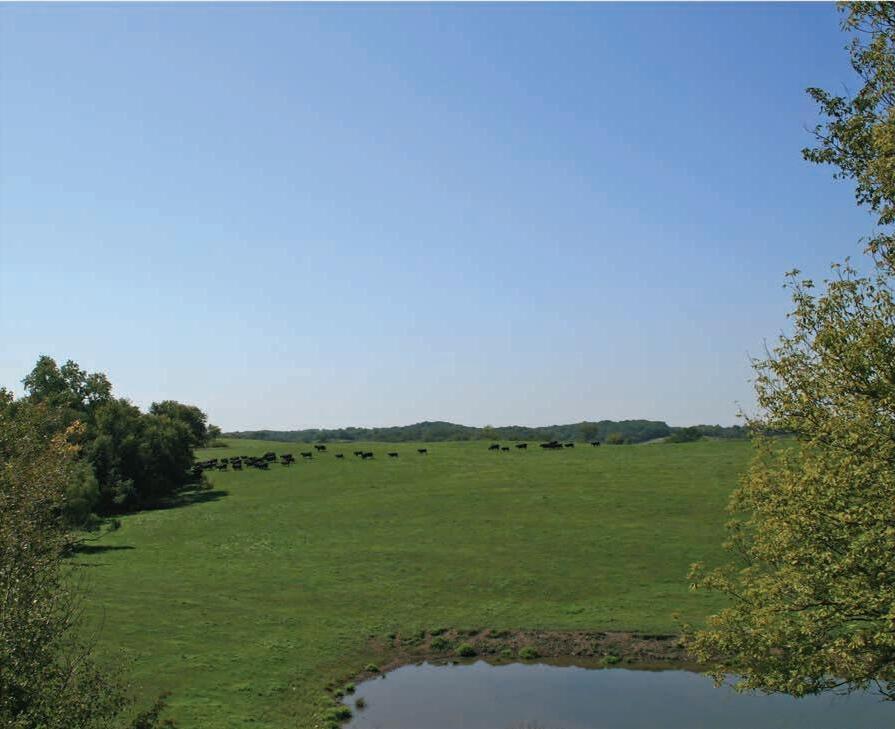
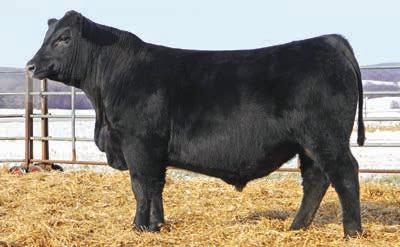


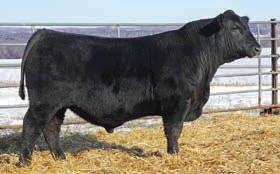
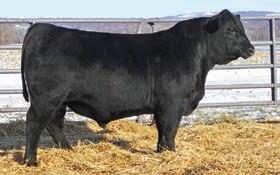
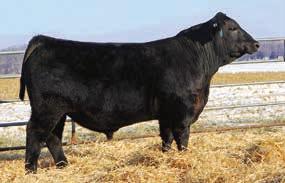
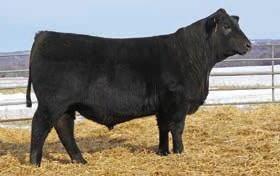
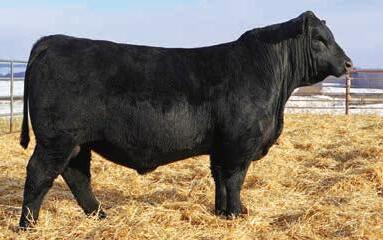
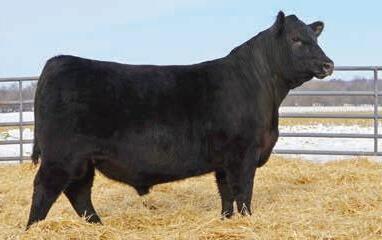
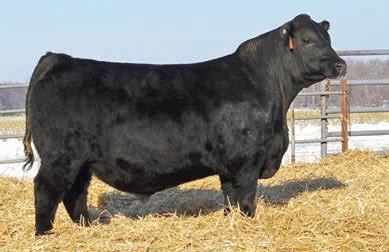

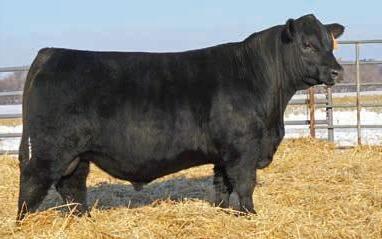
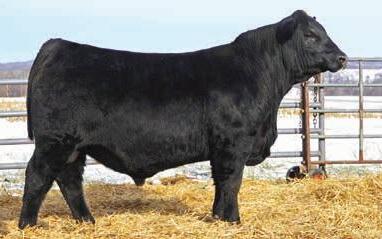
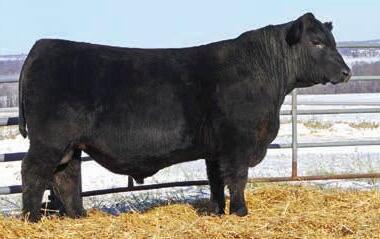
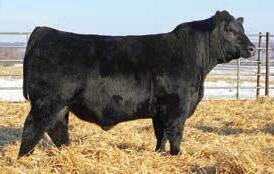
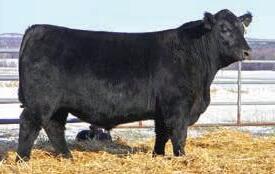
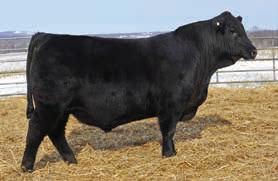
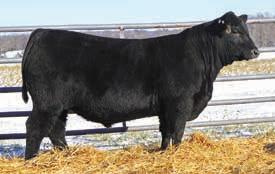


100% of our SimAngus bulls are the result of ETs and all are homozygous black and homozygous polled!
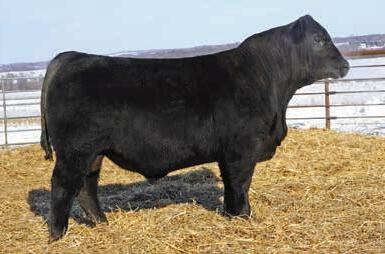
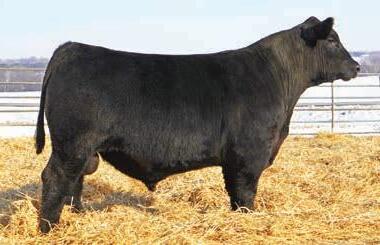
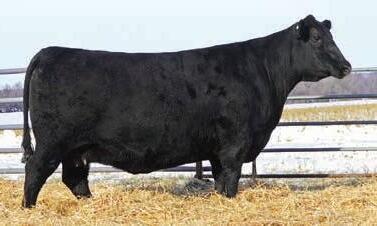
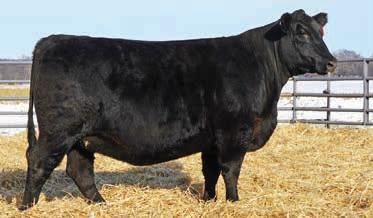

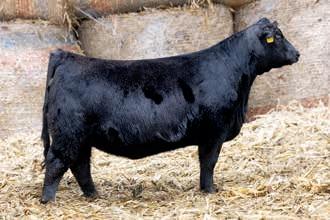
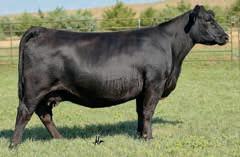
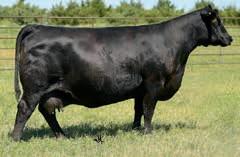
Frosty Elba Lizzy 5569 is the dam of the popular sireSchiefelbein Gable. She ranks in the top 1% for growth with excellent feet and teat and udder scores.
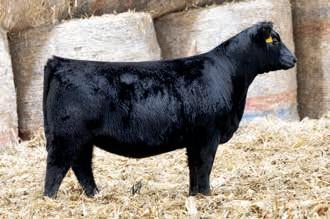
Frosty Elba 4304 is a maternal sister to Schiefelbein Top Gun, who posts a 126 $M and a 353 $C. A full sister to the $45,000 Schiefelbein All Pro.
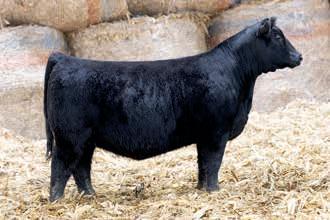
Frosty Elba 154 is a daughter of Schiefelbein Gable whose dam was a $15,000 top-selling bred heifer in 2024. She posts an impressive $C of 391




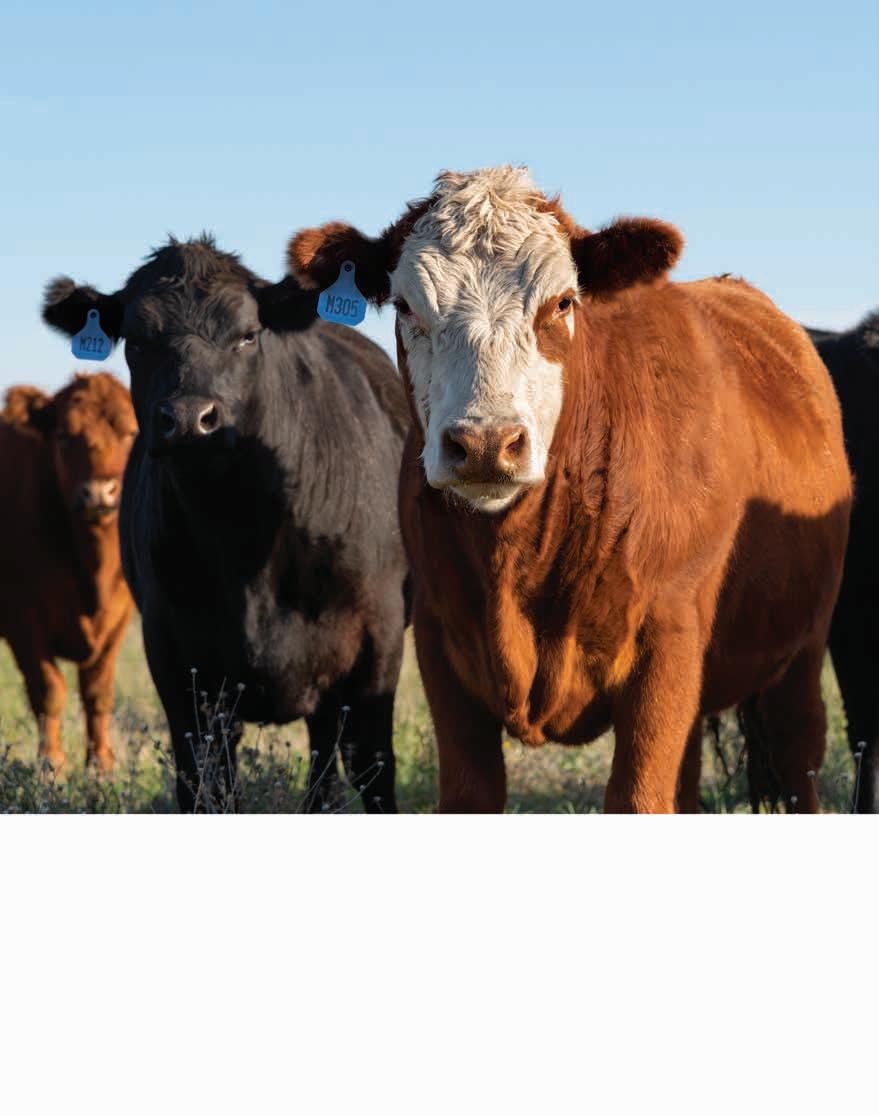
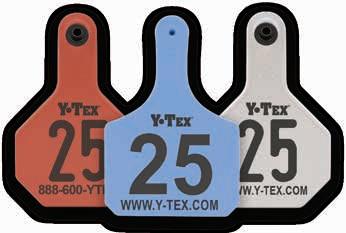
At Y-TEX ® , we take pride in American craftsmanship. Our All-American ® two-piece and Y-Tags ® one-piece ear tags are made in the USA from advanced thermoplastic polyurethane for exceptional durability, flexibility and retention.
Featuring 100% PureLaser™ imprinting with readability guaranteed for the life of the animal, our tags deliver American-made quality ranchers trust.

Randy Saner, Nebraska Extension Educator
Mary Drewnoski, Nebraska Extension Beef Systems Specialist University of NE - Lincoln, UNL Beef beef.unl.edu
University research you can use.
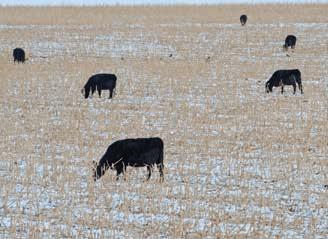
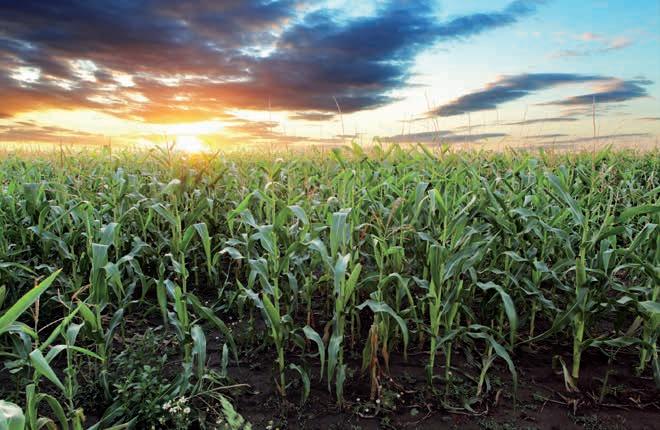
Cornstalk residue is a good source of nutrition for the beef cow. When grazing cornstalks, we want to use about 15% of the residue. This 15% includes any remaining corn and 50% of the husk and leaf. Those parts are the most palatable and the highest quality nutrition for the cow. For every bushel of dry corn, the husk makes up 3 lbs. per bushel and the leaf makes up 14 lbs. per bushel. The highest nutrition out in the field is the corn that was left.
A cow’s intake and diet quality decrease the longer she is left in the field. When cattle graze corn residue, they select corn first, husk and leaf second, cob and stalk last. When cows are forced to eat cob and stalk, they can’t meet their nutritional needs.
A general rule of thumb is that for every 100 bushels of dry corn produced a cow can graze for 1 month. To calculate how much feed is available in each field you can use the cornstalk grazing calculator found online. However, in recent studies, the University of Nebraska-Lincoln has found high yielding corn (200 bu/ac or greater) has less leaf and husk per bushel and the quality is generally lower than lower yielding fields. Based on this research, it is suggested to reduce the grazing days by 5% in higher yielding corn hybrids. This can be accomplished
by changing the utilization rate to 45% instead of 50% in the grazing calculator.
When grazing corn residue properly, pregnant cows can meet their energy and protein needs without supplementation. However, they do require supplementation of minerals and vitamin A. We suggest a 4 oz free choice mineral contains containing at least 300,000 IU per pound of Vitamin A, 4 to 5% phosphorus, 1500 to 2500 parts per million copper and 3000 to 5000 parts per million zinc.
Corn residue, especially husk, is susceptible to losses from trampling and wind. Monitoring husk availability is a great way to ensure cows are receiving the nutrients they need. When husk is hard to find, either move cows to a new field or start feeding a supplement. Bred and first calf heifers have higher energy and protein requirements and need to be supplemented. During mid gestation, 2 to 3 lbs. of dried distillers grains or 4 to 6 lbs. of modified distillers per day will meet their needs. During late gestation, 3 to 5 lbs. of dried dis-
tillers grains or 6 to 10 lbs. of modified distillers grains per day will be sufficient.
• If high yields, around 200 to 250 bushels, cut back to 45% utilization
• Monitor availability of husk in the field as a way to gauge utilization
• Heifers require supplementation with a protein and energy source
• All cattle need access to a mineral source with vitamin A
• If cows are losing weight, supplement or move to another field.
Courtesy University of NE - Lincoln, UNL Beef
Interviews with the authors of BeefWatch newsletter articles become available throughout the month of publication and are accessible at: www.go.unl.edu/podcast.






SATURDAY, FEB. 14
7 AM Judging Contest

WEDNESDAY, FEB. 18
10 AM Purina Mills Breed Shows Bulls, Bred & Open Heifers
5 PM Social (Cattle Stalls)
6 PM Ranch Rodeo

THURSDAY, FEB. 19
12 PM Panel Discussion: “Five Star Plan to Build Your Cow Herd” Breed Sales
7 PM Supreme Row
View Sales: NCC Site & DV Auction NCC Sales Powered by:

FRIDAY, FEB. 20
2 PM Commercial Heifer Pen Sale





6:30 PM Fancy Heifer & Steer Sale Junior Shows Powered by:

SATURDAY, FEB. 21
8 AM Showmanship 12 PM Junior Market Show
SUNDAY, FEB. 22
8:30 AM Junior Breeding Show
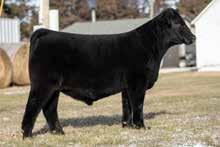




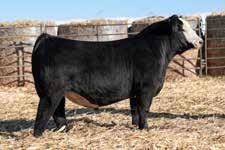
FINCH BULL 6N INSIGHT
Big time herd sire. Insight son with great balance, look and power. Add value to any purebred or commercial operation. Don’t miss this ½ blood Simmental in Kearney!


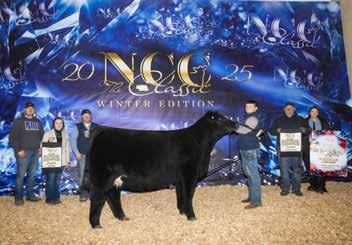


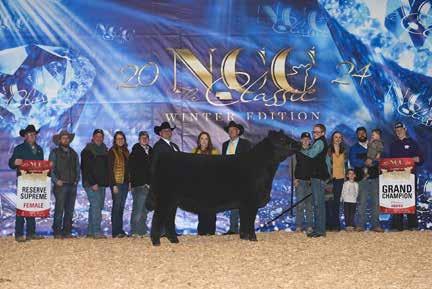
CHI SALE FEATURES

Progeny of the 2024 Res Supreme Female Sells! Chiangus Bred due to calve 3/8 to May-Way Play It Safe and Made to Order Prospect Steer.


COMMERCIAL HEIFER PEN SALE

FRIDAY, FEB. 20 - 2 PM A tremendous set of breds and opens will sell!


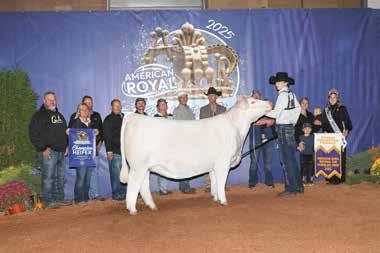
First offered eggs out of Dolly. Supreme Female, American Royal Junior & Open Charolais Shows. Reserve Supreme Female, NCC Fall Edition Open Show. Champion Charolais Female, NE State Fair Open Show


























contributed article by Justin Fruechte, Product Expert - Ag Millborn, Brookings, S.D. millbornseeds.com
By this point in the season, nearly every cattle producer has rolled out a bale or opened up the silage pile. With feed already put up, there’s no changing what’s in inventory, but there is an opportunity to evaluate what you have and build a forage feeding strategy that makes the most of it.
We often talk about alternative feed sources and the role they can play in crop rotations. Because many of these feeds aren’t considered “mainstream,” it’s common for producers to be less familiar with ideal harvest timing, storage methods, and feeding strategies.
Making sure these feedstuffs meet both palatability and nutritional requirements for the class of livestock being fed is critical. Let’s look at some common forages you may have on hand and how to best utilize them.
If you put up dry hay from longstem grasses such as millet, sudangrass, triticale, or oats, there are ways to improve how effectively that feed is used. These crops are often high-yielding and can offer respectable feed quality, but their coarse stalks can reduce palatability and increase waste.
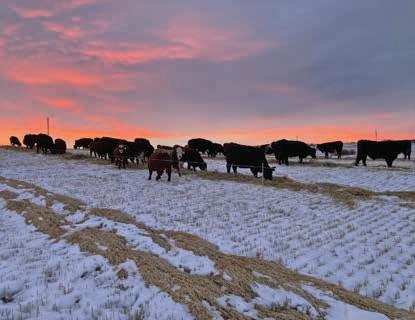
Generally, the larger the animal, the better it handles coarse forage. As a result, these hays are best suited for the mature cow herd, particularly during mid- to late-gestation when nutritional requirements are more moderate. Running these
forages through a hay grinder or bale processor can further reduce waste and improve intake. If these feeds are incorporated into a calf ration, particle size must be reduced to ensure full consumption.
Wet feed piles may include corn or sorghum silage, earlage, oatlage, pea-oatlage, or haylage from various cereal grains. These forages typically increase ration palatability and intake. And because they’re harvested with grain, they also contribute additional energy on an as-fed basis.
The higher the grain content, the more effective the silage will be for promoting gain. Proper nutrient analysis and ration balancing are essential to ensure the correct feeding rate for each class of livestock. Once a ration is established, careful management of the silage pile (maintaining face integrity, minimizing exposure, and preventing spoilage) is key to preserving feed quality and reducing losses.
Wrapped baleage requires the most attention during feeding. Many producers rely on baleage for forages that don’t cure well, including alfalfa, rye, millets, and diverse cover crop blends. These bales typically contain 40 to 60 percent moisture, which significantly impacts both feeding rates and management practices.
When feeding whole baleage bales free-choice, ensure they can be consumed within three to four days. Heating and spoilage occur more rapidly with higher moisture content, larger stem size, and warmer temperatures. Managing these factors and limiting the amount of time bales are exposed will help maintain a high-quality, palatable feed.
While winter feeding can feel repetitive, it’s also an ideal time to reflect on how each forage was managed from planting through harvest and how it fits into the broader feeding program. Feeding strategies should adapt to your forage inventory, and the most effective forage plans consider both the agronomic and livestock elements that are unique to your operation.
Millborn, Brookings, S.D.
The team of folks at Millborn have roots that run deep in farming, agriculture, and in the overall respect for the landscape. They opened their doors in 1987 and continue to walk alongside farmers, ranchers, and landowners across thousands of acres throughout the Midwest.



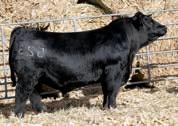

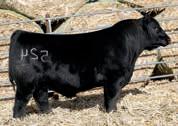
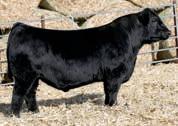
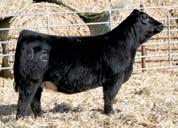
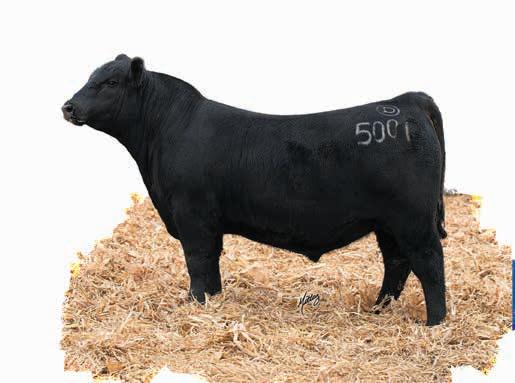
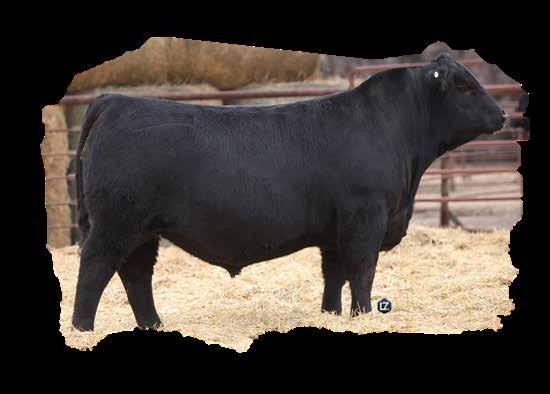
Sired by: Virginia Tech Statesman
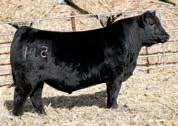
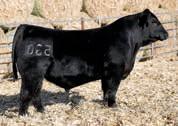
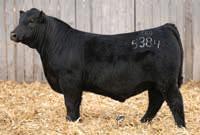
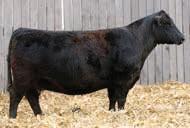
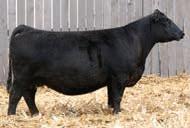
+.2, WW +79, YW +137, MARB +1.21, RE +.87, $W +83, $G +79, $B +178, $C + 298
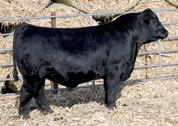
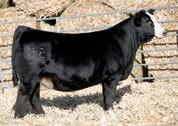
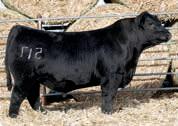
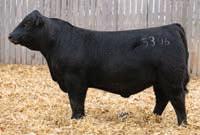
+.2, WW +76, YW +135, HS -.02, HP +14.3, CEM +15, $M +86, $W +88 O/F STATESMAN 524 • AAA 21386759 LOT 8 LOT 9
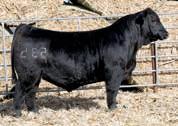

Sired by:
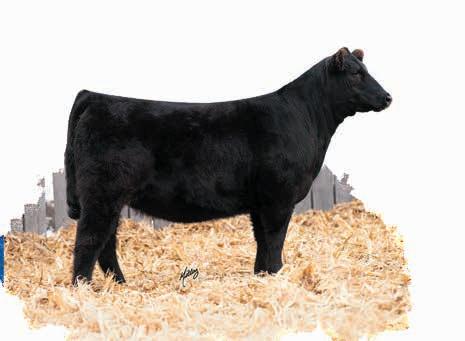




















Des Moines, Iowa — Organizers of the Iowa Beef Expo have released the official schedule for the 2026 event, marking the Expo’s 50th anniversary. The milestone-year program features a full lineup of breed shows, cattle sales, junior activities, educational clinics, and special events honoring five decades of Iowa’s cattle industry.
Expo leadership noted that the 2026 schedule blends long-standing traditions with new features created specifically for the golden anniversary. Exhibitors, producers, and attendees were able to review the complete program as they prepared for what is expected to be one of the largest Expos in the event’s history.
The 2026 Iowa Beef Expo schedule also highlights the wide variety of breeds showcased each year, including Angus, Hereford, Simmental, Charolais, Shorthorn, Gelbvieh, and Limousin, reflecting the depth and diversity of Iowa’s cattle industry.
Complete schedule here



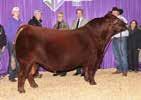
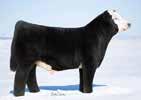
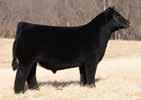
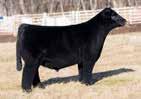
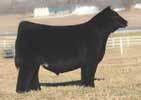
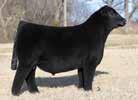
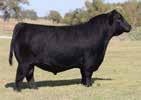
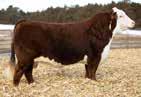
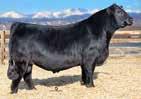
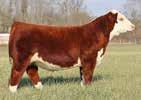
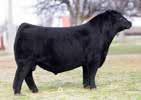
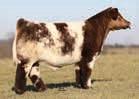
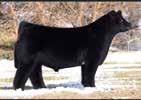
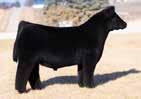
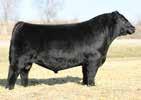
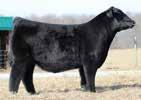
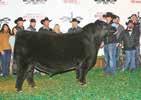
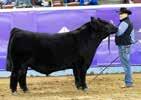
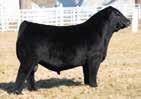
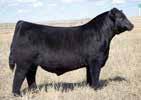
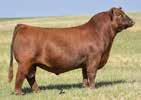
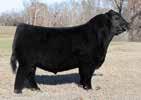
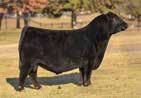
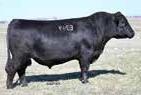
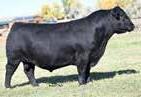
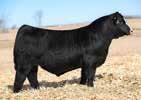
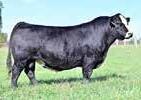
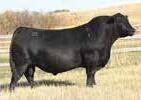
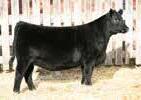
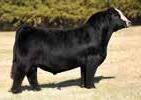
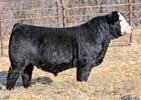
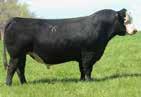
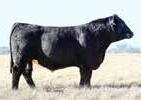
Exciting rancher approved $147,500 LT 2025 sale feature purchased by Mohnen! EPDs consistently top 20% with elite structure and maternal!

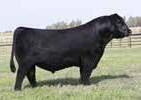
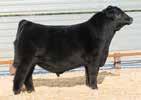
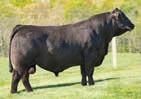

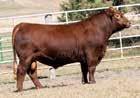
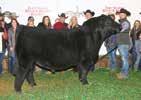
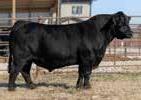
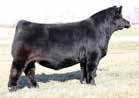
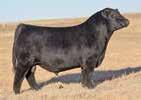
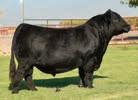
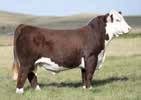
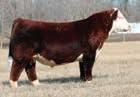
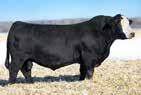
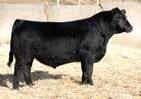
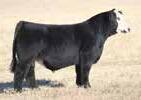
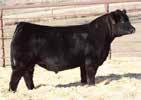


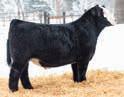
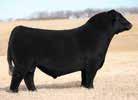
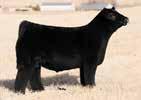

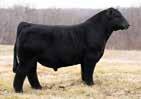




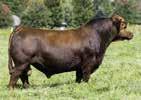
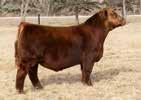
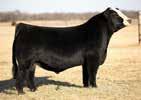
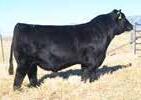
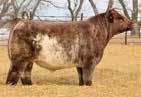
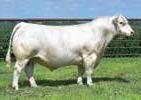
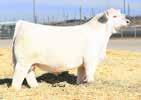
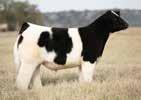



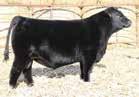
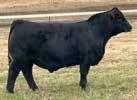
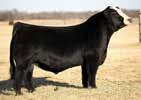
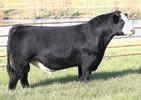


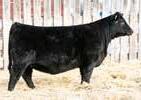
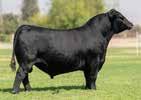
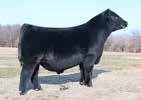
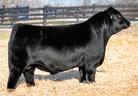
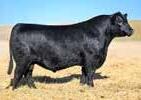
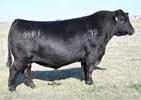
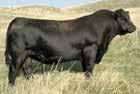
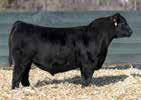
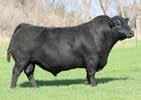
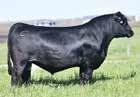
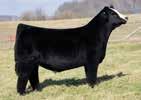
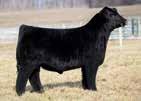



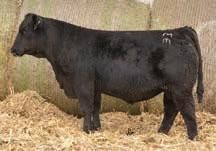
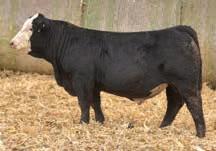
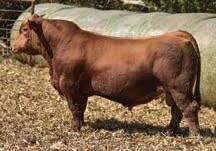
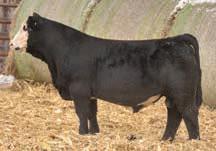

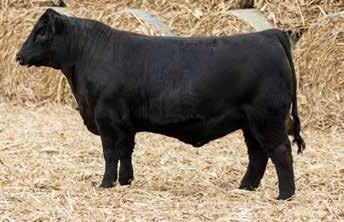

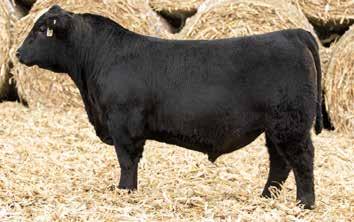
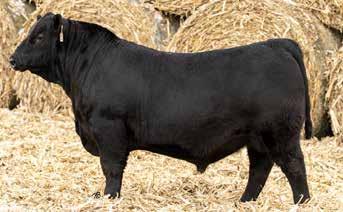
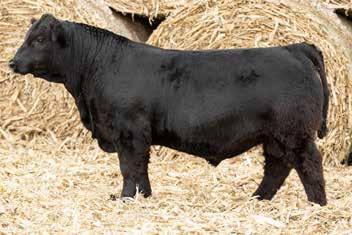
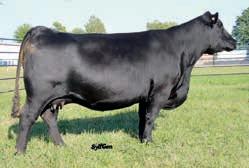
POLLARD LADY 1506
Consigned by Sydenstricker Genetics
Selling 3 IVF Embryos sired by EXAR Anticipation 4836B
Here is an opportunity to purchase embryos that are maternal sibs to the $160,000 Sydgen Lady 5057 purchased by Express Ranches and Pollard Farms and the $66,000 valued Sydgen Stability 4577 purchased by Brinkley Angus and Mead Farms in the 2025 Sydgen Sale. 1506 came to Sydgen as the $50,000 third top-selling open heifer in the 2022 Pollard Farms Production Sale. The sire of these embryos EXAR Anticipation 4836B was the top selling bull in the 2025 Big Event Sale at Express Ranches as he sold for $400,000 for half interest to Edisto Pines and Circle F Farms.
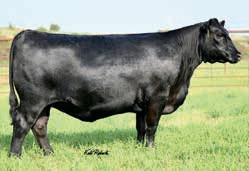
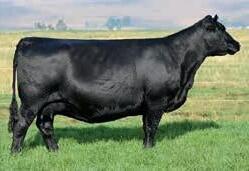
Consigned by Frank-Hazelrigg Cattle Co. and Basin Angus Ranch
Offering a conventional ET Flush to the bull of the buyer’s choice with a guarantee of 6 embryos with no cap. All flush and semen costs are the responsibility of the buyer. Offering an unprecedented opportunity to flush the one and only full sister to FHCC Foundation 1558 to the bull of your choice. Top 1% $Combined genetics with impressive phenotypic quality that matches her brother. One of her first progeny by Basin Safe Deposit was a $25,000 featured bull selected by Mead Farms in the 2025 Basin Angus Ranch Bull sale. Blackcap Lady 1527 embryos by Pollard Hennessey were among the most popular matings in our Fall 2025 Elite Embryo Auction achieving a winning bid of $2,900 per embryo. After exclusively doing IVF work with 1527, we recently switched her to conventional embryo transfer where she produced 18 high quality embryos in her first flush.
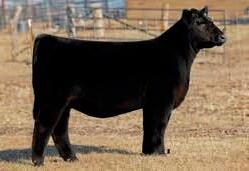
Consigned by Upchurch Angus
Offering an IVF Flush with a guarantee of six to eight embryos; anything after eight will be at a pro-rated cost. Buyer is responsible for semen and flush costs. Also selling 3 IVF Embryos sired by Coleman Maternal Balance 3734 Here is an opportunity to acquire a flush by the $20,000 Upchurch Angus donor Coleman Donna 9283. 9283 is an elite high $M female that ranks in the top 1% for $M. She has progeny production record of WR 2@106 and YR 2@105. She is a direct daughter of the legendary donor Coleman Donna 0308. Her full sister Coleman Donna 9286 was a feature in the 2023 Your Maternal Source Sale and one-half interest sold for $30,000 to Southall Angus, TN. Maternal sisters to the dam include Coleman Donna 8216, who was the $150,000 one-half interest feature of the 2024 Your Maternal Source Sale going to Jocko Valley Ranch of Montana.
Consigned by Ward Bros Cattle
This February female is an attractive daughter of the past ROV Show Bull of the Year Executive Decision 2219 and her dam, WB Princess 137, was selected as the Reserve Division Champion at the 2023 NJAS. This Princess female combines two great cows, Pebbles and CCC Sara’s Dream 5116. There is purple all throughout this pedigree!

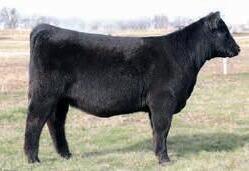
Consigned by MW Cattle Co
If you are looking for a competitive Intermediate division show heifer keep your eyes on this one, she is STOUT and stylish! Resulting from an embryo purchase made from Reed Genetics, this pedigree needs no introduction. BNWZ Dignity 8017 backed by the famous Sandy cow family after her show days are over, she will be a fun breeding piece!
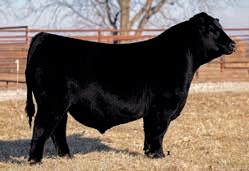
Consigned by Thummel Angus
One thing about Thummel Angus consignments is you always find cow power in their pedigrees. TA Achievement 436 is no exception to that rule. He has three close dams in his pedigree who produced through ten years of age. They consistently calved towards the beginning of calving season and produced progeny vital to their operation. He was the Division 4 Reserve Champion PGS Bull at the 2026 Cattleman’s Congress.
By
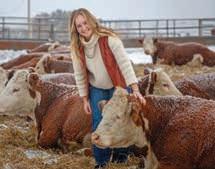
First generation cattle ranchers build a purebred Hereford herd in northern Minnesota.
T
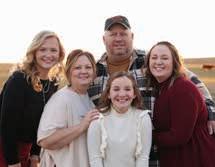
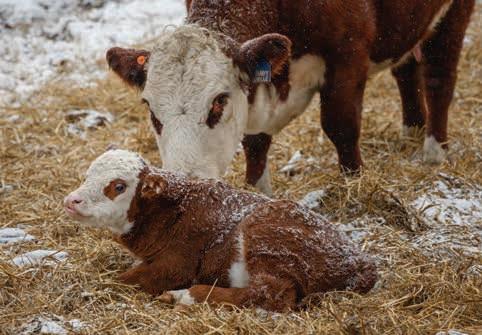
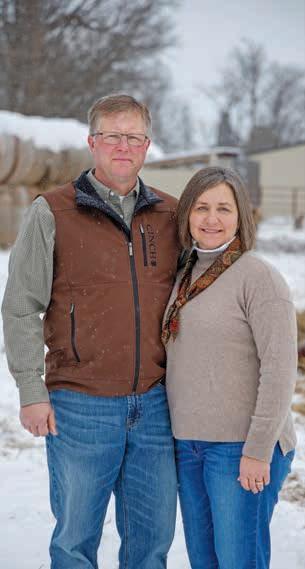
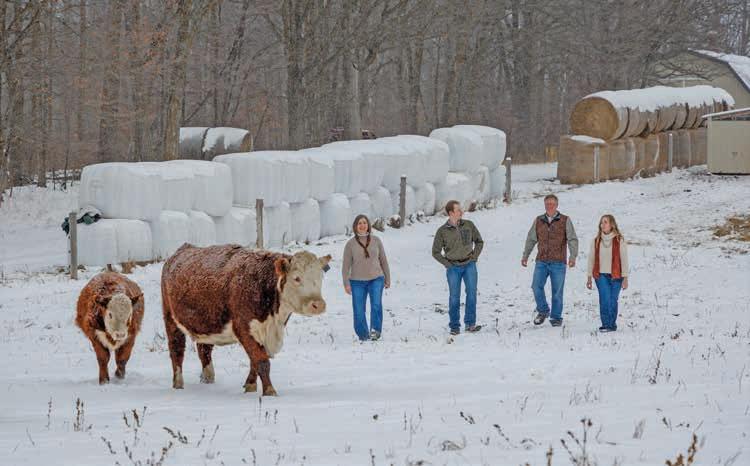
hirteen years ago, Gib Mouser purchased four Hereford heifers and brought them home as a surprise for his wife, Michelle, and their children, Cale and Haley. Little did he know his spur of the moment purchase would evolve into a family passion for the cattle industry. Through the years, Gib, Michelle, Cale (23), and Haley (21) have made a positive impact on the agriculture industry at national and international levels.
The family runs their registered Hereford cow/calf operation, Mous er Herefords, in Tenstrike, Minne sota. The Mousers are first-genera tion farmers. From the onset, Gib, a large animal veterinarian, was well acquainted with managing live stock. However, it was all new to the rest of the Mouser family.
“It has been quite a ride, and it has been awesome,” Michelle
Mouser shared. “But in all honesty, I did not know that it was in me to do this and love it. My husband already enjoyed it just by being a veterinarian. He really enjoys the cattle ranchers and everything about their livelihood, their mentality,
and the way they look at life – he has always admired that.”
Gib wanted to give his family the opportunity to experience life and develop values similar to his cattle producer clients, thus the purchase
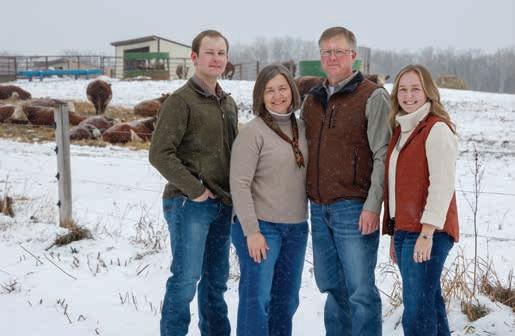
of the original four heifers in 2012. The quartet of Hereford heifers steadily multiplied on the Mousers’ 80-acres in northern Minnesota. Mouser Herefords now consists of 80 head of Hereford seedstock and utilizes an additional 300-acres of leased pasture and hay ground.
Though Gib started the cattle operation with the initial purchase, it’s the Mouser children who have guided it to the operation it is today. “In the very beginning, it was something that gave us a goal to work toward. It was a step in the door of realizing this is something that we enjoyed, and we can work at and find success in,” Haley Mouser explained.
A year after the first Herefords arrived, the Mouser children were introduced to showing. Friends in the cattle industry stepped in to teach
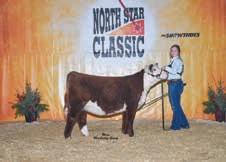
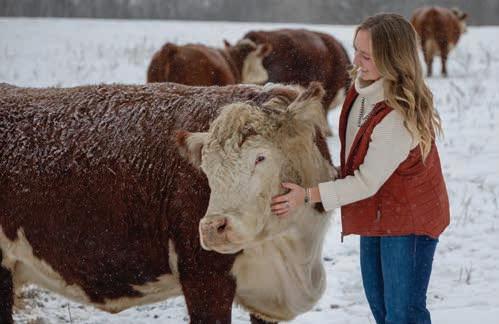
the young Mousers how to halter break, wash, feed, clip, and show their animals.
Two livestock events changed the trajectory of Cale and Haley’s lives.
The initial experience took place at their first “big” show, the Northern Minnesota Junior Classic. During
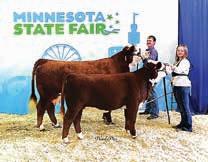
the show, Chuck McCullough conducted a fitting clinic. Chuck’s instruction resonated with Cale, from that point forward Cale was hooked.
“I describe that moment as the freight train came in, Cale jumped on, two years later Haley jumped on, and Gib and I grabbed the caboose,” Michelle said. “The kids led all the showing; we were just the drivers and suppliers of all the equipment.”
The solidifying all-in moment for Haley emerged in 2016 during her second year of showing, when the family attended their first Junior National Hereford Expo held in Madison, Wisconsin. “That is what truly laid the foundation for my passion for the breed and for the industry. Just realizing how massive the industry was, and that I could have a role in it, was just incredible. The people within the industry are what hooked us,” Haley recalled.
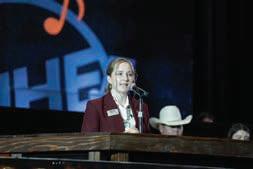
The then 12-year-old Haley took that enthusiasm and put it into action. Through the years, she grew her knowledge of the cattle industry, served on the National Junior Hereford Association Board of Directors, and launched a successful collegiate livestock judging career. Recently, she won high individual at the Mid-American Classic in Hutchinson, Kansas and started her search for a graduate school as she plans to pursue a master’s degree.
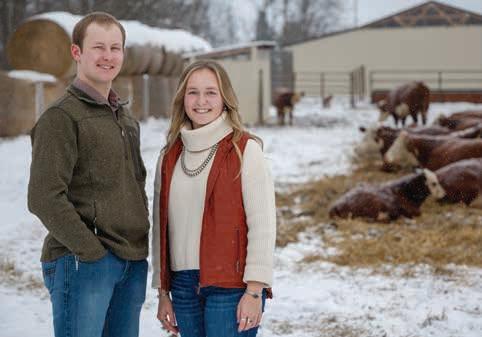
The Mousers’ focus on producing Hereford seedstock for their customers. They work to develop bulls for local commercial cattle producers as well as bred heifers. They AI all their females one time and then use a registered, purebred Hereford bull for cleanup.
All of their females calve in the spring. This spring, the Mousers will calve 30 females. The family calves their herd early in the spring calving season to ensure Gib is available to assist his clients when their calving seasons begin.
The Mousers utilize information from their animals’ EPDs and pedigrees to direct breeding determinations and to make genetic improvements. They strive to produce well-rounded animals that will work for their customers.
Haley relies on her knowledge of each animal to help guide customers in their selections. “When customers come and tell me what they are looking for, I know the cow lines well enough and genetic potential to say, this is what fits,” Haley said.
The Mousers partner with an Angus breeder in Little Fork, Minn., as an avenue to market their top bulls. “We bring our bulls to their
operation in the fall to be developed alongside his Angus bulls and then they are marketed in his spring sale catalog. This, along with word of mouth, has been our best method of marketing, and allows the commercial producers in the area the option of capitalizing on a F1 baldie calf,” Haley stated.
The family sells its bred heifers through private treaty. Additionally, the Mousers feed out a few steers each year to sell locally. The steers are developed on forage primarily produced by the Mousers. The operation utilizes rotational grazing and raises all its own hay, silage, and haylage. The cows thrive off pasture grass and receive protein supplementation in the winter in the form of lick tubs or cake.
In their own way, each member of the Mouser family contributes to the agriculture industry. Gib’s veterinary practice, Turtle River Veterinary, is celebrating its twentieth year in business. His practice is an entirely mobile operation. Gib travels up to three hours away to assist cattle producers in the northern reaches of Minnesota. In a place
where access to a veterinarian can be scarce, Gib makes sure care is available.
Michelle takes on the lion’s share of the herd management at home now that Haley is attending college at South Dakota State University (SDSU) and Cale is working fulltime. Michelle has served as president of the Minnesota CattleWomen’s Association and spearheaded seminars and events for women in the cattle industry.
Haley is pursuing a registered dietitian degree with an emphasis in meat science. Her career goals include working in an advocacy role
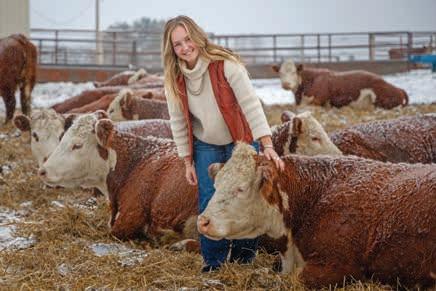
on behalf of the beef industry. At home, Haley is charged with making all the mating and breeding decisions for the family’s Herefords herd.
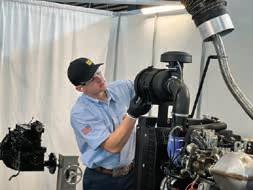
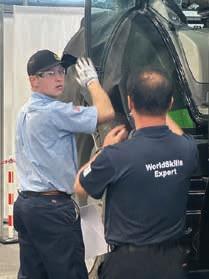
Cale is making his mark on the next generation. While a student at North Dakota State College of Sciences (NDSCS), Cale competed in the Skills USA Diesel Technician Competition. He won the North Dakota state competition, earned a gold medal at nationals, and then took fifth place in the 2024 World Skills competition hosted in France. Now he is investing in future diesel
mechanics through his teaching job at his alma mater, NDSCS.
The Mouser family lives with a daily attitude of gratitude and purpose. Gib and Michelle appreciate the positive impact the cattle industry has made on their children. “Cale and Haley are who they are with or without cattle. But it helped shape them and learn that passion and that drive. When you enjoy something and just pour your all into it, the results are fantastic. And they do that in whatever they do,” Michelle shared.
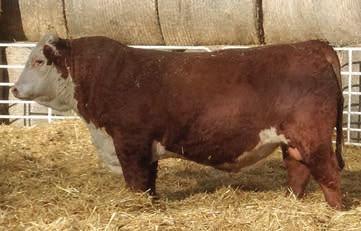
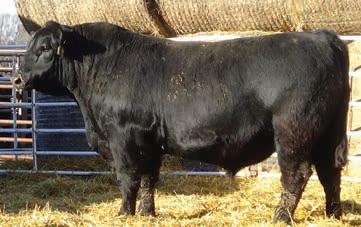
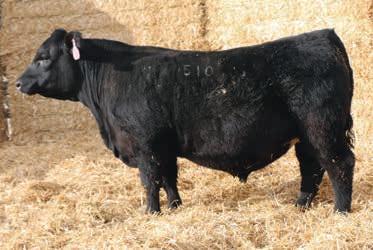

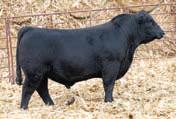
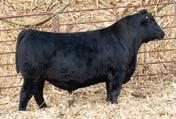
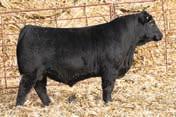
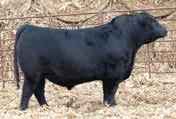
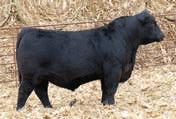
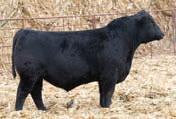
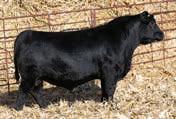
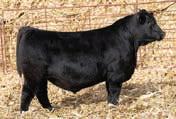

Saturday, February 28, 2026 at 1:00 PM At the farm located near Burchard, NE
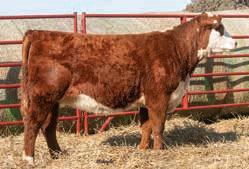
34N Splendid open heifer sired by LOEWEN VALDOR B10 K71 ET
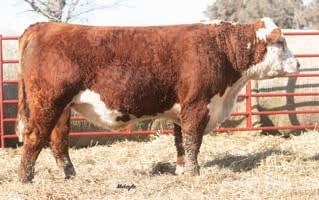
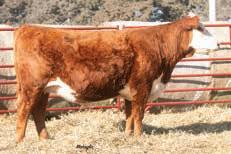
Super bred heifer by LOEWEN CMF MENDEL • Bred to calve to LOEWEN 4B GARFIELD B42 G24 ET
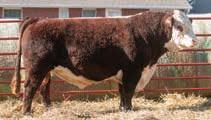


31N
Open heifer sired by the popular BIRDWELL NEW STANDARD SIRE
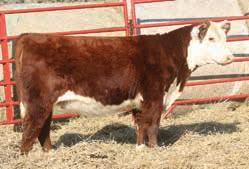
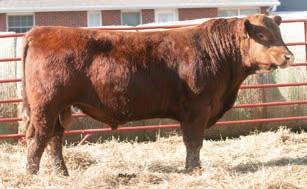
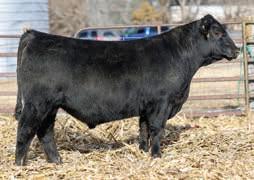
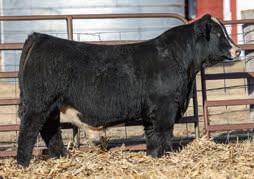
AAA#(62822750) • Birth Date: 2/6/25
Sire: GB Fireball 672 Reg#18690054
Dam: TM MRS Erica 0319 Reg#19972031
ASA#Pending • Birth Date: 3/14/25
Sire: TL On The Run 106K Reg#4325400
Dam: PGN Magnificent Majesty Reg#3623380
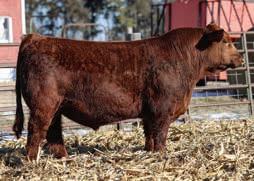
M5 Standout King N4
ASA#4525417 • Birth Date: 11/29/24
Sire: THSF Lover Boy B33 Reg#2983443 Dam: DI Miss Magnum E13 Reg#3373908
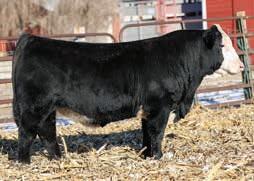
AMGV#Pending • Birth Date: 2/1/25
Sire: Reg#P43973789
Dam: Ms Ruttan LD9229E Reg#1400652


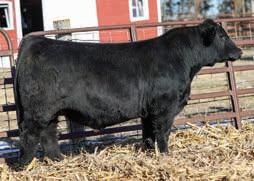
ASA#4510295 • Birth Date: 2/5/25
Sire: Schooley Standout 27G Reg#3585120 Dam: JCCO Hoya Amethyst 22L Reg#4284003
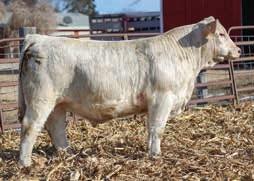
AICA#M1516480 • Birth Date: 3/5/25
Sire: LT Affinity 6221 PLD Reg#M880381
Dam: J-T BC Rose Peddle 904G Reg#F1274968
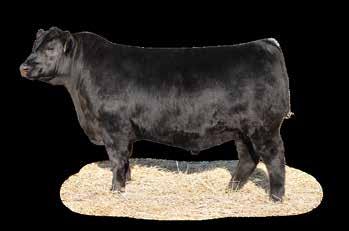
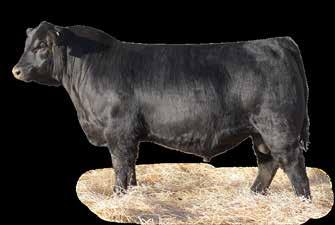
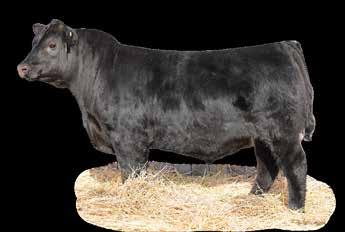
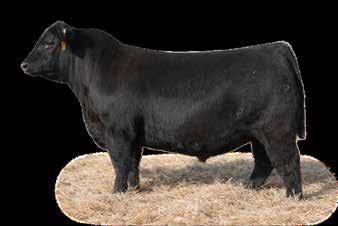
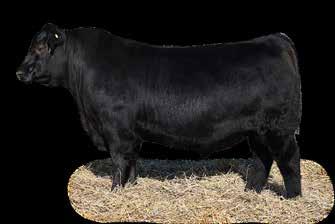

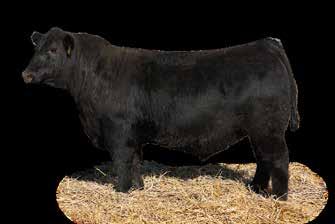







•
•
•
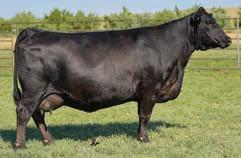
BEAR MTN JUDY 6535
•
HANELS LAWMAKER N5000 | ASA: 4537108
Sire: HANELS LAWMAKER L3010 | 3/4 SM 1/4 AN
MGS: HOOK’S EAGLE 6E
One of the most unique individuals EVER born at Hanels Black Simmentals. A true sale highlight!
Top 2% WW, YW, TI; Top 3% MWW; Top 4% ADG; Top 5% API
WSCC/HANEL RISE ABOVE M43 | AAA: 21261233
Sire: STELLPFLUG HOFFMAN RISEABOVE | ANGUS
MGS: S A V BRUISER 9164
An elite age advantaged Angus bull that is ready for heavy service. A true standout in the pen and on paper!
Top 10% DMI; Top 20% SC, HS, $M; Top 25% FL, UDDR
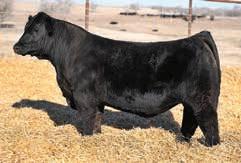
HANELS LUDACRIS N5071 | ASA: 4537078
Sire: OMF LUDACRIS L17 | PB SM
MGS: CLRS CONSTITUTION 311 C
The first sons of the $70,000 OMF Ludacris L17 will be featured in Courtland, Kansas! Top 1% DOC; Top 10% CW; Top 15% YW, ADG; Top 20% WW
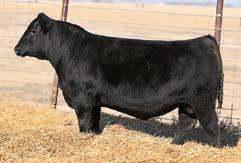
HANELS OPTIMUM N5000 | AAA: 21364863
Sire: DEER VALLEY OPTIMUM 9246 | ANGUS
MGS: MILL BRAE IDENTIFIED 4031
Curve bending genetics with a strong maternal foundation that you can hang your hat on!
Top 4% $W; Top 10% YW, RADG; Top 15% CED, WW
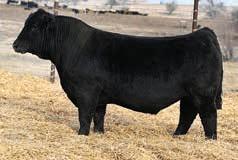
HANELS KINGPIN M4522 | ASA: 4442391
Sire: MCC-PLG KINGPIN 319 | PB SM
MGS: KOCH BIG TIMBER 685D
Here is a rugged, dense made Purebred that is backed by the immortal M4 Ms Capital Gains C75 donor! Top 2% WW, $GN, CW; Top 3% YW; Top 4% ADG, REA
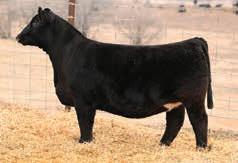
HANELS MISS KINGPIN N5170 | ASA: 4537010
Sire: MCC-PLG KINGPIN 319 | 5/8 SM 3/8 AN
MGS: HWGW MR INSIGHT B40XX-A13X
An elite set of registered open heifers straight from the heart of our breeding program will highlight the sale. 20+ head will sell!
























































































Health & Reproduction questions answered and explained.
contributed article by Dr. Joshua Beutler, DVM Pender Veterinary Clinic, Pender, Neb. penderveterinaryclinic.com
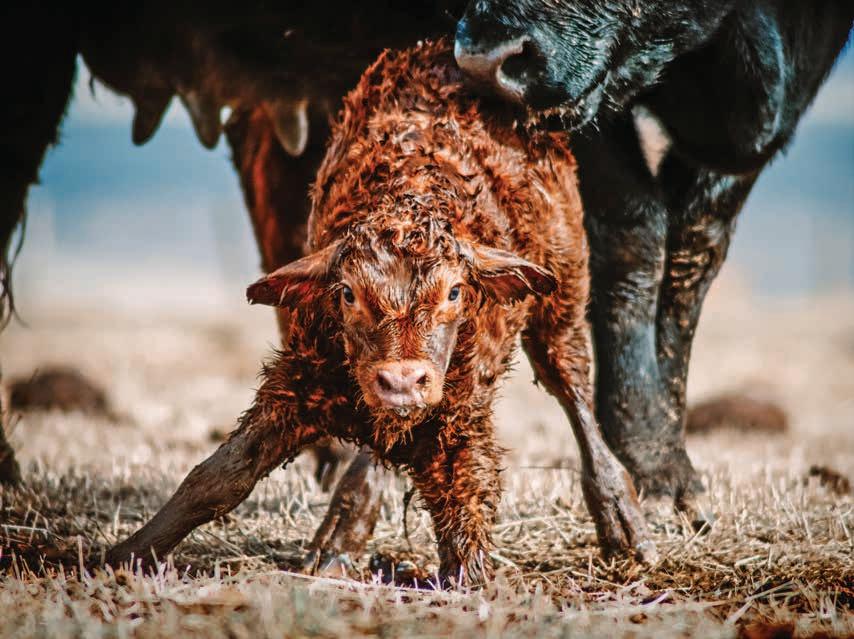
ystocia, or difficult calving, remains one of the most significant reproductive challenges in beef and dairy herds. While its immediate effects on calf survival are well recognized, dystocia also has lasting consequences for the cow’s health and future fertility. Understanding these impacts is essential for producers aiming to maintain high reproductive efficiency and a consistent calf crop.
Dystocia occurs when a cow or heifer is unable to deliver a calf without assistance. Common causes include calf malpresentation, fetopelvic disproportion, and maternal issues such as uterine torsions. In many herds, dystocia accounts for a substantial portion of calf losses and is second only to rebreeding failure in reducing overall productivity.
The calving process places significant physical demands on the dam, and dystocia amplifies these stresses. Cows experiencing difficult births are more likely to suffer
trauma to the reproductive tract such as tearing, hemorrhaging, retained placenta, and other potential injuries like nerve damage.
Not yet mentioned, one of the most common secondary complications associated with dystocia is uterine infection. Many of these complications delay uterine involution and slow the cow’s return to normal reproductive function. Severe cases may result in permanent reproductive impairment.
Additionally, cows recovering from dystocia often experience greater metabolic strain. Exhaustion, inflammation, and reduced feed intake can extend the postpartum anestrous period, making it more difficult for the cow to resume cycling in time for the next breeding season.
Cows with delayed uterine recovery or persistent infection may not exhibit estrus early enough to maintain a 365-day calving interval. Even when bred, conception rates are often lower due to inflammation or tissue damage that doesn’t allow
for appropriate implantation.
Because reproductive efficiency is a major driver of herd profitability, even a small increase in dystocia rates can have long term economic consequences.
Reducing dystocia begins long before calving. Proper heifer development, such as pelvic measuring and palpation, is a great start. I personally prefer tract scoring at this time as well to help eliminate free martins and other non-breeders earlier than the breeding cycle. Sire selection also plays a critical role.
During calving season, close observation and timely intervention are key. Early assistance, with clean equipment and OB sleeves, reduces the likelihood of trauma and improves outcomes for both cow and calf.
After calving, producers should monitor cows for signs of retained placenta, appetite, activity level, fever, foul odor, or abnormal dis-
charge and seek veterinary care promptly when needed. Retained placenta is considered anytime over 12 hours post calving.
Cattle with a “normal” delivery, good body condition and mineral program will clean within one to six hours post calving. At 12 hours, it likely isn’t emergent but is something to begin to closely monitor her for and consider a call to your vet-
erinarian. Being proactive reduces more complications, and I believe it is well worth being proactive with these current bred heifer prices.
For cows that experienced dystocia, rebreeding plans may need adjustment. Allowing additional recovery time, ensuring adequate nutrition, and using estrus synchro -
nization protocols once the cow is healthy can help improve conception rates.
learn more penderveterinaryclinic.com
Dr. Joshua Beutler is an owner and veterinarian at Pender Veterinary Clinic in Pender, Nebraska. He is a 2016 graduate of Iowa State University.



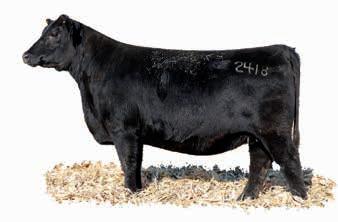
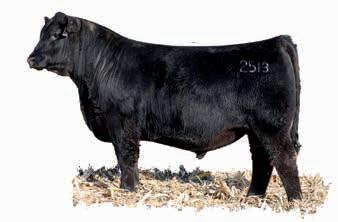

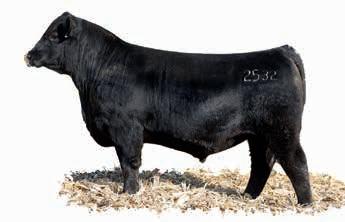
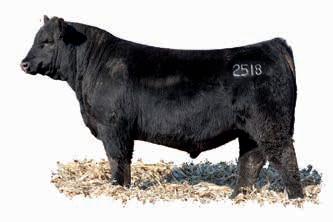


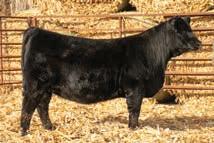
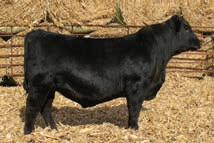
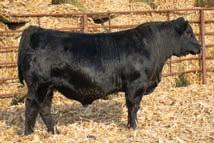
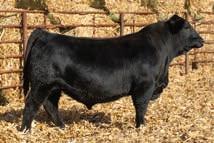





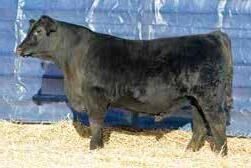
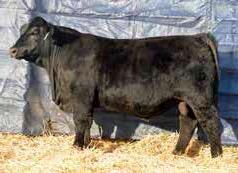
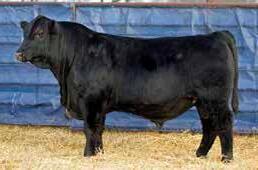
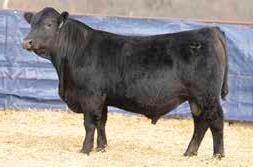
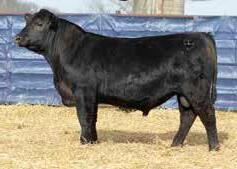
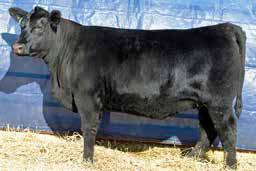


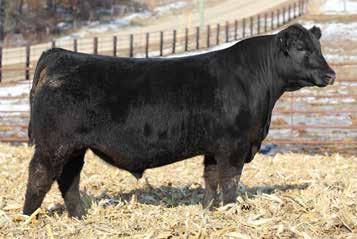
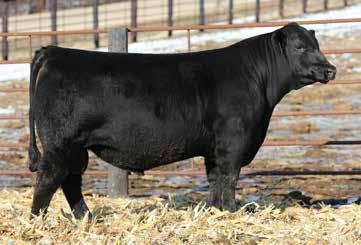

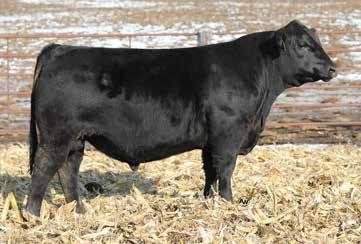
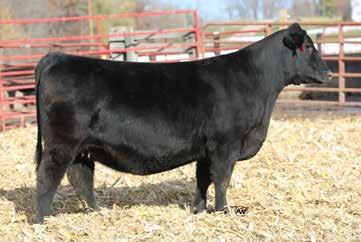

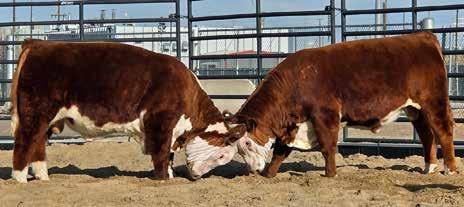

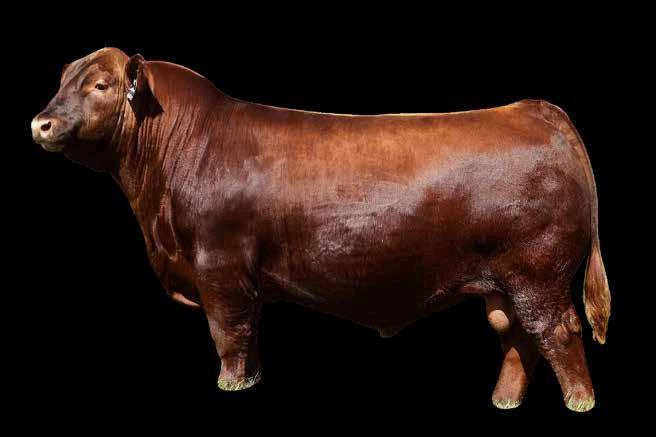



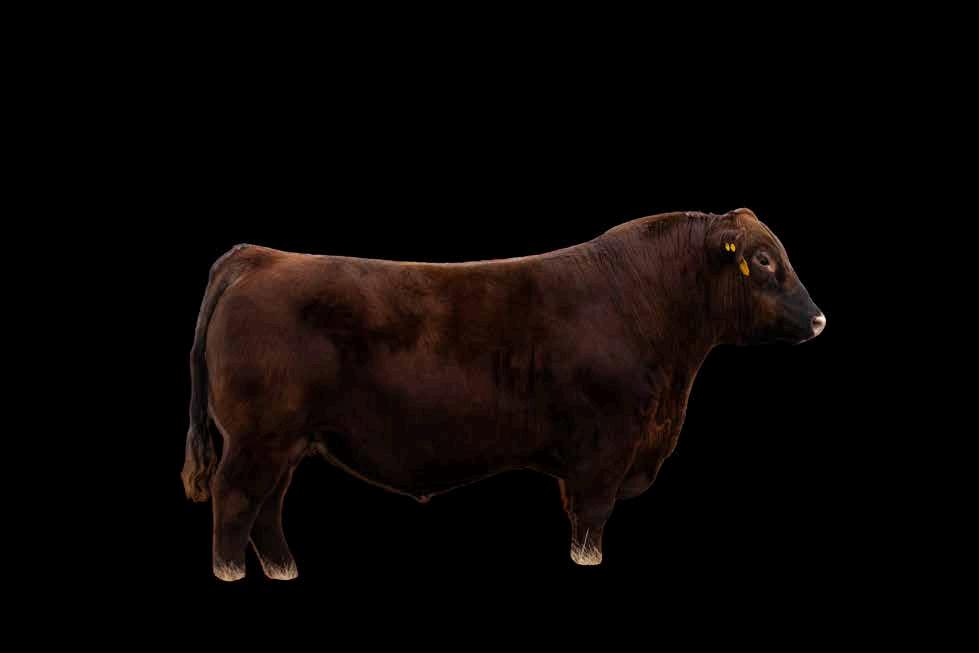











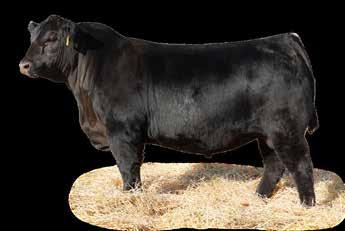
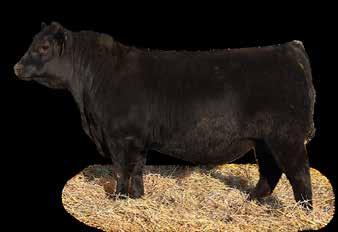
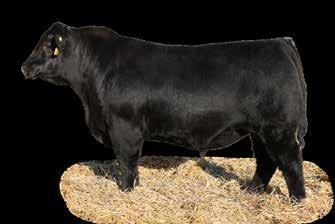
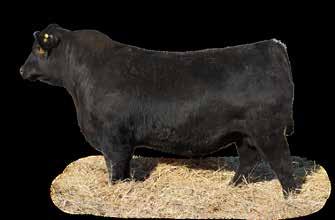

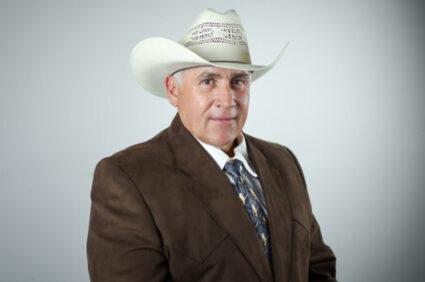
In the rolling countryside near Libertyville, Iowa, consistency has never been a slogan—it has been a way of life. For more than half a century, Goehring Herefords has quietly built a reputation rooted in disciplined data collection, functional cattle, and a clear understanding of what commercial producers need. That long-term commitment has earned the operation recognition as the 2026 Iowa Outstanding Seedstock Producer Award.
Owned and managed by Bill Goehring, Goehring Herefords represents more than 55 years in the cattle business, with five decades dedicated specifically to seedstock production. The operation maintains a balanced herd structure, including approximately 260 Hereford cows in the seedstock breeding herd alongside a commercial cow herd, allowing real-world performance to guide selection decisions.
Few operations can claim the depth of performance history found at Goehring Herefords. Birth weight, weaning weight, and yearling weight data have been collected for 50 consecutive years on nearly the entire calf crop. Carcass data...
Read this story here!











In the kitchen with
Trauernicht Simmentals - Wymore, Neb.
My name is Denielle Trauernicht. My husband, Scott, and I have raised our three children on our farm near Wymore, Nebraska. Lauren (24), Natalie (21), and Lainey (13) have all played an active role in our operation since childhood. Trauernicht Simmentals is a 450 head, family-owned and run seedstock operation that spans three generations. Our cattle are bred for performance, calving ease, maternal traits, and fertility. Fifty-five years of dedicated breeding has molded our motto, "Performance cattle with a touch of style.
What is your most requested dish or what is your favorite thing to make?
Of all the dishes that I make, my family requests spaghetti quite frequently…I will say that I appreciate the simplicity of this one! It’s always been a staple at our house.”
Honestly, I learned to cook out of necessity! When I quit my job as an elementary teacher to come home and help on the farm, I quickly learned that there were a lot of hungry mouths to feed! I really had to step up my game, and as I got more comfortable, I realized how much I enjoyed it! Now I enjoy cooking for the cowboys and cowgirls on the farm, as well as for customer events throughout the year.”
What is your favorite cooking tip or trick? ”
I love to replace water with beef/chicken stock or replace regular milk with evaporated milk to add depth of flavor or extra creaminess to dishes.
What is the best part of cooking for big groups such as sales and customer appreciation events?
Cowboy approved recipes used by our favorite country cooks.
Years ago, I would have been overwhelmed with cooking for a crowd. Nowadays, it’s second nature and I feel a sense of accomplishment when I get the spread out. I always appreciate the kind words from customers when they enjoy the meal!”
3 lbs. ground beef
13 oz. can evaporated milk
2 c. quick oatmeal
½ c. onion, chopped
2 tsp. chili powder
2 eggs, beaten salt to taste

Denielle Trauernicht
Sauce Ingredients:
2 c. ketchup
½ tsp. garlic powder
1 ½ c. brown sugar
Step 1: Mix and shape into balls. Place in pan one layer deep. Step 2: Put the sauce ingredients into a saucepan and stir until dissolved. Cover the meatballs with sauce. Step 3: Bake one hour at 350 degrees Fahrenheit (covered for 30 minutes, uncovered the remaining time).
Note: This is my mother-in-law's recipe…it’s a hit every time! For a twist on this recipe, try replacing the BBQ sauce with Alfredo sauce (can be homemade or from a jar).
2 lbs. ground beef
8 oz. cream cheese

Denielle Trauernicht
1 tsp. garlic powder
10.5 oz. can cream of mushroom soup
A few splashes of beef stock
1 tsp. onion powder pepper to taste hamburger buns
Step 1: Brown the hamburger with seasonings and drain any grease. Step 2: Add the rest of the ingredients to the hamburger and cook over medium heat until well combined. Serve on hamburger buns.
Note: This is the name our family has lovingly called them for as long as I can remember!

Denielle Trauernicht
2 lbs. ground beef
1 /3 c. flour
¾ c. beef stock
4 c. or approx. ½ head of cabbage, chopped
1 tsp. garlic powder
1 tsp. onion powder
salt and pepper to taste
Rhodes Texas Size frozen dinner rolls
1 pkg. brown gravy mix, if desired
Step 1: Let the Rhodes Texas Size dinner rolls rise according to package instructions. Lightly sauté cabbage in butter. Set aside. Step 2: Season and brown hamburger. Do not drain grease. Step 3: Add flour and stir for 2 to 3 minutes. Add beef stock and allow to thicken. Add cabbage to the meat mixture. Step 4: Use a rolling pin to flatten the dinner rolls, add the meat/cabbage filling, then pinch closed (I do mine in a circle shape). Step 5: Allow to rise for an additional 20 to 30 minutes. Brush on an egg wash and bake at 350 degrees Fahrenheit for 15 to 20 minutes or until golden brown. My family likes to top and eat with brown gravy.
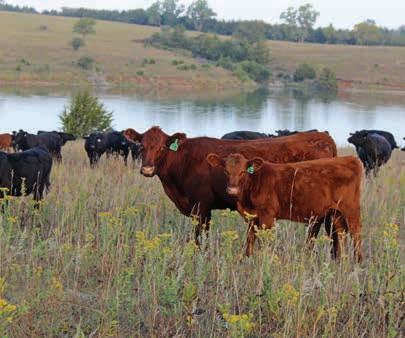
UPCOMING SALE: Sunday, February 15, 2026
At the farm near Wymore, Neb.
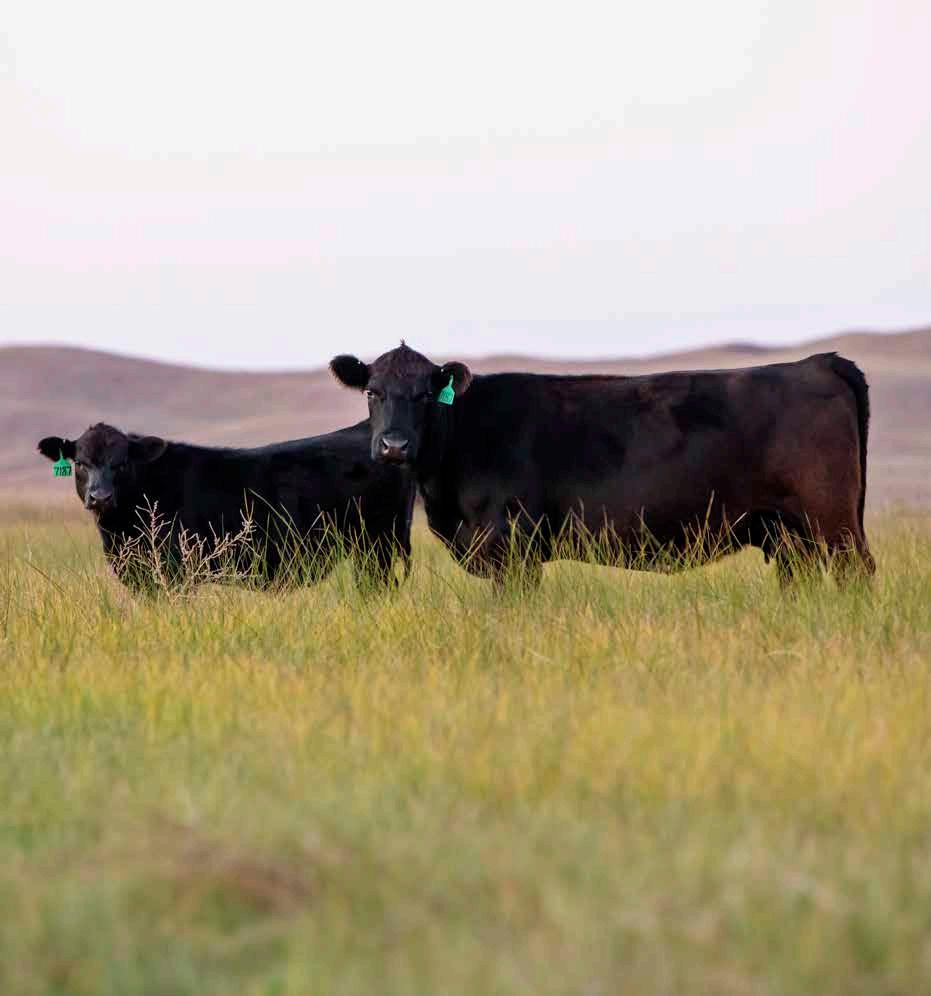


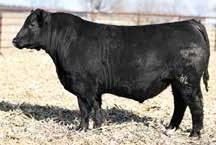
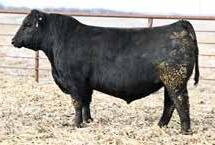
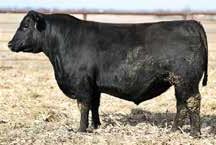
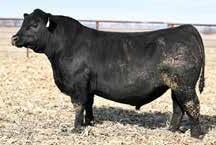
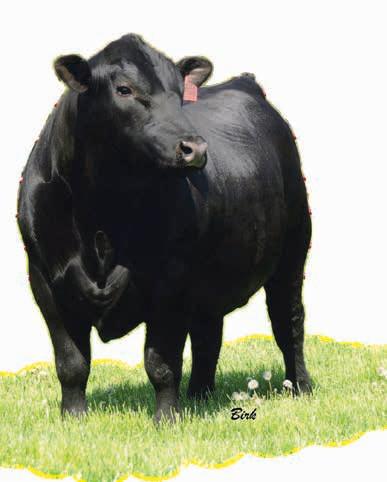
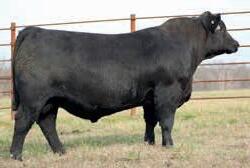
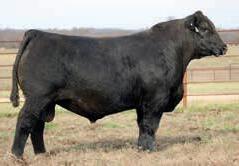
Birth Date: 51062 • Reg. *21336610
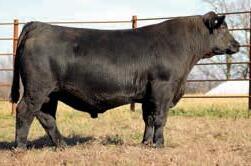
+*Crouch Congress x #+*K C F Bennett Summation
CED +4, BW +.9, WW +90, YW +159,
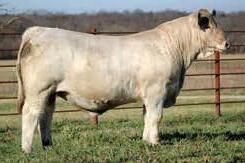
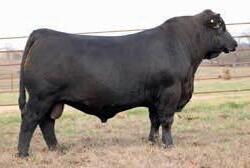
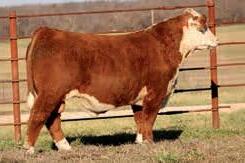


Hoffman RiseAbove x
Mead Black Granite Q892
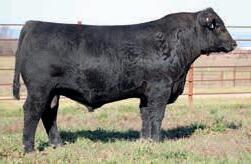
CED +8, BW +1.7, WW +84, YW +149, Milk +28, CW +84, Marb +.94, RE +.67, $M +92, $W +86, $B
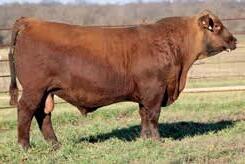
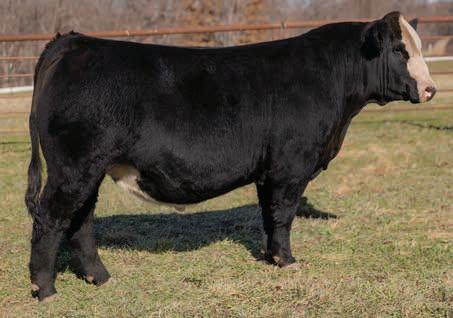
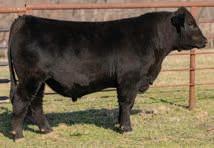

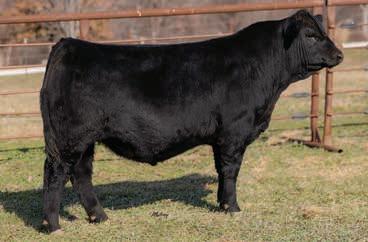

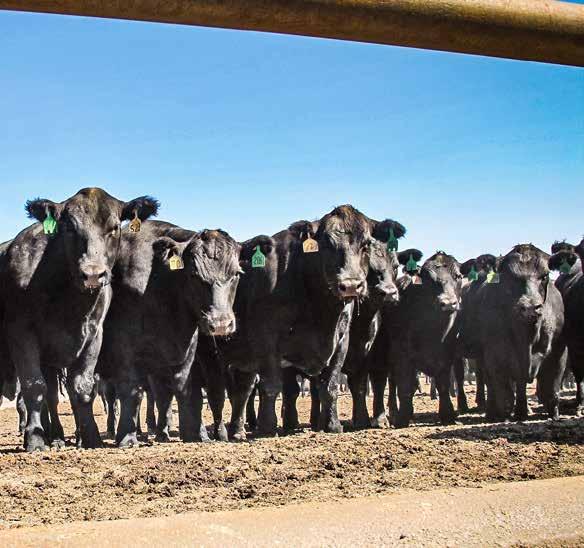

More carcass weight, live weight, muscle, marbling and profit.
Simmental genetics offer all this and more of the traits your herd needs to stay profitable.
Backed by the most comprehensive beef cattle genetic database, the American Simmental Association offers commercial producers more selection and marketing tools than any other breed association.
All to strengthen your bottom line.
406-587-4531 • simmental.org

Lyndon Hoiby, President - McGregor, ND hoibysim@nccray.com
Derek Sys, Vice President - Sawyer, ND dj.sys@hotmail.com
Kim Myers, Secretary/Treasurer - Kathryn, ND gkmyers@outlook.com
Matt Kline - Hurdsfield, ND klsrcows@gmail.com
Jason Quandt – Oakes, ND jason@quandtbrothers.com
Wyatt Hansen - Ryder, ND wyatthansen@gmail.com
Ethan Steffan - Killdeer, ND ethansteffan@gmail.com
Levi Elliott - Galesburg, ND cattle.elliott@gamil.com
Jaxon Deckert - Wing, ND jaxonwd3@gmail.com
Trey Klain – Turtle Lake, ND trey.klain@gmail.com
www.northdakotasimmental.com
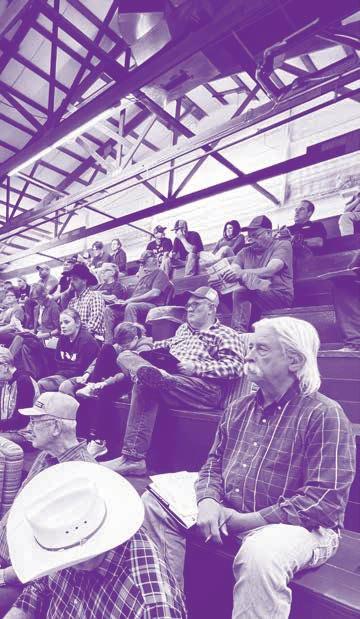
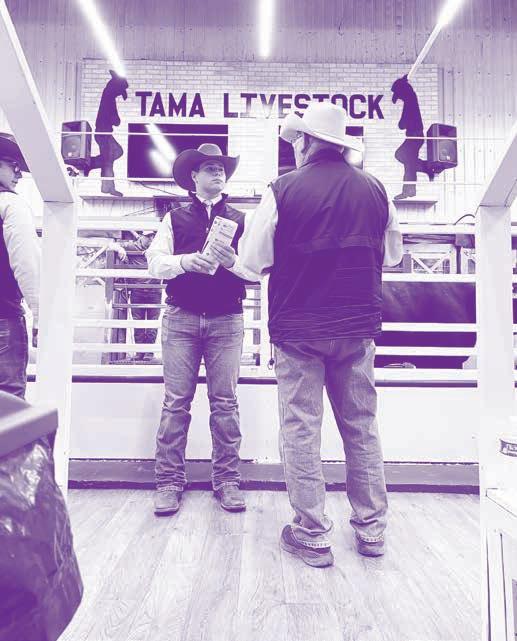
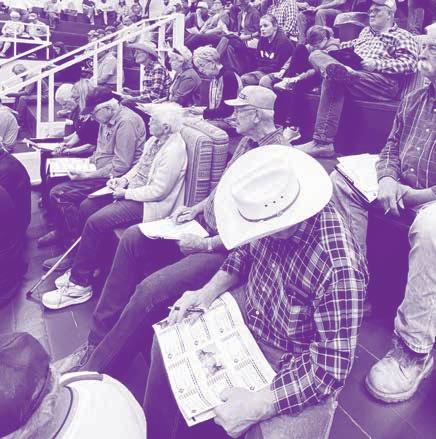


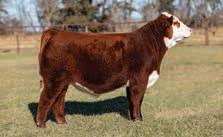
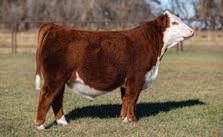
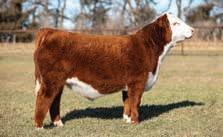
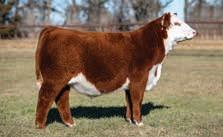













contributed article by Roman Schooley Bloomfield Livestock Market, Inc., Bloomfield, Iowa bloomfieldlivestockiowa.com
On your mark, get set, GO! Full steam ahead in 2026! We have blasted into the new year. Cattlemen are as optimistic as they’ve ever been. This market demand for feeders/ stock cows is flat good. Seems as if these family feeders are ready to fill yards here at the start of 2026.
Your feeder calf market is very aggressive setting records in all lighter-weight stocker calves ready for spring wheat. Five-weight steers will sure bring $5.00/lb. Your CME index is climbing back to $368.07. The January feeder board climbed back to $360.75 from a setback in December. Replacement heifers are in high demand with many of those bringing north of $3,000 per head. Many are out selling their steer mates.
The fed cattle market seems to be trending up as it’s trying to gain momentum heading into spring. Fat cattle in auctions are ranging from $2.18 to $2.28. Country loads have come back up in the North at $2.35. Box beef seems to be sluggish here lately with Choice down to $3.55. Boxes will need to get back up to keep this fat cattle market together.
Stock cows and bred heifers have continued strong demand with many selling for $3,500 to $4,500. Supplies seem short on the bred females and breeding bulls. Should
be a good year for the bull sales as many producers took advantage of high slaughter values.
The January rains in the Midwest should bode well for farmers looking to add pairs this spring. Demand for pairs should be very competitive, LRP rates for spring calves are up to $2,300 per head. I guarantee that many cattlemen will lock in those rates.
Sale barns are selling high volumes of feeders as many producers are running to capture the market. Look for the supplies to be short here much sooner than the past several years. As always, if you have any marketing needs feel free to call me or any of our sales representatives for upcoming sales.
Roman Schooley, Bloomfield, Iowa
Roman Schooley owns Bloomfield Livestock Market and Schooley Cattle Co. in Bloomfield, Iowa. As president of Schooley Cattle Co., Roman leads the breeding decisions of the seedstock operation which consists of 550 registered Simmental and Angus cows. Schooley Cattle Co. utilizes IVF to produce breed leading genetic advancement. The company hosts an annual production sale the first Friday in February at the ranch; selling 18-monthold and yearling bulls and a select group of open and bred heifers. Roman also owns and assists in the operations at Bloomfield Livestock Market which primarily serves producers in Iowa, Missouri, and Illinois. He and his wife, Elizabeth, have three children: Hannah (23), Haven (20), Houstin (17), and one grandson, Weaver (2 months).




































By Chris Beutler, CEO, Beutler Media Group
Since its founding in 2019 by the late Bill Schermer, The Stockman has built a reputation as a high-quality, professionally produced print magazine that highlights the people, programs, and stories shaping the livestock industry. Though still a young publication, it has already earned recognition for its clean design, strong photography, and well-crafted content that resonates with cattlemen across the Midwest and beyond.
As The Stockman enters this next phase under Beutler Media Group, my goal is to preserve what readers appreciate most—its quality, its clarity, and its focus on meaningful storytelling—while aligning it with a broader marketing system built for today’s livestock business. Producers are seeking more ways to share their stories and connect with buyers, and our job is to offer tools that work together, from premium print to online presence to digital strategy.
In the spring of 2024, we launched Ag-Extra, an automated online classifieds site offering cattle listings, news, and events. By the summer of 2025, Ag-Extra


expanded to include an online magazine designed to give customers additional visibility and a modern digital footprint. Bringing The Stockman Magazine together with Ag-Extra—now moving forward as The Stockman Ag-Extra Magazine—creates a natural and powerful blend of print and online opportunities for producers.
When combined with the advanced digital capabilities of Livestock Digital, our premium targeted advertising platform, this merger becomes a well-rounded marketing system capable of serving small operations, large national companies, and everything in between. It is a structure that creates real symbiosis across all brands of Beutler Media Group.
Thank you for welcoming us into this next chapter of The Stockman.
We look forward to continuing its tradition of quality, value, and strong stories—now supported by a broader platform built to help producers succeed in today’s evolving marketplace.



This time of year brings its own kind of intensity. Calving season is underway for several folks, which demands long hours, sharp attention, and the kind of hands-on care that only cattle producers truly understand. At the same time, many operations are knee deep into preparations for spring bull sales - sorting data, evaluating genetics, and getting cattle ready to stand in front of buyers who are making decisions that will shape their herds for years to come. It’s a busy stretch, but it’s also one filled with optimism and opportunity.
In this issue, we highlight some practical tools and forward-thinking strategies that producers can use to stay competitive. From cornstalk grazing management to rebreeding strategies after calving dystocia, we’re focusing on things that strengthen the decisions you make for your operations today, while also setting the stage for long-term success.
Here’s to a productive season ahead, and to the continued progress of the beef cattle and Ag communities that we are all part of.
publication
February 1, 2026
March 1, 2026
April 1, 2026
May 15, 2026
August 15, 2026
October 1, 2026
November 1, 2026
December 1, 2026
January 1, 2027
January 10
February 10
March 10
April 25
July 25
September 10
October 10
November 10
rate/issue
two page spread
full page
half page
$1195
$2195
$695 business card $250
double card $450
premium pages and ring service call for a quote
December 10 The Stockman hereby expressly limits its liability resulting from any and all misprints, errors and/or inaccuracies whatsoever in the advertisement and editorial content published by The Stockman and its said liability is here by limited to the refund of the customer for its payment for said advertisement, or the running of the corrected advertisement, or editorial notice. Notification by the customer of any error must be made within 30 days of the distribution of the magazine. Advertising copy received after the deadline may not be returned for proofing. Changes to advertising copy made after the deadline date will be allowed only if time permits, and will incur the appropriate charges according to time and materials involved in the changes. The opinions or views expressed in the editorials are those of the persons interviewed in the article and not The Stockman magazine. The Stockman does however reserve the right to edit or refuse all material which might be objectionable in content. No material or part thereof may be reproduced or used out of context, without prior specific approval of a proper credit to The Stockman
MAKAYLA FLOWER, Editor and Graphics makayla@stockmanmag.com 605-690-6050
KIM BANKS, Online Editor and Graphics kkbanks@frontiernet.net 507-530-0914
CHERYL KEPES, Editor Assistant and Writer cheryl@stockmanmag.com 417-766-0990
MARIA OPHEIM, Social Media riawbr@gmail.com 507-828-1374
HEIDI SORENSEN ROHRIG, Ad Sales Coordinator hsorensenrohrig@gmail.com 661-900-6004
JOHN KUELPER, Ad Sales johnkuelper47@gmail.com 309-582-6335
JAN FORD, Ad Sales jford17879@aol.com 208-340-2024
CHRIS BEUTLER, CEO beutlerworkplace@outlook.com 402-380-8244
LANETTE FRYE, COO lanettepfrye@gmail.com 406-855-3173

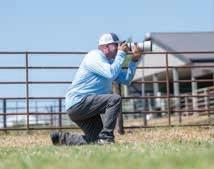
What spurred you to develop a professional livestock photography/ videography business?

I grew up in the cattle business. However, as a child during the ‘80s farm crisis I didn’t know what I was going to be able to do in agriculture. I dropped out of college and took a job as an insurance adjuster for three or four years.

I didn’t like that job at all. So, I quit that job and started raising feeder pigs. I had the dream of AIing other people’s cattle and splitting everything over market price for club calves. That way I didn’t have to come up with any money and I made the other guy as much money as I made. I didn’t know if it would work but it did. And I did that for 20 years.
In the midst of all that, the social media world started to progress. In 1998, I began taking pictures of my
cattle and uploading them for my own bred heifer and club calf sales. One day, I had a buddy call and ask me to shoot his online sale. I told him, 'I have never done one of those before.' And he said, 'I don’t care if you have or you haven’t, you’re capable of it and I want you to do it.' So, I told him, 'Well, I’m game.' That’s how it all started. I continued to get referral after referral, and it just grew. Now here we are 16 years later. I am literally booked 10 months straight, every day. I take the summers off to be with my family."
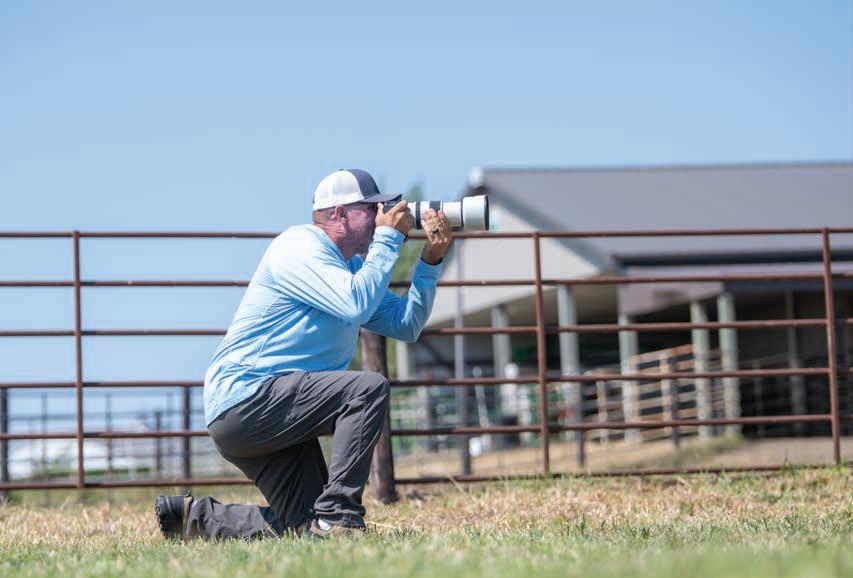
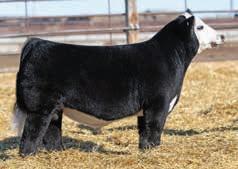
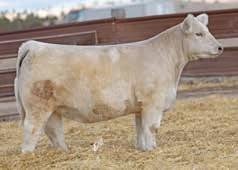
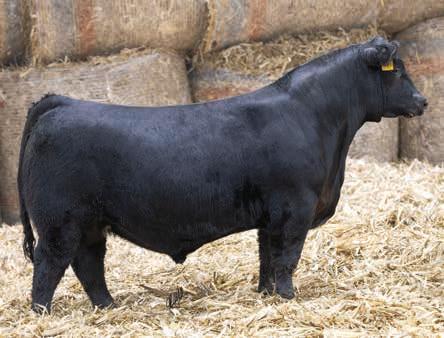
J Bradley Hook Professional Photography and Video, Humeston, Iowa
What are two things you wish cattle producers would do prior to your arrival for a photo shoot?
The first thing I would encourage producers to do is to talk with me before I get there. We have X number of hours to get X number of head done, so when I pull into their driveway we need to be on the same page.
Secondly, realize just like they judge other people’s programs, pictures, and cattle -they are going to be judged based on the effort they put into their sale. That’s the most important part. I always tell everyone, 'I am a mirror. I capture your reflection. I capture what is cast upon.' Remember, you don’t get a second chance for a first impression."
What are some trends you are seeing in the industry?
Hype videos and drone videos."

Is there anything new in the industry that excites you after being in this business for decades?
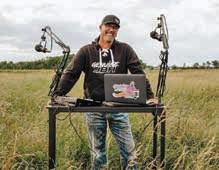
What does the “perfect” cattle photo look like to you?
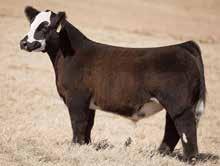
Natural. However you want to portray that animal that best exemplifies its attributes and qualities, make it be natural. If it’s not natural, you will get a negative vibe about the picture."
Yes, I just pictured in my first indoor cattle photography pen with LED studio lighting, ventilation, and heating. It was incredible! We put big bales along the sides to make it look natural. It was our goal to make it as easy as possible to picture 160 head, yet make it look natural like we had done it outside. And we accomplished it quite successfully.
What took me by surprise the most was something I never even considered being a factor – and that was how quiet it was in there. There was no chute rattling to the north of us, no feed bunk for them to bounce off, there was no pen of bulls bellowing to the east of them, there was no group of cows to the west of them that they could watch. They simply walked into an enclosed well-lit building, with a picture pen pal in front of them, and about 80 percent of the time we got the picture on the first pass. And that is unheard of because there were no distractions. To me that was truly the beauty of it."
learn more genuinejbh.com