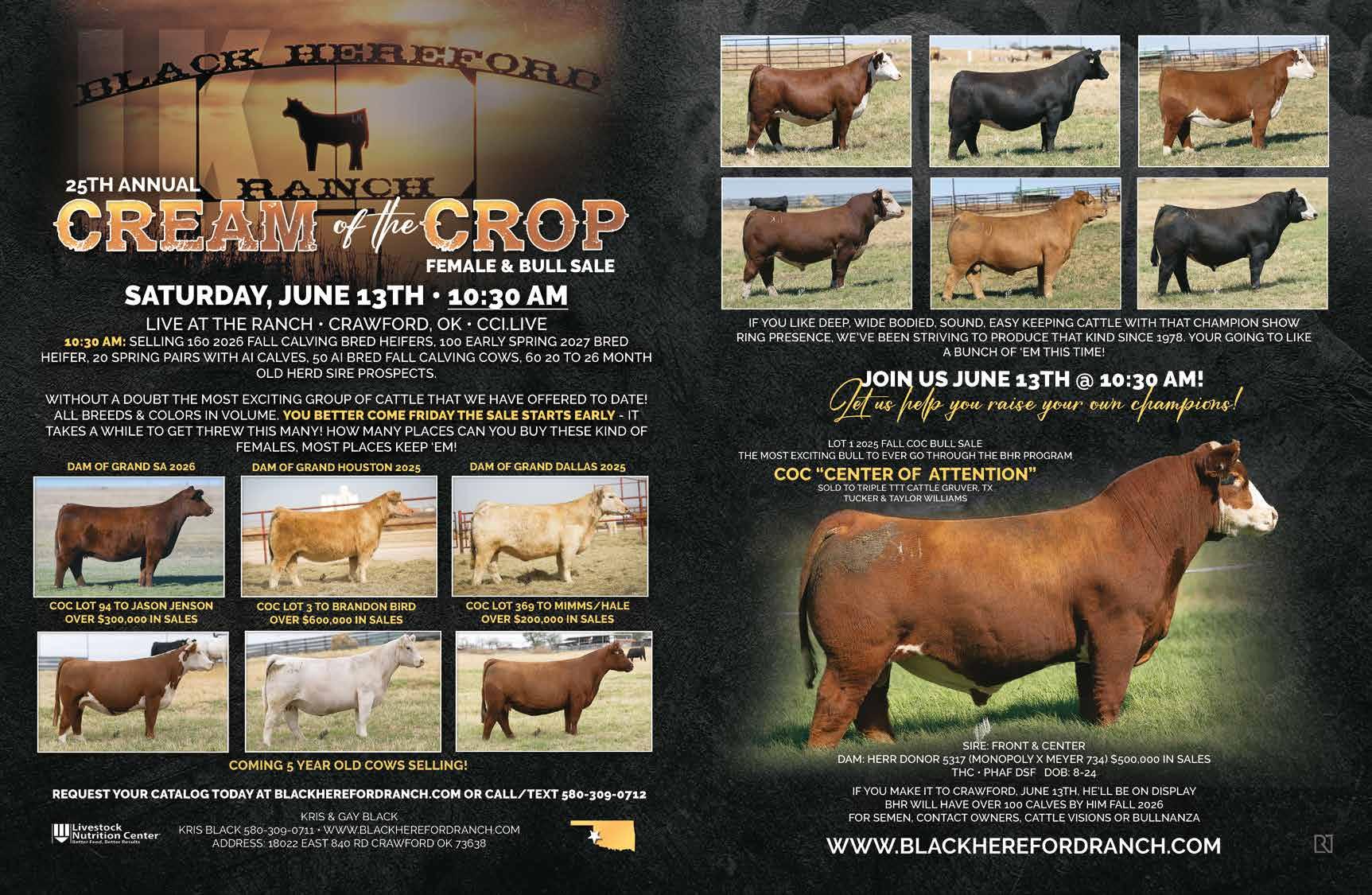
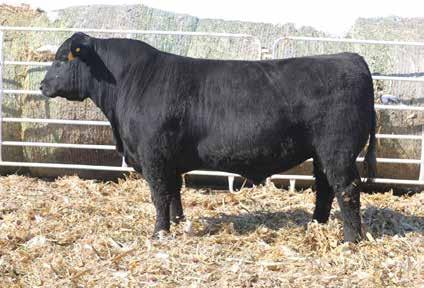
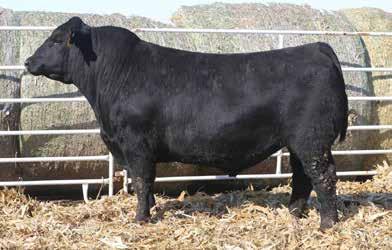
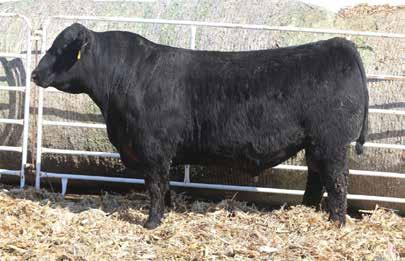
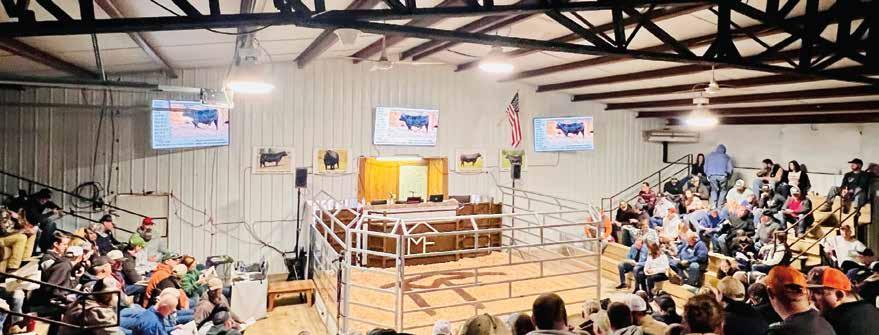
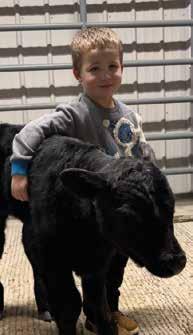
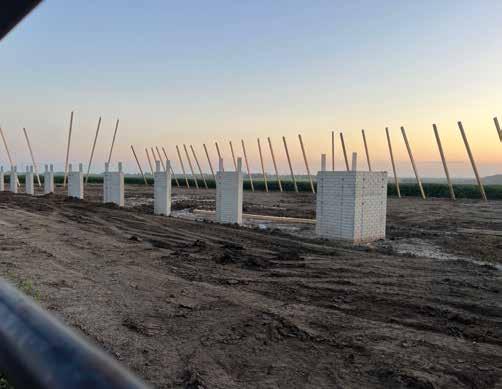
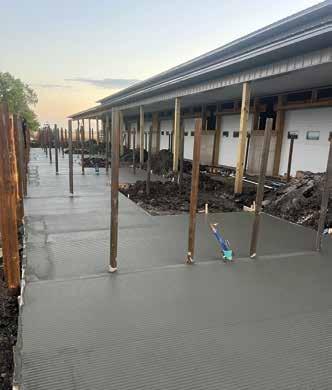
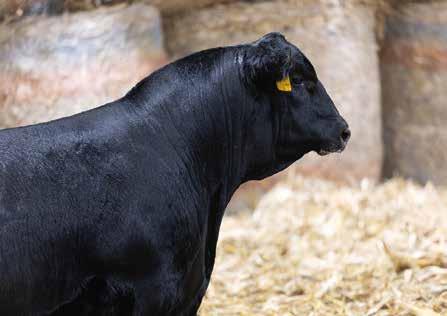
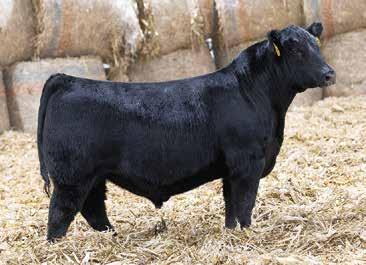
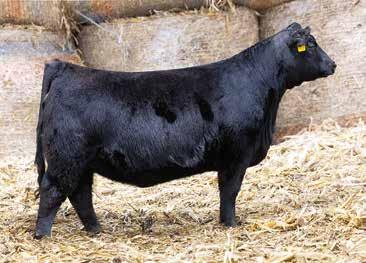
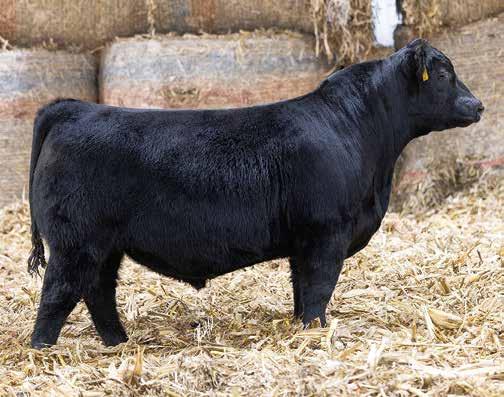
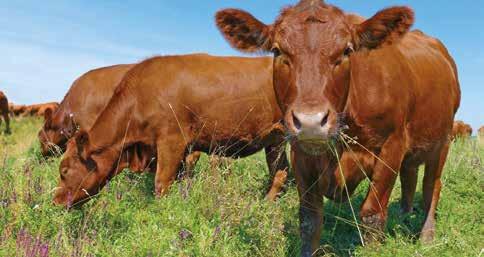
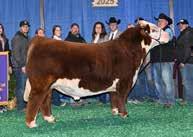
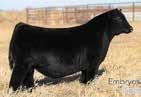
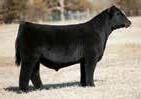
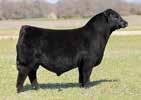
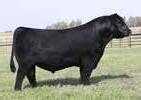
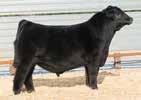
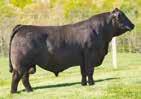
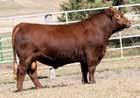
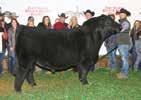
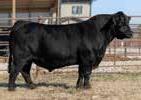
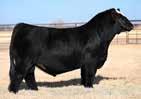
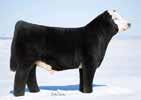
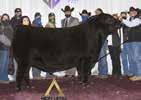
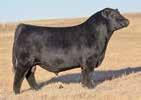
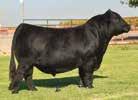
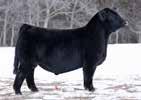
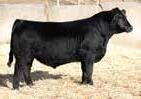
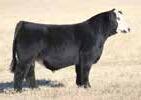
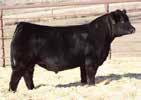
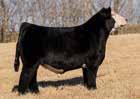
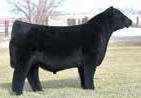
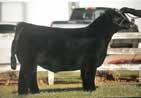
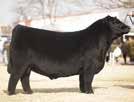
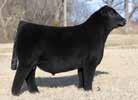
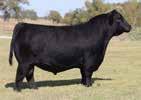
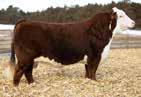
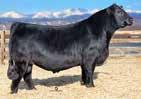
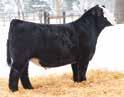
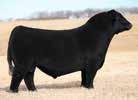
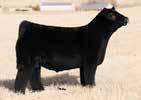
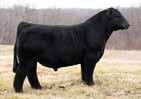
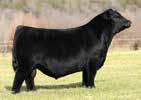
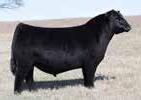
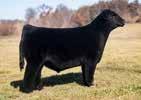
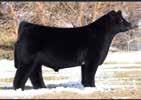
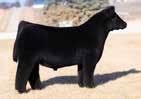
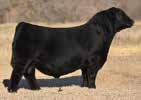
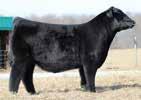
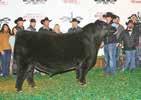
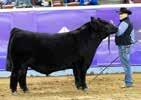
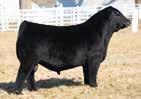
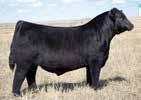
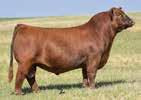
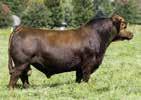
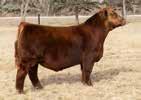
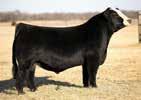
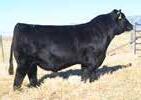
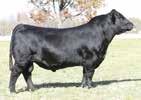
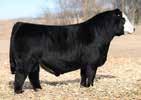
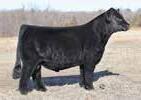
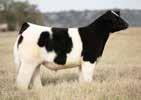
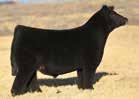
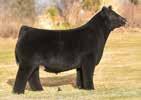
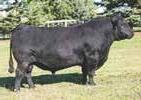
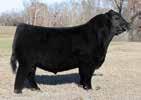
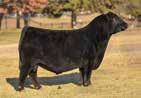
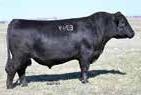
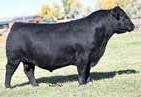
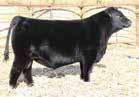
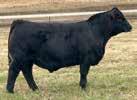
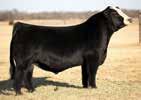
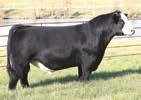
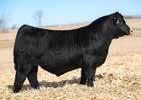
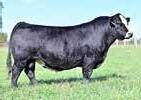
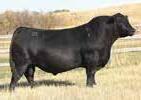
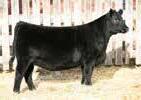
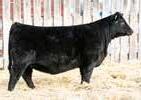
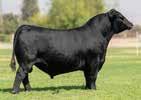
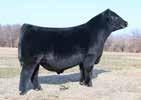
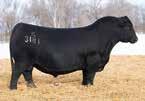
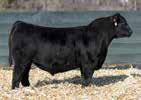
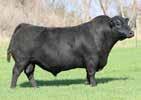
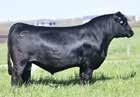
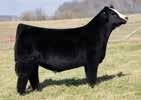
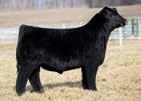
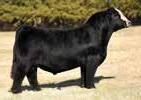
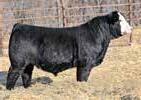
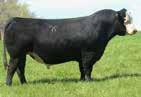
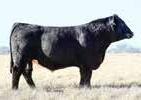
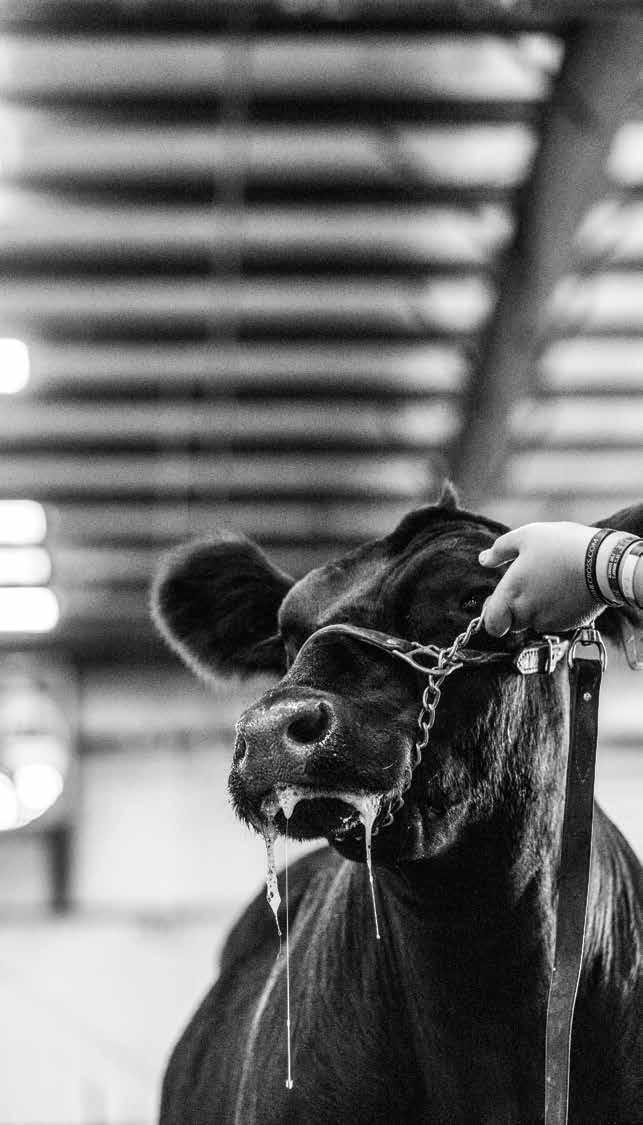
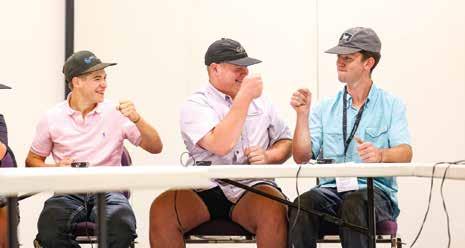
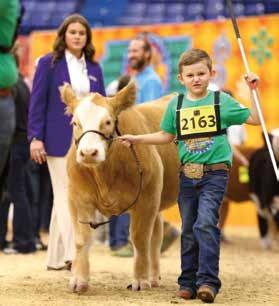
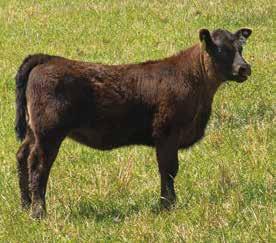
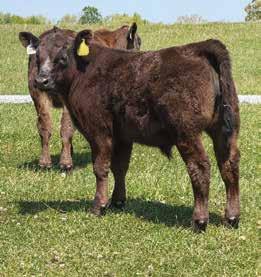
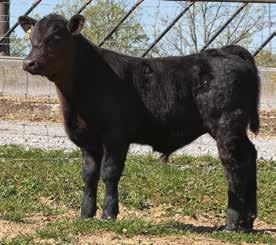
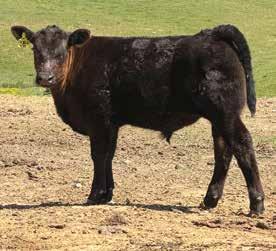
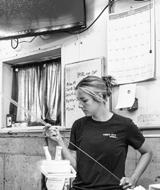
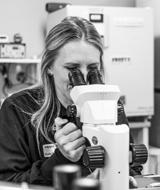
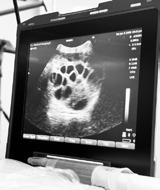
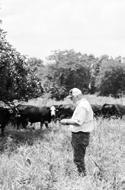
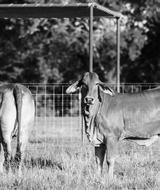
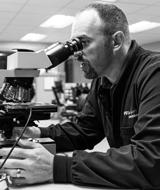
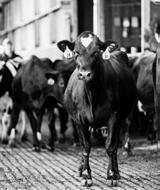
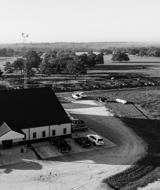
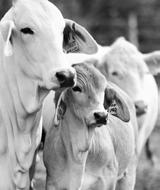
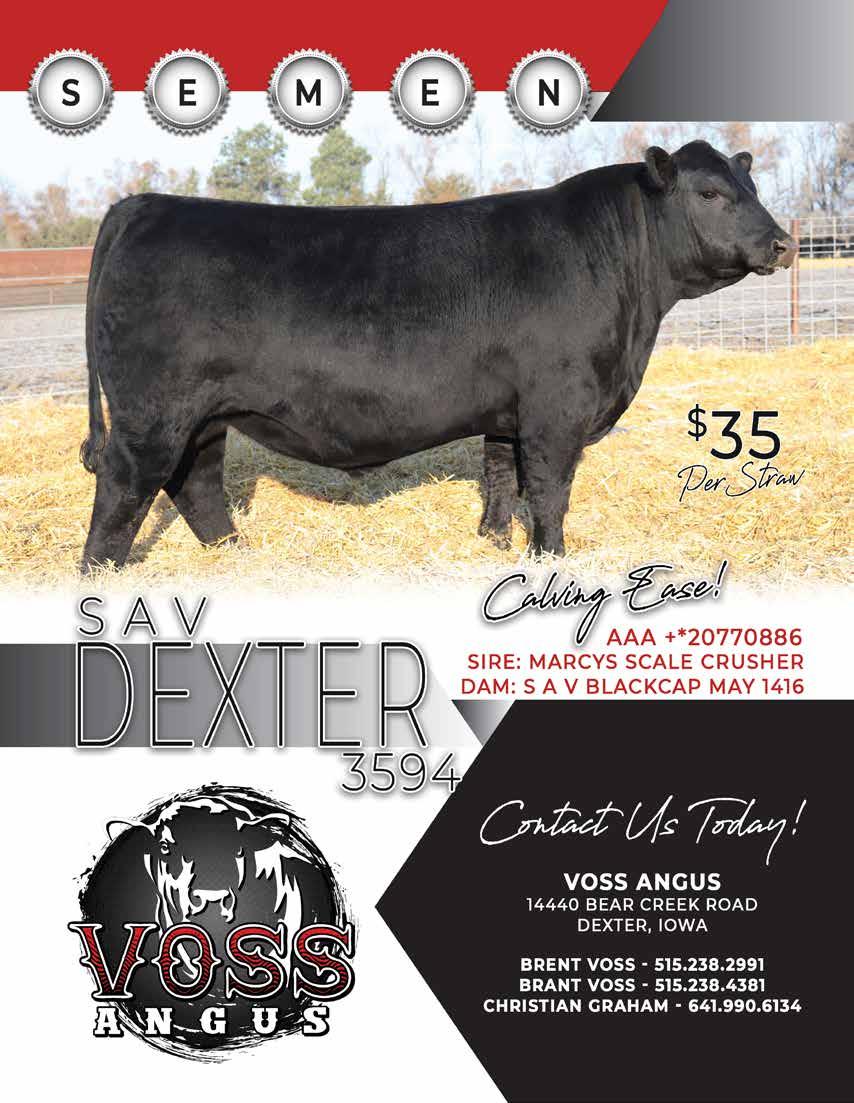
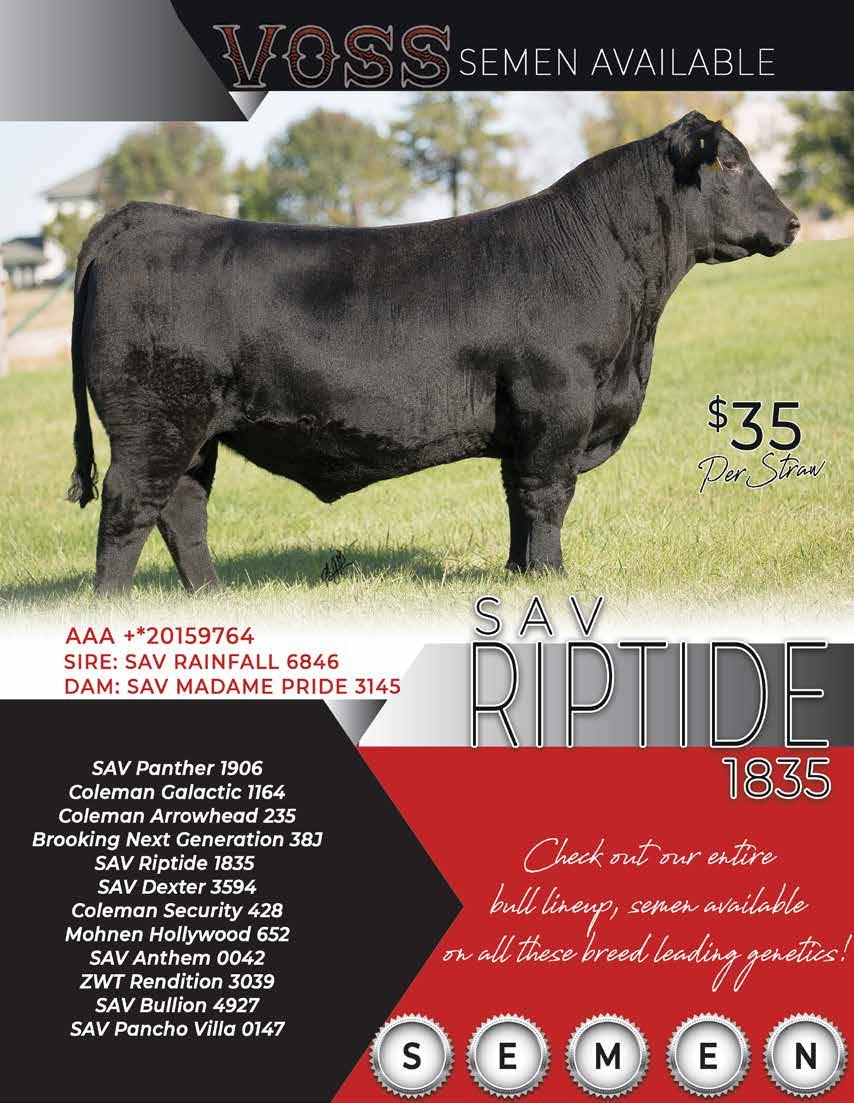
Voss Angus builds a facility that shines a new light on sale picture and video day.
imply imagine a scenario where one could minimize the mountain of stress that inevitably accompanies sale picture and video days. Factors out of producers’ control - rain, wind, and shadows, just to name a few - can quickly turn hopes of a productive image-capturing session into a nightmare.
What if there were a way to manage those variables - a strategy to make photo and video day seem, well, picture-perfect? Brent Voss, owner of Voss Angus in Dexter, Iowa, dreamed up a solution. The longtime Angus breeder took on the challenge of creating an environment that would remove the unpredictability and inefficiency from picture days.
PRODUCING THE VISION
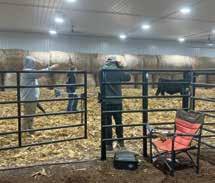
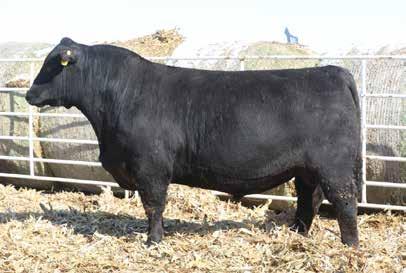
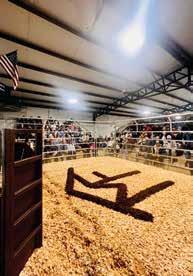
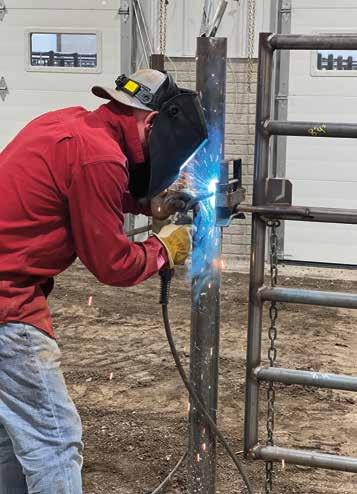
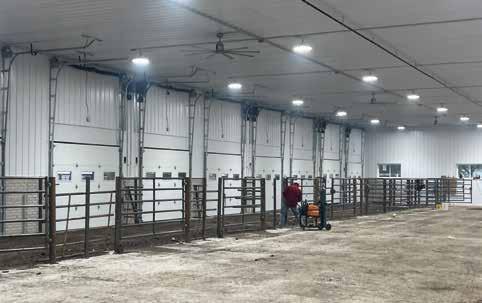
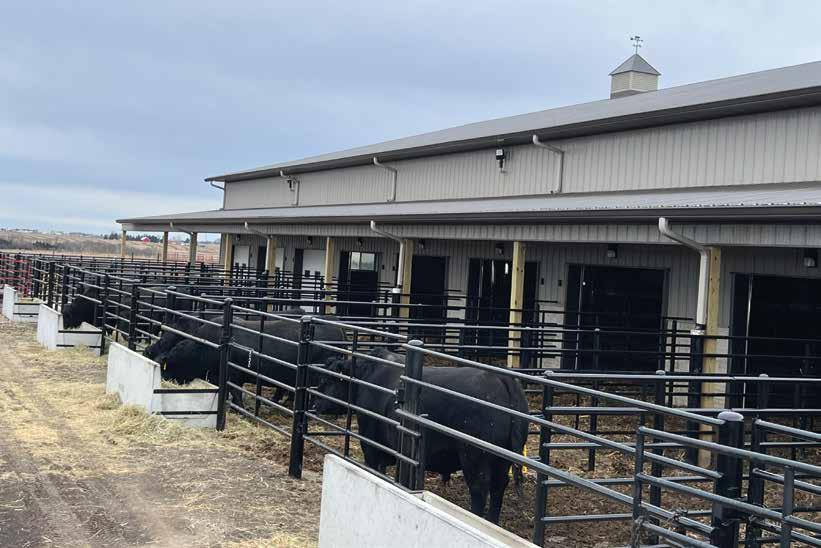
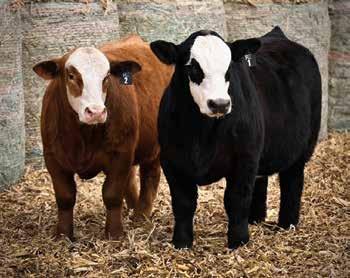
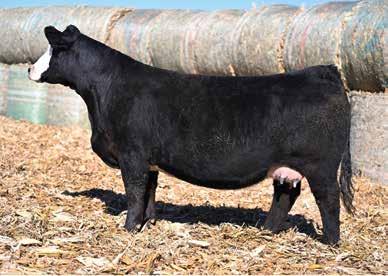
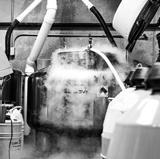
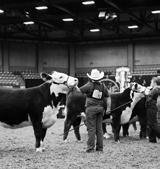
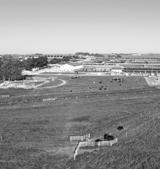
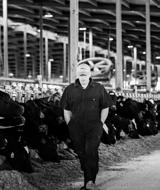
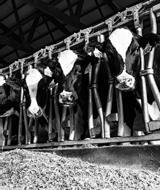
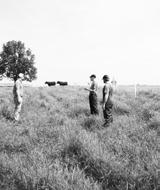
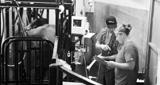
Brent, a problem-solver at heart, determined the best solution was to reproduce ideal outdoor conditions - indoors. He built a barn, 161 feet by 80 feet, and equipped it with studio-style lighting. In essence, Voss Angus developed an indoor cattle photography studio.
photos courtesy Voss Angus
The Voss family reached out to good friends at Musco Lighting in Oskaloosa, Iowa, and worked with lighting engineers to determine the right setup. The barn features high bay lights with proper lumen output to eliminate shadows during photo and video sessions. The setup creates a natural daylight look within the walls of the barn.
INAUGURAL PHOTO SHOOT
The inaugural run of the new indoor studio came to fruition prior to Voss Angus’ production sale this year. The Voss family and crew were elated with the results of their first indoor picture and video session.
“The photos were as crisp and as clear as anything we’ve ever had. And it takes the element of inclement weather completely away,” Brent Voss said.
The project met its intended purpose of mitigating weather issues and achieving high-quality sale catalog content. However, the biggest benefit of the new facility was unexpected.
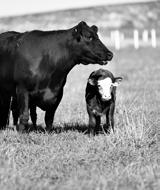
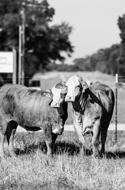
“The greatest achievement was kind of an indirect one, which is the calmness of the animals,” Brent explained. The controlled environment reduces distractions
and puts animals at ease. This makes the process much more efficient, allowing as many as 60 head to be photographed and videoed in a single day.
More importantly to Brent, the indoor studio creates a comfortable climate and safe atmosphere for everyone working with the animals. “Safety should be at the top of all our lists. And so, for me, that’s the thing that makes me the most elated - to have the animals calm for the people doing all the work,” Brent added.
SURPRISE BENEFITS
Brad Hook, owner of J. Bradley Hook Professional Photography and Video, was the first photographer to use the Voss Angus indoor studio.
“More even than the lighting, what took me by surprise the most
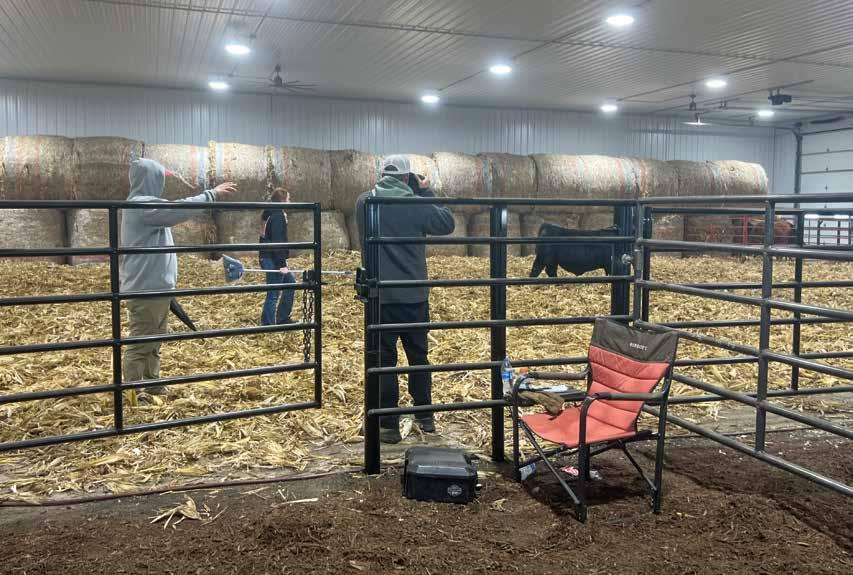
was something I never even considered being a factor - and that was how quiet it was in there,” Hook explained. “They simply walked into an enclosed, well-lit building, with a picture pen pal in front of them, and about 80 percent of the time we got the picture on the first pass. That is unheard of because there were no distrac-
tions. To me, that was truly the beauty of it.”
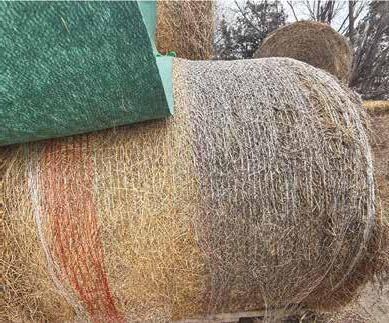
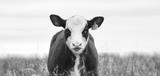
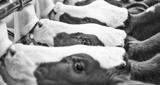
For the photo shoot, the crew lined the interior walls with hay bales to construct a natural setting. The specialized lights produced a daylight atmosphere, resulting in a regulated setting that delivers uniform, top-tier images.
“The thing that will stand out the most - and you won’t even notice it, if that makes sense - is how consistent the lighting and background are in every picture. That’s something I notice, and that’s a good thing. That is as good as you can get,” Hook stated.
MULTIPURPOSE FACILITY
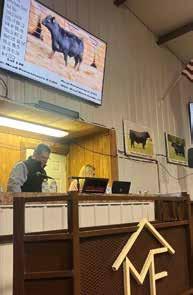
Voss Angus’ new facility was designed with more than an indoor picture pen in mind. The barn serves multiple purposes. It houses up to 11 herd sires at a time when they are not in service or at a bull stud. It also provides temperature-regulated storage for equipment. Additionally, the barn serves as extra pen space during Voss Angus’ annual sale.
What Brent originally intended as a project to solve the challenges surrounding photo and video days has evolved into a facility that delivers an array of benefits for the operation.
In an industry where first impressions matter, Voss Angus has found a way to make every one count.
learn more vossangus.com
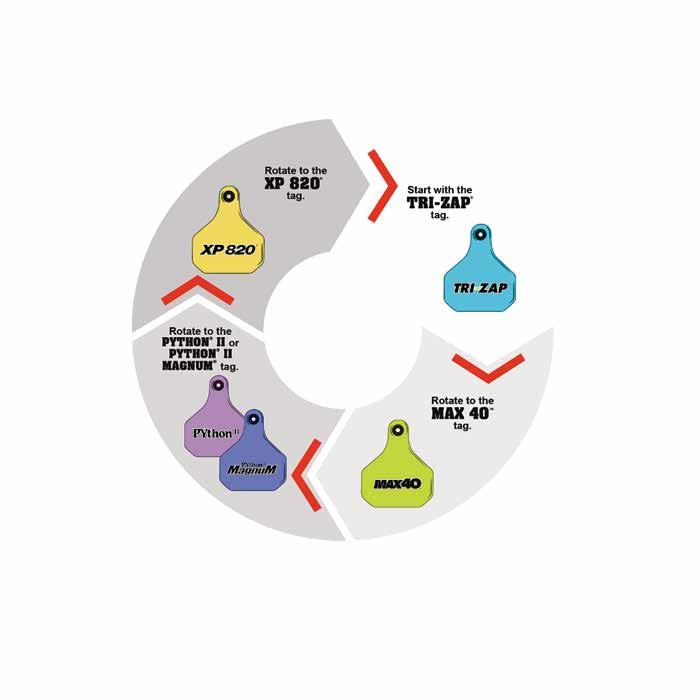
STAY AHEAD OF FLY RESISTANCE WITH THE Y-TEX ®
Magnum™ and XP 820 tags — proven to break resistance cycles and extend the life of your insecticide program. With tags across three chemical classes, Y-TEX gives you the power to protect your herd from horn flies, face flies and other costly pests year after year.
Extension Education
Connor Biehler, Nebraska Extension Educator Alfredo DiCostanzo, Nebraska Extension Educator University of NE - Lincoln, UNL Beef beef.unl.edu
AUniversity research you can use.
LEVERAGING SUMMER ANNUAL FORAGES IN TODAY’S HIGH CATTLE MARKETS
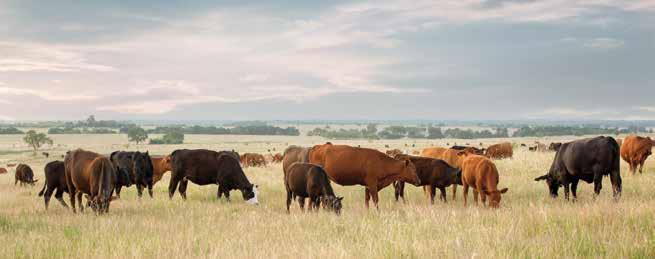
s we sit atop the highest cattle market ever experienced and record low inventories to keep driving the price of feeder cattle, many producers, especially those with row crop and livestock enterprises, are understandably feeling pressure from production costs. When margins are tight, it can be worth re-evaluating how land resources are used. One option worth considering is planting summer annual forages in place of traditional row crops.
In eastern and central Nebraska, it is common to see cropland fields with perimeter barbed wire fences. These acres were once pasture and were converted to row crop production, likely during recent corn market booms. Now the pendulum has swung toward strong cattle prices and tighter margins in grain production. Converting some acres back to forage production, especially where fencing already exists or can be added at relatively low cost, could offer an opportunity to improve whole farm profitability.
Corn and soybean production carries substantial upfront input costs, including seed, fertilizer, herbicides, fuel, and machinery ownership. While expenses vary by operation and year, seed, fertilizer, pesticides, and machinery costs for corn and soybean generally run
around ~$350/acre. Summer annual forages such as sorghum – sudangrass, sudangrass, forage sorghum, and pearl millet typically have lower seed costs, significantly lower nitrogen needs than corn, and lower machinery costs, totaling ~$100/ acre. In many cases, total establishment costs are a fraction of full season- row crop inputs.
From an income perspective, summer annuals can be evaluated based on animal days per acre or value of hay/silage. Well managed summer annual pastures regularly produce 300 animal grazing days per acre, depending on precipitation, fertility, and management. When valued against the cost of alternative feed resources or perennial pasture, these forages can be competitive with row crops on a net return basis. Especially when paired with current cattle markets.
Numerous grazing trials have
shown that summer annual forages can support average daily gains of 1.5 to 2.5 lb per head per day. When establishment and management costs are spread across the total pounds of gain produced, cost of gain on grazed summer annuals, depending on yield, stocking rate, and input level, is commonly competitive with, and often lower cost than, many alternative growing systems. As a result, summer annuals can be a useful tool for managing feeder cattle during the summer months.
CONSIDERATIONS
Summer annual forages grow rapidly, are relatively drought tolerant once established, and respond well to available moisture and nitrogen fertilizer. Planting these forages should take place in late May through June, or once soil temperatures reach 60 degrees Fahrenheit.
Peak growth typically occurs from mid-July through August. Growth will then slow as the length of days decrease in fall and will stop following a killing frost.
The yield and quality of summer annual forages are affected by plant species, soil type, moisture availability, soil fertility, and harvest/grazing management (Table 1). Proper stocking density and rotational grazing are critical to maintaining forage quality and regrowth.
Prussic acid risk is highest following frost, when plants are drought stressed, or before forages are 24 inches tall. Nitrate accumulation is most likely under heavy nitrogen fertilization combined with drought stress or cloudy conditions. Timely forage testing and grazing management can greatly reduce both risks.
Weed pressure is rarely a major issue when summer annuals are planted into a well-prepared seedbed, as their rapid canopy development suppresses many annual weeds. However, problem weeds may still require control in some fields. Herbicide options are crop specific and label dependent, and restrictions vary by product and rotation. For the most current recommendations, see the 2026 Guide for Weed, Disease, and Insect Management in Nebraska, or work with your local Extension Educator. Always read and follow label directions.
With strong cattle markets and rising row crop input costs, summer annual forages offer producers a flexible option for converting select acres into profitable grazing or forage systems. When matched with the right fields and management approach, annual forages can play an important role in improving feed availability, lowering cost of gain, and enhancing whole farm profitability.
Interviews with the authors of BeefWatch newsletter articles become available throughout the month of publication and are accessible at: www.go.unl.edu/podcast.
Courtesy University of NE - Lincoln, UNL Beef
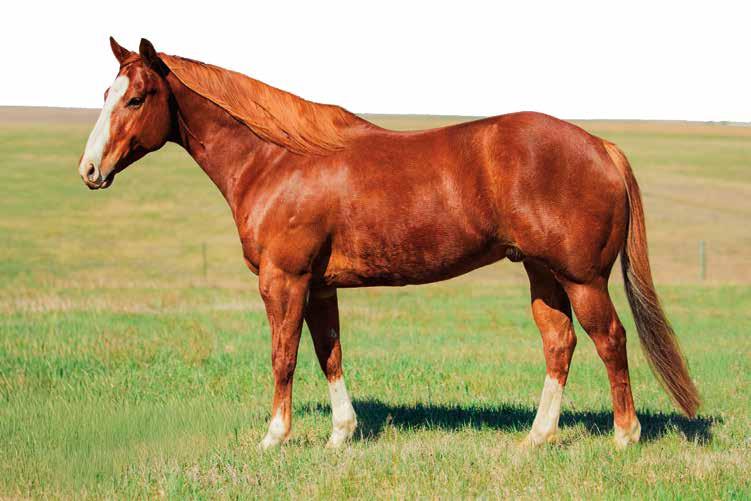
Cash N Big Checks
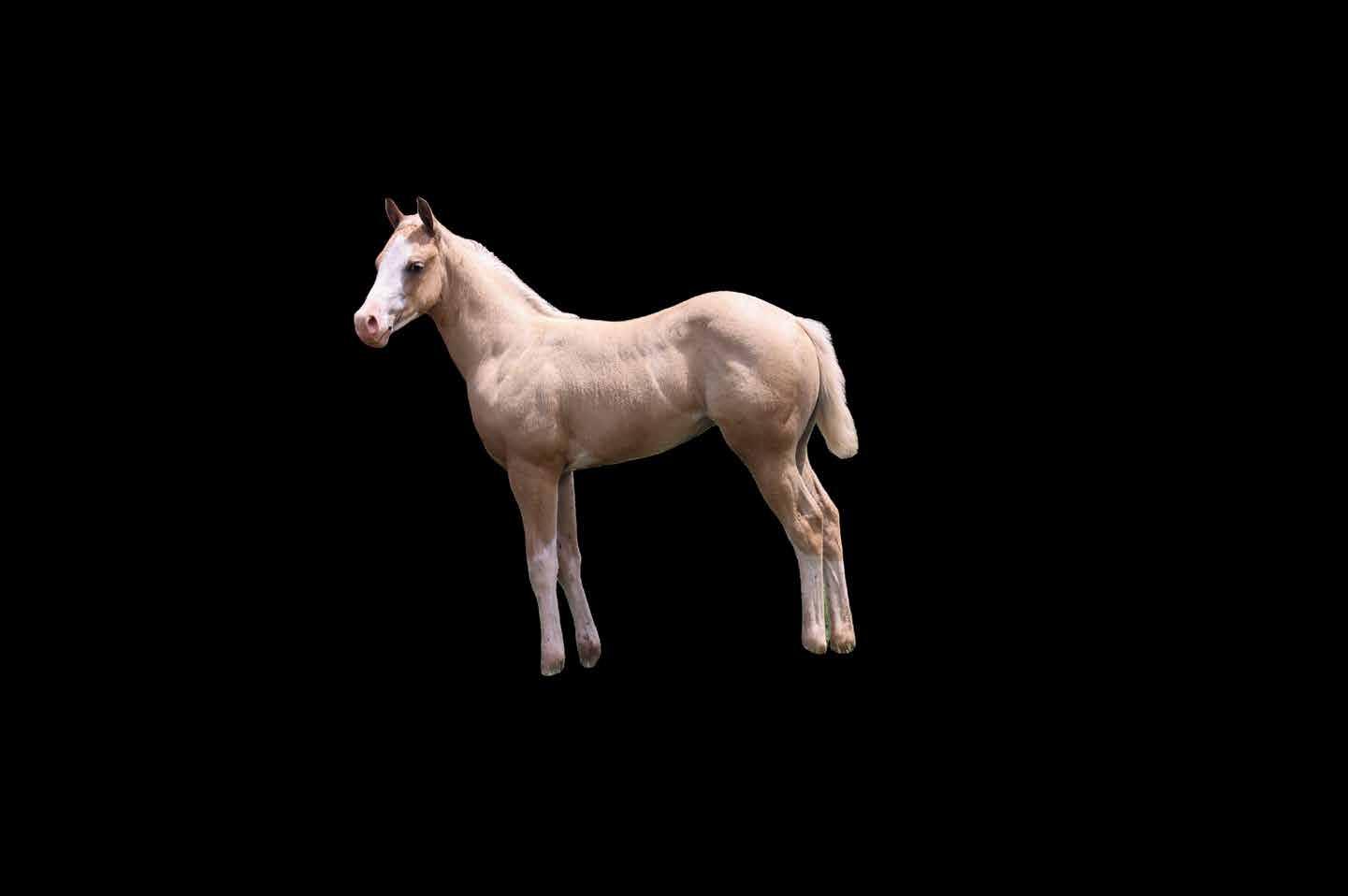
2018 Sorrel Gelding sired by TR ILLUMNIATOR CASH
Warthog
Woodrows Badger Boon
Lil Mac Tater
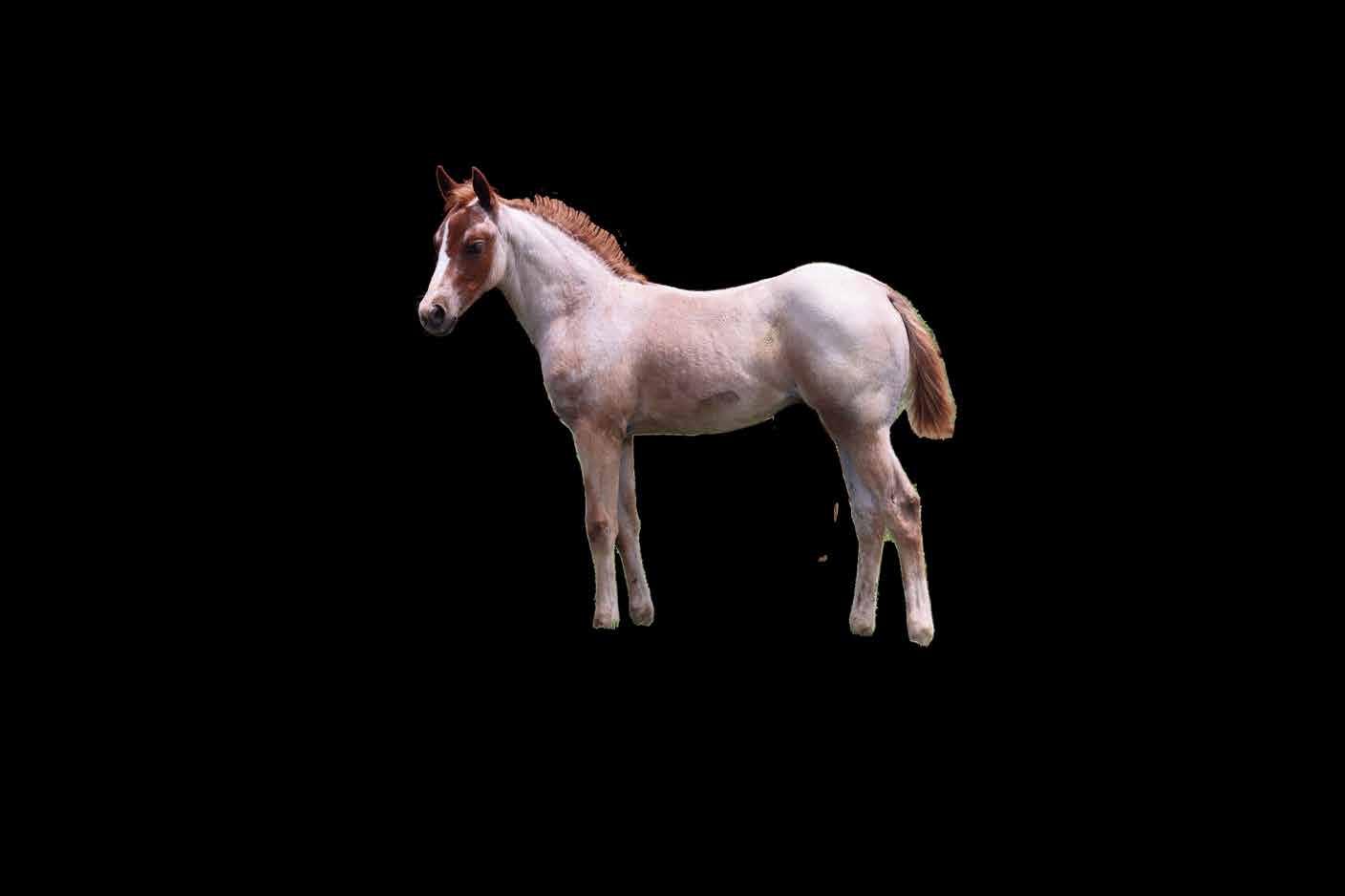
2022 Blue Roan Gelding sired by CATS PLAYIN ON TIME
2018 Bay Roan Paint Gelding Pony
2007 Sorrel Gelding sired by SCAMPS COLONEL SMOKE
2022 Buckskin Mare sired by STORMY BADGER
12,000+ CIRCULATION
Distributed at major livestock events
Combined with our Aug./Sept. issue!
Featuring programs shaping the future of the beef industry!
Arriving in mailboxes
AUGUST 15th
Feature your herd, program, or next sale in The Stockman Breeder’s Showcase.
Seeds in Season
Functional
forage and pasture.
contributed article by Justin Fruechte, Product Expert - Ag Millborn, Brookings, S.D. millbornseeds.com
GOOD GRASS DOESN’ T MANAGE ITSELF
By the time May rolls around, things are either looking really good, or you’re already making backup plans. After working through April’s “green up or give up” decisions, May is where the rubber meets the road for cow/calf producers. Pastures are taking off (or trying to), pairs are out, and now it’s all about turning that early growth into usable, efficient pounds. Let’s talk about how to make the most of what you’ve got.
GRASS IS GROWING, DON’T WASTE IT.
That first flush of spring growth is easy to get excited about, but it’s also easy to misuse. Turning cows out too early or leaving them in one spot too long can set your pas-
ture back for the rest of the season. Those plants are trying to establish leaf area and root mass at the same time. Graze them too hard now, and you’ll pay for it in July.
A good rule of thumb is to start grazing at 6 to 8 inches and pull cattle off around 3 to 4 inches. That might feel conservative, but leaving residual is what keeps regrowth fast and consistent. Think of it as protecting your future grazing days, not just maximizing today.
ROTATION ISN’T FANCY, IT’S PRACTICAL.
You don’t need 20 paddocks and a spreadsheet to rotationally graze. Even a simple system like splitting a pasture in half or thirds can im-
prove forage utilization, increase regrowth speed, stretch grazing days, and keep quality higher for those nursing calves.
If you’re continuously grazing one big pasture, cattle will cherry-pick the best plants and repeatedly hit them. Meanwhile, everything else gets mature and stemmy. Rotation evens that out. And in a year where conditions might still be uneven coming out of winter, that flexibility matters.
THIN SPOTS? FILL THE GAP.
If April revealed some rough patches (winterkill, thinning stands, or just tired pasture), May is your window to respond. Instead of accepting lower production, this is where annuals can quietly save the day.
Cool-season annuals (like oats or triticale) can still add tonnage if moisture cooperates. Warm-season options (like pearl millet) are right around the corner and can carry you through summer. The key is to think of these as support tools, not last resorts. A little strategic seeding now can take pressure off your perennial pasture when it matters most.
NEW PASTURE? SET IT UP RIGHT.
If you’ve got acres going into new pasture this spring, May management matters just as much as planting conditions. A few reminders that are easy to overlook in the chaos of spring:
• Seed shallow. Those small seeds don’t need much depth.
• Prioritize seed-to-soil contact over speed.
• Be patient on first-year grazing.
It’s tempting to “just turn them out quick,” especially if forage is tight elsewhere. But giving that new stand time to establish pays dividends for years, not just this season.
KEEP ONE EYE ON JUNE.
May often feels like abundance, but June decides if that abundance lasts. As you’re grazing now, start thinking ahead:
• Do you have a plan if moisture shuts off?
• Where could you plug in a warm-season annual?
• Which pastures need rest to carry you later?
The producers who stay ahead of the curve aren’t reacting in July; they’re adjusting in May. There’s a lot happening this time of year, and pasture can easily become “set it and forget it.” But the reality is, a few small decisions right now
(when to turn out, when to move, where to add support) have an outsized impact on your entire grazing season.
You don’t need perfect conditions. You just need to stay a step ahead of them.
Photos courtesy Millborn learn more millbornseeds.com
Millborn, Brookings, S.D.
The team of folks at Millborn have roots that run deep in farming, agriculture, and in the overall respect for the landscape. They opened their doors in 1987 and continue to walk alongside farmers, ranchers, and landowners across thousands of acres throughout the Midwest.
AUGUST 15 , 2026 TH
DUNLAP,
SOUTH DAKOTA CATTLEMEN’S FOUNDATION LAUNCHES DONATION MATCH PROGRAM TO SUPPORT NEBRASKA WILDFIRE RELIEF
Sioux Falls, SD – As devastating wildfires continue to impact parts of Nebraska, ranchers and their livestock are facing urgent challenges as flames destroy grazing land, feed supplies, and critical infrastructure. In response, the South Dakota Cattlemen’s Foundation has launched a fundraising effort to support relief efforts and assist ranchers in the hardest-hit areas.
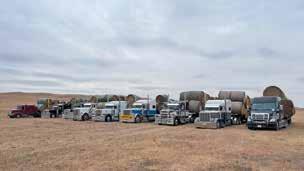
The Foundation will match community donations up to a total of $10,000 to help cover the cost of fuel needed to transport critically needed hay from areas across South Dakota to Nebraska. In partnership with the Kingsbury County Cattlemen’s Association, the effort is helping coordinate the movement of hay to ranchers in the hardest-hit areas. This hay will help feed cattle where grazing has been destroyed or severely limited and provide temporary safe spaces for animals displaced by the fires...
Read this story here!
Exciting rancher approved $147,500 LT 2025 sale feature purchased by Mohnen! EPDs consistently top 20% with elite structure and maternal!
Flint
Conley Claymore
Bristow’s stout, exciting son out of famed Schelske Maddie donor, also a sib to $220,000 Conley Maddie 3157, many time winner for Ferree.
SILO Brandston
Supreme Champion Bull at 2025 NAILE and OKCC!
STCC Tecumseh
Newly available in spring of 2026 - sire of value type!
Global
Greater Good
RJ/GCC featured HGTA x IGWT superstud!
$300,000 top selling bull at the 2024 Lindskov Bull Sale!
We Don’t Need to Be Liked or Followed
to Be Seen.
That’s how paid digital marketing works.
Likes and followers are passive signals. Visibility is intentional.
Livestock Digital runs paid digital campaigns through META and Google - placing client messages directly in front of targeted cattle producers based on geography, interests, and behavior.
Our campaigns :
1. Reach beyond existing followers
2. Appear across multiple placements - not just a page feed
3. Are built to drive real actions, not vanity metrics
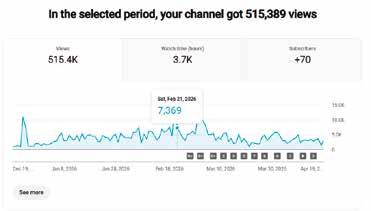
In 2025, Livestock Digital delivered over 18 million paid viewsbecause effective marketing isn’t about popularity. It’s about precision.
The American Junior Aberdeen Association creates opportunities for today’s youth to grow into tomorrow’s industry leaders.
It’s a sweet milestone for the American Junior Aberdeen Association (AJAA) as it hosts its 16th junior national, June 15–19, in Norfolk, Neb. The “Sweet Sixteen” theme celebrates the strides the breed has made and the leaders it’s produced through the years.
Junior members credit their involvement with the AJAA as the catalyst for their love of the cattle industry. “Attending junior nationals has no doubt shaped me into the person I am today,” Caleb Weyh, AJAA Vice President, said. “I grew up surrounded by family in ag, but if not for junior nationals and the Aberdeen breed, I never would have gotten into the show cattle in-
dustry and the different aspects of not only show cattle but also the show industry.”
Caleb’s participation in Aberdeen junior nationals over the years inspired him to exhibit other livestock such as goats, sheep, and hogs. It also sparked his interest in livestock judging, which led him to participate on competitive 4-H, FFA, and collegiate judging teams.
Exhibitors and their families will have the opportunity to experience show ring competition, educational contests, and social events at this year’s Aberdeen junior nationals. Organizers work to provide and promote activities that bring together the youngest juniors through the oldest.
“New members often compliment how all age groups seem to interact and comingle, which allows for growth across all age groups,” Courteney Walker, AJAA Advisor, said. “Young junior members are getting to learn and grow in their skills while being taught by a senior member who is getting to practice their passion and educate the next generation of leaders.”
The Aberdeen junior nationals offers exhibitors competitions designated for steers and market animals. This places emphasis on the meat production aspect of the cattle industry.
Additionally, the junior nationals incorporates competitions designed to encourage exhibitors to focus on herd genetics. “The junior program has also made conscious efforts in
encouraging youth to take pride in breeding decisions by having bredand-owned female and bull shows,” Courteney stated.
“The skills I developed most at junior nationals are learning to step out of my comfort zone and improve my public speaking skills. I ended up really loving public speaking and I went on to win first in multiple speech contests,” Ava Somers, 2025–2026 AJAA Princess, said. “I am forever grateful for the people at junior nationals who helped me develop my public speaking skills.”
When sharing advice with firsttime exhibitors, current junior members recommend they go allin. “Any exhibitor attending their first junior nationals, I think, should jump in headfirst, and get the full experience,” Caleb advised. “Try every contest, talk to as many people as you can, go have fun, and get to know everyone, because at the end of the day, we’re all like one big family and we all keep the same industry close to our hearts.”
Ava echoed Caleb’s sentiments. “My advice for first-time participants is to do it all! Do everything that junior nationals has to offer because you might walk into a ring and win showmanship or find out you really enjoy public speaking.”
The week of events planned for AJAA’s “Sweet Sixteen” junior nationals is packed with opportunities for first-time exhibitors and seasoned junior members alike to learn, grow, and take the next step toward becoming the industry’s future leaders.
Spotlight!
Junior National
GAME ON!
Two junior breed associations combine forces to deliver an impactful junior national event packed with activities for the entire family.
Fifteen years ago, leaders of the American Junior Chianina Association and American Junior Maine-Anjou Association decided that two are better than one. And they were right.
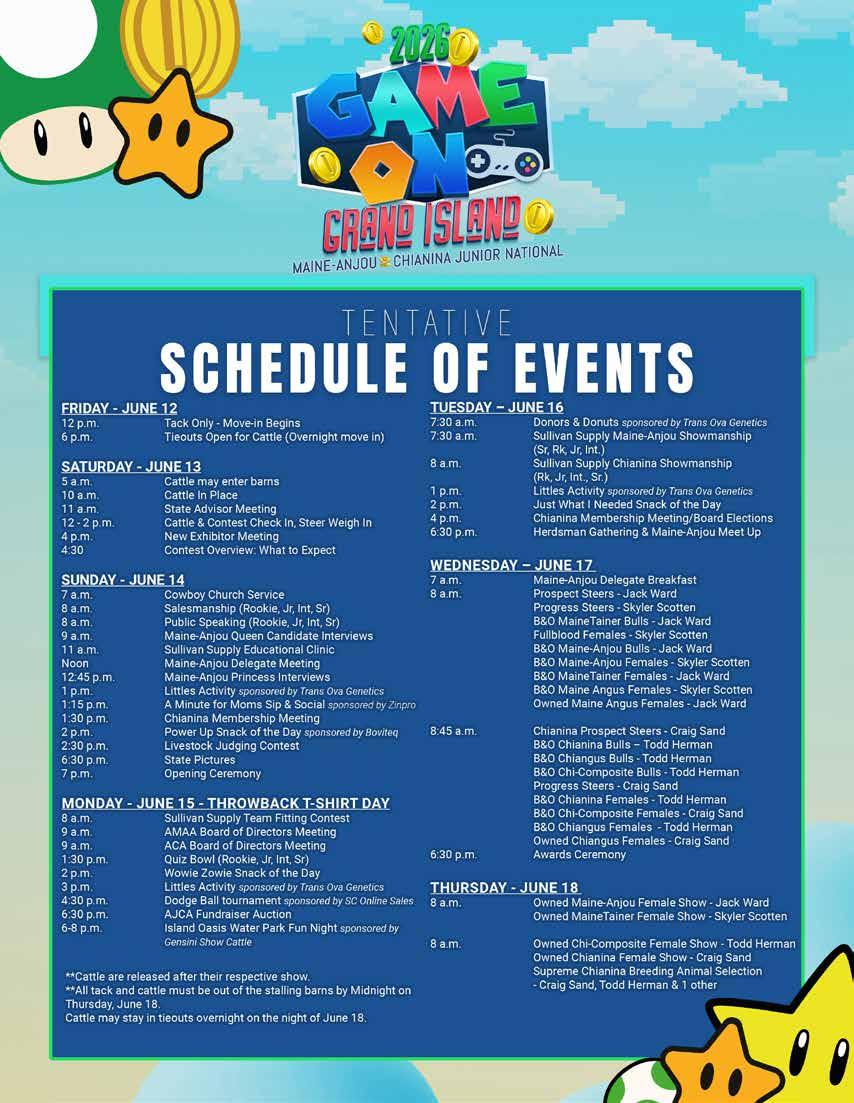
Since combining junior national events in 2011, the Chianina and Maine-Anjou Junior National has grown into one of the country’s largest junior national shows held during the summer. The event regularly hosts more than 750 exhibitors and 1,000 head of cattle.
The 2026 junior national event will take place in Grand Island, Neb., from June 12–18. This year’s theme is “Game On!”
As the joint junior national has expanded, so has its offerings. The new programs and competitions focus on developing well-rounded youth leaders.
“Each year, we continue to enhance our lineup of contests and activities designed to prepare juniors for future roles in the beef and agriculture industries,” explained Lindsey Broek, American Maine-Anjou Association Director of Shows, Communications, and Events. “These opportunities allow participants to develop practical skills, build confidence, and showcase their unique strengths across a variety of competitive and leadership-based settings.”
The Chianina and Maine-Anjou Junior National provides opportunities for exhibitors to interact, network, and learn directly from industry professionals. These con-
nections help bridge the gap between junior participation and future career paths.
“As a future ag teacher, I have seen how showing cattle can provide an outlet and community to kids, and that is reflective of so many different pieces of the ag industry,” said Charlie Hazelrigg, AJCA Board President. “I’m excited to tell my students about my passion of showing cattle and helping them find theirs, whether it’s the same or different! Additionally, competing in leadership competitions and serving in the role of president has grown me as a leader and prepared me to lead my students.”
Though the combined junior national centers on competition and opportunities, it also incorporates plenty of fun. Leaders of the American Junior Chianina Association and American Junior Maine-Anjou Association are cognizant of the fact that the week spent at the junior national serves as a family vacation for many of the participants. Therefore, the junior associations offer a wide range of activities for kids of all ages.
One special event new to the 2026 junior national is a complimentary night at a water park for the exhibitors and their families. It’s just one of many activities planned to develop friendships and family bonds. “Ultimately, we aim to create an atmosphere that keeps families engaged, builds lasting connections, and leaves them excited to return year after
year,” said Heather Counts, American Chianina Association Director of Shows and Activities.
The Chianina and Maine-Anjou Junior National continues to grow in youth participation and cattle entries. The partnership between the two breed associations is proof of the stellar success that comes when cattle producers collaborate. This is an example that is not lost on the youth.
“Having our national show with Maine creates an opportunity for more networking and allows us to provide more activities for our members! Our show is really for the kids, and I think that can be seen very well,” Charlie added.
At the end of the day, the Chianina and Maine-Anjou Junior National creates memories, connections, and real-world opportunities for youth, which in turn supports long-term involvement in the beef cattle industry. The countdown to fun is on, and this year it truly is “Game On!”
THE GOOD LIFE
the agriculture industry. The AGJA junior classic offers over a dozen different competitions including ag podcasting, creative writing, sales talk, and a skill-a-thon.
The American Gelbvieh Junior Association unveils a key change to its junior classic.
“Our leadership opportunities and educationally focused activities play an important role in developing unified and prepared leaders. Our goal is for the young people that attend our event to grow into the best versions of themselves!” Martha said.
Entry & Ownership Deadline May 15 | Late Entry Deadline May 22
Scan
t he
QR Code
Entry Information
Lodging Details
Junior National
Premium Book
And Families Belong. Belong. And
Meals Provided Each Day Free Hay for All Exhibitors 13 Contests: Team & Individual Travel Scholarships Available
Exhibitors participating at the American Gelbvieh Junior Association (AGJA)’s junior classic held June 21–26 in Grand Island, Neb., will experience a new approach to a growing segment of the annual junior national show. At this year’s classic, the bred-and-owned exhibitors will have a show dedicated specifically to their animals.
Show Live Stream Contest Details Judges
Schedule QUESTIONS? CONTACT
During previous AGJA junior classics, all owned and bred-andowned females competed in the same classes. At the conclusion of each class placement, the bred-andowned results were announced.
Members of the AGJA appreciate the way their involvement in the junior show and contests has molded their leadership abilities. “Attending Junior Nationals since I was a young girl has been an experience I would not trade for anything,” Gentry Warner, AGJA Board of Directors President, shared. “Through this program, I have built lifelong friendships, learned invaluable life lessons, and developed as a leader. I strongly encourage anyone with the opportunity to participate in a junior program to take full advantage of it.”
However, at the 2026 AGJA junior classic, the shows will be separated. Both the Gelbvieh and Balancer breeds will have an owned female show and a bred-and-owned female show. “This change reflects our commitment to recognizing and developing young breeders,” said Martha Moenning, AGJA Member and Youth Activities Coordinator.
The theme for the 2026 classic is “The Good Life.” The junior cattle shows and contests place a heavy emphasis on education, creating experiences that help juniors develop their talents and passions within
In addition to developing leadership and life skills, participation in the junior classic builds lasting friendships. “Attending junior nationals has had a huge impact on me. It’s given me the opportunity to connect with other juniors from across the country who share the same passion, and those friendships have been one of the most meaningful parts. It’s also helped me grow in confidence, independence, and responsibility,” Teagan Butterfield, AGJA Vice President of Leadership, said.
Teagan often shares the positive impact attending the AGJA junior
classic has had on her over the years. She encourages up-and-coming Gelbvieh producers to take advantage of every opportunity possible.
“Junior nationals is more than just a cattle show it’s an experience that builds leadership, work ethic, and lifelong connections,” Teagan stated. “I’m very grateful for the opportunities it has provided and would strongly encourage younger members to get involved and make the most of it.”
Organizers of the Gelbvieh junior national aim to create an event that fosters cherished memories for exhibitors and their families. AGJA’s classic is designed with education and leadership development at its roots. However, organizers hope the event will also strengthen youth’s love for agriculture and equip them for whatever they plan to pursue in life.
Gentry shares that her experience with the AGJA has granted her all that and more. “The experiences and opportunities I have been given have not only strengthened my passion for the beef industry but have also prepared me for my future career in agricultural communications,” she said. “I am incredibly grateful for the mentors, peers, and leaders who have invested in me along the way.”
Entry & Ownership Deadline May 15 | Late Entry Deadline May 22
Meals Provided Each Day Free Hay for All Exhibitors 13 Contests: Team & Individual Travel Scholarships Available
Spotlight! Junior National
TEEING UP FOR JUNIOR NATIONALS
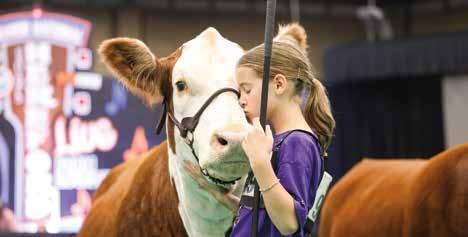
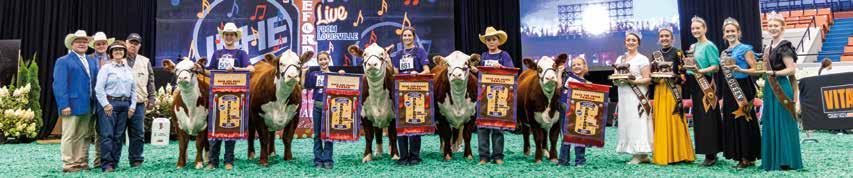
The Junior National Hereford Expo aims to create an event dedicated to education, career development, networking, and a good time for all.
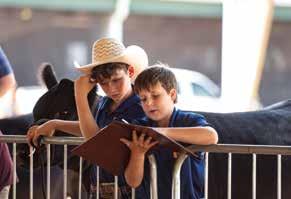
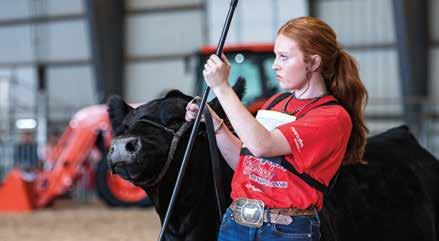
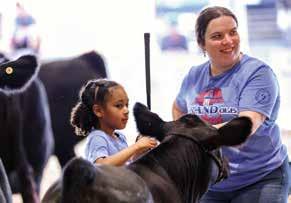
The National Junior Hereford Association (NJHA) is adding a twist to this year’s VitaFerm Junior National Hereford Expo (JNHE), set for July 4–10 in Madison, Wis., at the Alliant Energy Center. With a nod to golf, the 2026 theme, “The Hereford Masters in Madison,” sets the stage for a week focused on competition, learning, and connection.
The Hereford Youth Foundation of America and National Hereford Women will host a golf tournament July 6 to support leadership scholarships for NJHA members. The JNHE has grown into one of the nation’s largest junior shows, regularly welcoming as many as 900 exhibitors and more than 3,500 head and contest entries.
Now in its 26th year, the JNHE continues to prioritize experiences that bring families together while building skills for the future. “While the show ring is a definite highlight each year and is where the foundation for the JNHE began, over the years it has come to be known as so much more than a cattle show. It is an experience from start to finish for the entire family, with a lot of educational moments built in,” said Amy Cowan, American Hereford Association Director
of Youth Activities and Foundation.
Beyond the ring, the JNHE offers opportunities for juniors to prepare for life after the backdrop. A college and career fair and the future professionals contest help connect participants with industry pathways. The NJHA Meet-Up, sponsored by Sure Champ, remains a favorite, giving juniors the chance to build connections, develop leadership skills, and gain practical advice for success at home and in the show ring.
“The JNHE gives them a place in the industry to start their networks at a young age, and one of the most rewarding things to see is watching these young people graduate from the National Junior Hereford Association and go on to work for industry partners who they may have first met at the JNHE,” Amy stated. “The American Hereford Association and Hereford Youth Foundation of America are proud of the NJHA alumni who have gone on to do big things in their careers and are happy to say they got their start at the JNHE.”
Lauren Gatz, longtime JNHE participant and current NJHA board member, credits her involvement in junior events with helping shape her career. “I currently work
for the American Royal Association full-time as their communications coordinator, and I use skills I learned from my participation in the NJHA and the JNHE daily,” she said. “I think the impact the JNHE has on preparing kids for the future is exponential and truly one of the best ways to prepare you for higher education or a future career.”
The preparation is intentional. Each year, organizers look for new ways to engage juniors while promoting the Hereford breed and strengthening life skills. It’s a practice that is making a lasting impression on juniors.
“My participation in JNHE has prepared me for my future in more ways than one. Through contests, mentorship programs, and show ring experiences, I’ve learned how to build relationships, lead by example, and represent something bigger than myself. Which not only benefits me right now as a junior member but also will set me apart in college as well as my future career,” Beau Ann Graves, NJHA member, shared.
As final preparations for the 2026 JNHE come together, organizers are hopeful the event will continue to make a difference in the lives of Hereford juniors across the country.
Spotlight!
Junior National
STEPPING UP TO THE PLATE
The National Junior Angus Show heads to Kentucky with a strong lineup designed to develop the next generation of Angus producers.
Rooted in more than 50 years of tradition, the National Junior Angus Show (NJAS) draws Angus enthusiasts from all over the country for the National Junior Angus Association (NJAA)’s event of the summer. The NJAS has evolved from its debut in 1969 to an Angus junior showcase event.
This year’s NJAS swings for the fences with its theme, “Bases Loaded in the Bluegrass,” and is scheduled for July 11–18 in Louisville,
WILD WEST MINI SHOW
Miniature Hereford juniors gear up for new opportunities at this year’s Miniature Hereford Junior Nationals.
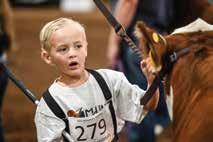
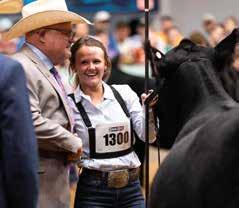
Organizers of the 2026 Miniature Hereford Junior Nationals (MHJN) promise this summer’s event will offer the same level of competition and fun as past junior nationals, coupled with new, cutting-edge educational experiences. MHJN, slated for June 15-19 in North Platte, Neb., recently rolled out its theme, Wild West Mini Show.
For the first time at MHJN, exhibitors will have the opportunity
Ky. Over the years, the NJAS has expanded from show ring competitions to include contests, clinics, scholarships, and leadership programming.
The NJAS has integrated new experiences that give its youngest participants opportunities to compete and learn. “Recent updates, such as adding our NJAA showmanship contest, lowering the membership age to 7, and adding novice divisions in contests and showmanship, reflect the NJAA’s focus on accessibility and early involvement,” said Caitlyn Brandt, American Angus Association Director of Events and Junior Activities.
The event offers activities that aim to develop Angus producers from the time they are in the novice divisions until they age out of the junior program. The goal is to encourage and guide them every step of the way.
“The NJAS plays a critical role in retaining youth in the beef cattle
to participate in live-animal ultrasound carcass evaluation. This new experience gives juniors a deeper understanding of what drives value in the beef industry. Through ultrasound, juniors will measure ribeye area, backfat, and marbling – giving them a firsthand look at how their feeding, genetics, and management decisions translate into real carcass performance.
“Carcass evaluation teaches youth to think beyond the show ring and understand the traits that impact eating quality, yield, and consumer demand. It’s science-based learning that builds smarter, more informed cattlemen and cattlewom-
industry by creating a clear pathway from junior participation to lifelong involvement in Angus and agriculture,” added Caitlyn. “NJAS connects juniors with peers, mentors, advisors, breeders, and industry partners, helping them build strong networks.”
The strong bonds created over the years have inspired those within the Angus breed to refer to the collective of Angus producers as the “Angus family.” Built through years of experience and relationships, the “Angus family” continues to ensure each NJAS develops the next generation of knowledgeable and passionate cattlemen and women.
en,” said Heather Wiley, Miniature Hereford Breeders Association® Marketing Director.
Participation in the MHJN has gained momentum since the original stand-alone event in 2015. Junior McKenna Camp shared, “Attending the MHJN is the highlight of my year! Of all the shows I attend, it is by far the most anticipated because of the opportunity to make so many new friends and the amount of time put into educational programs and hands-on learning experiences throughout the week.”
Each year, organizers strive to ensure juniors walk away with a sense of accomplishment, regardless of the number of awards. For Walker Wiley, the best part of junior nationals is building friendships. “Being able to attend multiple Miniature Hereford Junior Nationals has impacted me in many ways. The biggest impact has been the lifelong friends I have made throughout my junior nationals activities,” he said.
WILD ABOUT RED ANGUS
The Red Angus Youth Expo revs up for its premier event designed for everyone from the youngest youth exhibitors to the industry’s most seasoned professionals.
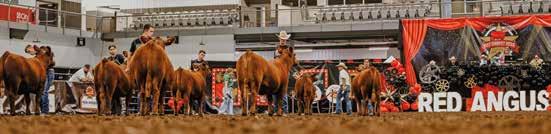
Organizers of the Red Angus Youth Expo (RAYE) are putting the final touches on a week designed to bring together current and future Red Angus breeders. This year’s RAYE, themed “Wild in Wisconsin,” is planned for June 21–26 at the Alliant Energy Center in Madison, Wis.
“RAYE has evolved from a promising inaugural event in 2024
into a nationally recognized premier junior breed expo—larger in scale, richer in educational value, stronger in leadership development, and more impactful in shaping the next generation of Red Angus youth leaders,” said Taylor Dorsey, Red Angus Junior Programs Coordinator.
Equipped with cattle shows, competitive events, and educational activities, the RAYE strives to cultivate innovation, breed improvement, and networking. One of RAYE’s showcase events is the skill-a-thon. This hands-on contest challenges junior members to physically practice industry skills. Through competing in the skill-athon, youth hone practical skills, build confidence, and develop industry readiness.
During the RAYE, industry
atmosphere of our junior national. The goal is to welcome new families into our event and make them feel like they are part of the Shorthorn family,” said Shelby Diehm, American Junior Shorthorn Association Director of Youth Activities.
SHORTHORN TRAILBLAZERS
The National Junior Shorthorn Show and Youth Conference promotes a family atmosphere, fostering rapid growth and participation in this annual summertime event.
From its beginnings, the National Junior Shorthorn Show (NJSS) and Youth Conference’s primary focus has been creating a family environment. As leaders prepare for this year’s event, Trailblazing to Texas, their motivation remains rooted in its origins.
“We are known as the family-friendly breed because of the
The NJSS and Youth Conference has doubled in participation over the past decade. The American Junior Shorthorn Association (AJSA) now has more than 6,000 junior members across the country. “One of the reasons we have continued to grow is due to the family-friendly aspect of our event. We want them to have a reason to come back each year, not just for the competition but because of their love for the breed and the people in it,” Shelby added.
Though the NJSS and Youth Conference
leaders serve as mentors to juniors. These connections help instill interest and loyalty in the next generation of Red Angus producers.
“By immersing participants in the Red Angus breed community, RAYE helps foster long-term commitment to Red Angus genetics and encourages youth to remain active as future breeders, commercial producers, and association members,” explained Taylor. “RAYE’s longterm value lies in its ability to turn junior exhibitors into lifelong cattle industry participants—equipping them with the skills, relationships, and confidence needed to remain engaged and make meaningful contributions for years to come.”
Though only in its third year, the expo is already inspiring junior members to be “wild” about Red Angus.
holds close to past traditions, it has also evolved to stay relevant with the changes in the industry. Contests and opportunities are designed to prepare the next generation of Shorthorn breeders for their futures, whatever careers they choose.
This summer, Shorthorn junior members and their families will converge on Abilene, Texas, for a week of fun, competition, and relationship-building, while trailblazing their futures in the cattle industry and beyond.
Spotlight! Junior National
Veterinarian View
Health & Reproduction questions answered and explained.
contributed article by Dr. Joshua Beutler, DVM Pender Veterinary Clinic, Pender, Neb. penderveterinaryclinic.com
PINKEYE CHALLENGES, PREVENTION AND TREATMENT
inkeye is one of the more common summer challenges many producers face. Some summers, there are more problems with pinkeye than others, and it can even vary operation to operation.
Pinkeye usually is a late summer issue, and when it gets started in a pen of cattle – it can spread rapidly. Several times, I have seen over half the calves in a pasture exhibiting the watery discharge, ulcerated eyes, and eventual blindness. I have also had cases where close to a third of the cows are affected as well.
ECONOMIC COSTS
Beyond the pain associated with eye lesions, pinkeye also carries economic consequences at the sale barn. Cloudy eyes in general have a $10/cwt discount, which can increase significantly for a fully blind calf that can be unsellable.
PERFORMANCE IMPACTS
What about performance? There have been several studies evaluating weight gain and its correlation to pinkeye. On average, calves affected by pinkeye tend to lose 30 lb. compared to those not infected. Some studies have even shown weight losses over 60 lb. in severe cases.
CAUSES
What causes pinkeye? That is the challenge itself. We know that bacteria and viruses both play roles. The most common agents–and ones I have primarily cultured–are Moraxella bovis and Moraxella bovoculi.
I have also seen an increase in Mycoplasma species, such as Mycoplasma bovis, Mycoplasma ovis, and Mycoplasma bovoculi cultured on swabs, along with Chlamydia agents. On the viral side, infectious bovine rhinotracheitis (IBR) is one of the bigger players, but there are also situations where bovine viral diarrhea (BVD) becomes involved.
So now that we have a list of agents, it gets more complicated. Moraxella is the most common culprit, but there are so many different strains and genotypes among these that make protection challenging.
Many of these agents occur naturally on cattle in a commensal state, with some inhabiting the cornea. In most cases, some form of trauma allows bacteria to invade and replicate. Common sources of trauma include UV light, flies, dust, and seed heads on grass if it gets too tall before turnout.
TREATMENT
So, what should producers do? From a treatment perspective, sewing the eyelid or patching it after cleaning the eye with appropriate spray is a great start. After that, the administration of antibiotics will help the animal recover over time.
Antibiotic choices are generally broad-spectrum options such as oxytetracyclines (LA-200, Biomycin 200, LA-300), norfenicols (Nuflor, Norfenicol, Resflor), and tulathromycins (Draxxin, Arrovyn, Increxxa).
It isn’t perfect. I have run into situations where antibiotics are not resolving the case whether it is brought in and treated with LA-300 or darted with Draxxin.
I strongly recommend reaching out to your veterinarian and considering swabbing for culture and sensitivity. Culture and sensitivity will tell you the specific bugs you are battling, and which antibiotics should be more effective. Should is the key word, but in my experience that has been the most effective method for treatment success.
PREVENTION
Once an outbreak begins, it can be difficult to get ahead of it. And in larger operations, regular treatment and patching of eyelids becomes labor-intensive. It is very frustrating and for all the reasons mentioned, prevention becomes extremely challenging. But with the value of cattle and the economic setbacks associated with pinkeye, one can’t fault one for doing what one can.
Again, culture and development of autogenous vaccines tailored to herd-specific strains have shown to be the most effective prevention methods in my experience. There are several companies that offer this service, the standard recommendation is to get two doses of this vaccine to provide the best protection.
There are also versions of an implant-style vaccine, such as SoliDose, that release an initial pellet
set followed by another pellet which dissolves two weeks later to allow appropriate booster vaccine. These have worked as good as anything we have implemented, but we still run into challenges, especially with herd introduction.
Introducing new cattle to the herd is a major factor that is commonly overlooked, as it brings new exposure strains to a group of cattle and can lead to reinfections as well. Herd introduction late spring or early summer tend to cause more issues. There will need to be biannual cultures to evaluate strain compatibility.
An additional preventative measure to consider is fly control, which includes misters, pour-ons, rubbers, and fly tags. Fly tags can be effective if properly rotated and used at
the right time. Unfortunately, application late June or early July doesn’t always align with pasture turnout or other key events in the cattle cycle. Quality mineral programs with vitamin E and other key minerals are also greatly beneficial in promoting a proper immunity to fight off these infectious agents.
Pinkeye will remain a challenge for many years to come, but there are advances coming along that may help continue to lessen the severity and better protect our herds. Working with your veterinarian can help you create a prevention plan and potential treatment protocol. learn more penderveterinaryclinic.com
Dr. Joshua Beutler is an owner and veterinarian at Pender Veterinary Clinic in Pender, Nebraska. He is a 2016 graduate of Iowa State University.
Viewing catalogs on the go has never been so easy.
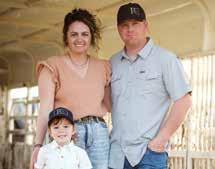
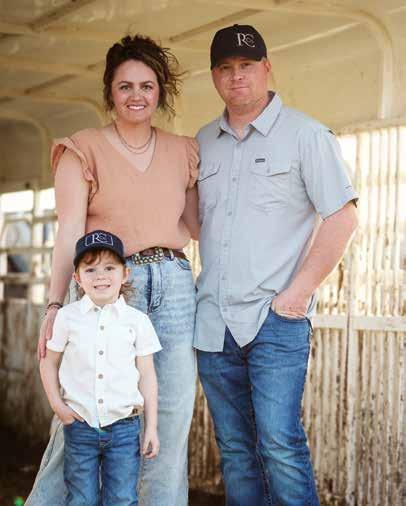
Hi, I’m Nevada Richards! My husband, Bret, and I are Richards Cattle Co., a first-generation seedstock operation and feedlot near Clarinda, Iowa. We have one son, Rowan, and are expecting our second child in June! We raise Simmental, SimAngus, and Angus cattle, with consistency as our main focus. Our cattle are easy-fleshing, come from a deep maternal base, and have a ton of natural thickness, but they also have to be good-looking while doing it! We hold our annual bull and female sale
Who taught you to cook, and what’s something you still do exactly their way?
I was raised by a family of entrepreneurs, and we never went without a meal, but spending time in the kitchen wasn’t necessarily a top priority. I’m not sure a dish was ever made the same way twice, as we always just used what was on hand, and that’s something I still do exactly the same today!”
What is your favorite cooking tip or trick?
The Crockpot! My mornings are normally slow-ish, and I never know where the day will take me, so preparing a meal first thing in the morning and allowing it to cook while I’m out and about seems to work best for us and our busy schedule.”
STOCK Kitchen
Cowboy approved recipes used by our favorite country cooks.
What is your most requested dish or your favorite dish to make?
Bret and Rowan always devour the Easy Cheesy Baked Tortellini!”
What’s your go-to “I’m tired but need to cook” meal?
Tacos seem to be a staple at our house. Browning some hamburger and throwing it on a tortilla with whatever toppings you can find is always quick, easy, and filling!
What’s always in your fridge or pantry?
Beef!“
learn more richardscattle.com
for printable recipes stockmanmag.com
CROCKPOT ROAST
Nevada Richards
1 frozen roast (any cut and size you have on hand)
1 pkg. dry soup mix (any flavor)
1 – 3 beef bouillon cubes
1 (1 lb.) bag baby carrots
6 – 8 potatoes (halved)
Step 1: Add everything to your slow cooker and cook on low for 8 hours. Enjoy!
Note: I’m sure everyone has a roast recipe but if you haven’t tried it frozen with no liquids, I suggest it! It’s EASY and after eight hours the roast just falls apart, and everyone enjoys it!
SUGAR COOKIE PIZZA
Nevada Richards
1 18 oz. pkg. refrigerated sugar cookies
1 ½ c. frozen whipped topping (thawed)
EASY CHEESY BAKED TORTELLINI
Nevada Richards
1 20 oz. bag frozen cheese tortellini
1 - 1 ½ lbs. ground beef
1 24 oz. jar of pasta sauce
1 8 oz. block cream cheese (cubed)
2 c. shredded mozzarella cheese seasoning to taste
Step 1: Preheat oven to 350 degrees Fahrenheit and grease a 9x13 baking dish. (I personally use a copper skillet/baking dish for all steps, so I only dirty one dish!) Step 2: Cook the pasta according to package directions, drain, set aside. Step 3: Brown the ground beef with seasonings of choice, remove excess grease, then stir in pasta sauce and cream cheese. Simmer for a few minutes until sauce is mixed well. Step 4: Toss tortellini in the sauce mixture and then pour into baking dish. Sprinkle shredded mozzarella on top. Step 5: Bake uncovered for 25 minutes, serve with garlic bread, a salad or some sort of veggie, and enjoy!
Note: I stumbled upon this easy recipe on Pinterest, and it instantly be- came a favorite in our house. I sometimes add mushrooms, diced toma- toes, or even black olives to my pasta sauce just for something different. It’s always a hit!
2 /3 c. vanilla yogurt 3 c. assorted fresh fruit
Step 1: Press cookie dough evenly into a greased 14-inch pizza pan. Step 2: Bake at 350 degrees Fahrenheit for 12-15 minutes or until golden brown. Cool. Step 3: In small bowl, combine whipped topping and yogurt, then spread over crust. Step 4: Top with fruit.
Note: A good family friend is always cooking, and this is one of our favorite desserts of hers.
Every mating decision shapes more than the next calf, it shapes your reputation and your legacy. With advanced reproductive programs designed to accelerate progress, Trans Ova helps breeders concentrate their best genetics, sharpen selection, and move forward with confidence. The result is more predictable outcomes, stronger demand, and momentum that builds generation after generation. Your legacy is already in motion. Are you ready for what’s next?
Sale Barn Study
contributed article by Roman Schooley Bloomfield Livestock Market, Inc., Bloomfield, Iowa bloomfieldlivestockiowa.com
STILL BREAKING RECORDS!
e sure have been blessed in the Midwest with an abundance of moisture the last few weeks, and it has been much appreciated. The pastures are green and bursting with grass.
Cattle markets are just as explosive as we continue to set records in all facets of the market. The spring rains are sure helping cool down the fires in parts of the country as well. Our thoughts and prayers are still with everyone impacted by the devastating wildfires.
Feeder calf markets are as strong as ever with demand strong and supply short. 5wt steers are ranging from $5.50–$5.85. 8wt steers are commanding top prices as well from $3.75–$3.90. Replacement females have cooled a bit, with most of the better females already being marketed. Your CME index continues to climb to $375.46.
Fat cattle markets are really starting to heat up as summer approaches. April’s board is $252.60. Your fed cattle auctions are commanding record prices ranging from $2.48–$2.55, which is up six to eight dollars from last month.
Packers are trying to pull back, but the cowboys realize we’re heading into grilling season, and that means demand will be climbing for those primal cuts. Box beef
cutouts are trying to gain strength, sitting at $382 for Choice and $378 for Select.
Stock cows are continuing their strong markets, with many of the slaughter cows ranging from $160–$190. Bulls have strengthened to $220–$280. Those cull prices are sure helping producers trade them in for breeding bulls and cows.
Bred cows are still reaching new levels, ranging from $4,200–$5,000. We sold some 2-year-old heifer pairs for a top of $6,750. Many of those pairs are averaging $6,000. Demand for females continues to rise as we all anticipate another good run this fall.
With all the rain over the past few weeks, farmers are still waiting for their opportunity to get their
seed in the ground. We pray for a safe planting season that will bring plentiful crops next fall.
As always, if you’re in the market to buy or sell, give us a call to talk cattle. We love the opportunity to help you market cattle the auction way.
Roman Schooley, Bloomfield, Iowa
Roman Schooley owns Bloomfield Livestock Market and Schooley Cattle Co. in Bloomfield, Iowa. As president of Schooley Cattle Co., Roman leads the breeding decisions of the seedstock operation which consists of 550 registered Simmental and Angus cows. Schooley Cattle Co. utilizes IVF to produce breed leading genetic advancement. The company hosts an annual production sale the first Friday in February at the ranch; selling 18-monthold and yearling bulls and a select group of open and bred heifers. Roman also owns and assists in the operations at Bloomfield Livestock Market which primarily serves producers in Iowa, Missouri, and Illinois. He and his wife, Elizabeth, have three children: Hannah (23), Haven (20), Houstin (17), and one grandson, Weaver (2 months).
Stay connected. See the latest. Wherever you go, it goes.
season of hope.
As spring settles in, there’s a certain kind of hope that rises with the longer days. Pastures are greening, calves are growing, and the work that once felt heavy in the cold months starts to feel a little lighter. This season has a way of reminding us why we do what we do - why we show up early, stay late, and keep pushing forward even when the challenges stack up.
And this spring, our attention has been turned to the challenges for our neighbors in Nebraska, who have been hit hard by recent wildfires. Many families are facing losses that cut deep - livestock, grass, fences, and in some cases, homes. Our thoughts and prayers are with them as they begin the long, difficult work of rebuilding. If there’s one thing this region has always shown, it’s that the cattle industry stands together when times get tough.
Across the Plains, producers are laying the groundwork for the year aheadmanaging forage, protecting herd health, and making the steady, thoughtful choices that keep cattle productive and land moving in the right direction. This season reminds us that progress is built in the everyday work - the kind that doesn’t always make headlines but shapes the future of our operations and our communities.
Here’s to green grass, healthy calves, and a season that fuels your purpose - and to supporting those who need it most right now.
Makayla
publication date materials due
August/September 2026 July 25
October 2026 September 7
November 2026 October 7
December 2026 November 7
January 2027 December 7
February 2027 January 7
March 2027 February 7
April 2027 March 7
May/June 2027 April 7
rate/issue
two page spread $2195 full page $1195
half page $695
business card $250 double card $450
premium pages and ring service call for a quote
OUR TEAM Production
MAKAYLA FLOWER, Editor and Graphics makayla@stockmanmag.com 605-690-6050
KIM BANKS, Online Editor and Graphics kkbanks@frontiernet.net 507-530-0914
CHERYL KEPES, Editor Assistant and Writer cheryl@stockmanmag.com 417-766-0990
MARIA OPHEIM, Social Media riawbr@gmail.com 507-828-1374
The Stockman hereby expressly limits its liability resulting from any and all misprints, errors and/or inaccuracies whatsoever in the advertisement and editorial content published by The Stockman and its said liability is here by limited to the refund of the customer for its payment for said advertisement, or the running of the corrected advertisement, or editorial notice. Notification by the customer of any error must be made within 30 days of the distribution of the magazine. Advertising copy received after the deadline may not be returned for proofing. Changes to advertising copy made after the deadline date will be allowed only if time permits, and will incur the appropriate charges according to time and materials involved in the changes. The opinions or views expressed in the editorials are those of the persons interviewed in the article and not The Stockman magazine. The Stockman does however reserve the right to edit or refuse all material which might be objectionable in content. No material or part thereof may be reproduced or used out of context, without prior specific approval of a proper credit to The Stockman
HEIDI SORENSEN ROHRIG, Ad Sales Coordinator hsorensenrohrig@gmail.com 661-900-6004
JOHN KUELPER, Ad Sales johnkuelper47@gmail.com 309-582-6335
JAN FORD, Ad Sales jford17879@aol.com 208-340-2024
Sales Management
CHRIS BEUTLER, CEO beutlerworkplace@outlook.com 402-380-8244
Tell us a little about yourself and your background in the horse industry.
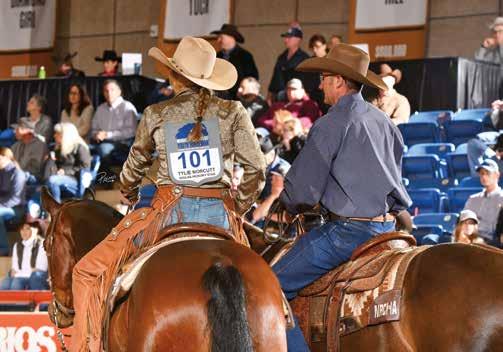
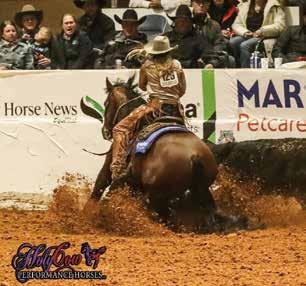
I grew up on a horse training facility in Fallon, Nevada, alongside my parents and sister. With my dad training horses, I was introduced to both roping and showing at a young age, which laid the foundation for my involvement in the industry. I began roping in junior rodeos, and now I primarily compete at jackpots and WPRA rodeos.
I also started showing cow horses in high school. While I compete less frequently today, I continue to stay involved by attending several nonpro shows each year."
What led you to where you are today, working in the marketing side of the industry?
I was introduced to the marketing side of the horse industry through Livestock Digital. One of my dad’s clients asked if I would be interested in working as a video designer for the company. With the opportunity to gain experience and flexible hours, I was excited to accept the position.
In that role, I began creating content for cattle and horse sale promotions, which ultimately gave me my start in media and helped shape my path in equine marketing."
What does your role look like today working with horse sales and consignors?
On a daily basis, my role consists primarily of identifying potential clients, sending outreach emails, and creating promotional content for sales and stallions. I also spend time researching upcoming sales and stallions that may benefit from additional advertising. From there, I connect with owners and managers to introduce our program and explain the services we offer.
In addition to client outreach, I handle the design and production side of several projects, creating the content and making sure everything is prepared and ready to be launched on time."
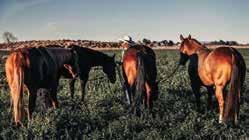
below Tylie in Fallon, Nevada, fall 2023.
below Tylie and her dad, Darrel, at World's Greatest Youth in 2024.
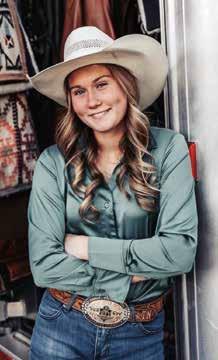
Tylie Norcutt
Norcutt Performance Horses, Fallon, Nev.
What are you noticing about how successful programs present and market their horses?
From what I have observed, successful horse programs often have strong assets that help promote their brand. These include high-quality images and videos of their horses, but many also share content that highlights their ranch, daily operations, and program as a whole. Showcasing the full picture not only builds credibility, but also helps create a more engaging and professional presence for potential clients."
From your perspective, what makes a horse program or sale stand out?
From what I’ve noticed so far, what makes a horse program stand out is, again, its assets and overall social presence. When people are searching online for sales or stallions, there needs to be something that immediately catches their attention. This is usually a high-quality photo or video that represents the program well and encourages the viewer to learn more.
The same principle applies to print advertising. With limited space in magazines, there is less opportunity to show multiple elements, so the ad needs to draw attention right away. A strong image, paired with clean, professional design, can make the difference in whether someone stops to look or turns the page."
You’re balancing work in the industry while actively competing - how does that shape your perspective?
Balancing work in the industry while actively competing helps me understand what riders and owners want to showcase and what catches their attention when they’re scrolling through ads or flipping through a magazine. That helps me create marketing that feels authentic and highlights the details that matter most. Being involved in both areas allows me to create content that not only looks professional, but also resonates with the people it’s intended to reach."
What has been one of the most valuable lessons you’ve learned so far?
One of the most valuable lessons I have learned so far is how to manage my time effectively. Many of the projects I take on have tight turnarounds, making organization and efficiency essential. Balancing this workload with daily roping and riding, along with time spent traveling to competitions, requires good planning. Prioritizing tasks and maintaining clear communication helps ensure that each project is completed on time."
What
excites you most about the future of the horse
industry?
What excites me most about the future of the horse industry is how it continues to grow. Each year, more people become involved in some aspect of the industry, whether through rodeo, horse shows, breeding programs, or recreational riding. As participation increases, competitions continue to grow, often bringing larger entries and higher payouts.
This growth also expands breeding opportunities, with more stallions and mares being promoted and developed. Overall, the industry’s momentum is creating new opportunities for competitors, breeders, and businesses alike, and it’s exciting to see how that progress will affect this industry in the future."
below Tylie with her horses: Kenny, Baron, Houston, and Electra.
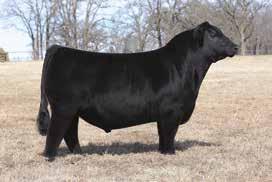
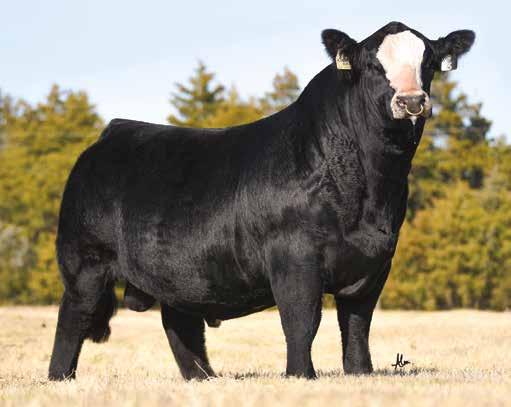
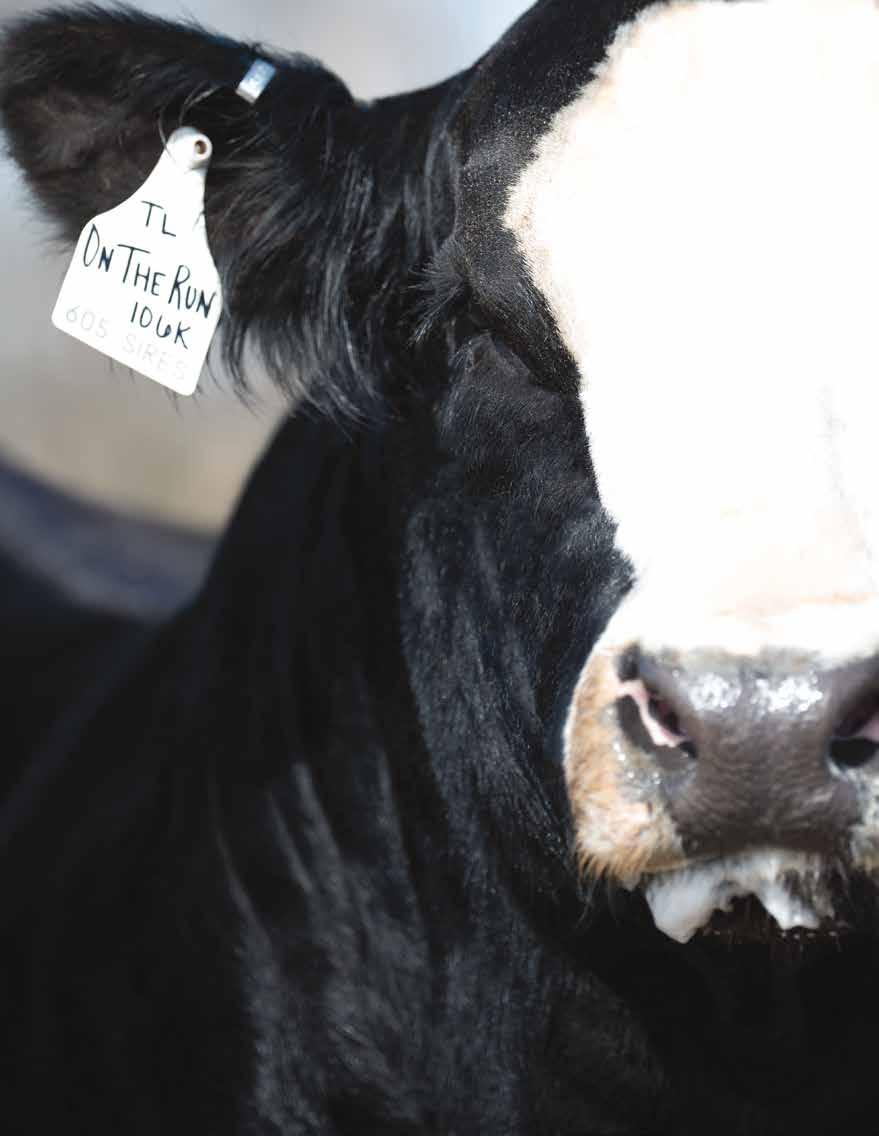
Power in the pedigree, big topped, big footed, big nutted, and big time good. He’s the perfect size with all the right parts in all the right places. The calves are on the ground, no matter what sector of the industry you are in, On the Run is the right kind. He is flat out making the great ones, even better, he’s making them consistently.