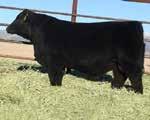
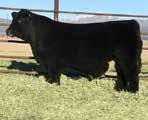
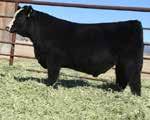
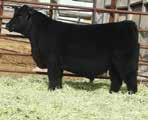
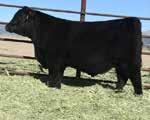
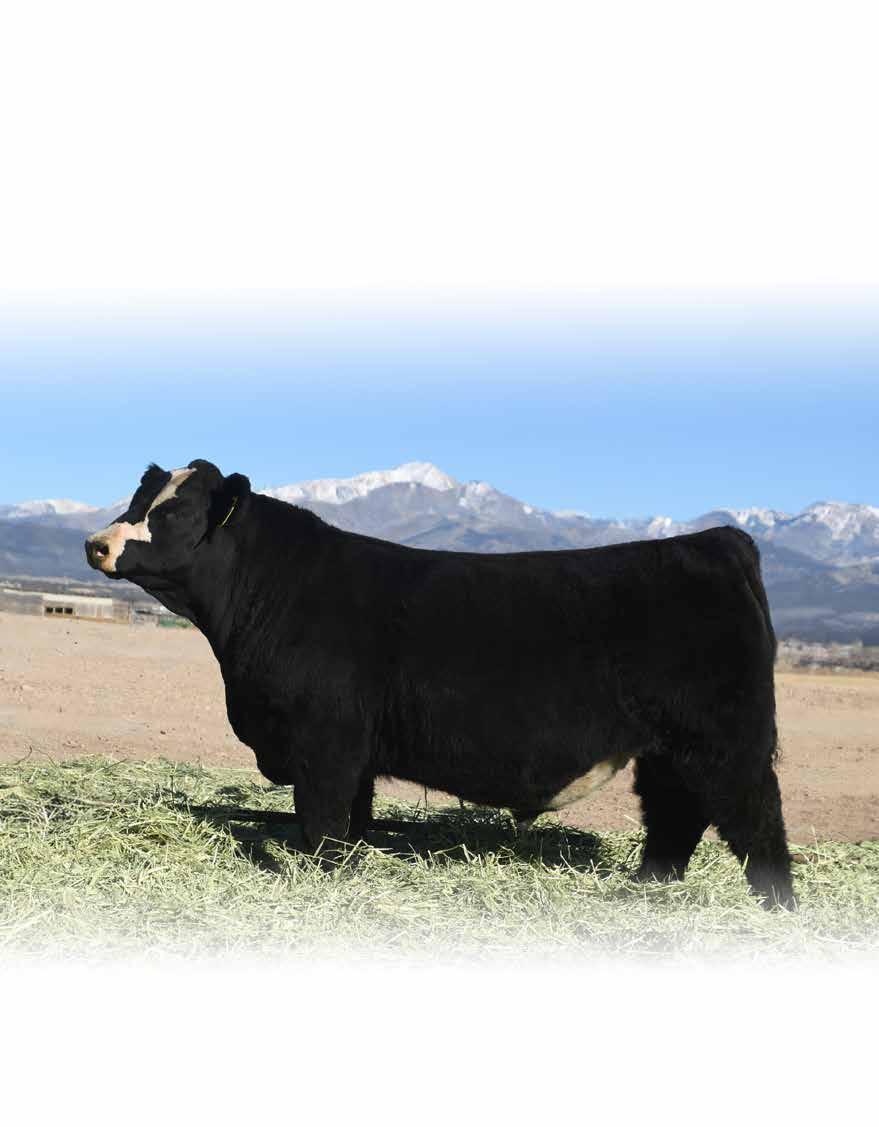
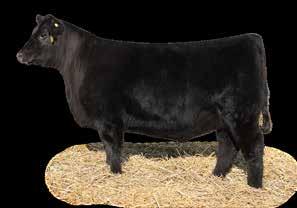
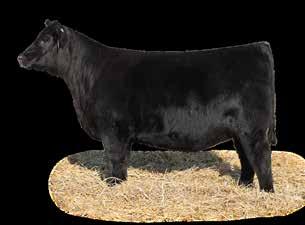
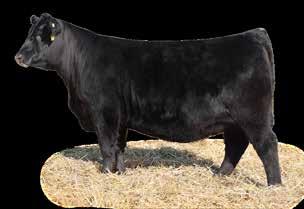
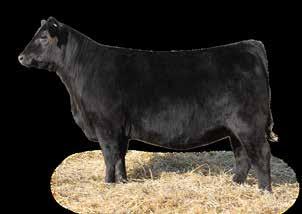
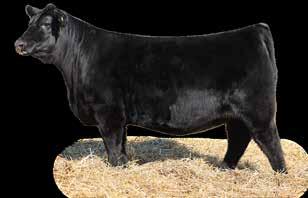
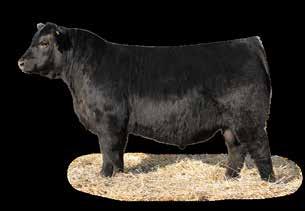
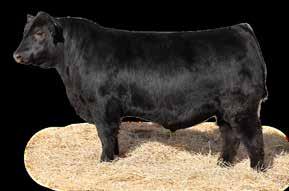
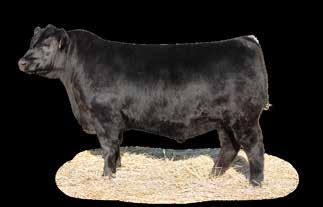
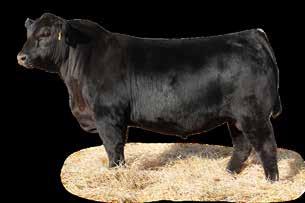
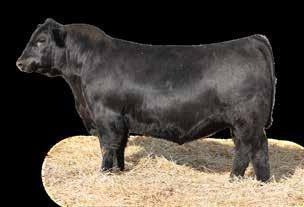
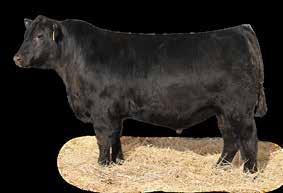
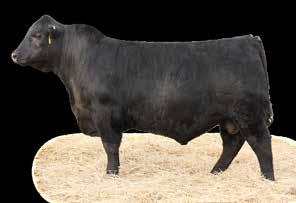
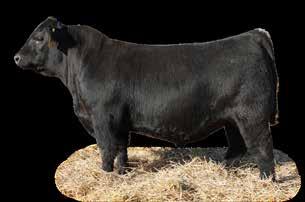
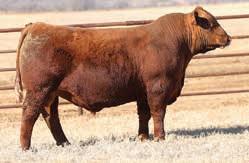
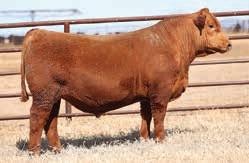
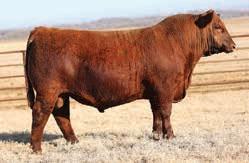
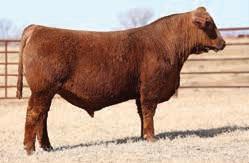
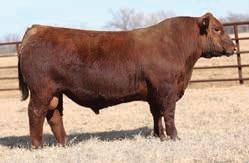
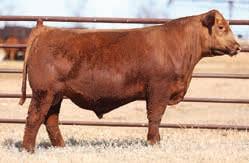
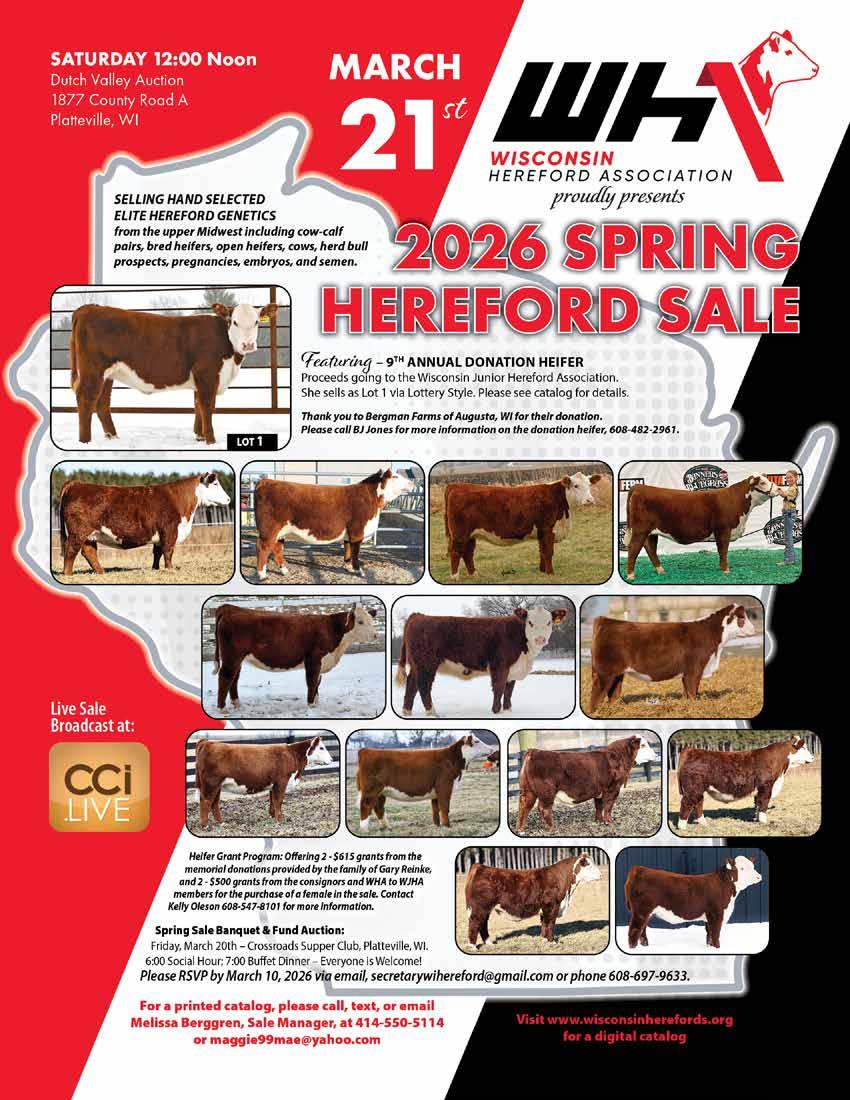
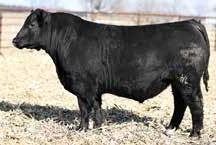
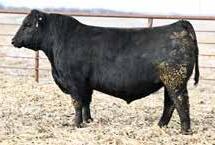
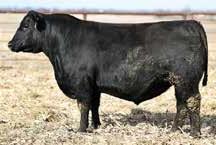
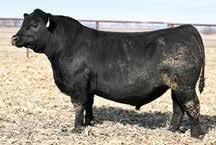
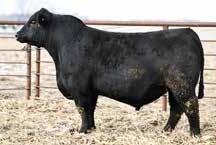
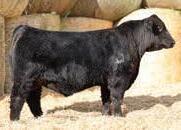
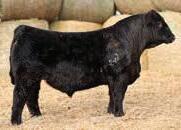
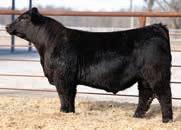
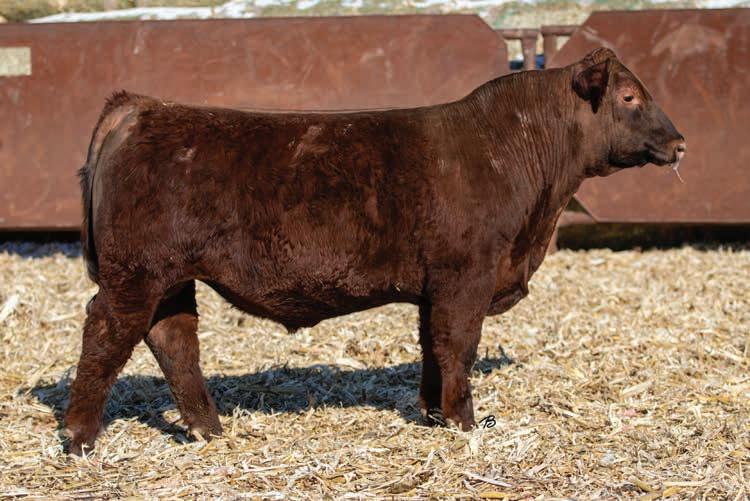
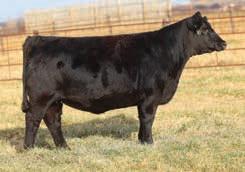
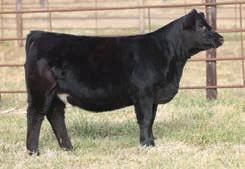
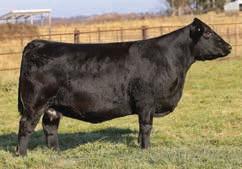
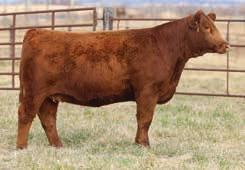
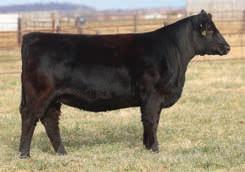
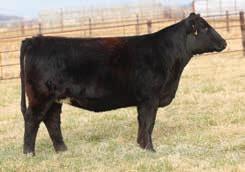
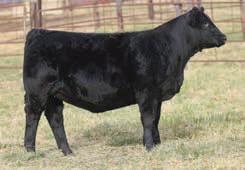
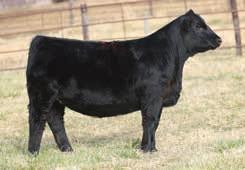
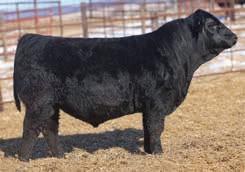
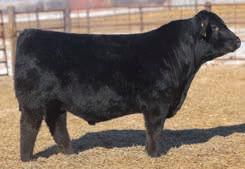
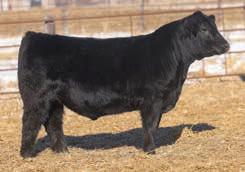
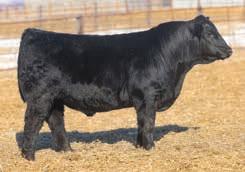
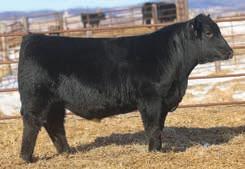
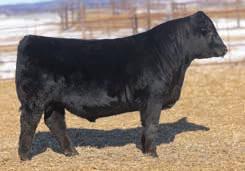
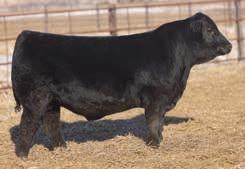
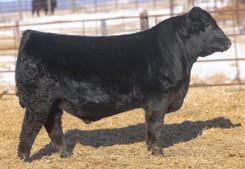
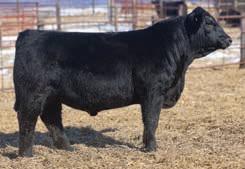
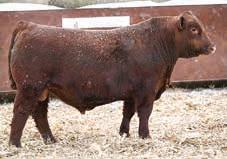
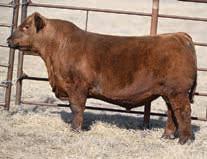
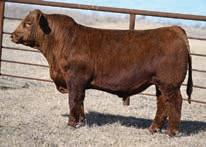
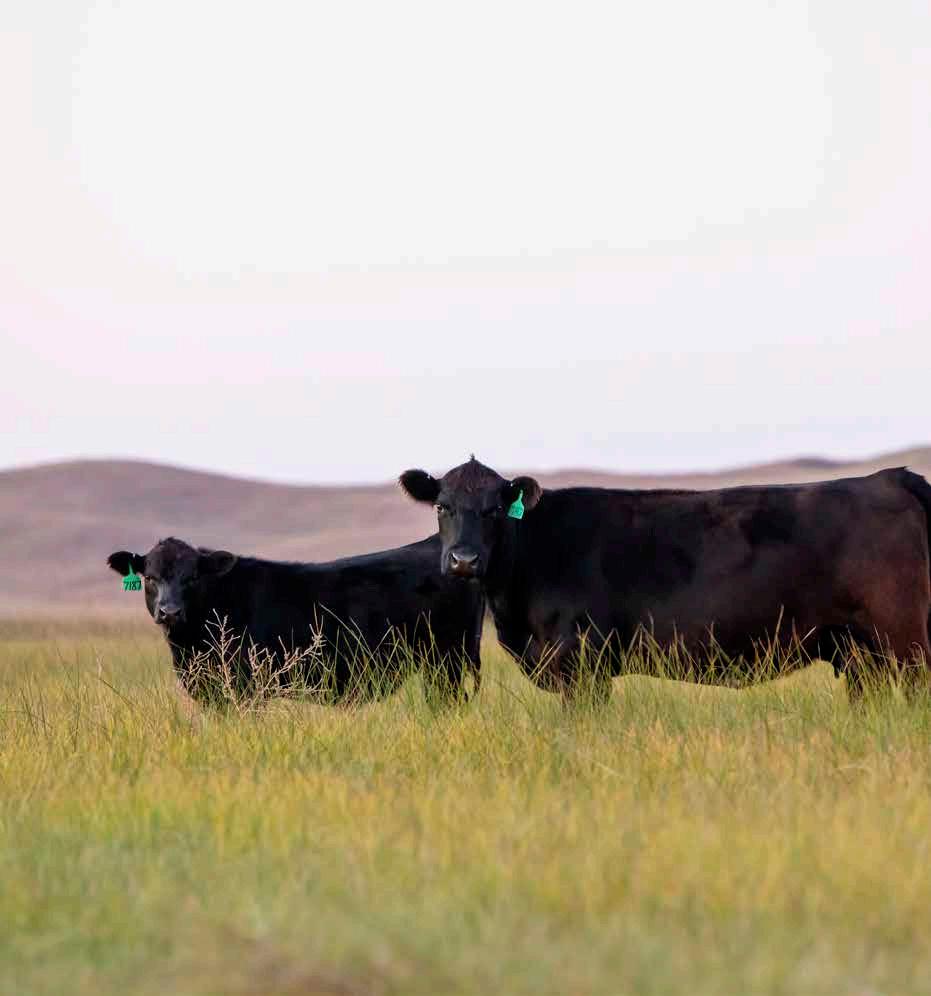
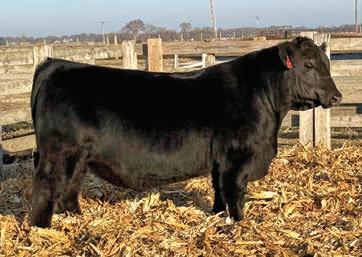
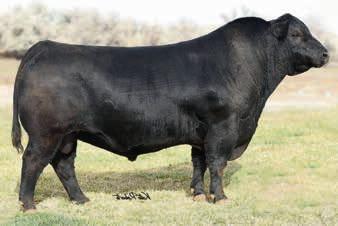
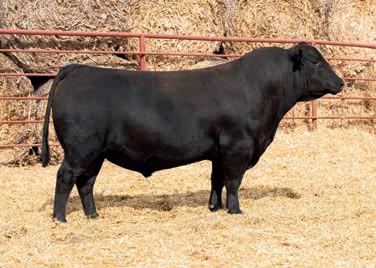
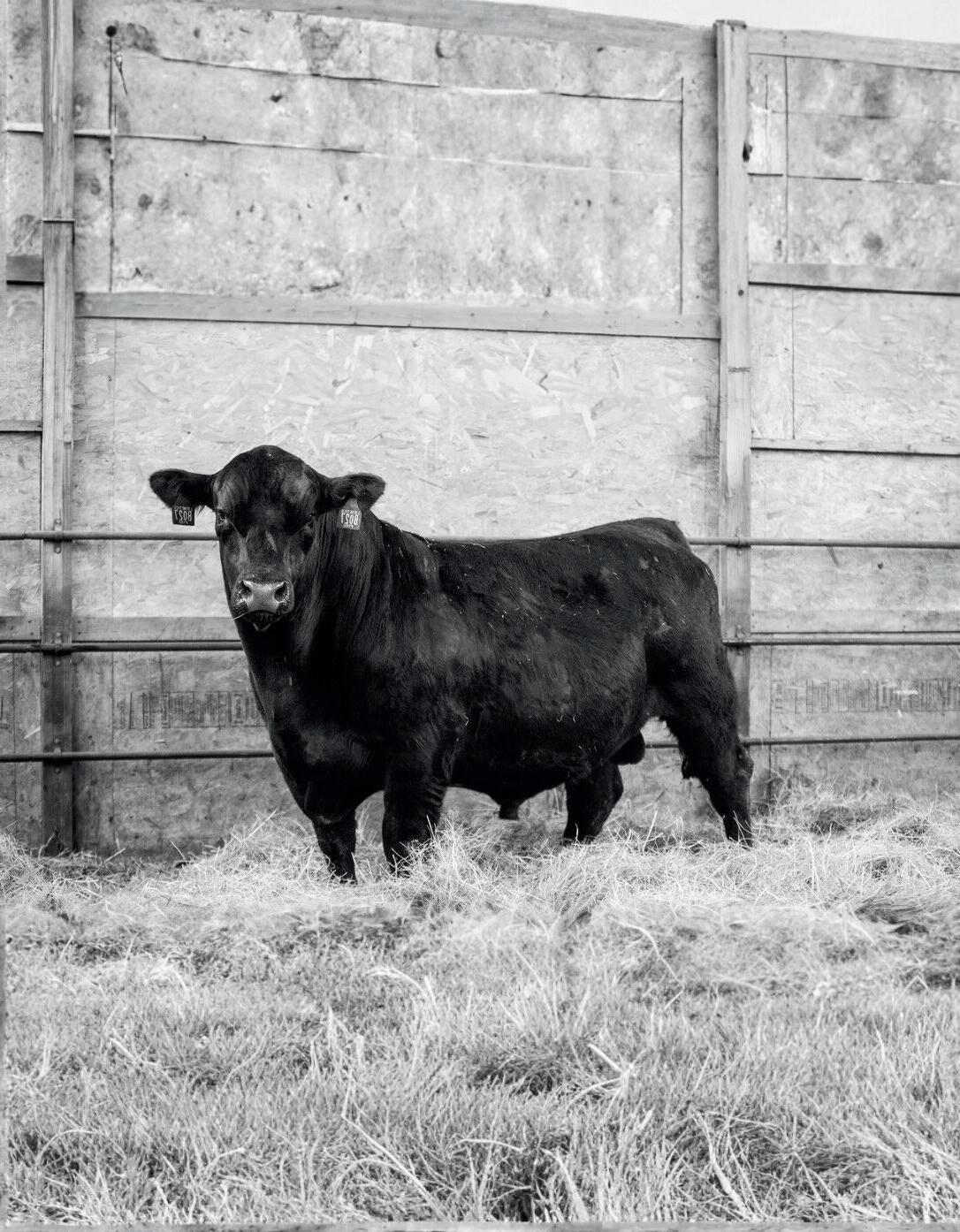
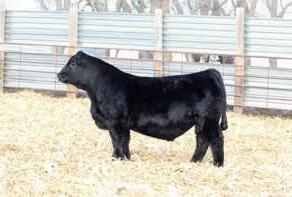
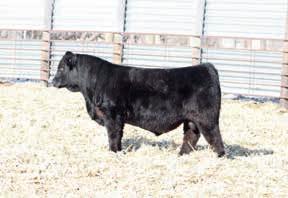
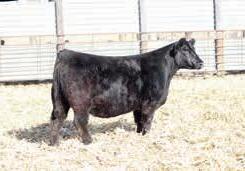
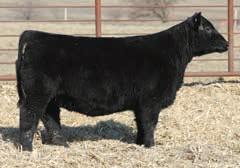
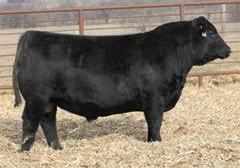
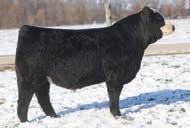
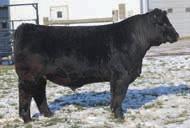
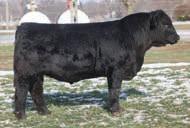
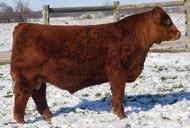
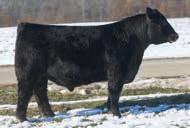
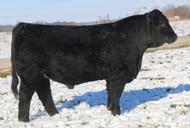
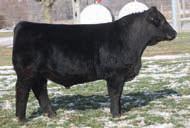
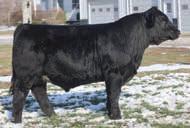
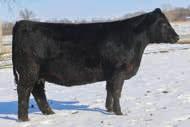
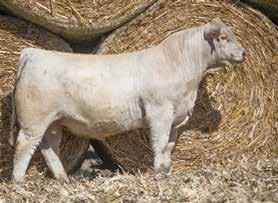
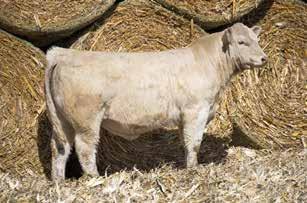
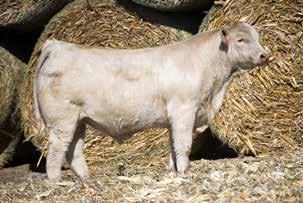
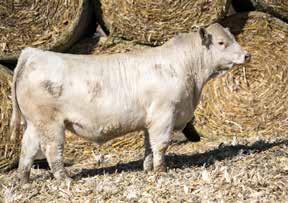
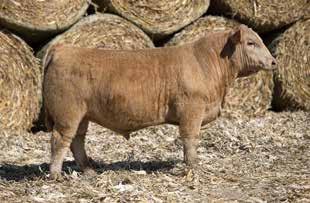
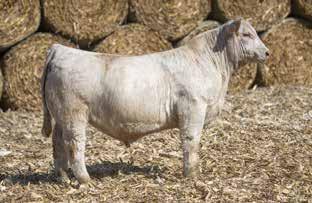
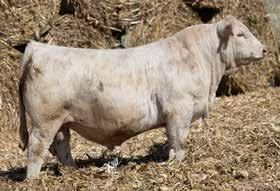
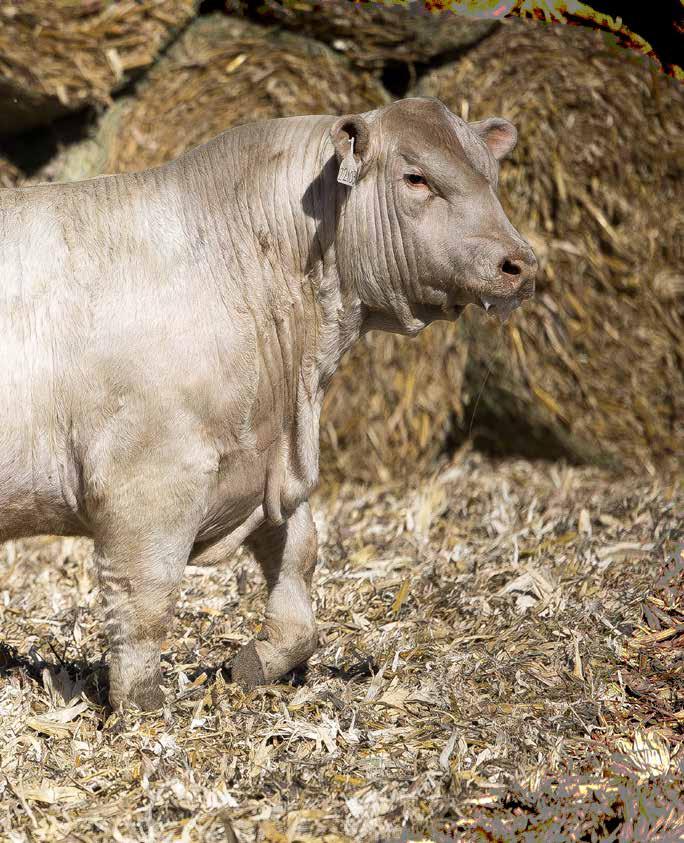
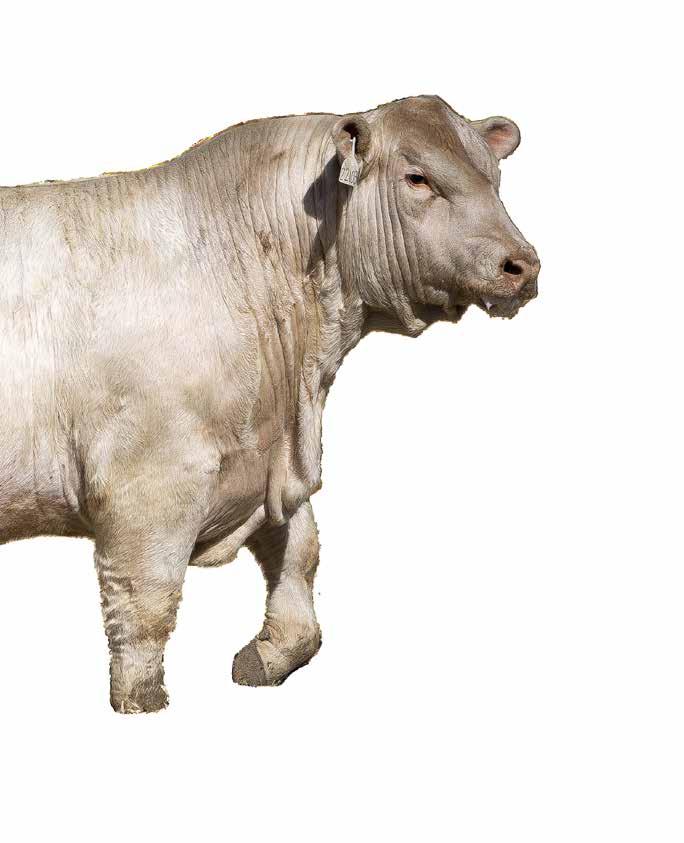
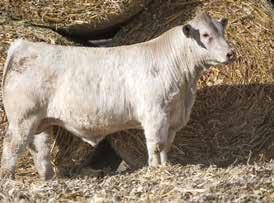
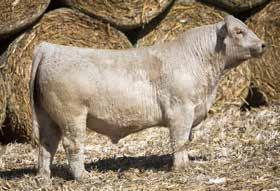
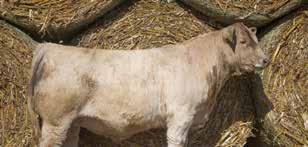
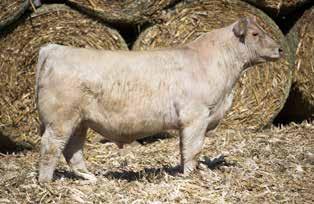
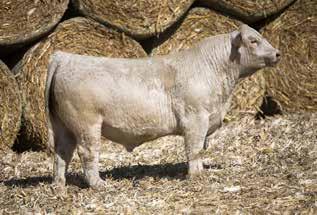
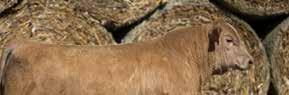
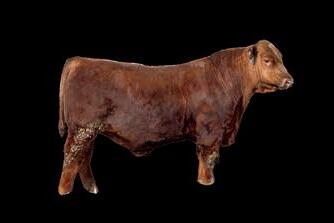
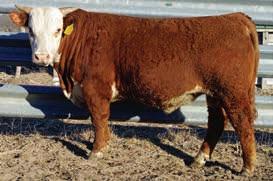
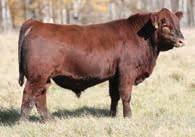
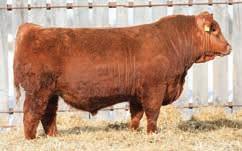
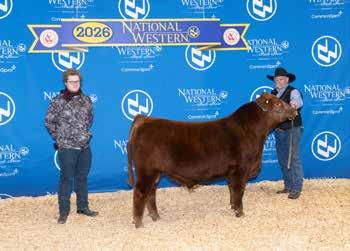
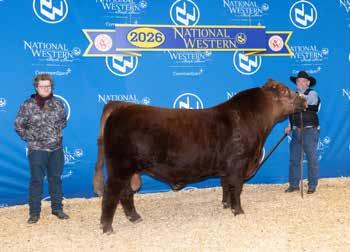
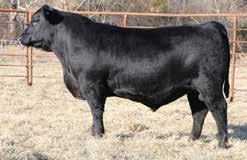
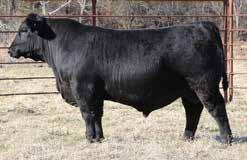
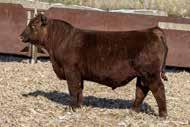
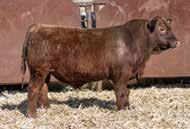
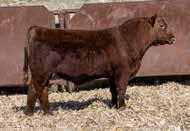
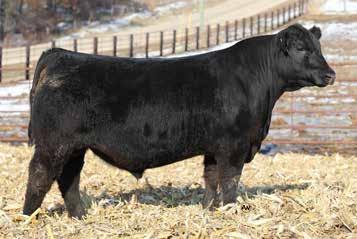
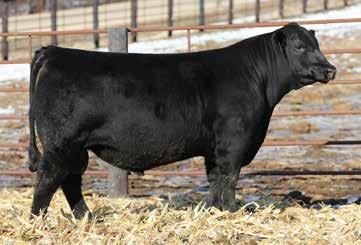
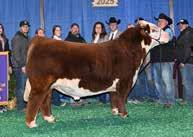
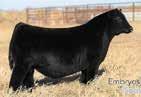
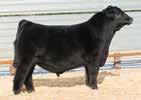
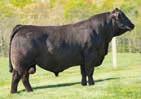
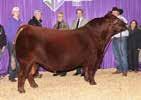
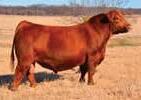
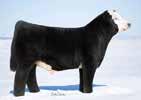
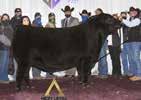
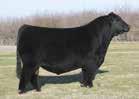
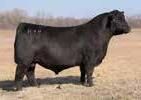
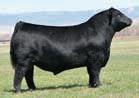
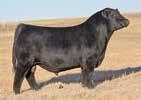
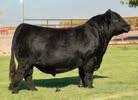
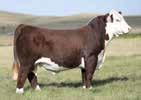
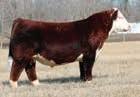
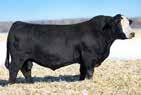
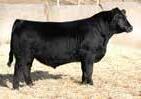
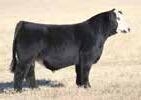
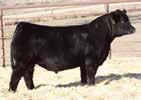
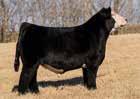
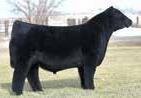
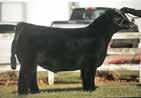
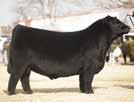
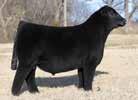
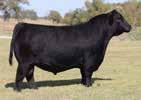
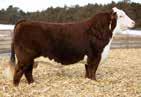
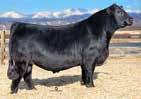
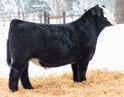
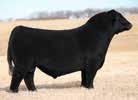
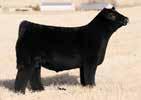
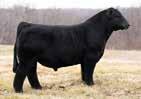
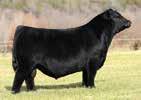
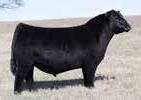
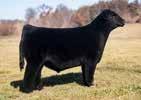
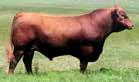
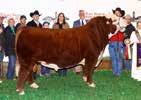
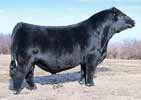
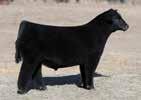
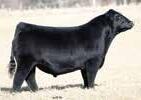
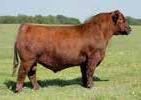
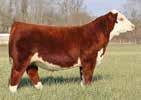
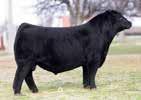
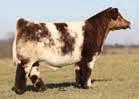
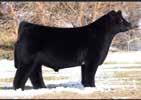
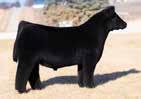
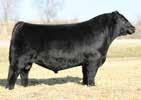
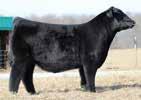
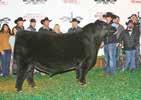
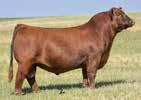
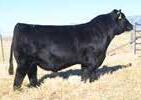
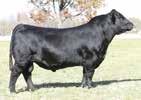
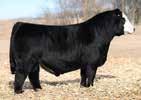
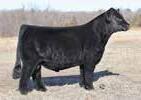
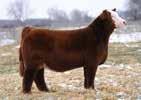
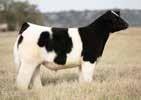
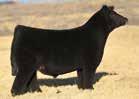
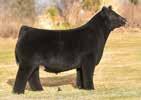
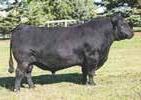
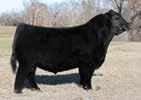
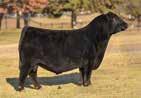
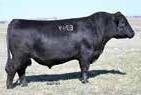
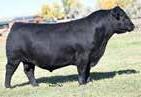
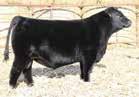
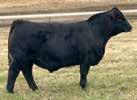
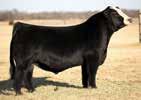
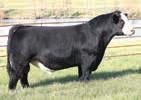
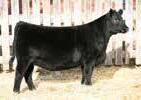
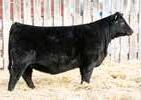
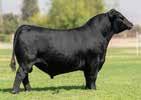
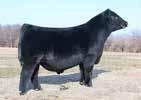
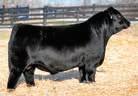
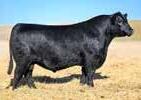
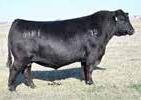
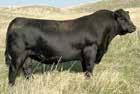
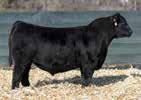
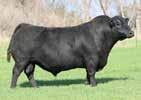
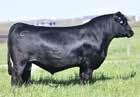
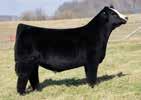
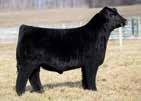
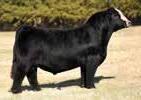
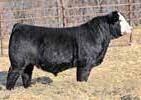
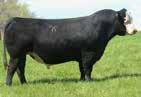
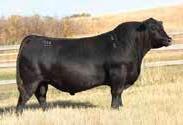
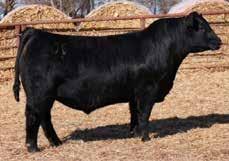
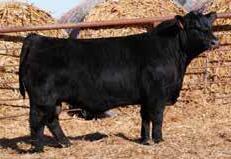
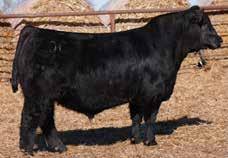
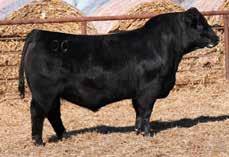
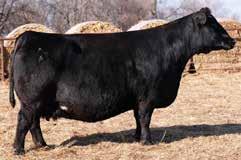
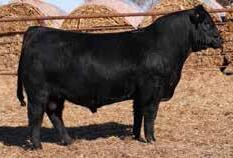
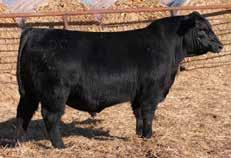
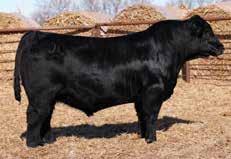
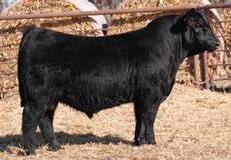
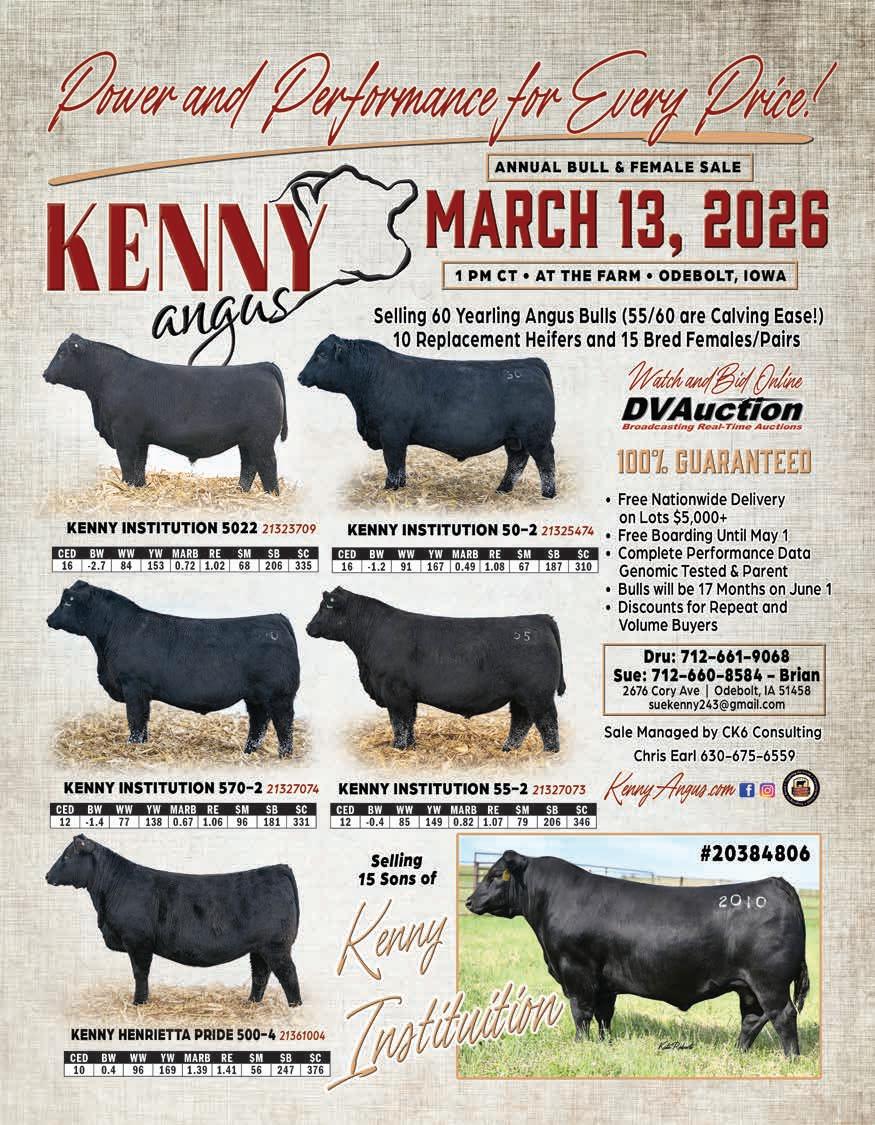
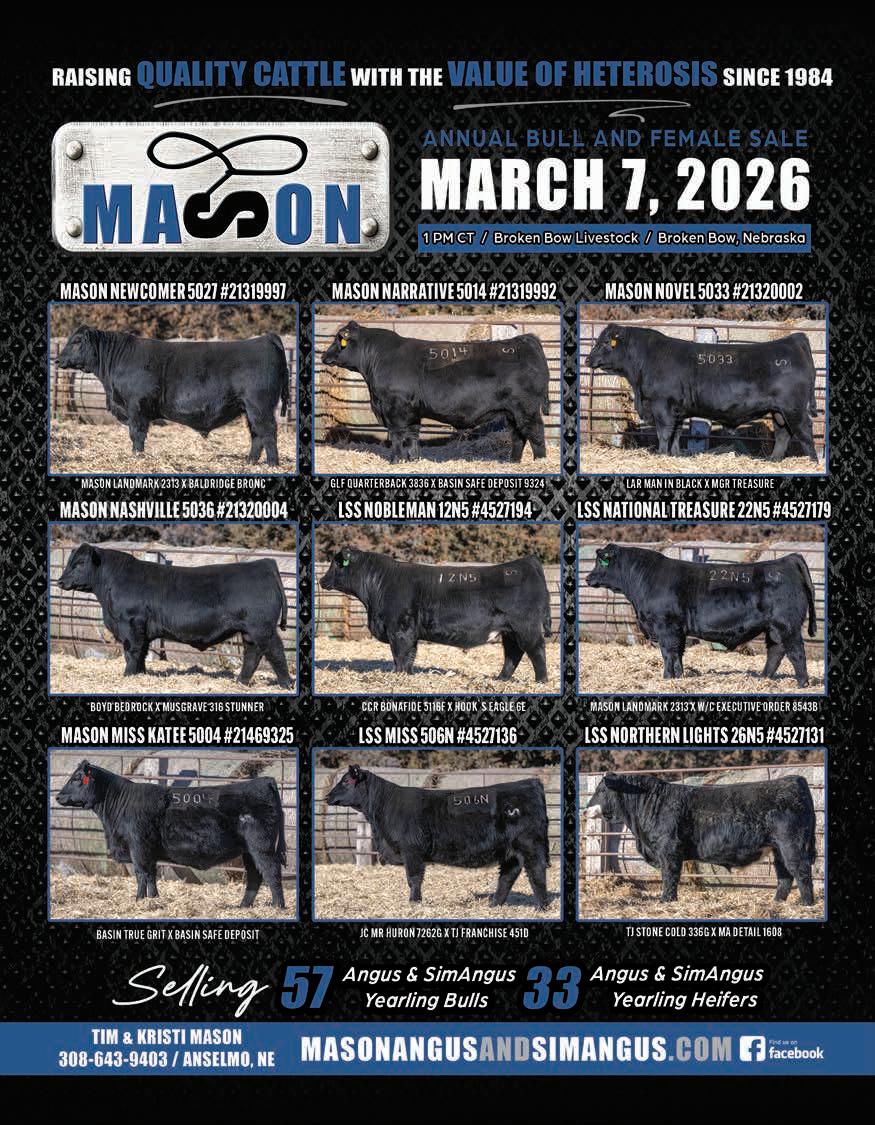
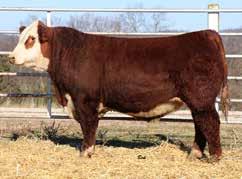
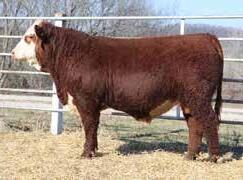
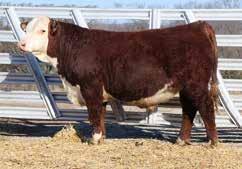
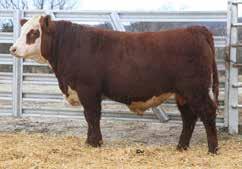
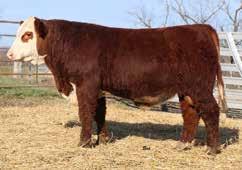
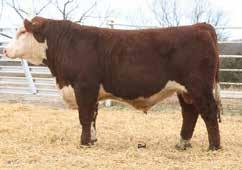
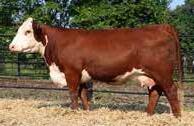
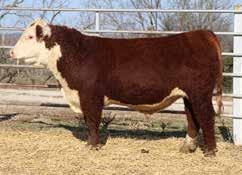
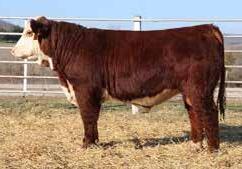
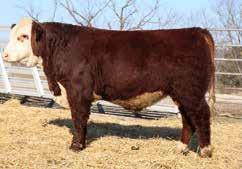
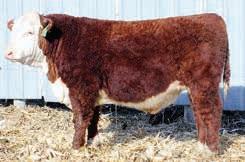
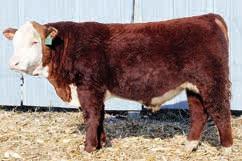
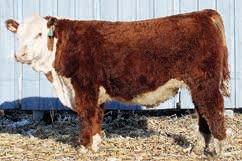
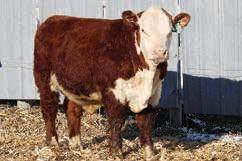
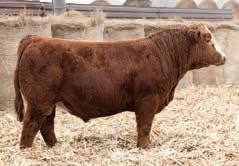
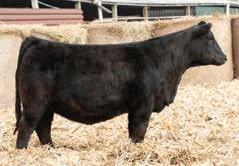
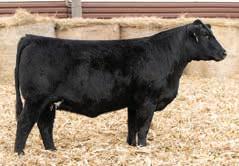
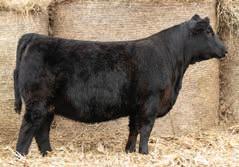
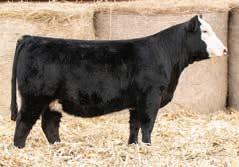
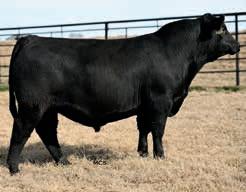
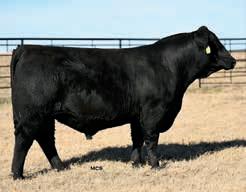
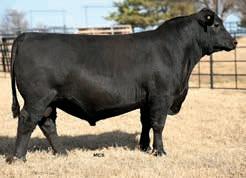
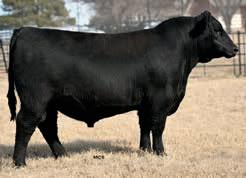
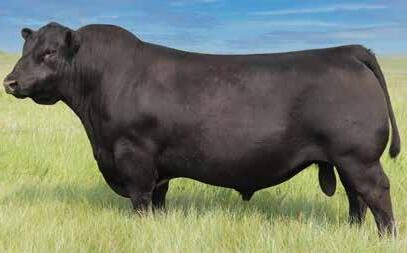
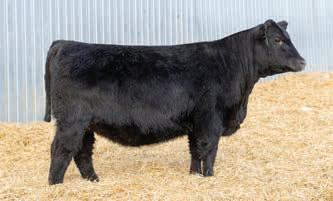
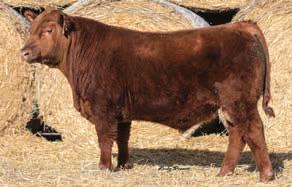
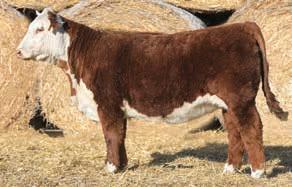
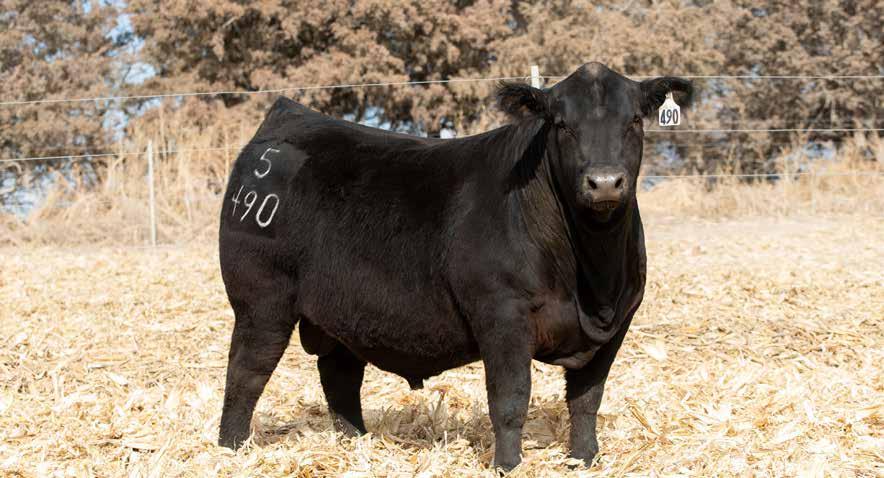
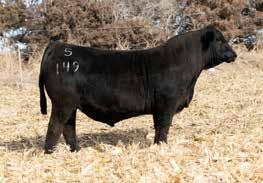
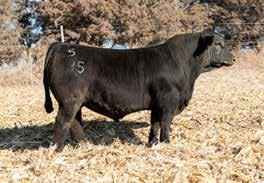
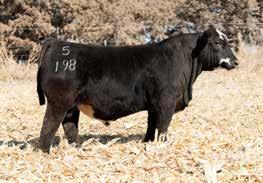
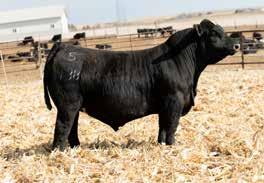
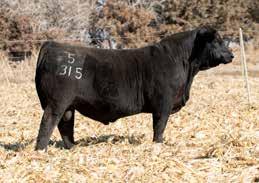
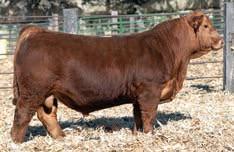
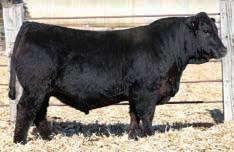
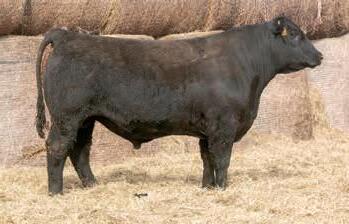
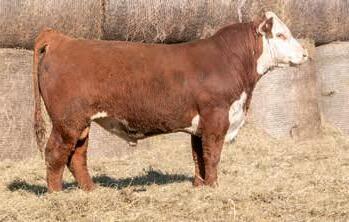
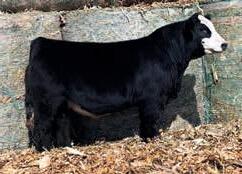
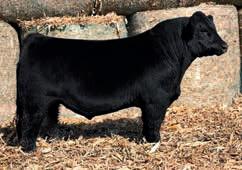
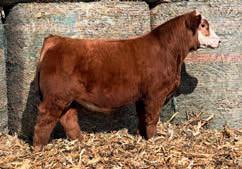
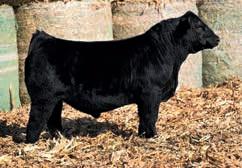
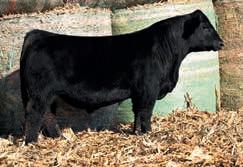
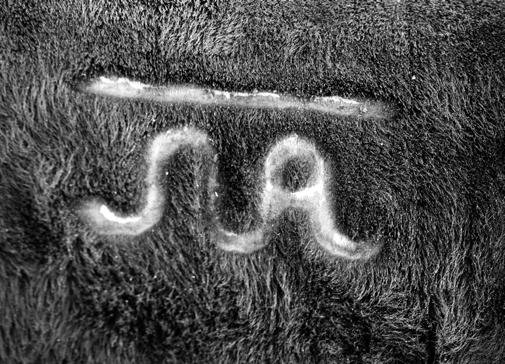
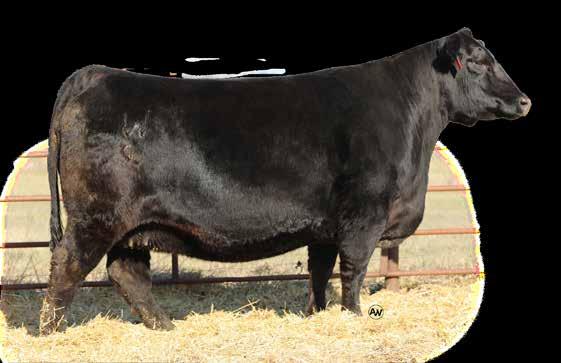
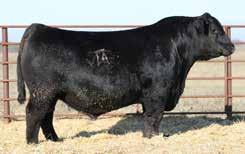
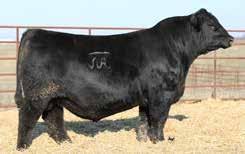
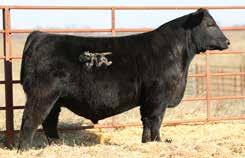
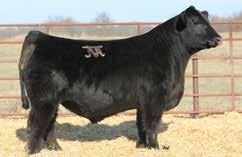
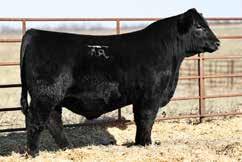
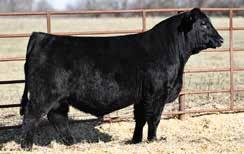
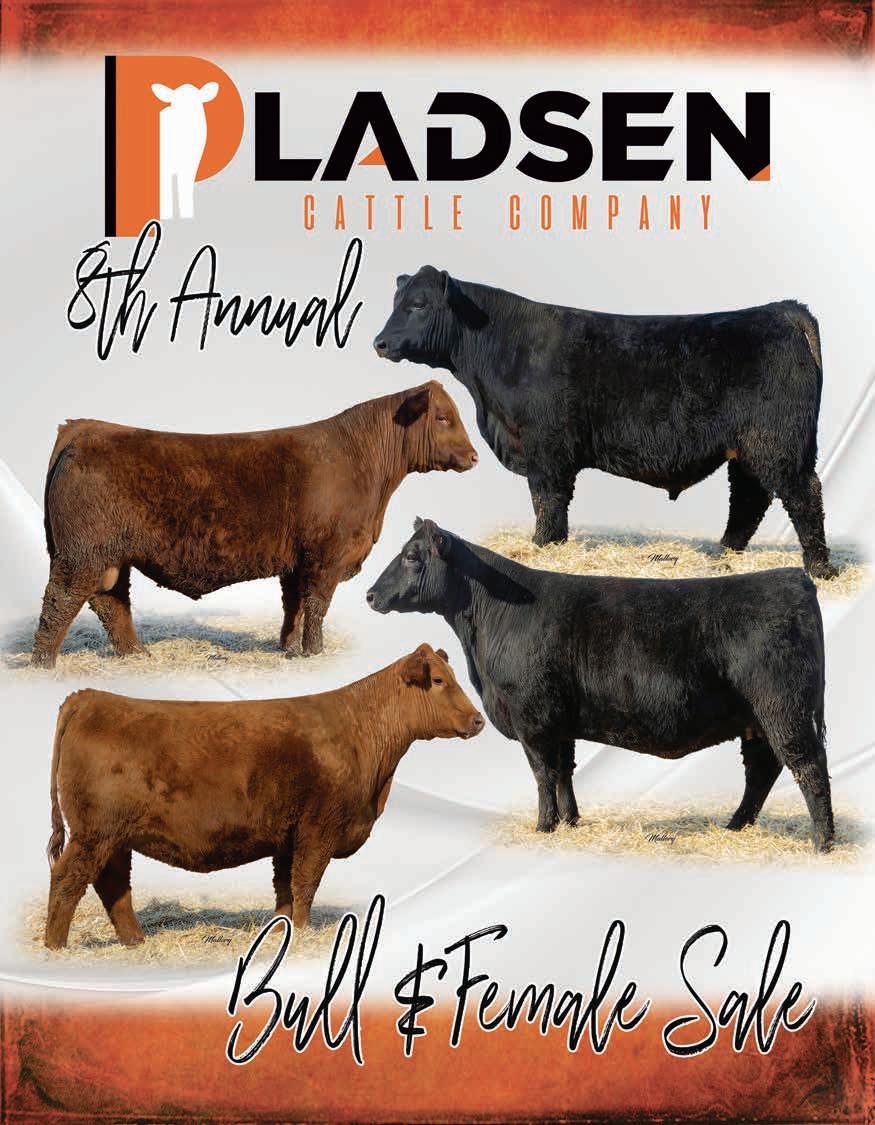
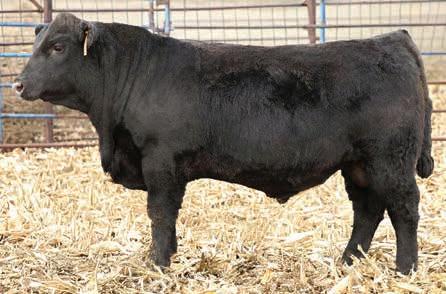
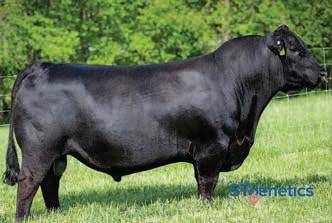
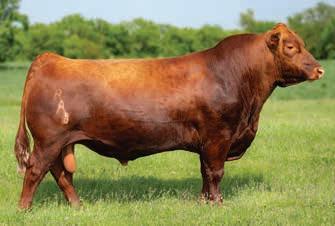
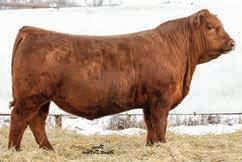
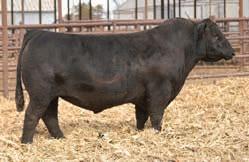
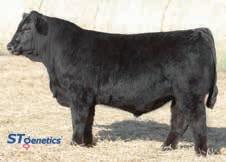
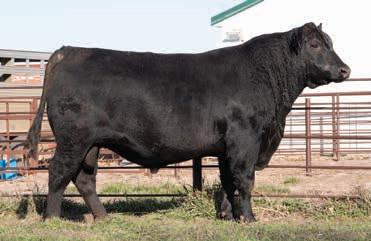
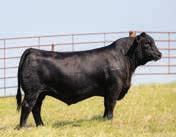
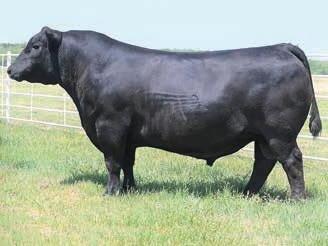
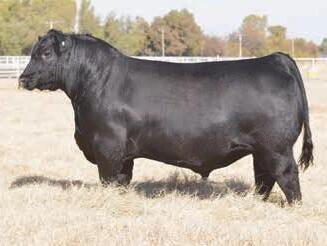
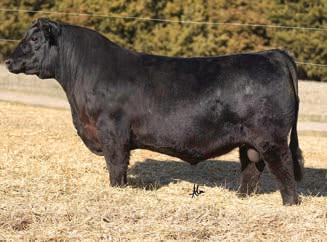
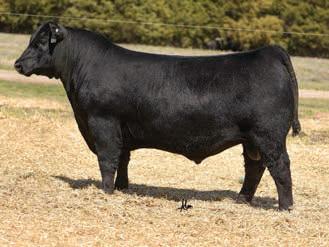
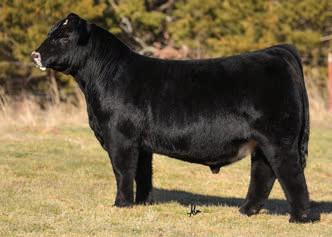
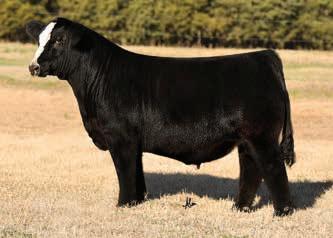
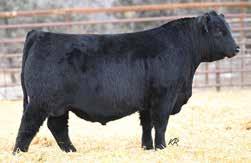
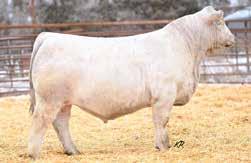
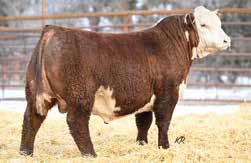
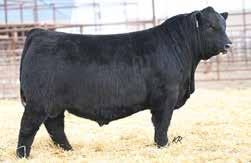
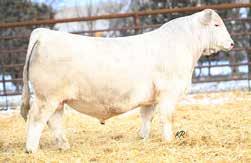
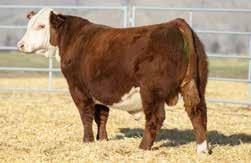
A performance driven stud that is loaded with power, substance and real-world performance!
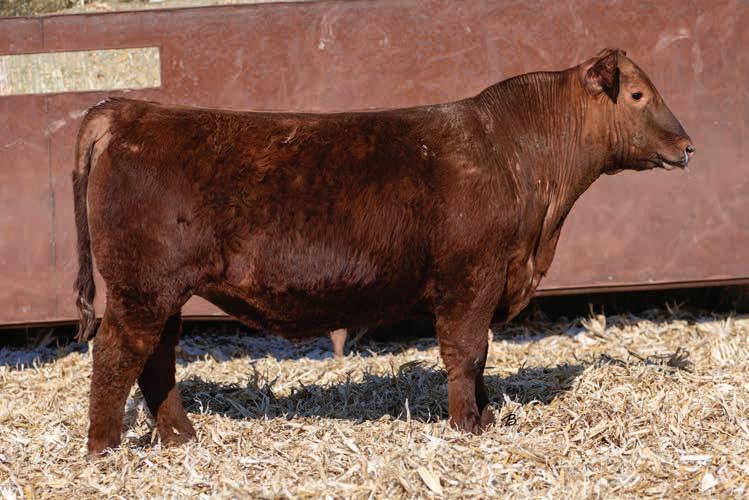
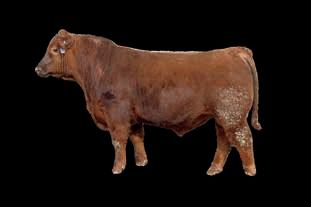
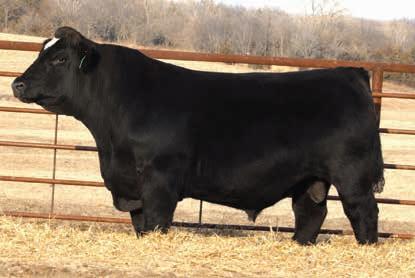
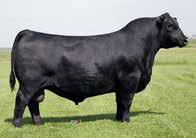
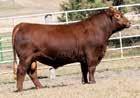
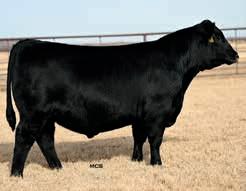
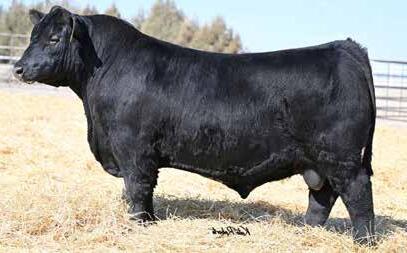
4MC HOLLYWOOD 550E | RAAA: 5194985
Sire: PIE HOLLYWOOD 222 | MGS: LSF OPTIMISM 1107Y
A son of the $400,000 PIE Hollywood 222 offers elite genomic data that position him as a performance and carcass standout!
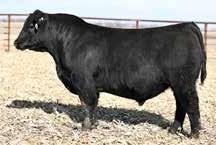
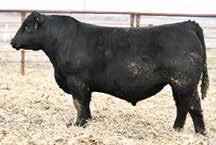
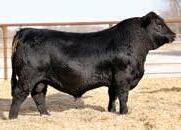
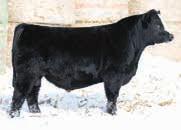
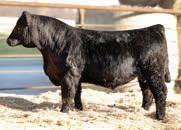
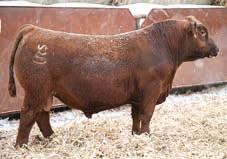
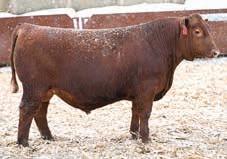
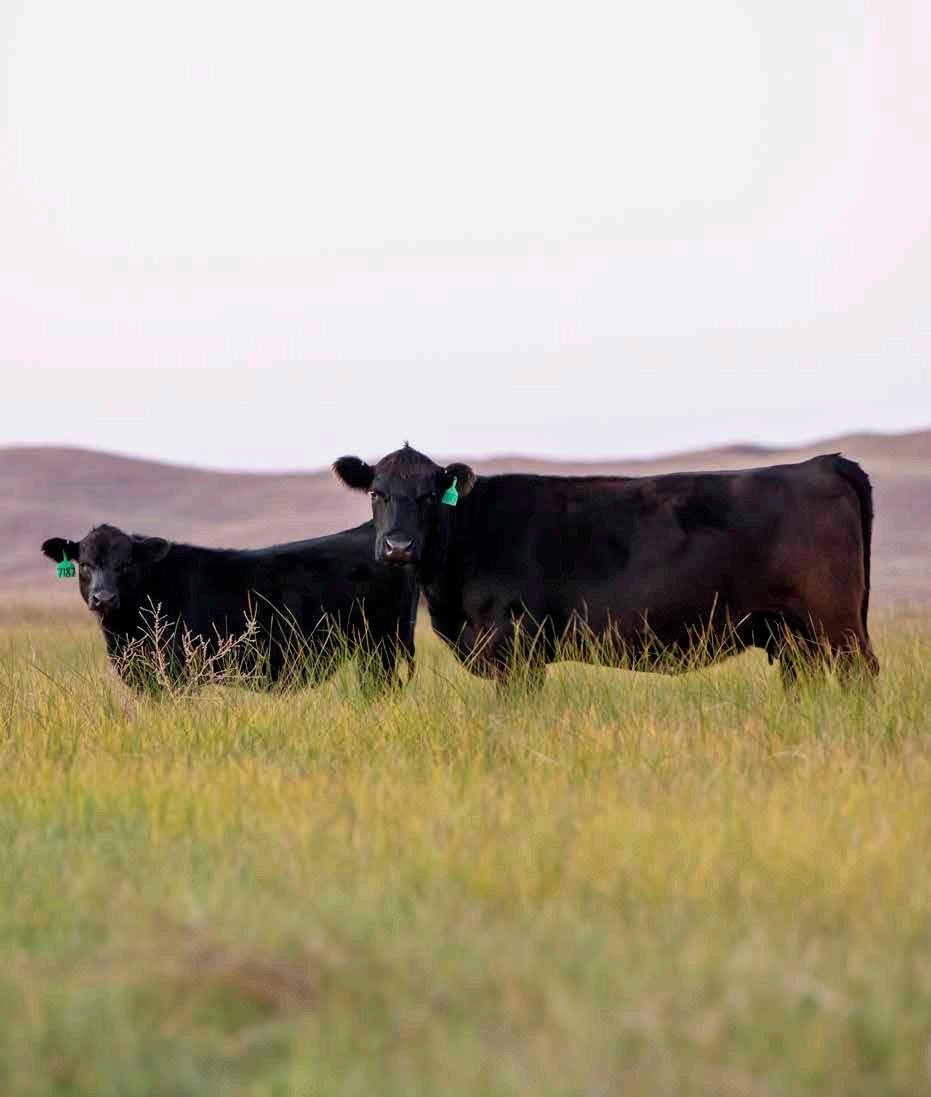
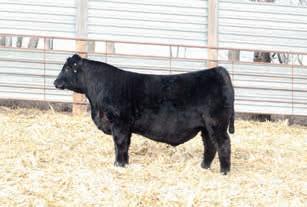
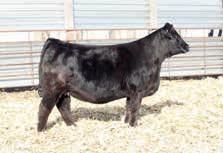
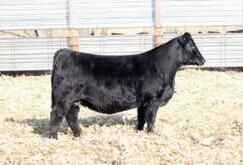
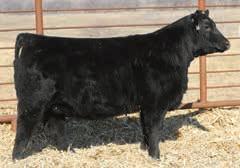
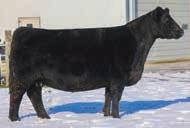
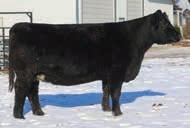
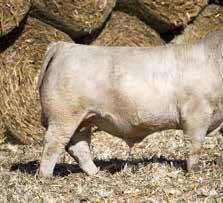
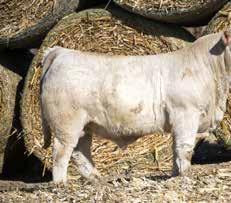
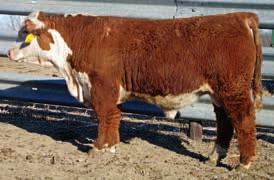
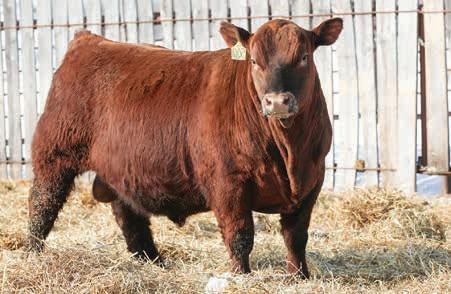
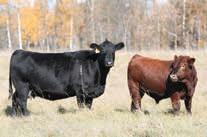
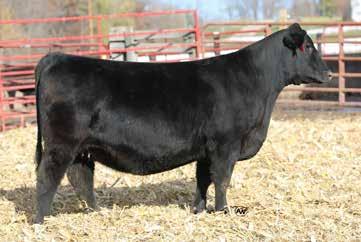
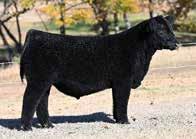
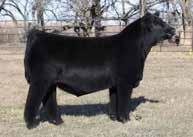
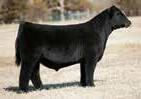
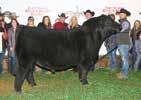
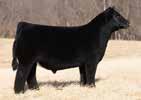
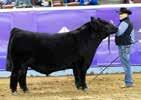
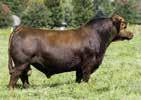
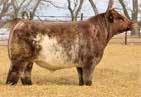
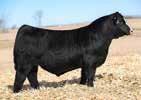
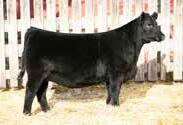
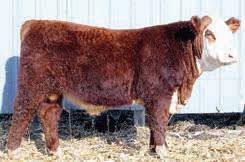
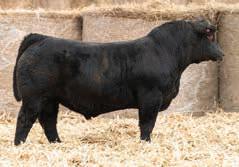
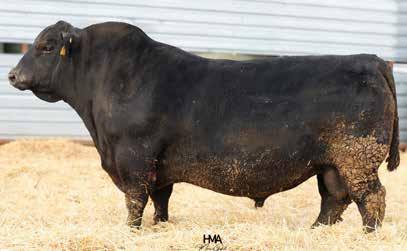
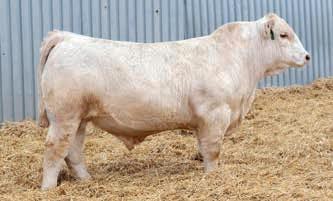
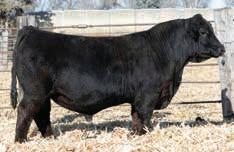
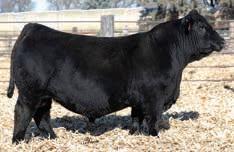
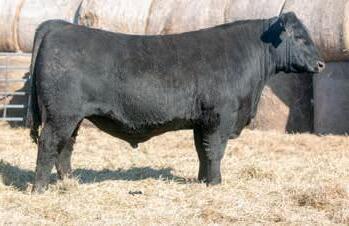
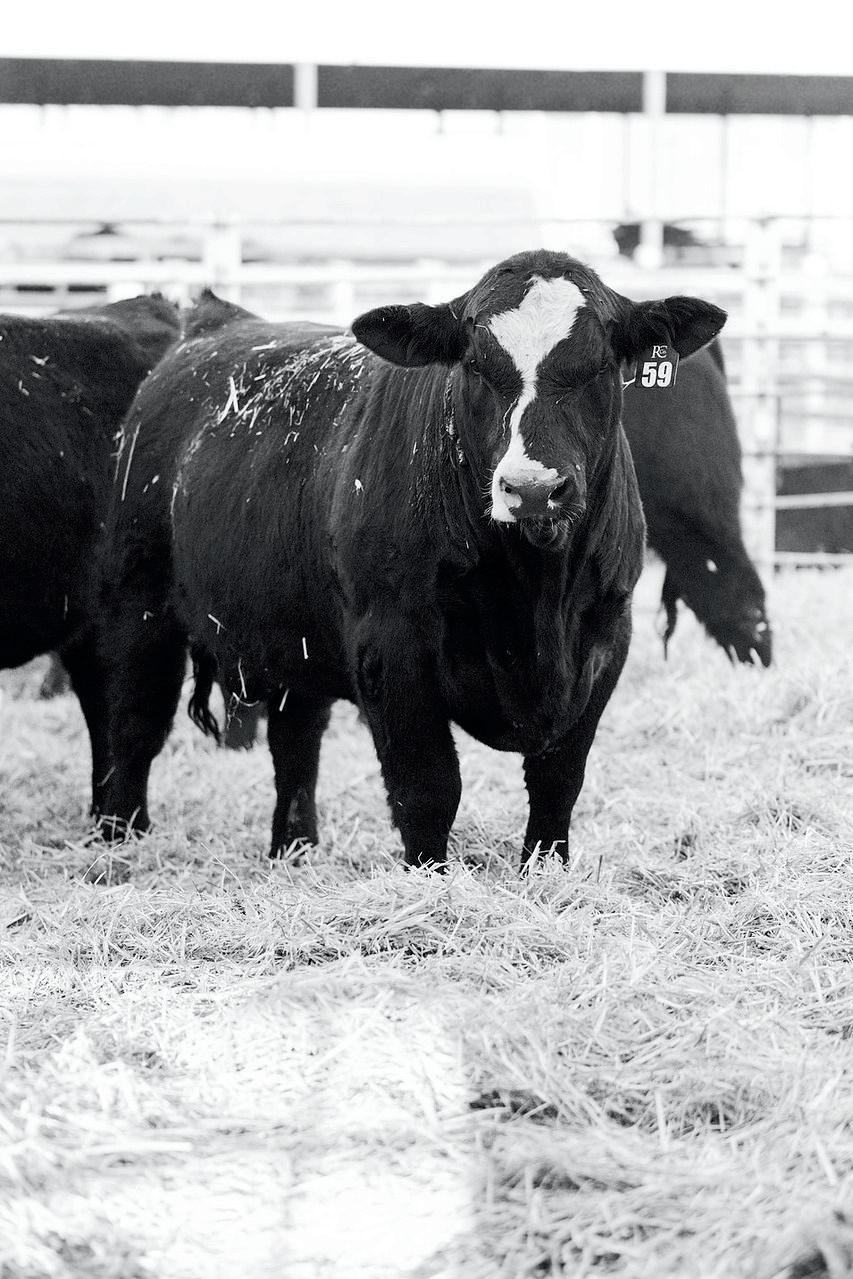
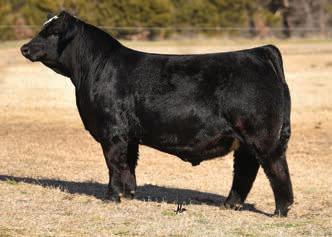
4MC PROWLER SUE 4278 | RAAA: 5169311
Sire: WEBR PROWLER J61 | MGS: PIE VENTURE 442
The WEBR Prowler J61 sons continue to surface in terms of muscle shape, performance and eye appeal!
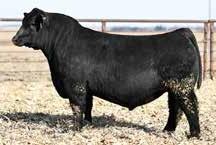
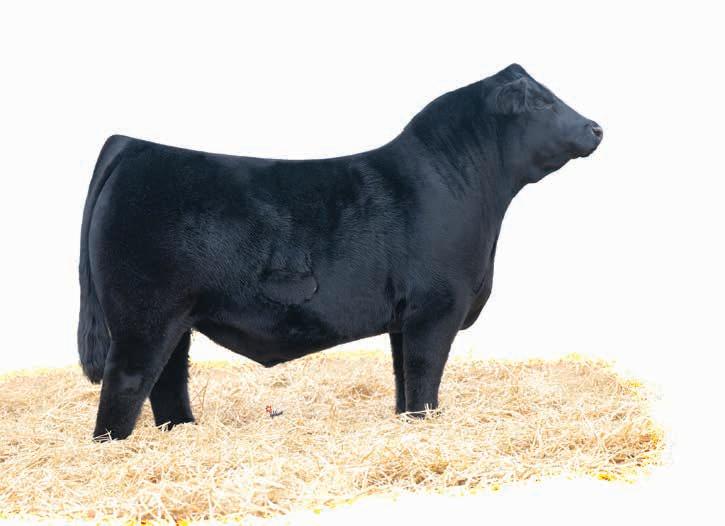
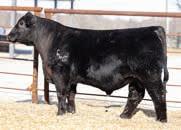
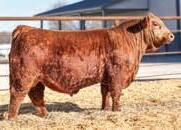
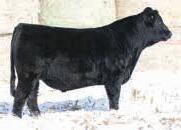
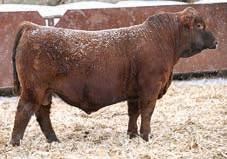
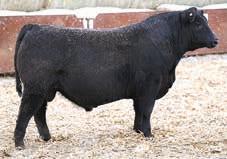
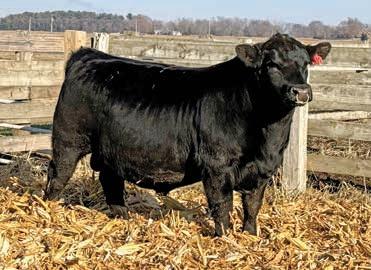
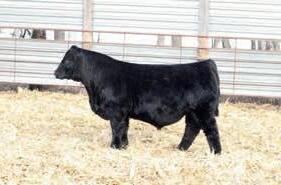
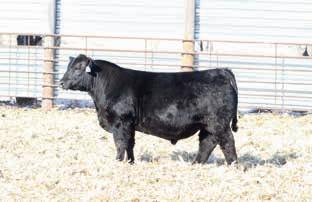
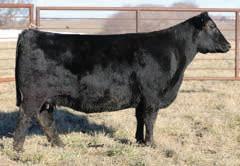
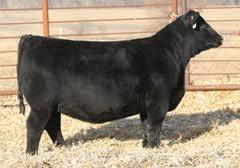
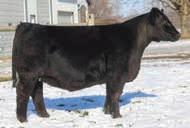
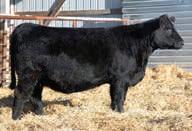
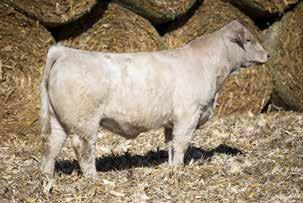
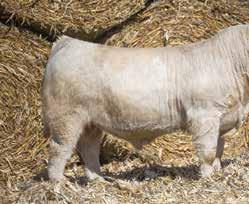
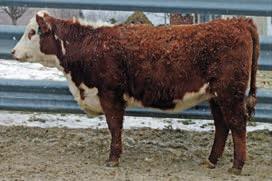
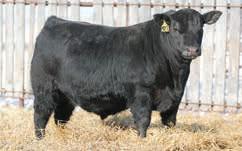
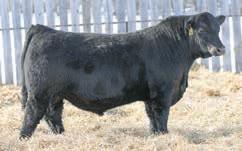
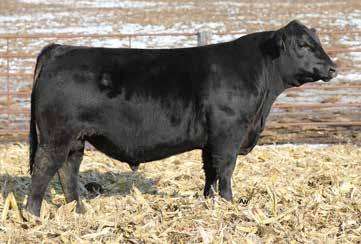
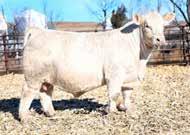
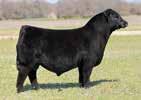
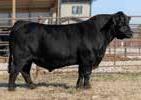
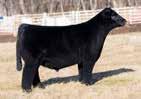
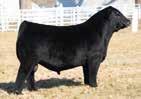
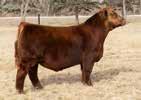
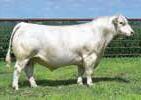
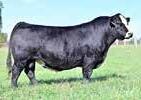
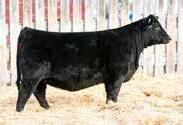
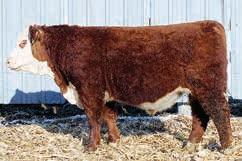
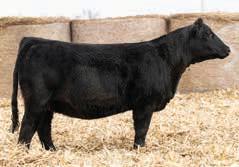
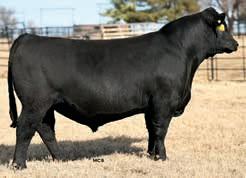
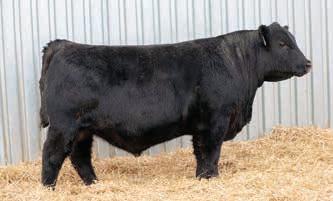
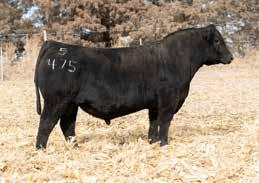
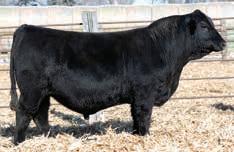
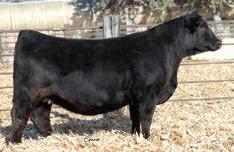
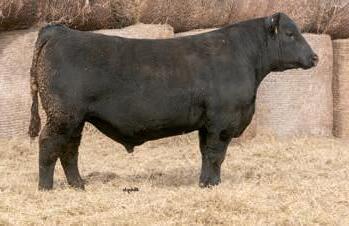
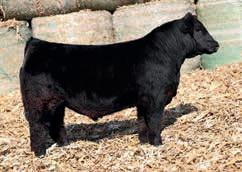
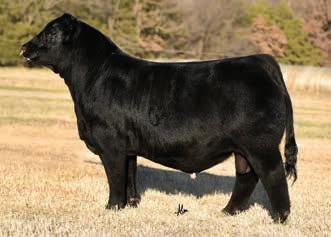
4MC HOLLYWOOD 558E | RAAA: 5194999
Sire: PIE HOLLYWOOD 222 | MGS: LSF OPTIMISM 1107Y
The power and performance from the PIE Hollywood 222 sire groupis second to none. Another standout that will turn heads on sale day!
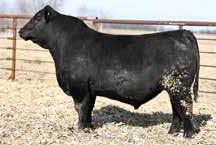
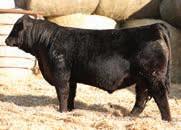
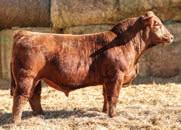
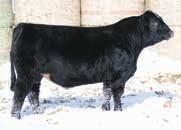
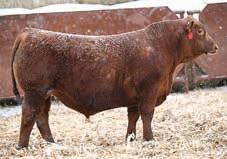
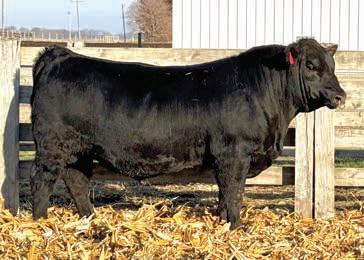
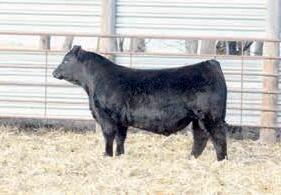
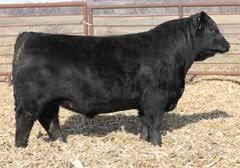
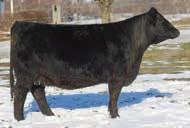
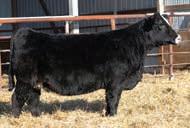
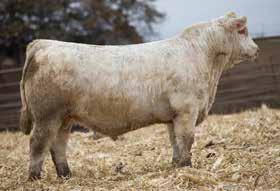
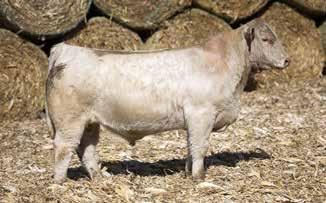
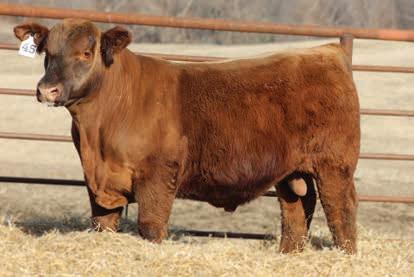
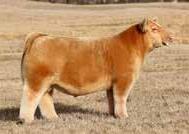
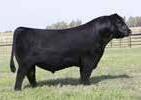
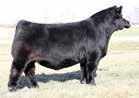
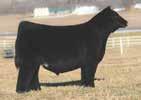
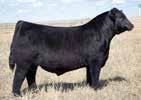
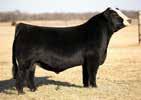
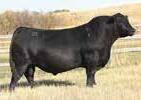
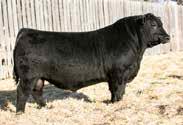
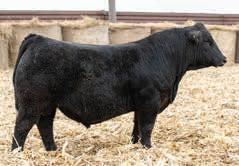
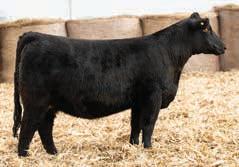
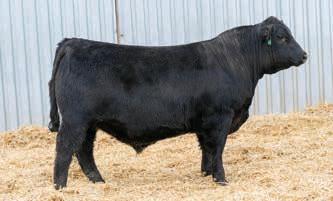
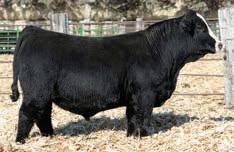
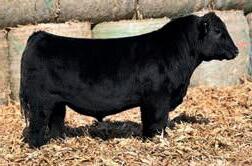
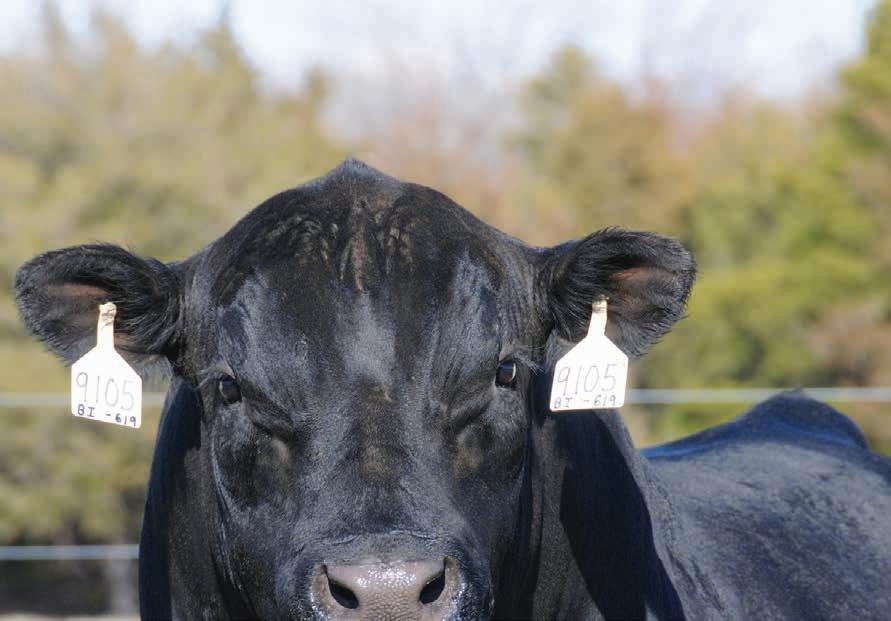
4MC PROWLER 4247E | RAAA: 5130017
Sire: WEBR PROWLER J61 | MGS: LSF SAGA 1040Y 4247E is a calving ease standout that is a maternal brother to the $210,000 4MC King of the Cowboys 706!
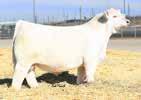
4MC CHISUM 571 | RAAA: 5195025
Sire: WEBR CHISUM 229 | MGS: ANDRAS FUSION R236 571 is a phenotype standout from the WEBR Chisum 229 sire group. He is a strong option to sire elite replacement females!
One Family One Purpose
A True Partnership
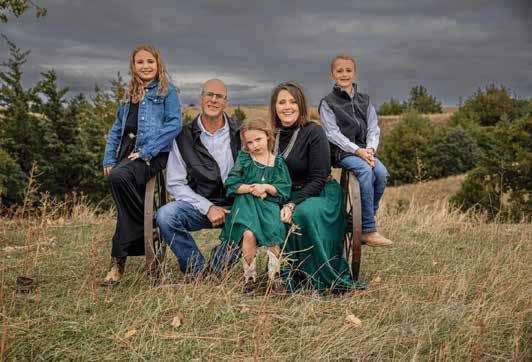
Caraway Red Angus Ranch finds its roots in new beginnings and treasured traditions.
ver run across the tongue-andcheek saying – before you marry a person you should first sort cattle with them to see who they really are? Though said in jest, farmers and ranchers chuckle at the thought because they know all too well the underlying truths in that statement.
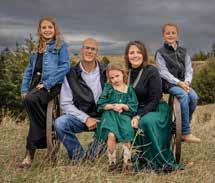
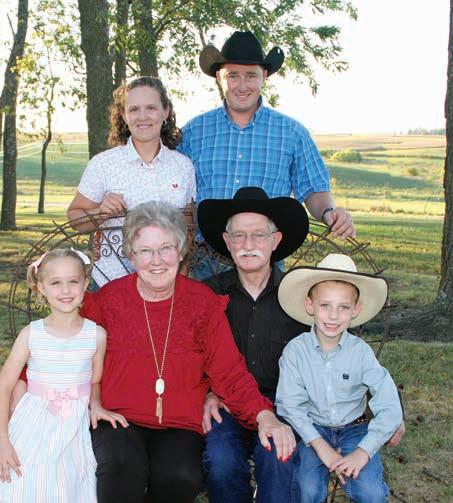
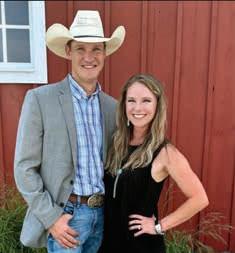
Jon and Blair Caraway, owners of Caraway Red Angus Ranch in Lexington, Neb., put that saying to the test. Prior to tying the knot, the couple worked cattle together, hosted a bull sale, and took a show string to the state fair. Turns out, ranching together brings them closer together.
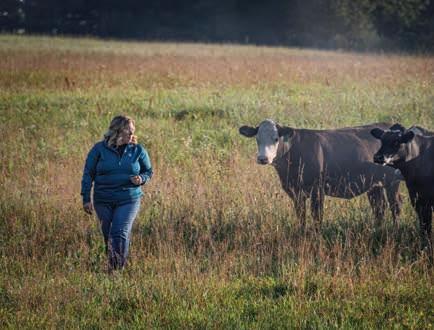
“It’s a true partnership,” Blair Caraway shared. “We play off of each other’s strengths. We each take pieces off of the load and it allows us to make everything work seamlessly.”
Jon added in agreement, “We have always asked, ‘In your opinion which bull do you like better to AI to, or which heifers or steers do you like? It’s never just one-sided. And that’s what makes it so much easier is that we can rely on each other.”
By Cheryl Kepes photos courtesy Caraway family
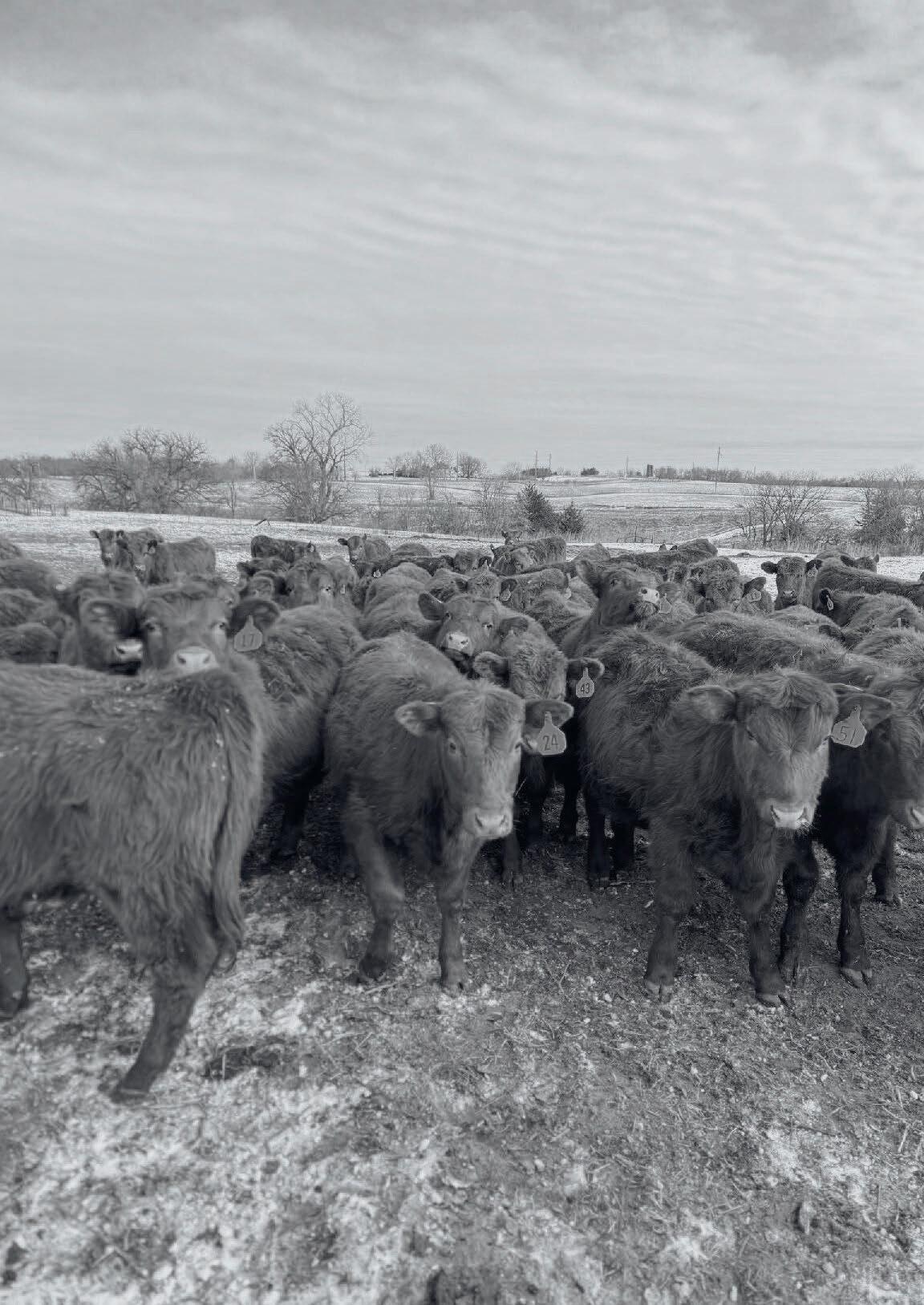
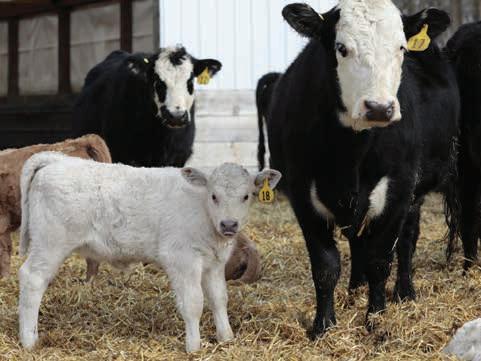
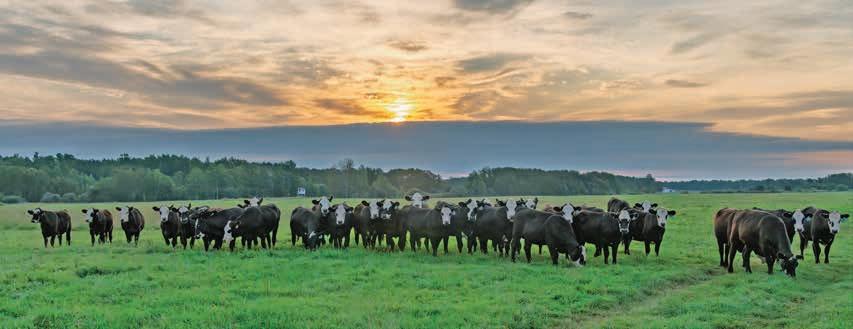
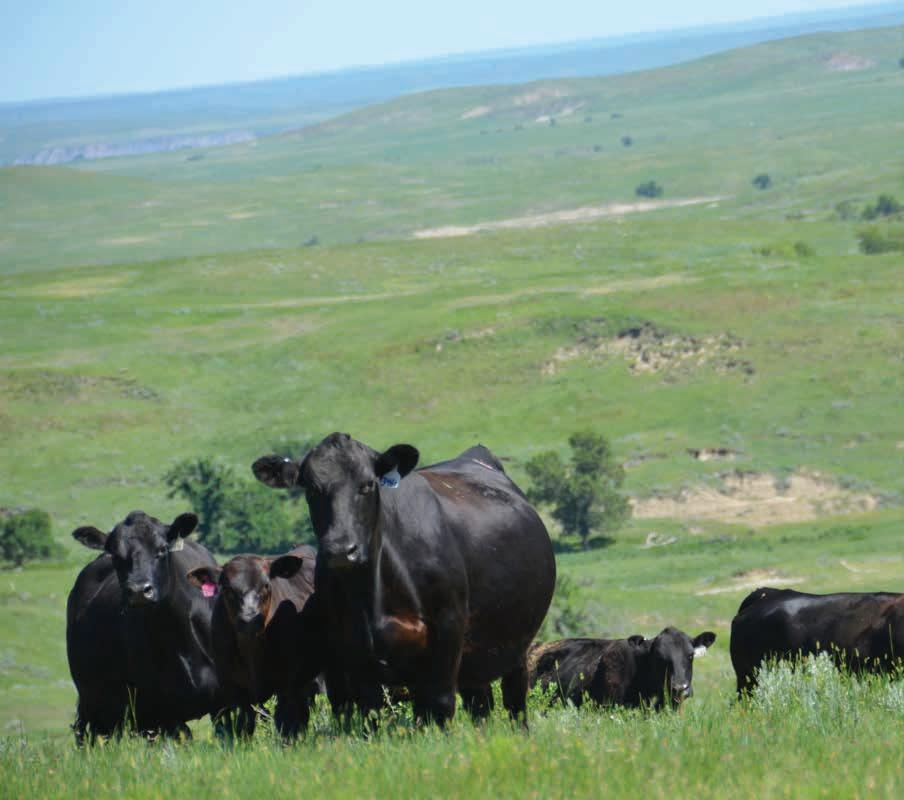
Caraway Red Angus Ranch consists of a registered Red Angus herd and a commercial herd. The operation hosts an annual bull sale each March, featuring its top Red Angus bulls. The Caraways are reaching their goals and embracing every step of their ranching journey including their decision to move the entire operation to a new location 400 miles away.
GETTING STARTED
Jon grew up in southwestern Minnesota on his family’s registered Hereford ranch, Clarence Caraway Herefords. While Jon was in high school, his parents purchased the operation’s first Red Angus cattle.
After graduating high school, Jon served four years and eight months in the Marines which included a two-year assignment to Okinawa, Japan. Following his active duty in the Marines, Jon’s devotion to military service continued for more
than 18 years in a fulltime Active Reserve Guard position with the Minnesota National Guard.
During his years of military service stationed at a base in Minnesota, Jon ran his own seedstock operation while helping manage his family’s cattle operation. In 2007, Jon purchased the farm from his parents thus launching Caraway Red Angus Ranch.
Blair’s roots originate in Lexington, Neb., where showing club calves, raising commercial cattle, and working on the ranch during summers and school breaks, filled her childhood.
After a two-year courtship, Jon and Blair got married in 2012. The couple spent the first
CR
10 years of their marriage working their off-the-farm jobs; squeezing chores, calving, and managing their herd in the gaps.
NEW VENTURE
Jon retired from the Minnesota Army National Guard in 2021 after serving a total of 23 years in the military. Just when one might think
ed angus
life would slow down a bit for Jon and Blair, the couple took on another venture.
The Caraways had always dreamed of growing their herd, building it to a point it would sustain the next generation, and they were simply out of room in Minnesota. “We knew our operation was going to be as big as it would
ever be the option to grow numbers of head and size of operation was limited. We were landlocked by big farmers, and we were both working off the farm to make it work there,” Blair said.
Blair’s father, Craig Uden, had been encouraging Jon and Blair to move to Nebraska where there were more opportunities to expand
their operation. Purely by coincidence (wink-wink), Craig located pasture for sale near the Uden family operation.
Jon and Blair agreed acting on the opportunity was in their family’s long-term best interest. They purchased the property and packed up their children, house, shop, and barn as well as the whole cattle herd, and moved 400 miles to pursue their goal.
“It didn’t come without sweat, long hours, and sleepless nights. We chose to relocate and continue to grow the operation so that when that time comes if one or multiple of our kids want to come back to the ranch, we are set up and we can absorb that,” Blair explained.
FOCUS ON POWER
It’s been five years since the Caraways moved from Minnesota to Nebraska. In that time, they’ve ex-
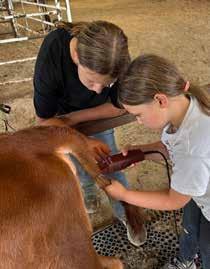
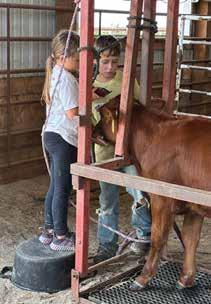
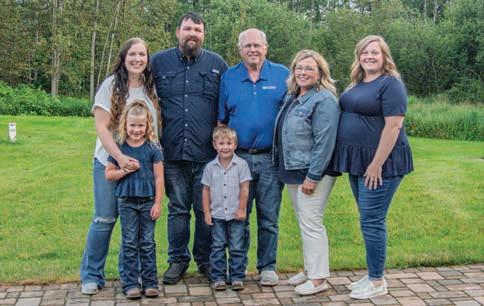
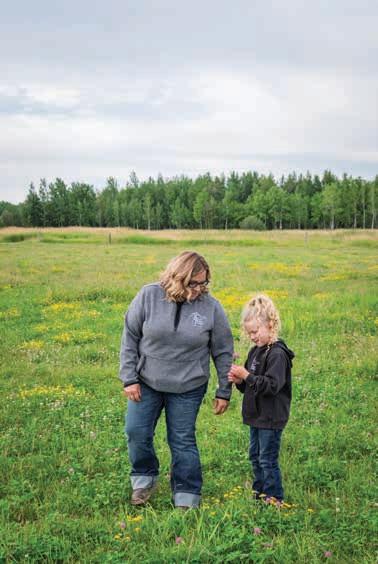
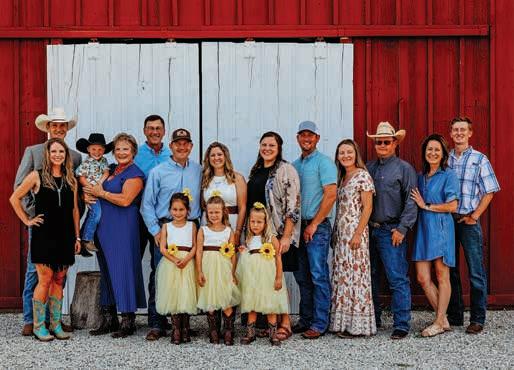
panded their Red Angus herd and added a commercial herd. Jon and Blair’s children, Gabrielle (12), Parker (9), and Meredith (6), are an integral part of Caraway Red Angus Ranch. The Caraway kids help with all aspects of the ranch. They have also taken up showing club calves, which has developed into a cherished family activity.
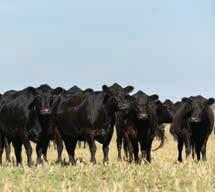
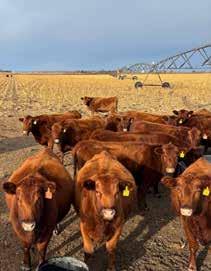
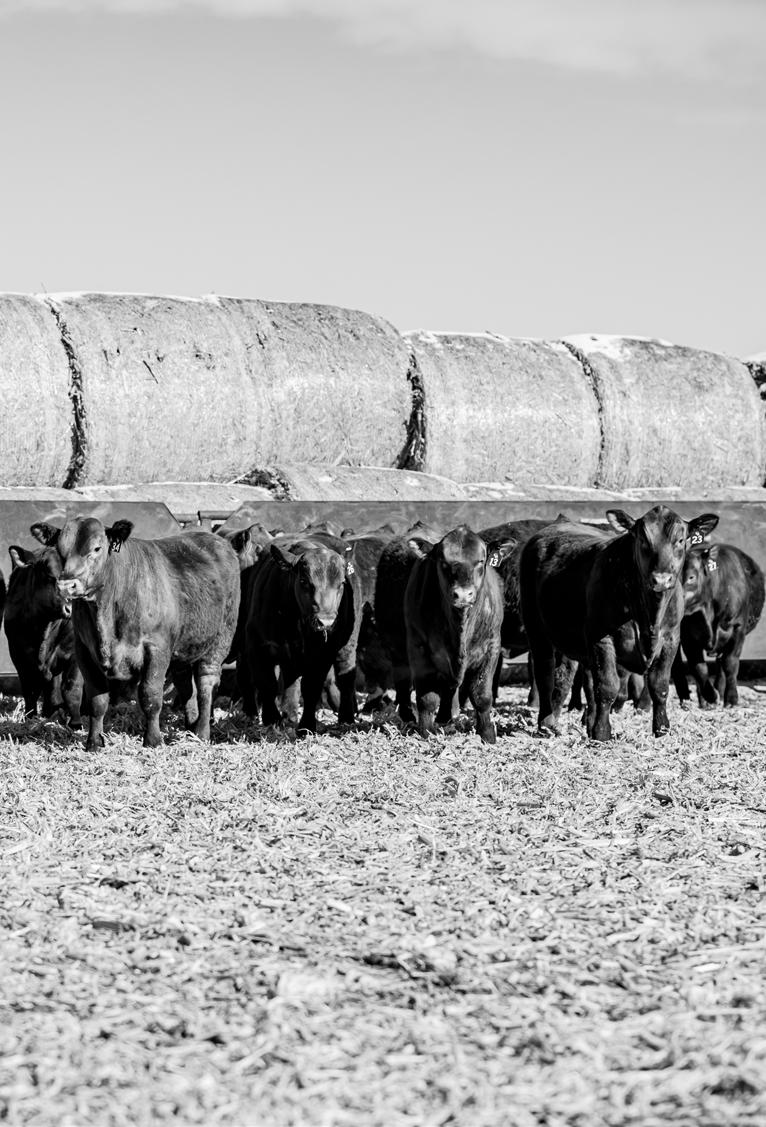
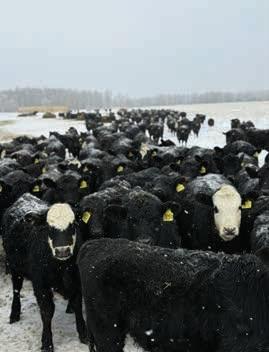
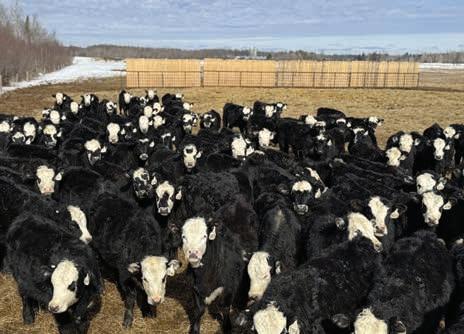
Caraway Red Angus Ranch’s Red Angus herd has grown to 250 head, and its commercial herd sits at close to 350 head. When making genetic decisions and pairings the Caraways focus on carcass traits. Their customers are almost exclusively commercial cattle producers.
The Caraways AI their females to bulls that will produce better marbling, increased average daily gain, and larger ribeye area to the end product. “Our customers want cattle that grow and are muscular. So, our whole focus is on power. We want to make sure we have what our customers are desiring because they are turning around and putting their product out there on the hook,” Blair said.
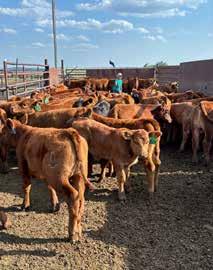
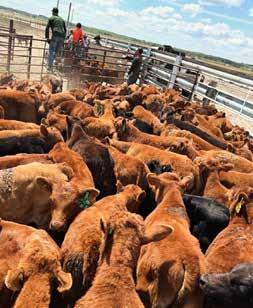
After a round of AIing, heifers are pasture exposed to herd bulls for 30 days and cows 60 days. At Caraway Red Angus Ranch the commercial calves are sold to nearby Darr Feedlot Inc., as feeder calves. The Caraways sell the commercial calves in large groups.
HERD MANAGEMENT
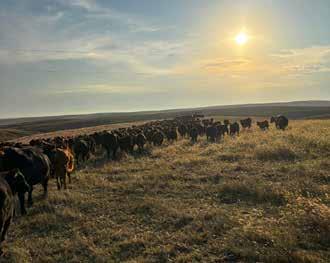
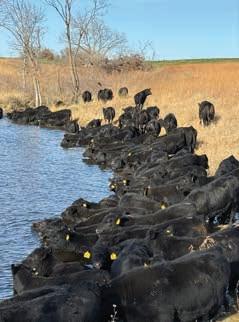
The cattle in Caraway Red Angus Ranch’s program had to adjust to the move from Minnesota to Nebraska. At their new home, they must traverse long distances to graze the native grass pastures. Sound structure and solid feet are a requirement.
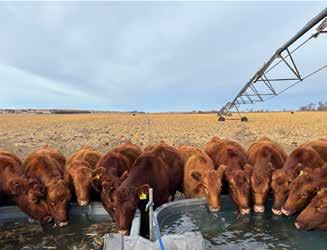
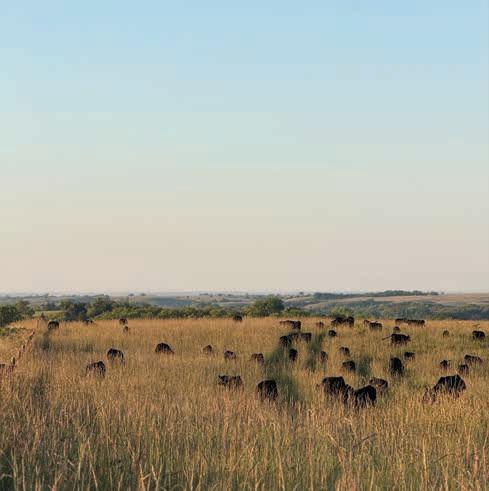
Caraway Red Angus Ranch utilizes more than 1,600 acres for its purebred and commercial herds. During the winter months, the Caraways lease corn stalks for additional grazing and supplement with silage ration closer to calving season.
After careful selection and evaluation, the Caraways choose their picks for their annual bull sale. The bulls are sent to Darr Feedlot Bull Test for development. This year, Jon and Blair sorted through 75 bulls, selecting 36 for their sale.
The Caraways are thoughtful in their bull sale picks, only offering bulls they would utilize in their own operation. “If we don’t sell a bull at our sale, we can always use him after the sale. We either use him ourselves or we have customers who are looking for bulls later,” Jon stated.
LIVING THEIR DREAM
The move to Nebraska has proved to be exactly what Jon and Blair dreamed. They are building their herd, keeping their best heifers to develop into future producers. Blair still holds a fulltime job off the farm, but she can work from home which gives her flexibility to help with the daily ranch chores. Jon works fulltime on their operation and helps Craig with his cow/ calf operation as well.
Fifteen years and going strong, Jon and Blair are grateful for the life they lead and for the early days of working cattle together that let them know they were meant to be together forever.
O ering choice between an elite pair of STRA Ranch Hand 2010 sons that covers the bases of every aspect of beef production!
COOKSLEY JUMP START 505
Sire: BIEBER JUMPSTART J137 | RAAA: 5194199
MGS: RED LWNBRG HARVESTOR 175E
Cooksley Jump Start 505 is an extra dense bodied, big ended stud that is a trait leader for performance and carcass merit.
Top 1% for WW, YW, ADG, REA!
RIDGE RANCH HAND 5103
Sire: STRA RANCH HAND 2010 | RAAA: 5112731
MGS: 5L SIGNATURE 5615
5103 is another standout from the STRA Ranch Hand 2010 sire group that will be a favorite on sale day.
Top 1% HB, STAY; Top 2% Pro S; Top 5% CED, MARB!
COOKSLEY JUMP START 521
Sire: BIEBER JUMPSTART J137 | RAAA: 5194209
MGS: 5L LEADING EDGE 15383-117C
This powerful son of Bieber Jump Start J137 is a phenotype Standout that recorded an impressive YWR at 108!
Top 1% YW, ADG; Top 4% WW; Top 7% REA!
RIDGE SCALE HOUSE 5072
Sire: RIDGE SCALE HOUSE 2202 | RAAA: 5112793
MGS: 5L BODY BUILDER 4434-68D
This standout Black-Red Carrier herd sire prospect o ers an elite combination of power, dimension and real-world performance. Outcross genetics with a cow family you can count on!
COOKSLEY TRUE NORTH 526
Sire: RIDGE TRUE NORTH 2074 | RAAA: 5212965
MGS: BIEBER STOCKMAN G270
Here is another soggy made, big ribbed, powerful herd sire prospect that o ers curve bending genetics.
Top 3% CW; Top 7% YW; Top 8% WW, ADG!
AMERICAN QUALITY
PROUDLY BUILT WITH PRECISION IN THE USA.
At Y-TEX ® , we take pride in American craftsmanship. Our All-American ® two-piece and Y-Tags ® one-piece ear tags are made in the USA from advanced thermoplastic polyurethane for exceptional durability, flexibility and retention.
Featuring 100% PureLaser™ imprinting with readability guaranteed for the life of the animal, our tags deliver American-made quality ranchers trust.
Mary Drewnoski, Nebraska Extension Beef Systems Specialist
Jim MacDonald, Animal Science Professor University of NE - Lincoln, UNL Beef beef.unl.edu
OPPORTUNITIES FOR DISTILLERS FEED BYPRODUCTS IN YOUR BEEF OPERATION
he use of distillers grains in beef systems has been a long-term focus at UNL because of the opportunities for a beef producer to get an inexpensive source of both energy and protein that can fit well in many cow, backgrounding, and finishing systems.
Usage is greater for the feedlot sector, but there is actually great value in younger, lightweight, backgrounding cattle. Of course, use of distillers in combination with low energy forages like residues for cows is also a consideration, or in situations when protein supplementation is needed.
We recently summarized the feeding value of distillers grains for finishing cattle and how that may have changed over time. While the value has decreased in feedlot diets, using distillers can still be a very economical choice and fed at 10 to 40% depending on price, availability, and transportation. The value of wet is greater than modified, which are both greater than dry in terms of energy utilization. All are equal when considering their value as a protein supplement and provide a good source of bypass protein in situations where that is
needed. Our data (summarizing performance from over 6,000 head across 50 experiments suggests that dry, modified, and wet have a value of approximately 103, 115, and 120% the value of corn for finishing cattle. These values are lower than values we measured with cattle performance prior to 2012. If you feed distillers at 20% or less of the diet, you may not notice a large change in feed efficiency (feeding distillers at 20% that is 15% better than corn will be a 3% improvement in the diet), but cattle still tend to eat more, and gain 5-10% more when fed distillers and that extra rate of gain is valuable at today’s prices. In addition, your supplemental protein costs should be lower as feeding 20% or more in most finishing diets should displace needs for expensive supplemental protein (including urea).
More data is needed with growing cattle, but the value is likely 125 to 130% the value of supplementing corn in growing diets, with a fair Total Digestible Nutrients (TDN) estimated to be 125 to 130% of corn, or a TDN in a growing diet of about 105%. Interestingly, there is no difference between dry, modi-
fied, or wet distillers when used in a forage-based diet in terms of energy content. There may be concerns with mixing in dry distillers in a forage-based diet unless your forages are wet like silage.
Again, all distillers are a good intermediate protein supplement that contains 30 to 35% protein from most conventional ethanol plants. Some new distillers byproduct feeds are becoming common in some areas that may run lower in fat, lower in protein, or in some cases, higher in protein. As always, watch the sulfur content, particularly if feeding finishing cattle and feeding large amounts or inclusions greater than 40% of the diet (on a Dry Matter (DM) basis, probably 50 to 60% on an as-fed basis).
Predicting the future always comes with uncertainty, but distillers has been priced competitively to corn for much of the past 12 months. As normal, prices are generally lower in the summer and increase in the winter, although prices have remained competitive these past few fall/winter months.
With increasing use of biofuels, there is an expected increase in the
availability of soy protein products. It is reasonable to expect that the additional soy protein products may displace distillers grains use in pig and poultry diets, thereby increasing the availability of distillers grains available for beef systems. This is occurring concomitantly with decreased cattle numbers, particularly in feedlots and to the south. We expect greater opportunities to utilize distillers grains at higher inclusions may be realized in the next few years.
Understanding the actual feeding value to cattle from the previous research comparing feeding distillers grains to its alternatives should allow for good decision making and perhaps a return to feeding more distillers in diets than in recent years.
SUMMARY POINTS:
1. Given recent pricing and potential trends, there may be greater opportunities again for use of distillers that is priced competitively to other protein and energy sources.
2. Sharpen your pencil to price distillers on a Dry Matter basis, and then as either an energy (TDN) or protein source. Of course, delivered price is critical to know as well as accounting for moisture when considering both cost per ton of DM, and how to store before feeding.
3. The biological response has not changed for use in forage systems (cows or backgrounding cattle) in that the TDN is likely 105 to 108%, and consistently 30% greater than supplementing corn grain as an energy in forage-based
backgrounding programs.
4. While removing some of the fat (and maybe protein) impacts the value today compared to a decade ago, using distillers in feedlot diets may be economically beneficial and optimum inclusions may be greater than in recent years, so understanding the value relative to price will be very important for decision making.
5. More information to come on storing wet or modified distillers as opportunities arise for inexpensive distillers. Storage for smaller operations allows for better planning and ensuring adequate feed supplies when needed.
Courtesy University of NE - Lincoln, UNL Beef
Interviews with the authors of BeefWatch newsletter articles become available throughout the month of publication and are accessible at: www.go.unl.edu/podcast.
Dam: Janssen Greystone Janet 5006
She
Sire: Deer Valley Growth Fund Dam: Janssen Graystone Janet 0007 She Sells! He Sells!
Sells!
SPRING BULL AND FEMALE SALE
GUEST CONSIGNORS
Hillstown Farms
618-978-0531
JR Simmentals
217-248-8447
Reiny Way Acres
715-573-7891, Kent
715-573-7828, Marcus
Jeff and Justin Lewis
217-251-2400, Jeff
217-251-5020, Justin
Russell Land and Cattle
618-262-6509
Black Diamond Genetics 217-433-0242
Travis Farms 618-843-5264
Huenefeld Simmental Farms 402-764-0981, Matt 815-238-6641, Steve Gen3
SALE CONSULTANTS
Roger Allen . . . 715-684-9222
Dalton Lundy 502-727-6898
Larry Martin 217-433-0242
Greg Miller 608-778-8785
Doug Parke 859-421-6100
Drew Hatmaker . . . 423-506-8844
Ryan Haefner 815-499-0522
Brandon Rutledge 217-369-6729
Emily Ivey-Johnson 865-254-2998
Bob Dwyer 309-337-1404
Nick Dwyer . . . 309-337-6404
Curt, Pam, Brent, Cari, Jace & Raelynn Curt: 217-871-5741 | curt@rincker com Brent: 217-246-3550 | brent@rincker com
Sired by Dahlke Rockefeller 009H. 11 EPDs in the top 30% of the breed. CED: 11 BW: -0.5 WW: 88 YW: 137
DAHLKE OUTCOME 516N #5156891
Sired by Dalhke Outcome 016H 12 EPDs in the top 35% of the breed CED: 19 BW: -5.1 WW: 75 YW: 132
DAHLKE PLAYBOY 510N #5158955
Sired by RED U2Q Playboy 2197K 7 EPDs in the top 35% of the breed CED: 13 BW: -1.0 WW: 71 YW: 114 Progeny sired by:
SUNDAY, MARCH 22, 2026
2 p.m. CST • At the ranch – 5 miles north of Bagley, MN Selling: 40 Top-Cut Red Angus & Angus Yearling Bulls Select Registered Females Commercial Heifer Pairs with Outcome-sired calves at side
Bred & Open Heifers – both Red Angus & Black Angus sired Catalog Online: DahlkeRedAngus.com Videos Online: DVAuction.com
Seeds in Season
Functional forage and pasture.
contributed article by Justin Fruechte, Product Expert - Ag Millborn, Brookings, S.D. millbornseeds.com
THE GRAZING PLAN FOR CROPLAND
As cattle markets strengthen and crop margins tighten, many producers are rethinking how cropland fits into their overall operation. Grazing annual forages on cropland offers a flexible, short-term strategy to extend the grazing season, reduce feed costs, and improve soil health, without committing land to permanent pasture. When designed intentionally, annual forage grazing can generate immediate returns while setting the field up for longterm productivity.
Not all cropland is equally suit-
ed for grazing. Fields with good drainage, manageable slopes, and reliable access to water perform best. Temporary fencing makes it possible to subdivide fields into small paddocks, improving forage utilization and manure distribution. Dividing the field into cool-season and warm-season forage acres is a practical way to maintain consistent forage quality throughout the grazing season. A roughly equal split works well in most regions, though acreage can be adjusted based on climate and livestock demand.
DIVERSIFY COOLSEASON FORAGE
Cool-season annuals provide early spring and fall grazing. A diverse mix of forage oats, forage barley, and triticale helps spread maturity dates and reduce risk. Adding high-yielding legumes such as forage peas and lentils improves forage quality while contributing nitrogen. Fast-establishing brassicas like forage rape, kale, or swede round out the mix by adding palatability, frost tolerance, and highly digestible protein.
UTILIZE WARM-SEASON ANNUALS
Warm-season annuals address the summer grazing slump and extend grazing into the fall. Blends of millet and BMR sorghum-sudangrass hybrids provide exceptional yield. Most importantly, they thrive in heat and are highly drought-tolerant, making them an effective hedge against weather variability. These species should be planted slightly later than cool-season paddocks; soil temperatures should reach at least 60 degrees Fahrenheit before planting. Other warm-sea-
son options include forage soybeans, cowpeas, or mung beans, which add forage quality similar to other legumes in a blend.
PLAN GRAZING TIMES
Annual forages should not be grazed too early. Cool-season species are typically ready at 8 to 12
inches of growth, while warm-season grasses should reach 18 to 24 inches. Brassicas benefit from at least 60 days of growth before grazing. Targeting a utilization rate of 50 to 65 percent protects regrowth and maintains soil cover. Rotational or strip grazing allows livestock to harvest forage evenly while leaving adequate residue behind. Frequent moves, often daily or every few days, maximize intake efficiency and prevent selective grazing.
These forage systems commonly produce 6 to 8 tons of forage per acre as-fed. At a conservative utilization rate, roughly 8,000 to 9,000 pounds per acre are consumed. Cow-calf pairs typically consume about 2.5 percent of body weight daily, making it possible to support high stocking densities for short grazing periods. In-season adjustments will be necessary to accommodate weather conditions and grazing duration. Stay nimble with pasture layout, and let animal performance and plant response guide movement timing.
Grazing annual forages on cropland with cattle can be a strong alternative to many cash crops this season. The system offers attractive short-term returns when cattle prices are favorable, along with longterm soil health benefits that pay dividends for years to come. With thoughtful planning and management, cropland can become a powerful grazing resource – working just as hard for livestock as it does for crops.
Photos courtesy Millborn learn more millbornseeds.com
Millborn, Brookings, S.D.
The team of folks at Millborn have roots that run deep in farming, agriculture, and in the overall respect for the landscape. They opened their doors in 1987 and continue to walk alongside farmers, ranchers, and landowners across thousands of acres throughout the Midwest.
RECORDS FALL DURING THE BEST 16 DAYS IN JANUARY
National Western Stock Show Celebrates 120 years
DENVER, CO – The 2026 National Western Stock Show (NWSS) presented by CommonSpirit Health, concluded with 750,039 in attendance, smashing the former record of 726,972 set in 2006. From kids in cowboy hats to generational Stock Show goers, people came from across the country and beyond to experience Denver’s most iconic Western event. The 120th Anniversary Stock Show was packed with record-breaking livestock auctions, heart-pounding rodeos, breathtaking horse shows, and so much more.
“This year was bigger than ever, and Denver came together to celebrate the Western way of life, helping us crush the all-time attendance record,” said Wes Allison, President and CEO of the National Western Stock Show. “From fans to exhibitors and members to volunteers, everyone played a role in this 120-year tradition. Stock Show is about honoring our roots inspiring the next generation, and creating...
Read this story here!
Exciting rancher approved $147,500 LT 2025 sale feature purchased by Mohnen! EPDs consistently top 20% with elite structure and maternal!
Conley Claymore
Bristow’s stout, exciting son out of famed Schelske Maddie donor, also a sib to $220,000 Conley Maddie 3157, many time winner for Ferree.
SILO Brandston
Supreme Champion Bull at 2025 NAILE and OKCC! STCC Tecumseh
Newly available in spring of 2026 - sire of value type!
Global Greater Good
RJ/GCC featured HGTA x IGWT superstud!
$300,000 top selling bull at the 2024 Lindskov Bull Sale!
Sire: Ellingson Rangeland Dam: EA Emblynette 9473 by Homegrown
Hi-Range is a true calving-ease specialist with the growth and power to boot! Hi-Range is a game changer for structure, foot quality and mobility. His outcross pedigree offers mating flexibility for a large cross-section of the breed.
Hi-Range was the second high seller in the 2022 Ellingson Angus Sale at $160,000 and his famous Pathfinder® donor dam is a stalwart matron.
Hi-Range sons are solid and ultra
thick, low birthweight, with the ability to pack the pounds. His females are stunning, with lots of middle, eye appeal, and broodiness.
Hi-Range progeny topped the Hamilton Farms 2024 bull sale with 23 sons averaging $30,630 and the first seven heifer calves to sell bringing an average just over $28,000. For the past two years, the Hi-Range calves have topped the weaned calves at Hamilton
Farms, and went on to index amazing whether the calves were out of heifers or mature cows. The first Hi-Range females started calving in January 2025 at Hamilton Farms, and they are an impressive group. Cookie cutter type in a moderate frame, very strong structurally, big middled, and beautiful level udders with teat placement in four corners. HiRange is a no-nonsense herd bull that cattlemen really appreciate.
Learn . Improve . Repeat .
Little
Timber Farms integrates education and environmental stewardship in its bred heifer development program in northern Minnesota.
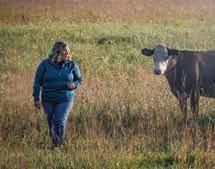
Whether she’s researching the latest farm technology, studying breed genetics, or explaining the ins and outs of raising livestock to consumers, Rachel Gray is constantly expanding her knowledge. As the owner of Little Timber Farms, located in Blackduck, Minn., Rachel places a priority on education in all aspects of her cattle operation. “We have to be willing to never stop learning. That is my big passion, there's always something else to learn,” Rachel Gray, explained. Her passion for education comes naturally. Rachel worked as a teacher and volleyball coach prior to taking over her parents’ cattle
operation in 2012. Little Timber Farms utilizes rotational grazing and environmental practices in its F1 and purebred heifer development program, custom calving operation, and feeder to freezer beef business.
Rachel works with her father, Murl Nord, and her son, Nick Grundmeier, to manage more than 500 head on 2,800 acres of pasture and crop ground. Rachel’s husband, Al Gray, works in the underground mining industry which keeps him overseas or out-of-state much of the time. However, whenever Al is home, he is at the ready to help wherever needed.
By Cheryl Kepes photos courtesy Gray family
FOCUS ON HEIFERS
The family cattle business began with Rachel’s great-grandparents. Initially a dairy farm, it later shifted to a cow/calf program with her parents and, under Rachel’s leadership, evolved into a bred heifer development venture.
“At Little Timber Farms, we did three and a half years as a cow/calf operation. And then I ended up saying, ‘You know, my true love is heifer development. So, I talked to my dad, and he said, ‘You should do what you love. Try it. See how it works.’ We ended up buying our first group of F1 baldies and it's just kind of been a race since then,” Rachel said.
Rachel jumpstarted the bred heifer program with 125 head of F1 females. For the past decade she’s worked to fast-track the operation’s growth. Now, Little Timber Farms purchases 500 heifer calves each year. The family develops, breeds, and markets the heifers over the course of 18-months.
Watching the heifers bloom on pasture and grow into an asset for her cow/calf customers, serves as Rachel’s motivation. “It's been a great business financially, but the true reward is just helping other ranchers to increase the genetic potential of their herd or add some-
thing to their herd that they hadn't been able to before,” Rachel shared.
Rachel markets the bred heifers via private treaty throughout the U.S. The heifers are typically sold in groups that are categorized into 15-day calving windows.
HEIFER SELECTION
When searching for groups of heifers to develop, Rachel focuses on baldies, in particular F1 females that are sired by Topp Herefords’ maternal bulls. She prefers baldies that possess Ellingson Angus genetics and showcase maternal
characteristics.
The heifer calves coming into the development program are purchased right off the cow. Little Timber Farms manages the calves’ stress and gets them immediately on a rising plane of nutrition to reduce performance dips on the front end.
The heifers undergo a strict evaluation process before getting the greenlight to remain in Little Timber Farms’ program. Rachel assesses their mobility, docility, and pre-breeding exam results.
Little Timber Farms utilizes AI to breed the black baldies to leading sires in the Angus, Charolais, and Hereford breeds. The heifers are then pastured exposed to a herd bull. The purebred Angus females in the program are AIed to Angus bulls and pasture exposed to Angus bulls.
HEIFER MANAGEMENT
Rachel, Murl, and Nick work with a nutritionist to formulate the best ration for the heifers in their development program. The family grows corn for corn silage and hay for haylage or bales.
During the winter months, the heifers are managed in pastures. They are expected to traverse the fields and thrive in the natural environment. “One niche that's different for us versus some other heifer developers, is that we don't keep them in pens for the winter, they're out to pasture all winter. They have great wind protection, great access to winter water, but we're expecting them to winter out in the pasture, like guys are going to winter their cows,” Rachel explained.
After the heifers are brought in and AIed in May, they are returned to the pastures where they are expected to grow without additional
feed. Little Timber Farms relies on its intensely managed rotational grazing system to provide ample forage for their cattle. The northern Minnesota fields are filled with native grass species such as Timothy, orchard, clover, rye, and fescue. Last year, Little Timber Farms planted some cover crops consisting of turnips and radishes.
ENVIRONMENTAL EFFORTS
For Rachel and her family caring for the land is ingrained their heritage. Her father and grandfather modeled the importance of conservation and stewardship, and the family continues to honor that legacy today.
Little Timber Farms’ land is located in the Red Lake Watershed where water eventually flows into Hudson Bay. To protect the water source, Little Timber Farms implemented a watering system so that all the cattle drink well water that’s pumped into troughs and tanks. This conservation practice enhances the environment for wildlife as well as protects the cattle herd from a parasite carried by white-tailed deer.
The family’s environmental efforts including rotational grazing, fencing of fresh water sources, and planting of cover crops earned them national recognition. In 2024, the USDA awarded Little Timber Farms with its Environmental Stewardship Award.
ALWAYS LEARNING
Rachel’s background as a teacher motivates her to continually search for ways to improve, learn, and educate. She credits her father for modeling and inspiring her to keep looking for ways to advance the operation.
“My dad is open to new ideas. When I say we should do this - this way, the one thing I don't hear him say is, ‘We've always done it this way,’” Rachel explained. She added, “I think the most expensive phrase in farming is ‘We've always done it this way.’ And so, I'm always looking for some way to improve and add some diversification.”
Little Timber Farms leans into new technology when it makes sense for the operation. They recently utilized drones to spread seed over parts of their property where the moisture content was too high for traditional seeding methods. Additionally, Rachel installed the Ranchbot system which allows her to check trough water levels from her smartphone.
BUSINESS VENTURES
Rachel implemented a custom calving segment to the business to diversify Little Timber Farms’ operations and fill customer needs. Each season, Little Timber Farms’ custom calves more than 100 heifers. Customers pick up the cow/calf pair
when the calf is approximately three weeks old.
Little Timber Farms also taps into a market it found in the freezer beef business. Heifers that preg check open in the fall transition into the operation’s freezer beef program. Rachel sells the beef direct to customers. Simple word of mouth makes the 40-plus beefs go fast each year.
FINDING COMMON GROUND
Rachel’s passion for education permeates through her operation. As a woman-run cattle operation she seizes opportunities to encourage other women in agriculture and teach consumers about the livestock industry.
She serves as an integral part of CommonGround, an organization that connects consumers and their questions to farmers. Through her involvement with CommonGround, Rachel contributes blogs and engages in discus-
sions with consumers.
Rachel’s grandchildren are growing up at Little Timber Farms. She keeps them in mind each day as she strives to educate herself and others, manages the cattle operation, and stewards the land.
learn more facebook.com/timberfarms
KPH 174E FRONTIERSMAN 2505
44665230 • 2/02/2025
SIRE: TH FRONTIER 174E
BW 74 205 WT 708 HOMO POLLED
BW 2.1 WW 63 YW 98
SC 1.3 M 38 REA 0.58 MRB 0.05
KPH 1359TH THOR 2529
44665182 • 2/20/2025
SIRE: KPH THOR 1359
BW 79 205 WT 718 HOMO POLLED
BW 2.2 WW 56 YW 96
SC 1.9 M 28 REA 0.54 MRB 0.31
KPH 173K SOUL MAN 2508
44665206 • 2/07/2025
SIRE: NJW 247C 41E SOUL 173K
BW 91 205 WT 722 HOMO POLLED
BW 4.5 WW 76 YW 130
SC 1.5 M 27 REA 0.36 MRB 0.05
KPH 1901F MARS 2534
44665135 • 2/21/2025
SIRE: KPH 174E SNICKERS 1901
BW 87 205 WT 723 HOMO POLLED
BW 1.8 WW 65 YW 101
SC 0.9 M 30 REA 0.37 MRB 0.07
KPH B30 BREWSTER 2524
44665249 • 2/16/2025
SIRE: FRENZEN BAR JZ BRUISER B30
BW 85 205 WT 723 HOMO POLLED
BW 3.1 WW 72 YW 105
SC 1.3 M 32 REA 0.76 MRB 0.07
KPH 112D TAYLOR 2535
44665207 • 2/21/2025
SIRE: NJW 73S 3304 TAYLOR 112D
BW 85 205 WT 703 HOMO POLLED
BW 3.3 WW 66 YW 110
SC 1.0 M 37 REA 0.58 MRB 0.20
SATURDAY, MARCH 19, 2022
12:30 PM // Wednesday // Waukomis, Oklahoma
Featuring over 100 home-raised service-age bulls!
MARCH 18, 2026
Fall 2020 to Spring 2021 registered Angus bulls, including many ET full and half brothers from our top donor dams. A group of spring calving commercial heifers and a select group of registered females will also sell.
Fall 2020 to Spring 2021 registered Angus bulls, including many ET full and half brothers from our top donor dams.
A group of spring calving commercial heifers and a select group of registered females will also sell.
SELLING
100 REGISTERED BULLS AND 40 REGISTERED FEMALES
PF Ambitious 4962 09/23/24 • 21099560
FF Rito Ambitious x Deer Valley Linda 2903
EPDs: CED
0565 9/1/20 19943701
0685 10/26/20 +19916375 G A R Inertia x G A R Prophet EPDs: CED +9,
PF Veracious 4981 10/17/24 • 21119261
HPCA Veracious x Deer Valley Linda 2903 EPDs: CED +10, BW +2.2, WW +83, YW +153, SC +0.74, MILK +28, MB +1.53, RE +1.22, $M +68, $B +244, $C +384
Health & Reproduction questions answered and explained.
contributed article by Dr. Joshua Beutler, DVM Pender Veterinary Clinic, Pender, Neb. penderveterinaryclinic.com
OFF TO THE RIGHT START
Identifying the causes and pinpointing prevention strategies for weak and stillborn calves.
very spring, veterinarians across the country support clients dealing with stillborn calves, abortions, and the birth of weak calves. The causes can be wide-ranging and include viral, bacterial, parasitic, fungal, eukaryotic (algae), environmental, and even vitamin and mineral-related factors. Given the number of possibilities, identifying a specific cause within a herd can be challenging. In this article, I will discuss a few of the cases I have seen over the years and how we can go about potentially obtaining the best diagnosis, improving outcomes, and implementing prevention strategies.
VITAMIN A WEAK CALF SYNDROME
The most frequent case I encounter is vitamin A-related weak calf syndrome. Affected calves are often very weak, unable to rise, and “take forever to get going.” We routinely see a few stillborn calves within the herd as well and less commonly some blindness. This syndrome is caused by a dam’s deficiency in vitamin A due to drought, low quality forage, or an inadequate herd mineral program.
Calves receive a minuscule amount of vitamin A from the dam in utero; therefore, they have minimal reserves in the liver at birth. Since the dam was deficient from the start, she has created a poor thriving calf that needs colostrum to get going. Unfortunately, the way healthy calves receive most vitamin A is via colostrum. Now we have a deficient dam providing deficient colostrum further exacerbating the issue.
By working with your veterinarian, the diagnosis can be confirmed by sending in tissues, such as fresh liver, for measurement of vitamin A levels. Upon confirmation, your veterinarian will have you administer vitamin A injections to the current calves and all calves born thereafter. For some of our producers, vitamin A supplementation to calves at birth has become a standard management practice.
As for prevention, vitamin A is pretty abundant in green pastures, quality alfalfa, and even corn silage. Issues arise with this during drought years, however creating a complete mineral program with your veterinarian or nutritionist
will help even during the drought years. Vitamin A levels in mineral during late gestation, should be a minimum of 240,000 IU/lb.
Brief side note, weak calves due to dams having a prior acidotic event can look very similar to a vitamin A deficient case. When it is a herd related problem, it is most commonly due to a heavy amount of down corn when grazing stalks.
MANGANESE (MN) DEFICIENCY
Though manganese deficiency is relatively uncommon, it is an interesting case for sure. This is a situation where cow herds are fed a very heavy corn silage-based ration. Iron from the soil contaminates silage and, in turn, blocks appropriate manganese absorption.
Manganese in utero is crucial for proper bone and cartilage development. Calves born with this deficiency have skeletal deformities, such as dwarfism and severe joint laxity, which causes their legs to bend in several directions and
knuckle over. These calves will obviously need extra care, from feeding to standing support, and unfortunately, some do not survive. Among those that do, some remain a dwarf throughout calfhood and suffer with ongoing mobility issues. However, I have seen others with milder cases make an almost full recovery.
As for prevention, work with your veterinarian or nutritionist to formulate an appropriate silageas-fed ration and develop a quality mineral program again. There are products such as Multimin, which contain manganese, that can be utilized to provide benefit as well, but that varies depending on the area you live in. As some areas contain very high levels of other minerals in Multimin, such as selenium, and may not be warranted for your area. In general, it is a good product to provide supplementation if there are concerns about your herd’s mineral program.
Another prevention strategy would be to try and limit soil contamination, raising chopper head a
bit can help here. Not to mention, during drought years especially, cutting higher on the stalk can reduce nitrate toxicity which is another cause of potential abortions and weak calves.
ADDITIONAL PREVENTION MEASURES
I have only mentioned a few types of weak calf issues that ranchers may face. Veterinarians also see several infectious agents, such as Lepto and BVD, as well as toxicities associated with nitrates (oat hay associated in my most recent case).
When you encounter any of these issues relating to calves, it is critical to promptly call your veterinarian to discuss what may be going on. Veterinarians are equipped to run tests to determine possible causes within a herd. In any of these cases, one of the most im-
portant samples to submit and test is the placenta. If you are experiencing stillborn or weak calves, do not forget to collect the placenta and store it, keeping it cooled but not frozen. It is quite common when we begin to work up a case that coyotes, farm dogs, or even the dam have gotten to the placenta before we have.
In conclusion, working up diagnostic cases for stillborn calves, weak calf complex, and multiple abortions within a herd can become quite complicated. A quality trace mineral program, appropriate pre-breeding vaccination protocols, and quality nutrition can go a long way in preventing these herd issues.
learn more penderveterinaryclinic.com
Dr. Joshua Beutler is an owner and veterinarian at Pender Veterinary Clinic in Pender, Nebraska. He is a 2016 graduate of Iowa State University.
LUCAS, MADISON, DECLAN, KASH & TAW JOHNSON
Lucas: 309-261-0380
Madison: 217-737-9408 2263 N 800 E Road Danforth, Illinois 60930
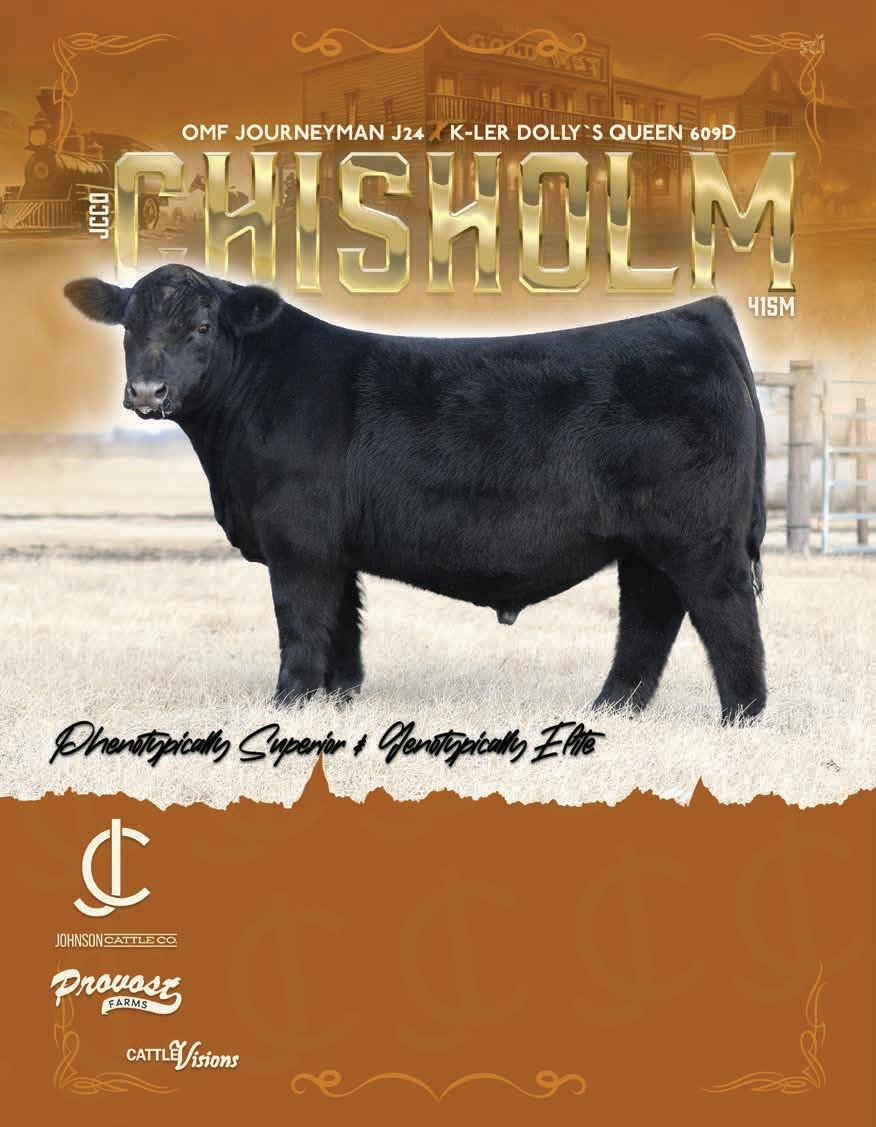
A truly elite son of OMF Journeyman J24, anchored by one of Werning Cattle Company’s most time-tested and influential cow families, K-Ler Dolly’s Queen 609D. JCCO Chisholm 415M is a powerful maternal brother to W/C Fort Knox, blending proven lineage with modern performance genetics.
• Phenotypically superior, Chisholm 415M is square hipped, deep ribbed, and soft structured, while maintaining length, balance, and an attractive front one-third. Genotypically elite, he ranks in the top 20% of the breed for WW, YW, ADG, YG, and REA, making him a rare individual that excels both on paper and in the flesh—the kind of herd sire that elevates programs at every level.
• Owned with Provost Farms 3/4 SIMMENTAL - 4484641 - $75 UNIT
In the kitchen with
Joy McFarland
Hoover Angus - Ellston, Iowa
I’m Joy McFarland. I’m married to David McFarland. I was born as the third generation of Hoover Angus. We have been in business for 98 years selling bulls and females to commercial and registered breeders. Our daughter, Landi, and her husband, Andrew, are the fourth generation; their children, Gwen and Ty, are the fifth potential generation. At this point in time, I organize our sale facility with its large kitchen. I go to Landi and Andrew’s at 5:45 a.m. so they can begin their days. I get the kids on the bus and are there for their return. I take them to their dance and tumbling lessons. We host many meetings and other events. I always cook for the events. We have hosted the National Cattledog Trials for the last two years. The dog trials are a four-day event bringing people from all over the U.S. and Canada. I have won the cake sweepstakes award at the Iowa State Fair many consecutive years; now I’m teaching Gwen and Ty to bake.
Where did you learn to cook?
Most of what I know about cooking, I learned from my mom, but I still feel like I’m learning how to cook…”
What is your most requested dish or what is your favorite thing to make?
Beef and Noodles or Chicken and Noodles.”
What is your favorite cooking tip or trick?
Always use fresh ingredients! “
What is your least favorite job in the kitchen?
Grocery lists get very long. Organizing to make sure I have everything I need.”
STOCK Kitchen
Cowboy approved recipes used by our favorite country cooks.
Step 1: Spray slow cooker with non-stick cooking spray. Pour a small amount of Pace salsa in the bottom of the slow cooker. Put in 1 beef roast 2 to 4 lbs. Cover roast with onions. Step 2: Cook on low until roast is tender (depending on size and thickness of roast) generally 7 to 8 hours. Roast can be turned to high to speed it up.
Note: If you don’t have Pace on hand, use ½ bottle of BBQ sauce diluted with ½ to 1 cup of water.
HAWAIIAN CAKE
Joy McFarland
Cake Ingredients: White cake mix or your own white cake ingredients
Frosting ingredients:
1 c. milk
1 tsp. vanilla
1 pkg. instant vanilla pudding
1 8 oz. cream cheese, softened
1 8 oz. Cool Whip
1 20 oz. crushed pineapple (drained)
crushed pecans
maraschino cherries
shredded coconut
CHICKEN AND NOODLES
Joy McFarland
4 boneless, skinless chicken breasts
2 cans cream of chicken soup
1 stick margarine
3 15 oz. cans chicken broth
24 oz. frozen egg noodles
Step 1: Cook chicken, soup, margarine, and broth in a slow cooker for 6 to 7 hours. Step 2: Take chicken out and shred. Add noodles. Cook 2 hours on low. Step 3: Serve over mashed potatoes.
Step 1: Make cake mix or your own white cake recipe. Step 2: Beat cream cheese. Dump pudding in a bowl and gradually add and stir in milk and vanilla. Stir until smooth with a spoon. Step 3: Add cream cheese. Beat on low. Blend in Cool Whip and pineapple. Frost with this icing. Step 4: Sprinkle on coconut and crushed pecans. Garnish each piece with a long- stemmed maraschino cherry. Enjoy!
BEEF AND NOODLES
Joy McFarland
1 or 2 roasts - cut off fat before adding noodles
2 ½ c. water
4 tsp. premium Better Than Bouillon
1 stick margarine
3 15 oz. cans beef broth
24 oz. frozen egg noodles
Step 1: Put all the ingredients in a slow cooker and cook 7 to 8 hours. Then, add noodles and cook 2 hours. Step 2: Serve over mashed potatoes.
Thank you to all who helped make our 11th Annual Production Sale such a huge success. We look forward to building relationships with each and every one of you in the future. Mark your calendars now, we’ll see you next year!
Thank You!
Cattle viewing until 1:30 pm at the farm 11171 Angus Drive, Caledonia, MN 55921 507-724-2509 or C: 608-860-8785 There will be NO animals at the sale site.
Sons by Hook’s Headline 203H
Sons by GW Copperhead 919G Sons by JC MR Pontiac D114K
Proven the easiest fleshing, best uddered, and most grass efficient Angus Cattle in the World! PROVEN BY PHENOTYPE AND NUMBERS!
SALE • MONDAY
APRIL 20, 2026
1 PM • PALMER, KANSAS
Sale Barn Study
contributed article by Roman Schooley Bloomfield Livestock Market, Inc., Bloomfield, Iowa bloomfieldlivestockiowa.com
ROOM TO RUN IN THE
CATTLE MARKET
ill we run out of these old crop calves by spring? That’s what many people are wondering right now. Cattle runs through the early part of the year seem to be running overboard with many producers selling off earlier than normal. Many experts state the numbers will likely be far less by March and April. Feeders have continued to stay strong with all the receipts the barns have had, and demand is at the highest we’ve seen.
Your feeder market is very active with many calves continuing to set record prices in the auctions. Many 5wt steers will easily exceed $5.00 per lb., and not far off from breaking $6.00. Replacement heifer calves are definitely seeing premiums across the country as producers are looking to add top quality females to breed for spring.
The CME index continues to climb back up to $375.16, and it still looks like there’s room at the top. The April feeder contract sits at $363.25, well above the last few months.
Fat cattle trade is also gaining momentum as it is off to a fast start in 2026. Some analysts think the top is yet to come. Bids in the North are $2.40 to $2.46. While bids in South are step-for-step at $2.42 to $2.46. Your box beef is hanging in here for Choice at
$369.37 and Select at $364.53.
For the first time in history, we will have more Prime grade than Select grade. Which will bode well for the palate of consumers as they pay top price for our beef. Great job seedstock producers for your continued efforts in producing the best protein on earth!
Stock cows and breeding bulls are in the highest demand we’ve ever seen. Bull sales across the country are well attended with the focus on genetic progress. Many bull sales will average $1,000 to $2,000 ahead of last year. Farmers, don’t wait around this year to select your bulls as it’s likely to be a shorter run of offerings for bulls in most regions.
Cows in the auctions are just as demanding; they are ranging from $4,000 to $5,000 for the breds. I look for optimism to be very high as farmers get ready to stock up on
cattle for summer pastures. Pairs will be in full swing this April in auctions to rebuild the herds.
With dry conditions and weather moderating, the cattlemen are sure happy with the calving conditions. I hope you all have a safe and prosperous calving season! As always, if you have any marketing needs or need to talk cattle give us a call at the barn. Keep up the good work!
Roman Schooley, Bloomfield, Iowa
Roman Schooley owns Bloomfield Livestock Market and Schooley Cattle Co. in Bloomfield, Iowa. As president of Schooley Cattle Co., Roman leads the breeding decisions of the seedstock operation which consists of 550 registered Simmental and Angus cows. Schooley Cattle Co. utilizes IVF to produce breed leading genetic advancement. The company hosts an annual production sale the first Friday in February at the ranch; selling 18-monthold and yearling bulls and a select group of open and bred heifers. Roman also owns and assists in the operations at Bloomfield Livestock Market which primarily serves producers in Iowa, Missouri, and Illinois. He and his wife, Elizabeth, have three children: Hannah (23), Haven (20), Houstin (17), and one grandson, Weaver (2 months).
We Don’t Need to Be Liked or Followed
to Be Seen.
That’s how paid digital marketing works.
Likes and followers are passive signals. Visibility is intentional.
Livestock Digital runs paid digital campaigns through META and Google - placing client messages directly in front of targeted cattle producers based on geography, interests, and behavior.
Our campaigns :
1. Reach beyond existing followers
2. Appear across multiple placements - not just a page feed
3. Are built to drive real actions, not vanity metrics
In 2025, Livestock Digital delivered over 18 million paid viewsbecause effective marketing isn’t about popularity. It’s about precision.
surprise!
Every now and then, this business hands you a surprise you didn’t see coming. For our family, it showed up in the form of a heifer that kept us guessing if she was bred or open.
Our third child, Ty, has a heifer that was bred on last spring. Caramel was preg checked safe at 30 days, but we were suspicious of her being in heat through the fall. Despite our observations, we were hoping to be proved wrong - until she was in a pen with a herd bull (temporarily) while we were sorting some cattle last month. It shouldn't have bothered her, she was supposed to be bred, right? Well, wouldn't you know it, the bull bred her right then and there. We were crushed to break the news to Ty that his heifer wasn't bred after all.
We had decided to ship her that coming Thursday. Wednesday of the same week, our vet was scheduled to come semen check the sale bulls. For the heck of it, we decided to have him sleeve Caramel before she was culled, and to our surprise, she was eight months bred! Caramel is due any day now. Although her calf isn't on the ground yet, it's been a fun surprise for Ty knowing that she's got a baby on the way.
The month of March has a habit of being unexpected as well - throwing curveballs, shifting plans, and testing our ability to adapt. One day the sun is warm enough to make you believe spring is close; the next, the wind cuts through every layer you own and you’re thawing waterers. It’s a month that keeps producers on their toes, balancing newborn calves, weather swings, and the steady push toward greener days.
Here’s to a resilient March and the warmer days waiting ahead of us.
Makayla
publication date materials due
April 1, 2026
May 15, 2026
August 15, 2026
October 1, 2026
November 1, 2026
December 1, 2026
January 1, 2027
February 1, 2027
March 1, 2027
March 10
April 25
July 25
September 10
October 10
November 10
December 10
January 10
February 10
rate/issue
two page spread
full page
$1195
half page
$695
business card
double card
$2195
$250
$450
premium pages and ring service call for a quote
The Stockman hereby expressly limits its liability resulting from any and all misprints, errors and/or inaccuracies whatsoever in the advertisement and editorial content published by The Stockman and its said liability is here by limited to the refund of the customer for its payment for said advertisement, or the running of the corrected advertisement, or editorial notice. Notification by the customer of any error must be made within 30 days of the distribution of the magazine. Advertising copy received after the deadline may not be returned for proofing. Changes to advertising copy made after the deadline date will be allowed only if time permits, and will incur the appropriate charges according to time and materials involved in the changes. The opinions or views expressed in the editorials are those of the persons interviewed in the article and not The Stockman magazine. The Stockman does however reserve the right to edit or refuse all material which might be objectionable in content. No material or part thereof may be reproduced or used out of context, without prior specific approval of a proper credit to The Stockman
MAKAYLA FLOWER, Editor and Graphics makayla@stockmanmag.com 605-690-6050
KIM BANKS, Online Editor and Graphics kkbanks@frontiernet.net 507-530-0914
CHERYL KEPES, Editor Assistant and Writer cheryl@stockmanmag.com 417-766-0990
MARIA OPHEIM, Social Media riawbr@gmail.com 507-828-1374
HEIDI SORENSEN ROHRIG, Ad Sales Coordinator hsorensenrohrig@gmail.com 661-900-6004
JOHN KUELPER, Ad Sales johnkuelper47@gmail.com 309-582-6335
JAN FORD, Ad Sales jford17879@aol.com 208-340-2024
OUR TEAM Production Sales Management
CHRIS BEUTLER, CEO beutlerworkplace@outlook.com 402-380-8244
I’m a sixth-generation farmer/rancher. The operation wasn’t large enough to support more than one family when I was growing up so we did not live on the farm as children. Weekly travels back and forth to help my grandparents farm and run cattle were what we were accustomed to. We’ve been blessed through other careers in agriculture to be able to purchase the cow herd, equipment, and land necessary for us to move back to the family farm full time. While always involved in production agriculture, it is a blessing to finally make our dreams come true and move full time to the farm. Today we raise cattle, grains, and kids alongside our entire family. My brother Cody and his wife are full time on the ranch, and my parents operate alongside us. We’ve transitioned the cattle herd from a generations old commercial operation to what we hope build into a top-of-theline Angus seedstock herd."
What is the most used tool on your farm? How old is it?
Without a doubt our Can-Am UTVs get the most use of anything. We’re zipping from one place to another constantly checking cattle, crops, or just looking for wildlife."
What about the beef cattle industry excites you the most?
This may be the most exciting time in history to be a part of this industry due to the current market. Opportunities are there for people who are willing to chase them."
Jake Hauschel
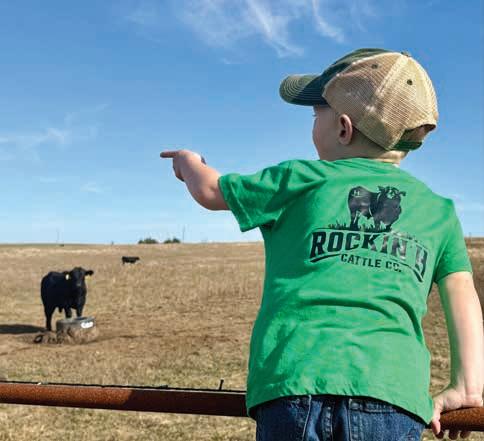
Rockin' H Cattle Co., Morrowville, Kan.
Your go-to sorting apparatus?
We recently redesigned and rebuilt our entire working facility. With a large embryo transfer program along with all of the other management included with a registered herd the new pipe pens and corrals have made everything easier on both man and beast. The stress that used to be involved in working cattle is no longer a thing."
The most important lesson you’ve learned in this business?
It’s hard to define what the most important lesson has been. Agriculture in general is a constant course in change whether it’s operational practices or the markets. Prioritizing the people in the operation has been one of the largest keys to our success so far."
Which animal (any species) has left the greatest impact on you?
“909” was a commercial Red Angus cow that started my personal cow herd in 2009. From her spawned what we have today and her legacy lives on in commercial daughters yet today."
Your favorite non-farm activity to do in your free time?
I’m highly addicted to hunting elk, but anything that lends to more time in the outdoors is welcome."
Describe your best day. Every day is the best, just the opportunity to be part of the ranch on a daily basis makes it that way."
learn more rockinhcattleco.com
We don’t believe in breeding your heifers to a bull just because he is easy calving, they need to be marketable after they are born. Vigor, live calves, eye appeal, and maternal, it’s not a one day thing. If it’s the steer calves that cross the scales, the heifer calves that stay in your program, or the next great marketable bull you, those first calf heifers need to be able to make you a profit from that first calf and we have a lineup of calving ease bulls that has the ability to do just that! Join the Griswold team and see the difference! Office: 405-372-3300 Kent Jaecke: 405-408-2440 Call John Griswold for special pricing on large heifer projects 405-780-3300.