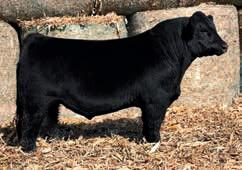
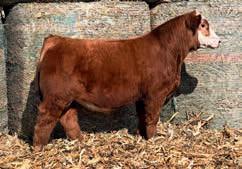
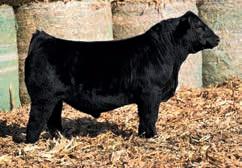
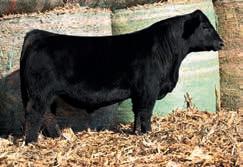
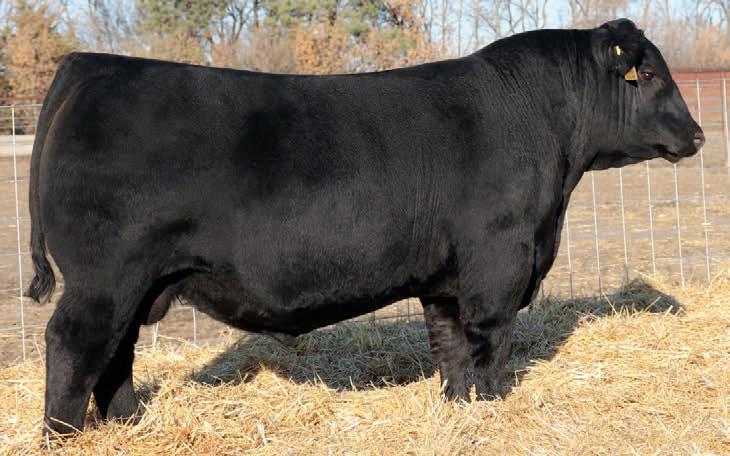
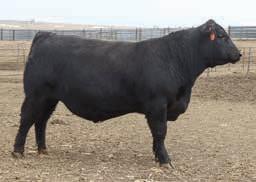
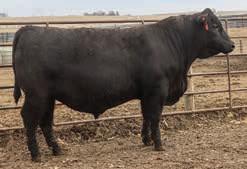
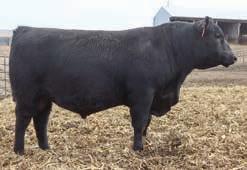
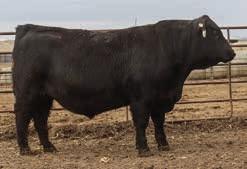
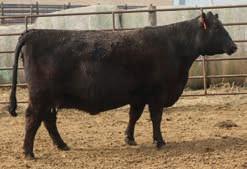
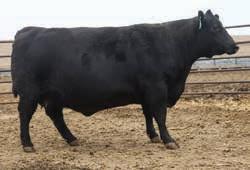
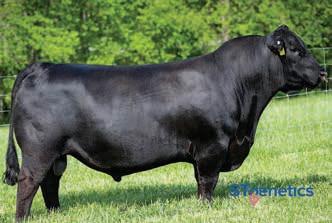
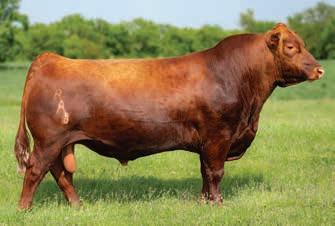
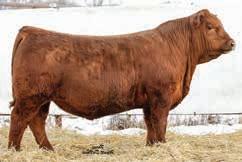
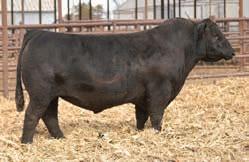
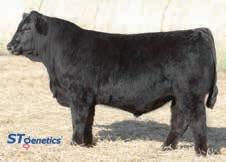
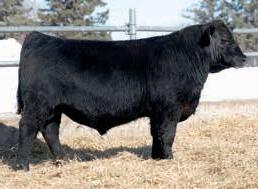
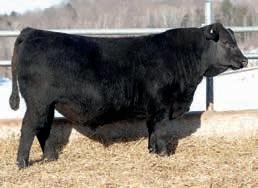
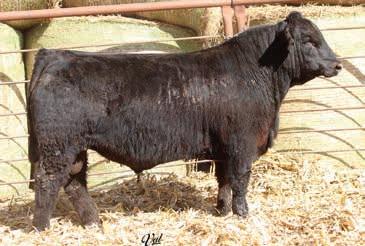
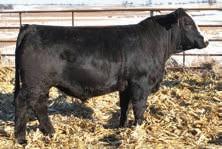
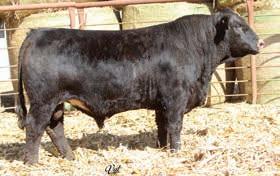
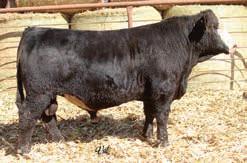
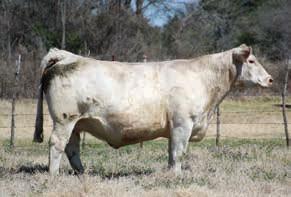
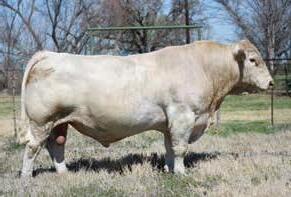
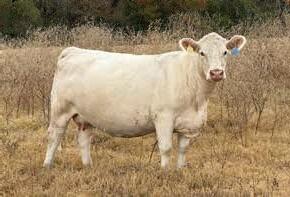
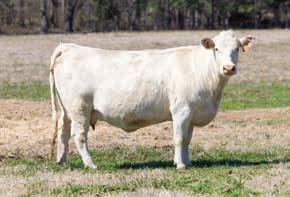
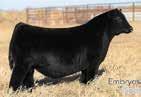
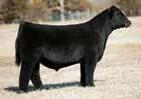
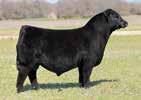
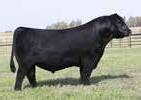
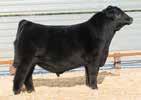
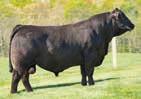
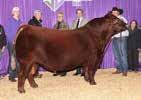
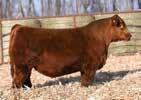
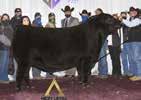
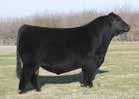
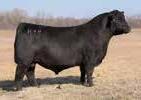
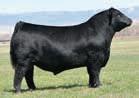
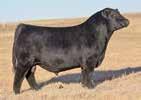
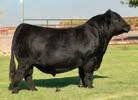
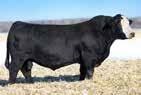
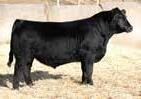
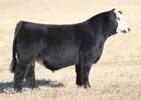
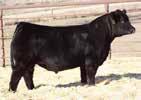
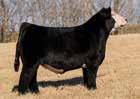
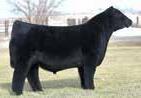
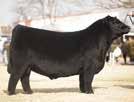
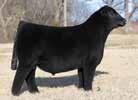
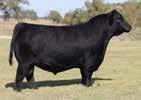
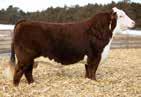
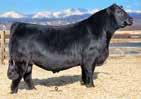
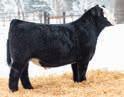
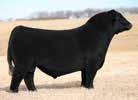
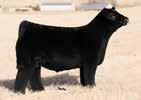
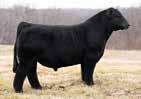
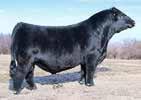
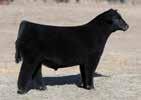
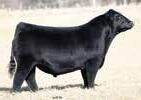
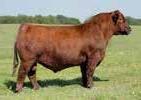
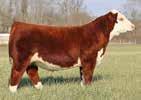
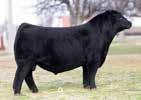
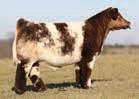
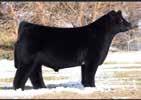
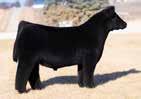
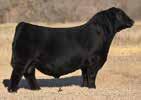
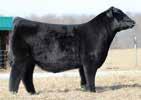
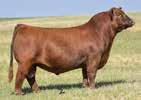
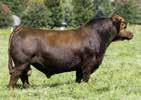
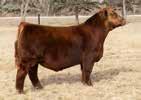
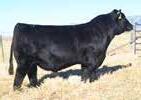
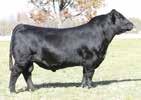
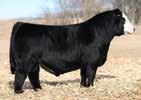
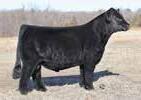
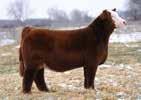
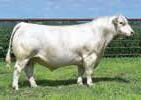
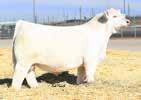
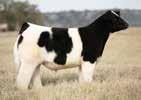
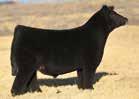
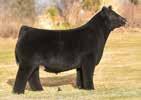
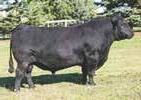
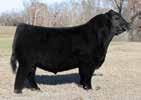
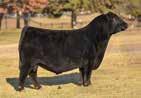
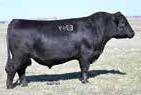
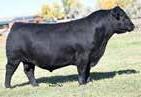
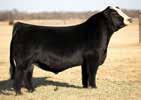
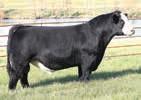
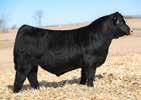
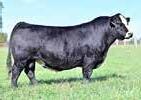
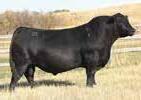
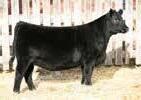
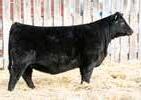
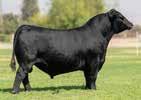
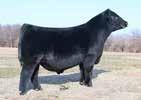
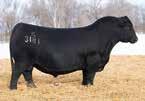
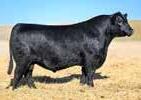
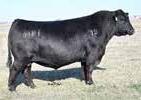
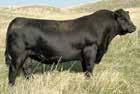
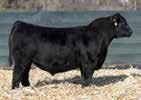
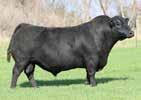
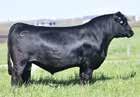
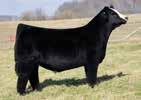
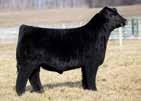
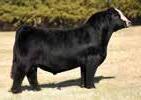
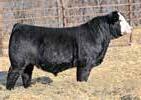
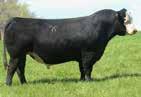
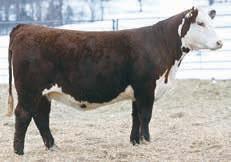
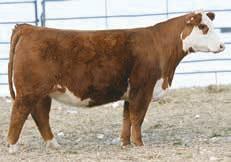
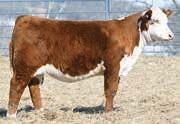
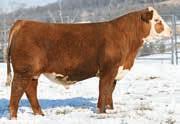
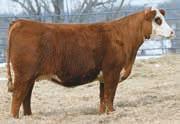
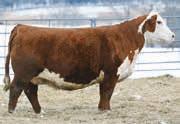
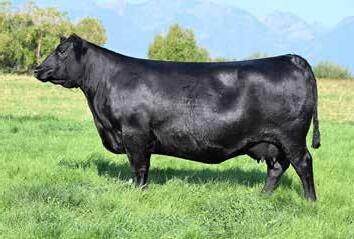
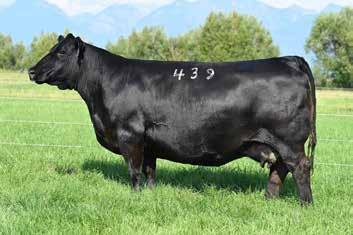
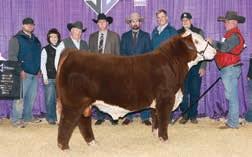
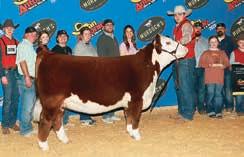
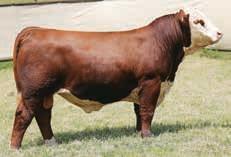
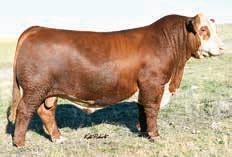
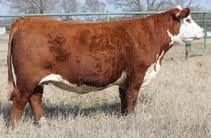
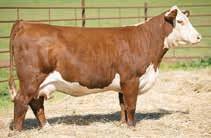
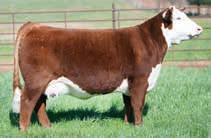
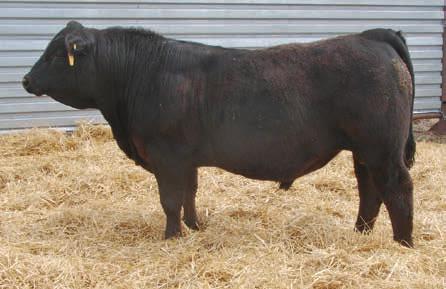
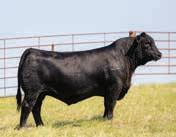
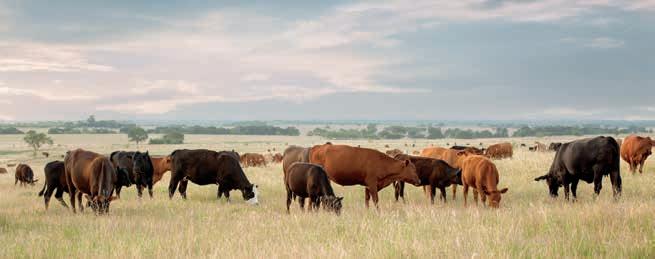
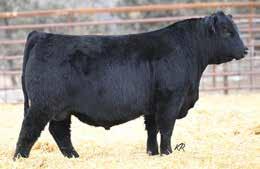
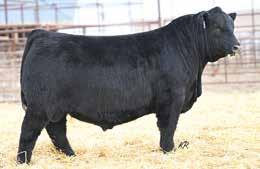
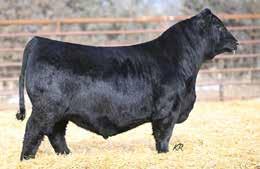
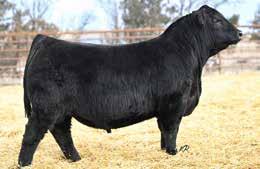
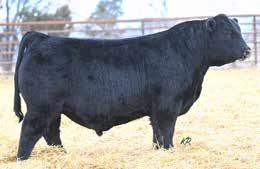
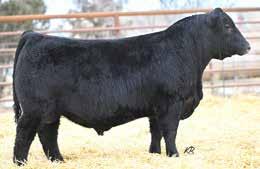
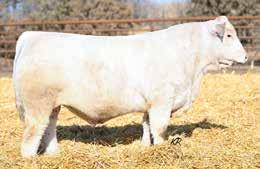
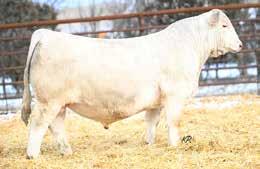
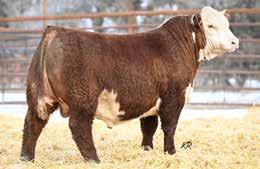
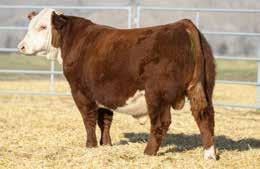
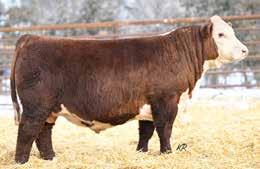
Proven the easiest fleshing, best uddered, and most grass efficient Angus Cattle in the World! PROVEN BY PHENOTYPE AND NUMBERS!
SALE • MONDAY
APRIL 20, 2026
1 PM • PALMER, KANSAS
DLCC RANCH
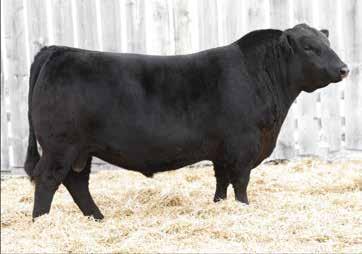
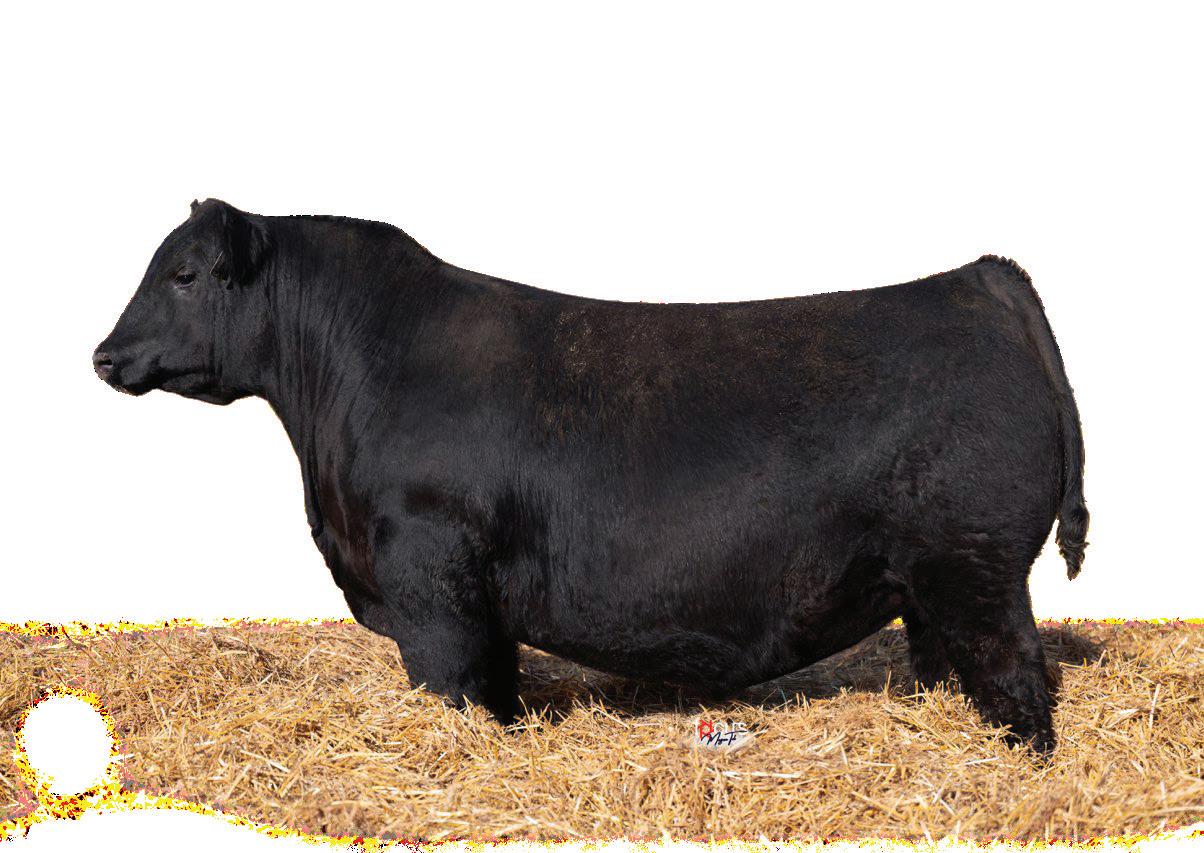
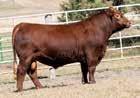
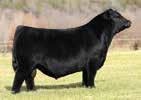
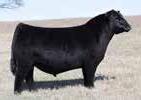
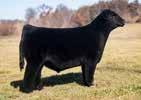
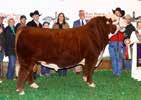
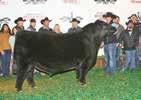
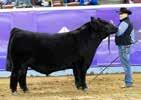
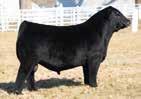
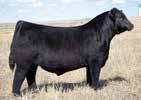
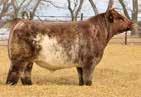
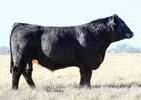
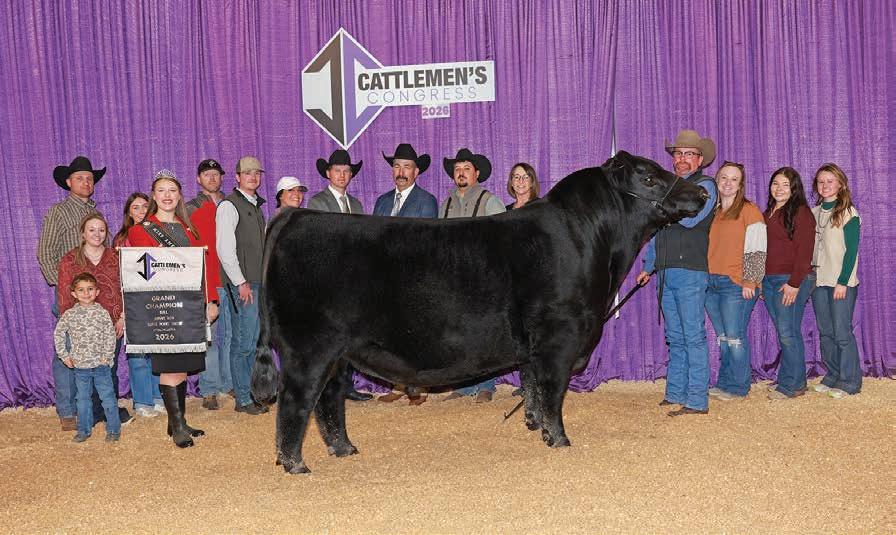
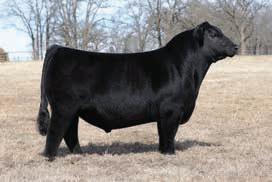
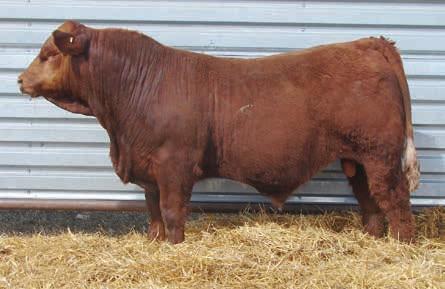
DLCC Gold Dust 64G ASA#3726878 >>
Top 5% API | Top 2% TI ----- His Genetics Sell! The most exciting bull in the South Devon breed in decades. His sons ranked #1 in average marbling and #3 in average carcass weight in a commercial progeny test compared to 13 popular SimGenetics AI sires. His combination of superior phenotype and industry-leading EPD offers endless potential to capture outcross genetics, and heterosis.
SIRE: RJ TRUST FUND 212K DAM: MISS WERNING KP 8543U [WAGR DREAM CATCHER 03R]
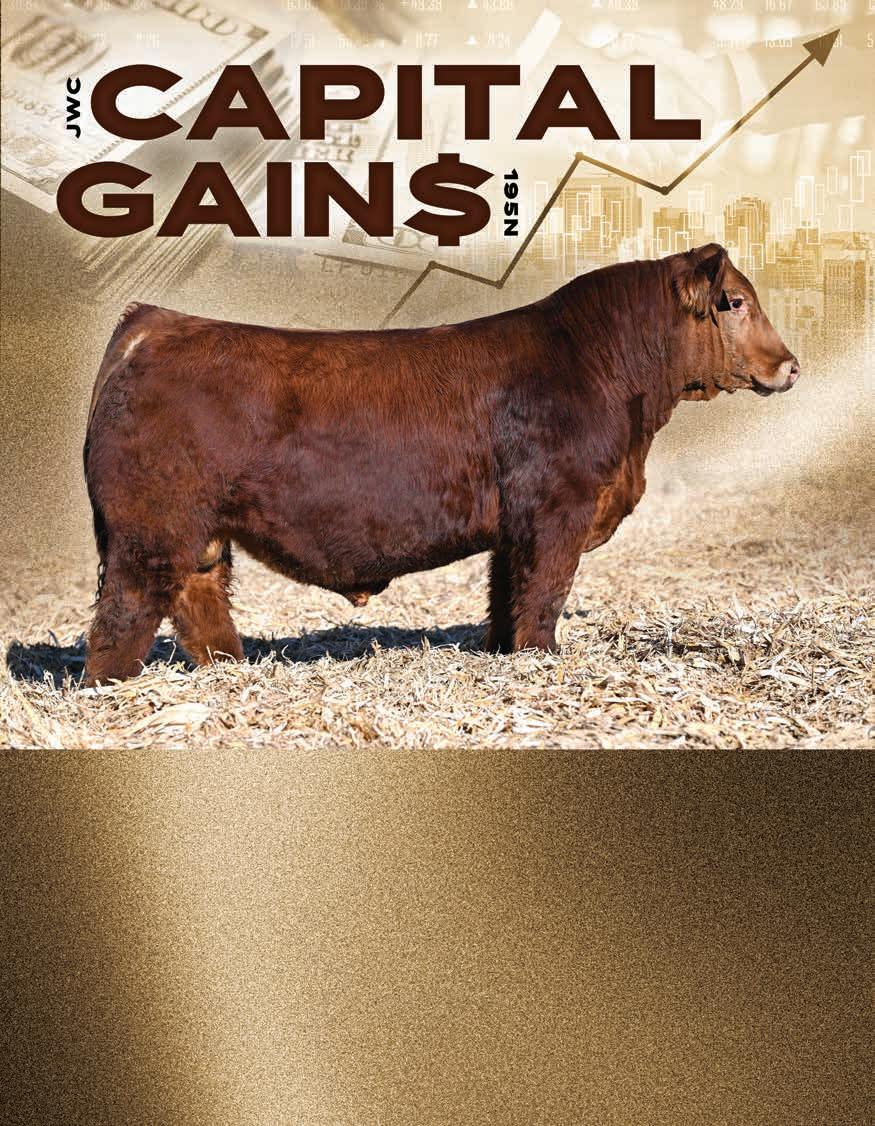
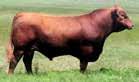
We are excited to introduce this tremendous, deep red son of the $135,000 half-interest RJ Trust Fund. He is backed by one of the most influential females in modern Simmental history, the immortal Miss Werning KP 8543U—whose progeny have generated over $6 million in sales to date.
Genetic excellence at this level is no coincidence. This pedigree represents proven performance, consistency, and profitability.
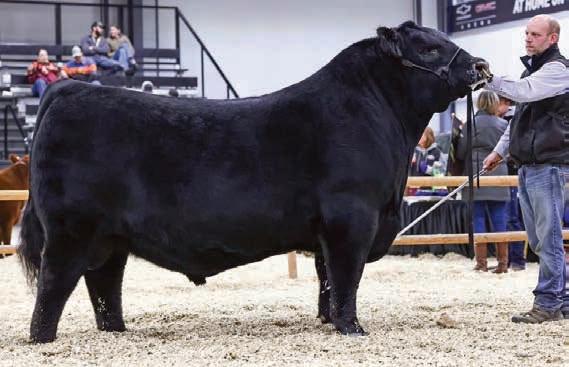
Capital Gains blends power, muscle, and structural integrity with the balance and eye appeal today’s market demands. Whether your goal is high-selling seedstock, elite show prospects, or functional cattle that add value in the pasture, Capital Gains is built to move a program forward. If you’re serious about adding power and presence in one generation, he stands above the rest.
MISS WERNING KP 8543U - DAM
By Cheryl Kepes
One Sale,
A university-led bull sale strengthens producers' operations today while investing in tomorrow's cattle producers through firsthand experience.
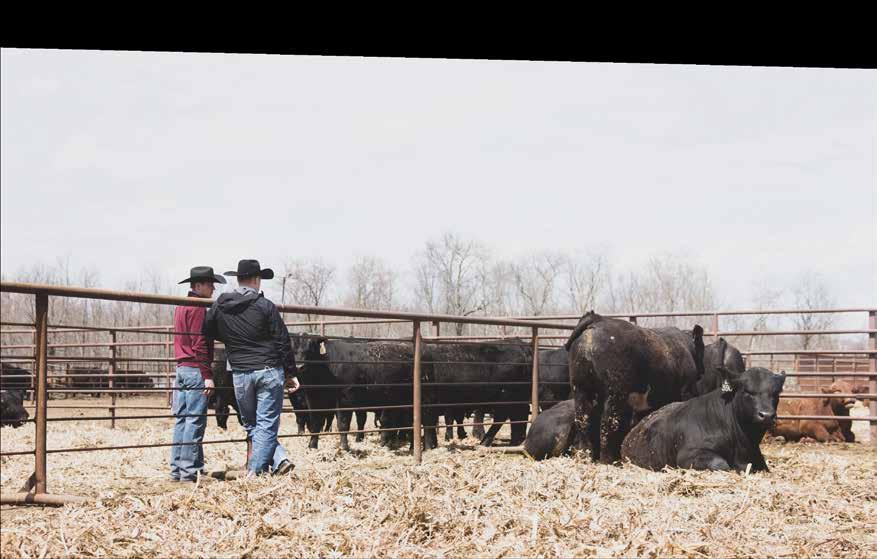
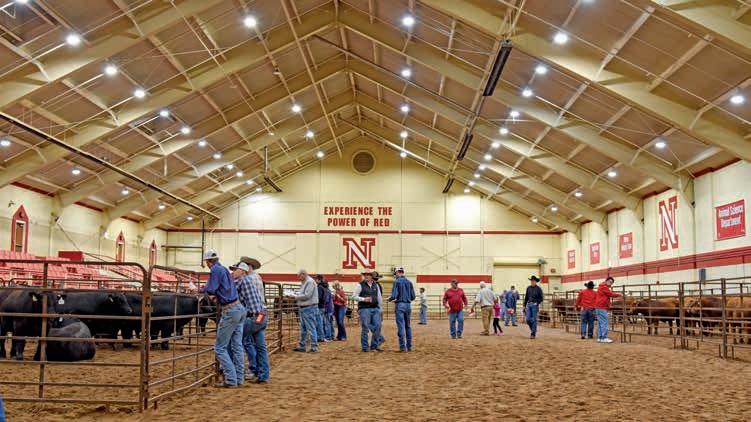
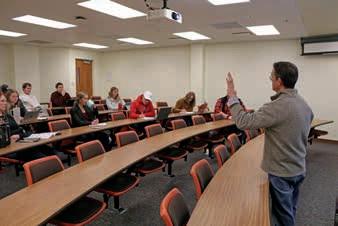
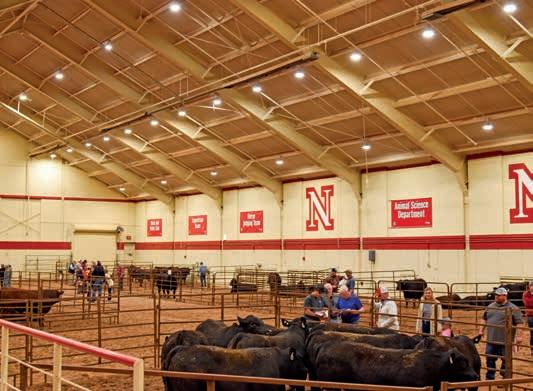
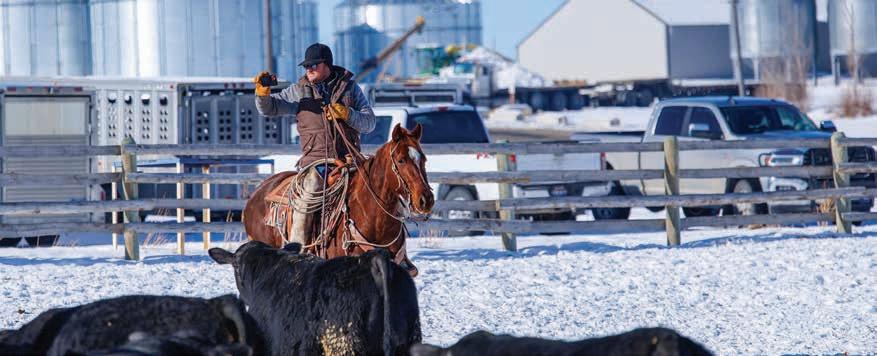
t the University of Nebraska-Lincoln (UNL), the next generation of beef cattle producers does more than study the industry – they lead it, managing and marketing one of the state’s premier bull sales each spring. The experience equips future cattle producers with handson, real-world training while offer-
ing bull buyers herd sires with proven, research-backed genetics.
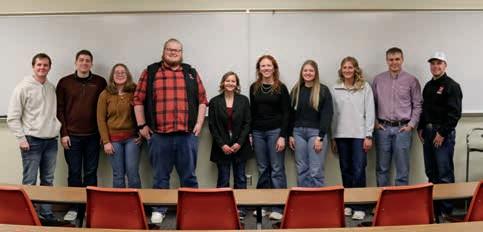
April 11th, 2026, marks the 33rd year for UNL’s Bulls Worth Waiting For sale. Students in UNL’s beef seedstock production class are responsible for all aspects of the sale.
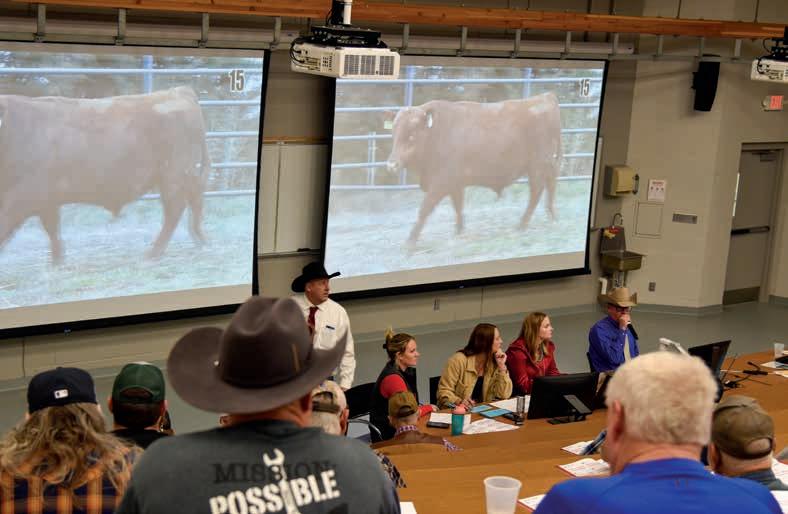
“This sale is student-run from beginning to end,” said Dr. Matt
Spangler, UNL animal genetics professor and extension beef genetics specialist. “The students in the class are responsible for helping collect yearling data, helping with breeding soundness exams, and ultimately choosing what bulls go in our catalog that they themselves construct.”
photos courtesy Abigayle Warm and Eric Buck
DEVELOPING FUTURE CATTLE PRODUCERS
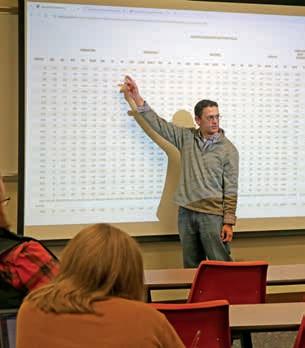
Spangler started teaching the beef seedstock production course in 2008. Even before his tenure, the class hosted an annual bull sale. The principles students learn in the classroom are brought to life through the planning and the execution of the sale.
“It's not just lecturing about how to use EPDs, or how to use economic indexes, or how to implement a crossbreeding program. Instead, the focus is on learning these concepts because you are going to need to communicate to potential customers about these things, which requires a different level of knowledge,” Spangler said.
tle management, or different things to include in a sale catalog, just several things that that will be very, very valuable to me.”
ABOUT THE BULLS
The experience and information students gain throughout the course prepare them to manage their own operations in the future. Many of the students in the class grew up on farms or ranches and plan to integrate back into their family operations following graduation. Putting their knowledge to work builds confidence and deepens understanding.
“The things I learned in this class will be very valuable to me,” explained Braden Benes, a UNL student enrolled in the class. “I'll be able to take them home and use them right away; whether that's learning more about the EPDs, cat-
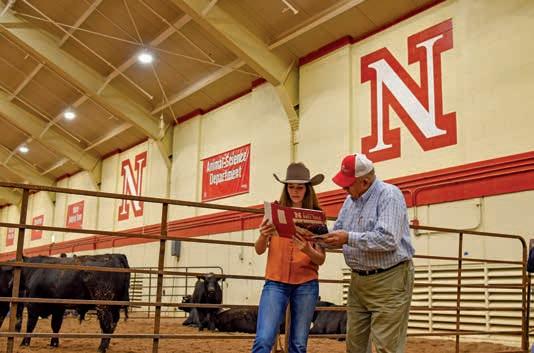
Students make the sale selections from bulls in the research-and-teaching herd located at the University of Nebraska’s Eastern Nebraska Research, Extension and Education Center (ENREEC), north of Lincoln, Neb. The 240-head seedstock herd is comprised of registered Angus and registered Simmental composite females.
The Bulls Worth Waiting For sale features 55 bulls. The sale offering includes purebred An-
gus, Husker Reds (Simmental and Red Angus composite), and Husker Blacks (black Angus and black Simmental composite).
Through the years, professors and students have collected data on the animals within the herd with the goal of compiling accurate EPDs and genotyping the animals. The animals in the herd are bred for balance with an emphasis on traits
that will enhance customers’ profitability.
“In terms of selection criteria for the bulls, we recognize that a large share of our customers retains females back. So, we do put strong emphasis on maternal traits, things like sustained fertility, and moderation in terms of mature size. But we're also cognizant that, if not our
customers directly, somebody is going to feed out cattle from these matings. And so, we do pay attention and select for improved carcass merit as well,” Spangler explained.
Additionally, Spangler and his students evaluate the bulls for structural correctness and temperament. Their goal is to provide bulls that are problem-free.
CUSTOMER INTERACTIONS
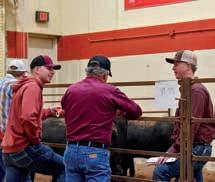
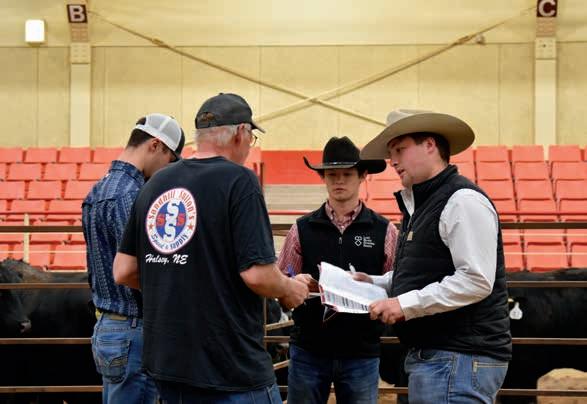
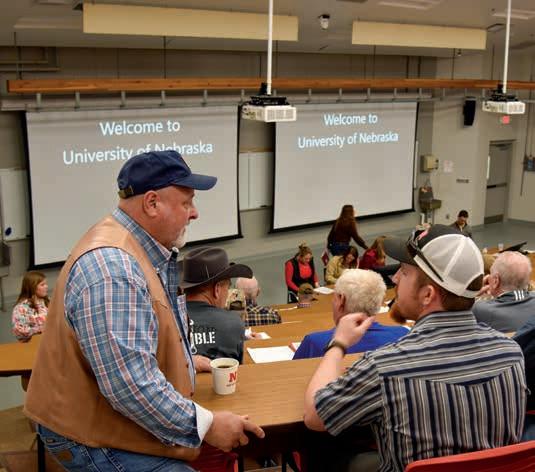
Not only are students learning sale organization and management, but they are also developing customer service skills, which are a key component of their instruction. They field questions about the sale bulls both before and during the event, gaining experience in helping buyers identify which bulls will best fit their operations.
“Students really have to think about what this person is trying to do in their current situation,” Spangler said. “It’s about matching bulls to individual enterprises, because everyone comes from a different set of objectives, environmental constraints, and goals. That's what we try to do - pair bulls to customers to help improve their bottom line.”
UNL student Grace Schleuter embraces the opportunity to work directly with buyers. “When interacting with the customers, you are really taking a deeper dive into what the EPDs mean, what emphasis to place on certain traits, how to sell it to the buyer, as well as figure out what they want and let them know how the bull genetics line up with that and their end goal,” she shared.
INVESTMENT IN THE FUTURE
Many of the bull buyers are longtime customers; some having purchased bulls in the sale for more years than Spangler has been on faculty at UNL. One of his favorite aspects of the sale is interacting with repeat and new customers.
Spangler values working with producers to better understand their operations and goals, helping connect them with genetics that are the right fit for their herd. “I always tell people that buying bulls or buying semen is an investment in genetics. That's the way I encourage people to think about it,” Spangler stated.
The Bulls Worth Waiting For sale serves two equally important purposes – it provides a venue for producers to buy quality herd sires and cultivates the growth of aspiring cattle producers. Involvement in the bull sale accomplishes both objectives at the same time.
“The customers we have at our sale are making an investment in
the future of our industry via the students. And I think that's a really important thing for people to consider as well,” Spangler shared.
The experience gives students the tools and confidence to pursue their dreams – and who knows? One day,
they might find themselves in the stands at the sale, bidding on bulls alongside the producers they met while working this year’s event. learn more animalscience.unl.edu
UPCOMING SALE:
Saturday, April 11, 2026
Animal Science Building - Lincoln, Neb.
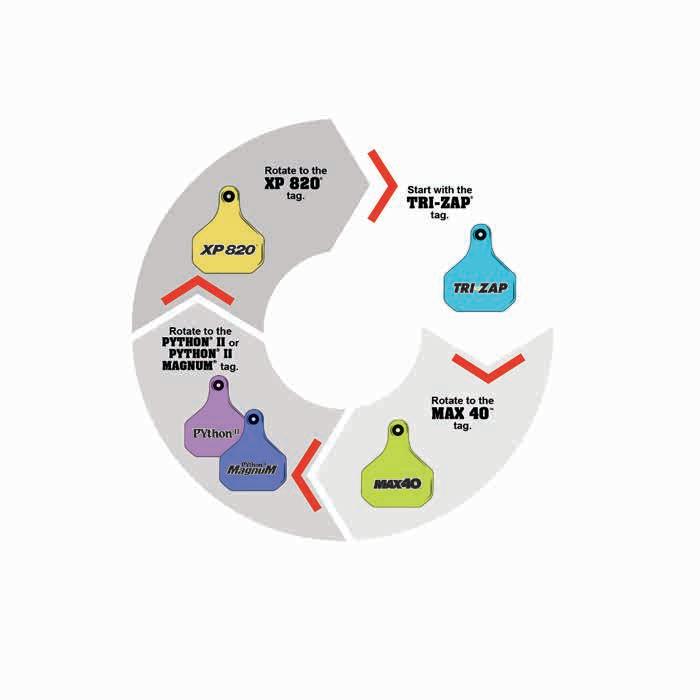
STAY AHEAD OF FLY RESISTANCE WITH THE Y-TEX ®
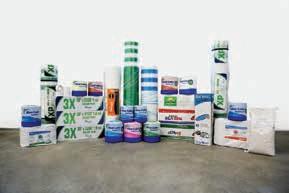
Magnum™ and XP 820 tags — proven to break resistance cycles and extend the life of your insecticide program. With tags across three chemical classes, Y-TEX gives you the power to protect your herd from horn flies, face flies and other costly pests year after year.
Sires: Millars Duke 816, Sitz Royalty 1299, Shady Brook Pandemic 9503, RL Justice, Sitz Stellar 726D, Granger PacMan 224, Kenny Institution 2010 & more, as well as Windchime sons of Justified, Stellar, Triumph, Revenue & Fair-N-Square
Website: kellerwindchimeangus.com
Sons by Hook’s Headline 203H
Sons by GW Copperhead 919G Sons by JC MR Pontiac D114K
ANGUS
PRODUCTION SALE
1:00 PM CDT, SATURDAY, APRIL 25, 2026
At the farm | Ogema, Wisconsin
Selling over 50 yearling bulls and 15 bred and open heifers
Featured Sires include: Ellingson Prosper, Ellingson Prolific, Ellingson Lakota, S Armstrong, Connealy Craftsman and more He Sells! He Sells!
Cattle have been DNA tested and Angus GS and Parentage tested.
For your free reference sale booklet, contact anyone in the office of the Sale Manager, TOM BURKE, KURT SCHAFF, ALEX POPPLEWELL, AMERICAN ANGUS HALL OF FAME, at the WORLD ANGUS HEADQUARTERS, PO Box 660, Smithville, MO 64089-0660.
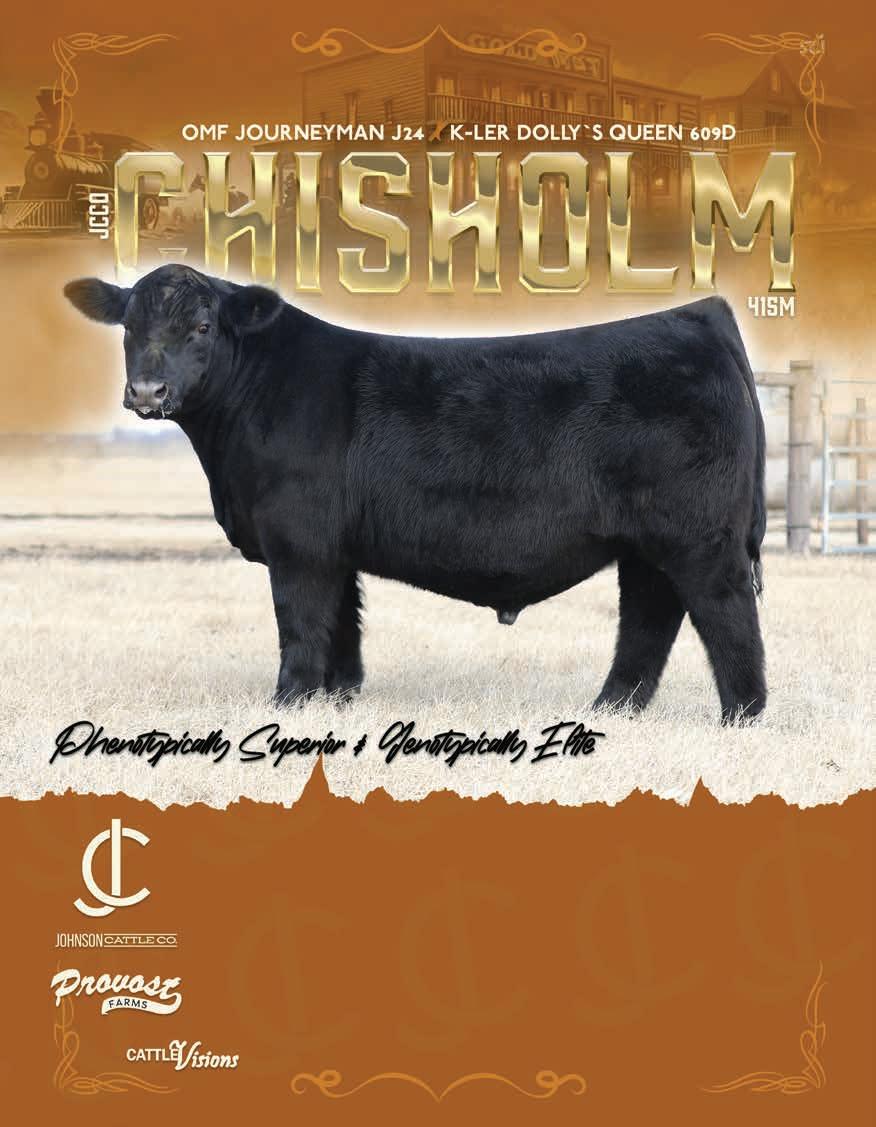
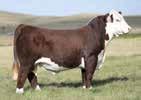
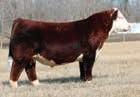
A truly elite son of OMF Journeyman J24, anchored by one of Werning Cattle Company’s most time-tested and influential cow families, K-Ler Dolly’s Queen 609D. JCCO Chisholm 415M is a powerful maternal brother to W/C Fort Knox, blending proven lineage with modern performance genetics.
• Phenotypically superior, Chisholm 415M is square hipped, deep ribbed, and soft structured, while maintaining length, balance, and an attractive front one-third. Genotypically elite, he ranks in the top 20% of the breed for WW, YW, ADG, YG, and REA, making him a rare individual that excels both on paper and in the flesh—the kind of herd sire that elevates programs at every level.
• Owned with Provost Farms 3/4 SIMMENTAL - 4484641 - $75 UNIT
Jerry Volesky, Extension Range and Forage Specialist
University research you can use.
Daren Redfearn, Nebraska Extension Forage and Crop Residue Specialist University of NE - Lincoln, UNL Beef beef.unl.edu
WHY STORAGE, NOT AGE, DETERMINES HAY QUALITY
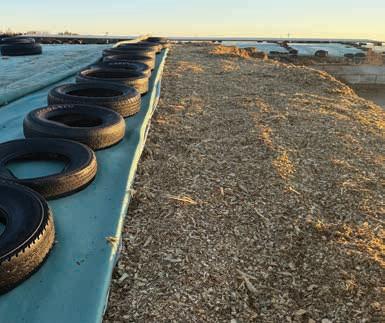
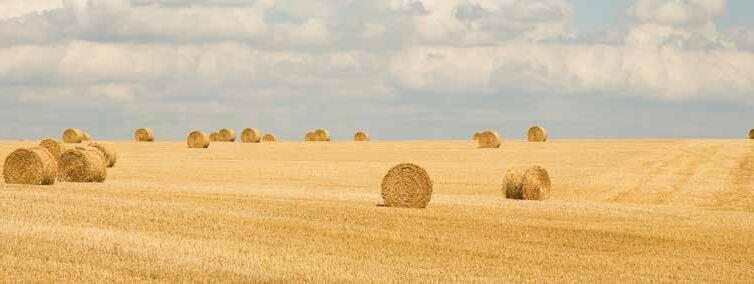
hen provided with hay more than a year old, it’s common to assume the quality is poorer than hay harvested more recently. While this may be commonly true, the true answer is a bit more complicated. Time alone does not drive hay quality decline - storage conditions do. Age is really a proxy for how long hay has been exposed to moisture, oxygen, and physical handling. Those factors determine whether quality is largely preserved or steadily declines. If hay is baled dry and stored indoors with stable moisture and temperature, biological activity is minimal and forage quality can be maintained for long periods of time. In practice, however, most hay experiences some level of moisture exposure during storage. Anytime a bale becomes wet and warm enough for microbes (bacteria and
fungi) to become active again, decomposition resumes. As microbes grow, they use the forage as a food source and release carbon dioxide, which results in dry matter loss.
Moisture + heat → microbial activity → dry matter loss
DRY MATTER LOSS IS THE FOUNDATION OF QUALITY DECLINE
Dry matter loss represents forage that is no longer available to the animal, regardless of what a forage test says. Losses occur through microbial respiration, weathering on the outside of bales, leaching of soluble nutrients, and physical loss during handling. Even if nutrient concentrations appear unchanged, fewer pounds of forage — and fewer
pounds of nutrients — remain.
This dry matter loss sets the stage for most of the quality changes we associate with older hay.
TOTAL DIGESTIBLE NUTRIENTS TYPICALLY DECLINES WITH STORAGE
Total digestible nutrients (TDN) are especially sensitive to storage and weathering losses. The most digestible parts of the plant — particularly soluble carbohydrates and other readily available energy sources — are the first components microbes utilize. As these components are lost, the remaining forage becomes more fibrous and less digestible.
Over time, this shift leads to lower digestibility and reduced energy availability, so TDN tends to decline fairly consistently, especially when hay is stored outside, exposed to precipitation, or in contact with the ground where moisture can wick into the bale.
CRUDE PROTEIN IS MORE COMPLICATED
Crude protein (CP) behaves differently than TDN during storage. CP can decline when the highest-quality portions of the plant are physically lost, which is most com-
Storage Method
Figure 1: This example shows the effect of storage method on alfalfa hay energy (TDN). The table shows highest TDN with inside storage, followed by covered outside (off the ground) and lowest TDN was uncovered outside (on the ground). Values are based on a 58% TDN alfalfa baseline and published relative losses in digestible dry matter under different storage conditions. Actual results vary with moisture exposure, bale density, and storage duration.
mon in alfalfa. Leaves contain a large share of the protein in alfalfa, and dry hay is prone to leaf shatter. Each time a bale is moved, some leaves are lost, reducing the protein content of the hay that is actually fed. Crude protein can also decline when soluble nitrogen compounds are leached during repeated wetting events.
At the same time, crude protein is measured as a percentage of dry matter and is based on nitrogen concentration. If a bale loses dry matter primarily from sugars and other digestible energy components, crude protein concentration may remain unchanged or even appear slightly higher on a forage test. This does not mean the hay improved — it simply reflects that the bale has “shrunk” in total dry matter while nitrogen losses were proportionally smaller.
HEATING AFFECTS PROTEIN AVAILABILITY
Another important storage issue is heating. If hay is baled too wet or becomes wet during storage, heating can occur as microbes respire. Heating causes some protein to become bound to fiber through the Maillard reaction. In these cases, crude protein may still appear normal on a forage test, but protein availability to the animal is reduced. Heat-damaged protein is best identified using additional forage tests such as ADIN or NDICP.
SORTING CHANGES WHAT CATTLE ACTUALLY CONSUME
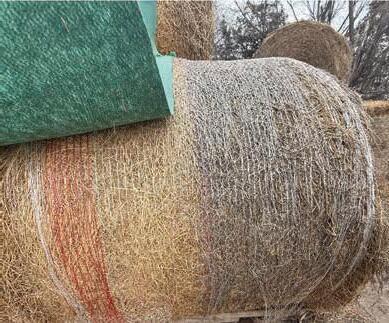
One of the most overlooked issues with older or weathered hay is animal sorting. Quality loss in outside-stored hay is often concentrated in the outer layer of the bale. This is especially important for round bales, where the outside layer can represent a large portion of the total bale.
Cows commonly sort against weathered or moldy material, leaving behind lower-quality forage. As a result, forage tests may overestimate feeding value because they represent the bale average, not what cattle actually consume. Intake declines, feeding waste increases, and energy and protein intake can be substantially lower than ration calculations suggest.
At the same time, sorting is not always a bad thing. In situations where hay contains some moldy or low-quality material but is not severely spoiled, allowing cattle to sort can actually be used as a management tool. By giving cattle access to loose hay or unprocessed bales, animals can select the higher-quality portions and avoid the material most likely to cause intake or health issues. This approach does result in more feeding waste, but it can allow producers to safely utilize otherwise poor-quality bales when better forage is limited.
The key tradeoff is recognizing that sorting shifts the system from maximizing feed efficiency to managing risk. When producers are
willing to accept some waste, sorting can reduce the likelihood of cattle consuming problematic material while still capturing value from the better portions of the bale.
A REAL-WORLD REMINDER
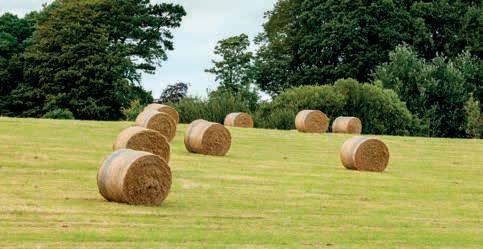
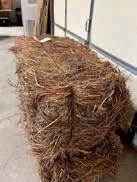
A useful illustration often shared by Jerry Volesky, UNL Range and Forage Specialist, comes from extremely old, well-stored hay in the Nebraska Sandhills. In some cases, hay baled decades ago and stored dry still contains identifiable plant species and recognizable structure. While this does not mean the hay was nutritionally adequate for modern cattle, it highlights an important principle: without moisture, decomposition is extremely limited.
When quality loss occurs, it is almost always tied to moisture exposure and resulting dry matter loss rather than age alone.
BOTTOM LINE
• Total Digestible Nutrients (TDN) typically declines with storage and weathering as digestible components are lost.
• Crude protein may decline, stay similar, or increase as a percentage, depending on leaf loss, leaching, and dry matter loss.
• Dry matter loss and animal sorting often have a greater impact on cattle performance than forage test values alone.
• For older hay, forage testing should be paired with visual assessment and observation of animal behavior to accurately estimate nutrient intake.
Courtesy University of NE - Lincoln, UNL Beef
Interviews with the authors of BeefWatch newsletter articles become available throughout the month of publication and are accessible at: www.go.unl.edu/podcast.
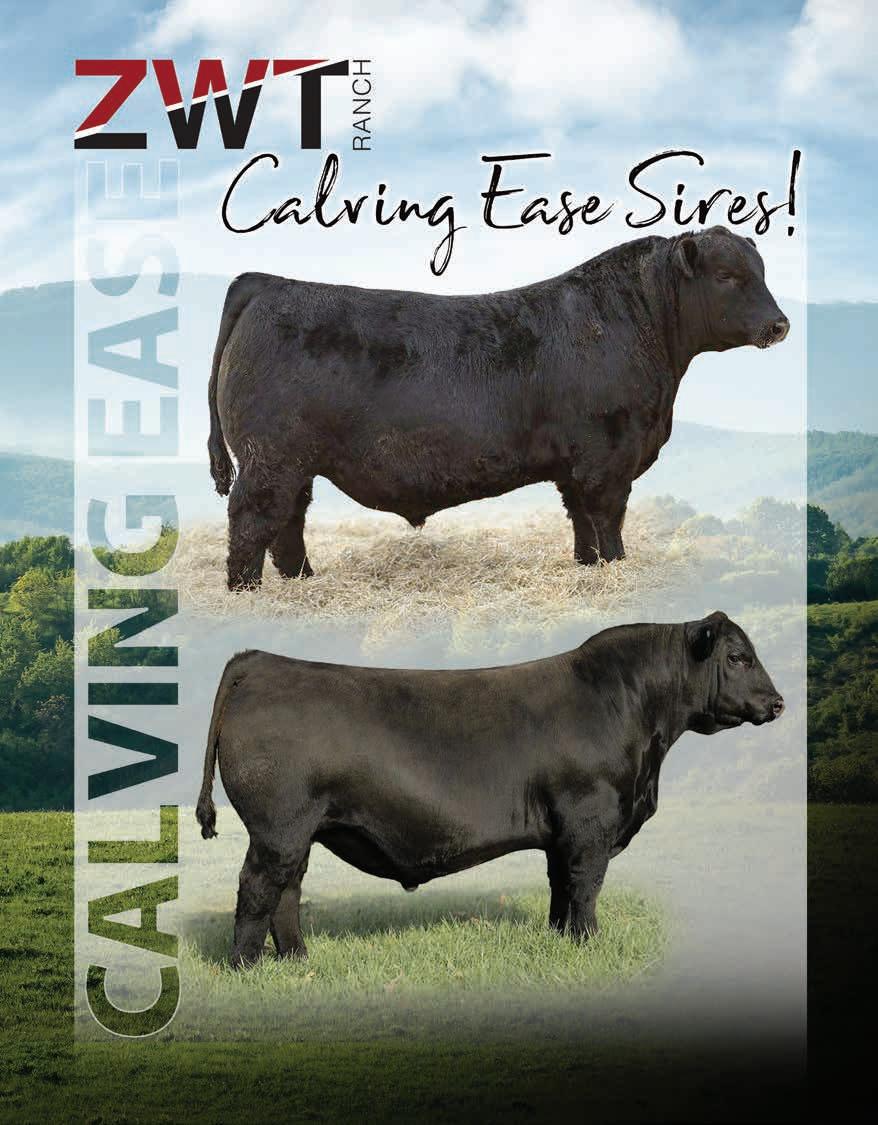
ZWT RENDITION 3039 AAA#20696520
One of the most complete power bulls in the industry. Rendition is a guarantee to add red meat and uphold foot quality. Come check out these powerful calves this summer. Owned with Voss Angus.
AAA#21426145
A powerful Glacier son featuring the renowned Canadian Tibbie cow family. Will have AAA EPD’s soon.
Canadian#2404638
A powerful Glacier son featuring the renowned Canadian Tibbie cow family.
AAA#20892588
Combines
Seeds in Season
Functional forage and pasture.
contributed article by Justin Fruechte, Product Expert - Ag Millborn, Brookings, S.D. millbornseeds.com
GREEN UP OR GIVE UP?
How to evaluate winter injury and protect this year's forage yield.
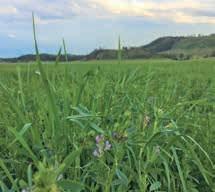
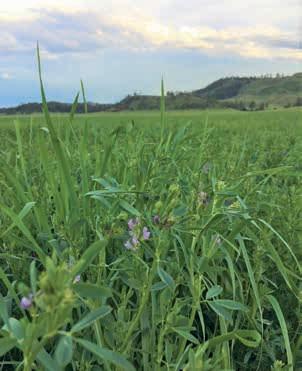
Spring green-up is the first opportunity to accurately assess forage stand health following winter stress. Under typical conditions (adequate snow cover, minimal ice sheeting, and limited desiccating winds), winter injury in alfalfa and cool-season grasses is uncommon. However, prolonged ice cover and freeze-thaw cycles, which were prevalent across portions of the Upper Plains this winter, increase the risk of crown injury, root damage, and stand thinning. Fields that don’t exhibit uniform green-up should be evaluated promptly to determine appropriate management or renovation strategies.
Native rangeland and long-established pastures rarely experience complete winterkill due to species diversity and deep root systems. Alternatively, alfalfa and introduced cool-season grasses are more susceptible. Species such as orchardgrass, tall forage fescue, perennial ryegrass, timothy, and meadow fescue commonly exhibit reduced plant density following severe winters, especially on poorly drained or compacted soils.
STAND ASSESSMENT GUIDELINES
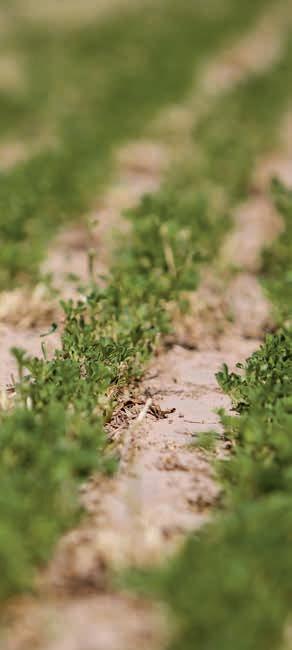
Stand evaluations should be conducted once regrowth reaches 2 to 4 inches in height. Evaluate plant density, crown health, and uniformity across the field.
Alfalfa stand density benchmarks:
• More than 15 plants/ft²: Stand is considered productive, no renovation needed
• Less than 5 plants/ft²: Stand failure, renovation or rotation recommended
Stem counts may provide a more accurate yield estimate than plant
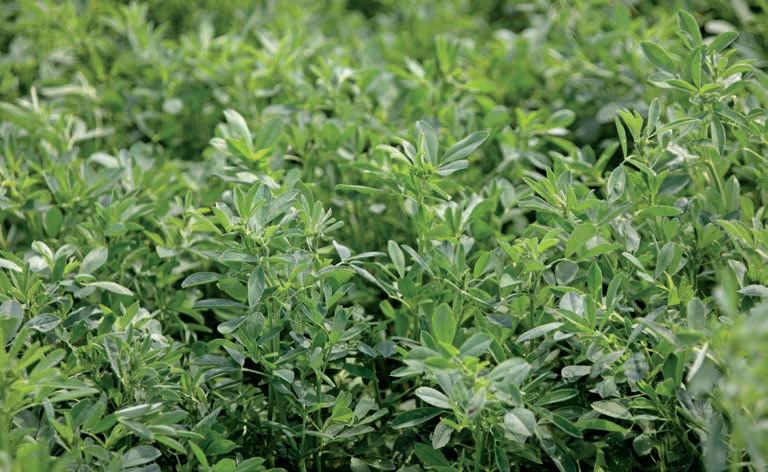
counts. Fields producing fewer than 40 stems/ft² typically experience significant yield loss.
Where winter injury is severe and plant density falls below economically viable thresholds, terminating the stand and rotating out of forage production is often the most agronomically sound decision. In alfalfa systems, residual nitrogen credits can contribute 50 to 100 lb. N/acre to a subsequent corn crop, partially offsetting the cost of reestablishment.
INTERSEEDING GUIDELINES
Older stands with significant thinning may be economically maintained for one additional production year through strategic interseeding of annual forages. Early spring planting of cool-season cereals like forage oats or forage barley can significantly improve first-cut yield and forage supply. These species establish
rapidly and complement early alfalfa growth.
Italian ryegrass is a valuable addition in this system due to its aggressive tillering, high forage quality, and strong regrowth potential. When interseeded, it contributes forage across multiple cuttings without significantly suppressing alfalfa production.
If early-season forage production is inadequate, warm-season annuals can be introduced following first cutting. Pearl millet and Japanese millet are well-suited for June overseeding, and will re-grow to provide two cuttings of forage alongside the thinning alfalfa.
Young alfalfa stands (established within the previous year) that exhibit reduced density may be interseeded with alfalfa to restore productivity. Beyond the first production year, autotoxic compounds released by existing alfalfa plants inhibit germination and root development of new alfalfa seedlings, making reseeding ineffective.
In stands older than one year, interseeding should focus on compatible species. Improved varieties
of medium red clover have demonstrated the ability to maintain forage quality and yield when mixed with alfalfa for two to three years. Persistent cool-season perennial grasses like meadow fescue, orchardgrass, and tall forage fescue can stabilize stand density, improve traffic tolerance, and extend productive stand life.
BENEFITS OF EARLY INTERVENTION
Early stand evaluation is critical to maximizing forage system efficiency. Delayed decision-making often results in suboptimal yield, poor forage quality, and inefficient land use. Strategic renovation, whether through rotation, annual forage integration, or interseeding, allows you to maintain productivity while aligning forage supply with livestock nutritional requirements.
Photos courtesy Millborn learn more millbornseeds.com
Millborn, Brookings, S.D.
The team of folks at Millborn have roots that run deep in farming, agriculture, and in the overall respect for the landscape. They opened their doors in 1987 and continue to walk alongside farmers, ranchers, and landowners across thousands of acres throughout the Midwest.
ZOETIS TO ACQUIRE ANIMAL GENOMICS BUSINESS FROM NEOGEN®, ACCELERATING PRECISION ANIMAL HEALTH INNOVATION
PARSIPPANY, N.J. - Zoetis Inc. (NYSE: ZTS) the world’s leading animal health company, today announced it has entered into a definitive agreement with Neogen Corporation (NASDAQ: NEOG) (“Neogen”) to acquire Neogen’s animal genomics business for $160 million, subject to customary closing adjustments. This acquisition aligns directly with Zoetis’ strategy to drive future livestock innovation through genomics, reinforcing its commitment to livestock producers worldwide and advancing its Precision Animal Health portfolio. By integrating Neogen’s genomic technologies and data solutions, Zoetis is expanding its capabilities to deliver predictive insights, individualized care, and greater value to customers across major livestock and companion animal species.
Neogen’s genomics business serves customers in more than 120 countries through its five laboratories in the United States, Brazil, Australia, China ...
Read this story here!
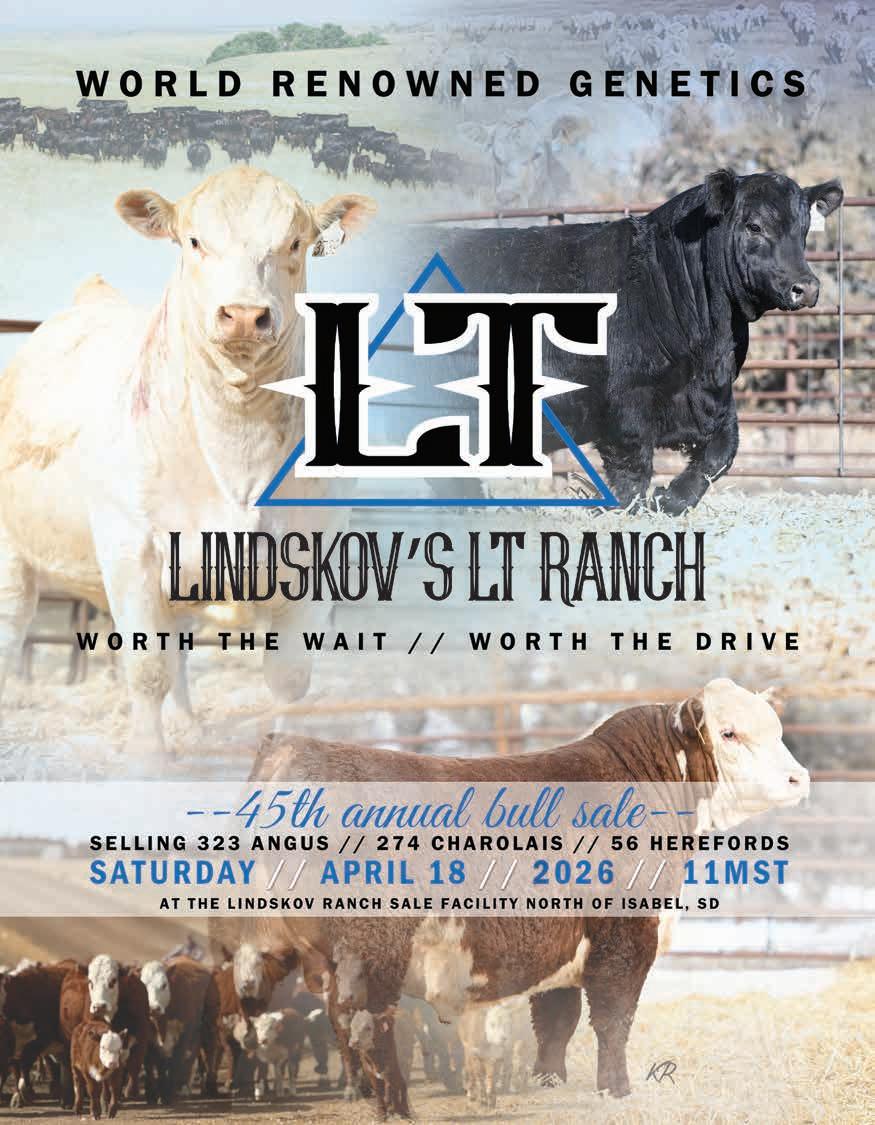
Exciting rancher approved $147,500 LT 2025 sale feature purchased by Mohnen! EPDs consistently top 20% with elite structure and maternal!
Flint
Conley Claymore
Bristow’s stout, exciting son out of famed Schelske Maddie donor, also a sib to $220,000 Conley Maddie 3157, many time winner for Ferree.
SILO Brandston
Supreme Champion Bull at 2025 NAILE and OKCC!
STCC Tecumseh
Newly available in spring of 2026 - sire of value type!
Global Greater Good
RJ/GCC featured HGTA x IGWT superstud!
$300,000 top selling bull at the 2024 Lindskov Bull Sale!
We Don’t Need to Be Liked or Followed
to Be Seen.
That’s how paid digital marketing works.
Likes and followers are passive signals. Visibility is intentional.
Livestock Digital runs paid digital campaigns through META and Google - placing client messages directly in front of targeted cattle producers based on geography, interests, and behavior.
Our campaigns :
1. Reach beyond existing followers
2. Appear across multiple placements - not just a page feed
3. Are built to drive real actions, not vanity metrics
In 2025, Livestock Digital delivered over 18 million paid viewsbecause effective marketing isn’t about popularity. It’s about precision.
ur Be Guest
By Cheryl Kepes
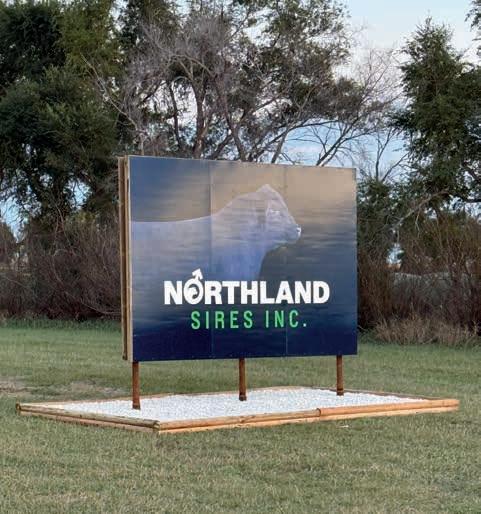
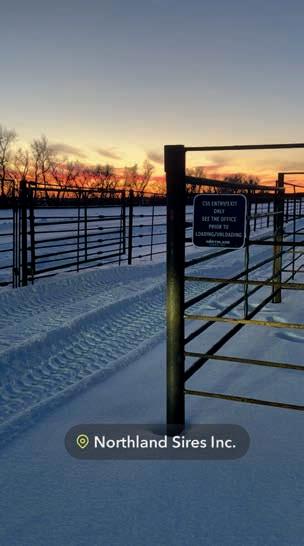
Northland Sires Inc. is redefining bull care and semen collection in the Northern Plains, combining animal comfort and customer-focused service with state-of-the-art facilities and equipment.
Some might find it overwhelming to shoulder the care of bulls pushing a price tag north of a quarter to a million dollars. But it’s all in a day’s work for the owners and crew at Northland Sires Inc., in Kathryn, North Dakota.
“It really is the who's who of seedstock,” Derek Jungels, owner of Northland Sires Inc., said. “We're blessed to have some of the greatest and best within the respective breeds right here. Seedstock producers in our region are all utilizing the facility, and it really is special.”
Northland Sires is a new name to the genetic services industry. The company, which opened in November 2025, was an idea and dream in Derek’s mind for a decade before it came to fruition. As a longtime registered Shorthorn breeder, he knew firsthand the necessity for a bull stud serving seedstock producers living in the Northern Plains and southern Canada.
“We were all having to travel long distances to get bulls collect-
ed. I really wanted to eliminate that and provide a service that was definitely needed to other seedstock producers in the greater geographical area,” Derek explained.
THE SET-UP
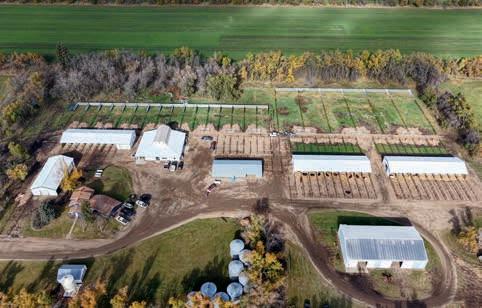
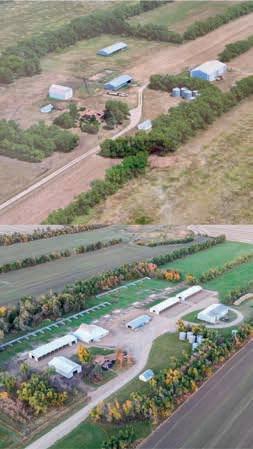
In 2023, a piece of property just mile and a half from Derek’s cattle operation, Jungels Shorthorn
photos courtesy Northland Sires
Farm, came up for sale. From that moment, Derek knew the time had come. He had found the perfect location for a bull stud and set his dream in motion.
For the next year, before putting a single post in the ground or purchasing any equipment, Derek dedicated his free time to meticulously planning every inch of the facility. “I spent so many Sunday afternoons walking the property and thinking about how I was going to set it up,” Derek shared.
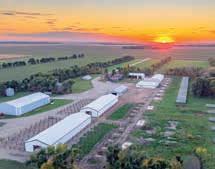
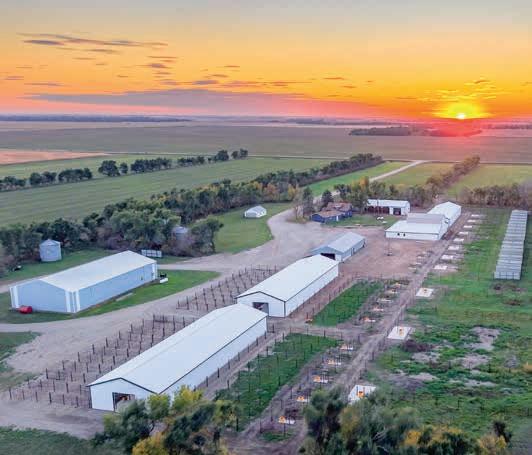
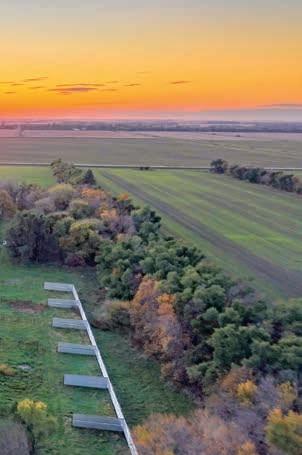
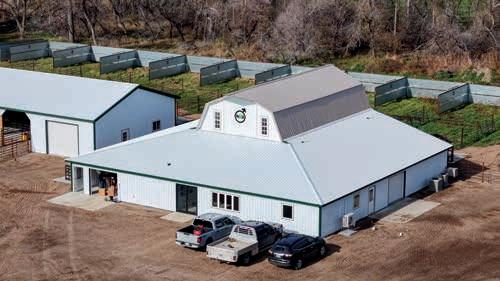
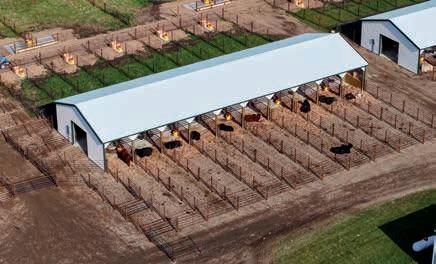
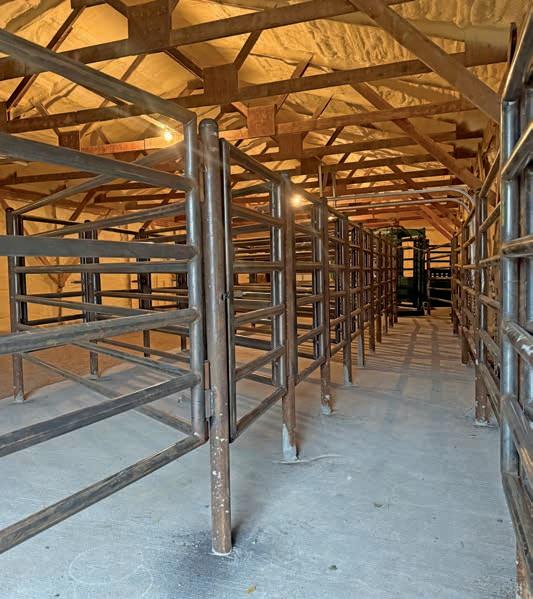
Northland Sires was essentially built from scratch. The layout of the pens, barns, and supporting facilities creates a natural flow toward the collection barn, helping put both bulls and staff at ease as they move through the property.
The thought process that went into planning the facilities is evident to Northland Sires’ employees and visitors alike. The crew and customers marvel at how bulls that have never been there before stepoff the trailer, walk through the barn door, and right into the staging pens. The animals are obviously at ease from the moment they enter the facility.
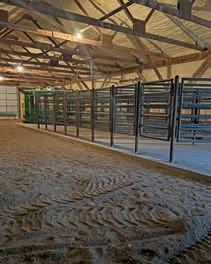
The state-of-the-art facilities at Northland Sires can house 150 bulls at a time. In addition, the operation is a Certified Semen Services (CSS) business, giving it the ability to collect and ship semen globally. Its CSS-approved facility can house 20 bulls at once. The company exports semen to Canada; most countries in Central and South America; Australia; New Zealand; and parts of Africa.
COMPREHENSIVE PROTOCOLS
Though convenience and availability served as the initial motivation for developing a bull stud in North Dakota, Northland Sires places equal importance on providing a high-quality product for its customers. “At the end of the day,
it's all about the conception rates producers are getting. That's always the priority,” Derek emphasized.
Northland Sires adheres to a strict protocol designed to produce exceptional-quality semen. The company follows standard industry procedures while incorporating ad-
ditional measures to ensure optimal semen viability.
For example, semen collected at Northland Sires undergoes a postthaw incubated motility test – essentially a stress test. If the semen passes the initial motility evaluation, it is held for two hours at 97 degrees Fahrenheit. At the conclusion of the two-hour period, lab technicians test motility again. If the sample maintains a 35 percent motility rate or higher, it passes.
“We want to ensure that whatever we send out the door is the highest quality we can make it. We do that to help our customers, and, in turn, their customers as well,” Derek said.
SPECIAL SERVICES
The owners and managers at Northland Sires understand the demands of running a seedstock operation. With that in mind, they expanded their services in an effort to make the process more convenient for producers.
Northland Sires offers to pick up bulls within a 200-mile radius of the facility, transport them to the stud for collection, and then deliver them back to the operation when the process is complete. “We offer that free pick-up and delivery service out of a willingness to help people. We want the process to be really convenient for our customers, and we are working to make the whole
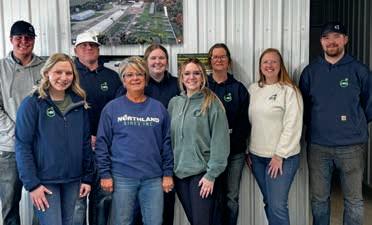
Front row (l-r): Mikanna Christl-Lab Manager; Tish Schmitt-Mennis, Receptionist; Emily Glynn, ST Genetics Lab Manager. Back row (l-r): Evan Borneman, Herdsman; Derek Jungels, Owner; Krista Nord, Lab Technician; Luciene LaPlant, Vet Testing; Jaci Cargo, Office Manager; Cord LaPlant, Sire Manager. Collection day help not pictured: Jeremy Erdmann, Trey Wall, Chance Mickelson, Harlie Storhoff.
experience better,” Derek added.
Keeping customer convenience at the forefront, Northland Sires also has the capability to produce both female-sexed semen or malesexed semen on-site. The company provides this service in-house through STgenetics. In addition, the company has invested in industry-leading semen collection and storage equipment.
BULL CARE
Northland Sires treats its guests with extra care. “First and foremost, we want to make sure we take good care of the bulls. We care for them just like we would our own,” Derek said.
The facility offers some larger pens with the capacity to house six to eight bulls from the same operation as well as smaller group pens. Extra bedding and windbreaks keep the bulls comfortable and excellent soil drainage across the property supports hoof health.
“One of the other pieces that makes our facility unique is we are one of the only custom collection bull studs that is able to feed a TMR ration to the bulls. The TMR allows us to feed them a little higher-quality, more complete ration, and we really feel that helps with the condition of the bulls,” Derek said.
GETTING RESULTS
Every day brings new variables that can help or hinder the process. Factors such as breed characteristics, sire lines, weather, environment, and nutrition all influence semen collection and quality. Achieving optimal results requires patience and finesse.
The crew works with the bulls to figure out their personalities. For example, some bulls prefer to work earlier in the morning while others work better in the afternoon, or one bull may perform better with the red teaser mount as opposed to the black teaser mount. Northland Sires’ staff strives to understand all the variables that come into play to achieve the best outcome every single time.
Northland Sires is off to a great start. Clients are now expressing their appreciation for having a regional bull stud dedicated to quality and customer service.
Though built large and to scale, Northland Sires is already considering plans for future growth. “When I see those bulls standing there, I'd say it is what we expected – but in terms of sheer number, it’s beyond what we expected,” Derek said.
And when it comes to Derek’s dream realized, it has surpassed even his most intentional plans. “It’s been beyond my wildest dreams,” he shared.
learn more northlandsires.com
WMC 21134 2041 LAINEY 91M
P44624187 • 9/1/24 • Homozygous Polled
S: JW 1857 Merit 21134
D: L III NCC E158 2041
CED +1.3, BW +3.1, WW +81, YW +125, MILK +23, REA +.85, MARB +.70, CHB +223 AI 12/1/25 to Stellpflug Next Step 4014. Ranks in the top 1% for WW, CW, Marb and $CHB; top 2% for YW.
WMC 323L 51H WORTHY 126N
P44711333 • 9/20/25 • Polled
S: GG MCF Verified Merit 323L
D: WMC 66589 3E Madiline 51H ET
CED +5.9, BW +3.0, WW +78, YW +120, MILK +36, REA +.67, MARB +.48, CHB +172 Elite young performance female with style. Top 1% MG; top 2% WW; top 3% YW, BII; top 5% Marb, CHB.
WMC B413 182J THYRA 107M
P44615800 • 9/9/24 • Polled
S: EFBeef BR Validated B413
D: WMC 9714 9328 Keysha 182J ET
CED –0.8, BW +2.5, WW +61, YW +93, MILK +40, REA +.92, MARB +.81, CHB +184
AI 11/30/25 to HB Distinct. Top 1% for SCF, Marb, $BMI and $BII; top 2% for Milk; top 3% for $CHB.
WMC 21134 210J MERIT 4N ET
P44689777 • 1/18/25 • Homozygous Polled
S: JW 1857 Merit 21134
D: WMC B413 138G Thyra 210J
CED +1.1, BW +2.8, WW +83, YW +137, MILK +26, REA +1.38, MARB +.63, CHB +234 His donor dam and donor granddam also sell. Top 1% WW, YW, CW, REA and $CHB; top 2% Marb and $BII.
WMC 5K 195K FAITH 131M
P44615814 • 10/14/24 • Homozygous Polled
S: WMC EF 18051 9G Devotion 5K
D: WMC 159G 54H Victoria 195K
CED +9.7, BW 0.0, WW +67, YW +101, MILK +30, REA +.62, MARB +.46, CHB +163
AI 12/1/25 to GG MCF Verified Merit 323L (sexed female semen). In the top 10% for six different traits.
WMC 66589 75J MADILINE 33M
P44648223 • 2/28/24 • Homozygous Polled
S: /S Mandate 66589 ET
D: WMC 10E A41 Auggie 75J
CED +8.5, BW +0.3, WW +65, YW +102, MILK +19, REA +.40, MARB +.28, CHB +133
Sells with her HC born 2/4/26 sired by NJW 202C173D Steadfast 156J ET. Spread with a WOW look!
ILR 33Z LADY 34X 810 ET
P43925591 • 2/13/18 • Homozygous Polled
S: JDH Victor 719T 33Z ET
D: AH JDH Ms 25L Wrangler 34X ET
CED +1.9, BW +3.5, WW +64, YW +103, MILK +34, REA +.52, MARB +.35, CHB +160
Full sister to the renowned donor JDH AH Ms 34X Victor 33Z45C ET.
Due to calve in March. Top 2% Udder; top 4% Teat; top 5% BMI and BII.
Catalog requests: text (405) 464-2455 • email: laytond@yahoo.com • Videos at liveauctions.tv
Travis, Aubrey, Jett, Watson & Addison Travis (417) 989-0486 1199 County Road 116 Wasola, MO 65773 info@wmccattleco.com wmccattleco.com
Cattle
Veterinarian View
Health & Reproduction questions answered and explained.
contributed article by Dr. Joshua Beutler, DVM Pender Veterinary Clinic, Pender, Neb. penderveterinaryclinic.com
THE BIOLOGICAL FOUNDATION: BUILDING A RESILIENT CALF CROP
or modern cattle producers, an animal’s first trip through the chute is more than a management milestone; it is the moment we lay the next biological foundation for a calf’s entire productive life. Colostrum at birth is by far the most important foundation calves can receive, but our next step – vaccination – can greatly help dictate not only that calf’s health in the herd, but the health and subsequently performance for the stocker or feedlot that eventually receives it.
In the pages of The Stockman Ag-Extra, we often discuss genetics and nutrition, but without a strategic vaccination program, those investments remain at the mercy of the environment. The first round of vaccinations is our primary opportunity to bridge the gap between the waning protection of maternal colostrum and the looming challenges of weaning.
Below, we will discuss these considerations. First, I want to emphasize that there is no one-size-fits-all protocol. I strongly recommend vaccination decisions based on herd history and disease risks in your region. The best way to determine the right approach for your herd is to discuss all the factors with your veterinarian.
The veterinarians who I work with at our clinic, in our area, and across the dozens of clinics that mentored me through veterinary school are always eager to help producers create a herd health plan. We have a great relationship with our clients and understand the ins and outs of their operations; therefore, we can help fine tune vaccination protocols.
CLOSTRIDIAL VACCINE
A successful protocol begins with the “big two” – the clostridial and respiratory complexes. The 7-way or 8-way clostridial vaccine, colloquially known as the blackleg shot, remains the non-negotiable anchor of herd health. Because clostridial bacteria are soil borne and incredibly hardy, they often strike fast-growing calves without warning.
Since these pathogens are almost universally fatal once symptoms appear, early immunization at branding or preweaning is the only reliable defense. If these vaccines are administered to very young calves, a booster at weaning is essential to ensure the immune system locks in
protection for the long haul.
Seven-way or 8-way vaccines are extremely effective and economical and provide fairly long-term protection, especially after an initial booster.
BOVINE RESPIRATORY DISEASE (BRD) COMPLEX
Equally vital is defense against the Bovine Respiratory Disease (BRD) complex. This 5-way viral vaccine targets IBR, BVD Types I and II, PI3, and BRSV – many of these viruses act as key pathogens that allow some bacterial pathogens to establish and create havoc on a calf’s respiratory system.
Today, from ranchers to feedyards across the country, BRD remains by far the most costly disease producers face. Improvement in controlling this complex has remained incredibly challenging. Many people consider the standard death loss associated, but often overlook the massive costs tied to lower performance.
MODIFIED V. KILLED VACCINES
While the choice between modified-live (MLV) and killed vaccines often sparks debate at the coffee shop, most veterinarians, myself included, lean toward modified-live respiratory vaccines for the first round. These products stimulate a broader, more durable immune response, though they require careful handling and strict adherence to Beef Quality Assurance (BQA) guidelines.
Many 5-way respiratory vaccines also include bacterial pneumonia toxoids such as Mannheimia and/or Pasteurella (Pasteurella somewhat less commonly). We implement these products in our clients’ operations and have found the added protection to be very beneficial.
ADDITIONAL VACCINATIONS
Beyond the core essentials, the environment and age of calves at the initial vaccination often dictates the need for specialized "add-ons." In regions where summer pneumonia is a persistent threat, or younger calves are heading to pasture, producers may utilize intranasal vaccines during the first round. These tools bypass maternal antibodies to prime the immune system right at the "front door" –the nasal passages– providing a rapid, localized defense.
Furthermore, if your summer pastures are synonymous with high fly pressure, utilizing pinkeye vaccines may be worth considering. Pinkeye vaccines are extremely challenging from an efficacy standpoint due to the many different strains, as well as the multiple bacterial and viral
causes. Potential culture and matching strains have proved effective in some cases. There are also several immune-stimulant related products that have shown some benefit. Again, many of these “add-ons” are based on pressure and other factors specific to your region.
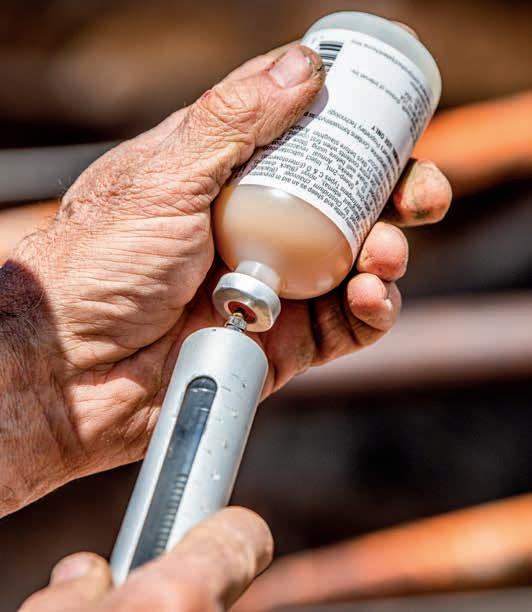
Ultimately, the efficacy of these products is only as good as the hand delivering them. Maintaining a cold cooler from the clinic to the chute, using proper needle hygiene, and ad-
ministering all injections strictly in the neck region ensures that we are protecting both the animal’s health and the quality of the beef we produce. By viewing this first round of vaccinations not as a chore, but as a strategic investment in the calf's future, we ensure that our cattle are not just survivors, but performers.
learn more penderveterinaryclinic.com
Dr. Joshua Beutler is an owner and veterinarian at Pender Veterinary Clinic in Pender, Nebraska. He is a 2016 graduate of Iowa State University.
BF GKB 5502 McCRAE 200M ET
Marksman x BF Novel 5502 ET Reserve Grand Champion Horned Bull, 2026 Cattlemen’s Congress …owned with GKB Cattle
BF 5502 NOVEL 211M ET
Marksman x BF Novel 5502 ET
Supreme Champion British Heifer, 2026 San Antonio; Reserve Champion Jr. Polled Hereford Heifer, 2026 Fort Worth; Class Winner, 2025 American Royal & 2026 Cattlemen’s Congress…congratulations to Grady Creamer
…Selling a full sister to the two champions above from our 2025 Female Event! McCrae was the $50,000 feature Lot 1 bull, and 211M was the $85,000 feature Lot 2 heifer.
BF GKB 157F EMINENCE 111M ET
Merit x Rita 157F
High seller in our September 2025 sale to GKB Cattle. His AI service sells on the fall bred heifers, and his maternal sisters sell.
EXR GENERATOR 0333 ET
Genesis x C Bailees McKee 4295 ET His progeny sell, plus the fall bred cows with split calves are carrying his natural service.
Catalog will be available on our website, or text us to request your copy. Videos & distant bidding at liveauctions.tv
NJW 1A 173D RITA 157F
Endure x NJW 189Y 10W Rita 1A Her progeny sired by Marksman and Element sell.
NJW 206C 358C LADYSPORT 42F
Pioneer x Ladysport 206C Her progeny sired by Element and Liberty sell.
BF AMBITION 11J ET
Boyd Blueprint x BF Novel 5502 ET Her progeny sired by Generator and Houston sell.
Progeny from our very top donors sell!
Doug
dtschmidt64@yahoo.com
with Jack Sieben
Smoke BBQ - Mission Hill, S.D.
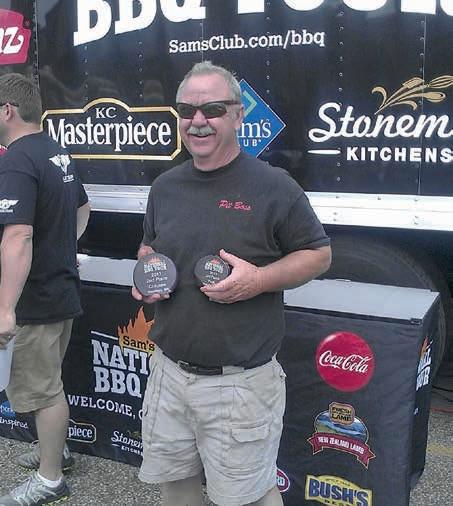
I am a livestock nutritionist with a hobby of BBQ. The cooking side of things started as a child in the kitchen with my grandmother. That is when the love of cooking started. I got into BBQ about 26 years ago. Through the years of participating in BBQ competitions, I have managed to win many awards. A few of the most memorable include grand champion at a Sam’s Club national competition in Minneapolis, Minnesota and a reserve grand at the Black Hills competition in Hill City, South Dakota. As my cattlemen clients found out I competed in BBQ, they started asking me if I would cater the meals at their purebred bull sales. The name of my catering business is Rollin’ Smoke BBQ.
What is your favorite part of catering cattle sales?
Meeting the cattle producers and their customers and having them tell me that the food I made is the best meal they have had. Over the years, I have had cattle producers tell me they look forward to coming to the sales where I am catering my BBQ.
What are your most requested dishes?
Top sirloin and BBQ ribs are some of my most requested dishes. I would also have to say my beans are a crowd favorite. I use fresh ingredients and cook the meat at the bull sales. There is a lot of prep work required before the catering event, but it is worth it to make sure I serve delicious BBQ.”
STOCK Kitchen
Cowboy approved recipes used by our favorite country cooks.
How long have you been competing in BBQ competitions?
I have been competing for 26 years.” “
What is a piece of advice for us amateurs trying to smoke or grill?
My best piece of advice is to learn to cook using timing, if you’re looking, you’re not cooking.
hooverangus.com
for printable recipes stockmanmag.com
Barbecuing
Rollin'
ROLLIN' SMOKE BEANS
Jack Sieben
3 gal. beans (Bush’s canned)
3 lb. bacon
5 sweet Vidalia onions (chopped)
12 oz. mustard
3 jars molasses (Blackstrap brand)
SPICE RUB MIX
Jack Sieben
¼ c. cayenne pepper
¼ c. black pepper
¼ c. cumin
¼ c. Cajun seasoning
3 c. Lawry’s seasoning
1 ½ c. garlic powder
1 ½ c. onion powder
31 oz. lemon pepper
18 oz. paprika
8 oz. Greek seasoning
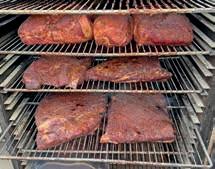
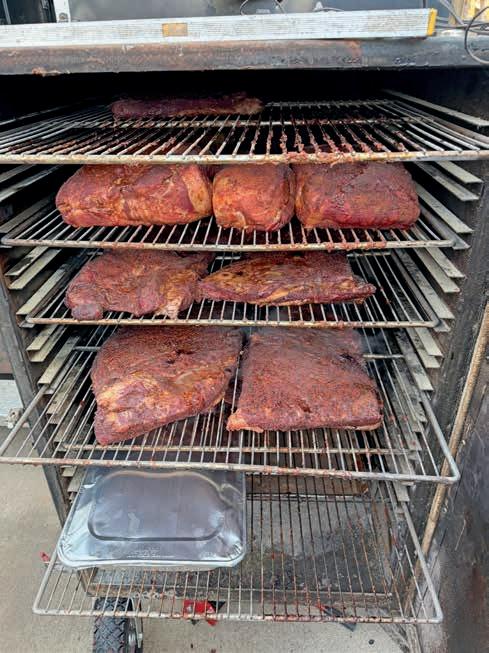
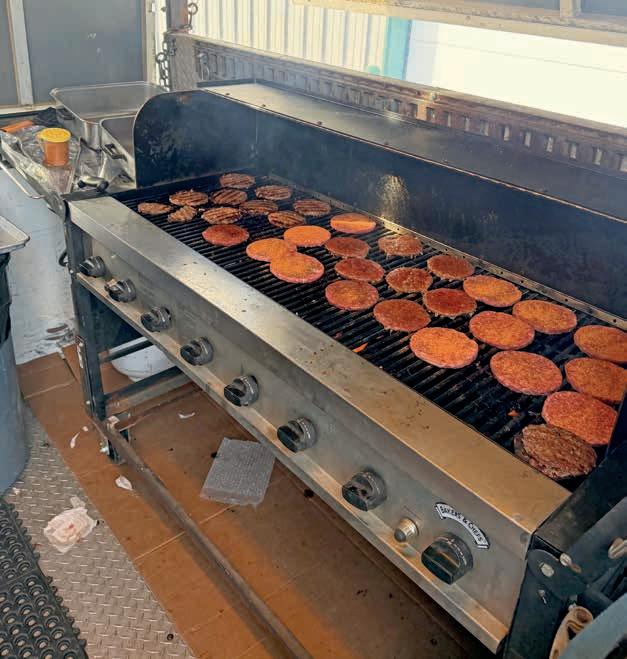
Step 1: Mix all ingredients and use as needed. This spice mix works on top sirloin, brisket, ribs, hamburgers, roasts - anything you want to smoke or grill. If I am smoking meat, I combine equal parts spice rub mix and brown sugar. The brown sugar counteracts the bitterness of the smoke. If I am grilling, I only use the spice rub mix. When smoking top sirloin or prime rib, smoke at 250 degrees Fahrenheit until the internal temperature reaches 135 degrees. When smoking ribs, smoke at 250 degrees Fahren- heit until the internal temperature is 185 degrees.
Note: This dry spice mix is enough for 300 pounds of meat. I make a big batch and use it on all my meats whether smoked or grilled. These quantities are for catering purposes.
2 oz. liquid smoke
3 T. garlic powder
4 c. instant oatmeal
(serves as thickening agent)
3 lb. brown sugar
Step 1: Cook bacon, onion, and garlic powder in skillet until onion is soft. Step 2: Mix bacon and onion mixture with the rest of the ingredients, pour into a lined 48-quart electric roaster. Step 3: Cook at 250 degrees Fahrenheit for 4 hours. Stir occasionally during cooking.
Note: My bean recipe goes all the way back to my childhood watching my grandmother make the beans from scratch. Of course I do not have that kind of time, so I have altered the recipe. I start with Bush’s beans and bacon now instead of dry beans soaked overnight and ham hocks. These quantities are for catering purposes.
Sale Barn Study
contributed article by Roman Schooley Bloomfield Livestock Market, Inc., Bloomfield, Iowa bloomfieldlivestockiowa.com
A review
FIRES, WARS, STRIKES... WHAT'S NEXT?
e’ve seen it all the last couple of weeks as the uncertainty of this market weighs in. Dry conditions in the southern Panhandle have ignited grass fires, causing producers to scramble to contain them and move their herds to safe areas. Many of those producers have experienced severe losses of livestock as well as the loss of the winter feed supply.
As cattlemen do, many have responded here in the Midwest by hauling several loads of hay and fencing supplies to help ease the burden. Our prayers and thoughts are with them all.
Wars in the Middle East have also contributed to lower cattle markets. Fuel has jumped way up, causing farmers to stress over the prices as we head into planting season. Last but not least, the threat of strikes at the JBS plant in Colorado has lowered the fat cattle markets and pressured beef prices.
Your feeder calf markets are hanging in there, with the demand for grass cattle still very active. Supplies appear to be very short, and buyers seem to be aware of the tight numbers. The CME Index is on a lower trend, around $364.80, as the yearling strings wind down towards spring. Fall calf runs are just around the corner, with several producers ready to capture the
spring fever markets.
Fed cattle markets have been trending lower with all the uncertainty in the world. Packers have the upper hand with the negative news of a potential plant strike. As we know, it doesn’t take much negative news to lower the trade.
But on a positive note, we are heading into grilling season and boxed beef prices are climbing. Choice boxes are $396.70 and climbing. Breeding stock continues to rise with spring on the horizon. Week after week, breeding heifers at the auctions continue to increase in price. Many replacement heifers are ranging from $2,900–$3,400 per head.
Stock cows and pairs have just as much demand. Look for April and May to be the optimal time to sell pairs and fall-calving cows. Bull sales across the country have been very well received. Seedstock producers are enjoying the higher prices for the fruits of their labor.
As calving comes to an end, I hope you all had a prosperous calving season. I pray your pastures are green and full of pairs running through waist high grass. As always, if you’re in the market to buy or sell, give me or the guys a shout to talk cattle!
Roman Schooley, Bloomfield, Iowa
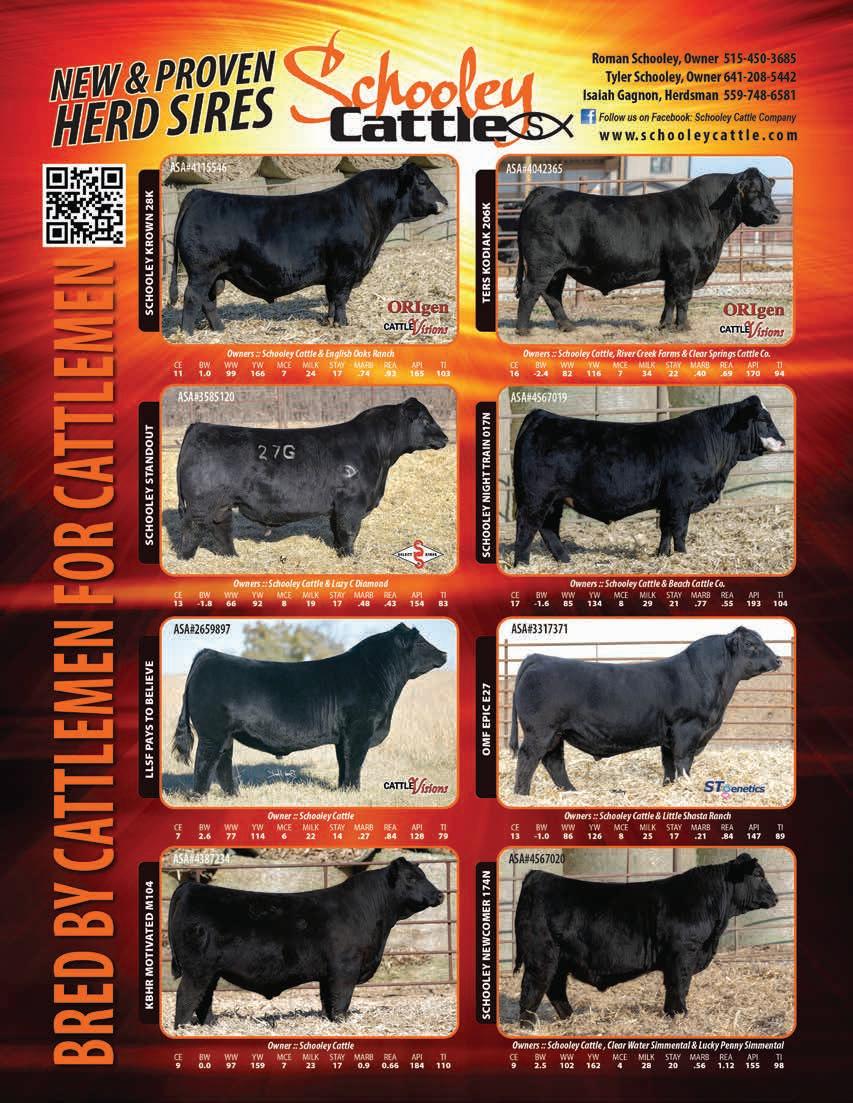
Roman Schooley owns Bloomfield Livestock Market and Schooley Cattle Co. in Bloomfield, Iowa. As president of Schooley Cattle Co., Roman leads the breeding decisions of the seedstock operation which consists of 550 registered Simmental and Angus cows. Schooley Cattle Co. utilizes IVF to produce breed leading genetic advancement. The company hosts an annual production sale the first Friday in February at the ranch; selling 18-monthold and yearling bulls and a select group of open and bred heifers. Roman also owns and assists in the operations at Bloomfield Livestock Market which primarily serves producers in Iowa, Missouri, and Illinois. He and his wife, Elizabeth, have three children: Hannah (23), Haven (20), Houstin (17), and one grandson, Weaver (2 months).
Roman Schooley 515-450-3685 schooleycattle@gmail.com www.bloomfieldlivestockiowa.com
apple of our eye.
If you remember from last month’s note, our son Ty’s heifer, Caramel, was nearly shipped on a cull load after we suspected she was open. A chance vet check spared her just 24 hours before she would have left. Well, there is more to the story.
The day Caramel calved, nothing went as planned.
My husband, Jared, had hauled several bulls to what he had scheduled as a semen collection appointment. After the first bull was in the chute, everyone realized there had been a misunderstanding - the veterinarian thought he was scheduled to semen test, not collect, and didn’t have time to change plans. Disappointed and frustrated, Jared headed home much earlier than expected.
Before starting chores, he decided to swing through the calving barn. Sure enough, Caramel was in the early stages of labor, and she had one rather large foot sticking out.
Into the chute she went. With her body condition not exactly in her favor (she gains weight on a northwest wind and salt) and apparently having converted a few extra pounds into her calf, this was not going to be an easy delivery. Without assistance, things would not have ended well.
But they did.
Both Caramel and her bull calf are doing great. Ty named him Apple, and we think Caramel and Apple make quite the pair.
We can't help but think that the Lord had a hand in this. This is the second time we’ve had a vet-related disappointment turn into something beautiful for our family. (Some of you may remember my daughter Jaelyn and her horse, Charlie, from two years ago.)
It’s heartwarming to watch our kids experience these situations and see God's hand in it all. It’s also exciting to witness God revealing Himself and meeting our family where we feel called - with the livestock on our farm. So many blessings to be thankful for, even when they initially arrive disguised as frustration.
Makayla
publication date materials due
May/June 2026 April 7
August/September 2026 July 25
October 2026 September 7
November 2026 October 7
December 2026 November 7
January 2027 December 7
February 2027 January 7
March 2027 February 7
April 2027 March 7
rate/issue
two page spread $2195
full page $1195
half page $695
business card $250 double card $450
premium pages and ring service call for a quote
The Stockman hereby expressly limits its liability resulting from any and all misprints, errors and/or inaccuracies whatsoever in the advertisement and editorial content published by The Stockman and its said liability is here by limited to the refund of the customer for its payment for said advertisement, or the running of the corrected advertisement, or editorial notice. Notification by the customer of any error must be made within 30 days of the distribution of the magazine. Advertising copy received after the deadline may not be returned for proofing. Changes to advertising copy made after the deadline date will be allowed only if time permits, and will incur the appropriate charges according to time and materials involved in the changes. The opinions or views expressed in the editorials are those of the persons interviewed in the article and not The Stockman magazine. The Stockman does however reserve the right to edit or refuse all material which might be objectionable in content. No material or part thereof may be reproduced or used out of context, without prior specific approval of a proper credit to The Stockman
MAKAYLA FLOWER, Editor and Graphics makayla@stockmanmag.com 605-690-6050
KIM BANKS, Online Editor and Graphics kkbanks@frontiernet.net 507-530-0914
CHERYL KEPES, Editor Assistant and Writer cheryl@stockmanmag.com 417-766-0990
MARIA OPHEIM, Social Media riawbr@gmail.com 507-828-1374
HEIDI SORENSEN ROHRIG, Ad Sales Coordinator hsorensenrohrig@gmail.com 661-900-6004
JOHN KUELPER, Ad Sales johnkuelper47@gmail.com 309-582-6335
JAN FORD, Ad Sales jford17879@aol.com 208-340-2024
OUR TEAM Production Sales Management
CHRIS BEUTLER, CEO beutlerworkplace@outlook.com 402-380-8244
Tell us a little bit about yourself including your background in the cattle industry.
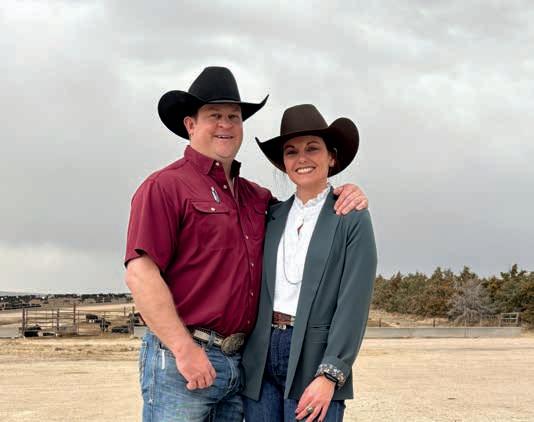
I grew up in Central Illinois. My family had a small purebred seedstock operation, and I showed cattle in 4-H and FFA. I did the livestock judging “thing” in college, but when I graduated, I didn’t have much of a plan. I did a little wandering that first year out of school and finally landed in Dunlap, Iowa, working at Sullivan Supply. That led to running Stock Show University in its very beginning and working in the show barn. I loved the show barn, and I did that for a while full time. Then an opportunity opened up with Purina – and I took it. I spent three years wearing the checkerboard: two in south-central Iowa and one here in southwest Nebraska. I got a call
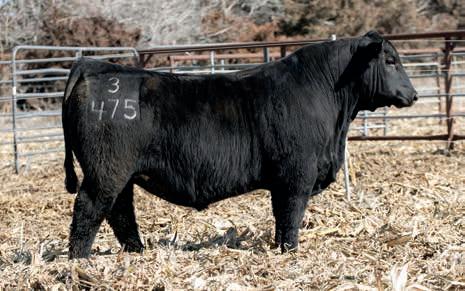
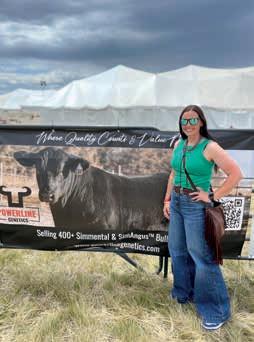
one day from Jeff Stagemeyer, whom I had met through a mutual friend while I was at Aksarben. He told me that he and his brother-in-law, JD Anderson, were buying a bull marketing business back and he asked if I had any interest in coming to work for them. Well, the rest, as they say, is history. I am the sales and marketing manager for Powerline Genetics, and we merchandise over 400 SimAngus and Simmental bulls a year. We are currently in the middle of our eighth sale season – pretty cool, really. My role in the company includes all graphic design work and promotions, videography, sourcing cattle, processing and sale sorting, data collection, recordkeeping, and customer relations. It is a challenging yet rewarding career that I truly enjoy. I even had the chance to sell my own bull on the March Edition a couple of years ago, Wandering B Legacy 475."
What piece of advice would you give producers wanting to improve their sales and marketing strategy?
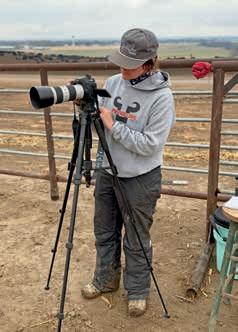
Everyone knows that picture and video day(s) are some of the most stressful. They are also some of the most important. They play a key role in your sale’s success. Think of them as “sale day” because those images and that footage are what most people are going to see. They will be the drivers of folks to your website, to your broadcast platform, and ultimately to your sale. Therefore, you should hire a professional. If you have a daughter, niece, wife, whomever who wants to learn how to take pictures or edit videos, that is great, but this is not the time for that. There are numerous talented people out there – find one of them. Not everything belongs on social media. Be smart about what you post and be intentional about the content."
Wandering B Legacy 475
A conversation with everyday Stockmen,
Bobbi Hartwig
Powerline Genetics, Arapahoe, Neb.
What is it about the beef cattle industry that excites you the most?
For as much as things change, a lot still stays the same. Trends come and go, but at the core, we are still people working to raise high-quality beef to feed the world."
What has been the most important lesson you’ve learned in this business?
The network you build is critical to your success – both personally and professionally. I would not be where I am today without the people I have in my circle. My fiancé and our friends help us with all our major projects – processing, freeze branding, pictures, videos, bull delivery, all of it. We cannot do it all on our own."
How do you help customers make genetic progress within their operations?
A new bull purchase has the most significant impact on a herd’s genetic progress. We work with our customers to determine what bulls would work best for their operations based on their goals and selection criteria. We try to provide them with as many tools as we can to aid them in their selection process. We have been running DNA for genomically enhanced EPDs for the last eight years to give them the most accurate numbers available. In conjunction with the 100k panel, we are able to sire verify our bulls, as well as provide coat color and polled testing results. Our group submits birthweight, weaning weight, and yearling weight records. We also still ultrasound our bulls for marbling and ribeye area information.
We have several clients who feed out their own calves, so they find that information incredibly helpful when they are making bull purchases. Furthermore, we do not offer a bull for sale if he has not passed a semen test. We test all of our bulls before sale day, that way we know."
learn more powerlinegenetics.com
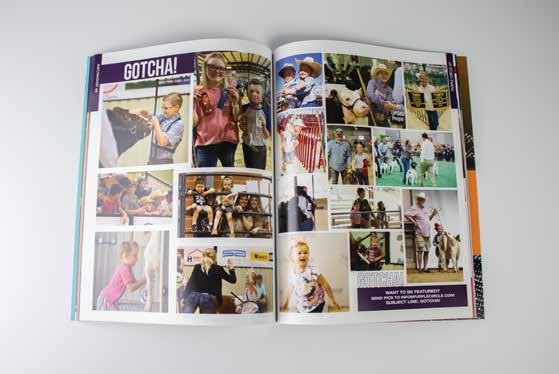
PRIVATE TREATY OFFERINGS: Spring born yearling bulls are available by private treaty in April.