HOUSING EXPO
COMING SOON!
March 4
11 a.m. - 2 p.m.
North Mall near the PSU


March 4
11 a.m. - 2 p.m.
North Mall near the PSU





































Hello again, readers! This issue covers a topic that is essential to every student: finding housing that suits you.
There are a multitude of housing options both on and off campus that can accomadate all walks of life. The choice is yours to decide!
In addition to the valuable information you will receive from the content inside our Housing Guide, we are hosting our annual Housing Expo with the help of Student Activities Council very soon!
On March 4, from 11 a.m. to 2 p.m., students can come peruse a number of on- and off-campus housing options and speak with many representatives from various property ownership groups. This will all take place on the North Mall, just outside of the Plaster Student Union.
The Housing Expo is a great way to continue your college housing journey. Come see us!
Jayden Pettus, Editor-in-Chief
Editors and team leaders
Jayden Pettus editor-in-chief
Ella Conklin campus administration editor
Ava Gorton campus activities editor
Maddux Radosevic sports editor
Alyssa Roney arts and culture editor
Aden Zuccarini Springfield news team leader
Jorja Lageschulte campus admin team leader
Reporters and visual artists
Brooke Benne reporter
Makanaka Bgoni reporter
W. Paul Bohlen sports reporter
Emmy Crawford illustrator
KC Culbertson sports reporter
Elizabeth Dedert sports reporter
Tabitha Easterwood photographer
Robin Garner reporter
Ruby Knight reporter
Hailey Lampley photographer
Brissa Magana reporter
Hunter Meacheam reporter
Ayricka Pointer reporter
Isabella Reed reporter
Rylie Robinson reporter
Jamie Santner sports reporter
Ellie Sellers reporter
Abby Sommer reporter
Rachel Thomasee reporter
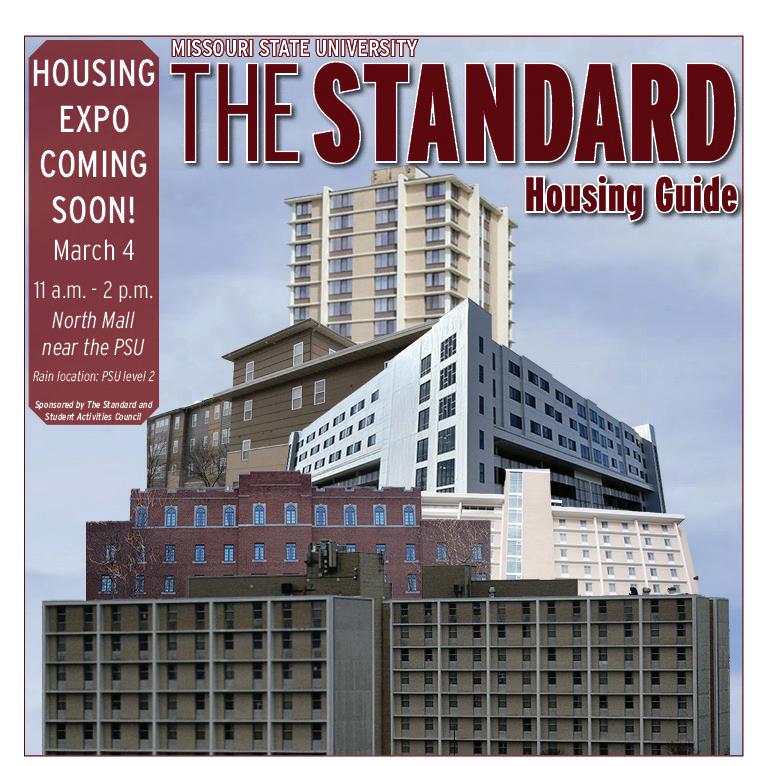
Cover design by Jayden Pettus
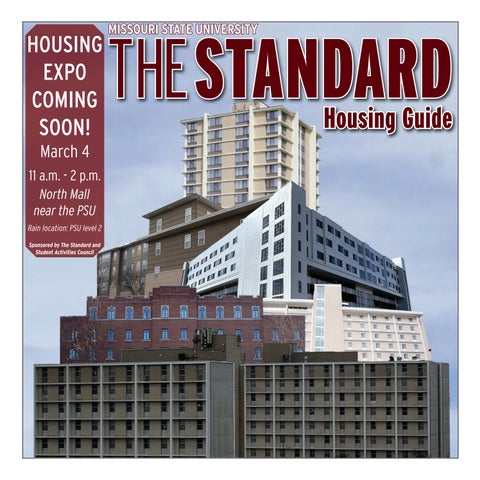
On the cover:
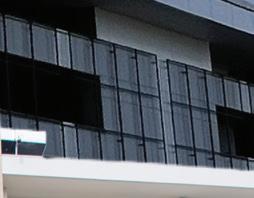
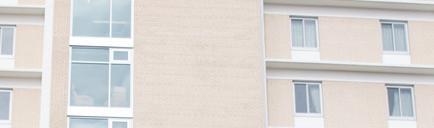
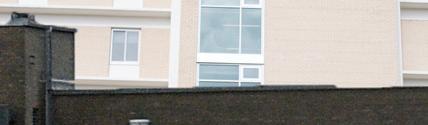
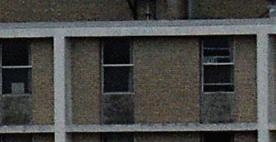
An illustration of multiple on-campus housing options at Missouri State.
From top to bottom, left to right, Sunvilla Tower, Monroe Apartments, Heitz House, Kentwood Hall, Woods House, Blair-Shannon House.
is Missouri State University’s student-produced newspaper. The university has not approved and is not responsible for its content, which is produced and edited by the students on The Standard staff.
Elizabeth Thompson reporter
Kaylee Vaughan photographer
Copy Editors
Audrey Blancett copy editor
Lucy Chipman copy editor
Dani Cook copy editor
Krista Curtis copy editor
Candice Dalton copy editor
Isabel Gamble copy editor
Madalyn Levine copy editor
Selah Meyers copy editor
Hanna Nickels copy editor
Tatiyana Trader copy editor
Layla Ward copy editor
Advertising and business staff
Ellie Mallett advertising designer
McKenna Miller advertising sales assistant
Amalie Foley distribution coordinator
Professional staff
Jack Dimond faculty adviser
The Standard 901 S. National Avenue • Springfield, MO 65897 • 417-836-5272
Standard@MissouriState.edu the-standard.org















Ever since Missouri State University was established, there has been a need to house students on or near it.
From Wells House and Freudenberg House to the newest residence hall, Heitz House, there are 117 years of history linking student living from start to present.
When Missouri State was first constructed in 1909, there was very little accommodation for its students. So much so, that it fell primarily onto the Springfield community to house the students.
Many homes in the area were built with additional spaces to house and board students to compensate for the lack of campus housing.
Many buildings in the area were built with the express purpose of housing students, a few of these apartments exist to this day, still housing students 100 years later.
A faculty organization aided in fundraising to purchase two prefabricated wooden buildings that became the first, temporary, dormitories at MSU.
The residence halls opened in 1910 and were remodeled in June 1925 yet could not be brought up to code as they were not fireproof, nor fully insulated. These two dorms closed in 1932, with an uncited reporter from The Standard investigating the building and seeing it in disrepair.
“Edgar Allen Poe could have found material for at least one spooky story in the now deserted dormitory,” the unknown author wrote in a January 1932 issue of The Standard.
The Missouri Legislature never provided funding during this period to construct housing on campus, which caused an unofficial agreement with the community to house the students.
Between 1932 and 1946, there were no on-campus living facilities. When, in 1946, the Federal Government began selling its assets from World War II, an opportunity presented itself.
Eight barracks complexes were
File photo/The Standard
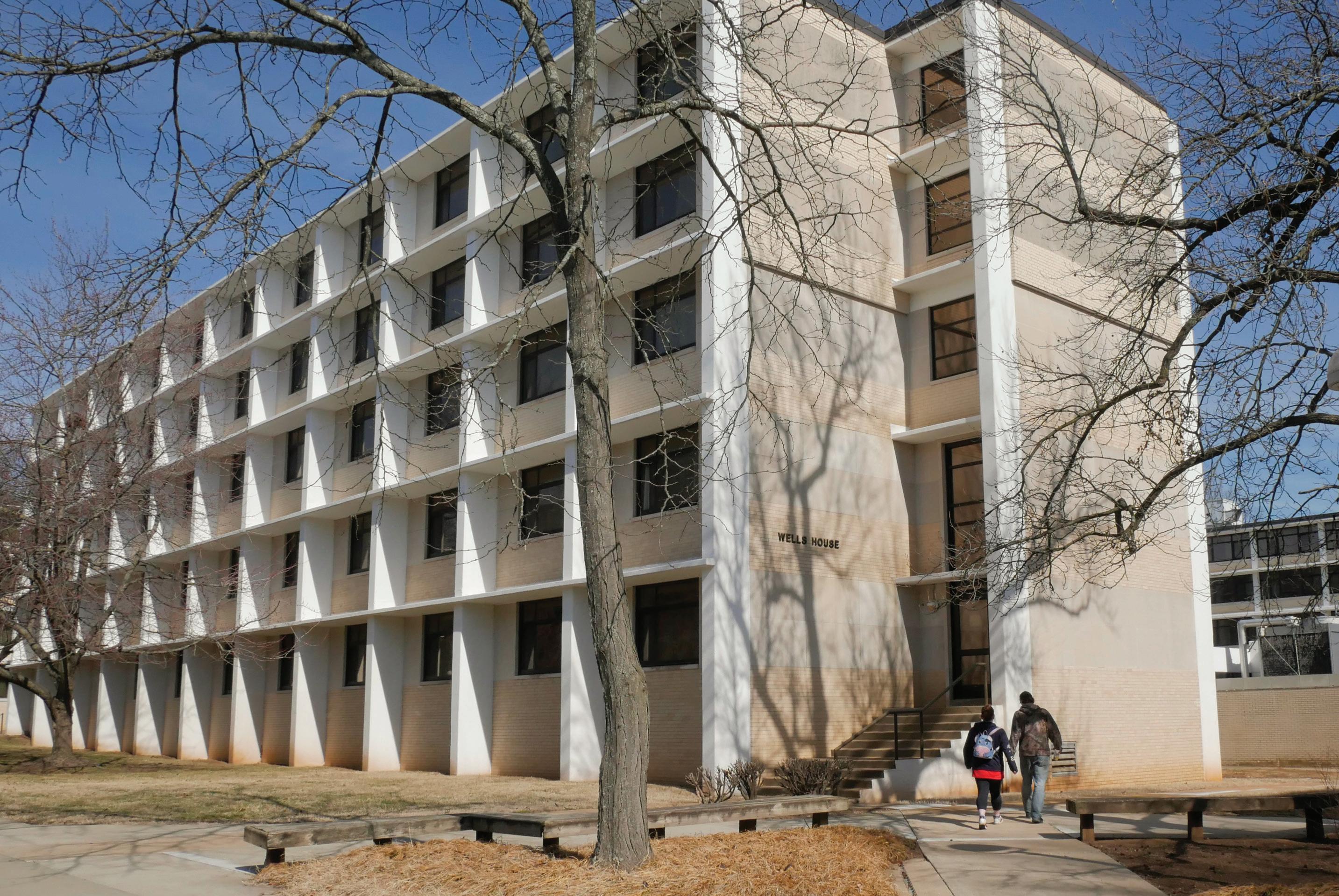
Wells House was the first “brick and mortar” residence hall constructed solely for housing students. The hall was named after former Dean of Women Nancy Bertha Wells.
moved on campus first to where Freudenberg House is today, surrounding McDonald Arena’s outdoor Olympic-size swimming pool, which opened in 1942.
Six of these buildings were converted to apartments and two were reserved for single male students.
Former Missouri State University President Roy Ellis later reminisced about these living facilities in his book Shrine of the Ozarks.
“There is nothing more in the academic scene more permanent than temporary housing,” he wrote.
Those same buildings remained
until Freudenberg House was built, then moved to the southwestern most corner of campus. The Reserve Officers Training Corp (ROTC) maintained their use for on-campus Cadets until they were demolished in the late 1960s.
Wells House was the first brick and mortar dormitory on the Missouri State campus. The Missouri General Assembly allocated funds to assist in the building project in 1947. With that, Wells house opened in 1950 as the “Dormitory for Women.”
In 1959, major additions to the dormitories went underway with Wells House being expanded and given the size it has today.
Soon after, Blair-Shannon House made its entrance as the “High-Rise Dormitory” – construction began June 18, 1965. Originally, each tower of the residence halls were gender separated, with the now-Blair Tower being the women’s side and Shannon Tower being the men’s side. Blair-Shannon opened soon after Freudenberger House. Through 1967, Freudenberger Hall was constructed as a split dor-
mitory, with men living on the west side and women on the east. It has the distinction of being the first residence hall named after a faculty member.
Throughout the 60s, fraternities and sororities were buying houses in the nearby neighborhoods. Thus, beginning the Greek traditions at Missouri State.
Woods House was added due to lack of housing, opening in 1971 as a women’s dormitory.
The university had added five student residence halls in 20 years. MSU went from not having any
File photo/The Standard
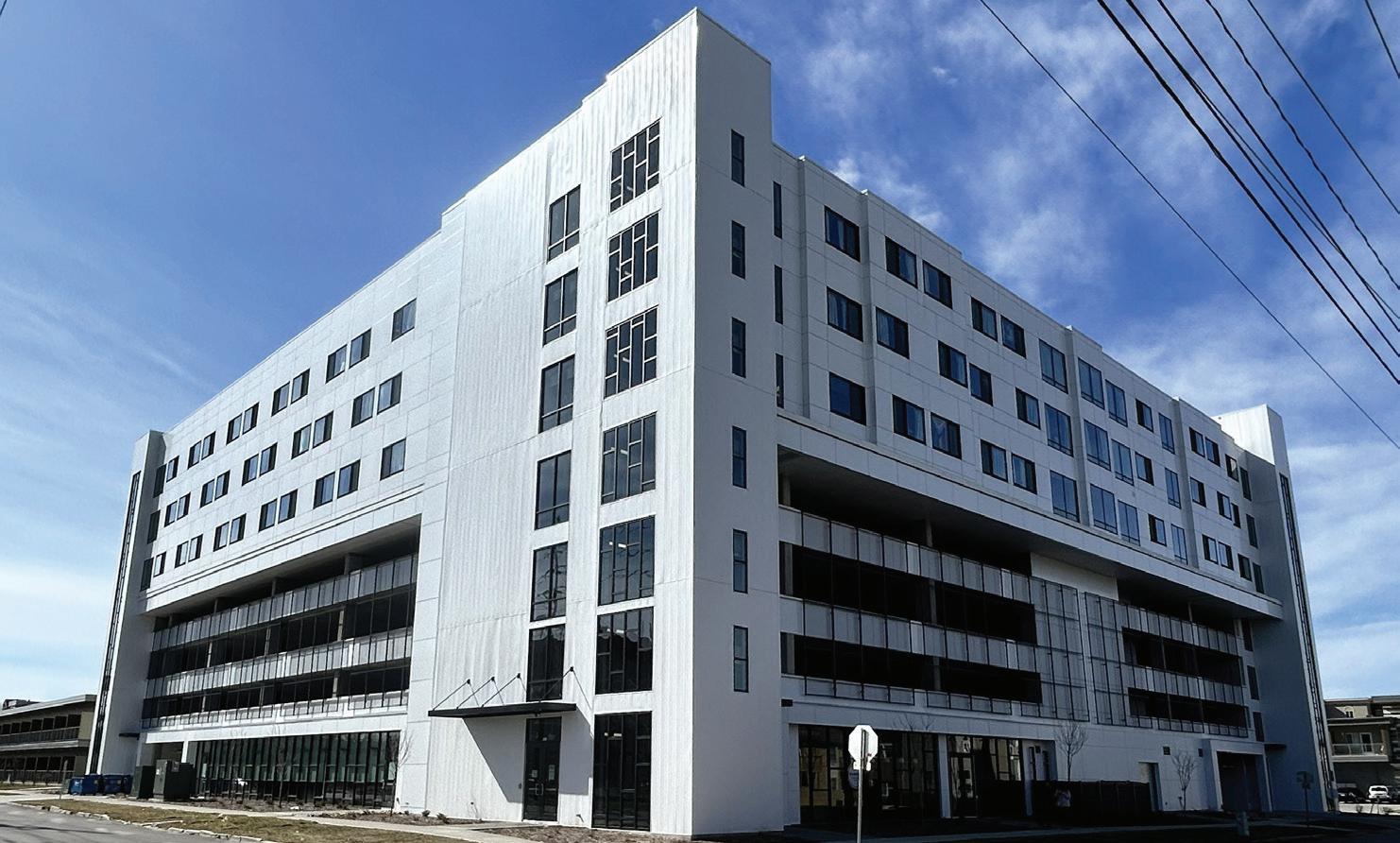
Heitz House, the university’s newest residence hall, was completed in 2022 and opened to students in the fall of the same year. The building features its own dining hall, convenience store and parking garage.
on-campus living facilities to housing 2,500 students in 25 years, an annual increase of 100 students per year.
In November 1975, a report was delivered to the Board of Regents that residence hall occupancy had reached 98 percent. The university was planning to build again, when it was discovered that Sunvilla Apartments, just down the road, were for sale.
Donald Landon, author of “Daring to Excel,” described the situation as a “dream solution” to aid Missouri State. The university purchased Sunvilla Tower in 1976 for $1.7 million.
All existing leases were honored by the school, meaning for the year, students and non-students lived in the same building.
In the mid-1980s, the school maintained its search for housing solutions and was determined to find a private entity to construct the new residence, so that it could be paid for by residence hall fees.
In 1983, John Q. Hammons, of real estate developing fame, sold Kentwood Arms Hotel to MSU. Built in 1926, it was originally a hotel that held many notable individuals. Bob Hope and Groucho Marx are included in that list of people who stayed at Kentwood Arms.
According to the Springfield News-Leader, Richard Nixon, then-presidential candidate, held a campaign event at Kentwood in 1960.
Nixon gave an ultimatum to the hotel, that if Black reporters were not allowed to stay there, he would simply not make the stop in Springfield. This led many local businesses and the Kentwood Arms Hotel to desegregate for a period.
For two years, most businesses around
Springfield accepted customers of every kind before slipping back into a segregated environment around 1962.
The Kentwood Arms Hotel was converted into Kentwood Hall once purchased by MSU, then opened to students in 1984.
Soon after the sale of Kentwood Arms, Hammons accepted the offer to develop and constructed a hall to the north of campus. At the time of its construction, it was intuitive in scope, offering kitchens and maintained facilities that were uncommon at the time.
Missouri State purchased the building from Hammons using tax-free bonds and named it “Hammons House” after its developer. The building opened while still under construction in the fall of 1986.
Hammons House received a major update in 1991 with the addition of a second tower that later became its own stand-alone dormitory. Named after the Hutchens family of Springfield, Hammons’ twin, Hutchens House, was born.
With the latest student surge at Missouri State, Heitz House made its entrance in Spring 2022. It was named after real estate developer John A. Heitz in July 2022.
Heitz House has been the most recent development of on-campus housing in decades. With self-contained parking and dining, it marks itself as a campus of its own.
From year to year, campus housing seems like a constant of life at Missouri State. Just to think about a day and age where student housing was a private, community endeavor reflects how far the school has come since 1905.


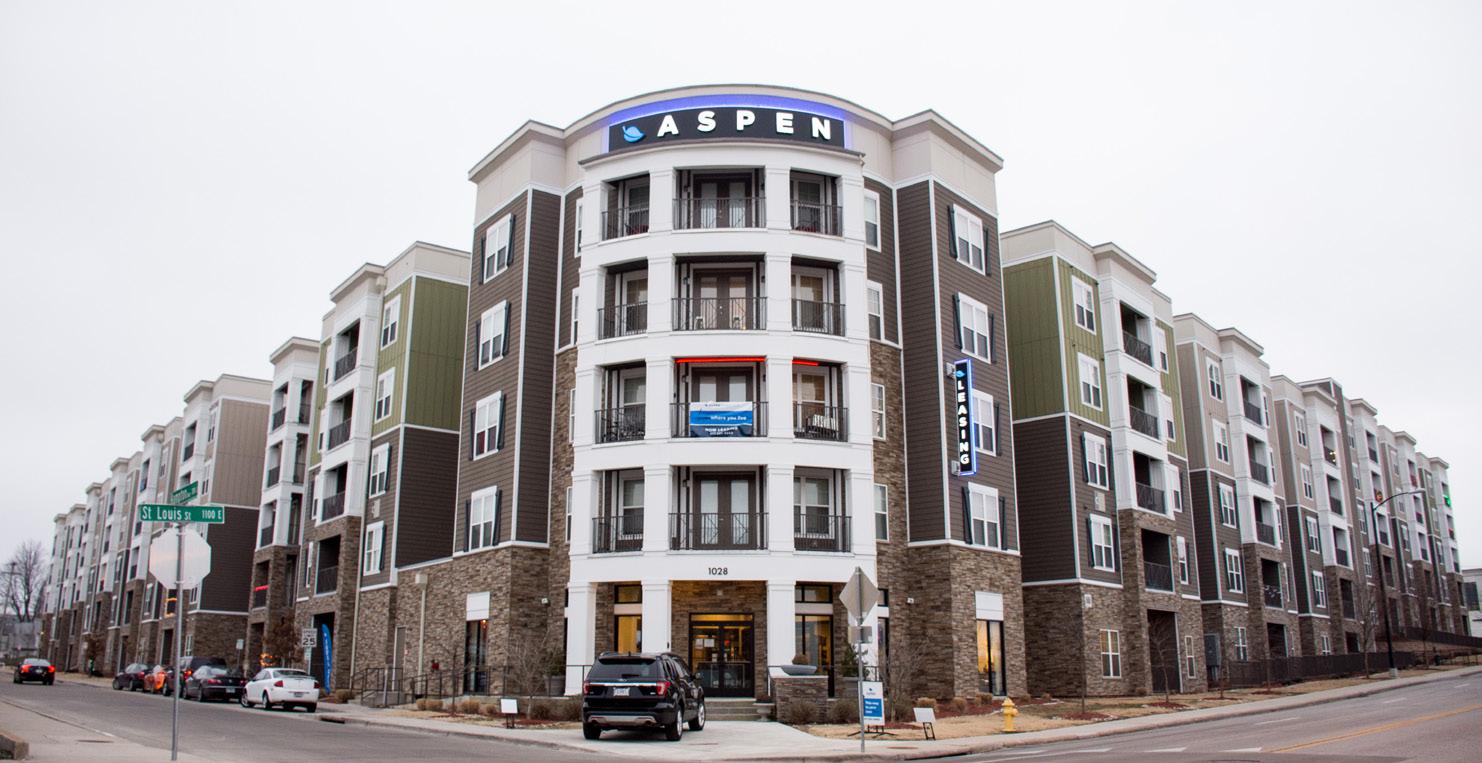
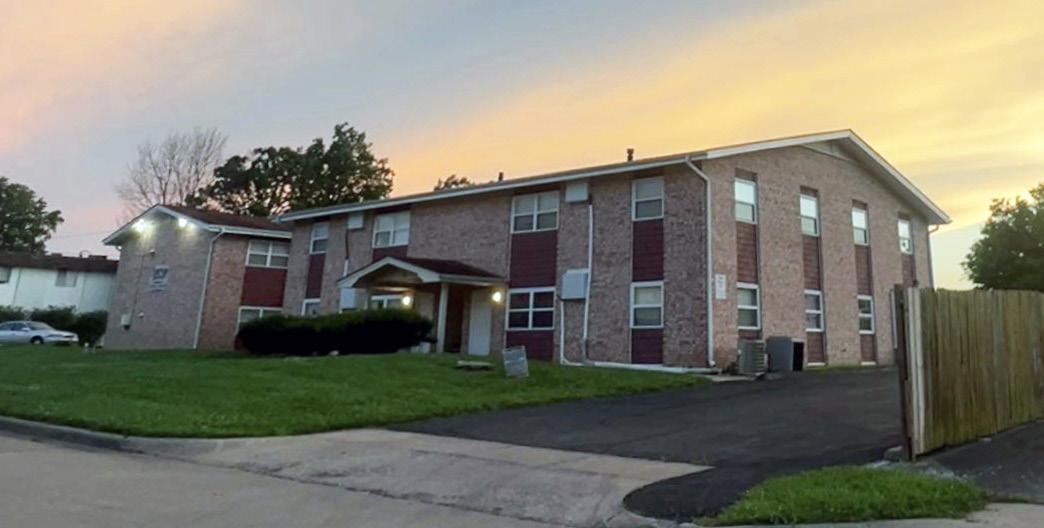
Some off-campus housing can feel like an extension of living in a residence hall due to community-based student living options, but you will find more freedom and hands-off landlords the farther you go from MSU. These complexes typically accommodate all ages.
For many college students, living in a residence hall is the first stepping stone into an independent life. Dorms offer a sense of comfort, convenience and community. However, students will often consider living off-campus as their college years progress. In order to consider the pros and cons of each decision, here are a few factors to account for before making a commitment like this.
• Ample parking
If moving into apartments, parking is an element that students often look forward to.
While it is often difficult to find parking in overcrowded campus lots, apartments are more likely to have reserved or numbered parking spots for each resident. Having a guaranteed parking space not only saves time but also reduces daily annoyances.
For students who commute to jobs or internships, reliable parking can make balancing these responsibilities much easier.
• Better amenities
Accommodations like improved
laundry rooms, full-sized kitchens and private bathrooms are just a few of the amenities to look forward to when switching to an apartment.
All of these additions will ultimately improve a student’s quality of life. Having a full kitchen allows for cooking privileges and saves money while also encouraging healthier lifestyles and habits.
While a school meal plan would cost you approximately $1,500 a semester, budgeting and eating at home would reduce that expense to $150 a month.
• Fewer restrictions
Residence halls typically tend to enforce stricter rules when it comes to quiet hours, guest regulations and the addition of RAs. Apart from this, students age 21 and older are not permitted to have alcohol in residence halls, not including on-campus apartments, or medical marijuana in any capacity.
While these policies are designed to maintain order, they can sometimes feel confining to some. Off-campus apartments generally provide more freedom, allowing for students to make their own decisions and create a more personalized living space.
• Fewer extra charges
Commonly, there are fewer charges associated with apartment living.
Residence halls include mandatory meal plans and additional housing charges, and those small charges add up and increase overall expenses. If committing to an apartment, unnecessary charges will be one less stressor. In addition to this, budgeting and saving will become simpler when splitting rent with roommates.
Although utilities and rent must be managed responsibly, some students find apartment living to be more financially flexible.
• Privacy
Sharing a small dorm room with multiple roommates can occasionally lead to conflicts concerning personal habits, noise complaints and overall cleanliness.
Besides this, apartments often offer a more spacious environment. A residence hall room is typically around 180-300 square feet, with variance depending on the type, while off-campus apartments generally have higher square footage.
Cons of moving off cmapus
• Safety and security
For the most part, the MSU campus has security measures in place to
keep residents safe.
For instance, keycard access, campus security and on-site staff are always available for protection. One example of this is the newly introduced Bear Shield app, as well as the implementation of safe walks.
An off-campus apartment might not offer these security measures.
• Ambiguous leases
Many students find signing a lease to be confusing and perplexing, as well as lengthy.
Breaking a lease early, dealing with security deposits or settling maintenance issues is a stressful experience for most. On campus, work orders are addressed and resolved easily with the help of either front desk assistants or an online work request.
Unlike residence hall housing, apartment renters need to communicate directly with landlords in order to resolve issues like these.
• Less involvement on campus
Living in a residence hall makes it easier to attend school events, student body organizations and build friendships within the residence halls.
Students who live off campus might find it more challenging to get involved. The convenience of being
within walking distance of classes and activities encourages student participation and involvement. As a result, off-campus students may miss out on social opportunities.
In fact, students living on campus are more likely to get better GPAs than their off-campus peers, as well as being more likely to graduate within six years, according to Missouri State.
• Apartment searching Apartment searching can be time-consuming and overwhelming.
Touring properties, evaluating the safety of neighborhoods and determining preferences of living quarters must all be anticipated.
Students must also recognize that affordability plays a part in this.
• Transportation
Finally, transportation could also become an issue for some.
Dorm residents must remember that proximity and convenience are aspects in need of attention.
Off-campus students need to rely on cars, buses or bikes, as well as traffic, parking permits and commuting time, which may add stress to daily routines.






















W. PAUL BOHLEN
Reporter
To students who are living on campus: have you completed 27 credit hours or will you have by the time your Residence Hall move-out date is? Then you don’t have to live on campus this fall!
Per the Missouri State University housing policy, all unmarried students younger than 21 who have not completed 27 credit hours are required to live on campus, but once you pass that point, you are free to do whatever you want.
You can start renting at an apartment complex, rent a house in a surrounding neighborhood, move home if your family lives nearby, buy a home if you have the means or even live in a van down by the river if you get the reference.
With so many choices, here’s a look at some common questions I’ve heard from students regarding moving off campus after their freshman year:
Aren’t apartments more expen- sive?
The first concern many have about the prospect of moving off campus is affording it. Yes, there are more expenses you will have to consider when moving off campus, such as utilities, internet and trash services, however, most of those services are lumped into the payments made for on-campus living.
While you may only pay once for your dorm, or automatically over a period of time, an apartment simply makes you more aware of the services you need to live in a city.
Looking at the Residence Life, Housing and Dining Services webpage, the cheapest dorm option is the 2-person bedroom unit in Freudenberger House, coming in at $6,766 for two semesters.
Breaking that down monthly also poses a challenge: students don’t live at the dorm for a year.
Your usual move-in date is in late August and your usual move-out is in early May. Counting only full months, September through April,
that’s only eight full months. Important to note, too, is that several dorms close over winter break, shaving a month off that as well.
Paying $6,766 for a room in Freddy for seven months — cutting out one for winter break — comes out to $966.57 per month.
Next, we have to add in the required meal plan, with options of 10, 14, 19 and unlimited meals per week. For most accurately trying to equate dorms to apartments, let’s go with the unlimited meal plan, since when living in an apartment, you can make food whenever you want.
That comes in at $3,224 per two semesters. Assuming you only use your meal plan when you’re at your
dorm, that comes out to $460.57 for seven months. That would make your “rent” for your dorm $1,427.14 per month. This rate is not decreased by having a roommate – in fact it increases if you do not want a roommate.
In contrast, the average cost of rent in Springfield, per Apartments.com, is $904 per month. You’ll have to pay utilities, which is, on average, $151 per month. You might have to pay for trash, but if you live in a complex, it’s probably already factored into your rent.
Looking at three of the most common bins I’ve seen around my neighborhood, Republic Services comes in at an estimated $17.93 per month,
while local companies like Ozark Refuse and Moore Trash Service both sit at $20.
Adding in internet, prices range depending on the service or quality you go with, but let’s say it’s around $75 per month.
Those four main categories total $1,150 per month. But that isn’t the end. This price is, unlike at the dorms, actually affected by roommates. Get just one more person to split this with you, and you’re only paying $575 per month, around 60% less than you would in a residence hall.
Of course, these are only averages, and your mileage will vary, but it is crucial to do the math when considering staying in the dorms for a
second year – you might find a much cheaper option you’d prefer to go with.
Before we get into it anymore, if budgeting and finances has you feeling totally lost, consider seeking advice from BEAR Essentials, a community group through the College of Business for providing quality financial advice. You can sign up for a meeting at https://www.missouristate. edu/FERM/BEARessentials/default. htm.
What about utilities? Groceries?
It’s true that signing up with City Utilities and paying the bill is an extra pain when college is already dif-

Photo
Many off-campus apartments will not come furnished. Turn to page 14 of the Housing Guide to find businesses that are selling affordable furniture.
-ficult enough, but it gives you the necessary experience of having that kind of responsibility, and as I outlined above, it’s actually not that expensive.
Most of all, it makes you aware of what you’re consuming. When you look at your bill and see how much gas you might have used over the winter or water in your showers, it really makes you reconsider using resources as freely as you may have before.
As for groceries, this is where you really get to be creative and work on budgeting.
I know, I know, it sounds daunting but you’d be surprised at how simple it can be when you get rolling with it. The biggest thing you can do — and I’m speaking from experience — is buy consciously.
By that, I mean when you walk through the grocery store, don’t run through, grab all you think you need and check out. That leads to food waste, unnecessary spending and a disconnect from you and the products you’re buying.
Instead, take a couple hours on the weekend and plan out what you’re going to eat and what household stuff you might need. Then, make a list of all the ingredients and other things you need to buy. When you walk through the store, take it slow and look at everything on the shelves – not just the brands you grab instinctively.
Next, actively look at the prices. Here’s where you have to decide what’s important to you. Are you willing to spend $10 on the peanut butter you always had as a kid? Or can you handle buying the $3 store brand for the time being until you get through college?
If the answer is no, you need that more expensive peanut butter, that’s okay, but be conscious about your choices and understand that the $7 difference adds up and it’s money you don’t have for other things.
Also consider where you shop. I personally love HyVee and one of my grocery concessions is produce. I prefer their produce to most places (besides a farmer’s market), so I don’t mind paying a little extra for their fruits and vegetables.
But, HyVee is more expensive overall than somewhere like Walmart. Consider ALDI instead of Target. ALDI also has quality meats, dairy, eggs and frozen goods, so think about ways you can be creative about saving money on your groceries.
Think about it intentionally and you will save money. Also, don’t get groceries delivered if you can help it.
Finally, if you’re really stretched for money, rice and beans are always and have always been cheap. Throw in some bell peppers and an onion for vitamins so you don’t get scurvy, and you’ll be set as long as you have those items.
I have to buy my own furniture?
Yes, you’ll likely have to furnish your own place, but this is one of the most fun parts of the entire moving out journey!
Consider a trip up to St. Louis or Kansas City where IKEA has stores, look at deals at Target, reach out to people on Facebook Marketplace and above all, go to thrift stores. There are so many options around Springfield that finding furniture is not nearly as daunting as it seems.
You can also reach out to family and see who might have things in the basement or storage.
Finally, you get to choose what bed you sleep on, what desk you use, what bookshelves you have, what dresser you put clothes in, what chairs you have and so much more.
Start out with a bed, dining table — which can function as a desk as well — and a couch. Go from there and find a dresser. Then a coffee table. Then bookshelves. Then additional chairs. Then go wild!
This is one of the most fundamental options to consider when thinking about renting instead of staying on campus. Do you want to live in an apartment complex or in a house?
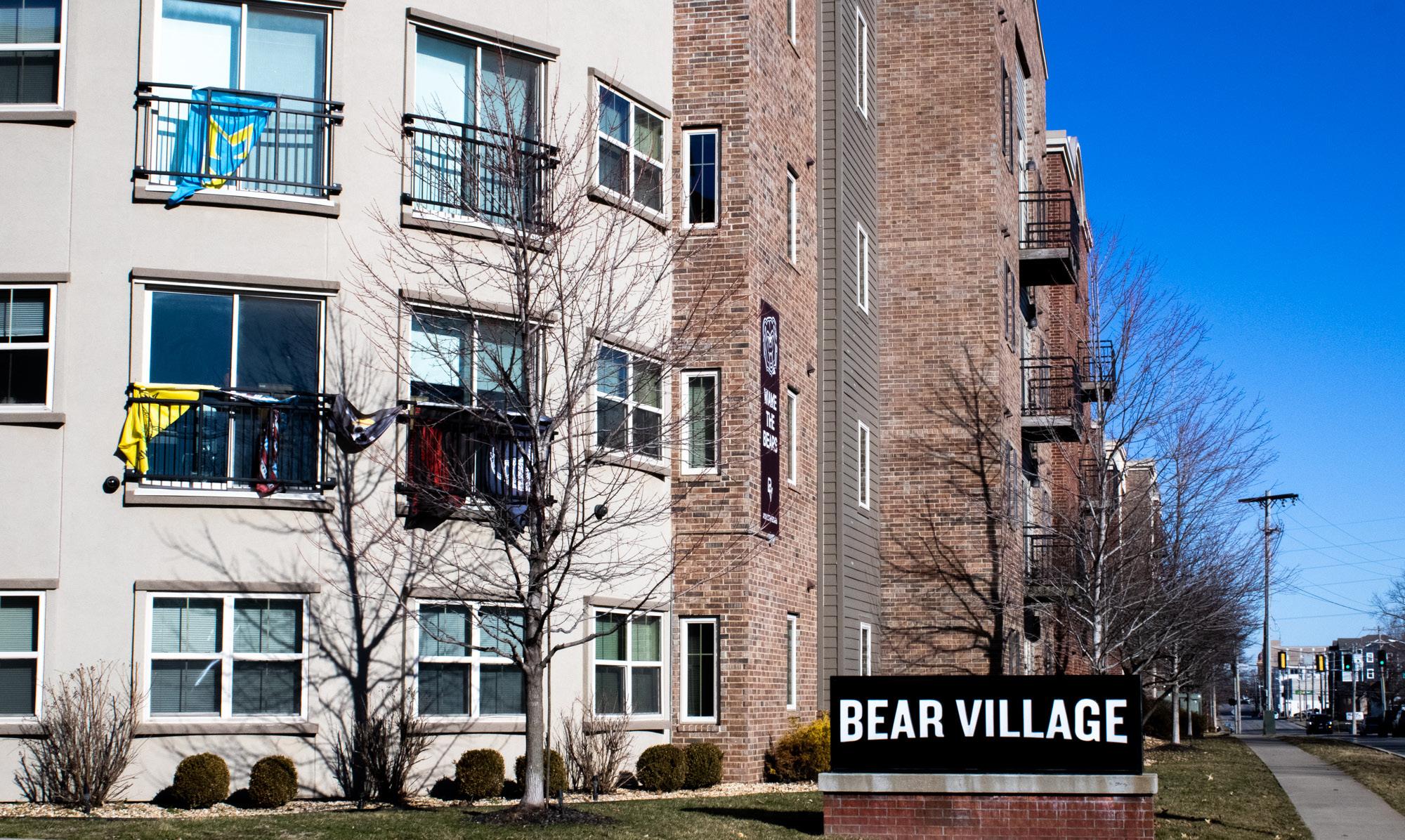
Student-living apartments like Bear Village, Elevate Student Living, The 505 or the Vue on Walnut are appealing because they are often furnished, include a flat utilities rate included in rent, have amenities like laundry, pools and gyms, and are in desirable locations. They also usually have bustling, tight-knit communities where you’re sure to meet lots of people.
However, they can end up feeling like dorms with all of the added luxuries that you don’t have to think of maintaining at all. Student housing is usually more of a transitional gray area between residence halls and apartments.
Regular apartments are generally more hands-on from the tenant and more hands-off from the landlord, generally requiring you to sign up for and pay utilities, find your own internet (or at least get your own modem) and possibly pay for trash as well.
They may have close communities, but that’s not a guarantee.
Some examples of these types of apartments around Springfield include The Villages at Nathanael Greene, 400 Place Apartments, Tall Grass Apartments, Town and Campus Apartments and Walnut Apartments.
These won’t be furnished and you’ll have a mutli-generational population, while generally being farther from campus.
Both kinds of apartments will have a security company which patrols the grounds.
As for houses, they’re generally more expensive; you can expect to pay between $1,000 and $2,000 for a variety of two-bed, one-bath and four-bed, two-bath homes, plus utilities, internet, trash, furnishing and laundry.
However, this ends up often being the cheapest option if you get three or four people in one home, as a $2,000 rent can go down to as little as $500.
You also have much more freedom in a house. You can host people without worry of disrupting your downstairs neighbors – or your neighbors disrupting you. You can customize the layout and aesthetic of a house much easier than a furnished apartment. You get green space you may be allowed to garden in, grill out, lay in the sun and more.
Downsides to houses include the extra effort to clean a larger space, higher utility bills to heat and cool a house, lack of a security company to keep an eye on the property and the aforementioned supplying of washing machines and dryers.
Websites like Apartments.com will allow you to set several parameters and search for places for rent within those boundaries. You can check out interior photos, amenities, rent and more, as well as reach out to apartments directly through the website.
My partner and I personally found our first apartment together through Apartments.com. When she and I were looking for an upgrade from our small, one-bed, four-room apartment, we started looking for a house to rent, one closer to campus, we shifted over to Zillow.com. Both Apartments.com and Zillow.com are pretty comparable, but you may find one easier to use, so just try them out and find yourself a place.
There are so many ways to find roommates these days with online services like Bumble or Roomies.com, campus groups, work, etc. – just ask around.
Ask friends if they know anyone needing a roommate or a place to live. Post roommate requests on the bulletin boards around campus (with permission). Discuss plans with your on-campus roommate.
Intimidating as it may sound, basically ask anyone you can and you never know, you may end up finding lifelong friends.
Required qualifications: To be eligible, candidates must be enrolled as full-time undergraduate or graduate students at Missouri State University, must be committed to full-time enrollment for the 2025-2026 academic year, must be in academic good standing with a cumulative grade-point average of 2.5 or higher, and must be eligible for student employment.
Preferred qualifications: Candidates should be able to demonstrate an adequate background to carry out the duties of this position, through academic coursework and/or work experience.
Duties: The successful candidate will begin work in summer 2026. (Summer enrollment is not required.)
Duties include overseeing the newspaper's editorial operation; supervising the writers, copy editors, section editors, graphic designers and photographers; establishing and maintaining consistent editorial deadlines; organizing copy flow; guiding staff in the overall production of the newspaper; selecting the editorial staff in consultation with the faculty adviser; and upholding The Standard's ethical and professional standards.
To Apply: Each candidate’s application must include a letter of application, a resume, three letters of reference, the candidate’s proposed fall 2026 class schedule, and samples of work that demonstrate the candidate’s ability to perform the duties of the position. Applications must be emailed to JackDimond@ MissouriState.edu no later than 5 p.m. Friday, April 10, 2026.
Interviews: The Advisory Board for Student Publications will interview candidates in April at a time and location to be determined.
For additional information, please contact Jack Dimond, faculty adviser, at JackDimond@MissouriState.edu.
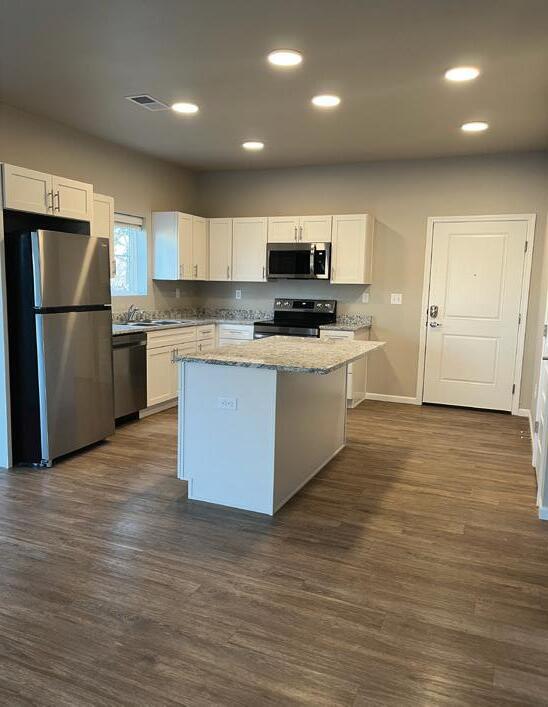
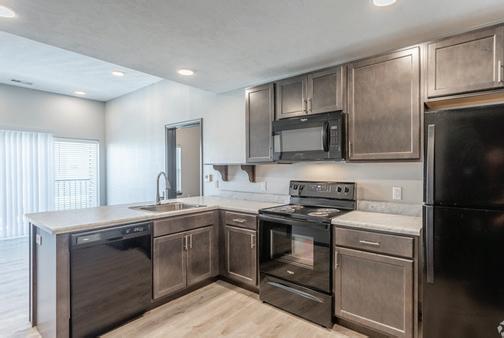
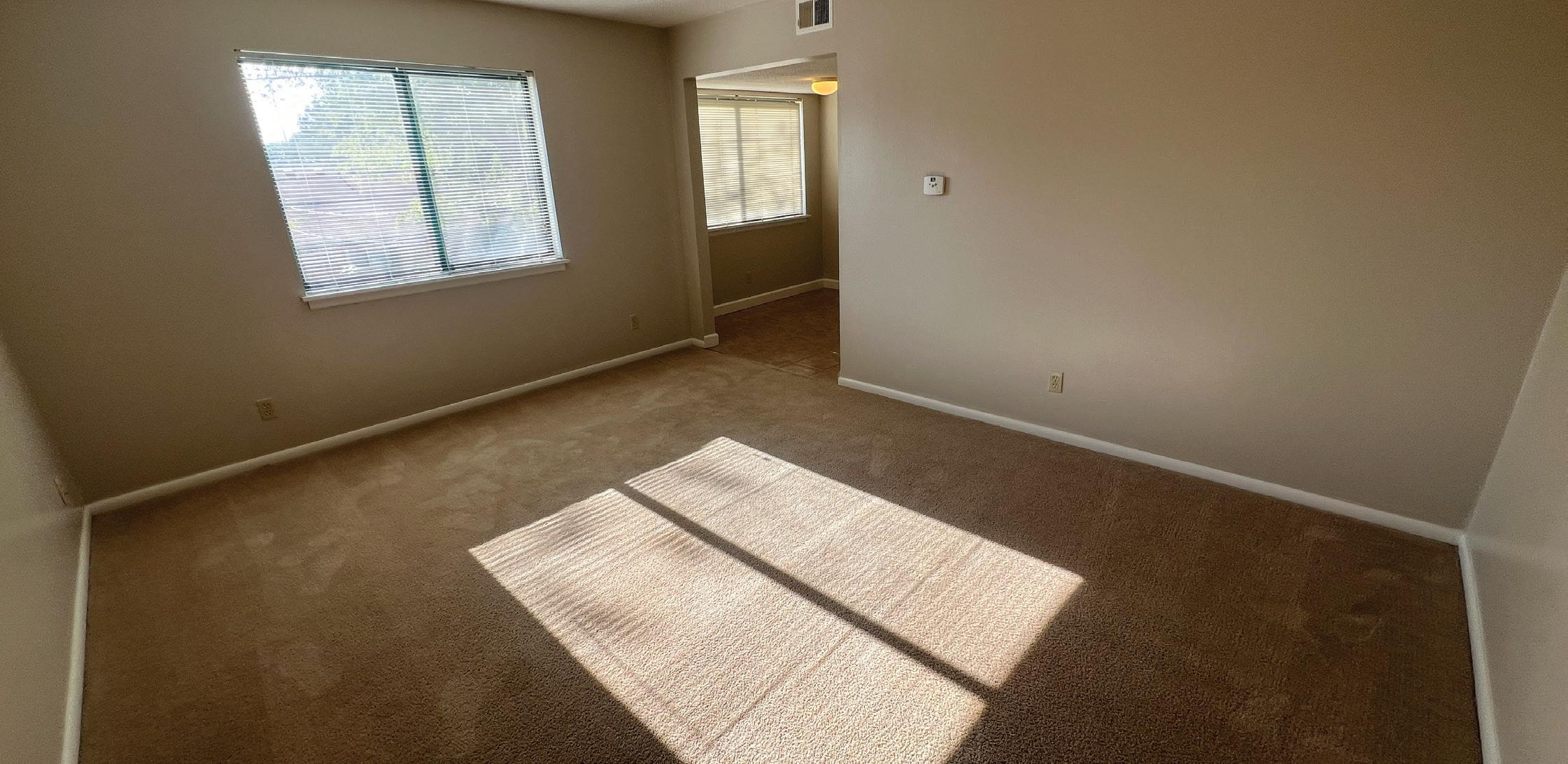
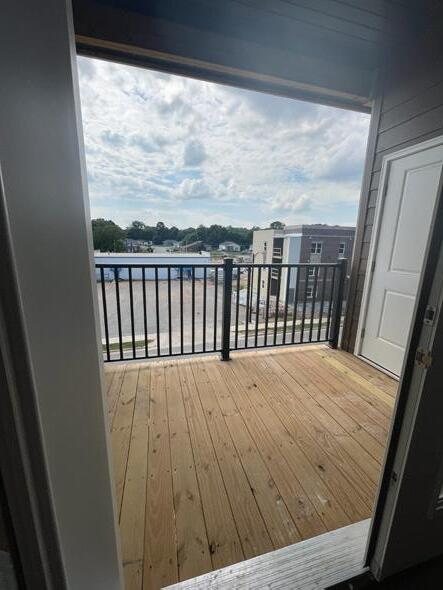
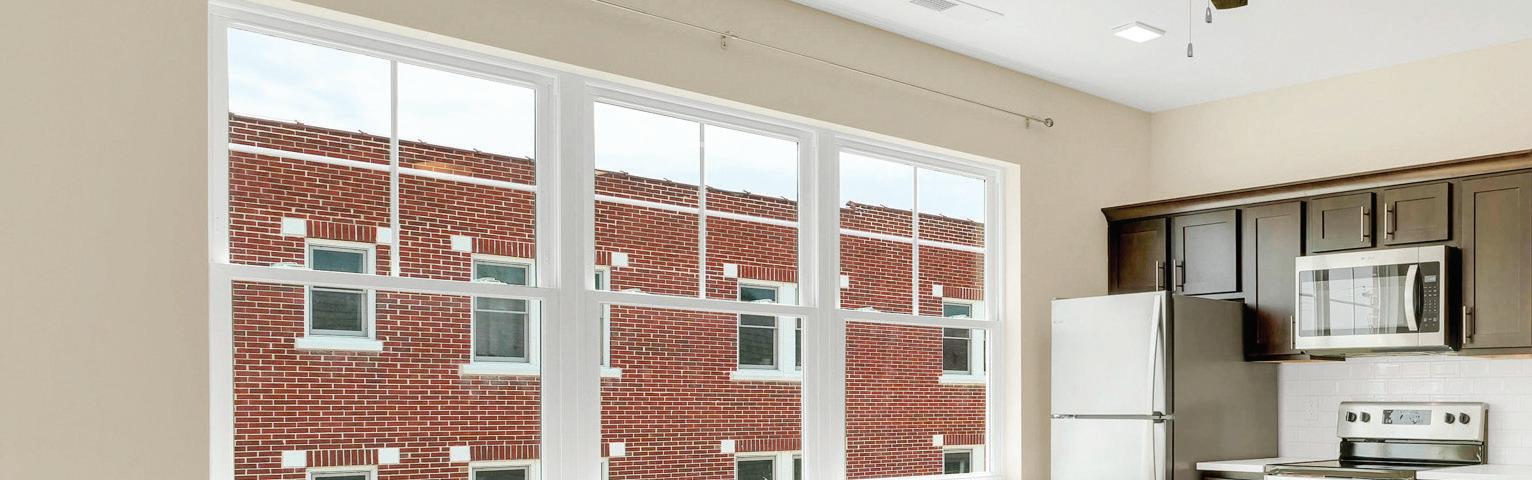
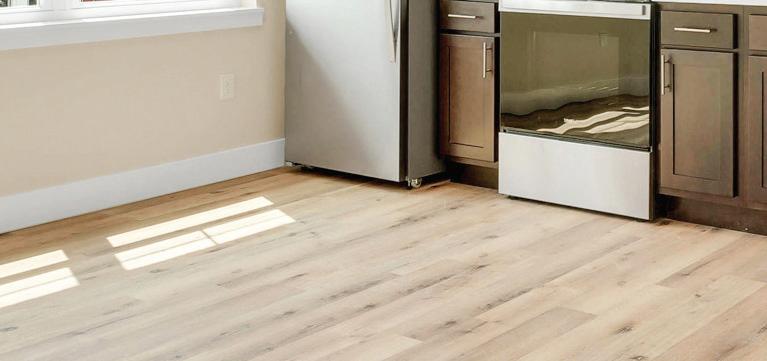
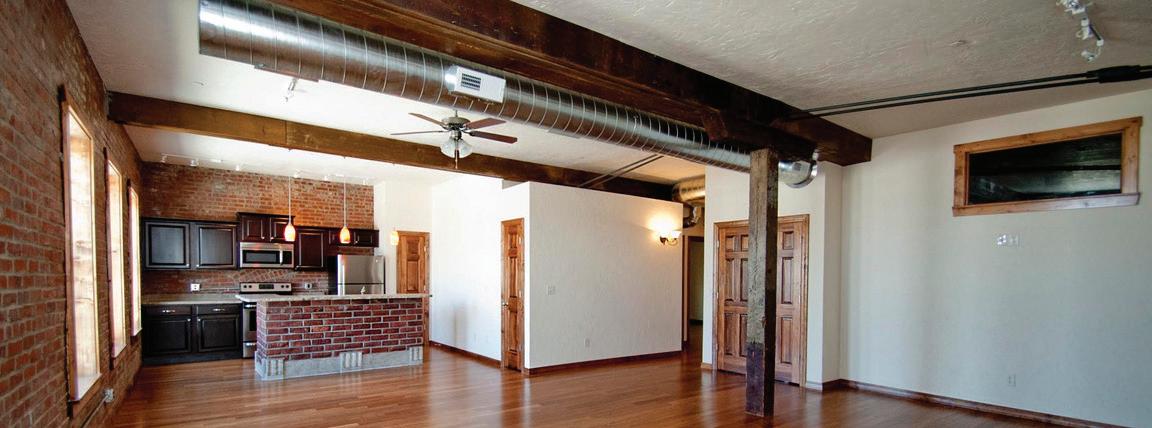
Three properties perfect for the student life-style. Each unit is thoughtfully designed with contemporary finishes and urban convenience.
• Spacious living areas
• In-unit washer/dryer
• Online payments
• Clubhouse
• Outdoor Pool
• Fitness Center
• Large closets
• Manager onsite
• ADA units
• Private balconies
• High-speed internet
• Keyless entry
• 24/7 Emergency Maintenance
• Property surveillance
For more information visit our website or contact Shinaed at info@sparkprops.com or417-655-4070.





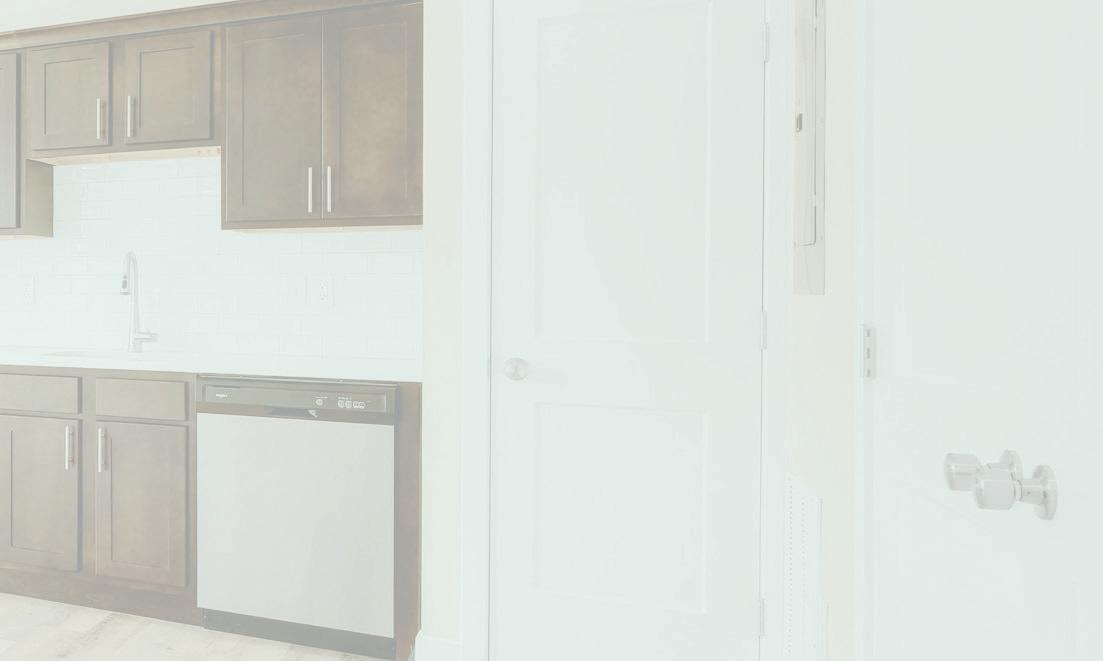







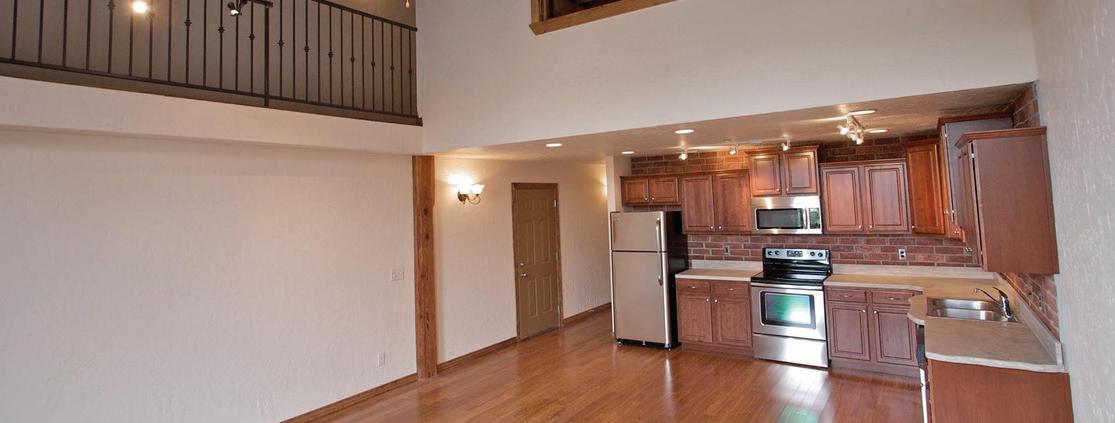
Food is one of the necessities of life, and yet, it can become so much more difficult to obtain in college.
Considering the price of food, the limited space available in college housing and the busy lives of involved students, feeding oneself can become quite a challenge.
This guide will offer tips for budgeting, as well as recipe ideas to make no-nonsense meals using limited tools.
The grocery store can be tricky to navigate when you first start cooking on your own. Making good, healthy food without mom’s well-stocked kitchen while on a tight budget can be intimidating.
One recommendation is to keep some canned goods always on hand. Canned vegetables are a viable substitute for fresh ones in most recipes, and can be bought in bulk on sale at grocery stores. Canned fish, like tuna, salmon and sardines can be quick sources of protein that can be delicious on salads or sandwiches.
Canned tomatoes and tomato paste are particularly useful when making a quick pasta sauce or crockpot meal. Canned foods are great for use in a quick vegetable soup, which is nutritious and great for a rainy day when you might not have time or money for anything else.
Other options to keep stocked up are cereal and oats, which are shelf-stable and can make a quick breakfast option. Milk and eggs are obvious refrigerated staples. Eggs can even be made in the microwave if you don’t have regular or easy access to a stovetop – the case for most residence halls.
Granola, bananas and apples are also great breakfast options that don’t require refrigeration. Pasta and rice are the perfect items to keep on hand as they can be used in just about any meal.
Missouri State University allows students staying in residence halls to bring crockpots and rice cookers — as long as they have an auto-off feature — which are incredible tools for making food in your room.
Both of these tools are exceptionally versatile – yes, even rice cookers. Rice cookers are great for making steamed vegetables, eggs, oatmeal, congee, quinoa and cakes, which you can make using cake or pancake mixes.
Of course, most of these foods can also be prepared in a microwave, but a rice cooker would be a great investment for meal prepping a larger batch if you want leftovers to bring to work or school (a great way to save money!).
A huge portion of cooking in college is getting creative with the tools you have on hand. This author has even made pasta and boiled eggs in the kettle before! Small appliances like rice cookers, crockpots and microwaves hold so much more potential than one might expect.
The Bear Pantry is a wonderful option for students, faculty and staff who may be struggling to make ends meet. The Bear Pantry is an extension of the Ozarks Food Harvest, which is a great organization with many locations in the Springfield area. The Bear Pantry is accessible to anyone with an M-number. It’s an open resource where no questions are asked. For ongoing hardship, another resource worth considering is eligibility for SNAP benefits.
• Ramen Ramen is a college staple, but it can be dressed up in many different ways. One idea is to add vegetables like corn, carrots, broccoli, peas, or green onions to the water as it boils. Another idea is to make your own sauce. Some people use peanut butter in their sauces, while others make a TikTok-viral dressing with garlic and brown sugar. Fish sauce, mayo, miso
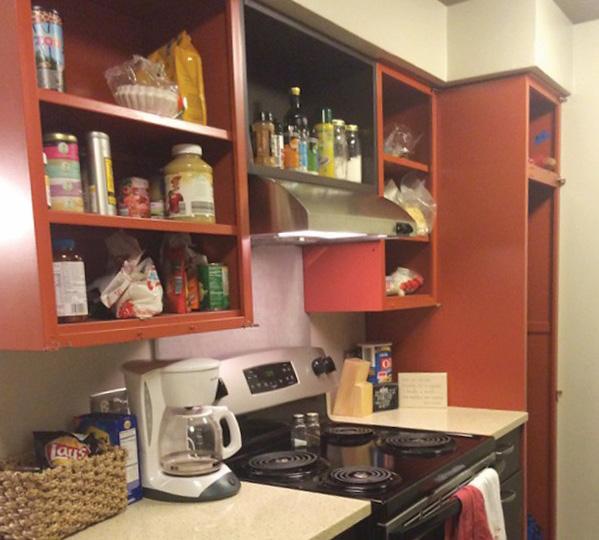
Some on-campus living spaces, like Sunvilla Tower, have access to kitchens inunit. However, most residence halls are not equipped with one, meaning students have to get creative to eat a home-cooked meal.
paste, and other add-ins can also up the flavor factor of your meal. Spices like red chili flakes, hot honey, or even a citrus juice can add a nice contrast. Finally, another way to make ramen better is by adding toppings, such as soft-boiled eggs or fried meats like Spam.
• Mug Cake
Mug cake with a boxed cake mix can make several servings while being a quick and easy sweet treat that
can be prepared in the microwave. The choice of mug cake is up to you as well, with optional but delicious add-ins like chocolate chips, sprinkles, coconut, chopped nuts, or candy bar bits making all the difference. Additionally, a bit of frosting on top can go a long way. Overall, a great way to make a single serving sweet without worrying too much about your budget.
Hopefully, these tips and tricks have provided some inspiration for your next meal idea. College cooking, despite requiring a bit of creativity when it comes to budget, time and space, can be immensely rewarding. Remember, cooking is an art, not a science. Feel free to take risks with your creativity. After all, this is just another learning opportunity among all the others you will hopefully experience in college.




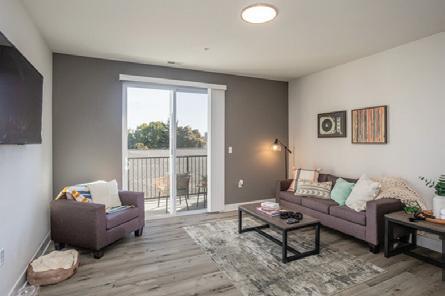
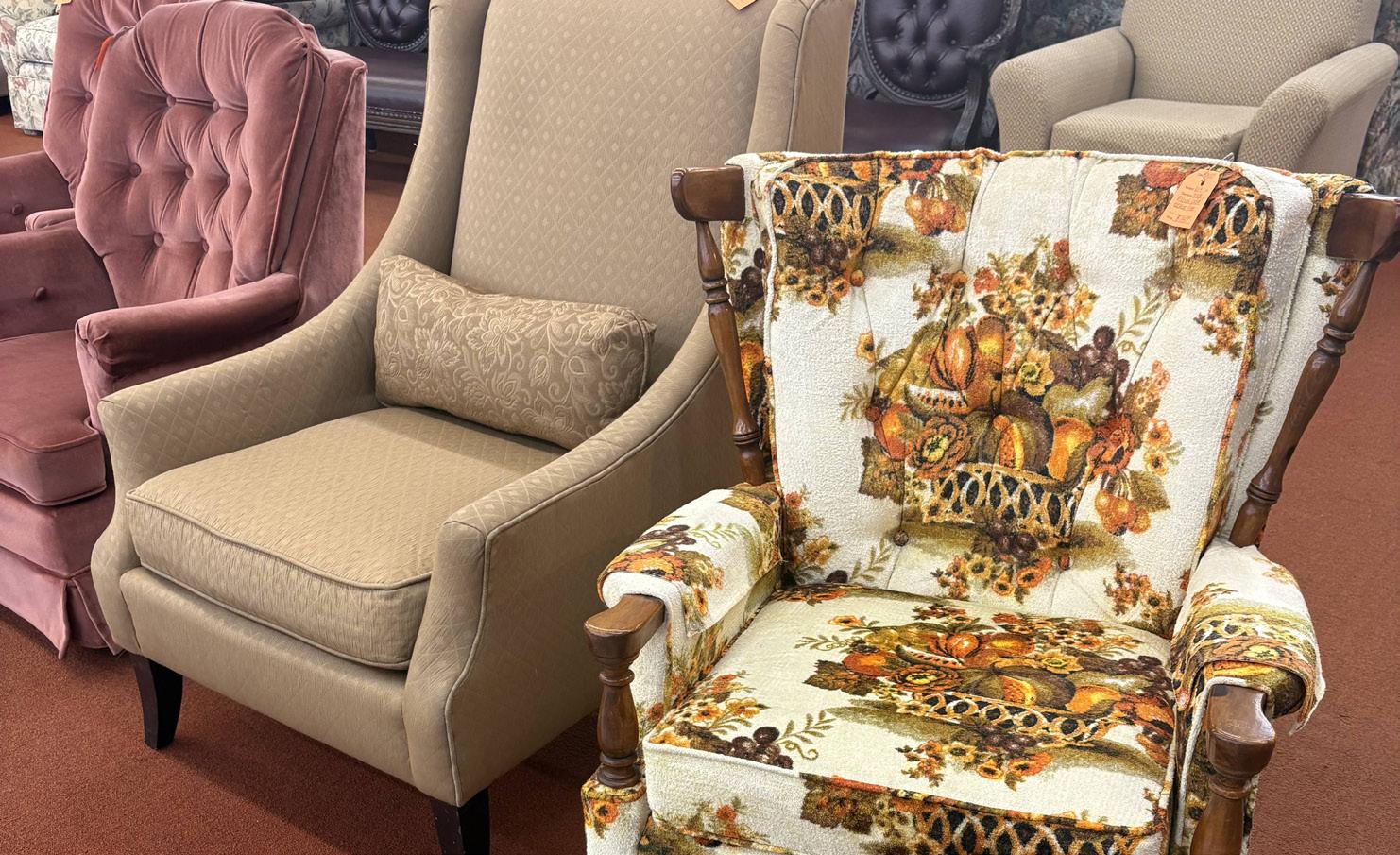
Mike’s Unique Furniture and Home Decor is a great place to find antique furnishings at an affordable price.
For many Missouri State University students, moving off campus brings freedom and the sudden realization that an apartment does not come furnished. From couches to kitchen tables, the cost of setting up a livable space can add up quickly. In Springfield, however, students have more affordable options than they might expect.
One standout is Sho-Me Furniture, a family-owned business that has served the community for years. Sho-Me Furniture specializes in gently used and affordable furniture, making it a popular stop for students furnishing their first apartment or house.
During a visit to the store, Travis and Red, employees at Sho-Me Furniture, emphasized accessibility and practicality for college renters. The shop carries a rotating selection of sofas, dressers, dining sets and bedroom furniture at prices often far below retail. Because inventory changes frequently, students are encouraged to stop in regularly or call ahead.
For students interested in secondhand pieces with character, Springfield is also home to several resale and vintage stores. Relics Antique Mall offers a wide range of furniture and decor across multiple vendors, allowing shoppers to mix styles and price points. Nearby, 10 Years Gone Vintage features curated vintage furniture and home accents, while Junk From The Trunk
is known for rustic and farmhouse-style pieces. Students looking for more traditional furniture options can check out Mike’s Unique Furniture & Home Decor, which carries new and used items at competitive prices. Another budget-friendly resource is Habitat Springfield Restore, where proceeds support Habitat for Humanity while shoppers find donated furniture, appliances and home goods at discounted rates.
Beyond brick-and-mortar stores, several apps and online tools help students track down deals. Estate sale platforms like EstateSales. net and Estatesales.org list local sales where entire households are being liquidated, often at steep discounts. Yard Sale Treasure Map helps users locate neighborhood sales, while Lucky Sale aggregates resale listings in one place.
Facebook groups are another popular option among locals. Groups such as Free Stuff in Springfield MO and Springfield MO Free Things allow members to give away furniture and household items at no cost, often to clear space before moving.
With a mix of local businesses, resale stores, digital tools and community groups, Springfield offers plenty of ways for students to furnish an off-campus home without overspending. For those willing to search, the right couch or coffee table may be just a few blocks — or a few clicks — away.
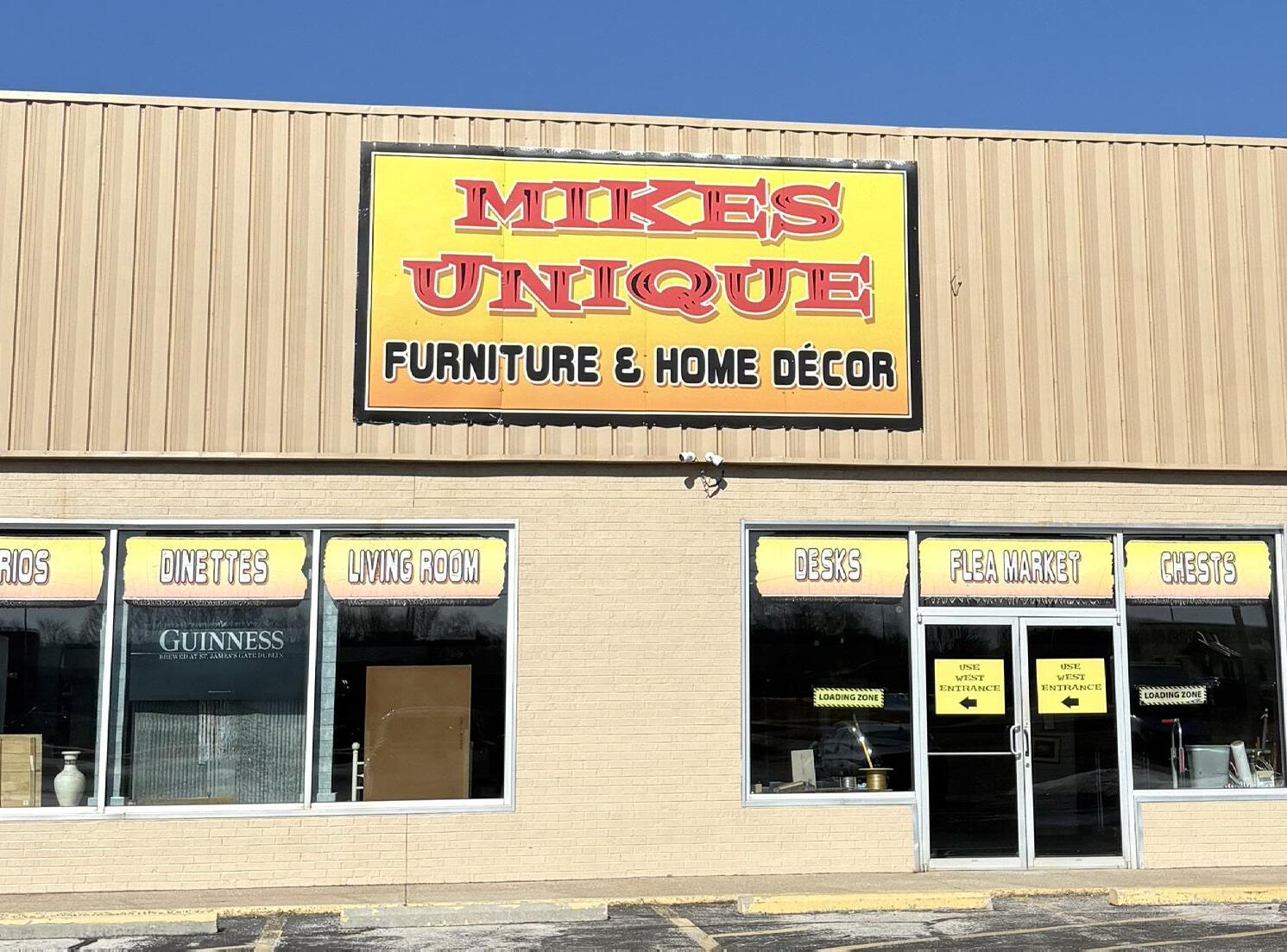
Located at 3335 W. Sunshine St., Mike’s Unique Furniture and Home Decor is open seven days a week, from 9:30 a.m. to 6 p.m. Monday through Saturday, and 11 a.m. to 6 p.m. on Sundays.
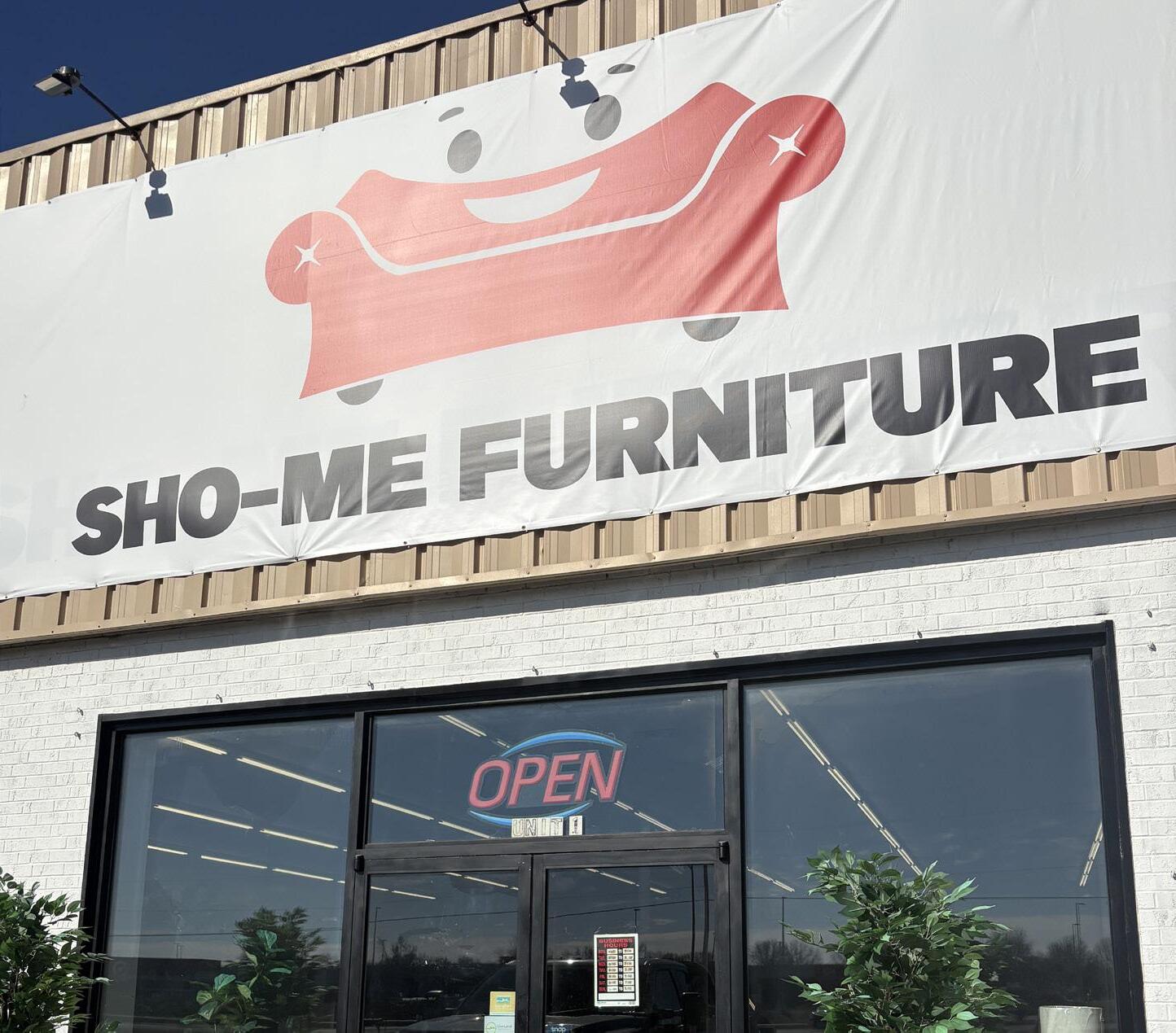
Sho-Me Furniture is another good option for finding affordable furniture. It operates seven days a week, from 9 a.m. to 7 p.m. Monday through Saturday, and noon to 5 p.m. on Sundays.


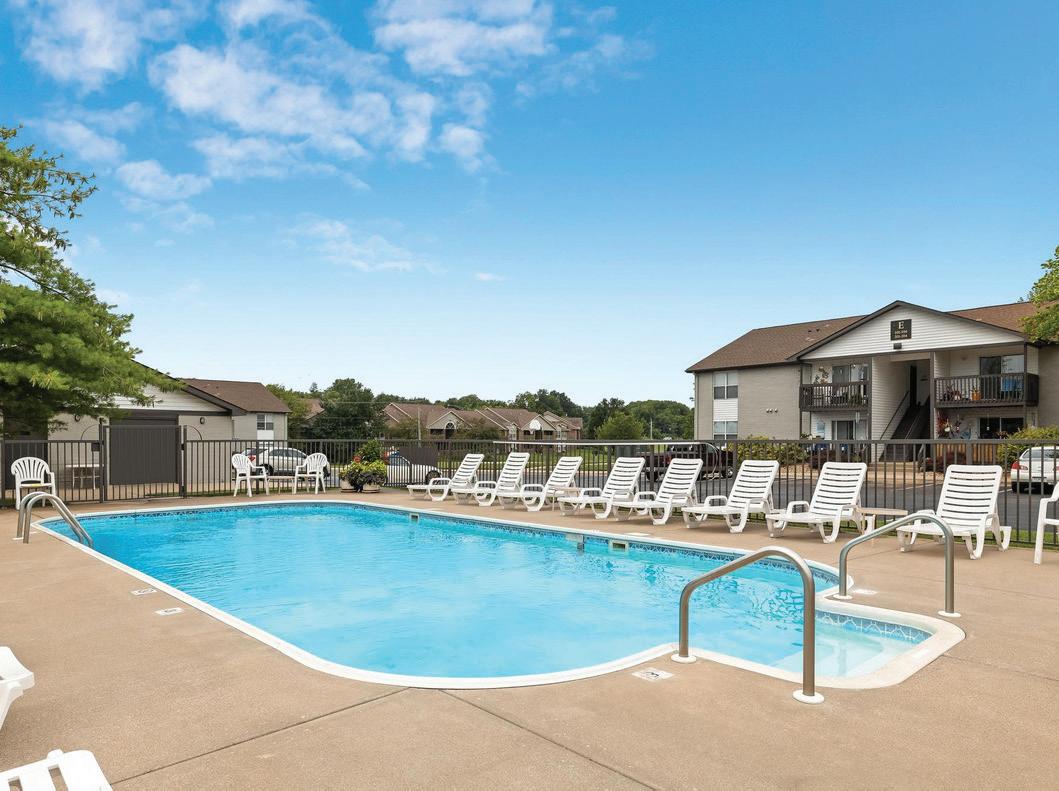






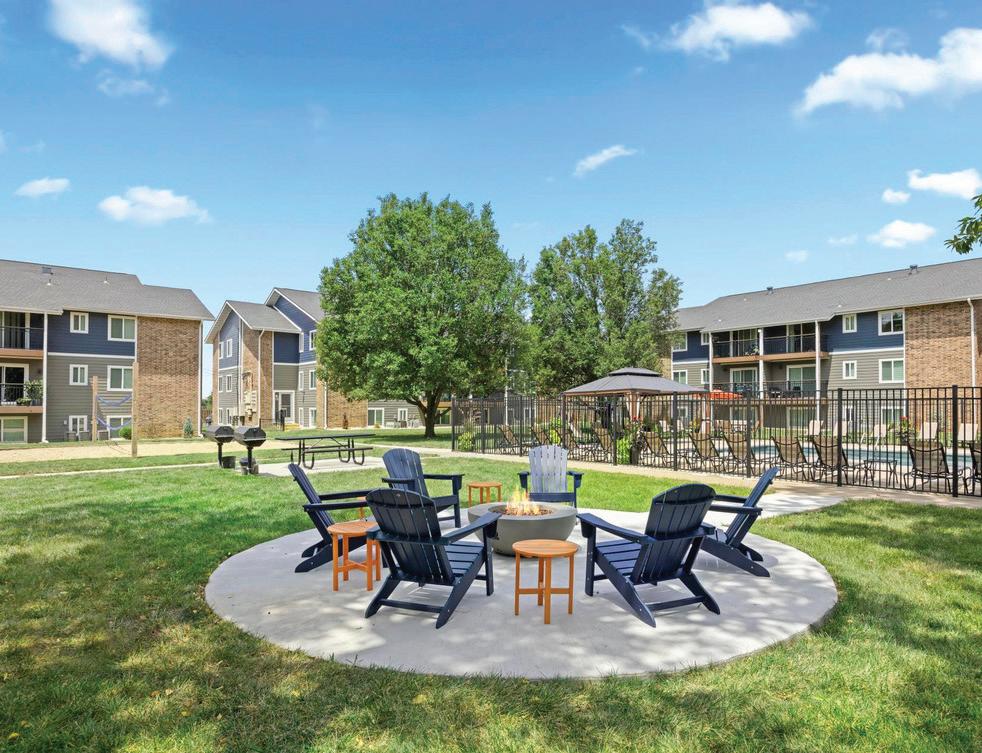




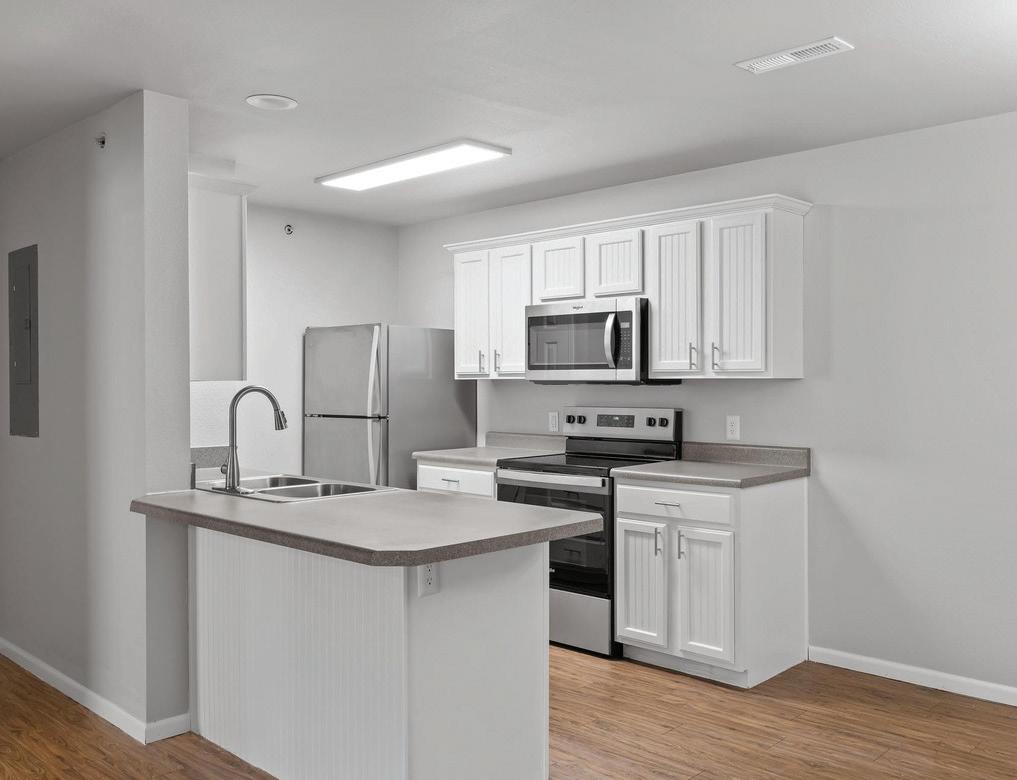



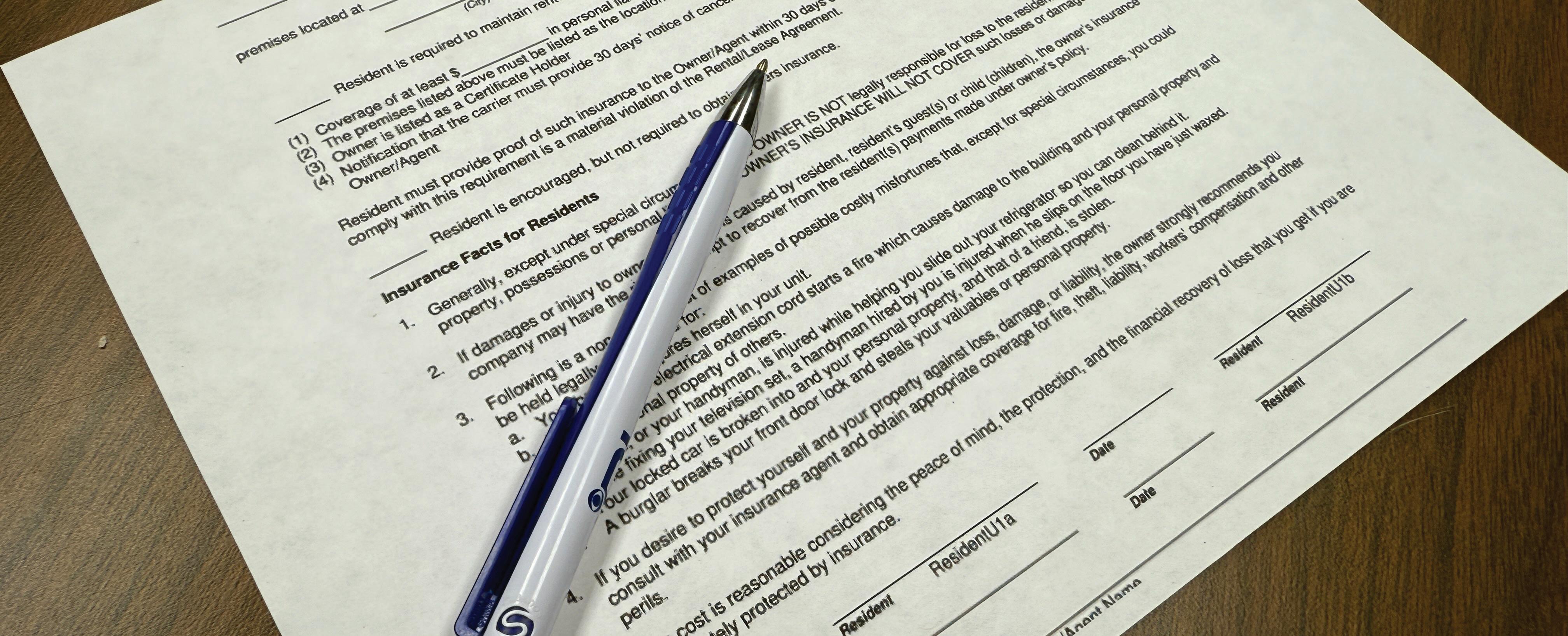
Photo by Jayden Pettus, Qjpettus_media
Renter’s insurance is an affordable, safe option to protect the belongings in your apartment. Without the insurance, it will be on the owner to replace damaged, lost or stolen items, which many college students cannot afford to do on their own.
RYLIE ROBINSON Reporter
Deciding between on and off-campus housing can be difficult. There are different requirements for each. Finding the right choice for you can be the hardest part. There can be benefits to both, but the smartest choice to make is buying renters’ insurance.
To live on the Missouri State University campus, you have to put in an application, provide a $100 deposit, and provide meningitis vaccination records. The university does not require renters insurance, but it is highly suggested, especially for any items not covered by their parents’ homeowner’s insurance. The university is not liable for any items damaged, lost, or stolen.
For off-campus living, renters’ insurance is almost always a requirement, whether you’re
living in an apartment, a loft or a house. Dozens of insurance companies can insure a renter, and they tend to offer low-cost policies. Even if it is not required, it’s an excellent peace of mind without breaking the bank.
“Renters insurance covers personal property, personal liability, medical payments, and additional living expenses or loss of use, up to the limits of your policy,” according to an article from Progressive.
Personal property protection is the primary reason to have renters’ insurance. Policies can cover personal items in case of fire damage, storm damage, theft or vandalism. Without this policy, all personal items must be paid for solely by the tenant.
Another benefit of renters’ insurance is liability coverage. In the case of injury to someone visiting your home, damage to someone else’s property, or fees from being sued, this policy can help cover the cost of repair, medical bills,
and fees.
In the event of unfortunate circumstances, renters insurance can ensure you have somewhere to live if your own home becomes uninhabitable either to damage or safety issues. Your policy can help cover temporary housing and food costs while your unit is being repaired. If, in the event your own housing is unavailable for an extended period, this policy can benefit a tenant greatly. The financial burden of alternative housing can be hefty.
“Depending on your policy, your renters insurance liability coverage may pay for injuries or damages your pet causes to others, but it generally won’t cover damage to the property you rent caused by your pet,” Progressive said.
Renters’ insurance does not cover a roommate’s personal property, medical expenses, or alternative housing if needed. Some companies will allow you to place them on your own pol-
icy, but each household member should hold their own policy.
“Ultimately, renters’ insurance provides tenants with peace of mind knowing that they are financially protected against a wide range of risks and liabilities, allowing them to focus on enjoying their home and life without constantly worrying about the what-ifs,” an article from F&M Trust said. “While it might seem like an additional expense, the benefits make renters’ insurance an investment worth considering for anyone renting a home or an apartment.”
The benefits greatly outweigh the costs, with many policies starting at just $5 a month. Researching the best policy for you and what you desire is easy; there are hundreds of companies that provide this insurance. Regardless of where you live, renters’ insurance can prevent total devastation in the event of a disaster.


For many students, the classic dorm room is one of the smallest, most confined spaces they will ever live in, functioning as a bedroom, study area, closet, lounge and communal space all at once.
Combine this with the possibility of up to five other suitemates, and things have the potential to quickly turn chaotic. This guide explores a wide range of life hacks and other strategies you can implement into your dorm to both utilize space and make the space yours.
When in doubt, go vertical
If you’re struggling with extremely limited floor space, look up.
Allow vertical storage to become your best friend. Stackable shelves, hanging organizers and over-the-door storage can drastically increase your usable space without overcrowding the room. Additionally, bed risers (if you reside in a permitted dorm) have the potential to be extremely valuable, offering hidden under-bed storage, space for luggage, seasonal clothing or anything else you don’t want out or seen.
Bed risers are prohibited in Heitz, Kentwood and Woods. Residents in Blair-Shannon, Freudenburger, Hammons, Hutchens, Scholars and Wells are permitted to use bed risers on only un-bunked beds.
Think of command hooks as a gift. Zero damage and perfect for hanging anything from towels and clothes to keys or any spare gear. The perfect way to keep miscellaneous objects off of your floor and out of the way.
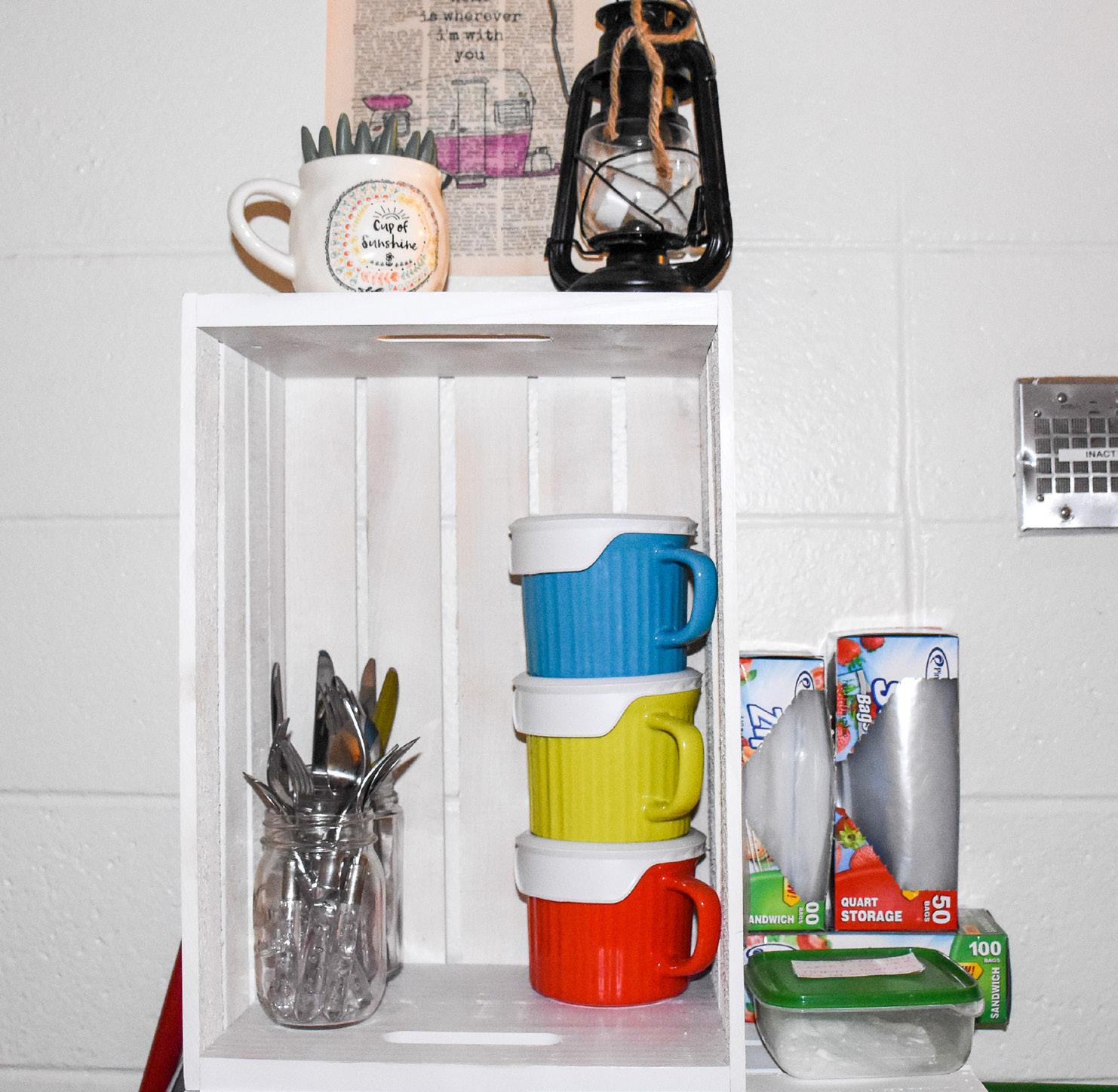
File photo/The Standard
Using totes or milk crates as makeshift cabinets is a great way to maximize what little space you have in your dorm room.
With limited space, every item should earn its spot in your dorm.
Cube organizers, storage ottomans and caddies all provide function without taking up additional space. A simple storage cube can turn multi-functional as a seat, hidden storage, and room decor all at once.
Before bringing something into your dorm, ask yourself,
• “Does this serve more than one purpose?”
• “How can this be utilized to keep my dorm both efficient and clean?”
Defining your area is one of the easiest things you can do right now to make your limited space feel larger. Mentally, divide your dorm into three zones, the sleep zone, the study zone and the relaxing zone.
One of the easiest and simplest ways to improve focus and maintain routine is by keeping your bed for sleeping and sleeping only. By not relaxing in bed and reserving it for only sleep, you can train your brain to associate your bed with sleep, ultimately allowing you to fall asleep quicker. Turning your bed into your sleep zone has the potential to reinvent the dorm room bedtime routine.
Consider your desk in your dorm, your study zone. Reserve this spot for real, focused work. Similar to your sleep zone, by doing this, your brain associates this area of your room with studying and ultimately provides you with more efficient work.
Use the remaining space left in your dorm as your relaxing zone. Consider adding a rug, lamps and any personalized custom decor that resonates with you to make it more like home.
Communication between suitemates is crucial. Before your move-in day, talk about who is bringing specific shared communal items, such as a water filter, secondary mini fridge, etc. Discuss your ideal layout/storage ideas and plan early to avoid the hassle of mid-semester rearranging.
Setting clear expectations for everyone early regarding the cleanliness of your dorm is one of the best ways to manage and sustain your dorm while also keeping the room comfortable for all residents.
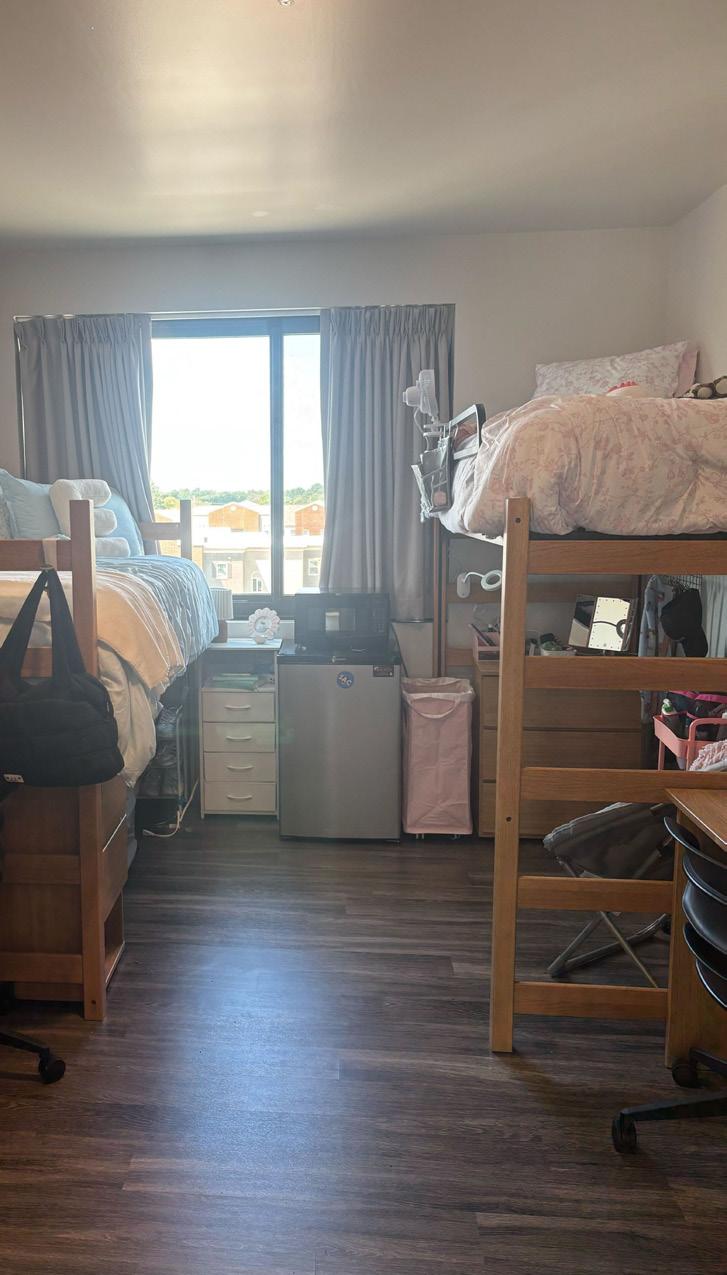
Lofting your bed is another great way to make more space.
One of the most common mistakes students make is filling every inch of their dorm. It’s important to remember in a dorm-style room, open space is key. Most students will find a rather minimalist approach can make your room not only feel cleaner, but also more functional and easier to maintain.
It’s important to remind yourself your dorm doesn’t have to look like your Pinterest board to feel like home. Especially in a dorm, comfort and practicality come first before appearance.
A small dorm may come with its limits, but living on campus also comes with countless opportunities. With thoughtful organization and creativity, you can easily transform your space in a way that supports both your academic success and social life.
It’s not about how big your dorm is, but rather how you utilize that space.