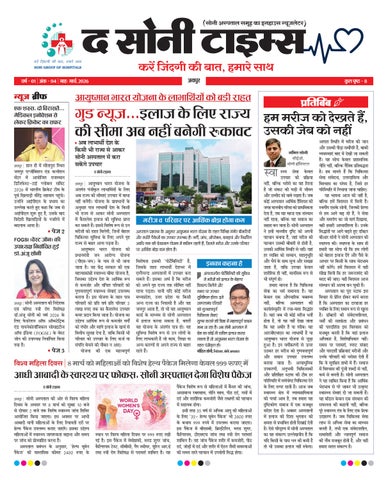
Prevention is always better and less expensive than cure : Dr. Nitin Batra
The Soni Times
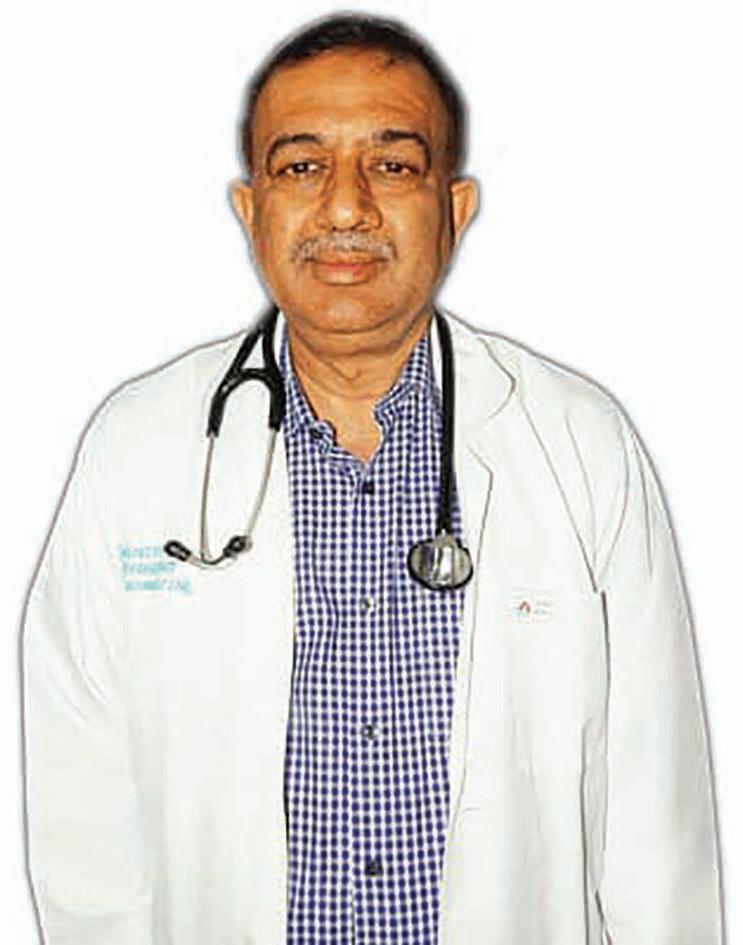
Jaipur. General Medicine forms the backbone of healthcare. From diagnosing complex illnesses to managing chronic diseases, general physicians play a critical role in ensuring holistic patient care. In this detailed conversation, Dr. Nitin Batra shares insights about his journey, medical trends, patient awareness, preventive care, and the evolving healthcare landscape. Dr. Nitin Batra is a senior consultant in internal medicine at Soni Hospital in Jaipur with more than 2 deceased of experience, focusing on infection control and general medicine.
Question: Dr. Batra, could you tell us about your journey into the field of General Medicine?
Answer: My journey into medicine began with a deep interest in understanding how the human body functions. During my medical training, I realized that General Medicine offered a unique opportunity to look at the patient as a whole rather than focusing on a single organ system. It challenges you intellectually because you are often the first point of contact. You need to evaluate symptoms that may seem simple but could indicate complex underlying conditions. After completing my MBBS, I pursued MD in General Medicine. The training exposed me to a wide range of cases from infectious diseases to metabolic disorders and critical care situations. What drew me most to this specialty was its diversity and the long-term relationships we build with patients.
Question: What exactly does a General Medicine specialist do?
Answer: A General Medicine specialist, also known as a physician or internist, diagnoses and manages a broad spectrum of adult health conditions. We treat acute illnesses like fever, infections, respiratory conditions, and gastrointestinal issues. At the same time, we manage chronic diseases such as diabetes, hypertension, thyroid disorders, asthma, and heart disease. We also coordinate care when patients need referral to super-specialists. Essentially, we serve as the central guide in a patient’s healthcare journey, ensuring continuity and comprehensive treatment.
Question: What are the most common health issues you encounter today?
Answer: The most common conditions include diabetes, high blood pressure, obesity, thyroid disorders, respiratory infections, and lifestyle-related illnesses. We are seeing a significant rise in metabolic syndrome, especially among younger adults. Stressrelated disorders are also increasing. Many patients come with complaints like fatigue, sleep disturbances, and anxiety, which are often linked to lifestyle imbalances. Seasonal viral infections, dengue, malaria, and flu also remain prevalent, particularly in certain times of the year.
Question: Lifestyle diseases are on the rise. What is driving this trend?
Answer: Several factors contribute to the rise of lifestyle diseases. Sedentary lifestyles, poor dietary habits, lack of physical activity, irregular sleep, smoking, alcohol consumption, and chronic stress all play major roles. Technology has made life convenient but less active. Long working hours and screen time have reduced physical movement. Processed foods high in sugar and unhealthy fats are widely consumed. Additionally, people often ignore early warning signs and skip regular health check-ups, allowing conditions to progress silently.
Question: What advice do you give patients for maintaining overall health?
Question: How important are preventive health check-ups?
Answer: Preventive health check-ups are extremely important. Many serious diseases, such as hypertension and diabetes, can remain asymptomatic in the early stages. Regular screening helps detect these conditions before complications arise. For adults above 30, annual blood tests, blood pressure monitoring, lipid profiles, and blood sugar assessments are advisable. Early detection allows lifestyle modification and timely intervention, which can prevent long-term organ damage. I always say that ‘Prevention is always better and less expensive than cure.’
Answer: My advice is simple and practical. Maintain a balanced diet rich in fruits, vegetables, whole grains, and lean protein. Exercise at least 30 minutes a day, five days a week. Ensure 7–8 hours of quality sleep. Avoid tobacco in any form. Limit alcohol consumption. Manage stress through meditation, yoga, or hobbies. Stay hydrated. Get vaccinated as recommended. Consistency matters more than intensity. Small sustainable changes bring long-term benefits.

Question: How has the doctor–patient relationship evolved over time?
Answer: The doctor–patient relationship has changed significantly. Earlier, patients relied entirely on the doctor’s advice. Today, patients are more informed, often researching symptoms online before consultation. While awareness is good, misinformation can create confusion and anxiety. Therefore, communication has become even more important. Doctors must explain conditions clearly and involve patients in decision-making. Trust remains the foundation. A strong doctor–patient bond improves treatment adherence and outcomes.
Question: How did the pandemic change the practice of General Medicine?
Answer: The pandemic reshaped healthcare delivery. We had to adapt quickly to telemedicine, infection control protocols, and managing post-COVID complications. It also highlighted the importance of immunity, vaccination, and preventive care. Many patients delayed routine check-ups during the pandemic, which later resulted in poorly controlled chronic diseases. The experience reinforced the value of preparedness, teamwork, and resilience in healthcare.
Question: How do you handle cases where symptoms are vague or unclear?
Answer: General Medicine often involves diagnostic puzzles. When symptoms are vague, we take a detailed history, perform a thorough examination, and order appropriate investigations. Patience is crucial. Sometimes observation over time helps reveal the diagnosis. A systematic approach prevents unnecessary tests and ensures accurate assessment.
Question: What message would you like to give to young doctors considering General Medicine?
Answer: General Medicine is intellectually rewarding and emotionally fulfilling. It requires strong clinical skills, curiosity, and compassion. You must be ready to continuously update your knowledge because medicine evolves rapidly. If you enjoy solving complex problems and building long-term patient relationships, this specialty is ideal.
Question: Finally, what is your vision for the future of healthcare?
Answer: The future of healthcare lies in preventive medicine, personalized treatment, and integrated care models. Technology will continue to enhance diagnostics and monitoring across communities and healthcare systems worldwide. However, compassion and empathy will remain central to every patient interaction. Medicine is not just science; it is also humanity. If patients and doctors work together with trust, mutual respect, and responsibility, we can build a healthier, stronger society.