




by Mariah Bugtaquen
To better reflect new goals, adapt to change, and meet accreditation requirements, St. Joseph’s
Inc. officially launched its revised Vision and Mission during the flag ceremony, January 14. Sr. Nela Ramirez, SPC, Sr. Gemma Amor Salaug, SPC, and Sr. Jonah Gutang, SPC, presented the newly revised vision-mission of the school during the flag ceremony at the quadrangle.
Mrs. Joan Valdez, subject coordinator, stated that adapting to change ensures that the school remains relevant and responsive to the evolving expectations of learners and society. She emphasized that the phrase “transformative and innovative education” demonstrates the school’s dedication to adapting to the ever-changing educational landscape.
The revised school vision-mission highlights the statements: “empowered individuals inspired by faith and excellence” and “socially responsible Paulinians” to reflect the goal of producing graduates who can contribute meaningfully to the Church and society.
To conclude the objectives of the revised school vision-mission, Valdez added that meeting accreditation standards, such as those set by the Philippine Accrediting Association of Schools, Colleges, and Universities (PAASCU), is a long-term aspiration. She explained that it illustrates a commitment to quality, equity, and values through essential characteristics such as “transformative education,” an “inclusive and compassionate learning environment,” and “social responsibility.”
The revised vision-mission fosters the cultivation of empowered individuals inspired by faith and excellence, as well as socially responsible Paulinians.



DepEd to reduce SHS core subjects to boost employability
by Jade Abaya
The Department of Education (DepEd), under the leadership of Secretary Sonny Angara, has announced plans during the 2024 Regional Conference on Educational Planning in Asia to revise the Senior High School (SHS) curriculum by significantly reducing the number of core subjects to improve students’ readiness for employment.
Angara emphasized that the current curriculum is overcrowded, which hampers students’ ability to gain practical skills.
“As an implementer of the K-12 curriculum, I find it difficult to cover all the competencies since the allotted time is insufficient for their [competencies] number, especially with disruptions caused by environmental factors,” said Jerika Dasmarinas, an SJI-an teacher, supporting the statement of DepEd Secretary Angara.
The revised curriculum is expected to limit core subjects to five or six, allowing learners more time for onthe-job training.
“I’m all for the revised curriculum’s plan to decrease core subjects because getting exposed to the real world will really help prepare us [students] for our future careers,” said Gwen Ramirez, an SJIan grade 12 student.
In addition, 149 of 158 or 94.3% of enrolled grade 12 students for the school year 2024-2025 of Saint Joseph’s Institute, Inc. agreed to the reduction of subjects and more time with on-the-job training. This change aligns with DepEd’s goal of producing graduates who are more competitive and adaptable in the workforce, even without prior job experience.
To implement this reform, DepEd has partnered with the Asian Development Bank (ADB) for technical guidance and recommendations. The collaboration aims to ensure that the updated curriculum meets international standards while addressing the local industry’s needs. Key areas such as English, Science, and Math will be prioritized in the restructuring process.
This development comes amid broader efforts to address the education sector’s challenges, including overcrowded curriculums and low employability rates among SHS graduates. The initiative has sparked discussions about balancing academic rigor with practical skills training to prepare students for real-world demands.


With an 84.49% effectiveness rating from students and an 88.83% approval from parents, the ARP has proven to be an essential program. It equips Paulinians to improve their academic performance and emotional well-being, fostering resilience amid academic and environmental challenges.
The program offers asynchronous classes every Wednesday using online platforms like Genyo and MS Teams, along with weekly activities. These include mental health initiatives and reflective practices such as meditation, prayer, breathing exercises, Basic Ecclesial Communities (BEC) meetings, and journal writing. It also incorporates self-directed learning activities such as online interactive modules, the GENYO learning package, video tutorials, mini-tasks, book activities, and structured academic instructions to help students overcome challenges. Moreover, the program addresses issues such as academic stress, emotional struggles, low performance, lack of resilience, and weak school-community connections, preparing students to face future challenges with confidence.
The expected outcomes for students include better focus, improved time management, and stronger community engagement, contributing to a more holistic school experience.
This initiative is particularly urgent in light of the Philippines’ low 2022 Program for International Student Assessment (PISA) rankings. The country placed 77th out of 81 nations, falling below the global average in Mathematics (scoring 353 in 2018, down from 355), Reading Comprehension (scoring 347, up from 340), and Science (scoring 356, down from 355).
Additionally, in the newly launched creative thinking assessment for the PISA 2022 cycle, Filipino students ranked among the bottom four globally, with an average score of 14 points—far below the Organisation for Economic Cooperation and Development (OECD) average of 33—underscoring the need for immediate improvements and innovative initiatives.
“It makes me more of an opportunity seeker in how I fathom my lessons or discussions, and it helps my emotional state of well-being because they give us students a lot of days to cope and finish our activities,” shared Chealsey Abuan, Junior High School Executive Council President.
The ARP’s importance is further highlighted by the seven powerful typhoons that struck the Philippines between September and November 2024—Julian, Kristine, Leon, Marce, Nika,
Ofel, and Pepito. These typhoons caused numerous school suspensions, resulting in academic setbacks and poor performance among students.
According to the Department of Education (DepEd), these typhoons caused P1 billion in damages across 10 regions, with 323 classrooms destroyed, 507 requiring major repairs, and 209 schools repurposed as evacuation centers. Typhoon Kristine alone inflicted an additional P5 billion in damages, disrupting academic activities in regions like Cordillera, which lost 36 school days, and Ilocos and Cagayan Valley, which lost 30 school days each. These disruptions emphasize the urgent need for resilience programs like the ARP.
“Amidst all the disasters, there is continuous learning because of ARP, wherein teachers upload activities and lessons online. If students lack internet access, lessons are sent through messenger, calls, or text,” explained Fae Gumayagay, Subject Coordinator, emphasizing the program’s role in ensuring learning continuity despite disruptions.
However, the ARP still faces challenges such as gaps in parental support, where some parents lack the finances, skills, or time to create suitable home learning environments, as well as issues with student involvement and participation.
“What I saw was the parent-school relationship and the instruction for subjects. Sometimes, parents use the Wednesday resiliency program as an opportunity to stroll instead of ensuring their children complete the activities. We can’t achieve the program’s goal if that’s the case,” observed Roland Toquero, Subject Coordinator.
“But if there’s a need to improve some part, then we will improve that part of the program,” Toquero added, highlighting the program’s adaptability and commitment to continuous growth.
Despite the high effectiveness ratings, challenges such as strengthening parent-school collaboration and implementing innovative solutions for uninterrupted learning during crises remain. Deanne Festejo, Parents Homeroom Executive Council (PHEC) President, also noted that there is still room for improvement.
The ARP serves as a bridge for Paulinian students to become more adaptable amidst adversities and build resilience. While it enables them to persevere academically despite setbacks, addressing these challenges is critical to strengthening the program and positioning it as a solution to the Philippines’ education crisis.


by Mariah Bugtaquen
St. Joseph’s Institute, Inc. (SJI) is strengthening its facilities as part of its preparation for PAASCU accreditation, focusing on enhancing safety, functionality, and the overall learning environment. One key improvement

Jethro Encarnardo
the school’s commitment to attracting more enrollees through innovation and development.
SJI strengthens facilities in preparation for PAASCU accreditation
Also, the school is has addressed electrical safety by ensuring all wiring is concealed, eliminating exposed or dangling cables.
The gymnasium has been repainted inside and out, and its roofing has been renovated to improve both functionality and aesthetics. Ground improvements, such as leveling outdoor spaces, have been made to enhance usability, even though this is not a PAASCU requirement.
Other enhancements include the addition of a new back gate and renovations to restrooms for improved comfort.
In the canteen, the roof has been repaired, and the floor has been upgraded with new tiles to replace rough surfaces.
Looking ahead, SJI plans to install larger touchscreen TVs in classrooms to provide a more interactive learning experience.
“These will be larger TVs and monitors that function as both whiteboards and screens for PowerPoint presentations, interactive games, and more,” Toquero stated. While initially only a few
classrooms will have these monitors, 11 units have already arrived and are ready for installation.
Further plans include upgrading the school clinic and establishing a satellite clinic at the SJI strengthens facilities in preparation for PAASCU accreditation back of the campus to accommodate the growing student population. The school also plans to update exit signs to meet the latest safety standards. Another exciting project is the creation of a Robotics Laboratory, which will feature robot displays and workstations for assembly.
Additionally, the canteen will receive more tables to accommodate additional students during lunch hours.
“Through these improvements, we are not only ensuring compliance with PAASCU requirements but also creating a safer and more conducive learning environment for our students,” said Ma’am Glessie Ariola Llanes.
As SJI continues these enhancements, the school remains committed to fostering a dynamic, safe, and modern learning environment that will serve the needs of its community for years to come.


When schools closed in 2020, over 27 million students nationwide faced disrupted education, with many lacking access to reliable technology or the internet for online classes. A UNICEF report revealed that Filipino children lost the equivalent of two full years of learning during the pandemic, significantly impacting
As a language teacher, I have noticed that some of my learners are having difficulty in writing and speaking with the use of English language, Ara Mae Ilao Teacher from St. Joseph’s Institute, Inc. (SJI) highlights the importance of strengthening literacy skills under the ARAL initiative.
their proficiency in basic skills such as reading, math, and science.
The ARAL Law, identified as a legislative priority by the Legislative-Executive Development Advisory Council (LEDAC), establishes a national learning intervention program aimed at helping struggling learners meet grade-level standards.
The ARAL program aligns with broader efforts to innovate educational approaches nationwide, as seen in initiatives like SJI’s Academic Resiliency Program (ARP), introduced this school year. Held every Wednesday, ARP equips students, educators, and school communities with strategies to manage educational challenges, cope with stress, and adapt to changes. By fostering resilience, the program supports both wellbeing and academic achievement.
The ARAL law is expected to address the lingering effects of the pandemic on education, ensuring that Filipino students receive the support needed to recover and thrive in their learning journeys.
by Mariah Bugtaquen
Among 126 Grade 7 students at St. Joseph’s Institute (SJI), 81.75% expressed support for the MATATAG Curriculum, which was introduced at the start of the academic year 2024-2025. The curriculum aims to prioritize core skills, simplify lessons, and reduce workloads compared to the previous K-12 system.
A survey revealed that 103 students appreciated the curriculum’s focus on improving understanding and problem-solving skills.
“I understand lessons better, but the number of activities leaves no time for rest,” one student shared, highlighting concerns about an overwhelming workload.
Other students expressed similar sentiments, with one stating, “There are too much schoolwork; students are getting stressed due to the continuous tasks.”
Suggestions for improvement included reducing assignments and extending class hours to give students more time to absorb lessons.
“Reducing activities and extending class hours would help allow us to learn without feeling overwhelmed,” one student proposed.
Despite these challenges, the MATATAG Curriculum received positive feedback for enhancing critical thinking, with 65% of students agreeing that it helps develop these skills.



In addition to student feedback, all 10 Grade 7 teachers surveyed, or 100%, agreed that the curriculum equips students with skills necessary for success in the 21st century.
The survey for teachers, which included questions on resource availability, pacing, and professional development, revealed unanimous agreement on the curriculum’s potential to promote
by Jade Abaya
active student participation. Teachers also emphasized the need for better resources and professional development to optimize implementation.
There should be enough training and seminars to ensure teachers’ preparedness in implementing the changes in the curriculum as well as enhancing its effectiveness,
Angelica Palomares SJI Subject Coordinator
“We need more resources and time to prepare for the lessons,” one teacher added, echoing the collective call for enhanced materials and training.
Currently, only Grade 7 and Kindergarten teachers are affected by the curriculum shift, making them the first to test and adjust to its framework.
While the MATATAG Curriculum has shown promise in improving clarity and foundational skills, addressing concerns about workload, resources, and training is essential to ensure its long-term success.
As adjustments continue, the curriculum has the potential to set a standard for education reform, benefiting students and teachers alike at SJI and beyond.
The recent consecutive typhoons in the Philippines, including Severe Tropical Storm Kristine, had led to widespread class suspensions that magnified learning loss among millions of students.
The Department of Education (DepEd) reported that 377,729 students across the country are at “very high risk” of further learning loss, with disruptions affecting nearly 4.8 million learners.
Regions such as the Cordillera Administrative Region (CAR), Ilocos, Cagayan Valley, and Central Luzon have been particularly hard-hit, each logging over 29 school disruptions.
Education officials expressed concerns over the long-term impacts of these suspensions. Missed classes threaten to create a gap in knowledge that cannot easily be recovered, exacerbating the already existing challenges caused by the pandemic.
DepEd Secretary Sonny Angara highlighted the urgency of addressing these losses, especially
by Jade Abaya
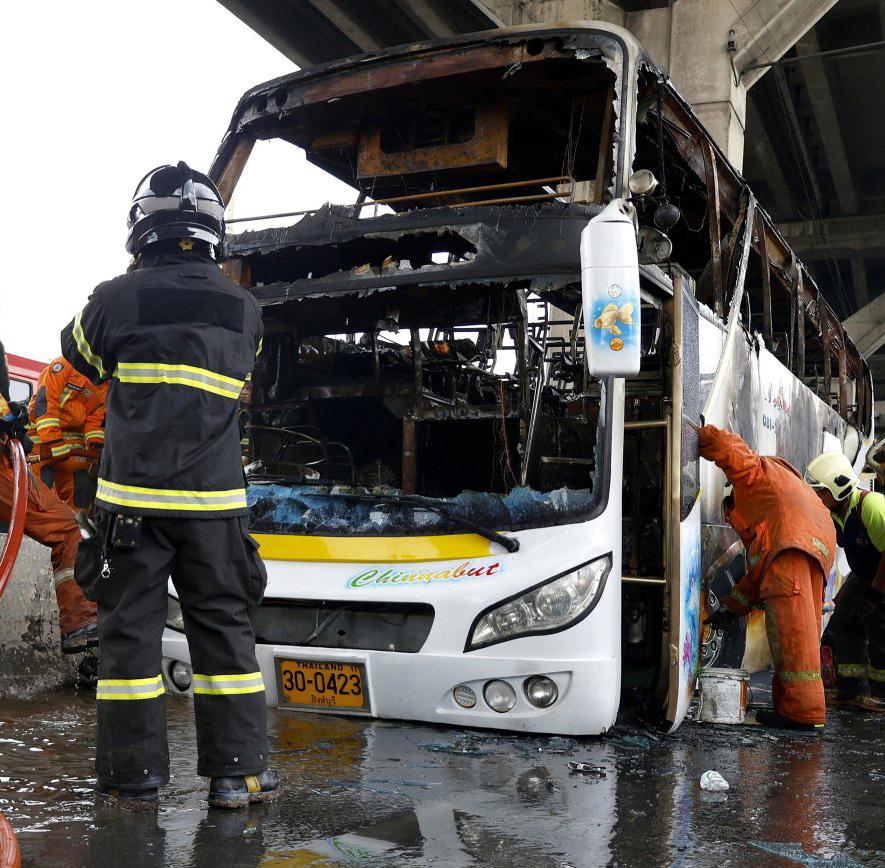
A tragic bus fire in Pathum Thani, Thailand, on October 1, 2024, claimed
The accident has raised questions about transport safety, particularly the use of CNG in vehicles, which officials described as “extremely risky.” The incident underscores the importance of stringent vehicle inspections and safety measures to prevent such disasters . At St. Joseph’s Institute, Inc. (SJI), similar concerns have prompted discussions about transportation safety protocols. Mrs. Glessie Llanes, the school’s Human Resource Officer, emphasized their diligence in selecting service providers. “Our first consideration is that they were already a service provider before, so the contractor is familiar to us. Second, we ensured that the transport service is legal and properly permitted. Third, the driver must be experienced and licensed. There is also
insurance coverage for the children and even employees, amounting to ₱7,500 per school year.”
Adding to this, Mr. Jun Guimayen, SJI’s official driver for 16 years, highlighted the school’s preventive maintenance practices.
“There is a routine inspection of our school vehicles before use. We check the brakes, fluids, gas, and perform oil changes regularly to ensure the vehicles don’t break down,” he explained. [“May regular na pag-check ng mga school vehicles bago natin gamitin. Chine-check namin ang brake, fluids, gas, at nagcha-change oil para hindi masira.”]
This commitment to safety demonstrates how institutions can proactively mitigate risks and ensure the well-being of their students and staff.
SPSA
by Kyla Trinidad
St. Paul School of Aparri (SPSA) in Cagayan received Php 15, 191.25 donated by the St. Joseph’s Institute, Inc. (SJI) community in response to the devastation caused by Typhoon Pepito, which made landfall in Catanduanes and Aurora Province in November 2024.
SPSA received contributions from the SJI-an community and Sisters of St. Paul of Chartres (SPC), amounting to Php 15,191.25 through the Mission Box, in support of their trust fund rebuilding project. Students, teachers, and parents contributed significantly to providing support and showcasing their solidarity during the crisis. Moreover, SJI also made a donation of Php 20,000 to further assist the school’s recovery. In total, over Php 35,000 in donations will be allocated for projects to rebuild infrastructure affected by the typhoon. This initiative aims to help SPSA rebuild its damaged facilities following the destruction caused by Typhoon Pepito.
as natural disasters become more frequent. “It’s worrisome that students are missing so many classes. If not addressed, this could lead to irreversible learning deficits,” he noted.
“The suspended classes gave us a chance to rest, but in the long run, it became burdensome because we had to catch up on numerous missed requirements and exams,” stated Jeanna Escalona, a grade 12 SJI-an student.
“Personally, [in] my own conviction, it has affected my children because ‘yung momentum nila nag-slow down. and when the classes had to resume, parang, “Wow, mommy, nakakatamad na.” They had to readjust again to the system,” Parent Homeroom Executive Council (PHEC) President Deanna Festejo shared.
To mitigate the impact, DepEd has introduced the Dynamic Learning Program (DLP), which promotes independent and resource-efficient learning. The initiative will allow schools to hold
According to Sr. Gemma Amor Salaug, SPC, “I believe that our school directress, [Sr. Nela and Sr. Jona], have seen the devastating situation at [SPSA]. We saw how the typhoon had really swept through the area and the damage it caused. And so, the school, through [Sr. Nela and Sr. Jona], initiated giving help specifically to [SPSA]. We also saw their campaign asking for donations to help them rise above the great damage that the typhoon caused the school.” The administration of SPSA expressed their gratitude towards the students, SJI, and other supporters who encouraged them to persist in recovering from
make-up classes and use adaptable learning activity sheets in temporary setups. This program is set to pilot in disaster-affected areas such as CAR and Central Luzon this November.
“In SJI, we use Genyo and Microsoft Teams, technology-based learning platforms where we, teachers, can create learning packages, and students can access them at their convenience. With these tools, learning can thrive despite the suspension of face-to-face classes,” said Jerika Dasmariñas, an SJI-an teacher. Despite these efforts, the cumulative effects of class suspensions highlight a pressing need for long-term strategies to ensure educational continuity amid recurring natural disasters. Without significant intervention, the gap in student learning may continue to widen, leaving millions of Filipino students struggling to catch up.

Paulinians celebrate Season of Creation, engage in coastal-clean up
by Kyla Trinidad
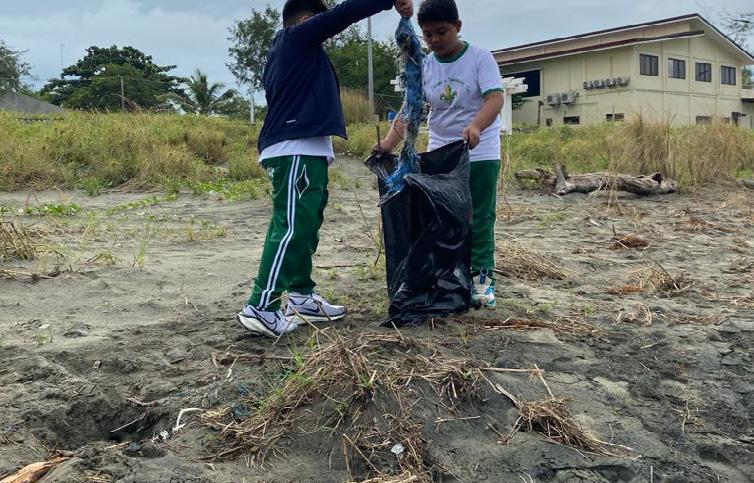
In celebration of the Season of Creation, spearheaded by the Parish Social Action Commission of Candon City, SJI-an Paulinians engaged in the Walk for Creation in Candon City, September 28.
The event began with the observance of the Holy Eucharistic Mass, led by Fr. Geronimo Realin.
The ecology walk commenced shortly after the Mass, with SJI-an Paulinians initiating a clean-up drive along Darapidap Road leading to the seashore.
Together with the Campus Youth Ministry (CYM) members, the SJI-an Paulinians demonstrated their commitment to environmental stewardship, aligning with the school’s mission: Laudato Si.
This initiative emphasized that the effort is not just about cleaning the environment, but also about appreciating God’s creation—valuing and nurturing the environment.

by Mariah Bugtaquen
Angelica Diasen Senior Crew Leader (SCL)

hearts. In exchange for a small gift, we witnessed the beauty of happiness.”
Mrs. Geraldine Pacursa, and the outfit council. Guided by their scout oath and law, the SJI-an
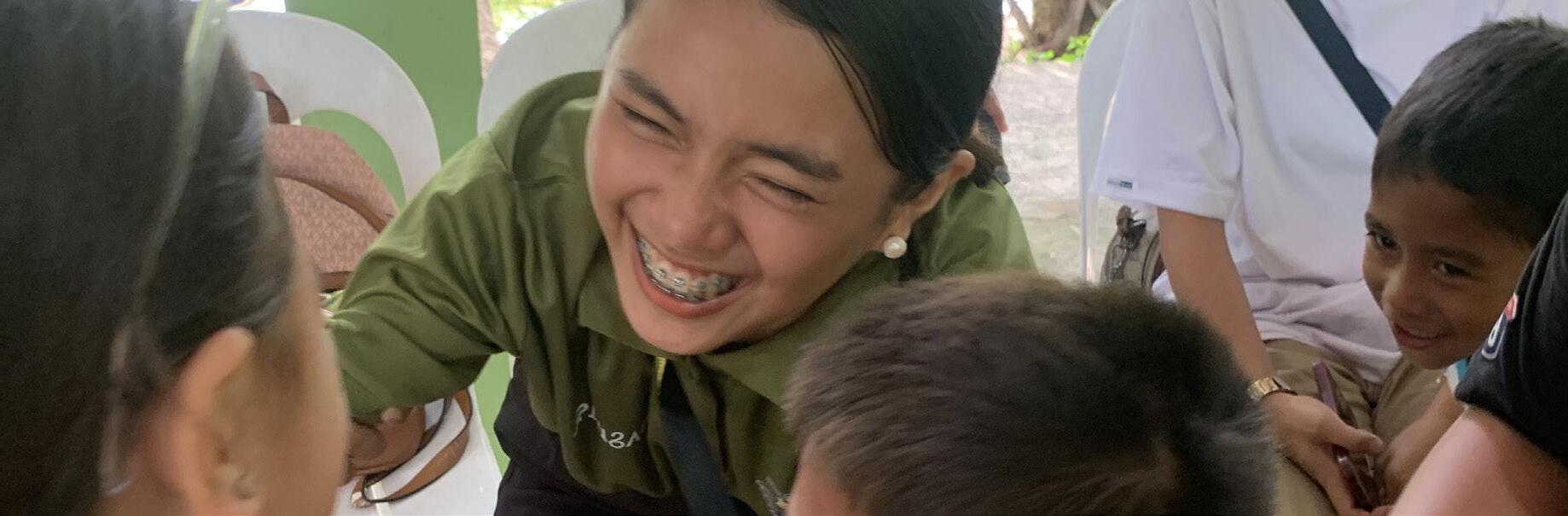
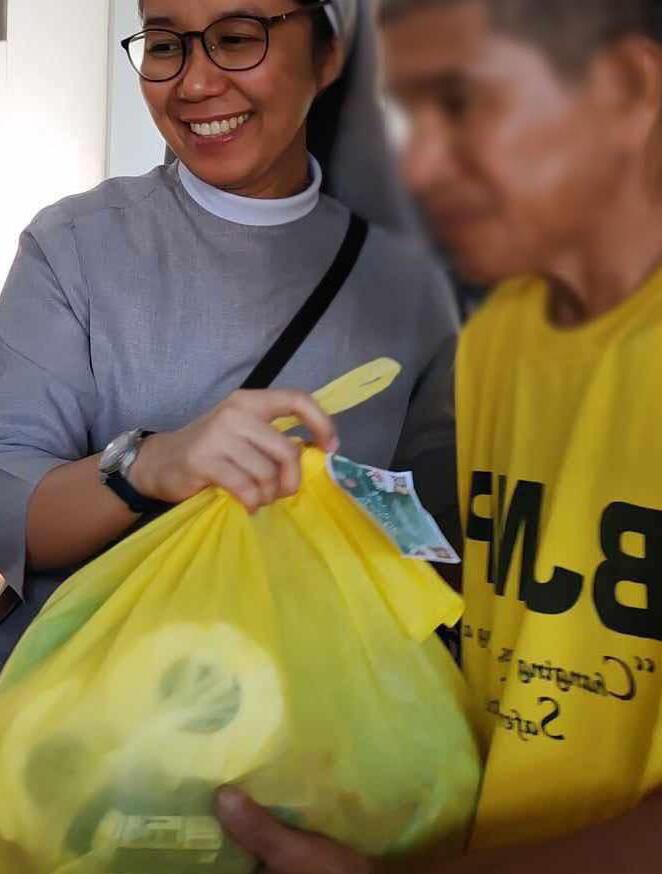
Senior Scouts initiated the outreach program, distributing food and drinks to those in need.
Juan Antonio Galang, the Assistant SCL, added, “Seeing the smiles and laughter of the people warmed our
BY THE NUMBERS
3.6 MILLION
Filipinos suffer from mental health issues, with a recorded suicide rate of 2.2 per 100,000 Filipinos in 2024.
From Philippine Statistics Authority (PSA)
“The efforts of the SJI-an Senior Scouts made a significant impact on the community, and the program was a resounding success,” concluded Xerxes Josef Castillo, the Outfit Quarter Master. Through this initiative, the SJI-an Senior Scouts continue to weave threads of kindness, strength, and hope, fostering peace and unity in the community.
by Elaine Gabuat
Mental health in focus. Students engage. Experts speak. Leaders act. Stigma breaks. Change begins.
To raise awareness about mental health and encourage students to prioritize their well-being, the Candon City Health Office, in partnership with the Provincial Health Office, sparked empowerment and change through a Mental Health Awareness Caravan at the St. Joseph’s Institute, Inc. (SJI) gymnasium, September 26.
The program began with inspiring speeches from local leaders, including Vice Mayor Atty. Kristelle Singson, SBM Jimboy Singson, and SBM Lerisa Llanes, urging everyone to break the stigma surrounding mental health.
“Mental health is just as important as physical health,” emphasized Vice Mayor Singson during her address.
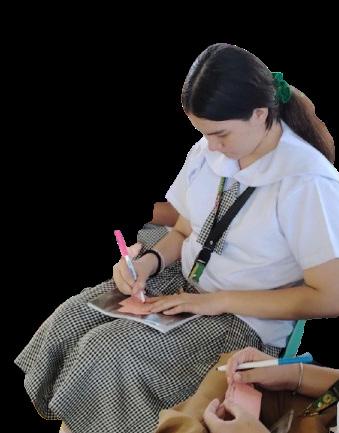
Students participated in engaging activities, such as making stress balls and popping balloons, which not only helped them relax but also encouraged reflection on their emotional well-being.
Provincial Mental Health Coordinator Honey Pearl R. Tabieros discussed factors affecting mental health and ways to support individuals in crisis, urging students to take action: “If you see a suicidal post, don’t hesitate to remind them of life’s beauty.”
Adding to the discussion, Nhokia Diane Rabara explained the changes teens experience and how understanding these
Every school has the potential to ignite change, and for many students, leadership training empowers them to lead with purpose.
Mr. Alfred John Auingan and Mrs. Joanne Ascencion Valdez forged a path to excellence for young leaders during the annual student-based leadership training program at the St. Joseph’s Institute (SJI) Audio Visual room, October 12.
High school classroom officers, club officers, and aspiring student leaders filled the room, eager to learn from accomplished alumni like former SHSEC President Auingan and City Councilor Valdez, President of the Candon Youth Movement. Both alumni shared their experiences and offered indispensable advice to the next generation of leaders.
Auingan and Valdez, drawing from their experiences, explored the multifaceted nature of leadership, emphasizing personal growth, constructive criticism, balancing expectations, clear communication, and learning from others.
“Criticism is healthy. Constructive
criticism makes us better and helps us evaluate ourselves,” shared Valdez, highlighting the importance of embracing criticism. She also stressed identifying strengths and focusing on nurturing them. Additionally, Valdez and Auingan emphasized prioritizing well-being and setting healthy boundaries. “Leadership requires sacrifice, but it leads to greater fulfillment,” Valdez said, stressing the importance of saying “no” to avoid compromising energy and health.
Auingan reinforced the need to align choices with personal values and leadership goals.
“It’s important to involve people in your journey—whether they’re friends or team
members—so they understand your actions and support you,” advised Valdez, emphasizing the importance of building a strong support system.
Auingan, drawing from his own experience, echoed the need to build trust and stronger relationships. In the end, they reminded students that it is okay to be uncertain or hesitant, as confidence comes with experience. Doing what you love does not always align with your leadership path. The day concluded with a collaborative Amazing Race, putting the students’ newfound leadership skills to the test.
transitions can help manage this critical stage of life.
Adrian Nile Fernandez highlighted the dangers of alcohol abuse and its long-term effects on mental health, while Lester Adrian Rayray emphasized the importance of making healthy choices in teenage relationships.
“A Christ-centered environment, where love, compassion, and understanding are at the heart of everything, allows individuals to find hope, purpose, and a deeper sense of meaning, which brings inner calm. Nature also plays a beautiful role in mental health. Being surrounded by God’s creation—trees, fresh air, and open skies—helps soothe the mind and lift the spirit,” shared student Bithi Masuma Parvez, reflecting on the event’s impact.
The program concluded with Vice Mayor Singson reassuring attendees that this was just the beginning of the community’s ongoing commitment to promoting mental health awareness and support.


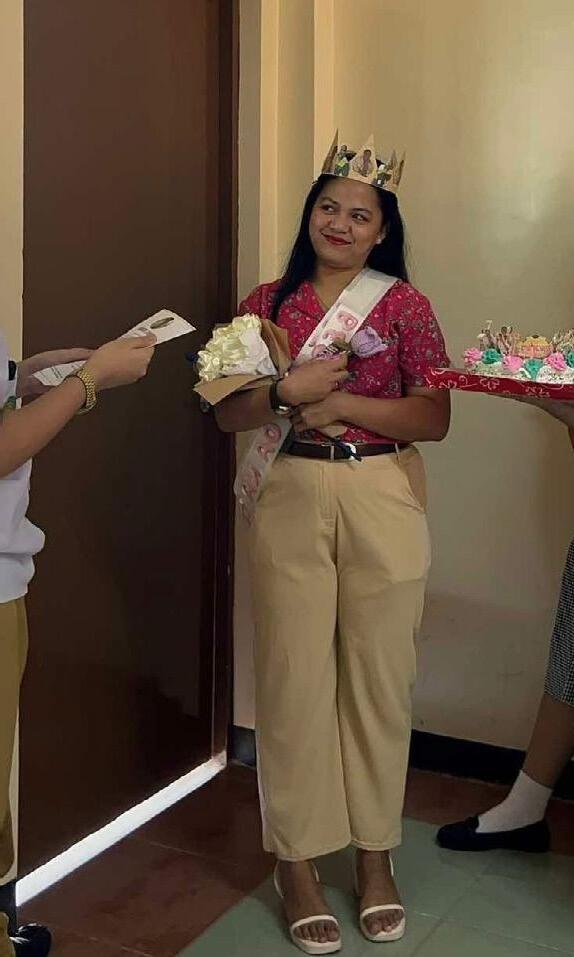

and filled the event with gratitude towards their educators.
The program began with a solemn prayer led by Chloe Caday, Junior High School Executive Council (JHSEC) Vice President, followed by an inspiring opening speech by Dyrene Almazan, Senior High School Executive Council (SHSEC)









Grade School Department:
President: Ray Fransico Elaydo
Vice President: Janine Venise Amara Principe
Secretary: Andrian Phey Evangelista
Treasurer: Gabrielle Lorelie Palacio
P.I.O: Algrenh Yagyagen
Chairman of Ways and Means: Liam James Valdez
Grade 1 Representative: Avaleigh Zobia Bitug
Grade 2 Representative: Luke Nimuel Grove
Grade 3 Representative: Kris Alexander Tan
Grade 4 Representative: Athaliah Jornacio
Grade 5 Representative: Grhealne Yagyagen
Grade 6 Representative: Dino Gabriel Velasco
Junior High School Department:
President: Chealsey Alessandra Abuan
Vice President: Chloe Caday
Secretary: Tanya Monique Calilap
Treasurer: Princess Archery Macalalad
P.I.O: Stefany Jacosalem
Grade 7 Representative: Cassandra Claudia Uy
Grade 8 Representative: Leonard Eldyey Quinto
Grade 9 Representative: Charicr Tiffany Velasco
Grade 10 Representative: Alliyah Stefany Pinzon
Senior High School Department:
President: Dyrene Juilianne Almazan
Vice President: Xyrille Chloe Adahville Cadiente
Secretary: Edwardson Jorei Gadut
Treasurer: Annika France Martinez
P.I.O: Grifter Jay Peralta
Chairman of Ways and Means: Marwin Jules Visico
STEM Representative: Cloie Anne Felipe
HUMSS Representative: Gwen Harren Ramirez
ABM Representative: Maria Athena Malabo
After weeks of campaigning, the deserving candidates earned their positions through hard work and determination, while students proudly expressed their support for the newly elected leaders.

the audience with a surprise intermission act, showcasing their own singing and dancing prowess. As the program progressed, the winners of various competitions were announced, each receiving roaring support from the crowd. PauliSongs Champion: Vien

By achieving remarkable results at UNP’s 59th Founding Anniversary competitions, SJI not only showcased the academic excellence of its students but also highlighted the value of collaboration among local schools, fostering a culture of shared learning and inspiring greater student achievement. Paulinians



Harmywin Pagaoa, a three-time consecutive champion of the Peace Poster Contest sponsored by the Lions Club International, is set to compete at the national level on December 3 after securing victory at the regional competition in La Union, representing Candon City, Ilocos Sur. The results for the nationals are expected to be published soon. The Peace Poster Contest, sponsored by Lions Club International, is organized to promote peace worldwide. The Lions Club, a nongovernmental organization composed primarily of professionals, conducts zonal peace poster contests as part of its advocacy. Pagaoa claimed first place in the zonal competition, representing St. Joseph’s Institute, Inc. (SJI), where she competed against participants from Candon to Narvacan, Ilocos Sur. Following her zonal triumph, Pagaoa advanced to the
regional level in La Union, where she placed second while representing Candon City, competing against participants from Pangasinan, Baguio, La Union, and Ilocos Norte. Pagaoa has participated in Peace Poster Contests since sixth grade, consistently securing victories every year.
“Back in second grade, I can still vividly remember witnessing high schoolers competing in a Peace Postermaking contest at the volleyball court. At that moment, I told myself that I wouldn’t stand a chance in competing in a poster contest since I couldn’t think of multiple ideas to draw,” Pagaoa shared.
Looking back, it’s quite funny considering how I’m now a Peace Poster contestant. The little doubt I had back then became one of my greatest achievements in my journey as an artist,
“Ang isa sa mga greatest achievement ni Harmywin sa Peace Poster Contest ay ang pagiging Hall of Famer. Noong nagsimula siyang sumali ng Peace Poster Contest, lagi siyang champion. Mula [Grade Six hanggang Grade Eight], champion siya lagi. Kaya nagkaroon siya ng Hall of Fame award sa Lions Club,” expressed Roland Toquero, Pagaoa’s coach.
[“One of Harmywin’s greatest achievements in the Peace Poster Contest is becoming a Hall of Famer. When she started participating, she was always a champion. From [Grade Six to Grade Eight], she consistently won. That’s why she received a Hall of Fame award from the Lions Club.”] As of now, the results for the nationals are eagerly awaited.
Bugtaquen
St. Joseph’s Institute, Inc. (SJI) students excelled in the Invitational Academic Quiz and Spelling Bee Competition held during the University of Northern Philippines’ (UNP) 59th Founding Anniversary celebration, October 16.
The event, organized by the Office of the Vice President for Academic Affairs’ Special Events Committee in collaboration with the College of Arts and Sciences, featured the theme “UNP @59: Evolving Excellence and Inspiring Innovations Beyond Borders” and ran from 8:00 AM to 5:00 PM at the UNP Tadena Hall. Representing SJI in the elementary school category, Ray Francis Elaydo and Arthus Bumachi advanced to the hard round of the Spelling Bee competition and achieved second place against Tamag Elementary School.
The program began with an opening dance salvo initiated by the IYM of Santiago Parish. Apo Lester Joseph Plana expressed his gratitude and delivered his welcome remarks to the different IYM parishes that
Seven schools competed in the elementary spelling bee, with SJI standing out by reaching the final round and performing exceptionally well.
In the secondary school Spelling Bee category, SJI’s representatives, Grifter Peralta and Cassandra Novelozo, also earned second place, competing against 19 schools. The top three schools in this category were Sta. Maria National High School, SJI, and UNP Senior High School.
Meanwhile, in the secondary school Academic Quiz, SJI’s team—composed of Jaries
Peralta, Marian Micah Pallones, and Hanna Mae Ballocanag—finished in fifth place overall, tying with other schools among the 21 participating teams.
was followed by team-building activities prepared by the IYM Santiago Parish. These activities provided opportunities for the youth to foster stronger relationships and deepen their understanding of unity. The celebration concluded with enthusiasm and inspiration as Kalakbay Mark Manzano expanded on the discussions of Fr. Garibay and Bro.
leaving the participants with meaningful reflections.






The spirit of creativity, collaboration, and celebration lit up the hearts of the St. Joseph’s Institute (SJI) community as they shared joy during the Candon City Disney Village in Wonderland, held at Bagani Campo, Candon City, December 5 as a highlight of the Feria De Candon 2024 festivities.
SJI’s entry, inspired by The Swan Princess, stood as a testament to the power of teamwork and dedication. The structure, a harmonious blend of intricate decorations and glowing lights, transported visitors into the enchanting world of the beloved animated classic. Behind this creation was Mr. Roland Toquero, the artistic mastermind who meticulously designed the layout to capture the essence of the movie’s characters and scenery. However, the success of the project was not his alone. Faculty members and learners worked hand in hand to bring the vision to life. From crafting delicate decorations to assembling the structure and connecting the electrical components that illuminated the village, every participant contributed their unique skills and effort.
“The process was challenging but fulfilling,” shared one of the learners involved in the project. “Seeing our creation light up and hearing people’s amazement made all the hard work worth it.”

The Candon City Disney Village wasn’t just about competition—it was about community. Families, tourists, and residents
strolled through the whimsical displays, each one telling a story of collaboration and innovation. For SJI, participating in this event was more than aiming for a prize; it was an opportunity to showcase Paulinian values of unity and excellence. Despite stiff competition, SJI’s Swan Princess-themed village earned 6th place, a commendable achievement given the high level of creativity and craftsmanship displayed by all participating schools. For the SJI community, the experience was a reminder that milestones aren’t just about winning—they’re about the joy of creating something meaningful together. Their participation in the Disney Village reflected not only their artistic prowess but also their ability to light up lives through shared passion and purpose. As the lights dimmed and the festivities came to a close, the memories of the event lingered—a shining example of what can be achieved when imagination meets collaboration. For the Paulinians of SJI, the journey was as magical as the destination.







Trinidad
Kyla

St. Joseph’s Institute, Inc. (SJI) revamped its language center and assigned skilled language teachers to facilitate learning through the use of technology, enhancing the school’s identity as a tech-enabled institution, January 15. The improved language center, previously referred to as the speech laboratory, aims to foster learning in English classes and other literacy-related subjects. This re-establishment also focuses on boosting learners’ confidence in communication, which is an essential part of the
The struggling students of Ampuagan Elementary School in Sta. Maria received learning kits from the Parent Homeroom Executive Council (PHEC) of St. Joseph’s Institute, Inc. (SJI) on December 13 as part of the PHEC’s initiative, Project Alagaan, Damayan, at Paglilingkuran (ADAL).
Following the success of their first initiative, Project Yakap, PHEC officers and members quickly began preparations for Project ADAL.
The group delivered learning kits and extended assistance to a cluster of three barangays in the Ampuagan Elementary School community, showcasing their continued commitment to fostering change through education.
“Sa mga beneficiaries natin, we are giving them hope. ‘Yung pag-asa na binibigay natin sa kanila, ibibigay rin nila sa kapwa nila,” said Mr. Roland Toquero, emphasizing the project’s mission to inspire beneficiaries to pay the kindness forward.
“To the beneficiaries of Project ADAL, we are glad to reach out to them and extend genuine help in a simple gesture. The learning kit provided to them may not be that expensive; however, the act of giving them joy is priceless,” stated Mr. Albert Abuan Jr., PHEC Vice President. PHEC President Mrs. Deanna Festejo highlighted the project’s focus on students, saying, “We are giving learning kits for students from levels one to six.” She expressed
gratitude for the unwavering support they received, explaining that the funds for the initiative were sourced from contributions by PHEC members and officers.
“It’s a minimal contribution. We agreed on an amount to contribute for this project. I am quite thankful for some parents from Sta. Maria who were willing to accommodate us. Wala kaming naging problema sa mga food, unlike when we had Project Yakap, where we provided food for the inmates and the elderly, as well as for the PHEC or volunteer parents who came with us. This time around, we had complimentary food for everybody. Thanks to the SJIan parents from Sta. Maria,” Festejo added, expressing her appreciation. Project ADAL focuses on supporting underprivileged learners from specific barangays through charity work, with the goal of providing learning kits containing basic educational materials essential for school. This initiative is a collaborative effort by all officers and members of the PHEC, with the steadfast support of the SJI community.
PHEC launches first project: Project Yakap
by Kyla Trinidad
Guided by their commitment as parents and in alignment with the school’s mission and vision, the Parent Homeroom Executive Council (PHEC) launched their first project, Project Yakap, for the 2024-2025 school year, in collaboration with the St. Joseph’s Institute, Inc. (SJI) community at Candon City Jail and Balay Taripato, Sta. Lucia, on December 7.
Mrs. Deanna Festejo, PHEC President, spearheaded the project along with the other PHEC officers. They extended heartfelt blessings and donations, including food and snack packs, toiletries, vitamins, and other essential goods for the inmates, funded from their own pockets.
school’s proficiency program.
The school itself provided the funds for the new technologies, including new air conditioners, a television, and speech equipment.
Furthermore, the technologies and equipment have been upgraded and digitized, with all devices transitioning from analog to digital.
These technological advancements are designed to assist teachers in their daily communication and language lessons.
The SJI-an community, represented by Sr. Gemma Ammor Salaug, SPC, Christian Formation Head, Mrs. Joan Valdez, Subject Coordinator, and Mrs. Geraldine Pacursa, Community Extension Services (CES) Assistant, also collaborated on the project, providing additional funding and support.
“A simple thank you is not enough; it is never enough. My heart is full, and I am so grateful. My greatest blessing is having a circle of parents who have been supportive from the very start of PHEC 2024-2025,” Festejo expressed her gratitude toward her fellow PHEC members.
“I am thankful that we are guided by a shared vision and goal. As I always tell them— this is not for me, not for us as parents, but for our children here at SJI. It’s not even about the school’s prestige. For me, everything we do is for our children,” she added.
The beneficiaries of the project included the Bureau of Jail Management and Penology (BJMP) Candon City Jail and Balay Taripato, Sta. Lucia.
Looking ahead, the PHEC has incorporated an upcoming outreach program into its action plan, scheduled for Friday, December 13.


In a country that values education, it doesn’t seem all that true when it comes to the devastating results of the Philippines in the Program for International Student Assessment (PISA). Now that the 2025 PISA assessment is coming out, expecting for a change or improvement in the rankings is merely distant hope. It’s just sad— why is that?
The PISA international assessment is a standardized exam that measures 15-year old students’ mathematics, reading, and science literacy— the test evaluates educational systems by measuring the student’s skills and competencies, and is conducted every 3 years and after 2025— conducted every 4 years.

During the 2022 PISA exam, the results showed that the country ranked 77th out of the 81 countries that participated. Although it was a slightly better result than the 2018 PISA exam— ranking 78th out of 78 countries —it just shows the lack of expertise of Philippine education. With these results, there is little to no hope that the Philippines will climb up in the leaderboard.
Moreover, it was revealed that Filipino students are one of the world’s weakest in math, reading, science, and creative thinking— compared to our Asean neighbors. Using the term “weakest” just proves to show that in fact there was no improvement and there will be no changes anytime soon. They really need to step up their game— but how can they?
The PISA exam supposedly helps countries improve their education policies, yet improvement can’t be seen at all. To say that the problem is poverty and lack of academic resources only points out that the country is poor—- making Filipino pride sink to all-time low. How do they expect to rise up in the ranks when the students are lacking in resources?
Furthermore, Not only poverty and lacking resources but also poorly trained teachers as well. The teachers are the ones educating the students in the country. To improve schools with well-trained teachers— it may change the condition of the education system in the Philippines. After all, quality teachers mean quality education. Yet, it doesn’t seem like that. Are these teachers well trained? Why is poor education still a thing in the country? The Philippines still remain in the bottom ranks after all. Where are the Department of Education’s funds going? To the teachers and employees or not? What is their plan? Because of the weakness of students in the mentioned subjects, changing

Perspective on Finding Your Voice
In a world filled with noise, finding your voice can feel daunting. As students, we often secondguess ourselves, worrying about judgment or whether our words matter. But let me tell you this: your voice is your power. When I first joined campus journalism, I was unsure how to write articles that mattered. Over time, I realized that being a journalist isn’t just about reporting events—it’s about connecting with others and shedding light on truths that might otherwise remain unseen.
To find your voice, you need to embrace these three truths:
1. Your Perspective Matters

Whether it’s writing about your school, your community, or your country, your unique view gives life to the story. Write from the heart, and don’t shy away from expressing what others may need to hear.
2. Clarity is Key A strong voice doesn’t mean using complicated words. It’s about being clear and purposeful. If your readers understand your message, you’ve already succeeded.
3. Practice and Patience No one finds their voice overnight. It’s a journey of trying, failing, and improving. Each article you write, each critique you receive, is a step forward.


the curriculum once more will only complicate things. The plan of incorporating lessons for the students will lead to complaints since the recent implementation of the MATATAG Curriculum. In addition, the schedule of the curriculum will not accommodate the improvement of the students’ skills. The lack of time for them to refine their current skills is a problem and will not make a difference to the result of the assessment. Mind you, the current 15 year olds have gone through a global pandemic— which has affected their skills and academic competency, even if it was years ago.
If the government wants to make a change in the results, then they should act for the students, for the Philippine education system. Merely donating to schools will not cut it. Ensuring quality education is difficult, especially considering the situation of our country. It is already expected that we will stay at the bottom once again. Even if the new MATATAG Curriculum was implemented, it really doesn’t give us hope for a higher rank in the upcoming PISA exam. It’ll always be “bawi next exam” for the students, but when it comes to the Philippines and the PISA exam, might as well expect nothing at all.
Dear Editor,
I truly admire your team’s unwavering dedication to journalism, and it’s clear that you carry the torch of truth with great pride. However, it’s hard to ignore the limitations you face in an environment where press freedom feels restricted. Certain important issues are avoided, not because they’re irrelevant, but because they might cross boundaries set by the institution. This makes me question how much freedom you truly have to cover the stories that matter. Though we’re encouraged to think critically and engage in open dialogue, those ideals often clash with the restrictions placed on campus journalism. When students try to express concerns, there’s often unspoken resistance. This raises the concern that the boundaries aren’t just protecting the school’s image but may be stifling diverse perspectives needed for growth. I know your team plays an important role in pushing for truth and change, and I hope you can continue doing so, even if it means navigating these tough challenges.
Dear, M.B.,
Thank you for your thoughtful letter and for recognizing the dedication our team pours into upholding the principles of journalism. You bring up a critical issue that we, as campus journalists, grapple with—the delicate balance between press freedom and institutional guidelines. It is a reality that some boundaries exist, shaped by the values and policies of our school. These boundaries, while ensuring respect and harmony within the community, can sometimes feel like limitations, especially when important stories demand attention. However, rather than viewing these boundaries as barriers, we see them as challenges to innovate within our craft. As journalists, our responsibility is to report the truth while maintaining respect and integrity. We strive to amplify student voices, tackle pressing issues, and spark meaningful conversations in ways that align with our role as representatives of the SJI-an Paulinian community. Through creative storytelling, constructive dialogue, and persistence, we continue to seek opportunities to cover stories that matter—stories that inform, engage, and inspire change. We hope our publication becomes not just a platform for information but a catalyst for critical thought, even in a restricted space. Rest assured, we remain steadfast in our commitment to journalism, navigating challenges with courage and purpose. Thank you for holding us accountable and reminding us why we do what we do.


by Victoria Principe
A local meme on the internet started off like this: “Hey Philippines, how’s it going?” with a little stickman talking to the Philippine flag. Then it went, “Nearly 100 celebrities and social media influencers have filed their Certificate of Candidacy (COC) for the Philippine national and local elections in May 2025.” It ended with the words, Jusko po.” And indeed, “jusko po” sums it up perfectly.
It’s almost the end of the year, and with 2025 fast approaching, the Philippine elections are just around the corner. What a way to start the season— with the news that a total of 91 celebrities and social media personalities have filed their COCs. Isn’t it a bit concerning? The intersection of the entertainment industry and politics raises eyebrows. This isn’t the first time it’s happened in the Philippines, but it’s still worth asking: What is it about public office that attracts so many celebrities?
We’re definitely in for a treat because some of these celebrities are fan favorites: Rosmarie “Rosmar” Tan Pamulaklakin, the artist behind the meme song “Manalamin,” is running for councilor, while Deo Balbuena, a.k.a. Diwata, owner of Diwata Pares Overload, is vying to be the fourth nominee of the Vendors partylist. These and other famous faces are now stepping into politics, much to the surprise of many. While there’s nothing inherently wrong with celebrities running for office, it’s surprising how confident they seem in their readiness to enter public service. It almost feels comedic—like their entertainment careers are hitting a slump, and politics has become their fallback plan.
What’s more concerning is how easy it seems for influencers and public personalities to enter politics. Ordinary Filipinos face numerous requirements and need degrees to secure decent jobs, while Rosmar can simply file to be a candidate for Manila councilor. At this rate, it feels like anyone could run for President of the Philippines if they wanted to.
How can we be sure that these influencers and celebrities are qualified for their desired positions? Their true intentions remain unclear. Running for public office is an excellent strategy to gain control and maintain visibility, especially when you already have a loyal fan base. However, this advantage doesn’t guarantee competence, and the public’s amusement at their candidacy only adds to the memes spiraling online.
Ultimately, the country’s future rests on its voters. Filipinos must carefully choose their leaders and avoid turning the government into a circus. The COC process isn’t a joke, and the integrity of governance shouldn’t be undermined. While the situation might feel like a comedy show, the stakes couldn’t be higher. Vote wisely.
Have you ever felt burnt out by your academics? Surely everyone has. Every student has had a moment where they wished their workload could get just a tad bit easier. Well, the Department of Education (DepEd) has introduced a new curriculum that could try to take the weight off learners’ shoulders: the MATATAG Curriculum.
The MATATAG Curriculum focuses on students’ character development and moral values. It emphasizes essential subjects such as reading, literacy, language, patriotism, and good manners and right conduct (GMRC) for students from kindergarten to Grade 10. It also shortens the period of classes from an hour to just 45 or 50 minutes, based on the needs and capacity of the students.
The implementation of the curriculum was a good idea, as recent generations have shown significant weaknesses in literacy, warranting immediate action. However, it was implemented too abruptly, without much thought. Students had already adapted to the previous K-12 Curriculum and, despite their complaints about it, weren’t ready for such a sudden change in their usual schedule.
As a result of this unpreparedness, students are unhappy with the shortened time periods. The former schedule had fewer subjects in a
“
day compared to the recent setup with 45-minute classes. Now, students have eight subjects daily, meaning they must absorb information quickly while also focusing on activities and quizzes. Ironically, this is the very issue the curriculum was trying to prevent. This could have been avoided if the Department of Education had taken a step back and identified the gaps in their plan. It’s not that this curriculum shouldn’t be implemented. Teaching students about moral values and patriotism is definitely needed nowadays, along with improving their literacy and reading skills.
These are vital issues in the education system that must be addressed. Yet, as mentioned earlier, you cannot force this onto students abruptly without giving them time to prepare for such a significant change. Doing so only achieves the opposite of what was intended. But who needs sleep when you can have “stability”?
This need to understand multiple lessons while meeting deadlines for activities leaves students feeling tired.

Is Philippine education no longer a priority?
by Victoria Principe
Are fame-hungry politicians a greater priority than the education and well-being of the country?
Foolish question, don’t you think? Yet, it’s disheartening to admit that this is the reality today. The Bicameral Conference Committee approved dole-out programs, enabling politicians to pose for pictures and claim credit during ayuda distributions. Meanwhile, the unprogrammed appropriations in the expenditure program submitted by the executive were inflated—from P158.665 billion to P531.665 billion. Do the math, and you get an additional P373 billion.
This increase resulted in the impounding of supposed savings from governmentowned and controlled corporations, including the Philippine Health Insurance Corporation (PhilHealth), which was directed to transfer P89.9 billion to the national treasury. Furthermore, while funds for pork barrel and ayuda distribution increased, lawmakers slashed the Department of Education’s (DepEd) budget by P12 billion.
Since when did politicians’ priorities outweigh the country’s need for quality education?
The Philippines, a nation often said to value education, now finds DepEd’s budget diverted to fund politicians’ vanity projects. This is especially concerning since the cutbacks impact critical programs.
DepEd Secretary Sonny Angara revealed that P10 billion of the budget cut was intended for the DepEd Computerization Program, an initiative to enhance teaching and Information and Communication Technology (ICT) literacy. Instead of funding this meaningful program, the money has been allocated elsewhere, leaving us to question why the Philippines remains at the

bottom in international assessments like PISA. How can improvement occur when resources meant for progress are redirected? Hypocrisy at its finest: instead of improving schools, they enhance their selfies.
With no visible improvements on the horizon, aspirations of matching neighboring ASEAN countries in education rankings seem laughable. Many Filipinos have already lost faith in the government, and now hope for the future of education is waning too.
Seeking education abroad no longer seems like a bad choice. Unless the government addresses this issue, programs like DepEd’s computerization initiative are unlikely to proceed, given the hefty P12 billion cut. Education, schools, teachers, and students—Filipinos as a whole—seem less important to the government than pork barrel projects.
It’s no wonder Filipinos have completely lost trust in the government. What can politicians even do for education or the country? At best, they’ll take credit for the downfall of Philippine education.
It’s disheartening to imagine Philippine education continuing its downward spiral. It seems like the quality of education won’t improve at all in the near future.
BY THE NUMBERS
and learning materials, potentially affecting the quality of education and access to essential programs.

by Victoria Principe
I’ve always been a consistent honor student. The schedule of activities and classes never bothered me because I knew how to manage my time. But lately, everything almost went downhill during the first quarter of the academic year. This year, the school introduced their Academic Resiliency Program (ARP)—big change of schedule, really—and now, every Wednesday, I’d stare at my screen with a load of piled-up activities by my side. I know that this program was set in motion to help the students, but did it even improve my own academic competence?

by Victoria Principe
The ARP is known as the weekly asynchronous class, which students use to finish their assignments and given activities and/or projects—according to my adviser. At first, I thought that having one asynchronous day was unnecessary because why have it when it’s basically like face-to-face class—but through a screen? Then, I realized that plenty of students are struggling with the overload of activities given by their teachers.
Moreover, academic resilience is defined as the ability to effectively deal with setbacks, stress, or pressure in the academic setting. It’s already self-explanatory. This program’s aim is to help students deal with the stress and pressure they go through in their studies. Using a day’s time to finish activities—love the school for doing that. They do seem to care, after all.
Now that I think about it, we were given a full day to finish our activities so time management can be dealt with. But will it improve my academic resilience? Did

Do you believe in the vow, “Till death do us part”? Well, in the Philippines, the bride and groom take their marriage vows seriously. To put it simply—divorce is illegal.
Divorce—a very controversial topic indeed—sparks debates across the country about whether it should be legalized or not. As a student studying in a Catholic school—and also a child of a broken family—it’s all rather complicated and conflicting.
Marriage is a lifelong covenant between a man and a woman, ordained by God. That’s what I have learned throughout my years in school—a Catholic school. And because it is a covenant to which God is a witness, it is considered sacred. Marriage is supposed to be a permanent institution, which is why people choose to get married in the first place—to be with their lifelong partner.
If you think about the fact that the Philippines and the Vatican are the only countries in the world that ban divorce—isn’t that unusual?
Only two countries in the entire world. If you had asked me before, I wouldn’t have thought divorce was illegal in the first place. In addition, the majority of Filipinos are Christians, and the Catholic Church has a huge influence over the country. Because of their faith and respect for the rules espoused by the Vatican, divorce remains illegal in the Philippines.
Yet, a March 2024 Social Weather
Stations survey found that 50% of Filipino adults support legalizing divorce, while 31% oppose it. Not only do many citizens want divorce to be legal, but I also personally believe it could improve the situation for those in toxic marriages. The fact that half of Filipinos support its legalization suggests that problematic marriages
are more common than we might think. Furthermore, if divorce were legalized, it would not only allow husbands and wives to sever ties with their abusive or toxic partners, but it could also help children who suffer because of these relationships. As a child from a broken family, I believe the legalization of divorce would help families—especially children in situations like mine. Not just me, but many other students in our school as well. Even though I study in a Catholic school and understand that marriage is sacred, abusive and toxic marriages should not be tolerated.
Moreover, legal separation and annulment are quite expensive, costing between P100,000 and P500,000, and P150,000 to P500,000, respectively. If divorce were legal in the Philippines, it would likely be more cost-efficient, effective, and accessible for families. Additionally, it would allow both parties to remarry for the better.
Studying in a Catholic school has helped me understand why marriage is important and why it is such a big deal. I have faith in God, and I support divorce because I believe it would benefit the country and the people in need— especially those who, like me, have endured the hardships of growing up with an unhappy couple. My family is happy now because my parents got divorced in another country. People don’t just divorce for no reason. Marriage is something to take seriously, not something to joke about. Supporting divorce doesn’t mean I’m betraying God, does it?
If the country that introduced Christianity to our people has legalized divorce, why can’t we do the same?

it improve my quality of life? Personally, I never liked this program. Although I loved that they decided to put it in place for the students’ mental well-being, I hated the fact that it was ruining mine.
Genuine question: If Wednesday—the ARP—was supposed to be a day to finish given projects and activities, why was there more added work to be done? It isn’t bad at all; it just didn’t make sense. That act just defeated the whole purpose of the program. I knew that the first quarter was rushed, but it really took a toll on my day’s schedule. I’d wake up early on a Wednesday morning and plan out my schedule to finish my activities and work on projects, only to find out that my teachers had given us more activities to do. How could I manage
going to be added work, I might as well finish it and do the rest in school. There are remediation times, no? It’s basically an hour of free time to do work. Also, library hour can be used to finish requirements. In addition, the ARP is sometimes taken for granted and used by some students to slack off and not do their requirements—which also defeats the whole purpose of the program… so inefficient. I would know because I am the class president. In my opinion as a student, the Academic Resiliency Program isn’t really all that effective or efficient. If the school were to bring back the old schedule, I’m certain that plenty of students would be disappointed or even furious about it. But really, what difference does it make? We’ve already been through the previous schedule and even two years of virtual classes. But alas, it’ll always be the same old “they’re giving us so much schoolwork.”

by Bithi Parvez

What if the most genuine expression of faith wasn’t found in prayers or rituals, but in everyday acts of kindness and respect?
At St. Joseph’s Institute, Inc. (SJI), students are proving that faith can be just as powerful when lived through compassion, charity, and community—challenging old assumptions about what it means to be truly devoted.
The study entitled The Leading
Paulinian Core Value (2023) of the junior high School students of SJI shows that Charity is the most evident core value among the students, with a significant mean score of 4.24. This isn’t just about donating money or participating in outreach programs; it’s about showing kindness, understanding, and respect to others

by Grifter Peralta

Vice President Sara Duterte’s heated argument with Senator Risa Hontiveros during a budget hearing on August 20 sparked online controversy due to Duterte’s red herrings aimed at diverting attention from Hontiveros’ questions, which were focused on the contents of a material presented by Duterte. The hearing was about Isang Kaibigan, a children’s book authored by Duterte herself. It was allocated P10 million under the 2025 budget of the Office of the Vice President.
To be clear, a staggering ten million pesos is a mere drop in the ocean compared to the budgets that lawmakers secure to meet their commissions’ financial prerequisites. On that note, the budget hearing for Isang Kaibigan was quite a theatrical debacle, where, ironically, the author herself failed to justify the book’s contents, eliciting questions about whether it deserves approval or not. As the comedic stint— or the hearing, I should say—dragged on due to Duterte’s constant deviation from the questions, many began to notice the internal errors present in the book: grammar, accuracy, and originality, which add to the reasons why it is not worthy of public funding. Given

in our daily actions. While traditional Catholic schools often emphasize Christ-centeredness as the foundation of faith, SJI’s students are demonstrating that true devotion to Christ can also be reflected in how they treat each other, regardless of religious differences or ritualistic practices.
In this study, it was found that students at SJI actively show kindness, forgive one another, and make efforts to respect the diverse backgrounds and beliefs of their peers. These behaviors suggest that the core values of the school go beyond just religious observance; they manifest in actions that nurture a sense of unity and collective responsibility within the school community.
So, does being “Christ-centered” mean attending Mass every Friday or praying in the traditional ways? Of course, that’s part of it. But the students at SJI are showing that faith doesn’t have to be confined to the altar or limited by stereotypical measures of devotion. Their understanding of Christ-centeredness is more fluid—it’s reflected in the compassion they extend to others, the cooperation they show in group work, and the charity they offer through their school’s various outreach programs.
The results of the study showed a strong commitment to the other Paulinian core values, like Community and Charism. By respecting each other’s differences and working together to complete tasks, students are putting the emphasis on shared values that bind them together, rather than on individual expressions of faith. This is a reminder that faith, at its core, is about love and service—whether you are sitting in Mass or working side by side with a
the story, even though this should have been the book’s foundation. For instance, the owl is depicted with traits that do not accurately reflect real owls, and the setting inaccurately suggests that the owl nests on top of leaves rather than in tree crevices, its natural habitat.
Moreover, in terms of graphics, netizens have pointed out striking similarities between the character designs and Canva’s graphic elements, questioning whether the book was created with genuine effort or was merely a compilation of unoriginal, derivative designs funded by people’s hard-earned taxes. As a graphic artist myself, to the best of my recollection, graphic designing is an art form where every creation holds a piece of both your heart and soul. As such, I was alarmed at how half-hearted the graphics appeared; it was as if the graphic designer had no intention of extending even a minuscule amount of effort into beautifying the book.
Indeed, no child would mind such trivial details, but a book’s grammar, accuracy, and originality are still meant to establish the story itself. For ten million pesos, these should have been the bare minimum.
As I see it, writing is art, and art is inherently subjective. Yet Duterte could have used her unrequested talent to enhance the quality of educational resources funded by Filipinos. However, she chose to use taxpayer funds to produce what is, at best, a poorly rendered propagandist tool disguised as public material. That said, perhaps it is too much to expect from someone who seems to struggle with even the most fundamental aspects of education.
As Filipinos face national embarrassment for failing basic academic assessments, Duterte, almost as if by design, decided to release a learning material riddled with technical blemishes that could contribute to the intellectual deficit of young Filipinos. If this continues, we risk being blinded by those who pretend to be our true friends—so, should we not question whether it’s time to break free from the very chains we hold dear?
The program that I was looking forward to made me regret saying that I liked it and I actually want the previous schedule back.
friend from a different religious background. This shift challenges a long-held stereotype: that devotion is only meaningful if it’s demonstrated through traditional rituals. It’s easy to fall into the trap of thinking that attending Mass regularly, praying the rosary, or strictly following religious rules are the only signs of a “true” believer. However, the students at SJI are proving that devotion doesn’t look the same for everyone. In fact, it can be more powerful when it’s expressed through the kindness, respect, and generosity shown to others.
The question we should be asking is: Is our faith reflected only in our rituals, or is it truly seen in how we live and treat others? For the students at St. Joseph’s Institute, charity, community, and cooperation are the ways they live out their faith—and it’s not any less meaningful or less faithful because it doesn’t follow a prescribed religious form. The heart of devotion lies not just in devotion to God but in devotion to humanity.
So, let’s do away with the stereotypes. Faith is not about measuring how many Masses you’ve attended or whether you’ve followed every rule perfectly. It’s about the kindness you extend to others. It’s about building a community of love and respect, no matter your background or beliefs. The students of St. Joseph’s Institute have shown us that the most powerful expressions of faith don’t come from the altar—they come from the way we treat each other, every day. In the end, it’s not about the faith you profess, but the love you practice. Isn’t that what Christ would want us to do?
We have bestowed legislators with the funds to aid their functions; therefore, we must hold accountable those who squander ten million pesos on a flimsy set of leaves corrupted by lies, along with anyone who misuses public



by Jade Abaya
There’s an old joke in the Philippines: if you want to hold office, it’s best to have the right last name. But for most Filipinos, it’s not funny anymore. When the same names dominate ballots year after year, when brothers and sisters, fathers and daughters, cousins and uncles all hold key government positions—it’s clear that something has gone very wrong with our democracy.
The issue with political dynasties in the Philippines isn’t just that they exist; it’s that they’re so deeply rooted in our political culture. By now, they’re almost an expectation. Whether it’s the ruling clans in local municipalities or the powerhouses in Congress, the landscape is littered with family trees rather than fresh faces. But is politics really a family business, or have we just convinced ourselves that it should be?
The myth of the “qualified heir” Proponents of political dynasties often say that children or relatives of politicians are naturally more qualified, that they inherit the skills and knowledge to lead. Yet, if experience and skill were truly passed down in the family, then surely we would see better governance and faster progress. But that’s not what we’re getting. Instead, we often see officials spending more time protecting their family’s interests than truly serving the public.
Political dynasties thrive on the myth that voters want continuity, that these families have a mandate. But let’s be honest: name recognition and legacy don’t equate to capability. They just mean that, more often than not, one candidate can fund a stronger campaign or pay for better publicity. The dynastic system has little to do with real merit and everything to do with keeping power within a tight circle.
A system that keeps the poor poor Political dynasties often consolidate power in regions where poverty is high and education access is low. They keep their base dependent, implementing policies that offer just enough to ensure the next vote but not enough to lift entire communities out of poverty. It’s the cycle of patronage politics: a leader shows up with rice, sacks of fertilizer, or cash handouts, and the community is left indebted. This cycle has been going on for generations, trapping communities in loyalty rather than lifting them out of need.

by Dyrene Almazan
SHSEC President
What we’re seeing, essentially, is that political dynasties often reinforce the very inequalities they claim to solve. The last thing they want is for their constituents to become educated enough, empowered enough, to think critically about who’s in power.
Are we complicit?
It’s tempting to point fingers and say it’s the political families who are the problem. But it’s not just them; it’s us, too. Filipinos have been conditioned to look up to these families, to see them as the only viable option. We can argue that poverty and lack of education play a role, but we must also recognize our role as voters. Each time we choose based on name recognition, we reinforce the dynastic system and discourage new, qualified voices from even trying. So where does that leave us? For one, we need to stop accepting the status quo as inevitable. We need to support real efforts to pass an antidynasty law. The 1987 Constitution contains a provision against political dynasties, but to this day, no enabling law has been passed because—surprise, surprise—many legislators come from dynastic families themselves.
Choosing leaders over last names In the end, we must remember that democracy isn’t a family heirloom. It belongs to everyone. If we want real change, we need to look beyond familiar last names and start choosing leaders on merit, ideas, and integrity. And perhaps most importantly, we need to understand that dynasties can’t hold onto power without our help. Our votes can uphold or dismantle this system. Political dynasties may be the norm in the Philippines, but norms can be changed. It starts with each of us, demanding more from our leaders and holding ourselves accountable for the choices we make. Let’s make elections about leadership, not lineage. If we do, we might finally see the progress and fairness our country has long been denied.

The Vision of a Leader
“You cannot swim to new horizons until you have the courage to lose sight of the shore.”
Three years ago, the thought of standing before you today as the President of the Senior High School Executive Council would have seemed like a distant dream—one far beyond my grasp. The version of myself from those days would have shyly stepped back, convinced that such a bold leap was not meant for someone like me. Yet, when that moment I had both eagerly anticipated and secretly dreaded finally arrived, and I heard my name called, I was greeted by cheers and unwavering support. However, stepping into this position has brought with it a new set of expectations and challenges. In just three months, I’ve faced more criticism than in my entire life. Holding the highest position in the council can be a double-edged sword; it’s not always accompanied by approval or comfort. True leadership demands a strong heart, one that is prepared to be misunderstood, disliked, and even criticized. I had to be resilient and gritty, learning quickly that leadership can be a difficult path. I often reflect on the hardships I’ve encountered during this journey. No matter how hard I worked or how
much I dedicated myself, the feeling of selfdoubt lingered; criticism always seemed to overshadow my efforts. Balancing academics, leadership duties, and social life felt like a continuous internal battle. Throughout my four years of service, I was faced with difficult decisions that weighed heavily on my conscience. My guiding principle became clear: I must advocate for the truth and for what is best for the student body, often at the expense of public opinion.
Courage is woven into every decision I make—it requires vision and foresight, a willingness to look beyond the immediate. Each day, I hold meetings, organize projects and programs, plan events, resolve conflicts, and work to create a safe and inclusive environment for the student body. My decisions are influenced by careful thinking about the future, available resources, and the situations we face—things that aren’t always obvious to others.
The harsh reality of my position has shaped me into the leader I am today, instilling values of courage and resilience as council president. It has taught me to face adversities head-on and to guide students in becoming morally upright individuals. I am here to remind you that true leadership is about the courage to act. It’s about serving others, even when it’s uncomfortable or difficult. Despite the challenges, genuine leadership is a rewarding journey that brings about meaningful change and fosters personal growth.
Leading means embracing the chance to inspire others, to make a lasting impact, and to leave behind a legacy of service and integrity. Remember, each moment in this role will serve as a reminder of the profound fulfillment that comes from knowing you’ve made a difference in others’ lives, no matter how small that difference may seem.
by Bithi Parvez
What if the stories we tell could shape not just minds, but lives? Franz Estrada’s journey from editor-inchief to nursing student is a testament to this very possibility.
Franz’s life has unfolded like the pages of a compelling story, each chapter revealing a new, unexpected turn. Once the fearless leader of The SJI-an, his pen wielded power, influence, and voice; now, he uses his hands to heal, his words to comfort, and his heart to care. As a student journalist, Franz learned the art of storytelling, but it was the art of empathy and service that ultimately guided him toward nursing. In the process, he discovered that the lessons of his past, though seemingly distant, were precisely what he needed to navigate the world of healthcare.
Franz’s shift from the world of journalism to the world of nursing didn’t just change his career; it changed how he understood connection, purpose, and service.
Franz’s journey into journalism wasn’t born from a need for fame or recognition—it was a desire to express, to lead, and to make an impact. “I believed I had the charisma, uniqueness, nerve, and talent—RuPaul wasn’t ready for that—to become one of the campus journalists back then,” he says, reflecting on his youthful confidence. Starting as a staff
feature writer in seventh grade, Franz quickly rose to become the managing editor by his junior year, and eventually, the editor-in-chief by his senior year. In his leadership role, he wielded the power of the pen like an artist with a brush, creating stories that spoke to his peers while shaping the very identity of the publication.
But as Franz grew, so did his understanding of what mattered most—what was truly important.
“One particular experience from my time at SJI-an Ink was when we were gathering facts and information during the career guidance of our ates and kuyas when they were all dressed up as the professionals they aspired to be,” Franz recalls. Though it wasn’t this event alone that pushed him toward nursing, it was a reminder of the paths others were taking—and a subtle invitation to step onto his own. It wasn’t long before his passion for writing evolved into a passion for caring, and Franz found himself following a new calling that would give him the chance to impact lives in a way words alone could not.
In nursing, Franz discovered that the skills he learned
as a journalist were not just useful, but essential to providing the best care possible. “One significant thing that journalism has taught me is the value of being assertive,” he reflects, understanding that assertive communication is key in both writing and nursing. “Assertive communication fosters trust between nurses and patients. When patients feel that their nurses are confident and clear, they are more likely to feel safe and supported.”
The empathy that once helped him connect with the subjects of his stories now allows him to connect with patients, offering them not just treatment, but understanding and compassion.
Franz’s evolution from journalist to nurse highlights the beauty of growth—how the experiences we accumulate, though sometimes seemingly unrelated, often converge in ways that help us fulfill our true purpose. His story is a reminder that careers aren’t just about titles, but about how we use our skills to serve others.
In the end, it’s not the stories we write, but the lives we touch, that define us.
by Bithi Parvez
“The pen was always my sword,” she began, recalling her early days.
His story is a reminder that careers aren’t just about titles, but about how we use our skills to serve others
The journey that began with a pen now continues with a stethoscope, each moment in his life leading him closer to the person he was always meant to be.

both a communicator and advocate.
by Bithi Parvez




In 2009, Star Digay was not just a high school student but a force within the school publication, The SJI-an. Armed with a passion for truth and a knack for storytelling, she joined the studentrun publication and quickly rose to the role of Editor-in-Chief, leading her team through challenging stories and sometimes controversial coverage. Now, as a law student, Digay finds herself wielding not only a pen but also the weight of the law, aiming to defend justice with the same unshakable dedication she once had as a budding journalist. For Digay, journalism was a calling—a fiery vocation that started young and has only strengthened over time. She entered the newsroom with an instinct for truth-telling, “the ink flowing in my veins from the start,” she explained. Each article became a testament to her ideals, and each confrontation with authority a reminder that truth comes at a cost. Her journey was marked by resilience, navigating censorship, and the pressure to stay accurate, which would later shape her legal perspective. Today, as she steps into the world of law, the skills she once used to report stories now empower her to uncover hidden facts and examine cases with precision and scrutiny.
In her freshman year of high school, Digay faced her first real encounter with censorship, a trial by fire that would test her young commitment to truth. An authority figure accused her of misquoting them in a published article—a moment that rattled her but didn’t break her resolve. “I knew I did not fabricate the news article,” she said, recounting how she pored over every word, doublechecking details with her peers and mentors. Her adviser, sensing her fear, reassured her with a simple message: “Don’t be afraid to tell the truth.”
This experience was a revelation for Digay, opening her eyes to the complex interplay of power, truth, and integrity. She
realized that journalism was not just about reporting stories but about challenging systems that seek to obscure or silence the truth. “I knew then that the moment I wanted to be a journalist, the road would never be smooth,” she admitted.
When Digay moved to the University of Santo Tomas, her passion for journalism was reignited in a larger arena. She joined The Flame, the official publication of the Faculty of Arts and Letters, and rose to managing editor by her fourth year. Alongside her work with The Flame, she also contributed as a campus writer for The Philippine Star’s campus section, an opportunity that exposed her to the pace and demands of professional journalism. “It was a chance I didn’t hesitate to grab,” she noted, describing how she dove into writing under the guidance of respected journalists from various fields.
Under the tutelage of mentors like Sandra Aguinaldo and Nestor Cuartero, Digay absorbed lessons that went beyond writing. “Most importantly, they exposed me to the underlying truths surrounding the press,” she reflected. “It’s a constant struggle to stay alive in the age of lies.”
These mentors shaped her sense of purpose, making her realize how much weight words carry and how deeply journalism intertwines with society’s conscience.
Beyond stories and mentors, Digay’s experience in journalism taught her the art of precise communication—skills that are now invaluable in her legal studies. Her training was rigorous: she remembers spending hours honing her grammar with Strunk and White’s Elements of Style, a text she refers to even in law school.
“You cannot be a journalist or a person from the legal profession if you cannot communicate correctly,” she pointed out, her voice firm. For Digay, clear language isn’t just technical; it’s the foundation of trust, the very essence of her role as
This commitment to clarity is a guiding principle for her, and one that she believes sets her apart in the field of law.
“Practice makes perfect,” she said, describing how she strives to master every nuance, knowing that each sentence, each word, can sway an argument or a case.
Star Digay’s journey from a young journalist at The SJI-an to a dedicated law student is a testament to her unwavering commitment to truth and justice. Whether with a pen in hand or in the courtroom, her focus remains clear: to be the voice for the voiceless, the light in dark places, and the defender of integrity in all she does. For Digay, the pursuit of truth remains as fierce as ever, a torch she carries now into the halls of justice.
Advice for journalists’ box:
As seekers of the truth and the right, we carry the torch that ignites or devours a nation. As journalists, we must not falter—we must not be daunted.





“Ink taught me how to take accountability and be responsible not just for your actions but also for the people that rely on you.”
Jeffren Ganding’s journey from a hesitant freshman to a commanding voice in sports broadcasting is a testament to growth, resilience, and learning through leadership. His time at The SJI-an was the catalyst for a career that balances youth development with the fast-paced world of sports. Today, he’s not only a revered announcer but also a role model for the next generation, bringing authenticity and passion to every broadcast.
Jeffren’s entry into The SJI-an wasn’t part of his original plan. He recalls, “I wasn’t even serious about joining, but since [CJ Cachola] was my friend, I didn’t want to be left out.” Despite feeling like he didn’t fit in with the “best of the best,” as he calls the members of Ink, Jeffren found his
place and soon discovered his knack for journalism. “I started as a layout artist…then I became a photojournalist…and later on, I started writing when I got the knack of it.” By his final year, he was the Feature Editor, a far cry from the unsure freshman who never imagined he’d make such an impact.
The experience that stands out most to Jeffren is the lesson of accountability. A defining moment for him was being removed from his position as News Anchor for the Student Radio Broadcasting Team during the Division Schools Press Conference (DSPC). He recalls, “I made a major mistake during the DSPC…I can’t let someone suffer because of my mistakes, so I told my team that I will not be able to make it.” Instead of sulking in
disappointment, Jeffren took on a different role, silently supporting his teammates, including Kareene, Myles, Charles, Gelo, and Chessi. Their eventual success became his promise to himself: “I will do everything possible to make it back even better the following year,” and he did, proving that leadership is about resilience as much as it is about responsibility.
explains, eventually leading him to become “the voice of the UAAP.” His transition from the classroom to the stadium was seamless, thanks to the foundations laid by his time with Ink.
For Jeffren, one of the most valuable skills he learned through campus journalism is resourcefulness, or “madiskarte,” as he calls it.
ADVICE FOR JOURNALISTS:


Although Jeffren did not join a journalism publication in college, his experience in communication continued to evolve in the prestigious Communication Society at FEU. There, he became a resident host for DepComm News Online, an experience that opened doors and expanded his horizons. “It actually opened up a lot of possibilities for me,” Jeffren
Jed Garcia’s Courtroom Calling
From crafting stories in high school club rooms to building legal arguments in law school, his journey from words to verdicts showcases how far his passion for writing and justice has taken him.
In the world of sports commentary, Jeffren’s journalistic roots shine. “Unbeknownst to people, we sports commentators and announcers do a lot of writing preparations for our spiels,” he shares. His background in writing helped him craft compelling and energetic spiels, ensuring that every game felt like an event.
His ability to engage audiences isn’t just a result of his natural charisma but also the attention to detail and preparation instilled in him during his days as a student journalist.
“In real life, being madiskarte takes you places and gets you to where you never thought you’d be.” This adaptability has served him well in his dual roles in sports broadcasting and youth development, where resourcefulness is key to navigating challenges and seizing opportunities.
From the humble beginnings of a layout artist to becoming the voice of the UAAP, Jeffren Ganding’s journey reflects the power of learning from experience, embracing leadership, and making a lasting impact on the world around him.
The ink that once stained his fingers now guides the pen he wields in law
In the dimly lit school halls of Saint Joseph’s Institute, Inc., Jed Garcia’s
“
Be brave. Fortune favors the brave.
was anything but planned.
In 2012, as a high school student, Jed had no intention of joining The SJI-an. It was his friends and teachers who saw his potential, urging him to give it a shot because he “was good at writing.” “Wala naman talaga akong balak noon,” he laughs, remembering how he started as a casual staffer, simply trying to see where his writing might take him. That simple nudge became a pivot in his journey, leading him to eventually become Editor-inChief by his senior year and sparking a passion for storytelling that would carry into his future.
Jed’s journey from hesitant writer to law student is grounded in three elements: the encouragement he received, the confidence he built through editorial responsibility, and the critical thinking skills he gained from storytelling. These qualities, though rooted in high school journalism, are now the quiet constants guiding him as he navigates law school. Initially, Jed’s role at The SJI-an was modest, contributing as part of the general staff, learning the ropes, and enjoying the creative process. But soon, the publication expanded its scope into broadcasting, introducing new projects that allowed Jed and his peers to push boundaries. “We went out from our comfort
zones,” he recalls with a smile.

The productions were wellreceived, drawing recognition from the city and inspiring many other students to join The SJI-an. The experience cemented Jed’s role as a young journalist, and with it came the first flicker of a deeper confidence. When he entered St. Louis College, Jed’s talents followed him, and he soon became a familiar name within the college publication, The Louisian Torch. As a freshman, he was entrusted with the role of Managing Editor, a position that challenged and exhilarated him. “First year ako noon, grabe,” he laughs, describing the pressures of balancing editorial responsibilities and rigorous academic work. He became a fixture in school journalism, winning regional broadcasting titles and qualifying for national events as a copyreader, always pushing forward with the drive sparked in high school. As a law student today, Jed finds that his journalistic background serves as a crucial asset. “In Law School, my experience in journalism helped me a lot in terms of right choices of words and correct grammar in constructing my thoughts,” he explains, highlighting the connection between the two disciplines.
sa English language grammar helped me talaga to make my answers more constructive,” he adds. With this foundation, Jed says he doesn’t have to focus as much on grammar, allowing him to concentrate on other aspects of his work. “May edge ka kasi talaga kapag maayos ka magsalita and magsulat. Kumbaga hindi mo na need aralin yung grammar mo kasi praktisado ka na so sa ibang aspeto ka na mag-fo-focus.”
Jed’s ability to break down complex ideas, a skill he honed as a journalist, has proven invaluable in law school. “In terms of investigative skills, spotting the issue kind of direction ‘yung natutumbok,” he says, noting how his investigative background helps him dissect legal questions. “Sa journalism, you tend to find the best angle or side of the topic dun sa subject matter bago ka magsulat, like in law questions, you spot what’s the main issue,” he explains. The analytical mindset he developed in journalism now serves him well as he navigates the intricate issues that come with legal cases.
For Jed Garcia, storytelling and law might seem like separate paths, but they are bridged by his commitment to truth, precision, and confidence. Sometimes, a nudge becomes a path
“‘Yung mga simpleng structure
by Bithi Parvez
“Growing up, I always gravitated towards creative outlets where I could express myself freely.”
Joanna Batalang has always found solace in words. From her early days as a budding journalist at St. Joseph Institute to her recent graduation as magna cum laude from Saint Louis University in AB Communication Arts, Joanna has dedicated herself to telling stories that resonate. Today, as a social media influencer, she continues to bring authenticity and depth to a digital world often filled with noise. Her journey— beginning in the corridors of her high school newsroom and culminating in her current online presence—reveals a commitment to creativity, authenticity, and self-expression.
Batalang’s path was shaped by three transformative stages: her initial role as a young journalist at SJI-an Ink, her immersion in collegiate communication, and her growth into a respected influencer. Each chapter has refined her voice, from crafting print articles to creating genuine content online. Reflecting on her high school days, Joanna recalls the comfort she felt at SJI-an Ink. “Sports never felt like my arena, but writing and speaking did,” she says. As a contributor turned executive editor, she discovered her voice in print,
connecting with readers through words on a page. “Joining SJI-an Ink felt natural—it was the one place where I felt I belonged.”
Her role there, far from merely a school activity, became her initiation into the world of impactful storytelling.
Joanna’s passion for communication deepened in high school, especially as she ventured into radio and TV broadcasting at DSPC and RSPC competitions. “Standing in a broadcasting booth or speaking in front of a camera felt like a whole new world, but I loved the challenge,” she reflects. Each competition pushed her out of her comfort zone and revealed a new aspect of her identity. With her father’s encouragement, she saw these experiences as stepping stones toward a future in communication, one where she could impact and connect with a broader audience.
When Joanna entered Saint Louis University, her dedication to journalism evolved alongside her technical skills. Working with classmates to create entire magazines taught her the nuances of teamwork and compromise. “Everyone brought a unique skill to the table— whether it was writing, editing, or design,” she shares, her voice
brimming with pride. In this collaborative setting, she learned to embrace other perspectives while staying true to her vision, a balance that would later shape her approach to social media content.
Today, Joanna’s social media presence reflects the values instilled in her through years of journalistic experience.
“I’m much more discerning about trends and the content I create,” she says. “College taught me the importance of authenticity and responsibility in communication.”
This discernment is apparent in each post she shares, prioritizing substance over sensationalism.
Her platform isn’t about curated perfection but about being genuine and relatable to her audience.
In a world where influencers often prioritize popularity over purpose, Joanna remains a refreshing voice. From SJI-an Ink to the social media space, she’s stayed true to the passions that first sparked her journey—a journey that started with a pen and has now reached thousands.
“It was through these experiences that I knew communication was my calling.”








led by SJI’s Parent-Teacher Association chairman, Mr. George Joy Sababan.
“It was an honor to play, especially since we are introduced as the Candon Symphony Orchestra,” shared Villalobos. The CSO, part of the Center for Culture and the Arts, is a diverse ensemble that includes string musicians as well as wind and percussion players.
“Our role was to give the audience a bit of energy before the main event started,” said Del Rosario,


as the CSO opened the festival with a prayer song, Ama Mi, followed by the National Anthem and the Candon Hymn. After the formal opening, the orchestra captivated the crowd with four pieces: Magic Flute, Sound of Silence, Gravitas, and Blue Danube. “I felt nervous because it was so crowded, but I was excited when the audience ‘vibed’ with us,” Del Rosario added, capturing the enthusiasm and connection he felt with the crowd. The arena was filled not only with the sound of instruments but also with the shared emotions of listeners and performers alike.
With a humble bow, the Candon Symphony Orchestra set the stage for a remarkable night, leaving a lasting impression on the festival.

by Reiven Carreon


She is the first to arrive and the last to leave, standing like a sentinel at the gates—unnoticed by many but indispensable to all.
She stands at the school gate like an unshaken pillar, her crisp uniform a testament to her unwavering duty. The scorching sun bears down on her, beads of sweat forming on her brow, but she does not falter.

A new era of learning has dawned in Philippine schools, invigorating classrooms with fresh energy and a renewed focus on student engagement. Students are now actively embracing challenges, exploring new ideas, and discovering their potential in exciting ways. This new approach to education is shaping a generation of learners ready to face the future with confidence.
The nationwide educational reform represents a significant shift in the learning landscape, prioritizing a holistic approach that equips students with the skills and knowledge necessary to thrive in the 21st century. The new curriculum emphasizes a deeper understanding of core subjects, builds critical thinking and problem-solving skills, and fosters a sense of national identity and civic responsibility.
One of the most prominent features of the MATATAG Curriculum is its emphasis on real-world learning. Gone are the days of rote memorization and passive listening. Instead, students are encouraged to actively participate in their education through hands-on activities, projects, and collaborative experiences. This approach helps students connect what they learn in the classroom to their daily lives, making the learning process more engaging and meaningful.
while emphasizing a dynamic and engaging learning experience, ultimately aims to prepare students for success beyond the classroom. This K to 12 program strives to produce graduates who are not only academically prepared but also equipped with the essential skills and knowledge needed to thrive in the modern world. This readiness for college goes beyond mere admission; as researchers Maria Mamba, Antonio Tamayao, and Rudolf Vecaldo highlight, “College readiness is not simply about being admitted, but about having the foundation to succeed in college-level courses.”
between education and reality, the curriculum encourages hands-on learning experiences, internships, and career guidance, enabling students to explore their interests and gain valuable experience. This focus on practical skills ensures that graduates are well-prepared for college and beyond, ready to thrive in the global marketplace.
The MATATAG Curriculum seeks to build this foundation by integrating critical thinking, problemsolving, and communication skills essential for the 21st century. According to the Philippine Department of Education, this approach is crucial because “the demands of higher education and the workforce require students to be adaptable, innovative, and collaborative.” To bridge the gap
The MATATAG Curriculum,


In classrooms filled with this new energy, students are no longer merely memorizing facts. They explore, create, and question everything, allowing their knowledge to leap. The MATATAG Curriculum is about more than academics; it’s about igniting a passion for learning and equipping students with the skills to navigate an ever-changing world. These learners are prepared for the future and poised to shape it, building a brighter tomorrow with each discovery. Their knowledge takes flight, ready to soar and illuminate the path ahead.










it. While the themes are worthy, the story itself lacks the depth that could have transformed it from a basic bedtime read into a memorable journey of emotional growth. In short, it’s a gentle reminder that friendship, like a good joke, needs a little punch to make it land. The illustrations in Isang Kaibigan shine as a beacon of creativity. Crafted by Janina Simbillo and Joseph Caligner, these vibrant images pop off
the pages, vividly depicting the storm’s chaos and the warmth of friendship. The colors leap to life, inviting young readers into Kwago and Loro’s world. However, the marriage between text and visuals isn’t always harmonious. In a children’s book, it’s essential to adhere to the philosophy of “show, not tell.” Unfortunately, while the illustrations dazzle, the straightforward narrative sometimes feels like it’s simply reading the fine print. The opportunity to engage young imaginations through the art is occasionally overshadowed by the heavy-handed storytelling, which can leave readers craving a little more enchantment. Crafting a children’s book is no small feat, especially when it comes to striking the right balance in language. While Isang Kaibigan attempts to deliver a heartfelt message, it falls short in execution. Factual inconsistencies and grammatical errors run amok throughout the text, which could have been remedied with proper editing and peer review. For example, a grammatical slip—using “sila” instead of “sina” for enumerating other bird characters—may confuse readers and further muddles the educational potential of the story. Even

minor errors can leave a bitter taste, detracting from what could be a delightful reading experience. Ultimately, Isang Kaibigan is a commendable effort to instill the values of friendship in young readers. However, the question of whether the ₱10 million budget is justified looms large over the book’s reception. Netizens ponder whether the funds could have been better allocated to a project that genuinely delivers. As Isang Kaibigan


Mr. Roland Toquero by Tanya Calilap
Mr. Roland G. Toquero, a well-respected teacher at St. Joseph’s Institute, Inc. (SJI), is known for his unique combination of physical strength, artistic talent, and dedication to environmental causes. With a background in painting and sculpture, Mr. Toquero brings a creative approach to his teaching, encouraging students to explore self-expression through art.
“To be an educator is to be a lifelong learner,” he says with a knowing smile. Mr. Toquero doesn’t see his role as simply teaching art—he believes every interaction is a chance to learn something new, especially from his students. “An educator learns from the students’ stories,” he explains. This mindset has created a classroom where everyone, including him, is growing. At school, Mr. Toquero isn’t just a teacher. He’s also the go-to instructor for visual and digital arts, guiding students through everything from sketching with pencils to creating digital designs. His goal? To show them that art is limitless. He mixes traditional techniques with digital methods, introducing students to creative possibilities they didn’t know existed.
Mr. Toquero’s roles do not stop there. He is also the Disaster Risk Reduction

often invited to speak on topics such as art and classroom management, offering valuable insights to fellow educators from the Department of Education (DepEd) and his own school.
Over the years, Mr. Toquero has earned a reputation for pushing his students to be their best. He has led them to win awards in campus journalism, art contests, and even marching band competitions. For his students, he is not just a coach—he is a cheerleader, encouraging them to go beyond what they think they can achieve. His support has helped them believe in themselves, making every trophy they earn feel like a team accomplishment. In Mr. Toquero’s circle, strength isn’t about physical power—it’s about standing by your values, supporting others, and making a positive difference. His students look up to him not only because


by Bithi Parvez
Wednesdays at St. Joseph’s Institute, Inc. (SJI) feel different now, as if the day itself pauses—giving
students the space to discover a strength that no textbook can teach.
This school year (2024-2025), SJI introduced the Academic Resiliency Program (ARP), transforming Wednesdays into a day set apart. This initiative invites students to step beyond rote learning, leaning into self-guided growth and resilience that reshapes their view of education.
With a foundation built on four pillars—enhanced academic focus, inner strength, strong community bonds, and lasting life skills—ARP aims to cultivate qualities that guide students well beyond their school years.

Each Wednesday, students at SJI embark on an academic journey that is completely their own, with no teachers setting the pace or classmates dictating the rhythm. They are given a roadmap of activities—modules, video lessons, and projects—but how they navigate these tasks is entirely up to them. The typical school day structure fades, replaced by an environment where personal discipline and intrinsic motivation are the only guides. As students spread their materials across tables, scrolling through online resources or jotting down notes, they’re learning the subtle art of time management and goal-setting, crucial skills that textbooks alone cannot teach.
By trusting students with autonomy, ARP teaches them to take ownership of their learning, turning every task into a choice rather than a chore. This approach allows them to explore subjects at their own pace, lingering on difficult concepts and pushing forward when things click. “It’s great that students use no-school days to relax a bit, do activities, work on performance tasks, and so on. In my opinion, having asynchronous classes every Wednesday is actually beneficial, especially since we get breaks after each class,” says Grade 8 student Isaac Pasion.
Mental Resilience in Practice
With ARP, Wednesdays also transform into a time of introspection, inviting students to look inward rather than only toward their textbooks. Activities like meditation, breathing exercises, and journaling are not just filler—they are tools that encourage students to connect with their own minds, observing thoughts rather than being ruled by them. The quiet routine of these exercises helps students ease the tension that can accompany academic life, building skills to manage stress and anxiety. Each mindful breath or line written in a journal plants the seeds for lifelong habits of calm, creating a mental resilience that is as essential as academic knowledge.
In these reflective sessions, students begin to develop a vocabulary for their emotions, learning how to name and navigate the more difficult ones like frustration or self-doubt. ARP provides them with a protected space to practice emotional balance, a skill that has applications far beyond the classroom. “One of the great benefits of ARP is the chance for the students to take a break, allowing them to engage in their activities without the weight of pressure hanging over them. Additionally, many may discover that this approach is far more effective for their learning. After all, we all have unique ways of grasping concepts and understanding lessons,” says Grade 12 student Dianne Hernaez, who has found new clarity in these moments.
The ripple effect of ARP extends beyond each individual, fostering connections between students, families, and the greater school community. Wednesdays are now a time for parents and teachers to come together, checking in on each student’s progress, offering encouragement, and setting new goals collaboratively. What may seem like small acts—an encouraging word from a teacher, a quick call from a parent—creates a culture of mutual support. In these moments, students understand that they are not alone on their journeys; they are backed by a community committed to their success.
This connection also branches outward, as students engage with their communities through projects and mentorship. From oral history interviews with local elders to shared learning experiences, ARP encourages students to listen, learn, and collaborate with those beyond their immediate circles. By bridging generational gaps and fostering collaboration, ARP strengthens not only the students’ academic lives but also their appreciation for the communities that support them, reminding them that resilience is often strongest when it’s shared.
While Wednesdays may offer students a break from conventional schooling, they are no less challenging. Each self-led task and reflective activity serves as a rehearsal for the resilience they’ll need in the years to come. ARP fosters skills that prepare students to face academic obstacles with steady determination and personal hurdles with a calm, reflective mindset. These days are shaping a generation ready to engage with life’s trials, knowing that setbacks are part of the journey and that resilience can be nurtured through patience and




“Ipanalo na natin ang sambayanang Pilipino,” declares Leni Robredo in And So It Begins, a compelling documentary that chronicles her journey from Vice President to presidential candidate, sparking a nationwide movement of hope and unity. Directed by Ramona Diaz, this 2023 film vividly captures Robredo’s commitment to the people, as symbolized by the pink rose—her campaign’s emblem and a representation of solidarity and compassion in her quest for a better Philippines.
The documentary opens with scenes of a massive, jubilant crowd bathed in pink, reflecting the unified spirit of Robredo’s supporters who filled public spaces with a wave of hope. From rural communities to urban hubs, the film portrays lively campaign gatherings filled with music, dancing, and Robredo’s warm interactions with her followers. “Nanay ako, hindi lang ng tatlong anak ko, kundi ng buong bansa,” she says, underscoring her deep sense of care and dedication that transcends politics, framing her as a maternal figure for the nation.



Diaz’s storytelling brings Robredo’s movement to life, showing her campaign as more than just a political race; it was a collective mission for change. As chants of “Kay Leni Tayo” fill the soundtrack, the documentary captures the contagious optimism and unity she inspired across the country. Robredo’s promise, “Lalaban ako, lalaban tayo,” resonates throughout, emphasizing her perseverance and the resilience she shared with her supporters in their fight for a brighter future.
The film also provides an intimate look at Robredo’s philosophy on leadership. Rather than
a mere power struggle, she believes in “radikal ang magmahal,” a profound commitment to compassion and inclusivity. Robredo’s approach offers a convincing reminder of the strength in kindness and the power of community-driven change. In addition to her leadership, And So It Begins highlights the sacrifices and personal tolls that public service demanded from Robredo.
We see her balancing her roles as a leader and a mother, while her supporters’ energy and optimism become a source of strength amid the challenges.
Their dedication and Robredo’s humility present a powerful narrative of solidarity, with supporters embracing her vision through rallies that were more like celebrations of hope. As the film nears its end, Robredo reflects, “Nasa atin kung tapos na ang laban o kung nagsisimula pa lamang.” This line embodies the heart of the documentary—a call to action, leaving the audience with the realization that her story, and the movement she inspired, continues beyond the campaign.

Every Wednesday, ARP plants the roots of these qualities, giving students the grounding they’ll need to grow into capable, selfassured adults. By teaching students to approach challenges with courage and composure, ARP leaves them with lasting strength, one that they’ll carry long after they leave the school’s walls.
Through ARP, SJI has transformed Wednesdays into more than just a pause from the academic grind. They have become a day of subtle, meaningful growth, turning each week into a new step closer to inner strength and community connection. ARP doesn’t just prepare students for exams; it prepares them for life’s unknowns, equipping them with resilience that holds steady long after school days are over True resilience isn’t born in the rush; it’s rooted in the quiet strength that grows deeper with each intentional step.

“And So It Begins”
It’s a profound reminder that, as the title suggests, this journey of resilience and compassion is only the beginning.







by Diana Lagasca

Do you believe that waste can turn into something valuable and useful? of banana stem fiber and rice hulls to develop an alternative composite fiberboard offers a sustainable and cost-effective solution for transforming agricultural waste into a renewable material. This innovation reduces reliance on traditional woodbased particleboards by repurposing agricultural by-products. The researchers aim to provide an eco-friendly and practical option for the furniture industry that aligns with sustainable production goals.
known to be biodegradable and strong; hence, they are commonly used to reduce environmental impacts. These fibers are extracted from the pseudostem of the banana plant. This agricultural material is valued for its versatility and its ability to minimize ecological footprints across various applications. for alternative solutions ensures minimal environmental damage. Emphasizing their potential to serve as a sustainable replacement for traditional wood-based boards highlights the importance of using banana stem fibers and rice hulls as feasible materials in manufacturing. Their lightweight nature and unique texture make them a great alternative for



by Cassandra Novelozo
Lush, green, and pointy mountain ranges stretch across Luzon—why is this humongous barrier called the “backbone of Luzon”?
Sierra Madre, a high and green mountain range with a shark teeth-like appearance extending over 540 kilometers from the northern province of Cagayan to the southern province of Quezon, serves as a barrier to numerous super typhoons that strike Luzon. Its Spanish name, Sierra Madre, originates from Sierra, meaning “saw,” referring to its jagged appearance, and Madre, meaning “mother,” symbolizing its role in protecting humanity. Behind its beauty and toughness, however, Sierra Madre is at risk of environmental threats.
Aside from its role in mitigating calamities, Sierra Madre boasts unique biodiversity, serving as a haven for 291 bird species and endemic mammals such as the shrew mouse and the Philippine Eagle. It is also home to the Philippine Pitcher Plant. According to the United Nations Educational, Scientific and Cultural Organization (UNESCO), the Northern Sierra Madre Natural Park in Isabela, the largest protected area in the Philippines, is included in the tentative list for World Heritage status.


Sierra Madre plays a crucial role in the hydrological process of watersheds, supporting major infrastructure projects like dams that irrigate thousands of hectares of farmland in Luzon and Cagayan Valley. Known as the “rice bowl of the Philippines” for its abundance of rice and other agricultural produce, the region relies on Sierra Madre’s resources. This mountain range is home to the largest remaining tracts of old-growth tropical rainforest in the country. Without Sierra Madre’s bountiful environment, 40% of the Philippines’ forest cover would be at risk.
With peaks reaching up to 1,266 meters, Sierra Madre helps absorb moisture from rainfall and slows wind speeds, thereby reducing the intensity of storms.
During Super Typhoon Ompong in 2018, for example, wind speeds dropped from 220 kilometers per hour to 160 kilometers per hour, potentially decreasing the likelihood of storm surges and mitigating destruction.
Another catastrophic event, Typhoon Karding in September 2022, highlighted Sierra Madre’s role as a natural barrier. As storms swept across Luzon, the mountain range protected communities and resources. Bureau of Fisheries and Aquatic Resources (BFAR) Regional Director Wilfredo Cruz noted that without Sierra Madre’s protection, over 17 million broodstock fish would have been lost and wasted.
Despite its vital role, Sierra Madre faces threats as humans fail to nurture
the environment it provides. Illegal logging, mining, agricultural conversion, and road construction jeopardize its ecosystems.
According to John Doe, spokesperson and environmental activist of the Save Sierra Madre Network Alliance (SSMNA), “Illegal logging not only harms Sierra Madre’s delicate ecosystems but also disrupts the lives of local communities who rely on the mountain range for their livelihoods.”
Doe adds, “Sierra Madre is an invaluable natural treasure that needs to be protected for the sake of our environment, economy, and biodiversity.”
The SSMNA not only raises awareness about the consequences of illegal activities in the mountain range but also advocates for tree planting and community engagement, often in partnership with the government.
Sierra Madre may continue to shield us from calamities, but it is not invincible. As stewards of this environmental treasure, we must protect it rather than exploit it. Just because Sierra Madre mitigates typhoons doesn’t mean we should take advantage of its resources.
As Neil Armstrong once said, “That’s one small step for a man, one giant leap for mankind.”
Let this serve as a reminder to show empathy and concern for nature— because prevention is better than cure.













by Feah Martinez
In a world where trends emerge and fade
and changed social interactions: the
According to Philip Morris International, vaping started when a Chinese pharmacist named Hon Lik invented the modern e-cigarette. This invention led to the vapes that people use today. The first vaping product came out in China in 2004, and soon after, more kinds of vapes appeared around the world.
As stated by the Texas Department of State Health Services (DSHS), a vape or e-cigarette is a battery-powered device that produces a mist resembling water vapor but contains nicotine, flavors, and 30 other chemicals. When someone inhales this mist, the nicotine and chemicals enter their bloodstream through the lungs.
e-cigarettes.
The DOH warns that e-cigarettes contain dangerous chemicals like nicotine, tiny particles, cancer-causing substances, heavy metals, and other harmful toxins. Studies show that e-cigarette liquids or juices contain significant amounts of nicotine, which can cause poisoning. In places where e-cigarette use is more common, there have been increasing cases of children falling ill due to nicotine exposure. Additionally, e-cigarette aerosols, including second-hand aerosols (SHA), are harmful to both users and those around them.
In the United States, the FDA has implemented a special program called “The Real Cost” to educate children about the dangers of tobacco and smoking. Since 2017, the program has focused on preventing young people from using e-cigarettes as vaping among youth has risen. The FDA also offers resources for teachers and health workers through the Vaping Prevention and Education Resource Center, an online platform with engaging materials for discussing the risks of vaping. This

In 2015, the Global Adult Tobacco Survey (GATS) found that 2.8% of people in the Philippines had tried e-cigarettes, and 0.8% were using them regularly. Since a huge number of people worldwide are buying these new devices, it’s likely that more people in the Philippines are using e-cigarettes now, too. These products are popular with the youth because they come in various flavors and have cool designs. That is why the Department of Health (DOH) and the Food and Drug Administration (FDA) are urging parents, teachers, and health workers to educate kids and teenagers about the dangers of








Unfortunately, the Philippines is one of the 15 countries situated along the “Pacific Ring of Fire,” where multiple natural disasters frequently occur due to the sudden and unpredictable movements of massive tectonic plates beneath the Pacific.
Amidst the recent 7.4-magnitude earthquake on December 2, 2024, in Surigao del Sur and Davao Oriental, where more than 500 aftershocks were recorded by the Philippine Institute of Volcanology and Seismology (PHIVOLCS), a tsunami alert was raised due to the constant movement of oceanic plates along the
HOW TO PREPARE?


Authorities from the Candon Disaster Risk Reduction and Management (CDRRM), together with the Philippine Coast Guard, launched their Tsunami and Earthquake Preparedness Information Drive on January 21, 2025, in tsunami-prone areas. the public on what to do before, during, and after a tsunami:
A map prepared by CDRRM identifies barangays at risk of a tsunami, categorizing them by expected water surges ranging from six meters to one meter. It also highlights safe evacuation routes and higher ground areas.
- Familiarize yourself with warnings, hazards, and alerts in your area.
One of the disasters that rarely happens but can claim thousands of lives is a tsunami, or harbor wave, which occurs when tectonic plates under the ocean shift, creating large waves that travel across the ocean’s surface to the shore. These waves may surge up to 100 meters—equivalent to a 10-story building. Although it has been 29 years since the last catastrophic tsunami in the Philippines on August 17, 1976, the possibility of it happening again remains high due to the increasing frequency of earthquakes in recent years.
- Know the location of evacuation sites and ensure they are in high-ground areas.

When warnings of calamities are raised, one must never ignore the potential destruction they may bring. It is better to be cautious and overly prepared than to be ignorant and unprepared. A tsunami can strike at any moment, and even if it doesn’t, one must always stay aware and take the initiative to educate others. Those who know how to prevent disaster can avoid destruction— while those who know nothing may not live to see the next morning.
- Plant mangroves and trees along the shore to weaken the impact of waves.

- Prepare an emergency bag (Go Bag) containing medicines, extra money, instant food, and spare flashlight batteries.
- Recognize tsunami signs: evacuate immediately if the sea level recedes or rises or if you hear a roaring sound from the sea.
- Stay safe on higher ground.
- Never go near the sea to take photos or videos of the tsunami.
- Stay alert and cautious even after the tsunami.

- Only leave evacuation sites when authorities










While AI can provide efficient information, it might lack genuineness and empathy, which dehumanizes the learning experience.


“Success in creating AI would be the biggest event in human history. Unfortunately, it might also be the last, unless we learn to avoid the risks.” - Stephen Hawking Over the years, Artificial Intelligence (AI) has progressed since the Information Age, where devices like personal computers, GPS, and cables were developed. Humans rely on technology in their everyday lives. While technologies bring great opportunities for employment and economic development, the excessive use of them will eventually lead to worse circumstances for humans in the future.
Technology has already replaced several jobs like messengers, factory workers, and artists. Soon enough, it may also replace teachers. If AI were to replace teachers, the future of students would be at risk, depriving them of honing critical thinking skills, emotional and social learning, and intellectual assessment.

In recent studies, 70% of students prefer interacting with real teachers when learning, as they provide emotional support and establish rapport. In cases where students’ relationships, morals, and feelings are involved, teachers are more reliable since they tend to provide real-life experiences.

According to communication experts, approximately 93% of humans’ daily interactions account for non-verbal communication. Teachers can understand students by being flexible in teaching styles since every student has a different learning style. On the other hand, AI has personalized learning features, but students may struggle with adaptability and resilience.
Schools in the Philippines, especially those in rural areas, frequently experience power interruptions and weak internet connections. Insufficient resources impair AI advancement, bringing inconvenience to learners instead of making learning efficient. AI might provide efficient learning for some students, but others may be left behind, resulting in an unbalanced curriculum.
UNESCO suggests that AI in education should enhance teachers’ strategies to attain appropriate competencies. They stress that even though 7 out of 10 teachers are leaving the profession, AI should not replace teachers but be used as a tool for remedial studies and interactive learning.
With the evolution of technology, AI is gradually controlling professions navigated by humans, bringing threats to job security and economic stability. Embracing innovation is essential, but over-reliance on technology hinders human learning interests, leading to an AI-dominated future.





by Cassandra Novelozo
Could this virus be the unbeatable one?
History seems to be repeating itself. Mpox, also known as the Monkeypox virus, belongs to the Orthopoxvirus genus and has once again alarmed the world. According to the World Health Organization (WHO), this virus was first discovered in 1958 in Central and West Africa when scientists examined a laboratory monkey. Experts believe Mpox is difficult to combat due to its rapid transmission, lack of healthcare assistance, and limited vaccine availability.
Mpox has spread to multiple countries, including the United States, United Kingdom, Canada, Germany, France, Brazil, and Italy. The virus has two clades: the West African Clade, which has milder symptoms with a 1% fatality rate, and the Congo Basin Clade, which has a higher fatality rate of up to 10%.
At risk of being classified as a pandemic, WHO declared a public health emergency in 2022 after outbreaks occurred in non-endemic countries. Experts believe Mpox originated from wildlife reservoirs, particularly primates and rodents. Due to hunting practices and inadequate healthcare, infections escalated rapidly.
Similar to Chickenpox, Mpox causes rashes that turn into blisters and scabs. It spreads through respiratory droplets, direct skin-to-skin contact with infected individuals or animals, and contaminated surfaces. Symptoms include fever, headaches, muscle aches, swollen lymph nodes, and rashes that appear within five to 21 days after infection. Unlike some Orthopoxviruses, Mpox mutates quickly, making it difficult to control. Recovery can be slow and may lead to complications like pneumonia and encephalitis.
In 2022, Southeast Asia recorded its first cases, with Singapore reporting one in May and the Philippines in July. The first confirmed case in the Philippines was a 31-year-old male

with a travel history from an infected country, who was isolated and treated in Manila. Alarmed by this development, the Department of Health (DOH) implemented stricter safety protocols, contact tracing, public awareness campaigns, and healthcare facility updates.
As of October 6, 2024, WHO reported 7,535 confirmed Mpox cases in Africa, with 32 deaths across 16 countries. The Democratic Republic of Congo remains the most affected, with 6,169 cases and 25 deaths. Globally, over 29,000 cases and 800 fatalities have been recorded since January 2024. Although there is no specific cure for Mpox, vaccines help prevent severe symptoms. The Jynneos vaccine strengthens the immune system and is used for both Mpox and Smallpox treatment. The ACAM 2000 Smallpox vaccine also provides protection but has stronger side effects, making it less commonly used for Mpox prevention. However, vaccines alone are not enough. The European Center
Though not as severe as Smallpox, Mpox poses significant health risks, and its spread can lead to serious complications, including psychological distress. However, no virus is truly “unbeatable” if people remain vigilant. With no cure available, following precautionary measures is crucial. Challenges will arise, but they must be met with solutions. If we fail to act, who will?








all worth it for an extracurricular activity?
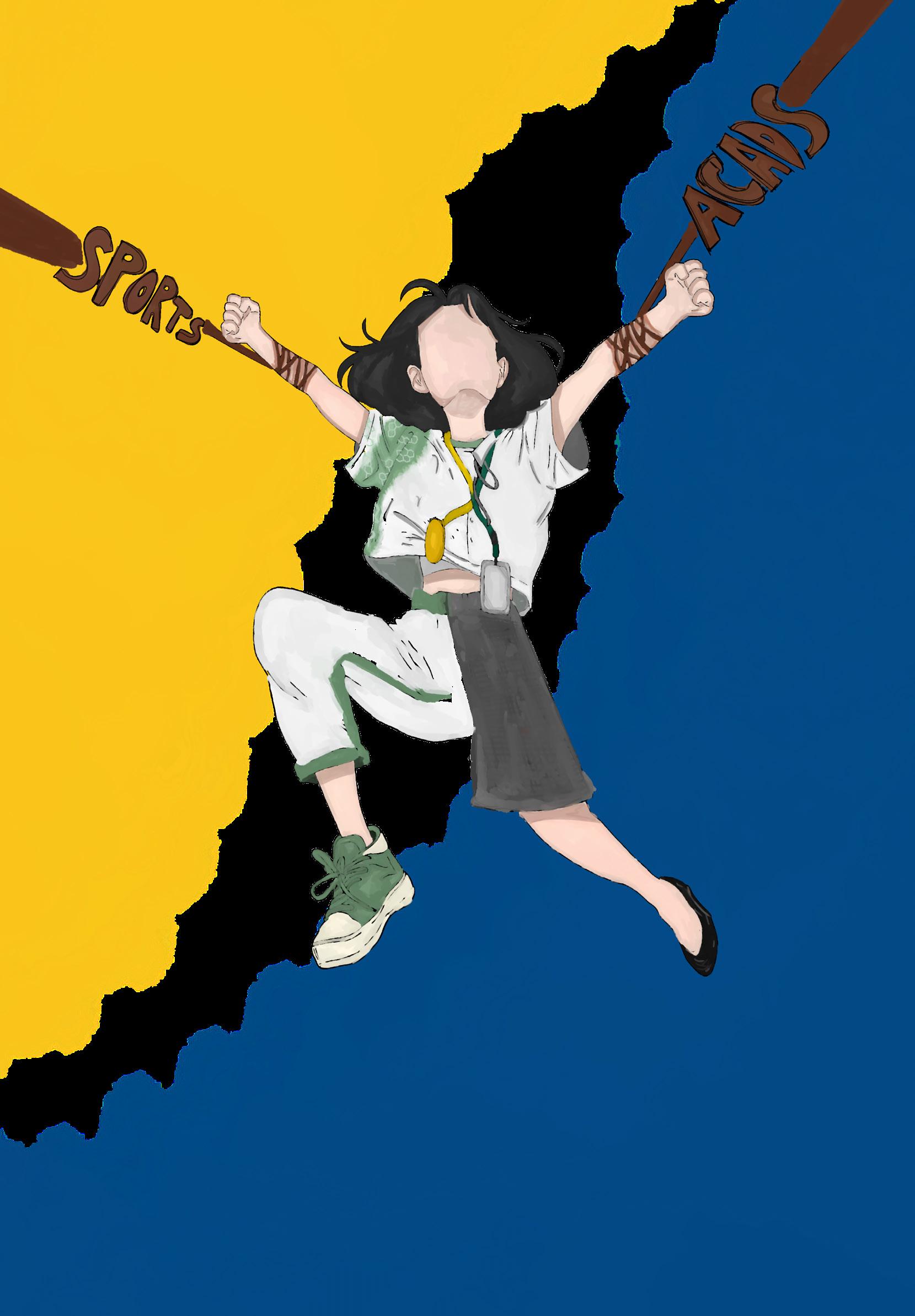
Student-athletes train tirelessly for hours to refine their performance and bring home the crown. The second they arrive home, it’s pen, paper, and academic pressure by their side. It’s no surprise that many athletes fall behind in classes while preparing for competitions. If their athletic performance is the top priority, their academics suffer—and vice versa. Is it all worth it for an extracurricular activity?
Sports events are constantly held, and schools pick the most qualified students to compete. These athletes spend hours training, which often leads to weeks of unattended classes and missed activities, leaving them behind their peers. The question always arises: “Sports or academics?”

If athletic performance takes priority, they shine during games, bringing pride and opportunities to their school. However, this comes at the cost of falling behind in classes, resulting in mounting pressure and sleepless nights. Conversely, prioritizing academics risks poor athletic preparation, which defeats the purpose of joining the competition. Ultimately, it’s about balance—prioritizing both athletic and academic performance. The duality of student-athletes is inspiring, but sacrificing wellbeing for sports and academics is draining. Teachers should recognize their struggles and avoid piling on tasks, knowing these students are preparing for competitions. At the same time, athletes must use their time wisely and make sacrifices, such as cutting down on leisure activities. However, this shouldn’t come at the expense of their health and well-being. Time management is essential to ensuring both training and schoolwork are adequately addressed.
Disregarding one for the other may lead to regrets. After games, athletes return to being students, underscoring the importance of academics. At the same time, sports provide valuable memories and lessons. Kudos to student-athletes for their perseverance, discipline, and dedication. Their efforts deserve recognition and support from the entire school community.
by Shane Wong
St. Joseph’s Institute, Inc. (SJI) basketball team triumphed over NICOSAT in an intense championship game at the Unit Meet 2024, held at the SJI Gymnasium on October 29, securing the title with an electrifying performance.
The match began with SJI’s explosive 10-0 run in the first three minutes, leaving NICOSAT scrambling to recover. Fueled by precise plays and relentless energy, SJI dominated the opening quarter with a 23-14 lead, setting the tone for the rest of the game.
In the second quarter, NICOSAT staged a comeback, narrowing the deficit with a strong offensive push. By halftime, SJI’s lead had dwindled to a single point, 40-39, intensifying the game’s stakes.
The third quarter saw a remarkable display of skill from SJI players MJ Lee Agustine and Jhonrey Garnace, who lit up the

court with consecutive threepointers. Their efforts expanded SJI’s lead to a commanding 23 points, closing the quarter at an impressive 80-57. The final quarter was a masterclass in defensive strategy for SJI, as they maintained their momentum and neutralized NICOSAT’s offense. By the final buzzer, SJI had sealed the championship with a decisive 10882 victory, much to the delight of their roaring fans.
Jhonrey Garnace’s outstanding performance earned him the Most Valuable Player (MVP) title. His ability to lead on both ends of the court, scoring the
highest points and orchestrating key plays, was pivotal to the team’s success.
With the Unit Meet championship under their belt, the SJI basketball team now shifts its focus to the upcoming City Meet 2024 in November. Armed with confidence and the lessons learned from this victory, they aim to showcase their skills on a bigger stage and continue their winning streak.
This championship marks another milestone for SJI, reflecting the team’s hard work, resilience, and determination to excel both on and off the court.
by Shane Wong
St. Joseph’s Institute, Inc. (SJI) displayed dominance as both its boys’ and girls’ volleyball teams secured championship titles in the Volleyball Unit Meet 2024, held at the SJI Volleyball Court on October 28-29. The teams triumphed over NICOSAT and Maranatha with flawless 4-0 records, earning victories without conceding a single set.
Day 1: A Strong Start The first day of the meet featured SJI’s girls’ volleyball team battling NICOSAT and the boys’ team taking on Maranatha. In the opening match, the SJI girls


by Yujin Oh
St. Joseph’s Institute, Inc. (SJI) Green Crusader Miguel Bona sprinted to an exceptional performance, snatching an impressive haul of three gold medals and two silver medals. He showcased his mastery in various swimming strokes, solidifying his place as one of the competition’s standout athletes at the thrilling Candon City Athletic Association (CCAA) 2024 Swimming Competition, held at Vigan City’s Quirino Grandstand on December 8, 2024.
In the Secondary Male Category, Bona claimed his first gold medal in the 50m freestyle, demonstrating swift and precise swimming techniques. He then added a silver medal in the 100m freestyle, displaying endurance and consistency throughout the race.
During the 50m backstroke event, Bona earned another silver medal, narrowly missing the top spot. His performance, however, reflected his dedication and skill in this challenging stroke.
It’s so exhausting to train every day while maintaining my academics. However, I had fun even though it’s tiring,
Miguel Bona He shared, highlighting the balance he maintains between rigorous training and academic responsibilities.
Bona’s winning streak continued in the 50m butterfly stroke,
where his explosive speed and precise form earned him another gold medal, further establishing his reputation as a versatile and dominant swimmer in the competition. The pinnacle of Bona’s campaign came in the 200m individual medley, a race requiring mastery of butterfly, backstroke, breaststroke, and freestyle. Demonstrating remarkable adaptability and endurance, Bona triumphed, securing his third gold medal of the tournament. Reflecting on his achievements and aspirations for the upcoming Region 1 Athletic Association (R1AA) 2025, Bona expressed his determination: “I’ll train harder because my goal is to win medals in the next R1AA. Last year, I didn’t get a medal, and this motivated me to strive harder to achieve one.” Bona’s remarkable performance not only brought pride to SJI but also set a benchmark for aspiring student-athletes. His achievements inspire his peers, proving that hard work and perseverance can lead to outstanding results in both academics and sports.
took control early, overpowering NICOSAT with a decisive 25-7 win in the first set. Although NICOSAT initially led the second set, the SJI girls quickly regrouped, tying the game at 6-6 before pulling ahead to win the set 25-14, clinching the match 2-0 and advancing to the finals.
Meanwhile, the SJI boys faced Maranatha in a highly anticipated clash. The boys started strong, taking an early lead and dominating the first set with a score of 25-9. They carried their momentum into the second set, outscoring Maranatha 25-12 to secure a straight-set victory and a spot in the championship.
Day 2: Championship Glory On the second day, the SJI girls faced Maranatha


in the finals. Cshandy Del Rosario opened the match with a powerful attack, followed by three consecutive service aces from Jennica Bigornia, propelling SJI to a commanding 25-10 firstset victory. Despite Maranatha’s early lead in the second set, SJI’s defense, led by Jeda Dumalanta, proved impenetrable. The girls closed out the set 25-17, claiming the championship title with a 2-0 victory. The boys’ final against NICOSAT was equally thrilling. NICOSAT opened the match with a service ace, but SJI quickly responded with outstanding performances. Jorenz Buenavista’s two service aces secured the first set 25-16. The second set saw exceptional contributions from Caday, Cabanas, and Consebido, who combined for multiple service aces. Cabanas sealed the victory with two consecutive service aces, leading the SJI


by Shane Wong
Ace Quidangen of St. Joseph’s Institute, Inc. (SJI) secured a victory by default against Jason Ruiz of Candon City High School (CCHS) in the boys’ singles match of the Candon City Athletic Association 2024. The match was scheduled at the Candon National High School Gymnasium but was cut short due to Ruiz’s inability to compete, automatically advancing Quidangen to the next round.
The SJI athlete now sets his sights on the upcoming matches, determined to maintain his sharp gameplay and deliver impactful crosscourt shots to keep his championship bid alive.
SJI’s Garrido Smashes Past DRGMNHS, 31-17
Xian Scott Garrido of SJI showcased his badminton expertise with a decisive 31-17 win against Dr. Ricardo Gacula Memorial National High School (DRGMNHS) in the boys’ singles category. Held at the Candon National High School Gymnasium, the match was a display of Garrido’s precision and tactical acumen.
Employing accurate clears and well-placed drives, Garrido kept his opponent on the defensive, forcing errors and dictating the pace of the game. The commanding victory propels him into the next stage of the tournament, where his all-around skills and strategic shot placement are expected to play a crucial role in SJI’s campaign.
SJI Falls Short Against CNHS, 31-23
Despite a valiant effort, Rhuveline Basing-a of SJI was outpaced by Candon National High School (CNHS) in the badminton girls’ singles, concluding the match at 31-23. The closely contested game, part of the Candon City Athletic Association 2024, highlighted Basing-a’s sharp court awareness and powerful clears.
However, CNHS’s relentless offensive tactics ultimately secured their win. Basing-a remains optimistic, viewing this setback as motivation to bounce back in her upcoming matches. With her resilience and drive, she aims to reclaim her momentum and keep SJI’s tournament hopes alive.
Jimenez Dominates DRGMNHS with a 31-8 Triumph
Sandara Jimenez of SJI delivered a dominant performance, defeating her DRGMNHS opponent with a resounding 31-8 victory in the girls’ singles event. Her impeccable form and strategic plays left her rival struggling to find a foothold throughout the match.
Jimenez’s tight net shots, precise clears, and powerful smashes showcased her technical brilliance and solidified her position as a

With powerful smashes and precise spins, St. Joseph’s Institute, Inc. (SJI) Green Crusaders table tennis players outclassed their opponents, securing multiple victories in the 2024 Candon City Athletics Association (CCAA) Meet held on December 7-8 at the Candon National High School
Neithan Fhonzy Magpili, one of SJI’s standout players, showcased his prowess with a remarkable performance throughout the tournament. He dominated his matches with unmatched focus and precision, battling through a series of challenging opponents. Magpili finished his final foe with a decisive and powerful shot to clinch the gold medal, securing his advancement to the Region 1 Athletic Association (R1AA) meet, where he will represent Candon City against top players from across the region.
Meanwhile, Jero Adrian Galima, another formidable player from SJI, impressed in the singles category. Charging through the tournament with powerful performances, he hammered his opponents with commanding leads in his early matches. Maintaining his
momentum, Galima relentlessly battered his rivals, clinching his spot in the R1AA. The Green Crusaders’ dominance extended beyond the boys’ division, as SJI’s table tennis girls also delivered a stellar performance. Their exceptional gameplay and teamwork led to a clean sweep, securing their advancement to the R1AA. The collective success of SJI’s table tennis team is a testament to their dedication and rigorous training. With all players advancing to R1AA, the Green Crusaders are poised to compete fiercely against the region’s
strong contender in the tournament. Advancing to the next round, Jimenez carries her confidence and tactical expertise forward, aiming for another commanding win.
DRGMNHS Overpowers SJI, 31-21
In a hard-fought match, the DRGMNHS ace edged out SJI’s Wynnah Jaznhea Munda in the badminton girls’ singles with a 31-21 victory. Held at the Candon National High School Gymnasium, the match saw the DRGMNHS player leveraging relentless smashes and sharp shuttle control to stay ahead.
Despite Munda’s strategic drop shots and defensive drives, unforced errors proved costly for SJI.
The result advances DRGMNHS in the competition, leaving Munda and her team determined to regroup and perform better in their remaining games.
SJI’s Daoa Outclasses STNHS, 31-18
Zeus Daoa of SJI asserted his dominance with a commanding 31-18 win against St. Thomas National High School (STNHS) in the boys’ singles match. Daoa’s exceptional footwork and relentless smashes kept his opponent off balance, ensuring a well-rounded victory.
Though the STNHS player displayed moments of brilliance with strategic clears and drop shots, Daoa’s aggressive play and tactical precision secured the win. This victory further cements SJI’s status as a force to be reckoned with in the tournament.
Moreno Propels SJI with a 31-16 Win Over STNHS Edriel Deo Moreno of SJI delivered an impressive 31-16 victory against STNHS in the boys’ singles category. From the first rally, Moreno’s combination of powerful smashes and steadfast defense overwhelmed his opponent, leaving little room for a comeback.
The STNHS player struggled to counter Moreno’s speed and precision, resulting in a decisive triumph for SJI. With his sights set on the championship, Moreno’s performance strengthens his team’s resolve and underscores their determination to dominate the Candon City Athletic Association 2024.
by Shane Wong

Red Dragons burned Blue Sharks into ashes as St. Joseph’s Institute, Inc. (SJI) came alive with excitement during the much-awaited PauLiga Sportsfest 2024 on October 9 -12 where four dynamic teams—Red Dragons, Blue Sharks, Yellow Phoenix, and Green Griffins competed fiercely for the Overall Champion title.
The Red Dragons made history by breaking a long-standing curse and dethroning the Blue Sharks, who had dominated as champions for consecutive years. Fueled by determination and teamwork, the Dragons roared to the top, showcasing unparalleled skills across multiple events.
The Blue Sharks initially showed their strength, taking an early lead by winning several opening matches. However, the Red Dragons fought back fiercely, narrowing the gap with strategic wins in key competitions. Meanwhile, the Yellow Phoenix and Green Griffins showcased their dominance in board games, amassing points in chess and other indoor challenges.
The competition reached its peak as the Sharks and Dragons faced off in outdoor activities, engaging in one-onone matches that kept the audience on
the edge of their seats. The Dragons, with their unrelenting spirit, soared to victory, outscoring the Sharks by a slim margin to claim the PauLiga ’24-’25 championship crown.
“Breaking the streak of the Sharks feels incredible,” a Dragons team representative shared. “It’s a testament to our hard work and unity as a team.”
As the PauLiga concluded, the spirit of sportsmanship and camaraderie remained the highlight of the event. The SJI community celebrated not only the victories but also the shared experience of coming together through sports.
With their newfound glory, the Red Dragons will undoubtedly be the team to watch in the next PauLiga, as they aim to defend their title against determined challengers.
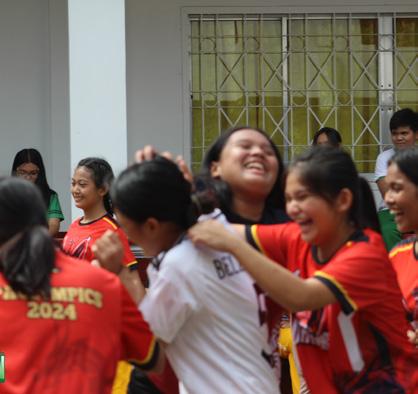








by Shane Wong


Cortez shared, expressing her gratitude to those who believed in her.





Their victory at the CCAA Meet 2024 stands as a testament to hard work, passion, and the power of unwavering support. Magpili and Cortez’s achievements not only highlight their dedication but also reflect the strength of the

SJI Green Crusaders’ Salvio topples gymnastics, clinches gold
Shane Wong


(CCAA) 2024, held at Candon National High School (CNHS) Samonte Park, December 7.
Despite the uncontested win, Lopez remained committed to honing his skills.
Under the guidance of his coach, Jm Sto. Domingo, he continued refining his techniques and preparing for the higher level of competition ahead. “[For] future matches, I made sure to stay focused and sharp, and the support from my coach and family really helped me push through. I worked hard on improving my skills, which made a big difference,” Lopez shared, acknowledging his dedication despite the outcome.
Determined to prove himself in actual combat, Lopez is setting his sights on the muchawaited R1AA Meet 2025, where
he will finally put his training to the test against top-caliber opponents.
I’ll continue training even harder and refine my techniques to be more prepared for the tougher opponents in R1AA, Emmanuel Lopez He added, emphasizing his readiness for the challenges ahead.
Tacuycuy announces sports facility plans by Jethro Encarnardo “With these improvements, we are laying the groundwork for our future champions.”
This announcement by Gemma Q. Tacuycuy, Candon City’s Schools Division Superintendent, highlighted the city’s commitment to sports excellence and infrastructure development at the CCAA Meet 2024, held at Saint Joseph’s Institute, Incorporated (SJI), on December 7. The project includes a standard-sized swimming pool in Darapidap and a multi-purpose oval to enhance athletic training, both aimed at providing athletes with improved facilities for skill development and competition preparation. Moreover, Tacuycuy expressed her gratitude to Mayor Eric D. Singson for his continued support, which has been important in securing the upgrades for local sports facilities. With the Region 1 Meet 2026 approaching, the initiative improves local sports development, empowering athletes and coaches to elevate competitiveness and inspire more students to engage in athletics while positioning Candon City as a growing hub for regional sporting events.
Mariah Bugtaquen
by
In preparation for the upcoming Region 1 Athletic Association (R1AA) competition, all SJI-an R1AA qualifiers will undergo in-house training at Candon National High School (CNHS) from February 8 to March 7.
The comprehensive training program is designed to enhance the athletes’ skills across all categories as they prepare to represent their school at the regional level. Fully funded by the City of Candon, the training will cover essential needs such as food and other necessary provisions for the participants. This financial
support ensures that athletes can fully focus on their training without any financial concerns.
Having earned their spots through outstanding performances at the recent Candon City Athletic Association (CCAA) competition, these athletes are now set to take their skills to the next level in anticipation of the R1AA.
Salvio’s performance, featuring exhilarating headstands and a detailed routine, captivated the audience, earning enthusiastic cheers and applause. Her remarkable acrobatic gymnastics skills were evident throughout the competition.
“Ang pinakamahalagang technique ay ang bilib sa sarili—make them feel your presence,”
St. Joseph’s Institute Inc. (SJI) Green Crusaders’ Maya Salvio made history, clinching SJI’s first-ever gold medal in gymnastics at the thrilling Candon City Athletic Association Meet 2024 (CCAA), held at the SJI gymnasium, December 7.
Her victory etched her name in SJI’s history as its first gymnastics gold medalist. Stepping onto the mat, Salvio admitted to feeling immense pressure.
“Sobrang kaba at pressure ang nararamdaman ko dahil may takot ako na baka magkamali
The most important technique is to believe in yourself—make them feel your presence.








while volleyball and
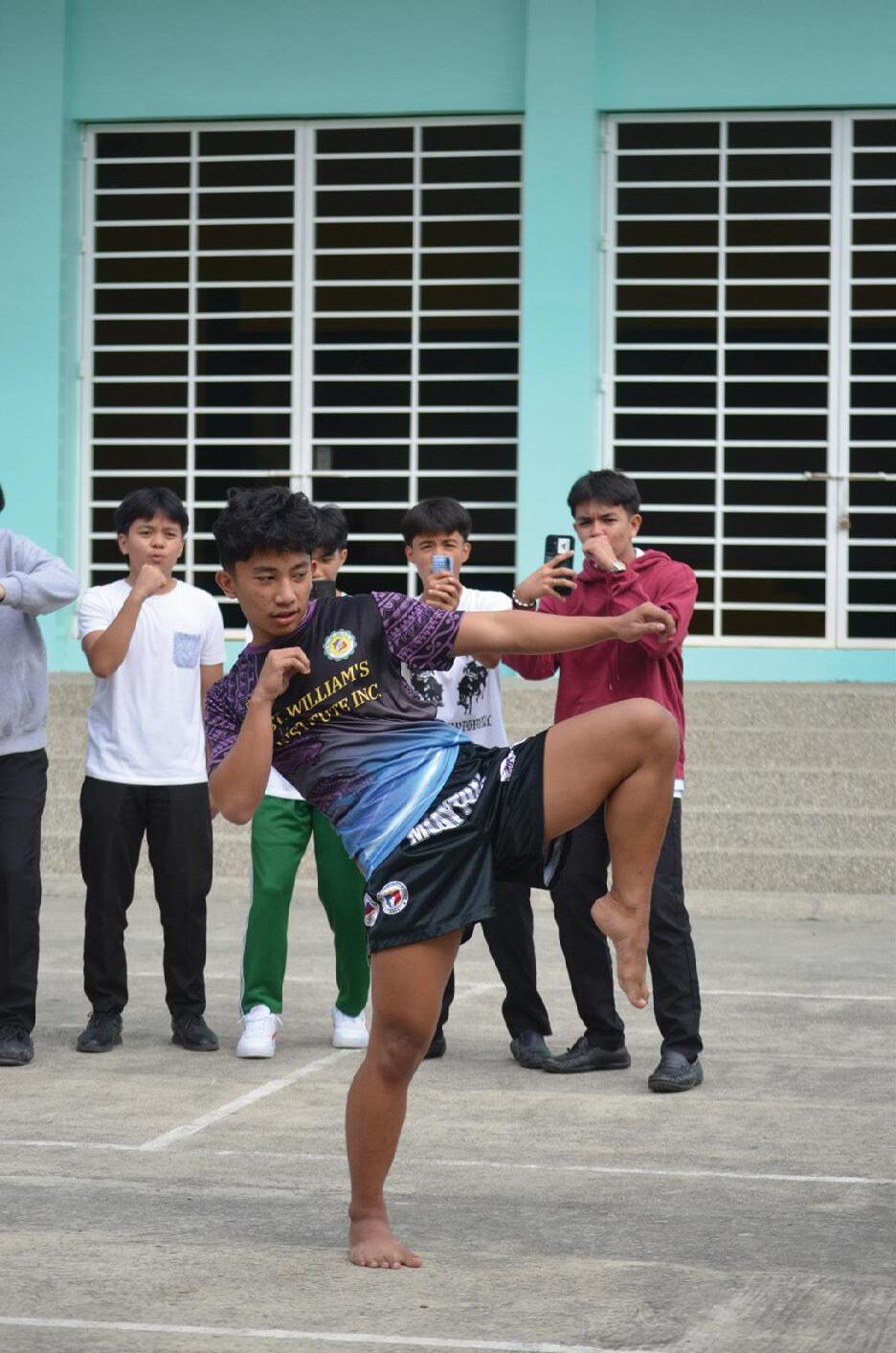


by Jethro Encarnardo
Kringggg… Kringggg…
As the bell rang, the crowd erupted in a deafening war cry. Wilhelm Palangdao stepped into the ring, fists clenched and eyes blazing with determination. Adrenaline coursed through his veins, electrifying every muscle and igniting his senses.
Stepping Into the Ring
“I watched, and it seemed to entice me to join such a sport,” Palangdao shared, recalling his start in Muay Thai in 2020 at a local tournament organized by the Muay Thai Association of the Philippines (MAP). His first fight was an uphill battle, marked by nerves and a lack of preparation. “It was the most challenging moment of my Muay Thai career,” he admitted, but it fueled his hunger for growth.
Learning the Ropes
Palangdao trained relentlessly, perfecting techniques and honing defensive moves. Inspired by Ariel Lee Lampacan, a SEA Games gold medalist, Palangdao learned discipline and respect, values that shaped him both as an athlete and a person.
Beyond the Ring At Saint Joseph’s Institute’s 2024 Sports Fest, Palangdao emerged as the taekwondo C5 champion while also winning silver medals in volleyball and basketball. His adaptability and passion for sports shine in every competition. This November, he competed in the Batang Pinoy 2024 in Puerto Princesa,


SJI Green Crusaders strafe targets, clinch R1AA spot
by Yujin Oh










With unwavering focus and sharp aim, the St. Joseph’s Institute, Incorporated (SJI) Green Crusaders’ archery team strafed targets as they soared to victory, displaying precision and skill while dominating the Candon City Athletic Association (CCAA) Meet 2024, held on December 7-8 at the SJI Archery Field. The team brought home haul of medals, cementing their status as one of the top contenders in the tournament.
Quinto Leads with Golden Accuracy Leonard Eldyey C. Quinto, emerged as a standout performer, anchored his draw hand consistently, maintained a steady stance, and released the arrow with precision to secure his victories, culminating in a gold medal in the Olympic Round Secondary Boys category. With unerring accuracy and mastery of his craft, Quinto outshone his competitors and proved why he is a rising star in archery. Before the Olympic Round, Quinto accomplished a remarkable feat in the Secondary Boys Qualification Round, capturing gold medals in all four distances—70m, 60m, 50m, and 30m. His clean sweep of victories highlighted his versatility and unwavering focus, with each shot executed with precision and determination.
“I [felt] so overwhelmed po. This is my first CCAA, and it came as a big shock to me, especially since my opponents have been doing archery much longer than I have,” Quinto shared, his voice filled with both disbelief and gratitude as he reflected on his stunning performance. Moreover, Quinto attributed his success to dedication and a passion for constant improvement.
“Archery is about the progress I make each time I step onto the shooting line. I never know what will happen with each arrow I release,” he added, emphasizing the unpredictability and personal growth that drives his passion.
Lizardo’s Stellar Contribution Quinto wasn’t the only SJI archer to shine. Likewise, Lexxus Lizardo demonstrated his skills by earning a silver medal in the Olympic Round Secondary Boys category. In the Qualification Round, Lizardo displayed remarkable consistency, claiming bronze medals in the 70m, 60m, and 30m distances, as well as a silver medal in the 50m category. His performance underscored SJI’s depth in the sport and his capability to deliver under pressure.
However, Lizardo’s inability to clinch a gold medal in the Olympic Round suggests that there may still be room for improvement, particularly in maintaining focus during high-stakes moments. Nonetheless, his ability to perform under pressure and consistently deliver solid scores proved his strength as a competitor and reinforced the depth of the SJI team.
Miranda Shines in Girls’ Category
In the Archery Girls category, Marchella Joselle Miranda proved her mettle by claiming the silver medal in the Olympic Round. Miranda further added to her achievements with bronze medals in the 70m and 60m categories and a silver medal in the 50m category during the Qualification Round. Her precision and determination highlighted her as a key player for SJI.
Mixed Team Event Brings More Glory SJI’s success extended to the mixed team event, where the school earned the silver medal. Although Candon National High School (CNHS) secured the gold, SJI’s performance demonstrated their collective strength and teamwork.
A Triumphant Campaign As the curtains closed on the CCAA