Donating blood is a selfless act that benefits countless individuals each day. The need for a steady blood supply is ongoing. In July 2024, the American Red Cross faced an emergency blood shortage after its national blood inventory fell by more than 25 percent. The Red Cross recently reported its lowest donor turnout in 20 years. There may be different reasons why people do not give blood, and confusion in the process could be one of them.
The process of donating blood is simple, safe and quick. Although each organization may run a blood drive differently, here is what a blood donor can expect of the donation process.
Register for the blood drive at an organization close to you. Many groups require you to make an appointment, but some may accept walk-ins. Get plenty of rest and stay
hydrated the day before the donation appointment. Also, set aside your identification. The type of identification needed may vary by donation center.
The day of the donation, be sure to wear a short-sleeved shirt or one with sleeves that can be rolled up. Arrive for the appointment and complete a mini-physical and health history. Your temperature and blood pressure may be taken, and other vital signs may be checked. The attendant will ask questions
about behaviors or illnesses that may exclude you from being able to donate blood.
You may undergo a finger prick to test whether you are anemic, or when your body doesn't produce enough red blood cells or hemoglobin.
During the donation of whole blood, 500 milliliters, or roughly 17 ounces, will be collected. A phlebotomist will cleanse an area on your arm and insert a new, sterile needle for the blood draw. The quick pinch is over in seconds. For a donation of platelets, a special
machine called an apheresis machine will be connected to both arms.
A whole blood donation takes about eight to 10 minutes to complete, during which you can be seated comfortably or lie down. For platelets, the machine will collect a small amount of blood, remove the platelets, and return the rest of the blood through the other arm. This cycle repeats several times for a period of about two hours. Bandages will be placed on your arm at the conclusion of the donation where any nee-
dles were removed.
Following the blood draw, you'll be allowed to rest and recover. There likely will be small snacks and beverages in a refreshment area. After around 10 to 15 minutes, you'll be allowed to leave and continue your normal routine.
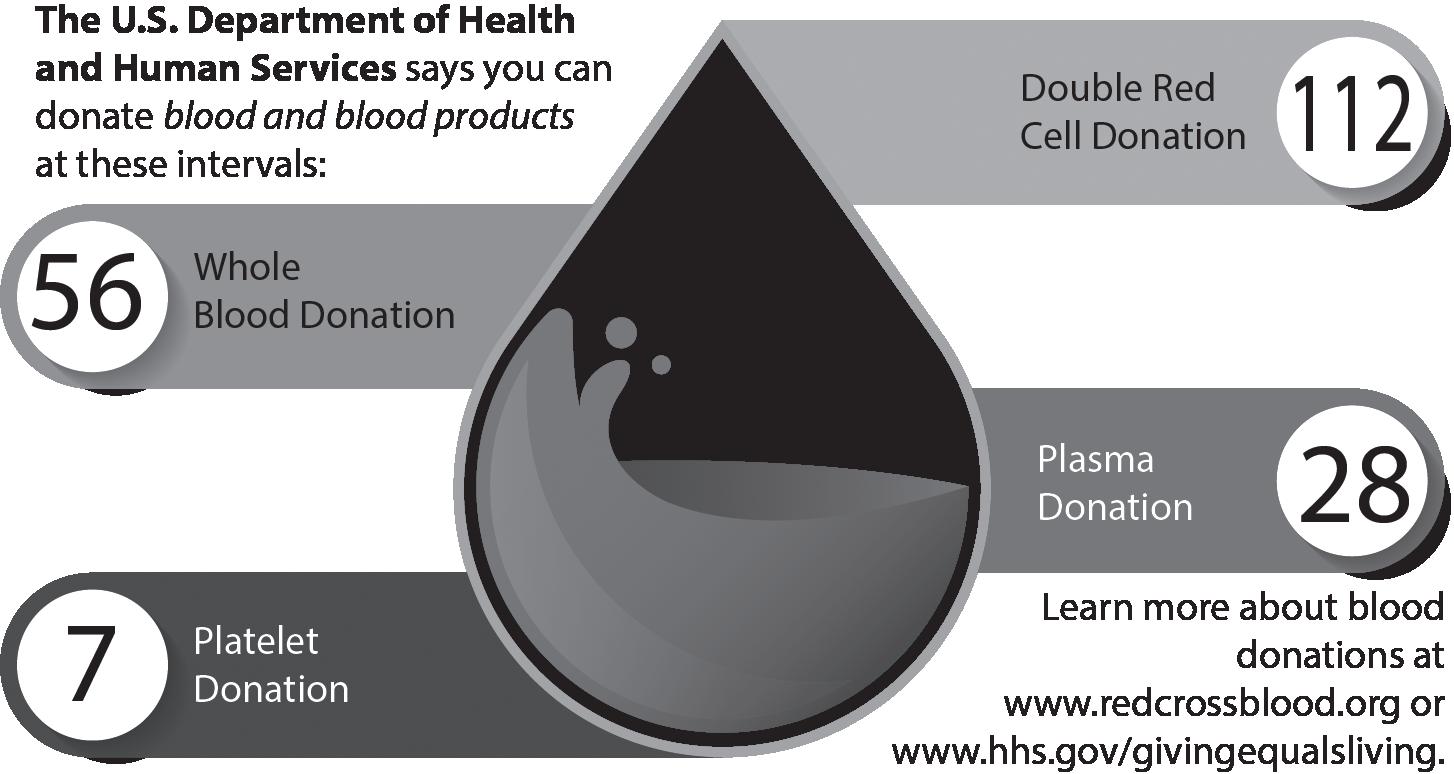
It's best to avoid vigorous activities for at least four hours after the donation. Make an effort to remain hydrated for two days following the donation.
While most donors feel fine afterwards, it is not uncommon to experience mild dizziness, lightheadedness, fatigue, or bruising and pain at the draw site. These symptoms should resolve fairly quickly.
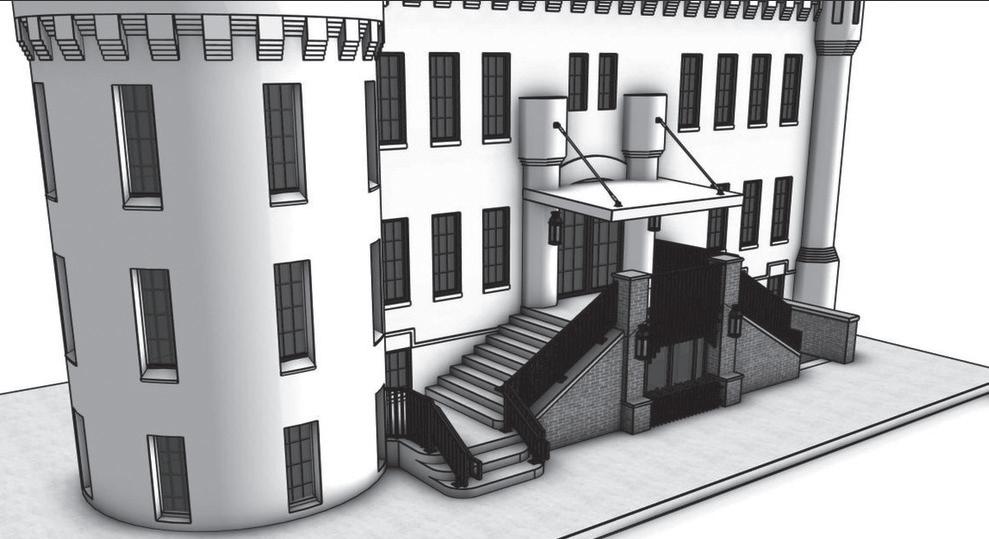
The next Williston Community blood drive will be held at the National Guard Armory located at 10 Main Street on Feb. 3 and 4 from 12 to 6 p.m. each day. Please visit www.vitalant.org or call Heather Leier at 701-720-5909 to schedule an appointment. Your one donation could save up to 3 lives.
Each year blood donors help to save millions of lives. Individuals who routinely donate blood may not give it a second thought, but this selfless gesture ensures accident victims and others get a helping hand when they need it most. Recipients of blood donations are there for the culmination of a process that begins with generous donors, who may be curious about exactly what happens to their blood after it's collected. According to the American Red Cross, donated blood is kept on ice before being taken to a processing center, where information about the donation is scanned into a computer database. Upon arriving at processing cen-
ters, donated blood is spun in centrifuges to separate it into transfusable components, including red cells, platelets and plasma. Each component is then packaged as a "unit," or a standardized amount doctors use when transfusing a patient. Blood donations also are tested at a separate laboratory to establish type and check for infectious diseases. The results of these tests are transferred electronically to the processing center within 24 hours, which underscores the efficiency of the donation process. Any blood that tests positive for disease is discarded and donors are notified. If the blood is deemed suitable for transfusion, it is labeled and stored. Red cells are stored in refrigerators at 6° C for up to six weeks (42 days), while

platelets are stored at room temperature in agitators for up to five days. Plasma can be stored in freezers for up to one year. Blood is available to be shipped to hospitals 24 hours a day, seven days a week, and hospitals typically keep some blood units on-site.

We’re combining the power of a weekly print paper, The Shopper; a monthly, full-color publication delivered to every home and business in Williston, The Williston Graphic; a dynamic, member-driven online platform, WillistonGraphic.com; and one of the largest social media groups in the Bakken, Williston Connections. Each platform brings something unique:
The Shopper — Keeping it local with SHOP LOCAL deals and promotions.
WILLISTON Graphic — Sharing Local Voices and Local Stories that matter to our community.
WILLISTONGraphic com — Connecting businesses and consumers in one place, bringing Williston’s best together online, while giving individuals a place to share their voices.
Williston Connections — Join over 47,000 other members and share it all on the original Facebook group connecting buyers and sellers in the Bakken.
It’s a whole new world of advertising — reaching new heights while staying firmly rooted right here in Williston.


AIRPORT
Williston Basin International (XWA) 14127 Jensen Ln Williston (701) 875-8594
APARTMENTS
Williston Housing Authority 1801 8th Ave. W Williston (701) 572-2006
APPLIANCES
Ekblad Appliance 22 W Broadway Williston (701) 572-3769
AUTO DEALERSHIPS
Red Rock Ford 410 32nd Ave W Williston (701) 577-2142
BOOK STORES
Books on Broadway 121/2 West Broadway Williston (701) 572-1433
BOUTIQUES

Dakota Dreamin' Williston (701) 641-2913
The TRUNK 4315 9th Ave W St 426 Badlands Town Center Williston
CONSTRUCTION
Williston Roofing 904 2nd St. W Williston (701) 339-2345
COURIER SERVICES
Tony's Transfer Minot/Williston (701) 721-7930
DRY CLEANERS & LAUNDRY
Model Cleaners 1129 2nd Ave W Williston (701) 572-3734
FINANCIAL
American State Bank & Trust 223 Main St Williston (701) 774-4165
First State Bank & Trust 22 4th St E Williston (701) 577-2113
Stifel Nicolaus 322 Main St. Williston (701) 572-4527
Western Cooperative Credit Union 1300 Bison Drive Williston (701) 572-4000
FUNERAL HOMES
Everson-Coughlin Funeral Home 112 4th St E Williston (701) 577-3738
Fulkerson Stevenson Funeral Home 218 W Highlan Drive Williston (701) 572-6329
GARDEN/GREENHOUSES
Handy Andy's Nursery 3515 W Front St. Williston (701) 572-6083
HEALTHCARE
CHI St. Alexius 1301 15th Ave W Williston (701) 572-7651
McKenzie Health 3-4th St. E Williston (701) 577-6377
HEATING & PLUMBING
Braaten Plumbing 5237C 134th Ave NW Williston (701) 774-0070
Haskin Heating & Cooling 2407 2nd Ave W, Suite D Williston (701) 770-4516
HOME IMPROVEMENT
Williston Home & Lumber 320 26th St E Williston (701) 572-8356
HYDRO-VAC TRUCK SERVICE
VAC-U-JET 5979 US - 85 Williston (701) 572-0826




INDUSTRIAL SERVICES IESS 314 42nd St West Williston (701) 572-2393
JEWELRY Ritter Brothers 319 Main St Williston (701) 572-2051
LAND SURVEYORS
49th Latitude Land Survey 1411 West Dakota Pkwy, Unit 111 & 112, Suite 2b, Williston (701) 580-2651
LOCAL GOVERNMENT
Williams County Williston (701) 577-4500 (Auditor)
441-0009
Your Sketch Williston (701) 609-0839






















Shopping with the environment in mind can feel like standing at the bottom of a mountain, staring up at an impossible climb. Reusable bags, sustainably sourced products, local goods, eco-labels—where does one even begin? The good news is, you don’t have to do it all at once. When it comes to living a little greener, every small step makes a difference. No one is asking you to upend your life overnight, and honestly, no one expects perfection. But if each of us does one thing, the collective impact can be powerful.
Start with the simplest change: reusable bags. Plastic bags are a major environmental offender, clogging up waterways and taking centuries to break down. A sturdy, reusable tote is a small investment that pays off big in the long run. Keep one in your car or purse so you’re never caught off guard at checkout. Next, think local. Supporting small businesses and

farmers markets doesn’t just help your community—it reduces the environmental toll of transporting goods across the globe. That jar of locally made jam or the produce grown just down the road comes with a much smaller carbon footprint than something shipped from thousands of miles away. Plus, it often tastes better. When it comes to the products you buy, look for quality over quantity. Fast fashion and cheaply made goods might seem like a deal, but they’re often destined for a landfill after just a few uses. Opt for durable items, even if they cost a little more upfront. It’s better for the planet—and your wallet—over time. Another manageable step is to embrace secondhand shopping. Thrift stores, consignment shops and online marketplaces are treasure troves for everything from clothes to furniture. Buying used gives items a second life and keeps them out of the waste stream. Plus, hunting
for bargains is its own kind of thrill.
If you’re shopping for new products, look for eco-labels and certifications. Words like “organic,” “fair trade” and “sustainably sourced” might seem like trendy buzzwords, but they often indicate companies making an effort to be kinder to the environment. And here’s the thing: you don’t have to do all of this, all of the time. Maybe you start by saying no to plastic bags. Or you buy local produce on occasion. Every choice counts, no matter how small it seems. The goal isn’t to be perfect—it’s to be intentional. Remember, it’s not about one person doing everything right; it’s about everyone doing something. Small changes add up, and when we each take a step toward sustainability, we move the needle in the right direction. So take a deep breath, grab your reusable tote and start where you can. The planet will thank you.



Let’s face it: life isn’t getting any cheaper. Between groceries that somehow cost more but feed less and gas prices that make you rethink road trips, finding a way to bring in extra income has become almost a national pastime. Enter the side hustle — a way to pad your wallet while still holding down your day job. Side hustles come in all shapes and sizes, and they’re not just for the ultra-crafty or those with hours of spare time. You’d be surprised at the opportunities available, from renting out that dusty guitar you swore you’d learn to play to delivering meals for folks who just want tacos without leaving the couch. The beauty of a side hustle is that it can be as unique as your talents — or lack thereof.
If you’re a people person, think about services that connect you with the community, like tutoring or dog walking. Love working solo? Sell your creations online or try your hand at freelance writing. And if neither sounds appealing, there’s always the gig economy — where driving strangers to their destinations can net you some decent cash and some colorful stories to boot.
Of course, every side hustle comes with its quirks. Freelancers often find themselves working odd hours (like 11 p.m. on a Tuesday) because “the creative juices hit just right.” Gig workers get intimately familiar with the art of small talk. And for online sellers, shipping costs can feel like a personal betrayal.
But here’s the thing: a good side hustle doesn’t just add dollars to your bank account. It can also build new skills, expand your network and maybe even introduce you to something you love doing. Sure, you might stumble upon a few duds before finding your groove (turns out, crocheting scarves at high speed is harder than it looks) but that’s all part of the adventure.
Whether you’re hustling to pay off debt, save for a dream vacation or just treat yourself to the occasional luxury coffee, the world of side gigs has plenty to offer. So roll up your sleeves, get creative, and remember — even small efforts can lead to big rewards. Who knows? Your side hustle might just become the main event.












Stressful experiences are a part of life, and the physiological responses that occur in response to these challenges are natural tools humans developed as survival mechanisms. People learn and grow as they deal with positive stressful occurrences, such as when speaking in public or taking a test. But when stressors cannot be avoided or prove chronic, the body's response to stress can take a toll on a person's mental and physical well-being.
The COVID-19 pandemic, inflation, an uptick in strong storms and subsequent weather-related disasters, and global conflicts have proven stressful for people around the world. According to a report from the American Psychological Association titled "Stress in America 2023: A Nation Recovering from Collective Trauma," the longterm stress sustained since early 2020 has had a significant impact on well-being, as evidenced by an increase in chronic illnesses. The report
found people between the ages of 35 and 44 have been particularly affected.
Long-term stress poses many health risks, including wear and tear on the immune system and an increase in worry, anxiety and irritability. Some people turn to drugs or alcohol to combat stress, but there are healthy options. The following are better ways to cope with stress.
Reduce the number of stressors. It is not possible to remove all of the stress of life, but people can try to reduce some forms of stress. Think about sharing some responsibilities or asking for help. If a person is causing you stress, then distance yourself from this person as much as possible. Work is a major source of stress for many people. Finding a new job or cutting back on tasks could help.
Get quality sleep. Prioritize sleeping better and longer. Fatigue can exacerbate the ability to deal with even minor stressors, leaving you more irritable and edgy. Most adults require between seven and nine hours of sleep per night, so adjust your schedule to achieve this.

Plan for daily exercise. The APA says brisk movement improves sleep and can combat stress. In one study titled "Relationships between Leisure Time Physical Activity and Perceived Stress," first published in 1996, researchers found that working adults who engaged in moderate physical activity had half the perceived stress when compared to working adults who did not participate. A 30-minute session each day
A “YELLOWSTONE” CHURCH: SHACKLETON’S ENDURANCE AND DUTTON’S ICE FIELD
Ccan work wonders. Engage in pleasurable activities. It's easy to drop fun things from the schedule when stress is high. But the Cleveland Clinic advises making time for pleasurable things as a means to combatting stress. Laughter and humor can go a long way towards reducing stressful feelings, so a night out at a comedy show or watching a funny movie can help. Improve your diet.


Well-nourished bodies can handle stressors, illnesses and life in general much easier. Aim for a well-balanced diet that is low in processed foods and sugar. Avoid alcohol, caffeine and nicotine, as each can worsen stress in the long run, according to Sutter Health. Stress is a natural part of life. When stress becomes too much to take, individuals can cope in various healthy ways.

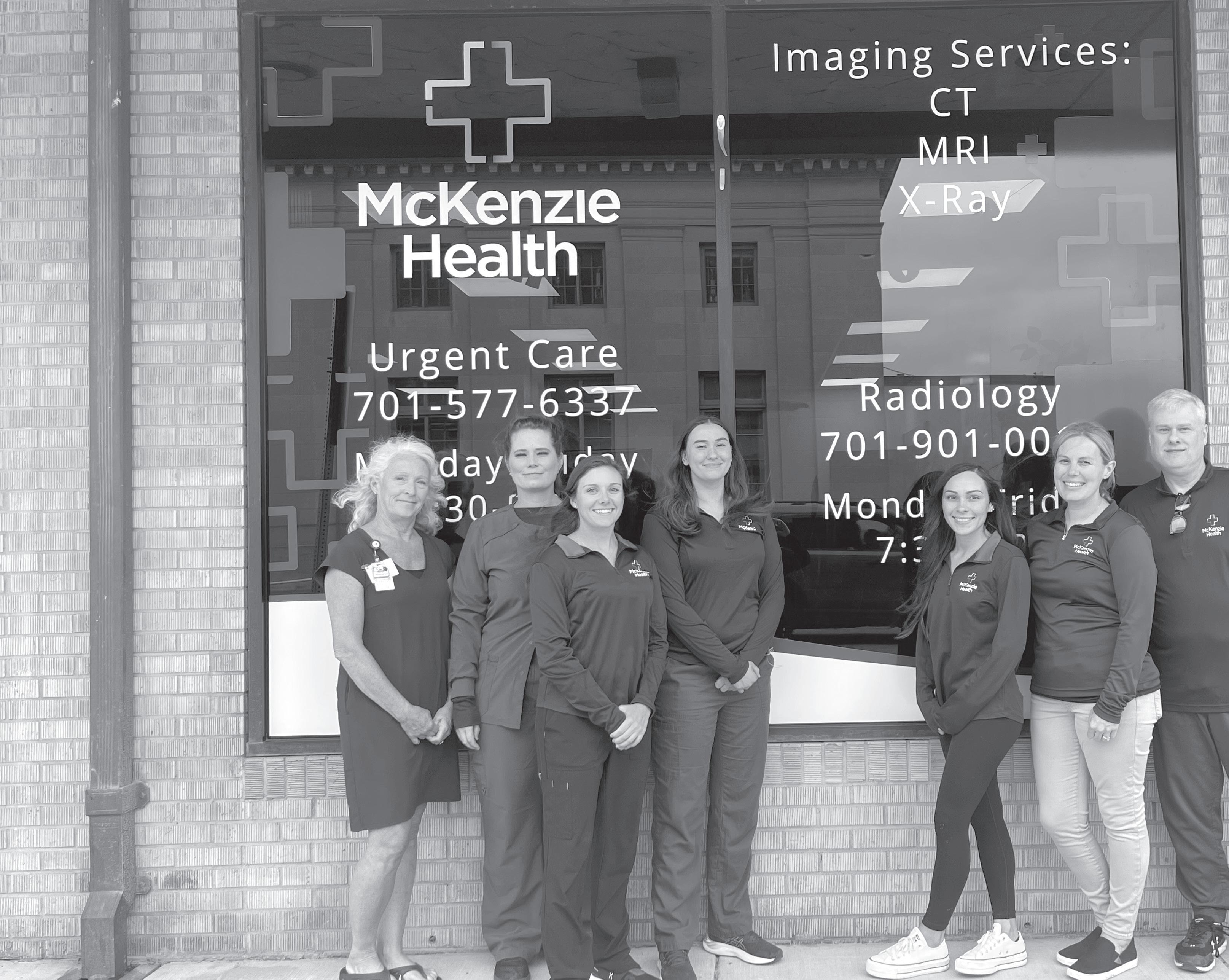
We offer state-of-the-art MRI technology using a comfortable, wide-bore scanner. Once the provider places the order and prior authorization is completed, we'll schedule you right away!
onsider this a bit of interlude amidst an overall emphasis on the importance of story. Just before the Christmas and New Year’s shut-down of the fall season TV programming for the next month of reruns, sports and streaming dependence for at-home entertainment, the series “Yellowstone” reached its final conclusion. The soap opera ultimately presented the long-expected conclusions that one might have seen coming given the shortness of the season and the necessity of wrapping everything up so tightly. But the one possible exception for me was the final destination of the Yellowstone Ranch that had been “owned” by the Duttons since the late 1800s.
The struggle for the series had been to keep the land for the family and not let it be developed (except of course for the buildings and amenities that served the Dutton clan themselves—you know that could only be seen as right!). There had seemed to me to be only two natural endings to transpire. The one, I had pictured with the song “Don’t Fence me In” ironically playing as the soundtrack as the camera slowly moves across the vast landscape of natural beauty, only to slowly pan over the condos and golf courses that lead up to shopping and skyscrapers which were the inevitable progression of the land’s growth and stewardship for human ownership beyond the one family’s hoarding. But, in our hearts, didn’t we all hope that by some means, a redemption arc might ensue (as it seems to have turned out) where the land was dismantled of the humans wrangling
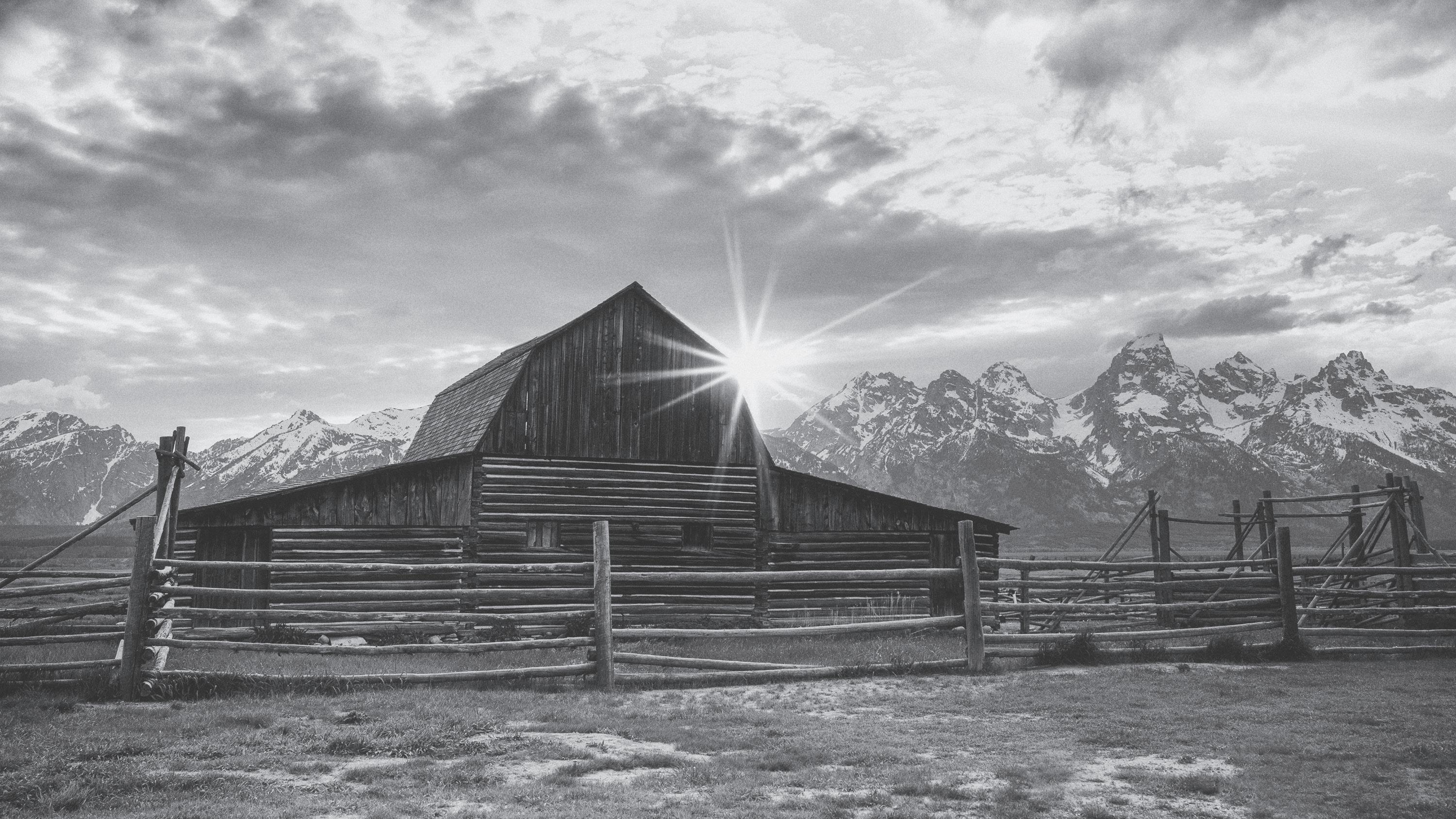
of so many acres (like the cattle it had nurtured) back to the Creator’s keeping. It was an irony that all but printed across the screen the Gospel message so hard to understand: that to save the land, John Dutton’s legacy had to loosen its grasp. If, as John had often indicated, his very life was that ranch, Jesus had given advice two millennia before: to save your life you must lose it, but by trying to save it for yourself the final destiny is it would be lost!
Whichever way the series had ended, I knew there would be a lesson for church folk who take “ownership” in “my” church. You see, as long as the John Duttons and their legacies grasp and hold tight onto those “Yellowstone” churches out there, tragedy is in the crosshairs of history. The less room they give to those who come after, the more wasted space there is for others to enjoy or be a part until the last of the family dies—and so with it the very “Yellowstone” itself. And,
the more they want to keep the ownership away from the true owner, the Creator God, and lock it to their favorite moment in time, the more it freezes shut tighter than the ice on these 15 below North Dakota nights—its only recourse being to eat up all its resources and simply survive until the inevitable end.
This second image was reinforced by a documentary about Ernest Shackleton and the story of the ill-fated journey of his ship, the Endurance, in an attempt to cross the continent of Antarctica.
The mission itself was a failure in the sense that Shackleton and his crew did not cross the continent and indeed lost their ship. It was however an incredible success in that, though the Endurance was lost, their own endurance for two years under the harshest of conditions allowed captain and crew to survive. But the ship, . . well that is the relevant piece.
The Endurance sank, but was recently rediscovered
surprisingly well-preserved almost exactly where it was estimated to have gone down.
The finding of which was commemorated by the documentary, as well as a rather detailed Lego model that I happen to be assembling during our own ice-filled time these days. But the connection with the above is a rather concrete example of this more modern metaphor in a more traditional image.
A classic image for the Church is a ship or in Latin “navis” from which we get the words “nave” and “navy.”
Shackleton’s situation is the ultimate destiny of what happens when the “Yellowstone” church simply stops sailing forward and harbors at that comfortable spot that the one family group wants to stay at. You see the Endurance wasn’t scuttled. Pirates didn’t attack. No giant squid entangled it from 20,000 leagues under the sea. It was simply crushed by its own stagnation. The ice field around it, once it stopped moving for-
ward, simply compressed it more and more until the very weight of not moving forward made it sink to the bottom of the sea. Fortunately, Captain and crew saw its demise long before it went down which is why the mission endured. So, it is with John Dutton’s ice field: as the projected spin-offs will attest. And so it is with former places of faith whose stagnation may have crushed their past relevancy out of existence. But thank God for those, who have left the chosen frozen behind. It is because of their endurance to the Mission and not the vessel that the message and the story goes on.
Pastor Zach Harris has been an ordained minister for 33 years and currently serves First Lutheran Church in Williston. His column, “Through a Lutheran Lens: A Pastor’s Perspective,” will appear regularly in The Shopper.



MetroCreative Connection
Homes are often characterized as sanctuaries for their inhabitants. When a home is warm and welcoming, it can be the perfect place to relax and get away from the hustle and bustle of everyday life.
Though no one wants to imagine danger lurking in their homes, certain areas of a home, including the bathroom, can pose health risks if they are not properly maintained. In addition, issues that can affect residents' health may not always be so visible, which underscores how important it can be to learn about the various ways to keep a bathroom clean so it does not make anyone sick.
Routinely inspect tiles and caulk. Mold is one of the biggest potential health risks that can develop in a bathroom. Damage to tiles and caulk can foster mold growth. When caulk cracks or separates from tile or any other surface where it's applied, moisture can get in and lead to conditions that promote the growth of mold. The same process can unfold
with cracked tiles, so it's imperative that damaged caulk is removed and areas are recaulked. Cracked or damaged tiles also should be replaced to reduce the risk of mold infestation, which can trigger allergic reactions and exacerbate issues like asthma.
Replace a malfunctioning bathroom fan. Bathroom fans that are not working at peak capacity can lead to moisture issues and adversely affect indoor air quality. A bathroom fan that vents into the attic can lead to mold growth in that area of the home. In addition, malfunctioning bathroom fans can contribute to moisture issues that result in mold growth. Bathroom fans that direct air outside of the house as opposed to an area like an attic can lead to healthier air and help to reduce the risk of moisture problems in the bathroom.
Clean sink fixtures. The world was reminded of the benefits of handwashing during the recent COVID-19 pandemic, when public health officials noted how easily viruses can spread after people touch door knobs, handles and other surfaces contaminated with germs. This is

true of bathroom fixtures as well. Routinely clean faucets, handles on sinks and toilets, doorknobs, and light switches in the bathroom to reduce the risk of contact with germs. Replace shower curtains regularly. The Cleveland Clinic notes that various types of bacteria and mold can form on shower curtains and liners. That can cause illness in some
people, particularly if they already have compromised immune systems due to a preexisting condition or the common cold. If shower curtains and liners are showing their age, replace them immediately. Even if there are no visible signs of bacteria or mold growth on a shower curtain or liner, individuals can still replace them every six months or at least once per year. Various health issues may be lurking in bathrooms. Taking steps to prevent such issues can help people ensure their bathrooms aren't making them sick.









When you support local businesses, you’re helping our community grow, creating jobs, and investing in the people and places we all care about. So next time you’re inspired by an ad in The Shopper—whether it’s a new boutique, a favorite restaurant, or a trusted service provider—be sure to let them know where you saw it!
Sharing that simple phrase, “I saw your ad in The Shopper,” goes a long way. It tells local businesses that their outreach is working and lets them know their neighbors appreciate their role in our vibrant community.









MetroCreative Connection
When the windchill dips below zero and stepping outside feels like entering a frosty battlefield, a hearty breakfast isn’t just a nice way to start the day—it’s survival fuel. Whether you’re gearing up for a long shift in the oilfield, plowing snow or simply facing the icy trek to work, the right breakfast can make all the difference. Winter breakfasts should be warm, filling and packed with the nutrients your body needs to keep moving (and shivering, let’s be real) through the cold. For those braving North Dakota’s infamous winters, it’s all about balance: a mix of protein for stamina, carbs for energy and fats to keep you full and warm. For outdoor workers tackling the frigid elements, nothing beats a classic breakfast burrito. Scrambled eggs, a handful of shredded cheese, crispy hash browns and a protein boost from sausage,
bacon, or even leftover steak. Wrap it all in a flour tortilla and you’ve got a portable, nofuss meal that sticks to your ribs. Add a dash of hot sauce if you’re brave enough to face some heat before sunrise.
If you’re staying closer to home but still need a breakfast to ward off the chill, oatmeal is the unsung hero of winter mornings. Forget the plain, instant stuff—dress it up! Stir in peanut butter for protein, toss in a handful of nuts or seeds and finish with a sprinkle of cinnamon and a drizzle of honey or maple syrup. It’s warm, comforting and endlessly customizable. Bonus points if you make it with milk for an extra creamy boost.
Of course, there’s always the trusty standby: a plate of eggs, toast and breakfast meat. Fried or scrambled eggs paired with whole-grain toast and a side of bacon or sausage hits all the right notes. If you’re feeling fancy, throw in some sautéed spinach or mushrooms. The combination of protein, carbs and healthy fats is a reliable way to fuel up for whatever winter

throws at you. For the truly ambitious (or those who need to impress a household of hungry folks), consider whipping up a batch of hearty breakfast casseroles. These beauties can be prepped the night before and baked in the morning, leaving you with a warm, bubbly dish of eggs, cheese and bread or potatoes to feed a crowd. Perfect for a leisure-
ly weekend or for heating up quick portions during the week.
And let’s not forget about beverages. Coffee may be the holy grail for most, but a steaming cup of cocoa or tea paired with your meal can add a touch of comfort when comfort is most needed. Winter mornings demand breakfasts that work as hard as you do. Whether
you’re out in the oil patch, hauling equipment or just scraping frost off your windshield, starting the day with the right meal isn’t just about satisfying hunger—it’s about staying warm, energized and ready to face the day. After all, in North Dakota, breakfast isn’t just the most important meal of the day; it’s a lifeline.