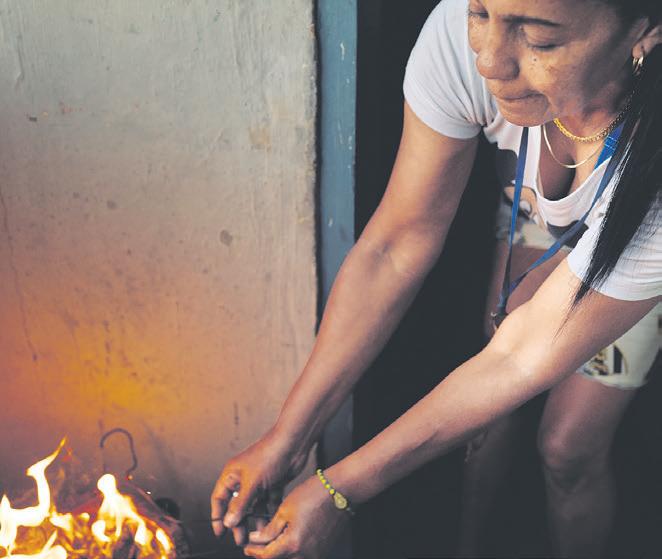
Out of Gas, Cubans Cook with Charcoal and Wood to Survive
Iran Threatens to Renew Strikes Against US Amid Push for Diplomatic Deal
DDEC Secretary Resigns; Some 10 Senior Officials at Same Agency Also Step Down
Lisette Poole González/The New York Times
2 GOOD MORNING
The San Juan Daily Star, the only paper with News Service in English in Puerto Rico, publishes 7 days a week, with a Monday, Tuesday, Wednesday and Thursday edition, along with a Weekend Edition to cover Friday, Saturday and Sunday.
Woman intercepted before femicide on Baldorioty Expressway
By THE STAR STAFF
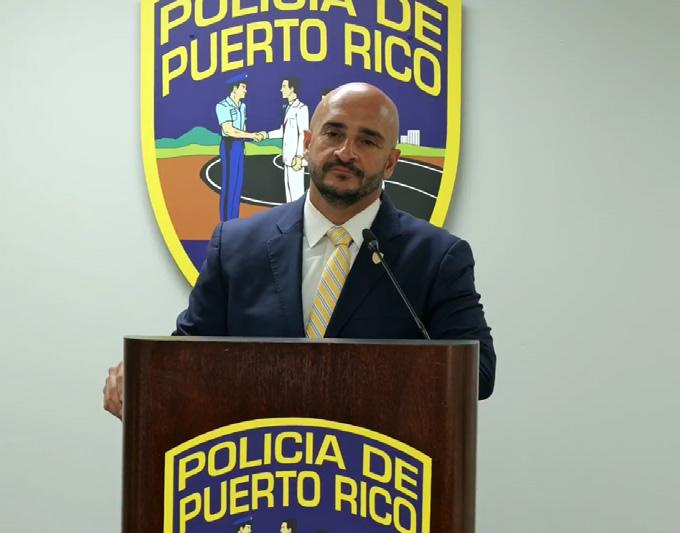
Police reported on Tuesday that Gemillies Lozada Navarro, 25, a resident of Loíza, was slain after being intercepted on the Román Baldorioty de Castro Expressway -- at Exit 3, heading toward Río Piedras.
According to authorities, a call received at the precinct alerted them to gunshots in the area. Upon arriving at the scene, officers found Lozada Navarro shot inside a Hyundai Tucson.
The investigation suggests that José Carlos Sanjurjo Dávila, 26, also a resident of Loíza, intercepted the woman while she was traveling along the Baldorioty exit ramp toward highway PR-3. According to the police, the man rammed Lozada Navarro’s vehicle, causing her to crash into a guardrail.
Authorities indicated that Sanjurjo Dávila approached the driver’s side of the vehicle and shot the woman, killing
her instantly.
Following the attack, the man returned to a Toyota Tacoma and attempted to take his own life, according to official reports. Sanjurjo Dávila was transported to Doctor Federico Trilla Hospital in Carolina, where his death was later pronounced.
Personnel from the Homicide Division of the Criminal Investigations Corps (CIC) in Carolina, along with the duty prosecutor, took charge of the investigation.
Police advised motorists to use alternate routes, as the roadway was to remain closed to facilitate investigative work at the scene.
The Puerto Rico Police Bureau urged anyone with information that could assist in solving this or other cases to call 787-343-2020, or to reach out via X (formerly Twitter) at @PRPDNoticias or on Facebook at www.facebook. com/prpdgov.
Former UGT president blasts union’s current leadership
Some 300 labor cases before appeals panel are closed due to lack of action
By THE STAR STAFF
Former General Workers Union (UGT by its initials in Spanish) President Gerson Guzmán López earlier this week accused the union’s current leadership of “irresponsibility and incompetence” after it was confirmed that more than 300 labor cases filed on behalf of union members were closed for lack of action.
The cases -- more than 180 from the Department of Corrections and Rehabilitation, and more than 130 from the Department of Labor -- were dismissed by the Appeals Commission after repeated requests for information went unanswered by the administration led by current UGT President Edwin Méndez.
Guzmán said the Appeals Commission had been requesting documents and follow-up from the union for
more than a year, warning that the cases would be archived if the UGT failed to respond. Despite those notices, he said, Méndez’s team neither submitted the required information nor informed the affected workers that their claims were at risk. As a result, union members lost their cases without ever having the opportunity to intervene on their own behalf.
The complaints involved issues such as outdated job classifications -- where employees’ duties had evolved but their classifications had not -- and errors in salary scale adjustments that placed workers in lower pay grades than warranted. Many of the cases were filed in mid-2023, and Guzmán stressed that the union had a legal obligation to track and respond to each one.
“This wasn’t an administrative error; it was a complete abandonment of the workers,” Guzmán said Sunday. “The union submitted the complaints but never followed up as required, and when the labor court warned them that the cases would be closed, Edwin Méndez’s administration did absolutely nothing. More than 310 families lost their rights, and the worst part is that the current incompetent administration has covered it up and remained silent.”
Guzmán called on the current leadership to explain publicly why the cases were not processed and why workers were never notified. He warned that although the complaints may be refiled, the adjudication process could take one to two years, further delaying justice for employees who have already been waiting more than two years without assistance.
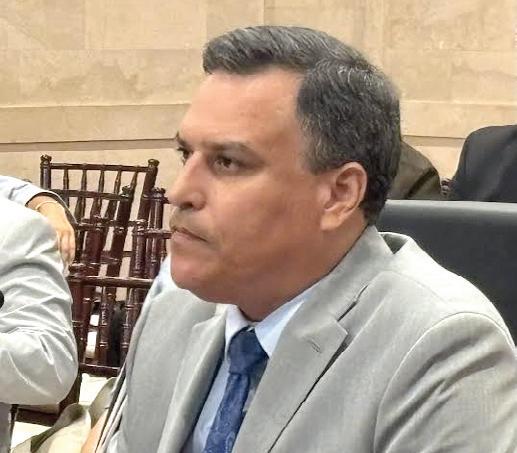
Gemillies Lozada Navarro, 25, of Loíza (Instagram via puertoricolaissla)
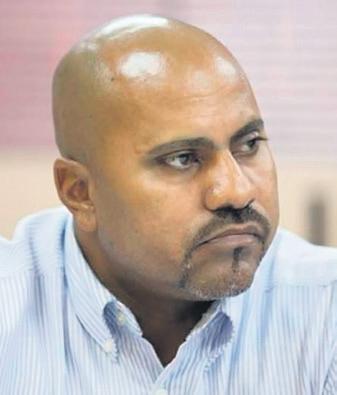
Former General Workers Union President Gerson
Guzmán López (Facebook via Puerto Rico Online News)
DDEC secretary resigns; some 10 senior officials also step down
By THE STAR STAFF
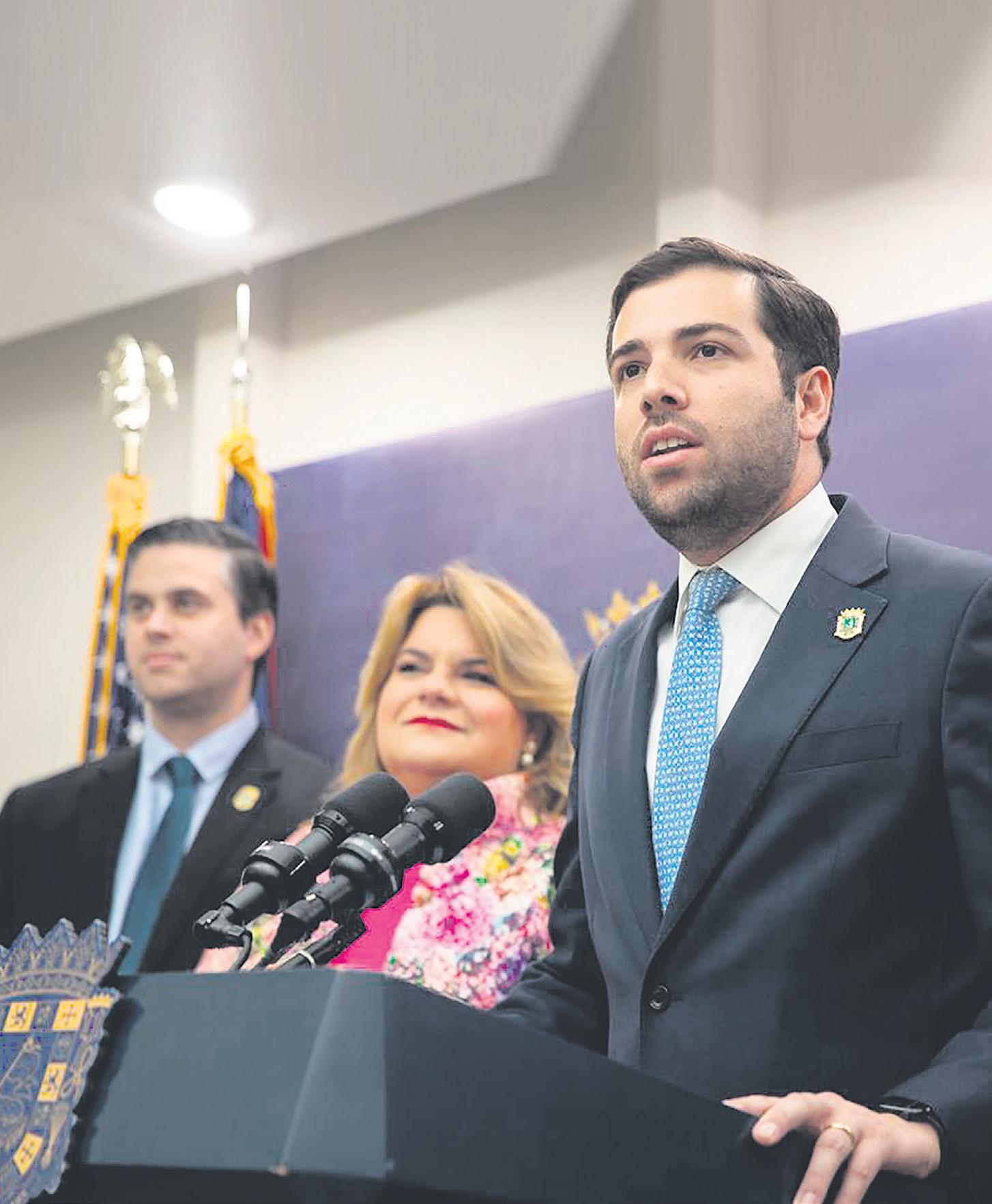
Sebastián Negrón Reichard resigned as secretary of the Department of Economic Development and Commerce (DDEC by its acronym in Spanish) effective at noon Tuesday, a departure accompanied by the resignations of more than 10 senior officials across the agency.
In a written resignation letter, Negrón Reichard said he submitted his resignation to Gov. Jenniffer González Colón after concluding that the mutual trust required to carry out the responsibilities of the position no longer existed.
The former secretary said the breakdown followed his referral of findings from an internal evaluation of a competitive process to the appropriate authorities. He stated that subsequent actions by La Fortaleza, including interventions through other officials in areas where the law
delegates authority to the DDEC secretary, made it impossible to continue performing the role with the autonomy and integrity it requires.
Negrón Reichard cited, among those actions, the reversal of two summary suspensions issued for alleged improper interventions in contracting processes. He said the decision left personnel who reported alleged irregularities without institutional protection.
The situation prompted a wave of resignations within the agency. Those stepping down include the chief of human resources, the leader of strategic initiatives and the permitting system transformation, the general counsel, the chief financial officer for DDEC and PRIDCO, the director of the Incentives Office, the lead strategist for reshoring and semiconductors, the executive concierge lead, the director of the Rones de Puerto Rico (Rums of Puerto Rico)
division, the head of air cargo strategy and the communications director, among others.
Despite the circumstances, Negrón Reichard thanked the team he worked with and said he remains committed to contributing to Puerto Rico “from other spaces.” He added that he will not make further public comments to avoid affecting ongoing legal processes, including referrals to the Department of Justice, the Office of the Comptroller, DDEC Human Resources, and the Government Ethics Office.
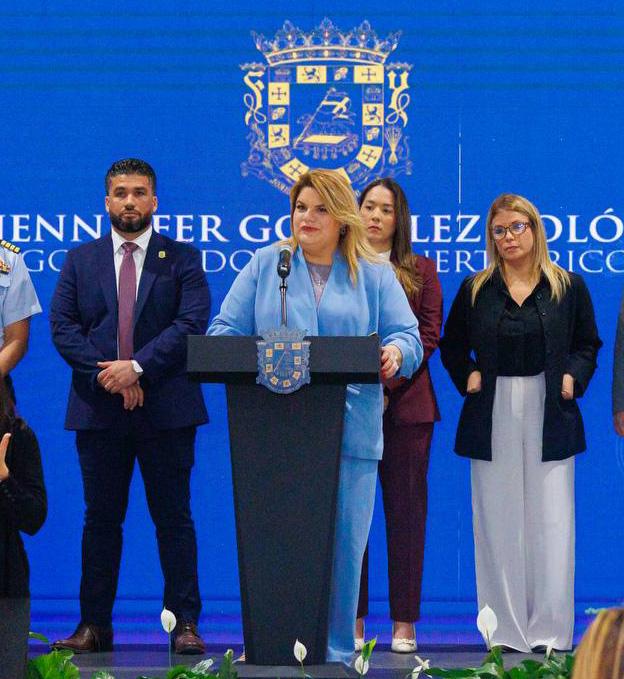
Gov. Jenniffer González Colón said she was disappointed that Negrón Reichard did not talk to her first before resigning. She said she had not seen his resignation letter and found out about his resignation through the media.
“It disappoints me, because I believe he was a great agency secretary; he accomplished a great deal, and we worked very closely to-
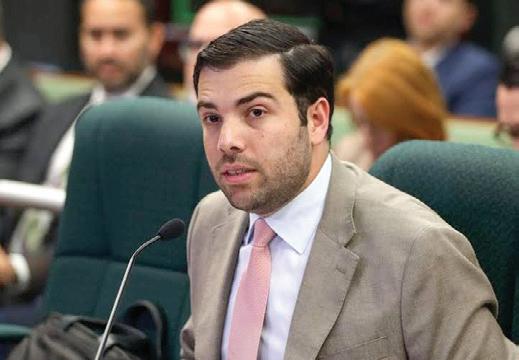
Sebastián Negrón Reichard resigned as secretary of the Department of Economic Development and Commerce on Tuesday. His departure was accompanied by the resignations of more than 10 senior officials across the agency.
gether [...],” the governor told the press at an event in San Juan to inaugurate the renovated Pan American Pier 2 West. “Therefore, I deeply regret his decision, as well as the fact that he did not discuss it with me.”
Judicial workers seek four-day working week, remote work
By THE STAR STAFF
Judicial Employees Association (AEJ by its initials in Spanish) President Amircal Gerena Román has requested that Office of Court Administration Director Sigfrido Steidel Figueroa implement remote work and reinstate the four-day workweek to ease the high cost of living faced by employees of the island judiciary due to the high cost of living, exacerbated by rising gasoline prices.
In a letter sent Tuesday, Gerena Román listed the proposed administrative measures, which include “resuming the remote work program for those positions whose duties allow it,” he said.
“Meanwhile, for employees whose duties require them to be physically present, implementing a four-day workweek,” the labor leader added. “Both measures would represent
significant relief for our fellow employees in the judicial branch.”
“The current economic situation in the
country is severely impacting the working class,” Gerena Román emphasized. “Judicial employees face high costs for gasoline, tolls, food, electricity, and medicine, among other expenses. This affects their economic stability and quality of life, so resuming remote work and the four-day workweek is a welcome incentive for our colleagues.”
The AEJ president noted that both remote work and the four-day workweek have proven to be effective tools within the judiciary in other contexts.
“These measures were implemented during the pandemic, and services were provided efficiently and in an organized manner,” he said. “Even today, they are still maintained in certain areas, albeit on a smaller scale. Our request seeks a structured, responsible, and temporary implementation without affecting services to the public.”
AEJ members have said the proposed administrative measures would enable a more equitable expansion of existing administrative benefits in certain operational areas, thereby benefiting a greater number of judicial employees. They also emphasized that the initiatives would benefit employees, judges, and other members of the judicial system by fostering a healthier, more efficient work environment that is more responsive to current economic realities.
“We believe that these measures would benefit both employees and the judicial system itself,” Gerena Román said, noting that the proposed measures would be temporary based on the duration of existing economic conditions. “An employee with less financial and emotional burden can perform better, maintain better emotional well-being, and provide more efficient service.”
Pedro Rosaly elected president of Hecho en Puerto Rico
By THE STAR STAFF
Businessman Pedro Rosaly was elected president of the Hecho en Puerto Rico (Made in Puerto Rico) Association on Tuesday, succeeding Mateo Cidre.
“I feel deeply honored to assume the presidency of Hecho en Puerto Rico -- an iconic organization that, for over a century, has championed and promoted the talent, products, and services of our island,” Rosaly said in a written statement.
Rosaly serves as president and CEO of Islandwide Group,
a Puerto Rican company with over 58 years of experience in providing integrated logistics and transportation services to local businesses, commercial enterprises, and small and midsize businesses.
Upon assuming the role, the businessman said he would seek to strengthen collaboration among members, support Puerto Rican businesses and foster the island’s economic growth.
“Throughout my tenure at Islandwide, our focus has always been on connecting Puerto Rico -- connecting businesses, people, and opportunities,” he said. “That very same purpose
is what I intend to drive forward through the Association.”
Rosaly holds a bachelor’s degree in finance from the University of Puerto Rico, Mayagüez Campus, and a master’s degree in business administration from American University in Washington, D.C.
Alongside the new president, the association unveiled its board of directors, comprising Daniel Rivera, co-founder of Molcajete Foods; José Oramas, general manager of UPS’s Caribbean Division; and Ángel Alvarado, director of strategy within the Purchasing Department at Walmart Puerto Rico.
Judicial Employees Association President
Amircal Gerena Román
Birling Capital issues proposal to overhaul UPR
By THE STAR STAFF
The University of Puerto Rico (UPR) is operating “with no margin at all” and must undertake a structural trans formation over the next 13 months to secure its future, according to a new analysis by Birling Capital Advisors.
The report, authored by the firm’s president and CEO Francisco Rodríguez Castro, outlines a sweeping roadmap for the public institution of higher education after the Financial Oversight and Management Board issued a formal Notice of Violation on May 23 declaring that UPR’s revised fiscal plan cannot be certified.
Rodríguez Castro argues that the oversight board’s directive marks the end of incremental adjustments and the beginning of a mandated, comprehensive redesign of the university’s financial and operational model, to be complet ed and certified before the end of fiscal year (FY) 2027 and implemented starting in FY 2028.
The analysis frames UPR’s crisis as the result of two simultaneous pressures: a dramatic external reduction in government appropriations and an internal cost structure that has not adapted to the new fiscal reality. The elimination of the 1966 formula that guaranteed the university 9.6% of the General Fund reduced UPR’s annual appropriation from $911 million in FY 2017 to $441.2 million in FY 2026, a 51.6% decline. If the formula still existed, the university would receive more than $1 billion today.
Internally, UPR employs 4,450 professors for 44,233 students, a student‑faculty ratio of 9.9 to 1 compared with the national average of 18 to 1. Faculty salaries total $342.4 million, and pension contributions add another $132.7 million, consuming more than half of the institution’s entire budget. Tuition accounts for only 13.8% of total revenue, far below the 65% to 75% typical of private universities on the island.
The FY 2026 certified budget underscores the fragility of the system: $1.21 billion in revenue, $1.17 billion in expenses, and a net operating position of $36.3 million — exactly equal to the university’s contractual debt service.
“Final net position: zero,” the report notes, emphasizing that UPR operates without any margin for error.
Rodríguez Castro stresses what is at stake by document ing the university’s 123‑year contribution to Puerto Rico’s
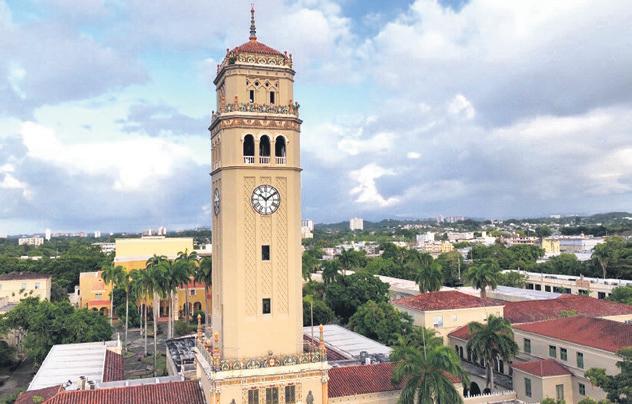
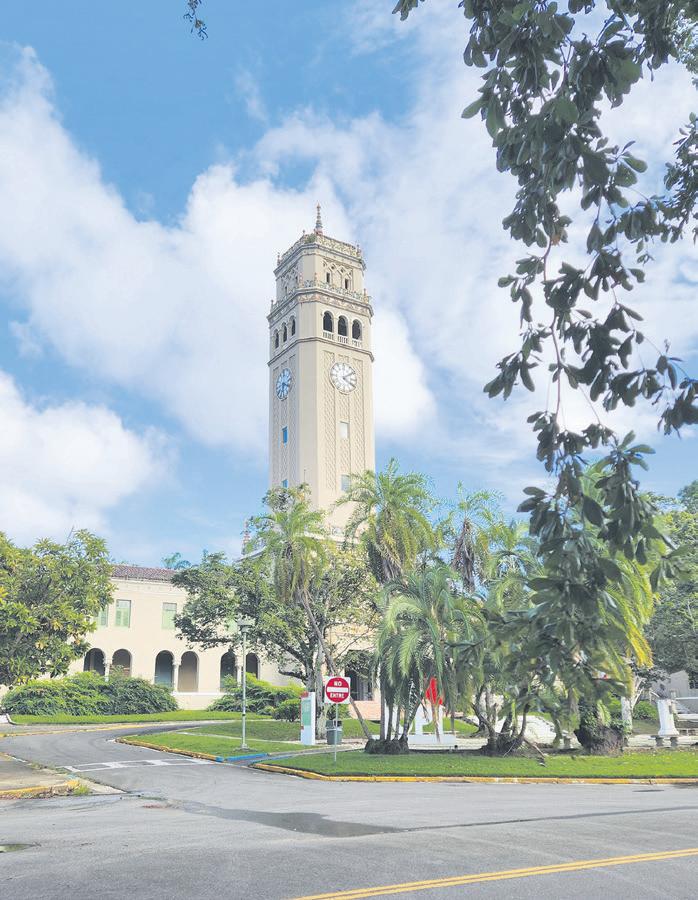
A Birling Capital Advisors report outlines a sweeping roadmap for the University of Puerto Rico after the Financial Oversight and Management Board issued a formal Notice of Violation declaring that UPR’s revised fiscal plan cannot be certified.
economic and social development. Since 1903, UPR has conferred more than 350,000 degrees, including 70,000 teachers, 45,000 engineers, 32,000 scientists, 7,200 phy sicians, and thousands of lawyers, nurses, pharmacists and other professionals who built the island’s modern institutions. He argues that defunding the university is “not a fiscal de cision. It is a civilizational decision,” given its central role in producing the human capital that sustains Puerto Rico’s health system, industrial base, and public sector.
The oversight board’s Notice of Violation identifies three core deficiencies in the university’s proposed fiscal plan: the use of non‑recurring revenues as if they were structural, projections of federal research funds that exceed historical execution levels, and expense projections that fail to reflect operational realities, including rapid leadership turnover. The board concluded that the plan is “balanced in form, but not structurally balanced,” and instructed the university to produce a new plan grounded in verifiable data and realistic assumptions.
Birling Capital proposes a three‑phase transformation spanning 15 years. The first phase focuses on structural triage, including enforcing faculty workload standards, aligning promotion criteria with national benchmarks, transitioning new hires to defined‑contribution retirement plans, and completing a systemwide campus rationalization. Achieving
those steps, the report argues, would unlock $172 million in conditional government funds that remain unspent due to unmet reform milestones.
The second phase centers on building financial inde pendence through tuition adjustments that could generate between $50 million and $100 million annually while protecting low‑income students through the Law 4‑2022 scholarship fund; the creation of a robust alumni endowment capable of reaching $500 million within a decade; expansion of technology transfer to capture revenue from Puerto Rico’s $60 billion pharmaceutical export sector; and the develop ment of executive education programs that could generate immediate income using existing faculty and facilities.
By the third phase, projected for years seven through 15, the university would have restructured its labor costs, consolidated its campus system, and built diversified revenue streams capable of reducing its dependence on the General Fund from the current 46.8% to 30% or less. Rodríguez Castro notes that institutions such as the University of Virginia and Georgia Tech achieved similar levels of autonomy through long‑term structural reforms rather than government appro priations. “Autonomy is not granted,” he writes. “It is earned.”
The analysis also outlines a proposed restructuring of the 11‑campus system. Río Piedras, Mayagüez, Ponce and the Medical Sciences Campus would operate as full research universities. Bayamón, Arecibo, Cayey and Humacao would be redesigned as two‑year transfer colleges with guaranteed pathways into the research campuses. Utuado, Aguadilla and Carolina would be consolidated due to low enrollment, geographic redundancy, or high potential for alternative economic uses.
Rodríguez Castro argues that such a restructuring preserves access while concentrating resources where they can generate the greatest educational and economic return, noting that “resources follow students, not square footage.”
The report identifies four commitments that the new fiscal plan cannot overlook: stable leadership capable of executing a multi‑year reform agenda; completion of pension reform; revenue projections grounded in historical performance rather than aspiration; and explicit coordination with the Puerto Rico government’s broader fiscal framework, particularly given looming pressures on Medicaid funding and disaster‑recovery disbursements.
Rodríguez Castro asserts that restoring the 1966 formu la alone will not resolve UPR’s structural challenges. With two‑thirds of its resources tied up in payroll and pensions and every reallocation subject to oversight board approval, the university requires a transformation “inside and out.” Puerto Rico, he argues, cannot afford to lose the institution that has produced its teachers, engineers, scientists, health professionals and public leaders for more than a century. “Puerto Rico cannot export talent it never formed,” he writes. “Protecting the legacy of UPR by transforming the institution that produced it is the highest‑return decision the island can make.”
The San Juan Daily Star
Wednesday, May 27, 2026 5
New Jersey governor demands access to ICE facility as hunger strike widens
By WINNIE HU and NATE SCHWEBER
New Jersey Gov. Mikie Sherrill, a Democrat who has clashed with the Trump administration over immigration policies, joined protests outside a detention center in Newark earlier this week in support of detainees participating in a hunger strike.
Sherrill heard from family members of detainees, who have complained about rotten and spoiled food and inadequate medical care at Delaney Hall. Dozens of protesters waved signs, banged on drums, and chanted “Free Them All!” The governor told the crowd she had requested access but was denied.
“No matter what your immigration status is, you shouldn’t be treated with anything less than dignity in this country,” said Sherrill on the Memorial Day holiday. At one point, she rested her hand on the shoulder of a crying relative and smoothed the hair of an upset child.
Sen. Andy Kim (D-N.J.), center left, attempts to de-escalate tensions between protesters and ICE agents outside Delaney Hall in Newark, N.J., as a hunger strike by immigration detainees there entered its fourth day on Monday, May 25, 2026. New Jersey Gov. Mikie Sherrill and other politicians joined protesters at the immigration jail on Monday, the latest standoff between her and President Trump over his immigration policies. (Dakota Santiago/The New York Times)
After the governor left, the scene quickly worsened outside the detention facility. A tense standoff erupted between Immigration and Customs Enforcement agents and protesters who blocked an entrance; the agents responded by firing pepper balls and spray at the protesters. Sen. Andy Kim, D-N.J., who was trying to deescalate the situation, was among those affected.
As President Donald Trump’s immigration policies have spurred protests nationwide, Sherrill has repeatedly clashed with his administration. In April, the Trump administration sued Sherrill and New Jersey’s attorney general over a state law that bars law enforcement officers, including ICE agents, from wearing masks while on duty.
It was at least the second time the Trump administration had sued to overturn immigration policies enacted by Sherrill.
Federal judges in New Jersey have repeatedly criticized the Trump administration for failing to comply with immigration-related court orders, including directives barring migrants from being transferred out of state.
The 1,000-bed detention center, which is privately run, has emerged as a focal point in Trump’s immigration crackdown since it reopened last year. It has filled with hundreds of immigrants detained in New York City and around the Northeast as agents have ramped up the arrests of migrants in homes, courthouses and federal offices.
On Monday, the governor and other officials, including Newark Mayor Ras Baraka, appeared outside Delaney Hall amid growing concerns over the hunger strike, which started Friday inside the cinder-block building enclosed by a high chain-link fence topped with razor wire.
Immigration advocates have rallied outside Delaney Hall since Friday. Detainees said they would go on a hunger and labor strike while calling for an investigation of the detention center and its operations and for Sherrill to visit to
discuss protections from ICE. Hundreds of detainees were participating, one protester told Sherrill.
The governor said in a statement on Sunday that she had contacted ICE to gain access to the detention center and was working to monitor the situation and “do what’s necessary to ensure humane conditions.”
At Monday’s protest, some demonstrators shouted in Sherrill’s face to criticize her for not showing up earlier in the weekend, like other elected officials had.
Rep. Rob Menendez, D-N.J., had arrived at 8 p.m. on Sunday and stayed all night until he was allowed into the center on Monday morning. Menendez said that he had spoken to some of the detainees inside Delaney Hall, including a young woman who just wanted to go to her high school graduation, a pregnant woman who was trying to get medical care, and a man who showed him a carton of milk that had gone rancid.
“I heard just desperation from so many people in there,” Menendez said afterward.
Angela Martinez told Sherrill that her cousin, Bolivar Bueno, 65, has diabetes and that she hasn’t been able to speak to him to make sure he is getting medication. “We don’t know what’s going on,” she told the governor.
Afterward, Martinez said, “I want for her to help me out.”
Sherrill left after about an hour, around 11:30 a.m., as some demonstrators jeered at her. Her security had to clear the road of a couple of people who tried to stop her SUV from leaving.
A few hours later, a convoy of ICE vehicles approached another entrance on the south side of Delaney Hall. Protesters, who had rallied at the north entrance in the morning, ran over to sit down in front of the vehicles. Many said they feared that the detainees on hunger strike inside would be transferred to other facilities.
ICE agents — most of whom were wearing face masks — pushed and shoved the protesters out of the way, dragging one young man by a kaffiyeh around his neck. As the protesters chanted, “Trump Has To Go,” they linked arms and faced the ICE agents.
The standoff prevented anyone from leaving through the south entrance. Soon after, a military-style vehicle moved toward that entrance, with a man on top holding a firearm pointed at demonstrators.
Kim, who had been allowed inside Delaney Hall, came out during the confrontation and walked over to support the protesters. Soon afterward, the ICE agents and military vehicles backed away from the entrance and slightly retreated toward to the detention center, but the standoff continued.
“They provoked it, they brought that tank over,” Kim said. “It’s getting worse and worse here.”
The senator said he was working to “deescalate” the standoff through negotiations with federal officials and would push for families to be allowed to visit detainees as early as Tuesday. “I’m going to keep at it,” he said.
Not long after, the standoff escalated with ICE agents using pepper balls and mace on the crowd.
It’s not the first time Delaney Hall has faced protests. In June 2025, four men escaped from the detention center after days of unrest over meager and sporadic meals and overcrowding that forced some detainees to sleep on the floor. Detainees had smashed windows, doors and security cameras.
And Baraka, the Newark mayor, was arrested in May 2025 during a clash with federal agents outside its gates last year.
Andeno Co
Tasa mínima, promedio ponderado, y máxima para préstamos personales pequeños otorgados para la semana que terminó el sábado, 23 de mayo de 2026
What to know about the citizenship lists Trump wants to create
By ADAM SELLA
President Donald Trump is seeking
to create state-by-state citizenship lists, saying they are necessary to block noncitizens from voting, a virtually nonexistent issue that the president has described as widespread despite his own administration’s inability to substantiate the claim.
“I think this will help a lot with elections,” Trump said in March before signing an executive order directing the Department of Homeland Security to create a list of citizens in each state that could be used to help determine voter eligibility.
Trump has been pursuing similar policies since his first term. In 2019, he called on the government to compile citizenship data after a failed attempt to include a citizenship question in the 2020 census.
More recently, the president has championed a strict voter identification bill, now stalled in the Senate, which called on
states to use federal databases to identify noncitizens.
Democratic-led states and voting rights groups have sued to block the executive order on a number of grounds, including that the Constitution does not grant the executive branch explicit authority over elections.
During a recent hearing in U.S. District Court in Washington in a lawsuit challenging the order, the Justice Department acknowledged the lists would likely be unreliable for determining voter eligibility.
Here are some practical, legal and historic implications of Trump’s proposal.
A citizenship list is bound to be incomplete.
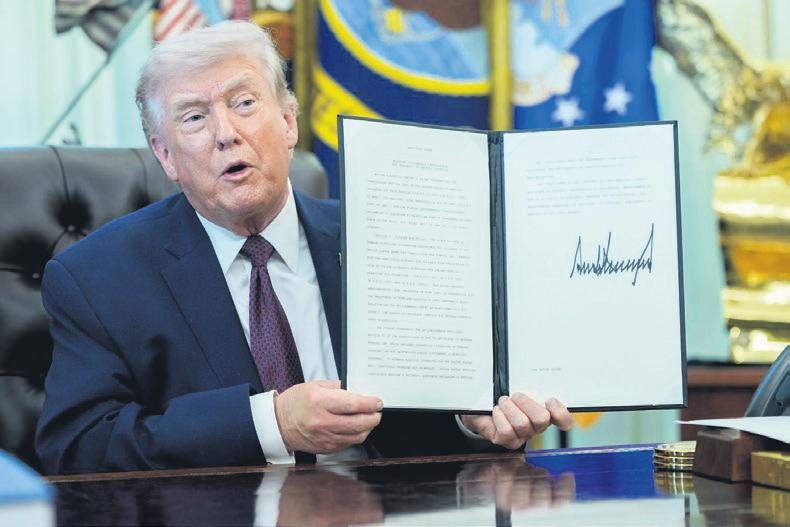
President Donald Trump shows a signed executive order in the Oval Office of the White House in Washington, March 31, 2026. President Trump is trying to create individual lists of citizens by state to determine who can vote, even as his administration acknowledges they would be unreliable. (Doug Mills/The New York Times)
Unlike in other countries with national identification cards, there is no single document that denotes U.S. citizenship.
Only about 54% of Americans have passports. Social Security cards, which are generally issued to Americans at birth, can also be possessed by noncitizens. Naturalized citizens do not have U.S. birth certificates, which prove citizenship by birthright. And no central index exists for naturalization records, according to the National Archives.
According to Trump’s order, his lists would be based on citizenship and naturalization records, Social Security records and other federal databases.
His directive instructs the Department of Homeland Security to send the lists it compiles from that data to each state. It then invites states to send the U.S. Postal Service their own lists of voters eligible to cast ballots by mail at least 60 days before a federal election. And then it instructs the service to send states another set of lists of individuals “enrolled with the USPS” to participate in mail voting.
At the court hearing, lawyers challenging the order argued that any lists the government created would be immediately out of date.
An administration lawyer acknowledged that “no list is ever going to be perfect.”
Creating citizenship lists using federal data could violate privacy laws.
According to the Privacy Act of 1974, “no agency shall disclose any record” to another agency without written consent from the person whose records would be shared.
Certain exceptions to the rule are allowed, and one such exception says that information can be shared in “civil or criminal law enforcement activity” as long as the enforcement activity is legal.
There are also strict regulations the government must follow if it would like to conduct a “matching program” using a computer program to compare different records databases.
Lawyers challenging Trump’s order argued that it would be impossible for the government to create a list that does not violate the Privacy Act in some way. Judge Carl J. Nichols indicated that it was too early to know if the government would violate privacy laws.
Justice Department lawyers said the government had not yet decided how to carry out the executive order. They did not explain how the citizenship lists would adhere to the Privacy Act.
The federal government has not maintained citizenship lists.
The United States has used various methods to certify citizenship since the 18th century, but the country has never had a central citizenship registry.
In the hearing, lawyers for the Trump administration said the proposed citizenship lists could have a variety of lawful uses, including helping to verify eligible voters and law enforcement operations.
David J. Bier, the immigration studies director at the Cato Institute, a libertarianleaning think tank, said the rights of citizens and noncitizens could be violated if a flawed database was used for either aim.
“Absolutely it’s an abuse when it comes to our rights,” Bier said. “If it’s contingent on the accuracy of a database, then automatically you end up with problems.”
Trump’s effort to create a citizenship list comes on the heels of other challenges to the very nature of U.S. citizenship. On his first day back in office, Trump attempted to revise the long-standing understanding of birthright citizenship, an order now pending before the Supreme Court. His administration is also in the process of trying to strip U.S. citizenship from hundreds of naturalized Americans.
Now give me money. A lot of money. NEW YORK TIMES EDITORIAL
By JAMELLE BOUIE
The presidency is never static. It always changes. Each president molds it in his image.
George Washington made the office one of honor. Andrew Jackson, of democratic vigor. Abraham Lincoln brought heretofore unseen energy to the executive and Franklin Roosevelt put the office, and himself, at the center of Washington policymaking. Lyndon Johnson marked the White House with his domineering ambition and Richard Nixon did the same with his crushing paranoia. We have had, depending on who held the office, aristocratic presidencies, participatory presidencies, plebiscitary presidencies and of course, imperial presidencies.
You know where this is going. Where does Donald Trump fit? How has he changed the presidency?
With his unilateral actions, authoritarian power grabs and strongman aspirations, we tend to think of Trump as the imperial president par excellence — the “unitary executive” made flesh. Inherent in this is a radical vision of the plebiscitary presidency: of the president as the sovereign embodiment of the people’s will, untethered by law, and free to interpret and deploy the Constitution as he sees fit.
This reflects the personal imprint of President Trump as much as it does a generational effort by conservative legal elites to make each successive Republican president more powerful and less accountable than the last. Trump, remember, comes from the personalist world of the family firm, where his word is law. If our experiences build habits of mind that shape and define our response
to new stimuli — and they do — then Trump was trained by life to be an autocrat.
But Trump does not just embody a particular form of the presidency. He has pioneered a new one. You can see this clearly in his latest act of corruption, a $1.776 billion (ha, get it?) settlement fund for those supposedly harmed by the so-called weaponization of government under the Biden administration. The fund was created after Trump dropped his $10 billion lawsuit against the IRS for its failure to prevent a leak during Trump’s first term that revealed the details of his tax returns.
Trump is infamously litigious, filing frivolous suits over any and every slight, real or perceived. But this lawsuit was especially ridiculous, even by his degraded standards. First and most important, Trump effectively sued himself — he was president when the IRS leak took place. It is also the case that for a lawsuit to move forward, there must be a conflict between the two parties. But where was the conflict between the personal lawyers acting on Trump’s behalf and the government lawyers acting on Trump’s behalf?
Last month, the judge overseeing the case, Kathleen M. Williams of the Southern District of Florida, ordered both sets of lawyers to explain whether the two sides were “sufficiently adverse” or was this just an excuse for self-dealing on the part of the president. The Justice Department’s announcement of the settlement fund Monday seems to answer the question, especially when one digs into the details.
The money, which comes from a Justice Department fund for settling cases, will be controlled by a five-person board appointed by Todd Blanche, the acting attorney general and a former defense lawyer for the president. The board will have the authority to use the cash to “pay for per diems, administrative services, funds, facilities, staff, travel and other support services as may be necessary.” Neither Blanche nor the Justice Department has announced criteria for disbursements, but Vice President JD Vance has made it clear that Jan. 6 rioters and those convicted of election interference — such as Tina Peters in Colorado, whose sentence was recently commuted in a much-derided decision by Gov. Jared Polis, a Democrat — might, on a case-by-case basis, be potential beneficiaries. Trump, of course, will be able to fire members of the board at will.
The most egregious part of the agreement, revealed this week, is that the IRS is required to drop all audits of Trump and his family, permanently shielding them from any scrutiny of their business deals and financial arrangements. It means, in effect, that neither Trump nor his family is obligated to pay a full share of taxes, or pay at all, since who would know if they didn’t? This comes in the wake of last week’s release of financial disclosure forms that show that trades have been made on the president’s behalf that are worth at least $220 million, in companies he has either promoted or whose executives he has hosted at the White House.
So what manner of presidency has Trump devised for himself?
You could call it the pecuniary presidency, a presidency not devoted to the public good or to the preservation of the union or even to some narrow ideological crusade, but to the quest for personal enrichment. A presidency devoted to the aggrandizement of a single person, not to satisfy a grand design for the nation but to squeeze a few million here and a few billion there out of the public coffers for your own benefit.
What manner of presidency has Donald Trump devised for himself? You could call it the pecuniary presidency, a presidency not devoted to the public good or to the preservation of the Union or even to some narrow ideological crusade, but to the quest for personal enrichment. (Max Slobodda/The New York Times)
This isn’t the “honest graft” of Tammany Hall — corruption as the price paid for public improvement. It is petty theft. It’s stealing from the Treasury and using your authority, enhanced by the baroque theories of your allies on the Supreme Court, to make yourself unaccountable. It is government as protection racket and the president as mob boss (a role that Trump has clearly embraced).
The pecuniary presidency is a new frontier in the history of the office, the culmination of all that was dangerous about the vast concentration of power in a singular executive — “in all governments in which there is sown the seed of the rule of one man, no checks, no bars can prevent its growing into a monarchy or a despotism if the empire is extensive,” warned “a Maryland farmer” in the spring of 1788, on the eve of ratification — and the particular project of a particular man whose lust for gold rivals that of Cortés.
The reason we are here, then, is both because of Trump and because we failed to curb the unilateral powers of the presidency. And we will find ourselves here, again, if we do not curb the pecuniary presidency. It is not hard to imagine a future in which, in the dawning light of the post-Trump world, we choose to look forward and ignore the ex-president’s wrongdoing. One imagines that whoever is president in that moment will struggle not to enrich himself (or herself) as Trump has done.
For now, Trump and his allies are insulated from scrutiny by a mostly feckless and supine Republican majority in Congress. And Trump, as we just witnessed in the Louisiana Senate primary for Bill Cassidy’s seat and the Kentucky House primary for Thomas Massie’s, is still kingmaker in Republican politics. He is still able to end careers with a few posts on Truth Social.
But this bulwark won’t hold forever. It will fall. Democrats, who may sweep into power this fall, wasted their last chance at accountability. The results, unfortunately, are all around us. They waste this next one, if it comes, at their peril — and ours.
Gobernadora inaugura mejoras en Muelle Panamericano Oeste
POR CYBERNEWS
SAN JUAN – La gobernadora Jenniffer Aydin González Colón inauguró el martes el Muelle Panamericano 2 Oeste, luego de trabajos de reconstrucción y modernización con una inversión de 37 millones de dólares en fondos federales y privados.
“Una de nuestras prioridades cuando asumimos la administración pública en enero de 2025 fue la reconstrucción y modernización de nuestra infraestructura portuaria para colocar a Puerto Rico entre los mejores destinos para cruceros, no sólo en el Caribe, sino también en las Américas”, dijo González Colón en declaraciones escritas.
Desarrollado por San Juan Cruise Port como parte de una alianza público-privada con el Gobierno de Puerto Rico, el proyecto busca ampliar la capacidad operacional del puerto de San Juan para recibir cruceros y embarcaciones de mayor tamaño.
González Colón sostuvo que en 2018, mientras fue comisionada residente, gestionó 3.4 millones de dólares para estos trabajos. La mandataria indicó que la apertura del muelle debe facilitar la llegada de más cruceros y generar actividad económica.
“El impacto de estos trabajos es cuantificable. El Muelle Panamericano Oeste, que hoy inauguramos, tiene una proyección de generar alrededor de 41 millones de dólares en actividad económica asociada a la industria de cruceros durante la temporada 2026-2027”, expresó.
La gobernadora añadió que hay más de 100 escalas de cruceros programadas para la próxima temporada, principalmente relacionadas con operaciones de puerto base de Royal Caribbean Group.
Entre las mejoras se incluyó la construcción de una nueva pared marítima de más de 600 pies, el reemplazo de bolardos y defensas, y la reconstrucción completa de la pas-
arela de pasajeros.
También se instaló un puente de embarque de pasajeros, descrito como el primero de su tipo en Puerto Rico, diseñado para adaptarse a distintas embarcaciones y agilizar los procesos de embarque y desembarque.
Dentro del terminal se remodelaron baños, se instalaron mostradores de registro, se reacondicionaron ascensores y escaleras eléctricas, y se renovaron pisos, pintura interior y exterior, áreas de paisajismo, estacionamientos y rotulación.
Más de 400 asientos para pasajeros, incluyendo áreas VIP, fueron incorporados como parte de los trabajos.
“Como indicó nuestra gobernadora, el objetivo de estos históricos trabajos de rehabilitación y modernización que se están realizando en muelles y aeropuertos a través de todo Puerto Rico es colocarnos como un destino único en las Américas, con facilidades de óptima calidad con capacidad para recibir más cruceros, dejando así una huella económica sustancial en los comercios de la zona metropolitana”, señaló Norberto Negrón Díaz.
El director ejecutivo de la Autoridad de los Puertos indicó que en la temporada 2024-2025 llegaron 43 cruceros de puerto base al muelle. El año pasado aumentaron a 53 arribos y, para la temporada 2026-2027, se proyectan 236 cruceros de puerto base.
Josué Colón Ortiz, director ejecutivo de la Autoridad para las Alianzas Público-Privadas, dijo que la agencia trabajó desde el pasado año con San Juan Cruise Port y la Autoridad de los Puertos en inspecciones y evaluaciones de fondos y obras.
La inversión forma parte del Programa Inicial de Inversiones contemplado en el acuerdo de alianza público-privada, que incluye compromisos privados por más de 200 millones de dólares para mejoras a la infraestructura portuaria de cruceros en San Juan.
“La modernización de Pan American Pier 2 West representa mucho más que una mejora a nuestra infraestructura
portuaria; representa más oportunidades, más actividad económica y más crecimiento para nuestra gente”, expresó Willianette Robles Cancel.
Clarivette Díaz, gerente general de San Juan Cruise Port, sostuvo que la obra atiende necesidades históricas de las instalaciones y fortalece la operación del puerto de San Juan como puerto base.
Como parte de la expansión portuaria, el pasado mes se anunció el desarrollo de un nuevo terminal de cruceros en los muelles 11 y 12, diseñado para acomodar embarcaciones de nueva generación y ampliar la capacidad operacional del Puerto de San Juan.
Policía ordena devolver licencia y armas a Eduardo Meléndez
SAN JUAN – El superintendente de la Policía, Joseph González Falcón, informó el martes que impartió instrucciones para entregar la licencia y armas de fuego al enfermero Eduardo Meléndez Velázquez.
“Efectivo en el día de hoy he impartido instrucciones al Negociado de Investigaciones de Licencia e Inspección de Armas de Fuego para que se proceda con la entrega de su licencia y armas de fuego al ciudadano Eduardo Meléndez, a quien le asiste su derecho constitucional a poseer y portar armas conforme a la Constitución de los Estados Unidos, la Constitución de Puerto Rico y las leyes aplicables”, expresó González Falcón en declaraciones escritas.
El superintendente sostuvo que, tras la evaluación correspondiente, no existe impedimento legal para la devolución
de las armas y la licencia.
González Falcón indicó que la Policía continuará con la evaluación de casos ante el Negociado de Investigaciones de Licencia e Inspección de Armas de Fuego.
“La Policía de Puerto Rico continuará actuando con responsabilidad, imparcialidad y estricto apego a la ley en todos los casos que se atienden ante el Negociado de Investigaciones de Licencia e Inspección de Armas de Fuego”, sostuvo.
El pasado 6 de febrero de 2026, el juez Ángel Llavona Folguera, del Tribunal de Primera Instancia de Ponce, absolvió al Meléndez Velázquez de todos los cargos relacionados con la muerte del biólogo marino Roberto Viqueira Ríos, ocurrida el 15 de julio de 2025 en el municipio de Yauco, determinación que posteriormente el Departamento de Justicia anunció que no apelará.
Multilingual drama ‘Fjord’ wins Palme d’Or at Cannes Film Festival
By MANOHLA DARGIS
The 79th Cannes Film Festival came to a close Saturday when the Palme d’Or was awarded to “Fjord,” Romanian filmmaker Cristian Mungiu’s multilingual drama starring Sebastian Stan and Renate Reinsve as a devout Christian couple accused of physically abusing their children.
Speaking from the stage, fluidly switching from English to French, Mungiu said he believed it was important for cinema to address “relevant” things, noting that today’s society “is split, it’s divided, it’s radicalized.” In “Fjord,” once child protection services opens an inquiry, an ostensible family matter becomes headline news and, in turn, a proxy war between religious conservatism and social liberalism.
The award is Mungui’s second Palme. He also won in 2007 for “4 Months, 3 Weeks and 2 Days.”
This year’s festival was comparatively muted, particularly in light of last year’s strong lineup. The absence of the major American studios was a contributing factor, as was the lack of globally recognizable stars on the red carpet.
The absence of a critical favorite, especially in the highprofile main competition where films vie for the Palme, also added to the doldrums. As is always the case at Cannes, there was plenty to like and admire, but “love” was not heard all that often.
Three of the top prizes — those for best director, actress and actor — had more than one winner. Before he announced the Palme winner, the head of the jury, filmmaker Park Chanwook, referred to the diversity of the panel, which included actress Demi Moore and director Chloé Zhao, among others.
Polish director Paweł Pawlikowski won best director for “Fatherland,” a prize that he shared with Spanish filmmakers Javier Calvo and Javier Ambrossi, who made the time-skipping “La Bola Negra.” Set in different historical periods, Calvo and Ambrossi’s movie weaves together the stories of men whose lives are at times entangled. At the heart of the tale is an unfinished play from writer Federico García Lorca, who was murdered by fascists at the start of the Spanish Civil War.
The more restrained “Fatherland” is a beautifully turned fictionalized drama about a real trip that author Thomas Mann made to Germany in 1949. For a few awkward minutes, the multiple winners for best director seemed to throw off the event’s organizers, and Pawlikowski stood sidelined on the stage without an award.
“That was a piece of disastrous mise-en-scène,” Pawlikowski joked when he was finally able to address the audience.
Wars both past and present, and from across the globe, filled this year’s festival. The Grand Prize, effectively for second place, went to “Minotaur,” a ferocious exploration of personal and state power. Directed by Andrey Zvyagintsev, the movie transposes a French film — Claude Chabrol’s “The Unfaithful Wife” — to Russia in 2022 at the start of its full-scale invasion of Ukraine. As bombs fall, a wealthy Russian businessperson back at home faces a series of marital and professional crises that he navigates with appallingly brutal self-interest.
“My message is clear,” Zvyagintsev — who lives in exile in France — told Le Monde before the festival. “This is a pacifist film that opposes the war waged on Ukraine by Vladimir Putin’s regime.”
The best actress award went to the stars of “All of a Sudden,” from Japanese director Ryusuke Hamaguchi (“Drive My Car”). A deeply poignant drama, the film centers on the director of a care center for older adults, played by Virginie Efira, who strikes up an intense friendship with a Japanese playwright, portrayed by Tao Okamoto. The teary actresses held hands as they took the stage.
The best actor prize was given to Valentin Campagne and Emmanuel Macchia, who play young soldiers in the World War I drama “Coward,” from Belgian filmmaker Lukas Dhont.
“The Dreamed Adventure,” a leisurely passed, engrossing drama written and directed by Valeska Grisebach, won the Jury Prize. Set in contemporary Bulgaria, it pivots on an archaeologist who, as she sifts through the dirt, excavates the past, revealing that there is more to her than her Mona Lisa smile.
Emmanuel Marre won the screenwriting award for his powerful French World War II drama “A Man of His Time,” about a bureaucrat in Vichy who, with deference and chilling amorality, eagerly helps keep the Nazi war machine running.
‘Tom Clancy’s Jack Ryan: Ghost War’ review: He’s back for more
By GLENN KENNY
This movie begins, as so many contemporary espionage pictures do, with men at laptops being interrupted by men with guns: In Dubai, a covert intelligence outpost is infiltrated by a small posse of men with high-caliber fastshooting weapons. Their stolid, silver-haired commander has given only one instruction: “No hesitation.” The carnage is considerable.
And so, Wendell Pierce as an intelligence leader, James Greer, heads to New York’s Greenwich Village to track down Jack Ryan, a onetime intelligence analyst turned reluctant field
operative. When he finds him, he’s jogging — but he also runs a hedge fund.
Author Tom Clancy’s original conception of the Ryan character was that of a patriotic Everyman whose reticence about getting into James Bond stuff was conquered by his sense of duty. This film, whose full title is “Tom Clancy’s Jack Ryan: Ghost War,” is coproduced and cowritten by actor John Krasinski, who played Ryan on an Amazon Prime series, but makes his feature debut in the role here. He has little definition beyond an enviable standard of living before he’s pulled back into action.
Partnered with a buddy, Mike November (Michael Ke -
lly), the two joke about their ostensible assignment: “You and I both know it’s never meeting a guy.” Among the figures they do meet is Emma Marlow (Sienna Miller), who delivers some unsavory facts about the people Ryan is working for.
The director, Andrew Bernstein, keeps the globe-trotting plot, which Krasinski formulated with screenwriter Noah Oppenheim (“A House of Dynamite”), galloping along until a final reckoning back where all the nastiness started. Take a guess what Jack says to the bad guy once they meet face to face.
‘Tom Clancy’s Jack Ryan: Ghost War’
Rated R for language, violence and themes. Running time: 1 hour 45 minutes. Watch on Prime Video.
In “Fjord,” once child protection services opens an inquiry, an ostensible family matter becomes headline news and, in turn, a proxy war between religious conservatism and social liberalism.
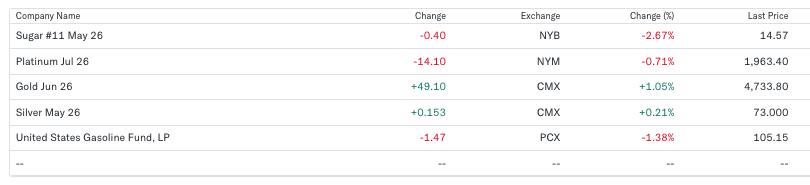
Stocks
Wrong sort of ‘boom’ to start the week
After a long weekend in the United States and many other countries, markets returned ready to cheer signs that an Iran peace plan was near agreement, with world crude prices falling nearly 7% to below $100 per barrel on Monday.
The peace plan under discussion would reportedly include a 60-day ceasefire extension and an eventual reopening of the Strait of Hormuz. But doubts over how soon a final text could be agreed were exacerbated by news overnight of fresh U.S. military strikes on Iranian targets.
I’ll get into that and more below.
But first, listen to the latest episode of the Morning Bid daily podcast. Subscribe to hear Reuters journalists discuss the biggest news in markets and finance seven days a week.
News of fresh U.S. strikes on Tuesday, described by Washington as defensive, saw oil reverse some of its losses from the day before, with Brent crude rising some 3% but remaining below $100 per barrel.
Meantime, stocks were mixed, with European shares wobbly and Wall Street futures pointing higher. That came after a rally on Monday that saw European shares rise and Japan’s Nikkei hit a record high.
The overall mood in markets seems to be that a deal is close, even though U.S. President Donald Trump’s addition of a proviso that regional states normalize relations with Israel added another wrinkle. Secretary of State Marco Rubio also cautioned that negotiations with Iran could “take a few days”. Tuesday may therefore not be the booming start to the short week many had expected.
U.S. consumer confidence readings for May
tuabogadapr@outlook.com Urb. Villa Blanca 76 Calle Aquamarina
will top the economic data slate for the day. Given that the University of Michigan’s equivalent survey is at a record low, the report will be closely watched.
Inflation updates will dominate the rest of the week, and the news is unlikely to be soothing for rates markets as gas prices remain high.
Once-dovish Federal Reserve board member Christopher Waller on Friday said he would vote with other dissenting policymakers to remove language from the Fed’s recent policy statement that pointed to an apparent “easing bias”.
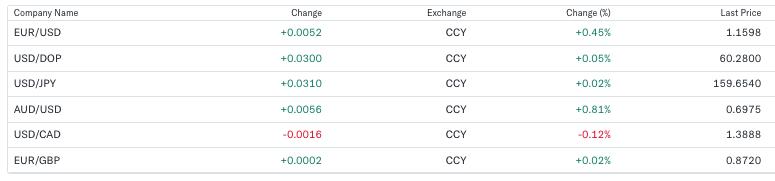
And at Fed Chair Kevin Warsh’s swearing-in ceremony on Friday, Trump maintained a more equivocal line on Fed policy, saying Warsh had to do what he felt was best. Fed futures are pricing in at least one rate rise over the next year, and central banks in the euro zone and Japan are expected to hike rates as soon as next month.
Iran threatens to renew strikes against US amid push for diplomatic deal
By MAX BEARAK, ERIKA SOLOMON, EUAN WARD and MICHAEL LEVENSON
Iran’s Revolutionary Guard said Tuesday that it would launch a “decisive reciprocal response” to any attack that violated the ceasefire, injecting more uncertainty into fragile diplomatic efforts a day after the U.S. military struck targets in southern Iran.
Iran’s supreme leader, Mojtaba Khamenei, also suggested that the country could renew strikes on U.S. military installations in the Persian Gulf, which Iran had repeatedly targeted after the United States and Israel started bombing Iran in late February.
“The hands of time do not turn backward, and the nations and lands of the region will no longer serve as shields for American bases,” Khamenei wrote in a statement released to commemorate the start of the Hajj, the annual Muslim pilgrimage to Mecca.
The Iranian warnings came after U.S. forces struck missile launch sites in southern Iran and destroyed two Revolutionary Guard speedboats that U.S. officials said were trying to place mines in the Strait of Hormuz, the Persian Gulf waterway that is a critical transit route for crude oil and natural gas.
Two U.S. officials, who spoke on the condition of anonymity to discuss operational matters, said that in the 24 hours preceding the U.S. strikes, Iran had launched attack drones near some of the nearly two dozen U.S. Navy warships in or around the Gulf of Oman and the Arabian Sea. The ships are enforcing a blockade on vessels trying to enter or leave Iranian ports.
U.S. Central Command called the attacks Monday “self-defense strikes” intended to “protect our troops from threats posed by Iranian forces.”
The renewed hostilities — along with intensifying Israeli strikes against Hezbollah, the Iranian-backed militia in Lebanon — have threatened to upend the push for a diplomatic agreement to end the conflict and reopen the Strait of Hormuz to commercial ship traffic.
Iran has effectively blockaded the waterway, causing energy prices to soar, since the United States and Israeli attacks began on Feb. 28. President Donald Trump and his administration, under pressure to address rising costs at home, have sent conflicting signals about the possibility of a diplomatic breakthrough.
Secretary of State Marco Rubio told reporters Tuesday that negotiations were continuing.
“There were some talks going on in Qatar today, so we’ll see if we can make progress,” he said. “I think it’s a lot of talking back and
A woman holds a photo of Mojtaba Khamenei, the new supreme leader of Iran, at a memorial ceremony for the victims of the war with the U.S. and Israel, in Tehran, Iran, May 24, 2026. Iran’s Islamic Revolutionary Guards Corps said on Tuesday, May 26, 2026, that it would launch a “decisive reciprocal response” to any attack that violated the cease-fire, injecting more uncertainty into fragile diplomatic efforts a day after the U.S. military struck targets in southern Iran. (Arash Khamooshi/Polaris for The New York Times)
forth going on about specific language in the initial document, so it’ll take a few days. The president’s expressed his desire to make it. He’s either going to make a good deal or no deal.”
On Tuesday, Iran’s lead negotiator, Mohammad Bagher Qalibaf, who had been in Qatar for the talks, returned to Iran, the Iranian state broadcaster reported. It was not clear if his departure signaled any meaningful shift in the negotiations.
Trump has repeatedly threatened to strike Iran harder if it does not agree to his terms for a peace deal. On Monday, he said the result of the negotiations could be “great and meaningful” or “no deal” at all.
Much remains uncertain about the negotiations, including whether Iran would be willing to hand over its stockpile of enriched uranium or destroy it in front of neutral observers, as Trump has demanded.
On Tuesday, Iran began restoring some internet access for tens of millions of Iranians who have been living under a government-imposed communications blackout for months.
“In line with the esteemed president’s mission and in fulfillment of the government’s promise, the first step toward free and regulated access to cyberspace has been taken,” Iran’s first vice president, Mohammad Reza Aref, wrote on social media.
Iran had cut off internet access in response to the February attacks, casting the blackout as a national security issue. Iranian activists have
argued that it was intended to suppress dissent and increase government control.
The shutdown hurt Iran’s already battered economy. Its tech sector suffered heavily, forcing companies to close and lay off workers. Iranians who sold or advertised merchandise online also struggled.
NetBlocks, an internet monitoring group, reported Tuesday that its data showed a “partial restoration to internet connectivity” in Iran after 88 days, making it “the longest nationwide internet shutdown in modern history.”
Iranians said on social media and in messages to The New York Times that they were able to connect to the global internet after the long period of isolation.
The restoration came as Iran’s Foreign Ministry accused the United States of violating the ceasefire agreement between the two sides and suggested in a statement that the latest U.S. strikes undermined the ongoing efforts to resolve the war diplomatically.
Three senior Iranian officials told the Times over the weekend that any agreement with the United States must also halt the
fighting in Lebanon, even though a ceasefire went into effect last month.
On Tuesday, the Israeli military intensified its campaign after Prime Minister Benjamin Netanyahu said he had ordered it to “increase the blows” against Hezbollah.
The Israeli military said it had struck more than 100 Hezbollah sites in southern and eastern Lebanon, including what it said were weapons storage facilities and command centers. It also issued an evacuation warning Tuesday for the whole of Nabatieh, one of the largest cities in southern Lebanon, signaling that airstrikes there were imminent.
Mashghara, a town in the Bekaa Valley, was among the areas hit overnight. At least 11 people were killed, including two children, according to Lebanon’s Health Ministry. Asked about the strike, the Israeli military referred to an earlier statement saying it had targeted “Hezbollah infrastructure sites.”
“We are at war with Hezbollah,” Netanyahu said in a video statement Monday night. He added he had ordered the military to “press on the pedal even more.”
Two Israeli military officials, who requested anonymity to discuss sensitive plans, said Tuesday that troops were now operating beyond what Israel called the “forward defense line,” an area extending several miles into southern Lebanon that Israel has occupied since it invaded the country during the latest conflict.
Hezbollah said Tuesday that it had launched drone and rocket attacks on Israeli troops in southern Lebanon. The group has increasingly used low-cost, fiber-optic drones, which are difficult to jam, in order to target Israeli troops. The attacks have exposed an Israeli vulnerability, even after weeks of airstrikes and ground operations aimed at degrading Hezbollah’s capabilities.
As a result, Netanyahu has faced growing pressure from Israeli hard-liners to broaden the campaign in Lebanon, including by resuming strikes on Beirut and its southern outskirts. Such a move would further strain the peace talks.
Out of gas, Cubans cook with charcoal and wood to survive
By ED AUGUSTIN and LISETTE POOLE GONZÁLEZ
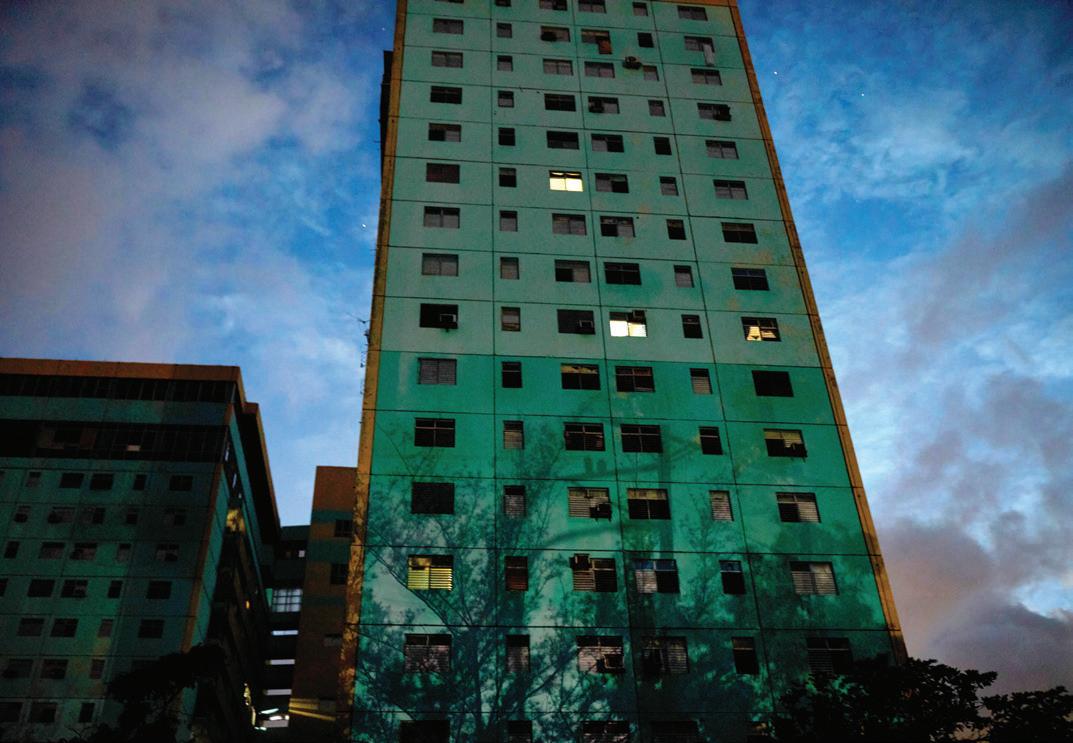
On a recent night, Yusimi Castellano crouched over her squat iron stove, arranging charcoal and gently placing the Styrofoam and the plastic she used as kindling over it. She used a cigarette lighter to start a small fire.
Noxious smoke billowed through her 18th floor apartment, eventually sweeping out toward the former military barracks where the Cuban Revolution is said to have begun and the verdant mountains that wrap around Santiago de Cuba, the country’s secondlargest city.
Slowly, the charcoal began to glow. She put a grill made of old coat hangers on top and boiled some spaghetti for her family’s dinner.
“I shouldn’t be cooking with charcoal,” said Castellano, 58, who has asthma and lately has been short of breath and coughing constantly. “But if I don’t cook, I die.”
Castellano’s crude cooking methods have become the norm across the complex of five 18-story buildings, each with 120 apartments, where she lives and that were once meant to showcase the revolution’s promise when they opened four decades ago.
Today, some people can’t even afford charcoal, and resort to chopping firewood to cook in their homes.
Life here and across much of Cuba, already difficult because of an economy that has been in shambles for years, has become even worse since the Trump administration mounted its escalating pressure campaign against the country’s communist government.
First, the Trump administration stopped oil deliveries from Venezuela, Cuba’s main benefactor, after U.S. forces in January captured Venezuela’s president.
Then President Donald Trump used the threat of tariffs to cut off foreign fuel shipments almost entirely, including from Mexico, Cuba’s other crucial supplier.
The Cuban government says its oil reserves have run out and that its aging electric grid is
resistant technology, as “the future face of the city.”
The buildings were inaugurated on the 30th anniversary of the failed rebel assault on the Moncada military barracks, which the buildings overlook. The attack, staged by Fidel Castro and his small band of rebels on July 26, 1953, was later mythologized as the start of the revolution that toppled a U.S.-aligned dictator.
(Fidel’s brother, Raúl Castro, who also fought in the nearby Sierra Maestra mountains, was indicted last week on murder charges for the downing of two civilian planes 30 years ago that killed four men, including three Americans.)
The apartments in the complex were given to families of the rebel guerrillas and to workers at a new textile plant billed by the government as one of the largest in Latin America. Each building’s name is linked to the rebel campaign.
“It was a projection of a future — a country bounding forward toward development and emancipation,” said Aida Morales, a researcher in the historian’s office in Santiago.
becoming increasingly unreliable. The country produces some oil but far from enough to meet its needs.
Outside Havana, the capital, power outages now last 20 hours a day. The lack of energy has set off an enormous humanitarian crisis that has become deadly.
The main refinery in Santiago has stopped producing liquefied petroleum gas, cooking gas mostly made from Venezuelan and Mexican oil.
While many households in Havana still have gas piped into their kitchens, Santiago, like the rest of the country, doesn’t have that type of infrastructure. (Santiago’s population, according to the last census in 2012, was about 431,000, but that was before an enormous wave of migration from Cuba. Many apartments in Castellano’s complex are empty.)
The city, where a majority of the population is Afro-Cuban, has traditionally been a bedrock of government support, but it’s poorer than Havana, has a less developed private sector and receives fewer remittances from abroad. With less to cushion the crisis, Santiago has been particularly hard hit by the economic collapse.
Haydee Gómez Suárez, 63, who lives in a different tower from Castellano’s, sells thin plastic bags for bread for the equivalent of 2 cents each outside privately owned bakeries. But the bakeries’ ovens are electric.
“If there’s no power, there’s no bread,” she said. “And if there’s no bread, I can’t sell a single bag.”
She has lost more than 20 pounds in recent years, she said, and eats just one meal a day.
Water leaks through her damp, dingy apartment. She cooks with cardboard and scraps of wood she finds in mounting piles of trash.
She sluices buckets of water over her kitchen walls, but the smell from her cooking fires clings to her furniture, and soot has darkened her walls.
It’s a far cry from when the towers opened in 1983.
One Cuban magazine described the complex, built with earthquake-
Asked what the projection is now, she laughed. “We’re an island; you can’t go anywhere but the sea,” Morales said. “And there’s no one to help us.”
In 2019, the first Trump administration began imposing sanctions on companies shipping Venezuelan oil to Cuba, and in response the Cuban government introduced what it said were temporary energy-saving measures. They turned out to be permanent.
Even before the more recent round of actions by the Trump administration, sanctions had left the Cuban government without enough money to buy the fuel the country needed, some economists say. Trump administration officials have blamed Cuba’s woes on what they call the government’s corruption and incompetence, not the U.S. oil blockade.
Still, while most Cubans now go without cooking gas, electricity and public transportation, the Cuban police and armed forces continue receiving fuel for their vehicles.
Cuba’s Soviet-era electric grid is obsolete, weakened by decades of underinvestment and a lack of maintenance — a result of the island’s failed economic model and sanctions on parts needed to maintain the system.
For many here, the question of why there is so little electricity is irrelevant. Disillusioned, disempowered and exhausted, many say they no longer care. They are too busy surviving.
“Those in power know the truth,” said Felo González, 50, a furniture repairer. “Our job is to hustle.”
Even after a Strait of Hormuz deal, moving 1,500 ships won’t be easy
By JENNY GROSS
When the Strait of Hormuz finally reopens, shipping companies will need to know which oil tankers get to start moving first, and whom to ask for the go-ahead. Vessels will need guidance on routes. And there’s the question of the potential threat of mines in the strait.
The United States and Iran are moving closer to securing a deal to reopen the strait, and captains aboard the roughly 1,500 ships that have been stranded in the Persian Gulf for nearly three months are getting ready.
But a lot has to happen before they can start moving through the narrow and vital waterway, which carried one-fifth of the world’s oil and gas before the war with Iran.
Even if a final deal is reached, the prewar status quo, when upward of 130 ships transited the strait each day, will be perhaps weeks or even months away. That is also one reason that energy prices, which have climbed in the United States and around the world, are not expected to fall fast.
People pass near a billboard showing the closure of the Strait of Hormuz over President Donald Trump’s face with a message reading “At the Breaking Point” in Tehran, May 2, 2026. A lot has to happen before the roughly 1,500 ships stranded in the Persian Gulf can start moving through the narrow and vital strait, which carried one-fifth of the world’s oil and gas before the war with Iran. (Arash Khamooshi/Polaris for The New York Times)
risk is likely to keep maritime insurance rates high.
Iran has threatened to exercise control of the strait and recently established a regulatory agency to run operations there.
Ships that have been maintained by skeleton crews of seafarers — about 20,000 in all — have to be restarted.
The situation would stabilize only when shipping companies felt comfortable moving their stranded ships out of the Persian Gulf and also sending them into the region to load cargo.
onset of the war in the Gaza Strip. They also attacked ships in the Red Sea, which leads to the Suez Canal, another vital maritime corridor.
The Red Sea is subject to fewer attacks these days, but many shipping companies are still avoiding it. “The fear of that possibly happening is enough for us not to trade,” Kristoffersen said.
Dimitris Ampatzidis, a risk manager at Kpler, a maritime data firm, said that even if an orderly procedure for vessels to transit could be set up, traffic would probably recover to only 40% or 50% of normal levels over three to four weeks.
“The key question for shipping markets is what comes next: a managed reopening, escorted transit system, restricted passage, or a genuine return to normal operations,” he said. He believes the most likely outcome is that vessels will be able to move through the strait, but with constraints. They will have limited routes, higher costs to be insured against the risk of war and longer waiting times, he said.
For now, some in the shipping industry are skeptical about the prospects of a deal to reopen the strait.
“It remains to be seen when it’s actually going to get signed and done and dusted,” said Ami Daniel, the CEO of Windward, a maritime intelligence firm, noting the differences between what U.S. officials and Iranian officials are saying. And companies may be wary if President Donald Trump declares that the strait has opened, he said, saying that had happened twice before. The
Before ships can begin leaving the strait, which is 21 nautical miles wide at its narrowest, companies will need to know how their ships will be prioritized, said Jakob P. Larsen, the chief safety and security officer of the Baltic and International Maritime Council, which represents maritime companies. Ideally, he added, vessels would be asked to follow a speed limit to minimize the risk of colliding or grounding in shallow water.
“We will need to know which route to take, and then, of course, what kind of coordination or permits or whatever would need to be obtained with which authorities,” Larsen said.
The potential for ships to strike sea mines that Iran is believed to have planted in the strait is a peril. British military officials have said Iran’s mines include ones that sit on the seabed and send gas bubbles to the surface, causing serious damage to a ship’s hull.
Navies including those of the United States, Britain, France and Germany would need several weeks to deploy minesweepers, the International Energy Agency said in a report this month. This
Drifting in the warm waters of the Persian Gulf, vessels have accumulated barnacles, sea creatures and algae that can impede navigation.
Hapag-Lloyd, the fifth-largest container shipping group in the world, has been able to get one vessel out since the lockdown began. That ship required a lot of cleaning, Rolf Habben Jansen, the CEO, said recently on a company podcast.
“We also noticed that once we got her out that the maximum speed she could still achieve was significantly less than normal,” he said.
Lasse Kristoffersen, the CEO of Wallenius Wilhelmsen, a car shipping and logistics giant with one vessel stranded in the Persian Gulf, said it would take at least 30 to 45 days until shipping in the region returned to normal — if everything went as planned.
Companies will need to determine that their ships will be safe from further conflict. The Houthis, an Iranian-backed militant group that controls much of Yemen, began launching drones and missiles at Israel in 2023, shortly after the
San Juan Daily Star
LEGAL NOTICE
ESTADO LIBRE ASOCIADO DE PUERTO RICO TRIBUNAL DE PRIMERA INSTANCIA
SALA SUPERIOR DE AIBONITO LUIS A. TORRES FUENTES C/P LUIS
ÁNGEL TORRES FUENTES
EX-PARTE PETICIONARIO
Civil Núm.: AI2026CV00228. Sobre: EXPEDIENTE DE DOMINIO. EDICTO. ESTADOS UNIDOS DE AMÉRICA, EL PRESIDENTE DE LOS ESTADOS UNIDOS, EL ESTADO LIBRE ASOCIADO DE PUERTO RICO, SS. A: PERSONAS IGNORADAS, Antonio Rodríguez Ortiz, Carlos Rodríguez Ortiz, Petra Rodríguez Ortiz, Sucn. Juana Ortiz Martínez, Sucn. Rufino Rodríguez Ortiz, Alfredo Rodríguez Ortiz, HC 1, Box 5506, Barranquitas, Puerto Rico 00794 y Carmen Iris Rodríguez Ortiz, HC 72 Box 3660, Naranjito, Puerto Rico 00719.
Por la presente se le notifica a usted que se ha presentado ante este Tribunal el expediente arriba mencionado, con el fin de justificar e inscribir a favor del Promovente, el dominio que tiene sobre la siguiente finca: “RÚSTICA”: Predio de terreno radicado en el barrio Quebradillas del término municipal de Barranquitas, Puerto Rico, con una cabida superficial de MIL CINCUENTA Y CINCO METROS CUADRADOS (1,055.0000 M.C.), equivalente a CERO PUNTO DOS MIL SEISCIENTOS OCHENTA Y CUATRO CUERDA (0.2684 CDA.), colindando: por el NORTE, en dos distancias que suman veintidós punto cero, cincuenta y siete metros, con Camino municipal y en dos distancias que suman veinticuatro punto setecientos noventa metros, con Raúl Torres Fuentes; por el SUR, en cuatro distancias que suman treinta y seis punto seiscientos diez metros, con Camino municipal; por el ESTE, en dos distancias que suman veintiocho punto ciento catorce metros, con Aurora Santiago, y por el OESTE, en tres distancias que suman veinticuatro punto novecientos cincuenta metros, con Sonia Rodríguez. La finca anterior se forma por la agrupación de los dos predios que se describen a continuación: Predio uno:
“RÚSTICA”: Predio de terreno radicado en el barrio Quebradillas del término municipal de Barranquitas, Puerto Rico, con una cabida superficial de QUINIENTOS NUEVE METROS CUADRADOS (509.0000 M.C.), equivalente a CERO PUNTO MIL DOSCIENTOS NOVENTA Y CINCO CUERDA (0.1295 CDA.), colindando: por el NORTE, con Juana Ortiz Martínez; por el SUR, con Petra Rodríguez Ortiz; por el ESTE, con Odilio Rodríguez, y por el OESTE, con Alfredo Rodríguez Ortiz y Minerva Rodríguez Ortiz. Predio dos: “RÚSTICA”: Predio de terreno radicado en el barrio Quebradillas del término municipal de Barranquitas, Puerto Rico, con una cabida superficial de QUINIENTOS CUARENTA Y SEIS METROS CUADRADOS (546.0000 M.C.), equivalente a CERO MIL TRESCIENTOS
OCHENTA Y NUEVE CUERDA (0.1389 CDA.), colindando: por el NORTE, con Sucn. Juana Ortiz Martínez; por el SUR, con Petra Rodríguez Ortiz; por el ESTE, con Alfredo Rodríguez Ortiz y Minerva Rodríguez Ortiz, y por el OESTE, con Odilio Rodríguez. A la finca antes descrita se le practicó una mensura la cual reflejó la descripción siguiente: Predio de terreno radicado en el barrio Quebradillas del término municipal de Barranquitas, Puerto Rico, con una cabida superficial de MIL CIENTO TREINTA Y CINCO PUNTO DOS MIL TRESCIENTOS NOVENTA
Y OCHO METROS CUADRADOS (1,135.2398 M.C.), equivalente a CERO PUNTO DOS MIL OCHOCIENTOS OCHENTA Y OCHO CUERDA (0.2888 CDA.), colindando: por el NORTE, en dos distancias que suman veintidós punto cero, cincuenta y siete metros, con Camino municipal y en dos distancias que suman veinticuatro punto setecientos noventa metros, con Raúl Torres Fuentes; por el SUR, en cuatro distancias que suman treinta y seis punto seiscientos diez metros, con Camino municipal; por el ESTE, en dos distancias que suman veintiocho punto ciento catorce metros, con Aurora Santiago, y por el OESTE, en tres distancias que suman veinticuatro punto novecientos cincuenta metros, con Sonia Rodríguez. Alega la parte Peticionaria que adquirió la finca descrita mediante dos documentos privados, aproximadamente para el año 1995, en Barranquitas, Puerto Rico, desconociéndose el paradero de los mismos al día de hoy. Es abogado de la parte Peticionaria: LIC. JORGE M. DIAZ
RODRIGUEZ, PO BOX 852, NARANJITO, P.R. 00719-0852, TELEFONO: (787) 869-4042, jorgemdiazrodriguez@gmail. com. Este Tribunal ordenó que se publique la pretensión por tres veces durante el término de veinte días en un periódico de circulación general diaria, para que los que tengan algún derecho real sobre el inmueble descrito, las personas ignoradas a quienes pueda perjudicar la inscripción, Sucn. Juana Ortiz Martínez, y en general, a todos los que desearen oponerse, entre ellos los colindantes, puedan efectuarlo dentro del término de veinte días a partir de la última publicación del presente edicto. Usted deberá presentar su posición a través del Sistema Unificado de Administración y manejo de Casos (SUMAC), al cual puede acceder utilizando la siguiente dirección electrónica: Https://unired. ramajudicial.pr, salvo que se represente por derecho propio, en cuyo caso deberá presentar su posición en la secretaría del tribunal. Por tanto, libro la presente en Aibonito, Puerto Rico, hoy día 7 de mayo de 2026. MAYRA L. CABRERA GARCÍA, SECRETARIA. MARITZA APONTE RODRÍGUEZ, SUBSECRETARIA.
LEGAL NOTICE
ESTADO LIBRE ASOCIADO DE PUERTO RICO TRIBUNAL DE PRIMERA INSTANCIA SALA SUPERIOR DE AGUADILLA
JERALDINE ROSADO RÍOS
Peticionaria EX-PARTE Civil Núm.: AG2026CV00529. Sobre: EXPEDIENTE DE DOMINIO. EDICTO. ESTADOS UNIDOS DE AMÉRICA, EL PRESIDENTE DE LOS E.E.U.U., EL ESTADO LIBRE ASOCIADO DE PR, SS. A: LAS PERSONAS IGNORADAS Y DESCONOCIDAS A QUIENES PUDIERA PERJUDICAR LA INSCRIPCIÓN DEL DOMINIO A FAVOR DE LA PARTE PETICIONARIA EN EL REGISTRO DE LA PROPIEDAD DE LA FINCA QUE MÁS ADELANTE SE DESCRIBIRÁ Y A TODA
PERSONA EN GENERAL QUE CON DERECHO PARA ELLO DESEE
OPONERSE A ESTE EXPEDIENTE.
POR LA PRESENTE se les notifica para que comparezcan, si lo creyeren pertinente, ante este Honorable Tribunal dentro
de los veinte (20) días contados a partir de la última publicación de este edicto a exponer lo que a sus derechos convenga en el expediente promovido por la parte peticionaria para adquirir su dominio sobre la finca que se describe más adelante. Usted deberá presentar su posición a través del Sistema Unificado de Manejo y Administración de Casos (SUMAC), al cual puede acceder utilizando la siguiente dirección electrónica: https:// unired.ramajudicial.pr, salvo que se represente por derecho propio, en cuyo caso deberá presentar su alegación en la secretaría del Tribunal. Si usted deja de expresarse dentro del referido término, el Tribunal podrá dictar sentencia, previo a escuchar la prueba de valor de la parte peticionaria en su contra, sin más citarle ni oírle, y conceder el remedio solicitado en la petición, o cualquier otro, si el Tribunal, en el ejercicio de su sana discreción, lo entiende procedente. RUSTICA: sita en el Barrio Saltos del término municipal de San Sebastián, Puerto Rico, con una cabida de MIL OCHOCIENTOS CINCUENTA Y SEIS PUNTO CINCO CUATRO NUEVE TRES METROS CUADRADOS (1,856.5493 m/c); en lindes al NORTE, con Dionisio Ramos Arocho; al SUR, con Dionisio Ramos Arocho; al ESTE, con camino; y al OESTE, con carretera Estatal 4445. El abogado de la parte peticionaria es el Lcdo. Nelson D. Soto Cardona, Box 813, San Sebastián, PR 00685. Se le informa, además, que el Tribunal ha señalado vista en este caso para el 11 DE DICIEMBRE DE 2026, A LAS 4:15 DE LA TARDE, en el Tribunal de Primera Instancia, Sala Superior de Aguadilla, a la cual usted puede comparecer asistido por abogado y presentar oposición a la petición. Se le apercibe que de no comparecer los interesados y/o partes citadas, o en su defecto los organismos públicos afectados en el término improrrogable de 20 días a contar de la última publicación del edicto, el Tribunal podrá conceder el remedio solicitado por la parte peticionaria, sin más citarle ni oírle. En Aguadilla, Puerto Rico, a 4 de mayo de 2026. SARAHÍ REYES PÉREZ, SECRETARIA REGIONAL. ARLENE GUZMÁN PABÓN, SECRETARIA AUXILIAR DEL TRIBUNAL.
LEGAL NOTICE
ESTADO LIBRE ASOCIADO DE PUERTO RICO TRIBUNAL DE PRIMERA INSTANCIA
SALA SUPERIOR DE CAROLINA BANCO POPULAR DE PUERTO RICO
Parte Demandante Vs. ILEANA CARTAGENA
MORALES, FRANCISCO
ALBER ARIAS RODRÍGUEZ T/C/C FRANCISCO ARIAS RODRÍGUEZ y LA SOCIEDAD LEGAL DE GANANCIALES COMPUESTA POR AMBOS
Parte Demandada CIVIL NÚM.: TJ2023CV00498. (401). SOBRE: EJECUCIÓN DE HIPOTECA POR LA VÍA ORDINARIA “IN REM”. ESTADOS UNIDOS DE AMÉRICA, EL PRESIDENTE DE LOS ESTADOS UNIDOS, EL ESTADO LIBRE ASOCIADO DE PUERTO RICO, SS. AVISO DE PÚBLICA SUBASTA. EL ALGUACIL QUE SUSCRIBE POR LA PRESENTE ANUNCIA Y HACE CONSTAR QUE EN CUMPLIMIENTO DE LA SENTENCIA DICTADA EL 21 DE FEBRERO DE 2025, LA ORDEN DE EJECUCIÓN DE SENTENCIA DEL 26 DE FEBRERO DE 2026 Y EL MANDAMIENTO DE EJECUCIÓN DEL 6 DE ABRIL DE 2026 EN EL CASO DE EPÍGRAFE, PROCEDERÉ A VENDER EL DÍA 8 DE JUNIO DE 2026, A LAS 10:15 DE LA MAÑANA, EN MI OFICINA, LOCALIZADA EN EL TRIBUNAL DE PRIMERA INSTANCIA, CENTRO JUDICIAL DE CAROLINA, SALA SUPERIOR, EN LA AVENIDA 65 INFANTERÍA, CARRETERA NÚMERO TRES (3), KILÓMETRO 11.7 (ENTRADA DE LA URBANIZACIÓN MANSIONES DE CAROLINA) CAROLINA, PUERTO RICO, AL MEJOR POSTOR EN PAGO DE CONTADO Y EN MONEDA DE LOS ESTADOS UNIDOS DE AMÉRICA, CHEQUE DE GERENTE O GIRO POSTAL A NOMBRE DEL ALGUACIL DEL TRIBUNAL; TODO TÍTULO, DERECHO O INTERÉS DE LA PARTE DEMANDADA SOBRE LA SIGUIENTE PROPIEDAD: URBANA: SOLAR NÚMERO 21 DEL BLOQUE C SITO EN EL PROYECTO DE VIVIENDAS CONOCIDO COMO ESTANCIAS CARMELINA, EN EL BARRIO QUEBRADA NEGRITO DE TRUJILLO ALTO, PUERTO RICO, CON UNA CABIDA SUPERFICIAL DE 450.00 METROS CUADRADOS. EN LINDES POR EL NORTE: CON EL SOLAR NÚMERO 20 DEL BLOQUE C; POR EL SUR: CON EL SOLAR NÚMERO 22 DEL BLOQUE C; POR EL ESTE: CON LA CALLE NÚMERO 1 DE LA MISMA URBANIZACIÓN; Y POR EL OESTE: CON EL SOLAR NÚMERO 19 DEL BLOQUE C.
ENCLAVA UNA ESTRUCTURA
DEDICADA A VIVIENDA. LA PROPIEDAD Y LA ESCRITURA DE HIPOTECA CONSTAN
INSCRITAS AL FOLIO 33 DEL TOMO 851 DE TRUJILLO ALTO, FINCA 33113, REGISTRO DE LA PROPIEDAD DE SAN JUAN, SECCIÓN IV. INSCRIPCIÓN SEGUNDA. DIRECCIÓN FÍSICA: ESTANCIAS CARMELINA II C21, TRUJILLO ALTO, PR 00976. CATASTRO NÚMERO: (19) 145-075-44029-000. EL TIPO MÍNIMO PARA LA PRIMERA SUBASTA SERÁ DE $135,000.00. DE NO HABER ADJUDICACIÓN EN LA PRIMERA SUBASTA SE CELEBRARÁ UNA SEGUNDA SUBASTA, EL DÍA 15 DE JUNIO DE 2026, A LAS 10:15 DE LA MAÑANA, EN EL MISMO LUGAR, EN LA CUAL EL TIPO MÍNIMO SERÁ DE DOS TERCERAS PARTES DEL TIPO MÍNIMO FIJADO EN LA PRIMERA SUBASTA, O SEA, $90,000.00. DE NO HABER ADJUDICACIÓN EN LA SEGUNDA SUBASTA, SE CELEBRARÁ UNA TERCERA SUBASTA, EL DÍA 23 DE JUNIO DE 2026, A LAS 10:15 DE LA MAÑANA, EN EL MISMO LUGAR, EN LA CUAL EL TIPO MÍNIMO SERÁ LA MITAD DEL PRECIO PACTADO, O SEA, $67,500.00. SI SE DECLARASE DESIERTA LA TERCERA
SUBASTA, SE ADJUDICARÁ LA FINCA A FAVOR DEL ACREEDOR POR LA TOTALIDAD DE LA CANTIDAD ADEUDADA SI ÉSTA ES IGUAL O MENOR QUE EL MONTO DEL TIPO DE LA TERCERA SUBASTA, SI EL TRIBUNAL LO ESTIMA CONVENIENTE. SE ABONARÁ DICHO MONTO A LA CANTIDAD ADEUDADA SI ÉSTA ES MAYOR. DICHO REMATE SE LLEVARÁ A CABO PARA CON SU PRODUCTO
SATISFACER A LA DEMANDANTE EL IMPORTE DE LA SENTENCIA POR LA SUMA DE $102,918.51 DE PRINCIPAL, MÁS INTERESES SOBRE DICHA SUMA AL 6.375% ANUAL DESDE EL 1RO DE SEPTIEMBRE DE 2020 HASTA SU COMPLETO PAGO, MÁS $1,018.29 DE RECARGOS ACUMULADOS LOS CUALES CONTINUARÁN EN AUMENTO HASTA EL SALDO TOTAL DE LA DEUDA, MÁS LA CANTIDAD ESTIPULADA DE $13,500.00 PARA COSTAS, GASTOS Y HONORARIOS DE ABOGADOS ASÍ COMO CUALQUIER OTRA SUMA QUE CONTENGA EL CONTRATO DEL PRÉSTAMO. SURGE DEL ESTUDIO DE TÍTULO REGISTRAL QUE SOBRE ESTA PROPIEDAD PESA LOS SIGUIENTES GRAVÁMENES POSTERIORES A LA HIPOTECA QUE POR LA PRESENTE SE PRETENDE EJECUTAR: A. AVISO DE DEMANDA: EN EL TRIBUNAL DE PRIMERA INSTANCIA, SALA
SUPERIOR DE TRUJILLO ALTO, EN EL CASO CIVIL NÚMERO TJ2023CV00498, SOBRE COBRO DE DINERO Y EJECUCIÓN DE HIPOTECA POR LA VÍA ORDINARIA, SEGUIDO POR BANCO POPULAR DE PUERTO RICO VS. ILEANA CARTAGENA MORALES Y SU ESPOSO, FRANCISCO ALBER ARIAS RODRÍGUEZ, TAMBIÉN CONOCIDO COMO FRANCISCO ARIAS RODRÍGUEZ, EN LA QUE SE RECLAMA EL PAGO DE HIPOTECA CON UN BALANCE DE $104,084.84 Y OTRAS CANTIDADES, SEGÚN DEMANDA DE FECHA 10 DE OCTUBRE DE 2023. ANOTADA AL TOMO KARIBE DE CANÓVANAS, ANOTACIÓN “A”. SE NOTIFICA AL ACREEDOR POSTERIOR O A SU SUCESOR O CESIONARIO EN DERECHO PARA QUE COMPAREZCA A PROTEGER SU DERECHO SI ASÍ LO DESEA. SE LES ADVIERTE A LOS INTERESADOS QUE TODOS LOS DOCUMENTOS RELACIONADOS CON LA PRESENTE ACCIÓN DE EJECUCIÓN DE HIPOTECA, ASÍ COMO LOS DE SUBASTA, ESTARÁN DISPONIBLES PARA SER EXAMINADOS, DURANTE HORAS LABORABLES, EN EL EXPEDIENTE DEL CASO QUE OBRA EN LOS ARCHIVOS DE LA SECRETARÍA DEL TRIBUNAL, BAJO EL NÚMERO DE EPÍGRAFE Y PARA SU PUBLICACIÓN EN UN PERIÓDICO DE CIRCULACIÓN GENERAL EN PUERTO RICO POR ESPACIO DE DOS SEMANAS Y POR LO MENOS UNA VEZ POR SEMANA; Y PARA SU FIJACIÓN EN LOS SITIOS PÚBLICOS REQUERIDOS POR LEY. SE ENTENDERÁ QUE TODO LICITADOR ACEPTA COMO BASTANTE LA TITULARIDAD Y QUE LAS CARGAS Y GRAVÁMENES ANTERIORES Y LOS PREFERENTES, SI LOS HUBIERE, AL CRÉDITO DEL EJECUTANTE, CONTINUARÁN SUBSISTENTES; ENTENDIÉNDOSE QUE EL REMATANTE LOS ACEPTA Y QUEDA SUBROGADO EN LA RESPONSABILIDAD DE LOS MISMOS, SIN DESTINARSE A SU EXTINCIÓN EL PRECIO DEL REMATE Y QUE LA PROPIEDAD A SER EJECUTADA SE ADQUIRIRÁ LIBRE DE CARGAS Y GRAVÁMENES POSTERIORES TAL COMO LO EXPRESA LA LEY NÚM. 210-2015. Y PARA EL CONOCIMIENTO DE LOS DEMANDADOS, DE LOS ACREEDORES POSTERIORES, DE LOS LICITADORES, PARTES INTERESADAS Y PÚBLICO EN GENERAL, EXPIDO PARA SU PUBLICACIÓN EN LOS LUGARES PÚBLICOS CORRES-
PONDIENTES, EL PRESENTE AVISO DE PÚBLICA SUBASTA EN CAROLINA, PUERTO RICO, HOY 14 DE ABRIL DE 2026. CYNTHIA CARRASQUILLO DE JESÚS, ALGUACIL, TRIBUNAL DE PRIMERA INSTANCIA, SALA SUPERIOR DE CAROLINA.
LEGAL NOTICE
ESTADO LIBRE ASOCIADO DE PUERTO RICO TRIBUNAL DE PRIMERA INSTANCIA SALA SUPERIOR DE CAROLINA
BANCO POPULAR DE PUERTO RICO
Demandante Vs. HÉCTOR MANUEL FRANCISQUINI ENCARNACIÓN T/C/C HÉCTOR MANUEL FRANCESCHINI ENCARNACIÓN
Demandado
Civil Num.: CA2019CV04209. (409). Sobre: COBRO DE DINERO; EJECUCIÓN DE PRENDA Y EJECUCIÓN DE HIPOTECA. ESTADOS UNIDOS DE AMÉRICA, EL PRESIDENTE DE LOS EE. UU., EL ESTADO LIBRE ASOCIADO DE PR, SS. AVISO DE VENTA EN PÚBLICA SUBASTA. Yo, CYNTHIA CARRASQUILLO, Alguacil del Tribunal de Primera Instancia, Sala Superior de Carolina, a la parte demandada y al público en general les notifico que, cumpliendo con un Mandamiento que se ha librado en el presente caso por el Secretario del Tribunal de epígrafe con fecha 15 de abril de 2026 y para satisfacer la Sentencia dictada en el caso de autos fechada 17 de mayo de 2021, notificada en igual fecha, procederé a vender el día 10 DE JUNIO DE 2026, COMENZANDO A LAS 10:30 DE LA MAÑANA, en mi oficina, localizada en el Tribunal de Primera Instancia, Sala Superior de Carolina, al mejor postor en pago de contado y en moneda de los Estados Unidos de América, cheque certificado y/o giro postal, todo título, derecho o interés de la parte demandada sobre los siguientes bienes muebles: a) Pagaré Hipotecario, suscrito el 15 de junio de 2005 por Héctor Manuel Francisquini Encarnación t/c/c Héctor Manuel Franceschini Encarnación, a favor de Westerbank Puerto Rico, o a su orden, con vencimiento a la presentación, por la suma de $184,000.00, debidamente endosado a favor de Banco Popular de Puerto Rico, reconocido mediante affidávit número 6,064 y garantizado con una hipoteca constituida en virtud de la Escritura Número 305, otorgada en Carolina, Puerto Rico, el 15 de junio de 2005, ante el Notario Público Gary E.
puede establecerse recurso de revisión o apelación dentro del término de 30 días contados a partir de la publicación por edicto de esta notificación, dirijo a usted esta notificación que se considerará hecha en la fecha de la publicación de este edicto. Copia de esta notificación ha sido archivada en los autos de este caso, con fecha de 20 de mayo de 2026. Notas de la Secretaría: SE ENMIENDA NUEVAMENTE POR ORDEN DEL JUEZ Y A PETICIÓN DE LA PARTE DEMANDANTE. En San Juan, Puerto Rico, el 20 de mayo de 2026. GRISELDA RODRÍGUEZ COLLADO, SECRETARIA. MYRNA D. VILLEGAS TRINIDAD, SECRETARIA AUXILIAR DEL TRIBUNAL. LEGAL NOTICE
ESTADO LIBRE ASOCIADO DE PUERTO RICO TRIBUNAL GENERAL DE JUSTICIA TRIBUNAL DE PRIMERA INSTANCIA SALA SUPERIOR DE AGUADILLA
WANDA IVELISSE MUÑOZ GONZÁLEZ
Demandante Vs. ROBERT HERNÁNDEZ
Demandado
Civil Núm.: AG2025RF00753. Sobre: CUSTODIA, PRIVACIÓN DE PATRIA POTESTAD Y ALIMENTOS. EMPLAZAMIENTO POR EDICTO. LOS ESTADOS UNIDOS DE AMÉRICA, EL PRESIDENTE DE LOS EE. UU., EL ESTADO LIBRE ASOCIADO DE PR, SS. A PARTE DEMANDADA: ROBERT HERNÁNDEZ
- 101 OAK HILL DR., BRISTOL CT. 06010.
POR LA PRESENTE se le emplaza para que presente al tribunal su alegación responsiva a la demanda enmendada dentro de los treinta (30) días de haber sido publicado este emplazamiento, excluyéndose el día de la publicación, notificando copia de la misma a la abogada de la parte demandante a través del Sistema Unificado de Manejo y Administración de Casos (SUMAC), utilizando la siguiente dirección electrónica: https://www.poderjudicial.pr/ index.php/tribunal-electronico/, salvo que se represente por derecho propio, en cuyo caso deberá presentar su alegación responsiva en la Secretaria del Tribunal Superior, y notificando copia de la misma a la parte demandante. Si usted deja de presentar su alegación responsiva dentro del referido término, el tribunal podrá dictar sentencia en rebeldía en su contra y concede el remedio solicitado en la demanda, o cualquier otro, si el tribunal, en el ejercicio de su sana discreción, lo entiende procedente. Debe notificar con copia de su contestación a la demanda a:
Expedido bajo mi firma y sello del Tribunal, el 5 de mayo de 2026. SARAHÍ REYES PÉREZ, SECRETARIA REGIONAL. GRISEL SOTO ROSA, SECRETARIA AUXILIAR DEL TRIBUNAL.
LEGAL NOTICE
ESTADO LIBRE ASOCIADO DE PUERTO RICO TRIBUNAL DE PRIMERA INSTANCIA SALA SUPERIOR DE CIALES LOURDES RIVERA PAGÁN, GLADYS ESTHER RIVERA PAGÁN, ANGELINA RIVERA PAGÁN, IRAIDA RIVERA PAGÁN Y RAFAEL RIVERA PAGÁN, EN REPRESENTACIÓN DE LA SUCESIÓN ÁNGEL LUIS RIVERA PAGÁN
T/C/C ÁNGEL L. RIVERA Y COMO ÁNGEL LUIS RIVERA
Demandants Vs. JOHN DOE, MARY JANE, FULANO DE TAL, FULANA DE TAL ET AL. QUIENES COMPONEN LA SUCESIÓN DE HILDA MERCEDES OTERO RIVERA, SIENDO HEREDEROS DESCONOCIDOS Y/O AUSENTES; EX-PARTE
Civil Núm: CI2026RF00008.
Sobre: DIVISIÓN DE COMUNIDAD HEREDITARIA Y DECLARACIÓN DE AUSENCIA. EMPLAZAMIENTO POR EDICTO. ESTADOS UNIDOS DE AMÉRICA, EL PRESIDENTE DE LOS EE. UU., EL ESTADO LIBRE ASOCIADO DE PUERTO RICO, SS. A: JOHN DOE; MARY JANE; FULANO DE TAL; FULANA DE TAL ET AL, HEREDEROS DESCONOCIDOS, INTEGRANTES DE LA SUCESIÓN DE HILDA MERCEDES OTERO RIVERA.
Por la presente se le notifica que se ha radicado una Demanda contra usted a través del Sistema Unificado de Manejo y Administración de Casos (SUMAC) por lo que se le requiere notifique a la Lcda. Vilmarie Negrón Marrero, abogada de la parte demandante, a su dirección postal P.O. Box 675, Toa Baja, Puerto Rico 00951 con dirección electrónica: vnegronmarrero@gnlawpr. com y cuyo teléfono es (787) 784-0806; con una copia de su contestación a la demanda, dentro de treinta (30) días a partir de la publicación de este Edicto. Usted deberá presentar su alegación responsiva a través del Sistema Unificado de Manejo y Administración de
Casos (SUMAC), al cual puede acceder utilizando la siguiente dirección electrónica: https:// unired.ramajudicial.pr/sumac/, salvo que se represente por derecho propio, en cuyo caso deberá presentar su alegación responsiva en la secretaría del Tribunal, apercibiéndole que en caso de no hacerlo así podrá dictarse Sentencia en rebeldía en contra suya concediendo el remedio solicitado en la Demanda. De no contestar dentro del plazo antes señalado, radicando el original de su Contestación a la Demanda ante el Tribunal de Primera Instancia, Sala de Ciales, con copia a la parte demandante, se le anotará la Rebeldía y se dictará Sentencia, concediendo el remedio solicitado en la Demanda, sin más citarle ni oírle. En Ciales, Puerto Rico, a 11 de mayo de 2026. VIVIAN Y. FRESSE
ESTADO LIBRE ASOCIADO DE PUERTO RICO TRIBUNAL DE PRIMERA INSTANCIA SALA SUPERIOR DE TRUJILLO ALTO SANDRA IVELISSE
BERRIOS SANTIAGO
Parte Demandante V. ALEX GONZÁLEZ
MELÉNDEZ, AMPARO
GONZÁLEZ RUIZ, JACQUELINE GONZÁLEZ
RUIZ Y OTROS
Parte Demandada Caso Núm.: TJ2025CV00516. Sala: CIVIL 407. Sobre: DIVISIÓN O LIQUIDACIÓN DE LA COMUNIDAD DE BIENES HEREDITARIOS. ORDEN SOBRE EDICTO DE INTERPELACIÓN.
Examinada la demanda presentada por la parte demandante y examinados los autos del caso, el Tribunal ordena a ALEX
GONZALEZ MELENDEZ, AMPARO GONZALEZ RUIZ, JACQUELINEGONZALEZ RUIZ, JOEL GONZALEZ RUIZ,JOSE RAUL GONZALEZ RUIZ conforme lo dispone el art. 949 del Código Civil de 1930 (Artículo 1578 del Código Civil de 2020), a que dentro del término legal de treinta días contados a partir de la fecha de la notificación de la presente Orden mediante edicto, informen si aceptan o repudian la participación que les corresponda en la herencia de José Raúl González Soto. Se les APERCIBE que de no expresarse dentro de ese término de treinta días, la herencia se tendrá por aceptada. Se ORDENA a la parte demandante a que, en vista de que los referidos herederos fueron emplazados por edicto, proceda a notificar la presente orden mediante publicación de un edicto a estos efectos una sola vez en un periódico de circulación diaria general de la Isla de Puerto Rico. Notifíquese. Carolina, Puerto Rico, hoy 16 de mayo de 2026. GLORIA MARÍA DE
JESÚS MACHARGO, JUEZA. LEGAL NOTICE
ESTADO LIBRE ASOCIADO DE PUERTO RICO TRIBUNAL DE PRIMERA INSTANCIA CENTRO JUDICIAL DE CAGUAS SALA SUPERIOR DE CAGUAS
CARIBE FEDERAL CREDIT UNION
Demandante V. BAYRON SURIEL
FIGUEROA RAMOS
Demandado(a) Caso Núm.: CG2026CV00142. (Salón: 701). Sobre: COBRO DE DINERO - ORDINARIO. NOTIFICACIÓN DE SENTENCIA POR EDICTO.
A: BAYRON SURIEL FIGUEROA RAMOS. (Nombre de las partes que se le notifican la sentencia por edicto) EL SECRETARIO(A) que suscribe le notifica a usted que el 07 de mayo de 2026, este Tribunal ha dictado Sentencia, Sentencia Parcial o Resolución en este caso, que ha sido debidamente registrada y archivada en autos donde podrá usted enterarse detalladamente de los términos de la misma. Esta notificación se publicará una sola vez en un periódico de circulación general en la Isla de Puerto Rico, dentro de los 10 días siguientes a su notificación. Y, siendo o representando usted una parte en el procedimiento sujeta a los términos de la Sentencia, Sentencia Parcial o Resolución, de la cual puede establecerse recurso de revisión o apelación dentro del término de 30 días contados a partir de la publicación por edicto de esta notificación, dirijo a usted esta notificación que se considerará hecha en la fecha de la publicación de este edicto. Copia de esta notificación ha sido archivada en los autos de este caso, con fecha de 26 de mayo de 2026. En Caguas, Puerto Rico, el 26 de mayo de 2026. IRASEMIS DÍAZ SÁNCHEZ, SECRETARIA. MAGALY COLÓN MENDOZA, SECRETARIA AUXILIAR DEL TRIBUNAL.
LEGAL NOTICE
ESTADO LIBRE ASOCIADO DE PUERTO RICO TRIBUNAL DE PRIMERA INSTANCIA CENTRO JUDICIAL DE SAN JUAN SALA SUPERIOR DE SAN JUAN MUNICIPIO AUTONOMO DE SAN JUAN
Demandante V. CENTRO DE RECAUDACIONES DE INGRESOS MUNICIPALES Demandado(a)
Caso Núm.: SJ2025CV07386. (Salón: 1002 EXPROPIACIONES). Sobre: EXPROPIACIÓN FORZOSA. NOTIFICACIÓN DE SENTENCIA POR EDICTO. ANGELISSE ORTIZ CRUZ - LCDA. ANGELISSEORTIZ@GMAIL.COM. JUAN B. SOTO BALBÁSJSOTO@JBSBLAW.COM. PABLO ANDRÉS GUERRERO SANFILIPPOPGUERREROSANFILIPPO@GMAIL. COM.
A: LILA I. JANER OJEDA, Y LUIS FERNANDO JANER OJEDA, CADA UNO POR SÍ Y EN REPRESENTACIÓN DE LA COMUNIDAD DE BIENES COMPUESTA POR AMBOS. FULANO Y FULANA DE TAL COMO HEREDEROS DESCONOCIDOS DE LAS SUCESIONES DE LILA I. JANER OJEDA Y LUIS FERNANDO JANER OJEDA. (Nombre de las partes que se le notifican la sentencia por edicto) EL SECRETARIO(A) que suscribe le notifica a usted que el 19 de mayo de 2026, este Tribunal ha dictado Sentencia, Sentencia Parcial o Resolución en este caso, que ha sido debidamente registrada y archivada en autos donde podrá usted enterarse detalladamente de los términos de la misma. Esta notificación se publicará una sola vez en un periódico de circulación general en la Isla de Puerto Rico, dentro de los 10 días siguientes a su notificación. Y, siendo o representando usted una parte en el procedimiento sujeta a los términos de la Sentencia, Sentencia Parcial o Resolución, de la cual puede establecerse recurso de revisión o apelación dentro del término de 30 días contados a partir de la publicación por edicto de esta notificación, dirijo a usted esta notificación que se considerará hecha en la fecha de la publicación de este edicto. Copia de esta notificación ha sido archivada en los autos de este caso, con fecha de 20 de mayo de 2026. En San Juan, Puerto Rico, el 20 de mayo de 2026. GRISELDA RODRÍGUEZ COLLADO, SECRETARIA. AMARILIS RODRÍGUEZ HANI, SECRETARIA AUXILIAR DEL TRIBUNAL.
LEGAL NOTICE
ESTADO LIBRE ASOCIADO DE PUERTO RICO TRIBUNAL DE PRIMERA INSTANCIA CENTRO JUDICIAL DE SAN JUAN SALA SUPERIOR DE SAN JUAN
MUNICIPIO AUTONOMO DE SAN JUAN
Demandante V. JOSUE ANGEL RODRIGUEZ OSORIO Y OTROS
Demandado(a)
Caso Núm.: SJ2025CV08660. (Salón: 1002 EXPROPIACIO-
NES). Sobre: EXPROPIACIÓN FORZOSA. NOTIFICACIÓN DE SENTENCIA POR EDICTO. ANGELISSE ORTIZ CRUZ - LCDA. ANGELISSEORTIZ@GMAIL.COM. JUAN B. SOTO BALBÁSJSOTO@JBSBLAW.COM. PABLO ANDRÉS GUERRERO SANFILIPPOPGUERREROSANFILIPPO@GMAIL. COM. A: AUREA RODRÍGUEZ GONZÁLEZ CONCEPCIÓN RODRÍGUEZ GONZÁLEZ, EMMA RODRÍGUEZ GONZÁLEZ, JUAN RODRÍGUEZ GONZÁLEZ, PABLO RODRÍGUEZ GONZÁLEZ, REGINO RODRÍGUEZ GONZÁLEZ, ARCÁNGEL RODRÍGUEZ OSORIO, ILIA MARÍA RODRÍGUEZ OSORIO, JOSUÉ ÁNGEL RODRÍGUEZ OSORIO, JAIME RODRÍGUEZ MARCANO, ENID RODRÍGUEZ MARCANO Y FELICIA RODRÍGUEZ GONZÁLEZ.
(Nombre de las partes que se le notifican la sentencia por edicto) EL SECRETARIO(A) que suscribe le notifica a usted que el 19 de mayo de 2026, este Tribunal ha dictado Sentencia, Sentencia Parcial o Resolución en este caso, que ha sido debidamente registrada y archivada en autos donde podrá usted enterarse detalladamente de los términos de la misma. Esta notificación se publicará una sola vez en un periódico de circulación general en la Isla de Puerto Rico, dentro de los 10 días siguientes a su notificación. Y, siendo o representando usted una parte en el procedimiento sujeta a los términos de la Sentencia, Sentencia Parcial o Resolución, de la cual puede establecerse recurso de revisión o apelación dentro del término de 30 días contados a partir de la publicación por edicto de esta notificación, dirijo a usted esta notificación que se considerará hecha en la fecha de la publicación de este edicto. Copia de esta notificación ha sido archivada en los autos de este caso, con fecha de 20 de mayo de 2026. En San Juan, Puerto Rico, el 20 de mayo de 2026. GRISELDA RODRÍGUEZ COLLADO, SECRETARIA. AMARILIS RODRÍGUEZ HANI, SECRETARIA AUXILIAR DEL TRIBUNAL.
LEGAL NOTICE
ESTADO LIBRE ASOCIADO DE PUERTO RICO TRIBUNAL DE PRIMERA INSTANCIA SALA DE BAYAMÓN FIRSTBANK PUERTO RICO
Parte Demandante Vs. LA SUCESION DE RAFAEL MALDONADO SEVILLA Y LA SUCESION DE GUILLERMINA ACEVEDO ANDINO
COMPUESTA POR CLAUDIA MALDONADO ACEVEDO Y MARIA MALDONADO ACEVEDO, JOHN DOE Y RICHARD ROE COMO MIEMBROS DESCONOCIDOS DE LA SUCESIÓN DE RAFAEL MALDONADO SEVILLA Y DE LA SUCESIÓN DE GUILLERMINA ACEVEDO ANDINO, CENTRO DE RECAUDACION DE INGRESOS MUNICIPALES, ADMINISTRACION PARA EL SUSTENTO DE MENORES
Parte Demandada
Caso Civil Núm.: BY2026CV00756. Sobre: EJECUCIÓN DE HIPOTECA POR LA VÍA ORDINARIA Y COBRO DE DINERO. EMPLAZAMIENTO Y NOTIFICACIÓN DE INTERPELACIÓN POR EDICTO. ESTADOS UNIDOS DE AMÉRICA, PRESIDENTE DE LOS ESTADOS UNIDOS DE AMÉRICA, ESTADO LIBRE ASOCIADO DE PUERTO RICO. A: MARIA MALDONADO ACEVEDO COMO HEREDEROS DE LA SUCESIÓN DE A SUCESIÓN DE RAFAEL
MALDONADO SEVILLA Y DE LA SUCESIÓN DE GUILLERMINA
ACEVEDO ANDINO Y JOHN DOE Y RICHARD ROE COMO HEREDEROS DESCONOCIDOS DE LA SUCESIÓN DE RAFAEL
MALDONADO SEVILLA Y DE LA SUCESIÓN DE GUILLERMINA ACEVEDO ANDINO.
POR LA PRESENTE se les emplaza y requiere para que conteste la demanda dentro de los treinta (30) días siguientes a la publicación de este Edicto. Usted deberá radicar su alegación responsiva a través del Sistema Unificado de Manejo y Administración de Casos (SUMAC), al cual puede acceder utilizando la siguiente dirección electrónica: http://unired.rama judicial.pr/sumac/, salvo que se presente por derecho propio, en cuyo caso deberá radicar el original de su contestación ante el Tribunal correspondiente y notifique con copia a los abogados de la parte demandante, Lcda. Marjaliisa Colón Villanueva, al PO BOX 7970, Ponce, P.R. 00732; Teléfono: 787-8434168. En dicha demanda se tramita un procedimiento de cobro de dinero y ejecución de hipoteca bajo el número mencionado en el epígrafe. Se alega en dicho procedimiento que la parte Demandada incurrió en el incumplimiento del Contrato de Hipoteca, al no poder pagar las mensualidades vencidas correspondientes a los meses de septiembre de 2025, hasta
el presente, más los cargos por demora correspondientes. Además, adeuda a la parte demandante las costas, gastos y honorarios de abogado en que incurra el tenedor del pagaré en este litigio. De acuerdo con dicho Contrato de Garantía Hipotecaria la parte Demandante declaró vencida la totalidad de la deuda ascendente a la suma de $48,304.01 de balance de principal, más los intereses sobre dicha suma al 6.00% de interés anual desde el primero de agosto de 2025, así como todos aquellos créditos y sumas que surjan de la faz de la obligación hipotecaria y de la hipoteca que la garantiza, incluyendo la suma estipulada para costas, gastos y honoraries de abogado. La parte Demandante presentó para su inscripción en el Registro de la Propiedad correspondiente, un AVISO DE PLEITO PENDIENTE (“Lis Pendens”) sobre la propiedad objeto de esta acción cuya propiedad es la siguiente: URBANA: Solar número 49 del Bloque “FK” de lrlanda Heights también conocida como la Duodécima Sección de la Urbanización Santa Juanita, radicada en el Barrio Guaraguao de Bayamón, Puerto Rico, que comprende un área de 345.00 metros cuadrados. En lindes por el Norte, con el solar 50-FK, en 23.00 metros; por el Sur, con paseo (mall), en 23.00 metros; por el Este, con la calle Rigel y Paseo (mall), en 15.00 metros; y por el Oeste, con paseo (mall), en 15.00 metros. Enclava casa. lnscrita al folio ciento sesenta y seis (166), del tomo setecientos cuarenta y cinco (745) de Bayamón Sur, finca treinta y cuatro mil cincuenta y ocho (34,058), Registro de la Propiedad de Bayamón I. SE LES APERCIBE que de no hacer sus alegaciones responsivas a la demanda dentro del término aquí dispuesto, se les anotará la rebeldía y se dictará Sentencia, concediéndose el remedio solicitado en la Demanda, sin más citarle ni oírle. Además, como miembro de la Sucesión de Rafael Maldonado Sevilla y de la Sucesión de Guillermina Acevedo Andino se ha presentado una solicitud de interpelación judicial para que sirva en el término de treinta (30) días aceptar o repudiar la herencia. Se le apercibe que si no compareciera usted a expresarse dentro del término de treinta (30) días a partir de la publicación de este edicto en torno a la aceptación o repudiación de la herencia, se presumirá que han aceptado la herencia de los causantes Rafael Maldonado Sevilla y Guillermina Acevedo Andino y por consiguiente, responderán por las cargas de dicha herencia conforme dispone el 1578 del Código Civil de Puerto Rico, 31 L.P.R.A. sec. 11021. En Bayamón, Puerto Rico, a 14 de abril de 2026. ALICIA AYALA SANJURJO, SECRETARIA. MARÍA E. COLLAZO, SUB-
Sudoku
How to Play:
Fill in the empty fields with the numbers from 1 through 9.
Sudoku Rules:
Every row must contain the numbers from 1 through 9
Every column must contain the numbers from 1 through 9
Every 3x3 square must contain the numbers from 1 through 9
Crossword
Santurce wins 4th straight, Caguas tops Guaynabo in BSN
By THE STAR STAFF
The Cangrejeros of Santurce and the Criollos of Caguas recorded victories on Monday in Superior National Basketball (BSN by its initials in Spanish) league play.
At Rubén Rodríguez Coliseum in Bayamón, the Cangrejeros defeated the Osos of Manatí, 92-87 for their fourth win in a row.
Santurce led at halftime, 51-37, and maintained the same margin after three quarters (72-58). The Osos made a run in the fourth quarter, cutting the lead to three points in the game’s waning moments, but came up short.
DJ Wilson led the Cangrejeros (10-12) with a double-double, recording 16 points and 10 rebounds, while Davon Jefferson contributed 16 points and eight rebounds in 38 minutes. Jordan Howard added 17 points.
Kristian Doolittle led the Osos (8-14) with 14 points, 10 rebounds and six assists, while Tyler Davis contributed 14 points and seven rebounds, and Isaac Sosa added 13 points off the bench.
Elsewhere, the Criollos defeated the Mets of Guaynabo, 104-101, at Fernando “Rube” Hernández Coliseum in Gurabo.
The game was close through three quar-
ters, leading to a high-voltage final frame in which Jaysean Paige drained four 3-pointers -- including three straight -- to keep Guaynabo close, and the Mets led briefly on a bas-
Acosta holds open workout ahead of title bout in Mayagüez
By THE STAR STAFF
Boxer Olajuwon Acosta held an open workout earlier this week at the Hormigueros Boxing Pavilion as he prepared for his bout for the World Boxing Organization’s NABO Junior Bantamweight Championship.
“We are ready to step into the ring this Saturday at home,” Acosta said in a written statement.
Acosta, boasting a record of 15-0 with 10 knockouts, will face Ephraim Bui -- who holds an 11-1 record with 9 knockouts -- in the main event of the “Choke de Campeones” (Clash of Champions) fight card.
The bout is scheduled for 10 rounds at the 115-pound weight limit and will take place this Saturday at the Palacio de Recreación y Deportes in Mayagüez.
“We come into this well-prepared to put on a great show for all my people in Mayagüez,” Acosta said in reference to his hometown. “We know Bui well, and we are fully aware of the quality of boxing he possesses.”
The Virginia-born Bui, who lives in Sugarland, Texas, is coming off a points victory last November over Juan Zayas of Bayamón at Rubén Rodríguez Coliseum for the vacant WBO NABO bantamweight title.
During Monday’s training session, Acosta engaged in rounds of shadowboxing, heavy
bag work, speed bag drills, and mitt work as part of his preparation for the title fight.
“It will be a great battle for one of the WBO’s major championships,” the fighter added. “The real winner of the night will be the fans, and I guarantee they will leave thoroughly satisfied. My shot at the World Championship is drawing near.”
In the co-main event, Orlando González will face César Juárez in an 8-round bout in the super featherweight division.
Rohan Polanco will also be in action, taking on Alex Martín in a 10-round fight in the welterweight division.
The undercard will also feature appearances by Mathew Soto, Félix Caraballo, and Yadriel Cabán, among other fighters.
Olajuwon Acosta of Mayagüez prepares for his bout with Ephraim Bui of Texas for the World Boxing Organization’s NABO Junior Bantamweight Championship.
ket by Ysmael Romero with 4:16 left in the game before Caguas seized control down the stretch and sealed the victory.
Louis King led the Criollos (13-8) with a double-double of 23 points and 12 rebounds, while Moses Brown contributed 18 points and five rebounds, shooting an efficient 80% from the field. Travis Trice orchestrated the offense with 19 points and nine assists, and Christian López Santiago added 15 points on a perfect shooting night from the field.
Brandon Knight led the Mets (10-11) with 26 points and nine assists, while Paige scored 21 points and Romero tallied 16 points and nine rebounds.
NBA Conference Finals (Best-of-7; all times Eastern) Western Conference Game 1
San Antonio Spurs 122, Oklahoma City Thunder 115 (2OT)
Game 2
Oklahoma City 122, San Antonio 113
Game 3
Oklahoma City 123, San Antonio 108
Game 4
San Antonio 103, Oklahoma City 82
Game 5 (Series tied 2-2)
Tuesday
San Antonio at Oklahoma City, 8:30 p.m.
Game 6
Thursday
Oklahoma City at San Antonio, 8:30 p.m. (NBC/Peacock)
Eastern Conference
Game 1
New York Knicks 115, Cleveland Cavaliers 104 (OT)
Game 2
New York 109, Cleveland 93
Game 3
New York 121, Cleveland 108
Game 4 (New York wins series 4-0)
Monday
New York 130, Cleveland 93
The San Juan Daily Star
Travis Trice (with ball) had 19 points and nine assists as Caguas pulled out the win.