GIRAFFE SPONSORSHIP
Through our unique collection of spectacular properties, online shop and Footprint Trust, we unite sustainable tourism with wildlife conservation and communities, making a difference to people and planet.
Welcome to our giraffe sponsorship family at Giraffe Manor. We thank you for your generous donation, 50% of which goes to the Giraffe Conservation Foundation to support their conservation of wild giraffes across Africa.
The remaining 50% is used to support The Footprint Trust’s community and conservation programmes around Kenya.
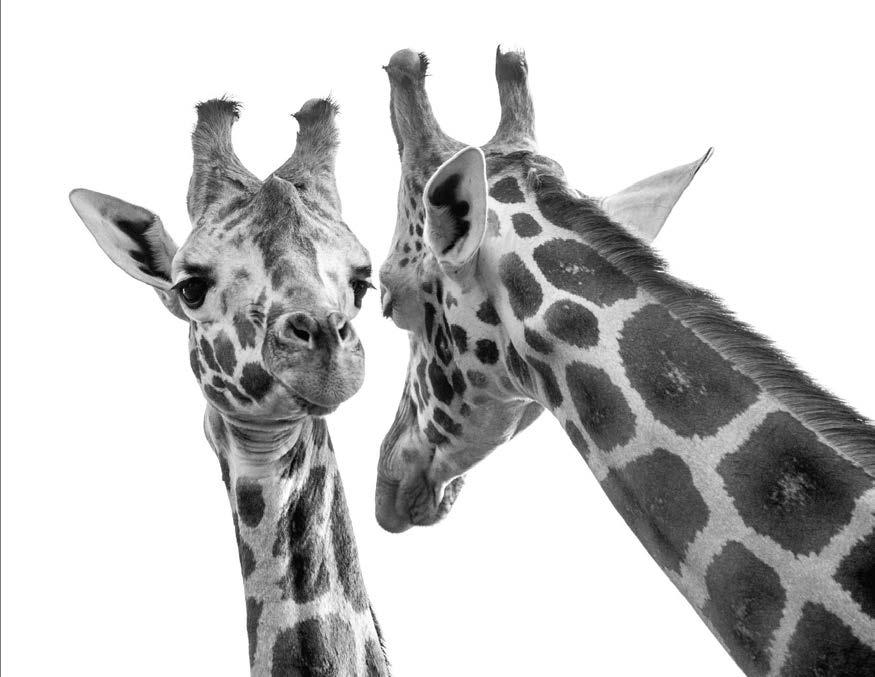
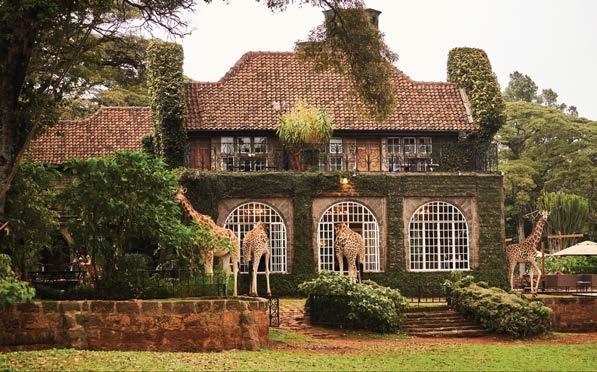
It is not well known that giraffes are under serious threat in many areas of Africa and their numbers have suffered a sharp decline across the continent. In recent years they have become extinct in seven countries and their numbers have fallen by around 30% in the last 30 years. Work towards their conservation is more important now than it has ever been before.
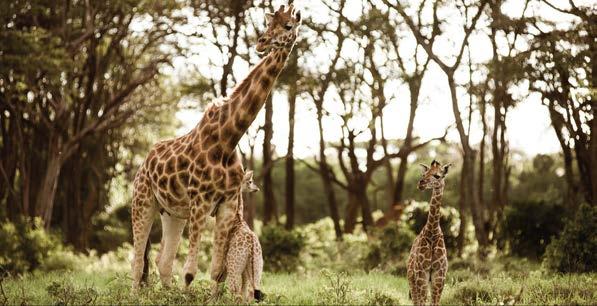
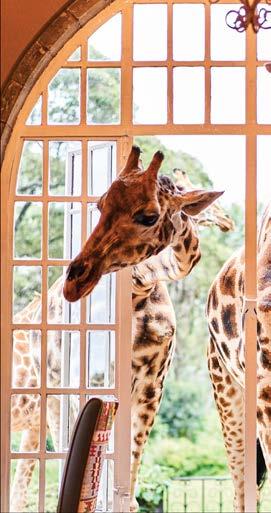
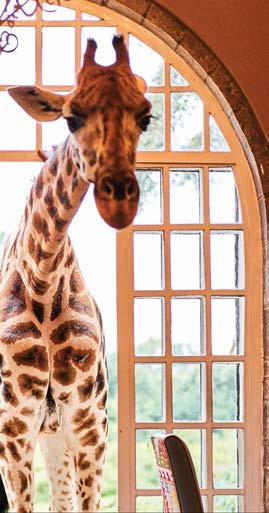
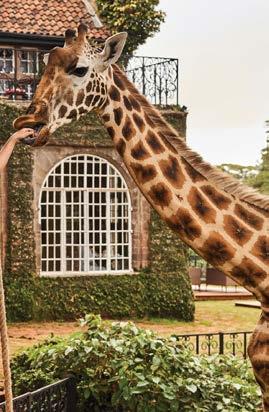
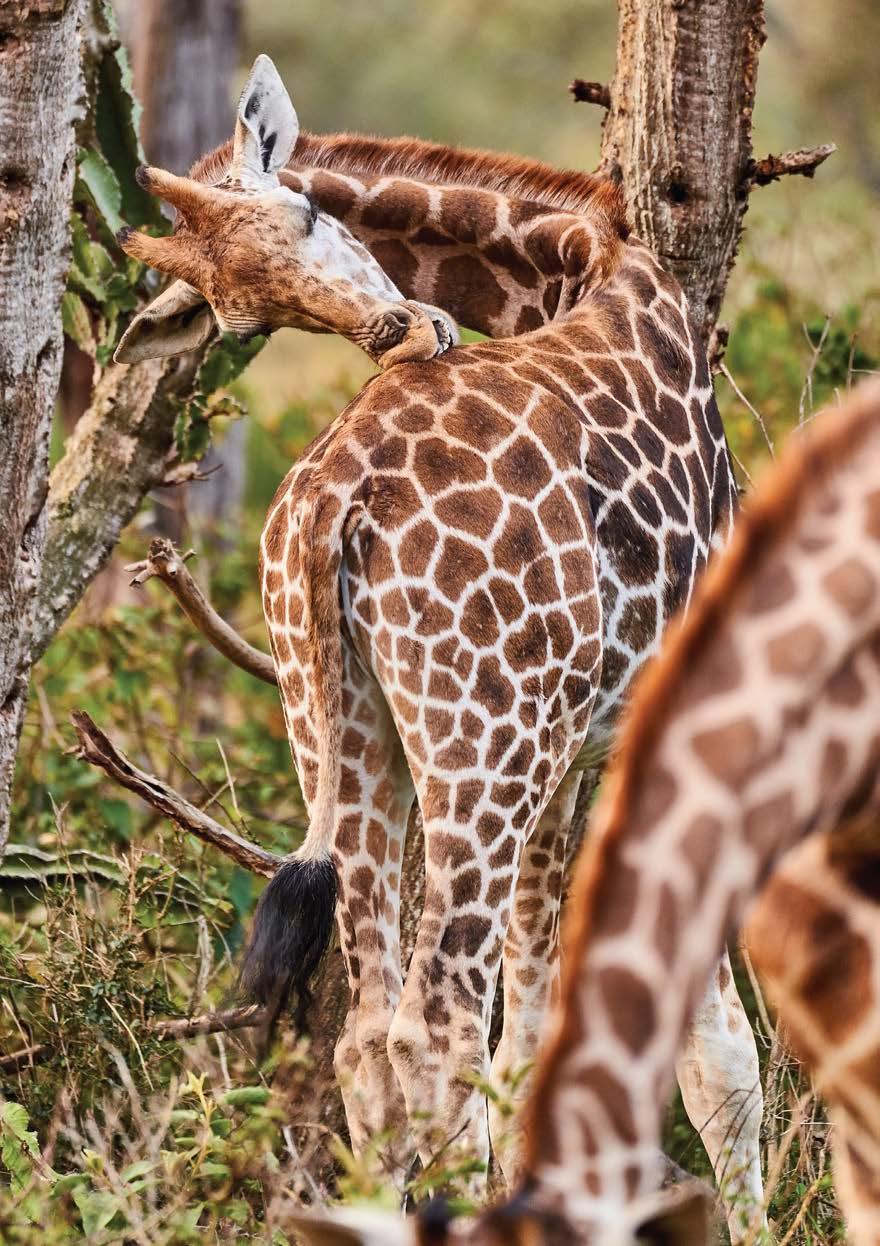
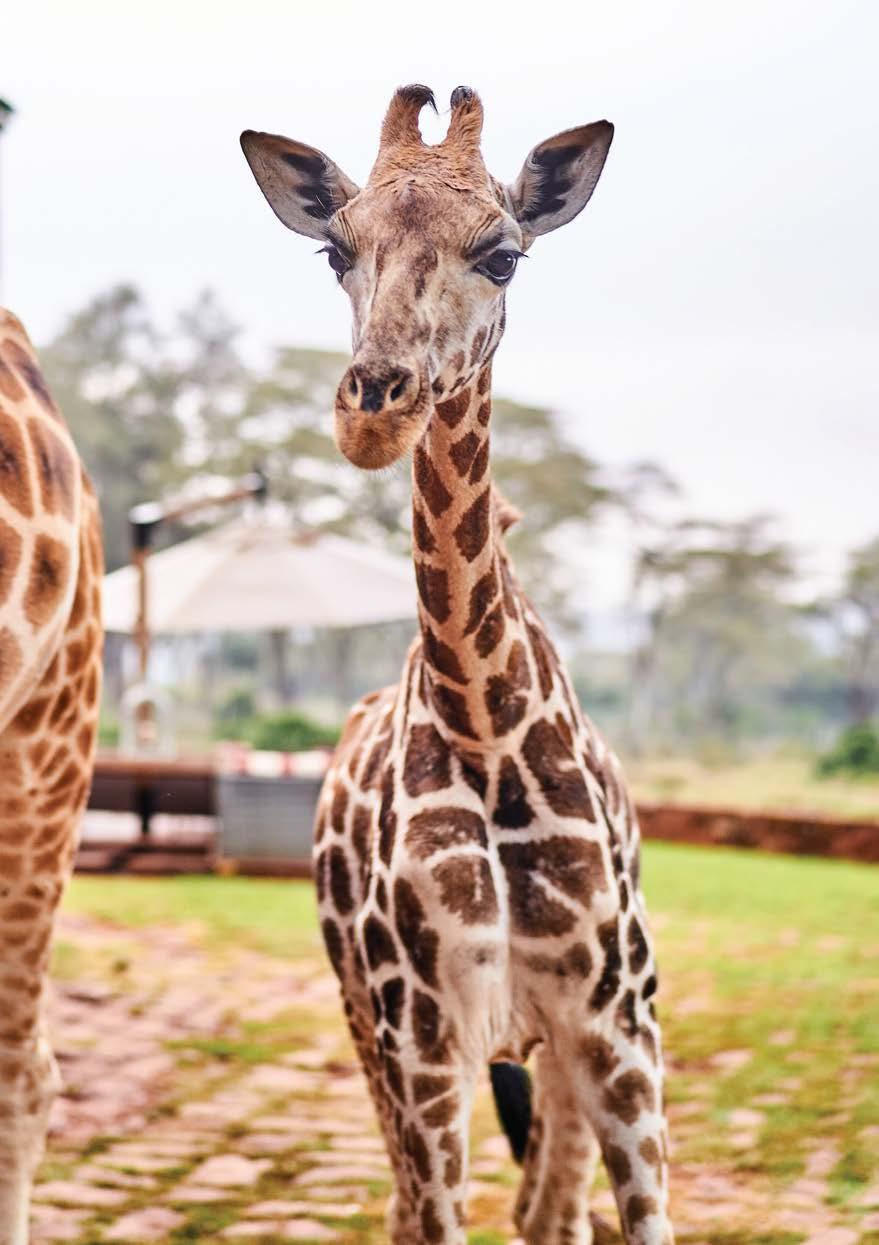
Giraffe Manor has been a breeding centre for the endangered Nubian/Rothschild’s giraffe for even longer than it has been a hotel. In the 1970s there were just 130 Nubian/ Rothschild’s giraffes remaining in Kenya but, in part thanks to the careful breeding programme run at the Giraffe Centre by the African Fund for Endangered Wildlife, their numbers have reached over 1,000 in the wild.
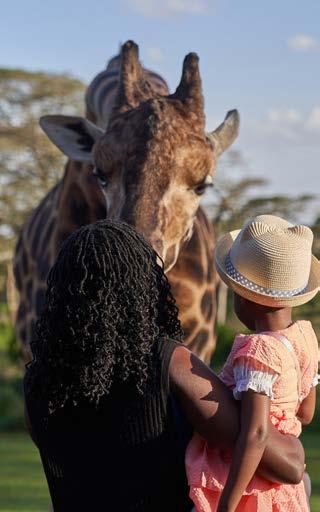
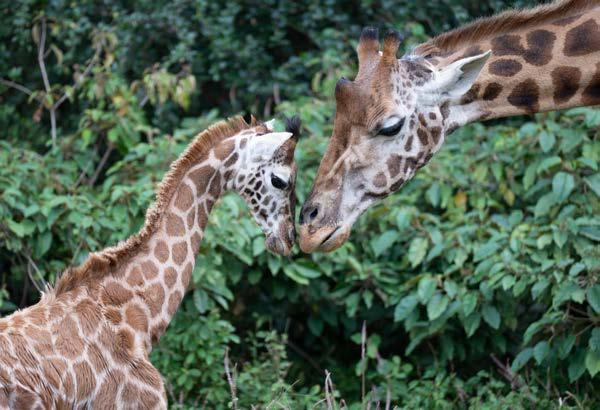
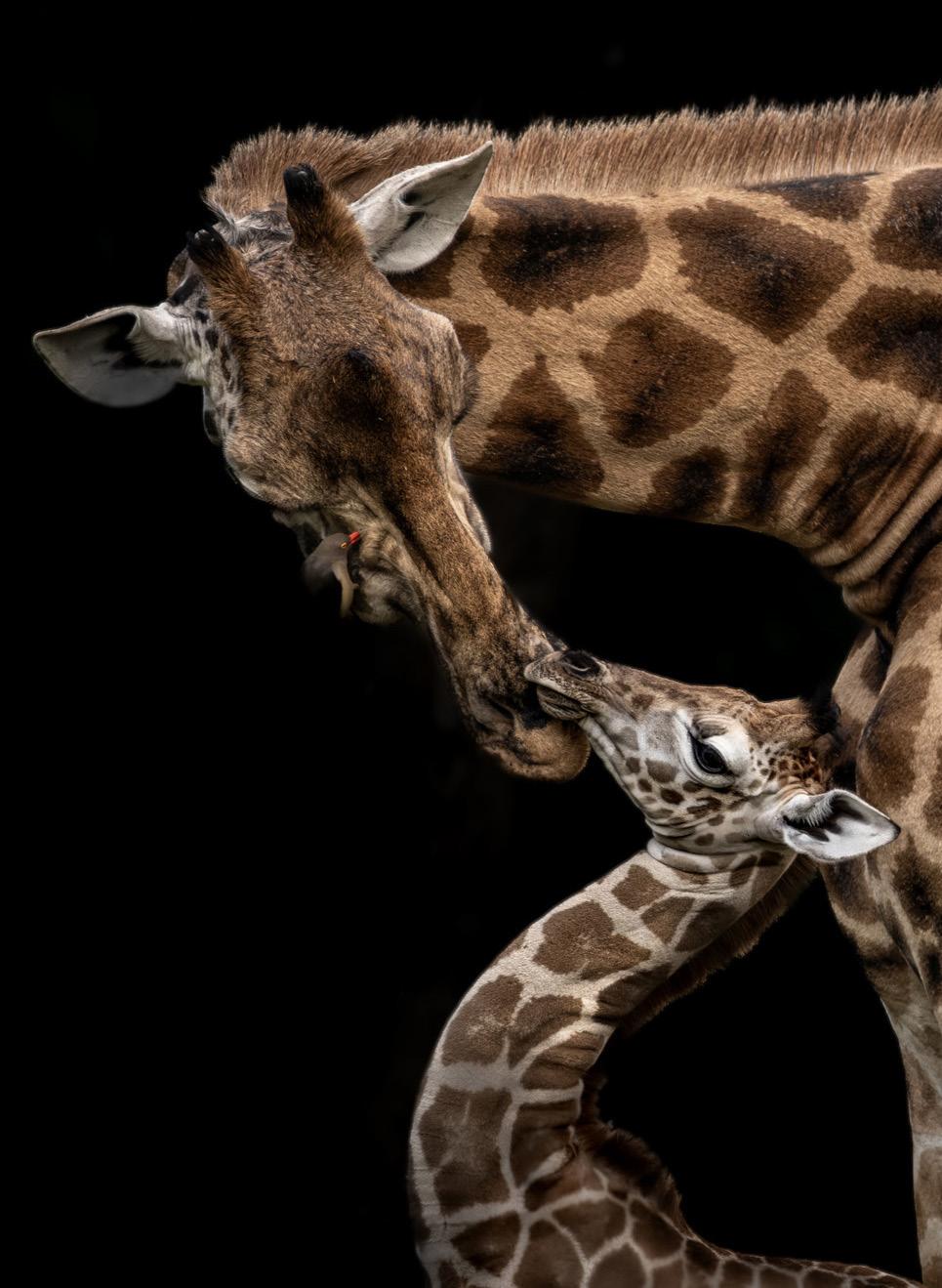
Many of the giraffes born at the Manor will eventually be released into the wild to grow natural populations. In the following pages we would like to introduce you to the different giraffes that are currently living here.
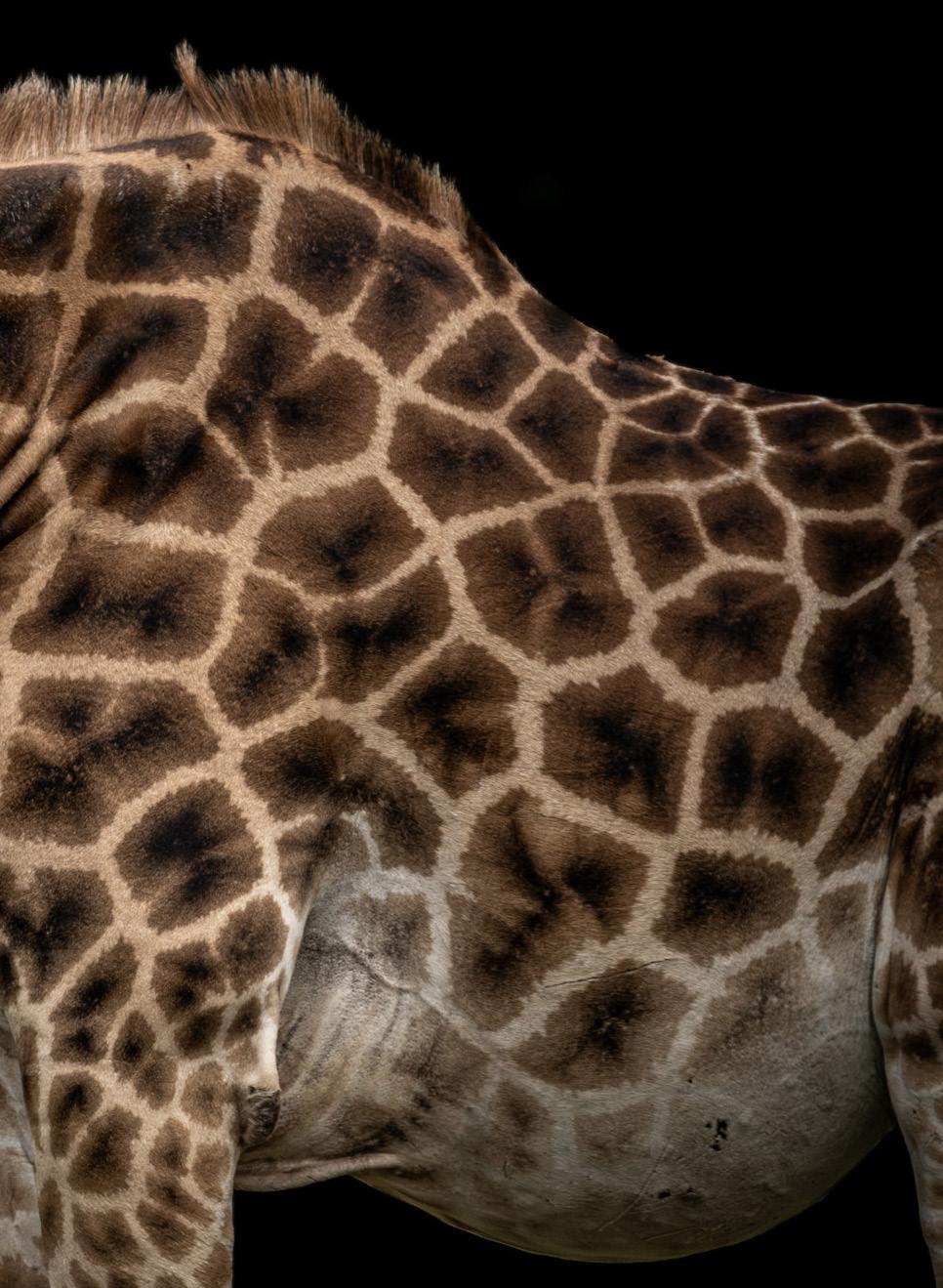
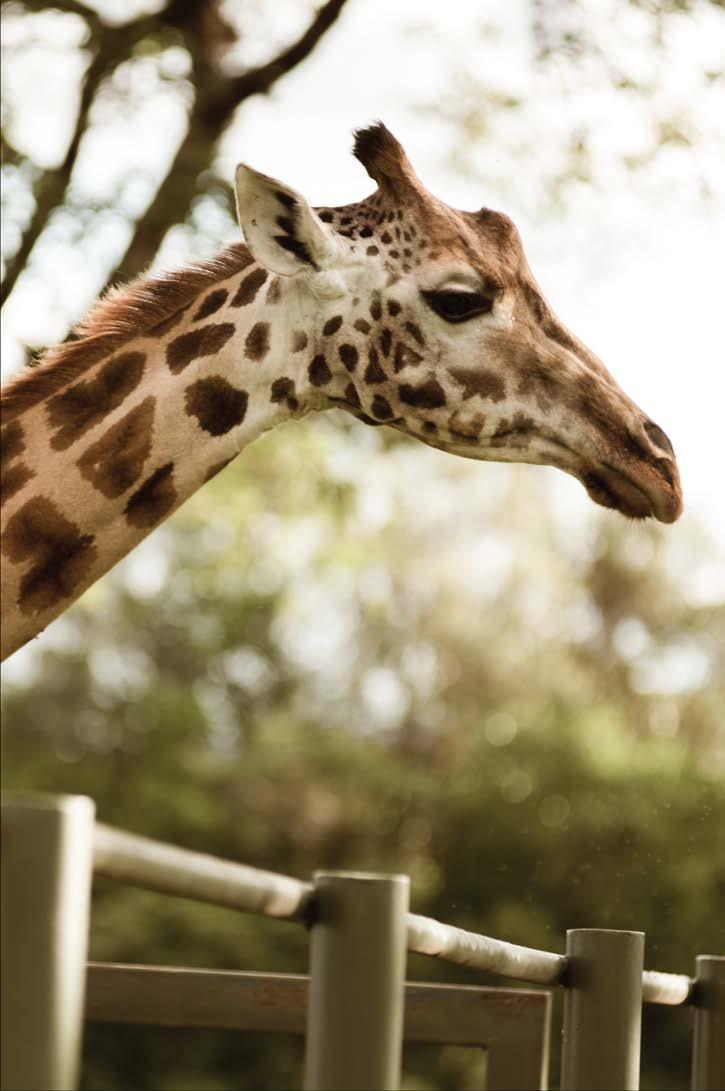
DOB: 17 Jan 2024
Place of Birth: Giraffe Centre
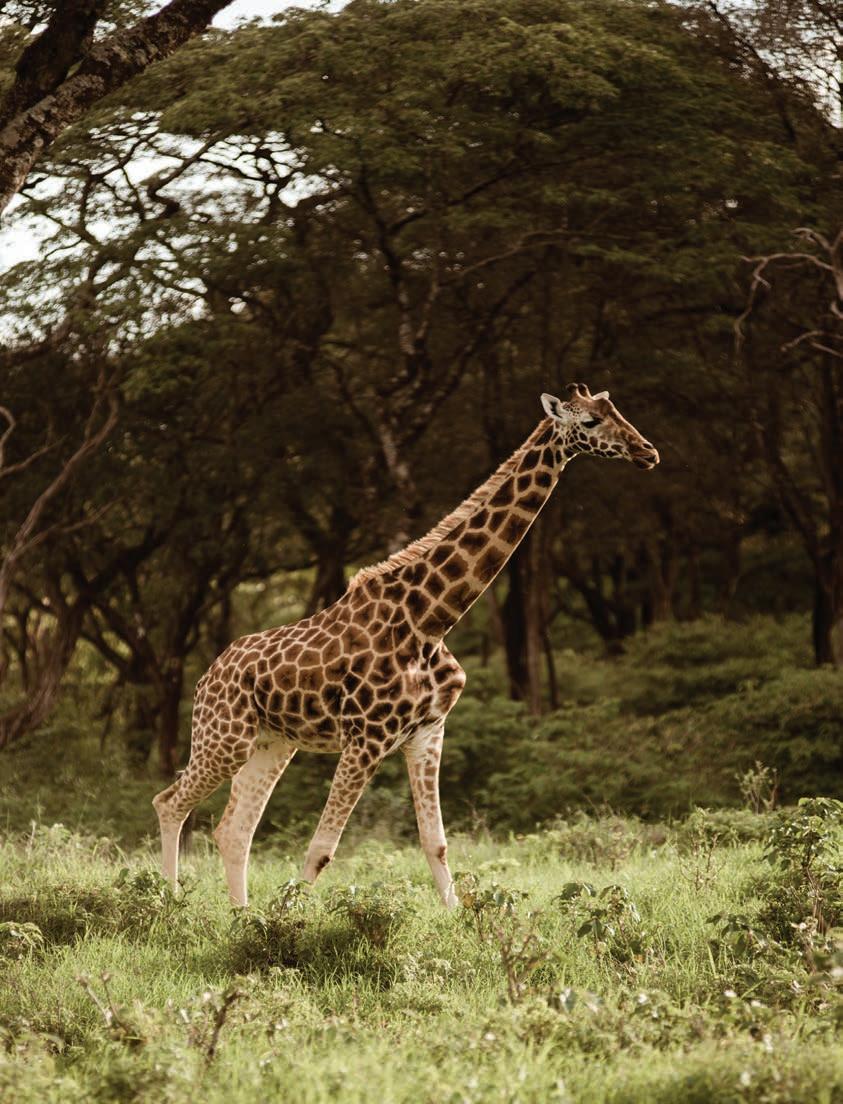
DOB: Aug 2008
Place of Birth: Kigio Conservancy
Place
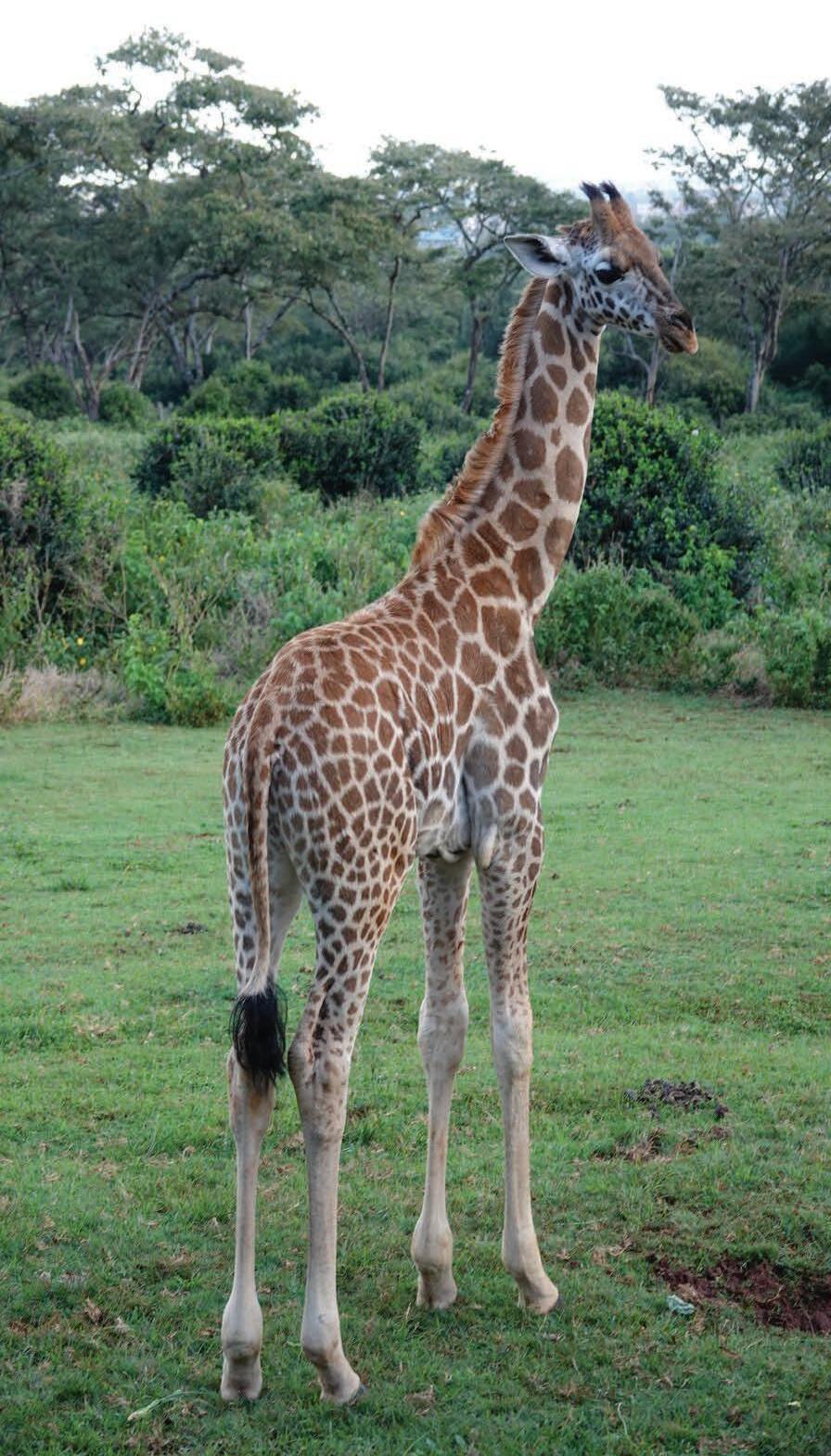
DOB: 26 Feb 2024
Place
EDD
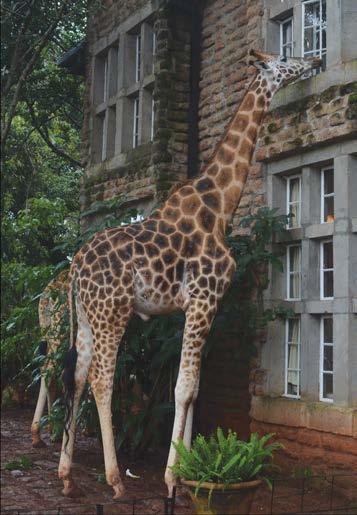
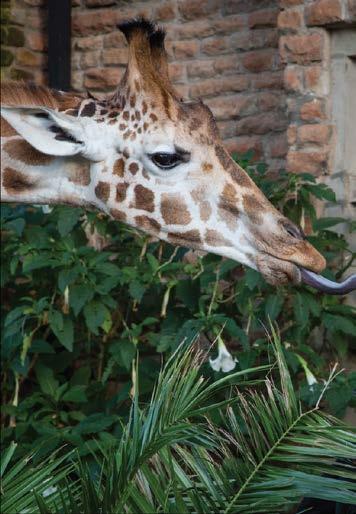
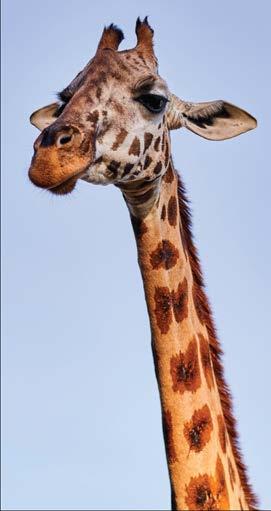
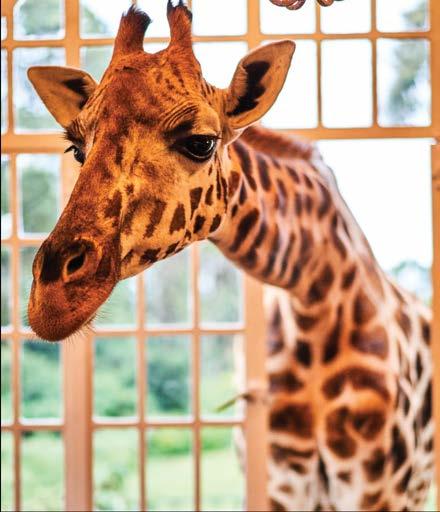
Born on 11 July 2011, Edd is exceptionally tall, and delights in feeding from balconies or windows. He has endearing darker patches that distinguish him from the rest. Edd possesses a distinctive bumpy face, a testament to his dominance. He sports five ossicones, three of which are prominently exposed, a feature unique to the Nubian giraffe. He is the alpha male, fathering 24 calves to date. Edd is charming, and a gentle giant. He relishes hugs and welcomes feeding with one hand while you offer affection with the other.
SALMA
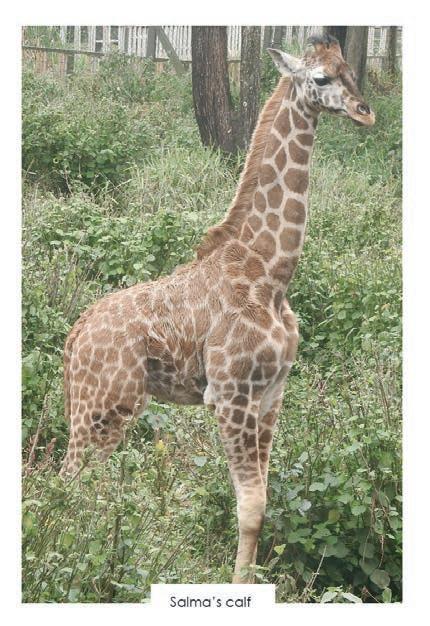
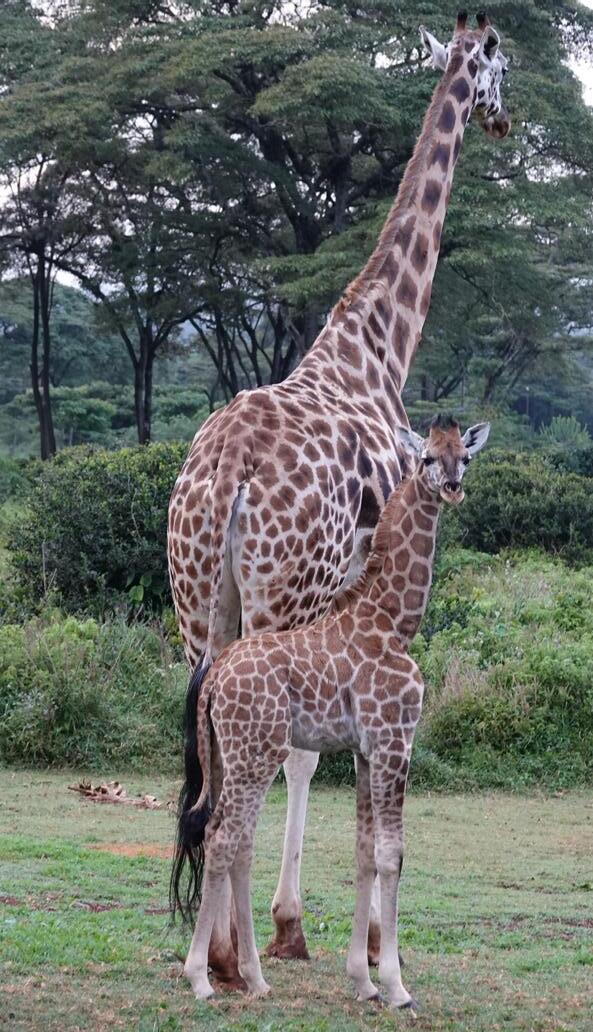
Salma was born on 13 November 2011. Like her mother, Betty, she typically remains close to the sanctuary but occasionally ventures up to Giraffe Manor. Despite her young age, she has already birthed numerous calves, surpassing the record of any other female in the current herd. Her ossicones bulge inwards, and she bears a distinctive patch on the left side of her belly resembling the map of Africa. Despite her shyness, Salma displays remarkable resilience, as evidenced by surviving an attack by a leopard in 2012.
LILLY II
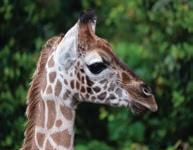
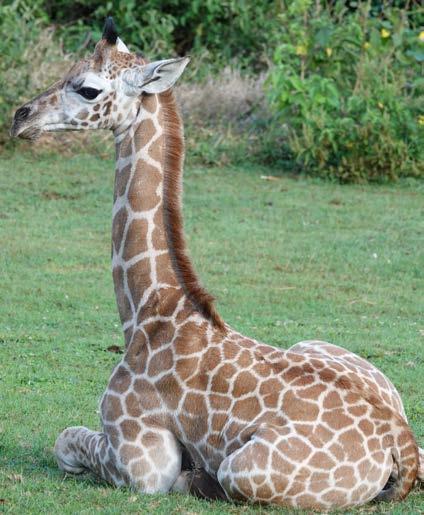
Lilly II was born on May 4, 2025. She is Salma’s seventh calf and the only female among them. On the right side of her neck, she carries two distinctive markings: a hexagon patch encircled by six smaller patches, and a diamond-shaped patch also framed by six patches. Her coat remains a striking mix of brown and white. Known for her curiosity, Lilly II often wanders over to see what the older giraffes are eating at Giraffe Manor and never misses a chance to have a taste.
DAISY
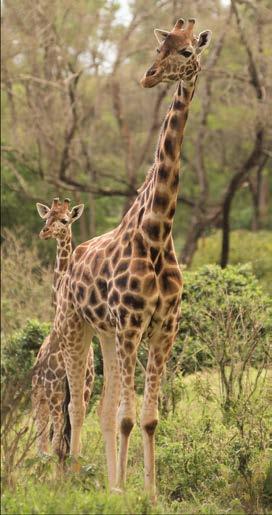
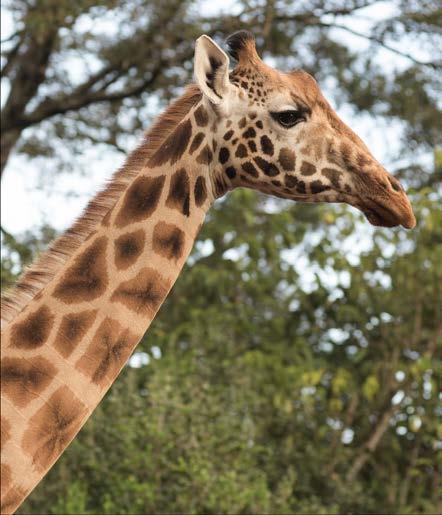
Daisy, born on 1 January 2009, brought in the New Year with her unique charm! Daisy’s striking presence commands attention, with clean patches and a captivating plus (+) mark on her neck. Her elegant neck and blonde mane add to her allure. She’s selective about company, preferring respectful interactions and giraffe treats over teasing. Daisy’s captivating charm and high standards make her a beloved member of the sanctuary community.
WARIDI III
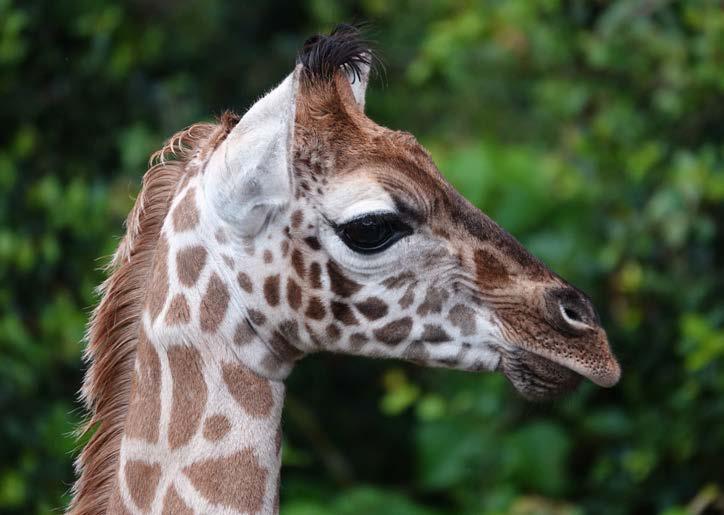
Born on April 4th, 2024, Waridi III is Daisy’s newest calf. She is quite rare in that she exhibits a distinctive brickish-brown patch that resembles that of a reticulated giraffe as opposed to her own Nubian/ Rothchild’s species. While Daisy’s offspring typically inherit a cross mark on their neck, Waridi III has a distinctive circular mark on her upper right side. Her ossicones, fluffy and inclined forward due to her youth, are diligently groomed by Daisy and make her very charming. At present, Waridi III is the most playful calf and enjoys spending time with her elder half-siblings.
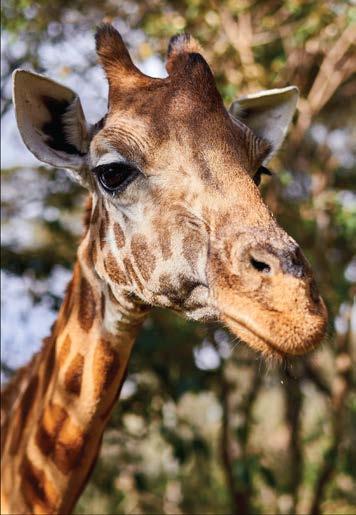
KELLY
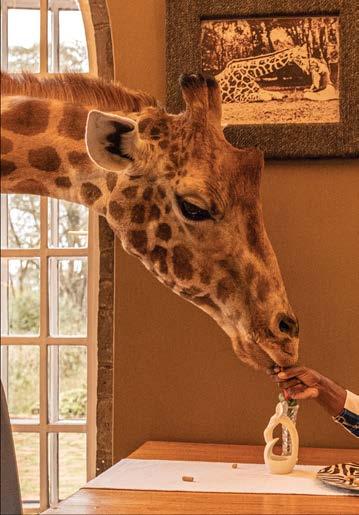
Born on 1 August 2001, Kelly, the sanctuary’s eldest giraffe, embodies vitality and leads as the herd’s matriarch. Her distinct appearance, with pointed ossicones resembling a bull, adds to her allure. Known for her exceptional parenting and babysitting skills, Kelly is trusted by the herd to watch over their calves while they forage. She adores kisses and possesses remarkable coordination, effortlessly catching pellets between her lips. However, don’t get too close— Kelly also has a mischievous streak and isn’t afraid to playfully bump unsuspecting selfie-takers!
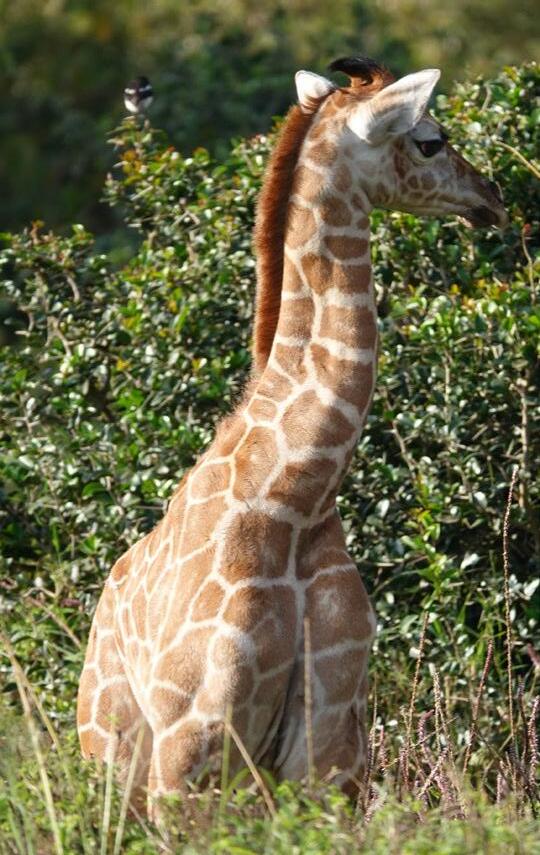
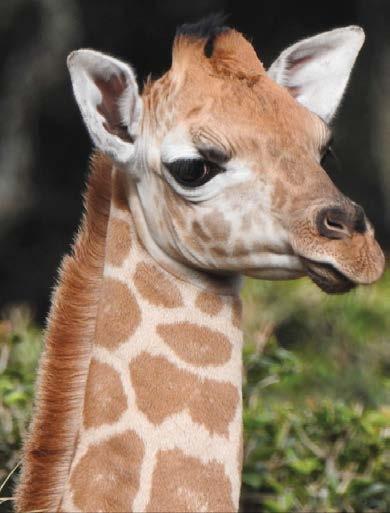
JOCK XI
Jock XI, Kelly’s ninth calf, arrived on August 18, 2025.
Playful by nature, he likes chasing warthogs around the compound. His neck bears two unique markings: an oval patch resembling a rugby ball and, just below it, a butterfly-shaped patch formed by the merging of two smaller patches. Despite his playful behavior, Jock XI is still shy and tends to avoid crowded areas.
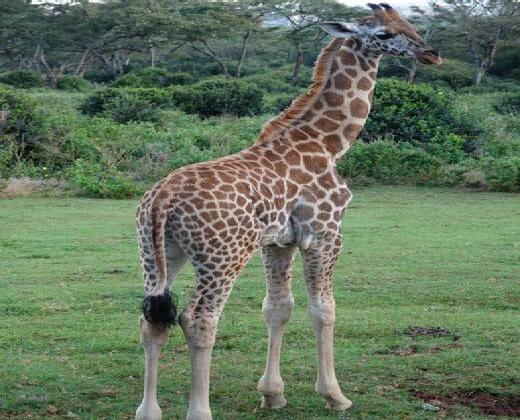
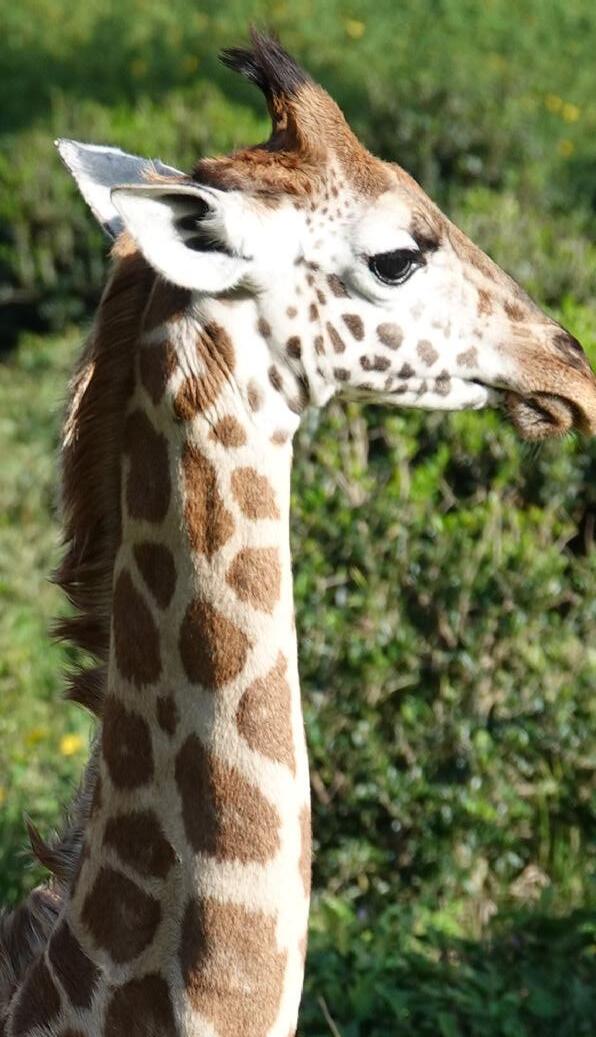
JOCK X
Jock X was born into the world on 17 January 2024, marking the very first giraffe birth of the year. This little bundle of joy is a resilient male calf, adorned with striking brown patches beautifully highlighted by clear white lines. His endearing charm is further complemented by his playful nature, as he can often be spotted frolicking and dashing around with pure glee, surely influenced by the delightful presence of his siblings. As the sixth son of Salma, he proudly continues a lineage of remarkable heritage.
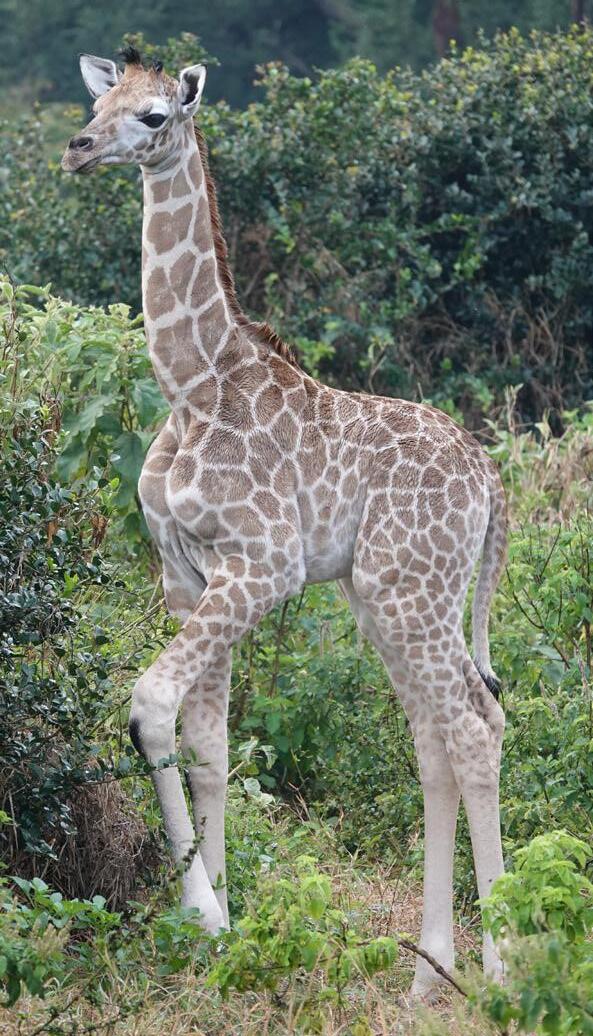
BETTY II
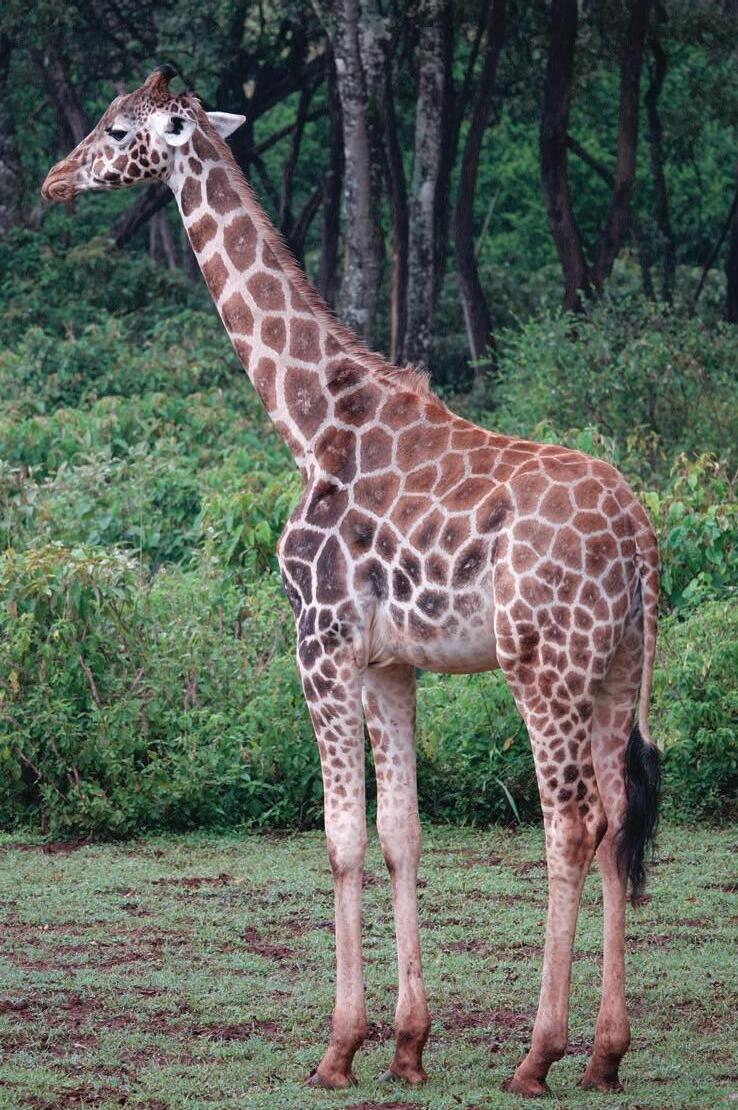
Kelly’s latest born is named after the esteemed founder of AFEW Kenya, Betty Leslie Melville. Betty II was born in the afternoon of 26 February 2024. She’s her mother’s daughter, with the same chocolate-brown patches. Happily, she loves visiting the manor and delights everyone with her lively temperament. We can easily tell her apart from her siblings because of her very straight ossicones and subtly curved neck.
The Safari Collection Footprint Trust runs a number of projects and partners with various organisations across Kenya. We believe that no conservation work can be successful without the inclusion of local communities, so we endeavour to ensure that our conservation and community work is intertwined to enable people to see tangible benefits from wildlife, tourism and conservation. In the following pages, we would like to introduce you to a selection of our different projects and partners.
FEEDING YOUNG MINDS
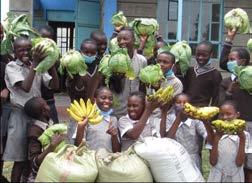
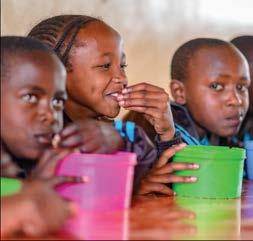
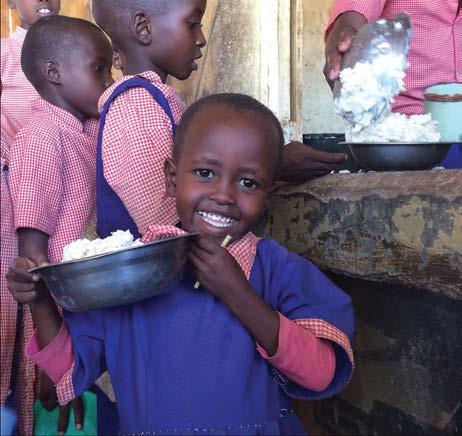
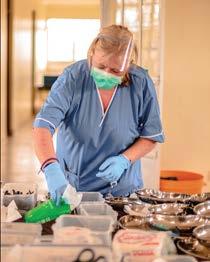
Good nutrition is one of the most important factors in a child’s performance in school. In Samburu, Laikipia and Nairobi we provide free school lunches to over 2,000 children at 12 different schools. We supply maize, rice, beans and cooking oil for the lunches, providing a huge incentive for children to stay in school and helping their brains with the energy they need to reach their academic potential.
MARA RHINO TEAM
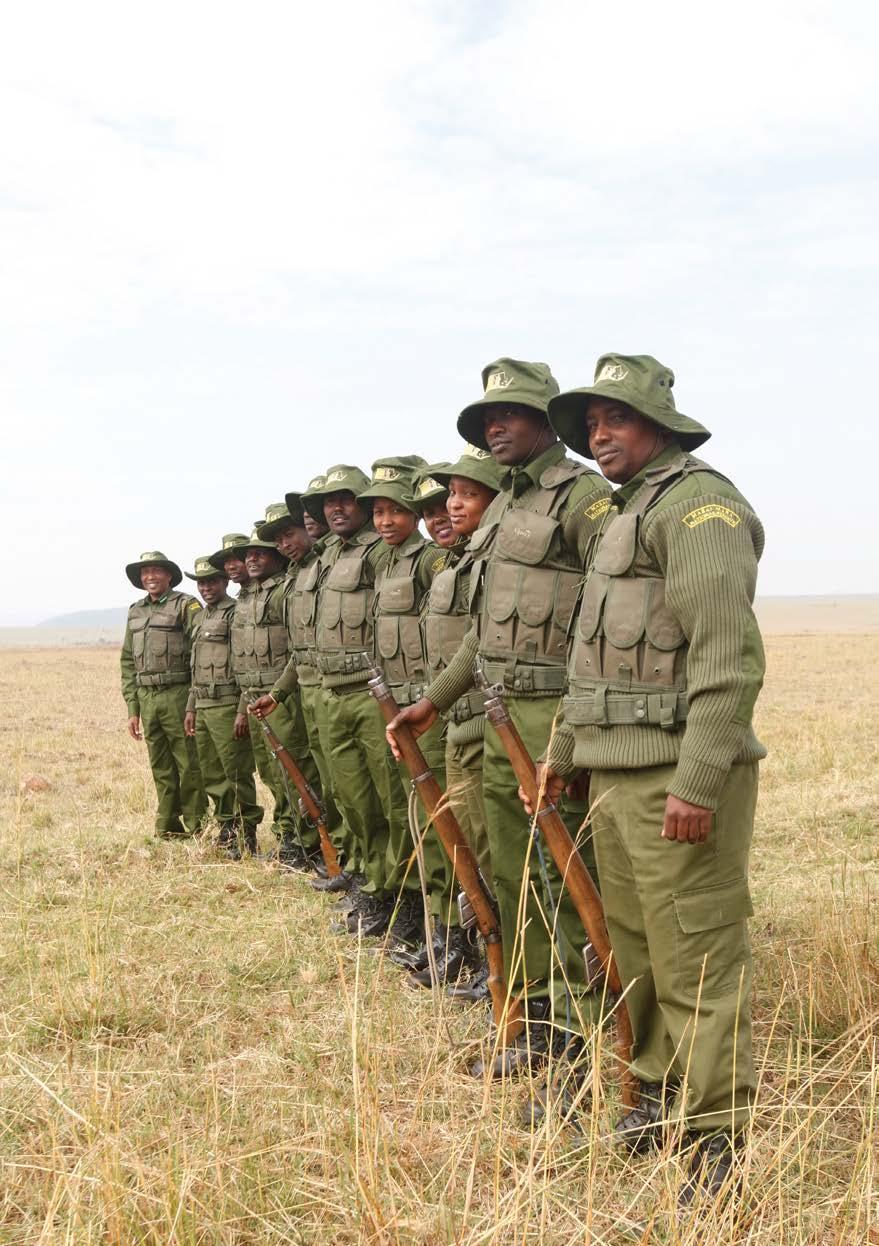
Over the years, The Safari Collection has given financial support to the Mara Rhino Rangers for training, cars, uniforms and anti-poaching equipment, as well as logistical support. This enables them to continue their vital work of protecting the critically endangered black rhino population of the Masai Mara. Our Footprint Trust has also supported the construction of a new operations room and installation of a conservation technology system called EarthRanger, which, alongside the GPS tagging of individual rhinos, is enabling more effective monitoring of this vulnerable species.
CONSERVATION SCHOLARS
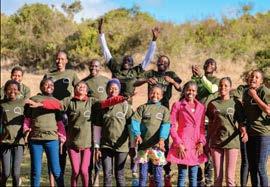
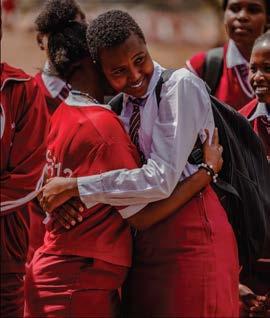
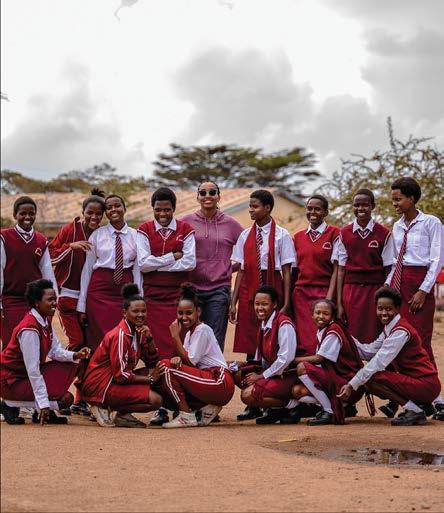
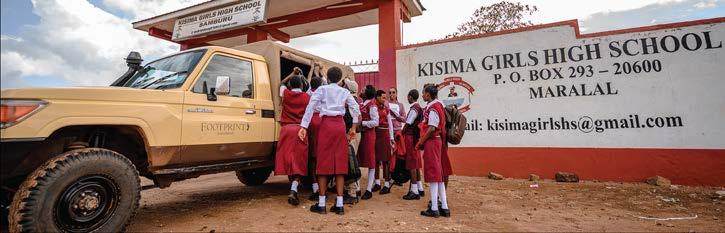
The Safari Collection’s guests sponsor a number of talented students from disadvantaged backgrounds to attend secondary schools and universities in Kenya. High school education in Kenya is fee paying and many families are unable to afford the charges for their children to attend. We are proud to be able to support a handful of brilliant scholars who we hope will grow up to become ambassadors for conservation in their communities.
CONSERVATION CARS
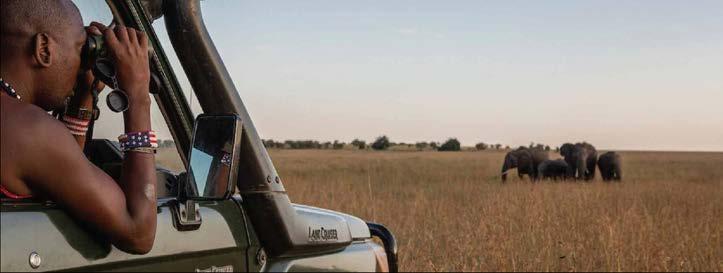
We have two conservation cars, one based at Sala’s Camp and one based at Sasaab. On a daily basis, they assist with our own conservation programmes as well as those of our conservation partners. In Westgate Conservancy, our conservation car also helps support the community by offering logistical support.
MEDICAL CLINICS
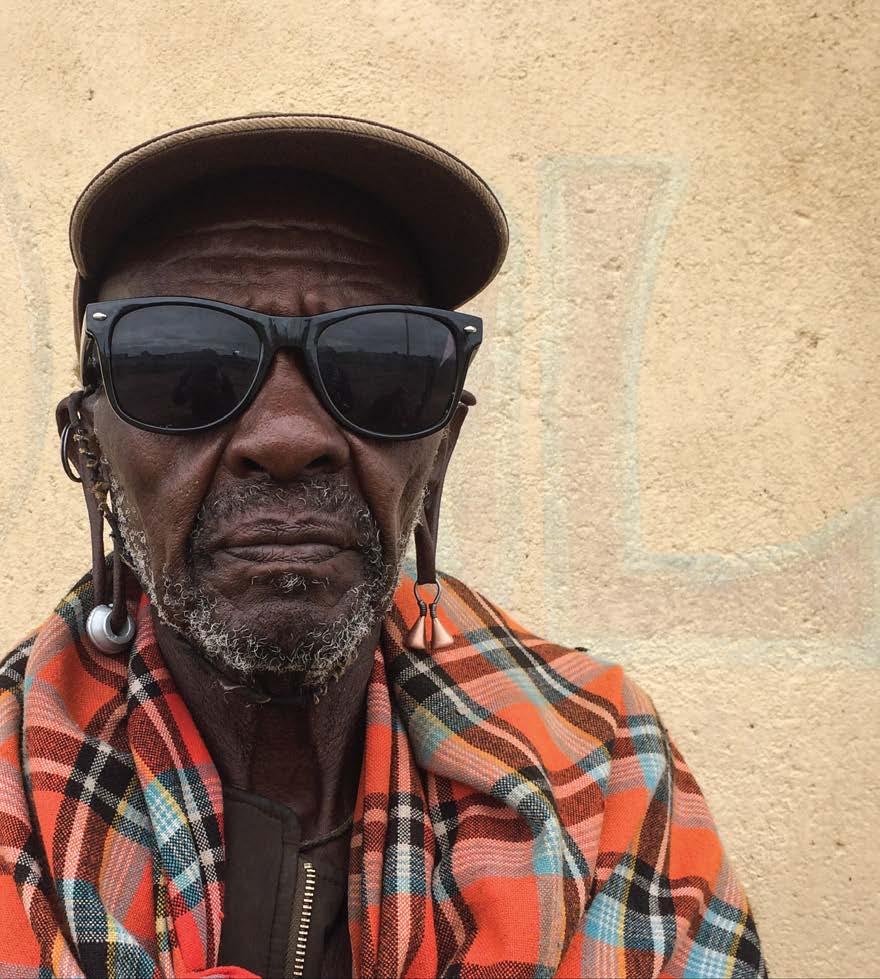
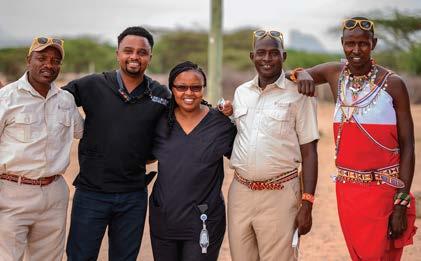
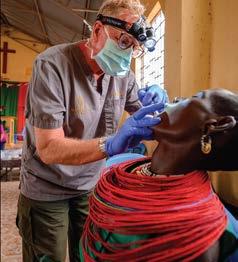
Each year, we support free medical and dental clinics for the communities we work with in Kenya. Over the years we have hosted several eye and dental clinics all over Kenya and provided essential and life-changing treatment to thousands of people completely free of charge.
SCHOOLS INFRASTRUCTURE SUPPORT
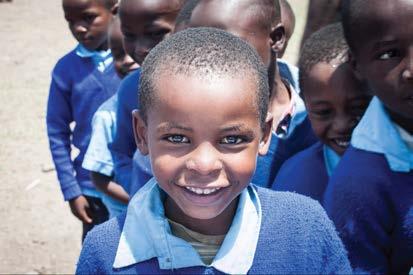
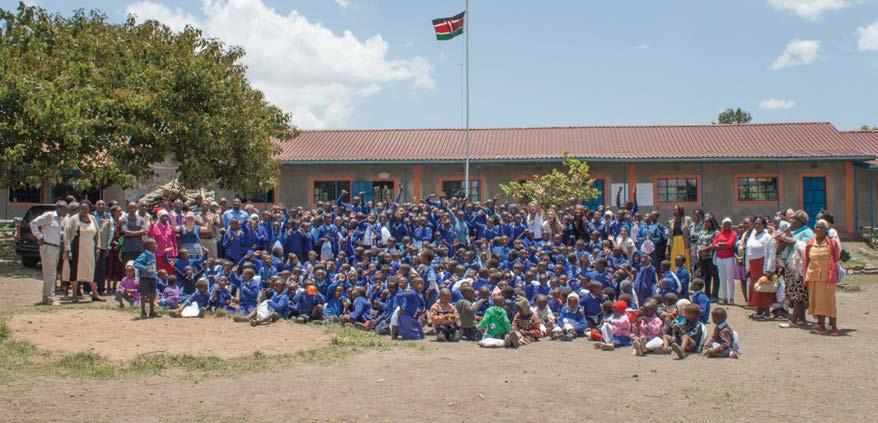
Over the years we have built numerous classrooms, libraries, dining halls, administration blocks and teachers’ houses, as well as provided desks, textbooks and uniforms for several schools within our local communities. We continue to fund-raise to provide the children at our local schools with the best possible education.
GREVY’S ZEBRA TRUST
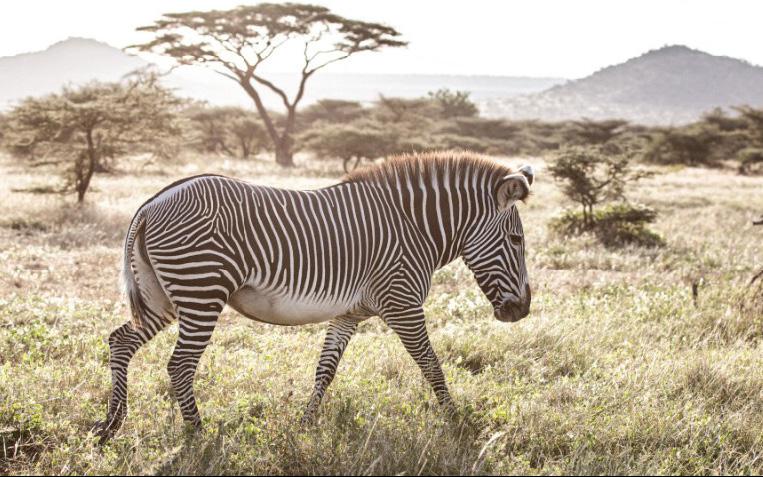
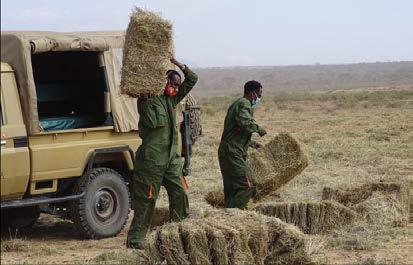
There are only 3,000 remaining Grevy’s zebras in Africa. The Safari Collection is proud to partner with the Grevy’s Zebra Trust to assist them in their vital work of protecting this unique and stunning species which is now almost entirely restricted to northern Kenya.
EBURRU RAFIKI
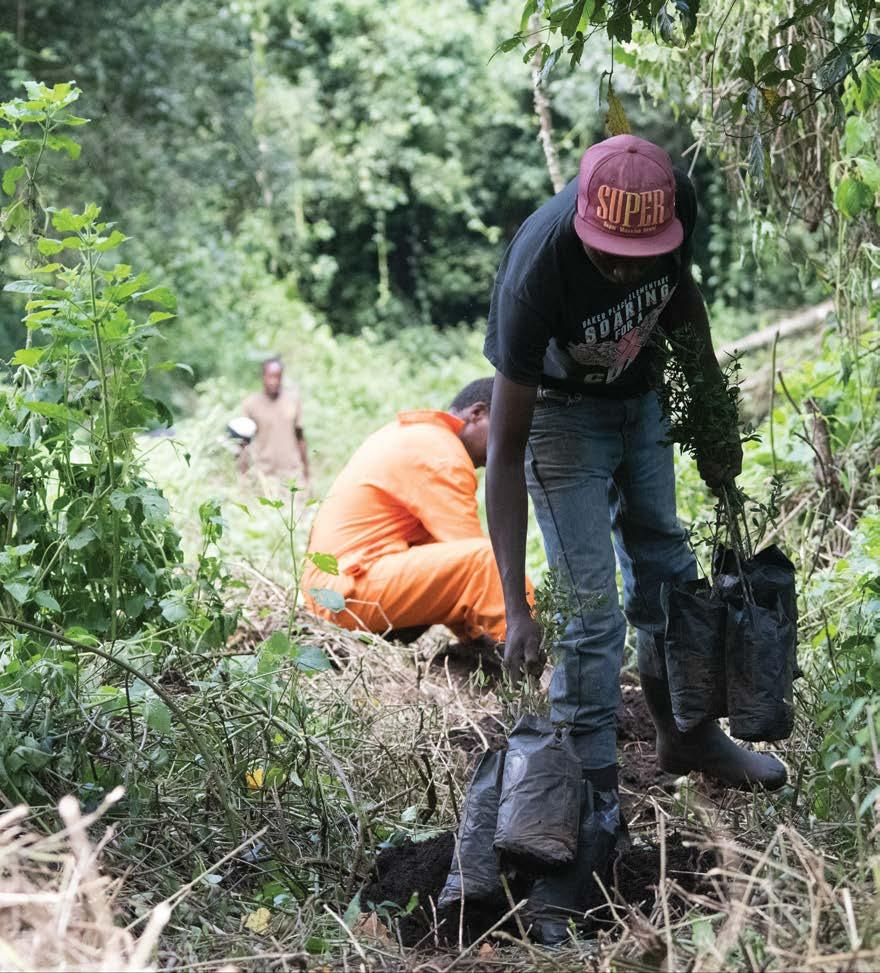
This project is dedicated to protecting and conserving the Eburru Forest above the shores of Lake Naivasha, which is home to the Mountain Bongo. This is one of the most endangered mammals on Earth, with fewer than 50 remaining in the wild. This partnership has enabled us to plant over 18,000 trees in the last few years as part of our climate action.
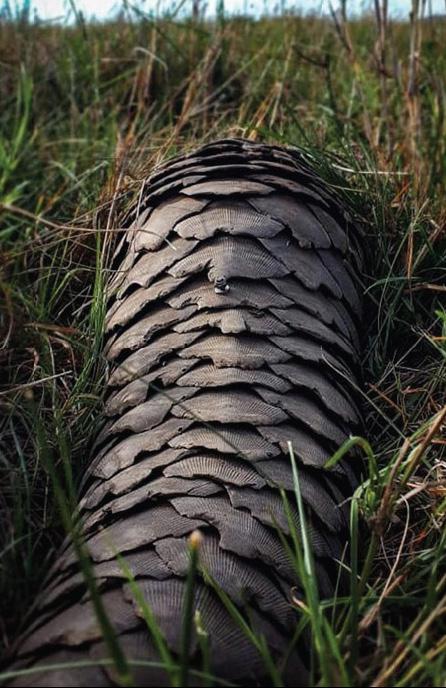
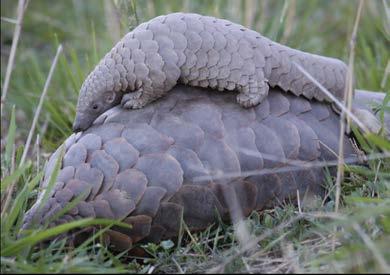
THE PANGOLIN PROJECT
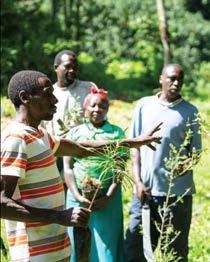
The Pangolin Project is the only non-profit organisation of its kind in East Africa that works to provide sustainable protection to pangolins and their habitat. They are dedicated to promoting pangolin awareness throughout Kenya, especially amongst anti-poaching units. Sala’s Camp is pleased to have been a founding partner and to have hosted their research team in the past, from where they have carried out field work and community programmes in the Greater Mara Ecosystem.
FRESH WATER
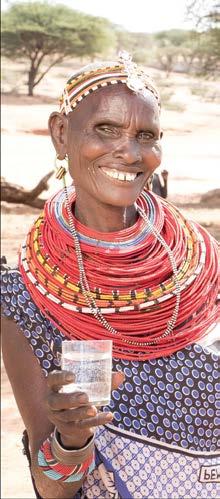
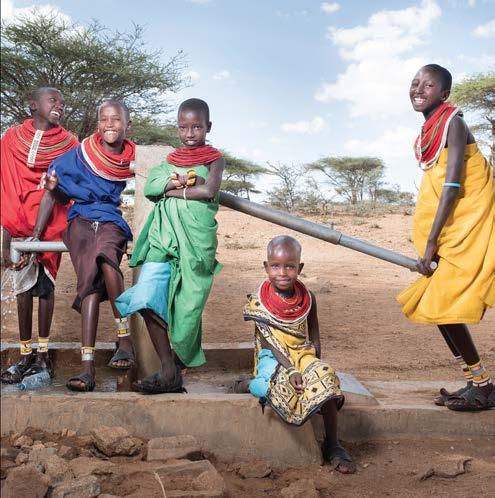
In Samburu, we partner with The Samburu Project to drill wells and boreholes. Since 2005, they have worked hand in hand with Samburu communities to increase access to clean, safe drinking water as a foundation for improving health, expanding education, empowering women, reducing human wildlife conflict and ushering in sustainable community growth. To date they have drilled over 150 wells, bringing clean water to over 100,000 people in northern and central Kenya.
Giraffe Manor is part of a conservation breeding programme for the endangered Nubian/ Rothschild’s giraffe and so the number of giraffes at the sanctuary changes from time to time. Some of the young giraffes will move to new homes in the wild and it is also likely that we will have had some newborn calves join the herd between publications. Thank you for reading the giraffe sponsorship booklet which we aim to keep as up-todate as possible. If you would like to sponsor another giraffe or renew your sponsorship please scan here.