
This award recognises a non-clinical colleague who, through excellent leadership skills, has inspired a change in order to achieve higher standards or make significant improvements for patients.
Sarah is the backbone of AMU, expertly managing services, supporting staff, solving problems early, and providing compassionate, reliable patient and team support. Her dedication and professionalism make her indispensable.
Natalie has co ordinated Barnsley’s Oliver McGowan training with exceptional organisation and determination, achieving outstanding completion rates and national recognition while improving staff skills, patient care, and Trust-wide understanding of learning disability and autism needs.
Megan has transformed patient leaflets into accessible, easy‐read formats, driven by her passion for inclusivity. Her work empowers neurodiverse patients, enhances understanding and dignity, and reflects exceptional commitment to patient‐centred care.
This award recognises a clinical colleague who, through excellent leadership skills, has inspired a change in order to achieve higher standards or make significant improvements for patients.
Rhys leads the prehabilitation service with exceptional dedication, supporting patients and colleagues, driving high standards, strengthening the team, and consistently going above expectations to deliver compassionate, organised, patient‐centred care across the pathway.
Sue delivers exceptional cardiac care, mentors international nurses, models compassion and respect, strengthens team performance, and elevates patient experience through her expertise, kindness, and unwavering commitment to excellence across the Cardiology department.
Kathryn leads with exceptional vision, improving patient care, empowering staff, driving Trust‐wide quality improvements, supporting digital transformation, and balancing major responsibilities with compassion, professionalism, and unwavering commitment to safe, high‐quality care.
More categories in future editions of Proud News
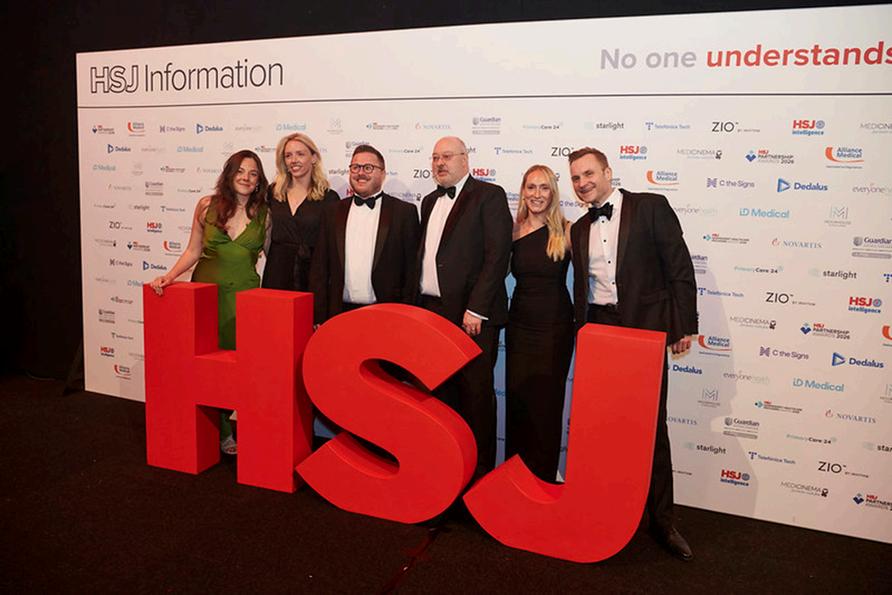
The Trust is celebrating recognition from the HSJ judging panel for our Health on the High Street Alhambra Outpatients project.
Pipped to the post by worthy rivals NHS South Yorkshire ICB, Barnsley Hospital and partner Akeso were Highly Commended in the Healthcare Infrastructure Project of the Year category.
In the next couple of weeks
Dermatology, Rheumatology, and Orthotics will join Ophthalmology, Optometry, and Diabetic Eye Screening in the upper-floor space that used to be the former Wilko store.
Teams begin the move next week, with all services being fully operational by Monday 20 April.
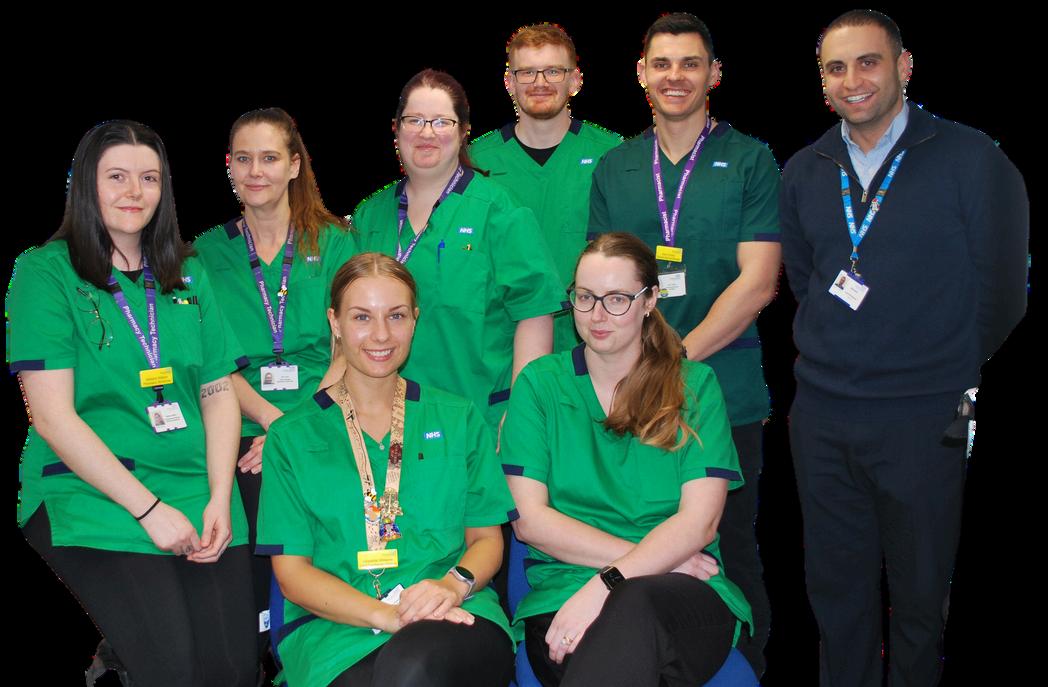

Barnsley Hospital’s Pharmacy
Aseptics team has achieved an extraordinary turnaround after a year marked by major disruption, sustained pressure, and remarkable resilience. When the unit’s isolators and air‐handling system failed in 2023, the team temporarily relocated to Rotherham, travelling daily for nearly 12 months to keep chemotherapy treatments running safely and on time.
Back in Barnsley, the unit was refurbished with new isolators and an upgraded air‐handling system. Their hard work earned the top GMP ‘low risk’ rating and a Brilliant Award.
Read Aseptic story in Barnsley Hospital News




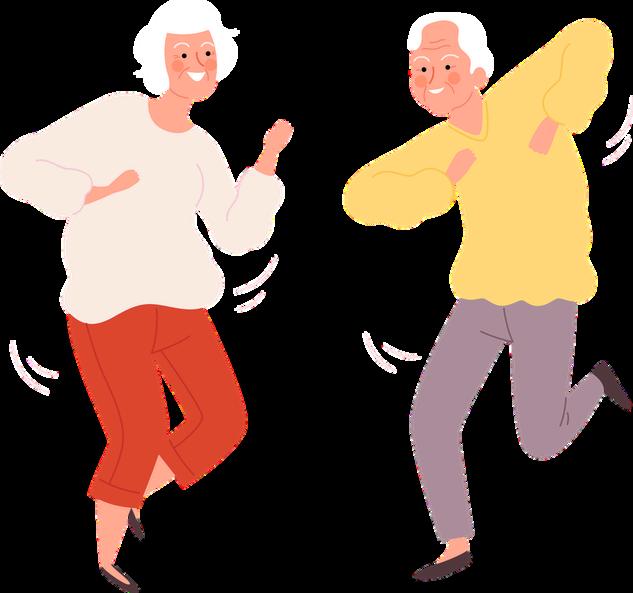
Wards across the hospital are getting ready for a special Easter Egg Quiz Trail to support our Trust priority of reducing deconditioning and promoting Eat, Drink, Dress, Move (EDDM).
From 30 March to 10 April, patients can take part in a 10‐question egg‐themed trail designed to encourage movement and independence, with volunteers on hand to help. A chair‐based version, including gentle movement prompts, will also be available for those less mobile.
Prizes will be awarded to the wards, staff, therapists and volunteers who support the most quizzes.
Get cracking!

The project aimed to increase the percentage of Emergency Department staff with an active blood gas (BG) code from 53% to 80% by improving a paper based process that caused delays, as well as potentially impacting safety and efficiency. A new digital e-form and tracking system enabled accurate monitoring and faster code issuing.
Outcomes included a rise to 75.44% of survey respondents holding an active BG code, and a significant reduction in wait times, with 44.44% receiving codes within a month, and an average processing time of 1.99 days, showing the new system to be more efficient.
Charlotte Harris Clinical Educator
This week we celebrated our amazing colleagues and volunteers as part of the new portrait exhibition Faces of Barnsley.
On Monday, participants were invited to Experience Barnsley at the Town Hall to see their smiling faces displayed at the exhibition. One of those colleagues was Dr Elizabeth Uchegbu, Consultant Physician in Endocrinology and Diabetes, who took part in the project.
When seeing herself a part of the gallery, Elizabeth said: “I feel very proud and privileged to be included, it’s given me a sense of belonging. I feel that the exhibition appreciates and recognises the diversity of Barnsley, and celebrate people who contribute in different ways to our community. I’ve been living and working in Barnsley for almost 20 years now, and feel honoured to be a part of this project.”
Thank you to all of the participants who volunteered their time to support the Faces of Barnsley project. You can visit the exhibition at Experience Barnsley.
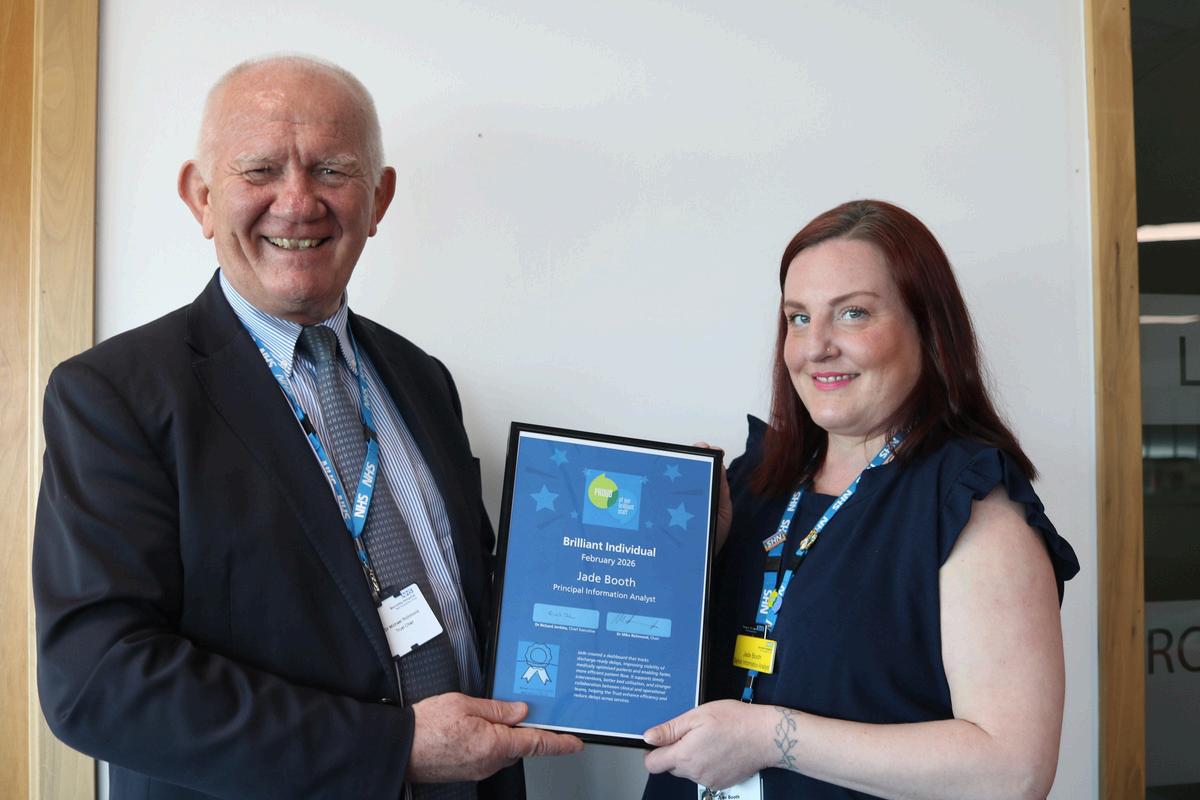
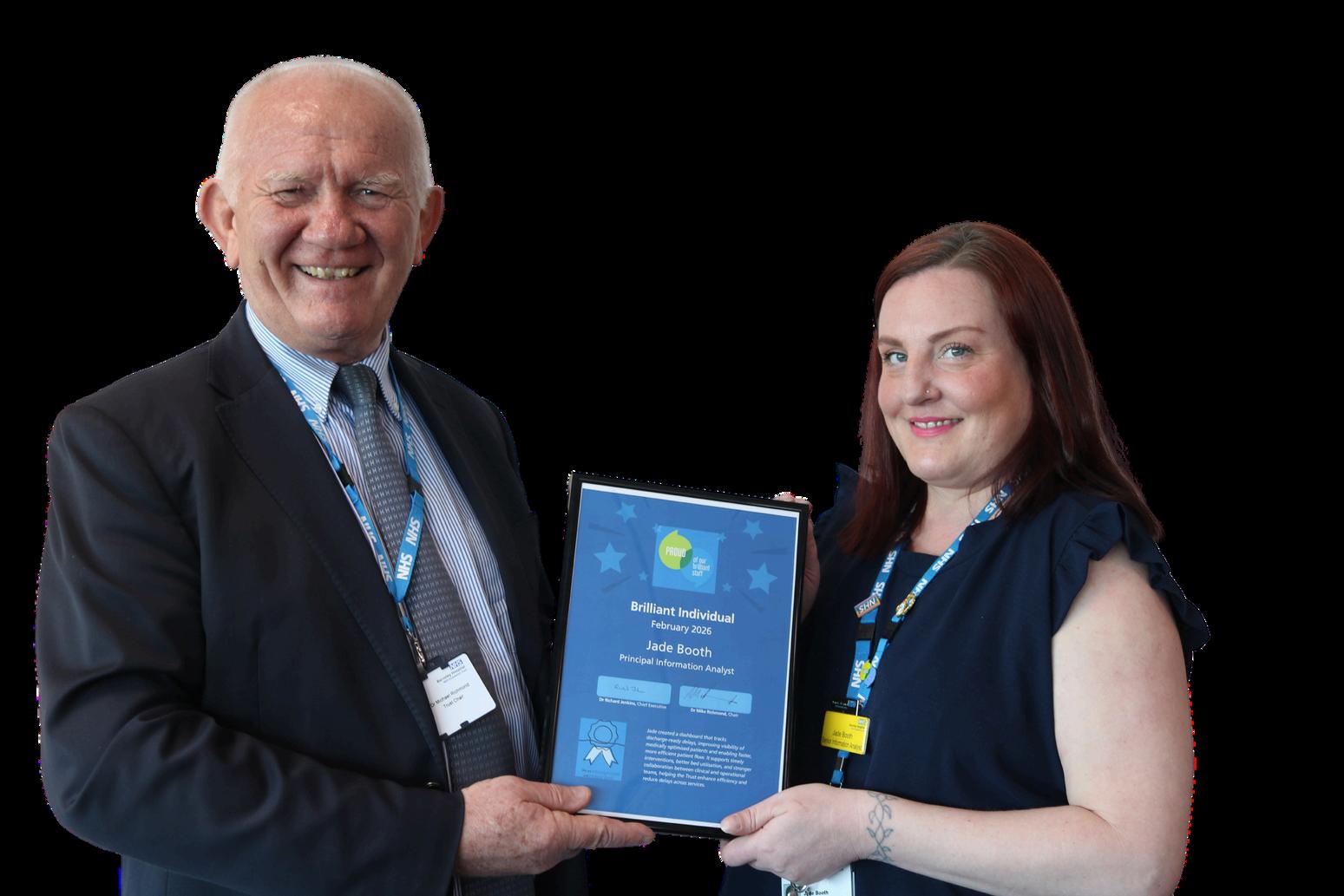
Jade has developed a dashboard that directly addresses a key NOF metric by identifying patients who are medically optimised for discharge. By offering real‐time visibility of discharge readiness, it enables teams to spot delays early, intervene proactively, and improve bed utilisation across the Trust.
This innovation strengthens patient flow, boosts operational efficiency, and supports more effective collaboration between clinical and operational teams, ultimately helping services respond more quickly to patient needs and capacity pressures.
Nominate a colleague for a Brilliant Award today
Every day, our staff go above and beyond for patients – and the Barnsley Recovery Steps team is here to stand right beside you.
Their new five‐day hospital liaison service offers practical, compassionate support for patients affected by drugs or alcohol, helping to ease pressure on wards and ensure colleagues never feel unsupported in challenging cases. They work closely with the hospital‐based Alcohol Care Team, who take the lead in supporting patients affected by alcohol, while BRS focus primarily on drug‐related needs.
Working closely with teams across the hospital, they provide brief interventions, assessments, specialist guidance and smooth links into community services. As the team do not yet have access to hospital systems, clinical staff will need to document in the patient records any advice the BRS staff give about managing the patient.
Their work helps staff feel more confident, more equipped and more connected to Barnsley’s wider recovery community.
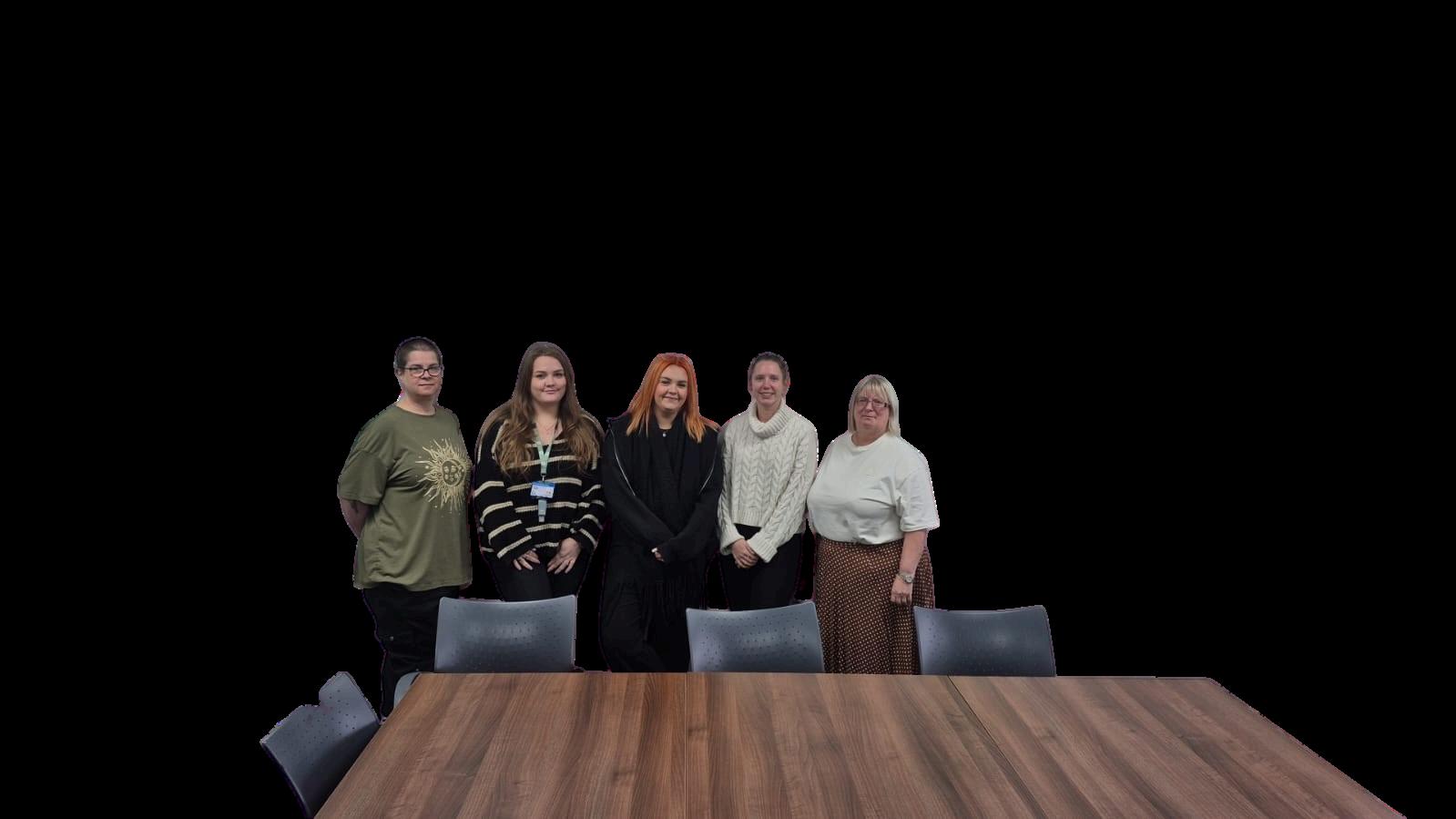
Each year the Trust runs a prize draw for everyone who completes their NHS Staff Survey.
In 2025 we decided to spread the joy a little further and increase the number of prizes from one to ten.
Now BFS, Corporate Services, and CBUs 1, 2, and 3 have two lucky winners each.
The 10 people selected randomly by survey provider Picker have each won a £100 shopping voucher as a token of appreciation for taking the time to complete the survey.
Congratulations to Soniya, the first of our lucky winners to collect her prize.
Soniya Panamthanath Kurian Staff Nurse, Short Stay Unit
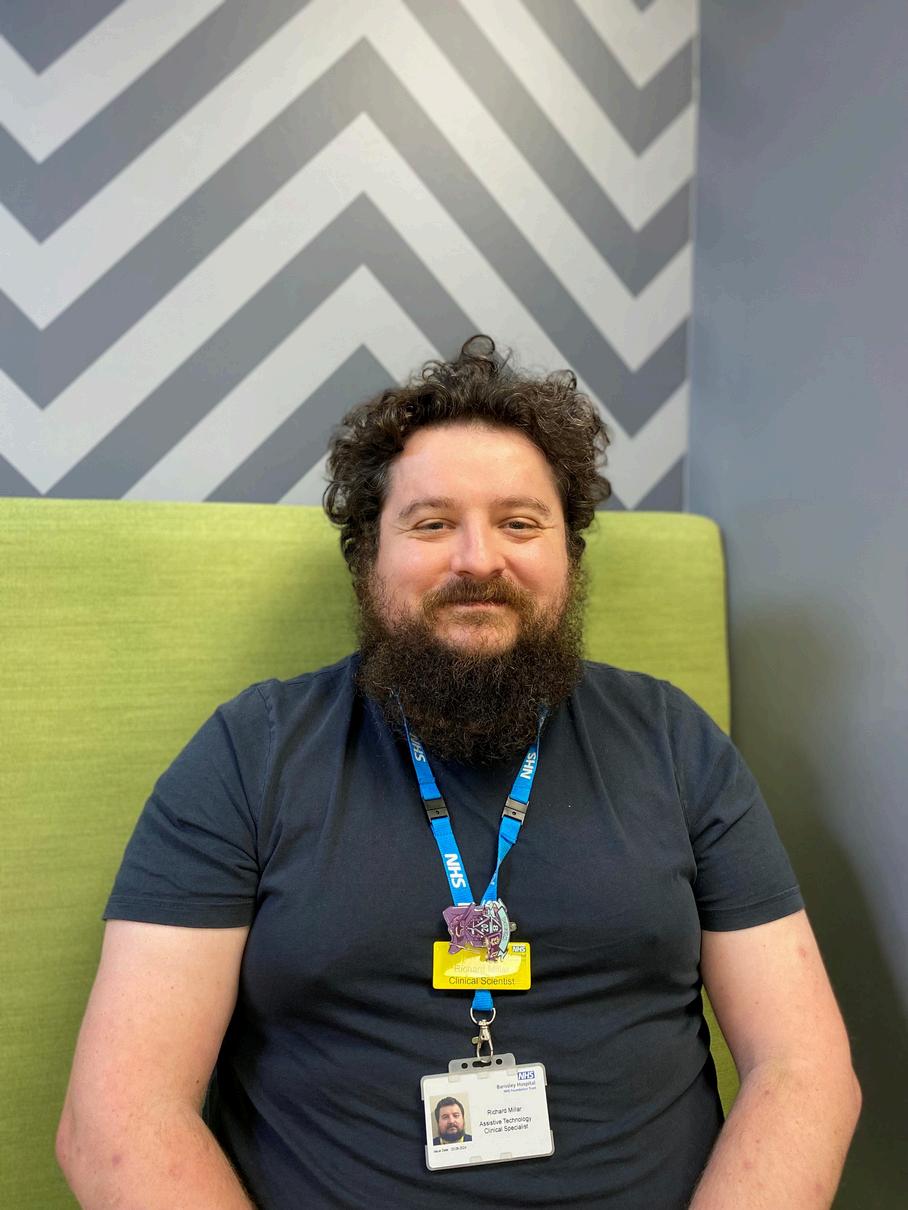
As part of Neurodiversity Week last week, we spoke with Richard Millar, Ability Staff Network member and Clinical Specialist in the Assistive Technology team, about his lived experience and how we can better support neurodiverse colleagues. Richard works across Yorkshire and the Humber, providing assessments and support to help people with disabilities or long‐term
health conditions use assistive technology or make simple adaptations that improves independence and quality of life. His work is varied, person‐centred and rewarding but his journey hasn’t always been straightforward.
In his late twenties, Richard shared with a lecturer that he suspected he might have dyslexia and explained the challenges he’d faced at school.
From that first conversation, the lecturer acted proactively, arranging an assessment, supporting him through diagnosis, and ensuring reasonable adjustments were in place. The diagnosis didn’t change who he was, but it gave him the language and confidence to advocate for what he needed. “Having a label helps get your voice heard, but it shouldn’t take that,” he says.
What made the biggest difference was openness and the understanding that followed. By talking honestly about his challenges, Richard found patience, practical adjustments and a supportive team around him. Dyslexia, he explains, is a “non‐visual disability,” meaning others may never know unless he shares it. “Why suffer when you don’t need to? There is support out there.”
Richard’s lived experience doesn’t just shape his own working style, it influences the way he supports others, and he’s keen to share what helps: Check in early: A quick message before a meeting can help someone prepare comfortably.
Build accessibility in from the start: Share directions, parking details or extra time where needed.
Talk to people: Openness helps create psychologically safe spaces where colleagues feel able to ask for what they need.
Join a community: Staff networks offer belonging, support and representation.
Find out more about our Staff Networks here

Behind the scenes of the Heart Awards filming, teams from across the Trust came together to share the stories that make the hospital proud. The camera captured genuine moments of dedication, teamwork, and compassion that define our staff every day. This special footage will be showcased at the Heart Awards event, giving everyone a glimpse into the incredible work happening across the hospital.