E D I T O R I A
C ol dae e r hs ip : P ewo r , P a r t en r hs ip dna P to tne i la
Is power good or bad? Is it right or wrong to have power? Is it better to be powerful or powerless? Is power a choice, or a divine birthright? Is being
healthy to be powerless? How universal is power?
Power is a tricky word as we all come to it with baggage We may hate it and love it Use it and abuse it We may recoil at its notion, relish in its glory, or seek to topple power with power Power is complex Shakespeare wrote, “Uneasy lies the head that wears the crown ” Power can derive from different places, as Gandhi observed:
“Power is of two kinds One is obtained by the fear of punishment and the other by acts of love Power based on love is a thousand times more effective and permanent than the one derived from fear of punishment ”
Power is also all pervasive as shown by postmodern studies, e g postcolonalism, poststructuralism, and deconstructionism As humans in society, power is present and we are inevitablity under its yoke - whether as one who wields or upon whom it is wielded There is no escaping power
If power is inevitable, how best do we consider the nature of power? How ought we define it? How does it feel?
WHETHER AS ONE WHO WIELDS OR UPON WHOM IT IS WIELDED THERE IS NO ESCAPING POWER
Consider where you will sit along the following spectrums:
Power is Good ------ Power is Bad.
What compels you to consider whether power, in and of itself, is good or bad? Is power imbued with morality ipso facto, or is it neutral? The force
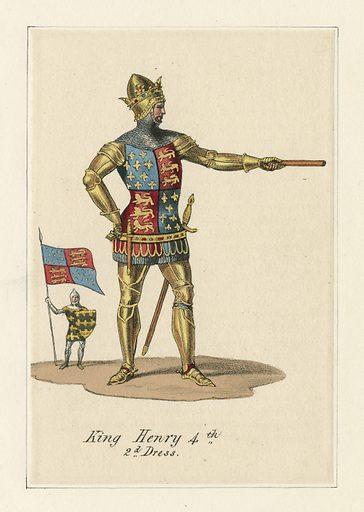
“Uneasy lies the head that wears the crown. ”
Henry IV, Act 3, Scene 1.
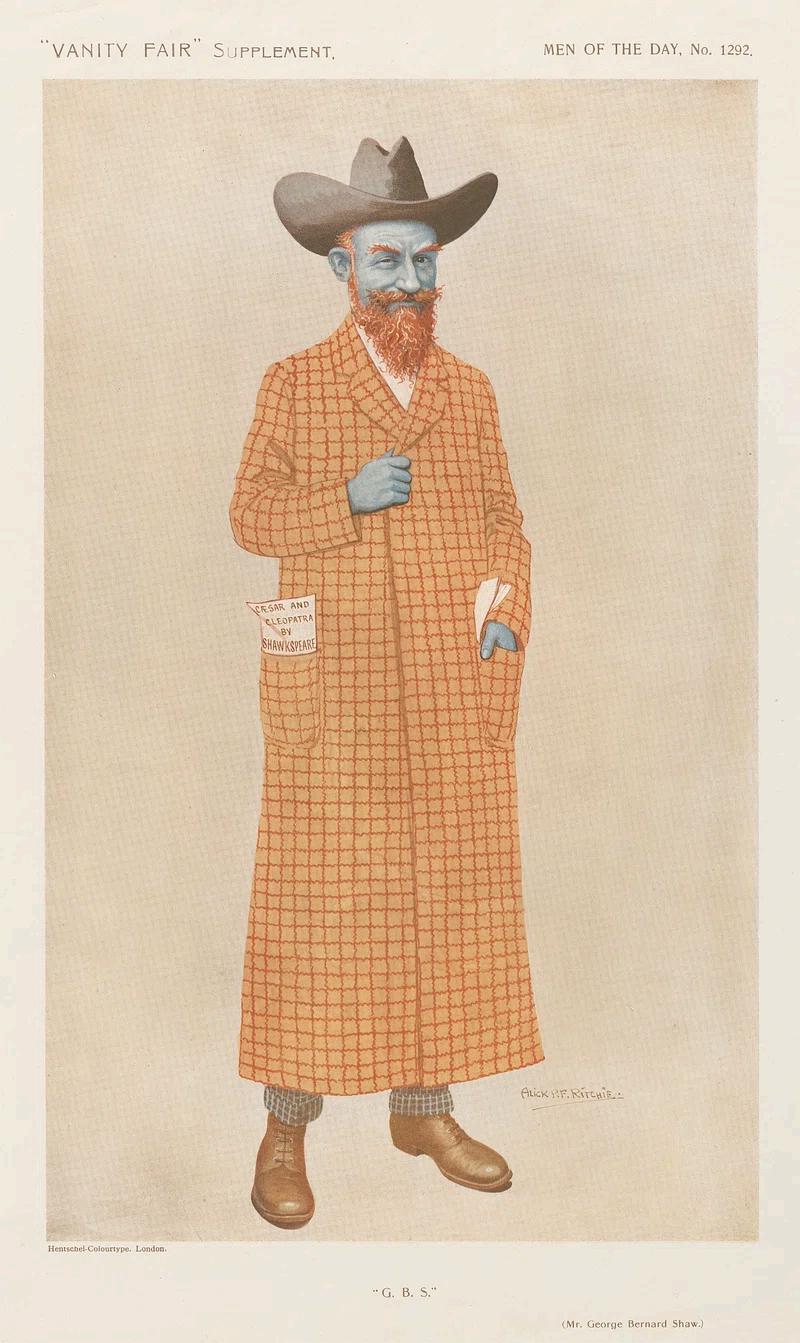
“You cannot have power for good without having power for evil too. Even mother's milk nourishes murderers as well as heroes.”
George Bernard Shaw
(power) produced by a steam engine can power both a train or an armoured vehicle That same train, could be powered by the steam engine along a track that careens towards a ‘trolley problem’ (see below) The armoured vehicle could be used for peacekeeping, and for its whole lifespan not participate in any military conflict or take a human life.
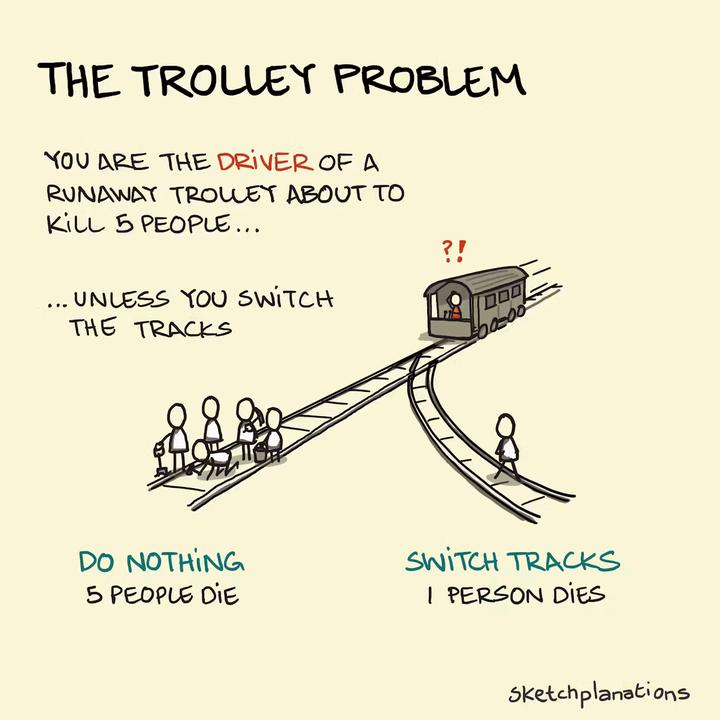
https://imagesprismicio/sketchplanations/aIOb9VGsbswqTQjY SP935-TheTrolleyProblempng?auto=formatcompress&w=1200
Who is responsible for the morality of these situations – steam engine, the water within, the fire, the steam produced? Inanimate objects are incapable of morality Is it the driver, the person on the tracks, the person who pulls the lever, or the B Arts philosophy major who made up these hypothetical ethical conundrums to begin with?
What type of power might be considered good or evil? Is it a matter of cause and effect? How much
does intentionality factor in and how does intentionality relate with responsibility? Is it the
HOW DO I KNOW WHEN TO ACT, AND HOW DO I KNOW WHETHER MY ACTIONS WILL LEAD TO GOOD? DOES COULD = OUGHT?
outcome of power that determines its morality, or its intention, or the situation? A parent may choose to raise (wield their power) a child with the intention of love but unknowingly be overbearing and suffocating Another may offer their child to an orphanage (an act of abdicating power), where the child experiences heartbreak, trauma, and loss Yet, that infant may be adopted (an act of power) and experience love, healing, and acceptance when received into a loving community At which point do we determine cause and effect, the intentionality, responsiility, impact, and morality of the use of power in each situation?
The ethics of power is complex The philosopher Edmund Burke (1729-1797) famously wrote: “The only thing necessary for the triumph of evil is for good men to do nothing ” When one has the power to act in the face of evil, but neglects to do so, evil triumphs Alternatively, in the very same period John Wesley wrote, “Hell is paved with good intentions ” Actions empowered by good desires can still lead to adverse results How do I know when to act, and how do I know whether my actions will lead to good? Does could = ought?
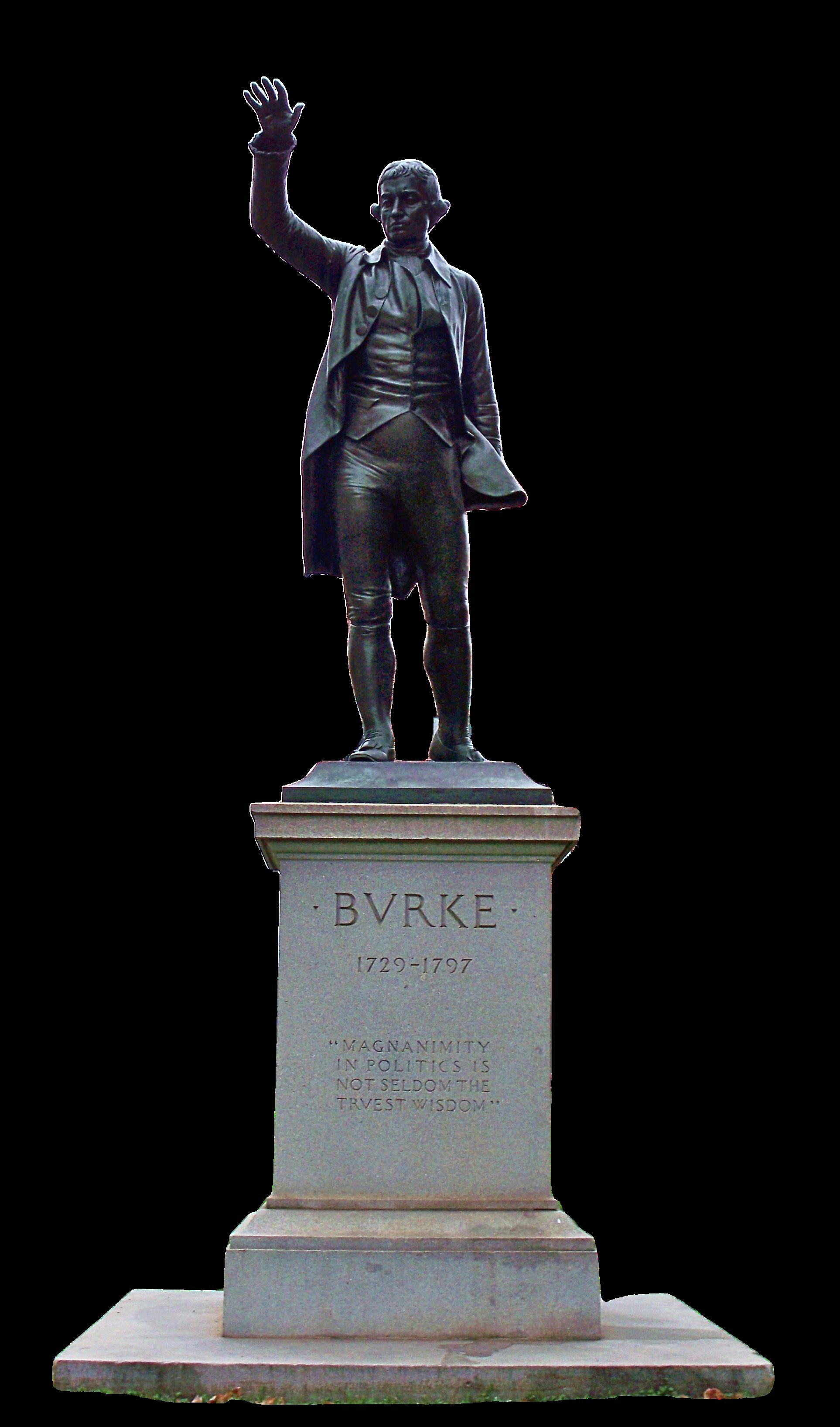
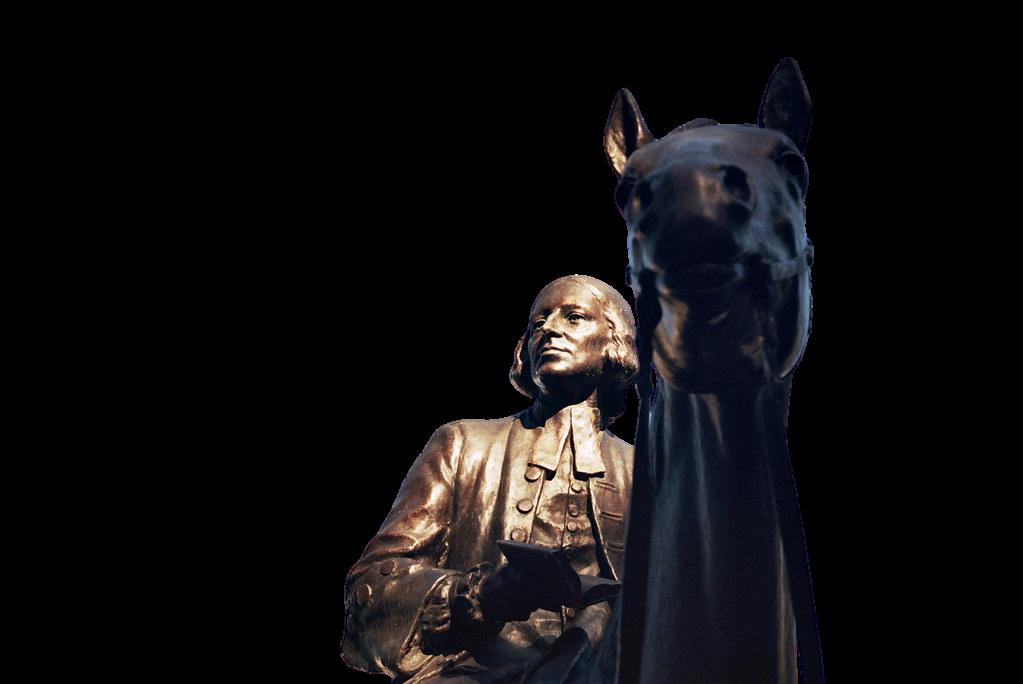

Consider the following statements:
“Everyoneshouldbeabletodowhat
they please (unless it harms another).”
“It is better to do what is good for everyone, even if that’s not what I want.”
Should power be considered more individualistically (statement 1) or collectively (statement 2)? Thomas Jefferson (1743-1826) imprinted onto the American constitution and subsequently the psyche of the west:
“We hold these truths to be self-evident, that all men are created equal, that they are endowed by their Creator with certain unalienable Rights, that among these are Life, Liberty and pursuit of Happiness ”
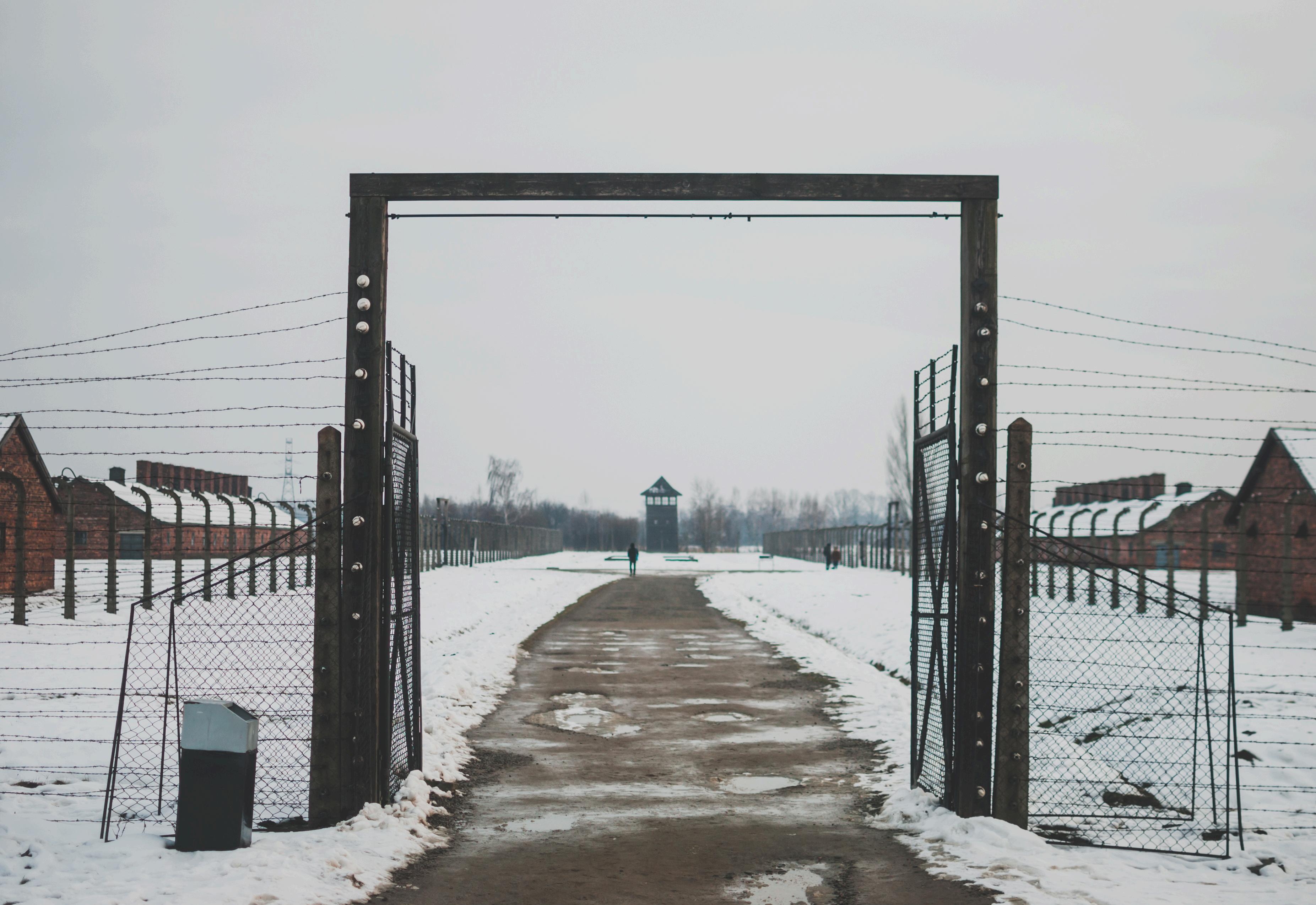
As part of the fabric of the wider west, expressive individualism seeks to empower each person to choose that which is considered their flourishing Yet, alongside expressive individualism lies humanity’s strong sense of corporate, communial identity - we exist not only for ourselves, but for the other From urban design for healthy neighbourhoods, cultivating global citizenship and climate awareness, seeking the welfare of marginalised groups, humanity’s position as social collective creatures remain In response to the Holocaust, where one group ’ s idea of life, liberty, and happiness resulted in the death of millions, Abrahm Joshua Heschel (1907-1972) reflected:
“Morally speaking, there is no limit to the concern one must feel for the suffering of human beings, that indifference to evil is worse than evil itself, that in a free society, some are guilty, but all are responsible ”
The individual and the corporate cannot be so easily untangled Self-actualising, social responsibilities, relational dynamics, and context all frame our access to power
WE EXIST NOT ONLY FOR OURSELVES, BUT FOR THE OTHER.
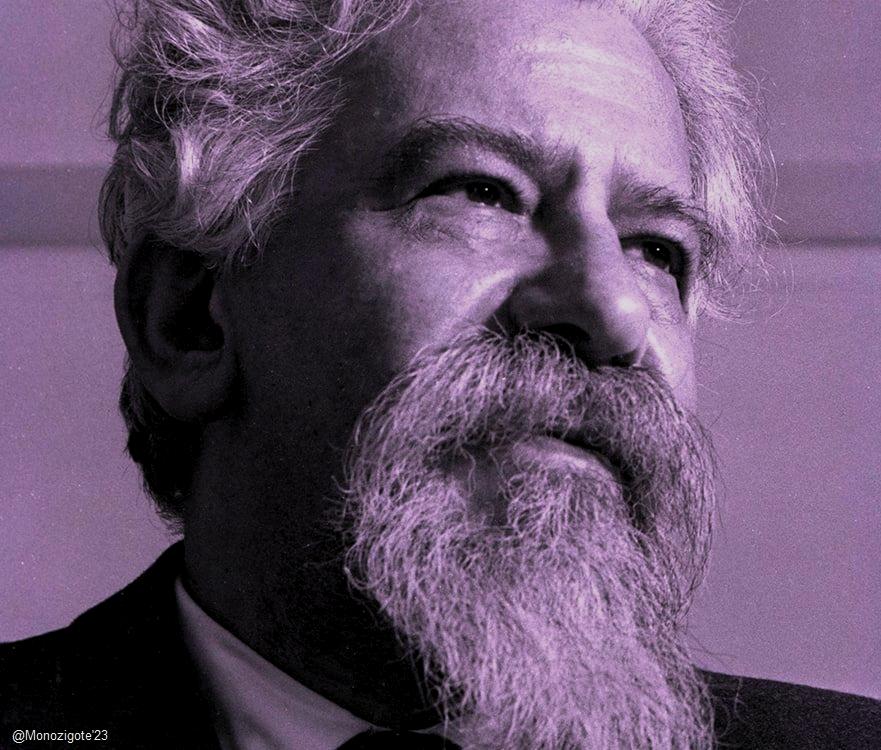
“Morally speaking, there is no limit to the concern one must feel for the suffering of human beings, that indifference to evil is worse than evil itself, that in a free society, some are guilty, but all are responsible.”
Rabbi Abraham Heschel
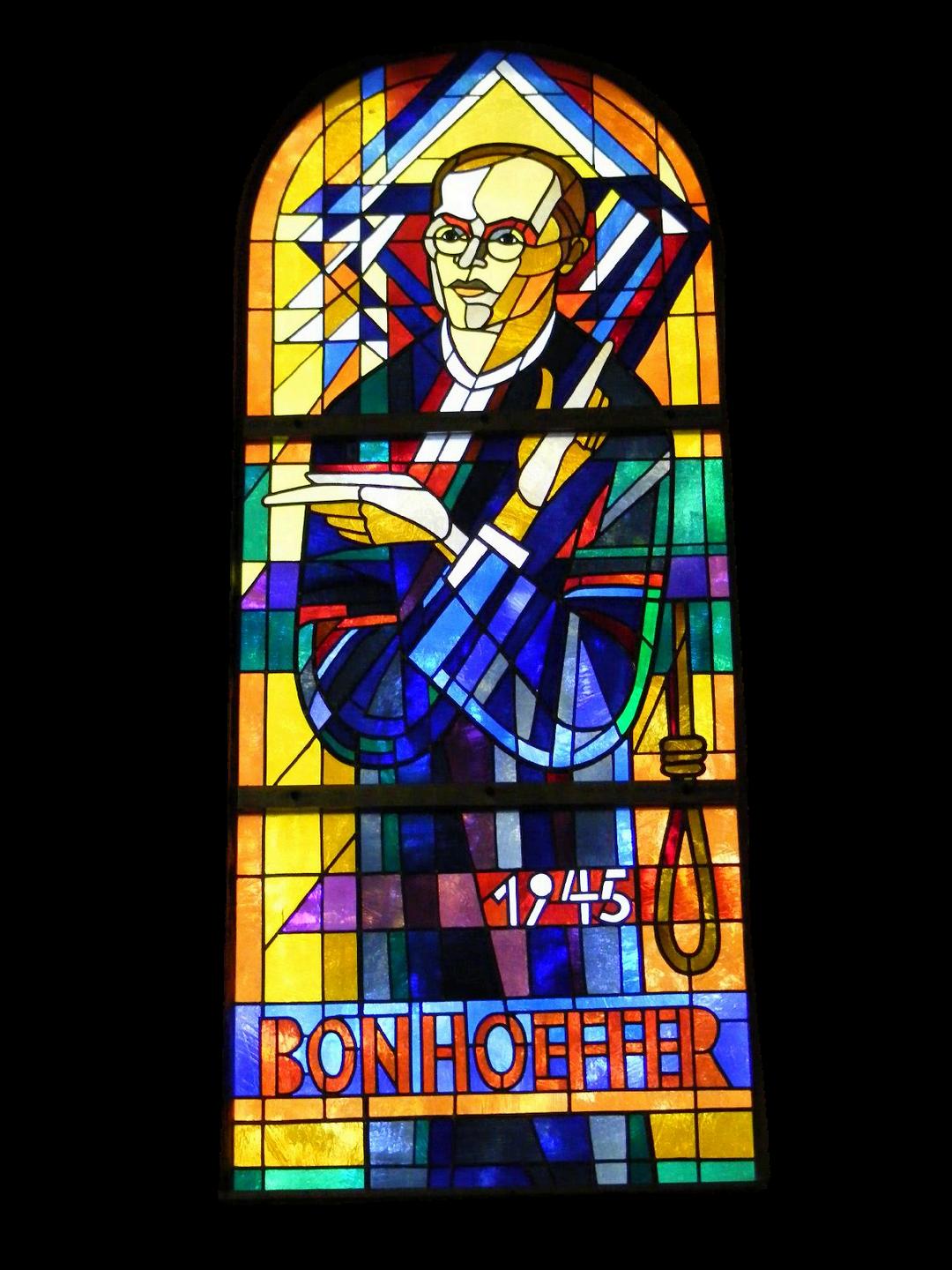
“‘Speak out for those who have no voice’ (Prov 31:8) - who in the church today remember s that this is the least scriptur e demands from us in times such as these?”
Dietrich Bonhoeffer
My grandmother grew up in pre-WW2 China, lost her parents and fled at the age of 4 to Guang Zhou because of the invading Japanese forces She didn’t have the opportunity to have schooling, but looked after her siblings and took a job as a nanny at the age of twelve During the second world war, she was flown down to Hong Kong with the family she worked for, quit her job at seventeen, met my grandfather at aged twenty, and spent most of her working years, eighteen to fifty-five, as a hawker (a person who peddled goods on the streetside)
My father existed in a very different landscape He was born in Hong Kong post-WW2, went through primary and secondary school Whilst in High school he wanted to become an aircraft mechanic, so decided to go through night-school He was apprenticed at Kowloon Airport, then worked nearly twenty years in the industry At the Hong Kong handover (1997) he made the decision to immigrate with his wife and son (me) in his late thirties to Sydney, Australia As a new immigrant he started a new career, originally in warehouse packaging.
In the above examples, contexts, commitments, culture, and individual choice shaped the choices made and vice-versa The level of autonomy (power of independent decision making) is inextricably bound to their situated environments and social communities; collective good and individual good are interwoven, and choices made by one person (individual power) impact many others. As humans, embodied in time and space, we are limited and our access to power, good or ill, are equally so How, then, does limitedness impact power?
The final two statements for you to contemplate are:
“IfIaminanunfortunately/unwanted
situation,Icanworkmywayoutofit.”
“Unfortunate/unwantedsituationsareoutside ofmycontrol.”
How accessible is power? Is it universally accessible or limited to a few? Is our experience of power something that we have actively wielded, or have we lived under its yoke?
AS HUMANS, EMBODIED IN TIME AND SPACE, WE ARE LIMITED AND OUR ACCESS TO POWER, GOOD OR ILL, ARE EQUALLY SO
Several years ago, the European Disability Forum produced a provocative video advertisement on disability awareness which depicted a world where disability and impairment were normal Scenes showed a person walking down a pathway whilst every other passerby were wheelchair users, pedestrian crossings had red and green lit figurines of people in wheelchairs At a bank, a speaking patron is struggling to communicate to the teller with sign language, at a library where all books are in braille a sighted person struggles to read The ad challenges our perception of our social fabric and flips the structures that normally exist in our communities that may unknowingly dis-empower.
Does the bookstore you visit stock braille books? Does the train station you use have an elevator? Who, in our community, has less access to obtain social, physiological, relational, or basic needs? How has power, or lack thereof, diminished their accessibility? Who is responsible for empowering people who have unequal access? Most importantly , who, as Bonhoffer would ask, will speak for those who may not be able to ‘speak’ for themselves?
Even as I write and finalise this publication, I am challenged that it is only available through a visual, text format Though text-to-speech technology and online-browser readers are now easily accessible, are there continued ways Vera Cogitate could allow access to residents and other readers?






What is power? I have sought to tease out three thicker descriptions of power above that we may have experienced The three
forms could be summarised as:
Poweras agency: the capacity to act for a particular effect Power as agency defines the way in which people can actively choose or refuse and enact on or refrain from intentions and desires Agency is tied to our sense of ethics, a movement towards what each of us consider as good
Powerasresponsibility: the opportunity and obligation to act and the accountability for the action. Power as responsibility defines the social shape of choices and its impact towards others
Powerasaccess: the opportunity and capacity to use/obtain something Power as access conceives power ’ s potential (or lackthereof) to actualise the good in each person and community
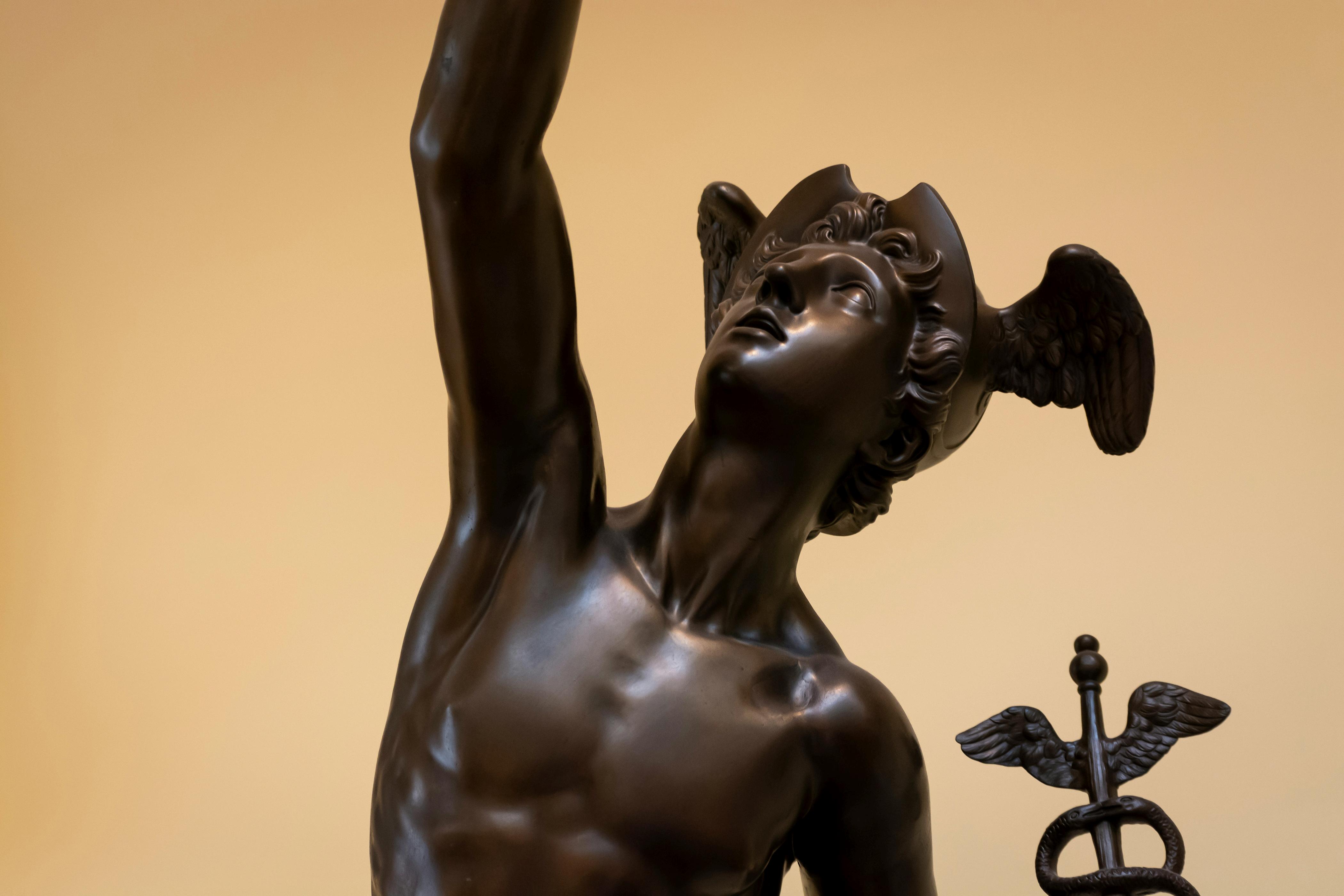
The pieces within this publication, compiled from RMC’s 2025 Semester two Research Symposium, will further consider power in its multiple dimensions and see the impact in agency, responsibility, and access Moa Kim writes on the responsibility of translators in subtilting films and its impact on foreign viewers’ accessibility to the original work Joseph Hazell considers the agency of medical professionals in using AI in medical research and the responsibility of caring for others. Tom Geddes and John Zhou provide poetic reflections on the intricacies of use and misuse of power, and how as humans we can do good with power
I hope this work will guide your consideration of good in power
Peace and goodwill in this Christmas season
Sam Wan
B Ed (Primary) USYD, MDiv AUT
Dean
of Academics | Editor – Vera Cogitate
Macquarie
Park, December 2025


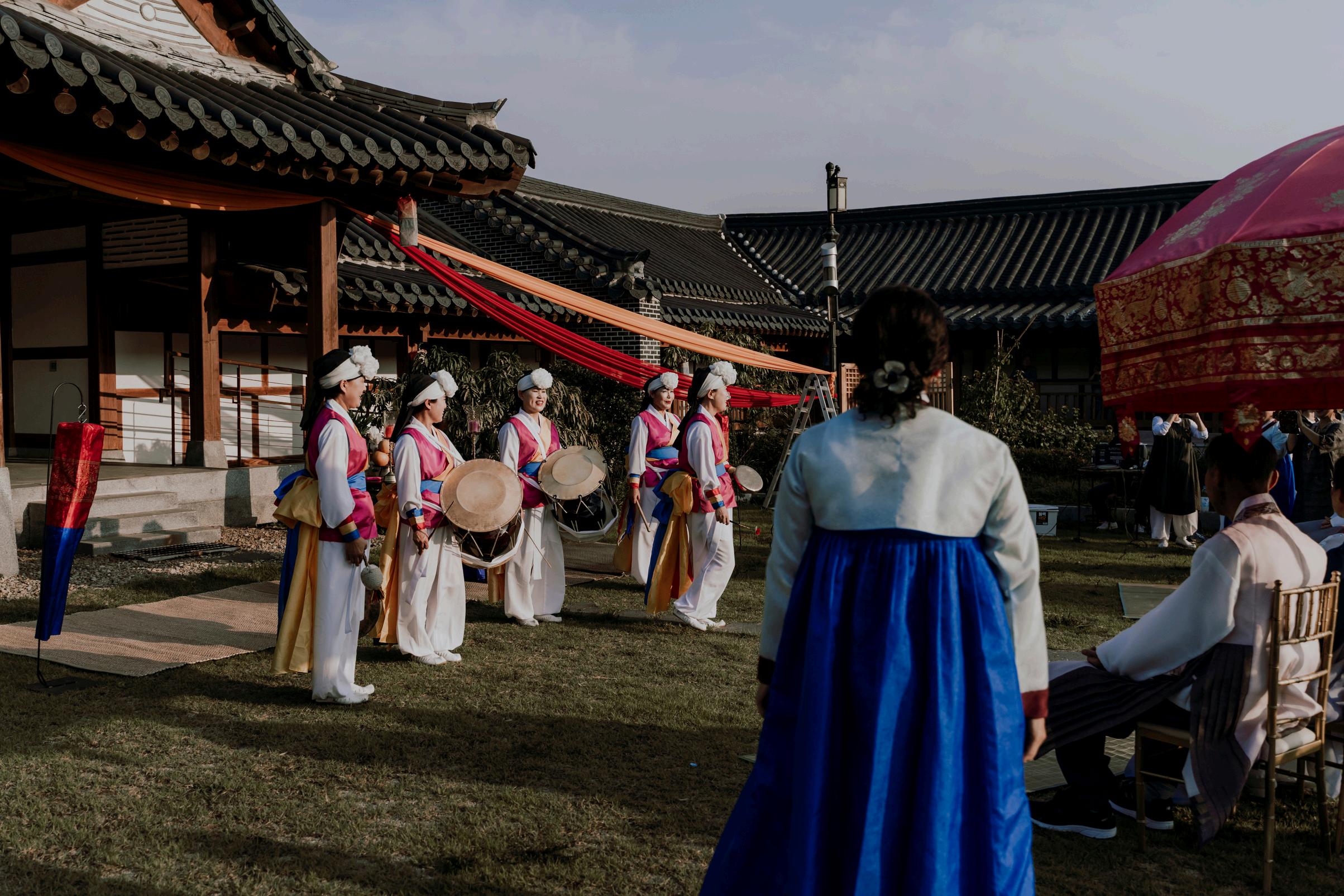
녕하세요, Bonjour, Hola, Hallo, Ciao, नमस्त (Namaste), おはよう (Ohayō), 你好 (Nı hao), 你好 (Neih hou).
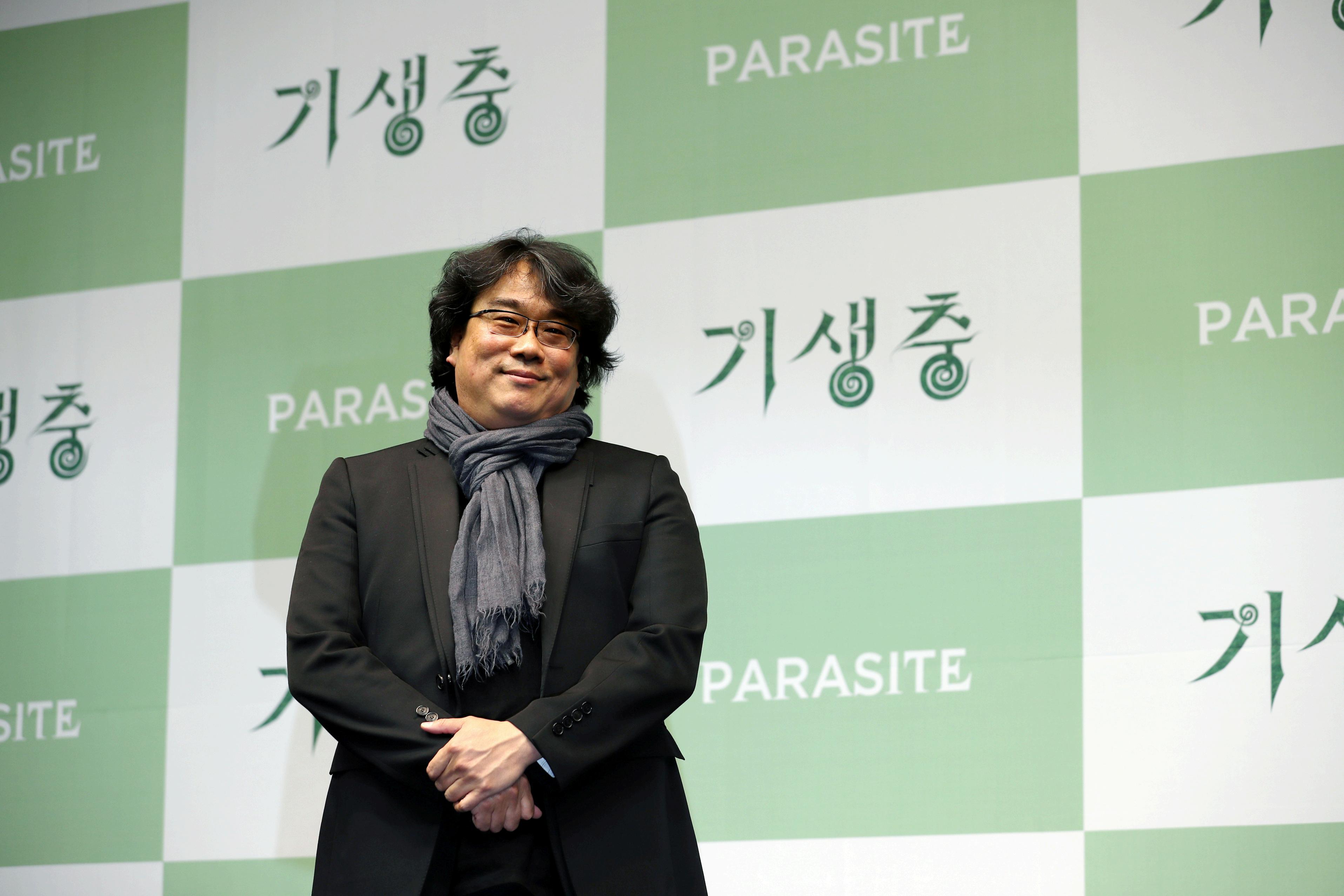
Do you know this black comedy movie, 『Parasite』? This was awarded from Oscar wins and various film festivals, including the Australian Academy of Cinema and TV Arts Award around 2020 It was a very big sensation as the first EastAsian movie to have ever received the most awards in history Especially, I was so impressed by Director Bong Joon-ho’s acceptance speech in the Golden Globe awards ceremony, and I could get some good insight there relating to my topic, and would like to share it below
“ONCE YOU OVERCOME THE ONE-INCH-TALL BARRIER OF SUBTITLES, YOU WILL BE INTRODUCED TO SO MANY MORE AMAZING FILMS.”
We will consider the barriers mentioned above Let’s think together about those 2 Questions
Example #1

InaKoreanMovie,Moa (Female)hasanoldermale cousin,Sam,.Shewantshim towearbluejeans (Cheongbazi),callingout: “Oppa!”
In Korean culture, it is more approriate for Moa to call Sam /oppa/ (오빠) as he is an older, male family member In another culture, for example Australian, it might be appropriate for Moa to address Sam as “Sam ”
As a translator, how should "오빠“ be transated in EN subtitles? Should it be the anglicised version oppa (fig 1)? Or should it be translated as Sam (fig 2)?

As the big barrier that translators and viewers face when watching the subtitled movies, I would like to point out two kinds of barriers, and the first one is that of Cultural Difference Let’s think aloud in address terms translation situations If you were a subtitler and this movie were exported to Australia, you would have to do research first about how different the Korean culture, that is, the Source culture in terms of translation, is from Australian (English users’) cultures, that is, the Target culture, like the contents of the above image Just imagine that in a Korean movie, a female girl has an older
male cousin called Sam, she wants him to wear blue jeans (Cheongbazi in Korean pronunciation), calling him “Oppa!” In addition, please guess that maybe “Sam” has an Australian citizenship and visited Korea for his business trip As such, someone could notice quickly the difference between two cultures, 오빠 /Oppa/ indicates kinship terms, and family/intimate relationships, plus a bit of respect for the elder male person In this case, how do you want “오빠 /Oppa/” to be translated in English subtitles? Oppa? Or Sam? And why?
InaKoreanMovie,Sam,a famousmoviestaris greetedbyhundredsof femalefansshoutingout: “OPPA!”
This second example presents a second barrier to translating and subtitling In the first example, 오빠 is used within a private context between relatives In this second context, 오빠 is used in a public setting between a star and his fans Unlike context one, where there is an age differential between the female and male, in this context there are female fans who are older than Sam There is no kinship relationship between Sam and his audience, but there is a para-relationship between him and those calling him oppa As a translator, how should "오빠 /Oppa/" be translated?
In fact, the answer is that it depends on the translator’s choice and judgment, which means it’s optional, considering viewers’ responses, market demand, and various elements Venuti theorised two strategies of translation
Of the two strategies, Venuti himself supported the second He argued that foreignisation, though awkward and unnatural can make minor cultures more powerful and cultural diversity enhanced
As if the translator is invisible
The reader/viewer (EN user) doesn’t need to move towards the translated texts/films/literature
Creates Domestication/Localisation
As if the translator is visible
The reader/viewer (EN user) needs to move towards the translated texts/films/literature
Creates Foreinisation/strangeness
Atranslator (subtitler) could work with the above two different strategies, as between domestication and foreignization according
to his/her own judgments on various cultures and contexts First, domestication strategies are used because it’s very comfortable and easy to make target viewers understand easily the translated texts, when technically, to say, the viewer’s (English speakers’) power is bigger than the translator’s under the major culture’s markets like Netflix, Hollywood movie industry, etc Secondly, if foreignization strategies are used, the target viewers would feel uncomfortable and find it difficult to understand the translated contents, requiring some effort, such as doing research or searching the dictionary for the meanings of unfamiliar and foreign vocabulary Also, the translator’s visible power is bigger than the viewer’s (English speakers’) while keeping the source text’s originality, and its uniqueness safe I would like to throw away the additional question as follows What do you prefer as good subtitles between Oppa and Sam, or others, in particular, in Korean films, including not-mainstream cultures all around the world?
For this question, the scholar of cultural translation, Venuti, argues that foreignization can make minor cultures more powerful and cultural diversity enhanced according to his renowned book 『Invisibility』
Fortunately, nowadays the subtitling trends have changed As the K-culture’s popularity has soared, the American-funded movie but
directed by Korean-Canadian crews, 『K-pop demon hunters』 got 0 3 billion views, now gaining Top status in the Netflix popularity lists Through the pre-production process with a famous native Korean translator, they created and have shown what foreign power is throughout these films featured in various Korean cultural elements like food, songs, fashion, places, and characters’ names, as well as unique foreign expressions such as native Korean words used as they are in the English scripts/subtitles Anyway, if possible, I would like to recommend that you have the opportunity to enjoy the foreign power in this movie
To wrap up, I would like to say all unique cultures and languages deserve to be kept foreign, which means showing their originality as they have had, specifically in English subtitles I hope the uniqueness of every non-major and major cultural films and dramas will be boosted by the translators’ visibility and their foreignization approaches I was greatly honored to give a presentation on my visible arguments, and I appreciate RMC again and thank you all who read this written version


Power, a fickle thing
Taken out, passed around
More than sickness before spring
A watt of power
A drop of synergy
Ever quickly flows through the cables of connection
Constraining our empathy
We want what we lack
Look down with unease
Never sure of who’s better
The mouse or the cheese
We cry “why fight?”
For a role no one wants
Yet clamber up high
At the first chance that knocks
Equity, advised often
Labeled deluded
Yet mourn what we ’ ve lost
Once everyones feuded
Time and again
A shift or a slide
Trapped by perspective
A price or a prize

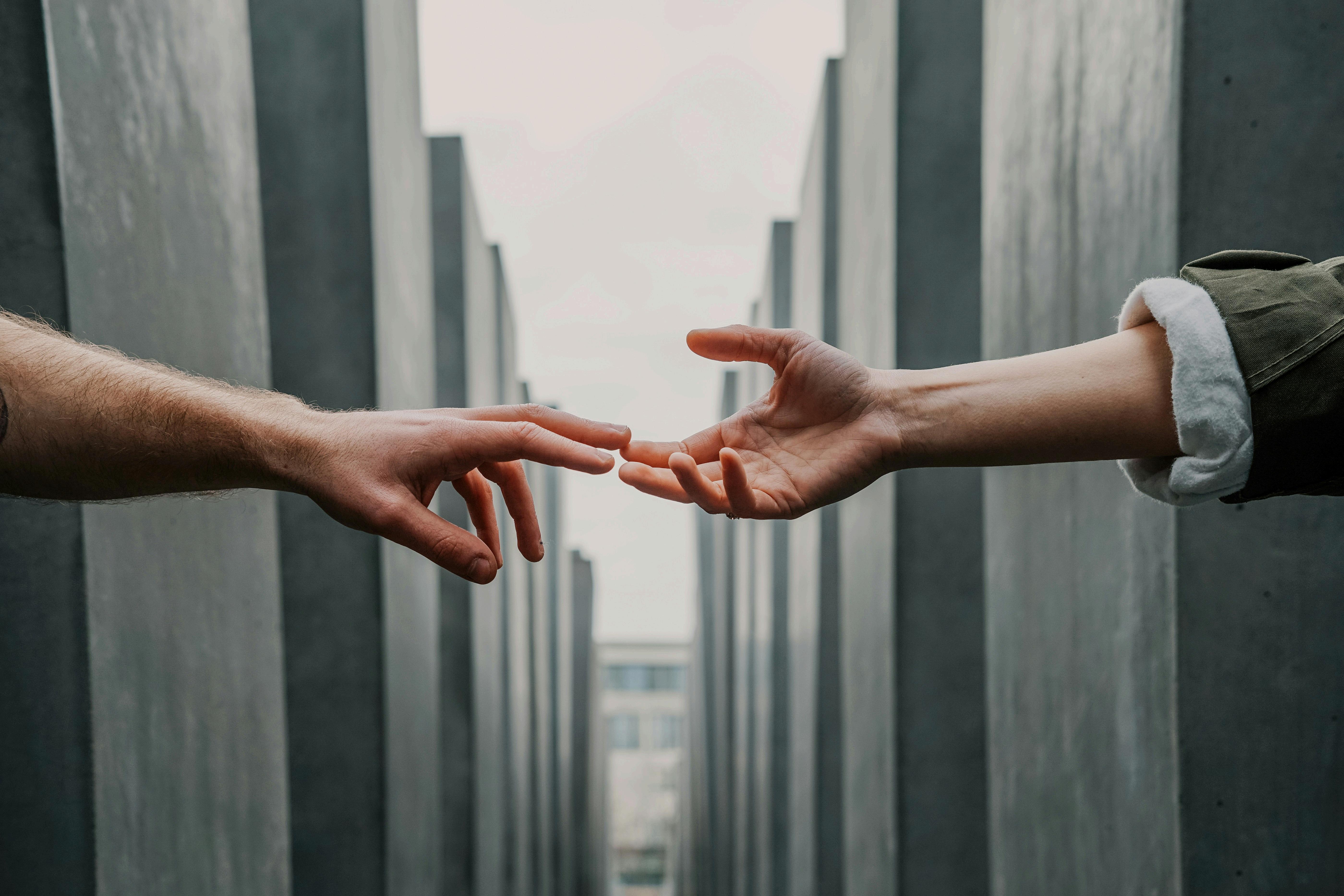
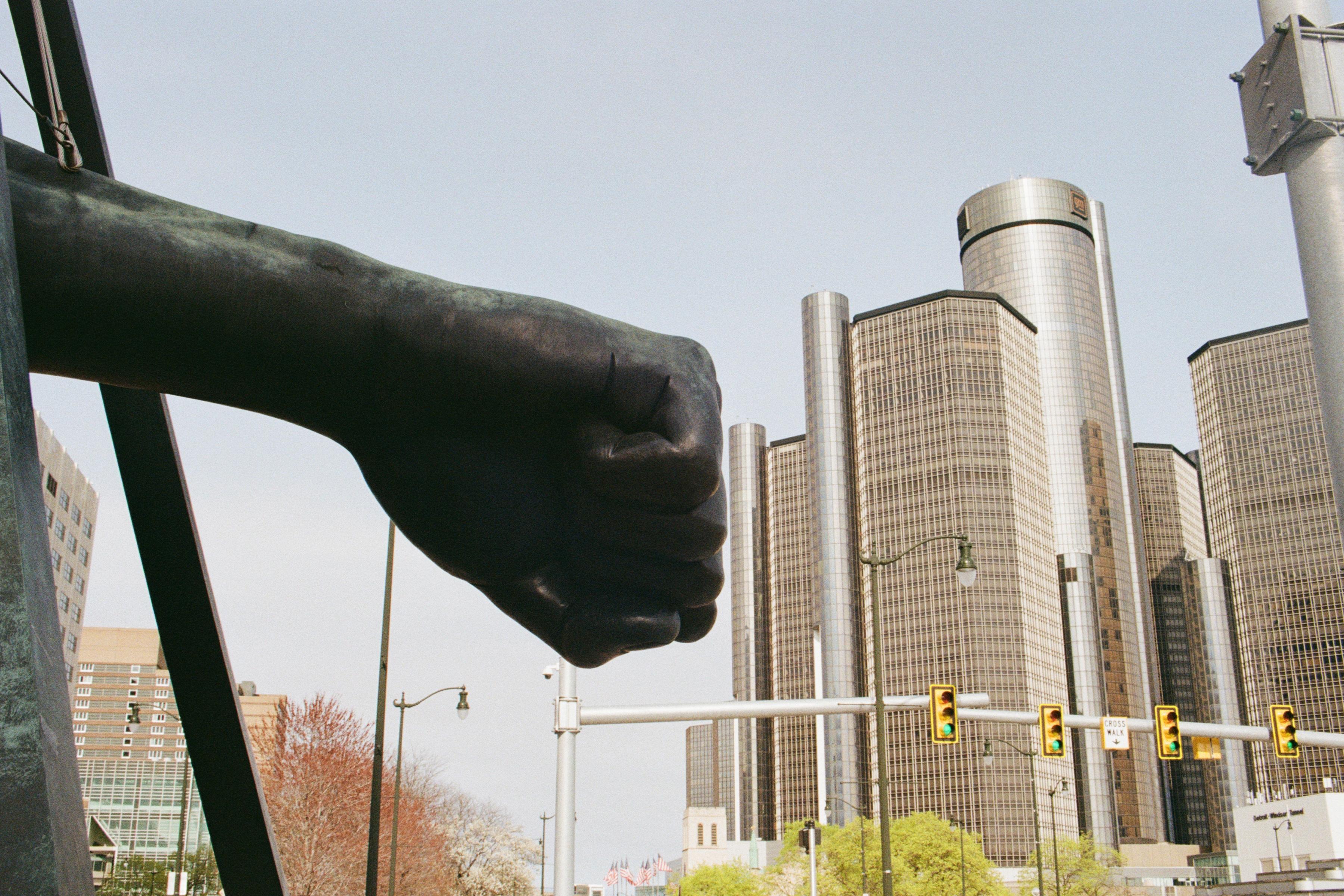
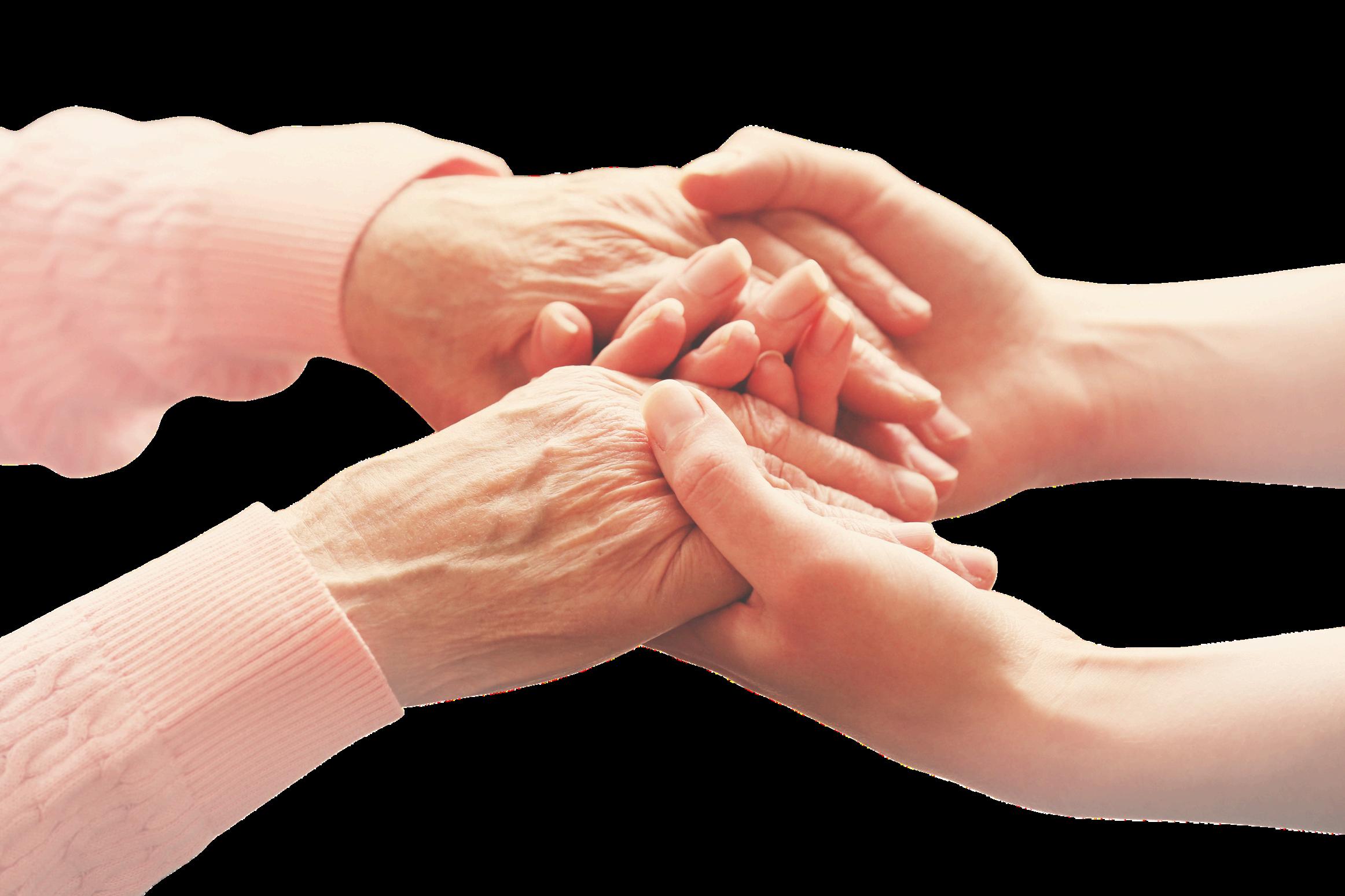
Power alone is a clenched fist it isolates, commands, consumes But when two hands meet, fingers interwoven, power becomes partnership, a strength both gentle and unbreakable
Two are better than one, says the ancient wisdom, for when one falls, the other lifts him up; when one grows weary, the other gives rest
Co-leadership is a river, not one current but many, merging and carrying, carving valleys, nourishing roots, creating life along its banks
It is a light, not a single flame, but sparks shared, multiplied, until the whole room glows
True leadership is not control it is humility unlocking strength, service redefining authority, a journey walked together
Power, shared hand in hand, is no longer a weapon, but a gift a testimony of grace, and a promise of life
John Zhou
MEDICAL SHORT: AI SAFETY IN HEALTHCARE - A GLIMPSE OF REALWORLD ISSUES REPORTED FROM THE FRONTLINES
th
Joseph Hazell
Currently 4 year MD MQ, BBioSci (Hons) Monash, GCertHlthProm Flinders
Artificial intelligence is no longer just a futuristic idea in healthcare It is already here From scanning chest X-rays for early
signs of cancer to monitoring a patient’s heart rhythm for life-threatening arrhythmias, machine learning is quietly shaping how doctors diagnose and treat patients But as these smart devices become part of everyday care, an important question emerges Are they always safe to use in the real world?
For my MD research project, I analysed reports involving machine-learning enabled medical devices submitted to the U S Food and Drug Administration’s MedSun database MedSun is a reporting system where frontline healthcare workers such as doctors, nurses and technicians share safety incidents they encounter with medical devices
AS THESE SMART DEVICES BECOME PART OF EVERYDAY CARE, AN IMPORTANT QUESTION EMERGES ARE THEY ALWAYS SAFE TO USE IN THE REAL WORLD?
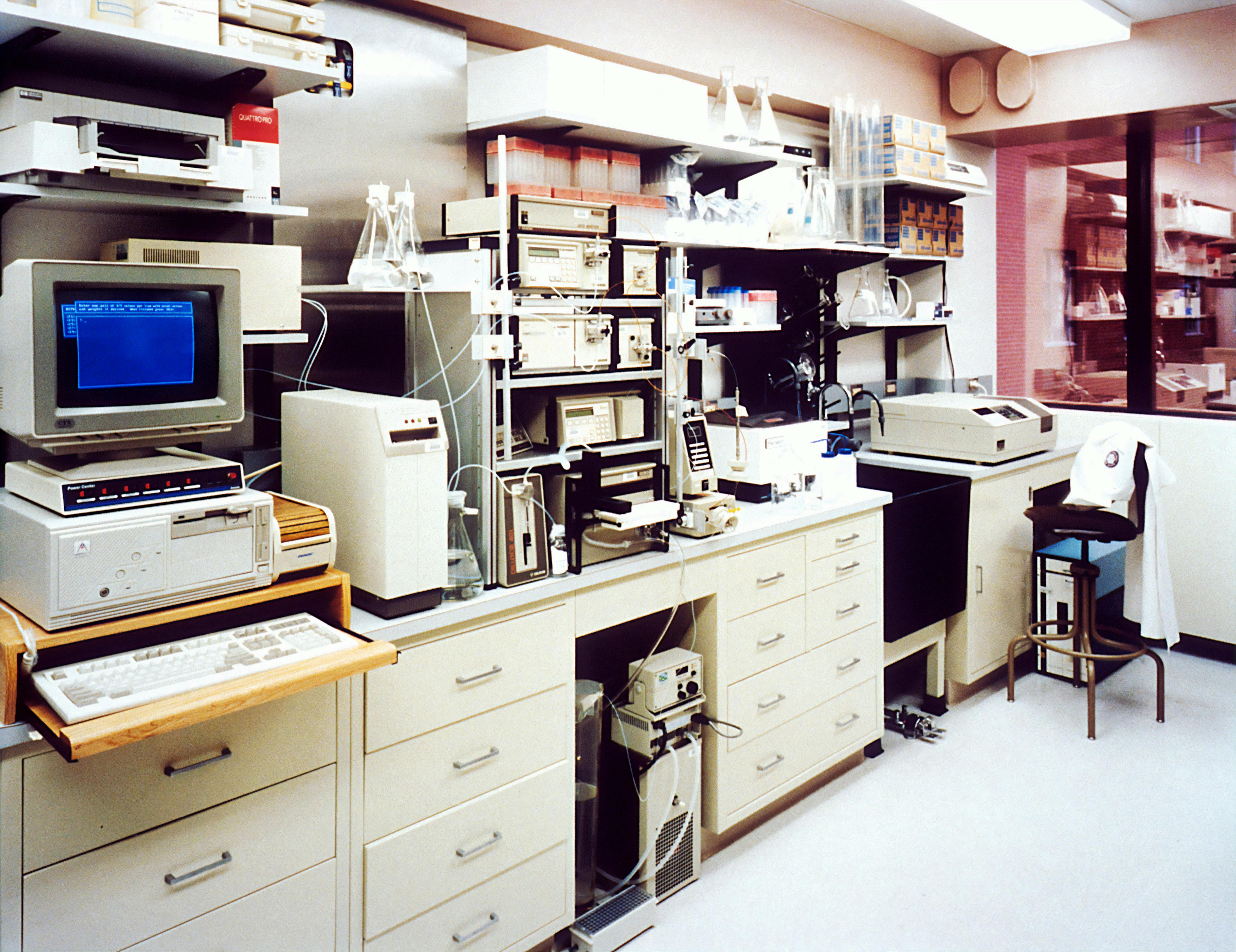
We found 45 safety events involving 19 different devices including CT and MRI scanners, ultrasound machines, ECG monitors, mammography systems and patient monitors
The findings were eye opening Ninety-three (93%) percent of reported issues were due to the devices themselves Scanners froze mid-scan, monitors failed to display oxygen levels, and these glitches often led to delays, repeat scans or additional radiation exposure for patients In comparison, only seven (7%) percent of issues were caused by human error such as selecting the wrong settings
Algorithmic errors, often the focus of AI safety debates, were present, but far less common One example involved a cardiac monitor that misclassified a dangerous arrhythmia as harmless, leading to a missed alert Yet most problems came not from the ML-algorithm of the devices but rather from hardware reliability, data quality and how the devices fit into real-world clinical workflows
We also identified 12 new AI-enabled devices that had not appeared in previous research, showing how rapidly this technology is entering hospitals
Our study shows that keeping patients safe in the age of AI is not just about improving algorithms It is about ensuring the hardware is dependable, the software integrates smoothly into hospital systems and the interfaces are intuitive for busy clinicians As these technologies continue to roll out, it will be essential to keep listening to the experiences of the people using them on the front lines
“UNEASY LIES THE HEAD THAT WEARS THE CROWN.”
HENRY IV, ACT 3, SCENE 1.