The Voice
netball | the anzac story| ice cream memories| our humour| aussie slang| may the fourth|


netball | the anzac story| ice cream memories| our humour| aussie slang| may the fourth|
In assembly we would stand and sing the only verse of the national anthem we knew. We have more ‘mates’ than non-mates. We love our beaches, our hot sun and throwing our shrimp on the barbie. That’s why we’ve named this issue ‘Fair Dinkum’.
This issue is about vegemite before American companies realised how great it was, the angry kookaburras who once stole my sandwich at uni, the bindis in the grass that we hated as children when we ran through the sprinkler on a scorching summer’s day. To the kangaroos who have hit our cars, all the hot chips we have consumed at the beach and finally to the all the meat pies in the world.
We are not entirely sure what Australia is about, if we could sum it up in a sentence it would be mates, pies and goon. But even that isn’t good enough. Let’s just say it’s bloody difficult. Jack + Ivana
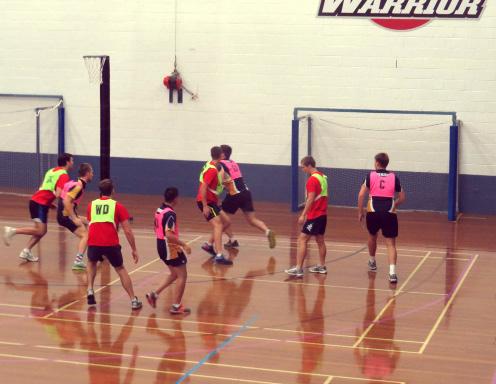
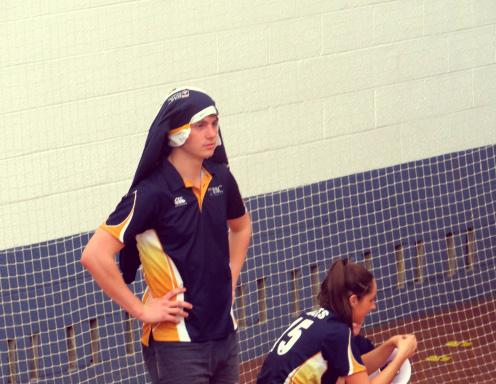
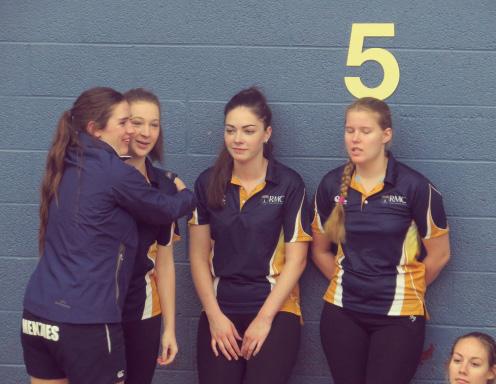
With the rising of the sun on Sunday the 26th of April, Menzies once again felt the call of the intercollegiate sports competition. This time, the arena would be netball.
Not even netballs stuck in the net, David Cant on a megaphone (never again) or the lack of a sports coordinator cou... oh wait. The sports coordinator was there, a rare sighting, just like an eclipse. He probably sensed that metaphor was coming, because, like an eclipse, he was only there for a few minutes.
The boys were victorious in both their games against DLC and MUV, a fate unfortunately not shared with the girls, who lost to DLC (while still putting in a fierce effort).
For now we wait for the next opportunity to defeat DLC (and MUV if they show up), which is at inter college Football/Soccer which will be on Sunday the 17th of May. Sign up sheets will be up around college soon.
Ruby: For A-Class shooting skills
Jim: For keeping his cool
Anna: For a well played game
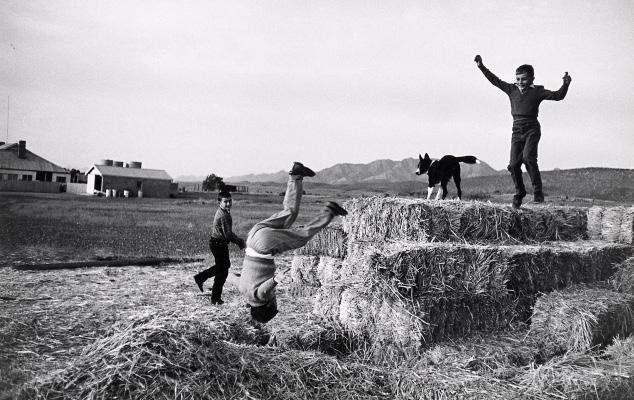
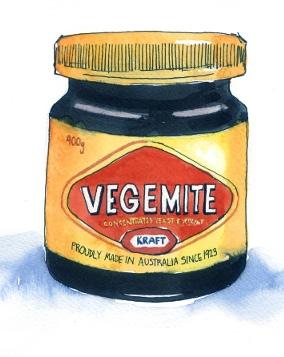
All the other kids had sandwiches filled with what looked like a black jam. It was too dark to be boysenberry and possibly more of a paste than a jam. They all seemed delighted; gleaming with joy as they ate and talked and not one person bothered another about the mess on their chins. I wanted that jam. My mother who spoke no english made her way to the shops, asking ladies for black jam. After much confusion she found something called ‘vegemite’.
I remember that lunchtime; I was so happy I ran outside to eat. I sat with a crowd under the eucalyptus trees. As I took my sandwich out of the lunchbox I grinned to ensure everyone around me could clearly see. The sandwich was one third bread and two thirds of beautifully spread black. I took a massive bite of my long awaited sandwich and frowned. I will never eat vegemite again.
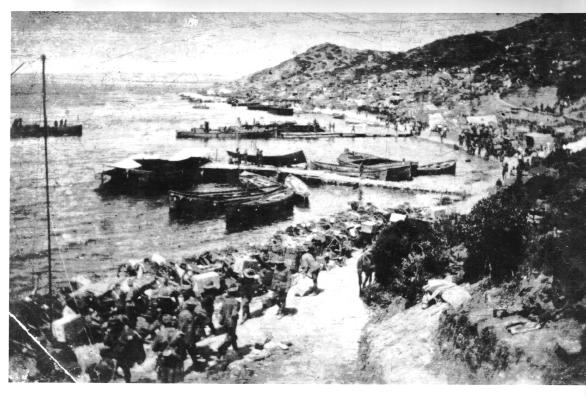
Australia had only been a federated nation for 13 years when war broke out in 1914. In an effort to assert themselves on the world stage, the Australian Government decided to answer the call to war. Britain had declared war in August of 1914 and Australia was pitted on the side of the Commonwealth. In 1915, an expedition was launched to capture the Gallipoli peninsula in an effort to open up the adjoining Dardanelles to the allied arms. After this, the goal was to capture Istanbul (then known as Constantinople), which was the capital of Turkey (then the Ottoman Empire). At this point the Ottoman Empire was allied to Germany.
At dawn on the 25th April 1915, Australian and New Zealand troops landed at Gallipoli. The original intention behind this move was to remove Turkey from the war in a quick sweep. However, the Anzac forces where met with strong resistance from the Ottoman defenders and the quick strike ended up stretching for 8 months. During this time, over 8,000 Australian soldiers were killed. At the end of 1915, the ANZAC forces were removed from the peninsula.
On the 25th of April 1916, the very first Anzac Day was held - exactly one year after the landing at Gallipoli. Ceremonies and marches were held throughout Australia. In Sydney, cars carried wounded soldiers along with their nurses. Events were held outside of Australia as well - in London over 2,000 Anzac troops marched, while in the Australian camp in Egypt, a sports day was held. For the rest of the war, Anzac Day became an occasion for rallies and recruiting, with ceremonies and marches held in most Australian cities.
Following the conclusion of World War I in 1918 and following into the 1920’s, Anzac Day was established as a national day of remembrance for all of the Australians who had lost their lives in the war. It wasn’t until 1927, however, that every Australian state observed Anzac Day in the form of a public holiday. By the end of the 1930’s, the traditions that are associated with Anzac Day that we know, such as dawn services, memorial services, reunions, marches, two up games - had been cemented as a part of the days culture.
When World War II broke out in 1939, the role of Anzac Day expanded - now commemorating the lives of those who had died in the procession of the war. Following this, Anzac Day grew to commemorate all those who died in any military operation which Australia has been involved with.
The first Anzac Day to be held at the War Memorial occurred in 1942. During this time, large public gatherings had been banned by the Australian Government in case of a Japanese air raid. As a result of this, there was no memorial service or march held that year. Anzac Day has been commemorated at the War Memorial every year since then.
The events at Gallipoli proved to be a defining moment in Australian history. Although technically a military failure, the Anzac soldiers left a legacy that continues to shape the way Australian’s view their past and their future. Anzac Day continues to be commemorated on April 25th every year, with over 100,000 people going to the service at the War Memorial in 2015 alone. The Anzac’s and their story still play a large part in the history syllabus in high schools, ensuring the continued legacy of the Anzac’s as well as enabling contemporary discussion on possible issues facing Anzac Day, such as its commercialization, fueled by the likes of Woolworths, Coles and Victoria Bitter, as well as deeper debate into the idea of free speech - is it possible Anzac Day has become so nationalistic that there is no freedom to explore other views relating to its significance and is it un-Australian to not commemorate Anzac Day?
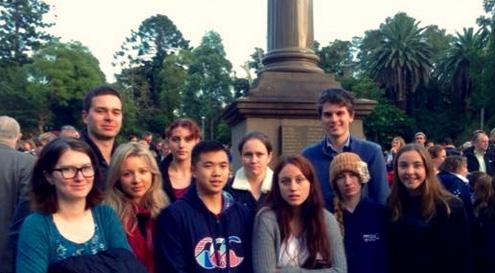
‘Anzac’, the term, is protected under Australian Law. It cannot be used unless permission is given by the Minister for Veteran’s Affairs. Misuse of the term, especially for commercial reasons, can be met with legal action. Anzac biscuits, however, are generally exempt to this rule (as long as they follow the same basic recipe and are never referred to as cookies).
The story behind the biscuit says that mothers, wives and girlfriends were worried about the nutritional value of the food that the soldiers were eating. In response to this, they came up with a recipe that would be both beneficial nutritionally as well as tasty. The Anzac biscuit recipe does not include any eggs, this was partly so they would not spoil when they were shipped, but also because eggs were scarce during the war.
Fun Fact: In 2008, Subway was ordered to prepare their Anzac biscuits to the specifications of the Minister for Veteran’s Affairs. Subway declined this and removed Anzac biscuits from their menu.
The following recipe was published in The Capricornian (Rockhampton, Queensland) on Saturday, 14th August 1926.
Ingredients
2 cups rolled oats
1/2 cup sugar
1 cup plain flour
1/2 cup melted butter
1 tbls golden syrup
2 tbls boiling water
1 tsp bicarbonate soda (add a little more water if mixture is too dry)
Method
1. Combine dry ingredients.
2. Mix golden syprup, boiling water and bicarbonate of soda until they froth. Add melted butter.
3. Combine butter mixture and dry ingredients.
4. Drop teaspoons of mixture onto floured tray, allowing room for spreading.
5. Bake in a slow oven.
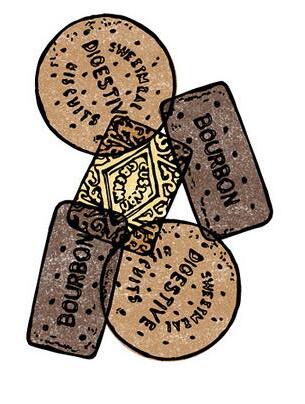
She just smiled and gave me a vegemite sandwich
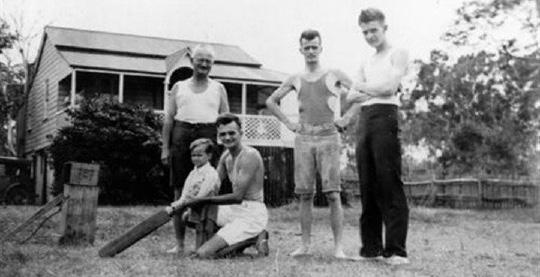
“Like a rat up a drainpipe” moving even faster
“Boogie board” A hybrid, half-sized surf board not to be taken to Bali.
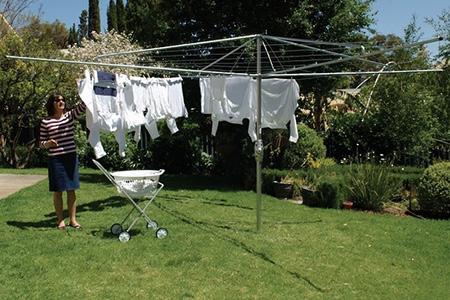
“Like a possum up a gum tree” moving fast
“Rack off” Push off! get lost! get out of here! also "rack off hairy legs!”.
“Tall poppy syndrome” The tendency to criticize successful people
“Amber fluid” Beer
“Yobbo” A loud or stupid uncultivated person
“Yewy” U-turn in traffic ("chuck a yewy at the next traffic lights")
“Drink with the flies” to drink alone
“Cooee”
A bush yell for when you are lost. Also highly appropiate for finding someone at Uni.
“Hotel” Often just a pub.
“Fruit loop” A fool
“Doovalacky”
Used whenever you can't remember what something is called. Thingummyjig, whatsit.
“Woop woop” In the boonies, nowhere. Also “Bloody Y-Block is in Woop Woop”
On beaches, at home, the grandparents house or hanging with your friends after school at the local shops. Our list to the coolest summer treats downunder.
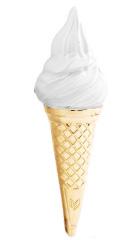
My mothers, mine and even my nephew’s childhood consist of coastal trips where you would hear ‘Fur Elise’ playing from a distance. I still pee myself a little when I hear the tune.
Mr Whippy would have every Australian’s back whether in Merimbula, Queensland or Manly. So here’s to that beautiful soft-serve cone that is highly over-priced, slightly fake, yet still delicious.
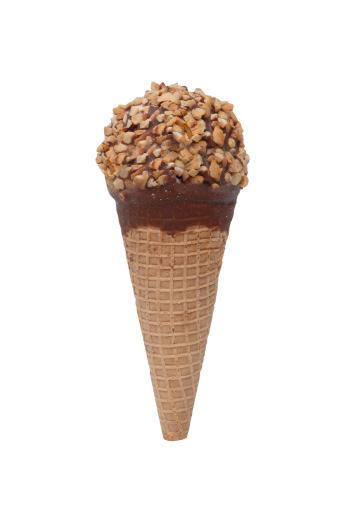
The classic taste of honeycomb ice cream topped with chocolate sauce and crunchy honeycomb pieces all in a crispy wafer cone .
The classic four pack that would feed mum, dad, your sibling and you - but let’s be honest you could probably go for another one.
I have a confession. You know those competitions paddle pop used to hold every now and then? Yeah, those where you would match up the pictures on the paddles. I was addicted.
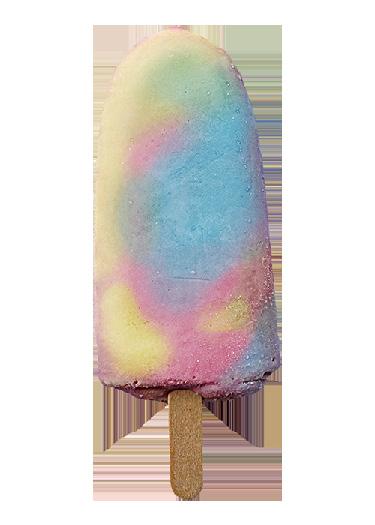
These magestic rainbow treats were the centre of every childhood. From ducking down to the local shops on the way back from school or after a run in the sprinkler. Here’s to the greatest flavour of them all.
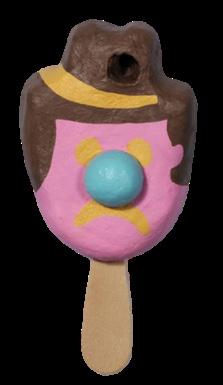
The cowboy from the wild west which made its mark in Australia becoming a childhood favourite of many. Though, I still can’t figure out if Bill looks sad or it’s just his moustache.
A triple treat of caramel, chocolate and strawberry and once finished - the bubblegum nose make it all so much better. So here’s to the ice cream that has its own wikipedia page.
We saved the best to last. No matter what generation Australian you are, you know this little popsicle is the real thing.
Toffee and vanilla ice-cream dipped in compound chocolate and wrapped in honeycomb biscuits. The Golden Gaytime was first releaed in 1959 being a success in Australia still today. Here’s to the leader of the pack.

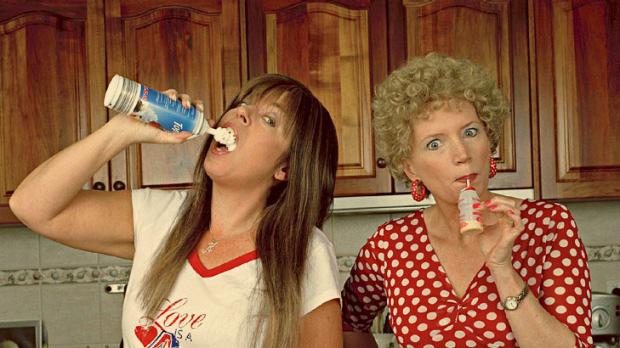
Look at moy, look at moy, look at moy!
The country itself is the ultimate joke; the wave you body-surf into shore after a day at the beach could contain a shark or a rip-tide and, when you get back, your house could have been burnt to the ground in a bush fire. That's where the whole 'no worries' thing comes from. - Mark Little
Dry. Irreverent. Dark. Self-deprecating. Biting. All words used to describe the Australian sense of humour. This sense of humour can find its roots in the early colonial period. Watkin Tench, who was a part of the first fleet and published two books on his experiences being part of the first fleet, noted that the native aboriginals in the Sydney area had an irreverent sense of humour. The convicts who came to call Australia home had a large impact on the direction Australian humour took - especially the self-deprecating streak that can be found in Australian humour. The dry and sometimes biting humour was first established in the 19th century with the help of the bush ballads. Bush ballads are rhyming songs, stories or poems which mainly deal with the rebellious nature of the Australian spirit and more often than not are set in the Outback. Banjo Paterson and Henry Lawson are the most recognizable names coming from these bush balladeers.
Australians are noted as having a dark sense of humour - the Anzac soldiers in WWI were said to meet battle with dark humour as well as displaying irreverence to their superiors. Other cultures might see this as poor taste, finding humour in unfortunate circumstances, Australians often look for the lighter side of things - stretching back to colonial times where the harsh conditions were met with humour. An example of the dark Australian humour, although hopefully unintentional, is the naming of the Harold Holt Memorial Swimming Pool, named so after the Prime Minister who disappeared in the ocean while swimming in 1967 and is presumed drowned.
A large part of Australian humour is based in poking fun at ourselves - our culture, politics, slang and whatever else can be spun into a laugh. Slang is an especially large part of Australian comedy. Josephy Furphy, the “Father of the Australian Novel”, wrote his 1903 novel, Such Is Life, in the Australian vernacular. This style of writing; dry, satire and filled with Australian language; proved to be popular and informed later texts, in not only literature, but movies, television, poetry, music, theatre and more.
The Australian style of comedy has proved popular overseas. Kath and Kim is popular world wide (even spawning an American remake, because what does America do with international television shows better than strip them of their originality and put them on the air as their own). Crocodile Dundee was the second highest grossing film of 1986 at the worldwide box office. Muriel’s Wedding proved to be such a hit that it propelled its lead actress, Toni Colette, into a world wide star. Barry Humphries achieved immense success with the quintessentially Australian characters he created; especially with ‘gigastar’ Dame Edna Everage. Humphries was able to parlay satirical and biting commentary on the Australian way of life into continued success, with Edna first appearing in the 1950’s and still going strong in the 21st century.
This is not to say of course that Australia is not known for its drama, (we all remember the episode of McLeod’s Daughters when Claire died), but there is something truly unique about our humour.
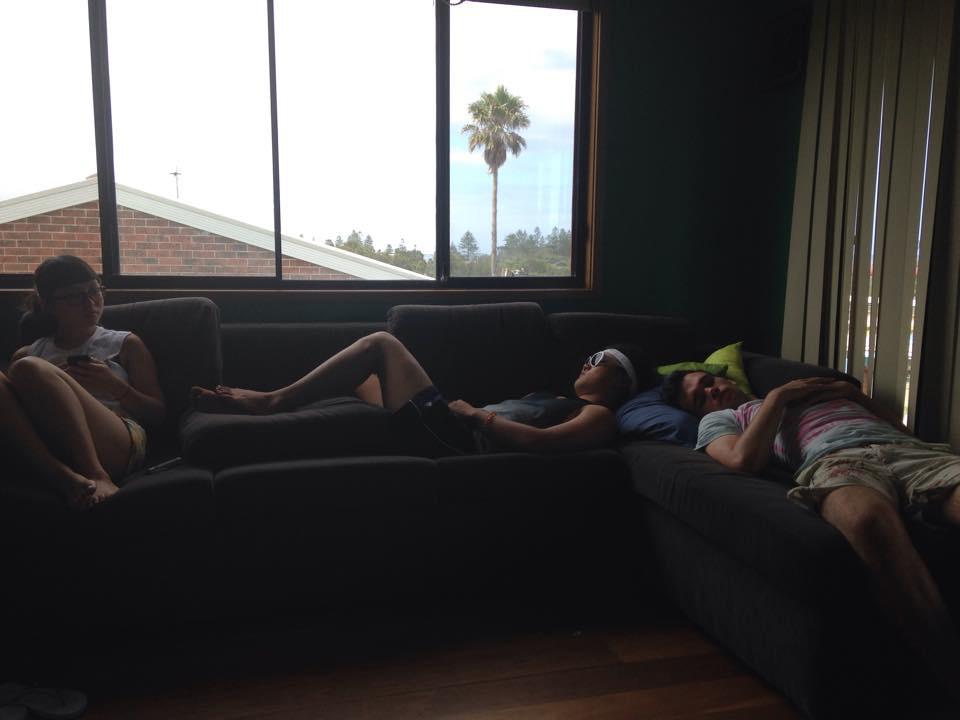
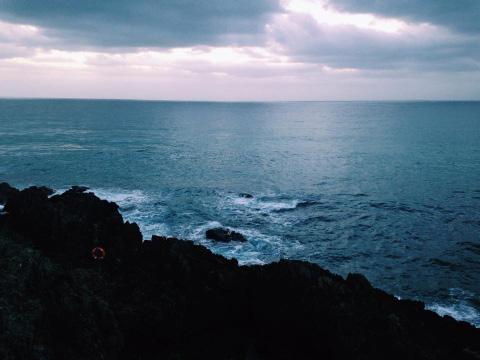
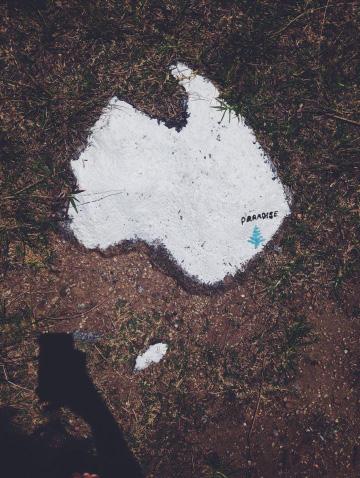
Typically full of retired locals or teenagers from down South who make their way for a coastal summer trip. Surprisngly an under-stated treasure that is golden in its soft sand and no phone reception.
From being a country-town in 1960 to now being a slightly larger country-city, despite how small the place it’s where I’ve grown up, my grandparents have grown old and where family is. Never have I ever rolled down parliament lawns after a couple wines.
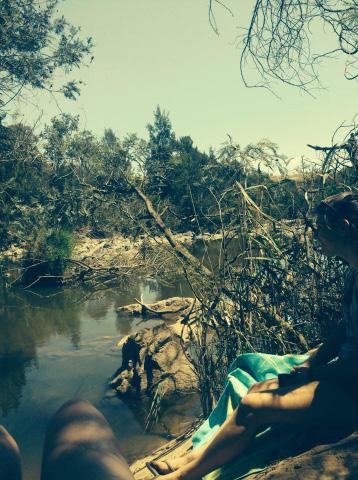
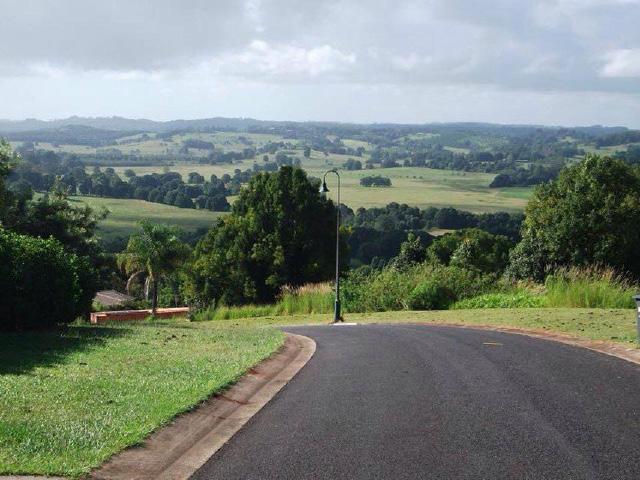
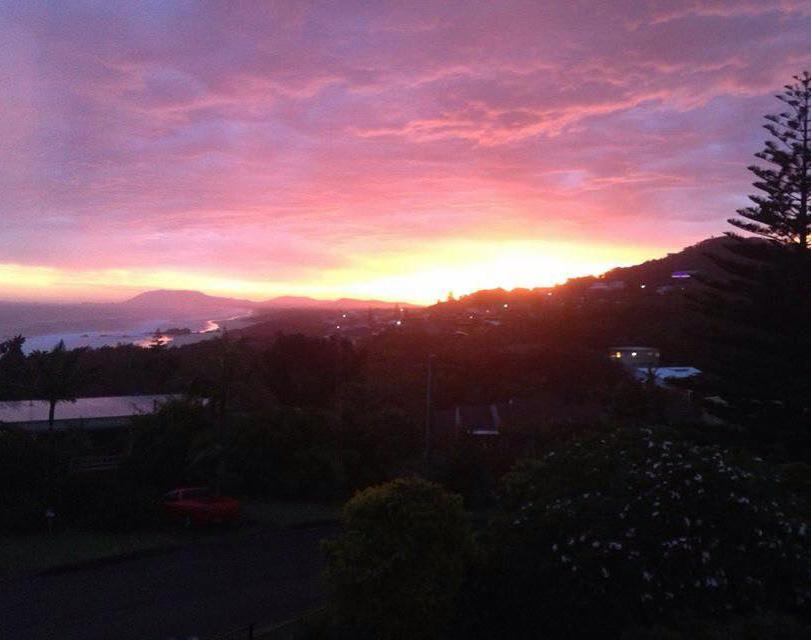
From being known as a dream retirement destination the secret of its extensive beaches and waterways is out. From the views around and on Lightouse Beach it’s a real beaut. Fun fact, the town is also known for its koala population.
Where the inland meets the sea. known as the ‘Holy City’ to some because of the number of fine early Australian churches in the area. This greenery is a short distance from Ballina and Byron Bay. The best of both worlds.
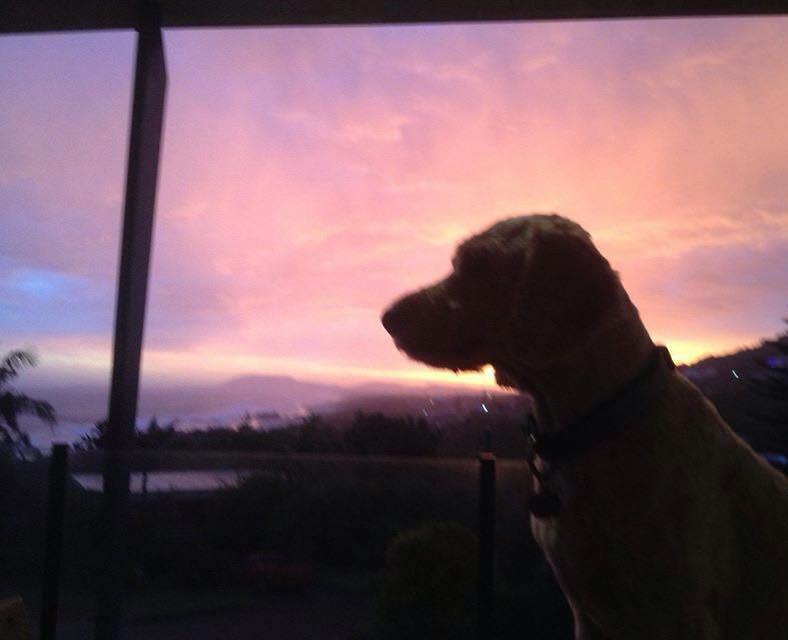
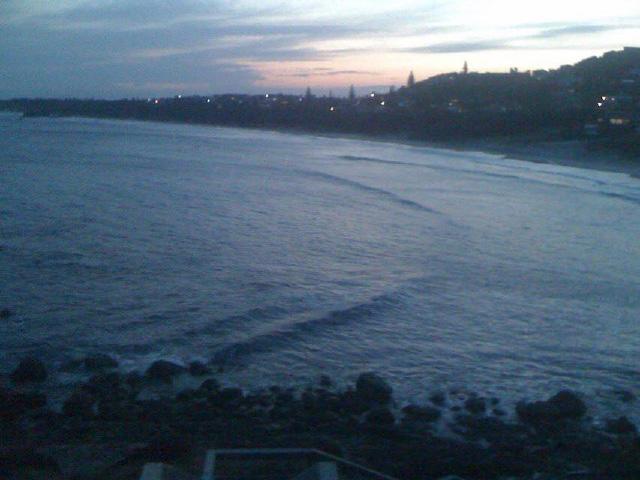



It’s one of the biggest film franchises in the world, grossing hundreds of millions of dollars at the box office, not to mention billions in merchandising. But what arguably sets Star Wars apart is its fans. In recognition of their love for the films, the books, the action figures (Don’t call them dolls. Seriously. People get upset) and everything else than comprises the Star Wars Universe, fans of the franchise decided that Star Wars needed a day in its recognition. What date is more appropriate than May the Fourth? The date was picked because of the pun created from the original quote - ‘May the Force be with you’ which becomes, ‘May the Fourth be with you’. Punny!
The play on words dates back to the 4th of May 1979 - the day that Margaret Thatcher became Prime Minister of the United Kingdom. A congratulatory advertisement was placed in The London Standard News by her party (the Conservatives), which simply read, “May the Fourth be with you, Maggie”. It would be 32 years, however until an official Star Wars Day was celebrated - May the 4th, 2011 in Toronto, Canada. The event spread virally, enabling fans to rally around for the date in 2012. The aim behind the day is for fans to express their love and admiration for the franchise, be it through watching Star Wars, reading Star Wars, dressing Star Wars, playing Star Wars, baking Star Wars and whatever else can be done with Star Wars as the theme.
If the ‘May the Fourth’ pun wasn’t quite enough for you, don’t fret, Star Wars fans have you covered. For following May the Fourth is none other than ‘Revenge of the Fifth’, a play on the Star Wars film Revenge of the Sith. On this day, fans are encouraged to celebrate the dark side of the Force, Siths and other villains from the Star Wars universe. Puns, the gift that keeps on giving.



Maddie Martin: ‘I haven't showered since Saturday morning... Fuck it's Tuesday!’
Maddie Martin: ‘Can we have a minutes silence for Taylor right now. ‘
Jack: ‘She's not dead!’
Maddie Martin: ‘Oh Yeah. But she's not having the best day.’
Drew Kennedy: ‘My life is falling apart like this burrito. Best lunch ever!’

Charlotte Harrison: (about foil wrapped garlic bread) ‘Lets put it in the microwave’
Maddie Martin: ‘We aren't all alcoholics here’
Meena: ‘I just want to knit’
Wilbur: ’I ate half a chocolate elephant... Wait. Not elephant. Rabbit.’
Jack: ‘You know what's nice, tapioca.’
Taylor: ‘That japanese food?’

Imogen Southwell: ‘My boyfriend brings all the boys to the yard’
A schnitzel at lunch looked like Australia, the theory is that it's a conspiracy to make you love your country, so they probably do the same in New Zealand
Brendon Fallon: ‘You could probably make some bodily Organ look like New Zealand’
Wilbur Ashley: ‘You mean like shit?’
Jack: ‘That's Tepinyaki’
Avanti: ‘Maybe I could do 10 inches’
Taylor: ‘I just see cars as people.’
Walks into room Nirvik: ‘Hmm it has that ukelele smell’
Elliott: ‘Ukelele? ! I think you mean Eucalyptus’
Nirvik: Oh yeah...right’
Jim: ‘You just gotta self-reflect and read books then you’ll pull chicks left, right and centre’
The next Issue is ‘Art’ if you like paintng, have been overseas or just like capturing photos get involved.
talk to Jack Bailey (B216) or Ivana Stojanovic (CG04)