WEST INDIAN MAHOGANY
Sweitenia mahagoni
Native
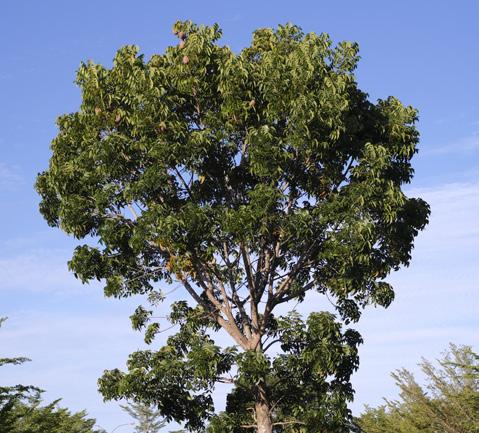
Esteemed throughout the Caribbean, this noble tree is championed by government and conservation initiatives. Its rich history in boat and furniture making, utilizing its hard wood, reflects the heritage of the old hardwood dry forests that once flourished in the Cayman Islands.
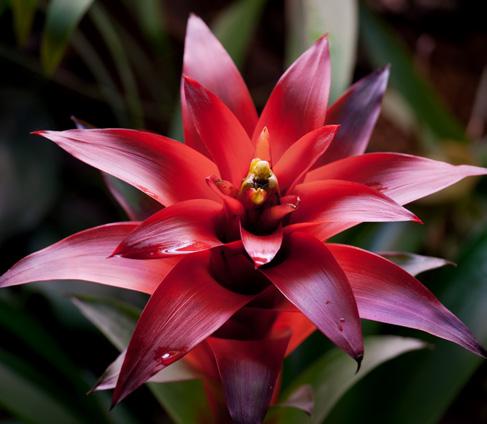
BROMELIAD
Aechmea blanchetiana, Portea volubilis
Non-Native
Closely akin to the pineapple, these Bromeliads are unique in their above-ground feeding. Epiphytic by nature, they thrive without soil, and are related to the popular houseplant, Tillandsia Air Plants.
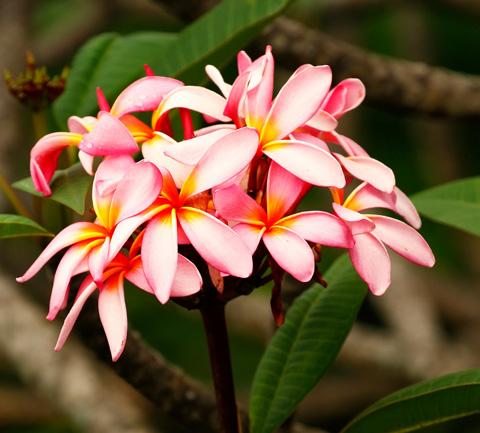
FRANGIPANI
Plumeria sp.
Native
A pan-tropical tree, celebrated for its exquisite flowers used in Hawaiian leis. Named after an Italian perfume reminiscent of its scent, Cayman’s own Jasmine variant, with white flowers blooming all year, adds a touch of perpetual elegance.
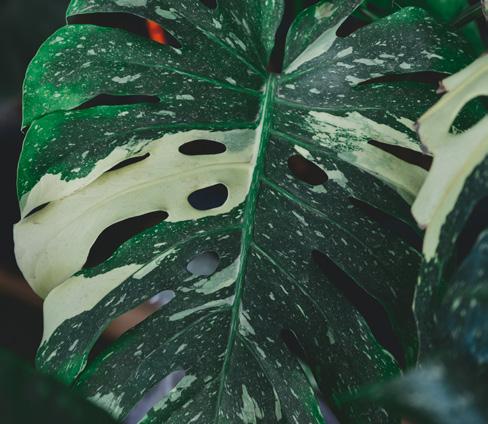
VARIEGATED SWISS CHEESE PLANT
Monstera deliciosa var. ‘Thai Constellation’
Non-Native
Recognized worldwide as a beloved houseplant, this variegated variant captivates with its white spots. Known as ‘delicious monster’ for its large leaves and edible fruit, it is a luxurious addition to any setting.
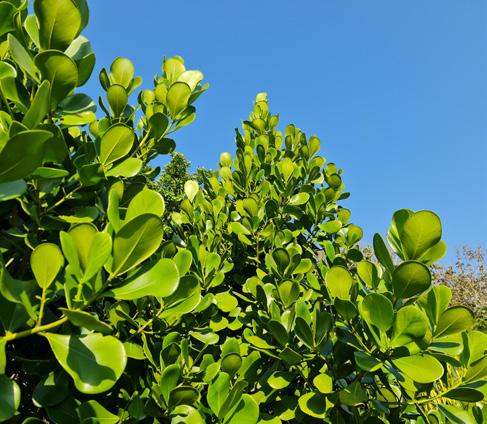
AUTOGRAPH TREE
Clusia rosea
Native
A Caribbean native, the autograph tree is celebrated for allowing words to be etched into its large, fleshy leaves. It’s a living testament to the enduring beauty and resilience of nature.
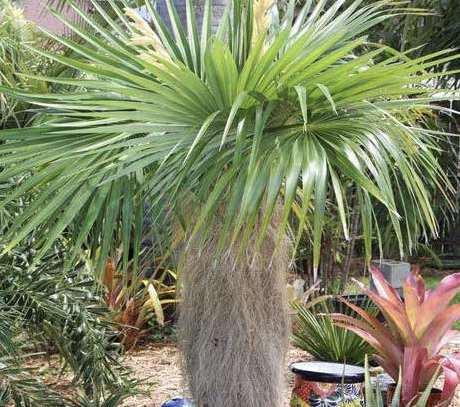
OLD MAN PALM
Coccothrinax crinata
Non-Native
A rare palm, endemic to Cuba, with a distinctive, aged beard appearance. Due to its scarcity, it is highly valued and requires special permits for importation.
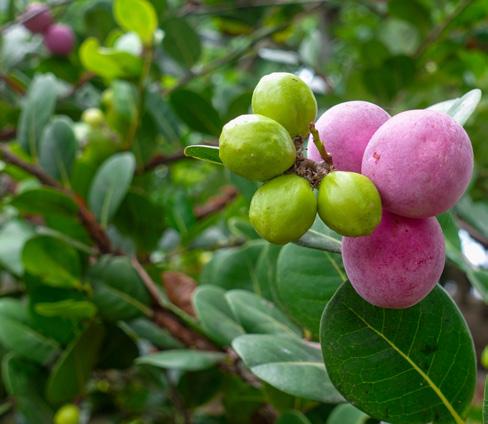
A native Caribbean beauty, the Cocoplum produces a low-sugar ‘plum’ fruit, cherished as a snack. Its robust nature and adaptability make it an essential choice for regional landscaping. 6 7 8 9
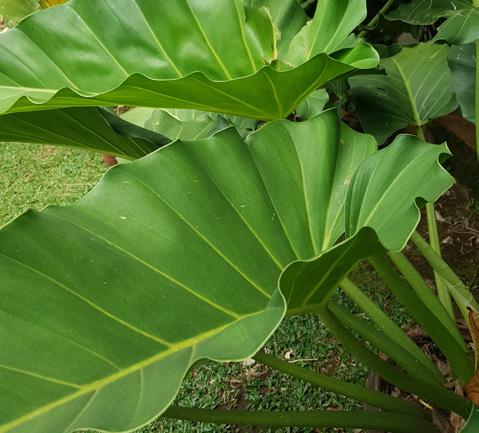
GIANT PHILO & SWISS CHEESE VINE
Philodendron giganteum & Monstera adansonii
Non-Native
These magnificent vines grow alongside a Bismarckia palm. The Giant Philodendron, known for its large leaves, and the smaller Monstera, a relative of the famous Swiss Cheese Plant, are a testament to nature’s grandeur.
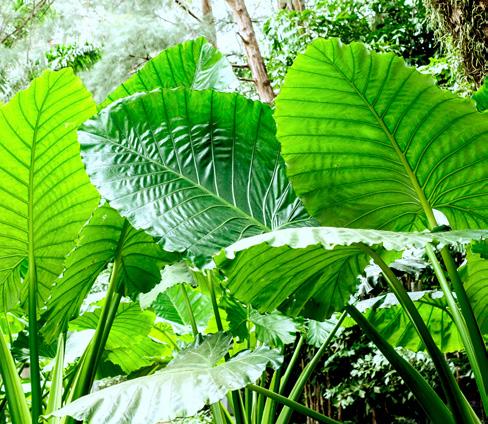
BORNEO GIANT
Alocasia macrohizzos ‘Borneo Giant’
Non-Native
Related to the Alocasia or Elephant Ear, this special variety can grow to up to 15ft tall. A stunning showpiece, it thrives in the Cayman climate, embodying the lushness of Borneo’s jungles.
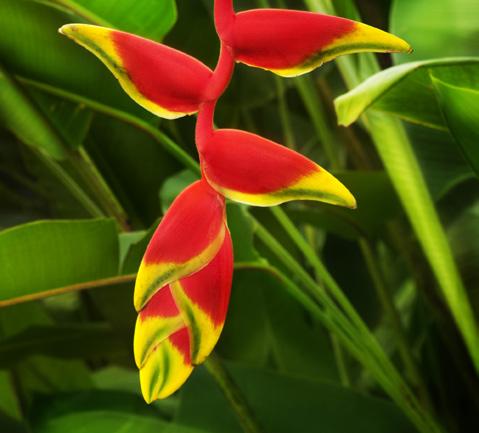
LOBSTER CLAWS
Heliconia sp.
Non-Native
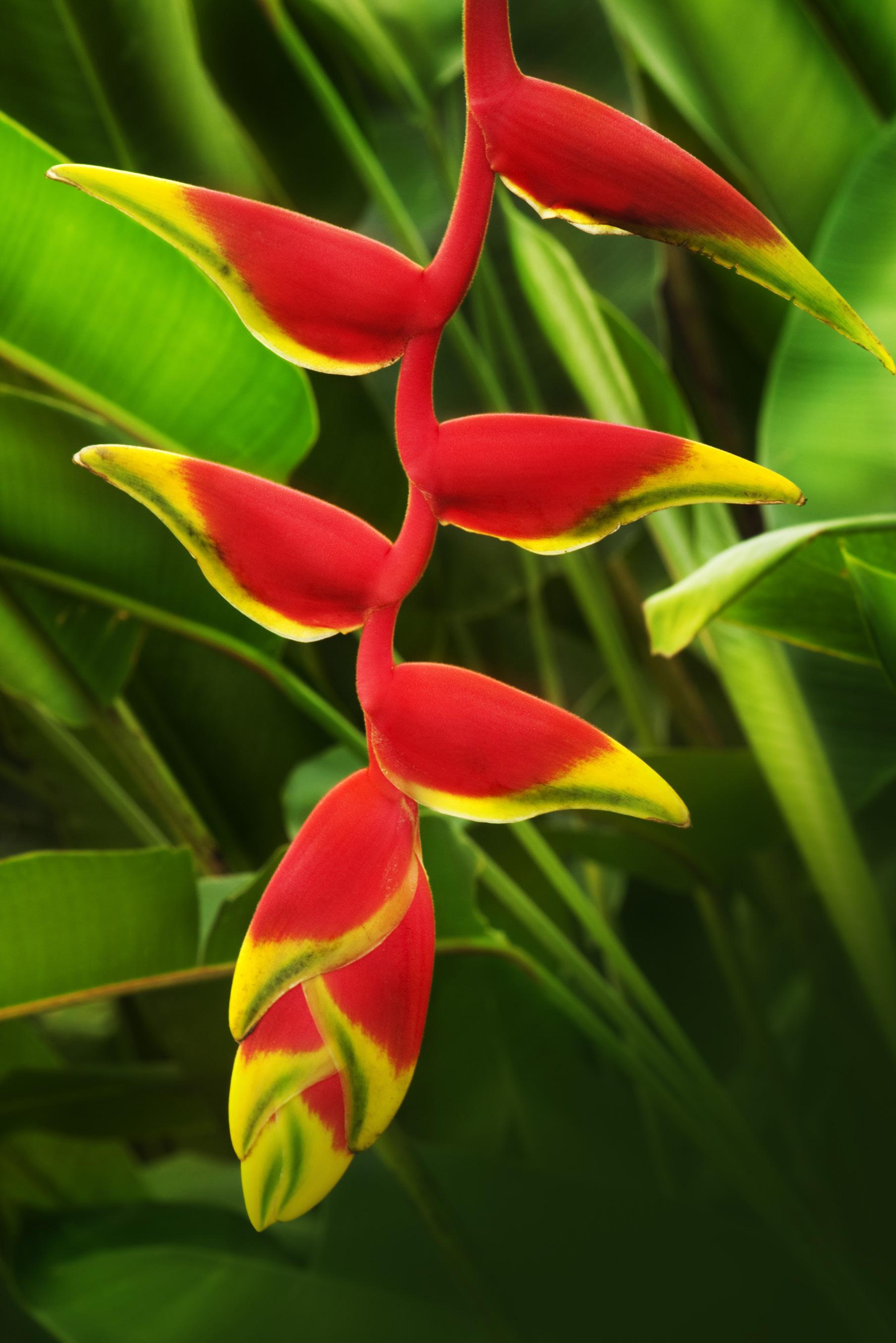
Belonging to the Zingiberaceae order, known for striking tropical flowers, these plants are related to ginger, but are not edible. They contribute both visual appeal and a touch of wellness to any garden.
COCOPLUM
Chyrsobalanus icaco
Native
BUTTONWOOD
Conocarpus erectus
Native
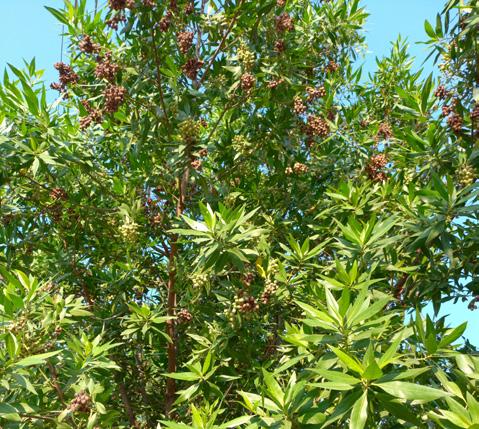
Known as the ‘Green Mangrove’, it thrives in drier land compared to other mangrove types. Valued for its use in tropical landscaping, it presents in both green and silver varieties, enhancing the natural elegance of waterfront areas.
RUBBER PLANT
Ficus elastica
Non-Native
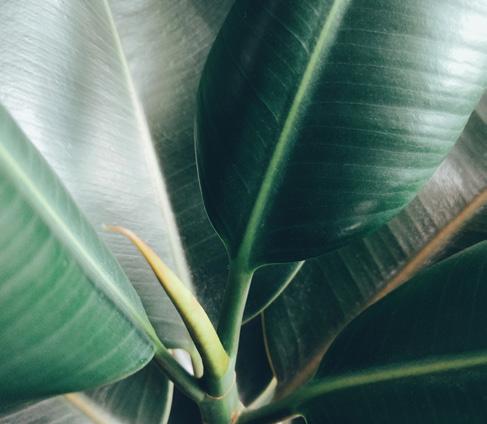
A renowned houseplant, this Ficus is celebrated for its stunning red and pink variegated colors. It is well-suited for indoor environments due to its waxy cuticle and drought tolerance, and can grow impressively large when planted in the ground.
TRAVELLER’S PALM
Ravenala madagascariensis
Non-native
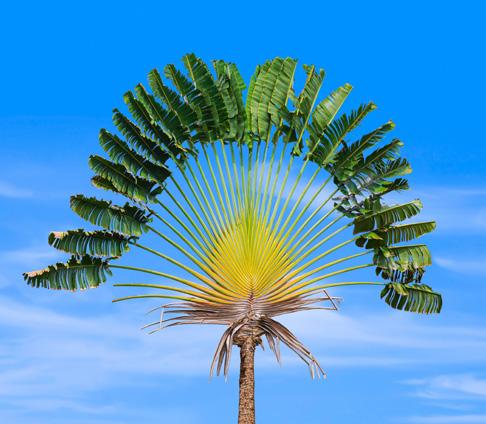
Despite its name, it’s not a true palm but a member of the Bird of Paradise family, Strelitziaceae, unique to Madagascar. Widely cultivated in tropical horticulture, it is known for its striking appearance.
CARDBOARD PALM
Zamia furfurcrea
Native
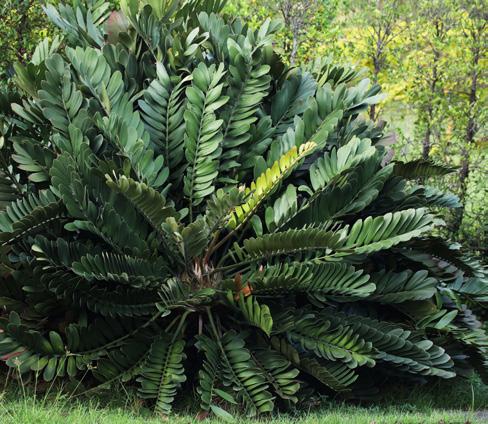
Though commonly referred to as a palm, this plant is actually a cycad, one of the oldest plants on earth. Cayman is home to two native varieties, Zamia furfurcrea and the slender-leaved Zamia furfuracea.
YELLOW MANDEVILLEA
Pentalinon
Native
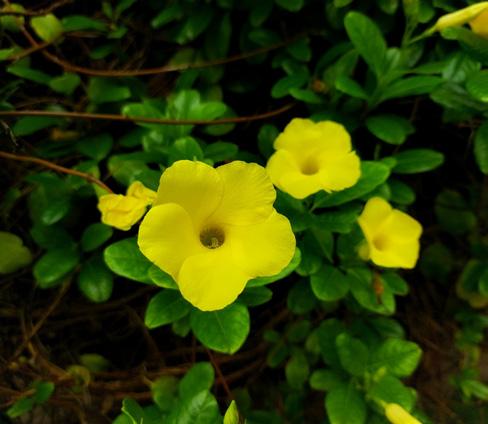
This ever-flowering yellow vine, resembling the allamanda or mandevillea, is a fast-growing Cayman plant. Its name, Pentalinon, from ‘penta’ meaning five in Ancient Greek, refers to its five-petaled flowers.

SPIDER LILY
Crinum asiaticum
Non-Native
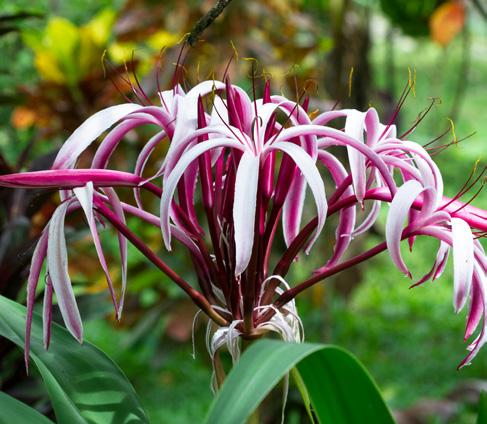
Also known as the poison bulb, this plant is toxic if ingested. Valued for its showy flowers and large waxy leaves, it forms an umbrella-like canopy when mature, adding a dramatic touch to gardens.
SEAGRAPE
Coccoloba uvifera
Native
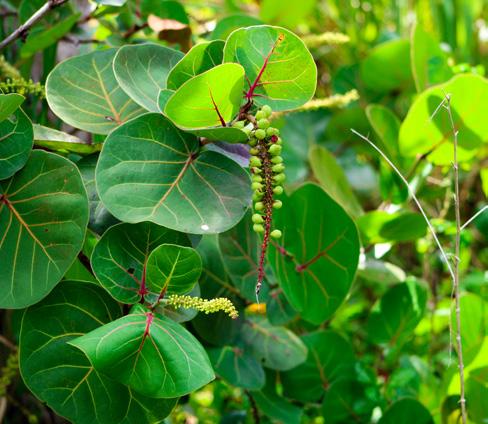
A quintessential Caribbean tree, the Seagrape thrives on beaches. Its soft red wood is used for cooking, imparting a pleasant flavor, and it produces edible, colorful grapes.
THATCH PALM
Thrinax radiata
Native
These slow-growing palms, alongside the national tree, the Silver Thatch, have been used for centuries in rope-making and basket weaving, representing a rich cultural tradition.
BULL HOOF
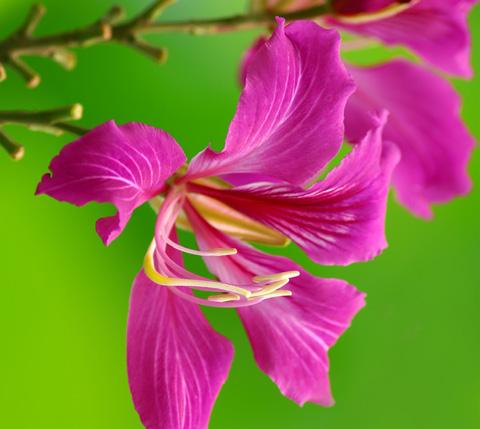
Bauhinia sp.
Non-Native
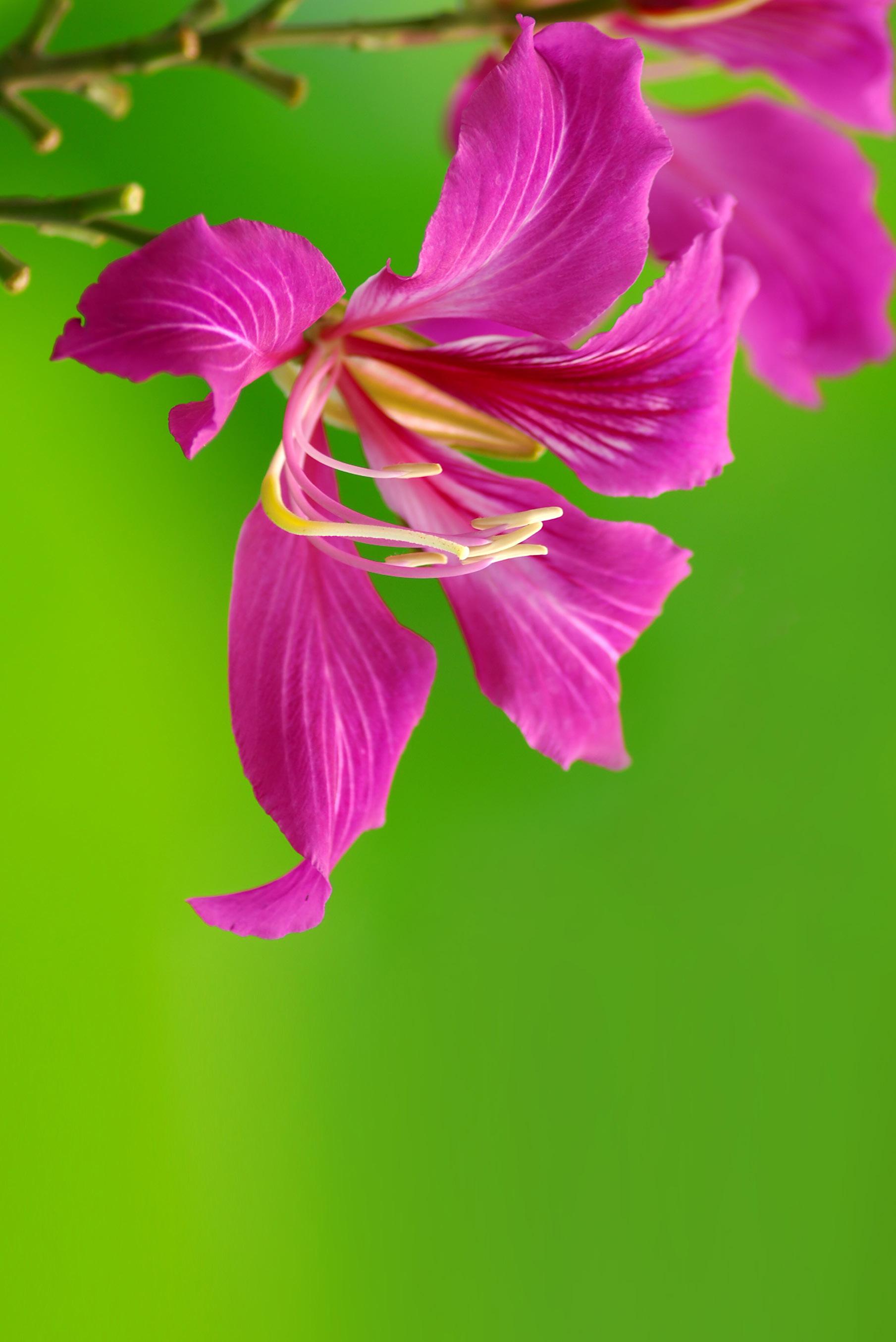
Also known as the “Poor Man’s Orchid”, these trees are admired for their impressive flowers, adding a touch of exotic elegance to any landscape.
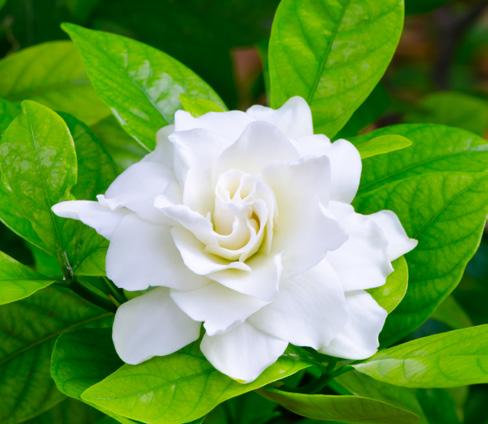
GARDENIA
Gardenia taitensis
Non-Native
Famed for its captivating fragrance, the Gardenia’s oils are used in luxury perfumes and candles by renowned brands, adding a scent of sophistication to any environment.
SILVER THATCH PALM
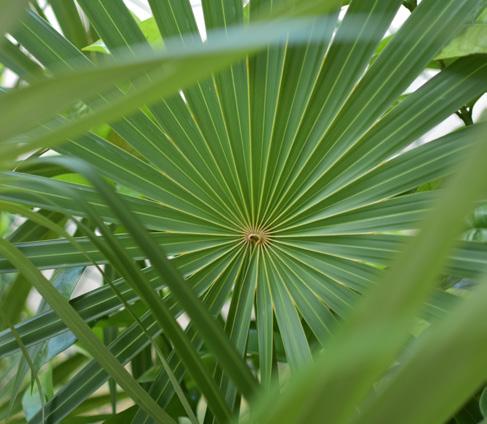
Coccothrinax proctorii
Endemic
Cayman’s national tree, the Silver Thatch Palm is endangered and unique to the three islands. Historically used in ropemaking, its silver-colored fronds are a symbol of the island’s natural heritage.
BIRD OF PARADISE
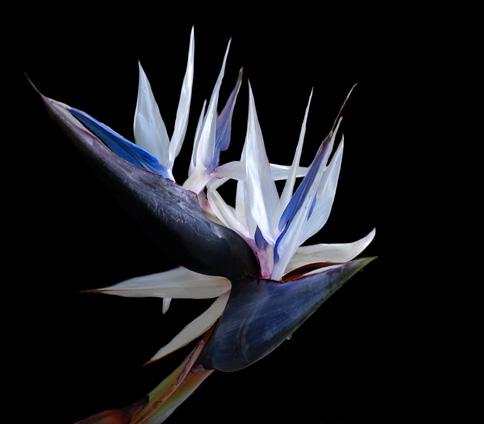
Strelitzia nicolai
Non-Native
These plants, native to Southern Africa, are known for their bird-like flowers, evolved to protect from predators. They belong to one of the smallest plant families in the world, adding an exclusive touch to gardens.
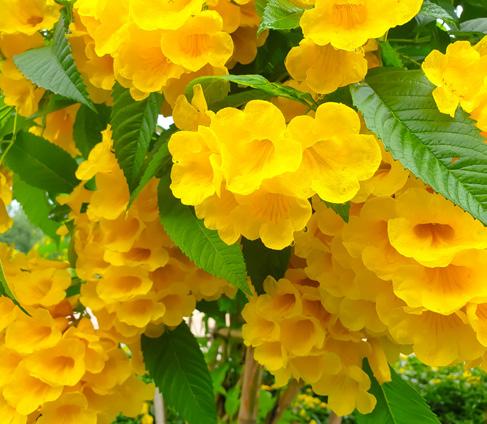
SHAMROCK TREE
Tecoma stans
Native
Common across Cayman, the Shamrock Tree is planted for its fragrant, beautiful yellow bell flowers and ability to thrive in harsh climates, like the seaside location of our pool.
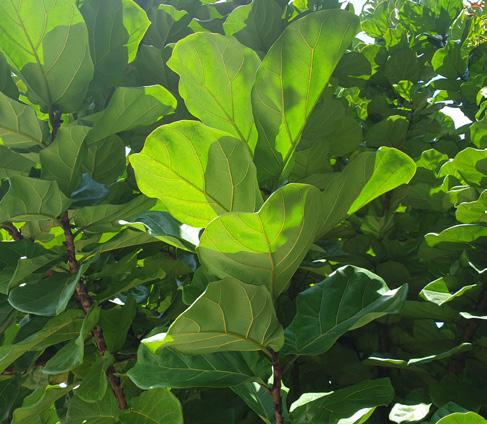
FIDDLE LEAF FIG
Ficus lyrata
Non-Native
A popular houseplant, its unique fiddle-shaped leaves have made it a favorite in homes worldwide, epitomizing contemporary botanical style.
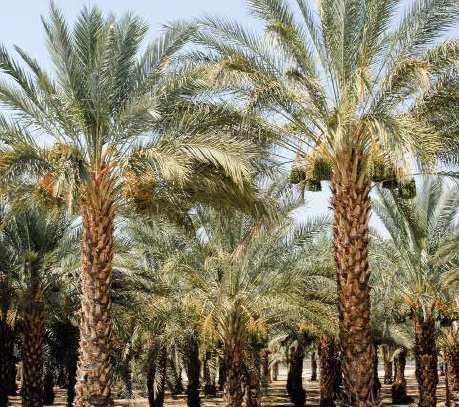
DATE PALM
Phoenix dactylifera
Non-Native
The tall palms above the harborside pool produce the well-known Date fruit. Dioceus in nature, they require both male and female plants for fruit production, a unique botanical feature.