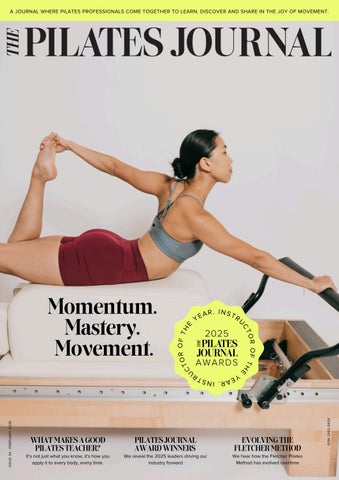
Momentum. Mastery. Movement.



Note from the Editor
CONTRIBUTORS
Brooke Siler, Helen Stamatakos, Lauren Brandt, Kyria Sabin, Heidi Wright, Emma Wood, Lisa Kaye, Samantha Wood and Debbie Robbins.






MAJOR PARTNERS


SUPPORTING PARTNERS

















INDUSTRY PARTNERS




SUPPORTERS

The Pilates Journal would like to acknowledge and pay respects to the Gadigal people of the EORA nation as the traditional custodians of the place we call homeSydney - where this journal is produced
The Pilates Journal pays respects to their elders, past, present and emerging, and acknowledges all Aboriginal and Torres Strait Islander peoples




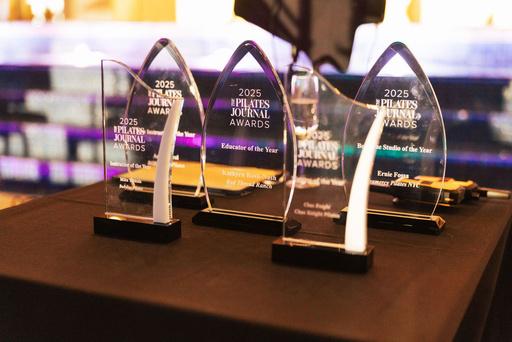
Winners Revealed
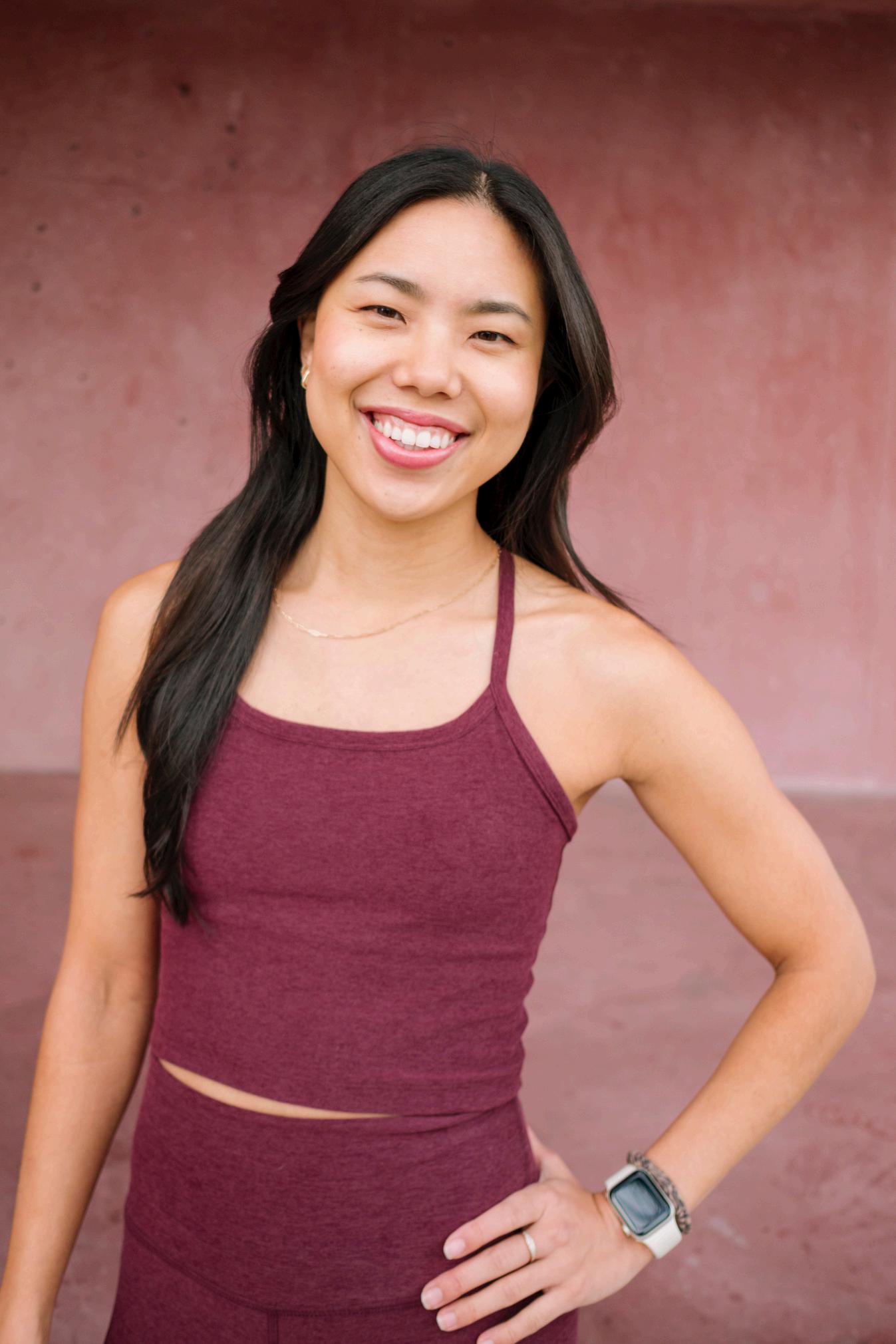
INSTRUCTOR
OF THE YEAR
Meet our winners
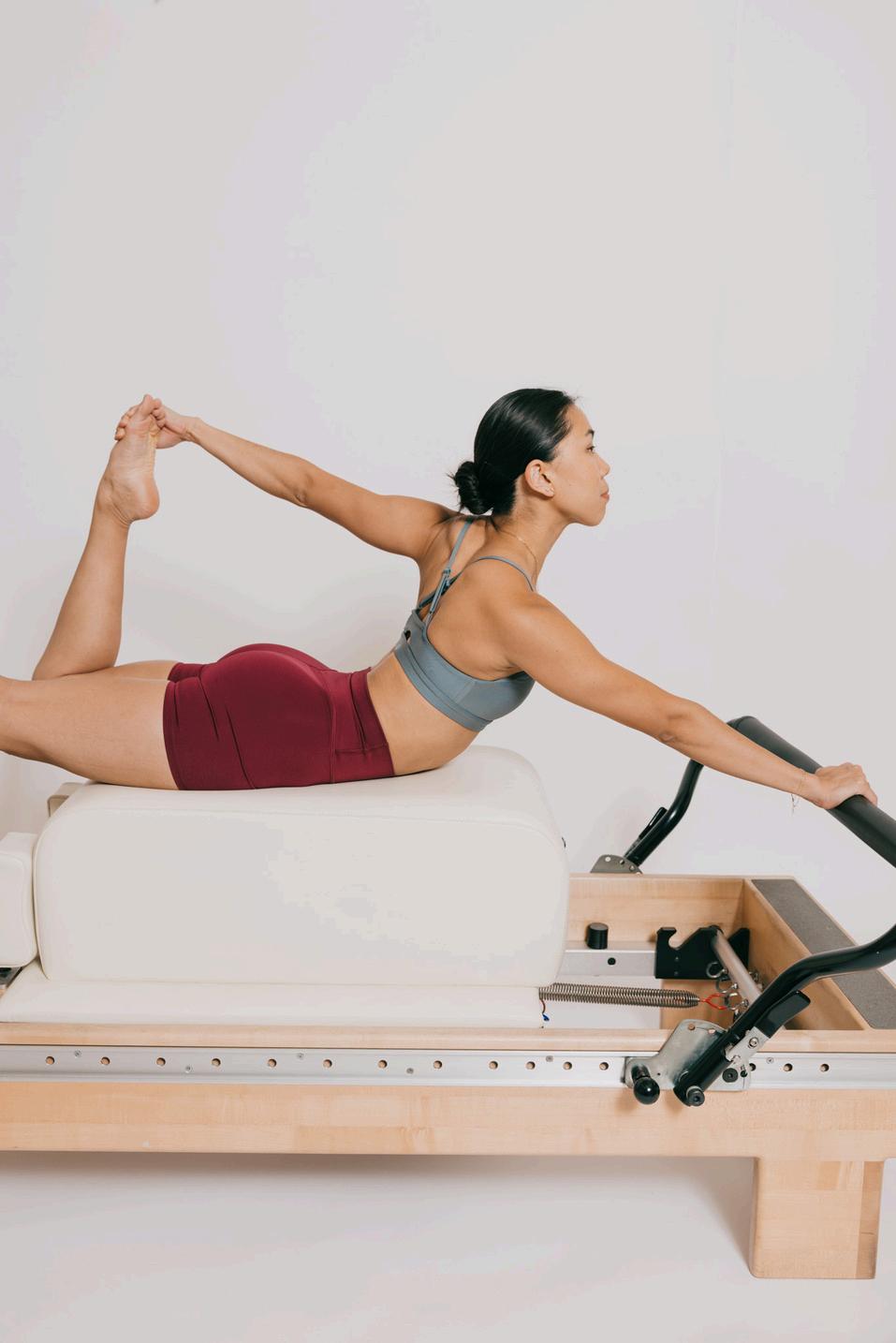
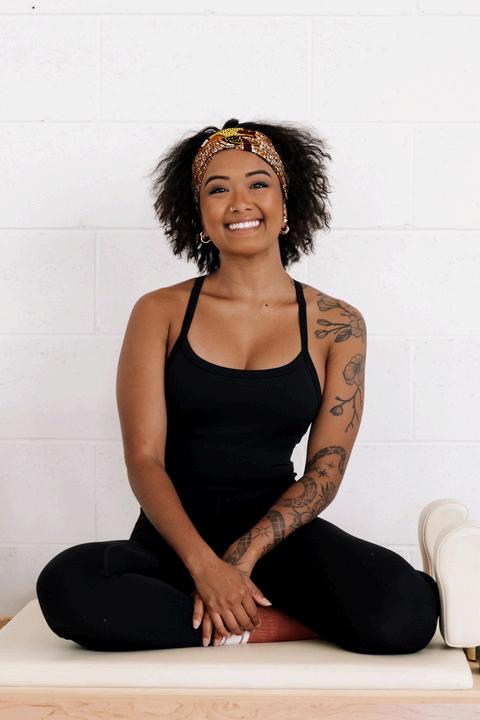
Miku Yoshida is a Los Angeles–born movement professional whose lifelong love of dance led her to earn a BFA in Dance Performance from the University of California, Irvine. It was there that she discovered Pilates as a powerful tool for body awareness, resilience, and longevity. She completed her comprehensive 450-hour Pilates training at Studio du Corps under Diane Diefenderfer and has taught across studios, corporate wellness, research, and physical therapy settings.
In 2020, Miku joined Bodyline in Los Angeles, where she has grown under the mentorship of Maria Leone and now serves as a Lead Instructor and Balanced Body Educator. Thoughtful and empowering, Miku meets each client where they are, supporting strength, confidence, and connection through intentional movement.
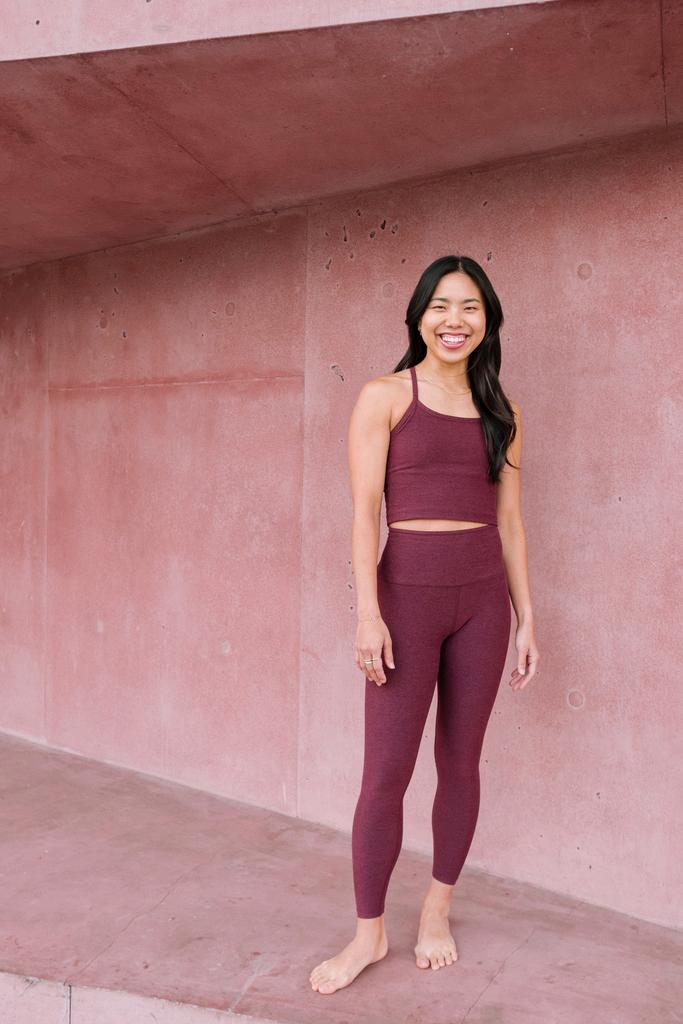
Miku Yoshida
Runner Up
NEW INSTRUCTOR OF THE YEAR
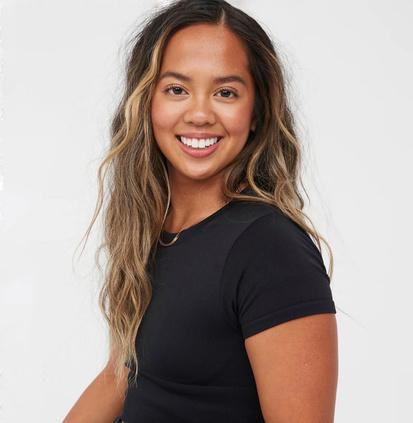
Anna Sarol is a certified Pilates instructor based in Kansas City. As a wheelchair user, Anna believes inclusion deserves a place everywhere, including in Pilates. Her approach centers on adapting movement to meet each client where they are, honoring individual bodies, abilities, and goals. She focuses on accessible, functional movement that builds strength, confidence, and body awareness—without a one-size-fits-all mindset. Through her work, Anna aims to represent and empower disabled people in the fitness space, ensuring they know they belong and deserve opportunities designed with them in mind.
MENTOR OF THE YEAR

Chaz Knight began his Pilates journey in 2006 at the Fletcher Pilates School in Tucson, discovering the method’s transformative power while training as a late-start dancer. Within three years, he earned a full scholarship to the Graham School and joined Graham Second Company in New York, before an injury redirected his path to Los Angeles, where he trained, mentored, and eventually led Mat education at the Whole Body Method School. He later deepened his classical training through Romana’s Pilates, Fletcher Pilates international and Inelia Garcia’s Authentic Pilates . Today, Chaz is a sought-after teacher, mentor, writer, conference presenter, and studio advisor, inspiring Pilates professionals worldwide.
Anna Sarol
Chaz Knight
Runner Up
Runner Up
EDUCATOR OF THE YEAR
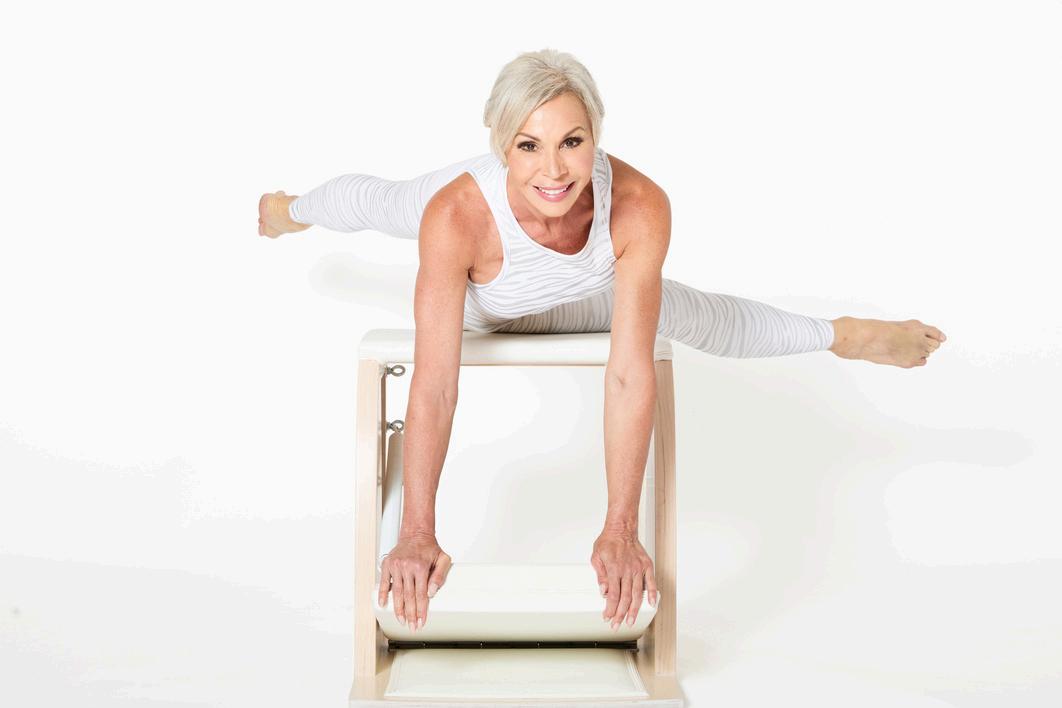
Runner Up
Kathryn Ross-Nash
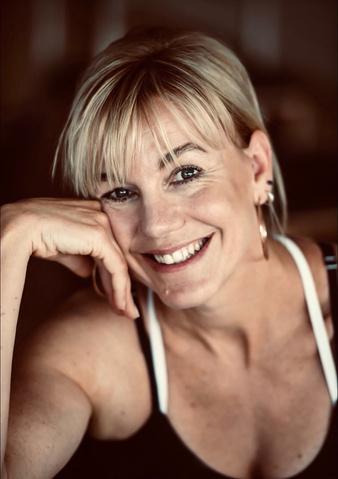
Kathryn Ross-Nash is an internationally respected Teacher of Teachers in Classical Pilates, as well as a mother, author, and model. Introduced to Pilates at age 14, she began formal training in 1982 and studied with firstgeneration teachers including Romana Kryzanowska, Lolita San Miguel, Kathy Grant, Sari Mejia Santo, Jay Grimes, and Edwina Fontaine. A former Romana’s Pilates Level II Trainer, Kathryn is NPCP-certified and a Guild Certified Feldenkrais Practitioner. She is the creator and author of The Red Thread® Method and book series, preserving the integrated Pilates system and its variations. Since 2013, she has led the Pilates Professional Advanced Teacher Training Program.
COMMUNITY ADVOCATE AWARD
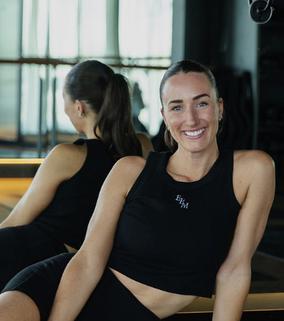
Rachael Garth
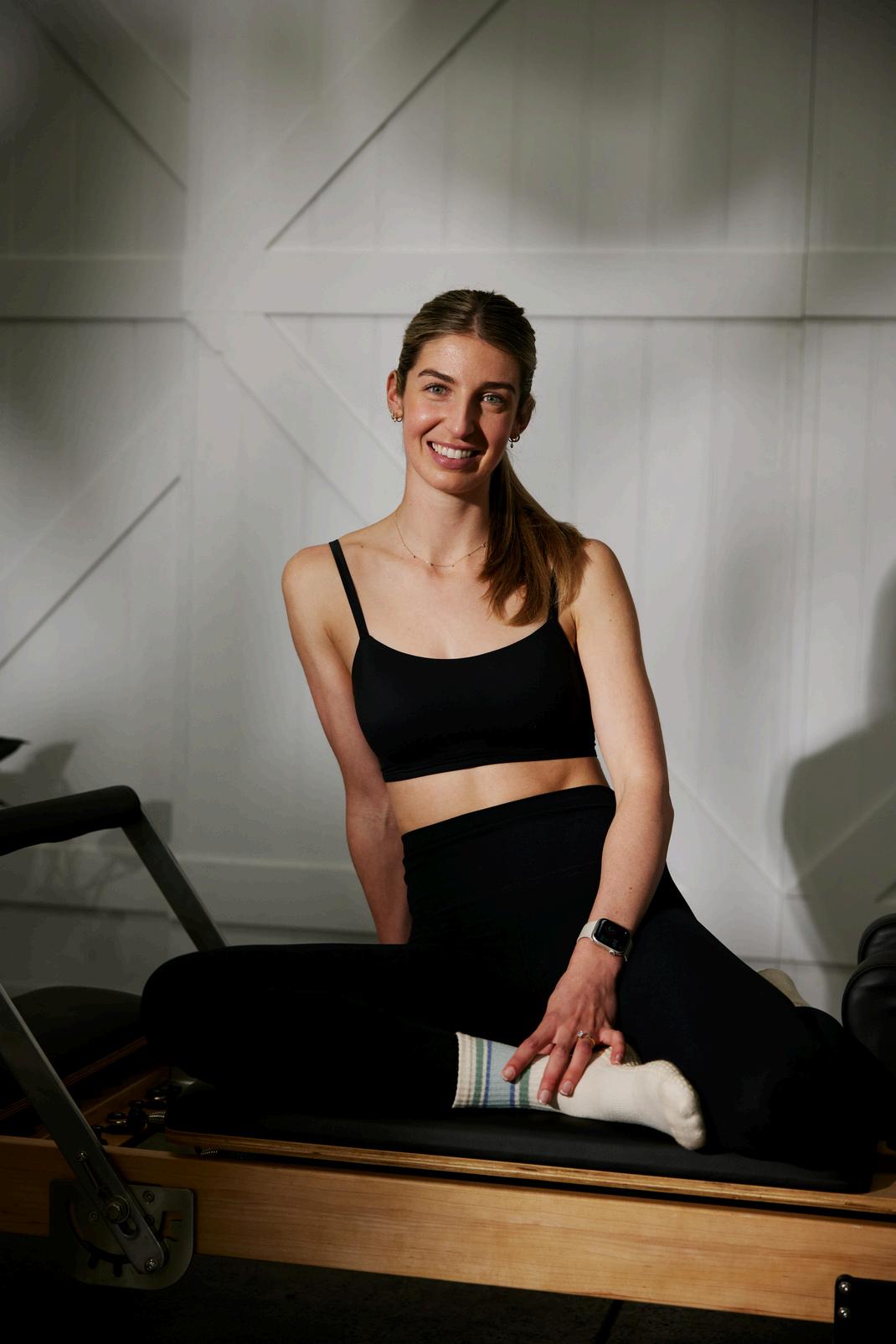
Rachael is the founder of Enhance Pilates & Movement, a boutique studio in Armstrong Creek, Victoria. With a degree in Dance and a background spanning Pilates, Vinyasa Yoga, and family-focused care, she is driven by a holistic approach to wellbeing. Founded in 2023, Enhance was created to offer inclusive, community-led movement, particularly for pregnancy and postpartum. Today, the studio provides thoughtfully curated classes where members are known by name, not numbers.
“It’s about creating a place people belong, where movement becomes a way to reconnect with yourself and with others.”
Enhance continues to grow intentionally, guided by a simple philosophy: create a sanctuary where people feel supported, seen, and strong on and beyond the mat.
BOUTIQUE STUDIO OF THE YEAR
GRAMERCY PILATES NYC
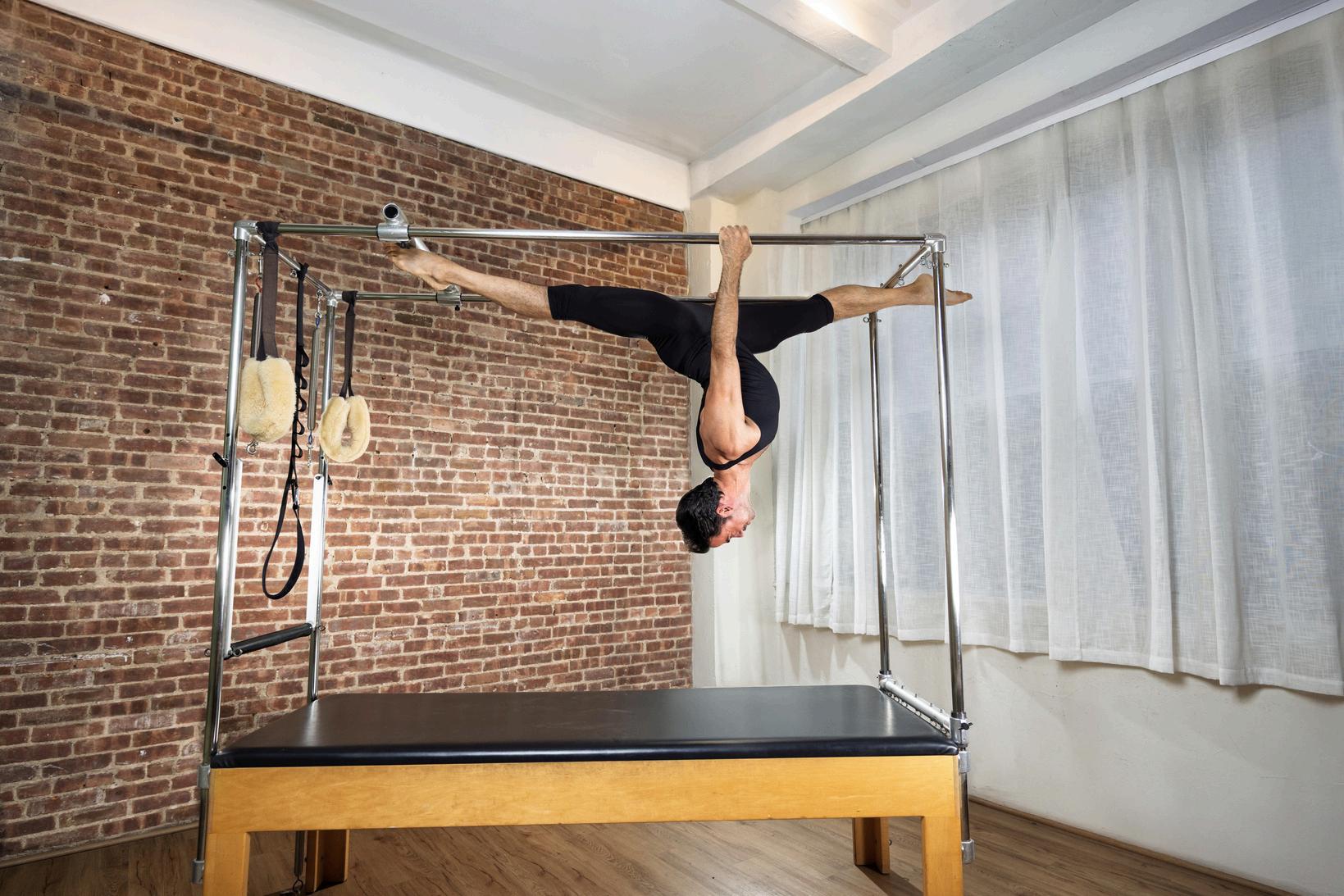
Ernie Fossa
Ernie is one of the world’s leading educators in the Pilates Method. He founded Gramercy Pilates NYC in 2009, which has since become a premier studio in New York. In 2014, his passion for education led him to create the Gramercy Pilates Teacher Training Certification Program, widely regarded as one of the most comprehensive programs in the industry. Ernie has trained thousands of instructors, many of whom operate studios. Certified since 2005, he also teaches Gyrotonic Tower, Jumping and Stretching Board, and Core Align, and has worked with athletes and celebrities while delivering workshops focused on biomechanics and movement progression.
Tommy Reichling
Tommy Reichling is the Owner and Founder of Gramercy Pilates NYC, its Certification School, and the Gramercy Pilates Institute. With over 20 years’ experience as a Pilates teacher and personal training specialist, Tommy brings deep expertise in rehabilitation, injury prevention, and athletic performance. He trained through the Kane School of Core Integration and holds ACSM and ACE certifications. A Columbia University graduate, Tommy also has competitive boxing and kickboxing experience.
PILATES INFLUENCER OF THE YEAR
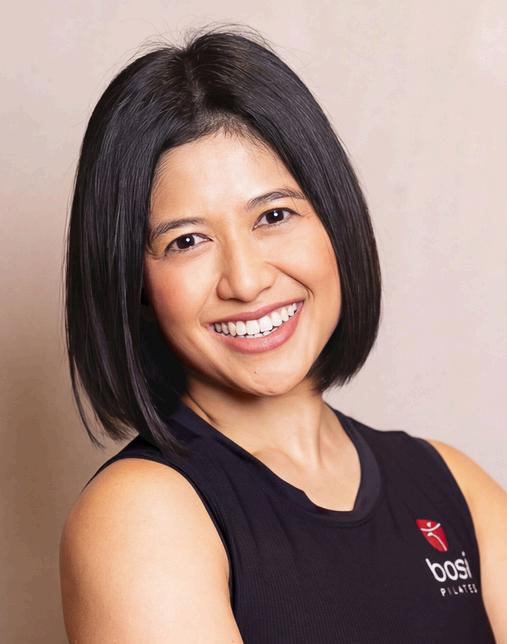
Mira Hassan Runner
Up
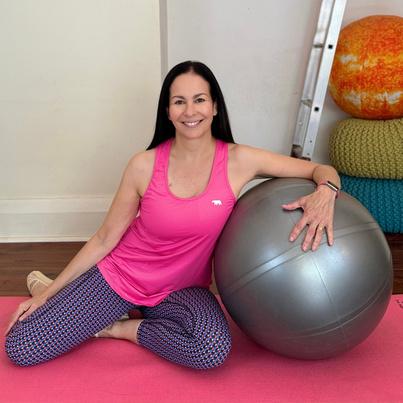
Mira Hassan’s Pilates teaching journey began in Australia (2005). Her Pilates journey has unfolded across continents, taking her to studios in London, Amsterdam and now her home in Jakarta.
Through her global platform, 'Flow with Mira,' she is committed to sharing movement with the highest integrity. Mira’s mission is to make world-class Pilates accessible to everyone, everywhere—creating an online experience so intimate it feels like a one-on-one, in-studio session. By removing the barriers of commutes, intimidating equipment, and the 'perfect' time to start, she empowers her global community to realize her core philosophy: 'Your most powerful tool is already within you.'
Mira is also a member of the BASI Pilates Faculty team. She leads BASI Pilates Teacher Training Program at her award-winning studio, Aalaya Pilates and BASI Pilates Indonesia HQ. Beyond the studios (physical & virtual), Mira is a proud mother to Kaia (9) and Theodore (2).
CONGRATULATIONS TO
New Reads for Pilates Teachers
Essential new book releases supporting ongoing education, teaching craft, and professional growth.
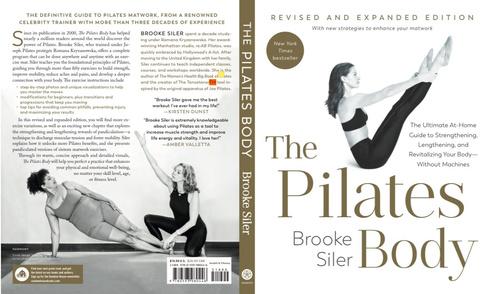
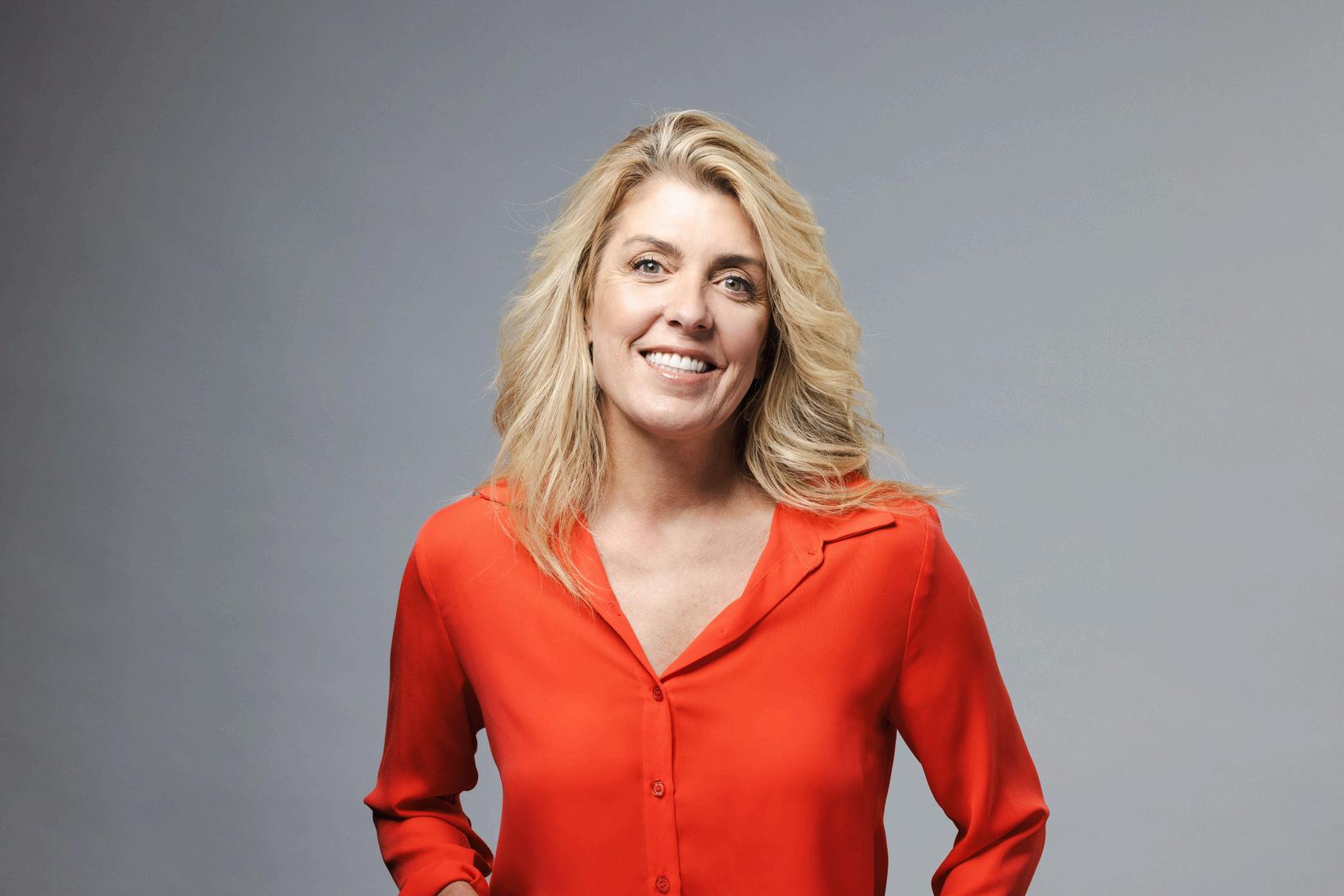
The Pilates Body Revised and Expanded Edition – Brooke Siler
A modern classic that distils Pilates into accessible, effective movement for everyday bodies and long-term practice.
Find out more
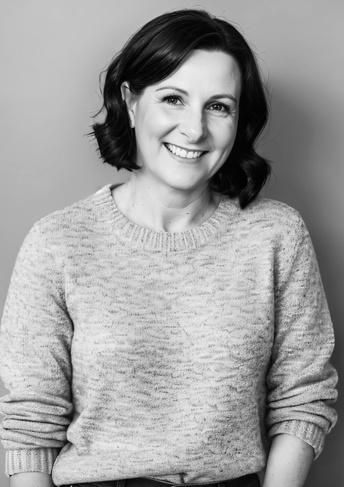
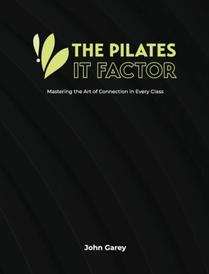
The Pilates IT Factor – John Garey
Explores the communication, presence, and teaching skills that elevate a Pilates instructor beyond cueing and choreography
Find out more
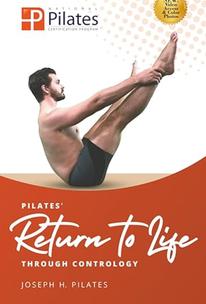
Return to Life Through Contrology – Joseph Pilates
The original text that underpins the method, offering timeless insight into Contrology, discipline, and purposeful movement
This new edition by the National Pilates Certification Program includes QR codes linking to exercise videos
Find out more
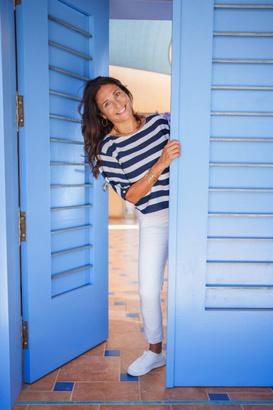
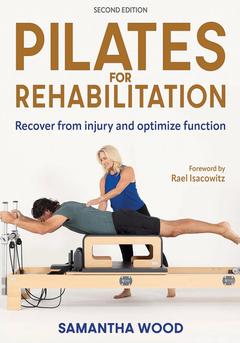
Pilates for Rehabilitation Second Edition – Samantha Wood
Pilates for Rehabilitation, Second Edition combines current research, clinical insight, and practical application to help Pilates professionals confidently work with injuries, pain, and special populations
Find out more.
Latest news
Merrithew Unveils New STOTT PILATES® Studio & Academy in Toronto
Merrithew has announced the opening of its new Torontobased STOTT PILATES® Studio & Academy, a purpose-built space designed to support education, innovation, and community connection. More than a training facility, the studio has been created as a sanctuary for learning where instructors, students, and the wider Pilates community can come together to grow, exchange ideas, and deepen their practice With inspiration woven into every detail, the new Academy reflects Merrithew’s ongoing commitment to excellence in Pilates education and the future of the method
The studio offers a rotating schedule of group and private trainings across Reformer, Vertical Frame, Cardio-Tramp® , Jumpboard, Mat, Stability Chair™ , Cadillac, and Ladder Barrel Upcoming examples include Reformer Flow (beginner to intermediate), Jumpboard Conditioning, Stability Chair™ classes, Mat Pilates Fundamentals, and equipment-focused sessions incorporating theCadillac and Ladder Barrel
CEO of Merrtihew, Jim Heidenreich said “Opening our Toronto flagship STOTT PILATES Studio and Academy marks an important new chapter for Merrithew While the space itself has been a year in the making, the STOTT PILATES movement has been built over decades. We designed the Yorkville studio as an investment in people - our students and educators - and as a global hub where education, innovation, and community come together Seeing our community come to life in this space is incredibly meaningful and a testament to the team behind it. ”
Bianca Bolissian, STOTT PILATES Lead Instructor Trainer said “STOTT PILATES® has always set the standard for education and having a dedicated training space, in the heart of Toronto really elevates that commitment even further The moment students walk in, you can feel a shift They understand this isn’t just another course; it’s the start of a larger journey ”
The full, live schedule with upcoming offerings can be viewed here
Latest news
Leelo Active launches new Blue Ice Collection at BodybyBurner
Leelo Active celebrated the launch of its new Blue Ice Collection with an exclusive event at BodybyBurner, in Sydney, Australia bringing together movement, community, and elevated activewear The event marked the debut of the cool-toned collection designed to move seamlessly from studio to street
The Magic of Arthrokinematics: Feeling the Hip from Within
WHEN PERFECT FORM ISN’T ENOUGH: THE HIDDEN HIP MECHANICS THAT MAKE OR BREAK YOUR PILATES PRACTICE
by Lauren Brandt
Ever wonder why your hips start pleading for mercy halfway through Single Leg Circles or Teaser? You’re holding perfect form, your muscles are firing on all cylinders, and yet your hip flexors are throwing a tantrum, clinging on for dear life The culprit may not be a lack of strength or flexibility, but a missing ingredient called arthrokinematics: subtle, behind-the-scenes micro movements where the head of the femur glides, rolls, and spins within the socket When those subtle shifts don’t happen, the hip flexors tense up in silent agony, counting down the seconds until the exercise finally ends
When clients struggle with hip mobility or complain of pinching at the front of the hip, our instinct is often to stretch, release, or strengthen But to truly restore balance and ease, we need to look deeper at what’s happening inside the joint This is where the science of arthrokinematics becomes invaluable, revealing the small but essential movements that make all the difference in how the hip feels and functions
What Is Arthrokinematics?
Arthrokinematics refers to the subtle movements between joint surfaces, including roll, glide, and spin, that make our larger, visible movements smooth and coordinated.
Imagine the hip joint as a round ball sitting within a deep socket When you flex your hip, the femur doesn’t just swing forward like a door on a hinge. The femur head rolls forward and glides backward and downward within the socket This tiny posterior glide maintains space and balance in the joint, preventing compression at the front of the hip
If that glide doesn’t occur and both the knee and the head of the femur move forward together, the front of the hip can feel tight or pinched That’s when the hip flexors start gripping, trying to stabilize a joint that’s lost its internal balance.
Osteokinematics vs. Arthrokinematics
To fully understand this, it helps to distinguish between osteokinematics and arthrokinematics; two layers of movement that are always happening together
Osteokinematics refers to the large, observable movements of bones through space flexion, extension, abduction, adduction, and rotation It’s what we can see and measure in the studio
For example:
• Lifting the leg in a Teaser = hip flexion
• Pressing the carriage out in Footwork = knee extension These are the “big picture” movements we cue every day in Pilates
Arthrokinematics, on the other hand, describes what’s happening inside the joint as those larger movements occur. It’s the roll, glide, or spin of one bone surface against another
When you flex the hip (osteokinematics), the femoral head glides posteriorly within the socket (arthrokinematics) If this posterior glide is missing, the femoral head jams forward, creating compression and that familiar “pinch” at the front of the hip. The result? Limited mobility, overworked hip flexors, and often, discomfort in exercises like Leg Circles, Teaser, or Footwork
Understanding this relationship allows teachers to cue more precisely and help clients move with greater ease
The Hip Compass: Finding Direction in the Joint
Imagine your body as a compass while lying on your back: your head points north and your feet point south As you circle one leg, the femoral head should move in opposition to the direction of the leg if the knee or foot travels north toward your head, the femoral head glides slightly south toward your feet, maintaining balance in the joint
When this subtle arthrokinematic glide is missing, both the knee and femoral head move north together, crowding the front of the hip The hip flexors and quads overwork to stabilize the leg, the deep stabilizers disengage, and the pelvis may tilt or grip in response But when the roll-andglide relationship is restored, the hip begins to feel light, supported, and integrated The workload spreads across the deep rotators, glutes, and hamstrings, making the movement smoother, more efficient, and less pinchy– a true conversation between muscles rather than a struggle.
: Finding the Hip in Feet-in-Straps
A perfect place to explore this concept is in Lower and Lift with Feet-in-Straps on the Reformer The straps assist the legs, giving practitioners a chance to feel the difference between the movement they see and the subtle glide and roll happening inside the hip
As the feet move toward the head, the femoral heads should plug deeper into the sockets and roll gently toward the feet When the legs lower back toward the footbar, the femoral heads glide forward and up, keeping the joint aligned When this internal opposition is in place, the pelvis stays neutral, the front of the hip softens, and the entire leg participates evenly But when the hip flexors take over, both the knee and femoral head travel north together, the compass goes off, and the front-line muscles do all the work.
Understanding arthrokinematics transforms how we cue movement You can use playful imagery: “With each lift, let the femur head sink deep into the socket and glide toward the footbar, opposite the direction of the foot, ” or “Feel the leg rolling south on an imaginary compass while your foot moves north ” These cues often create that magical aha moment when the leg suddenly feels supported from the inside out, and the hip flexors can finally breathe a sigh of relief
Lauren Brandt , RMT , NPCP , is a Balanced Body Educator based in Victoria , BC . She teaches Pilates teacher training and mentorship programs through Lauren Brandt Pilates , integrating clinical anatomy with the art of embodied movement
Fletcher Pilates: Evolved from the Source
HAVE YOU HEARD OF THE FLETCHER METHOD? HERE’S WHAT DEFINES IT.
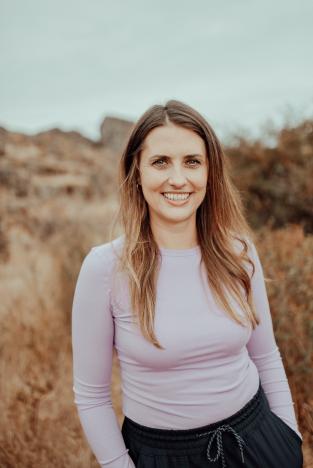
by Kyria Sabin
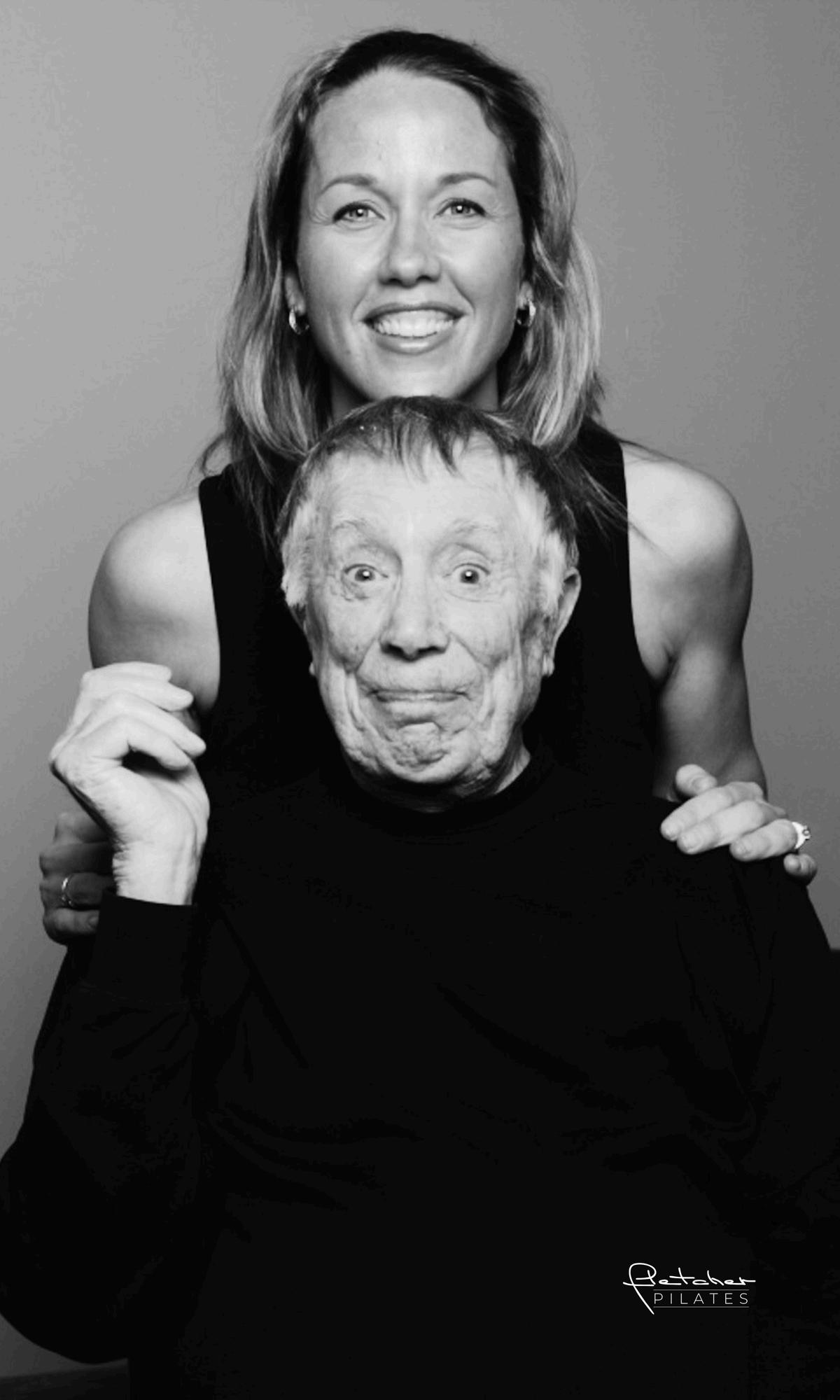
In 1948, a young dancer named Ron Fletcher walked into Joseph Pilates’ New York studio, seeking help for a knee injury What he discovered was far more than rehabilitation, it was revelation Ron immediately recognized in Pilates the same clarity, intention, and artistry that drew him to modern dance under Martha Graham That discovery would define his life’s work and eventually reshape the Pilates landscape
From Broadway to Beverly Hills, from the Ice Capades to international workshops, Ron carried the Pilates method into new territory, infusing it with rhythm, breath, and theatrical vitality Today, under the direction of Kyria Sabin, the Fletcher Pilates lineage continues that evolution, honoring its origins while expanding its reach and relevance for a new generation of movers
Who was Ron Fletcher, and how did he help shape the Pilates method as we know it today?
Ron Fletcher was one of Joseph and Clara Pilates’ most devoted students, a dancer, choreographer, and visionary who saw the body as an instrument of both strength and expression After years performing on Broadway and choreographing for stage, film, and television including a historic role as the first non–ice-skating choreographer for the International Ice Capades Ron turned his focus entirely to Pilates
He opened the Ron Fletcher Studio for Body Contrology May 1, 1972 on Rodeo Drive at Wilshire Boulevard in Beverly Hills, California - the first Pilates studio on the West Coast His clientele included famous socialites, actors, and performers who were drawn to his unique blend of discipline and artistry Fletcher was also among the first to take Pilates education beyond the studio, leading workshops around the world and introducing thousands of people to the work
The Fletcher Pilates tagline “Evolved from the Source” captures his legacy perfectly While Ron consistently remained deeply rooted in the foundational “A-B-C's” of the Pilates method, as Clara Pilates referred to them, he consciously evolved method organically, based on his deep understanding of human movement and exploration of breath The signature techniques he developed, including the Fletcher Towelwork® ,
Fletcher Floorwork® , Fletcher Barrework™ and the Percussive Breath™ , emerged from a desire to teach movement that was both rooted in ABC’s and biomechanically sound, as well as organically alive.
What defines the essence of Fletcher Pilates and what makes it unique within the Pilates landscape?
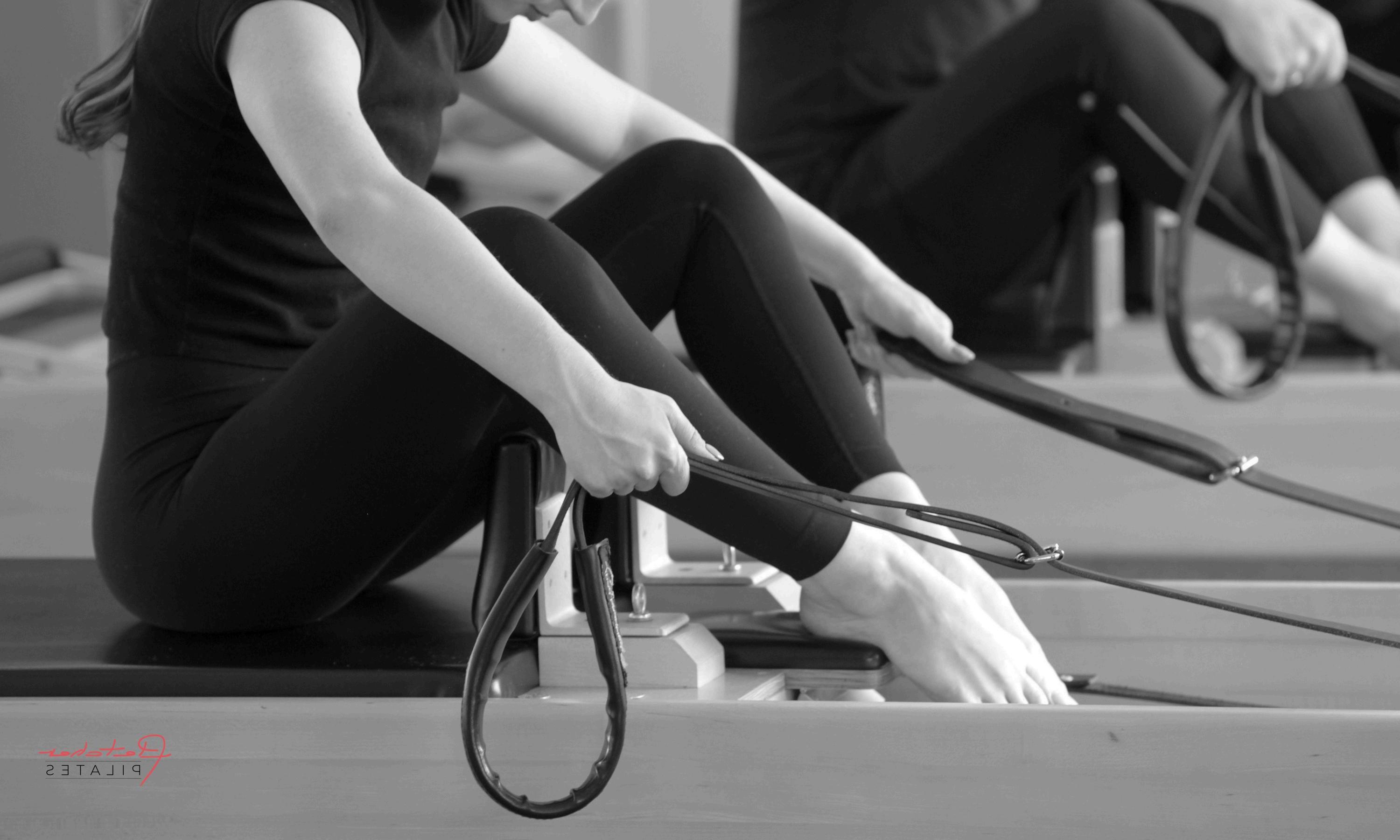
At its core, Fletcher Pilates is movement-based, breathdriven, and artistically inspired It honors the intelligence of the body and the elegance of motion The approach is precise yet expressive, as well as technical, but never clinical
Ron often said, “The Breath is the drumbeat ” That idea permeates every Fletcher movement and class. The Percussive Breath Technique established the breath into rhythm an audible pulse that animates the body from the inside out Movement and breath are inseparable, as the breath sets the pace and tone of the work.
Similarly, Fletcher Towelwork began as a simple teaching tool to help clients stabilize, organize and mobilize the shoulder girdle and then grew into an elegant, complete movement system that integrates the entire body It’s accessible to everyone from professional dancers and athletes to individuals recovering from shoulder and chest wall surgeries, and can be practiced anywhere.
“At its core, Fletcher Pilates is movement-based, breathdriven, and artistically inspired. It honors the intelligence of the body and the elegance of motion”
Based on the Pilates movement principles and rooted in the Graham technique, the Fletcher Floorwork incorporates fullbody, 3-dimensional sequences that challenge alignment, movement articulation, spatial awareness, coordination, control and creativity, while the Fletcher Barrework brings the reformer program to a vertical standing environment, as Ron was the first to introduce a Pilates-based barre program in a Pilates studio and workshop setting
Each of these innovations reflects Ron’s deep understanding of anatomy, his dancer’s intuition, and his insistence that movement should always be intentional
How does Fletcher Pilates interpret the relationship between breath, control, and artistry?
Breath, control, and artistry form the foundation of the Fletcher approach The work is about breathing the movement to life allowing the breath to shape the motion, rather than simply accompany it
Ron introduced the concept of the “goesintas” the seamless transitions that link one movement to the next These moments of flow are where technique becomes artistry In Fletcher Pilates, you don’t perform isolated exercises; you experience a continuous, integrated dance of control and release, strength and grace
Every inhale initiates expansion Every exhale refines precision It’s a conversation between the mind and the body
Ron’s background as a dancer clearly shaped his approach. How does that artistry live on in Fletcher Pilates today?
Ron’s years with the Martha Graham Company gave him a deep appreciation for the emotional and expressive power of movement That influence is alive in every Fletcher experience Moreover, he quickly recognized the correlation between the Graham contraction/release and Pilates exercises such as the hundred and the stomach massage He married Pilates’ approach to balanced, symmetrical physical conditioning to Graham’s grounded, visceral approach to movement and dance He seamlessly blended structure and artistry, allowing students to feel both the precision and the freedom of movement
How does the Fletcher lineage preserve authenticity while continuing to evolve?
We’re very intentional about balancing reverence for tradition with openness to evolution, blending classical with contemporary approaches Our education clearly distinguishes what stems directly from Joseph and Clara Pilates and what Ron developed, with Clara’s blessing - evolved from the source
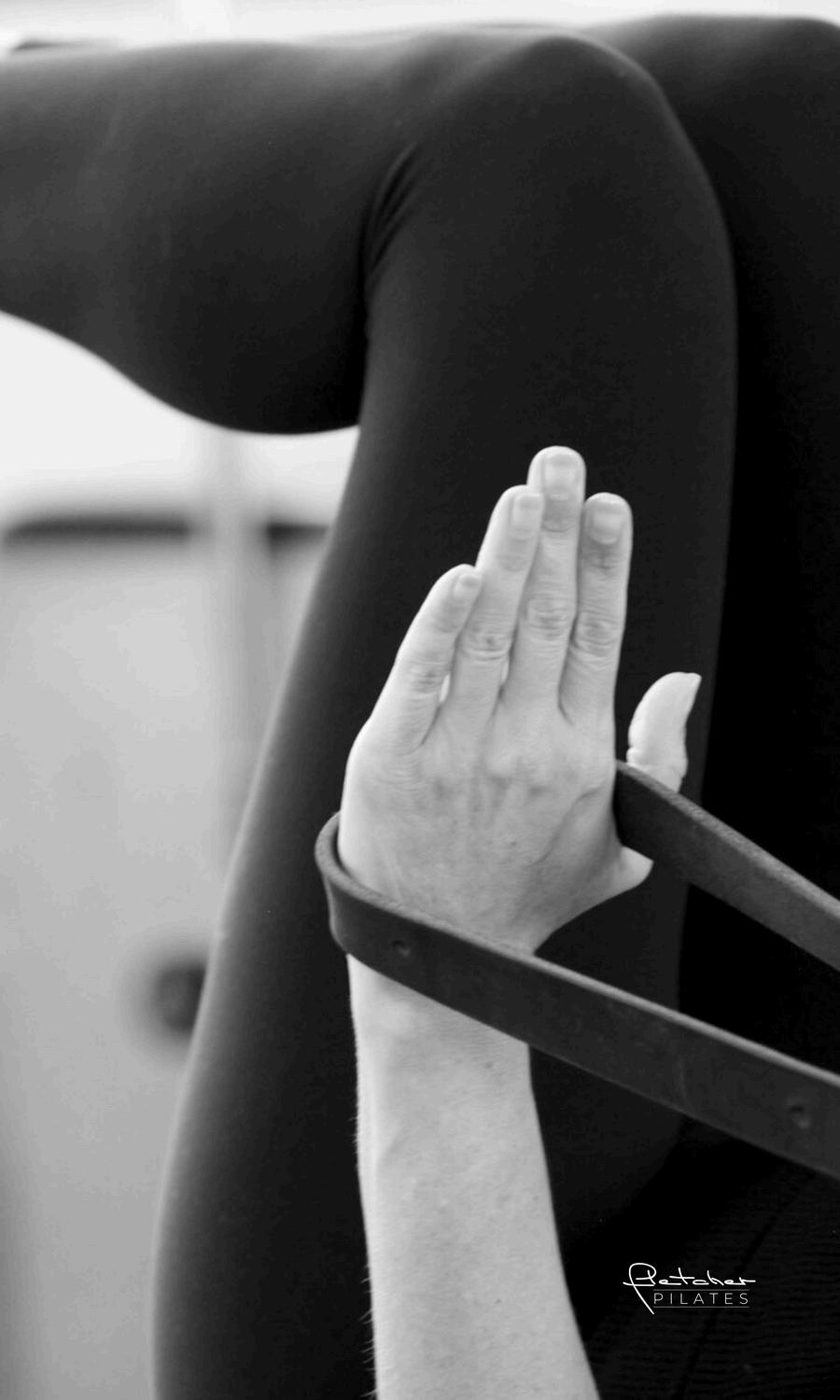
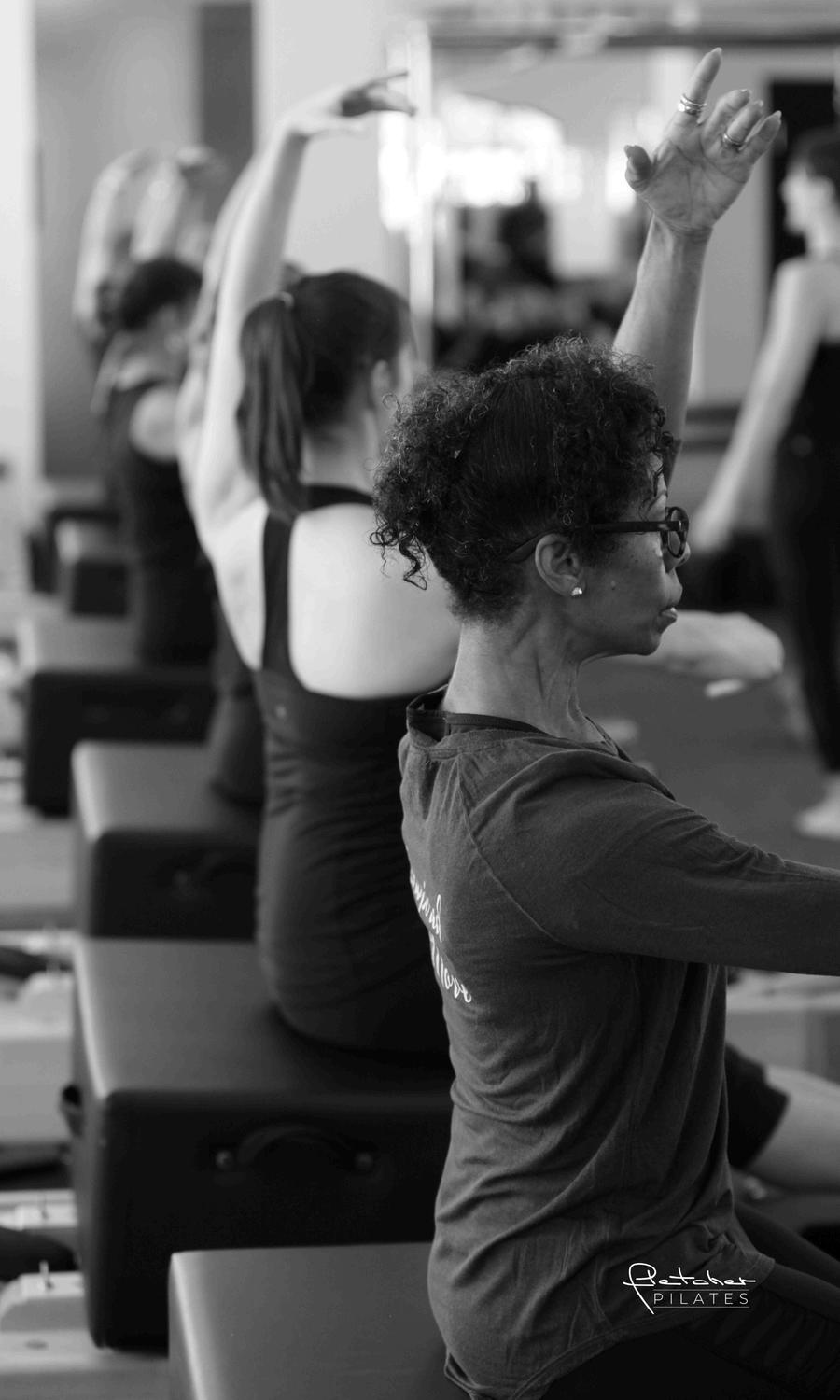
Our Fletcher Foundations Course provides both new studentsas well as seasoned teachers - an educational opportunity to understand the 4 foundational pillars that support a well rounded Fletcher Pilates Teacher:
Foundational Movement, Pedagogy, Anatomy and History
This solid foundation enables students to embody the work and develop a deeper understanding of the Fletcher Fundamentals, teaching techniques, history and anatomy before advancing to our comprehensive Program of Study. It’s a progression that ensures quality, consistency, and depth while inviting individual exploration and growth
This structure keeps the Fletcher Pilates lineage alive. Our educational curriculum remains pure in its classical intentions and principles yet flexible enough to speak to those seeking a more contemporary approach to the method
For someone stepping into a Fletcher class for the first time, what should they expect?
A Fletcher Pilates private session and class usually begin and end in standing and centering a practice Ron used to refer to as “taking inventory ” It’s a moment to arrive, breathe, and notice how you feel - and to reassess at the end before leaving the studio and returning to your life Students often take note and comment on feeling taller, lighter, more connected at the end of class
Throughout the class, you’ll experience precise, breath-driven continuous movement that engages the whole body Expect focus, rhythm, and moments of artistry the kind that leave you not just stronger, but more alive in your body. Fletcher Pilates asks you to move with intelligence and imagination You’ll leave feeling integrated, energized, and centered the way Ron intended
On a personal note, what first drew you to Ron’s work, and what continues to inspire you today?
The first time I experienced a Fletcher session, I was hooked Even the simplest movements demanded my undivided attention, focus, curiosity, and awareness It was the first time I felt fully challenged, mind and body, and the first time I understood that movement could be both disciplined, challenging and joyful
When I later met Ron in 1991, after taking sessions at his studio in Los Angeles with Diane Severino, everything about the work clicked Ron used to say that when something made perfect sense, it spelled "M-O-T-H-E-R ” That feeling of rightness, of being part of something deeply authentic, has stayed with me ever since It continues to inspire my teaching, and it connects
me to every student and teacher who experiences this work Ron later invited me to direct his lineage and lead his legacy forward - an honor of a lifetime
Looking ahead, how do you see the Fletcher legacy evolving?
Our new program structure makes the Fletcher work more accessible to people at all stages - from seasoned professionals to those just discovering Pilates The goal is to offer pathways for exploration, growth, and mastery that didn’t exist before Looking forward, I see a global community that continues to expand, one that celebrates Ron’s legacy not as a chapter of history, but as a living, breathing tradition The Fletcher style of the Pilates method has always been about traditional and evolution. And that evolution continues today.
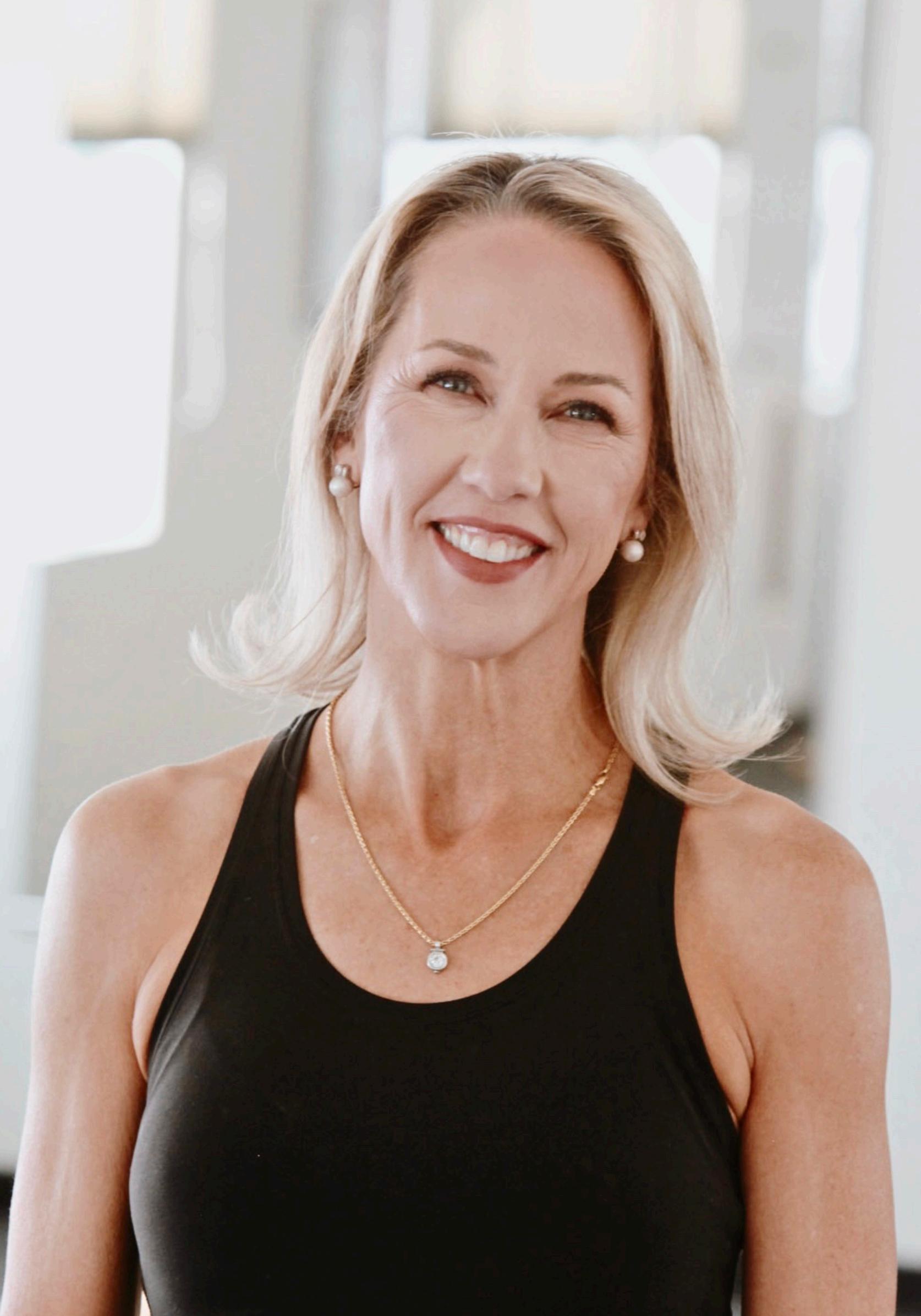
Kyria Sabin studied directly with Ron Fletcher for more than 2 decades , and is the Director of Fletcher Pilates , the only school endorsed by Fletcher . She leads the international Fletcher organization , overseeing its educational programs , faculty , and global community . Honoring the origins of the Pilates method , Kyria continues to disseminate Ron Fletcher ’ s evolutionary vision , guiding its conscious evolution for generations to come .


Every Studio Touchpoint Matters
HOW TO BUILD LASTING LOYALTY IN YOUR STUDIO
By Arketa & CJ Zarb
In Pilates, connection is everything We spend hours fine-tuning the mind–body relationship, cueing clients to notice subtle shifts and celebrate small wins But what if we brought that same attention to detail to our business relationships too?
For many studios, client connection starts and ends inside the room Yet, loyalty isn’t built in a single session, it’s nurtured across dozens of small interactions: a welcome email that feels personal, an easy booking flow, a thoughtful follow-up after class Each one is a touchpoint that shapes how clients feel about your brand and the experience they have at your studio
That’s where platforms like Arketa come in, helping studio owners design these client journeys with as much intention as they design their classes
1. The First Encounter: Make the “Digital Welcome” Count
Most clients meet your business long before they meet you. Maybe they find you on Instagram, through a Google search, or via a friend’s recommendation In those first few seconds, they’re already deciding if you’re their kind of place
How to Elevate This Touchpoint: Keep your brand consistent across all digital spaces your tone, imagery, and class descriptions should all tell the same story. Simplify your website The goal isn’t to impress it’s to convert curiosity into action
Arketa Tip: Your website should speak first to new clients. Use Arketa’s customizable landing pages to clearly explain who your studio is for, what makes it unique, and how to book a first class turning first-time visitors into confident sign-ups
2
. The Booking Experience: Remove
Friction, Build Trust
Ever lost a potential client halfway through the sign-up process? You’re not alone A clunky or confusing booking flow is one of the biggest hidden leaks in studio marketing
How to Elevate This Touchpoint: Minimise steps Every extra click can cost you a conversion Offer flexible ways to book website, mobile, or directly from social media
Arketa Tip: With Arketa, clients can book in just two clicks from Instagram, email, or your website and our branded mobile apps make the booking experience even easier
3. In-Studio Experience: The Human Connection Still Wins
Technology is there to support human touch, not replace it The inperson experience is where your team can transform first-timers into fans
How to Elevate This Touchpoint: Personalise the welcome Remember names, greet newcomers, and offer simple guidance without overwhelm Train instructors to identify and engage new clients
Arketa Tip: Instructors can quickly see who’s new right from the class roster on their mobile device, thanks to Arketa’s real-time client tagging They can also see relevant milestones to recognize during class.
4 After Class: The Follow-Up That Feels Like You
This is where many studios go quiet and where the best ones shine A thoughtful follow-up reinforces that you care, not just that you teach
“The studios that do this best start their follow-up in person When instructors and front-desk staff take the time to connect with clients after class and ask about their experience, it creates a sense of care that keeps people coming back, ” said CEO of Arketa, Rachel Lea
How to Elevate This Touchpoint: Send a same-day thank-you or “great to see you in class” message after specific mile stones first class, 10 classes, 50 classes, etc
Offer a next-step call to action such as a book again, join a membership, or try another class type.
Arketa Tip: Use Arketa’s automation playbooks to help you tackle the daunting task of building automations Use the playbooks asis, or customize them to your brand and voice!
5. Ongoing Touches: Stay Present Between Visits
Loyalty is built in the space between classes The goal is to stay top-of-mind without overwhelming inboxes
How to Elevate This Touchpoint:
Share content that educates and inspires Think short tips, playlists, or mini challenges
Highlight your community: birthdays, milestones, events, and local partnerships
Arketa Tip: Use Arketa’s email and SMS tools to automate consistent, branded communications from monthly newsletters to personalized class reminders With built-in analytics, you’ll see which messages engage your community most
“The studios that win aren’t the ones sending the most messagesthey’re the ones sending the right message at the right time That’s exactly what Arketa’s Marketing automations are designed to do, ” said Rachel
6. Celebrate Milestones: Recognition Creates Retention
Every “10th class” or “1-year anniversary” is a chance to show appreciation Recognition doesn’t have to be grand - it just has to feel genuine.
How to Elevate This Touchpoint:
Send automated congratulations or reward credits
Share community wins on social media or in newsletters.
Arketa Tip: Arketa’s client tracking automatically identifies milestones and can trigger personalized notes or rewards These small moments build the kind of emotional loyalty money can’t buy
The Takeaway
Every client touchpoint is an opportunity to connect, to surprise, to delight When you design your communications with intention, you’re not just managing clients; you’re building a brand people trust and return to
“When you understand the moments that matter to clients, you can show up for them in more meaningful ways. Arketa helps studios identify those moments and automate the touchpoints that build real loyalty, ” said Rachel.

A Conversation with the Body: How Listening Deepens Your Pilates Practice
LISTENING TO YOUR BODY ISN’T ABOUT “DOING IT RIGHT” IT’S ABOUT NOTICING, FEELING, AND ALLOWING INTUITIVE AWARENESS TO GUIDE YOU TOWARD DEEPER CONNECTION AND DISCOVERY.
by Brooke Siler
“Listening” might seem like a confusing term for what we experience when we tune into our bodies as they move, as it is a completely internal process Instead of needing to translate the external stimuli from a teacher’s direction into movements for our bodies to follow, we guide ourselves by what we feel; it’s an intuitive process We’re listening for a feeling, for sensation, for an inner wisdom that is inherent in all of us from birth; a concept espoused by Joe Pilates in his 1945 book Return to Life Through Contrology, and further explored in my recently expanded edition of The Pilates Body
Listening to your body is an invitation to quiet your awareness, especially from the right-and-wrong thinking that can crowd our minds during practice Throughout the Hundred, for example, my inner dialogue might sound like: “How does my back feel here? Do I feel more work when my legs are higher or lower? Can I deepen my breath and expand my ribs more?” “Can I match my breath to my heartbeat?” By the time I’ve interviewed those sensations in my body, that movement series is over It’s a much quieter and kinder curiosity than thoughts like, “I wonder if I’m doing this right?”, “Why does this never feel good on my back?” or “My god, how long is a hundred anyway??”
Deep listening also opens the door to the unexpected When our minds are full of instruction and self-judgement, we leave no room for insight and imagination In my own self-practice, I’m always startled by how much seemingly “new” inner wisdom arises A recent rotational exploration on the Cadillac immediately led to a deeper understanding of my tennis swing.
So how do we shift toward that kind of natural awareness, and how do we help our students do the same? The answer - by practicing. Intuition is a skill built on trust; trusting our bodies to speak and our minds to listen Whether for five minutes or fifty, consistent practice strengthens that trust To paraphrase Joe; you must make up your mind to practice Contrology for ten minutes every day without fail, and soon you will subconsciously lengthen your practice from ten to twenty minutes or more Why? You have stirred your sluggish circulation into action, cleared your brain and boosted your willpower
Every positive result becomes motivation to continue and, once this awareness becomes natural within us, we can help others find it too How? Maybe we allow moments of silence for a student to sense their own alignment Maybe we ask how an exercise felt rather than assuming we know based on what we see. Maybe you’ll encourage them to practice something on their own My teacher, Joe’s protegee Romana, used to leave us to our own curated endings at the end of our sessions (The wall, weights, or exercises she had hand-picked for our specific needs.) That space encouraged our independence
As teachers, it’s essential to understand our teaching we want clients dependent on us, we’ll withhold opp them to learn to trust themselves If we want to empo we’ll leave room for self-reflection, foster curiosity an questions instead of issuing instruction It may not be initial sessions, or maybe it will be When we trust th itself, when we really meet the person, we are worki understand that teachers are a means to an end - an teaching creates independent movers and thinkers w within
Many studios today prioritize efficiency over explora owned a large studio students could come early, sta around on giant mats, bounce on Swiss balls and wa lessons It was a space filled with learning and play powerful It invites creativity, relieves stress, and pro kind of curiosity in a practice that fuels growth It lets movement without judgment, strengthening our con building that all-important internal trust
Pilates, at its core, is a dialogue between body and m teacher, finding balance between direction and dicta Direction offers guidance and goals, while honoring dictation demands only obedience We know Joe wa adherence, but evidenced by archival documentatio clearly valued most was consistency, concentration a In 1940s New York City Joe Pilates saw a society bu tension, exhaustion, and spiritual fatigue - not too un was a call to reclaim vitality through natural moveme and concentrated effort. As I’ve put forth my own bo dialogue is fostered by coordinating breath and mov tensing and releasing muscles to bolster circulation, attention to ourselves These principles being the se believed, to awakening our physical energy, spiritua living more fully and harmoniously
In a world full of noise, alerts, and demands, we all n Isn’t it wonderful to know that that refuge exists within us; steady, alert, and always ready for us to listen!
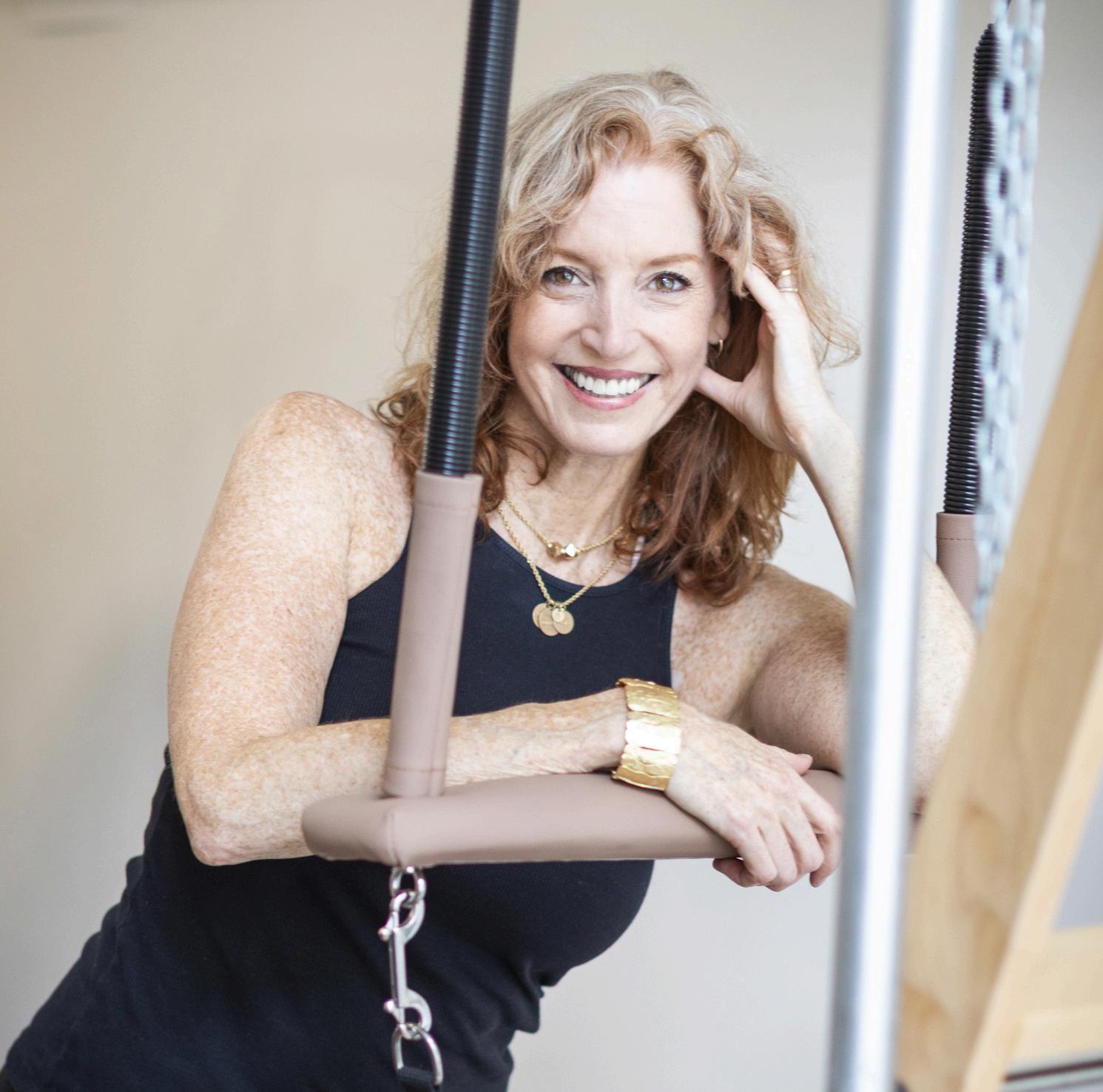
Brooke Siler began her Pilates training in 1994 spending a decade training under Joseph Pilates’ protégée Romana Kryzanowska, later opening her award-winning Manhattan studio, re:AB Pilates, in 1997. Quickly embraced by Hollywood’s A-list, Brooke became one of the most recognized voices in Pilates. She is best known for her New York Times bestseller The Pilates Body - recently released in a revised and expanded edition in 2025. Her other books include Your Ultimate Pilates Body Challenge and The Women’s Health Big Book of Pilates, and in 2021 she launched The Tensatoner™ teaching tool, inspired by two of Joe Pilates’ lost apparatus. Since moving to the UK in 2015, Brooke has continued teaching and presenting worldwide, remaining fiercely passionate purposeful and authentic in her person and her work.
The Pilates Body Revised and Expanded definitive guide to mat-based Pilates from trainer with more than three decades of new chapter of matwork-enhancing strat variations on classic exercises.
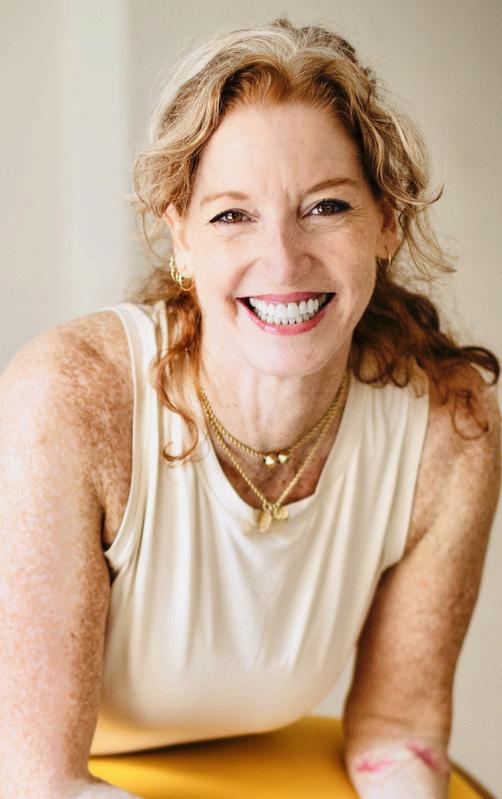
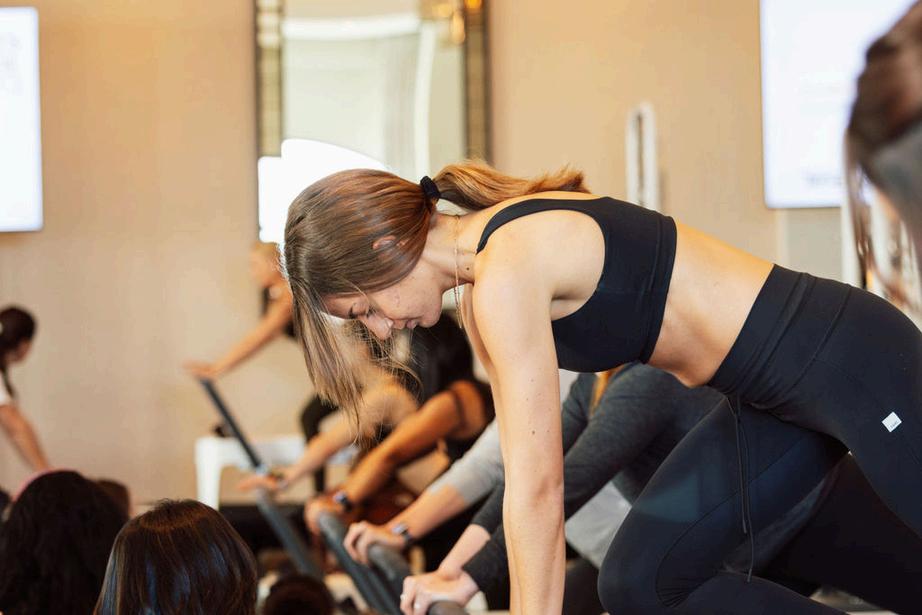
What Constitutes a Good Pilates Practitioner?
BEING A GREAT PILATES TEACHER IS NOT JUST WHAT YOU KNOW, IT’S HOW YOU APPLY IT TO EVERY BODY, EVERY TIME
by Heidi Wright
The other day a colleague of mine asked me if I knew a good Pilates teacher that I could send her way to work in her newly opened studio That got me thinking, good at class flow, good with physical injuries, good with the mind, good with interaction, a teacher that comes from a reputable organisation? What constitutes a good teacher?
Being a “good” Pilates practitioner is much more than Body, Mind and Spirit albeit very important It is how to apply the latter and how to handle the individual nuances of each client or group How do we become that good teacher everyone is looking for? We can probably agree that the more we teach, the more we are grasping to understand what being a good Pilates practitioner entails
Having recently acquired another new client, that broke into tears during the first minute of our interview, I was once again reminded of the emotional aspects involved with exercise-therapy classes, whether private or group So many clients are enrolling and arriving in classes now with much more than classes on their minds. They are arriving with stress, insecurity, mental depletion and fear to name a mere few conditions Not only can emotion and fear intertwine in a session, but also the concerns of ability, ridicule, courage, coordination and even survival are issues to contemplate whilst teaching. So how do we handle these issues?
Heidi Wright is a Master Teacher in the genres of Pilates and Ballet She has been an International and residential guest instructor , lecturer , practitioner and published writer in both genres since 1992 and is a graduate in Pilates Mat , Allegro , Studio and Post Rehabilitation with Polestar Pilates and with Pilates elder Lolita San Miguel . She is a NCPT and a member of the PMA . Heidi also works with dancers suffering from injuries of overuse , surgery or simply those that are in special needs for their professions
compassion, it works wonders.

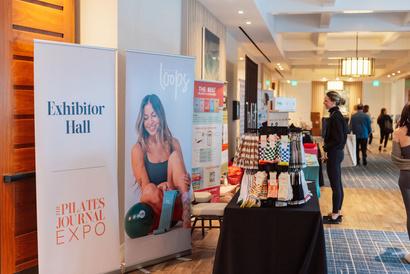
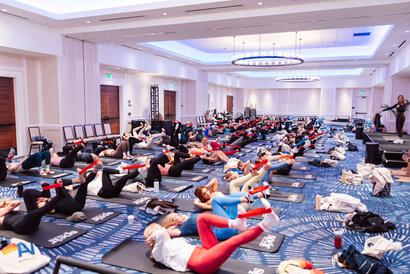
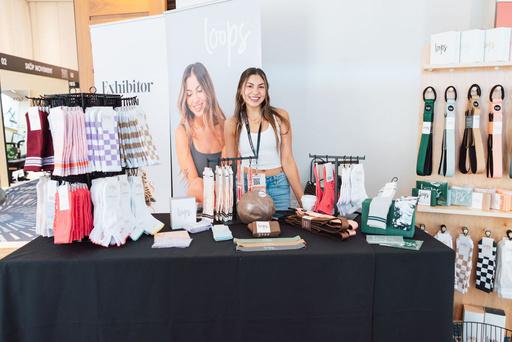
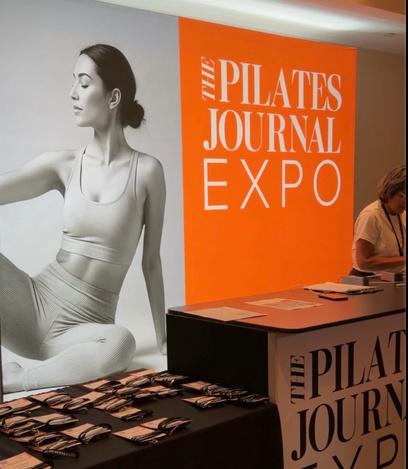
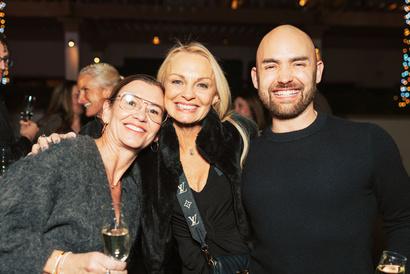
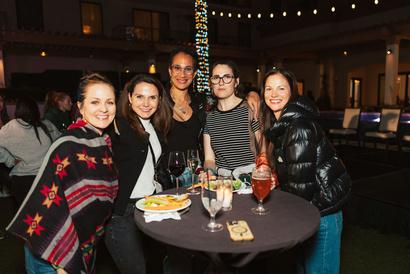
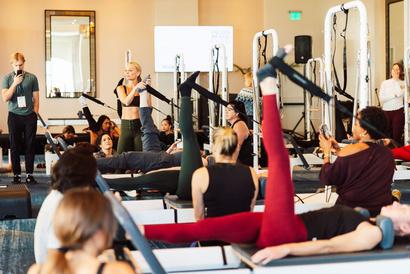
More Than Movement: Inside the Inaugural Pilates Journal Expo USA

by Emma Wood
The weekend just gone marked a defining moment for the Pilates industry in the United States
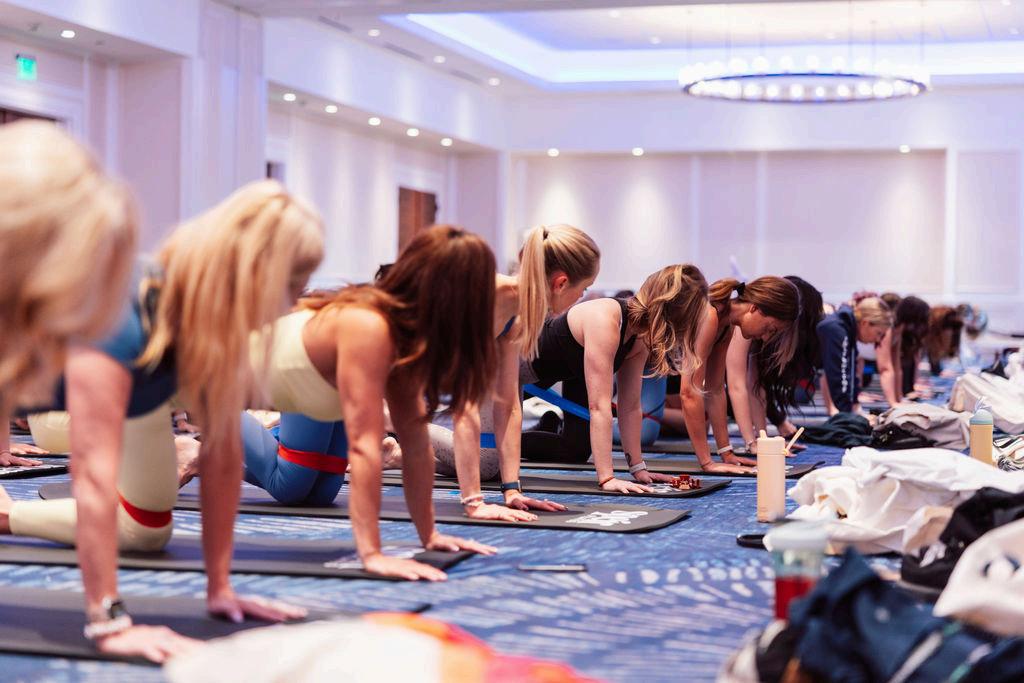
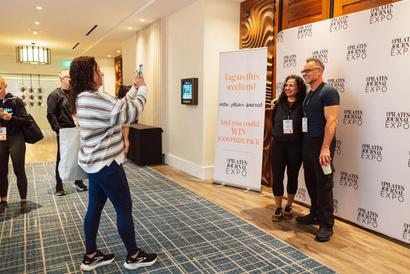
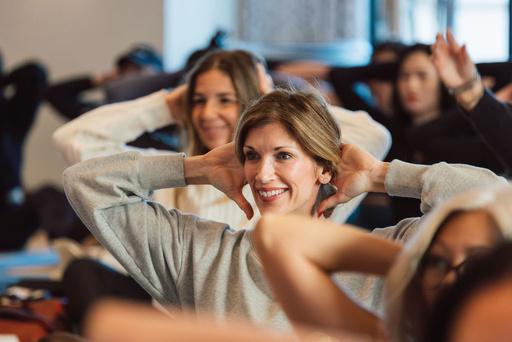
The inaugural Pilates Journal Expo USA was not simply an event It was a gathering rooted in connection, community, and inclusion. Across two full days, studio owners, teachers, educators, and brands came together with a shared intention to learn, reflect, and move the industry forward together
From the outset, the energy in the room was clear Conversations flowed easily Introductions turned into collaborations Long-time peers reconnected while first-time attendees found themselves welcomed into a wider professional community. Pilates, often practised in individual studios and local circles, felt unified on a much larger scale
According to the Founder and Editor-in-Chief of The Pilates Journal, CJ Zarb, “A central theme throughout the weekend was evolution Pilates continues to expand, reflecting the many ways it is being taught, experienced, and evolved today As explored across business panels and workshops, Pilates is evolving into an experience One that blends movement, education, values, and community The conversations highlighted that success today requires openness, agility, and the ability to adapt your business as the industry continues to evolve, ” said CJ
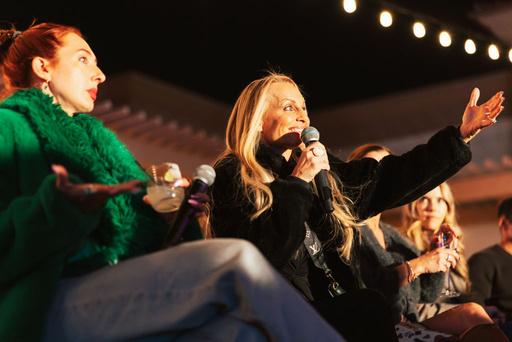
The business panels offered practical, honest discussions around growth, sustainability, and leadership Speakers spoke openly about the importance of failing forward, reframing failure not as something to avoid, but as an essential part of learning and progress “Failing forward is a great way to fail” became a sentiment echoed throughout the weekend, reinforcing the idea that progress comes from experimentation, reflection, and the courage to adapt In an increasingly crowded market, differentiation emerged as more important than ever, with conversations emphasising the need for studio owners and brands to clearly articulate what sets them apart and how that distinction is felt through the client experience
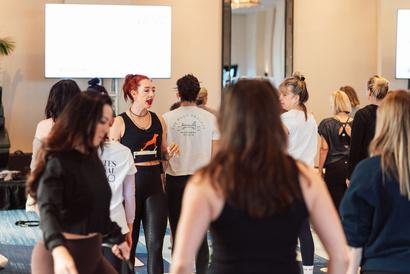
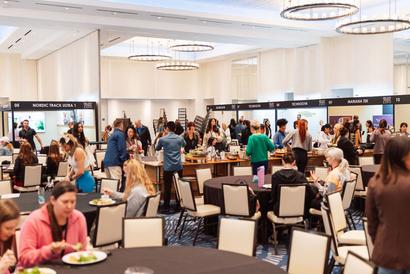
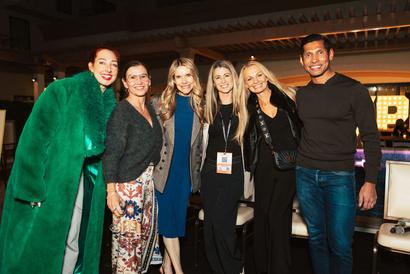
Networking moments were a standout feature of the Expo. From informal conversations on the Expo floor to structured networking sessions, attendees were given space to connect meaningfully These moments reminded everyone that the Pilates industry thrives on relationships, not competition. As one attendee shared, “Truly this weekend was just what so many of us needed, to hear this positive message together ”
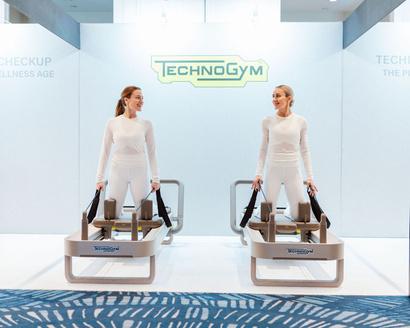
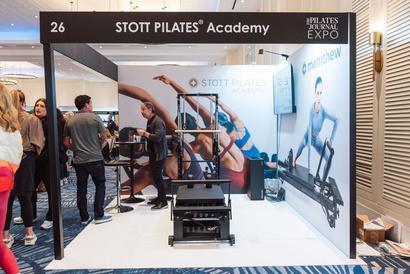
The Expo Hall itself reflected the diversity and direction of the industry An impressive range of brands, equipment, technology, and services were represented, creating an environment of curiosity and collaboration From new brands to market like Technogym, Tonal, Pilates Addiction and NordicTrack’s first look at the NordicTrack Ultra 1 Reformer from iFit (coming soon), to well-established brands like Merrithew, Balanced Body, Polestar Pilates and more, it was a weekend of discovery, innovation, and shared learning.
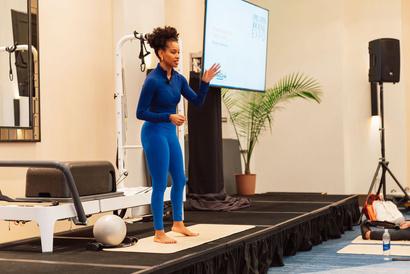
Workshops led by some of the most respected figures in the industry grounded the weekend in education and depth With Maria Leone, Tracey Mallet, Andrea Speir and Sean Bergara to name a few These sessions challenged traditional thinking, encouraged critical inquiry, and highlighted the importance of continuing professional development Attendees left not only inspired, but equipped with new perspectives to take back into their studios and teaching
“Above all, the weekend reinforced a powerful truth Pilates is not just an exercise It is an experience shaped by people, values, and shared purpose The Pilates Journal Expo USA created a space where that experience could be explored collectively, reminding the industry that growth is strongest when it is inclusive, connected, and community-driven’ said CJ
This was not the end of a weekend It was the beginning of something bigger
The Value of Footwork on the Reformer
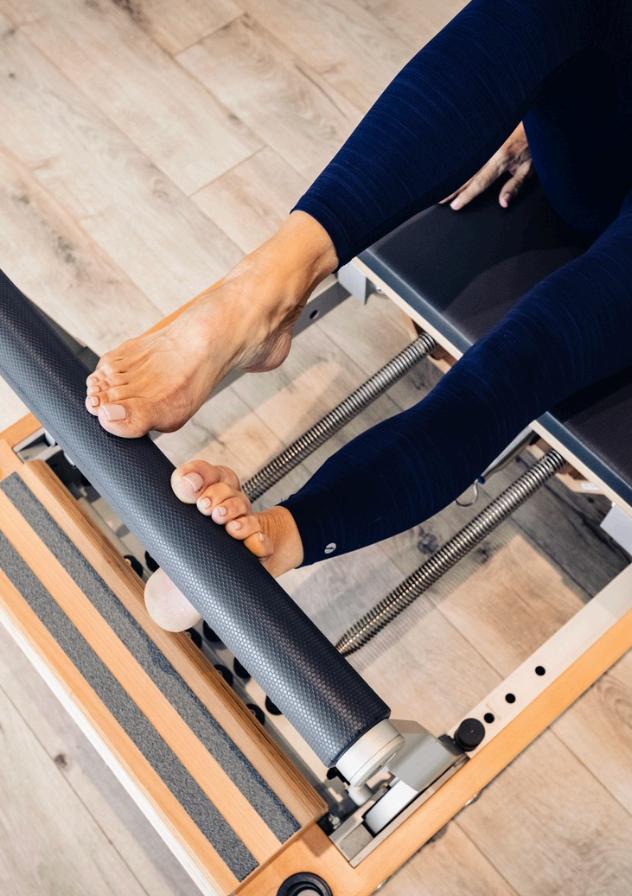
“Footwork on the Reformer is a powerful tool for Pilates Ins to retrain the lower kinetic chain the hip, knee, ankle, and as a functional unit By varying foot placement, spring resist and alignment, we reinforce the STOTT PILATES® 6Th princ Lower Body Mobility & Stability while enhancing propriocep joint stability, and neuromuscular control This approach pro efficient load transfer, flexibility, and enhances functional movement essential for everyday and athletic performance
Missoni Lanza, owner of Movement Bottega recently comm online regarding the value of Footwork and said the followi
“I think a lot of studios are missing the understanding of ho impactful it is to set people up for success for their workout Meaning, mobilizing the foot and hip joint, and how that imp the entire chain ”
From a fascial perspective, the deep front line passes from arches of your feet, through the adductors, pelvic floor and diaphragm, right up to the muscles of your neck, so pressin the footbar with our feet gives us a prime opportunity to ac the deep front line, mobilise the feet, ankle, knee and hip jo helping to hydrate the fascia, and hone our neuromuscular
So why would you choose not to teach footwork? I asked th question on social media and these were the answers I got
“There are many ways to win at Pilates and the effects betw Footwork and other warm-ups are trivial for otherwise healthy populations”
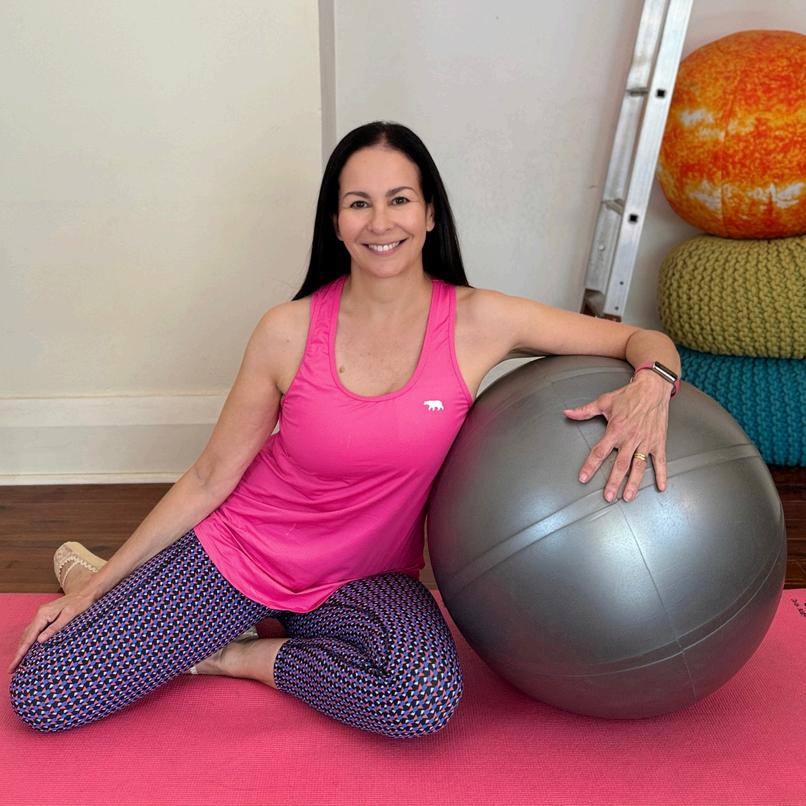
“Our studio has upper and lower body splits On upper body split I don’t teach it”
“I find Footwork to be a time to disengage from your clients… I personally got nothing out of Footwork therefore I do standing footwork and breath work with the clients looking at me”
“I’m teaching 7 classes tomorrow. I can only take so much Footwork”
In today’s world of Pilates classical, contemporary, fitness and hybrid Pilates classes, we can certainly embrace the differences in styles and techniques but one thing that always informs my choices is the value of an exercise for the individual or class and I make my choices accordingly Should you teach Footwork in every class? Possibly not, particularly if it is not advantageous to your specific client or the goal of an individual class But the value of this wonderful set of exercises is undeniable to me and still just as relevant today as it was in the 1920’s
© Lisa Kaye, Pilates One 2 One
Originally from the UK and a former member of the British National Gymnastics Squad, Lisa Kaye has been teaching since 1996 and is a Certified Exercise Physiologist (ACSM), APMA Diploma holder, STOTT PILATES Fully Certified Instructor, and Instructor Trainer, presenting nationally and internationally while running her own Sydney studio and active online platform Named Pilates Journal Influencer of the Year 2023 and ranked #12 in the Top 100 Pilates Influencers worldwide, Lisa delivers every course, workshop, and session with a blend of education, effectiveness, and fun.
Meet Me at The Pilates Journal Expo Sydney
Lisa will be presenting at The Pilates Journal Expo in Sydney Don’t miss her incredible session Get tickets now!


Pilates: Where Craft Meets Art
WHERE TECHNICAL PRECISION MEETS INTUITION - THE PILATES EYE THAT TRANSFORMS TECHNIQUE INTO TRULY EFFECTIVE, RESPONSIVE TEACHING
by Helen Stamatakos
After more than 20 years in the Pilates profession, I’ve come to view this method not just as a form of exercise, but as both a craft and an art- equally grounded in structure and guided by intuition
The craft of Pilates lies in its foundation: precision, technique, alignment, and biomechanics. These are the principles we learn, refine, and pass on with integrity But it’s the art - the ability to read the body, adapt on the spot, and create flow - that truly brings the work to life
Over the years of teaching, I’ve developed what many call the “Pilates eye” that innate sense of observing subtle imbalances, compensations, or untapped potential in a client’s movement Whether it’s adjusting breath to unlock a deeper core connection or cueing a small shift in alignment that changes everything, it’s these intuitive micro-adjustments that elevate a session from standard to transformational
At my studio, Pilates Insync, this philosophy underpins every session: blending structure with creativity, always remaining clientcentered
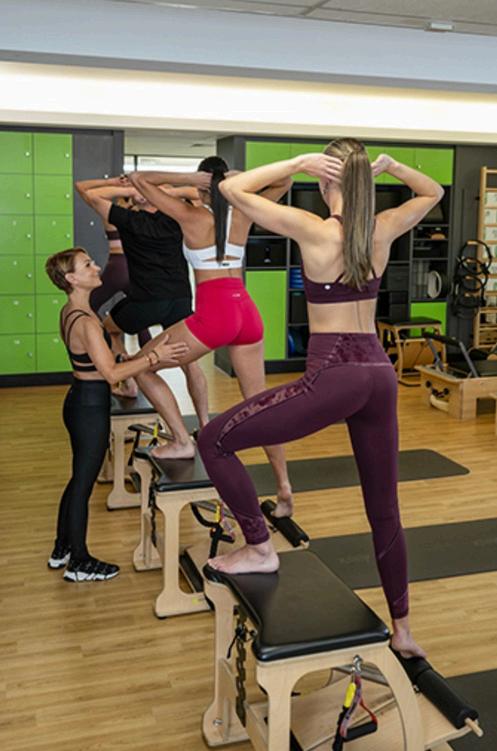
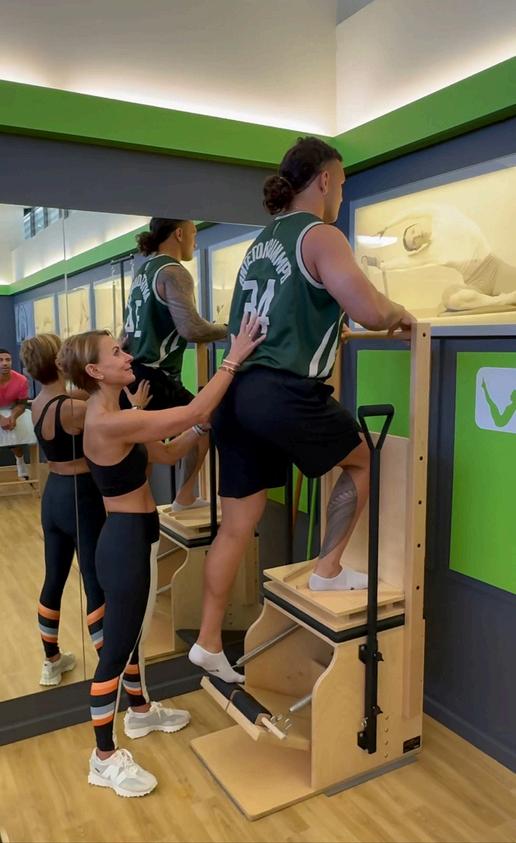
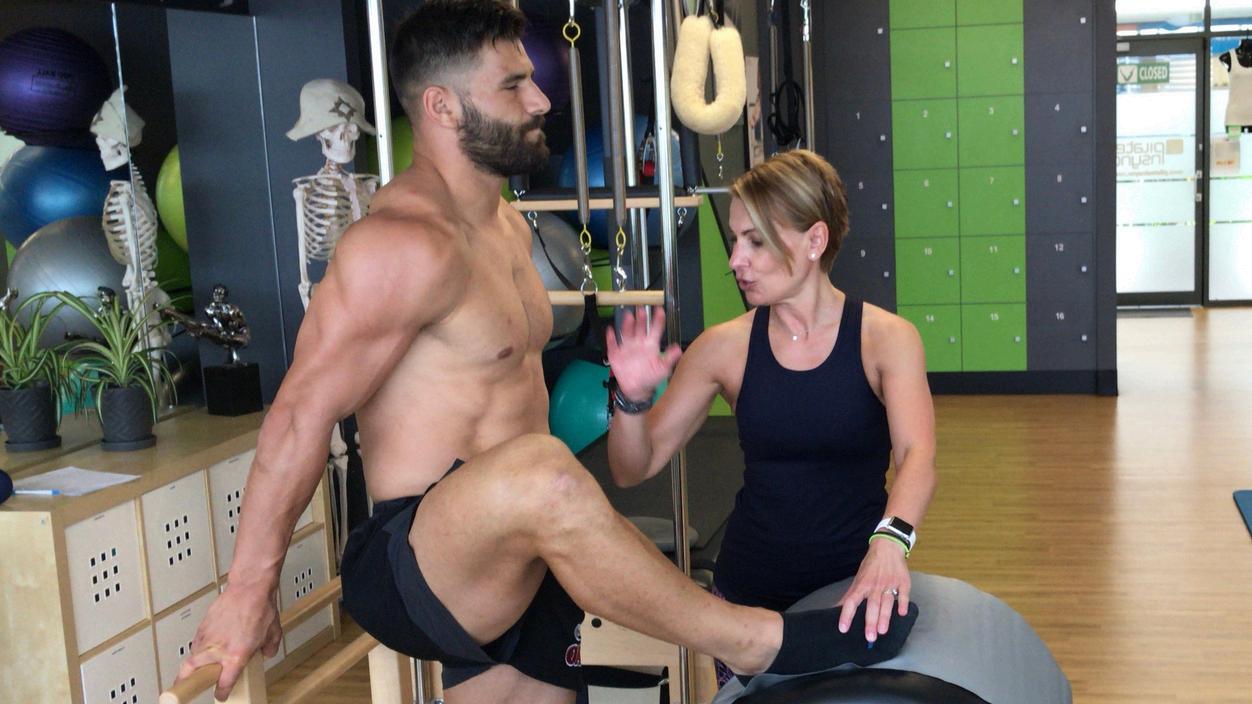
I’ve seen this in action countless times from helping an Olympic diver refine their spinal articulation for better aerial control, to working with a professional NRL player recovering from a hamstring injury In both cases, the Pilates principles remained the same, but the way they were applied was vastly different creative, customized, and always evolving
For example:
• Melissa Wu, a five-time Olympian and world champion diver, came to me looking to improve control and body awareness We focused on spinal articulation, breath control, and eccentric loading to refine her performance in the air with a strong emphasis on movement flow and rhythm
• Loko Pasifiki Tonga, a rising NRL talent, worked closely with me for two years We tailored Pilates sessions to build strength, mobility, and resilience integrating Reformer and Cadillac work to support his transition into first-grade competition His recent debut and first try were moments of immense pride
Pilates is not a one-size-fits-all practice It’s an evolving language that, when taught with both skill and intuition, becomes a powerful tool for transformation whether you’re working with elite athletes or everyday movers.
My top tips for Teachers or Helen’s handy hints!
If you’re just starting your Pilates teaching journey, here are some heartfelt insights from my own path to help guide and inspire you:
1 Master the fundamentals
Before you get creative, build a solid foundation. Learn the principles deeply alignment, breath, control and understand the “why” behind the movement Your creativity will be stronger when it’s rooted in knowledge
2. Develop your eye
The best teachers don’t just cue well they see well Watch how people move in everyday life Notice asymmetries, movement patterns, posture. This will sharpen your ability to truly teach rather than just instruct
3 Commit to lifelong learning
This cannot be stressed enough: never stop learning. Attend workshops, conferences, masterclasses even if you’ve heard the topic before Each time you’ll hear something new, see it from a different lens, or deepen your understanding The best teachers are always students first.
4. Surround yourself with mentors and peers
Stay connected with a community of teachers who challenge and inspire you. Whether it’s a local mentor or an international leader, having guidance and accountability will keep you growing
n’t be afraid to pivot when the of the most powerful moments instincts in the moment correction cues you gave but they will Bring presence, empathy, hat’s what makes your work shops eager to learn New deas it keeps your teaching matter how experienced you ed, challenged, and inspired your craft because when you e!
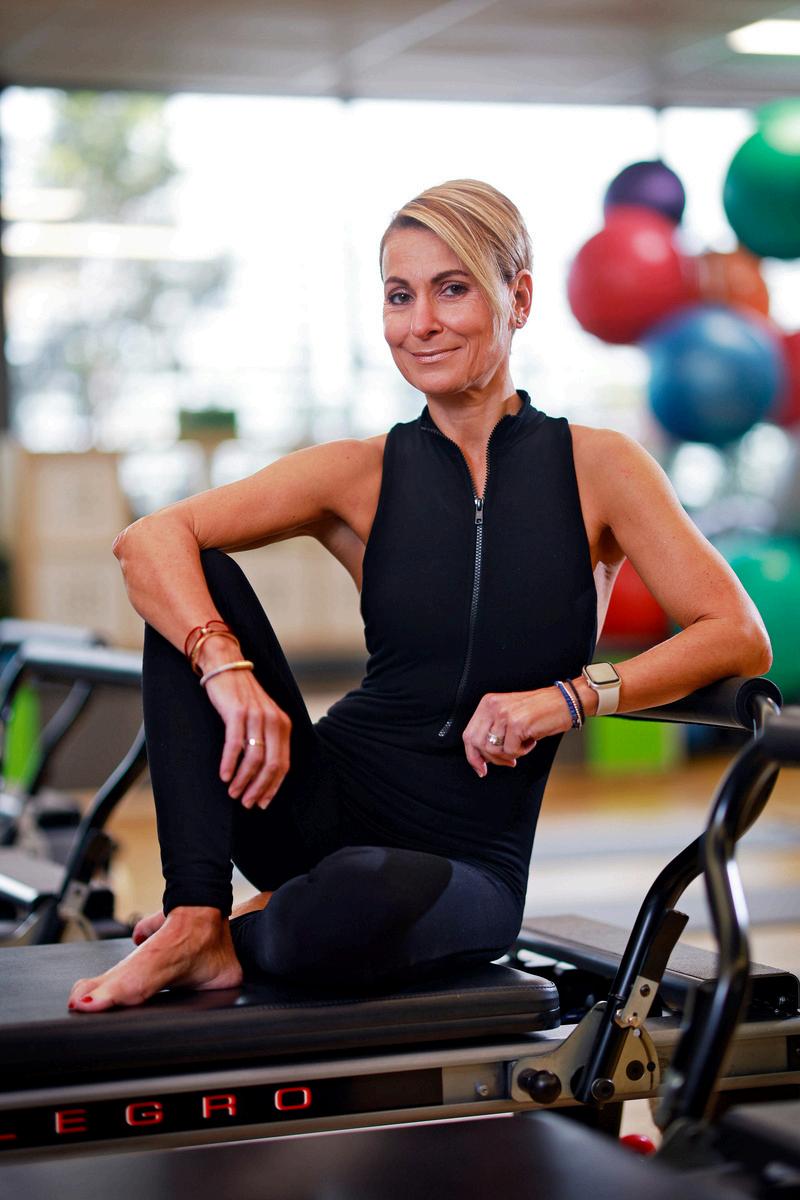
Over the past 20 years, Helen has continually advanced her education, achieving Principal Trainer status with the PAA, completing leading qualifications with Pilates ITC and Polestar, and serving on the PAA Board Renowned for working with elite athletes, she now shares her expertise as an educator with Pilates ITC while running her studio, Pilates In Sync.
The Spinefitter by Sissel® in Practice
A NEUROSCIENCE-BASED TOOL FOR CONTEMPORARY PILATES TRAINING
by Nicole Biedermann
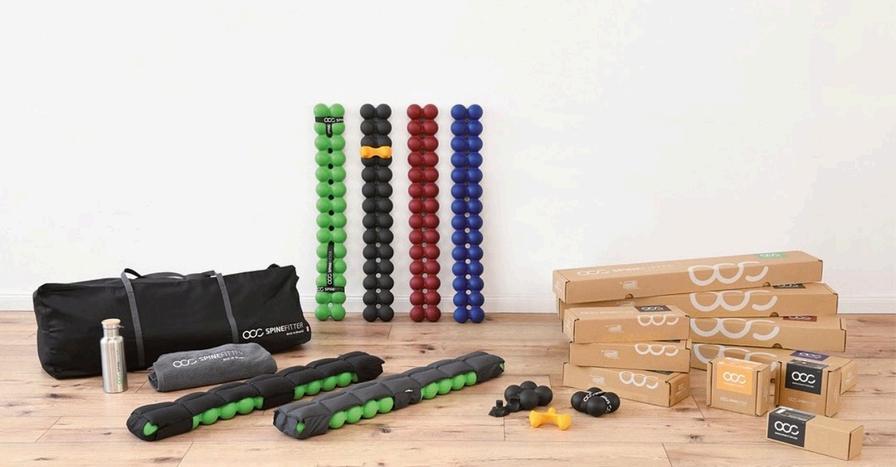
In recent years, the integration of neuroscience and sensorybased tools into Pilates training has gained attention Among these innovations, the Spinefitter by SISSEL® has emerged as a unique bridge between classical Pilates and modern movement science With its distinctive dual-ball structure, it provides tactile stimulation along the spine, offering profound effects on proprioception, breathwork, and movement precision
Applications in Contemporary Pilates
1. Thoracic Spine Mobilization Clients with postural stiffness or limited upper back mobility benefit greatly from the segmental stimulation of the Spinefitter It promotes thoracic extension, releases fascial restrictions, and supports a more upright posture As a result, spinal articulation becomes smoother and more accessible particularly important for clients who struggle with flexion-based movement patterns
2. Proprioception & Balance Training The uneven surface of the Spinefitter challenges the nervous system, enhancing proprioception, balance, and spatial awareness It serves as a powerful tool for older adults, neurological clients, or individuals recovering from injury. Placing the body on an unfamiliar tactile base forces micro-adjustments, reactivating dormant stabilizers and increasing postural control
3 Breathwork & Nervous System Regulation By stimulating reflex zones along the spine, the Spinefitter enhances vagal tone and parasympathetic activity Clients often report a calming effect, deeper breathing, and increased body awareness. In somatic & restorative Pilates sessions, it provides a grounding experience that shifts focus inward and improves autonomic regulation a key component for stress-related disorders or chronic pain clients
4 Pre-Pilates Preparation for Equipment Work Used at the beginning of a session, the Spinefitter primes the neuromuscular system for complex movement patterns on the Reformer, Chair, or Cadillac. It improves alignment, reflex activation, and supports more efficient core and kinetic firing patterns Clients transition into dynamic exercises with more clarity and control after this preparatory step
Scientific Background: Why It Works
The effectiveness of the Spinefitter lies in its multifaceted stimulation It combines fascial hydration, neuroplasticity, and proprioceptive feedback in a single tool When lying supine on the device, the balls apply pressure along the erector spinae, stimulating mechanoreceptors that activate the spine’s intrinsic stabilizers This touch stimulus travels through specific nerve pathways in the spinal cord to the brain
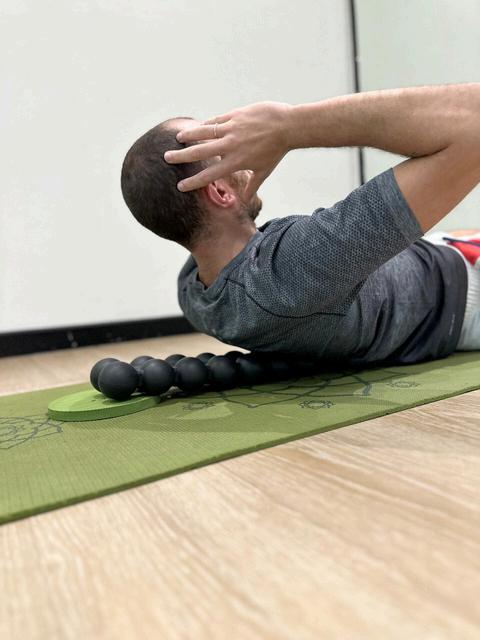
Over time, repeated use helps recalibrate dysfunctional movement patterns and supports more refined motor learning Incorporating principles from fascia research and sensorimotor training, the tool helps reduce excessive muscular tension especially in the neck and upper back. Many clients report a noticeable improvement in mental clarity, body awareness, and even emotional regulation after sessions
Use Cases: Studio Practice & Client Response In my Pilates Classes and Personal Training in Bangkok, I use the Spinefitter with a wide variety of clients from athletes seeking recovery, to elderly clients working on balance and mobility Its applications are remarkably versatile: - In postnatal recovery, the device helps reconnect the deep core and reestablish breath control - In senior training, it’s used to combat kyphosis and instability - In performance coaching, it serves as a warm-up and recovery tool to manage fascial tightness. Client feedback has been consistently positive Some describe the experience as a “massage for the spine, ” while others report feeling “taller, lighter, and more aware” after
Teaching Tips: Integration Into Group and Private Sessions - Start with breathwork: Have clients lie supine on the Spinefitter with knees bent and focus on diaphragmatic breathing for 2 minutes This calms the nervous system and opens the thoracic area. - Add small movements: Incorporate gentle pelvic tilts, arm arcs, or head nods to explore segmental mobility - Progress to active control: Transition into bridging, dead bug variations, or side kicks for neuromuscular reeducation. - Always cue slowly and clearly: Clients need time to process the sensory feedback and should never be rushed In group settings, the Spinefitter can be introduced during warm-up or cool-down In private sessions, it is an ideal diagnostic and corrective tool.
Final Thoughts: A Multitool for the Modern Pilates Professional
The Spinefitter by SISSEL® is much more than a prop it is a neurosensory bridge between mind and movement In a time where clients seek not only strength and endurance but also regulation, embodiment, and relief from overactivation, this tool answers a real need Whether used to decompress the spine, recalibrate movement patterns, or shift the body into a parasympathetic state, the Spinefitter adds depth and versatility to the modern Pilates toolkit. It invites us as instructors to think beyond choreography and technique to explore what happens when structure meets sensation
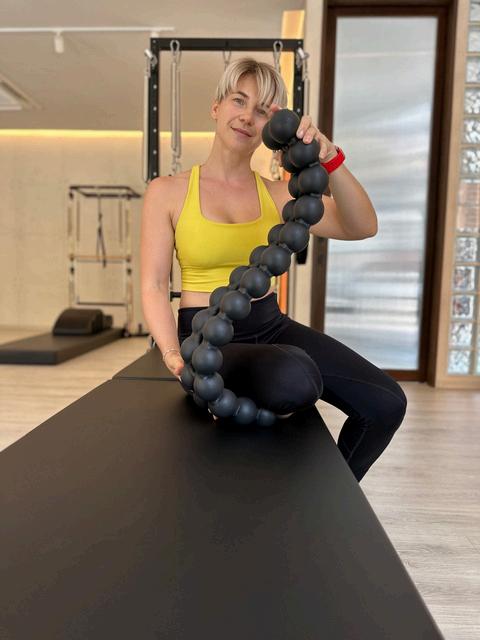
Nicole Biedermann is a STOTT PILATES® Full Certified Instructor and international movement specialist with over 20 years of experience. She completed 299+ training hours with Merrithew/STOTT PILATES® across Matwork, all major equipment, Athletic Conditioning, fascia-focused training, and Functional Anatomy She is a STOTT PILATES® Dance and Interdisciplinary Specialist, a Certified Callanetics Instructor since 2001, PSM-trained, and Animal Flow trained. Since 2024, she has been a Spinefitter® Master Trainer and Ambassador, specializing in spinal function, fascial integration, and proprioceptive movement, and a member of the German Pilates Association (DPV) since 2015.

Sam’s world view
EACH MONTH WE WILL SUMMARISE THE BEST/MOST RECENT PUBLISHED ARTICLES IN THE INDUSTRY
Associate Faculty for BASI Pilates
SAMANTHA WOOD
Breaking Ground: Pilates Shows Promise for Fibromyalgia (FMS)
As part of our continued focus on Pilates for chronic pain and neurological conditions, we explore how the method is showing meaningful promise for those living with Fibromyalgia
In 2009, Altan and colleagues published the first randomized controlled trial investigating whether Pilates exercises could benefit women with FMS The researchers enrolled 50 women aged 24-63 years who met American College of Rheumatology diagnostic criteria and randomly assigned them to either supervised Pilates training or a home-based control program. The Pilates group received one-hour sessions three times weekly for 12 weeks with a certified trainer, following a protocol comprising nine modules: postural education, neutral position awareness, sitting exercises, antalgic exercises, stretching, proprioceptive training, and breathing education, utilizing resistance bands and 26cm Pilates balls The control group performed home-based relaxation and stretching exercises for the same duration, with monthly compliance monitoring.
Assessment was conducted by a blinded evaluator at baseline, immediately post-intervention (week 12), and at 12-week follow-up (week 24). Primary outcome measures included pain intensity via visual analog scale and overall disease impact through the Fibromyalgia Impact Questionnaire (FIQ) Secondary measures examined tender point count, pressure pain threshold, lowerextremity endurance, and quality of life
The findings demonstrated significant benefits in both pain reduction and function for the Pilates group at 12 weeks Quality of life measures and tender point counts also improved When compared directly with the control group, Pilates proved significantly superior for both pain and function at week 12 The control group showed no significant improvements at any point during or after the study
An interesting finding appeared at the 24-week follow-up: while functional improvements persisted in the Pilates group, pain reduction advantages diminished and between-group differences disappeared This finding underscored an important clinical consideration the benefits of Pilates for fibromyalgia appear to require ongoing practice rather than providing sustained effects after discontinuation, a crucial point for managing this chronic condition
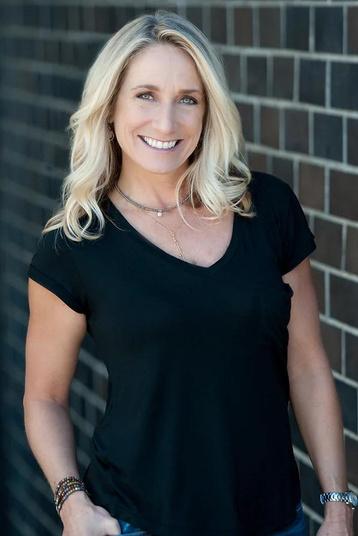
The researchers attributed Pilates' effectiveness to several mechanisms particularly relevant to fibromyalgia: the emphasis on isometric contractions rather than aerobic exercise reduces fatigue; the focus on core strengthening and postural control addresses the muscular imbalances and balance impairments common in FMS; and the mind-body component provides cognitive-behavioral benefits alongside physical training Importantly, all participants completed the program without adverse events, establishing Pilates as a safe intervention for this population
As the first clinical investigation of Pilates for fibromyalgia, this study provided foundational evidence that Pilates represents an effective and safe treatment option for FMS patients, though the researchers appropriately recommended larger studies with longer follow-up periods to further establish its therapeutic value
Altan L, Korkmaz N, Bingol Ü, Gunay B Effect of Pilates training on people with fibromyalgia syndrome: a pilot study Archives of Physical Medicine and Rehabilitation 2009;90(12):1983-1988
Samantha Wood, MPT, MBA, NPCT, RYT, is a licensed physical therapist, a National Pilates Certified Teacher (NPCT), and a Yoga Alliance–certified teacher. She created and teaches BASI’s Pilates for Injuries & Pathologies advanced education courses. Click here to view 2026 course dates and locations.
Her new book, Pilates For Rehabilitation, 2nd edition is available now from HumanKinetics com and Amazon com
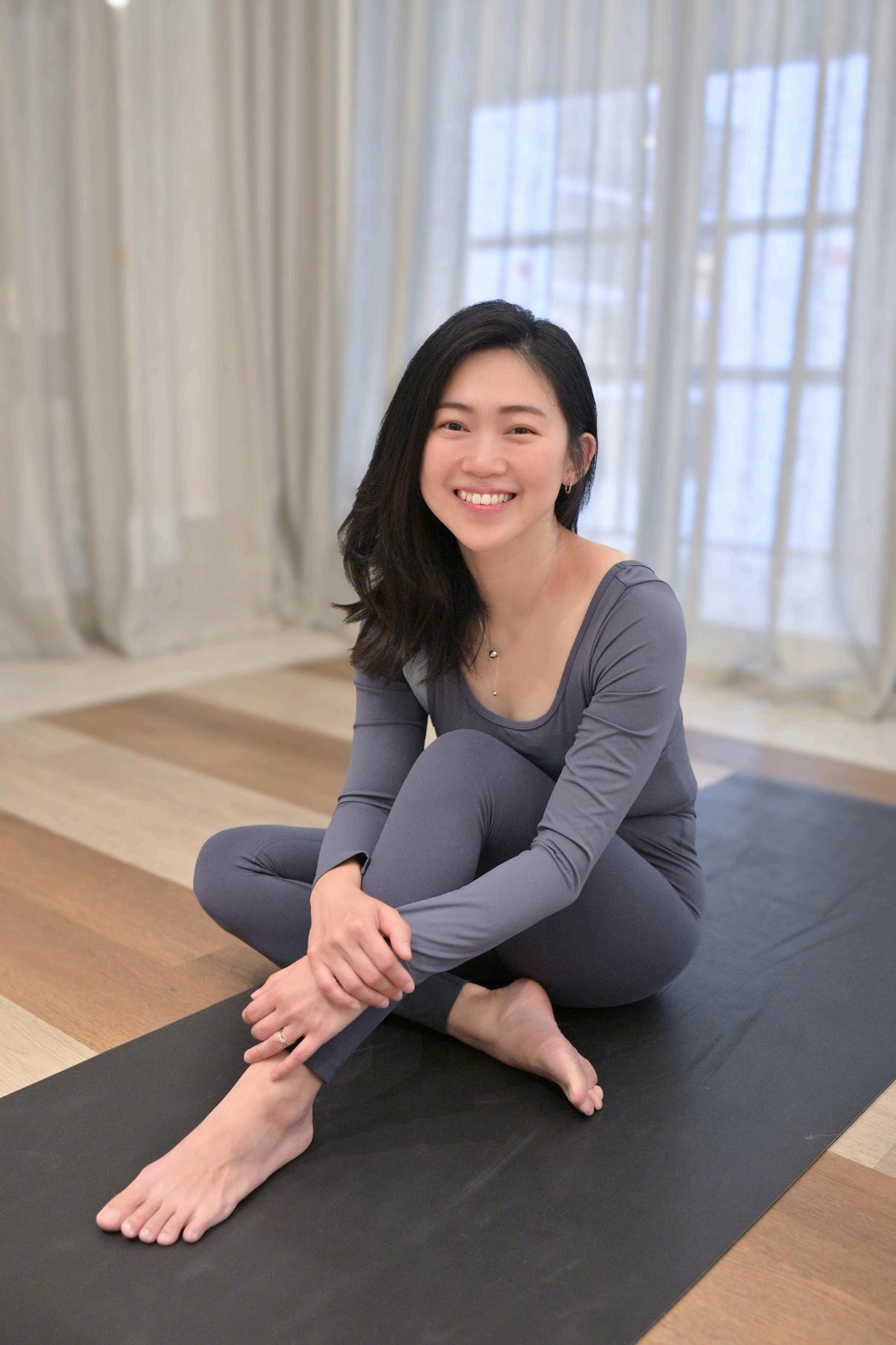
“I keep learning because every person who comes into my class teaches me something new. ”
-Cheryl Chee
Instructor Spotlight: Cheryl Chee
Tell us a little about yourself and your Pilates background?
My name is Cheryl Chee. I’ve lived in Christchurch for the past two years, and it’s where I discovered Pilates, something I fell in love with so quickly that I decided to fully dive into training I completed my Balanced Body Mat and Reformer training last December and stepped straight into teaching
Over the past year, I’ve taught 400+ classes across various studios, and I’m now permanently teaching at Lincoln Loft and Flex Wigram in Christchurch in New Zealand I’m also passionate about making Pilates accessible, which led me to introduce Mandarin Pilates classes in Christchurch, the first of its kind here.
My friends would describe me as warm, driven, a bit cheeky, and someone who always brings encouragement and a smile into the room.
How did you discover Pilates?
I decided I wanted to do a pilates class To be honest I didn't like it the first class that I went to, but I need to finish my 6 class credit By the third class I was already falling in love and would go as far to say I was addicted to it
How do you keep learning? What inspires you in your work?
I keep learning because every person who comes into my class teaches me something new Every body moves differently, and the more I observe and work with my members, the more I realise how much there is to understand Their progress, challenges, and unique movement patterns constantly push me to grow as an instructor
That curiosity keeps me signing up for workshops, courses, and trainings I genuinely enjoy digging deeper so I can support people better
I’m also inspired by the real humans in front of me I love seeing what Pilates can do for them, and enjoy working with teachers who share their knowledge generously
The best advice you were ever given as a teacher? Listen to your body more and feel that movement can make changes in your body
Is there something you try and instil in each of your clients?
I try to help them understand that pilates is a system rather than just a movement or just a workout
A.
A. Q. A. Q. A. Q. A. Q. A. Q. A.
The best Pilates course you ever did?
I don’t have a single “best” course, because every one I’ve taken has given me something unique Each educator brought their own style and wisdom, and I’ve picked up different gems from all of them All those learnings together have shaped the way I teach today
What’s your favourite piece of equipment to use with clients in studio and why?
It’s the Pilates ball The addition of a pilates ball can help improve alignment, help activate or target group of muscle sand sometimes can be very fun!
How do you stay motivated?
I stay motivated by giving myself space to rest when I need it, and by taking classes with more experienced teachers Watching how they cue, connect, and hold the room always reignites my curiosity
I also stay motivated through my clients Seeing their progress, hearing their stories, and watching them enjoy movement reminds me why I love what I do. It keeps me showing up better for them each time
What makes you laugh the most?
I laugh the most at small, simple things that catch me off guard, a quirky comment, a funny mishap, or just life being unexpectedly silly
What’s your favourite way to spend a day off?
Take my coffee and go for a walk in nature, smell the trees and listen to birds chirping.
How many pairs of grip socks do you own? Do you love or hate a stretch band?
I can't even count ! But for sure it is never enough And yes, I love stretch band!
Does your family ‘really know’ what’s involved in your job? Not really The hardest person for me to inspire to go to a pilates class was my husband!
The Heart Behind the Hammock
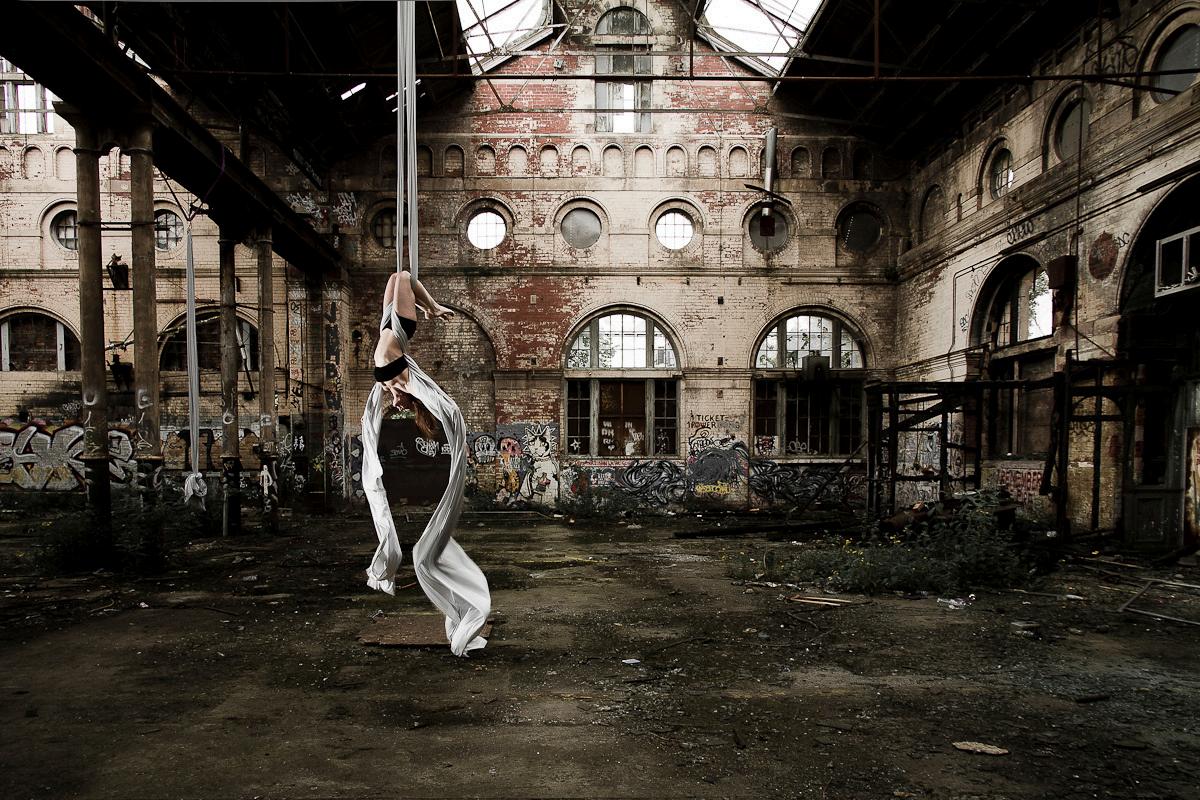
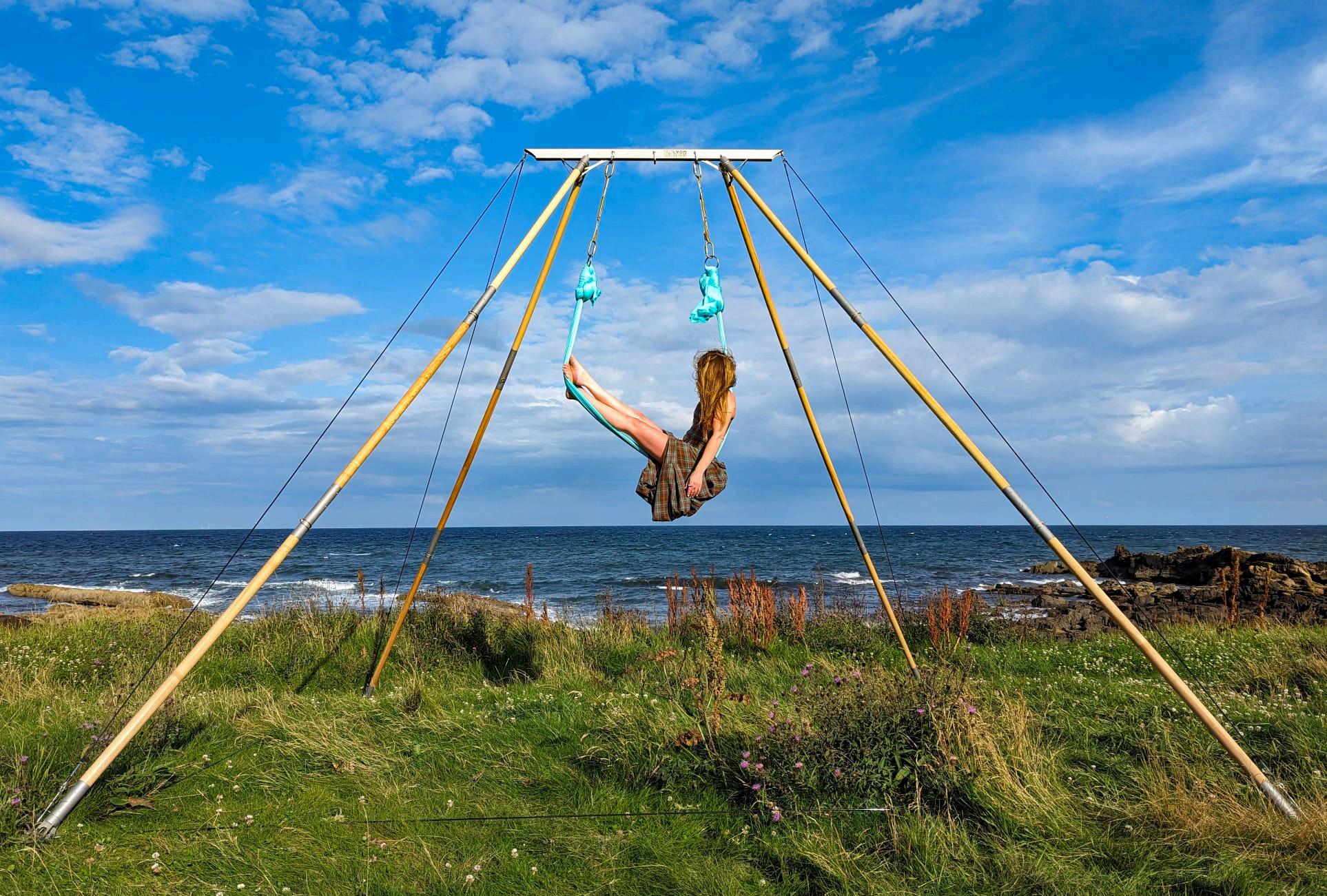
For me, Aerial Pilates isn’t about tricks or spectacle it’s about truth.
The hammock is a mirror It shows you who you are in that moment: where you hold tension, where you resist, where you trust, and where you let go It’s both humbling and empowering
I’ve watched people get into the hammock and when they start to move, to breathe, to believe something changes They rise a little taller They find space where there was once strain They soften and strengthen all at once.
That’s why I call what I teach “Air Control ” It’s not about control over the air it’s about control within it The kind that comes from awareness, presence, and confidence
A Decade of Growth and Gratitude
When I launched my first teacher trai i i 2015 I did ’t h grand plan What began as a handfu Scotland has grown into a worldwid more than 15 countries
Every training reminds me that mov muscle It’s about belonging to yo community that lifts you up, quite lit I’ve seen people step into this work more confident, more connected believed
Love, Air, and New Beginnings
And speaking of transformation li At 45, after years of living in Scotlan and I found love I wasn’t looking fo growth, and the next chapter for Air sometimes, when you finally stop try love has room to find you
Falling in love again at this stage of hammock for the first time: uncertai of possibility
It’s a daily reminder that we’re neve old to try something new. Never too
It’s Never Too Late to Take Flight
The courage to try again, to soften, to believe Movement teaches us that control and surrender are not opposites they are partners And when they meet, something beautiful happens.
Looking Ahead
As I continue to grow Air Control Pilates globally with trainings expanding across Australia, the UK, and beyond I carry this philosophy with me: movement is a mirror for life
It’s about finding balance between discipline and freedom, stability and creativity, earth and air And like love, it’s about showing up open-hearted, a little scared, but ready to take flight Because when you do, you discover that everything you were searching for strength, trust, joy, connection was waiting within you all along
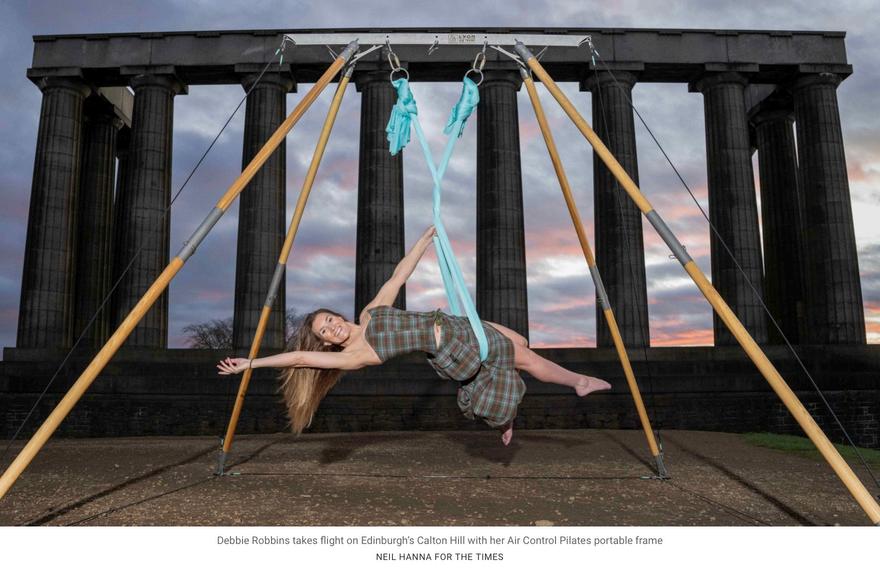
If there’s one message, I’d share with anyone teacher, student, or dreamer it’s this: you’re allowed to begin again Whether it’s in movement, career, or love, the principles are the same.
Start small Breathe Trust your foundations Then soar
When I see someone in my classes finally float effortlessly into an inversion, and feel free, it’s not just the strength that moves me it’s the courage
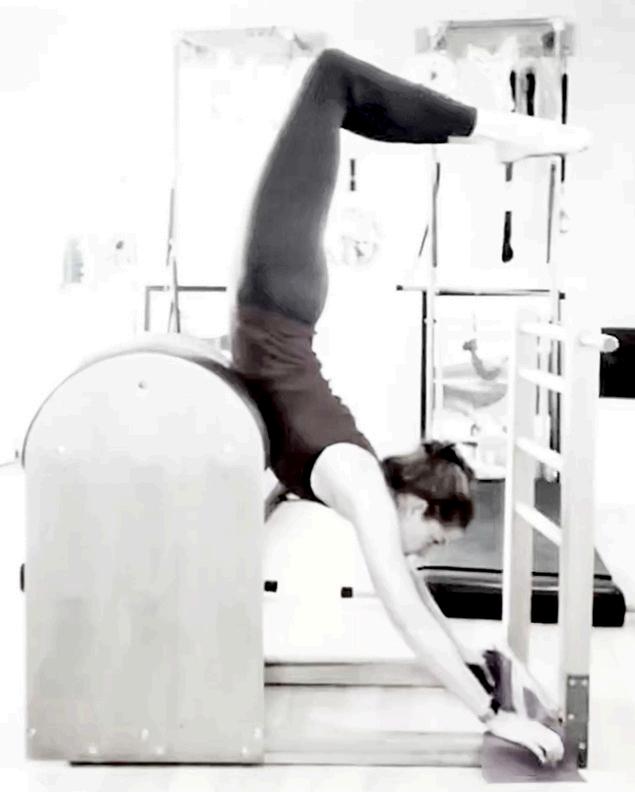
Debbie Robbins is the founder of Air Control Pilates® ,.
She is an international presenter, professional aerialist, and Pilates educator with more than 22 years of experience in movement, performance, and embodied teaching. Running in-person and online Aerial Pilates teacher training program
To learn more or connect, visit www.aircontrolpilates.com or follow @aircontrolpilates on Instagram.
Upcoming
Upcoming courses
Sept 4-6
Irvine, CA
Sept 11-13
Orlando, FL
Sept 18-20
NYC, NY
Oct 9-11
Irvine CA
Nov 6-8
Orlando, FL
Nov 20-22
NYC, NY
Nov 20-22
Los Angeles, CA