FOCUS ON:
FEATURE ARTICLE: Coaching
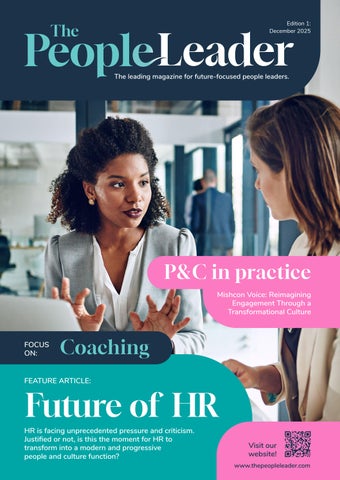
FOCUS ON:
FEATURE ARTICLE: Coaching
A warm welcome to the first edition of The People Leader magazine. This publication has been created to accompany you as the landscape of people, culture, and leadership continues to evolve.
Across sectors, research shows a growing shift towards purpose led and values driven cultures that place people and relationships at the heart of organisational life.
In launching The People Leader, I wanted to offer a space that brings this movement into focus. Here you will find fresh insights, emerging thinking, and stories from the thought leaders and practitioners who are shaping the workplaces of the future - fair, just, inclusive, sustainable, and high performing.
The magazine will be published monthly, complemented by a series of in-person roundtables, virtual summits, and our new digital home, thepeopleleader.com. In May 2026, we will gather for The People Leader Live, a global meeting place for leaders committed to the kind of transformational cultures where our people thrive, teams flourish, and organisations excel.
I welcome contributions from anyone doing inspiring work in this field. My email is at the bottom of the page. Your reflections on this first edition, and your ideas for future ones, will help this community grow.
David Liddle, CEO of The TCM Group, Editor in Chief of The People Leader Magazine
A Gartner survey has revealed that poor manager quality is the top driver of employee turnover in Australia.
The Global Talent Monitor Survey cited lack of respect and ineffective people management, alongside quality of managers, as the top three reasons employees leave their organizations.
The findings suggest many managers in Australia are experiencing high levels of burnout often due to overwhelming administrative burdens and lack of support.
The report’s authors suggest that AI is emerging as a critical lever to address these challenges.
The findings reflect the ‘Better Managed Britain’ research recently conducted by the Chartered Management Institute, which found that 82% of managers who enter a management role have not had any formal management or leadership training.
https://www.gartner.com/en/ newsroom/press-releases/2025-11-18gartner-survey-reveals-poor-managerquality-the-top-driver-of-employeeturnover-in-australia
https://www.managers.org.uk/ knowledge-and-insights/research/ better-management-report-takeresponsibility-take-action/
New research from the CIPD suggests that UK employers are anticipating a rocky road ahead when it comes to employee relations. In its latest report, *UK Industrial Relations: A Future with Trade Unions*, the CIPD surveyed over 2,000 organisations and found that more than half expect industrial action to rise over the coming year.
Nearly two-thirds (62%) of respondents believe the UK is entering a more volatile phase in workforce relations, with growing tensions likely to impact business operations. A significant majority (69%) still see trade unions as capable of triggering serious disruption to the wider economy.
Yet the findings also point to a more collaborative potential. Over half (56%) of employers said that working constructively with unions can bring real benefits to their organisation. Encouragingly, most employers rated their current manager-employee relationships positively, with 79% describing them as good or very good. Only 5% reported poor or very poor relations.
reports/uk-industrial-relations-future-
Despite widespread commitment to diversity, equity and inclusion (DEI), many UK organisations are struggling to embed their strategies in practice, according to new research from Onvero.
The *State of Inclusion in the UK* report reveals that while 90% of employers say they have a DEI strategy in place, only one in four leaders (25%) believe it is fully integrated into dayto-day operations and subject to regular reporting. This gap between intention and execution suggests that many DEI efforts remain surface-level rather than systemic.
The report also highlights shortcomings in data collection. Although two-thirds (67%) of employers gather some diversity data, just 39% collect information across all nine protected characteristics outlined in the Equality Act 2010 – limiting their ability to track progress and tailor interventions effectively.
https://www.onvero.org.uk/resource/ research-and-reports/state-of-inclusionreport-2025/

“Is
HR out of control?”
(BBC Radio 4, The Bottom Line)
“How
the HR department took over British business – and got in the way of actual work”
(The Sunday Times)
These are just a few of the recent headlines that have graced the pages of the national press and broadcast media.
HR is under fire like never before – and if the media hype is to be believed, the future of the profession is not bright. But is this just whipped-up hyperbole by journalists jumping on a bandwagon they don’t fully understand? Or is there some truth in the suggestion that HR has lost its way and is doing more harm than good to the organisations it serves?
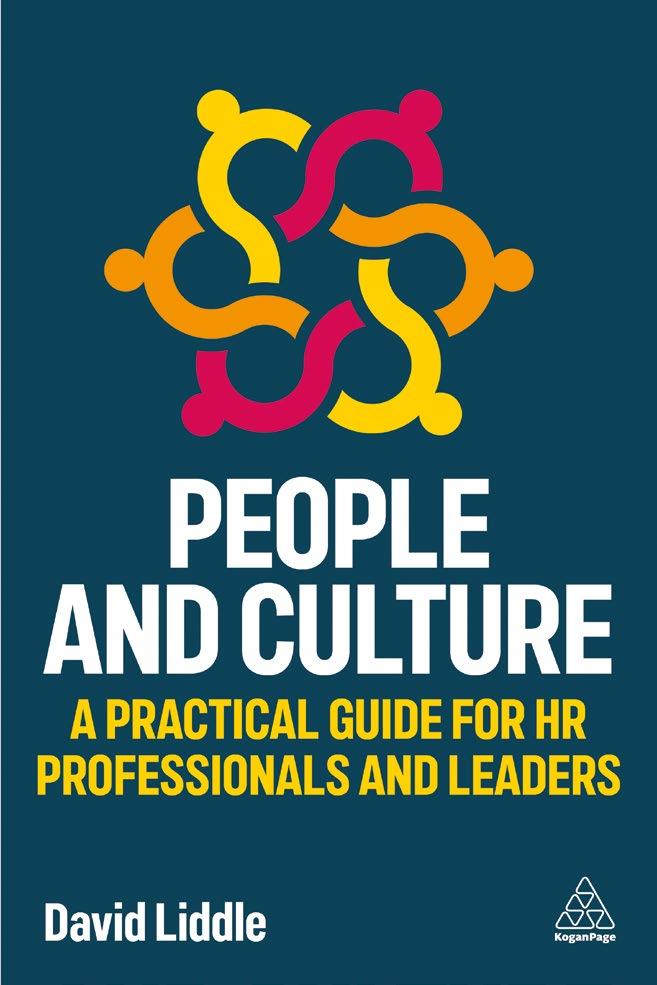
According to David Liddle, author of the forthcoming book People and Culture, the answer is both more nuanced and more urgent. HR is at a crossroads – and the path it chooses next will determine not just its own future, but the future of work itself.
David argues that the traditional HR model - built around compliance, control, and command - is no longer fit for purpose. In a world defined by complexity,
Lyndsey Denning, CPO at Reconomy, describes her company’s desire to move away from punitive, traditional ER practices towards a more transformative model, rooted in dialogue, compassion, and genuine resolution.
In this model, HR doesn’t disappear – it evolves. It becomes a strategic partner in shaping the conditions for performance, innovation, and belonging.
“Listening
circles and authentic selves at the office. This is what HR on the loose looks like.”
(The Times)
uncertainty, and rapid change, organisations need something more human, more values-led, and more relational.
He calls for a fundamental reimagining of the function: a shift from ‘Human Resources’ to ‘People and Culture.’ This isn’t just a rebrand. It’s a reorientation around purpose, trust, and shared responsibility.
“The future of HR lies in its ability to become a strategic enabler of culture, values, and purpose,” David writes. “It must move beyond process and policy to become a catalyst for collaboration, compassion, and connection.”
Claire Cross, Chief People Officer at Gattica, is one people leader determined to help her organisation make the shift.
“Sometimes HR can feel like it’s doing things to the business. We’ve worked hard to show we are doing things with it. That we’re not a bottleneck, we’re a bridge.” *
The critique of HR isn’t entirely unfounded. In many organisations, HR has become synonymous with bureaucracy - a department that polices behaviour, enforces rules, and manages risk. But this narrow focus has come at a cost: disengaged employees, eroded trust, and cultures that stifle rather than support performance.
In his book, David argues that the profession must confront this legacy head-on. That means acknowledging where HR has become disconnected from the people it’s meant to serve – and committing to a new model grounded in dialogue, empathy, and shared accountability.
He writes:
“We need to move away from the ‘parent-child’ dynamic that has defined so many HR interventions. Instead, we must create adultto-adult relationships based on mutual respect, psychological safety, and a shared commitment to learning and growth.”
* SOURCE: People and Culture: A practical guide for HR professionals and leaders.
“Our processes must reflect our culture,” she says. “When people face challenges, our first instinct should be compassion and resolution, not confrontation and punishment.” *
At the heart of the shift from HR to People and Culture is a new social contract - one that redefines the relationship between people, leaders, and organisations. This contract is built not on hierarchy and control, but on trust, fairness, and purpose.
David outlines a model of “valuesbased, purpose-driven, and person-centred” leadership, supported by a People and Culture function that acts as a steward of organisational health. In practice, this means:
• Embedding values into everyday decision-making.
• Creating cultures of dialogue and restorative practice.
• Equipping managers to lead with empathy and clarity.
• Designing systems that promote inclusion, wellbeing, and shared success.
One of the most compelling ideas in ‘People and Culture’ is the call to develop “culture champions” across the organisation. These are not just HR professionals, but leaders, managers, and employees who are empowered to model and reinforce the desired culture.
Owen Butler, CPO at Mills & Reeve, describes how his prior experience in a private equity environment has sharpened his insights on the relationship between people strategies and organisational performance.
“In private equity, your investors focus on financial metrics and efficiencies,” he explained. “Yet by strategically presenting data that emphasised the link between a people-centric approach and sustainable profitability, we could demonstrate to investors a more holistic view of value creation.” *
“Culture is not the job of HR alone,” says David. “It is everyone’s responsibility – but it must be led, nurtured, and supported by a function that understands how to create the conditions for it to thrive.”
Pre-order your copy.
“This book is a true epic. It busts myths, expunges out-of-date practices, and elevates alternatives. Mixing practical and philosophical is a work of true genius.”
Perry Timms MCIPD, FRSA and MODA, Founder & Chief Energy Officer, People and Transformational HR Ltd.
This distributed model of cultural leadership challenges the idea that HR should be the sole custodian of people issues. Instead, it positions HR as a facilitator - building capability, enabling dialogue, and holding the space for transformation.
Restoring Trust, Rebuilding Relationships
Perhaps the most urgent task for HR today is to rebuild trust. In the wake of the pandemic, social unrest, and economic uncertainty, many employees are questioning not just their jobs, but the values and integrity of the organisations they work for.
The latest Edelman Trust Barometer showed an overall drop in trust in employers, with 68 per cent of people believing their business leaders deliberately misled them.
This shift is not just ethical – it’s strategic. Organisations that invest in trust, inclusion, and psychological safety consistently outperform those that don’t.
The headlines may be harsh. But the opportunity for HR has never been greater – to become not just a department, but a movement for meaningful change.
Mishcon Voice: Reimagining Engagement Through a Transformational Culture

“It wasn’t just about where the firm wanted to be financially, it was about the kind of place we wanted to be - for our people, our clients, and society.”
VANESSA DEWHURST, PARTNER AND CHIEF PEOPLE OFFICER, MISHCON DE REYA
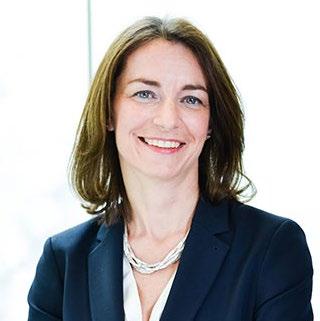
An interview with Vanessa Dewhurst, Partner and Chief People Officer and Åsa Waring, Partner and Engagement Director at Mishcon de Reya LLP.
At Mishcon de Reya LLP, the people function doesn’t sit on the periphery of strategy - it shapes it. For Vanessa Dewhurst, a senior equity partner with 17 years in the firm’s People Team, culture isn’t an HR responsibility. It’s the business model. Working alongside a leadership team that includes legal and non-legal professionals, Vanessa and her colleagues have been instrumental in embedding people and culture at the heart of one of the UK’s most respected law firms. This isn’t culture as comms or policy - it’s a strategic imperative, powered by values, technology, and community.
In 2016, Mishcon set out a tenyear vision, anchored not only in commercial ambition but in cultural transformation. “It wasn’t just about where the firm wanted to be financially,” Vanessa explains. “It was about the kind of place we wanted to be - for our people, our clients, and society.”
That strategy was the foundation for the Mishcon Experience (MX), a holistic framework aligning employee touchpoints - from recruitment to exit, with the firm’s deep-rooted values. MX also focuses on eliminating the “frictions” - those micro-moments that can erode wellbeing or
The People Team’s influence is amplified by its deep integration into Mishcon’s leadership structures. Business partners sit within practice groups and operational units, acting as strategic advisors rather than service providers. Initiatives are piloted collaboratively, tested in realworld settings before wider rollout. “It’s collegiate, not top-down,” Vanessa says. “That’s what makes a transformational culture possible.”
engagement over time. Whether it’s oat milk in the fridge or how a manager handles performance feedback, everything matters.
Perhaps the firm’s boldest step was the launch of Mishcon Voice, a dynamic, agile engagement community. Designed to go beyond the formal employee consultation committee, Voice brings together colleagues from across the firm to shape strategy, policy, and culture. “It’s not a fixed group,” Åsa explains, “people join based on their interests, not tenure. It’s about energy, not hierarchy.”
Voice has driven major initiatives including:
• A flexible working model dubbed “Mishcon WorkingBeyond Hybrid,” grounded in three simple principles: client needs, team cohesion, and personal development.
• A new performance and development framework, cocreated with feedback from colleagues and research from LSE, aiming to embed a highperformance culture without losing human centricity.
• A values refresh, where long-standing values were rearticulated in a future-facing way - still rooted in generosity of spirit but evolved to reflect modern legal practice.
Mishcon’s Academy - its centre for learning, development and new thinking - reinforces this culture by encouraging curiosity beyond legal and business expertise. From performance psychologists to public figures like Mel B and Rory Stewart, sessions support both technical and personal growth. A number of the sessions extend to an external audience allowing for wider connectedness. “It’s about being interested and interesting,” Vanessa reflects. “We want lifelong learners who stretch beyond their specialism.”
Engagement data, retention rates, and client satisfaction feedback all reflect the impact of this approach. But perhaps most telling is the longevity and breadth of careers at Mishcon. “I’ve been here 25 years, having started my career as an employment lawyer” says Åsa. “And I’m not the longest serving by far.”

We deliver practical frameworks, expert facilitation and resolution pathways that create lasting impact.

The People Leader brings your brand into the inboxes of a global community shaping the future of work.
Its reach extends to approximately 300,000 readers across the c-suites of organisations worldwide, offering a platform where culture architects, executive leaders and strategic influencers come together.
In today’s complex and fast-evolving business landscape, leaders are increasingly expected to navigate not just their own development, but also the dynamics of their teams, organisation and wider eco-system.
Against this backdrop, systemic coaching is emerging as a powerful lever for cultural transformation. It’s not a quick fix or a perk for high performers. It’s a mindset shift –one that helps organisations move from reactive problem-solving to proactive, values-led change.
Why Now?
The timing couldn’t be more pertinent. As AI accelerates the automation of knowledge work, the human edge lies in relational capability - empathy, resilience, the ability to navigate conflict and lead through uncertainty. These are precisely the skills systemic coaching helps develop.
Yet all too often, when it comes to coaching, interventions focus on isolated teams or individuals without addressing the deeper dynamics.
As TCM’s Lily Thurston Driver puts it, “If we think of a tree, we want to look after the roots before we look after the leaves and branches.” In other words, start with the leadership, and the benefits will cascade throughout the system.
What
Systemic coaching is a holistic approach that goes beyond
individual development to consider the wider organisational ecosystem – teams, structures, cultures, and stakeholder relationships. It helps leaders understand how they are shaped by, and in turn shape, the systems they operate within.
Unlike traditional coaching, which often focuses on personal goals or performance, systemic coaching explores:
• Context: How the leader’s role fits within the broader organisational and societal landscape
• Relationships: The feedback loops, power dynamics, and cultural norms that influence behaviour
• Patterns: Recurring dynamics like siloing, avoidance, or overcontrol – and how to shift them
• Team engagement: Sometimes involving others in the coaching process to co-create change
• Systemic awareness: Helping leaders see the whole, not just their part
It’s a 360-degree approach that surfaces what’s often hidden and uncovers the path to progress.
At its core, systemic coaching is about shifting culture, not just tweaking behaviours. It helps leaders move from transactional management to transformational leadership, where they’re not just directing teams, but shaping the conditions for collective success.
As TCM coach Alan Sproston says: “With hybrid working, cross functional collaboration, and rapid change becoming the norm, coaching that focuses solely on the individual is no longer sufficient. Systemic coaching helps leaders understand the ripple effects of their decisions and behaviours, fostering more sustainable and inclusive change.”
Here’s how it supports cultural change:
• Creating space for reflection and dialogue: Leaders learn to hold space for difficult conversations, enabling cultural shifts around inclusion, accountability, and collaboration.
• Challenging limiting patterns: Coaches help clients identify and disrupt systemic patterns,
such as siloed thinking or fearbased leadership, that hinder transformation.
• Embedding systemic thinking into leadership practice: Leaders begin to model systemic awareness in their everyday actions, influencing others and cascading change.
• Focusing on the whole system: Rather than fixing individuals, systemic coaching works with the whole – teams, relationships, structures – making cultural change more embedded and enduring.
Owen Butler, Chief People Officer at Mills & Reeve, has seen the power of coaching in action. Reflecting on his experience embedding coaching at Grant Thornton and Blick Rothenberg, he notes: “Developing in-house coaching capabilities doesn’t just equip leaders with new skills; it transforms their relationships and builds trust across the organisation. Leaders who become effective coaches develop greater empathy, more nuanced decisionmaking capabilities, and stronger cross-functional bonds.” *
At Betches Media, CPO Aashna Sinha describes a similar shift: “Leadership at Betches isn’t top-down; it’s collaborative and integrative. We’re building a culture where leadership is about

co-creation – leaders and teams shaping our workplace together.” *
The company’s manager development programmes focus on coaching, empathetic listening, and feedback – recognising managers as “culture carriers” who embody organisational values daily.
For senior teams, it’s often delivered through a blend of oneto-one sessions and facilitated team coaching, with leaders co-creating the agenda alongside the coach. This ensures relevance, ownership, and alignment with organisational goals.
* SOURCE: People and Culture: A practical guide for HR professionals and leaders.
Systemic coaching isn’t a onesize-fits-all solution. It can support leadership development, team effectiveness, or broader cultural shifts. What matters is starting with the right mindset: seeing coaching not as a ‘nice to have’ but as a strategic investment.
The Electoral Commission – the independent body responsible for overseeing elections in the UK – has been partnering with TCM on a systemic team coaching project designed to strengthen the executive team’s cohesion, alignment, and strategic focus.
The systemic coaching approach enabled the team to explore their current dynamics, challenges and opportunities. Over several sessions, the team has strengthened shared goals, aligned priorities and built collective decision making and accountability.
engagecoaching.com
The National Certificate in Coaching Skills™
A fully accredited, practical and human-centred programme that strengthens confidence, curiosity and capability. Designed for leaders, managers and professionals who want to hold better conversations and create conditions where people thrive.
“Coaching is the gift that keeps on giving.”


The project comes at a pivotal time for the Commission, which is facing a period of rapid change. It is in the early stages of implementing a new five year corporate plan, which has modernising and protecting the electoral system and increasing participation and engagement at its heart. At the same time, the Commission will be overseeing the UK Government’s recently announced strategy for evolving the election system – which includes reducing the voting age to 16 and overhauling the voter registration process.
Vijay Rangarajan, Chief Executive of the Electoral Commission said: “As a new executive team, going through a really rapid period of change for the whole organisation, we’ve found team coaching essential. It’s helped us maintain a bit of space to think about how we interact and behave amid the
While external coaching can be invaluable, many organisations are also investing in internal capability – training managers in coaching skills so that everyday conversations become opportunities for growth and alignment.
As Jon Slade, CEO of the Financial Times, puts it: “Sometimes the most powerful thing a coach can do is hold up a mirror.” For Slade, coaching is regenerative – a space to reflect, stretch, and sharpen impact. “It’s helped me become more open, more present, and better at listening.”
Systemic coaching is more than a methodology. It’s a way of thinking about leadership, culture, and change. It helps organisations stop firefighting and start cultivating – creating the conditions where people can lead with clarity, connect with purpose, and build cultures that last.
day to day, to create a joint understanding of how we are leading, and to bring out the trickier issues for explicit discussion. Having a good external facilitator has made a big difference – suggesting and running the right tools, engaging everyone and keeping us all honest.”
Looking ahead, coaching will continue into next year, to support ongoing improvement and to welcome and integrate new team members effectively.

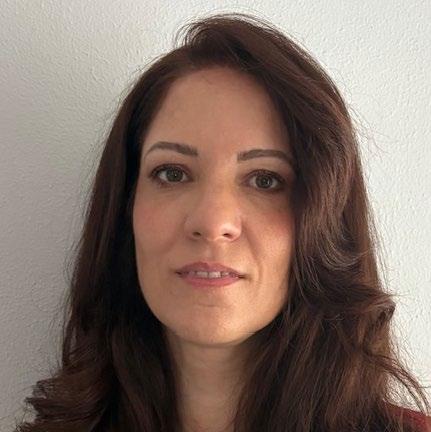
In each issue of The People Leader, we talk to the CPOs who are shaping and influencing their organisation’s people strategy. In this first edition, we talk to Natasha Giles, former Chief People Officer at Channel 3 Consulting, on the theme of building a transformational culture across sectors.
Natasha Giles has worn many hats - HR business partner, L&D lead, regional director, and most recently, Chief People Officer. Her journey has spanned financial services, fitness, tech, and public sector consulting. But across every context, one thread remains consistent: a deep commitment to reshaping HR into a people and culture function that truly enables transformation.
The People Leader Virtual Summits bring together a global community of HR professionals, executive leaders, managers, and cultureshapers who are committed to reimagining how people experience work.
• Global virtual gathering for people leaders.
• Insights from industry experts and practitioners.
• Deep exploration of people, culture, and leadership.
• Focus on fair, just, inclusive, and high-performing cultures – transformational cultures.
• An international learning community grounded in shared growth.
“For me, the transactional stuff - the hiring, firing, compliance - that’s just hygiene,” Natasha reflects. “What really moves the needle is building systems that help people thrive. That’s what sparks joy.”
Having worked through eras of personnel management and “human capital” commodification, Natasha sees the shift toward transformational culture as both long overdue and fundamentally human. “COVID was the wakeup call,” she explains. “Suddenly, leaders had to care - not just about output, but about people’s lives, wellbeing, and difference.”
This shift - towards empathy, alignment, and sustainability, now underpins Natasha’s vision for the people function. “You can achieve commercial goals and still treat people with dignity. In fact, that’s
the only way to achieve them longterm.”
Natasha champions inclusive and servant leadership as enablers of culture - not just styles. In her words, “Leadership isn’t about barking orders. It’s about stewardship. You’re privileged to lead, and that comes with responsibility.”
Through open forums like “Ask Me Anything” sessions, she’s helped senior leaders become more transparent and accessible. While often uncomfortable at first, these initiatives have deepened trust and accelerated cultural cohesion.
“I’ve never had leaders say they don’t value inclusion,” Natasha notes. “But they often don’t know how. That’s where people and culture teams make the difference - helping move from intention to practice.”
Whether building values or designing organisational development initiatives, Natasha insists on co-creation. “Culture can’t be done to people - it has to be shaped with them,” she says. She has helped develop staff councils and cross-functional planning processes that put people strategy at the heart of business success.
She also ensured people leaders were present at the table when corporate strategy was formed.
“You can’t receive a strategy and retrofit your way into it,” she says. “You have to be there from the beginning - asking the hard questions, making sure people are part of the plan.”
Natasha’s approach is also refreshingly pragmatic. She’s connected learning and development to business performance by tracking metrics like project margin improvement and customer feedback. Diversity and inclusion efforts were monitored not just through demographics, but by examining recruitment pipeline data and conversion rates. “Saying diversity matters is easy,” she says. “Building inclusive systems - that’s the work.”
As she steps back for a wellearned sabbatical, Natasha is hopeful. “There are so many brilliant professionals out therecreative, caring, strategic - who are trying to do HR differently,” she says. “We just need more leaders who see that this isn’t fluff. It’s what makes businesses work.”
* SOURCE: People and Culture: A
guide for HR professionals and leaders.
The future of HR:
The McKinsey HR Monitor 2025 offers a sobering yet strategic snapshot of the evolving HR landscape across Europe and the United States. Based on responses from nearly 2,000 companies and 4,000 employees, the report reveals a widening gap between
findings: strategic workforce planning, talent acquisition challenges, fragmented employee development, underutilised AI, and a pressing need to modernise HR operating models. The report urges HR leaders to align strategy with business priorities, build digital capabilities, and shift from reactive to proactive models to meet the demands of the AI era.
https://www.mckinsey.com/capabilities/ people-and-organizational-performance/ourinsights/hr-monitor-2025
The first in a new series where people leaders share the culture questions keeping them up at night – and we ask their peers and other workplace commentators to weigh in with their perspective. what organisations need from HR and what most HR functions currently deliver. Only 37% of HR leaders believe their function is effective, and just one in four teams feel equipped to support large-scale transformation. Five key trends dominate the
The data behind the discord:

Employee voice in an asynchronous world:
As hybrid and asynchronous working become the norm, how do we ensure employees still feel heard? New research from Hult International Business School highlights a growing tension: while digital tools promise connection, they can quietly erode the quality of communication. Key challenges include:
• Missing nonverbal cues, leading to misinterpretation.
• Reduced emotional depth and trust in virtual exchanges.
• Fast-paced messaging that sacrifices nuance and meaning.
Professor Rea Prouska, who led the study, urges HR teams to keep voice mechanisms varied and accessible - blending formal channels with informal spaces where people can speak freely, even when they’re not in the same room or on the same schedule.
What’s really driving conflict at work? New insights from TCM’s data dashboard reveal the fault lines beneath the surface. Relationship breakdowns top the list of reasons employees seek mediation, closely followed by clashes in working styles and cases of bullying or harassment. These trends are borne out by Acas’s recent Prevalence of Conflict at Work report. Their study found that over two fifths of working age adults in Great Britain had experienced conflict at work in the last year, with over half of those reporting they had experienced stress, anxiety or depression as a result.
https://www.acas.org.uk/research-andcommentary/workplace-conflict/prevalenceof-conflict-at-work/report

THE CONUNDRUM:
Everyone is talking about AI as a game changer for work. But what we’re seeing in our organisation at the moment is confusion and high levels of anxiety among employees – many of whom are afraid it may end up eradicating their roles. Clearly, the organisation wants to take advantage of the cost-savings and efficiencies AI can bring, but it also wants to reassure employees that although their contribution may change over time, they are still valued and have an important part to play.
The question we’re grappling with is how to strike this balance, and adopt a human-centred approach to bringing AI into the workplace.
David Liddle, CEO of The TCM Group:
“AI might be the game changer, but the real challenge is cultural, not technological. If we want to harness its potential without losing trust, we need to put people at the centre of the conversation.
“This is where HR steps in - not as a bystander, but as a strategic guide. We’re not powerless in the face of AI. In fact, we’re more needed than ever. As machines get smarter, the human qualities of leadership - empathy, clarity, fairness - become even more essential.
“The principle is simple: AI should support human relationships, not override them. That means asking tough but vital questions: Is our AI transparent? Can people challenge its decisions? Does it build trust or erode it?
“I’ve seen AI offer extraordinary potential to enrich working lives, but only when it operates in a culture grounded in dignity, transparency and trust.
As HR professionals, we face ethical and emotional tensions with AI; tensions that can either strengthen or disrupt the very heart of our workplace cultures. Navigating these tensions isn’t optional; it’s essential if we’re serious about fairness, inclusion and psychological safety. For me, ethical AI means using technology to serve people – not treating people as servants to technology.
“To strike the right balance, organisations need a cultural conscience – such as the internal AI Centres of Excellence (AiCE) I advocate for in my latest book. These are spaces where ethics, strategy and employee voice come together. The centres equip people to use AI wisely, monitor impact, and critically, ensure that novel technologies evolve in lockstep with organisational culture. This is not the age of artificial intelligence. It is the age of the augmented human.”
Kerri O’Neill, Chief People Officer, Ipsos UK and Ireland:
“The Chief People Officer’s role is pivotal in aligning human and artificial intelligence within organisational frameworks. AI must be guided by human-centred leadership. To ensure trust and engagement, deployment should be grounded in a clear philosophy with intentional choices, and a culture of authenticity, positivity, and connection. Our clarity about maintaining humanity at the centre of our technological evolution has significantly reassured and empowered our teams.
“There are 98 per cent of Ipsos employees who have had a chance to learn about using AI at work, and 82 per cent feel AI will have a positive impact on them and their job.” *
* SOURCE: People and Culture: A practical guide for HR professionals and leaders.
Culture Conundrum continued...

Kate Jones, UNISON policy officer:
“Artificial intelligence (AI) has the power to revolutionise the world of work.
“But if AI is to play a positive role in public services, it must be managed carefully and responsibly. That means proper input from workers and all parts of society to ensure it’s not only the voice of big tech being heard.
“UK workers have vast expertise and insight that can help shape AI development in ways to benefit everyone. The technology must be used to enhance jobs and services, not cut corners, costs and human input.
“History shows that when workers have a real say in how new technologies are developed and used, society is all the better for it.
“AI in the public sector has huge implications, from data privacy to bias and discrimination. The public needs to know their concerns are being addressed.
“No one wants their details being misused by tech giants or biased algorithms making decisions about their welfare on the sly.”
SOURCE: https://www.unison.org.uk/news/2025/01/ ai-must-be-used-to-enhance-public-services-not-replaceworkers-says-unison/
What are the thorny, culture related questions you are currently grappling with? Send us your conundrum to editor@thepeopleleader. com and we’ll seek a fresh perspective from voices across the workplace.
Marcus Collins, Michigan Ross School of Business professor and marketing expert:
“If we are to explore and understand the future of work, we have first to explore and understand the future of humanity. I would argue that the future of work is actually cultural, not technological. The technology is merely an extension of how we operate, who we are.”
SOURCE: Quoted in the Financial Times, 5th November 2025
To find out more about the AI Centre of Excellence, visit https:// thetcmgroup.com/ aice-the-ai-centre-ofexcellence/
in resolving complex and sensitive disputes with dignity, clarity and care.
Independent mediators supporting leaders, teams and organisations to rebuild trust and restore working relationships.

PCA membership offers resources, research, events, learning, and a space to connect with peers committed to transformational practice.
Welcome to the future of HR.

The transition from HR to People and Culture is well underway, with both research and anecdotal evidence suggesting a definite shift towards job roles including the term ‘people’.
People & Culture generalist roles
People & Culture Role Role Description
Adoption varies across industries, with People and Culture being more enthusiastically adopted in the tech, life sciences and professional services fields.
What does this mean for your career as a people leader? The chart below provides a fascinating glimpse into the emerging people and culture roles, on both the generalist and specialist front.
Chief People Officer Strategic steward of the entire people and culture ecosystemresponsible for aligning people strategy, cultural transformation, organisational justice, and ethical leadership with long-term business priorities. Chairs the Culture Hub.
Senior People & Culture Manager Operational and strategic leader of the generalist function, holding delivery accountability, line leadership for managers/partners, and oversight of resolution, wellbeing, and people projects.
People & Culture Manager A hybrid operational and relational leader, accountable for local or functional implementation of P&C strategy, often the first escalation point for complex issues.
Strategic People Partner The organisation’s ‘people conscience’ embedded in the businessoffering proactive insight, challenge, and co-creation on matters of leadership, team design, inclusion, and change.
People Partner The new name for the legacy HRBP. Relationship-first enabler of people experience - resolving issues, coaching managers, activating policies with humanity, and upholding cultural and ethical standards.
People Operations Lead Guardian of delivery excellence - ensuring that core HR processes (onboarding, contracts, compliance, payroll, HR systems) are scalable, efficient, and human-centred. This is the bedrock of consistency and trust.
People & Culture specialist roles
People & Culture Role Role Description
Culture Hub Manager Supports the CPO who chairs the Culture Hub. Curates cultural insight, storytelling, and values alignment. Oversees diagnostics, engagement rituals, and narrative coherence. Sits at the intersection of OD, comms, and listening.
AiCE Director / AI Ethics & Innovation Lead
Legacy HR Role Equivalent
Chief HR Officer / Group HR Director
Head of HR / Senior HRBP
HR Manager / HR Business Partner
Senior HRBP / Strategic HR Advisor
HRBP / HR Advisor
Leads ethical AI integration across people functions. Oversees governance, risk, and experimentation in AIdriven HR tools - anchoring the AiCE mission and digital strategy.
Legacy HR Role Equivalent
Internal Communications Manager / OD Consultant
HRIS Lead / HR Innovation Specialist (emerging role)
Head of Talent Acquisition Shapes future talent pipelines, inclusive hiring practices, and employer storytelling. Owns the first moment of belonging. Recruitment Manager / Resourcing Lead
Head of Learning & Development Builds a lifelong learning ecosystem - blending leadership development, coaching, performance enablement, and skill mobility.
Head of Wellbeing, Engagement & Inclusion
Champions a values-led strategy to embed wellbeing, inclusion, equity, and authentic engagement across all levels of the organisation and culture.
Head of the Resolution Centre Oversees a transformative justice-led alternative to legacy ER and IR. Focuses on early resolution, mediation, conflict transformation, and psychological safety.
Organisational Design Lead
Head of User Experience and Analytics
Head of People Policy and Governance
Reward and Fair Pay Strategist
HR Operations Lead / HR Systems Manager
Supports structural and behavioural alignment across teams, roles, and functions. Owns frameworks for agile working, team shape, and cross-functional clarity.
Blends design thinking, digital accessibility, and people data storytelling. Translates metrics into meaning and ensures systems serve the human experience.
Oversees the design and integrity of all people policies and ethical frameworks. Ensures alignment between legal compliance, cultural aspiration, and justice.
Ensures equitable, transparent, and values-aligned reward strategy - covering benchmarking, pay equity, recognition and incentive design.
Are you already seeing these roles and responsibilities evolving in your organisation?
Head of Learning & Development / Training Manager
DEI Lead / Head of Diversity & Inclusion
Employee Relations Manager / Industrial Relations Lead
OD Consultant / Organisation Design Specialist
HR Analytics Manager / UX Designer (emerging)
HR Policy Lead / Employment Law Advisor
Compensation and Benefits Manager / Reward Analyst
In our next edition we will look at the specific skill-set needed to advance your career as a people leader.

INTRODUCING:
Have you recently moved into a new CPO role? Or maybe you’ve been promoted to the top people and culture role in your organisation?
In each issue of The People Leader, we will be featuring the movers and shakers who are developing their careers and are helping to shape the future of work.
If you’d like to put your name in the frame, send details of your role, together with some brief biographical information and a head and shoulders photo to:

Congratulations to the winners of the 2025 Culture Pioneers Award, proudly sponsored by the TCM Group.
The awards celebrate the organisations and leaders building workplace cultures that transform performance, loyalty and learning. Here’s our run-down of the winners:
LEARNING AWARD
Winner: St Peter’s Hospice
With 550 employees and 1,500 volunteers, St Peter’s Hospice shows what’s possible when you put learning at the heart of your strategy. They launched leadership development pathways, co-created a 12week retail induction and saw a 12% increase in employees feeling they can learn new skills. Impressively, they now share this expertise through resilience training for NHS staff and leadership training for local partners.
Highly commended: Bright Horizons UK
INCLUSION AWARD
Winner: V&A (Victoria and Albert Museum)
The V&A proved that even long-established institutions can reimagine who belongs. In 2022, the museum set out to increase its ethnic minority workforce by 5% within three years through intentional recruitment, leadership development and partnerships with London boroughs. They hit their target in 2025 – and went further, with improved retention, reduced sickness rates and HR casework cut by half.
Highly commended: VizyPay
BRAND AWARD
Winner: Bright Horizons UK
Early years provider Bright Horizons co-created a new employee value proposition that now lives across its 8,000-strong workforce. By introducing day-one flexible working, neurodiverse-friendly learning and multiple recognition initiatives, they’ve built a culture where 94% of colleagues are proud to work there.
Highly commended: UK Space Agency
Highly commended: Benifex
PEOPLE LEADER AWARD
Winner: Angie Lewis, Welsh Ambulance Services University NHS Trust (WAST)
Angie Lewis transformed culture in a high-pressure environment where decisions carry life-or-death consequences. By creating safe spaces to address sexual safety – a widely unspoken risk in ambulance work – and developing the ‘Our WAST Way’ leadership framework, she’s empowered colleagues to influence policy and practice whilst moving leaders away from hierarchical approaches.
Highly commended: Janine Leightley, Bright Horizons UK
BUSINESS LEADER AWARD
Winner: James Fleming, The Power Within Training & Development Ltd
Managing Director James Fleming’s honest growth journey caught the judges’ attention. After a colleague burned out, he recognised his own reactive leadership and made changes – hosting weekly strategic reflection time and monthly unfiltered culture checkins. With a four-day week, mental health support and creativity days, productivity is up 30% and absenteeism down 60%.
Highly commended: Ann Ellis, Mauve Group
Valid until 3 January 2026
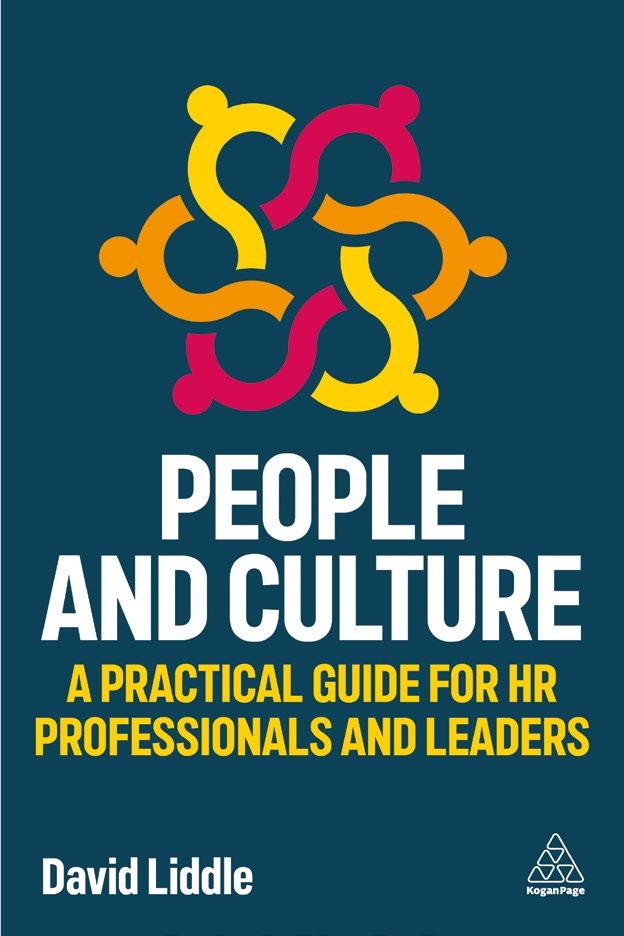
Written for HR professionals and business leaders, this book shows how to adopt a people and culture approach in the organisation.
It features the innovative People and Culture Operating Model, which provides practitioners with the tools they need to create a purpose-driven, values-based, and people-centric approach to their company culture and their HR strategy.
“This book is genuinely inspiring, thoughtprovoking and full of real-life examples. It reinforces the purpose of putting people at the centre of organisations and demonstrates the value HR leaders bring.”
Margaret Ayers, Chief People Officer, Canterbury Christ Church University and Chair of Universities Human Resources
“A powerful and timely guide that places the human heartbeat at the centre of organisational life. Firmly grounded in reality, it offers clear frameworks linking culture, leadership, and business outcomes. A must-read for anyone shaping the future of work.”
Sara Andrews, Chief People Officer at Ecovyst Catalyst Technologies UK
“An incredibly compelling and well-thought-out book and framework. It is timely, necessary and a manifesto for HR leaders to embed culture at the centre of a bold organisational framework.”
Dan Pontefract, Leadership Strategist, Thinkers50 Radar, and author of The Future of Work Is Grey
•
•
•
The
New research has offered fresh evidence on how leadership and learning cultures shape the discretionary behaviours that make organisations thrive.
A recent meta-analysis published in Jurnal Penelitian Pendidikan IPA (Kasman et al., 2025) examined 35 studies conducted between 2020 and 2025 to understand how transformational leadership and organisational learning influence organisational citizenship behaviour (OCB). OCB refers to those voluntary, extra-mile behaviours – such as helping colleagues or going above and beyond - that aren’t formally required, but are critical to organisational effectiveness.

As
growing global movement committed to reshaping workplaces by putting people first.


• Transformational leadership is a powerful driver of OCB. Leaders who inspire, motivate, and role-model values have a strong positive impact on citizenship behaviours.
• Organisational learning also matters. Cultures that encourage continuous learning and knowledge sharing show a moderate positive effect on OCB.
• While both factors contribute, transformational leadership exerts a stronger influence than organisational learning alone.
For HR professionals, the implications extend well beyond the education sector where many of the studies were conducted. Citizenship behaviours are the glue that holds organisations together - boosting collaboration, resilience, and innovation.
This research underscores that leadership development is not optional. Investing in leaders who can articulate vision, build trust, and empower teams, directly increases the likelihood of employees engaging in discretionary, value-adding behaviours.
Learning cultures amplify impact. When organisations embed continuous learning - through mentoring, peer exchange, and adaptive systems - employees are more likely to contribute beyond their job descriptions.
Design leadership programmes that emphasise inspiration, values-based decision-making, and individualised support.
Audit organisational learning practices - are employees encouraged to share knowledge, experiment, and learn from mistakes?
Measure OCB as a cultural indicator.
Track behaviours like volunteering for cross-functional projects or supporting peers as signals of organisational health.
Align HR strategy with culture. Recruitment, performance management, and recognition systems should reward not only outcomes but also citizenship behaviours.



At a time when demand for new skills is rising, employer investment in training has dropped to its lowest level in a decade.
The Department for Education’ latest Employer Skills Survey reveals that total spend has fallen from £59bn in 2022 to £53bn in 2024. Spending per employee has decreased from £2,240 in 2015 to £1,700 in 2024, with employees receiving an average of 3.6 days of training.
Looking at future skills needs, around three fifths (59%) of employers believed they would need to upskill their workforce in the next 12 months, with the introduction of new technologies and new legislative or regulatory requirements the most common reasons cited. Of the 65% of employers who said they had skills gaps, most reported it had had at least some impact on their business performance.
SOURCE: https://www.gov.uk/government/statistics/ employer-skills-survey-2024
When the stakes are high, our investigation expertise provides four vital elements:
We call this the Investigator FourSight!
Consistency Compliance Clarity Confidence TO LEARN MORE, VISIT theinvestigationcompany.com
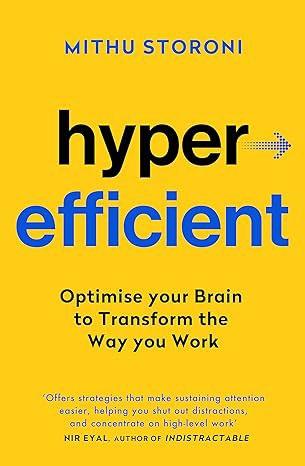
Congratulations to Dr Mithu Storoni, author of Hyper Efficient: Optimise Your Brain to Train the Way You Work, which scooped the award for Business Book of the Year 2025.
The book looks at how syncing our work habits with the brain’s natural rhythms - rather than forcing industrial-era efficiency -can unlock peak cognitive performance. Drawing on neuroscience and evolutionary psychology, Storoni introduces a gear-shifting model for mental tasks, helping readers move seamlessly between creativity, focus, and problem-solving.
The TCM Group webinar Teamwork Makes the Dream Work: rebuilding connection, confidence, and collaboration.
Join the webinar via Zoom Connect with us in our first webinar of the new year as we explore what it truly means to make teamwork the engine of a high-performing culture. We’ll dive into how team coaching, group leadership programmes, away days and team facilitation can transform the way we work together.
SPEAKERS: Lily Driver-Thurston, Customer Success Manager, Engage Coaching. Aditi Sigar, Customer Success Manager, Engage Leadership. Louise Webb, Head of People & Transformation Services. 8 January 2026, 12:30pm
London Speech Workshop webinar ‘Navigating Change in Business: HumanCentred Leadership for Turbulent Times’
Keynote speaker: David Liddle
Join the webinar to explore how powerful, human-first communication can shape the way individuals and organisations experience change. We’ll discuss key strategies and tools for leading through uncertainty – from navigating resistance and conflict, to communicating with clarity, empathy, and presence. Packed with practical
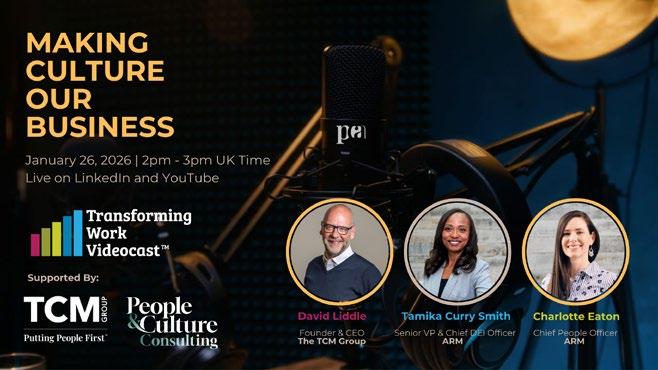
Join the webinar to learn about how semi conductor and software design company ARM is embracing culture change. You can expect a deep dive into the company’s blueprints, strategies and plans to prepare ARM for the modern workplace, drawing inspiration from David Liddle’s People and Culture Model.
SPEAKERS: Tamika Curry Smith (Senior VP and Chief DEI Officer), Charlotte Eaton (Chief People Officer) and David Liddle (founder and CEO, the TCM Group).
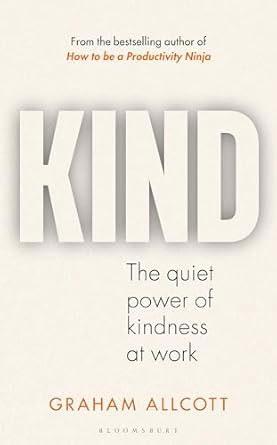
Winner of the award for People and Culture Management Book was Kind: The Quiet Power of Kindness at Work, by Graham Allcott.
In this compelling guide, Allcott reframes kindness as a strategic leadership asset, not a soft skill. Through research in neuroscience, organisational psychology, and management theory, he shows how kindness builds trust, psychological safety, and innovation. The book offers eight practical principles for embedding “kindfulness” into workplace culture, making the case that empathy and dignity are essential for sustainable success.

The platform brings together four core elements:

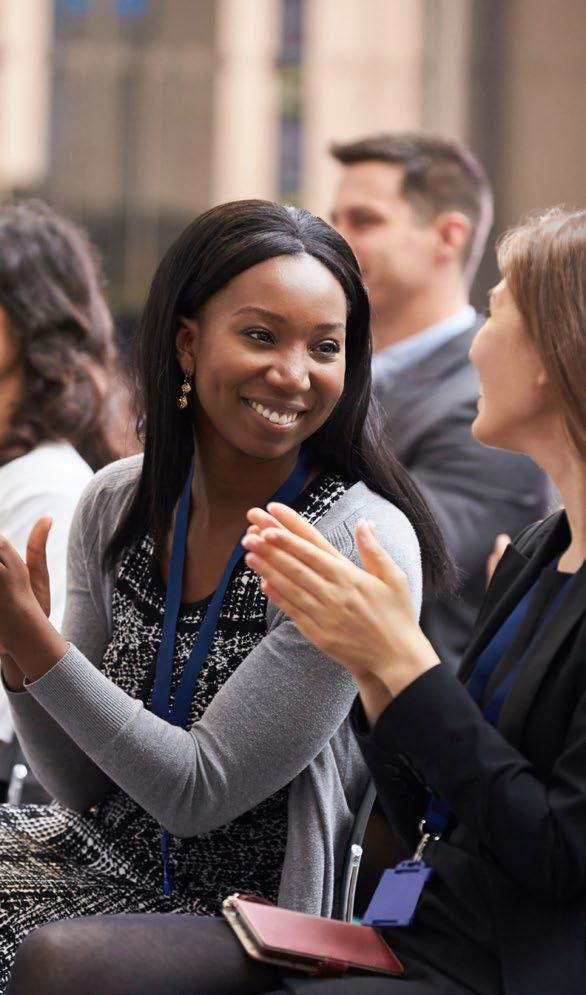
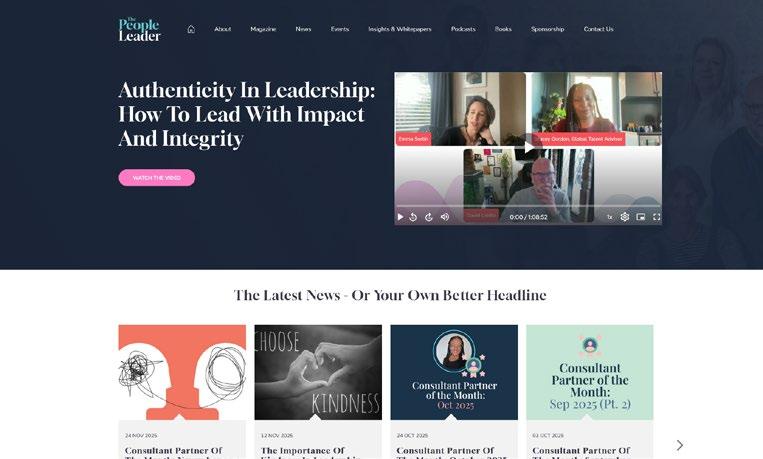
The People Leader is a new platform dedicated to supporting modern People Leaders – whether they sit within HR, executive leadership, operational functions, or emerging people-focused roles.

The People Leader Summits & Roundtables – smaller, thematic gatherings that spark dialogue, shared learning, and experimentation.
The People Leader Live – a flagship annual event that 2 The People Leader Magazine – a monthly publication exploring the practice of building transformational workplace cultures.
convenes leaders who are shaping inclusive, sustainable, values-led, and highperforming cultures.