General
What can Commonwealth Parliaments and US State Legislatures learn from each other?
Commission
General
What can Commonwealth Parliaments and US State Legislatures learn from each other?
Commission


2 | View from the CPA SecretaryGeneral Navigating today's global challenges
4 | Q&A with the IPU SecretaryGeneral
Mr Martin Chungong
8 - 13 | Image Gallery Activities in Commonwealth Parliaments
52 - 55 | Legislative news Reports from the CPA's membership
56 | Celebrating Commonwealth Lives Botswana, Fiji and India
14 | New Model for the Commonwealth Games
Commonwealth Sport
17 | The value of international sporting events
Historical perspective
19 | Sport for Inclusive and Sustainable Development New report launched
22 | Legislating for equitable sports governance
New Act in India
24 | Promoting disability inclusion View from Nova Scotia
26 | Legislative perspective on Dyslexia in Pakistan
Inclusive Education
28 | Impacts of the menopause
APPG on Menopause
30 | NeoParliamentary Diplomacy Young AIPA group
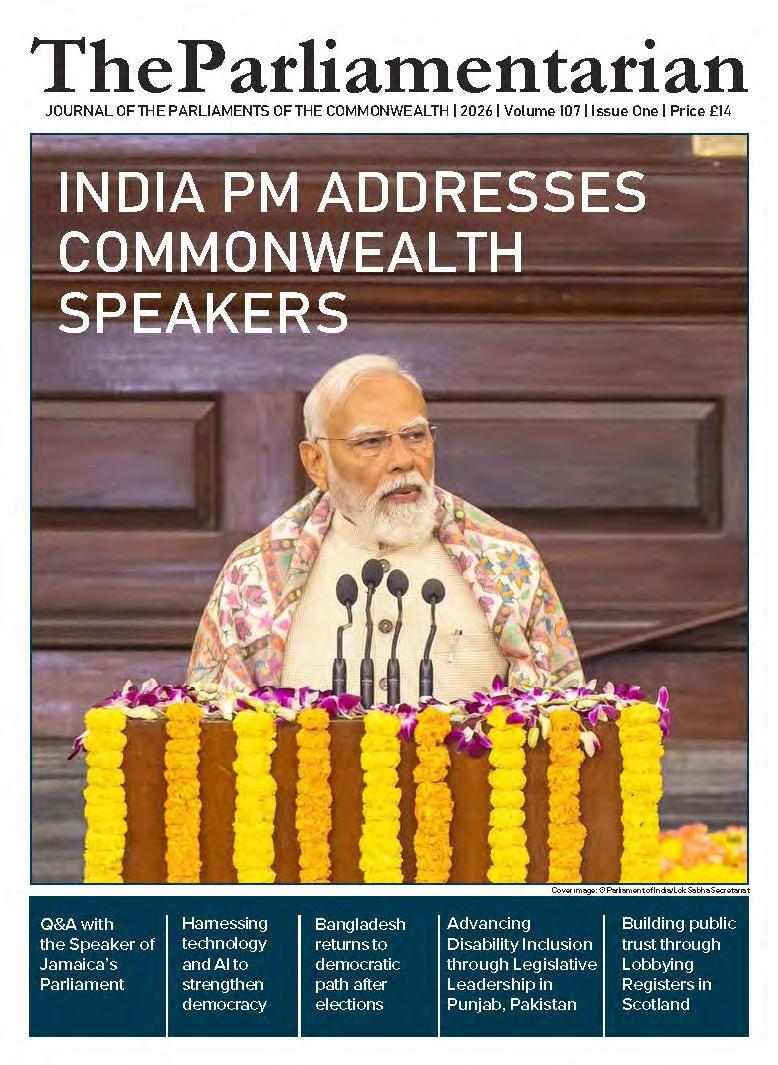
The Parliamentarian: Journal of the Parliaments of the Commonwealth | Volume 107 | 2026: Issue Two | ISSN 00312282 | Published by the Commonwealth Parliamentary Association, CPA Headquarters Secretariat, Richmond House, Houses of Parliament, London, SW1A 0AA, United Kingdom.
32 | Special Joint Committees
10 years in the Parliament of Canada
34 | Food security and nutrition
Eastern Africa
36 | Artificial Intelligence in Parliaments
Digital sovereignty
39 | The Lawyer's role in AI
Judicial Governance
41 | Second Chamber Reform Senate of Pakistan
43 | Between Tradition and Transformation New Hampshire House of Representatives
46 | Right to Recall MPs' Accountability
48 | History of Commemoration
The work of the Commonwealth War Graves Commission
Tel: +44 (0) 20 7799 1460
Email: hq.sec@cpahq.org www.cpahq.org
Stephen Twigg, CPA Secretary-General and Jeffrey Hyland, Editor, The Parliamentarian - editor@ cpahq.org
In this issue of The Parliamentarian, the outgoing SecretaryGeneral of the InterParliamentary Union reflects on his time in office and the changes seen in Parliaments across the decade in our latest Q&A.

As the 23rd Commonwealth Games takes place in Glasgow, this issue examines how a new model for the Games aims to secure its sustainable future; what is the value of international sporting events; a new report on sport and inclusive sustainable development; and the impact of the National Sports Governance Act 2025 on Indian sports governance.
This issue explores disability inclusion in politics; the impacts of the menopause on society; a legislative perspective on dyslexia in Pakistan; neo-Parliamentary Diplomacy for youth in action in Malaysia; the Canadian Parliament’s use of Special Joint Committees; strengthening parliamentary action for a food-secure Eastern Africa; digital sovereignty in Parliaments in the era of Artificial Intelligence; the lawyer's role in AI and Judicial Governance; the reform of Second Chambers in Pakistan; the right to recall and MPs’ accountability.
This issue also explores what can US Legislatures learn from Commonwealth Parliaments and vice versa along with a history of the New Hampshire Legislature. We also learn about the important work of the Commonwealth War Graves Commission.
The CPA Secretary-General looks at how to navigate today’s global challenges through sport and dialogue.
This issue of The Parliamentarian also brings you legislative news from Parliaments across the CPA’s membership. We look forward to your feedback on this issue and future contributions to the CPA Journal.
Jeffrey Hyland, Editor, The Parliamentarian
Email: editor@cpahq.org
Annual subscription: Four issues per year including supplements: UK: £44 World: £46. Agency discount 15%.
Disclaimer: Opinions expressed in articles published in The Parliamentarian are those of the individual contributors and should not be attributed to the Association.
Contributors: Thank you to all contributors for this issue.
Print: Warners Midlands UK and Times Printers Singapore. Limited print run - contact Editor for details of print copies for CPA Branches.

“Sport has the power to change the world. It has the power to inspire, it has the power to unite people in a way that little else does. It speaks to youth in a language they understand. Sport can create hope, where once there was only despair. It is more powerful than governments in breaking down racial barriers. It laughs in the face of all types of discrimination” – Nelson Mandela
The forthcoming 2026 Commonwealth Games in Glasgow provide an excellent opportunity to remind ourselves of the importance of sport at all levels of the Commonwealth. This has long been true, but the current global context makes Nelson Mandela’s message especially compelling as we address the challenges of conflict, the cost of living and polarisation. Sport’s potential to bring people together can assist us in navigating these challenges together.
Hon. Liesl Tesch is Vice-Chair of the Commonwealth Parliamentarians with Disabilities (CPwD) network as well as being a Member of the New South Wales Legislative Assembly and a former Paralympian. In the latest episode of our CPA Podcast series ‘Parliamentary Conversations in
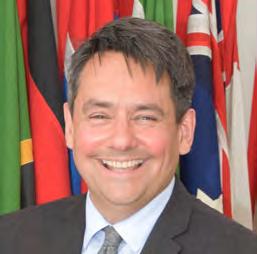
The Secretary-General of the Commonwealth Parliamentary Association, Stephen Twigg E: Stephen.Twigg@cpahq.org
the Commonwealth’, Hon. Tesch speaks powerfully about her own career in sport and politics, and the role of sport in promoting international development, social justice and inclusion.
As we move towards our new international legal status, the CPA has launched our first ever Commonwealth-wide campaign on the importance of effective legislation on disability equality. This campaign coincides with the 20th anniversary of the Convention on the Rights of Persons with Disabilities (CRPD). In May 2026, participants from 16 Parliaments across the CPA’s membership met in Cape Town, South Africa for a CPwD Forum. Delegates took part in a wide-ranging programme, with an overall
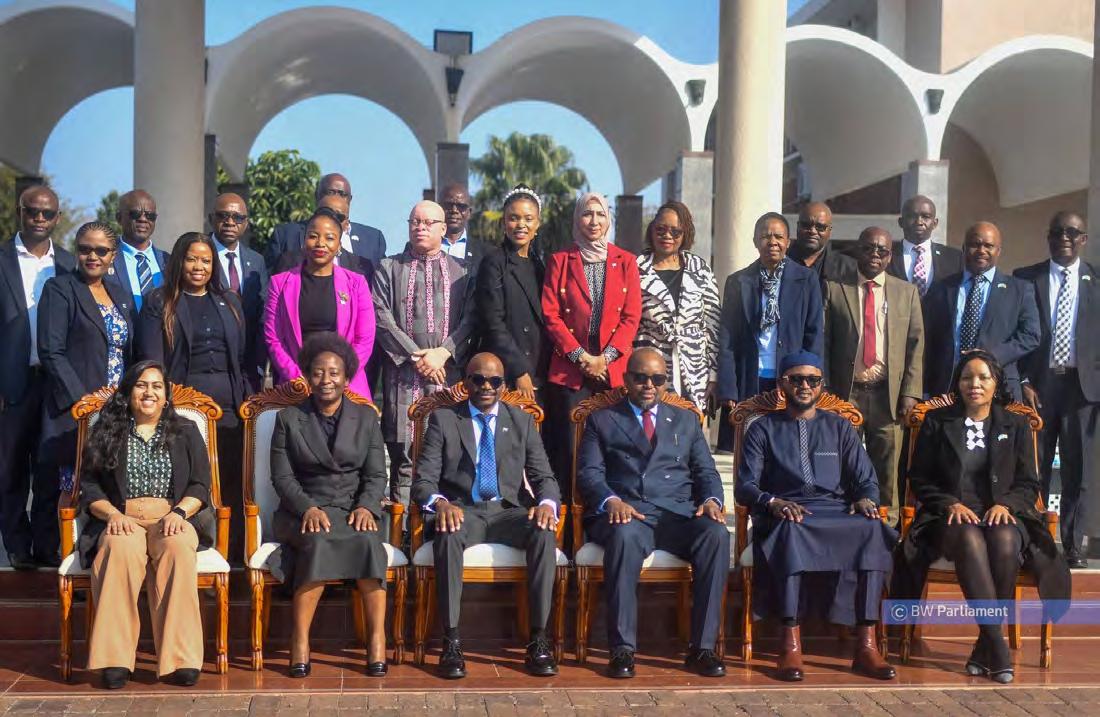
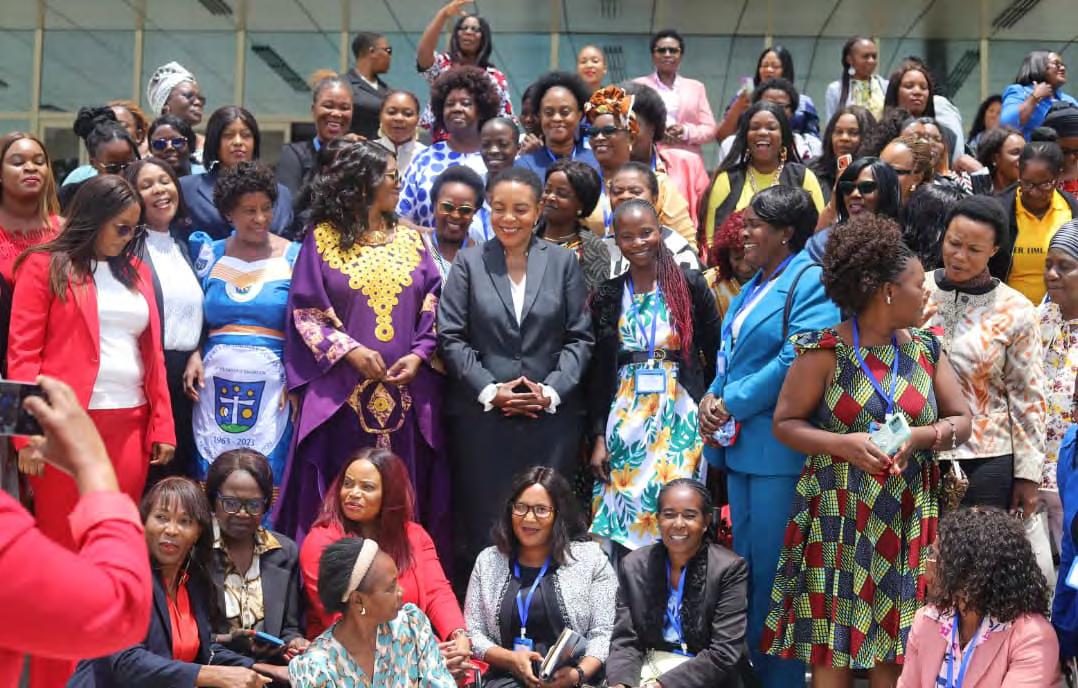
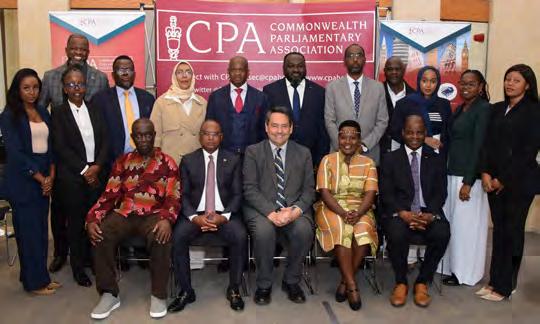
Below: Parliamentarians from across the Commonwealth met in Cape Town, South Africa from 26 to 28 May 2026 for the Commonwealth Parliamentarians with Disabilities (CPwD) Forum. They were hosted by the Western Cape Provincial Parliament. Delegates took part in a wide-ranging programme, with an overall focus on increasing representation of persons with disabilities in Parliament. The programme included expert presentations, peerto-peer learning, case studies and group exercises.
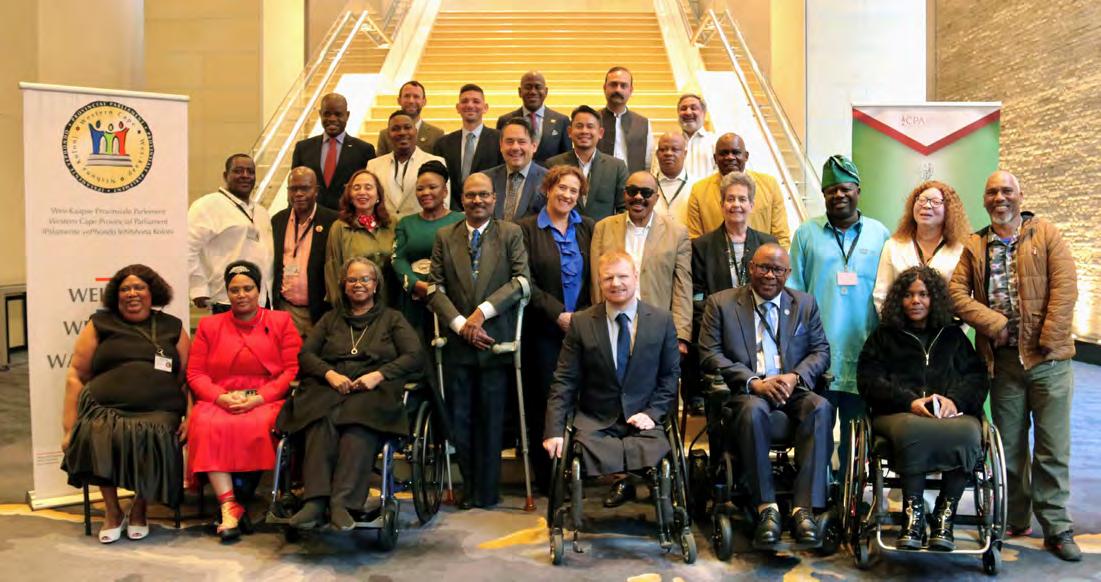
focus on increasing representation of persons with disabilities in Parliament. The programme included expert presentations, peer-to-peer learning, case studies and group exercises. It was a brilliant event and I am grateful to the Western Cape Provincial Parliament for hosting this important Forum.
The CPA family will return to Cape Town in September for the 69th Commonwealth Parliamentary Conference (CPC). It was a pleasure to join the site visit to Cape Town ahead of the 69th CPC and learn more about the Parliament of South Africa’s preparations for the CPA Conference. I am confident that it will be a brilliant event. 2026 marks the 30th anniversary of the Constitution of South Africa which embodies the shared values of the wider Commonwealth.
South Africa, along with the wider CPA Africa Region, has long been at the forefront of the push for the CPA to move from charitable status to international status. This process is moving forward, and I look forward to updating CPC participants on the latest progress. It only feels appropriate that South Africa will host this conference at this critical juncture in the CPA’s history.
At its recent mid-year meeting, the CPA International Executive Committee approved the 69th CPC theme – ‘Strengthening International Law and Parliamentary Democracy in a Changing World Order: Commonwealth Leadership’.
This theme speaks strongly to the range of challenges posed by the current global context and to the particular responsibilities that this places on the CPA and on the wider Commonwealth. I know that these responsibilities are taken seriously by CPA Branches, Regions and Networks.
The 69th CPC will feature six main workshops, network sessions and an additional Youth Roundtable that will provide an opportunity for Parliamentarians and global experts to discuss major political and parliamentary issues. Democratic resilience is a key priority for the Commonwealth Secretary-General as she prepares for her first Commonwealth Heads of Government Meeting (CHOGM) in Antigua and Barbuda in November of this year. The CPA is working closely with the host country, its Parliament, the Commonwealth Secretariat and other partner organisations ahead of CHOGM at which we will host a Parliamentary Forum. Debate and discussion at the 69th CPC will also make an important contribution to the run-up to CHOGM 2026.
The period between now and the 69th CPC in September will be a busy one for the CPA – including a series of CPA Regional Conferences. The regions play a crucial role in our organisation and I am immensely grateful to the regional secretariats and regional representatives on the CPA Executive Committee for their work.

Updated as at 22 June 2026
• 4 to 10 July 2026: 62nd CPA Canada Regional Conference, Victoria, British Columbia, Canada (plus the Commonwealth Women Parliamentarians - CWP Canada Regional Meeting)
• 4 to 10 July 2026: 55th Presiding Officers and Clerks Conference (POCC) for the Australia and Pacific Regions, Parliament of Western Australia
• 10 July 2026: 2026 CPA Parliamentarian of the Year Awards –nomination deadline closes
• 23 July to 2 Aug 2026: 23rd Commonwealth Games 2026, Glasgow, Scotland - www.glasgow2026.com
• 27 to 29 July 2026: National Conference of State Legislatures, Chicago, United States
• 26 to 31 July 2026: 13th Commonwealth Youth Parliament (#CYP13), Sydney, New South Wales, Australia
• 9 to 15 August 2026: 55th CPA Africa Regional Conference, Lilongwe, Malawi
• 12 August 2026: International Youth Day
• 30 August to 5 September 2026: 48th CPA Regional Conference and 19th Presiding Officers and Clerks Conference of the Caribbean, Americas and the Atlantic (CAA) Region, Kingston, Jamaica (including Regional Executive Committee, 16th CAA Regional Conference of the Commonwealth Women Parliamentarians (CWP) and 19th CPA Caribbean, Americas and the Atlantic Regional Youth Parliament)
• 13 to 19 September 2026: 69th Commonwealth Parliamentary Conference, Cape Town, South Africa including 42nd CPA Small Branches Conference; 10th Commonwealth Women Parliamentarians (CWP) Conference and Commonwealth Parliamentarians with Disabilities (CPwD) meetings; 2026 CPA General Assembly; CPA Executive Committee meetings; and the 60th Society of Clerks at the Table (SoCATT) meetings.
• 15 September 2026: International Day of Democracy
• 2 to 5 October 2026: Commonwealth Women Parliamentarians (CWP) Asia Regional event - Khyber Pakhtunkhwa Assembly, Pakistan
• 5 to 9 October 2026: 153rd IPU Assembly, Arusha, Tanzania
• 24 October 2026: UN Day
• 1 to 4 November 2026: 28th Commonwealth Heads of Government Meeting (CHOGM), Antigua and Barbuda
• 9 to 11 November 2026: 41st CPA Australia and Pacific Regional Conference, Hobart, Tasmania, Australia
• 9 to 13 November 2026: Commonwealth Women Parliamentarians (CWP) Workshop, Nadi, Fiji
For further information on any events, please email hq.sec@cpahq.org or visit www.cpahq.org
The outgoing Secretary-General of the Inter-Parliamentary Union reflects on his time in office and the changes seen in Parliaments across the decade.
Martin Chungong made double history in 2014 by becoming the first African and first non-European to be elected as Secretary-General of the Inter-Parliamentary Union (IPU). He was re-elected again in 2017 and 2022, completing his historic third term on 30 June 2026.
Born in Cameroon, Martin Chungong taught linguistics and translation at the Universities of Buea and Yaoundé before working at the National Assembly of Cameroon for 14 years. He was introduced to the IPU when he became Administrative Secretary to Cameroon's IPU delegation. Transferring to the IPU’s Headquarters in Geneva, he spent more than 20 years within various departments at the IPU serving as Deputy Secretary-General and Director of Programmes before being elected as its Secretary-General. He has travelled widely to Parliaments throughout the world, visiting dozens of countries on all continents. With more than four decades of experience and knowledge of Parliaments at national and international levels, he has dedicated his professional life to promoting and building democracy worldwide.
Q: Let’s begin with your experience of the Commonwealth, living and working in a Commonwealth country like Cameroon. When were you first aware of the Commonwealth as an organisation? How important is the Commonwealth in Cameroon and the wider Africa Region?
A: Cameroon’s Commonwealth experience is relatively recent. As you may know, Cameroon had both French and English legacies bequeathed by the two powers that were entrusted with the administration of Cameroon during the colonial era: France and Great Britain. For several years following independence, the country’s leaders pursued a policy of neutrality. Increasingly, that has changed as the leadership has sought robustly to draw on the comparative advantages of the two communities for the benefit of Cameroonians.
Today, Cameroon is a member of both the Francophonie and the Commonwealth. The fact that Commonwealth membership has been institutionalised through the creation of a dedicated Government Ministry is testament to the importance of the Commonwealth. Cameroon’s Commonwealth heritage is now reflected in various aspects of society and government. This is a source of enrichment: cultural, educational, judicial and otherwise. Cameroon is hosting several Commonwealth global and regional events. At the onset of my tenure as IPU Secretary-General, I was privileged to participate in one such gathering in Cameroon in 2014: the 60th Commonwealth Parliamentary Conference.
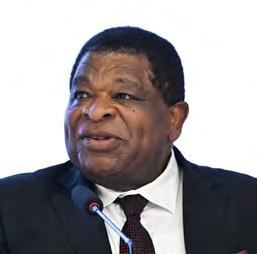
Mr Martin Chungong is the outgoing Secretary-General of the Inter-Parliamentary Union (IPU)
Q: The IPU, under your leadership, has played a key role in the promotion of dialogue and conflict resolution particularly in helping countries emerging from conflict or in transition – why is this work important today and what is the role of Parliamentarians in promoting global stability and peace?
A: This work is important today because ultimately those who suffer most during conflicts are the people – with women and children disproportionately affected. At the IPU, our policy is not to ostracize or exclude countries in conflict or in transition following coups. Instead, we work with transitional authorities to help restore democracy and build a return to constitutional order. The real goal is better governance and better lives for people.
For example, the IPU has supported transitions in places such as Burkina Faso, Gabon, Chad and Guinea, using parliamentary dialogue to help create conditions for peace rather than deepen isolation. I always say that no conflict should be treated as intractable, and that keeping channels open is essential because peace is a long-term process that requires patience and trust.
As for Parliamentarians, they matter because they are the democratic bridge between citizens and the state. They are the representatives of the people and since conflicts ultimately affect people, their voices need to be heard.
They also help turn peace from an abstract goal into practical action: by building trust between opposing sides, supporting constitutional and electoral processes, and helping create a political environment where other peace initiatives can succeed. We have numerous examples of dialogue at the IPU - between the Parliaments of the two Koreas and more recently between Armenia and Azerbaijan - which show how parliamentary diplomacy can open space for direct engagement even when formal relations are strained.
Q: Parliaments across the world continue to face a ‘trust deficit’ with many citizens questioning the role of Legislatures and the work of Parliamentarians. How can we ensure that Parliaments are trusted to be at the forefront of democracy and representation as well as being accountable to their citizens?
A: The trust deficit facing Parliaments is not simply a crisis of perception - it is a crisis of practice. Citizens are not disengaged from democracy; they are disengaged from institutions that too often appear opaque, unrepresentative or unaccountable. Rebuilding that trust requires
Parliaments to look inward, and to be judged not only on the laws they pass, but on how they conduct their work.
SDG 16 provides a clear framework: Targets 16.6 and 16.7, make clear that effective, accountable and transparent institutions are the foundations of democracy and of sustainable development. Decision-making must be inclusive and representative of the people it serves. Parliaments that fall short do not merely underperformthey erode the democratic compact itself.
The IPU's Indicators for Democratic Parliaments (www. parliamentaryindicators. org), as well as the CPA’s very own Benchmarks for Democratic Legislatures, translate these principles into measurable standards. They challenge Parliaments to ask hard questions: Are proceedings truly transparent and accessible to citizens? Does the composition of the chamber reflect the society it represents, including women, youth and marginalised groups? Are oversight functions exercised with independence and rigour? Is civil society meaningfully engaged in the legislative process? These are practical benchmarks that Parliaments can examine, measure and improve upon.

targets, effective and well designed as well as enforceable quotas, zero tolerance for violence against women in politics and Parliaments that are truly gender-sensitive in both culture and practice. The evidence shows that with these tools, parity in Parliament is possible.
Parliaments have to model the democratic values those laws are meant to uphold. That is how trust is rebuilt: not through communication strategies, but through conduct.
Q: You have been instrumental in strengthening the gender equality agenda within the IPU and spearheading gender parity initiatives. There have been significant gains on the road to equality – but there are still some Parliaments in the world with few or no women MPs. How do we continue to advance the campaign for gender equality in Parliaments?
A: Indeed, there has been significant progress since the 1995 Beijing Declaration and Platform for Action, the landmark global framework which set out a roadmap for gender equality and women’s rights: The proportion of women in Parliaments has risen from 11.3% in 1995 to 27.5% this year according to the IPU’s latest data.
However, the pace has slowed and some parts of the world have even gone backwards. A few years ago, we were able to announce that - for the first time - every Parliament in the world had women MPs. However, this year, three countries, Oman, Tuvalu and Yemen, have no women MPs.
To keep advancing, the IPU advocates ambitious parity
Ultimately, democracy is stronger when it reflects the full diversity of society.
Q: The challenges facing the world in terms of climate change and sustainable development are significant - how can Parliamentarians in the wider parliamentary community work together to bring effective responses to these issues?
A: Our approach is to treat climate action and sustainable development as joined-up issues, not separate policy tracks. The SDGs and climate goals reinforce one another, so Parliamentary Committees, budget debates and oversight hearings should be coordinated rather than siloed.
At the international level, Parliamentarians can also make a big difference when they act together across countries and parliamentary networks to turn climate and SDG commitments into law, budgets and scrutiny of government progress.
That’s very much the mission of the IPU to bring Parliamentarians together, from both the developed and developing world, to encourage global cooperation and share good practice when it comes to implementing the Paris Agreement on climate and other international agreements.
For example, for over 10 years now, the IPU has hosted
parliamentary meetings at COP, the UN Climate Conference, to connect Parliamentarians to the UN process and to amplify the voice of Parliamentarians in global climate negotiations.
We also have several tools and publications to encourage Parliaments and policymakers worldwide to integrate the Sustainable Development Goals into their functions and legislative efforts in a comprehensive manner.
Q: The promotion of the advantages of Artificial Intelligence for Parliaments is one of many areas of collaboration between the IPU and the CPA – for example, together hosting the Conference on Responsible AI with the Parliament of Malaysia and UNDP in Kuala Lumpur in November 2025. During the Conference, MPs highlighted the need for action on facilitating responsible use of AI and technology by Parliaments and Parliamentarians –how do we ensure that this can take place?
A: The Kuala Lumpur Conference made one thing unmistakably clear; responsible AI is not simply a technical question, it is a democratic one. Over 200 MPs, parliamentary staff and experts convened to address the urgent need for responsible governance of AI, and the message was consistent: action cannot wait. The Kuala Lumpur Declaration called for international cooperation to establish global standards for the responsible use of AI in the common interest of humanity.
The IPU's Parliamentary Actions on AI policy resource (www.ipu.org/parliamentary-actions-ai-policy) demonstrates the breadth of what is already happening in Parliaments. Parliamentary actions encompass not only legislation but also Committee inquiries, public hearings, stakeholder consultations and the creation of dedicated
parliamentary bodies. Yet the pace is uneven, and capacity gaps remain, particularly in smaller Parliaments.
The IPU has designed practical tools to help close the gaps in how Parliaments use AI in their work.
The Guidelines for AI in Parliaments (www.ipu.org/ ai-guidelines) provide a framework spanning governance, ethics, risk management and implementation, offering strategic advice for senior managers on developing AI governance frameworks and detailed operational guidance for staff involved in AI implementation.
Complementing this, the Maturity Framework for AI in Parliaments (www.ipu.org/resources/publications/ toolkits/2025-11/maturity-framework-ai-in-parliaments) provides a comprehensive, Parliament-specific roadmap for navigating the transformation to AI, serving as both a mirror and a map - helping parliamentary leadership understand where their institution currently stands while providing clear guidance on practical next steps.
The April 2026 Transforming Parliaments webinar on AI literacy adds three further lessons from the experiences of Austria, Zambia and France: begin with a training needs assessment, tailor content to roles and - most fundamentally - connect AI literacy to democratic purpose rather than efficiency alone. As Austria framed it, the goal is helping everyone to understand what it means to preserve Parliamentarism in the digital age.
Q: As we look to the future, the focus must be on young people - 60% of the Commonwealth’s 2.7 billion population is aged under 30. How can Parliamentarians across the world engage with young people? How can we involve more young people in politics and Parliaments?
A: Parliamentarians can start by listening systematically to young people’s concerns and by creating regular channels for dialogue. That’s why the IPU created the Forum of Young Parliamentarians soon after I took office: to make youth participation a permanent part of the parliamentary agenda.
To bring more young people into politics and Parliaments, we must remove the structural barriers that keep them out. The latest IPU data shows that only 2.8% of Parliamentarians worldwide are aged 30 and under, with no change since 2023, even though young people make up at least half the global population. That stagnation is worrying, and it helps explain why youth frustration is rising in many places with Gen Z demonstrations and sometimes even violence.
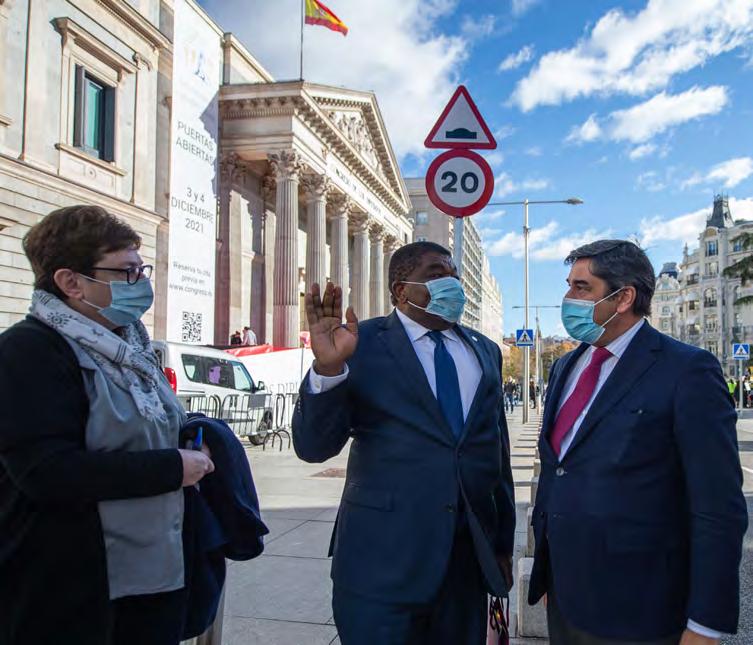
Left: IPU Secretary-General, Martin Chungong pictured with Spanish MP, Jose Ignacio Echániz during a visit to the Congress of Deputies of Spain in December 2021 in the post-COVID period.
The answer is to build clearer pathways into politics: mentorship, training, fair candidate selection and more youth-friendly parliamentary and electoral rules.
Representation improves when young people are given real influence, not symbolic seats at the table. Through our campaign, 'I Say Yes to Youth in Parliament!' (www.ipu.org/i-say-yes), we have identified six practical ways decision-makers can act. I am pleased to say that more than 2,500 Parliamentarians, Speakers of Parliament, Heads of State and leaders of UN and international organisations have signed up to the campaign, pledging to rejuvenate the political space.
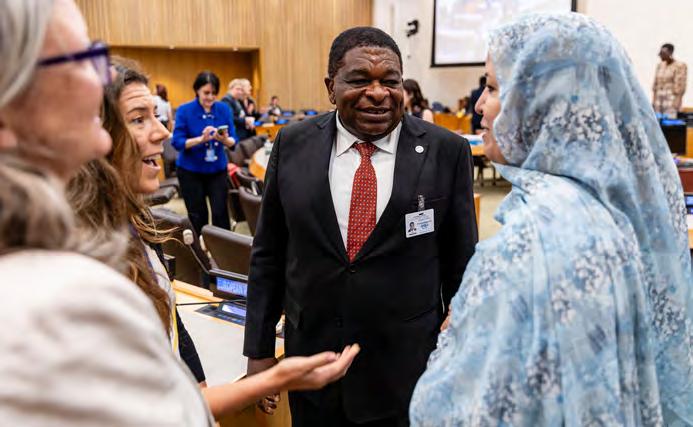
Q: Your third and final term as IPU Secretary-General is coming to a close – how do you reflect on over a decade as the leader of an important global Inter-Parliamentary organisation? What are the challenges that you have seen Parliaments facing in this time and are there any successes that stand out?
A: As I come to the end of my term, I look back with a great deal of gratitude and also with a strong sense of purpose fulfilled. The past decade has shown me that Parliaments are most effective when they stay close to citizens, remain open to change and keep dialogue at the centre of their work.
The biggest challenges have been the rise of war, democratic backsliding, inequality and the growing pressure on institutions to respond to crises that were not always part of the original agenda, such as COVID19, Artificial Intelligence and faster than expected climate disruption. Across this period, many Parliaments have also had to operate in highly polarized environments, while countries in transition needed more pragmatic engagement rather than isolation.
Another recurring challenge has been making Parliaments more inclusive and more representative of
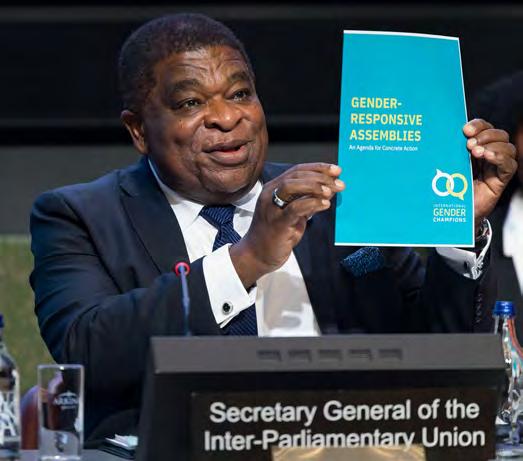
the societies they serve. That has meant confronting the underrepresentation of women and young people, as well as ensuring that even smaller and more vulnerable member Parliaments have a real voice in international decision-making.
One of the clearest successes has been the strengthening of parliamentary diplomacy as a practical tool for peace. The IPU helped create space for dialogue in difficult contexts, as I mentioned before, including between the Koreas, between Armenia and Azerbaijan, between Rwanda and DRC and in other fragile situations where trust has to be rebuilt carefully and patiently.
Another major success has been the IPU’s stronger voice in global multilateral processes. Under my tenure, the IPU has become more visible generally as well as more recognised at the UN, in climate negotiations and in global health governance, including a formal parliamentary forum at the World Health Assembly.
I would say the most important change is that the IPU became more connected to its Members and more grounded in impact. The Organisation has grown from 163 in 2014 to 183 Member Parliaments today, strengthened its financial base, broadened its partnerships and made its strategy more directly responsive to what Parliaments say they need.
Just as importantly, the IPU has become better known for doing concrete work that matters: promoting gender equality, youth empowerment, sustainable development, universal health coverage and peaceful dialogue. For me, that is the real measure of success - not visibility for its own sake, but impact on people’s lives.
Visit www.ipu.org to find out more about the IPU’s work
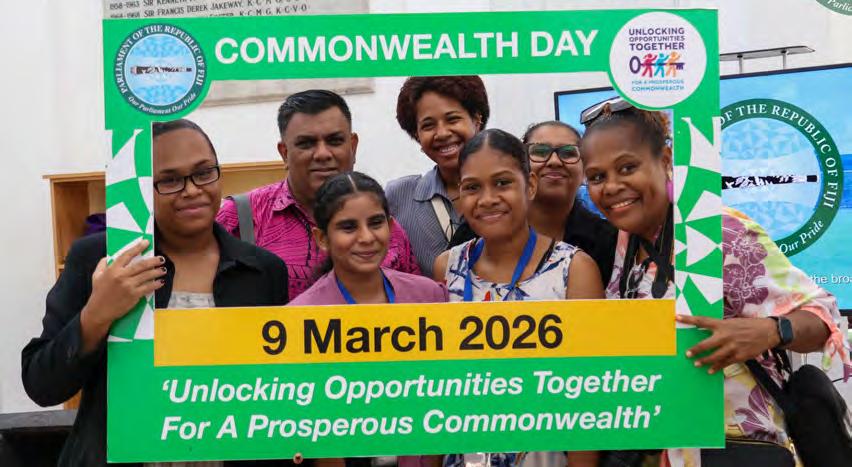
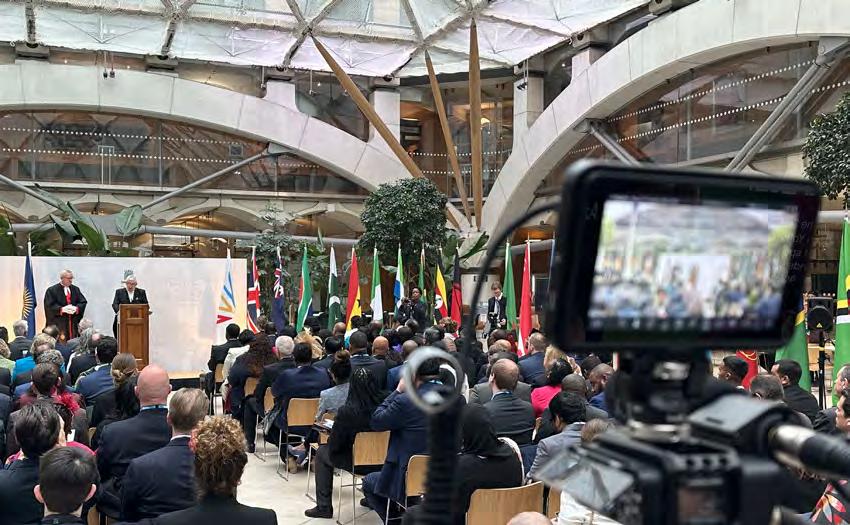
Commonwealth Day 2026 was marked on 9 March with Commonwealth Parliaments hosting various activities to commemorate the occasion, bringing together Parliamentarians, young leaders and community members. The Fiji Parliament held youth-oriented events (right); the Ghana Parliament held a Commonwealth Day Youth Debate with local schools and universities (centre right); the UK Parliament held its annual flag raising ceremony with attendees including MPs and High Commissioners (bottom right).
Opposite page - Above: The Botswana Parliament held a capacity-strengthening workshop, in partnership with the CPA and IPU from 18 to 22 May 2026. Parliamentary Clerks from Botswana were joined by their counterparts from Zambia, Sierra Leone, Ghana, Kenya and The Gambia.
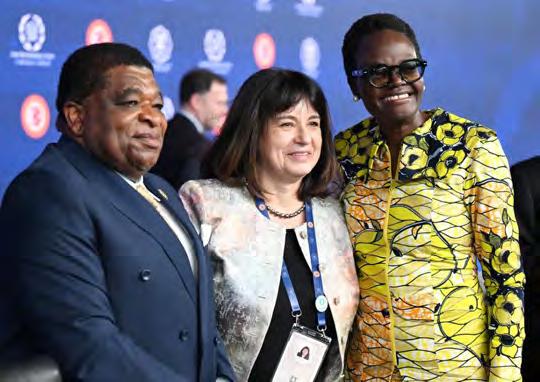
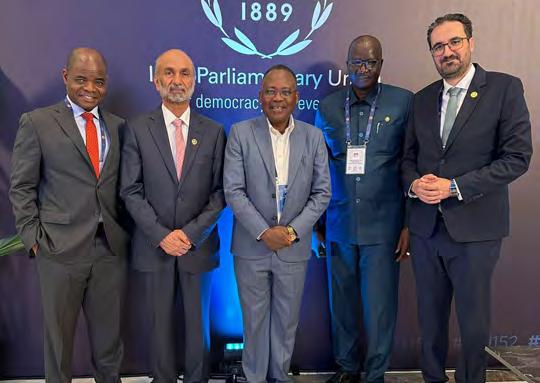
Opposite page - centre left and right: The CPA Chairperson, Hon. Dr Christopher Kalila, MP and CPA Deputy SecretaryGeneral, Jarvis Matiya attended 152nd InterParliamentary Union Assembly in Türkiye from 15 to 19 April 2026. Anda Filip from Romania was elected as the ninth IPU Secretary-General beginning a new four-year term.
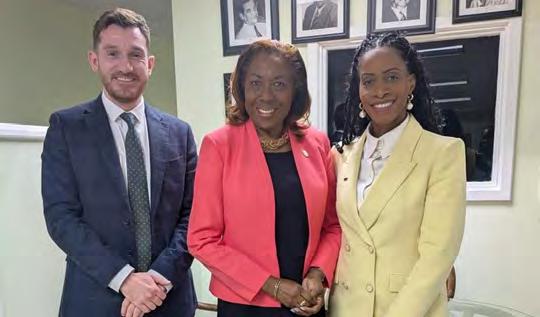
Opposite page - bottom left: A CPA delegation undertook a visit to the Parliament of Saint Lucia for a CPA Democratic Benchmarks assessment in March 2026 and met with key stakeholders including the President of the Senate, Senator Hon. Alvina Reynolds.
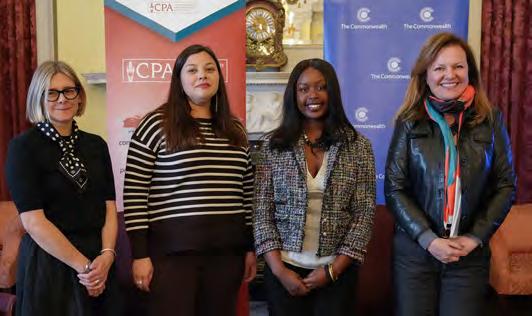
Opposite page - bottom right: The CPA and the Commonwealth Secretariat brought together elected representatives and experts in gender equality for a hybrid Rule of Law Seminar on advancing the participation of young women in politics on 13 May 2026.

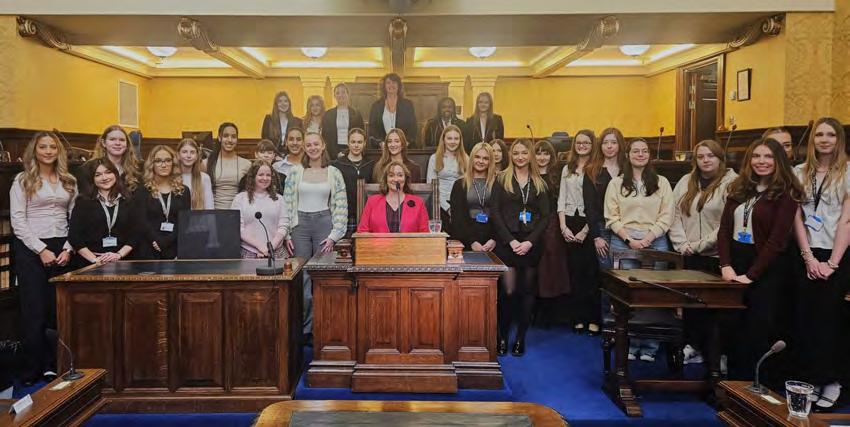
Across the Commonwealth, Parliaments organised activities for International Women’s Day on 8 March 2026. The Isle of Man Parliament (Tynwald) welcomed students to debate the issues they face as young women (right); the Speaker of the National Assembly of Zambia, Hon. Dr Nelly Mutti, MP attended the Women's Leadership Conference in Zambia (centre right).
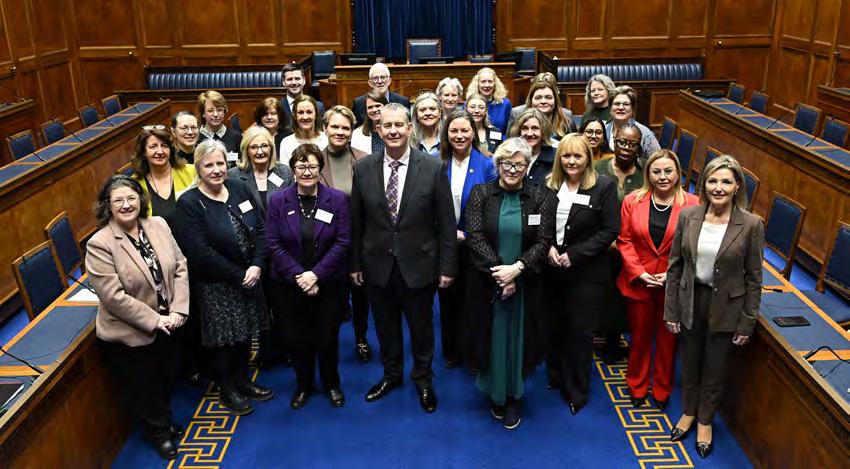
Below right: Commonwealth Women Parliamentarians met at the Northern Ireland Assembly in Belfast for the 12th CWP British Islands and Mediterranean Regional Conference from 8 to 10 February 2026.
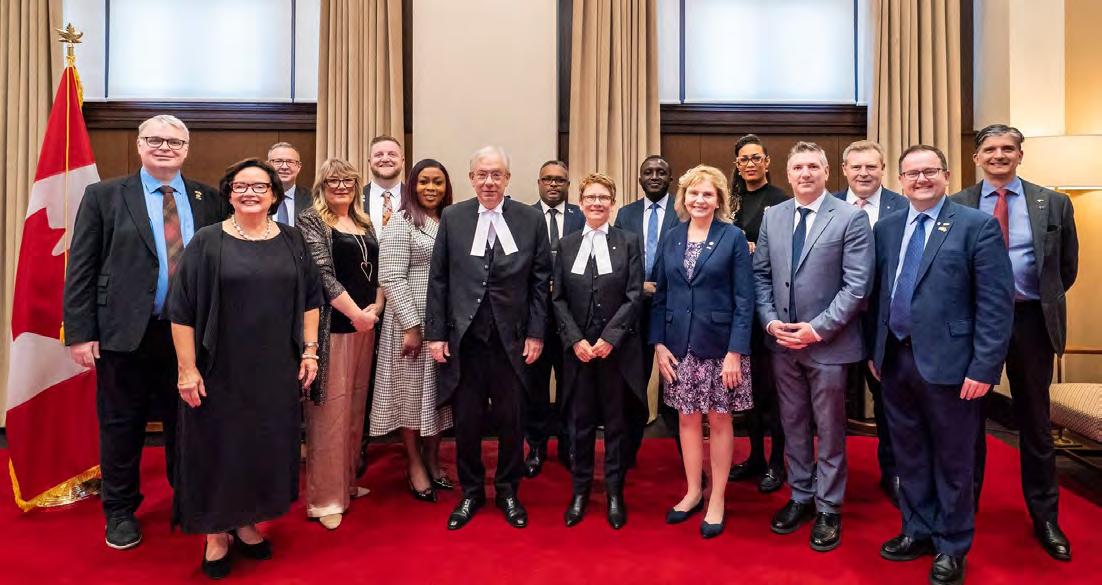
Opposite page - Above: The CPA Canada Federal Branch welcomed Commonwealth Parliamentarians from 11 CPA Branches to Ottawa for the 16th CPA Canadian Parliamentary Seminar from 25 to 29 May 2026.
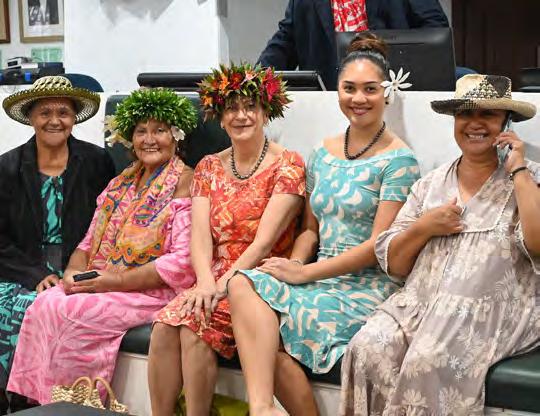
Opposite page - centre left: The Cook Islands Parliament had a busy week of outreach in March 2026 with the hosting of the Cook Islands National Youth Parliament and the Cook Islands National Women’s Council Parliament.
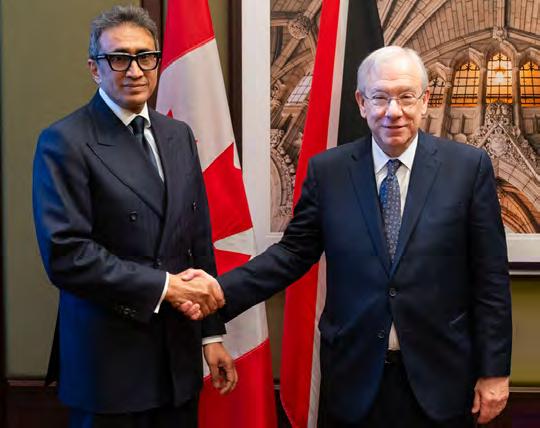
Opposite page - Below left: The Speaker of House of Representatives at the Parliament of Trinidad and Tobago, Hon. Jagdeo Singh, MP, met with his counterpart, the Speaker of the House of Commons of Canada, Hon. Francis Scarpaleggia, MP on 20 May 2026. The meeting came in the margins of the 22nd ParlAmericas Plenary Assembly.
Opposite page - Centre right and below right: In April 2026, the Speaker of the Australian House of Representatives, Hon. Milton Dick, MP led a parliamentary visit to Bangladesh, the first Speaker to visit the country since the recent elections, and to Malaysia.
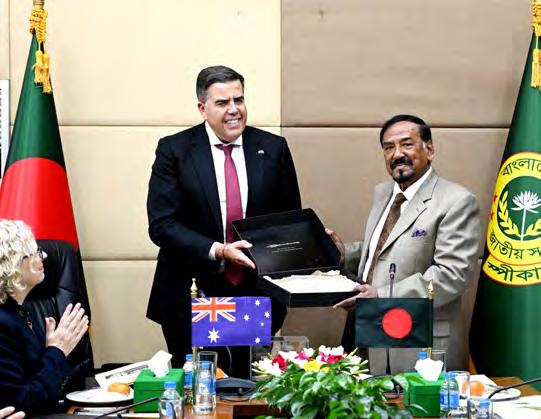
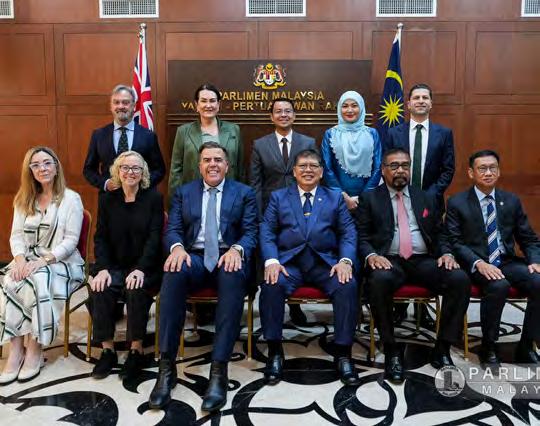
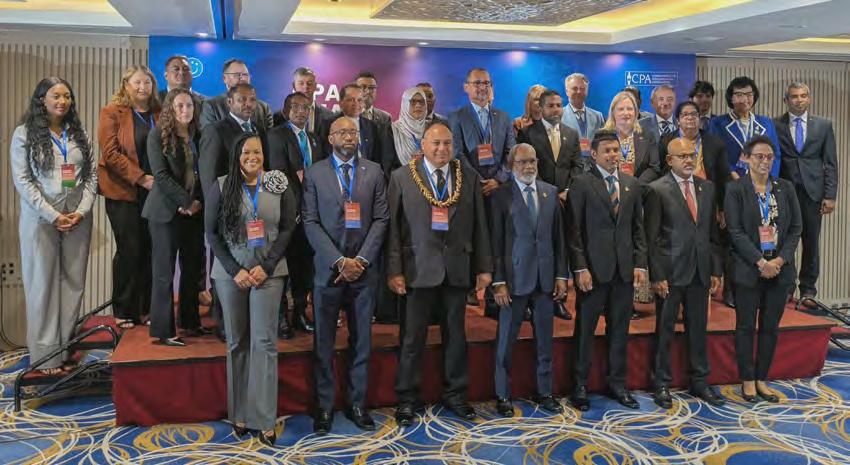
Right: The CPA Small Branches Workshop took place from 27 to 29 April 2026 hosted by the Parliament of Maldives (People’s Majlis) in Malé.
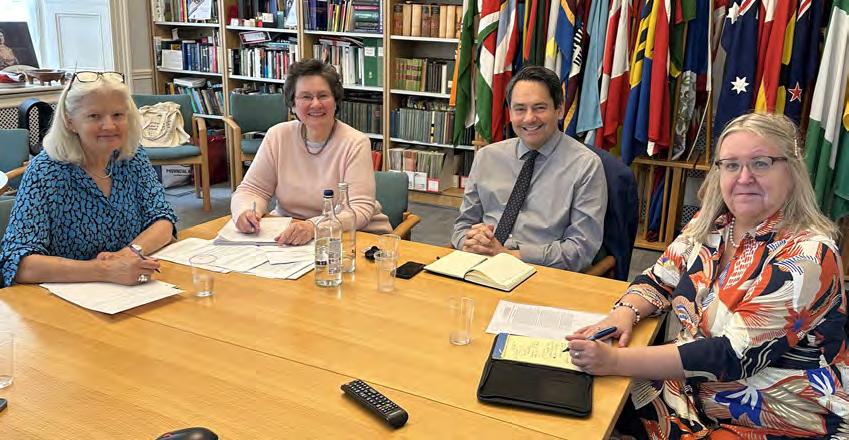
Centre right: The CPA Secretary-General, Stephen Twigg hosted a meeting of the Commonwealth Latimer House Principles Working Group on 7 May 2026 with the Commonwealth Magistrates and Judges Association (CMJA) and the Commonwealth Lawyers Association (CLA).
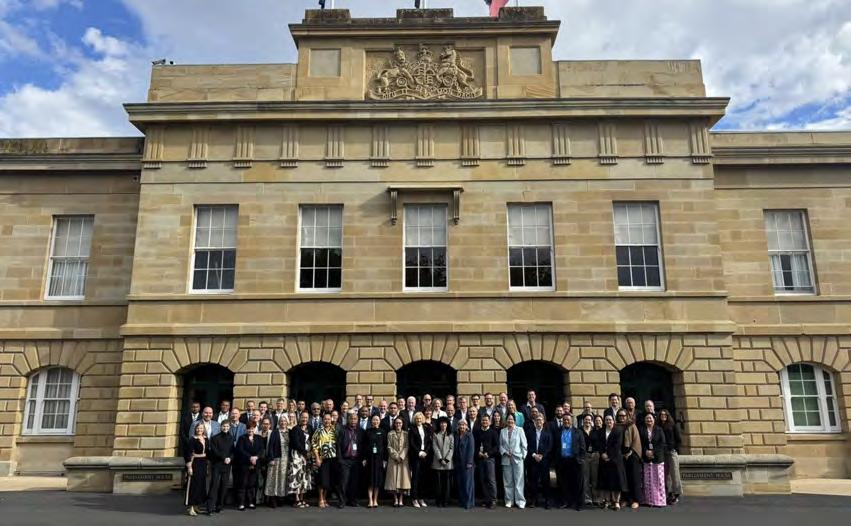
Bottom right: From 20 to 21 April 2026, the 18th Australasian Council of Public Accounts Committees (ACPAC) Biennial Conference took place in Tasmania.
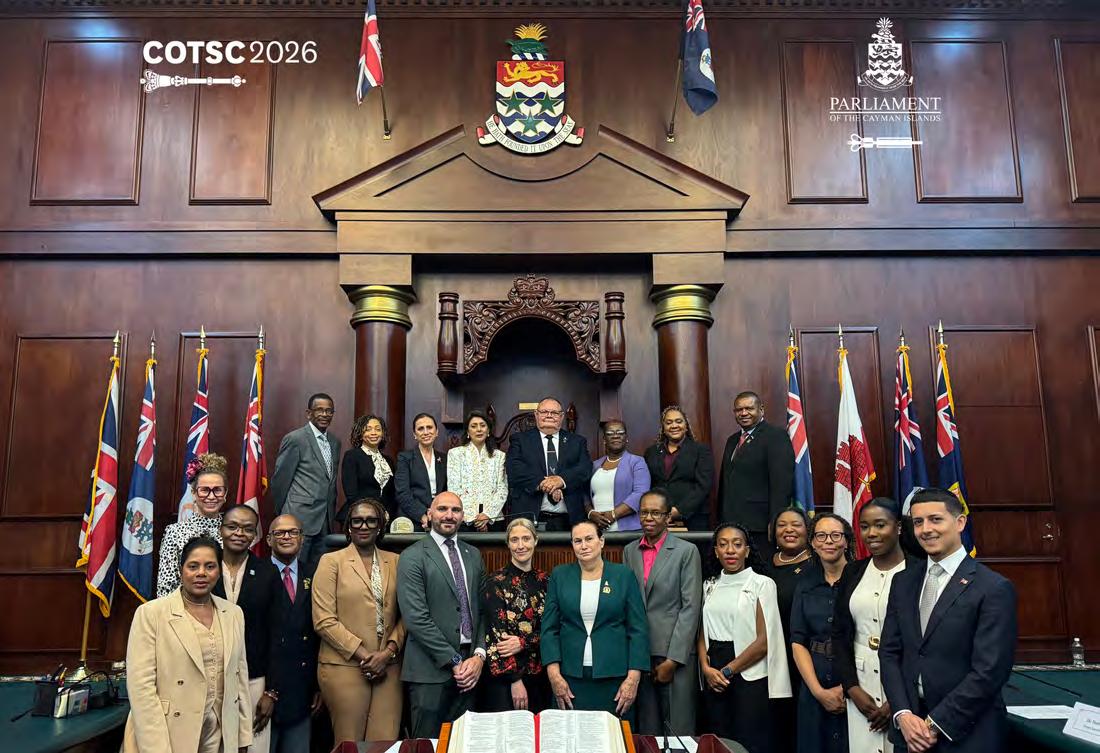
Opposite page - Above: The 2026 Commons and Overseas Territories Speakers’ Conference (COTSC) was held in the Cayman Islands from 26 to 28 May 2026. Speakers and Clerks attended from Anguilla, Bermuda, British Virgin Islands, Cayman Islands, Gibraltar, Montserrat, Turks and Caicos and the United Kingdom.
Opposite page - centre left: A delegation from the Senate of Kenya visited the CPA Headquarters on 9 April 2026 as part of a visit to the United Kingdom.
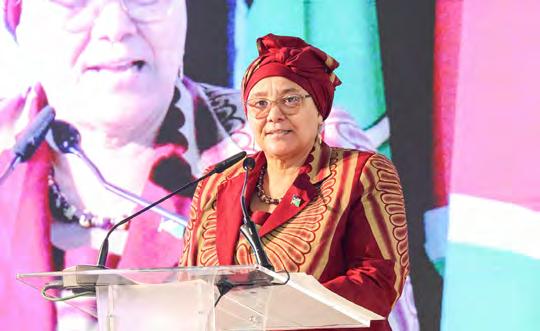
Opposite page - centre right: The Vice-President of Namibia, Her Excellency Dr Lucia Witbooi, opened the 90th CPA Africa Regional Executive Committee Meeting in Swakopmund from 2 to 6 March 2026.
Opposite page - below left: The Parliament of Australia launched its first Youth Parliament which will be held in August 2026 with 150 participants from all across Australia.
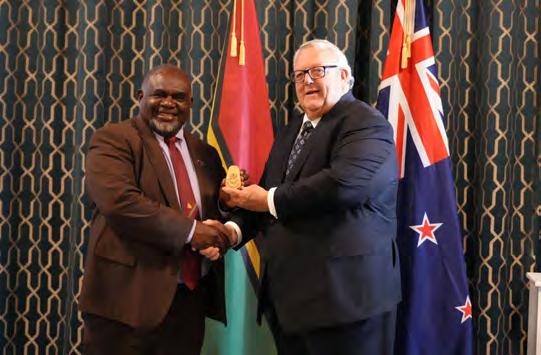
Opposite page - below right: The Speakers of the Parliaments of Vanuatu and New Zealand met in March 2026 in Wellington.

Across the world, major sporting events are facing a moment of reckoning and deep reflection. Rising costs, increased public scrutiny and competing fiscal pressures have led many governments and cities to question whether hosting such events remains viable.
In this context, the Glasgow 2026 Commonwealth Games represents something different: not a continuation of past models, but a deliberately bold evolution. It offers a more sustainable and flexible approach to hosting, one that responds directly to the challenges governments, cities and Parliamentarians face today.
For decades, major multi-sport events have been associated with ambition, global visibility and national pride. Increasingly, however, they have also been linked to rising costs, infrastructure demands and delivery risks, contributing to a shrinking pool of willing host cities and growing public debate about value for money and escalating costs.
These challenges are not unique to any one event or region, they are shared globally. For the Commonwealth, they present both a risk and an opportunity. The risk is clear: without adaptation, the traditional model becomes harder to sustain. The opportunity lies in reimagining how the Commonwealth
Games can be delivered in a way that is aligned with modern expectations of affordability, accountability and impact in a sustainable manner.
That is precisely what Glasgow 2026 seeks to demonstrate.
The model being adopted for Glasgow 2026 is grounded in a simple but powerful principle: delivering more with less. Rather than relying on large-scale capital investment and extensive new infrastructure, the focus is on maximising what already exists or is planned.
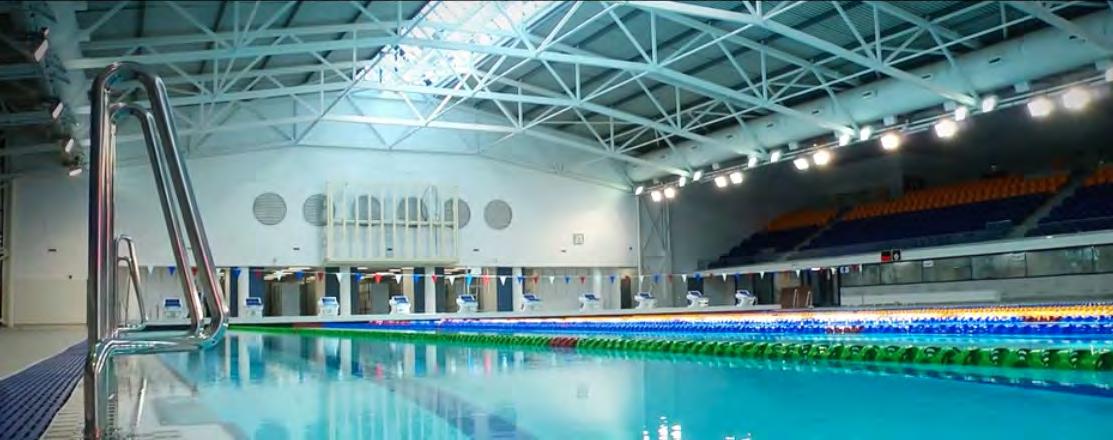
As a previous host city, Glasgow benefits from existing world-class venues, experienced delivery partners and established operational knowledge. The 2026 Games will build on this legacy, reusing existing facilities and minimising the need for new construction. Where additional infrastructure is required, it will be temporary, targeted and proportionate.
This approach significantly reduces capital expenditure and, crucially, lowers the financial risk associated with hosting. It also reflects a broader shift in thinking, from building for a moment, to building on what is already there.
This approach is underpinned by a clear commitment through the Commonwealth Sport ‘Games Reset’ agenda to significantly reduce the cost of hosting, by as much as 60%
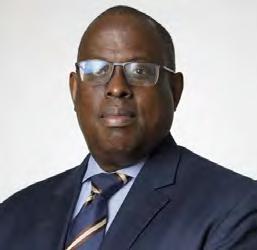
Dr Donald Rukare is the President of Commonwealth Sport. The first President from the Africa region, he has over three decades of experience across sport, law, diplomacy and development.
compared to recent editions, while maintaining the quality, athlete experience and integrity of the Games.
Alongside this, the Games programme itself is becoming more flexible. The concept of a ‘right-sized’ Games is central to the new model. This means tailoring the scale and scope of the event to the capacity and priorities of the host, rather than applying a one-size-fits-all template.
This more flexible approach is not limited to a single edition of the Games. It is designed to enable a pipeline of hosts, each delivering the Commonwealth Games in a way that reflects their own context and priorities. The award of the 2030 Commonwealth Games to Amdavad, India underlines this direction, demonstrating how future hosts can build on these principles while shaping a model that is distinct, locally relevant and globally impactful.
A more adaptable sports programme allows hosts to focus on disciplines that resonate locally and make best use of available venues. It also creates opportunities for a wider range of countries to consider hosting, including those for whom the traditional model may have been out of reach.
Operationally, the emphasis is on efficiency, with a leaner model
“ The opportunity lies in reimagining how the Commonwealth Games can be delivered in a way that is aligned with modern expectations of affordability, accountability and impact in a sustainable manner.”

reducing complexity while maintaining quality and integrity.
The Commonwealth Games have always been about more than sport. It is a platform for connection, cooperation and shared values across diverse nations and cultures. However, in a more constrained fiscal environment, it is increasingly important to demonstrate how hosting contributes directly to public policy objectives and plans.
Glasgow 2026 will place community benefit and long-term value at the centre of its approach. By integrating
the Games into existing plans, it seeks to deliver tangible outcomes through skills and volunteering programmes, increased participation in sport and physical activity, and targeted investment in local communities and venues. A zero-construction model, using existing sporting infrastructure and accommodation, also demonstrates how major events can reduce environmental impact while remaining world-class.
Inclusion is another defining feature of the approach. Glasgow 2026 will deliver the largest Para sport programme in Commonwealth Games history, alongside a broader
Left: The Glasgow 2026 Commonwealth Games prize medals were officially unveiled on 29 April 2026 at The Glasgow School of Art. Designed by artist Militsa Milenkova, the historic design marks a Commonwealth Games world-first by featuring built-in tactile details and Braille to ensure inclusion is a tangible experience. A total of 215 gold medals will be awarded across 10 sports and six Para sports during the Commonwealth Games, which run from 23 July to 2 August 2026.
commitment to accessibility, representation and community engagement. These are not standalone initiatives, but part of a wider effort to ensure the Games creates meaningful opportunities for people across the host city and the wider Commonwealth.
This focus on impact aligns closely with broader development priorities across the Commonwealth, including health, education, gender equality and economic growth. The growing recognition of sport’s wider contribution in these areas will also be reflected later this year at the Commonwealth Heads of Government Meeting in Antigua and Barbuda. Commonwealth Sport will convene a dedicated Sport Summit as one of four official side events, focused on sport’s role in development, inclusion and international cooperation.
While Glasgow 2026 demonstrates how the Games can be delivered in a lean and cost-conscious way, Amdavad 2030 will show how the same principles can be applied in a different context. Together, they reflect a more flexible model, one that allows each host to design a Games aligned with its own economic context, infrastructure and long-term development priorities.
For Parliamentarians across the Commonwealth, this evolving model presents both an opportunity and a responsibility.
Successful hosting requires coordination across government, spanning finance, infrastructure,
health, education and international engagement. Parliamentarians play a critical role in enabling this, through the establishment of appropriate funding frameworks, oversight mechanisms and policy alignment.
Equally important is engagement with national Commonwealth Games Associations, which exist in every member territory. These organisations are key partners in the planning and delivery of the Games and provide a vital link between government, sport and communities. Strong collaboration between Parliamentarians and these associations can help ensure that hosting is strategically aligned with national priorities and delivers maximum benefit.
The more flexible and scalable nature of the new model also allows for a more nuanced approach to decision-making. Hosting is no longer a binary choice between large-scale investment and no involvement at all. There is now greater scope to shape the Games in a way that reflects local context, capacity and ambition.
While rooted in the Commonwealth, the significance of this shift extends beyond a single moment.
The pressures facing major sporting events are unlikely to diminish in the years ahead. Governments and cities
will continue to seek assurance that hosting is affordable, accountable, and aligned with public expectations. In this environment, models that prioritise sustainability, flexibility and impact will become increasingly important.
The strength of this evolving model lies in its adaptability. Glasgow 2026 demonstrates how the Games can be delivered in a lean and efficient way, while Amdavad 2030 shows how the same core principles can be applied in a different context. Together, they illustrate a model that is not fixed, but responsive, capable of meeting the diverse needs of Commonwealth nations.
The Commonwealth Games is well placed to lead in this space. Its collaborative structure, shared values and diversity of member nations create a unique environment for innovation. By embracing a more adaptable approach, it can offer a practical blueprint for how major multi-sport events can evolve to remain relevant in the 21st century.
This is not about lowering ambition but redefining it. Success should not be measured solely by scale or spectacle, but by the extent to which an event delivers lasting benefit for people, communities and above all the athletes.
A confident and credible proposition For Parliamentarians considering the role of sport within national
development strategies, the message is clear.
Hosting the Commonwealth Games, or the Commonwealth Youth Games, is no longer an unrealistic or high-risk proposition. A modern, credible model is emerging, one that is grounded in fiscal responsibility, operational pragmatism and a clear focus on impact.
Glasgow 2026 will serve as an important demonstration of what this can look like in practice. It will show that it is possible to deliver a world-class sporting event while remaining aligned with the priorities and expectations of governments and citizens alike.
By evolving to meet the demands of a changing world, it can continue to play that role for generations to come, supporting development, strengthening connections and showcasing the enduring power of sport across the Commonwealth.

For more information about the work of Commonwealth Sport please visit www. commonwealthsport.com

The 23rd Commonwealth Games 2026 is due to take place in Glasgow, Scotland from 23 July to 2 August 2026. Visit www. glasgow2026.com to find out more.
The future of the Commonwealth Games has come to be questioned in the face of recent decisions to relinquish hosting the event on the grounds of their prohibitive cost. Such concerns, though, tend to be based on narrow transactional economic calculations that do not consider the wider benefits of organised international sporting events. These less tangible sporting dividends should be better appreciated in order to counter the growing narrative that the Commonwealth Games are anachronistic, irrelevant and not costeffective.
In 2023, the Government of Victoria in Australia announced their withdrawal from hosting the 2026 Commonwealth Games, citing that the costs of this had more than doubled to AU$6 billion.
A few weeks later Alberta, Canada suddenly withdrew their bid to host the 2030 Commonwealth Games on similar grounds. The UK has stepped in to host a slimmed down version of the 2026 Games in Glasgow, Scotland in place of Victoria. However, much of the British media reaction to this was decidedly unenthusiastic with imperial guilt as well as economics informing a prevailing narrative that the Commonwealth Games are a wasteful anachronism.
Whilst there can be little doubt that international sporting events are often unnecessarily costly and have also been subject to political manipulation, the Commonwealth Games have been a force for good in myriad ways.
One of the most familiar arguments around the staging of international sporting events is that allowing authoritarian countries to do so is to collude in ‘sportswashing’. There is a
compelling logic to this, but it is also the case that putting such regimes in the global spotlight can have beneficial results. Concerns that the awarding of the 1998 Commonwealth Games to Malaysia were a sop to the authoritarian rule of Prime Minister Mahathir Mohamad seemed to be vindicated when he fired his popular, reformist deputy Anwar Ibrahim during the games. However, this contrived sacking actually became a positive turning point in Malaysian history since the spotlight on Kuala Lumpur encouraged the emergence of the democratic social movement Reformasia, and the genesis of significant reform.
Further accusations that international sporting events are overly nationalistic overlooks their capacity to bring countries together and provide an outlet for healthy displays of patriotism. The Commonwealth Games have been pioneering in permitting ‘non-sovereign’ entities to participate and fly the flag more than any other international sporting event. This is greatly valued by these non-sovereign teams, as confirmed by the National Sports Council of the Falkland Islands who have stated that the event: ‘matters a great deal ...both for sporting and political visibility reasons’.1 International sport’s capacity to promote positive patriotism can also be seen in an endogenous form. Jamaica’s hosting of the 1966 Commonwealth Games was used to announce their sovereign arrival on the world stage four years earlier, with a new national Independence Stadium symbolically built for the occasion and much pride taken in being the first

Peter Hough is a Professor of International Relations at Middlesex University, London. He has published widely in the areas of human security, environmental governance and Arctic geopolitics, as well as on sport and politics. His book ‘Understanding Global Security’ has gone to five editions.
black majority country to host the event.
In line with the Jamaican experience of hosting the Games, recent evidence supports the case that - contrary to the rationale for the recent withdrawals - hosting cities and countries gain in terms of social capital. In-depth interviews with residents of Gold Coast, Australia in relation to the 2018 Games, found overwhelming support for the knock-on effects of hosting. Respondents cited significant physical capital pay-offs - such as the upgrading of sports facilities - as well as social capital gains in terms of employment opportunities, increased tourist inflows and the multiplication of social connections.2 Analysis of the 2022 Birmingham Games similarly found evidence of notable material and social capital gains. The event is estimated to have made a financial profit and provided a £1.2 billion boost to the UK economy. Beyond this were also significant less-tangible gains echoing the findings in Gold Coast studies in terms of community cohesion, physical and mental wellbeing and social regeneration.3
Fair play, justice and universality are inherent to the governance of major international sports, and the Commonwealth Games have gone further than any in promoting human rights on the world stage. The Games adopted their and international sports’ first official Human Rights Policy in 2017 (updated in 2022) committing the organisation to enshrine a respect for human rights and free expression in the bidding, hosting and management
of the Games. As a consequence of this, the rights of indigenous peoples and sexual minorities were celebrated in ceremonies at Birmingham, putting the Games beyond the Olympics in giving expression to non-state identities. The Games have also been pioneering in advancing disabled sports and Birmingham 2022 was the first global multi-sports event to feature more medal events for women than men.
Probably the best example of international sport advancing rights and justice, though, is in challenging racial discrimination. The boycotting of major events is often cited as evidence of the negative politicisation of sport but, this is a skewed account of the phenomenon only properly applicable to the tit-for-tat Olympics Cold War boycotts of 1980 and 1984. Beyond this, sporting exclusions and boycotts have done much to challenge racism in the name of fair play and the Commonwealth Games are the leading example. The Commonwealth’s strong African contingent made them a leading light in the anti-apartheid
movement, dating back to the start of the organisation. In 1934, the hosting of the 2nd British Empire Games was removed from Johannesburg in South Africa and relocated to London after protests at the South Africans seeking to dictate the racial composition of visiting teams.
The anti-apartheid movement led to South Africa being expelled from the Commonwealth in 1961, but a full sporting isolation of Pretoria did not happen since rugby and cricket connections were maintained by teams such as England and New Zealand. Protests against this culminated in the 1977 Gleneagles Agreement which declared that a full sporting boycott of South Africa and other racist states (such as Rhodesia) should be maintained. When the British commitment to this waned, there was a mass walk out in advance of the 1986 Edinburgh ‘Unfriendly Games’: the largest sporting boycott in history with 32 states (out of 59) pulling out. As a result, the Edinburgh Games were a sporting, financial and political disaster for the UK. Following this nadir, the Commonwealth Games have not experienced another sporting boycott and their contributions to advancing nondiscrimination has advanced.

Ultimately, the value of international sport comes from its general contribution to deepening global communications, without which human rights and international justice cannot develop. The Commonwealth Games, to some, smack of imperialism but this criticism
does not stand up to much scrutiny. Participating nations do so voluntarily and several countries that were never part of the British Empire have also chosen to join the organisation and its games.4 The government of one of these nations, Rwanda, have cited the healing capacity of sport as a contributory factor to them debuting at the Commonwealth Games this year.5
The argument that the Commonwealth Games are not costefficient is a lazy assumption that ignores the fact that they demonstrably can make a profit but also that there are wider, less tangible gains for the hosts, participants and spectators.
In a polarising world, the inclusive, integrative, rules-based and rights-based nature of organised international sport should be encouraged rather than questioned. The Commonwealth Games have a proud record of advancing these goods and should not be consigned to history on the basis of blinkered economic analysis and imperial guilt.
1 Summers, M. (2025) Falklands National Sports Council, personal communication (8.9.2025)
2 Falla, M. & Prior, J. Jacobs, B. (2022) Assessing the impact of sporting megaevents on the social and physical capital of communities in host cities: the Gold Coast 2018 Commonwealth Games experience, Commonwealth Journal of Local Governance Issue 26: May 2022.
3 UK Government (2024) Evaluation of the Birmingham 2022 Commonwealth Games – One Year Post-Games Evaluation Report –March 2024 (accessed 16.08.2025)
4 Mozambique, Rwanda. Gabon and Togo will make their debuts in 2026.
5 Mimosa (2022) ‘Rwanda’s rebuilding Journey through Sports’, The Parliamentarian: Issue 2: 120-121.
Also: Doyle, J., Filo, K., Thomson, A., & Kunkel, T.,(2021) ‘Large-Scale Sport Events and Resident Well-Being: Examining PERMA and the Gold Coast 2018 Commonwealth Games’ Journal of Sport Management, 2021, 35, 537550.
SPORT FOR INCLUSIVE AND SUSTAINABLE DEVELOPMENT
A

Dr Lin Sambili-Gicheha is an Adviser on Sport for Development and Peace (SDP) at the Commonwealth Secretariat.
new report highlights the ongoing potential of sport in sustainable development
Sport has always held a unique place within the Commonwealth. It connects people across cultures, generations and borders. Today, however, sport is recognised not only as competition or entertainment, but as a practical tool for advancing wider non-sporting outcomes such as health, education, gender equality, inclusion and economic resilience.
As the Commonwealth advances its 2025–2030 Strategic Plan and prepares for the 12th Commonwealth Sports Ministers Meeting (12CSMMhttps://thecommonwealth.org/12csmm) on 22 July 2026, in Glasgow, Scotland, there is renewed momentum to strengthen collaboration towards the intentional use of sport as an enabler of sustainable development
The Commonwealth Secretariat supports its 56 member countries in building evidence-based policies, strengthening governance and expanding inclusive opportunities through sport.
The Commonwealth Games remain one of the most visible and celebrated expressions of Commonwealth identity and values. Beyond competition, the Games connect 2.7 billion citizens through shared experiences of respect, friendship and solidarity.
Importantly, the Games continue to provide a platform for small and vulnerable states to compete proudly on the global stage under their own flags. From Glasgow 2026 to the Malta Youth Games in 2027, and onward to the centenary Games in Ahmedabad, India in 2030, the Commonwealth continues to safeguard the legacy and future relevance of the Games for future generations.
The Commonwealth has long recognised sport as a force that strengthens communities and builds social cohesion. Milestones such as the UNESCO Charter on Physical Education and Sport and the inclusion of sport in the International Charter of Physical Education, Physical
Activity and within the UN Sustainable Development Goals (SDGs) helped establish sport as an important contributor to human development.
Since establishing the Commonwealth Advisory Body on Sport (CABOS) in 2006, the Commonwealth Secretariat has emerged as a leading global voice in sport policy, governance and development.
Today, the focus has shifted from broad declarations toward measurable action. Through partnerships with UNESCO, WHO, UNICEF and Commonwealth Sport, the Commonwealth has helped develop practical policy tools and internationally recognised Sport and SDG Indicators frameworks.
New evidence, new urgency
The recently released Global Sport and Sustainable Development Goals
Baseline and Initial Impact Report, developed by the Commonwealth Secretariat in close collaboration with UNESCO and other key partners,
“ There is renewed momentum to strengthen collaboration towards the intentional use of sport as an enabler of sustainable development. The Commonwealth Secretariat supports its 56 member countries in building evidence-based policies, strengthening governance and expanding inclusive opportunities through sport.”
highlights both the growing potential of sport and the urgent challenges facing the sector.
Physical inactivity remains a major global concern. More than 31% of adults and over 82% of adolescents are insufficiently active, with women and girls consistently less active than men and boys.
The report also identifies major inequalities in access to physical education, community sport and leadership opportunities. Globally, only around one-third of national sport policies are aligned with the SDGs.
At the same time, several Commonwealth countries demonstrate what is possible through sustained investment and policy coherence:
• Singapore emerged as the Commonwealth’s strongest performer in health and wellbeing
through active living campaigns and accessible public spaces.
• Jamaica ranked among the strongest globally in physical education and gender empowerment, supported by compulsory physical education policies and growing women’s leadership in sport.
• Malaysia showed strong performance in disability inclusion and community safety indicators.
• Australia led among Commonwealth nations on governance, participation data and sport integrity systems.
These examples reinforce an important lesson: when sport policy aligns with national development priorities, broader social outcomes improve.
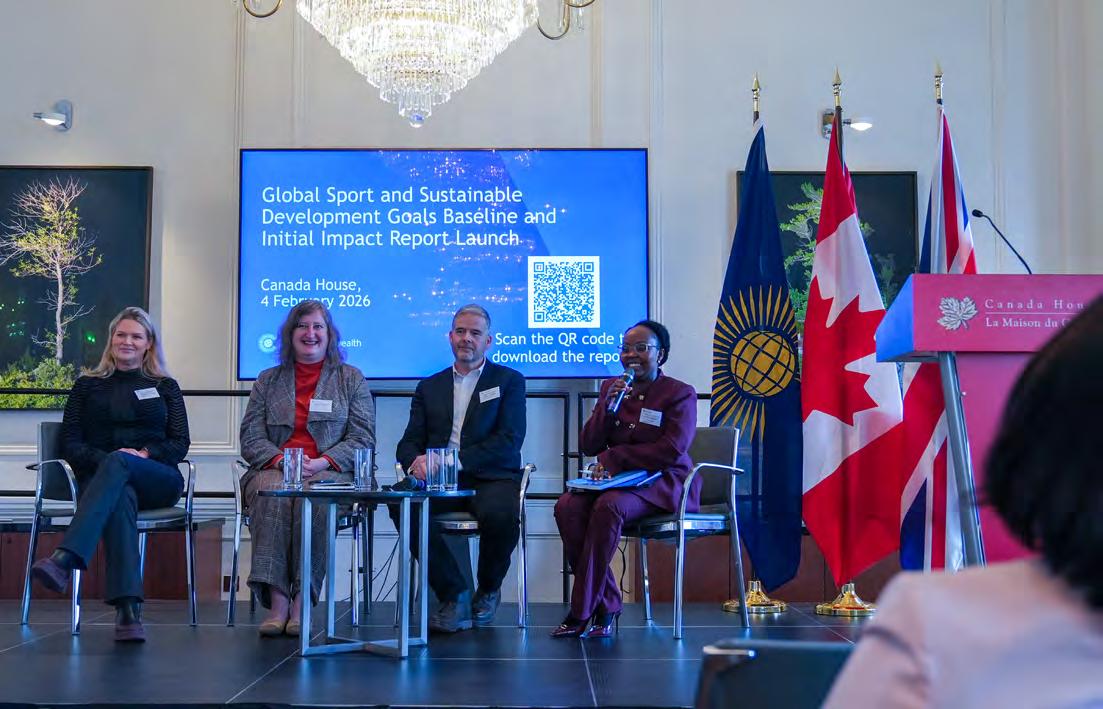
Below: The Commonwealth Secretariat launched the first ever Global Sport and Sustainable Development Goals (SDGs) Baseline and Initial Impact Report at Canada House in London, UK on 4 February 2026 with a discussion panel of experts.
Sport and the Commonwealth Strategic Plan 2025–2030
The Commonwealth Secretariat’s Strategic Plan 2025–2030 (https:// thecommonwealth.org/publications/ strategic-plan-2025-2030) places strong emphasis on inclusive and resilient development, youth empowerment, gender equality and healthier communities. Sport has become an increasingly important cross-cutting mechanism for advancing these priorities.
Next month at 12CSMM, there will be a focused push to encourage governments and partners to recognise sport as a driver of democratic, economic and environmental resilience while promoting youth inclusion and amplifying the voices of small and vulnerable states.
This aligns closely with the Sustainable Development Goals, particularly those on health and sustainable communities (SDGs 3 and 11), quality education (SDG 4), gender
equality (SDG 5), economic growth and productive employment (SDG 8), and peaceful societies, strong institutions and partnerships (SDGs 16 and 17)
This includes strengthening physical education systems and promoting active lifestyles to tackle non-communicable diseases, while opening up greater opportunities for women, girls and persons with disabilities. It also focuses on equipping young people with skills and leadership opportunities, strengthening safeguarding and integrity across sport, and ensuring major sporting events leave a lasting and meaningful social legacy.
Young People at the Centre
Young people remain central to the Commonwealth’s vision for sport and development. With more than 60% of Commonwealth citizens under the age of 30, investment in youth development and leadership is critical to building inclusive and prosperous societies.
Through partnerships with governments, sporting bodies and development organisations, sport is increasingly being used to equip young people with skills, confidence, leadership opportunities and pathways to employment.
The Commonwealth also continues to amplify youth voices within sport policy discussions, ensuring young people are not simply beneficiaries of policy but active participants in shaping it.
Building partnerships for inclusion and economic resilience
Sport also has an important role to play in strengthening economic resilience and promoting sustainable growth.
The Commonwealth Secretariat has a strong record of supporting member countries through trade, investment and sustainable development initiatives. Increasingly, sport is being recognised as part of this wider economic agenda.
The Global Sport and Sustainable Development Goals Baseline and Initial Impact Report highlights
the importance of partnerships and evidence-based investment to strengthen the sport sector’s contribution to economic growth, employment and resilient communities.
The Commonwealth’s work with governments and development partners demonstrates how collective action and policy coherence can create more equitable sport systems - from elite competition to grassroots participation.
The Commonwealth Secretariat also continues to strengthen global knowledge-sharing and collaboration through its partnership with the International Platform on Sport and Development (sportanddev) and the Australian Government, through the free Massive Open Online Course (MOOC) on Sport for Sustainable Development (https://www.futurelearn. com/courses/sport-for-sustainabledevelopment). The three-way partnership has helped expand access to practical tools, policy guidance and learning resources for governments, practitioners and young leaders across the Commonwealth.
Recently, sportanddev launched a multilingual user guide in English, French, Arabic and Spanish to support broader inclusion and participation in the global sport for development movement. The initiative is designed to ensure that more voices — particularly from underrepresented communities and regions — can publish content, share experiences, build partnerships and contribute to policy discussions through open-access platforms.
The approach reflects a wider Commonwealth commitment to ensuring that no one is left behind. By improving access to knowledge, networks and collaboration opportunities, these platforms are helping connect practitioners, researchers, young people and policymakers working to strengthen sport’s contribution to sustainable development across diverse national and local contexts.
Ahead - from 12CSMM to CHOGM 2026
The 12th Commonwealth Sports Ministers Meeting comes at an important moment for the Commonwealth and for the global sport sector.
As governments continue to respond to inequality, physical inactivity, youth unemployment and growing social pressures, sport offers a unique opportunity to build healthier, more inclusive and more resilient communities.
The challenge now is to ensure that sport’s contribution is intentional, evidence-based and supported through effective partnerships, governance and investment.
For the Commonwealth, the opportunity is significant. Sport remains one of its strongest shared traditions - but also one of its most powerful tools for delivering sustainable development and improving the lives of people across the Commonwealth.
Following from 12CSMM, the Commonwealth Sport Summit will bring together over 300 participants to amplify sport’s position as a strategic driver of partnership, investment and resilience across the Commonwealth, while recognising its unique capacity to engage and empower the Commonwealth’s 1.9 billion young people.
You can download the Global Sport and Sustainable Development Goals Baseline and Initial Impact Report via https:// thecommonwealth.org/publications/globalsport-and-sustainable-development-report
Gyanender Singh Rana is an Advocate in the Delhi High Court in India and also an Arbitrator.
The governance of sport has emerged as an increasingly important public policy issue across the world. While sporting success is often measured through medals, rankings, and international achievements, the institutions that govern sport play an equally critical role in shaping outcomes. Questions of transparency, accountability, athlete welfare, ethical conduct, and institutional autonomy have become central to contemporary debates on sports governance.
Against this backdrop, India’s National Sports Governance Act (NSGA), 2025 represents a significant legislative intervention aimed at reforming the governance architecture of one of the world’s largest sporting ecosystems.
The enactment of the NSGA 2025 marks an important shift in India’s approach to sports administration. For more than a decade, the governance of sports bodies in India was guided primarily by the National Sports Development Code, 2011. While the Code established principles relating to transparency, elections, age limits, and accountability, it lacked comprehensive statutory backing, resulting in uneven implementation and recurring disputes concerning governance standards. Over time, concerns relating to administrative opacity, concentration of authority within sports federations, financial accountability, athlete representation, and dispute resolution generated growing calls for a more robust legal framework.
The passage of the NSGA 2025 reflects Parliament’s attempt to address these structural challenges through legislation. Rather than relying solely on administrative guidelines, the Act provides a statutory framework that seeks to strengthen institutional
accountability while preserving the operational effectiveness of sports bodies. In doing so, it represents a broader recognition that modern sports governance requires clear legal structures capable of balancing autonomy with responsibility.
The immediate context for these reforms was shaped by a series of governance controversies that highlighted weaknesses within existing institutional arrangements. Public debates concerning athlete welfare, internal accountability mechanisms, governance disputes within sports federations, and the effectiveness of grievance redressal systems drew attention to the need for comprehensive reform. While such challenges are not unique to India, they underscored the importance of establishing governance structures capable of responding effectively to the evolving demands of contemporary sport.
One of the most significant features of the NSGA 2025 is the establishment of a clearly defined institutional framework governing sports administration. The legislation provides statutory recognition for national sports bodies while outlining governance standards applicable across different levels of the sporting ecosystem. The objective is not merely administrative standardisation but the creation of a coherent governance architecture that promotes consistency, accountability, and professionalism.
The Act also establishes the National Sports Board, envisioned as the apex regulatory institution responsible for overseeing governance compliance, recognition of sports federations, ethical standards, and financial transparency. Through this mechanism, the legislation seeks to strengthen
oversight while ensuring that sports bodies operate within clearly defined governance norms. The Board's role reflects a growing international trend toward institutional mechanisms that enhance accountability without directly managing sporting activities themselves.
A notable aspect of the legislation is its emphasis on governance reforms within sports federations. The Act introduces provisions relating to democratic functioning, electoral processes, term limits, and cooling-off periods for office-bearers. By creating a National Sports Election Panel and establishing uniform governance standards, the legislation seeks to reduce the risks associated with prolonged concentration of authority and to promote greater institutional renewal. Such provisions align with broader international discussions regarding governance best practices in sports organisations.
Transparency and accountability constitute another central pillar of the NSGA 2025. The legislation incorporates measures relating to financial audits, public disclosure requirements, codes of ethics, and enhanced oversight mechanisms. By bringing certain functions of sports bodies within the ambit of public accountability frameworks, the Act attempts to strengthen public trust in sporting institutions while encouraging greater administrative professionalism. These reforms reflect the growing recognition that sports organisations, particularly those performing public functions or receiving public support, must adhere to high standards of governance.
Perhaps the most consequential aspect of the legislation is its focus on athlete welfare and safeguarding.
Across the world, concerns relating to athlete protection, abuse prevention, mental wellbeing, and grievance redressal have increasingly shaped sports policy discussions. The NSGA 2025 responds to these concerns through the introduction of a Safe Sports framework designed to strengthen protections for athletes and promote a more secure sporting environment.
The legislation also seeks to enhance athlete participation in governance processes, recognising that effective policy-making benefits from the inclusion of those directly affected by institutional decisions.
The establishment of a National Sports Tribunal represents another important innovation.

Sports-related disputes often require specialised expertise and timely resolution, particularly in matters relating to athlete selection, eligibility, governance conflicts, and disciplinary proceedings. Conventional judicial processes may not always be equipped to address such matters within the timeframes demanded by competitive sport. The creation of a dedicated tribunal therefore reflects an effort to develop a more specialised and efficient dispute-resolution mechanism tailored to the needs of the sporting sector.
At the same time, the legislation raises important questions regarding the relationship between state oversight and the autonomy of sports organisations. This tension is neither unique to India nor new to global sports governance. Internationally, policymakers continue to grapple with the challenge of ensuring accountability within sports institutions while respecting their operational independence. The NSGA 2025 enters this ongoing debate by
attempting to establish governance safeguards without fundamentally altering the autonomous character of sporting bodies. The effectiveness of this balance will likely remain an important area of observation as implementation progresses.
Viewed from a comparative perspective, the Act places India within a broader global movement toward governance reform in sport. Countries across Europe, North America, and the Asia-Pacific region have increasingly introduced measures addressing institutional accountability, athlete safeguarding, ethical conduct, and governance transparency. International sporting organisations have similarly strengthened expectations regarding integrity, compliance, and organisational standards. In this respect, the NSGA 2025 reflects wider international efforts to modernise sports governance in response to changing societal expectations.
The significance of the National Sports Governance Act 2025 therefore extends beyond the administration of
sport itself. At its core, the legislation represents an important example of parliamentary engagement with questions of institutional reform, public accountability, and athlete welfare. By transforming previously non-binding governance principles into a statutory framework, Parliament has sought to strengthen the foundations upon which sporting excellence is built.
Whether the Act ultimately achieves its objectives will depend on effective implementation, institutional capacity, and sustained engagement between athletes, administrators, policymakers, and sporting bodies. Nevertheless, its enactment marks a significant milestone in the evolution of sports governance in India. For international observers, the NSGA 2025 offers a valuable case study of how democratic institutions can respond to governance challenges in sport through legislative reform, seeking to balance autonomy, accountability, and athlete welfare within an increasingly complex sporting landscape.

There’s a simple truth we too often overlook in public life: the best decisions are made when the people most affected are at the table.
As a former MLA and the first person with a disability to be elected as the Speaker of the Nova Scotia House of Assembly, I’ve seen firsthand how policy is shaped - not just by good intentions, but by the voices included in the process. When those voices reflect the full range of lived experiences in our communities, policy is stronger, more thoughtful and more grounded in reality. When they don’t, we see the consequences, which in most cases result in the further deepening of systemic biases and the ongoing marginalisation of those minorities excluded from the process.
That’s why the recent situation in the Province of Nova Scotia around proposed government budget cuts affecting persons with disabilities is so troubling. While I’m glad those decisions were ultimately reversed, it’s hard not to think they should never have been considered in the first place. If there was meaningful involvement from persons with disabilities, it would be difficult to imagine those cuts ever being proposed at all.
This isn’t about blame as much as it is about a broader lesson. Diverse voices and perspectives don’t just improve the process - they lead to better outcomes. People with lived experience understand the real-world impact of policies and decisions in ways that others simply can’t. That kind of insight is not a nice-to-have in policymaking; it’s essential.
Disability doesn’t affect just one group of people. It touches every family, every community and every
sector of our society. Whether through a loved one, a colleague or our own lived experience over time, disability is something that connects us all. That’s precisely why it must be reflected in the rooms where policy making is discussed and decisions are made.
However, disability inclusion doesn’t happen by accident. It requires intention and deliberate focused ongoing effort. It means creating a political system that is not only accessible to persons with disabilities, but genuinely welcoming.
One where persons with disabilities see themselves not just as participants, but as potential leaders and decision makers – serving as volunteers in local electoral district associations, as members of Executive teams, as candidates, as elected officials, as policy makers and as leaders across the public and private sectors.
We have more work to do to build that kind of system. That includes removing physical, attitudinal and systemic barriers, challenging assumptions and actively encouraging the participation of persons with disabilities at every point of entry in our political systems.
In 2017, I founded and launched the Commonwealth Parliamentarians with Disabilities (CPwD) network to support and encourage persons with disabilities to become politically engaged across Commonwealth countries.
In 2025, I helped launch the Nova Scotia Liberal Party’s Persons with Disabilities Commission to create more pathways for persons with disabilities to engage in Provincial politics and build toward a more disability inclusive Province. Through that work, we’ve focused on making space for
Hon. Dr Kevin Murphy, ECNS, served as the former Member of the Legislative Assembly for Eastern Shore and first person with a disability to be elected as Speaker of the Nova Scotia House of Assembly, in Canada and the Commonwealth.
people with disabilities to share their experiences, shape policy and see a place for themselves to participate in public life.
If there’s one lesson to take from all of this, it’s that policy works best when it’s built with people, not just for them. That starts by making sure every voice has a seat at the table.
For those persons with disabilities and their supporters who want to be part of that work, I encourage you to get involved with the party of your choice and attend your local political meetings. Reaching out to your local elected representative is good, but getting involved in the political system that selects candidates and shapes political priorities is even better.
Our politics is stronger when more people with disabilities are part of the conversation at every step of the way in policy making and decision making.
Historically persons with disabilities, disability issues and disability policy have not been seen by our political systems as priorities. Generally, this demographic has been easily ignored as a voiceless ‘burden’ on society which needs ‘looking after’ by governments with a bare minimum of investment and resources. Persons with disabilities and groups representing PWD have traditionally not been accustomed to working together towards high-level common goals would enable political recognition, and the resultant political will. With the advent of our ability to collect more sophisticated demographic statistical data we are now realising that persons with disabilities collectively make up significant proportions of the global
population. For example, the most recent Canadian census data from 2022 reveals that 27% of our population in Canada self identifies as having at least one significant disability which impacts on their ability to carry out regular activities of daily living.
By any political measurement, 27% of a voting population is a powerful cohort that should command the attention of any government, or government in waiting, at any level, in any jurisdiction in the world. Even though persons with disabilities have been part of our populations since the beginning of time, we have yet to see any freely elected democracy give any proportional political attention to this demographic. Nor has any political party truly made any significant efforts to recognise the potential of attracting and harnessing persons with disabilities (and their supporters) for its own political agenda.
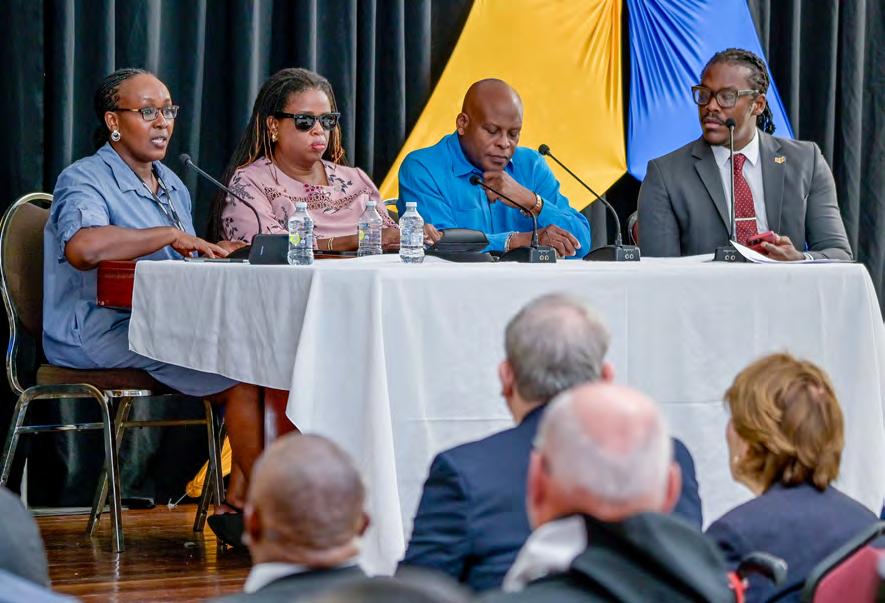
Above: During the 68th Commonwealth Parliamentary Conference in Barbados in October 2025, the Commonwealth Parliamentarians with Disabilities (CPwD) network highlighted how Parliaments can engage with local communities on disability inclusion during a town hall event in Bridgetown. The CPwD Regional Champions and delegates examined how Parliaments can engage with civil society and representative organisations in shaping inclusive public policy.
Where are the targeted efforts to find and attract potential political candidates with disabilities? Persons with disabilities are noticeably absent from long established and well documented efforts by political parties to diversify their slate of candidates who include gender parity, racial and ethnic backgrounds, and sexual orientation.
There are many clichés that apply to politics no matter where you live, and one of the most basic widely accepted notions is that ‘all politics is local’. I feel strongly that the pathway to political relevance for persons with disabilities is to get involved locally with the party and/or the candidate of one’s choosing. Politics is complicated, but at the same time it is rather simplistic. If persons with disabilities start showing up at local political meetings of electoral district
associations, campaign rallies and reaching out to candidates themselves, this creates opportunities to raise awareness of disability issues and opportunities for those associations and candidates. For example, just by showing up and being visible, the political machinery will recognise basic things like our meeting locations are not wheelchair accessible or we need to find ways to overcome communication barriers for people with vision or hearing losses to participate in political meetings. Never underestimate the power of your presence to inspire and facilitate systemic change.
Once people with disabilities start showing up at local political meetings in numbers that can’t be ignored, political party organisers, powerbrokers and decision-makers will then begin to better understand what issues are important to the demographic of persons with
disabilities. This then opens the door for the inclusion of disability priorities in policy development and decisionmaking which will make its way up the political food chain to election platforms and government policy. The natural evolution of increased participation by persons with disabilities is that natural leaders from the disability community will emerge and begin to seek opportunities to occupy leadership positions, and from that group potential candidates will be recognised and tapped by political parties in an effort to curry political favour amongst this increasing, long-ignored global demographic.
Then, and only then will we see governments truly create policies, programmes and legislation that truly empower, enable and support persons with disabilities to become full participants in all aspects of our society.
Introduction: Inclusion as a Legislative Imperative
Inclusive education is increasingly recognised across the world as both a moral responsibility and a legislative imperative. Many Commonwealth countries are reforming educational systems to better accommodate diverse learning needs and ensure that children are not excluded simply because they learn differently. This global movement also reflects the principles of the UN Sustainable Development Goal 4, which calls for equitable and quality education for all.
In Pakistan, however, awareness regarding learning differences such as dyslexia remains limited. While discussions surrounding autism and special education have gained greater visibility in recent years, dyslexia continues to remain one of the least understood and least addressed educational challenges. As a result, many children struggle silently in classrooms where their difficulties are often mistaken for carelessness, weak academic ability or lack of effort.
This issue deserves greater legislative and policy attention because its consequences extend beyond academic performance alone. Undiagnosed learning differences can affect confidence, emotional wellbeing, classroom participation and long-term educational outcomes. An education system that fails to recognise diverse learning needs risks leaving behind many capable and creative young minds.
At the same time, encouraging progress is emerging in Pakistan, particularly in Punjab, where increasing attention is being given to learner-centred systems and support mechanisms for children with different educational
needs. These efforts reflect an important recognition that education systems must evolve to accommodate diverse learners rather than expecting every child to fit within one rigid model of learning.
As a Parliamentarian, I believe this conversation requires stronger legislative engagement, institutional support and public awareness. For me, however, this issue is not only a policy concern. It is also deeply personal.
Dyslexia is a neurodevelopmental learning difference that affects reading, writing, spelling and language processing. Importantly, it is not linked to intelligence. Yet due to limited awareness and inadequate educational support systems, many children continue to be misunderstood during their formative years.
In Pakistan, many schools still lack structured screening mechanisms, specialised teacher training and classroom accommodations for children experiencing learning differences. Consequently, students are often labelled weak or inattentive when, in reality, they may simply require different learning approaches and educational support.
Several Commonwealth jurisdictions have introduced structured screening and classroom accommodation frameworks for learning differences at the primary level. Early intervention and awareness must therefore become integral to education policy reform in Pakistan as well.
Perspective: From Silent Struggles to Understanding For most of my life, I did not know that I had dyslexia. I only knew that despite
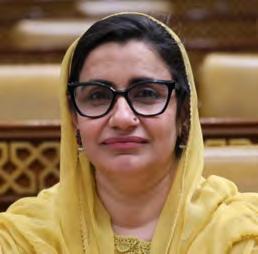
Hon. Shagufta Faisal, MPA is a Member of the Provincial Assembly of Punjab in Pakistan since 2024.
studying for long hours, my academic results rarely reflected my effort. Words became scrambled, spellings confused me, and written expression often felt far more difficult for me than it appeared for others.
Yet even during those years, my teachers recognised that my difficulties were not linked to intelligence. One of my teachers lovingly used to call me “Arastu ki Aulaad” (Aristotle’s Child) because she believed my thinking was deeper than my age. My Principal once told me after reading something I had written that my ideas were powerful, but my writing appeared “tangled”. At that time, however, awareness regarding dyslexia simply did not exist around us.
Like many children with undiagnosed learning differences, I worked extremely hard to keep pace academically. I could spend hours studying and even remember where formulas appeared in textbooks, yet examinations remained difficult because information often became disorganised in my mind under pressure.
Despite these challenges, I remained determined to continue learning and growing. I pursued higher education, completed a Master’s degree in Islamic Studies, earned a B.Ed degree, undertook Montessori and phonics training, and later became a professional Arabic calligrapher. Creativity became a source of confidence and self-expression for me. As a mother, I remained deeply committed to my children’s education. Even before fully understanding dyslexia, I instinctively focused on concept-based learning, repetition and confidence-building rather than rote memorisation alone. Looking back now, I realise many of those efforts
were shaped by my own educational experiences and struggles.
It was only much later in life that I fully understood the nature of the challenges I had carried for decades. That understanding transformed not only my personal perspective, but also my sense of public responsibility towards children experiencing similar struggles today.
Legislative and Policy Gaps in Pakistan
Pakistan currently lacks a comprehensive framework to effectively address dyslexia and related learning differences. While important work is being undertaken in broader special education sectors, significant policy and institutional gaps remain.
Some of the major challenges include:
• Limited formal recognition of dyslexia within education policy frameworks
• Lack of structured early screening systems in schools
• Insufficient teacher training regarding learning differences and equitable classroom practices
• Limited classroom accommodations and flexible assessment methods
• Minimal public awareness regarding dyslexia and related misconceptions
In many cases, children are identified only after years of academic struggle and declining confidence. Earlier intervention could significantly improve educational outcomes and emotional well-being.
This is why Parliamentarians, education departments, teacher training institutions and policymakers must collectively recognise educational inclusion as a national investment rather than a secondary welfare issue.
Policy Recommendations for Educational Inclusion
Meaningful progress requires both institutional commitment and legislative direction. Several practical reforms could help Pakistan move toward a
more accessible and equitable education system:
1. Formal Policy Recognition: Dyslexia and other learning differences should be formally recognised within national and provincial education policy frameworks.
2. Early Screening Mechanisms: Primary schools should gradually introduce ageappropriate screening systems to identify learning difficulties at earlier stages.
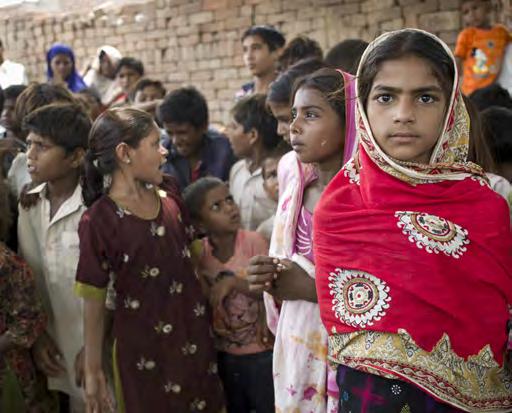
training institutions and civil society organisations can help build stronger frameworks for educational inclusion.
3. Teacher Training and Capacity Building: Teacher training institutions should include modules on learning differences, equitable classroom management and differentiated learning approaches.
4. Flexible Assessment Methods: Assessment systems should evolve beyond rigid memorisation-focused models and incorporate conceptbased and adaptive learning approaches where appropriate.
5. Public Awareness Campaigns: Greater public awareness is essential to reduce stigma and misconceptions surrounding dyslexia and learning differences.
6. Emotionally Safe Learning Environments: Schools should prioritise confidence-building and compassionate educational practices so that children feel supported rather than discouraged.
Parliamentarians have an important responsibility in shaping conversations around learning accessibility and educational reform. Legislative forums can help bring visibility to issues that often remain overlooked within mainstream policy discussions. Greater collaboration between Assemblies, Education Ministries, teacher
As policymakers, we must recognise that many children who struggle academically may possess exceptional creativity, analytical thinking, leadership qualities and problem-solving abilities that remain unnoticed because traditional systems fail to accommodate different learning styles.
Educational inclusion is therefore not merely about access to schooling. It is about protecting dignity, confidence and opportunity for every child.
Dyslexia is not a limitation of intelligence. It is a different way of learning and processing information. Behind many struggling children are capable minds that simply require understanding, support and opportunity. My own journey has convinced me that awareness, compassion and timely intervention can change lives. No child should spend decades believing they are inadequate simply because their learning differences were never recognised.
Through stronger legislation, informed policymaking, teacher awareness and compassionate educational reform, Pakistan can move toward a more inclusive future where every child is given the opportunity to learn with dignity and confidence.
The time to strengthen this conversation, both legislatively and socially, is now.
Parliamentarians can make a huge difference to ordinary lives in their communities. A UK MP shares how she was able to raise awareness about the menopause and its effects.

Hon. Carolyn Harris, MP is a UK Parliamentarian representing Neath and Swansea East in Wales and has been an MP continually since 7 May 2015.
Process and protocol are the heart of every Parliament. They are the basis of how decisions are made and how legislation is passed. From the minute the electorate democratically votes for us to represent them, our role as Members of Parliament is to follow those strict processes and protocols. Whilst following them, we can also use them to highlight issues that are important to us, and to influence change that will make a difference to the people we represent, and to society more widely.
Being in a position to do this is an honour, and I am incredibly proud that the platform I have been given has, in the past, enabled me to champion some incredibly important legislative changes around the cost of children’s funerals and the prevention of gambling harm.
Using parliamentary process has also given me the opportunity to promote the need for widespread change in support and services for those experiencing symptoms of the menopause, initially by showcasing two grassroots campaigns on the subject. Whilst politicians and celebrities are often applauded for the difference that they make in areas like this, it is the grassroots campaigners who are recognising the issues and identifying the solutions that deserve the biggest praise. So being able to help them to amplify their messages really inspired me.
Through showcasing these campaigns, I began to realise that there was an appetite in the UK Parliament to do more, and this was confirmed when I spoke in the first House of Commons Backbench Business Debate to
celebrate World Menopause Day back in 2018.
Like Adjournment Debates and Westminster Hall Debates, Backbench Business Debates are ones that are granted to Ordinary Members of the UK House of Commons, rather than debates where the topic is chosen by the Government or by the Opposition. Their purpose is to allow Members from across the House to raise awareness of local or national issues, and to press for action or changes to policy in their area of interest.
Backbench Business Debates are a prime example of using parliamentary process to champion change and having been inspired by the success of the first World Menopause Day Debate, I was delighted to be able to lead on the application for repeat debates in subsequent years. Witnessing so many Members taking the time to speak in the Chamber, often sharing their own very personal anecdotes, confirmed just how important the subject was and how it impacts the lives of everybodyregardless of age, gender or circumstance.
However, I knew talking about it wasn’t enough on its own and if we were really going to make a difference, then we needed to find a way to influence legislation. For Ordinary Members of Parliament, the most effective way to do this
is through a Private Members Bill, but opportunities for these are scarce. At the start of each UK Parliament session, following the State Opening, eligible Members of Parliament – those that are not Government Ministers - are invited to enter the ballot for a Private Members Bill. Twenty Members are then drawn at random to introduce a Public Bill, with the purpose of changing legislation.
I was fortunate in 2021 to be successful in the ballot, and I knew immediately this was my opportunity to bring menopause support and services to the heart of Parliamentary debate. Deciding what specific issue to focus on was important. It needed to be something that was simple, did not
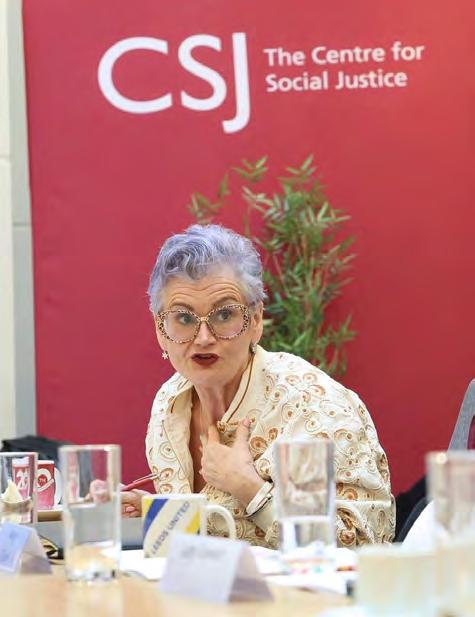
require cross-departmental approval - as this would be a lengthy processand something that we had a chance of securing within the parliamentary term.
After careful deliberation, I led with a call for free HRT (Hormone Replacement Therapy) prescriptions for women in England. Since those living in Wales, Scotland and Northern Ireland already get free prescriptions, it felt unfair that women in England might be struggling to afford what could be life-changing treatment, simply due to their postcode. Whilst this was always about more than HRT costs and was a means to raising the profile of the wider menopause crisis that many were facing, I was delighted in October 2021, when the government at the time agreed to make a level of change in this area. Women in England now pay just once per year, at a cost of two standard prescription charges, for a pre-payment certificate which covers any HRT products for a period of twelve months. This may be a small and quite simple adjustment – but it is a fantastic example of using Parliamentary process to highlight an issue.
Alongside the debates and the Private Members Bill, in the summer of 2021, we also established the AllParty Parliamentary Group (APPG) on Menopause with a remit to tackle the lack of understanding about the subject amongst policymakers, employers and the general public. APPGs are informal groups of cross-party Members of both UK Houses of Parliament that serve as a forum for discussion, awareness and campaigning on specific areas of interest. I have chaired the APPG on Menopause since its conception, and we have held two inquiries in that time. The first looked at the impacts of menopause across society and the case for policy reform, and the second, most recent one, looked at the impacts on historically marginalised groups. Both have produced reports with recommendations for the government to adopt.
One of the issues that was initially championed by the APPG, and supported by organisations and charities within the sector, was for

menopause to be included in the NHS Health Check for women aged 40-74. This is a free consultation provided by NHS England which is designed to assess the patient's risk of conditions such as stroke, heart disease, diabetes and dementia based on a series of tests and lifestyle questions. To date, menopause has not been factored into this Health Check but in October 2025, the Department of Health and Social Care confirmed that it would be introduced during the 2026/27 tax year. A win for women, a win for the APPG, and a win for using Parliamentary process to enact change.
Having seen the impact we have managed to make in the UK in recent years, I have a vision of creating a Global Parliamentary Menopause Network, which would see Members of other Parliaments across the world, using their own processes and protocols to improve the narrative around menopause care and provision in their own countries.
No two Parliaments will have the same procedures, and I believe the UK
is still far from perfect and we have a lot to do before we get there. However, I am proud of our achievements so far, and I want to showcase them to others so that we can help women to thrive during the menopause in every area of their lives - right across the globe.
Women make up 49.7% of the population across the world. Every one of them who lives long enough will experience the menopause. However, it also has an impact on men’s lives. Their wives, partners, mothers, daughters, friends and colleagues will all need support. Every Government needs to consider this and to advocate for change so that women across the world can continue to be the very best versions of themselves in perimenopause, in menopause and beyond.
To find out more about the UK Parliament’s All- Party Parliamentary Group (APPG) on Menopause please visit www.menopauseappg.co.uk
The 46th ASEAN Inter-Parliamentary Assembly (AIPA) General Assembly posed a significant milestone on the journey of the Young Parliamentarians of AIPA (YPA) 2025 since its elevation from an adhoc meeting in 2020 to a Standing Committee in 2023. As one of the youngest Members of Parliament of Malaysia, it was a privilege to be the Chairman of the YPA 2025 Committee. The YPA Chairmanship was guided by the core theme of AIPA Malaysia 2025, ‘Parliament at the Forefront for Inclusive Growth and a Sustainable ASEAN’. ‘Ensuring ASEAN’s future: Youth in action for sustainability and inclusivity’ was chosen as the official theme for YPA 2025. As one of the institutional youth-led Committees in ASEAN, YPA 2025 focused on enhancing its role to support the legislative, youth and future driven agenda for all.
Neo-parliamentary diplomacy refers to the modern, evolved and increasingly autonomous role of Parliaments and individual Parliamentarians in international affairs, moving beyond their traditional, domestic focus to actively shape foreign policy, foster democratic values and mediate conflicts. It complements traditional state-to-state diplomacy by adding a layer of democratic legitimacy and ‘people-to-people’ interaction. Through the Chairmanship of YPA 2025, new initiatives were established, demonstrating the neo-parliamentary diplomacy implementation. The two initiatives include the inaugural ASEAN Member States Parliament visit and the YPA Roundtable Discussion: ‘Youth in Action’, revitalising the implementation

Hon. Dato’ Indera Mohd Shahar Abdullah, MP is former Chairman of The Young Parliamentarians of AIPA (YPA) 2025, The Madani Backbenchers Club (BBC), the Parliamentary Select Committee on Finance & Economy, the Member of Parliament for Paya Besar and the current Deputy Minister of the Economy in Malaysia. Imran Zamil Najwah is a Research Officer Policy & International Relations in the Office of the Member of the Malaysian Parliament for Paya Besar.
of youth progressive values to the table. The Committee of YPA 2025 was mandated by the President of AIPA 2025, H.E. Tan Sri Dr. Johari Abdul (who is also the 11th Speaker of the Dewan Rakyat, the lower house of the Malaysian Parliament) to execute the YPA visit to ASEAN Member States. This visit is the first of its kind in the history of AIPA. The YPA 2025 delegation successfully conducted diplomatic missions across the region to foster new relationships among young legislators, Non-Governmental Organisations (NGOs), International Organisations (IOs), Civil Society Organisation (CSOs) and the diaspora around ASEAN with a clear message of youth, sustainability and inclusivity.
The first diplomatic mission began in August 2025 where a courtesy visit was held with the Secretary-General of AIPA, H.E. AR. Siti Rozaimeriyanty Dato Haji Abdul Rahman at the AIPA Secretariat Headquarters in Jakarta, Indonesia. The AIPA Secretariat Headquarters is the central multilateral and intergovernmental institution of the ASEAN Member States’ legislative branches that manages the day-to-day affairs of AIPA. The courtesy visit was joined by the YPA delegation where an overview of the visit and programmes were briefed and discussed. The YPA delegation travelled to the ASEAN Secretariat for a courtesy call with the Secretary-General of ASEAN, H.E. Dr. Kao Kim Hourn to discuss the work of YPA Committees 2025 along with the topics of youth centrality and aspiration that was envisioned by the delegation in line with the ASEAN Malaysia 2025 theme. The visit continued with the
YPA-AIPA Youth Programme which also reflects the spirit of ASEAN centrality and youth empowerment. Engagement was undertaken with stakeholders such as The ASEAN Young Entrepreneurs Council (AYEC), ASEAN Youth Advocates Network (AYAN), Foreign Policy Community Indonesia (FPCI) and Indonesia Youth Diplomacy (IYD). The Chair of YPA 2025 delivered a keynote address on ‘Shaping ASEAN 2040: Why Sustainability and Inclusivity Matters?’. The speech reiterated the role of youth in ASEAN, sustainable development approaches as well as social inclusion as the core practice and vision of YPA and ASEAN. This initial programme set the guiding tone and message as the delegation embarked on the next mission to other ASEAN Member States as part of the YPA 2025 Visit.
The success of YPA 2025 Visit established the YPA Roundtable Discussion: ‘Youth in Action’, which was held on 17 September 2025. This programme was conceptualised by the YPA Chairman 2025. During the roundtable discussion, critical policies and issues were deliberated and adopted from the presentations of three distinguished speakers including the International Labour Organization (ILO), World Health Organization (WHO) and World Bank Group (WBG).
This serves as a testament to the neo-parliamentary diplomacy that bridges intra-ASEAN relations of the
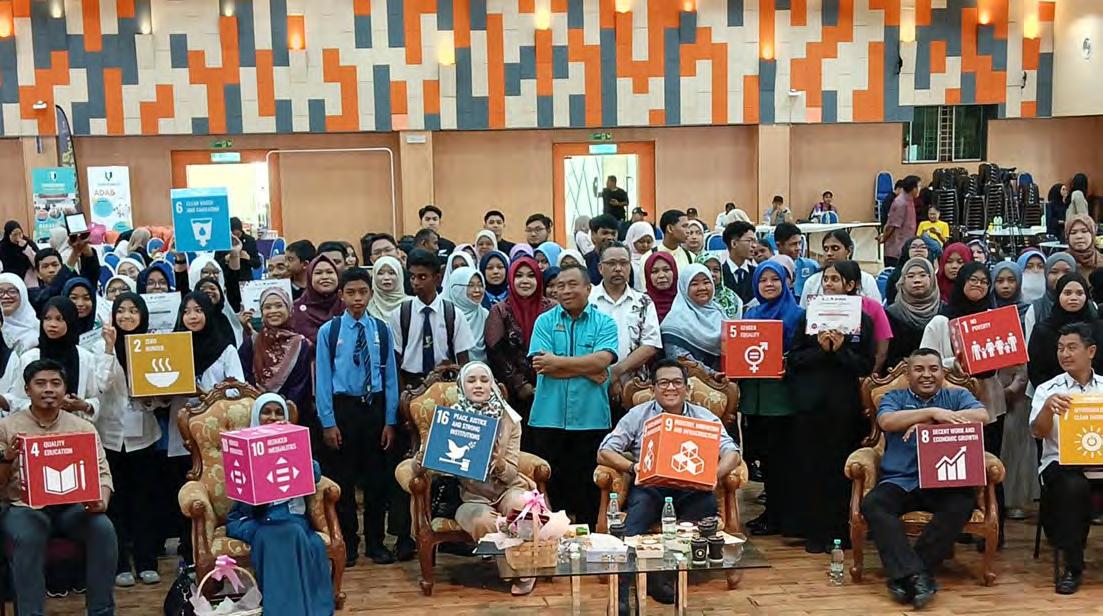
people-to-people and Governmentto-Government approach taken by the YPA Committee. The Meeting of the Standing Committee of YPA 2025 concluded with three resolutions on empowering youth and supporting young Parliamentarians to drive sustainable economic growth, champion digital and green transitions, and foster inclusive political leadership across ASEAN. These resolutions were then incorporated into the ground framework and initiatives taking place in Paya Besar, the constituency of the YPA 2025 Chairman. Paya Besar is a federal constituency in Kuantan district, Pahang, Malaysia which has been represented in the House of Representatives in the Parliament of Malaysia since 1995.
of Paya Besar
The 46th AIPA General Assembly is not just a platform of deliberation and international policy discussion but rather a diplomatic practice designed to equip YPA Members and to ensure the regional aspiration transpires to the future of youth. Policies such as the ASEAN Community Vision (ACV)
Above: Community stakeholders in the constituency of Paya Besar attend a briefing on the 'Paya Besar Sustainability Plan 2035' and how young people can be involved.
2045 from the 46th ASEAN Summit, the 46th AIPA GA Resolutions, the Sustainable Development Goals (SDGs) 2030, the Environmental, Social and Governance (ESGs) policies and the Thirteenth Malaysia Plan (RMK-13) were adopted into the framework of Paya Besar Sustainability Plan 2035 (PBS2035). This plan incorporated all of the global, regional and national policies to provide a constituent level approach and direction for its longterm sustainability. The framework was developed into six core pillars:
1. Education and Knowledge Culture
2. Well-being and Social Happiness
3. Green Economy and Community Entrepreneurship
4. Environment and Clean Energy
5. Identity, Heritage and Social Cohesion
6. Digital Innovation and Smart Community.
Under this framework, these initiatives were implemented as follows:
i) Industrial Mind Pahang 2025: To address future labour requirements for young people, the Industrial
Mind Pahang 2025 (IMP2025) was held among high school students between the ages of 16 to 17 from 13 public schools. The initiative covered academic and Technical and Vocational Education and Training (TVET) as an early intervention and exposure to the concept of ‘from classroom to industry’. The programme successfully collaborated with private companies such as Petronas, Lynas, RP Chemicals in conjunction with Pahang State Development Corporation (PKNP) and PahangGo. By the end of this programme, students in their transition year to university were able to understand what, why and how to connect their current curriculum to real life application in industry and the workplace.
ii) Paya Besar ESGTalk: Paya Besar ESGTalk emphasised both the SDGs and ESGs with 11 schools taking part and presenting their ideas, research and projects. The programme held in September 2025 focused on Economic Growth and Innovation (SDGs 7, 8, 9, 10) and in October 2025 focused
on Sustainable Cities & Communities (SDGs 11 & 16) and Global Partnerships and Solutions (SDGs 17). The school team who won the competition are required to draft a policy paper of their presentation and initiate the implementation of the policy in the Paya Besar constituent.
iii) Paya Besar Global Pulse: As each school presented their most eloquent students to the programme, the best among them were selected to participate in The Paya Besar Global Pulse programme, an international youth exchange programme designed to further foster and expose the local youth of Pahang to the international community.
The first flagship programmes were held in conjunction with the International Youth Centre and Tartastan Youth in November 2025 with the support of the Embassy of Russia in Malaysia where they underwent cultural exchanges, the sharing of SDGs ideas and inculcating the Global Citizen values. All of these youth-led initiatives upheld the YPA-AIPA resolutions enhancing youth participation in politics, leadership and partnership towards a sustainable and inclusive ASEAN (Res.46GA/2025/YPA/01). These are the resolutions that materialised through one of the core pillars of PBS2035, Education and Knowledge Culture.
iv) The 1st 1,000 Days of Life: The 1st 1,000 Days of Life initiative was implemented to address concerns of maternal and child health development in the first 1,000 days of the baby's lifespan starting from the womb. This programme involved a Focus Group Discussion in collaboration with the National Child Development Research Centre (NCDRC) in Paya Besar. A total of 23 babies known as ‘Anak Angkat Paya Besar’ were espoused by the Member of Parliament for Paya Besar. This initiative translated into one of the PBS2035 core pillars, on Well Being and Social Happiness.
Conclusion
The YPA 2025 redefined Neo-Parliamentary Diplomacy, with the first of its kind diplomatic mission and roundtable discussions which transcended highlevel ASEAN policies. Resolutions were brought into the grassroots actionable programme through the PBS2035 framework. Embarking on the framework resulted in youth initiatives that empowered the ‘top-down’ approach of the initiative, which is crucial in building an inclusive and sustainable Paya Besar constituency.
References:
1. Malaysia ASEAN Inter-Parliamentary Assembly (AIPA) 2025 https:// aipa46.parlimen.gov.my/.
2. Standing Committee of Young Parliamentarians of AIPA (YPA) report 2025.
3. Paya Besar Sustainability 2035.
Introduction
In the last 10 years, the Parliament of Canada has increasingly made use of a relatively niche type of Parliamentary Committee: the Special Joint Committee. Six such Committees have been struck during this period, compared to none in the preceding decade.
These Committees have provided focused parliamentary scrutiny on a range of subjects, undertaken by Members of both Houses of Parliament in Canada.
While most Parliamentary Committees are created by the Senate or the House of Commons and composed of Members from the Chamber that established them, Joint Committees consist of Parliamentarians from both Houses. Typically, the membership of these Committees is proportionate to the size of each Chamber. Given that the House of Commons has 343 seats compared to the Senate’s 105 seats, most Joint Committees are composed of seven to twelve Members of Parliament and four or five Senators. Special Joint Committees are jointly chaired by Parliamentarians from each Chamber.
Another distinguishing feature of Special Committees is their limited duration. Unlike Standing Committees, which exist on a permanent basis under each Chamber’s rules, Special Committees are only established for the lifespan of a Parliament or until they present their final report.
Special Joint Committees are not to be confused with Standing Joint Committees, which exist on a permanent basis. There are two such Committees in the Canadian Parliament:
• the Standing Joint Committee on the Library of Parliament, which has existed since Confederation; and
• the Standing Joint Committee for the Scrutiny of Regulations, which has existed since 1973.
The former has a mandate to assist the Speakers in directing and controlling the Library of Parliament while the latter reviews and scrutinises federal regulations based on 13 legal criteria.
Procedurally, Joint Committees are guided by a blend of rules from both Chambers. As the Committee is jointly chaired, however, some decisions must be agreed upon by both chairs. This includes convening of meetings and determining who presides at each meeting.
There are several recent examples of Special Joint Committees that have undertaken work on a wide range of subjects of national importance.
1. Special Joint Committee on Physician-Assisted Dying (January 2016 to February 2016) and the Special Joint Committee on Medical Assistance in Dying (May 2021 to December 2023; March 2026 – present)
In 2015, the Supreme Court of Canada ruled in R. v. Carter that criminal law provisions prohibiting physician-assisted death were unconstitutional and that Legislatures should enact legislation accordingly.
In 2016, the Special Joint Committee on Physician-Assisted Dying was created to make recommendations to Parliament on a potential federal framework governing physician-assisted dying. It held 16 meetings and published a report entitled ‘Medical Assistance in Dying: A Patient-Centred Approach’. That report
recommended, among 20 other recommendations, that “medical assistance in dying be available to individuals with terminal and nonterminal grievous and irremediable medical conditions that cause enduring suffering that is intolerable to the individual in the circumstances of his or her condition.”
A few months later, the federal government introduced legislation to carve out criminal law exemptions that, in effect, legalised medical assistance in dying: Bill C-14, An Act to amend the Criminal Code and to make related amendments to other Acts (medical assistance in dying) was passed in June 2016. This law limited eligibility to those whose natural death was reasonably foreseeable, but subsequent legislation was enacted to expand eligibility to those whose death was not reasonably foreseeable.
A second Special Joint Committee on this subject, the Special Joint Committee on Medical Assistance in Dying, was struck in 2021 and again in 2022 to conduct a statutory review. It had to be re-established in 2022 due to its work being interrupted by a federal election.
More recently, a Special Joint Committee on Medical Assistance in Dying was struck again in 2026 to study the eligibility of persons whose sole underlying medical condition is a mental illness.
2. Special Joint Committee on the Declaration of Emergency (March 2022 to November 2024)
In early 2022, the so-called ‘Freedom Convoy’ was formed to protest public health measures implemented by the federal government in response to the COVID-19 pandemic. Some of these protests became entrenched at various international ports of entry and in cities across Canada, including in downtown Ottawa.
Consequently, on 14 February 2022, the federal government invoked the Emergencies Act for the first time ever to declare a public order emergency. This enabled the federal government to exercise certain special temporary powers to address the emergency. The declaration of emergency took immediate effect and remained in place until 23 February 2022, when a police operation was organised to remove protesters from downtown Ottawa (the protests at ports of entry had already concluded).
Under the Emergencies Act, a Parliamentary Review Committee must be created to review “[t]he exercise of powers and the performance of duties and functions pursuant to a declaration of emergency.” As such, Parliament agreed to establish the Special Joint Committee on the Declaration of Emergency in March 2022. The Committee met until the fall of 2024, and it held 34 meetings during its lifespan. It tabled its final report in December 2024.
That Committee was also likely the only Parliamentary Committee in Canadian history to have had three Joint Chairs. One Senator and two Members of Parliament from opposition parties were the Committee’s Joint Chairs, taking turns chairing individual meetings.
3. Special Joint Committee on the Exercise of Powers Under the Building Canada Act (January 2026 to present)
In June 2025, Parliament enacted the Building Canada Act. The Act’s main purpose is to facilitate the completion of major infrastructure projects considered to be in the national interest by bypassing certain existing statutory approval and consultation processes.
Section 24(1) of the Act provides that a Parliamentary Review Committee be mandated to “review the Governor in

Council’s and the Minister’s exercise
Stephanie Feldman is an Analyst in the Constitutional and Parliamentary Affairs division of the Library and Research Services at the Canadian Library of Parliament.
of their powers and performance of their duties and functions under this Act.” This Committee is also required to report to each House “at least once every 180 days while Parliament is neither prorogued nor dissolved.”
Accordingly, in December 2025, both houses adopted motions to establish the Special Joint Committee on the Exercise of Powers Under the Building Canada Act. As of writing, this Committee has not yet begun its substantive work, and it therefore remains to be seen how the Committee will conduct its work.
The recent inclusion of provisions requiring that a Parliamentary Joint Committee be struck to supervise the federal government’s exercise of powers under the Building Canada Act suggests that Parliament views its experience with medical assistance in dying and the declaration of emergency as valuable exercises of parliamentary supervision and scrutiny.
Although some of these Committees have struggled to clearly define their mandates, the diverse experience and viewpoints of those who have served on these Committees have contributed to public policy processes that are more transparent and accessible than would otherwise have been the case.
With the scope of federal public policy continuing to expand and the role of the federal government only increasing in complexity, Special Joint Committees provide a forum for Parliamentarians to focus on specific policy issues and hear directly from witnesses who can provide clarity on multifaceted issues.

Hon. Adan Haji Yussuf is a Member of the Kenya Parliament for Mandera West Constituency and Chairperson of the Eastern Africa Parliamentary Alliance for Food Security and Nutrition (EAPA-FSN)
Food security and nutrition remain among the most urgent challenges facing Eastern African countries today, where about 129 million people are undernourished and 66.1 million people are experiencing food insecurity. Despite the region’s vast agricultural potential and agriculture’s central role in livelihoods and economic life, millions of people continue to experience food insecurity, hunger, malnutrition and fragile living conditions.
Climate shocks are becoming more frequent and intense in Eastern African countries, added to conflict and displacement which persist in some parts of the region. Economic pressures are growing. Together, these dynamics are placing an unprecedented strain on agrifood systems and reversing progress that took years to achieve.
These challenges are serious, but they are not the whole story.
Eastern Africa is also at a moment of opportunity. The region is home to one of the youngest and fastest growing populations in the world, with over 80% of the population under 35 years old. This generation is increasingly educated, digitally connected, open to innovation and agri-preneurs. With the right legal frameworks and the correct enabling environment in place, leading to the right policies and investments, agriculture can become a modern, productive and attractive sector - one that creates jobs, supports resilience and drives inclusive growth for human capital development.
Changing this narrative is essential and Parliaments have a critical role to play in making that change real.
It was with this vision in mind that the Eastern Africa Parliamentary Alliance for Food Security and Nutrition (EAPA FSN) was created in 2019. The Alliance was established as a space for Parliaments across the Eastern Africa region to work together, share experiences, learn best practices from each other and strengthen their collective impact on food security, nutrition and agrifood systems transformation.
EAPA FSN emerged from a shared recognition among legislators that national action, while essential, is not sufficient on its own. Across Eastern Africa, Parliamentarians face similar challenges: underinvestment in agriculture, persistent malnutrition in all countries and across the region, climate risks affecting smallholder farmers and the population, and limited opportunities for youth in agrifood systems.
Yet for many years, there were few structured opportunities for regional exchange, coordination or collective parliamentary action.
Its establishment also drew on the experience of the Food and Agriculture Organization of the United Nations (FAO), which has long supported parliamentary engagement on food security and nutrition in other regions. Initiatives such as the Parliamentary Fronts against Hunger in Latin America and the Caribbean demonstrated that organised parliamentary platforms can sustain political commitment, strengthen accountability and ensure continuity beyond electoral cycles.
Building on these lessons - while adapting them to the local political and institutional realities - EAPA FSN was designed from the outset as a regionally owned and Parliamentarian driven alliance.
Today, EAPA FSN brings together Parliamentarians from 11 countries - Burundi, Djibouti, Eritrea, Ethiopia, Kenya, Rwanda, Somalia, South Sudan, Sudan, Tanzania and Uganda - and two regional parliamentary bodies, the East African Legislative Assembly (EALA) and the Inter-Parliamentary Union of IGAD Member States (IPU IGAD), with a shared commitment to position agriculture as a source of opportunity, innovation, transformation and resilience in order to ensure that all people in Eastern Africa enjoy the right to adequate food, good nutrition and a healthy diet.
At the core of EAPA FSN’s mandate is the strengthening of legislative and policy frameworks related to food security, nutrition, agriculture, food safety, gender and agrifood systems resilience. Parliaments shape the laws, incentives and public investments that determine how agrifood systems function, and for whom they deliver results.
Parliamentary oversight is equally central. Political commitments must translate into implementation, financing and real impact on the ground. By scrutinising budgets, tracking public expenditure and holding governments accountable, Parliamentarians help to ensure that stated priorities are reflected in practice.
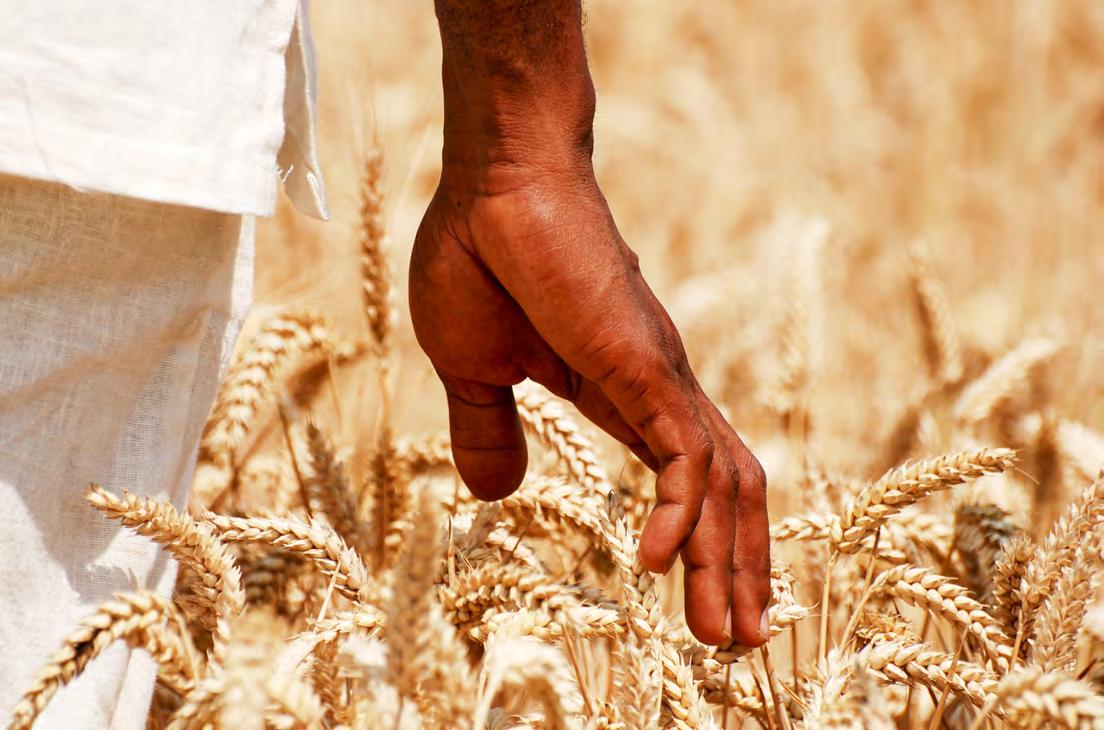
This includes the oversight of regional and continental commitments, such as those made under the African Union’s Comprehensive Africa Agriculture Development Programme and the New Africa Regional Nutrition Strategy (2026 -2035). The commitment to allocate at least 10% of public expenditure to agriculture and agrifood systems is well known but to be monitored and achieved in a way that these resources are effectively deployed and reach farmers, women, youth and consumers.
EAPA FSN also plays a key role in promoting regional cooperation and mutual learning. Agrifood systems challenges do not stop at borders. Climate risks, market disruptions and food price shocks are shared realities across the region. By working together, Parliamentarians can accelerate the uptake of proven solutions, including climate smart agriculture, agroecology, nutrition sensitive and agri-food systems policies, and digital innovation.
Throughout this work, food security and nutrition are treated as cross cutting priorities. They intersect with health, education, trade, climate resilience, infrastructure, gender equality and youth employment. This integrated perspective is essential for lasting and inclusive transformation.
Since its establishment, EAPA FSN has focused on moving from dialogue to action. The Alliance regularly convenes policy dialogues and capacity development activities that bring Parliamentarians together with evidence, data and practical experience from across Eastern Africa. EAPA FSN has also become a recognised platform for collective parliamentary engagement beyond the region. Members have participated with a common voice in global forums, including the 2023 Global Parliamentary Summit against Hunger and Malnutrition and major multilateral
processes related to climate change and sustainable development.
This collective engagement has strengthened the visibility of Eastern Africa’s priorities and reinforced the role of Parliaments as political actors in global debates on food systems, nutrition and resilience.
Climate extremes, rapid population growth, conflict and economic uncertainty will continue to shape our region’s outlook. At the same time, technological advances, digital tools, data systems and new business models offer unprecedented opportunities to transform how food is produced, processed and consumed.
EAPA FSN is committed to supporting Parliaments in seizing these opportunities. Key priorities include expanding engagement across Parliamentary Committees so that food security and nutrition become a whole
of Parliament agenda; strengthening access to data and analysis to inform decision making; and reinforcing links with African Union and other initiatives in Africa and beyond.
A strong emphasis is placed on youth and women, the latter being the main producers of food in the region. Investing in resilient and nutritious, safe agrifood systems that create decent jobs is essential - not only for inclusion, but for long term sustainability. Empowering youth and women is central to innovation, entrepreneurship and a fair transformation of agrifood systems across the region.
Governments, civil society, academia, the private sector, regional bodies and international organisations all have vital roles to play. EAPA FSN therefore actively encourages strategic partnerships and collaboration, including with parliamentary networks such as the Commonwealth Parliamentary Association and its membership worldwide.
Through cooperation, we can align political leadership, technical expertise and investment around a shared agenda. In this context, EAPA-FSN has signed a Memorandum of Understanding with the East African Community (EAC) to support the advancement of food security and nutrition in the region and beyond through parliamentary channels.
With strong parliamentary leadership, evidence based policymaking and sustained regional cooperation, Eastern Africa can build agrifood systems that are resilient, inclusive and forward looking to nourish people while creating opportunity and dignity for a growing population.
The Third Global Parliamentary Summit against Hunger and Malnutrition, to be held in Kenya in November 2026, will mark the first time this global forum takes place in Africa. EAPA FSN is committed to using this moment to engage with the global parliamentary community, to learn from other regions and to contribute Eastern Africa’s own perspectives and solutions.
By strengthening cooperation across borders and institutions, and by reaffirming the principle that no one should be left behind, Parliaments can help ensure that the right to adequate food is not only recognised but fully realised.
Visit www.fao.org to find out more.
Introduction
Artificial Intelligence (AI) is not a single technology but an agglomeration of technologies, methodologies and approaches. It includes machine learning, natural language processing, computer vision, expert systems and robotics, among others. For parliamentary institutions, however, actors perceive it mostly as a 'black box', caring only about its outputs and impact and less about its legal basis, inherent limitations and potential red flags.
Interestingly, some of the underlying technologies, such as neural networks, decision trees and pattern recognition algorithms, rely on decades-old, robust and well-studied algorithms that by no means justify catastrophism and doomsday scenarios such as the disruption of production models and the collapse of traditional economies.
It is mainly the latest 'generative' evolution of AI technology that has sparked renewed and intense debate. All this needs to be taken with a grain of salt. Surely, Members of Parliament need to be aware of technological developments and have the responsibility to regulate AI in their jurisdictions. At the end of the day, AI is a collection of technologies just like the endless list of technologies that were regulated, successfully or less so, in the past. The world is likely going to survive yet another doomsday scenario. Yet survival is not the same as thriving; unregulated AI can still concentrate power, erode democratic accountability and cause real harm to citizens. It is AIs governing institutions that should care more about it. Specifically, Parliaments are unique because they are the sole bodies combining legitimate democratic mandates with regulatory authority, making them both the appropriate and necessary locus for AI governance.
AI developments exhibit high complexity and dynamics; by the time this article goes to press, new developments will be unfolding. Just

ARTIFICIAL INTELLIGENCE IN PARLIAMENTS
recently, the evolution of AI has moved from confined and independent Large Language Models (LLMs) into the agentic regime, describing the deployment of multiple (and in extreme scenarios, swarms of) collaborative models built upon but extending beyond LLMs, thus tackling entire workflows. Parliaments, exactly as any other public or private organisation organised around traditional, regulated workflows, can utilise AI agentic systems to (semi-)automate their processes. However, there is a distinct challenge. Parliaments are political organisations where decisions are not always based on strict rule-based logic. Moreover, it is not always possible to fully model institutional processes, as a significant part relies on tacit, i.e., uncodified, experiential, knowledge. Hence, a parliamentary digital twin of a parliamentary institution is not likely to accurately mimic its behaviour or predict its outcomes. Far from it.
Parliaments occupy a distinctive position within broader institutional ecosystems, functioning simultaneously as legislative hubs, oversight bodies and data nodes at the centre of democratic information flows. This multidimensional role makes their relationship with AI structurally more complex than that of any other public or private organisation.
The successful deployment lifecycle of an AI system within any given Parliament must rely on a solid institutional framework that is likely to differ from one institution to another. Such a framework could, for instance, include a defined set of steps: strategy, prioritisation, implementation, training and governance.1 Even if a Parliament executes all of these efficiently,
it might not achieve the intended outcome because of its level of digital sovereignty, or more precisely, the lack thereof.
It is a mistake to disentangle technological from procedural innovation. The goal should not be to digitise existing bureaucracy. True innovation requires the business process re-engineering of parliamentary processes, making them AI-ready.
For a Parliament, digital sovereignty means maintaining control over its three core pillars: a) data b) technologies and c) digital tools, without dependence on opaque or external systems that could compromise institutional autonomy. This approach lowers dependence on commercial AI providers, bridging the gap with nationally governed systems.
Parliaments need to initiate the routine generation of structured legal data, ideally under an established international standard such as OASIS's LegalDocML (Akoma Ntoso).2 At the same time, the digitalisation of historical archives is equally necessary. The availability of parliamentary data and their quality are the main prerequisites for the training of dedicated AI systems and the quality of their outcomes.
The nature of the utilised technologies is of paramount importance. While the origin of a technology is essentially less critical when utilising commoditised algorithms; for example, for transcribing parliamentary proceedings that can run on local servers, it does make a vital difference when it comes to highend applications that necessitate large data centres and the deploying of

Professor Dr Fotis Fitsilis is Head of the Department for Scientific Documentation and Supervision at the Hellenic Parliament and is an expert on the application of Artificial Intelligence in Legislatures. He is also a Professor of Artificial Intelligence and Parliamentary Governance at Universidad Austral in Buenos Aires.
generative models or agents that could influence core institutional processes.
The discussion around these new technologies cannot proceed without serious consideration of two critical components: the geo-political implications of the localisation and hosting of data centres; and the creation of national language models. In a multipolar world, systemic reliance on foreign data centres represents a strategic liability. This is why the EU mobilised around €200 billion in 2025 for the creation of a sovereign AI infrastructure, which includes, amongst others, the establishment of several AI Factories.
In this regard, the Hellenic Parliament made a bold move by linking its sovereign AI development with PHAROS, the Greek AI Factory 3 Furthermore, linguistic diversity must not be overlooked. The majority of the world's population does not communicate primarily in English. Hence, the utilisation of systems trained predominantly on English textual and Western multimodal data (that is, video, images, and audio) generates an intrinsic linguistic and cultural bias. This is why the development of national models sufficiently trained on domestic institutional data is an essential step towards true institutional digital sovereignty.
When it comes to Parliaments, it appears that in general they are far from reaching the plateau of productivity (as in Gartner's Hype Cycle),4 representing a stable phase where mainstream adoption takes off and real-world benefits are widely achieved. This means that both technology and perceptions shift constantly. This is natural and needs to be taken into consideration. So, what should be the compass for the Parliaments of the future? A healthy mix of tradition and innovation; different and unique for every Parliament, of course.
The Westminster Foundation for Democracy (WFD) has supported the development and publication of a set of novel resources created by leading scholars and parliamentary practitioners, with the participation of industry experts:
• The Guidelines for AI in Parliaments offer Parliaments the knowledge and tools needed to navigate the AI landscape.5 The guidelines consider ethical implications, transparency, accountability and the integration of AI within the parliamentary workspace and more. Moreover, they provide a framework that Parliaments can adapt to their own context and needs.
• The Cybersecurity for Parliaments book maps cyber threats facing Parliaments, translates technical concepts and offers practical implementation guidance to help Parliaments take action to protect themselves.6
Such resources point to a broader truth: meaningful progress requires structured collaboration between Parliaments, science and industry. Why science? Because science is what led us here and is the only reliable way to anticipate possible positive outcomes for parliamentary democracy. Why industry? Because most innovation is currently generated by private institutions and Parliaments need to collaborate with trusted third parties to
access state-of-the-art research and technology.
Educating parliamentary actors is paramount. Several initiatives exist to strengthen institutional capacity, whether bilateral, multilateral, projectbased or through development agencies, but they remain scattered and rarely coordinated. However, structured, flexible and cross-sectoral educational and training programmes to benefit current and future Parliamentarians, administrators and institutional leaders remain scarce. Such programmes need to rely on a modern understanding of professional education: up-skilling and re-skilling, smart curricula and agile course development, grounded in the OECD's approach to linking skills with the demands of work.7
This is why, at Universidad Austral, Argentina, we created what is the first certified programme of its kind globally on Parliaments and Artificial Intelligence.8 Its first iteration runs from May to July 2026, with the participation of approximately 70 practitioners from across the world. The course draws on cutting-edge research, practical case studies and real experiences from AI initiatives in Parliaments worldwide to deliver a comprehensive learning experience, with the aim of equipping participants to transform their institutions by harnessing cutting-edge technologies and processes.
The message of this article is simple: Parliaments are under pressure; their autonomy is at stake; and the AI challenge is real. However, the tools, knowledge and partnerships needed to respond are already there. Without wishing to sound melodramatic, this is not a wakeup call but a call to action. For Parliaments, protecting their digital sovereignty is inseparable from protecting their independence within an evolving institutional
system. Parliaments face a defining choice; to lead the digital transition, or to be led by it. On this journey, I believe they can emerge stronger, more efficient and effective than ever before. The expertise, tools and strategies are available. They need only reach for them and there are enough novel resources and practitioners ready to help them toward a stronger democratic future.
Visit https://fitsilis.gr/ for further information about the author's work.
1 Fitsilis, F., von Lucke, J., & Mikros, G. (2026). On the strategic integration of artificial intelligence in Parliaments: A five-point framework. In Humanmachine cooperation in cyberspace (IRIS 26 proceedings) (pp. 155–164). Editions Weblaw. https:// doi.org/10.38023/dc610e52-3b06-4f57-b850d86ce4b57b7d
2 Akoma Ntoso. http://akomantoso.info/
3 PHAROS. The Greek AI Factory. www.pharosaifactory.eu/
4 Gartner. Gartner Hype Cycle. www.gartner.com/en/ research/methodologies/gartner-hype-cycle
5 Fitsilis, F., von Lucke, J., & De Vrieze, F. (Eds.). (2024). Guidelines for AI in Parliaments. WFD. www. wfd.org/ai-guidelines-parliaments
6 Fitsilis. F., Gagnon, S., & De Vrieze, F. (Eds.). (2026). Cybersecurity for Parliaments. WFD. www.wfd.org/ what-we-do/resources/cybersecurity-parliaments
7 OECD. (2021). OECD skills outlook 2021: Learning for life. OECD Publishing. https://doi. org/10.1787/0ae365b4-en
8 Universidad Austral (2026). Certificate CourseParliaments and Artificial Intelligence. www.austral. edu.ar/en/escueladegobierno/posgrados/escuelade-gobierno/curso-certificado-parlamentos-einteligencia-artificial/
Global perspective on the challenges and innovation within Judicial Governance and the role of Artificial
Artificial intelligence (‘AI’) is no longer a distant promise; it is a present reality that is already shaping how our courts operate today. From case management to legal research and decision-support tools, AI is steadily transforming the administration of justice. The real question before us is no longer whether AI belongs in our courtrooms, but how we ensure that it serves the enduring values of fairness, transparency and the rule of law.
A clear illustration of how firmly AI has taken root in the courtroom can be seen in recent developments within Tanzania’s Judiciary. The Tanzanian Judiciary has introduced AI-powered transcription and translation tools to improve court efficiency nationwide.
Faced with the impracticality of hiring stenographers for its large judicial workforce - comprising Court of Appeal judges, High Court judges and about 2,000 magistrates - the Judiciary has adopted AI to automate transcription. This allows judges to focus on listening and decision-making rather than administrative recording. Developed in collaboration with the Italian technology firm Almawave, the system has been trained on diverse Kiswahili dialects and Tanzanian English to ensure accurate multilingual functionality.
Singapore offers another important example of judicial innovation. Chief Justice Sundaresh Menon shared recently that the Singapore courts have been experimenting with Harvey.AI to support users in the Small Claims Tribunals, where parties are selfrepresented.
Rather than replacing judicial decision-making, the technology is
used to enhance access to justice through practical support functions, including on-demand translation of court documents into Chinese, Malay and Tamil.
It has also been used to summarise parties’ documents so that litigants can better understand each other’s cases and potentially resolve disputes earlier. The Singapore courts have further indicated that, in time, such tools may help self-represented persons to draft and file claims and defences, organise evidence and prepare submissions — illustrating a measured and usercentred approach to AI deployment in the justice system.
The Commonwealth Lawyers Association (‘CLA’) Declaration on the Use of AI provides a critical framework for lawyers. Recognising both the transformative potential of AI and the unprecedented risks it poses, the Declaration calls on legal professionals and institutions to adopt a collaborative, transparent and ethical approach to AI governance. By outlining seven overarching principles, the Declaration establishes a clear standard for ensuring that AI systems respect human life, rights and ethical norms while remaining accountable and safe.
Foremost among these principles is the primacy and sanctity of human life. For lawyers, this underscores the imperative that AI should never compromise human well-being, whether through direct harm or by inaction that allows harm to occur. Legal professionals are uniquely positioned to enforce this principle by ensuring that AI systems used in judicial or advisory capacities remain
Steven Thiru is the President of the Commonwealth Lawyers Association (CLA) and a senior litigation lawyer in Kuala Lumpur, Malaysia
under ultimate human control, thereby maintaining accountability in legal processes and decisions.
Respect for ethical principles and human rights is another cornerstone of the CLA Declaration. AI systems must enhance, rather than infringe upon, individual freedoms, privacy and dignity. Lawyers must advocate for the integration of equity and inclusion measures, ensuring that AI tools do not perpetuate discrimination or bias. Moreover, transparency and accountability mechanisms are essential, enabling oversight, explainability and accessible remedies in cases where AI decisions impact people’s rights.
Closely linked to the protection of human rights is the principle of adhering to international privacy and data governance standards. Lawyers play a pivotal role in safeguarding personal information by enforcing robust data protection measures, securing informed consent for data use and ensuring data minimisation. This responsibility is critical in legal practice, where sensitive information is handled daily, and where breaches or misuse could have profound consequences for clients and justice systems alike.
Security and safety in AI systems are equally critical. The CLA Declaration emphasises the need for “security by design”, proactive risk assessments and emergency protocols to prevent and address potential harms. Lawyers, particularly those advising on compliance and risk, are integral to shaping policies that embed these safeguards into AI development and deployment, ensuring that systems operate reliably and ethically.
The emphasis on innovation and sustainability reflects the need to
balance technological advancement with social and environmental responsibility. Legal professionals can guide the adoption of AI in ways that support sustainable development goals, encourage open innovation, and implement governance structures that are adaptable to the evolving AI landscape. By doing so, lawyers help ensure that AI contributes positively to society while remaining accountable and fair.
International collaboration and governance form another vital dimension. Lawyers often operate in cross-border contexts where harmonised standards are essential for consistency, trust and cooperation. The CLA Declaration encourages multistakeholder engagement and global standards, providing a framework for legal professionals to support international efforts in AI research, development and regulation while promoting cultural sensitivity and ethical universality.
Finally, the CLA Declaration highlights the importance of environmental stewardship. Lawyers can influence the design, procurement and deployment of AI systems to
minimise ecological impacts, ensuring that legal practice contributes to broader societal obligations, including environmental protection.
Taken together, the principles articulated in the CLA Declaration provide a comprehensive ethical compass for lawyers, reaffirming that AI, when deployed responsibly, can enhance the legal profession’s capacity to discharge its professional responsibility to uphold justice, protect rights and serve the public good.
The conversation about AI in the judiciary is not binary; it is not a choice of resistance versus acceptance. It is about responsibility versus haste. While technology offers powerful tools to enhance efficiency, accessibility and consistency, the administration of justice must remain firmly anchored in human judgment, ethical reasoning and constitutional safeguards. Courts must therefore embrace innovation with both discernment and resolve, ensuring that every technological integration is guided by clear principles, robust oversight and
an unwavering commitment to fairness and accountability. Only through such a measured approach can we ensure that the rule of law endures — rather than yields — to the growing influence of technology in this age of Artificial Intelligence.
This article is an extract of a speech given at the 1st Supreme Court Bar Association of India National Conference 2026 and was first published on the CLA website. Steven Thiru records his appreciation to Jaishanker Sadananda and Allysha Anne Ronald for their assistance in preparing this speech. Visit www.commonwealthlawyers.com for further information.
• Afriwise (2024) ‘Tanzanian judiciary introduces AI for enhanced efficiency’ - www.afriwise.com
Sundaresh Menon CJ. (2025). ‘The role of technology in justice systems: a vision of accessible and collaborative justice’. Speech at Sejong International Judicial Conference - www.judiciary.gov.sg
Herrschaft, B. A. (2014). ‘Evaluating the reliability and validity of the Correctional Offender Management Profiling for Alternative Sanctions (COMPAS) tool’ (Doctoral dissertation, Rutgers University). Commonwealth Lawyers Association. (2025). Declaration on AI. www.commonwealthlawyers.com
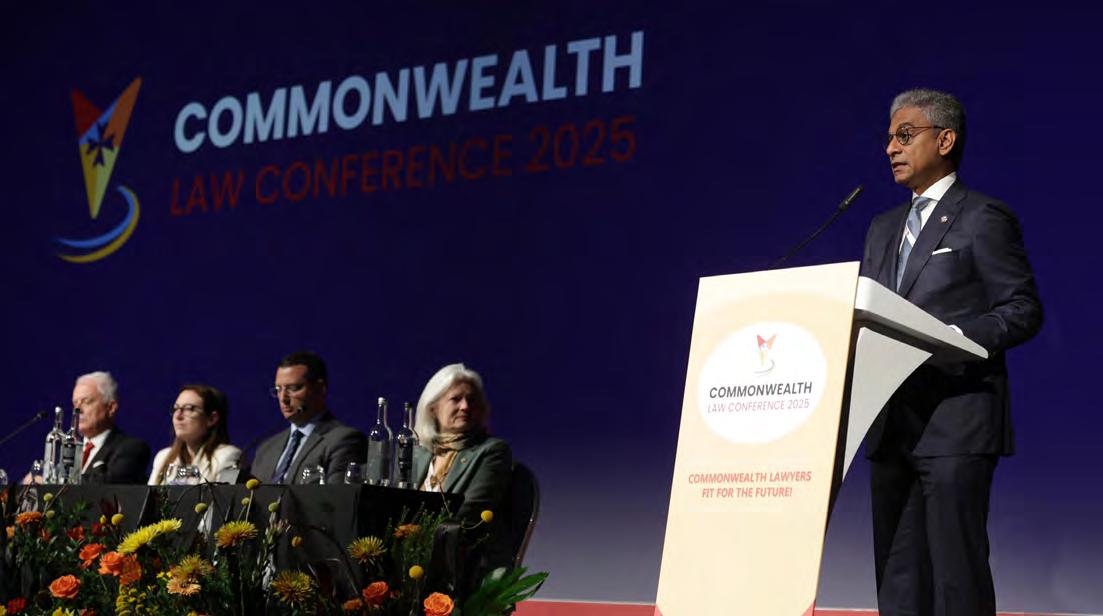
The Senate of Pakistan as a Territorial Chamber: Why it matters and how it can be reformed?
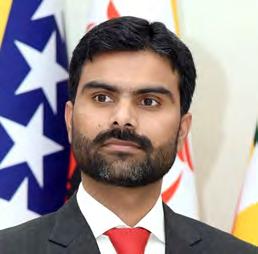
Dilawar Hussain is an author and an Associate Member at the Centre for Legislative Studies, University of Hull, UK. His research focuses on bicameralism, second chambers, and parliamentary studies.
What led to the creation of the Pakistani Senate?
In 1947, Pakistan emerged as an ethno-regionally diverse state - a hierarchical societal culture and a highly heterogeneous political society. To regulate the political interests of this highly heterogeneous society, the then ruling elite introduced ‘unnatural’ political compromises such as political parity and One Unit Scheme (19551970), a centralising administrative arrangement that amalgamated the Provinces and States of West Pakistan into one Province to balance East Pakistan politically and administratively, in pre-1973 constitutional arrangements combined with federalParliamentarianism and unicameral central legislature.
Such artificial constitutional mechanisms furthered the political cleavages and horizontal and vertical economic disparities amongst the regions. Consequently, the hope to fuse an ethno-regionally fragmented society into one Pakistani nation remained unrealised when the Bengalis, who resided in East Bengal, present day Bangladesh, parted ways with the federation of Pakistan and formed an independent state in 1971.
After the failure of the federation of Pakistan to integrate people of diverse ethno-regional affiliation in 1971, the then constitution-makers acknowledged that in the majoritarian unicameral structure of the federal Parliament, where only one larger province, Punjab, would dominate in decision-making of the federal government, the remaining three smaller regions - Baluchistan, Sindh
and NWFP - later renamed as Khyber Pakhtunkhwa - would remain politically underrepresented in the federal government.
To diffuse the political majority of Punjab in the federal Parliament of Pakistan, a new institutional innovation of a bicameral federal Parliament where the National Assembly provided population-based regional representation, while the Senate, the upper house of the Parliament, provided equal regional representation to all regions irrespective of their size and population was introduced in 1973 Constitution.
The Senate of Pakistan enjoys co-equal legislative powers with the National Assembly of Pakistan, except for money bills that rest with the National Assembly. The Senate can reject Parliamentary Bills, seeking an amendment to the federal constitution of Pakistan.
The first and primary function of the Pakistani Senate is to provide equal representation to the regions and advance their interests in federal government. Its contribution, however, as a second legislative chamber within the Parliament of Pakistan is to complement the National Assembly, in making legislation. Another distinctive dimension of the Senate’s legislative scrutiny is using Committees to oversee the implementation process of constitutional reforms undertaken under the Constitution (Eighteenth Amendment) Act, 2010
The second and important function that the Senate of Pakistan performs
is holding government to account. There are two distinctive dimensions of overseeing government policies: the first is a reactive role where Senators question and challenge government, while the second is a proactive role in which Senators suggest measures to be taken by government.
The third function of the Senate is holding debates. Debate on the floor is an opportunity for Senators to discuss and raise matters of public importance. Senators also debate government actions, policies and Bills.
Borrowing a dictum from UK parliamentary expert, Lord Norton, it is arguably maintained that if the National Assembly of Pakistan is characterised by the politics of assertion, the Senate of Pakistan is important to the politics of justification. Ministers may take an adversarial stance in the National Assembly, as their party enjoys the majority in it, but they are forced to be more accommodating in the Senate where the party in government may not necessarily hold the political majority to support the government stance.
What explains the Senate’s limited territorial effectiveness?
In order to assess the effectiveness of the Senate’s performance of its role as a regional Chamber, we need to consider the following points:
• It is argued that the predominance of the National Assembly in the parliamentary procedures combined with the majoritarian parliamentary regime type undermines the performance of Senators.
• The institutional design in which the Pakistani Senate operates is not conducive for regional representation. This is due to two reasons: first, the position of the Senate as a legislative chamber is secondary, particularly in financial matters and moving no-confidence votes against the federal government; second, the informal party heads’ influence on candidate nominations combined with party control has further weakened the autonomous policy-making capacity of individual Senators as representatives of the Provinces.
• This study argues that in the parliamentary system of Pakistan, the Executive assumes the predominant role in law-making. This happens because of two reasons: first, to the fact that mutual Executive-legislative dependence is confined to the National Assembly only, and, second, that the Senate of Pakistan only has recommendatory powers with regard to federal budget Bills.
• The indirect election of Senators by the Provincial Assemblies has not only made them dependent on the political parties for their re-election but also developed a perception among the public and policy-makers that the Senate is a less democratically legitimate chamber compared to the National Assembly, a popularly elected first chamber.
In summary, our analysis confirms Canadian political scientist Donald Smiley’s hypothesis that parliamentary federations are ‘Executive federations’ and therefore the Pakistani Senate is a less significant regional chamber. It has been used for party politics from time to time. Its predominant qualification to recruit the party loyalists and men of wealth remains prominent.
How can the Pakistani Senate enhance regional representation at a federal level?
Drawing upon the literature on second chamber reforms (especially of Meg Russell of University College London),
for the institutional reforms of the Senate as a territorial chamber, this study suggests following points that need to be taken into consideration for promoting regional representation in Pakistani Senate.
• Senators should be seated in territorial groups rather than party groups, as noted in the case of the German Bundesrat, the second federal chamber. Though such seating in territorial groups would not directly contribute to regional interests, it may at least, symbolically, show the territorial representation in the Senate.
• Senators from the same Province may vote as a territorial block or a territorial group, as the Members of the German and South African second Chambers do. Such voting in a territorial group would provide a strong weight to Senators of the same Province. The differences between Senators from different parties can be negotiated between Senators of the same Province, at least on decisions that may have a broader economic and political policy effect on the respective Province.
• A formal mechanism needs to be introduced through which Senators are made directly responsible to the Provincial Assemblies regarding their performance in advancing regional concerns at federal level. One such mechanism is to make them submit their annual performance report on territorial issues they have raised in the Senate to the Provincial Assemblies. Along with this report submission, Members of the Provincial Assemblies should be allowed to ask questions of the respective Senator on his or her report.
• Members of the Provincial Assemblies should be allowed to air their concerns on the floor of the Senate, as happens in Germany’s upper house. However, the speaking right of Members of the Provincial Assemblies should be restricted to regional issues
only. It should also be ensured that Provincial Assembly Members do not abuse this national forum by publicising their party agendas.
• A territorial Committee consisting of Senators and Members of the Provincial Assemblies should be formed in order to scrutinise and debate the drafts of the legislative Bills and their impact on the Provinces. In the Spanish territorial chamber, one such Committee exists.
• In Spain and Italy, autonomous communities can propose legislative Bills in the first Chamber of their national Parliaments. Similarly, members of the regional cabinets enjoy the right to propose legislative Bills in the Bundesrat through its Members. The same rights should be given to Provincial Members who may propose legislative Bills through Senators.
What is the future of Pakistan’s Senate?
The success of these suggested reforms is ultimately dependent on the political will of Senators to genuinely achieve regional representation in the Senate.
However, whatever happens, one thing seems certain: while the Senate of Pakistan as a regional chamber is not seen to be performing in its role of protecting the interests of the Provinces, it will remain a littleunderstood, less-studied political institution in academic discourse. As a second federal Chamber, its primary constitutional role is to advance the concerns of the Provinces. Therefore, if its Members do not show their political will to do so, the effectiveness of the Senate as a Chamber of the Provinces will continue to be disputed whether its Members are directly or indirectly elected or it is a weak or strong territorial chamber in terms of its constitutional powers.
Dilawar Hussain is the author of ‘The Senate of Pakistan and Regional Representation’ (Bloomsbury Publishing, USA, 2026) He can be reached at dilawar.hussain@hist.qau.edu.pk
Legislatures are often defined by their differences. Increasingly, they are united by their challenges.
According to the Commonwealth Parliamentary Association, parliamentary democracy across the Commonwealth rests upon shared traditions of procedure, accountability and representation. That statement is both true - and increasingly aspirational.
Across the Atlantic, the fifty state Legislatures (99 chambers) of the United States operate under a very different constitutional structure yet face many of the same pressures. It is easy, and perhaps comfortable, to focus on the differences between Westminster-derived systems and American federalism. It is far more useful, and far less comfortable, to acknowledge that both are confronting a similar erosion of institutional norms.
The question is not simply what Commonwealth Parliaments and US State Legislatures can learn from one another. The more pressing question is whether either is adapting quickly, or wisely, enough to preserve the very legitimacy upon which they depend.
Structure Is Not the Problem, Behaviour Is Commonwealth Legislatures often rely on inherited authority: grounded in precedent or tradition, guided by texts such as Erskine May, and enforced through the discretion of the Chair. US State Legislatures, by contrast, tend to rely on codified rules and written authority, frequently supplemented by Mason's Manual of Legislative Procedure.
One system values flexibility; the other clarity. Yet neither structure, in and of itself, guarantees order. In
recent years, both systems have seen increasing challenges not because the rules are insufficient, but because Members are more willing to test and increasingly ignore them. Decorum, once assumed, is now often situational. Enforcement, once respected, is now frequently contested. It is worth stating plainly: no procedural system can compensate for a lack of institutional respect.
If there is a lesson here, it is not that one model should emulate the other, but that both must confront the same reality, rules only function when Members accept their legitimacy. That legitimacy, in turn, must be continually earned through fair and consistent application of said rules.

Legislative Management: Complexity Without Patience
Modern Legislatures are increasingly complex institutions, yet patience for that complexity is diminishing. In large US State Legislatures such as those in California, the scale alone presents challenges: thousands of Bills, sprawling Committee systems and significant staff operations. Even in smaller but uniquely structured bodies such as the New Hampshire House of Representatives, the sheer number of Members (400 in total) creates logistical realities that cannot be ignored. At the same time, the citizenLegislature model introduces its own strain. Members come and go, often with limited time to develop institutional understanding, while the demands placed upon them continue to grow.
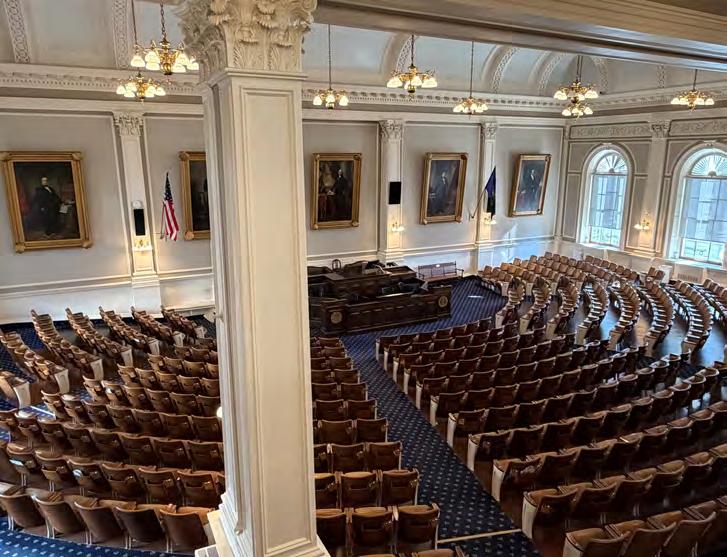
Commonwealth Legislatures face a different but equally difficult problem: limited staff capacity and fewer resources to absorb institutional shock. In both cases, the result is similar: institutional memory is fragile; process is misunderstood; and frustration replaces fluency. And when Members do not fully understand (or value) the institution they serve, they are far more likely to disregard it.
Few would argue against transparency in government. In the United States, public access has expanded dramatically, especially since COVID: live streamed floor and Committee proceedings; instantaneous publication of votes; and real-time social media commentary.
These are, in many respects, positive developments. They have brought the public closer to the process than ever before. They have also changed behaviour within the Chamber.
When every word may be clipped, posted and weaponised within minutes, debate shifts. It is not uncommon now to see debate shaped less by the Member across the aisle than by the audience beyond the Chamber. The result is often less deliberation and more declaration.
Commonwealth Legislatures have not been immune to this trend, though in some cases the pace has been slower. That slower pace may, in fact, be instructive.
The question is no longer whether Legislatures should be open, they must be - but whether they can remain functional under constant exposure without losing their deliberative character. Transparency, without understanding or context, can erode the very process it seeks to illuminate.
Artificial intelligence has now entered the legislative sphere - not as a theoretical concept, but as an active tool in drafting legislation and assisting Members in their daily work. These
tools promise efficiency, but they also introduce risk. Legislation is not merely text, it is intent. It reflects compromise, nuance and often deliberate ambiguity. An algorithm may replicate language; it cannot replicate judgment.
From my visit to Australia in January 2026, I heard that Commonwealth Legislatures are approaching these tools with similar interest, though often with greater caution. That caution is warranted. The danger is not that AI will be used incorrectly (though it has that potential), but that it will not be used critically. AI is an increasingly adaptive and meaningful tool, but it cannot and should not be trusted to replace institutional knowledge that is built up through true experience of Members, and importantly, parliamentary staff.
Representation: Presence vs. Participation
Across the Commonwealth, initiatives such as the Commonwealth Women Parliamentarians and the Commonwealth Parliamentarians with Disabilities networks reflect an important and necessary effort to broaden representation.
The United States has pursued similar goals through electoral mechanisms and internal caucuses. In the New Hampshire House, there are many such caucuses that have been organised at various times (such as the disabilities rights caucus, caucus for young children, secular humanist caucus, order of women legislators, veteran’s caucus, under 40 caucus, etc.) – our citizen-Legislature model allows for broad participation in theory. In practice, the absence of a meaningful salary limits who can realistically serve. (The salary for the New Hampshire Legislature was constitutionally set in 1889 at US$200 for the biennium.) Representation, therefore, is shaped not only by elections, but by economics. This is not unique to New Hampshire. Across both Commonwealth and US systems, the question persists: who is able (not just willing) to serve? And beyond that: once elected, are those voices truly heard?
Representation is not achieved at the ballot box alone. It must be sustained through process, respect and opportunity within the Chamber itself.
There is a factor in all of this that is rarely codified, but frequently decisive: institutional culture. Legislatures function best when Members know one another, trust one another, and understand the difference between opposition and enmity.
Historically, many Legislatureswhether in the United States or in the Commonwealth - benefited from informal spaces where Members could interact outside the Chamber. Those spaces have diminished, replaced by distance, technology and, in some cases, deliberate separation. The consequences were not subtle - they were inevitable.
When Members cease to engage as colleagues, disagreement becomes personal. When disagreement becomes personal, decorum deteriorates. And when decorum deteriorates, the institution itself is diminished. No rulebook, however comprehensive, can restore what culture has lost.
It is often said that Legislatures are resilient institutions. That is true, but resilience is not immunity.
Both Commonwealth Parliaments and US State Legislatures are navigating a period of significant change. Technology is accelerating expectations, public trust is uneven and internal norms are under strain. There is much each can learn from the other: from the Commonwealth, a renewed appreciation for tradition, discretion and restraint; from the United States, an emphasis on accessibility, structure and innovation.
However, these lessons will matter little if the underlying issue is not addressed. The challenge facing modern Legislatures is not simply procedural, technological or even political – it is cultural.
If Members no longer see themselves as stewards of an
institution, bound not only by rules, but by responsibility, then no reform, however well-intentioned, will be
sufficient. And if that is the case, the question is no longer what we can learn from one another - whether Parliament
and Legislature, or Member to Member - but whether we are willing to.
The New Hampshire State House was constructed over the course of three years in Concord, New Hampshire, USA at a total cost of US$81,827.60 (which in today’s dollars is about US$2.1 million).
Interestingly, nearly US$11,000 worth of the work was done in stone and was completed by inmates at the State Prison. The building was opened on 2 June 1819, and the House and the Senate have been meeting in their original Chambers ever since, making it the oldest, continuously used legislative chambers in the United States.
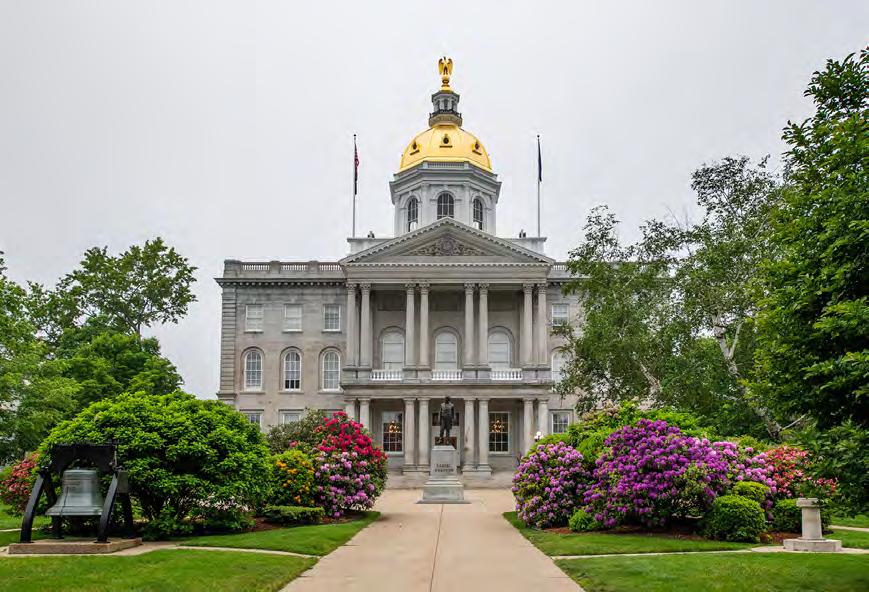
The New Hampshire State House is the home to the Governor and Executive Council (a remnant of our past history as a royal province) as well as the Legislature (called the New Hampshire General Court). The Governor and Council meet at least once a month throughout the year to discuss all state contracts over US$10,000, deal with Executive and judicial branch appointments, and hold the various state agencies to account. The Senate and the House meet from January through to June of each year, taking up hundreds of Bills, respectively, and by rule have a hearing on each, a Committee vote on each, and a vote by the full Chamber on each. The New Hampshire Senate, with 24 Members, is among the smallest legislative chambers in the country, while the New Hampshire House of Representatives is comprised of 400 Members, making it the largest state Legislature in the country, and indeed the third largest elected body in the English-speaking world.
The judicial branch, at the beginning of statehood, met in the State Senate Chambers and eventually became the sole tribunal, whereas in early colonial times, the General Court would handle some legal decisions.
The State House built in 1819 housed all of state government, but by the time of the Civil War, it was not big enough for all state operations and so it expanded. In 1864, the Legislature met off site while the State House was renovated: a portico was added, and a mansard style roof that added space for Committee rooms. The cupola was mounted on a new dome that was supported by iron trusses. The 1910 renovation removed the mansard roof and replaced it with a granite third floor. It was built back towards the street, adding the wing that today currently houses the Governor’s office; the building’s footprint today is much the same as the 1910 renovation.
During the COVID pandemic, the General Court met offsite first at a university hockey arena, followed by an outside field hockey pitch, followed by a drive-in session, an indoor sportsplex and then hotel exhibition centre, before returning to the building nearly two full years later.
The State House is grand, but not as ornate as many around the United States. What it lacks in grandeur, it makes up for in its accessibility and esteem. Its rich history is felt by all who walk the halls and Chambers, and may its next 200 years be a continued testament to its participatory democracy.
To find out more visit https://gc.nh.gov/
‘Promise vs Peril’ and the Global Quest for Accountability in Parliaments
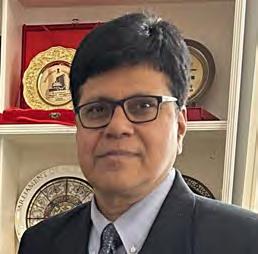
The idea that constituents should be able to remove their elected representative between general elections - commonly described as ‘recall’ - is a concept that is at once intuitively attractive and institutionally complicated. It is intuitively attractive because it promises a direct corrective mechanism for citizens when an elected representative behaves badly or is incapacitated. However, it remains highly complicated because representative democracies must carefully balance immediate public responsiveness with long-term legislative stability, and because the recall mechanism can be designed in numerous ways with vastly different political incentives.
As democratic polities worldwide grapple with declining public trust, understanding the origins, global practices and specific national experiences of the recall mechanism is essential for charting a path toward meaningful accountability.
The origins of the recall concept
The conceptual roots of recalling leaders stretch back deep into antiquity. Early manifestations can be traced to the ancient Athenian democratic practice of ostracism, where citizens could vote to exile a prominent political figure for ten years. In the Indian subcontinent, the ancient Vedic concept of ‘Rajdharma’ held that rulers were bound by a duty to their subjects, and the failure to provide effective governance or protect the public welfare was viewed as a legitimate basis for the removal of a king.
However, the modern legal mechanism of the ‘recall’ was pioneered in Switzerland. In the mid-
19th century, several Swiss cantons introduced the right to recall as a tool of direct democracy, allowing voters to unseat elected officials before their terms expired.
The concept subsequently crossed the Atlantic Ocean, gaining significant traction in the United States during the Progressive Era in the early 20th century. Municipalities like Los Angeles (1903) and states like Oregon (1908) championed recall provisions as a necessary antidote to the entrenched power of political machines and corporate monopolies.
In the Indian context, the modern discourse on recall was initiated before independence, when political thinker M. N. Roy formally proposed the concept in 1944, envisioning a decentralised governance system where representatives could be continuously held accountable by the electorate.
Today, the application of the ‘right to recall’ varies significantly across jurisdictions, reflecting diverse political cultures and constitutional architectures.
In North America, the United States remains a prominent user of the mechanism, mostly at the sub-national level. Nineteen US States permit the recall of state officials, including Governors, which was famously exercised in California in 2003. Canada's Province of British Columbia has also utilised a recall mechanism for its Legislative Assembly since 1995.
In Latin America, the recall mechanism has seen extensive and sometimes volatile implementation. Peru stands out as the world's most
Ravindra Garimella is a regular contributor to The Parliamentarian and was formerly Joint Secretary (Legislation) at the Lok Sabha Secretariat at the Parliament of India. He is currently Secretary to the Leader of the Opposition in Rajya Sabha, the Upper House of India’s Parliament.
intensive user, having activated thousands of recall referendums against democratically elected authorities at the municipal level since the 1990s.
Venezuela provides a unique model, as it is one of the few nations where the national Constitution permits the recall of the President - a provision notoriously put to the test in the 2004 recall referendum against Hugo Chávez. Other nations like Bolivia and Ecuador also maintain broad recall provisions encompassing various levels of elected authorities.
In the Asia-Pacific region, Taiwan employs a robust recall mechanism for its Parliamentarians, while the Philippines restricts its use to local government officials, requiring rigorous signature thresholds to initiate. Meanwhile, in Europe, while countries like Latvia and Liechtenstein have constitutional provisions for recall, it is the recent history of the United Kingdom that offers one of the most instructive case studies for parliamentary democracies considering such reforms.
The United Kingdom's cautionary approach
The United Kingdom's recent history with recall began in earnest following the 2009 MPs' expenses scandal, and moved through a draft Bill in 2011 to statutory enactment in 2015. This trajectory offers a useful, cautionary tale for India: it shows why recall appeals to reformers, why its technical design matters deeply, and why political culture and institutional architecture ultimately determine whether recall is salutary or toxic.
The UK Government's first formal step was the publication in December 2011 of a draft ‘Recall of MPs’ Bill, proposing two principal triggers: where an MP receives a custodial sentence, and where the UK House of Commons resolved that a recall petition should be opened. This draft generated vigorous and varied responses, with many respondents, including Parliamentary Committees and legal scholars, warning against simplistic or poorly specified mechanisms. Critics cautioned that a recall mechanism could easily be manipulated by partisan actors or degrade the representative role of MPs if it were too easy to trigger. They argued that it risked substituting short-term popularity contests for the deliberative functions of representative institutions.
Despite skepticism, the policy evolved into the Recall of MPs Act 2015 The 2015 Act adopted a constrained model where constituents cannot themselves initiate a recall. Instead, it is triggered only under a small set of objective conditions, such as a custodial sentence or a suspension from the House following a rigorous standards report. Once triggered, a petition officer runs a six-week signing period, which succeeds if at least ten per cent of registered electors in that constituency sign. Notably, the recalled MP may stand in the resulting by-election.
Two features of this UK outcome bear directly on any Indian conversation. First, the UK settled on a restricted, conditional model to insulate representatives against transient campaigns, while creating a check in the most serious cases. Second, technical details such as thresholds. administrative responsibility, and campaign limits - matter far more than the high-level slogan of ‘recall’.
The post-enactment empirical record shows the Act has been used sparingly, serving as a defensible compromise rather than a broad, easily initiated tool that could have been counterproductive. Design choices dictate whether recall strengthens democratic accountability or becomes
a mere instrument for opposition mobilisation and political theatre.
Implementation realities for India India’s own constitutional framework does not presently provide for recall of Members of Parliament and Members of State Legislatures. Nevertheless, the idea did periodically surface in public debate. The sheer size and heterogeneity of Indian constituencies, the formidable role of party machines, the absence of a directly comparable parliamentary standards regime, and the frequency of identity-based mobilisations mean that a recall mechanism that works in a small parliamentary democracy might easily misfire in India.
A bottom-up, elector-initiated recall in the Indian context risks being captured by local strongmen, party rivalries or short-term populist pressures, especially where impartial administrative machinery is weak. On the other hand, though, a constrained mechanism limited to narrow, objectively defined triggers could add a legitimate public remedy without turning parliamentary work into a continual referendum.
For India specifically, any serious proposal must broadly reckon with six fundamental implementation realities:
1. Initiation: Decide who may trigger recall. Bottom-up initiation gives electors agency but invites risk of abuse, while triggers based on objective legal findings reduce abuse but narrow applicability.
2. Thresholds: A ten per cent threshold in a UK constituency represents a vastly different political barometer than in an Indian Lok Sabha seat of millions.
3. Administration: Determine who is responsible for administration, as returning officers, election commissions or judicial officers each bring different legitimacy and risks.
4. Finance: Strictly regulate spending and campaigning during petitions to prevent wealthy actors from buying outcomes.
5. Coordination: Align the mechanism with parliamentary discipline so it complements internal accountability rather than substituting for it.
6. Candidacy: Consider whether a recalled MP may stand in the consequent by-election; allowing it promotes electoral choice but may seem to undercut the punitive intent.
These technical questions are the precise factors that make a recall mechanism work or fail.
Finally, there remains the normative question: do citizens want a recall, and should we design one? In India, the public appetite for stronger accountability is clearly evident, yet public appetite alone is not a substitute for sound democratic design. From the perspective of existing scenarios, a recall mechanism could simply provide a new channel for the very political pathologies reformers seek to correct.
The safer course for India could be a comprehensive package: establishing clearer criminal and ethical standards, creating an empowered and transparent parliamentary standards process, instituting electoral finance reform, and only then introducing a narrowly framed recall mechanism that fills real gaps without opening Pandora's box. The UK's trajectory - from a bold draft, through rigorous debate, to a narrowly circumscribed Act - offers both the reason and the method for such prudence.
If India's reformers wish to open the debate publicly, the conversation should begin with evidence and design, not mere slogans. An open, evidence-led national conversation involving legal experts, election administrators, and ordinary voters is necessary to identify where recall truly adds value. Above all, the right to recall should be conceived as part of a broader architecture of democratic accountability: a powerful lever to be used sparingly, designed carefully and embedded within institutions strong enough to resist shortterm political pressures.
The work of the Commonwealth War Graves Commission and the role of Parliamentarians in its history
In an increasingly uncertain world, where the relevance of institutions and even states is sometimes questioned, there are fewer shared moments that bring people together across borders. Commemoration is one of the rare exceptions. It is almost inescapably collective in nature and, as a result, offers powerful opportunities to build understanding, foster inclusion and strengthen diplomatic relationships. History has shown that multinational approaches to commemoration can help reset relationships and encourage cooperation - something that has been demonstrated repeatedly since the end of the Second World War.
The Commonwealth War Graves Commission exists at the heart of this shared endeavour. It cares for the resting places of 1.7 million Commonwealth servicemen and women who died in the two world wars, ensuring their story is never forgotten. Its mission is clear: ‘to ensure that those who died in service, or as a result of conflict, are commemorated so that they, and the human cost of war, are remembered forever’.
For Parliamentarians across the Commonwealth, reminders of these conflicts are often close at hand. Commemorative structures and memorials are woven into the civic and political landscapes in which Legislatures operate.
In New Zealand, the debating chamber of the House of Representatives was completed in 1918, just one month before the Armistice. More than a century later, in 2020, newly elected ACT MP Nicole McKee described the impact of entering the chamber for the first time:
“When I walked into the chamber of the House and saw carved around
the walls the names of the different battles from World War One and World War Two, I shed a tear. It just put into perspective the history, the talent, the purpose and the job that we have ahead of us as representatives.”
In Canberra, the Australian War Memorial is directly aligned with Parliament House, while in Ottawa, the Tomb of the Unknown Soldier sits beside Canada’s National War Memorial in Confederation Square, only a five-minute walk from Parliament Hill. These physical proximities reinforce a powerful truth: the responsibilities of governance are inseparable from the sacrifices that sustain them.
All the Commonwealth service personnel whose names appear on national memorials are also commemorated individually by the Commonwealth War Graves Commission, in the countries where they died. Across France and Belgium, the Commission maintains and cares for over 3,500 cemeteries and memorials. In Türkiye, a dedicated team oversees 41 sites on the Gallipoli peninsula, maintaining each one to the highest standards and preparing for international Anzac services every April.
Less than an hour from Westminster, London, lies Brookwood Military Cemetery in Surrey, where personnel from pre-Partition India are commemorated alongside British, Australian, New Zealand, Canadian and South African servicemen and

women, as well as non-Commonwealth allies including Dutch, Polish and Belgian casualties. There are also ten German casualties commemorated and cared for at Brookwood by the Commission on behalf of Germanyan enduring symbol of reconciliation through commemoration.
The Commission was founded in 1917 as the Imperial War Graves Commission under a Royal Charter. Today it is funded by six governments, in proportion to the number of casualties commemorated: the United Kingdom, Canada, Australia, New Zealand, South Africa and India. Its work spans more than 150 countries and requires collaboration across different cultures, political systems and legal frameworks, embodying a shared commitment that extends far beyond its imperial beginnings.
Parliamentarians and governments have been involved in the Commission’s work from its earliest days. Prime Ministers and government representatives attended the
Below: A wooden cross marking an anonymous grave at Thiepval, France
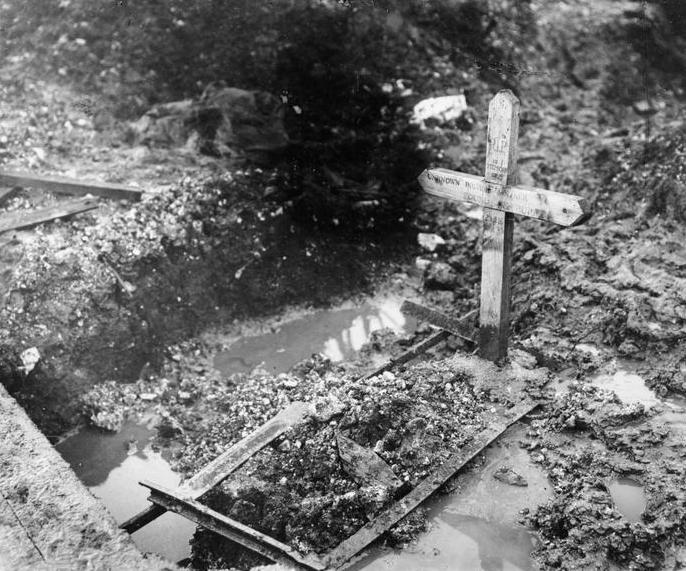
Right: The Nairobi War Cemetery in Kenya is an ‘island of habitat’ full of biodiversity, with different species of monkeys including baboons are in seen in the cemetery every day, wandering amongst the headstones of the 1,952 Commonwealth service personnel.
Imperial War Conference at which the Commission’s founding charter was debated. The decisions that followed were often emotionally charged and politically sensitive. The question of how the dead should be commemorated - particularly when families were separated by thousands of miles from where their loved ones were buried - was debated in Parliaments and Legislatures around the world.
The Commission took the principled position that there should be absolute equality in death: identically shaped headstones, with no distinction by rank, wealth, race or creed. This approach was not without controversy. British MPs raised concerns on behalf of constituents who felt they had lost personal control over how their relatives were commemorated.
In this context, Parliamentarians played a critical role in providing reassurance. They helped explain the Commission’s work and shared what the cemeteries would look like, at a time when very few families could ever expect to visit them. Speaking to the Canadian Parliament in 1922, George Perry Graham, then Minister of Militia and Defence and Minister of the Naval Service, reflected on this responsibility:
“I want to assure the Committee that up to date everything connected with the Commission has been most harmonious. The Commission has had but one object in view, that of carrying out the wishes of Parliament in order the honour may be done to our dead and a lesson be thus taught to the living… When the work of the War Graves Commission is completed Canadians who go overseas will find places not only of beauty but places of reverent instruction, places helpful in forecasting the possibilities of the
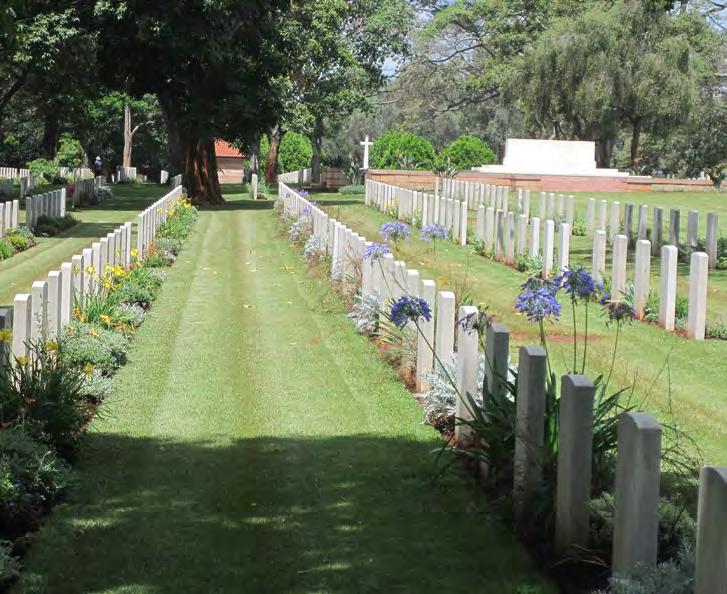
future viewed in the light of what has happened in the past.”
Since 1917, representatives from the six member governments have served as Commissioners, with the UK Secretary of State for Defence acting as Chair. One early Commissioner was Sir James Allen, former MP for Bruce and New Zealand’s High Commissioner to the United Kingdom from 1920. For Allen, commemoration was deeply personal. He had lost his son, John Hugh Allen, at Gallipoli, the historic peninsula in Türkiye that was the site of a major World War I campaign in 1915.
John Allen had completed a law degree at Jesus College, Cambridge, and was called to the Bar in 1914. He had booked his passage home to New Zealand when war broke out but instead joined the Inns of Court Officer Training Corps and was commissioned as a Lieutenant into the Worcestershire Regiment. His training completed, he was deployed to the Dardanelles, landed at Cape Helles on 25 May 1915 and was killed in action just twelve days later, aged 28. He is commemorated at Twelve Tree Copse Cemetery on the Gallipoli peninsula.
When Sir James Allen died in 1942, former New Zealand Prime
Minister George Forbes MP recalled his contribution, noting that Allen had been “very interested in the Imperial War Graves Commission, and was responsible to a large extent for the wording of the inscriptions on the memorials to the New Zealanders,” adding that it was a source of great pleasure to observe “the quiet dignity of the inscriptions” when visiting the battlefields.
While the Commission upheld its founding principles in many regions, a 2021 report found that equality in commemoration had not always been achieved, particularly for some ethnic groups outside Europe. In response, the CWGC launched its NonCommemorations Programme.
Through extensive research in state and military archives across Africa, the UK and India, historians have identified over 11,600 servicemen who were not previously commemorated. This workrestoring names, identifying burial sites and acknowledging historical oversight continues, and the Commission’s Official Historian, Dr George Hay will write a more detailed article on the Non-Commemoration Programme in a later issue of The Parliamentarian
Maintaining cemeteries and commemorative sites in some 23,000 locations, the Commonwealth War Graves Commission is one of the largest horticultural organisations in the world. From the biodiversity-rich Nairobi War Cemetery in Kenya to the mountainous landscape surrounding Bomana War Cemetery in Port Moresby, Papua New Guinea, each site reflects both local environments and shared global history.
In November 2026, the Commonwealth Heads of Government Meeting, will be an opportunity to reflect on service personnel from Antigua and Barbuda, one of the Commonwealth’s smallest nations and a reminder of the importance of commemoration, regardless of the size or scale of losses.
Through government funding, the Commission is responsible for caring for this ageing estate while responding to modern challenges such as climate change and security concerns.
Yet the Commission’s role extends far beyond maintenance. At the heart is its storytelling. Through its For Evermore digital platform, the CWGC invites individuals, families and communities to share the stories behind each name, with the ambition to build a living archive of all 1.7 million casualties. If the Commission commemorates a member of your family, or someone connected to your community or Legislature, this is an opportunity to share who they were, what they did, and the impact on those they left behind.
As living memory of the Second World War fades, the Commonwealth War Graves Commission is entering a new chapter as a leader in global commemoration. By working with High Commissions, Embassies, defence staff and commemorative partners across the world, the Commission demonstrates how commemoration can continue to serve as a powerful form of diplomacy - bringing nations together through shared history, values and
respect. Particularly in the aftermath of war, commemoration can serve as a way of binding society together in the face of adversity and collective bereavement.
Commemorative and heritage organisations, and the sites they maintain, are uniquely placed to offer spaces for reflection and connection. The Commission warmly welcomes visitors to its cemeteries and memorials, and opportunities to host parliamentary and community groups. Whether you wish to learn more about the sites near you, plan an overseas visit or explore partnership opportunities, we invite you to engage with us and share in this enduring commitment to commemoration in perpetuity.
To find out more about the work of the Commonwealth War Graves Commission (CWGC) please visit www.cwgc.org
Read and add stories about those commemorated by CWGC via the ‘For Evermore’ portal at www.cwgc.org/stories/


Free courses for CPA Members
The CPA has designed a curriculum of online courses specifically for Parliamentarians and parliamentary officials.
Our courses are intended to strengthen your capacity to fulfil constitutional and statutory obligations as well as to enhance your knowledge and understanding of the role of Parliament in the democratic governance process. These accessible courses offer an adaptive and flexible learning approach, with both written and visual content along with access to a variety of useful resources.
To register for the CPA Parliamentary Academy, please email hq.sec@cpahq.org or visit our website: www.cpahq.org/parliamentary-academy
Members of the Welsh Parliament (Senedd Cymru) returned to the Siambr (Senedd Chamber) on 24 February 2026 after a year-long redevelopment project to expand the iconic circular debating chamber in preparation for the election of 36 additional Members on 7 May 2026. The upgrade marked the most significant physical change to the Senedd building since it opened on 1 March 2006 and symbolised the most substantial development in Welsh devolution.
The Siambr has been expanded to accommodate 96 Members using removable back wall sections that were incorporated into the original design two decades ago. The redesigned Siambr includes: 36 additional desks; improved accessibility, with all internal steps removed; upgraded broadcasting and ICT systems. The Senedd has been widely praised for its environmental design - designed for natural light, natural ventilation, low carbon heating and cooling, and extensive rainwater harvesting.
For the past year, Members have met in the debating chamber in the Tŷ Hywel building behind the Senedd. With work now complete, that space will return to the Senedd’s education
and visitor programme, to host sessions for schools and community groups.
The outgoing Llywydd of the Senedd, Rt Hon. Elin Jones, MS, said: “This return to the Siambr marks an important milestone for our Senedd. Our debating chamber has been transformed to meet the needs of a larger parliament and a new era of Welsh democracy as we look ahead to the election on 7 May. This is a building shaped around openness, sustainability and the people we serve, and the changes reflect the next chapter in our democratic journey.”
Source: Senedd Cymru/Welsh Parliament.
The House of Lords (Hereditary Peers) Act 2026 is landmark legislation that removes the right of the remaining hereditary peers to sit and vote in the UK Parliament. The Act officially received Royal Assent on 18 March 2026 and fully came into force on 29 April 2026 when the UK Parliament formally prorogued, marking the end of the first session of the 59th Parliament. Following this suspension, the UK Parliament reconvened for the State Opening on 13 May 2026, to begin the new session without any hereditary peers for the first time in its history.
The Act repeals the exception that allowed 92 hereditary peers to remain in the UK House of Lords under the House of Lords Act 1999. It also eliminates the hereditary peer by-election system, meaning vacancies will no longer be filled. To ensure that the Upper Chamber continues to function effectively, an agreement was made to grant life peerages to a select number of departing hereditary peers (primarily from the Conservative Party and Crossbenchers) so they could remain.
Tributes to the departing hereditary peers were led by the Lord Speaker, Rt Hon. Lord Forsyth of Drumlean who recognised their decades of commitment, acknowledging their extensive experience in debate and scrutiny, irrespective of differing views on the constitutional change. “Recognising their contribution is not about party politics but acknowledging the value of service and commitment, and I am proud to do so and to thank them.”
The Leader of the House of Lords, Rt Hon. Baroness Smith of Basildon said the ‘historic legislation’ realised Labour’s manifesto pledge to remove the right of all hereditary peers to sit and vote in the Upper House. “This has never been about the contribution of individuals but the underlying principle that was agreed by Parliament over 25 years ago that no-one should sit in our Parliament by way of an inherited title.”
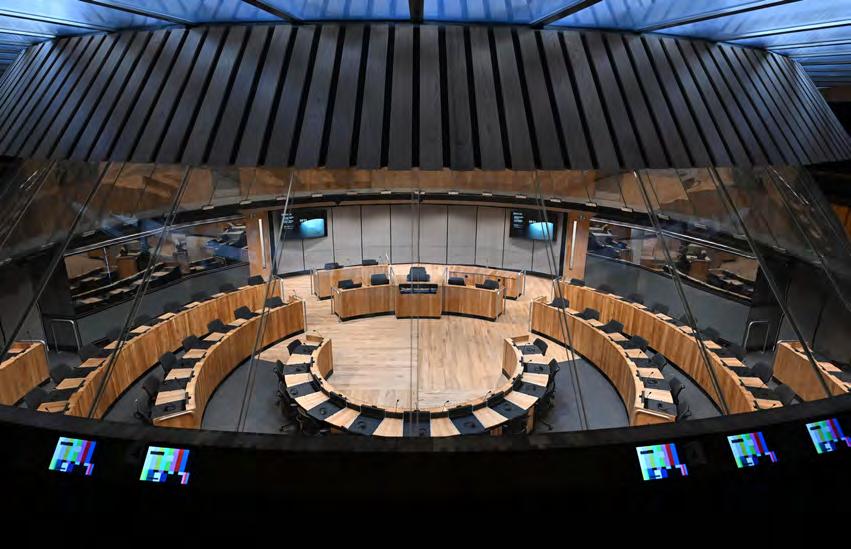
The holders of the office of the Lord Great Chamberlain (currently 7th Baron Carrington) and the Earl Marshal (a role held by the Dukes of Norfolk since 1672) – who are responsible for royal interests in Parliament and state ceremonies – had previously held exceptions to continue to sit in the House of Lords with voting rights but this was removed with the passing of the new Act. However, the office holders will continue to carry out their traditional ceremonial duties during state
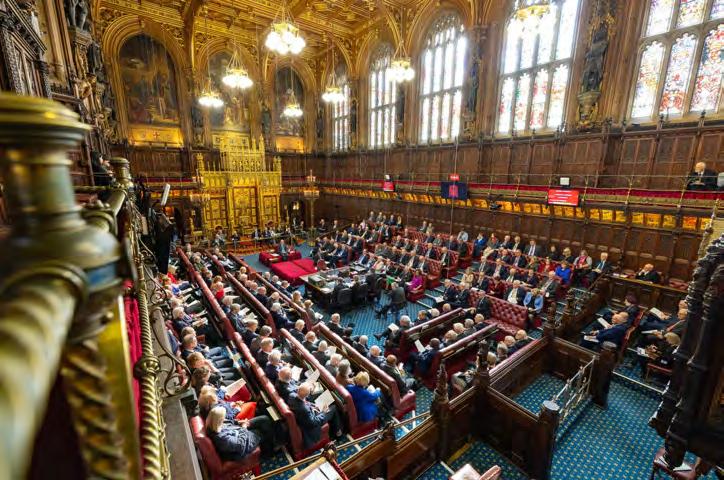
openings and other royal occasions in the UK Parliament.
Source: UK Parliament.
On 27 March 2026, the longest continuously serving Member of the Uk House of Lords (the equivalent of Father of the House), Rt Hon. 2nd Baron Trefgarne, retired, ahead of the enactment of legislation removing hereditary peers. He first took his seat in July 1962 aged 21 when his father died. He was the last person in the UK Parliament to have sat in the 1959 and 1964 Parliaments. He held a number of Ministerial roles in the 1970s and 1980s – particularly as Minister of Trade under Margaret Thatcher. He was a qualified commercial pilot and was President of the Institution of Electrical Engineers.
Source: Mr Memory @AmIRightSir.
The Supreme Court of Canada concluded hearings in March 2026 on Québec’s ‘controversial’ secularism law, Bill 21, which prohibits civil servants in positions of authorityincluding teachers, police officers and judges - from wearing religious symbols at work. The landmark case presents a major constitutional test. Passed by the National Assembly of Québec in 2019, the law (Laïcité)
bans visible religious apparel like hijabs, turbans, kippahs and crosses for affected public workers. Critics, including the Canadian Civil Liberties Association, argue it disproportionately harms visibly religious minorities and infringes on basic human rights.
To pre-empt legal challenges, Québec proactively invoked the ‘notwithstanding clause’, a constitutional rule that allows Provincial Governments to override certain sections of the Canadian Charter of Rights and Freedoms for five years. Lower courts in Québec previously upheld the law’s validity because of this clause.
The legislation has provoked a national debate with civil rights groups asking the Canadian Supreme Court to
Left: The composition of the UK House of Lords has changed with the removal of all remaining hereditary peers following the passage of the House of Lords (Hereditary Peers) Act 2026
rule on whether the ‘notwithstanding clause’ can be used pre-emptively. The case challenges the limits of Provincial legislative power against minority rights. The case is widely regarded as one of the most significant constitutional battles in a generation, testing both the balance of power and the limits of state secularism.
Source: BBC news.
A team at the Parliament of India has relaunched The Journal of Parliamentary Information (JPI), a quarterly publication published by the Lok Sabha Secretariat since 1955 which aims to disseminate authoritative information about the practices and procedures in Indian Legislatures. The Journal serves as an authoritative record of parliamentary events and activities as well as providing a useful forum for Members of Parliament and State Legislatures in India. The Journal also features other experts contributing to the development and strengthening of parliamentary democracy in India. The Journal also reviews the latest books on
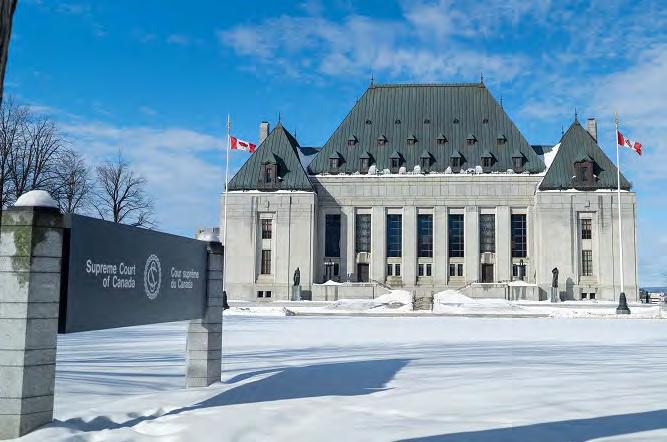
parliamentary and constitutional subjects from India.
To be added to the mailing list or for further information email jpi-lss@lss. sansad.in.
From 1 August 2026, commercial greyhound racing will be closed in New Zealand, following the passing of the Racing Industry (Closure of Greyhound Racing Industry) Amendment Bill in April 2026.
The Acting Minister for Racing, Hon. Casey Costello, MP, spoke on the Bill’s Third Reading, explaining that “Since we announced in December 2024 our intention to close commercial greyhound racing in New Zealand, a deliberate, multi-stage process designed to ensure fairness and good outcomes for both people and animals has been under way. An initial Bill to protect the greyhounds passed unanimously in December 2024. A Ministerial Advisory Committee was quickly set up and has worked with the
greyhound racing industry to plan for closure.”
The Bill was also supported by the Labour Party. Hon. Jo Luxton, MP (Labour) said “New Zealand is a country that absolutely prides itself on our animal welfare standards. I think this is something that, around the world, people are taking another look at. Up until today, or when this Bill passes, New Zealand was one of only a few other countries that actually have commercial greyhound racing. I think Australia, the UK, and Ireland are the other countries, and I think there are only two racing tracks in the US. This is an industry that is on notice around the world and perhaps will come to an end.”
Steve Abel, MP (Greens) explained that the Green Party had proposed amendments to the Bill “to correct an omission in part of the drafting of the Bill which actually meant that there would be allowed to be betting on greyhound racing in Australia. That was the Government’s intention: to retain bidding on greyhound racing in Australia. For us, that has always
been a hypocrisy… It is not fair for us to shut down an industry here but allow New Zealanders to bet on the same industry, where the same welfare issues occur, in Australia.”
The ACT Party opposed the Bill. Cameron Luxton, MP (ACT) stated “This industry was built by hardworking New Zealanders - Kiwis with rough hands - and not done by favours or handouts from Government. They built an industry and a community through decades and generations of work, and now, they are being told that they’re the problem and they don’t deserve to have what they’ve worked for, what they’ve invested in and what they’ve lived in.”
The Bill was passed with 112 votes in favour and 11 votes against, and received Royal Assent on 9 April 2026. Report by Lizzie Hendy, Parliament of New Zealand
The office of Senator in the Jersey States Assembly represents the entire island of Jersey. After being abolished in 2021, the role has been reintroduced
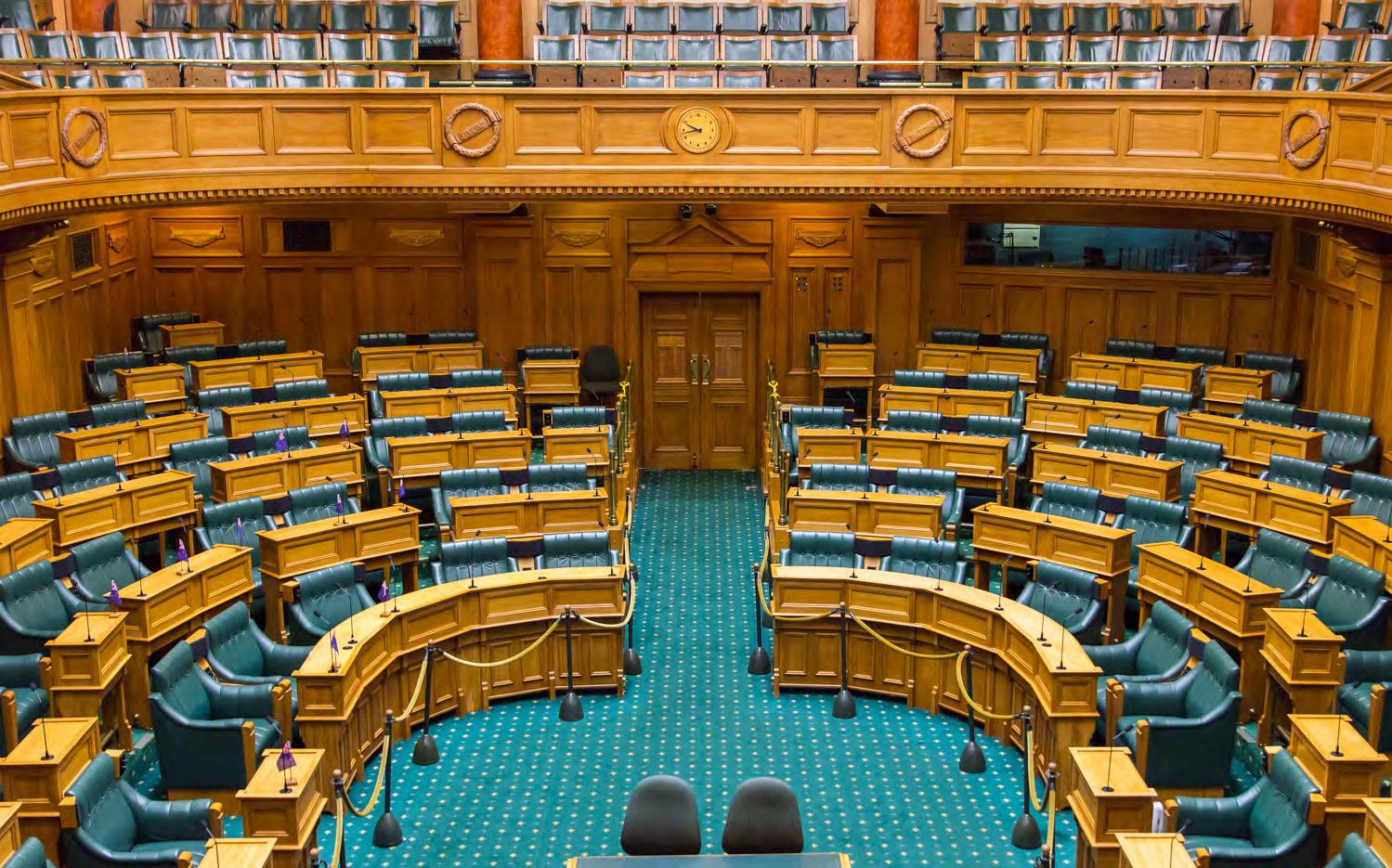

at the general election held on 7 June 2026 to restore an ‘island-wide mandate’.
The nine elected Senators will represent the interests of all islanders regardless of their parish or district. The composition of the Jersey States Assembly will now be nine Senators, 12 Constables (Connétables) and 37 Deputies. To keep the Chamber size at 49, the reinstatement of Senators replaced the seat of a single Deputy in each of the island’s nine electoral constituencies in 2026.
This island-wide overview is designed to balance localized ‘parish’ issues and ensure broad, unified representation in the government. Every registered voter in Jersey gets to vote for all nine Senator positions in addition to their local representatives.
The Elections (Senators) (Jersey) Amendment Law 2025, which had been adopted by the Jersey States Assembly on 11 September 2025, was registered at the Royal Court on 12 December 2025. The law amends the States of Jersey Law 2005 and the Elections (Jersey) Law 2002.
A memorial angel sculpture in bronze has been unveiled to mark the centenary of Queen Elizabeth II’s birth. Eleanor Crook’s sculpture forms part of a new collection of works by six artists to commemorate the Lying-in-State of Queen Elizabeth II which took place in Westminster Hall in the UK Parliament in September 2022. Crook designed a protective angel in the classical style, the sculptural details reflecting the significance of the Lying-in-State. Inspired by the angels on the hammer beam roof of Westminster Hall, angels adorn the sides of the robes.
Eleanor Crook, Lying-inState artist said: “It was a great honour to be involved with the Speaker’s Advisory Committee on Works of Art (House of Commons) and the Lord Speaker’s Advisory Panel (House of Lords) in the marking of this occasion and to know that the artworks reflecting the collective experience will live
on in the public’s Parliamentary Art Collection for generations to come.”
The six artists’ works will be featured in a landmark exhibition in Westminster Hall, opening to the public in July 2026.
Source: UK Parliament.


Gladys Keitumetse Theresa
Kokorwe (20 November 1947 – 11 March 2026) was a Botswana politician who was the Speaker of the National Assembly from 2014 to 2019. She was a member of the Botswana Democratic Party (BDP). Kokorwe was born in Cape Town in South Africa, where her father (originally from Botswana) was working. She was sent back to Botswana at the age of 10 and completed her education before joining the public service, where she progressed to hold various high-level administrative positions in local government, serving in Lobatse, Sowa and Gaborone, before becoming CEO of Kgatleng District Council.
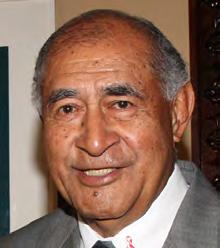
Brigadier-General Ratu Epeli
Nailatikau, CF, LVO, OBE, MSD, KStJ (5 July 1941 – 26 March 2026)
was a Fijian chief who had a long career in the military, diplomatic service and government. He served 20 years in the military where he rose through the ranks to become the Commander of the Royal Fiji Military Forces. Nailatikau’s diplomatic career saw him hold roles in the United Kingdom, Denmark, Egypt, Germany, Israel and the Holy See. Following the failed Fijian coup of 2000, he was nominated as Prime Minister to help rebuild Fiji’s institutions but withdrew his nomination in favour of Laisenia Qarase, who was considered more of a consensus candidate. However, he became Deputy Prime Minister in the interim Cabinet. From 2001 to 2006, he served for the first time as Speaker of the Fiji House of Representatives (as Fiji was then a bicameral Legislature). In June 2005, Nailatikau was appointed the UNAIDS special representative for the Pacific which continued a long
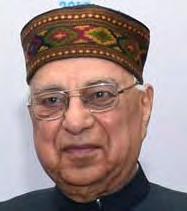
Dr Subhash C. Kashyap, who has passed away in Delhi on 4 June 2026 at the age of 97, was a former Secretary-General of the Lok Sabha of the Indian Parliament from 1983 to 1990, one of the longest terms in office. He began his career at the Lok Sabha during the first Prime Minister of India, Pt. Jawaharlal Nehru. A prolific writer and constitutional expert, he authored many books and was awarded ‘Padma Bhushan’ by the President of India in 2015 in recognition of his scholarly contributions. He received many national and international awards and was awarded the prestigious Jawaharlal Nehru Fellowship for his scholarly research project titled ‘Parliamentary Procedures - Practices, Precedents and Privileges’. Kashyap was a great institution
On entering politics, Kokorwe was elected to the National Assembly of Botswana in 1994 and served as an Assistant Minister from 1999 to 2004. She was Deputy Speaker from 2004 to 2008 becoming the first woman to hold the position, before returning to a Ministerial role with the Government from 2008 to 2009, when she left Parliament. In August 2008, Kokorwe had become the first Parliamentarian in Botswana’s history to have a Private Member’s Bill become law. Her Bill, which she had tabled before being appointed to Cabinet, aimed to better protect victims of domestic violence, and was passed into law in September 2008 as the Domestic Violence Act. Kokorwe served as Botswana’s Ambassador to Zimbabwe from 2009 to 2014, and then re-entered politics after the 2014 election, when she was the successful BDP candidate for Speaker.
campaign to raise awareness of HIV/AIDS in the Region. He chaired the first Conference on the Role of Pacific Parliamentarians in the fight against HIV/AIDS in Suva and represented the CPA at the 2006 World AIDS Conference in Toronto. In April 2009, Nailatikau was appointed VicePresident by the military government before becoming Acting President after the retirement of President Josefa Iloilo in July 2009. On 5 November 2009, he was sworn in as President of Fiji, a position he held until October 2015. In February 2019, he was appointed as Speaker of the Fijian Parliament (by now a unicameral Legislature) until 24 December 2022. He served as a Member of the CPA International Executive Committee, representing the Pacific Region. As a chief by birth through his ancestry, Nailatikau had the title of Ratu. He was also a great-great-grandson of Seru Epenisa Cakobau, the first monarch to rule over a unified Fijian kingdom and was a grandson of King George Tupou II of Tonga. In 1981, he married Adi Koila Mara, who had also been a politician; like her husband, she was an MP, Cabinet Minister and Senator, making them a husband and wife who had simultaneous parliamentary careers.
builder, and he contributed immensely to strengthening parliamentary institutions. During his time, he established the subject-based Parliamentary Committees and also began a number of programmes aimed at developing the skills of Parliamentarians and parliamentary staff which continue today. Kashyap took a personal interest in developing the research services of the Indian Parliament for the benefit of both Parliamentarians and for the wider dissemination of knowledge outside Parliament. During his time as the Secretary-General, he also successfully organised a number of Parliamentary Conferences together with the InterParliamentary Union (IPU), the Commonwealth Parliamentary (CPA) and the India Presiding Officers Conferences. Kashyap was popular in the parliamentary fraternity and not only enhanced the image of Parliament in India and abroad, but also the position of Secretary-General thorough his neutrality, objectivity and high degree of professionalism.
Parliamentary Conversations in the Commonwealth
A podcast by the CPA that gives a voice to Parliamentarians, civil society experts and activists across the Commonwealth to discuss common democratic challenges and share their ideas on what can be done to solve them.
Listen now to new episodes on all major podcast platforms or visit www.cpahq.org/knowledgecentre/cpa-podcast