What happens to Kosciusko’s food waste? Beyond the trashcan:
By MAKSYM HART Staff Writer
Food waste in Kosciusko County spans homes, schools, stores and landfills, but local agencies say much of it can be redirected before it is thrown away.
At its simplest, food waste is any edible or organic material that is not consumed. That ranges from leftovers scraped into trash cans to produce pulled from shelves before expiration.
Nationally, the U.S. Department of Agriculture estimates 30% to 40% of the food supply is wasted, with roughly half occurring at the household level.
Locally, that waste often ends up at the Hoosier Landfill, the county’s primary municipal waste site.
Janelle Meyer, education outreach and marketing coordinator the Kosciusko Solid Waste District, said food waste is typically part of general trash, noting each person generates about 4.5 pounds of waste daily.
“Food would be considered in that waste,” she said, adding that composting and oil recycling are among the few alternatives available locally.
Before reaching the landfill, however, a portion of surplus food is redirected through a network of nonprofits. Local retailers such as Walmart, Dollar General and others donate items nearing expiration to groups like Combined Community Services and Milford Food Bank, which then distribute it to local pantries.
At Milford Food Bank, Development Manager Angie Deak said
those donations serve a dual purpose.
“We bridge the gap between food waste and food insecurity,” Deak said. “We’re taking food that could be wasted, and we’re saving it and sharing it with organizations that can feed families.”
Similarly, Fellowship Missions relies on donated food from events, fairs and individuals. Food Service Director Michelle Trent said even small contributions can have a large impact.
“If somebody has 40 hamburgers left over, that’s literally lunch one day for all the residents here,” Trent said, noting such donations reduce operating costs for the shelter.
Schools also play a role in managing food waste. At Wawasee Community Schools, food service staff use “share tables” where unopened items can be taken by other students, and excess food is often frozen and reused when possible.
At Warsaw Community Schools, leftover meals may be cooled and served again or, in some cases, donated.
However, once food has been reheated or served, it often must be discarded due to safety guidelines.
Beyond institutional efforts, residents can reduce waste at home through composting. Local gardener Cindy Coppes said kitchen scraps, leaves and yard waste can be turned into nutrient-rich soil.
“Why send natural products to the landfill when you can put it back into the earth?” Coppes said.
Composting, however, requires some care. Experts recommend
avoiding meat and oily foods, which can attract pests and do not break down easily, while focusing on fruits, vegetables and plant material.
Other reuse options include feeding animals or donating excess food when safe to do so. Even cooking oil can be recycled locally at Warsaw’s KC Recycling Depot, where it may be processed into products like animal feed.
Despite these options, officials say awareness remains a challenge. Much of the waste generated at home could be reduced through meal planning, better storage and using leftovers.
Food waste remains a major environmental issue, accounting for an estimated 58% of methane emissions from landfills, according to national data.
At the same time, studies estimate the average family of four throws away nearly $3,000 in food annually.
While only four states currently require residents to separate food scraps from regular trash, several states, including New Jersey, recently adopted new foodwaste reduction goals. Nationally, composting access is expanding, with nearly 36% of Americans now able to use curbside pickup or drop-off programs for organic waste.
As communities across the country face shrinking landfill space - a 2020 Waste Business Journal report found the U.S. had 18 years of landfill space left - local efforts in Kosciusko County show that solutions already exist. They are often just a short distance from the

trash bin.
TREATED LIKE DIRT Cindy Coppes holds a handful of compost from her backyard barrel, demonstrating how kitchen scraps can be turned into nutrient-rich soil. Photo by Maksym Hart.
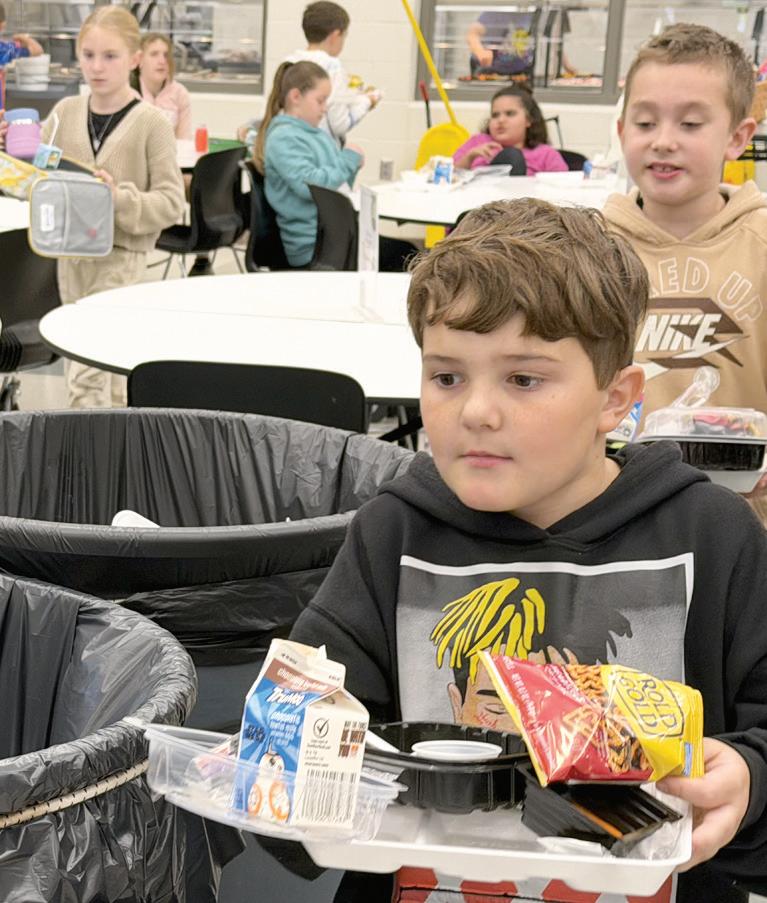
THROWING THE REST OUT Students at Syracuse Elementary School dispose of uneaten lunch items, highlighting one source of food waste in schools. Photo by Maksym Hart.
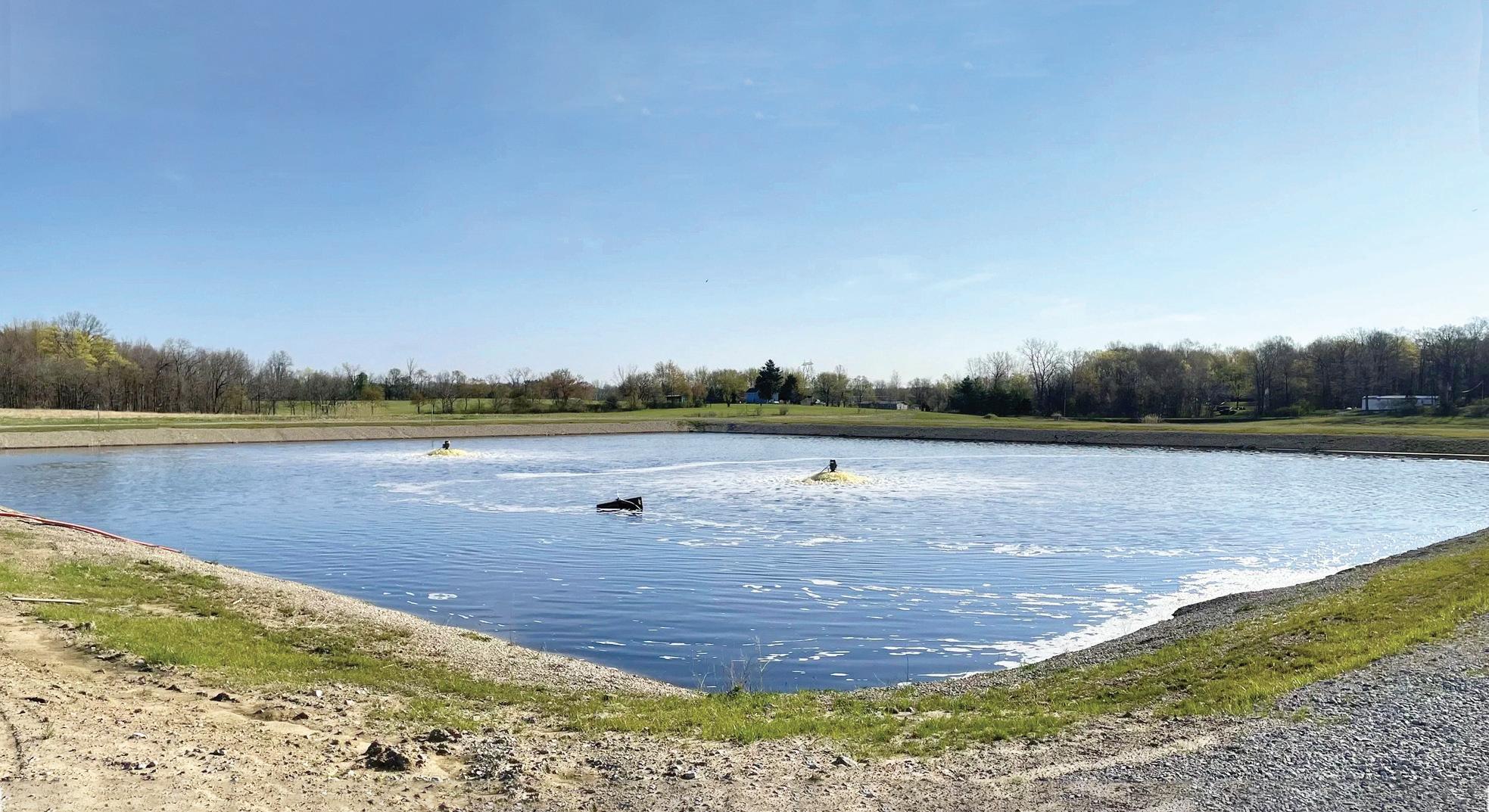
BREAKING IT DOWN — One of two approximately three-million-gallon leachate ponds in Hoosier Landfill that helps break down waste. The Claypool landfill accepts municipal waste from across Kosciusko County, including food waste that cannot be reused or composted. Photo from Environmental Resources Group.
New Paris Telephone President retires after 44 years
By LAURIE LECHLITNER Staff Writer
“I started at New Paris Telephone in 1982,” stated Mark Grady of North Webster.
“I became the general manager in charge of day-to-day operations, staff recruitment, planning and staff education, to name a few of my responsibilities. I moved to the role of president in 2002. In the 44 years I’ve been part of the company, we’ve experienced many milestones, especially in the area of technology. We’ve been on the cutting edge.”
Grady’s role will soon change to that of advisor and board member. He’s passing the CEO baton to Eric Hartman.
“I grew up on a farm in North Webster. We raised crops and beef cattle. Our farm butted up against the South Shore Golf course. My brothers and I would caddy for the golfers and sell back to them stray balls we retrieved
from our field.”
When asked about his continuing education, he remarked, “I attended Baumgartner University.”
With a chuckle, he explained, “I worked four years for The Papers, Inc. I was a pressman and knew both Arch and Della. I’m still good friends with Ron, the owner of the newspaper. I was there when there were only 13 of us on board. I can still remember Della telling me, ‘Watch your pennies and your dollars will take care of themselves.’”
Grady helped set type, run presses and even delivered a few papers. “It’s amazing what Ron was able to accomplish through the years. The business is now large and prosperous.”
After getting a broadcasting license, Grady worked as a broadcast engineer in 1976-77. “I put in the first computer controlled broadcast system at the radio station, so we could play music automatically.”
Scam alert
The Kosciusko County Sheriff’s Office would like to alert the public to a recent scam involving fraudulent requests for inmate bond payments. At no time will an employee of the sheriff’s office contact individuals by phone to request money for bonding an inmate out of the Kosciusko County Jail. All bond payments must be completed in person using the kiosk located in the vestibule of the Sher-
iff’s Office at 221 W. Main Street, Warsaw. No cash transactions or phone-based payments will be accepted by correctional staff under any circumstances. If you receive a phone call requesting payment for an inmate bond, hang up immediately and contact dispatch at (574) 2675667. Do not provide any personal, financial or banking information over the phone.

Melanie can brighten up the Interior of your home.
Melanie can brighten up the Interior of your home.
Melanie can brighten up the Interior of your home.
Walls
Walls
Ceilings
Ceilings
In the fall of 1981, Wilbur Brookens, president of New Paris Telephone, approached Grady. “He told me I think you’ll find it interesting work.’ I came onboard in late January of 1982.”
Grady is a man who sees endless possibilities. “Until 1963, if you lived in New Paris, you had to go through the operator to make a call. When I joined, the company was making a big change to an all-digital system. Everyone had a private line instead of being on a party line. Just a few years later, we were the first phone company with fiber optic cables in 1988. In 1992, we set up internet service for Goshen College and later started BrightNet. That was the beginning of access to internet service for thousands of people.”
Grady loved predicting the next major trend that would advance their rural community. “We’ve come a long way in record time. We started out with rotary phones and moved to touch-tone. Now we offer voice over Internet phones, and our fiber is the gateway to all types of streaming TV services.
“It’s a whole new world. Our technology has made it possible for people to stay connected at all times. Phones are now miniature computers that have a myriad of functions. One of the other companies that New Paris started is in the 9-1-1 business, and it serves 119,000,000 people across the US.”
Grady has started several businesses over the past 44 years, including Quality Cablevision, Community Fiber Network and Indiana Fiber Network.
“I have done my best to keep this community and employee-owned company on a track of success that now spans 125 years.”
He and his wife, Denise, have two grown children, Matt Grady and Cheryl Van Laeken. His family is a strong supporter of Riley Children’s Hospital with an endowed fund in memory of his granddaughter.
Food Bank sets mobile distributions for May
The Food Bank of Northern Indiana has set mobile food distributions for the month of May.
Some distributions in the area include: Kosciusko County
• 11 a.m. to 12:30 p.m. Friday, May 15, at First Baptist Church, 206 S. Oak St., Mentone. This distribution is provided by Costco and will serve 150 households.
• 10-11:30 a.m. Wednesday, May 20, at the Kosciusko County Fairgrounds, 1440 E. Smith St., Warsaw. This distribution is sponsored by CVS and will serve 150 households.
Marshall County
• 9-10:30 a.m. Friday, May 8, at Trinity Lutheran Church, 430 Academy Road, Culver. This distribution is provided by a Feeding America grant and will serve 150 households.
Window And Door Trim
Walls
Window And Door Trim
Ceilings
Small Patch Repair
Small Patch Repair
Window And Door Trim
Drywall Repair
Drywall Repair
Small Patch Repair
Great Service – Reasonable Rates
Great Service – Reasonable Rates
Drywall Repair
References Available Upon Request.
References Available Upon Request. 574-304-5075
Great Service – Reasonable Rates
574-304-5075
References Available Upon Request. 574-304-5075



• 10-11:30 a.m. Thursday, May 14, at Janes Park, 600 Woodies Lane, Bremen. This distribution is provided by TJ Maxx and will serve 150 households.
Elkhart County
• 10-11:30 a.m. Friday, May 22, at Maple City Chapel, 2015 Lincolnway E., Goshen. This distribution is sponsored by MHS (Managed Health Services) and will serve 150 households.
Assorted food items are offered free of charge to those in need of food assistance. All items are preboxed and pre-bagged and are distributed on a first-come, firstserved basis while supplies last. There is a limit of one box or bag per household.
Distributions are drive-thru.
Recipients are asked to remain in their vehicles and open their trunks to receive the items. An area will be available for self-loading if your trunk does not open.
Organizations sponsoring May distributions include Citizens Concerned for the Homeless, Costco, Feeding America, Kroger, MHS, St. Joseph Health Systems and TJ Maxx.
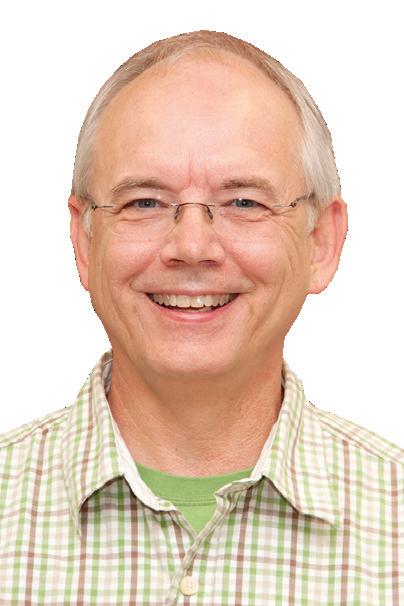
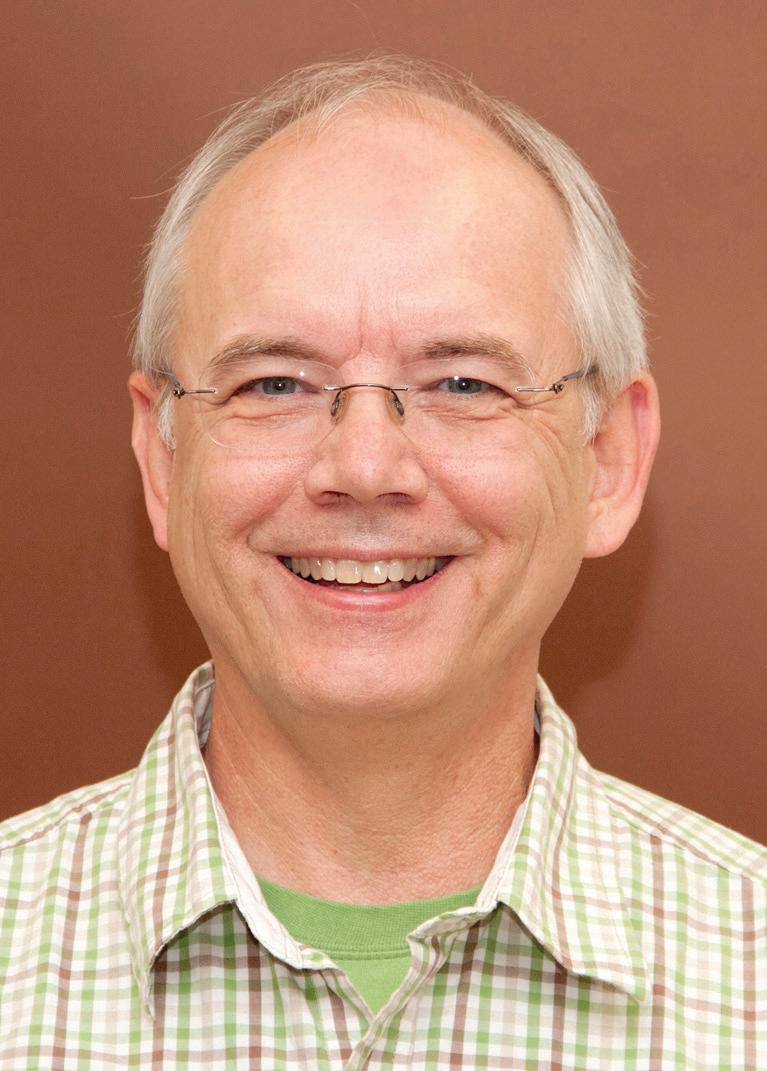
KEEPING IN TOUCH— Mark Grady has served as president of New Paris Telephone for 44 years. After several advances in technology assisting the company in keeping in touch, he recently retired. Photo provided by Mark Grady.
AND MORE The Warsaw Breakfast Optimist Club’s 16th annual City of Lakes Car Show will be held May 17 in downtown Warsaw. Photo provided by the Warsaw Breakfast Optimist Club.

Optimists’ City of Lakes Car Show returns to Warsaw May 17
The Warsaw Breakfast Optimist Club is hosting the 16th annual City of Lakes Car Show from noon to 5 p.m. Sunday, May 17, in downtown Warsaw at the Courthouse Square.
Car enthusiasts are invited to bring and showcase their favorite vehicles, while community mem-
bers are encouraged to come out and enjoy a fun, family-friendly car show with food, music and activities throughout the day.
Returning this year will be the Track Side Racing Simulator, where attendees can test their skills and compete for bragging rights. The Kosciusko County
Sheriff’s Office will also be on hand with giveaways and a classic police cruiser.
Festivities begin at noon with the Warsaw High School Junior Reserve Officers’ Training Corps presentation of colors. Food and drinks will be available starting at noon from the Boy Scouts and the Warsaw Community High School Band. Enjoy music from the DJ from noon to 3:00 p.m.

win prizes. Graphic provided by the Michiana Area Council of Governments.
Prizes await bicyclists in May during Go574 Bike Month Challenge
The Go574 Bike Month Challenge presented by Crossway Trails is back for 2026 and is open to residents in Kosciusko, Elkhart, Marshall and St. Joseph counties.
Participants can join the Go574 platform and log their bike trips between May 4 and May 31. Participants will be eligible for weekly prizes including gift cards and South Shore Line tickets, as well as end-of-challenge drawings for a new Trek e-bike and a Biketropolis Chicago bike tour experience for four.
The Michiana Area Council of Governments, known as MACOG, and Go574 are organizing the
event with the support of Bike Month sponsors, including the Elkhart Community Foundation, Bike Michiana Coalition, Elkhart County Convention & Visitors Bureau and the South Shore Line. Go574 staff and information will be available during the South
Bend and Goshen First Fridays on May 1 and various community events during Bike to Work Week starting May 11.
Go574 is free and available in the Google Play and Apple App stores and can be accessed online at go574.com.
The Lake Area Band takes the stage at 3 p.m., promising a musical surprise. Awards for top vehicles will be presented at 4 p.m.
Attendees can also enter a 50/50 raffle with a maximum payout of $2,500.
Vehicle registration runs from 11 a.m. to 2 p.m., with judging from 2-3:00 p.m. and the awards ceremony beginning at 4 pm.
Enter the car show by traveling west on Center Street from Detroit Street.
The Warsaw Breakfast Optimist Club is a volunteer organization and a “friend of youth.”
Funds raised are given back to the youth in the community by way of scholarships, free events for kids and families and grants for organizations such as Big Brothers Big Sisters, Court Ap-
pointed Special Advocates of Kosciusko County, Kosciusko Youth Leadership Program, Baker Youth Club and other organizations.
“Our mission is to bring out the best in kids,” said Optimist club president Brooke Hamstra. “The car show, together with our other fundraising efforts, enables our club to contribute to local organizations serving youth throughout Kosciusko County. We’re grateful for the community’s continued support in making that possible.”
The club meets each Wednesday morning for breakfast meetings, and those interested are invited to attend. “It’s a great way to get involved and make a difference in our community,” Hamstra said.
For additional information and the car show registration cost, send an email to OptimistCarShow@gmail.com.



GET ROLLING May has just started and there’s plenty of time to join the Go574 Bike Month Challenge for a chance to exercise and







Threads of Valor ceremony to honor veterans May 12
Liberty Sewing Circle is once again ready to show its appreciation for nominated local veterans. A Threads of Valor quilt presentation will be held Tuesday, May 12, at the Kosciusko Senior Services Center/Pete Thorn Gym located at 800 N. Park. Ave., Warsaw. The program is open to the public. Doors will open at 10 a.m. and



EDITORIAL OFFICES, CIRCULATION, DISPLAY AND CLASSIFIED ADVERTISING
WARSAW OFFICE MILFORD OFFICE SYRACUSE OFFICE
114 West Market St. 206 S. Main St. 102 East Main St. Warsaw, IN 46580 P.O. Box 188, Milford, IN 46542 Syracuse, IN 46567 Phone (574) 269-2932 Phone (574) 658-4111 Phone (574) 457-3666 Fax 888-371-2934 1-800-733-4111 Fax 800-886-3796
Out-Of-County: Phone 1-800-733-4111
OFFICE HOURS: 8:00-5:00 Monday Thru Friday www.thepapersonline.com
‘the PAPER’ reserves the right to refuse for publication any advertising that is considered offensive, misleading or detrimental to the public, the newspaper or another advertiser and to edit advertising at its discretion.
Publisher, Ron Baumgartner rbaumgartner@the-papers.com
Business Manager, Annette Weaver aweaver@the-papers.com
Editor-In-Chief, Deb Patterson dpatterson@the-papers.com
Editor, Phoebe Muthart pmuthart@the-papers.com
Warsaw Office Manager, Mary Beth Spalding warsaw@the-papers.com
Director Of Marketing, Kristin DeVittorio kdevittorio@the-papers.com
Advertising Representative, Carl Lauster clauster@the-papers.com
Advertising Representative, Susan Stump sstump@the-papers.com
Circulation Manager, Jerry Long jlong@the-papers.com
Commercial Printing Sales Representative
Rodger Salinas rsalinas@the-papers.com
Commercial Printing Customer Service
Katie Hurley khurley@the-papers.com
Rich Krygowski rkrygowski@the-papers.com
activities will begin at 10:30 a.m. with patriotic singing. Posting of the flag will be given by the American Legion Post 49 Honor Guard. Guest speakers will follow. Handcrafted quilts will be presented to each veteran nominee by members of Liberty Sewing Circle, followed by a meal. Due to limited seating, those
planning to attend are asked to respond before Thursday, May 7, with the number in their party. People can call Marsha Huffman at (574) 268-4507 or Karla at (574) 267-2012.
If you would like to nominate a veteran residing in Kosciusko County for a future presentation, contact Huffman.
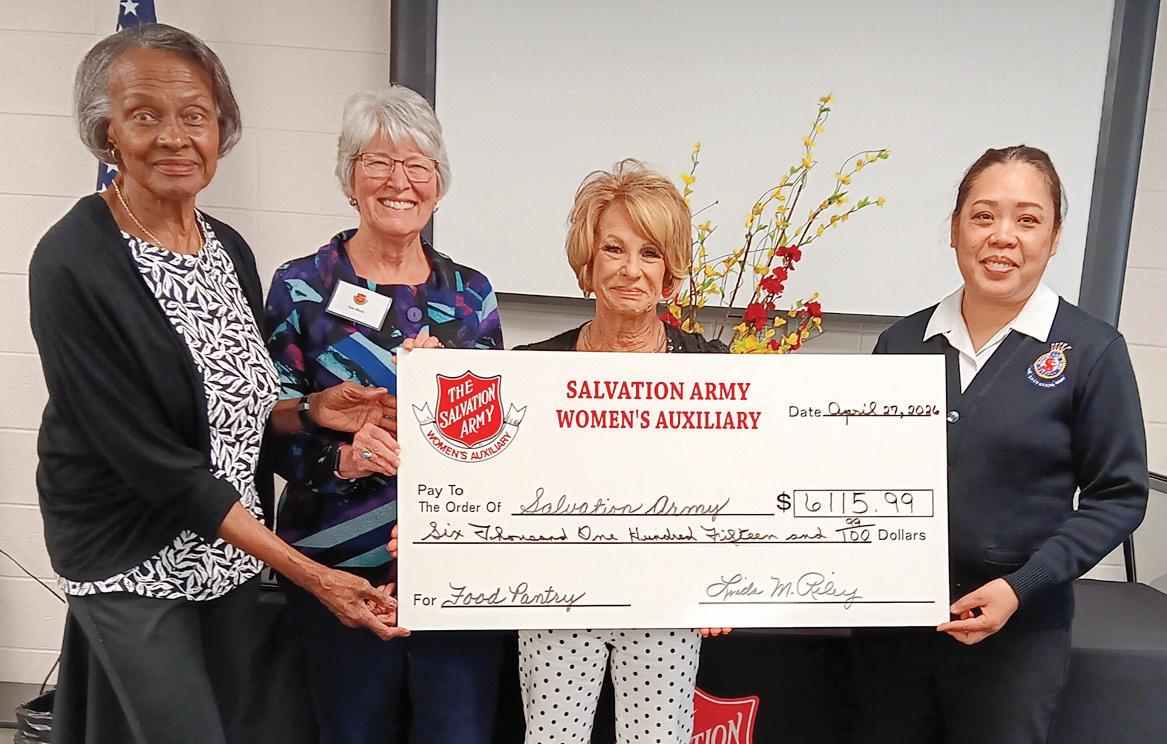
Warsaw Salvation Army Women’s Auxiliary gives $6,000 to food pantry
The Warsaw Salvation Army Women’s Auxiliary recently donated proceeds from its annual Soup and Pie Luncheon.
The luncheon was held April 15 in Warsaw, and a check for more than $6,000 was given to
Major Jean Thammavongsa of the Salvation Army to support the Salvation Army’s food pantry.
Doris Cook, Sue Mock and Linda Riley of the auxiliary presented a ceremonial check for the do-
nation to Thammavongsa.
The Soup and Pie Luncheon is an annual spring fundraiser for the women’s auxiliary. In the fall, the auxiliary traditionally holds a nut, fruit and candy sale fundraiser ahead of the holidays.
Yakym sets 2nd District mobile office hours for May
U.S. Rep. Rudy Yakym, Republican representing Indiana’s 2nd Congressional District, has announced staff mobile office hours for May.
Mobile office hours are designed to be one-on-one conversations with Yakym’s staff, primarily for federal casework assistance. They are not town halls.
Some mobile office hours scheduled in the area include: Kosciusko County • 11:30 a.m. to 1:30 p.m. Thursday, May 21, at the Bell Memorial Public Library, 101 W. Main St., Mentone • 9-11 a.m. Tuesday, May 26, in the basement conference room of the Kosciusko County Justice Building, 121 N. Lake St., Warsaw Elkhart County
• 1-3 p.m. Friday, May 29, at Nappanee City Hall, 300 W. Lincoln St., Nappanee
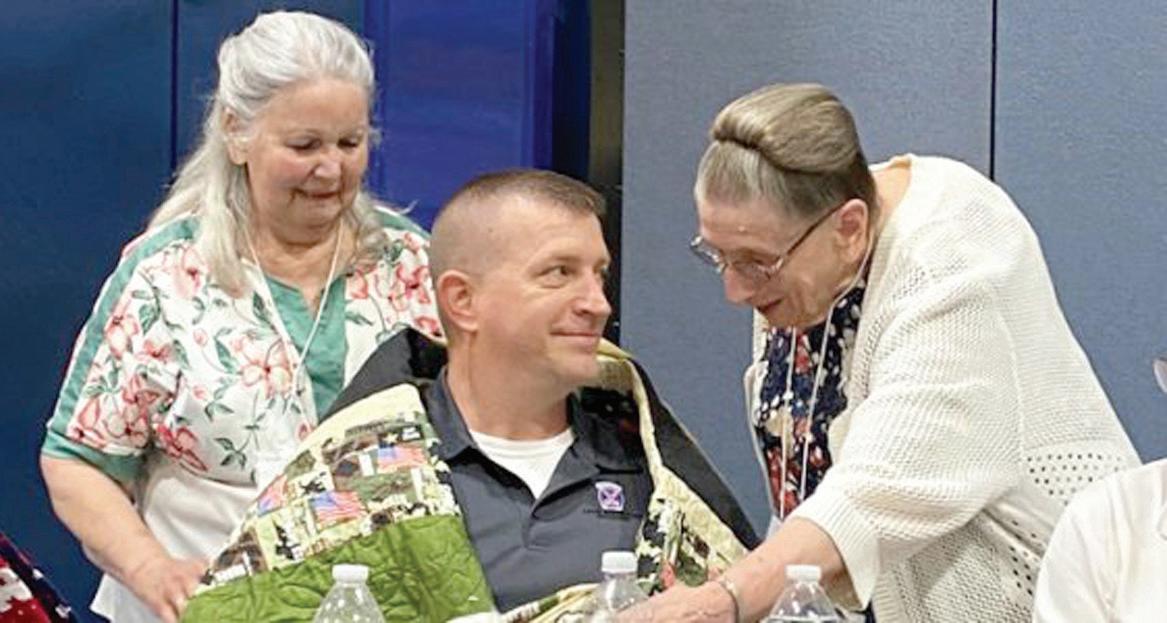
WARM APPRECIATION Army veteran Dale Campbell, center, received a quilt in 2024 from his mother, Juanita Campbell, a member of Liberty Sewing Circle, right, and fellow Liberty Sewing Circle member Brenda Ganshorn. InkFreeNews file photo.
SOUP AND PIE PROCEEDS Pictured from left are Doris Cook and Sue Mock, co-presidents of the Warsaw Salvation Army Women’s Auxiliary; Linda Riley, auxiliary treasurer; and Major Jean Thammavongsa of the Salvation Army. Photo provided by the Salvation Army Women’s Auxiliary.
Matthews’ Painting Co. helps single mom through Paint It Forward
Kendall Rogers was selected as the Matthews’ Painting Co.’s 2025 Paint It Forward winner, awarded in 2026. Each year, the program provides free professional painting services to a local individual, family or nonprofit in need.
The Matthews’ Painting crew spent a recent Saturday at Rogers’ Warsaw home, donating their time and professional painting services “to bring hope, joy and an improved living space to Rogers and her children,” according to a news release.
“Kendall’s story really touched us. She has been carrying so much while continuing to care for her children,” said Matthews’ Painting Co. owner Jason Matthews.
Rogers was nominated for the program by her grandmother, Myra Barnett.
In her nomination, Barnett described Rogers as a devoted single mother raising two children after the children’s father was killed in a car accident when her son was only a few months old. Since then, Rogers has worked six days a week to support her family. Barnett also shared that Rogers takes in “hairless” shelter dogs to find them a home, something she felt reflected the compassion and generosity Rog-
ers continues to show even while carrying so much herself.
“Kendall is a great mother with a heart of gold,” Barnett wrote in her nomination. “She does and does for others but can’t catch up enough to get this done. Her house is in desperate need of an interior paint job, but she cannot afford it. It would mean the world to her.”
Each year, Matthews’ Painting invites community members to nominate a deserving individual, family or nonprofit organization for Paint It Forward. After reviewing the 2025 submissions, the Matthews’ Painting team selected Rogers “because of her strength, resilience and dedication to her family,” the company said.
The Paint It Forward project focused on refreshing the interior of Rogers’ home, including basic wall patching and repairs to areas with dog damage. The team painted the living room and hallway with an extremely washable paint, creating a space that felt renewed, cared for and welcoming for her family and the shelter dogs Rogers helps rehome. For the Matthews’ Painting team, the day was about more than paint. It was a chance to serve someone in the community in a tangible and meaning-

release.
Paint It Forward has become an important part of Matthews’ Painting Company’s community
Kosciusko Youth Leadership Academy accepting applications
The board of directors for the Kosciusko Youth Leadership Academy is currently accepting applications for the 2026-2027 academic year.
High school students who will be juniors in the fall of 2026 are eligible to apply. Applicants can apply from the following schools: Warsaw Community High School, Lakeland Christian Academy, Wawasee High School, Tippecanoe Valley High School, Triton High School, Whitko High School, NorthWood and Fairfield High School. Other area students attending a high school not mentioned (if you reside in Kosciusko County) are encouraged to apply along with home-school students from Kosciusko County and southern Elkhart County.
All applications this year will be filed online. Go to Kos-
DEADLINE IS MAY 20 High school juniors who want to be part of the Kosciusko Youth Leadership Academy for the 2026-2027 academic year must apply online by Wednesday, May 20. Graphic provided by Kosciusko Youth Leadership Academy.
ciuskoYouthLeadership.org and click on the “Apply” tab. Students are encouraged to
apply early. A firm application deadline is the end of the day Wednesday, May 20. Any questions can be directed to Carl Lauster at (574) 269-2932 between the hours of 10 a.m. to 5 p.m.
The Kosciusko Youth Leadership Academy is in its 33rd year of service to the county. A local nonprofit 501(c)(3), KYLA’s purpose is to train students in leadership skills through a yearlong course consisting of formal classroom training and through the development and completion of a community service project. To date, KYLA alumni have completed more than 260 community service projects by over 830 alumni benefiting Kosciusko County residents. For more information, visit KosciuskoYouthLeadership.org online.
outreach efforts.
“We are incredibly grateful for the support our community has shown this program over the years,” Matthews said. “The nominations are always a reminder of how many people are quietly carrying heavy burdens while still giving so much of themselves.”
Nominations for the Paint
It Forward program are due in November each year, with the recipient being chosen early the following year. The Matthews’ Painting team reviews each nomination submitted on the Paint It Forward section of the company’s website and selects a recipient who they believe would benefit most from the program’s help.









Medicare made Simple!
Serving Seniors for Over 30 Years!
Confused about Medicare? We make it easy! We can help with:
* Original Medicare with Supplement
* Medicare Advantage
* Prescription drugs
* Life & Final Expense
* Dental & Vision
* Cancer & Heart
* Short-term & Home Care Plus
Appointments your way:
Alternative Insurance Solutions Eugene Scott, LUTCF
2766 E 200 N; Rochester, IN 46975
Phone: (574)
HOME REFRESH The team from Matthews’ Painting Co. recently repaired and repainted interior walls of a home for free through the company’s Paint It Forward program. Photo provided by Matthews’ Painting Co. ful way, according to the news
North Webster Legion renovates, re-opens
By PHOEBE MUTHART Staff Writer
On Jan. 26, North Webster American Legion Commander Cat Bowers received a call she will never forget.
“My phone rang at 9:02 a.m. It was Dean Glancy, our cook. Dean doesn’t usually call unless something needs fixed, so when I answered, I expected something routine,” Bowers said. “But I could hear water running in the background. At first, I didn’t

think much of it - after all, Mondays are cleaning days. Then he said, ‘Cat, we have a problem. I’m sorry to call with bad news, but something is leaking and flooding the post.’”
That call marked the beginning of a long process that led to the temporary closure of North Webster American Legion Post 253.
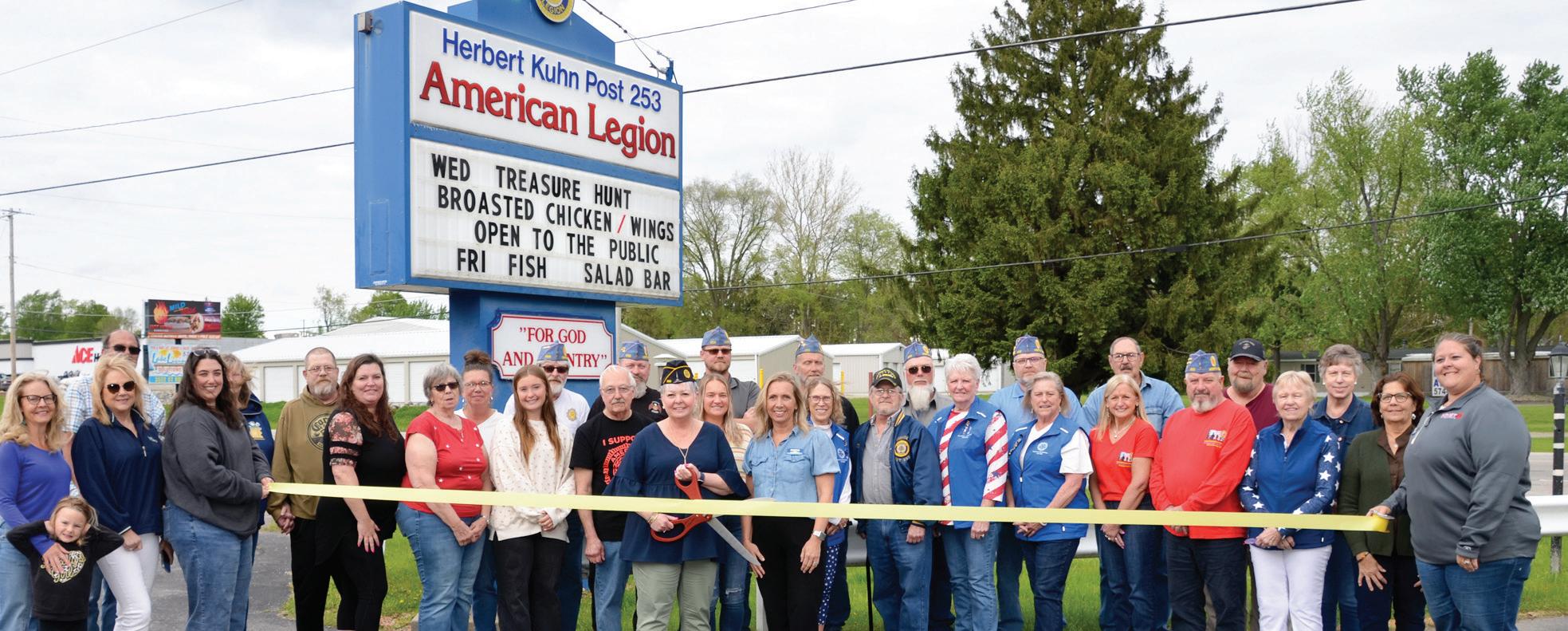
After months of renovations, the Legion reopened April 13 and celebrated with a ribbon-cutting ceremony Wednesday, April 29,




alongside members of the North Webster-Tippecanoe Township Chamber of Commerce.
The renovations came at a significant cost. The original estimate exceeded $98,000, Bowers said, but after working closely with insurance adjusters and mitigation teams, the total was reduced to just under $72,000 and was nearly fully covered.
“It was a blessing in disguise,” Bowers said.
Some improvements, including new flooring, had already been planned prior to the flooding.
“The only additional cost was the dance floor, which we chose to move forward with using our flooring funds,” she said.
The reopening took longer than expected due to ongoing construction challenges.
“We tried to reopen more than once, but every time we got close, something else stood in the way,” Bowers said. “Then came a major hurdle - we were told we could not open without a handicap-accessible entrance. Our only accessible entry was part of the damaged area that still needed to be completed. We had no walls, no electricity, no plumbing.”
Bowers said she intensified efforts to move the project forward.
“I had to really start pushing and not stop. There were daily calls to insurance, daily calls to contractors,” she said.
Work is still ongoing, including completion of bathrooms near the front entrance.
Bowers expressed gratitude for the volunteers, the community and employees who assisted
throughout the process and said she made it a priority to continue paying employees during the closure.
“I have good employees, and I want to keep them,” she said. “They deserved to be paid.”
Now, with renovations nearly complete, she is inviting the public and prospective members to visit. Most Legion events are open to the public.
“We are so excited to welcome back our members, our friends and our community,” Bowers said. “Years from now, when people walk through these doors, they will see a beautiful space, but we will remember what it took to get here. It was hard, and it was a long, grueling process.”
For updates on events, visit the Legion’s Facebook page.
Antique Outboard motor Show May 16
The Antique Outboard Motor
west shore of Webster Lake at the Dixie boat dock.
Several hundred antique outboard motor restorers, historians, collectors and enthusiasts
IDDC celebrates Visit Indiana week with giveaways
The Indiana Destination Development Corporation is joining communities nationwide in celebrating National Travel and Tourism Week May 3-9. Visit Indiana Week runs in conjunction with NTTW annually and highlights the travel industry’s vital


contribution to the economy.
In Indiana, the travel industry continues to deliver significant economic value. According to the most recent data, tourism generated $3.2 billion in state and local tax revenue, fueling local busiContinued on page 7

from across the Midwest and Canada are expected to gather in the park for a day of activities related to their hobby.
Events will include an exhibition of recent restoration projects, swapping of parts and literature, and demonstrations of antique boat motors on the lake. The public is invited to attend; there is no admission fee.
Club members also invite area residents who own old outboard motors to bring them for evaluation. Many antique motors are bought, sold and appraised throughout the day. The swap area will feature parts, literature, related accessories and a variety of antique motors.
The Antique Outboard Motor Club, which has more than 5,000 members nationwide, classifies an antique motor as one manufactured prior to 1950 and a classic outboard as one more than 30 years old.
The event will begin at approximately 10 a.m. and run through mid-afternoon. Participants often stay later, weather permitting, to run antique motors on the lake.
For more information, contact Dave Tranter at (260) 213-1945 or jdtranter@kcaccess.com.
LEGION REOPENS — The North Webster American Legion held a ribbon cutting Wednesday, April 29 for the grand reopening of Post 253. The post sustained significant
water damage in January and was closed until April 13. Photo by Phoebe Muthart.
nt E rtainm E nt
Boyz II Men, the Jacksons to perform at free Elkhart concert in August
The city of Elkhart and The Lerner Theatre have announced “Celebration Under the Stars” featuring Boyz II Men and The Jacksons at 7 p.m. Saturday, Aug. 29.
The performance is free and will take place on the Central Green, across from The Lerner Theatre, 300 S. Main St., downtown Elkhart. It is being presented by the Elkhart County Convention and Visitors Bureau and Friends of The Lerner as a continuation of an outdoor event that blends Elkhart’s musical heritage with a one-night, outdoor, festival-style concert.
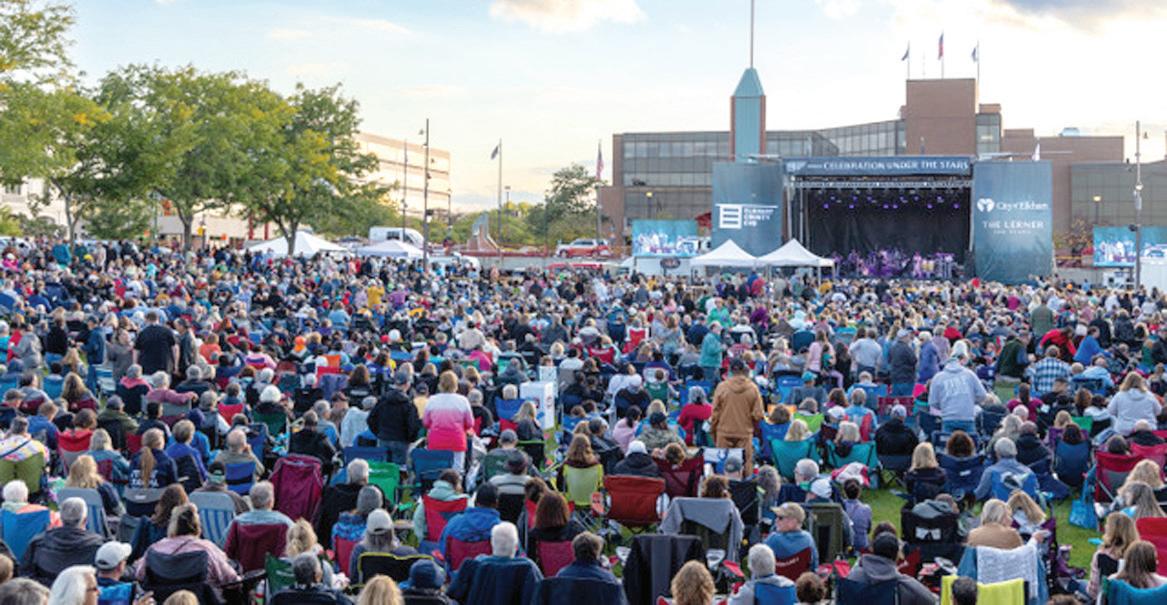
“Last year we saw more than 15,000 people come out for Celebration Under the Stars,” said Elkhart Mayor Rod Roberson. “It was the largest event that’s happened in the city history and completely reimagined our downtown Central Green. Our entire downtown is in a real transformative period and Celebration Under the Stars embodies the new energy of downtown. I’m very thankful
to all of the partners who have made this happen and I’m excited to see everybody this summer for our second celebration under the stars.”
“The Elkhart County CVB is excited to be the co-presenting sponsors of Celebration Under the Stars along with the Friends of the Lerner,” said Jon Hunsberger, executive director of the Elkhart County CVB. “Last year’s concert proved how a powerful downtown Elkhart event could bring together community for an unforgettable night of music. Now we’re bringing two more icons of music to create yet another magical night that will be memorable for residents and visitors and impactful for our downtown businesses.”
“The Friends of the Lerner is excited to partner with the city of Elkhart and the Elkhart County CVB on Celebration Under the Stars. It is a great musical event for our community. It will be a wonderful evening in downtown Elkhart with awesome musical
acts,” said Ashley Martin, Friends of the Lerner.
To reserve a place or learn about sponsorship opportunities, contact the Lerner Theatre box office at (574) 293-4469.
U.S. Forest Service announces Secure Rural Schools payments
The U.S. Forest Service announced April 14 that it will be issuing $248 million in Secure Rural Schools payments for 2025, delivering critical funding to eligible states and counties with National Forest System lands. These payments help sustain public schools, maintain local roads, strengthen wildfire preparedness and support other essential services in rural communities.
“Secure Rural Schools payments reflect our strong partnership with the counties and communities that surround national forests,” said Forest Service Chief Tom Schultz. “These funds support critical infrastructure, while advancing active forest management and restoration that keep
forests resilient and communities safer. We remain committed to deliver this support directly to rural communities that depend on these resources.”
The 2025 payments include Title I, Title III and 1908 Act allocations, which help fund education, transportation infrastructure and critical community services in rural areas. They also enhance wildfire readiness at the local level by supporting Firewise Communities programs, reimbursing counties for emergency services on national forests and supporting the development of Community Wildfire Protection Plans - making communities safer and improving coordination with Forest Service wildfire response efforts.


Since 1908, 25% of Forest Service revenue from timber sales, mineral leases, livestock grazing, recreation fees and other sources have been shared with states and counties containing national forests. By the 1990s, long-term reductions in timber revenue significantly reduced these payments, prompting Congress to enact the Secure Rural Schools and Community Self-Determination Act of 2000 to provide more stable funding for at-risk local services.
Over the past decade, the Forest Service has distributed $2.4 billion through the Secure Rural Schools program.
For more information about the Secure Rural Schools program, visit the Forest Service website.
IDDC celebrates
Continued from page 6
nesses and supporting long-term growth. Indiana welcomed 83.3 million visitors who contributed more than $16.9 billion in spending across all communities.
“Tourism is an essential part of Indiana’s identity, driving economic growth and showcasing our state as a premier destination for both visitors and residents,” said Amy Howell, CEO of IDDC.
“To mark this year’s Visit Indiana Week, IDDC is highlighting
premier venues across the state where people can enjoy concerts, a Broadway play and other experiences for free.”
For a chance to enter the Visit Indiana Week giveaways, visit visitindiana.in.gov. A pair of tickets will be given away each day from May 3-9.
As part of Visit Indiana Week, the Indiana Department of Natural Resources is offering free admission to all its properties Sunday, May 3.




CELEBRATION UNDER THE STARS Elkhart’s Central Green was packed last year for Celebration Under the Stars. Photo provided by The Lerner Theatre.

2025-2026 KOSCIUSKO YOUTH
A Letter From The President
On behalf of the Kosciusko Youth Leadership Academy Board of Directors, I would like to congratulate each member of the 2026 graduating class on a job well done and also express my gratitude to them for volunteering their time and talents in our community.
This marks the 33rd year of providing an opportunity for juniors from seven area high schools to be involved in KYLA. Thirty-four students have spent the last year learning about various aspects of the community, leadership, and how they can contribute by becoming better leaders. They have also volunteered their time to serve their community as well as complete an altruistic community initiative called Project Proud. The Project Proud presentations this year were impressive and showed each student has ingenuity, creativity and willingness to identify a cause and work to be part of the solution. Great job!
I would like to express my sincere thanks for all who have contributed to the success of KYLA throughout the year. Many business leaders volunteered time, resources and facilities to assist us.
Also, many thanks to the parents and the schools who have supported the students throughout the year. We appreciate your interest in the future of our community.
I would also like to recognize the contributions of the KYLA Board Members this year. I appreciate all they have done to help make this another successful KYLA class.
We wish the best to each of the graduates and look forward to seeing them in leadership roles in our community in the future.
Cindy Krou President, Kosciusko Youth Leadership Academy
Presley Andrews
Warsaw Community High School
Activities: Warsaw Lady Tiger Basketball, Unified Track and Field Helper, Always 100 2027 Drive Basketball Team, Community Garden Volunteer, Nappanee Food Pantry and Clothing Closet Volunteer, Summer Nanny, Barista, Local Lawn Manicurist Business Owner
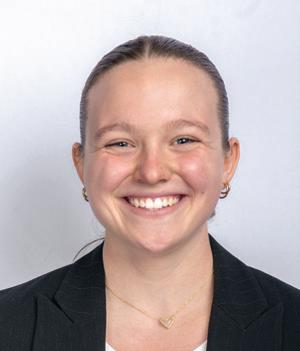
Future College: Undecided
Major: Marketing and Communications
(Women’s Reproductive Health Advocate)
Parent(s): Alison and Jon Andrews
Sibling(s): Preston and Palyn
Project Proud: The Common Grounds Initiative
Piper Hagan
Warsaw Community High School
Activities: Track, HOSA, Student Council
Future College: Undecided
Major: Undecided
Parent(s): Jen Holsclaw
Sibling(s): Jayme and Amber Hagan
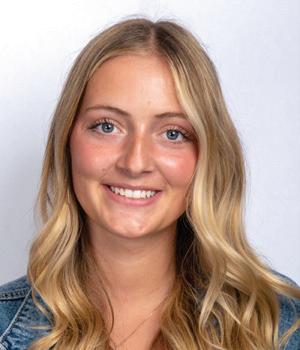
Project Proud: The Belonging Box Project
Max Ritchison
Triton Junior/Senior High School
Activities: Tennis, KYLA, Track and Field Future College: Undecided
Major: Undecided
Parent(s): Jason and Christen Ritchison
Sibling(s): Madeline Ritchison
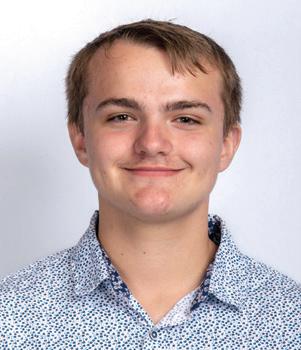
Project Proud: The Belonging Box Project
Addison Armstrong Homeschooler
Activities: 4-H, Floriculture, Raise Boer Goats, Junior Leaders, Piano, Youth Group, Worship Team
Future College: Purdue or Hillsdale
Major: Agriculture or Business
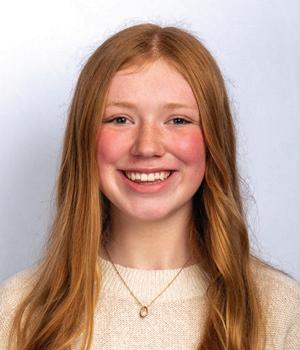
Parent(s): Adam and Ashley Armstrong
Sibling(s): Avery and Annabelle Armstrong
Project Proud: Tiny Treasures
Sydney Heckaman
Triton Junior/Senior High School
Activities: Golf, Tennis, NHS, Spirit Club Leader, Spanish Club, Prom Committee, Triton All Sports Leadership Council, Student Council
Future College: Western Kentucky University
Major: Dental Hygiene
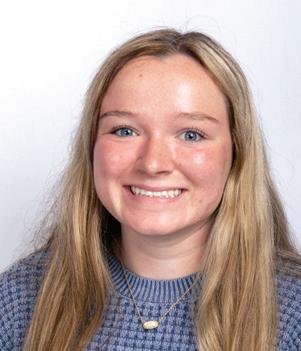
Parent(s): Cortnie and Jason Heckaman
Sibling(s): Rory Heckaman
Project Proud: Wags and Whiskers
Olivia Rooney
Warsaw Community High School
Activities: High School and Travel Volleyball, High School Basketball Future College: Undecided
Major: Architecture
Parent(s): Khanh
Rooney, Chris Rooney
Sibling(s): Emily Rooney, Zach Rooney
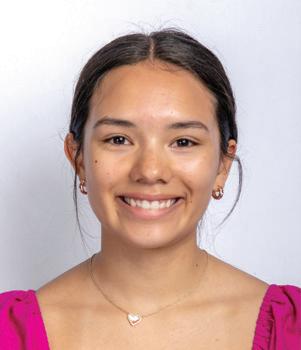
Project Proud: The Common Grounds
Initiative
Grayson Waldo
Warsaw Community High School
Activities: Winona Lake Grace Youth Group (Epic), Swim, Cross Country, Track, Fellowship of Shepard Athletes, Mayor Youth Advisory Council, National Honor Society, Lifeguard Future College: Notre Dame, IU, or Ball State Major: Pre-Medicine
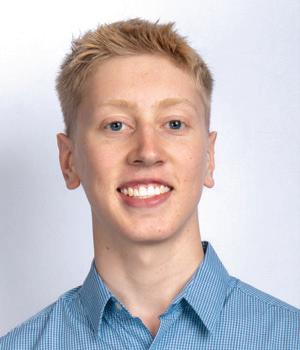
Parent(s): Eric and Tiffany
Sibling(s): Callaway, Riggin, and Brinkley
Project Proud: Heart and Sole
Delysia Walters
Indiana Connections Academy
Activities: Volunteering, Working with Children, Walking Dogs Future College: Undecided
Major: Social Worker & Humanitarian
Parent(s): Desiree and Lucas Schwartz
Sibling(s): None
Cora Barrette Homeschooler
Activities: Gymnastics Coach, Youth Group, VBS Volunteer, Piano Future College: Undecided
Major: Undecided
Parent(s): Brendan and Melissa Barrette
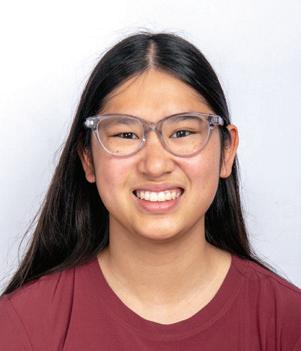
Sibling(s): Olivia, Eloise, Fiona, Knox Barrette
Project Proud: Tiny Treasures
Lisa Iboi Warsaw Community High School
Activities: WCHS Track and Field, Warsaw Community Church Sonlight Volunteer Future College: Undecided
Major: Pre-Medicine
Parent(s): Ohuns Iboi, Millicent Iboi

Sibling(s): Lucy Iboi, Lena Iboi, Lacey Iboi, Leroy Iboi
Project Proud: United By Love
Eduardo Sanchez-Brito Warsaw Community High School
Activities: Mayor’s Youth Advisory Council, AGAITAS, Grupo Juvenil (Youth Group), Soccer, Track & Field, Project Stepping Stone, HOSA, Juntos Podemos (Spanish Club)
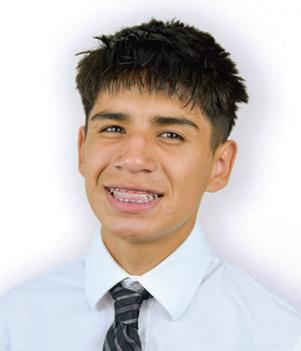
Future College: Undecided
Major: Undecided
Parent(s): Cristina & Roberto
Sibling(s): Pablo, Jose, Roberto, & Edgar
Project Proud: Heart and Sole
Hadley Wise
Tippecanoe Valley High School

Project Proud: Paws and Presence
Activities: Basketball, Volleyball, Sunshine Society, Student Council
Future College: Indiana University
South Bend
Major: Political Science/Criminal
Justice
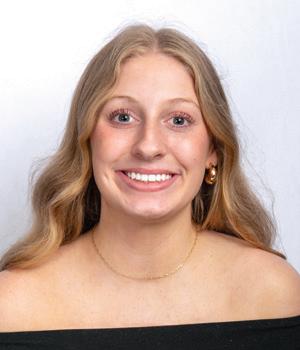
Parent(s): Lacey Wise, Casey Wise
Sibling(s): Fletcher, Jaymasyn, Izzy
Project Proud: Wags and Whiskers
Olivia Barrette Homeschooler
Activities: Volleyball, Latin Tutor, Baking, Youth Group, VBS Volunteer Future College: Undecided
Major: Undecided
Parent(s): Brendan and Melissa Barrette
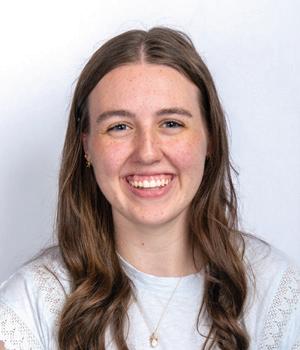
Sibling(s): Cora, Eloise, Fiona, Knox Barrette
Project Proud: Tiny Treasures
Oliver Ickes
Triton Junior/Senior High School
Activities: Tennis, Girls Basketball Manager, Spirit Club Leader, Fellowship of Christian Students, Spanish Club and Prom Committee Future College:
Undecided
Major: Psychology or Sociology
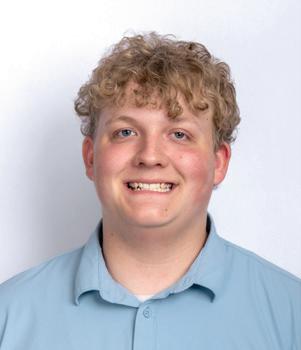
Parent(s): Jordan and Wendy Ickes
Sibling(s): Ellie Ickes and Audrey Ickes
Project Proud: Wags and Whiskers
Michael Schenck
Warsaw Community High School
Activities: Football, Track and Field, KYLA, Key Club, SODA, Tiger Leadership Council Future College: Undecided
Major: Anesthesia
Nursing
Parent(s): Michelle and Russell Schenck
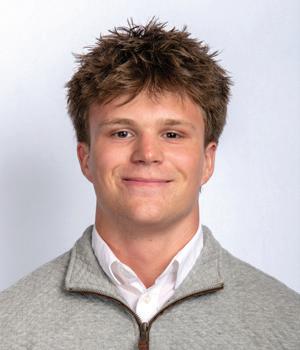
Sibling(s): Ellie and Keaton Schenck
Project Proud: Heart and Sole
Rigbey Wright
Tippecanoe Valley High School
Activities: Student Council, NHS, KYLA Future College: Purdue University West Lafayette Major: Game Design and Development
Parent(s): Travis Wright, Josie Wright
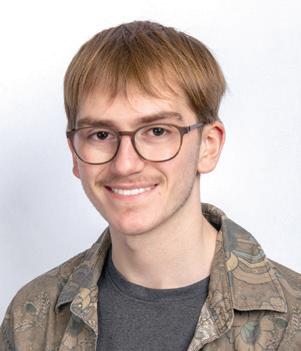
Sibling(s): Macartney Wright, Crosbey Wright
Project Proud: Wags and Whiskers
Sibling(s):
Sibling(s):
YOUTH LEADERSHIP ACADEMY
Peri Brouwer
Warsaw Community High School
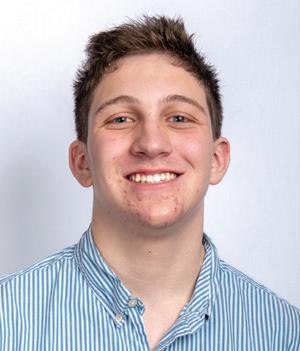
Activities: AWFL Volunteer Future College: DePauw University
Major: Occupational Therapist
Parent(s): Jennifer Brouwer
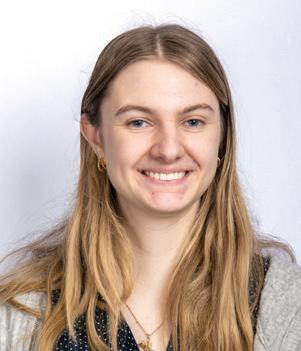
Sibling(s): Regan and Raquel Brouwer Project Proud: Earth Care Coalition
Colton Large
Triton Junior/Senior High School
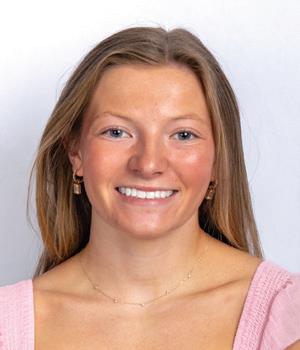
Activities: Basketball, Tennis, Cross Country, Track, FFA, 4-H, NHS, Camp Creek Church Youth Group, Triton All Sports Leadership Council, KYLA, Emerge: Leadership Marshall County, Fellowship of Christian Students (FCS), Spirit Club Leader Future College: Undecided
Major: Undecided
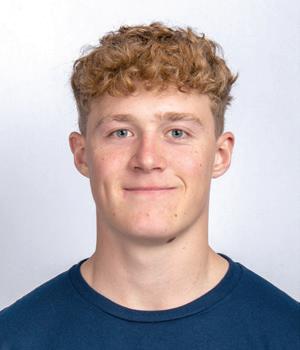
Parent(s): Mike and Terri Large
Sibling(s): Connor, Caden, and Camden Large Project Proud: The Belonging Box Project
Laicey Snyder Warsaw Community High School
Activities: Dance at Stewart Dance School, Dance in Honors Select Ensemble, Varsity Cheerleading Football/ Basketball, Varsity Competition Cheerleading, 4H Dairy Livestock Future College: Indiana University Bloomington Major: Elementary Education
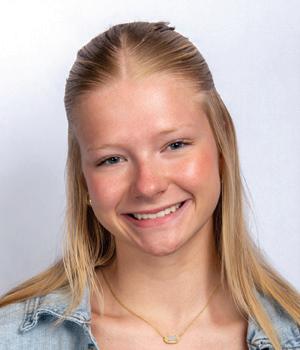
Parent(s): Misty and Andy Snyder
Sibling(s): Lucas Snyder Project Proud: The Belonging Box Project
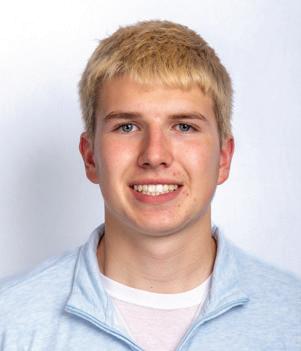
Grady Berkeypile
Wawasee High School
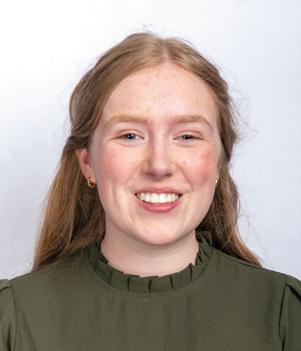
Activities: Tennis, Baseball, DECA, NHS, Wawasee Student Council
Future College: Indiana University
Major: Business
Parent(s): Brent and Erin Berkeypile
Sibling(s): None

Project Proud: Lake Conservation
2025-2026 SPONSORS
The Board of Directors for the Kosciusko Youth Leadership Academy would like to extend a special “Thank You” to the following businesses, organizations and individuals that have generously supported the academy this past year. It is because of this support that we were able to continue giving back to our local community. Your support is greatly appreciated.
Sponsors include: Zimmer-Biomet, W.R. Hall Insurance, Lake City Bank, Matthew’s Painting, Monteith’s Best One Tire and Auto Care, CTB, Inc., Tecomet, Maple Leaf Farms, Warsaw Breakfast Optimist Club, Grace College, The Papers Inc., NIPSCO, Walmart Foundation, Crossroads Bank, Dr. Dane and Mary Louise Miller Foundation, Emerson and Natalie Poort, Kosciusko REMC and First Federal Savings Bank.
Other sponsors include: Ink Free News, Warsaw Times Union, News Now Warsaw, Kosciusko County Sheriff’s Department, Owl’s Nest, Dan’s Pies, Kosciusko County Community Foundation, Cardinal Services, Baker Youth Club and Warsaw Community Church.
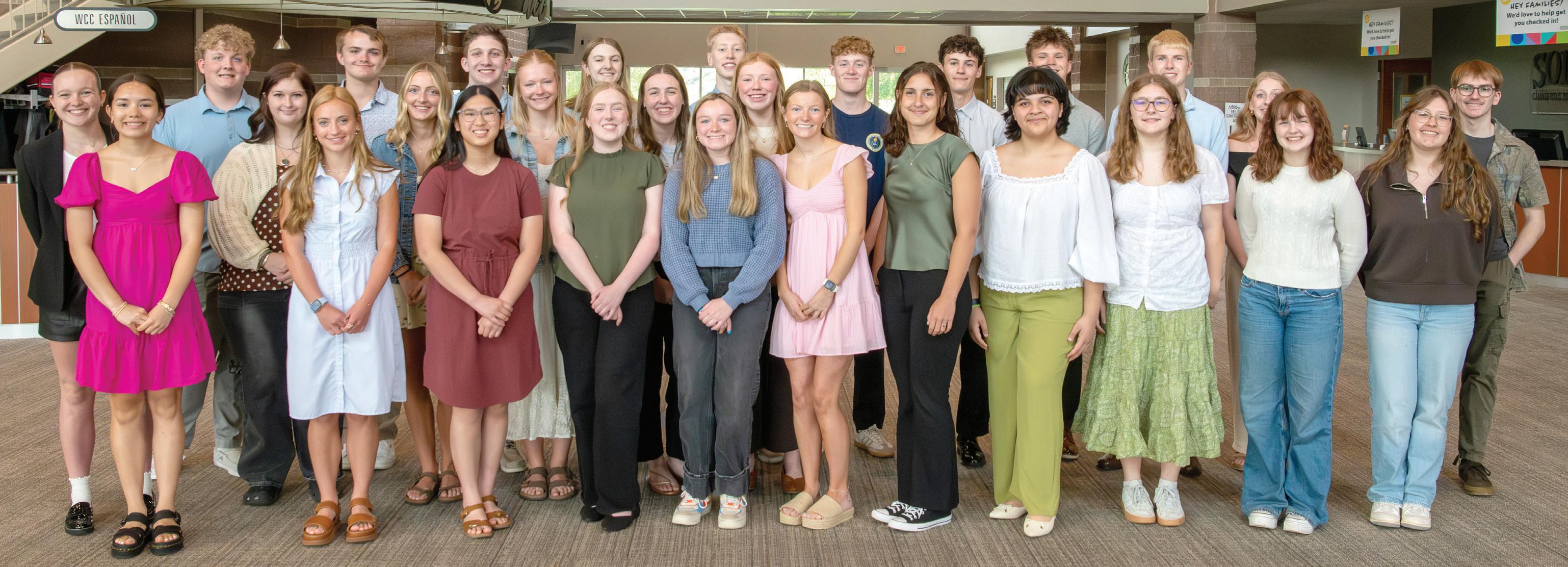
2025-2026 KYLA STUDENTS — Row 1 (front) left to right: Olivia Rooney, Savannah Purdy, Cora Barrette, Nora Yeiter, Sydney Heckaman, Brooke Kitch, Lillian Price, Sara Rosales Cordon, Jewelia Stavedahl, Ella Stewart, and Kenlee Long.
Row 2 (middle) left to right: Presley Andrews, Delysia Walters, Piper Hagan, Laicey Snyder, Olivia Barrette, Addison Armstrong, and Rigbey Wright .
Row 3 (back) left to right: Oliver Ickes, Max Ritchison, Kade Bauer, Peri Brouwer, Grayson Waldo, Sean Smith, Chris Stenoish, Michael Schenck, Colton Large, and Hadley Wise.
Not pictured: Grady Berkeypile, Miguel Pablo, Eduardo Sanchez-Brito, Gibsen Claxton, Haley Maynus, and Lisa Iboi.
Gibsen Claxton
Warsaw Community High School
Activities: Varsity Swim, HOSA, Student Council, Fashion Club, Employed at Culvers, Certified Lifeguard Future College:
Indiana University
Major: Pre-Medicine or Pre-Law

Parent(s): Julie Claxton, Brett Claxton
Sibling(s): Ryder Claxton and Sawyer Claxton
Project Proud: The Common Grounds Initiative
Kenlee Long
Tippecanoe Valley High School
Activities: NHS, Working Future College:
Undecided
Major: Accounting
Parent(s): Jamie Roe, Brian Long
Sibling(s): Jeriá Long
Project Proud: Wags and Whiskers
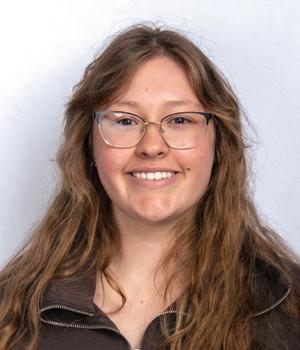
Jewelia Stavedahl
Warsaw Community High School
Activities: Rugby, Choir Future College: Undecided
Major: Biology
Parent(s): Emily
Stavedahl and Arron
Stavedahl
Sibling(s): Brianna
Stavedahl
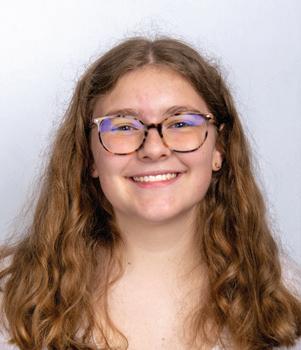
Project Proud: United By Love
Haley Maynus Wawasee High School
Activities: KYLA, Student Council, NHS, DECA, Unified Flag Football, Unified Track Future College: University of Miami
Major: Microbiology & Immunology
Parent(s): Hope and Ben Maynus
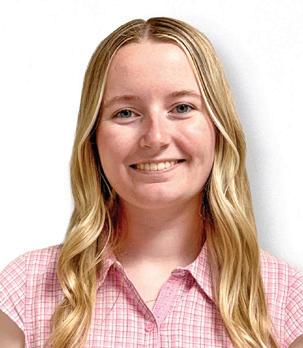
Sibling(s): Gunner Maynus
Project Proud: Lake Conservation
Sara Rosales Cordon Warsaw Community High School
Activities: Color Guard, Academic Super Bowl, French Club, Art Club, MYAC, Band Leadership Team, Dance
Future College: Michigan State University
Major: Political Science
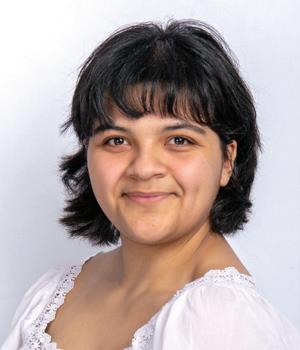
Parent(s): Karen and Naser Rosales
Sibling(s): Josué Rosales
Project Proud: United By Love
Lillian Price
Warsaw Community High School
Activities: BPA, MYAC, Rugby, Dream Council, Scouts
Future College: Indiana University
Major: Business
Parent(s): Angela and James Price
Sibling(s): Alex and Isaac Price
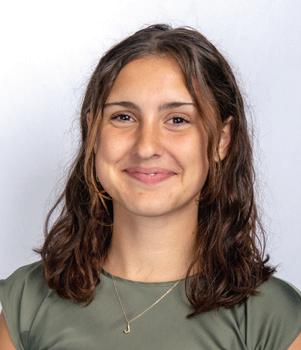
Project Proud: United By Love
Christopher Stenoish Warsaw Community High School
Activities: High school Baseball, Marucci Prospects Travel Baseball, Sunday School Teacher, Church Volunteer, Agaitas Intern, Agaitas Leadership Academy Future College: Undecided
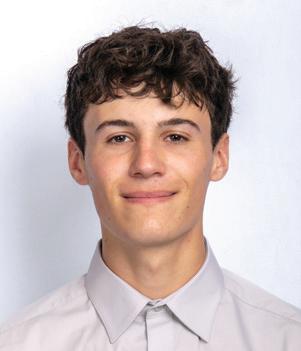
Major: Political Science or Law
Parent(s): Amy Stenoish, Andy Stenoish
Sibling(s): Olivia Stenoish, Anna Stenoish, Zach Stenoish
Project Proud: Heart and Sole
Miguel Pablo Wawasee High School
Activities: Track, Soccer, Interning Future College: Mitch Daniels School of Business, Purdue University
Major: Major in Accounting, Minor in Finance
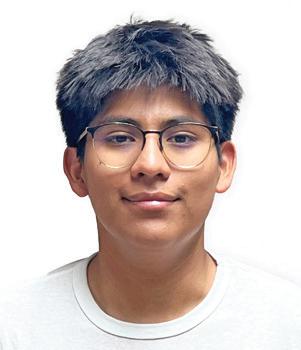
Parent(s): Miguel Pablo, Angeles Guevara
Sibling(s): None
Project Proud: Lake Conservation
KYLA 2025-2026
BOARD OF DIRECTORS
President ........................... Cindy Krou
Vice President .................. Carl Lauster
Secretary Cindy Krou
Treasurer Jeremy Dewell
Curriculum Alyx Bates
Fundraising Carl Lauster
Public Information Tara Haack
Special Events Cindy Klusman
Moderator Chris McKeand
Selection Cindy Krou, Jeremy Dewell, Alyx Bates
Student At-Large Jackson Barros
Savannah Purdy
Warsaw Community High School
Activities: Cross Country, Track, Tiger Leadership Council, Agaitas Leadership Academy, Agaitas Intern, National Honor Society, WR Squared Running Club
Future College: Undecided
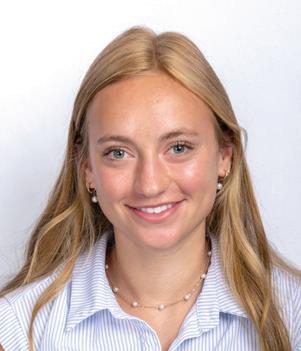
Major: Pre-Law/Political Science
Parent(s): Jeri Purdy and Matt Purdy
Sibling(s): Adi, Lucy, and Kinsley
Project Proud: The Common Grounds Initiative
Ella Stewart Wawasee High School
Activities: Theater Future College: Ball State
Major: Biochemistry
Parent(s): Jace and Liz Stewart
Sibling(s): Jace Stewart II
Project Proud: Earth Care Coalition






The Grace College Department of Visual and Performing Arts has a lineup of upcoming events that are free and open to the public.
The 2026 Festival of Music will begin on Wednesday, May 20, with the first installment of Wednesdays Live in the Village. The performances, which include appearances from the Symphony of the Lakes string quartet, the Wally Brath jazz quartet and other local musicians, will take place from 7-9 p.m. in the gazebo near Port Winona and Social Ice Cream & Sandwich Shop. Dr. Wally Brath is professor of worship arts at Grace College.
The Symphony of the Lakes patriotic concert will take place at 8 p.m. Friday, July 3, at the Miller Sunset Pavilion in Winona Lake This year’s concert features Brath playing Gershwin’s Rhap-

sody in Blue piano concerto with the symphony.
Finally, the Village at Winona Jazz Fest is set to take place from 11:30 a.m. to 3:30 p.m. Saturday, July 25, at the Rodeheaver Auditorium and features the Truth in Jazz Big Band, Wally Brath & Scott Allen quartet and Grammy Award-winning drummer Brian Blade and the Fellowship Band. For more information, go online to the webpage at grace.edu/ about/community/musicfestival.
SUMMER MUSIC The Grace College worship arts department has a lineup of events that are free and open to the public, including a patriotic concert July 3 at the Miller Sunset Pavilion in Winona Lake. Photo provided by Grace College.






by Community Arts Program of Kosciusko County.
Irish music and dance workshops coming to Warsaw
Acclaimed Irish musician, dancer and educator Shannon Dunne is returning to Warsaw this May for a series of workshops and a culminating community celebration of Irish culture.
Dunne will lead workshops on Sunday afternoon, May 17, at Warsaw Evangelical Presbyterian Church, for all ages and skill levels. The workshops cover Irish social dance and footwork, traditional songs and Irish tunes. Visit the Community Arts Program of Kosciusko County website at capwarsaw.com or send an email to info@capwarsaw.com for fur-
ther information about costs and how to register.
The workshop experience will continue beyond the classroom at 6 p.m. Thursday, May 28, when participants and community members are invited to gather at Mad Anthony’s for an evening of Irish music, song and dance.
“These workshops are about bringing people together through shared experience,” said Dunne.
“Irish music and dance are living traditions, and everyone is welcome to take part - whether it’s your first time or you’ve been doing it for years.”

Pottery By:
IRISH CELEBRATION Irish musician, dancer and educator Shannon Dunne will be in Warsaw this May to conduct Irish music and dance workshops. Photo provided
By SARA MASEMAN Youth Services Warsaw Community Public Library
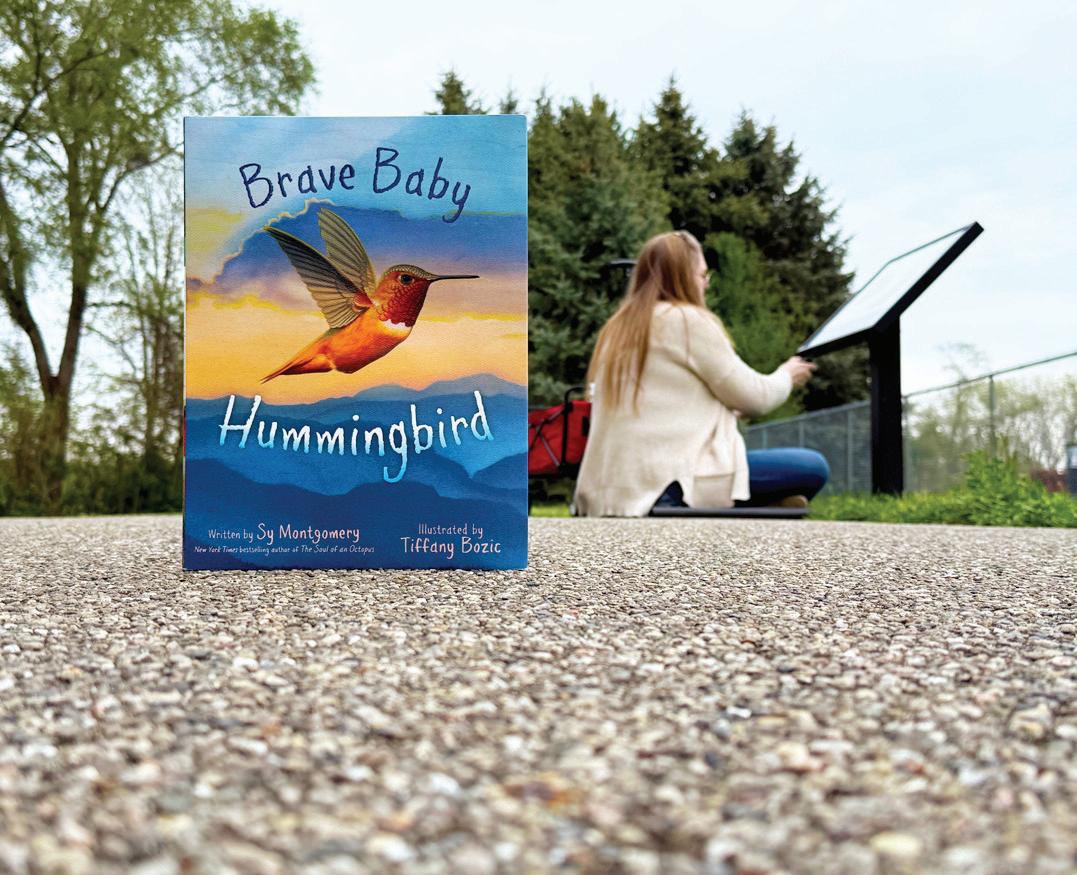
A brand-new story is fluttering onto the StoryWalk at Beyer Park this spring, and families are invited to come out and experience it together.
This month’s featured story invites readers of all ages to follow the tiny but courageous journey of a “Brave Baby Hummingbird,” a tale that celebrates determination, growth and the wonders of nature.
The StoryWalk program combines literacy, physical activity and time in nature. By placing pages of a story along a walking path, it turns a simple stroll into a shared reading experience that encourages curiosity and imagination. For even more reading fun, the StoryWalk will feature a new book each month from May through July, giving families a fresh story to discover throughout the summer.
Hummingbirds may be small, but their lives are full of incredible challenges from the very beginning. A baby hummingbird starts its life in a nest no larger than a walnut shell, carefully built by its mother using soft plant fibers, spider silk and bits of moss. The nest is often hidden on a slender branch where it can safely cradle the tiny hatchlings as they grow.
In the story, readers meet a young hummingbird who must learn how to survive in a big
world. Like all baby hummingbirds, the little bird depends on its mother for food and protection during its earliest days. She returns again and again to the nest, bringing nectar and insects to help her chicks grow stronger.
As the baby hummingbird grows, it begins practicing the skills it will need to survive. Stretching its wings and fluttering along the edge of the nest, the young bird prepares for one of the most important moments of its life: the first flight. Though the world below may seem enormous, the brave little hummingbird must trust its instincts and take the leap.
The StoryWalk at Beyer Park is made possible through the generous support of the Friends of the Warsaw Community Public Library, the Warsaw Parks and Recreation Department, the Kiwanis Club of Warsaw and the Warsaw Noon Optimist Club. Each display along the path includes text in both English and Spanish, with translation support provided by Language Matters.
As the weather warms and spring turns to summer, the StoryWalk offers the perfect outing for all ages. Bring the kids, take a stroll along the trail and see if you can spot the “Brave Baby Hummingbird.” With new stories arriving all summer long, there’s always a reason to come back and read another adventure under the open sky.
Harvest Coffee distributes over $200,000 to Milford, Wawasee, Kosciusko county nonprofits
Following the sale of its property, Harvest Coffee and Market has proudly distributed more than $200,000 to a wide range of nonprofits serving the Milford, Wawasee and Kosciusko County communities.
Karena Wilkinson, director and manager of Harvest Coffee and Market, worked alongside board members to thoughtfully allocate the funds among numerous impactful organizations.
“It really is full circle,” Wilkinson said. “So many people poured into us over the past decade, and now we get to pass those blessings on. We look forward to seeing how God will work through these donations.”
Mary Moretto, Harvest board president and a dedicated volunteer baker to the coffee shop, emphasized the collective effort behind the organization’s success.
“Harvest was able to steward things well, and now we - along with the community - get to support other organizations around the area. We did that as a community,” said Moretto.
The donations were distributed across a diverse group of organizations, ranging from local service groups to regional nonprofits making a broader impact.
Organizations Receiving Donations
• Milford Food Bank.
Baby Hummingbird’ takes flight along Warsaw StoryWalk
• Van Buren Food Pantry.
• Milford Collective.
• Wawasee Compass.
• Wawasee Community Bible Church.
• Milford Public Library.
• Milford Elementary Park Project.
• Milford Volunteer Fire Department..
• Turning Point Coffee and Alternative. School (Harvest’s coffee provider).
• Live Well Kosciusko.
• Sleep in Heavenly Peace.
• L.I.T.E.
• Rose Garden.
• Milford Helping Hands 4-H Club.
• Wawasee FFA.
• Kosciusko Senior Services.
• K21 Health Foundation.
• Habitat for Humanity - Milford Projects.
• Make Room.
• Kosciusko County Community Foundation.
• Milford Lions Club.
• Milford Kiwanis Club.






MAY’S FEATURED STORY “Brave Baby Hummingbird” is the featured story for May along the outdoor StoryWalk in Warsaw. Photo provided by Warsaw Community Public Library.
Keith Cripe
Keith Cripe, 67, died Monday, April 27, 2026, at Lutheran Kosciusko Hospital.
Arrangements are currently pending at Eastlund Funeral Home, Syracuse.
Delbert W. Linn
Delbert W. Linn, 89, Cromwell, died Tuesday, April 28, 2026, at Parkview Regional Medical Center.
Arrangements are currently pending at Titus Funeral Home of Syracuse.
Births
Mahayla Dawn Hochstetler
Lonnie and Marilyn Hochstetler are the parents of a daughter, Mahayla Dawn, born at 4:14 p.m. April 24, 2026, at Blessed Beginnings Care Center, Nappanee.
Maciah Lynn Farmwald
David and Marlene (Hostetler) Farmwald, Nappanee, are the parents of a son, Maciah Lynn, born at 2:24 p.m. April 25, 2026, at Blessed Beginnings Care Center, Nappanee. He weighed 10 pounds, 3 ounces, and was 21 inches long.
Julia Pearl Hicks
Lincoln and Karisse (Wesco) Hicks, South Bend, are the parents of a daughter, Julia Pearl, born at 10:48 p.m. April 29, 2026, at Blessed Beginnings Care Center, Nappanee. She weighed 7 pounds, 2 ounces, and was 19 1/2 inches
Court
News Small Claims
The following small claims have been awarded in Kosciusko Superior Court III, Judge Chad Miner presiding: Clayton Moudy v. Alfano’s Pier and Lift LLC, $7,000 General Audit Corp. v. John C. Brown, $692.30; v. Stephanie Fuller, $711.83; v. Robert Grimm, $1,311.72; v. Daniel A. Hall, $2,781.40; v. Zachery B. Heim, $1,661.54; v. Shelly K. Kats, $807.65; v. Alicia Kline, $1,011.80; v. Danny L. Lance, $924.89 Snow & Sauerteig LLP v. Juan Castillo, $851.32; v. Kimberly Caudill, $10,000 v. Justin Chalmers, $5,000; v. Melinda Crouse, $6,668.68; v. Valeria Delarosa, $1,294.32; v. Robert Ditton, $682; v. Caitlin Downton, $1,930.33; v. Jayme Evett, $1,309.09; v. Alejandro Gutierrez, $3,661.02; v. Kenneth Hammel, $4,709.44; v. Jennifer Herrick, $301.20; v. Brandon Hoskins, $9,375.20; v. Kayloni Isbell, $1,793.81; v. Mirna Justice, $2,911.14; v. Abraham Kneifel, $1,678.74; v. Michael Lewis, $5,361.10; v. Ethan Minix, $4,239.50; v. Douglas Rodriguez, $10,000; v. Brenda Shepherd, $1,676.47; v. Shannon Stover, $3,690.37; v. Paula Torpy, $1,058.30; v. Fredrick Wagner, $9,628.46
Client Services KL v. Druid P. Chaffins, $1,200.69; v. Aristeo Gonzalez, $1,239.54; v. Tabitha M. Hall, $946.50; v. Lemull M. Kingsman, $949.87; v. Emile Munet, Lisa A. Munet, $1,113.12; v. Casey D. Pratt, $1,242.69; v. William L. Spore, $824.51; v. William L. Vining, $1,213.93; v. Michelina M. Watkins, $1,226.33
Warsaw Health System LLC, d/b/a Kosciusko Community Hospital v. Bailey Hammel, $627.74; v. Brayanna Kelly, $1,758.47; v. Sarah Moore, $4,004.50



west Health Porter v. Aaron Hammons, $905.19 Civil Collections
The following civil collections have been awarded in Kosciusko Superior Court IV, Judge Christopher D. Kehler
presiding:
Capital One NA v. Thomas M. Armstrong, $2,163.44; v. Kelli N. Hamilton, $4,305
Forsythe Finance LLC v. Diana Barnhart, $997
LVNV Funding LLC v. Robert Beer, $991.07; v. Lee Newswanger, $1,139.28
Capital One NA successor by merger to Discover Bank v. Rachel Brown, $2,382.01; v. Jeffrey A. Eades, $3,544.10; v. Jeremiah Slone, $2,766.28; v. Jessica Wise, $9,214.59
LVNV Funding LLC as successor in interest to Blue Ridge Bank v. Meghan Carpenter, a/k/a Meghan Jones, $1,736.60
Warsaw Automotive Supply Corp., a/k/a Napa Auto Parks v. Compton Automotive, $43,318.85
Credit Acceptance Corp. v. Ashley Ferguson, $10,425.71
CommunityWide Federal Credit Union v. Robert France, Emma Messer, $19,585.15
Turkey Creek Fire Territory v. Scott Frenger, $750.59
One Advantage LLC v. Sheryl Grand, $3,112.89; v. Brittany Johnson, $1,532.66
Titan Asset Purchasing LLC v. Kristy Guess, $1,843.59
OneMain Financial Group LLC v. Ronald J. Kiphart, $5,750.63; v. Steven G. Rourke, $3,197.36
Crown Asset Management LLC v. Nicole Lawrence, $8,818.07
SAC Finance Inc. v. Enrique Mata Jr., $20,944.63
Fort Financial Credit Union v. Brandie McVicker, Penny Singleton, $14,764.26
City of South Bend v. Araceli P. Onofre, $624.31
Navy Federal Credit Union v. Tiffany Pratt, $20,923.64
Mariner Finance v. Cynthia Russell, $4,054.88; v. Donald Stage, $7,674.93
Heights Finance Corp. v. Kaliah Smith, $5,018.04
TLD Acquisitions Inc., a/a/o assignee of World Finance Co. of Indiana LLC v. Teresa Stromatt, $1,370.32
JPMorgan Chase Bank NA v. Tod L. Wirebaugh, $6,151.48
Plenaries
The following plenary has been awarded in Kosciusko Superior Court I, Judge Karin McGrath presiding:
Indiana Farm Bureau Insurance, a/s/o Renae D. Ginter v. Robert D. Lamirand, $10,228.38
Evictions
The following eviction has been awarded in Kosciusko Superior Court III, Judge Chad Miner presiding: Syndicus Property Group v. Eric Leadford, $4,713.74
Superior Court III
The following fines and costs for infractions have been assessed in Kosciusko Superior Court III, Judge Chad Miner presiding: Speeding - Sawyer C. Darling-Moen, Warsaw, $164.50; Derek L. Anderson, New Paris, $164.50; Trevor E. Bubb, Warsaw, $164.50; Orlando A. Rodriguez, Winona Lake, $164.50; Jennifer E. Dailey, Nappanee, $164.50; Sabrina W. Neace, Warsaw, $164.50; Landon D. Holland, Wakarusa, $164.50
Owner allows dog to stray beyond owner’s premises - Tycowin Brown, Silver Lake, $25
Failure of occupant to use a safety belt - Keshia R. Hurd, Pierceton, $25; Cameron J. Cummins, Warsaw, $25; Garry L. Phillips, Warsaw, $25; Brandon J. Bussard, Warsaw, $25; Thomas R. Miller, Winona Lake, $25; Devon L. High, North Webster, $25; Ociel C. Jaimes, Warsaw, $25; Karoline Q. Smith, Warsaw, $25; Daniel S. Stutzman, Nappanee, $25; Mark R. Graham, North Webster, $25; Susan L. Martin, Syracuse, $25; Robin J. Martin, Syracuse; Clinton P. Reiff, Warsaw, $50
Learner’s permit violation, speeding - Aguero J. Owen, Warsaw, $189.50
Disregarding lighted signalMichael A. Braddock, Warsaw, $164.50
Holding or using a telecommunications device while operating a moving motor vehicle - Derek T. Snep, Warsaw, $164.50; Damon C. Dove, Warsaw, $164.50; Timothy R. Yoder, Bourbon, $164.50
Driving while suspended - Irais V. Rodriguez-Juarez, Warsaw, $189.50; Dylan M. Powell, Warsaw, $189.50
Operating a motorcycle without a proper permit or endorsement - Dylan A. Pettiet, Warsaw, $164.50
Speeding, divided highways restrictions violation - Abraham Sanchez, Warsaw, $164.50
No valid driver’s license - Carina D. Tello, Warsaw, $164.50
Unsafe lane movement - Morris L. Day, Claypool, $164.50
Fair crafters needed for the 2026 craft demonstrations
Crafters are needed for this year’s Open Class craft and needlework demonstrations at the Elkhart County 4-H Fair. Demonstrations are scheduled for Friday, July 24, through Saturday, Aug. 1. The time for the demonstrations are 1-3 p.m. and then 4-6 p.m. Crafters are encouraged to participate both times.


The craft and needlework demonstrations are a place for crafters to show fair participants how to do various crafts, heritage skills and needlework. Individuals interested in participating should contact Jenn at the Purdue Extension Elkhart County office at (574) 533-0554 or email fink24@purdue.edu.
Operating
Learner’s permit violationKadaphy Pamphyle, Warsaw, $164.50
Disregarding an official traffic control device - Hunter M. Metzger, Warsaw, $164.50
Speeding, operating a motorcycle without a proper permit or endorsement, driving while suspended, operating a motor vehicle with a fictitious plate - Gavin N. Skrumelak, Milford, $264.50
Marriage Licenses
The following couples have applied for marriage licenses in the office of Kosciusko County Clerk of the Court
Melissa Boggs:
Heeter-Kelley
Andrew James Heeter, 28, Warsaw, and Loretta Lindsy Tasha Shilou Kelley, 23, Warsaw
Sayre-Allen-Sherburne
Deanna Sayre-Allen, 36, Warsaw, and Austin Sherburne, 25, Silver Lake
Streby-Ehrman
Katrina Streby, 20, Warsaw, and Jacob Ehrman, 20, Warsaw Borkholder-Schwartz
Kevin Daniel Borkholder, 20, Nappanee, and Anita Rose Schwartz, 20, Milford
Lippencott-Howett
Grif Michael Lippencott, 28, Pierceton, and Amslie Kristine Howett, 24, Warsaw
Conover-Ralston-Finkney
Charly Dawn Conover-Ralston, 34, North Webster, and John James Finkney Jr., 39, North Webster Sanchez-Flores
Jose Guillermo Herrera Sanchez, 23, Warsaw, and Magali Monserrat Rivera Flores, 32, Warsaw Logan-Ramirez
Jaycee Ranae Logan, 31, Syracuse, and Alex Martin Ramirez, 35, Syracuse
Velazquez-Tochimani-Velazquez-Coyomani
Abigail Velazquez-Tochimani, 19, Warsaw, and Luis Angel Velazquez-Coyomani, 23, Warsaw
Marriage Dissolutions
The following couples have filed for a marriage dissolution in Kosciusko Superior Courts I or IV: Hatcher - Darrell Hatcher, Warsaw, and Danielle Hatcher, Pierceton. They were married Oct. 20, 2020; separated April 17, 2026. One minor child.
Long - Aaron Long, Etna Green, and Andrea Long, Etna Green. They were married Oct. 12, 2019; separated Aug. 3, 2025. Two minor children. Jesel-Sepko - Aaron Jesel, Winona Lake, and Jessica Sepko, Warsaw. They were married March 10, 2018; separated Jan. 8, 2026. No minor child(ren).

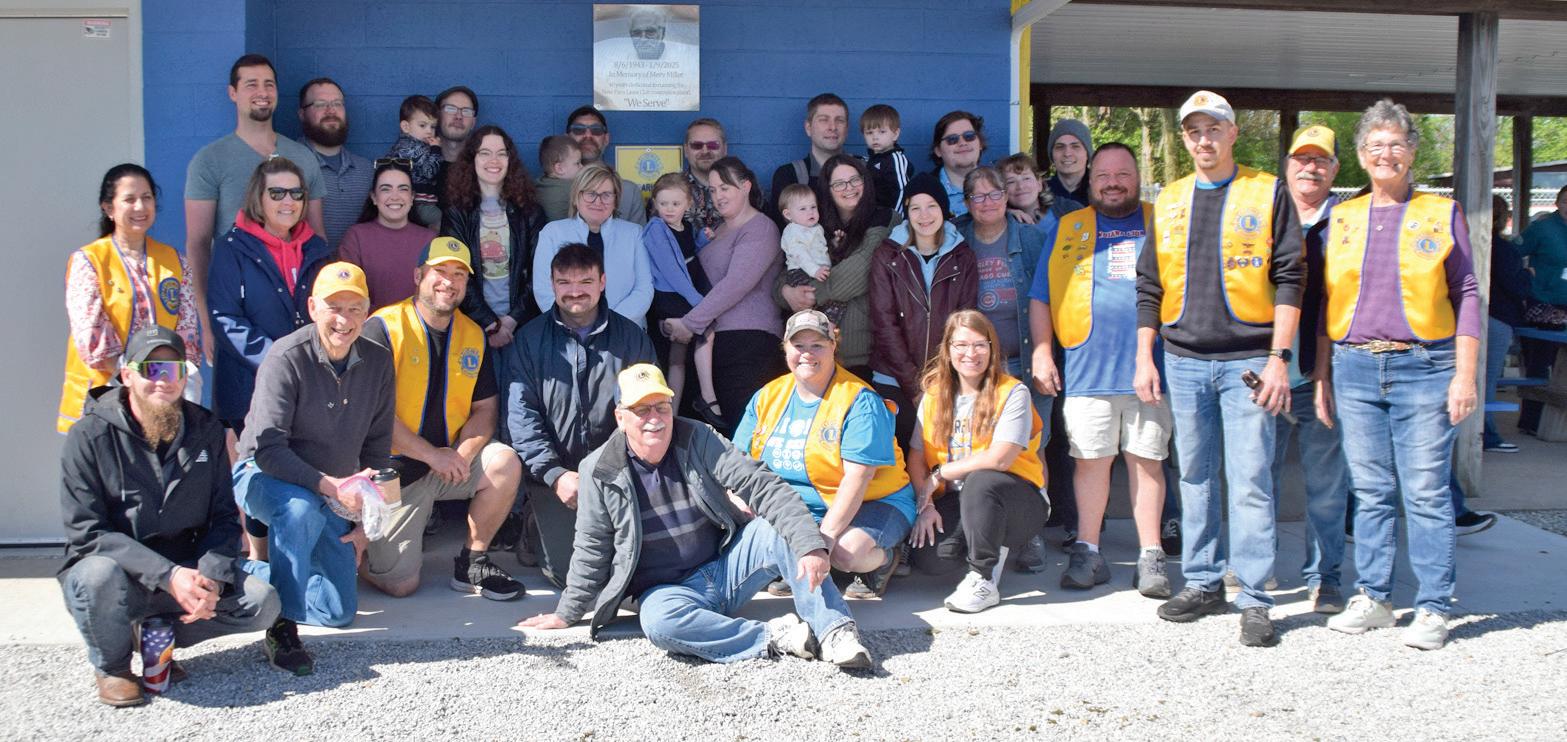
IN MEMORY OF MERV — Members of the New Paris Lions Club and Merv Miller’s family gathered Saturday, April 25, for a dedication ceremony of the concession stand at New Paris Little League Park.
Miller was an active Lions member who “almost lived” at the ball park.
The new concession stand offers covered picnic area, a larger ladies room and changing rooms in both restrooms. High school students needing community service hours should inquire at the concession stand about helping out.
Shown in the front row from left are Donna Cripe, Alex Fry, Carmon Guericke, Larry Solyom, Brandon Kelsey, Daniel Hartzler, Jeff Snider, Keri Silcox, Brandi Peter, Kevin Silcox, Joas Eash, Craig Johnson and Debbie Schrader-Burn. Photo by Lauren Zeugner.
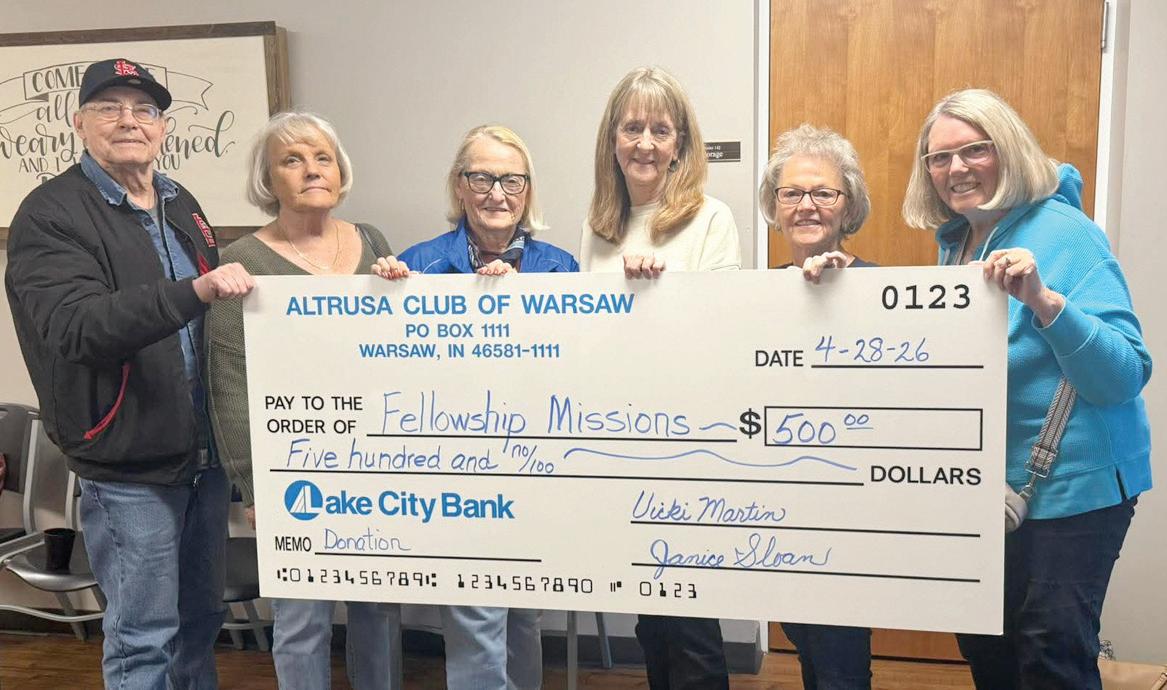
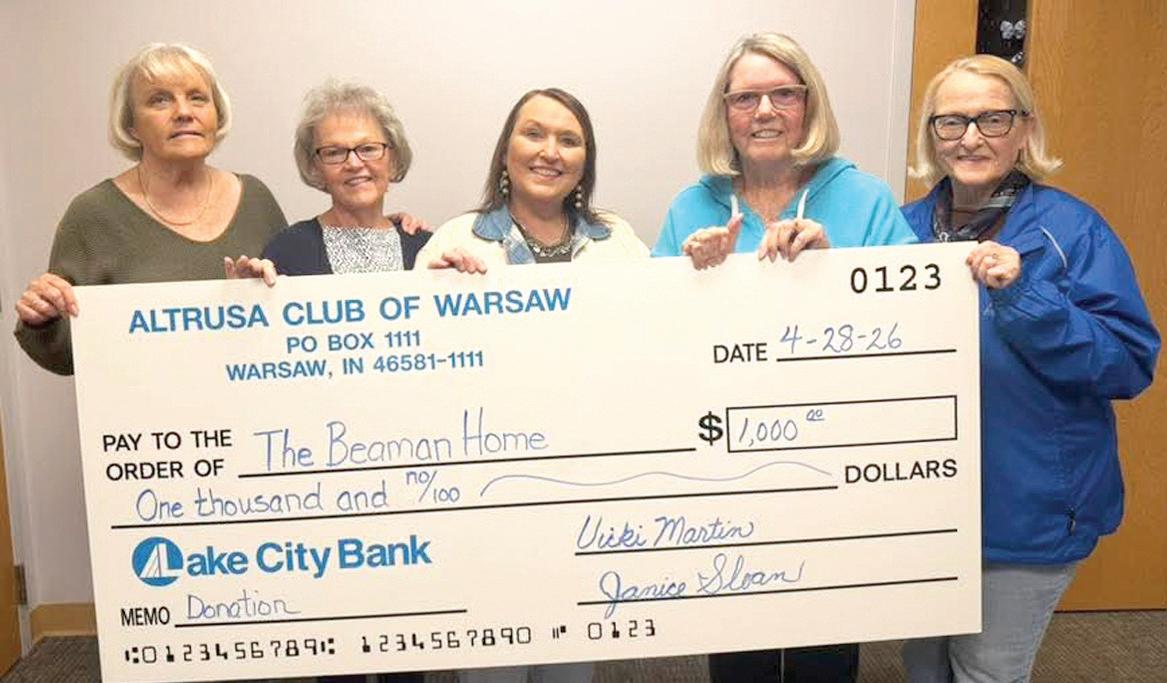
Altrusa of Warsaw donates money to nonprofit groups
Altrusa International Club of Warsaw recently donated money to several area nonprofit organizations, including the Beaman Home and Fellowship Missions.
Altrusa has been serving Warsaw and surrounding communities since 1973, providing countless hours of hands-on volunteering as well as financial support.
During an April meeting, the club approved multiple local agencies to support financially.
Beaman Home was one of the organizations chosen. In 1983, led
by Altrusan Mary Ann Cox, the Beaman Home was founded as a refuge for women and children of domestic violence. The original location was a small home on Detroit Street, which housed up to 13 residents.
In 2011, the Beaman board, led by Altrusan Beth Huffer, recognized the need for a new facility. In 2012, property was purchased on Parker Street.
Altrusan Sue Creighton and then Beaman Home executive director Tracie Hodsen led a $2
million dollar fund drive. Funds were raised over four years as the facility was completed in phases. The new facility was dedicated in August of 2016.
Altrusa continues to support the Beaman Home through Bingo for Beaman held every October. In 2025, the sold-out event garnered over $14,000 to support various programs offered to the clients and children.
A $500 check was presented to Fellowship Missions to support the work it does to enhance the lives
of the unhoused in the community. Fellowship Missions is committed to restoring hope, rebuilding lives and strengthening the community through Christ-centered services.
As an emergency shelter, it offers a refuge for individuals and families in crisis, providing a warm, welcoming environment, daily meals, access to hygiene facilities, clean clothing and individualized case management for immediate and long-term needs. Over the years, Altrusa has provided bed linens, paper products and per-
sonal hygiene items in addition to financial support.
Other organizations receiving financial assistance from Altrusa-Warsaw, include:
• Operation Read - $500
• Joe’s Kids - $500
• Strengthening Families - $500
• Camp Hero - $250
• Edgewood Caring Closet$200
Community support of the club’s various fundraisers makes it possible for Altrusa to aid local organizations.
Grossnickle Foundation grants $3,000 to Kosciusko Community Senior Services
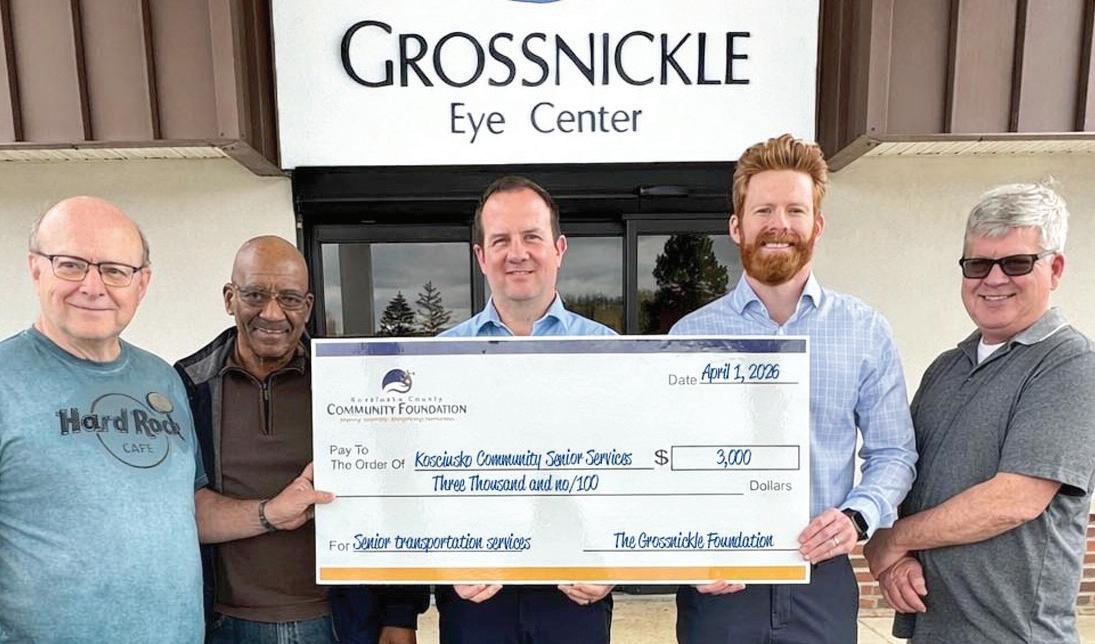
The Grossnickle Foundation, a component fund held at the Kosciusko County Community Foundation, recently donated $3,000 to Kosciusko Community Senior Services.
Kosciusko Community Senior Services helps support older adults so they can live independently and stay active in the community.
“When we invest in helping seniors in our community, we’re restoring independence, dignity and the freedom to stay connected to the life they’ve helped build,” said Josh Gordon, chief operating officer and chief financial officer at Grossnickle Eye Center.
In addition to supporting the Kosciusko Community Senior Services, the Grossnickle Foundation recently supported 26 organizations with donations to-
taling $31,000.
The Grossnickle Foundation was created by funds from Drs. Paul, Steve and Bruce Grossnickle with the purpose of giving back to the communities that they say gave them so much. Grossnickle Eye Center employees can contribute to the fund through payroll deduction and can nominate nonprofits to receive grants from the fund.
HELPING SENIORS Pictured from left are Richard Bose and Pernell Bailey, Kosciusko Community Senior Services, Josh Gordon and Dr. Colin Ridenour, Grossnickle Eye Center, and David Neff, Kosciusko Community Senior Services. Photo provided by Kosciusko County Community Foundation.
AIDING FELLOWSHIP MISSIONS Altrusa presented a $500 donation to Fellowship Missions. Pictured from left are Tom Pennington, Fellowship Missions; Paula Shalley, Altrusa; Martie Lennane, Altrusa; Jane Smoker, Fellowship Missions; Cathy Cox, Altrusa; and Vicki Martin, Altrusa. Photo provided by Altrusa International Club of Warsaw.
SUPPORTING BEAMAN HOME Altrusa recently presented a $1,000 donation to Beaman Home. Pictured from left are Paula Shalley, Altrusa; Cathy Cox, Altrusa; April Slone, Beaman Home executive director; Vicki Martin, Altrusa; and Martie Lennane, Altrusa and Beaman board representative. Photo provided by Altrusa International Club of Warsaw.
C LASSIFIED A DVERTISING
NEIGHBORHOODMULTI-FAMILY,John Kuhns,2013BeechRoad;AtleeYutzy, 1660BeechRoad,tools,furniture, kitchenware;KevinHostetler,1531Beech Road,Nappaneearea;MarkHelmuth, alsobakesale,1893BRoad,Bremen. May7-8.
Becomeapublishedauthor.Wewantto readyourbook!DorrancePublishing trustedsince1920.Consultation,production,promotion&distribution.Freeauthor’sguide877-729-4998ordorranceinfo. com/ads







TREETRIMMING,treeandstumpremovalservice,stormdamagecleanup, treeclimbingorbucketlift,Freeestimates. DanTheTreeMan.574-831-4381,New Paris. LUMBERJACKJIMTREESERVICEProfessionaltreetrimmingandremoval. Stormdamagecleanup.Safeandreliable. Fullyinsured.Locallyowned.Call 574-371-6536.
Feast Your Eyes On These Great Savings
Misc. Service C200
ConsumerCellular-samereliable,nationwidecoverageaslargecarriers.Nolongtermcontractorhiddenfees,freeactivation.Allplansunlimitedtalk&textstarting atjust$20/mo.877-751-0866






Reachmillionsofhomesnationwidewith oneeasy,affordablebuyintheADSNetwork!Formoreinformationwww. communitypublishers.com/category/allproducts Peaceofmind&earlydetection-Now morethanever,it’simportanttoget screenedforStroke&CardiovascularDiseaserisk.LifeLineScreeningissimple& painless.833-970-4172
Nomorecleaninggutters.Guaranteed! LeafFilterbackedbyno-clogguarantee& lifetimewarranty.Call1-833-610-1936to scheduleFREEinspection/estimate.Get 15%offyourentireorder.Military&Seniorsgetadditional10%off.Limitedtime. Restrictionsapply,seerepfordetails.

PortableoxygenconcentratormaybecoveredbyMedicare!Reclaimindependence &mobilityw/thecompactdesign&longlastingbattery.InogenOnefreeinfokit! 877-305-1535
TOPDOLLARPAIDforoldvintageguitars!Gibson,Fender,Martin,Grecsch, Rickenbacker,Epiphone,Etc.1930’sto 1980’s.Call866-433-8277











Warsaw native competing in art competition hosted by Johnny Depp
By HAYLEE GARDNER Staff Writer
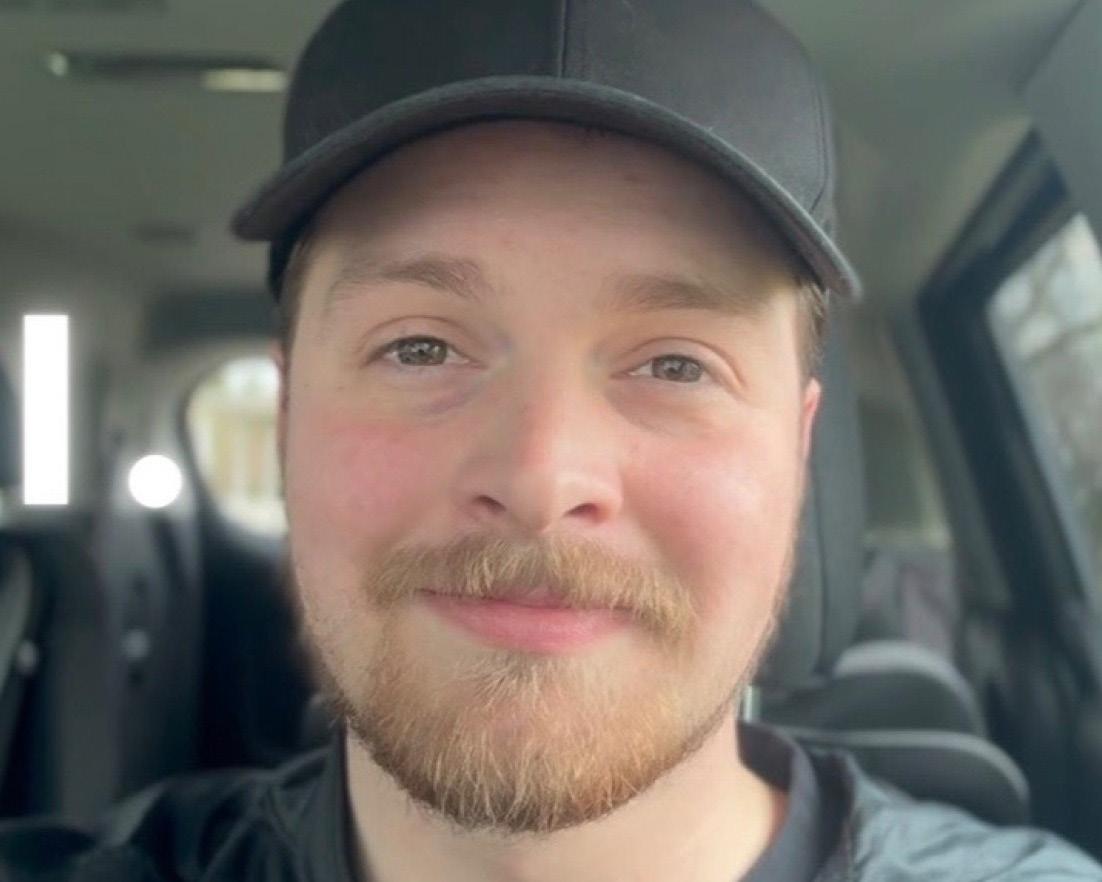
Warsaw native and Lakeland Christian Academy teacher Tyler Eckel will be competing in an art competition, “The People’s Artist,” hosted by Johnny Depp.
Eckel grew up south of Warsaw in a family of creatives. His father has been an illustrator for as long as Eckel can remember. His older brother has a film degree and together, they were always doing creative things while growing up; whether it be music or visual art.
“I would spend most nights with my mom in the kitchen while she was cooking dinner, just kind of telling her all the stories I’d come up with that day,” said Eckel.
While growing up, he would draw and sketch a lot, but “never really had the patience to sit down and do fine art stuff.” He would watch his dad make his craft as an illustrator, watching as he would spend two to six months on a project.
“By the time I got to middle school,” stated Eckel, “I discovered some 3D software on the computer that were versatile and free to use. I started messing around with those and over the years, I just kept honing my craft.
For starting and finishing a piece, Eckel stated that he could start and finish one before the day is done, only taking roughly
four to five hours. Eckel’s extensive portfolio shows images of science fiction, fantasy, and surreal or dream-like images.
“I’ve competed in some animation competitions over the years where I’ve spent an entire month on a piece,” Eckel remarked, “but the biggest thing that drew me to this kind of artwork is I still had a lot of control and I could also capture really fascinating ideas without having to spend a long time on them.”
This is not the first competition Eckel has competed in. He placed in the top 100 in an international animation competition. With The
P ublic A uctions
Phone Bid Real Estate Auction
Bidding open until 4 p.m. Thursday, May 7. Property located ¾ mile east of Shipshewana on 250N to Wolfe Drive, south to 220 S. Wolfe Drive, Shipshewana. Public inspections 4-6 p.m. Mondays or by appointment. For bidding and bidding updates, call (260) 499-0216 or (260) 499-0093.
Carpenter Real Estate Auction
6 p.m. Monday, May 11. Located at 6814 CR 31, Goshen. Hahn Auctioneers, hahnrealtyandauction.
com.
Phone Bid Real Estate Auction
Bidding open until 4 p.m. Monday, May 11. Public inspections 3-5 p.m. Tuesdays or by appointment.
Property located ½ mile north of Shipshewana on SR 5 to 2965 N. SR 5, Shipshewana. For bidding and bidding updates, call (260) 499-0216 or (260) 499-0093.
Phone Bid Real Estate Auction
Bidding open until 4 p.m.
Wednesday, May 13. Public inspections 4-6 p.m. Tuesdays or by appointment. Property located 1¼ miles east of Shipshewana, on 250N to 675W, north 1¾ miles to 4130 N. 675W, Shipshewana. For bidding and bidding updates, call (260) 499-0216 or (260) 499-0093.
Online Building Material
And Industrial Supply Auction
Bidding open until 6 p.m. Wednesday, May 13. Preview 9 a.m. to 4 p.m. Tuesday, May 12 at 416 S. Huntington St., Syracuse. Bid online at bid.kraftauctions.
com.
Petroliana Auction
9:30 a.m. Friday, May 15. Located at Chupp Auction Center, 890 S. Van Buren St., Shipshewana. Farm Equipment Auction
9 a.m. Saturday, May 16. Located 1½ miles east of Middlebury on CR 16 to CR 43, north 1½ miles to 55216 CR 43, Middlebury.
People’s Artist competition, he stumbled across it on Instagram and applied. It was a few weeks later that he received an email accepting his submissions.
“I would love to just get my work in front of more people and kind of share what has been brewing around in my mind for a few years with the world,” said Eckel. “Hopefully, I may be able to get some more people interested in my visual art as well as my book that I’m writing and just kind of share my creativity with people.”
Eckel’s book, which he has been working on for eight months or more, will ultimately be a trilogy and he stated that it will be done within the next four to five years. This sci-fi fantasy epic will follow a robot that woke up with no memory of who he is, in an ancient world that does not have much if any technology.
The first book is about 60% done and some chapters can be read on his Substack along with his creative journey.
The People’s Artist competition is voter-based, making it very important for communities to vote for their favorites. One exceptional artist will win $25,000, appear in Artforum Magazine and display their artwork at The Art of Elysium’s Salon in Los Angeles. The first round of voting will open Monday, May 4, and will continue throughout the summer.
The website for The People’s Artist competition, specifically Eckel’s profile, can be found at peoplesartist.org/2026/tyler-eckel-Oxx3.
To see Eckel’s photos, visit his Instagram and follow his journey on his YouTube channel.

‘The
Willow at Winona’ new name for senior center
A new chapter is beginning for the Winona Lake Senior Center with the introduction of its new name and identity: The Willow at Winona.
The Winona Lake Parks Department wrote in a news release:
“More than just a rebrand, The Willow at Winona reflects a renewed commitment to creating a welcoming and vibrant space where adults aged 60 and better can connect, grow and thrive. Inspired by the strength, grace and deep roots of a willow tree, the center’s new identity represents its mission to foster connection, purpose and joyful living during this meaningful stage of life.
“Rooted in faith and fellowship, The Willow at Winona offers a place where older adults can gather, build lasting friendships, remain active and continue growing in purpose. Through engaging programs, shared meals, service opportunities and meaningful relationships, the center aims to be a steady and uplifting presence in the community.”
Programming at The Willow includes opportunities for fellowship, educational enrichment, wellness activities, volunteer engagement and community out-

dedicated to honoring the wisdom, experience and value of
adults while strengthening connections across generations,” according to the news release.
Community members are invited to visit and experience what The Willow at Winona has to offer.
The Willow at Winona is open from 9 a.m. to noon Mondays and Thursdays and is located at 1590 Park Ave. in
For more information, call (574) 2672310.
PEACE ON MARS Shown is “Peace on Mars” by Tyler Eckel.
Photo provided by Tyler Eckel.
TYLER ECKEL
WELCOME TO THE WILLOW The Winona Lake Senior Center recently debuted a new name: The Willow at Winona. Photo provided by the Winona Lake Parks Department.
NEW LOGO Shown is the logo for The Willow at Winona, Winona Lake’s newly renamed senior center. Graphic provided by the Winona Lake Parks Department. reach. “The center is
older
Winona Lake.