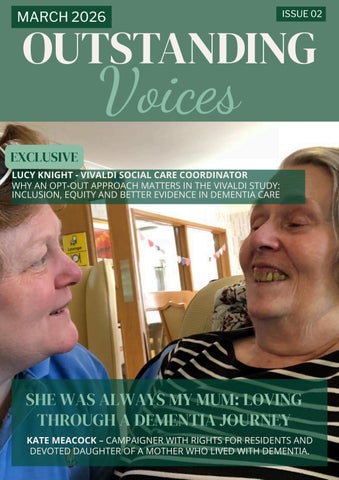
LUCY KNIGHT - VIVALDI SOCIAL CARE COORDINATOR WHY AN OPT-OUT APPROACH MATTERS IN THE VIVALDI STUDY: INCLUSION, EQUITY AND BETTER EVIDENCE IN DEMENTIA CARE
SHE WAS ALWAYS MY MUM: LOVING THROUGH A DEMENTIA JOURNEY
KATE MEACOCK – CAMPAIGNER WITH RIGHTS FOR RESIDENTS AND DEVOTED DAUGHTER OF A MOTHER WHO LIVED WITH DEMENTIA.
The Outstanding Society
DIRECTORS
Zoë Fry OBE
Executive Director Nursing & Residential Care
James Rycroft
Executive Director Specialist Dementia Services
Ruth French
Director of Policy & Regulation
TEAM
Alan Fry
Head of Operations
Sonia Pritchard
Executive Administrator
Lucy Knight
Vivaldi Social Care Lead
Samantha Crawley
Director of Leadership & Wellbeing
Mike Slator
Project Specialist
Sanjay Gasiorski-Dhrona
Director of Diversity, Equality & Inclusion
Caroline Cosh
Director of Homecare
Lara Bywater
Director of Learning Disability, Autism & Mental Health Care
George Rycroft
Digital Content Creator
Editor Notes
Welcome to our March 2026 issue of
This month, we turn our focus to one of the most significant and growing challenges facing our communities and our sector: living with dementia. Behind every diagnosis is a person, a family, a story and a system of care that is being tested daily to respond with compassion, skill and consistency.
As life expectancy increases, dementia is becoming an increasingly important focus within Adult Social Care and with that comes an opportunity to strengthen how we support those affected The conversation is shifting beyond managing the condition to championing how people can continue to live meaningful, fulfilling and dignified lives following a diagnosis
In this issue, we highlight the progress being made across the Adult Social Care sector, showcasing how person-centred care is being embedded in practice, how teams are developing their skills and confidence, and how families are being embraced as valued partners in the care journey.
We hear from frontline professionals, sector leaders and individuals with lived experience, sharing both honest reflections and examples of innovation that are raising standards across the country. While the pressures on providers remain considerable, so too does the commitment to improving outcomes and redefining what quality dementia care looks like.
Dementia care is not a specialist niche it is central to the future of Social Care. I hope this issue prompts reflection, discussion and, above all, action
Thank you, as always, for being part of The OS community.
AlanFry
Editor and Head of Operations
05
When Dementia Becomes Personal: Why Lived Experience Must Shape Care
Exploring how lived experience and professional expertise must come together to shape truly compassionate dementia care.
06
She Was Always My Mum: Loving Through a Dementia Journey
A personal journey through Alzheimer’s highlights the emotional and practical challenges families face navigating Social Care.
10 Employment Rights ActEverything you need to know
A clear, practical overview of the Employment Rights Act 2025, outlining key reforms and what they mean for care providers.
12
Why an Opt-Out Approach Matters: Inclusion, Equity and Better Evidence in Dementia Care
Vivaldi uses an opt-out approach to better understand infections in care homes and ensure people living with dementia are included in vital research.
20
Dementia Prevention - South West SCNAC Update
March 2026 update highlights a push to develop a dementia prevention blueprint, aligning with national priorities to shift care toward prevention, community support, and digital innovation.
23 The OS Diversity Forum - Brighton Pride 2026
The OSDF will be marching at Brighton Pride, championing visibility, inclusion, and support for LGBTQ+ people in Adult Social Care.
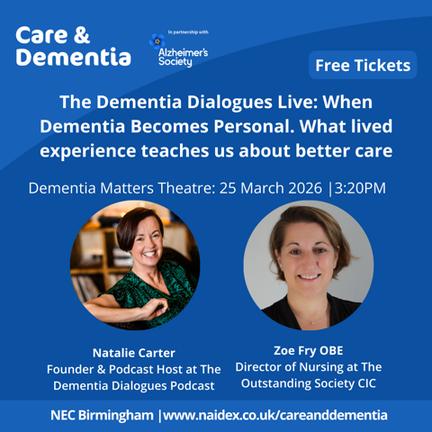
When Dementia Becomes Personal: Why Lived Experience Must Shape Care
Dementia doesn't erase the person The love, the connection, the laughter are still there They just look a little different sometimes. My Nan taught me that showing up matters more than having the right words Just being there
Natalie Carter
Host of The Dementia Dialogues
When we talk about dementia, we often talk about systems, services and strategy. But behind every diagnosis is a family navigating something deeply personal
Through hosting The Dementia Dialogues, I have the privilege of speaking to professionals, researchers, carers and people living with dementia
One theme comes up repeatedly: knowledge reduces fear When families understand what may lie ahead, when professionals feel equipped to have honest conversations, and when services lead with humanity as well as compliance, outcomes improve
Education in dementia care is not just about understanding the condition. It is about understanding identity, communication, relationships and the emotional impact on everyone involved. It is about recognising that clinical expertise and lived experience must sit side by side
At the upcoming Care & Dementia Expo, I will be hosting a live conversation with Zoë Fry that brings this balance to life Although Zoë is widely respected as a leader in Social Care, this session will explore her personal journey as a daughter following her mum’s Alzheimer’s diagnosis.
It is a perspective that reminds us why professional standards matter and how differently they can feel when you are on the other side
For those working across Social Care, regulation and partnership roles, my hope is that this session encourages reflection How do we ensure our systems truly serve families at their most vulnerable? How do we hold space for both expertise and emotion?
If you are attending the Expo, I would love for you to join us Conversations change culture And culture shapes care
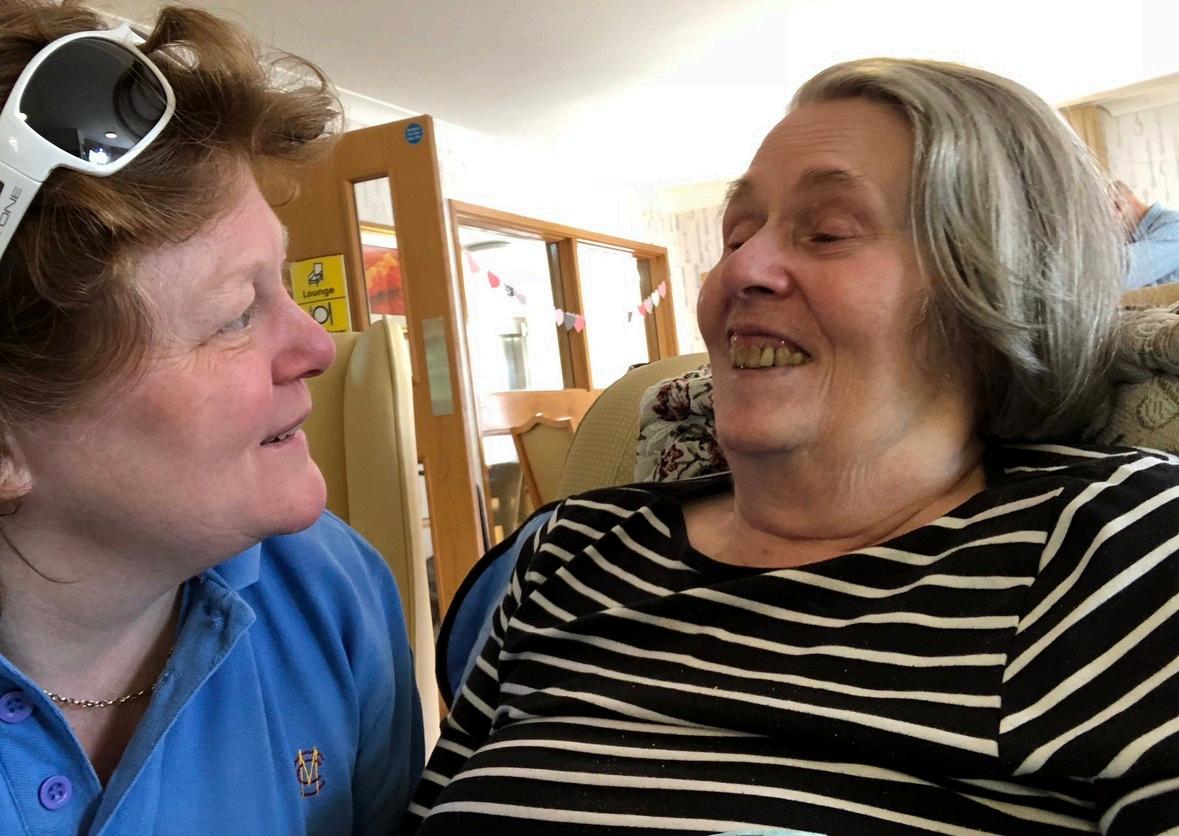
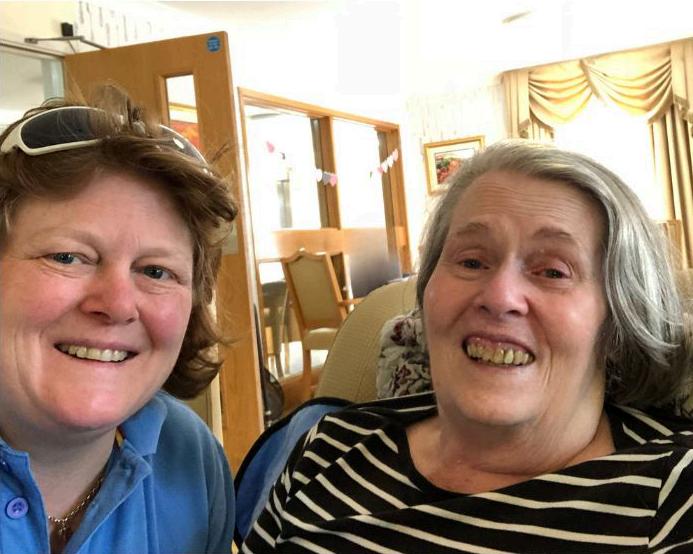
She Was Always My Mum: Loving Through a Dementia Journey
by Kate Meacock
Over the next decade and half, we would try and navigate the incredibly complex world of Social Care, one you do not really know about until you need it.
There were and are so many questions, especially around caring for someone with dementia, the legal responsibilities, extra home care support, potentially having to move into a care/nursing home as well as how to cope with those sometimes-unanswerable questions you get – When am I going home? (when in her bedroom).
Why can’t I turn the sun off? (it was a ceiling light).
The results from the neurological assessment and your scan indicate you have Alzheimer’s.
Do you have any questions?
Mum and I sat there in shocked silence, neither of us understanding what this meant
Will it hurt? Asked my mum, the Doctor answered, once it is advanced, you probably will not even know you have it, so it won’t be hurting you….
She was however looking straight at me. No further help was given. This was September 2009, my mum was 64 years old.
Frustrations, anxieties, creating memories, creating a safe environment, and so much more, walking a path many have taken before but each one as individual as the person.
As a family carer member of the Social Care Nursing Advisory Council (SCNAC) for London, alongside, Louise Keane, one of the Co-Chairs, we are looking to develop a conversational, learning/training game based around dementia. We met with a wonderful group of year 10 students at a north London School, who, in their technical class, are developing prototypes from our brief.
Kate is a passionate advocate for the rights and dignity of people living in care. Inspired by her experience as the daughter of a mother who lived with dementia, Kate has channelled her personal journey into powerful, purposeful action She campaigns tirelessly for the rights of residents and their families, championing compassionate care, transparency, and respect within the care system. Through her voice and advocacy, Kate brings hope, strength and humanity to conversations around dementia and residents’ rights, working to ensure that every person is treated with the dignity they deserve
We are gathering a panel of people with dementia from around the country, as well as carers and dementia specialists, to trial it
The idea, to create something for all, children, carers, those with a dementia and their family, student nurses/care home workers, to get conversations started and raise awareness, help share thoughts, remove stigmas, learn from each other, grow dementia support and understanding, together for all.
We then hope to work with a university and get the game kitemarked. Watch this space!
The work the different SCNAC Councils continue to do are making real differences to all who work in or draw on care, especially those with dementia.
In London, a pilot is being developed to help nurses deliver IV treatment in nursing homes, this would have made a significant difference to my mum. Then there is the Clinical Competency Framework and
incredible Safeguarding platform bringing together those working in the NHS and Social Care, created by the South East SCNAC council and so providing people working or wanting to work in Social Care some fantastic new information platforms to access – a long term benefit for all receiving care as well
At the end of the day, dementia is a complex disease of the brain, with people often needing specialist nursing support, along with the continued support from family and friends, those that know them the best. Mum may have had dementia, but there was always love and laughter, and she was always my Mum
Why floor-level beds matter in dementia care
Night-time falls remain one of the most persistent challenges in dementia care In many services, we’ve seen how quickly a bedroom can become a high-risk environment once residents prepare to sleep
Dementia affects far more than memory. Changes in spatial awareness, depth perception and balanceoften made worse in low light- can leave residents disoriented when they wake Increased evening confusion, sometimes described as 'sundowning,' can lead to night-time wandering or unassisted attempts to stand
When that movement starts from bed, the consequences can be serious A fall from this height is enough to cause significant injury, particularly for older adults living with additional health concerns. We have found that traditional bed set ups can unintentionally increase risk at the very moment residents are most vulnerable. A practical solution
When used as part of a wider fall prevention strategy (including individual risk assessment, appropriate
and care planning) floor-level beds can form an important part of a safer, more dignified care environment
The Empresa FloorBed has been introduced in care settings facing these exact challenges, supporting efforts to reduce falls and related injuries in highrisk residents.
If night-time falls are an ongoing concern in your service, we invite you to explore this case study in more detail.
Supporting Dignity in Dementia Care Through Meaningful Partnership
At Sentinel, we believe progress in care doesn’t always come from big, dramatic change. Often, it comes from improving the everyday.
That belief is what led us to partner with James Green, proprietor of Tea from The Manor. James came to understand the difficulties care providers face when sourcing tea suitable for residents or patients with swallowing difficulties. Working with a leading care provider, it was discovered that thickening agents used to modify fluids dramatically changed the flavour profile. Determined to overcome this challenge, James worked tirelessly to create a bespoke blend that seamlessly carries the thickening agent when added, with no change to flavour
Dysphagia, as you know, is a swallowing difficulty that is strongly linked to dementia As the condition progresses, many residents require thickened fluids to ensure drinks can be consumed safely.
Safety must always come first. But so should dignity.
For many people living with dementia, familiar tastes and routines provide comfort A simple cup of tea can offer reassurance, evoke memory, and restore a sense of normality in an environment that can sometimes feel confusing
Tea from The Manor has developed a dysphagiafriendly tea that ensures flavour is retained when thickening solutions are added. The aim was simple; the outcome much greater: ensuring residents who require modified fluids can still enjoy a proper cup of tea, not a diluted experience
This might seem like a small detail. In reality, it isn’t. When someone’s world is becoming smaller, the quality of everyday moments becomes more important, not less.
Our decision to partner with James Green Tea was guided by that principle. Sentinel works closely with care homes across the UK, supporting structured procurement and supplier management Through our platform and network, we are committed to making products like this accessible to providers nationwide, not limited to a small number of homes, but available wherever standards of care matter
This partnership is not about adding another supplier It is about raising awareness of innovation that supports both safety and quality of life.
Care teams already carry enormous responsibility When thoughtful products are easier to source, it removes friction and allows leaders to focus on what truly matters: resident wellbeing
For members and followers of The Outstanding Society, who are committed to excellence in dementia care, we believe partnerships like this represent the direction the sector should continue to move in practical improvements that protect dignity, enhance experience, and maintain clinical safety
Dementia care is built on compassion and attention to detail
If we can help ensure that residents living with dysphagia can still enjoy something as simple and as meaningful as a familiar cup of tea, then we are proud to play our part. https://sentinelonline.co.uk/
Employment Rights ActEverything you need to know
In this session, The Outstanding Society was joined by Employment & Immigration Partner James Sage of RWK Goodman to unpack the most significant changes introduced by the Employment Rights Act 2025, widely described as the biggest overhaul of employment law in over 50 years.
Designed specifically for Social Care providers, the webinar explored the practical impact of these reforms on workforce strategy, compliance, and day-today operations.
Key topics included statutory sick pay changes, with pay becoming available from day one and eligibility widening significantly; the introduction of the Fair Work Agency, with new enforcement powers around pay, holiday, and compliance breaches; and reforms to unfair dismissal rights, including a reduced qualifying period and increased employer risk.
Throughout the discussion, James, Ruth, and Sanjay reflected on both the risks and opportunities these changes created for providers
The session also covered the expansion of trade union rights, including greater workplace access and easier recognition; new potential liability for thirdparty harassment; tighter restrictions on fire-andrehire practices; forthcoming changes to zero-hours contracts; and the proposed Fair Pay Agreement, which marked a major shift toward sector-wide pay setting in Adult Social Care
They highlighted the importance of stronger recruitment processes, more effective probation and onboarding practices, robust record-keeping, proactive absence management, and better support for managers handling people issues.
Overall, the webinar provided practical guidance for care providers preparing for legislative change and considering how best to strengthen their people management approach in a rapidly evolving employment landscape.
CQCTRADE ASSOCIATION MEETING
Sanjay Dhrona reports back on February’s CQC Trade Association meeting.
At the latest CQC Trade Association meeting, several significant developments were announced that signal continued evolution in the regulatory landscape
Most notably, Assessment Framework Version 2 is currently in development, with a draft expected in mid-March and full release anticipated later this year. The framework will be actively refined through testing and sector feedback before publication
CQC also shared inspection performance data, confirming that 333 inspections were completed last month exceeding targets Currently, 61 3% of providers are rated Good and 2% Outstanding, highlighting both sector progress and ongoing opportunity for improvement
A major Test and Learn initiative is underway to introduce shorter, more accessible inspection reports, alongside more streamlined and proportionate assessments. In addition, AI “co-pilot” technology is being explored to support inspectors in evidence gathering and case building enhancing efficiency without replacing professional judgement
Together, these developments reflect a regulator focused on transparency, pace and practical improvement across the sector.
Being invited to attend the CQC Monthly Trade Association Meetings is a significant responsibility for The Outstanding Society It ensures that the voices of providers are represented directly in conversations that shape the future of regulation
By being present at the table, The Outstanding Society can share frontline insight, highlight what is working well across the sector, and constructively challenge where improvement is needed This active involvement helps influence emerging frameworks, inspection approaches and policy direction, ensuring that regulation is not only robust but also practical, proportionate and aligned with real-world care delivery.
Ultimately, it strengthens the sector’s ability to strive for and achieve outstanding care.
Why an Opt-Out Approach Matters in the Vivaldi Study: Inclusion, Equity and Better Evidence in Dementia Care
by Lucy Knight
Vivaldi Social Care Co-ordinator
Improving life in care homes depends on understanding what really happens within them including how infections spread, who is most affected, and which prevention strategies work best
The Vivaldi study was created to answer these questions and ultimately improve outcomes for people living, visiting, and working in care homes
A key feature of this work is its opt-out approach to participation, which plays a particularly important role in research involving people living with dementia.
Understanding the challenge Infections such as influenza, urinary tract infections, and outbreaks of diarrhoea and vomiting are common in care homes and can lead to serious illness, hospital admission, and disruption to daily life. The COVID-19 pandemic highlighted the urgent need for robust, timely evidence to support infection prevention and care home resilience.
However, generating this evidence presents a challenge A large proportion of care home residents live with some level of cognitive impairment, and many lack the capacity to provide informed consent for research participation
Traditional research models that rely on individuals actively opting in can therefore exclude a substantial proportion of residents particularly those living with dementia.
This exclusion is not just a methodological issue; it is an equity issue. When research fails to include people living with cognitive impairment, the findings may not reflect the realities of care homes or the needs of those most affected
What does opt-out mean in practice?
The Vivaldi study uses routinely collected data to understand patterns of infection and outcomes in care homes. Rather than requiring each resident to actively opt in, the study operates on an opt-out basis
Section 251
The study has received Section 251 support from the Health Research Authority’s Confidentiality Advisory Group. This legal framework recognises that certain NHS activities and important research cannot feasibly rely on individual consent but are nonetheless essential for public benefit. It allows confidential information to be used where anonymised data are insufficient and seeking consent is impractical, while maintaining safeguards and governance.
This means residents (or their representatives) are informed about the study and can choose to withdraw at any time, but participation does not depend on completing a consent process.
Importantly, residents’ rights remain unchanged Individuals retain control over their information and can opt out whenever they wish. Oversight from residents, relatives, staff, and care providers ensures transparency and accountability in how data are used
Why
opt-out supports people living with dementia
An opt-out approach is particularly relevant in dementia research for several reasons
First, it promotes inclusion. Residents who lack capacity are still represented in research that aims to improve their care Without this approach, studies risk systematically excluding those with dementia, leading to evidence gaps and potentially inequitable care improvements
Second, it reduces the burden on care homes. Identifying consultees and conducting individual consent processes for every resident would require significant staff time and infrastructure resources that are already stretched across the care sector. An optout model enables research to proceed without diverting staff from direct care.
Third, it improves data quality and relevance Infection transmission is a collective phenomenon; understanding outbreaks requires complete and upto-date information across entire care home populations, including short-stay residents who may introduce infections following hospital discharge. Inclusive datasets produce findings that are more accurate and generalisable
Balancing inclusion with trust
Opt-out research must be built on trust, communication, and strong governance. Vivaldi has involved extensive consultation with stakeholders, including residents, relatives, staff, care providers, and advocacy organisations. The study emphasises transparency about how data are used and maintains mechanisms for individuals to withdraw
This balance enabling inclusive research while preserving individual choice is central to ethical dementia research
Looking ahead
As the care home population grows and becomes increasingly complex, high-quality evidence is essential to inform policy, clinical practice, and infection prevention strategies Studies like Vivaldi demonstrate that innovative research approaches can address longstanding barriers to inclusion.
For people living with dementia, being represented in research is not simply a methodological consideration; it is a matter of visibility, equity, and voice. The opt-out approach helps ensure that improvements in care are informed by the experiences of all residents, including those who may not be able to speak for themselves.
In doing so, Vivaldi contributes to a future where research better reflects care home communities and where evidence-based improvements benefit everyone who lives and works within them
Requesting Certificates of Sponsorship: current challenges and effective strategies
by Olivia Coles Senior Associate and Head of Immigration South West & Thames Valley for RWK Goodman
Throughout the past year, care providers have experienced increasing difficulty obtaining Certificates of Sponsorship (CoS) Providers are facing more scrutiny from the Home Office, which now routinely requires substantial additional documentation and has increasingly issued refusals in situations that previously would have presented little difficulty.
What the Home Office is now asking for
The Home Office now frequently asks for further evidence prior to granting new CoS allocations to care providers. Providers are typically given five working days to provide the requested information Recent examples of these requests include:
Full details should be given within the SMS request for the additional CoS If you are applying for priority service, then you can send additional information and supporting documents with this request. This will increase your chances of the Home Office being satisfied with your request and not requesting further information.
All requests for additional CoS should include the following: full job descriptions for each role the CoS will be used for detailed justification as to why the role cannot be filled by existing staff, supported by contracted hours and staffing data
details (where known) of individuals proposed for sponsorship, including visa status
business bank statements
evidence of how roles will be funded signed employment contracts
evidence explaining business need (service contracts, proof of expansion, resignations, etc )
evidence that existing staff cannot absorb the hours Providing details of the committed hours of care and the number of hours available from existing staff can be helpful
details of proposed new recruits, where known a clear explanation that any new recruits will be individuals already in the UK, sponsored as care workers for another care provider, in line with the new rules from July 2025
Practical tips for trying to obtain additional CoS
where the new sponsored worker will be one of your existing employees who is currently working under another visa (e g a student or graduate), a statement that they will meet the new rules from July 2025, as they have been employed by you for 3 months.
In addition to these points, further information should be sent in each of the following situations
Where an employee has resigned or has been dismissed, requests for CoS for replacement staff should also include: resignation/dismissal evidence (ideally including P45)
Where you require additional CoS for increasing staff numbers, requests should also include:
full details of the reason for increased demand (new contracts, increased service hours, organisational changes), and evidence of this.
Where you require additional CoS for visa extensions, requests should also include:
full details of individuals: name, CoS number, DOB, expiry date, job role.
Consider limiting your request to CoS needed for visas expiring soon, rather than all visas expiring within the year
Where sponsored workers transfer to you as a result of an acquisition or a new licence is needed following a change in share ownership:
where CoS are needed for new recruitment or visa renewals, the Home Office seems to be rejecting these applications when made as part of the licence application
ask sellers to assign CoS before completion to any transferring employees who need a visa renewed within a few months of completion.
https://www.rwkgoodman.com/
Dementia Care Starts with Understanding
https://www.ashfieldservices.co.uk/
At Ashfield Services, we believe person-centred care begins with understanding the individual behind the diagnosis Nowhere is this more important than in dementia care.
Dementia is complex and deeply personal No two people experience it in the same way. For care professionals, this means balancing knowledge with empathy, skill with sensitivity, and structure with flexibility. It means recognising that behaviour is often communication, and that every response should be rooted in dignity and respect
To care well, staff need more than guidance. They need confidence, understanding, and space to reflect. That is why education matters
Turning Experience into Impact
At Ashfield Services, we are proud of the depth of knowledge and real-world experience our educators bring to every session Our training is shaped by professionals who understand the realities of care and who are committed to strengthening practice across the sector.
One of our Educators, Sallie Wadmore, embodies this approach.
With nearly 20 years of experience in dementia care, primarily within care homes, she has supported residents at every stage of their journey, worked alongside families facing uncertainty and change, and guided teams through the day-to-day realities of complex care.
She has also recognised that systems do not always keep pace with those demands
Dementia training is widely available, yet its quality and measurable impact can vary
How do these influences affect the way staff interact with the people they support?
These questions matter because person-centred care does not begin with a policy It begins with perception Understanding how knowledge is formed allows us to shape education that is more meaningful, more consistent, and more responsive to the realities of care
Her work reflects an empathetic approach to research It is not about identifying faults It is about understanding experiences and strengthening the support available to those delivering care every day.
Putting People First
In the absence of a compulsory national programme, organisations often rely on broad frameworks. While helpful, this can lead to inconsistencies in delivery, differences in staff confidence and limited insight into how learning truly shapes practice.
For Sallie, this was not simply something to note It became something to explore.
Research That Listens and Learns
As part of her Doctorate in Education, Sallie has undertaken a systematic literature review examining the effectiveness of dementia training within UK care homes. Her research considers how training influences staff knowledge, confidence, behaviours and resident wellbeing
What emerges is a clear message. Training must go beyond information sharing It must influence how care is delivered in real moments, in real environments, with real people. It must encourage reflection, challenge assumptions, and strengthen compassionate responses
Building on earlier research into how care home environments influence individuals living with dementia, Sallie is now asking deeper questions. Where does our understanding of dementia truly come from? Is it shaped by formal education, lived experience, workplace culture, or personal belief?
Person-centred care is more than a phrase. It is recognising someone’s history, identity, preferences, and relationships It is understanding that distress often has meaning. It is giving staff the knowledge and confidence to respond with patience rather than urgency
Through education grounded in experience and strengthened by research, we continue to support care providers in delivering dementia care that sees the person first.
Because behind every training session and every care plan is someone’s parent, partner, sibling or friend. And they deserve care that understands not just their condition, but who they are
Educating for Today and Tomorrow
Alongside her research and work with Ashfield, Sallie lectures in Health and Social Care and is stepping into a college Nurse role By engaging young people in conversations about dementia awareness, she is helping to build understanding early and reduce stigma.
This reflects a principle we value strongly at Ashfield. Education is not simply meeting requirements. It is about building confidence, encouraging curiosity, and empowering professionals to deliver thoughtful, individualised care.
EMPOWERING CARE: SKILLS FOR CARE LAUNCHES ESSENTIAL NEW DEMENTIA
RESOURCES
Supporting people living with dementia and the teams who care for them has never been more critical. Skills for Care, the strategic workforce development body for Adult Social Care in England, has unveiled a comprehensive suite of new dementia resources designed to enhance knowledge, build confidence and improve care practice across the sector
These resources are practical, person-centred and accessible to everyone involved in dementia care from frontline care staff to family carers.
At the heart of these resources are guides, checklists, factsheets and films developed in collaboration with experienced professionals and people with lived experience
One notable feature includes videos where individuals who have cared for someone with dementia share their insights increasing understanding of communication, empathy and person-centred support.
The breadth of content means that a wide range of learners and practitioners can benefit. Care home staff, home care teams, community health workers and family carers will all find materials tailored to their role and context.
From helping carers recognise early signs of dementia to understanding the emotional journey of families affected by the condition, the resources support both practical skills and compassionate practice
A key strength of the new suite is that it is grounded in real-world experience
Developed with those who work directly with people living with dementia, the resources reflect common day-to-day challenges and offer actionable guidance that can be applied in everyday care settings.
Whether it’s adapting communication approaches, understanding behavioural changes or enhancing quality of life through meaningful engagement, the resources emphasise dignity, respect and individual preferences.
Dementia affects millions of people and presents a wide range of challenges as the condition progresses
Acknowledging this, Skills for Care has created materials that span the full journey of dementia care from prevention and diagnosis through to lived experience, ongoing support and end-of-life care The goal is clear: equip
Adult Social Care workers with the skills, tools and understanding they need to support people with dementia to live well and with dignity, for as long as possible
These dementia resources are freely available through the Skills for Care website and are part of a broader commitment to workforce development and excellence in care.
As the sector continues to evolve, investment in learning and development remains key and Skills for Care’s latest offerings mark a significant step forward in ensuring compassionate, knowledgeable and effective dementia care across England
Heading to the Care Show London? Come and chat with the Camascope team at stand D20.
We’re here to listen and explore ways to support your medication management goals this year.
The first few months of the year can still feel a little grey, especially in the UK With the days getting longer and spring on the horizon, however, it’s a good time to think about small changes that can make a real difference in day-to-day care
At Camascope, we’re always looking at ways to help teams keep medication processes safe and efficient and we’re here to listen.
Whether you’re exploring improvements, looking to optimise what’s already in place, or simply want to share your experiences, we’d love to have a chat
The Care Show London is coming up in April, and we’re looking forward to meeting care providers from across the sector.
If you’re attending, drop by stand D20! Wherever you are on your digital journey with medication management, our team will be there to talk through ideas, challenges, and practical ways to make everyday care safer and smoother
We’ll be sharing insights and examples from our work across the sector, but the real focus is hearing from you and understanding what matters most in your care setting.
Book a Time / Visit Stand D20
Dementia Prevention South West SCNAC Update
We want to start by acknowledging a view which is shared across the various SCNAC regions. Within our meetings, we all discuss the notion that change is constant; however, with so much system uncertainty, things may feel confusing and disruptive to the usual business.
It’s an important reminder to us all that with change comes opportunity.
South West SCNAC has said farewell to Sarah as CoChair and welcomed Cindy into the position, working alongside Cheryl.
Our project journey to create a ‘Blueprint for Prevention’ was started by Sarah and Cheryl in October 2025.
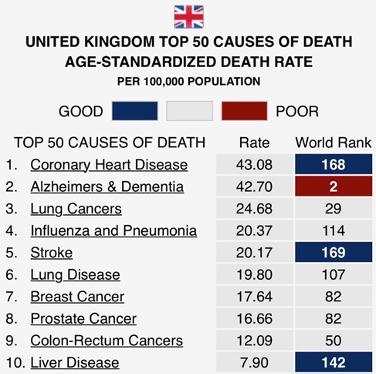
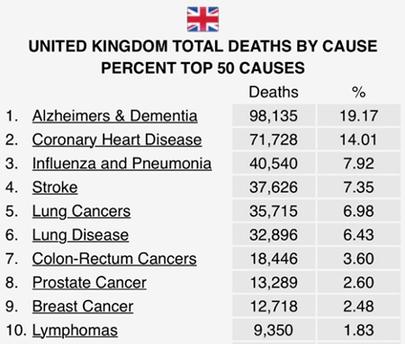
Due to Dementia prevalence in this region remaining among the highest in the UK, presented in the statics for Dementia UK, it was identified as a natural choice for South West SCNAC to prioritise
Alzheimer’s & Dementia Death Rates by Country https://www.worldlifeexpectancy.com/cause-ofdeath/alzheimers-dementia/by-country/
The national Ten Year Plan emphasises a shift from Treatment to Prevention, from Hospital to Community, and from Analogue to Digital innovation. These principles sit at the heart of our work across SCNAC regions
Leadership & Research Partnership
Whilst progressing our regional work, Cheryl and Cindy met with Dr Zena Aldridge, MA RNMH QN FRSA to explore embedding research and evidence at the start of this programme of work.
Our 3 key project working groups have met to consider the roadmap, shaping the research framework, designing the project blueprints and engaging the people who will lead these developments
Our intention is clear: to ensure our work aligns with the excellent policies, frameworks and initiatives that already exist and to find effective ways of sharing and strengthening a culture of prevention across our communities
We’ve agreed meetings that will only take action and have an impact towards achieving our collective goals.
Dementia Prevalence by UK Constituency – 2024 https://visualisation.polimapper.co.uk/? dataSetKey=dementia-prevalence-by-ukconstituency-2024&client=alzheimersresearch
It’s also important to build on the work that has already been undertaken and learn from that
Re-inventing the wheel wastes precious time and resource, although revisiting something already done makes sense with so much out there already
Engagement & Next Steps
Our 3 key groups have committed time to meet and work on the road map achievements.
Cheryl and Cindy will be supported by council member John Powell, at the Dementia Expo in Birmingham
We will be launching a survey to explore people’s knowledge, experience, and involvement in Dementia Prevention.
Please visit us at the ‘ We are Social Care Nursing’ Stand (CD-C44) to hear more about the programme, take part in the survey and contribute your insights
It’s all talk about Raye performing at Brighton Pride this year, but let’s be honest, the real news for Adult Social Care is this: The OUT Standing Diversity Forum has been confirmed to walk at Brighton Pride, Saturday, 1 August 2026
SIGN UP TO JOIN US NOW!
And for us, this moment matters far more than any main stage headliner
Our commitment to supporting LGBTQ+ people in the Adult Social Care workforce and those who draw on care, isn’t something that lives only in policy papers or project plans. It’s something we demonstrate through action, visibility and community Brighton Pride gives us the rare opportunity to stand shoulder to shoulder as a sector and show the nation what inclusion truly looks like
For too many LGBTQ+ colleagues, being “out” in Social Care is still complicated The forthcoming LGBTQ+ Ageing White Paper shows that 67% of LGBTQ+ people hide their identity in care settings, while 78% of care staff have never received LGBTQ+ specific learning That silence chips away at confidence, safety, well-being, and ultimately retention.
This is why Pride matters, not just symbolically, but practically.
By walking at Brighton Pride 2026, OSDF is sending a message that stretches far beyond the parade route:
You should never have to hide who you are to work, lead, or live with dignity in Adult Social Care.
Our presence this year will be stronger and more united than ever We’ll be championing:
LGBTQ+ visibility across the workforce
Providers leading the way through Pride in Care and Pride in Practice
Inclusive culture as a driver of wellbeing, retention and better care
Safe, values led workplaces where everyone belongs
We’ll march alongside care providers, teams, allies, researchers, commissioners, and LGBTQ+ partner organisations each playing a part in building a sector where identity is not a risk factor, but a celebrated strength.
Brighton Pride is one of Europe’s largest LGBTQ+ events, and in 2026 the Adult Social Care community will be right at its heart Whether you join us on the parade route, cheer from Churchill Square, or connect with us through our Pride engagement throughout the year, your visibility and your voice matter
So yes, Raye will be phenomenal. But so will the moment thousands of people see a proud, united, joyful Social Care community walking together. Because when we show up visibly, unapologetically and collectively, we change the story of who LGBTQ+ people are in Adult Social Care.
And that, truly, is headline material.
by Karen Roberts
SCNAC Co-Chair North East & Yorkshire
Where do I even begin? - What an incredible evening.
The Birmingham ICC was buzzing with energy, filled with dedicated professionals from across the Social Care sector, individuals who, day in and day out, make a profound difference to people’s lives
Being surrounded by so many passionate representatives of Social Care, including our very own Chief Nurse for Adult Social Care, Deborah Sturdy, was both inspiring and humbling.
I had the true privilege of serving as a judge for the Adult Social Care Nursing Award, alongside fellow CoChairs, on behalf of the Social Care Nursing Advisory Councils (SCNACs), who were proud sponsors of this year’s award
Listening to the stories of Social Care nurses working in such diverse and impactful roles was nothing short of remarkable. Each nominee demonstrated compassion, leadership, and an unwavering commitment to those they support
Choosing a winner was no easy task.
N’zi was a truly deserving recipient, and it was an absolute pleasure to present her with the award Her dedication and the difference she makes to people’s lives shone through so clearly
The evening was more than just an awards ceremony; it was a celebration of achievement, resilience, and the extraordinary contribution of the Social Care workforce It also served as a powerful reminder of what a rewarding, inspiring, and vital place Social Care is to work.
A night to celebrate, to reflect, and to feel immensely proud
The Social Care Nurse Award
Winner: N’zi Ahouzan, Swanton Care & Community
N’zi has quickly made a measurable difference, enhancing outcomes for residents while building staff skills and confidence. Drawing on her legal expertise, she bridges legislation and daily practice, develops guidance to prevent unsafe discharges, and champions Adult Social Care nursing, supporting student placements to ensure safe, person-centred, high-quality care. Her leadership, advocacy, and vision make her a truly deserving award winner well done!
“To be recognised as the National Social Care Nurse is such an unexpected but incredible honour. For me, this award isn't just a trophy; it’s a testament to the fact that holistic, heart-led care is the standard our service users deserve. I am immensely grateful and hope my journey encourages more clinicians to champion the beauty of Social Care nursing.”
N’zi Ahouzan, Swanton Care & Community
If you would like to find out more about SCNACs please email: admin.scnac@theoutstandingsociety.co.uk
The CQC assessment framework is underpinned by the Fundamental Standards and Regulations.
Understanding how these apply in practice is essential for maintaining compliance and delivering high-quality care
This webinar provided practical, day-to-day approaches to meeting regulatory requirements, helping providers feel confident that their quality of care continues to meet expectations, particularly during periods of change
Key Learning shared by participants Watch the webinar
Tips on ensuring good governance, safety, complete compliance, staffing and building confidence
It has strengthened my understanding of how to effectively evidence compliance with regulations and increased my confidence with navigating CQC requirements.
Some great insights into the practical and real life of a registered manager and how they can best work with and meet the regulations
I learnt a lot about how to translate the regulations into practice, how to simplify practice, and how to use one tool for multiple purposes
Download Resources
The importance of cross-referencing and checks.
The Clive Treacey Safety Checklist
Feedback
Complete and well-managed webinar
Up-to-date information relevant to our roles.
So much useful information which wouldn’t take a lot to put into practice.
A very informative and vital webinar to enable new managers like myself to navigate the CQC regulations. I learned a lot today from taking part, it was more valuable than reading them online
Such an invaluable resource, especially for me in my first RM Care role.
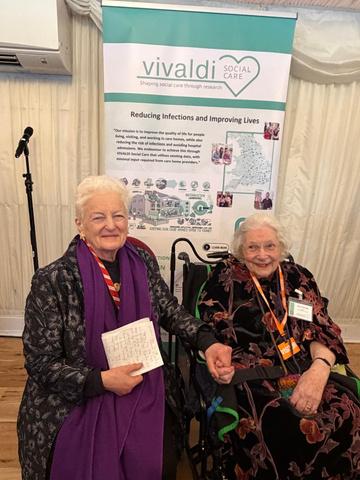
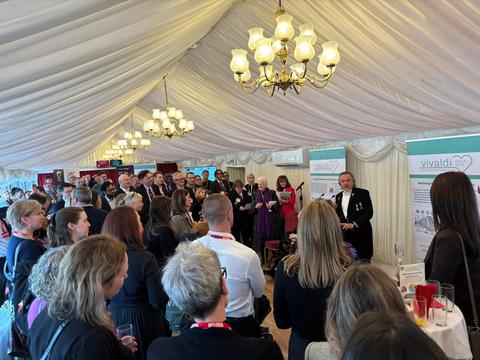
HOUSE OF LORDS RECEPTION FOR VIVALDI SOCIAL CARE
Lorcán Murray, Content Marketing Manager for Nourish, shares his experience of the Parliamentary reception.
Followed by The Outstanding Society’s Director Zoë Fry taking us through the research and reach of Vivaldi so far
She reflected on how, with the right information and action, we can help keep people in their communities by reducing preventable hospital admissions A challenge that reaches from the House of Lords to every corner of the UK.
We also heard from Adult Social Care Engagement Collective (ASCEC) member Judy Smith, whose passion and resilience stole the show. As well as Kate Meacock, who explained why co-production and oversight from people with lived experience are central to Vivaldi’s structure And why that is so essential to its success.
The speaker’s sessions closed with talks from Neil O’Connor, a Director of the Casey Commission and Professor Deborah Sturdy, Chief Nurse for Adult Social Care They reminded us of the big picture and how we all contribute towards shaping the future of our communities.
This meaty slate of speakers was sandwiched between the real bread and butter of the event Meeting all the attendees and sharing our perspectives and insights. Because at it’s core, Vivaldi is about bringing together expertise and experience, in data and discussion, to achieve outstanding results together.
Find out more and get involved!
We put together a recap video click here to view
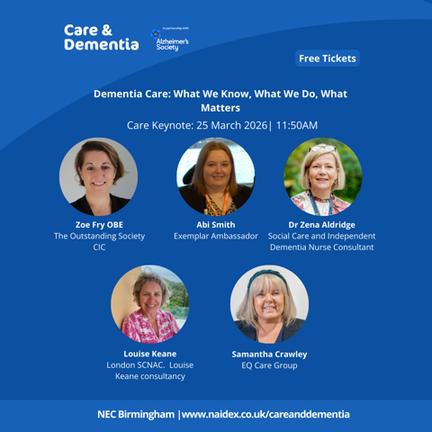
Transforming the Future of Social Care: Join the Social Care Nursing Advisory Council Co-Chairs at the Care & Dementia Expo
We are inviting you to join us at the Care & Dementia Expo on 25–26 March 2026 at the NEC, Birmingham.
We are proud to host a dedicated space this year: the We Are Social Care Nursing Lounge This is your hub to:
Connect & Network: Join our partners, Skills for Care, FoNS, RCNi, RCN, QiCN and meet fellow SCNAC members and nursing peers from across the country in a space designed specifically for our workforce
Influence the System: Help us act as a touchstone for nurse colleagues, bringing our wealth of experience and insight to the table.
The seminar programme features several of our own voices and key partners, including:
Senior clinicians, care leaders and people with lived experience come together to share insights on how outstanding dementia care is achieved in practice seen from every angle
RESEARCHER DEVELOPMENT PROGRAMME FOR SOCIAL CARE NURSES
Our next round of the Researcher Development Programme for Social Care Nurses will open for applications this spring 2026
We will be hosting a series of four webinars to provide additional information about the programme and application process
The NIHR Researcher Development Programme for Social Care Nurses supports registered nurses working in Social Care to develop their research skills and foster a research-friendly culture within their organisations
Applications for the second cohort will open in spring 2026, and successful interns will begin the programme in October 2026.
Four webinars will be held for prospective applicants and their employers to learn more about the programme.
These will outline the structure of the programme, eligibility requirements, time commitment and application process, with an opportunity to ask questions The webinar dates are as follows:
For Prospective Applicants:
Tuesday 24 March 2026: 2:00pm – 3:00pm Friday 17 April 2026: 12:00pm – 1:00pm
For Managers and Employers:
Wednesday 15 April 2026: 9:00am – 10:00am Monday 20 April 2026: 2:00pm – 3:00pm
To attend any of these sessions, please email nursingandmidwifery@nihr.ac.uk for an invitation to attend on MS Teams
More details about the programme can be found at: https://www.nihr.ac.uk/careerdevelopment/researcher-developmentprogramme-social-care-nurses or by scanning the below QR code.
Over the following pages are upcoming events that reflect our commitment to sharing and celebrating best practice across Adult Social Care. If you would like your event to be considered for the next issue, please contact us at
comms@theoutstandingsociety.co.uk April 29 & 30th th
The OS Learning Lounge returns to ExCEL London, don’t miss out on your FREE ticket.
Event Directory
Naidex Care & Dementia 2026
25 & 26 March
Care & Dementia is the UK’s leading event for transforming Social Care and improving the lives of people living with dementia. Building on the successful foundation of The Alzheimer’s & Dementia Show & UK Care Week, it creates an essential, dedicated event for both care professionals and the public
1 August 2026
Join us as the OUT Standing Diversity Forum takes to Brighton Pride 2026. Stand alongside a united Social Care community championing inclusion, visibility, and belonging. Register your interest today and be part of a powerful movement showing that everyone deserves to live and work with pride
Over the following pages are useful resources.
If you would like your resource to be considered for the next issue, please contact us at
comms@theoutstandingsociety.co.uk
Empowering Care: Skills for Care Launches Essential New Dementia Resources.
Dementia affects millions of people and presents a wide range of challenges as the condition progresses Acknowledging this, Skills for Care has created materials that span the full journey of dementia care
Resources
Join the nursing community
Stay informed and up to date with the latest news and developments in the nursing field by subscribing to our nursing newsletter
Learn about new research, trends, and best practices to enhance your nursing career.
CLICK TO FIND OUT MORE
Claims defensibility podcast.
How care homes build claims defensibility and trust
Insurance claims can be stressful, but they don’t have to be chaotic What you need to do from the first hour after an incident, how to manage CQC scrutiny and the importance of staff training.
A must listen that offers practical steps to help care providers to reduce risk and protect your residents
CLICK TO FIND OUT MORE
Championing leadership development opportunities for student and early career nurses and midwives around the world
The Nursing Now Challenge works with health employers as well as universities, colleges and individuals around the world to create leadership development opportunities for student and early-career nurses and midwives.
CLICK TO FIND OUT MORE
Resources
Do you want to understand more about local population needs and what services your local authority wants to commission?
Get Adult Social Care Data (GASCD) is a new, free digital service for CQC-registered care providers Developed with input from providers, it gives you instant access to data and trends for your area, region and across England.
OUTSTANDING Voices
Please click on the logos below to visit their webpage.