Voices of Care: A Parliamentary Reception for Social Care Nursing
Quarterly Insights with Chris Day CQC
Upcoming Events
VIVALDI Social Care - The Next Chapter
Profile: Lucy Knight
Adelaide House Care Home welcomes national VIVALDI Social Care
Nightingale House: Inspiring Leadership in Adult Social Care Research
Navigating Policy Changes in the Care Sector
Season’s Greetings from Camascope
Bright Selection’s Top Insights for 2025
Sick pay reforms & Changes to immigration rules
What brings you joy?
Brand-new range of dementia resources
Shape new Skills for Care recruitment and retention toolkits
The state of the ASC sector and workforce in England 2025
New podcast Supervision – it’s not a tick box exercise
Thankyou
Headline partner:
Let’s celebrate and share together!
If you’d like us to feature your news, events, or achievements, contact us at comms@theoutstandingsociety.co.uk
FROM THE DIRECTORS
People need People - The OS 2025 Round-up
Ruth French Director of Policy & Regulation
As Benjamin Zephaniah reminded us, “People need people.”
In an era dominated by conversations about AI, tech innovation, and change, this truth has never been more relevant. At the Outstanding Society (OS), our focus remains unwavering: delivering outstanding and compassionate care for the people we support in social care.
That begins with nurturing a workforce that must feel respected, valued, and empowered
Every action we take must reflect this commitment.
2025 has been a year of momentum and meaningful engagement for us
From vibrant sector events and parliamentary receptions to the thoughtprovoking Care Show Learning Lounge and industry panels, the OS has continued to champion collaboration and excellence across the social care sector
These are some of our key takeaways from 2025:
Innovation with Integrity
The emergence of AI in social care is an exciting prospect but one that demands caution.
During our Care Show panel, AI developers echoed the phrase “walk slowly”
While technological solutions are advancing rapidly, they must earn trust and demonstrate real-world value before widespread adoption
For the OS, innovation will always be balanced with integrity and the human touch that defines outstanding care.
FROM THE DIRECTOR
People need People - The OS 2025 Round-up
Ruth French Director of Policy & Regulation
Cybersecurity and Culture
Our Cybersecurity Roundtable with headline partner Howden sparked lively debate and deep reflection, reminding us that safeguarding data is as critical as safeguarding dignity.
Culture, too, remains a cornerstone of quality. As Steve Gruenert and Todd Whitaker famously said, “The culture of any organisation is shaped by the worst behaviour the leader is willing to tolerate.”
At the OS, we strive to set the bar high because excellence is not optional.
Celebrating Diversity
One of the year’s most memorable moments was attending Brighton and Manchester Pride alongside those we provide care to. These were days full of joy, inclusion, and solidarity-celebrations that will be talked about for years to come
Our follow-up roundtable in Birmingham reinforced this commitment, amplifying voices from across the sector to create meaningful change for the rainbow family and beyond
And of course, we had the privilege of attending the beautiful Hindu wedding ceremony of our fellow director Sanjay to his husband Harry, set in the grounds of his former care home in Oxfordshire— unforgettable!
Sharing Knowledge, Driving Change
The OS continues to speak to everyone involved in social care, from frontline carers to CEOs
Through well-attended webinars with CQC and Skills for Care, representation at conferences hosted by Care England and the RCN, and judging at industry awards, we’ve taken every opportunity to share expertise and inspire improvement.
OSDF @ Manchester Pride
FROM THE DIRECTORS
People need People - The OS 2025 Round-up
Ruth French Director of Policy & Regulation
Our contribution extends to groundbreaking research, notably the VIVALDI project, where care home infection data is now flowing to researchers in ways that will shape future policy and practice
We’ve also supported regional Social Care Nursing Advisory Councils (SCNACs), ensuring that nursing voices remain central to sector development
Looking Ahead
With CQC’s consultation on its future inspection plans underway and providers preparing for new systems in 2026, the OS’s role has never been more vital.
In challenging economic and regulatory times, we want to stand as a beacon of
collaboration, inspiration, and integrity helping providers deliver their best for those who matter most
Because at the heart of everything we do is a simple truth:
People need people. And outstanding care starts with outstanding culture.
Professional Supervision – Risk of Hypothermia Colder Weather
Karen Davies, Co-Chair of the North West Social Care Nursing Advisory Council (SCNAC), was recently approached by Craig Priestley, Registered Manager and RN (Adult) at Gorsey Clough Nursing Home, who kindly shared his risk assessment to support preparations for the colder weather.
This is a fantastic example of collaboration in action and how our councils can support one another.
Thank you Craig.
As the colder months approach, I want to share the Risk of Hypothermia message and the core Preventive Risk Assessment I have developed.
I routinely circulate this at this time of year, every year, to remind the team of the risks associated with dropping temperatures and the measures we must take to prevent the risk
The risk assessment has been specifically designed to prevent hypothermia in older adults living with dementia and to reduce the risk of serious harm or death.
I am sharing it for your reference please feel free to use, share, hope it is helpful, or disregard it as appropriate
Voices of Care:
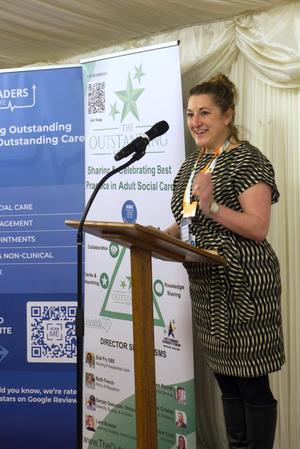
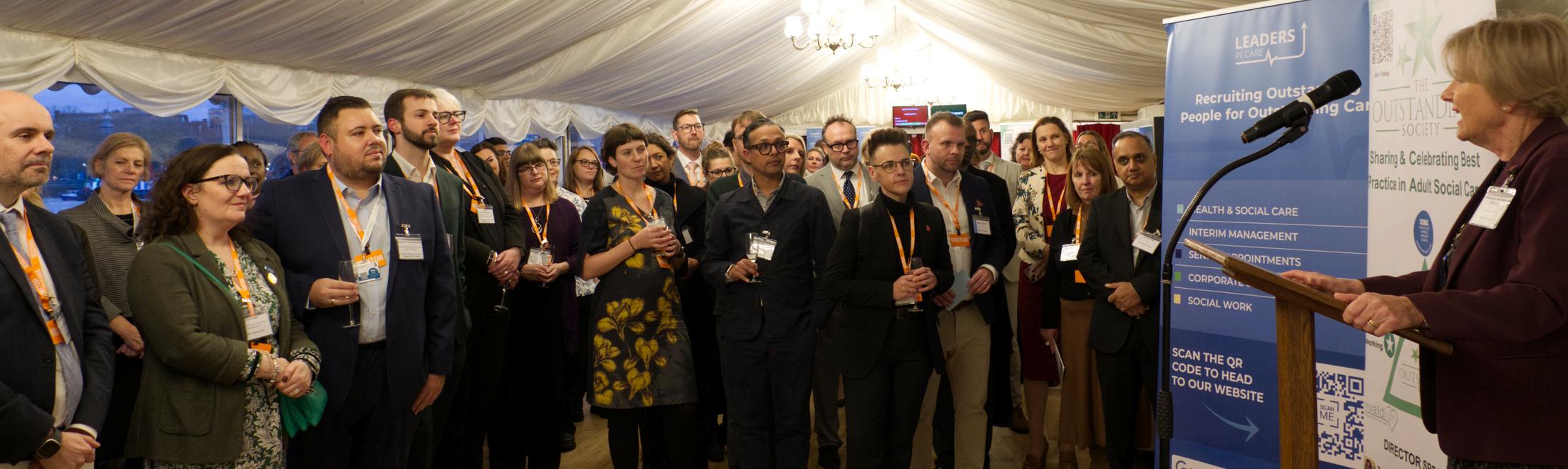
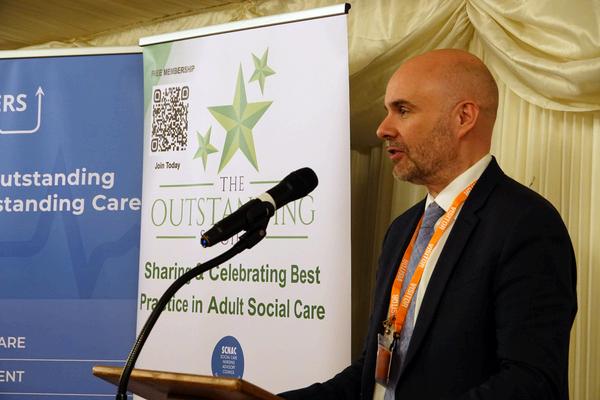
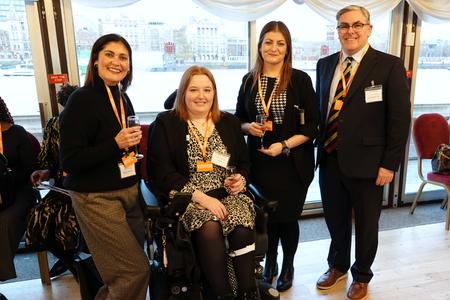
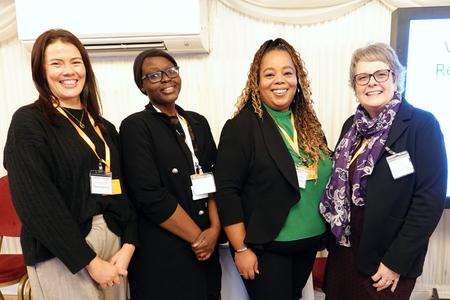
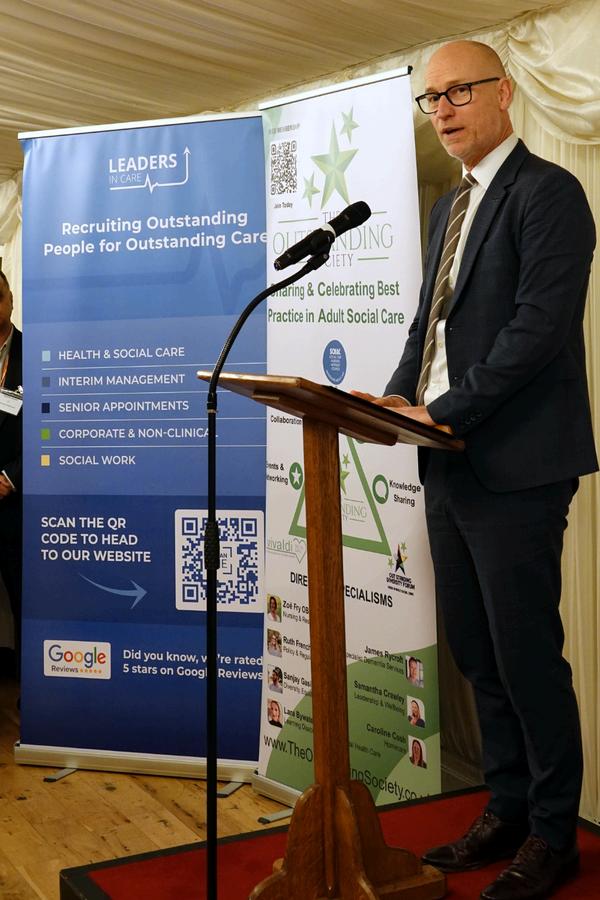
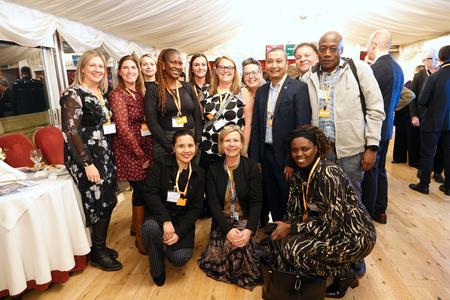
London, 19 November 2025 – The Cholmondeley Room at the House of Lords was filled with energy, passion, and purpose as leaders from across health and social care came together for the Voices of Care: A Parliamentary Reception for Social Care Nursing.
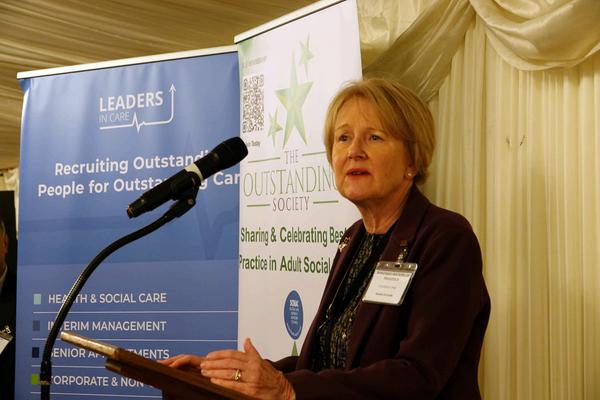
Hosted by Baroness Watkins of Tavistock in collaboration with The Outstanding Society (OS) and sponsors Leaders in Care, the event celebrated the vital contributions of nurses in adult social care and called for bold action to support and elevate the profession
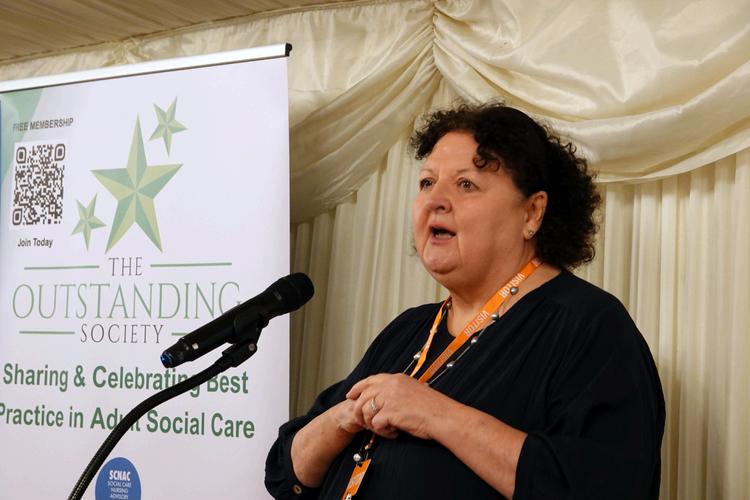
"Social care nursing is a profession built on innovation and collaboration From the SCNACs to the VIVALDI study, we’ve shown what’s possible when we work together This event celebrates that progress and our commitment to even greater impact for those we care for "
Zoë Fry representing the OS, shared the organisation’s journey and its role in driving excellence across the social care sector
From the pioneering work of the Social Care Nurse Advisory Councils (SCNACs) to the groundbreaking VIVALDI study on care home infections, Zoë highlighted how collaboration and innovation are shaping the future of care and noted,
Baroness Watkins delivered a powerful address, sharing her experience of the unique role of nurses in social care and the urgent need for workforce reform She spoke of the importance of NHSsocial care integration.
“As a nurse, I know firsthand the dedication and expertise required to deliver highquality care Social care nurses bring clinical skill and compassion to some of the most complex situations, yet their contribution is often overlooked. We must ensure they have the recognition, resources, and career pathways to thrive —because their work is essential to the health of our nation.”
A Parliamentary Reception for Social Care Nursing
We were delighted that Stephen Kinnock, MP and Minister of State for Care, was able to join us and generously make time t
Closing the event, England’s Chief Nurse Duncan Burton and Chief Nurse for Adult Social Care Professor Deborah Sturdy, championed collaborative work between the NHS and social care as well as showcasing recent milestones, including the launch of the first RCN Foundation Chair in Adult Social Care Nursing and a new preceptorship programme led by Skills for Care Professor Sturdy said,
"Social Care nursing plays a pivotal role in delivering care and support system-wide. I am delighted that we have seen so much innovation and recognition of this Research, nurse leadership, nursing prescribing pilots and undergraduate placement strategy are fundamental aspects of building the specialism.
The Social Care Nurse Advisory Councils are playing an important role in ensuring the voice of social care nursing sits alongside that of NHS nurse colleagues. They are proving as equal partners to demonstrate through innovative and creative initiatives change to improve the care and support provided to hundreds of thousands of people”.
The reception was a testament to the power of partnership between social care and the NHS, the strength of the nursing community, and the shared vision for a more integrated, resilient, and respected social care system
20th November 2025
This month’s virtual meeting was our quarterly session with Chris Day, Director of Engagement at the CQC, who kindly joined us during a break while attending a conference with his colleagues.
We also took the opportunity to celebrate Galanos House (Royal British Legion) achieving its third consecutive Outstanding rating.
Jo-Anne Wilson, registered manager of Galanos House, shared valuable insights from the recent inspection experience under the new framework
As always, the meeting was well attended, and both Chris’s and Jo-Anne’s contributions were greatly appreciated
You can view the recording by visiting our website https://theoutstandingsociety.co.uk/os-virtual-meeting/ or by clicking the button below.
If you would like to hear Caroline Cosh (Director of Homecare for the OS) provide an overview please watch the video here.
UPCOMING EVENTS From Good to Outstanding:
Presenting Evidence to the CQC That Tells Your Story
A practical Webinar for Social Care Providers
January 15th 2026 13:00 – 14:00
Do you know the quality of your service is outstanding, but find it difficult to evidence your impact clearly and confidently for the CQC?
This new webinar from The Outstanding Society will guide you through how to present strong, meaningful evidence that reflects the real quality of your care without unnecessary paperwork.
What You’ll Learn
How to identify and prioritise the right evidence for the CQC
Presenting evidence through the lens of key questions and quality statements
Showing impact through outcomes, not volume
Turning day-to-day practice into a clear, compelling quality narrative
Building an inspection-ready approach that feels authentic, not burdensome
Who Is It For?
Registered Managers, Nominated Individuals, Quality Leads, senior teams, and anyone involved in preparing for CQC assessment or demonstrating quality.
Why Attend?
This session is designed to be practical, confidence-building, and immediately actionable. You’ll leave with examples and approaches that help you clearly communicate the quality of your service.
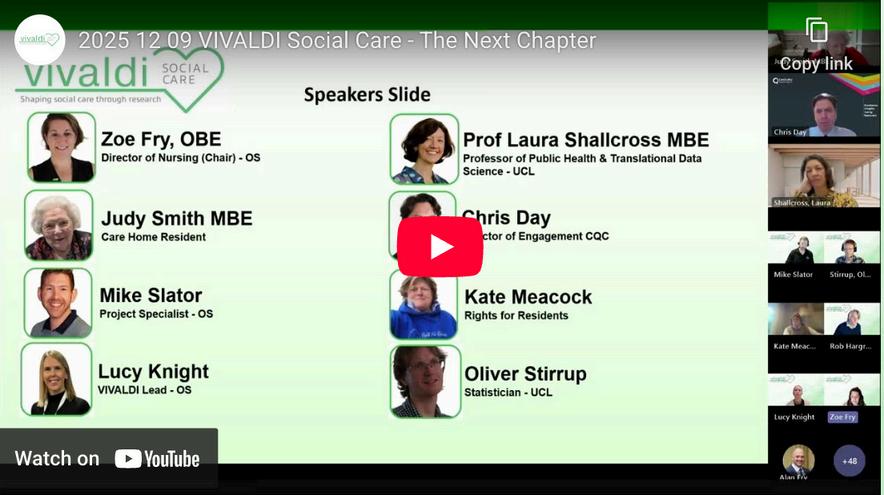
VIVALDI Social Care
The Next Chapter
The latest VIVALDI Social Care webinar brought together residents, providers, researchers, digital partners and the CQC — all focused on improving life in care homes through ethical, meaningful use of data.
Evolving from its pandemic roots, VIVALDI is now a truly co-produced model shaped by real experiences A Care Home residents offered powerful reflections on issues such as UTIs, highlighting their impact not just clinically but on dignity and daily life.
Their voices remain central to why this work matters
A major milestone shared was the onboarding of nearly 700 care homes into the 12-month pilot, enabling secure, automated data flows across three digital record suppliers For the first time, private care data is linking directly with NHS datasets, already revealing early trends in antibiotic use and hospital admissions.
With monthly engagement meetings, care home visits and upcoming UKHSA dashboards, VIVALDI is proving that collaborative, intelligence-led care can drive meaningful improvement across the sector.
PROFILE
Lucy Knight - VIVALDI Social Care Coordinator
I began my journey in social care at just 18 years old, working in a small, 15-bed, familyrun residential care home in West Sussex.
With no previous experience and little understanding of the sector, I quickly discovered that caring for others was where I truly belonged. From that first day, I knew this was the path for me.
Since then, I’ve built a career rooted in passion, dedication, and hands-on experience —progressing through a variety of roles to eventually become the Registered Manager of a dual-registered nursing home. Social care isn’t just what I do; it’s who I am. I take great pride in sharing my knowledge, supporting others, and championing best practice across the sector
In November 2024, I joined The Outstanding Society as the VIVALDI Social Care Coordinator, where I bring frontline insight into the wider system and contribute to meaningful change through data, collaboration, and evidence-based practice. Working alongside academics involved in the VIVALDI Study has sparked a genuine fascination with research. I’ve realised that my passion for adult social care can extend beyond direct practice, through research, I can help drive real change for the workforce and the people we support.
I’m thrilled to now be spending six months immersed in research through my internship, learning from professionals in the field. I hope to use this opportunity to deepen my understanding, strengthen my skills, and contribute to positive, lasting change within adult social care Every piece of research brings the sector one step closer to better support for those who dedicate their lives to caring for others and I’m proud to be part of that journey.
Adelaide House Care Home welcomes national VIVALDI Social Care
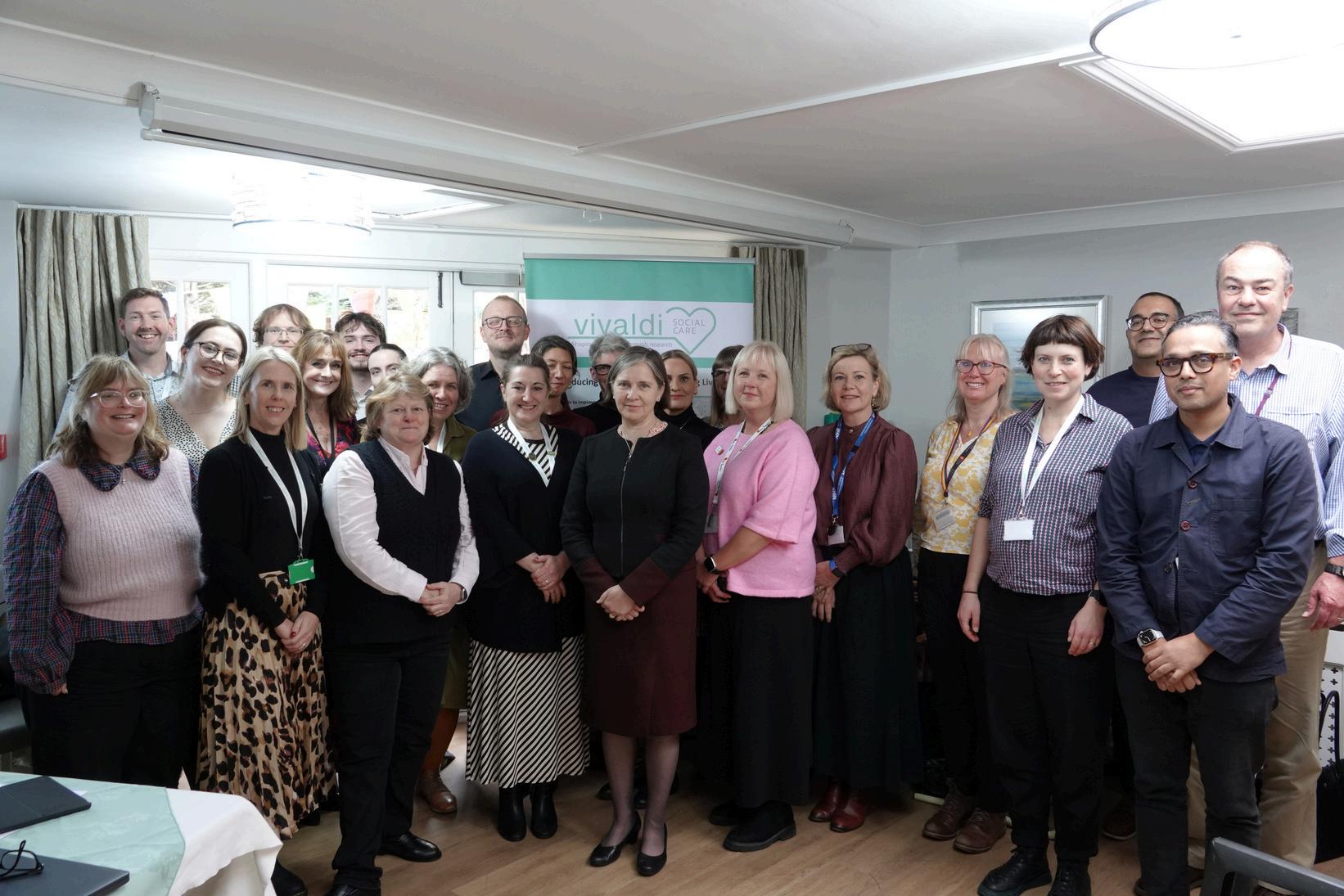
On Wednesday, 12th November, HC-One’s Adelaide House Care Home in Walton-onThames, Surrey, welcomed representatives from leading health and social care organisations as part of the VIVALDI Social Care visit, a national initiative exploring how research can transform the quality, safety, and experience of care for residents across the UK.
Attendees included experts and leaders from the Department of Health and Social Care (DHSC), Care Quality Commission (CQC), Care England, University College London (UCL), NHS England (NHSE), National Institute for Health and Care Research (NIHR), Social Care Nursing Advisory Councils (SCNACs), and The Outstanding Society CIC.
The visit formed part of an ongoing series of engagements under the Adult Social Care Engagement Collective (ASCEC), which brings together professionals, residents, relatives, and researchers to share insights and evidence from the sector. Attendees from HC-One included Rebecca Condie, Area Director, and Anna Selby, Executive Director for Quality, who were joined by colleagues and residents from the home
The event featured a welcome from Slawomir Janik, Home Manager at Adelaide House, followed by a presentation from the VIVALDI Social Care team outlining the project’s scope and achievements
Professor Lucy Chappell, Chief Scientific Adviser at DHSC, reflected on the importance of the project before opening the floor for discussion.
Slawomir Janik, Home Manager at HCOne’s Adelaide House Care Home, said:
“It’s an honour to host VIVALDI Social Care’s visit and to be part of a project that’s driving genuine improvement across social care. At Adelaide House, research is helping us to provide safer, more personalised care, and it’s inspiring to see so many organisations working together to make a difference.”
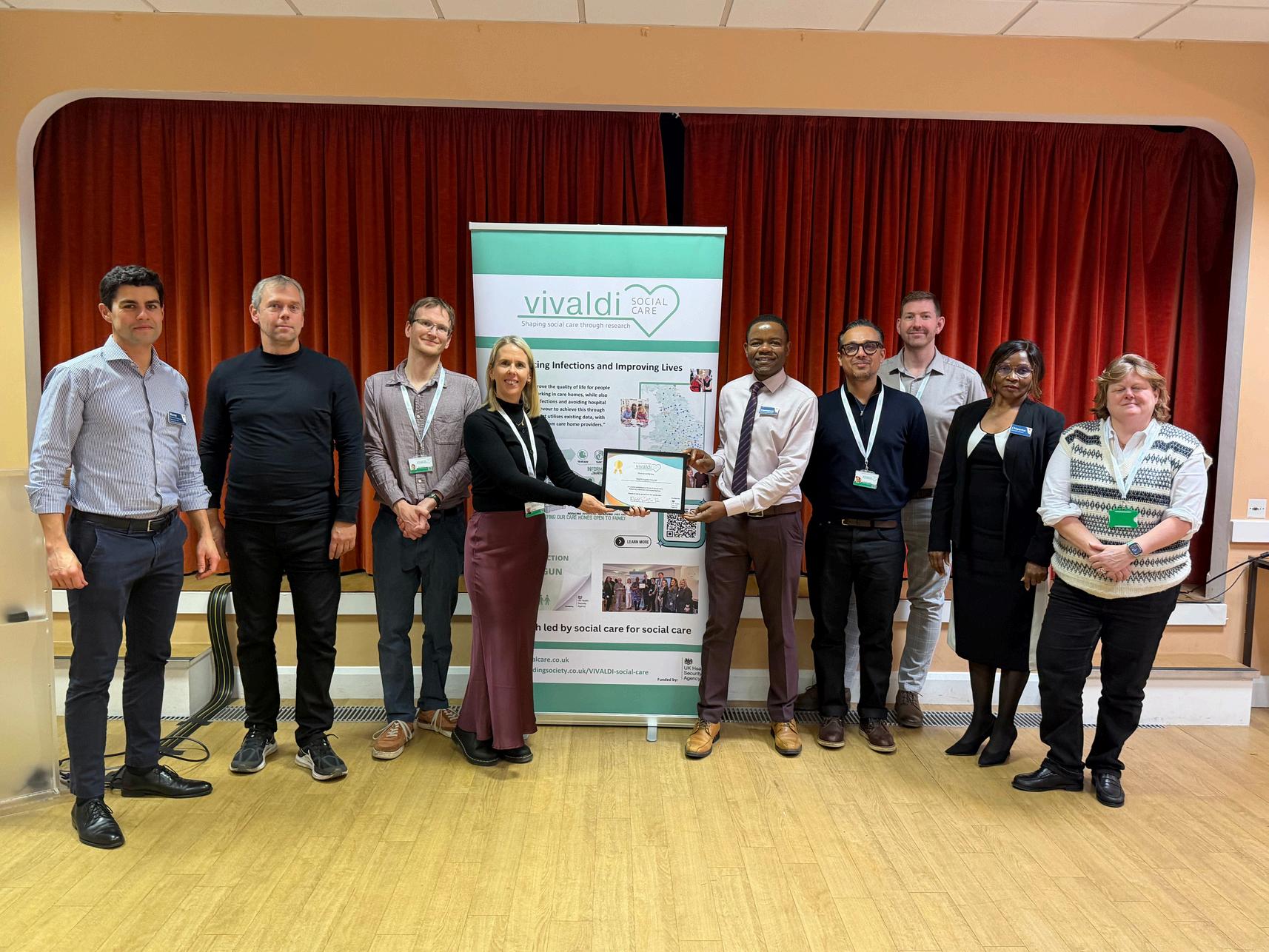
Visit to Nightingale House: Inspiring Leadership in Adult Social Care Research
The VIVALDI team recently had the privilege of visiting Nightingale House, one of the UK’s most long-standing and respected providers of exceptional care for older Jewish people.
We were warmly welcomed by residents and staff, and the visit offered a powerful insight into how research, community, and compassionate care come together in practice.
Nightingale Hammerson has been serving its community for more than 185 years, offering holistic, person-centred care for people with a wide range of needs, including those with complex conditions.
What sets Nightingale House apart is its commitment to creating a warm, connected community that feels like family During our visit, it was wonderful to have residents, volunteers and members of every team join the presentation, reflecting the strong sense of involvement and togetherness that defines the organisation.
We were also joined by Chris Day, Director of Engagement at the Care Quality Commission, who spoke about the importance of collaborative working between the CQC and VIVALDI Social Care. His reflections highlighted a shared ambition: improving research, insight, and outcomes across adult social care.
Nightingale Hammerson’s history is deeply rooted in community vision and a longstanding commitment to exceptional care. Nightingale House has grown and evolved over many decades to meet the needs of its residents while staying true to its founding values of dignity, compassion, and connection.
Today, Nightingale House stands as a vibrant, modern home that reflects this enduring dedication to creating a warm and life-enhancing environment for older people
Navigating Policy Changes in the Care Sector
Policy shifts continue to reshape the landscape for care providers, bringing new challenges and risks. In this latest article, Howden explores the impact of recent changes on the sector, highlighting what they mean for providers and how to stay protected
Read the full insights piece here:
A regular podcast for business leaders exploring how businesses can harness risks and use them to their advantage.
In each episode Howden Insurance Brokers will discuss a topical challenge or issue and what business leaders can do to overcome it.
Funding available for research care homes: apply by 5th January!
Is your care home interested in supporting a research study, but not sure that it can commit?
The National Institute for Health and Care Research (NIHR) is offering £1,500 to care homes that are prepared to support a research study.
You do not need any research experience to apply, and you can choose when to take on the research study.
What you get
£1,500 upfront in April 2026.
Extra funding for each research study that you support, after the study has ended.
What you commit to
Support at least one research study in the 2026-27 financial year. Engage with the NIHR Research Delivery Network. Take part in research promotion activities and a Research Experience Survey. ‘Good Clinical Practice’ training for at least one staff member.
Important details:
Funding will be provided from 1 April 2026. The money must be spent before April 2027. It cannot be spent on estates, expensive equipment, or training. Deadline for applications is 5th January (depending on your region).
To apply:
The application is online, here. It is short!
We have put the questions into a Word document (attached to this email) so you can see what information you’ll need to provide
More information:
There is more information on the NIHR web page here Contact your Regional Research Delivery Network if you need more information (email addresses at the bottom of the NIHR web page).
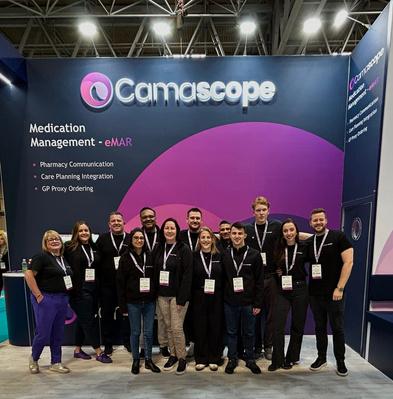
Season’s Greetings from Camascope: Reflecting on 2025, Ready for 2026
As we close out the year, the Camascope team would like to wish all Outstanding Society readers a warm, restful holiday season and a positive start to the New Year.
2025 has been a milestone year for digital progress in social care, and we’ve been fortunate to work closely with providers across the country who continue to show remarkable dedication, resilience, and care for their communities Meeting so many teams at the major care shows in London and Birmingham – as well as countless regional roadshows and local association events – has been a real joy for us this year.
One of our biggest highlights in 2025 was the launch of Camascope 2.0, our most advanced eMAR application yet. The updated design, stronger offline functionality, enhanced body maps, and medication-linked vitals were all shaped directly by conversations with care teams about their challenges Our aim has remained consistent: to make medication management safer, simpler and more intuitive, giving staff more time for meaningful interactions with their service users.
Looking ahead to 2026, we are continuing to invest in innovation, new features, and even deeper collaboration with care providers, pharmacies, and sector partners We plan to return to the London and Birmingham Care Shows and regional events throughout the year, ensuring we stay close to the people who use our technology every day. Above all, our focus remains supporting care teams with reliable, user-friendly tools that strengthen safety, reduce administrative pressure, and help deliver the highest quality of care for service users.
We look forward to supporting even more care providers on their medication management journey in 2026 and wish you all a healthy, hopeful, and impactful year ahead.
If you’re curious about how digital tools could support your team next year, we’d love to chat and share what’s possible.
Top Insights for 2025
At Bright Selection, we believe recruitment in social care is far more than filling vacancies, it’s about building teams with shared values, high emotional intelligence and strategic alignment Over 2025 we’ve identified and shared insights that we believe are essential for care providers seeking to attract, retain and develop outstanding people. Here’s a summary;
1. Pay matters—but culture is the real differentiator
We’ve seen again and again that offering a competitive salary is necessary, but not sufficient Organisations that thrive embed their purpose and values into every job title, every team conversation, and every decision. When employees’ feel they belong to something bigger than a role, they stay longer and perform better
2. Emotional intelligence is nonnegotiable
In social care, technical competence is only part of the skill set required for outstanding leadership We have increasingly seen a focus on behaviours such as inclusive language (“people we support” rather than “residents”), compassionate check-ins instead of purely transactional supervision, and leaders willing to challenge poor behaviour These are the attributes that drive genuine culture shift, not just compliance
3. Recruitment aligned to organisational journey
We advocate a clear distinction between what the organisation is (startup, turnaround, sustaining growth) and what talent it needs. A provider transforming a home needs a very different hire than one maintaining excellence. Tailoring recruitment to that stage helps avoid mis match and builds long-term strength.
4. Broaden the talent lens beyond traditional care pathways
To meet future demands, social care providers must recruit roles that support and amplify care delivery; commercial leads, admissions coordinators, hospitality specialists and digital-savvy support staff The role is still care-centred, but recruitment expands to adjacent disciplines, provided the values fit 5. Wellbeing and recognition begin at recruitment
From our coverage of industry events this year we’ve seen that employee wellbeing is shaped from day one. The recruitment process is the first opportunity to show that your organisation listens, cares and invests in people Candidates who feel respected, communicated with and valued, even before they start, are more engaged and more likely to stay
In essence, effective recruitment in social care in 2025 is values-anchored, emotionally intelligent, strategically aligned and broadened in scope. Pay remains a foundation, but culture, leadership and lived values differentiate the exceptional providers from the good. Care leaders and HR professionals reading this should ask: Are we recruiting for who we need to be tomorrow, or simply for what we need today? At Bright Selection we are ready to support and guide providers in recruiting for Outstanding.
Finally, the long awaited consultation from CQC on the new assessment proposals is here –but what does the consultation actually say and what are CQC asking you to comment on?
The consultation
The consultation is focused on two areas:
1 How CQC proposes to develop the assessment framework and guidance for providers.
2.How CQC proposes to change their methods of inspection, assessment and awarding ratings
Whilst this article will focus on the proposals for the framework and how ratings are to be awarded, it is worth mentioning that the consultation also addresses their IT functionality (or lack thereof) and sets out proposals for CQC’s
CQC’s Consultation: Have your say on the
approach to follow-up assessments and updating rating judgments, as well as proposed changes to how NHS trusts and independent hospitals are regulated
The framework
The current framework asks five key questions (is the service safe, effective, caring, responsive and well led) with quality statements expressed as ‘we’ statements and ‘I’ statements
Dr Penny Dash and Professor Sir Mike Richards (and many others) highlighted that the Single Assessment Framework (SAF) needed to change.
Keara Bowgen-Nicholas Senior Associate
e future of assessments & ratings
So what might stay and what might
go?
CQC is proposing to keep the five key questions the same but crucially, they are now proposing that they:
1.Describe the expectations of quality for all rating levels with the reintroduction of rating characteristics
2 Develop a framework of supporting questions similar to the previous key lines of enquiry (KLOEs)
3.Re-introduce sector-specific frameworks with consistent scoring and clear links to the regulations
4 Publish more detailed supporting guidance setting out the key standards and evidence that will be considered
5.Make the assessment frameworks clearer and simpler by removing duplication and simplifying the language used
How judgements are made and ratings awarded
The scoring approach implemented with the SAF essentially involved CQC awarding a score for each evidence category and amalgamating those scores to create a score for the quality statement, which in turn created a score for the key question. The overall view was that, far from creating clarity, the system was overly complicated
CQC is proposing to scrap the scores under each question rating and has illustrated the difference in approach as below:
Current approach:
Proposed approach:
The current aggregating principles are to remain; for example if two or more key questions are rated ‘requires improvement’, the overall rating will be ‘requires improvement’.
So what next?
Well, this will largely depend on what responses the consultation brings There is no doubt that the proposed changes are far more in line with what CQC scrapped in the first place but maybe that is not a bad thing.
In their haste to ‘evolve’, CQC bit off far more than they could chew, and the fall out has been disastrous. A return to more familiar territory may calm the waters, restore some much-needed confidence, and potentially allow future reform to be properly thought out and considered
What brings you joy?
Hello, my name is Cheryl.
I’ve known what it feels like to lose sight of joy completely, to reach a place where I no longer wanted to be alive. It’s an incredibly isolated space. In my experience, there was nothing and no one, even though I was married and had four beautiful children. I became a shell of myself, empty and disconnected
Medication didn’t help. I couldn’t remember if I’d eaten or not. I didn’t want to do anything. My youngest son saved my life. He was still little when he came to me after a dream. In it, I was falling, and I was taking him with me. That moment jolted me awake. How could I be so selfish?
That day, I made a promise: even if those thoughts ever returned, I would never act on them. For the love of my children. For my joy. And they have returned, at times, but I hold onto that promise.
I’ve realised that we will always do more for others than we will for ourselves. It’s a strange but true concept I’m still learning that we need to do more for ourselves, because only then can we truly give more to others Self-care and healthy boundaries are vital, and it’s something I’ve only truly learned later in life.
Today, I’m fortunate to share my story, and to share the great work being done at NHS Oxleas Forensic and Offender Health Services through Lessons from Lives Lost.
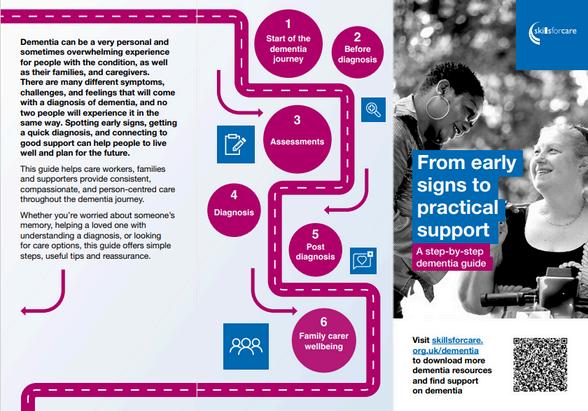
Skills for Care launch brand-new range of dementia resources
Skills for Care has introduced a comprehensive range of dementia resources to support people living with dementia and those who care for them.
These new resources have been carefully developed to meet the needs of the adult social care workforce - including home care workers, care home staff, community teams - and family carers.
They are designed to be practical, personcentred, and easy to access, ensuring that everyone involved in dementia care has the tools and knowledge to provide the best possible support.
The collection covers every stage of the dementia journey, from prevention and early recognition through to end-of-life care. It includes guidance on maintaining brain health, understanding the signs and symptoms, supporting individuals after diagnosis, and helping families navigate the emotional and practical challenges of caring for a loved one. There are also resources focused on managing distressed behaviours, improving communication, and promoting dignity and independence.
With the right skills and knowledge, care professionals and families can make a real difference helping individuals maintain quality of life, stay active, and remain engaged for as long as possible.
These resources aim to empower carers with confidence, encourage person-led approaches, and ensure that support is compassionate, respectful, and tailored to individual needs.
What’s Included
Prevention & Healthy Living: Guidance on lifestyle choices that support brain health. Before and After Diagnosis: Clear pathways, practical tips, and signposting to support services.
Daily Support: Tools for managing distressed behaviour and improving communication.
Family Carer Support: Advice on benefits, emotional wellbeing, and coping strategies. End-of-Life Care: Resources for sensitive conversations and meeting spiritual needs
These resources combine evidence-based practice with real-life insights, helping care teams and families deliver compassionate, tailored support at every stage of dementia.
CLICK HERE: Explore the resources and join us in making a difference.
Further opportunities to shape new Skills for Care recruitment and retention toolkits
Skills for Care is currently developing a series of recruitment and retentions toolkits inspired by successful approaches.
Upcoming toolkits will showcase highly responsive ways to recruit and onboard new starters, as well as how adopting self-managing teams leads to great outcomes and high staff retention
User-testers will gain early access, explore proven approaches, and provide feedback to improve the toolkit before wider release. Participation involves up to two hours commitment late January / early February, reviewing the latest draft of the toolkit and providing feedback.
The toolkit may be of interest to frontline leaders and managers, HR, and recruitment colleagues, as well as learning and development leads from providers. We are only looking for a maximum of one tester per organisation.
If you want to know more about securing young people into your workforce and enjoy learning about new approaches, e-mail engagement@skillsforcare org uk by 24 December.
The state of the adult social care sector and workforce in England 2025
Skills for Care’s newly published report highlights significant growth in England’s adult social care sector. In 2024/25, the sector contributed £77.8 billion to the economy a 12.2% increase driven by more filled posts and a higher National Living Wage. The number of filled roles rose to 1.6 million, while vacancy rates dropped to 7%, returning to pre-pandemic levels but still triple the national average.
International recruitment remained vital, though numbers fell from 105,000 to 50,000 new recruits. Domestic recruitment declined, with 30,000 fewer British workers entering the sector. Looking ahead, an additional 470,000 posts will be needed by 2040 to meet growing demand.
The report also reveals that 62% of employers do not offer enhanced sick pay, and 57% lack improved pension contributions Only 38% of care workers hold a Level 2 qualification, raising concerns about workforce development Staff retention is notably higher among those with better pay, training, and full-time roles.
Skills for Care calls for urgent investment in domestic recruitment, fair pay, and training to build a resilient workforce capable of meeting future care needs.
Read the report here
The
care exchange | New podcast | Supervision – it’s not a tick box exercise
Caroline Cosh, registered manager of Outstanding rated Clifton homecare and Outstanding Society Director, talks to Skills for Care about the importance of looking after her workforce
This includes person-centred staff supervision through direct observations, one-on-one meetings, and mentoring, with a focus on understanding and compliance. Caroline also talks about the benefits of having a diverse staff team emphasising the benefits of a multicultural workforce.
Thank you to our partners who we work closely with in developing our strategy Headline Partner
Thank you for reading. See you for our next issue in which will be February 2026 .
Be sure to sign up to ensure you don’t miss a publication. Click the button below to register for FREE membership, receive event notifications and best practices updates
Please feel free to share with your team to spread the opportunities.