Voices OUTSTANDING

April 29 & 30th th
April 29 & 30th th
Zoë Fry OBE
Executive Director Nursing & Residential Care
James Rycroft
Executive Director Specialist Dementia Services
Ruth French
Director of Policy & Regulation
TEAM
Alan Fry
Head of Operations
Sonia Pritchard
Executive Administrator
Lucy Knight
VIVALDI Social Care Lead
Samantha Crawley
Director of Leadership & Wellbeing
Mike Slator
Project Specialist
Sanjay Gasiorski-Dhrona
Director of Diversity, Equality & Inclusion
Caroline Cosh
Director of Homecare
Lara Bywater
Director of Learning Disability, Autism & Mental Health Care
George Rycroft
Digital Content Creator

info@theoutstandingsociety.co.uk
www.theoutstandingsociety.co.uk

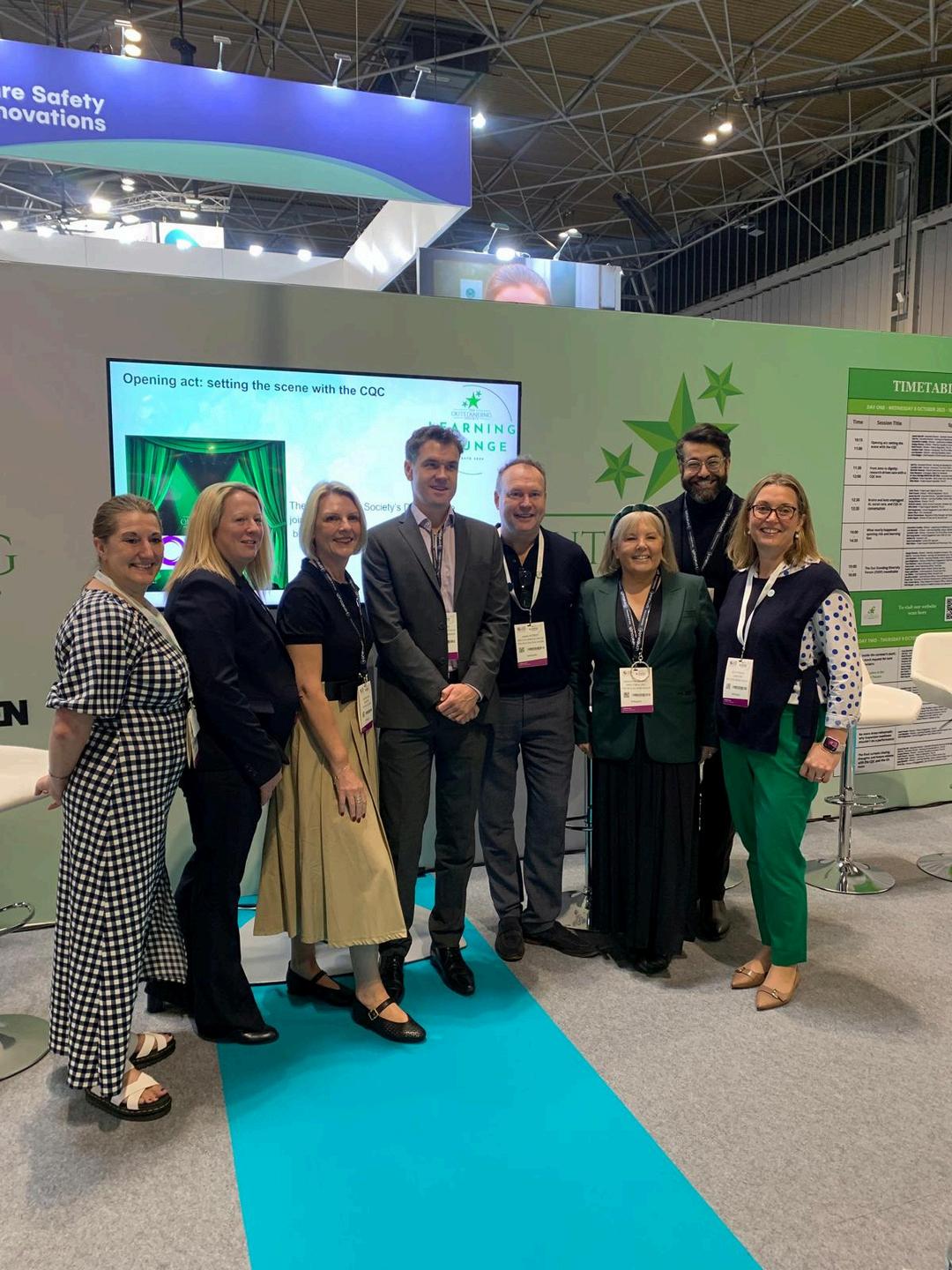
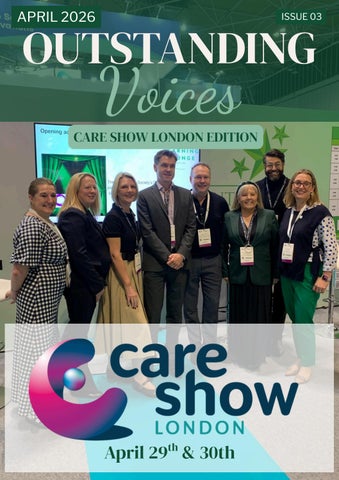
This month’s edition places a special focus on the upcoming Care Show London an important moment in the calendar for our sector to come together, reflect, and look ahead. Events like this are more than just exhibitions; they provide a valuable opportunity to reconnect with our shared purpose, exchange ideas, and be inspired by the innovation and dedication that continue to shape adult social care
We’re delighted that the OS Learning Lounge will once again be part of the event, offering a relaxed and welcoming space for meaningful conversation It’s a place where peers can step away from the busy show floor to share best practice, discuss challenges openly, and learn from one another in a supportive environment. We look forward to seeing many of you there and don’t forget, you can obtain a FREE ticket by clicking on the link and securing your place
Editor and Head of Operations
05
New PartnerCare Quality Pharmacy
The OS is pleased to announce its partnership with CQ Pharmacy— discover why this collaboration works so well.
06
The OS announce their panel discussions for Care Show London
The OS is excited to unveil the final topics for its Learning Lounge sessions, featuring informal panel discussions with CQC representatives, OS directors, and guest speakers.
10 What does the Care Show offer?
Find out why Bright Selection values the event as a key opportunity to explore new ideas, discover innovations, and stay ahead in the sector.
19 Social Care Nursing at the Heart of System Transformation
The NHS is undergoing major transformation towards more communityfocused care, creating a key moment for social care nursing. The sector must adapt and lead in shaping the future of integrated care.
24 UCLH Explained: The Organisation Transforming Health and Care Research
UCLH and University College London are leading groundbreaking health and care research through a major NIHR Biomedical Research Centre.
30 CQC has released its draft Adult Social Care Assessment Framework
CQC’s new draft framework aims to simplify assessments with clearer expectations and a more transparent approach.
The OS is pleased to announce its partnership with CQ Pharmacy.
Partnering with The Outstanding Society is a natural fit for Care Quality Pharmacy.
As a pharmacy dedicated exclusively to the care home sector, our mission is to raise standards in medicines management, safety, and operational efficiency across every home we support
The Outstanding Society represents the very best in care, and by working together we can share best practice, drive continuous improvement, and support providers in achieving and sustaining outstanding outcomes for their residents.
For CQP, this partnership is not just about alignment it’s about actively contributing to a community that is setting the benchmark for excellence in care.
Care Quality Pharmacy (CQP) is a UK-based, national pharmacy supplying medication and medicines management services exclusively to the care home sector
Part of the Pharmacy2U Group, the UK's largest online pharmacy, CQP combines clinical expertise with advanced technology to deliver a safe, efficient, and fully managed medicines service.
From end-to-end prescription management to electronic MAR (eMAR) integration and compliance support, the service is designed to reduce administrative burden on care homes while improving safety and consistency.
With a specialist Communications Team operating exclusively for care homes and a robust quality assurance framework, CQP ensures every home receives a responsive, reliable service tailored to its needs.
At the heart of CQP’s model is a commitment to operational excellence and innovation. Using advanced dispensing technology, including automated systems and multi-stage accuracy checks, CQP achieves exceptionally high levels of accuracy and efficiency at scale.
Monthly medication cycles are delivered well ahead of schedule using CQP’s own drivers, supported by same and next-day interim deliveries when required.
Alongside this, CQP provides ongoing audit support, training, and hands-on partnership working with care homes to strengthen compliance and drive continuous improvement
The result is a pharmacy service built specifically for care homes - reliable, forward-thinking, and focused on delivering better outcomes for residents and care teams alike.
https://cqpharmacy co uk/

The Outstanding Society (OS) team are delighted to announce their final topics for the two days!
The OS team are once again excited to be hosting a series of informal panel discussions in the Learning Lounge, bringing together CQC representatives, Outstanding Society CIC directors, and other inspiring speakers (to be announced soon)
Each session is built around the CQC key questions and quality statements, creating a relaxed space to explore what great practice really looks like in action. Rather than presentations, these conversations will focus on sharing learning, celebrating best practice, and hearing real examples from across health and social care
Whether you’re curious about what “good” looks like, aiming for “outstanding”, or simply keen to learn from others, the Learning Lounge is a chance to listen, reflect, ask questions and be part of a supportive community focused on quality, improvement and pride in practice
WEDNESDAY 29 APRIL TH
Effective - Turning data into better lives: research and outcomes in social care with Jo Wallace, CQC
Caring - Caring beyond compliance: how outstanding services empower people with dignity and choice with Debbie Ho, CQC
Responsive - Outstanding ways to manage complaints and incidents: a secret look into the challenges we all face
Safe - Medicines management focus on complex medication and reporting with Simon Hill, CQC
Safe - Hacked off: a live hack demonstration for the care sector
THURSDAY 30 APRIL TH
Effective - Hot weather planning: the complications of planning for extreme conditions and emergencies with Patricia Johnson, CQC
Well-Led - Regulated, not restricted: innovation and risk with Jo Wallace, CQC
TH
Well – Led - From compliance to culture: what ‘well-led’ really means for nursing teams with Patricia Johnson, CQC
Caring - Compassionate and CLEAR care plans: all the BEST ideas for outstanding care/support records across domiciliary, residential and LD and autism with Debbie Ho, CQC
Well-Led - Pride in care: delivering person-centred support for LGBQT+ communities with Rob Assall, CQC
To secure your free ticket for the Care Show and access the Learning Lounge, please clic
“The Outstanding Society's Learning lounge at The Care Show London is the most sought-after ticket in town!
Every discussion is meaningful, respectful, bringing together all sides of the conversation, from experts in governance, diversity, regulation, insurance, legalities, dementia, mobility, data collection, to those with lived experience, the list goes on, whatever the discussion, you can guarantee you will come away having learnt something!
The panels are made up of people who run care groups, manage care homes, work in care homes, live in care homes, support people in the community, home care, representation of younger people in care, academics, and a lead inspector from the regulator in nearly every panel Each session is carefully thought through, ensuring that the audience gains the maximum in information, expertly led by the Directors of The Outstanding Society who guide the discussion, sharing their experiences and, more importantly, their knowledge.
As someone who does not work in the Care Sector, but has spent many years caring for parents, it is always an honour to join the day. I always come away inspired, having learnt so much All I would say is book your space, it is free and come and join the discussions at The Care Show London at the end of this month. The Outstanding Learning Lounge - the only place to be! “
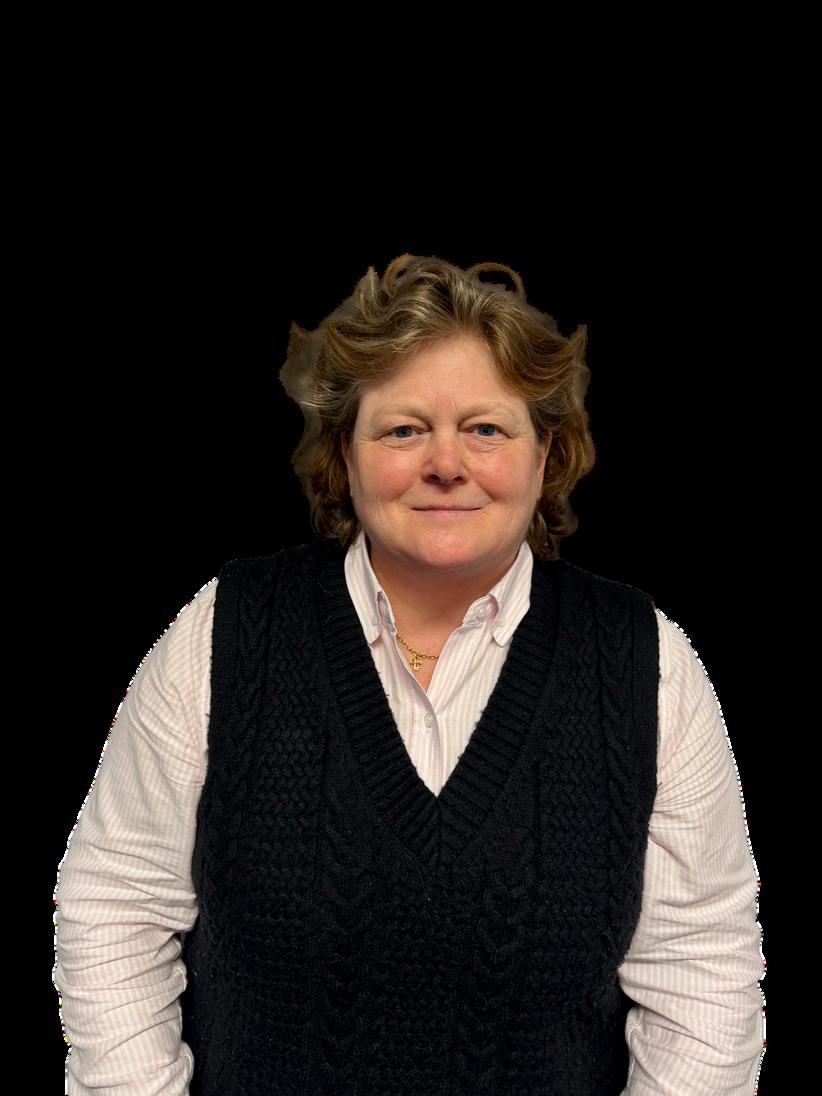
By Rob Hargreaves, Central Engagement Lead, Skills for Care
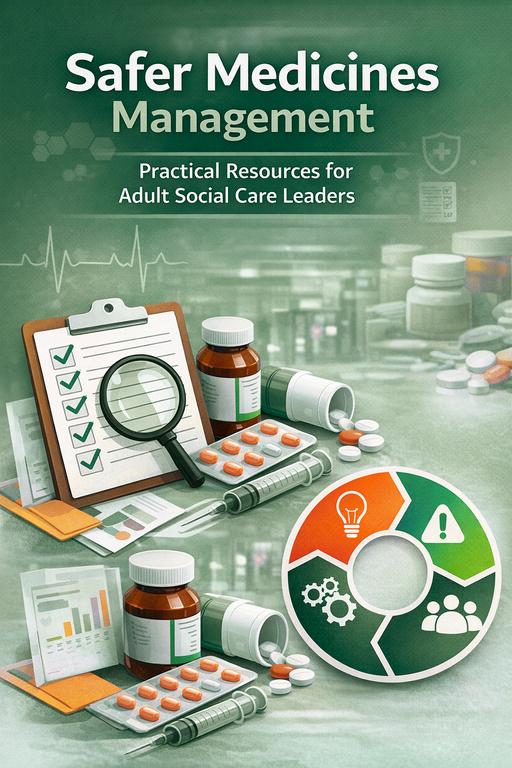
I’m really looking forward to hearing about the latest good and best practice in medicines management at the Care Show Learning Lounge panel discussion on “Safe – medicines management focus on complex medication and reporting.” It’s a timely conversationespecially as Skills for Care has just launched a refreshed suite of medicines management resources designed to support safer practice across adult social care
Across adult social care, medicines errors remain one of the most significant and preventable causes of harm. They affect the safety of people drawing on care, the confidence of staff, and the assurance that leaders and managers must provide every day. But while the sector is committed to doing the right thing, we know providers haven’t always had access to resources designed specifically for social care practice.
Skills for Care’s has refreshed our suite of medicines‑management learning and improvement tools, created to help services strengthen safety, learn from incidents, and build confident, capable teams. At the centre of this suite is the Contributory Factors Framework for Medicines Errors in Adult Social Care Settings a comprehensive, interactive
a comprehensive, interactive guide that supports managers to carry out thorough, fair and balanced reviews of medicines incidents The framework helps services explore not just what happened, but why it happened, examining situational, organisational, and environmental factors rather than placing blame on individuals. It promotes a culture of openness, encouraging staff to be active participants in the

learning process and ensuring their voices are heard
We’ve also developed a Medicines Errors Summary and Action Planning Tool, which gives leaders a simple but effective structure for analysing incidents and turning insights into meaningful improvement actions It helps teams think more broadly about contributing factors and supports services to move away from quick fixes towards long term learning.
To bring this to life, the resource suite includes four completed case study examples, each showing how different errors can be reviewed using the framework and action planning tool These examples demonstrate what good reflective practice looks like identifying root causes, considering the emotional impact on staff, and developing targeted, achievable improvements
What I value most about this new package is how it moves the sector towards systems thinking Medicines errors are seldom the result of a single action. They are often shaped by workload pressures, communication gaps, unclear processes, or wider organisational conditions - something reflected consistently in national medicines safety evidence
For leaders and managers, these resources offer a clear, structured way to strengthen medicines practice - supporting safer onboarding, better supervision, more confident decision making and more effective learning across teams.
They also recognise the human impact of incidents, acknowledging the distress staff can experience and offering guidance on how to support colleagues compassionately
Complementing these new resources, we worked with The Outstanding Society to deliver a joint webinar in December 2025 on managing medicines with confidence, providing further insight into safe and effective ways to strengthen frontline services.
Taken as a whole, these tools offer a robust, actionable basis for improving medicines processes, preventing future incidents, and fostering a workplace where staff feel valued, well supported, and confident in providing safe care.
You can access the full suite of medicines resources here
Our Director, Karen Hedger, and Senior Consultant, Emma Everett, will be joining the Outstanding Society at Care Show London 2026, taking place on Wednesday 29th and Thursday 30th April.
This event continues to be a highlight in the social care calendar, bringing together professionals from across the sector to connect, learn, and be inspired.
Each year, it provides a valuable opportunity to step away from the day-to-day and engage with peers, explore new technologies and services, and attend insightful seminars covering a wide range of topics
As a proud sponsor of the Outstanding Society, we are particularly privileged to take part in the panel sessions, widely regarded as some of the most engaging and wellattended sessions at the show
These discussions bring together experts from across legal, financial, regulatory, and most importantly other care providers who are navigating the same real-world challenges and opportunities every day.

What makes these sessions so engaging is their focus on practical, actionable insight. Attendees leave not only inspired, but equipped with ideas, resources, and connections that can directly support improvements within their own services and contribute to the ongoing pursuit of ‘Outstanding’.
Each year, we look forward with anticipation to the panel topics, and they never disappoint. Previous discussions we’ve contributed to include:
A topic close to our hearts. Ahead of this session, we collaborated closely with our clients and spoke with Home Managers to understand what truly drives retention. Sharing these real-world insights proved invaluable
Looking beyond workforce shortages, we explored wider challenges raised by providers, such as supporting workforce mental wellbeing, managing employer reputation amid CQC delays, and embracing digitalisation The panel brought forward a strong sense of collaboration and shared solutions
A powerful and highly engaging discussion, highlighting the pressures faced across all levels of the workforce. We explored practical initiatives including wellbeing programmes, regular check-ins, and flexible approaches to problem-solving, alongside important conversations around attracting and retaining younger talent
This session focused on the role of emotional intelligence (EI) across the sector From recruitment through to training and supervision, there was clear consensus that EI must be intentionally embedded within organisational values and culture
For us, it reinforced the importance of understanding not just what someone does but how and why they do it.
This session focused on the role of emotional intelligence (EI) across the sector From recruitment through to training and supervision, there was clear consensus that EI must be intentionally embedded within organisational values and culture. For us, it reinforced the importance of understanding not just what someone does but how and why they do it.
One of the most inspiring aspects of these conversations is the willingness across the sector to share best practice openly. There is a genuine collective drive to learn from one another and continuously improve; a principle that is at the heart of what the Outstanding Society represents
We know how busy life can be for care managers, but we would strongly encourage anyone in the sector to take time to attend. Even a few hours at the Care Show can provide valuable insights or that one idea that makes a real difference
Karen and Emma will be meeting with care providers and our wider management network across both days If you’re attending and would like to connect, we’d love to hear from you, please feel free to reach out to arrange a coffee or meeting.
https://brightselection.co.uk/
By Anna Fee, Senior Associate Solicitor, RWK Goodman

The importance of robust processes
Under the Quality Statement, ‘Listening to and involving people’, the CQC expects providers to make it easy for people to share feedback or raise complaints about their care and treatment.
Complaints are inevitable in the health and social care sector but they do not need to be regarded as something negative, instead they can be viewed as an opportunity to demonstrate that a service is well-led and has a culture of openness and transparency
Under Regulation 16 of the Health and Social Care Act 2008 (Regulated Activities) Regulations 2014, providers are required to have an effective and accessible system for receiving, handling and responding to complaints. All complaints must be investigated thoroughly and any necessary action must be taken where failures have been identified These are the minimum requirements under the Regulations. Moving beyond compliance and the minimum expectations, what distinguishes an ‘Outstanding’ provider from a ‘Good’ provider is the effectiveness of their complaint handling
To meet this expectation, providers must ensure they have robust, well understood processes for managing complaints. A crucial element of this is fostering a culture of openness and transparency within a service Having an open culture means that service users or their families are more likely to raise issues and concerns with the service directly instead of seeking external routes first such as going to the local authority or the CQC
This not only improves relationships and outcomes but also helps providers to address issues at an early stage before they escalate.
Openness and transparency are also fundamental to fulfilling an organisation’s wider duty of candour obligations. The duty of candour requires providers to be honest and transparent with service users when something goes wrong

(LGSCO) or the Parliamentary and Health
Ombudsman (PHSO) if the complainant is unhappy with the final response.
Under Regulation 20, certain events categorised as ‘notifiable safety incidents’ must be reported to the CQC, ensuring that providers are accountable for acknowledging harm, explaining what happened, and taking steps to prevent recurrence.
A strong complaints framework gives clarity and offers people confidence Ensuring that complaints are handled consistently and constructively is the key to success. Practical suggestions to achieve this goal are set out below:
Providers should have a robust complaints policy in place that is easily accessible and in a suitable format for both service users and families
All staff should know what to do when a complaint is received and who they should escalate it to Regular training will help with this Complaints should be acknowledged promptly and any complaints policy should set out clear timeframes for responses and explain how complaints will be managed
The policy should detail the names of designated people who are responsible for managing the complaints procedure
Complaints should be investigated thoroughly to understand what happened, why it happened, and what needs to change to reduce the risk of recurrence
Responses to complaints should be professional, honest and use empathetic language.
If any failings are identified through the complaint or investigation, providers should act quickly to rectify them and ensure that this is communicated to the complainant.
Complaints policies must provide details on how to escalate the complaint to the Local Government and Social Care Ombudsman
Outstanding providers create a culture where feedback (both positive and negative) is actively sought, understood and used to drive improvement. To demonstrate that a service is ‘Outstanding’ when it comes to handling complaints, providers must ensure that complaints are dealt with in an open and transparent way People who raise complaints need to feel confident that they will be taken seriously and that their complaint or concern will be investigated thoroughly
It is helpful to monitor complaints over a period of time to identify if any patterns or trends emerge. If trends are identified, providers should focus on quality improvement and providing training to staff to address these issues.
Learning from complaints and concerns is also of paramount importance and it should be seen as an opportunity to improve the service and prevent reoccurrence It is also a key way to demonstrate to the CQC that a provider’s governance systems are effective which in turn helps to demonstrate that a service is well-led
To handle complaints effectively, providers should follow their complaints policy consistently and keep clear, accurate records. While meeting regulatory requirements represents the minimum standard, using complaints proactively as a tool for learning and service improvement demonstrates to the CQC that a service is well led, responsive, and committed to continuous improvement
If your service needs any assistance with handling complaints made by service users or families, it can be helpful to seek specialist legal advice
Our lawyers at RWK Goodman can assist with this. For further information, call: 02030 069727 or visit
https://rwkgoodman.com/sector/health-social-care
Medication management remains a core part of dayto-day care, but it is becoming increasingly complex Many residents require multiple medications, often administered at different times and by different members of the team. In busy care environments, even well-established processes can be difficult to maintain consistently, particularly when teams are managing competing priorities. Ensuring that medication is administered safely and recorded accurately continues to be a key area of focus across the sector.
At the same time, the administrative demands placed on care teams are significant. Recording medication rounds, updating records, and preparing for audits all require time and attention to detail While these tasks are essential, they can reduce the time available for direct care and add pressure to already stretched teams Finding the right balance between maintaining compliance and supporting staff workload is an ongoing challenge for many providers.
Maintaining clear oversight is also becoming more important as services grow and teams become more distributed Care managers need to be confident that medication is being managed consistently across shifts, with access to accurate and timely information when reviewing care. As expectations continue to evolve, many providers are reflecting on how their current processes support both safe care delivery and the people responsible for delivering it. This is where the right systems can make a meaningful difference - improving visibility, reducing administrative burden, and supporting safer medication practices - so if you’re exploring ways to strengthen your medication management approach, the Camascope team would be happy to show you how this can work in practice!

SPEAK WITH OUR TEAM
Come stand D20. We’re here to listen and explore ways to support your medication management goals this year.
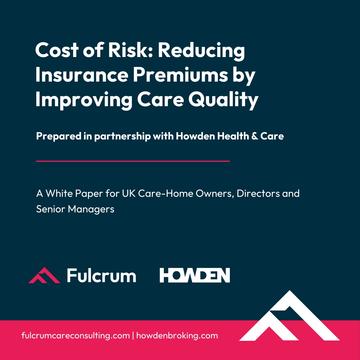
Our headline partner, Howden, has worked with Fulcrum Care Consulting to create a new whitepaper
This serves as a practical report designed to support care leaders navigating today’s challenging insurance landscape
The report explains how insurers assess risk in adult social care and why strong operational controlsfrom safe staffing and medicines governance to estates and environmental safety – can materially reduce the premiums that care providers pay
It also explores the commercial impact of delays in the CQC inspection cycle; with many providers still carrying ageing ratings, insurers may be assessing risk on historic judgements.
Read the full report to learn more.
https://www.howdengroup.com/uk-en/cost-of-risk-incare-whitepaper
By Rob Hargreaves, Central Engagement Lead, Skills for Care
Allyship is becoming an increasingly essential component of leadership in adult social care As our workforce becomes more diverse, the responsibility on leaders and managers to create cultures of fairness, belonging and psychological safety has never been more important That’s why Skills for Care has launched a new suite of allyship resources designed to help organisations embed inclusive behaviours into everyday practice and strengthen the experiences of everyone who works in, draws on, or supports adult social care.
At the core of these new resources is the Strategic Allyship Framework, which sets out how organisations can define allyship, assess readiness, and embed inclusive behaviours in a deliberate, sustained way The framework highlights that allyship is most powerful when allies are active, aware and committed, helping shape cultures that reduce harmful behaviours and strengthen staff wellbeing and inclusion.
Alongside the framework, leaders can access structured activities such as Building Inclusive Workplaces and Building Allyship Standards. These practical tools help teams reflect on lived experiences, explore what being an active ally looks like, and co create shared expectations for behaviour. The launch announcement notes that these resources equip leaders and managers to challenge bias, have open and respectful
conversations, and advocate for colleagues who may face barriers or discrimination.
These developments also align with one of this year’s most important updates: the refreshed Leadership Qualities Framework (LQF). Updated in March 2026, the LQF now includes strengthened focus areas such as co production, equality, inclusion, and allyship, reflecting the evolving expectations of leadership across the sector It emphasises that leadership is demonstrated not by job title, but by observable behaviours at every level behaviours that build trust, enable diverse teams to thrive and deliver safe, person centred care
This renewed emphasis on inclusive leadership is strongly connected to the CQC’s Well‑led framework, which places clear expectations on leaders to promote equality, diversity, and inclusion within their workforce. Inspectors look for leaders who model fairness, respond proportionately to discrimination, listen actively to staff, and ensure everyone feels valued and represented. The Strategic Allyship Framework provides a direct, practical way for organisations to develop and evidence these expectations, helping move from intent to consistent practice
Taken together, the new allyship resources and updated LQF give leaders and managers a practical, actionable foundation for strengthening inclusive leadership across adult social care They help services create cultures where people feel safe speaking up, where diverse identities are recognised and celebrated, and where colleagues at all levels understand their role in creating a fairer, more supportive workplace.

As we continue these conversations, I’m really looking forward to hearing about the latest good and best practice at the Care Show Learning Lounge session on “Well‑led – pride in care: delivering person centred support for LGBT+ communities.”
Explore the full suite of allyship resources here.
Like brighter days to bird migrations, Care Show London is social care’s Spring into the coming season of change, growth and discovery. We are excited to welcome people to Stand D30 for two days of engaging discussions, informative talks and entertaining activities in the Excel Arena
As a digital partner, our focus is on connecting with people at the event We have plenty of space for friends and new faces to join us and share their experiences. It is through those experiences that we are able to shape our platforms, and wider digital ecosystem, to the unique needs of care and support providers across the UK.
Plus we’ve got plenty to share ourselves!
We have developed a suite of platforms that we will be demonstrating on our stand throughout the show These systems are built to meet the modern challenges of care and support, so providers can engage their communities, reduce risk, and build for the future
Nourish Better Care is our system built for residential settings. Designed to be easy to use for carers, and straightforward to review for care managers, it comes equipped with the tools you need to capture the full picture of every life you support
Nourish Safety gives you a holistic, detailed tool to manage incidents, ensure compliance, and focus on what matters most, driving lasting improvements in care quality.
Nourish Confidence is a single place to unify audits, actions and AI assessed care plans to support better decision making across your service.

Nourish Transparency is a new way to bring clarity to your care planning and help you understand the true cost of your care Enabling providers to take a more structured, data-informed approach to planning and resourcing care and support
Nourish Better Care at Home combines detailed point of care functionality with robust rostering and administration features to give home care providers everything you need for your service.
The NHS is entering one of the most significant periods of structural and cultural change in a generation The introduction of Neighbourhood Health models and the reconfiguration of systems across the East of England mark a decisive shift toward care delivered closer to home, shaped around communities, and built on genuine collaboration between health and social care.
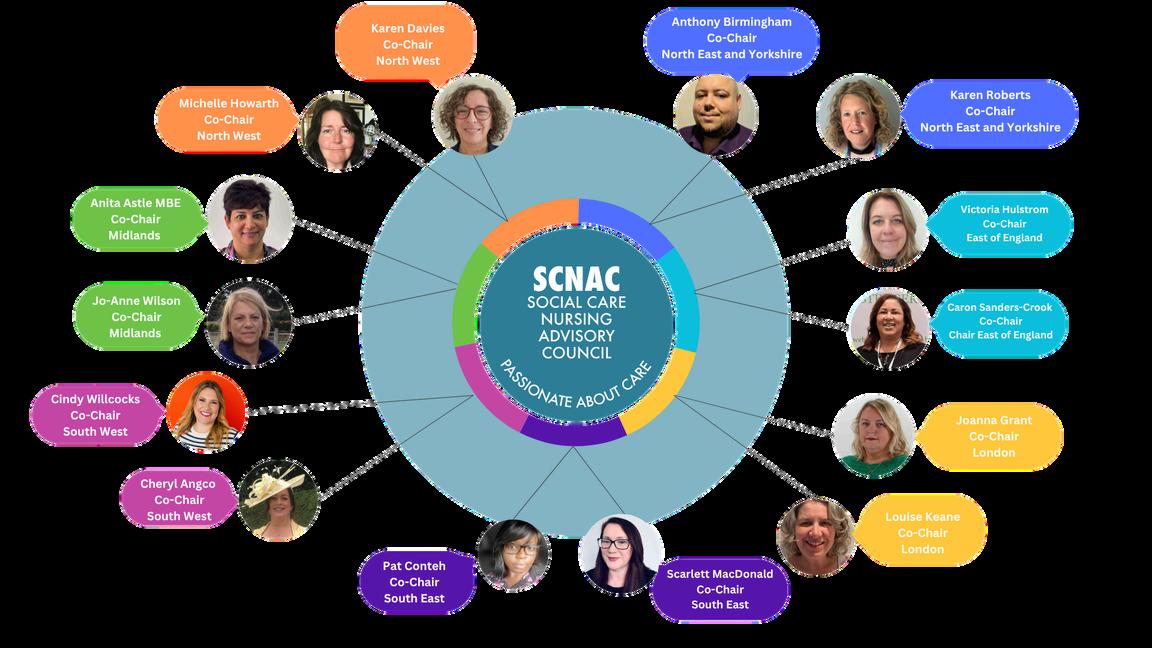
As Co-Chairs of the Social Care Nursing Advisory Council (SCNAC) for the East of England, we welcome these developments, not simply as organisational reform, but as a moment to elevate the expertise of social care nursing and place it firmly at the centre of system transformation.
And make no mistake: change is happening, whether we feel ready for it or not. The landscape around us is shifting Structures will evolve Boundaries will move But for social care nursing, our responsibility remains constant. We carry on. We adapt. We lead.
Importantly, this is not a regional anomaly The Councils exist across multiple regions in England, each providing a vital platform for social care nursing leadership While the backdrop may differ from one area to another, the message is the same: the system is moving, and social care nursing must move with itconfidently, visibly and with purpose
"Neighbourhood health will only succeed if social care nursing is embedded from the start."
"The system is changing, but our responsibility remains constant."
Neighbourhood Health: What Is Changing - and Why It Matters
Neighbourhood Health represents a fundamental shift in how care is planned and delivered Instead of organising services around institutions, this model focuses on local populations, prevention, early intervention and coordinated support delivered where people live
Across the East of England, NHS restructuringincluding changes to integrated care arrangements and trust footprints - is designed to reduce fragmentation, strengthen strategic planning and enable neighbourhood-level delivery at scale. These changes will inevitably influence how services interface, how teams collaborate and how care pathways are designed.
For nurses, particularly those working in and alongside social care, this shift is both familiar and long overdue.
For nurses, particularly those working in and alongside social care, this shift is both familiar and long overdue.
Neighbourhood-based care has the potential to transform outcomes for people who rely on multiple services - older adults, people living with long-term conditions, and those with complex or fluctuating needs.
We see the impact of fragmented systems every day
A person deteriorates in a care home overnight; the nurse escalates appropriately, but community capacity is stretched and pathways feel unclear Hours are lost repeating histories and navigating referral routes. The outcome can be an avoidable conveyance to hospital, not because the care was wrong, but because the system wasn’t joined up
The ambition is clear:
Fewer avoidable hospital admissions
Stronger prevention and early support
More coordinated transitions between services
Greater continuity and relational care
For social care, this is not a threat; it is an opportunity
Social care has always delivered holistic, personcentred support rooted in communities The future model of care increasingly mirrors what social care nurses already do exceptionally well: balancing clinical expertise with relational care, autonomy, ethical judgement, and long-term support beyond episodic treatment
Social care nurses bring a depth of expertise that is critical to the success of neighbourhood health models. Our practice is grounded in:
whole-person assessment, not singlecondition care
“When social care nursing expertise is recognised and embedded into planning and delivery, neighbourhood health becomes not just efficient - but humane, sustainable and effective.”
risk enablement and shared decision making supporting independence, dignity, and quality of life
working with families, carers, and multidisciplinary partners navigating ethical complexity and resource constraints
These skills are indispensable in community-based systems When social care nursing expertise is recognised and embedded into planning and delivery, neighbourhood health becomes not just efficient - but humane, sustainable, and effective
But there is a clear risk we must name: if social care nursing is not embedded early and meaningfully, neighbourhood models may be designed without the very workforce that understands long-term, relational care, leaving gaps that will later show up as pressure, delay, and avoidable harm
If social care nursing is not embedded early and meaningfully, neighbourhood models may be designed without the very workforce that understands longterm, relational care.”
The Role of SCNACs: A Hub for Expertise, Voice, and Leadership
The SCNACs exist to ensure that social care nursing has a clear, credible, and influential voice within integrated systems
Across England, SCNACs: bring together expert frontline social care nurses and system leaders bridge gaps between health and social care perspectives provide informed advice on sector challenges, workforce priorities, and service design.
offer a leadership platform for social care nursing promote joint working, shared learning, and system cohesion.
In times of change, SCNACs offer stability, insight, and connection, ensuring that decisions are grounded in the realities of care delivery and the lived experience of both professionals and the people they support
At a time when footprints are shifting and new neighbourhood arrangements are forming, SCNACs provide a stable, clinically led forum where system partners can connect quickly, test ideas safely, and remove barriers before they become service failures.
An Invitation to Nursing and Health Colleagues
We warmly invite Chief Nursing Officers (CNOs), senior nurses, commissioners, and colleagues across health services to engage with their local SCNAC
Whether you are a CNO, neighbourhood lead, community matron, PCN clinical director, integrated care nursing lead, or senior nurse in an acute or community trust, your presence strengthens the voice, improves shared understanding, and helps us design neighbourhood services that actually work in practice.
Attendance at SCNAC meetings offers:
insight into social care nursing practice and challenges opportunities to shape neighbourhood health plans collaboratively stronger relationships across sectors a shared forum for problem-solving and innovation
Meeting details and participation information are available via The Outstanding Society (the OS) website.
We encourage colleagues to attend, listen, contribute, and collaborate.
The Value of Health and Social Care Working Side by Side
When health colleagues work closely with SCNACs and social care nurses, the benefits are tangible:
Improved continuity and coordination for people moving between services
Better use of workforce skills and expertise
Shared understanding of risk, complexity, and capacity
More resilient, responsive local systems
Across the East of England - including areas selected for neighbourhood health development, these partnerships will be critical in translating national ambition into local reality.
Looking Ahead: A Moment to Lead Together
This period of reform presents a defining opportunity, not just to reorganise structures, but to re-centre care around people, communities, and relationships
Social care nursing has much to offer and much to contribute to this future Through strong leadership, collaboration, and a shared commitment to integration, we can ensure that neighbourhood health delivers meaningful, lasting improvement for those who rely on our services
The system is changing. The backdrop is shifting.
But our work continues, and our leadership has never been more needed.
Now is the time to work together, to listen across sectors, and to shape a system that reflects the best of our profession: compassionate, skilled, and deeply rooted in community care
https://theoutstandingsociety.co.uk/scnac/ Admin
In the NHS, Patient and Public Involvement and Engagement (PPIE) is essential.
As part of Vivaldi Social Care, we bring this to life through our Adult Social Care Engagement Collective a group made up of providers, stakeholders, and people with lived experience
We’ve been fortunate to have Judy, a care home resident, as a valued member of this collective over the past several months Judy recently took this a step further by speaking as a guest at a parliamentary reception.
Find out more about Judy here:
After a couple of years with a small ice cream producer, Judy moved as Assistant Advertising Manager to the International Wool Secretariat, and in her ten years with them was promoted to Womenswear Marketing Executive.
Her experience covered high fashion as well as everyday what mattered most was that manufacturers used “pure new wool”
Next came Yardley International where she mainly worked to encourage greater use of Yardley makeup and skincare in South America
Marriage and two small children didn’t mix with travel to South America so a complete change of direction came, expanding what had been a limited amount of volunteering into much more involvement
with the voluntary sector in the borough of Greenwich, where she has now lived for 52 years.
This has included membership of steering groups to set up a Council for Voluntary Service, a Volunteers Centre, a group of community buildings and a youth project (all of which included trustee posts), plus twenty years running a volunteer lunch club
Judy is very proud to hold the Freedom of the Borough of Greenwich and an MBE which local people nominated her for
She brings all this background experience, as well as over three years of care home life, to the Vivaldi Project
https://theoutstandingsociety.co.uk/vivaldi-social-care/
Dr Nick McNally, Managing Director, Research UCLH/UCL

The National Institute for Health and Care Research (NIHR) is a national organisation funded by the UK Government to improve the health and wealth of the nation through research.
The NIHR funds infrastructure that enables and delivers health and care research to improve people's health and wellbeing and promote economic growth.
University College London Hospitals NHS Foundation Trust – a large group of hospitals in central Londonand its partner institution University College London have one of England’s largest NIHR Biomedical Research Centres (BRC).
The BRC provides the infrastructure that underpins the world leading research programmes that UCLH and UCL carry out together.
Two areas of strategic priority for the UCLH BRC are, firstly, building the data infrastructure and systems that are needed to make better use of the data that sits within health and care systems; and second, building capacity for research through education and training of the workforce in health and care organisations.
The BRC has a long track record in both of these
areas of activity. Whilst our focus has traditionally been on working within the setting of hospitals at UCLH because that is where most of the BRC’s research takes place, we have been extending the reach of our research infrastructure, partnering with other organisations to build capacity for research “out of the hospital”.
Our goal is to enable more research to take place in other settings where health and care services are provided, such as less research-active hospitals, primary care and social care organisations.
We see this as an important way of extending the opportunity for people to take part in our research, opening up research to individuals and communities who have not traditionally been included in research
The need for more research in residential and nursing care homes was brought into sharp focus during the COVID-19 pandemic. Better use of data and more research are needed to help the care home sector better understand health outcomes in their residents and to create the databases on which important research projects can be built, including studies to diagnose infections early and test new treatments that might benefit residents
But growing research activity in care homes is not straightforward, not least because the world of data tends to be complex and requires dedicated infrastructure and because the care homes workforce has not had the same levels of exposure to research or experience with research as is the case in most parts of the NHS.
With that as the backdrop, the UCLH BRC is supporting work being led by Professor Laura Shallcross from UCL and colleagues in the VIVALDI Social Care project, which has established a national network of more than 700 ‘research motivated’ care homes.
Our support is designed to enable Laura and the team to establish the pipelines of data from care homes into a database “safe haven” at UCL, where the data can be pooled and dashboards created for ease of use, all within a very safe and secure digital environment with tightly controlled access. As such, the learning and experience that the BRC has acquired from our work with hospital-based data is now being used to support better data flows within the care homes networks.
The BRC is also supporting the development of a programme of research training and capacity development for staff working in care homes This collaborative project is scoping research training needs of staff working in different roles and at varying levels of seniority in the care homes sector
The work includes identifying individuals who might act as research leaders across their organisation As well as Laura and other UCL colleagues, the collaborative team includes members from Leeds Becket University, University of York and The Outstanding Society, and together they are developing, piloting and evaluating flexible, multimodal research training materials, such as videos, presentations, blogs and newsletters, that can be tailored according to need



We know that research will bring opportunities to enrich the roles of the care homes workforce. We also know that research carries the hope of tackling the complex health needs of care home residents
“Our ambition is national, in that by supporting this important work, we hope to see the development of muchneeded capability and capacity for research within the care homes sector across the country”
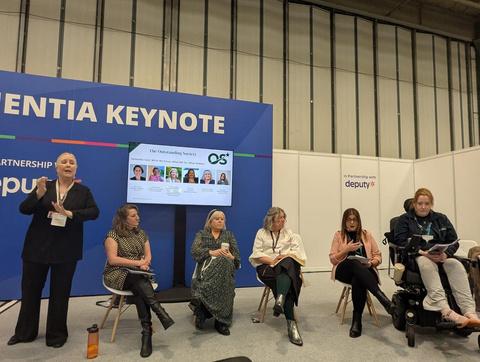
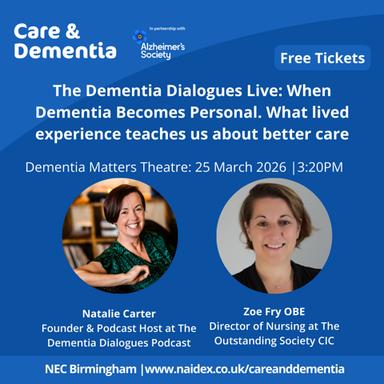
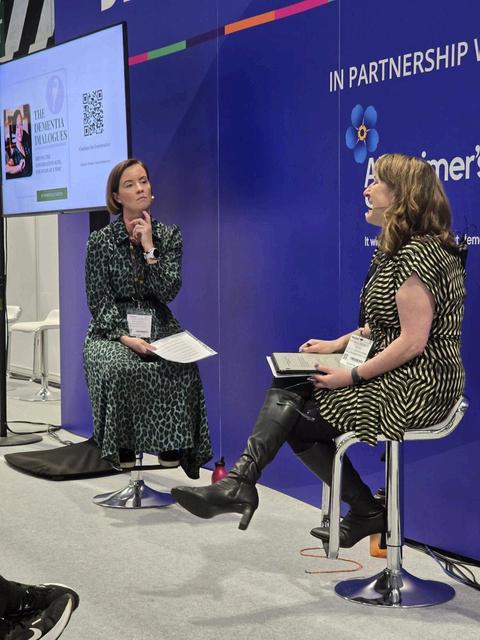
It felt a real privilege to have a stand “We Are Social Care Nursing” at the Dementia Care event at Birmingham NEC last week, coming together once again alongside partners including the Royal College of Nursing, Queen's Nursing Institute, Skills for Care, National Institute for Health and Care Research, University of Salford and the RCN Foundation.
Having worked together for several years, there is now a strong sense of cohesion, professionalism and trust each organisation understanding the value the others bring
One of the most energising moments came during our panel discussion, “Dementia care: what we know, what we do, and what matters ” A simple question was posed:
“What is one thing you can do tomorrow to improve dementia care?”
Many important themes were discussed, but one I want to focus on is opening the doors of adult social care to student nurses Placements are not just about learning; they are about inspiring future nurses and helping them see what great, personcentred dementia care really looks like
This clearly resonated. Following the panel, people came straight to the stand, some sharing the brilliant work already happening, others asking how they could get started with placements. With colleagues from Skills for Care present, conversations quickly turned into action, with practical advice, connections and support offered on the spot.
Conversations also went beyond placements. Opportunities to get involved in research through the National Institute for Health and Care Research (NIHR) were highlighted, alongside funding options from the RCN Foundation to support further education and career development Approaches such as resilience-based clinical supervision were shared, with signposting to the Foundation of Nursing Studies (FoNS) to support workforce wellbeing and development.
The importance of connecting locally was also emphasised, encouraging nurses to engage with their Social Care Nursing Advisory (SCNAC) networks dedicated spaces to share learning, support student placements and drive wider sector improvement
For those new to adult social care, excellent resources from the Queen's Institute of Community Nursing were highlighted, including the Guide for Nurses New to Adult Social Care. This supports nurses transitioning into care homes and community settings, focusing on safe practice, wellbeing, professional development and navigating the unique landscape of adult social care.
What stood out most was the power of bringing people together When professionals with a shared passion for adult social care connect, even a single conversation can spark ideas, partnerships and actions that last far beyond the event, ultimately leading to better outcomes for people who draw on care and support.
This April, Ashfield Services will be attending Care Show London, joining providers, partners, and professionals from across the sector for one of the most important events in the care calendar
You can find us at Stand B34, opposite the Learning Lounge, as part of the Outstanding Society village.
Whether you are exploring new training solutions or looking to strengthen your existing provision, we would love to speak with you
https://www.ashfieldservices.co.uk/

Supporting Quality Through Meaningful Training At Ashfield, we are passionate about delivering training that genuinely supports the workforce and improves outcomes for the people they support
supports staff to work safely, confidently, and within clear boundaries It strengthens understanding of responsibility and accountability, supporting better outcomes and safer practice.
Oliver McGowan Mandatory Training: Our delivery of the Oliver McGowan Mandatory Training supports improved understanding of learning disability and autism, helping to reduce health inequalities and improve experiences for those accessing care and support.
Our team will be on hand throughout the event to talk through your training needs and share how we can support you:
Billy Parish (Sales Director)
Billy has a comprehensive understanding of our full course offer and can support conversations around availability, planning, and how to get the most from your training provision.
Paula Gee (Co-Head of Clinical and Quality Assurance)
Specialising in Oliver McGowan and ENHANCE, Paula can talk you through how these programmes can deliver real value for your teams and services
Cheryl Angco (Co-Head of Clinical and Quality Assurance)
Cheryl brings extensive expertise in quality assurance and co-production She has supported the development of specialist training, including Practical Suicide Intervention Skills: Thoughts of Life not Worth Living, developed in partnership with organisations such as Oxleas. You may also find her at the neighbouring SCNACs stand

Matthew Attfield (Managing Director)
Matthew will be contributing to discussions at the Outstanding Diversity Forum (OSDF) round table and will be available to share insights from across the sector, including how training continues to evolve to meet changing needs.
If you are attending, we would be delighted to meet you. Come and find out more about what we do, explore our training offer, and speak with the team.
Stand B34, opposite the Learning Lounge.Part of the Outstanding Society village We look forward to seeing you there.
Ruth French, Director of Policy & Regulation, The OS
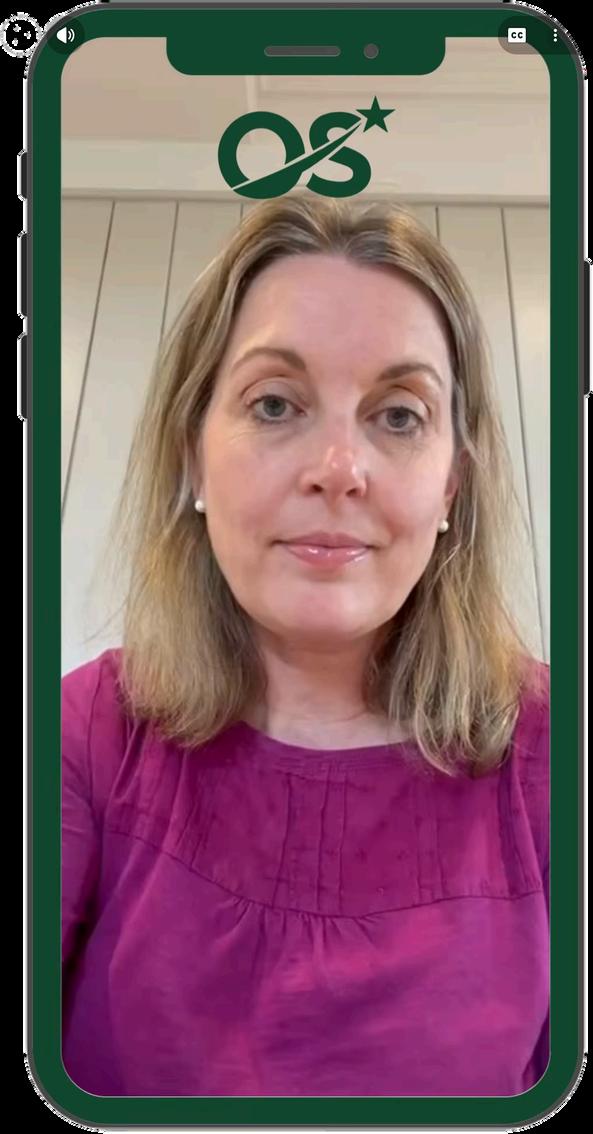
So what’s changing and what does it mean for providers?
The Five Key Questions remain but NO Single Assessment Framework - This framework continues to sit beneath the core questions providers know well, but social care reverts to its own distinct framework. The draft includes 24 Key Lines of Enquiry (formerly Quality Statements), with CQC indicating further refinement is planned to reduce duplication. A more streamlined structure should make it easier for providers to understand expectations and prepare for inspection.
A return to Ratings Characteristics - This is a positive step. Clear, operational descriptors of what “Good” and “Outstanding” look like give providers practical insight into what inspectors are assessing This added specificity supports consistency, transparency, and continuous improvement across services
Fewer Key Lines of Enquiry but core themes remain - Although the number has reduced, the essence of nearly all previous Quality Statements is still embedded. CQC is also exploring what environmental sustainability should look like in adult social care settings Some areas have been combined compared to the Single Assessment Framework, but very little appears to have been removed entirely.
Overall, the direction of travel is clear:
A more transparent, evidence driven, equitable, and person focused regulatory approach, with sharper indicators for poor practice Chris Badger, the Chief Inspector for Adult Social Care is also clear he wants to see far shorter reports – 12-14 pages is the norm in Wales and Scotland, but this rises to an average of 20 pages for CQC reports. A combination of a shorter report, but additional feedback and pointers for providers (who want their hard work recognised) might strike the right balance
The change of approach doesn’t mean a change in what providers need to demonstrate person centred care supported by accurate, up to date care plans, competent teams, meaningful oversight, and active learning will remain the foundations of achieving good and outstanding outcomes.
View the draft framework by clicking on the link:
https://cqc govocal com/en-GB/projects/give-your-views-draft-sector-specific-assessment-frameworks
Comments invited until 12 June 2026 th



The RCN Foundation is pleased to launch a new education grants programme, delivered in partnership with the Rayne Foundation, to support the professional development of registered nurses, care and support workers/assistants working in adult social care settings across the UK.
Adult social care settings include, but are not limited to:
Residential care homes
Nursing homes
Homecare/domiciliary services
This programme aims to enhance skills, build capability, and improve the quality of care within the adult social care sector.
Eligible applicants can apply for grants of up to £1,600 to support education and training. Funding can be used for a wide range of learning opportunities, including:
Accredited health and social care courses
Modules within an MSc in Advanced Clinical Practice
NMC Specialist Practice Qualifications, including Adult Social Care Nursing
Short courses in areas such as nutrition, social care, and personal care
Masterclasses and professional development training for care and support Workers/assistants
To apply, you must meet the following requirements: Your course must start between September 2026 and September 2027
You must be a Registered Nurse in the UK or a care and support worker/assistant under the supervision of a registered nurse
You must provide a manager’s reference confirming support for your chosen course and outlining how it will contribute to your professional development and career progression
If you are a care and support worker/assistant, the manager’s reference must come from a UK registered nurse
We also welcome applications from independent/selfemployed social care nurses operating as limited companies. In these cases:
You will be asked to provide two professional references from previous contracts or employment.
Please note, this grants programme is not open to pre-registration nursing and midwifery students.
Applications should clearly demonstrate how the proposed learning aligns with at least one of the programme’s priority areas:
1. Older People and Frailty Care
Developing skills to support older people across a range of settings, including care homes, community environments, and individuals’ own homes.
2. Advanced Clinical Practice/ Specialist Practice
Qualification
Supporting postgraduate study and specialist training in key areas such as:
Dementia care
Palliative and endoflife care
Long-term condition management
Social Care
Learning disabilities
Youdo notneed to be a member of the RCN to apply
Find out more

This April we’re once again #CelebratingSocialCare, focusing on the amazing people who work in care, and we’d love you to join the celebrations
Join us for our fifth year of 'Celebrating Social Care'. Since 2022, we’ve dedicated the month of April to #CelebratingSocialCare.
Although we celebrate social care year-round, we use this month to shout a little bit louder, and we encourage everyone else to join in.
People who work in social care are highly skilled, passionate and hard-working, and it’s important that we all take time to recognise the vital work they do. Without our sector’s dedicated workforce, many people would not be able to live fulfilling lives in the way they choose.
We want to hear about the great work you're doing in social care. Find out how to get involved with #CelebratingSocialCare and share your stories with us

Join us in #CelebratingSocialCare
We’re inviting everyone to get involved and show their support. We’re excited to see how you’ll take part!
Download our 'Celebrating Social Care resource pack 2026' which includes selfie cards, social media images, templates and an email signature. Get involved
Share your stories, shoutouts and celebrations
Post on social media
Host your own event or activity


Over the following pages are upcoming events that reflect our commitment to sharing and celebrating best practice across Adult Social Care. If you would like your event to be considered for the next issue, please contact us at
comms@theoutstandingsociety.co.uk April 29 & 30th th
The OS Learning Lounge returns to ExCEL London, don’t miss out on your FREE ticket.

The University of Salford is proud to support nurses working in Adult Social Care- join us at this free event for a day of discussion, innovation, networking and celebration!
This event is for adult social care nurses, student nurses, aspiring social care nurses, interested organisations, social care researchers, and more
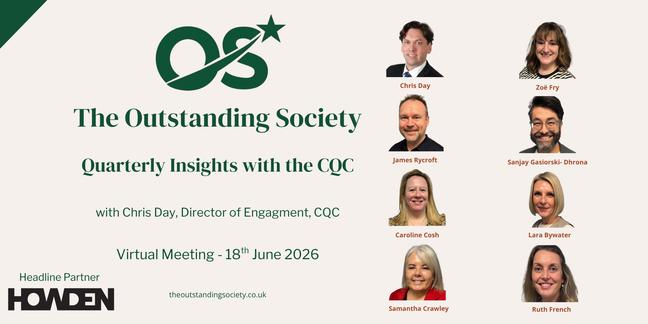
Quarterly Insights with the
The Outstanding Society Panel Discussion with the CQC
Join us for a chat with Chris Day, Director of Engagement at the Care Quality Commission.

Join us as the OUT Standing Diversity Forum takes to Brighton Pride 2026. Stand alongside a united Social Care community championing inclusion, visibility, and belonging. Register your interest today and be part of a powerful movement showing that everyone deserves to live and work with pride
Webinars from Dementia Community
We host regular webinars on key topics related to the Dementia Community, as well as other areas of interest to families, carers, and people working in the field
Explore and book our upcoming sessions
Over the following pages are resources that reflect our commitment to sharing and celebrating best practice across Adult Social Care.
If you would like your resource to be considered for the next issue, please contact us at
comms@theoutstandingsociety.co.uk Cost of risk: Reducing insurance premiums by improving care quality
The report explains how insurers assess risk in adult social care and why strong operational controls can materially reduce the premiums that care providers pay It also explores the commercial impact of delays in the CQC inspection cycle; with many providers still carrying ageing ratings, insurers may be assessing risk on historic judgements.
Read the full report

Join the nursing community
Stay informed and up to date with the latest news and developments in the nursing field by subscribing to our nursing newsletter
Learn about new research, trends, and best practices to enhance your nursing career.
CLICK TO FIND OUT MORE
Claims defensibility podcast.
How care homes build claims defensibility and trust
Insurance claims can be stressful, but they don’t have to be chaotic What you need to do from the first hour after an incident, how to manage CQC scrutiny and the importance of staff training.
A must listen that offers practical steps to help care providers to reduce risk and protect your residents
CLICK TO FIND OUT MORE

Championing leadership development opportunities for student and early career nurses and midwives around the world
The Nursing Now Challenge works with health employers as well as universities, colleges and individuals around the world to create leadership development opportunities for student and early-career nurses and midwives.
CLICK TO FIND OUT MORE
Do you want to understand more about local population needs and what services your local authority wants to commission?
Get Adult Social Care Data (GASCD) is a new, free digital service for CQC-registered care providers. Developed with input from providers, it gives you instant access to data and trends for your area, region and across England.
CLICK TO FIND OUT MORE
Join Natalie Carter, a dementia advocate, as she explores the ups and downs, fears and frustrations of living with dementia.
Listeners are invited to join heartfelt interviews with caregivers and researchers who share their stories and insights, alongside charities that offer support and make a difference in the lives of those affected by dementia.
CLICK TO FIND OUT MORE