A forgotten Spanish power plant gets an epic makeover,
writes Dilip Kuner
IT was a clever way to utilise a waste product from a local industry in Andalucia.
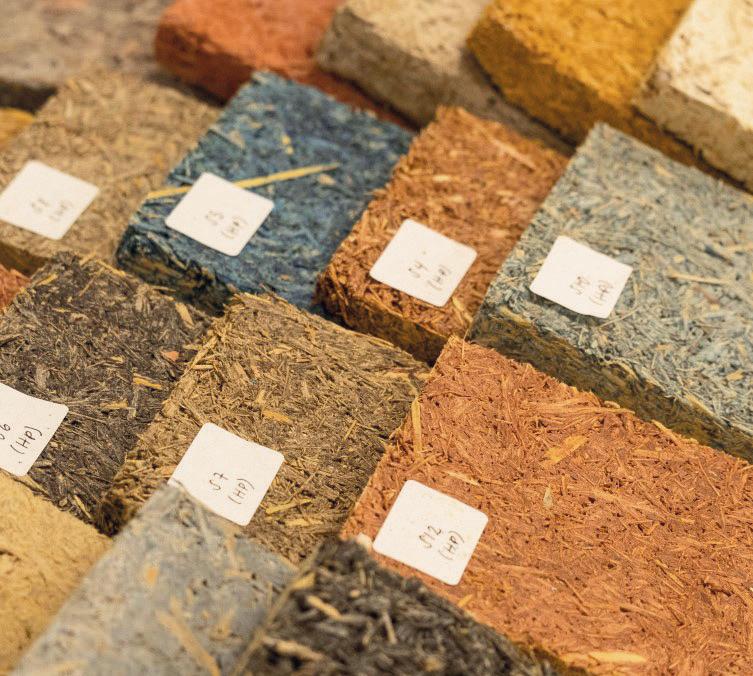
A team from Spanish and British universities have worked out a way to create eco-friendly building materials from sugarcane. The group from the University of East London (UEL) and the Bagaceira Project, in Barcelona, worked out how to repurpose
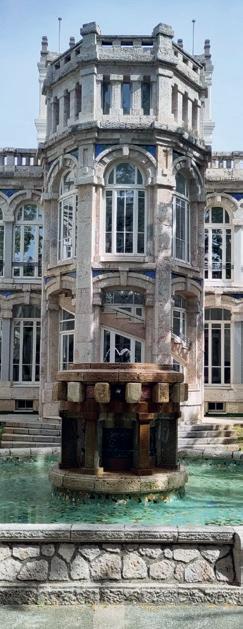

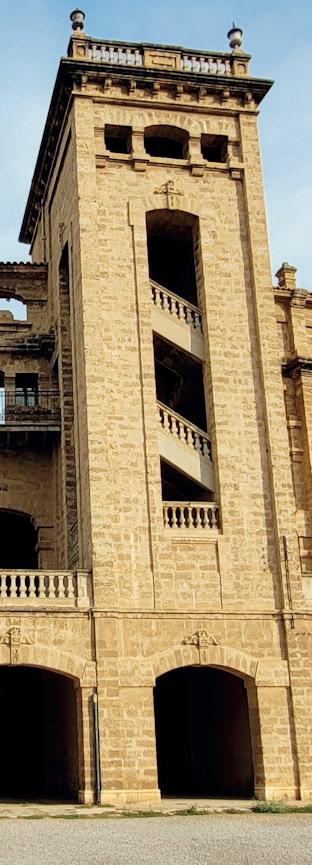
As the Art Deco movement reaches a century, we celebrate Spain’s contribution

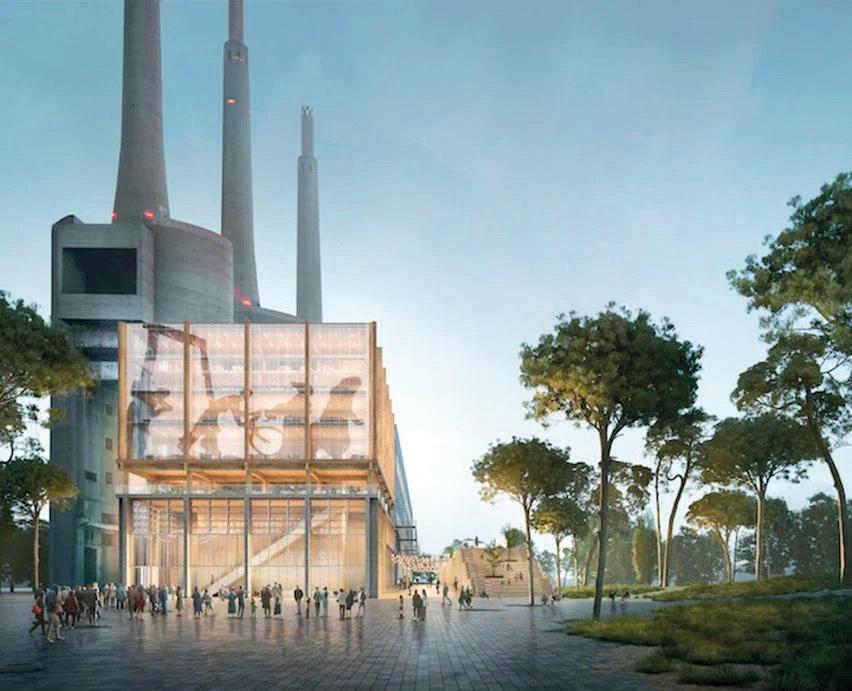
ONCE a towering titan of industry, the iconic Tres Xemeneies power plant is set to become the beating heart of Barcelona’s cultural future.
The 1970s relic, named after its three colossal chimneys (that’s Tres Xemeneies in Catalan), has been gathering dust since it shut down in 2011.
But not for much longer. Architecture dream team Garces de Seta Bonet Arquitectes and Marvel have just released dazzling visuals of their wild new vision: E la nave va - a name borrowed from a classic Fellini flick.
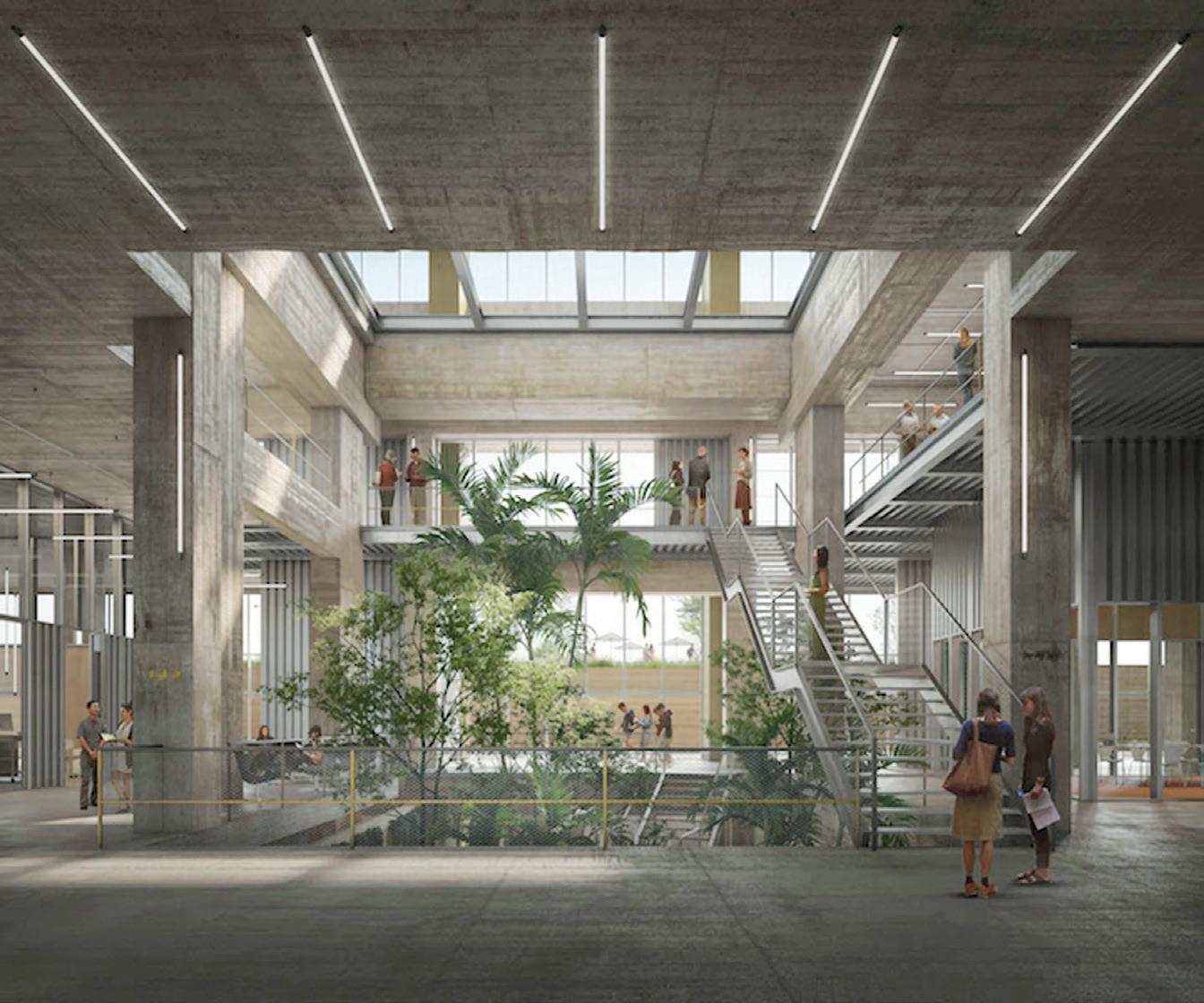
Out goes coal and in comes creativity. This bold transformation will morph the hulking plant into the ‘Catalunya Media City’, a buzzing hub for media, tech, and public arts. The mammoth turbine hall will be reborn - with vibes straight out of London’s Tate Modern and NYC’s Park Avenue Armory.
We’re talking 17-metre ceilings, epic sound studios, labs, and enough flexible free space to host everything from film fests to virtual reality showcases.
And the origins of the station have not been forgotten, with it still producing power - 4,500m² of solar panels are to crown the roof, and its smart eco-friendly design will help shrink its carbon footprint.
“This is about turning an industrial past into a cultural future,” said architect Jonathan Marvel. And with views over the Med and Badalona, it’s looking like the power plant's second act will be nothing short of electric.
Andalucia has become the centre of a groundbreakingsustainablebuildingproject usingsugarcaneinsteadof concrete
By Tom Ewart Smith
‘bagasse’, the fibrous pulp left after extracting sugarcane juice. Their research found that products made from this waste outperformed traditional concrete and clay bricks. Bagasse is typically burned for fuel or used as cattle feed, both of
which release carbon into the atmosphere.
In contrast, their project traps carbon in the new building materials, reducing environmental impact. Made by combining bagasse with sand, the bricks have a carbon footprint six times lower than conventional clay bricks. The project launched in 2022 when UEL researchers Alan Chandler
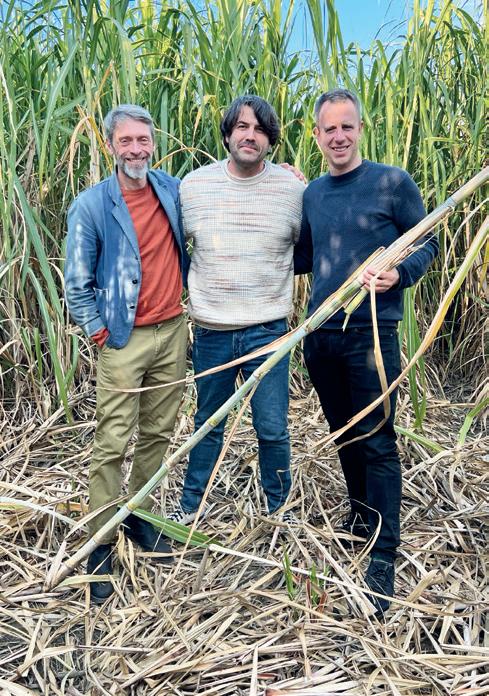
and Armor Gutierrez (far left) began exploring agricultural waste as a potential construction material.
The project is now exploring industrial-scale Sugarcrete production, which could utilise up to 8 million square metres of sugarcane plantations in southern Spain. Estimates claim it will capture carbon emissions equivalent to 46,000 cars. If given the go ahead the team will turn a number of former concrete factories into bio-based production hubs, boosting the local economy.
Further research is planned in Granada this summer, while they have already used the product to build a school in India as well as a prototype at the Burning Man festival in the US.

29thDecember 12th 2023
THE latest figures from Spain’s notaries reveal shifting patterns in foreign demand for Spanish property, with British buyers holding firm in the southern sunshine while Americans spread their wings across the north in the second half of last year. The notaries split foreign demand into two segments: non-residents, typically buying second homes (often with one eye on retirement), and foreign residents already living in Spain. For each region and segment, the report highlights the top two nationalities and their market shares, providing just enough in -
British buyers cling on in the south of Spain while Americans fan out across the north
formation to map dominant trends - though not enough to paint the full picture. If your nationality doesn’t make the podium, your numbers remain a mystery. They provide a map for each segment showing the top two nationalities and their market share in that segment. In total, 139,102 home sales in 2024 involved foreign buyersup 5% on the previous year and the second-highest number on re -
cord. Of these, 42% were non-residents and 58% foreign residents. Cross-referencing notary and government figures gives us hard numbers in a few key cases: in Andalusia, for example, non-resident foreign buyers purchased 13,457 homes, of which the British accounted for 2,422. But this kind of precision is only possible where the British (or any nationality) rank in the top two, leaving gaps in our
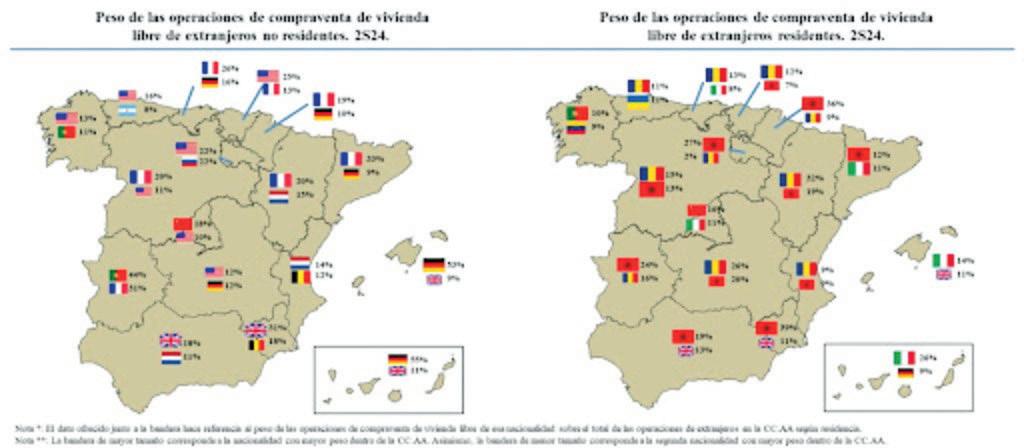
WHERE THEY BUY: This map shows the areas that attract the most foreign buyers
understanding elsewhere.
Despite a 4% decline in overall British demand last year, they still managed to cling on to key regions. They retained the number one spot among non-residents in both Andalucia and Murcia, and secured second place in the Canaries and the Balearics - thou -

gh behind the dominant Germans. In the Valencian region, home of the once British-dominated Costa Blanca, the Dutch and Belgians now stand on the podium instead. Meanwhile, American buyers made big gains in the non-resident segment, up 15% year-on-year. They claimed the top spot in five regions and second place in two more, giving them a total of seven podium finishes - mainly in northern Spain and Madrid. That puts them on par with the French, a remarkable development considering Americans barely registered a few years ago. Their growing presence suggests an appetite for culture, landscape, and relative affordability in parts of Spain that have long flown under the radar of mass tourism.
“
Andalucia, Murcia, and the Balearics.
“ Their growing presence suggests an appetite for culture, landscape, and relative affordability
In the resident segment, Moroccans and Romanians dominate, drawn by more affordable housing markets. However, British residents still maintain a notable presence, making the podium in
Looking ahead to 2025, the expat segment is likely to continue along similar lines, with Moroccans and Romanians leading, and the British just about holding their ground in the south. The non-resident market, however, faces potential turbulence. As housing affordability becomes a political flashpoint, especially in cities like Madrid and Barcelona, non-resident buyers from outside the EU risk being cast as convenient scapegoats, despite playing little role in the underlying problems. This could dampen British and American enthusiasm. Then again, if Donald Trump continues to “Make America Great Again”, we might see another kind of surgeAmericans voting with their feet and buying homes in Spain with a long-term exit strategy in mind. One way or another, it’s shaping up to be a fascinating year in the Spanish property market.

November 29thDecember 12th 2023 LOOKING FOR MORE PROPERTY STORIES?
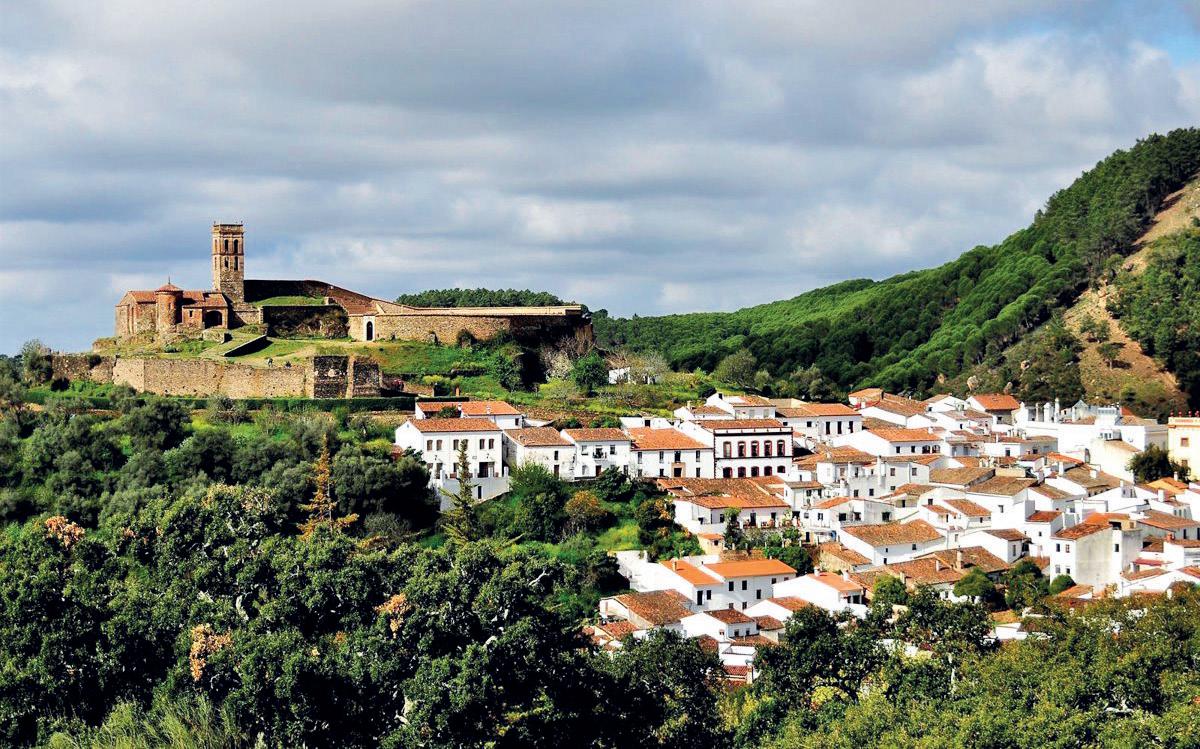
THE province of Huelva is hosting a series of unusual online house auctions until the middle of May with homes starting at an unbelievable €7,000.
A great way to get onto the property ladder, the regional authorities are ‘selling off’ a range of homes and anyone can buy.
The whole auction process is being conducted 100% online and any ‘snag’ (for example, a live-in tenant) has to be declared.
The lowest-priced property is an urban home in Trigueros, while the second
most affordable is a rural property in Hinojos, appraised at €7,515. Another home is available in the stunning hillside village of Almonaster la Real for €79,444, while a property in Punta Umbria (right) costs just €66,353. All homes can be accessed through the official Social Security auction portal, where the details of each
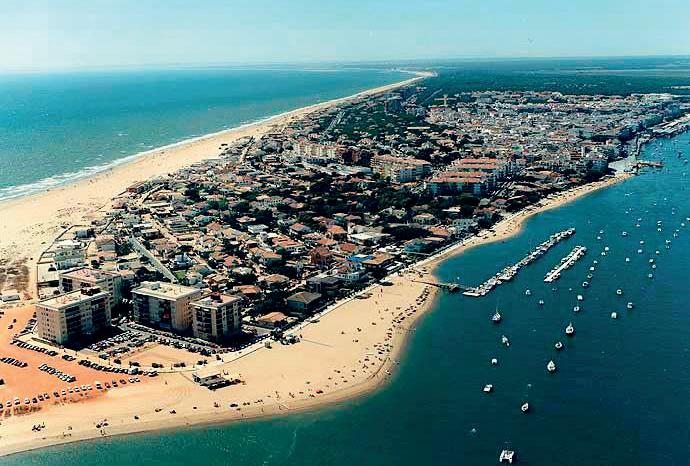
property are listed. Any individual or legal entity may bid by following the steps described on the platform.
By Walter Finch
RENTING in Spain’s most sought-after holiday locations has never been more costly, with Sotogrande, Marbella, and Estepona among the priciest in the country. According to a new report, 30 locations have average monthly rent exceeding €1500, while some have
amongSpain’spriciestplacestorent–but themostexpensivesuburbof Madridtops outatover€4,000amonthonaverage
areas command eye-watering prices of over €4,000. The Costa del Sol continues to dominate the luxury rental market, with Marbella leading the way at
IF YOU'VE ever fancied owning a hotel in Spain, there are plenty of options with the Idealista property portal.
There are almost 1,400 hotels available via the portal after a sharp increase in hotels being put up for sale in the wake of
an average of €3,018 per month, according to the latest data from idealista.
Neighbouring Benahavís, known for its exclusive villas, isn’t far be-
the Covid-19 pandemic.
Unsurprisingly, tourist areas like Alicante, the Balearic Islands, Granada, and Malaga have the highest numbers on the market.
The biggest rises in the last 12 months came in Almeria, Leon, and Murcia. Two areas recorded triple figures of availability, namely Alicante province with 126 hotels and the Balearics on 102.
hind at €3,815, while Sotogrande, the upscale resort in Cadiz, known for its golf courses, averages €2,815. Estepona, another Malaga gem, also makes the list with rents averaging €2,557
AN increasing number of sustainable houses are being built in Spain due to a combination of strict regulations and high-energy prices. And it’s the luxury end where some of the most exciting homes are appearing.
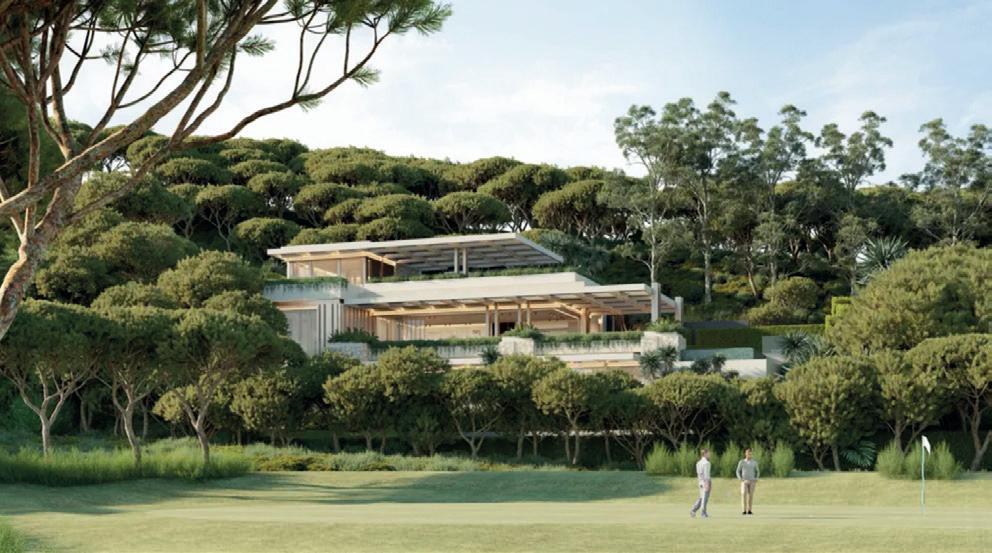
Take Villa Noon, in Sotogrande (right). The trailblazing carbon neutral property is a true
By Dylan Wagemans
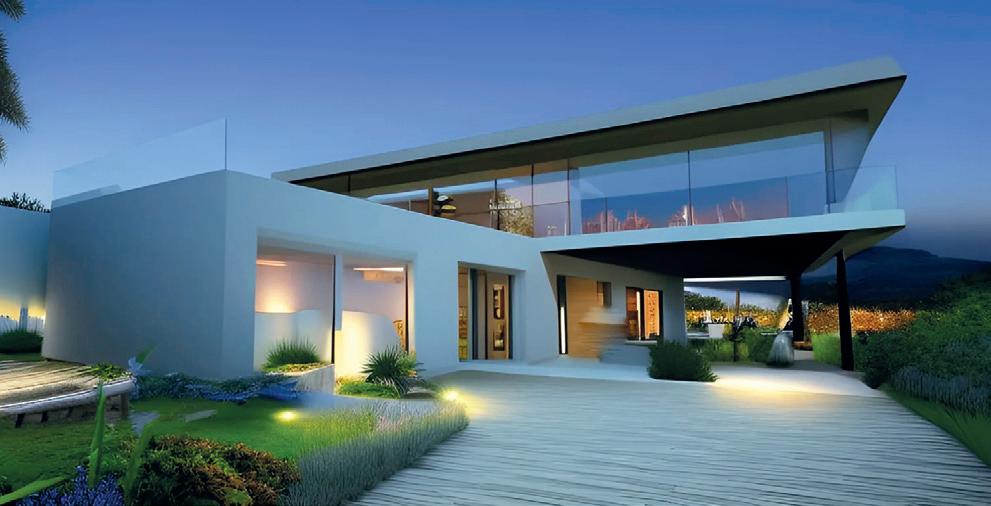
All connected, they each have solar panels and a geothermal system that provides heating and cooling, and high-capacity batteries ensuring energy is stored for continuous use.
An advanced water management system meanwhile harvests rainwater and extracts water from air humidity, while also recycling wastewater.
The cool price of €11,4 million reflects its desirability.
Another carbon neutral home nearby is Villa Garnacha (left), located in a gated community in Sotogrande.
The €5 million villa is designed with an emphasis on sustainability, natural light and architectural finesse.
Constructed with CLT, which stands for Cross-Laminated-Timber, this modern construction method uses engineered wood panels that are strong, fire-resistant and
per month.
These figures highlight the enduring appeal of the Costa del Sol among affluent renters, particularly international travellers and expats seeking sun, sea, and luxury amenities.
The Balearic Islands are another standout, with Santa Eulalia topping the list at €3,919 per month. Other expensive locations include Sant Josep (€3,566), Calvia (€2,828), and Eivissa (€2,584). These areas, popular with highnet-worth individuals and celebrities, offer a mix of stunning views, vibrant nightlife, and exclusive properties.
Topping the national ranking is La Moraleja, an affluent suburb on the outskirts of Madrid, where rents average a staggering €4,001 per month.
Auctions are scheduled up until May 20, allowing interested parties to prepare their documentation and submit their bids in time.
Williams has just bagged himself a swanky new pad in Marbella’s ul tra-exclusive Sierra Blanca.
The exciting striker is joining the A-list ranks of Novak Djokovic and Erling Haaland who also call the area home.
The 21-year-old Athletic Bilbao ace has forked out millions on a designer villa from the ‘Marbella by Fendi collection’.
It is one of just five in the plush de velopment masterminded by busi nessman Pedro Rodriguez. Williams can most certainly af ford it, with earnings from Ath letic a reported €10.4 million a year. Perched between Marbella and glitzy Puerto Banus, the jaw-drop ping estate sprawls across 9,000 sqm of prime real estate, tailor-made for those who love sun, lux ury, and a touch of bling.

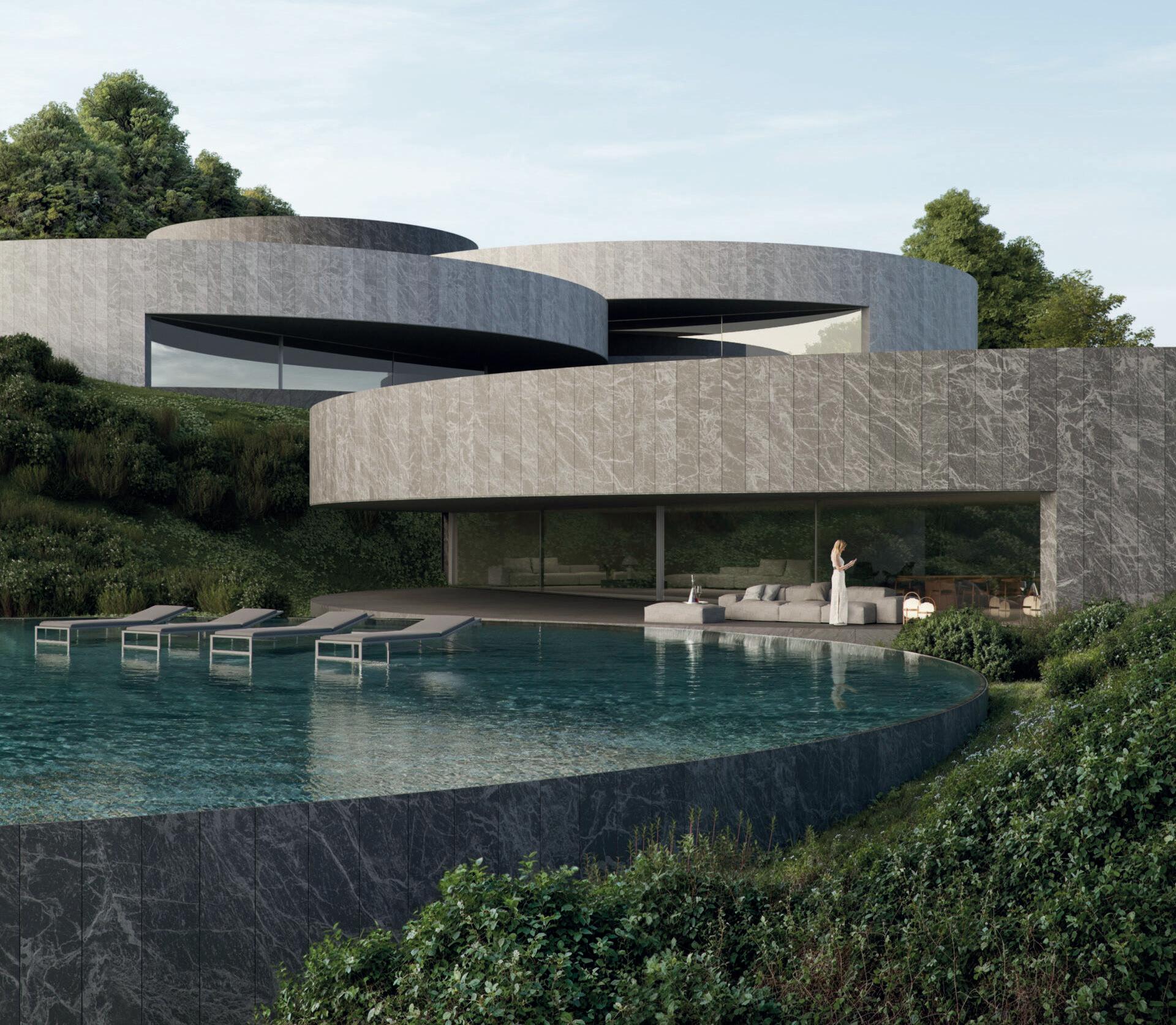
sustainable.
The four-bedroom home has large windows offering great views of the coastline and the Rock of Gibraltar.
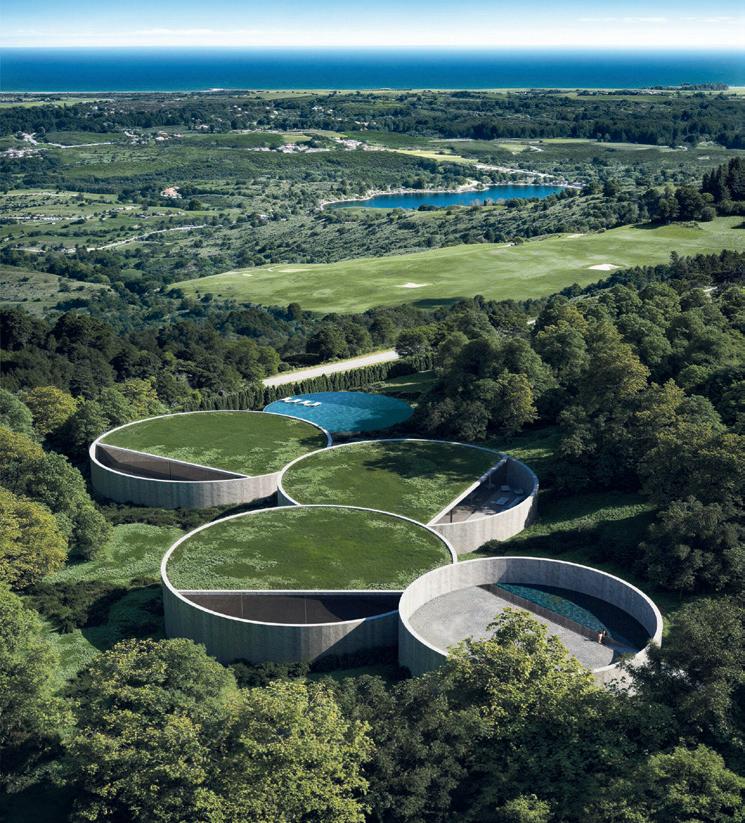
Finally in the La Quinta hills above San Pedro de Alcantara (below left), a luxurious €5 million eco-friendly villa has been designed by Tobal Architects.
The four-bed spacious open plan property has retractable glass doors that provide access to the terrace and infinity pool.
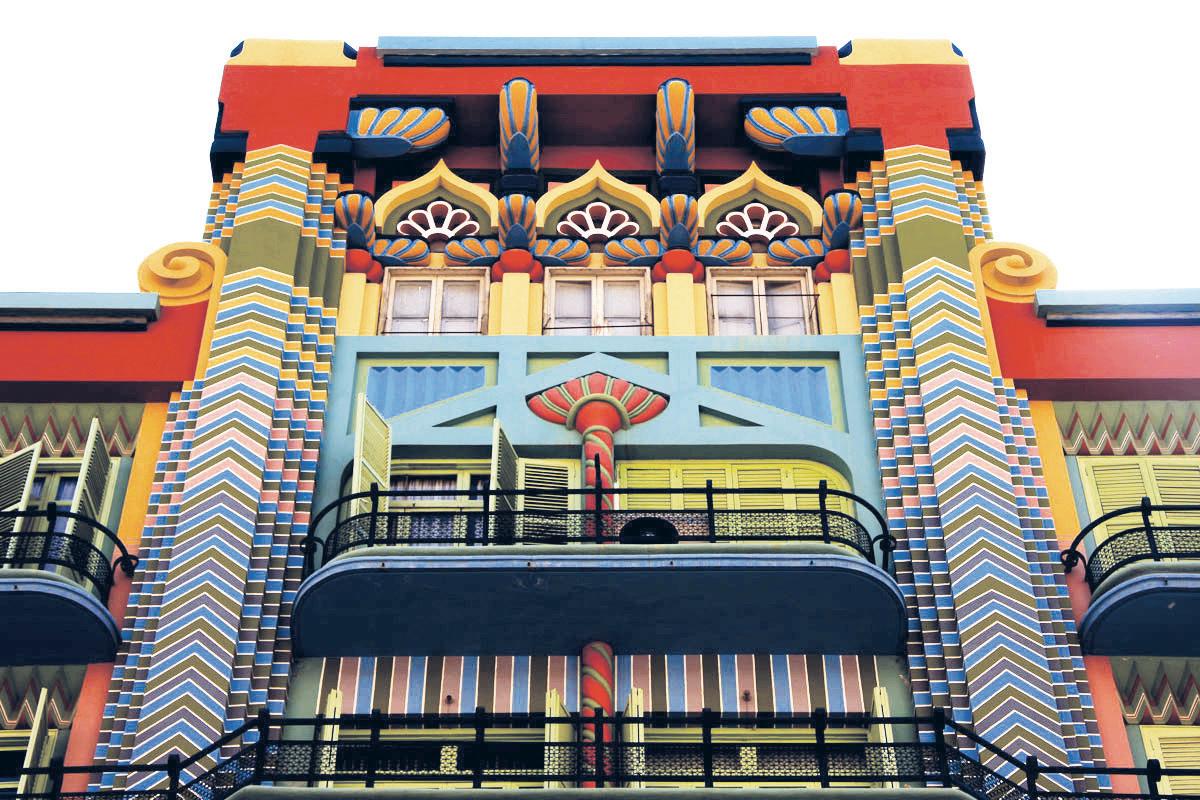
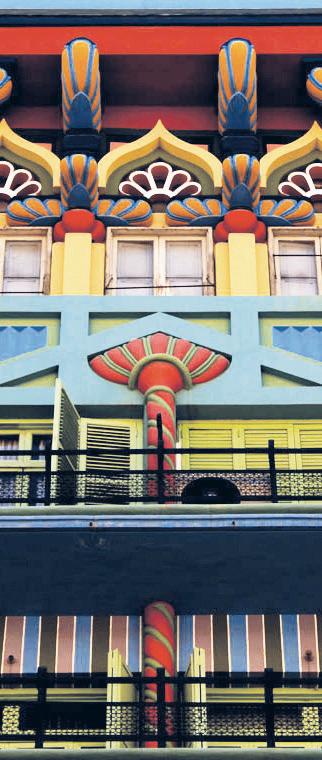
A bold burst of colour and geometry on Calle Castellon.
Known as the ‘Jewish House’, this private residence is a
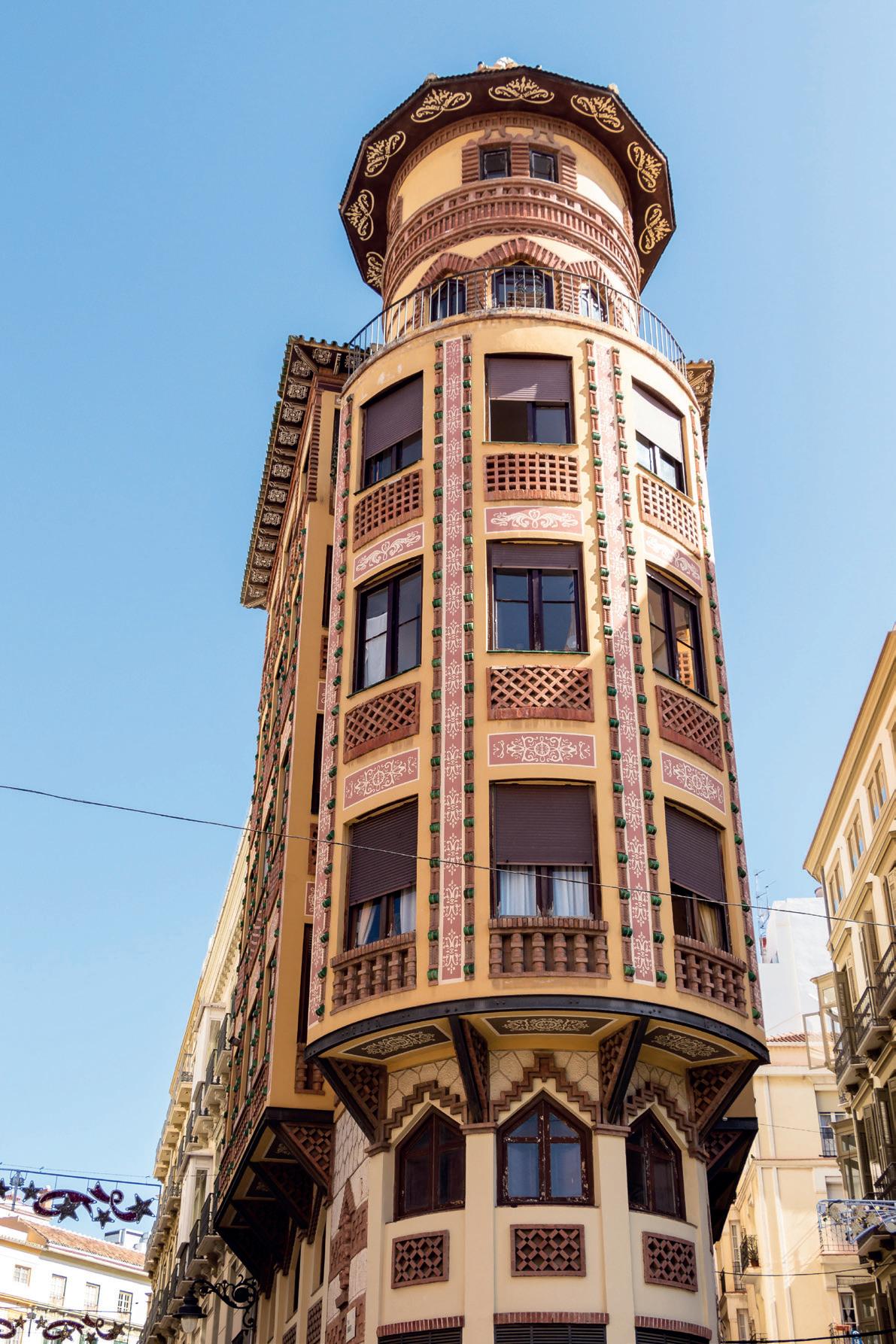
A graceful corner building with rounded balconies and ornate ironwork, Sagasta is a striking example of early pre-Deco blending with Modernist touches. Built by Jeronimo Cuervo, it set the tone for Malaga’s architectural leap into the 20th century. Still a landmark today, especially when bathed in that golden Costa del Sol light.
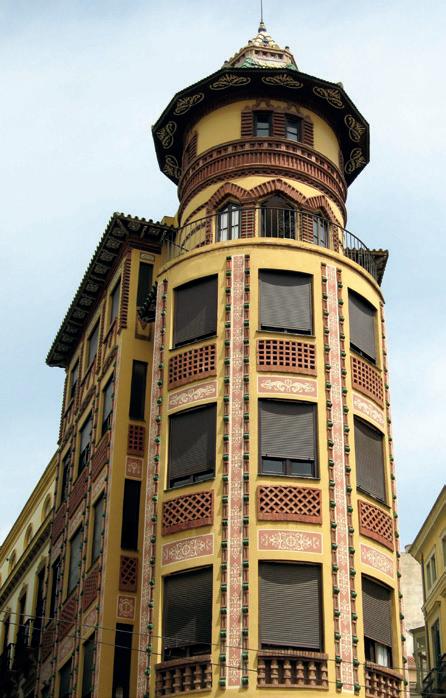
candy box of intricate detail, with star-shaped windows and bright mosaics. Designed by Juan Francisco Guardio -
la Martinez, it's one of Valencia's most photographed examples of pure Spanish Art Deco.
LOOKING FOR MORE PROPERTY STORIES?
November 29thDecember 12th 2023
Scan to visit our website
WHEN someone once asked Prime Minister Clement Attlee to define socialism, he replied that he couldn’t - but he knew it when he saw it.
Art Deco is much the same. Hard to pin down, easy to love.
Elon Musk is trying to reinvent it for the 21st century, but Deco has been turning heads for over a hundred years.
So what is it?
It’s a style, a spirit, a vibe - something that says how things should look.
Whether it’s a skyscraper or a cigarette case, Art Deco dictates that everything we make can, and should, be beautiful.
And oddly enough, the more troubled the times, the more elegance we seem to crave.
Emerging in the aftermath of World War One, the ‘arts decoratifs’ movement – from which Art Deco
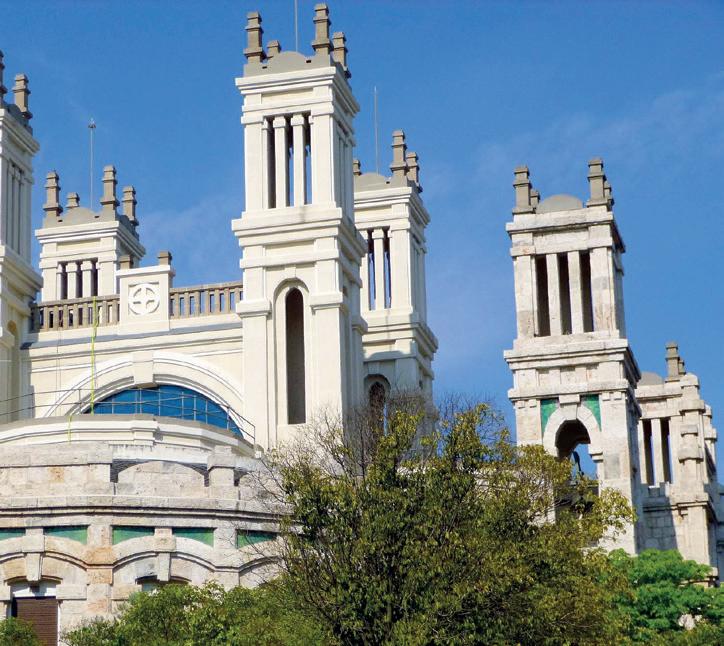
Originally a charity hospital, this luminous white building blends functionality with Gothic and Deco lines. Designed by Antonio Palacios – a Deco pioneer – it stands as one of Madrid’s most imaginative and humanist structures. Today, it's a cultural venue, its inner courtyards just as beautiful as the facades.

How Spain gave glamour a home in the hardest of times
By Dilip Kuner & Michael Coy


takes its name – was born during one of the bleakest decades in modern history.
Think Fred Astaire and Ginger Rogers dancing through the Great Depression. Nobody wanted films about hardship. They wanted ocean liners, tuxedos and big bands. Deco gave the world beauty with bold lines and big ideas. It’s sleek. It’s modern. It’s escapism. Today, Elon Musk calls his ‘robovan’ a new Deco icon. But back in the early 20th century, it was countries like Spain that gave the move -
ment its original flair.
Despite staying neutral in both World Wars, Spain suffered its own traumas - economic collapse, political assassinations, and a brutal civil war.
As the old ways collapsed - monarchy, Church, and rural life - cities like Madrid, Barcelona and Valencia boomed, and with them came a burst of architectural creativity.
Even in chaos, elegance found a home.
Spain became a canvas for modern materials and ambitious visions – a land where Deco’s bold lines could shine in the sunlight.
From concrete to chrome, from decorative staircases to sweeping facades, Spanish architects were building a future they could believe in.
Here are the Olive Press’s Top 12 Art Deco-style buildings in Spain, each one telling its own story of ambition, innovation, and sheer style.
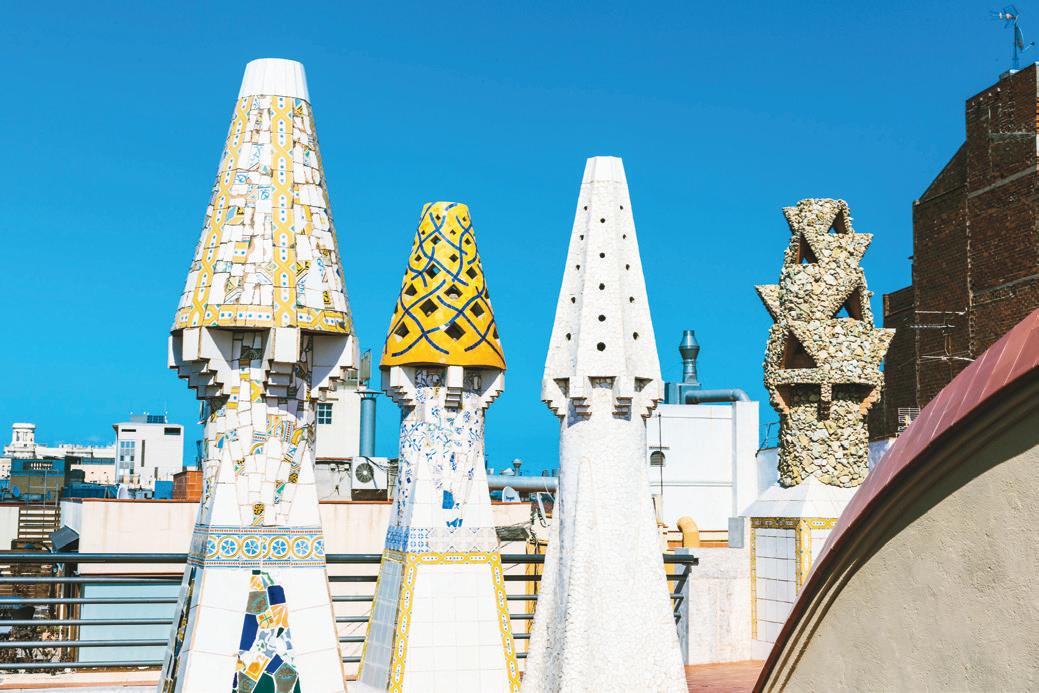
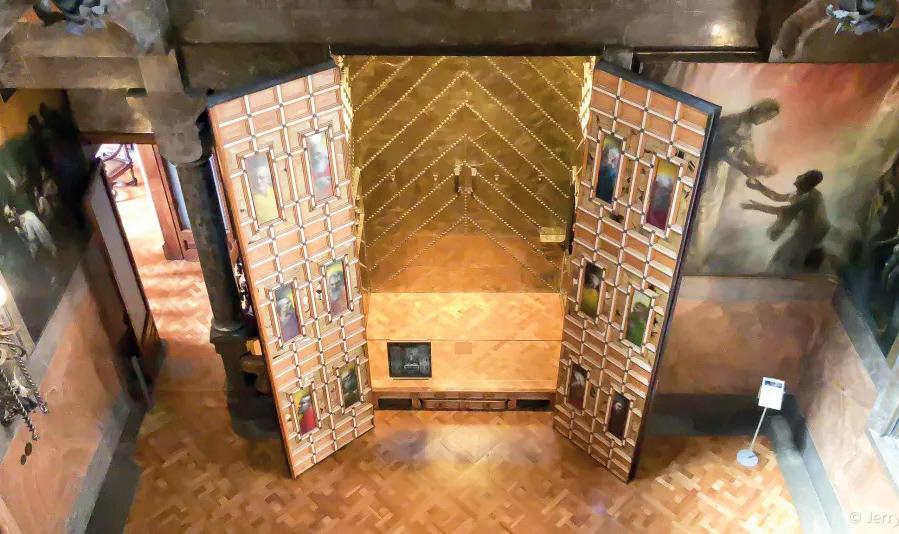
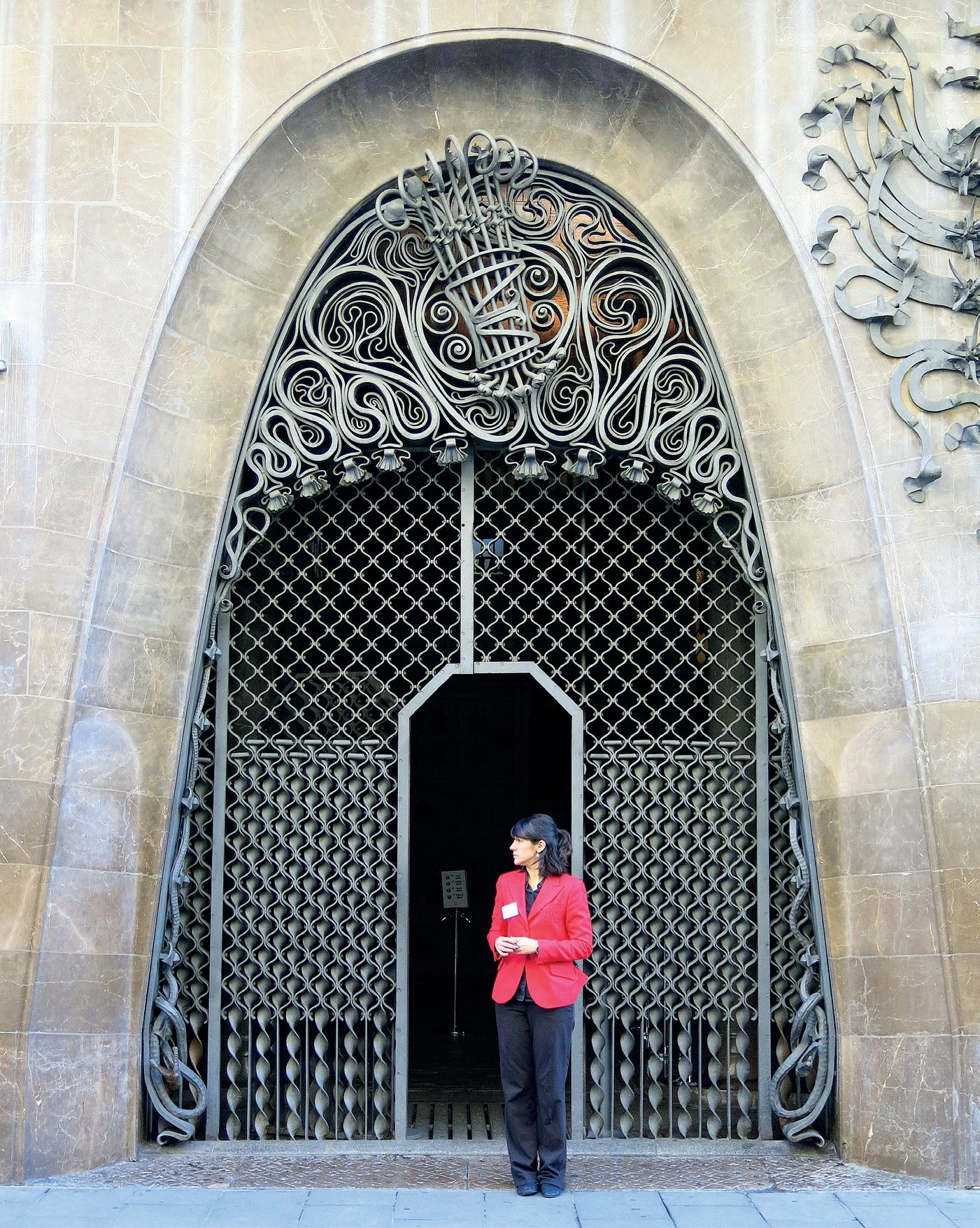
Gaudi before Gaudi got weird. This early gem leans into symmetry and clean lines more than his later works, with iron grilles and curving stone forms hinting at the Deco spirit to come. Commissioned by industrial tycoon Eusebi Guell, it’s a masterclass in restrained luxury with a Catalan twist.

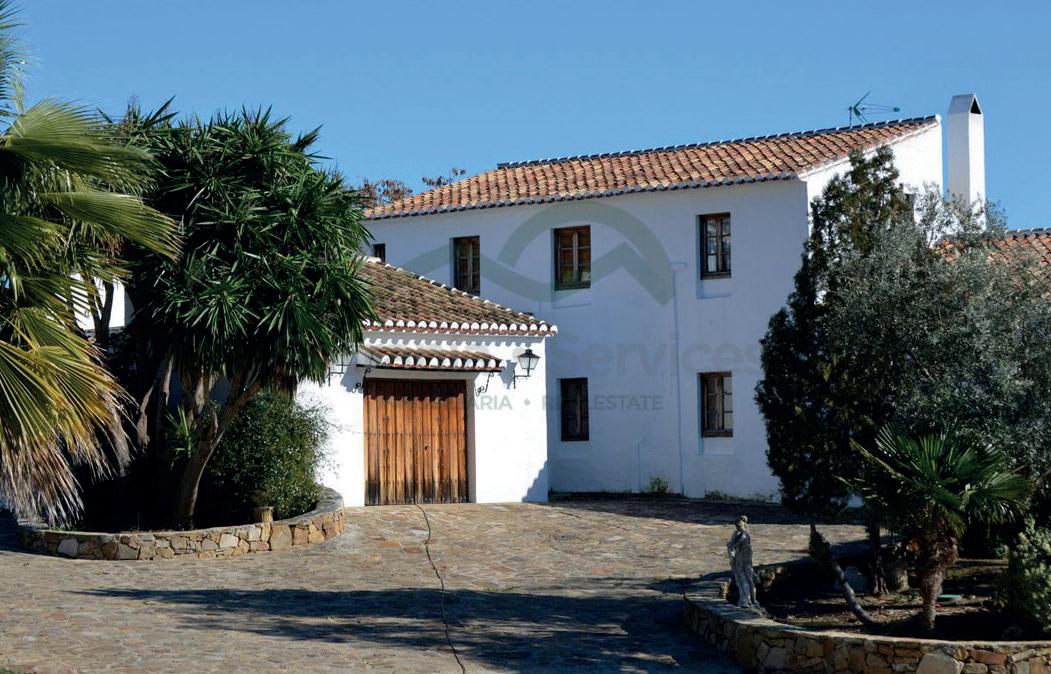
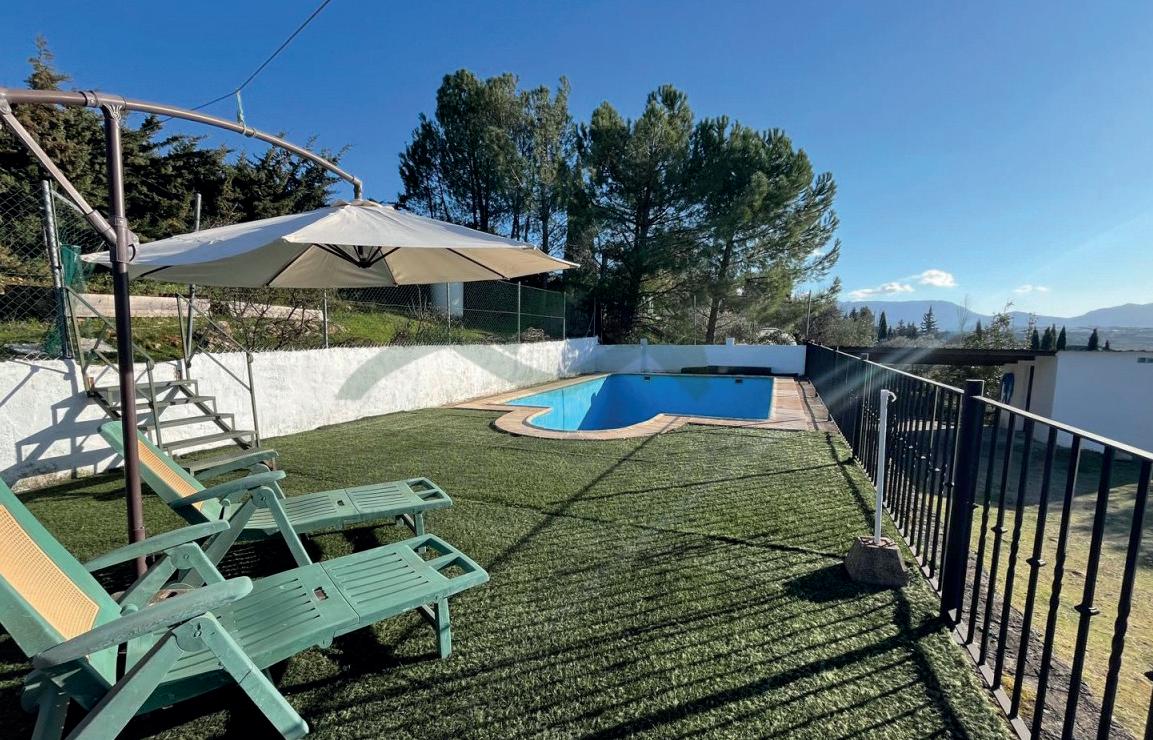
Located just 35 minutes from the city of Málaga, this 13.5-hectare (134,780 m²) estate offers a unique environment for the development and well-being of horses, with first-class facilities. Perfect for horse breeding enthusiasts, this property boasts a series of structures designed to maximize the comfort of the animals and the functionality of the facilities.
6
3
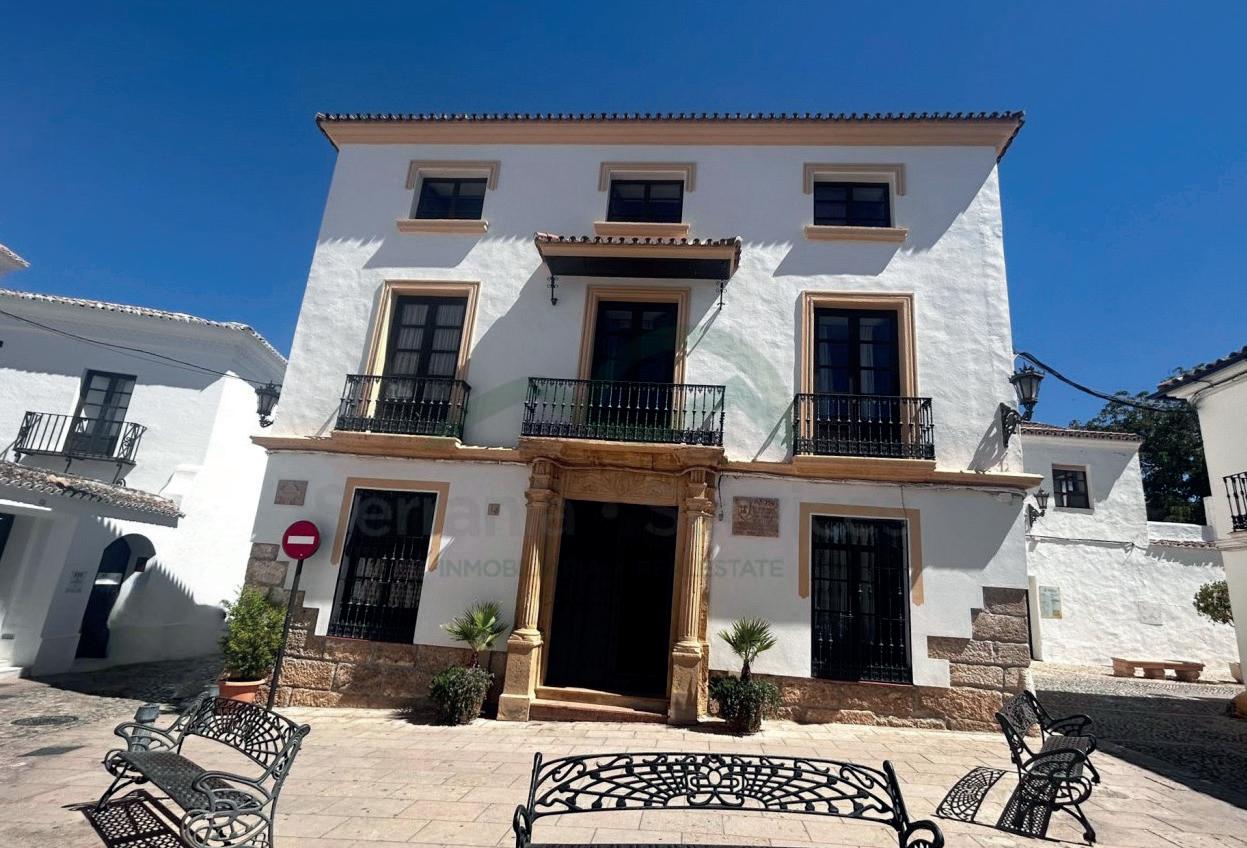
This charming 447-square-meter historic home has been meticulously preserved, offering a setting full of history and character. It features 6 spacious bedrooms, 2 full bathrooms, and 1 guest toilet. The beautiful courtyard, brimming with flowers and plants, serves as a true oasis in the heart of the property. Additionally, it offers a generous attic and storage room. The two balconies in the main living areas provide stunning views, while the interior terrace adds a
November 29thDecember 12th 2023
LOOKING FOR MORE PROPERTY STORIES?
Scan to visit our website
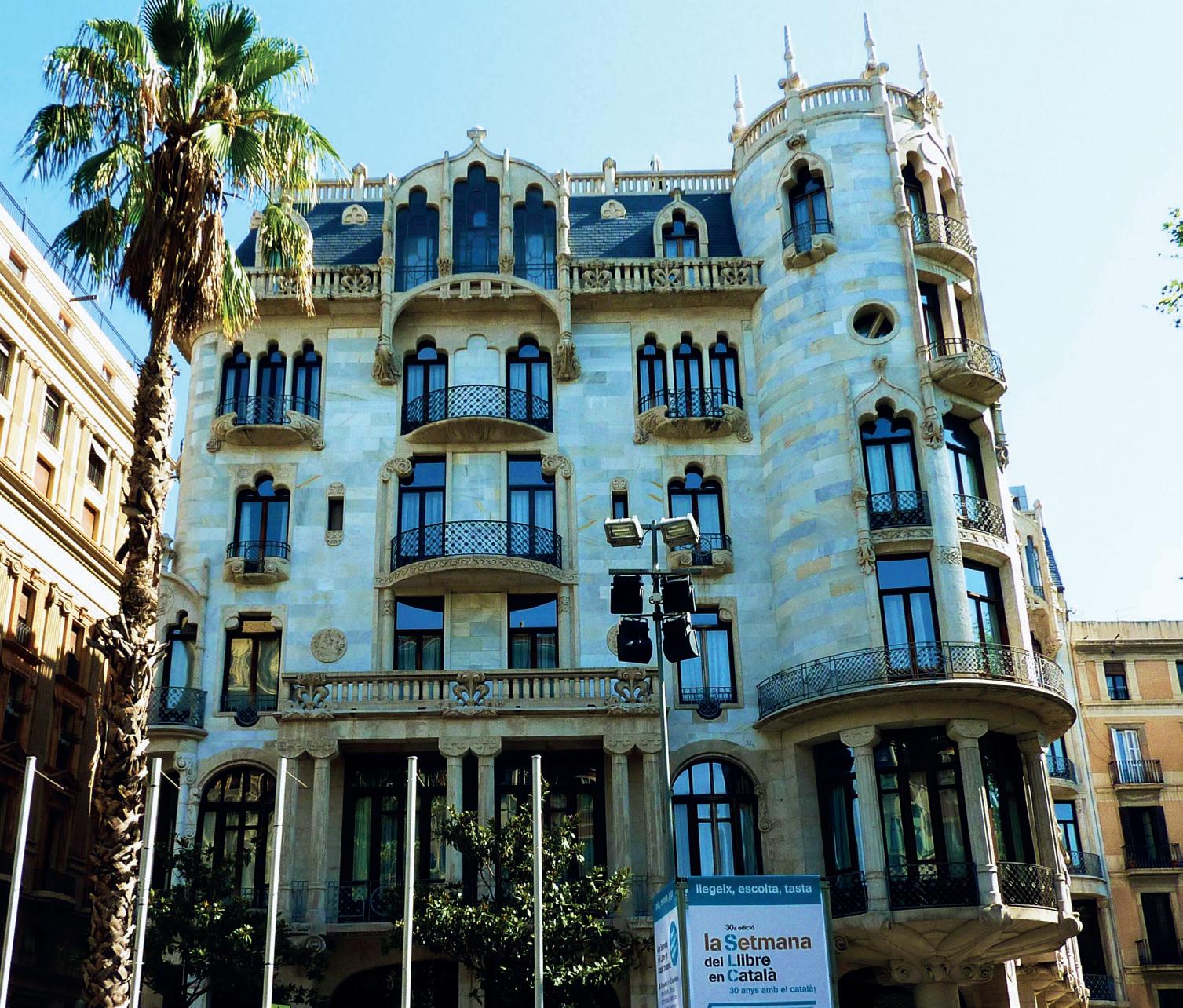
Now a five-star hotel, Casa Fuster is one of Passeig de Gracia’s crown jewels. Designed by Lluis Domenech i Montaner, it bridges Art Nouveau and Art Deco in dazzling fashion. Marble, glass and curvaceous windows make this building both a relic and a revelation.
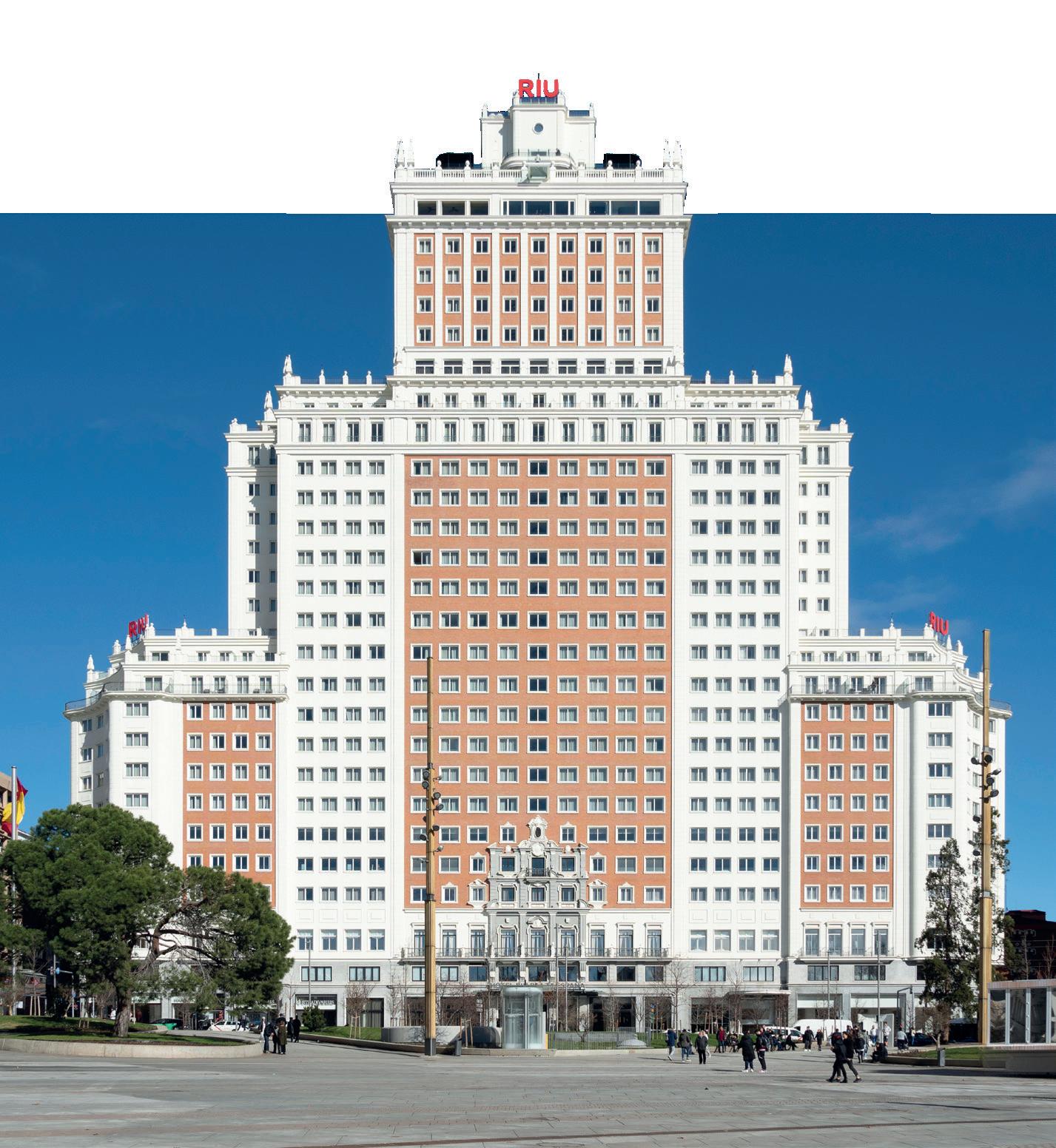
An imposing vertical statement at Plaza de Espana, this skyscraper (once the tallest in Spain) is a late-Deco titan. With its wedding-cake tiers and American-style ambition, it captures a nation emerging from civil war, looking up – quite literally – to a brighter future.




Offering you help, support and advice during your search, through the buying process and personal after sales services.
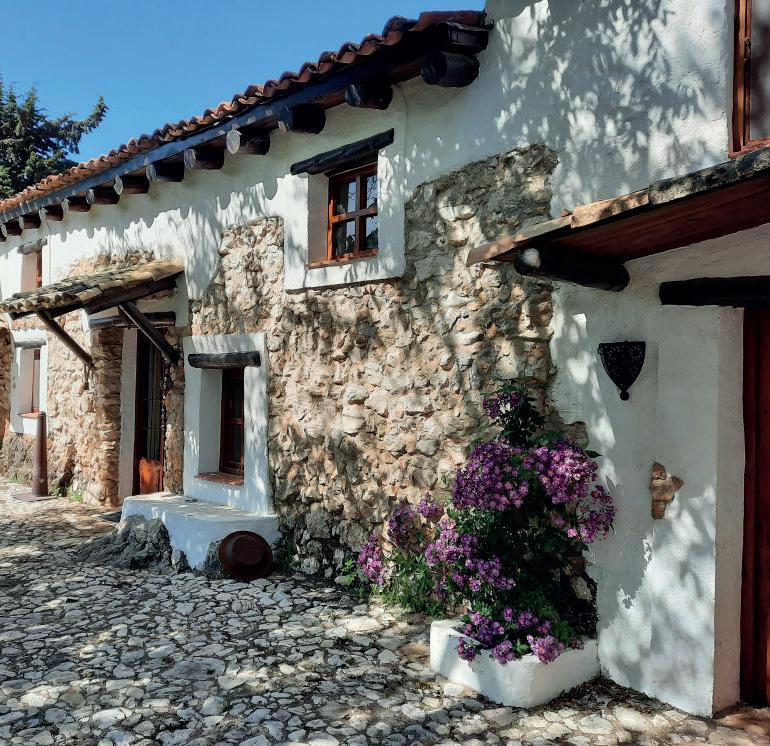
We have a wide range of properties to interest our clients, from small village houses to large country fincas or cortijos.

Tel/WhatsApp: (+34) 669 249 539 email: info@andalucianpropertysales.com www.andalucianpropertysales.com
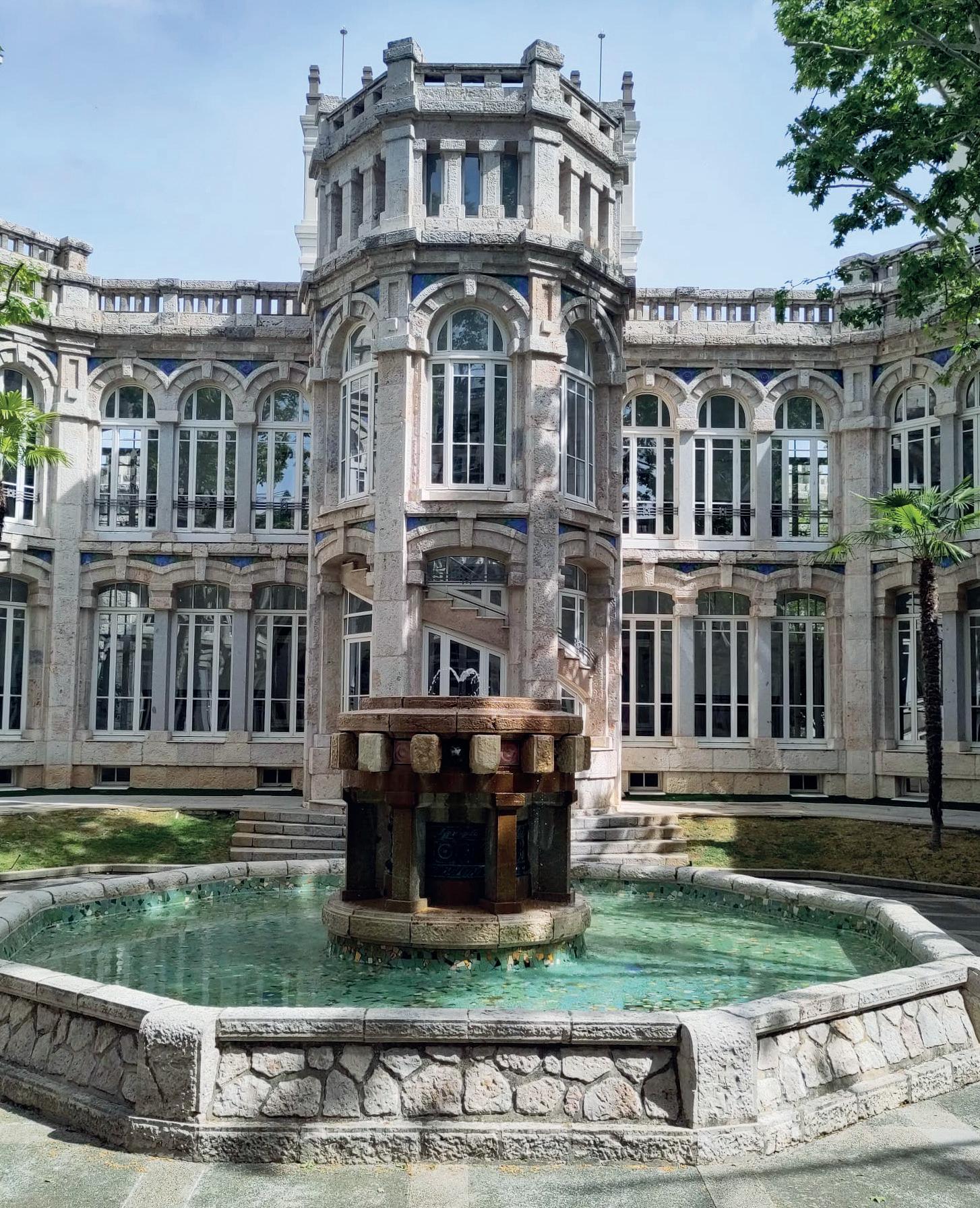
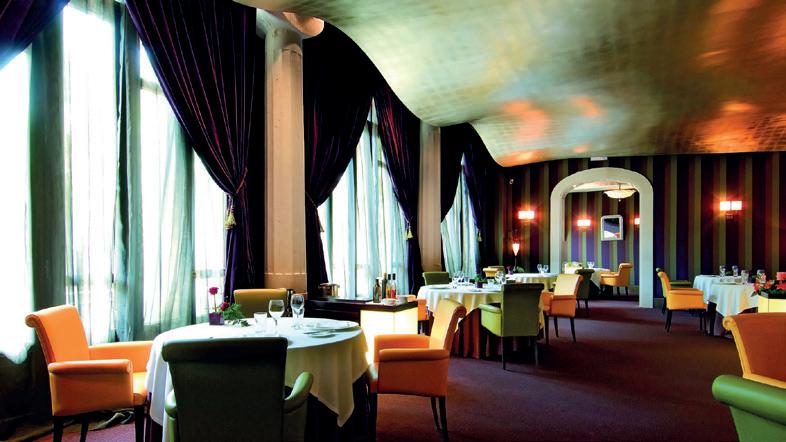
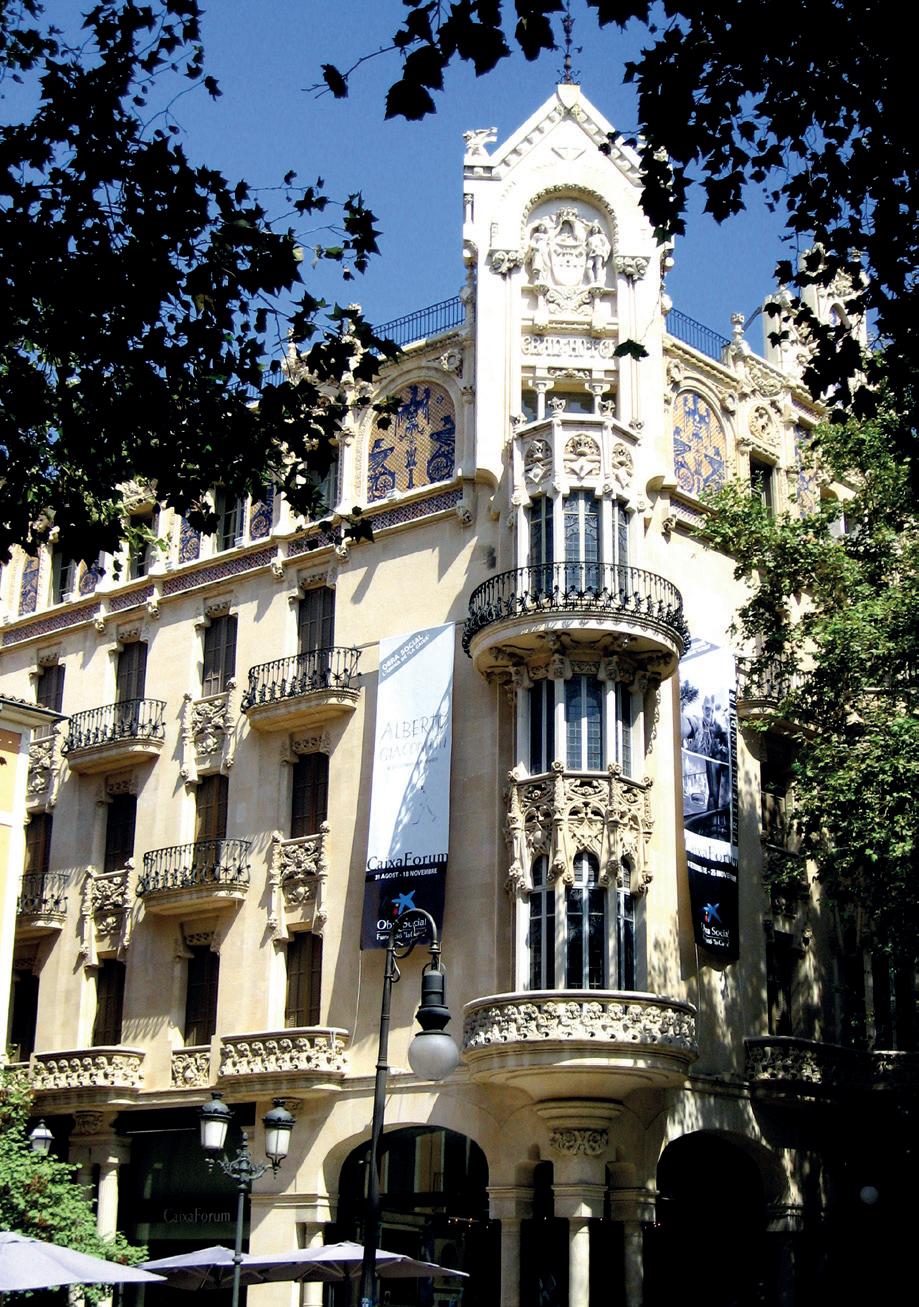
Originally the Gran Hotel, this building is a riot of ornament and innovation. Designed by Modernist architect Lluis Domenech i Montaner, it reflects early Deco confidence with its ceramic tiles, sweeping staircases and expressive carvings. Today it hosts cultural events and exhibitions – a Deco temple with brains and beauty.

‘Direct contact with the buyer, and a deep understanding of their preferences and requirements, is the key to finding the perfect art piece’
TEORIA del Arte is a project promoted by Ana Melo, based on curating exhibitions, advising and selling works of art, and representing artists.
Melo’s experience has allowed Teoría del Arte to serve as a meeting point for artists, gallery owners, collectors, and buyers drawn to the world of painting, sculpture, fine art photography, and interior design.
A PERSONAL APPROACH IS THE KEY TO SUCCESS
Only by getting to know people—their tastes and needs—is it possible to achieve what the buyer or collector is truly looking for. We believe that direct contact
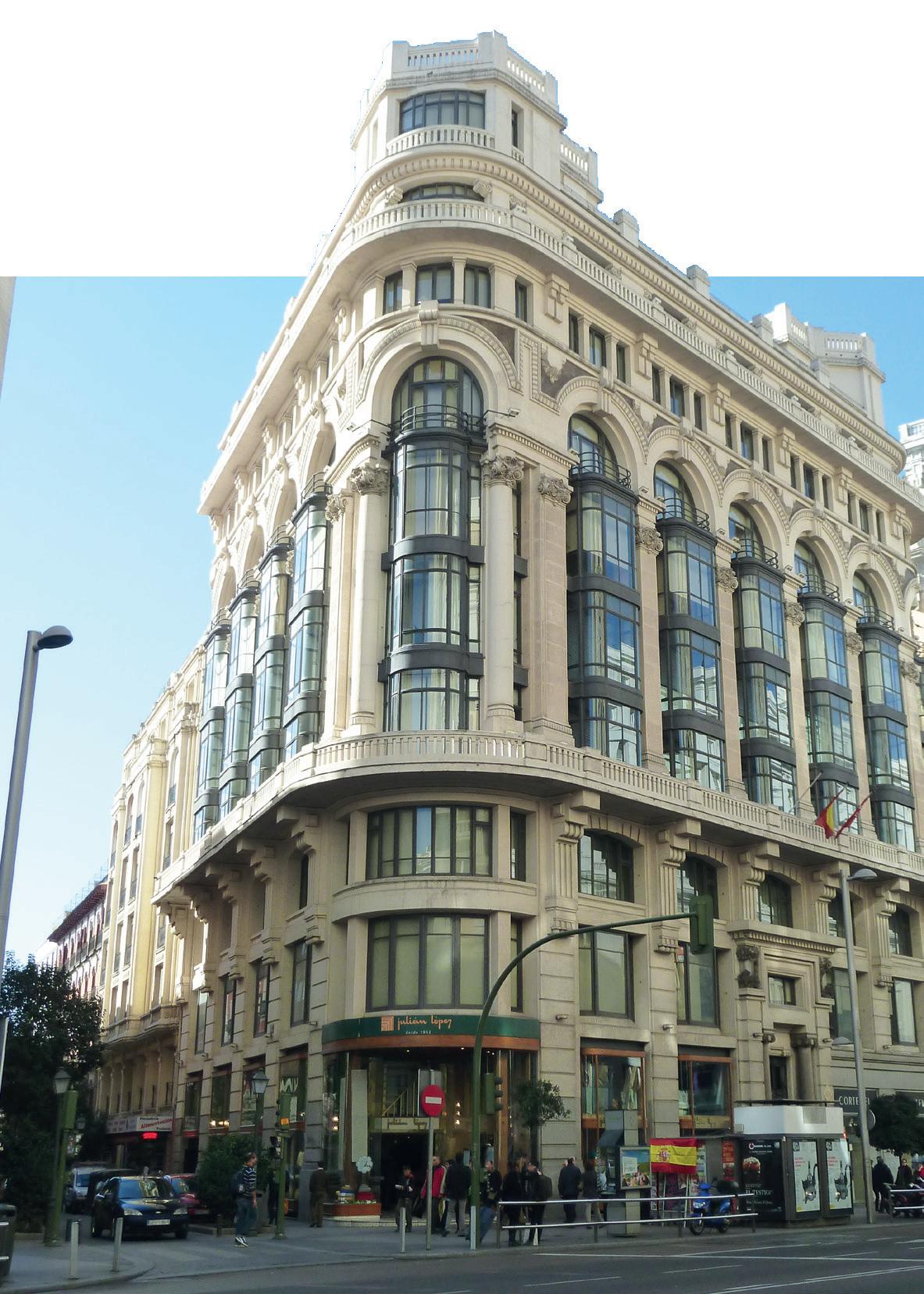
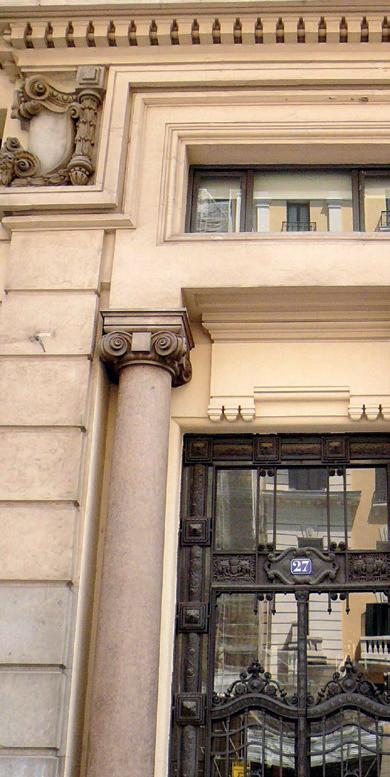
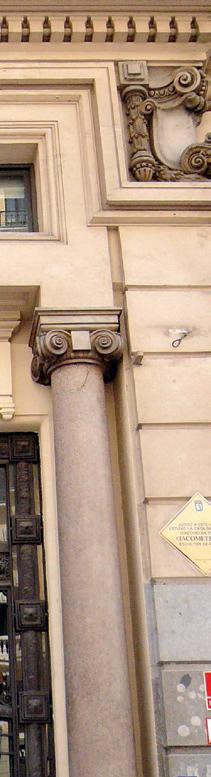
A stunner on Gran Via, Casa Matesanz is a textbook example of urban Deco. Clean vertical lines, wide windows, and decorative panels make it a standout in Madrid’s most famous street. Designed by Antonio Palacios (again), it's another sign of his vision for a new, elegant Spain.
with the buyer, and a deep understanding of their preferences and requirements, is the key


to finding the perfect piece. That’s why we encourage you to get in touch with us, with no obligation, to tell us what you’re looking for. Based on that knowledge, we will offer advice with objectivity and rigour. Decide for yourself what you want—painting, sculpture, photography, techniques, materials, themes—or let yourself be guided by our experience in selection. In either case, the result will reflect your taste and personality. You’ll be
amazed at what your space can say about you when the choice of artwork is just right.
If you are seeking a unique and exclusive piece for your collection, your home or office, or as a gift, we work with a wide selection of top artists and have contacts with galleries across Spain. We’re confident we can connect you with the artist who creates the piece you’re envisioning—or with the gallery that has exactly what you're looking for. Discover with us how a well-chosen piece of art can transform a house into a home, a workspace into a personalised office, or a simple gift into something truly unique and unforgettable. Please don’t hesitate to contact uswe’d be delighted to help you.


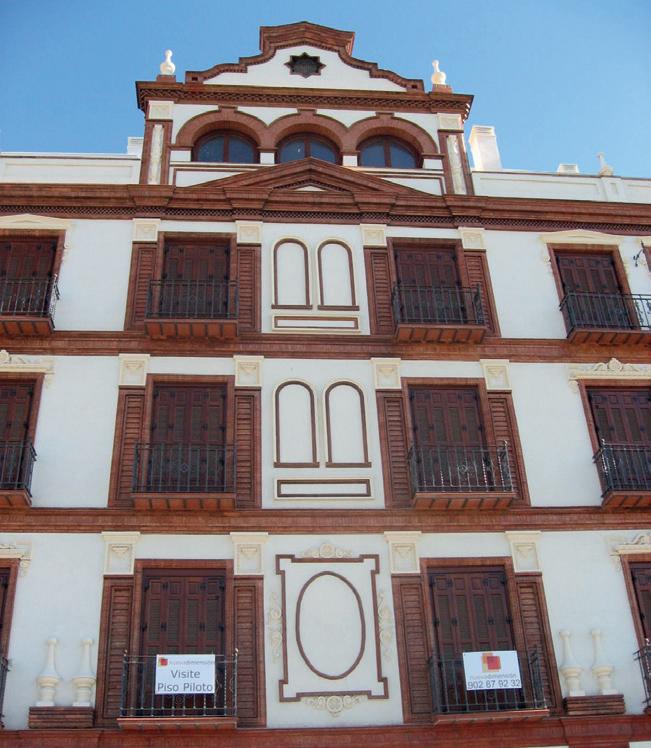
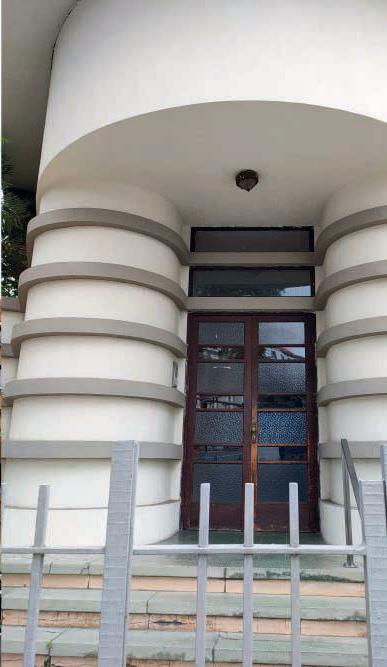
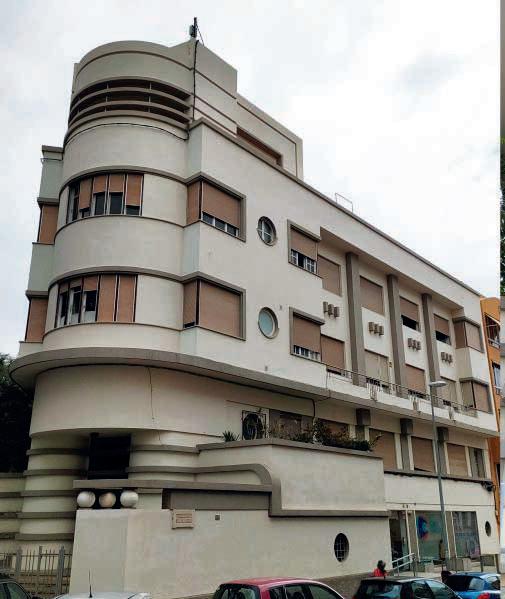
A residential jewel with its curved balconies, geometric railings and playful use of space. This apartment building is tucked away on a back streets but rewards the curious eye. It shows that Deco wasn’t just for the elites – it was also for everyday elegance.
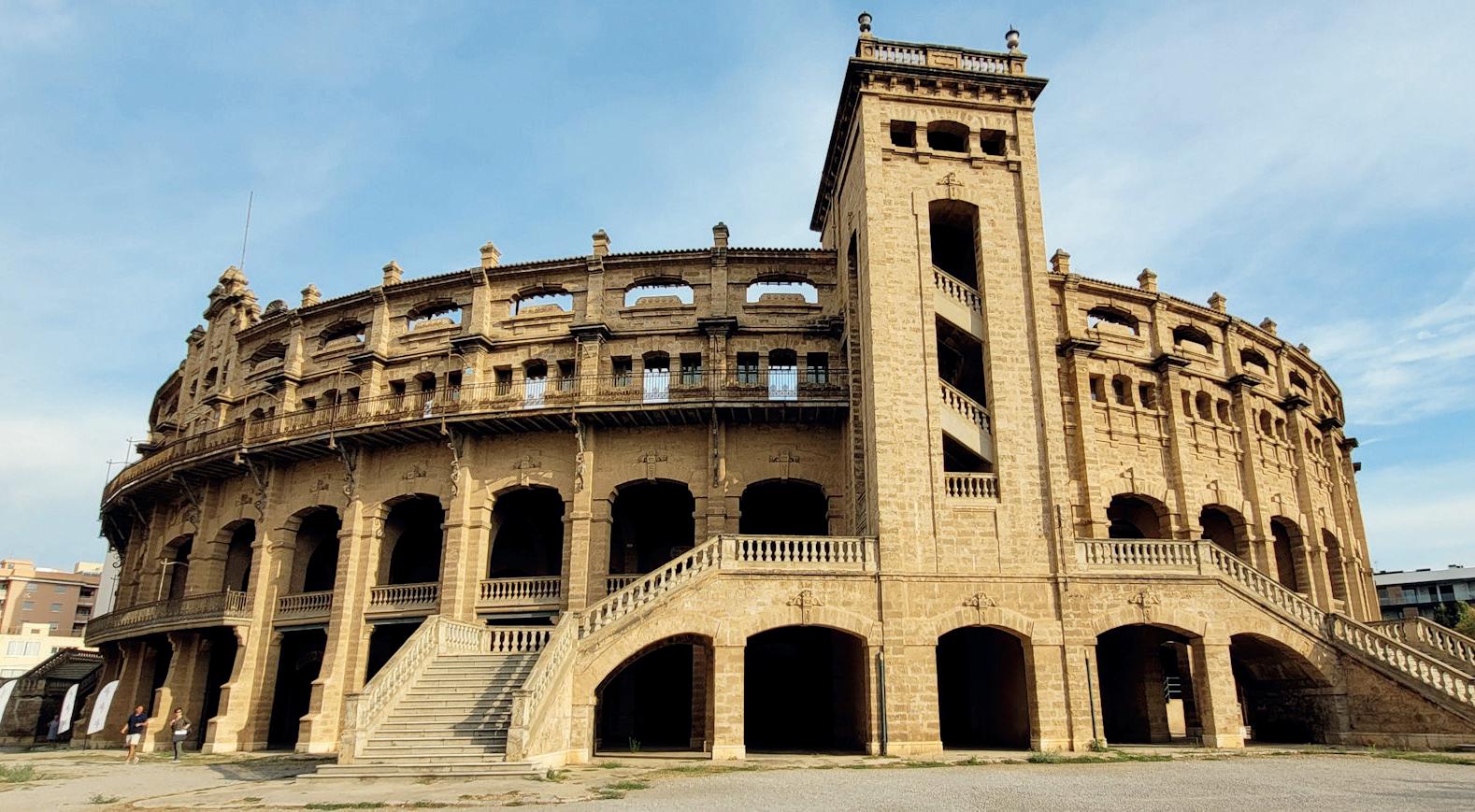
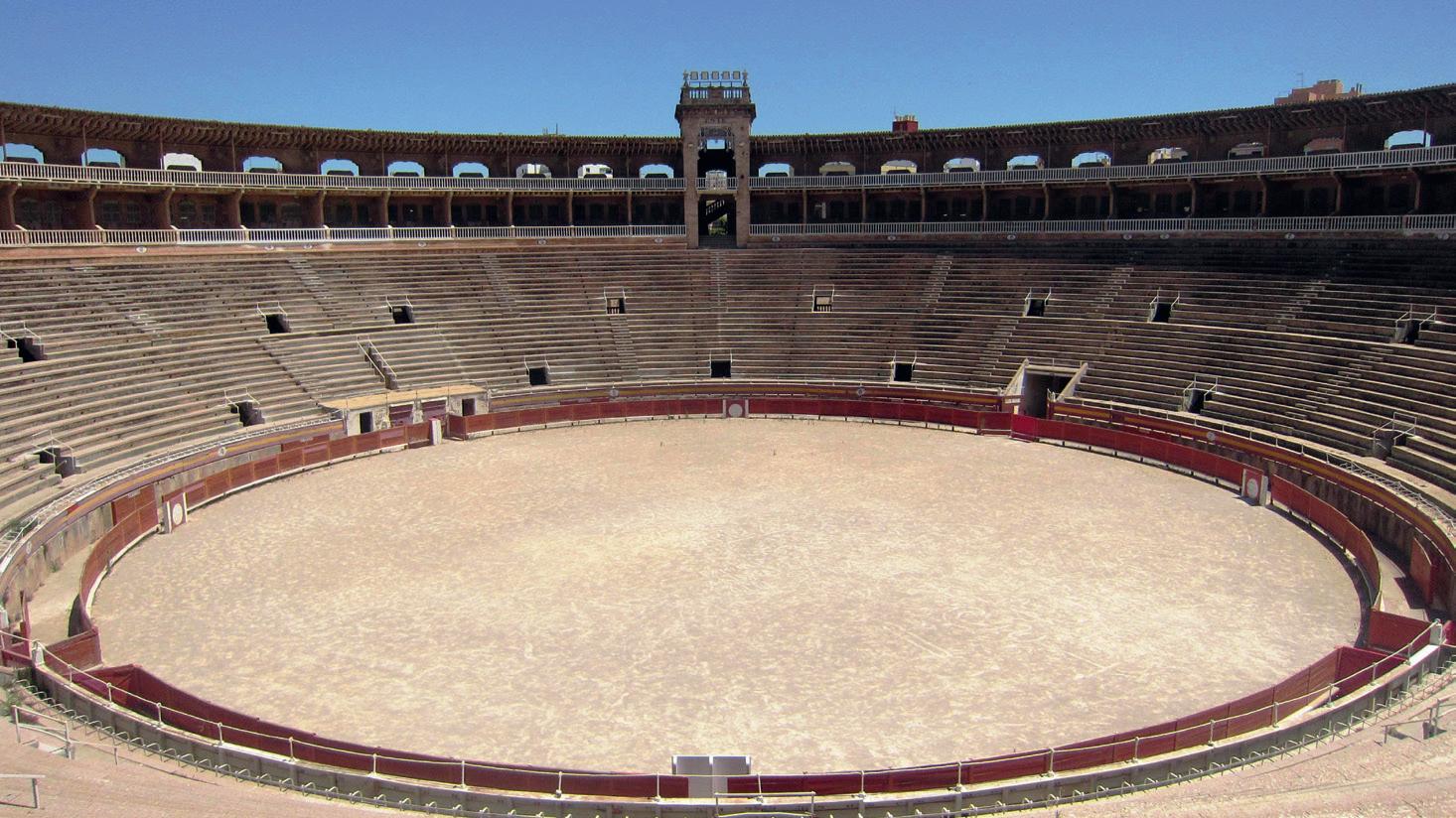
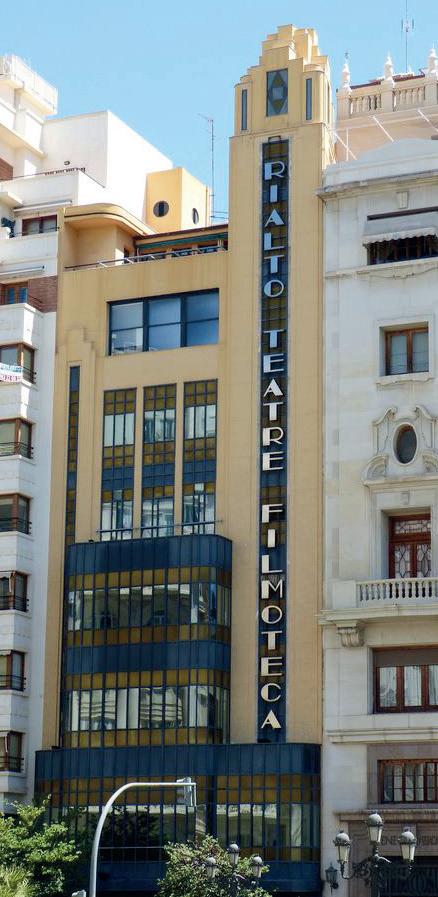
Once a cinema, this charmer on Plaza del Ayuntamiento was designed by the architect Cayetano Borso di Carminati and was taken over by the Valencian government who converted it into a theatre in the 1980s.
Classic Art Deco style, this residential four storey block by Enrique Rumeu de Armas was built in 1937. The symmetrical distribution of openings and trapezoidal floor plan were highly original and and is a great example of Rumeu's classicist rationalist style. 12. Edificio Hardisson,

Costa Sunsets: A Team That Goes One Step Further
At Costa Sunsets, we are not just real estate agents. We are dream facilitators, guides through meaningful moments, and experts in turning the buying process into a unique, thoughtful, and stress-free experience.
Unlike many agents who simply show properties, we truly get involved in every story. We listen, we understand, and we act with one clear goal: to find not just a property that meets your expectations, but a place that feels like home from the very beginning.
From the first conversation to well beyond the handover of keys, we are right by your side. We explain every step, answer every question, and make the entire journey — from choosing the perfect area to handling legal paperwork — clear, smooth, and tailored to you.
We know every client is unique, which is why we offer a warm, fully personalised approach. We don’t rush, and we don’t make empty promises. We work with trust, commitment, and real results.
At Costa Sunsets, we are redefining what it means to be real estate agents on the Costa del Sol. We believe in lasting relationships, in genuine human value, and in doing things the right way — always.
Are you ready to experience a new way of buying property?
Discover the Costa del Sol with Costa Sunsets — and find more than just a house.




When it comes to legal matters, having the right expert by your side makes all the difference. And Paul León is that expert.
Thanks to his outstanding success and prestigious clientele from politics and business, the renowned American / Sevillian lawyer is now expanding his offices to the Costa del Sol. Having long assisted clients with real estate purchases, investment strategies, and full-scale relocations, he is now bringing his unparalleled expertise to even more international clients.
With fluent proficiency in four languages and top-tier connections in the U.S. Paul León is more than just a lawyer – he’s a strategic advisor who understands the complexities of international transactions and legal frameworks. Whether you’re investing in property, securing residency, or dealing with high-stakes legal matters, you are in the best hands with Paul León.
His deep understanding of both Spanish and international law, combined with his ability to navigate complex legal systems, makes him the go-to attorney for high-net-worth individuals, business leaders, and international investors.
So, don’t hesitate – if you need legal guidance, Better Ask Paul.
BETTER ASK PAUL – YOUR TRUSTED LEGAL PARTNER
Expert Legal Services in Marbella & Across Spain
Real Estate Law | Family Law | Immigration & Nationality
CALL NOW: +34 955 986 806 | +34 683 630 876
EMAIL: paul@leonlegal.com
VISIT: www.leonlegal.com

Trusted by high-net-worth individuals, investors, and professionals worldwide.
Paul León is the founder of León Legal, a distinguished law firm operating in Seville and Marbella, Spain. While he serves many international clients in Marbella, his expertise in real estate law has expanded, allowing him to advise clients throughout Spain. Specialising in family law, real estate law, and immigration and nationality matters, Paul offers tailored legal solutions with a deep understanding of his clients’ needs.
Q1: Paul, your approach to legal practice emphasizes understanding clients’ emotions and needs. How did your personal experiences shape this philosophy?
Paul León: My journey into law was profoundly influenced by my personal experiences. Having worked for years in the commercial Real Estate field in southern California, helped me understand the emotions involved in the process of finding the right property, conducting due diligence, and closing. Later on in life, working in elderly residence, I was in close contact with residents and their families, witnessing firsthand how the concept of family has evolved, presenting new situations and challenges. These two experiences allowed me to gain in-depth knowledge of the legislation affecting families, as well as the challenge they face when the make important decisions and underscored the importance of empathy in legal practice. (leonlegal.com)
Q2: León Legal specializes in family law, real estate law, and immigration and nationality matters. Could you elaborate on the services you provide in these areas?
Paul León: Certainly. In family law, we advise on separations and divorces, inheritances and donations, and the protection of people with disabilities. Our real estate law services include assisting clients with purchase and sale transactions, property disputes, evictions, and conflicts in neighborhood communities. In the realm of immigration and nationality, we manage nationality files, facilitate golden visas, and handle other related aspects. (leonlegal.com)
Q3: Your firm boasts a 100% success rate in immigration cases, including golden visas. What strategies contribute to this impressive record?
Paul León: Our success stems from meticulous preparation and a deep understanding of immigration law. We have extensive experience in processing nationality files and have even secured favorable rulings from the Superior Court of Justice against resolutions of Spanish diplomatic missions. Our comprehensive approach ensures that we address every detail, providing our clients with the best possible outcomes. (leonlegal.com)
Q4: You work with many international clients, especially in Marbella. How do you assist them with real estate transactions?
Paul León: Yes, many of our international clients are based in Marbella, and we offer specialized legal assistance to help them navigate Spain’s real estate market. We ensure that every transaction is legally sound, from contract review and due diligence to compliance with local and national regulations. Additionally, my real estate practice has grown significantly, and I now advise clients throughout Spain on property transactions, whether they are buying a home, investing in commercial real estate, or handling disputes. (leonlegal.com)
Q5: Communication is vital in legal matters. How does your firm ensure continuous and transparent communication with clients throughout their cases?
Paul León: At León Legal, we prioritize continuous communication with our clients. From the initial consultation to the resolution of their cases, we maintain regular contact, ensuring they are informed and comfortable with each step. We understand the frustration clients feel when their lawyer becomes unresponsive, so we make it a point to be available, answer calls, and resolve doubts promptly. (leonlegal.com)
Q6: What makes León Legal different from other law firms?
Paul León: Clients should seek a lawyer who understands the law, is available, listens, communicates clearly, makes them feel comfortable, fights their battles, and earns their trust. At León Legal, we embody these qualities by focusing on understanding our clients’ emotions, providing transparent and clear communication, and dedicating ourselves to achieving the best possible outcomes for them.
(leonlegal.com)



ICONIC architect Anto-
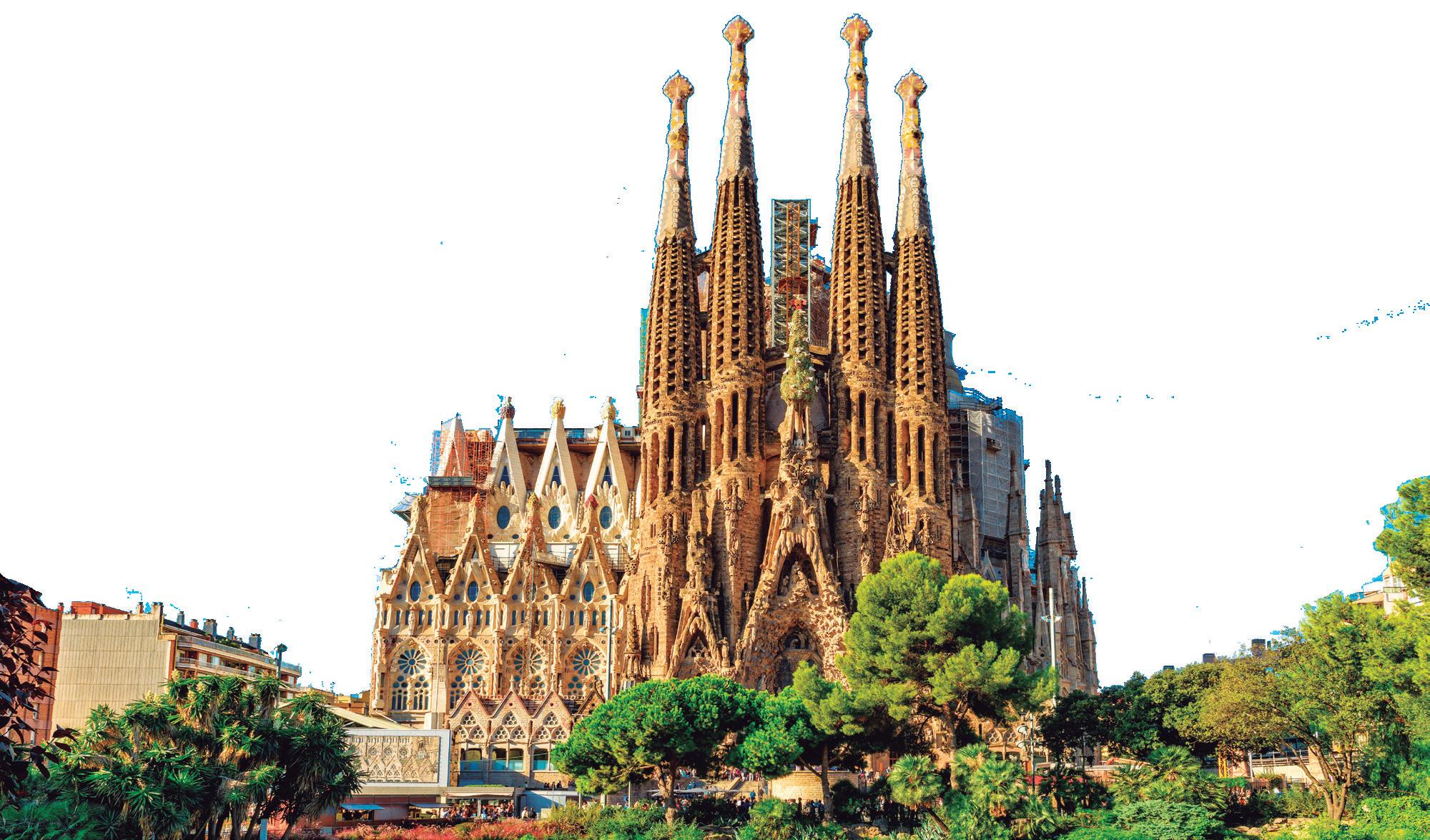
ni Gaudi - the man behind Barcelona’s Sagrada Familia cathedral - has moved a step closer to sainthood after the late Pope Francis officially recognised his ‘heroic virtue’. Known as ‘God’s architect’ for his deeply spiritual vision, his work fused faith, nature and groundbreaking design. The Pope’s declaration was a






TENS of thousands of mostly British homeowners in Spain could be owed a cool €50,000 in compensation after crafty banks were exposed for putting a hidden clause in their mortgages.
If you had a mortgage from Sabadell, Unicaja or many other banks, you could be in for a big windfall.
It stems back to the early 2000s when a string of lenders secretly wrote in their clients’ contracts that interest rates could not drop below 3.5% – in what is now known as a ‘floor clause’.
However, for a decade, between 2011 and 2021, the interest rates in Spain sat at a record low, between zero and 1%.
What this meant was tens of thou-



Architectonestepcloserto sainthoodafterlatePope recognisedhis‘heroicvirtue’
By Dilip Kuner
key milestone in the Catholic Church’s path to sainthood. While recovering from recent illness, Pope Fran-

cis signed off on several causes - including Gaudi’s. Despite being a layman, Gaudi was bur-

ied in the crypt of the Sagrada Família, the basilica he designed and devoted his life to.
The sainthood process involves four stages: Servant of God, Venerable, Blessed, and finally Saint.
Gaudi has already com -
pleted the first two. To progress to beatification, the Vatican must confirm a miracle attributed to his intercession - one possible case involves a woman from Reus who claims to have regained her sight through prayer to Gaudi. Born in 1852 and tragically killed in 1926, Gaudi was known for his faith as much as for his architectural genius.
The Sagrada Família, under construction since 1882, is set for completion in 2026, marking 100 years since his death.
Supporters of his sainthood say Gaudi was ‘a man of profound faith and a universal figure in modern architecture’.

sands of homeowners spent years paying hundreds of euros more per month than they should have done.
One legal firm in southern Spain has been at the forefront of winning back money for affected homeowners – and on a promised ‘no win, no fee’ basis. Fairway Lawyers boss Diego Echavarria, based in Marbella, told the Olive Press that one of his latest clients, the Coopers, were recently awarded a total of €21,075, plus legal costs.



The British family had bought a home in Riviera del Sol, in Mijas, in 2006, but didn’t sell up until recently. They were totally unaware of the floor clause issue until they read about it in a copy of the Olive Press last year. Now, after six
months of legal wrangling, Echavarria, originally from Madrid, has won them the fee, plus compensation.
“It’s always a bit of a game and involves plenty

of legal letters being pinged backwards and forwards, but I know what I’m doing having done this for years now,” he explained.
It comes after the golf-loving lawyer, a member of Guadalmina, won another British couple, the Brighouses, €48,359, last summer.
The couple had bought an off-plan apartment in Mirador de Costalita, in Estepona, in 2004. They took over the mortgage from the developer, which contained the hidden clause and they ended up paying an extra €250 per month than required. It was the fourth case Fairway Lawyers have won on homes in Mirador de Costalita alone.
There are thousands of similar cases all around Spain in which expats or former expats had no idea they were victims.
“Right now I am handling cases all
over the country,” explained the father-of-two.
There are two tell tale characteristics to look out for; Your mortgage was signed off between 2001 and 2010 and your payments were the same amount for a large number of years.
“What is key is they will not have lowered for years,” continued the lawyer, who also handles many other legal work, in particular conveyancing from his office in Marbella.
He added: “Even if you have sold the property and paid off the mortgage, you can still claim.
“There is no deadline since the latest ruling from TJUE (Tribunal de Justicia de La Union Europea).
“There are around 100,000 mis-sold mortgages that have yet to be resolved in Spain.”
If you want to claim for a mis-sold mortgage or feel you may have been affected, contact diego@fairwaylawyers.com or send a message via Whatsapp to +606
Most Spanish banks, but especially Banco Popular (now merged with Santand- er), Caja Duero, Caja España (merged with Unicaja), La Caixa, Solbank, Sabadell and many other savings banks which have since been taken over by major banks.
WHAT IS THE PROCESS FOR MAKING A CLAIM?
You need to submit a claim be- fore the bank to try to reach a settlement out of court. Then comes a three-month period in which you await their response. Unfortunately the Spanish banks do not want to reach any kind of agreement or set- tlement and they always force the clients to go to court to get a positive ruling. They do this because they hope clients will get fed-up with the process and drop the claim – which is why we operate on a no win no fee basis.


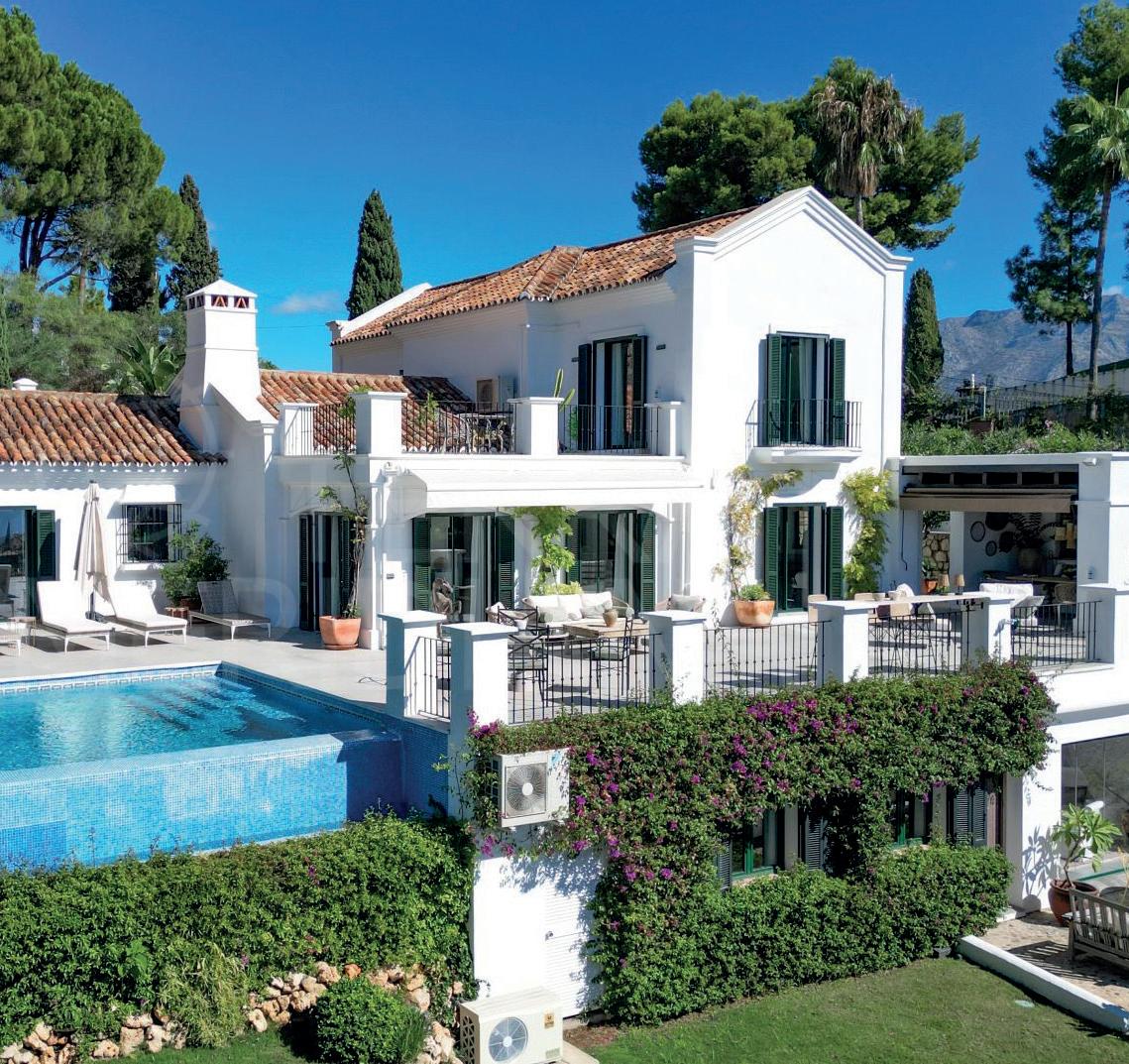

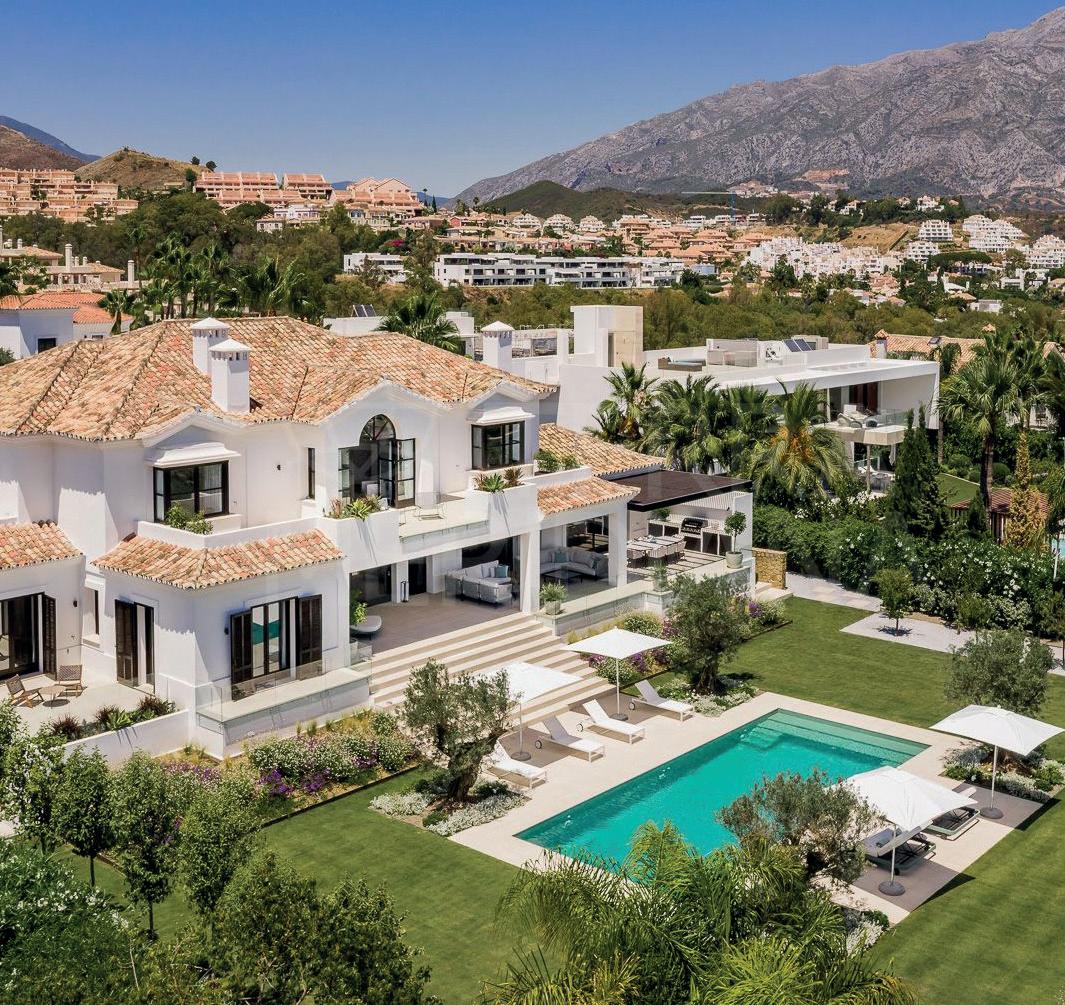
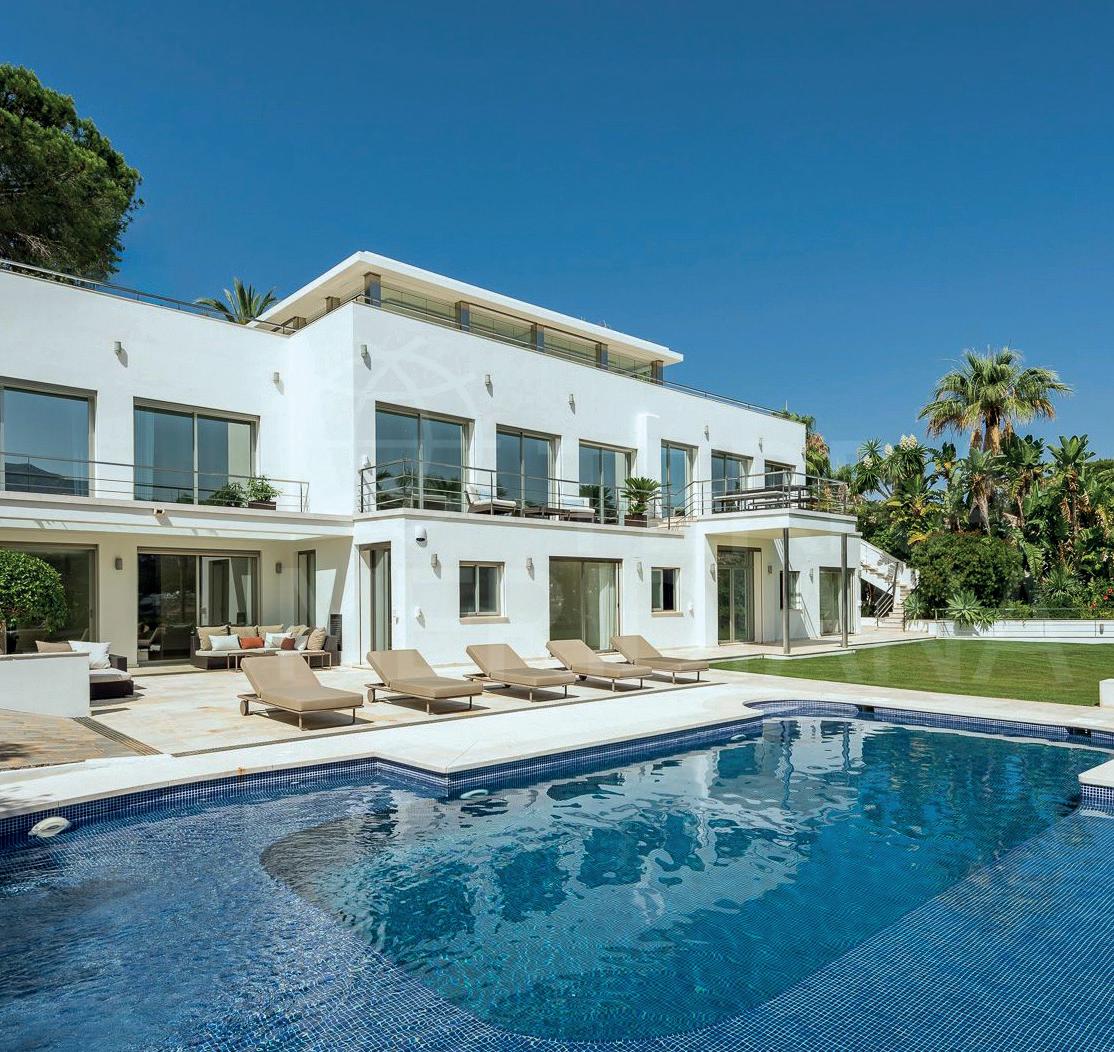

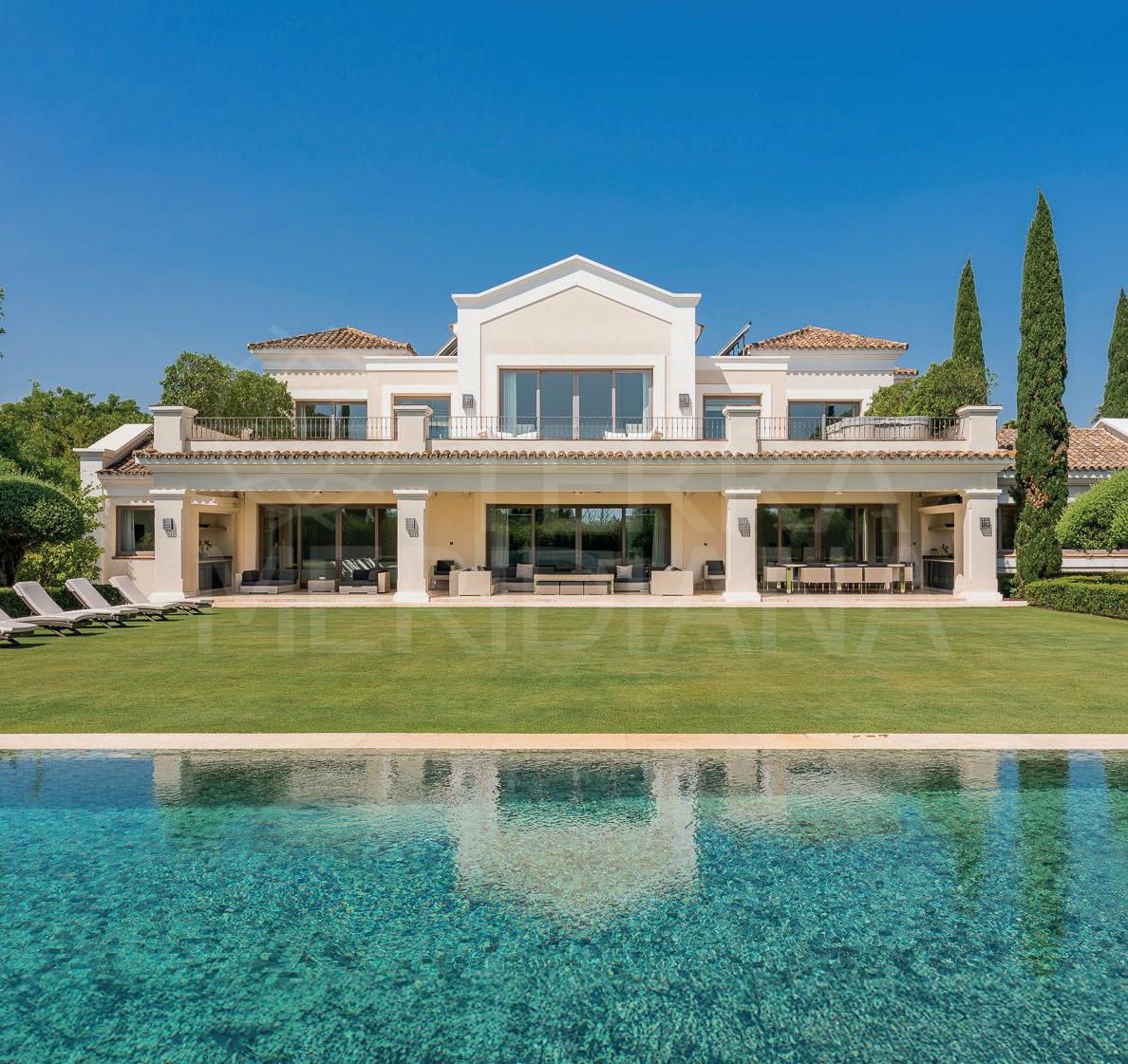



SPAIN’S housing crisis has entered a new phase of uncertainty and tension as sweeping reforms to tourist rental laws took effect on April 3, 2025. The changes, driven by the new Organic Law 1/2025, significantly tighten regulation of short-term rentals, aiming to balance the interests of residents, property owners, and the booming tourism sector. New Rules for Tourist Rentals
Under the new law, any property owner wishing to offer their home as a tourist rental must now obtain explicit approval from their building’s homeowners’ association (Comunidad de Propietarios). This approval requires a three-fifths majority vote of both owners and ownership quotas at a duly constituted meeting.
If the majority is not reached, the community can demand the immediate cessation of the activity and may even pursue legal action.
The law does not apply retroactively: properties already operating as tourist rentals before April 3, 2025, can continue under the previous framework, provided they were legally licensed. However, all new tourist lets - including those purchased from previous owners - must comply with the stricter rules.
National registry and fines
In addition to community approval, all tourist rentals must be registered with Spain’s new national registry
(Registro Único) by July 1, 2025. Owners must provide detailed property information and obtain a unique license number, which must be displayed on all listings, including platforms like Airbnb. Failure to comply can result in fines up to €600,000, de pending on the region.
Homeowners’ associations gain power
Communities now have the author
ity to:
Approve, limit, or prohibit tourist rentals within their buildings

Impose up to 20% higher community fees on properties used for tourist rentals, without needing to prove increased service usage
Enforce these rules through legal channels if necessary
This shift has sparked concern among property owners, who fear the potential for abuse or arbitrary fee hikes, especially in buildings where consensus is hard to reach.
Market Impact and Housing Shortage
The reforms come amid mounting public anger over housing costs and the impact of mass tourism. Spain welcomed nearly 100 million

by high land and construction costs, slow planning processes, and strong demand.
foreign visitors in 2024, with demand for tourist accommodation rising three times faster than for hotels. This surge has fueled speculation, driven up rents and home prices, and reduced the supply of long-term housing for locals.
In response, cities like Barcelona have announced plans to phase out tourist rental licenses by 2028, while other regions are introducing quotas, bans, and new taxes on foreign buyers. Despite these measures, the housing deficit remains acute: experts warn Spain faces a shortfall of up to 2.7 million homes in the coming decades, driven
The new law was introduced after more than a year of mass protests across Spain. On April 5, just two days after the law took effect, hundreds of thousands marched in over 40 cities demanding affordable housing and greater regulation of tourist rentals. Protesters blame both landlords and government inaction for soaring rents and evictions, with slogans like “Get Airbnb out of our neighborhoods” echoing nationwide.
Spain’s government, under intense pressure, has promised further action - including new public housing, rent caps, and even a proposed 100% tax on property bought by
by Adam Neale
non-EU residents. However, critics argue that targeting tourist rentals alone will not resolve the underlying housing shortage, which is rooted in years of underbuilding and complex political wrangling.
As the summer tourist season approaches, confusion and anxiety persist among property owners, residents, and investors. While the new law aims to restore balance between tourism and local needs, its effectiveness will depend on enforcement, community cooperation, and broader efforts to boost housing supply. For now, Spain’s housing chaos shows no sign of abating, with the battle over tourist rentals at its heart.

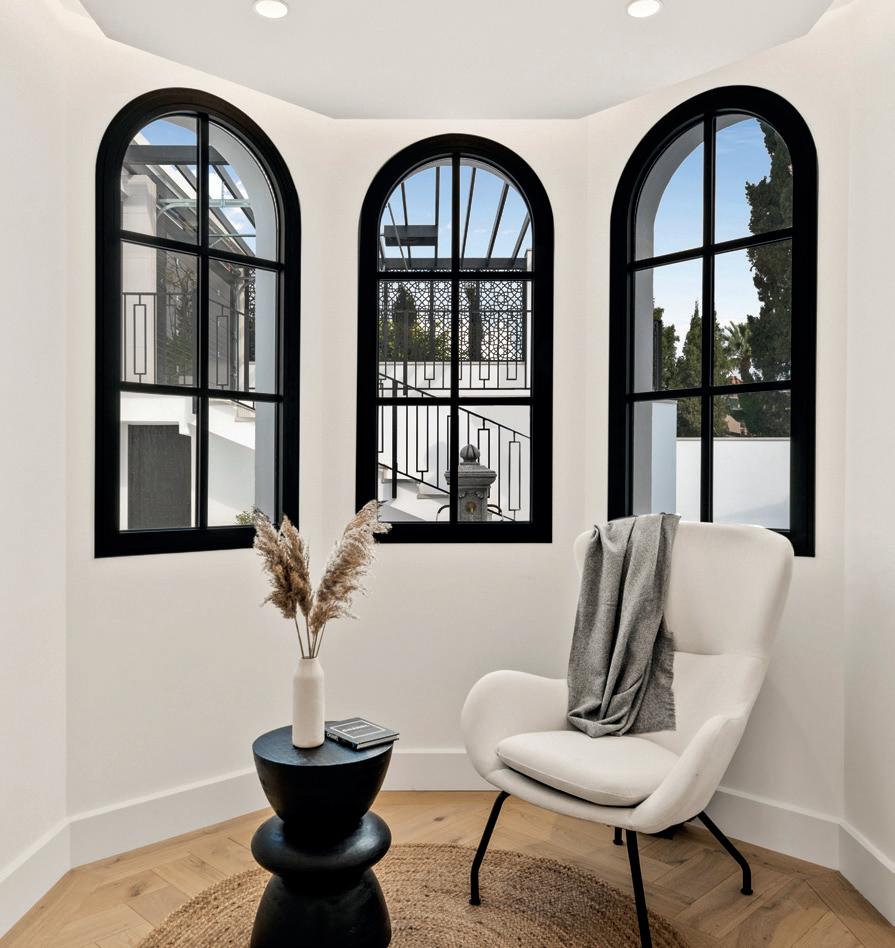






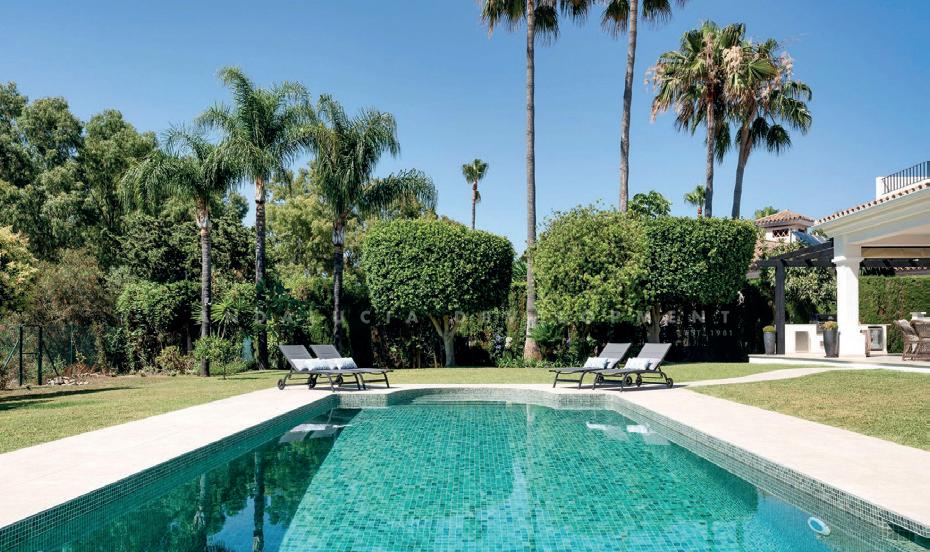
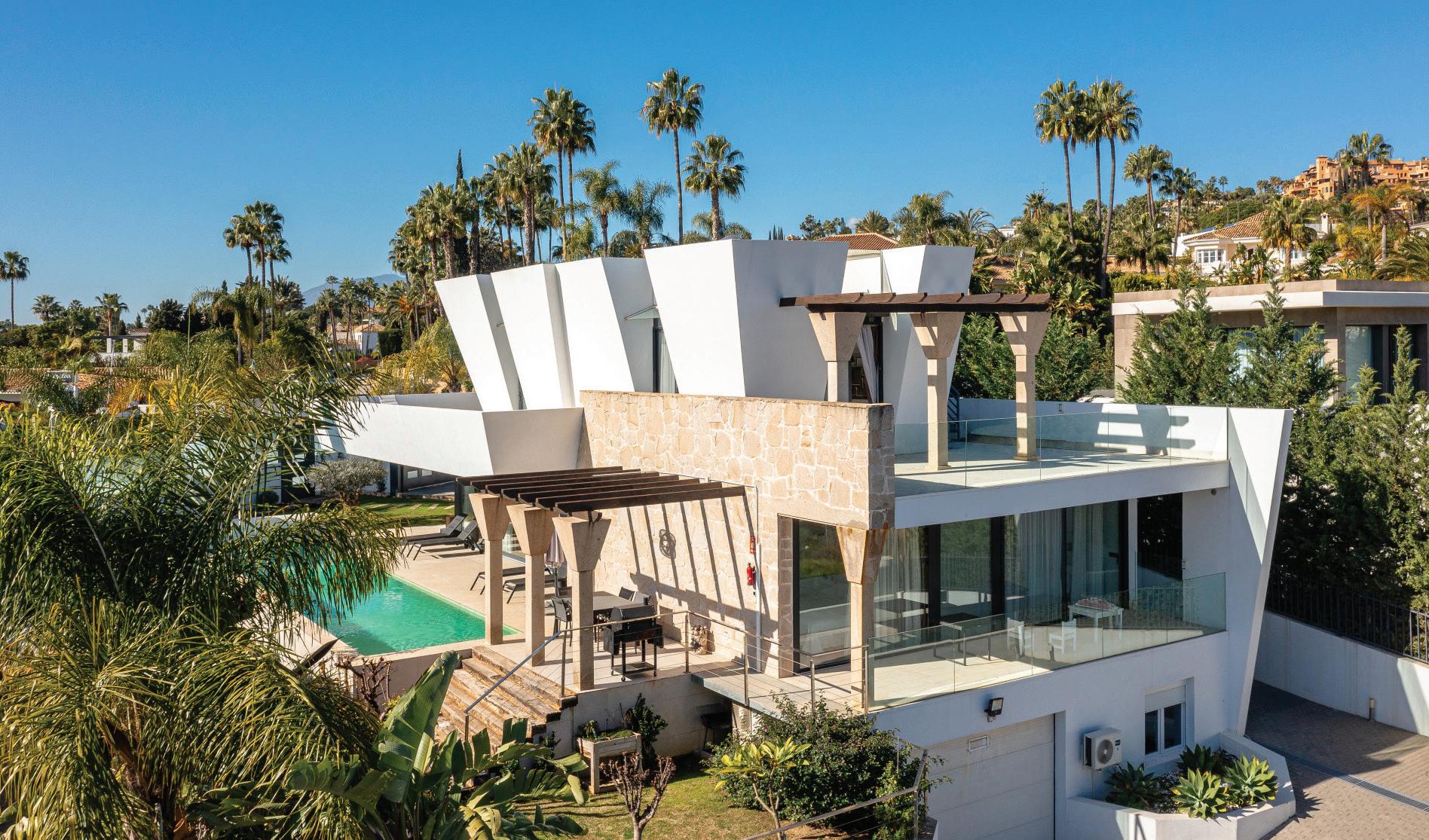
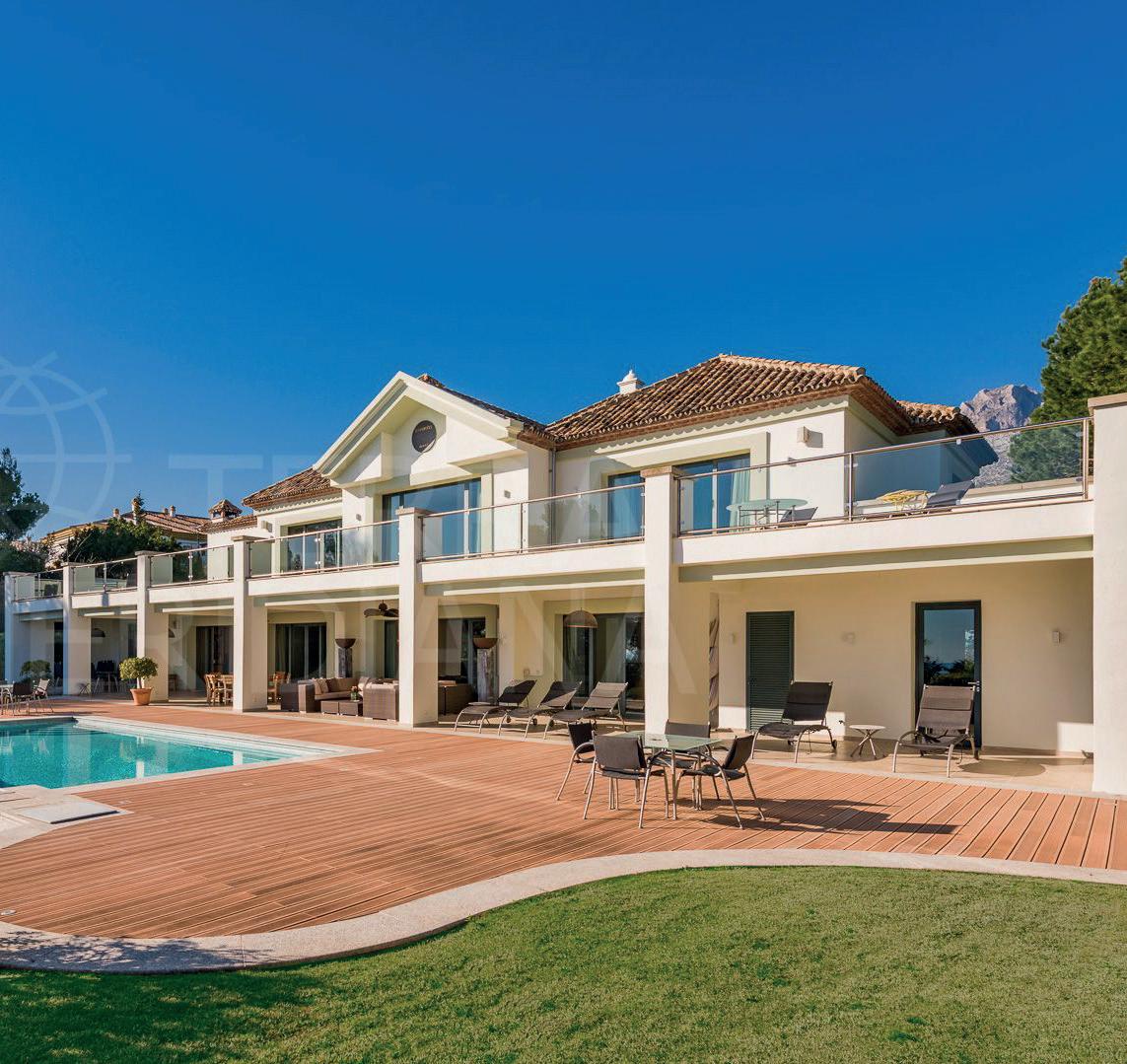
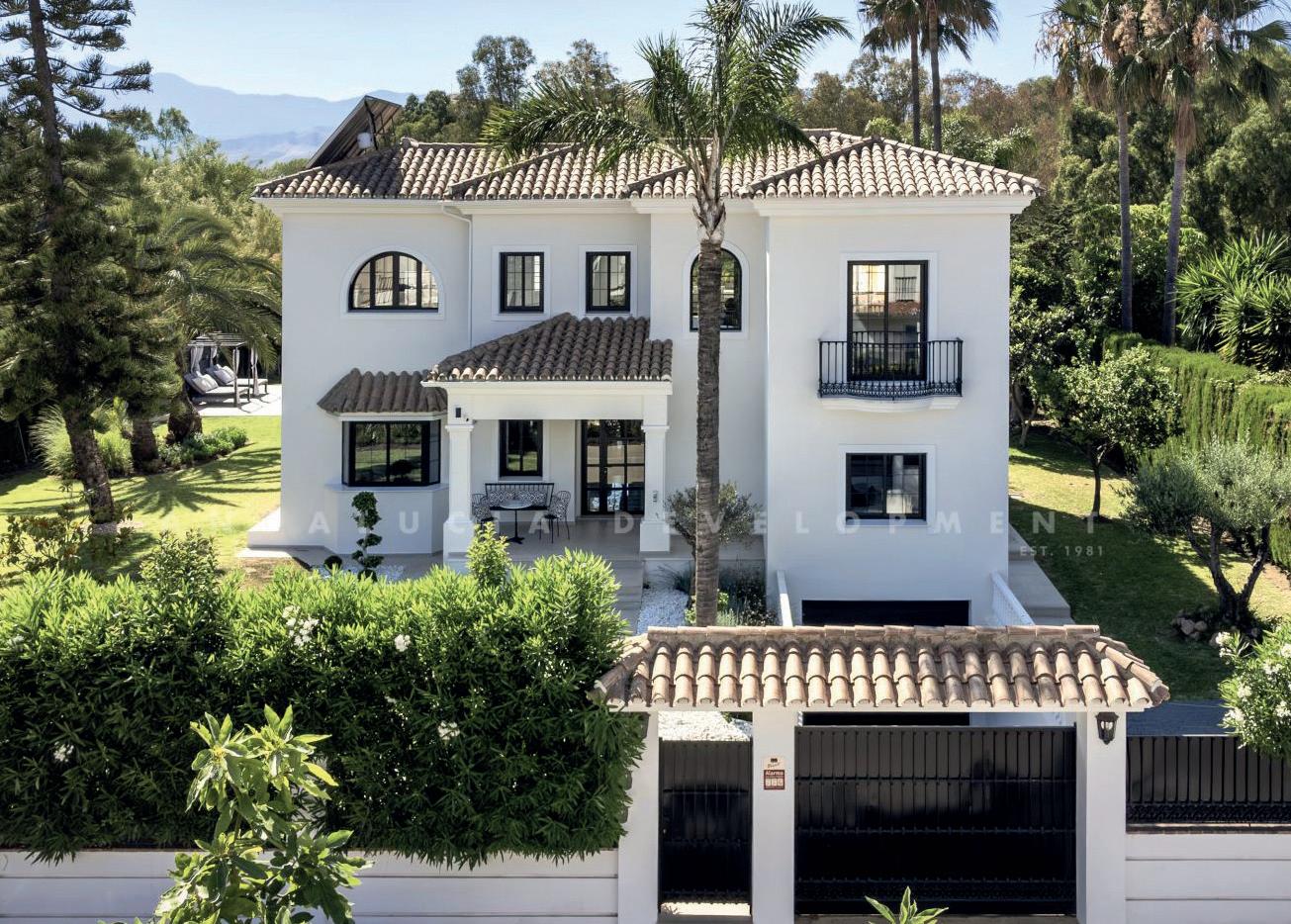
Elegant villa, recently gone through a total renovation.
5 Beds | 4 Baths | 365m2 Built | 1250m2 plot | 72m2 terrace
REF: 176-02809P | 2.795.000€
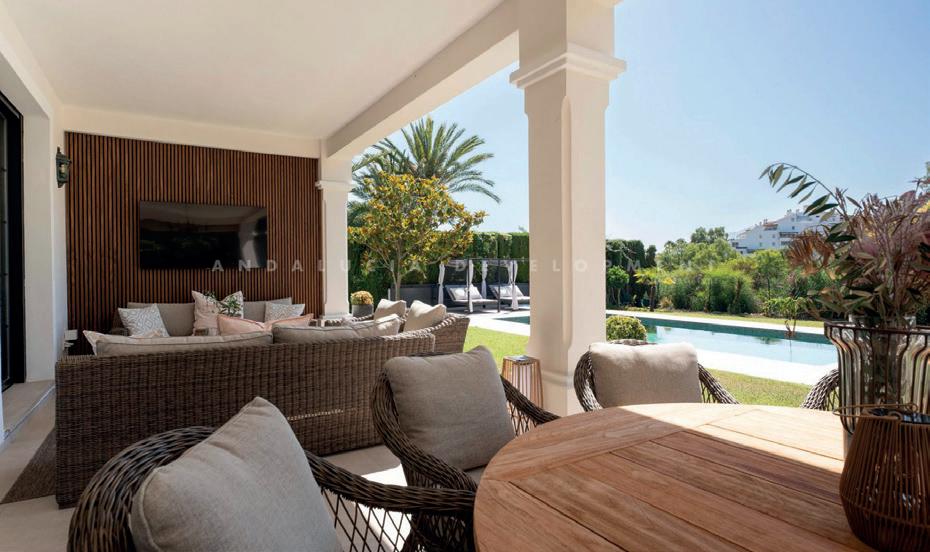
As you enter you are greeted by an abundance of light and space where the chosen materials blend perfectly. The generously sized ground floor of the villa has an open plan distribution with both formal and informal dining area, an office and a bedroom suite. The large terrace doors take you to the covered terrace, to the bbq area and out to the garden and heated pool. On the second floor you have the beautiful master suite, a relax area and 2 bedrooms sharing a bathroom.The basement area has been fitted with a home cinema, big laundry area, a family bathroom and the 5th bedroom, there is also direct access to the garage from here. Situated in a well established residential area between Puerto Banus and Estepona only a short drive to Marbella & the Golden Mile with amenities nearby and the beach is only a short distance away. A true gem of a property with a total of 455m2 constructed area.
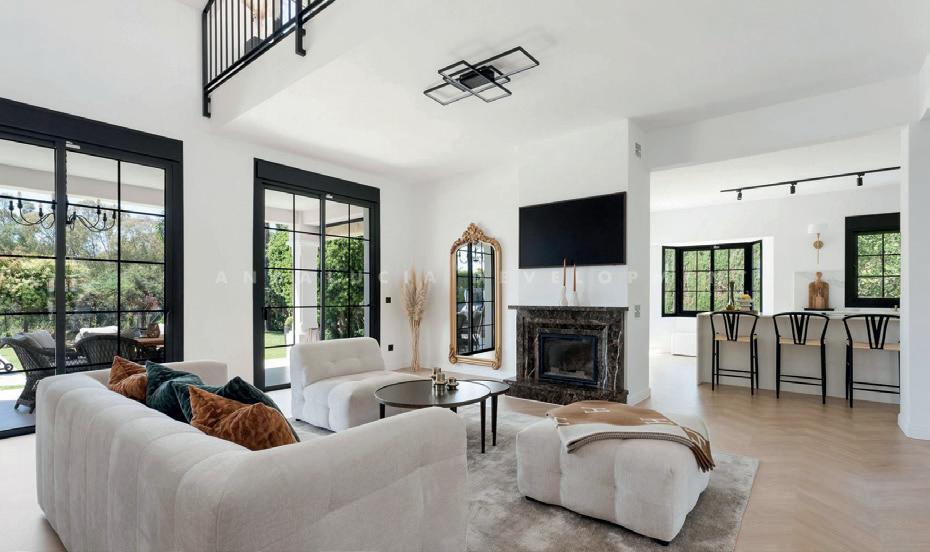
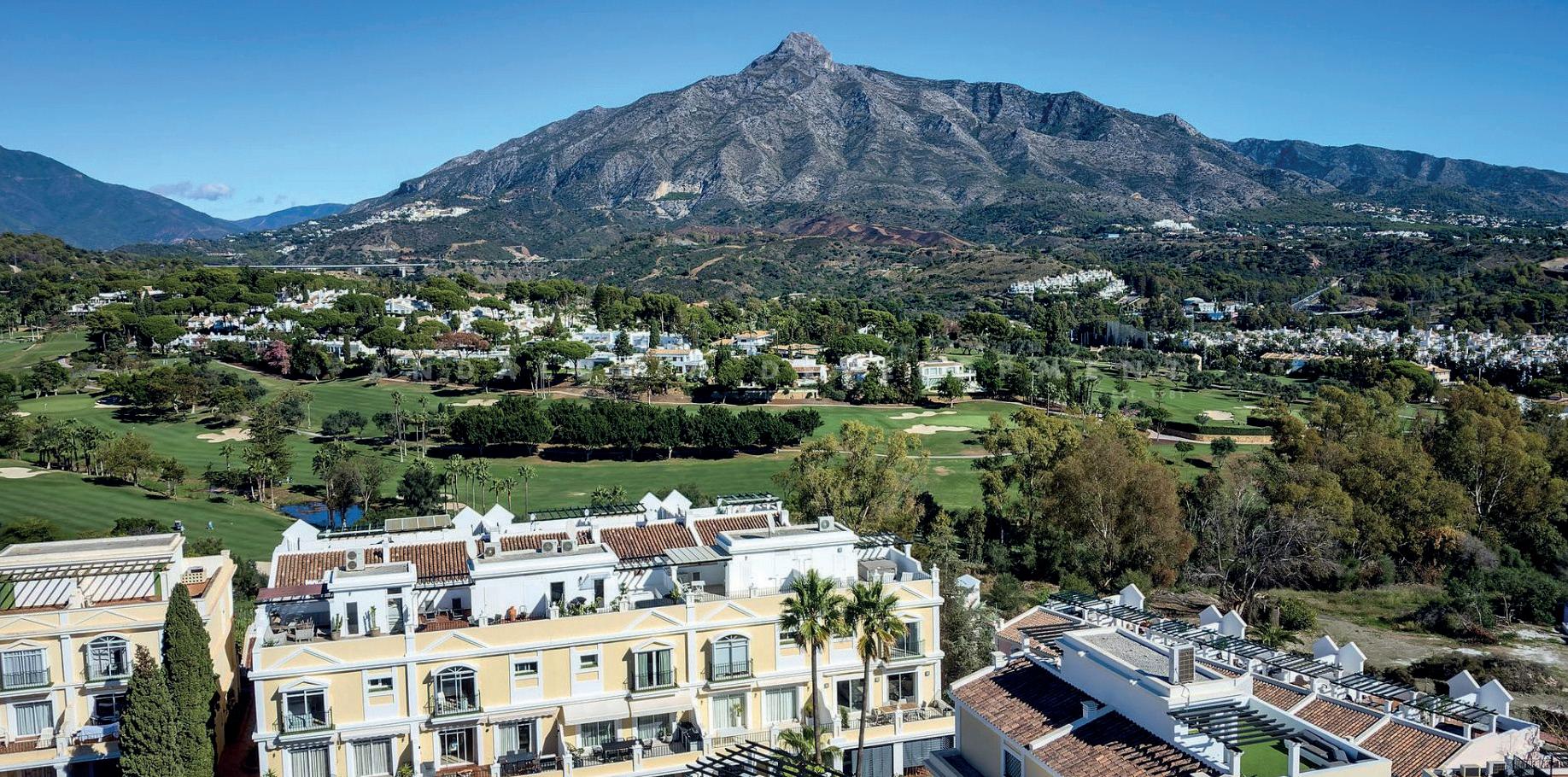
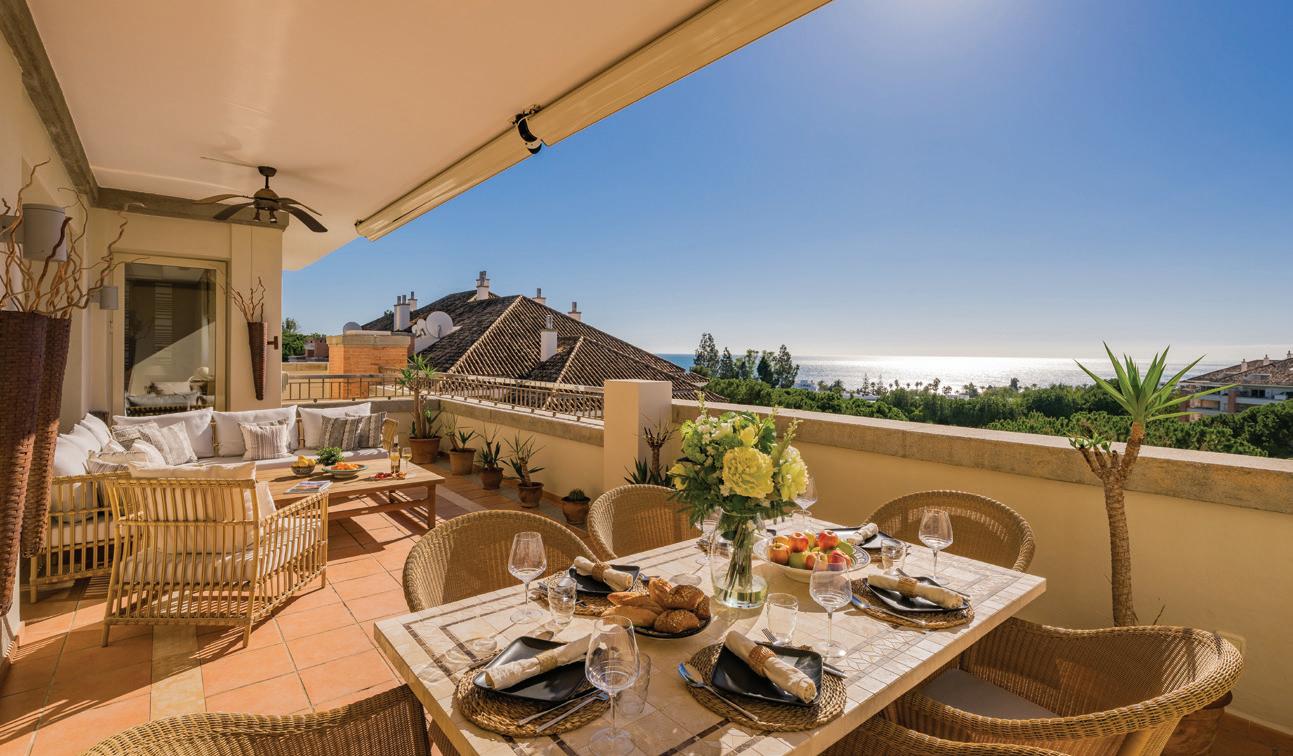
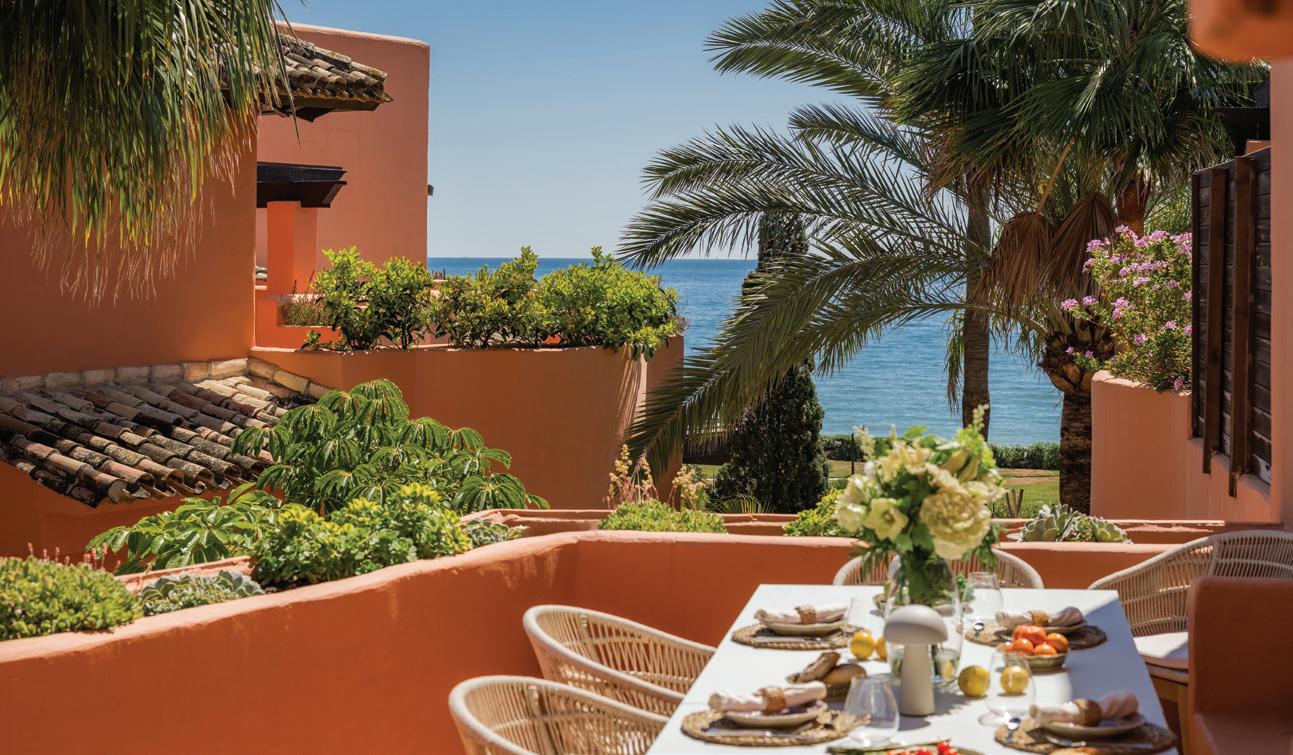
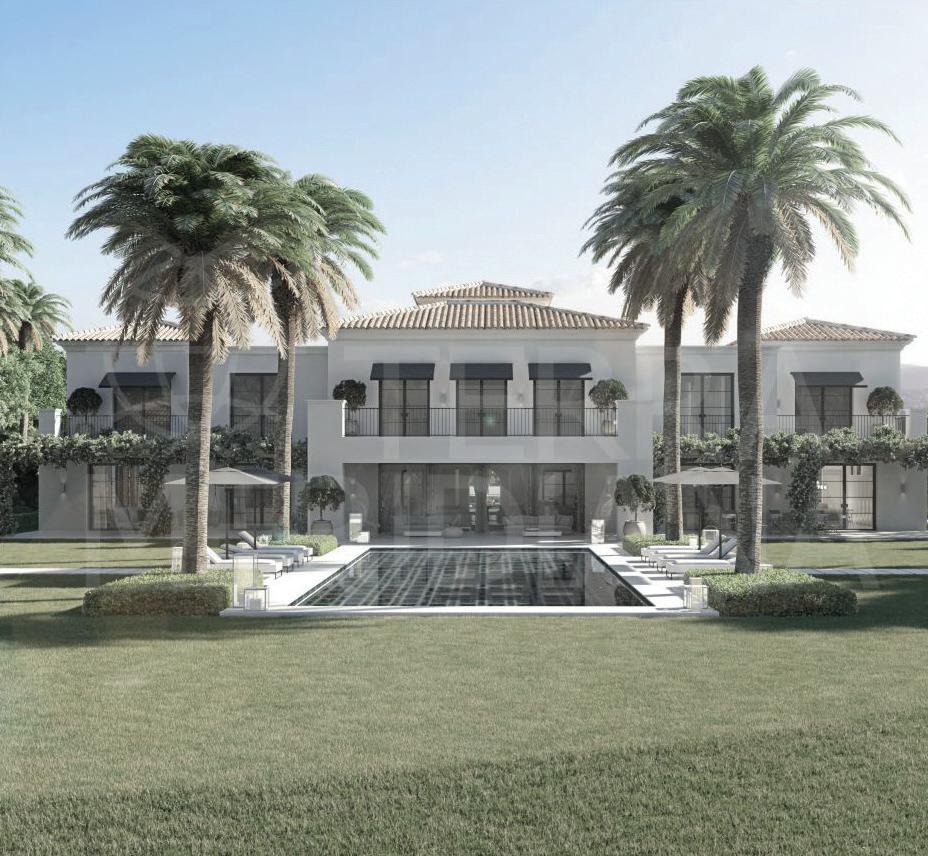
Newly fully refurbished duplex penthouse.
4 Beds | 3 Baths | 227m2 Built | 60m2 terrace
REF: 176-02831P | 1.295.000€
As you enter you are greeted by the light and the soft colour scheme creating a feeling warmth and luxury. The open plan kitchen, living and dining room opens up to double doors onto the lower terrace which is perfect for that morning coffee. On this floor you also have the 4th bedroom and the combined bathroom and guest toilet. On the 2nd floor you have the large mastersuite with plenty of wardrobe space, large bathroom and a beautiful bay window looking towards Marbella and the sea.
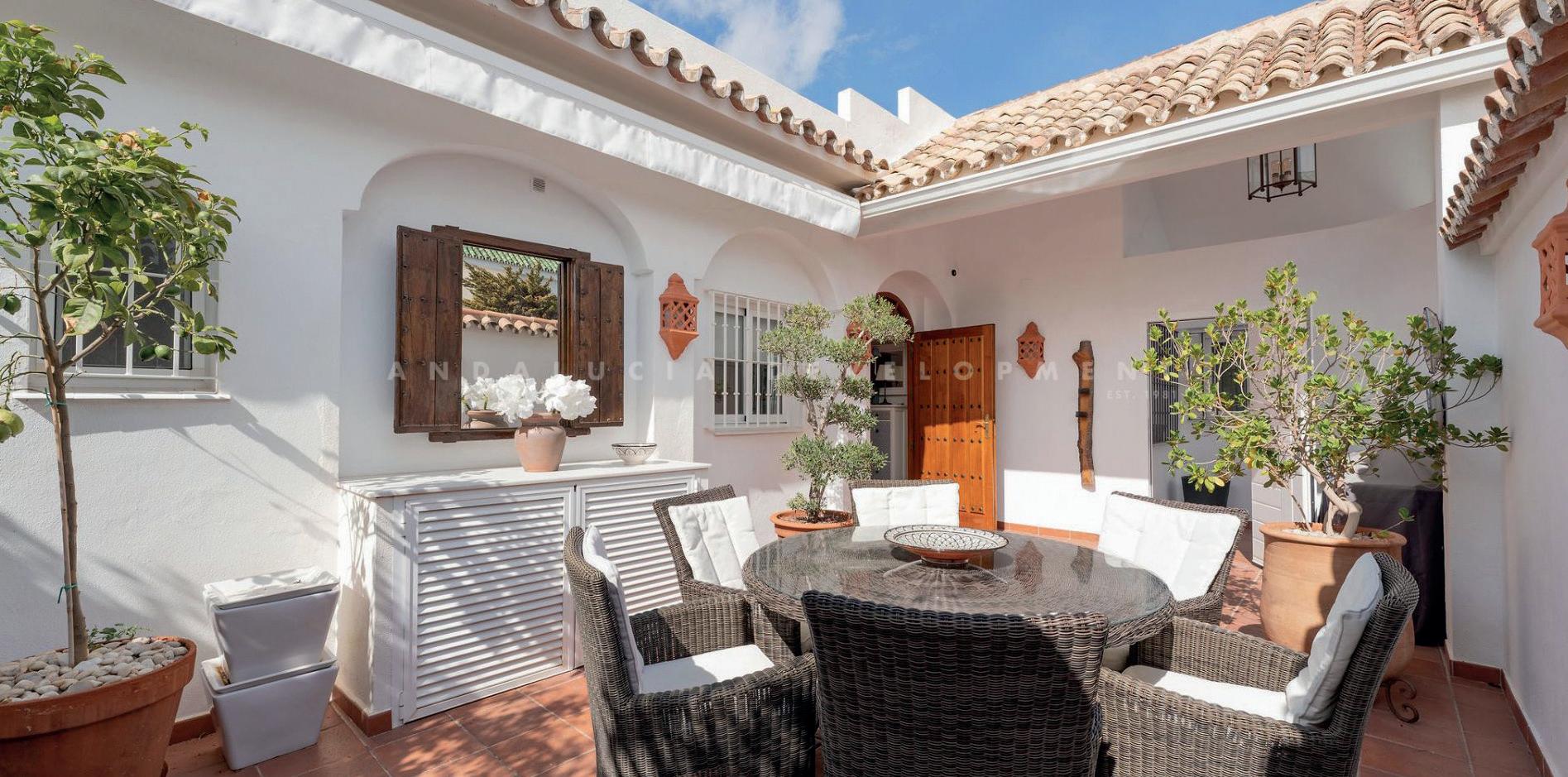
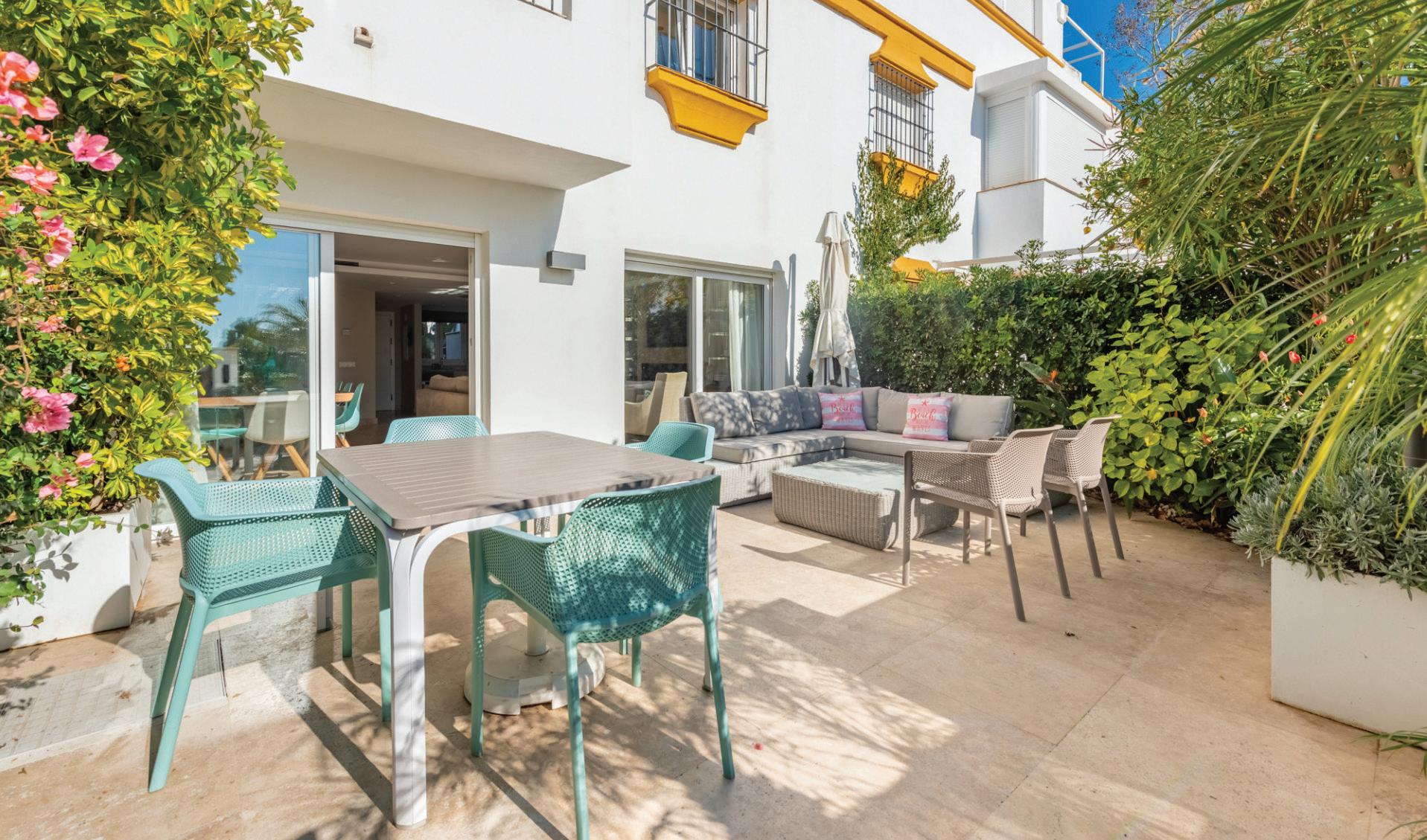
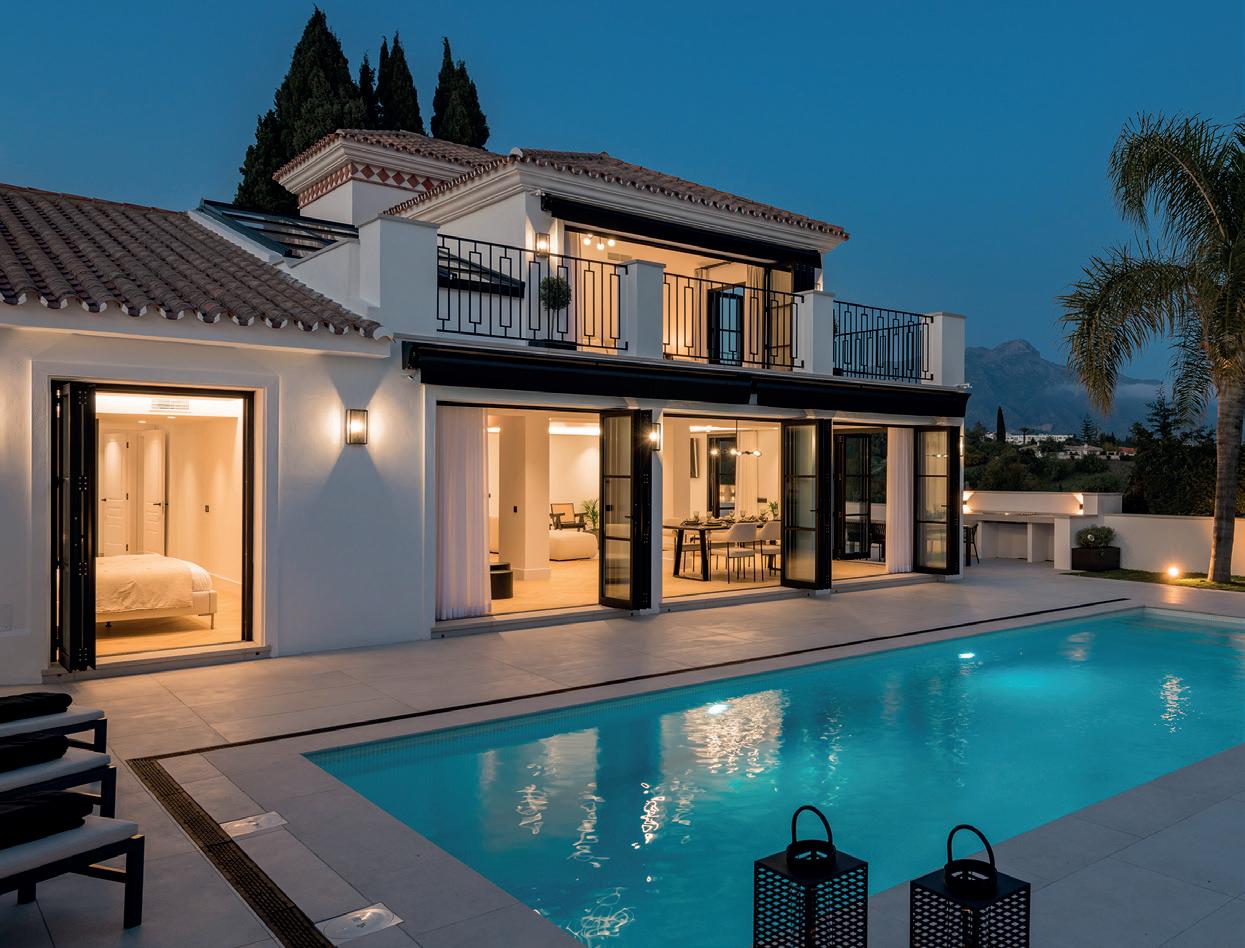
Large townhouse with sea & golf views.
3 Beds | 3 Baths | 100m2 Built | 165m2 terrace | 653m2 build
REF: 176-02826P | 895.000€
We present this special & classic property in the well known development of Los Jarales. Nestled in the heart of Aloha with views towards the Aloha golf course and across the valley. The spacious entrance takes you to the property through the large patio where you can enjoy the morning sun and its a perfect place for the warm summer evenings.