Taking the floor Review Roundup A landscape of fear
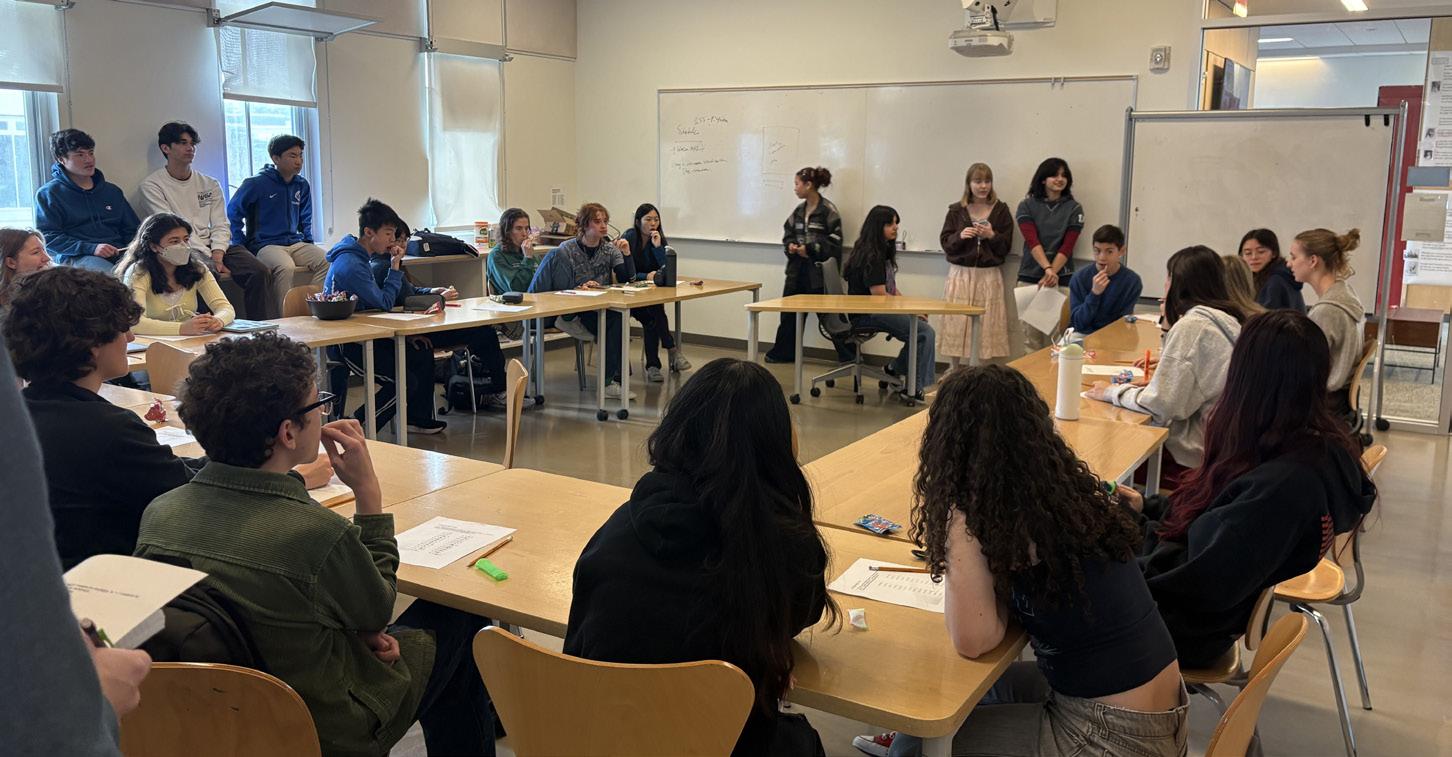
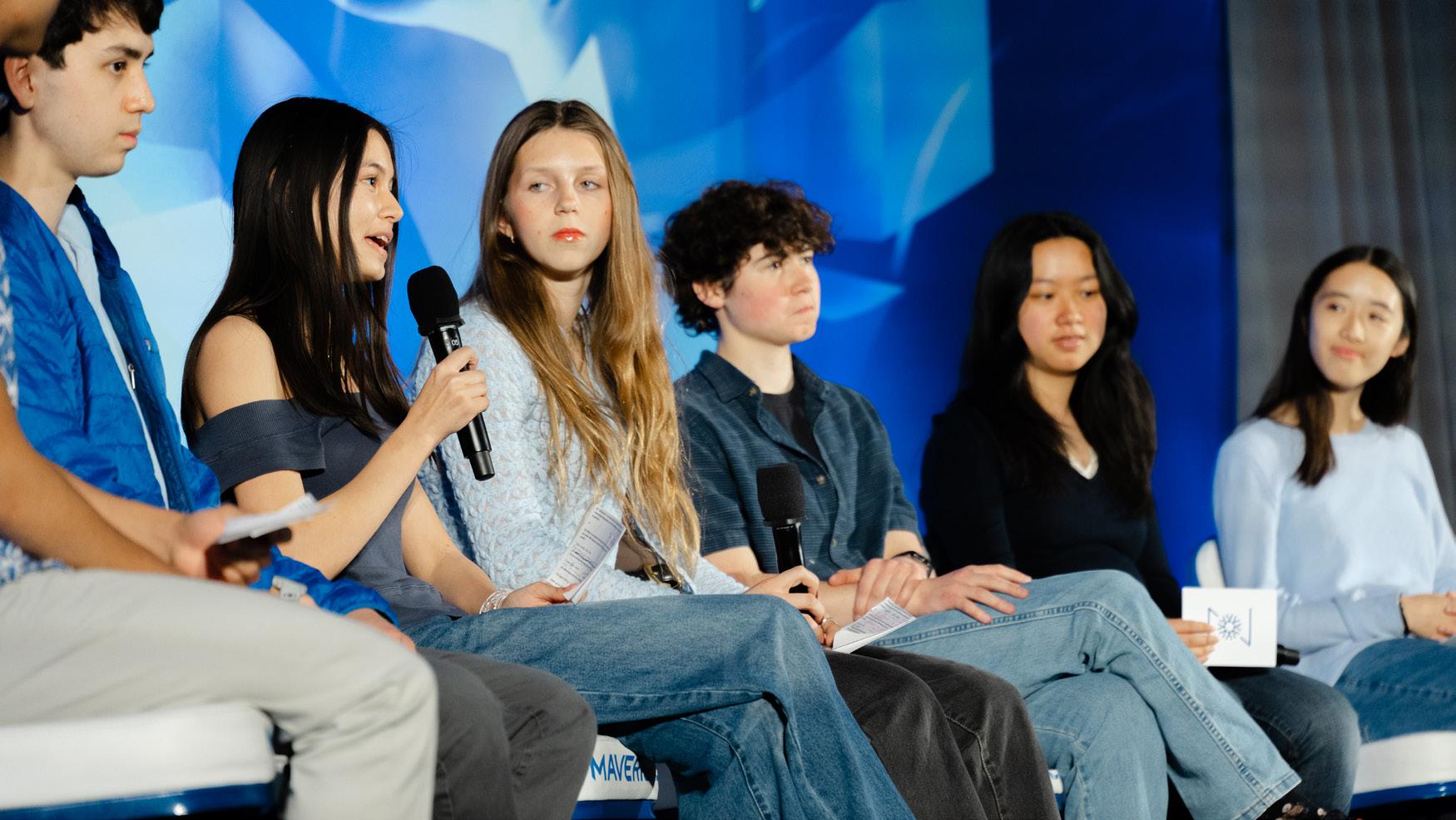
Students serve up speeches and diplomacy during the National High School Model United Nations (NHSMUN) conference.
News // Page 4
We review the latest albums from Bruno Mars, Harry Styles, and RAYE.
Culture // Page 6
As ICE deportations continue nationwide, three Bay Area teens share their experiences living with undocumented parents.
Features // Page 15
Student Standoff: Does individual climate action matter?
Kayla L. '26 and Jackson H. '26 weigh in on the issue
VOLUME 9,
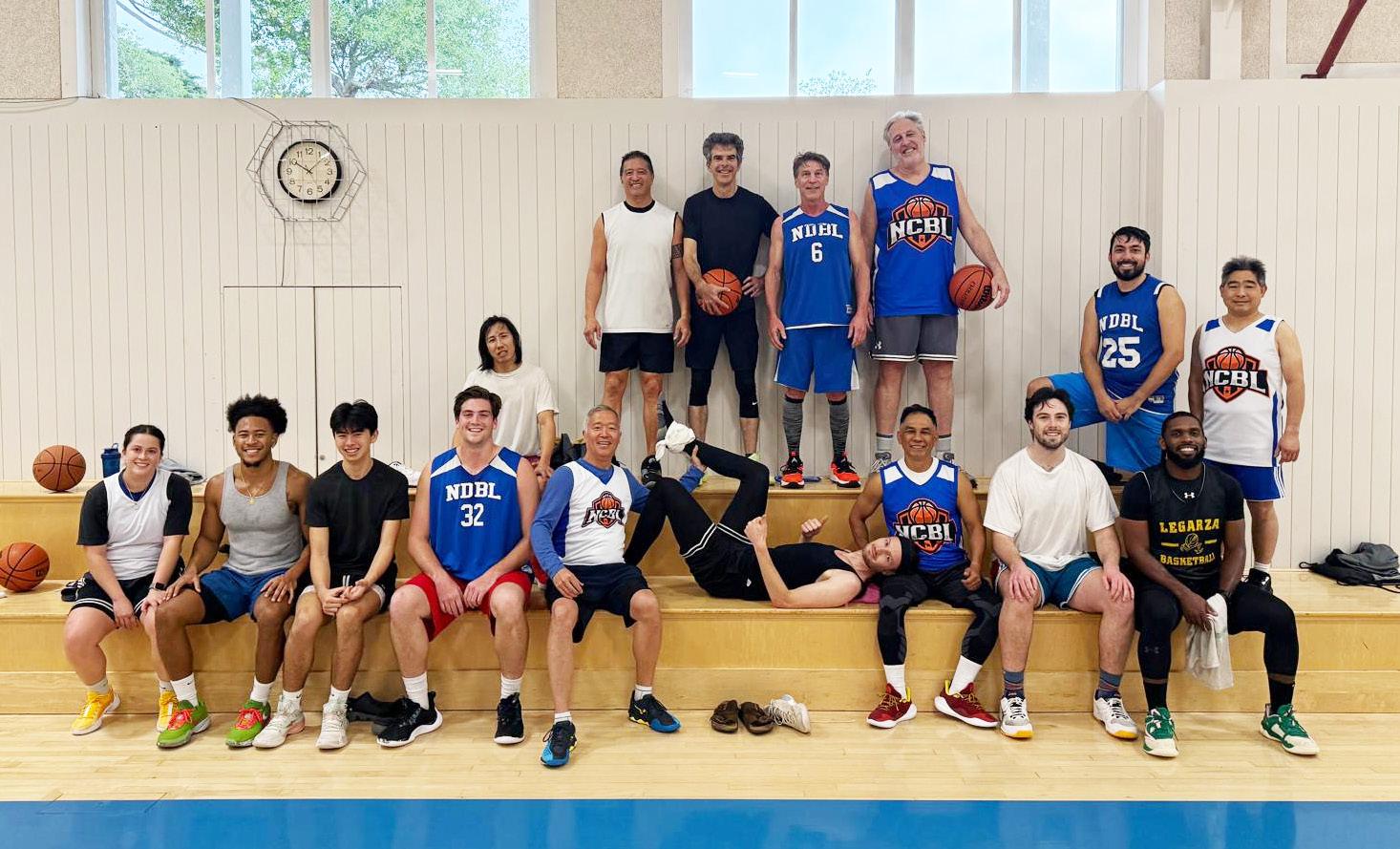
Shooting hoops
Inside the Nueva Community Basketball League, a group of diverse Nueva community members united by their love of pickup basketball.
Sports // Page 21
PART I. “WE DON’T DATE AT NUEVA”
In the hallways on campus, few students hold hands. At school dances, hardly anyone seeks or is sought to be a date. Ask a friend about their love life, and expect a laugh. The story that many Nueva students tell themselves is simple: we just don't date.
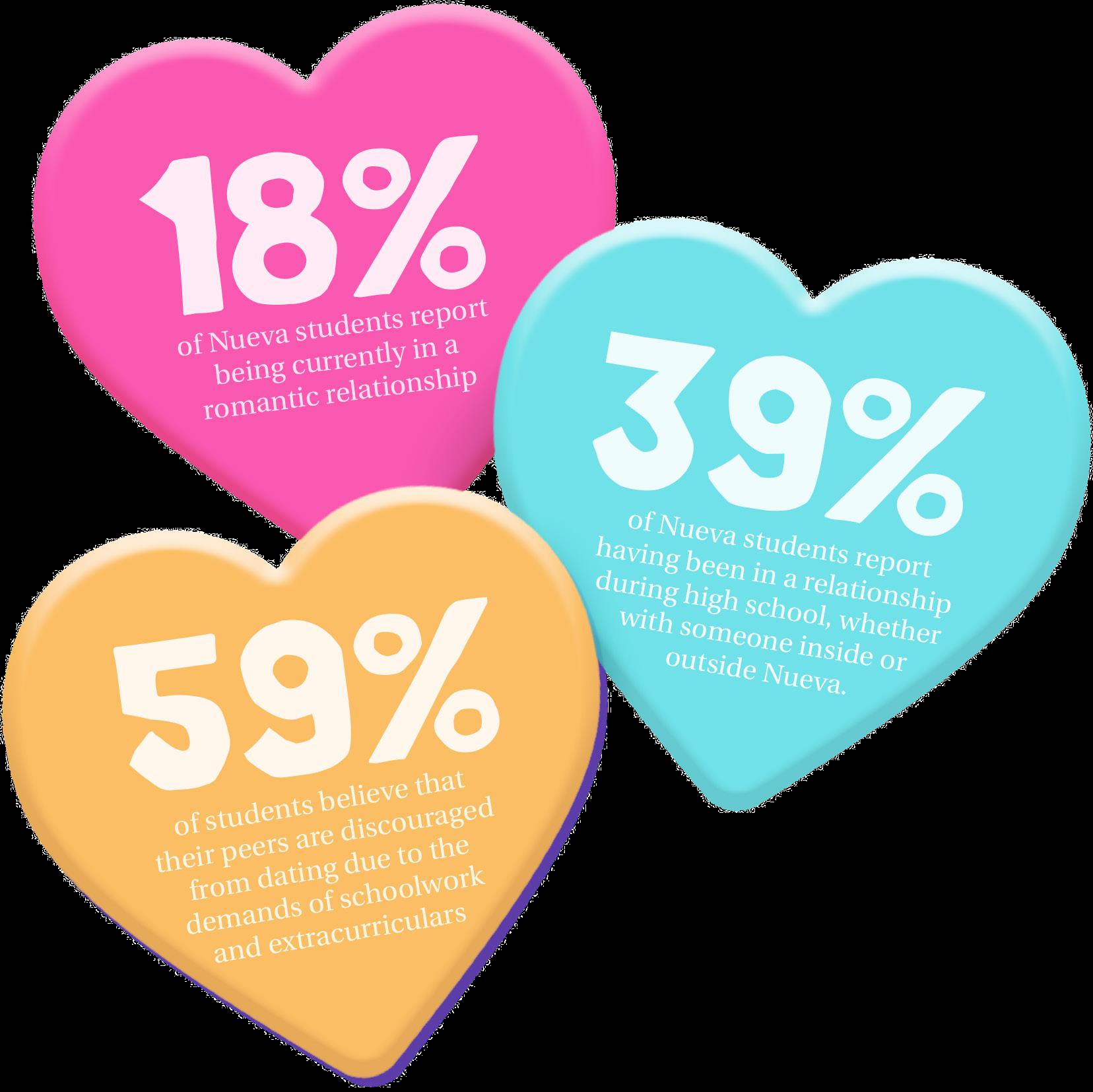
As it turns out, love isn’t entirely dead among students at Nueva. According to a survey by The Nueva Current of 231 Upper School students, 39% of students have been in a relationship during high school, whether with someone inside or outside Nueva.
Meanwhile, national trends show declining high school relationships: while 76% of Gen X and 69% of Millennials reported having a high school relationship, just 56% of Gen Z have had one,
according to a 2023 American Enterprise Institute study.
Not all Nueva students are chronically single, nor do their dating habits necessarily drastically lag behind other high schoolers’ today. Yet, a perception persists of Nueva’s complete lack of romance, community members raise some very realistic barriers to engaging in relationships within the school, and just 9% of survey respondents reported dating within the school.
PART II. A COUPLE PROBLEMS
At many high schools, exploring a crush—sliding into someone’s DMs, asking someone to a dance, or merely getting to know each other within the school walls—is between just two people. At Nueva, that exploration can sometimes
feel like a school-wide event.
With a student body of 451—around 110 students per grade—some students feel that gossip about crushes, dating, or breakups can spread quickly.
Given the potential social consequences of pursuing romantic relationships at Nueva, sex education teacher Kate Bedford finds it “deeply reasonable” for students to feel hesitant about dating a fellow Nueva student.
“Everybody’s watching in a way that doesn't feel great. You can feel a little fishbowled,” Bedford said.
Bedford, who’s taught at Nueva for 20 years, has observed that students lacking relationship experience can often pass the most judgment onto others—a trend that several interviewed students named, too. Bedford explained that judgment can
5
often stem from fear or insecurity.
“It's so much easier to be like, ‘Nope, ew. Those people over there, gross,’ than to be like, ‘Actually, I want to be desired. I want to be liked. I want someone to find me special. I'm willing to put myself out there,’” Bedford said.
While Bedford acknowledged that students’ insecurities are valid, they can also lead to a culture of quick judgment.
That small-school culture manifested for Ava J. ’26 as classmates randomly approaching and asking her to explain a recent breakup. “I love tea just as much as anyone else,” Ava said. “I think it's fun, but I don't know you. I think it's just crazy to blatantly ask someone you're not really friends with [about a breakup].”
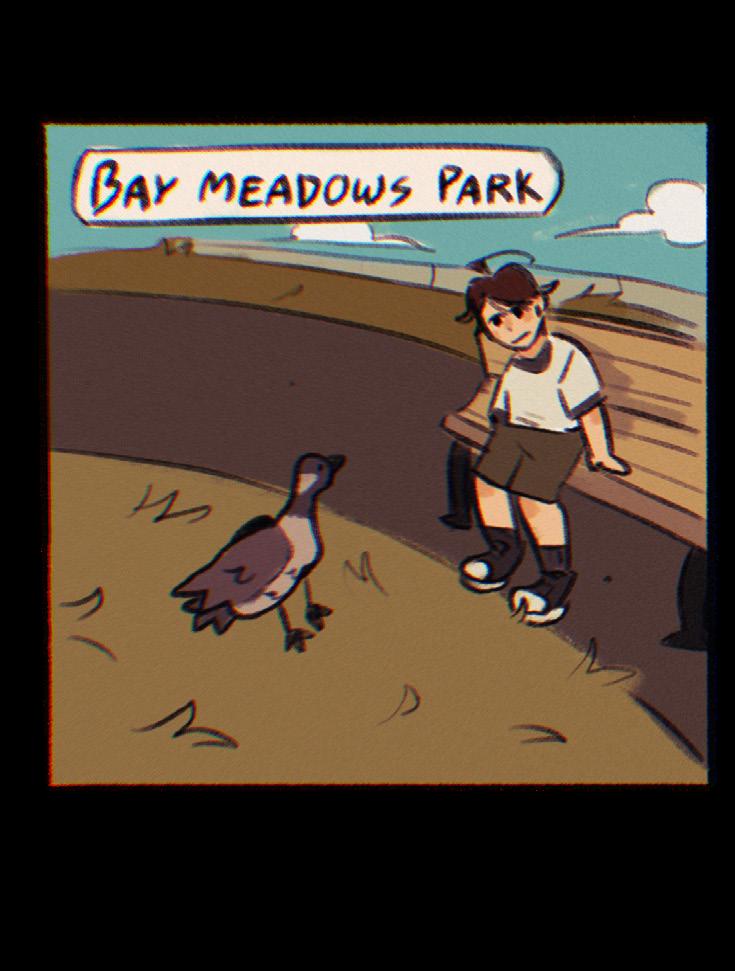
ILLUSTRATION: Anwen C. / The Nueva Current
By the Numbers
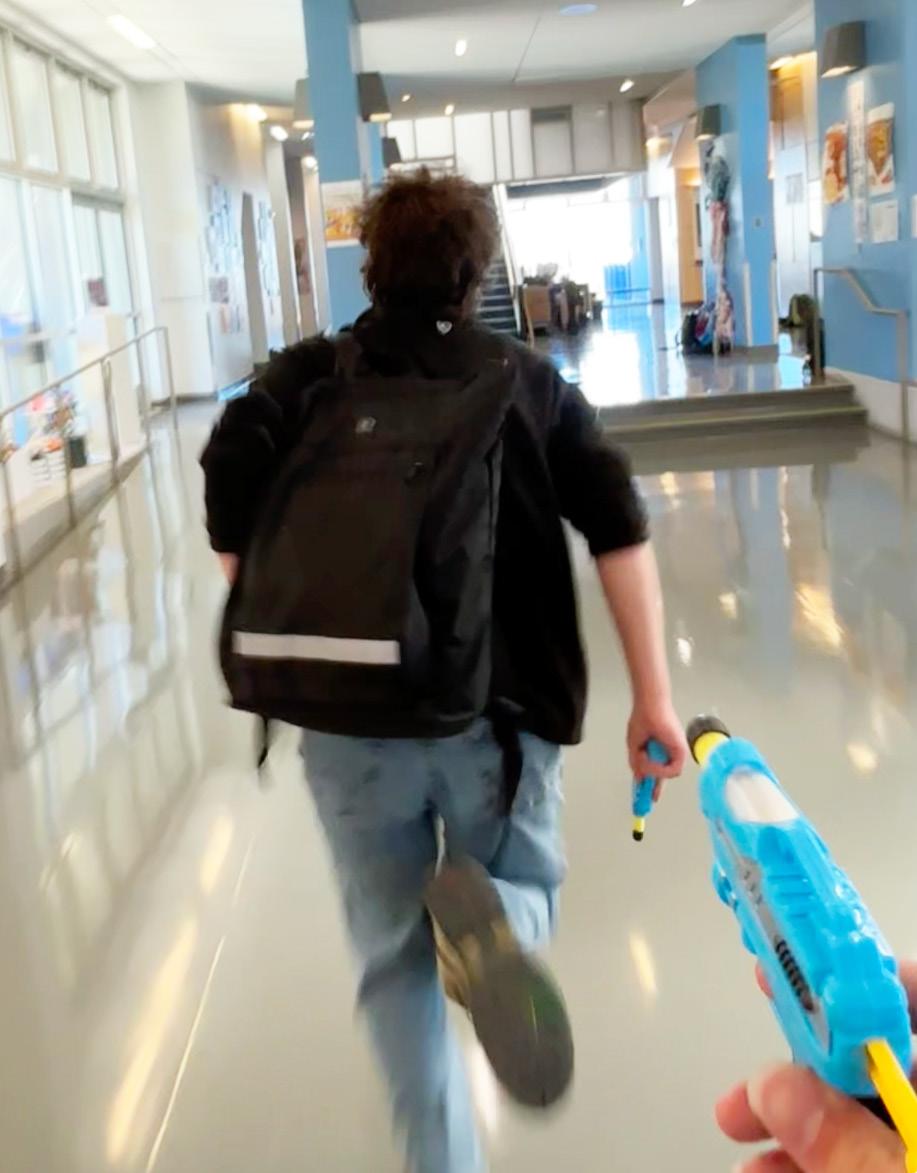
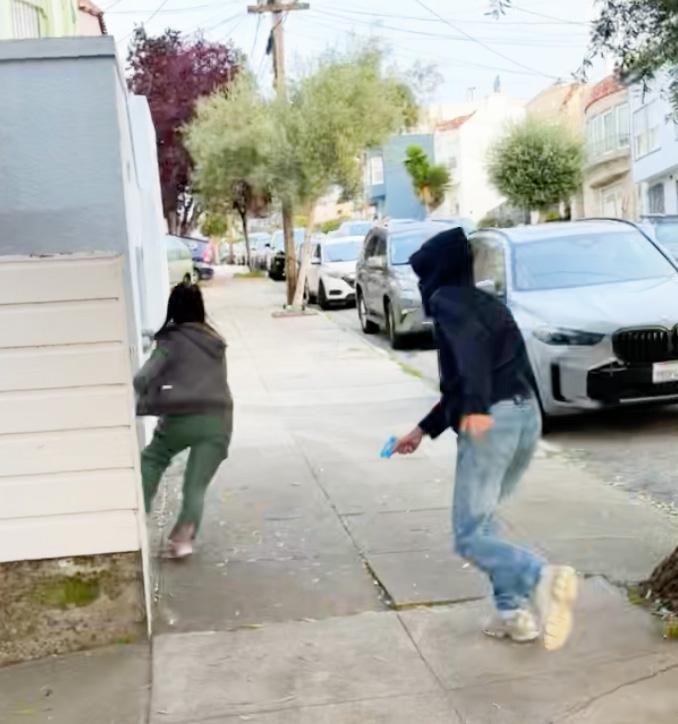
two-player teams participated in this year’s round of Senior Assassin.
Iran War Negotiations Nearly a month into the conflict the state of negotiations between Iran and the United States remains unclear, as both nations continue to threaten strikes on energy and civilian infrastructure.
REPORTING BY ELLIE LIN
Book Fair turns the page
The annual Book Fair returns with a new vendor and expanded selections
STORY BY RAYA I.
Nueva’s annual Book Fair, beloved for decades, has changed vendors several times. After initially partnering with Los Altos children’s bookstore Linden Tree in the 1980s, Nueva worked with Scholastic for many years, and then Books, Inc. (the latter declared bankruptcy right before last year’s event).
Linden Tree was back as a vendor this year, providing a selection of books ranging from literary fiction and YA romances to cookbooks and picture books.
The week-long event also featured books by Nueva-affiliated authors, postcards designed by fifth graders, bookmarks made by students, and a selection of stationery. The proceeds go to supporting Nueva’s literacy programs.
“One of the things I love about book fairs is that you really get to see what kids choose on their own,” said Linden Tree owner Chris Saccheri. “You can tell that people here love to read. It’s great to watch people get excited about books.”
Some, like Grace B. ’26, saw the Book Fair as an opportunity to get back into reading after a hiatus. “I just turned 18 and [don’t want to] be an adult who doesn't read,” she said. “So I've been trying to find a book I’ll be really into.”
The careful curation of the Book Fair appeals, too. “These are all books that somebody read and chose to be in the book fair,” Coco G-W. ’29 said.
Another popular feature was reviews—paper slips tucked behind books with recommendations from students, faculty, and parents—which Bishara noted as a high point.
“The event is completely about community building,” parent organizer Ern Ang emphasized. “It’s very special that we have this offer.”
Showcasing Black Excellence
BSU’s February panel brought four accomplished professionals to campus to share their stories but deeply fulfilling.
STORY BY CALLUM S.
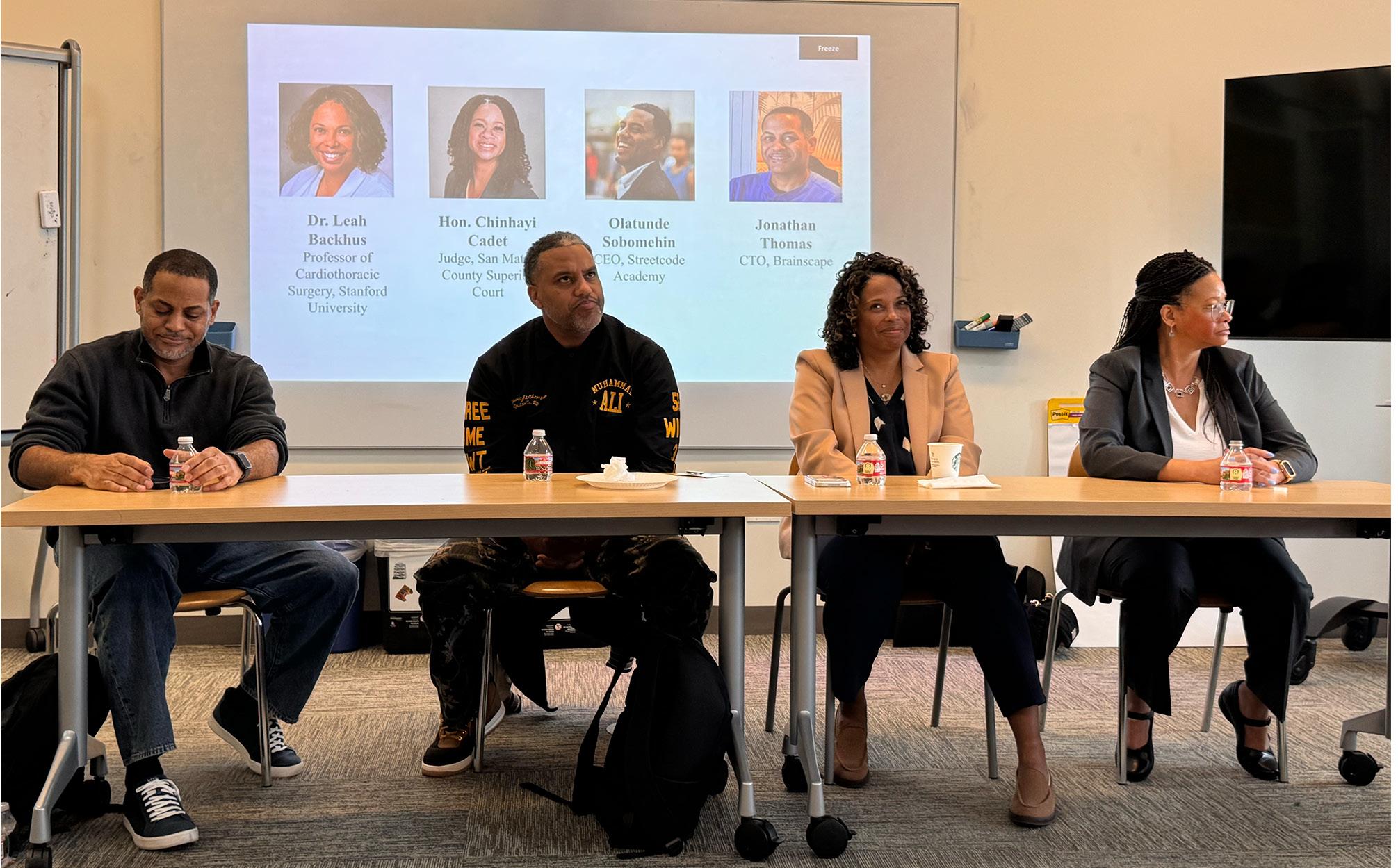
On Feb. 24, the Black Student Union hosted a panel featuring four professionals: StreetCode Academy CEO Olatunde Sobomehin, cardiothoracic surgeon and Stanford professor Dr. Leah Backhus, superior court judge Chinhayi Cadet, and Brainscape CTO Jonathan Thomas.
The panelists spoke about their careers, upbringings, and advice for students. A recurring theme was redefining success. Sobomehin pushed back on conventional definitions, noting that raising four children on a nonprofit salary was not only possible
Judge Cadet also drew laughs from the crowd when asked about misconceptions in her field, joking that, unlike courtroom dramas like Judge Judy, she doesn't even own a gavel.
Director of Equity and Inclusion
Shawn Taylor hopes the event pushed students to engage with cultures and perspectives outside their own. “Once we lean into the idea that our identities aren’t something that separates us, but something that we should be willing to share and have shared with us,” Taylor said, “then we can really start to learn from and understand each other.”
For RJ C. ‘27, who co-led the event,
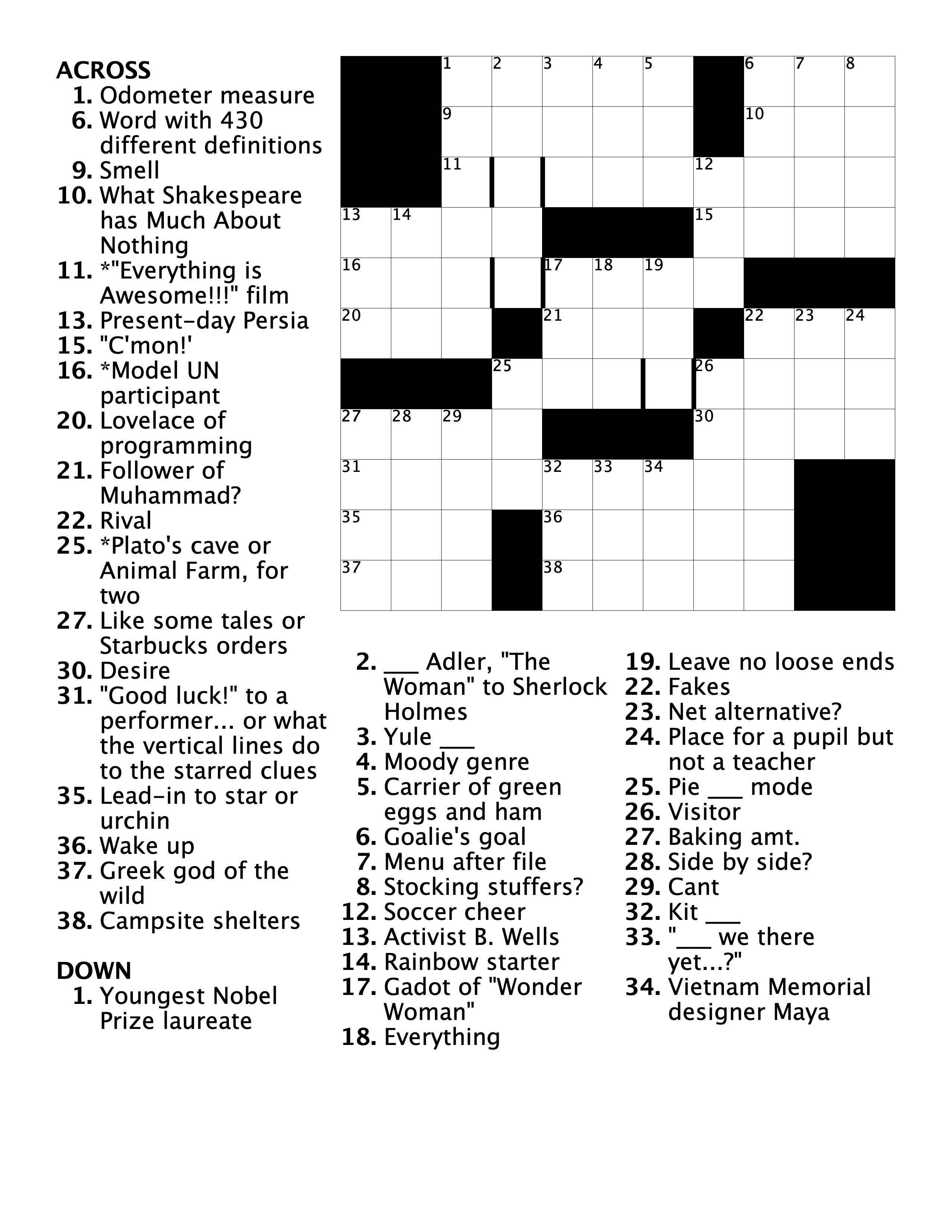
teachers and faculty performed in a 1970s-themed adaptation of William’s Shakespeare’s Much Ado AboutNothing on Apr. 1. 35
Everything to Share
Students celebrate tradition, art, and food in annual World Cultures Day
STORY BY ALEXIS C.
World Cultures Day was held on Feb. 25, to highlight the many ethnicities and cultures represented on campus. Students tried new foods, listened to diverse music, and participated in cultural celebrations throughout the day.
Programming began with guest speaker Luis Enrique Bazán, a Board Member at Half Moon Bay–based nonprofit Ayudando Latinos a Soñar (ALAS). Enrique Bazán spoke about his childhood and growth as an activist, and about ICE and Latine People in the United States.
“[Enrique Bazán] is an old friend of mine, and I very much wanted an engaging speaker for the morning,” said Evan Vaughn, Upper School Equity and Inclusion Coordinator & THRIVE Coordinator. “He played a big part in my undergraduate experience and understanding of social justice and the world.”
Following Enrique Bazán’s talk, students attended sessions led by faculty, peers, and affinity groups to explore different cultures. Sessions included a screening of the Chinese animated film “Nobody,” Challah baking with the Jewish Affinity Group, and explorations of translation as art.
After the sessions, students gathered for a second assembly and cultural performance from Master Leo Wang, Bay Area Martial Arts Instructor.
Finally, the day concluded with the
World Culture Fair, which featured student-led booths from each affinity group. To the music of the Jazz Band and Steel Drums, students mingled, tasted snacks, and played games such as gonggi with the Korean Affinity Group and carrom with the South Asian Affinity Group.
“I really enjoyed the overall buzz and excitement at the World Cultures Fair and the whole display of posters, food, and all these elements from different cultures,” Lumi Y. ’29 said. “We don’t really talk about our culture in everyday conversation, so having this designated opportunity for everyone to showcase their culture was really fun.”
the biggest takeaway was how much uncertainty the panelists faced throughout their careers. "You need
to be willing to seize opportunities without having all of the answers," he said.
Lessons in Perspective All four panelists sit before the audience of exicited students, ready to speak. // PHOTO: Ron Cadet
therapy bunnies came to school for Spring Wellness Week on Mar. 31.
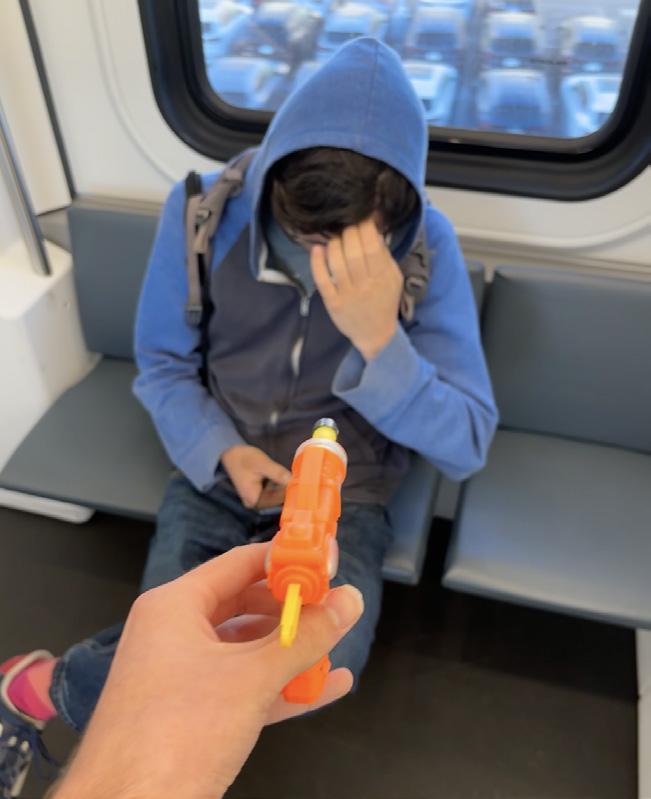
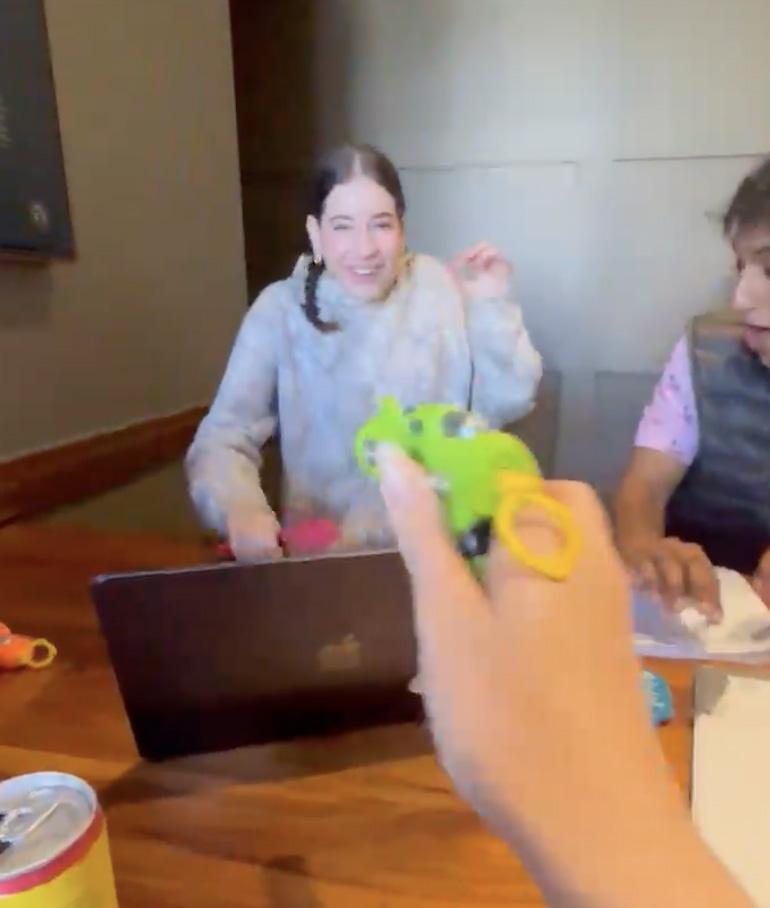
spoons handed out to participants to kick off a school-wide game of Blammo.
PHOTOS: Wikimedia Common, Anwen C., Allen Frost
Browsing Books A student explores the curated book displays. // PHOTO: Nueva Communications
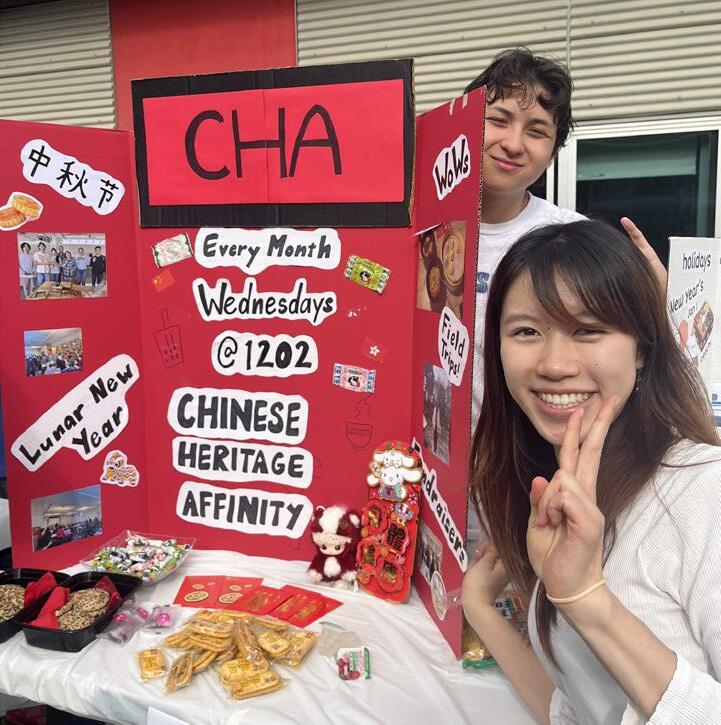
Sharing Snacks & Heritage Aiken Chu '27 and Chloe Yu '27 at the World Culture Fair. // PHOTOS: Alexis C. / The Nueva Current
Nueva hosts HackBAC social justice design sprint
Teens tackle real-world challenges
STORY BY SENNA H.
If you had the resources, time, and support, how would you innovate for positive social change?
This is the question that, through a combination of social justice and design thinking, a cohort of 17 teens spent three days attempting to answer.
Over the weekend of March 20-22, Nueva hosted the first West Coast conference for HackBAC, a social justice design sprint founded by the Black Alumni Collective.
Over the three days, participants visited Stanford’s d.school and their AI Tinkery, spoke with prominent social-justice designers, and met in cross-school cohorts—dubbed “Genius Groups.” Each group chose a different theme— entrepreneurship, mental health, arts, etc—bringing together students across schools.
Altogether, four Nueva students— Evan W., David O., Ishan S., and Pearl Y.-L.—participated in the event, along with teens from three other schools. Evan's group, whose theme revolved around art, ultimately proposed an after-school program called Bridge Arts that connected students from schools without access to arts education to a sister school. On the final day of the program, he presented his pitch to both panelists and other groups in a competition format.
“Everyone was very, very supportive of the other pitches. It was more of a
using design thinking
friendly competition. We were just trying to create something great for other people,” Evan said.
Though his team didn’t end up winning, Evan says the experience still felt incredibly rewarding. He'd worked through the design thinking process before, but never with a specific, social justice-related goal in mind. At the end of the weekend, though, he reflected that he saw design thinking as an effective way to create social change.
To I-Lab Director Angi Chau, who organized the event with HackBAC Director Delonte Eguwatu, experiences like Weinswig’s were part of the conference’s goal.
“It's important for people to see there are many different applications of de-
sign thinking,” Chau said. "[With design thinking], we can invent things that actually center equity and inclusion."
For Evan, hearing and learning about diverse projects revealed new perspectives and challenges. The winning pitch, which focused on leadership transitions for small business owners, highlighted problems he hadn’t considered before.
“It was really interesting seeing the problems everyone else came up with, how they empathized with [the people they were designing for], and seeing perspectives that I hadn't really been open to,” Evan said. “For example, the winning group [...] That was a problem I've [never] really thought about before, but when I saw the pitch, it really just made sense.”
Students lead Neurodiversity Celebration Week
Workshops highlight empathy, understanding, and the importance of diverse perspectives
On March 4, as part of Nueva’s annual Neurodiversity Celebration Week, the Neurodiversity Affinity Group hosted 11 workshops ranging from neurodiversity simulations to discussion panels on neurodiverse experiences. Together, these opportunities offered the community a chance to explore and better understand neurodiverse experiences.
This year, the affinity group shifted away from a schoolwide assembly into smaller-group workshops to increase accessibility for all students’ needs. Something they were especially conscientious of was incorporating student-led workshops—a change from past years, when the Neurodiversity Affinity Group for parents organized most events. However, parents remained involved in this year’s celebration.
“They're so dedicated, they really pour their all into it,” said Pearl Y.-L., one of the affinity group leads. “Their enthusiasm really helped bring everything together."
The support provided by the parents—alongside the whole Neurodiversity Affinity Group and faculty advisors Gretchen Kellough and Lindy Jensen— helped expand the breadth of activities offered.
"We were trying to figure out a way to have events for every single person,” Pearl said. “We designed it to have a movie if you wanted to relax, or a handson simulation if you prefer to be tactile."
One of the most impactful activities was a series of neurodiversity simulations designed to give neurotypical participants a glimpse into the experience of being neurodiverse. In one simulation, run by a student with dyscalculia, a math learning disability, participants were asked to solve what appeared to be simple arithmetic problems, but the numbers were reversed and had to be tracked in a new way.
“It was so joyful to us to hear [that] the student participants were like, ‘Oh, that made me understand [extended time] better. It's because someone's brain is actually processing the information differently,” Kellough said.
In fact, this was one of the organizers' main goals of the week—to foster empa-
Geared Up Robotics team brings innovation and creativity to the floor in first District Tournament
STORY BY ANWEN C.
The gymnasium was loud, the excitement was high, and the robots were ready.
From March 13 to 15, Nueva's FIRST Robotics Competition (FRC) team attended their first District Tournament of the season, where they faced off against dozens of other high school robotics teams in a series of game-based match-ups. This year's challenge tasked robots with collecting and scoring foam balls into a central collection hub.
Watching from the sidelines, fabrication co-lead Rowan B. said it felt rewarding to finally see the team’s hard work finally come to fruition.
“[Competing] is a joy, because you can tell everyone's focused on something they really love, and there’s such a cheerful intensity to it,” he said.
Others, like team co-captain Agata I. saw the tournament as a chance to test how the unique engineering of their robot would fare in a competition setting. This year’s design incorporated a set of “swerve modules,” or wheels, custom-built from 3d-printed parts. It also relied on a unique vision system, where the robot could scan QR-code-like patterns around the arena to navigate the field autonomously.
By the end of the tournament, the team had won four of their 12 matches, finishing 30th out of 38. Still, the weekend amounted to a win in its own right: the team advanced to elimination rounds for the first time in eight years, and also claimed the Creativity Award for the unique engineering of their robot.
For Agata, though, the biggest reward was what the process represented.
“[We] do everything ourselves, not because [we’re] necessarily [looking] to optimize our performance, but because we're in it for the learning,” she said. “That’s one of our core values.”
thy and understanding across different ways of thinking and learning.
"That to me was the most meaningful aspect [about our programming]: to celebrate, to wrestle with experiences, to step in other people's shoes," Kellough said.
For Pearl, the event also offered a chance to share the more hidden parts of neurodiversity.
“I think a lot of people don’t actually know what [neurodiversity] looks like... I really wanted to get behind the invisible struggles," she said. "It was very cathartic to be given the space to speak about something that I haven’t had the chance to [before]. Neurodiversity isn't just about deficits, it's also about strengths and different perspectives."
Looking ahead to early April, the team will be heading off to Berkeley High School to compete in their second District Tournament. There, they’ll put their robot to the test in another round of 12 matches and—if they perform well enough—have a shot at advancing to District Championships.
Regardless of the outcome, though, the team maintains that “success” isn't just defined by their place on the leaderboard.
“There are other teams out there whose top priorities are to compete and win,” said Eva G. “But [Team 4904] is different in that our primary goal isn’t necessarily to build a winning robot. It's to learn.”
PHOTO: Team 4904
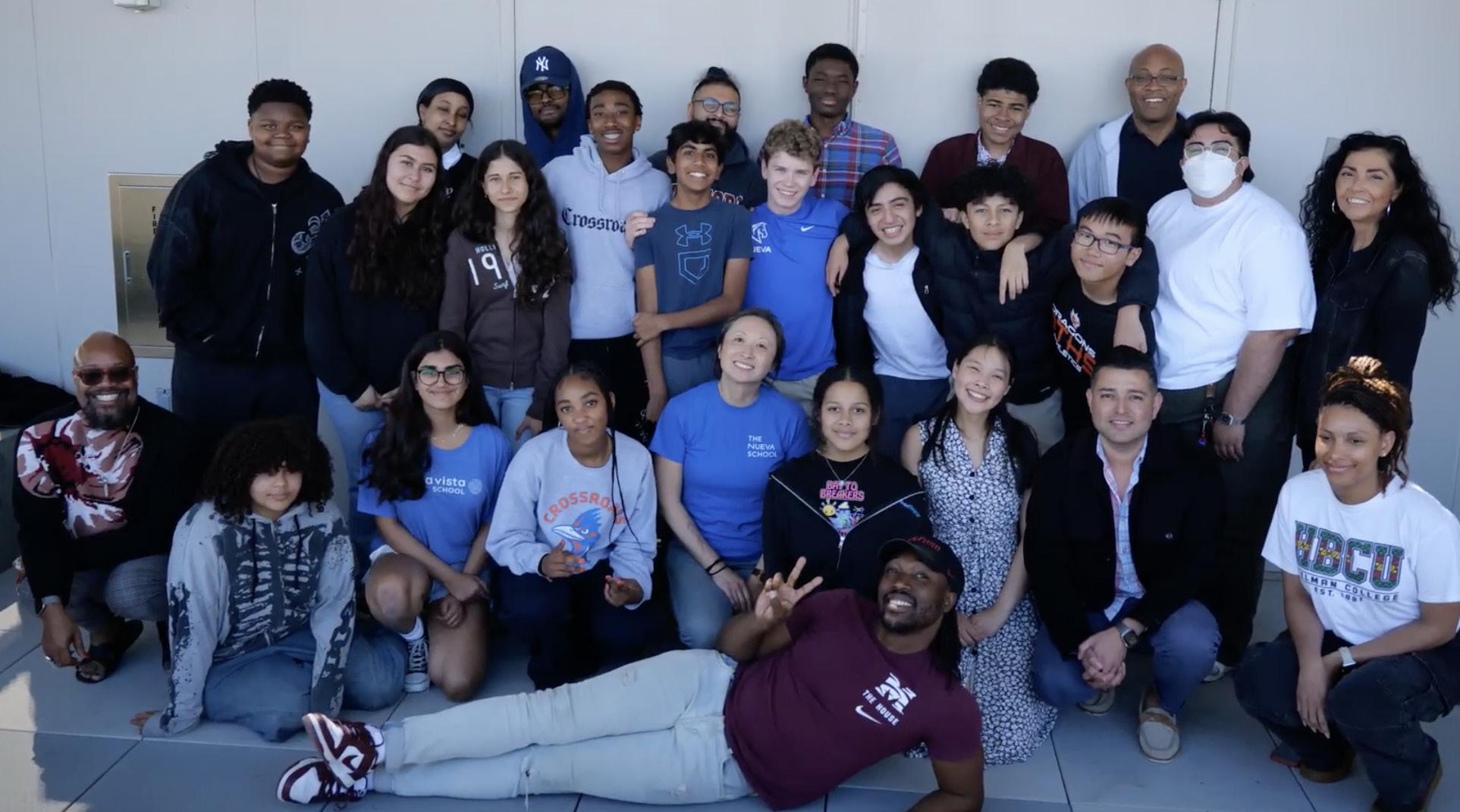
Post-Conference Pic All the HackBAC participants and Genius Group mentors pose for a photo on the conference's last day. // PHOTO: Trevor C.
STORY BY SENNA H.
Extending Empathy Students attend one of the neurodiversity simulations led by Gemma M. on March 4. // PHOTO: Gretchen Kellough
Quoted: “I really enjoy MUN because it rewards collaboration rather than division. [You have to] be able to work with other people [towards] a solution that's going to be universal.”
The War in Iran
Understanding the views of the war's critics and supporters
STORY BY ALVIN Y.
On Feb. 28, the United States launched a barrage of strikes on Iran in coordination with Israel, targeting military and civilian sites and killing dozens of Iran’s top leaders, including Supreme Leader Ali Khamenei. Since then, the conflict has expanded to a regional war, with Iran striking U.S. bases around the Middle East and blocking oil shipments through the Strait of Hormuz, placing a stranglehold on the global gas market.
The war abroad also comes with a battle for public opinion at home. A recent survey by YouGov found that 35% of Americans supported the “current military action,” 49% opposed it, and 16% were unsure.
In this issue’s Fuller Picture, we’ll analyze: what are the motivations behind America’s war in Iran, and what do its critics have to say?
Many supporters of the conflict argue that Iran’s growing nuclear capabilities presented a threat to the stability of the Middle East and the United States. Last June, President Trump launched Operation Midnight Hammer, bombing several of Iran’s uranium enrichment sites. Although the President and his cabinet had claimed to have successfully obliterated the sites, a Defense Intelligence Agency report two days later said the strikes had only delayed the Iranian nuclear program by a few months. With this latest wave of attacks, the Pentagon is seeking to finally remove any threat of an Iranian nuclear weapon.
Additionally, many backers of the war hope it will result in the overthrow of Iran's repressive authoritarian regime. Last year on Dec. 28, widespread protests over the economy led the government to attack protesters with force, killing at least 30,000 people in just the first 48 hours, according to officials in Iran's Ministry of Health.
Those against the war, meanwhile, have criticized Trump’s unilateral attack as a violation of the Constitution. By initiating this military campaign without a formal declaration of war or AUMF (authorization for the use of military force), the administration has circumvented the congressional approval required by the Constitution and War Powers Resolution.
The war also represents a notable breach of international law. Critics have argued that regime change in Iran should be achieved through the self-determination of the Iranian people, not external intervention and assassination. They additionally point out America’s failed interventions in other countries, such as Afghanistan, where the Taliban returned to power on the heels of the departing U.S. forces.
Furthermore, they point to the war’s economic toll: the closing of the Strait of Hormuz—through which 20% of the world’s oil passes—has pushed gas prices to their highest since 2022, adding to an already strained economy.
Whether this war ends Iran’s nuclear capabilities or creates a conflict that leaves a lasting economic and political impact on America, one thing is certain: decisions about the war need to be made soon.
Mar. 25–Apr. 1: Japan Exchange Program 15 students from Doshisha Schools were hosted by Nueva students in the tenth anniversary of the program.
Affinity events bring families to campus
Latine and Filipino groups host celebrations centered on culture and community
STORY BY NATALIA R.
Two affinity group celebrations took place in the Upper School cafeteria during the week of March 23, hosted by the Latine and Filipino student and parent affinity groups.
The Latine Parent Affinity Group organized a Fiesta de Primavera potluck on Wednesday evening to celebrate the spring season and foster community exchange. Attendees brought a variety of fruits, chips and dips, and desserts.
The event drew families with children of all ages, along with students and faculty, and centered on relaxed conversation.
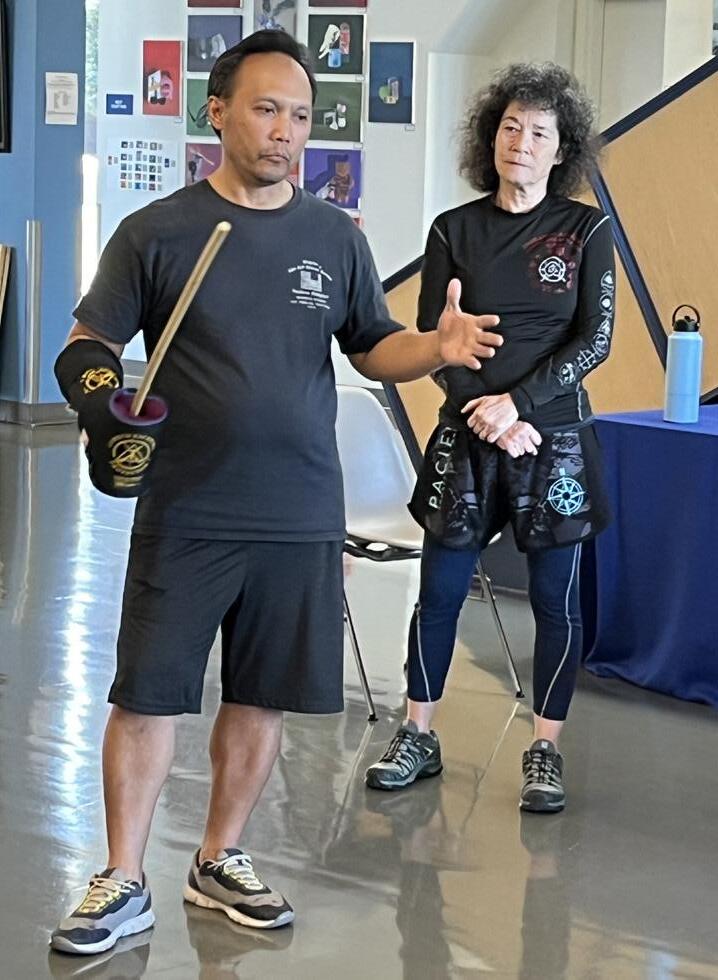
On Saturday, the Filipino affinity group held a martial arts workshop taught by the Pacific Combat Arts Academy. Head coach Brenda King, introduced to the group by computer science teacher Wes Chao, led the workshop alongside other coaches. King holds a black belt in Brazilian Jiu-Jitsu, while teaching chemis-
try and physics by day.
After explaining the history behind Filipino Martial Arts, the academy demonstrated different Kali moves—the traditional martial arts of the Philippines—that involve more weapon-based fighting.
Attendees were then able to try out some of the techniques themselves, including learning to “defang the snake.” The goal of this move is to quickly strike the opponent’s weapon-wielding arm with a stick.
Outside of the workshop, attendees brought Filipino cuisine, including beef kaldereta, pan de sal, turon, pancit bihon, and lumpia.
“The whole community enjoyed ourselves and learned a lot,” said Pearl Bauer, faculty advisor of the Filipino affinity group. “It was especially meaningful to learn so much about our culture and history.”
Caucuses, Cards, and Crises
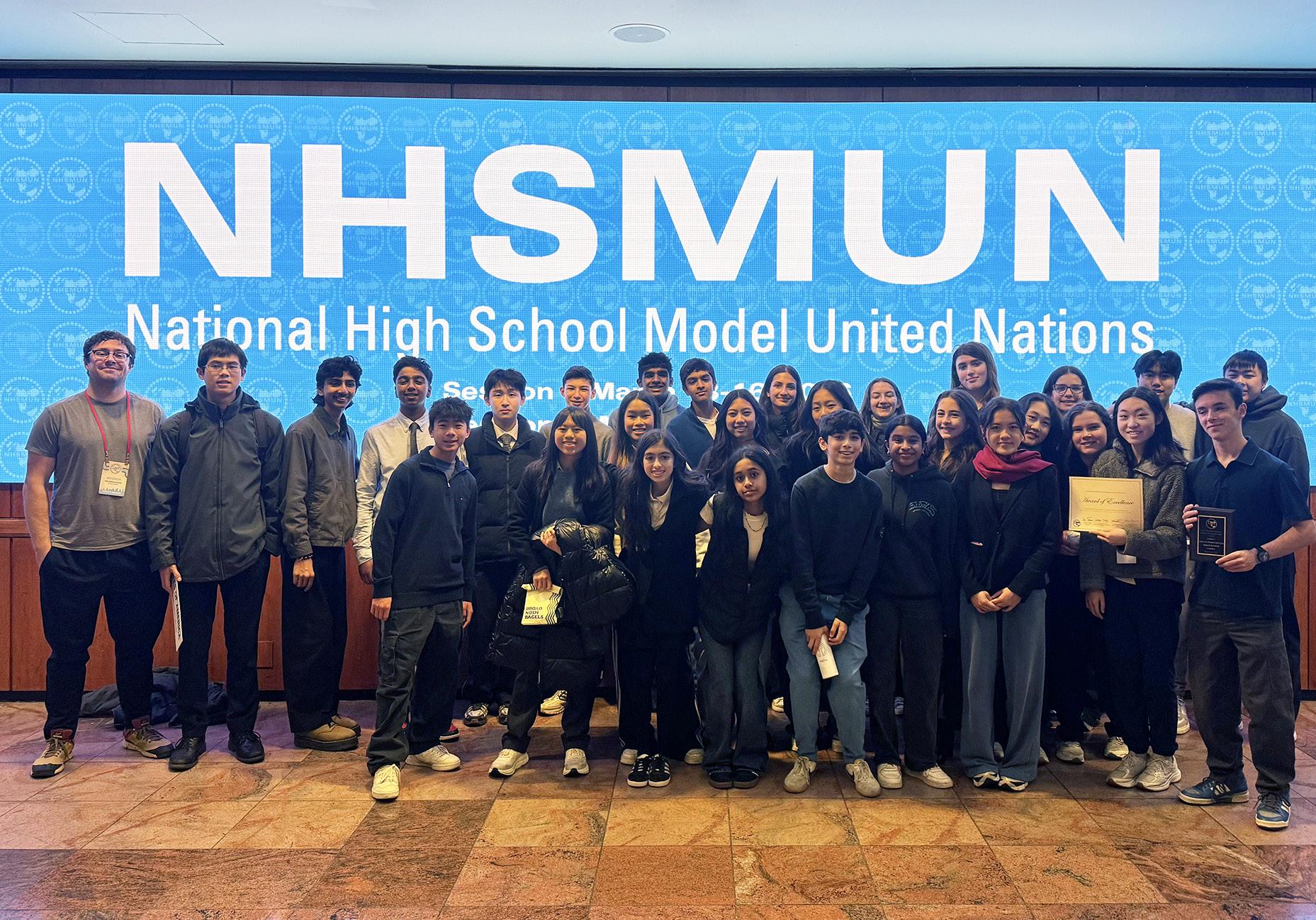
Nueva delegates compete at annual MUN conference in New York
STORY BY ELLIE L.
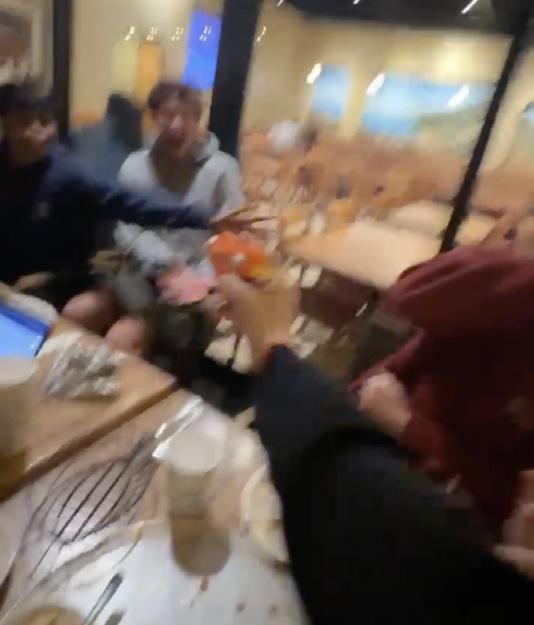
At 12 a.m., Nathan L. ’27 heard a knock at his door. Four days into the annual National High School Model United Nations (NHSMUN) conference, the team captain was ready to sleep. He’d already been through multiple busy days jam-packed with resolutions and caucuses, alongside New York sightseeing and late-night card games with the 12-person team.
But the knock beckoned him forward: a conference staffer told him there was a developing crisis, and as part of the delegation of the United States, his presence was requested in a midnight meeting of the UN Security Council.
Lee raced to the elevators, met with his partner Alexis C. ’27, and made it to the conference room. The midnight crisis—a special MUN event simulating global emergencies—had officially begun.
The NHSMUN conference is the largest event that Nueva’s MUN team attends each year. With fellow delegates arriving from roughly 300 schools, Nathan was delighted to meet students from Oman, France, and Ecuador, and to hear Italian, Spanish, and German in the elevators.
“It's really enjoyable to see people have such unique perspectives in talking about global issues, as typically the Bay Area is a bubble and you aren't able to see that [as much],” Nathan said.
This year, the conference also gave students a chance to ask former Vice President Kamala Harris questions during the opening ceremony. From there, students progressed through several mock committee sessions, representing a country’s delegate serving on the World Trade Organization, the United Nations Children's Fund, the Commission on Narcotic Drugs, and more.
Elin R. ’28, who represented the Minister of Law in the Bangladeshi Interim Government, is a huge “improv speaker,” meaning that she devises her speeches on the spot.
“[In committee,] all of a sudden you have one minute in front of 100 people to talk about the economic difficulties in your country,” Elin said.
Since MUN committees can run late into the night and the speeches after speeches can get boring, Elin likes to use a common tactic called a hook: a funny or unexpected intro that captures the attention of the delegates while still maintaining a sense of professionalism. Some of her favorite hooks she’s heard or devised include emphasizing fruits as symbols of national importance, Heated Rivalry jokes, and mimed stabbings with plastic knives.
“MUN has beaten the fear of public speaking out of me with a stick,” Elin
said. “And that just made me so much more confident [in] talking to people I don’t know, giving presentations, talking to my friends—literally everything. It's so helpful.”
Elin's trajectory is one that Lee has consistently seen in many of his peers and the underclassmen over the years. MUN pushes students out of their comfort zones—whether it’s with research, public speaking, or navigating ideological diversity.
“MUN has really taught me that, in some ways, you don't really have any enemies, just misguided friends,” Nathan said. “If you're able to negotiate or you’re able to help people understand your point of view, there's always some way that you can actually build alliances rather than conflicts.”
Achieving excellence Middle school and Upper school MUN team members pose with their award at the conference. // PHOTO: LiAnn Yim
Kali Demo During the Filipino Affinity Group martial arts workshop, participants hold out swords. // PHOTO: Pearl Bauer
Worming their way into the scientific community On Apr. 11, students in Nueva’s Biology Research Teams class will attend the Bay Area Worm Meeting, a research conference centered on the microscopic roundworm C. elegans.
Learning by caring, in real time
The biennial Innovative Learning
Conference sparked dialogue about education with the Nueva community and beyond
STORY BY NEEL G.
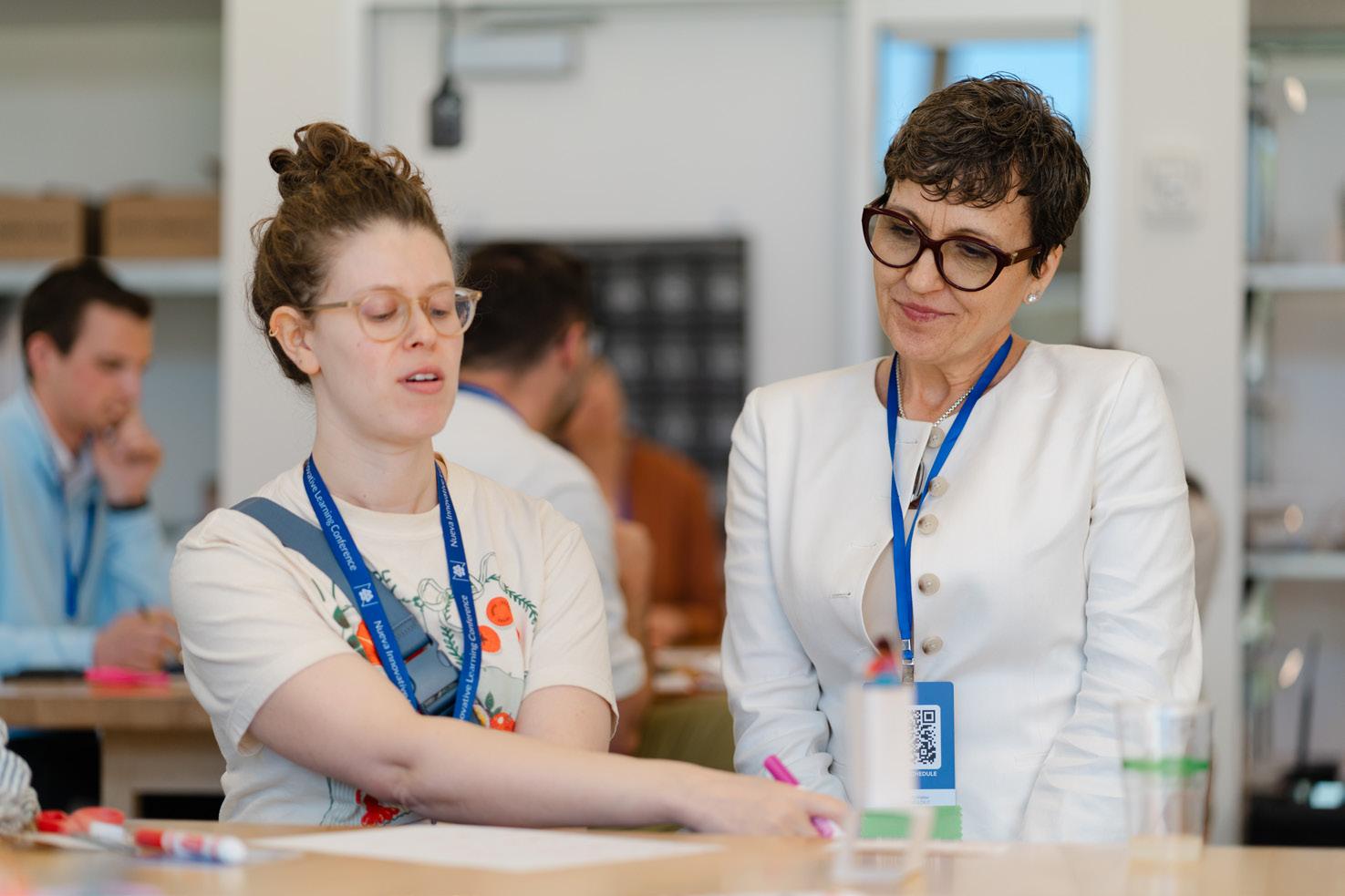
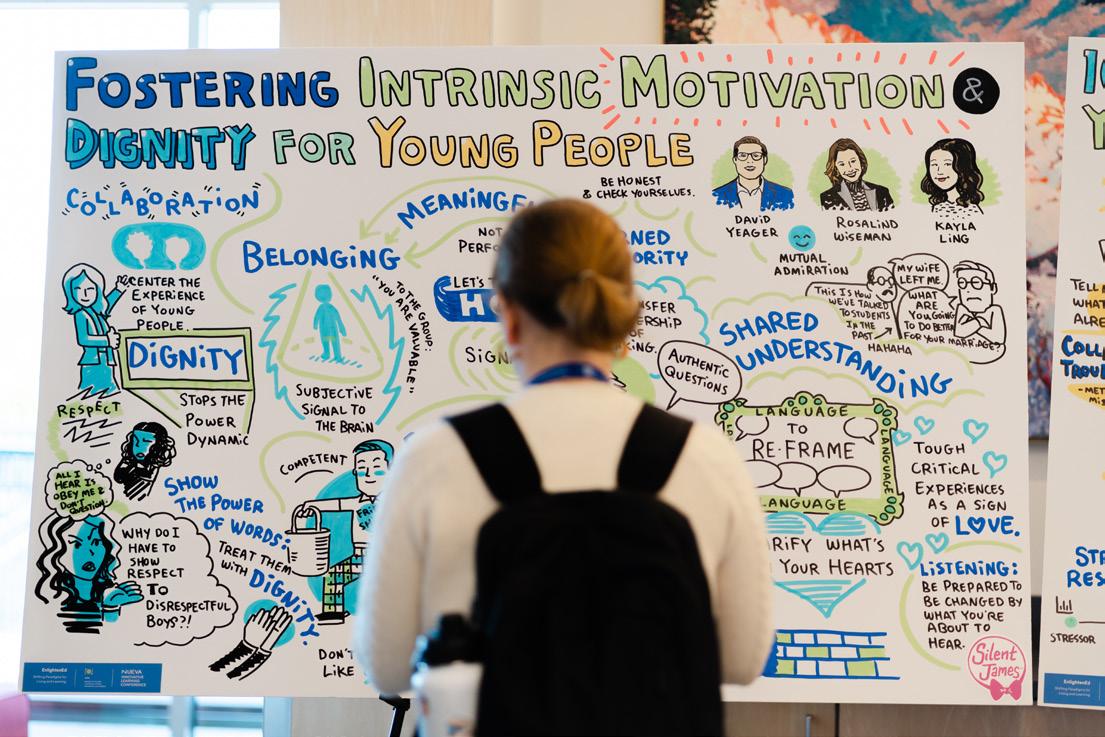
On March 12 and 13, over 500 educators, parents, and teachers attended Nueva’s biennial Innovative Learning Conference (ILC). Attendees, some international, participated in workshops, listened to panels, and shadowed Nueva classes, hoping to learn about Nueva pedagogy and share different perspectives on improving education
“At Nueva, we have incredible faculty and access to amazing guest speakers,” said Director of Teaching and Learning Lauren Pool, who organized the event. “For the ILC, we wanted to open up the same professional learning we have for our teachers to the public.”
The ILC hosted 91 sessions, ranging from topics like AI in classrooms to navigating social dynamics in classrooms. Sessions were primarily run by Nueva teachers and guest speakers, many of whom were authors of popular educational books.
To increase dialogue across perspectives, the ILC also hosted roundtable discussions, where students or teachers from and outside of Nueva discussed various prevalent topics like maintaining DEI or understanding giftedness.
“We want to share what we do at Nueva, but we also want to learn from other schools about how they conduct learning,” said Pool. “The roundtables facilitate those conversations where people can ask each other about how they approach teaching.”
Specifically, Pool found that many attendees especially enjoyed shadowing classes where they observed Nueva’s student agency in real time.
“The theme that comes through for people when they leave is student agency. A lot of schools are surprised
by the extent to which student voices play in our curriculum,” she said. “They really craved to spend more time in our classrooms and see our teachers in their element.”
Science teacher Jeremy Jacquot, who led a session about energy literacy and moderated a climate crisis roundtable, also noted how the ILC offered opportunities to practice the core interdisciplin-
ary values of Nueva.
“With the ILC, teachers can actually walk the walk of upholding interdisciplinary learning and collaborating with colleagues across different areas of expertise,” he said. “It was really fun to see how concepts from other subjects could be modified to benefit my own [teaching].”
Next year, Pool hopes to shift the
area of focus. This year, many sessions discussed AI as it was a highly prevalent topic, but Pool believes it would be beneficial to choose a subject that has not been thoroughly explored.
“I love seeing our Nueva faculty share their practice, and I hope it's enriching for them as well,” she said. “[Throughout the conference,] we got a lot of great feedback, and people want more.”
California lawmakers are considering new legislation that could significantly restrict social media access for users under 16, part of a broader push to address concerns about teen mental health and online safety. The proposal would require social media platforms to either block accounts for underage users or obtain verified parental consent. It also aims to restrict features designed to keep young users scrolling, like algorithm-driven feeds.
This push comes amid a growing wave of lawsuits against social media companies, holding platforms like Meta and YouTube accountable for addictive design features and their impact on young users’ mental health.
Under the proposed system, enforcement would rely partly on device-level age verification. Operating systems like iOS and Android would collect a user’s age during setup and share that information with apps, allowing platforms to automatically restrict accounts or require
parental approval.
Critics, however, question what it means to hand over more personal data to tech companies—and whether stricter barriers will actually protect teens or push them to find ways around it.
81% of teens believes social media makes them feel "more connected to what’s going on in their friends’ lives," according to a 2022 Pew Research Center analysis
48% of students say social media platforms have a "mostly negative effect" on people their age, according to a 2022 Pew Research Center analysis
Among students, reactions reveal a delicate balance between harm and help.
“I think it would make sense,” said Hana J. ’27, “but a complete ban would be too extreme … social media isn’t just a problem in itself—it’s how much you use it.”
She emphasized that younger students
may benefit more from limits, arguing that in-person interaction is something that shouldn’t be replaced so early.
But for many underclassmen, social media has become synonymous with a successful social life. “It’s the primary form of communication,” Max W. ’29 said. “If it was restricted, it would impact people a lot.”
Max's point reflects a broader reality. In 2022, a Pew Research Center analysis found that over 80% of teens say social media helps them feel more connected to their friends.
Audrey S. ’29 similarly pushed back on the idea that social media is inherently negative. “There’s a lot of body positivity,” Audrey said. “You just have to find the right side of it.”
These spaces can have a surprisingly positive impact. “There's a woman that's like, ‘go do a plank every day,’” said Anika A. ’29. “I love her. I follow her. And now I do a plank—not every day—but when she comes up.”
Willa B. ’27 acknowledged that while social media can harm mental health,
it also plays an essential role in how teenagers connect. “It’s really integrated into society,” she said. “Banning it could isolate people from the real world.”
She added that strict restrictions may fall short if students find ways around them, suggesting that the problem runs deeper into how and why platforms are used.
This complexity is something educators see as well. Upper School Academic Support Coach Gretchen Kellough said social media can intensify comparison during a stage of life when teens are already especially vulnerable: “It can make other people’s lives look like only the positive aspects,” said Kellough. “That leads us all to compare ourselves to others and can leave people feeling [like they’re] less than [their peers].”
At the same time, she emphasized that education, rather than restriction, may be the more effective solution.
“I do trust students,” she said. “When you give them the information and the resources … they can draw good conclusions and make good choices.”
20 years in the making Nueva's first ILC conference was hosted in
Evolving Education Educators and Nueva community members share their perspectives in ILC sessions // PHOTOS: Sam Bennett Media
STORY BY VEDA P.
CULTURE
April 27: Kehlani: The R&B singer's self-titled studio album is shaping up to be a genre-bending exploration of growth and personal storytelling.
In Review Students
KissAllThe Time,Disco Occasionally
NEEL G.
BY
REVIEW
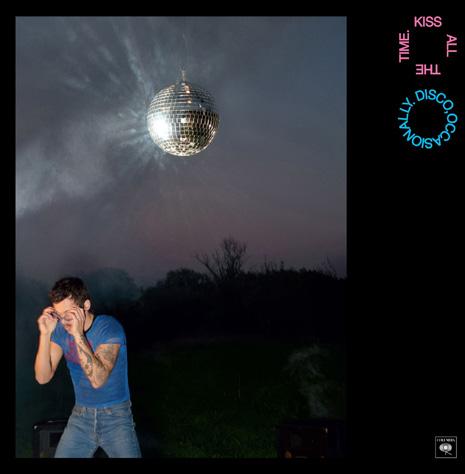
Harry Styles’ new album, Kiss All theTime. Disco,Occasionally, is anything but danceable. The artist’s fourth studio album, if anything, is simply a testament to his mediocrity.
There’s no doubt that Harry Styles is one of the most dominating male pop stars of our time; fans crave his eccentric clothes, exhilarating shows, and magnetic persona. But this mundane album removes all the glitz and glam and proves Styles lacks any trace of artistic vision.
Instead of the groovy, disco-inspired music Styles aimed to create, all twelve tracks encompass one monotonous, lackluster sound. The repetitive songs, all with a mellow synth and bass-heavy production, are indistinguishable. Frankly, its incohesive and bland sound makes the album draining to listen to.
His vocals match the dry nature of the album. He sings oddly quiet; not in an emotionally intentional way, but rather in a lazy, emotionally absent way. His lyricism, painfully repetitive, can’t save the album either. For instance, in “Are You Listening Yet?,” half of his lyrics are “Oh, are you listening yet?”; in “Ready, Steady, Go!,” more than half his lyrics are “Ready, Steady.” There’s no impactful storytelling, no poetic penmanship, no witty lines or complex verses.
While the album only stands at a brief 42 minutes, its lifeless content makes for a listen that feels never-ending and painstakingly long. If Styles truly took four years to make this album, not a sliver of his effort is evident in the music.
A Shared Stage
Movies to watch: On April 3, catch The Drama, a romantic comedy-drama featuring Zendaya. Then, on April 24, look out for Michael, a musical biopic about Michael Jackson.
review new releases in music
TheRomantic
BY ALEXIS C.
Bruno Mars’ most recent album, The Romantic, is the tale of a love story in all its phases. From reconciled fights to groovy dance floors, the album is thematically classic Mars—but doesn’t hold a candle to his previous hits.
In the album’s only single, “I Just Might,” Mars draws heavily upon jazz influences. Brass instruments and a plethora of percussion exist to be danced to, as Mars scats and belts with a croon. The bridge is notably reminiscent of his earlier song “24K Magic,” though more wholesome: “Put some spirit in it, put your heart into it, that’s all I need.”
Likewise, in “Cha Cha Cha,” Mars embraces his Latin heritage, blending the congas and cowbell with orchestral brass. It’s soulful, but falls short past the second chorus. What’s missing is a climax, as is also the case in “Why You Wanna Fight?” and “God Was Showing Off.”
Though the album is filled with joyful beats, Mars generally misses the mark with his slower ballads: neither evoke the same sincerity from previous records, nor do they exist to be belted in the shower. Mars’ lyrics are less relatable to a general audience, and might suit the aftermath of a heated argument over dish-washing: “We can work this out, don’t say that it’s through.”
The Romantic bears Mars’ fingerprints, but lacks the endearing nature of Doo-Wops&Hooligans or the unshakable confidence of 24KMagic. Unfortunately for Mars, the bar was set just above his fingertips; and he seems content to rest there comfortably.
Spring Coffeehouse brought performers together in a community-centered showcase
STORY BY NATALIA R.
Donning a Truffula Tree hat, emcee Grace B. ’26 read a joke from her stack of index cards to set up a cover of “Vienna”: “Good news! Vienna waits for you, but you won’t have to wait too long.” The performance—with Alex A. ’28 singing, James A. ’28 on the accordion, and Veer C. ’28 on the keyboard—kicked off Spring Coffeehouse on March 6.
Organized by arts representatives Camille C. ’27 and Hayes S. ’27, the biannual event showcases a range of performing arts at Nueva.
“It’s important to give student artists a place to perform and share their music,” Hayes said. “For students who are not performing, I think it's useful for them to see what those students are doing and also de-stress, especially in the spring semester.”
After sending out a sign-up form, Camille and Hayes created a setlist that included spoken word poetry and fiction, two Olivia Dean songs, classical guitar, and an original song finished at lunch just earlier that day. Two Nueva groups—a cappella and dance—performed before and after intermission.
“I hope that the audience can see the depth of Nueva's arts community, because there aren’t many opportunities for
Nueva artists to share and express their work,” Hayes said.
After confirming the performers, the arts cabinet planned rehearsals to ensure the Writing and Research Center (WRC) was performance-ready. The crowd sat in sofas and lounge chairs conformed in a semicircle, keeping the venue intimate and making audience interaction easy.
“We wanted to bring the coziness,” Hayes said. “Make it a better experience for the performers, and a more inclusive experience for the audience.”
In between performances, Bishara continued to deliver jokes to lighten the mood and segue into the proceeding performances.
Behind the scenes, Charlotte A. ’28 and Walter A. ’28 ran sound for the event, with Walter joining just that night. “It was stressful, but thankfully I had the community to support me, especially Walter,” Charlotte said. “Everyone really helped.”
Occasionally, a technical issue would arise between a Grace joke and the subsequent act, and in that liminal space, some of the night’s most genuine moments came to be.
“If any of you have tickets to that San Francisco [Strokes] show please,” Emma W. ’26 joked while waiting for the track to be ready. “I missed the presale and now I don’t have tickets.” The audience
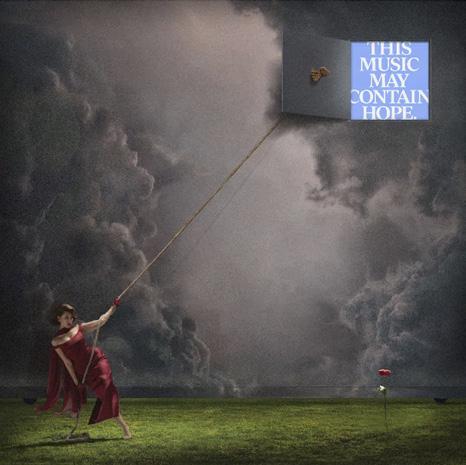
RAYE’s newest album, THIS MUSIC MAY CONTAIN HOPE, feels like it should collapse under its own weight; it's 73 minutes long, it’s teeming with orchestral swells and spoken introductions—and yet it’s still one of the most compelling theatrical pop albums I’ve listened to in the past year.
The album’s centerpiece, “I Hate the Way I Look Today,” is almost uncomfortably blunt. There's no metaphor to hide behind. RAYE just sits in it, moving through self-loathing, failed affirmations, and back again with no real way out. The phrase “I hate the way I look today” keeps circling back on itself until it feels less like the song’s chorus and more like an inescapable thought. To top it off, her voice carries a uniquely raw authenticity that prevents it from falling flat.
With “Click Clack Symphony,” she takes the opposite route, constantly bringing in new sections before the last is settled, leaving the song feeling scattered and unfocused. It's not that the ambition isn’t there; it's that the song doesn't know when to stop adding onto itself. The same problem shows up in the lyrics at times, where it feels like some lines reach for profundity but end up feeling melodramatic. The closing track, which is literally just RAYE reading out her contributor credits, completely lost me.
But there's something so refreshing about an artist who isn’t just trying to be cool. In an era of Gen Z pop keeping everything an arm's length away, RAYE is making big, earnest, unfashionable music, and it's exactly what makes it land.
laughed, and when Emma finished singing “Someday” by the coveted band, they erupted in applause.
Following a closing performance by the Jazz Band, Coffeehouse ended with open-mic time. Archie B. ’26 performed “Careless Whisper” followed by a group
of sophomores' “Someone Like You.” Remaining audience members sang-along as the crowd slowly dissipated, finishing the night on a high note.
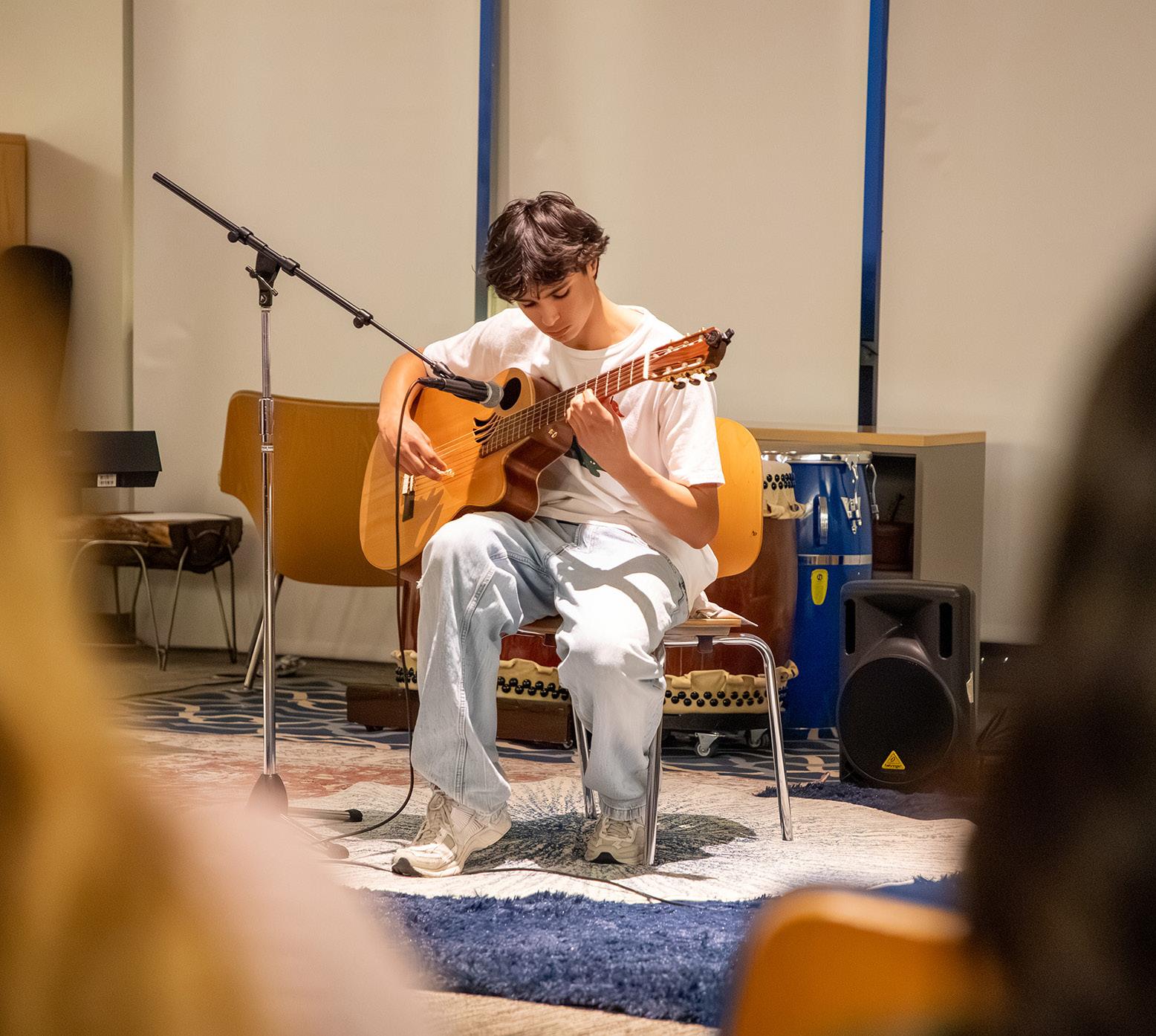
A show of strings Ishaan B. ’28 performs “Capricho Árabe” on a classical guitar. // PHOTO: Holly Nall / The Nueva School
REVIEW
REVIEW BY CALLUM S.
Pop Culture Thermometer
On a scale from freezing to blazing hot, here's the latest in pop culture
STORY BY CALLUM S.
BLAZING HOT: PROJECT HAIL MARY
ProjectHailMary is the Sci-Fi movie of the decade. Phil Lord and Christopher Miller took Andy Weir’s already compelling story and bet it all on Ryan Gosling, who holds the film together through long, lated stretches of solo screen time. Every joke lands, the real, in-cam era effects produced breathtaking shots, and it’s a rare movie that actually earns its feel-good ending by creating real stakes.
WARM: 2026 OSCARS BEST ACTOR
There simply wasn’t a case to be made against Michael B. Jordan winning Best Actor at the 2026 Oscars, especially once the “hustle culture” hype around Timothee Chalamet lost momentum. Jordan, long overdue for a win, plays twins in Sinners, skillfully differentiating them through body language and caso precisely that you're second-guessing who's on screen—a deceptively hard performance he makes look effortless.
COLD: ADLALBUM RELEASE
Yeat’s latest album, ADL, attempts a step forward—a bigger, more evolved version of himself. Instead, it just exposes his weaknesses as an artist. The double-album scale is bloated, the genre-bending has no direction, and tracks like “Geek Luv” and “Lose Control” drift. By the halfway point of the 62-minute album, everything starts to meld into the same tiresome noise.
FREEZING: BACHELORETTE DEBACLE
How do you decide that someone with a public domestic violence case should be the lead for your flagship dating show? ABC built an entire Bachelorette season around Taylor Frankie Paul, promoted it, then yanked it days after a video resurfaced of her throwing a chair at her then-partner in front of their daughter. Yes, we expect it to be low-brow, messy reality TV, but this exposes a franchise so desperate for relevance that it sacrificed basic judgment.
Apr. 24 - May. 6: SF International
O2 Valley: Bento Boxes and Boba
A look into the Bay Area’s Taiwanese bento
STORY BY AVIVA S.
Located along one of Downtown San Mateo’s many culinary-competitive streets, O2 Valley might not stand out initially next to the plethora of dining options. However, the small Taiwanese bento shop attracts many customers, specifically via online order pickups, which are continuously flowing in and out.
O2 Valley, a chain with other locations in Palo Alto and Cupertino, opened their San Mateo location this January. The restaurant offers a menu of a wide variety, including teas, appetizers, and of course, their signature
The popcorn chicken bento is a popular dish and it’s easy to see why. The chicken has a pleasant crunch on the
chain’s new San Mateo location
outside, preceded by the seasonings and spices of the tender, juicy chick en inside, and served steaming hot.
This meal is accompanied by the classic staples of a bento box such as rice, a braised egg, and sides of stirfried vegetables such as cabbage and stewed radish.The cabbage was light and refreshing in contrast to the hot chicken, however the radish lended to a bit of disappointment in its dullness and ultimate lack of flavor.
While the popcorn chicken was a savory delight, the grilled chicken cutlet—which initially seemed to be one of the healthier choices on the menu—tasted overly sweet. Nonetheless, the sides of vegetables, rice, and egg did their part in balancing it out.
Bentos aside, O2 Valley offers for the meal to come with any of their many appetizers, both fried and grilled.The fried sweet potato balls, in particular, are a perfect lunchtime accompaniment; beginning with a satisfying crunch, and concluding with
the smooth, sugary potato flavor inside. O2 Valley’s boba teas, meanwhile, are also worth a try. Their iced lemon black tea has a zesty sweetness that’s both crisp and refreshing. The boba itself is chewy, and has that iconic brown-sugar flavor that balances with the boldness of the tea perfectly. All in all, what makes O2 Valley shine is the combination of all of the menu’s options. Whether you’re ordering a savory, chicken bento paired with sweet potato balls, or a plate of popcorn chicken accompanied by an ice cold boba tea, you’re bound to end up with a flavorful, and hearty meal.
The Beautiful Abomination of The Bride!
Maggie Gyllenhaal’s sophomore film is a genre-bending spectacle of violence and terror
STORY BY ELLIE L.
The premise of The Bride! sounds like it came out of a loopy Frankenstein Mad Libs: Mary Shelley partially possesses an amnesiac woman named Ida resurrected by an involuntarily celibate, cinephile version of Frankenstein’s monster in 1930s Chicago.
Directed by actress Maggie Gyllenhaal, the film switches between shadowy montages of Mary Shelley (who Jessie Buckley portrays in addition to the titular character) with weird sci-fi laboratory items, interspersed with the vivid rush of city life painted in rusty orange and crimson lighting. Dialogue swings from campy, dramatic exchanges to literary references imbued with Shelley’s British lilt. Even the soundtrack of the film swerves between Schubert sonatas and “Monster Mash” to electrifying jazz standards.
Though the film’s puzzling stitching of scenes and music can be disorienting at times, it’s clear that there is an intention behind it. As the Bride runs from the police with Frank (Christian Bale’s version of Frankenstein’s monster)—while struggling with consequences from her old life and Shelley’s cryptic warnings—Gyllenhaal masterfully dishes out a slow build of terror, the fear at the center of the film.
This terror is established in brutality. The film is a study in violence, and Gyllenhaal drenches the screen in it—and not just in gore. There’s plenty of bloody scenes, of course; most memorably, the head-stomping scene that turns would-be rapists into red, meaty corpses. But the brutality takes subtler forms too. There’s disgusting squelches and cracks of bone, the frenetic blur of bullets piercing skin, and the heavy weight of guilt in Frank’s cracking voice, more grotesque than his
whorled face.
There’s also a persistent line of sexism that the Bride endures, horrific because of its realistic nature. Even as the Bride begins to fall in love with Frank, believing his lie that they were engaged before her so-called accident, drunk groping, harassment, and violent attempts at rape are all rendered in brutal detail. There is a creeping sense of dread that clings to the screen. This is a film where safety is never guaranteed.
It’s a reminder that, despite Shelley’s power over the narrative, their world remains dominated and controlled by men. And the men can be monsters, too.
However, Gyllenhaal never gives this thesis enough space to mean anything. When the Bride learns the dark secret of her relationship with Frank, she refuses his marriage proposal. There is a moment of hysteria, but before any real character growth occurs, a mob enforcer from her past fatally shoots Frank, and another explosive car chase ensues.
Later, when the Bride ordains herself as just the Bride— not of Frankenstein or to anybody, just the Bride—the
film seems to gesture towards a meaningful statement about the way marriage can subsume a woman's identity entirely. But instead, the movie devolves into a melodramatic, Romeo-and-Juliet-style climax, where the Bride is shot to her death, dramatically collapsing next to Frank’s body. There is no reckoning over what it means for her to be a singular character, or the violence she has both endured and created. Instead, the movie ends with a final burst of electricity from a mad scientist to awaken the Bride and Frank. The final shot shows their clasped hands.
None of this stops The Bride! from being a thrilling horror movie, through and through. The fear in the film feels real not because of the garish makeup or disembodied heads, but because of the stilted arc—the horror of life and death restrained in the bounds of marriage and love, female choice and consent long disregarded at the operating table.
Ultimately, The Bride! is worth a watch.
Mateo
PHOTO: Warner Brothers Pictures
PHOTOS: O2 Valley
PHOTO: Amazon MGM Studios
PHOTO: Reuters
PHOTO: Yeat
PHOTO: Getty Images
Views from the Heart Reid D. ‘26 reflects on his artistic journey
STORY BY ANWEN C.
Trust the process.
That's the lesson Reid D. ’26 is learning as he looks to take on the art world.
Over the past few years, the senior has developed an unmistakable visual style. Take a look at any of his pieces and you’ll see it: the exaggerated human figures, the decisive, bold mark-making, the materials and textures all colliding into unlikely harmony.
It's a craft that Reid's been slowly developing over the years. Growing up, he often spent his free time doodling, taking inspiration from the stylized figures he saw in comic books. Later, as a Nueva middle schooler, he began applying that same interest towards designing clothing and digital graphics.
Reid emphasized that these were all “self-directed” passions at the time. To him, art was a hobby, something with which he could experiment on his own time without formal training.
It was only junior year when Reid decided he wanted to take his craft more seriously. A dedicated block of time and a supportive environment would help, he figured. So he voiced his interest to art teacher Danielle Lawrence, and by the end of their conversation, had landed a spot in Nueva's Advanced Studio Art elective.
Still, while stepping into the studio for the first time, Reid admitted that he felt a bit like an outsider. Surrounding him were peers working with oil paints, peers who’d grown up taking lessons and studying art fundamentals. By contrast, Reid wasn’t sure how he would fare with his relatively limited technical experience.
So he worked with what he did have.
He reached for pieces of scrap wood and paint-caked brushes, and got to work on his first piece: a mixed media portrait of a bold, angular man set against a background of jagged scrap wood and red acrylic panelling. He would later title the artwork, quite simply, Man
For Reid, the piece was a turning point.
“[In that moment,] I’d found my niche,” he said. “I'm going to take like, the weird, ugly pieces of wood you guys don't want, and the crunchy brushes you guys are turning your nose up at… [and] I’m going to make something out of that.”
To this day, Reid continues to embrace unconventional materials in his work, like scrap wood and acrylic paints. There's something in them, he says, that can't be manufactured: “Part of why I like working with paint and wood so much is that you [can] literally see stories in the materials,” he said.
It’s this kind of attentiveness to story and texture that shapes his process from the start. Rather than planning out a piece meticulously, Reid will often begin by scoping out visual details that might inspire further exploration: an eye-catching woodgrain pattern for instance, or a striking color combination. From there, he’ll sometimes create a rough mock up in Adobe Illustrator to mark out the general shapes and composition of the piece.
No matter what, though, Reid
says he always leaves room for the process to surprise him.
“You have to get comfortable changing things around and adapting… You have to be like, Okay, this happened, but that’s fine. I'm just going to work around it.”
Over the past year, Reid's work has begun to find an audience. He’s sold a couple pieces, taken commissions through wordof-mouth, and just this past November, held a small exhibition titled “EveREIDay Views from the Heart” in a skate shop in SF.
Taken together, Reid sees these experiences as a “proof of concept” for his future artistic career. Which is why, in the fall,
Finding his voice, line by line
he'll be taking his bold portraits and freewheeling aesthetics across the country to New York City, where he hopes to deepen his craft, and expand his network as a freshman at the Cooper Union School of Art.
For now, though, the focus is simple: keep working. These days, Reid says he “basically lives” in the art studio, spending his hours brushing up on his art fundamentals, picking up new techniques, and as always, staying open to the unexpected.
“With art, I prefer to just let loose, have fun, and see what happens.”
Electrifying on stage, this junior poet is mastering the art of spoken word
STORY BY NEEL G.
On stage, spoken word poet Beckett B. ’26 isn't the same person you might interact with at school.
“He’s usually a mild-mannered kid. But on stage, he commands the audience,” said Dani Moseley, who attended Beckett's performance at Youth Speak’s Teen Poetry Slam prelims in February. “It’s the most passionate I’ve seen him outside of basketball. You can see his passion just by virtue of the 110% he gives. You can feel it in your skin, and you can hear it.”
Beckett makes such an impact on the audience through the physical ity in his performance—his mobile hands, confident stature, and direct eye contact.
“He is completely captivated, so if you happen to be his focal point, you know not to look away. It feels like he’s directly speaking to you, even part of your soul,” Moseley added.
Before developing his craft, though, Beckett struggled with writing as a young child.
Something clicked
after sharing his work aloud in English teacher Amber Carpenter’s Creative Writing class in his sophomore year. Beard’s perspective on writing shifted, and for the first time, he felt like he'd found an outlet for his artistry.
“I [feel] like my words [are] better spoken aloud. I find it more profound, as it holds more personality and emotion than
performed at other local venues, such as the Museum of the African Diaspora. He has honed his skills through writing programs, including Columbia’s Precollege Creative Writing program, Youth Speaks workshops, and Kenyon College’s Young Writers Workshop.
He first drew inspiration for his poetry from rap music—particularly Kendrick ToPimpaButterfly—and one memorable spoken word performance by his writing program professor, Nabila Lovelace. “She had this beautiful spoken word piece. It was lyrical and energetic; it was really engaging,” Beckett said. He aims to portray the same bold, emotionally powerful storytelling in his own work.
These days, Beckett explores his own emotions through spoken word, with recent topics being his family, stereotypes, and past struggles with writing. “You can find profound concepts from anywhere,” he said. “It's just about how you connect them to your personal life.”
In one of his more recent poems, Beckett chose to use a spider web as an analogy for his connection to his cultural background and San Francisco. He was inspired by the process of creating
Beckett B. '26 stands
spider webs and the way they function as an extension of a spider’s own nervous system.
Spoken word poetry has not only helped Beckett reconnect with his own personal identity, but also with those around him, both on and off stage. The community open mic foster is one of Beckett's favorite aspects of performing.
“These poetry events are very interactive and connect people in a beautiful way. [On stage], I can feel the energy from the audience through their reactions, like clapping and affirmative hums, ” Beckett said. “The community is open to anyone. Everyone has the shared experience of going on stage and talking about [their] personal experiences and identities, which makes them very easy to talk to.”
While Beckett feels he hasn’t “written something to [his] full potential yet,” he’s learned that what makes spoken word poetry so powerful is its deep emotionality.
“As a spoken-word poet, people [need] to feel the emotion in your voice. [When you] truly believe [in something], it’s the most infectious thing ever,” he said. “As poets, it’s our job to spread these emotions to other people—anger, angst, happiness, love, whatever it is—make it extreme, and make it powerful.”
A style of his own Pictured: Man (2025), Nose bleed (2025), Boy and Dog (2026). For more of Reid's work, check out @artderr215 on Instagram // PHOTOS: Reid D.
PHOTO: Kayla L. / The
Apr. 15: Quest Expo Ready to present your passion project? Join us for an afternoon of exciting poster-board presentations and student panels!
On a Quest
Quest Coordinator Sushu Xia: “[Your project] doesn't have to be finished. It's just about the journey.”
BY AVIVA S., WITH ADDITIONAL REPORTING FROM ANWEN C.
A look at what some Nueva students are building, baking, and exploring this year for their Quest projects
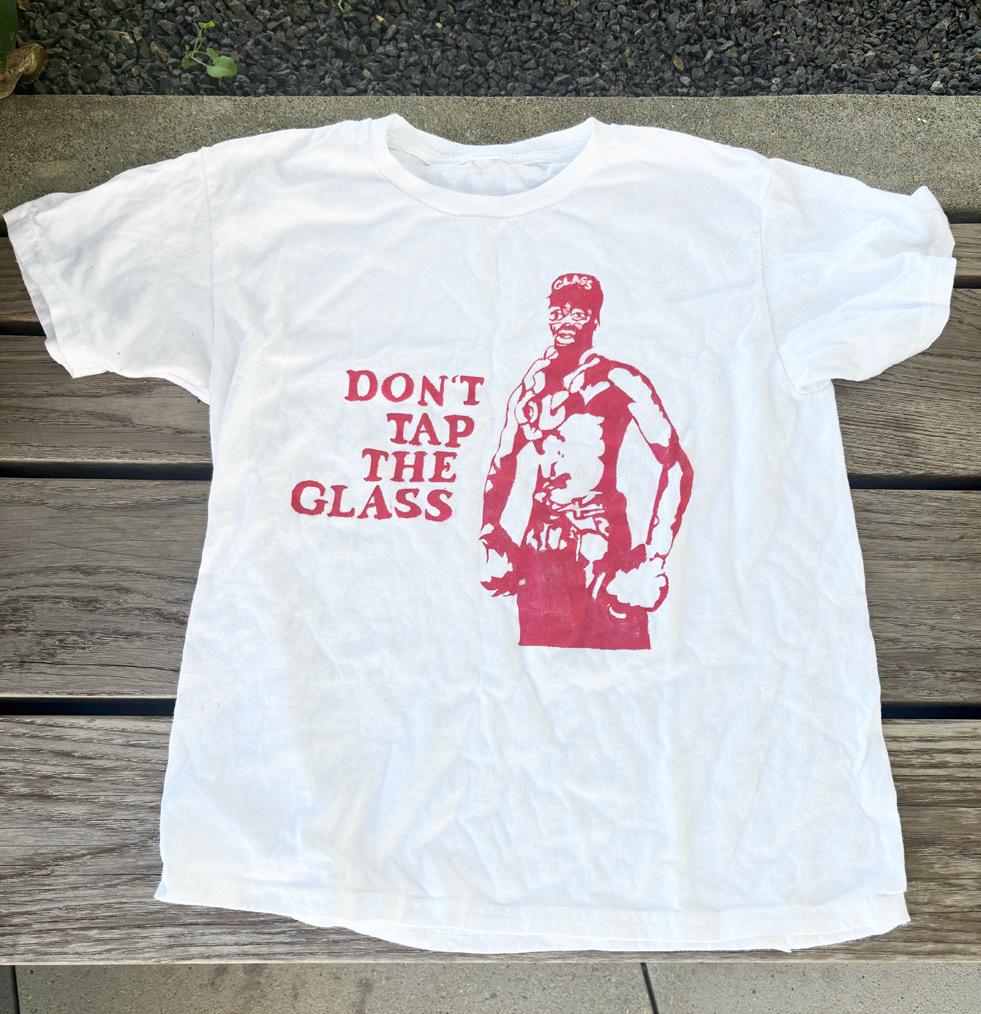
For her Quest project, Anna D. ’29 has been taking undecorated clothing items and using different artistic means to bring them to life. Working across a wide range of materials—from bleach to embroidery—she’s produced pieces like a white T-shirt inspired by Tyler
The Creator, and jeans featuring detailed portrayals of a tiger, ocean waves, and koi fish.
“It’s adding whimsy to blank clothing items,” said Anna.
SEAN L. '29
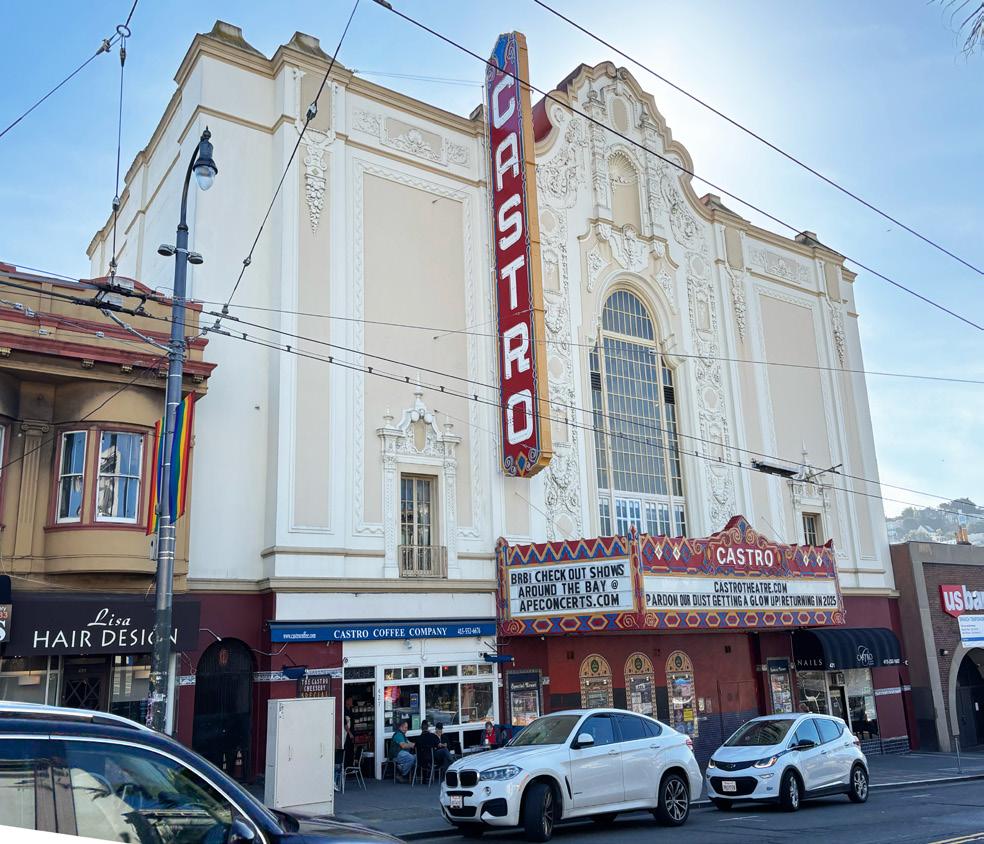
Sean L. ’29 has spent his Quest time exploring San Francisco’s cultural enclaves and compiling all of his findings into a local travel guide. The project started with a primary focus on Chinatown, but quickly expanded to include North Beach, the Mission District, Castro, Japantown, and more. A typical enclave exploration for Sean starts with a quick round of research on the area. From there, he plans a travel day where he will visit unique locations in the enclave, such as restaurants and local landmarks. Finally, he combines his observations of the area with additional research to complete his journal entry for the location.
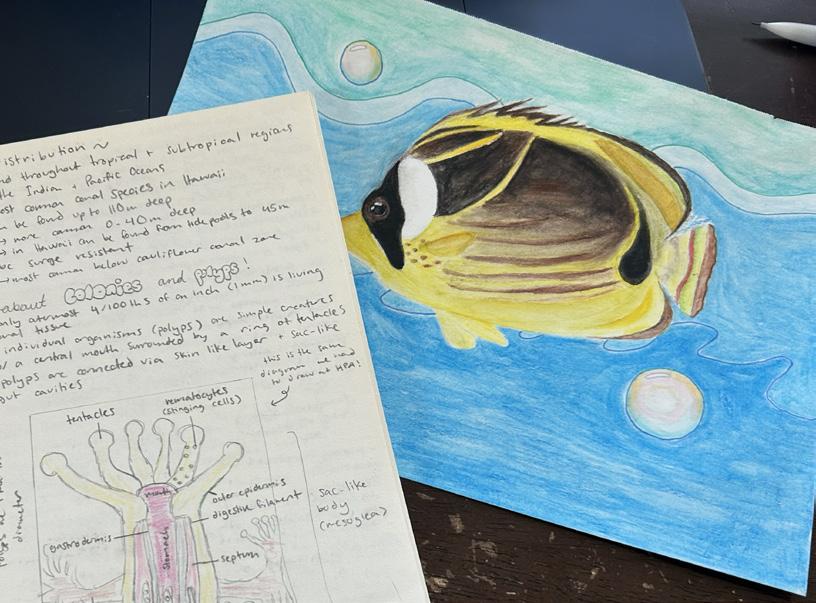
From what was originally a blank notebook, Ella Y. ’29 has created a captivating piece of art based on her love of marine biology. Each page of her notebook is filled with detailed research, intricate watercoloring, and comprehensive notes on multiple different marine species.
Throughout the project, Ella has focused on the details: conservation efforts, geographical locations, habitat, and much more. Ella chose the project through her passion for marine sciences, and focused on a goal of learning more about species to which she has a personal connection.
Each year, students take on Quest, a year-long passion project where students propose and explore topics of their own choosing. This year’s Quest will culminate in the Quest Expo, held on Apr. 15, which will feature presentations and opportunities for students to explore and admire each other's endeavors.
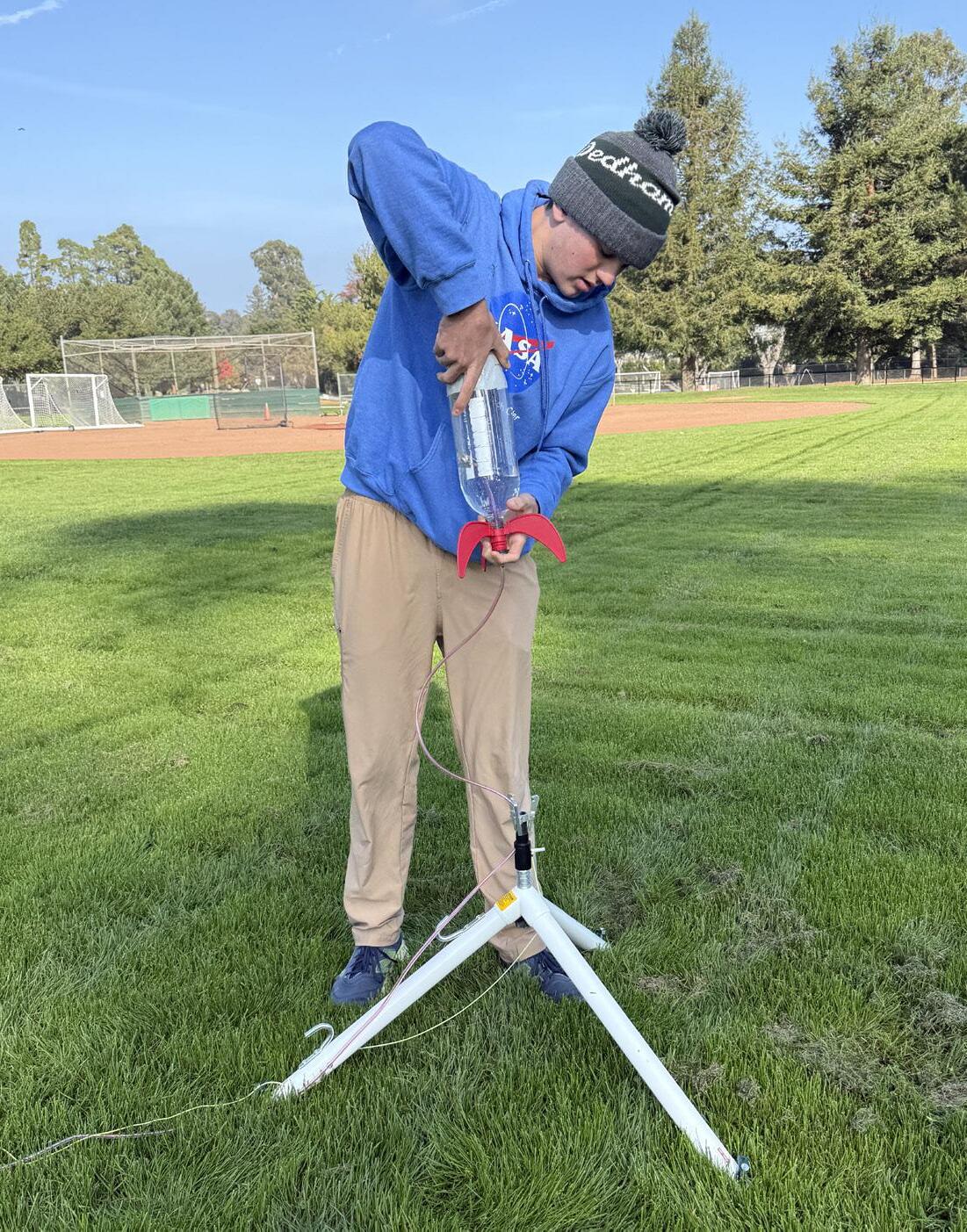
Drawing from previous Quests and classes, Mo C. ’27 has been building and launching small rockets made from emptied soda bottles. Throughout the process, Mo says he’s been able to take his knowledge from his classes and integrate it into the project: “It’s been neat to see how I can apply my math knowledge to solve a problem in the real world and make something work,” said Mo.
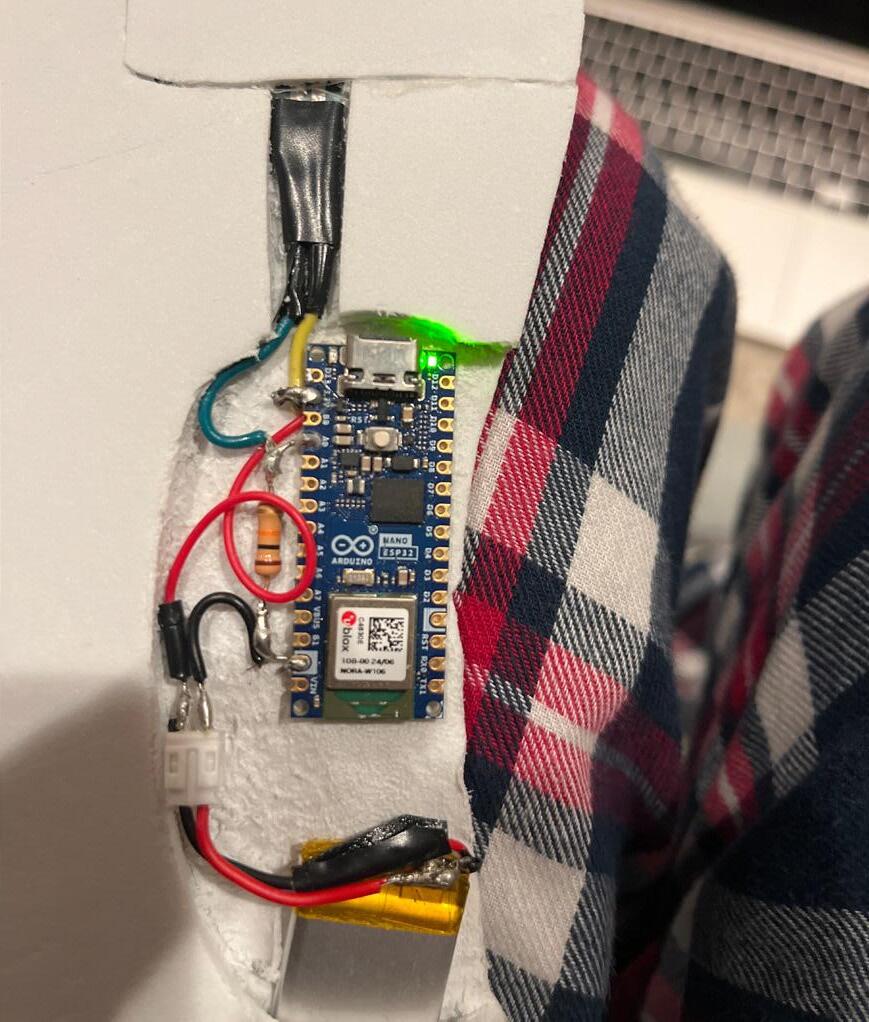
Zoe K. ’28 entered Quest with one goal: to ensure the safety of senior citizens at risk of falling. With many of the current products on the market being clunky, heavy, and inconvenient for many seniors, Zoe has spent her time developing an insole to track the wearer’s movement and health. Her current prototype consists of the hardware and sensors of the insole itself, as well as the software that goes into creating the app connected to the hardware. In the future, Zoe hopes to keep iterating on her design to make it more accessible for seniors and their caregivers to use.
A. '26 & SYDNEY L.
For their Quest project, Sophia A. ’26 and Sydney L. ’26 decided to turn a shared hobby into a business. The two had long bonded over a love of baking, and frequently visited each others’ houses to experiment with new recipes. Later, they decided to channel that passion into building a business: Slice of Sunshine Bakery, a pop-up store specializing in butter
On Mar. 25, Sophia and Sydney held their first bake sale in the cafe, offering rich, chewy slices of mochi in a variety of flavors: matcha, guava, black sesame, and original. Going forward, both seniors hope to continue holding pop-ups in San Mateo, with a portion of all proceeds going to the SF Marin Food Bank.
ANNA D. '29
CLOTHING AS A CANVAS
WATER ROCKETS
MO C. '27
ZOE K. '28
SOPHIA
'26
ELLA Y. '29
SAN FRANCISCO: CULTURAL ENCLAVES
MARINE BIOLOGY NOTEBOOK
SLICE OF SUNSHINE BAKERY
FALL RISK SMART INSOLE
PHOTOS: Aviva S., Mo C., Sean L., Zoe K., Ella Y., Sydney L.
FEATURES
Highs, lows, and limits
Four students reflect on their experiences with drug use and the culture of pressure, pleasure, and risk surrounding it
Anonymous Senior: “Alcohol is just not something I enjoy anywhere near enough to deal with the potential repercussions.”
BY
In movies and TV shows, clouds of vape smoke, keg stands, and red solo cups are depicted in many a raucous high school party scene.
Off screen, however, a different picture is emerging: In the U.S., teenagers who use drugs or alcohol are now in the minority. A 2025 survey by the National Institute on Drug Abuse found that 82% of high school sophomores and 66% of seniors in the U.S. reported abstinence. But statistics alone don’t capture the full story. Why have many teenagers turned away from substance use? And what does it look like for those who haven’t? To understand how these trends play out in real life, , we spoke with a dozen Nueva students about their experiences with drugs and alcohol. Their stories reveal experiences shaped by social circles and anxiety, boundaries and overindulgence. From those conversations, we selected four that offer distinct perspectives. All names have been changed to protect anonymity.
CHARLIE, 18
Charlie first tried weed because of a Fortnite bet he set. If he got more kills in a 1v1, his friend would give him a weed vape pen. Charlie thought that it could be fun. He had been wanting to try it for a while.
“I thought, okay, I’ll indulge,” he said. That casual first use spawned his current relationship with weed, which has been defined by semi-frequent use, usually in solitude. Every once in a while, he likes to turn on some music in bed and smoke a bit. He described his use as “California sober,” a harm-reduction-based lifestyle that stays away from alcohol and hard drugs, while indulging in recreational cannabis use.
He is aware of the health concerns. Studies have found that cannabis can impair cognitive development and motor capabilities and is a heavily addictive substance; these risks are increased for teens.
Charlie has done his best to safeguard against these risks. He has a couple rules for himself: “no pills, no powders, no needles,” making sure that he is doing something else—like watching a movie or going for a walk—when he smokes.
“The occasion itself shouldn't be just smoking; that shouldn't be the priority,” Charlie said.
Rules like these are key for Charlie. One summer, when he felt caught up in an intense headspace from a bad breakup, he began to use more frequently than before. Soon, he realized he had become overly reliant on it and ended up taking a half-year-long break. He likes to think that the break was good for redefining his relationship with weed—when he started using again, he felt he knew his tolerances far better.
He has a different relationship with alcohol. He tried it freshman year at a party where several people were caught
drinking. The experience made him more wary of drinking; though he might drink occasionally at parties, he has kept alcohol at arm’s length. More than anything, it’s the culture around alcohol that turns him off—the way people boast about blacking out, or rely on it to loosen up or flirt.
“It’s just corny,” Charlie said. “I think if you're just [drinking] to talk to girls or to get a little bit of clout, I [wonder], what do you gain from this?”
Instead, Charlie’s “preferred poison” continues to be weed. He might drink in a few social contexts, but prefers to abstain or smoke, maintaining his rules the best he can.
“I'd say in terms of risk mitigation, I think I've done pretty well for myself,” he said. “But I'm not gonna call it smart because if I was smart[er about use], it wouldn't be happening.”
ELIZA, 17
For Eliza, drinking and recreational drug use have always been in the background. Her parents drink, her friends drink, and since she started high school, she’s known that a party or a weekend out means a cold cooler of beer and the familiar smell of cannabis.
Eliza doesn’t drink or use, though.
“I've always felt more comfortable just being sober,” she said. “I don't like not being in control. The fear of what I might say or do is pretty scary to me.”
Instead, Eliza prefers to be the “sober sitter” or “designated driver” for her friends. She refrains from judging others’ alcohol or drug use, a stance that she wishes more people would consider.
“When they hear of or see a student drinking, [people think], oh my god, that's genuinely a bad person, they must be such a partier,” Eliza said. “But I wish they understood that when students drink, it's often not because they’re [bad] or want to seem cool. A lot of times, people drink because they are under a lot of pressure and that might be their only way of coping.”
" A LOT OF TIMES, PEOPLE DRINK BECAUSE [THEY'RE] UNDER A LOT OF PRESSURE AND THAT MIGHT BE THEIR ONLY WAY OF COPING." “
Eliza pointed to familial and academic pressure as reasons why teenagers might turn to alcohol or drugs as a means of escape. She’s also seen how some of her peers seem to derive genuine joy from their substance use.
That said, Eliza admits that her experiences have also been punctuated by moments of panic. At a Halloween party in Half Moon Bay, multiple people were puking and one girl passed out. Those nearby quickly propped her up, and
within minutes, the party resumed. What struck Eliza most was how quickly everything returned to normal.
“[That moment] made everything feel a whole lot more real to me,” she said. Over time, Eliza has grown more accustomed to these incidents. But the unease hasn’t faded. She continues to watch over friends, often stepping in as the designated driver.
“When you’re the only one sober, it can get scary because you don't really know what is going on, or what other people are doing or thinking,” she said. “It feels like you're responsible for so many people at once.”
JERRY, 18
“If I could go back, I would probably never have vaped in the first place,” Jerry said. “It was a bad decision that was 100% my fault, and I should have never done it.”
Jerry first started regularly indulging in alcohol, weed, and nicotine when he was 16. After seeing all his friends using, he “felt like it was something [he] could do as well.”
Initially, Jerry’s use was limited to social contexts. Whether it was smoking with a couple of friends while at someone’s house or out in nature, or drinking at a party or sporting event, he was always surrounded by people. The decision to use felt more like a mutual agreement to him than the result of pressure.
By junior year, he had increased his usage of nicotine, alcohol, and weed.
“There were a lot of things happening around me, and I hung around some influences who regularly used,” Jerry said. “They were one year older than me, and had finally saved enough money to buy new weed equipment.”
During this time, Jerry was regularly using nicotine by himself at home. He continued to do so for a year—to the detriment of his health—until the day he coughed up blood in the shower.
“I always thought of it as a social crash,” he said. “With college applications and academic pressures around me, I felt like I needed a stimulant to focus and keep myself up.”
Nicotine, widely known for its highly addictive effects, is among the hardest substances to quit. A 2022 CDC study found that while 68% of adults who smoked said they wanted to quit smoking, only 8.8% succeeded in a year. Despite this, Jerry insists that quitting wasn’t especially difficult for him. “Once you see the detrimental results, you [know you] have something to work for,” he said.
Jerry has significantly scaled back his use of nicotine, limiting it to occasional social gatherings with close friends. Knowing the potential damage from regular use, he doesn’t want others to fall down the same path as he did.
“I think kids shouldn’t be [vaping] at all,” he said. “I saw the effects of overuse firsthand, and I don’t want others going
through that.”
GABE, 17
Since he was 14, Gabe has been certain he never wants to use drugs. In middle school, he passed by people experiencing homelessness each day as he commuted by train to San Francisco—some injecting substances, some overdosing. Those images shaped his early perceptions, and he came to associate all drugs, including alcohol and weed, with that kind of danger.
In freshman year, at a party, Gabe had the opportunity to drink but chose not to. A friend he was staying with was barely tipsy, but Gabe still panicked, unsure how to respond.
" I NEVER REALIZED THAT SOMEONE COULD BE STRUGGLING SO MUCH ON THE INSIDE, AND YET APPEAR SO NORMAL." “
“I remember preemptively asking friends and family members, ‘How do you take care of people who are drunk?’” he said. “I then told my friend to do all of the things we learned about: lying on your side and other things like that. Looking back, I was overly [concerned], but it was because I just hadn’t experienced anything like that before.”
In 10th grade, his perspective shifted again when a friend he’d met at a math competition died from a drug overdose. The news shocked him; he hadn’t known his friend was struggling with substance abuse.
“I never really realized that someone could be struggling so much on the inside and yet outwardly appear so normal,” Gabe said. “The first time I met them, it was before they had struggled with any of this. They felt like the same kid I met at the math competition the whole time [I knew them].”
As his peer group has started to use drugs more commonly, gradually normalizing substance use for him, the memory of his friend informs Gabe’s attitude toward drugs. He knows he won’t hesitate to let a parent or adult know if he sees patterns of usage among his friends become more concerning.
“We’ve all heard these stories from Drug Ed about people who wish they'd spoken out about something, but didn't,” he said. “I don't ever wanna know that I could have prevented something bad from happening.”
Gabe continues to refrain from using drugs or alcohol, worried about addiction and long-term damage to his brain development, a risk that increases substantially with younger users.
“I get addicted to things easily, just by nature,” Gabe said. “I just feel like the safest way to avoid any of that was to not use at all.”
GRAPHIC: Anwen Chen, Adobe Stock
ELLIE L. & ALVIN Y.
Moving Towards a Sustainable Future
Exploring Nueva’s
sustainability initiatives, from clubs to curriculum
STORY BY ALEXIS C. & SENNA H.
If you’re a Nueva student, you’ve learned about sustainability in some capacity. Whether through dissecting and writing eco-poetry in tenth-grade English or participating in the Environmental Club’s Eco-Action Raiser, sustainability and environmentalism are ubiquitous at Nueva.
Nueva is one of the nation’s leading schools for sustainability, both in its education practices and its foundation. In 2021, the U.S. Department of Education named Nueva a California Green Ribbon School for its commitment to resource efficiency, health and wellness, and its emphasis on environmental and sustainability education.
In honor of Earth Month, The Nueva Current is highlighting Nueva’s achievements in sustainability by investigating the school’s clubs, classes, and design.
ENVIRONMENTAL CLUB
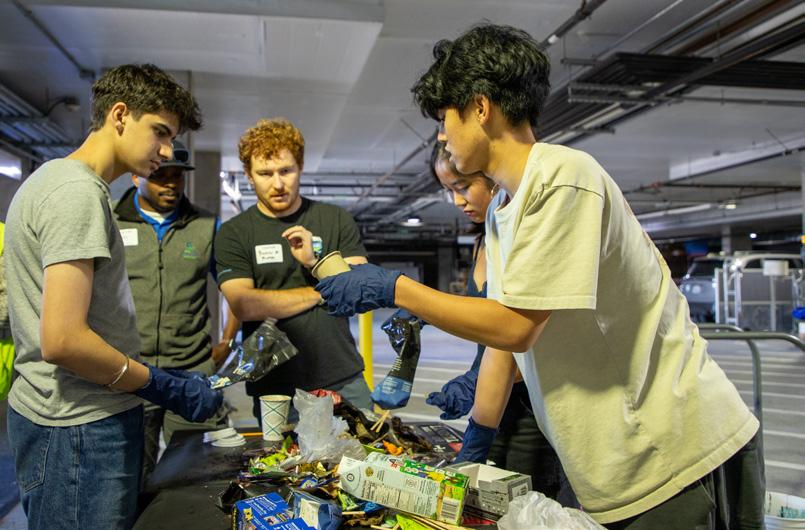
In Environmental Club, students focus on environmental projects both within the broader Bay Area and the school. Last month, they conducted a three-day waste audit, collecting, sorting, and analyzing 148 pounds of trash. They found that students were placing dirty paper and liquid-filled drinks into recycling, which, when spread to the whole bag, contaminates the bin, deeming it unrecyclable.
They also recently completed a mini-documentary in collaboration with the Social Impact Filmmaking Club (SIFC). The 6-minute film, No Scraps, documents food waste at Nueva.
In the club’s environmental assembly on March 27, they screened the film and presented their findings from the waste audit. They also brought in two employees from Recology, Nueva’s waste collector, who presented on sorting trash, compost, and recycling, and the garbage collection process.
The Environmental Club also plans to lead discussions with other high schools’ environmental clubs to share progress, goals, and insights.
“In May, we're going to be organizing our first youth eco-leadership gathering, to share some best practices and really cool initiatives that we can each implement in our own schools,” said Kayla L. ’26, the club’s co-lead.
PROJECT SUPER PLANTS
Project Super Plants (PSP), a club
created by Harper F. ’26, raises climate awareness and promotes science education in Bay Area schools. During the clubs’ visits to Bay Area elementary and middle schools, the team presents on the importance of biodiversity and CO2 emissions, then asks students to design and draw their own Super Plants, solving an environmental problem of their choice.
PSP ran 20 sessions in its first year; six years later, they offer roughly 60 educational sessions with a team of 45 people across multiple schools. As the club expands, Harper hopes to extend its reach to classrooms across the country with a video-based curriculum they are currently developing. Harper is hopeful that teaching young children will inspire future generations of environmentalists.
“I think a really important part of the project is our emphasis on hope—that's why we end every session by growing super plants. [It’s] so that students are not left feeling overwhelmed, but know that they're taking a small step toward making a difference,” Harper said. “We always end with the quote by Greta Thunberg, who said, ‘No one is too small to make a difference.’”
CLEAN ENERGY INVESTMENT CLUB
In 2022, the Clean Energy Investment Club team successfully lobbied to reduce Nueva’s fossil fuel investments from 7% to 3.2%. Through the club’s efforts, Nueva became the first of the High School Clean Investment Coalition—a group of around 50 private schools encouraging their schools’ endowments to be invested sustainably—to divest. The global coalition, which is co-led by Viola S. ’27, has already divested millions. Now, the Nueva team is able to provide other schools with their successful model, as well as connect them with contacts that can help them build the case they’ll bring to their endowment boards.
Viola is now planning a large-scale clean investment competition for April. Participants will receive a virtual portfolio of $100,000, and will have to balance making sustainable investments with maximizing profit. Ultimately, Viola hopes contestants will walk away with a deeper knowledge of climate finance and evolving sustainable technology.
GARDEN CLUB
On the analog side, Hayes S. ’27, the Garden Club lead, incorporates sustain-
able agricultural practices into the club’s tending of the Nueva balcony.
Last year, the Garden Club planted native plants alongside crops to measure how they grew together, and recorded successful planting combinations. In San Mateo County, he said, there’s an excess of monocrop planting, which harms soil health, whereas planting native and non-native plants together supports local biodiversity. This year, the club is working on cover cropping: covering the soil yearround so it retains moisture.
CURRICULUM
Environmental initiatives are not solely led by students—in the classroom, students explore sustainability efforts through a variety of lenses, from climate science to history. In English, Harper learned about eco-poetry, and in Biology Research Teams (BRT), she was able to connect her environmental science interests to other projects.
Jeremy Jacquot hopes to see this kind of interdisciplinary learning across all Nueva classes.
“Much in the same way that SEL [or] design thinking is at the core of Nueva, I would love it if environmental citizenship [was] more built in,” Jacquot said. “Any graduate would be able to speak to or have familiarity with some core ideas around sustainability.”
Jacquot first came to Nueva in 2015 as an assistant teacher for chemistry. While he still teaches chemistry now, he’s also involved with a host of new environmental electives. In 2021, with the arrival of Director of Environmental Citizenship Sarah Koning, Jacquot began to plan courses discussing climate change and sustainability.
Jacquot’s offering, Climate Change & Action, was co-developed and taught with Koning. They approached the course knowing that students were likely already familiar with climate change science, and instead chose to focus on tangible solutions and maintaining optimism for change. They discussed pathways from renewable and clean energy to regenerative agriculture, and solutions in small, private sectors versus on a wider, govern-
ment-scale.
In tandem with a solutions-based environmental curriculum, Koning has taught Environmental Humanities for five years, providing students with the tools to tell the story of climate change.
Throughout the semester, students read journal articles and engaged in philosophical discussions. They learned about the nuances of environmental conservation and preservation, talked about the future of environmental conservation, the Anthropocene, and also did hands-on work in the garden.
Koning hopes the class will broaden students’ understanding of climate science. “The way we can change people’s minds is not by providing data, but by giving them stories that are meaningful to their experience,” Koning said. “How can we learn to tell stories that will resonate with people who have concerns or denial about climate change?”
INFRASTRUCTURE AND ARCHITECTURE
Both the San Mateo and Hillsborough campuses were built to reduce emissions. Constructed in 2007, the Hillsborough campus’ Hillside Learning Center was the first LEED (Leadership in Energy and Environmental Design) Gold K–12 building in the country.
Since then, all new construction and renovation projects on both campuses have been LEED Certified Gold. Solar panels, high-efficiency faucets and toilets, and lessened requirements for heating and cooling are all emissions and waste-reducing features installed on both campuses.
Acknowledging student-led and administrative sustainability initiatives, Koning is optimistic for further growth. She believes that all students, especially those who label themselves as “uninterested” in climate science, can take action against climate change.
“What I tell students is: incorporate sustainability, climate change science, or environmentalism into your interests,” Koning said. “I don't believe that climate science or environmentalism should be a discrete discipline. It should be integrated into everything.”
People-Led CLOCKWISE FROM TOP LEFT: Environmental Club members lead interactive activities at the Eco-Action Fundraiser. Kyle W. and Lila P. ask Lower School students questions about biodiversity. Hayes S. organizes Native California leaves for Environmental Club. Veer C. and Deion H. sort recycling in the Environmental Club's recent waste audit. // PHOTOS: Lucas R., Holly Nall / The Nueva School
Amid a nationwide decline in teenage dating, students, alumni, and faculty weigh in on how romance appears in our community.
Having experienced firsthand invasive comments and questions about her romantic relationships at Nueva, Ava posited an explanation for the lack of couples within specifically the senior grade (three at the time of publication): “I feel like there’s so little dating in our grade because everybody is so judgy and gossipy,” Ava proposed.
Students can be hyper-invested in each other’s lives, and word can spread quickly—and this dynamic hasn’t just affected Ava’s grade, but underclassmen, too.
For Nate S. ’29, who’s new to Nueva this year and is open to dating within Nueva, the fear of being a subject of his peers’ gossip holds him back. “If I ask somebody, and then they tell all their friends, I don’t want to be then labeled as weird,” Nate said.
He did push past that fear once. He asked a classmate to a dance and, unfortunately, got rejected—only to find himself sitting next to her in one of his classes for the rest of the semester. “I felt bad for the person,” Nate said, wincing at the circumstances of being in a small school post-rejection. “It was just very awkward.”
Nate’s worry about unwelcome commentary from his peers speaks to a larger pattern among students. Upper School Lead Counselor Aviva Jacobstein has supported several students who bring their romantic experiences to her, and she’s heard Nueva students say “really unkind things” about their peers’ romantic lives.
Judgmental commentary, she noted, can specifically harm girls in heterosexual relationships. Because many students can place heavier emphasis on scholastic achievement, Jacobstein worries that girls exploring romance or sexuality can be “perceived as somehow less academic, which feels really unfair.”
Sakura T. ’26, who likes to spend time with her boyfriend and friends outside of school, has felt that implicit judgment over the years. “I think some guys just think that because I’m short, I’m a girl, I date people, and I go out—I’m just dumb, basically,” Sakura said. “And no one has said that to me explicitly, but I’ve definitely felt that from other people, especially a lot of guys.”
Once, Sakura was talking to one of her male friends about the IQ test and the score she got, and she remembers him being very surprised by her high score. “There’s this idea that if you date or go out, you don’t fit into the mold of a Nueva academic weapon,” Sakura said.
English teacher Allen Frost, who teaches the Gender & Sexuality elective, similarly recognized a tension between the culture’s heavy emphasis on building a resume and the core of dating. “[Dating] is something that’s about the present, which I think is really important. But there’s a sense that dating is a frivolous pursuit and frittering away time that
DESIGN BY: Anwen C.
could be used for something more valuable,” Frost said.
Meanwhile, Jalali thinks that having equally busy schedules can potentially enable a successful relationship between two students at Nueva. “If anything, I feel like Nueva people just kind of get it,” Ava said. “I know my partner’s busy, too, with their own stuff. I actually think that relieves some of the pressure.”
Still, there may just be limited opportunities for finding part ners—the dating pool is small and contains people who have known each other for many years. For alumni and lifer Maya Sprosts ’25, who’s still dating Max Roche ’25, exploring romantic relationships with people she’s known since elementary or middle school was difficult to imagine.
thews pushed back against the notion that bisexual high schoolers have “double the dating pool,” which her friends often joke with her about: a fraction
always been this way. Though The Nueva Current lacks empirical evidence for total dance proposals in recent years, Student Council social media and spirit point archives reveal a different picture in past
time and place than Frost’s suburban Arkansan high school experience—can struggle with the same lack of options Frost felt as a young gay man.
In 2021, students prepared at least 20 proposals for the Homecoming dance; in 2022, at least 15 for Prom; and in 2023, at least 11 for the Winter Formal. While some proposals were romantic, others were in casual, platonic fun.
One example: in a staged spectacle, four Class of 2023 students presented posters vying for Daniel Rosario ’23 to be their Homecoming date—right before Rosario pulled out his own poster and invited all four of his proposers to the same dance. Sprosts, who witnessed a decline in casual dance proposals—and perhaps, by extension, romance— over her years in the Upper School, can appreciate both the dynamics of today
“If I’m being honest, I loved going to the dances with my friends,” Sprosts said. “But I also think a school dance is a good way to ask someone out, and [now there’s] one less excuse to do it.”
However, even if the social dynamics were different at Nueva—in regards to dances, sexual orientation, academic expectations, small class sizes, or more— Bedford emphasized that exploring romantic relationships is never easy.
“When you’ve grown up with each other, at least to me, they feel a little too much like siblings,” Sprosts explained. She and Roche (the latter joined Nueva in ninth grade) bonded at the start of their relationship by comparing stories from their different childhood experiences—a foundation that many Nueva students can’t build, having already grown up or gone through middle school together.
The dating pool is even smaller for queer students. Asher J. ’27, who identifies as a trans male, knows that making a move is scary for anyone—but trans people also consider an added, complex layer.
“What if I shoot my shot, and they out me? Or, what if I shoot my shot, and they’re transphobic to me?” Asher asked. “People can be like, ‘Oh, I support trans people, but I don’t want to date one.’ And that’s fine—you can date whoever you want for whatever reason you want.”
For bisexual students like Madison M. ’26, the math is still complicated. Mat-
“At Nueva, there’s already the expectation that you’re all supposed to be friends, right? So then to actually consider that [other gay person in your grade] as a romantic partner is really awkward,” Frost explained.
Frost appreciates that queer students are not pressured to date within a pool with more limited options—a unique absence of pressure that also extends to the student body more broadly.
For students like Cate G. ’28, that absence of pressure is especially visible at school dances. Unlike at other high schools that she’s observed, the student culture doesn’t have an expectation of arriving to a dance with a partner—unless a couple is already dating.
“[What] I hear from other schools [is], ‘I need a prom date. I’ll get anyone,’” Cate said. Though Cate doesn’t desire a culture so extreme, she’d appreciate being able to more casually attend dances with a date, a notion that can be difficult to imagine under the school’s gossipy and all-ornothing culture.
“DATING TAKES COURAGE. IT TAKES WORK. IT TAKES VULNERABILITY.” “
“Dating takes courage. It takes work. It takes vulnerability,” Bedford said. “And those things can feel scary. So, putting yourself out there and potentially being rejected? That’s hard.”
Frost echoed Bedford’s message about the universal challenges of dating, adding one final observation about Nueva students.
“Particularly in this community, there’s a real sense of perfectionism. Well, it’s hard to date perfectly,” Frost said. “You’re putting yourself in this vulnerable position. There’s no rubric for this, right?”
PART III. THE CASE FOR LOVE
When students do leap towards love,
they can discover healthy experiences for enjoyment and growth.
For example, Aaron Huang ’24 found that exploring romantic relationships helped him gain skills like communication and emotional maturity during his high school years.
“I love Nueva because it’s taught me how to make relationships with other people, whether romantic or social,” Huang said. “In high school, I think that one of the most important things you could do is play around with the idea of building romantic connections with other people.”
Huang has been in a relationship with Selin Kandemir ’24 for two years. He feels that bonding with her played a huge role in his development as a person—and a high school experience that Huang values.
Looking back, Huang has one piece of advice for current students: Avoid seeing Nueva solely as a place to study or participate in clubs.
And yet, Nueva has a sizable population of academically and extracurricular-focused students. Even if Huang’s advice is good, is dating harder for Mavericks?
Well, computer science teacher Wes Chao pushes back against the stereotype that “nerds” can’t have romantic success or emotional acuity.
“You can be good at [subjects like CS and math] and also good at understanding what people want,” Chao explained.
In the case of Sprosts, the I-Lab—where Chao and many CS kids spend their time at Nueva—was even an environment that subtly helped nurture her relationship with Roche.
While Sprosts and Roche were still getting to know each other, she’d work on building Team 4904’s robot after school. Meanwhile, robotics teammate Aadit Barde ’26, who was friends with both, helped Sprosts feel a little more confident of Roche’s reciprocated feelings.
“I definitely liked Max, and Aadit would be like, ‘Oh, he definitely likes you,’” Sprosts recalled.
Jonathan H. ’27 also gained support from his friends while courting his now-girlfriend, Bella B. ’27, to Homecoming. As a result, Jonathan and Bella pushed back against the perception that their peers are excessively judgmental.
“Nobody’s ever been weird about it. Everyone’s like, ‘Oh, you guys are so cute,’” Bella said.
For Livie P. ’26 and Cristopher B. ’27, who have been together for about five months, any judgment about their relationship wouldn’t really matter to them.
Instead, by focusing on their relationship, Livie and Christopher push each other to be better. “He challenges me, in a really good way, to better myself, discover myself, and to embrace parts of myself that I hadn’t before,” Livie said.
By dating Livie, Christopher has learned how to balance his academic and personal commitments. He and Livie have always
been explicit about prioritizing their schoolwork and clearly communicating their needs and limitations, and Christopher intentionally makes time for his girlfriend during busy periods.
Dating within Nueva can even optimize for balance, according to Asher, who’s had two romantic relationships at Nueva. “As a person with a busy schedule, it can be really nice knowing that I could say hi to my [significant other] in a passing period,” he explained. In Asher’s eyes, proximity isn’t always a complication— but can be helpful in building a successful relationship.
Psychology teacher Amy Hunt, who teaches a unit about love and attraction in her Intro Psychology class, appreciates students who want to embark on relationships during high school.
“I’m a big fan of being in the moment without knowing where things are going and just enjoying the ride for however
“IT’S HARD TO DATE PERFECTLY. YOU’RE PUTTING YOURSELF IN THIS VULNERABLE POSITION. “
long it lasts,” Hunt said. “But if people are worried about being in the fishbowl of Nueva and schedules, that would get in the way of letting something just sort of unfold naturally.”
PART IV. LEAVING THE DOOR OPEN
The lack of pressure to date at Nueva has costs: unasked questions, forgone connections, lonelier dances, and judgment for those who do. While most community members disagree with the stigmatization of dating, not everyone longs for more pressure than the status quo.
SEL teacher Lee Holtzman has spent years thinking about the development of gifted students, and she’s neither surprised nor certain if there’s reason to be concerned that gifted high schoolers might not wish to date at this stage in their lives. Some gifted students, according to Holtzman, mature academically and emotionally at very different paces.
“I don’t think Nueva kids innately won’t date. It’s a timing thing,”
with alumni who share experiences with her about exploring meaningful romantic relationships post-graduation.
For freshmen, for example, 14 and 15 may be too young an age to engage in a serious relationship. Hunt emphasized that psychology research has found that kids under 15 years old benefit from focusing on forming their own self-identity before seeking a romantic commitment.
Asher, as someone who dated in his freshman year, echoed Hunt’s advice about dating too young. He advised not dating someone coming in as a ninth grader to Nueva. “Give yourself some time to figure out who you are and who you want to be. But as you get further down the line—if you fancy someone, go tell them,” Asher said.
Hunt agreed: research shows that seeking romantic relationships once over the age of 15 can facilitate personal development for young adults and be emotionally profound. As such, Hunt hopes the school’s culture leaves the door open for forming those relationships.
“If people do have the time and want to have high-quality relationships, I would hope that they’re not shying away from them because [the culture at] Nueva doesn’t support that, it’s too public, or there’s too much possibility for shame involved,” Hunt said. “That breaks my heart a little bit because there’s so much good that can come out of a high-quality relationship.”
at Nueva by reorienting their mindset. “If you’re like, ‘I can’t date [at Nueva],’ of course you’re not going to,” he said.
Ultimately, Huang believes, successful dating at Nueva requires less judgment from peers and more confidence among couples.
“I think people are so afraid of the term dating because of the drama that ensues after it. But, at the end of the day, dating is a label,” Huang said. “It doesn’t really mean that much unless you give it weight. So, if you’re having fun with someone, why not date?”
Whether or not students at Nueva choose to date during high school, Bedford likes to tell all of her graduating seniors one message: “I hope that, by the time kids leave and go off to college, they have a little bit of swagger. They really are a catch, and somebody would be super lucky to date them.”
And for those who have already found love, the reality can be simpler than some people imagine, even with real barriers to dating at school.
“At Nueva, love is in those moments between class, or who shows up in the audience, or genuinely caring about someone’s intellectual activity,” Asher said. “I think love shows up in the margins a little bit more.”
Watching from the diaspora Math
teacher Roya Curtis reflects on her memories of Iran and the war today
STORY BY OLIVER L.
When the 12-day war between Iran and Israel began last June, Upper School math teacher Roya Curtis immediately contacted her extended family in Tehran—numerous aunts and cousins—to ensure they were safe; thankfully, they responded instantly. Now, more than a month into the ongoing conflict between Iran, Israel, and the United States, her messages and calls remain unanswered.
Amidst the ongoing war, families separated by thousands of miles, like Curtis’s, are unable to guarantee each others’ safety. Yet despite the uncertainty of Iran’s future, Curtis described hope amongst the Iranian diaspora— freedom from the almost half-century-old oppressive Islamic Republic.
Curtis, who was born in Tehran during the reign of Shah Mohammad Reza Pahlavi, has fond memories of the twilight years of the Pahlavi dynasty as a period of modernization and improved civilian life.
“Iran was so progressive and modern. In the early 70s, [Tehran] used to be the Paris of the Middle East. It was a place people used to visit for vacation,” Curtis said.
An authoritarian leader backed by the United States, the Shah was nonetheless able to bring about rapid development and economic growth in the 1960s and 70s on the back of the country’s oil industry. In 1979, following protests against both government repression and secularism, his government was overthrown and replaced by the Islamic Republic under Ruhollah Khomeini. Curtis described how the Islamic Republic embraced an ideology
of Shia fundamentalism.
Curtis said the regime was “reverting this country to something that was 200 to 400 years past. But they wanted it that way. And people went for it. All because it was part of religion.”
Curtis’s father, a general who was the Shah’s personal pilot for 18 years, was forced to flee the country when the Republic took power. He sought political asylum in the United States and joined Curtis, who was already in the United States, for boarding school.
"I WOULD LIKE TO SEE PEACE. I WOULD LIKE TO SEE LESS KILLING. I WOULD LIKE TO SEE THE REBUILDING OF IRAN AND FREEDOM FROM THIS REGIME." “
“I wish he were alive [now],” Curtis said. “He thought freedom from the Islamic Republic would never happen.”
Since 1979, the Islamic Republic’s government has imposed strict restrictions on human rights such as free expression, women’s rights, and religious freedoms, while simultaneously experiencing prolonged stagnation in economic growth amidst American sanctions. In late 2025 and early 2026, the tension in Iran between the people and government came to a head, with mass protests against Supreme Leader Ali Khamenei resulting in harsh government suppression estimated to have killed at least 5,000 civilians, with the
Q&A with Alex Christiano
REPORTING BY ANWEN C.
Alex joined the Nueva community in August 2025 as a coach for Nueva’s Parliamentary debate team. Now, he’s also filling in for Patrick Berger's economics electives as a long-term substitute teacher.
WHERE DID YOU GROW UP?
Newport Beach, California
WHAT GOT YOU INTERESTED IN STUDYING ECONOMICS AND THE SOCIAL SCIENCES?
actual number potentially being multiple times higher, according to The New York Times. These protests are led by young women, students, and activists who are attempting to fight back against the Islamic Republic. Presently, Curtis views the ongoing conflict with mixed emotions, a balance between hope for an end to the regime and sadness at how the war is unfolding.
“[Members of the] diaspora who were initially happy are not happy [anymore]. There are people dying. There's a lot of emotions. There's a lot of sadness,” Curtis said.
Still, she remains hopeful for a positive outcome to the conflict.
“I would like to see peace,” she said. “I would like to see less killing. I would like to see the rebuilding of Iran and definitely freedom from this regime. How to achieve that is the question.”
Ultimately, Curtis believes that the prevalence of Iranian culture will lead Iran towards a better future. With a history spanning millennia, she is confident that the people can retrace their steps and return Iran to the values she grew up with.
Mar. 20 was Nowruz, the Iranian New Year, celebrated for the triumph of light over darkness. A tradition of celebrating the New Year is to jump over a fire and make a wish. Curtis assumed many Iranians, both in the country and the diaspora abroad, alike wished for the swift ending of the conflict.
“This country was built on human rights and amnesty, and they don’t have any of that right now. Iranians have preserved their culture, and they are very proud of it. I believe our people will restore Iran to the values we hold dearest to us,” Curtis said.
“I've always been an intellectually-driven person, and I’ve always experienced a lot of frustration and anger about the way the world is… So a big part of my motive [for studying the social sciences] is reacting to what I perceive to be injustices or or issues with the status quo—things that people feel they can't change. I'm always thinking, No,weactuallycanchange thesethings.Itjustrequirescollective willpowerandeffort… ”
HOW'S IT FELT LIKE TO BE PART OF THE NUEVA COMMUNITY SO FAR?
“With the students I have observed [at Nueva], it's really wonderful to see so many people interested in so many things, just because they're passionate about it… In my personal life, I'm always trying to talk about, like, why weneedpublichousing,or,whyeconomicinequalityissuchabigissue. And [usually], no one wants to listen to me. But here, it’s great to be in a community where people are willing to match my interest level.”
WHAT ARE YOUR FAVORITE THINGS TO DO IN YOUR FREE TIME?
“Cooking, thrifting, and climbing. I really like to make pizza and pasta—which I know is maybe a basic answer—but they’re just some of my favorite things to eat.”
WHAT’S SOMETHING YOU THINK PEOPLE MIGHT NOT KNOW ABOUT YOU?
“I'm a huge fan of the Spanish language. [At school], I took my [Spanish] classes really seriously, and it paid off, because since then I’ve been able to use Spanish in all sorts of settings… [For example,] I worked as a bilingual caseworker in the Fruitvale neighborhood in Oakland for a mental health service agency.”
Photo Archive Roya Curtis (middle) with her mother and two brothers // PHOTO: Roya Curtis
“My parents are targets”
For teens across the Bay Area, family life is shaped by the looming threat of deportation
STORY BY VIOLET C.
For many Bay Area teenagers, the fear of deportation is not an abstract political issue—it is a daily reality. According to USC Dornsife research, roughly 135,000 minors in the Bay Area—nearly one in eight—are currently threatened with the loss of one or both of their parents. Fear of deportation seeps into every aspect of their families’ lives. As immigration enforcement intensifies, teens are left to navigate not only the challenges of adolescence but also the persistent anxiety that their families could be torn apart at any moment.
These are the stories of three teens growing up in the shadow of deportation, navigating ordinary lives under extraordinary fear. All names have been changed for anonymity.
VALENTINA, 16
Feeling unsettled, Valentina stepped into the kitchen in her family’s small apartment in Mountain View. It was nearing 11 p.m. on a cool Monday night, and her parents still hadn’t returned home from their weekly Alcoholics Anonymous meeting. After grabbing a bag of Doritos, Valentina sat on the charcoal couch that occupies her living room—its corners mauled by her cat, Gansito—to await their arrival.
Her fingers trembled as she typed a message to her mom, the blue light from her phone illuminating the room. Hey,areyouOK? Her eyelids were heavy, but she refused to fall asleep.
Suddenly, headlights swept across the street below, catching her attention as a vehicle pulled into the parking lot of the apartment complex across the street. She watched through the window as it parked. She could tell it was a plain white van, but it was too dark to see anything else; there are no street lamps on her road. She had seen on TikTok that Immigration and Customs Enforcement (ICE) officers often drove unmarked white vehicles. Her heart began to pound.
" IT SUCKS TO CONSTANTLY LIVE IN FEAR THAT SOMETHING MIGHT HAPPEN TO YOU, EVEN IF YOU ARE A CITIZEN." “
Just then, her phone pinged with a message from her mother: “I’ll be home any minute, hija.”
For teens like Valentina, even the smallest abnormalities in their daily lives evoke fear for their families’ safety. This fear is deeply rooted in Valentina’s family history. Valentina’s mother
immigrated to America from Michoacán, Mexico, and her father from Guatemala around 20 years ago; both are undocumented. They came in search of work, financial stability, and a better environment for their children.
With deportations on the rise, anxiety has taken hold of her daily interactions, transforming the way she interprets each encounter. When her father was recently pulled over on their way to school, she could not help but be “freaked out.”
Despite living under a cloud of severe potential disruption, Valentina's life, in many ways, seems ordinary. She loves to bake and runs a small business at her school, selling cookies for five dollars. She likes to listen to R&B and rap and particularly enjoys rapper Seafood Sam’s music. She's recently begun working a part-time job at Shake Shack to support herself and her family.
Her anxiety regarding her parents’ safety has only worsened since Trump's re-election in 2024. Valentina remembered staying up late watching the election with her parents. “I was just so disappointed,” she said. “I woke up the next morning, and when I [saw the news], I thought, ‘there's no f—ing way.’”
Her worries are exacerbated by social media, as her feed has been flooded with videos of violent detainments.
“It sucks to constantly live in fear that something might happen to you, even if you are a citizen,” Valentina said. “Before, it was still scary, but now it's terrifying.”
This fear feels especially immediate because it centers on the person closest to her—her mother.
“I tell her everything,” she says. “She's my go-to.”
When she was young, Valentina and her mother would go to the park. “She would sit with me on the swing, she would swing us and pick me up with her legs, and I would fly in the air for a little bit. She would do that for a while,” Valentina said, remembering the comfort of being held by her mother, who she knew would keep her safe. But now that her mother is at risk, their time together here feels like an uncertainty.
Valentina says it often feels "weird" to be the only American citizen in her family. “[Sometimes] I just question myself, like, am I undocumented?” even though she knows she was born here. She is haunted by the sense that she doesn't fully belong in America either.
“I've always felt like I'm in-between [these communities] because I'm not Mexican enough to [speak fluent] Spanish,” she says. “And I'm not American enough to feel like I'm connected to the white people in my class. I always feel some sort of judgment or imposter syndrome there.”
MATEO,
16
“My parents are targets. I'm a target,” he said. “[ICE doesn’t] hold back. Even if I'm a U.S. citizen, all my friends are targets. It's a scary time.”
Redwood City resident Mateo, 16, described how anxiety surrounding ICE upended his mother’s life during the first wave of mass deportations in 2025. “It was hard for her to leave the house. She was worried about going to work or out for normal groceries. She told [me and my brother] that we would have to go out instead, and she gave us a list.”
Mateo described his close relationship with his mom, “My mom's the foundation of our family. Without my mom, it'd be… I don't even know what would happen.”
When he discusses his mother’s possible deportation with his family, he says, “It makes my heart drop. It makes my throat scratchy. I think, ‘oh, this is gonna happen one day, and I have to accept it because I can't escape it.’”
Mateo feels enraged by the injustice of it all, knowing the sacrifices his mother makes for their family. “She has spent 20 years in this country, and has committed not one single crime, besides crossing the border. Twenty years to have three beautiful children, have a nice house, and they want to take it away.”
"THE LAND OF OPPORTUNITY MEANS IT'S EVERYONE'S OPPORTUNITY, BUT THE OPPORTUNITY IS BEING TAKEN AWAY." “
Mateo has learned to be financially resourceful. After taking a photography class his freshman year, which “unlocked his visions as a photographer,” he bought his own professional camera with money from a summer job. Now he is often hired by high school athletes to take their pictures.
Like Valentina, he referenced America as “the land of opportunity.” But in the past few years, his perception of America has changed.
“The land of opportunity means it's everyone's opportunity, but the opportunity is being taken away,” he says.
LUCIA, 15
Lucia, 15, lives in a small two-bedroom apartment in Redwood City with 10 family members. She shares a room with two sisters and a cousin, while her grandparents sleep in the living room. All of the adults in her family are undocumented.
Lucia’s mother came to the United
387,000 people in the Bay Area are undocumented.
135,000 Bay Area minors live with at least one undocumented parent.
7% of the Bay Area's workforce is undocumented.
States from Mexico as a teenager to escape poverty, searching for stability and better work opportunities, flying to a city near the U.S. border before continuing the journey north by van. “She was looking for opportunities to make more money and find a stable home,” Lucia said. That decision has shaped the lives of everyone in her home, where three generations share space while working long hours to support the family.
She and her family are religious Catholics. Her grandmother is “very sad and kind of disappointed” about the situation and “says how it's not okay because God would have never wanted this.”
She doesn’t understand how so many Christians have come to support Trump. If they “would just open up their Bible,” Lucia insisted, they might better understand Jesus’s message to “welcome strangers in your home and feed them.” Lucia is certain the current policy is "obviously something that God and Jesus would have never wanted.” Lucia also stressed how much she and her guardians contribute a lot to America’s economy. “My mom is working for a white family,” she pointed out. “She's cleaning houses, she pays taxes, she does everything [that a citizen would], and I don't believe she should be scared to go outside to certain places just because she wasn't born here.” She worries for her grandfather, who still wakes up at 4 a.m. every day to get to work and to provide for them.
“Immigrants literally make America what it is. I don't know where America would be without immigrants,” she said.
PHOTO: Mateo
OPINION
Anika G. ‘26: “I think history becomes masculinized when participants’ engagement with it [becomes] removed from the way that it influences the present.”
Sushu Xia: “It used to be I would sometimes struggle with certain boys who seemed to not respect my voice in the classroom. There’s less of that now.”
THE NUEVA CURRENT VOLUME 9
2025–2026
EDITORIAL TEAM
Ellie L. ’26
Kayla L. ’26
Editors-in-Chief
Alvin Y. ’26
ManagingEditor
Neel G. ’27 Culture Editor
Anwen C. ’26
Features Editor
Jackson H. ’26
OpinionEditor
Senna H. ’26
SportsEditor
Alexis C. ’27
Web Editor
Senya S. ’26
ManagingWebEditor
LiAnn Yim
FacultyAdvisor
STAFF
Violet C. ’28
Timothy C. ’27
Raya I. ’28
Niam K. ’26
Oliver L. ’27
Veda P. ’29
Natalia R. ’28
Callum S. ’27
Aviva S. ’29
THE NUEVA CURRENT strives to provide informative and impactful articles for our community. Our issues cover stories related to our school, the Bay Area, California, and other relevant spheres. We are dedicated to helping readers understand the ways in which we can all make a difference in the world around us.
The opinions expressed in The Nueva Current belong solely to the writers and are not a reflection or representation of the opinions of the school or administrators.
TheNuevaCurrentis distributed to current and alumni members of The Nueva School community. Press run is 600 copies, printed by FolgerGraphics.Fonts used in Volume 9: Optima Nova LT Pro, Basic Sans, and Utopia.
The Nueva Current is a member of the NSPA and CSPA. NSPA Pacemaker Finalist 2020, 2022, 2023. Pacemaker Winner 2022. Gold Crown Winner 2023, 2024, 2025.
QUESTIONS, COMMENTS, SUBMISSIONS
We welcome your voices. We accept photographs, letters to the editors, articles, illustrations, and other pieces of work. Please email us at thenuevacurrent@nuevaschool.org.
STAY CONNECTED
www.thenuevacurrent.com
Instagram: @thenuevacurrent
131 E. 28th Ave., San Mateo, CA 94403
The Problem of the History Bro
Dissecting the culture of male history buffs online and offline—and the impact they have on non-male students
STORY BY JACKSON H.
A lot of ink has been spilled on the problems facing women in STEM, and for good reason. They are marginalized at every stage, from the high school classroom to the workplace, resulting in a stark gap in representation: women made up only 24% of engineering and computer science majors as of 2022.
The humanities may thus seem as different to STEM as night and day. Women received 53% of bachelor’s degrees in history and the social sciences, and slightly more in graduate and doctorate programs.
The increased prevalence of women in academic history has also coincided with a welcome shift from the overwhelmingly male-centric subject matter that initially defined the field. Since the New Left historians of the 1960s, biographical studies of military and political leaders dubbed the “great men of history” are out of fashion in most university departments; social and cultural history is in vogue.
But that is the world of academia.
The popular conception of history is not reflective of the lineups at academic conferences; it has a lot more to do with the new releases at Barnes & Noble. Those bookstore shelves are still the land of biographies upon biographies about military and political history: the Founding Fathers, the World War II generals, the titans of industry. A 2016 survey by Slate found that 75% of popular history books published in 2015 were written by men, and 70% of the published biographies had male subjects.
Male-centric pop history is what shapes and informs the interests of chronically online teenage history buffs. As a result, their digital forums are overwhelmingly made up of high school and college-age boys, and while they represent a wide spectrum of political persuasions, there are strong similarities in the ways they approach and think of history. The world of the online history bros has created warped conceptions of both history and masculinity.
Let’s meet the archetypical “history bro.”
He views history as a series of lessons in gaining and applying power, both for himself and his nation. He accumulates a stockpile of biographies on the “great men,” scouring the lives of long-dead leaders for inspiration. The keys to a better life are hidden somewhere within Napoleon’s cavalry maneuvers at the Battle of Borodino. For managing his interpersonal relationships, he’ll look to treatises on grand strategy and the balance of powers (all of these books will be European with the exception of Sun Tzu’s The Art ofWar).
He is in many ways anti-ideological, valorizing a ruthless pragmatism as superior to any sort of moral code. His personal philosophy is best defined by rationalism: every person and nation-state is perfectly rational and self-serving, and must assess their best interests through cold-hard facts and logic or else be destroyed by those who do.
Given this, ambiguity and subjective experience must be purged from the historical record. The process of learning history for them consists of memorizing facts and dates, detached from human experience or
the messy uncertainties of historical memory. At the end of this process, he hopes, he will be able to dominate the past, an unchallenged master of trivia and factual knowledge. I will win the quiz bowl or the West will fall.
Needless to say, history bro circles are home to a lot of alt-right incels. But this is not uni versally true: many are moder ately conservative institutionalists who combine a deep reverence for tradition with a strong aversion to fascist violence, or even still left-wing social progressives. But whether they have a favorite crusader or favorite communist, these core traits of the history bro mindset remain.
So, what happens when women venture into these male-dominated online spaces?
When Lily Z. ’28 joined a Discord server associated with the National History Bee, a quiz-based academic competition, she was one of seven girls out of approximately 200 members. Once her gender was revealed, she immediately received a flurry of messages hitting on her—in public—from boys who had never even met her face-to-face.
“
THE HISTORY BRO VIEWS HISTORY AS A SERIES OF LESSONS IN GAINING AND APPLYING POWER.
“There was a normalized incel-like culture of ‘oh, we’re nerds and we don’t talk to women,’” Lily told me. “And so the women in that space were treated as foreign, exotic, alien objects.”
She cited this general sexism as emerging from their notion of rationalism—women were stereotyped as emotional, irrational, and therefore incapable of “mastering” historical knowledge.
Girls on the server were conditioned to become more “masculine” in the way they spoke, behaved, and interacted with the ideas of history.
“I was put into the position of, ‘Oh, she’s one of the funny girls who knows our B.S. and isn’t into whatever girls are into,’” Lily reflected. “You attempt to rid yourself of feminine features and conventionally feminine ways of speech.”
The historical methods taught by the Nueva history curriculum run counter to the mindset that defines these online subcultures.
“We care way more about reading and interpreting sources, and thinking through broader theories and frameworks of thought,” Lily said. “I think that is a way of getting rid of this sort of masculine, rationalist discourse.”
In comparison to a traditional high school curriculum’s focus on names and
dates—the history buff’s weapon of choice— Nueva history classes and electives tend to reflect the social and cultural history that is more prevalent in academia.
“Nueva humanities is more fluid and less rigidly defined around the memorization of dates,” Anika G. ’26 said. “It’s a bit more people-centric, cultural-trends-centric, and maybe anthropologically influenced.”
Still, there can be very real gendered disparities in our classrooms. Discussion-based classes like history have the ability to uplift and validate male voices while girls are pushed to be passive spectators.
“Boys tend to be socialized to assert opinions with more confidence, and girls to put caveats on their own opinions or preemptively incorporate others’ opinions when they present their own,” history teacher Sushu Xia said. “[But] as gendered expectations have changed over the years, I’ve noticed a smaller difference in the classroom.”
This tendency manifests itself across disciplines, but it’s intensified for some by the qualitative nature of history’s subject matter.
“In some of those STEM classes, they’re quantitative, so you can actually prove you’re right about something. If you get enough problems correct, eventually people are like, ‘she probably knows what she’s talking about,’” Anika said. “In history, you can always add one new layer of nuance."
History teacher Simon Brown noted that methods like small group discussions, whiteboard work, and intentionally mixing up groups can allow teachers to intervene in and break through gendered dynamics.
I think those are all valuable tools in bringing more voices into the classroom. However, teachers can only do so much without intentional change and consideration from male students in those classes.
I worry that the masculine coding of history and its bro subculture is so strong that it puts true parity out of reach. I can’t help but wonder how many girls chose not to explore a potential interest further because of how gendered the field appears. Nonetheless, it is incumbent upon students—including myself—to make our classrooms and our mindset towards history the best it can be.
"Great Men of History" Some of the morally dubious military and political leaders who so often become the subjects of history buffs' obsessions (left to right: Augustus, Bismarck, Napoleon, Machiavelli, Sun Tzu, Douglas MacArthur) // COLLAGE: Jackson H. / The Nueva Current
The Wordiest of Us As of this issue, Willow Taylor Chiang Yang ’21 has the highest total word count across the Current’s history at 45,647 words, just ahead of Kayla L. '26.
Editorial: Briefing the Community
Excerpt: “Rather than centering one-time “learning,” we ought to emphasize mutual and habitual engagement with the broader Bay Area community.”
Let’s stop calling it “Service Learning”
Nueva’s rhetoric surrounding the CSL program reinforces one-sided,
transactional, and shallow relationships to community engagement
STORY BY OLIVER A.
In the lead-up to this issue, we built out a database of every article ever published in The Nueva Current’s nine-year history. The data allowed us to take stock of our collective work: 979,715 words across 1,782 pieces over 44 issues. Looking closer, it also allowed us to notice evolutions in our paper’s coverage.
In previous years, our news sections were for the most part records of the little things that happen every day at Nueva: the guest speakers and one-off assemblies, the intersessions and WOWs, the tournaments and competitions, the student-led startups. Over time, however, the balance between campus news and national stories has shifted. Our staff has taken an interest in identifying national or international trends, and situating them within our community, such as the anti-ICE walkouts last issue.
While we are proud to have covered these stories, watching this evolution unfold in our coverage has pushed us to revisit questions core to our paper’s identity: What is our purpose in the community? What does any given issue seek to achieve?
In this issue, we’ve still covered big, impactful stories like drug use or dating at Nueva, but we are also reclaiming our role as an archival paper for the little things in our school community. The “news briefs” you’ll see in the first few pages, covering everything from Black History Month programming to a Model UN Conference in New York City, are an attempt to offer you a glimpse into how your peers are spending their days. We hope that nine years from now, someone can leaf through this issue and see here a record of the moments that defined campus life this March.
Sincerely,
The Nueva Current Editorial Board STORY BY THE EDITORIAL
Reader Survey
The Nueva Current is student-run, and your voice matters in guiding our coverage. This survey is an opportunity to share what stories resonate with you, what feels missing, and how we can grow as a publication. Scan the QR code to participate in a short reader survey.
I bet Nueva is tired of name changes. After seeing SOM change to SOUL and SOUL change to SEL, I can certainly say I am. But names matter, and, as a community, it’s time to question what the name “service learning” tells us about the program. We need to ask ourselves who we’re “serving,” how we’re “learning,” and why, and find a less misleading and more equitable name for this work.
For one, what we’re doing isn’t exactly “service.” Supporting elderly and disabled folks, combatting food insecurity, cleaning our neighborhoods, and caring for our environment are all fundamental parts of belonging to a community. We should take part in these activities because it’s our responsibility to those around us, not an annual ritual where we picture ourselves going out of our way to do good. Indeed, not everyone has the luxury of considering this work “service.”
For many in our community, these activities are a part of daily life, born out of equal parts necessity and empathy. But the one-way relationship that “service” implies prevents us from seeing how we’re benefiting and will one day benefit from our own and others’ work. It flattens the complexity and importance of community engagement into a static and impersonal interaction.
Similarly, the word “service” suggests a hierarchical relationship between us and our fellow community members. It centers Nueva students (and, to a lesser extent, faculty and staff) while objectifying the folks we work with as those “being served.” This one-sided characterization, however, couldn’t
be further from the truth. Rather, the activities we participate in through the CSL program enable us to live in safer and healthier neighborhoods, build deep connections with those around us, walk prettier streets, and so much more. “Service,” by contrast, feels like a gift we’re bestowing. “You’re doing something for them,” it whispers. “They need your help.” The term eerily echoes white-savior narratives, elevating the Nueva community as “needed” by our neighbors when we are, in reality, building mutually beneficial interactions with them.
“
A TRANSACTIONAL UNDERSTANDING OF “LEARNING” INSULATES US FROM THE CHALLENGING REALITIES FACING OUR COMMUNITY.
The “learning” component of CSL is less concerning, but it still isn’t the most precise way to refer to the program. The language of “learning” reinforces an understanding of our work as transactional, as if our “service” was given in exchange for “learning,” in a manner uncomfortably reminiscent of poverty tourism. I’m not denying that we learn in these moments, but it feels paternalizing to frame people’s lived experiences as “learning opportunities.” Such a transactional under-
standing of “learning” insulates us from the challenging realities facing our community, treating these issues as lessons we can return from at the end of the day and disregarding the individuals and places we’ve been working with in favor of vague conclusions we’ll soon forget. Rather than centering one-time “learning,” we ought to emphasize mutual and habitual engagement with the broader Bay Area community.
If recent assemblies serve as any indication, it’s hard to get Nueva students to engage in non-classwork programming, so I applaud everyone who has helped our CSL program garner comparatively high turnout and student engagement. Now is the time to build on these accomplishments by reframing how we talk about this work. By renaming this programming “community engagement,” we can emphasize the reciprocal connections we’re forming with those we share the Bay Area with, promoting a more accurate, equal, and empathetic vision of these relationships. It’s time to remind Nueva that we’re not the (metaphorical) center of the Bay Area. We’re just normal community members that share the same responsibility toward collective safety, sustainability, and compassion as everyone else.
Are we love bombing our friends?
In the social media age, excessive flattery and vapid fawning have become ever-present
STORY BY HILDE K.
“I LOVE YOU” pings on my phone screen in response to a happy birthday text I sent to an acquaintance. How can this person really “love” me if we rarely connect or have a friendship deeper than the superficial level?
Love bombing— excessive flattery, empty
“I love you”s, over-the-top gift giving from people you don’t feel close to—is becoming an increasingly prevalent trend in friendships. It may seem like a light-hearted way to boost camaraderie, but giving superficial relationships the veneer of depth and vulnerability actually shuts down the ability to go deeper.
As a disclaimer, I am not personally above love bombing and do it more often than I would like, especially because it feels like a last-ditch way to connect or be seen by people around you. Plus, like many other 17-year-old girls, I enjoy being loved and understand the fawning that comes with many close relationships. Additionally, I love the gratitude culture at Nueva, especially traditions like kindness week. Though I really dislike this endearment when it covers for a drop in conversation or is legitimately insincere.
While shuffling our feet through an awkward pause in conversation, I’ll hear “I love you” from girls who I don't feel close to at all, or excessive complimenting from people when I simply can’t believe them. These
events always leave me feeling isolated and disconnected from my true friendships. Suddenly, I’m questioning the friendships where I do feel very vulnerable and deep ly connected: maybe their love doesn’t mean what I thought it meant if people who I don’t feel close to are telling me the same thing.
When someone who doesn’t know me uses the deeply vulner able phrase “I love you”, it shuts down any possible connection beyond the acquaintance because it sets the prece dent that they already know enough about me. It feels like someone is trying to have a closer relationship with me simply based on exchanging declara tions of shared love, without anything underneath it. This rollercoaster of emotions that comes with love bombing takes me out of the moment by making me question everything, and makes me feel isolated.
In the past, the phrase love bombing has connoted manipulation in romantic relationships. Now, with the normalization of platonic love, love bombing in friendships has become more commonplace, particular-
ly in the age of the internet. In the world of short-form video content, instant messaging, and—according to psychologist Dr. Gloria Mark—an average attention span of 47 seconds, it can feel like we’re left competing for our friends' attention with Instagram Reels. In my experience, we turn to our phones when we’ve run out of things to say. But sometimes I’m still thinking about the thing we were just talking about and need more from the conversation. Instead, I feel this pressure to get their attention back—I feel like I need to be more interesting or give them the same dopamine hit as scrolling, which can easily be done by sharing words of affirmation. This natural desire to be seen and connect with our friends now accentuates love bombing.
I want us to think about the impact of our words and choose them with sincerity and specificity. Next time you’re left stumbling through a lag in conversation, try asking someone what they’re excited to do this week, or what’s new in their world. Rather than succumbing to love bombing, let’s focus on building memories and genuine connections.
ART: Anwen C. / The Nueva Current
OPINION
Working towards a greener future A survey of
Student Standoff
What role should individual climate action play in the environmentalist movement?
This is what happens when “going green” is a luxury purchase
The class politics of individualist environmentalism is pretentious to the point of self-destruction.
STORY BY JACKSON H.
So, you’re worried about the climate.
That makes sense. The impending collapse of the basic planetary conditions that have supported human life for the last tens of thousands of years can really put a dampener on things. As you’ve watched the leaders of the world—the presidents, the prime ministers, the bankers, the CEOs—continue to barrel ahead towards limits that they themselves set, it’s hard not to sometimes feel disempowered and hopeless.
Thankfully, the environmental movement is teeming with suggestions for you: you can budget your waste; reduce, reuse, recycle; compost in a mason jar; go flexitarian, vegetarian, vegan, freegan; buy an electric bike, an electric car; put a solar panel on the roof; skip your next meal out, skip your next vacation, skip having kids. There’s so much you can do to reduce your carbon footprint (two words brought to your vocabulary courtesy of British Petroleum) while the movers and shakers of the world take their time on the bigger steps.
It’s understandable why so many ordinary people and climate activists have banded around this approach to environmental action. But the inconvenient truth is that individual choices cannot solve a climate crisis that results from the economic system in which we live. Since we have placed so much of societal decision-making in the hands of market mechanisms and big business, long-term sacrifices will always be secondary to short-term profits.
This is why climate financing for developing nations has led to nothing but more debt, and why “cleantech” has been stuck in a boom-and-bust cycle for two decades. At the end of the day, 44% of U.S. greenhouse gas emissions come from 10 fossil fuel companies, and no short-lived wave of “consumer activism” will convince them to stop.
Focusing on individual reductions in emissions is not a solution. It’s a coping mechanism.
Now, there’s nothing wrong with coping the best you can. But this individualist mode of environmentalism has led to an atrocious class politics that alienates the working-class people who ought to be at the center of the climate movement.
Under the individualist model, “green-ness” has become an identity to be purchased. These popular climateconscious consumption choices— shopping at Whole Foods, driving an electric car, carrying a reusable straw— have all been wrapped up in an effete
coastal aesthetic that is grating and inaccessible to the rest of the country. The average middle American simply cannot buy into the sustainable future at Walmart or bike to it down the middle of a four-lane highway, baking out on the asphalt in a suburban wasteland every day that they commute.
Yes, there are other forms of individual climate action that are cost-saving, like thrifting or making sure not to throw anything out that can still be used. Unfortunately, even these lifestyle changes have become part and parcel of this kind of performative environmentalism that rightly strikes many as out-of-touch. Millions of Americans already know what it’s like to squeeze until the very last drop because they have to for their families, and are no doubt rubbed the wrong way by affluent teens on Instagram who get to boast about thrifting as a moral choice rather than an economic necessity.
FOCUSING ON INDIVIDUAL REDUCTIONS IN EMISSIONS IS NOT A SOLUTION. IT’S A COPING MECHANISM. “
This subset of online environmental advocates can push their aesthetic ideal as far into the green future as they want, but material reality will always lag behind. They can make their waste-free utopia seem in vogue and trendy, but when it remains economically out of reach for the rest of society, these more “enlightened” tastes become an object of resentment and ridicule. Many working-class people are now forced to be begrudging reactionaries, fighting to hold on to their gas-powered car, not because they want to see oil-slicked fish awash on the shores of Louisiana, but because they still need it to drive.
Tote Bags and Thrifting for Life!
Even as an advocate for national climate reform, I still believe that individual climate action matters
STORY BY KAYLA L. a
I have a confession to make. Last week, I ate salami.
That is not a rare occurrence, even though I am a self-branded “environmentalist” who gave up red meat in middle school to mitigate my personal carbon footprint.
Yet, salami aside, I am incredibly passionate about leading a sustainable lifestyle that embodies my values and sets an example for others. I lead this lifestyle every day, salami aside, even though a part of me knows that one individual action is not going to make or break whether our world gets through the climate crisis.
And, believe me, I understand the reality of the crisis. I dedicate—almost all of—my time to organizing county-wide climate rallies, emailing congressional aides to book private meetings with politicians, and pushing for highly impactful climate policy like Make Polluters Pay or a nationwide carbon tax.
I am knee-deep in grasstops climate advocacy, but progress is incredibly slow. So, as our world burns, there are a few specific times that I have felt completely burnt out from fighting to save the planet and its humans. In those moments, I have lost motivation to lead my youth policy group meetings, to make public comments at city council, or to start a new sustainability initiative at school.
The climate crisis demands action at a systemic level, but green policies will not be politically viable without first addressing the economic disparities that have brought the reality of the Whole Foods shopper so far apart from the Walmart down the road. Many environmentalists have meaningfully acknowledged the importance of class and climate justice—the original Green New Deal included a federal jobs guarantee, for example. But so long as the most bougie and patronizing aspects of the movement remain its face, it will continue to be its own worst enemy.
I have pushed through that grief and numbness—not by achieving groundbreaking climate policy—but by doing what I can through the smaller, individual things: giving up red meat, using a reusable water bottle, resisting a microtrend, avoiding plastic when I can, driving an electric car or taking public transport, and trying to not waste food.
friends, family, and strangers about sustainable choices, and I post eco-tip videos to my environmental social media
The reason that I care about living sustainably is twofold. First, my family comes from an immigrant background, I’m thirdgeneration Taiwanese, and some things about waste reduction are simply intrinsic to how we live. We stuff plastic bags in a drawer so we can reuse them later, save
paper towel to be used once more, and cook bitter watermelon rinds into soup.
Funnily enough, we do these individual actions for economical reasons—and, yet, they are coincidentally the most thrifty and sustainable, too.
So, while I understand how a sustainable lifestyle can be perceived as an inaccessible, luxury experience— expensive “slow fashion,” eco-luxe beauty products, and bougie organic groceries—I firmly believe that living sustainably is accessible. For example, shopping at Goodwill is not a luxury experience, but thrifting is great for the environment by promoting a circular economy.
THE WAY WE CORRECT INSTITUTIONAL PROBLEMS IS BY WALKING THE TALK. “
Second, I worry that saying, “I have no individual responsibility towards protecting our world against climate change” can be a cop-out: a way to avoid taking any action at all to support the sustainable future that young people are fighting tirelessly for.
I know that we should pin blame on big polluters and irresponsible governments, but one individual making non-ecofriendly choices will also—let’s be clear— harm the environment. Sure, refusing a plastic water bottle will not save us, but putting one extra plastic bottle into the environment is one more risk to a sea turtle.
Finally, I want to stress that embracing environmentalism doesn't have to be seen as a sacrifice, but instead something you’re gaining. If you're thrifting clothes, you’re gaining clothes without the lead that SHEIN and H&M’s apparel have. If you’re avoiding red meat, you're choosing a healthier diet and finding more tasty plant-based options. If you’re choosing not to drink from a plastic water bottle, you’re gaining a reusable bottle that isn’t going to fill your body with microplastics.
The way we correct institutional problems is by walking the talk. I know that, one day, our world will have a more circular and sustainable economy because of what’s already happening today: our societies and economies are beginning to realize that a consumerist and unsustainable model cannot last forever. So, as cheesy as it sounds, why not leap toward the future with a tote bag in hand?
Mar. 27: Earth Day Assembly Students gathered in the gym for a presentation on food waste from the Environmental Club and Recology,
PHOTOS: EBay
PHOTO: NASA
Pen Palooza If you’re looking to expand your stationery collection, check out Paper Source in Burlingame!
Ready, Set, Write!
0.5 & 0.7mm
WRITING QUALITY:
The G2 owes much of its iconic status to its smooth and consistent ink flow. Variations in stroke width are detectable—you can see the dark dots from where you first press the pen against the page—but they never interfere with clarity. A gel ink pen like the G2 can create smudges when the ink is fresh, however, so some writers may prefer a more traditional ballpoint.
ERGONOMICS:
The G2 is an exceptionally comfortable and natural pen to hold, and the pen’s reliable retractable mechanism (you know, the click) is never finicky.
VERSATILITY:
Pilot G2s are widely accessible in stores and well-suited for a variety of writing tasks. That being said, the most common 0.7mm variant often feels too thick for the fine print writing you may want when notetaking or sketching.
Julia Randolph ‘26: “Shoutout to Mylie M. [‘26] for being such a great grade rep and organizing Senior Assassin for us!”
ENTERTAINMENT
STORY BY JACKSON H., ANWEN C., & RAYA I.
WRITING QUALITY:
Writing with the Pilot Opt feels smooth and consistent. While its lines won't match the boldness of a pen, it delivers what you can expect from a good mechanical pencil: a reliable, unobtrusive writing experience.
ERGONOMICS:
With its wide barrel and rubber grip, the Pilot Opt helps you maintain a firm hold without overstraining your fingers. The pencil does run on the lighter side, though, which may not suit those looking for a heavier, more weighted feel.
VERSATILITY:
The Pilot Opt adapts well to a range of writing tasks. Its 0.5mm line width is practical enough for everyday note-taking, while also being thin enough for detailed work, like annotating in the margins. That said, graphite's inherent lightness may make it less suited for formal applications, like signatures or greeting cards.
WRITING QUALITY:
If you’re disappointed by how thick and unwieldy a 0.5mm pen still feels, the Uni-Ball Signo RT1 is for you. At 0.28mm, the pen has a whisper-thin nib with unmatched precision and high-quality ink that almost never smudges.
ERGONOMICS:
The pen’s design is very minimalist, which, although visually appealing, also means it isn’t the most comfortable in the world. The rubber grip is long, but barely covers the stiff plastic. Still, it’s perfectly usable, and the writing experience is worth it.
VERSATILITY:
This pen is multitalented: it will carry you through long pages of notes, quick sketches, or even math homework. Its unmistakable glide facilitates quick note-taking; its precision makes even geometry diagrams perfectly legible; and, although thin, its high-quality ink ensures that every mark stands out on the page.
Memorable moments from this year’s game of Senior Assassin
REPORTING BY ANWEN C. & SENYA S. Snipes, shots, and shenanigans
From Mar. 2 to Mar 31., Nueva's senior class participated in Senior Assassin, a partner-based elimination game. Pairs were assigned targets and scored points by filming videos of themselves landing Nerf blaster shots against their peers.
Ian B. '26 finds and eliminates Max E. '26 on his daily commute.
Anya V. '26 shoots Libby E. '26 in the midst of an off-cam pus study session.
On a sunny morning in San Francisco, Team DTSM Grim Reapers (Stell V. '26 and Colin C. '26) sneak up on Vickie H. '26 outside her house.
Ian B. '26 engages Rowan B. '26 in a high-speed chase down the firstfloor hallway.
Ava J. '26 infiltrates a group dinner to eliminate Justin C.-B. '26.
CALTRAIN CAPTURE
ACADEMIC WEAPON
SF STAKEOUT
RUN, ROWAN, RUN!
DISHING OUT VIOLENCE
PHOTOS: Anya V., Ian B., Colin C., Ava J.
Crossword
PUZZLE BY CLARA B.
ACROSS DOWN
1. Odometer measure
6. Word with 430 different definitions
9. Smell
10. What Shakespeare has Much About Nothing
11. *"Everything is Awesome!!!" film
13. Present-day Persia
15. "C'mon!"
16. *Model UN participant
20. Lovelace of programming
21. Follower of Muhammad?
22. Rival
25. *Plato's cave or Animal Farm, for two
27. Like some tales or Starbucks orders
30. Desire
31. "Good luck!" to a performer... or what the verticle lines do the starred clues
35. Lead-in to star or urchin
36. Wake up
37. Greek god of the wild
38. Campsite shelters
1. Youngest Nobel Prize laureate
2. ___ Adler, "The Woman" to Sherlock Holmes
Cartoon of the Issue
3. Yule ___
4. Moody genre
5. Carrier of green eggs and ham
6. Goalie's goal
7. Menu after file
8. Stocking stuffers?
12. Soccer cheer
13. Activist and journalist B. Wells
14. Rainbow starter
17. Gadot of "Wonder Woman"
18. Everything
19. Leave no loose ends
22. Fakes
23. Net alternative?
24. Place for a pupil but not a teacher
25. Pie ___ mode
26. Visitor
27. Baking amt.
28. Side by side?
29. Cant
32. Kit ___
33. "___ we there yet...?"
34. Vietnam Memorial designer Maya
The Nueva Current accepts writing, photography, art, puzzles, and more. Please contact and send any submissions to thenuevacurrent@nuevaschool.org.
Forcampusupdates,polls,andwebexclusivecontent,
COMIC BY SENYA S.
SPORTS Quoted: “Show up with what you got. Find what you have to contribute.”
For the Love of the Game
Every week, a diverse group of Nueva community members gathers to exercise, connect, and shoot some hoops.
STORY BY RAYA I.
In many ways, it’s a typical Nueva basketball game: sneakers squeaking, players shouting, balls arcing through the air. But these aren’t high schoolers jockeying for a spot on the varsity team or college rosters. This Saturday morning, players include Nueva MS SEL teacher Jared Briggs and PE teacher Azmi Mamis, Nueva dads both past and present, and even Head of School Lee Fertig and his son, Sam.
This is the Nueva Community Basketball League (NCBL), a casual group that has been meeting weekly to play ball for over 18 years.
Founded by Joon Yun, an alumni parent, the group started as the Nueva Dads Basketball League (NDBL), playing fouron-four in a small Burlingame gym called Nothing But Hoops. Later, they moved to a warehouse in Redwood City, before eventually migrating to the Hillsborough campus GCC, their current home.
The name change from NDBL to NCBL reflects the group’s growing inclusivity: not only do teachers (and administrators) play, the players have also begun to invite friends and children.
These days, members range in age from 15 to 65 and have a variety of abilities and experiences. Some only started playing basketball with the group; others, like Briggs, have experience playing in serious leagues. But they’re all united by their love of the game and the community they’ve found.
Custom jerseys with nicknames, individually ordered, are an NCBL staple; current parent Benn Williams wears his NCBL jersey emblazoned with “Brick.”
“It means both my shot, which is often a brick, or a solid pick,” Williams explained.
Other players with custom jerseys include Robert Jansen, “The Great Wall”; Curtis Chen, “Hat Trick”; Lee Fertig, “The Tig”; and his son, “Tiglet.”
These nicknames are just one reflection of the culture of playful camaraderie that the group has cultivated over the years.
“There’s an ethos that permeates the original guys here, this ethos that focuses on a lot of what Nueva stands for,” parent Tai Hsia said. “Even if you win, whoever is sitting gets to play next.”
Alumni parent Bart Miller similarly emphasized the joy of collaboration. “I love team sports—it’s more fun making good passes than scoring the ball,” he said. “And I’m not the only one out here who likes that.”
“ " SHOW UP WITH WHAT YOU GOT. FIND WHAT YOU HAVE TO CONTRIBUTE."
Mamis said that physical scuffles and aggression are common in pick-up games, but the NCBL’s spirit is different.
“We play hard but not to the point of winning at all costs. Everybody is chill, there are no arguments,” he said. “Here, somebody falls, and it’s like, ‘old man down!’”
The group’s focus on injury prevention also sets it apart—and it’s important, since the average NCBL player is mid-
Hitting the links The golf team develops a strong identity with new leadership and fresh faces. Page 24
dle-aged. “Everybody here wants to win, but they prioritize not hurting others and not hurting themselves,” Hsia said.
But it wasn’t always that way. “We were really rough and tumble in [the early] days and there were a lot of early injuries, because we were younger and we weren’t as careful with ourselves,” Miller said. “I’ve gotten stitches from here.”
For newer members like Hsia, the athleticism of players like Miller is an inspiration. “Some of these guys are older than me and they’re in much better shape,” Hsia said. “Playing with them each week really motivates me to put more time and energy toward health and fitness.”
Meanwhile, Miller wants to thank Yoon and the early members for establishing the group and its culture: “The old guys who aren’t here any more—I still remember them, and I’d love for them to come back out,” he said.
Along with the fellowship that comes from parents playing together—chatting about kids, getting advice about going through the school—Mamis said his position as a teacher gives him unique opportunities for connection.
Students infected by the Golf Bug
Why students have suddenly been captivated by the golf course
Every weekend, Benji S. drives to a nearby golf course and plays a round with his friends. Benji—like many other students—has joined the rising wave of students engrossed by golf.
This phenomenon, also known as the “Golf Bug,” has seen a national increase since the COVID-19 pandemic. Since 2019, the National Golf Foundation has reported a 41% increase in golf participation among Americans.
For Nueva students, this increase in popularity has been used as a social outlet.
“I got into golf after my cousin introduced it to me,” Benji said. “[Eventually,] I found it was a great way to hang out with people I like.”
In the time since, Benji has taken his interest in golf further by joining the school’s JV golf team. The JV team has three practices a week, ranging from short-game work and hitting on the range at Mariners Point to 9-hole rounds.
“Joining the JV team has been one of the best decisions in my golf journey
so far. The amount of practice that they require has allowed me to learn new types of techniques that I would have never discovered,” Benji said. Through golf, Benji says that he’s
also been able to has meet people he would have never previously interacted with. One of these people is Brayden D., a fellow member of the JV team.
Brayden began playing golf in fresh-
“Getting to know [parents] not as a parent but as a teammate, as an opponent, [is] really nice,” he said. “And then when I see them later at school, I feel comfortable chatting with them.”
Briggs shared a similar sentiment. “Every student’s dad I’ve played hoops with has managed to score on me,” he said. “They don't let me live it down, but it’s honestly the highlight of my weekend.”
Others say that playing with the NCBL has taught them valuable lessons, even off the court. “Show up with what you got. Find what you have to contribute,” Miller said. “That’s a life lesson that I’ve taken other places. But it came from here.”
The group is always open to new members who are curious about the game or want a chance to brush up on their skills.
“Don’t worry about if you’ve never played or not,” Mamis said. “We have people who come by who have never played basketball before and they’ve started really enjoying the game.”
So, take note: Saturdays, 9 a.m., the Hillsborough gym.
man year as a way to meet new people, but has since continued to play regularly to test his resilience: “I've gotten just really into it, used it as a way to practice perseverance,” Brayden said. “I wanted to show myself that I can do it.”
These days, Benji plays with the same group of friends on the weekends: Roshan T., Brayden, and Callan C. The three bring different levels of experience to the game. Roshan has been playing golf the longest, having picked it up after suffering a sports injury, while Callan only started playing this year after being persuaded to by Benji. Although Callan was hesitant at first, he, too, eventually succumbed to the Golf Bug. “I originally thought that it wouldn’t be fun, but after seeing my friends play, I was intrigued,” he said. “Now, I’m practicing and playing at least once a week.”
Golf has seized the attention of students as both a sport and a social outlet. For Benji and his weekly group, it’s celebrating birdies, persevering through a frustrating game, and socializing with friends that keep them coming back.
STORY BY OLIVER L.
Grins for golf Callan C., Benji S., Roshan T., and Lucas R. smile in between shots on the golf course. // PHOTO: Callan C.
Getting ready to play From left to right: the Nueva Community Basketball League on a recent Saturday // PHOTO: Benn Williams
Out of Control
Media
favoritism has gotten too intense—and its consequences were apparent on figure skating’s biggest stage.
STORY BY RAYA I.
On Friday, Feb. 13, 2026, everyone who cared about figure skating—and many who ordinarily wouldn’t—sat watching as Ilia Malinin skated onto a ~17,000-square-foot sheet of ice in Milan, emblazoned with Olympic rings.
The 21-year-old was carrying the expectations of many. His parents, Olympic figure skaters themselves. His own world records, national and world titles, and first-place finish in the Olympic short program three days before. The other U.S. figure skaters, whom he’d led to a gold medal in the team event earlier in the week. His fans, who believed he was destined for the individual gold. And the media—the slew of articles, profiles, interviews, social media edits, brand deals, and general hype—who told those fans that Malinin was a phenom, revolutionary, dominant, unbeatable.
Then, everyone watched him get beaten.
After a clean quadruple flip to open his four-minute free program, Malinin set up his iconic quadruple axel and popped it, completing only one rotation. Time seemed to stretch as he flailed nearly three feet in the air, free leg bent and dangling, staring down at the ice with a terrified expression.
After that, it was over. Malinin fell twice, landed only one other jump cleanly, and popped several others. The final score of 156.33 put him fifteenth in the free program and a shocking eighth overall, far removed from the podium.
The loss was shocking in part be-
FANS, REPORTERS, AND COMMENTATORS HAVE A RESPONSIBILITY TO GIVE ATHLETES SPACE TO ASCEND TO THE HIGHEST LEVELS OF THEIR CAPABILITIES WITHOUT DECIDING WHAT THOSE ARE IN ADVANCE. “
cause of the natural talent he displayed in his undefeated two-year run. But it was also shocking because the world had been primed for a first-place finish through a media storm that took favoritism to an unhealthy extreme. In the leadup to Milan, The Atlantic called him “The Man Who Broke Physics.” The New York Times declared that, for him, “all that’s left is Olympic superstardom.”
Favoritism in sports is nothing new. Neither is the so-called “Olympic Favorites Curse,” which, since at least 2014, has been blamed for dramatic, shocking endings in the women’s skating event. But only recently has the media buzz around ultratalented athletes like Malinin reached a fever pitch of a whole new
level. It takes the most exceptionally composed—and extremely rare—athletes to ignore or even transcend the weight of those amplified expectations.
Six days after Malinin’s medal-less event, fellow American Alysa Liu, wearing a blingy gold dress and a loose ponytail, skated a flawless program in the women’s free skate and won herself the Olympic gold. It was a surprising finish. Prior to her win, the word “favorite” had been tossed around Liu a few times, but mostly by optimistic reporters ignoring the more obvious choices of Kaori Sakamoto, Amber Glenn, or Adeliia Petrosian. Being labeled a favorite was a passing fancy for Liu in the leadup to the Games, colorful but short-lived. For Malinin, it was an iron chain: after his disastrous finish, a result of him crumbling under pressure, a slew of articles pounced on images of him clutching his head in anguish, fighting back tears as he took a bow, and lying splayed on the ice.
In Liu’s case, the media was also quick to emphasize that her story is one of the most unlikely trajectories in figure skating, a sport that rewards consistent maintenance of extreme strength, flexibility, and a low body weight. A child prodigy, she retired at 16, only to return at 18. It’s nearly unthinkable to expect a skater’s arsenal of fiendishly tricky movements to remain muscle memory after a two-year break. Liu’s return is a testament to her talent but, even more, her mental fortitude.
The media’s prying eyes still feasted upon her story as impressive and revolutionary, which it is. She was profiled in The New Yorker prior to the Olympics, but, although the article talked about her talent, it focused on her newfound agency and joy. This type of media coverage is very different from what surrounded Malinin, which was a constant focus on his superhuman talent and “destiny” for gold.
And joy was central in Liu’s gold-medal skate. With her hair dyed in her now-signature thick halo stripes, she grinned and bopped to the music, floating into her jumps with a beautiful ease. When it was over, she skated over to the cameraman and yelled “THAT’S
WHAT I’M F—ING TALKING ABOUT!”
But don’t write Liu off as simply blessed with superhuman clarity, or berate Malinin for not withstanding the pressure cooker. That’s another kind of favoritism, and just as harmful, because it removes the blame from the forces that cause such extreme situations in the first place.
Professional athletes become famous partially because of the curated image they project to the public. That image is largely created by media outlets shaping a narrative from games and competitions. But when any human being is portrayed as a myth, the fact that no one can be extraordinary all the time is obscured. The question then becomes when the athlete, and the world, will realize this. And the answer is often found in devastating moments like Malinin’s.
Yes, figure skating thrives on risk and high stakes. Yes, Malinin chose, and happens to be incredibly gifted at, his sport. And yes, media coverage boosts his profile, introduces the sport to a wider audience, and memorializes it for future generations of fans.
It’s tempting to glorify someone like him, whose technical ability is so clearly exceptional. It’s when the myth begins to obscure the person that appreciation can quickly turn toxic.
Malinin will recover. His talent has not gone away. But fans, reporters, and commentators have a responsibility to give athletes space to ascend to the highest levels of their (sometimes unfathomable) capabilities without deciding what those are in advance.
In the Exhibition Gala, the non-competitive, invitation-only culmination to the Games, Malinin skated to “Fear” by NF, wearing a sweatshirt and jeans. His performance was technically perfect, showcasing his typical explosive jumps and innovative choreography. It was also heartbreaking. He opened by miming scrolling on his phone while a buzz of chatter and pinging notifications grew to a swell. At the end, the phone came back, before he cast it aside and abruptly turned his gaze upwards, fighting back tears.
March Madness still delivers amid NIL changes Rule changes reshaped contenders but underdog runs remain inevitable
STORY BY NIAM K. & OLIVER L.
Heading into this year's NCAA March Madness tournament, the biggest question was whether NIL had ruined the “magic” of the bracket. In the past, the mid-major schools and underdog runs defined the tournament. However, the advent of NIL has only benefited the billionaire-backed programs; the surplus of funds has created unfathomably strong rosters, potentially eliminating a staple of March Madness.
So far, the tournament has not followed that script. While many of the top seeds coasted through the early rounds of the tournament, several big upsets have taken place. The Texas Longhorns, for example, advanced from a play-in game to reach the Sweet 16, which only 5.22% of brackets predicted.
At the same time, teams built through the transfer portal and NIL opportunities have made an impact. The Michigan Wolverines entered the tournament as a favorite, with a starting lineup composed entirely of players who were not on last year’s roster. Currently, the Wolverines have a spot in the Final Four, proving the effectiveness of NIL in existing million-dollar programs.
This system has also reshaped the paths of underdog teams teams. The defending champion Florida Gators were eliminated in the second round by the Iowa Hawkeyes, who made an electric run to the Elite Eight for the first time since 1987. Iowa is led by 2025 tournament sweethearts Bennett Stirtz and coach Ben McCollum, the pair who guided Drake to a Sweet 16 appearance before making the jump to the Hawkeyes.
This year's madness has led to a chaotic leaderboard in the Nueva Bracket Challenge, which rewards players for picking the correct teams. Points double every round, starting at 10 in the Round of 64, and picking the correct champion rewards players with 320 points. Sophomore Lily Z. ’28 has been atop the standings for the entire tournament with a bracket in the 99th percentile. Meanwhile, Sam C. ’27 seems destined to face a punishment after the Wisconsin Badgers crashed out of the first round, leaving his bracket busted on day one.
The Final Four is set for April 4, with the UConn Huskies facing the Illinois Fighting Illini and the Arizona Wildcats versus the Michigan Wolverines. Expect some high-scoring, hard-fought games, with a trip to the National Championship on the line.
In the Spotlight From left to right: Alysa Liu and Ilia Malinin perform in the Olympic Figure Skating Exhibition Gala. // PHOTOS: Amber Searls / Imagn Images, @drip on Instagram
PHOTO: Reuters / William Purnell -Imagn Images
Apr. 2: Nueva vs. Summit Shasta Come cheer on the boys volleyball team against Summit Shasta at 4:30 in the Gym!
Sports Report Card
REPORTING BY TIMOTHY C.
The 2026 March Madness tournament is being defined by both dominance and breakthroughs side by side. The Big Ten tied the record by placing four teams of one league—Illinois, Iowa, Michigan, and Purdue—in the men’s Elite Eight. UConn turned in an outstanding performance, overcoming a 19-point deficit to stun Duke 73-72 in a thriller. On the women’s side, Virginia became the first team in the women’s tournament history to charge from the First Four to the Sweet 16. Notre Dame’s Hannah Hidalgo has also started with a record-breaking three consecutive eight-steal games while breaking the NCAA D1 record for most single-tournament steals ever. An A for record-setting performances and constant excitement.
Maxim Shemetov / Reuters NEW FORMULA 1
SEASON: A-
From the moment the first green flag waved, this Formula 1 season has flipped expectations. The Mercedes-AMG team seized control of the start of the season through sheer pace and execution, establishing themselves as the early benchmark as the rest of the grid scrambles to respond. The breakout, though, belongs to their 19-year-old driver, Andrea Kimi Antonelli, who broke the record of youngest pole qualification and is now the second youngest driver to win a race. Both achieved at the Chinese Grand Prix, he marks one of the most abrupt arrivals of elite talent in recent memory. An A- for a season that has already delivered a clear narrative and a rising star, even if the competitive heat has yet to catch up.
The Miami Open has taken a sharp and astonishing turn with Carlos Alcaraz falling in the round of 32 to American Sebastian Korda, not only opening the competitive field but also ending Alcaraz’s recent dominance at the previous two Grand Slams. In his absence, the tournament has shifted towards new momentum: Jirí Lehecka competed in his first Masters final before falling to Jannik Sinner, lifting him to 14th in the ATP rankings, a career high. A B+ for a contest that has created opportunities and become more interesting than expected.
Family on me, family on three
Boys volleyball team cruises through their league with strong chemistry and training
STORY BY ALVIN Y.
Pang! A resounding smash by Lev B. ’29 spikes the ball right on the ten-foot line—a perfect shot. The team’s bench roars in celebration, while Bicer runs back into a huddle.
With his face plastered with a smile, he quickly accepts a couple of high-fives from teammates on the floor. Then, he turns back to the net, eyes set on the next point ahead.
“The biggest priority for us is to reset and move on to the next point,” co-captain Matias V. ’26 said. “It doesn’t matter if we lost or won the last point; we want to take a mental break, and then look forward to how we can win what’s next.”
The boys’ volleyball team has started the season in dominant fashion, sitting atop their league with four wins and an undefeated season, and a strong 5-5 record. Still, the team looks to continue dominating their league and aim for promotion to the league above.
Outside hitter Jason C. ’26 has credited much of the early success to changes in the coaching staff. This year, the team has onboarded two former D1 players: Mark Kramer and Assistant Director of Communications Rachel Freeman.
“Our previous coach was trained more in beach volleyball, which is a different game than indoor volleyball,” Jason said.
“Now, I can be a lot more specific with my questions and use indoor volleyball terminology, which helps a lot with my growth. Our drills have also set up a
lot nicer, and everyone has slowly gotten better and better.”
Meanwhile, the team also attributes its success to its unique team attitude, one built on levity and resilience.
“Volleyball is a very team-oriented sport,” Matias said.
“When we’re ready to laugh at ourselves when we do something dumb, we find ourselves more in sync and winning more points.”
The addition of multiple experienced and talented freshmen is another key reason the team has been succeeding.
“[The freshmen] are all club players, so they already had that experience and confidence coming in,” Matias said. “They brought great energy and stepped up in big moments, which made a huge difference this year.”
With six seniors on the team, it’s essential that the underclassmen and juniors gradually take the reins to prepare for the transition without a large portion of the team. However, with a supportive team
On track for success
culture and a strong coaching staff, Matias remains optimistic about the team’s future.
“The younger guys already have solid experience, and we’ve got some good, tall eighth graders coming up too,” he said. “Plus, our coaches can definitely help keep sharpening their skills and making them better.”
The boy’s volleyball team looks forward to their next big match—against their primary challenger, Summit Shasta. If they win, it’ll be a massive step forward for their goal of league promotion.
An early win sets the pace as support and traditions define the track and field team
STORY BY TIMOTHY C.
As runners’ spikes scrape the track and footsteps fall into steady rhythm, the sidelines sometimes burst into song.
Teammates stand around the trackside and improvise lyrics based on how many laps remain. If there are two laps remaining, suddenly every song contains the word two. When there’s one lap remaining, the lyrics change again.
“It’s something I’ve been doing and trying to get others to do with me,” Bella B. ’27 said. “It's to get [the runners] to think about something while they are running, just because it's a really long race.”
This scene captures the combination of intensity and support that has come to define the track and field team early this season. Already, the team has made a promising start. At the Skyline Invitational, the first meet of the season, the boys 4x800 relay took first place, setting an early benchmark.
Individual athletes had the opportunity to shine, too: freshman Reed C. ’29, who ran an impressive 4:54 1600 meter in one of his first high school track races, putting him second for the fastest a ninth grader ever ran the event on the team.
“He’s been working really hard,” Jonathan H. ’27 said. “It’s been awesome watching him improve and get more comfortable with the team. I'm really excited to see what he can do this season.”
Within the program, athletes say their success comes from their rigorous training schedule.
Practices run five days a week: Tuesdays and Thursdays are typically reserved for weight room training, while Mondays, Wednesdays, and Fridays are spent at the College of San Mateo track, where runners tackle interval workouts and speed sessions. The workouts are deliberately tough: six repetitions of the quarter mile with short recovery for the distance team for example, designed to push athletes beyond what feels comfortable.
Those workouts have developed their own traditions too, especially in the form of mantras.
“Last one, fast one,” teammates shout before the final interval run—a reminder that the last repeat should be the fastest of the day. Hill workouts come with anoth-
er rule: once runners reach the top, they cannot relax—they must keep pushing for ten more strides. Even rest is ritualized: athletes refer to the night two days before a meet as “sleep night.” That’s when runners ensure they get rest, because recovery from that night tends to matter more than sleep immediately before the race.
Beyond just mantras and rituals, though, the team has also been experimenting with other creative ways to motivate each other. namely, betting on each others’ performances. The stakes aren’t monetary, but if certain time goals aren’t met, consequences follow. Currently, there's a running bet that if Ashwin P. ’28 and Reed don't run sub four minutes and 40 seconds for the mile, they will have to wear pink half tights to the first league meet.
“It’s not hazing, it's just fun,” said Oscar S. ’28, who had to dye his hair fully blue last year for losing one of the bets.
Moments like these reveal something about the team outsiders rarely see; in addition to all the energy and games, the appeal of the sport may be simpler than it looks.
“There's a place for everyone on the track and field team,” Lila P. ’26 said. “You don't have to be fast [or] intense. You can just come and hang out.”
Improvement shows up whether you’re ready for it or not, and over the course of a meet, so does everyone else, watching it happen. “People think [running is] a lot of pain,” Lila said. “But there's no better way to see your own progress.”
Track Triumphs Julia R. broke the school record for high jump in her category with a record of 5 feet and 1 inch.
Rush to the ball Oliver S. ’29 dives to catch the ball for a last minute pass. // PHOTO: Diane Mazzoni Photography
PHOTO:
PHOTO: Mike Frey / Imagn Images MIAMI OPEN: B+
PHOTO: Matt Pendleton / Imagn Images NCAA BASKETBALL: A
Ready, Set, Go! Ryan F. ’26 dashes to the finish line. // PHOTO: Diane Mazzoni Photography
Golf Builds Its Identity
Roster changes set up a season full of potential
STORY BY NATALIA R.
As the season gets underway, the golf team is measuring their success based on their own standards. First, though, with new leadership and incoming freshmen, they have to define that standard.
For co-captain Cameron L. ’27, stepping into a leadership role brings a new dynamic as he takes on more responsibility within the team. Beyond logistics, his role centers on shaping the team’s approach to the season.
"We want to ask ourselves, 'are we representing Nueva as how we want to be seen?'" Cameron said.
That mindsight carries into the team’s goals for the season. After reaching the playoffs last year, they’re looking to push further. “I know the team is fully capable of going far,” Cameron said. “The big goal is going to states, but we have to take it one step at a time.”
That confidence extends across the roster. Bence O. ’28 names consistency as
a key factor in the team’s growth. “Three years ago, we lost almost every match,” he said. “Now we’re solid.”
Nueva currently sits second in the West Bay Athletic League behind The Harker School. Recent matchups with Harker—identified by players as their strongest competition—have tested the Nueva team. Still, regardless of the outcome, players see those matches as opportunities to improve.
“There's a lot to take away from that match [with Harker],” Annabel Y. ’27 said. “Staying patient and playing my own game is something I've been focusing a lot more on recently.”
That perspective carries into the team’s dynamic as players emphasize the importance of supporting one another. “I want to be a team where people feel comfortable to share what's on their mind,” Annabel said. “As a teammate, being able to offer that support to [others] is really important.”
More Than Matches Inside the boys tennis team culture
STORY BY ELLIE L.
Before every high school tennis match, the captains and coaches announce each of their players and their position—from Singles #1 to Doubles #3. There’s always a few cheers and claps with each name, and then customary shouts of “good luck!” and racket taps.
With the boys tennis team, though, the routine gets a little more colorful. Instead of calling out each player’s full name, the captains use unique nicknames that seniors have bestowed upon each player. Trevor C. ’28 becomes “the Cho-sen One.” Julian D. ’28 is crowned “King Julian,” after the infamous lemur from the animated film Madagascar. Co-captain Vian Y. ’26 is “Grandmaster Vian,” a reference to his aptitude for chess.
“Having those nicknames definitely adds a great sense of fun within the team,” Julian said. “It's also a great energy for people who are new to high school, because it makes you start to feel like you're part of the community.”
supportive team dynamic.
“A lot of the upperclassmen are always willing to practice or play doubles with you,” Ethan said. “It feels good to have a team that has your back.”
For co-captain Brooks W. ’26, building this kind of team culture is just part of a captain's duties: “I think our goal as captains is to get to a place where people can come to us [not just for] information and questions about tennis, but also school and life,” Brooks said.
Whether that support comes through during team dinners, a mixed doubles tournament with the girls tennis team, or just some well-planned warm-ups, Brooks hopes to build a team dynamic that extends beyond the court. Julian says he really appreciates these small moments of camaraderie. As a player with experience in solo tournaments, he described the team atmosphere as simply irreplaceable.
Swimming to Victory In March, Remi C. ’26 broke school records in the 50 and 200-yard freestyle, as well as the 50-yard backstroke.
Breaking the Surface
Smaller roster, early achievement, and a close-knit group sets the tone for the swim team
STORY BY VIOLET C. & TIMOTHY C.
Seven school records and two CCS cuts—just three meets into the season, the swim team is already rewriting its own history.
That momentum has been built by consistency and collective effort.
Even though most events are swum individually, each athlete’s performance contributes to the team’s overall results.
“[Swimming] definitely is a team sport in the way that you [want to] make sure you’re carrying your own weight,” explained co-captain Amalia C. ’27. “It does have a serious impact on team performance.”
After losing several seniors, the roster now includes a mix of experienced swimmers and newcomers with a diverse range of skill levels. Although the team is focused on commitment and hard work, Amalia stressed the playfulness of practices fostered by the team’s close bond. They may talk about their least favorite sets or events, for example, turning the more demanding parts of practice into shared moments.
“Being a part of a sports team helps you make friends from different grades and gives you something to look forward to at the end of the semester,” added co-captain Meera N. '27.
Despite entering the season with a smaller roster and many new swimmers, the team maintained their characteristic optimism and companionship.
During practices, teammates keep each other accountable for their conditioning. At meets, swimmers spend hours rooting for each other, shouting encouragement by the poolside even though their personal role in the competition often only lasts a few minutes.
That support is central to the team’s goals this season. The captains emphasized both personal improvement and collective dedication.
Early in the season, the team is still developing its rhythm, but the camaraderie and shared energy on deck are already shaping how the season unfolds.
“I think [swimming] is one of the most relaxed sports,” Amalia said. “People care about their performance, but everybody knows that we’re [here] to have fun.”
easier to play freely.”
All in all, Vian is excited to see how the team progresses through the season. He and coach Gerald Sargeant think the team can end the season in fourth place this year, a step up from sixth and seventh place finishes they’ve had in the past.
“I think skill-wise, we probably should be there,” Vian said. “I believe that we can, and Gerald believes that we can as well. But, making sure that everyone believes that we can [make it is] necessary.”
Vian and Brooks both see the mental aspect of the sport as crucial.
a player has to be able to move past every double-fault, botched hit, and miss. The next point is always waiting.
“[When I’m playing doubles], if I make a mistake, I need to be able to move past that, because it's not just myself that’s relying on [me]. My partner's counting on me and the team too,” Brooks said.
Vian expressed a similar sentiment, highlighting the importance of effort above all.
Ethan C. ’29, a new player on the team, emphasized how small traditions like these can enrich an already welcoming environment. He pointed to the older players as particularly instrumental in cultivating a
“There's a saying by a coach that I saw online: You don't have to play your very best to win a match," Yang said. “And that's fine, because in reality, you're not gonna play your best every single match. Even when things are not going your way or seem unfair, you just need to try your best." SPORTS Quoted: “A lot of the upperclassmen are really supportive. It feels good to have a team that has your back.”
“When you are playing a tournament, it's just yourself, and the people who are watching you are the people who are most critical of you, like your parents or your coaches. You feel like [there’s] a lot more pressure,” Julian said. “For school tennis, it's a lot better because you feel like you're playing with a team at all times. It’s a lot
Grueling drills and practice help to shape form—sharp serves, seamless footwork, and flawless groundstrokes. But tennis, first and foremost, is a game of resilience. Whether it’s singles or doubles,
Ready, Set, Go! Trevor C. ’28 prepares to hit a shot at the baseline, racket ready.
// PHOTO: Diane Mazzoni Photography
Full Send Cayden P. ’28 takes a shot. // PHOTO: Diane Mazzoni Photography
Just Keep Swimming Benjamin Quach '27 during the butterfly race. // PHOTO: Diane Mazzoni Photography