TTo Canada Post, your Mailbox orSuperboxis designatedinoneof four ways -House,Apartment, FarmorBusiness.
Justheaddown to your localpostoffice andask your Postmaster to have yourMailbox/Superbox designatedasa“Farm”.
Youshouldstart receiving your copy oftheHorizon withina coupleof weeks.
98907416JAN26
he heavy rainfall that much of Alberta saw at the start of June will impact different insect pest populations in very different ways. Flea beetles: During cold, rainy conditions, flea beetles become less active and seek shelter. Feeding may be reduced, but beetles may have switched to stem feeding. Cool, wet weather favours striped flea beetles, while hot, dry weather favours crucifer flea beetles.
Diamondback moth: Heavy rainfall reduces adult activity and can wash off young diamondback moth larvae. Areas that had building early-season populations may see some relief. It will still be important to scout for diamondback moth in south-central Alberta.
Grasshoppers: Grasshopper hatch had just begun in parts of Alberta at the end of May. First-instar grasshoppers cannot survive heavy rainfall. Unhatched eggs are not impacted, so while numbers may be reduced, we
still will see some grasshopper emergence.
Wireworms: Different species of wireworms have different soil moisture preferences. Prairie grain wireworm decreases feeding when soil moisture exceeds 20 per cent.
Cutworms: High spring rainfall and soil moisture can increase cutworm mortality and decrease outbreak likelihoods.
Wheat midge: Heavy rainfall events that cause soil saturation increase wheat midge emergence. Most of the province (other than the Peace Region) has received enough rainfall for wheat midge emergence. Wheat midge can remain dormant in the soil for up to 13 years, so even areas that have not had high midge populations for the past few years could see an increase in wheat midge this year. NH
Proudly serving the BC and Alberta Peace Region Since 1977
OFCAF Application Intake Pause Extended to September Due to Unprecedented Demand
Edmonton, AB, June 03, 2026
RDAR, a leader in results-driven agriculture research in Canada, advises that intake for the 2026 On-Farm Climate Action Fund (OFCAF) remains paused while applications are under review. Applicants will be notified as soon as decisions are made to approve or decline their applications.
Producer response to this year’s intake has been exceptionally strong. RDAR has received more than 900 applications requesting over $21.2 million, far exceeding the $17.2 million available. Assessments are underway to determine which applications can be supported under program requirements and available funding.
“The level of interest in OFCAF reflects Alberta producers’ strong commitment to practices that improve resilience, productivity, and environmental outcomes,” said RDAR CEO Dr. Mark Redmond. “Given the volume of applications, we are taking the time needed to complete a fair and disciplined assessment process.”
ASSESSMENT UNDERWAY
RDAR is reviewing submitted applications against program criteria, available funding, and delivery capacity to ensure consistent decisions and effective implementation of approved projects.
• Applications are being assessed for eligibility, completeness, and alignment with program requirements
• Demand exceeds available funding, so not all applications can be approved
• The intake pause will remain in place until the current assessment process is sufficiently advanced
NEXT STEPS FOR SUCCESSFUL APPLICANTS
Approval is not the final step. Producers with successful applications will be asked to confirm participation and accept implementation responsibilities before funding is considered active.
• Successful applicants must accept the implementation responsibilities associated with their application
• Only accepted applications will be treated as active funding commitments
• Applications not accepted within the required timelines may be released and reallocated
• A waitlist will be maintained to support reallocation if funding becomes available Applicants are encouraged to:
• Monitor emails from RDAR
• Ensure contact information is current
• Check spam and junk folders regularly for updates RDAR appreciates applicants’ patience during the assessment process and encourages timely responses once decisions are communicated.
FUTURE INTAKE
RDAR will provide future intake information once the current assessment process has advanced further. Program updates will continue to be posted on RDAR’s website. NH
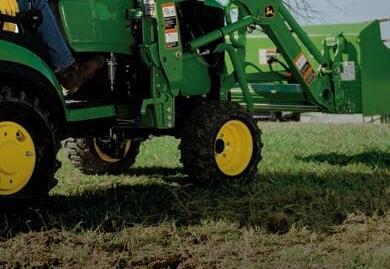
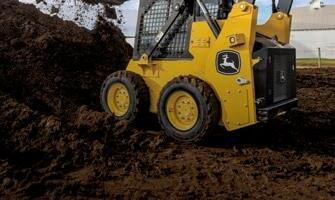
•S ingl ep ointloaderconnectionan de asil yc onnectandremovebackhoe
•Q uickl ya ndeasil yc hang es peedan dd irectionwithTwinTouchfoot c ontrolsan dH ydrostatictransmission(HST)
•A utoConnect™ m id-mowerdeckinstalls/removesinlessthan 5m ins
Financingonapproved John DeereFinancialcreditonly.Limitedtimeofferwhichmaynotbecombinedwithotheroffers.QID#335733641025Rw/loader,QID#33573380withloader/backhoe.
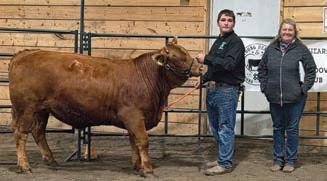
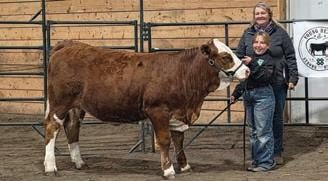
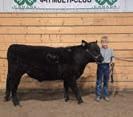
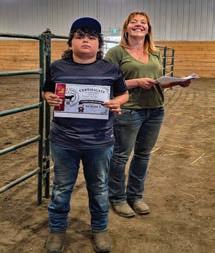
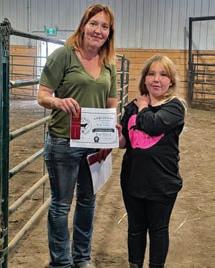
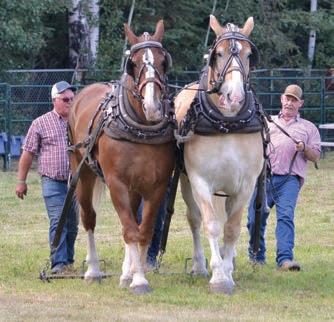
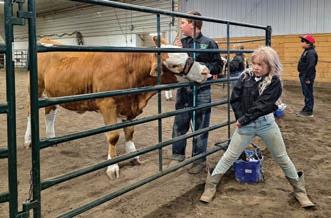
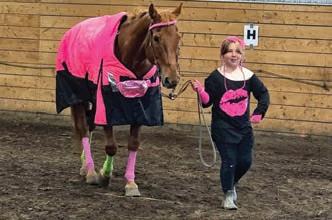
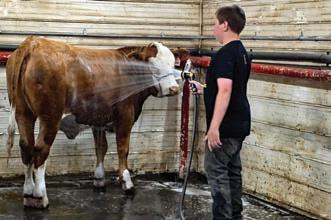
ADDLE CHAMPS 4-H AND YOUNG HEARTS AND STRONG HOOVES 4-H
Proudly serving the BC and Alberta Peace Region Since 1977
Do Best Management PracticesReduce Soil Compaction?Ea
Why Soil Compaction Matters
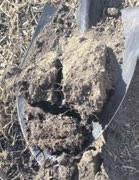
Soil compactiondegradessoils andisgloballyacknowledgedasoneofthe core limitations to agriculturalproductivity. Generally, soil compactionis characterized by greater mechanical resistance to rootpenetrationdue to highsoilbulkdensity and reducedsoil porosity i.e., densificationofsoil Soil compactionmay initiate naturally due to freezing-thawingand wetting-drying cycles, seismic-events, andanimaltramplingordue anthropogenicactivities with vertical forcesapplieddirectly to the ground, for example transportation, farm machiner y and commercial grazingetc. Thedegree ofsoilsusceptibility to compactionalsodependsonsite slopedegree, soil texture and timing. Typically, soil compactionlayers(plow pansor trafficpans) form at 4 to 12inchesdepths where they restrict root expansionand exploration,causingless water and nutrient uptakethat directly reducescropyieldpotential Peace Region’s commonclay-rich Luvisolicsoilsare typically known to be more prone to soil compaction compared to many othersoil types The region’s climatic conditions and extensive agricultural, forestr y and oilandgas operationsfurther exacerbate soil compaction due to the useof conventional tillagesystemsandheavy field equipment.
AltafHussain,North Peace AppliedResearch
Morerecently, producersinthe regionhave beenincreasingly reportingsoil compactionchallenges, specifically following wet har vest conditionsandprolongedspringfieldoperations. Thisis concerningbecause theclimate projections for the region forecastmore frequent andsevere rainfallevents combinedwithprolongeddr y periods These conditionsmake compacted soilsmore vulnerable Heavy rainfall and reduced water infiltrationalso resultin surface waterrunoff at a greater rate, leading to soil erosion Likewise, during drought conditions, crop resilience and productivity are severelyimpacted because ofthelimited rootpenetration to accessdeepersoil moisture. Therefore, to improve overallsoilhealth, enhance climate resilience, suppor t long-term sustainableagriculturalproduction, subsoil compactionisofcriticalimpor tance inthe Peace Region
What We Studied
To improve overallsoilhealth,physicalproperties,andaddresssoil compactioninthe Peace Regionof Albertaand British Columbia, Peace RegionLivingLab(PRLL) wasestablished.PRLLstudiesasuite ofseveral Best Management Practices(BMPs)thatintegratemultiple common regionalpracticesand testthemonactiveandoperational agriculturalfarmsacrossthe region.
At North Peace Applied Research Association(NPARA;oneoftheeightpartner groups), we hypothesizedthatthe incorporationoftheseBMPswill reducesoil compactionandpreventnew compactionfrom forming. Ourspecific objectives forthisproject includedthe following:
1. Measuringsoil compaction at threedifferentdepths(4,8and12inches)onfivedifferent sites, eachwith at least oneBMP compared to a controlorCheck(growerstandardprocedures).
3. ScreeningBMPapproaches to findthebeststrategies to alleviate subsoil compactioninthe Peace Region. Thefiveon-farmtrials were conductedinthe Peace Regionofnorthern Alber tainsummer2025. Soil texture ranged fromclayloam to heavyclaywhereassoil types rangedfromGray Luvisols to Dark Gray Chernozemsand were representativeofthepredominantsoils foundinthe region.Oneachfarm, we hadaBMPtreatedsite andapaired, adjacentornearby Checksite for comparisonthatwasmanagedaccording to thefarmer ’s standardprocedures.A replicationoftheBMPortreatmentwithineverysite wasnotpossibledue to thenature oftheprotocol,however, multiplemeasurementsordatapoints(n≥10per Treatment/BMPperdepth) were taken to account forwithin-field variability. The followingBMPs were tested by NPARAin collaborationwithPRLLonfivesitesduring2025:
•Site D2: Companioncropping(barleyandpea)plusadiverse, warm season covercropmixseededafterthe companioncrop. The covercropincludedspeciesselected for rootarchitecturediversity (taproot,fibrous, and rhizomatous types).
•Site D5: Perennial foragestand(mostlyalfalfaandmeadowbrome grass),established forthree yearsprior to measurement.
•SiteD6:Humicsubstanceapplication(humicandfulvicacids)inanannualcrop rotation,applied at recommended rateswithliquid fertilizer.
We usedSpotOnDigital Soil Compaction Meter, ahand-ope cm²and30-degreeangle to measuresoil compactiononallsites. to avoid confounding by recent traffic. We inser tedthepenetrometer andthedisplayedmaximum resistance was recorded at depthsof4,8and12inches,withthepenetrometer markedevery4inches for consistenc y. Aminimumof ten re spaced at least5metersapart to ensurespatialindependenc wasencountered.
Statistical Analysis
We conductedalldataanalysisinR ProgrammingLanguage(version4.2.1).Briefly, compactionandstandarderrorofmean foreachsiteanddepth BMP1,BMP2), we ranaone -way ANOVAwith TukeyHSDpost-hoc D6)thathad twotreatments (Check,BMP), we per formed significance to treatment groups with greenlettersindicatingstatisticallysigni lettersindicatingnon-significantdifferences. What We Found
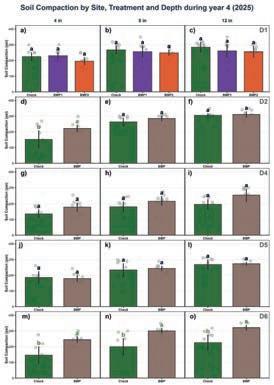
Resultsfromthe2025fieldseasonindicatedthatsoil compaction (Figure1).One -way ANOVA at siteD1showednostatisticallysignificantdi Check,BMP1,andBMP2 at anydepth(P>0.05; Figure1a, D2hadsignificantlyhigher compactionunderBMP at 4inchesonly(P=0.04; consistently exhibitedsignificantlyhigher compactionunderBMP remainingsite- depth comparisons, we didnotseeanysignificantdifferencesbet (P>0.05).
ahand-operated conepenetrometerwitha conebaseareaof1.27 mpactiononallsites. We collectedsoil compactiondataprior to seeding dthepenetrometer at a constant rate of2cm/second at eachpoint, depthsof4,8and12inches,withthepenetrometer ’s shaft replicate measurements were takenpertreatmentpersite, ialindependence, withadditionalobser vationsnotedwhenahardpan
mmingLanguage(version4.2.1).Briefly, we computedmeansoil reachsiteanddepth combination. ForsiteD1(threetreatments:Check, keyHSDpost-hoc comparisons. Forallothersites(D2,D4,D5,and ed Welch’s two-sample t-tests.Lastly, we assignedlettersof eenlettersindicatingstatisticallysignificantdifferences(p<0.05)andblack
mpaction rangedfrom50 to 350psiacrossallsitesanddepths dnostatisticallysignificantdifferencesamongthethreetreatments,i.e., b, c). Amongallothersiteswithonly twotreatments,site 4inchesonly(P=0.04; Figure1d).SiteD6ontheotherhand mpactionunderBMP at allthreedepths(P<0.05; Figure1m,n, o) Forall didnotseeanysignificantdifferencesbetweenBMPandChecktreatments
Figure1: Soil compaction(psi) by treatment, depth,andsiteafterone -way ANOVAwith TukeyHSD forD1or Welch’s t-test forD2,D4,D5,D6.Each rowofbar-graphs representsasite. Dataarepresentedasmeanswithstandarderrorof means. Rawdatapointsareshownassemi-transparent greycircles.Barswithonly greenanddissimilarsignificance letters(a, b) indicate significantdifferences(P<0.05). Figure was constructed by using raw, non-transformeddata.
Key Findings
1. TheeffectivenessofBMPsisa very siteanddepth-specific relationshipwithnouniversalsoil compactionsolution forall growing conditions.
2. Some companioncropsmaylead to soil compactionintheshort term
3. EvenprovenBMPssuchashumicacidsandperennialsmaylead to mixed results.
Discussion
Thispreliminaryinvestigationuseddata collectedduring2025 to assessif variousbestmanagementpractices (BMPs)influencedsoil compaction at 4,8and12inchesdepthsonfivediverselocationsinthe Peace Regionof Alberta. Contrary to expectations,our resultsshowedthattheefficiencyofBMPsinmodulatingsoil compaction was vastlysiteanddepthspecific. Thisisinagreementwithoneofourobjectives to seeifBMPtreatmentswillaltersoil compactiondifferentiallyacrosssoildepths. We expectthata comparisonwithdata collected overthepastthree yearswill revealadditionalinsights. Thecurrent trend wasmoreevidentand consistent at SiteD6wheretheBMP consistedofhumicandfulvicacids,andannualcrop rotation. Althoughhumicsubstancesaregenerally known for theirability to enhancesoilaggregationandlimitbulkdensity, theobser ved contradictory results couldbedue to severalotherfactors. For example,theapplication ratesandtiming couldhave beensuboptimal forthesoil texture at thesites. The exactmechanism by whichhumicsubstancesmayinfluence readingsfromtheSpotOnDigital Soil Compaction Meterisnotfullyunderstood.Onepracticaljustificationisthehumicsubstanceinducedmicrobial activityinthesoilthat couldlead to improved extracellularpolymericsubstances(EPS)production.EPSmaythen altersoilporesizeandstructure,soilaggregation,andthus, waterinfiltration. This couldnegativelyaffectSpotOn Digital Soil Compaction Meter readings, concealingany real variationinsoil compaction.
Similarly,siteD2wheretheBMP combined companioncropping(barley-peaintercrop) hadamoderatebutstatistically significantincreasein compaction at 4-inchsoildepth compared to Check(P=0.048). Thissurfacelimitedincreasein soil compactionmayindicate thatthe covercrop rootsystemsleftbehind rootchannelsthat collapsedafterthecrops were terminated, inadver tentlyleading to soil compactionduringsubsequent weathereventsandfieldoperations.
SiteD1wheretheBMPincluded companioncroppingwithabiostimulant(fulvicacid)andaureaseinhibitoralso showednodifferences at anydepth(P>0.05).Likewise,SiteD4wheretheBMPincludedswath grazingof covercrops withintercropping,andSiteD5withBMPincludingthree -yearperennial foragestanddidnot exhibitanystatistically significantdifferenceseither. These resultsaresurprising,especiallysite D5asperennial foragesaregenerally known to enhancesoilstructure, includinga reductioninsoil compaction. As acaveat,thecurrent resultsonlyshowone year ’s findings(i.e.,2025)fromonlyonespecificpartner groupunder PRLL. Thelimitednatureofthisdataset,particularlywithsmallsamplesizespersite- depth combinationfurtherlowers statisticalfreedom to revealadditionaldatatrendsandpossibledifferences. Also,theabsenceofanysite-specificpretreatmentevaluationslowersourability to associate our resultssolely to theBMP,particularlywhentheCheck were completelydifferent fields. Therefore, someofthesite-specific variableslikeorganicmatter,soil texture, anddrainage couldhave likelyadded to themixed responsesdetectedacrossourfivesitesduring2025.
Conclusions
NoneoftheBMPs testedinthisstudyled to adecreaseinsoil compactionin comparison to Check control. In fact, some BMPs were found to beassociatedwithanincreaseinsoil compaction(SitesD2andD6). Theapplicationofhumic andfulvicacids resultedinamore consistentincreaseinsoil compaction at allthreesoildepths. Theseunexpected outcomes warrantmeticulousBMPapplicationwithimprovingprecisionandaccurac y, timing,applicationmethods, andintegrationwithfieldoperations.A comprehensive, region-widestatisticalanalysiswilladdressdata-related challengesmore efficiently by applyingmore robustandthoroughstatisticalmodels to reliablyidentifyanyspatiotemporaldifferencesinsoil compactionanditsinteractionwithsoildepth. In thefuture, additional researchwith largersamplesizes,properbaselinemeasurementsbeforeBMPapplication,andlong-termmonitoringare required to furtherelucidate ourcurrent findings.
New Blue Book App Puts Farm Decisions In Alberta Farmers’ Hands
Alberta’s three largest crop commissions, Alberta Canola, Alberta Grains and Alberta Pulse Growers, have launched a new mobile app for Alberta’s Crop Protection Guide, better known as the Blue Book, giving farmers and agronomists convenient, on the go access to crop protection guidance.
Developed collaboratively by the three commissions, the Blue Book app is now available for download on Apple and Android devices. This launch follows feedback gathered in 2024, when producers and agronomists identified a growing need for a mobile-friendly version of the long-standing resource.
“This app is about putting practical, science-based information directly into the hands of farmers and agronomists when and where they need it,” said Alberta Grains chair Scott Jespersen. “The Blue Book has been a trusted resource for decades and this next step ensures it continues to support informed decision-making on farms across Alberta.”
The Blue Book has supported Alberta farmers since 1977, offering guidance on pesticide application, prod-
uct selection and farm safety. The new app builds on that foundation by improving accessibility while maintaining the reliability users expect.
“The Blue Book has evolved with the needs of farmers for nearly five decades, and this app is the next step in that evolution,” said Alberta Canola Chair Andre Harpe. “Moving to a digital format makes it even faster and easier for users to access important crop protection guidance in the field or on the go.”
At its core, the app features a comprehensive product database. It includes information on more than 700 registered crop protection products, including active ingredients, application details and direct links to product labels. Advanced search and filtering tools allow users to identify products based on pest, crop, product name or active ingredient.
Users can also compare products side by side to support decisions based on their cropping system and management goals. The app includes familiar Blue Book tools such as herbicide, fungicide, insecticide and seed treatment selector charts, along with guid-
ance on product use and best management practices.
“Crop protection decisions are increasingly complex and timing is critical,” said Alberta Pulse Growers chair Will Muller. “This app helps bring together the information farmers and agronomists need in one place so they can compare options and make confident, informed decisions for their operations.”
Designed for real-world farm conditions, the app includes offline functionality, ensuring access to critical information even in areas with limited connectivity.
The Blue Book is reviewed and updated annually with input from crop protection companies and industry experts, ensuring users have access to the most current information available. The app complements the print edition, which will continue to be produced and distributed.
The Blue Book app is available at both the Apple and Google Play App Stores for an annual subscription price of $20. More information can be found at albertabluebook.com. NH
Proudly serving the BC and Alberta Peace Region Since 1977
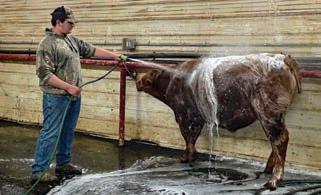
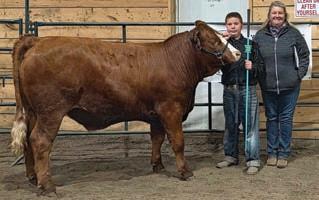
Wouldliketothankalltheindividuals, companies andorganizationsthatshowedtheirsupportof4-H by purchasingaprojectsteer at our
Bob Larson (rlarson@vet.k-state.edu) & Phillip Lancaster (palancaster@vet.k-state.edu)
K-State Beef Cattle Institute experts discuss cattle feeding and efficiency as well as trends that may become the new normal in the cattle industry
Today’s beef cattle are bigger than they were a generation ago, and according to Kansas State University experts, that shift may represent more than a passing cycle in the cattle industry. As producers face rising costs, changing technologies and evolving market demands, larger carcass weights are increasingly becoming part of the industry’s approach to efficiency and profitability.
In a recent episode of the BCI Cattle Chat pod cast K-State veterinarian Bob Larson and beef cattle nutritionist Phillip Lancaster explored how effi ciency in the cattle industry has evolved and what factors may continue shaping herd and carcass sizes moving forward.
“The way we think about efficiency has changed,” Larson said.
Historically, feed efficiency was often measured by how effectively cattle converted feed into live weight gain. Today, however, producers and industry lead ers are increasingly evaluating efficiency on a carcass basis rather than simply live animal weight.
Lancaster explained that while feed efficiency natu rally declines as cattle are fed to heavier weights, carcass performance tells a more complete story.
“We feed cattle heavier and heavier, and feed efficiency decreases over time,” Lancaster said. “But the proportion of gain that transfers to carcass changes. The decrease in feed efficiency actually improves when you look at it on a carcass basis instead of a live-weight basis.”
Larson added that economics also play a significant role in the push toward larger carcasses.
“One factor is the initial price of the animal itself and
spreading that cost over more pounds sold,” Larson said.
At the same time, cattle producers must balance numerous changing inputs, including feed costs, labor, time and environmental conditions.
“The complexity is that all of those inputs are always changing,” Larson said. “If you can put more pounds on a carcass before it goes to the packer, relatively speaking, many of the inputs remain similar. The question becomes whether the carcass eventually gets too large and creates challenges.”
Even with those concerns, Larson believes larger finished cattle are likely here to stay.
“I think this is probably the new normal,” Larson said. “I don’t see us going back to the finished cattle size we had 20 years ago because technology and management have changed.”
In addition to management and technology advancements, policy decisions may also influence future cattle production trends.
Larson pointed to the Conservation Reserve Program, commonly known as CRP, as one example. The federal program pays landowners to remove environmentally sensitive land from agricultural production and establish conservation practices such as grasses or trees.
“If you change policies like CRP, there are winners and losers in different parts of the country,” Larson said. “Those policies tend to have long-lasting impacts.”
Lancaster noted that feed costs are currently relatively favorable compared to cattle prices, which may create opportunities for expansion in some production systems.
“Feed is cheap right now compared to the price of cows,” Lancaster said.
He also discussed the importance of grazing management and the long-term sustainability of land resources.
“Managed grazing can be very beneficial for the landmass, but unmanaged grazing can create issues,” Lancaster said.
Looking ahead, Lancaster said evolving production models could also influence the industry, particularly as consumer demand for beef remains strong.
“I would be curious to see more dual-purpose operations with beef-on-dairy systems because consumer demand for beef is currently higher than milk,” Lancaster said.
As cattle markets, production systems and consumer demands continue evolving, Larson and Lancaster emphasized that producers must remain adaptable while balancing efficiency, profitability and sustainability. NH
Blondie Cattle Co. Montana Fogle, High Prairie, AB 780-402-4009
Dry Creek Ranch
Seth Harmon, Cecil Lake, BC 250-793-1858
Evans Cattle Company
Glyn & Stephanie Evans, Doe River, BC 250-467-2275
Hill 70 Quantock Ranch
Bill, Connor & Tes Creech, Lloydminster Bill 780-871-4947 | Connor 780-871-8496 Ted 306-307-2873 | Adam 780-218-4301
JayDawn Farms
Jason & Nikki McQuaig, Sexsmith, AB 780-933-5530
KSL Simmentals
Keegan Scorgie & Brad Smith Beaverlodge, AB Keegan 780-518-6572 | Brad 587-202-0254
Landaker Charolais Farm
Alan & Shirley Landaker, Brownvale, AB 780-618-3928
Chittick Farms
Raymond & Mona Chittick Mayerthorpe, AB 780-305-3925
Gold Stock Hereford Farms
Steve, Ashley & Brad White Beaverlodge, AB 780-518-0064 | 780-354-3190
Hill 70 Quantock Ranch
Bill, Connor & Tes Creech, Lloydminster Bill 780-871-4947 | Connor 780-871-8496 Ted 306-307-2873 | Adam 780-218-4301
Jonomn Hereford Ranch
Norm & Joanne Parrent, Clyde, AB 780-307-6586 | 780-348-5835 Mike Grimmeyer, Clyde, AB 780-307-3385
M.C. Quantock
Mac & Pat Creech, lloydminster, AB 800-561-2855
Rachido Ranch
Randy & Donna Chittick, Mayerthorpe, AB 780-674-1986
Reber's Polled Herefords
Serena & Kasey Reber, Woking, AB 780-518-2643
Whiskey Jack Black Herefords & Simmentals
Tamara & Darcy Kuriga, Whitelaw, AB 780-834-7108
LIMOUSIN
Dry Creek Ranch
Gordon & Carla Harmon, Cecil Lake, BC 250-793-2384
Excel Ranches
Ron & Barb Miller, Westlock, AB
Cody & Amy Miller, Westlock, AB 780-349-0644
Hillview Farms
Sturgeon County, AB
Raymond & Corine Verbeek 780-982-2176 | 780-939-2173
Colin & Tessa Verbeek Colin 780-982-1676 | Tessa 403-636-1066
Pinnacle View Limousin
Rob & Cheryl Swaan, Quesnel, BC
Erin & Eric Kishkan, Quesnel, BC Erin 250-991-6654
MISCELLANEOUS
ALBERTA
Barrhead Feeder Association Ltd.
Barrhead, AB | Office: 780-674-2456 office@barrheadfeeders.ca
Grande Prairie Feeders' Association Ltd. Grande Prairie, AB | Office: 780-538-1263 gpfeeders@gmail.com
North Peace Feeder Association Ltd. Berwyn, AB | Office: 780-338-2270 barhm@abnorth.com
Prairie River Feeders Co-op Ltd. Hi-Valley Beef Co-op
High Prairie, AB | Admin - Dee Parke Off: 780-523-4487 | Cell: 780-523-8888 prfc@telus.net
Westlock Feeders Association Ltd. Westlock, AB | 780-348-5850
westlockfeedersassociation@hotmail.com
BRITISH COLUMBIA
B.C. Breeder & Feeder Association Quesnel, BC | Office: 250-992-8483 bearvlly@telus.net
Central Interior Feeders Co-operative Assn Vanderhoof, BC | Office: 250-567-2049 audreycifca@gmail.com
North Peace BC Feeder Co-operative Dawson Creek, BC | Office: 250-782-8911 pcc@neonet.bc.ca
North Peace B.C. Bred Heifer Association
South Peace Bred Heifer Association Dawson Creek, BC | Office: 250-782-6272 pcc@neonet.ca.ca
Jennings Martin Direct Buying
La Glace, Alberta
Jennings Martin 780-933-1023
Thorsby Stockyards Inc.
Thorsby, Alberta Office 780-789-3915
Chance 403-358-0456 | Jeff 780-203-4953
VJV Livestock Marketing Group
Dawson Creek, BC Office: 250-782-3766
Beaverlodge, AB Office: 780-354-2423
Yancy Crosier 403-485-0887
VJV Livestock Marketing Group Westlock, AB Office: 780-349-3153
Travis Sekura 780-621-6841
VJV Livestock Marketing Group Ponoka, AB Office: 403-783-5561
Craig Jacklin 403-783-1453
VJV Livestock Marketing Group Rimbey, AB Office: 403-843-2439
Dean Edge 403-704-0280
Wembley Livestock Exchange
Glen Mayer & Nolan Mayer, Wembley, AB
Glen 780-897-9570 | Nolan 780-518-0709
Blazin" J Simmentals
SIMMENTALS
Darcy & Caitlyn Lind, Sunset House, AB D 780-536-5203 / C 780-552-4934
Blondie Cattle Co.
Montagneouse Creek Simmentals
Herman & Mark Giesbrecht, Worsley, AB 780-772-0488
Polar Farms
Norbert& JaniceLuken 780-835-3165
Email:njluken6@gmail.com
Montana Fogle, High Prairie, AB 780-402-4009
Clarkson Valley Simmentals
Kyle & Ashley Klassen, Crooked Creek, AB 780-933-8605
Clearwater Simmentals
Chad Smith, Olds, AB 403-586-4714
Joe, Lindsey, Riley & Kendal Loomis
Peace River Regional District, BC 250-784-5150
Rachido Ranch
Randy & Donna Chittick, Mayerthorpe, AB 780-674-1986
Rosefield Simmentals
Chet &Jamie Jans
BUILDING THEBEST
Crystal Springs Ranch
Eckbert & Crystal Weitzel
Georg & Sarah Weitzel Charlie Lake, BC 250-263-8237
D.A.M. Livestock Ltd.
David Michalchuk, Keg River, AB 780-987-0938
GB Farms
Garrett Biggelaar, Lacombe, AB 403-877-7661
James & Martha Wiebe, Prespatou, BC 250-630-2621
Short Grass Farms
Kurtis & Chelsie Dillabough, DeBolt, AB 780-402-9578
Sorenson Cattle Co.
Murray & Nicole Sorenson Teepee Creek, AB Murray 780-831-6332 Nicole 780-832-1189
WillowCreekSimmentals| CrookedCreek,AB
Simmentals| Mike &MariKlassen |(780)832-7343 Colby& TiffanyKlassen |(780)832-6714 willowcreeksimmentals@gmail.com
Albrecht Farms
Steve & Tammy Albrecht, Sprit River, AB 780-832-0883
Ryan & Tara Albrecht, Spirit River, AB 780-933-5448
Harvest Angus
Tom & Carolyn Dewaal, Prince George, BC 250-960-0022 | 250-562-5200
Hill 70 Quantock Ranch
Bill, Connor & Tes Creech, Lloydminster Bill 780-871-4947 | Connor 780-871-8496 Ted 306-307-2873 | Adam 780-218-4301
KIN-KIN Cattle Co.
Gary & Faye Chittick, Mayerthorpe, AB 780-786-4500
KMR Simmentals
Kent & Robin Malcomson, Grovedale, AB 587-298-5404
Kruger Farms
Ryan & Chelsea Kruger, Sundre, AB 403-586-0125
KSL Simmentals
Keegan Scorgie & Brad Smith Beaverlodge, AB Keegan 780-518-6572 | Brad 587-202-0254
Lazy S Ranch
Stewart Ainsworth, Mayerthorpe, AB 780-785-3136 or 780-786-4150
M.C. Quantock
Mac & Pat Creech, Lloydminster, AB 800-561-2855
M J Simmentals
Joe & Marianne Gingles, Beaverlodge, AB Joe 780-354-8842 | Cell 780-814-2567
Southpaw Cattle Company
Ron & Tammy Daley, Carstairs, AB Brandon & Shallaine Sharpe, Carstairs, AB 403-519-3401
Swantewitt & Sage Simmentals
Yellowhead County, AB Gerd 780-712-2096
Jordan 780-712-3600
Tri K Cattle
Beaverlodge, AB
Keiran Hodges 780-933-5637
Keith Hodges 780-831-7999
Whiskey Jack Black Herefords & Simmentals
Tamara & Darcy Kuriga, Whitelaw, AB 780-834-7108
Willowdale Simmentals
Dale & Judy Smith and Family Valleyview, AB Dale 780-558-9337 | Kent 780-721-1109
Wolfe Farms
Tony Wolfe, Valleyview, AB 780-524-9322
Wolfe Lake Farms Inc.
Olin Rosvold, La Glace, AB 780-518-1997
Wolfes Fleckvieh
Shane & Shannon Wolfe, Sundre, AB 403-556-0729
The Canadian Food Inspection Agency Implements Disease Control Measures To Prevent Spread Of New World Screwworm
Canadian Food Inspection Agency, June 5, 2026
Following a confirmed finding of New World screwworm in a calf in Texas, the Canadian Food Inspection Agency (CFIA) announced today that it will implement temporary import restrictions on livestock, including horses, from entering Canada from affected areas. Animals that originate from or were present in the State of Texas within 21 days prior to border crossing will not be accepted into Canada. Several U.S. states have also taken precautionary actions to mitigate the risk of spread. The CFIA will continue to work closely with U.S. counterparts to assess developments and adjust measures as needed.
The flesh-eating larvae of this parasitic fly threatens the lives of its host animals. While our colder climate is not hospitable for the long-term establishment of the fly in Canada, they can survive shorter periods of time in the summer months. Taking this action now is an appropriate risk mitigation measure to prevent its introduction and protect animal health.
Animals owners and veterinarians are encouraged to be on the look out for signs of screwworm infestations in livestock. A wound that worsens over time and is accompanied by discharge or foul odour is also usually observed. For Canadians travelling to Texas with
their companion pets, they are encouraged to remain vigilant and inspect their pets regularly for any signs.
In Canada, New World screwworm is an immediately notifiable disease under the Health of Animals Act. Owners should contact their veterinarian if they suspect signs of New World screwworm as identification of the fly can be confirmed only with laboratory testing. Laboratories are required to contact the CFIA regarding the suspicion or confirmation of infestation.
QUICK FACTS
• The New World screwworm is a parasitic fly whose larvae (maggots) eat the living tissue of warmblooded animals. When screwworm fly larvae (maggots) burrow into the flesh of a living animal, they cause serious, often deadly damage.
• Screwworms can infest livestock, pets, wildlife, occasionally birds, and in rare cases, people.
• New World screwworm is not found in Canada and cannot survive winter temperatures in Canada. The flies prefer hot, humid environments with an air temperature between 25-30 degrees Celsius.
• It is endemic to South American and Caribbean countries.
• Mexico has reported cases of New World screwworm as well. Currently, Canada does not allow the importation of cattle, bison, sheep, goats, cervids and swine from Mexico and stringent import conditions are in place for import of horses from Mexico to prevent introduction of animal disease into Canada. NH
SADDLE CHAMPS 4-H AND YOUNG HEARTS AND STRONG HOOVES 4-H
not available$8.24($0.00 )$8.33 ($0.00) July2026notavailable$8.27($0.00 )$8.36 ($0.00) August2026 not available$8.29($0.00 )$8.34 ($0.00) September2026 not available$8.18($0.00 )$8.22 ($0.00) October2026 not available$8.18($0.00 )$8.22 ($0.00) November2026 notavailable$8.10($0.00 )$8.14 ($0.00)
Alberta Canola Producers Commission(http://dashboard.albertacanola.com/reports/weekly-grains)
6 Ways To Optimize Your Fungicide Application This Season
As you prepare for fungicide applications this season, ensure your application process is as effective as possible with the six tips below from our team of FBN® agronomists.
1. BE SPECIFIC IN YOUR FUNGICIDE SELECTION
There are currently more than 200 different fungicides available around the world. With so many options, how do you know if you’re choosing the right one?
When selecting a fungicide for your needs, choose an active ingredient that gives the best performance rating for the disease you are trying to control.
For farmers in the U.S., Group 3 fungicides, such as Willowood Propicon 3.6EC, are considered to be a curative fungicide. Alternatively, applications with a Group 11 fungicide, such as GCS Azoxy 2SC, can help create a protective barrier before plant diseases are present.
For farmers in Canada, Group 3 fungicides like FBN Tebuconazole 250 or FBN ProTEB 250 EC offer a great level of suppression for fusarium in cereals as compared to group 11 fungicides. Similarly, Group 3 fungicides like Prothio 480 SC will provide excellent control on sclerotinia in canola or white mold in soybeans and lentils.
On the other hand, Group 11 is still the best to handle earlier disease in pulses such as Anthraconose in lentils or ascochyta in peas. That’s why FBN Azoxy 250 SC or Preach Fungicide are great choices for the first fungicide pass in pulse crops.
2. UNDERSTAND TIMING FOR SPECIFIC CROPS
Timing is critical for fungicide applications. If you apply too early, the crop misses the benefits of disease resistance; if you apply too late, it can be difficult to control diseases that are already present.
Research from the University of Kentucky revealed the ideal fungicide application timing for optimal corn yield response is between tasseling and silking (VT - R1). In contrast, Iowa State University research demonstrated that yield response when fungicide is applied at R3, pod formation, is nearly double that of R1 for soybeans.
3. PLAN AROUND WEATHER AND TEMPERATURE CONDITIONS
For optimal fungicide absorption, time fungicide application during cooler temperatures and dry conditions. For example, an early morning application is preferable compared to the mid afternoon because leaves grow increasingly dry over the course of the day as temperatures rise.
While it’s a bad idea to apply fungicide too close to when rain is expected, a little bit of overnight dew can actually help redistribute the fungicide across the plant.
4. REDUCE PHYTOTOXICITY WITH SELECTIVE TANK MIXING
Fungicides aren’t always great tank mixing partners. Incompatibility, or the physical prevention of pesticides from mixing together in a spray solution, can lead to reduced effectiveness or even phytotoxicity. This is typically caused by the combination of pesticides used, water impurities, or water temperature.
To avoid this risk, follow the label on what should and shouldn’t be mixed with the particular fungicide you are planning to apply.
5. INCREASE WATER VOLUME
Fungicides need to get full coverage of the plant they’re being applied to, especially on corn. To ensure maximum coverage, opt for a higher rate of water, such as 15-20 gallons of water per acre. Always read and follow label instructions before making an application.
Also remember that using quality water when spraying is key to maximizing your chemical and improving results on the ground.
6.
BOOST EFFECTIVENESS WITH CROP NUTRITION PRODUCTS AND ADJUVANTS
To strengthen crops, improve spreading, and increase plant uptake, crop nutrition products and adjuvants can be great additions to your crop protection plan.
Farmers in the U.S. can use Atarrus™ to maximize plant health and energy as crops transition from a
FBN Network, Jun 10, 2025 Proudly serving the BC and
vegetative to reproductive stage. By enhancing photosynthesis, nitrogen assimilation, and root growth, Atarrus can protect against late season stress and help maximize yield.
Also consider adding IN-Zorb™ ADV, a plant safe, aquatic safe, non-ionic surfactant designed to enhance coverage and plant absorption. By reducing the surface tension of droplets, In-Zorb ADV enables more uniform spreading during sprays. (This surfactant does not include APE or NPE, both of which have been associated with Arrested Ear Syndrome.)
To reduce off-target drift, use FieldGrip™ DRA. A high-concentrate emulsifiable deposition aid and drift management adjuvant, FieldGrip DRA can be used with most pesticides and spray nozzle types. Its APEfree formula is designed for use with herbicides, fungicides, and insecticides.
Farmers in Canada can use Blossom SP derived from calcium silicate technology, which increases cell wall structure and integrity. This helps strengthen resistance to disease and insects as well as promoting the uptake of phosphorus and other nutrients. It will also improve reproductive growth and increase resistance to extreme hot and cold temperatures.
None of FBN’s fungicides require any additional surfactant, but if you are spraying a group 3 fungicide using an aerial applicator, consider adding Icon® or Falcon®, non-ionic surfactants designed to enhance plant absorption. By increasing the absorption rate, Icon or Falcon will reduce the effect of quick evaporation of the spray droplets on the plants. Falcon also works as a deposition aid and a drift management adjuvant. NH
Molybdenum
GRAINFUTUREREPORT
A Record Intake! BC Hydro Agricultural Fund Hits Milestone with Largest Intake to Date
www.bcpeacefund.ca, March 25, 2026, PEACE RIVER REGIONAL DISTRICT, B.C.
The Board of Directors for the BC Hydro Peace Agricultural Compensation Fund (Ag Fund) has approved a record number of projects in its first 2026 application intake, marking the strongest single intake through regular funding streams since the program began in 2019. In total, 20 projects were approved for $531,315 in funding. The next application intake will open July 2, 2026, and close August 28, 2026. Highlights from this intake include the following:
$46,940.00 for Franklin & Co. Flower Farm – Franklin & Co. Flower Farm will be undertaking an infrastructure upgrade to expand cut-flower production capacity and improve climate resilience in Northern B.C. Due to the Peace Region’s short growing season combined with unpredictable weather patterns, the flower farm will be installing hoophouses, a heated greenhouse and upgraded irrigation and on-site water storage systems to reduce climate-related challenges, expand its growing season and create opportunity for on-farm zinnia breeding activities and applied trials.
$5,000.00 for Peace Country Stock Dog Association – The Peace Country Stock Dog Association will deliver four practice sessions and one stock dog clinic in Winter 2026/2027, providing valuable training opportunities for stock dogs and their handlers across the region. The Association aims to promote the use of stock dogs as an effective tool for managing livestock while supporting skill development
among handlers. These sessions and the clinic will help support the continued use of stock dogs in agriculture operations throughout the Peace Region. Grant funding for the sessions and clinic are through the Ag Fund’s Events and Educational Initiatives funding stream and will help organizers reduce costs to attendees.
$20,190.00 for Whiskey Creek Ranch Ltd. – The This Ain’t No Yolk: Boosting Efficiency, Marketable Eggs, and Reclaiming Farmer Time project will equip the farm with a commercial-grade egg washer and dedicated housing unit to improve productivity and reliability. The need for new equipment was realized after a previous Ag Fund project which allowed the company to increase egg volumes by expanding to 399 laying hens. By reducing egg washing time by approximately 93%, the project will streamline operations, improve efficiency, and support consistent, high-quality output. The upgraded infrastructure will also enhance food safety and biosecurity practices, lower labour requirements and enable greater access to markets for certified organic eggs produced in the region.
The $20 million Peace Agricultural Compensation Fund was established by BC Hydro as part of the Site C project to support sustainable agriculture and agrifood economic activity in the Peace Region. Through a range of funding programs, the fund supports innovation, strengthens infrastructure and creates long-term opportunities for local producers. Since its inception, nearly $5.5 million has been invested across 153 agriculture-related projects in the Peace Region, including $2 million delivered through the Impacts and Opportunities Initiative.
QUOTES
Rick Kantz, Chair, Ag Fund
“This record-setting intake reflects both the strength of the agricultural sector in the Peace Region and the growing demand for targeted investments that support producers. From infrastructure upgrades to skills development, these projects are helping build to resilience, improve productivity and create long-term opportunities for agriculture across the region. It was an energetic and inspired meeting when we approved all of these projects and we look forward to seeing their implementation.”
Cory & Peter Franklin, Owners and Founders, Franklin & Co. Flower Farm
“We’re truly grateful to be selected for this funding. Farming in the Peace requires resilience and creativity, and this support gives us the ability to extend our growing season and grow more consistently. It’s an exciting step forward, not just for our farm, but for local flowers in our region.”
Talon Gauthier, Secretary, Peace Country Stock Dog Association
“We’re really looking forward to bringing people together through these sessions and the clinic. There’s a strong interest in building skills and sharing knowledge, and this support allows us to create opportunities for handlers to learn, connect, and strengthen the role of stock dogs in local agriculture.”
Gaston & Michelle Schaeffer, Owners, Whiskey Creek Ranch Ltd.
“Our project, This Ain’t No Yolk: Boosting Efficiency, Marketable Eggs, and Reclaiming Farmer Time, will be a game changer for our operation and reflects the chal-
lenges many producers face: balancing the demands of growth while maintaining a sustainable work-life balance. This project is no small crack at the problem. Reducing the time spent washing eggs through the adoption of state-of-the-art technology will make a meaningful difference across our operation while helping us maintain high standards for food safety and quality as we continue to grow.”
BC Peace Agriculture Fund - March 2026, Intake 1
Proponent / Application Name
Bovee Ranching Ltd.
PW Farms Ltd.
East Groundbirch Cattle Co.
SADDLE CHAMPS 4-H AND YOUNG HEARTS AND STRONG HOOVES 4-H
farmer gives testimonial how they were victim of cyber fraud
Greg Price, Glacier FarmMedia
Farmers have enough to worry about. Losing their money to a scammer after a hardearned harvest should not be one of them.
Between 2019-24, the Canadian Anti-Fraud Centre reported a staggering 600 per cent increase in dollars lost.
“We have to accept that fraud isn’t going anywhere, and it’s a part of the financial landscape for our future. It’s no longer a matter of if you’re targeted, but when you’re targeted,” said Aisha Kitchlew, senior manager of fraud investigations with ATB Financial, at the Potato Growers of Alberta south regional meeting in Taber, adding that 75 per cent of all fraud cases are cyberrelated, with $481.6 million in losses in 2024 for Canada.
WHY IT MATTERS
Cyber fraud affects every industry, including agriculture, with Canadian cyber fraud reaching the hundreds of millions in lost capital.
Bad grammar, funky fonts and Nigerian princes are red flags of the past. Today’s threat is phishing, which is how 91 per cent of all successful cyber attacks start.
Nowadays, AI is used to key on emotional manipulation to stress excitement, urgency or fear to click on malicious links. The COVID pandemic saw a surge of fraud targetting the Canadian Emergency Response Benefits, as Canadians feared for their finances.
“People were extra vulnerable to these phishes, and a lot of people did fall for them. Fraud actors have no moral compass,” said Kitchlew. “They don’t care if you’re a struggling family or a small family business
OpenAcreIndustriesLtd.
trying to make payroll, they will steal from anyone.”
Phishing is aided by search engine poisoning, a technique used to increase the position of their malicious websites, making them look more authentic to users. It uses social engineering to trick the human mind into thinking the top results after a quick search are the most legitimate. It lures users into providing confidential information without looking closely at their search results, leading to credential theft, malware infections and financial losses.
“Fraud actors can create clones of trusted sites and pay for those clones to be the top search engine result. When you Google it, because they’re the top result, users are a lot more likely to click on it, and when you do, it’ll take you to a site that looks very real. Looks a lot like your legitimate online banking site, but the URL will be different,” said Kitchlew, with the fraudster then immediately using the information over to the legitimate web site to empty your account.
She encouraged slowing down and doing your research. Look for unusually long or misspelled URLs. Be cautious of repetitive pop ups asking you to download software, or your SSL certificate, or asking for information the process usually did not before. If the URL has HTTPS, the ‘S’ stands for secure.
When you go to download an app, check to see how long it has been on the site. Check the ratings and reviews before downloading. If you cannot use an app, bookmark the legitimate website and always access the site through your bookmark, avoiding using search engines to locate sites.
“Do not provide your (two-factor authentication codes) to anyone. No one, none. I don’t care who they say they are, do not give them your two FA code that might be the access to your online banking, They can do damage very quickly,” said Kitchlew.
Email compromise is the most commonly-used fraud, and is prevalent in the agricultural sector which uses multiple vendors. Tailored to specific targets, after researching a company, the scammers impersonate people you trust, be it a vendor, a lawyer, maybe
your CEO or business owner. Because it’s so targeted, it’s the most costly type of fraud businesses are facing today, with numbers that can reach six or even seven digits. All the fraud actor needs is a victim and an email address to send the request.
They will slighly spoof a legitimate email, hoping the recipient does not notice. Maybe a lower case ‘l’ is replaced by an ‘I’, an ‘O’ is replaced by a zero or an extra letter added at the end of a legitimate site.
“They want to see who works for you, who has the power to move money or change confidential information. They’re looking for one target to impersonate and another one to manipulate,” said Kitchlew. “They look for recent or upcoming events and leverage that against you. For example, an employee who posts about going on holidays means the business may be short staffed or someone less experienced might be filling in.”
“You need to enforce the golden rule, always verbally verify if a vendor asks to change banking information or contact information via email. Pick up the phone and call a known number, never use the phone number provided in the email making the request,” she continued.
A producer in the crowd was brave enough to share a story of such e-mail compromised fraud in the crowd. A year-and-half-ago, the potato grower lost $80,000. An employee from there was on holidays and the spoofed e-mail looked strikingly similar, with slight changes to fonts, etc. The producer admitted he was distracted, attending a potato show in Belgium at the time, and his red-flag monitor was off.
The grower was not alone. In 2020, Shark Tank judge Barbara Corcoran lost $400,000. Fraud actors spoofed her assistant’s e-mail address, and sent a request to her to send money for a renovation bill.
“The bookkeeper sent funds without taking any steps to verify the request, and she lost that money. No fancy tools, no special software, just social engineering,” said Kitchlew.
ATB has banking and fraud prevention tips along with a Fraud First Aid Kit. NH
SADDLE CHAMPS 4-H AND YOUNG HEARTS AND STRONG HOOVES 4-H
FRAUD PROTECTION CHECKLIST FOR YOUR FARMING OPERATION: (PRACTICAL DAILY HABITS)
1. Before You Click or Pay
• Pause before clicking links or opening attachments in emails/texts.
• Never log in via links in emails; I type the URL or use a bookmark.
• For any request involving money or changing banking/contact info. Call a known number (not from the email) to confirm (“verify by voice”).
• Treat urgent, emotional, or pressure-filled messages as red flags.
2. Email & Business Payments
• Have a written process for: Approving large payments.
• Verifying vendor banking changes by phone.
• Staff are trained to:Check for slightly altered email addresses.
• Question unusual tone, grammar, or urgency.
• Use: Allow-lists for trusted vendor emails (where supported).
• Use authenticator apps, not SMS, wherever possible.
• Know the warning signs: Phone suddenly in SOS / no service where I usually have coverage.
• Unexpected messages about SIM or account changes.
5. Devices, Networks & Wi Fi
• Computers and phones: Have automatic updates turned on OS, browser, apps).
• Run reputable security/AV software (if appropriate).
• Home/office network: Has a guest network for smart devices (TV, thermostat, etc.).
• Keeps work/banking devices on a separate, primary network.
• On public Wi Fi, I: Use a VPN for any sensitive work or logins.
• Avoid doing banking if I’m not on a VPN.
6. QR Codes, Cables & USBs
• Check the URL before opening any link from a QR code.
• Avoid scanning codes that look tampered with or out of place.
• Only use my own charging cables and adapters.
• Never plug in unknown USB sticks or cables into my devices.
7. Checks & Payments (If You Use Cheques)
• Actively migrating vendors from cheques to: EFT / electronic payments E-transfers where appropriate
• Blank cheques are stored in a locked cabinet or safe if you use cheques. Have a separate “cheque-only” account with limited funds.
Review accounts daily, not just at month-end.
8. Social Media & Information Sharing Profiles are set to private where possible.
• Limit public posting of: Travel/holidays in real time
• Detailed work roles and internal processes
• We have (or plan to create) a basic social media policy for staff.
9. Incident Response – If something feels wrong, know the immediate steps:
• Stop the bleeding: freeze accounts, stop payments if possible.
• Isolate affected devices and disconnect from Wi Fi/internet.
• Notify your bank, the Canadian Anti-Fraud Centre and the police, if needed
• After any suspicious event: Change passwords and review MFA.
• Inform relevant staff and review what happened.
Safeguard Animals From Wildfire Danger
Texas A&M University (www.tamu.edu), June 2, 2026
Rural, wide open spaces offer a peaceful life — except when the smoke and amber glow of a wildfire loom on the horizon. Whether a wildfire is quickly approaching or has ignited nearby, large animal owners must be prepared to protect their horses and livestock.
Dr. Kyle Johnson, a clinical assistant professor and Veterinary Emergency Team faculty member at the Texas A&M College of Veterinary Medicine & Biomedical Sciences, discusses methods to protect your herd and homestead against wildfires and how to safely evacuate animals during an emergency.
ENVIRONMENTAL SAFETY
Creating a protected and fire-conscious environment is key in slowing down or deterring a wildfire from reaching the large animals and structures on your property. Property owners can do this by approaching fire safety in “zones.”
“Implementing features incompatible with fire growth can give owners vital time for evacuating livestock,” Johnson said. “The goal is to create a
defensible space around a barn in case of an approaching fire.”
The first zone — called the immediate zone — is the first 5 feet around the barn or structure; this area should not contain any flammable materials, such as plants, firewood, and propane tanks.
Other tips to keep in mind for the immediate zone include:
• Keeping a structure’s roof, particularly shingles, in good repair to prevent hot embers from igniting it
• If present, keeping gutters clean and free of flammable debris
• Regularly removing cobwebs from the structure
• Ensuring electrical systems, fans, and lights are kept in working order
“Next is the intermediate zone, which is roughly 5-30 feet from the barn,” Johnson said. “In this area, landscaping choices and routine maintenance can greatly reduce wildfire risks.”
Tips to keep in mind for the intermediate zone include:
• Choosing fire-resistant, droughttolerant plants
• Using nonflammable groundcovers like stone or gravel instead of mulch
• Keeping grass mowed to less than 4 inches and pruning tree limbs
• Ensuring tree canopies do not extend to within 10 feet of a structure
“Finally, the extended zone extends up to 200 feet past the intermediate zone,” Johnson said. “In this area, your goal should be to limit a wildfire’s path
to a structure by removing dead trees and ensuring that there is sufficient distance between neighboring trees.”
The Texas A&M Forest Service is a great resource for information about fire resistant landscaping and how to create defensible space; they also maintain both a current wildfire status webpage as well as an incident viewer tool.
“It’s important to be aware of fire
conditions in your area,” Johnson said.
“These tools can help ranchers and horse owners know their area’s current fire risk and allow them to see actual fire incidents in their vicinity.”
EVACUATION EFFORTS
Despite having fire-resistence efforts in place, some wildfires may rage past defenses and infiltrate structures on your property, making evacuation necessary.
When evacuating animals from within a barn, Johnson recommends calmly but quickly haltering and leading them toward a secure pasture out of the fire’s path or off the property altogether.
Wildfires may also blaze through pastures full of horses and livestock, which can present additional challenges.
“When faced with a wildfire, animals will follow their natural instincts and move away from it,” Johnson said. “When an animal is pastured, however, their ability to move away is limited.”
Evacuation is the best option, but it is not always possible — wildfires are unpredictable and can move quickly across open terrain.
“In an emergency situation, many ranchers will cut fences to allow horses and cattle to move away from the fire,” Johnson said. “It’s important to speak with your neighbors to create a hypothetical plan, as the best option may be cutting a fence to allow animals to move onto a neighbor’s property.”
It’s best to avoid cutting fences that allow livestock access to roads, as this creates a hazard for both the animal and drivers.
IDENTIFYING OWNERSHIP
Once the wildfire has subsided, the next battle may be locating dispersed animals — a task made easy if they have an identifier.
“It’s critical for horses and livestock to have proper permanent identification — like microchips, tattoos, or brands — before disaster strikes so they can be returned back to their owners once the emergency is over,” Johnson said.
“There are also a variety of non-permanent forms of identification, both commercially available and homemade, that owners can use, including halter tags, plastic neck or ankle bands, and using shoe polish or spray paint to mark animals with a name or telephone number,” he said.
If ear tags or cattle brands are used, it’s important to properly register them with the county, if such a program is in place.
In addition to identification, it’s helpful to take photos of horses from all sides to ensure they are returned to their rightful owner post-disaster.
In the midst of a wildfire emergency, horses and livestock depend on their owners to have a formidable plan to ensure their safety and well-being. Wildfire preparation is not a suggestion; it is a lifesaving necessity to shield animals against flames that may reach their home. NH
Keep Canola Bins
alathion residue can linger in bins for months after treatment and can be transferred from the bin to canola seed, putting marketability at risk. Canola found with malathion residues is unacceptable for export customers and can damage Canada’s reputation as a trusted supplier of high-quality canola.
Reduce the risk of contaminating your harvest by planning storage requirements accordingly — never use malathion to prepare canola for storage or treat bins in which you plan to store canola.
Malathion can be used to treat cereals and other non-oilseed grains in bins that have been contaminated with insects. Any grower doing so should record the date of treatment and must not use that bin to store canola in this growing season.
The Canola Council of Canada recommends growers also follow these storage procedures to protect the quality of your crop:
• Clean bins thoroughly prior to storing your crop.
• Only use approved bin treatments (e.g. diatomaceous earth) prior to storing canola.
• Condition crops to moisture and temperature levels safe for long-term storage.
• Keep bins cool, dry and well-ventilated and check their condition regularly.
• Make sure your storage bins are free of treated seed and animal protein like blood meal and bone meal.
Practice safe storage and keep malathion out of your canola bins to protect your investment and help keep markets open for all. NH
Generally when it is said that groundwater is of good quality, it is considered to be safe for human and animal consumption, taste good, has no colour or odour and is not chemically “very hard” (very high concentrations of calcium and magnesium).
Water quality testing will determine the health and safety of a water supply and the results will reflect the quality of the natural environment within the capture zone of the water well and may be reflective of land use in the immediate vicinity of the source.
Groundwater acquires the water quality characteristics of the geological materials it passes through, by dissolving chemical constituents (iron, manganese, calcium, magnesium, sulphate, nitrate, arsenic, etc.). To ensure water is safe for use, water quality tests generally assess the following:
• Physical Characteristics (colour, pH, sediment)
• Chemical Characteristics (iron, arsenic, calcium, magnesium)
Rural water well owners must accept the responsibility of monitoring the quality of water and maintaining the integrity of their well and distribution systems. Agricultural producers should ensure the water quality is safe for its intended use (livestock, irrigation, dairy, food processing, domestic use). Local health departments can assist in selecting tests important for assessing a domestic water supply.
WATER
QUALITY TESTING
It is highly recommended that bacteriological analysis and chemical analysis should be performed whenever a new water source is constructed or when purchasing a new rural residence with a private water supply. These tests should also be performed before and after any well restoration work or when a change in water quality is noted. However, a single water sample often does not provide enough evidence that a water supply is safe from contamination.
Groundwater quality must be tested regularly, as water quality varies over time. Ideally, rural agricultural wells should be tested in the spring and fall, after a major
weather event or after alterations to the well or distribution system to ensure the water is safe for its intended use (livestock, irrigation, dairy, food processing, domestic use). For rural water wells that are not under the direct influence of surface water, it is important to consult with your local health or environment department for further guidance to develop a sampling regime for bacteriological analysis and routine chemical analysis specific to the intended use of your groundwater supply.
WATER QUALITY GUIDELINES AND STANDARDS
Water quality standards for drinking water vary from country to country. In Canada, the Canadian Council of the Ministers of the Environment (federal and provincial) establish the Canadian Environmental Quality Guidelines for the protection of agriculture, aquatic life, environmental resources (water, soil), and the protection of human health. Health Canada, working with provinces and territories, establish the Guidelines for Canadian Drinking Water Quality (GCDWQ). Provincial governments establish guidelines and/or regulations for public and private drinking water supplies. The GCDWQ are determined based upon an estimate of the concentration of a constituent that a person could ingest safely over a lifetime, based upon available toxicological information and allowance for a considerable safety margin.
Water quality is important for many agricultural water uses including food processing, dairy and milk production, livestock watering, irrigation, wash water, heating, animal misting and pesticide application. Federal and provincial water quality guidelines provide information on the water quality required for specific agricultural uses. Many commercial laboratories offer test packages that are tailored to a particular agricultural application.
The Rural Water Quality Information Tool developed by Alberta and Canada is an online tool to assist in the assessment of the quality and suitability of raw water sources for privately owned and operated rural and agricultural water supplies.
MEASUREMENT AND REPORTING
When you have your water tested, the laboratory will provide you with the concentrations of the parameters (mostly dissolved minerals) that were analyzed. Concentrations will generally be shown in:
• mg/L = milligrams per litre or parts per million (ppm)
• Sometimes smaller concentrations are reported in:
• µg/L = micrograms per litre or parts per billion (ppb)
Parameter specific maximum numbers are based upon Canada’s GCDWQ and provincial regulations and guidelines. Maximum Acceptable Concentrations (MAC) are related to health and safety and Aesthetic Objective (AO) guideline numbers indicate desirable levels of odour, taste or colour. The laboratory report may also indicate parameters that are either not detected or are below a detectible limit.
If you have your water tested for microbial indicators you should discuss the results with a public health official to better understand the process, the results of the test, and any potential implications.
PHYSICAL AND CHEMICAL CHARACTERISTICS
Physical characteristics of water may be assessed in a laboratory analysis; however, these are best determined at source. A change in taste, colour, turbidity or odour from a groundwater source can indicate that contamination of the supply is occurring or that nuisance bacteria such as iron-related or sulphate-reducing bacteria are present. A routine water quality analysis of groundwater for domestic use generally measures the concentration of the main chemical constituents and is reported as total dissolved solids (TDS). Some of the commonly tested parameters include calcium, chloride, iron, manganese, fluoride, magnesium, nitrate, sodium and sulphate. Provincial agencies provided recommended acceptable concentrations of these various parameters. Some water quality parameters of concern for human health, if the recommended limit is exceeded, include nitrates, arsenic, selenium, sulphate and sodium.
• The Health Canada guideline for nitrate + nitrite is 45 mg/L as Nitrate) or 10 mg/L Nitrogen as nitrate. The Maximum Allowable Concentration for nitrate has been established to protect the most vulnerable consumers, who are infants under six months of age or adults with abnormal stomach enzymes, from developing methemoglobinemia.
• Arsenic MAC guidelines are under constant review and have been lowered to 0.010 mg/L and possibly to 0.005 mg/L in the future. Toxic effects include skin lesions, nervous system disorders and cancer.
• Selenium toxicity may result in health effects to internal organs and the nervous and circulatory systems.
•Fluoride between 1.0 and 1.5 mg/L can be beneficial for the prevention of tooth decay however above this amount there is the tendency to cause tooth mottling and excessive amounts may lead to skeletal damage.
• Sulphate concentrations in excess of the recommended guideline may have a laxative effect on new users and high levels of sodium may be a concern to people suffering from hypertension.
For the remaining parameters, which have recommended guidelines, excess concentrations may lead to staining, taste, odour, scaling or other problems, but generally will have no effect on user health.
BACTERIOLOGICAL CHARACTERISTICS
Coliforms
Coliform bacteria are a frequently tested parameter. The Total Coliform test, if positive, indicates the possible presence of pathogenic organisms in the groundwater. This may also show that surface water is entering the well, because these organisms are also present on vegetation and in the soil.
Most coliform bacteria do not cause disease, but are used as an indicator organism to indicate the potential presence of disease-causing micro-organisms in the water. The absence of coliform in the sample leads to the assumption that the water is microbiologically safe to drink. An expansion of micro-biological monitoring may logically follow detection of the indicator bacteria in a water sample.
Additional monitoring
In order to consider additional monitoring of groundwater quality, a significant change in the condition of the water is usually required. A change in activity or an accidental spill (fuel, chemicals) in the vicinity of the well can also trigger a higher degree of monitoring. For example, a routine test of electrical conductivity or TDS may show a significant increase over earlier samplings, creating a need for expansion of the number of parameters tested as a follow-up.
Changing colour, taste, odour or turbidity of the water likely indicates a change in water chemistry or bacteriological quality. NH
PLEASE RECYCLE THIS NEWSPAPER
forKen& LucilleBasarab,Valleyview, AB June22nd,2026toJune25th,2026
DirectionstoBasarabFarm: 1MileNorthofValleyviewonHwy49, then 1MileEaston669,then1.5MilesNorthonRangeRoad221
Sea-To-Sky Surveillance Project Highlights Need To Monitor Mosquito-Borne Viruses In BC
A pilot project launched in response to pediatric encephalitis cases in the Whistler area found invasive species and evidence of California Serogroup virus among mosquitoes in the region.
B.C. Centre for Disease Control, June 1, 2026
Amosquito surveillance project launched in response to a cluster of pediatric encephalitis cases in the Whistler area detected invasive species and evidence of California serogroup virus (CSGv) among mosquitoes in the Sea-to-Sky region. A collaboration with Sḵwxwú7mesh Úxwumixw (Squamish Nation), Lilwat7úl (Lílwat Nation), the University of British Columbia (UBC) Department of Zoology, and Vancouver Coastal Health (VCH), the BC Centre for Disease Control (BCCDC) study emphasizes the importance of monitoring mosquito populations throughout BC to better understand the risks they can pose to human health.
“As part of a pilot project funded by the UBC Centre for Disease Control, we collected and identified mosquitoes along the Sea-to-Sky corridor, from Squamish to Pemberton, looking for invasive and endemic mosquito species,” said principal investigator and BCCDC Public Health Response senior scientist Dr. Anya F. Smith.
“Two of the mosquito species that we tested showed positive results for CSGv — a group of mosquito-borne viruses that can cause illness in people.”
“The pilot project gave us a snapshot of what’s happening with mosquitoes in one part of BC,” said Stefan Iwasawa, a BCCDC vector specialist. “With climate
change causing temperatures to rise, we may see an increase in our exposure to mosquitoes.”
“Having a better understanding of the mosquito species that people living in BC are likely to encounter
— and the viruses some of them can carry — will help inform preparedness, prevention and response efforts related to CSGv infections.”
SADDLE CHAMPS 4-H AND YOUNG HEARTS AND STRONG HOOVES 4-H
From left to right: Dr. Anya F. Smith, BCCDC senior scientist, graduate students Jessica Kuzyk and Crystal Han, and vector specialist Stefan Iwasawa, during a mosquito surveillance field work trip to Whistler, BC
ABOUT THE STUDY
• Teaming up with VCH, UBC, Squamish Nation and Lílwat Nation, BCCDC launched a surveillance project following three pediatric cases of encephalitis (swelling of the brain) caused by California serogroup virus, reported in the Sea-to-Sky region in August 2024.
• Work on Sḵwxwú7mesh Úxwumixw and Lilwat7úl territory engaged leaders in both communities, who shared valuable information about their lands and helped facilitate the selection of sampling sites.
• From June 16 to August 25, 2025, mosquitoes were collected in traps placed at 11 sites in the Squamish, Whistler and Pemberton areas. 2,575 mosquitoes were collected, including 27 different species, and identified at the UBC Department of Zoology.
• 171 mosquito pools (groups of the same species, found around the same time and location) were tested for CSGv and WNv at the BCCDC Public Health Laboratory. CSGv was detected in two mosquito pools: Culex pipiens/restuans and Aedes cinereus.
• Since the detected virus levels were low, the team was unable to confirm the specific strain of California serogroup virus that was found. West Nile virus was not detected in any of the mosquito pools that were tested.
• Project leads from BCCDC and VCH shared the study results in-person, meeting with Squamish Valley Elders and attending a Lílwat Nation open house in early May, where community members asked questions and offered feedback CALIFORNIA SEROGROUP VIRUSES (CSGVS)
• CSGvs are mosquito-borne pathogens that can cause infections in people. Typically these infections are either asymptomatic or cause mild flu-
like illness. In rare cases, they can cause encephalitis or meningitis in humans.
• The California serogroup includes 18 viruses, with Snowshoe Hare and Jamestown Canyon being the most commonly found in Canada.
• In 2024, a small cluster of pediatric CSG viral encephalitis cases were reported in the Sea-to-Sky corridor, bringing renewed attention to these types of viruses.
• Between 2009 and 2024, there were 15 known cases of CSGv in BC. There were no known cases in Sea-to-Sky corridor in 2025.
• The risk of developing serious illness from CSGvs in BC is still considered to be low.
• CSGvs are a reportable condition in BC as of May 15, 2026.
PROTECT YOURSELF FROM MOSQUITOES:
Outdoor recreation is an important part of everyday life. When you’re outdoors having fun and staying active, take steps to protect yourself and your family:
• Take extra precautions around dusk to dawn when mosquitoes tend to be most active.
• Wear protective clothing outside.
o Put on long-sleeve shirts or jackets and long pants that mosquitoes cannot bite through and tuck your pants into socks for extra protection.
o Avoid dark coloured clothing as it can attract mosquitoes.
• Use an approved mosquito repellent. Putting on insect repellents that are registered by Health Canada, like those containing DEET or Icaridin, is a safe and effective way to protect yourself from mosquito bites.
o Check Health Canada for the most up to date recommendations.
• Remove or limit standing water around your home. Mosquitoes lay eggs in standing water, even small amounts.
o Clean up or regularly drain anything that can hold stagnant water (flowerpots, rain gutters, tarps, tires etc.).
o Change the water in birdbaths twice a week and install a fountain in ornamental ponds or stock them with fish.
o Regularly maintain swimming pools with disinfection and a working pump, and remove water that collects on pool covers.
• Use windows and door screens if possible. Check them for holes and make sure they fit snugly into frames so mosquitoes cannot get in.
“While the risk of serious illness from mosquitoborne viruses remains low in the Sea-to-Sky area, this project highlights the importance of ongoing monitoring and taking practical steps to prevent mosquito bites, like reducing standing water near your home, using approved bug spray, and wearing light, protective clothing,” said Dr. Ceinwen Pope, medical health officer for Vancouver Coastal Health – Public Health NH
Thejourney ahead
We areona journey to reconciliation—guidedby listening,learningandpartnership.
WorkingalongsideIndigenouscommunities, we are buildingmeaningfulrelationships,supporting economicparticipation,andadvancingshared approachestosustainabilitythroughour Indigenous Reconciliation ActionPlan.
ThisNationalIndigenousPeoples Day, we reaffirm ourcommitmenttocontinuethis work—together.
Amazone And Cultiwise Enter Into A Partnership To Make Smart Farming Simpler And More Precise
New digital solutions enhance the benefits of AMAZONE implements and make smart farming noticeably simpler, faster and more cost-effective for farmers.
Hasbergen-Gaste, Brno
AMAZONE and CultiWise are entering into a strategic partnership to make smart farming more convenient, cost-effective and futureproof for farmers. At the heart of the collaboration lies a clear objective: digital, site-specific applications must work seamlessly and deliver immediate added value in the field. Seamless processes and efficiency gains when sowing, fertilising or spraying must be recognised as additional benefits in practice.
CultiWise is an innovative company that develops AI-supported satellite- and drone-based application maps as well as plant recognition solutions, offering a strong synergy with the AMAZONE portfolio. Farmers are set to benefit more quickly from these digital applications as well as the more precise utilisation of their machinery fleet making their methods of operation even more efficient. Both CultiWise and AMAZONE remain independent partners and continue to develop their solutions independently. This allows users
to benefit from rapid innovation, openness and future-proofing, regardless of which brands are being used on the farm.
CultiWise offers a powerful, global online portal with AI models that maps all agronomic processes on the farm based on comprehensive training data. With a young and agile team from the Czech Republic and Slovakia, CultiWise has been at the forefront of current developments for years, including automated flight planning, image processing on the drone and the integration of fully automated drone docks.
In future, job data will be seamlessly created, transferred and implemented using AMAZONE technology. For the farmer, this means: less effort in preparation, simpler processes in daily operations and more efficient use of modern agricultural machinery. Turning smart farming into a practical solution.
The key benefit to the customer lies in the connection with AmaConnect –AMAZONE’s cloud-based data platform
to create a digital bridge between planning, machine deployment and documentation. This provides AMAZONE customers with a decisive advantage: by intelligently linking the digital data from CultiWise application maps for fertilisation, sowing and plant protection to the AMAZONE applications in AmaConnect, the performance of modern agricultural machinery can be exploited even more effectively.
The added value of the collaboration is particularly evident in two examples:
In plant protection, innovative AMAZONE technology, such as the AmaSelect electric individual nozzle control system and the AmaXact nozzle system with pulse-width frequency modulation, only realise their full potential when used in conjunction with optimally prepared spot application maps. Calculating application rates in advance based on the technology available makes it significantly easier for farmers to carry out applications with precision and efficiency. The DirectInject direct injection system will be particularly beneficial for automated switching on the headland and variable application rates within the field.
Variable-rate maize sowing maps are widely recognised from an agronomic
perspective, but they are still not commonly used in practice. Workflows involving the terminal and the implement are often a hindrance. With EasyTram, AMAZONE offers an automated tramline system, for the Precea precision seeder. As part of the collaboration between the two companies, customers can transfer both maps to the AmaTron 4 operator terminal via the AMATRON Share app in a seamless process.
The seamless integration of CultiWise and AmaConnect enhances the practical benefits of AMAZONE technology: data becomes available where it is needed, workflows are simplified, and digital precision can be integrated into daily practice without adding complexity. The partnership not only increases the benefits of individual functions but also further enhances the entire AMAZONE system in smart farming.
AMAZONE is therefore setting new standards in smart farming, which are expertly brought to market via the international dealer network. The close integration of high-performance agricultural machinery, an intelligent database and practical digital integration create clear added value for agricultural businesses – simple to use, precise in its effect and powerful in its results. NH
NEARLY NEW 20.8 x 38 radial tractor tire for sale. Call for details, 780-5183599. LOOKING FOR SHED antlers. Will pay in U.S. dollars for larger quantities. Call Terry 780-766-2937.
250 3”-4” x 7ft fence posts for sale. $3.50 each. Call Doug 250-219-4139.
PROFESSIONAL ANTIQUE FURNITURE restoration, repair, and refinishing, Five Hearts Refinishing, locally owned and operated. 780255-0380.
CUSTOM BUILT 50' harrow packer bar, end transport tow. Call/text Mark 780-8365370.
16' HEAVY DUTY bale frame. Needs hitch, would make excellent bale wagon. Call 780-772-6544.
1971 UTB 65 HP 4WA, diesel, 3 new tires, 661 hrs, excellent condition, $6000, 780-971-2592.
CONCORD 40' HEAVY duty cultivator, c/w anhydrous kit. 780-618-9161 or 780-8362107
LAND ROLLERS for sale. 12', 14', and 17'. Call John for details and pricing. 780814-4472. 1997 OKANAGAN 9' camper, solar, bathroom, no fridge. Call Larry 780-8972596, Beaverlodge, AB.
LOOKING FOR 20' to 25' heavy field disc. Call John at 780-285-1299.
FORD 545 INDUSTRIAL tractor for sale. Loader, 3 PTH, cab, asking $12,000. Call/text 780-219-9034.
STARTER & DIFFERENTIAL pinion for cockshutt 40 or 50 with Buda gas engine. Call 780-835-0601.