


















To Canada Post, your Mailbox orSuperboxis designatedinoneof four ways -House,Apartment, FarmorBusiness.
Justheaddown to your localpostoffice andask your Postmaster to have yourMailbox/Superbox designatedasa“Farm”.
Youshouldstart receiving your copy oftheHorizon withina coupleof weeks.
98907416JAN26



DanPRZYBYLSKI(Sales/Classifieds)

Call/Text(250)784-4319 |Email:dcsales@glaciermedia.ca
Pleasedirectallaccountinginquiriesto ar@farmmedia.com
THENORTHERNHORIZON (PublishedbyGlacierFarmMedia)
D anPrzybylski |1 528 –1 15 th Av enue,DawsonCreek ,B CV 1G3C5 Glacier FarmMedia |Box9800,StationMain,Winnipeg, MBR3C3K7
TheNorthernHorizonretainsfull,completeandsolecopyrightofany advertisement, writtenorphotographicmaterialpublishedintheNorthernHorizon.Reproductionis notpermittedwithoutthewrittenpermissionoftheNorthernHorizon.Allcontributed materialwillbeincludedintheNorthernHorizonasspacepermits.Wereservethe righttoeditorre-writeanyaspectofcontributedcopytomakeitsuitableforpublishing.
OURNEXTISSUE:FRIDAY, AUGUST14TH,2026
REGULARADDEADLINES:
Bookingdeadlineforregulardisplayads:5:00p.m.on TUESDAY, AUGUST4TH,2026
Admaterialdeadline:Noonon9:00a.m. THURSDAY,AUGUST6TH,2026
CLASSIFIEDADDEADLINE:
-Any submissionsforClassifiedAdsshouldbemadetoDanPrzybylskibyphoneat (250)784-4319oremailatdcsales@glaciermedia.ca
-Allclassifiedadsubmissionsmustbereceived by theNorthernHorizon by 10:00a.m.(BCtime)on WEDNESDAY, AUGUST5TH,2026
SUBSCRIPTIONS
Forasubscriptioninvoicetobesenttoyouortoarrange apaymentbycreditcardor cheque,ourCustomerServiceteamisheretosuppor tyou.
CUSTOMERSERVICE |PHONE:1-800-665-1362(Press1)
E-MAIL:customerservice@farmmedia.com
HOURS: MondaytoFriday8:30a.m.to4:30p.m.(CST)
RATES (WithinCanada)One Year: 142.50 +ApplicableTaxes
APPLICABLE TAXES
AB –Add5%GST |BC& MB –Add5%GST& 7%PST| SK –Add5%GST &6%PST| NB,NL,andPEI –Add15%HST |NS– Add14%HST| QC –Add5%GST &9.975%PST
S bs r o P y e ts ret r e ver b eC ressesto Box 9800,St o ,W e , BR3C3 7










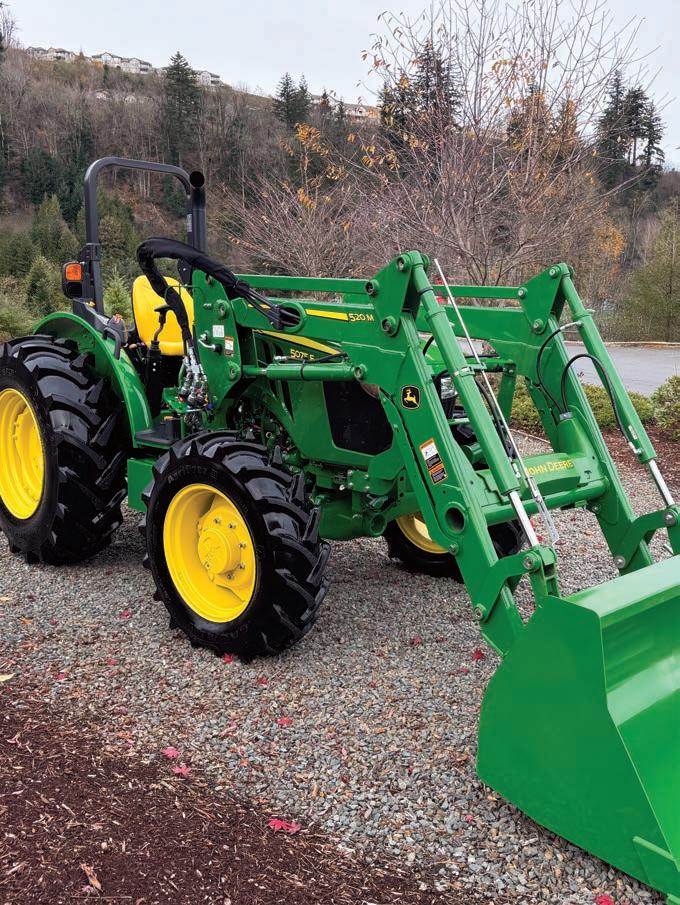
*Offervalidwith20%ofpurchasepricedown.Loadersandcabsarefactor yinstalled.Itemsmay notbeexactlyasshown,accessories,attachments,andimplementscostextra. Taxes,set-up, delivery chargesnotincluded.PricesarebasedontheUSexchangeandmaybesubjecttochange.A documentationfeeofupto$349willbeappliedtoallfinanceofferings.Additionalfeesmayapply. Programsandpricessubjecttochangewithoutnotice.S eePrairieCoastequipmentforfulldetails.S omerestrictionsapply.Offervaliduntil October31,2026.whilesupplieslast. FinancingonapprovedJohn DeereFinancialcreditonly.Limitedtimeofferwhichmay notbecombinedwithotheroffers.QID#335791035075Ew/loader,











Canada.ca, April 30, 2026
Emergency kits should include essential supplies and reflect the unique needs of each member of your household, including pets. Think about items they would need to stay safe and comfortable for at least 3 days (72 hours), whether you need to evacuate or shelter in place.
• What you need may depend on where you live and who is in your home so your emergency kit should be tailored to your unique needs. For example, people in remote areas may need extra items
• Check with your local, provincial, or territorial government to see what else you should include
• If you can, add more supplies in case the emergency lasts longer
• Build an emergency kit over time with items from your home
• Start with assembling basic supplies, documentation and medical equipment before moving to additional supplies
• Your emergency kit should be easy to take with you in the event of an evacuation. If needed, create separate grab and go bags for each member of your household

These are the emergency essentials you need in your emergency kit:
• Stored or bottled water: two litres per person per day for drinking, cooking and hygiene
• Non-perishable food, such as canned food, energy bars and dried foods (replace once a year)
• Manual can opener ind-up or battery-powered flashlight
• Wind-up or battery-powered radio
• Extra batteries and battery packs
• First aid kit including adhesive bandages, tape, gauze, antiseptic wound cleanser, and disposable gloves
• Extra keys for your car and house
• Cash in smaller bills and coins
• Mobile phone charger and power bank
• Tissue paper, toilet paper and paper towels
• Physical and digital copies of important documents such as: dentification for each person (birth and marriage certificates, passports, citizenship papers)
• Emergency plan: include a copy in your kit, including contact information
• List of all medications, dosage and purpose of them
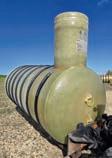
UNEARTHTHEFUTUREOF WATERSTORAGE with afiberglassholdingorpumpouttank fromCramer’sBreaking
•Fiberglasholdingandpumpouttanksengineered andCSAapprovedtoupto 3metresofearthcover •Outlastconcretetanks
•Sizesfrom750gal(3,400L)to3,200gal(14,500L) •Installationoptionsavailable



• Contact information for emergency service providers (e.g. doctors, health care, shelter supports, etc.)
• Medical insurance information and provincial/territorial health number
• Other insurance information (e.g. homeowners, renters, vehicle)
• Banking information and records
• Next of kin contact
Some supplies should be added based on the needs of the people in your home:
• Toiletries and personal hygiene items including menstrual supplies
• Pet supplies including food, water, and medication
• Infant formula, baby food, and wipes
• Prescription medications and medical equipment
• Eyeglasses and contact lens solution
• Sunscreen and bug spray
After putting together your basic emergency kit, consider adding these items to be more prepared for specific hazards or a longer period of time:
• N95 masks or surgical masks
• Water purifying tablets or additional stored water for cooking and cleaning
• Basic tools such as a hammer, screwdrivers, gloves and pocket knife
• Small fuel-operated stove and fuel (never use inside buildings, tents, or other closed spaces)
• Hand sanitizer and garbage bags
• Whistle
• Candles with waterproof matches or lighter, stored safely
• Pen and paper
• Duct tape, scissors and plastic sheeting

Consider preparing a separate grab-andgo bag for each member of your household. These bags should include essential items from your basic emergency kit, but are easier to carry in an evacuation. Additionally, consider adding the following items to a grab-and-go bag:
• Local maps
• Change of clothing and footwear for each household member
• Sleeping bag or warm blanket for each household member
• Utensils, plates and cups
• A small multi-tool with a screwdriver, scissors, and other useful tools
• Activities for children like books, puzzles or toys
Instead of making one yourself, you can also buy an emergency kit or supplies online and in various stores across Canada. If you choose to purchase a premade kit, be sure to customize it with personal items specific to your household’s needs.
Use the time change in spring and fall to swap or update supplies. Keep items organized in clear plastic bags or containers so you can easily find what you need.
• Check expiry dates on perishable food, water, medications, insurance, credit cards, and identification
• Spring/summer: rain jacket, umbrella, bug spray, waterproof footwear, sunscreen, hats, fan, etc.
• Fall/winter: warm clothing, heat packs, candle/lighter, extra batteries, gloves, socks, ice grippers, portable shovel, heat packs, etc. NH





$ 639,000
$ 499,000

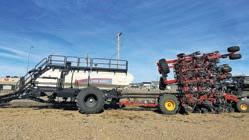
Stk#22281-1
2022BOURGAULT3330-66HF/L9950AIRSEEDER &TANK




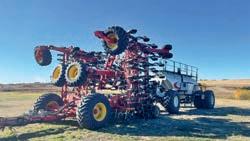
Stk#20897-1
2019BOURGAULT 3320-66/7950AIRSEEDER TANK
66x10”,HF, XTC,MRBlll’s,DS, FullRunIntelligent AG Blockage, 3/4”CarbideTips,Conveyor,Saddle Tankw/fillChute, 2High-CapacityFans,DigiStarScale,4 Meters+SaddleTankMeter, 850 Front Singles& RearDuals

$ 399 ,000






Stk#20829-1 *1.99%FinancingO.A.C.T&CApply

2022NewHollandCR9.90
$730,000* Stk#21373-2 *1.99%FinancingO.A.C.T&CApply
2015/2017BOURGAULT 3320-66/71300
66x10",HF, DS,MRBIII's,3/4"Tips,PLXOpeners,FullRunAgtron Blockagewith8" Tablet,950Bushel,Scales,Saddletank,Conveyor wasneverused, 2HCFans,AirguardonFertilizerwithSnorkel,X35 Monitor, 8RunSectionalControl,Duals $ 425,000
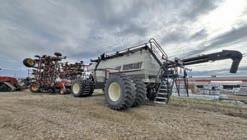
66X10”,1”Tips,XTCOpeners,DS,MRBIII’s, FullAgtronBlockage, DevlooScrapers,1300Bushel,Scales,Saddle Tank,Conveyor, SectionalControl,Duals,X35Monitor.

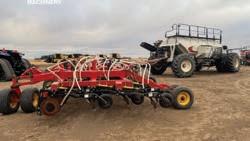
Stk#20544-1
2014BOURGAULT3320-66w/ 2019BOURGAULT 7700AIRSEEDER &TANK
66’X10”,XTC Openers,MRBIII’s,3/4”Tips, 8RunTBH, DoubleShoot,SectionalControl,X35Monitor, Saddle Tank, SurgeBrakes,710Duals.

2025MacDonFD240
$187,500* Stk#22331-1 *3.99%FinancingO.A.C.T&CApply



2022NewHollandCR9.90 $675,000* Stk#22050-1 *1.99%FinancingO.A.C.T&CApply

2024MacDonFD245 $192,500* Stk#22529-1 *3.99%FinancingO.A.C.T&CApply


2022NewHollandCR9.90 $689,000* Stk#21374-2 *1.99%FinancingO.A.C.T&CApply

2024MacDonFD235
$165,000* Stk#21385-1 *3.99%FinancingO.A.C.T&CApply

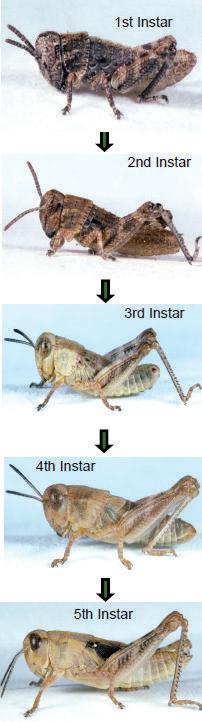
If youhave beenoutsidethissummer, youmayhave noticeda fewmore thingsmovingonthe groundas you walkthrough your yard, mow yourditch,orscout yourfields. Andif youlookcloser,theymaybetiny grasshoppers. Thisisnotanuncommonproblem forus to have upherein the Peace region. The grasshopperpopulationinthe regionis very healthy andhasgottenhealthierwiththe recent drought conditionsinprevious years.
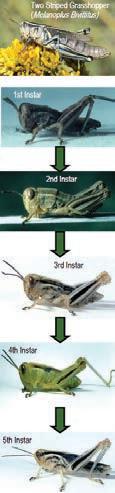
Our recent influxismademostlyof twospecies:the Bruner ’s Spurthroated Grasshopper (Melanoplusbruneri)and Two-striped Grasshopper (Melanoplusbivittatus). Bothspeciesuphere follow a two-yearlife cycle, meaningthattheytake two years to gofromegg to adult.Also,bothare croppests,butonemay consideredmoreimpactfulthantheother.Bruner ’s grasshoppersmostly feedon grasses, cereals, alfalfaandsomeclover species, while Two-striped grasshoppers feedonnotonlythesamethings butalsocanola,treeleaves,some weedspeciesandif food conditionsare bleaksometimeseachother.
Therearedesignatedthresholdswhendealingwith grasshoppersin general for yourfieldandalongthe roadsideorareasnotinagricultureproduction. Thesethresholdsarea combinationof nymphsandadultspermetre squared(m2)and coverallspeciesof grasshoppers. Foranythingoutside ofthefield(roadsideorotherareas)anormalnumberof grasshoppersis considered0-6,lightinfestation7-12,actionmaybe required13-24,and 25+ requiressomesortof controlaction. Forinfield,thethresholdsare significantlylower, withnormal considered0-3 grasshoppers/m2,4-6light, 7-12moderate, and 13+/m2 requiringaction.
Whenit comes tocontrolling grasshopperstherearesomepreventive actionsthat canbetakenprior to highnumbers,andtherearequitea few beneficialinsectsanda fewdiseasesthatcanhelp tocontrola grasshopper

st Monitoring Coordinator
Seed Association
Grasshopper
Monitoringand ControlinBritish Columbia
http://w ww2.gov. bc.ca/assets/gov/ farming-naturalresources-andindustry/agricultureand-seafood/animaland-crops/planthealth/
Accessed November16, 2016
NumberofNymphsand Adults per Square Metre
Rating FieldRoadside Control Ac tion
Normal0 to 30 to 6not required
Light0 to 67 to 12 usuallynot required
Moderate7 to 1213 to 24 maybe required
Severe 13+ 25+ required
population. Mostofthesebeneficialinsectsactively feedon grasshopper eggs,andthediseasesaremosteffectivewhenthehoppersareintheir early nymphstages.Chemical controlsarealso availableand tooaremost effectivewhen grasshoppersareintheir nymphstagesastheycannotfly.
Here aresomegreat resources available to helpwithgrasshopper identification,anddifferent formsof control. Commonly FoundGrasshoppersinthe Peace: http://w ww.peaceforageseed. ca/pdf/S eedHeads/SH_12_Grasshopper_Overview.pdf
Grasshopper Thresholdand Control: http://w ww.peaceforageseed.ca/ pdf/SeedHeads/SH_13_Hopper_Threshold_&_Control.pdf
Grasshopper Monitoringand ControlinBritish Columbia: https://www2.gov. bc.ca/asse ts /gov /farming-n at ural-resou rc es -and-industry/agri cult urean d- se afood /a nima l- an d- crops/plan t- health /g ra ss hoppe r- moni to ringand- control-in-bc.pdf
Alberta Major Crop Pests: https://www.alberta.ca/grasshopper
600-699
700-799
800-899
$700.00$775.00$700.00$775.00
$580.00$665.00$600.00$665.00
$525.00$620.00$550.00$620.00
$480.00$556.00$475.00$550.00
900-999 $400.00$495.00$410.00$490.00
1,000+ N/AN/AN/AN/A FEEDERHEIFERS
BID LOWHIGH LOWHIGH
300-399
400-499
500-599
$650.00$800.00$700.00$820.00
$615.00$730.00$675.00$750.00
$550.00$660.00$600.00$680.00
600-699 $500.00$615.00$550.00$650.00
700-799 $475.00$560.00$500.00$595.00
800-899 $420.00$539.00$470.00$540.00
900-999 $375.00$450.00$400.00$460.00
$200.00$225.00$200.00$225.00 SLAUGHTERBULLSSLAUGHTERBULLS
$260.00$315.00$250.00$315.00 REPLACEMENT CATTLE FEEDER COWSFEEDER COWS
$245.00$280.00$250.00$285.00





















Beaverlodge | BeaverlodgeAgComplex (1400 –5th Ave)
Tuesday| 4:00p.m. to 7:30p.m.
July 7,14,21,28 |Aug 4,11,18,25 |Sept 1,8,15,22,29
Wednesday |11:00a.m. to 2:00p.m.
July 1,8,15,22,29 |Aug 5,12,19,26 |Sept 2,9,16,23,30
Contact: (780)354-3013orbeaverlodgemarket@gmail.com
Beaverlodge -SouthPeace Centennial | JunctionofHighway 43andRR722
SpecialMarkets:
July 26 |ChristmasinJuly |10:00a.m. to 4:00p.m.|
Heritage Site,Wembley (9021 –101 Ave)
Aug 29 |Alberta DayMarket| 10:00a.m. to 4:00p.m.| Heritage Site,Wembley (9021 –101 Ave)
Sept 12 |FallFair| 10:00a.m. to 5:00p.m.| FluidPro Arena, Wembley(9831 –97St)
Sept 12 |Harvest Festival| 10:00a.m. to 6:00p.m.| SouthPeaceCentennialMuseum
Contact:780-978-1198orsouthpeacefm@gmail.com
Berwyn |BerwynAgBuilding(5001 –51st St)
SpecialMarkets:
July 1 |11:00a.m. to 2:00p.m.| GrimshawMile Zero Multiplex ParkingLot
Aug 8 |10:00a.m. to 3:00p.m.| LacCardinalPioneerVillage Museum
Sept 12 |1:00p.m.to7:00p.m.| 50th Street,Grimshaw
Contact:780-836-0660or farmersmarketberwyn@gmail.com
Chetwynd |Carver’sRow,Highway 97
Friday |3:00p.m.to6:00p.m.
July 3,10,17,24,31 |Aug 7,14,21,28 |Sept 4,11,18,25
Contact:(250)788-6576orcmwiddic@gmail.com
Dawson Creek |N.A.R.Park(900Alaska Avenue)
Saturday |9:00a.m.to2:00p.m.
July 4,11,18,25 |Aug 1,8,15,22,29 |Sept 5,12,19,26
Contact: (587)277-1476
Enilda|Women’s Institute Hall (WIDrive 1st Ave)
Saturday |10:00a.m. to 2:00p.m.
July 4 |Aug 1 |Sept 5
Contact: (780)523-5158orenildafarmersmarket@yahoo.com
Fairview |FairviewLegionHall(10315 –110th St)
Wednesday |3:30p.m.to6:30p.m.
July 8,15,22,29 |Aug 5,12,19,26 |Sept 2,9,16,23
SpecialMarkets:Aug 22 | 11:00a.m.to4:30p.m. Contact:780-772-9557or fairviewabfarmersmarket@gmail.com
FortSt.John |SUMMERMARKET| FestivalPlaza,Centennial Park (9523 –100th Street)
Saturday |9:00a.m.to2:00p.m.
July 4,11,18,25 |Aug 1,8,15,22,29 |Sept 5,12,19,26
Contact: (778)256-7971orfsjfarmersmarket@gmail.com
FortNelson |Elk’s Lodge (5431 –50th AvenueSouth)
Saturday |9:00a.m.to3:00p.m.
July 4,11,18,25 |Aug 1,8,15,22,29 |Sept 5,12,19,26
Contact: (250)233-3522ormanysoles@northwestel.net
GrandePrairie |TARACentre, Evergreen Park
Wednesday |4:00p.m.to7:00p.m.
July 15,22,29 |Aug 5,12,19
Friday |4:00p.m.to7:00p.m.
July 3,10,17,24,31 |Aug 7,14,21,28 |Sept 4,11,18,25
Saturday| 10:00a.m. to 3:00p.m.
July 4,11,18,25 |Aug 1,8,15,22,29 |Sept 5,12,19,26
Contact: (780)978-1198orsouthpeacefm@gmail.com
HighLevel |JubileePark(10511 –103St)
Saturday |10:00a.m. to 2:00p.m.
July 4,18 |Aug 1,15,29 |Sept 12,26
Contact:highlevelfarmersmarket@gmail.com
HighPrairie– Marigold |4724 –53rd Avenue
Wednesday |12:30p.m. to 5:30p.m.
July 8,22 |Aug 12,26 |Sept 9,23
SpecialMarkets:Jul 28 | 11:00a.m. to 3:00p.m. | 4724 -53Avenue
Contact: (780)523-4588
Kinuso |KinusoAgHall(1SwanAve)
Saturdays| 10:00a.m. to 2:00p.m.
Jul 11,25 |Aug 8,22 |Sept 5
SpecialMarkets:Aug 15 |10:00a.mto4:00p.m.| Hedibuilt Farms(73021RangeRoad112, Faust)
Contact:780-775-2684orkinusofarmersmarket@gmail.com
La Crete |JubileePark(9102 –100St)
Thursday |11:00a.m. to 3:00p.m. July 2,9,16,23,30 |Aug 6,13,20,27 |Sept 3,10,17,24
SpecialMarkets: July 1 |11:00a.m. to 3:00p.m. Sept 5 |11:00p.m. to 3:00p.m. Contact: (780)841-4648orlcheritagecentre@gmail.com
Manning | RoyalCanadianLegion(115 –3rd AveSW) Thursday |4:00p.m.to7:00p.m. July 2,9,16,23,30 |Aug 6,13,20,27 |Sept 3,10,17,24
Contact: (780)836-1064
PeaceRiver | Former Peavey MartStore(9700 –78St)
Saturdays |10:00a.m. to 2:00p.m. July 11,25 |Aug 8,22,29 |Sept 5,19 Contact:PRFMarket1991@gmail.com
Rycroft |RycroftAgCentre(5010 –49th Ave)
Thursday |3:00p.m.to6:00p.m.
July 2,9,16,23,30 |Aug 6,13,20,27 |Sept 3,10
Contact:(780)831-8792or rycroftfarmersmarket@gmail.com
Sexsmith |SexsmithCurlingRink (9913 –99th St)
Tuesday| 4:00p.m. to 7:00p.m. July 7,14,21,28 |Aug 4,11,18,25 |Sept 1,8,15
SpecialMarkets:Sept 26 |10:00a.m. to 4:00p.m. |FallPumpkinMarket Contact:(780)568-3688or wellness@sexsmith.ca
Tangent |Tangent CommunityHall (101 –3rd Ave)
Saturday |11:00a.m. to 4:00p.m.
July18 -PopUpOutdoorMarket| Sept 19 -Harvest Market
Contact: (780)219-5342or communityhalltangent@gmail.com
Valleyview |MemorialHall(4810 -50St)
Saturday |11:00a.m. to 3:00p.m.
July 18 |Aug 15 |Sept 12
Contact:403-331-9507or valleyviewmarkets@gmail.com




















The new Bassano facility has begun producing black soldier fly (BSF) eggs for producers worldwide, pairing Fairville’s agricultural production experience with NRGene Canada’s MaxBSF™ genetics platform. Saskatoon, Saskatchewan and Bassano, Alberta, Canada – July 16, 2026 – NRGene Canada and Fairville Farming Co. today announced the launch of FairGene, a joint venture established to operate a dedicated black soldier fly (BSF) egg production facility in Bassano, Alberta. In the last few weeks, the facility has begun producing BSF eggs, with positive initial results, and is designed to supply BSF producers worldwide with reliable egg production using NRGene Canada’s MaxBSF™ genetics.
BSF production is gaining momentum as insect producers scale up sustainable protein, oil, and frass production. Reliable egg supply has become a critical foundation for consistency and performance.
NRGene Canada’s MaxBSF™ genetics improve BSF production economics through shorter production cycles, improved bioconversion, and consistent growth. Significant production improvements using MaxBSF™ have been observed by leading BSF producers on their own insect farms and using their own feed recipes. Compared with industry-standard lines, MaxBSF™ has shown higher larval density and weight and a shorter time to harvest, resulting in up to 2.1 times more output, and allowing producers to generate more biomass per cycle within the same infrastructure.
NRGene Canada has also demonstrated a neonate delivery system that ships high-quality, one-day-old larvae directly to producers. The system currently supports up to 1 million neonates per container, with capacity expected to reach 2.5 million by the end of 2026, and provide a twoweek shelf life from hatching. This


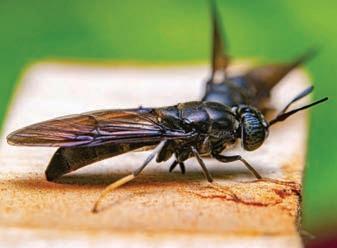
gives producers a dependable, readyto-rear starting point without the need for on-site egg incubation.
FairGene combines Fairville’s agricultural production experience with NRGene Canada’s BSF genetics and breeding capabilities to meet the industry’s need for reliable, geneticsbased egg supply. MaxBSF™ is currently available only through the FairGene facility, which is already working to expand capacity and access for commercial producers as demand grows.
“From the beginning, we saw genetics as critical to building a reliable BSF egg production operation,” said William Wipf, Secretary at Fairville Farming Co. “NRGene Canada brought the genetics platform and expertise we were looking for, and through FairGene
we’re turning that shared vision into a dedicated facility here in Alberta.”
“FairGene is an important step in bringing our MaxBSF™ genetics into dedicated egg production,” said Yossi Levi, CBO at NRGene Canada. “Together with Fairville’s agricultural experience and production capabilities, we’re creating a practical platform to support BSF producers worldwide with reliable, genetics-based egg supply.”
The Bassano facility marks an important commercial step for NRGene Canada’s BSF activity and for Fairville’s expansion into insect agriculture. Looking ahead, the partners are exploring a BSF rearing facility to support NRGene Canada’s hub-and-spoke model and serve as a demonstration center for scaling insect production. NH

CATT LE MARKET REPORT FOR JU LY 31, 2026
TUESDAY S WEEKLY
Office (250)782-3766 Fax:(250)782-6622 dawson@vjvauction.com
THURSDAY S WEEKLY
Office (780)349-3153 Fax(780)349-5466 westlock@vjvauction.com
WEDNESDAY S WEEKLY
Office (403)783-5561 Fax(403)783-4120 office@vjvauction.com
300-399 n/an/an/an/an/an/an/an/an/an/an/an/an/an/an/an/a$800.00$900.00
400-499
500-599
600-699
700-799
800-899
900-999
$705.00$730.00$710.00$800.00$700.00$800.00n/an/a$650.00$740.00$650.00$735.00n/an/an/an/a$650.00$750.00
$680.00$725.00$650.00$727.00$650.00$710.00n/an/a$614.00$712.00$660.00$725.00n/an/an/an/a$625.00$735.00
$620.00$685.00$580.00$649.00$595.00$646.00n/an/an/an/a$555.00$640.00n/an/an/an/a$600.00$665.00
$540.00$595.00$530.00$582.00$530.00$595.00n/an/a$535.00$585.00n/an/an/an/an/an/a$560.00$625.00
$485.00$515.00$490.00$545.00$475.00$529.00n/an/an/an/a$465.00$528.00n/an/an/an/a$515.00$539.00
$440.00$469.00$440.00$467.00$440.00$469.00n/an/a$384.00$444.00n/an/an/an/an/an/a$430.00$499.00
600-699 $570.00$639.00$540.00$575.00$530.00$600.00n/an/a$507.00$585.00$554.00$597.00n/an/an/an/a$550.00$600.00
700-799
800-899
900-999
$480.00$535.00$480.00$555.00$475.00$529.00n/an/a$445.00$462.50$459.00$535.00n/an/an/an/a$460.00$543.00
$442.00$465.00$430.00$472.00$440.00$432.00n/an/an/an/a$424.00$462.50n/an/an/an/a$450.00$495.00
$420.00$451.00$410.00$432.00$420.00$445.00n/an/a$384.00$444.00$380.00$437.00n/an/an/an/a$400.00$466.00
1000+ $400.00$414.00$395.00$415.00$390.00$410.00n/an/an/an/an/an/an/an/an/an/a$375.00$418.00
$240.00$261.00$240.00$275.00$240.00$269.00$241.00$260.00$240.00$257.50$248.00$262.00$240.00$265.00$245.00$260.00$250.00$265.00
$220.00$239.00$200.00$242.00$210.00$247.00$218.00$237.00$220.00$239.00$230.00$246.00$220.00$239.00$225.00$244.00$230.00$249.00
$310.00$375.00$295.00$352.00$300.00$391.00$300.00$367.00$300.00$370.00$300.00$365.00$300.00$370.00$300.00$375.00$300.00$370.00




18 Northern Horizon, July 31, 2026
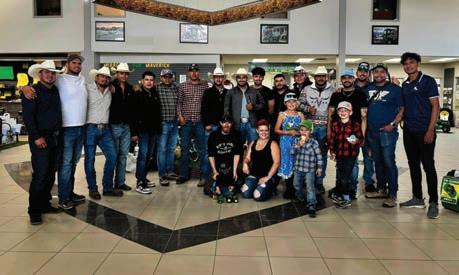
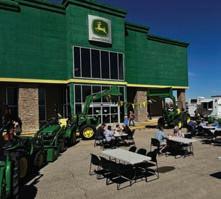
July 8th, 2026 – PrairieCoast equipment, Grande Prairie, AB
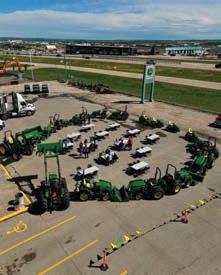
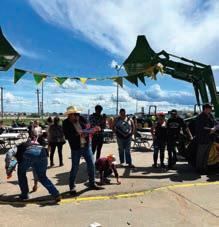
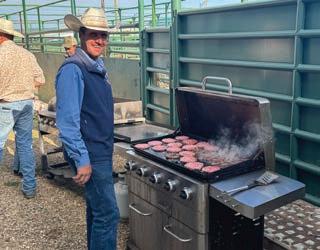
We would love to give a GINORMOUS THANK YOU to absolutely everyone who came out to support Maverick yesterday!!
Our hearts are so full. Seeing our community come together to rally around one sweet little boy and his wonderful family was something truly special. It was a beautiful reminder that when one family is facing a di cult ourney, our community shows up with open hearts, generosity, and kindness. very burger purchased, every donation made, every hug shared, and every kind word meant more than you know. Because of each and every one of you, Maverick and his family can head into this next chapter knowing they have an entire community standing behind them. That kind of support is priceless.
We are also incredibly grateful to have had the opportunity to host such a meaningful event. Thank you for allowing us to be a small part of such an incredible show of love and support.
A huge thank you to:
@ Desert Hills Ranch for supplying Maverick and his family with so many wonderful toys!
@ Balisky Farms INC. for supplying all of the burgers! arnivors for generously giving us a discount when we needed extra burgers.
@ Superstore for donating $150
@ County Of Grande Prairie for supplying the BBQ that helped make it all possible.
@ Sweet Ride by Prairie Pals Cafe for serving delicious ice cream and generously donating all proceeds
@ Syngenta Canada for making a generous donation of $1000
And finally, to every rairie oast quipment staff member who volunteered their time from planning and setup to cooking, serving, and cleanup thank you. our hard work, teamwork, and big hearts made this event such a success. t truly takes a village, and yesterday our village showed ust how incredible it is. Thank you for wrapping Maverick and his family in so much love and support. We know they felt it every step of the way.












Crestland Farms Ltd.
John Harms, Buffalo Head Prairie, AB (C)780-926-9540 (H)780-928-4649
Excel Ranches
Ron & Barb Miller, Westlock, AB Cody & Amy Miller, Westlock, AB 780-349-0644
Fourth Creek Angus Ranch
Ryan Lacey & Lucie Coche, Spirit River, AB Ryan 780-864-7753 Lucie 780-517-3507

Friesen Farms
Chad & Anna Friesen, Grande Prairie, AB Chad 780-831-9106 | Anna 780-831-8338
GRA-TAN Farm
Grant & Tanya Chittick, Mayerthorpe, AB 780-284-0684





Binks Angus Farm
Evan Binks, Grande Prairie, AB 780-518-2020


Crystal Chittick, Mayerthorpe, AB 780-204-2005

The FriesenFamily |GrandePrairie,AB Anna780-831-8338 |friesenherefordfarms@gmail.com


Brandl Cattle Co.
Bryron & Gwen Brandl, Jarvie, AB Kailey, Wynton & Landon Brandl Byron 780-349-1765 Gwen 780-349-1704
Broken Stick Ranch
Black Angus for Sale off the Farm
Tom & Amber Ditner, Baldonnel, BC 250-794-7105


GRA-TAN Farm
Grant & Tanya Chittick, Mayerthorpe, AB 780-284-0684
Crystal Chittick, Mayerthorpe, AB 780-204-2005
Harvest Angus
Tom & Carolyn Dewaal, Prince George, BC 250-960-0022 | 250-562-5200
Heart Valley Angus
Nat Tschetter & Chris Tschetter Wanham, AB 780-978-6407 / 780-978-6406







Hill 70 Quantock Ranch
Bill, Connor & Tes Creech, Lloydminster Bill 780-871-4947 | Connor 780-871-8496 Ted 306-307-2873 | Adam 780-218-4301
Horizon Red Angus
Philip Driedger, La Crete, AB 780-926-5896
Kjos Black Angus
Marty & Miriam Kjos, Fort St. John, B.C. 250-787-0970
Kleskun Lake Farm
Brady Fraser, Sexsmith, AB 780-505-1734
Lakeroad Black Angus
Jim & Donna Rowe, Worsley, AB Jim 780-835-0455 | Donna 780-835-9588
Lazy B Livestock
Trevor Binks & Melanie Klassen Grande Prairie, AB Trevor 780-518-0630 Melanie 780-518-0230
Lazy S Ranch
Stewart Ainsworth, Mayerthorpe, AB 780-785-3136 or 780-786-4150
Northway Cattle Co.
Hwy 64 & RR 94.5, Cleardale, AB Albert 780-834-7055 Peter 780-835-8291
RR Forty Angus
Danny Waluk/Lorinda Wold, Clairmont, AB (D) 780-296-3460 (L) 780-402-1445
Silent K Stock Farms
Delano & Megan Kjos, Tomslake BC D 250-467-9450 / M 403-804-1107
SilverWillow Ranch
Kevin & Barbara Quist, Teepee Creek, AB 780-876-4649
Sorensen Cattle Co.
Murray & Nicole Sorensen Teepee Creek, AB Murray 780-831-6332 Nicole 780-832-1189
Towaw Cattle Co.
Kirk & Jill Wildman, Sangudo, AB 780-305-1661 | 780-305-1146
Dave & Gail Wildman, Sangudo, AB 780-305-1145
Willow Creek Simmentals
Mike & Mari Klassen, Crooked Creek, AB Colby&Tiffany Klassen,Crooked Creek, AB Mike 780-832-7343 Colby 780-832-6714
Pinnacle View Limousin
Rob & Cheryl Swaan, Quesnel, BC
Erin & Eric Kishkan, Quesnel, BC
Erin 250-991-6654

LAZY SCHAROLAIS ROY& ERIKASCHWEITZER BEAVERLODGE,AB RED,WHITE& TANYEARLING CHAROLAISBULLS VISITORSALWAYSWELCOME
CELL:(780)402-5617
HOME:(780)356-3611
SCHWEITZERRE@GPNET.CA
RaisingQualityCharolaisCattletomeet theneedsofthe Commercial Industry!

Schweitzer Ranch
Troy & Kristina Schweitzer
Dawson Creek, BC
Troy 780-814-3598 | Kristina 250-219-4429
Hill 70 Quantock Ranch
Bill, Connor & Tes Creech, Lloydminster Bill 780-871-4947 | Connor 780-871-8496
Ted 306-307-2873 | Adam 780-218-4301

8WAY CHAROLAIS

Blondie Cattle Co.

Montana Fogle, High Prairie, AB 780-402-4009
Dry Creek Ranch
Seth Harmon, Cecil Lake, BC 250-793-1858
Evans Cattle Company
Glyn & Stephanie Evans, Doe River, BC 250-467-2275
Hill 70 Quantock Ranch
Bill, Connor & Tes Creech, Lloydminster Bill 780-871-4947 | Connor 780-871-8496 Ted 306-307-2873 | Adam 780-218-4301
JayDawn Farms
Jason & Nikki McQuaig, Sexsmith, AB 780-933-5530
KSL Simmentals
Keegan Scorgie & Brad Smith Beaverlodge, AB Keegan 780-518-6572 | Brad 587-202-0254
Landaker Charolais Farm
Alan & Shirley Landaker, Brownvale, AB 780-618-3928
Chittick Farms
Raymond & Mona Chittick Mayerthorpe, AB 780-305-3925
Gold Stock Hereford Farms
Steve, Ashley & Brad White Beaverlodge, AB 780-518-0064 | 780-354-3190
Gurtler Polled Herefords
Garry & Ethan Gurtler, North Star, AB Garry 780-836-0117 | 780-836-2125 Ethan 780-836-0552
Hill 70 Quantock Ranch
Bill, Connor & Tes Creech, Lloydminster Bill 780-871-4947 | Connor 780-871-8496 Ted 306-307-2873 | Adam 780-218-4301
Hilltop Honey Ranch
Brian & Dana Smith, Pouce Coupe, BC Cell 250-719-5548 | Home 250-786-5232
Jonomn Hereford Ranch
Norm & Joanne Parrent, Clyde, AB 780-307-6586 | 780-348-5835
Mike Grimmeyer, Clyde, AB 780-307-3385
M.C. Quantock
Mac & Pat Creech, lloydminster, AB 800-561-2855
Rachido Ranch
Randy & Donna Chittick, Mayerthorpe, AB 780-674-1986
Reber's Polled Herefords
Serena & Kasey Reber, Woking, AB 780-518-2643
Whiskey Jack Black Herefords & Simmentals
Tamara & Darcy Kuriga, Whitelaw, AB 780-834-7108
Dry Creek Ranch
Gordon & Carla Harmon, Cecil Lake, BC 250-793-2384
Excel Ranches
Ron & Barb Miller, Westlock, AB
Cody & Amy Miller, Westlock, AB 780-349-0644
Hillview Farms
Sturgeon County, AB
Raymond & Corine Verbeek 780-982-2176 | 780-939-2173
Colin & Tessa Verbeek Colin 780-982-1676 | Tessa 403-636-1066
Pinnacle View Limousin
Rob & Cheryl Swaan, Quesnel, BC
Erin & Eric Kishkan, Quesnel, BC Erin 250-991-6654

ALBERTA
Barrhead Feeder Association Ltd. Barrhead, AB | Office: 780-674-2456 office@barrheadfeeders.ca
Grande Prairie Feeders' Association Ltd. Grande Prairie, AB | Office: 780-538-1263 gpfeeders@gmail.com
North Peace Feeder Association Ltd. Berwyn, AB | Office: 780-338-2270 barhm@abnorth.com
Prairie River Feeders Co-op Ltd. Hi-Valley Beef Co-op
High Prairie, AB | Admin - Dee Parke Off: 780-523-4487 | Cell: 780-523-8888 prfc@telus.net
Westlock Feeders Association Ltd. Westlock, AB | 780-348-5850 westlockfeedersassociation@hotmail.com
B.C. Breeder & FeederAssociation Quesnel, BC | Office: 250-992-8483 bearvlly@telus.net
Central Interior Feeders Co-operative Assn
Vanderhoof, BC | Office: 250-567-2049 audreycifca@gmail.com
North Peace BC Feeder Co-operative Dawson Creek, BC | Office: 250-782-8911 pcc@neonet.bc.ca
North Peace B.C. Bred HeiferAssociation
South Peace Bred HeiferAssociation
Dawson Creek, BC | Office: 250-782-6272 pcc@neonet.ca.ca
Jennings Martin Direct Buying
La Glace, Alberta
Jennings Martin 780-933-1023
Thorsby Stockyards Inc.
Thorsby, Alberta Office 780-789-3915
Chance 403-358-0456 | Jeff 780-203-4953
VJV Livestock Marketing Group
Dawson Creek, BC Office: 250-782-3766
Beaverlodge, AB Office: 780-354-2423
Yancy Crosier 403-485-0887
VJV Livestock Marketing Group
Westlock, AB Office: 780-349-3153
Travis Sekura 780-621-6841
VJV Livestock Marketing Group
Ponoka, AB Office: 403-783-5561
Craig Jacklin 403-783-1453
VJV Livestock Marketing Group
Rimbey, AB Office: 403-843-2439
Dean Edge 403-704-0280
Wembley Livestock Exchange
Glen Mayer & Nolan Mayer, Wembley, AB Glen 780-897-9570 | Nolan 780-518-0709

Dean &Marsha Anderson–Fort StJohn,BC (250)827-3293• marshascows@hotmail.com www.shadowcreek.farm



Blazin" J Simmentals
Darcy & Caitlyn Lind, Sunset House, AB D 780-536-5203 / C 780-552-4934
Blondie Cattle Co.
Northern Horizon, July 31, 2026
M J Simmentals
Joe & Marianne Gingles, Beaverlodge, AB Joe 780-354-8842 | Cell 780-814-2567
Montagneouse Creek Simmentals


Norbert& JaniceLuken 780-835-3165
Email:njluken6@gmail.com SimmentalCattleQuarterHorse Yearlingand 2yr. oldBullsforSalebyPrivate Treaty Box238, FAIRVIEW,ALBERTA TOH1LO
Montana Fogle, High Prairie, AB 780-402-4009
Clarkson Valley Simmentals
Kyle & Ashley Klassen, Crooked Creek, AB 780-933-8605
Clearwater Simmentals
Chad Smith, Olds, AB 403-586-4714
Herman & Mark Giesbrecht, Worsley, AB 780-772-0488
Polar Farms
Joe, Lindsey, Riley & Kendal Loomis
Peace River Regional District, BC 250-784-5150
Rachido Ranch
Randy & Donna Chittick, Mayerthorpe, AB 780-674-1986



Chet &Jamie Jans Box223,Groundbirch,BCV0C1T0

Crystal Springs Ranch
Eckbert & Crystal Weitzel
Georg & Sarah Weitzel Charlie Lake, BC 250-263-8237
D.A.M. Livestock Ltd.
David Michalchuk, Keg River, AB 780-987-0938
GB Farms
Rosefield Simmentals
James & Martha Wiebe, Prespatou, BC 250-630-2621
Short Grass Farms
Kurtis & Chelsie Dillabough, DeBolt, AB 780-402-9578
Sorenson Cattle Co.
Murray & Nicole Sorenson



WillowCreek Simmentals| CrookedCreek,AB
Mike &MariKlassen |(780)832-7343
Colby& TiffanyKlassen |(780)832-6714 willowcreeksimmentals@gmail.com





(780)518-3536
Albrecht Farms
Steve & Tammy Albrecht, Sprit River, AB 780-832-0883
Ryan & Tara Albrecht, Spirit River, AB 780-933-5448
Garrett Biggelaar, Lacombe, AB 403-877-7661
Harvest Angus
Tom & Carolyn Dewaal, Prince George, BC 250-960-0022 | 250-562-5200
Hill 70 Quantock Ranch
Bill, Connor & Tes Creech, Lloydminster Bill 780-871-4947 | Connor 780-871-8496 Ted 306-307-2873 | Adam 780-218-4301
KIN-KIN Cattle Co.
Gary & Faye Chittick, Mayerthorpe, AB 780-786-4500
KMR Simmentals
Kent & Robin Malcomson, Grovedale, AB 587-298-5404
Kruger Farms
Ryan & Chelsea Kruger, Sundre, AB 403-586-0125
KSL Simmentals
Keegan Scorgie & Brad Smith Beaverlodge, AB Keegan 780-518-6572 | Brad 587-202-0254
Lazy S Ranch
Stewart Ainsworth, Mayerthorpe, AB 780-785-3136 or 780-786-4150
M.C. Quantock
Mac & Pat Creech, Lloydminster, AB 800-561-2855
Teepee Creek, AB
Murray 780-831-6332 Nicole 780-832-1189
Southpaw Cattle Company
Ron & Tammy Daley, Carstairs, AB
Brandon & Shallaine Sharpe, Carstairs, AB 403-519-3401
Swantewitt & Sage Simmentals
Yellowhead County, AB
Gerd 780-712-2096
Jordan 780-712-3600
Tri K Cattle
Beaverlodge, AB
Keiran Hodges 780-933-5637
Keith Hodges 780-831-7999
Whiskey Jack Black Herefords & Simmentals
Tamara & Darcy Kuriga, Whitelaw, AB 780-834-7108
Willowdale Simmentals
Dale & Judy Smith and Family Valleyview, AB
Dale 780-558-9337 | Kent 780-721-1109
Wolfe Farms
Tony Wolfe, Valleyview, AB 780-524-9322
Wolfe Lake Farms Inc.
Olin Rosvold, La Glace, AB 780-518-1997
Wolfes Fleckvieh
Shane & Shannon Wolfe, Sundre, AB 403-556-0729
DaveRossEquip.Ltd83Years Since 1943
780-864-3731SpiritRiver, ABAl780-864-0236 Warren 780-864-0217Jay780-978-0188
780-864-3731Spirit RiverAL864-0236 Warren864.0217 or Jay978.0188 Website: www.rossequip.ca
July252026
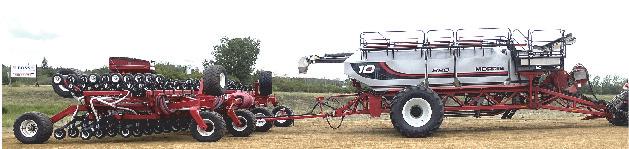
GowiththisTowBetweenAir DrillwhenTowBehindsCan’tGoinaWetField
MechanicalSIMPLICITY7plex mechanialfold,nocomplex sequencing,Fewerfailurepoints
AIRCapacity 3”primarysystem Forhigh-ratefertility500lb/ac@ 5mph
70’AD$ 795,000 —$ 195,000 downcashorTradebal$ 600,000 10semi-annualpayment$68,735
New 70’AD10Series820bu 4 Tanks 80bu, 250,bu135bu 355bu,+TankLoadCellsdualfans.s915720.Top ConXD+monitor4-900/60R42Convey-AllConveyorSectionalControl+70’AirDrill12”Spacingpaired rowdoubleshoots9M5729,820buCart$545,000+70’AD$450,000= $995,000 Blow-Out $795,000 OBO
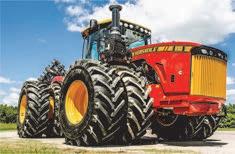
NEW 620 4wd Versatile 665hp@ 1900rpm,16x4Cat P/S tran rev-fantowcable 900/60 R42 110gpmpump 6E hyd 3/4”returndiff lock PTOsusp DelCabIsobusRadar,Jake Brake,19Led lites,V6700A/S/R Rearcamera,#8R2689 #59,800 SN708852 $995,000 $ 895,000
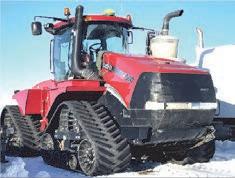
2015580QTCASEP/Stran,30”TracksTowcable 2538hrs,Twinhydpumps98gpm6hidoutlets powerbeyond,returncoupler,B/TradioDeluxe suspCab.Difflock,Pro 700 CaseMonitorwith workingTrimbleGPS, ServicedreadyforSpring 2015580QT$395,000 NOW $335,000OBO
THISISTHELASTOFTHE 30% DISC ONGRAIN CARTS FROM2025 THERE ARE NOFACTORY ORDERS ATTHESEPRICES.BUYNOW:::
only1onhand
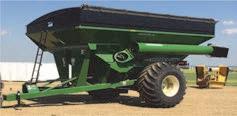
2022GC13191300bu520scale,1250/50/32 1S3118Tarp$182,900-30% $129,000
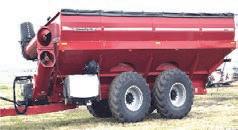
MY2024RC-20202000 bu,Unverferthgraincart5F control 520Scale4-1050/50/32Tires 2B5205 Tarp,24” VerticalAuger, HydJack,Rear20,000#hitch,Rear accessdoor, FIRECONTROL 275galTank,Hyd Pump,100’hoseandFireNozzel MSRP $315,000–30% $221,000
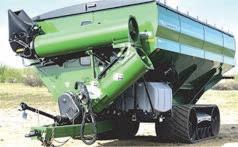
2024GC-20202000bu,5Fct 520Scale42”x148”Eql Track,Tarp, Rearhitch24”Auger, HydJack,,275gal Water tank, 1S1269Hydpump,reelnozzel100’hose msrp$408,000- 30%$285,000
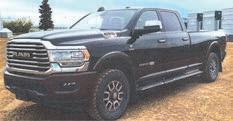
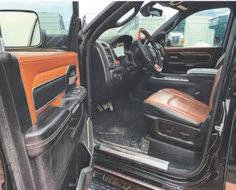
XL1$79,900 MRSP$111,000
2022D3500RamLongHornCrewCabLtd88k, 4x4,6.7I6HOTurbodiesel6saisinHDtrans, Trailer Tow V grp,5th wheel & Goosenecktrailer tow grp,Radio Nav,12” monitor,Powersun roofRear auto leveling susp, direct mtLongBox, leather bkt seats,Boxliner Rad,cooler rear autolevelsusp.Park View Sence s538675 3C6-3R3KL1NG-311538
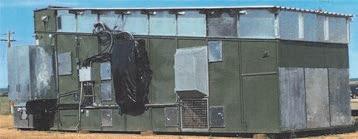
2018DF22Dryer 2Seasons Warranty. Re
Newburners,gas trains, hot fan,New upperbed,allNew sensors,chain,motor Newpaint,allNew exhaustdoors& accessdoors, New roof,FREEdelivery,2 Seasons Warranty
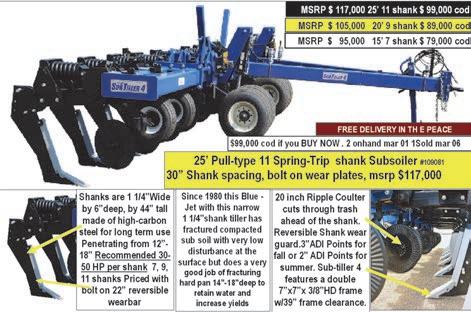
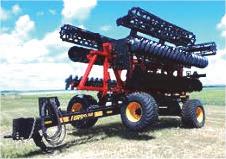
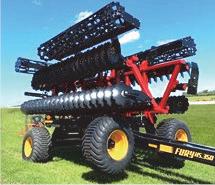
2023 30’FURYHighSpeed Disc22”C/OF&Rbladesbskt har 812mph10-15hp/ MSRP$231,400#214177 $196,000
2023 35’FURY HighSpeedDisc 22”C/OF&Rbladebskthar mph10-15hp/ft MSRP$245,900#108178 $205,000














October2026not available$8.14 (- $0.17 )$8.26 (-$0.17) November2026 notavailablenotavailablenot available December2026 not availablenot availablenot available January 2027 not availablenot availablenot available



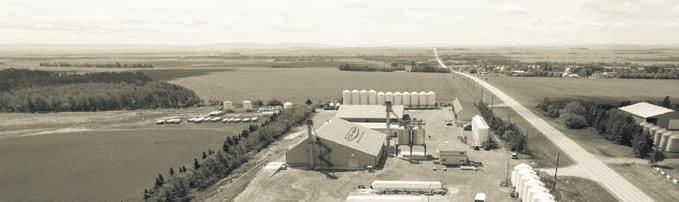
The Port of Vancouver Gateway Strategy (Gateway Strategy) is an overarching transformative strategy that will support an integrated pathway to grow capacity at the Port of Vancouver, and support Canada s growth and diversification objectives, including doubling exports to non-U.S. markets by 2035.
The Gateway Strategy intends to increase export capacity and improve e ciency by addressing existing constraints at the Port as a system. This includes expanding container-handling capacity, identifying and developing land for construction of modern terminals and other export-focused infrastructure, upgrading rail infrastructure to support the movement of goods, and prioritizing Canada’s environmental protections for coastal habitat and at-risk whales.
The Gateway Strategy is focused on four pillars:
1. The expansion of container capacity via the Roberts Bank Terminal 2 (RBT2) project;
2. Development of land and infrastructure for bulk terminals;
3. Rail infrastructure optimization and expansion; and
4. Environmental protections to support future trade growth responsibly through the Whales Initiative and enhanced Southern Resident killer whales (ESRKW) protection measures, the acific Salmon Strategy nitiative, and the Oceans Protection Plan.

New container capacity at Roberts Bank Terminal is critical to grow Canadian trade and will improve the competitiveness of the Port of Vancouver, provide it with the ability to serve the largest vessels, and build resilience into the system.

RBT2 is well advanced in the regulatory and project planning processes, having progressed through relevant regulatory approvals for more than a decade, including a robust environmental assessment approval process and consultations with Indigenous groups.


The MPO supported the development of an MOU between the Port and Global Container Terminals (GCT), the largest majority Canadianowned terminal operator, to build the project faster and better.
The Port hosts 29 major marine terminals, many of which handle Canada’s most important exports, including grain, potash, petroleum products, and canola oil. Dry and liquid bulk account for approximately 70% of total Port of Vancouver tonnage.
Limited industrial land at the Port has discouraged investment in new terminals. Instead, operators have kept existing terminals in service longer, rather than building new, more modern and e cient facilities. Identifying, preparing, and developing industrial land through land-use optimization and land creation is necessary to get Canadian products to market and double non-U.S. exports by 2035.
On July 20, the Vancouver Fraser Port Authority (VFPA) will launch a process to select an operator for its 40-acre Fraser Wharves terminal site in Richmond – the first major terminal opportunity at the ort in a decade.
The Major rojects ce M may support F with this process to ensure the project is e ciently advanced, while respecting Indigenous rights and safeguarding the environment.
Under the Gateway Strategy, the MPO and the Vancouver Fraser Port Authority will cooperate to identify similar opportunities for export terminal expansion.
The majority of cargo moving through the Port is transported by rail, and the current rail networks and supply chain infrastructure servicing the Port will require investment to diversify Canada’s trade.
In collaboration with the railways and other supply chain stakeholders, the MPO and Transport Canada are developing a rail infrastructure strategy to increase capacity and enhance supply chain e ciency, reliability, and resilience. The strategy will explore opportunities for investment in physical infrastructure and the optimization of gateway operations that aim to improve the reliability, stability, and competitiveness of Canada’s supply chain transportation infrastructure through the Port. ENVIRONMENTAL PROTECTIONS
Recognizing the potential impacts of future trade growth on the marine environment, the Gateway Strategy is supported by Canada’s strong environmental protections, including the long-term protection of Southern Resident killer whales (SRKW) through the Whales Initiative, funding to protect and restore acific Salmon through the acific Salmon Strategy nitiative, and commitments to coastal protections through the Oceans Protection Plan.
• Current capacity: The Port of Vancouver handles more cargo than the next five largest Canadian ports combined and hosts 29 major marine bulk terminals. It is Canada’s leading port in exports of grain, potash, petroleum products and canola oil, among other products.
• Economic importance: The Port currently handles $1 billion in trade per day with 170 countries, facilitates $1 in every $3 of Canadian trade in goods outside North America, and contributes about $16.3 billion in GDP across Canada from coast to coast.
• Jobs: The Port currently supports about 132,400 jobs in Canada with 103,000 of them in British Columbia. r de di er i c tio t ro o ert
Terminal 2 project: The project would establish a three-berth marine container terminal built on 320 acres of new industrial land, unlocking about $100 billion in annual trade capacity, and adding $3 billion to Canada’s GDP annually.
• The primary goal of the Port of Vancouver Gateway Strategy is to create opportunity and capacity for private sector investment that will drive growth in trade, supported by a predictable and stable regulatory environment; protect and enhance the natural environment; and continue to work towards reconciliation with Indigenous Groups.
• Combined with improvements to rail and bulk infrastructure, RBT2 will improve the competitiveness of the Port of Vancouver. The project would have capacity to serve the largest vessels, which tend to be more e cient for carriers to use, and is connected to rail lines that do not pass through the congested downtown core of Vancouver, which simplifies rail logistics.
• Together, these measures would reduce shipping costs, increase supply chain reliability, and expand Canada’s ability to capture global growth opportunities.
cient, modern infrastructure is key to keeping
Canada competitive on the world stage via trade diversification.
• The Gateway Strategy would strengthen Canada’s economic security and increase export capacity to non-U.S. markets by expanding containerhandling capacity, building new land masses to accommodate modern and e cient terminals, and upgrading rail infrastructure.
• As part of the Spring Economic Update 2026: Canada Strong For All, the Government committed more than million over five years to renew and enhance funding for protection of whales and their habitats. This includes $95 million over the next five years and . million on an annual basis to protect Southern Resident killer whale habitat along B.C.’s Coast through enhanced Southern Resident killer whales (ESRKW) protective measures. Expanding from the foundational programming renewed through Whales Initiative, the ESRKW protection measures will seek to address imminent threats to SRKW survival and recovery related to vessel underwater noise and disturbance through enhanced research, monitoring and informed management measures to minimize impacts of major port project expansion.
• The Government’s announcement of $412.9 million over five years to renew the acific Salmon Strategy Initiative (PSSI) will enable continued protection and recovery of wild acific salmon stocks of greatest conservation concern.
• Through the $3.5 billion Oceans Protection Plan, the Government of Canada has partnered with Indigenous and coastal communities to develop a world-leading marine safety system that meets the unique needs of Canada and British Columbia. NH

A world-leading agriculture, agri-food and agri-based products sector that is competitive, innovative, resilient, and drives economic growth
THE PRIORITIES
• Driving economic growth and competitiveness by building domestic capacity and improving productivity and profitability
• Diversifying markets and increasing trade by seizing new, and enhancing existing, opportunities in a complex and evolving global environment
• Advancing science, research and innovation through strategic investment and coordinated action
• Enhancing sector resilience by improving the ability across the value chain to anticipate, withstand and adapt to disruptions and risks
Flexibility, responsiveness and collective action
The framework will create conditions for success by having the exibility to adapt to emerging needs and diversity across the country, while also providing the basis for long-term planning and advancing collective outcomes.
Respect roles and obligations
Governments will act in accordance with the sharing of constitutional powers, and international trade obligations will be respected.
Collaboration and coordination
Meaningful cross-government, stakeholder and partner collaboration will leverage innovation, expertise, pan-Canadian capacity and provincial and territorial strengths to support effective programs and initiatives, as well as improved regulatory clarity.
Equity, inclusivity and accessibility
Build on relationships in a meaningful way with Indigenous Peoples, and consider the needs of underrepresented groups to support sector diversity and participation.
icie t dmi i tr tio

Administrative processes are streamlined to improve program delivery, support effective results reporting and enhance client experience.
Accountability and results
n order to maximi e the benefits of shared investments and achieve measurable results, public funds will be managed responsibly while maintaining exibility of program design and management.
PRIORITIES AND FOCUS AREAS
FOR THE NEXT POLICY FRAMEWORK
ri i eco omic rowt d competiti e e ncrease productivity, profitability and scale by supporting the adoption and integration of tools, technologies, equipment and business practices
• Strengthen the sector’s ability to attract, develop and retain labour and talent, as well as support new entrants and succession planning
• Support business modernization and investment to enhance domestic capacity, growth, diversification and value-added processing
• Build sector capacity and advance inclusive growth
• Improve product quality and consistency to strengthen commercial readiness and competitiveness
i er i i m r et d i cre i tr de
• Build on local, domestic and international market-development efforts to expand opportunities and further strengthen Canada’s food systems dvance diversification of sectors, products, participants and markets, and unlock opportunities for all in the domestic and global marketplace
• Support market readiness and capacity to ensure Canadian companies are well-positioned for growth and success
• Enhance coordination and collaboration across both orders of government to strengthen trade promotion and advocacy
d ci cie ce re e rc d i o tio
• Strengthen science and research capacity and partnerships across the sector
• Expand digital agriculture by supporting the development, demonstration and validation of new tools and technologies, including artificial intelligence, and enable datainformed decision-making
• Accelerate product innovation through research, development and testing of new or adapted products
• Support knowledge transfer to advance the adoption and scaling of research outcomes, technologies and best practices
• Advance inclusive research pathways ci ector re i ie ce
• Recognize the value of diverse risk management approaches in supporting the sector.
• Advance proactive risk management and climate adaptation
• Enable sector prosperity and environmental stewardship through sustainable resource management, biodiversity and ecosystem services and reducing greenhouse gas emissions Strengthen public trust and market confidence by enhancing food safety, transparency and assurance systems
• Enhance disease surveillance, prevention, control and collaboration to safeguard plant health and animal health and welfare, including efforts to reduce antimicrobial resistance
• Improve value-chain preparedness and continuity through strong emergency planning, and support reliable infrastructure
• Promote workplace safety, health and well-being
• Continue to improve business risk management programs to be responsive and equitable to support producers to manage risks beyond their control NH





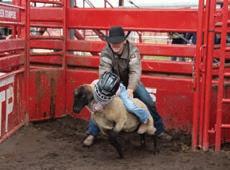
















With Maria Hansen, pest student at the Peace River Forage Seed Association
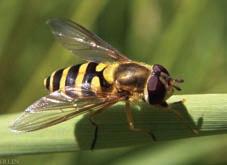
There are over 100,000 different types of flies, but today we’ll be looking at three especially beneficial critters - the syrphids, tachinids and stilettos. The adults share many similarities and are consumers of crop pests.
All three adult flies have a similar diet - they live off nectar, pollen and honeydew (which is a sugarrich liquid excreted from certain sap feeding insects). The larvae differ more in terms of diet. Syrphid larvae are the tamest, usually only eating aphids (up to 400 aphids in a fly’s lifetime!). Stiletto larvae eat soil dwelling larvae, as well as grasshopper eggs. Tachinid larvae are internal parasitoids meaning they are laid onto their host, hatch, and burrow inside the host bug. Their host range is quite wide ranging from plant
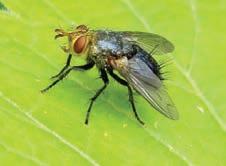
bugs like lygus, to caterpillars, grasshoppers, leaf beetles, and sawfly larvae. Ultimately however, they won’t prevent hosts from causing crop loss but can decrease pest populations after 3-4 years.
All the flies have similar body sizes. The syrphid fly is a hairless, yellow/brown creature. The stiletto is a cute fuzzy gray with a pointed booty, and the tachinid is a bit of a scary, bristly beast. The larvae are all maggot-like, the body narrowing towards the head. The yellow syrphid larva has a flattened body, while the pinkish stiletto baby is very round. The tachinid’s white immature form has strong mandibles for latching onto its prey.

Living up north, these flies must be able to overwinter well. Their lifecycles vary more than their diet. Syrphid flies lay their eggs in aphid colonies, allowing for an all-you-can-eat buffet for the little guys when they hatch. These flies stand out a bit because they have two to four generations per year, while stilettos and tachinids have only one generation per year. Both syrphids and tachinids overwinter as pupae, and stilettos overwinter as mature larvae.
Monitoring for these insects is pretty simplemostly made up of visual inspections and sweep nets. For tachinids, watch for white eggs on caterpillars. NH
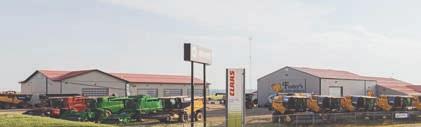
Proudly serving the BC and Alberta Peace Region Since 1977







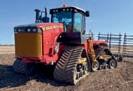
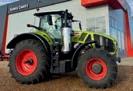
609HRS STKU000313A




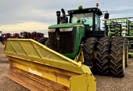
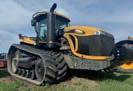
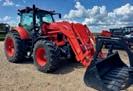
NOW $230,000
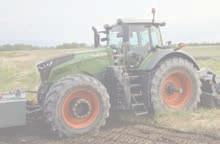
2018versatile610dt2023CLAASAXION9202012JOHNDEERE9560R2016challengermt875e2022KUBOTAM7-172KVT 36IN.TRACKS,PTO,GPS, HIGHFLOWHYDRAULICS, DELETED &TUNEDTO650HP, 3900HRS, STK6054A
520/85R46TRIPLES,JDGPS, FRONT&REARWHEEL WEIGHTS,DELUXECAB,HIGH FLOWHYDRAULICS,16FT DEGELMAN7200,4869HRS, STKU002425
36IN.TRACKS,AUTOSTEER, PTOW/6HYDRAULICS,32 FRONTWEIGHTS,16SUITCASE WEIGHTS &5 FRONTIDLER WEIGHTS,HYDSWINGING DRAWBAR, STKU001024A
2012Vermeer605NBaler
2017KubotaBV4580Baler
2004AGCOHesston4740Baler
2014JohnDeere569PremiumBaler
JohnDeere530Baler
2020NewHollandRollbelt560Baler
2020NewHolland5020MC
2000Schulte5026RotaryCutter
2010VermeerR2300Rake
SitrexMX12Rake
2011JohnDeereW150Swather
2016Bourgault3320-66 &2014
Bourgault7550
2012Bourgault3320-60 &2010
Bourgault6700
2009Bourgault3310-75 &6550ST
2012JohnDeere1870 &1910
2013NewHollandSD550 &P1060
2013NewHollandSD550 &P1060
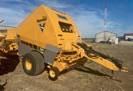
2023CLAASConvio1530
2013CLAASMaxflex1200
2018MacDonFD140
(2)2019MacDonFD135
(3)MacDonFD75-40(2015-2018)
(2)MacDonFD75-35(2017-2018)
(2)MacDonD65-35(2014-2016)
2012MacDonD60-40
2009MacDonD60-35
2009JohnDeere936D 2014CaseIH3162-40
2008CaseIH2020-35F 2003CaseIH2015
2012NewHollandP2070&P1060
2012SeedHawk6012& 600
2018Bourgault7550
2018Bourgault6450
2009Bourgault6550
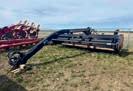
2015Versatile550
2007Versatile485 1990Versatile876 2013KubotaBX25D 2023KubotaM6-131 2023Deutz-Fahr6165 2011JohnDeere7215R 2004JohnDeere7920 JohnDeere4020 2024JCB427AGT4FWheelLoader 2020CaseSR270SkidSteer 2008JohnDeere328SkidSteer 2015Caterpillar279DSkidSteer
Auger -2013Sakundiak12-79
BaleProcessor-2018Haybuster2660
BaleProcessor-2015Highline650-200
BaleProcessor-HighlineCFR650
Conveyor -2020Meridian20-110
Conveyor -2014Batco1545
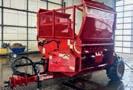
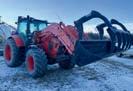
LOWHOURS,168HP,L2605 LOADER,540/65R28FRONT& 650/65R38REARTIRES, WARRANTYUNTIL2027& POWERTRAINUNTIL2029, LOWRATEFINANCING AVAILABLE, STK8844A
2018Gregoire-BessonSPHRW-TZ8 2019KvernelandNG-S101F35 PowerHarrow
2015Bourgault7200HeavyHarrow 2016McFarlane2070-16Harrow 2013McFarlaneHD-140-THarrow 2009Bourgault6000Harrow 2015GatesDiscHarrow 2021SchulteDHX-600Disk 2019HorschRT28HighSpeedDisk 2011Sunflower1550Disk
miscellaneous
GrainCart-2012J&M1151 GrappleBucket -AMIMGL150 RTV -2019KubotaRTV-XG850 Snowblade -Conterra 9Ft Sprayer -2022CaseIHPatriot4440


Ticks are arachnids like spiders and mites. Ticks go through 4 life stages:
• egg
• larva
• nymph
• adult
The length of the tick lifecycle varies among tick species. Depending on the species, ticks can take several years to develop from egg to adult.
Ticks need to feed on blood to develop from one life stage to the next life stage. Adult female ticks also need to feed on blood in order to lay eggs. Ticks feed on hosts, which can be mammals, birds and reptiles.
Not all ticks carry bacteria, viruses and parasites that can make people sick. Ticks only become infected when they feed on an infected host.
Infected ticks can transmit bacteria, viruses and parasites that can cause tick-borne diseases, such as:
• babesiosis
• anaplasmosis
• Lyme disease
• Powassan virus disease
You may not notice a tick bite because ticks are tiny, and their bites are usually painless.
Removing attached ticks as soon as possible reduces the chance of infection.
Ticks are often found in and near areas with:
• trees • shrubs • grass
• wood piles• piles of leaves ou can sometimes find ticks in areas outside of where they're known to live.
Ticks can be active whenever the temperature is consistently above freezing, and the ground isn't covered by snow. You're most likely to encounter ticks during the spring, summer and fall. However, when conditions are favourable, ticks can be active at any time of the year.
You can identify a tick by:
• taking a photo and sending it to an imagebased identification platform like eTick



• contacting your provincial and territorial public health authorities to find out about tick identification programs in your area
Tick identification can help to
• determine if it is a tick
• identify the areas where tick populations are common or increasing
• determine if it is the type of tick that can carry bacteria, viruses or parasites that cause tickborne diseases
More than different types of ticks live in Canada. Established ticks live and reproduce in the location they are found.
Adventitious ticks are brought in by migratory animals such as birds and deer or other hosts from outside of Canada. Some of these adventitious ticks have become established in Canada in areas where habitats are suitable for reproducing.
Climate change is contributing to an increase in:
• number of ticks and tick-borne diseases
• length of time that ticks can survive and are more active
• duration of the season when people may be exposed to ticks
• habitats for hosts, such as mice, birds, reptiles and humans
• habitats for reservoir hosts
o These are animals or bugs that carry germs and pass them on without being affected by them.

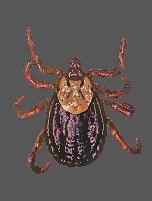



In Canada, there are several types of tick that can cause tick-borne diseases. We’ve listed some of them here to help you identify them.
BLACKLEGGED TICK
Blacklegged ticks (deer ticks) are established in:
• Manitoba (south)
• New Brunswick (mid- to south)
• Nova Scotia
• Ontario (west, south, southeast)
• Quebec (south)
They can transmit bacteria, viruses and parasites that can cause:
• babesiosis• anaplasmosis• Lyme disease
• Powassan virus disease • Borrelia miyamotoi disease
WESTERN BLACKLEGGED TICK
Western blacklegged ticks are established in the coastal and southern interior of British Columbia. They can transmit bacteria that can cause:
• anaplasmosis
• Lyme disease
• Borrelia miyamotoi disease
AMERICAN DOG TICK
American dog ticks are established in parts of southcentral and southeastern Canada. They can transmit bacteria that can cause:
• tularemia• Rocky Mountain spotted fever
GROUNDHOG TICK
Groundhog ticks are established in southcentral and southeastern Canada. They can transmit the virus that can cause Powassan virus disease.




Rocky Mountain wood ticks are established in:
• Alberta• British Columbia
• Saskatchewan (some western areas)
They can transmit the bacteria that can cause:
• tularemia• Rocky Mountain spotted fever
SQUIRREL TICK
Squirrel ticks are found in the southern regions of:
• New Brunswick • Newfoundland and Labrador
• Nova Scotia • Ontario
• Prince Edward Island
• Quebec
They can transmit the virus that can cause Powassan virus disease.
BROWN DOG TICK
Brown dog ticks haven’t been found in natural outdoor environments in Canada. They have been reported in:
• dog kennels
• indoor environments where there are dogs
They can transmit the bacteria that can cause Rocky Mountain spotted fever. ou can find them any time of year because they live in indoor environments.
Adult female lone star ticks have a white dot on their backs.
They have been found in southern regions of:
• Alberta• Manitoba
• Nova Scotia• Ontario
• Québec• Saskatchewan
They can transmit bacteria and viruses that can cause:
• tularemia
• ehrlichiosis
• Bourbon virus disease
• Heartland virus disease
Some people who are bitten by lone star ticks can develop:
• southern tick-associated rash illness
• alpha-gal syndrome, an allergic reaction to red meat from mammals
The Public Health Agency of Canada works with provincial and territorial public health authorities, researchers and academics to monitor tick populations across Canada.
ctive tick monitoring uses field study methods to collect ticks from their natural habitat or from animals. Passive tick monitoring uses ticks collected from people and pets that are submitted voluntarily by health care professionals, veterinarians or the public. These ticks are submitted to local public health units for species identification, or photos can be sent to an image-based identification platform like eTick. NH

Robert
TMalmstrom
| westtexaslivestockgrowers.com, November 28, 2024
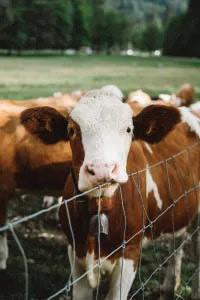
his is how to actually use salt in cattle nutrition. When it comes to managing cattle, you might not think of salt as a big deal—but it’s actually one of the most essential tools in a rancher’s toolkit. Like us, cattle need salt for crucial body functions, from digestion to muscle movement. Without enough salt, cattle can experience health issues affecting their growth and productivity, which is why salt management plays a crucial role in keeping herds healthy.
Consider salt a ‘cattle magnet‘—cows are naturally drawn to it and actively seek it out, even if it means munching on tree bark or licking dirt. This natural behavior not only connects us to the animals we care for but also presents an opportunity for producers. Salt can be used to encourage cattle to eat other essential minerals or supplements they might otherwise ignore. In this way, managing salt intake becomes a clever strategy for regulating what and how much cattle consume, saving on feed costs, and supporting balanced nutrition.
But while salt can be a handy management tool, it’s not a one-si e-fits-all solution. The right amount of salt varies based on factors like age, diet, and stage of production, and too much salt without water access can lead to problems. In this guide, we’ll cover why salt is so essential, how to manage it safely, and how it fits into the big picture of healthy, productive cattle.
INTRODUCTION TO SALT IN CATTLE MANAGEMENT
Salt is a crucial component in cattle management. It is one of the essential minerals that cattle need daily for overall health and productivity. Unlike many other nutrients, cattle actively seek out salt to satisfy their natural urge, making it a vital part of their diet. By providing the right amount of salt, cattle producers support healthier herds and ensure that animals get an essential mineral that can sometimes be lacking in pasture forage alone.
ncorporating salt into a cattle diet offers numerous benefits. t helps regulate bodily functions like digestion, milk production, and blood ow, which are essential for reproductive health and overall vitality. This reassures us as producers that we are contributing to our herd’s health and productivity. Additionally, salt encourages cattle to drink more water, improving hydration and supporting metabolic processes. Since salt also aids in absorbing other nutrients, maintaining a balanced salt intake can boost the effectiveness of a broader feeding program.
For cattle producers, managing salt intake is a practical tool for meeting cattle health needs and controlling feeding behavior. By adding salt to feed, producers can help regulate how much cattle consume, making it possible to balance diets more precisely and reduce costs. ffective salt management helps ensure cattle are well-nourished, contributing to growth, weight maintenance, and e cient production, all of which are essential for a profitable operation.
Without going into too much detail, the answer to this question is a resounding YES. It is an essential nutrient needed for the general functioning of cattle. In this way, it makes them not that much different from us people.
Salt is a necessary mineral for cattle and one that they need to consume daily. This need does not mean that you will have to force feed this or anything since most of what they usually eat contains it. They can derive it naturally from things like the forages they consume in the pasture. Depending on where your ranch is located, they could even get a small amount from the water they drink.
Since they will need to consume it daily, it is a good idea for you to monitor the amount they are eating. Monitoring will ensure that they get the amounts they need. deficiency in this can lead to things like a loss of appetite. Once they get that, it can lead to weight loss and decreased production. As responsible producers, it’s our duty to ensure our cattle’s salt intake is monitored and maintained at the right levels.
t s not just the cow that benefits from salt-calves they also need it for their growth and development. As I mentioned earlier, salt is essential for milk production. The sodium found in salt helps both cows and calves with the absorption of calcium, a crucial mineral for bone health. By ensuring your cattle have access to the right amount of salt, you’re not just supporting their immediate health and productivity, but also laying the foundation for their long-term well-being.
The fact that they will seek it out can also be helpful to you, the producer. You can use it as a top dressing or in a mixture to get them to consume other necessary minerals.
The amount of salt your cows will need to consume will depend on their age and stage of production. For example, a dry, mature cow will not need as much as one that is in the early lactating stage.

But how much exactly do they need? Research conducted by the University of Missouri says that the maximum level advisable is 0.08% of the dry matter intake for dry cows and 0.1% for lactating cows.
A general rule of thumb is that cattle must consume 0.005% to 0.010% of their body weight as salt daily. A 1,200-lb cow needs to take between 0.06 and 0.12 lbs of salt daily.
The type of feed cows eat can also affect the amount of salt they need to take in from other sources. Cows tend to eat more salt on a high-forage diet than on a high-concentrate one.
It should also be noted that they will consume more when the grass is “green and succulent“ vs. when it is in the mature growth stage. This difference is due to there being less available in the younger forages.
I would be a bit negligent if I discussed salt requirements without at least mentioning toxicity. Now, toxicity is rarely seen in cattle because of their high



tolerance for salt. Salt is rapidly absorbed from the intestinal tract into the bloodstream. After that, it is excreted by the kidneys through urine. The cow will have no problem eliminating any excess if plenty of clean water is available. However, the lethal dose for a mature cow is 4- 5 lbs of salt.
There are 3 cases where salt toxicity is likely to occur. One scenario is where cattle have been deprived of salt for an extended period of time and then suddenly have salt readily available. The next is if cattle are forced to overeat salt with an inadequate amount of water available. In addition, cattle are forced to drink saline water.
As mentioned earlier, using salt to control intake isn’t an exact science. Factors such as age, what is provided by forages, and the cow’s tolerance for it will play a role. You will need to use a particular amount depending on the amount of supplement you are taking.
For cattle not used to self-feeding, use a 50:50 or 60:40 salt-to-meal ratio to prevent overeating. Once that has gone on for a while, you can reduce the amount
used. You can do this until you get the intake you want. Unless they have been fed supplements before, they will need a training period of about a week without salt. It would be best if you cracked or coarsely ground your grain before taking this supplement. This action will be to match the grain size of the salt you are feeding. Matching the grain size will prevent the cattle from separating the two and overeating. Providing forages such as grass or hay during this time is also good. Use plain white salt also.
When using salt to limit intake, you will need to consider the following:
• The amount of salt to use can vary from 5-60%
• To increase supplement intake, then decrease the amount of salt. To reduce the amount of the supplement, increase the amount of salt.
• It will be necessary to add more salt as the animal grows accustomed to it in order to limit its intake.
• The feeder should be portable and able to protect the feed from wind and rain.
• Do not place feeders next to water sources because it will affect gra ing distribution. f you want more ideas on improving grazing distribution, check out my previous post, “Better grazing with supplements.”
Let’s say you have a self-fed protein supplement, soybean meal, or cottonseed meal that you want to feed a group of 1100 lbs cows at 2 lbs per head per day. According to the table below, those cattle will need to average 1.1 lbs of salt per day to limit intake. A self-fed supplement composed of 35% salt and 65% protein supplement would meet both of those requirements on average. As I said, you will likely need to adjust those numbers to meet your needs.
For fun, let’s try a scenario. Let’s say that in addition to that 2 lbs of protein supplement, you also want the cow to eat 3 lbs of grain. This addition will bring the total amount to 5 lbs. In that case, the supplement will only need 18% to meet that need. NH
With Maria Hansen, pest student at the Peace River Forage Seed Association
he star of this week is the ground beetle! These critters are quite common in the Peace Region and eat many of the pests in our area. Ground beetles provide a natural level of pest control, as they love to chow down on many of the critters that can be harmful to field crops. part from this, they can also improve soil health. These beetles burrow through the ground, resulting in tiny tunnels under the surface. The network of holes aerates the soil and improves the water infiltration, as well as mixes organic residue to encourage decomposition. The presence of ground beetles can also be used as an indicator of soil health - abundant, diverse ground beetle populations signify a healthy ecosystem.
These beetles, true to their name, live in soil. Commonly found under ground debris and often in agricultural ones, they also sometimes find their way into buildings. hatever your first instinct may be when you see a bug in your house, these guys are super beneficial in your garden, so gently usher them back to the outside world. The beetles re uire diverse vegetation, so monocropping can negatively affect them and heavy tillage quickly disrupts their habitats. Moisture and temperature can affect how active they are, and seasonal shifts in uence breeding cycles. n short, a diverse, minimal till habitat keeps these beneficial beetles happy.
Ground beetles have a large role in the agricultural community, as well as your garden. Their eggs are laid individually in the soil, and hatch into larva. These larva love to eat worms and slugs. They then undergo three larval instars (growth stages separated by a molting process). Pupating occurs in the soil, and the adults that emerge can live for four years. dult ground beetles mainly prey on garden pests from ants and aphids to weevils and cutworms which make them useful in field crops too. The BCPPM project has a pet named Jeremy (a Calisoma calidum ground beetle) who is quite content to eat all sorts of grubs, including the tent caterpillars currently overtaking the Peace Region.
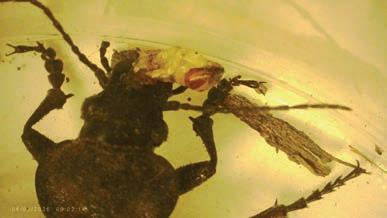
Like most of their prey, ground beetles are nocturnal. The tend to remain hidden throughout the day, and if startled they scurry for cover rather than y away. The way in which a beetle escapes you can help identify what kind of beetle it is, and a ground beetle’s long legs allow for a speedy departure unique to their kind.
For more information, https://www.britannica.com/animal/ground-beetle https://peskylittlecritters.com/why-ground-beetles-are-essential-for-soil-health/ NH



















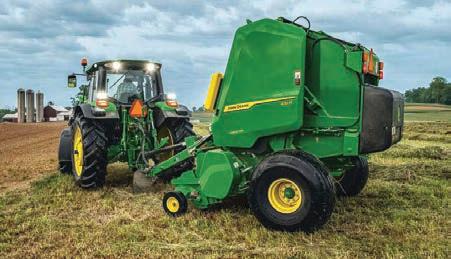
John Deere’s weave automation is one of the most significant advancements in modern round baling, designed to reduce operator workload, improve bale uality, and increase overall e ciency. t its core, weave automation replaces the traditional manual weaving techni ue where operators steer left and right to ensure even bale formation with an automated hitch system that performs this movement independently.
WHAT WEAVE AUTOMATION DOES
eave automation allows the baler to swing up to degrees left or right, automatically adjusting its position relative to the tractor and windrow. This side-to-side motion ensures the baler picks up the full width of the windrow without the operator needing to steer manually.
This automation is especially valuable because traditional baling re uires constant steering corrections to avoid driving over windrows, which can press down crop material and reduce pickup e ciency. y letting the baler handle weaving, operators simply keep the windrow between the tractor s front tires and drive straight.
niform bale shape is essential for storage, transport, and feed uality. eave automation enhances bale formation in several ways
• Consistent bale shoulders The automated hitch ensures even feeding across the chamber, producing s uare-shouldered, uniform bales.
• Reduced contamination ecause the tractor no longer drives over windrows, less debris is introduced into the bale, improving feed uality.
• Optimized crop flow The baler aligns itself with varying windrow shapes, maintaining steady intake even in uneven or irregular rows.
These improvements are especially important for livestock operations where bale consistency directly affects ration uality and storage stability.
AUTOMATION ECOSYSTEM:
HOW WEAVE FITS IN
ohn eere s balers already include gate automation, speed automation, and unplug assist, which manage

bale si e detection, tractor stopping, wrapping, and bale ejection. eave automation adds a new layer by automating the feeding alignment process. Together, these systems create a near-fully automated baling work ow
Tractor stops automatically when bale reaches target si e ale is wrapped and ejected without operator intervention alers resume operation when the operator cycles the joystick eave automation ensures consistent feeding throughout the process
This integration reduces operator fatigue and minimi es missed steps during long baling days.
The weaving hitch s maneuverability also improves safety
• Better bale placement The baler can position bales more securely on uneven terrain, reducing the risk of rolling.
• Less operator distraction ith weaving automated, operators can focus on forward travel and field ha ards rather than constant steering corrections.
• More predictable machine behavior utomation reduces sudden steering movements that can destabili e the tractor-baler combination on hillsides.
Many ohn eere balers e uipped with weave automation also offer
• Bale documentation eal-time moisture and weight data sent to the tractor display and perations Center.
• MegaWide pickup options Higher-capacity pickups that can increase productivity by bales day compared to standard pickups.
• ISOBUS-based automation controls Gate cycle management, tractor speed automation, and T disengagement through Tractor mplement utomation T .
These features work together to create a more intelligent baling system that reduces operator workload and increases output.
For both experienced operators and newcomers, weave automation delivers
• Higher productivity perators can bale more acres with fewer corrections.
• Reduced skill barrier New operators can produce high- uality bales without mastering manual weaving.
• Improved crop preservation Full windrow capture preserves nutrients and reduces crop damage.
• Stress-free operation utomation handles repetitive tasks, reducing fatigue and improving consistency.
ohn eere s weave automation transforms round baling by automating one of its most tedious and skill-dependent tasks. ith a -degree swinging hitch, integrated automation systems, improved feed uality, and enhanced safety, it represents a major leap forward in hay and forage technology. hether used on the Series balers or other compatible models, weave automation helps operators produce uniform, high- uality bales with minimal effort making baling more ecient, more precise, and more accessible than ever. NH


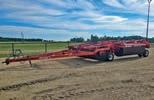
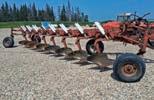



Canadian farmers reported planting more acres of canola, barley, corn and soybeans but fewer acres of wheat, oats, lentils and dry peas in 2026.
On the Prairies, planting progressed more slowly than normal but was largely complete by the end of May. According to provincial crop reports, seeding in Alberta began later than usual, but it was nearly in line with the average by the end of May. n Saskatchewan, planting rose significantly toward the end of May, but it remained behind the 5- and 10-year averages. Despite a slow start, Manitoba farmers were able to complete seeding in-line with historical averages.
For the most part, seeding in Central Canada progressed at a normal pace, despite wetter than normal conditions in some areas. Seeding was mostly complete by mid-June.
Canadian farmers reported seeding fewer acres of wheat in 2026, with total wheat area falling 5.9% to 25.3 million acres. The decrease in the total wheat area was led by spring wheat, which fell 3.9% to 18.1 million acres. Durum wheat (-10.3% to 5.9 million acres) and winter wheat (-11.5% to 1.4 million acres) also fell compared with one year earlier. The decrease in wheat area likely occurred because growers opted to seed more of other crops, including canola and barley.
In Saskatchewan, producers reported planting 13.2 million acres of wheat in 2026, down 5.9% compared with 2025. Durum wheat led the decrease, falling 9.1% to 4.7 million acres, while spring wheat decreased 3.1% to 8.5 million acres.
Producers in Alberta reported planting less wheat in 2026 compared with 2025, with wheat seeded area falling 5.4% to 7.6 million acres. Durum wheat led the decrease, falling 17.1% to 1.1 million acres, while spring wheat fell 2.1% to 6.4 million acres.
Manitoba producers reported planting less wheat in 2026, with seeded area falling 8.4% to 3.0 million acres on less spring wheat area.


Canadian producers reported planting a record 23.4 million acres of canola in 2026, up 8.4% from 2025 and surpassing the previous record of 23.0 million acres set in 2017. The increase in canola area in 2026 may have been a result of favourable prices relative to other crops, coupled with strong demand, as canola crushing capacity, mainly for renewable energy, continues to expand.
The increase in canola area in 2026 was driven by Saskatchewan, where producers reported seeding 13.4 million acres (+9.8%), which is 656 300 acres more than the previous record for the province.
In Alberta, growers reported higher area seeded to canola in 2026, rising 6.9% to 6.6 million acres, the highest area in the province since 2021.
Producers in Manitoba reported seeding 3.2 million acres of canola in 2026, up 6.3% from one year earlier.
At the national level, farmers reported seeding more corn for grain in 2026, rising 4.8% from the previous year to 4.0 million acres.
Ontario growers reported seeding 2.3 million acres of corn for grain in 2026, rising . from and in line with the five-year average.
In Quebec, farmers seeded more acres to corn for grain in 2026, rising to 900 500 acres (+5.4%).
Producers in Manitoba reported planting a record 692 600 acres of corn for grain in 2026 (+11.8%), surpassing the previous record area set in 2025.
Nationally, producers reported planting more soybeans in 2026, with total area increasing 3.1% to 6.0 million acres.
In Ontario, the largest soybean producing province, seeded area edged down 0.6% compared with 2025 to 2.9 million acres in 2026.



Growers in Manitoba reported planting more soybeans in 2026, with total seeded area increasing 16.2% to 1.9 million acres, the highest area reported in the province since 2017. The decision to plant more soybeans may have been the result of several years of good yields within the province.
Quebec producers reported seeding 1.0 million acres of soybeans in 2026, down 3.1% from 2025.
Farmers reported planting 6.7 million acres of barley in 2026, up 9.3% from one year earlier. The increase in barley area was led by Alberta, where seeded area rose 12.0% to 3.7 million acres. Barley area rose 12.6% to 2.5 million acres in Saskatchewan, while area decreased 23.0% in Manitoba.
Farmers reported planting 15.1% fewer oats in 2026, with the area dropping to 2.5 million acres. In Saskatchewan, the largest oat-producing province, planting fell 15.0% to 1.1 million acres. Producers also reported lower planting in Alberta (-11.5%) and Manitoba (-27.9%).
Canadian farmers reported planting 3.9 million acres of lentils in 2026, down 10.9% from one year earlier. In Saskatchewan, where nearly 90% of Canada’s lentils are grown, producers reported planting 3.4 million acres, down 11.7% from 2025, while planting in Alberta was down 5.6% to 533 800 acres.
Nationally, farmers reported lower seeded area of dry peas in 2026, down 13.7% to 3.0 million acres, marking the lowest area since 2011. Saskatchewan dry pea area decreased 7.3% to 1.6 million acres, while in Alberta, it fell 17.6% to 1.2 million acres.
The une Field Crop Survey, which collects information on field crop seeded areas in Canada, was conducted from May 15 to June 12, 2026, and included approximately 25,000 farms. Respondents were asked to report their seeded areas of grain, oilseeds and special crops.
Subsequent surveys during the year will provide estimates of actual seeded acreages. ata on final acreages for will be released on ecember , , and will be subject to revision for two years.
The field crop surveys collect data from uebec, ntario, Manitoba, Saskatchewan and Alberta for all survey cycles. However, they collect data twice a year (in the une iteration of the field crop survey on seeded areas and in the November iteration of the field crop survey on final production from Newfoundland and abrador, Prince Edward Island, Nova Scotia, New Brunswick and British Columbia, which represent from 2% to 4% of national totals.
Therefore, Canadian totals for spring seeding intentions include carry-over data for these provinces from their preceding November survey, and Canadian totals for July include carry-over data for these same provinces from their preceding June survey.
Release calendar: The dates for upcoming releases of stocks, areas and production of principal field crops are available online.
In this release, percentage changes are calculated using unrounded data. ata for are compared with final data. For more information on agriculture and food, visit the Agriculture and food statistics portal.
An easy-to-print chart, Crop Report Survey at a Glance, which provides an overview of Statistics Canada’s survey cycle, is now available. NH
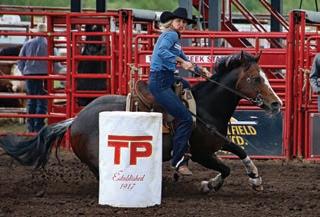

How do you grow produce, like potatoes and carrots, outdoors in a climate where the growing season is short and temperatures are cool? Agriculture and Agri-Food Canada’s (AAFC) research scientist Dr. Shawna MacKinnon, from the Kentville Research and Development Centre (RDC), is testing co-developed specialty designed cold frames as a possible solution in partnership with crew members from Naurvik.
Despite the short growing season in Gjoa Haven, which runs from the beginning of July until mid-September, so far, the results using cold frames have been impressive. Over the 2025 growing season, the crew was able to harvest fresh potatoes and carrots as well as conduct growth trials of traditional plants from ten cold frames installed at the Naurvik site.
In 2019, community members partnered with the Arctic Research Foundation, AAFC, the National Research Council, and the Canadian Space Agency to install the off-grid, plant production research facility called Naurvik, located in Gjoa Haven, Nunavut. Naurvik, or “the growing place” in Inuktitut, is approximately 250 kilometres north of the Arctic Circle and was designed to see if it was possible to grow produce year-round in a controlled environment powered by wind and solar panels in a northern climate. Since 2019, Naurvik has grown into something special.
Building on the success of Naurvik, Dr. MacKinnon has continued working closely with the Arctic Research Foundation and the community members working at Naurvik under an AAFC AgriScience project. This project involves scientists from Kentville and Harrow RDCs.
Recently, the Naurvik team expressed interest in growing produce outdoors during the summer months. That was when Dr. MacKinnon began exploring methods to make that happen. In response, Dr. MacKinnon,her team, and the Naurvik crew adapted a cold frame design originally used in northern Quebec Indigenous communities to suit the unique conditions of Nunavut’s northern climate, making the crew’s vision a reality.
“These cold frames are custom-built made with durable hemlock wood and poly-
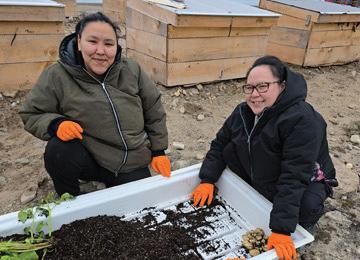
carbonate sheets, which protect the plants while still letting sunlight in and feature added insulation to guard the plants against the cold. The frames are then shipped to Naurvik in easy-to-assemble kits. When they arrive, the crew members assemble them,” said Dr. MacKinnon.
After many conversations involving Dr. MacKinnon, the crew and community decided they wanted to grow potatoes, carrots, and traditional plants to test the cold
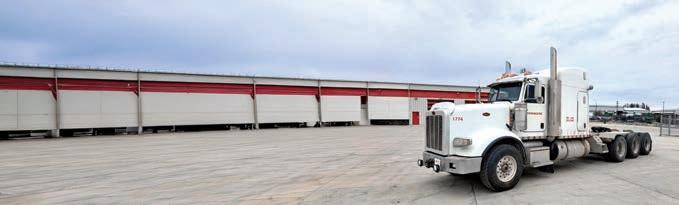

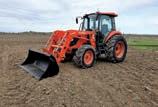
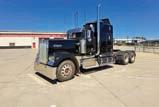

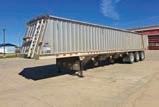
frames’ capabilities. Dr. MacKinnon helped the crew select potato varieties that were quick harvesting and tolerant to cold environments. She pre-sprouted the seeds at the Kentville RDC before sending them to Naurvik. Once the temperatures in Gjoa Haven rose above freezing, the sprouted potatoes were planted by the crew members in soil-filled grow bags and then placed inside the cold frames. Meanwhile, back at the Kentville RDC, Dr. MacKinnon also built a similar cold frame to simultaneously grow produce to offer the team support and advice should any challenges arise.
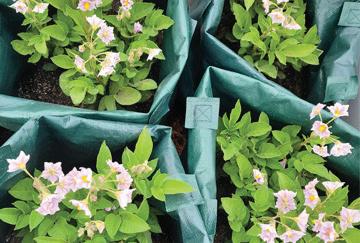
Since the launch of Naurvik, the crew has been preparing bags of fresh produce to distribute to the community. With the recent addition of the ten cold frames, they now have even more opportunities to grow produce during the summer months, further supporting the community with fresh, locally grown food.
“The potatoes grown in cold frames in particular have been very popular amongst the Elders and community,” Dr. MacKinnon shared. “Community members have continuously expressed an overwhelming appreciation for Naurvik. Feedback we’ve received is that everything tastes better when it’s fresh because it’s grown right there in the community.”
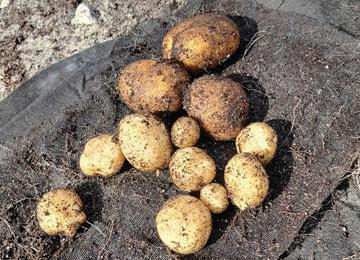
Future improvements to adjust the cold frames are already in the works. “Now that we’ve completed a couple of growing seasons using the frames, we’re looking at tweaking the dimensions of the cold frames to better suit other crops the crew wants to grow,” Dr. MacKinnon said.
This year, Dr. MacKinnon and the Naurvik crew plan to install additional cold frames outside the Naurvik facility. With the additional cold frames, the crew can expand their efforts by increasing their opportunity to grow more rooted vegetables with more space to plant produce outdoors.
The Government of Canada recently announced the first-ever National Food Security Strategy that will invest $750 million to drastically expand year-round Canadian production of fruits and vegetables, including through greenhouses, vertical farms, and other enclosed growing spaces. This means that rural and northern communities will have greater access to year-round fruits and vegetables. NH



















ANIMALS, LIVESTOCK, POULTRY & PETS
2YROLDreg.virgin Charolaisbull.White, 105lbs.,conformation, passedsemenevaluation 780-814-3598.
TWO-YEAR-OLDregistered virginCharolaisbull.80lbs (twin).Greatfeet, conformation,passedsemen evaluation.Call/text780814-3598.
TWO-YEAR-OLDregistered virginCharolaisbull.White, 94lbs.Greatfeet, conformation,passedsemen evaluation.Call/text780814-3598.
2YROLDregisteredred simmentalbullsforsaleby PrivateTreaty.780-354-8842 or780-814-2567.
YEARLINGREGISTERED SIMMENTALbullsforsale Sementested,vetinspected Call/text780-835-9314.
SPEEDCONTROLLED RUBBERfingerchicken pluckerforsale,call780772-6544.
CANADIANARCOTT
YEARLINGewesbredfor February.Openewelambs, candeliver.DonaldJohnston 780-837-1770.
CANADIANARCOTT YEARLINGram,ramlambs forsale,candeliver.Call DonaldJohnston,Donnelly, 780-837-1770.
OUTSIDERAISEDFEEDER hogsforsale,$1.50perlbs liveweight.CallLloyd,780228-5772.
2015CHEVROLET1500 4x4,4dr.,V8,canopy 135,000kms.$19,500OBO CallKen250-789-3747.
LOOKINGFORA GOOSENECKtrailerwith beavertails.CallKeithat 780-274-0699.
1969INTERNATIONAL GRAINtruck,woodbox hoist,motorneedswork, shedded,$5000.Call/text 780-926-0981.
BUILTRIGHTSHEDS. Buildingqualityshelters.Call John780-835-1908foryour quotetoday. 40'LOADKINGT/Agrain trailer.CertifiedJune10 Keptinashed,$35,000.00 780-836-4777
Shouldhavegrainfarmexperienceand beabletooperateandmaintainfarm machinery. Mustpossessavalid Class1or3driver’s licenseand experiencewithgrainhaulingvehicles. Worktostartimmediately. CallMikeat 780-864-0422 oremailat rtltdmr@hotmail.com forfurtherdetails
BuyingAntiques:Coins,toys, advertising,tools&more Willbuybulk.Call/text780832-8216.
2006GMCSAVANNA2500 12passengervanforsale, newtrans,203,000kms, $5,000.780-834-6714.
2011GMCSAVANNA3500 cargovan,6Lgasengine, automatic,asking$7500 Call/text780-219-9034.
1950'SERAFORDtruck foundwhenclearingbrush Fordetailsandpricing,call 780-772-6544.
2009FORDF-350,6.4litre diesel,longbox Call/TextGreg,780-5121207or780-538-9115.
LOOKINGFORANolder (70'sera)singleaxlewater truckwithspraybar.780523-1488.
1979DOEKPER38'(4) hoppergraintrailer,goodroll tarp,11x22.5tires.Call780618-9161,780-836-2107.
LOOKINGFORA3-horse bumperpulltrailer.CallBob 250-467-5345.
1980ARNE'STANDEMaxle bellydumpgraveltrailerfor sale.CallEd:780-618-9161.
1980RENNTANDEMaxle pupgraveltrailerforsale, tarpincluded.CallEd:780618-9161.


BUTLER14'GRAINBINS, mosthaveaeration,callfor details.780-618-9161or 780-836-2107.
RETIREMENTSALE,Butler grainbinsforsale,various sizes.Call250-827-3305or 250-263-8802.
SEACAN8x20'storage container.Enddoors,very goodshape,$4500.Call/text 780-926-0981.
2004Case/IH204230' draperheader,PUreels,pea auger,on2013Horsttrailer, 780-618-9161.
SUNDRAKE-UP20'pickup on22'olderInternational header.Tires,coulters,on transportwagon.780-6189161.
2023CAT262D3skidsteer, 2083hrs.,mintcondition, $62,000OBO.Call/textErnie 780-876-0532.
CATD6NLGPwithripperfor hire,locatedinBirchHills County.CallEugeneat780835-0601.
MILITARYBUILTCATD8 dozer.Includesblade & winch,takingoffers.780523-1488.
2004CASE/IH2388,coarse & fineconcaves,hopper tarp,3452eng.,2766sep hrs.780-618-9161.
DISMANTLINGCASE/IH 2388combine.CallEdwin fordetailsandpricing,780285-4680.
RETIREMENTSALE.Don Belarus1500combinewith header.Inprimecondition Call250-827-3305or250263-8802.
RETIREMENTSALE.John Deere7700combine Overhauled,inexcellent condition.Call250-827-3305 or250-263-8802.
WALLFRAMINGTRAILER, onwheels.Deckscrewsout to8’.780-772-6544.
DISMANTLINGcultivator, disc,andplowsforparts Someairdrills.780-8316747.


9801-17thST. DAWSON CREEK ,B С V1G4B4 (250)782-8910
FAX:(250)782-3238

CAL LN OC HARG E1-800-663-2740
NDIESEL@T ELUS.N ET
RETIREMENTSALE.Big cultivator,harrows,and augersforsale.Call250827-3305or250-263-8802.
NEARLYNEW20.8x38 radialtractortireforsale Callfordetails,780-5183599.
GRAIN DRYERS
DISMANTLINGMC800 graindryer.CallEdwinfor detailsandpricing,780-2854680.
GRAIN EQUIPMENT & SUPPLIES
(2)LOW-SPEEDAERATION FANSforsale,15HP,good condition.$3,500each.780841-5085.
20ACRESONPAVEMENT, BC/NWTborder.Business, tourism,retreatpotential, unfinishedhighwaylodge, gardens,generators, equipment,lagoon.250-5001837.
TILLAGE, HARVEST & SPRAYING
PRODUCTS & SERVICES MISCELLANEOUS PRODUCTS & SERVICES MISCELLANEOUS
YourAudio/VideoConversionSpecialists CONVERTYOURMEMORIESTODIGITAL BEFORETHEYARELOSTFOREVER FilmRolls &FilmNegatives •35mmSlides VHS/VHS-C/Beta •8mm &MiniDVCassettes

Drop-offlocationsforyourconvenience DawsonCreek •SoftwareEmporium •10308 -10thSt FortSt.John •Graphicsman •10514 -101st Ave





76280Highway677, WokingAB 250-784-7828 www.tdp.ca | rick@tdp.ca


1981HONDA185XLEnduro Motorbike,excellentshape, alwayscovered,$3000 Call/TextDoug250-2194139.
CUSTOM WORK CUSTOM WORK
FENCING
LOOKINGFORSHED antlers.WillpayinU.S dollarsforlargerquantities CallTerry780-766-2937. DOUBLEDFENCINGavail. foryourbarbwire,pagewire & plankfencingneeds.780518-6319.
EXPERIENCEDFENCE CONTRACTORserving PeaceRiverarea,barbed wire,wildlife,sheep,goat, boardfence.250-219-6656.
LOOKINGFORApost pounder.CallKeithat780274-0699.
RETIREMENTSALE,fence posts,varioussizesof building&decorativeblocks, lumber.250-827-3305or 250-263-8802.
LOOKINGFOR1980John DeereModel300garden tractorforparts.Call780926-6087.
PROFESSIONALANTIQUE FURNITURErestoration repair,andrefinishing,Five HeartsRefinishing,locally ownedandoperated.780255-0380.
UPRIGHTPIANOforsale. Takingoffers,Formore informationorpricing,call 780-772-6544.
RETIREMENTSALE, welders,armygenerators, scrapiron,culverts,steel pipes.Call250-827-3305or 250-263-8802.
LOOKINGTOLEASE farmlandinthe GP/Sexsmith/TeepeeCreek area.ContactDavidto discussoptions.780-9786768.
(2)HONDAFOURTRAX350 quadsforsale,asking$2500 each.Call/Text780-2199034.
2019HONDA500quad, 9800kms,C/WCamso tracks&tires.Call/textErnie, 780-876-0532.
HONDAGOLDWING1100cc motorcycleforsale,runs good,asking$2500 Call/Text780-219-9034.
LOOKINGFORAuseddirt bike.CallHerman250-2634028.
RETIREMENTSALE,boats withandwithouttrailers, extramotors.Call250-8273305or250-263-8802.
SUZUKI300QUADforsale, excellentcondition,6662 kms,$2300OBO.CallTom, 780-518-0635.
SEASONAL - CAMPERS, TRAILERS & MOTORHOMES
2003VANGUARDW249,24' gooseneckRVtrailer,sleeps 6,excellentcondition,$4900 OBO.780-772-5480.
DISMANTLINGFLEXI-COIL 3450aircart.CallEdwinfor detailsandpricing,780-2854680.
DISMANTLINGFLEXI-COIL 5000airdrill.CallEdwinfor detailsandpricing,780-2854680.
2000NEWHOLLAND688 roundbalerforsale.CallKen fordetails780-766-2350.
2023JD560MroundBaler, 11,000bales.Dealergreen lightedandready,$75,000 OBO.780-876-0532. FARM MACHINERY
LANDROLLERSforsale. 12',14',and17'.CallJohn fordetailsandpricing.780814-4472.
LOOKINGFOR10'-20' tandemdisksuitableforuse with100HPtractor.Call Ken,250-719-4967.
TWOBOTTOMBREAKING PLOWforsale,asking $12,000.Call780-926-9412.
FARM MACHINERY PARTS & ACCESSORIES TRACTORS -
2015MFHesstonround baler,5x6,balekicker,1253 bales,161.7hrs.,$37,000 Call250-783-1010.






SMALLSQUAREBALESof barleyandalfalfaforsale CallEugene780-835-0601.
JD946MOWERconditioner, flails,approx.4000ac, $40,000.Call780-512-3932.
FORD545INDUSTRIAL tractorforsale.Loader, 3 PTH,cab,asking$12,000 Call/text780-219-9034.
1981JOHNDEERE4230 TractorwithFEL,bucketand forks.CallKenfordetails 780-766-2350.
1982JD4440,9970hrs., 20.8x38duals,c/w12' Degelmandozerblade, $38,000.Call/text780-9260981.
SEASONAL - ATV, BOATS & WATERCRAFT TRACTORS -
LOOKINGFOROLDER5x6 roundbaleringood condition.CallJonathenat 780-285-1299.
16'HEAVYDUTYbale frame.Needshitch,would makeexcellentbalewagon Call780-772-6544.
2014NEWHOLLAND7450 Discbineforsale.CallKen fordetails780-766-2350.
LOOKINGFORANewIdea 5209or5212mower conditioner.CallKeithat 780-274-0699. 2012NHT5060,105HP, 1116hrs.,3-PTH,bucket, balefork,835loader, $76,000.250-783-1010.
LOOKINGFORacarrierfor a 30'swather.Call/textKevin at780-285-4684.
HAYING & HARVESTING TRACTORS - VARIOUS TILLAGE EQUIPMENT
2016VERMEERR2300hay rakeforsale.CallKenfor details780-766-2350.
3/4TAUTOSTEERINGbale wagonforsale.Formore detailsandpricingcall780772-6544.
RETIREMENTSALE VERSATILE400swathers forparts.Call250-827-3305 or250-263-8802.
CONCORD40'HEAVYduty cultivator,c/wanhydrouskit 780-618-9161or780-8362107
JD3200PLOWFORSALE, 6x18,AutoReset,spring cushioncoulters,reversible hitch.$6500firm.Call250785-5321.

hours,toughdecisionsand
(2)NEWGoodyear Duratorque8.3-24front tractortires,worth$800, sellingfor$400.Call780933-2238
MINNEAPOLIS670; Minneapolis5;Belarus7011; LanzBulldogwithadditional equipment.250-827-3305or 250-263-8802.
STARTER&DIFFERENTIAL pinionforcockshutt40or50 withBudagasengine.Call 780-835-0601.


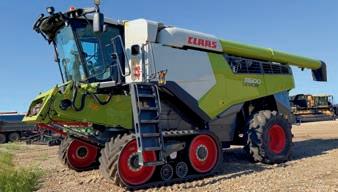

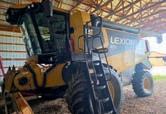
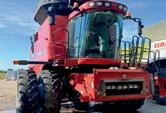
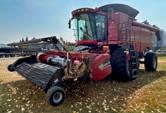

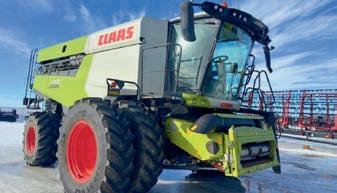
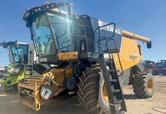
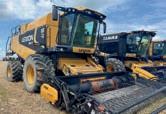
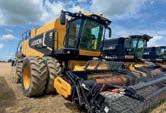
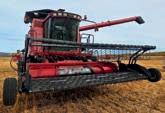
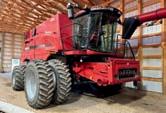
STKU000528 2008CLAAS570R 620FRONT DUALS& 28L26REAR TIRESW/4WD,MAVCHOPPER, OUTBACKSGPS W/STEERING, 2070SEPHRS, STK2448