



by The Tri-State Defender
POSTMASTER: Send address changes to The Tri-State Defender, 1509 Madison Ave., Memphis, TN, 38104.
GENERAL INFORMATION: Inquiries may be submitted in writing or by calling (901) 523-1818 or by email.
TELEPHONE: (901) 523-1818.
The Tri-State Defender (USPS 780-220) is published weekly. The Tri-State Defender 1509 Madison Ave. Memphis, TN, 38104. Second-class postage paid in Memphis, TN. The Tri-State Defender is a member of The National Newspaper Publishers Association and the Tennessee Press Association.
materials covered by
No materials herein may be reproduced without the written permission of the Publisher. (901) 523-1818 | 1509 Madison Ave, Memphis, TN 38104
By Alice T. Crowe NNPA Newswire
Imagine trying to take out $40 from an ATM, but the machine won’t give you cash. Instead, it’s a cryptocurrency ATM that only lets you buy bitcoin, and it charges a high fee. These machines allow you to buy or sell cryptocurrency using cash or a debit card. You have no idea that they are not connected to banks or the regular banking system. Many of these crypto ATMs are concentrated in Black neighborhoods. It’s not a coincidence. Crypto companies target Black consumers.
Big crypto firms such as Circle, Coinbase, Ripple and Crypto.com are trying to become banks by applying for special permission, a national trust bank charter from the Office of the Comptroller of the Currency (OCC). While this does not appear to be problematic, it will allow these firms to offer many of the services that regular banks provide, such as accepting payments and facilitating deposits. Having a name that includes the word “bank” or “trust “can be misleading. Obtaining national trust bank status would give these financial institutions the legitimacy and market credibility they need to gain consumers’ trust. Here’s the problem: these firms don’t have to follow the same rules as banks. For example, banks must keep customers’ money safe and help local communities, as required by the Community Reinvestment Act. Banks make loans with customer deposits for houses, businesses and schools. Crypto companies are not required to carry Federal Deposit Insurance. Crypto is a challenge to trace or freeze. There is no undoing a transaction if it is the result of a scam or theft. Banks have a dispute process and are required to provide recourse for loss or theft. Crypto banks don’t.
To be sure, crypto will benefit those who can afford to take the losses. Yes, traditional financial institutions exclude, exploit and oppress Black people in America. Redlining, loan rejection,
predatory lending and banks that overly scrutinize Black customers are real. Black people are all too ready to jump ship for something better. Crypto companies exploit this desire with the narrative that crypto is a panacea for racism and societal ills. But crypto is a very niche market used by only a tiny fraction of Americans, as per a Federal Reserve Board study. The volatility and risk involved can devastate Black community gains.
Given all the celebrity Black faces used to promote crypto, how does crypto benefit the Black collective? Do most people have the financial ability to absorb the losses given crypto’s volatility? Especially when Black families have less wealth than white families in America. White families have six times the wealth of Black families. The wealth gap alone makes crypto a risky bet for

most Black people. Crypto firms target Black customers using Black icons, celebrity partnerships, crypto ball performances at presidential inaugurations, and the placement of Bitcoin ATMs all over the hood, much like predatory payday loans and check-cashing services. Some Black celebrities promote crypto by asking for payment in bitcoin. Beware, the same predatory hands that are reaching out to save Black people may also be there to bite them.
Alice T. Crowe, a lawyer, educator and entrepreneur that has practiced law for over 25 years in New York. The opinions expressed in this commentary are those of the writer and not necessarily those of the NNPA.

By Molly Minta and Michael Goldberg Mississippi Today
The man suspected of setting fire to Mississippi’s largest synagogue allegedly confessed his crimes to law enforcement and referred to the building in northeast Jackson as the “synagogue of Satan,” according to a federal court document filed Monday.
Stephen Spencer Pittman, 19, of Madison — who usually goes by his middle name — is facing federal charges for using fire to maliciously damage or destroy a building involved in interstate commerce, according to a probable cause affidavit in the U.S. Southern District of Mississippi.
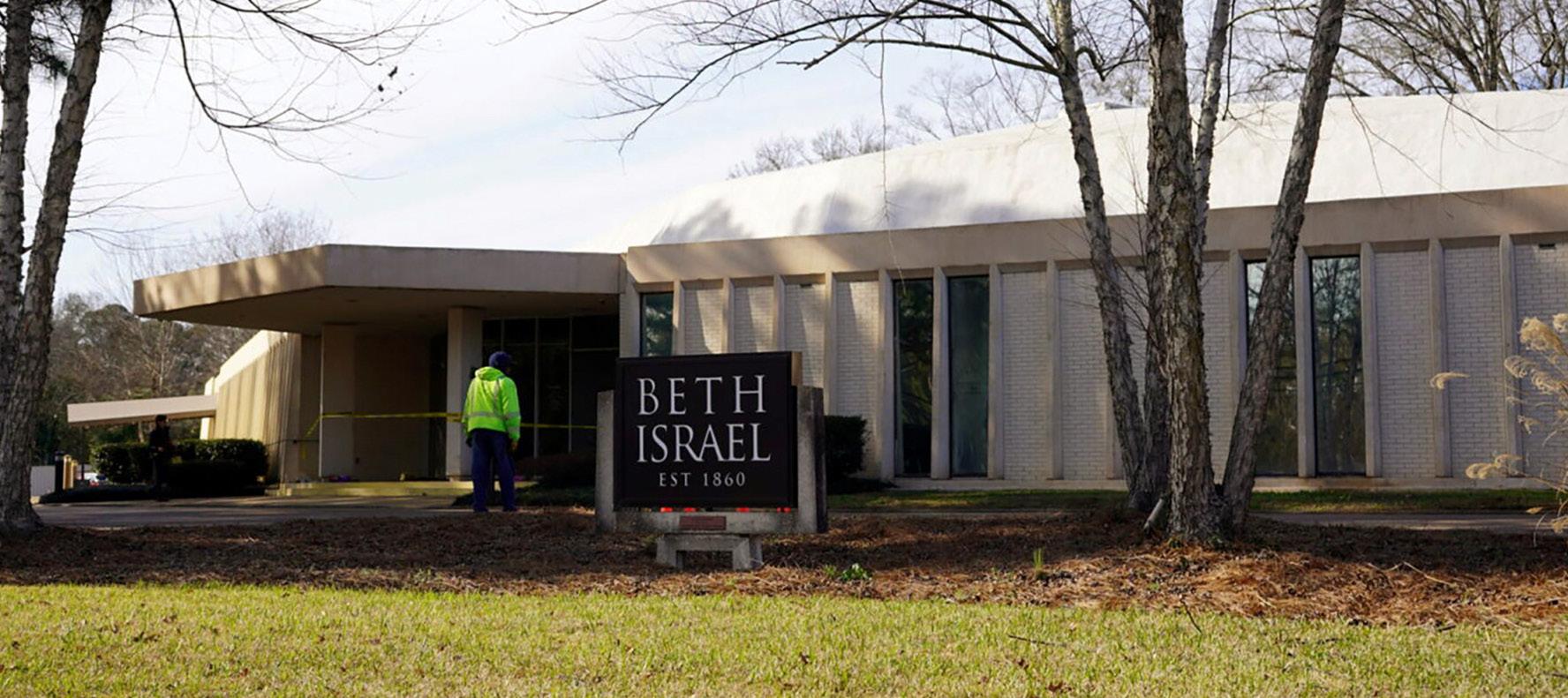
The Beth Israel Congregation synagogue also houses the offices of the Institute for Southern Jewish Life, which provides school programs and traveling rabbinical services to Jewish congregations across the South.
The predawn fire Saturday reduced the historic synagogue’s library and administrative offices to charred ruins and left smoke damage throughout the building, the same one the Ku Klux Klan bombed in 1967 for its rabbi’s support of civil rights.
In a striking parallel, Pittman is alleged to have set fire to the same part of the octagonal building that burned in the 1967 attack — a wing facing a parking lot exit on Old Canton Road.
Pittman appeared in federal court on Monday afternoon via video conference, accompanied by a public defender. He affirmed to the judge, Andrew Harris, that he was competent and sober. Pittman appeared to be leaning back in his chair, gazing away from the camera. When the judge asked him if he understood his rights to an attorney, Pittman responded, “Yes sir, Jesus
Christ is Lord.”
Both of Pittman’s hands were wrapped in bandages, and he had no visible burns on his face. He is scheduled to be released from the hospital on Wednesday, his attorney told the judge before requesting a Jan. 20 hearing to determine bond. The prosecutor, Matt Allen, moved to have Pittman detained as he awaits trial.
If convicted, Pittman faces five to 20 years in prison and a fine of up to $250,000. Federal court documents did not list an attorney for him and did not include a booking photograph of him.
In a statement Monday, Beth Israel Congregation thanked investigators for swiftly apprehending a suspect and said it is noteworthy that Pittman “appears to have admitted to committing this heinous act out of hatred for the Jewish people.”
“This news puts a face and name to this tragedy, but does not change our
resolve to proudly — even defiantly — continue Jewish life in Jackson in the face of hatred,” the congregation’s statement said. “The response and support from our community, both from local churches and from the worldwide Jewish community, has been overwhelming.”
Federal investigators quickly identified Pittman as a person of interest, according to the affidavit, which includes text messages he allegedly sent to his father in the course of setting the fire Saturday. The father pleaded for his son to return home, the affidavit says, but Pittman “replied back by saying he was due for a homerun and ‘I did my research.’”
Pittman is alleged to have confessed to his father, who later contacted the FBI and provided GPS data showing Pittman was at the synagogue early Saturday morning.
The son “laughed as he told his father what he did and said he finally got them,”
says the affidavit from Nicholas Amiano, an FBI agent in the Jackson division.
Amiano said Pittman purchased gasoline from Mac’s Gas in Ridgeland, where he also removed the license plate from his truck. Then he drove to the synagogue, used an ax to break through one of the windows, went inside, poured gasoline and lit it on fire with a torch lighter.
Once at Beth Israel, Pittman also texted his father a photo of the back of the synagogue writing “there’s a furnace in the back,” “Btw my plate is off,” “Hoodie is on” and “and they have the best cameras.”
Investigators recovered a burnt cell phone believed to be Pittman’s and a hand torch found at the synagogue by a member of the congregation, the affidavit says.
Security camera video obtained by
See Page 4
From Page 3
Mississippi Today shows a hooded person splashing liquid inside the lobby of the synagogue, spraying his legs in the process. A screengrab of the security footage is included in the FBI affidavit.
Jackson Mayor John Horhn said Monday the suspect drove himself to a hospital after he was burned in the course of setting the fire. He added there is a possibility the suspect will be charged with a hate crime. The affidavit states that Pittman sustained burns on his ankles, hands and face.
“We thought that Mississippi was beyond that sort of thing,” Horhn said on Mississippi Today’s podcast. By Monday, news of the arson had drawn an outpouring of local support for Beth Israel. The mayor, multiple city council members, religious institutions and elected officials condemned the attack, which has also caught the attention of top officials at the U.S. Department of Justice.
In a statement to Mississippi Today, Lt. Gov. Delbert Hosemann, a Republican who has long lived near the synagogue, condemned the attack.
“The burning of Beth Israel Syna-
“This was not only an attack on a house of worship, but also an offense against the religious freedom protected by our Constitution. Such acts threaten all of us, regardless of faith. The perpetrator should be prosecuted to the fullest extent of the law.”
— Lt. Gov. Delbert Hosemann
gogue was an act of religious hatred against a place meant to offer prayerful peace and comfort,” Hosemann said.
“This was not only an attack on a house of worship, but also an offense against the religious freedom protected by our Constitution. Such acts threaten all of us, regardless of faith. The perpetrator should be prosecuted to the fullest extent of the law.”
Mississippi House Speaker Jason White said the fire was a “horrible act” that must be condemned.
“It’s awful and terrible,” White said Monday. “It’s also a reflection on where we are as a society. Intolerance finds its way in a lot of different places.”
News of the attack also reverberated internationally over the weekend.
Harmeet Dhillon, the Justice Department’s assistant attorney general for civil rights, wrote on the social media site X that she was “personally involved
and my team is in touch with the US Attorney’s office locally.”
Mississippi Gov. Tate Reeves issued a statement on Monday afternoon, writing, “this heinous act will never be tolerated, and the perpetrator should face the full and solemn weight of their actions.”
Gov. Reeves’ statement also noted that Pittman was admitted to the University of Mississippi Medical Center and that state charges will be pursued “at the appropriate time.”
Pittman was a multi-year honor roll student and varsity baseball player at St. Joseph Catholic School in Madison, according to previous local news reports.
After graduating from St. Joseph in 2024, Pittman played baseball at Coahoma Community College.
St. Joseph and the Catholic Diocese of Jackson issued a joint statement Monday saying: “The actions attributed to the accused individual are senseless,
reprehensible, and wholly incompatible with the values taught by the Catholic Church and upheld in our Catholic schools. …. We stand in solidarity with Beth Israel Congregation and with the Jewish community.”
The leader of the diocese, Bishop Joseph R. Kopacz also said in the statement: “We reaffirm our commitment to the teachings of Nostra aetate, which call on the Church to reject antisemitism, to honor our shared spiritual heritage, and to pursue mutual respect and dialogue. In a world marked by rising tensions and hatred, we recommit ourselves to building understanding and peace among people of all faiths.”
Pittman posted regularly on his X account, often about baseball and Christianity. Many posts pair videos of him practicing his swing in a batting cage with a captioned Bible verse.
A gathering of religious leaders across Jackson planned for later this week has shifted its focus to uplifting Beth Israel in the wake of the attack. The citywide prayer service will be held at 6 p.m. Thursday at Thalia Mara Hall, according to a city press release.
Beth Israel has established a donation fund for rebuilding, with a link on the congregation’s website

By Candace A. Gray TSD Contributing Writer
When she first encountered “Their Eyes Were Watching God” in the 1990s, Ann C. Perry had no idea the novel would quietly shape the next two decades of her life. At the time, Perry was in her 20s and living in Chicago. Like many readers of her generation, she had never been formally introduced to Zora Neale Hurston through school.
A supervisor, who had been assigned the book for a graduate course, passed it along to Perry, who placed it on a shelf, where it sat for nearly a year before curiosity, and trust of her leader, led her to open it.
“I was immediately intrigued,” Perry said. “I started researching her, going to festivals and learning everything I could.”
That curiosity evolved into a lingering creative question for Perry: What story am I meant to tell about her?
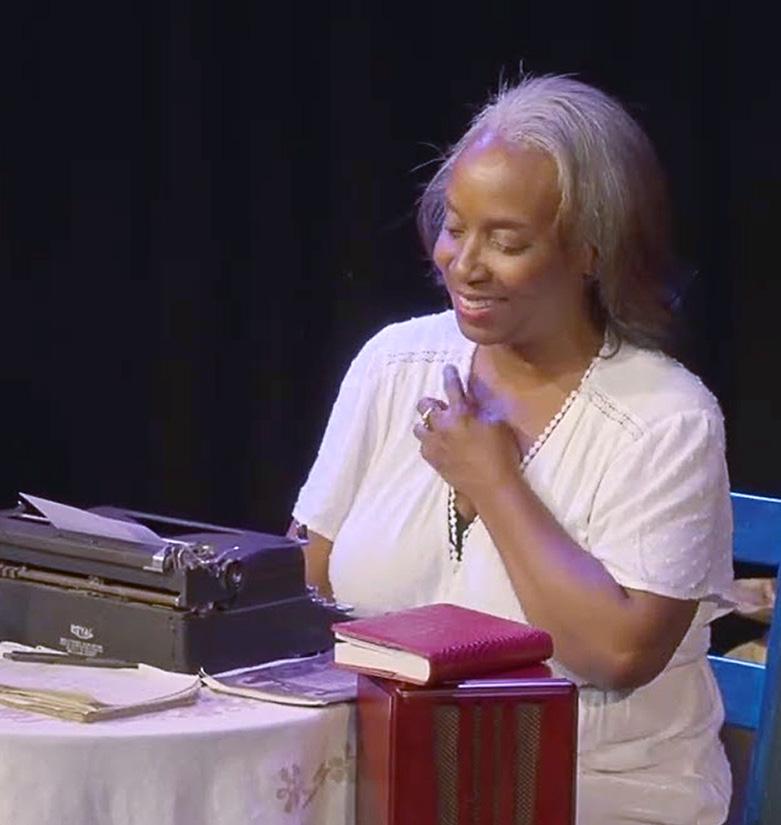
The answer eventually became “Live Rich, Die Poor: Zora’s Awakening,” Perry’s one-woman theatrical production exploring Hurston’s life, worldview and creative independence. The show first debuted in Memphis in 2017 and has steadily grown in scope, recognition and ambition.
Now in her 50s, Perry describes the production as both a labor of love and a pivotal moment for her. “Writing this story has been instrumental to my growth as a woman,” she said. “Zora’s life really challenged me.”
Although Perry earned a theatre degree from University of Tennessee Chattanooga and has worked in the field for decades, she had never created a one-person show before this project. The idea crystallized after she met Phil Darius Wallace, who was already producing solo performances in Memphis. When the storyline finally came to her, she started writing and he directed the first iteration.
“I didn’t know what I really had,” Perry said. “I just put it out there, and people responded.”
The inaugural version was sparse; a table, chairs and no major props, but audience reactions affirmed the power of the material. Over time, Perry refined the script, added and removed scenes, and worked with another director to shape the production into a more fully realized theatrical experience, which is what audience members will behold at its debut at the Halloran Centre, Jan. 30.
The production has earned accolades along the way, including the 2023 Ostrander Award for Best Original Script at the Memphis Theatre Awards. Still, Perry says the mission remains ongoing.
“I still meet people who don’t know who Zora Neale Hurston is,” she said. “That tells me the work isn’t done.”
Perry is intentional in how she presents Hurston. Rather than focusing on tragedy, she emphasizes Hurston’s confidence, humor and refusal to conform. Raised in the insulated town of Eatonville, Florida, one of the first
incorporated Black towns in the U.S., Hurston did not grow up with a sense of inferiority, a background that deeply influenced her writing.
“She believed country Black folks were worthy of literature,” Perry said. “Through Hurston’s eyes, they were brilliant, funny and full of great stories.”
That stance drew criticism from some contemporaries, including Richard Wright, who argued that Black writers should focus more explicitly on racial oppression. Hurston resisted, choosing instead to chronicle everyday Black life with linguistic richness, metaphors and humor.
Perry sees parallels between Hurston’s independence and her own artistic journey. During years when traditional theatre schedules competed with raising a family, Perry chose to create opportunity rather than wait for it.
“I did this to empower myself,” she said. “Not to be a damsel in distress. I wanted to create something that could sustain me and inspire others, especially my children.”
This project has also opened doors to new work. Perry is currently writing the Orpheum’s next Neighborhood Play, centered on Soulsville, and collecting stories she believes are at risk of being lost on younger generations. “There’s something special about these stories, and I want to be part of telling them,” she said.
That same zeal led to the creation of “Zora the Brave”, a children’s production developed after the Halloran Centre requested a youth-focused companion piece. Written for thirdgrade audiences, the play introduces a young Zora grappling with identity and self-belief.
Both “Live Rich, Die Poor” and
“Zora the Brave” will travel to Miami in February, with “Zora the Brave” set to be performed at the Adrienne Arsht Center on February 7. Perry will not perform in the children’s show, which features actresses Sequita Monique and Marissa C. Gilliam, but she views it as part of the same mission.
“If nothing else, Zora’s life should inspire you to take matters into your own hands,” Perry said.
Producing independently has required faith, sacrifice and community support, from donated rehearsal space at Cossitt Library, to consistent networking.
“I rely on my village … the people who believe this kind of art should exist and are magnetized by it,” she said.
For Perry, the overarching message shared in this production is deeply personal.
“I’m an example of reinvention,” she said. “Of not giving up on a dream. And that’s something I learned from Zora.” Want to learn more about Zora Neale Hurston and see Perry in action? “Live Rich, Die Poor: Zora’s Awakening” will run for one night only at the Halloran Centre, 225 S. Main St., on Friday, Jan. 30. Tickets are available at https://www. orpheum-memphis.com/
For more information, visit liverichdiepoor.org
By Lee Eric Smith TSD Contributing Writer
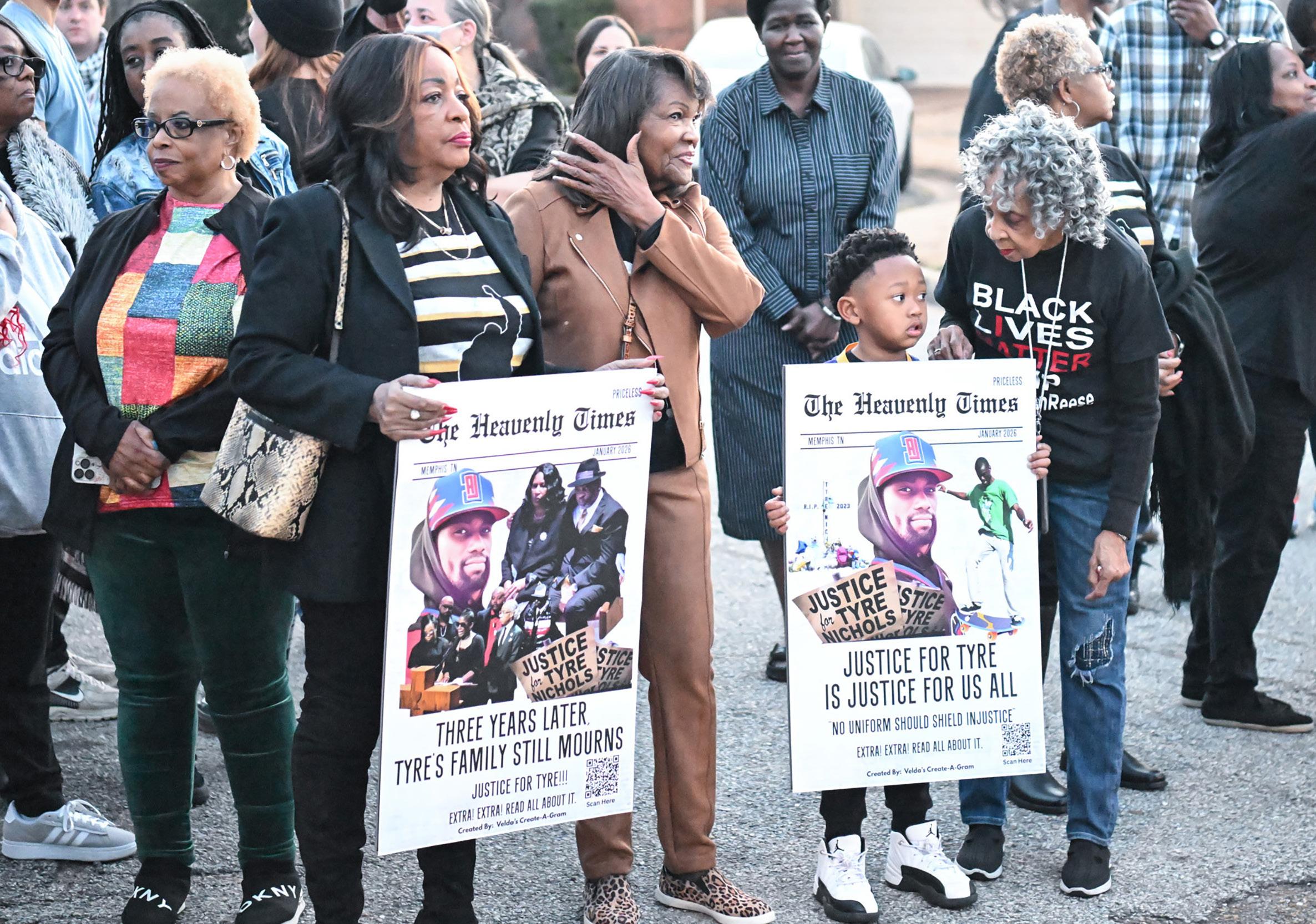
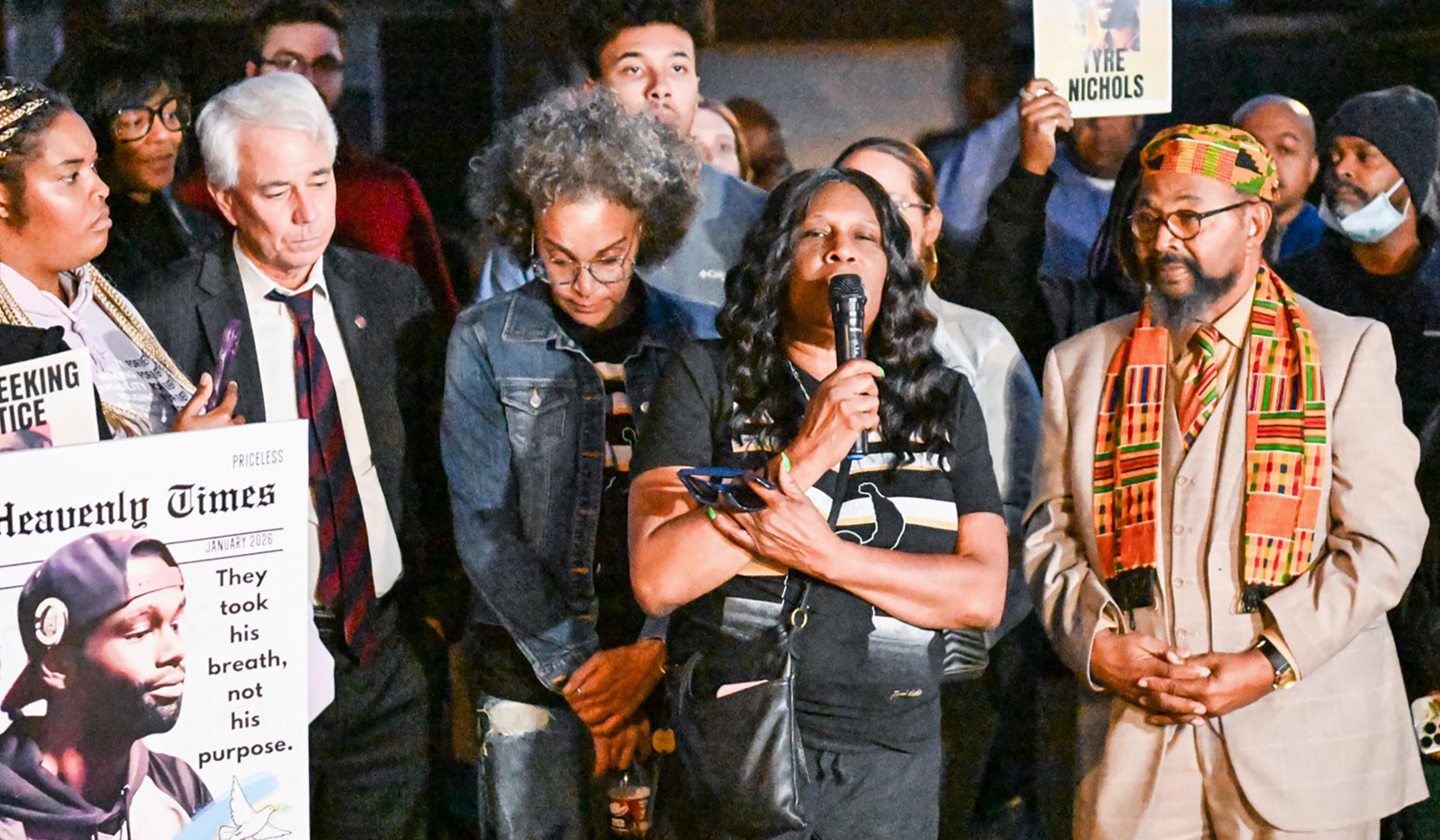
RowVaughn Wells had been dealing with a headache for days when she stepped to the mic to make remarks on the third anniversary of the events that took the life of her son, Tyre Nichols.
“I’m really tired and my stomach is killing me right now, and I have a terrible headache,” Wells said just a few yards from the spot where Nichols was brutally beaten. “What people don’t understand is that while today is (Wednesday, Jan. 7), I’ve been grieving since Saturday because Saturday to me will always be the day.
“And then this Saturday will be the official death date of my son, Jan. 10. All I can say is, and I’m gonna just … ” Wells trailed off, before continuing.
“People don’t know what we are going through right now.”
Candles spelling out “Tyre” lit the pavement where the assault happened as about 100 people gathered at Castlegate Lane to commemorate Nichols’ life. Activists, citizens and elected officials all led chants of “Justice for Tyre” on an unseasonably warm winter night — with Wells feeling no closer to justice.
“ There’s a lot of people that do know what we’re going through, but a lot of these city officials and all this, they don’t know what our family is going through because they never had to deal with it,” Wells told the crowd. “We need justice and it just seems like it’s just some kind of game or something, you know?”
“It’s like it’s some kind of game,” she continued, “and, and I just don’t understand because my son lost his life.”
The Tyre Nichols case remains one of the clearest, most complicated snapshots of where policing, politics and justice collide in Memphis: swift firings and fast charges, followed by split verdicts, reversals, federal intervention, local pushback and a reform process that is still being debated in real time.
What follows are 10 lessons — not tidy conclusions, but the clearest things Memphis has learned so far.
1) SCORPION could kill.
Nichols’ beating wasn’t carried out by a random patrol team. The five officers at the center of the case were members of MPD’s now-disbanded SCORPION
unit — short for Street Crimes Operation to Restore Peace in Our Neighborhoods — a specialized “crime suppression” team created to saturate high-crime areas with proactive enforcement and rapid responses to gun violence and street crime.
The caught-on-camera murder of George Floyd in 2020 at the hands of a white Minneapolis policeman had clear parallels to the Nichols case. It also confirmed what many residents had long argued: When “elite” enforcement teams are built around intensity, discretion and a mission to be aggressive, the margin for accountability narrows — and the risk of catastrophe grows.
The case also cut in a way Memphis wasn’t prepared for. The officers involved were Black, as was Nichols — a reality that complicated the national narrative but did not complicate the facts. For many Memphians, it underscored a bitter point: The danger wasn’t simply who wore the badge, but what the badge wearer was being asked — and permitted — to do, in the name of restoring “peace.”
2) It is possible to police the police — at least at the front end.
Memphis’ initial response was unusually fast and direct. The officers were suspended, then fired. The SCORPION unit was disbanded. Criminal cases moved quickly. National civil rights attorney Ben Crump said Memphis “should be the blueprint” for how officer misconduct is handled.
Memphis Police Chief Cerelyn “CJ” Davis released department video of the incident without prompting or filtering, choosing transparency over controlling the narrative.
“Those five officers have left a terrible stain on, not only our department, but on our city,” Davis told the Tri-State Defender at the time. “Their actions have completely nullified our efforts to foster a closer relationship with our community.”
3) Not all bad cops are white
In almost all high-profile officer-involved incidents, racial dynamics follow an easy narrative — conservative white cop unleashes violence on urban black males. It’s a well-earned narrative dating back to the era of Jim Crow and segregation.
But the fact that all five former Memphis officers were black — and arguably should have “known better” (whatever that would mean) — shifts the narrative, putting the focus squarely on what Davis called “bad actors” in the department. The names of those former officers are Tadarrius Bean, Demetrius Haley, Desmond Mills Jr., Emmitt Martin, and Justin Smith.
“Race was not a factor in how I dealt with this very serious matter,” she said in Jan. 2023. “Black, white, or multi-color — anyone bringing that level of disgrace on this department will get the same.”
The Afro American Police Association — founded in part to prove that effective policing could happen without brutality — called the officers “monstrous males,” and AAPA leaders framed the beating as a blow not just to Nichols’ family, but to decades of work for legitimacy and trust.
Retired MPD Lt. Tyrone Currie put it in a line that still stings: “What we’ve been working on for 50 years, they destroyed in three minutes.”
4) We learned: Chief Davis can take the heat — and so can Memphis politics.
In the year after Nichols’ death, Davis became a lightning rod — praised by some for moving swiftly to fire officers and disband SCORPION, blamed by others for empowering the kind of aggressive, specialized enforcement culture that critics say can metastasize into abuse.
The political pressure didn’t stay abstract. In January 2024, a Memphis City Council committee took steps that signaled Davis’ support at City Hall had become shaky, even as Mayor Paul Young was still settling into office.
Young ultimately stuck with Davis, although leaving her in an interim posture for much of 2024. By January 2025, the City Council voted unanimously to remove the interim label. Together, Young and Davis have made sweeping changes to public safety, including adding hundreds of AI-powered cameras, strategically targeting the most violent offenders and funding community organizations to help prevent crime.
People still want changes within MPD, but few are still calling for Davis to be terminated — which is saying something given the next thing we learned.
5) The problem was worse than anyone wanted to admit.
In December 2024, the Department of Justice, under then President Biden’s administration, released findings that went beyond Nichols. The report concluded MPD engages in excessive force and discriminatory policing, including unlawful stops, searches and arrests, and troubling interactions with children and people in behavioral health crises.
The findings were scathing not just for what they alleged, but for what they implied: Nichols’ beating wasn’t an unthinkable outlier. It was a headline in a larger story about training, supervision and a culture that too often escalates instead of stabilizes.
“The practices we uncovered harm and demean people,” said Assistant Attorney General Kristen Clarke. “They promote distrust and undermine the fundamental safety mission of a police department.”
6) “Police reform” is also a power struggle — federal consent decree or local control.
In the wake of the findings, Young publicly resisted immediate DOJ-driven consent decree oversight, arguing Memphis could make faster, more meaningful change through local work guided by community input and independent experts — without “bureaucratic, costly and complicated” federal control. Young appointed a task force and an independent
monitoring structure led by retired federal Judge Bernice Donald. “I’m willing to put my reputation on the line because I deeply believe that this is important work for our city,” Young said.
In other words, the fight hasn’t only been about what changes are needed but who gets to enforce them, how transparent the process is, and what happens if the city falls short.
7) Justice is not a straight line and verdicts can split the city.
The court outcomes have been dizzying and, for many Memphians, disorienting.
In federal court, a jury convicted three former officers on obstruction-related charges tied to what prosecutors described as efforts to shape the story after Nichols was beaten, while delivering mixed results on the most severe allegations. Then, in state court in May 2025, a Tennessee jury acquitted three former officers on all counts — a result that stunned many residents who believed the video made the case open-and-shut.
Then came another twist: A judge later ordered a new trial on portions of the federal case, reopening questions that many people assumed were settled.
“We’ve had some setbacks and we’ve learned some bitter lessons,” said Shelby County District Attorney Steve Mulroy at Wednesday’s vigil. “I’ve learned some bitter lessons. I’ve learned a lesson about the tendency
of jurors to give the benefit of the doubt to police to an almost absurd length.”
8) “Cops cry,” too, and that doesn’t settle anything.
Two former officers entered plea deals and later testified against others. In one of your most pointed frames, the case exposed not only brutality but the trauma inside institutions that carry weapons and authority.
On the stand, Desmond Mills Jr. wept and apologized: “I’m sorry. I know sorry can’t bring him back.”
Emmitt Martin III described Nichols as “helpless,” words that sounded less like a defense than an autopsy of conscience.
The testimony complicated what many people wanted — a simple story with villains who feel nothing. But remorse doesn’t equal accountability, and pain doesn’t erase harm. It only adds another layer to what Memphis has to confront.
9) The federal government can change course, and local consequences follow.
In May 2025, the Justice Department, now under President Trump, announced it was retracting Bidenera findings of constitutional violations in several police agencies, including Memphis — part of a broader rollback framed as rejecting “overbroad” consent decrees and “micromanagement” by courts and monitors.
For Memphis, the message was blunt: Federal pressure is not guaranteed to last. If reform is going to happen — and be believed — the city will have to prove it with transparent benchmarks and durable policy.
10) Headlines fade, but the wound still hurts — and the bill is still coming due.
For the Nichols family, anniversaries don’t arrive as milestones. They arrive as relived days — the Saturday traffic stop, the Monday death, the years of court dates and resets that keep grief from ever settling into something quiet.
Even now, RowVaughn Wells says time hasn’t brought relief so much as repetition: The same questions, the same anger, the same sense that the people with power can move on while the family can’t. And when public attention drifts, the pain doesn’t. It just becomes more private.
The civil case is where that pain is now being translated into a different kind of accounting. Wells’ wrongful-death lawsuit against the City of Memphis and others seeks $550 million. A judge has pushed the trial date back to Nov. 9, 2026, after earlier scheduling changes and court-ordered mediation efforts.
In practical terms, that means the city’s most visible reckoning over Nichols’ death is still in front of it — and so is the family’s long wait for a form of justice that isn’t simply symbolic.
Bri Hatch Chalkbeat
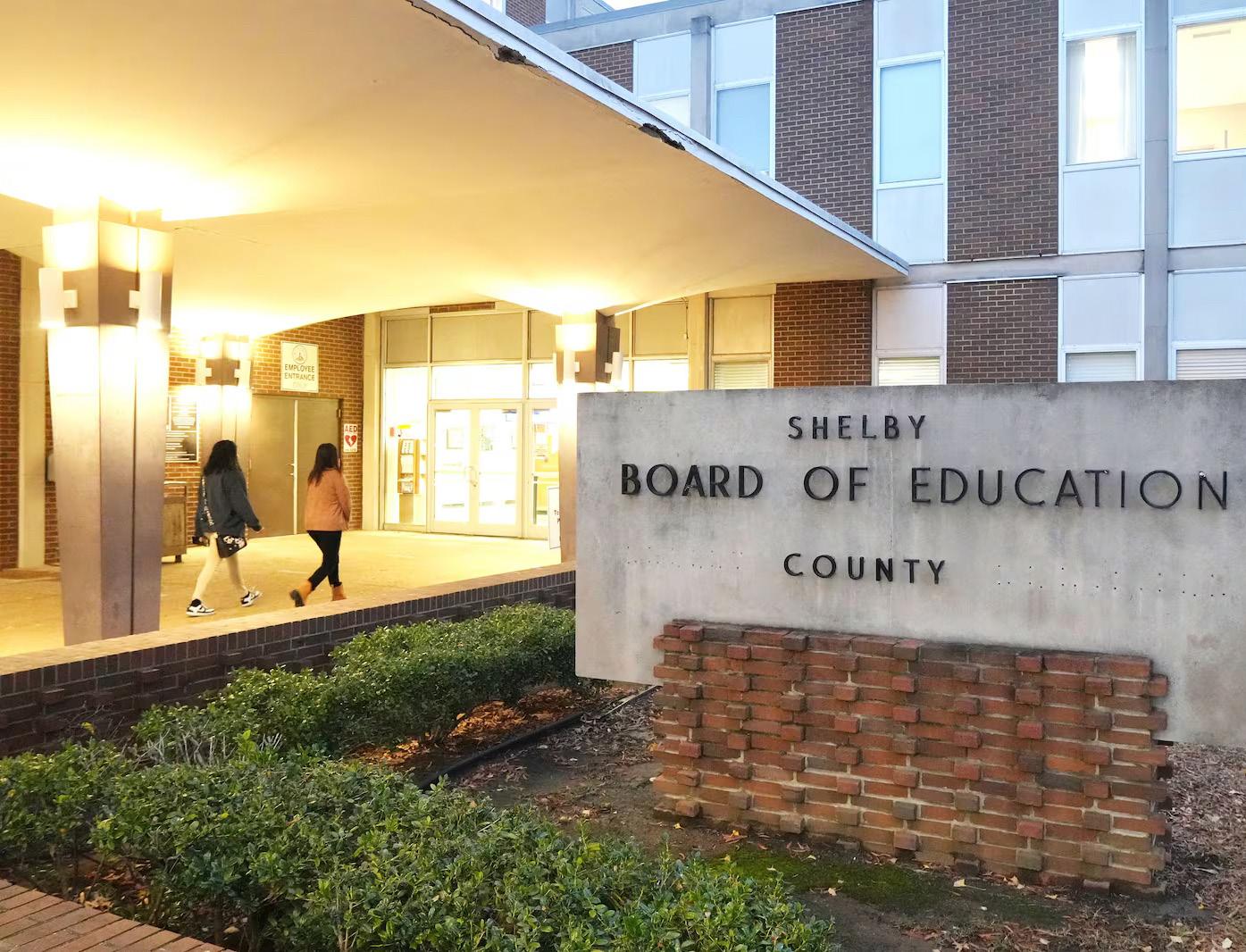
In an early win for Memphis school board members suing over the 2026 election, the Shelby County Election Commission is no longer issuing candidate petitions for five contested district seats.
In an emailed statement Thursday, elections administrator Linda Phillips said the commission would stop issuing petitions for Districts 2, 3, 4, 5 and 7 citing a temporary restraining order issued by Chancery Court Judge Melanie Taylor Jefferson on Jan. 7. The Chancery Court clerk said a signed order is not yet available.
Candidates are required to submit petitions with signatures in order to qualify for the May 5 primary election.
The order is the latest twist in an unprecedented election that’s putting all nine MSCS board seats on the ballot at the same time, beginning with a partisan primary for the first time. The school board filed an initial lawsuit against the election commission in December, saying that the reset election is unconstitutionally shortening the terms of five incumbent members.
The temporary restraining order came one day after the five Memphis-Shelby County board members who currently represent those districts requested the pause of election preparations, a move the state attorney general said would cause “electoral chaos.”
The Daily Memphian first reported news of the judge’s decision Thursday morning. A hearing on the measure is scheduled for 10 a.m. Jan. 26.
Candidates began picking up petitions on Dec. 22. Twenty-two challenger candidates have already pulled petitions, signaling their intent to run against incumbents in the contested districts.
Incumbents Natalie McKinney, Stephanie Love, Tamarques Porter, Sable Otey and Towanna Murphy are part of the lawsuit and represent the districts affected by Wednesday’s restraining order.
None has picked up their 2026 petitions, despite all except Love confirming to Chalkbeat in December that they will seek reelection if the lawsuit fails.
Here are the candidates who have already picked up qualifying petitions for the May 5 primary. The deadline to qualify is Feb. 19.
District 1
Michelle R. McKissack (incumbent), Democrat
Natoria Sherell Carpenter, Democrat
Tamara Thompson, Democrat
District 2
Norman Ray Redwing, Democrat
Marcus Randolph, Democrat
Ernest Gillespie (ran in 2024), Democrat
Alexis Agnew, Democrat
Jeffery Scarbrough, Republican
Laquita Shanta Jones, Republican
District 3
Tarnika Love-Anderson, Democrat
Verlean Kelly, Democrat
Jesse Kirk Jeff (ran in 2024), Democrat
Valerie Wright, Independent
Keith Antonio Houston, Independent
District 4
Darlene W. LeSueur, Democrat
Michelle Renee Jones, Democrat
Cynthia A. Gentry, Democrat
Patty Peters, Democrat
District 5
Adrianna Butler, Democrat
Vonetta Jones, Independent
William David Kelly, Republican
Carmilla Wheeler, Republican
District 6
Juliette Eskridge, Democrat
Contessa Glorianna Humphrey, Democrat
Frederick Dewayne Tappan, Inde-
pendent
District 7
Danielle La-sha Huggins (ran in 2024), Democrat
Tamika Abrum, Democrat
Sonia P. Warr, Independent
District 8 (Incumbent Amber Huett-Garcia will not be running for reelection.)
Toshina Williams-Webb, Democrat
Alfred Dexter Dyson, Democrat
Ayleem Connolly, Democrat
Newton Morgan, Independent
District 9
Jonathan Carroll, Democrat
Damon Curry Morris, Democrat
Louis Morganfield, Democrat
This story was originally published by Chalkbeat. Bri Hatch covers Memphis-Shelby County Schools for Chalkbeat Tennessee. Reach Bri at bhatch@ chalkbeat.org.
Contests range from Congress to county offices as Democrats vie for control and voters weigh calls for change.
By James Coleman TSD Contributing Writer
Shelby County’s table is being set for the 2026 midterm primaries. This year, voters have an opportunity to choose from a deep field of incumbents and hopefuls in what promises to be a “change” election.
Topping the ballot is a race with national implications, as the Democratic Party seeks to regain control of the House of Representatives. The contest pits longtime incumbent U.S. Rep. Steve Cohen, who represents Tennessee’s 9th Congressional District, against upstart state Rep. Justin Pearson.
The GOP currently holds a tenuous 218-213 majority. The winning party could potentially hold the fate of an increasingly unpopular president in its collective hands. In addition to more aggressive congressional oversight, a win could also lead to a third impeachment attempt against President Donald Trump.
A series of special election victories across the nation have given Democrats reason for optimism, including a surprisingly strong performance in Tennessee’s deep-red 7th Congressional District. Over the past several months, Democrats have won two special elections. The wave could continue to grow if Trump’s polling continues to fall. The president’s polling currently hovers around 40%, according to aggregate polling.
The lackluster number could lead to a big turnout during both the May 5 primary and the Nov. 3 midterm election if voters’ desire for change continues to intensify.
Could the push for new alternatives extend to Cohen? The 76-year-old has been a fixture of the House since 2007. Prior to national office, the House Permanent Select Committee on Intelligence member served as a state senator for 24 years.
Pearson, who built his political credentials as an activist, is looking to make a quick jump from the state House of Representatives to its federal counterpart. During his first term, he was expelled from the body as a member of the “Tennessee Three.” The group of Democratic lawmakers were expelled or censured for taking part in protests in the state House. Pearson was later re-elected during a special election.
Representing largely the Memphis area, the winner will likely coast to an easy win in November.
Down the ballot, the races become more crowded. On the Democratic side, eight candidates have entered the race to succeed term-limited Shelby County Mayor Lee Harris. The list includes notables from county government such as Commissioner Mickell Lowery, Shelby County Chief Administrative Officer Harold Collins, Criminal Court Clerk Heidi Kuhn and Assessor of Property Melvin Burgess.
Memphis City Council member JB Smiley Jr., former MSCS Superinten-
dent Marie Feagins, Rusty Qualls and Derrick Brown are also in the mix. Feagins is attempting to capitalize on the name recognition gained during her firing by the MSCS board early last year, after seven months on the job.
Speaking of the school board, this year’s election could mark the realignment of the nine-member body’s election with the Shelby County Commission — at least on paper. The commission’s decision to change the electoral calendar was blowback for the 6-3 decision to fire Feagins a year ago.
Moreover, five members had their four-year terms halved as a result. They include board chair Natalie McKinney, Sable Otey, Towanna Murphy, Michelle McKissick and Tamarques Porter.
The latter two voted against removing Feagins.
Shelby County Elections Administrator Linda Phillips said the commission would stop issuing election petitions for Districts 2, 3, 4, 5 and 7.
This followed a temporary restraining order issued by Chancery Court Judge Melanie Taylor Jefferson on Jan. 7. The order was requested by the five members who currently represent the districts.
Tennessee Attorney General Jonathan Skrmetti criticized the order, saying it could lead to “electoral chaos.”
A hearing is scheduled for Jan. 26.
Every MSCS member listed faces a primary challenge.
The Shelby County Commission won’t be spared from big changes this year, either. Chairwoman Shante Avant is running for re-election for her District 5 seat. She is facing a Democratic primary challenge from Milton Bonds, a supervisor with the Memphis Police Department’s Sex Crimes Bureau. Another familiar name that will appear on the ballot is Republican Mark Billingsley is seeking to regain his District 4 seat, which he relinquished in 2022 because of term limits. All 13 commission seats are on the primary ballot.
Numerous county offices are also preparing for newcomers at the top. Shelby County Sheriff Floyd Bonner is preparing for civilian life after two terms. Voters will have seven Democratic candidates to choose from in May. The winner will face one of two Republicans on the primary ballot during the general election.
Another election drawing significant attention is the Shelby County clerk’s race. Ten Democrats have entered the race to succeed term-limited incumbent Wanda Halbert. They include familiar names such as county Commissioner Britney Thornton and Shelby County Deputy CAO La Sonya Hall. If the ballot remains unchanged, the winner will run unopposed in November.
The qualifying deadline for candidates is Feb. 19. Other county offices up for grabs include circuit court clerk, criminal court clerk, juvenile court clerk, probate court clerk, assessor of property, county trustee and register of deeds.
By Kimberly Chandler Associated Press
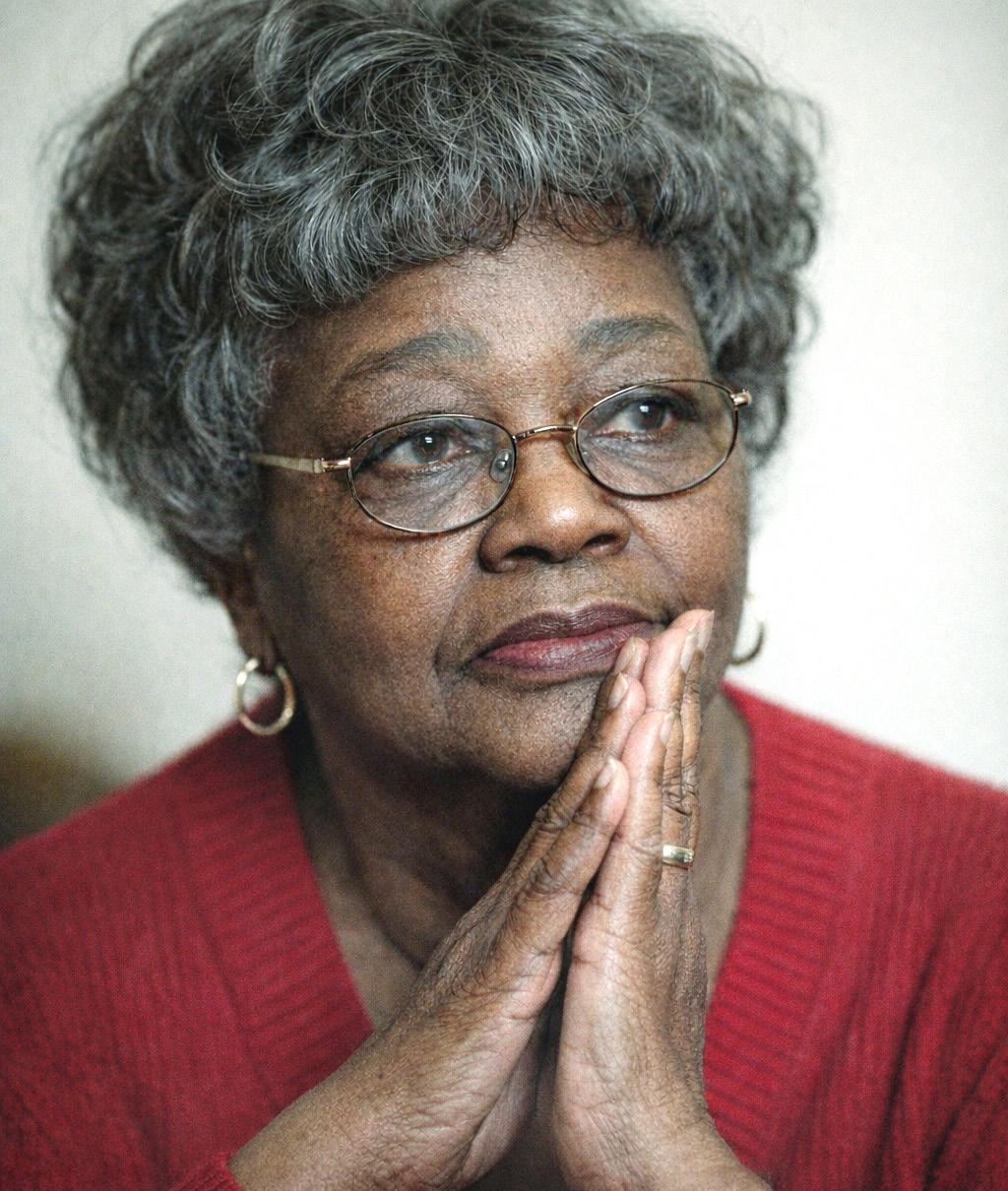
MONTGOMERY, Ala — Claudette Colvin, whose 1955 arrest for refusing to give up her seat on a segregated Montgomery bus helped spark the modern civil rights movement, has died. She was 86.
Her death was announced Tuesday by the Claudette Colvin Legacy Foundation. Ashley D. Roseboro of the organization confirmed she died of natural causes in Texas.
Colvin, at age 15, was arrested nine months before Rosa Parks gained international fame for also refusing to give up her seat on a segregated bus.
Colvin had boarded the bus on March 2, 1955, on her way home from high school. The first rows were reserved for white passengers. Colvin sat in the rear with other Black passengers. When the white section became full, the bus driver ordered Black passengers to relinquish their seats to white passengers. Colvin refused.
“My mindset was on freedom,” Colvin said in 2021 of her refusal to give up her seat.
“So I was not going to move that day,” she said. “I told them that history had
me glued to the seat.”
At the time of Colvin’s arrest, frustration was mounting over how Black people were treated on the city bus system. Another Black teenager, Mary Louise Smith, was arrested and fined that October for refusing to give up her seat to a white passenger.
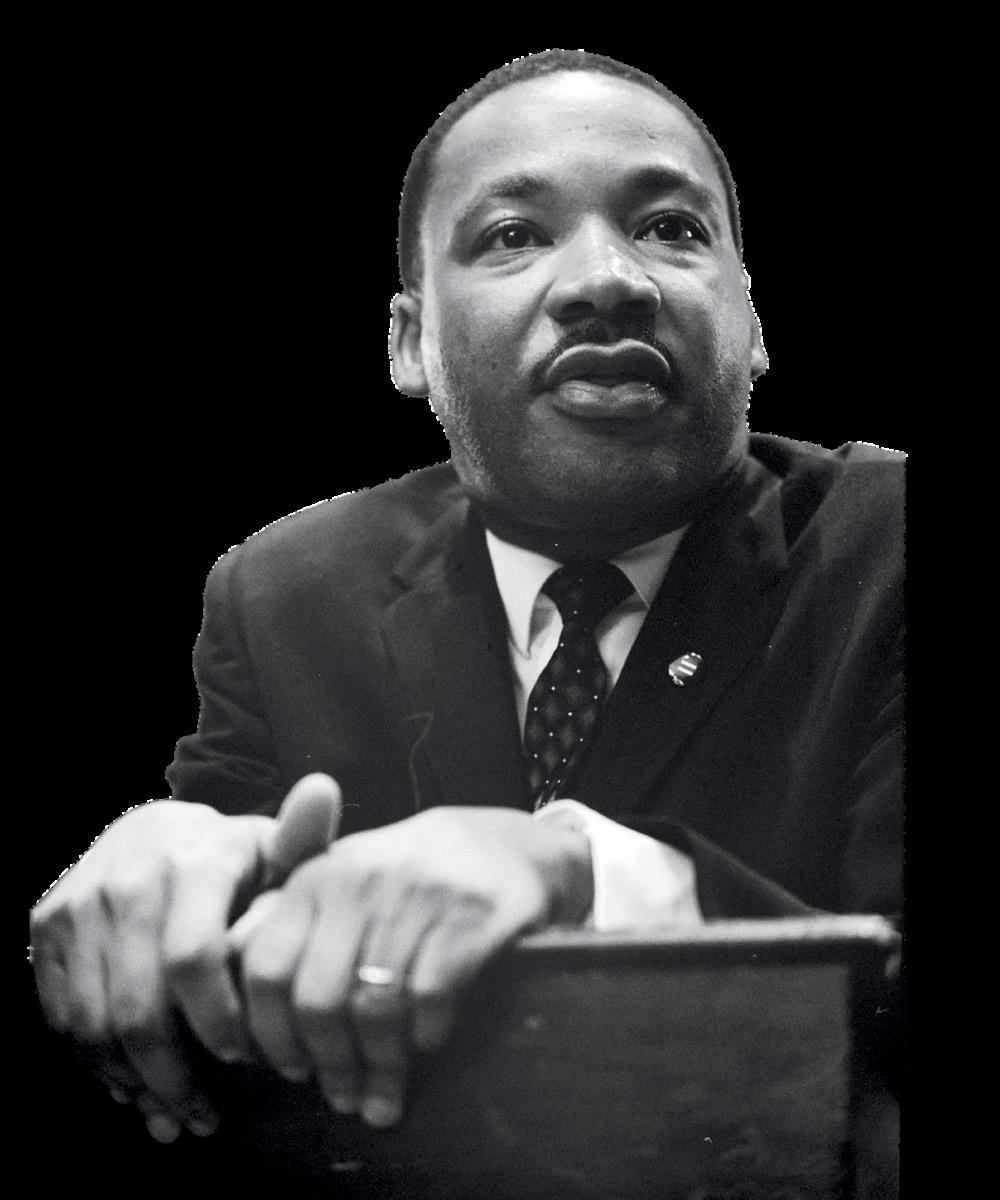
It was the arrest of Parks, who was a local NAACP activist, on Dec. 1, 1955, that became the final catalyst for the yearlong Montgomery Bus Boycott. The boycott propelled the Rev. Martin Luther King Jr. into the national limelight and is considered the start of the modern civil rights movement.
Colvin was one of the four plaintiffs in the landmark lawsuit that outlawed racial segregation on Montgomery’s buses. Her death comes just over a month after Montgomery celebrated the 70th anniversary of the Bus Boycott.
Montgomery Mayor Steven Reed said Colvin’s action “helped lay the legal and moral foundation for the movement that would change America.”
Colvin was never as well-known as Parks, and Reed said her bravery “was too often overlooked.”
“Claudette Colvin’s life reminds us that movements are built not only by


those whose names are most familiar, but by those whose courage comes early, quietly, and at great personal cost,” Reed said. “Her legacy challenges us to tell the full truth of our history and to honor every voice that helped bend the arc toward justice.”
Colvin in 2021 filed a petition to have her court record expunged. A judge granted the request.
“When I think about why I’m seeking to have my name cleared by the state, it is because I believe if that happened it would show the generation growing up now that progress is possible, and things do get better,” Colvin said at the time. “It will inspire them to make the world better.”


Colvin

Request for Qualifications RFQ Number 26-0009
Fuel and Facilities Management and Maintenance Services
Sealed proposals for Fuel and Facilities Management and Maintenance Services will be received on Opengov.com-MEM or by physical copy via USB at the Memphis-Shelby County Airport Authority (Authority), Procurement Department, Memphis International Airport –Receiving Dock, 4150 Louis Carruthers Drive, Memphis, TN 38118, until 2:00 pm local time, on Thursday, February 26, 2026. A listing of all proposers will be posted on Opengov one (1) hour after the response deadline. Responses to the Request for Qualifications will not be publicly opened and read. A packet with submittal instructions, additional data, and response format may be found on the Authority’s website Flymemphis.com or Opengov.com-MEM on or after Tuesday, January 13, 2026.
A pre-proposal meeting will be held on Wednesday, January 28, 2026, at 11:00 am at Authority’s Board Room on the Mezzanine Level, Terminal B of the Memphis International Airport, 2491 Winchester Road, Memphis, TN 38116. All attendees must register at Opengov. com-MEM.
All Respondents are responsible for checking the Authority’s website or Opengov up to the submission deadline for any updates, addenda, or additional information. In accordance with the Authority’s purchasing policies, the Authority will give preference to businesses located in Shelby County, Tennessee when awarding contracts and making purchases, unless prohibited by law. The successful Respondent must sign a contract with the Authority that includes Federal Aviation Administration provisions, if applicable, regarding the Buy American Preference, Foreign Trade Restriction, Davis-Bacon, Debarment and Suspension, Prohibition on Certain Telecommunications and Video Surveillance Services or Equipment, Domestic Preferences for Procurements, and Drug-Free Workplace, all of which are incorporated herein by reference.
The Authority reserves the right to reject any or all responses to this Request for Qualifications in whole or in part; to waive any informalities, technicalities, or omissions related to this Request for Qualifications; and to reject responses on any other basis authorized by the Authority’s purchasing policies.
The Authority is an equal opportunity employer and prohibits discrimination based on the grounds of age, race, sex, color, national origin, disability, marital status, military service, or sexual orientation in its hiring and employment practices and in the admission to, access to, or operation of its programs, services, and activities.
By
order of:
Terry Blue, A.A.E. President and CEO Memphis-Shelby
County Airport Authority
LEGAL NOTICE
Request for Qualifications RFQ Number 260010 Financial Audit Services
Sealed proposals for Financial Audit Services will be received on Opengov.com-MEM or by physical copy via USB at the Memphis-Shelby County Airport Authority (Authority), Procurement Department, Memphis International Airport – Receiving Dock, 4150 Louis Carruthers Drive, Memphis, TN 38118, until 1:00 pm local time, on Wednesday, February 11, 2026. A listing of all proposers will be posted on Opengov one (1) hour after the response deadline. Responses to the Request for Qualifications will not be publicly opened and read. A packet
1509 Madison Ave.
Memphis, TN 38104
PH (901) 523-1818
HOURS: Mon.-Fri. 9 a.m. - 5 p.m.
DEADLINES:
Display ads Friday 5 p.m.
Classifieds ads Monday 5 p.m.
STANDARD RATES:
$8.00 per line for 1 column ad.
with submittal instructions, additional data, and response format may be found on the Authority’s website Flymemphis.com or Opengov.comMEM on or after Tuesday, January 13, 2026.
A pre-proposal meeting will be held on Tuesday, January 20, 2026, at 11:00 am at Authority’s Board Room on the Mezzanine Level, Terminal B of the Memphis International Airport, 2491 Winchester Road, Memphis, TN 38116. All attendees must register at Opengov. com-MEM.
All Respondents are responsible for checking the Authority’s website or Opengov up to the submission deadline for any updates, addenda, or additional information. In accordance with the Authority’s purchasing policies, the Authority will give preference to businesses located in Shelby County, Tennessee when awarding contracts and making purchases, unless prohibited by law. The successful Respondent must sign a contract with the Authority that includes Federal Aviation Administration provisions, if applicable, regarding the Buy American Preference, Foreign Trade Restriction, Davis-Bacon, Debarment and Suspension, Prohibition on Certain Telecommunications and Video Surveillance Services or Equipment, Domestic Preferences for Procurements, and Drug-Free Workplace, all of which are incorporated herein by reference.
The Authority reserves the right to reject any or all responses to this Request for Qualifications in whole or in part; to waive any informalities, technicalities, or omissions related to this Request for Qualifications; and to reject responses on any other basis authorized by the Authority’s purchasing policies.
The Authority is an equal opportunity employer and prohibits discrimination based on the grounds of age, race, sex, color, national origin, disability, marital status, military service, or sexual orientation in its hiring and employment practices and in the admission to, access to, or operation of its programs, services, and activities.
By order of: Terry Blue, A.A.E. President and CEO Memphis-Shelby County Airport Authority
Gestalt Community Schools (GCS) is accepting bids for our Cafeteria Chairs /TablesTraditional or Non- Traditional for the following schools (Power Center Academy Middle School – HH, Power Center Academy High School – 9th grade building and Power Center High School – 10th- 12th grade building . GCS is a public charter school organization that serves students in Shelby County, TN. Proposals must be received by COB Monday, February 2nd, 2026. To request an RFP, please email us at aadeleke@gestaltcs.org or call 901-663-4763.
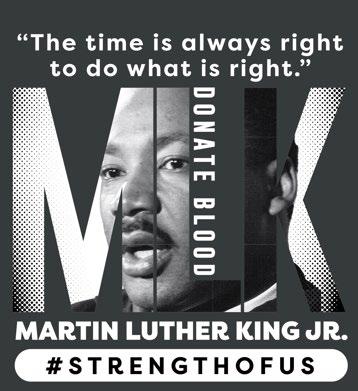
You have the power to transform a life. Join Vitalant and the National Civil Rights Museum for the MLK Spirit of Service Blood Drive on Martin Luther King Junior Day, January 19, 2026.
Click here to make an appointment to donate blood and be a part of something bigger than yourself.

By Terri Schlichenmeyer
Where you from?
That’s perhaps one of the first questions somebody might ask you because the answer tells them a lot. Where did you grow up, where do you live now, what customs do you follow? Who are your people? Where are you from and, as in the new book, “When It’s Darkness on the Delta” by W. Ralph Eubanks, what is that place like now?
When President Lyndon Johnson launched his War on Poverty in 1964, “the public face of [it]… was white” and Appalachian. “Black poverty in the Mississippi Delta mirrored” that which poor white Appalachians experienced, says Eubanks, but policymakers’ race influenced American perceptions of the “war” and, as often happens, little heed was paid to the Delta.
With just over 7,100 square miles of land bordered by bluffs and river, the Delta “was firmly in the hands of the Choctaw Nation” in 1817, when Mississippi became a state. As settlers arrived, its soil became known for its fertility in growing crops, especially cotton. After Emancipation and Black flight to urban areas, Chinese and Italian sharecroppers were hired to work the land, but they didn’t stay; Black sharecroppers did, and during the Great Depression, Herbert Hoover promised to “divide the land of bankrupt planters into small Black-owned
farms if he won the presidency.”
He did win, but he went back on his word. Instead, Franklin Roosevelt’s “New Deal” fulfilled Hoover’s promise, ultimately creating Mileston Plantation, the state’s only “resettlement community,” on which 110 Black families moved and farmed until the Great Depression hit full-force and racism again became a factor in the then-present and future of the Delta.
On Providence Farm — founded by white “theologians and Christian missionaries” some forty miles from where Emmett Till was murdered — a desegregated hospital was established. White leaders helped Black farm workers unionize. The Box Project to combat hunger came from the Delta, and so did the blues. Everything changed there, and nothing did.
Poverty, says Eubanks, was born and still lies “buried deep in the Delta’s soil.”
And yet, there’s beauty, as evidenced in Eubanks’ words, his memories, and the stories he tells. Every sentence in this book is fat with meaning and his love of the land he grew up near — but that can be a trap. Just know that you can’t race through “When It’s Darkness on the Delta.” No, it’s going to demand your time and your full attention.
Offer it, and you’ll see a wide, but microcosmic, view of racism and decay. Eubanks walked the Delta’s fields, looking for detritus of former farms; he drove past what’s left of homes and storefronts on a tour through his memories. He reveals Mississippi’s

Delta through a historical lens and as somewhere ripe for the future, both of which will make readers understand why this biography of place is important reading.
Just don’t rush it. Savor what you’ll find inside this book, and let yourself think about it. “When It’s Darkness on the Delta,” is worthwhile, no matter where you from.
256 pages