













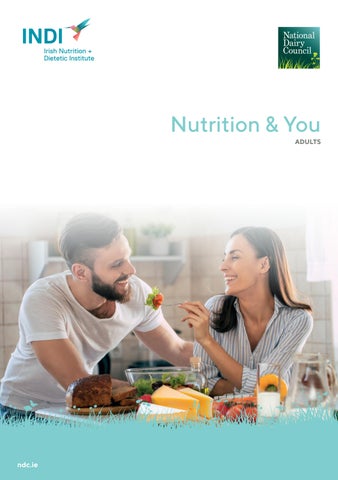
Having a balanced diet is about getting the right amount of nutrients (carbohydrate, protein, fat, vitamins and minerals) that you need to stay healthy.
Having a balanced diet is about getting the right amount of nutrients (carbohydrate, protein, fat, vitamins and minerals) that you need to stay healthy.
Energy and nutrient needs vary depending on factors such as gender, age, body size and activity levels.
Energy and nutrient needs vary depending on factors such as gender, age, body size and activity levels.
The Department of Health’s Food Pyramid provides general healthy eating guidance for adults and children over the age of five years.
The Department of Health’s Food Pyramid provides general healthy eating guidance for adults and children over the age of five years.
The Food Pyramid
Foods and drinks high in fat, sugar and salt
Fats, spreads and oils
Meat, poultry, fish, eggs, beans and nuts


Milk, yogurt and cheese
Wholemeal cereals and breads, potatoes, pasta and rice
Vegetables, salad and fruit
For adults, teenagers and children aged five and over
Source:




























Source: Department of Health, December 2016.























The Food Pyramid categorises food into groups depending on the main nutrients they contain and gives guidelines on the number of servings to be eaten daily from each group. A variety of foods from the bottom four shelves of the Food Pyramid should be chosen every day for a variety of vitamins and minerals.
The Food Pyramid categorises food into groups depending on the main nutrients they contain and gives guidelines on the number of servings to be eaten daily from each group. A variety of foods from the bottom four shelves of the Food Pyramid should be chosen every day for a variety of vitamins and minerals.
Vegetables and fruit provide vitamins, minerals and fibre. Choose 5-7 servings a day, basing meals and snacks on this food group and aiming for a variety of coloured fruit and vegetables.
Vegetables and fruit provide vitamins, minerals and fibre. Choose 5-7 servings a day, basing meals and snacks on this food group and aiming for a variety of coloured fruit and vegetables.
Serving Examples: 1 medium apple, orange, banana or pear; 10 grapes; 16 raspberries; ½ cup cooked vegetables (fresh/frozen); a bowl of salad or homemade vegetable soup.
Serving Examples: 1 medium apple, orange, banana or pear; 10 grapes; 16 raspberries; ½ cup cooked vegetables (fresh/frozen); a bowl of salad or homemade vegetable soup.
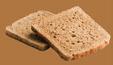
These foods are good energy providers. The number of servings needed from this group depends on age, size, gender and activity level. For adults, 4-7 servings daily are recommended.
These foods are good energy providers. The number of servings needed from this group depends on age, size, gender and activity level. For adults, 4-7 servings daily are recommended (see page 1).
Serving Examples: 2 thin slices wholemeal bread; 1/3 cup dry porridge oats; 2 medium or 4 baby potatoes, 1 cup of cooked pasta, rice, noodles or cous cous.

Serving Examples: 2 thin slices wholemeal bread; cup dry porridge oats; 2 medium or 4 baby potatoes, 1 cup of cooked pasta, rice, noodles or cous cous.

Serving Examples: A 200ml glass of milk; a 125g pot of yogurt; or a 25g piece of hard or semi-hard cheese such as cheddar.
Serving Examples: A 200ml glass of milk; a 125g pot of yogurt; or a 25g piece of hard or semi-hard cheese such as cheddar. 3
Milk, yogurt and cheese contain a number of nutrients, most notably calcium. Three servings from this food group are recommended each day for adults.
Best known for their calcium content, milk, yogurt and cheese contain a host of other important nutrients. Three servings from this food group are recommended each day for adults.






Foods from this group are noted for their protein content. Aim for 2 servings a day. When choosing meat, use lean cuts of meat and limit processed meat (e.g. sausages, bacon and ham). Eat oily fish (e.g. salmon, mackerel) up to twice a week.
Serving Examples: 50-75g of cooked lean beef, pork, lamb or chicken; 100g of cooked fish or tofu; 2 eggs; 40g plain, unsalted nuts or seeds.
Spreads and oils provide essential fats but are only needed in very small amounts. Try steaming, baking, boiling or grilling as alternatives to frying.
Serving Examples: 1 portion pack of reduced-fat spread for 2 slices of bread; 1 teaspoon oil (rapeseed, olive or sunflower) per person.
These top shelf foods are not needed for good health. Avoid having these foods every day – maximum once or twice a week of small or fun-sized servings.
Cereals, cooked rice and pasta, vegetables, salad and fruit
Use a 200ml disposable cup to guide serving size.
Cheese
Use two thumbs, width and depth to guide serving size.

Source: Department of Health, December 2016.
Meat, poultry, fish
The palm of the hand, width and depth without fingers and thumbs, shows how much you need in a day
Reduced-fat spread
Portion packs found in cafés can guide the amount you use. One pack should be enough for two slices of bread.
Oils
Use one teaspoon of oil per person when cooking or in salads.
Women of child-bearing age who could become pregnant should take a supplement of 400 micrograms (µg) of folic acid daily, and continue to take this during the first twelve weeks of pregnancy or until they receive advice from their doctor.
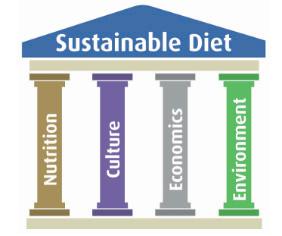
Sustainable diets must be something we can maintain in the long term. Therefore, they should be:
1. Nutritionally adequate, safe and healthy
2. Culturally acceptable and accessible
3. Economically fair and affordable
4. Environmentally protective (respectful of biodiversity and ecosystems) The emphasis on each of these pillars needs to be adjusted so that there is harmony between them. Balancing each one in relation to the other supports sustainability (Figure 1).
• Include an abundance and variety of fruit and vegetables
• Include wholegrains and high fibre carbohydrates
• Boost nutrient intakes with moderate amounts of dairy
• Include legumes and nuts; moderate amounts of eggs, poultry and fish; and small amounts of red meat
• Include safe tap-water as the fluid of choice
• Try not to consume more than you need (see pages 2-3 for suggested serving sizes from the Irish healthy eating guidelines)
• Reduce food waste

• Cognitive function
• Thyroid function
• Growth in children
• Normal skin

• Bone development
• Healthy teeth
• Muscle function
The nutrients in milk contribute to the normal functioning of many processes in our bodies*:
• Nervous system function
• Muscle function
• Blood pressure





• Energy metabolism
• Reduction of fatigue
• Red blood cell formation
• Immune system function












• Bone development
• Healthy teeth
• Energy metabolism
• Muscle growth
• Bone development
• Energy metabolism
• Reduction of fatigue





*not a complete list of functions.

• Nervous system function
• Normal skin
• Normal vision
• Energy metabolism
• Reduction of fatigue
• Mental performance
Source: E U reg ister of nutrition and health claims made on foods


Why do I need to look after my bones during my adult years?
Why do I need to look after my bones during my adult years?
It is important to follow a ‘bone-friendly’ diet and lifestyle throughout our lives. Read on to find out why and how...
It is important to follow a ‘bone-friendly’ diet and lifestyle throughout our lives. Read on to find out why and how...
Our skeleton acts as the frame for our bodies and provides essential functions such as support, movement and protection.
Our skeleton acts as the frame for our bodies and provides essential functions such as support, movement and protection.
Young childhood and the adolescent years are critical stages for bone growth and development, while age-related bone loss means that bone health is also a particular concern for the older generation. However, throughout life, our bones constantly undergo a natural process of ‘remodelling’ where old bone is replaced by new bone.
Young childhood and the adolescent years are critical stages for bone growth and development, while age-related bone loss means that bone health is also a particular concern for the older generation. However, throughout life, our bones constantly undergo a natural process of ‘remodelling’ where old bone is replaced by new bone.
Our bone health and strength is determined to a large extent by factors outside of our control such as genetics, gender and age. However, there are factors that we can control such as our diet and physical activity.
Our bone health and strength is determined to a large extent by factors outside of our control such as genetics, gender and age. However, there are factors that we can control such as our diet and physical activity.


Osteoporosis is a disease which causes bones to become very fragile and they are more likely to fracture as a result. It is known as a ‘silent disease’ as it is often not diagnosed until after a broken bone has already occurred. It is reported that 1 in 5 men and 1 in 2 women over the age of 50 will develop a fracture due to osteoporosis in their lifetime.

Osteoporosis is a disease which causes bones to become very fragile and they are more likely to fracture as a result. It is known as a ‘silent disease’ as it is often not diagnosed until after a bone has been broken. It is estimated that 1 in 5 men and 1 in 2 women over the age of 50 will develop a fracture due to osteoporosis in their lifetime. For more information, see mindyourbones.ie.















A balanced diet which provides the correct amount of nutrients is important for our bones. Most people are aware of calcium as a nutrient associated with bone health; in fact, about 99% of the body’s calcium is found in our bones and teeth. This mineral is needed for the normal growth and development of bones in children and for the maintenance of bones throughout life.
Milk, yogurt and cheese are among the best dietary sources of calcium, as well as providing protein and phosphorus which also contribute to our bone health.
Vitamin D is another key nutrient for our bones. It is known as ‘the sunshine vitamin’ as it is made by the action of sunlight on the skin. Vitamin D is also found in food but in small amounts and sources are limited. Food sources include oily fish (e.g. salmon, mackerel); egg (yolk); and dairy products fortified with vitamin D. Healthy adults (1865 years) should take a daily vitamin D supplement containing 15 micrograms (µg) from the end of October to March for those of fair-skinned ethnicity and throughout the full year for those of darker-skinned ethnicity.
Regular participation in ‘weight-bearing’ activities is also essential. Weight-bearing activities are any activities that put the full weight of our body on our feet and legs.
Examples include:
• Brisk walking
• Running/jogging
• Tennis
• Dancing
• Most team sports
Other bone-friendly advice includes maintaining a healthy body weight, avoiding excessive alcohol intake and not smoking.
Remember if you have any concerns; speak to your GP who can give advice specifically for you.

Overweight and obesity remain critical public health concerns. People living with overweight or obesity are at an increased risk of a broad range of health problems including: type 2 diabetes, high blood pressure, certain types of cancers, physical symptoms such as back pain and breathlessness and psychological issues such as depression and low self-esteem.
Waist Size: Position a measuring tape around your waist and measure waist size (circumference) at the halfway point between your lowest rib and the top of your hipbone. Check your measurement against the figures below:
Men
Greater than 40 inches (102cm)
Women Greater than 35 inches (88cm)
Body Mass Index (BMI): This is a simple calculation which involves dividing your weight (in kilograms) by the square of your height (in metres) i.e. weight (kg) / height2 (m2). Check which category you fall into:
Classification
Underweight
Healthy normal
Overweight
Obese
Kg/m 2
Less than 18.5
18.5 to 24.9
25.0 to 29.9
Greater than or equal to 30.0
A healthy, balanced diet and a physically active lifestyle remain the cornerstone for effective weight management. The key is to develop a lifestyle approach which is sustainable in the long-term. Some useful tips include:
A healthy, balanced diet and a physically active lifestyle remain the cornerstone for effective weight management. The key is to develop a lifestyle approach which is sustainable in the long-term. Some useful tips include:
• Beware of fad diets. These tend to be extreme and unbalanced.
• Beware of fad diets. These tend to be extreme and unbalanced.
• Develop a structured eating routine and avoid skipping meals. Base choices on healthy eating guidelines.
• Develop a structured eating routine and avoid skipping meals. Base choices on healthy eating guidelines.
• Be mindful of portion sizes both at home and when eating out (see pages 2-3).
• Be mindful of portion sizes both at home and when eating out (see pages 2-3).
• Schedule physical activity into your routine.
• Schedule physical activity into your routine.
• Planning, organisation and preparation are key e.g. batch cooking healthy meals for the freezer can help you stick to your healthy eating plan.
• Planning, organisation and preparation are key e.g. batch cooking healthy meals for the freezer can help you stick to your healthy eating plan.
• Support and encouragement from family and friends can be a key ingredient in a weight management plan. You may even inspire others!
• Support and encouragement from family and friends can be a key ingredient in a weight management plan. You may even inspire others!


Although the ‘milk, yogurt and cheese’ food group forms part of the Department of Health’s dietary guidelines, some people may feel that they should avoid or limit their intake in order to lose weight. This is due to a misconception that all dairy products are high in fat. However, you may be surprised to hear that whole (‘full-fat’) milk typically contains 3.5 % fat; with the low-fat varieties containing even less.
Although the ‘milk, yogurt and cheese’ food group forms part of the Department of Health’s dietary guidelines, some people may feel that they should avoid or limit their intake in order to lose weight. This is due to a misconception that all dairy products are high in fat. However, you may be surprised to hear that whole (‘full-fat’) milk typically contains 3.5 % fat; with the low-fat varieties containing even less.

There is also a wide range of yogurt and cheese varieties on our supermarket shelves to choose from, with low-fat versions remaining sources of important nutrients such as calcium, protein and B vitamins. As with all foods, serving size is key to consider when managing body weight (see pages 2-3).

There is also a wide range of yogurt and cheese varieties on our supermarket shelves to choose from, with low-fat versions remaining sources of important nutrients such as calcium, protein and B vitamins. As with all foods, serving size is key to consider when managing body weight (see pages 2-3).





















There are many health benefits to being active. For example, regular exercise can give us more energy; reduce stress levels; help maintain a healthy body weight; and help improve heart, lung, muscle and bone strength.
There are many health benefits to being active. For example, regular exercise can give us more energy; reduce stress levels; help maintain a healthy body weight; and help improve heart, lung, muscle and bone strength.




The National Guidelines on Physical Activity recommend that adults take part in at least 30 minutes of moderate intensity activity a day on five days a week (or 150 minutes a week).


The National Guidelines on Physical Activity recommend that adults take part in at least 2.5-5 hours of moderate intensity aerobic activity throughout the week and muscle-strengthening activities on 2 or more days.




If inactive, start off slowly and gradually increase the duration, frequency or intensity of your activity. The good news is that shorter bouts of activity of at least ten minutes can count towards the guidelines. If you are planning to change your activity pattern, and you have any concerns, seek advice from your doctor.


If inactive, start off slowly and gradually increase the duration, frequency and intensity of your activity. The good news is that shorter bouts of activity of at least ten minutes can count towards the guidelines. If you are planning to change your activity pattern, and you have any concerns, seek advice from your doctor.
To maintain a healthy weight, or if weight loss is your goal, specific guidelines apply (see www.getirelandactive.ie).
To maintain a healthy weight, or if weight loss is your goal, specific guidelines apply (see www.getirelandactive.ie).
Moderate intensity activities increase your heart and breathing rates, but you should still be able to comfortably carry out a conversation. Examples of such activities include: brisk walking (a mile in 15-20 minutes), medium-paced swimming and general gardening activities.
Moderate intensity activities increase your heart and breathing rates, but you should still be able to comfortably carry out a conversation. Examples of such activities include: brisk walking (a mile in 15-20 minutes), medium-paced swimming and general gardening activities.



When participating in vigorous intensity activities, your breathing is heavy, heart rate is faster and it is difficult to carry out a conversation. Examples include: jogging/running, rope skipping and certain dance styles.

When participating in vigorous intensity activities, your breathing is heavy, heart rate is faster and it is difficult to carry out a conversation. Examples include: jogging/running, rope skipping and certain dance styles.








You can take part in moderate or vigorous activities as part of the guidelines, or a combination of both. Generally, one minute of vigorous activity equals two minutes of moderate activity.
You can take part in moderate or vigorous activities as part of the guidelines, or a combination of both. Generally, one minute of vigorous activity equals two minutes of moderate activity.
It is advised to include muscle-strengthening activities (e.g. step aerobics, hand-held weights, carrying groceries) and endurance activities (e.g. walking, running, swimming, cycling) on 2-3 days per week.
It is advised to include muscle-strengthening activities (e.g. step aerobics, handheld weights, carrying groceries) and endurance activities (e.g. walking, running, swimming, cycling) on 2-3 days per week.
You don’t need to join a gym to include activity in your day!
Some tips include...
You don’t need to join a gym to include activity in your day!
Some tips include...
• Walk or cycle to work if practical - or at least park a bit further away from the office door!
• Walk or cycle if practical - or at least park a bit further away from where you need to go!
• Swap some ‘screen-time’ (TV, computer, tablet, phone) with a brisk walk.
• Put extra effort into daily chores such as vacuuming, gardening or washing windows.
• Swap some ‘screen-time’ (TV, computer, tablet, phone) for a brisk walk.
• Include the whole family on a walk, cycle or swim.
• Put extra effort into daily chores such as vacuuming, gardening or washing windows.
• Include the whole family on a walk, cycle or swim.
• Take part in a group event with friends and family such as a charity run or walk.
• Take part in a group event with friends and family such as a charity run or walk.

Irish dairy cows graze on luscious green grass for most of the year – making the quality and flavour of our dairy products internationally renowned. Irish dairy has one of the lowest carbon footprints internationally. This is due to its efficient, grassbased production system. The latest Irish data from Origin Green (2025) shows a 13% average reduction on CO2 per unit of milk, with efforts continuing to improve.
Recommended serving size
200ml
125g
25g
Milk is perfect over wholegrain cereal, in smoothies, or to make a milky latte.
Yogurt is ideal over homemade granola and berries; in a smoothie or as an on-the-go snack.
Cheese is delicious on wholegrain toast or grated over a baked potato.
The National Dairy Council www.ndc.ie
Irish Nutrition and Dietetic Institute - Factsheets www.indi.ie/all-food-facts-and-fact-sheets
Safefood www.safefood.net
Department of Health - The Food Pyramid (2016) www.gov.ie/en/healthy-ireland/publications/the-food-pyramid/
Dental Health Foundation www.dentalhealth.ie
Get Ireland Active - Promoting Physical Activity in Ireland www.getirelandactive.ie
Irish Osteoporosis Society www.irishosteoporosis.ie
Image credits
Front cover: 1. iStock.com/Povozniuk
Page 2: iStock.com/hayatikayhan
Page 6: iStock.com/AngiePhotos
Page 7: iStock.com/panic_attack
Page 9: iStock.com/Ljupco
Page 10: iStock.com/walik
Page 11: iStock.com/kristian sekulic
This booklet is a general nutrition information resource and is not tailored to individual dietary requirements.
t: +353 1 290 2451
e: publications@ndc.ie
w: ndc.ie

Updated December 2025